Home Quiz Old Paper PPT

Ppt on Producion technology of turnip

Description

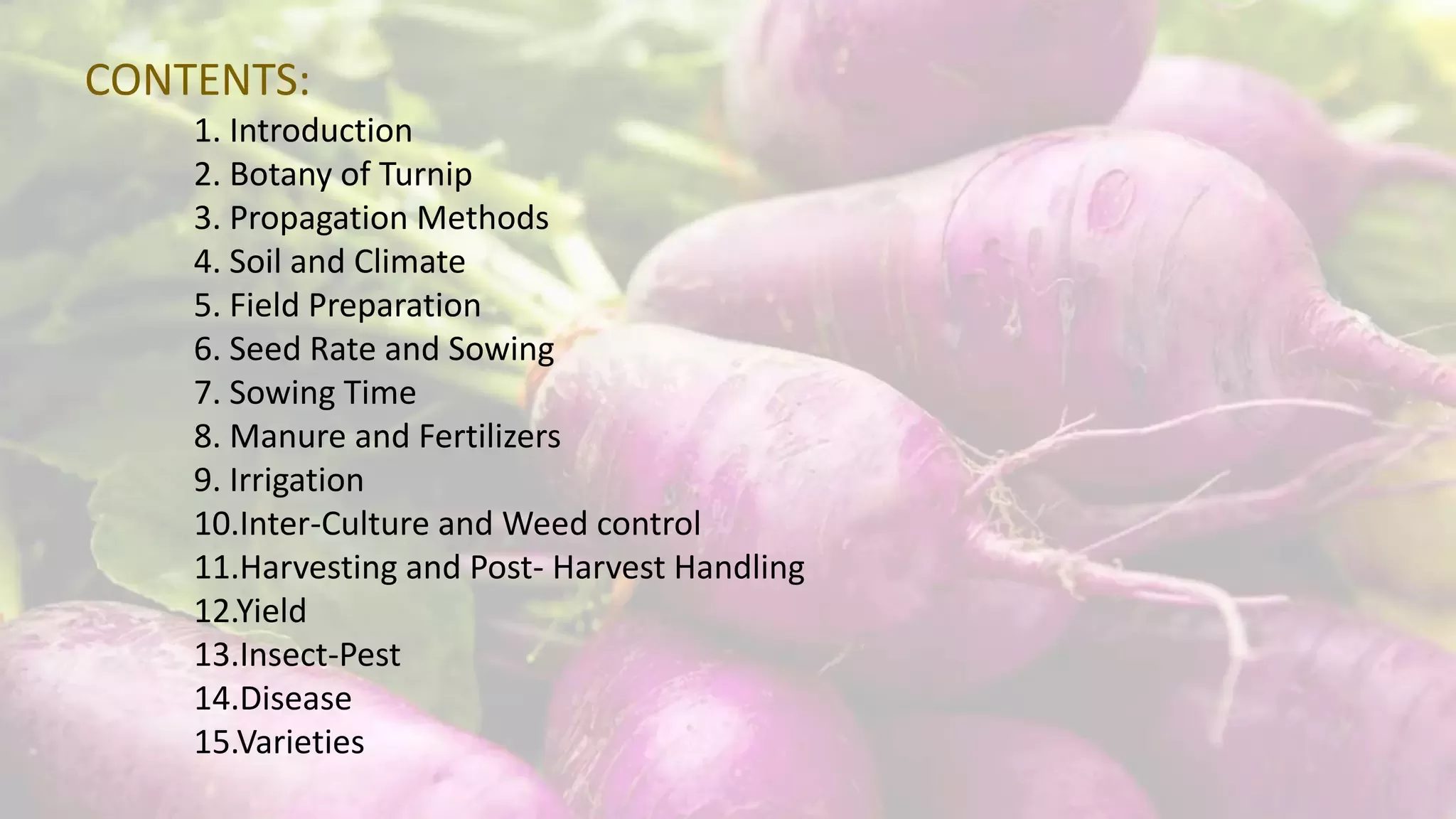
**Turnips: A Comprehensive Guide for Cultivation and Care**

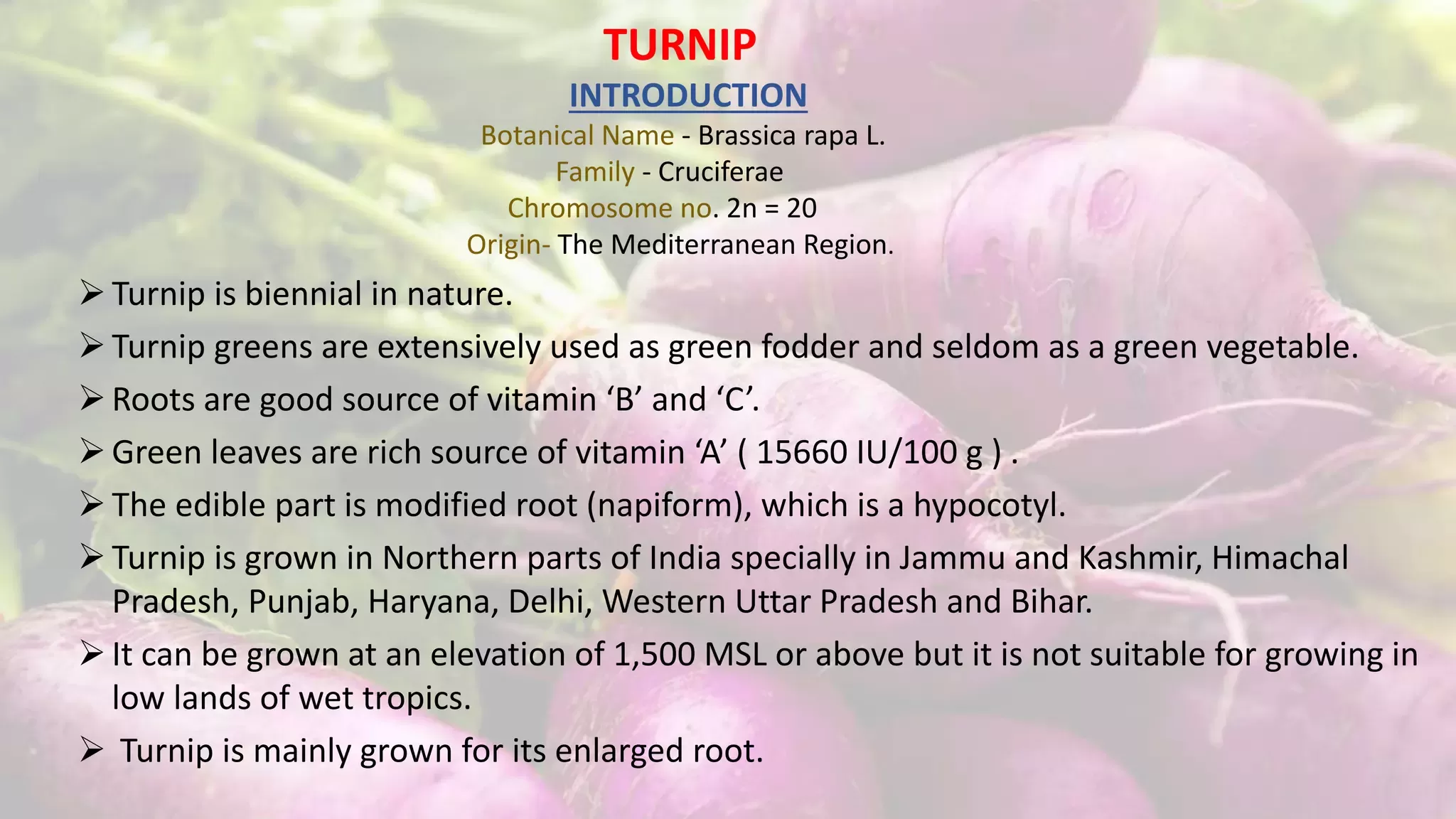
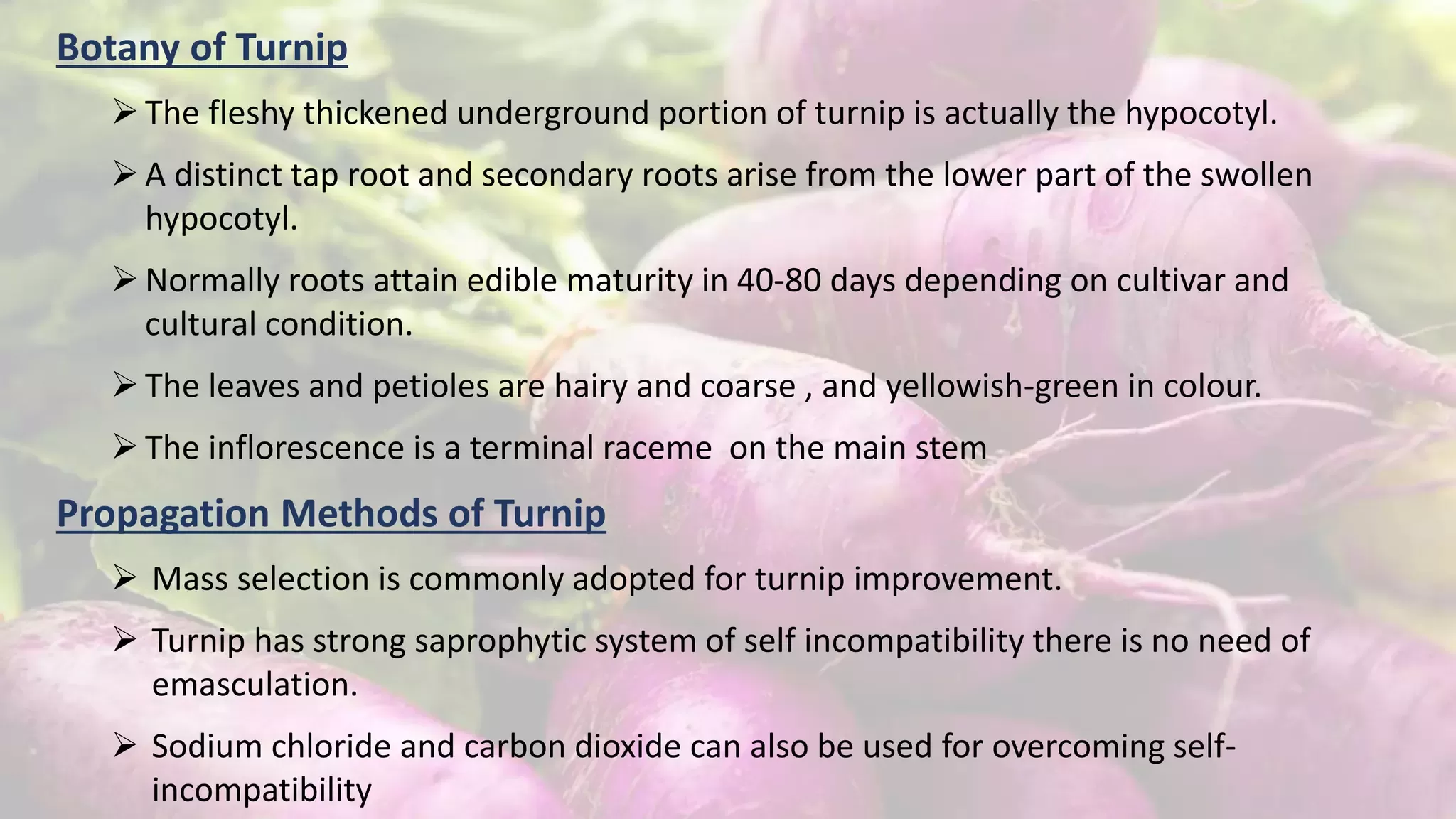
Turnips, botanically known as *Brassica rapa L.*, belong to the Cruciferae family and are recognized for their biennial nature. Originating from the Mediterranean region, these versatile root vegetables thrive particularly well in the northern regions of India, including states like Jammu and Kashmir, Himachal Pradesh, and Punjab. The edible part of the turnip is a modified root known as the hypocotyl, which can be a significant source of vitamins B and C, while its green leaves are rich in vitamin A. This article explores the essentials of turnip cultivation, including growth conditions, soil requirements, and effective pest management strategies.

### Botany and Growth Conditions

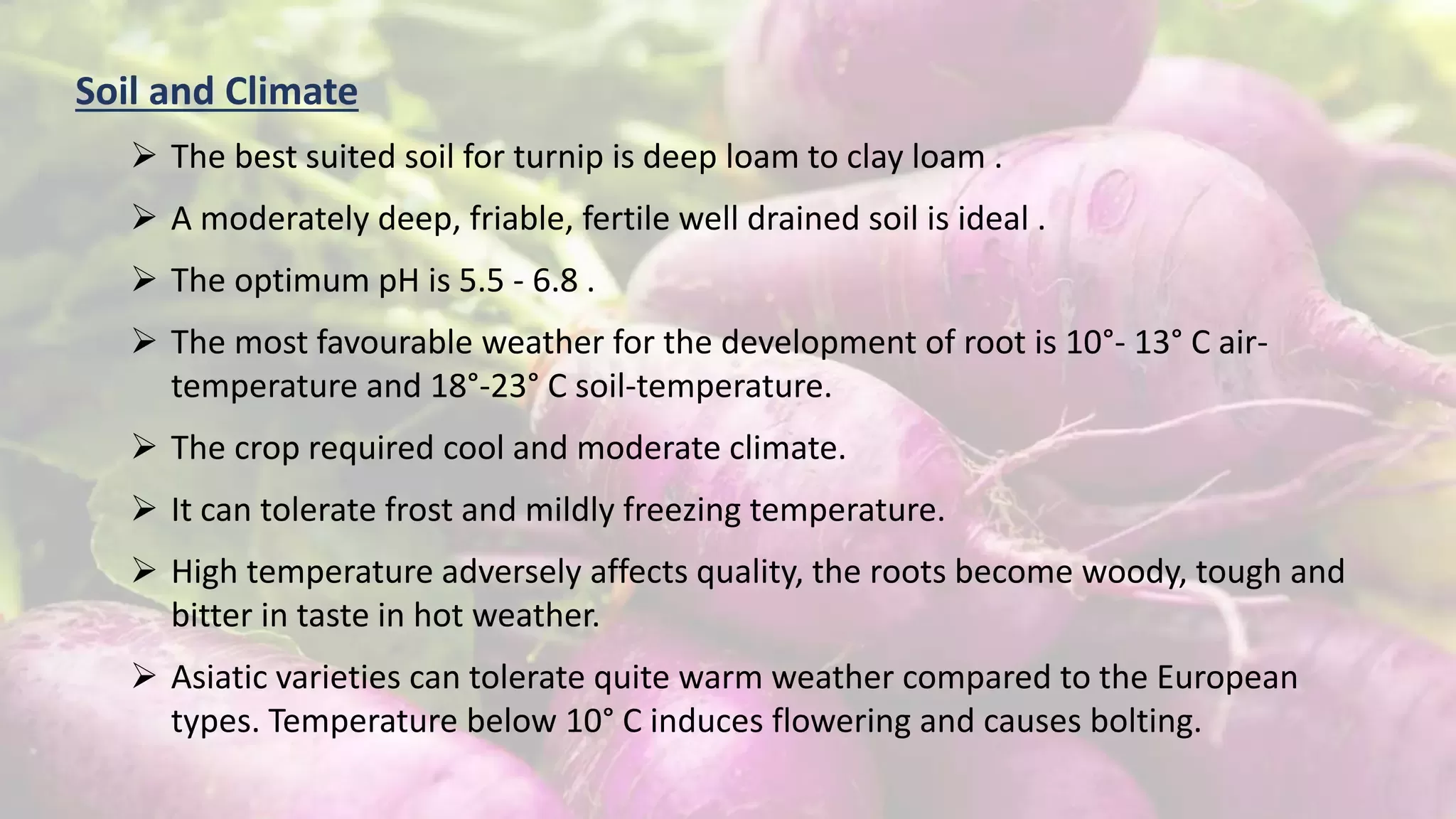
Turnips develop a thickened underground hypocotyl that acts as a storage organ. The plant generally reaches maturity within 40 to 80 days, influenced by various factors, including cultivar choices and climatic conditions. Ideal soil for turnip cultivation is deep loam to clay loam, with a pH range of 5.5 to 6.8. Cool weather between 10°C to 13°C air temperature encourages optimal root development, as high temperatures can lead to tough and bitter tasting roots.

### Preparing for Cultivation

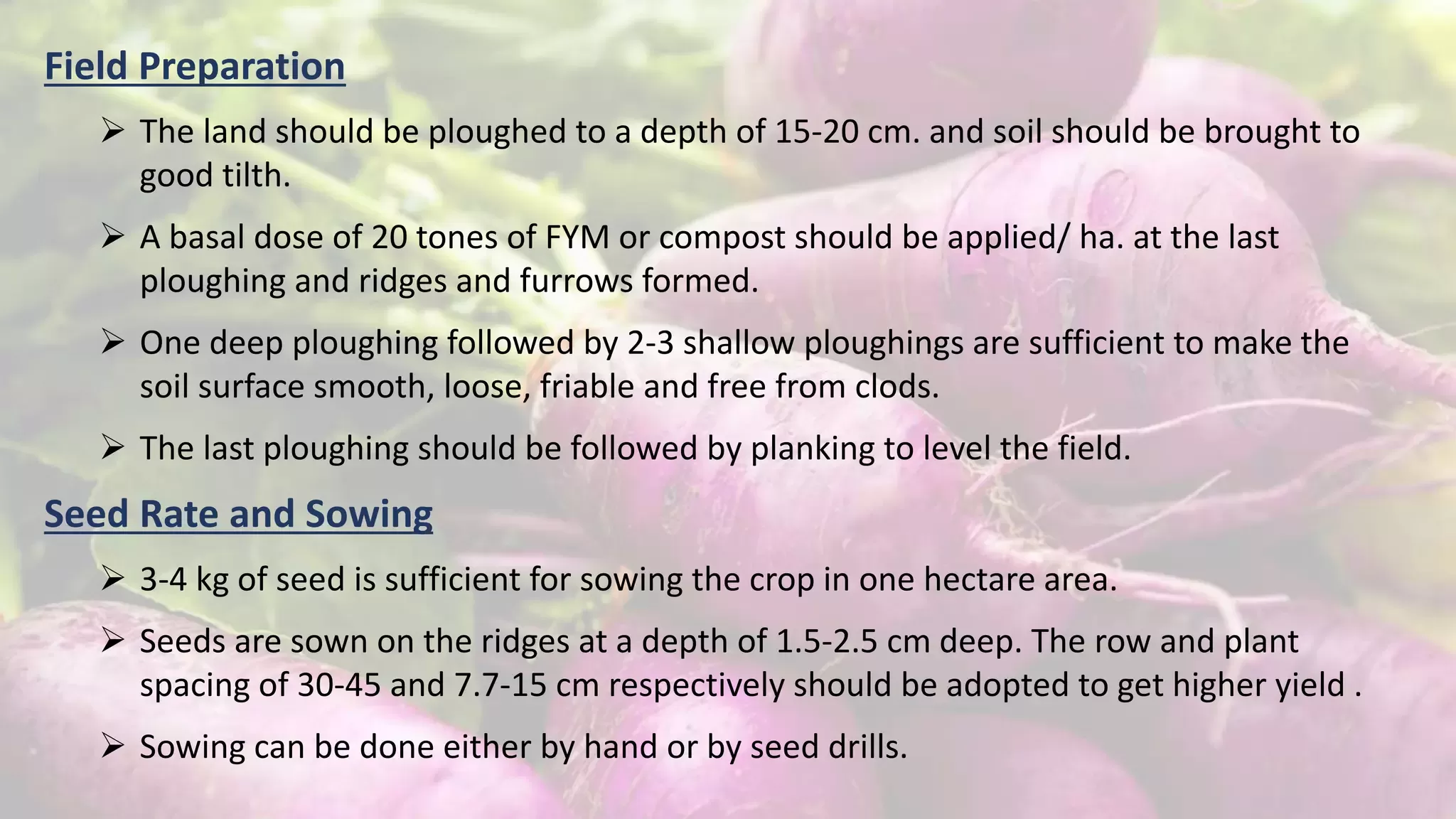
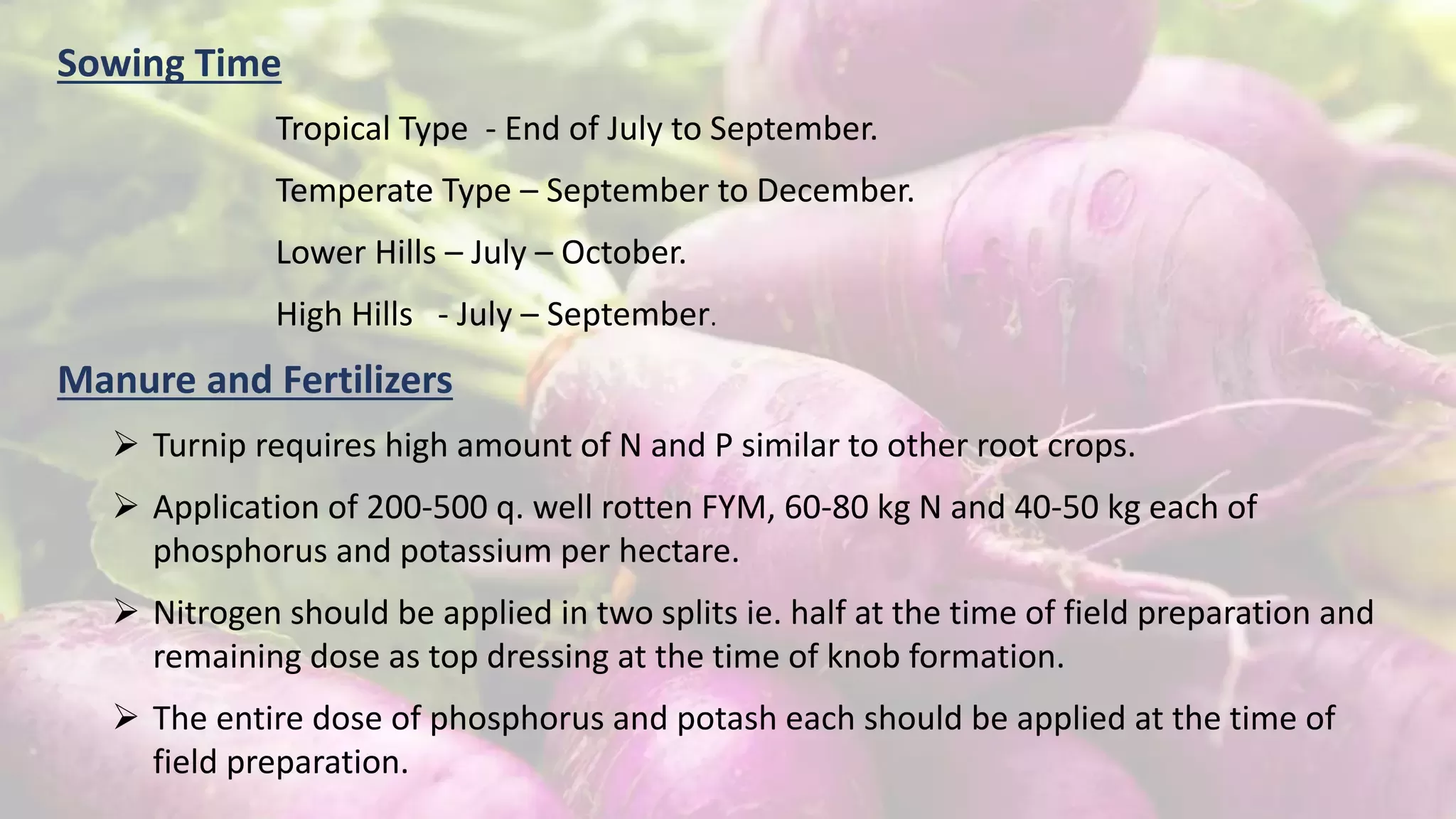
Proper field preparation is crucial for successful turnip growth. The land should be ploughed to a depth of 15-20 cm with a balanced application of organic manure to ensure soil fertility. Sowing typically occurs from late July to December, depending on the region, using 3-4 kg of seeds per hectare. The spacing between rows and plants is essential for maximizing yields.

### Nutrient and Water Management

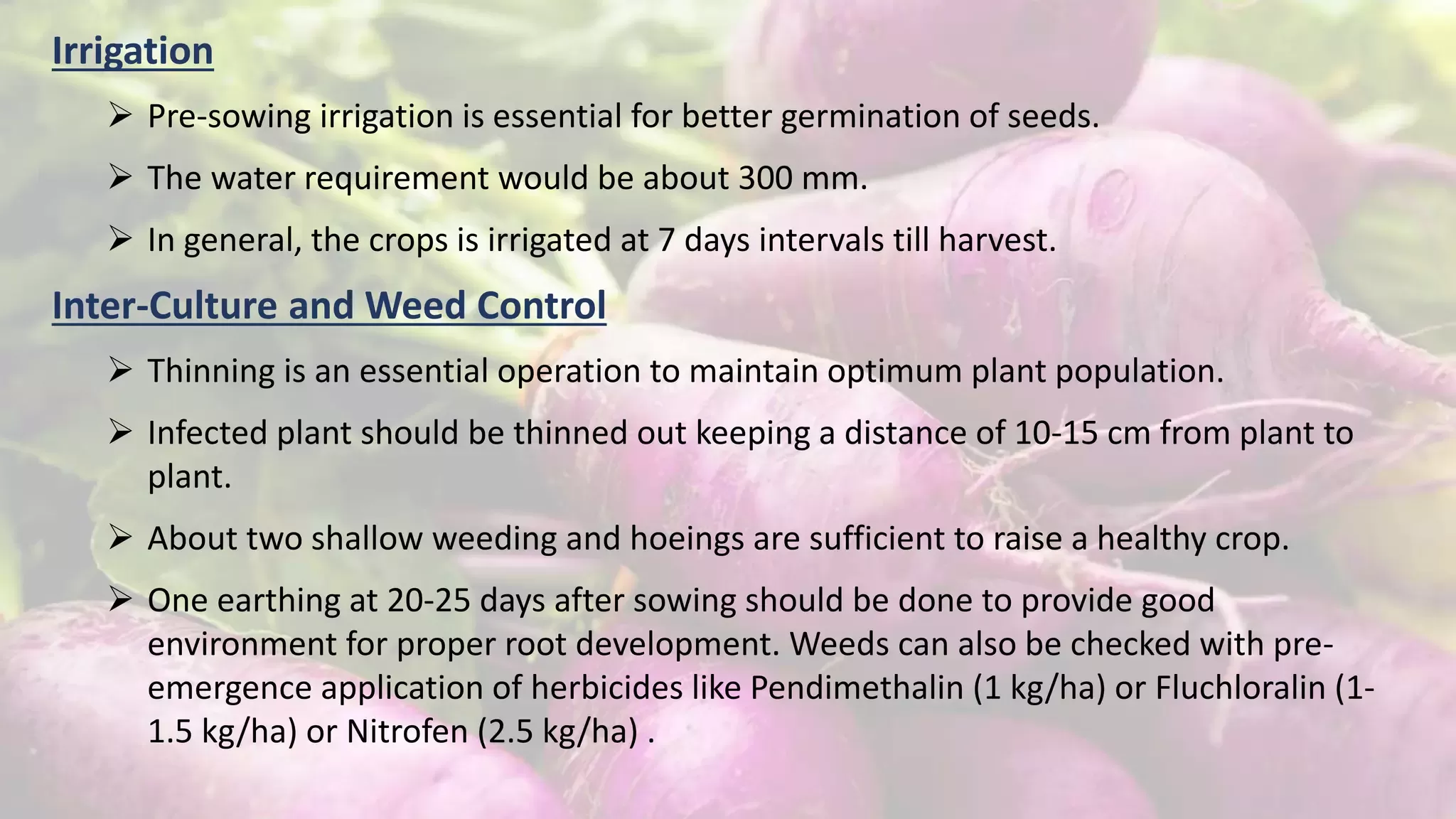
Turnips require a balanced nutrient supply, particularly nitrogen, phosphorus, and potassium, to thrive. Regular irrigation is vital, with an average requirement of about 300 mm. The schedule usually includes pre-sowing irrigation followed by consistent watering to maintain soil moisture levels.

### Inter-Cultural Practices

Maintaining plant health through inter-culture practices is important. Thinning is necessary to avoid overcrowding, and weeding should be conducted every few weeks to minimize competition for resources. Herbicides can also play a role in controlling weed growth effectively.

### Harvesting and Handling

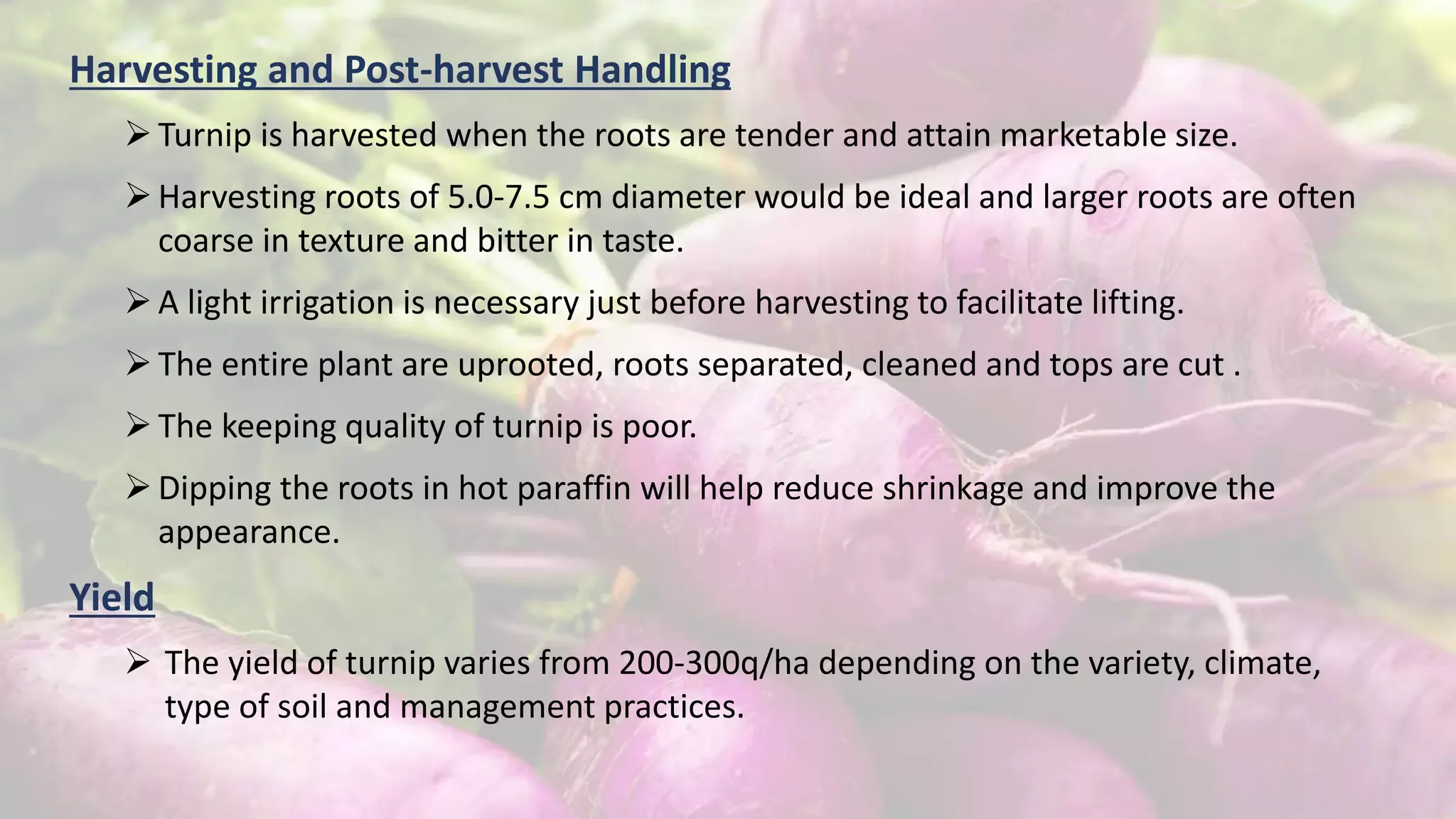
Understanding the right time to harvest is critical to ensuring the quality of turnips. Roots should be collected when they reach a diameter of 5-7.5 cm. Post-harvest handling, including irrigation just before harvesting, helps in the easy lifting of plants, thereby maintaining their quality.

### Pest and Disease Management

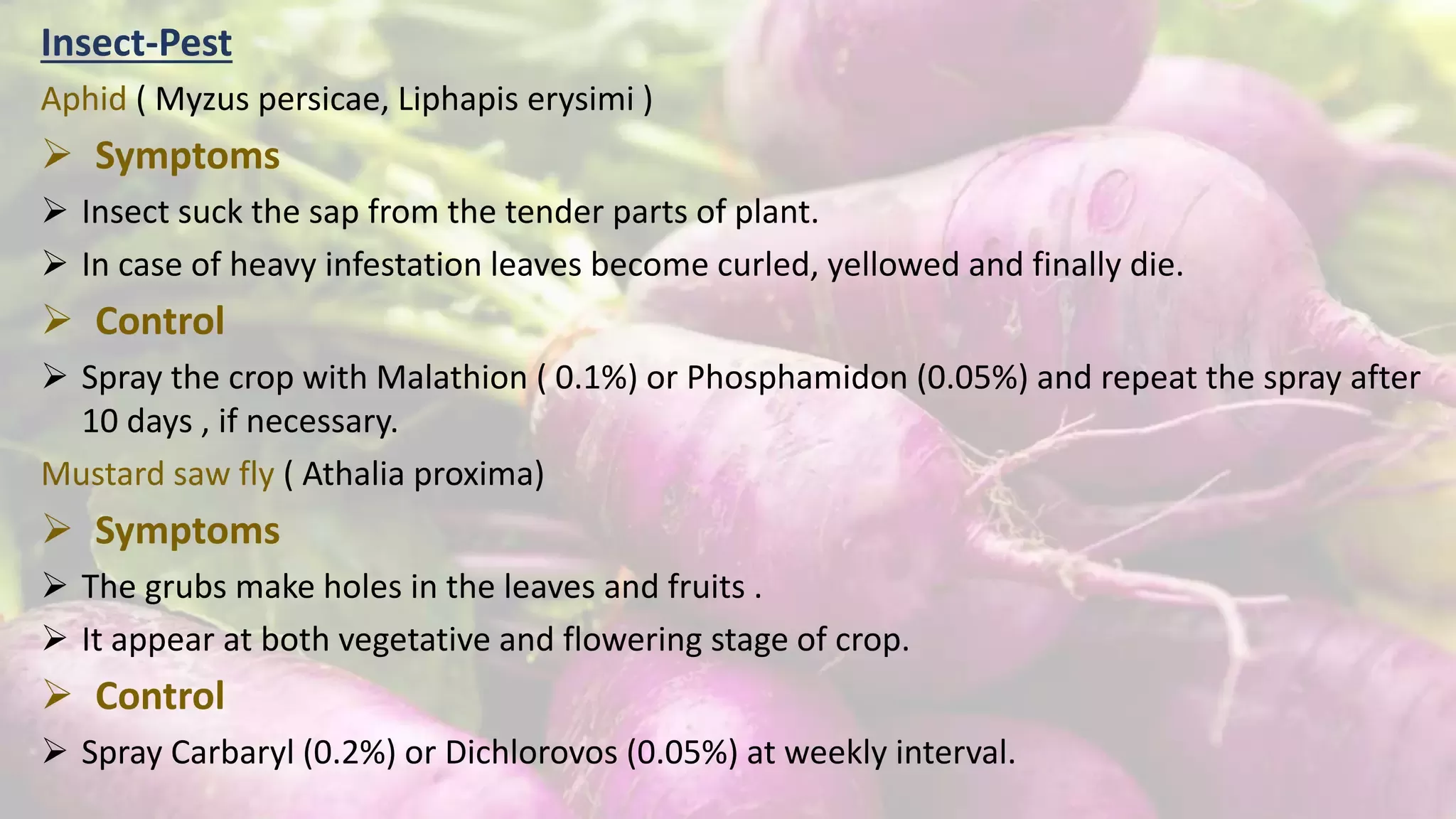
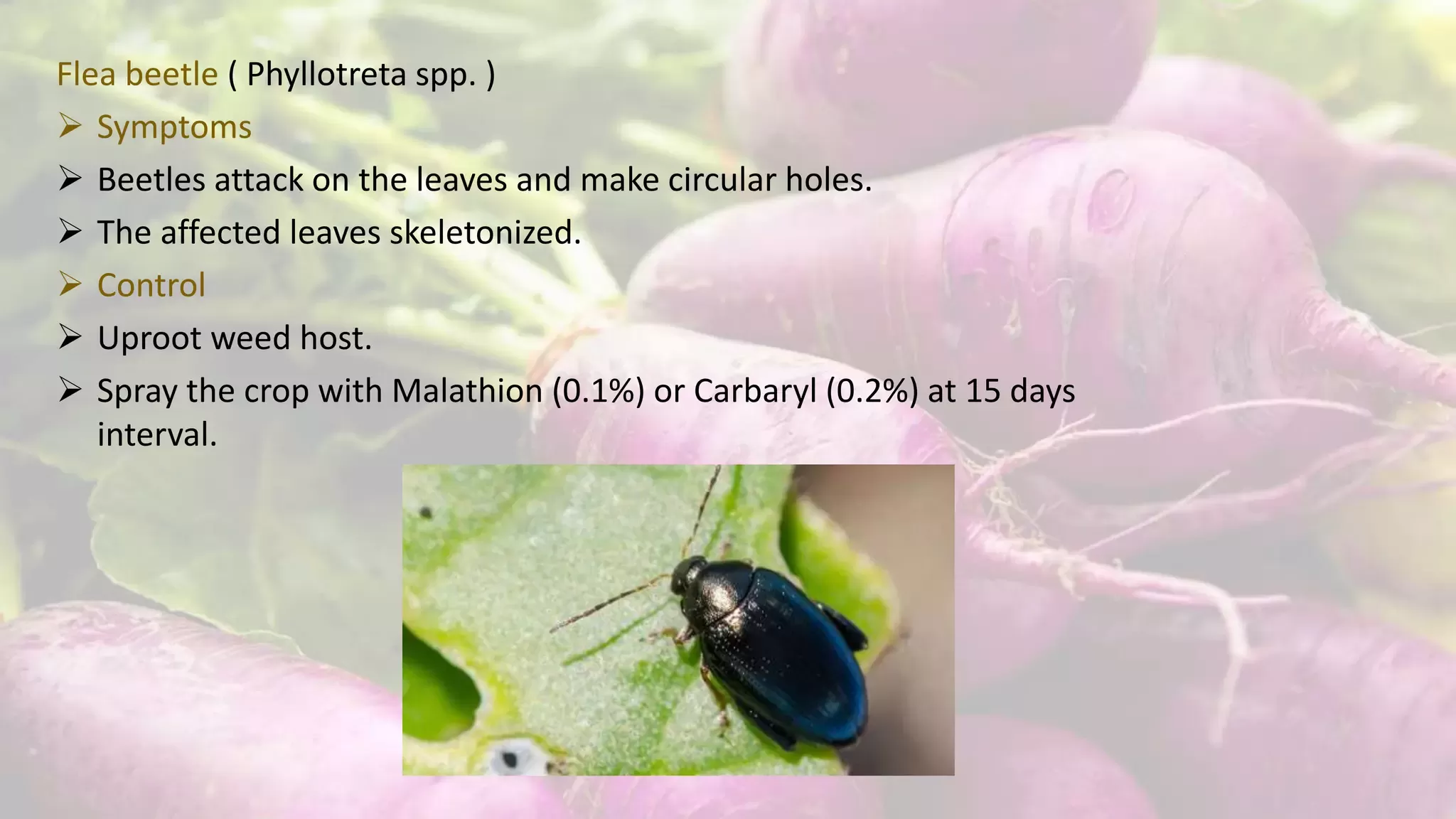
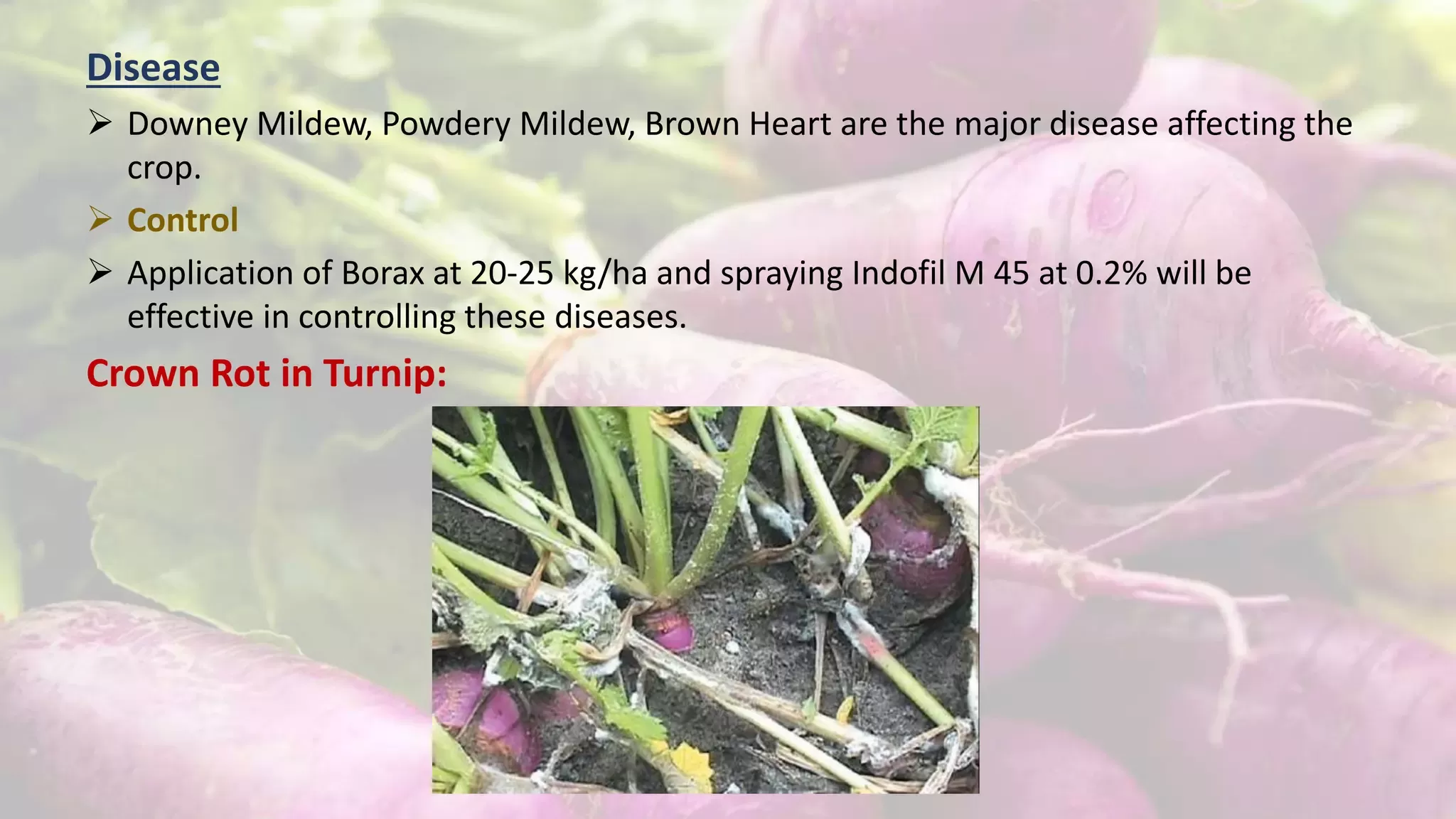
Turnips can be susceptible to various pests, including aphids and flea beetles, which can cause significant damage if not managed promptly. Regular monitoring and timely pesticide application can help control infestations effectively. Additionally, diseases like downy and powdery mildew require specific management practices, including the use of borax and fungicides.

### Varieties of Turnips

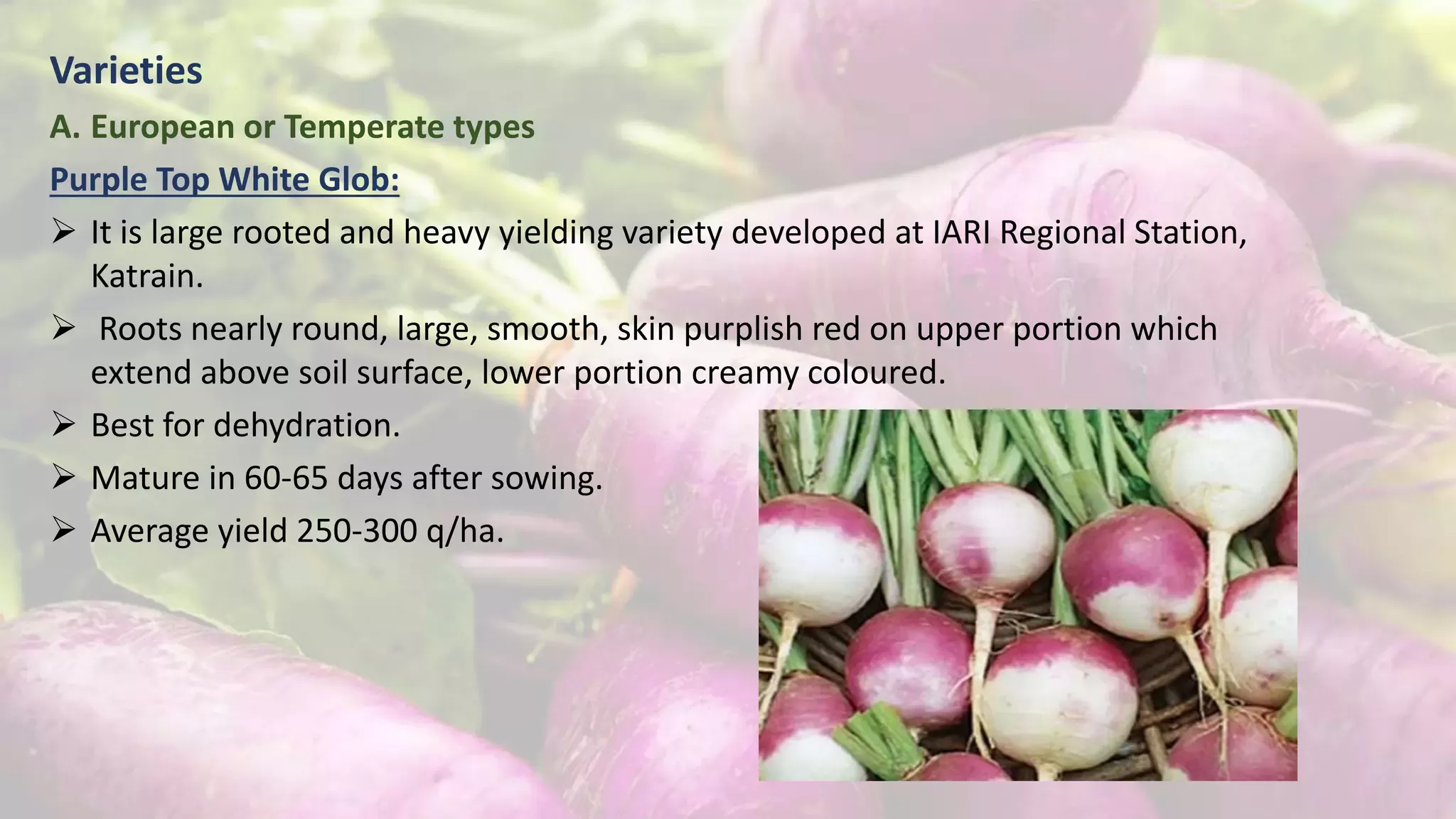
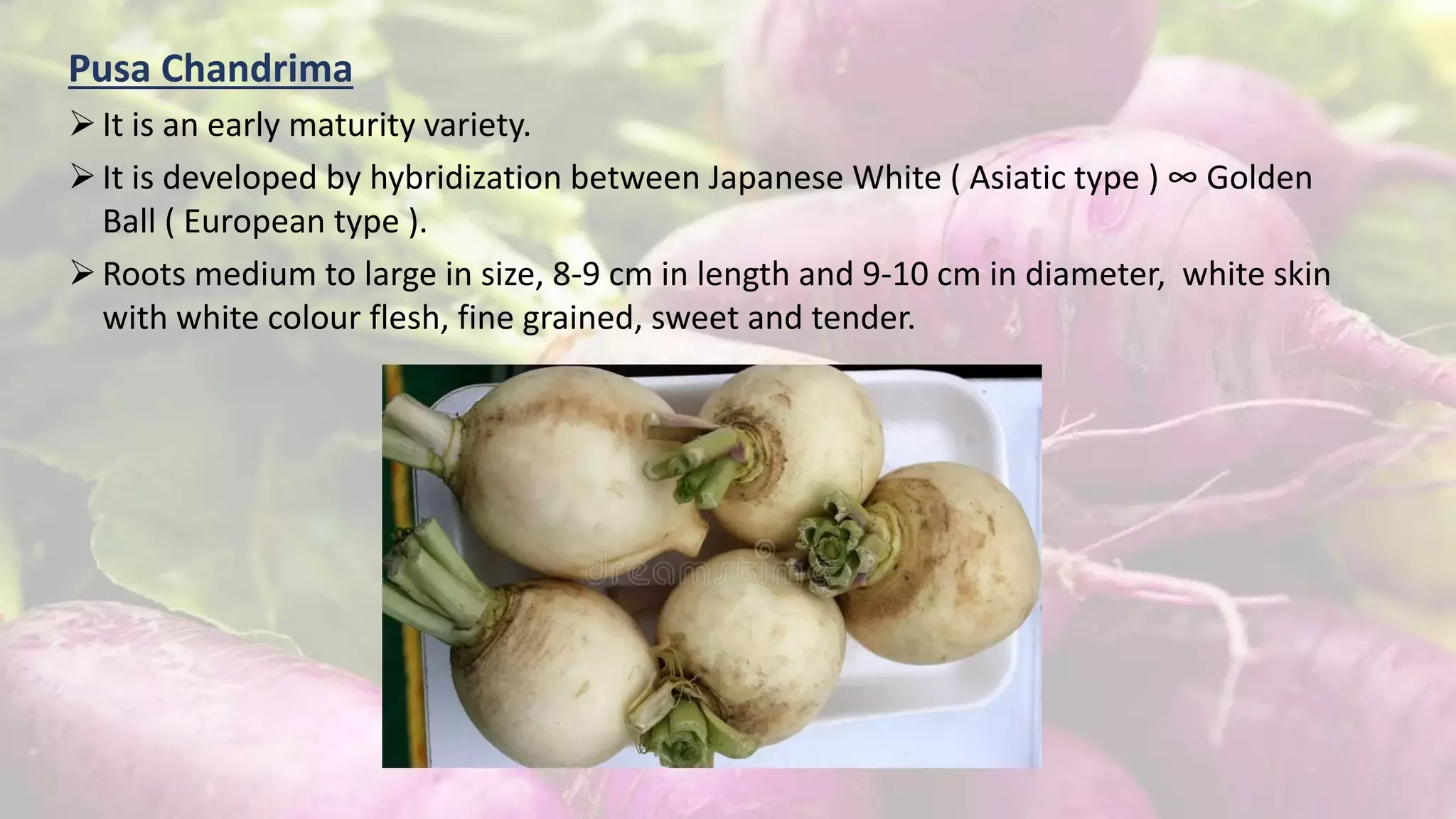
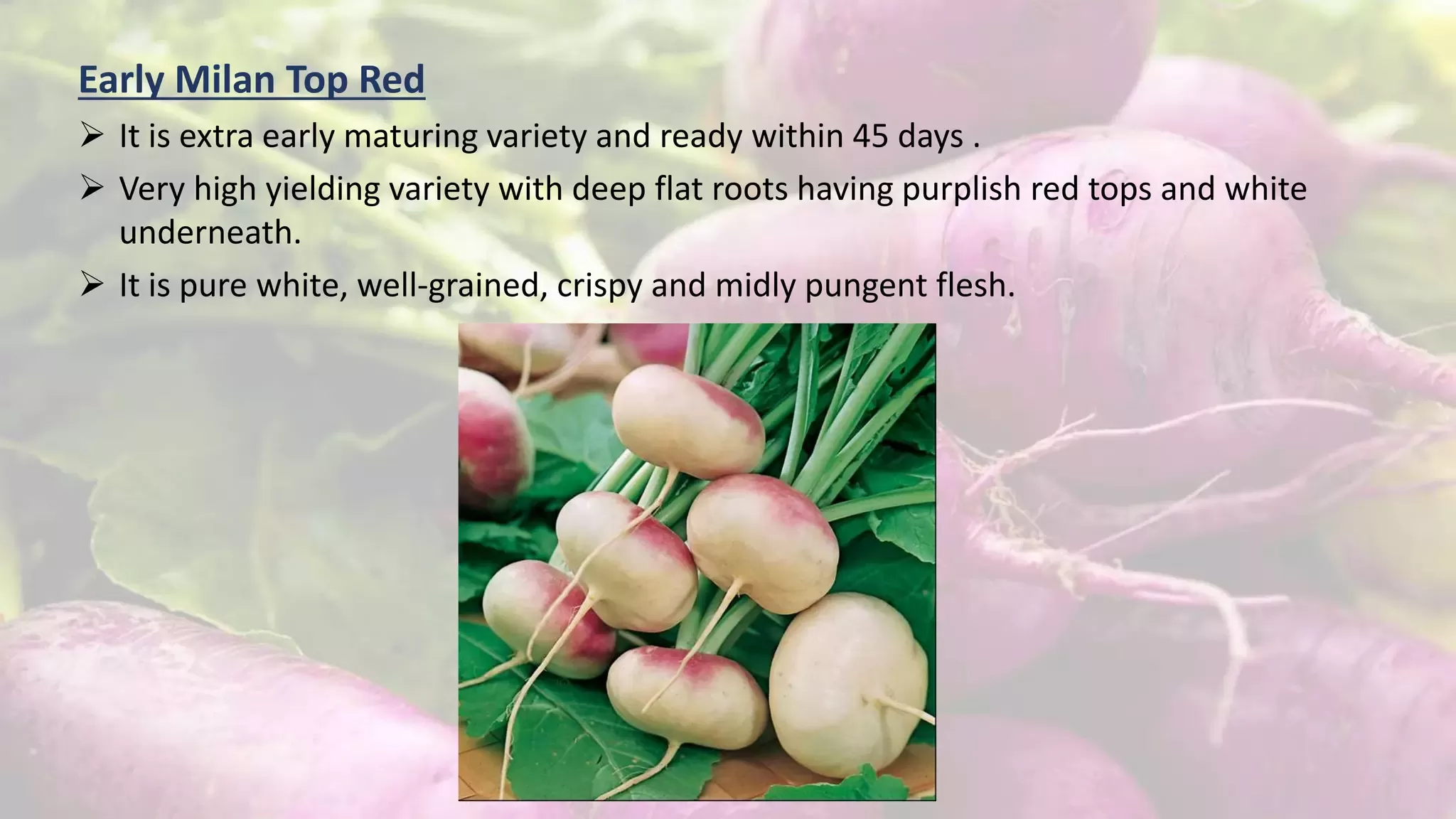
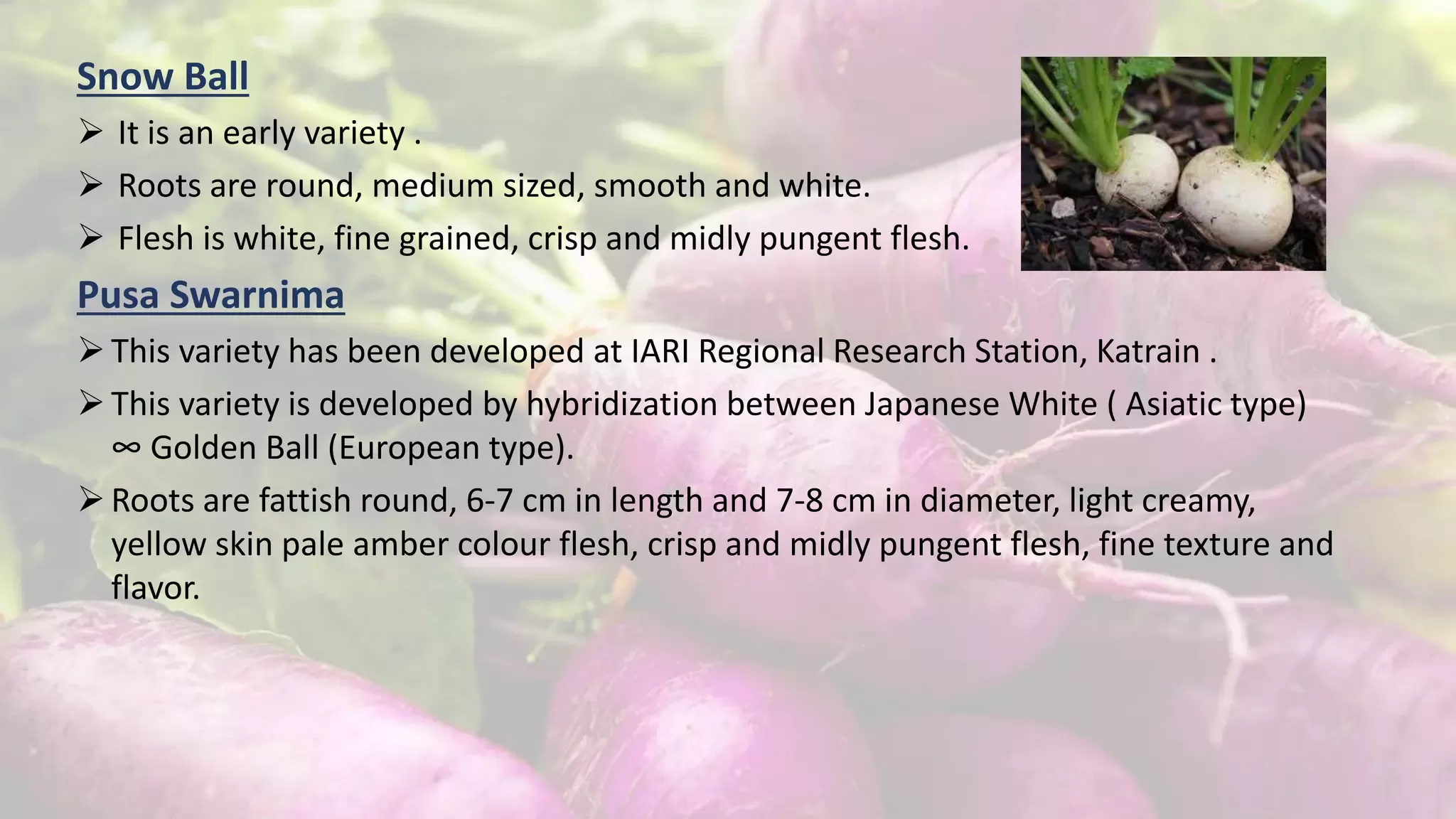
Several cultivars exist, each with unique characteristics. European types, such as Purple Top White Globe and Golden Ball, vary in size, flavor, and cultivation requirements. Asiatic varieties like Pusa Kanchan and Pusa Sweti are adapted to tropical climates, focusing on early maturity and flavor enhancement.

In summary, growing turnips can be a rewarding agricultural endeavor, provided one follows the right practices concerning soil preparation, irrigation, pest management, and harvesting. By understanding these critical factors, farmers can ensure a bountiful turnip yield that caters to both culinary and nutritional needs.

**Keywords**: Turnip cultivation, Botany, Soil management, Pest control, Varieties.
Slide 1

Slide 1⬇ Slide

Slide 2

Slide 2⬇ Slide

Slide 3

Slide 3⬇ Slide

Slide 4

Slide 4⬇ Slide

Slide 5

Slide 5⬇ Slide

Slide 6

Slide 6⬇ Slide

Slide 7

Slide 7⬇ Slide

Slide 8

Slide 8⬇ Slide

Slide 9

Slide 9⬇ Slide

Slide 10

Slide 10⬇ Slide

Slide 11

Slide 11⬇ Slide

Slide 12

Slide 12⬇ Slide

Slide 13

Slide 13⬇ Slide

Slide 14

Slide 14⬇ Slide

Slide 15

Slide 15⬇ Slide

Slide 16

Slide 16⬇ Slide

Slide 17

Slide 17⬇ Slide

Slide 18

Slide 18⬇ Slide
1 / 18

Ppt on Lettuce

Description

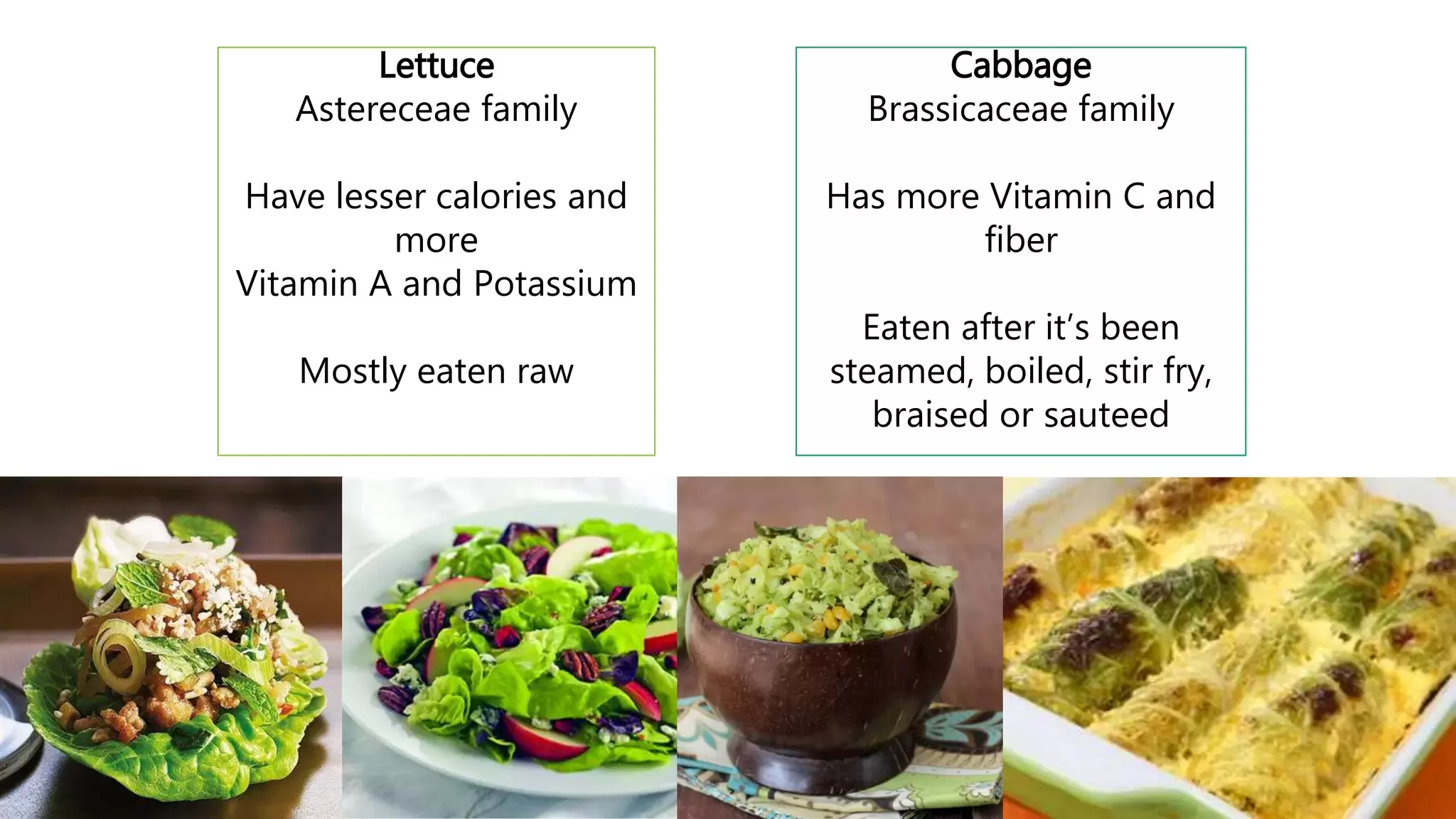
Lettuce, scientifically known as *Lactuca sativa L.*, is an annual herb belonging to the Asteraceae family, which also includes sunflowers and daisies. Commonly referred to as lettuce or Tshilai in various regions, this versatile plant is enjoyed for its crisp texture and refreshing flavor. While it can be cultivated quite easily, optimal growth conditions require relatively cooler temperatures to prevent the plant from flowering prematurely.

This article will delve deep into the anatomy of lettuce, its classifications, cultivation requirements, disease management strategies, and post-harvest handling, providing valuable insights for gardening enthusiasts and agricultural practitioners alike.

### Anatomy of Lettuce

#### The Stem
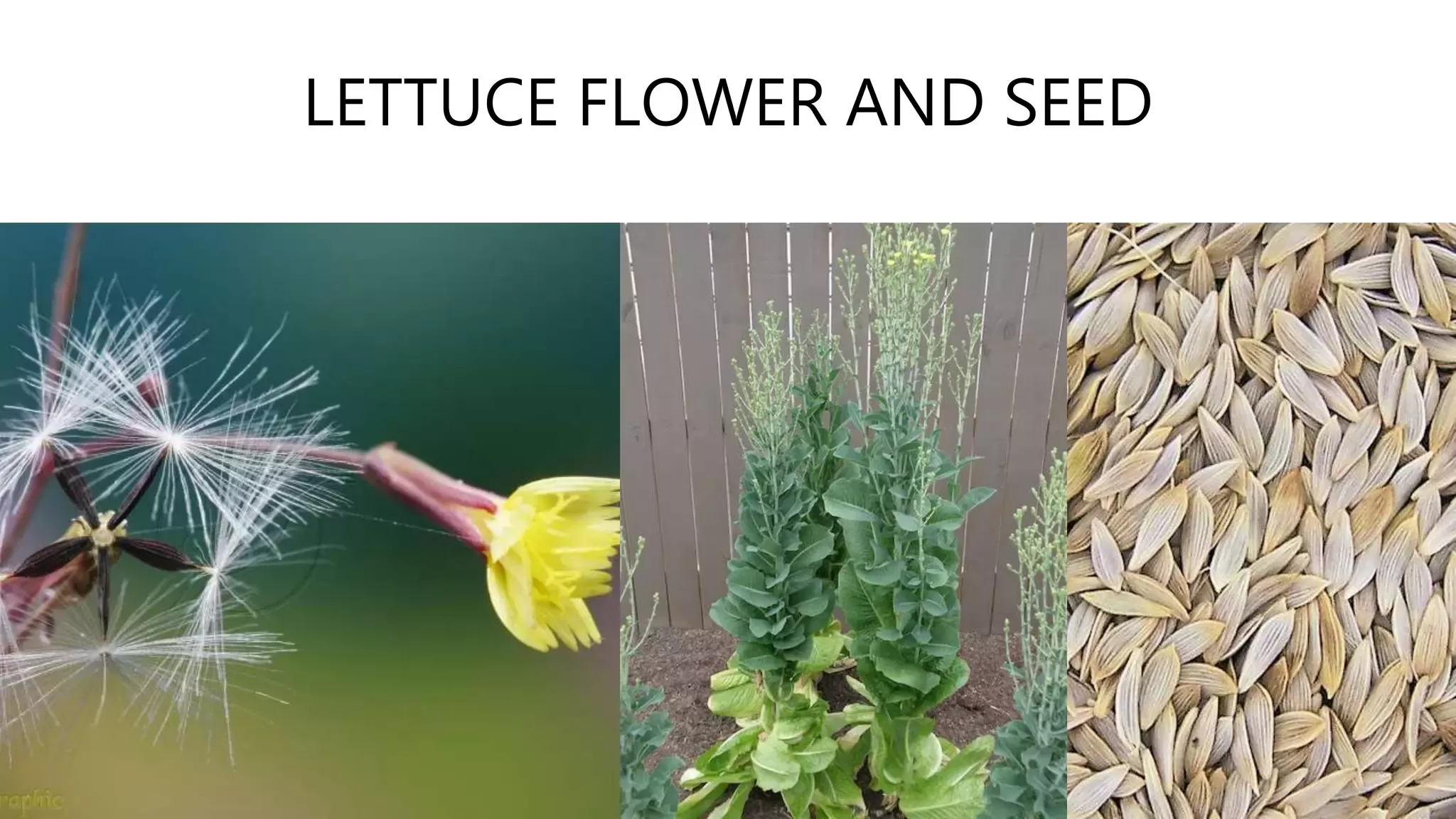
Lettuce features a short, fleshy stem that typically grows to about 10 to 15 centimeters tall. As the plant transitions into its reproductive stage, the stem elongates and produces branches, culminating in a cluster of capitula. These capitula are adorned with narrow, pale yellow leaves that are structured in a way to facilitate pollination.

#### The Leaves
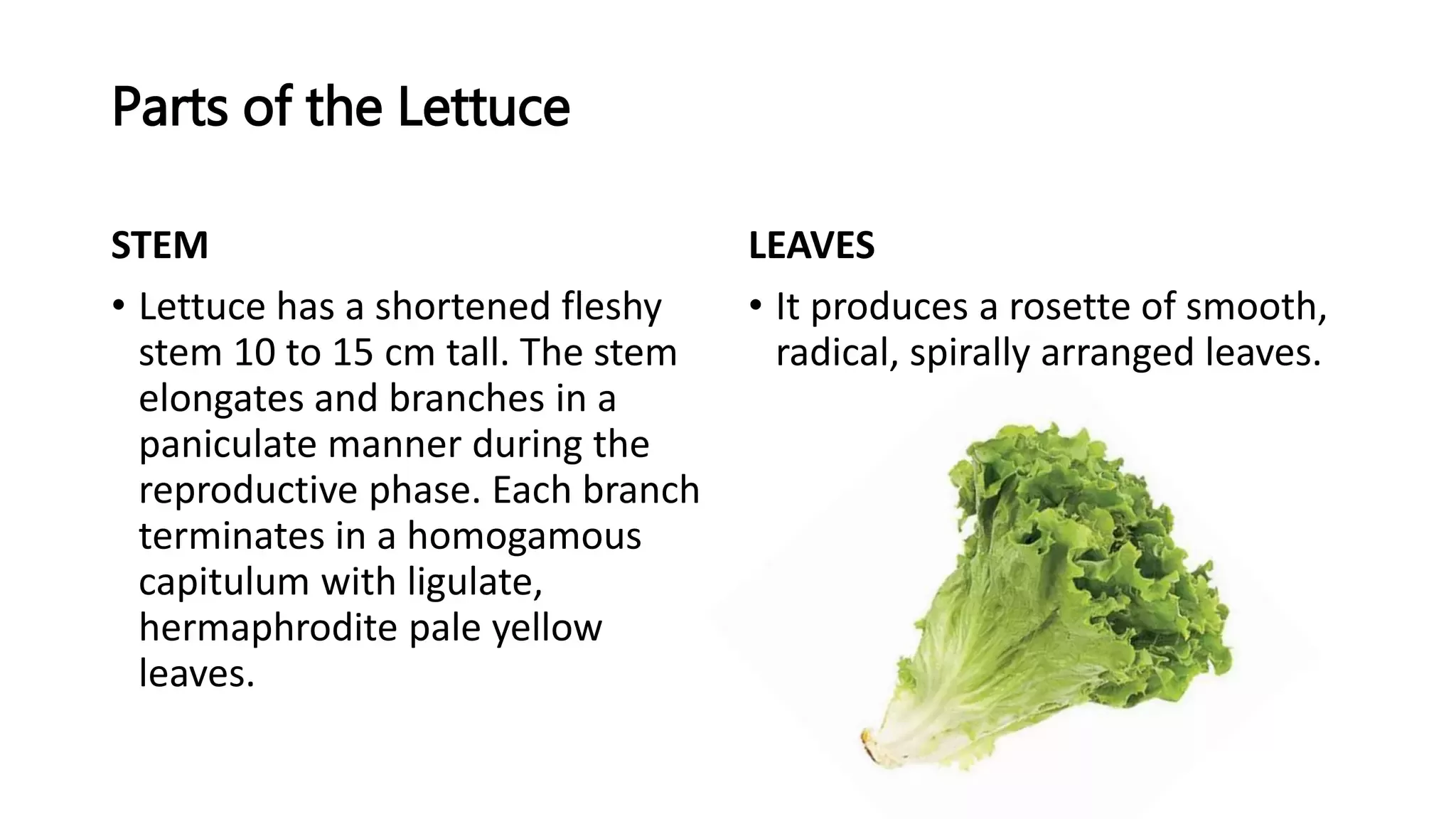
Another striking feature of lettuce is its leaves, which grow in a rosette formation. These leaves are smooth and spirally arranged, with variations in shape and texture depending on the cultivar. The leaves play a crucial role in photosynthesis and serve as the edible part of the plant, prized for their nutritional benefits.

### Classification of Lettuce

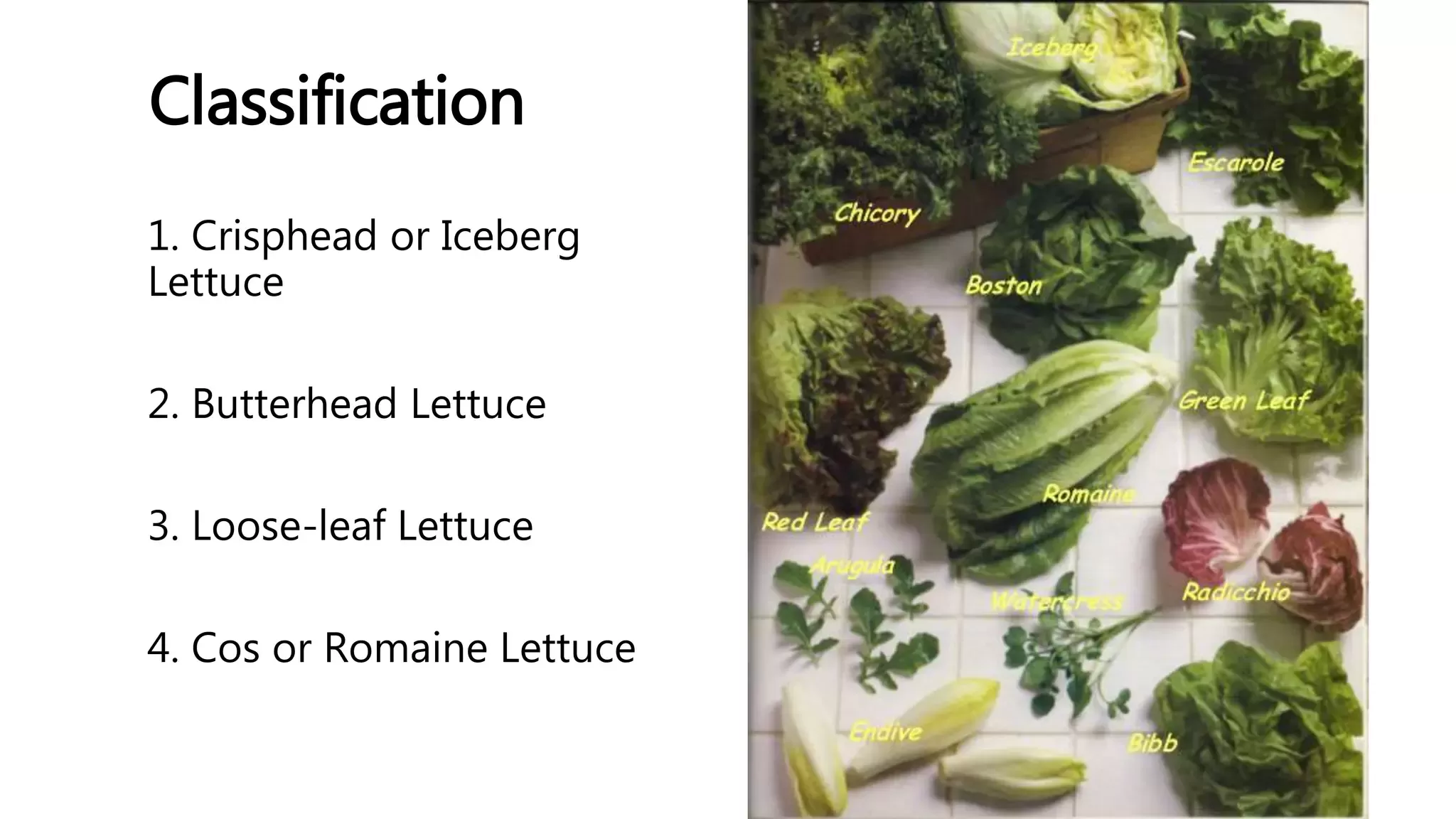
Lettuce can be broadly classified into four categories, each with unique characteristics:

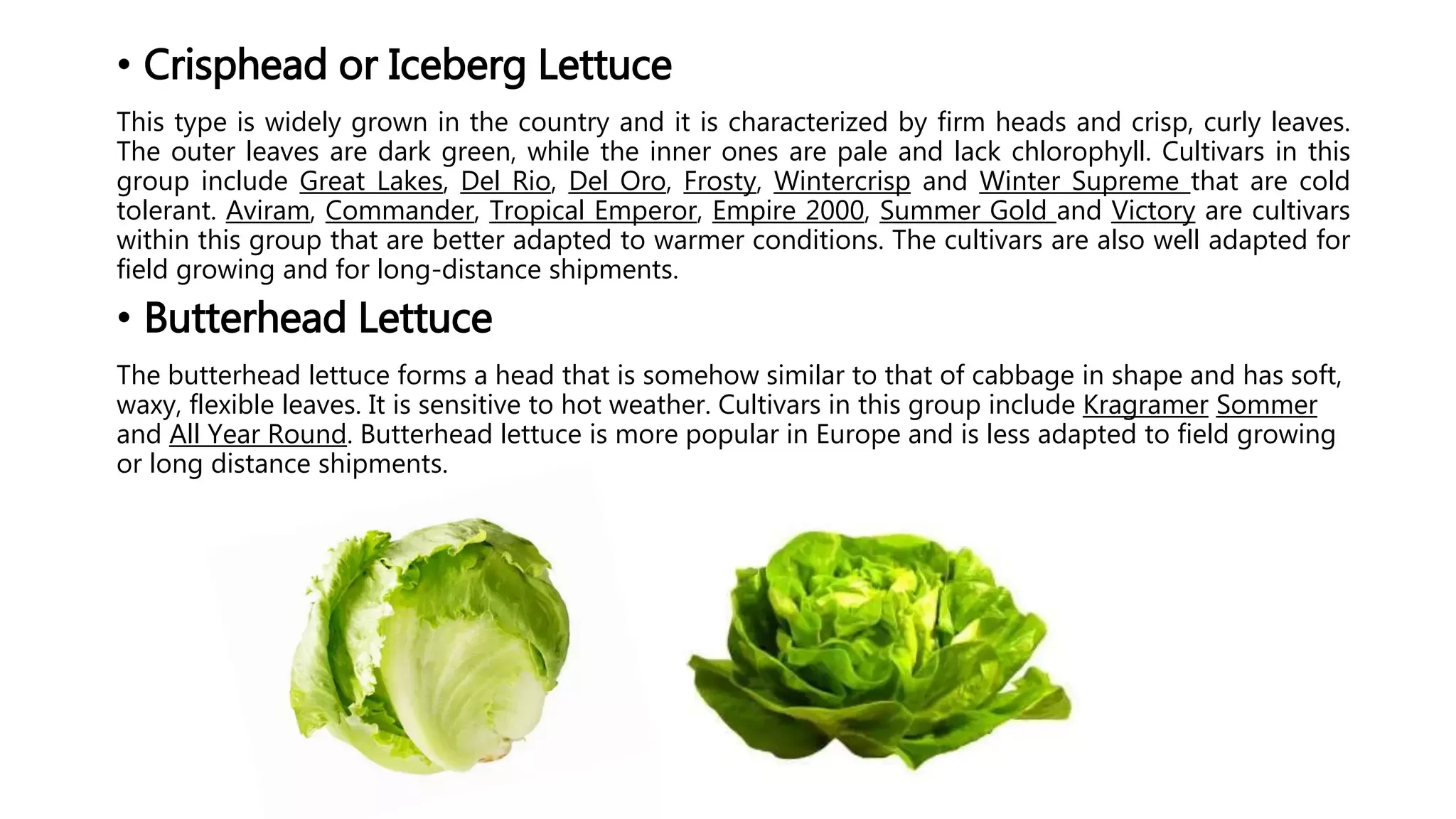
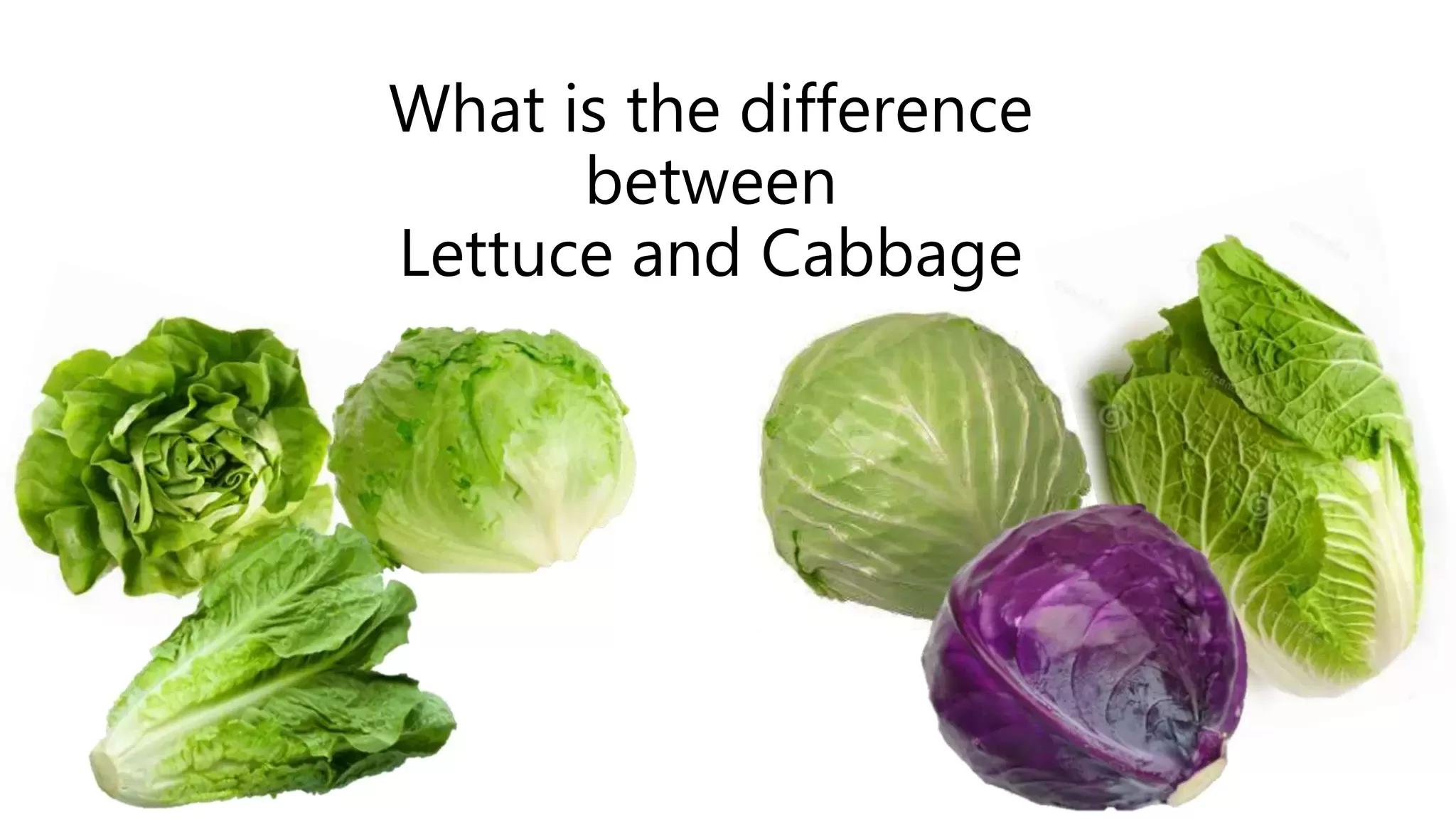
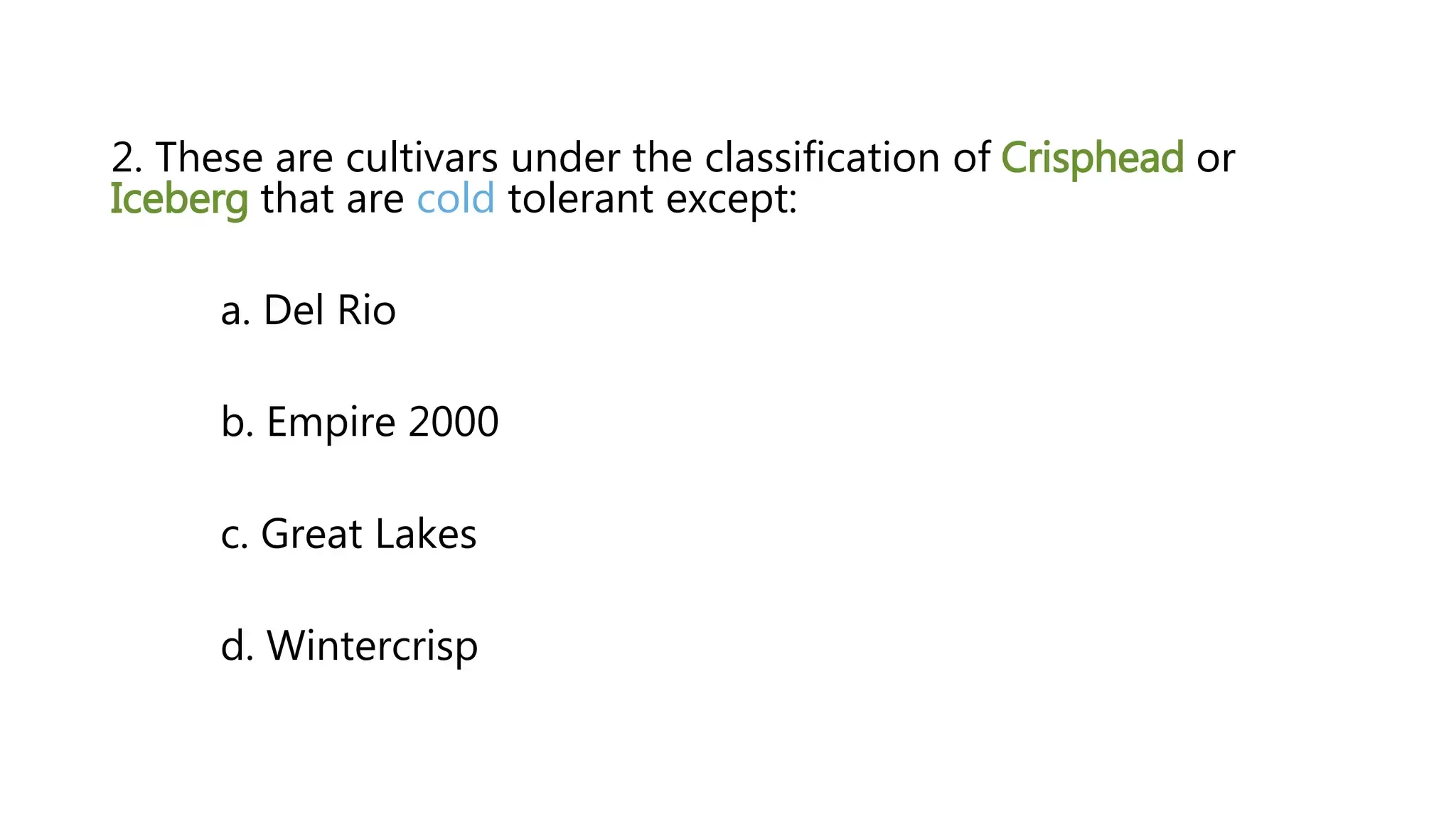
1. **Crisphead or Iceberg Lettuce**: This is the most widely grown variety, known for its firm heads and crunchy, curly leaves. The outer leaves are dark green, while the inner leaves are lighter and chlorophyll-deficient. Cultivars such as Great Lakes and Wintercrisp thrive in cooler conditions, while others like Empire 2000 are adapted to warmer climates.

2. **Butterhead Lettuce**: Recognizable by its soft, waxy, and flexible leaves that form heads similar to cabbage, this variety is highly sensitive to heat. While popular in Europe, it has limitations in terms of long-distance transport and field growth.

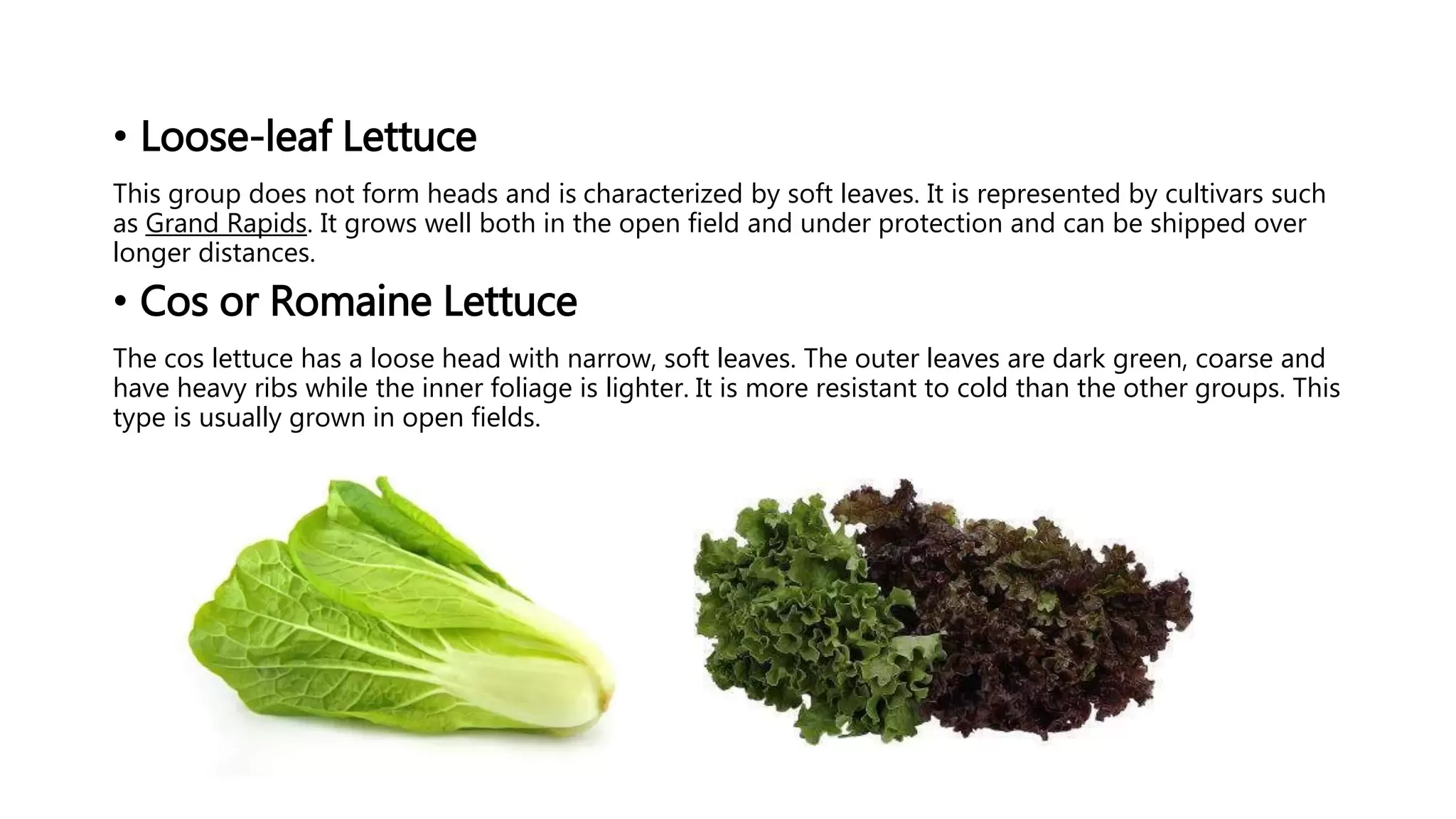
3. **Loose-leaf Lettuce**: This type does not form heads and instead features softer leaves. Cultivars such as Grand Rapids are notable for their adaptability to various growing conditions and transport needs.

4. **Cos or Romaine Lettuce**: Characterized by their narrow leaves and looser heads, these lettuces possess dark green, coarse outer leaves that are particularly resistant to cold temperatures.

### Climatic and Soil Requirements

Lettuce thrives in cooler climates, preferring temperatures ranging from 12°C to 20°C. High temperatures, particularly those exceeding 27°C, can adversely affect head formation and lead to a decrease in the quality of the edible leaves. Soil-wise, lettuce flourishes in a variety of soil types but shows the best results when planted in fertile loams enriched with organic matter and maintaining a pH balance of 5.5 to 7. Proper drainage and high water retention are crucial in optimizing root growth.

### Disease Management

Lettuce is susceptible to various diseases that can severely affect crop yield. Notable diseases include:

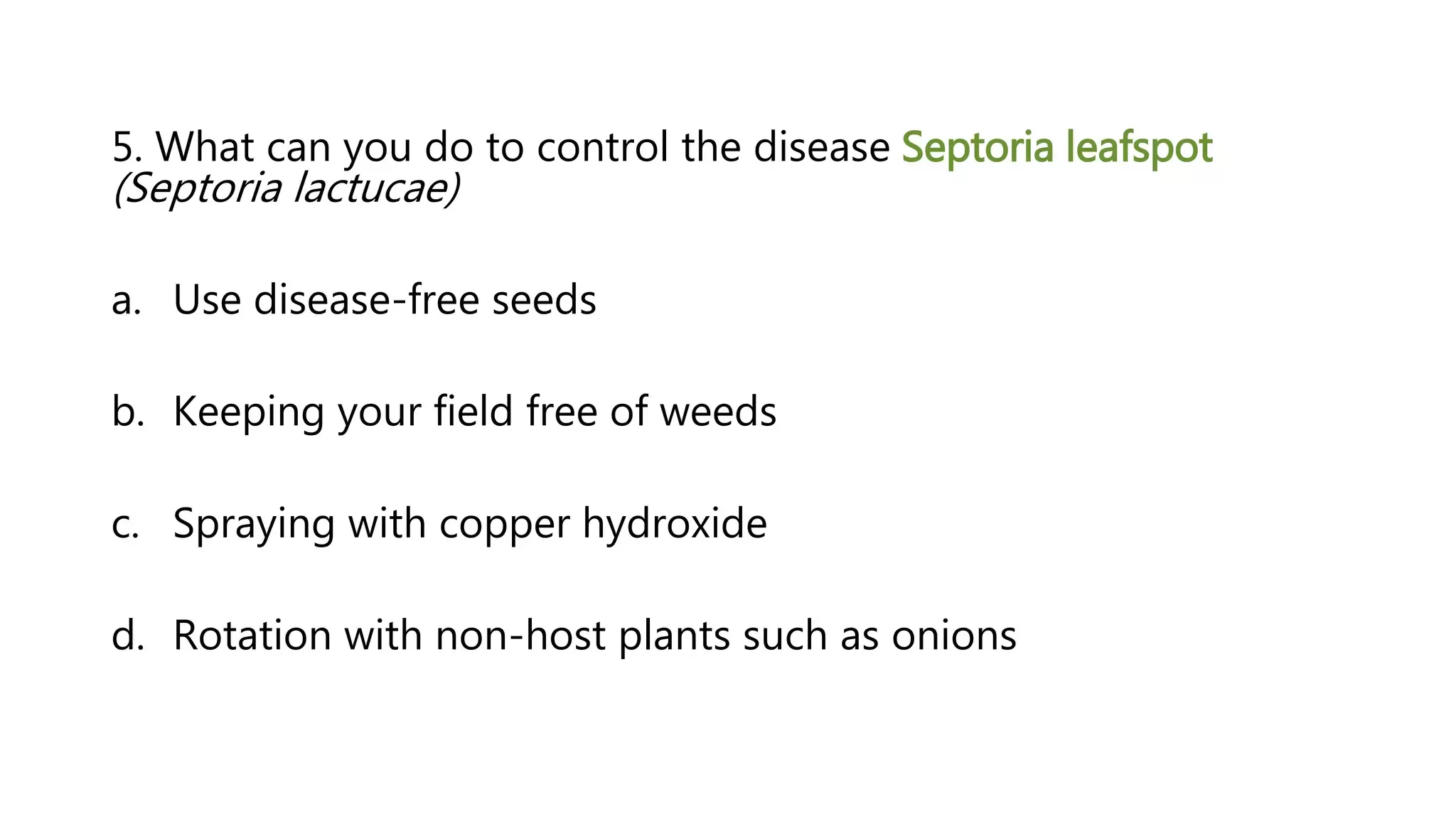
– **Septoria Leafspot**: Common in warm weather, characterized by white to grayish spots on leaves. Control measures involve the application of copper hydroxide.

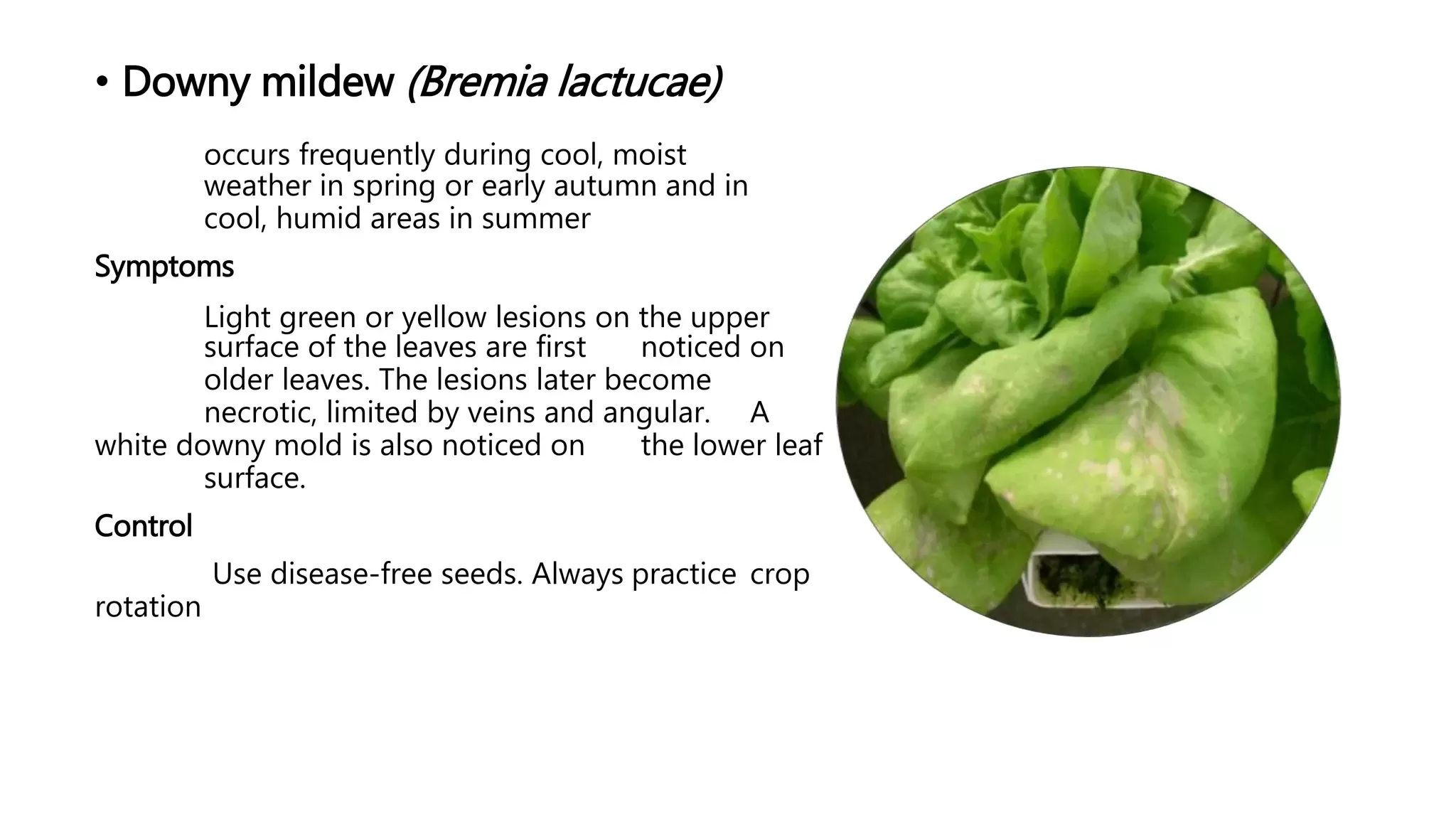
– **Downy Mildew**: Often occurs in cool, moist conditions; prevention strategies include using disease-free seeds and practicing crop rotation.

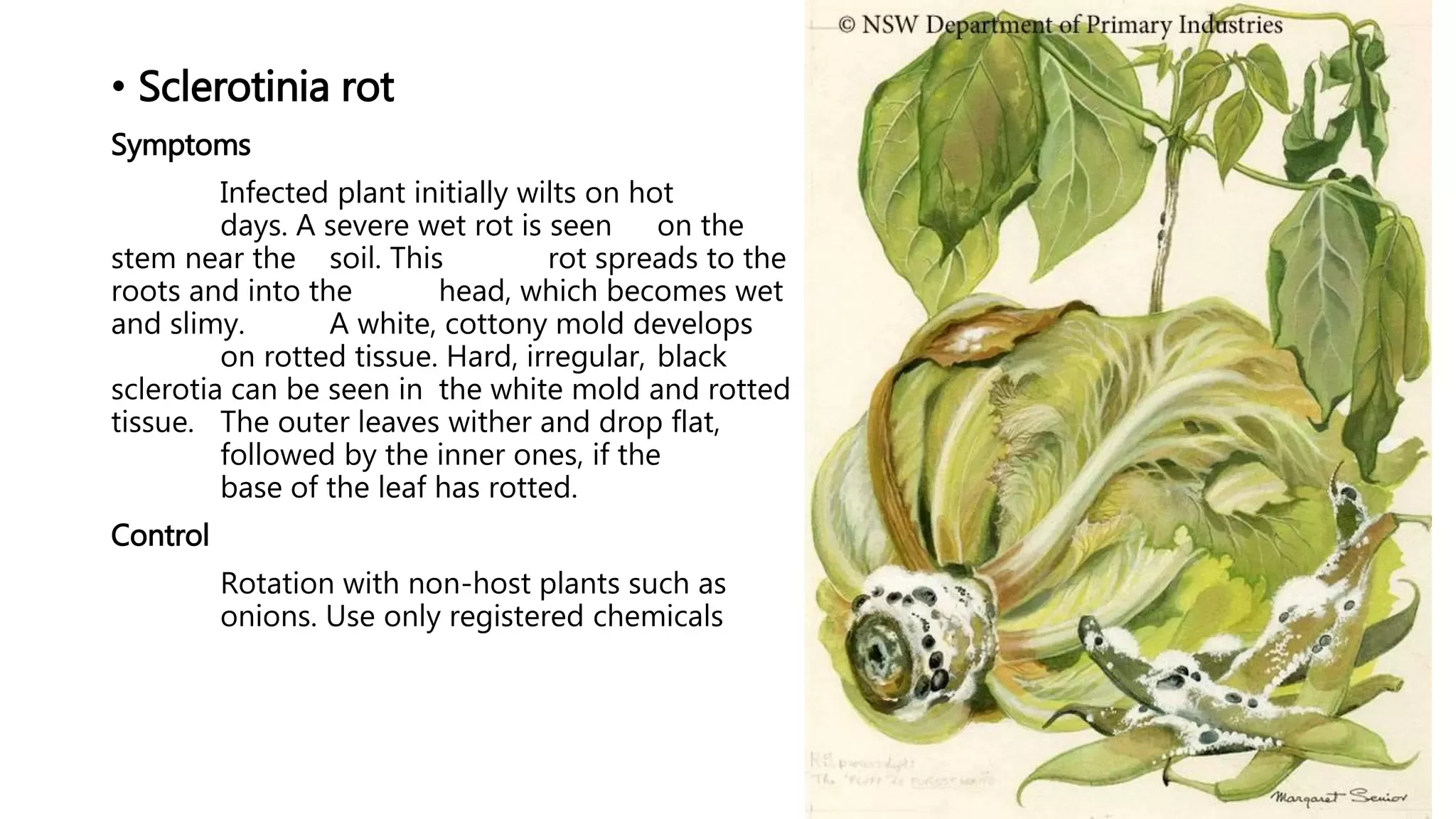
– **Sclerotinia Rot**: Recognized by wilting and a wet rot near the soil line. Rotation with non-host plants and using registered chemicals can help manage this disease.

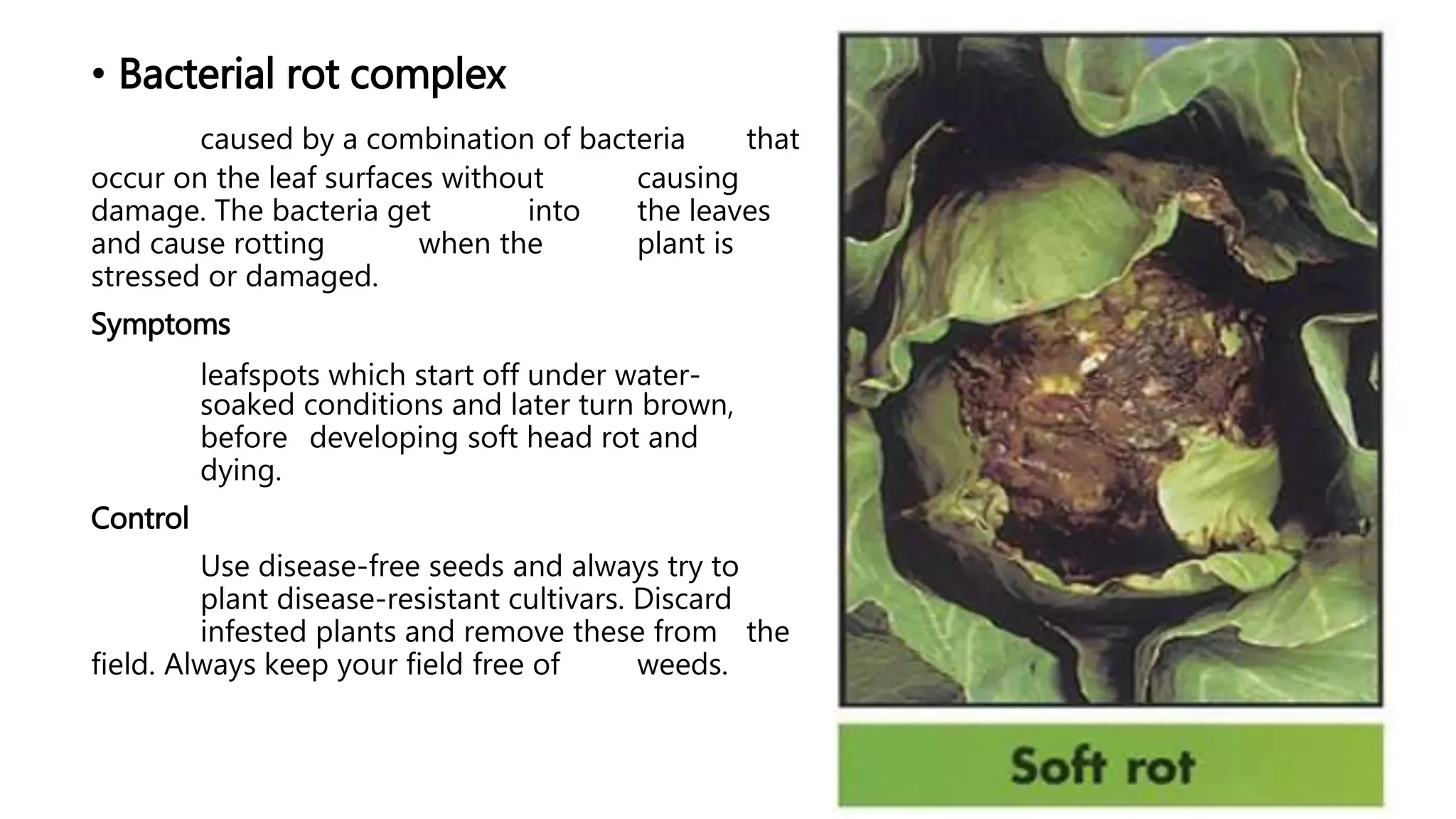
– **Bacterial Rot Complex**: Caused by a combination of bacteria that leads to rotting, particularly under stress conditions. Regularly discarded damaged plants and maintaining disease-resistant cultivars are recommended strategies.

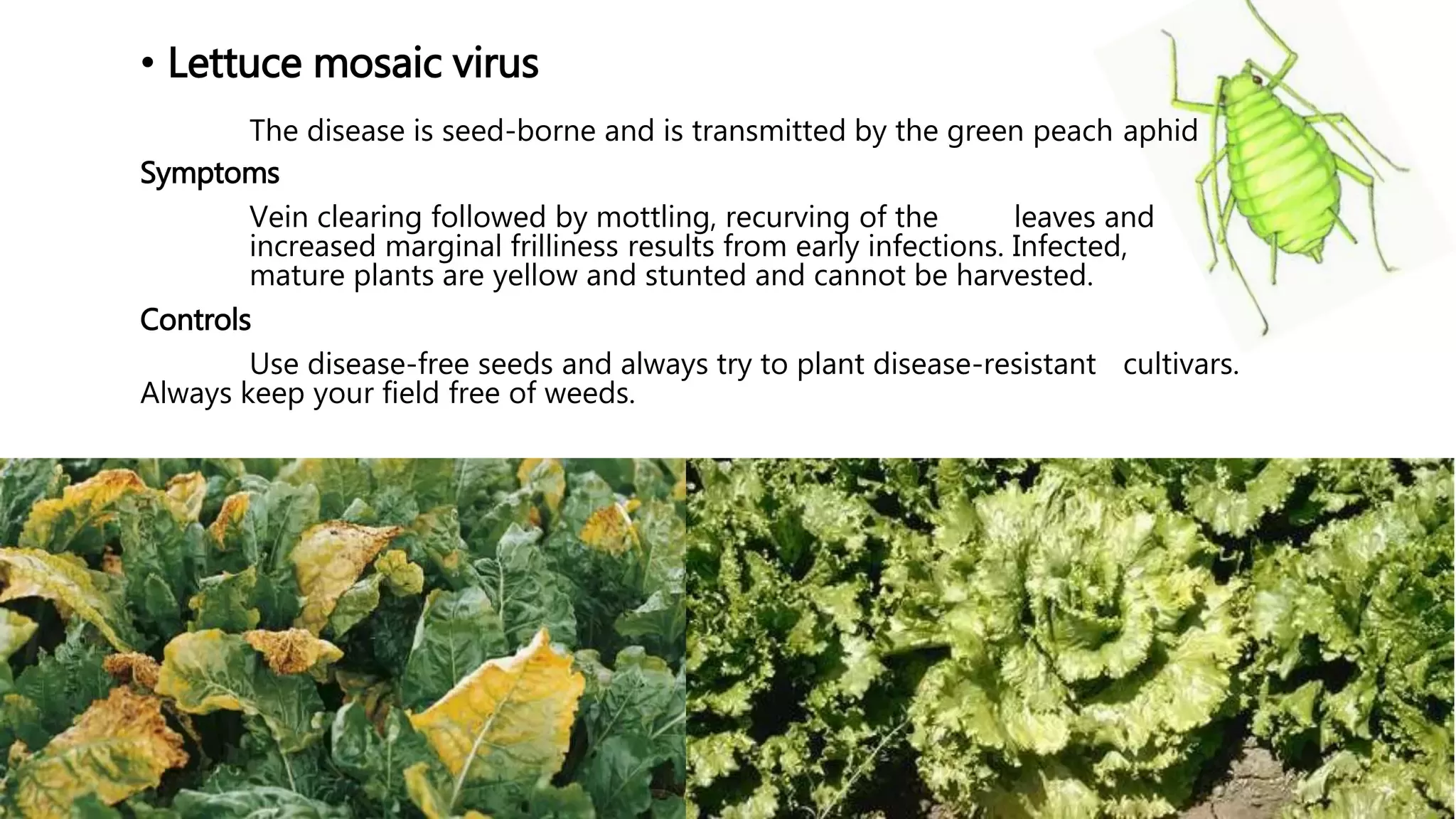
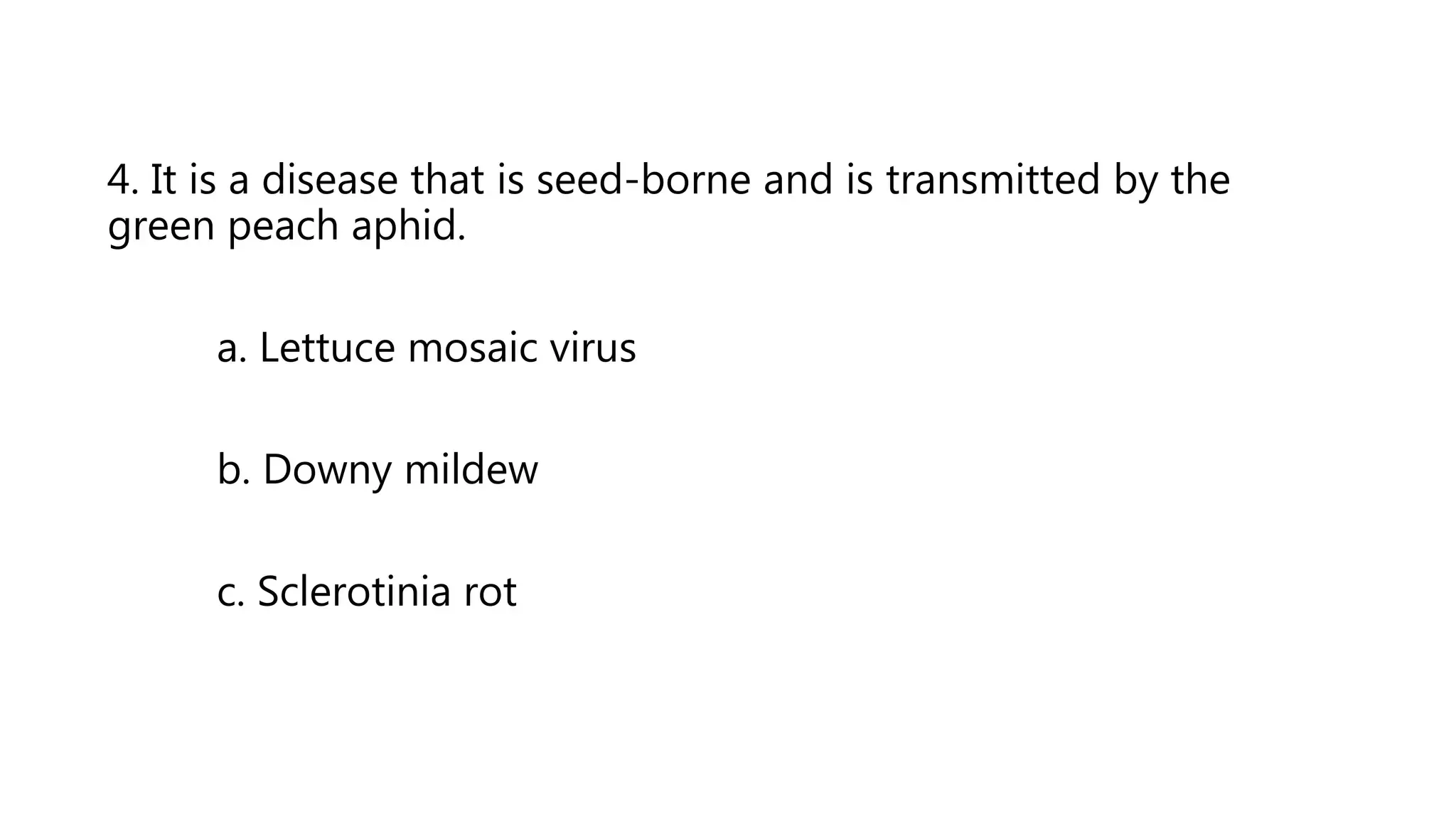
Additional threats come from the **Lettuce Mosaic Virus**, which is seed-borne and transmitted through pests like the green peach aphid. Precautionary measures such as weed control and the use of resistant cultivars play a significant role in prevention.

### Harvesting and Post-Harvest Handling

Harvesting timing is critical; crisphead types should be harvested upon reaching full maturity while loose-leaf varieties are best picked when young and tender. Manual harvesting is most effective early in the morning to prevent wilting.

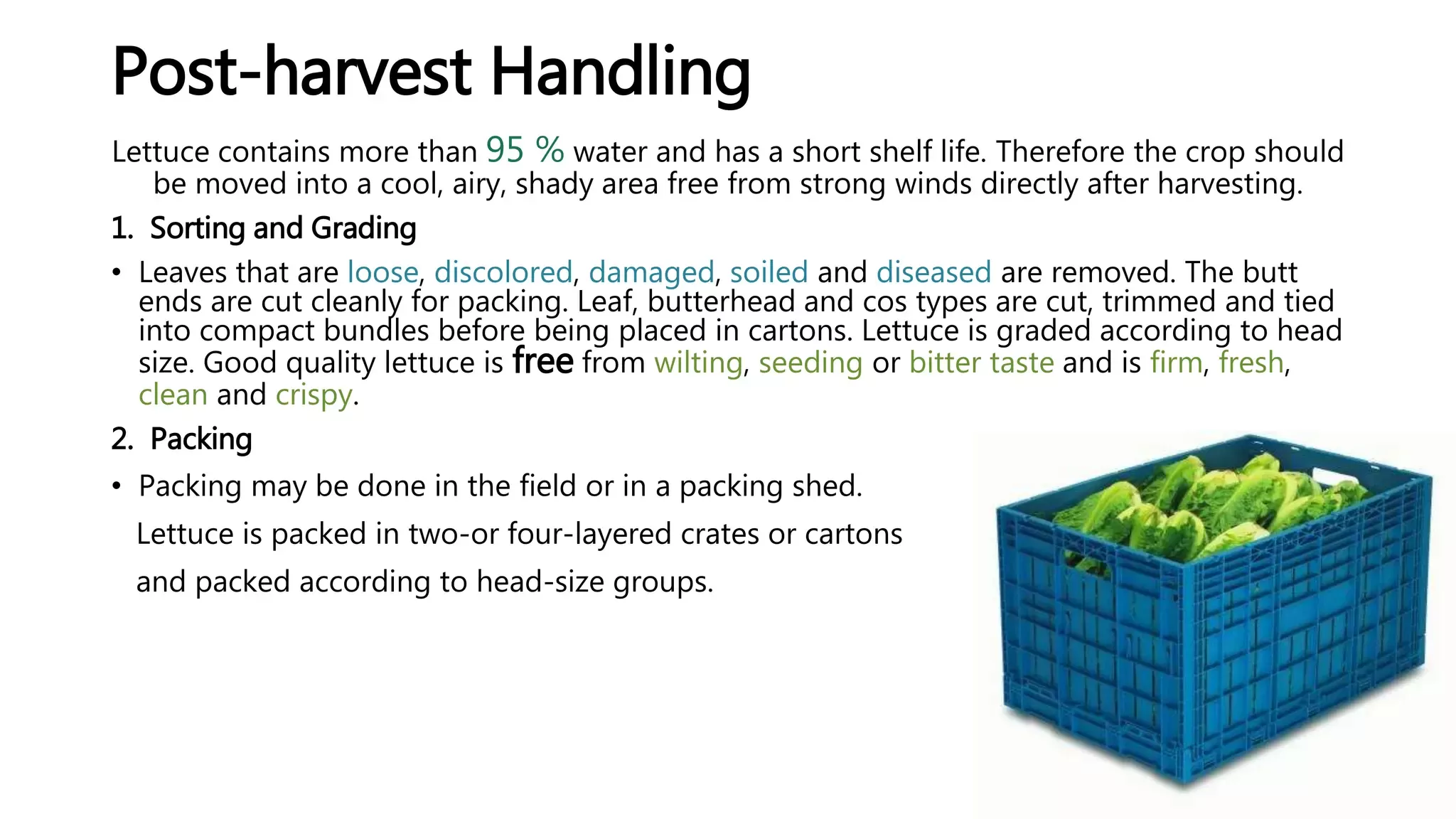
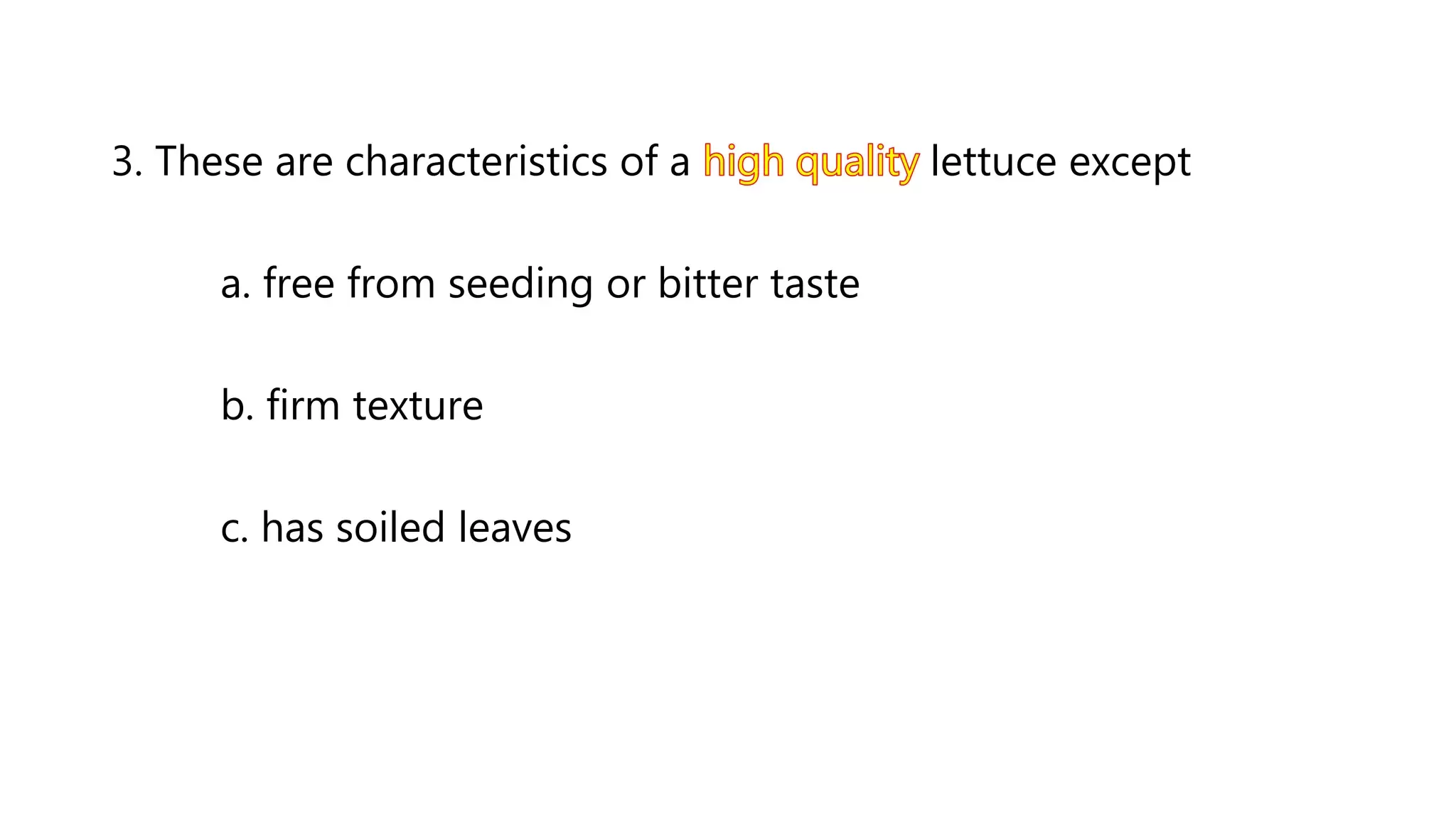
Post-harvest handling is equally important due to lettuce’s high water content (over 95%). Immediately after harvesting, the plants must be moved to a cool, shaded area. They undergo sorting and grading to remove damaged or diseased leaves, with packing typically done in two or four-layered crates for protection during transport.

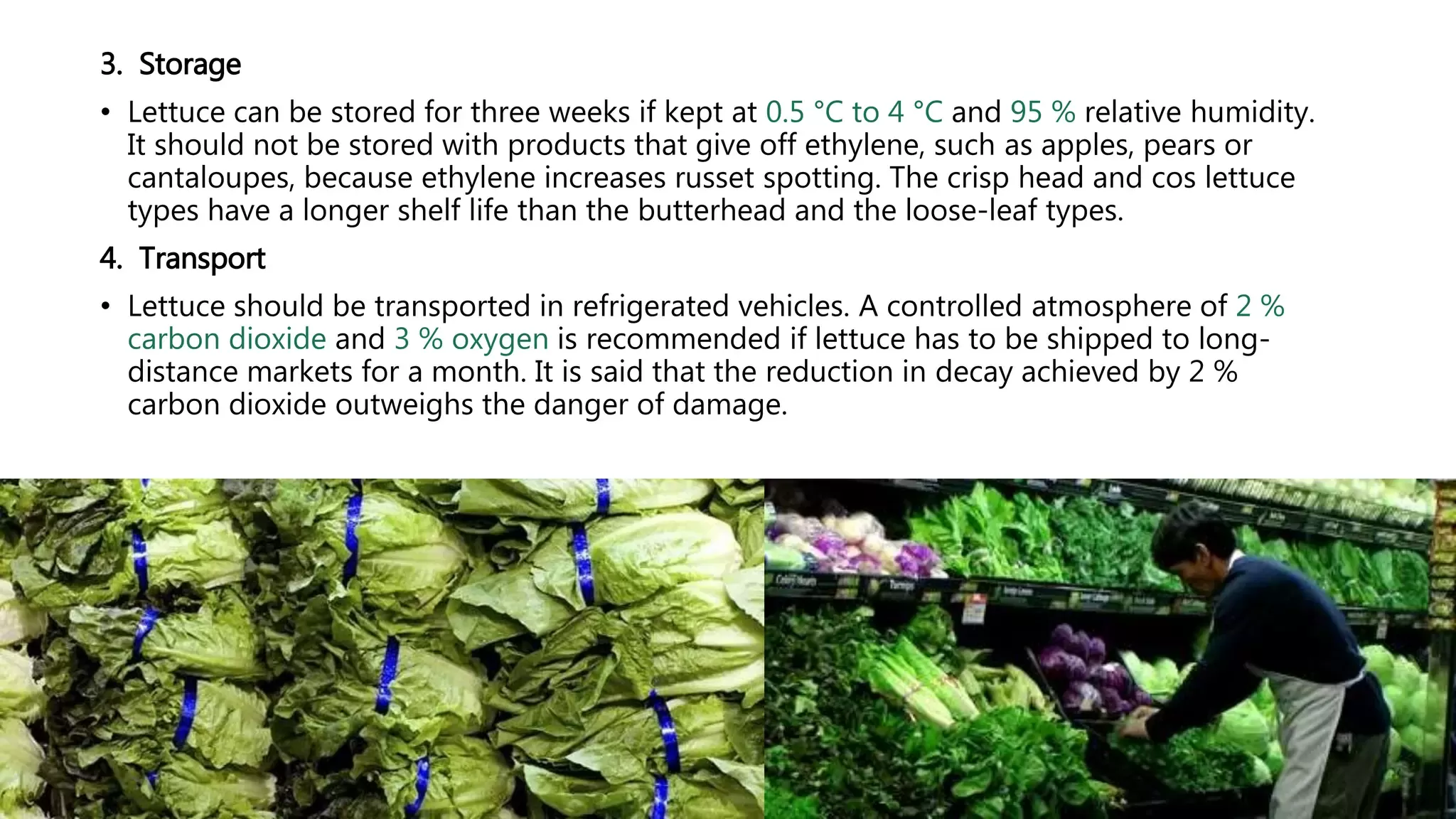
Proper storage is essential. Lettuce can remain fresh for about three weeks if maintained at temperatures between 0.5°C and 4°C with high humidity levels. However, it shouldn’t be stored alongside fruits that emit

Slide 1

Slide 1⬇ Slide

Slide 2

Slide 2⬇ Slide

Slide 3

Slide 3⬇ Slide

Slide 4

Slide 4⬇ Slide

Slide 5

Slide 5⬇ Slide

Slide 6

Slide 6⬇ Slide

Slide 7

Slide 7⬇ Slide

Slide 8

Slide 8⬇ Slide

Slide 9

Slide 9⬇ Slide

Slide 10

Slide 10⬇ Slide

Slide 11

Slide 11⬇ Slide

Slide 12

Slide 12⬇ Slide

Slide 13

Slide 13⬇ Slide

Slide 14

Slide 14⬇ Slide

Slide 15

Slide 15⬇ Slide

Slide 16

Slide 16⬇ Slide

Slide 17

Slide 17⬇ Slide

Slide 18

Slide 18⬇ Slide

Slide 19

Slide 19⬇ Slide

Slide 20

Slide 20⬇ Slide

Slide 21

Slide 21⬇ Slide

Slide 22

Slide 22⬇ Slide

Slide 23

Slide 23⬇ Slide

Slide 24

Slide 24⬇ Slide

Slide 25

Slide 25⬇ Slide
1 / 25

Ppt on Mango cultivation practices

Description

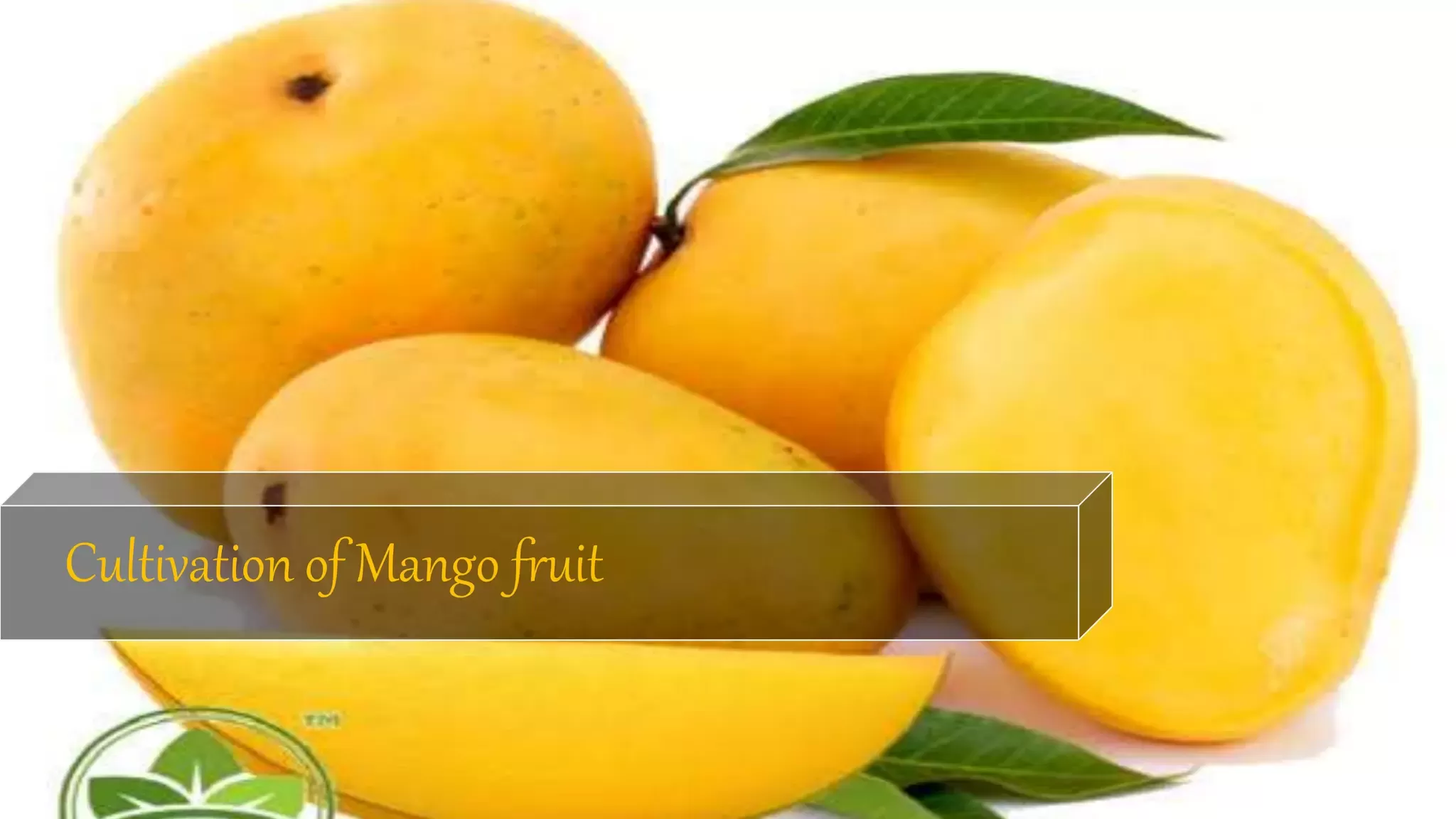
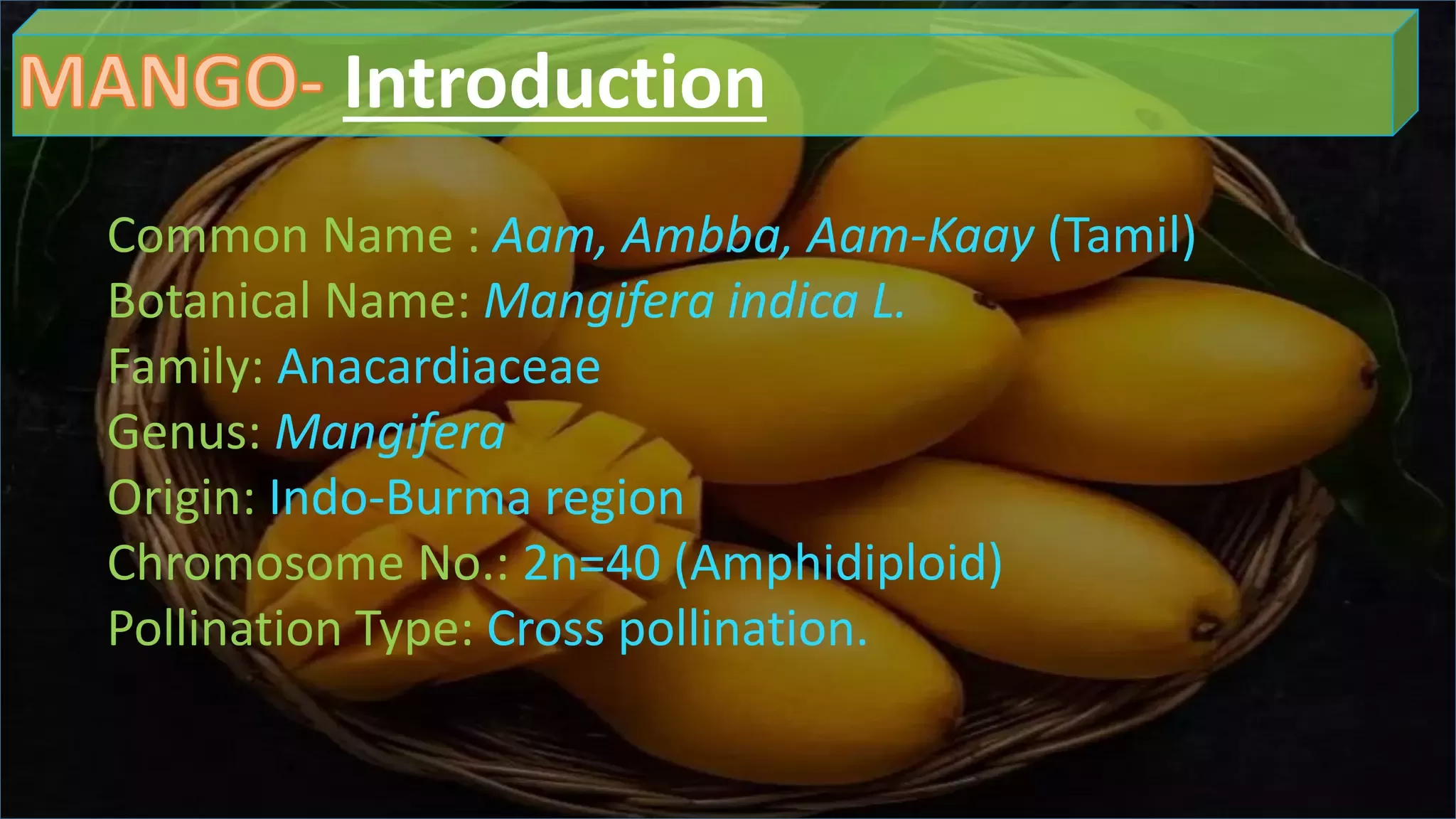
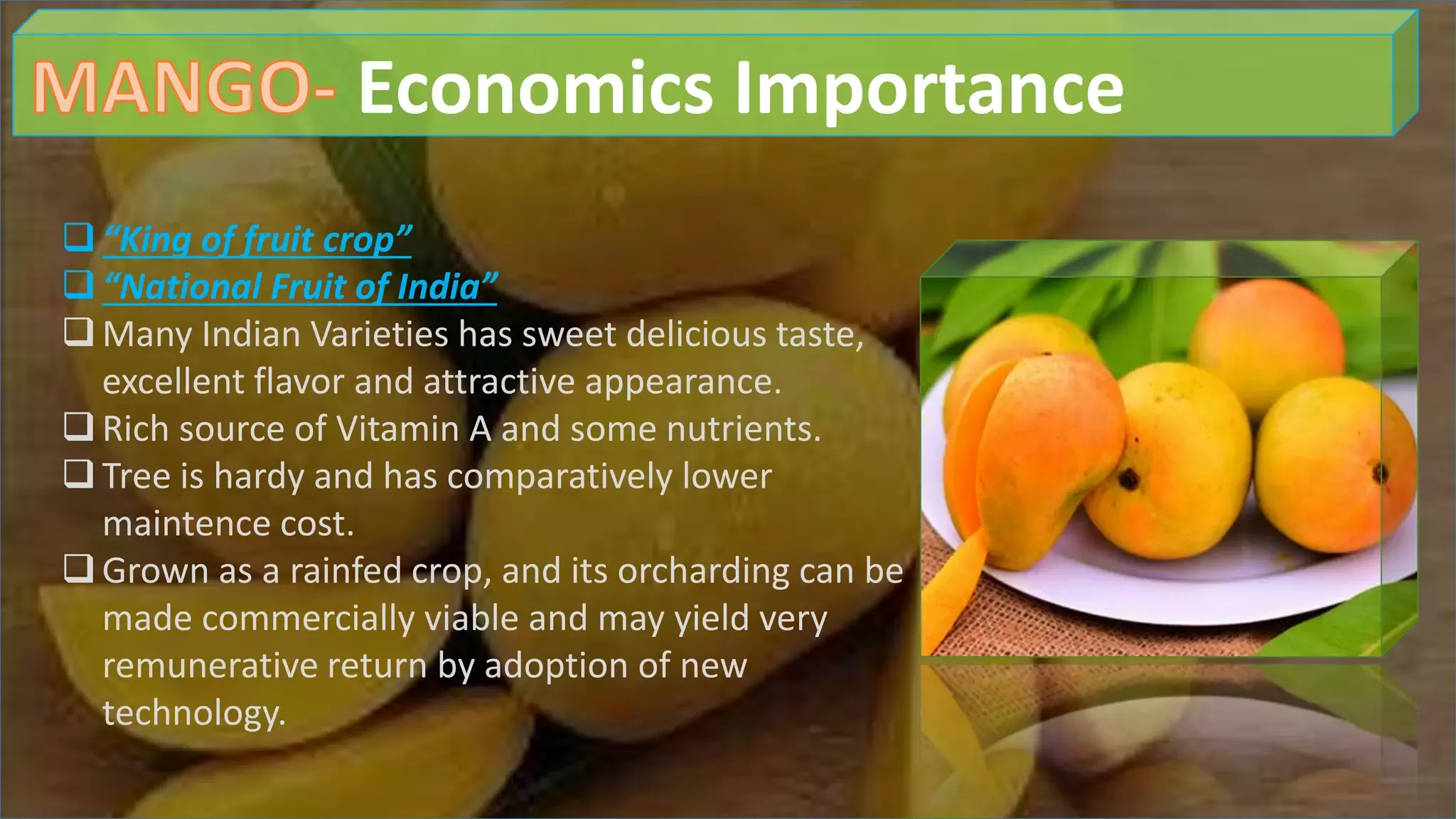
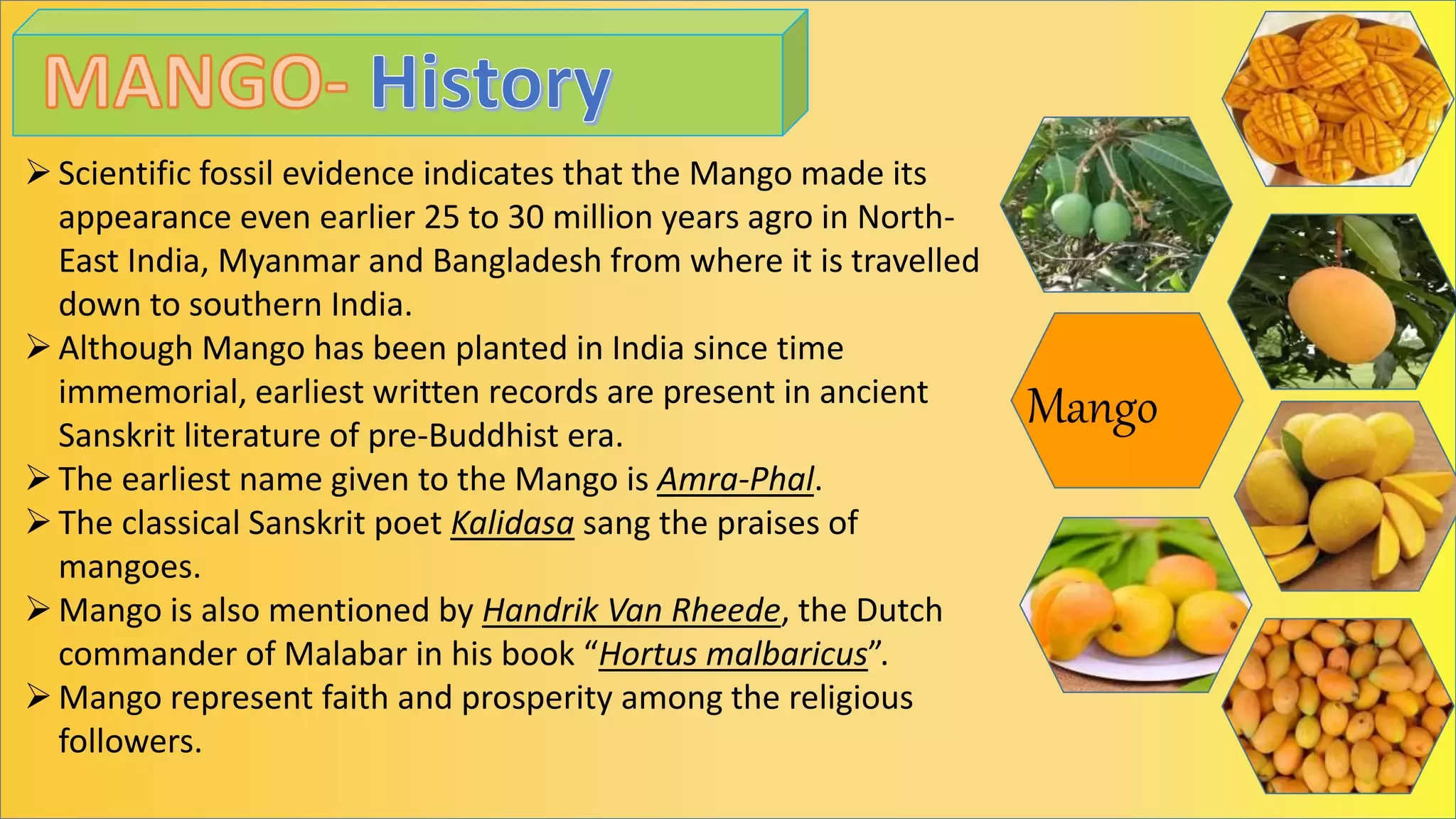
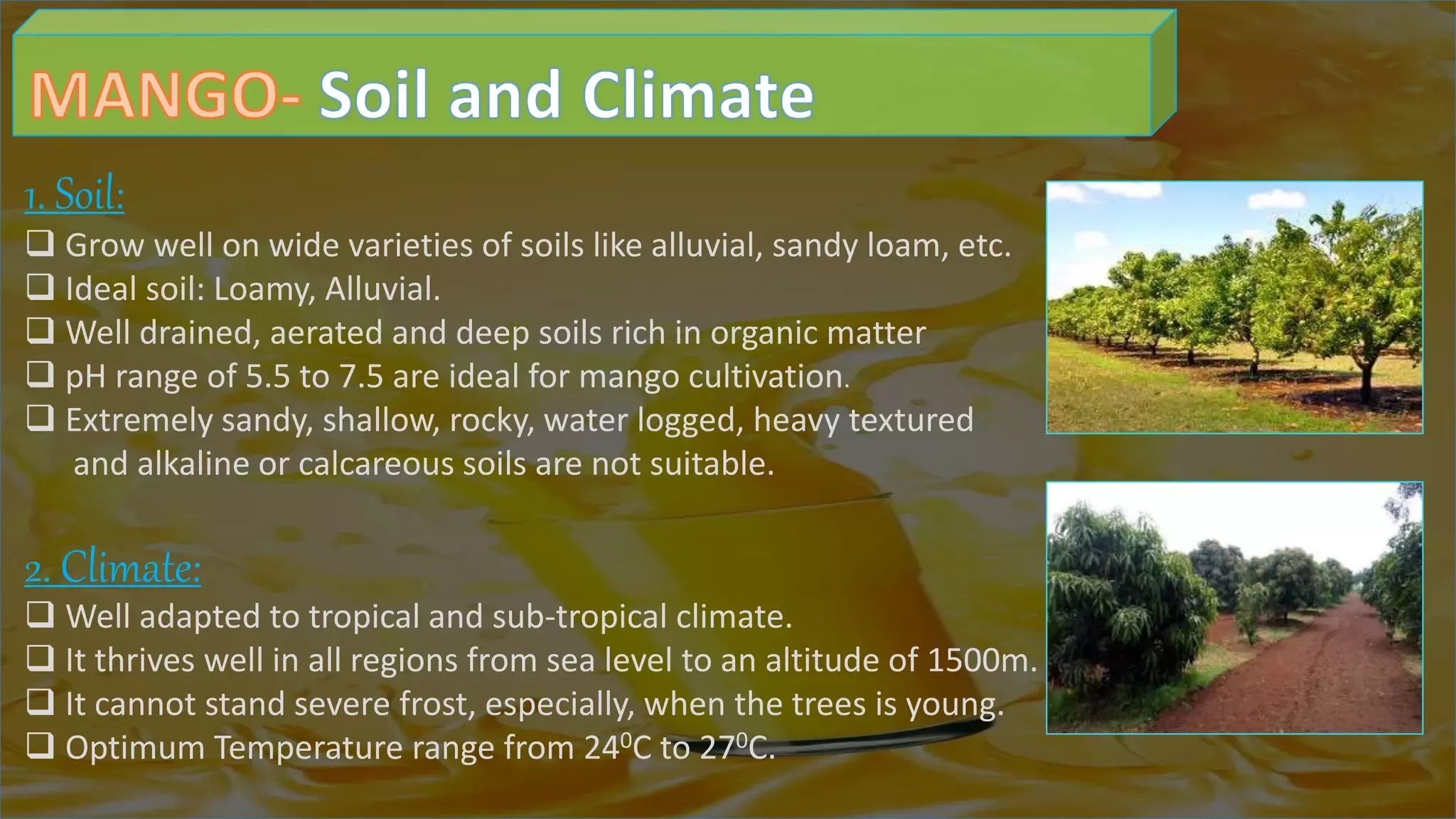
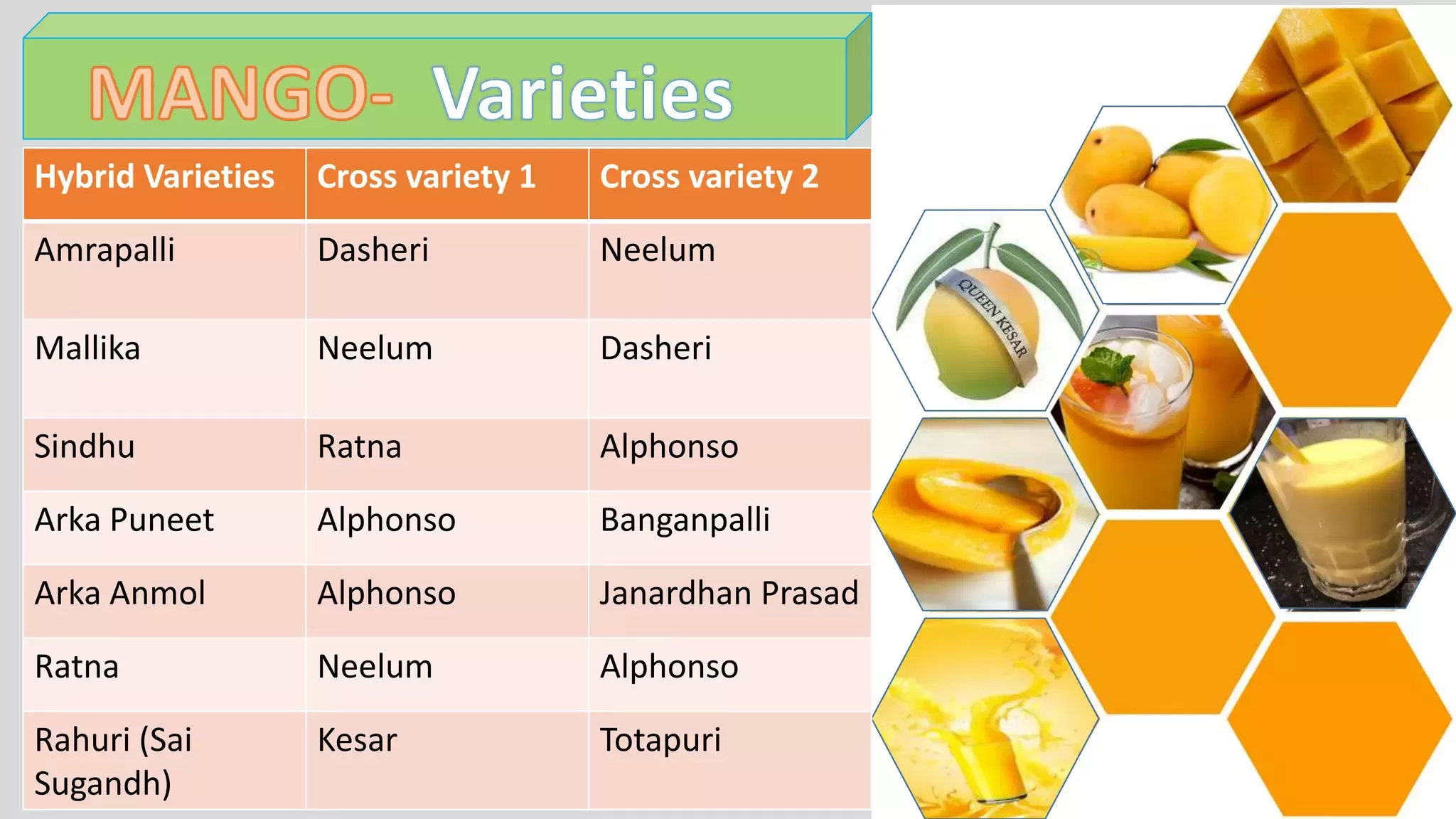
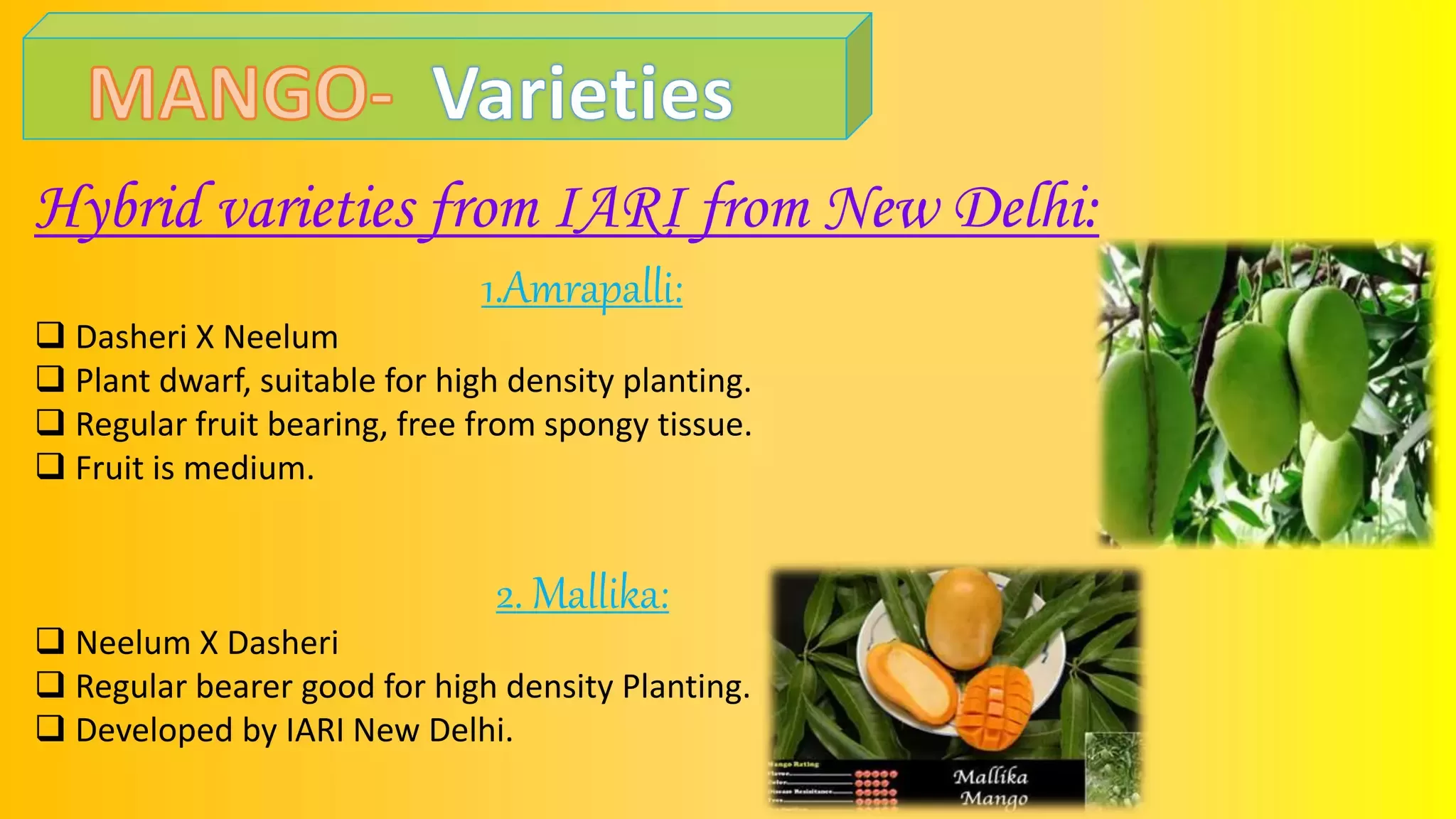
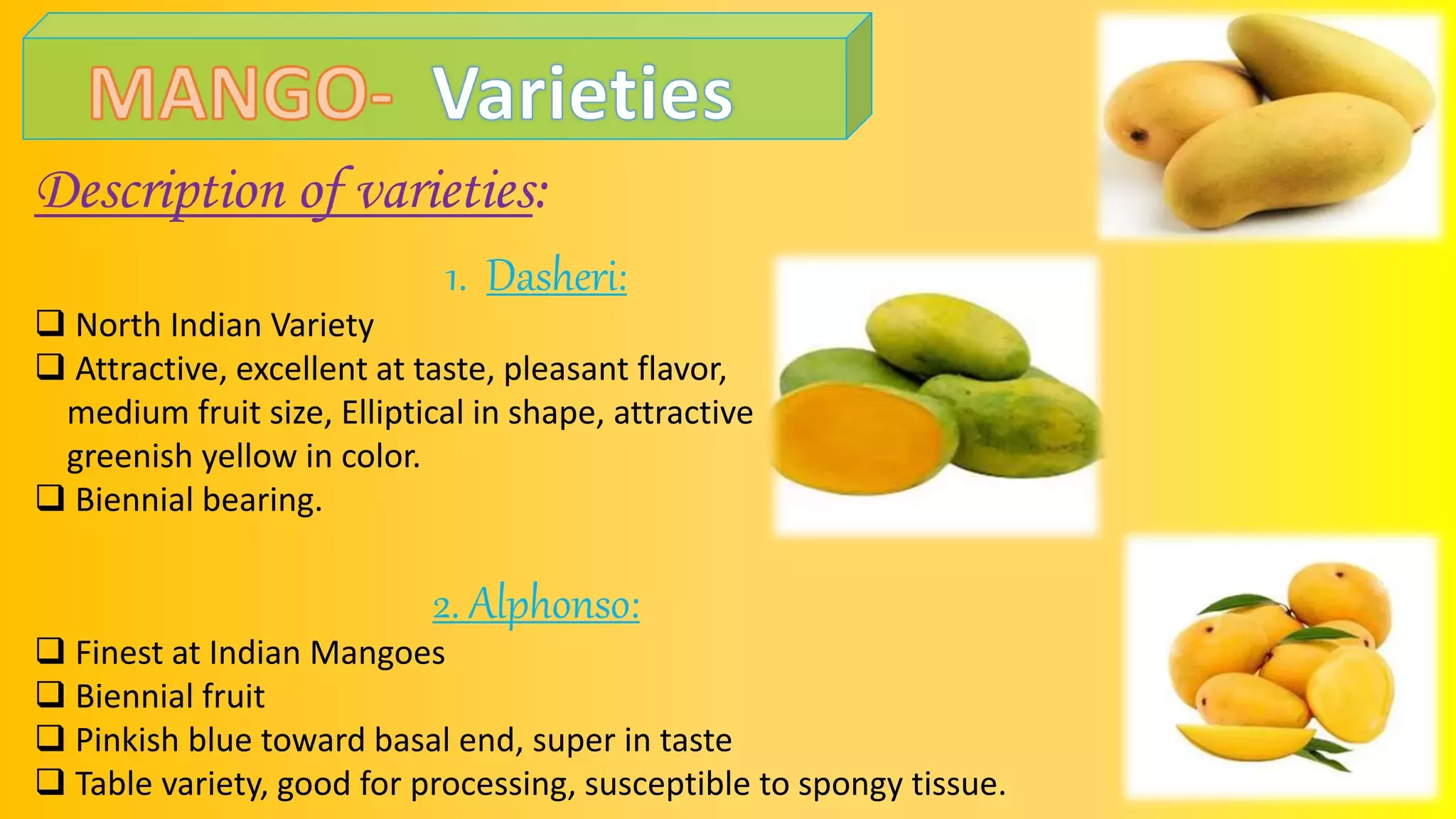
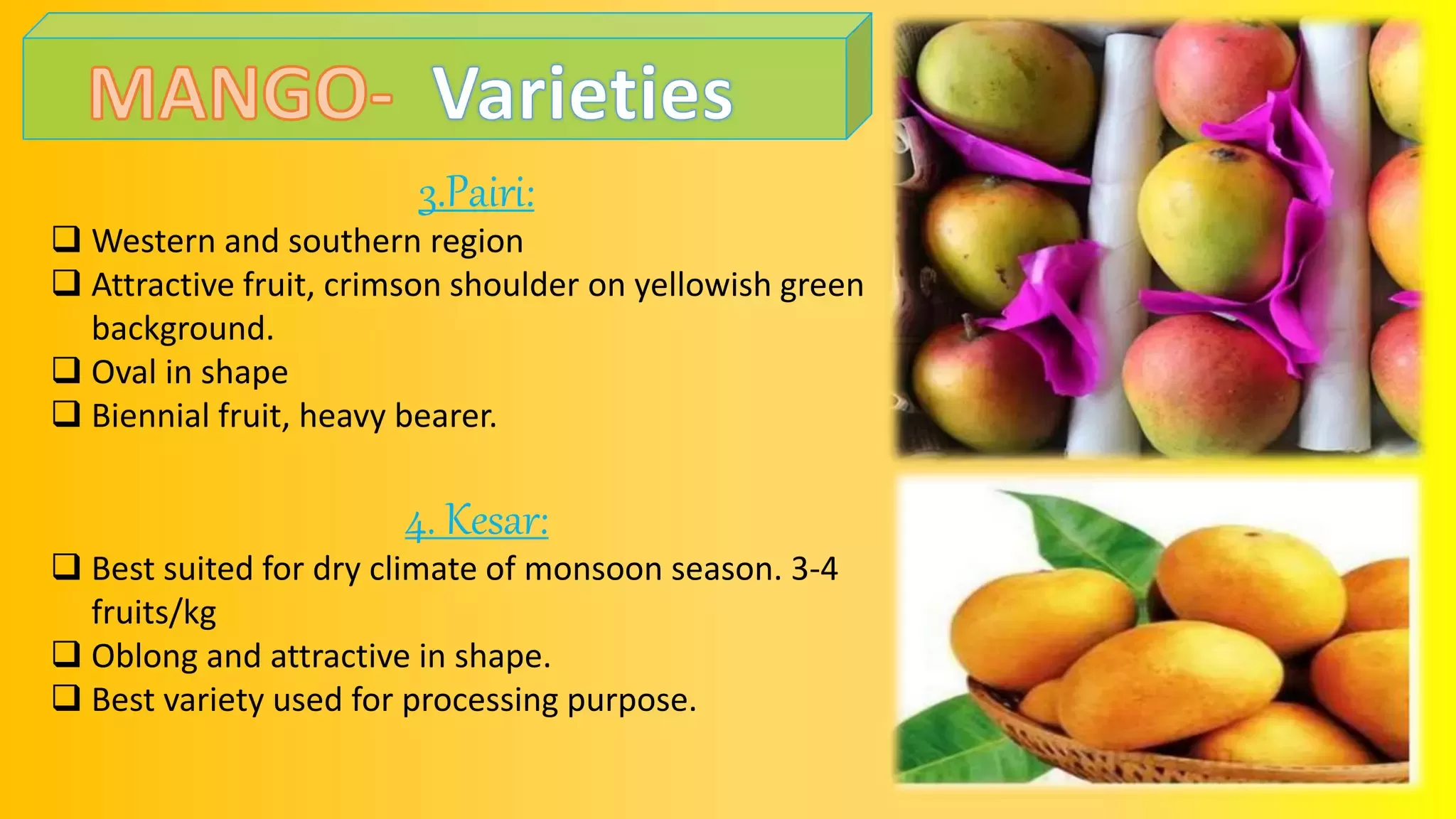
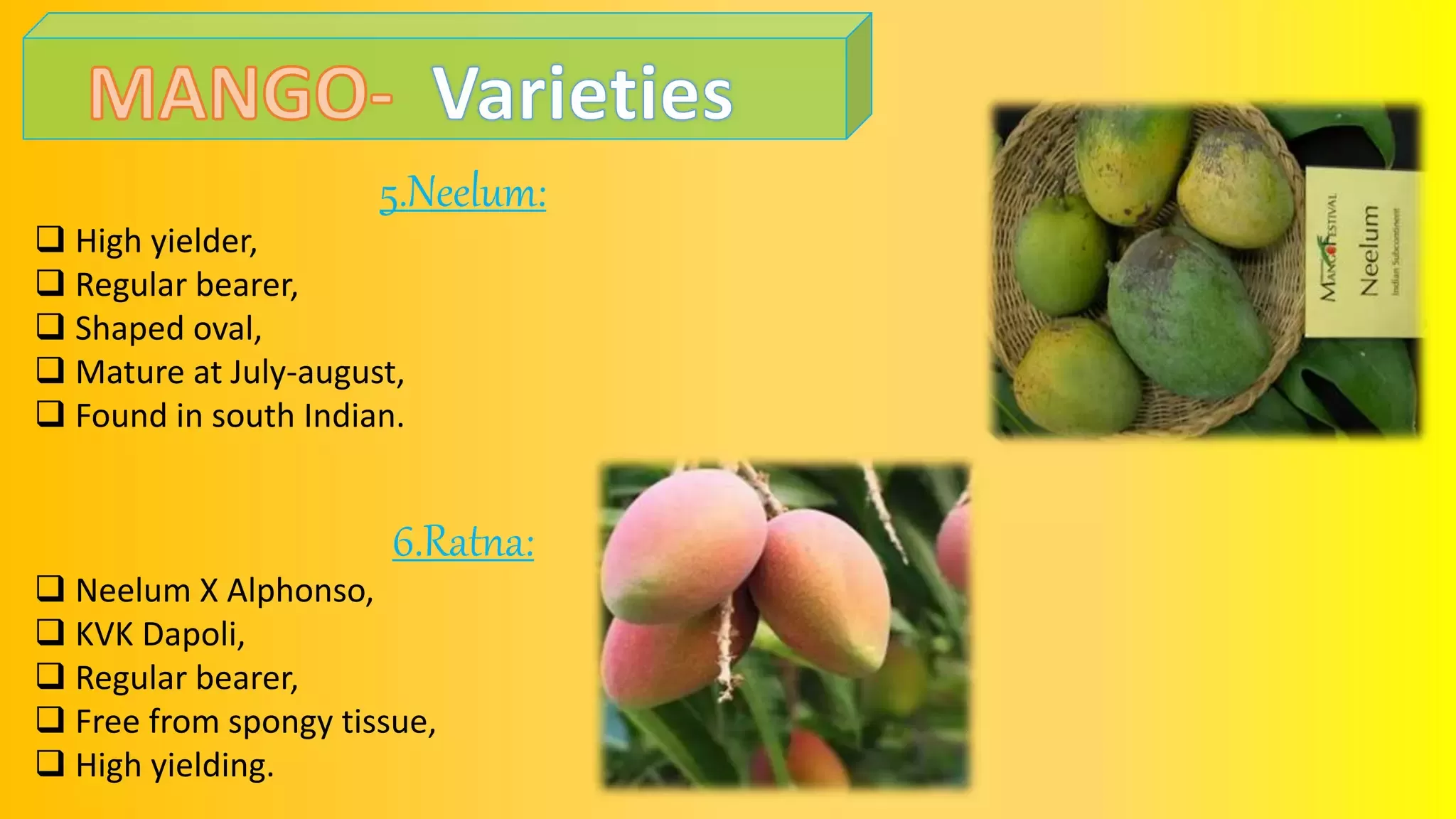
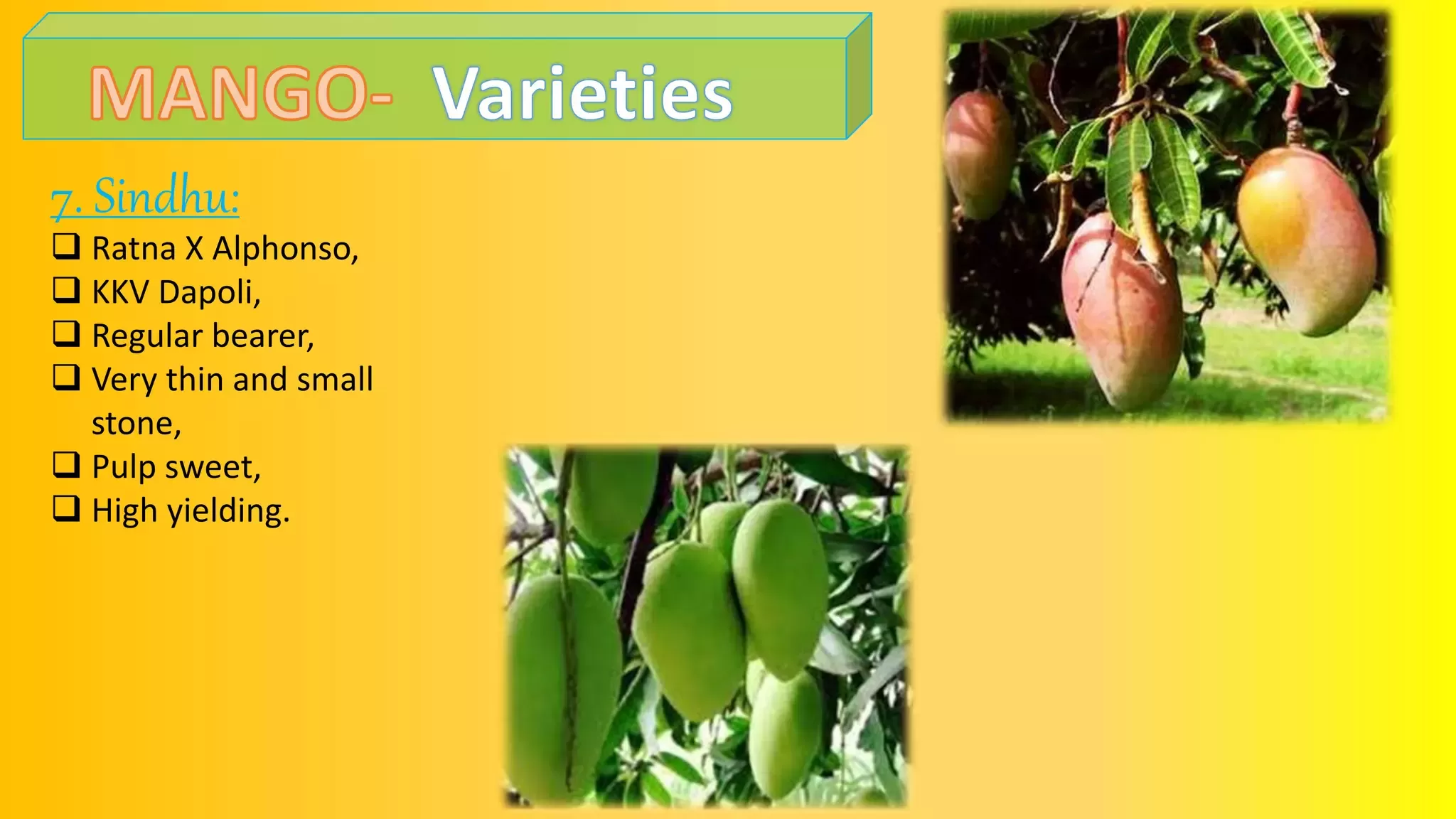
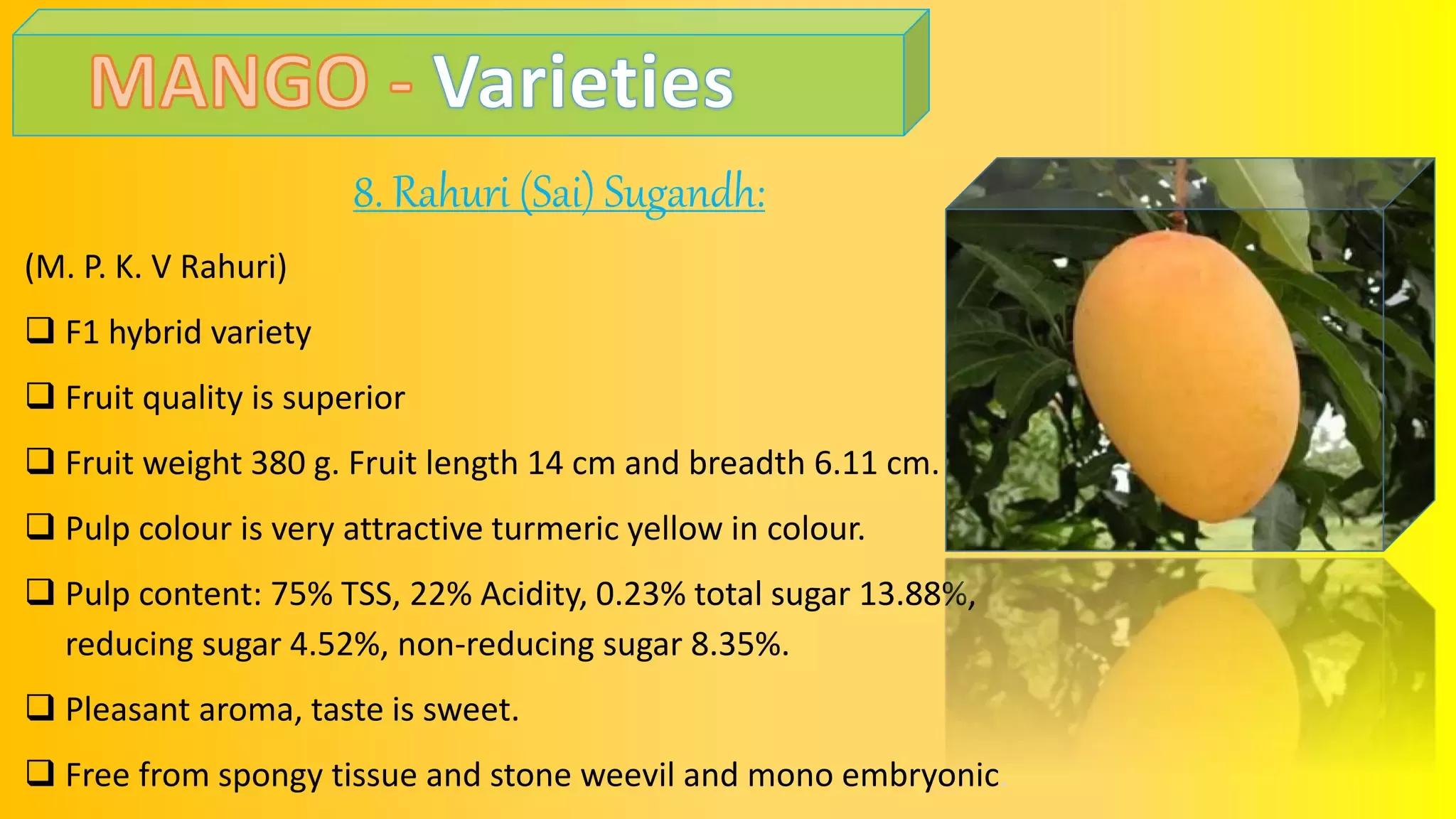
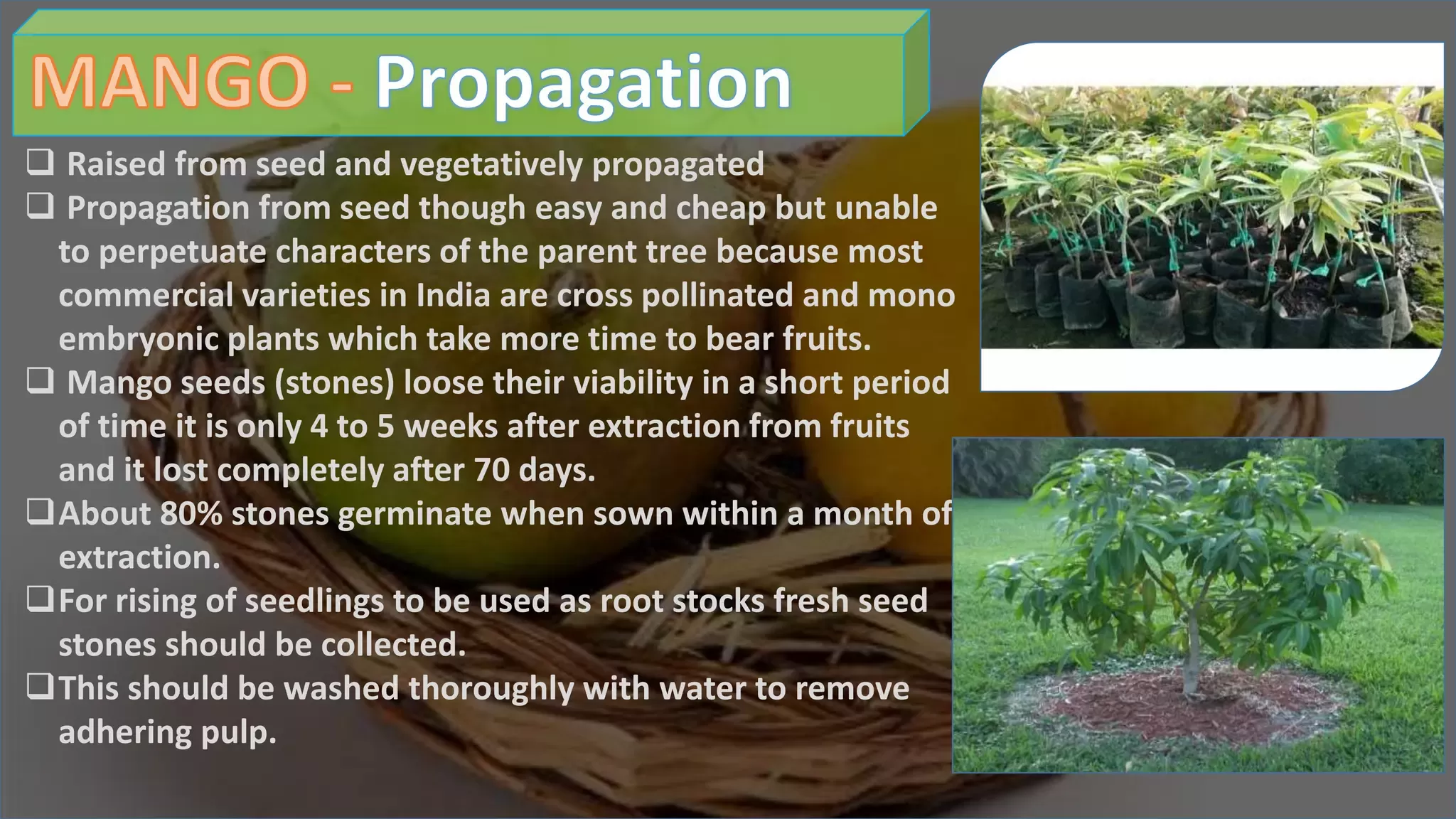
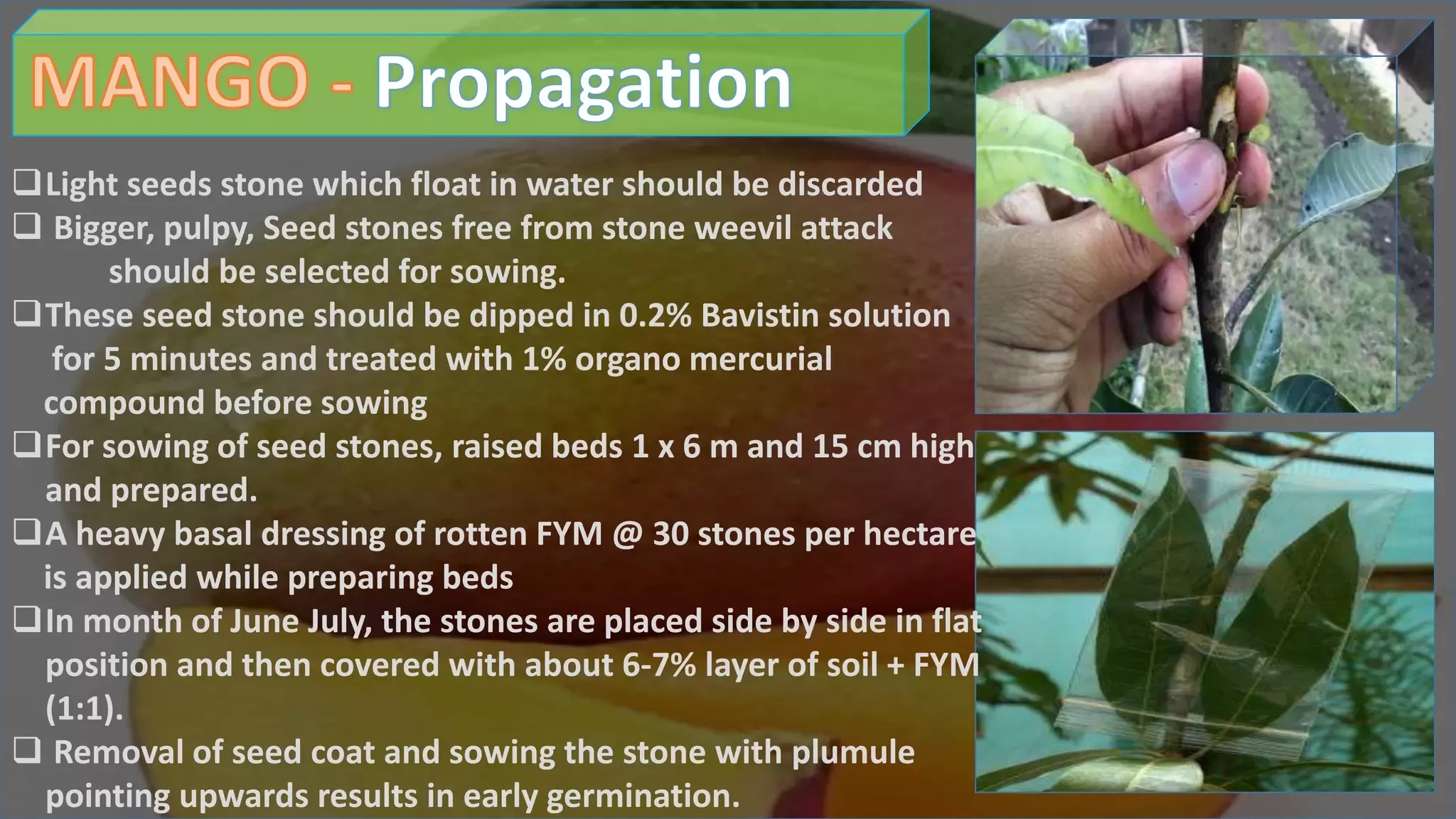
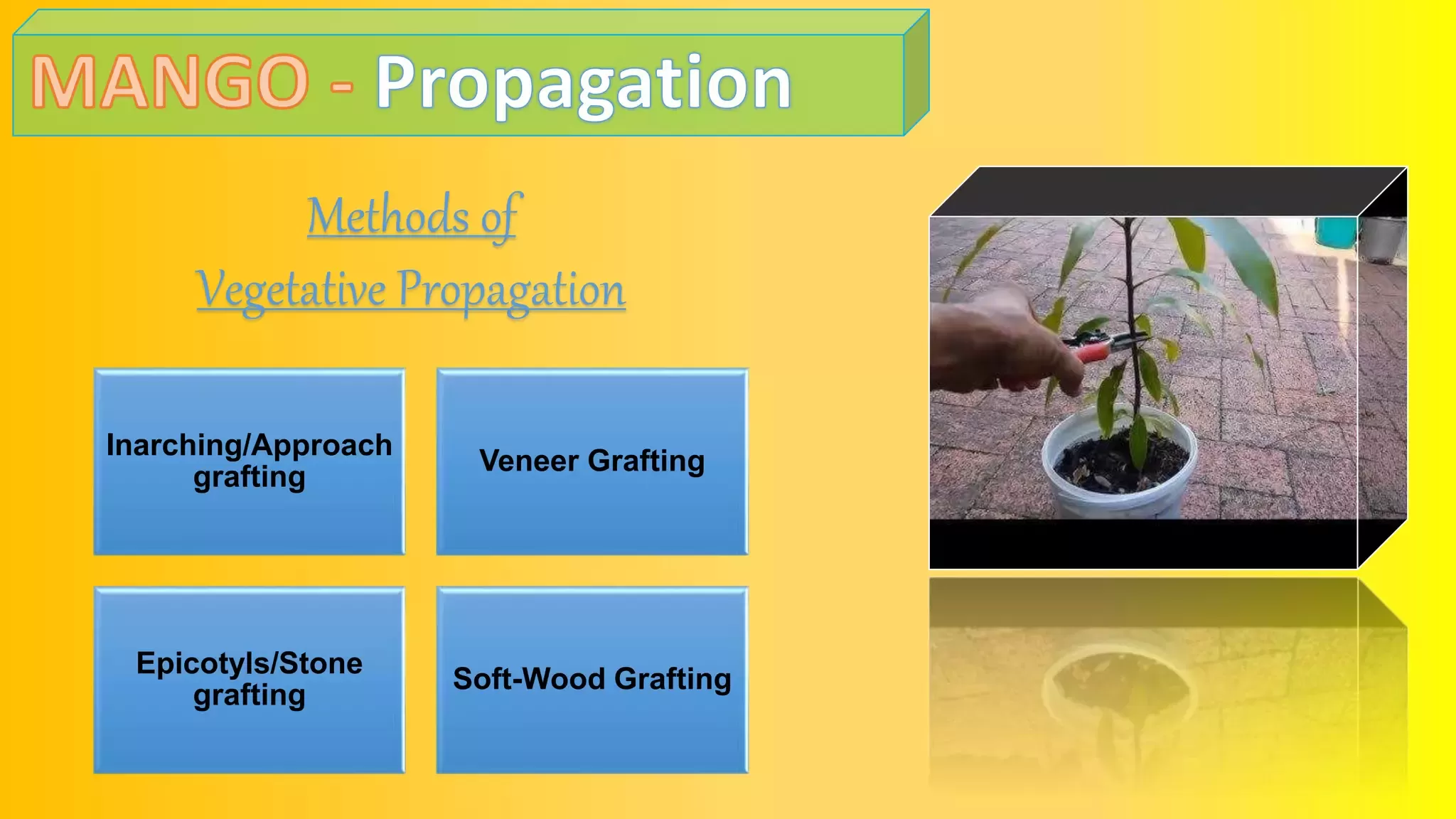
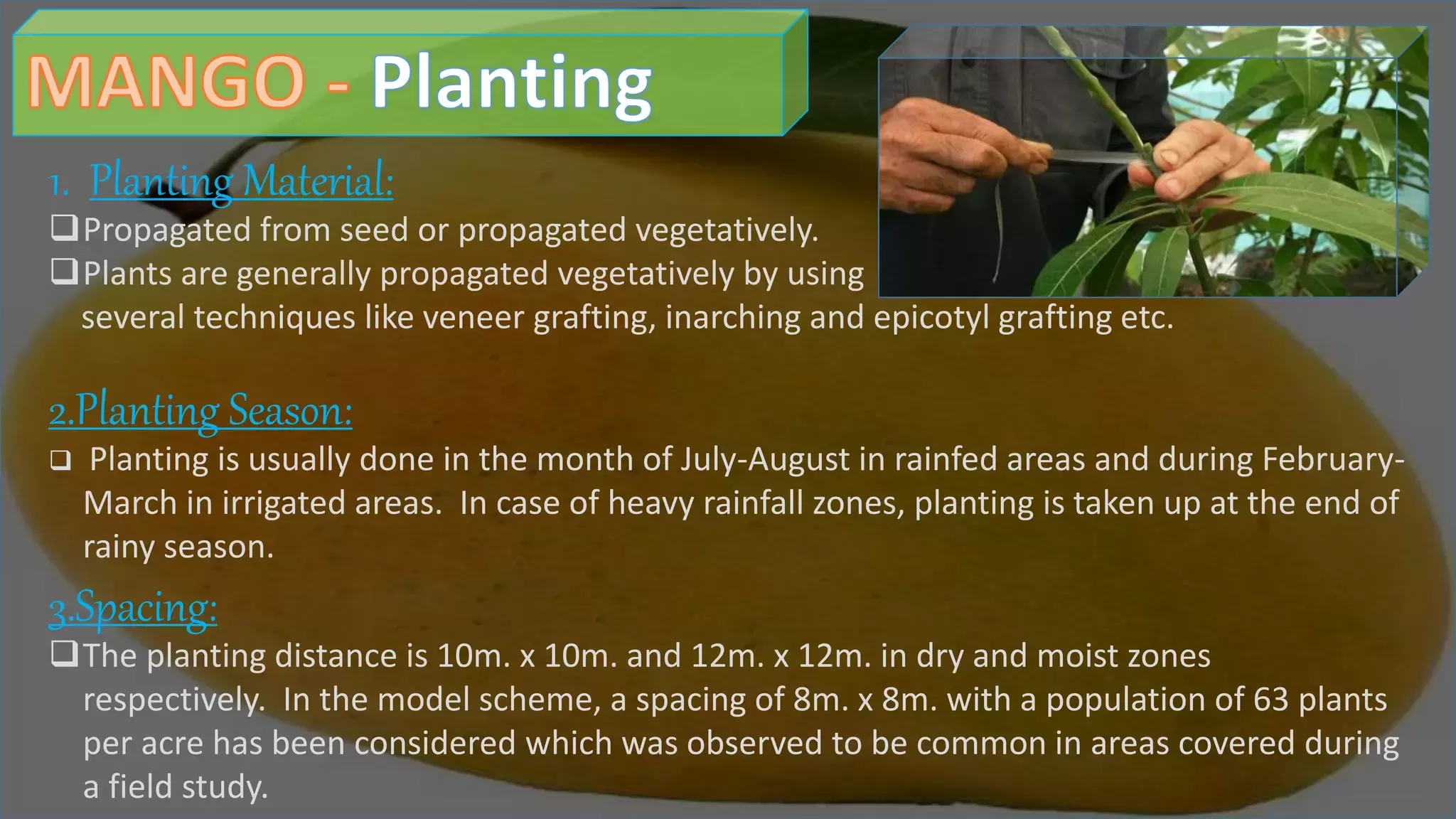
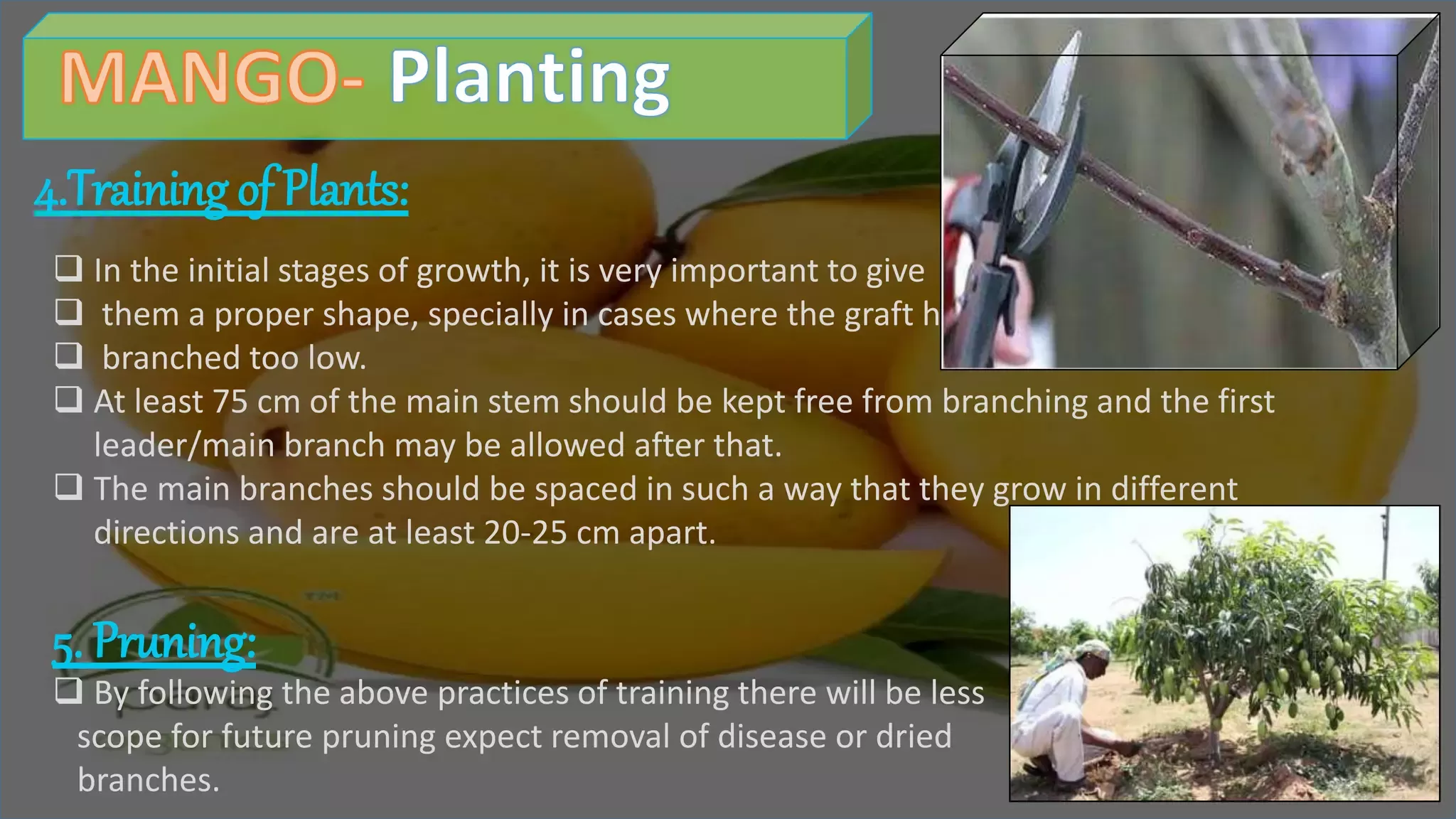
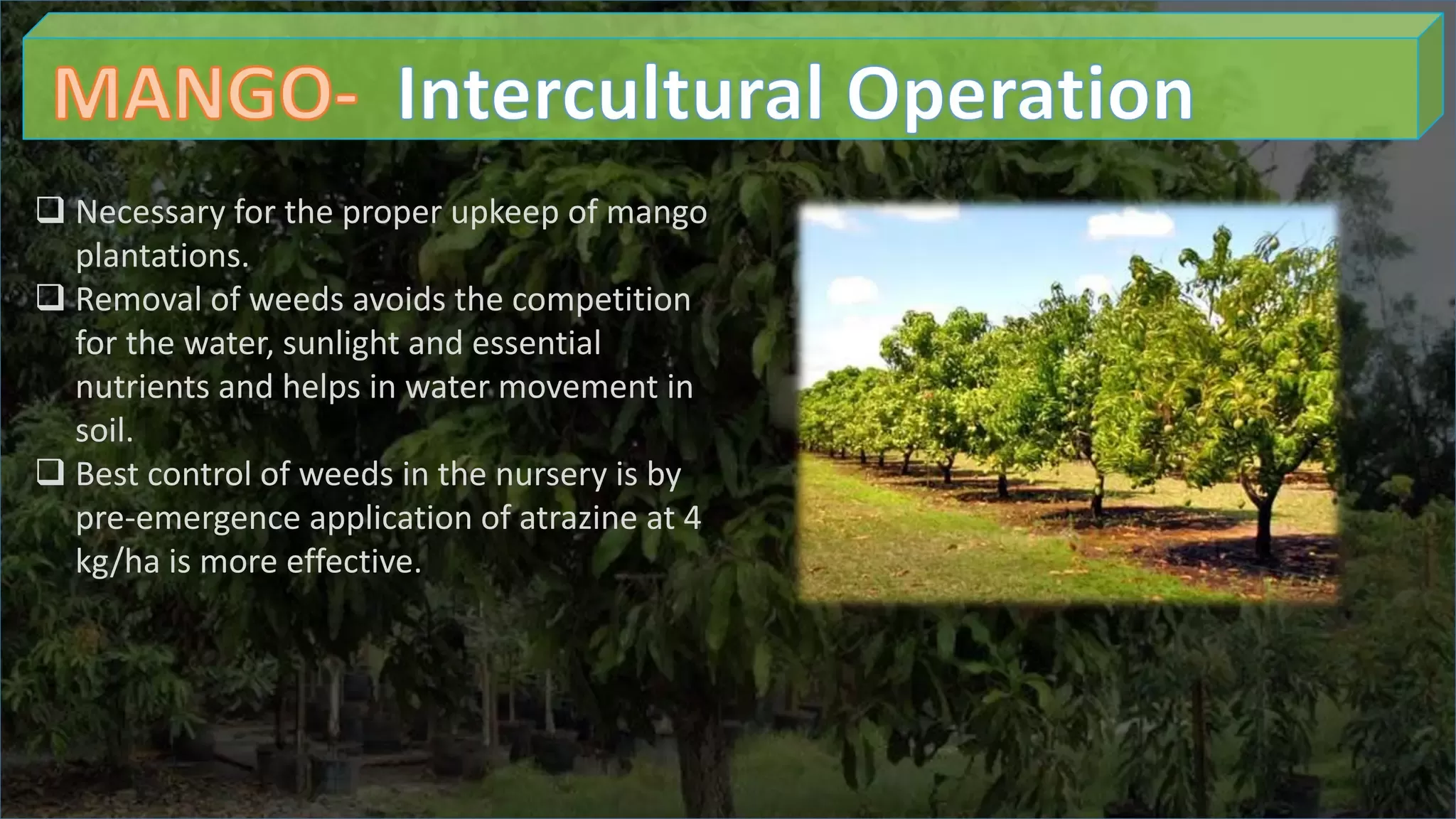
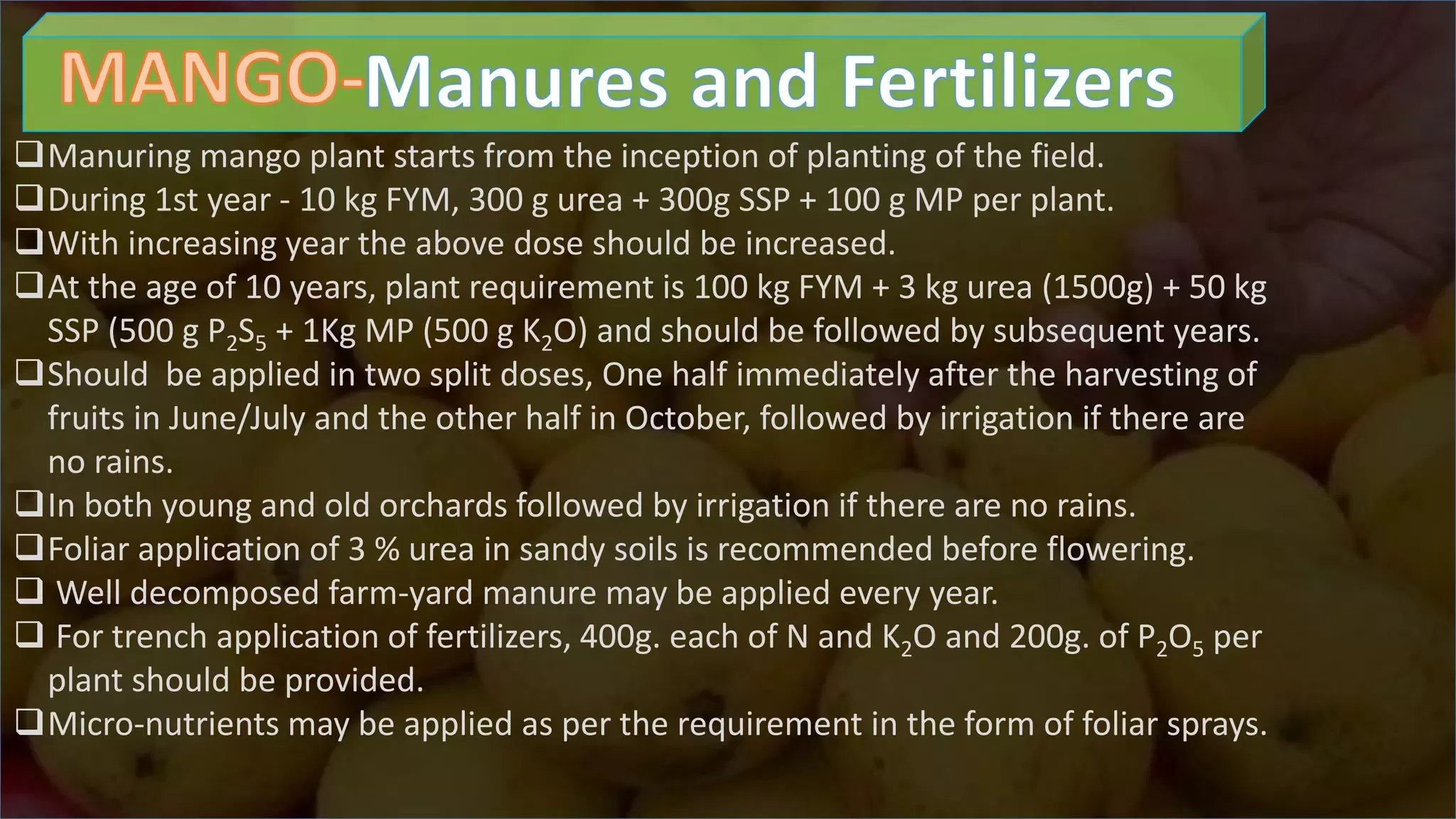
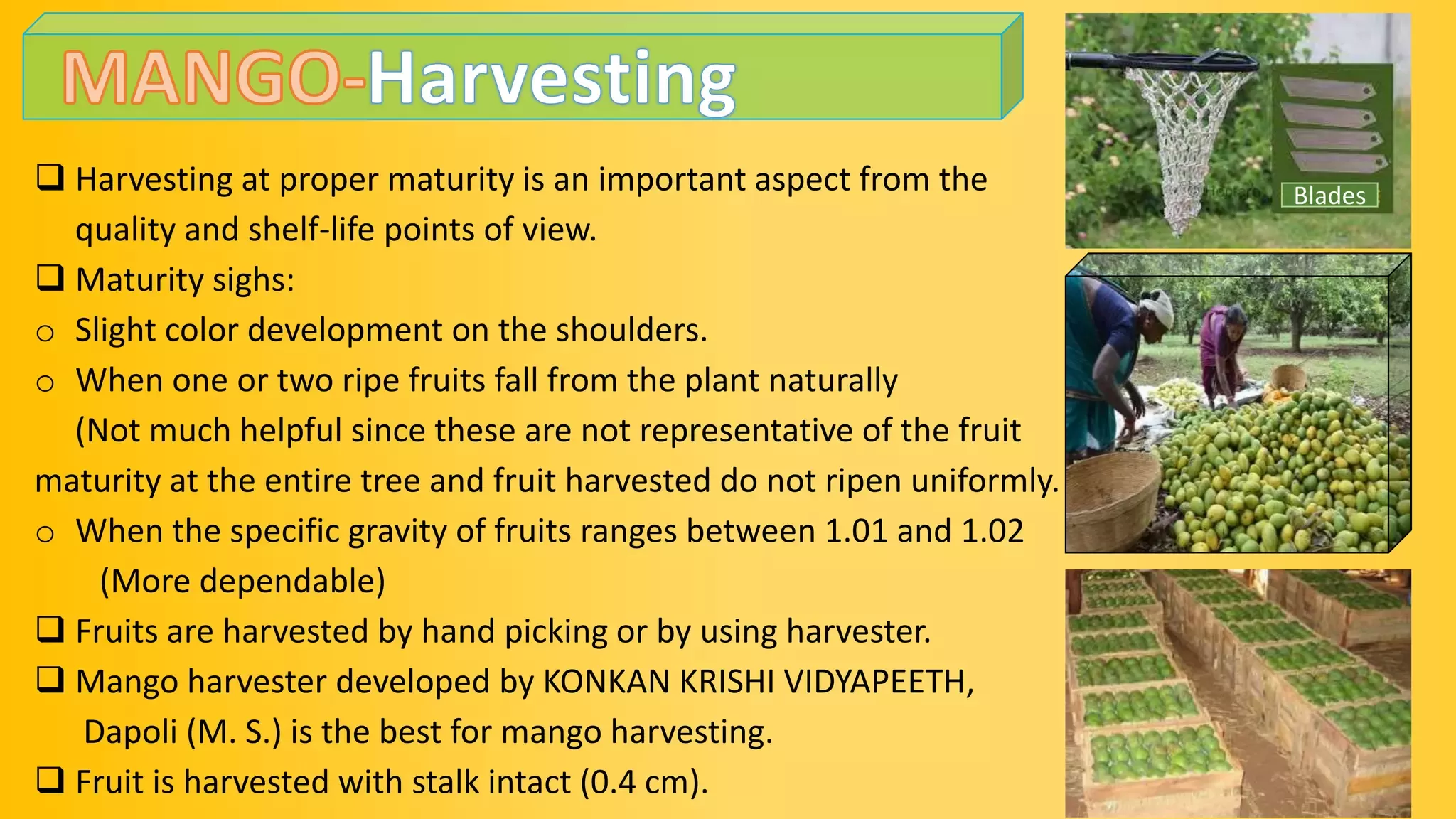
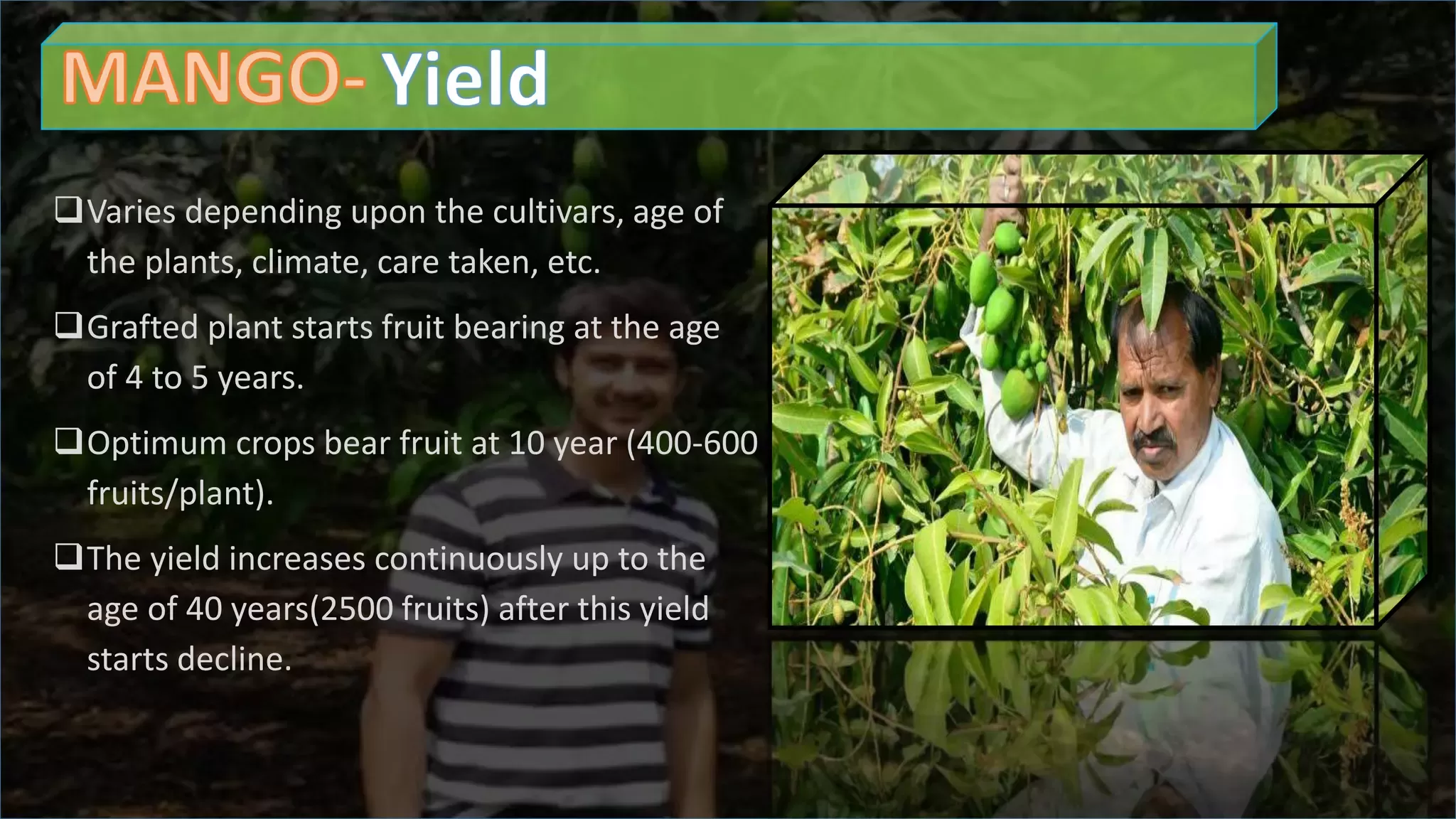
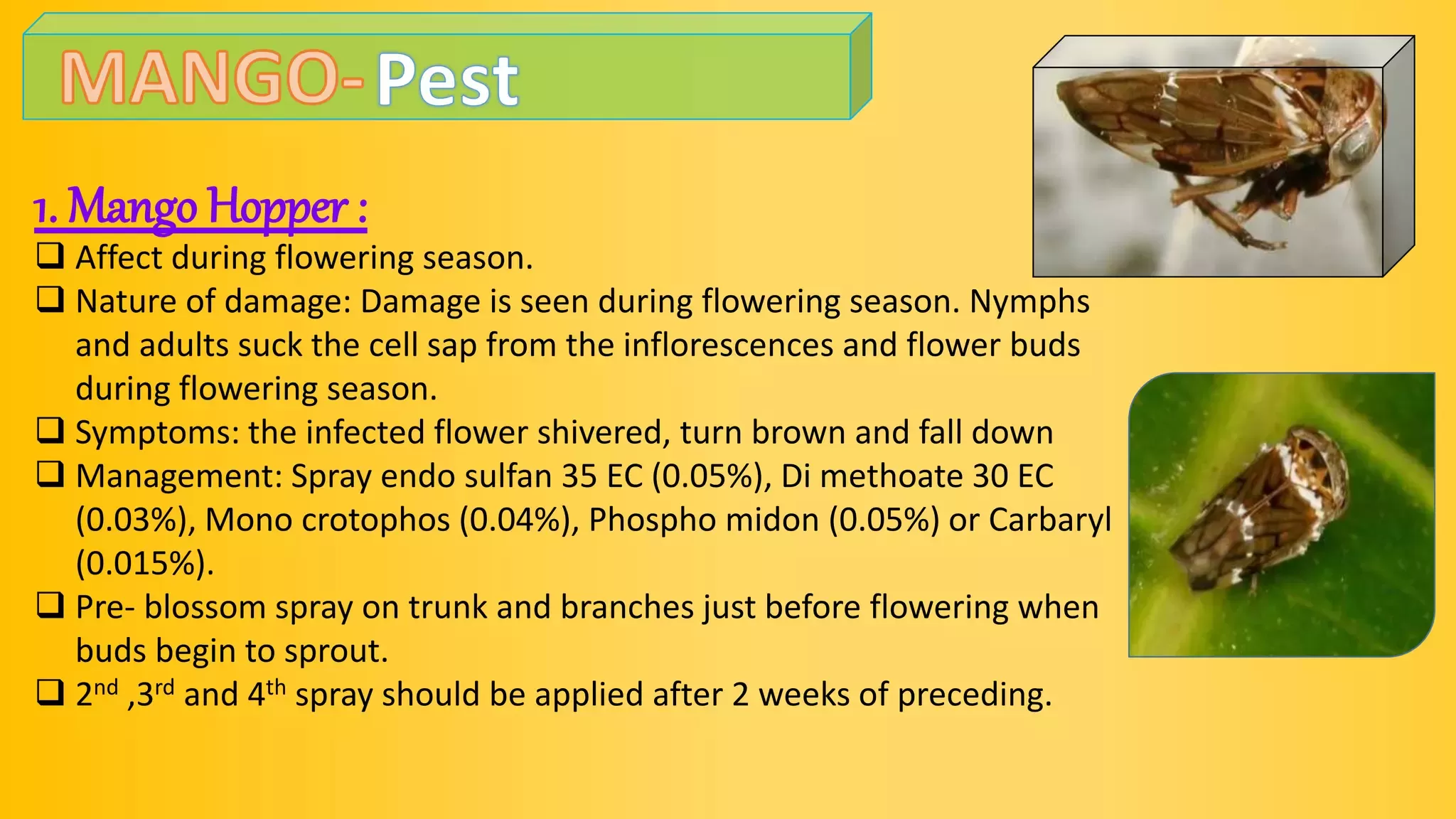
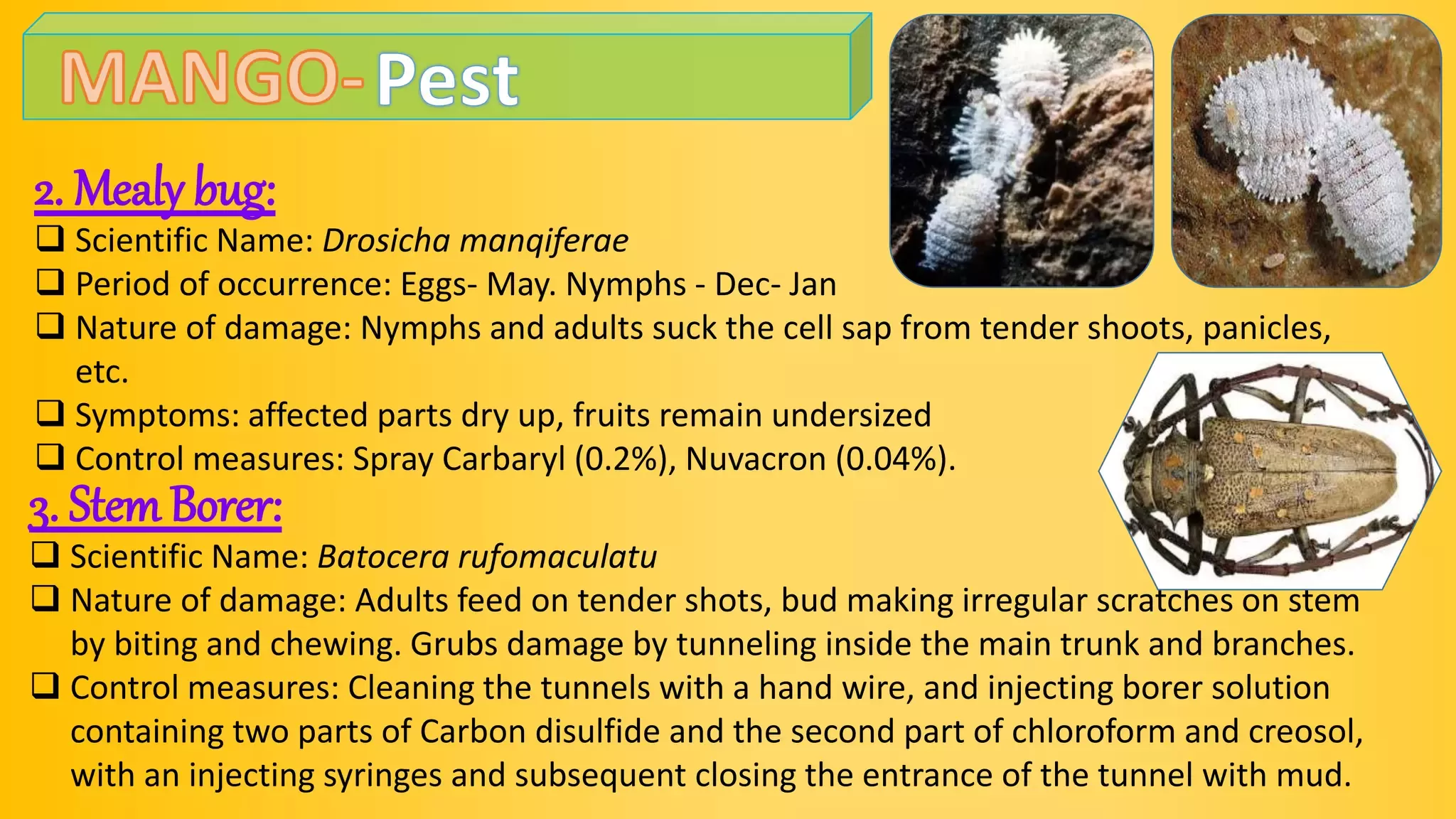
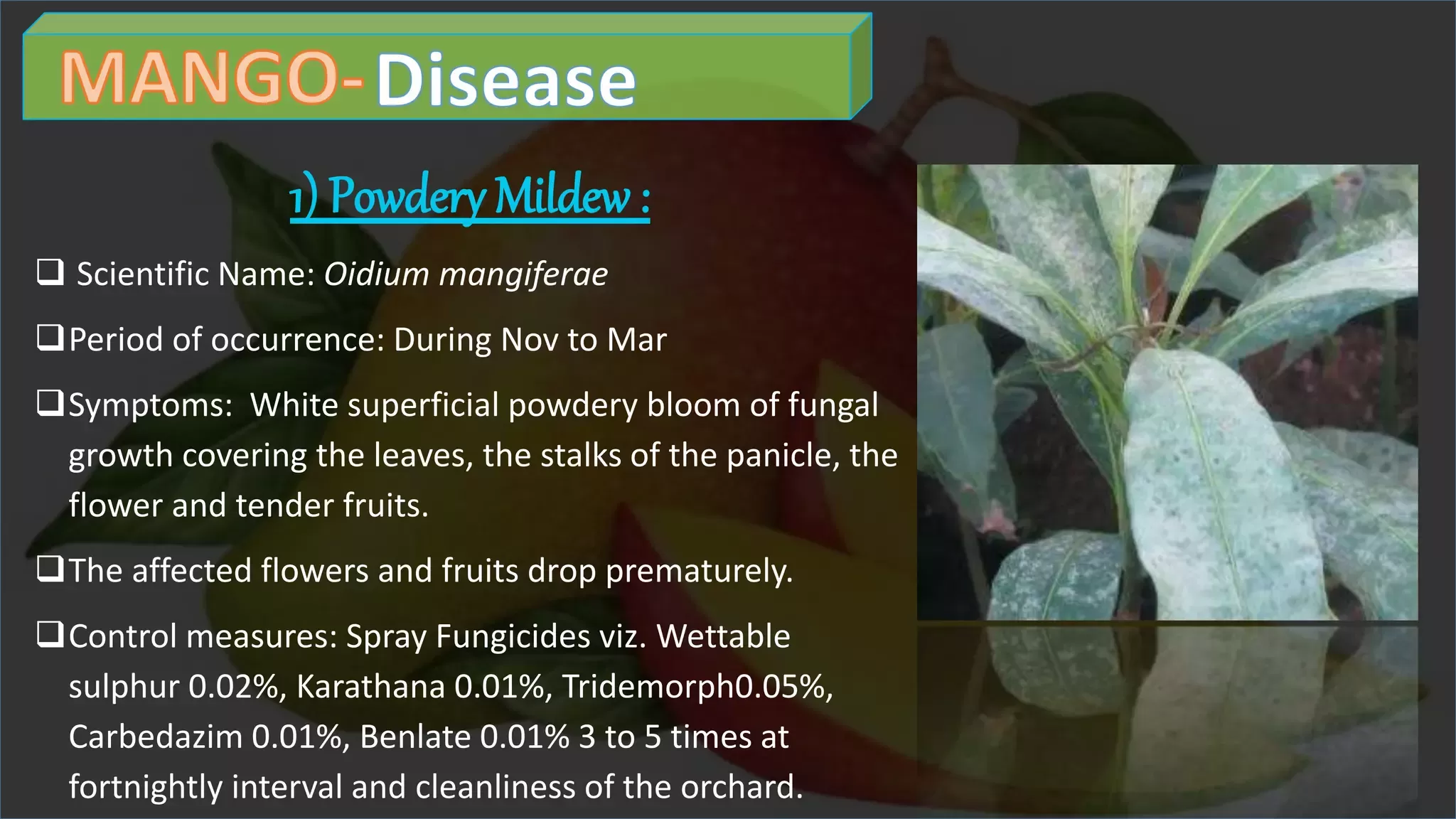
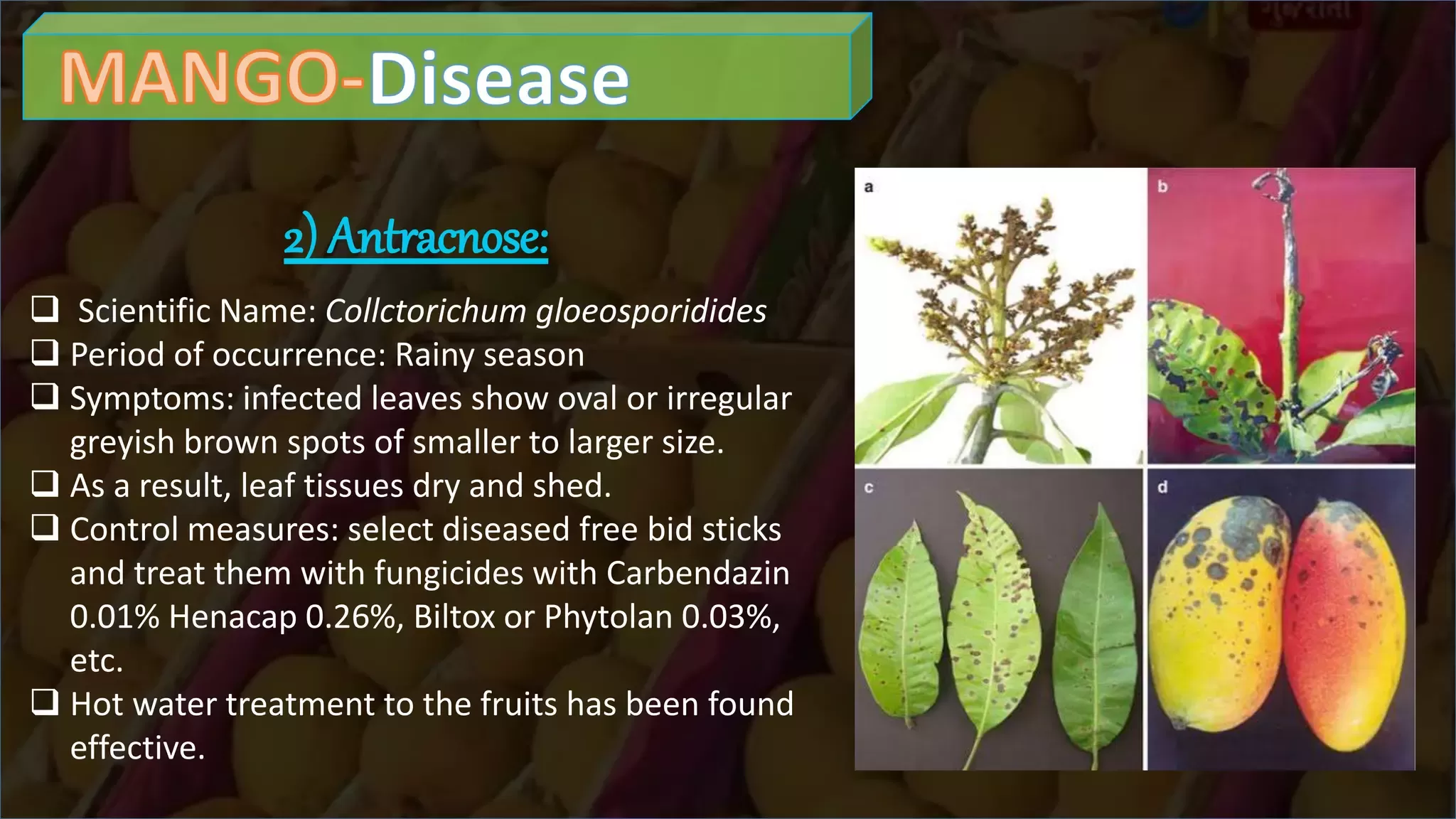
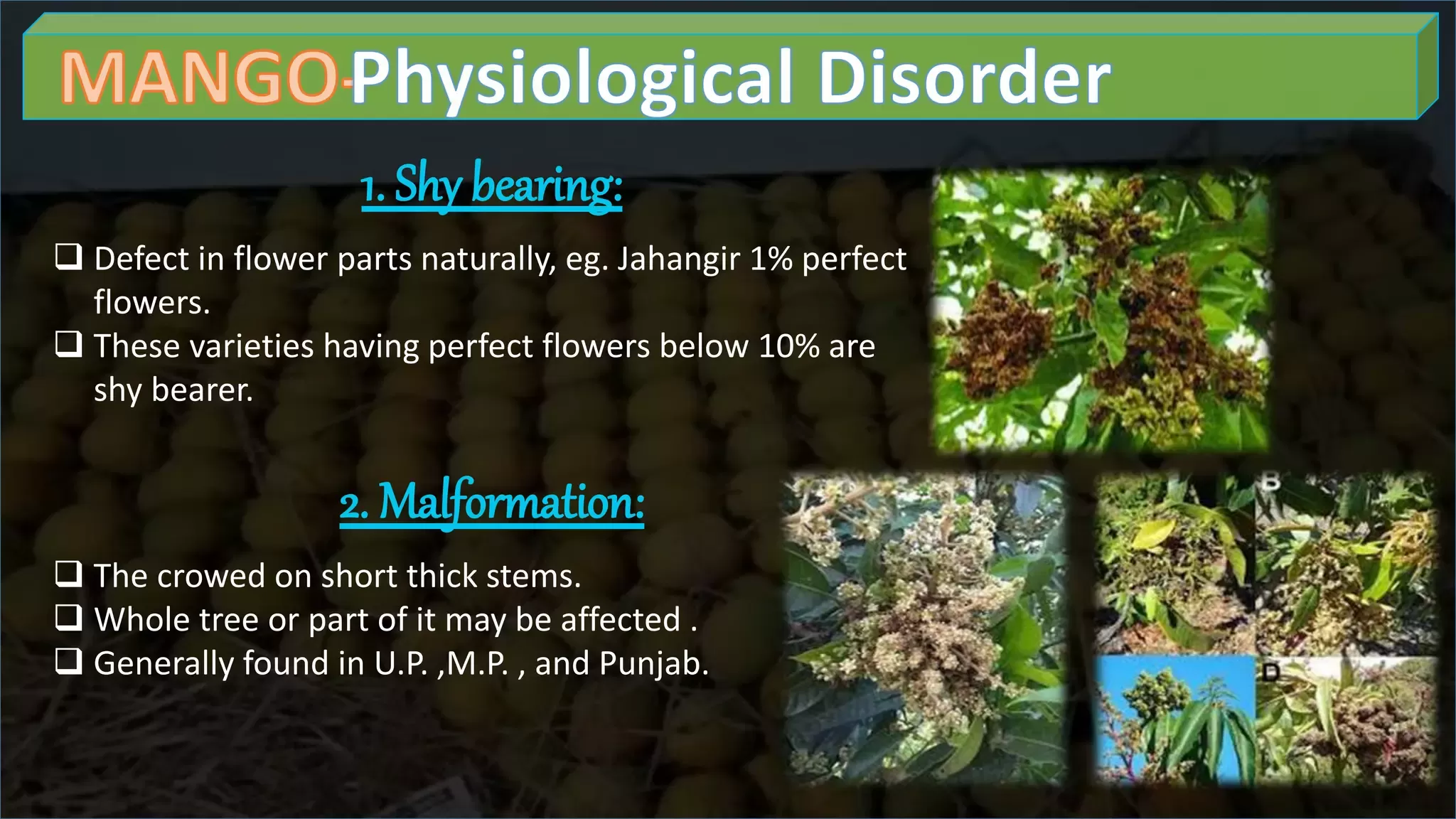
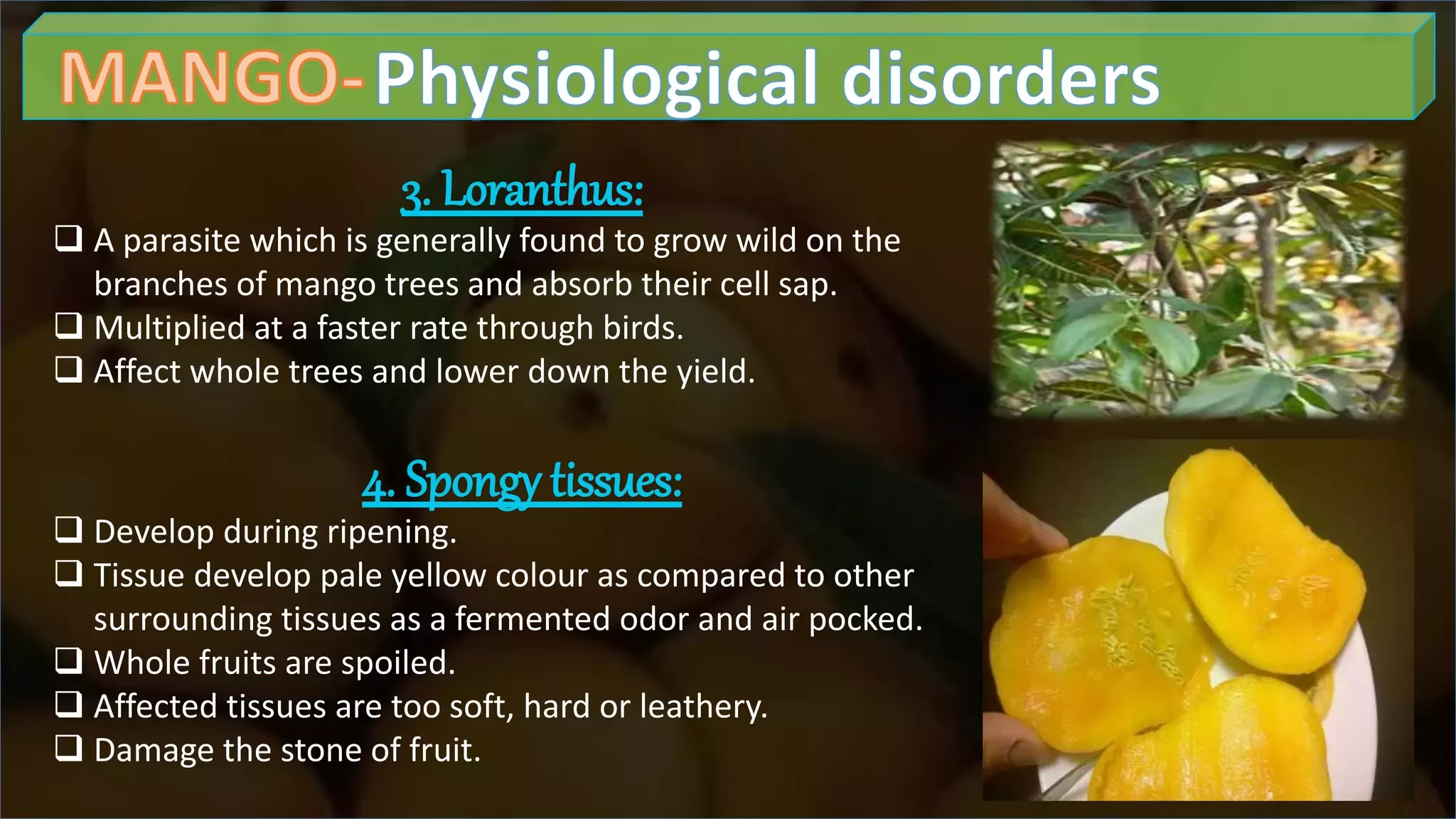
Mango cultivation, often referred to as the “King of Fruits,” is an essential agricultural practice, especially in countries like India, where the mango is revered as the national fruit. The mango tree, scientifically known as Mangifera indica L., belongs to the Anacardiaceae family and is believed to have originated in the Indo-Burma region. This tropical tree thrives in well-drained, loamy soils with a pH range of 5.5 to 7.5, making it adaptable to various soil types, from alluvial to sandy loam. However, it struggles in heavy, waterlogged, or highly alkaline soils. The economic significance of mangoes is profound. Many Indian varieties boast exceptional taste, flavor, and visual appeal, garnering a prominent place in both domestic and international markets. Mango trees are hardy, requiring relatively low maintenance, making them a commercially viable option for orcharding. Recent advancements in technology have further increased the profitability of mango cultivation. Scientific evidence suggests mangoes existed 25 to 30 million years ago, particularly in regions encompassing Northeast India, Myanmar, and Bangladesh. Historical records, dating back to the pre-Buddhist era in ancient Sanskrit literature, highlight the immense cultural significance of the fruit. The mango is not only a staple in diets but also symbolizes faith and prosperity in various religious traditions. When cultivating mangoes, attention must be given to optimal climatic conditions. These trees flourish in tropical and subtropical climates, thriving at altitudes up to 1500 meters. While young mango trees are sensitive to frost, the ideal temperature range for growth falls between 24°C and 27°C. In terms of hybrid varieties, numerous cross-breeds have been developed to enhance yield and fruit quality. Varieties like Amrapalli, Mallika, and Sindhu are particularly noted for their hardiness and productivity. Grafting techniques, such as veneer and epicotyl grafting, are commonly used for propagation, ensuring better fruit quality and consistency. Young trees can begin producing fruit within four to five years of planting, with peak yields typically seen around ten years post-plantation. Proper care and management are crucial for successful mango cultivation. Adequate irrigation, especially during fruit development and the flowering period, plays a vital role in fruit size and overall yield. Comprehensive fertilization strategies must also be implemented, starting from the planting phase, with specific nutrient requirements changing as the tree matures. Harvesting mature mangoes at optimal ripeness is essential to ensure quality and shelf life. Observing the right signs, like color change and the specific gravity of the fruit, can inform the harvest timing. Insect and disease management is equally critical, as pests like the mango hopper and mealy bug can severely damage crops. Implementing good agricultural practices, such as regular monitoring and applying appropriate protective measures, is vital to prevent loss. In conclusion, mango cultivation is a dynamic and rewarding endeavor that combines horticultural knowledge with an understanding of market demands. The rich history, cultural significance, and economic potential of this fruit make it a key player in the agricultural landscape, particularly in tropical regions. From soil preparation to post-harvest management, every step in the process contributes to the delightful experience of enjoying this beloved fruit.

Slide 1

Slide 1⬇ Slide

Slide 2

Slide 2⬇ Slide

Slide 3

Slide 3⬇ Slide

Slide 4

Slide 4⬇ Slide

Slide 5

Slide 5⬇ Slide

Slide 6

Slide 6⬇ Slide

Slide 7

Slide 7⬇ Slide

Slide 8

Slide 8⬇ Slide

Slide 9

Slide 9⬇ Slide

Slide 10

Slide 10⬇ Slide

Slide 11

Slide 11⬇ Slide

Slide 12

Slide 12⬇ Slide

Slide 13

Slide 13⬇ Slide

Slide 14

Slide 14⬇ Slide

Slide 15

Slide 15⬇ Slide

Slide 16

Slide 16⬇ Slide

Slide 17

Slide 17⬇ Slide

Slide 18

Slide 18⬇ Slide

Slide 19

Slide 19⬇ Slide

Slide 20

Slide 20⬇ Slide

Slide 21

Slide 21⬇ Slide

Slide 22

Slide 22⬇ Slide

Slide 23

Slide 23⬇ Slide

Slide 24

Slide 24⬇ Slide

Slide 25

Slide 25⬇ Slide

Slide 26

Slide 26⬇ Slide

Slide 27

Slide 27⬇ Slide

Slide 28

Slide 28⬇ Slide

Slide 29

Slide 29⬇ Slide

Slide 30

Slide 30⬇ Slide

Slide 31

Slide 31⬇ Slide
1 / 31

Ppt on Chow chow vegetable cultivation

Description

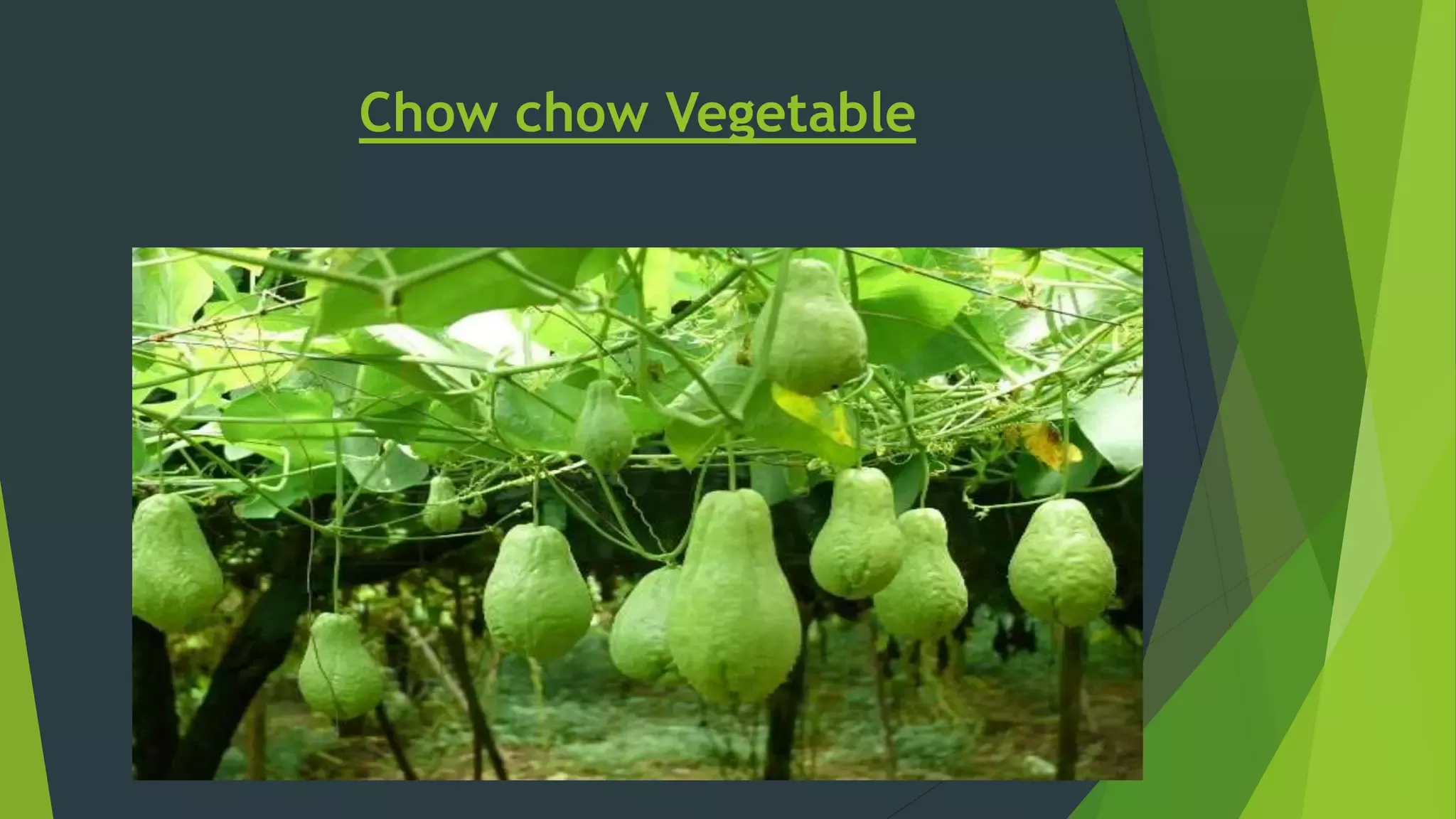
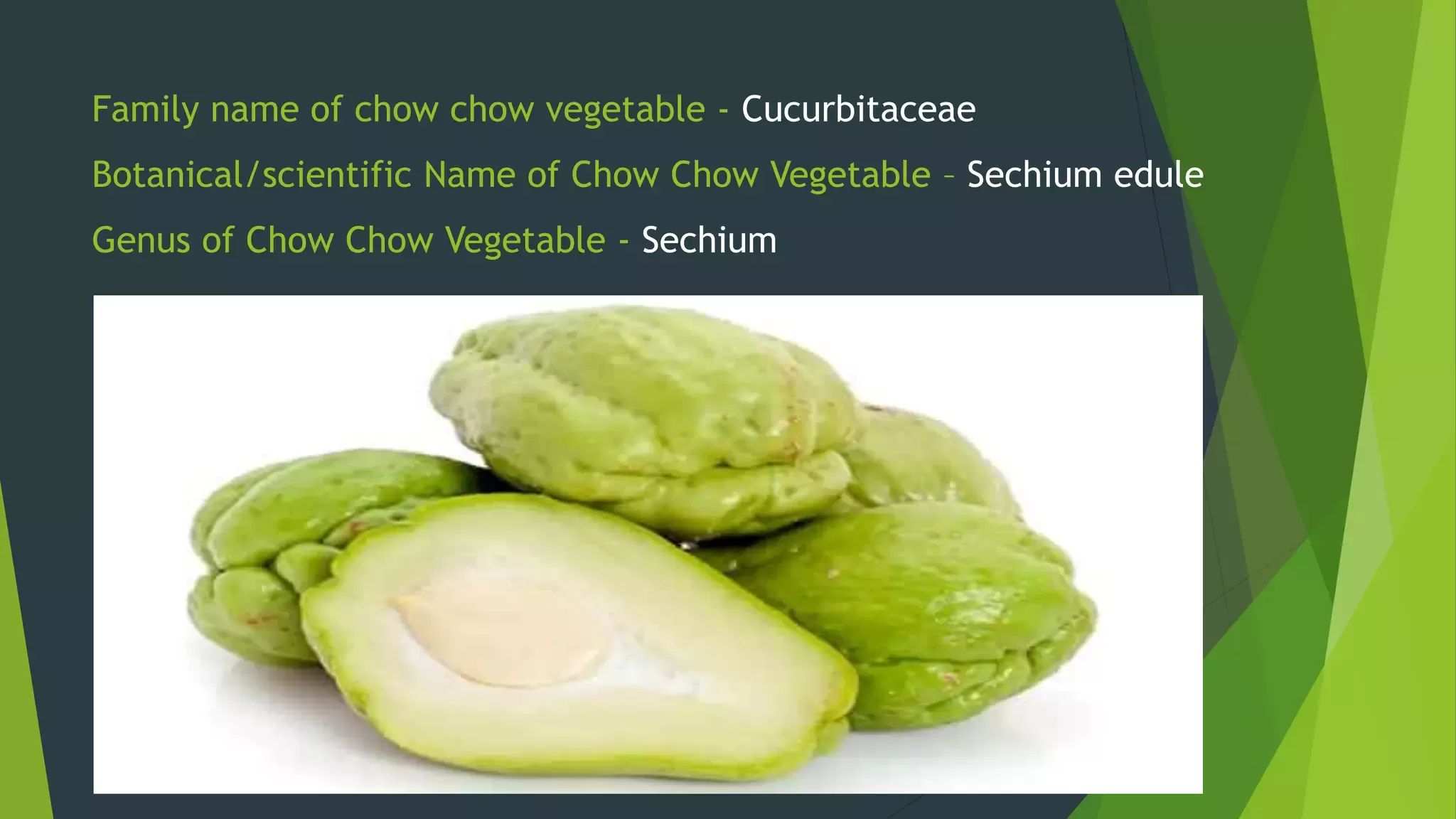
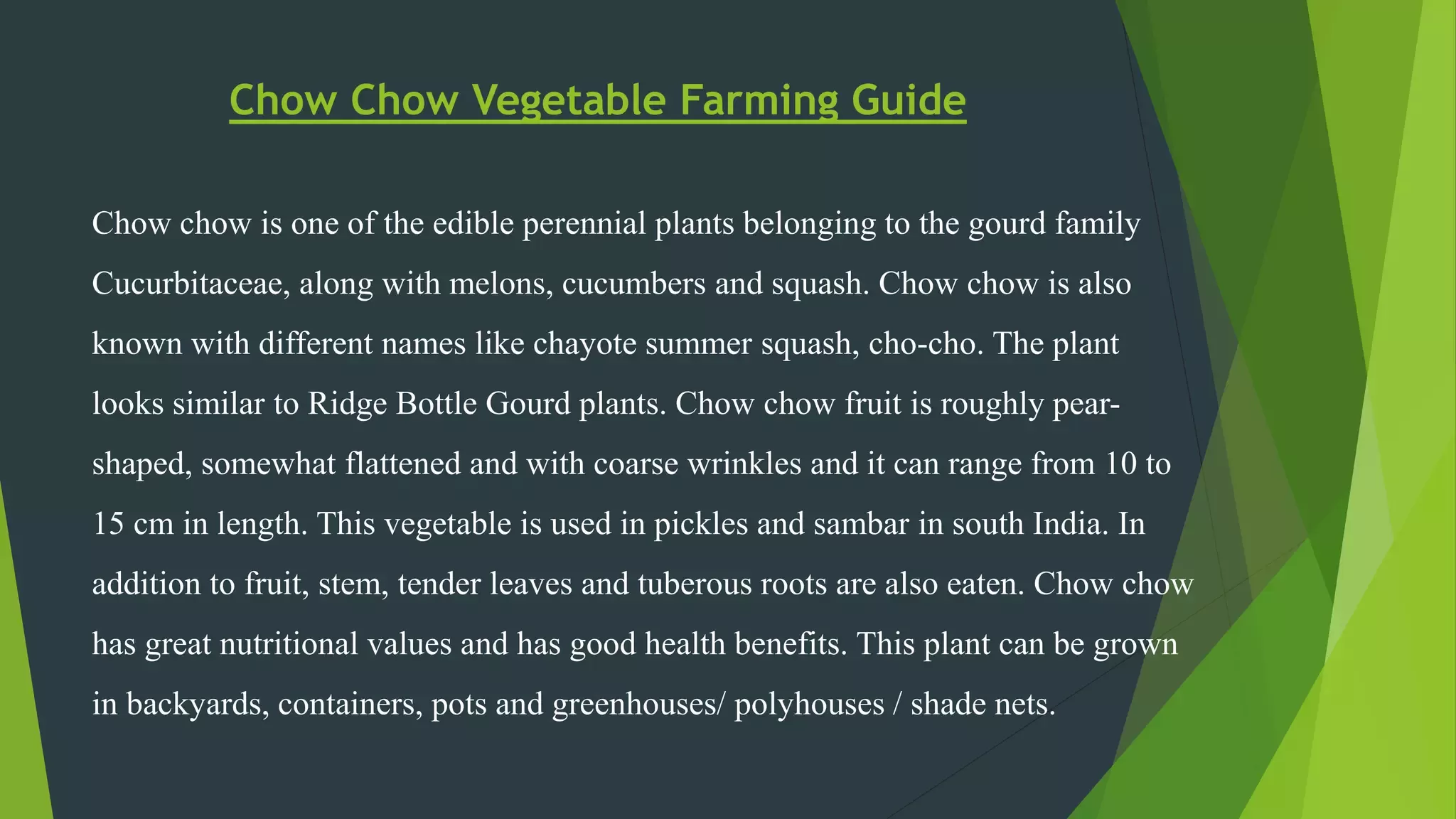
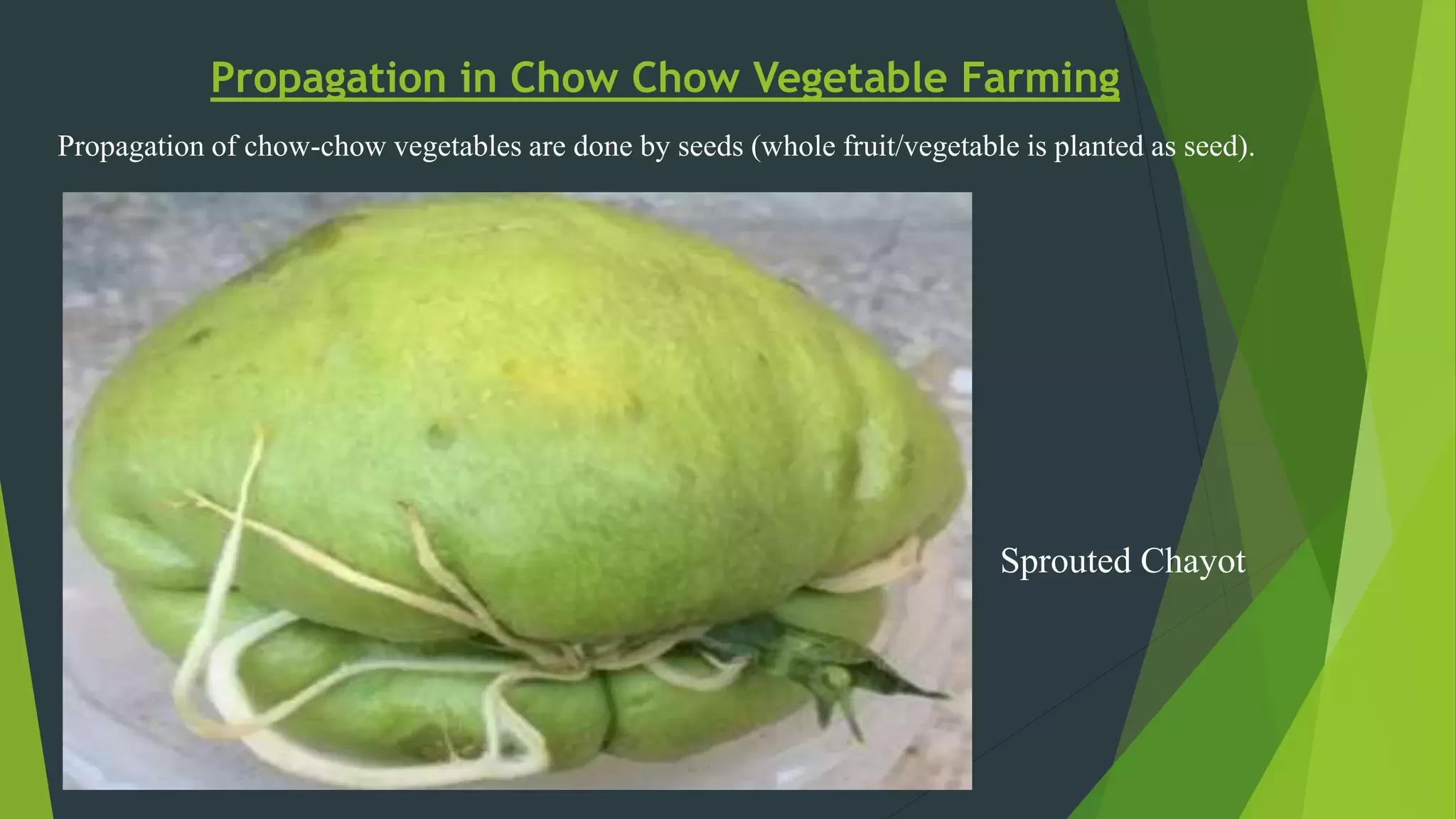
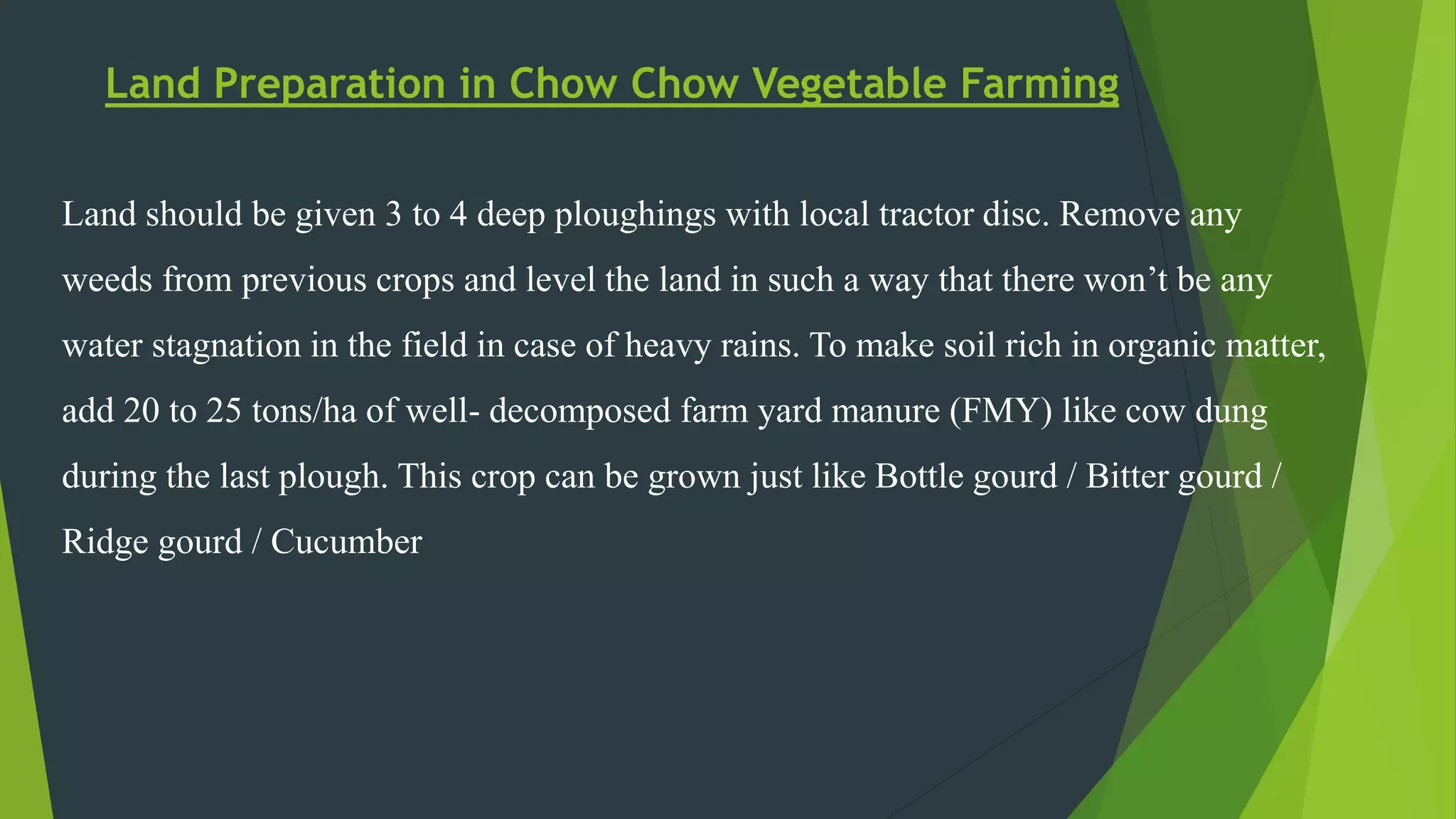
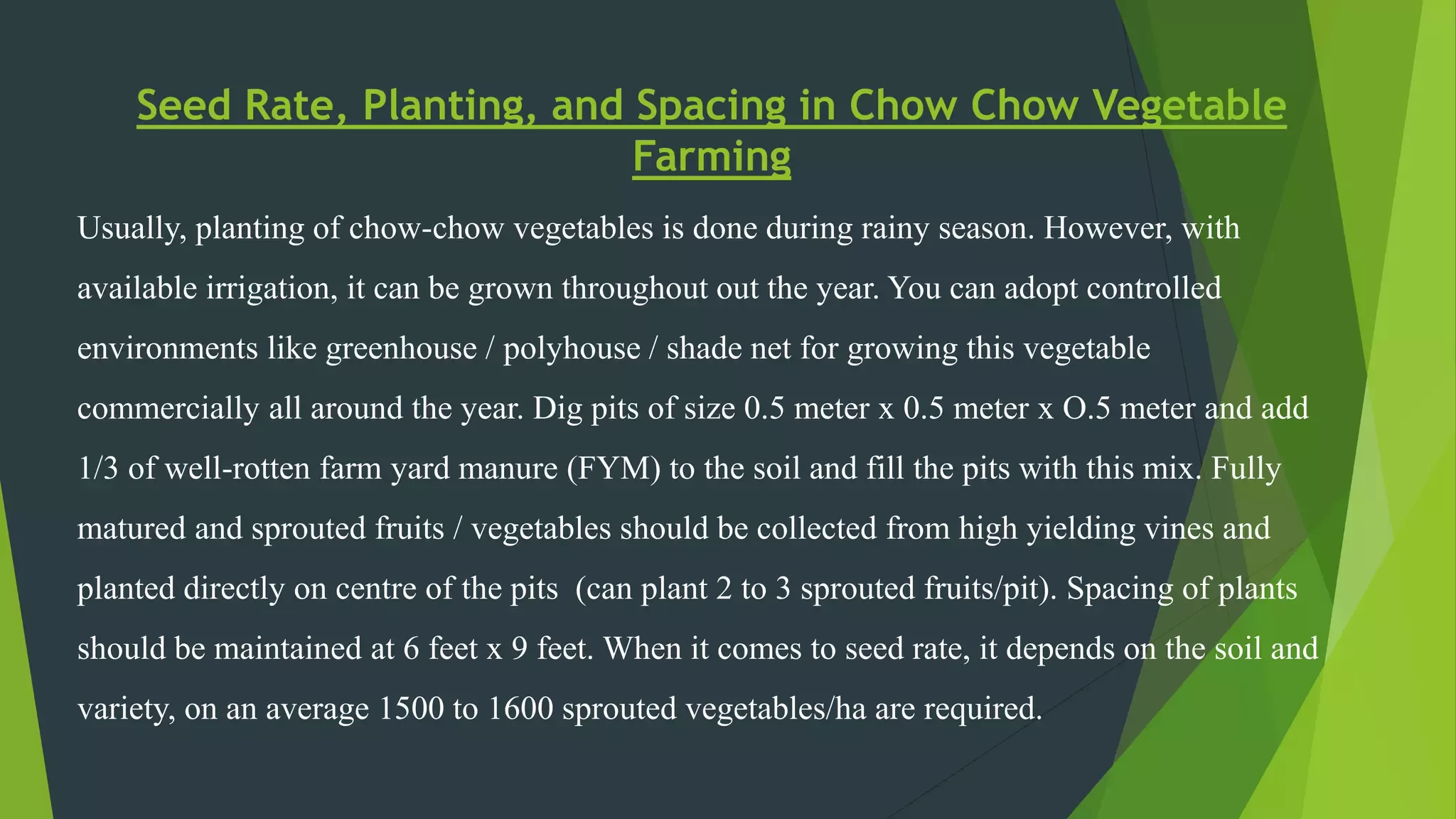
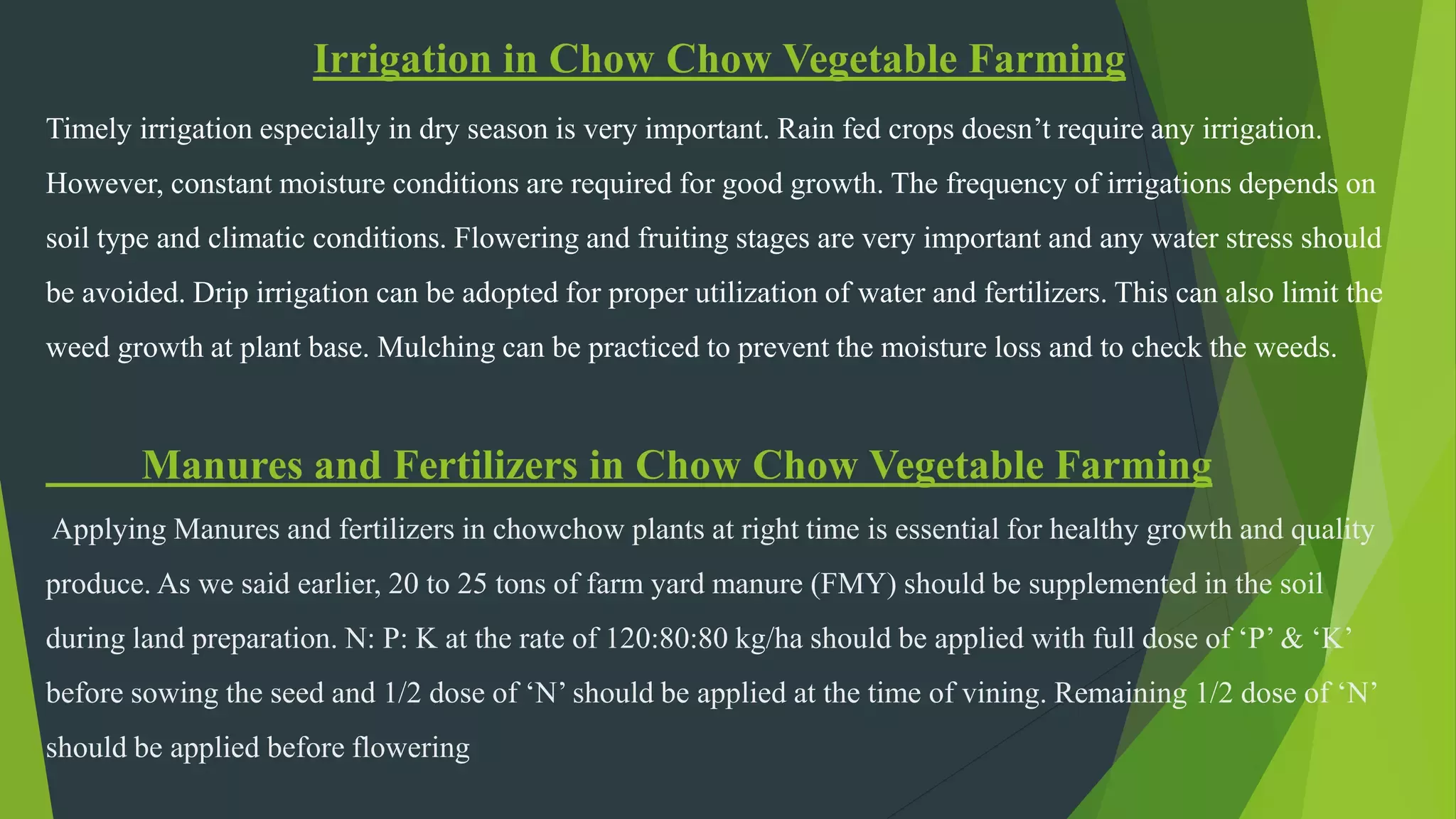
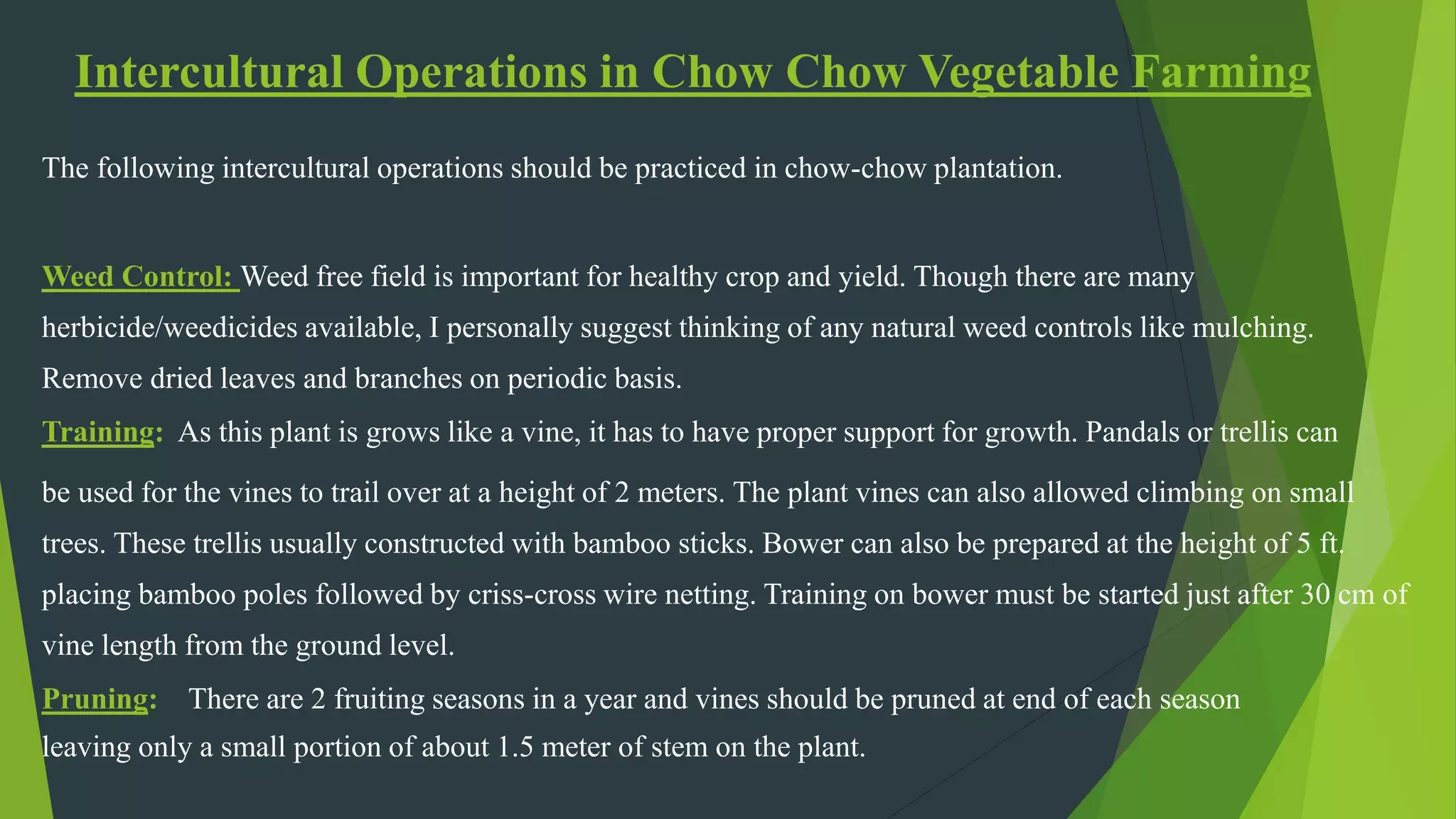
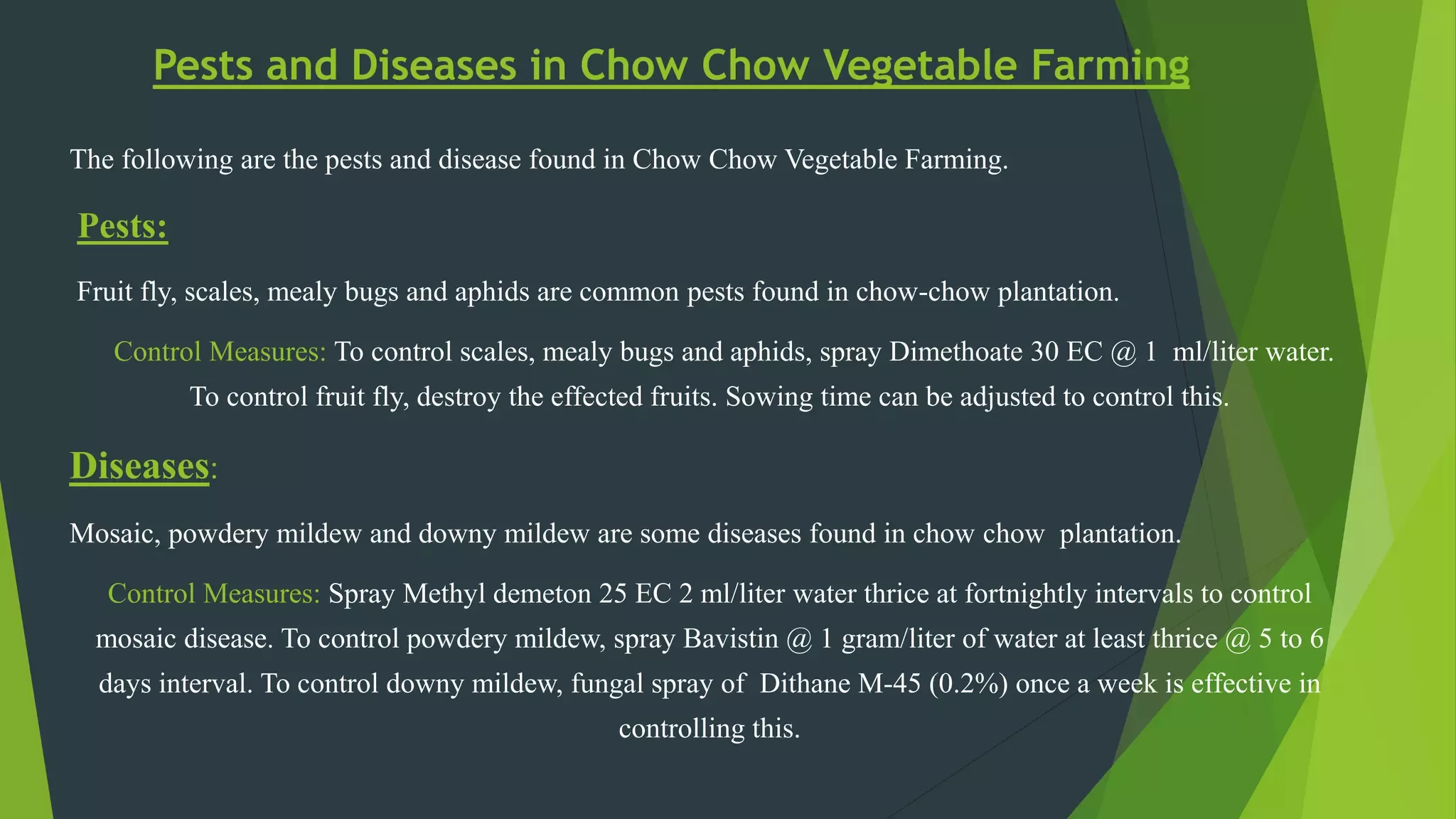
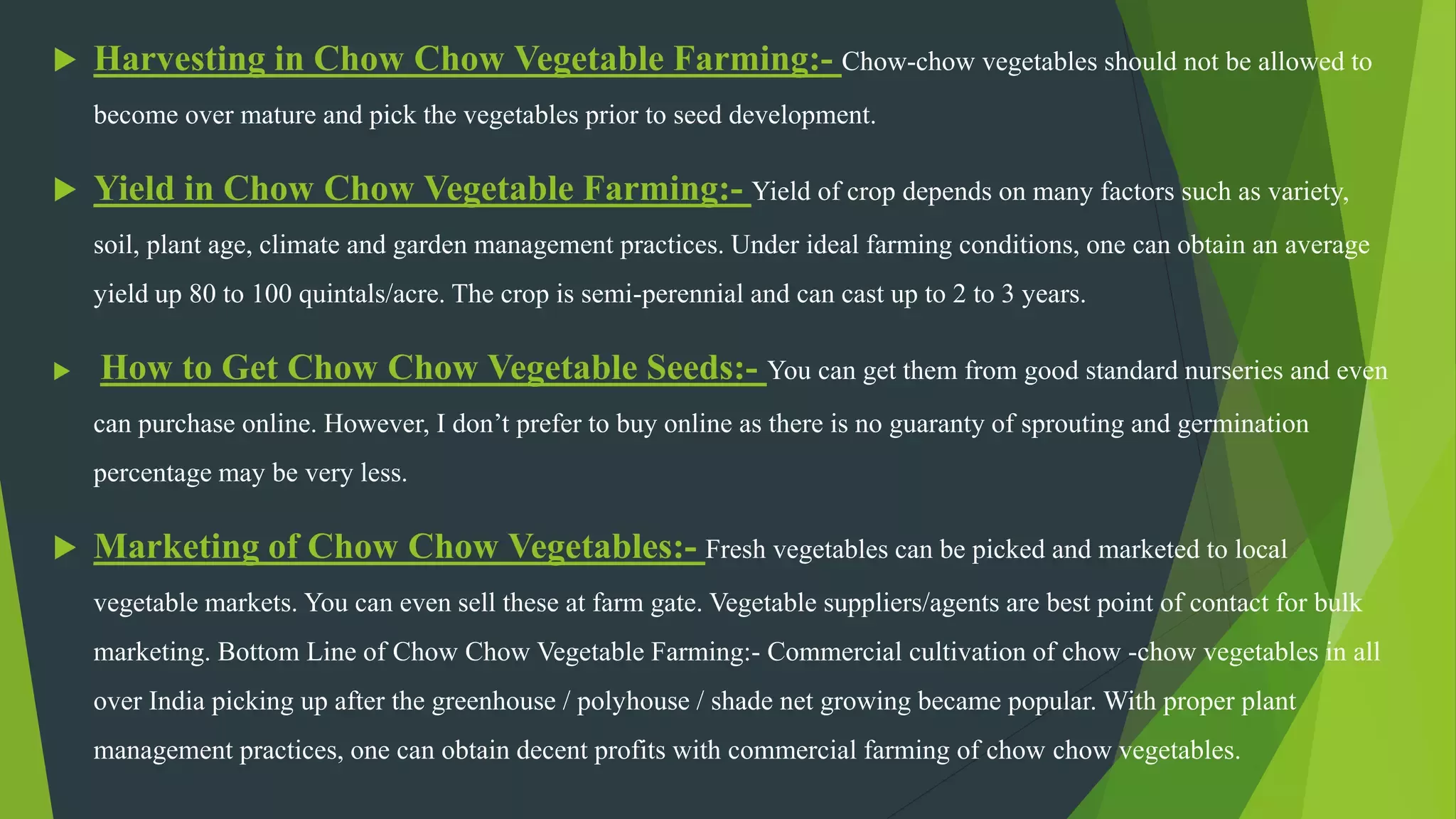
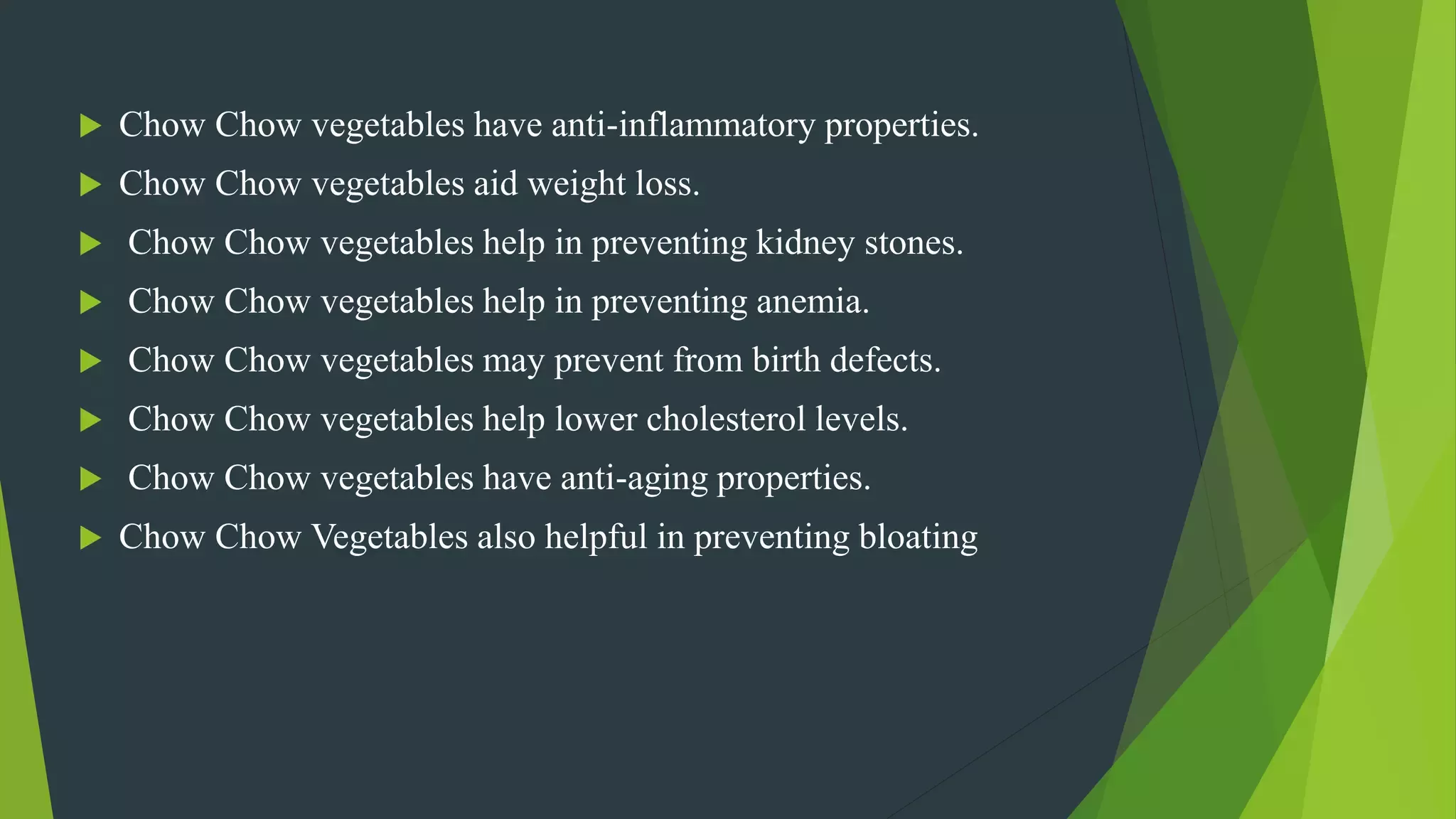
Chow Chow Vegetable: An Overview of its Attributes, Farming Practices, and Health Benefits Chow Chow, also recognized as Chayote or pear squash, is a unique edible perennial plant that belongs to the Cucurbitaceae family, which encompasses various types of gourds, melons, cucumbers, and squashes. Scientifically classified as Sechium edule, this versatile vegetable has acquired numerous names across regions and cultures, including Bengaluru venkaaya in India and Ishkus in Dargiling. The fruit of the Chow Chow plant is distinctively pear-shaped, typically measuring between 10 to 15 cm in length, with a surface that exhibits coarse wrinkles. In South India, the vegetable is commonly incorporated into local dishes such as pickles and sambar, while other parts of the plant, including the leaves and tuberous roots, are also edible, showcasing its overall utility in culinary practices. Chow Chow cultivation is gaining traction, particularly in India, where two primary varieties are recognized: white and green. While these varieties lack specific commercial designations, certain high-yielding genotypes can produce an impressive 35 to 40 kg per plant. Favorable growing conditions include warm climates characterized by high humidity, making these vegetables best suited for tropical and subtropical regions. The ideal temperature for optimal fruit growth is around 30 °C, with the plant thriving in both full sunlight and shaded areas. Soil quality is a crucial factor in Chow Chow farming, as it requires well-drained, fertile soil rich in organic matter. Although slightly tolerant to acidic soils, the pH level ideally should fall between 5.5 and 6.5. Successful cultivation also necessitates appropriate land preparation, which includes deep plowing and the addition of decomposed farmyard manure. The propagation of Chow Chow typically involves planting sprouted fruits directly into the soil, making for relatively straightforward cultivation practices. In terms of maintenance, effective irrigation is key throughout the growing season, especially during dry spells. Utilizing methods such as drip irrigation can conserve water while ensuring consistently moist soil conditions. Moreover, regular intercultural practices like weed control and proper vine training on trellises or supports are essential for promoting healthy growth and maximizing yield. Harvesting Chow Chow requires vigilance, as the vegetables must be picked before they mature fully to avoid detrimental seed development. With optimal management practices, the yield can reach remarkable levels, averaging between 80 and 100 quintals per acre. Beyond its agricultural benefits, Chow Chow is also celebrated for its remarkable health benefits. Rich in Vitamin C, fiber, and essential trace minerals, this vegetable plays a role in cancer prevention, supports digestive health, and contributes to thyroid function. Furthermore, it is known to be beneficial for heart health, aids in weight loss, and possesses anti-inflammatory properties. The increasing popularity of Chow Chow within the agricultural community and its health-promoting attributes make it a valuable addition to diets and farming practices alike. As it transitions into commercial cultivation, especially through greenhouse and polyhouse methods, Chow Chow holds promise for both farmers and consumers seeking healthy lifestyle choices. With its myriad benefits, fostering its growth can lead to rewarding outcomes in terms of both health and profitability in the agricultural sector.

Slide 1

Slide 1⬇ Slide

Slide 2

Slide 2⬇ Slide

Slide 3

Slide 3⬇ Slide

Slide 4

Slide 4⬇ Slide

Slide 5

Slide 5⬇ Slide

Slide 6

Slide 6⬇ Slide

Slide 7

Slide 7⬇ Slide

Slide 8

Slide 8⬇ Slide

Slide 9

Slide 9⬇ Slide

Slide 10

Slide 10⬇ Slide

Slide 11

Slide 11⬇ Slide

Slide 12

Slide 12⬇ Slide

Slide 13

Slide 13⬇ Slide

Slide 14

Slide 14⬇ Slide

Slide 15

Slide 15⬇ Slide

Slide 16

Slide 16⬇ Slide
1 / 16

PJTAU Recruitment 2025 For Communication Manager

Number of Vacancies: Number of Vacancy: 01 Posts
Organization: Professor Jayashankar Telangana State Agricultural University (PJTAU) Communication Manager Recruitment 2025
Post Name: Communication Manager
Job Location: Rajendranagar, Hyderabad, 500030 Telangana
Qualification: The Applicant should possess master’s degree with Specialization in Marketing/ Journalism & Mass communication/ Public Relations / Electronic Communication/
Development communication from recognized universities of India. Candidates should have writing skills, should have soft skills in graphic designing and good communication skills for event planning, program coordination and logistics support. Desirable: Candidates having past experience in working with start-up events or technology business incubators or academic institutions would be more preferred.

Pay Scale: INR
50000
Last Date: 21st November 2025
How to Apply: To apply, visit the official site.
Official Notification: Download Notification

Agriculture Engineer MECON Limited Recruitment 2025 For 39 Assistant Executive and Various Posts

Number of Vacancies: Number of Vacancy: 39 Posts
Organization: MECON Limited Assistant Executive and Various Posts Recruitment 2025
Post Name: Assistant Executive and Various Posts
Job Location: H.O: Doranda, Ranchi, 834002 Jharkhand
Qualification: Assistant Executive (Admin): Candidates should have MBA in any discipline.

Pay Scale: INR
45050-87750
Last Date: 18th November 2025
How to Apply: To apply, visit the official site.
Official Notification: Download Notification

Ppt on principles of seed production

Description

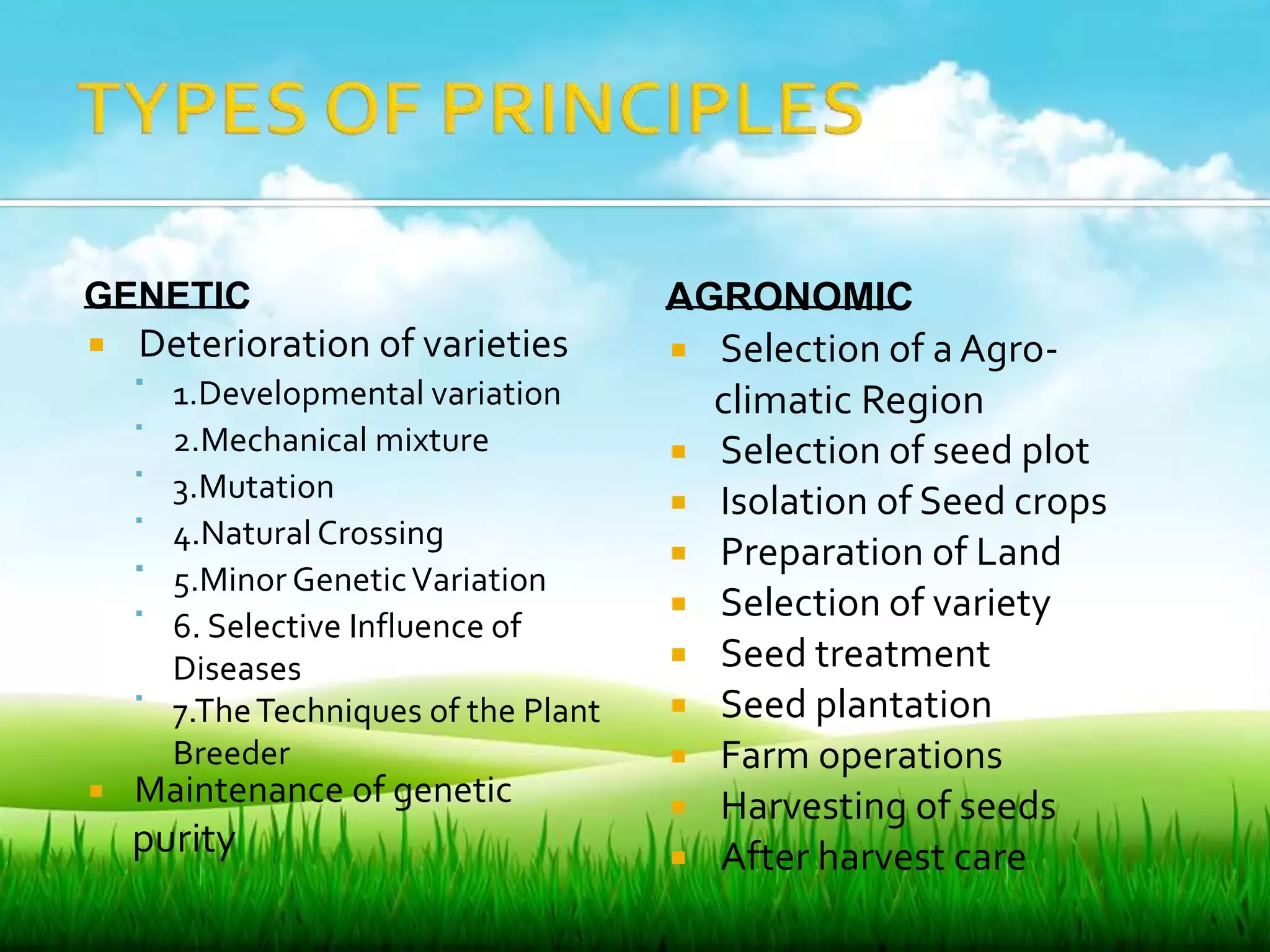
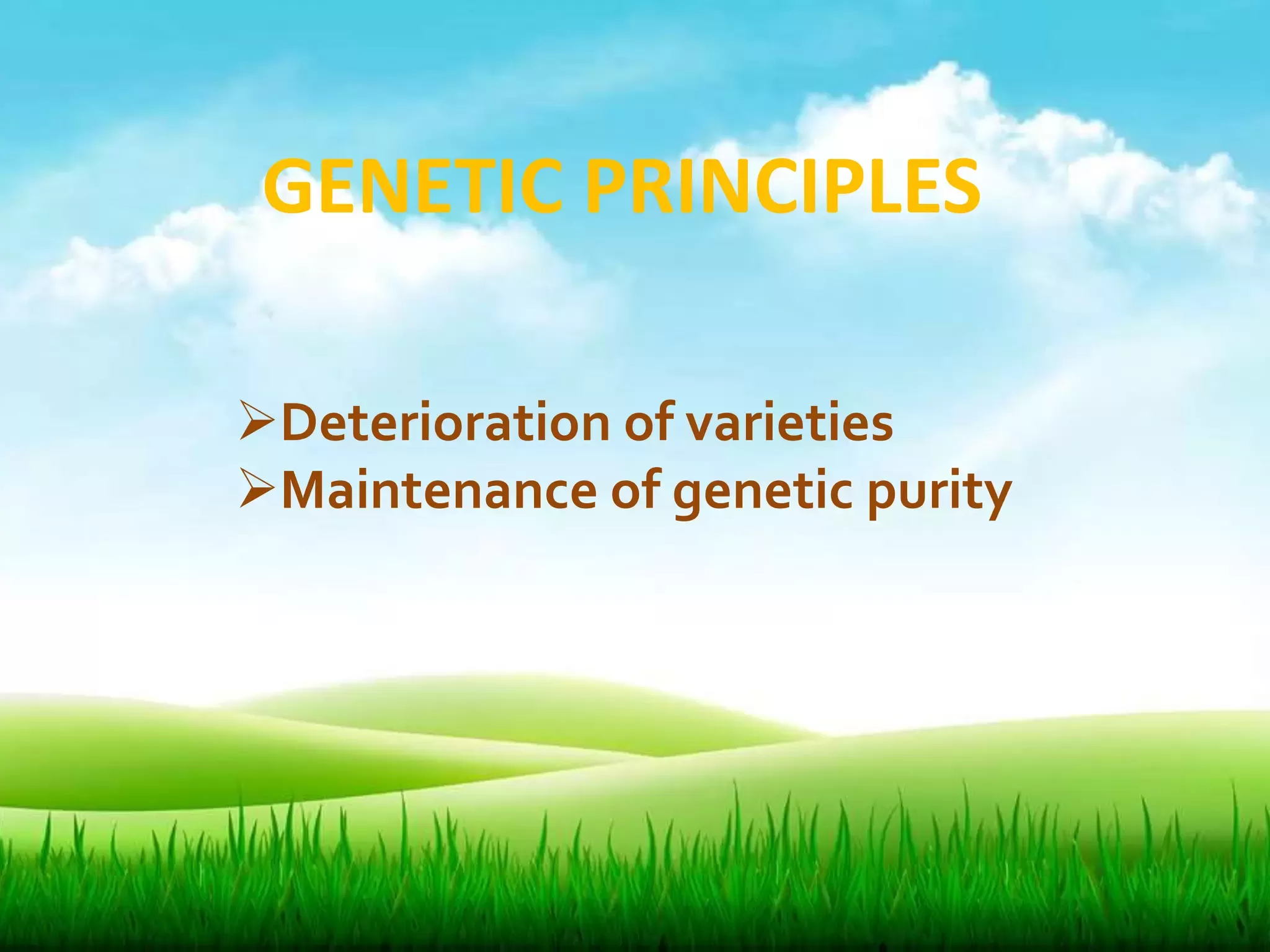
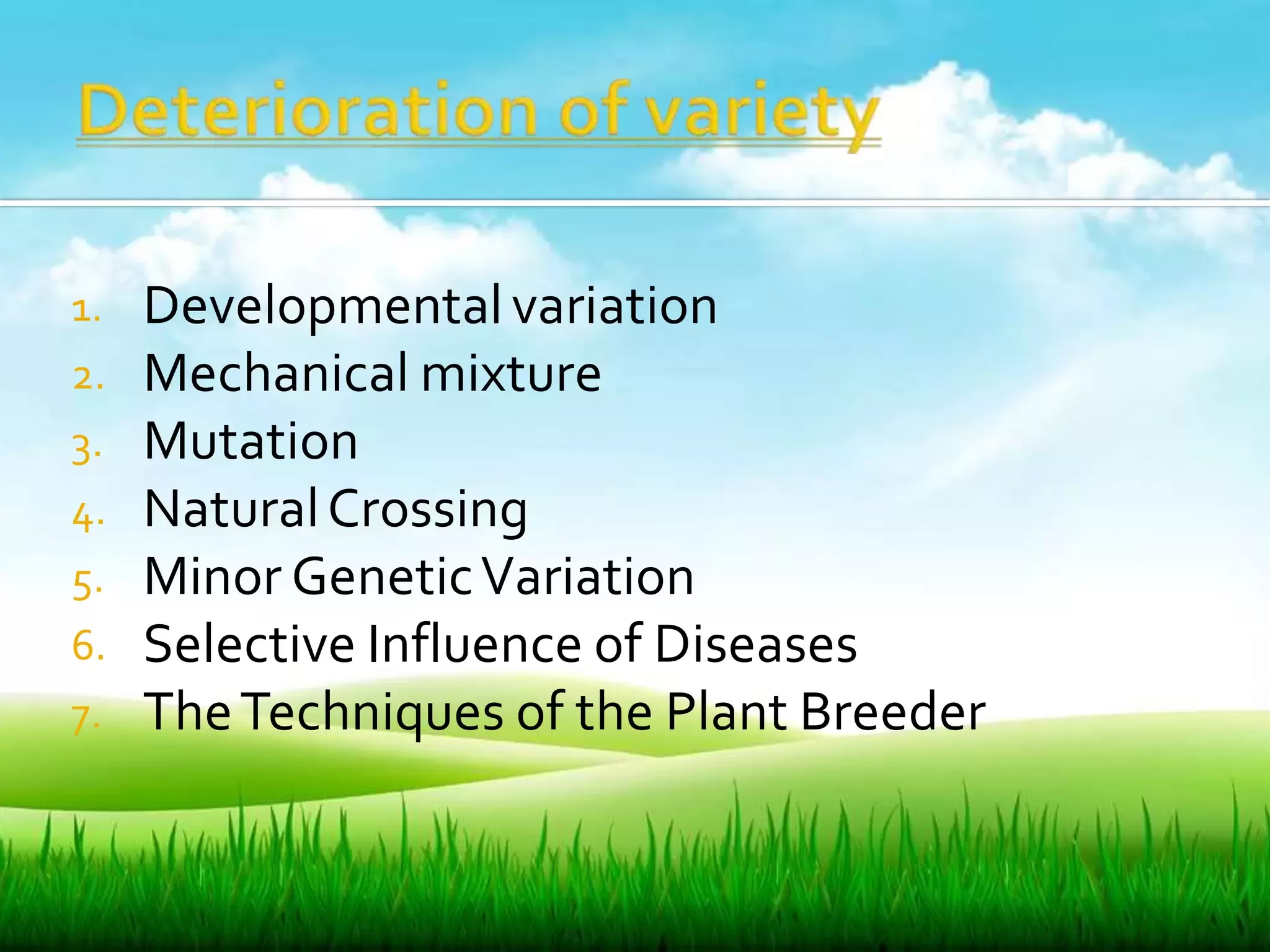
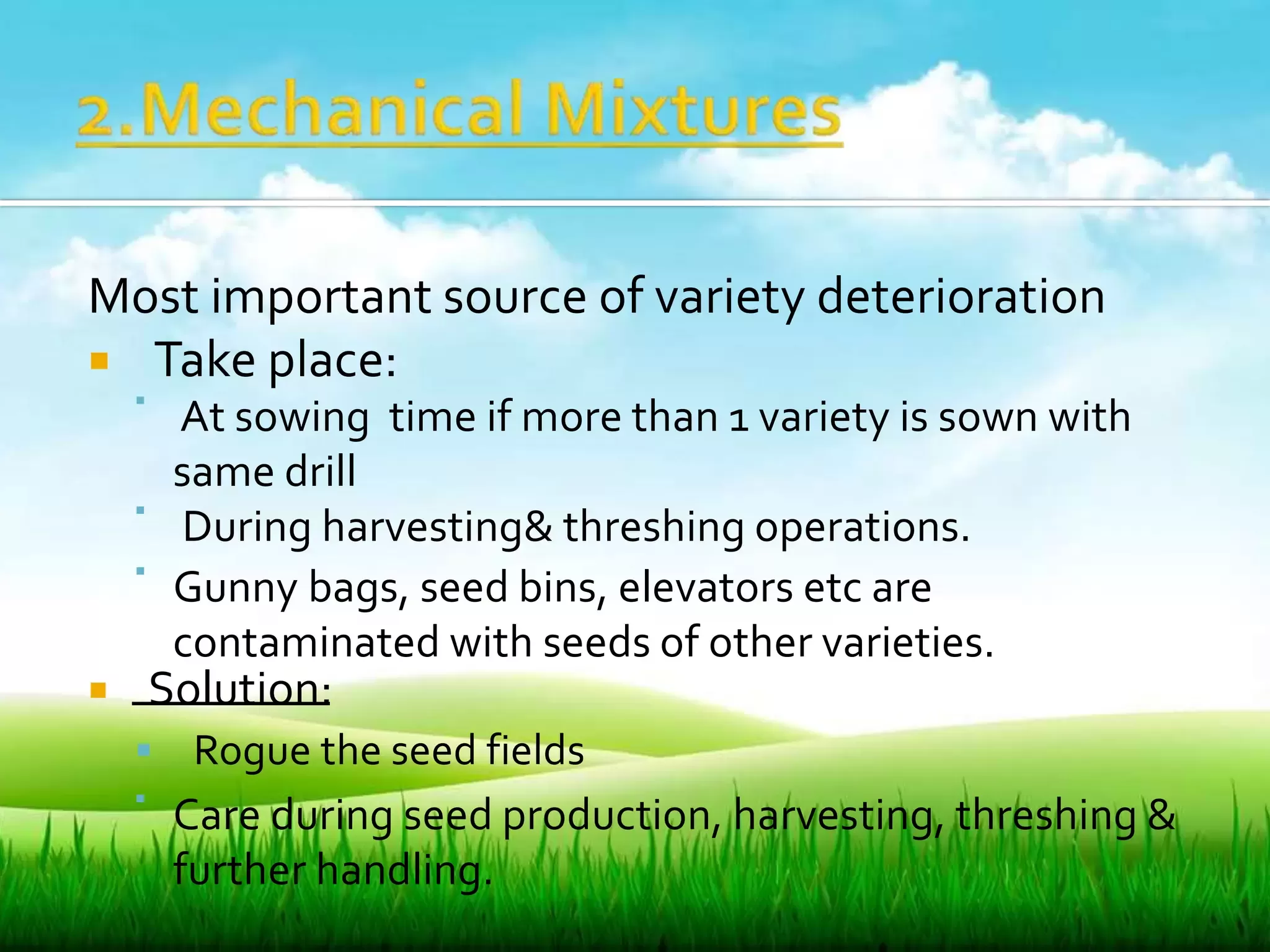
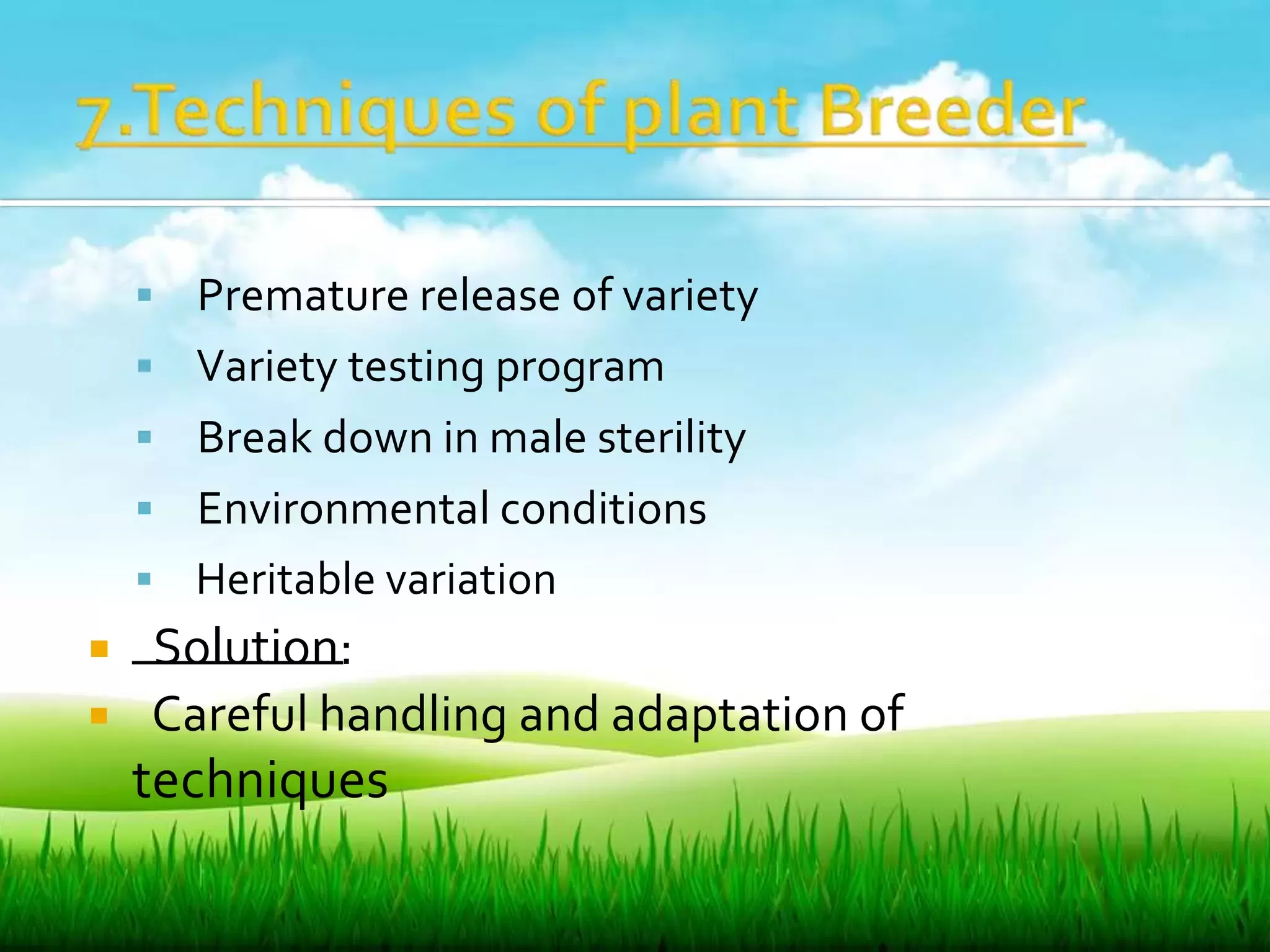
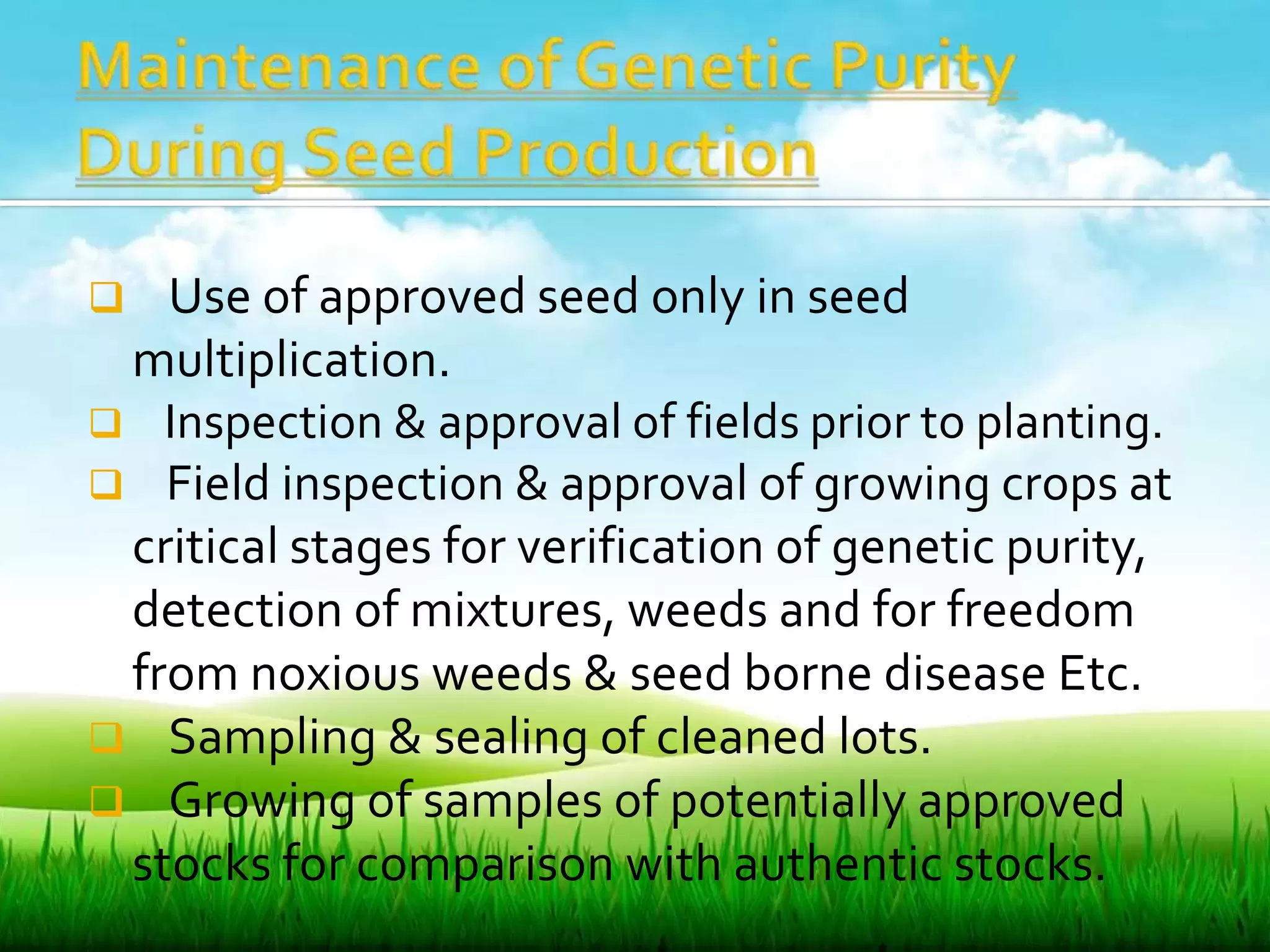
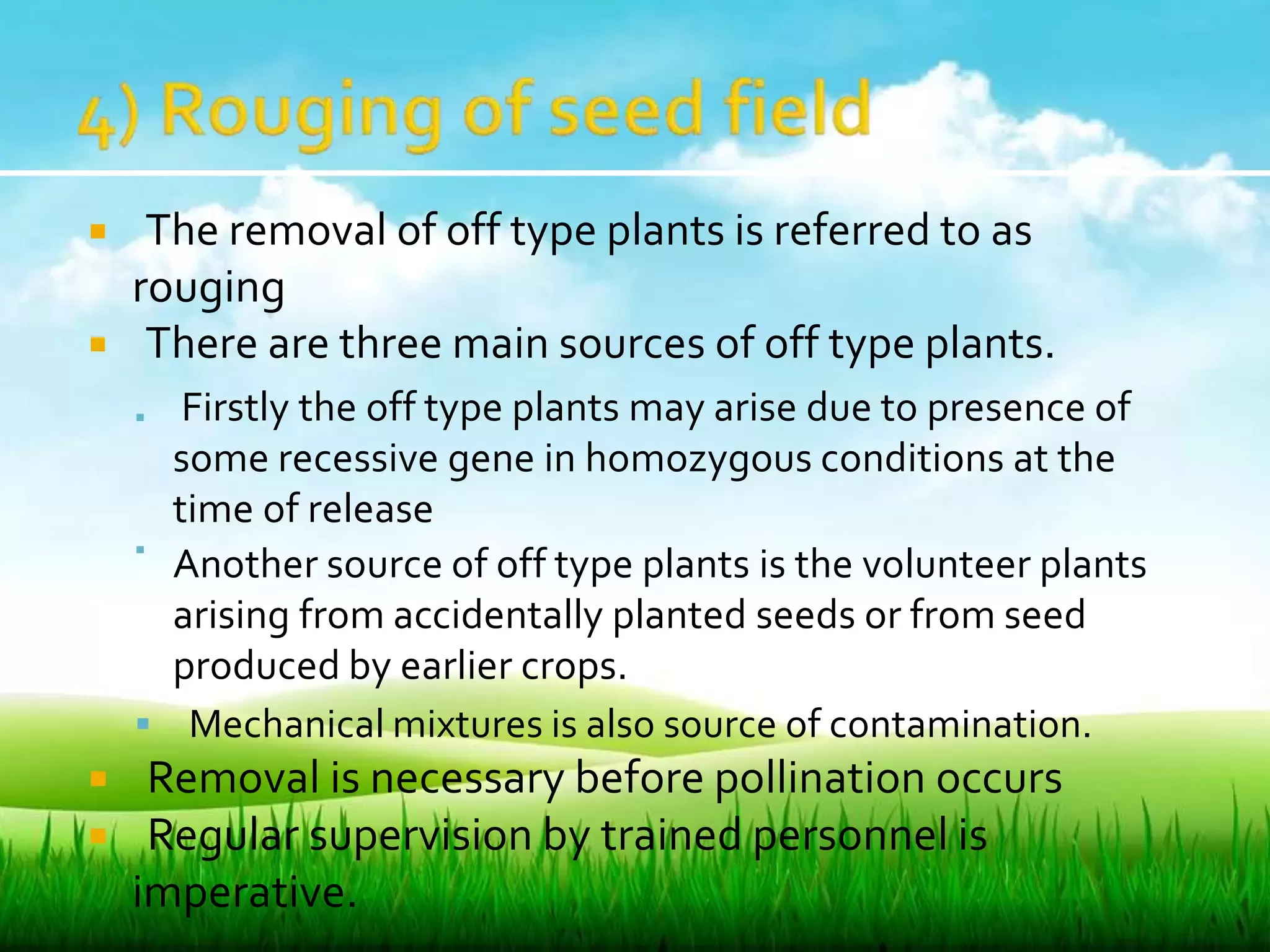
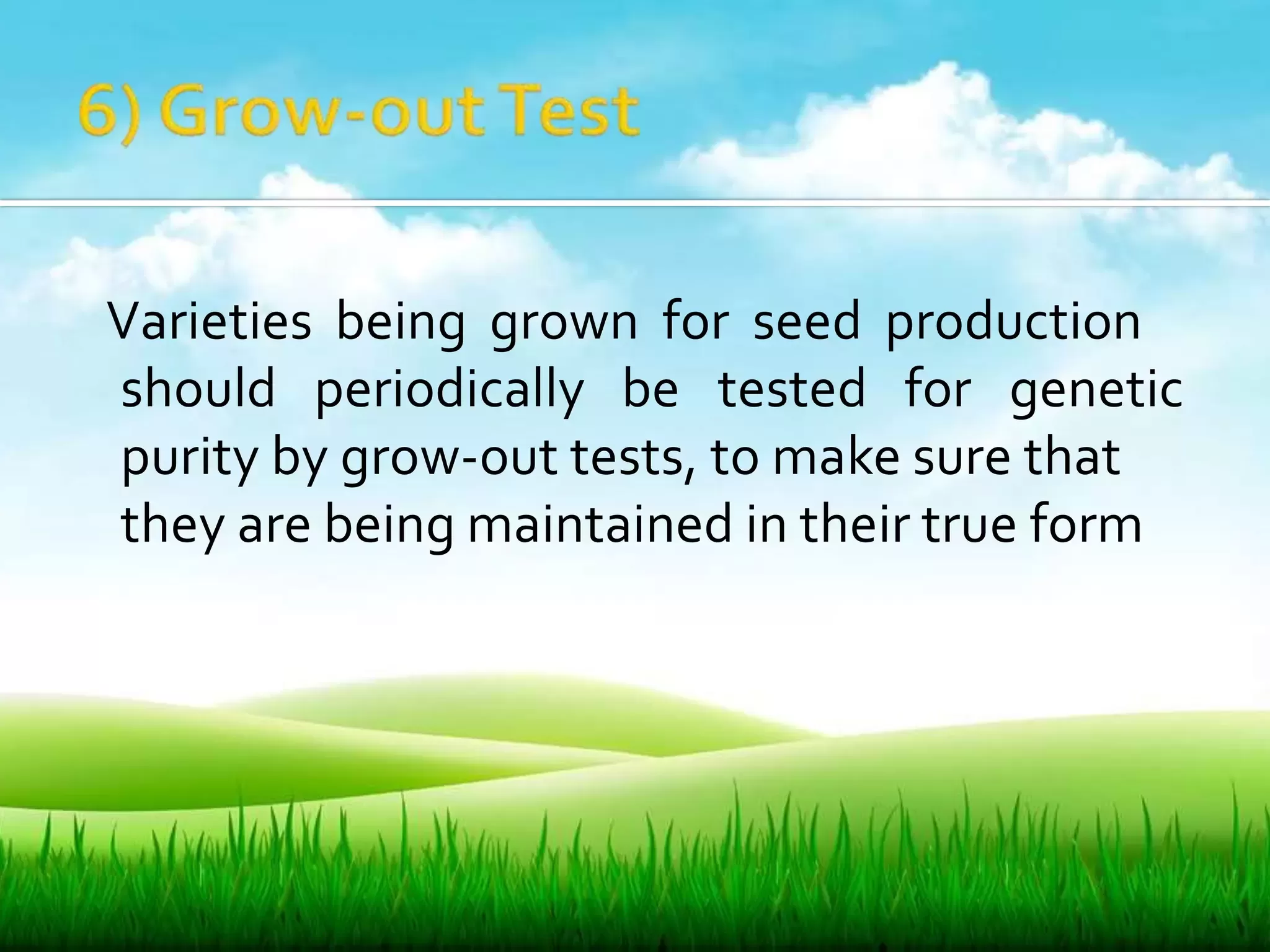
The preservation of genetic purity and the careful management of seed varieties are essential aspects of agricultural production. Genetic deterioration can occur through various mechanisms, impacting the quality and characteristics of crops over time. This deterioration can be attributed to factors such as developmental variation, mechanical mixing during harvesting, mutations, natural crossing, minor genetic variations, the effects of diseases, and the practices employed by plant breeders. Maintaining the integrity of seed varieties is crucial, particularly in environments where multiple factors may affect plant development. One of the primary challenges in preserving seed genetics is the mechanical mixing of varieties, which can occur during planting and harvesting. The inadvertent blending of different varieties leads to contamination, which can severely compromise genetic purity. Even subtle mutations can introduce unexpected variations that may be detrimental to a crop’s qualities. Therefore, diligent practices such as rogueing—removing undesirable plants—are essential in seed production to mitigate these risks. Natural crossing is another significant risk factor, especially in cross-pollinated crops. Hybridization with off-type or diseased plants can lead to the unintended introduction of less desirable traits. While this is less of a concern in self-fertilizing crops, the implications can still be considerable. Strategies to prevent contamination include ensuring sufficient physical separation between different crops, thus minimizing the potential for cross-breeding. In an effort to address the deterioration of varieties stemming from environmental factors, crops should be cultivated in areas best suited to their adaptive traits and optimal growing conditions. Adaptation to specific climatic zones, soil types, and agricultural practices plays a critical role in maintaining genetic integrity. Intensive cultivation and the introduction of new crop varieties can also make them vulnerable to emerging diseases—thus, it’s vital that seed production adheres to rigorous disease management practices. Agronomic practices further complement the genetic maintenance strategies. Selecting appropriate agro-climatic regions and well-prepared seed plots can significantly impact the overall seed production process. Key steps such as seed treatment, planting, and the subsequent operational stages on the farm are vital for producing high-quality seeds. The timely and careful harvesting of seeds, as well as post-harvest care, also play pivotal roles in ensuring the seeds are safeguarded against contamination and degradation. Seed certification acts as a safeguard for maintaining genetic purity, involving a systematic approach to ensure that seeds possess the desired traits. Seed classes such as Breeder’s, Foundation, Registered, and Certified Seed each serve specific roles in the seed production continuum, ensuring genetic identity and purity are upheld throughout the generations of seed. Regular testing and inspection by qualified personnel help monitor these standards and ensure compliance with agricultural norms. Ultimately, maintaining genetic purity in seed production is not just a matter of productivity; it is fundamental to sustaining food security and agricultural biodiversity. With careful planning and execution of genetic management and agronomic practices, farmers can uphold the quality and reliability of their crop varieties for generations to come.
Slide 1

Slide 1⬇ Slide

Slide 2

Slide 2⬇ Slide

Slide 3

Slide 3⬇ Slide

Slide 4

Slide 4⬇ Slide

Slide 5

Slide 5⬇ Slide

Slide 6

Slide 6⬇ Slide

Slide 7

Slide 7⬇ Slide

Slide 8

Slide 8⬇ Slide

Slide 9

Slide 9⬇ Slide

Slide 10

Slide 10⬇ Slide

Slide 11

Slide 11⬇ Slide

Slide 12

Slide 12⬇ Slide

Slide 13

Slide 13⬇ Slide

Slide 14

Slide 14⬇ Slide

Slide 15

Slide 15⬇ Slide

Slide 16

Slide 16⬇ Slide

Slide 17

Slide 17⬇ Slide

Slide 18

Slide 18⬇ Slide

Slide 19

Slide 19⬇ Slide

Slide 20

Slide 20⬇ Slide

Slide 21

Slide 21⬇ Slide

Slide 22

Slide 22⬇ Slide

Slide 23

Slide 23⬇ Slide

Slide 24

Slide 24⬇ Slide
1 / 24

Ppt on Sex expression in cucurbits

Description

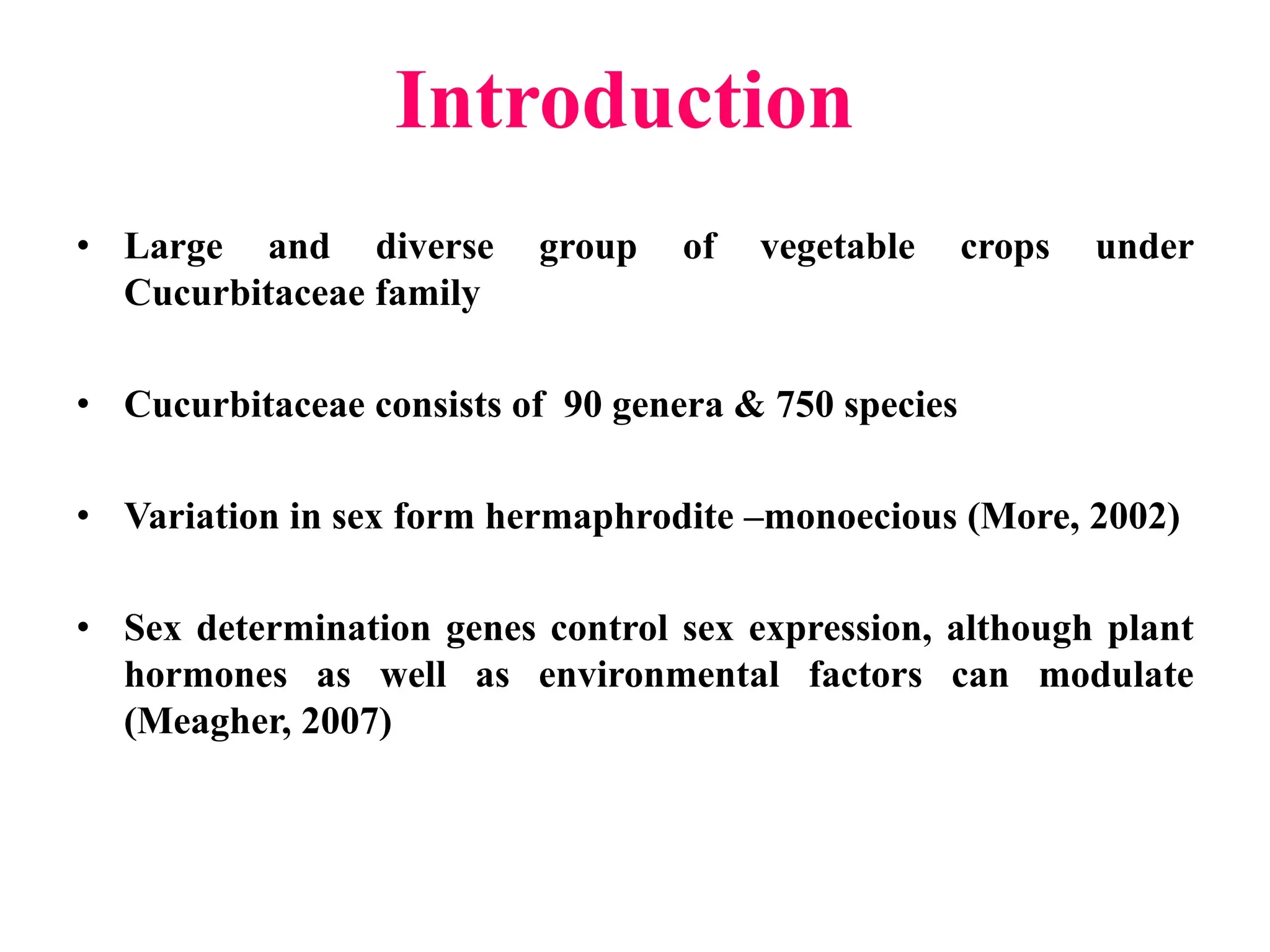
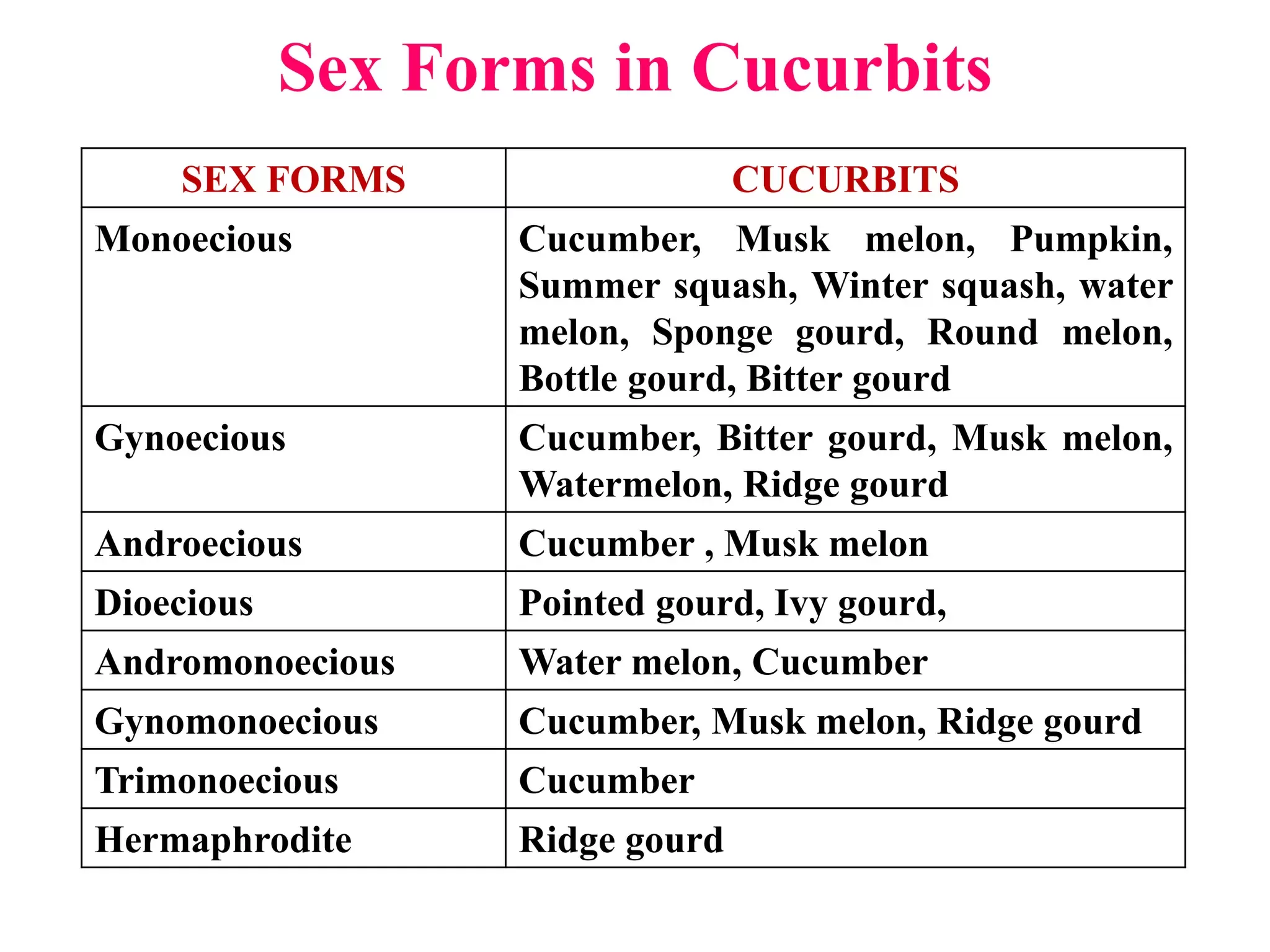
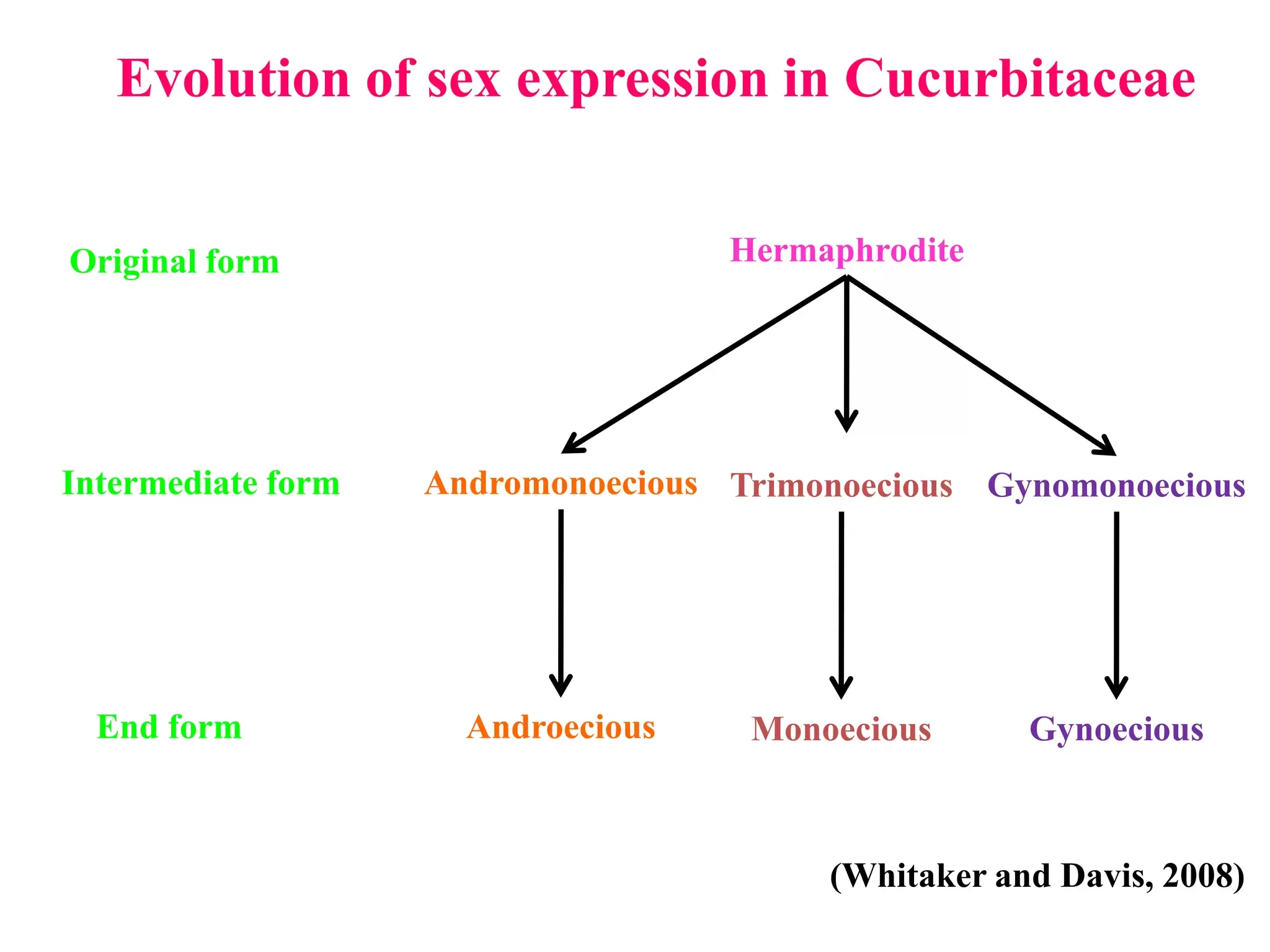
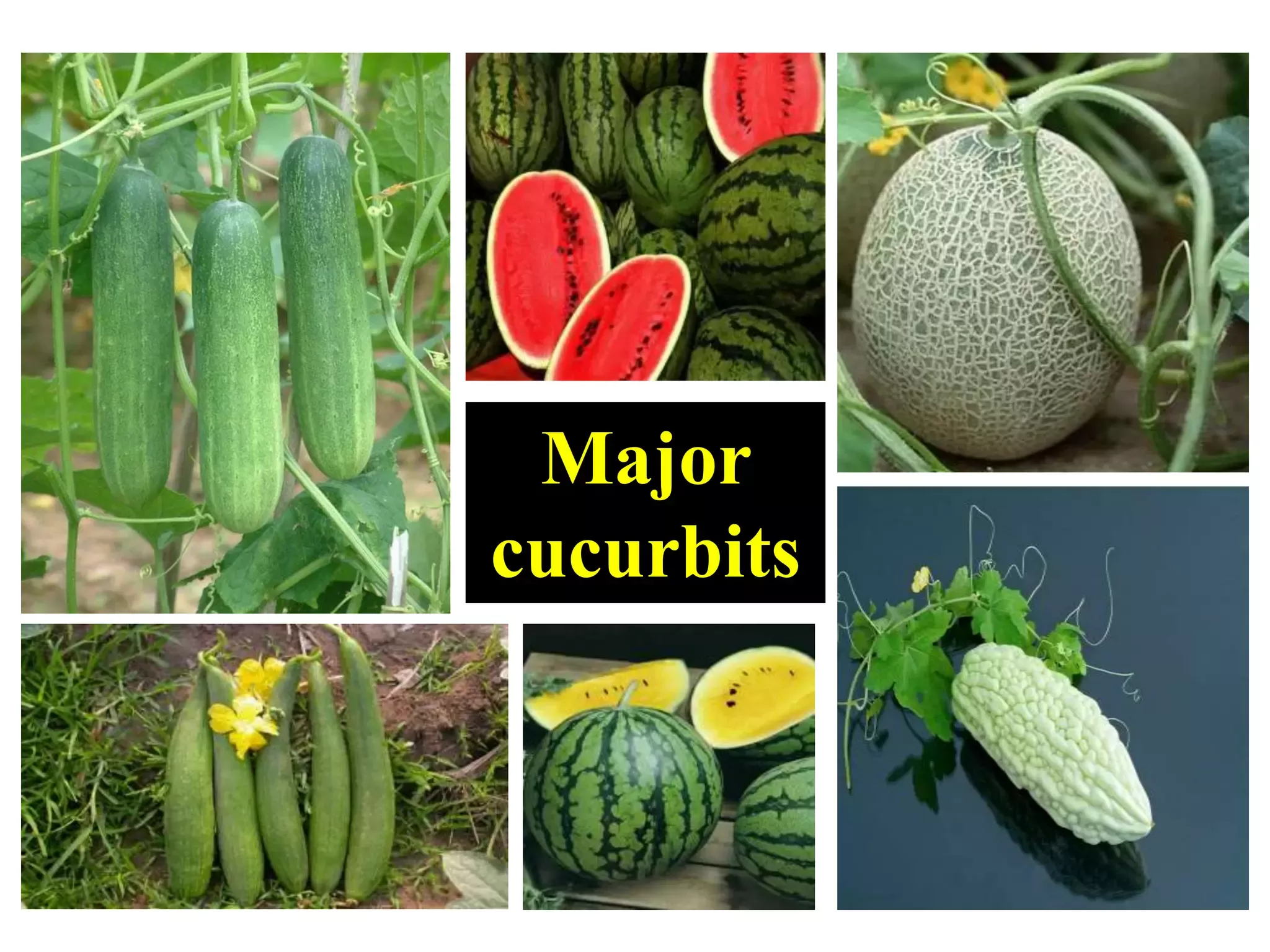
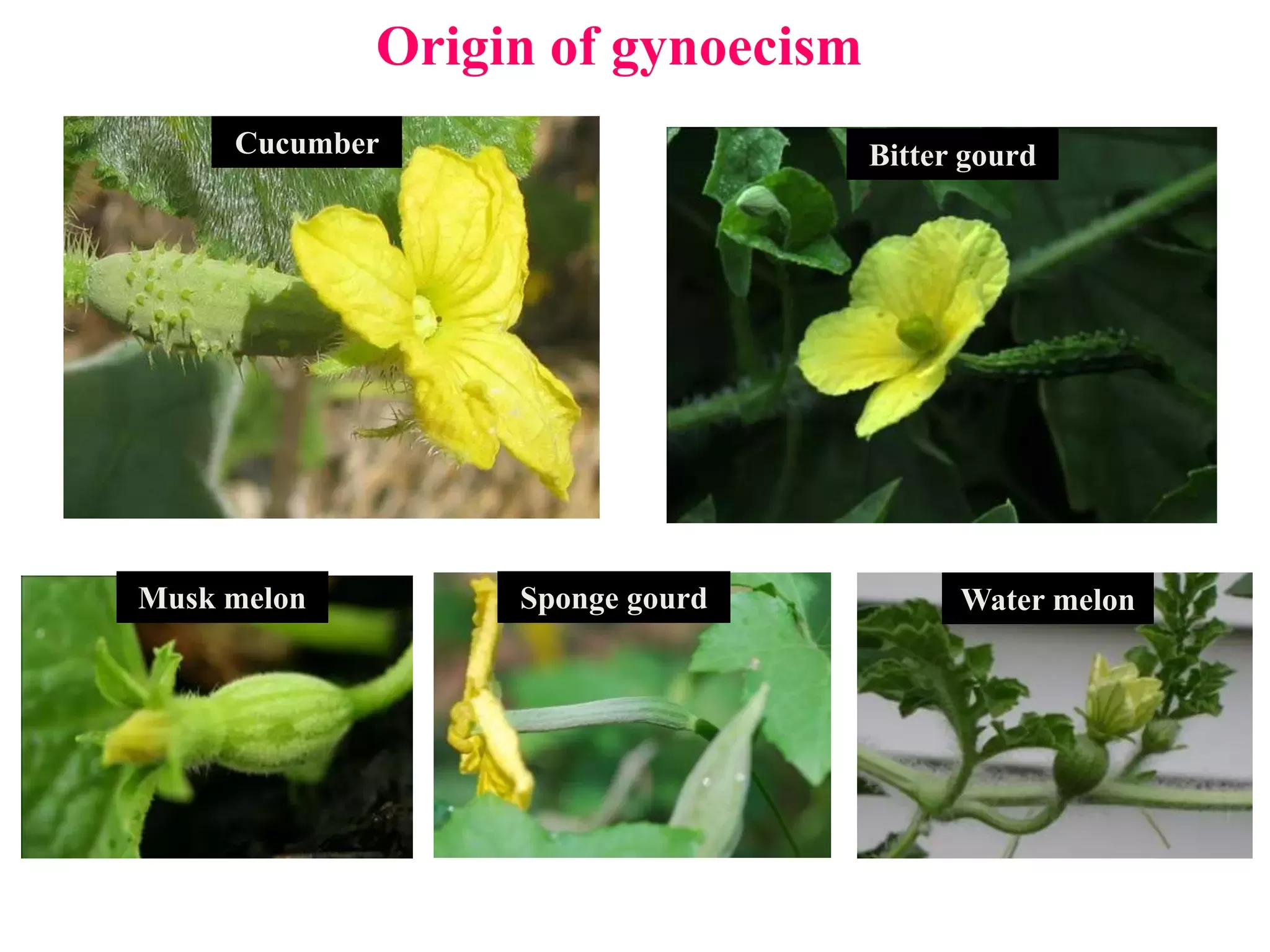
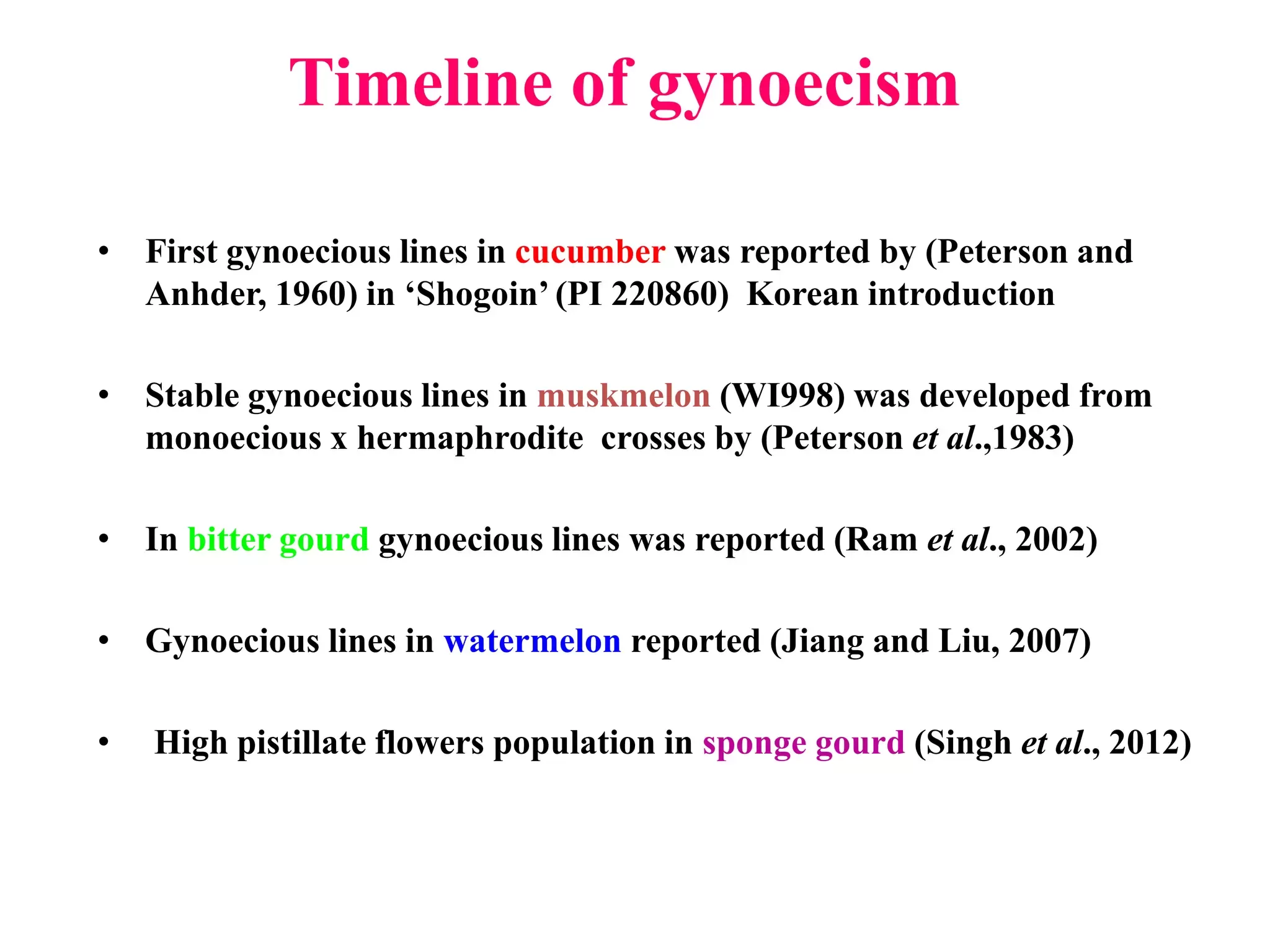
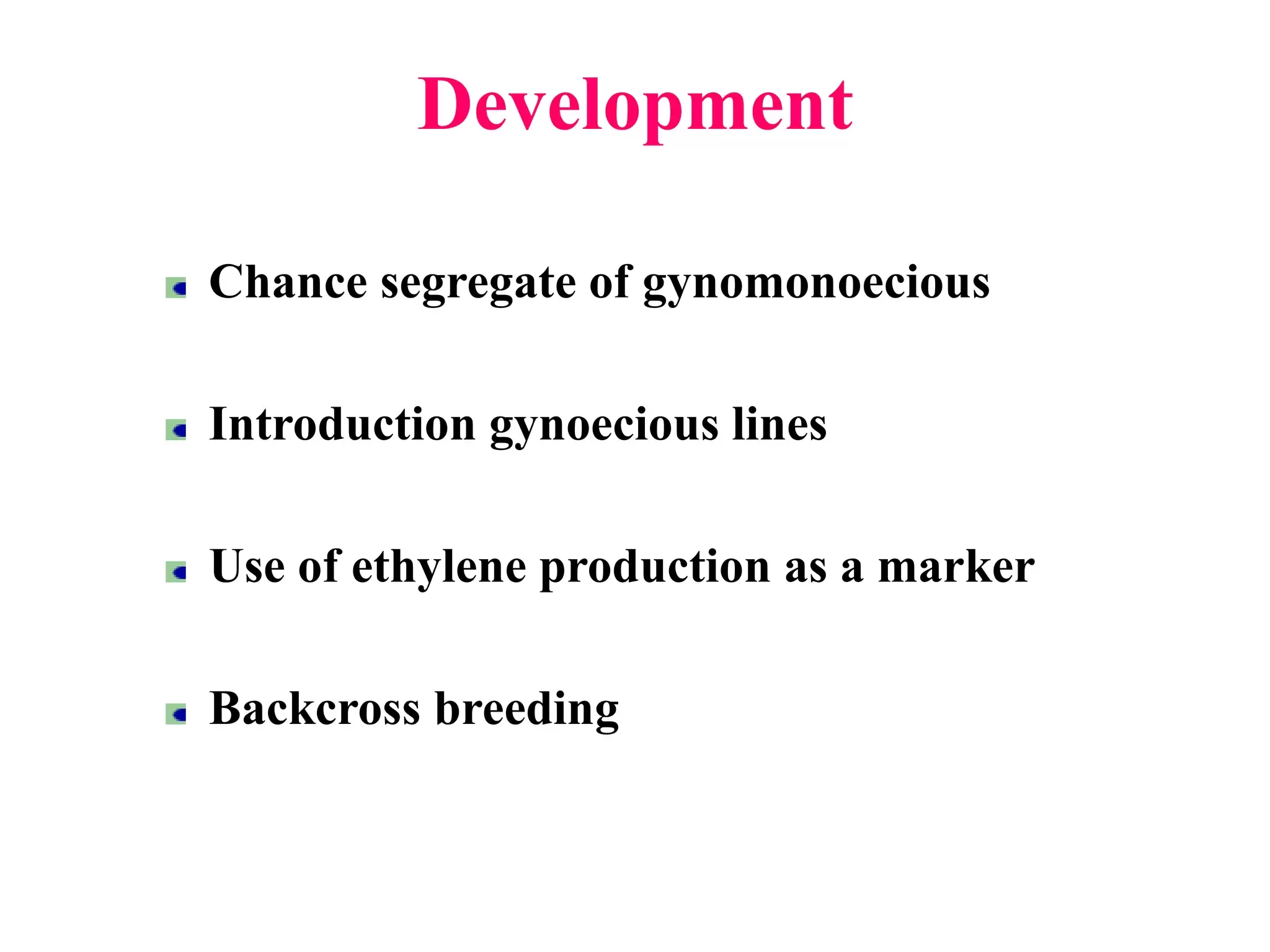
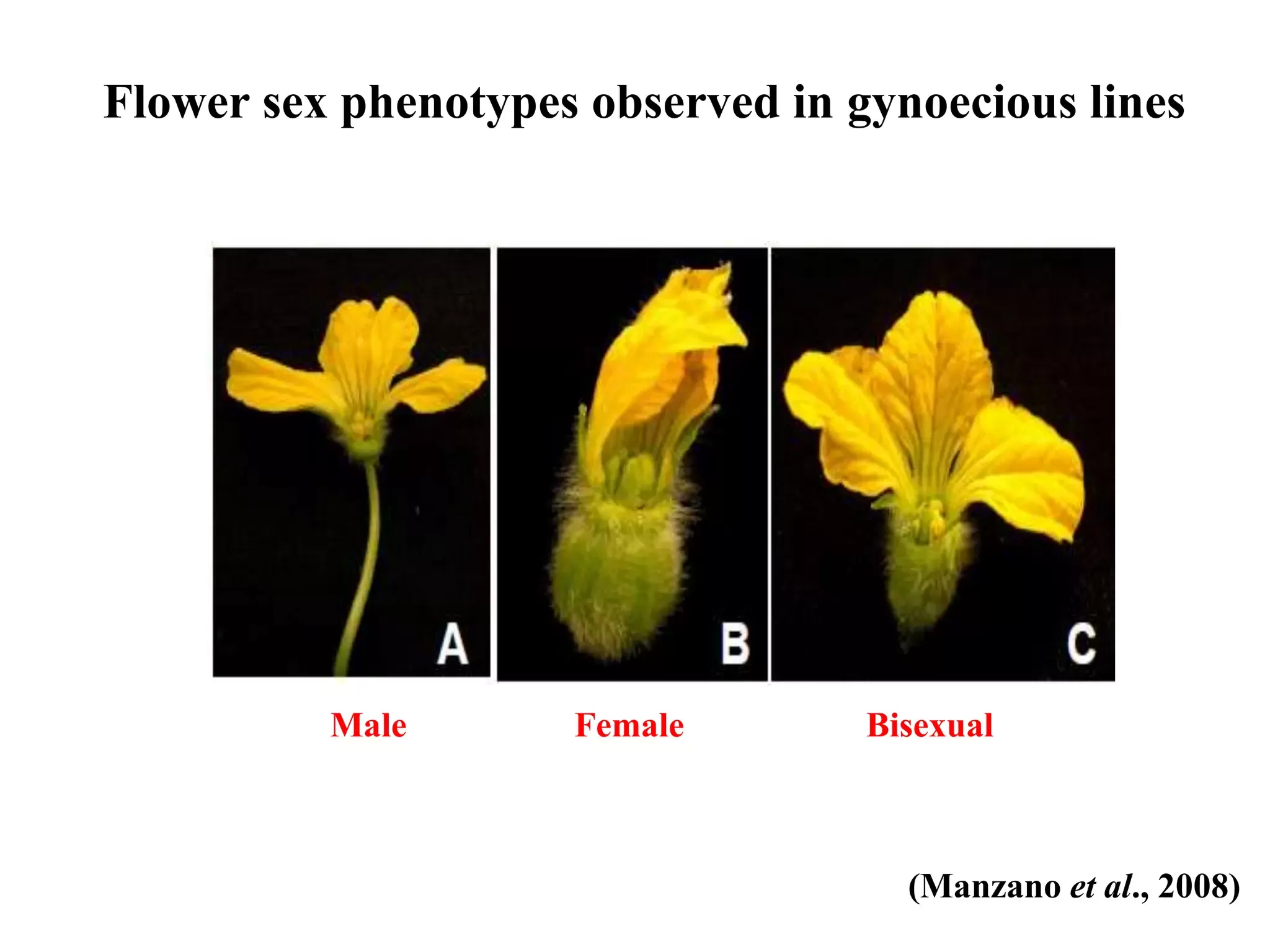
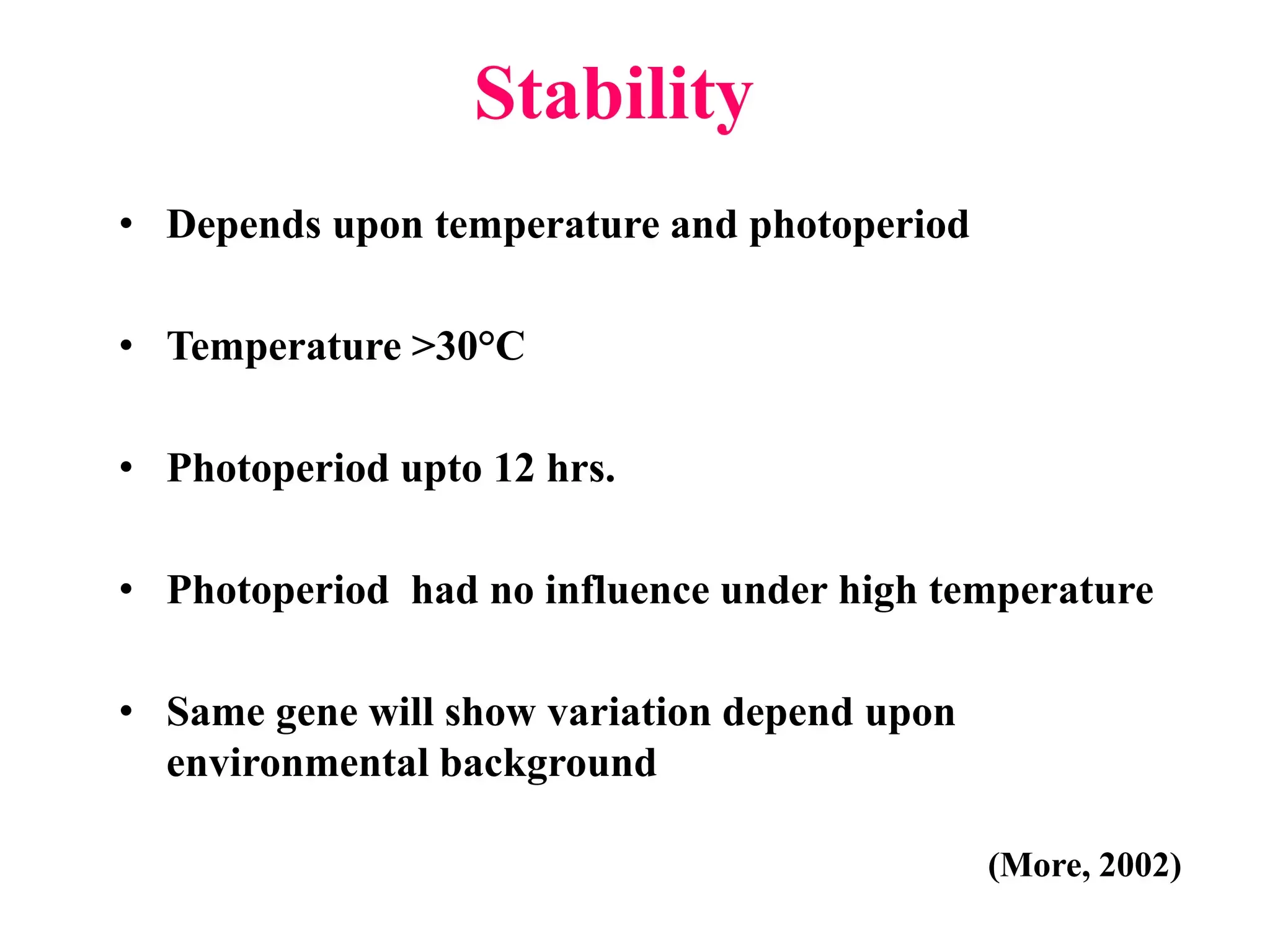
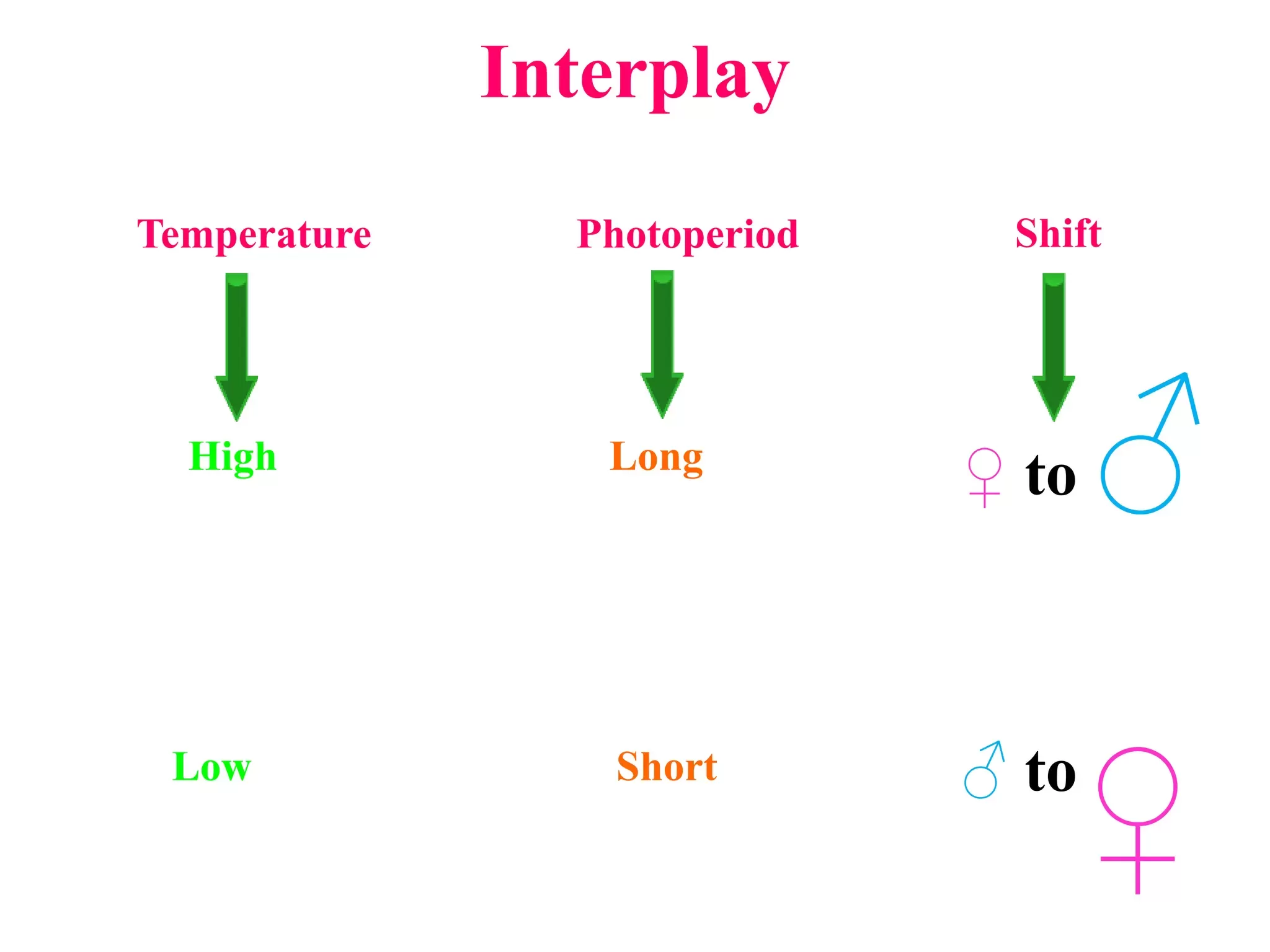
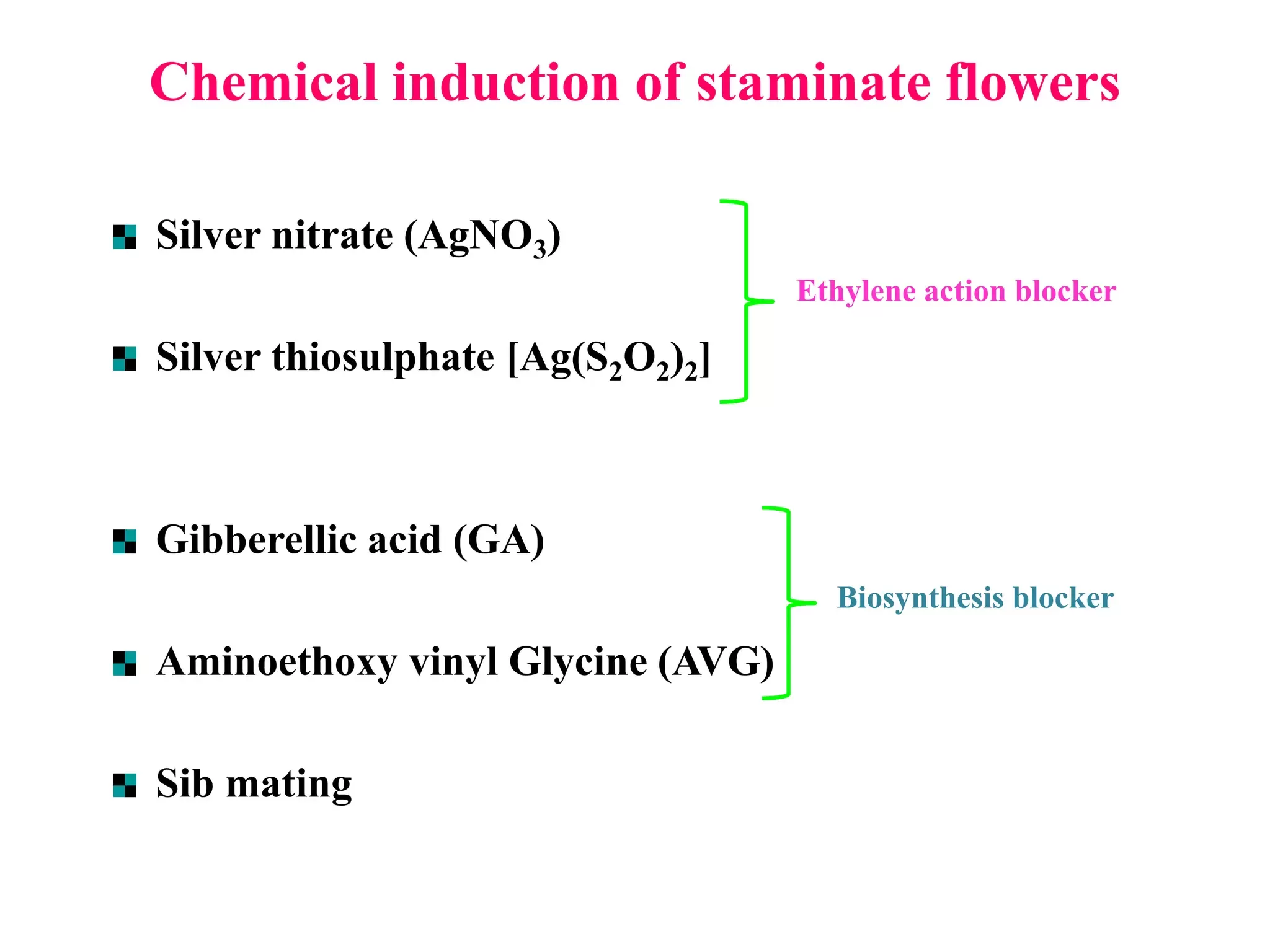
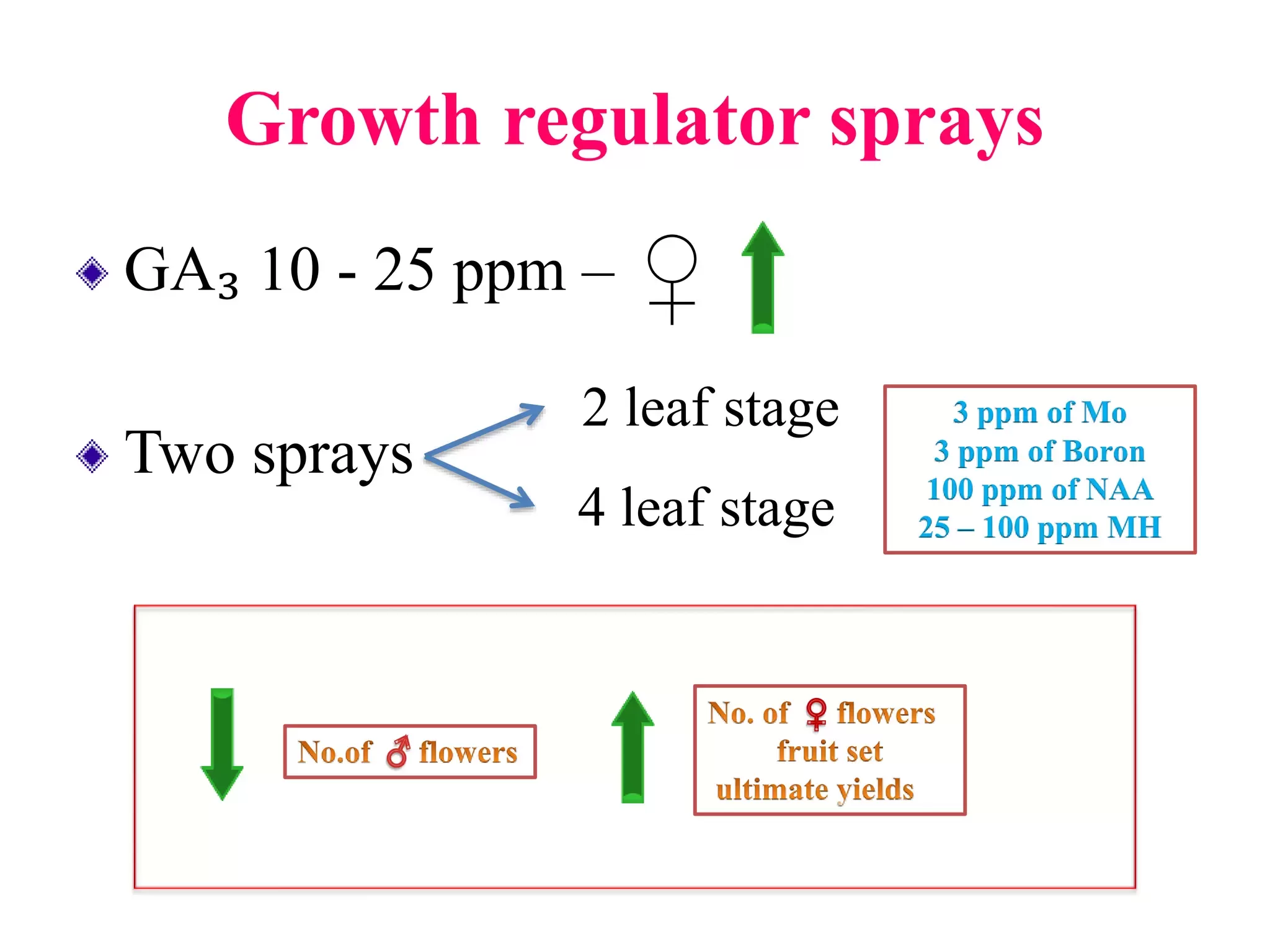
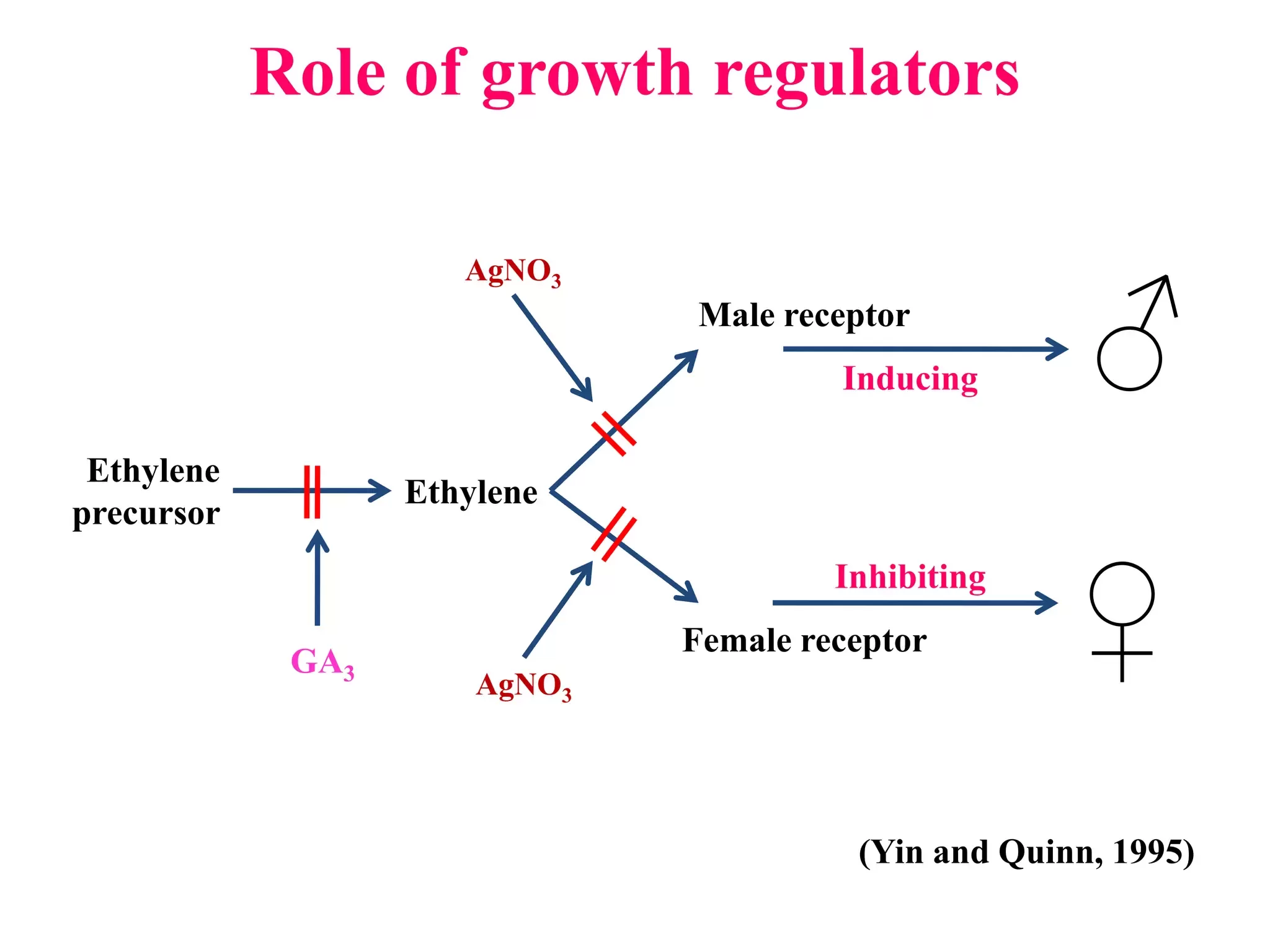
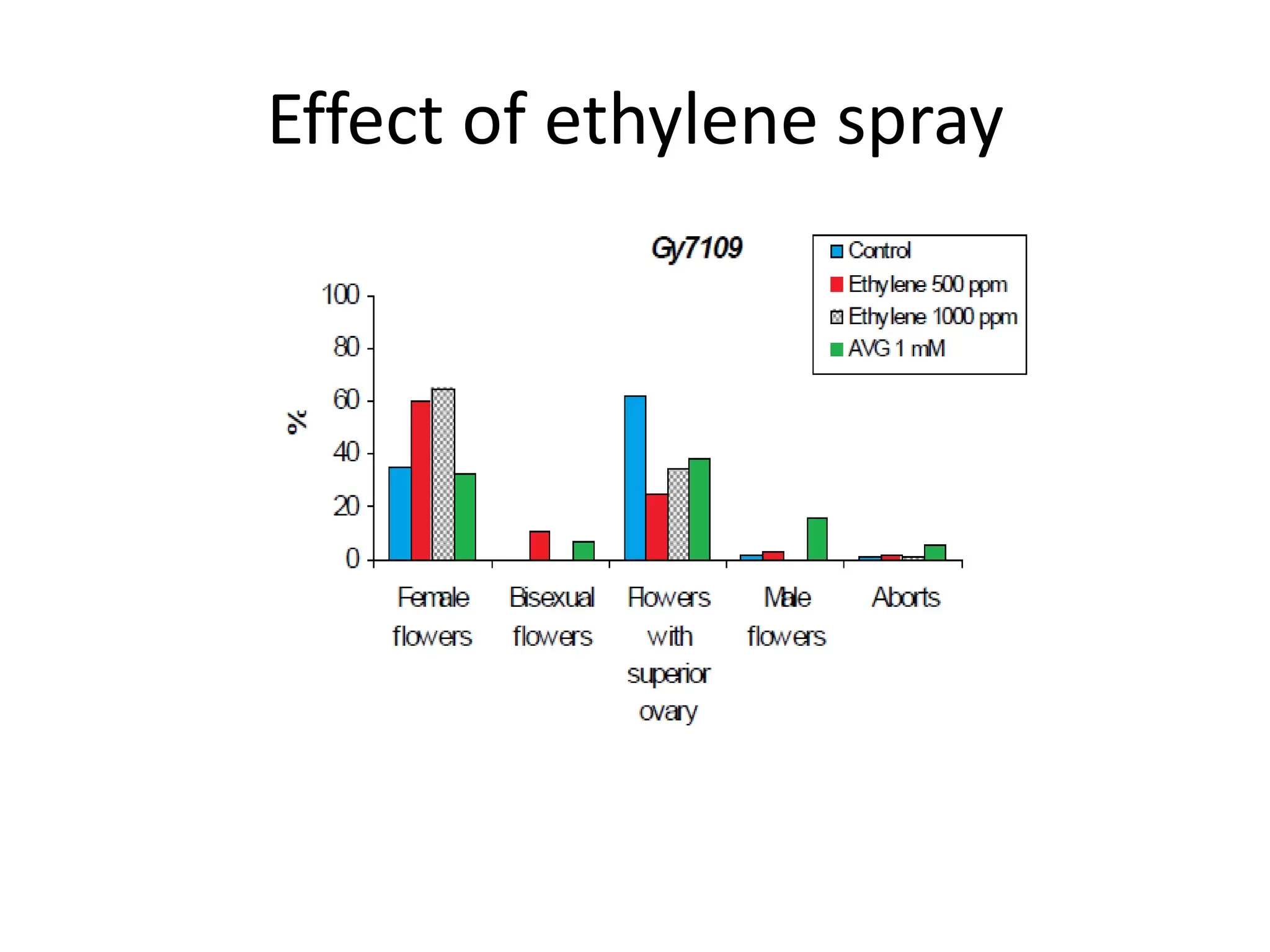
The Cucurbitaceae family is a vast and intriguing category within the plant kingdom, encompassing an expansive array of vegetable crops that are celebrated worldwide. This family consists of around 90 genera and approximately 750 species, showcasing a rich diversity that offers unique opportunities and challenges for cultivation and breeding. The sex forms exhibited by these plants are notably varied and include hermaphroditic and monoecious traits, revealing complex mechanisms behind their sexual development. The determination of these sex forms is primarily governed by sex determination genes; however, it is essential to recognize the influence of plant hormones and environmental factors, such as temperature and photoperiod, which can significantly modulate sex expression. In cucurbits, different sex forms manifest in various species, which can be categorized primarily into monoecious, gynoecious, androecious, dioecious, and hermaphrodite forms. Notable examples of monoecious plants include cucumber, musk melon, and several types of squash. Gynoecious forms, which predominantly produce female flowers, are found in crops like cucumber and watermelon, while androecious varieties exhibit exclusively male flowers. Interestingly, some plants display multiple sex forms, such as andromonoecious and gynomonoecious varieties, which present a blend of male and female flowers. The evolution of these sex expressions within Cucurbitaceae is a subject of much study and fascination. Historically, significant advancements in breeding gynoecious lines have been documented, starting with the first gynoecious lines reported in the cucumber ‘Shogoin’ during the 1960s. This foundational work laid the groundwork for later developments in muskmelon and bitter gourd, and ongoing research continues to enhance our understanding of these unique traits. The stability of sex expression in cucurbits is influenced by both temperature and photoperiod, with findings suggesting that high temperatures (over 30°C) can alter flower phenotype stability. The interplay of these environmental factors creates a complex landscape where the same genetic makeup can express varied sexual forms based on the surrounding conditions. Further exploring the mechanisms of flower development, chemical and growth regulator interventions play a crucial role in stimulating specific flower sex phenotypes. Substances such as silver nitrate and gibberellic acid have been noted for their ability to induce or inhibit the development of male flowers. Additionally, employing growth regulators at specific plant growth stages has proven effective in managing flower sex ratios, supporting crop optimization. In conclusion, the Cucurbitaceae family is a critical focus in agricultural practices due to its extensive variety and adaptability. Understanding the dynamics of sex forms and their influences is essential for maximizing yield and improving crop quality. As the saying goes, cucurbits are “everyone’s crop,” resonating with farmers and consumers alike who appreciate their nutritional value and versatility in culinary applications. Continued research in this area promises to enhance our knowledge and capability in cultivating these remarkable plants.
Slide 1

Slide 1⬇ Slide

Slide 2

Slide 2⬇ Slide

Slide 3

Slide 3⬇ Slide

Slide 4

Slide 4⬇ Slide

Slide 5

Slide 5⬇ Slide

Slide 6

Slide 6⬇ Slide

Slide 7

Slide 7⬇ Slide

Slide 8

Slide 8⬇ Slide

Slide 9

Slide 9⬇ Slide

Slide 10

Slide 10⬇ Slide

Slide 11

Slide 11⬇ Slide

Slide 12

Slide 12⬇ Slide

Slide 13

Slide 13⬇ Slide

Slide 14

Slide 14⬇ Slide

Slide 15

Slide 15⬇ Slide
1 / 15

RAKVK Recruitment 2025 For Farm Manager

Summary:Join Ramkrishna Ashram Krishi Vigyan Kendra as a Farm Manager in West Bengal. Bachelor’s degree in Agriculture or related field required. Apply by 21st November on the official site. Don’t miss this opportunity!

Number of Vacancies: Number of Vacancy: 01 Posts
Organization: Ramkrishna Ashram Krishi Vigyan Kendra (RAKVK) Farm Manager Recruitment 2025
Post Name: Farm Manager
Job Location: P.O. Nimpith Ashram, South 24 Parganas, 743338 West Bengal
Qualification: Bachelor’s Degree in Agriculture or any other branch of Science / Social Science relevant to Agriculture or equivalent qualification from a recognized university.

Pay Scale: INR
9300-34800
Last Date: 21st November 2025
How to Apply: To apply, visit the official site.
Official Notification: Download Notification

RAKVK Recruitment 2025 For Farm Manager

Number of Vacancies: Number of Vacancy: 01 Posts
Organization: Ramkrishna Ashram Krishi Vigyan Kendra (RAKVK) Farm Manager Recruitment 2025
Post Name: Farm Manager
Job Location: P.O. Nimpith Ashram, South 24 Parganas, 743338 West Bengal
Qualification: Bachelor’s Degree in Agriculture or any other branch of Science / Social Science relevant to Agriculture or equivalent qualification from a recognized university.

Pay Scale: INR
9300-34800
Last Date: 21st November 2025
How to Apply: To apply, visit the official site.
Official Notification: Download Notification