Home Quiz Old Paper PPT

Ppt on tomato cultivation

“`html


PPT on Tomato Cultivation


PPT on Tomato Cultivation

Introduction

Tomato cultivation is a rewarding endeavor that allows farmers and gardening enthusiasts to grow one of the most popular vegetables worldwide. From its origins in South America to its place in cuisines around the globe, the tomato has become a staple in many households. In this article, we will delve into the essential aspects of tomato cultivation, providing tips and best practices that can be documented in a PowerPoint presentation (PPT) format for educational or presentation purposes.

Understanding Tomato Varieties

There are numerous varieties of tomatoes, each suited for different climates and culinary applications. The main categories include:

1. Determinate Tomatoes

These plants grow to a particular height and produce fruit all at once. This makes them ideal for canning and storage.

2. Indeterminate Tomatoes

Indeterminate varieties continue to grow and produce fruit throughout the season. They require more support and maintenance but offer a continuous harvest.

3. Cherry Tomatoes

Known for their sweetness, cherry tomatoes are smaller in size and are often used in salads and garnishes.

Optimal Growing Conditions

To cultivate healthy tomatoes, certain environmental conditions need to be optimized:

1. Soil Requirements

Tomatoes thrive in well-draining, loamy soil rich in organic matter. A pH level of 6.0 to 6.8 is ideal for nutrient absorption.

2. Sunlight

Tomatoes require full sun exposure, ideally 6-8 hours of direct sunlight each day, to ensure healthy growth and fruit production.

3. Watering

Consistent watering is crucial, especially during the flowering and fruiting stages. It’s important to avoid overwatering to prevent root rot.

Planting and Maintenance

Understanding when and how to plant tomatoes greatly impacts the yield. Here are some tips for planting and maintenance:

1. Timing

Plant tomatoes after the last frost date in your area, ideally when soil temperatures reach at least 60°F (15°C).

2. Spacing

Maintain adequate spacing between plants to ensure proper airflow and minimize disease risk. Typically, space determinate varieties 18-24 inches apart and indeterminate varieties 24-36 inches apart.

3. Support Structures

Using stakes, cages, or trellises can provide support for tomato plants, especially indeterminate varieties, and promote healthy growth.

Pest and Disease Management

Tomatoes are susceptible to various pests and diseases. It’s crucial to implement preventive measures and treatments:

1. Common Pests

Aphids, whiteflies, and spider mites are common pests. Implementing crop rotation and utilizing insecticidal soap can help control these threats.

2. Diseases

Fungal diseases, like blight, can devastate tomato crops. Proper spacing, watering techniques, and resistant varieties can mitigate these risks.

Harvesting and Storing Tomatoes

Knowing when and how to harvest tomatoes is vital for achieving optimal flavor and quality:

1. Harvest Timing

Tomatoes are ready for harvest when they are fully colored and slightly firm to the touch. Avoid waiting until they begin to overripe on the vine.

2. Storage

For best flavor, store tomatoes at room temperature and avoid refrigeration. If you need to preserve them, canning or freezing is effective.

Conclusion

Tomato cultivation can be a fulfilling and profitable venture with the right knowledge and practices. This PPT can serve as a comprehensive guide for anyone looking to embark on the journey of growing tomatoes, ensuring that they understand each crucial step from selecting the right variety to harvesting. With dedication and care, you can enjoy a bountiful harvest of delicious, homegrown tomatoes!


“`

### Keywords:
tomato cultivation, tomato farming, growing tomatoes, tomato planting, agriculture

### Tags:
tomatoes, farming, agriculture, gardening, sustainable farming
Ppt on tomato cultivation

“`html


PPT on Tomato Cultivation

PPT on Tomato Cultivation

Introduction to Tomato Cultivation

Tomatoes are one of the most popular and versatile vegetables cultivated around the world. Their rich flavor, nutritional benefits, and utility in various cuisines make them a favorite among home gardeners and professional farmers alike. In this article, we will explore the essentials of tomato cultivation, suitable presentation ideas (PPT), and best practices to ensure a fruitful harvest.

Why Cultivate Tomatoes?

Health Benefits of Tomatoes

Tomatoes are rich in vitamins C, K, and A, and are an excellent source of potassium and folate. They are well-known for containing a powerful antioxidant called lycopene, which may reduce the risk of chronic diseases. Including tomatoes in your diet can lead to numerous health benefits, making their cultivation worthwhile.

Culinary Versatility

Tomatoes can be used in countless dishes, from salads and sauces to soups and salsas. Their culinary versatility makes them a staple ingredient in many kitchens around the globe.

Best Practices for Tomato Cultivation

Choosing the Right Varieties

When selecting tomato varieties, consider the climate, growing conditions, and intended use. Popular varieties include:

  • Cherry Tomatoes – small and sweet, perfect for snacking.
  • Roma Tomatoes – ideal for sauces due to their low moisture content.
  • Beefsteak Tomatoes – large and juicy, great for sandwiches.

Soil Preparation

Tomatoes thrive in well-drained, nutrient-rich soils. Before planting, enrich your soil with organic matter such as compost or well-rotted manure. A soil pH of 6.0 to 6.8 is ideal for tomato growth.

Watering and Fertilization

Consistent watering is crucial for tomatoes. They need about 1-2 inches of water per week, especially during dry spells. Fertilize your tomatoes every four to six weeks with a balanced fertilizer to ensure they receive adequate nutrients.

Pest and Disease Management

Keep an eye on common pests such as aphids and tomato hornworms, as well as diseases like blight and blossom end rot. Employing organic pesticides and practicing crop rotation can help manage these issues effectively.

Creating an Engaging PPT Presentation on Tomato Cultivation

Key Components of Your Presentation

When preparing your PPT on tomato cultivation, consider including the following sections:

  • Introduction: Overview of the importance of tomatoes in agriculture.
  • Growing Methods: Outline different cultivation methods, including hydroponics and traditional soil growing.
  • Pest Management: Discuss key pests and diseases and how to manage them.
  • Nutritional Benefits: Highlight the health benefits of including tomatoes in a balanced diet.
  • Conclusion: Recap the key points covered in your presentation and encourage Q&A.

Tips for an Effective PPT

To enhance your presentation:

  • Use high-quality images of tomato plants and their various stages of growth.
  • Include charts or graphs to illustrate growth rates and yield potential.
  • Incorporate bullet points for clarity and conciseness.

Conclusion

Tomato cultivation can be rewarding both for personal consumption and commercial purposes. By following the tips outlined in this article, you can ensure successful growth and impressive yields. Whether you are preparing a detailed PPT presentation or starting your own garden, understanding the fundamentals of tomato cultivation is the first step towards success.


“`

**Keywords:** tomato cultivation, how to grow tomatoes, tomato farming techniques, health benefits of tomatoes, best practices for tomato gardening

**Tags:** tomato cultivation, agriculture, gardening, sustainable farming, horticulture

Ppt on Production technology of geranium

Summary:Discover the cultivation techniques, environmental requirements, propagation methods, pest control, and harvesting practices for Geranium plants. Explore how this aromatic plant is a key ingredient in perfumes and cosmetics, making it economically significant in the beauty industry.

Description

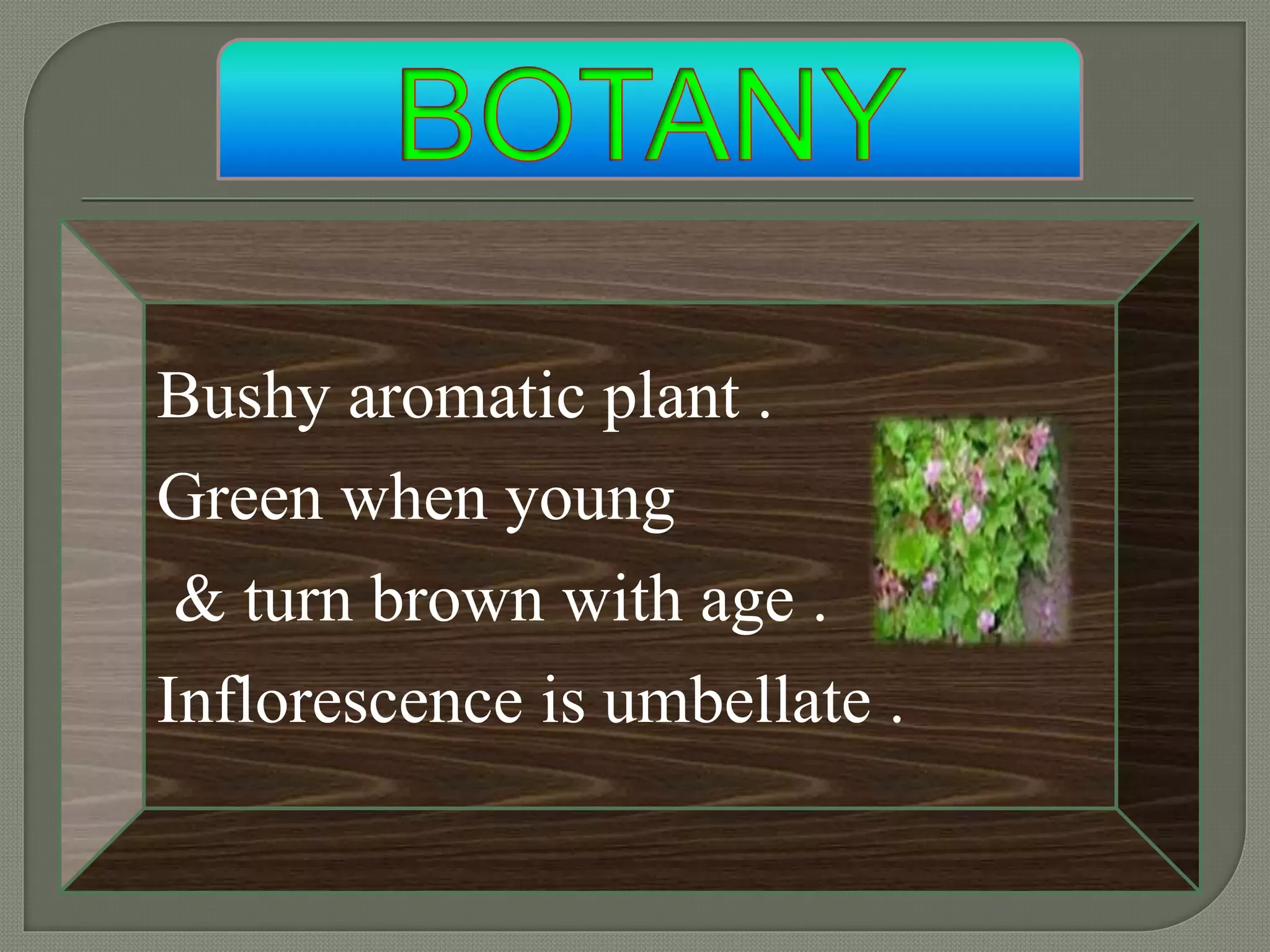
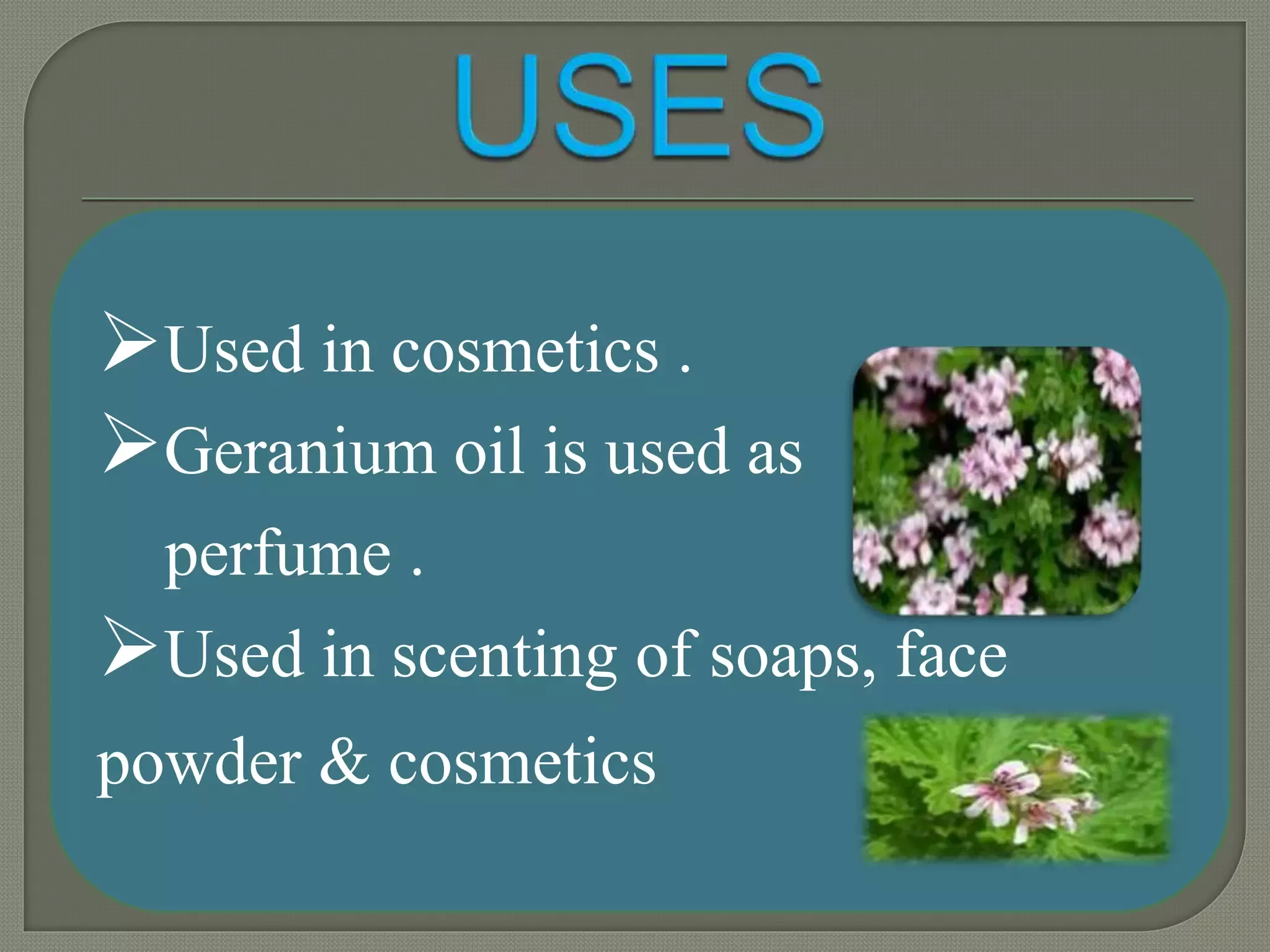
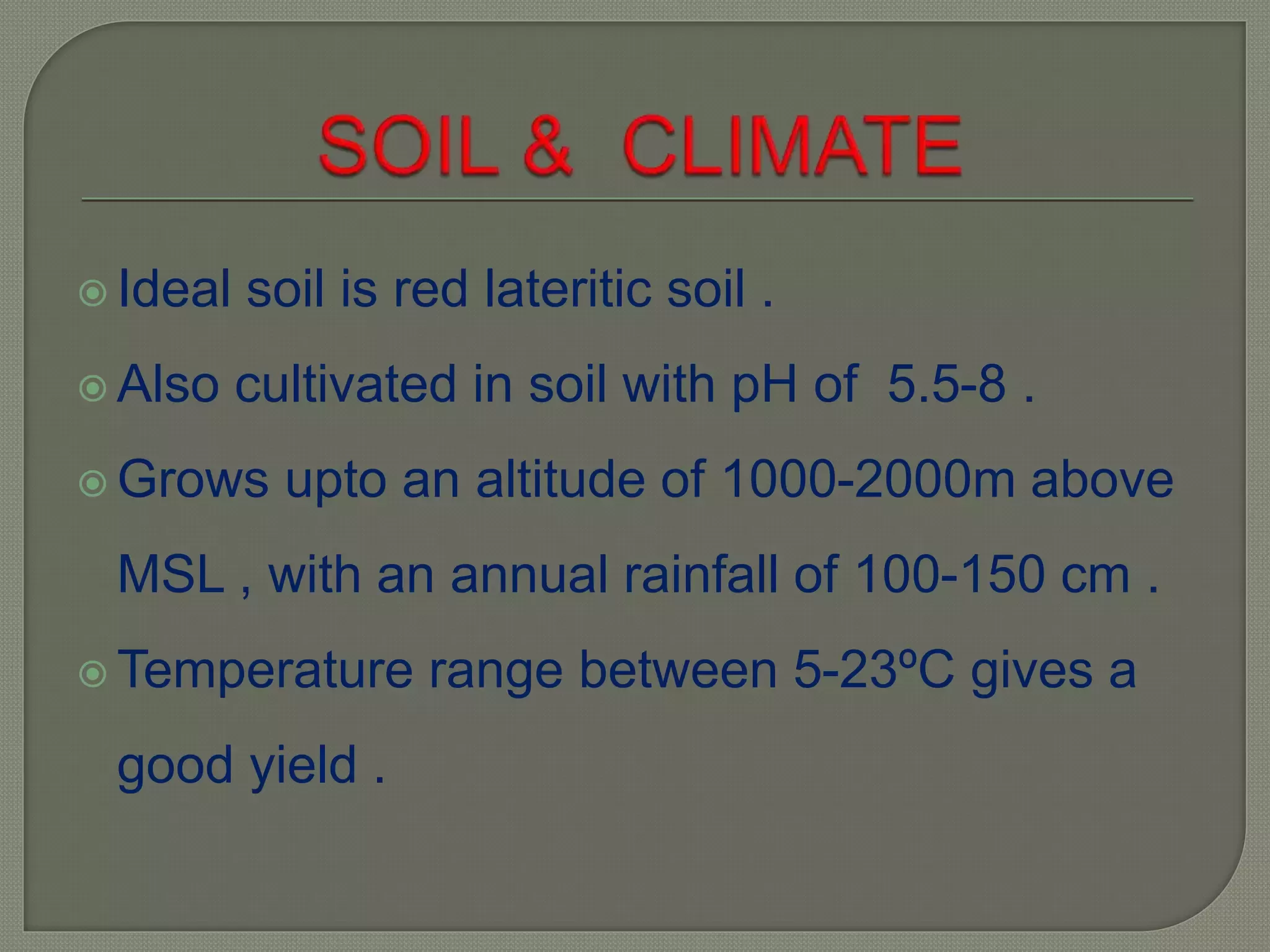
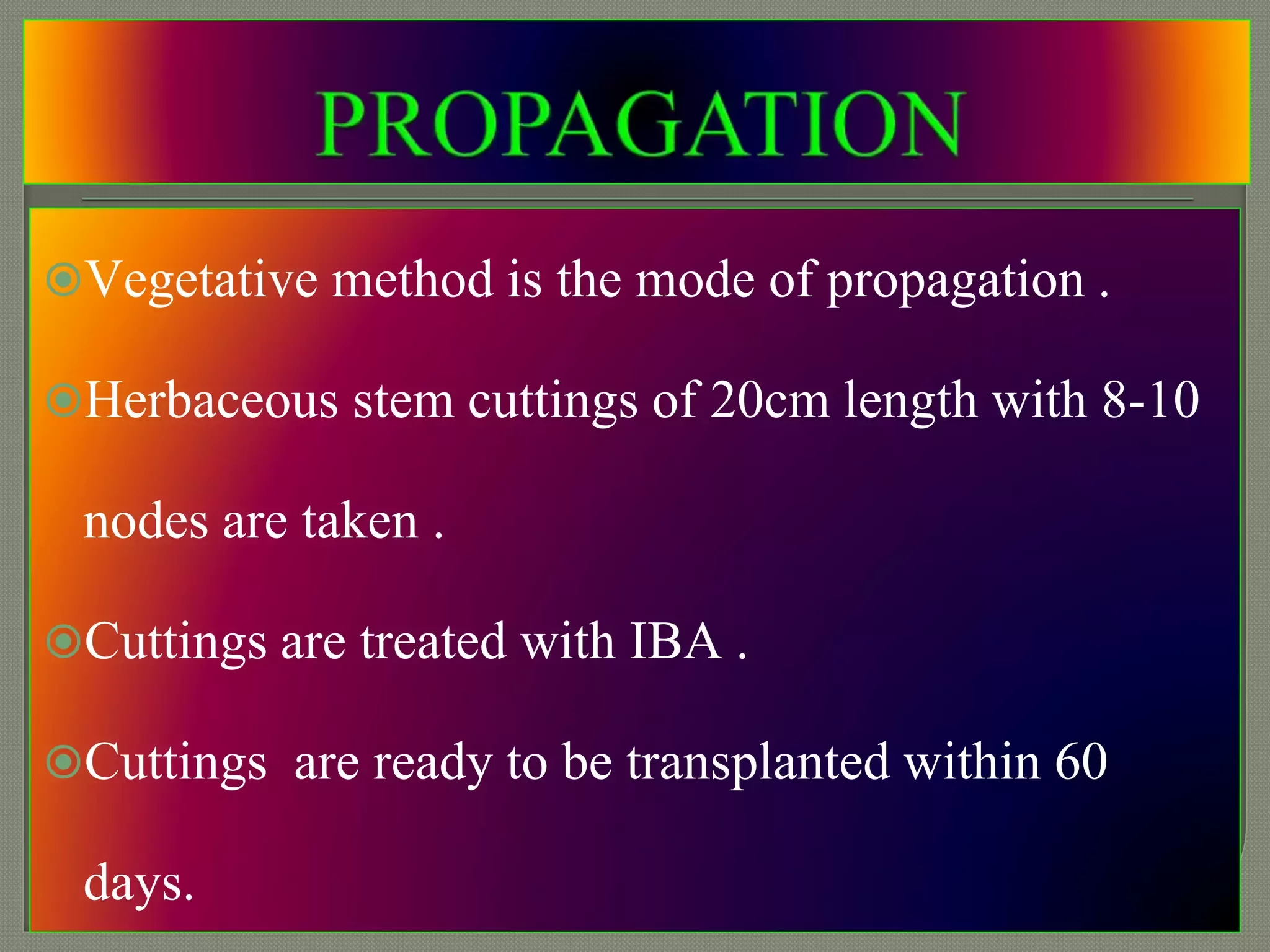
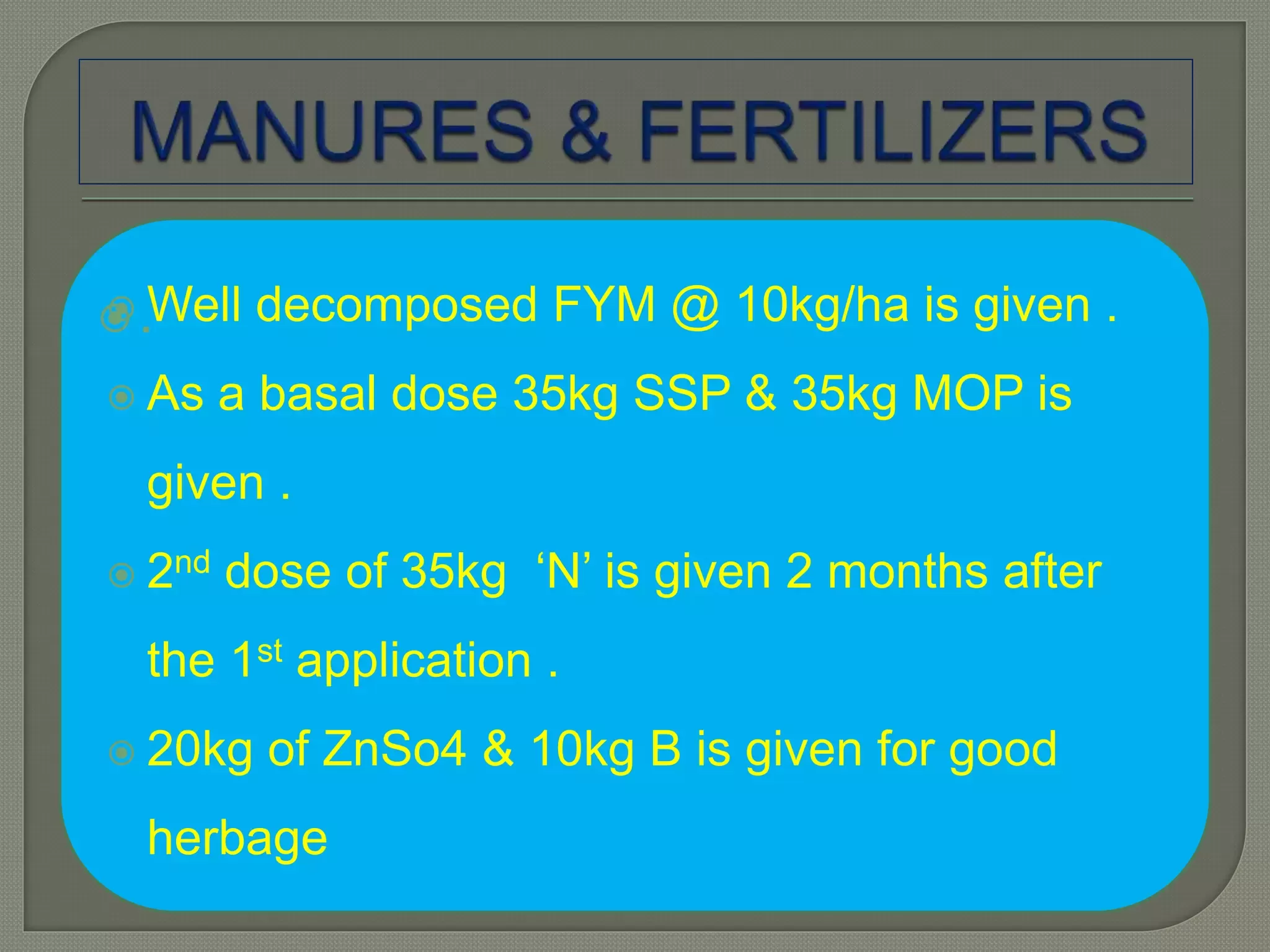
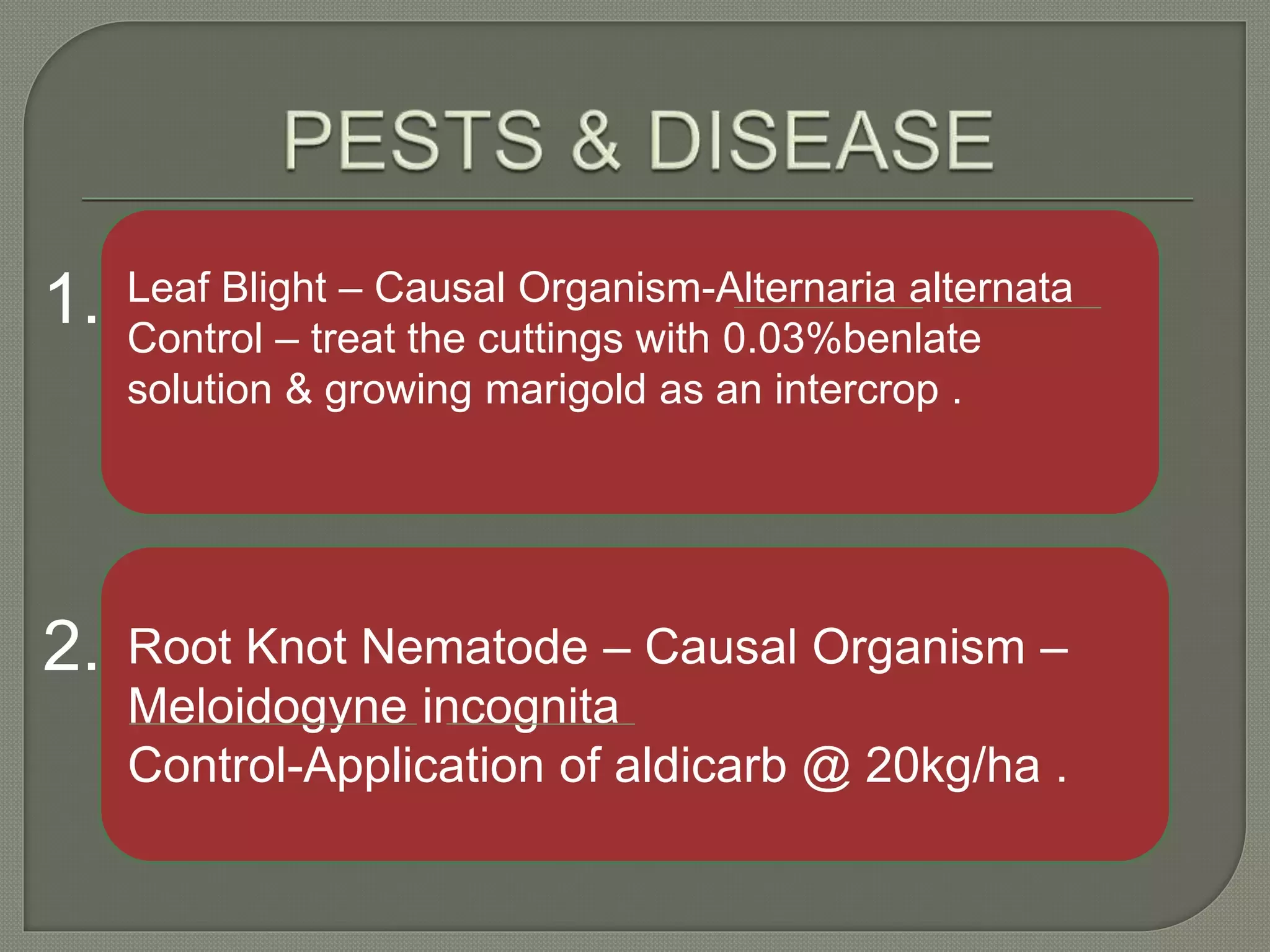
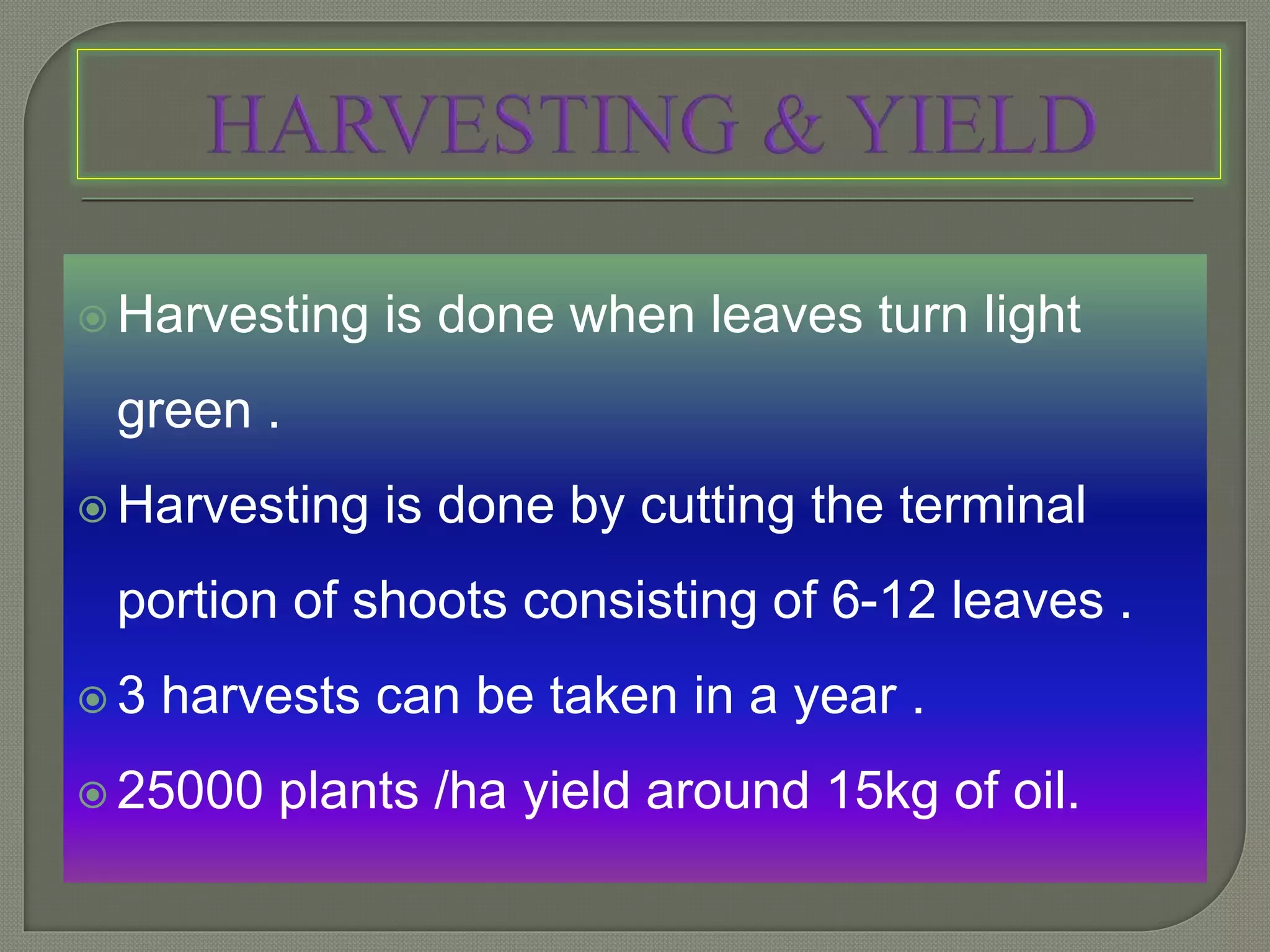
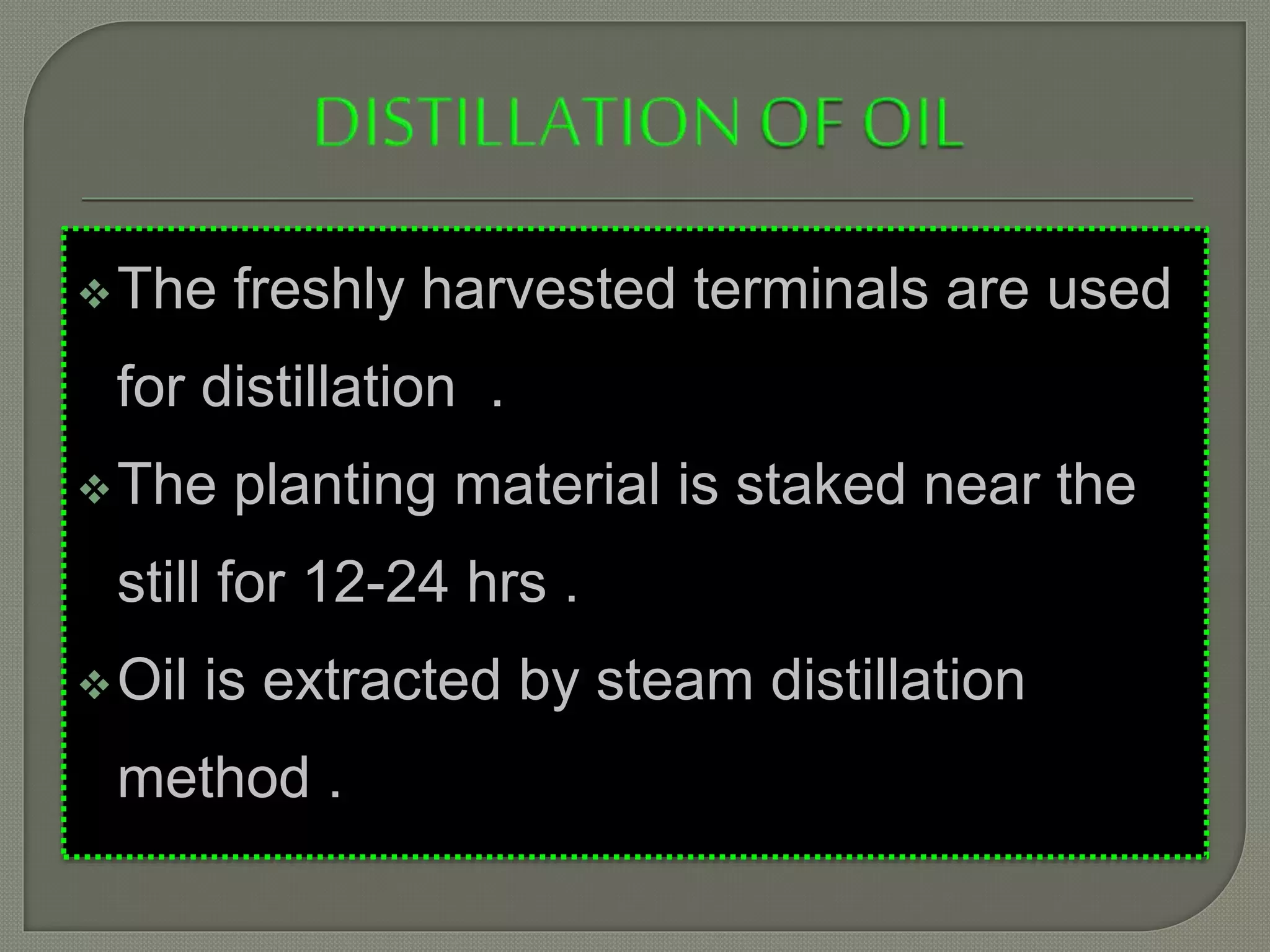
Geranium, scientifically known as *Geranium graveolens*, is a bushy aromatic plant belonging to the Geraniaceae family. Native to the Cape province of South Africa, this versatile plant is known for both its ornamental beauty and its economic value, particularly in the cosmetic industry. The leaves, which are the primary economic part of the plant, change colors from vibrant green when young to a rich brown as they mature. The plant showcases an umbellate inflorescence that adds to its aesthetic appeal. One of the key uses of geranium is its essential oil, which is a highly sought-after ingredient in perfumes and cosmetics. The fragrant oil is also utilized in scenting soaps and face powders, making geranium a valuable crop for those involved in the beauty and personal care sectors. Its aromatic properties and versatility have led to its popularity across various applications. To thrive, geraniums prefer specific soil conditions, particularly red lateritic soil. However, they can also grow in soils with a pH range of 5.5 to 8. Successfully cultivating geranium requires specific climatic conditions; the plants flourish at altitudes between 1000 to 2000 meters above mean sea level (MSL), with an annual rainfall of 100-150 centimeters. A temperature range of 5-23ºC is optimal for achieving high yields, making it essential for cultivators to consider these environmental factors. Propagating geraniums typically involves a vegetative method, with herbaceous stem cuttings being the preferred technique. Cuttings around 20 centimeters long, each containing 8-10 nodes, are taken and treated with indolebutyric acid (IBA) to encourage root development. After approximately 60 days, the cuttings are ready for transplanting, providing a relatively efficient means of propagation. For successful growth, geranium plants benefit from well-decomposed farmyard manure (FYM), with a recommended application of 10 kg per hectare as a nutrient source. Additionally, a basal application of 35 kg each of single super phosphate (SSP) and muriate of potash (MOP) is suggested, followed by a subsequent nitrogen dose two months later. To enhance herbage quality, supplementary applications of zinc sulfate and boron are also recommended. Despite its resilience, geraniums can be affected by certain pests and diseases. Leaf blight caused by *Alternaria alternata* is notable, and treatment can include using a 0.03% benlate solution. Additionally, intercropping with marigold plants has been identified as a beneficial practice to mitigate this issue. Root knot nematodes, mainly *Meloidogyne incognita*, can pose another threat; control measures include applying aldicarb at a dosage of 20 kg per hectare. Harvesting geranium is a meticulous process, taking place when the leaves display a light green coloration. The optimal technique involves cutting the terminal ends of shoots that comprise 6-12 leaves. With the capacity for up to three harvests per year, a well-maintained plantation of approximately 25,000 plants per hectare can yield around 15 kg of essential oil. The freshly harvested terminal shoots are placed near a still for 12-24 hours before the oil extraction process, which employs steam distillation. This careful handling ensures optimal quality of the oil produced, reinforcing the geranium’s esteemed status in the world of fragrances. Through these practices, geranium continues to be a beloved and economically significant plant in the realm of aromatherapy and cosmetic applications.

Slide 1

Slide 1⬇ Slide

Slide 2

Slide 2⬇ Slide

Slide 3

Slide 3⬇ Slide

Slide 4

Slide 4⬇ Slide

Slide 5

Slide 5⬇ Slide

Slide 6

Slide 6⬇ Slide

Slide 7

Slide 7⬇ Slide

Slide 8

Slide 8⬇ Slide

Slide 9

Slide 9⬇ Slide
1 / 9

Ppt on Cinnamon

Summary:Delve into the fascinating world of cinnamon  a comprehensive overview of its cultivation process, morphological characteristics, chemical constituents, and therapeutic applications. Discover the rich history and diverse uses of this spice in both traditional and modern medicine, making it a valuable addition to kitchens and pharmacies worldwide.

Description

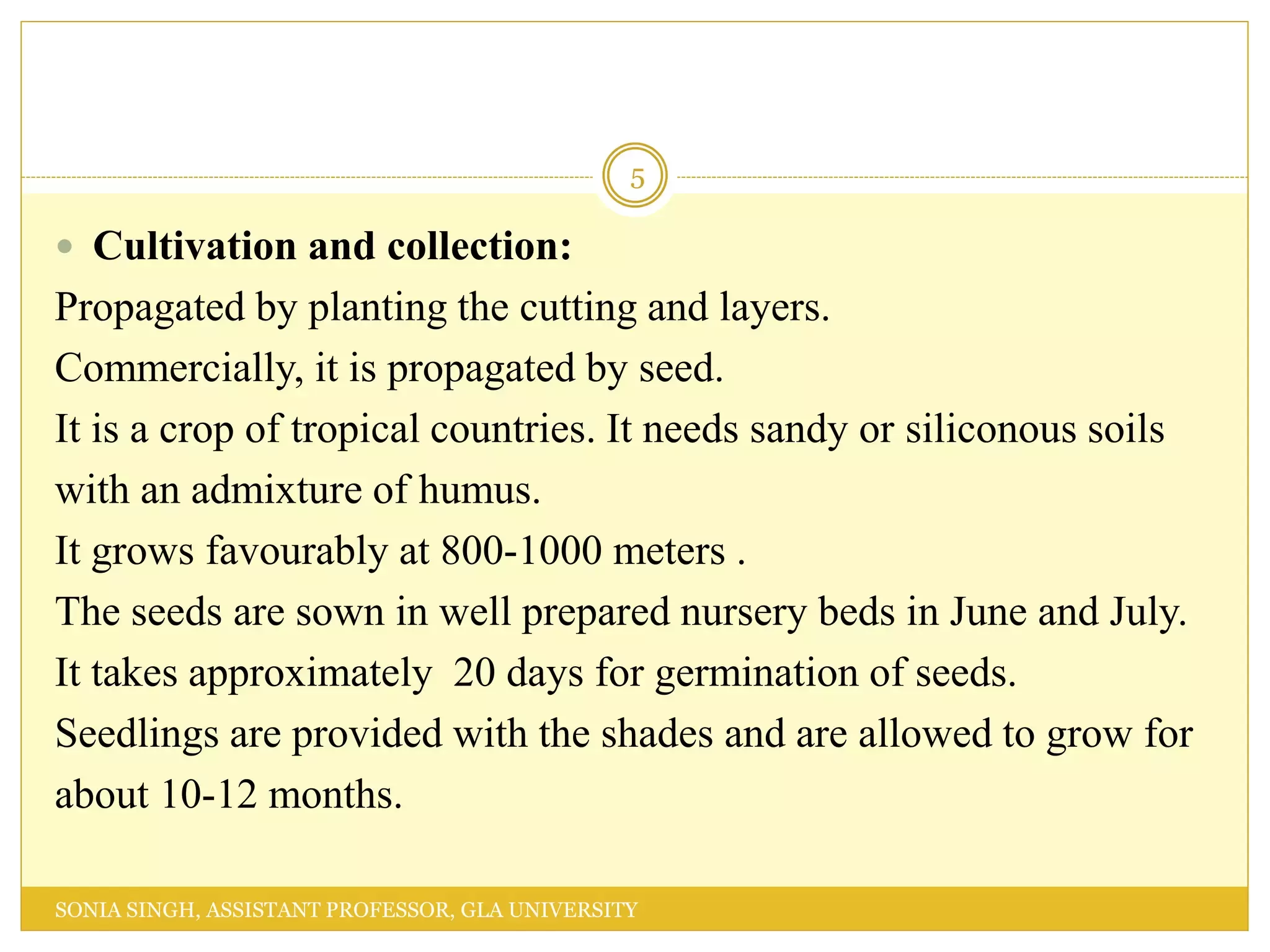
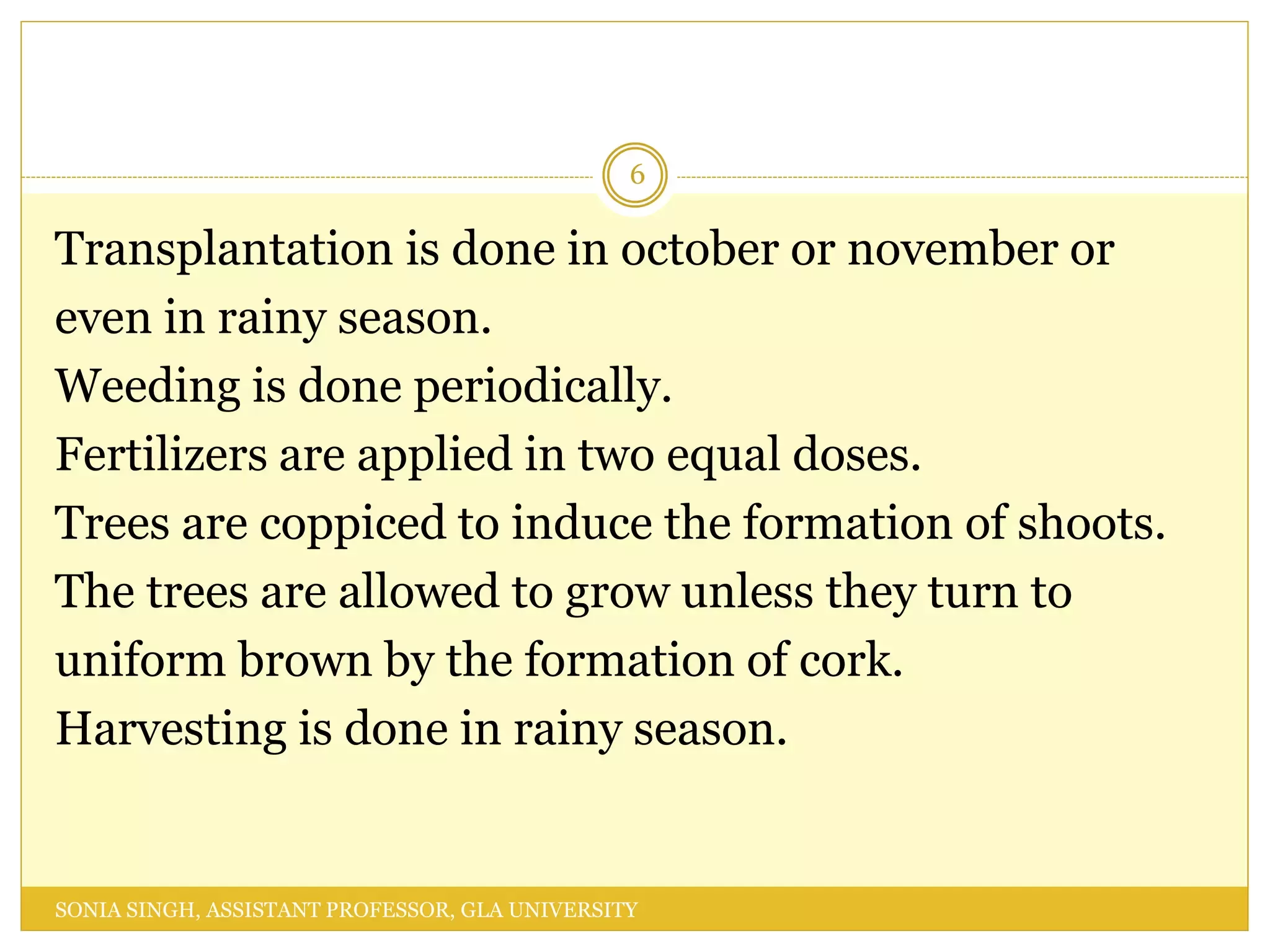
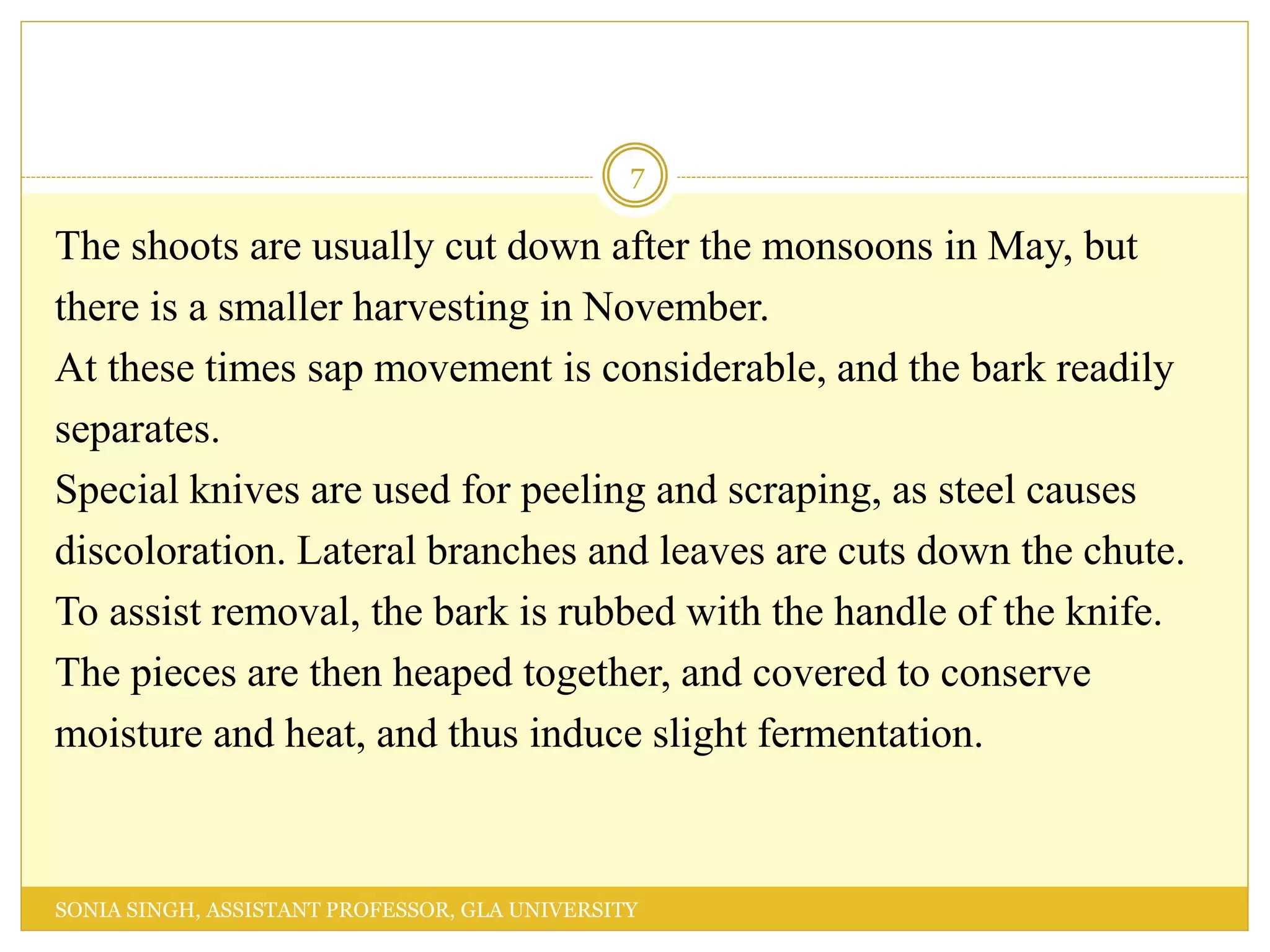
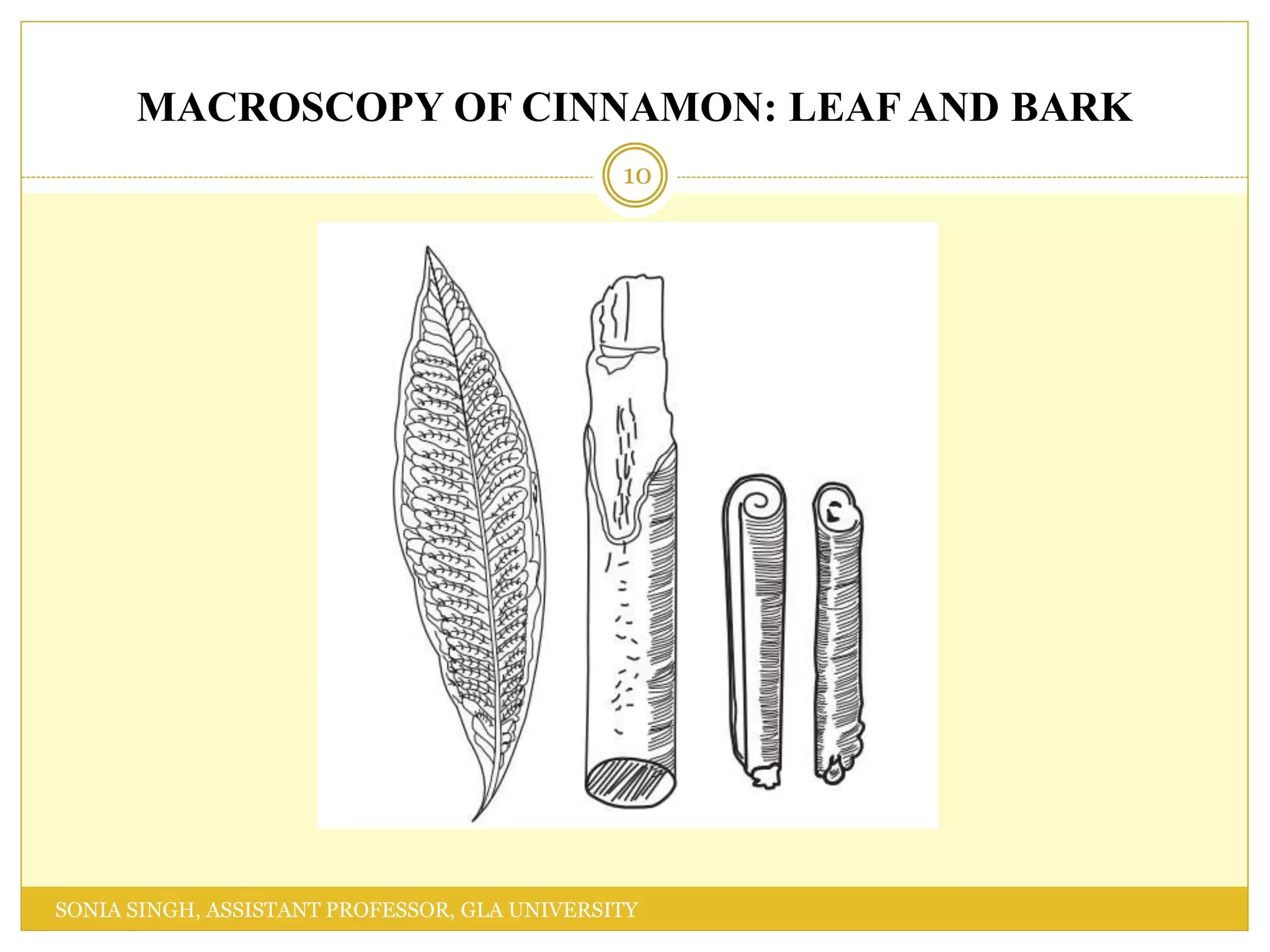
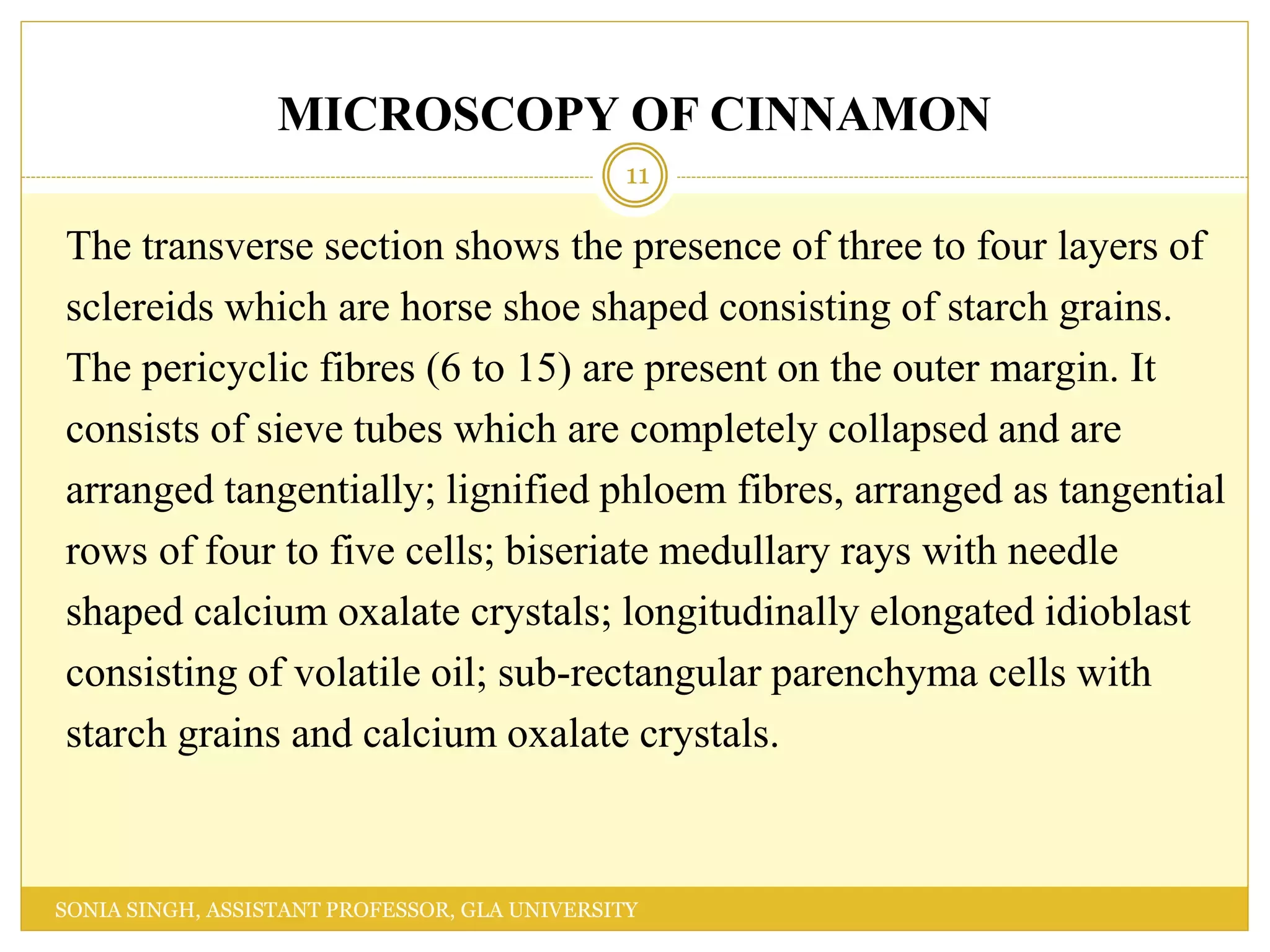
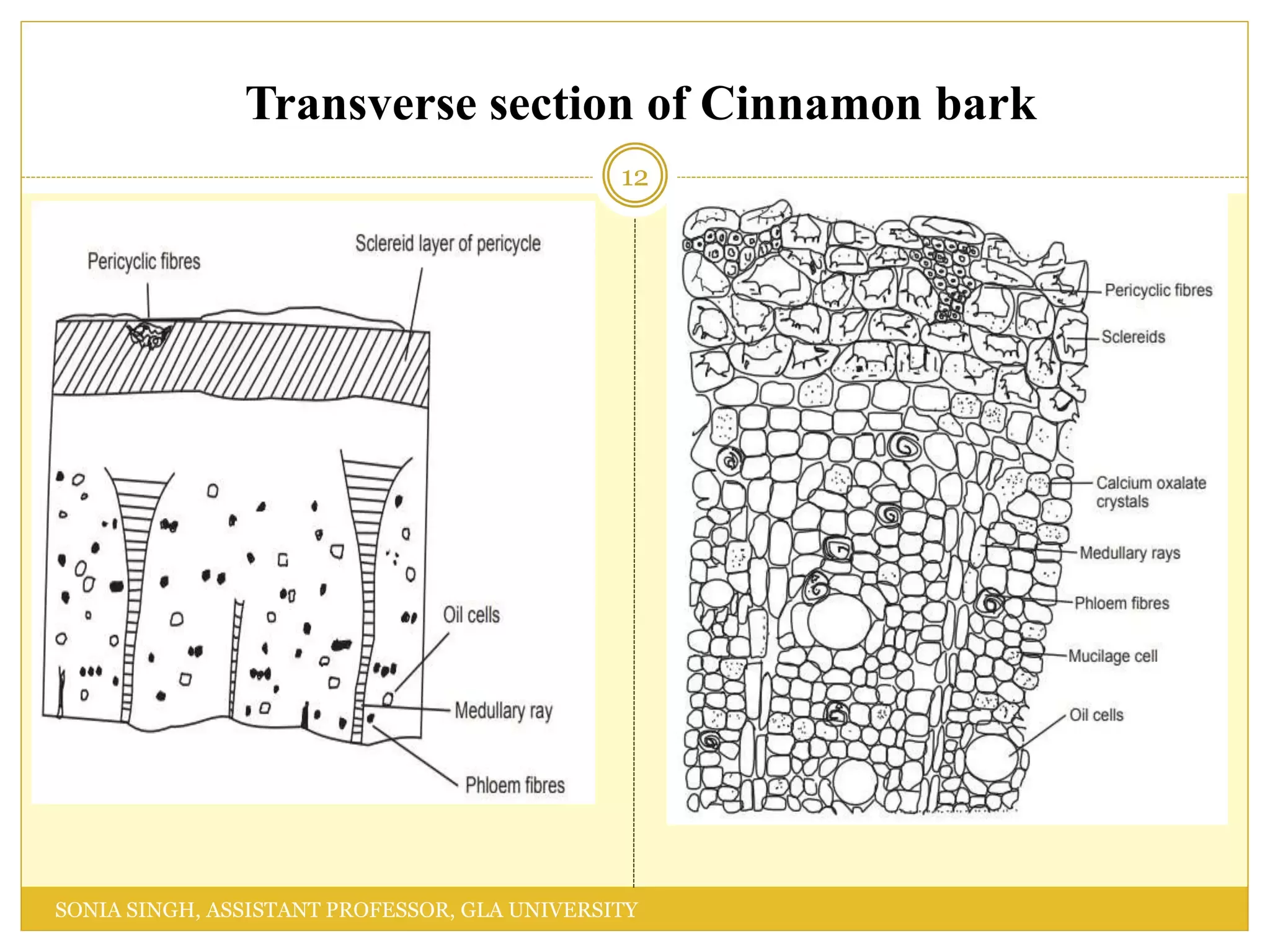
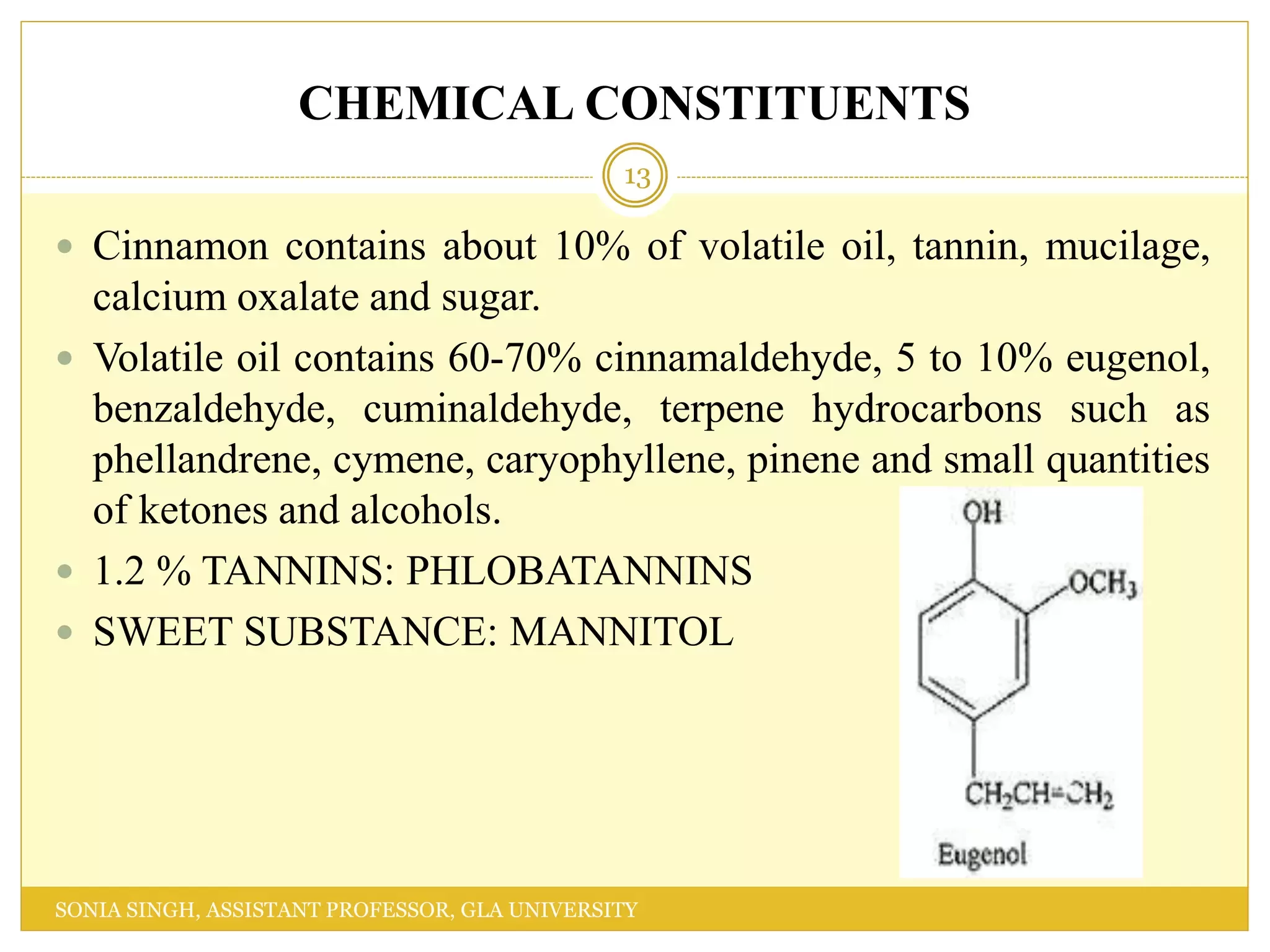
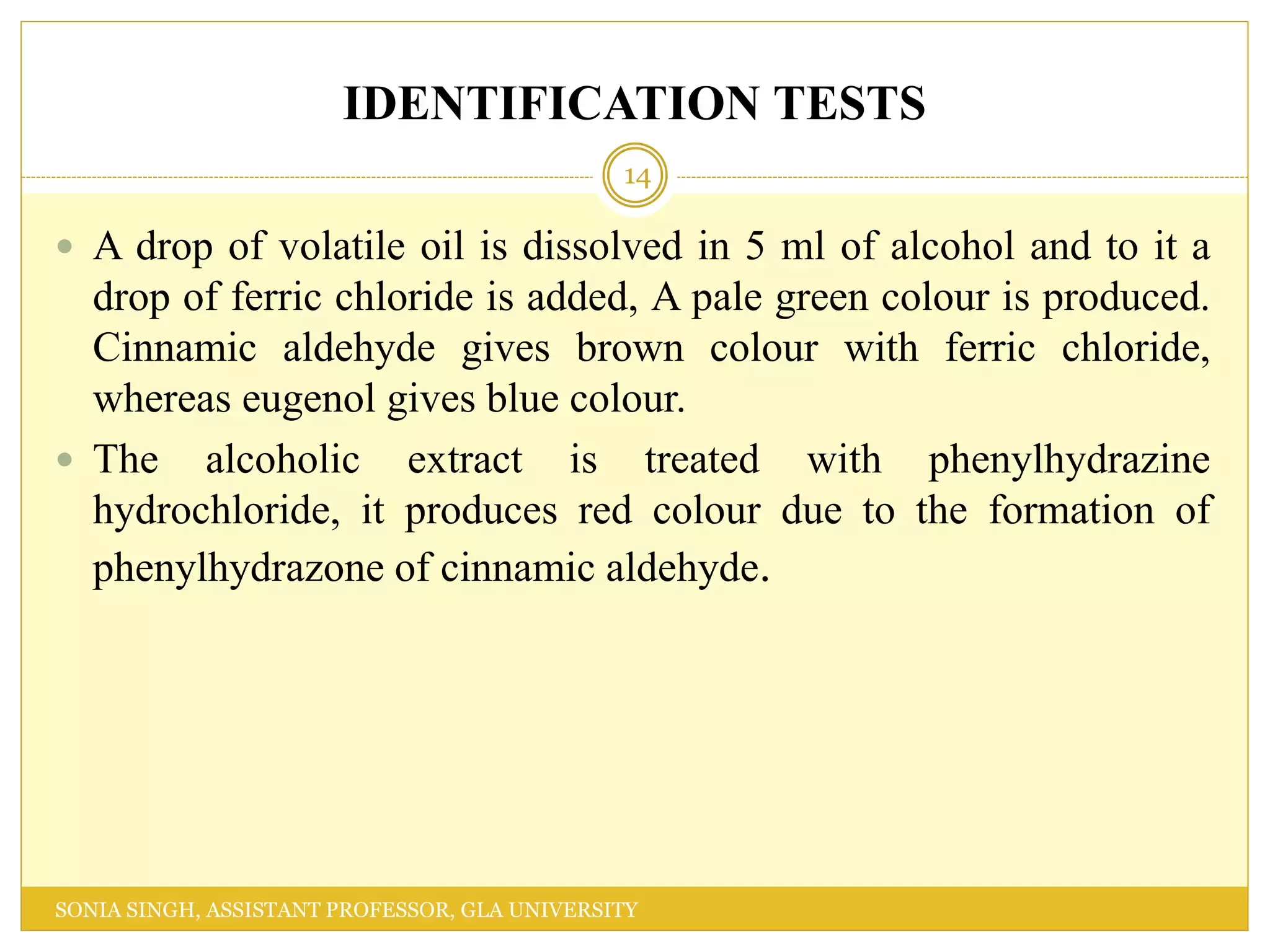
In this informative post, we delve into the fascinating world of cinnamon, a spice renowned not only for its delightful flavor but also for its extensive range of therapeutic uses. This informative content, provides a comprehensive overview of cinnamon, exploring its biological sources, morphological characteristics, chemical constituents, and applications in both traditional and modern medicine. Cinnamon, scientifically known as Cinnamomum zeylanicum (or Cinnamomum verum), is derived from the dried inner bark of the shoots of specific trees belonging to the Lauraceae family. Often referred to as Ceylon cinnamon or Kalmi-dalchini, this spice is primarily cultivated in tropical regions, originally hailing from Sri Lanka and the Malabar coast of India. Although it thrives in various parts of the world, including Jamaica and Brazil, Sri Lanka remains the leading supplier of this highly prized spice. The cultivation process of cinnamon is as intricate as the spice itself. Trees are typically propagated through seeds or cuttings, flourishing best in sandy soils enriched with organic matter at elevations of 800 to 1000 meters. The timing of sowing and transplantation is crucial, requiring specific attention to climatic conditions. Harvesting occurs primarily during the rainy season, when the bark can be peeled off easily due to the increased sap flow, ensuring optimal quality of the cinnamon bark. Cinnamon’s physical characteristics are distinct, featuring a dull yellowish-brown outer surface and a darker inner bark. It has a pleasant, aromatic fragrance and a sweet taste with a warm after-sensation. The bark’s structure includes wavy longitudinal striations and is often free of cork, indicating its quality. Understanding the macroscopic and microscopic features of cinnamon enriches its identification and application in various fields. From a biochemical perspective, cinnamon is quite remarkable, containing around 10% volatile oil, which includes significant components such as cinnamaldehyde and eugenol. These chemical constituents contribute to its distinctive fragrance and a range of health benefits. In the realm of therapeutic applications, cinnamon is known for its alterative, carminative, and antiseptic properties. It serves as a solution for various ailments, aiding in digestion, alleviating flatulence, and assisting in the treatment of respiratory issues, among others. Cinnamon is not only utilized in culinary applications but is also a key ingredient in numerous marketed products. Well-known formulations such as Rumalaya gel, Koflet lozenges, and Chyavanprash feature cinnamon for its medicinal properties, offering a natural remedy for many health concerns. In conclusion, this post encapsulates the multifaceted nature of cinnamon, highlighting its journey from cultivation to the market, along with its health benefits. Understanding the depth of cinnamon’s properties and uses is essential for both culinary enthusiasts and those seeking natural healing methods. With its rich history and diverse applications, cinnamon continues to be a valuable addition to both kitchens and pharmacies around the globe.

Slide 1

Slide 1⬇ Slide

Slide 2

Slide 2⬇ Slide

Slide 3

Slide 3⬇ Slide

Slide 4

Slide 4⬇ Slide

Slide 5

Slide 5⬇ Slide

Slide 6

Slide 6⬇ Slide

Slide 7

Slide 7⬇ Slide

Slide 8

Slide 8⬇ Slide

Slide 9

Slide 9⬇ Slide

Slide 10

Slide 10⬇ Slide

Slide 11

Slide 11⬇ Slide

Slide 12

Slide 12⬇ Slide

Slide 13

Slide 13⬇ Slide

Slide 14

Slide 14⬇ Slide

Slide 15

Slide 15⬇ Slide

Slide 16

Slide 16⬇ Slide
1 / 16

Ppt on RED cabbage

Description

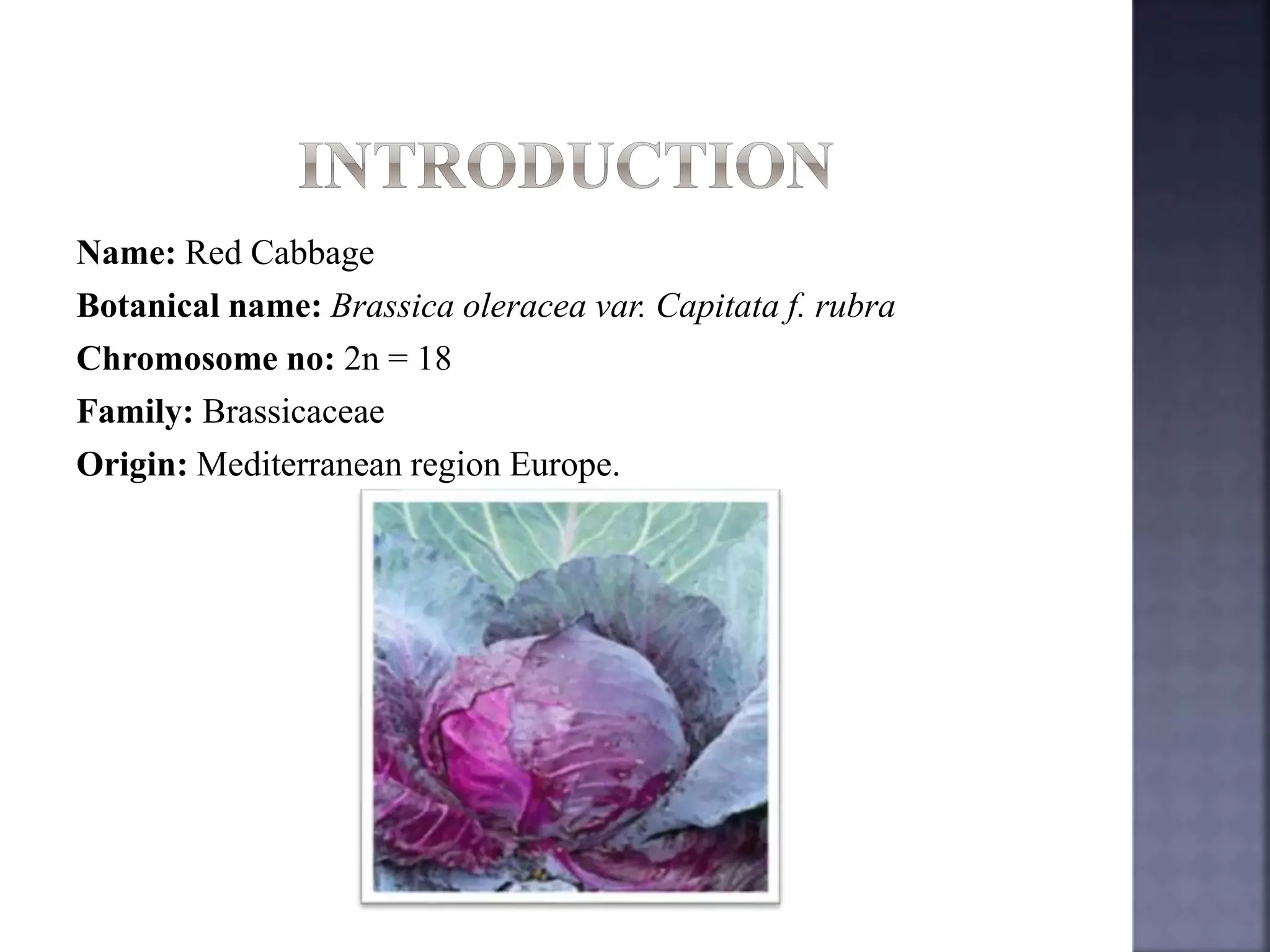
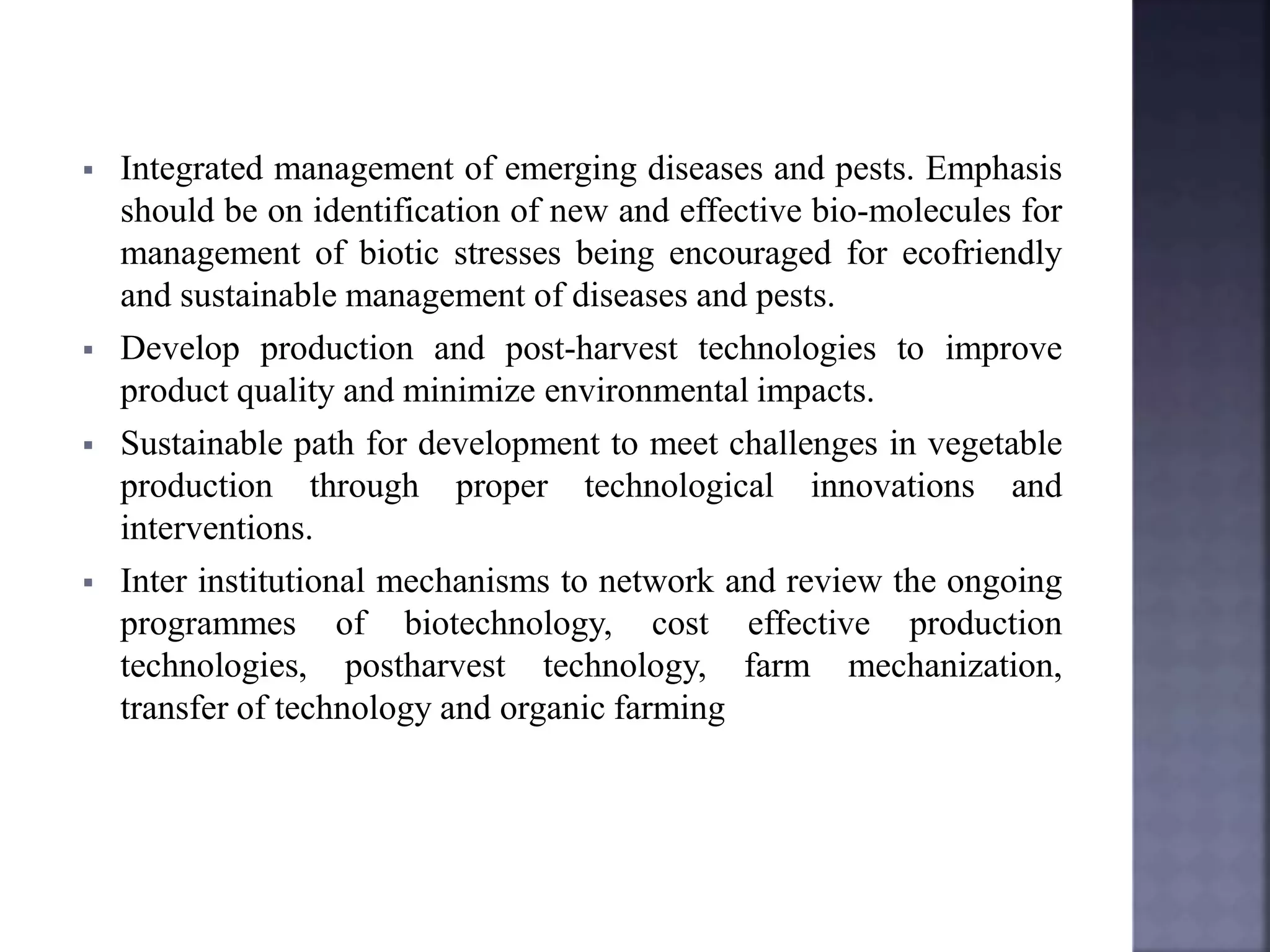
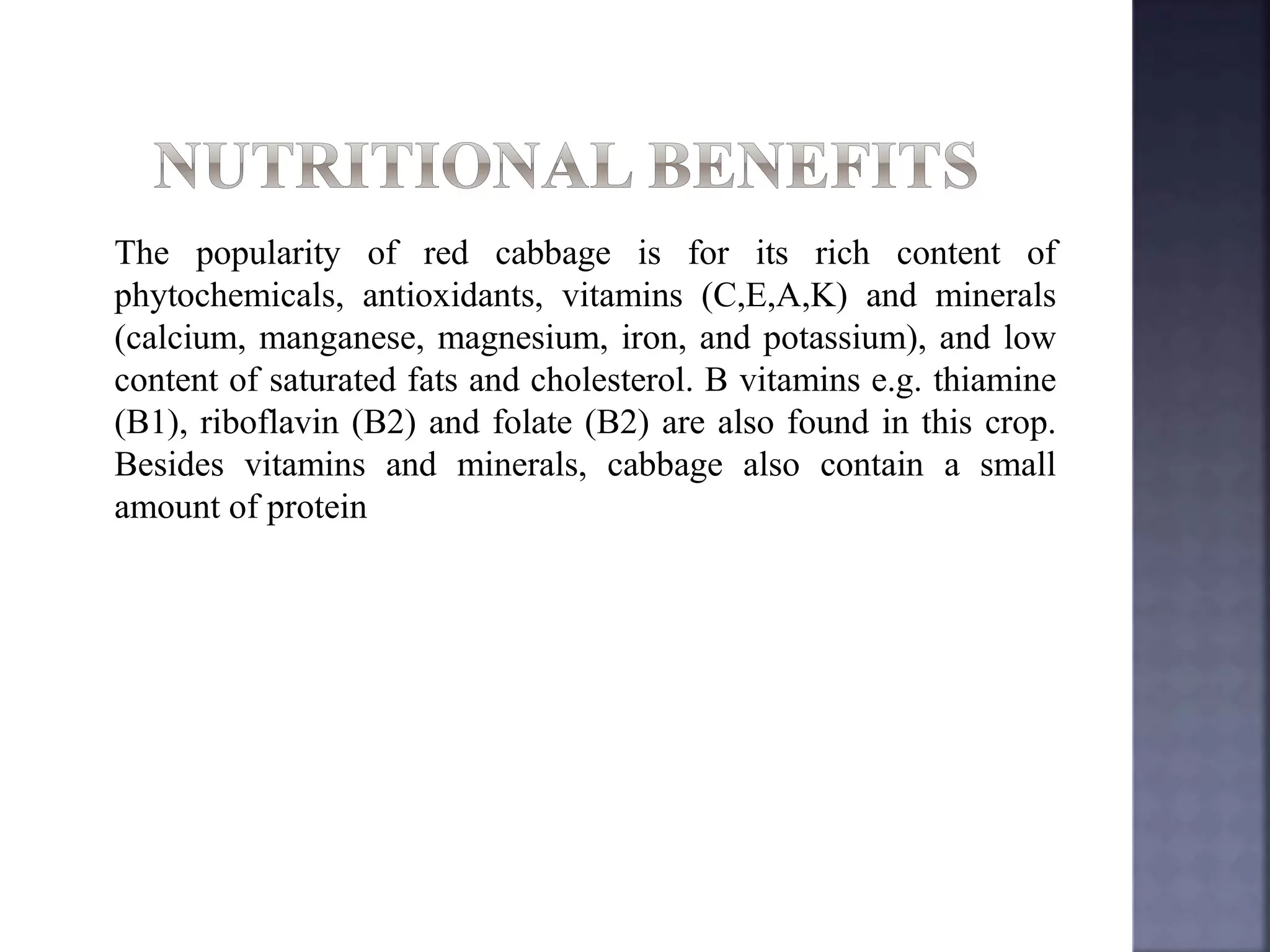
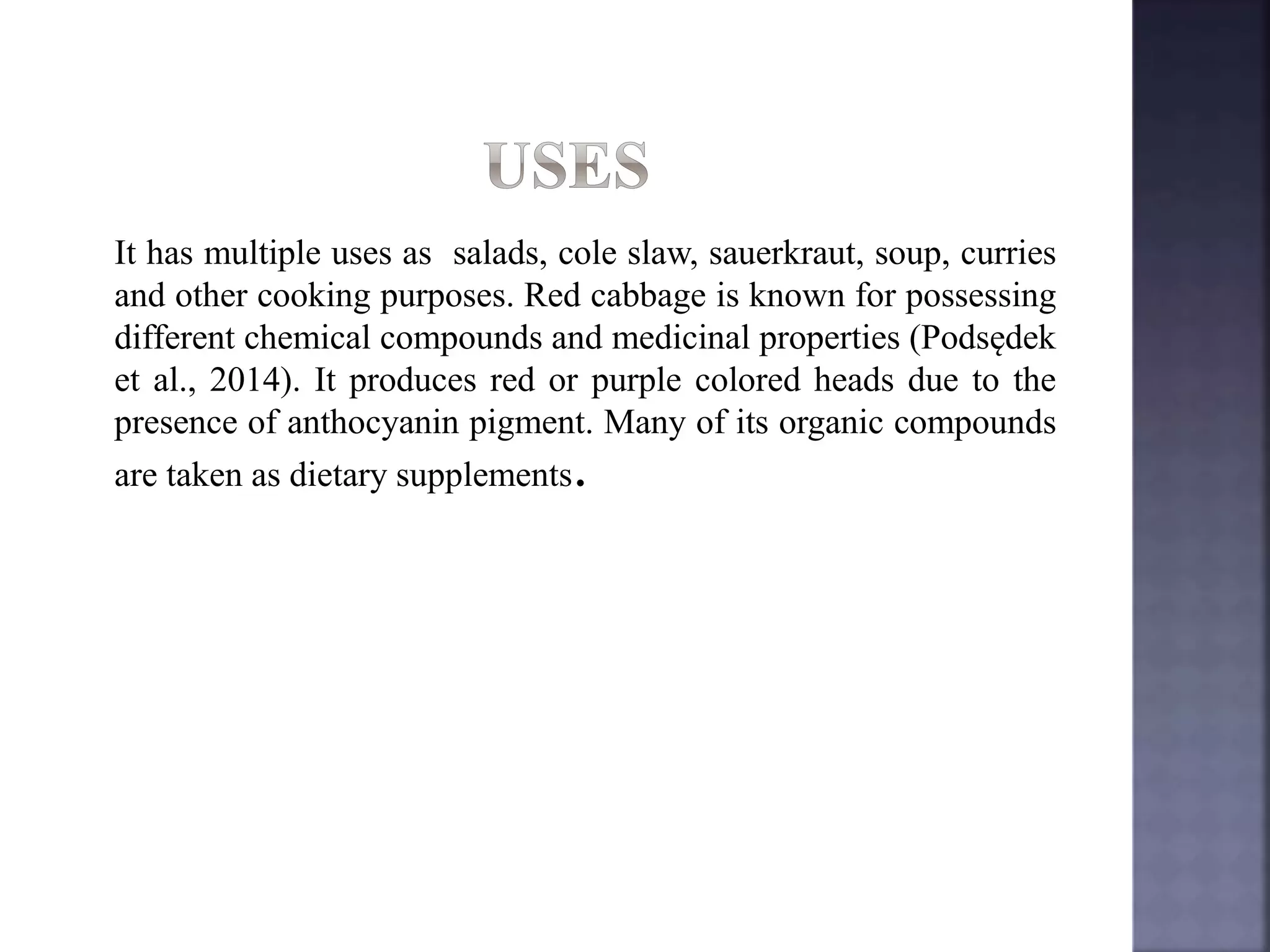
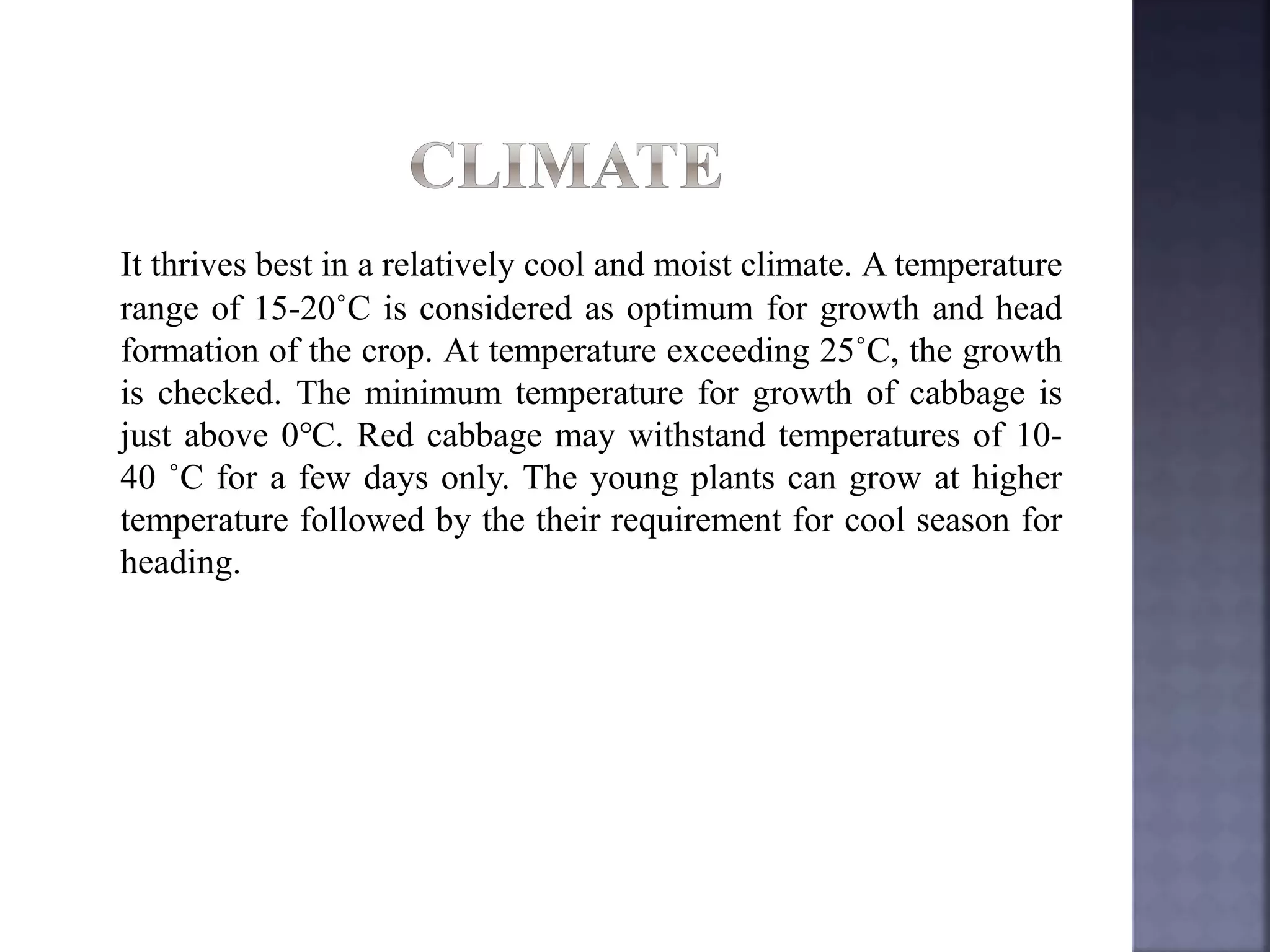
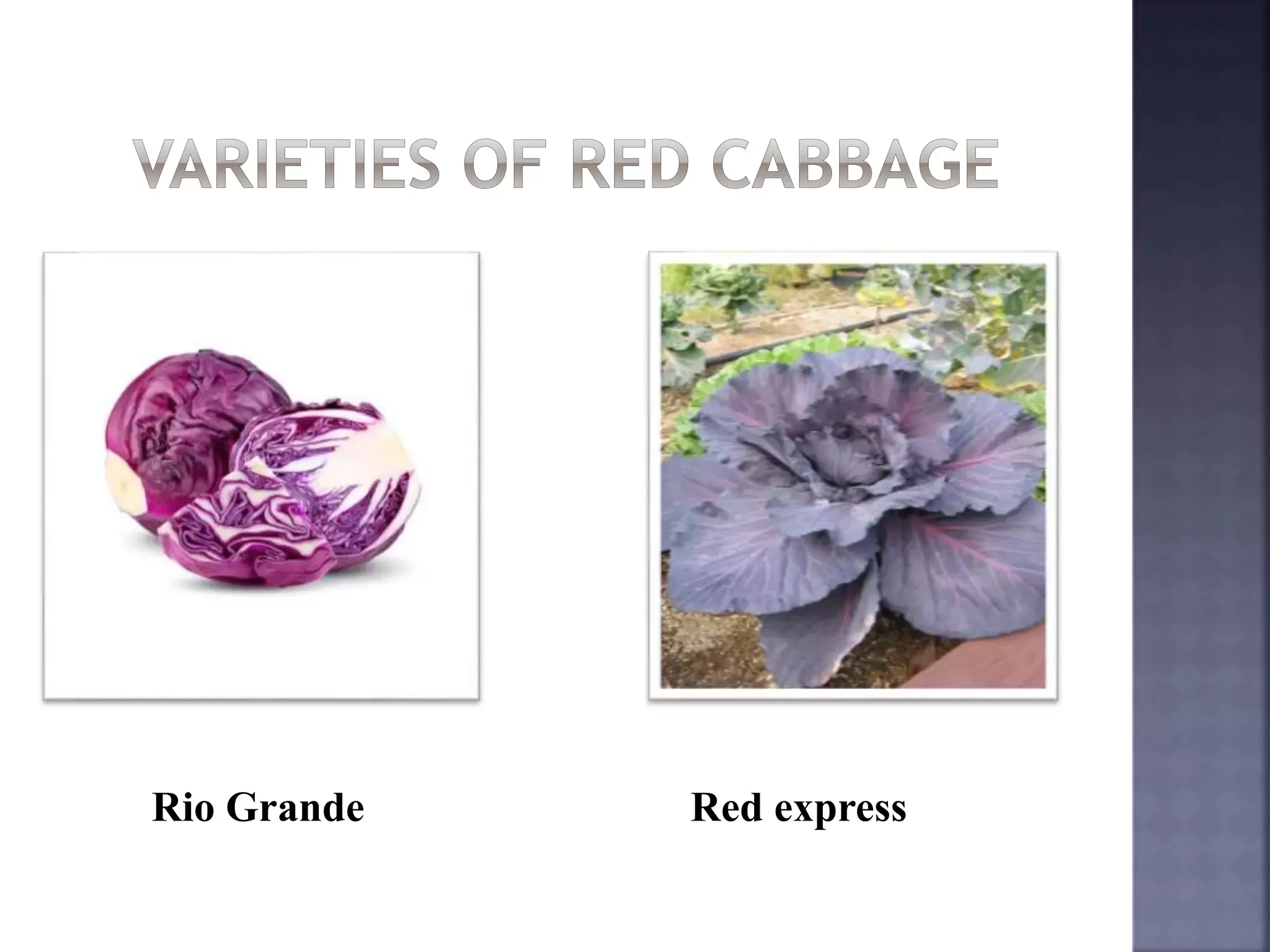
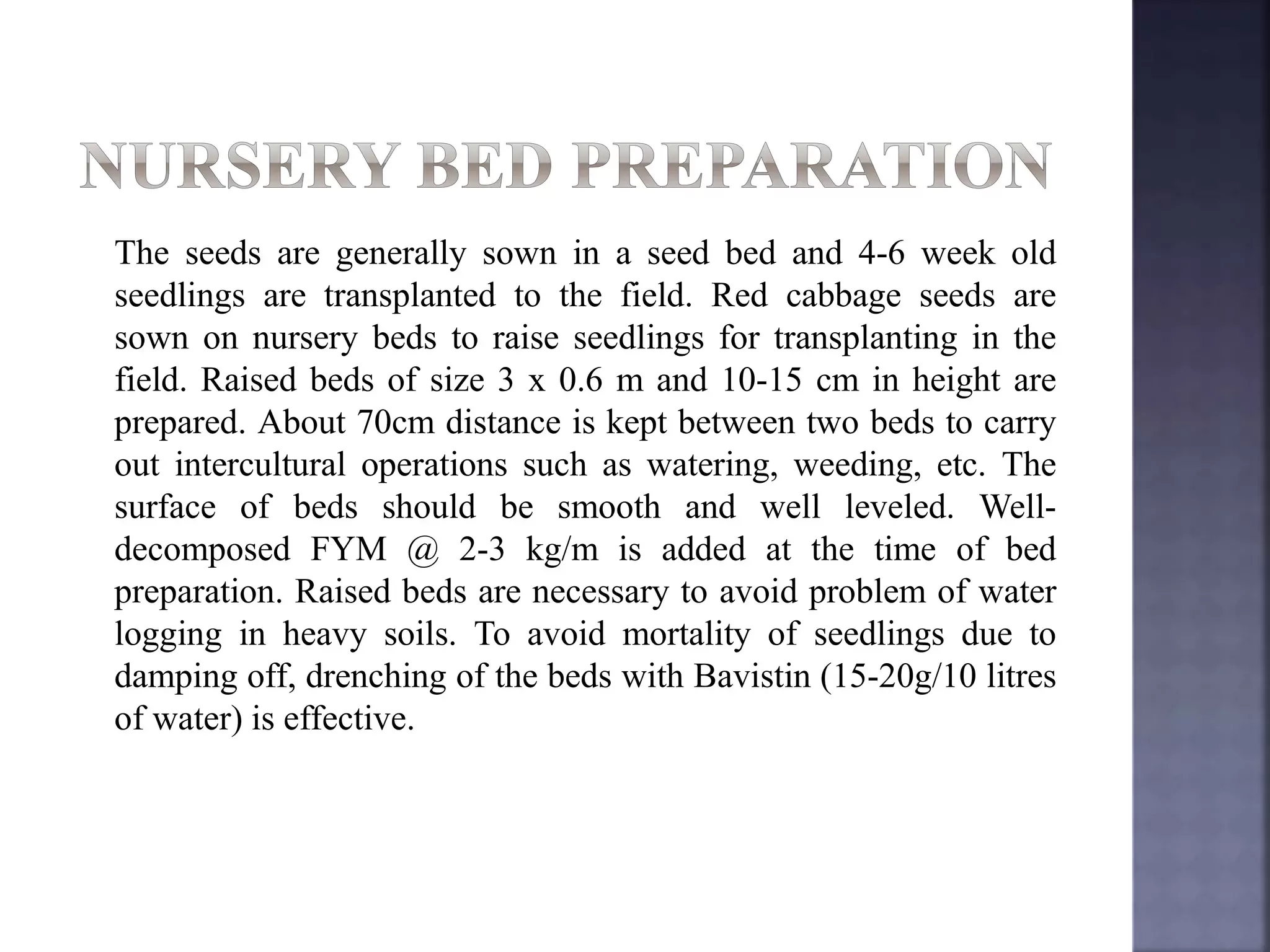
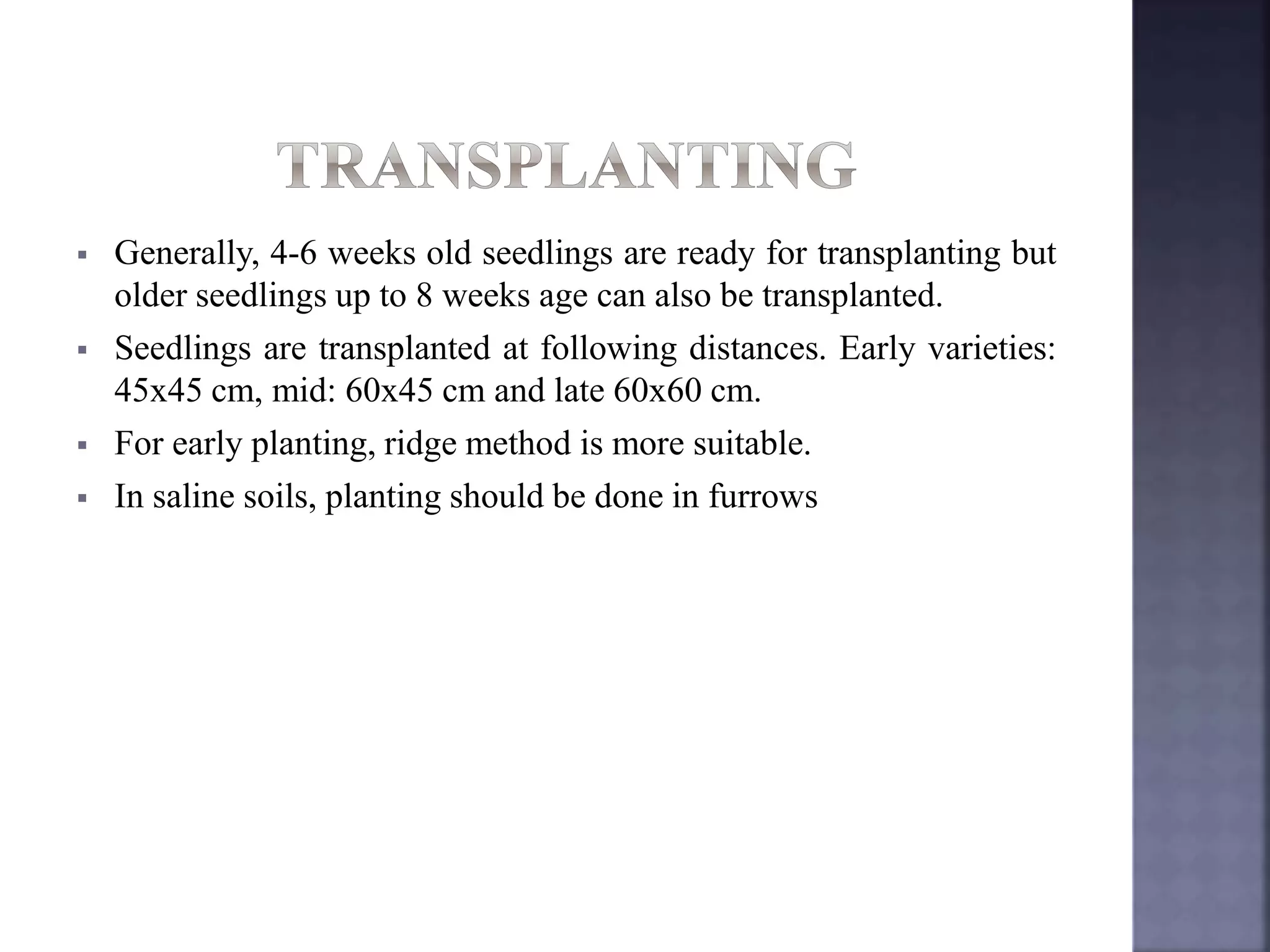
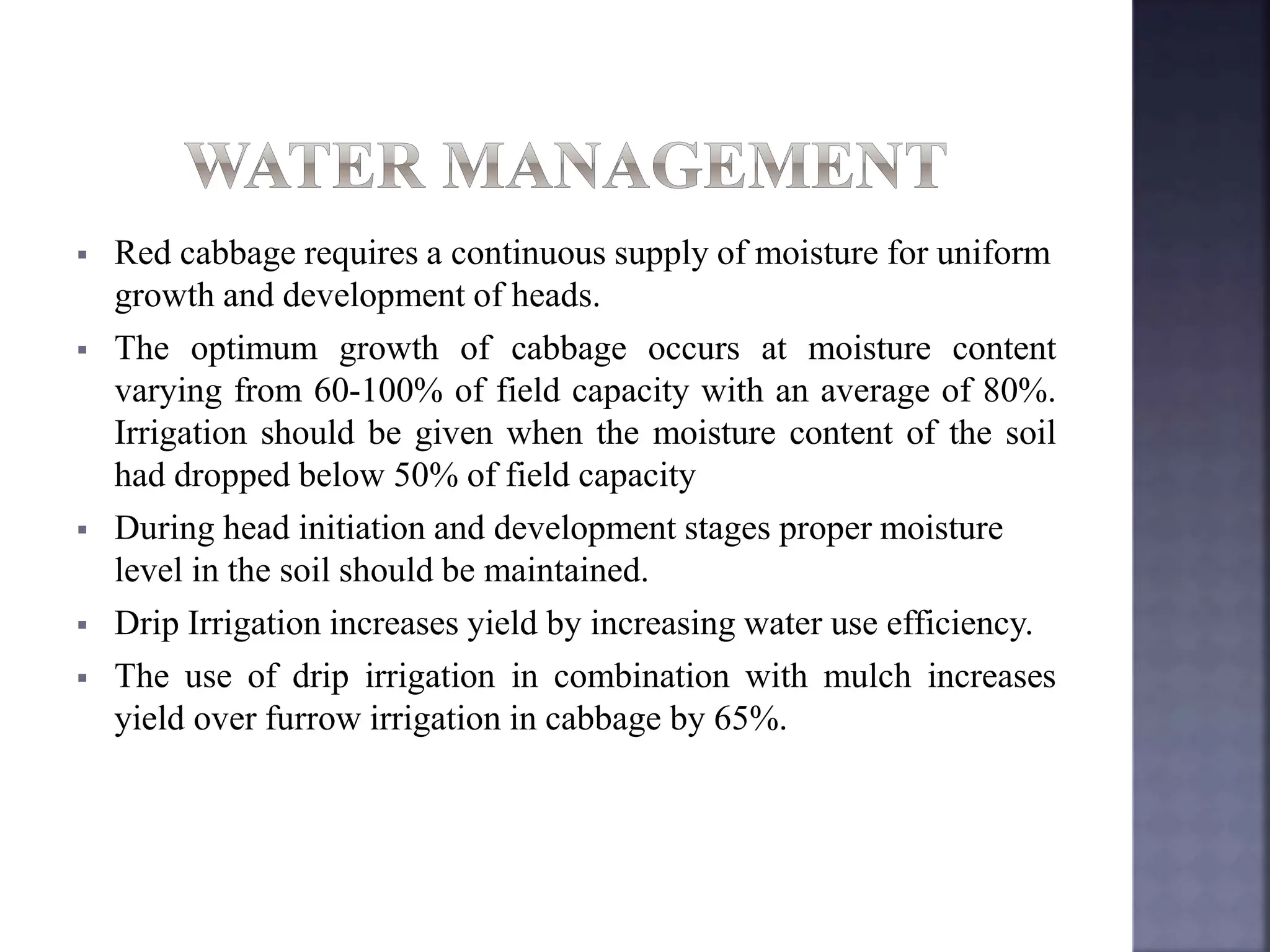
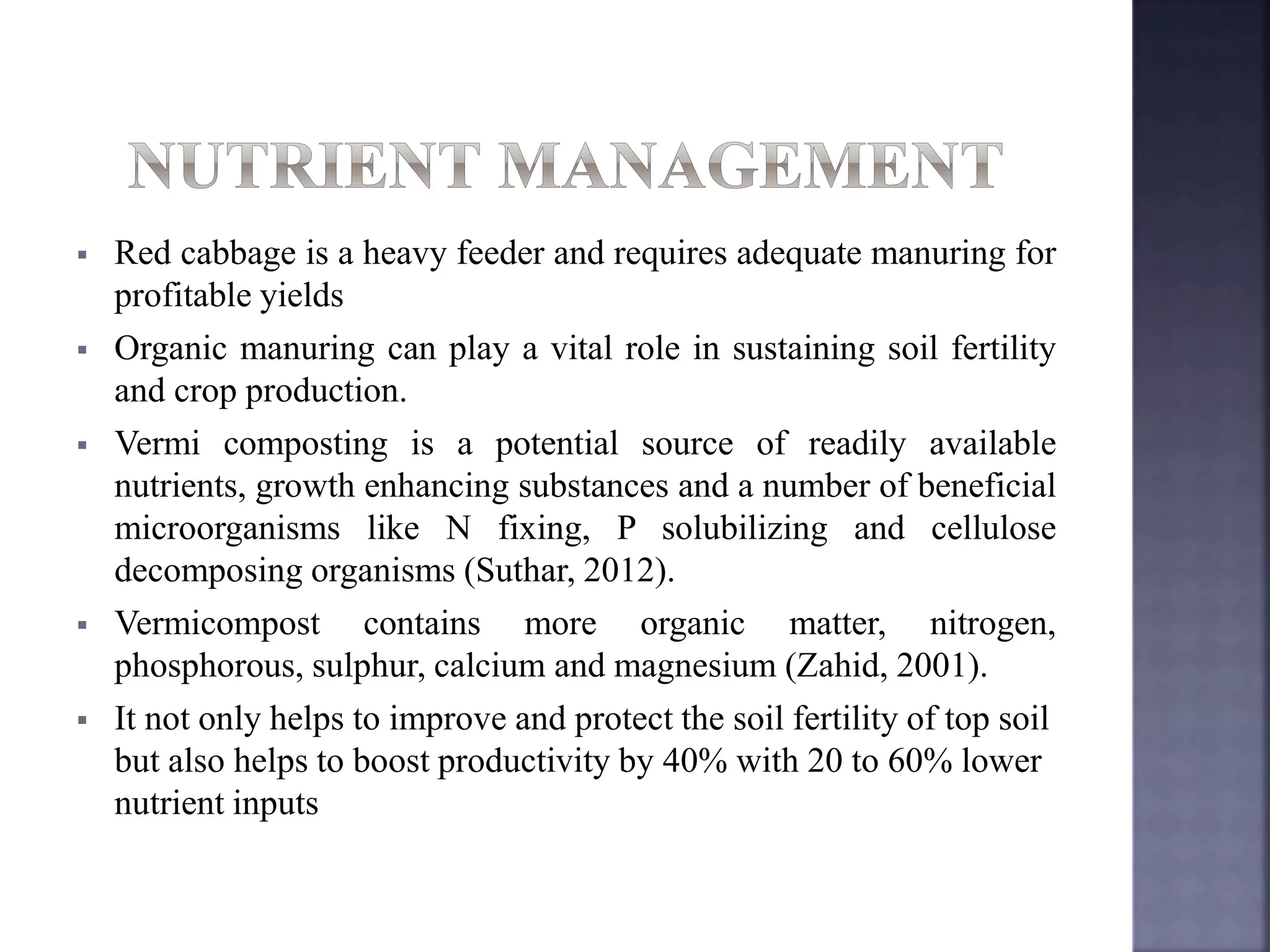
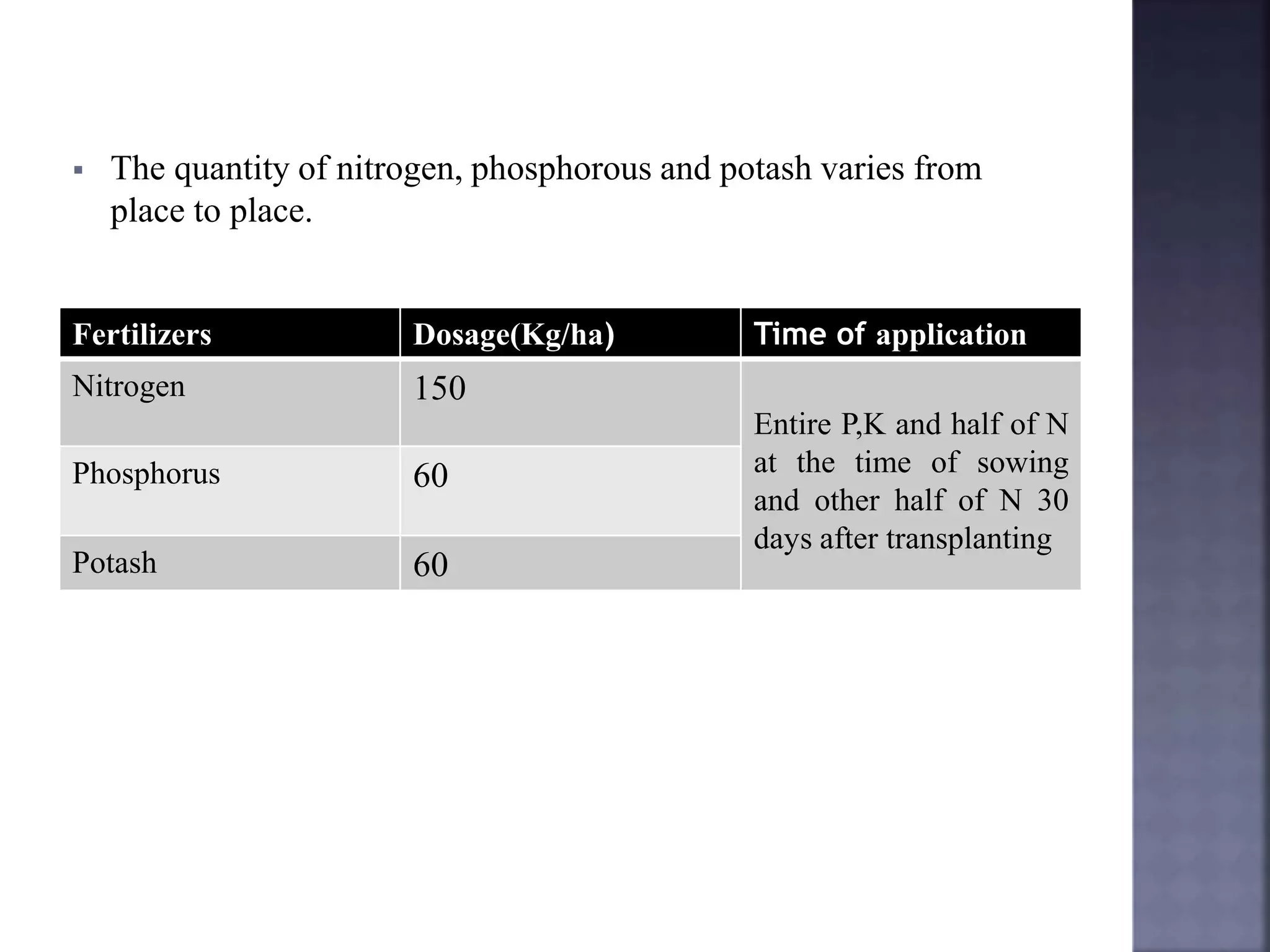
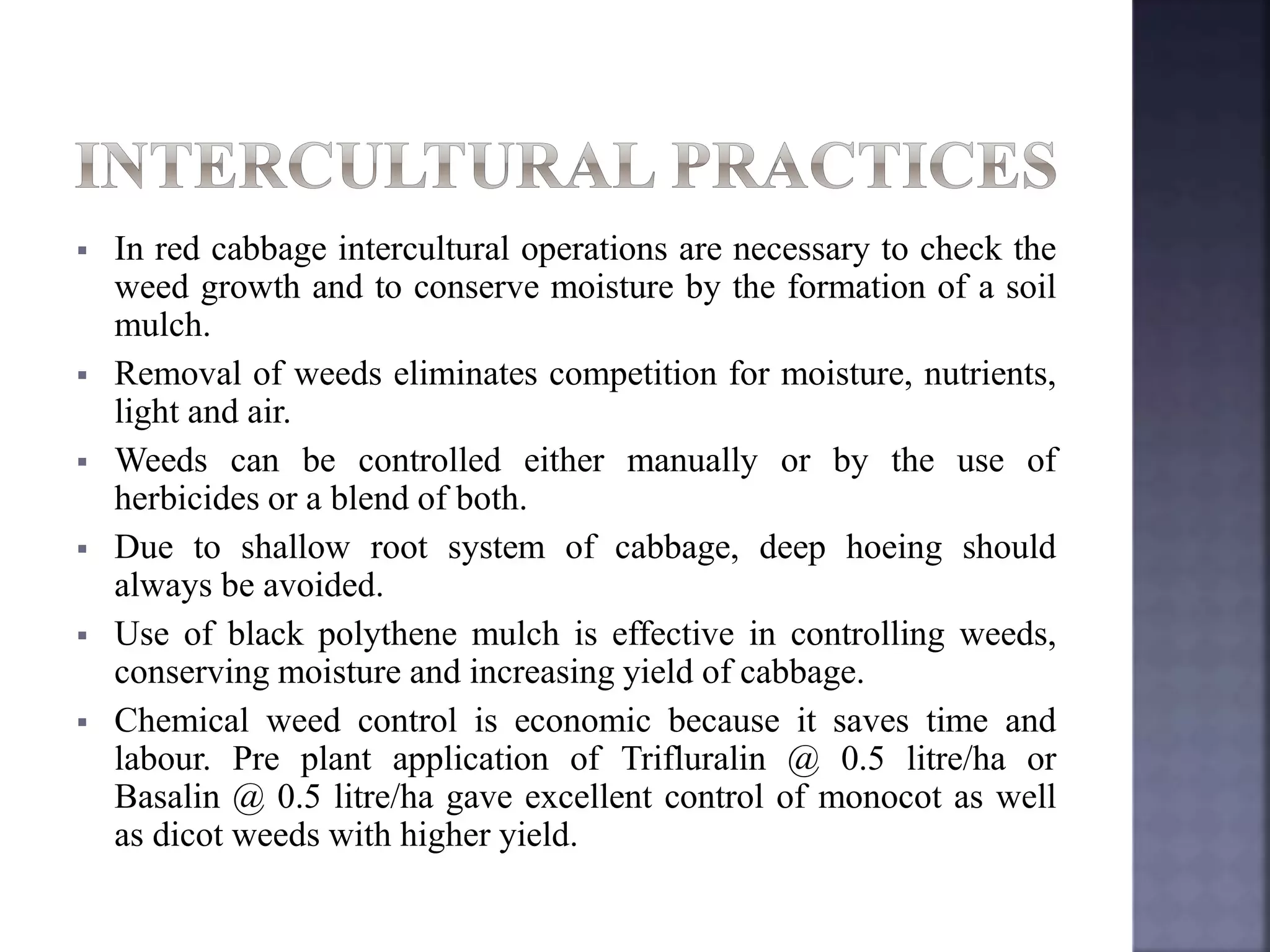
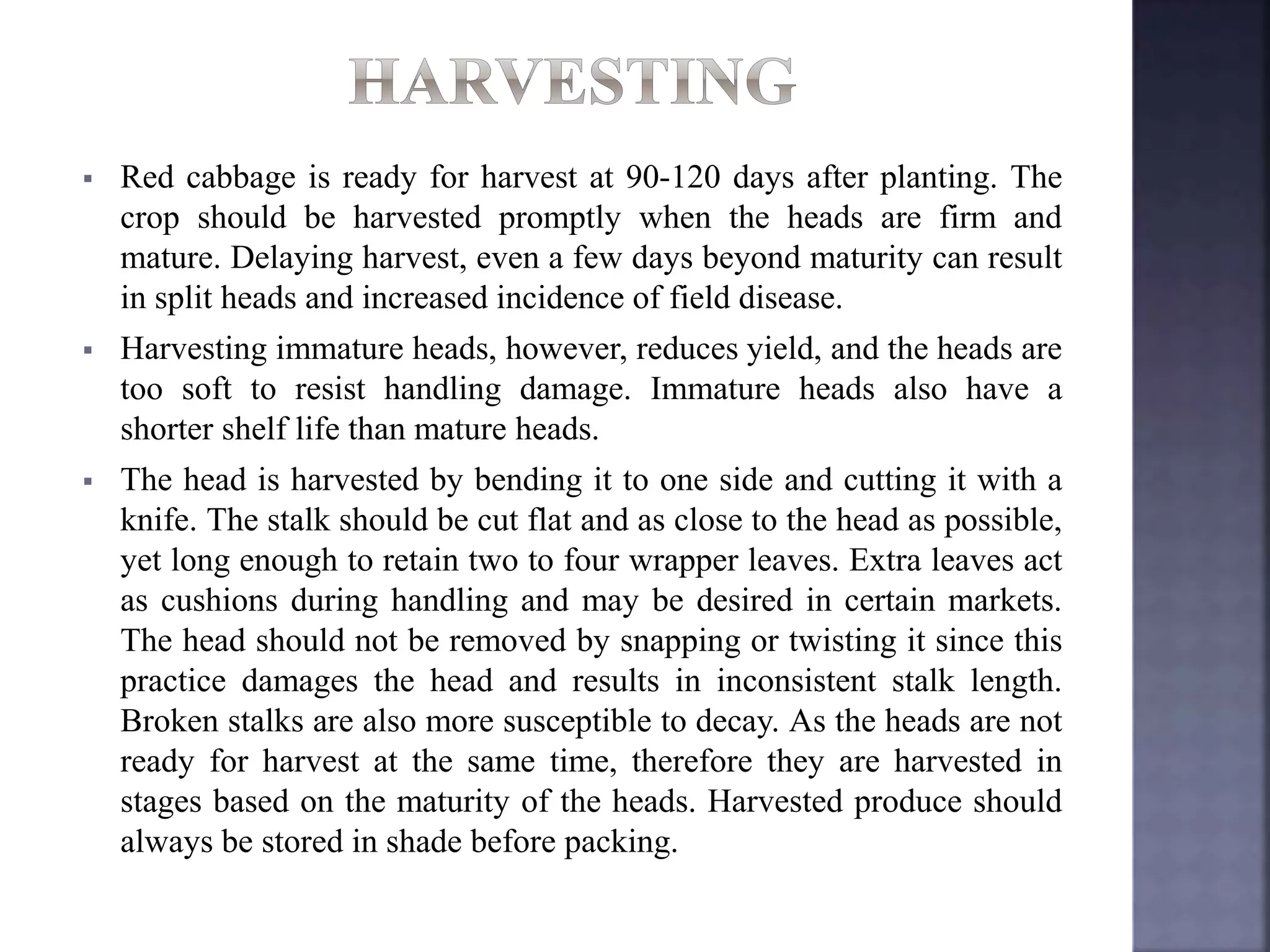
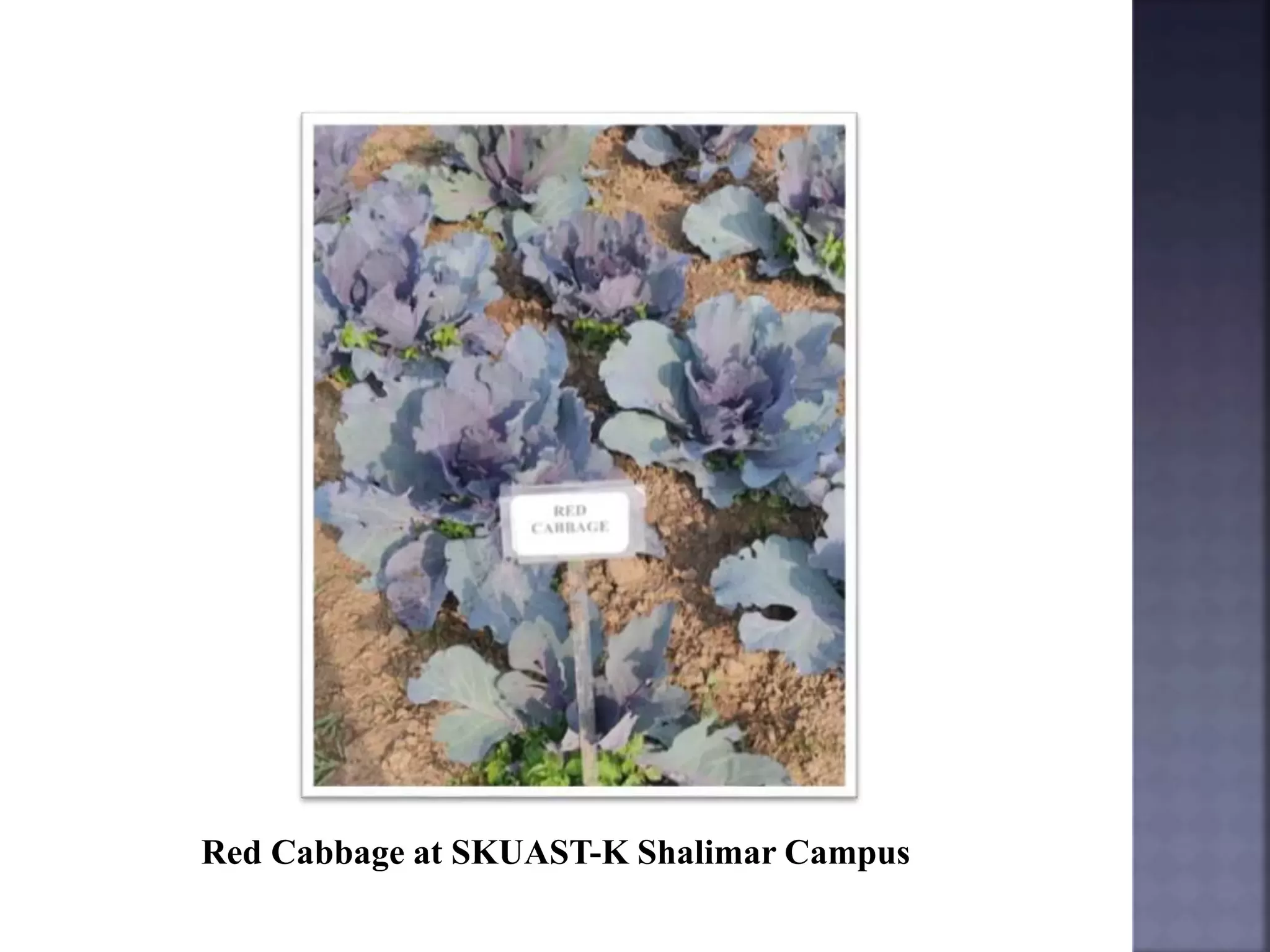
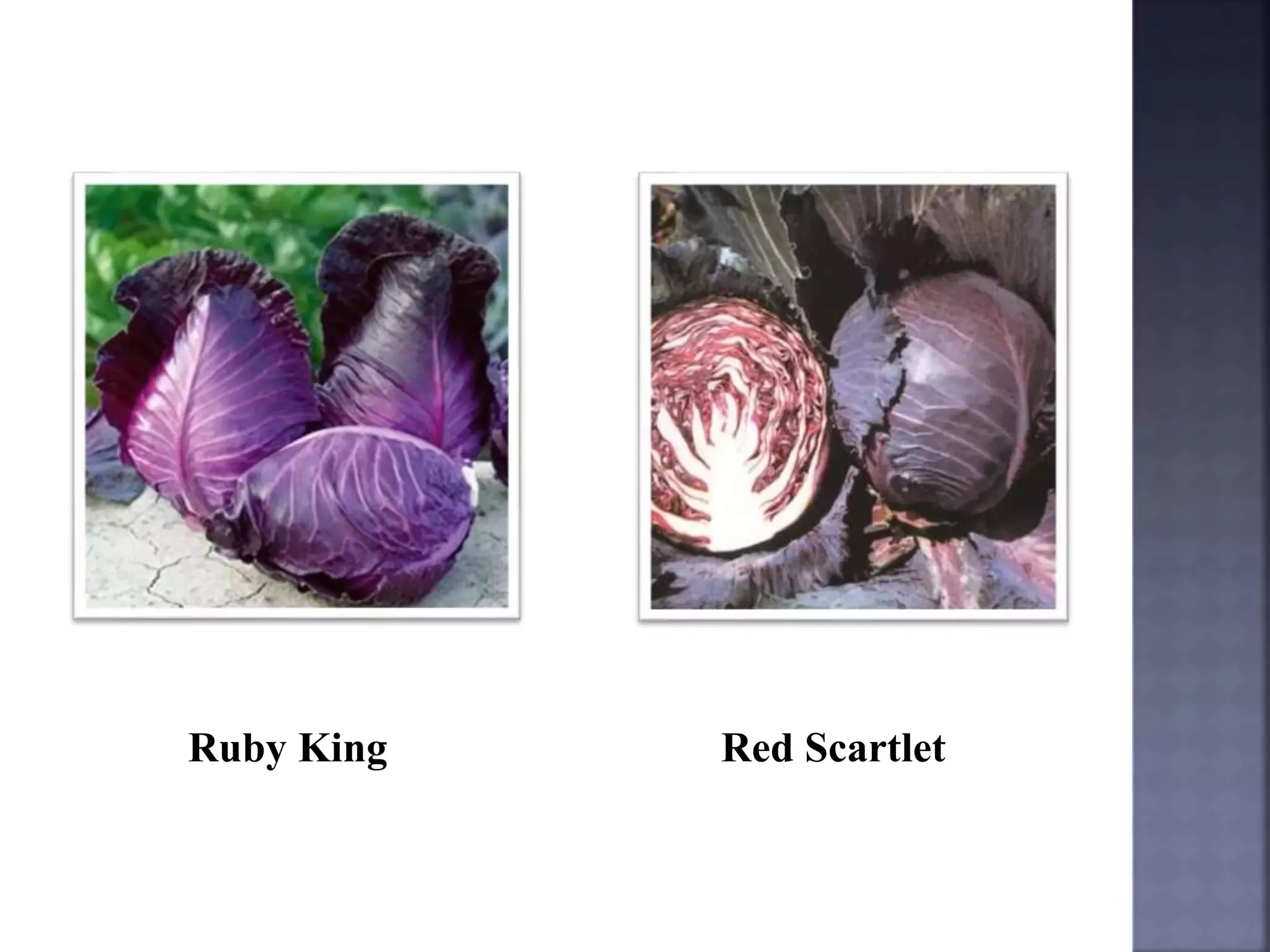
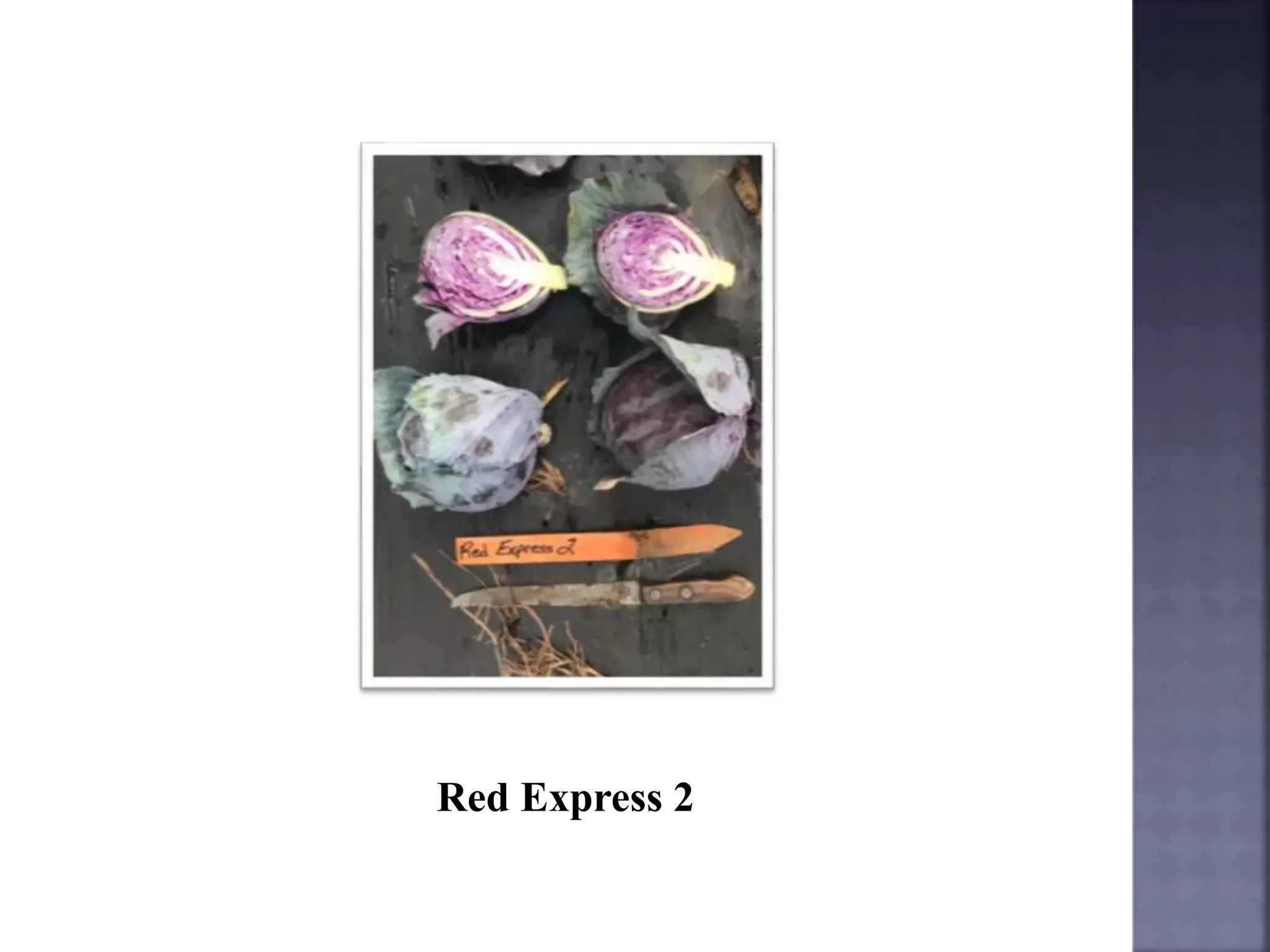
Red cabbage, scientifically known as Brassica oleracea var. Capitata f. rubra, belongs to the Brassicaceae family and has its origins in the Mediterranean region of Europe. This vibrant vegetable has garnered increasing popularity in India, particularly due to the shifting dietary preferences that have emerged in recent years. The demand for healthy, nutritious produce has risen significantly, driven in part by the health-conscious behaviors that have come to the forefront following the COVID-19 pandemic. As consumers seek out fresh fruits and vegetables, farmers have recognized a lucrative opportunity in cultivating red cabbage, which has proven more profitable compared to its green counterpart. The market for red cabbage is not only thriving domestically but also expanding internationally, prompting an influx of competition. In response to this growing demand, the agricultural sector must adapt. It is crucial to integrate biotechnological methods with traditional breeding practices to enhance crop resilience against various diseases and unfamiliar environmental stressors such as heat, drought, and salinity. Additionally, developing region-specific technologies can maximize productivity while conserving biodiversity within native ecosystems. The cultivation of red cabbage entails sophisticated management practices, particularly to address modern challenges like emerging diseases and pests. Utilizing eco-friendly methods, such as identifying effective biocontrol agents, is essential for sustainable crop management. Furthermore, there is a pressing need to innovate within production and post-harvest strategies to minimize environmental impacts while ensuring high-quality yields. The nutritional profile of red cabbage is impressive. Rich in antioxidants, vitamins such as C, E, A, and K, and essential minerals including calcium, potassium, and iron, it is a low-fat and cholesterol-free option for health enthusiasts. Notably, the vegetable contains B vitamins, contributing to its status as a chronic disease preventive food. The presence of phytochemicals, including glucosinolates, ensures that red cabbage can also support cancer prevention and improve overall health. The health benefits associated with regular consumption include enhanced immune function, improved skin and eye health, and weight management. Red cabbage is versatile in culinary uses. It can be consumed raw in salads, made into cole slaw, used to create vibrant sauerkraut, or incorporated into soups and various culinary preparations. Its distinctive purple color, attributed to anthocyanin pigments, also makes it an appealing addition to dishes. Regarding cultivation practices, red cabbage thrives in well-drained soils rich in organic matter. Ideally, it is grown within temperatures ranging from 15-20°C for optimal growth and head formation. Effective irrigation and moisture management are essential, as the plant prefers consistent soil moisture levels for its growth cycle. Thus, implementing modern irrigation techniques, such as drip irrigation combined with mulch, can enhance yield and resource use efficiency. Harvesting red cabbage is a careful process requiring attention to timing to ensure head maturity and quality. Proper harvesting techniques, including cutting the head close to the stalk while preserving wrapper leaves, are necessary to maintain produce integrity during transport. The growing interest in red cabbage, particularly at venues such as the SKUAST-K Shalimar Campus, underscores its significance not just as a dietary staple but as a profitable agricultural enterprise poised for further development in the coming years. As the awareness of its health benefits spreads, the future looks promising for this colorful and nutritious vegetable.

Slide 1

Slide 1⬇ Slide

Slide 2

Slide 2⬇ Slide

Slide 3

Slide 3⬇ Slide

Slide 4

Slide 4⬇ Slide

Slide 5

Slide 5⬇ Slide

Slide 6

Slide 6⬇ Slide

Slide 7

Slide 7⬇ Slide

Slide 8

Slide 8⬇ Slide

Slide 9

Slide 9⬇ Slide

Slide 10

Slide 10⬇ Slide

Slide 11

Slide 11⬇ Slide

Slide 12

Slide 12⬇ Slide

Slide 13

Slide 13⬇ Slide

Slide 14

Slide 14⬇ Slide

Slide 15

Slide 15⬇ Slide

Slide 16

Slide 16⬇ Slide

Slide 17

Slide 17⬇ Slide

Slide 18

Slide 18⬇ Slide

Slide 19

Slide 19⬇ Slide

Slide 20

Slide 20⬇ Slide

Slide 21

Slide 21⬇ Slide

Slide 22

Slide 22⬇ Slide

Slide 23

Slide 23⬇ Slide
1 / 23

Ppt on Broad bean by harmanjeet

Description

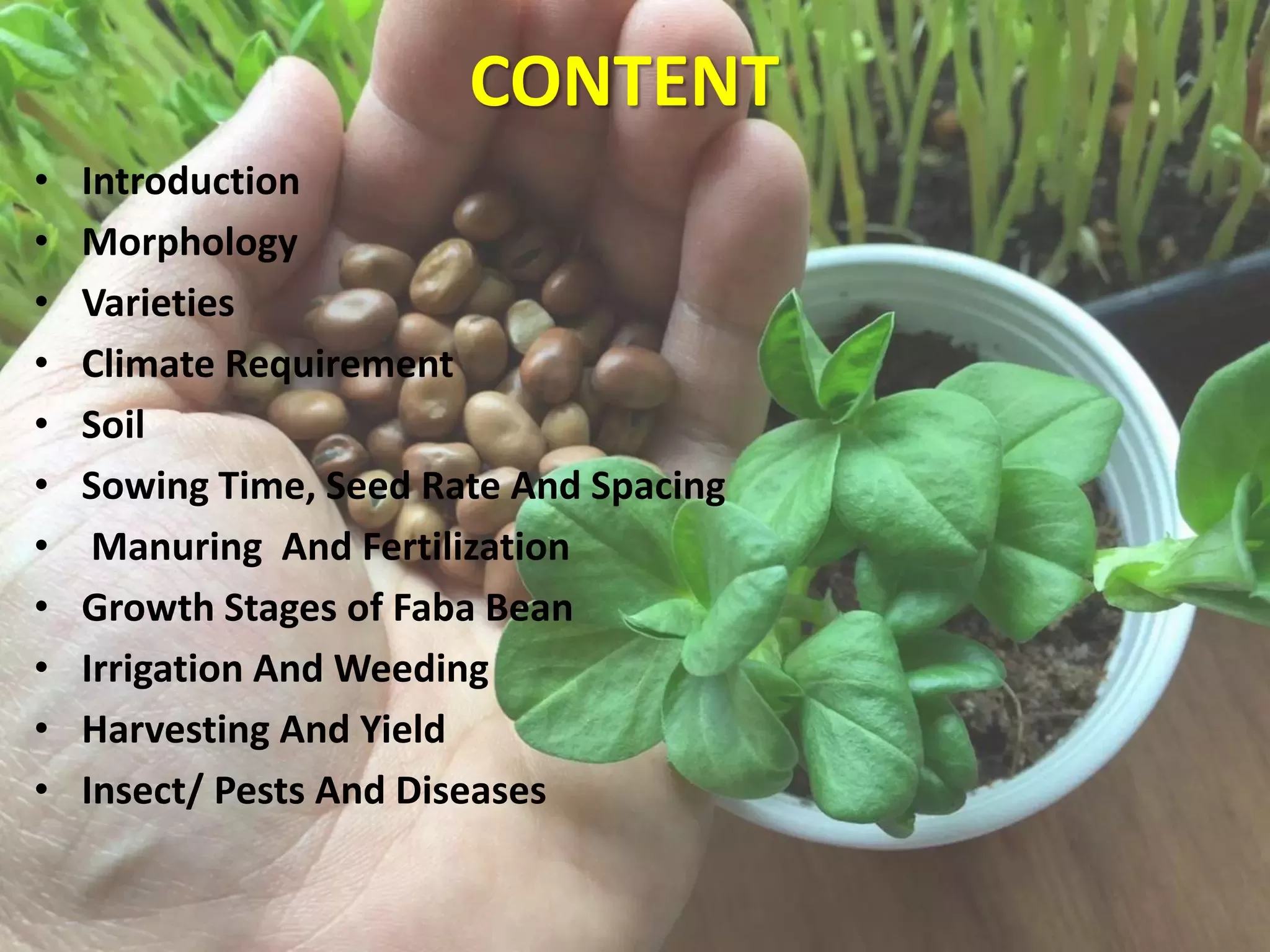
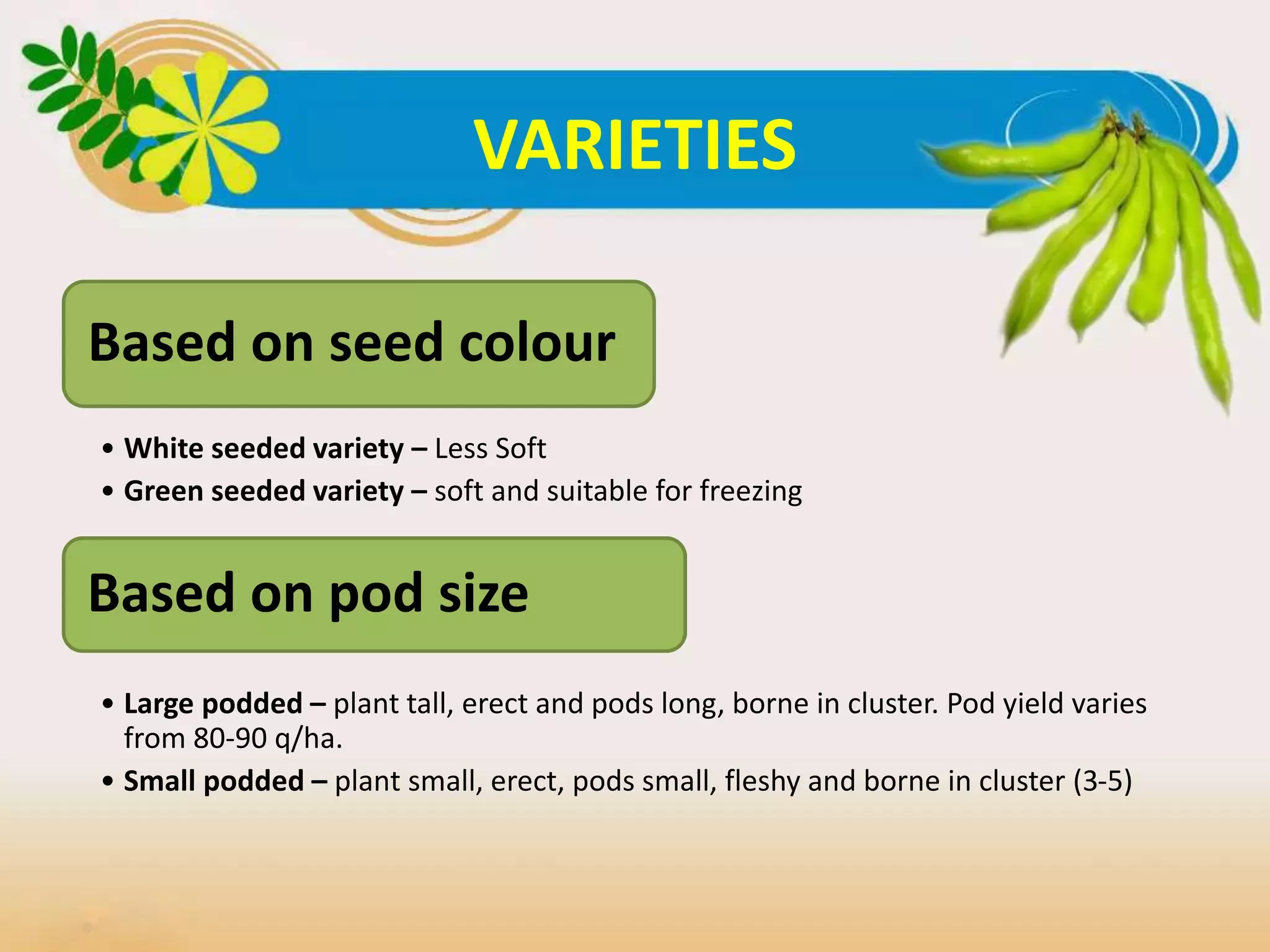
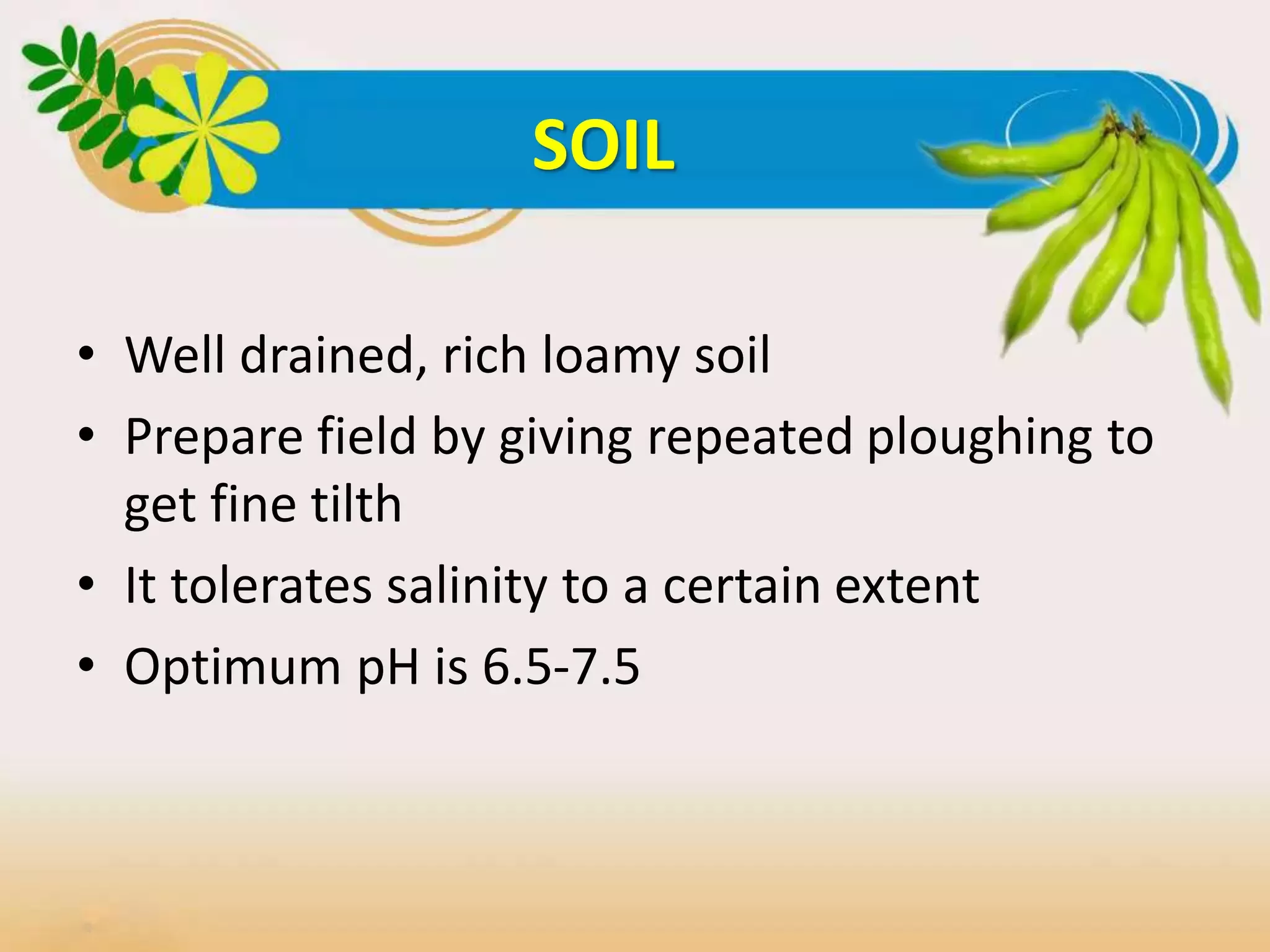
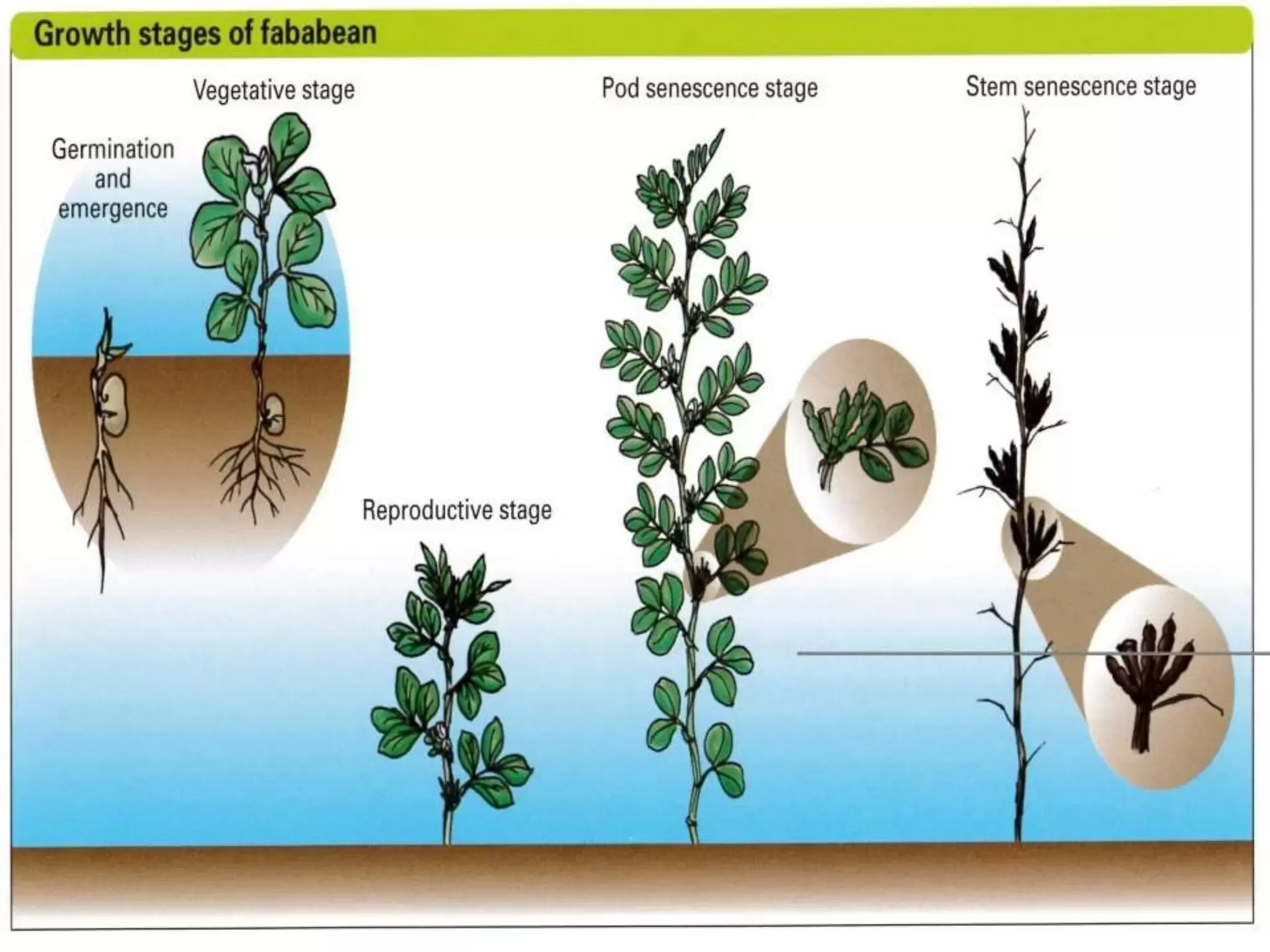
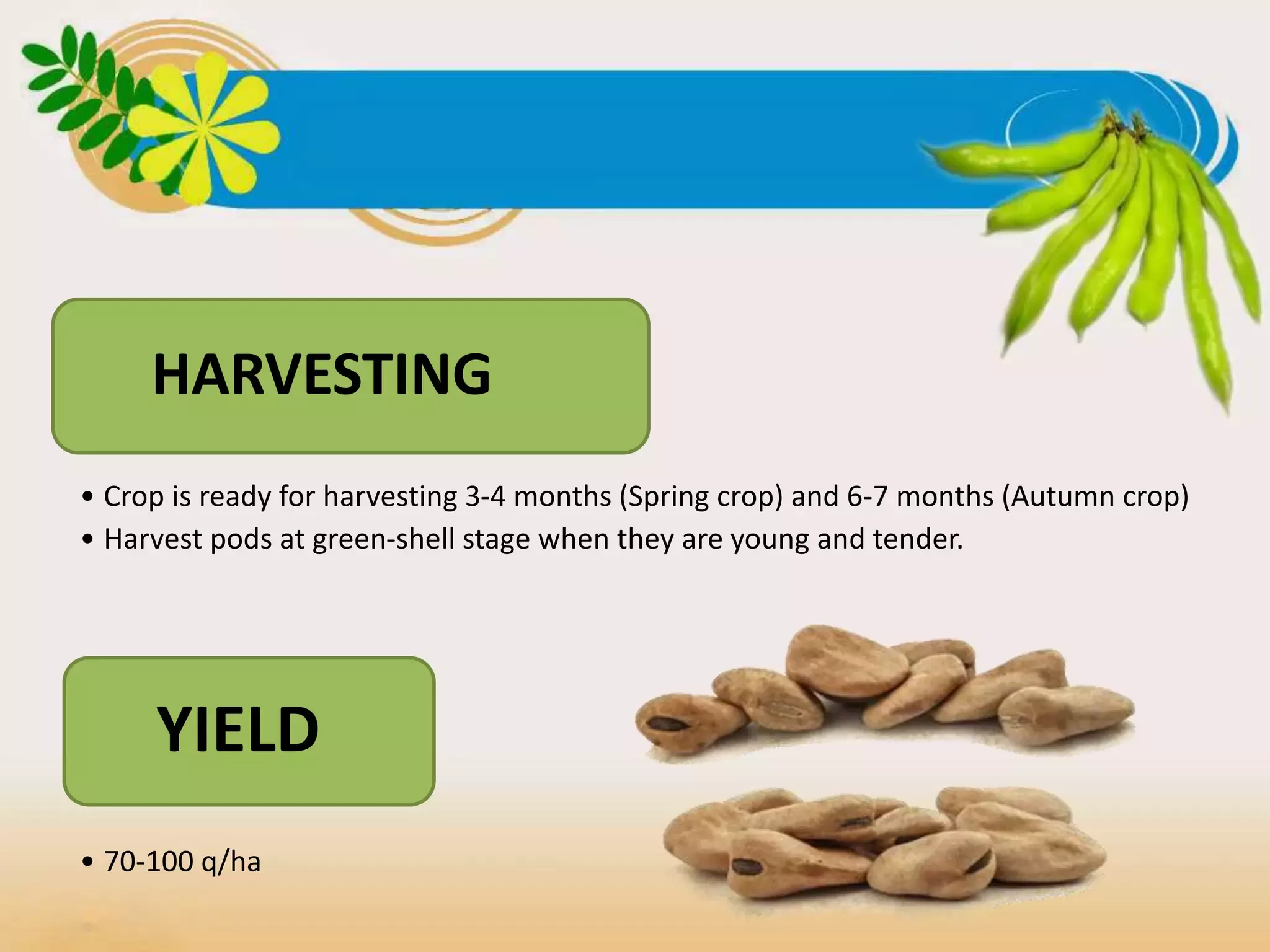
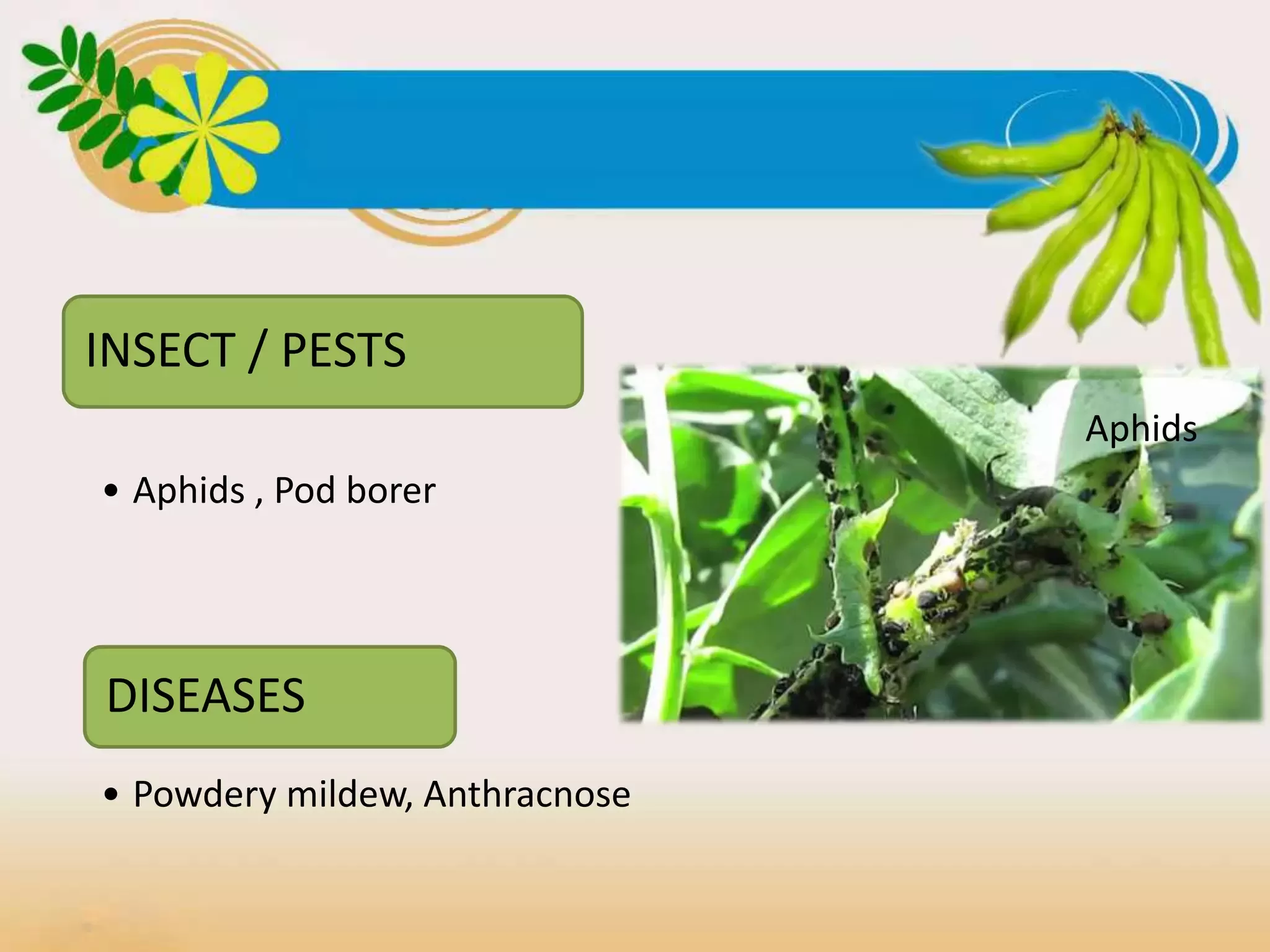
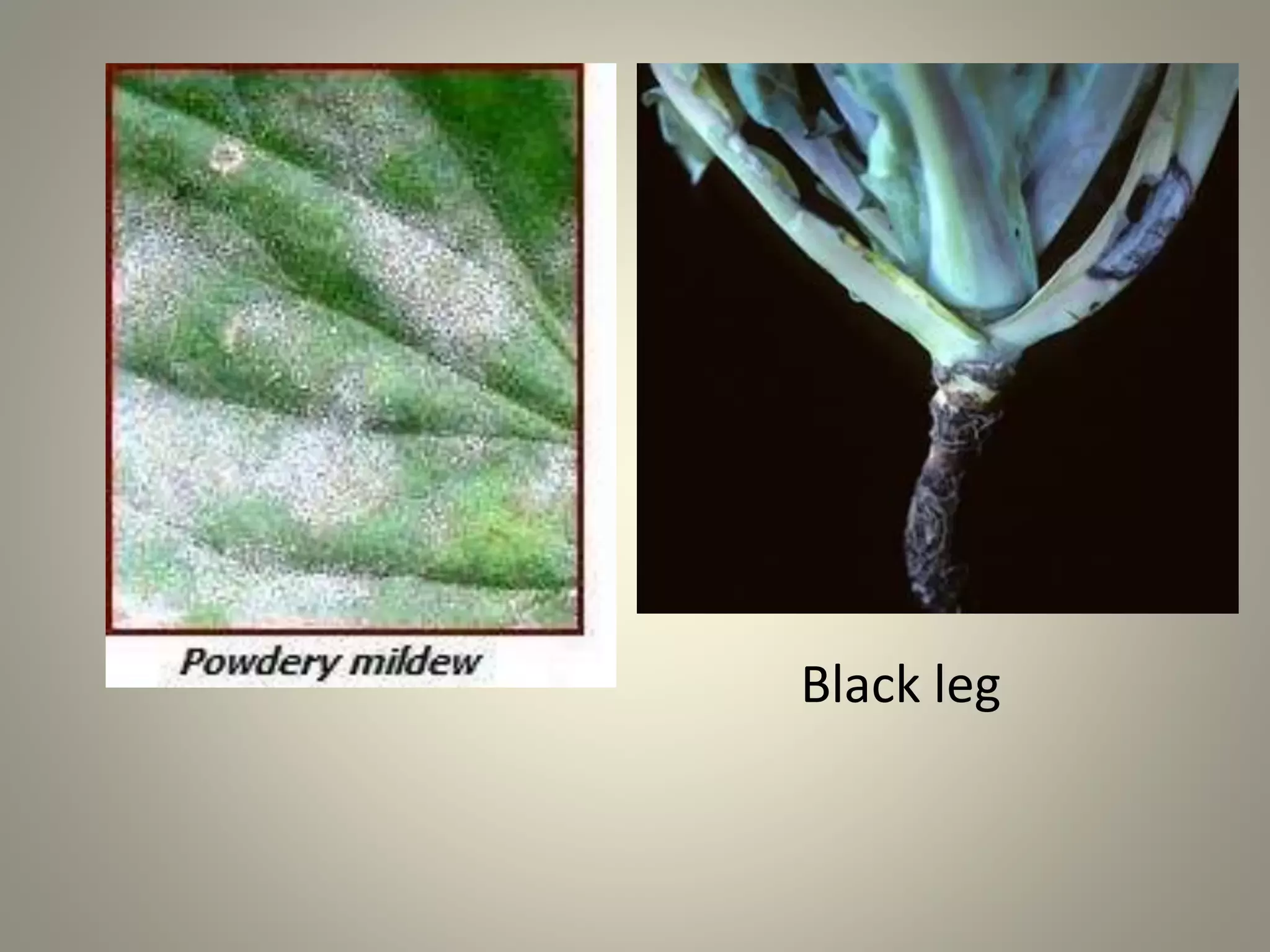
Broad bean, scientifically known as Vicia faba L., belongs to the Leguminosae/Fabaceae family and is commonly referred to by various names, such as faba bean, horse bean, and bakla bean. This versatile crop is predominantly cultivated in South America and Northern India, where it thrives in cooler temperatures. Recognized for its hardiness, the broad bean serves multiple functions beyond providing food; it is also valued as green manure and as a winter and autumn crop. The morphological structure of broad beans is distinctive, featuring square and erect stems that vary in height from 30 cm in dwarf varieties to about 100 cm in taller ones. The plants produce clusters of pods, typically containing five to seven pods, each about 15 cm long and 2 cm thick. These plants bear large and attractive flowers that are primarily pollinated by insects, contributing to their reproductive success. There are numerous varieties of broad beans, categorized based on seed color and pod size. Seed color varieties include white-seeded types that are less soft and green-seeded types that are suitable for freezing due to their softer texture. When considering pod size, large podded varieties yield higher, ranging from 80-90 q/ha, while small podded varieties display smaller, fleshy pods. Prominent improved varieties include Pusa Sumeet from the Indian Agricultural Research Institute in New Delhi, along with Masterpiece White Long Pod and Imperial Green Windsor, among others. Certain local selections, such as Jawahar Selection 73-31 from Madhya Pradesh and BR-1 and BR-2 from Bihar, demonstrate adaptability to regional growing conditions. Broad beans are particularly suited to cool climates, being the only crop that can be cultivated during winter and autumn. They can withstand low temperatures, even approaching -4°C, and are tolerant of temporary water stress due to the accumulation of proteins within the plant. Ideal soil for cultivation is well-drained, rich loamy soil with an optimal pH level between 6.5 and 7.5. Proper field preparation through repeated ploughing is essential to achieve fine tilth. Sowing of broad beans generally occurs between September to October and February to March, with a recommended seed rate of 70-100 kg per hectare. Seeds should be planted in shallow furrows spaced 75 cm apart, ensuring optimal growth conditions. Nutrient management is crucial, with a suggested application of 10 tons of farmyard manure per hectare, alongside nitrogen, phosphorus, and potassium fertilizer. Management practices also encompass irrigation and weed control, where light irrigation is carried out every 12-15 days and weeding is conducted at critical growth stages—25 and 40 days after sowing. Harvesting takes place 3-4 months after sowing for spring crops and 6-7 months for autumn crops, ideally when the pods reach the green-shell stage. The yield of broad beans typically ranges between 70-100 quintals per hectare. However, growers should remain vigilant against pests such as aphids and pod borers, as well as diseases like powdery mildew and anthracnose, which can threaten crop health. Overall, the broad bean stands out as a multi-purpose crop that contributes to food security and sustainable agricultural practices.

Slide 1

Slide 1⬇ Download

Slide 2

Slide 2⬇ Download

Slide 3

Slide 3⬇ Download

Slide 4

Slide 4⬇ Download

Slide 5

Slide 5⬇ Download

Slide 6

Slide 6⬇ Download

Slide 7

Slide 7⬇ Download

Slide 8

Slide 8⬇ Download

Slide 9

Slide 9⬇ Download

Slide 10

Slide 10⬇ Download

Slide 11

Slide 11⬇ Download

Slide 12

Slide 12⬇ Download

Slide 13

Slide 13⬇ Download

Slide 14

Slide 14⬇ Download

Slide 15

Slide 15⬇ Download
1 / 15

Ppt on Radish

Summary:

Discover the versatile and nutritious radish cultivation in Sri Lanka, from suitable climates to pest control strategies, offering economic advantages for local farmers.

Description

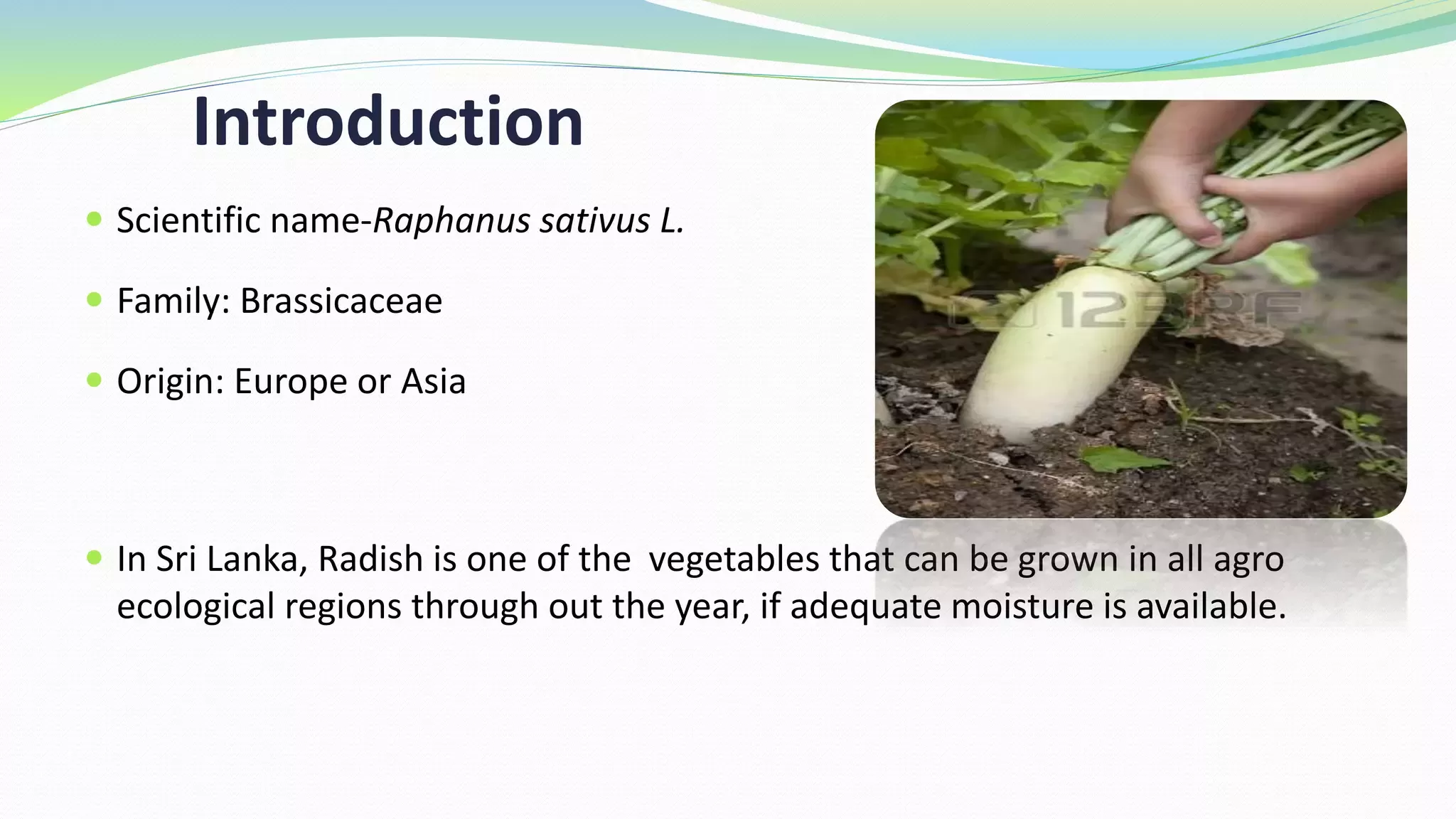
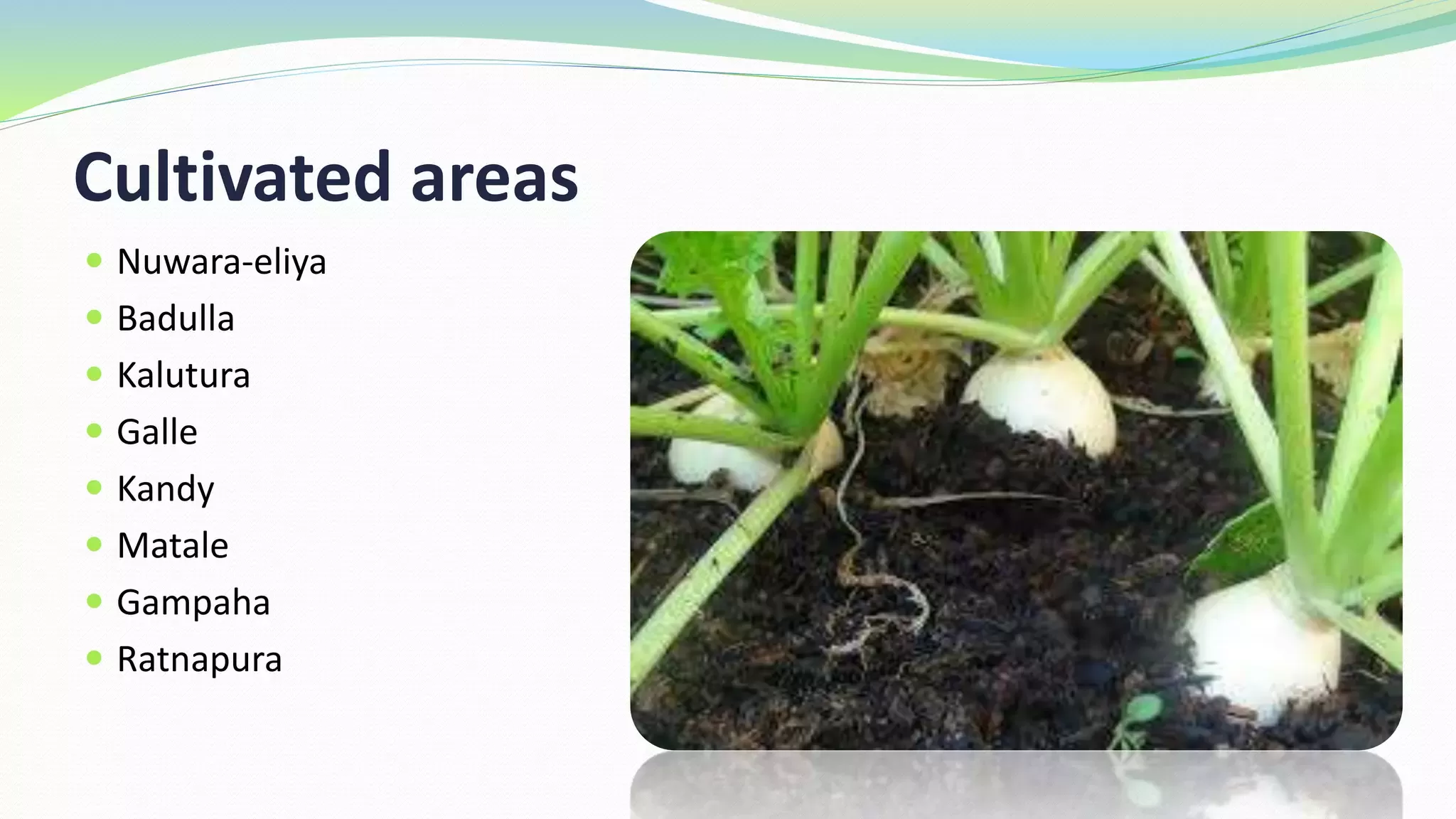
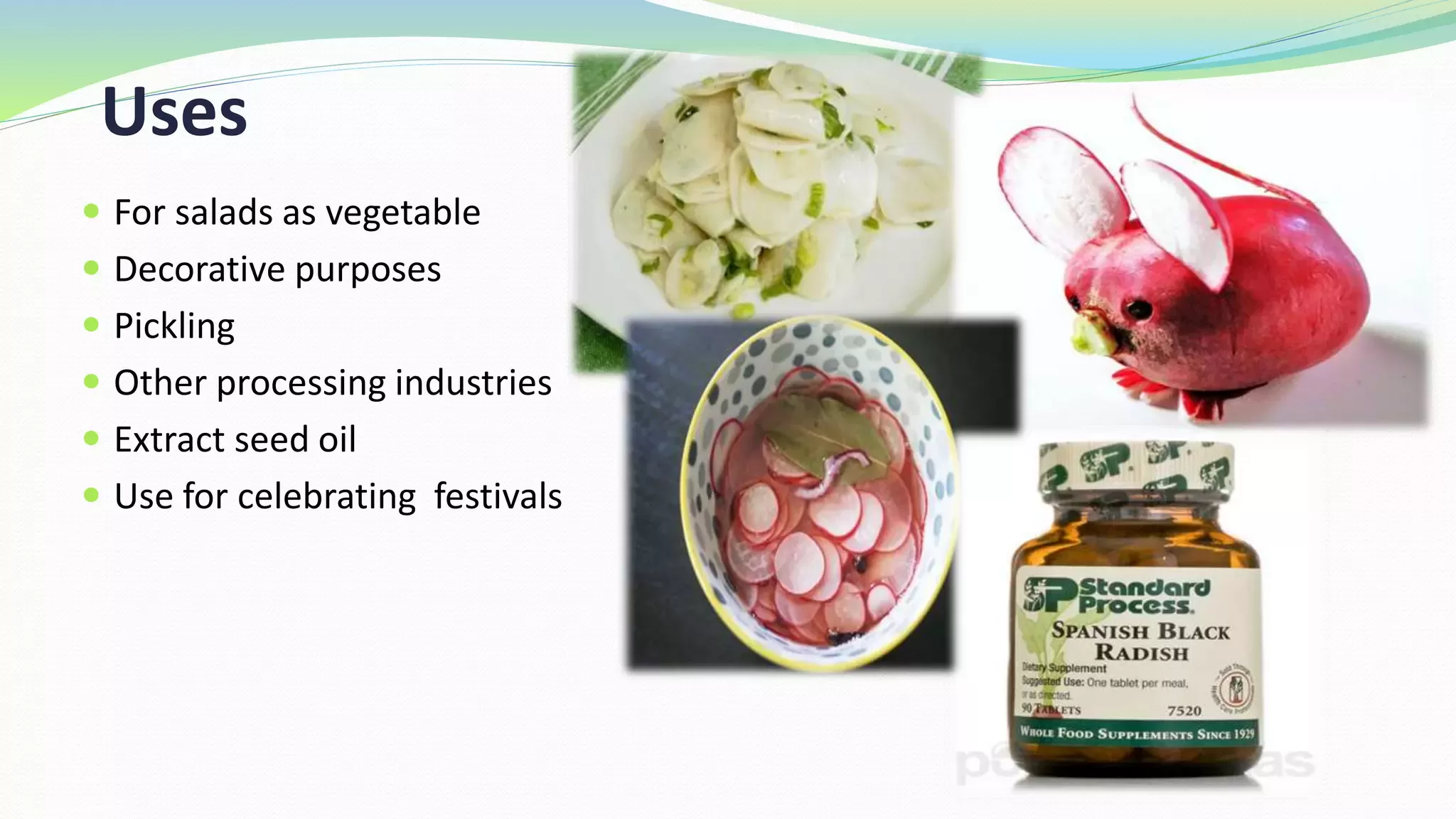
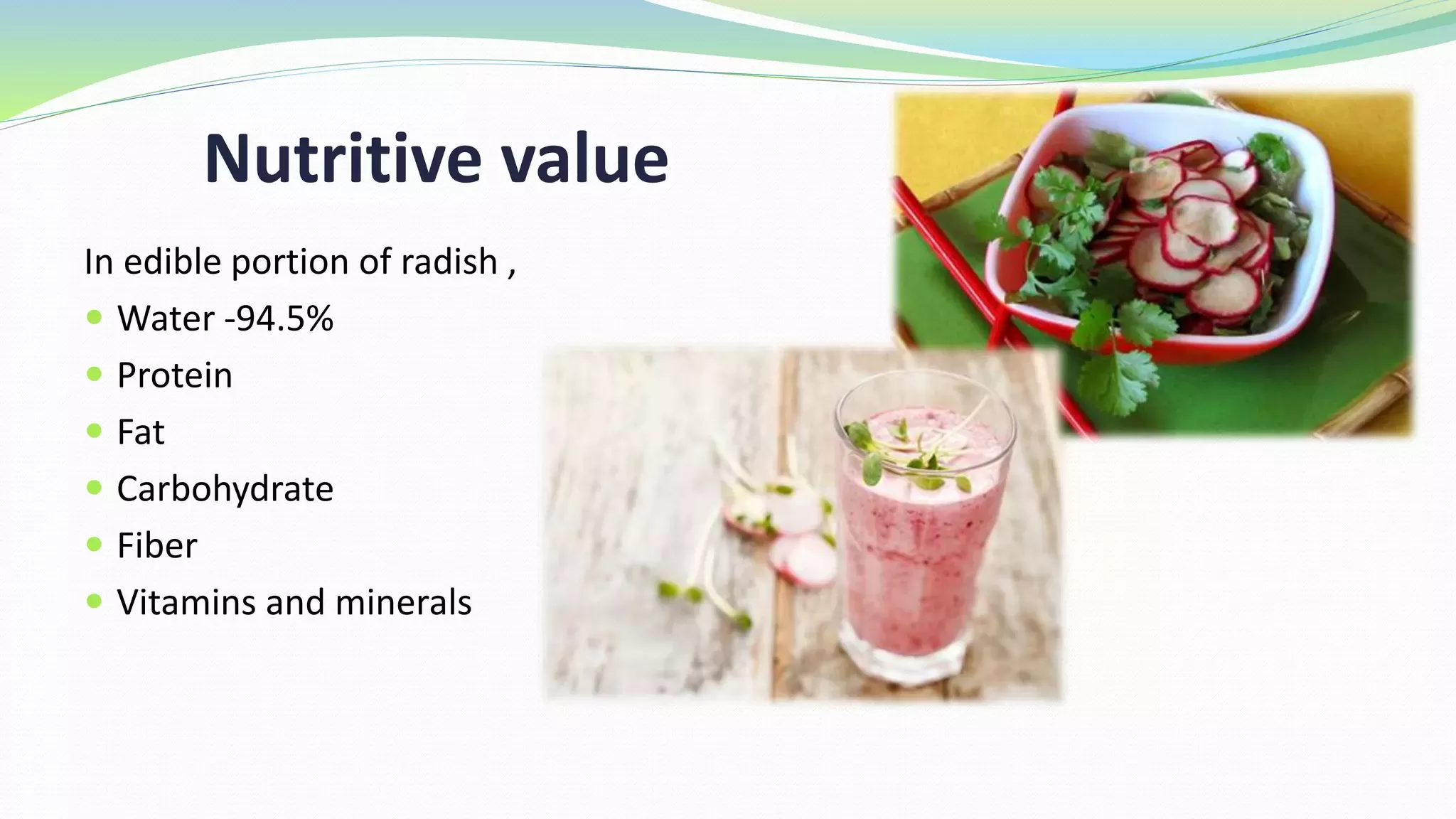
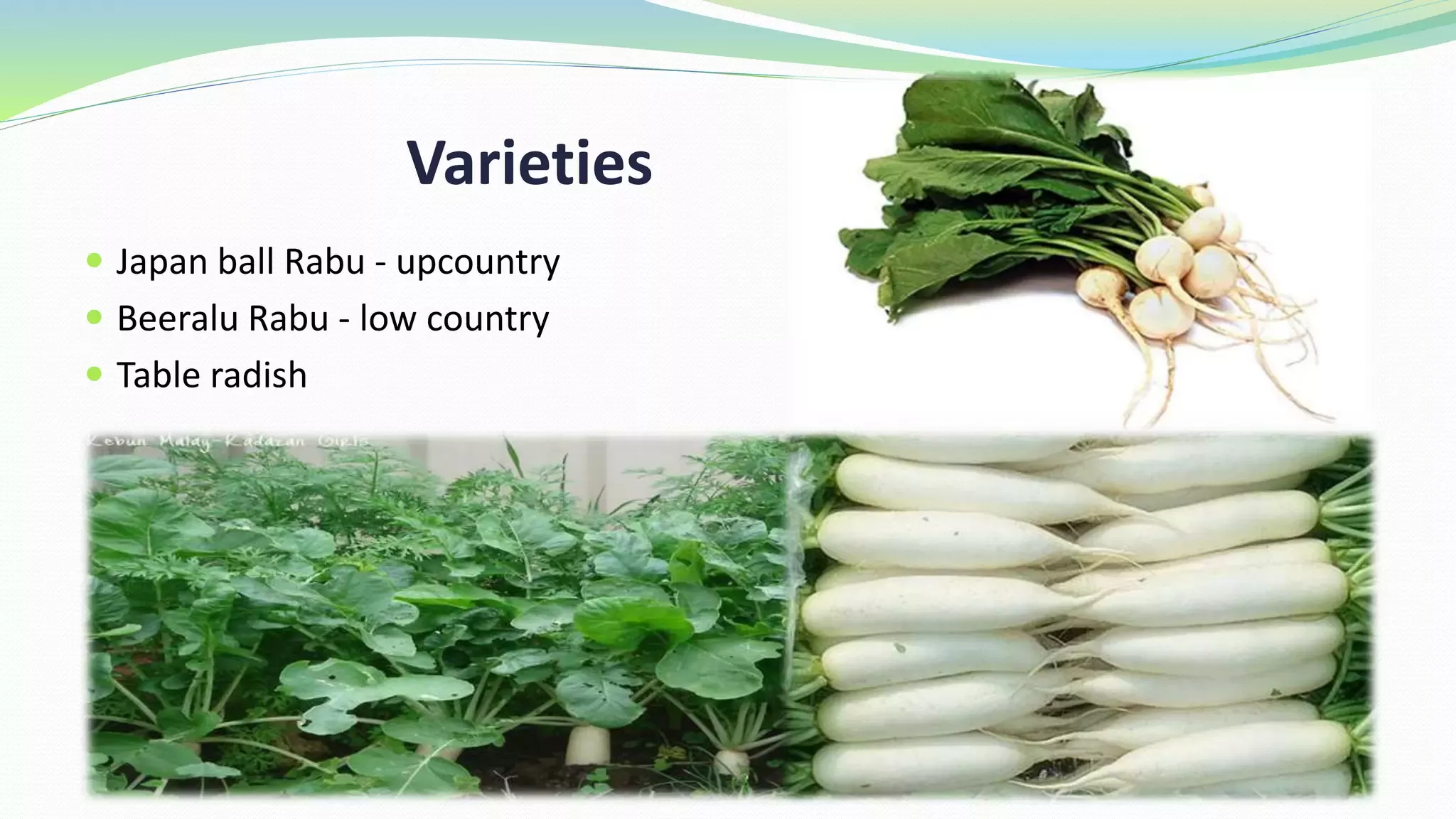
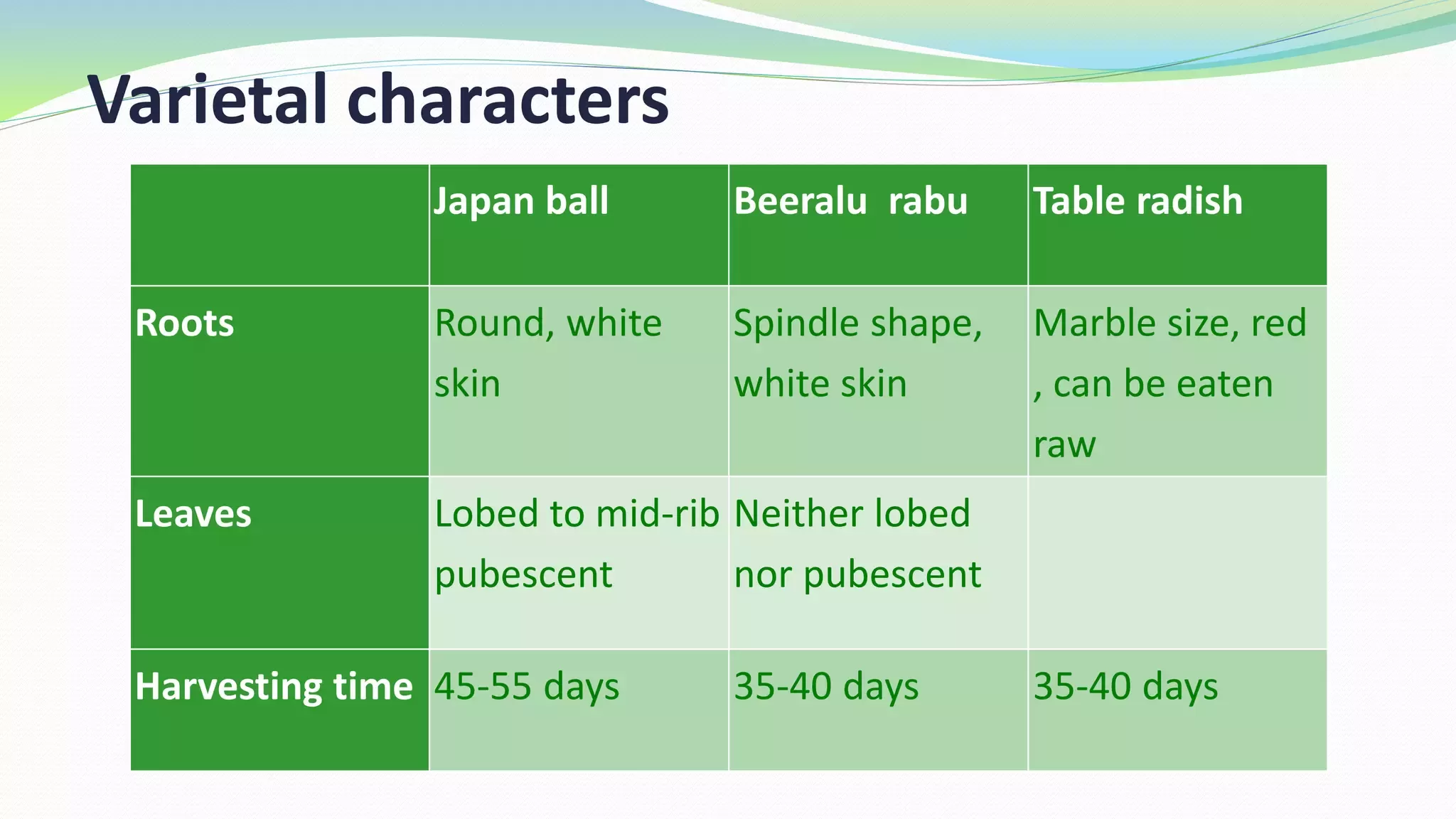
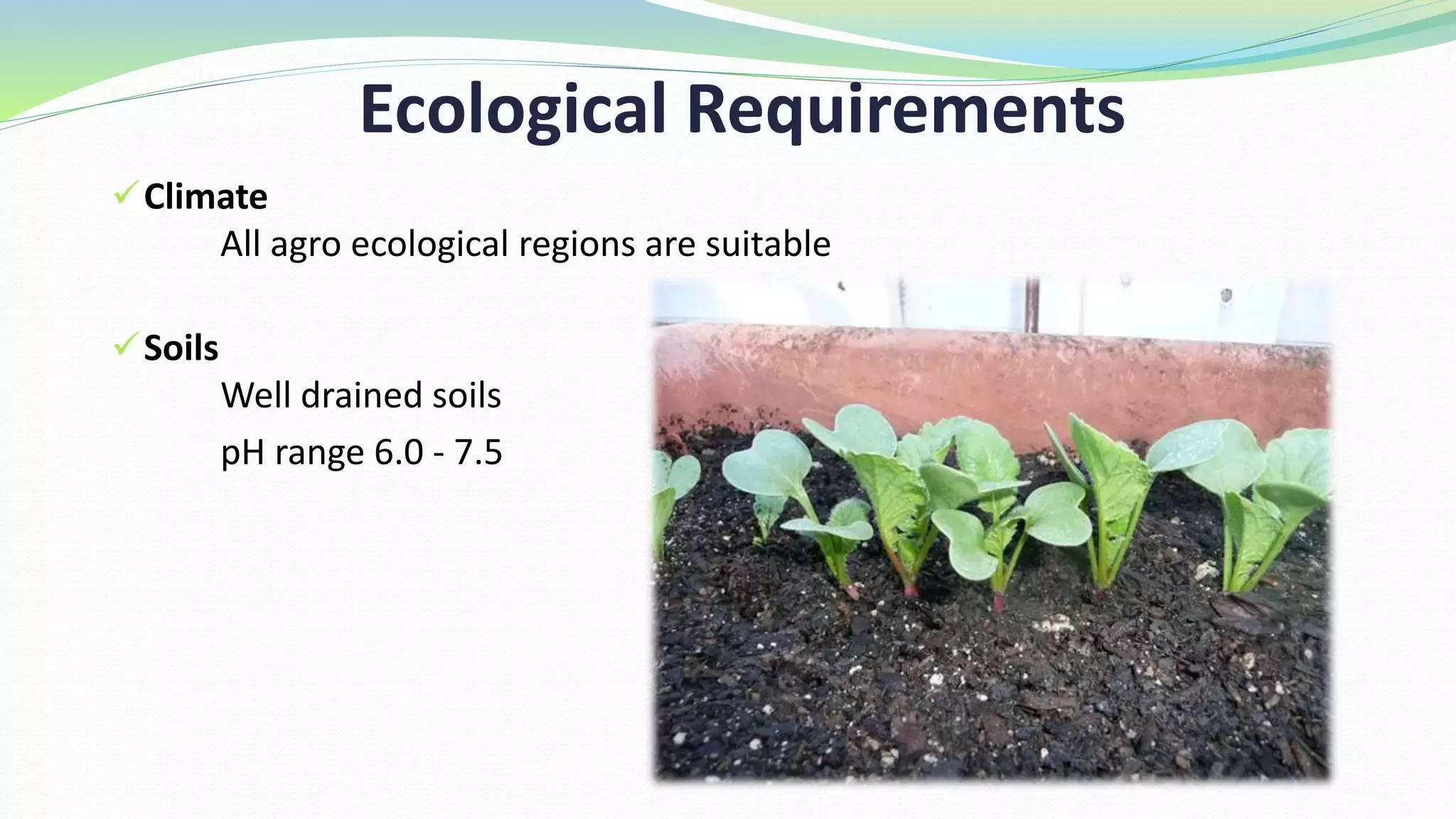
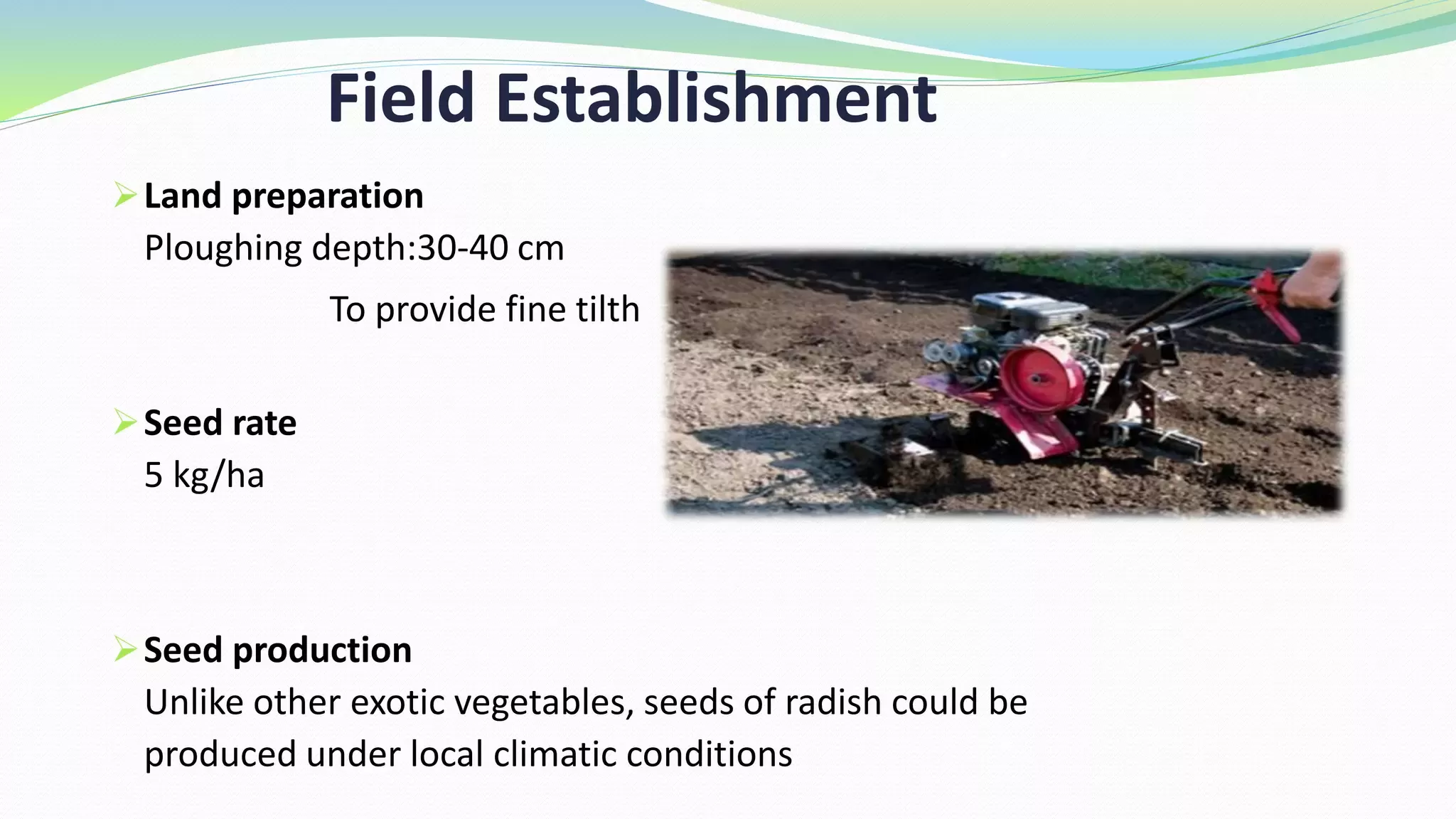
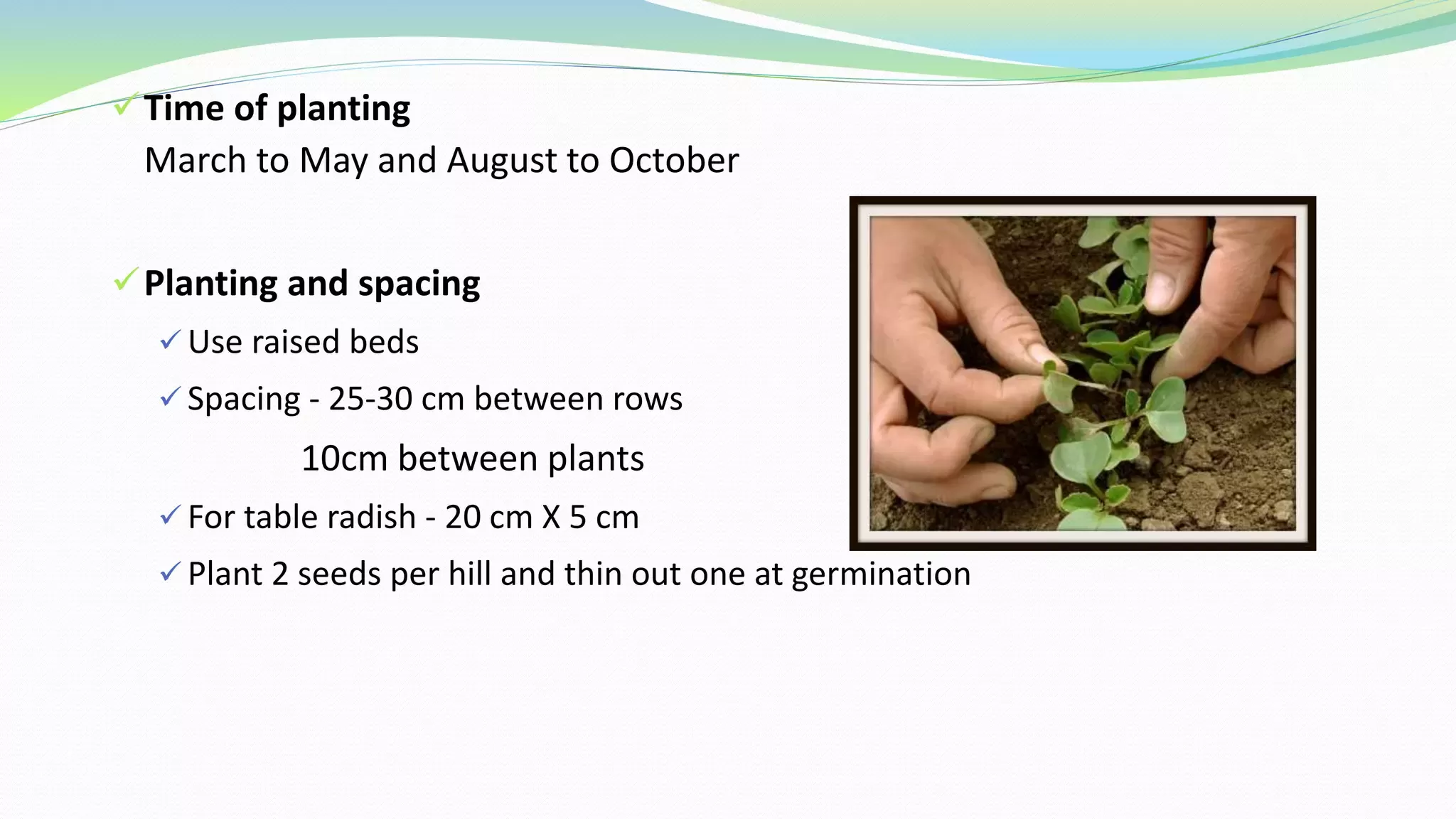
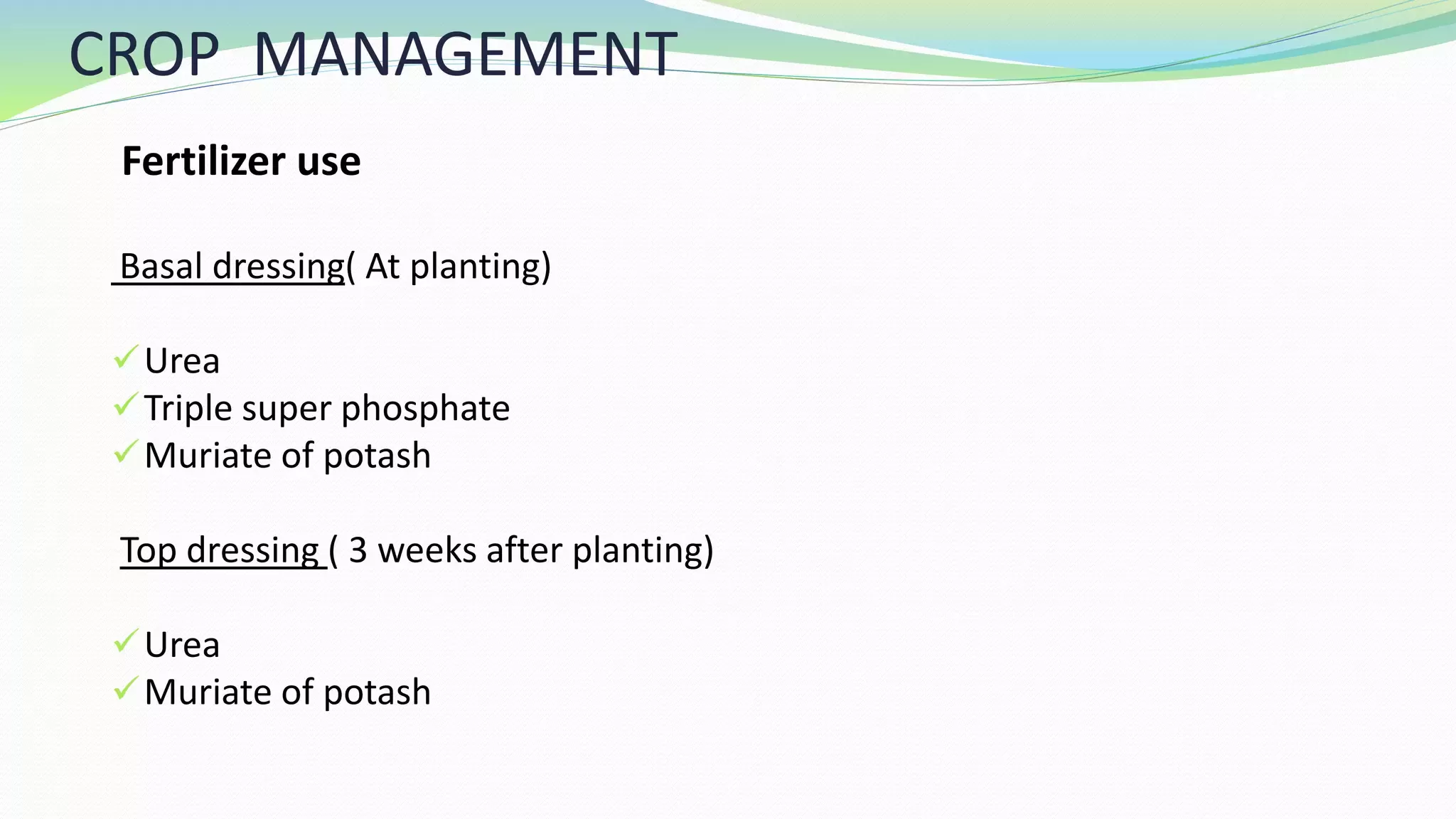
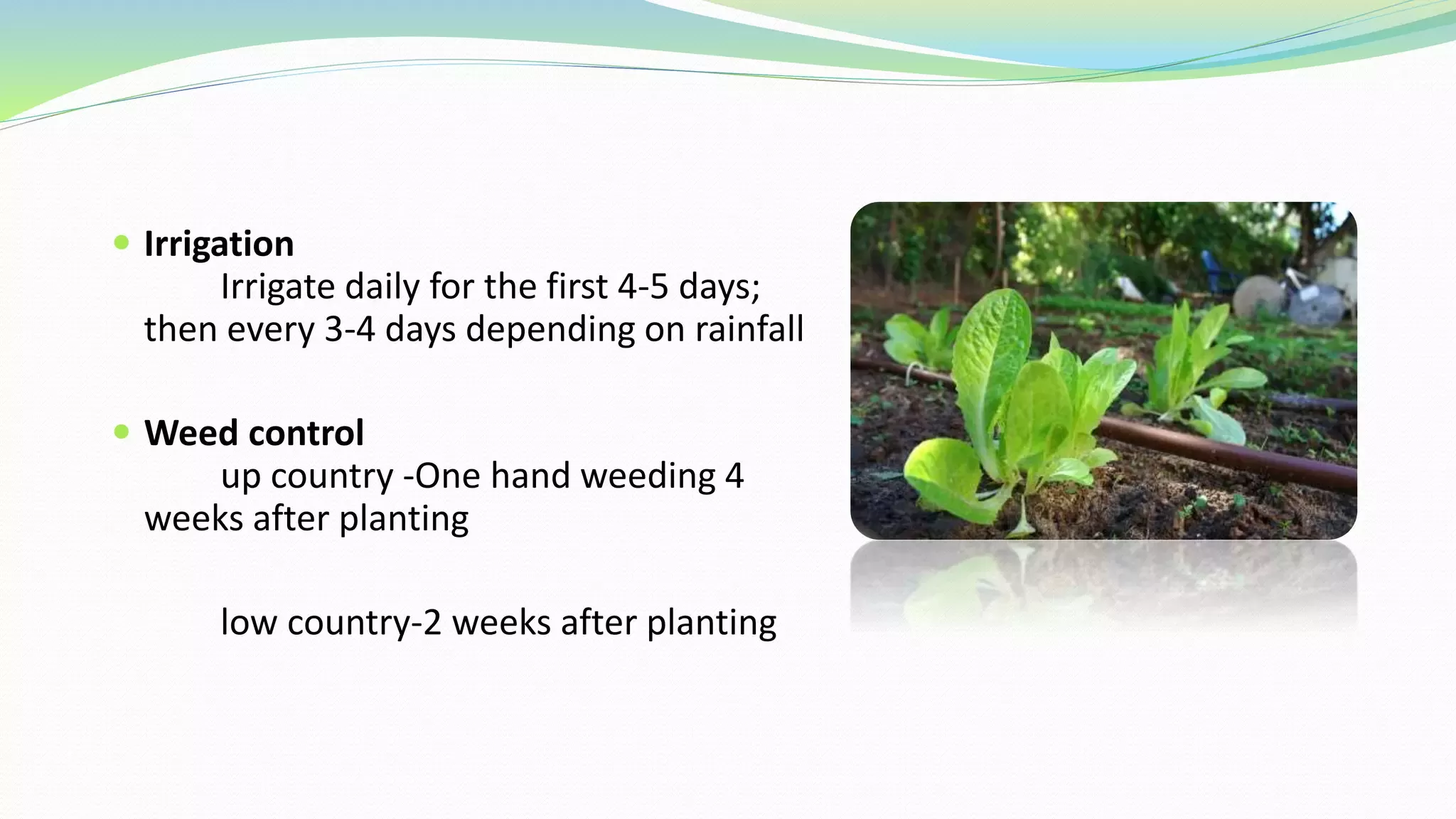
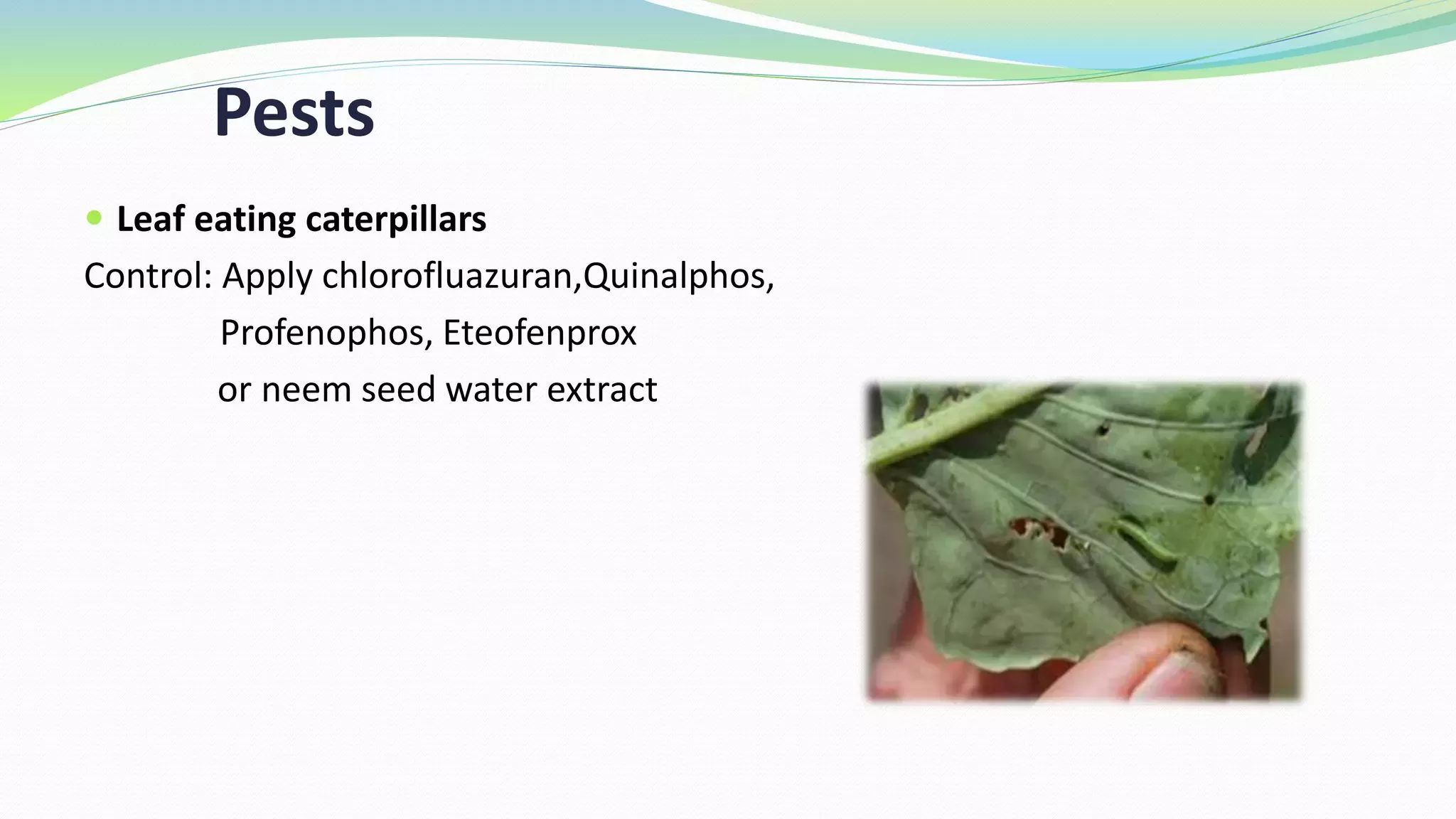
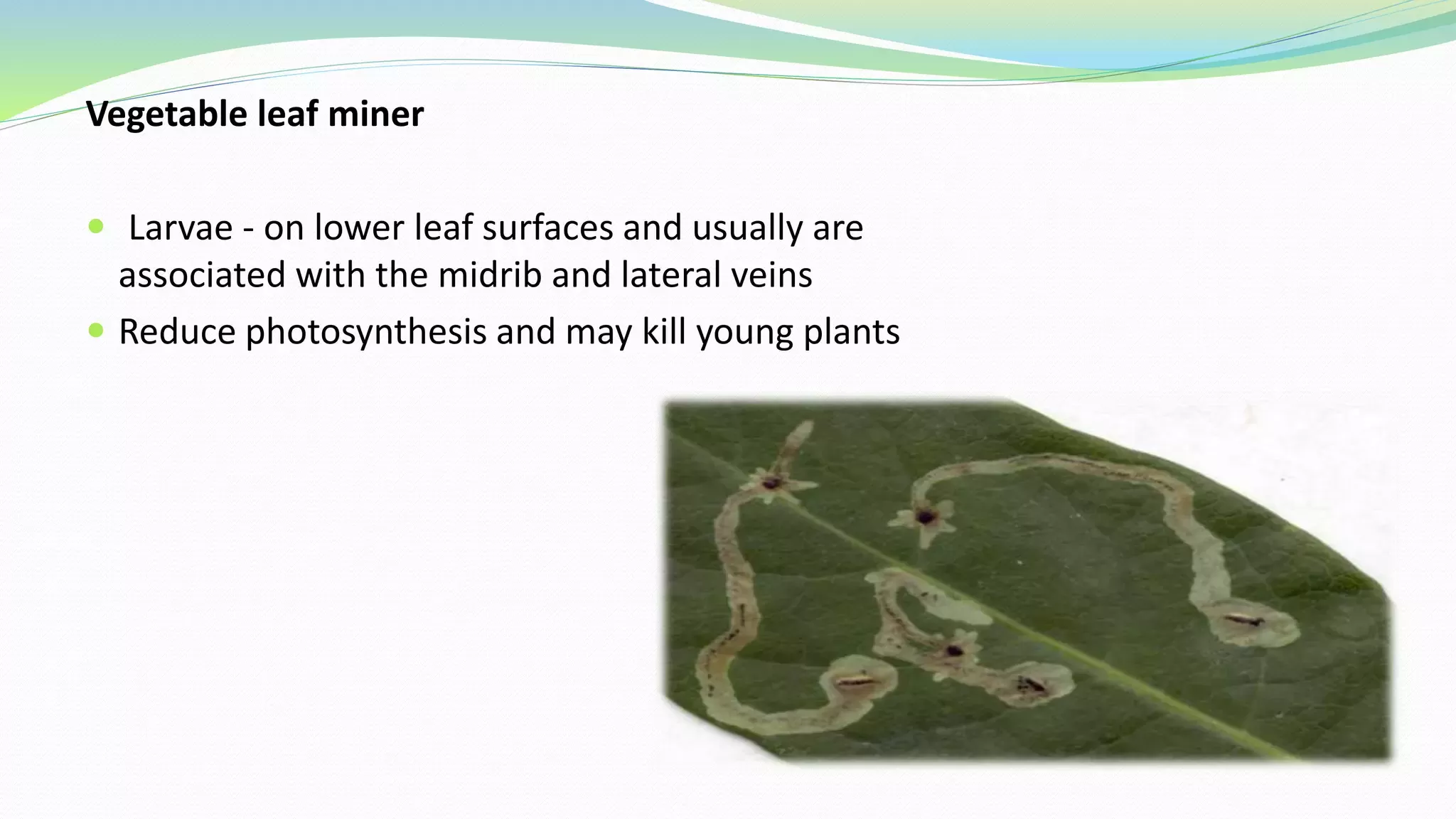
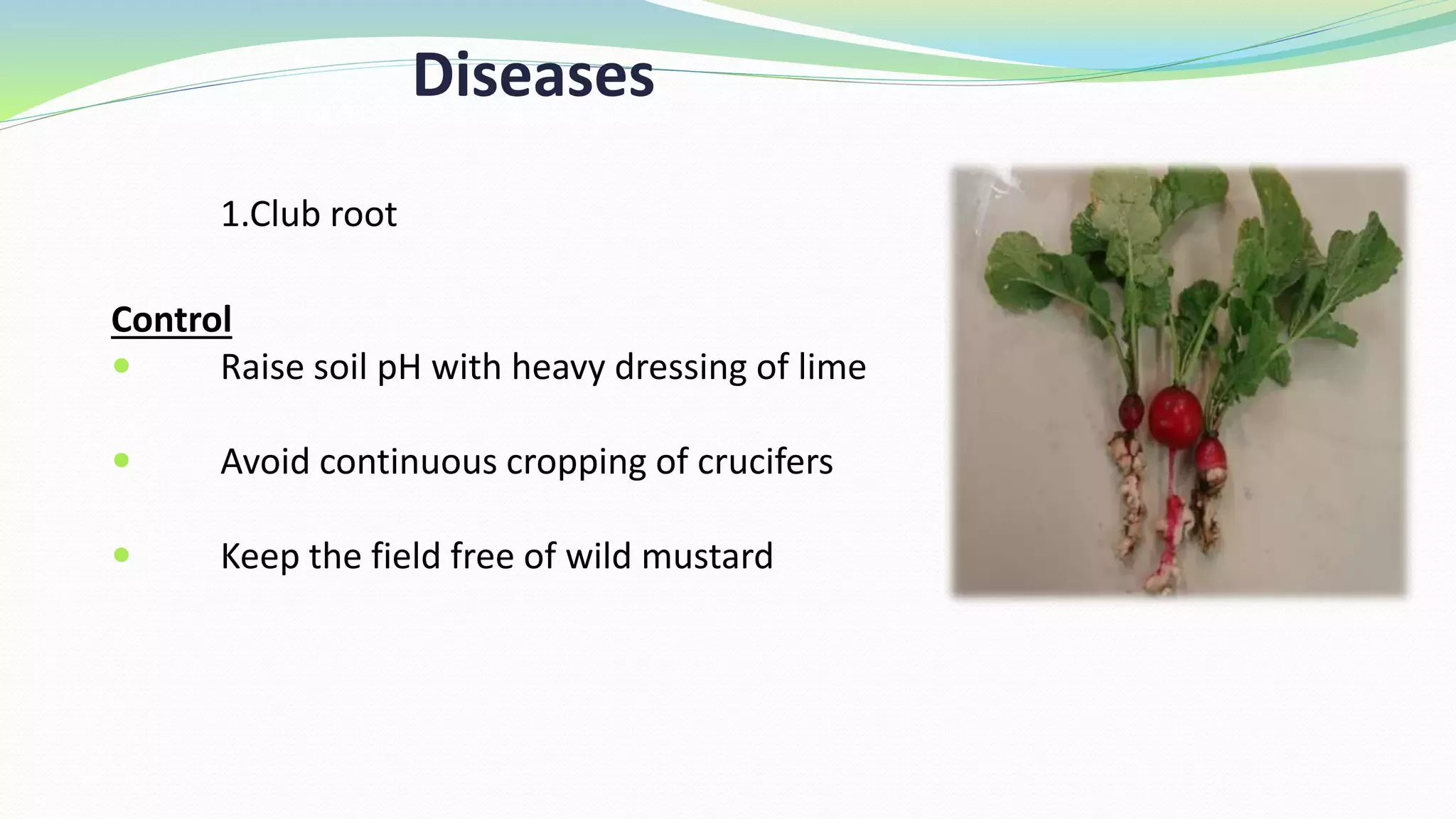
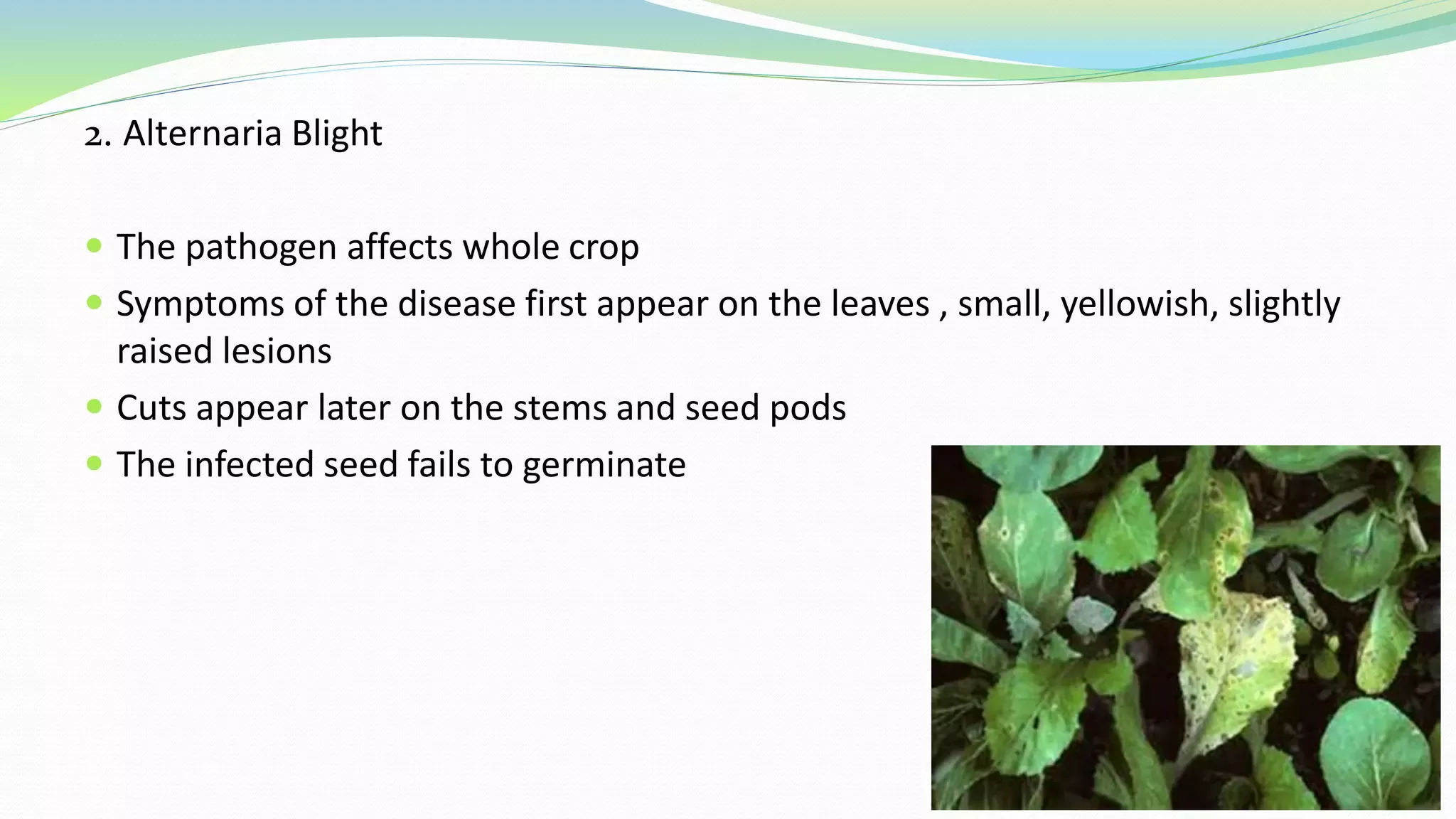
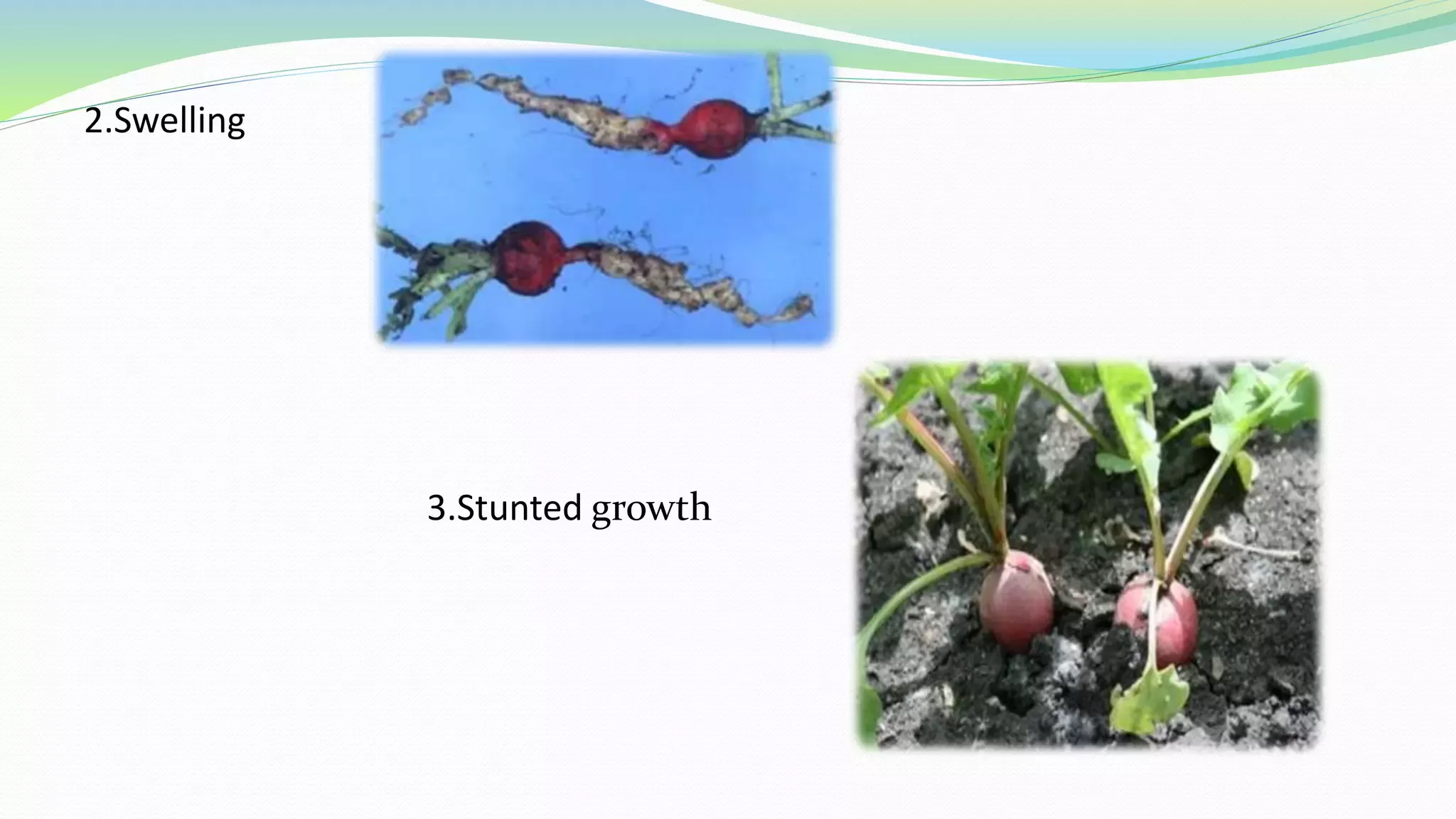
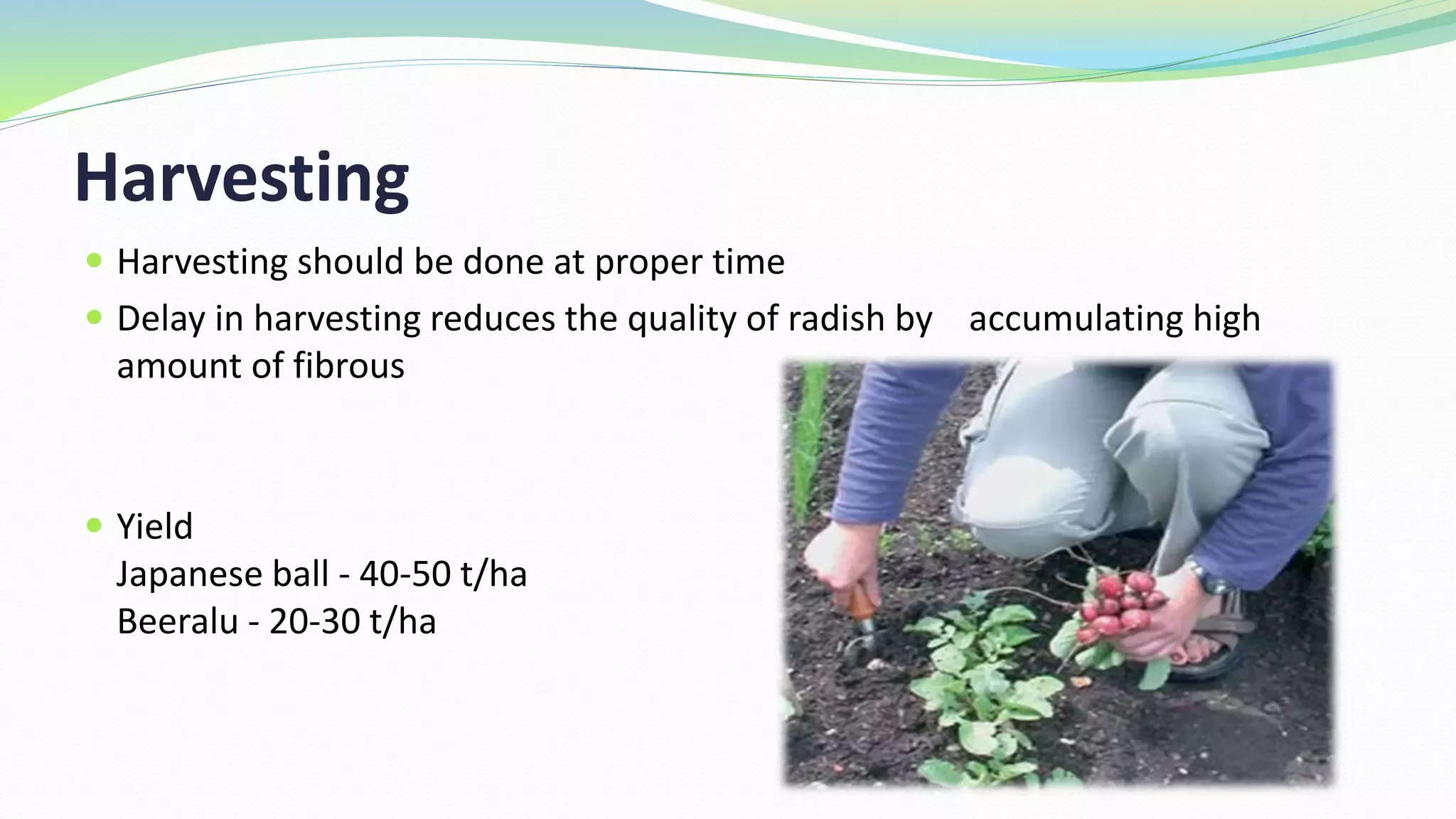
Radishes, scientifically known as Raphanus sativus L., belong to the Brassicaceae family and are believed to have originated in Europe or Asia. In Sri Lanka, radishes are a versatile and resilient vegetable, capable of thriving in various agro-ecological regions year-round, provided there is sufficient moisture. This adaptability has made them a popular choice among farmers across the island. The cultivation of radishes is particularly prevalent in regions such as Nuwara-Eliya, Badulla, Kalutara, Galle, Kandy, Matale, Gampaha, and Ratnapura. These areas benefit from suitable climates and soil conditions that support radish growth throughout the year. Radishes are not only consumed as a raw vegetable in salads but also serve decorative purposes, are pickled, processed in various industries, and even used in festive celebrations. Nutritionally, radishes are composed predominantly of water (94.5%), with additional contributions of protein, fat, carbohydrates, fiber, vitamins, and minerals, making them a healthy option for a balanced diet. Various radish varieties, including Japan Ball Rabu, Beeralu Rabu, and table radishes, exhibit distinct characters. For instance, Japan Ball Rabu features round, white-skinned roots and lobed leaves, while Beeralu Rabu sports spindle-shaped roots, and table radishes, characterized by their marble-sized red roots, can be consumed raw. When it comes to ecological requirements, radishes thrive in all agro-ecological regions and prefer well-drained soils with a pH range of 6.0 to 7.5. Field preparation is critical for successful radish cultivation. It involves ploughing to a depth of 30-40 cm to achieve fine tilth. The recommended seed rate is 5 kg per hectare, with ideal planting times split between March to May and August to October. Raised beds are suggested for planting, with specific spacing guidelines to ensure optimal growth. Effective crop management strategies include appropriate fertilizer application. A basal dressing of urea, triple super phosphate, and muriate of potash is advised at the time of planting, followed by top dressing with urea and muriate of potash roughly three weeks later. Regular irrigation is crucial during the early days of growth, with adjustments based on rainfall, and timely weed management helps maintain crop health. Pest and disease control is essential for maintaining healthy radish crops. Common pests like leaf-eating caterpillars and vegetable leaf miners can significantly impact yield. Integrated pest management techniques, including the use of neem extracts and biological control agents, are encouraged to mitigate these threats. Additionally, diseases such as club root and Alternaria Blight must be monitored closely, with proactive measures like soil pH adjustment and the application of fungicides recommended for effective control. Harvesting must be timed appropriately to ensure the quality of the radish. Delaying harvest can lead to undesirable fibrous textures and diminished overall quality, with expected yields ranging from 40-50 tons per hectare for Japanese Ball radishes to 20-30 tons for Beeralu Rabu. Proper post-harvest handling, including grading and careful packaging, is crucial for maintaining quality, especially when transporting radishes over long distances. In summary, radishes are a staple vegetable with wide-ranging applications and significant nutritional value. Their cultivation offers economic advantages while also being relatively straightforward, making them an excellent choice for local farmers in Sri Lanka.

Slide 1

Slide 1

Slide 2

Slide 2

Slide 3

Slide 3

Slide 4

Slide 4

Slide 5

Slide 5

Slide 6

Slide 6

Slide 7

Slide 7

Slide 8

Slide 8

Slide 9

Slide 9

Slide 10

Slide 10

Slide 11

Slide 11

Slide 12

Slide 12

Slide 13

Slide 13

Slide 14

Slide 14

Slide 15

Slide 15

Slide 16

Slide 16

Slide 17

Slide 17

Slide 18

Slide 18

Slide 19

Slide 19

Slide 20

Slide 20

Slide 21

Slide 21

Slide 22

Slide 22

Slide 23

Slide 23
1 / 23

Ppt on Production technology of broccoli

Description

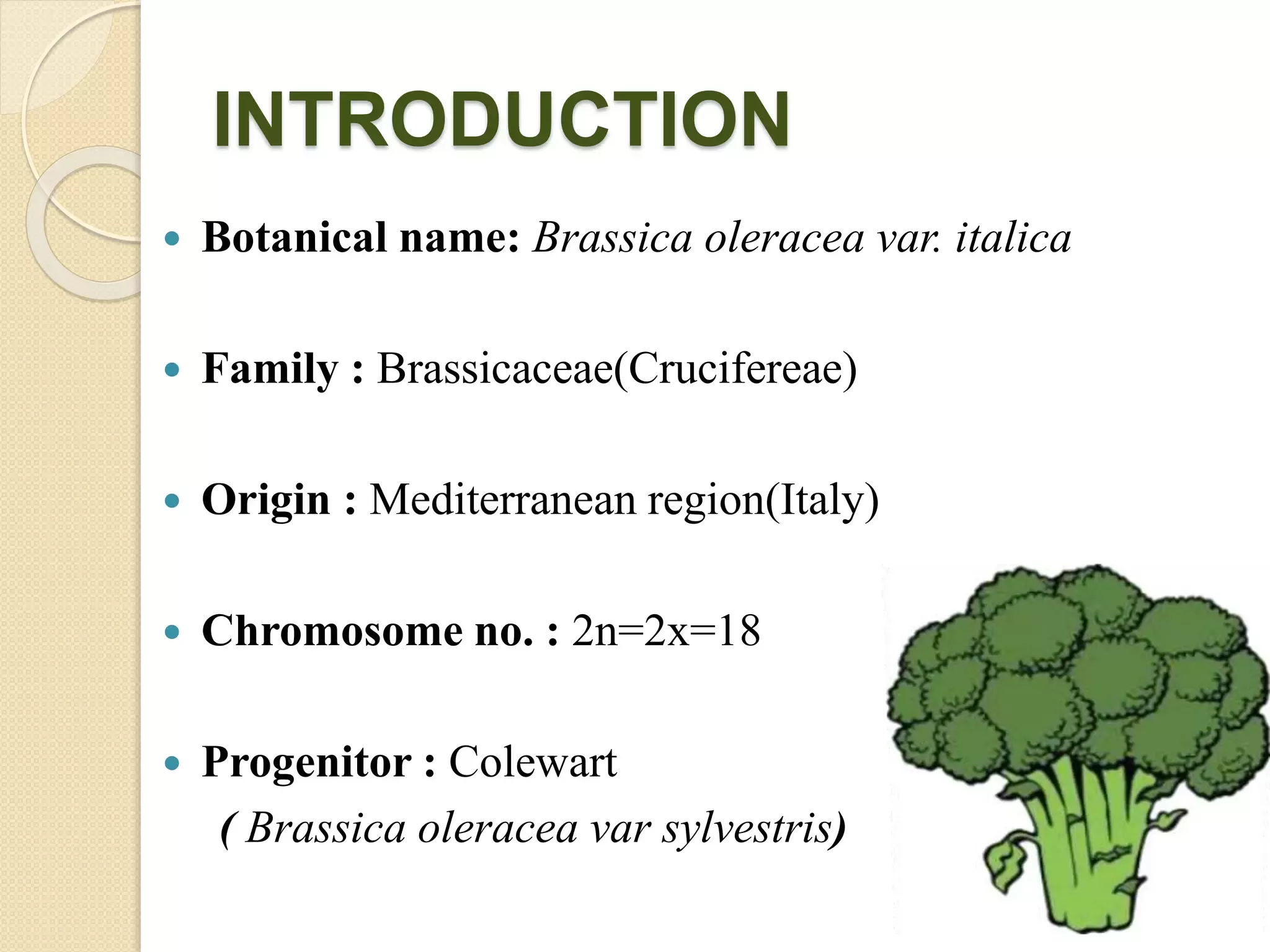
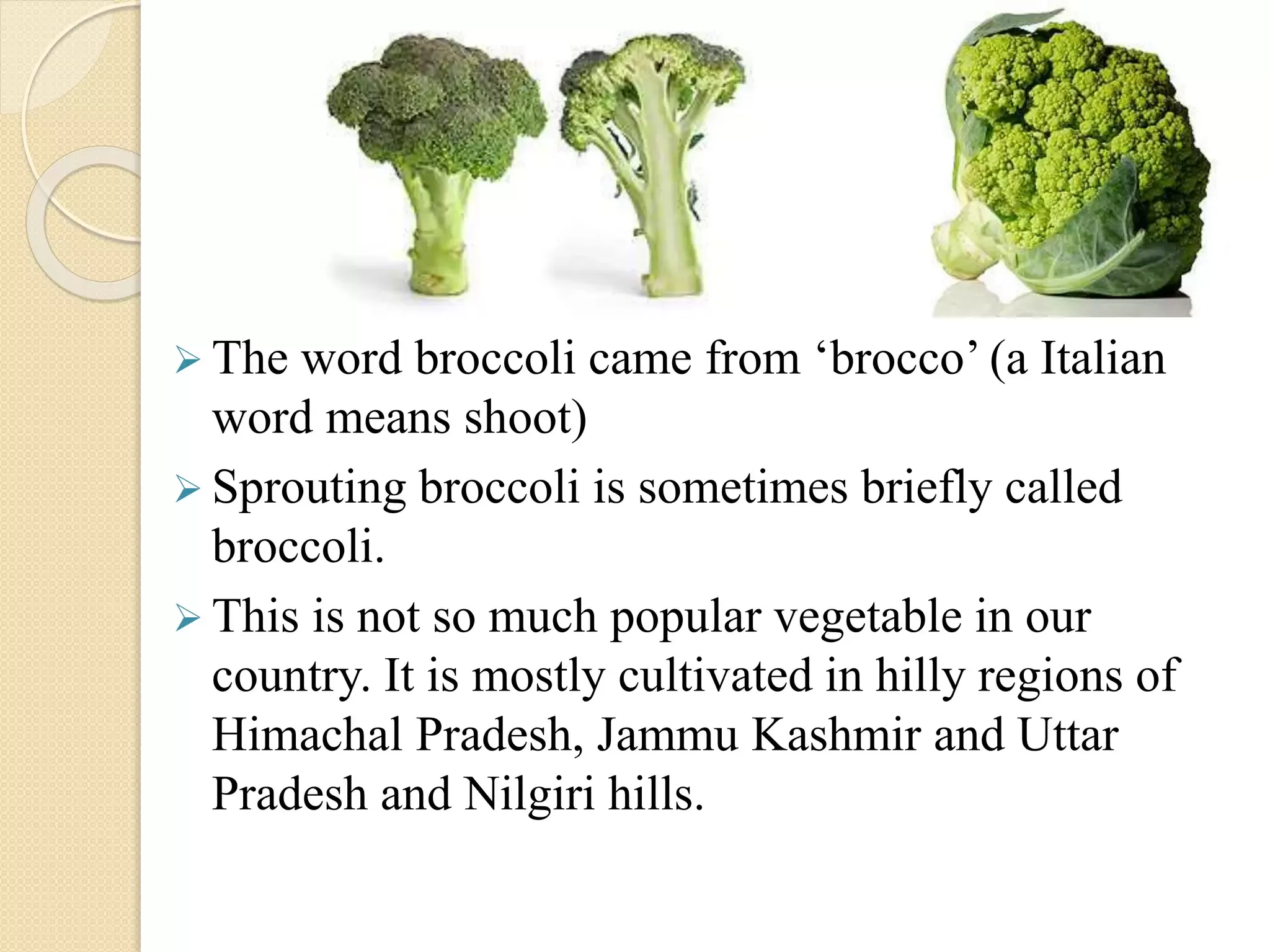
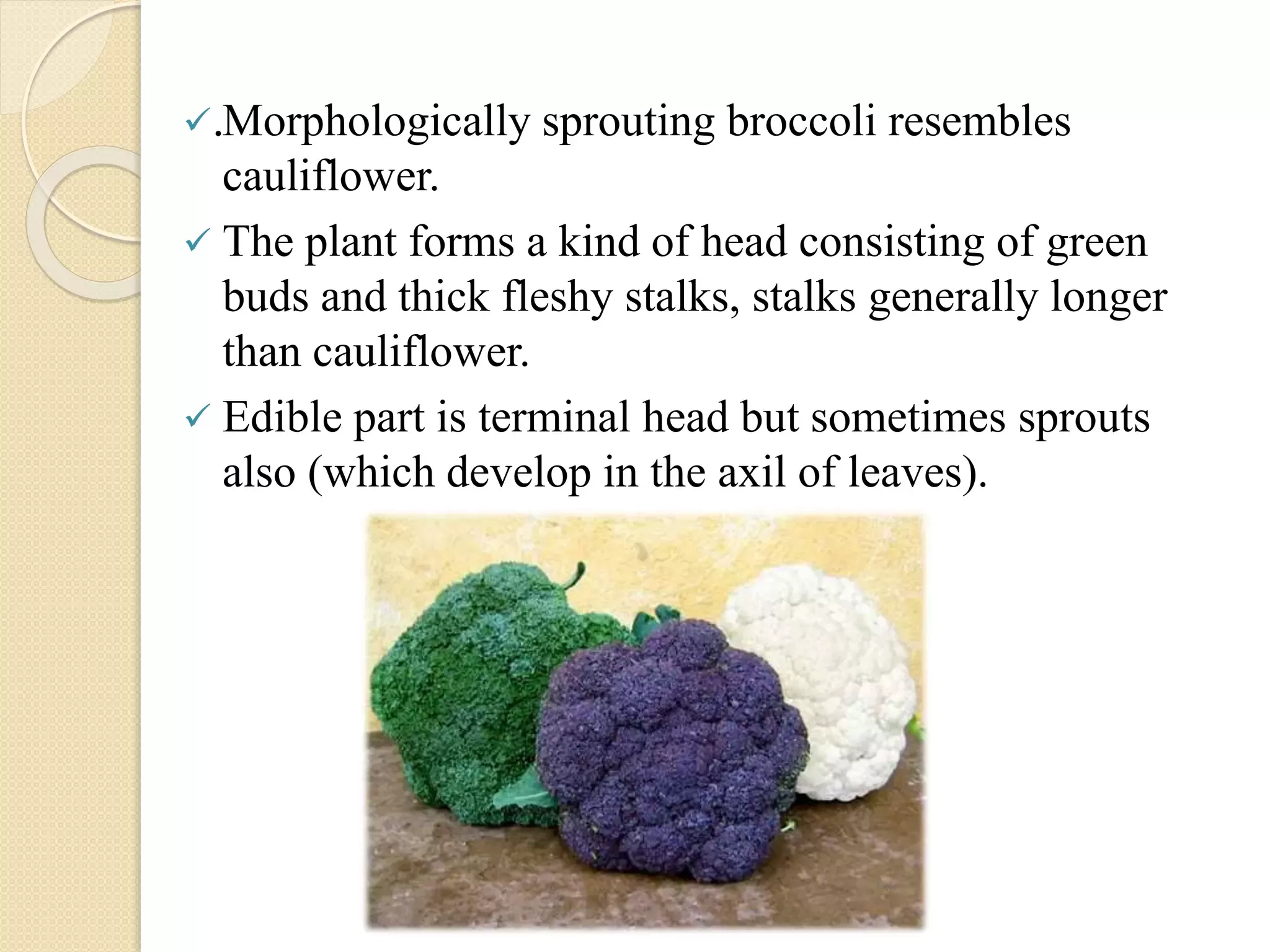
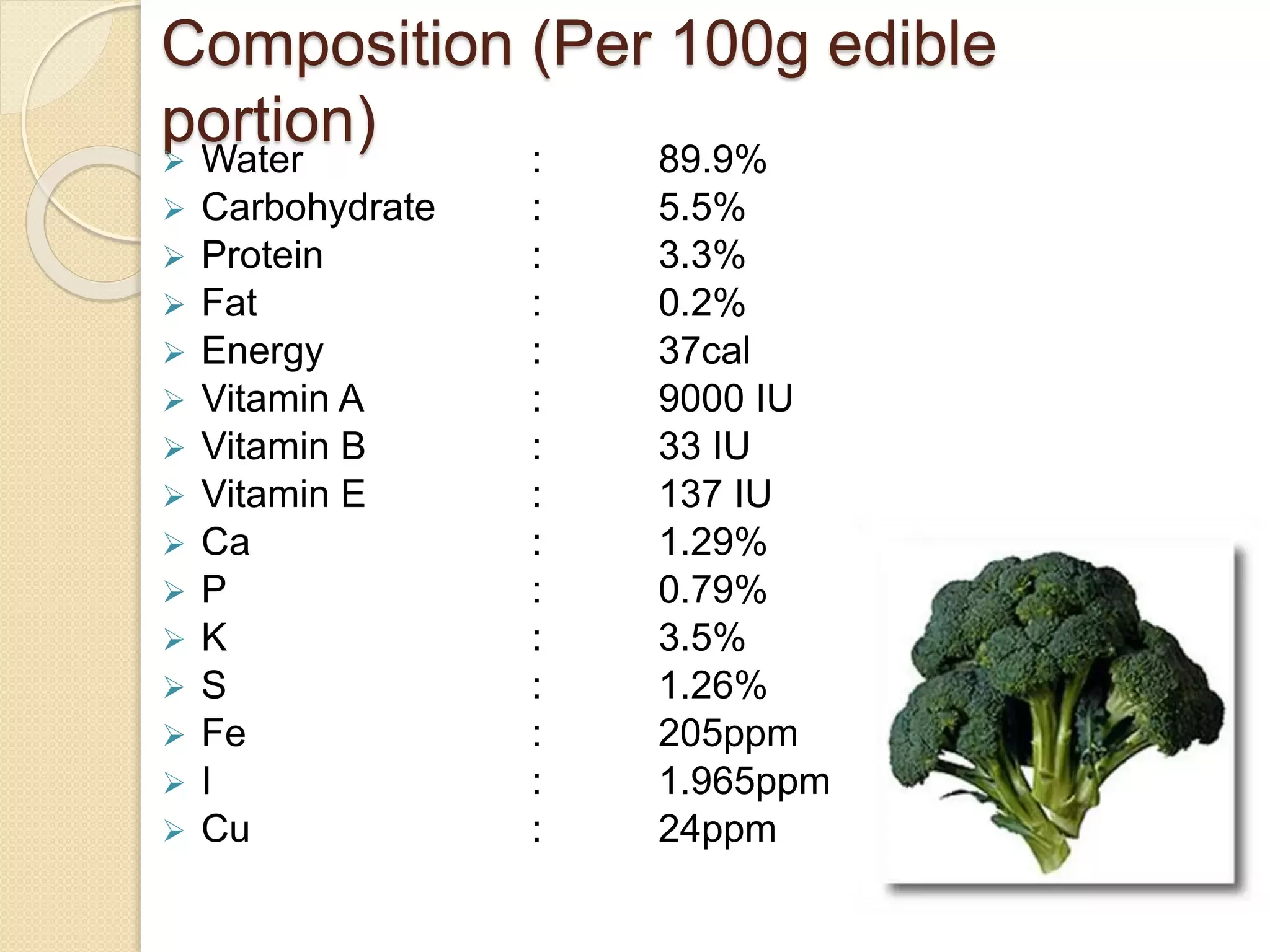
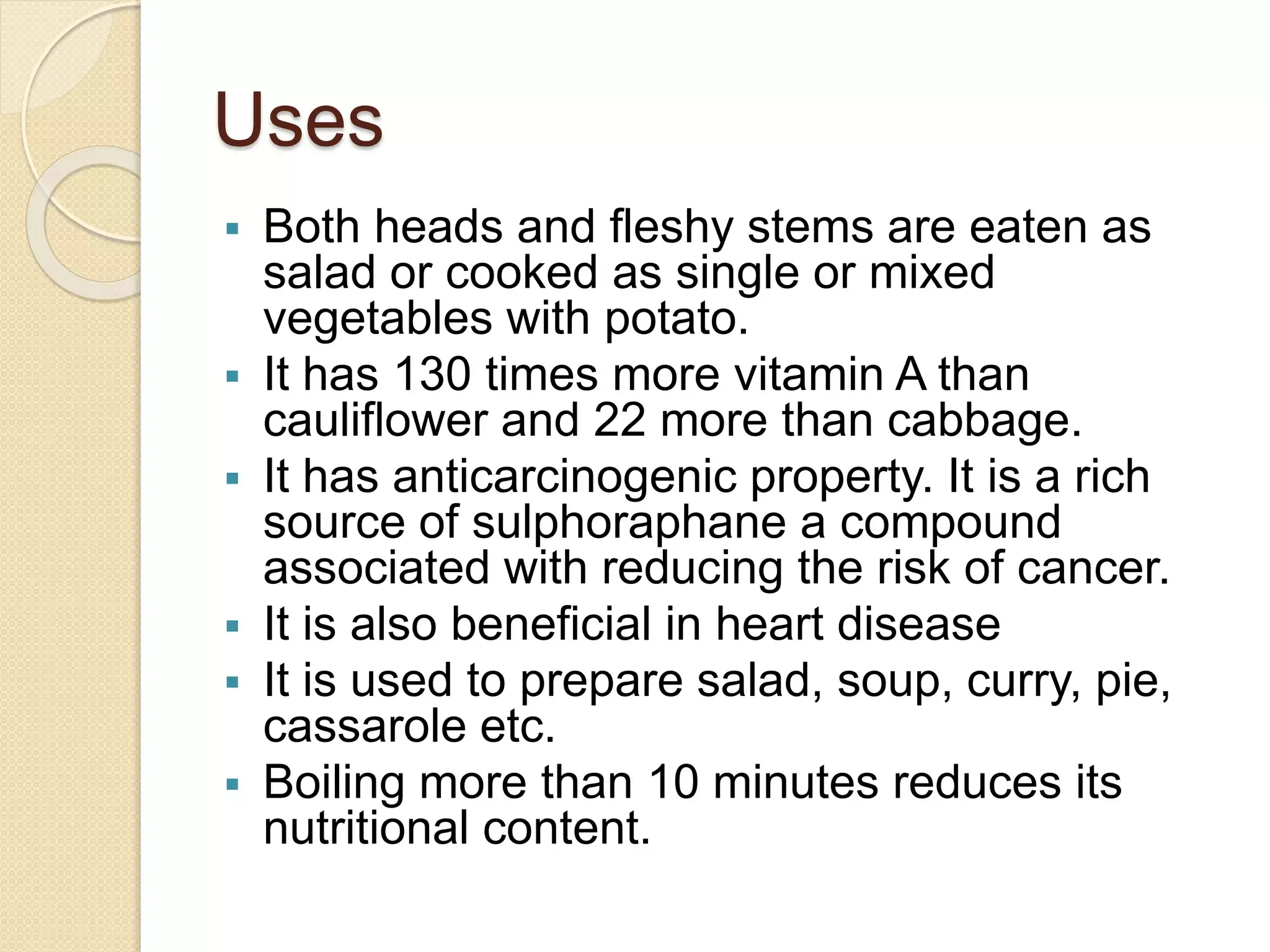
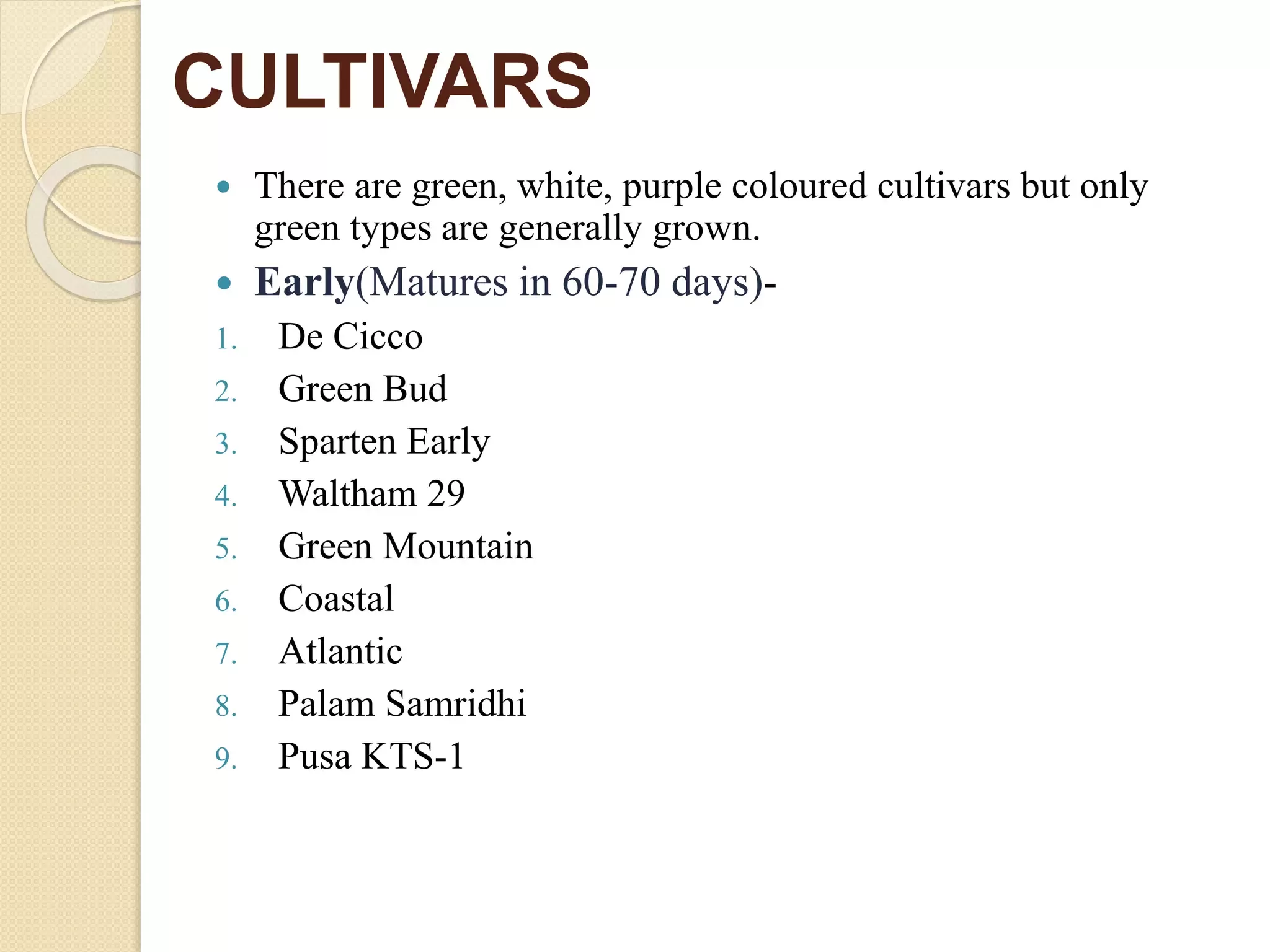
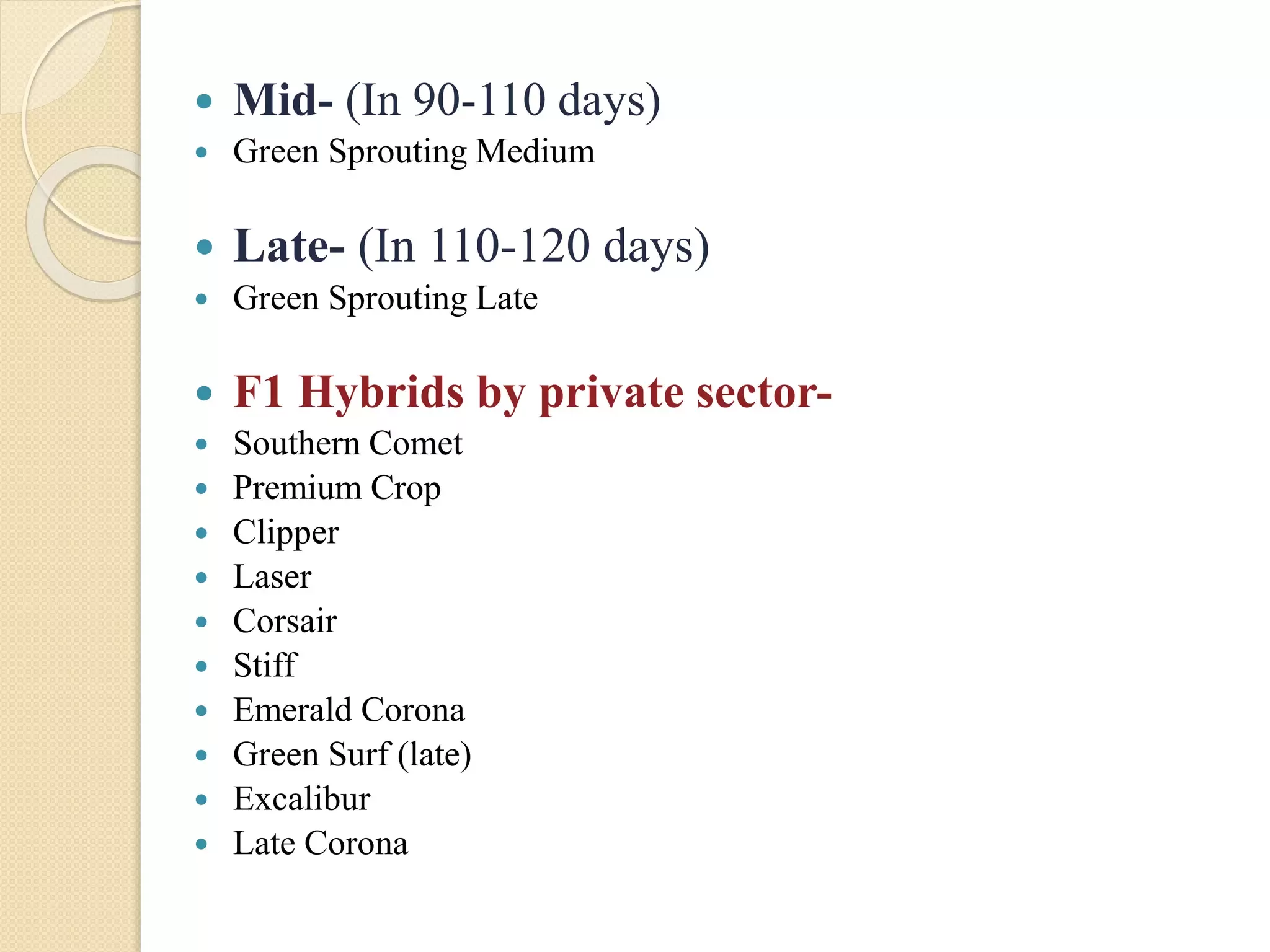
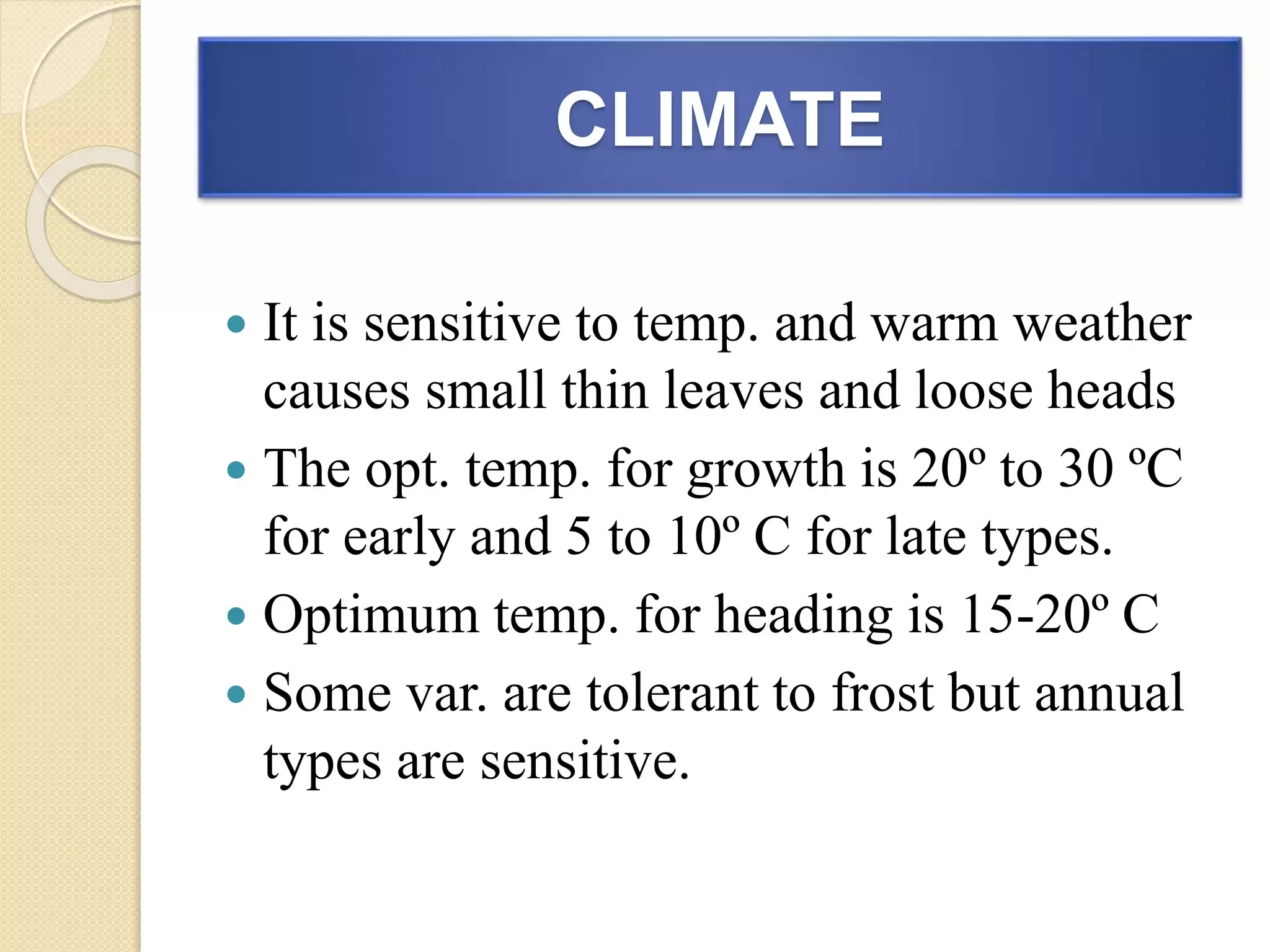
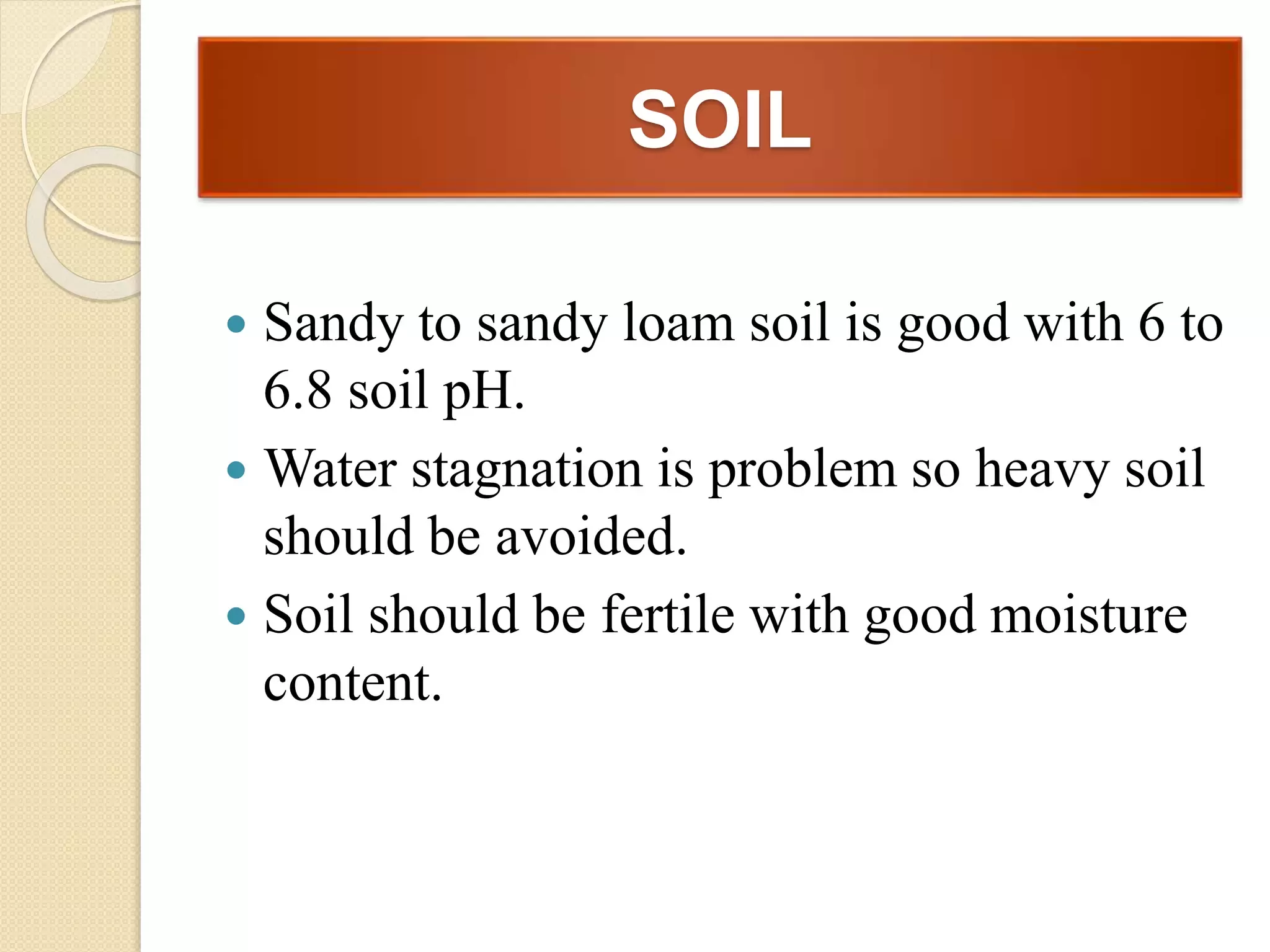
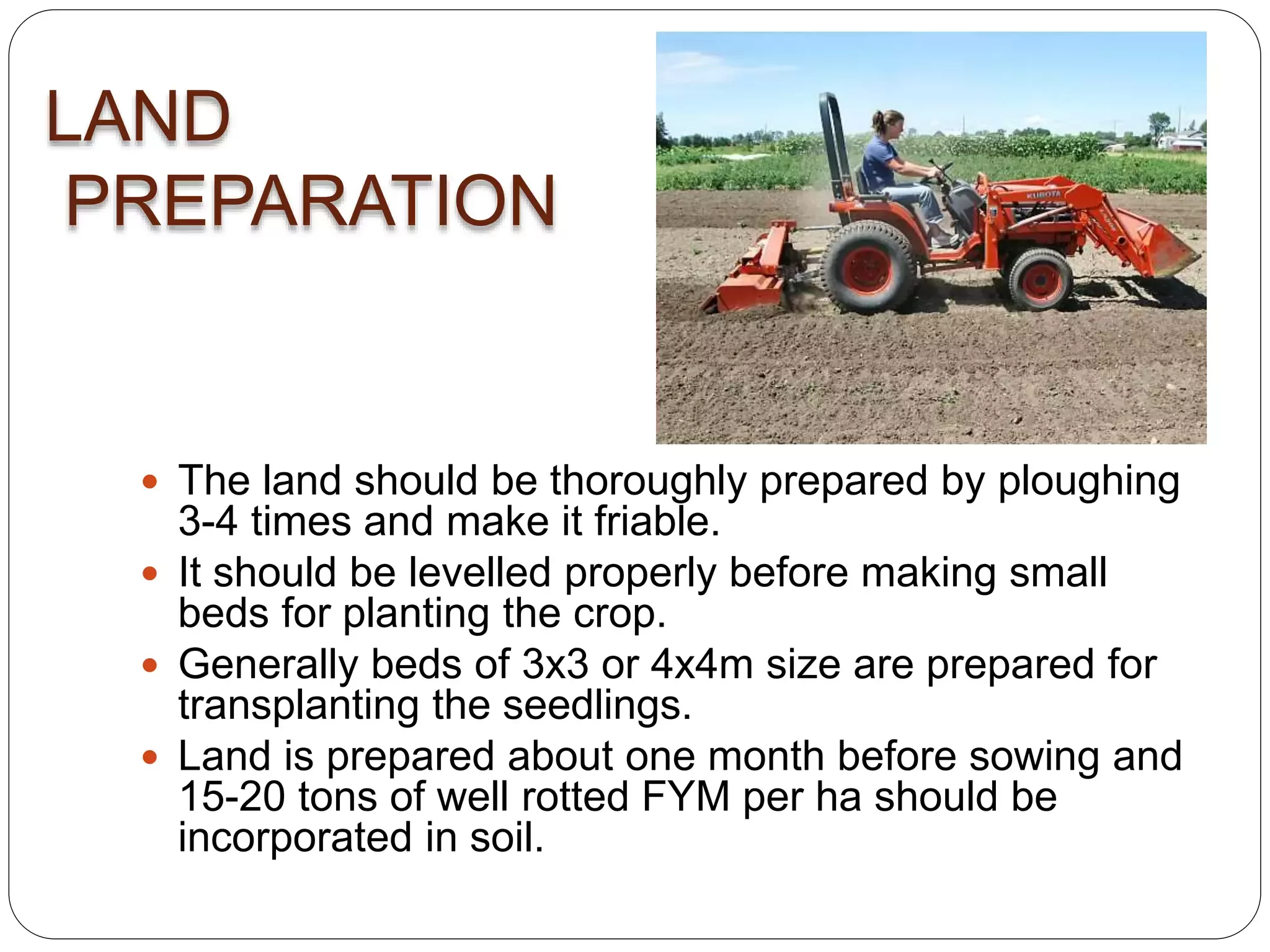
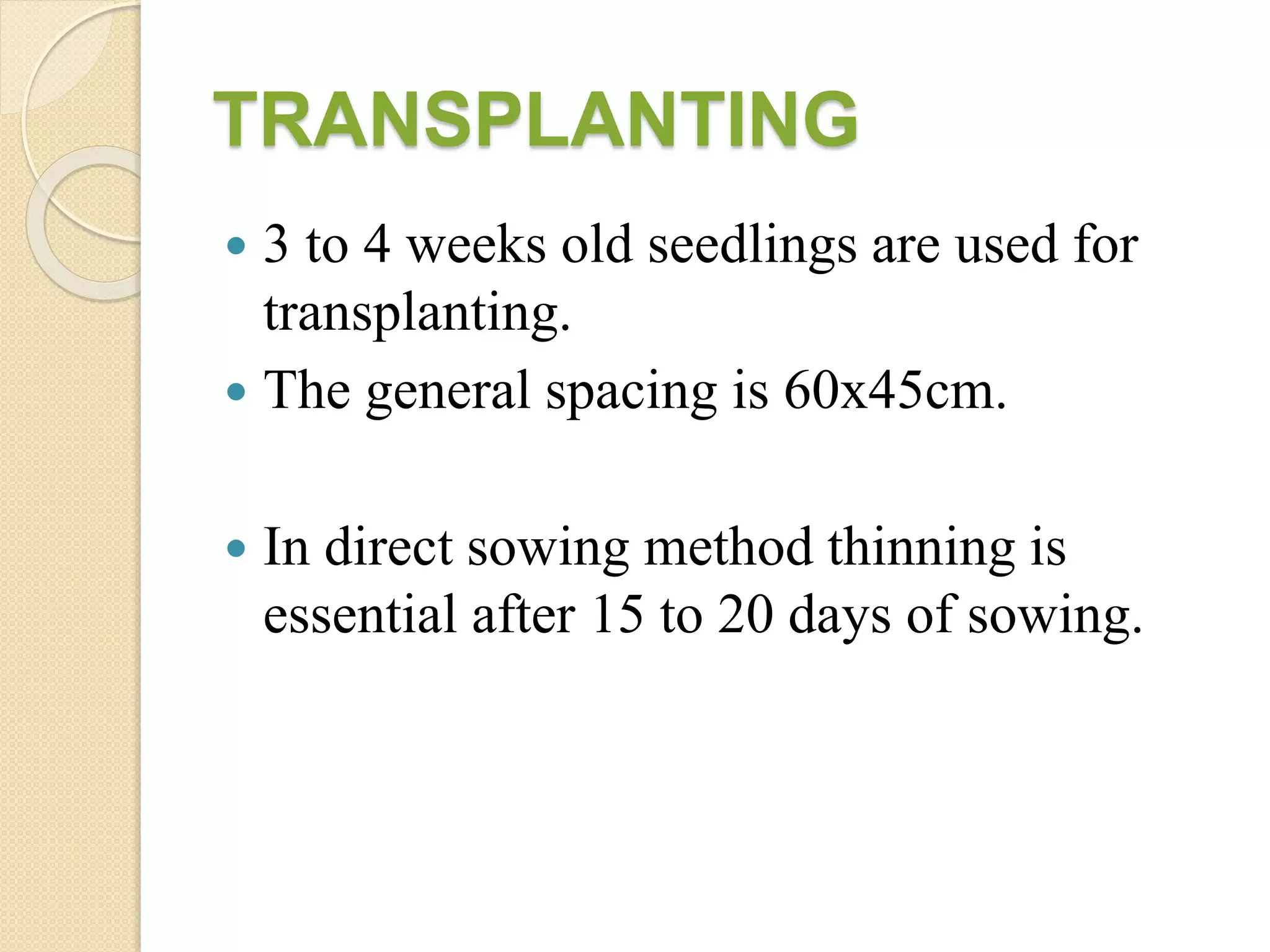
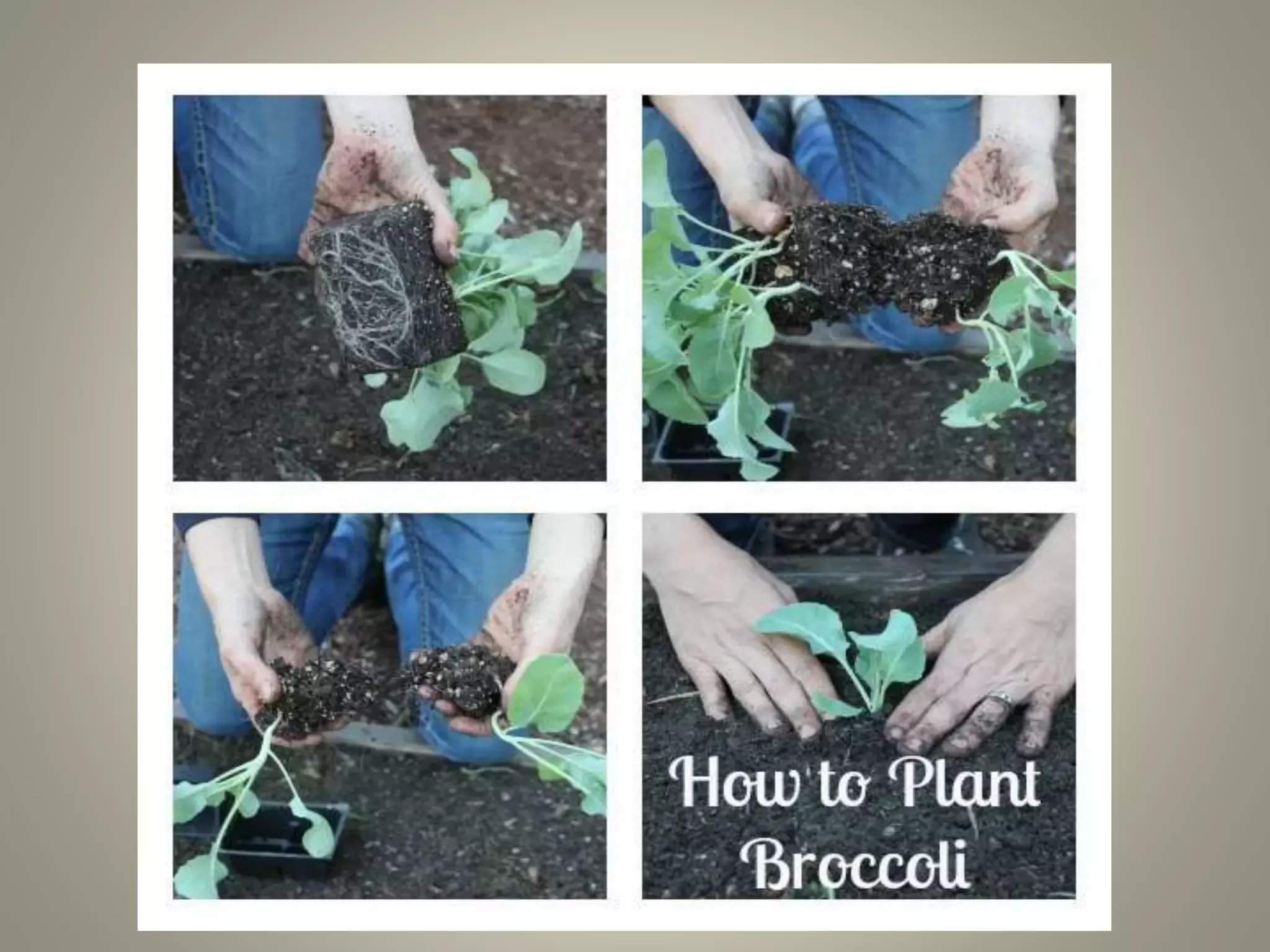
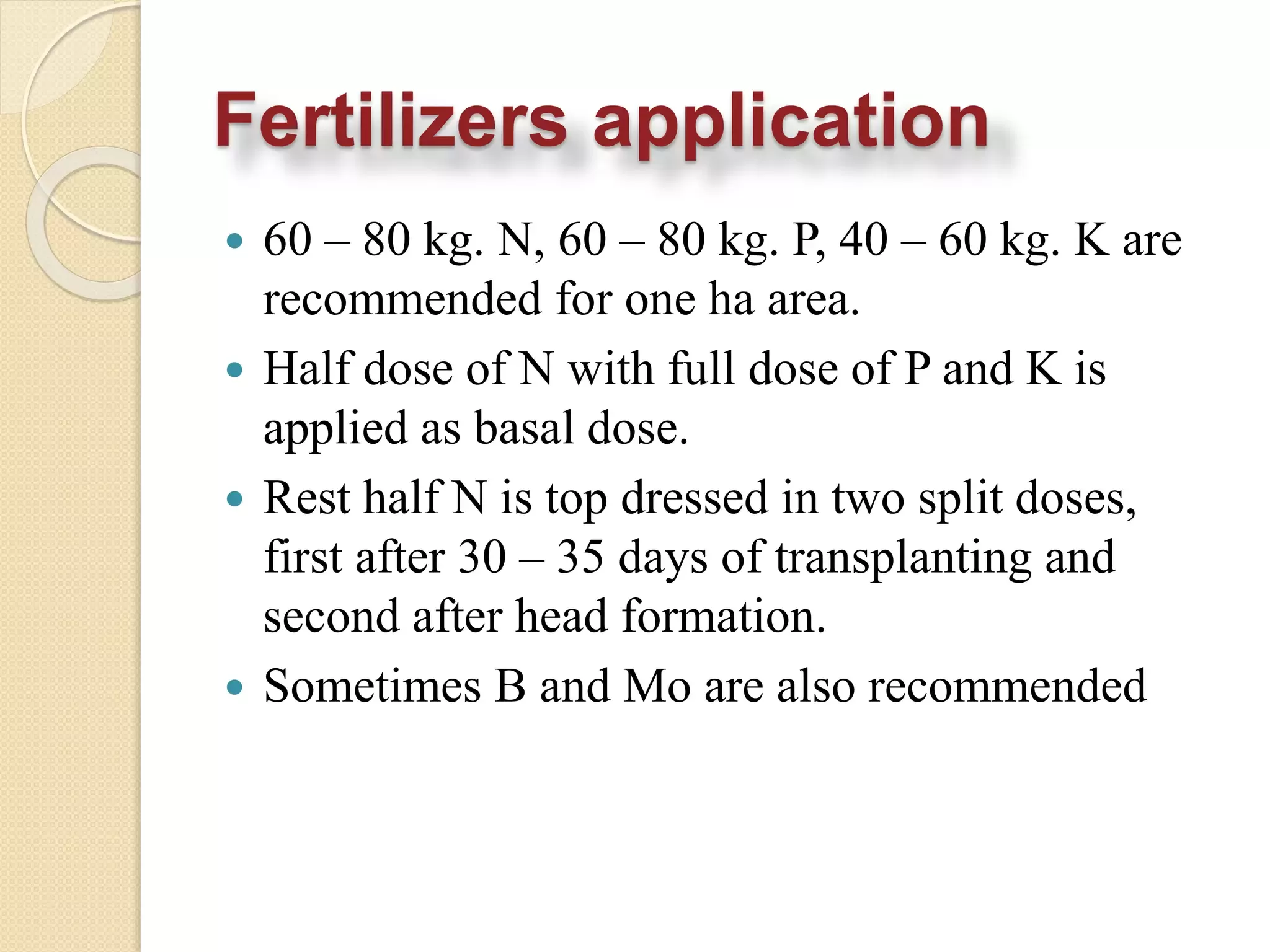
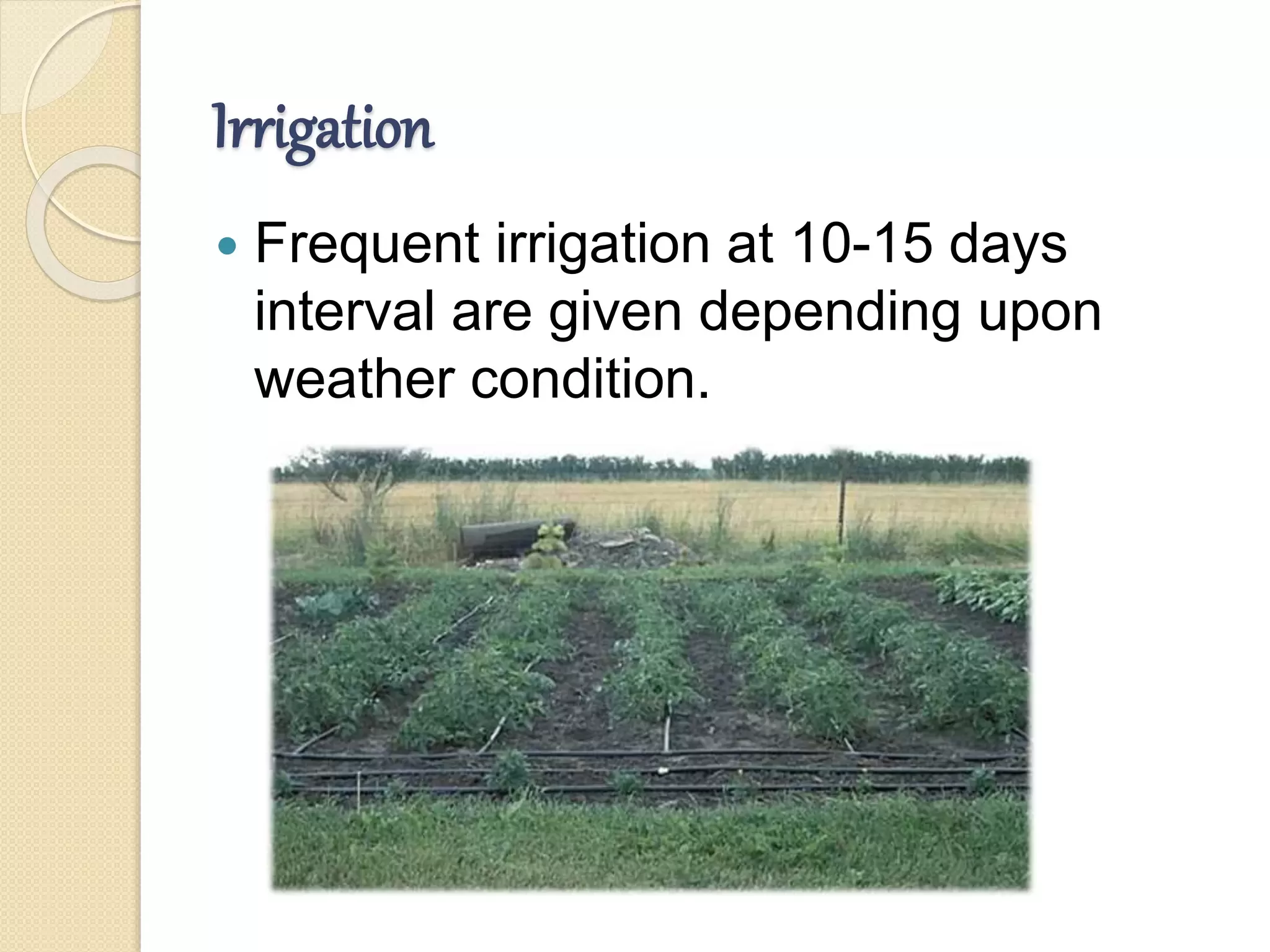
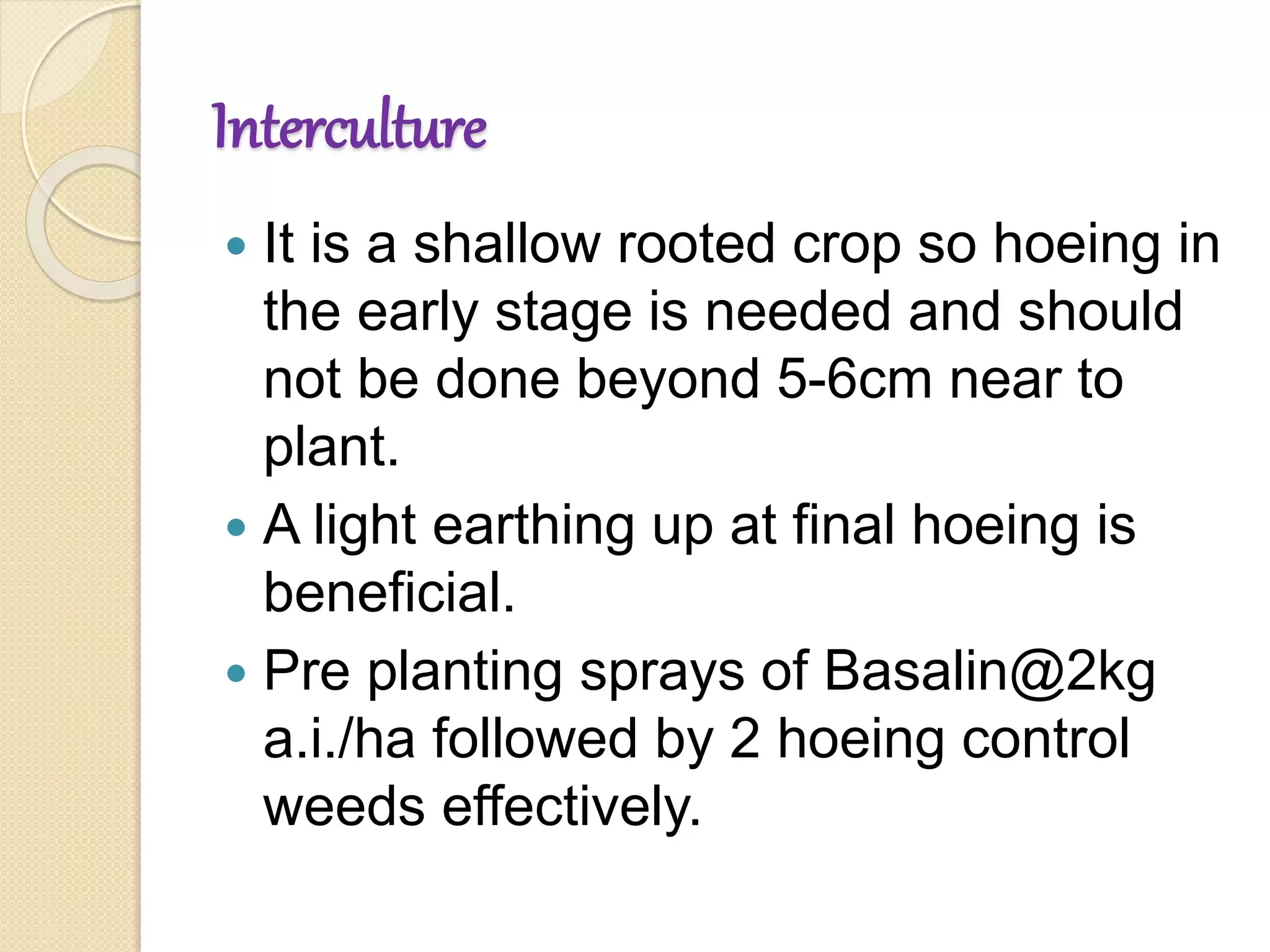
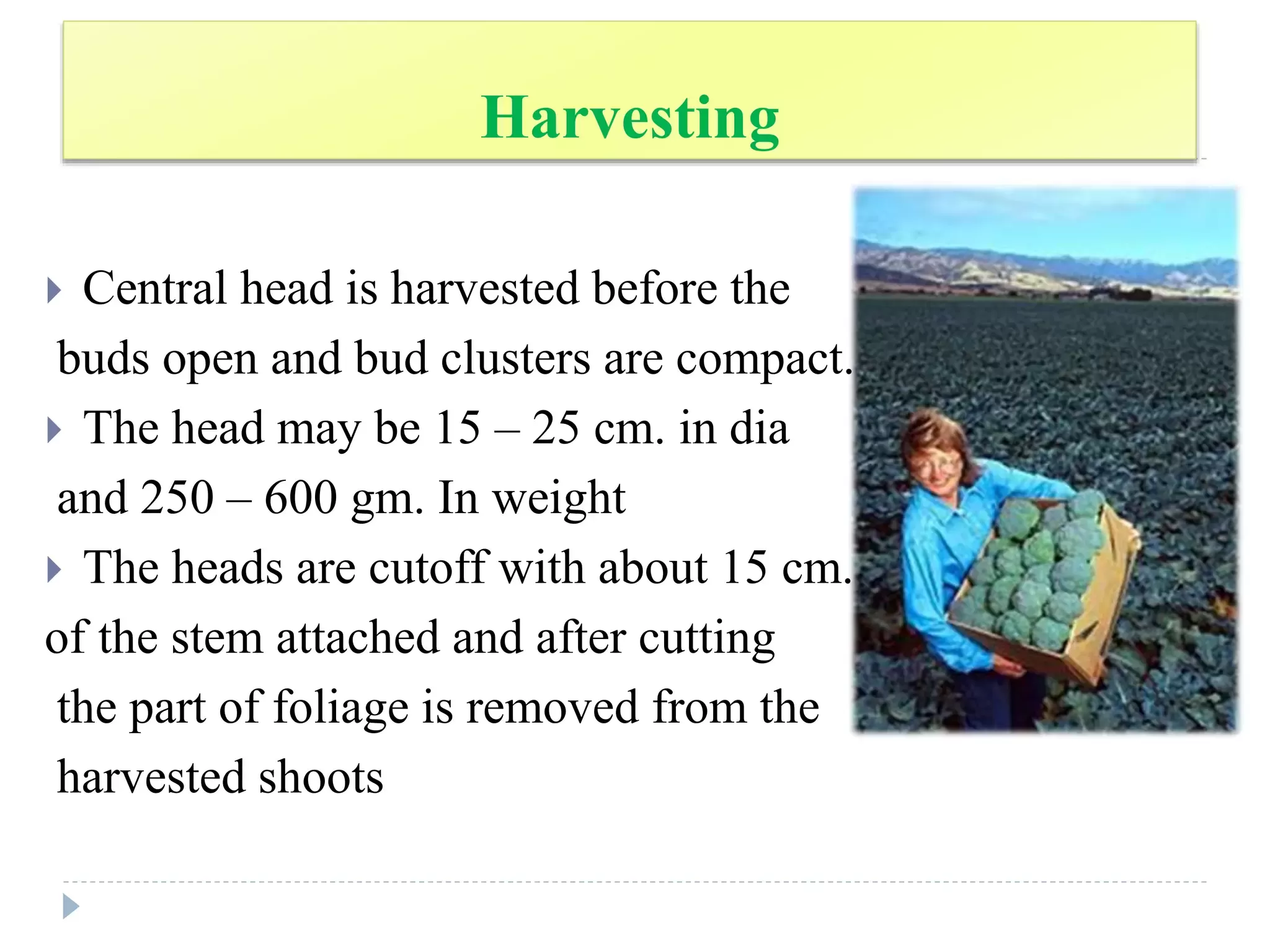
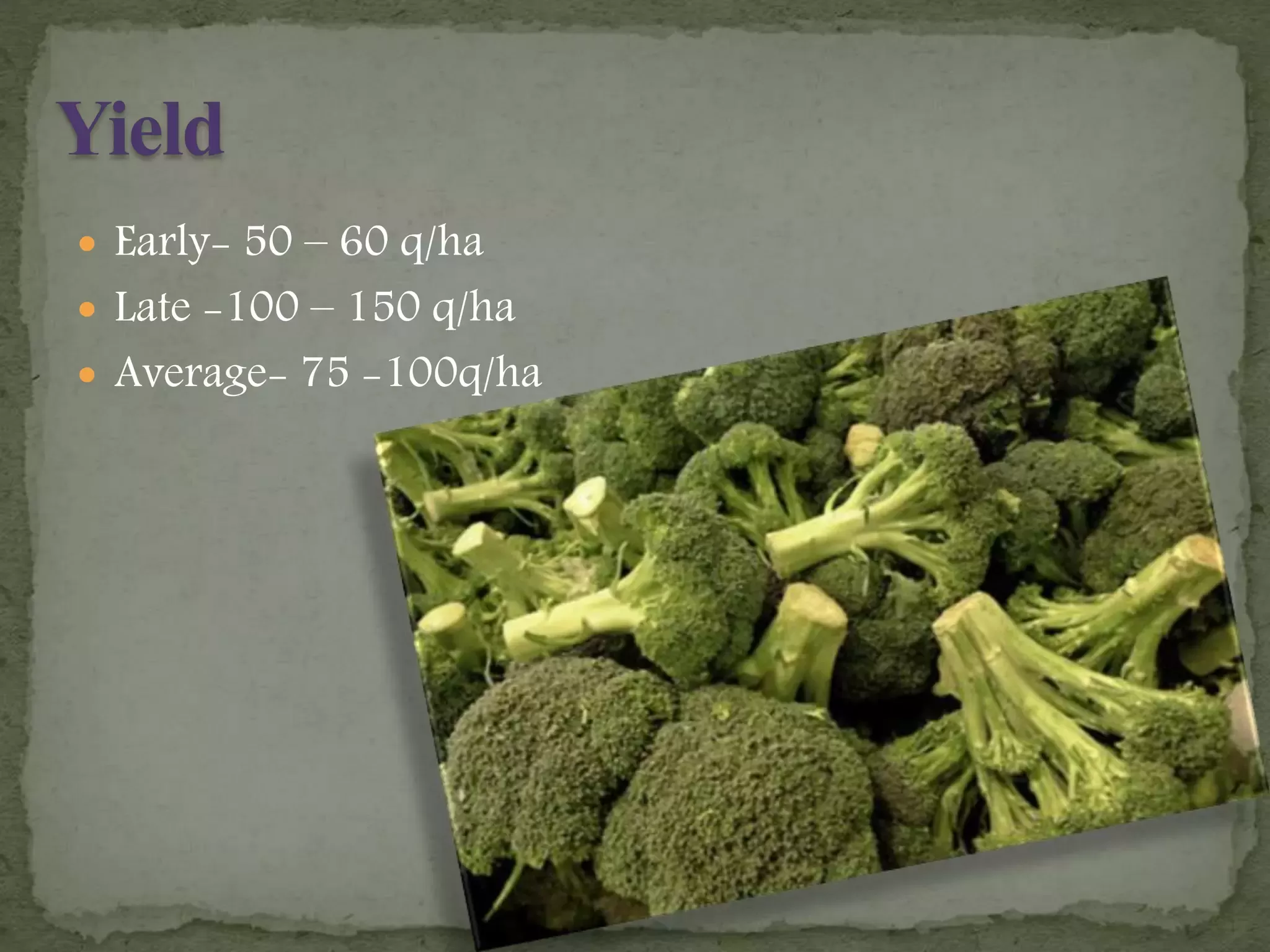
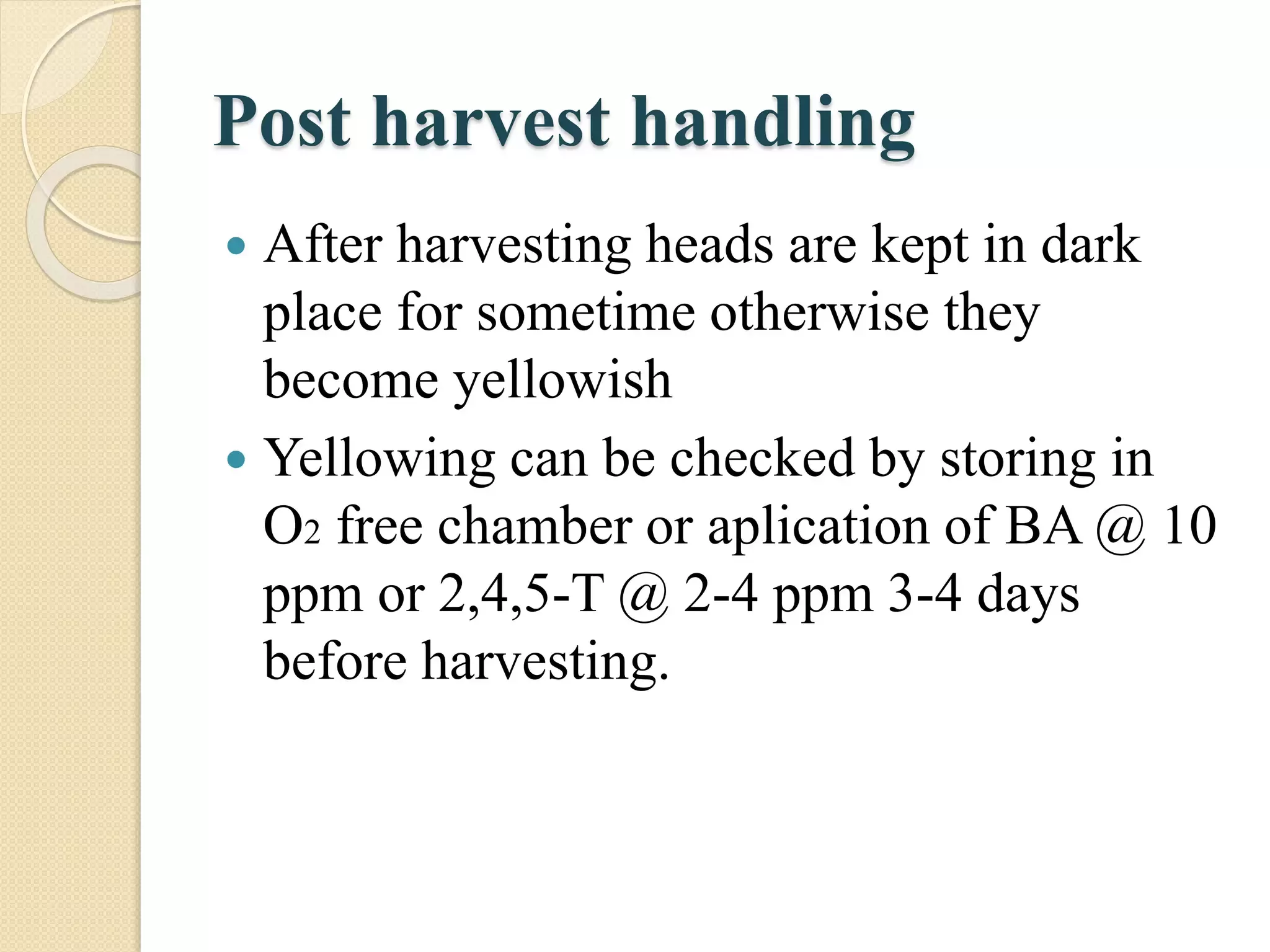
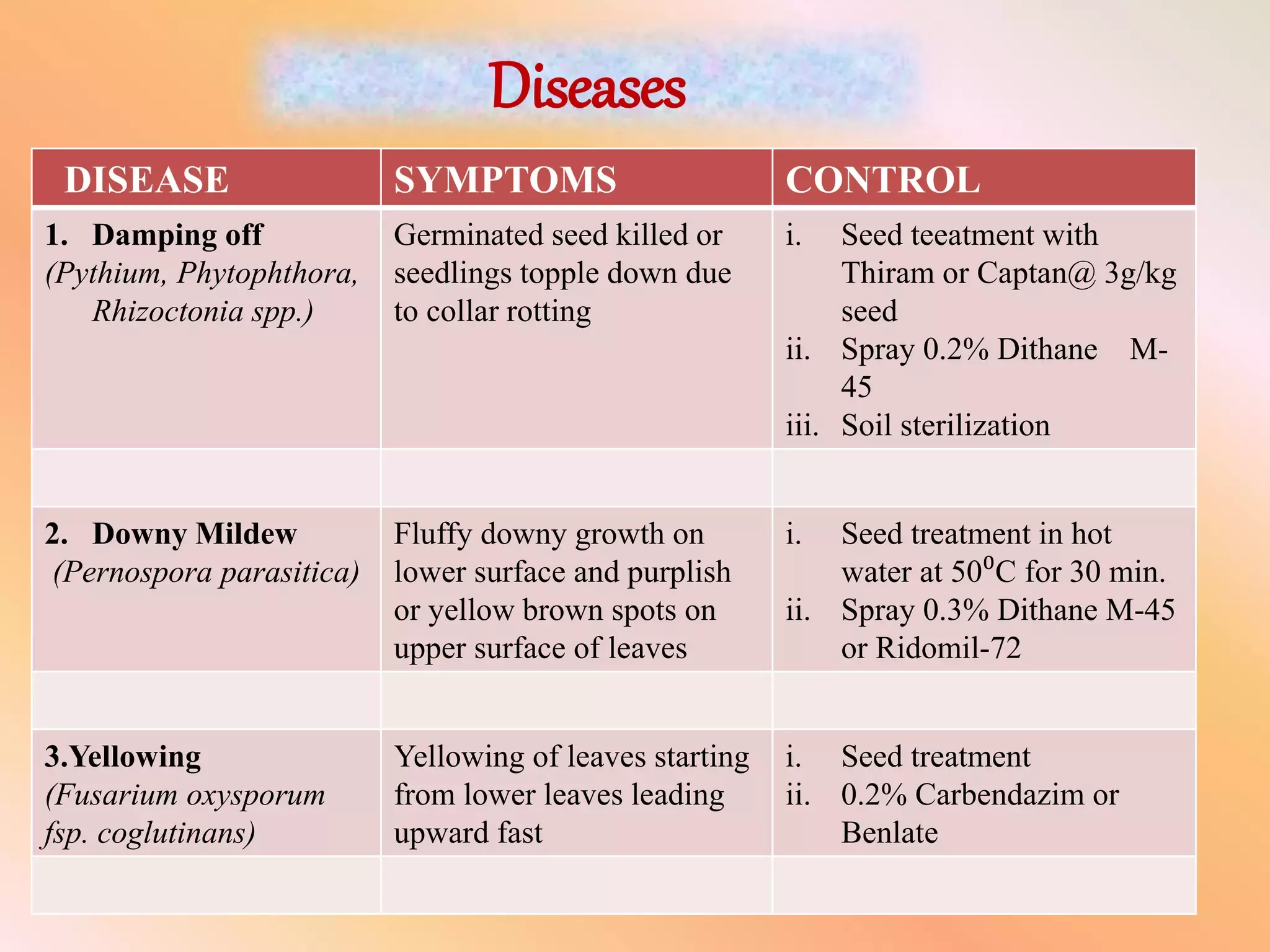
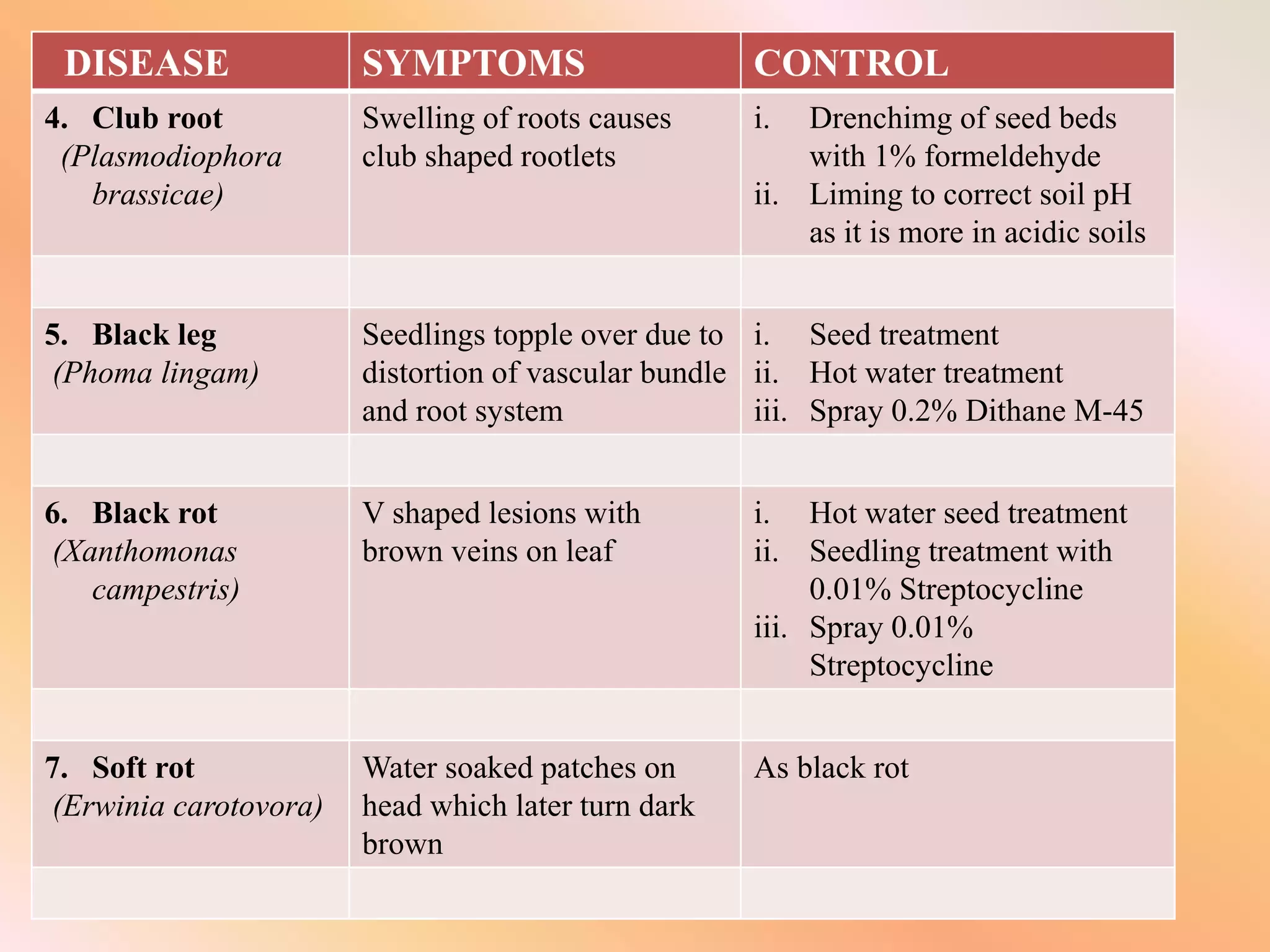
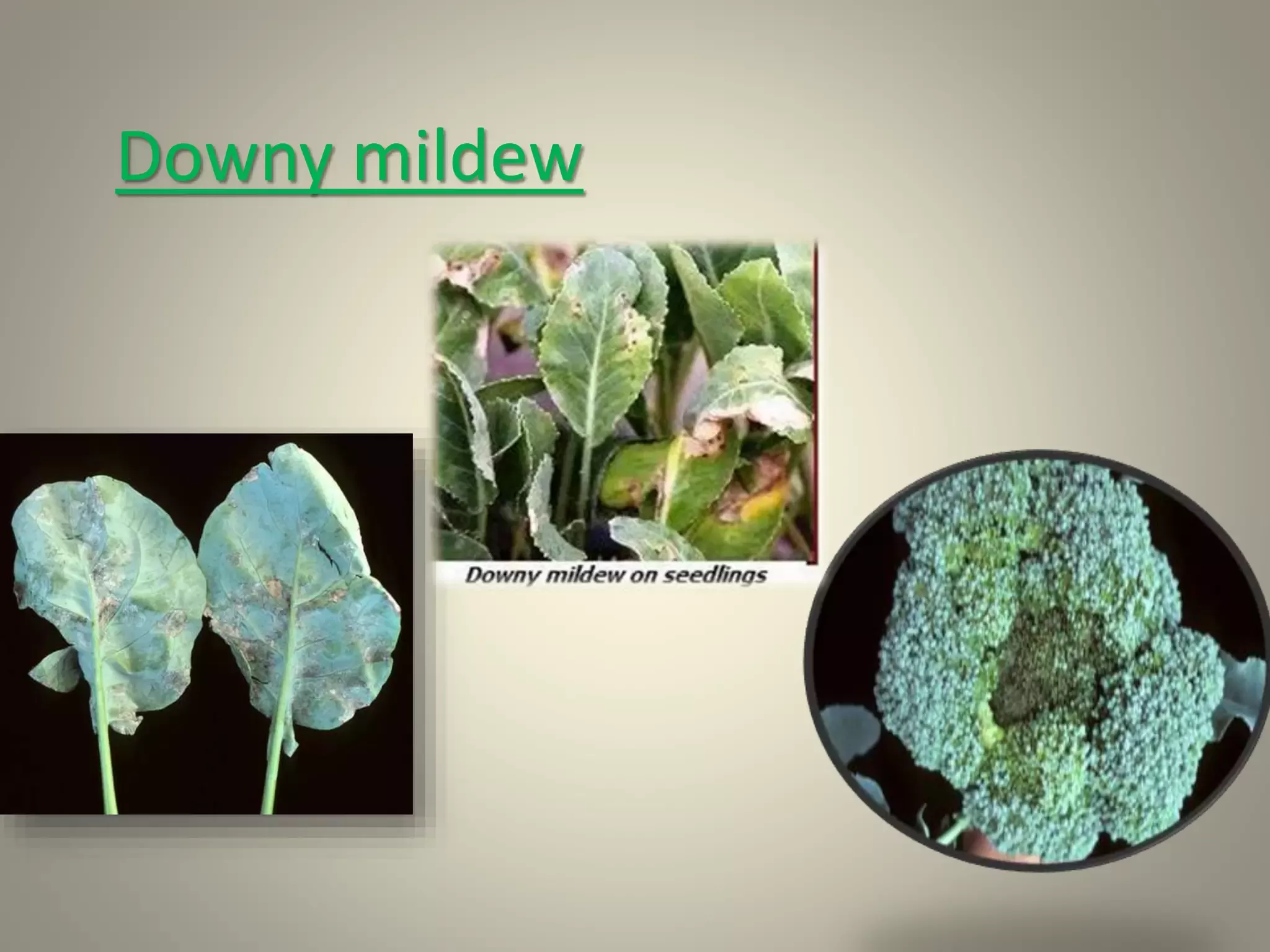
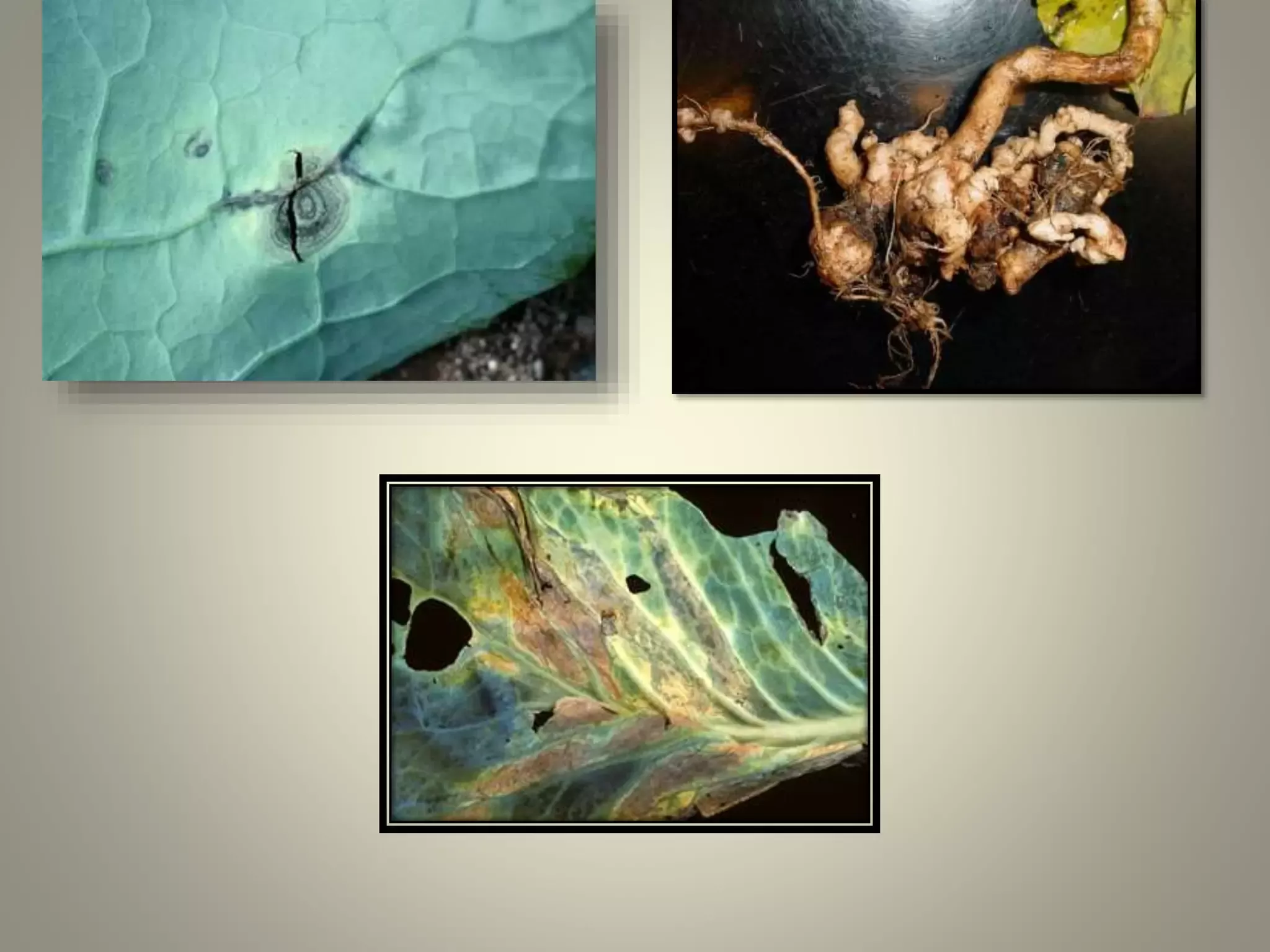
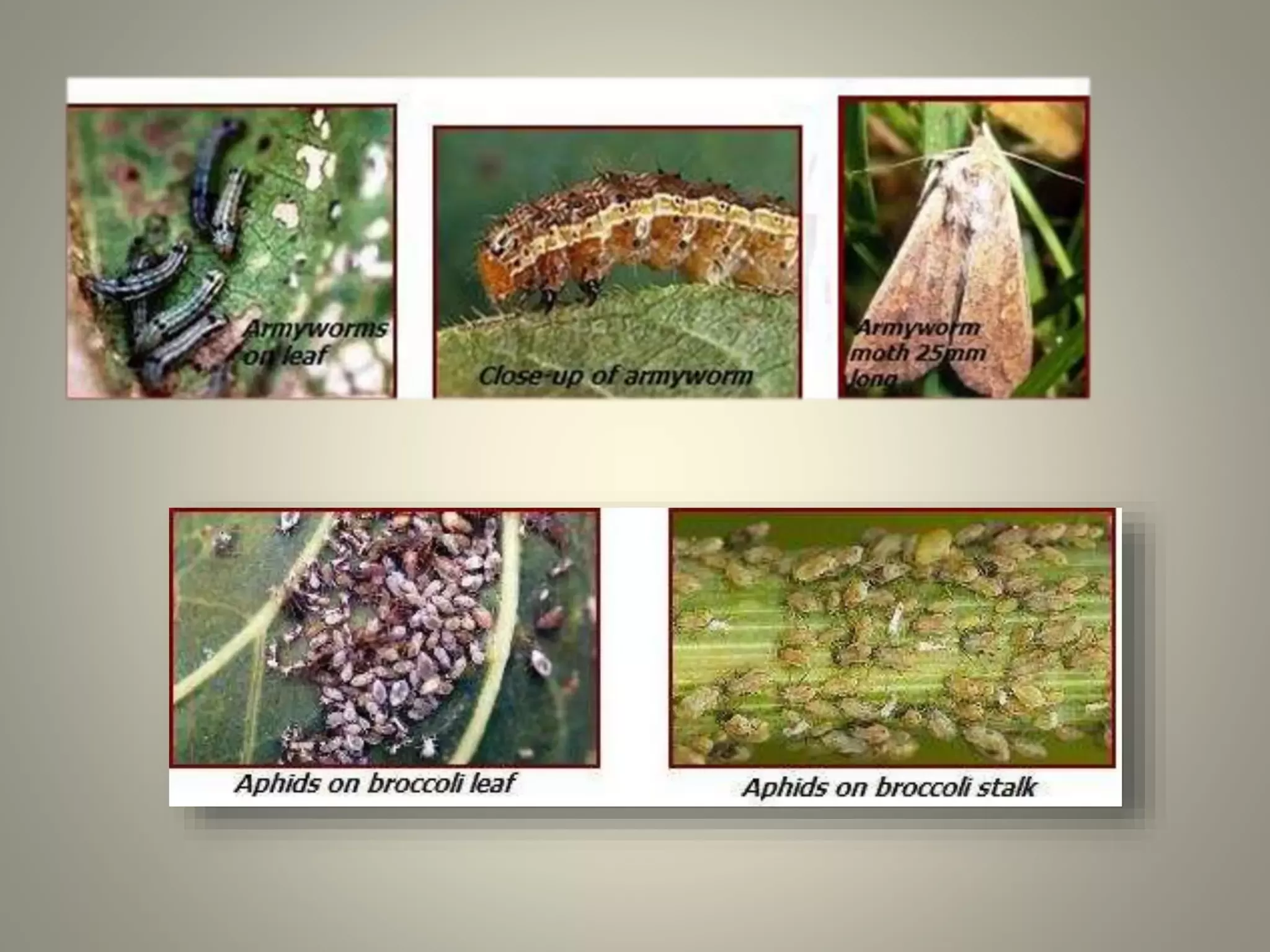
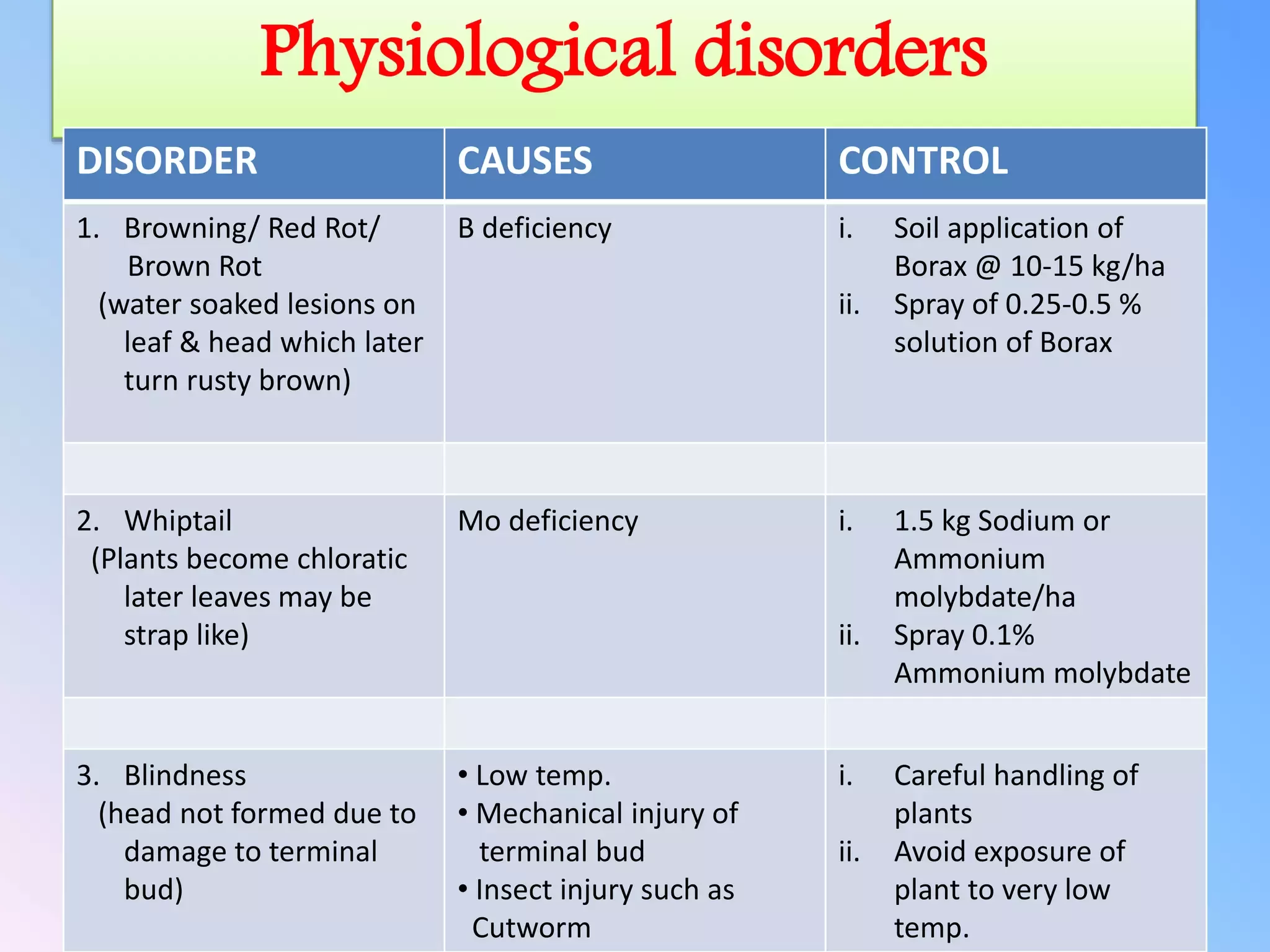
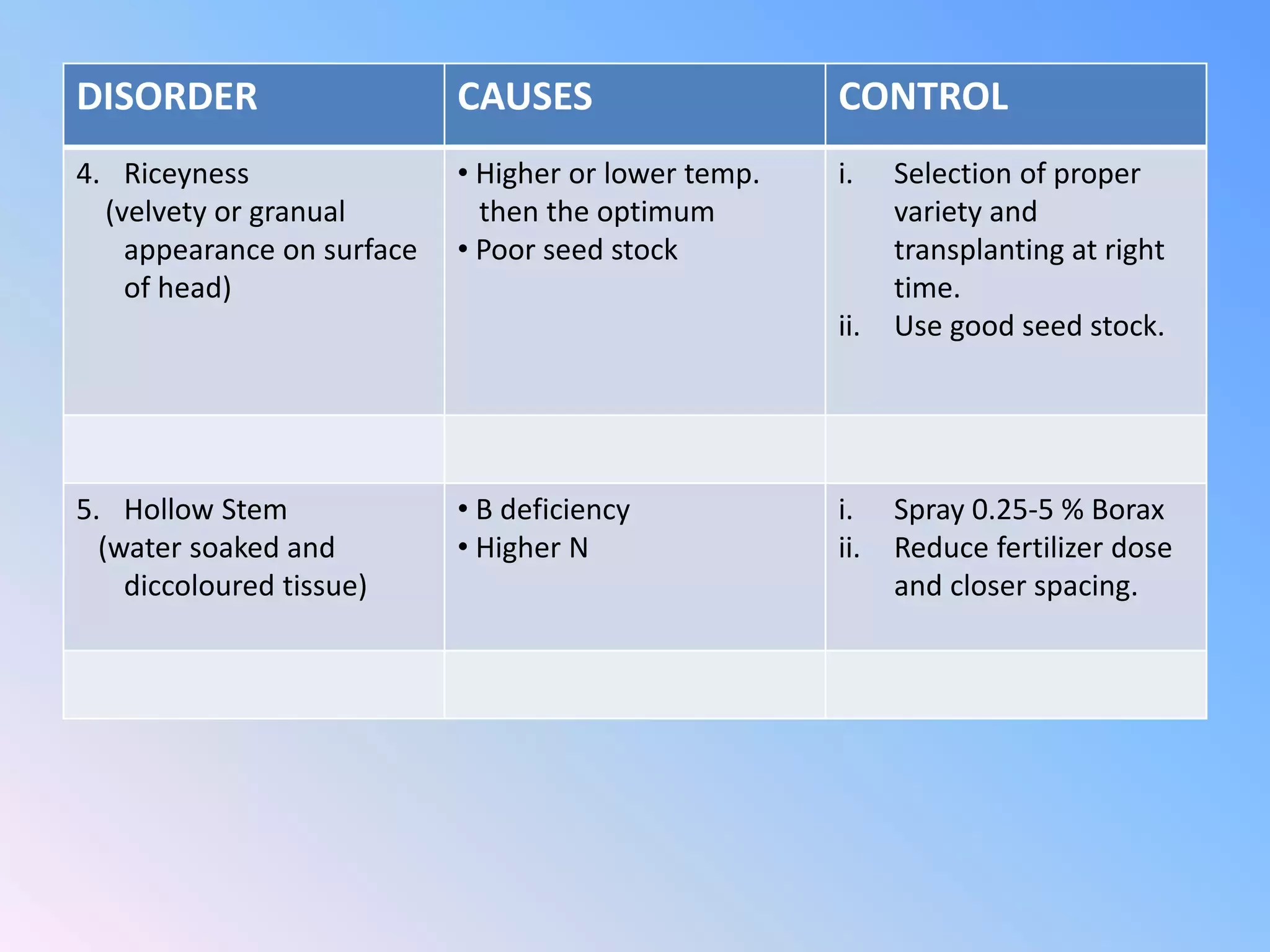
Broccoli, scientifically known as Brassica oleracea var. italica, is a member of the Brassicaceae family, a group commonly referred to as cruciferous vegetables. Originating from the Mediterranean region, particularly Italy, broccoli exhibits a unique genetic composition with a chromosome number of 2n=2x=18. The term “broccoli” is derived from the Italian word ‘brocco’, which translates to “shoot.” While not widespread in certain countries, it is primarily cultivated in hilly regions such as Himachal Pradesh, Jammu & Kashmir, Uttar Pradesh, and the Nilgiri Hills, where the climate and soil conditions are conducive to its growth. Morphologically, sprouting broccoli bears a resemblance to cauliflower, characterized by a compact head composed of green buds atop long, sturdy stalks. These stalks tend to be thicker than those of cauliflower, contributing to broccoli’s distinctive texture. The edible portion of the plant consists mainly of the terminal head, although the buds that develop in the leaf axils can also be consumed. In terms of nutritional composition, broccoli is predominantly water, making up about 89.9% of its content. It also boasts significant levels of carbohydrates, protein, vitamins, and essential minerals. Remarkably, broccoli contains 130 times more vitamin A than cauliflower and exhibits impressive anticarcinogenic properties due to its high sulphoraphane content, which is linked to cancer risk reduction. Nutritionists often recommend it for heart health, and it can be enjoyed in various culinary forms, including salads, soups, curries, and casseroles. However, it is crucial to note that boiling broccoli for more than ten minutes can diminish its nutritional value. Broccoli cultivars are diverse, encompassing green, white, and purple varieties, with the green types being the most commonly cultivated. They can be classified based on maturation time into early (60-70 days), mid (90-110 days), and late (110-120 days) varieties. Each cultivar offers unique growth characteristics that may suit different agricultural practices. With regards to climate preferences, broccoli is sensitive to temperature fluctuations. It thrives in optimal conditions ranging from 20º to 30º C for early types and 5º to 10º C for late cultivars. Soil-wise, broccoli favors sandy to sandy loam types with a pH between 6 and 6.8. Proper land preparation, including thorough ploughing and incorporation of well-rotted farmyard manure (FYM), is essential before planting. Recommended sowing times in northern India range from September to mid-November, employing direct sowing or transplanting techniques. Irrigation practices, fertilization strategies, and intercultural operations like hoeing and light earthing are integral to ensuring robust growth. Harvesting is typically done when the central head is still compact and before buds open, with careful handling to prevent damage. Post-harvest, broccoli heads require specific storage conditions to maintain freshness and prevent yellowing. However, broccoli is susceptible to various pests and diseases, including damping-off, downy mildew, and club root, each necessitating specific control measures. Addressing physiological disorders, such as browning or whiptail, is also important for growers aiming to optimize the quality of their produce. In conclusion, the production of broccoli involves intricate practices that encompass its growth requirements, harvesting techniques, and post-harvest management while being mindful of pest and disease management. Its rich nutritional profile and versatility in the kitchen make broccoli a valuable vegetable, both for health enthusiasts and the agricultural community.

Slide 1

Slide 1

Slide 2

Slide 2

Slide 3

Slide 3

Slide 4

Slide 4

Slide 5

Slide 5

Slide 6

Slide 6

Slide 7

Slide 7

Slide 8

Slide 8

Slide 9

Slide 9

Slide 10

Slide 10

Slide 11

Slide 11

Slide 12

Slide 12

Slide 13

Slide 13

Slide 14

Slide 14

Slide 15

Slide 15

Slide 16

Slide 16

Slide 17

Slide 17

Slide 18

Slide 18

Slide 19

Slide 19

Slide 20

Slide 20

Slide 21

Slide 21

Slide 22

Slide 22

Slide 23

Slide 23

Slide 24

Slide 24

Slide 25

Slide 25

Slide 26

Slide 26

Slide 27

Slide 27

Slide 28

Slide 28

Slide 29

Slide 29

Slide 30

Slide 30

Slide 31

Slide 31

Slide 32

Slide 32

Slide 33

Slide 33

Slide 34

Slide 34
1 / 34

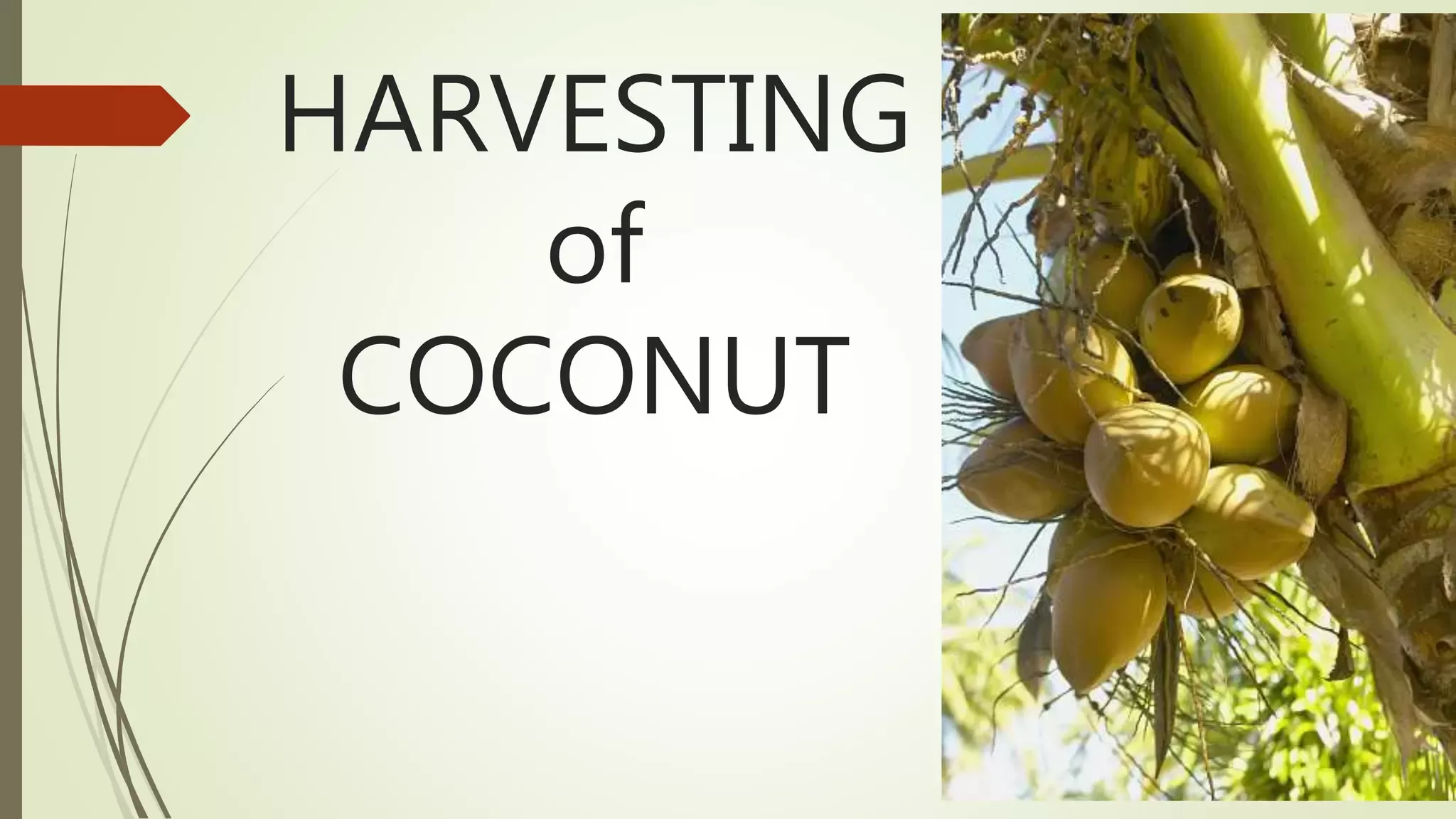
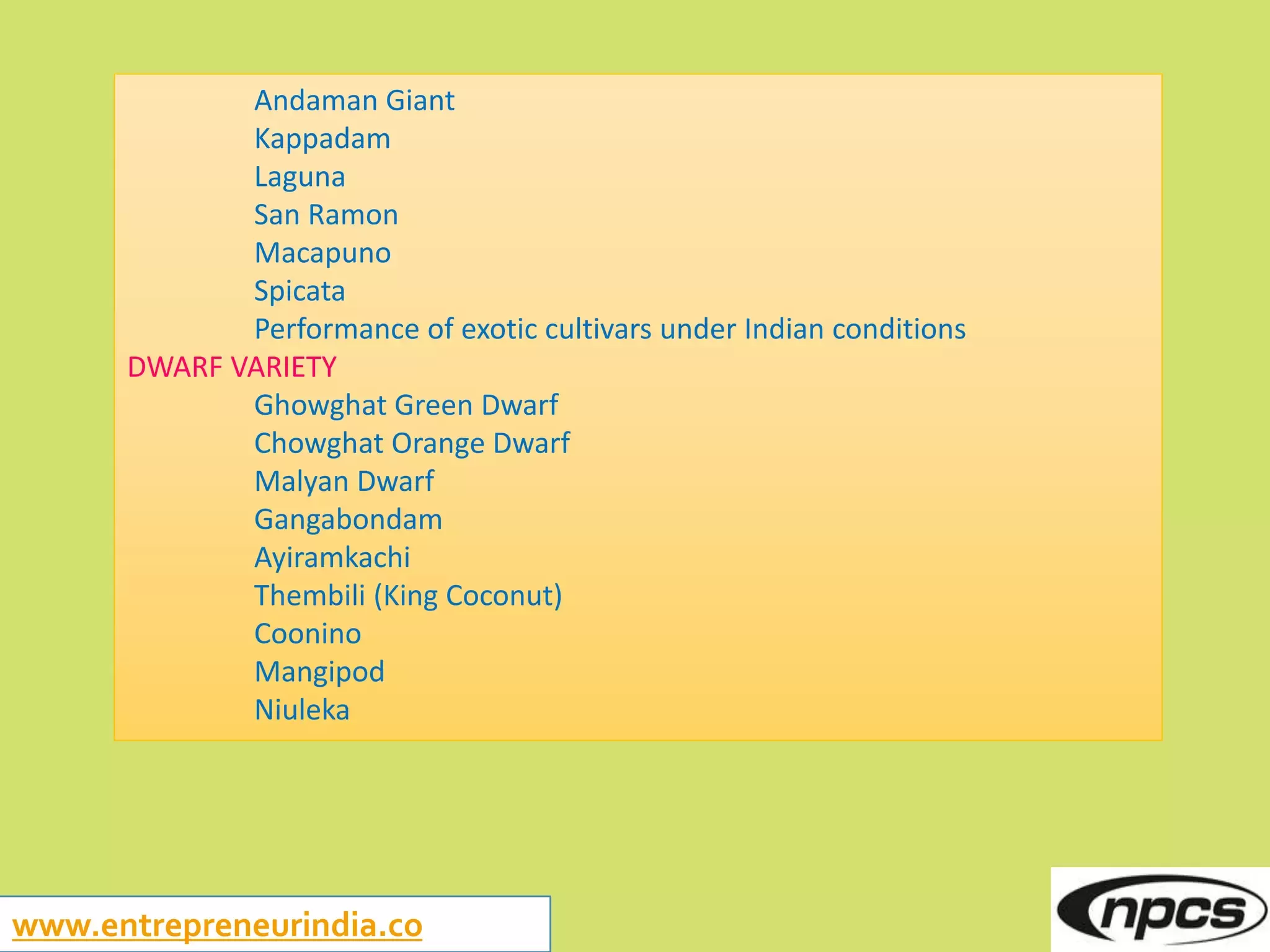
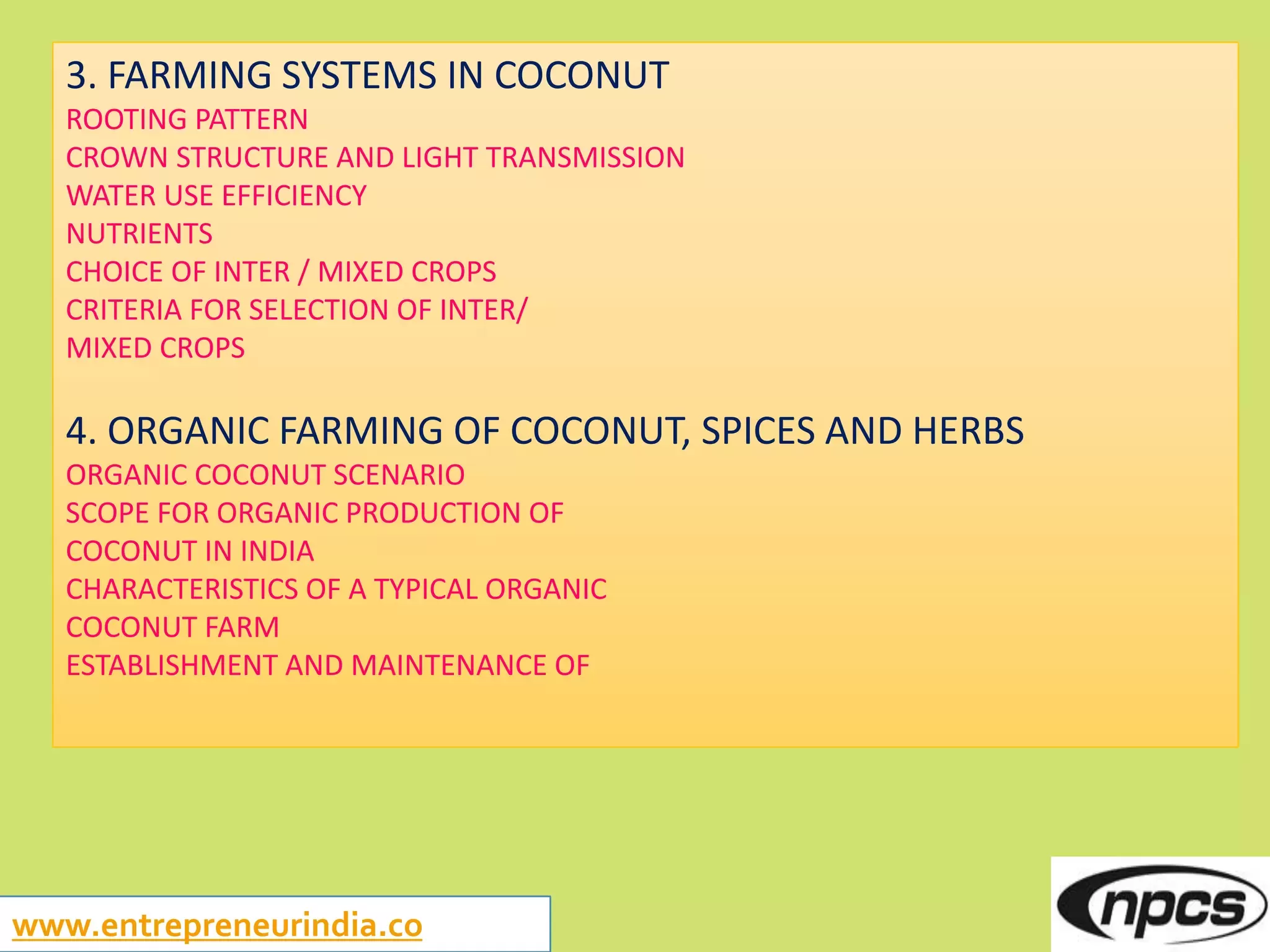
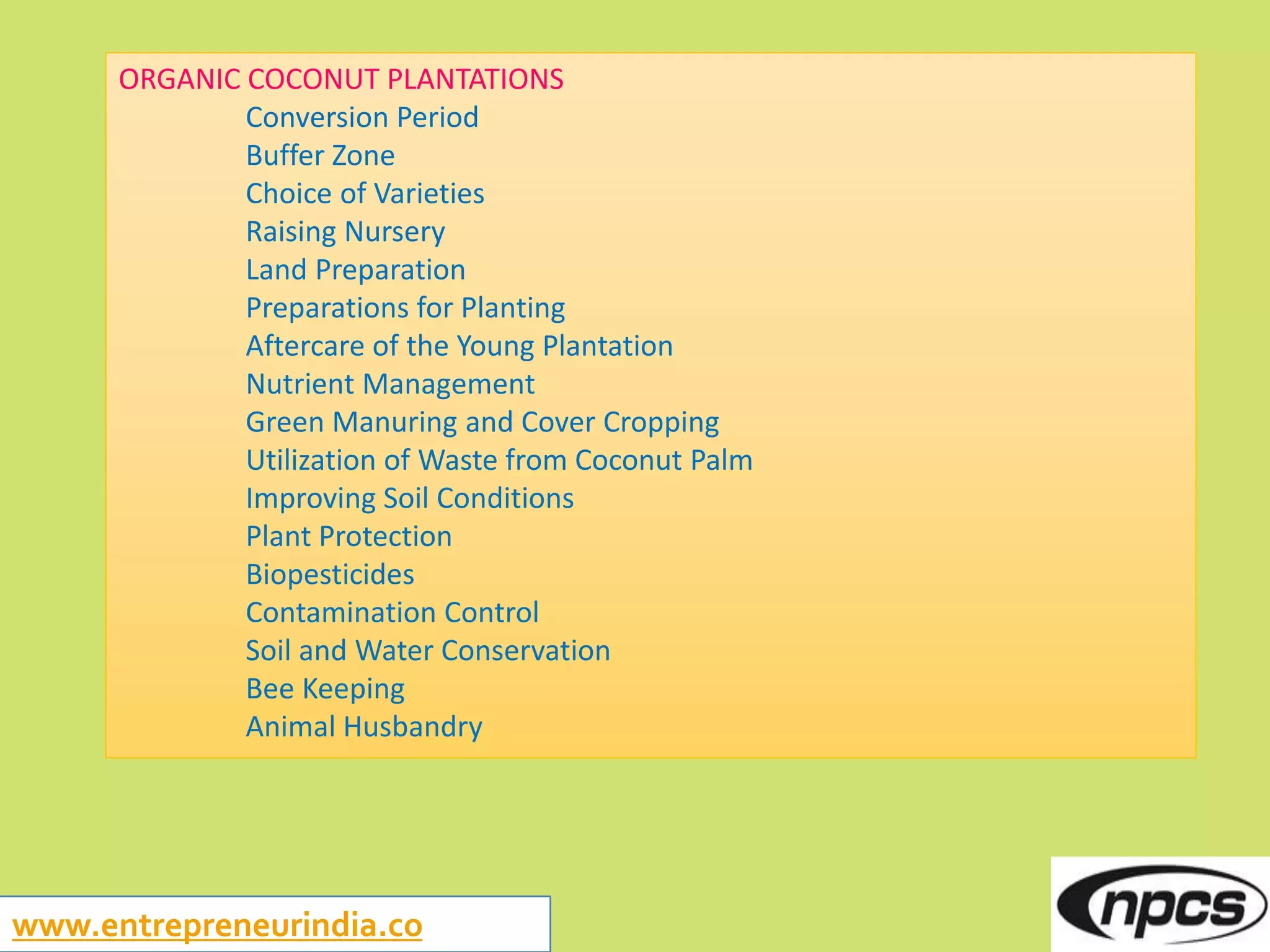
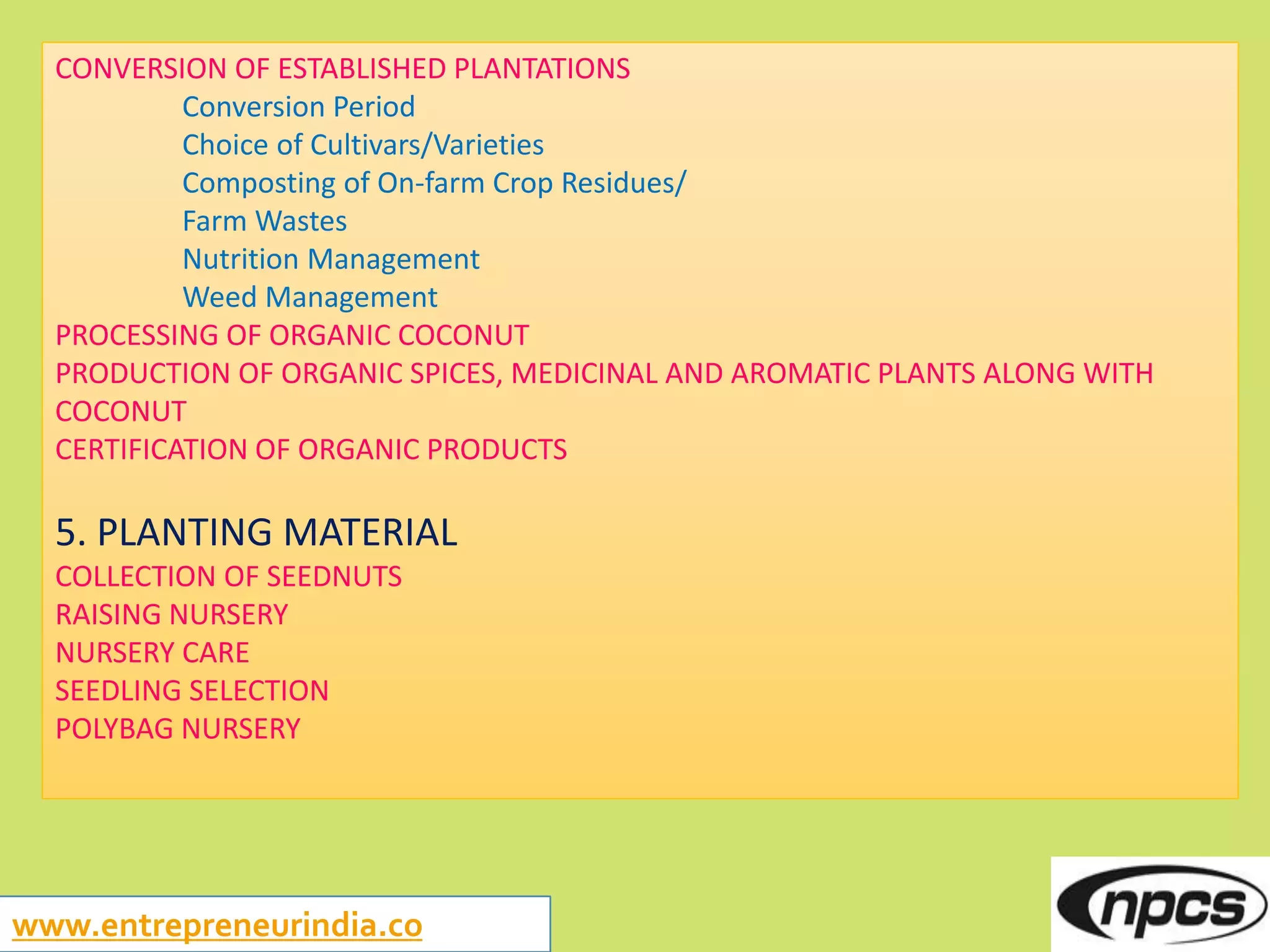
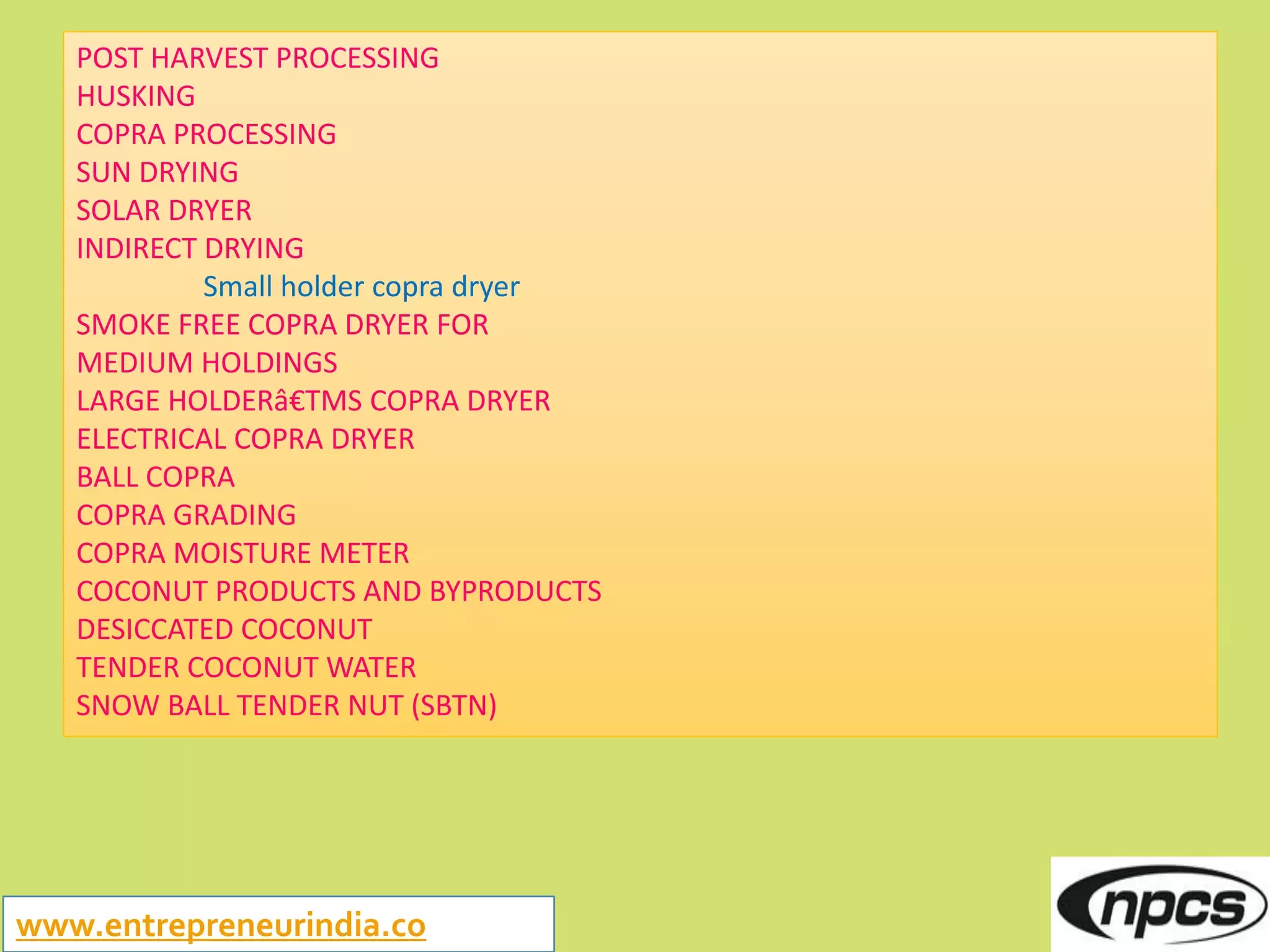
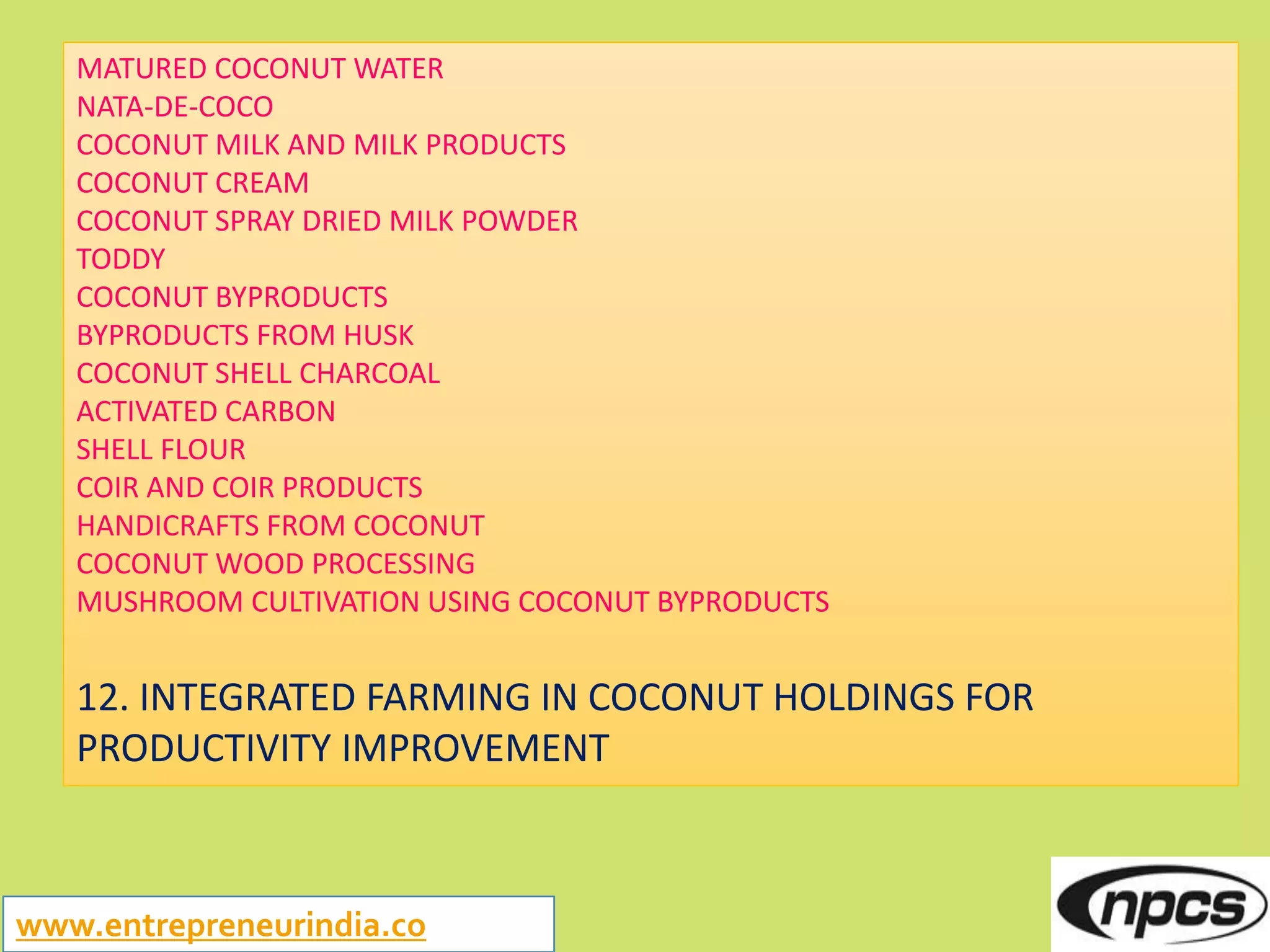
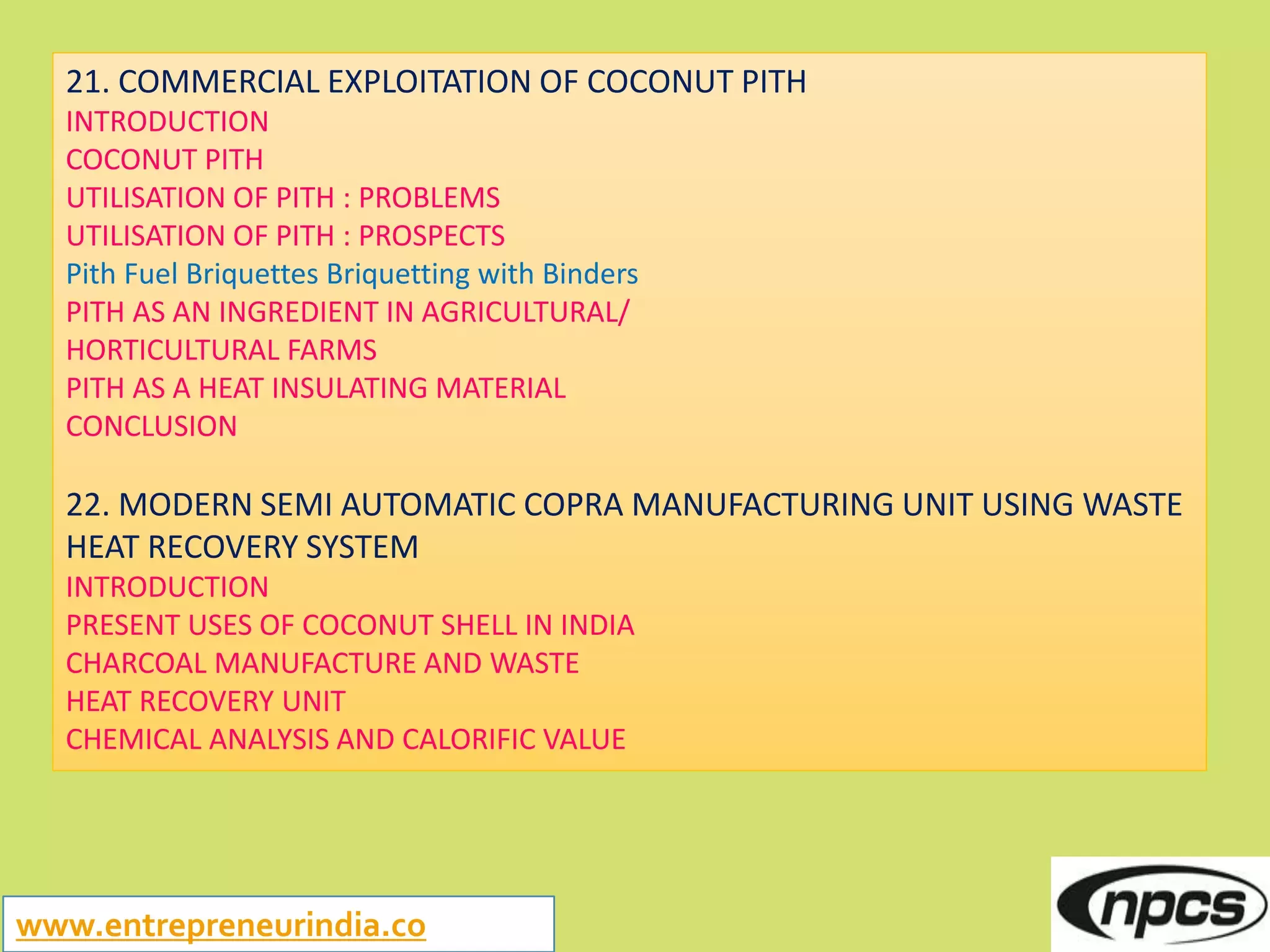
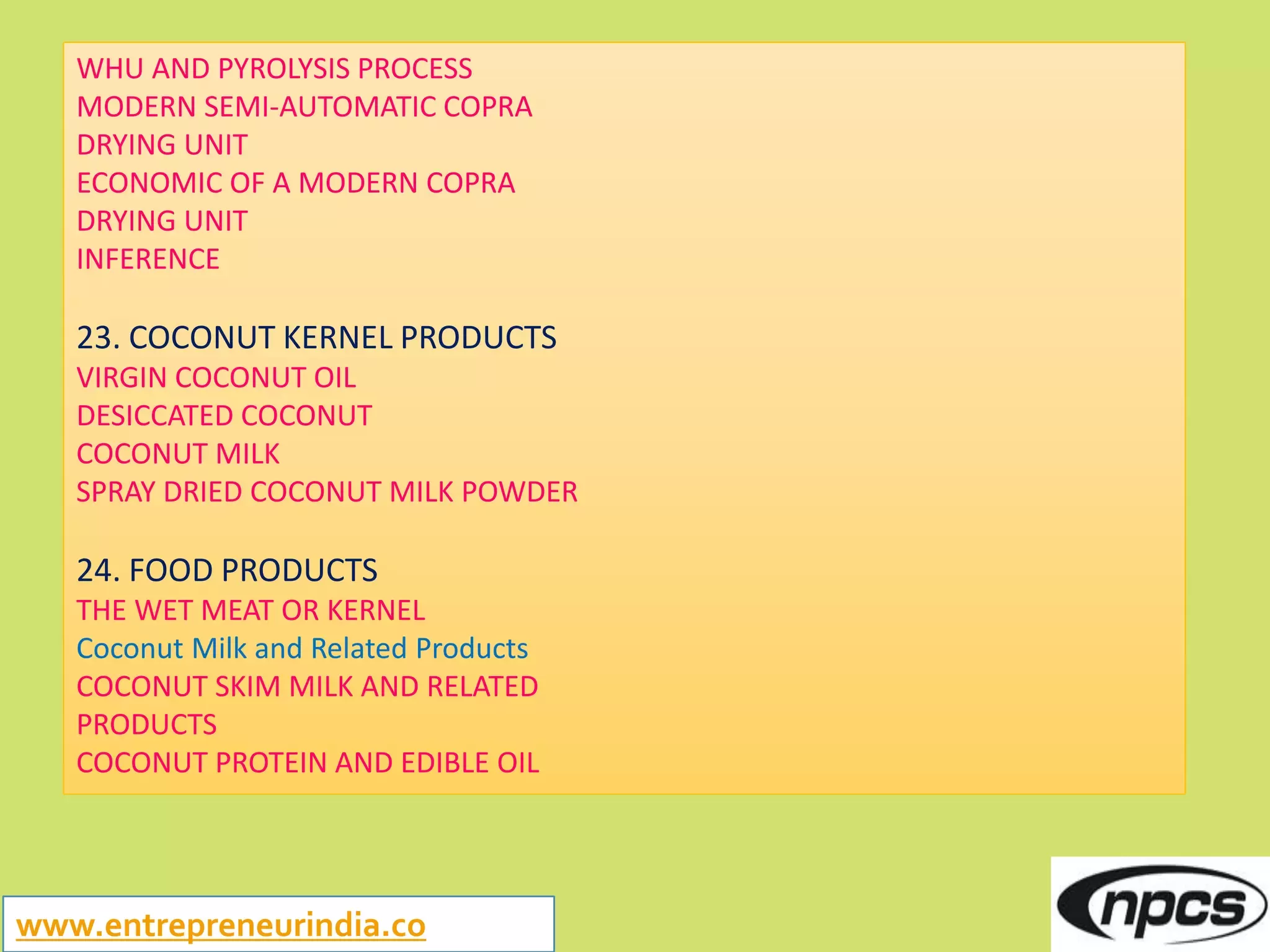
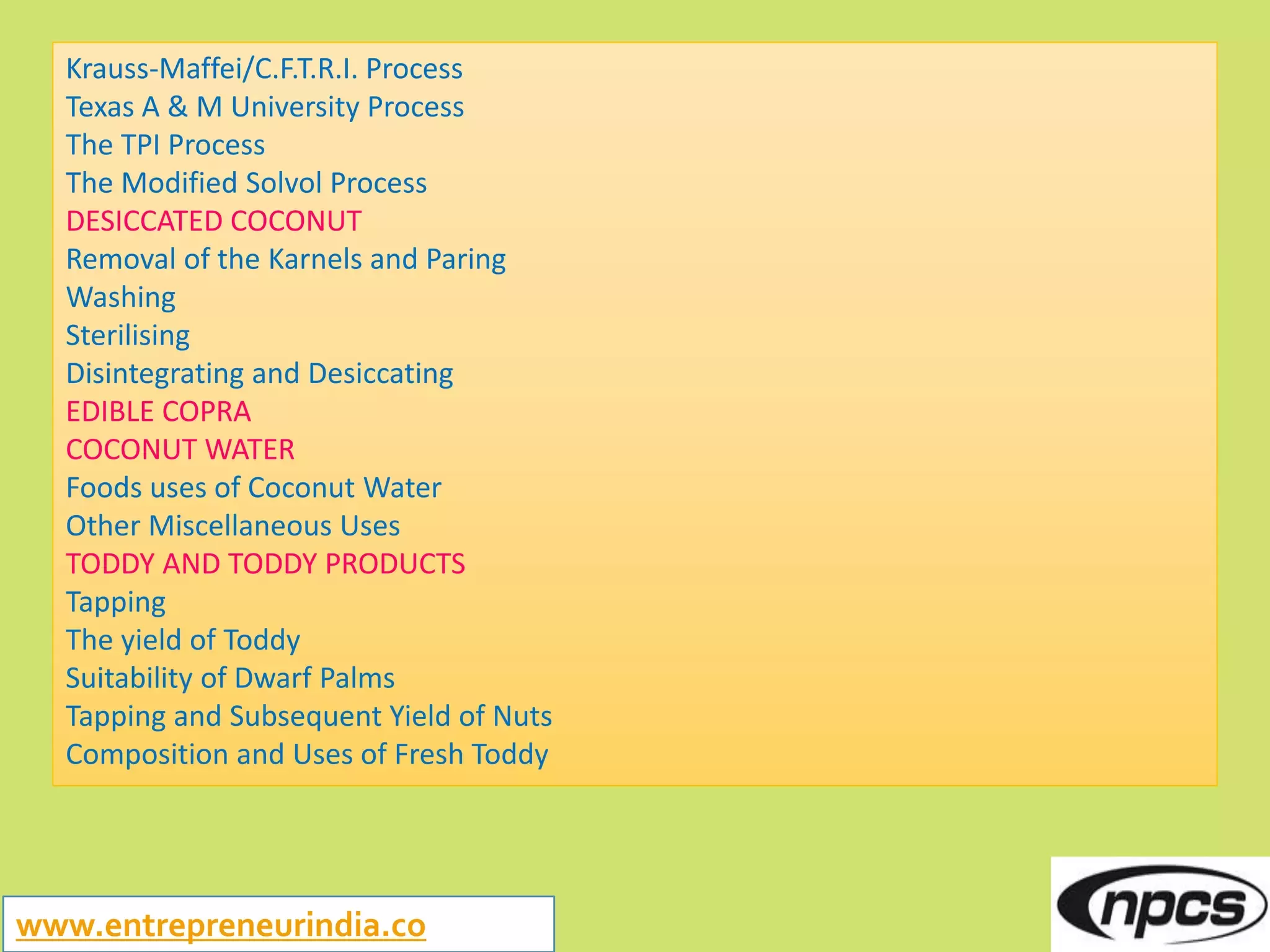
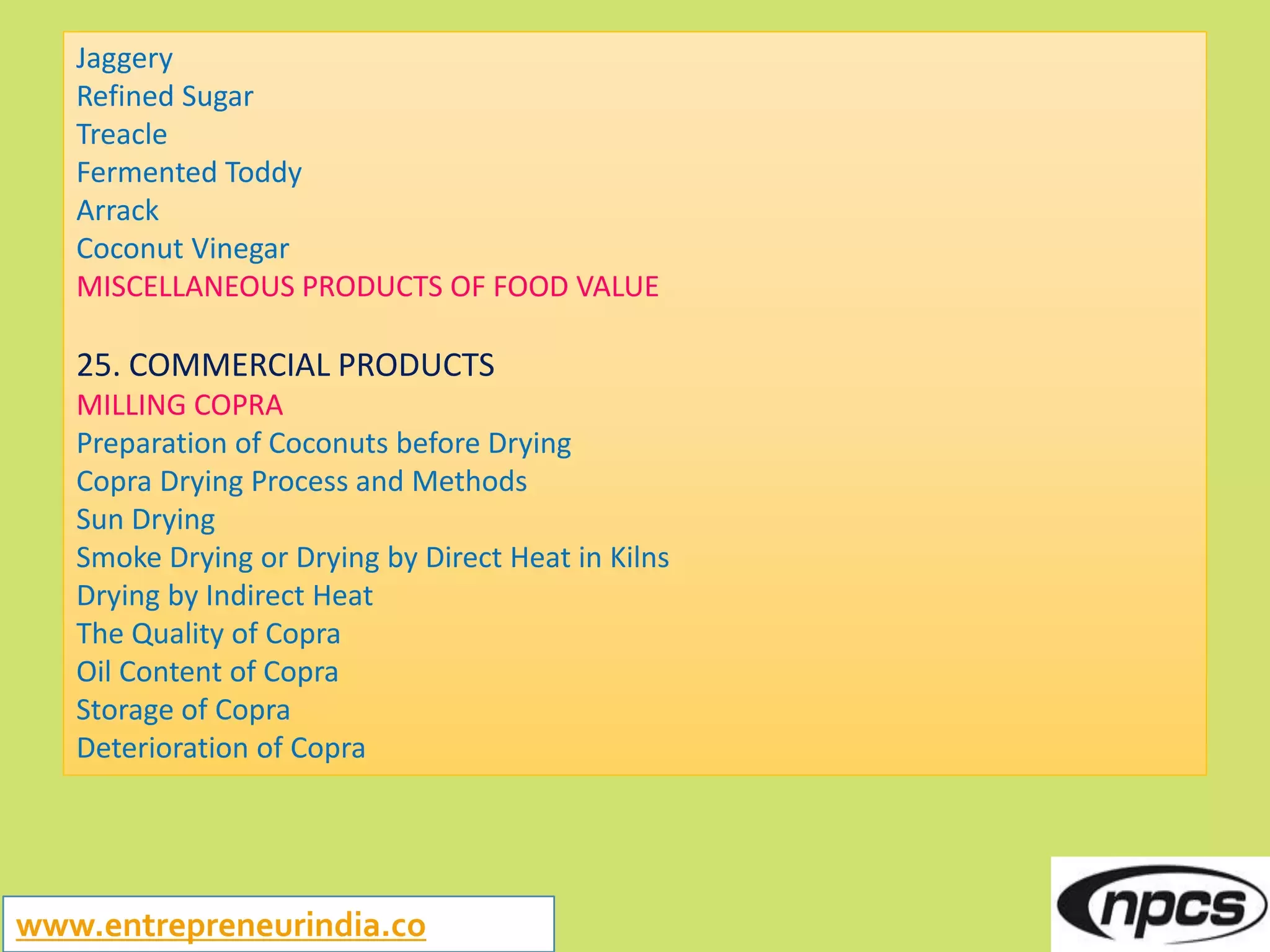
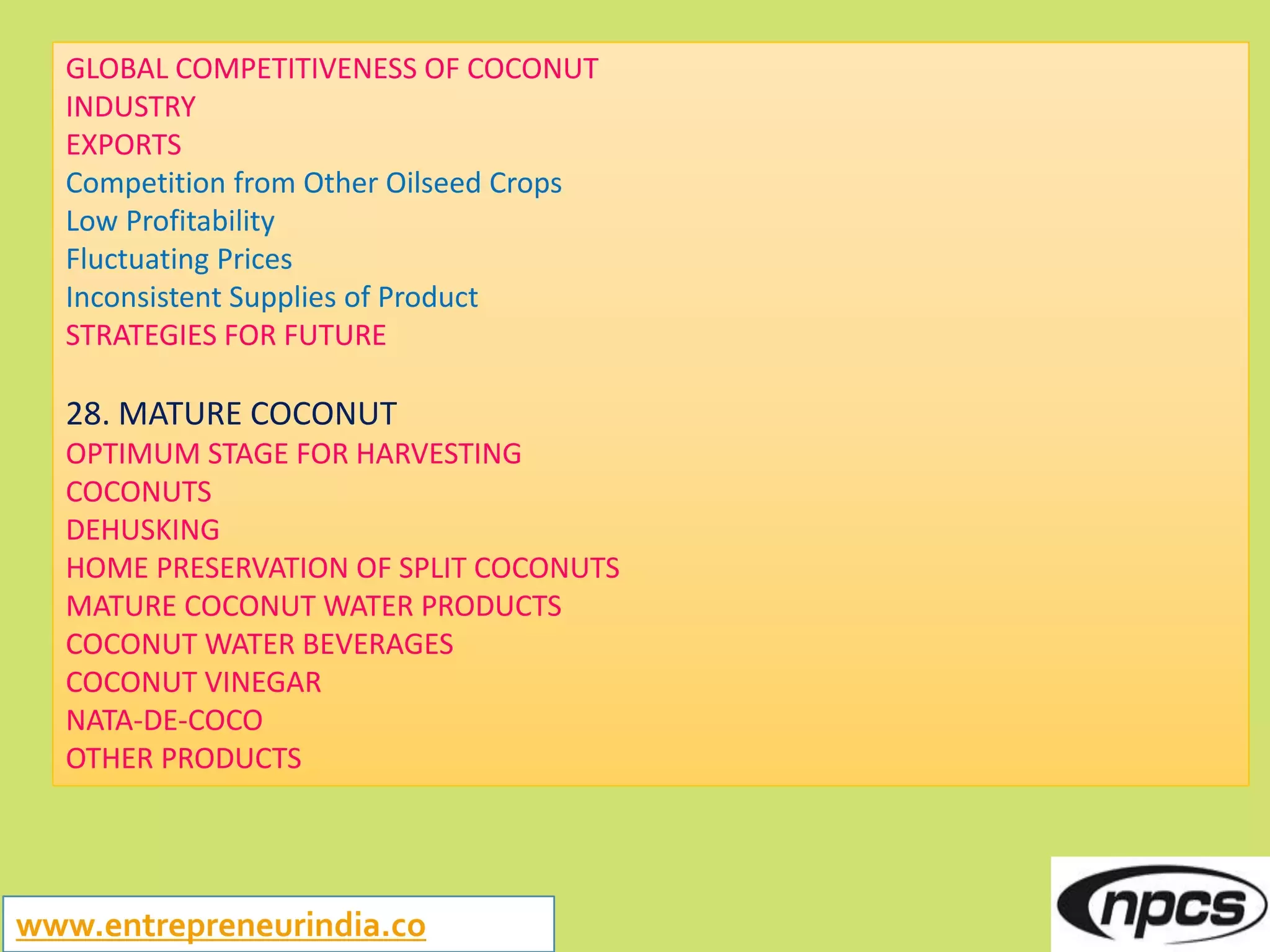
Ppt on COCONUT: HARVESTING, POST HARVESTING AND BY-PRODUCTS.

Summary:

Discover the extensive benefits of coconut farming, from harvesting methods to post-harvest processing and the diverse range of valuable by-products. Learn how coconut palm contributes to livelihoods, nutrition, and various industries, making it a vital agricultural asset.

Summary

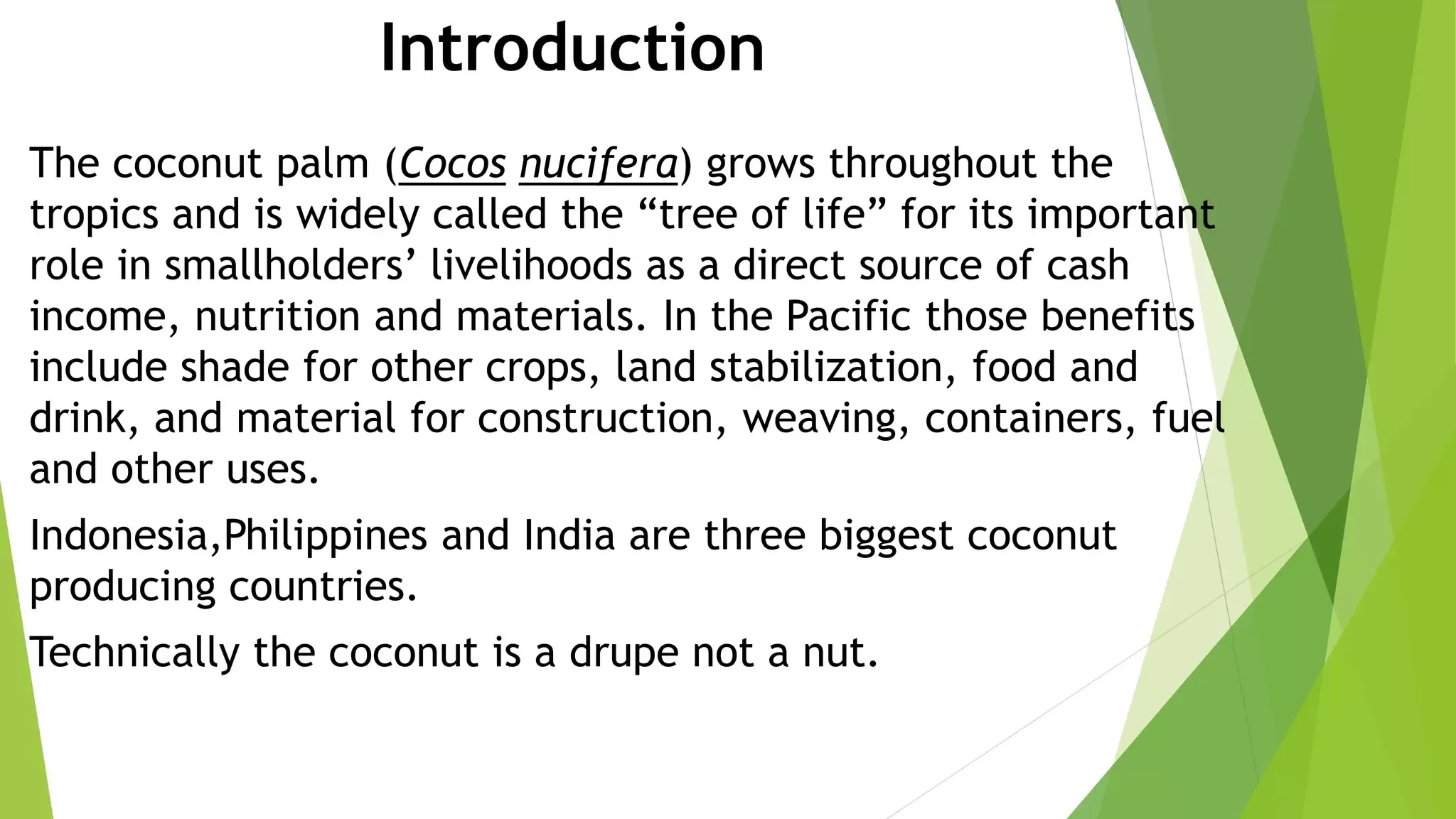
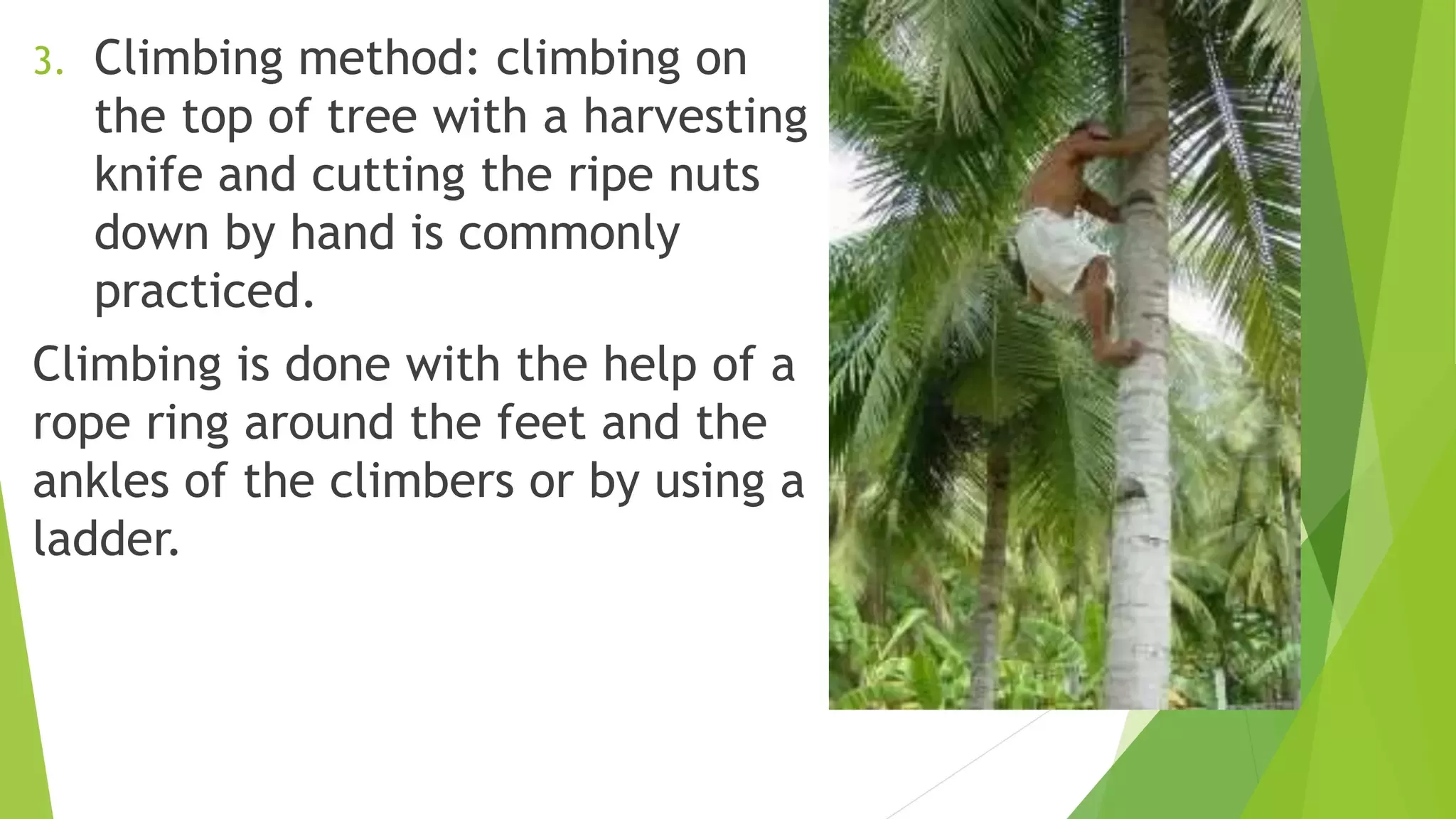
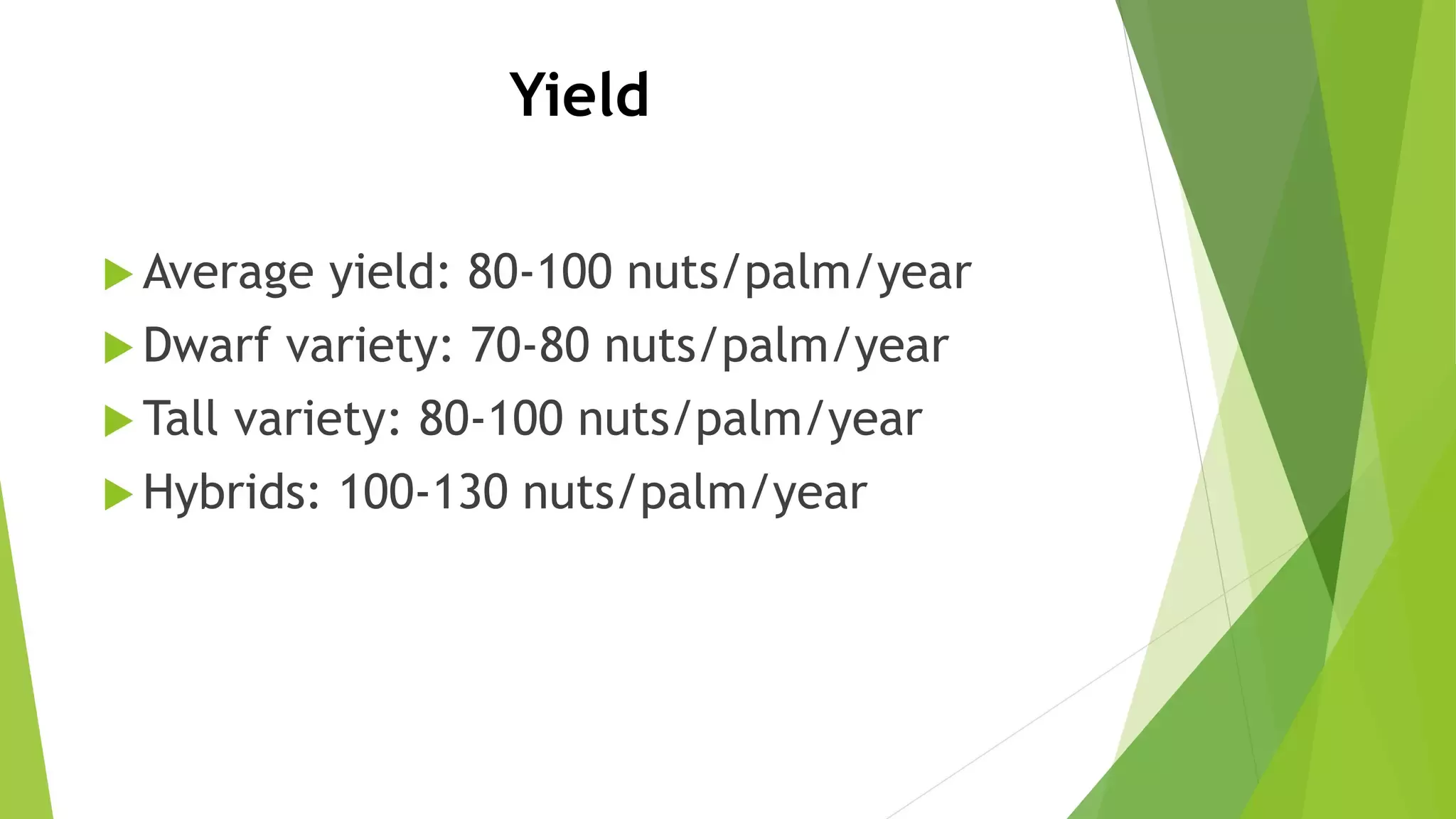
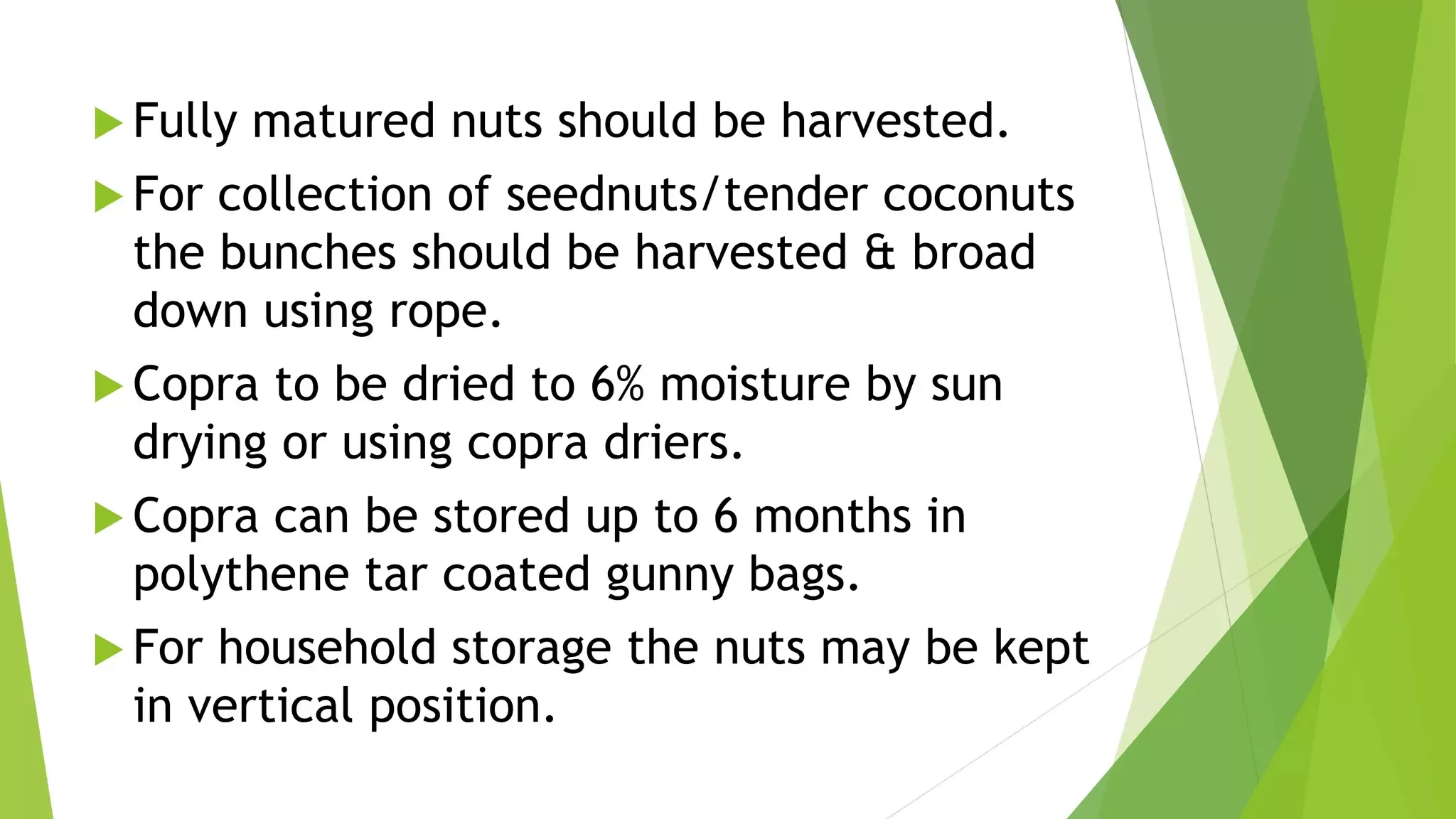
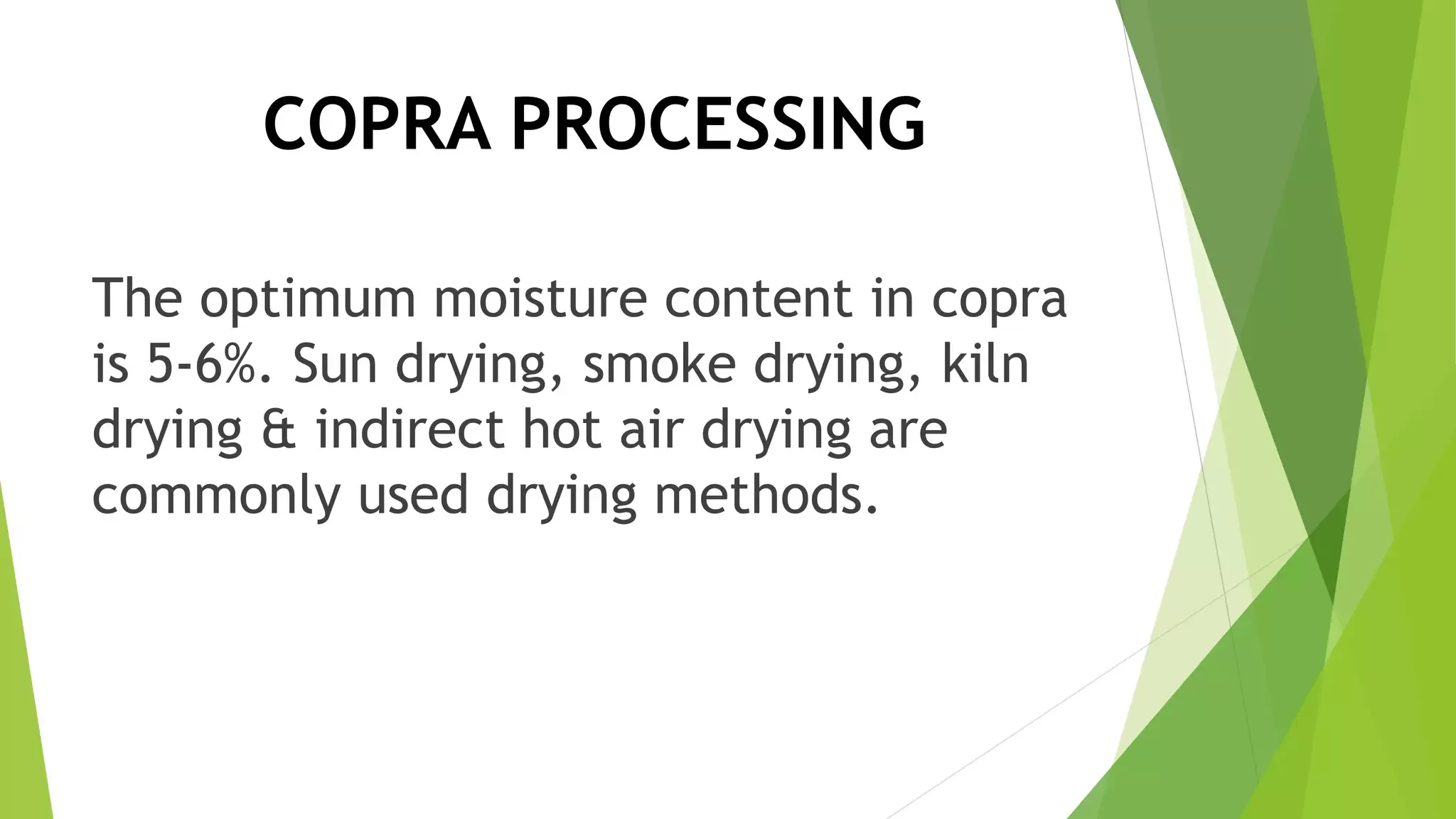
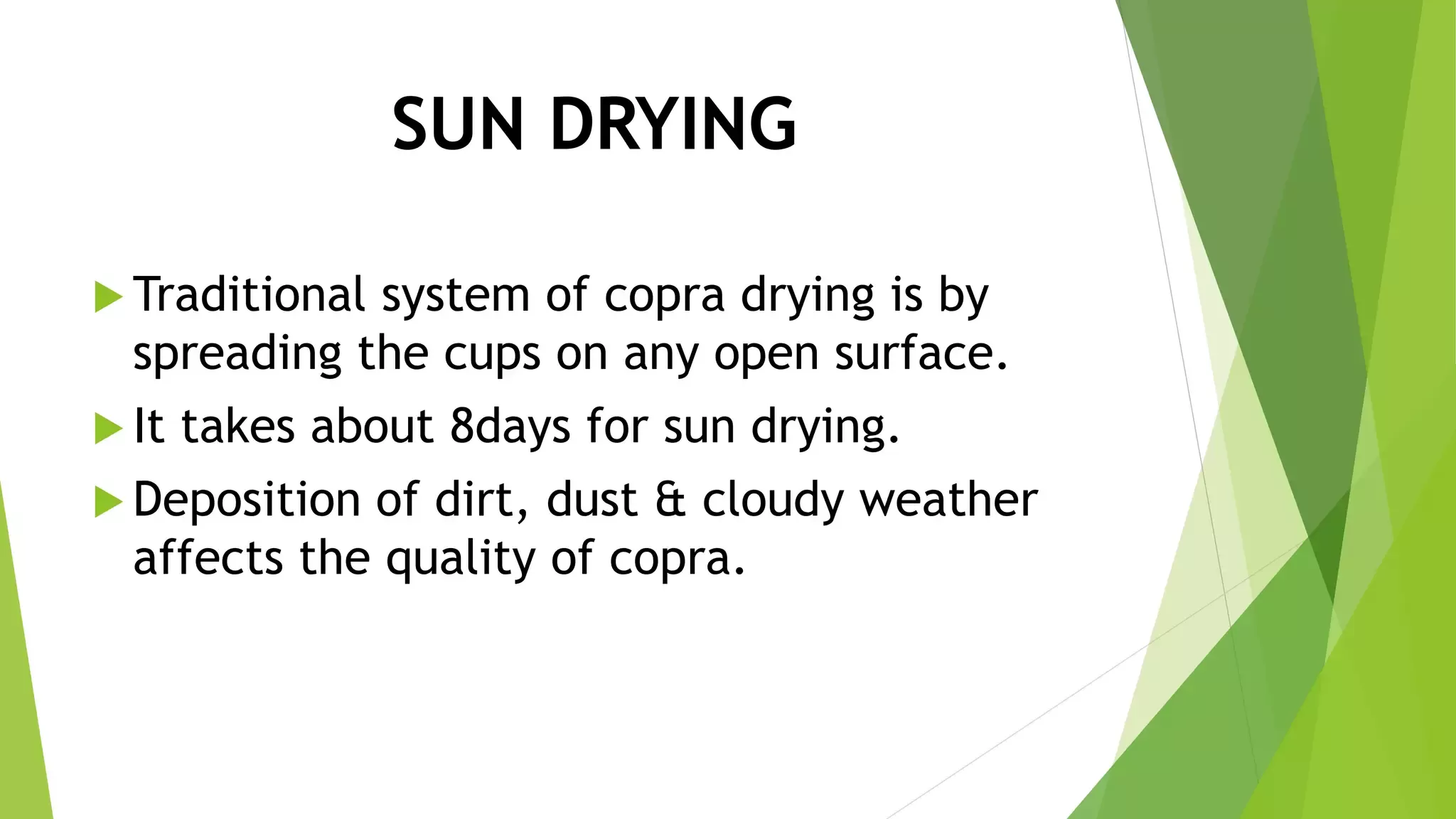
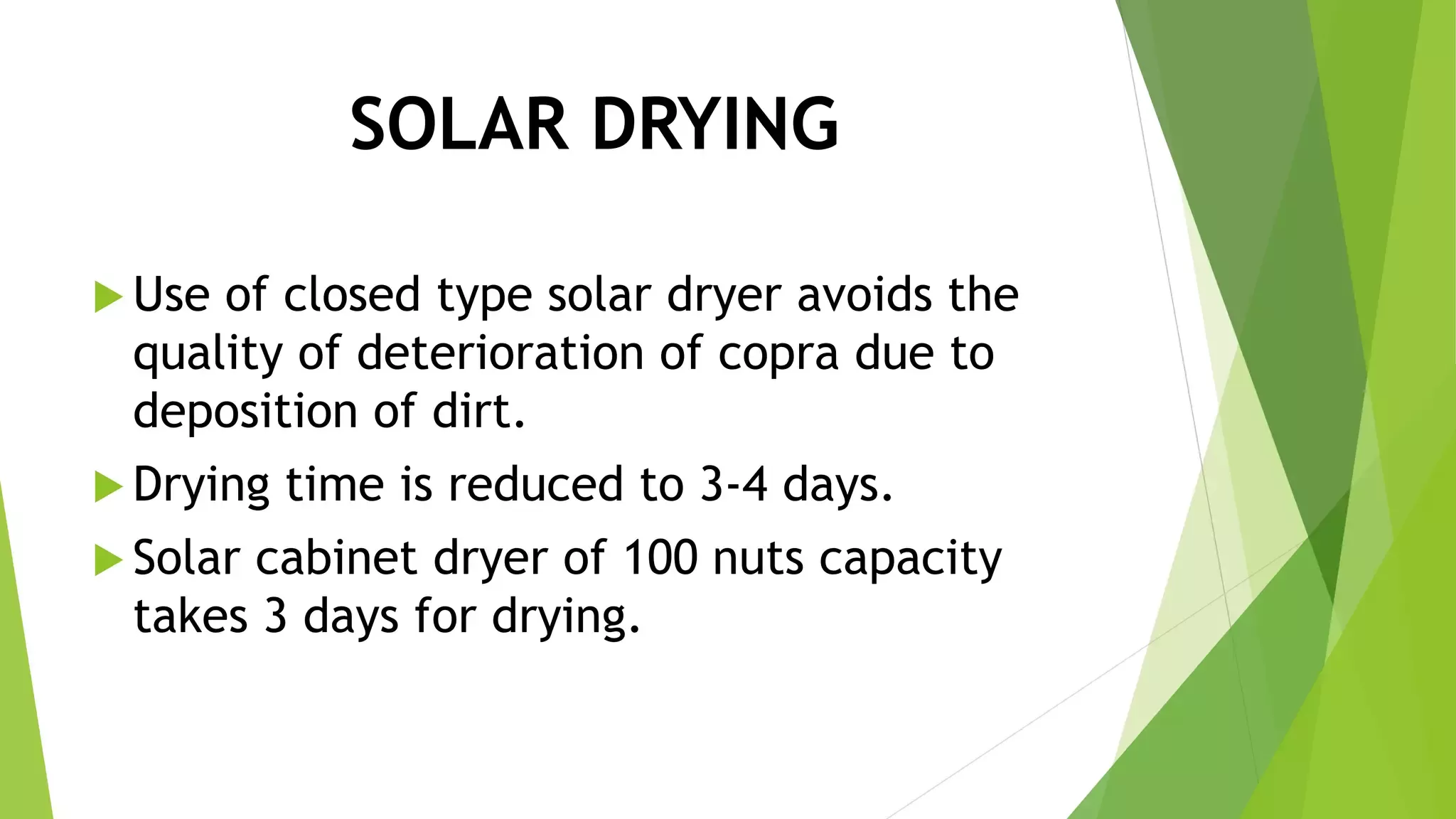
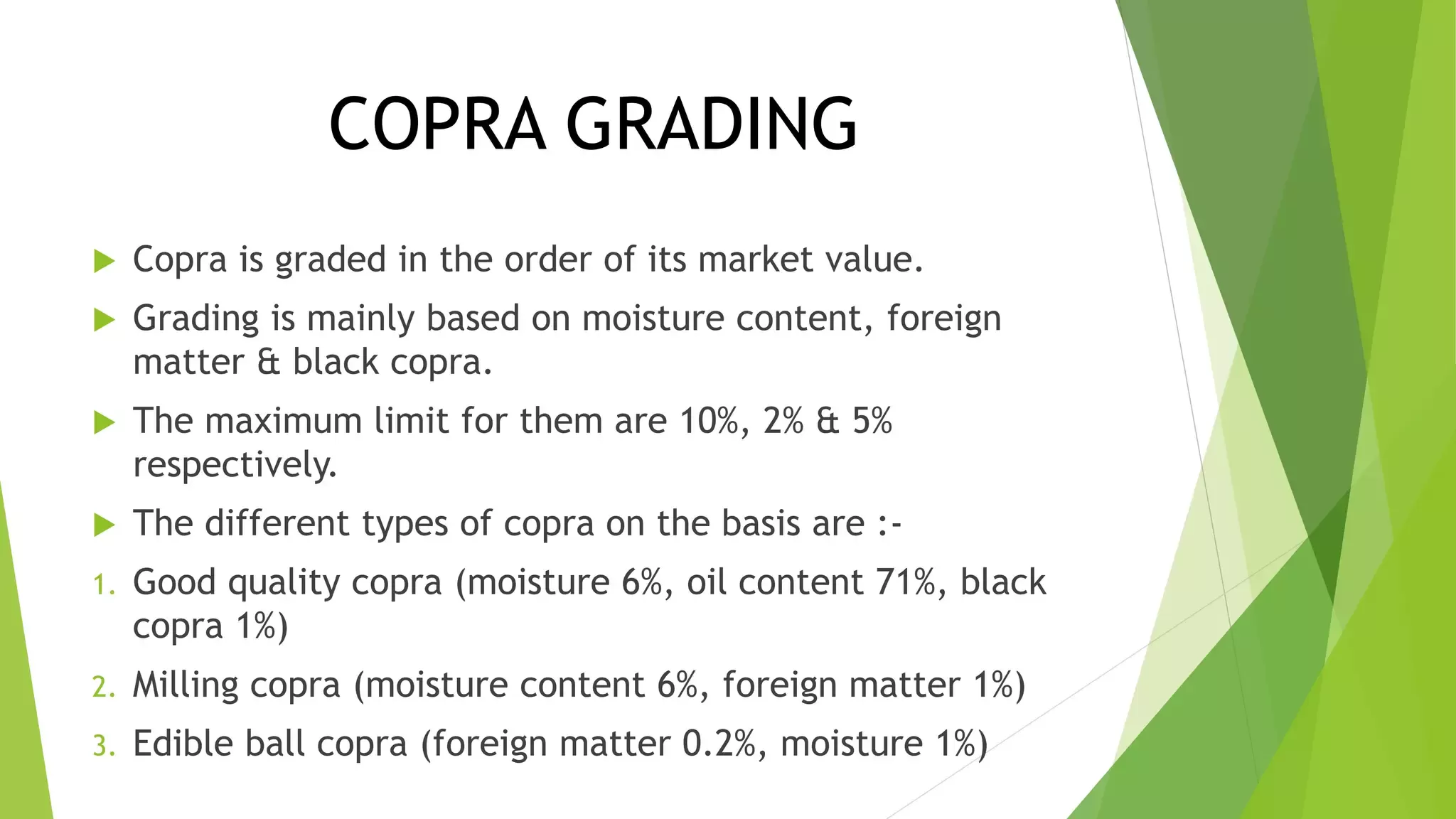
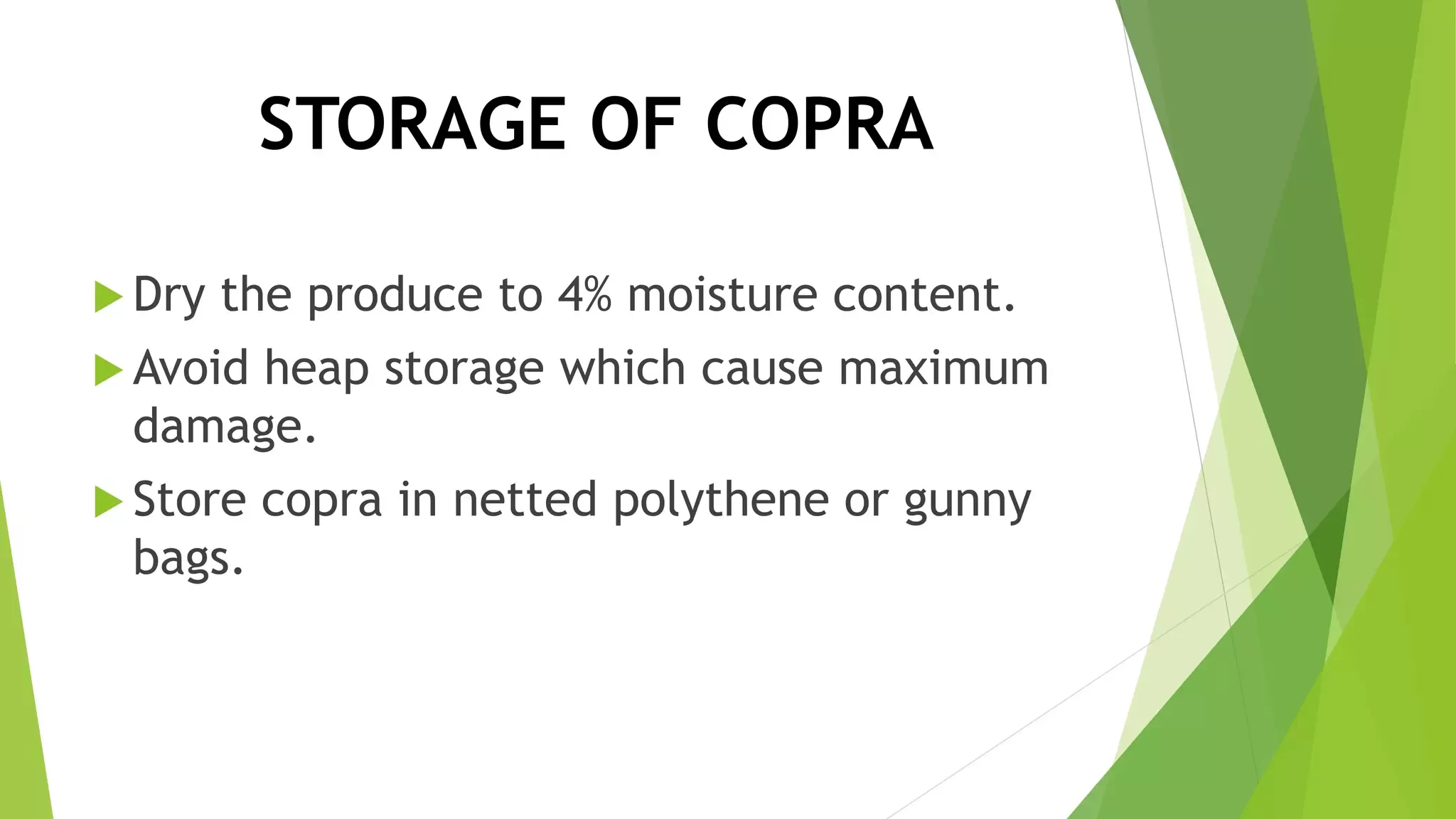
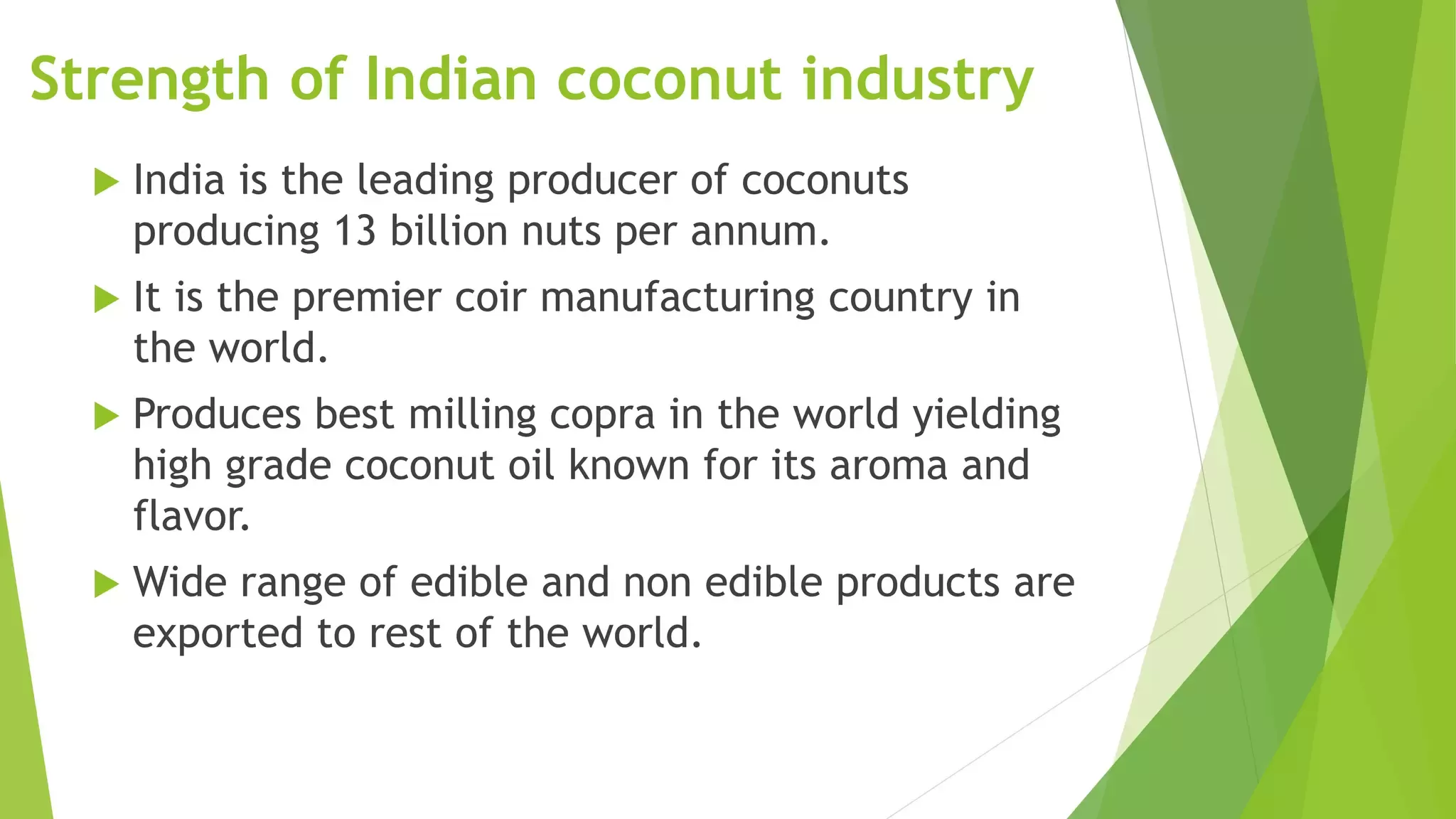
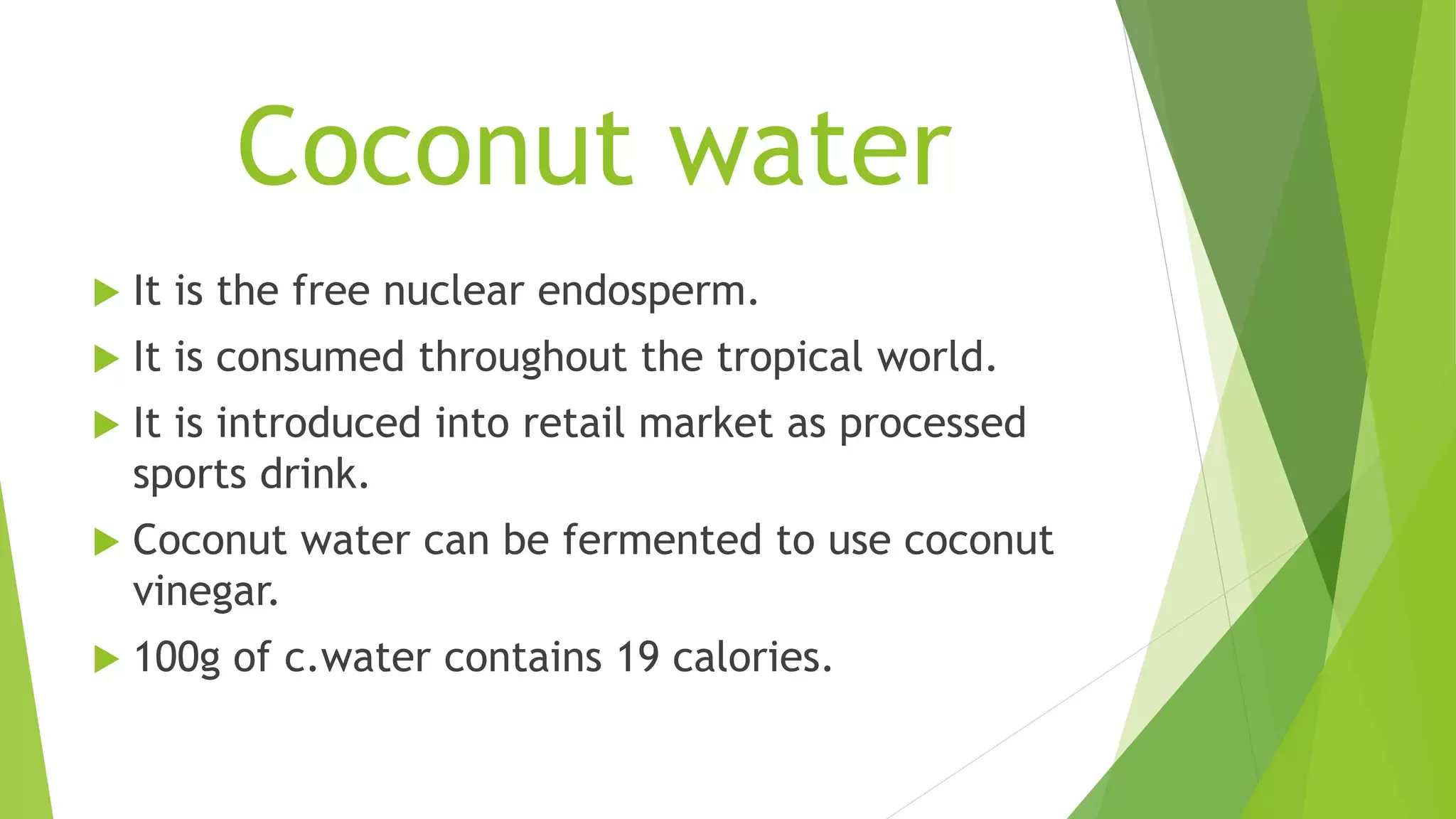
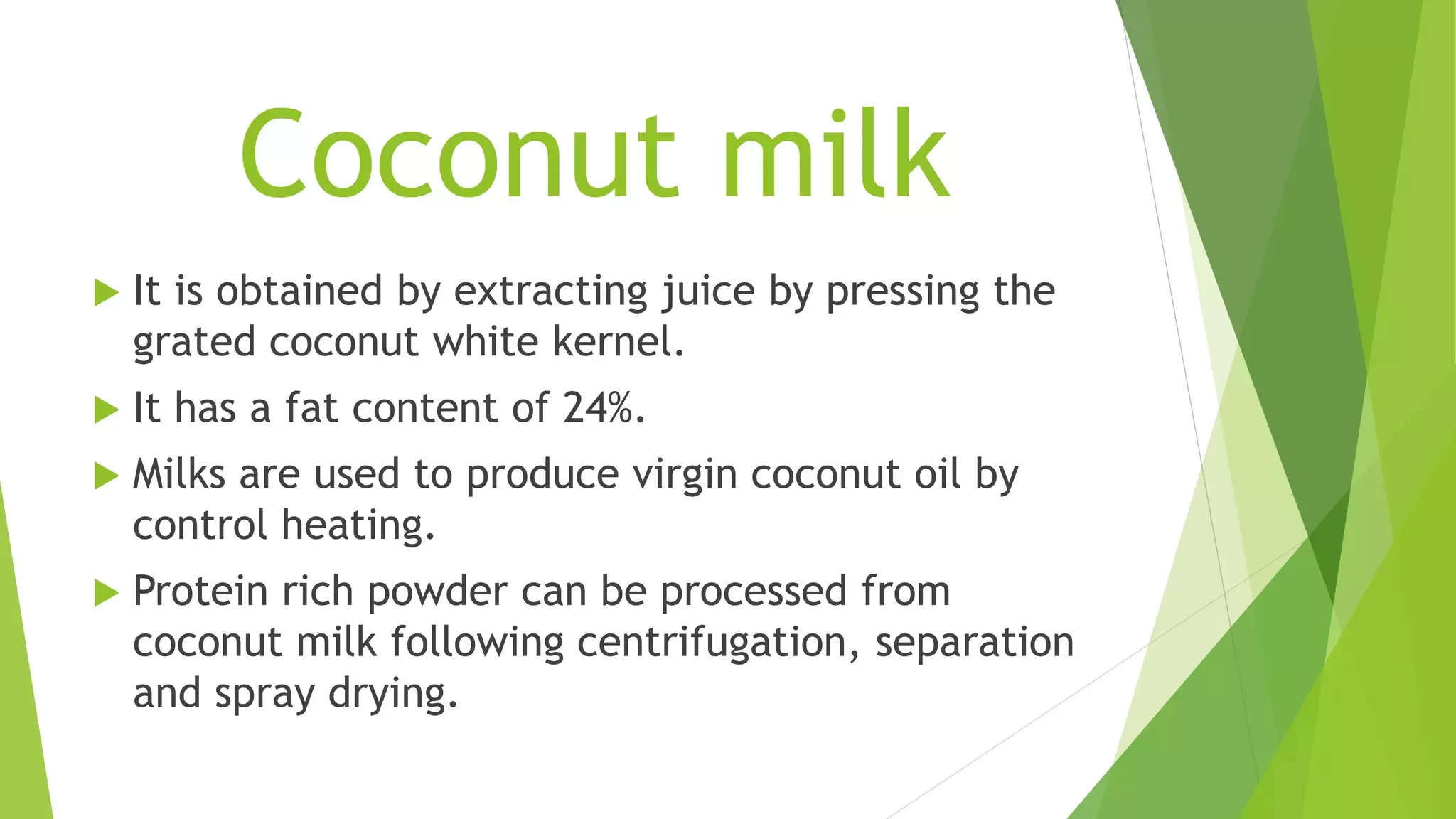
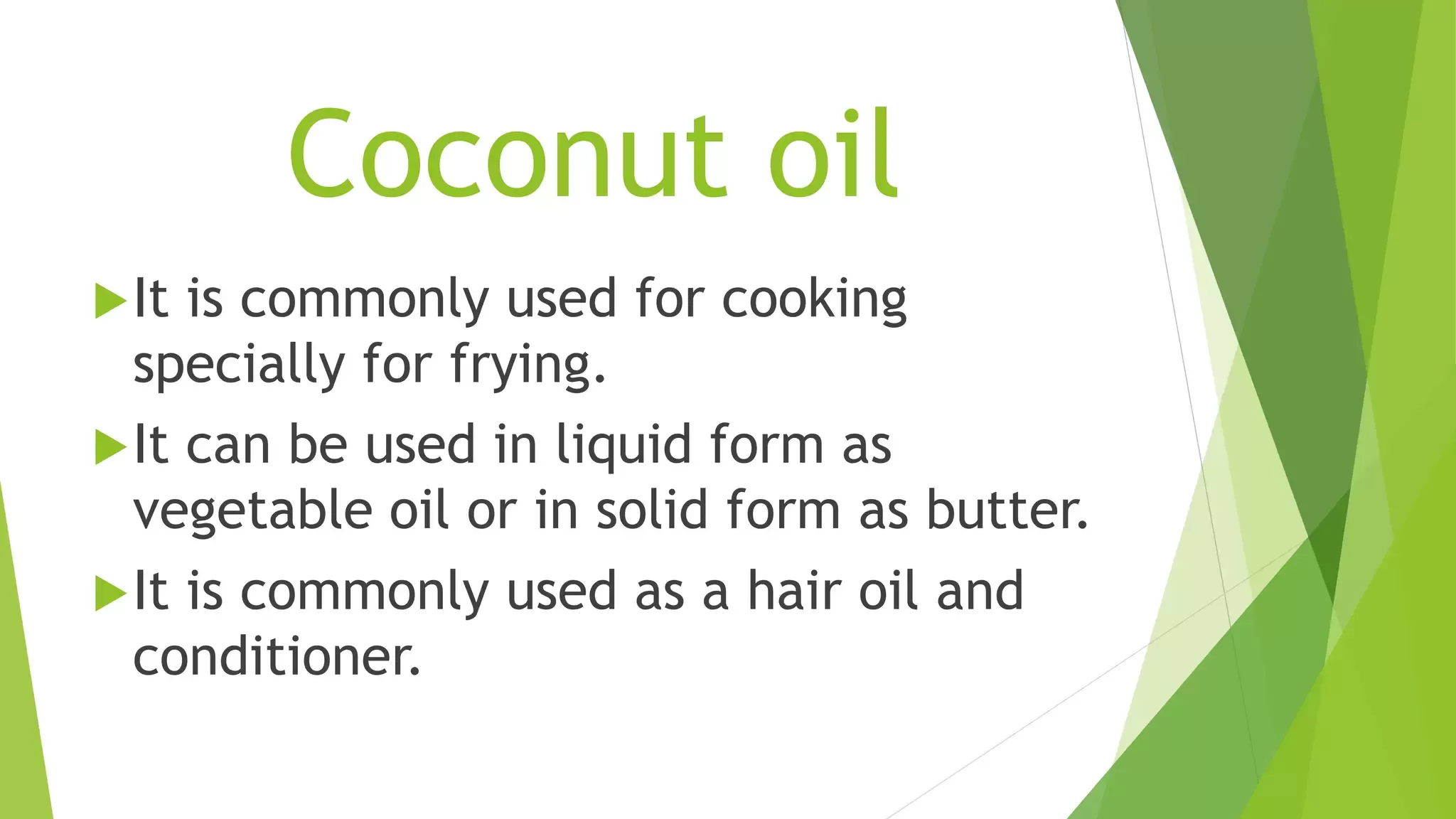
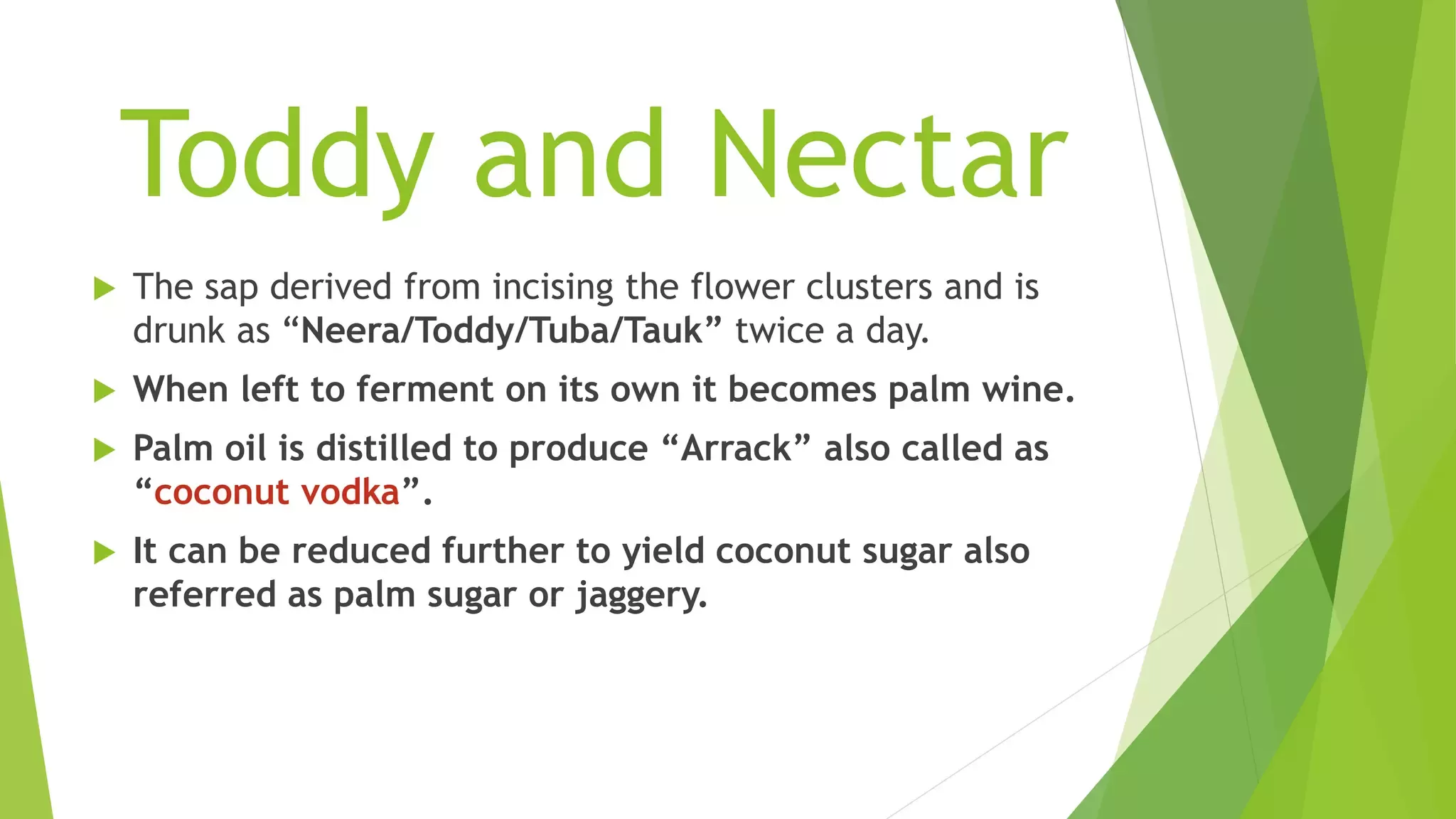
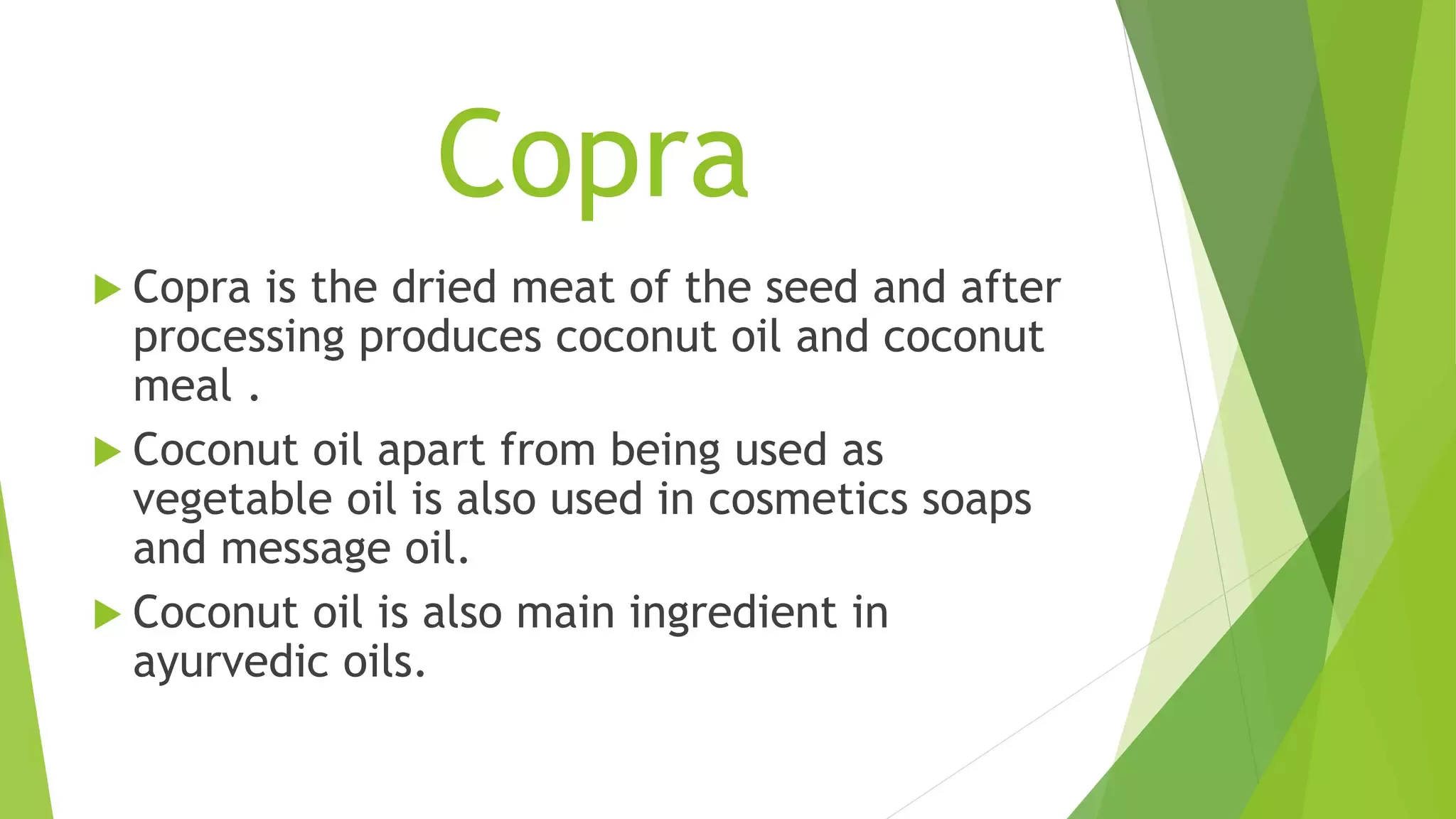
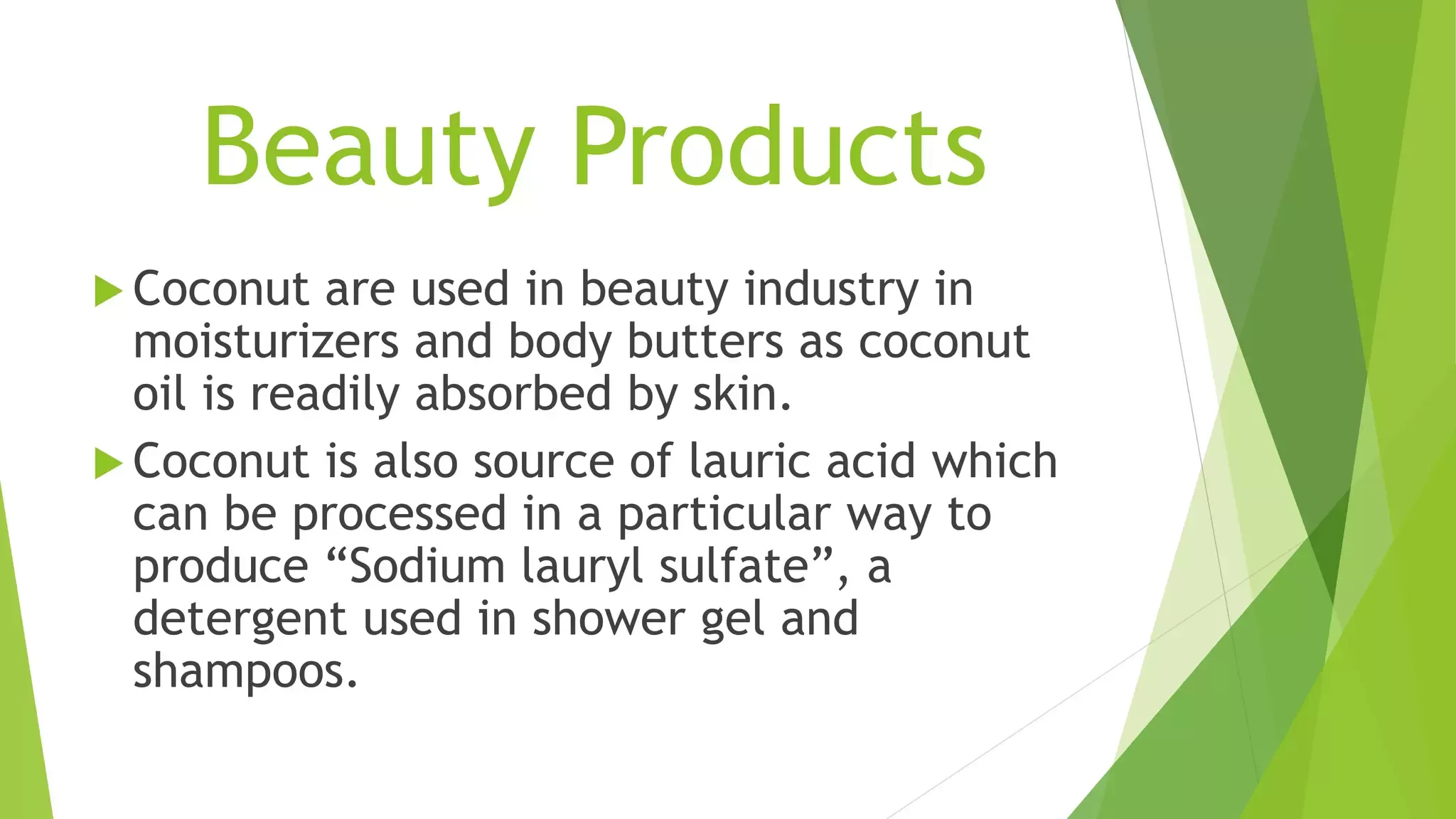
The coconut palm, scientifically known as Cocos nucifera, is affectionately referred to as the “tree of life” due to its extensive benefits for smallholder livelihoods across the tropics, especially in regions like Indonesia, the Philippines, and India. The coconut palm plays a pivotal role, providing cash income, essential nutrition, and materials for various uses. Its contributions encompass shade for crops, land stabilization, and provisions for construction, weaving, and fuel. Coconut harvesting typically yields between 80 and 100 nuts per palm each year. The maturation period for coconuts is about 12 to 13 months following the opening of the flower clusters. To maximize the yield of copra and oil, it is crucial to harvest fully mature nuts; immature nuts significantly diminish the quantity and quality of the products derived from them. Each mature coconut contains around 30-40% coir, while the coconut water is a nutrient-rich beverage, primarily composed of water and essential vitamins. Various harvesting methods are employed depending on factors like tree height and local practices. In some regions, farmers allow mature nuts to naturally fall to the ground for collection, while in others, the use of long bamboo poles with knives facilitates the harvest of lower-hanging bunches. The climbing method remains popular, wherein climbers ascend trees using specialized equipment to cut down ripe coconuts. Following harvest, coconut processing involves several meticulous steps to ensure quality. The copra, or dried coconut meat, must achieve an optimum moisture content of 5-6% during drying. Traditional sun drying can take up to eight days, during which weather and contamination can affect quality. Alternatively, modern techniques such as solar drying significantly reduce drying time while maintaining hygiene, with enclosed solar dryers capable of completing the process in just three to four days. Once dried, copra undergoes grading based on its moisture content, foreign materials, and overall quality. Proper storage practices, including avoiding excessive stacking and using appropriate bags, are essential for preserving the copra until it is processed for oil, food products, or other commodities. India stands out as a leading coconut producer, generating approximately 13 billion coconuts annually. It excels in coir manufacturing and is known for producing high-quality milling copra. The country exports a diverse range of coconut-derived products that cater to both domestic and international markets. Among these products, coconut water, a refreshing drink, is gaining popularity as a sports beverage. Coconut milk, rich in fat content, is essential in culinary applications, while coconut oil is widely used in cooking and beauty products due to its nourishing properties. Other products, such as toddy and various alcoholic beverages, emerge from sugar extraction processes. Coconut’s versatility extends to the production of copra, which serves as a key ingredient in cosmetics, soaps, and Ayurvedic preparations. The beauty industry utilizes coconut oil for its hydrating properties, highlighting an extensive range of applications that underscore the coconut palm’s stature as a vital agricultural asset. Ultimately, the coconut tree symbolizes sustainability and economic resilience for communities that depend on its diverse offerings.

Slide 1

Slide 1

Slide 2

Slide 2

Slide 3

Slide 3

Slide 4

Slide 4

Slide 5

Slide 5

Slide 6

Slide 6

Slide 7

Slide 7

Slide 8

Slide 8

Slide 9

Slide 9

Slide 10

Slide 10

Slide 11

Slide 11

Slide 12

Slide 12

Slide 13

Slide 13

Slide 14

Slide 14

Slide 15

Slide 15

Slide 16

Slide 16

Slide 17

Slide 17

Slide 18

Slide 18

Slide 19

Slide 19

Slide 20

Slide 20

Slide 21

Slide 21

Slide 22

Slide 22

Slide 23

Slide 23

Slide 24

Slide 24

Slide 25

Slide 25
1 / 25

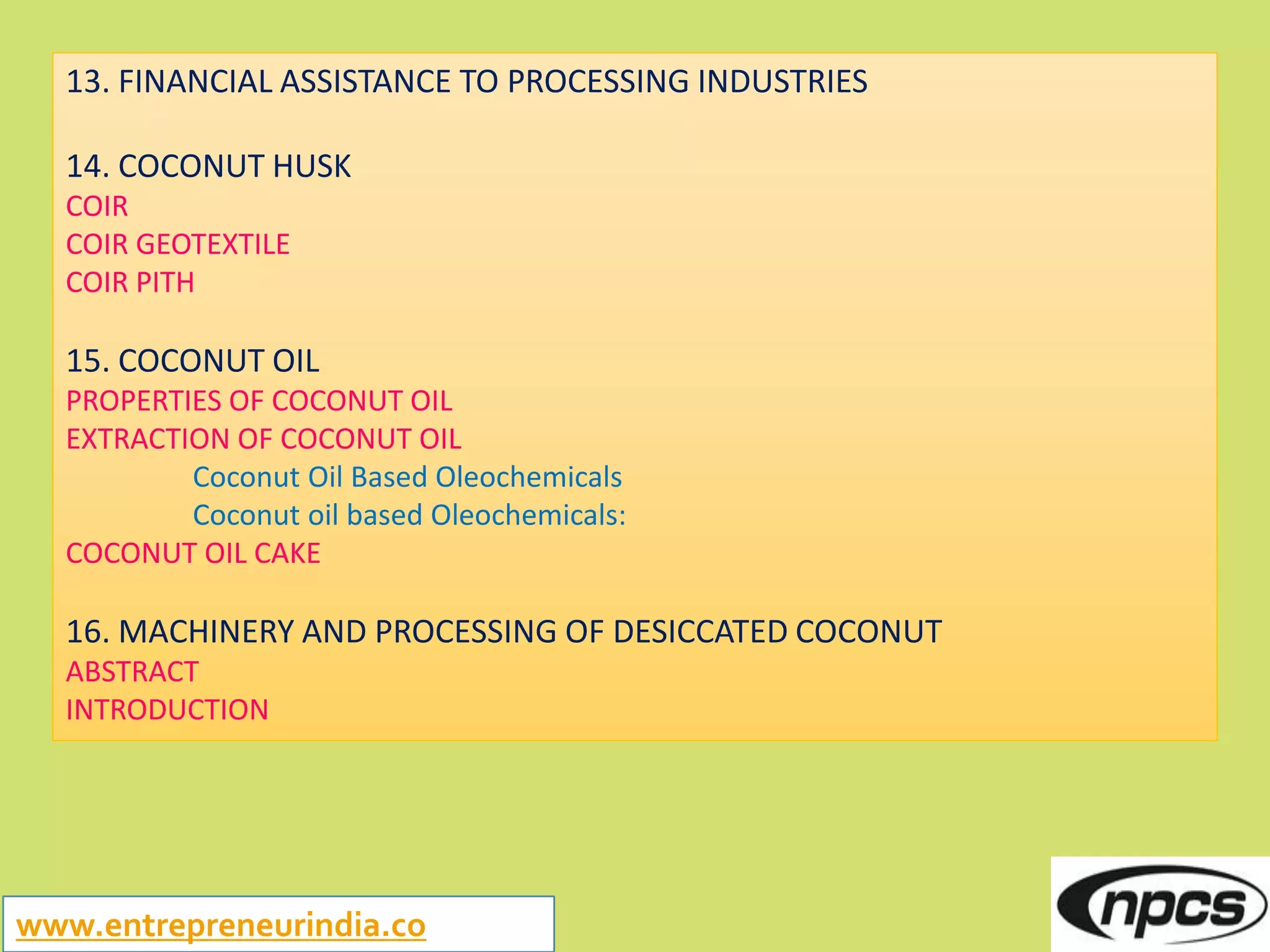
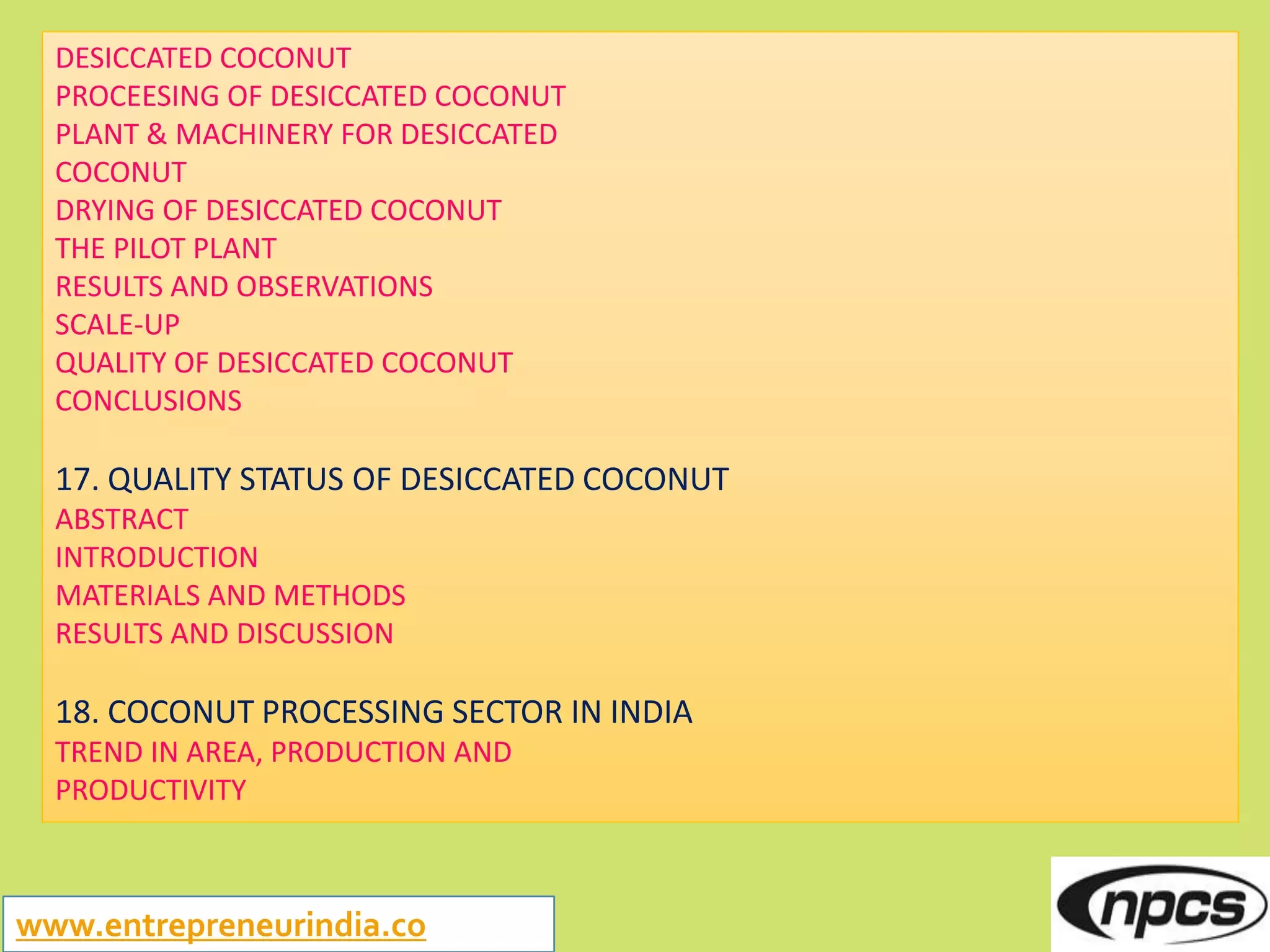
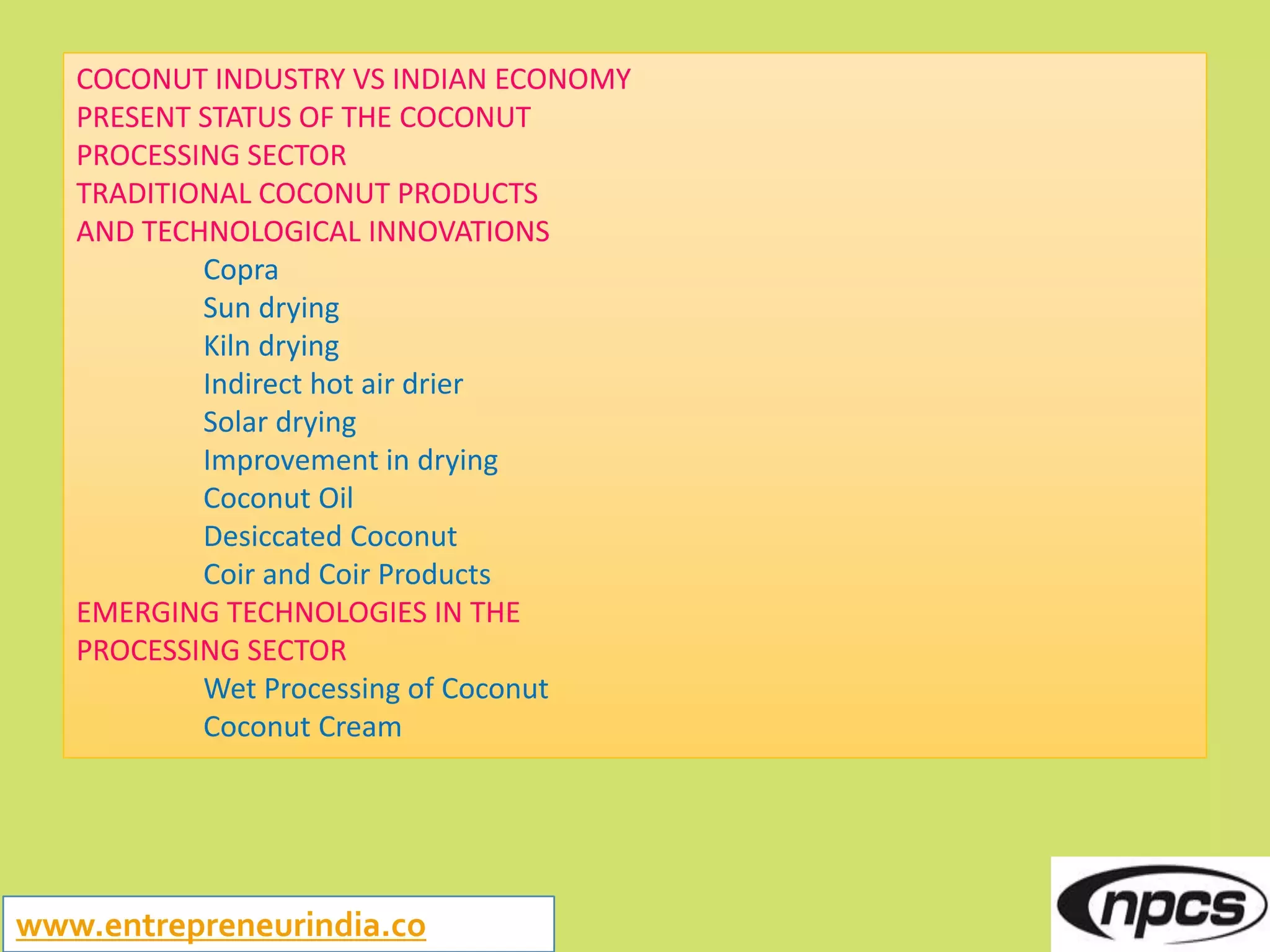
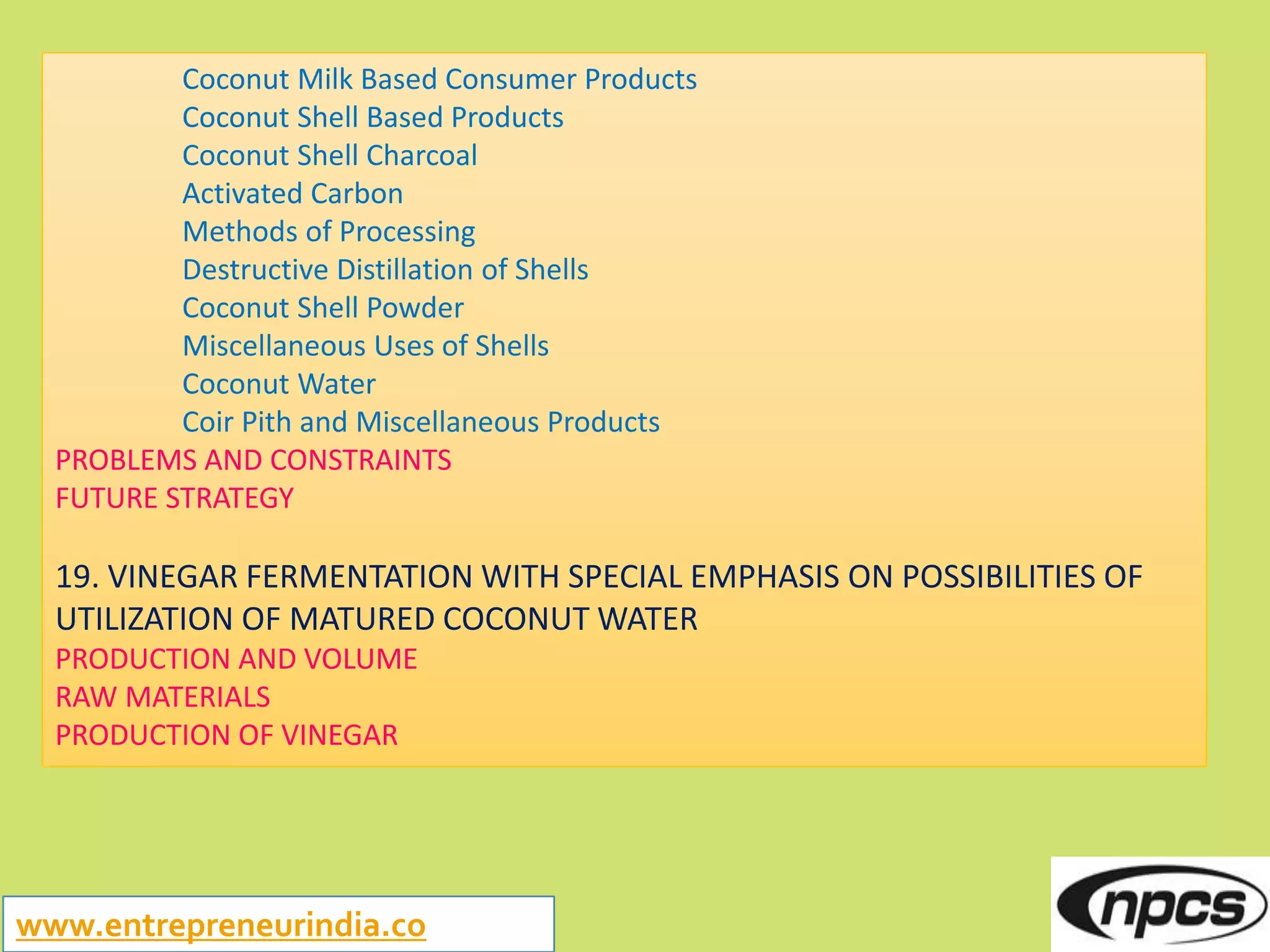
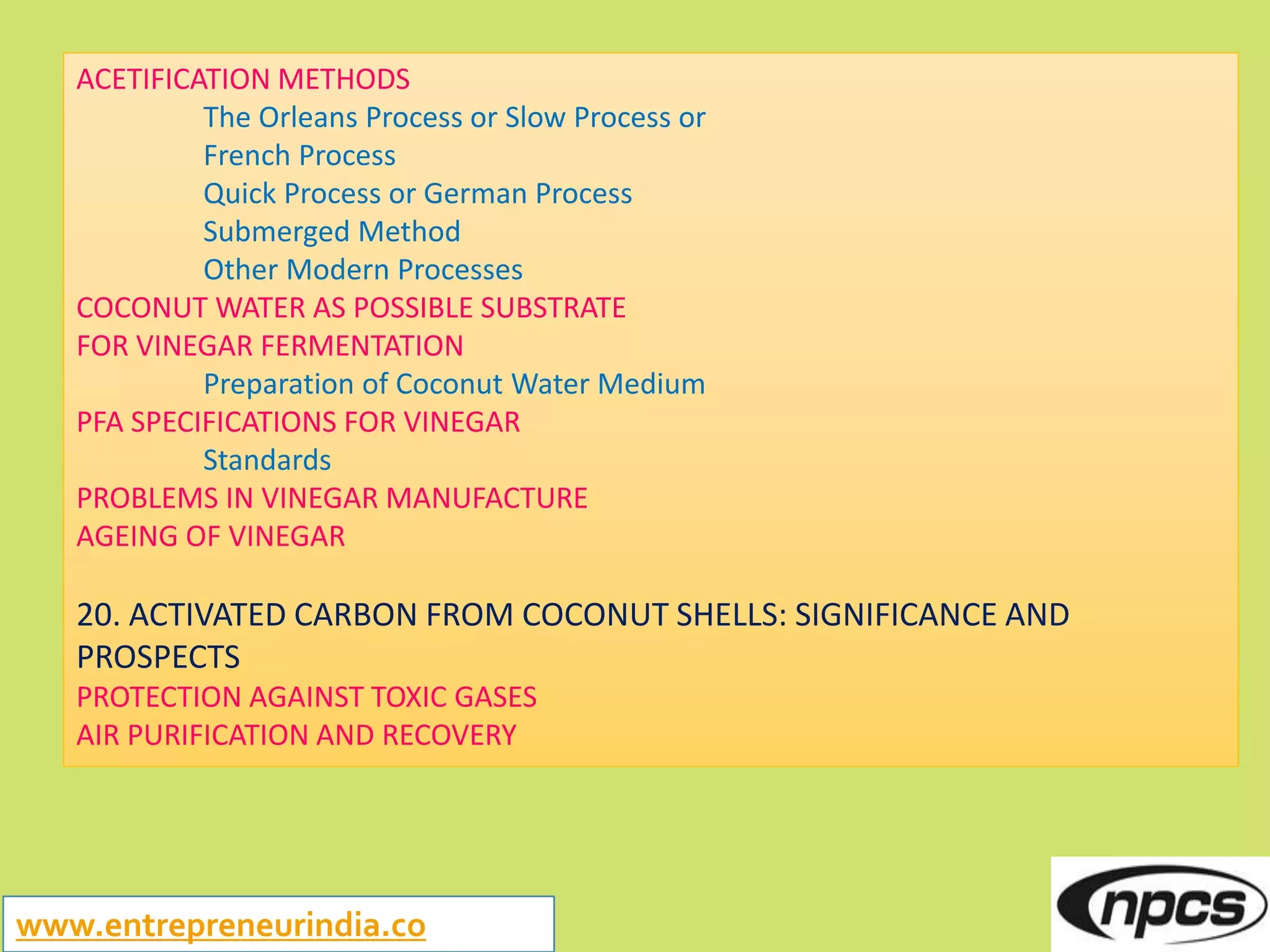
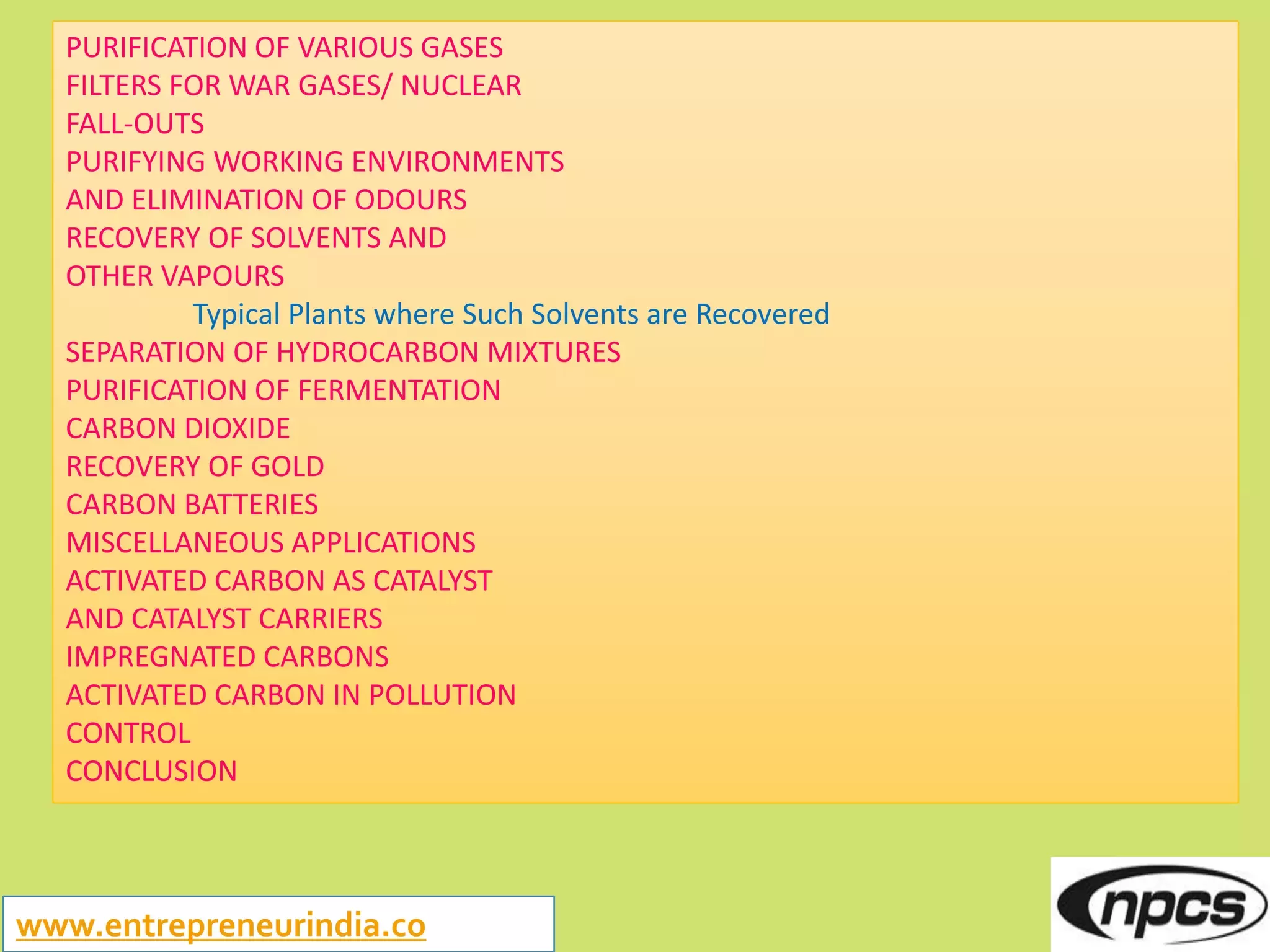
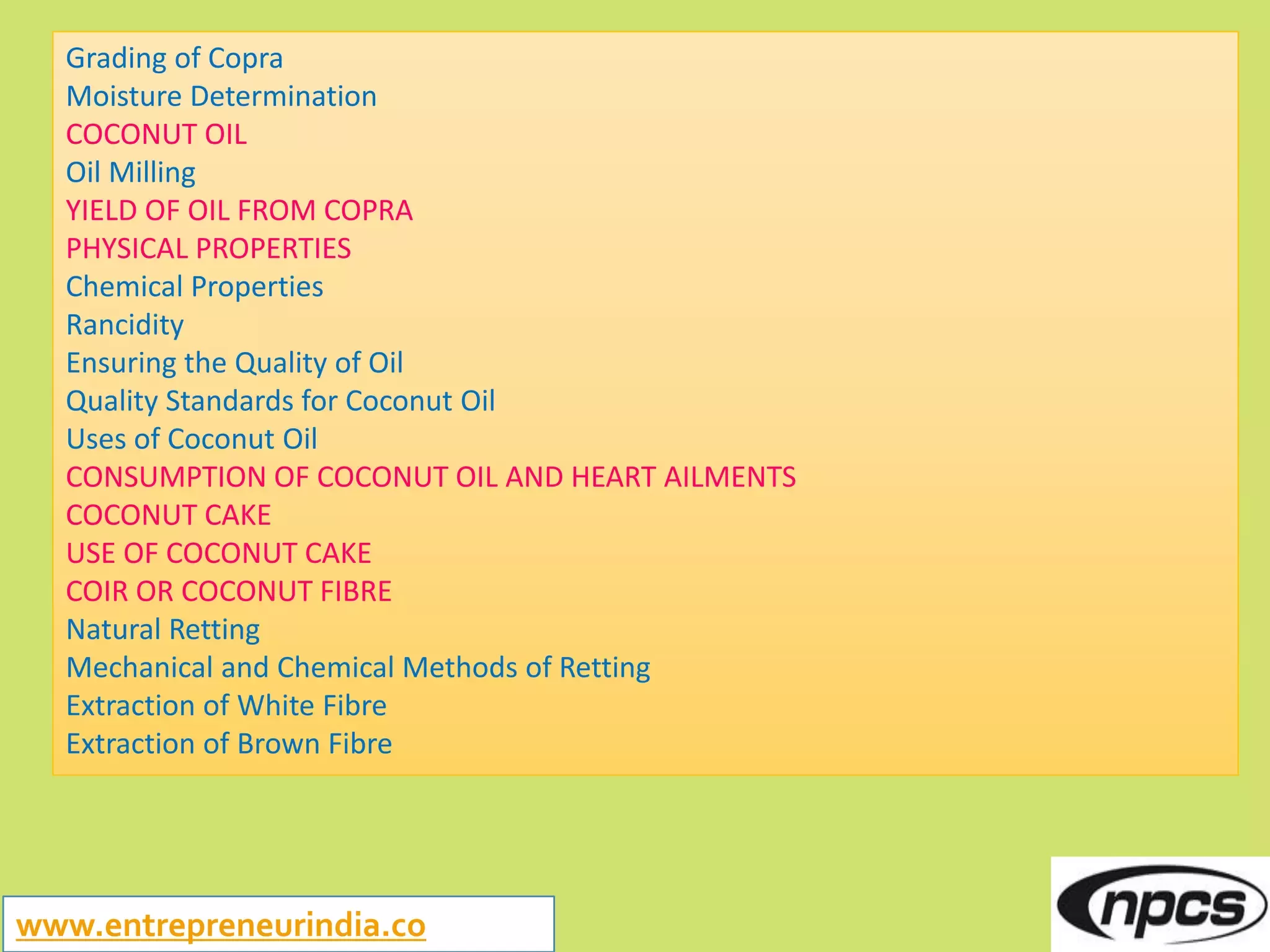
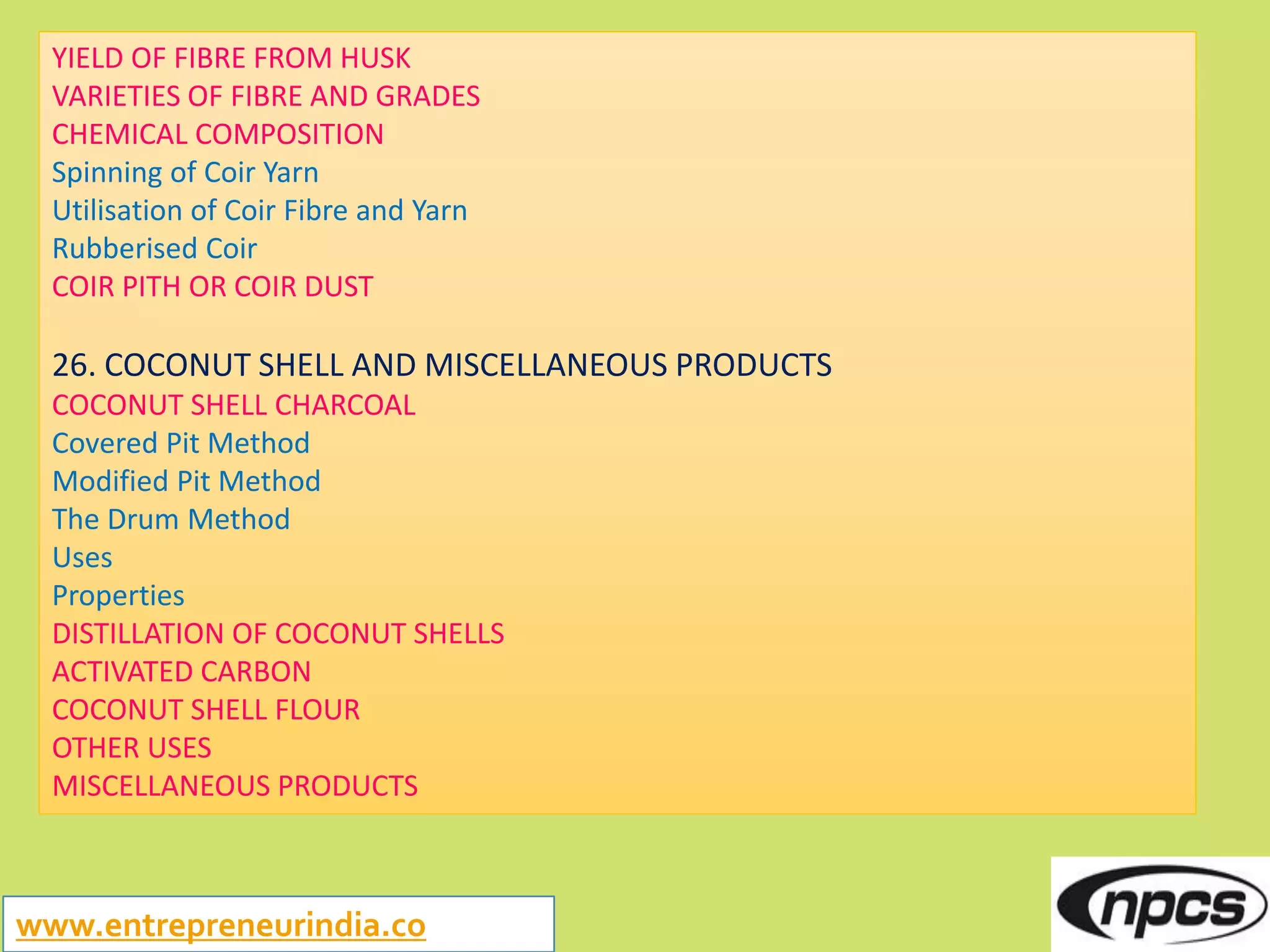
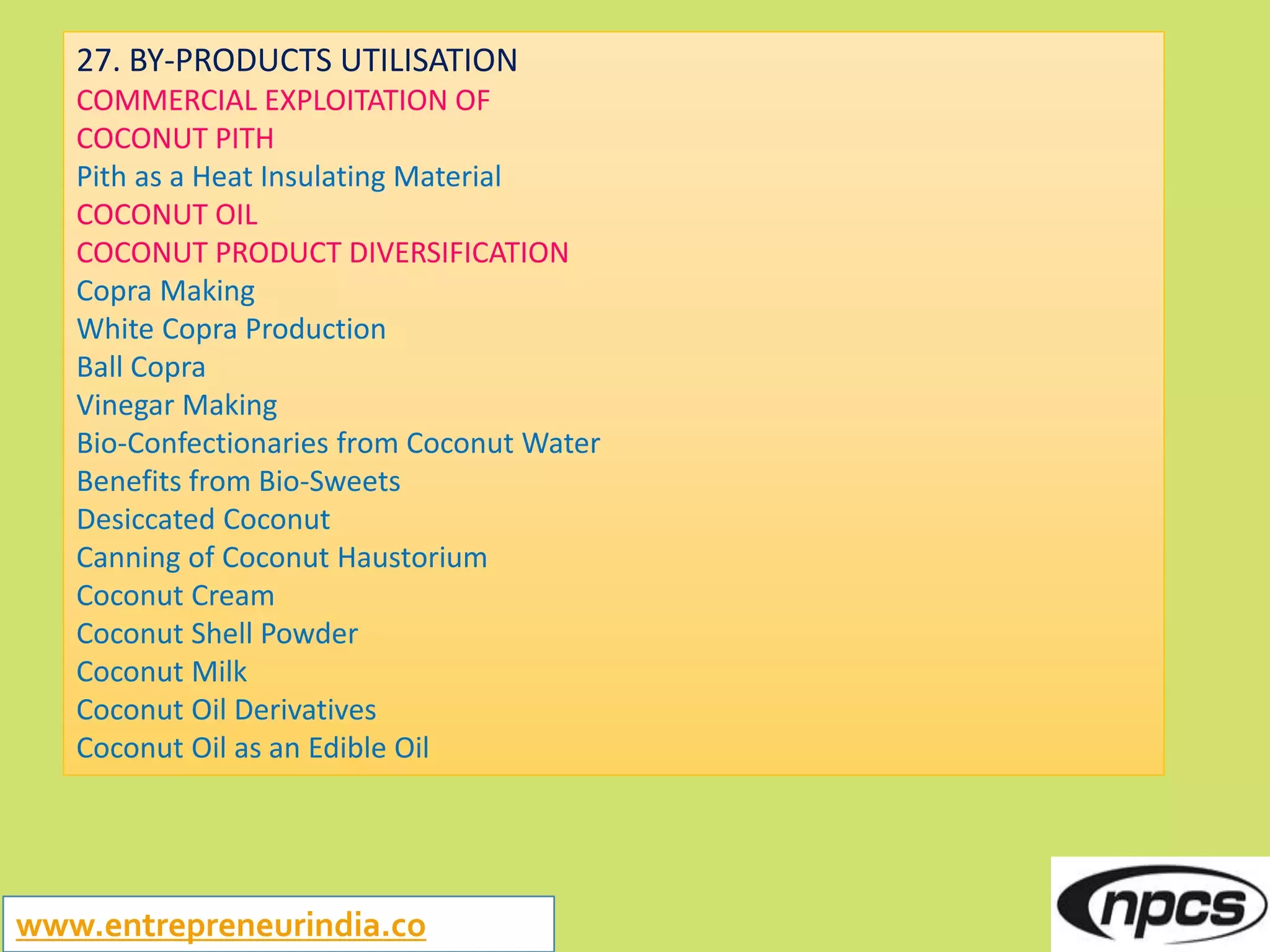
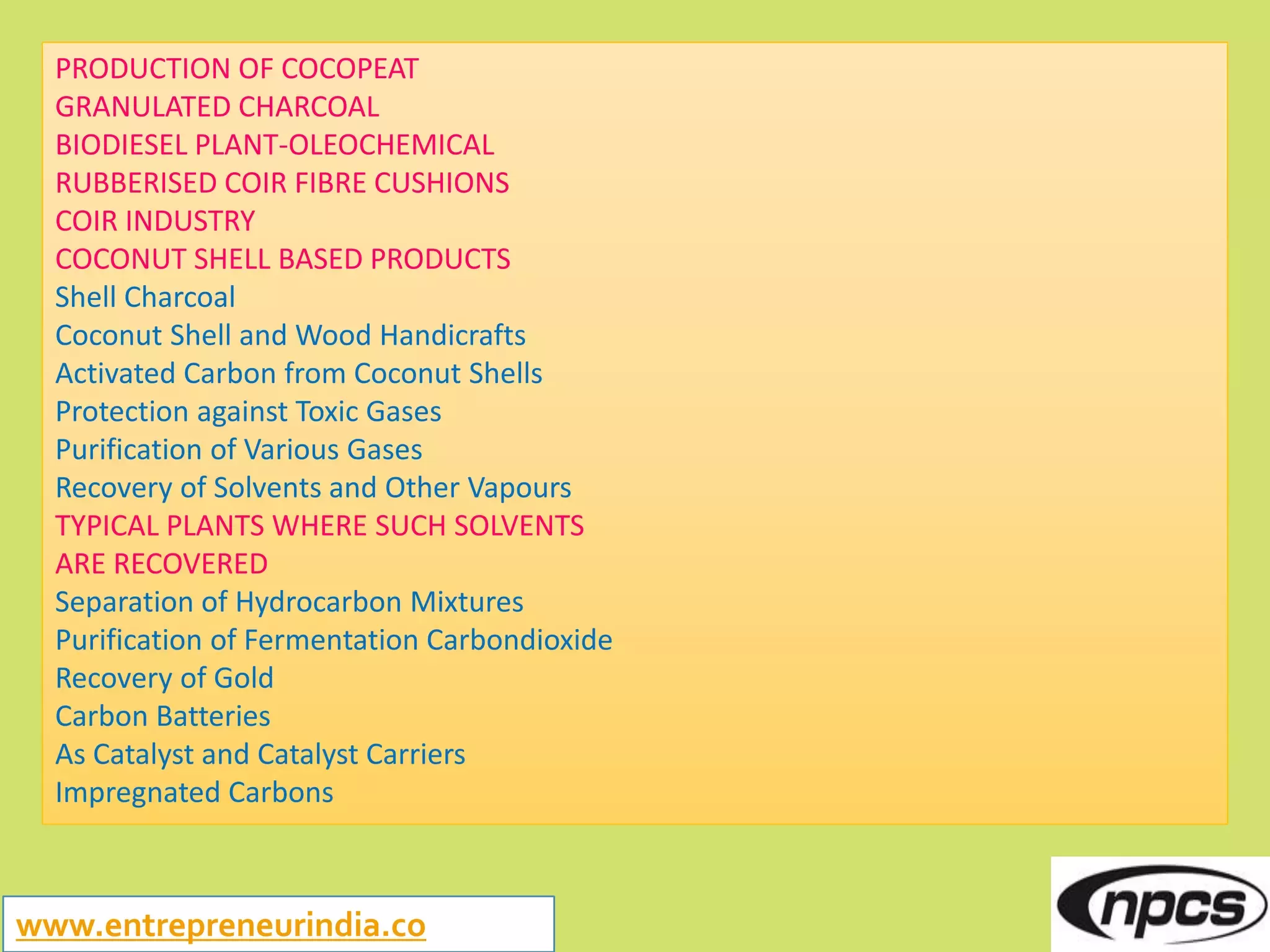
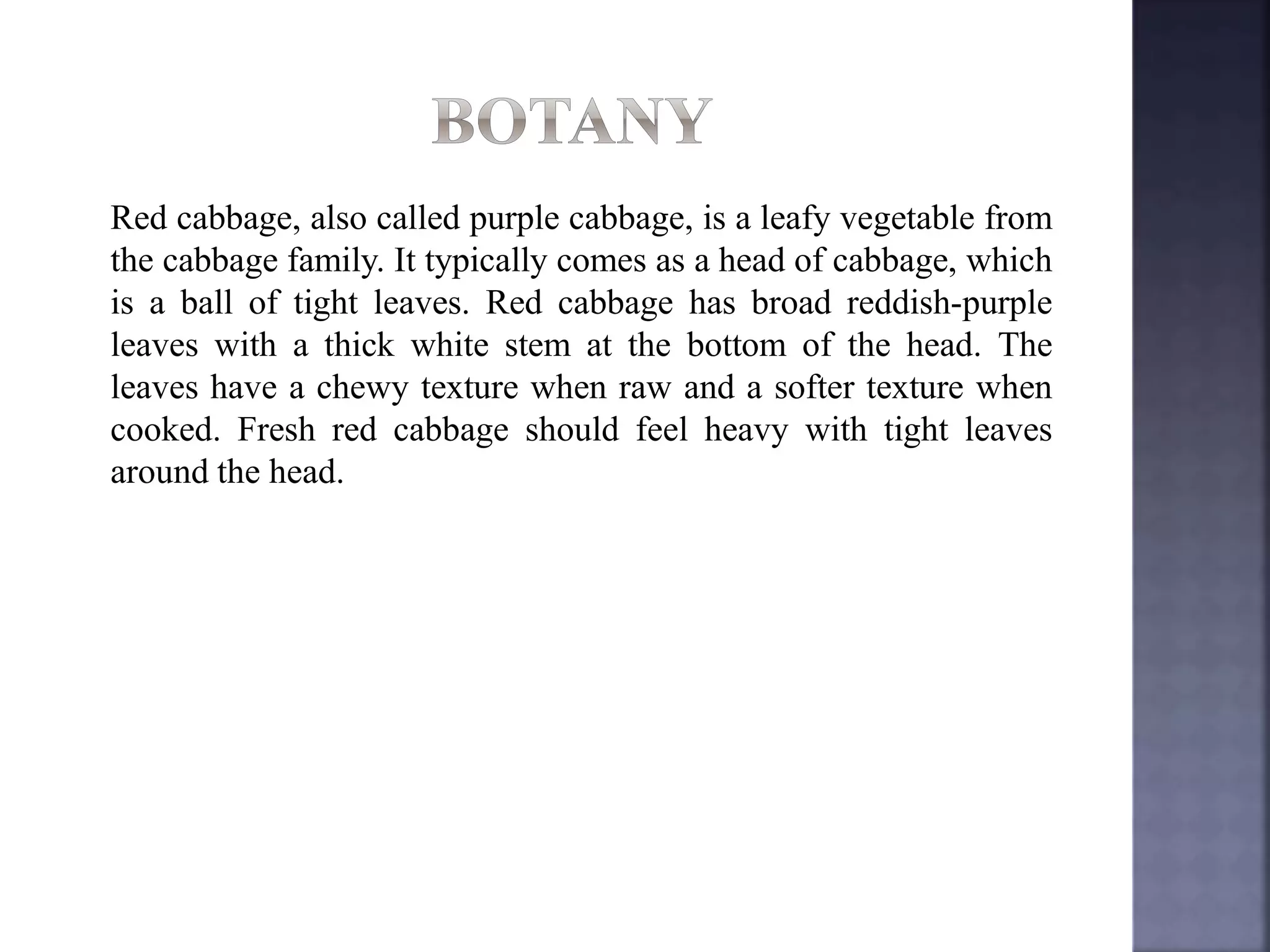
Ppt on Processing, Manufacturing of Coconut based Products (Coconut Oil, Coconut Cream, Coconut Milk and Milk Products, Coconut Spray Dried Milk Powder)

Summary

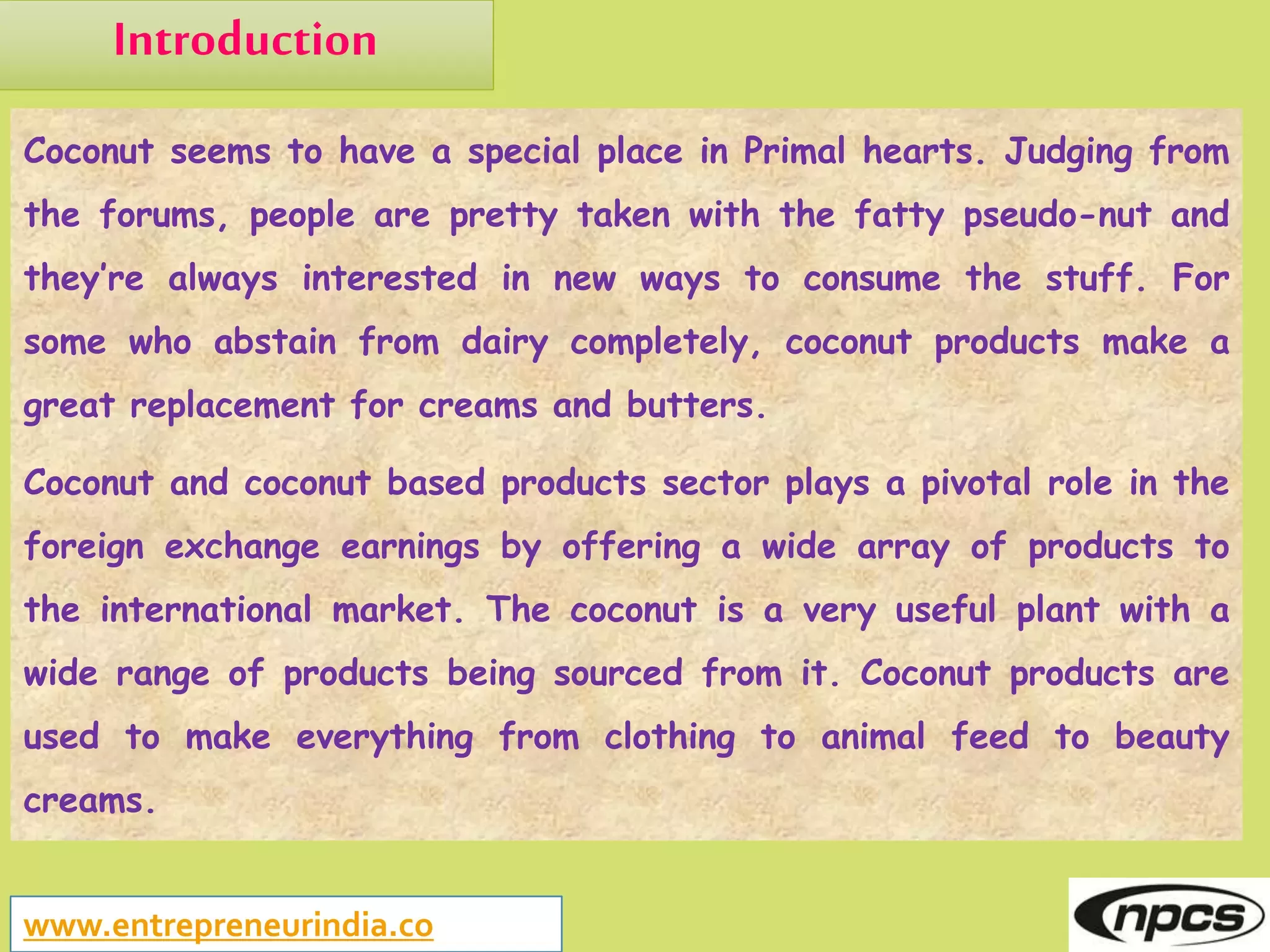
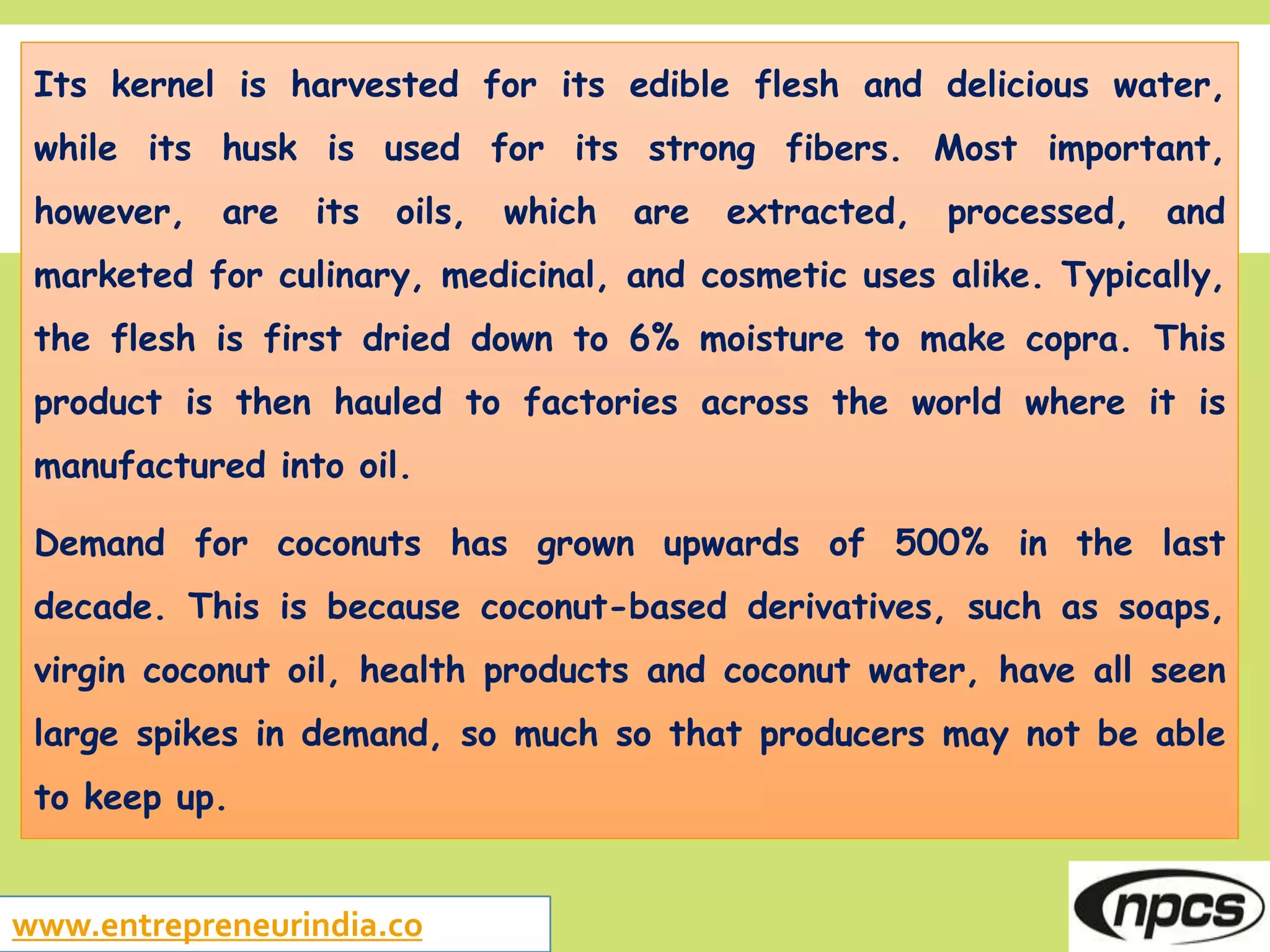
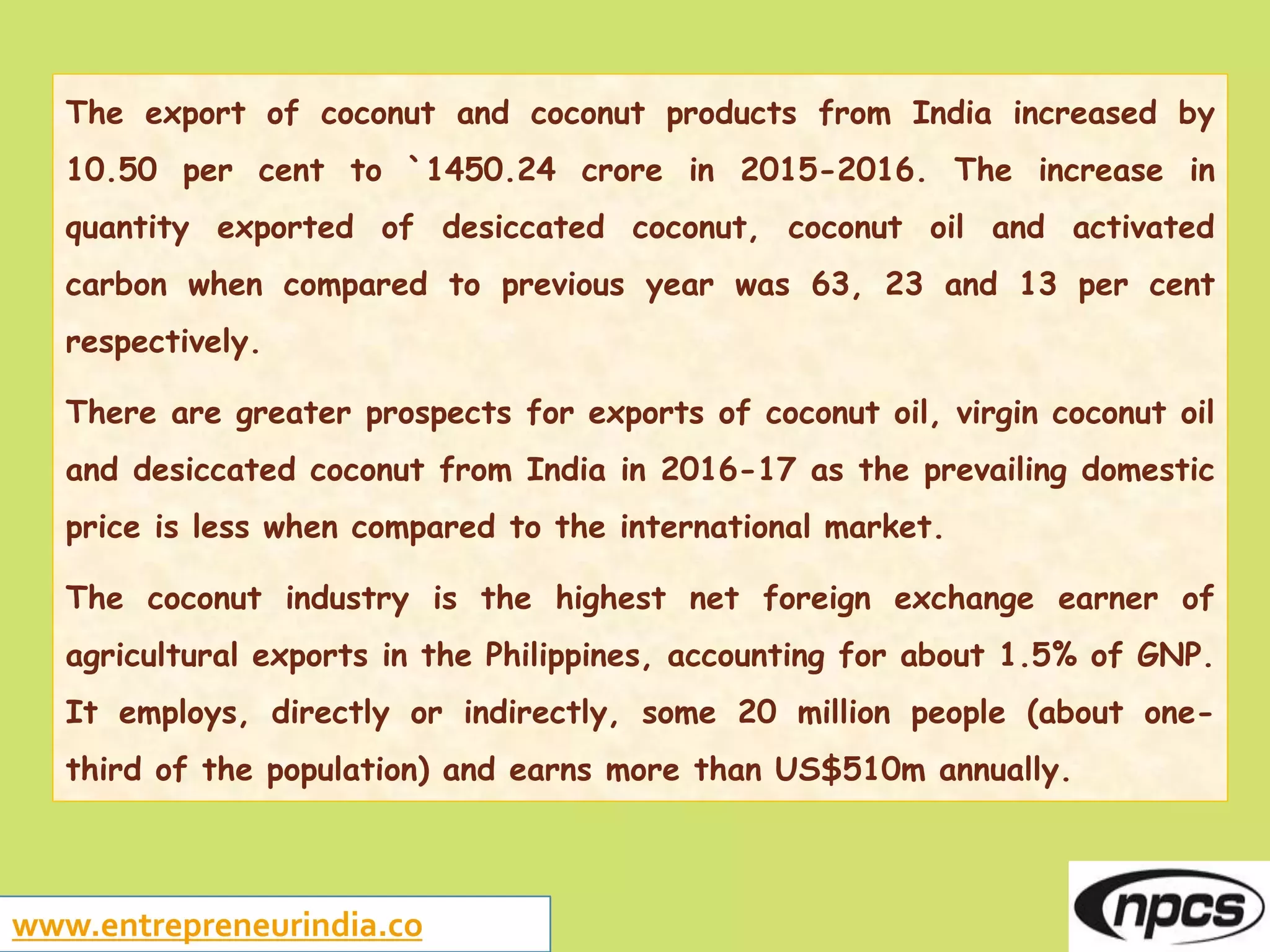
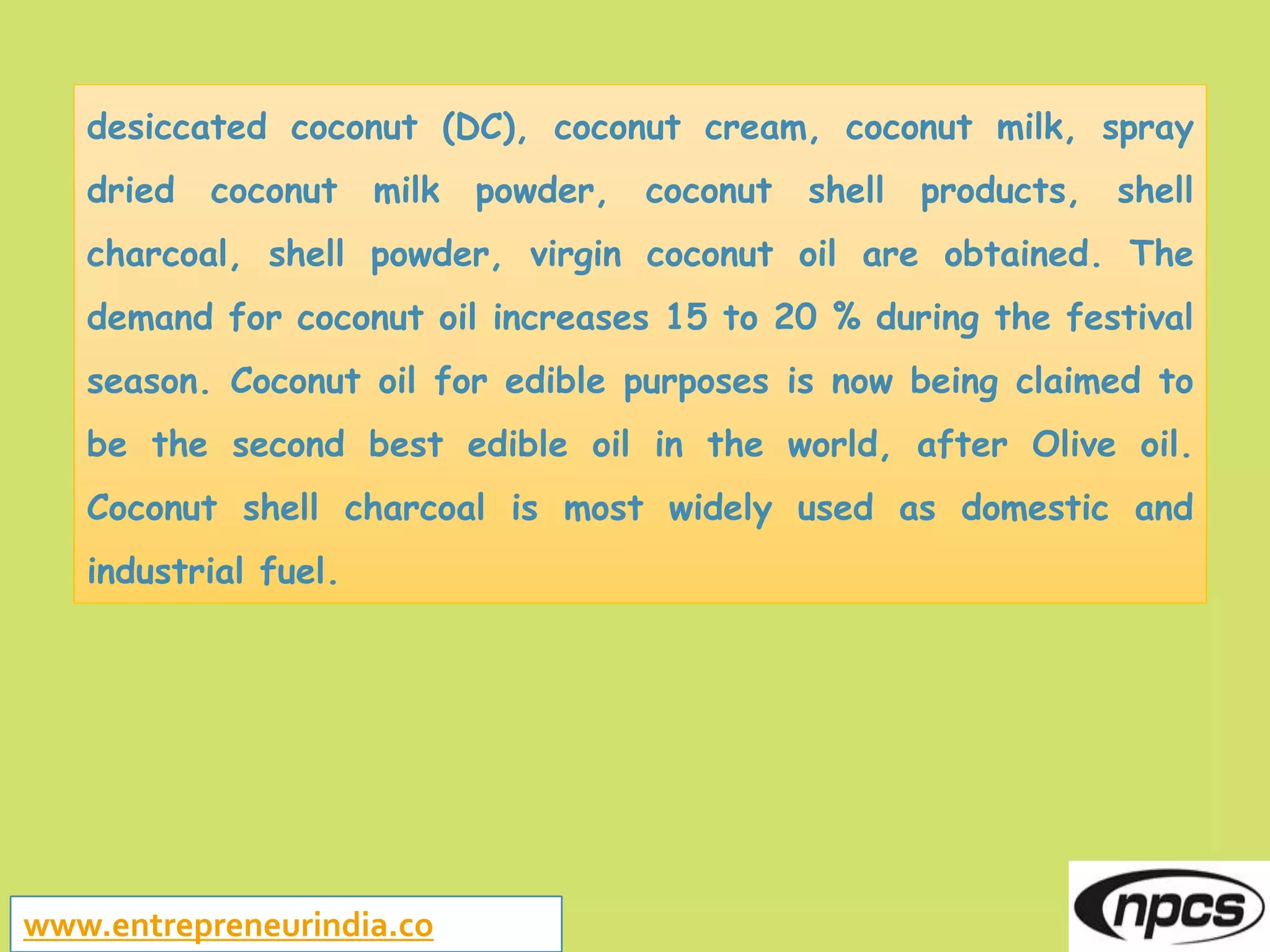
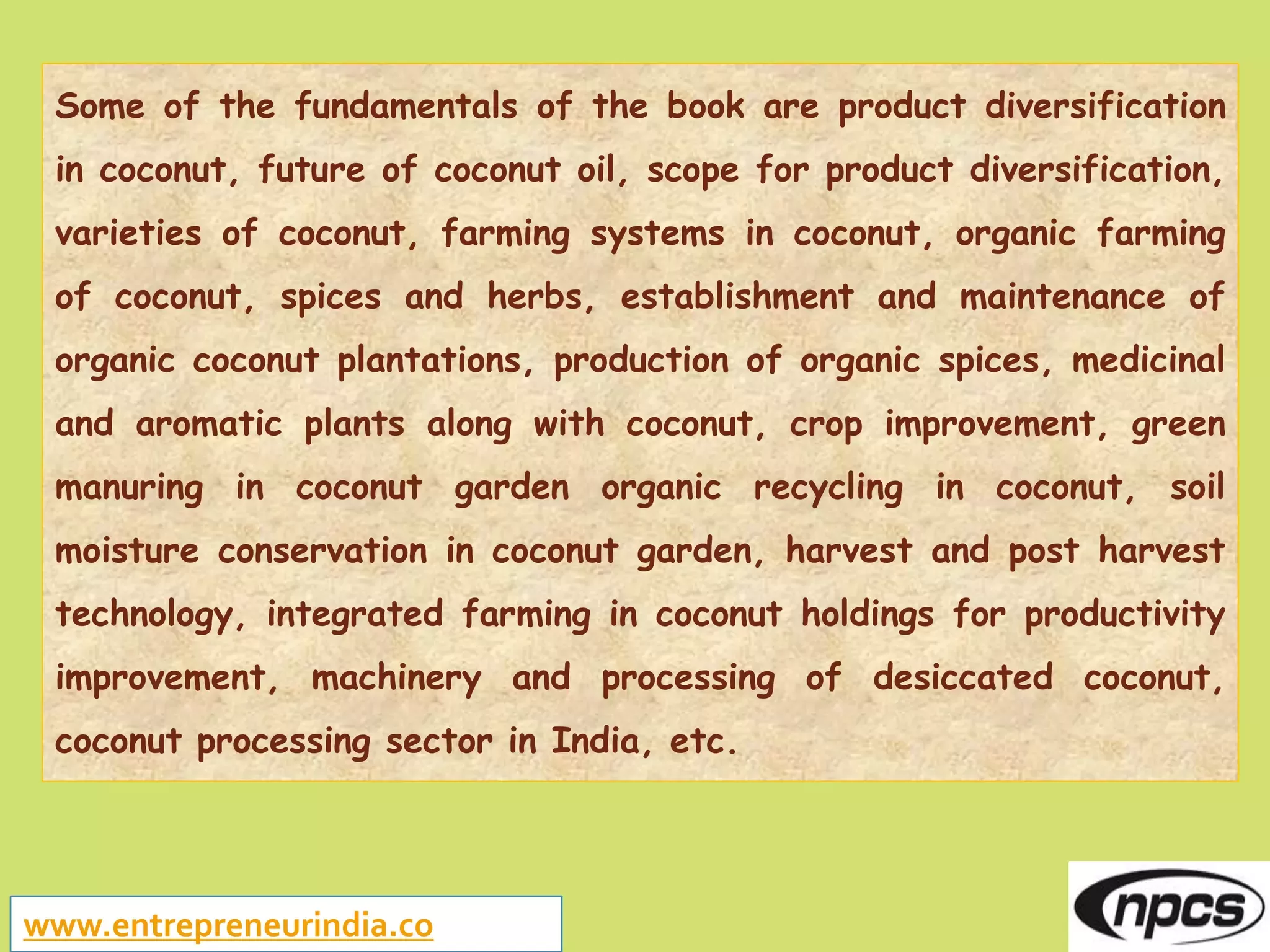
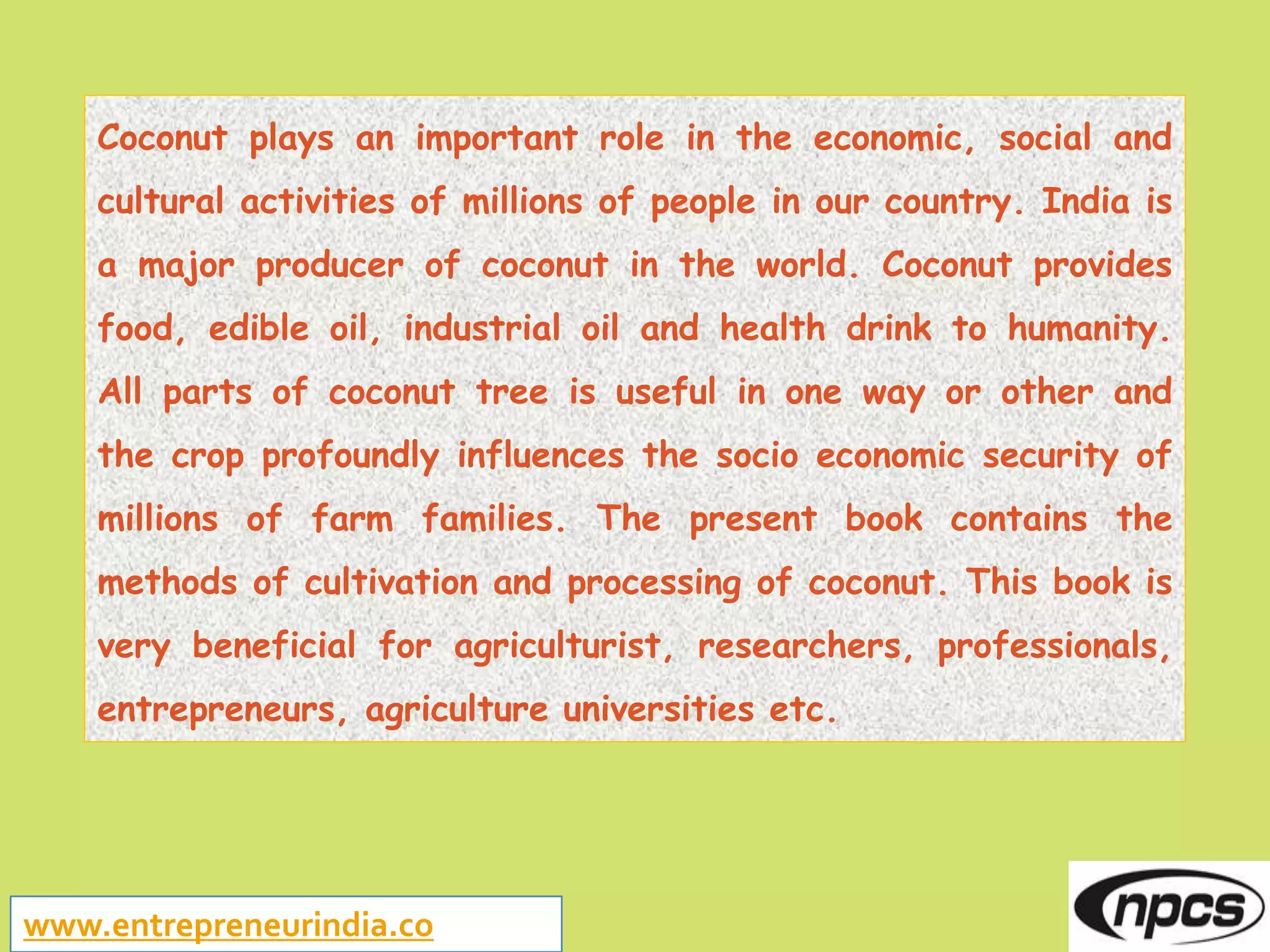
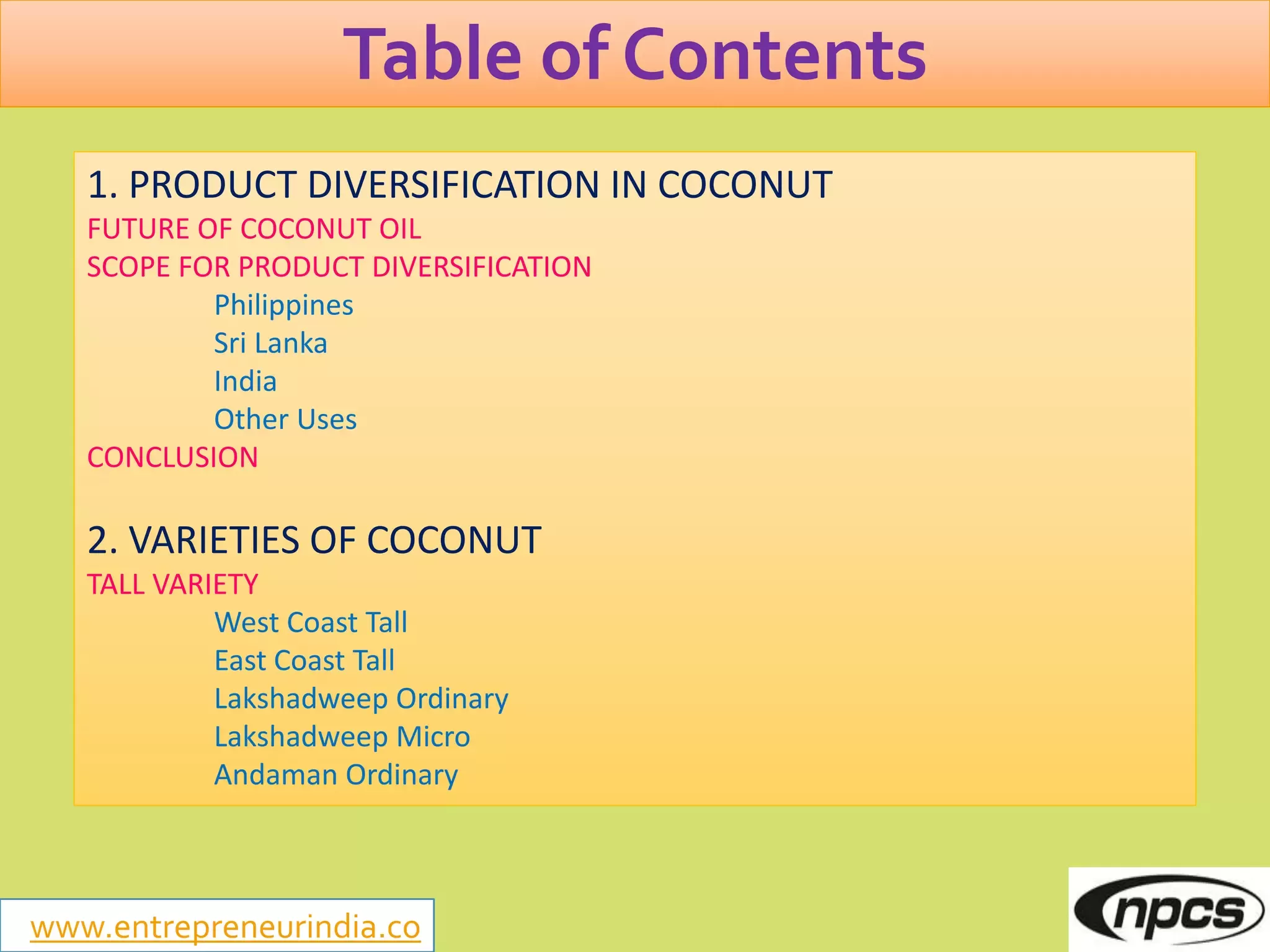
Coconut has gained notable popularity in recent years as a versatile and beneficial plant, particularly within health and dietary communities. Its abundance in products ranging from edible oils to cosmetic items showcases its economic importance, not only in India but globally. The coconut sector significantly contributes to the foreign exchange earnings of numerous countries, providing an array of products that extend beyond the kitchen to clothing, animal feed, and beauty products. The coconut itself is utilized to harvest flesh and water, while its husk serves as a source for strong fibers. The oil extracted from coconuts is particularly important, finding uses in culinary, health, and beauty applications. The demand for coconut products has increased dramatically—by over 500% in the past decade—due to rising interest in health-focused products, which has led to challenges in meeting supply needs. Nations like the Philippines lead in coconut production, followed by Indonesia, India, and others, all of which are working to optimize production practices to meet global demand. India’s coconut sector reflects a robust growth pattern, with exports experiencing a 10.5% increase in a recent fiscal year. The rise in exports of coconut oil and desiccated coconut demonstrates India’s potential as a key player in the international market, particularly as local prices remain competitive. Remarkably, the coconut industry in the Philippines represents a vital component of its economy, employing around 20 million individuals and contributing approximately 1.5% to the Gross National Product. Coconut cultivation is deeply entrenched in Indian agriculture, covering around 1.5 million hectares of land. The agricultural practices surrounding coconuts support biodiversity and ecological sustainability, as well as direct consumer consumption. The fruit’s endosperm develops into edible flesh, and its various parts have extensive commercial applications, including cooking oils, beauty products, and even domestic fuels. The versatility of coconuts extends to their numerous products: coconut oil is touted as one of the best edible oils alongside olive oil, while by-products from coconut husks contribute to the coir industry. The processing of coconuts allows for the creation of various valued products, including activated carbon, which finds utility in air purification and industrial applications. Modern challenges in the coconut industry include fluctuating prices and international competition, which necessitate strategic planning for the future. A comprehensive understanding of coconut farming and processing techniques is essential for stakeholders looking to innovate and thrive in this competitive market. The growing demand for coconut products necessitates diversification in product offerings, suggesting promising opportunities for enhancing sustainability and profitability in this sector. Engaging farmers in organic practices and integrated farming methods may further elevate coconut’s economic significance, ensuring long-term viability for producers and contributing to the socio-economic fabric of communities reliant on coconut cultivation. Furthermore, educational resources are increasingly important for advancing knowledge in cultivation, harvesting, and processing, emphasizing the need for targeted training and investment in the coconut industry for future growth.
Slide 1

Slide 1

Slide 2

Slide 2

Slide 3

Slide 3

Slide 4

Slide 4

Slide 5

Slide 5

Slide 6

Slide 6

Slide 7

Slide 7

Slide 8

Slide 8

Slide 9

Slide 9

Slide 10

Slide 10

Slide 11

Slide 11

Slide 12

Slide 12

Slide 13

Slide 13

Slide 14

Slide 14

Slide 15

Slide 15

Slide 16

Slide 16

Slide 17

Slide 17

Slide 18

Slide 18

Slide 19

Slide 19

Slide 20

Slide 20

Slide 21

Slide 21

Slide 22

Slide 22

Slide 23

Slide 23

Slide 24

Slide 24

Slide 25

Slide 25

Slide 26

Slide 26

Slide 27

Slide 27

Slide 28

Slide 28

Slide 29

Slide 29

Slide 30

Slide 30

Slide 31

Slide 31

Slide 32

Slide 32

Slide 33

Slide 33

Slide 34

Slide 34

Slide 35

Slide 35

Slide 36

Slide 36

Slide 37

Slide 37

Slide 38

Slide 38

Slide 39

Slide 39

Slide 40

Slide 40

Slide 41

Slide 41

Slide 42

Slide 42

Slide 43

Slide 43

Slide 44

Slide 44

Slide 45

Slide 45

Slide 46

Slide 46

Slide 47

Slide 47

Slide 48

Slide 48

Slide 49

Slide 49

Slide 50

Slide 50

Slide 51

Slide 51

Slide 52

Slide 52

Slide 53

Slide 53

Slide 54

Slide 54

Slide 55

Slide 55

Slide 56

Slide 56

Slide 57

Slide 57

Slide 58

Slide 58

Slide 59

Slide 59

Slide 60

Slide 60

Slide 61

Slide 61

Slide 62

Slide 62

Slide 63

Slide 63

Slide 64

Slide 64

Slide 65

Slide 65

Slide 66

Slide 66
1 / 66