Home Quiz Old Paper PPT

Ppt on Tomato Products Overview And Market Insights

This presentation explores the diverse tomato products and their processing methods, highlighting the challenges faced in the industry. It emphasizes the importance of quality in production and the market dynamics affecting processed tomatoes. The yield statistics provide insight into global and Indian tomato production.
Introduction to Tomato
  • Tomato is botanically a fruit but consumed as a vegetable.
  • Highest yield per hectare is in the Netherlands (245 tonnes).
  • World average yield is 23 tonnes; India averages 9.6 tonnes.
  • Common products include puree, juice, and ketchup.
Global Tomato Production Statistics
  • Top 10 tomato-producing countries yield significantly higher than others.
  • Global average yield is 23 tonnes per hectare.
  • India ranks second in production but processes less than 1%.
Indian Processed Tomato Market
  • Annual ketchup consumption in India is 13,000 tonnes.
  • Market valued at Rs 1.8 billion (US$ 28 million).
  • Major brands include Nestle’s Maggi (37%) and Unilever’s Kissan (29%).
Challenges in Tomato Processing
  • Processors face issues with sourcing quality tomatoes consistently.
  • Price volatility affects procurement and processing stability.
  • Postharvest losses estimated at 13% across the value chain.
Types of Tomato Products
  • Tomato Juice
  • Tomato Puree
  • Tomato Paste
  • Tomato Ketchup/Sauce
  • Dried Tomato Slices
  • Tomato Powder
  • Canned Tomatoes
Manufacturing Process of Tomato Juice
  • Tomatoes are washed to remove dirt and microbes.
  • Trimming and sizing reduce waste before juice extraction.
  • Extraction can be done via hot or cold pulping methods.
Hot Pulping Method
  • Crushed tomatoes are boiled to facilitate pulping.
  • Temperature reaches 82ºC to inactivate enzymes.
  • Results in viscous, deep red juice with longer shelf life.
Cold Pulping Method
  • Tomatoes are crushed at temperatures below 66°C.
  • Juice quality is inferior in flavor and nutrients.
  • Requires higher pressure, leading to lower yields.
Tomato Juice Production Steps
  1. Washing
  2. Cutting
  3. Pre-heating (60°C)
  4. Concentration (10-12°Brix)
  5. Filling
  6. Juice Extraction
  7. Pasteurization (100°C for 7 min)
Manufacturing Tomato Puree and Paste
  • Pulp is concentrated to produce puree (9-12% solids).
  • Tomato paste contains at least 25% tomato solids.
  • Further concentration yields heavy tomato puree.
Tomato Ketchup Production
  • Ketchup is made from concentrated tomato paste with added spices.
  • Ideal concentration is 28-30% total solids.
  • Shelf life is 9-12 months when refrigerated.
Novel Tomato-Based Products
  • Dried tomato slices are versatile for various food formulations.
  • Tomato powder is used in culinary recipes and reconstituted as juice.
  • Drying increases availability year-round.
References
  • Agribusiness Handbook on Fruits and Vegetables Processing
  • Green Innovation Centre in the Agri-Food Sector (GIAE) – India
  • RP Shrivastav book on fruits and vegetables
Ppt on Tomato Overview And Nutritional Benefits

This presentation covers the history, botanical classification, nutritional benefits, and cultivation practices of tomatoes, scientifically known as Solanum lycopersicum. It highlights their significance in agriculture and cuisine worldwide.
Introduction to Tomato
  • Submitted to: Dr. Ijaz Rassol Noorka
  • Submitted by: Sobia Kanwal
  • Course: BAGF12MO10
Botanical Classification
  • Scientific Name: Solanum lycopersicum L.
  • Order: Solanales
  • Family: Solanaceae
History and Origin
  • Originated in the South American Andes.
  • Introduced to Europe in the 16th century.
  • Spread to Asia, Africa, and the Middle East.
Common Names
  • Tomate (Spain, France)
  • Tomat (Indonesia)
  • Faan ke’e (China)
  • Jitomate (Mexico)
  • Pomodoro (Italy)
Nutritional Value
  • Rich in vitamins and minerals.
  • Contains essential amino acids and dietary fibers.
  • High in vitamin B, C, iron, and phosphorus.
Botanical Structure
  • Roots: Tap root system, depth of 50cm or more.
  • Stem: Erect to prostate, 2-4 m tall.
  • Leaves: Spirally arranged, 15-50 cm long.
Fruit and Seed Characteristics
  • Fruits: Fleshy berry, 2-15 cm in diameter.
  • Seeds: Numerous, kidney-shaped, 3-5mm long.
  • Ripe fruits range from yellow to red.
Cultivation Conditions
  • Optimal temperature: 21C-23C.
  • Grows well in various soil types.
  • pH level: 7-8 for best results.
Cultivation Practices
  • Seed rate: 300-400 g/ha for nursery.
  • Transplanting in July, October-November, and February.
  • Watering: Twice daily for germination.
Pest Management
  • Common pests: Tomato fruit worm, white fly, aphid.
  • Control methods include spraying Bacillus and Rogor.
  • Regular monitoring is essential.
Disease Management
  • Common diseases: Damping off, leaf curl, early blight.
  • Management strategies include proper sanitation.
  • Regular crop rotation helps reduce disease incidence.
Breeding Behavior
  • Tomato is self-fertile but requires cross-pollination.
  • Pollinators include bees and manual methods.
  • Emasculation and tagging are common practices.
Breeding Objectives
  • Develop early and high-yielding varieties.
  • Focus on disease-resistant and storage-friendly varieties.
  • Enhance processing suitability.
Global Production Statistics
Country Production (Million Tons)
China 48.6
India 16.8
USA 12.6
Registered Varieties in Pakistan
  • Ajax
  • Cardinal
  • Desiree
  • Faisalabad red
  • Laale Faisal
Culinary Uses of Tomato
  • Used in various dishes globally.
  • Popular in pizzas, sandwiches, and cocktails.
  • Offers numerous nutritional benefits.
Health Benefits of Tomatoes
  • Rich in vitamins and minerals.
  • Supports heart health and vision.
  • Contains anti-cancer properties.

Ppt on Cultivating Dendrobium Orchids Guide

This presentation covers the protected cultivation of orchids, specifically the Dendrobium species. Key aspects include propagation, growing conditions, and post-harvest handling techniques.
Introduction to Dendrobium Orchids
  • Dendrobiums are native to Southeast Asia.
  • They thrive in tropical climates with high humidity.
  • Suitable for coastal areas like Chennai.
Varieties of Dendrobium Orchids
  • Sonia-17: Purple and white flowers.
  • Sonia-28: Popular for its vibrant blooms.
  • Emma White: Known for its elegance.
  • Sakura Pink: Aesthetic pink variety.
Growing Environment
  • Requires 75% shade netting.
  • Ideal humidity: 70-80%.
  • Day temperature: 21-29°C; Night: 18-21°C.
  • Rainshelter needed in high rainfall zones.
Propagation Methods
  • Division of clumps and keikis.
  • Utilization of back bulbs.
  • Tissue culture for mass propagation.
Irrigation and Nutrients
  • Mist or overhead sprinklers for humidity.
  • Foliar NPK application: 20:10:10 @ 0.2% weekly.
Growth Regulators and Repotting
  • GA3 foliar application at 50 ppm bi-monthly.
  • Repot every 2-3 years or when necessary.
  • Best time to repot: when new roots emerge.
Harvesting Techniques
  • Harvest when 75% of flowers are open.
  • Cut lower 0.75cm of the peduncle post-harvest.
  • Yield: 8-10 spikes per plant annually.
Post-Harvest Handling
  • Pulsing: 8-HQC 500 ppm + Sucrose 5% for 12 hrs.
  • Holding solution: AgNO3 25 ppm + 8-HQC 400 ppm.
  • Wrap with 50 gauge polythene.
Pests and Diseases
  • Handpick snails and slugs.
  • Bacterial diseases treated with Streptomycin.
  • Fungal issues managed with Metalaxyl.
Conclusion
  • Effective management ensures healthy orchid growth.
  • Regular monitoring for pests and diseases is crucial.
  • Thank you for your attention!

ICAR AIEEA JRF Agri Business 2020 Question Paper PDF

Unlock your potential in the field of Agri Business with the comprehensive ICAR AIEEA JRF 2020 Question Paper. This essential resource is designed for aspiring candidates looking to excel in the competitive examination. The ICAR AIEEA JRF exam is a pivotal step for those pursuing advanced studies in agriculture, and the 2020 question paper provides invaluable insights into the exam format and question types. By reviewing this document, you can enhance your preparation strategy and boost your confidence. Don’t miss the chance to access the ICAR AIEEA JRF Agri Business 2020 Question Paper PDF, available for download at this link. Equip yourself with the knowledge and skills necessary to succeed in the Agri Business sector and achieve your academic goals.

Download PDF: Click here to view / download

Ppt on tomato cultivation

“`html


PPT on Tomato Cultivation


PPT on Tomato Cultivation

Introduction

Tomato cultivation is a rewarding endeavor that allows farmers and gardening enthusiasts to grow one of the most popular vegetables worldwide. From its origins in South America to its place in cuisines around the globe, the tomato has become a staple in many households. In this article, we will delve into the essential aspects of tomato cultivation, providing tips and best practices that can be documented in a PowerPoint presentation (PPT) format for educational or presentation purposes.

Understanding Tomato Varieties

There are numerous varieties of tomatoes, each suited for different climates and culinary applications. The main categories include:

1. Determinate Tomatoes

These plants grow to a particular height and produce fruit all at once. This makes them ideal for canning and storage.

2. Indeterminate Tomatoes

Indeterminate varieties continue to grow and produce fruit throughout the season. They require more support and maintenance but offer a continuous harvest.

3. Cherry Tomatoes

Known for their sweetness, cherry tomatoes are smaller in size and are often used in salads and garnishes.

Optimal Growing Conditions

To cultivate healthy tomatoes, certain environmental conditions need to be optimized:

1. Soil Requirements

Tomatoes thrive in well-draining, loamy soil rich in organic matter. A pH level of 6.0 to 6.8 is ideal for nutrient absorption.

2. Sunlight

Tomatoes require full sun exposure, ideally 6-8 hours of direct sunlight each day, to ensure healthy growth and fruit production.

3. Watering

Consistent watering is crucial, especially during the flowering and fruiting stages. It’s important to avoid overwatering to prevent root rot.

Planting and Maintenance

Understanding when and how to plant tomatoes greatly impacts the yield. Here are some tips for planting and maintenance:

1. Timing

Plant tomatoes after the last frost date in your area, ideally when soil temperatures reach at least 60°F (15°C).

2. Spacing

Maintain adequate spacing between plants to ensure proper airflow and minimize disease risk. Typically, space determinate varieties 18-24 inches apart and indeterminate varieties 24-36 inches apart.

3. Support Structures

Using stakes, cages, or trellises can provide support for tomato plants, especially indeterminate varieties, and promote healthy growth.

Pest and Disease Management

Tomatoes are susceptible to various pests and diseases. It’s crucial to implement preventive measures and treatments:

1. Common Pests

Aphids, whiteflies, and spider mites are common pests. Implementing crop rotation and utilizing insecticidal soap can help control these threats.

2. Diseases

Fungal diseases, like blight, can devastate tomato crops. Proper spacing, watering techniques, and resistant varieties can mitigate these risks.

Harvesting and Storing Tomatoes

Knowing when and how to harvest tomatoes is vital for achieving optimal flavor and quality:

1. Harvest Timing

Tomatoes are ready for harvest when they are fully colored and slightly firm to the touch. Avoid waiting until they begin to overripe on the vine.

2. Storage

For best flavor, store tomatoes at room temperature and avoid refrigeration. If you need to preserve them, canning or freezing is effective.

Conclusion

Tomato cultivation can be a fulfilling and profitable venture with the right knowledge and practices. This PPT can serve as a comprehensive guide for anyone looking to embark on the journey of growing tomatoes, ensuring that they understand each crucial step from selecting the right variety to harvesting. With dedication and care, you can enjoy a bountiful harvest of delicious, homegrown tomatoes!


“`

### Keywords:
tomato cultivation, tomato farming, growing tomatoes, tomato planting, agriculture

### Tags:
tomatoes, farming, agriculture, gardening, sustainable farming

Ppt on tomato cultivation

“`html


PPT on Tomato Cultivation

PPT on Tomato Cultivation

Introduction to Tomato Cultivation

Tomatoes are one of the most popular and versatile vegetables cultivated around the world. Their rich flavor, nutritional benefits, and utility in various cuisines make them a favorite among home gardeners and professional farmers alike. In this article, we will explore the essentials of tomato cultivation, suitable presentation ideas (PPT), and best practices to ensure a fruitful harvest.

Why Cultivate Tomatoes?

Health Benefits of Tomatoes

Tomatoes are rich in vitamins C, K, and A, and are an excellent source of potassium and folate. They are well-known for containing a powerful antioxidant called lycopene, which may reduce the risk of chronic diseases. Including tomatoes in your diet can lead to numerous health benefits, making their cultivation worthwhile.

Culinary Versatility

Tomatoes can be used in countless dishes, from salads and sauces to soups and salsas. Their culinary versatility makes them a staple ingredient in many kitchens around the globe.

Best Practices for Tomato Cultivation

Choosing the Right Varieties

When selecting tomato varieties, consider the climate, growing conditions, and intended use. Popular varieties include:

  • Cherry Tomatoes – small and sweet, perfect for snacking.
  • Roma Tomatoes – ideal for sauces due to their low moisture content.
  • Beefsteak Tomatoes – large and juicy, great for sandwiches.

Soil Preparation

Tomatoes thrive in well-drained, nutrient-rich soils. Before planting, enrich your soil with organic matter such as compost or well-rotted manure. A soil pH of 6.0 to 6.8 is ideal for tomato growth.

Watering and Fertilization

Consistent watering is crucial for tomatoes. They need about 1-2 inches of water per week, especially during dry spells. Fertilize your tomatoes every four to six weeks with a balanced fertilizer to ensure they receive adequate nutrients.

Pest and Disease Management

Keep an eye on common pests such as aphids and tomato hornworms, as well as diseases like blight and blossom end rot. Employing organic pesticides and practicing crop rotation can help manage these issues effectively.

Creating an Engaging PPT Presentation on Tomato Cultivation

Key Components of Your Presentation

When preparing your PPT on tomato cultivation, consider including the following sections:

  • Introduction: Overview of the importance of tomatoes in agriculture.
  • Growing Methods: Outline different cultivation methods, including hydroponics and traditional soil growing.
  • Pest Management: Discuss key pests and diseases and how to manage them.
  • Nutritional Benefits: Highlight the health benefits of including tomatoes in a balanced diet.
  • Conclusion: Recap the key points covered in your presentation and encourage Q&A.

Tips for an Effective PPT

To enhance your presentation:

  • Use high-quality images of tomato plants and their various stages of growth.
  • Include charts or graphs to illustrate growth rates and yield potential.
  • Incorporate bullet points for clarity and conciseness.

Conclusion

Tomato cultivation can be rewarding both for personal consumption and commercial purposes. By following the tips outlined in this article, you can ensure successful growth and impressive yields. Whether you are preparing a detailed PPT presentation or starting your own garden, understanding the fundamentals of tomato cultivation is the first step towards success.


“`

**Keywords:** tomato cultivation, how to grow tomatoes, tomato farming techniques, health benefits of tomatoes, best practices for tomato gardening

**Tags:** tomato cultivation, agriculture, gardening, sustainable farming, horticulture

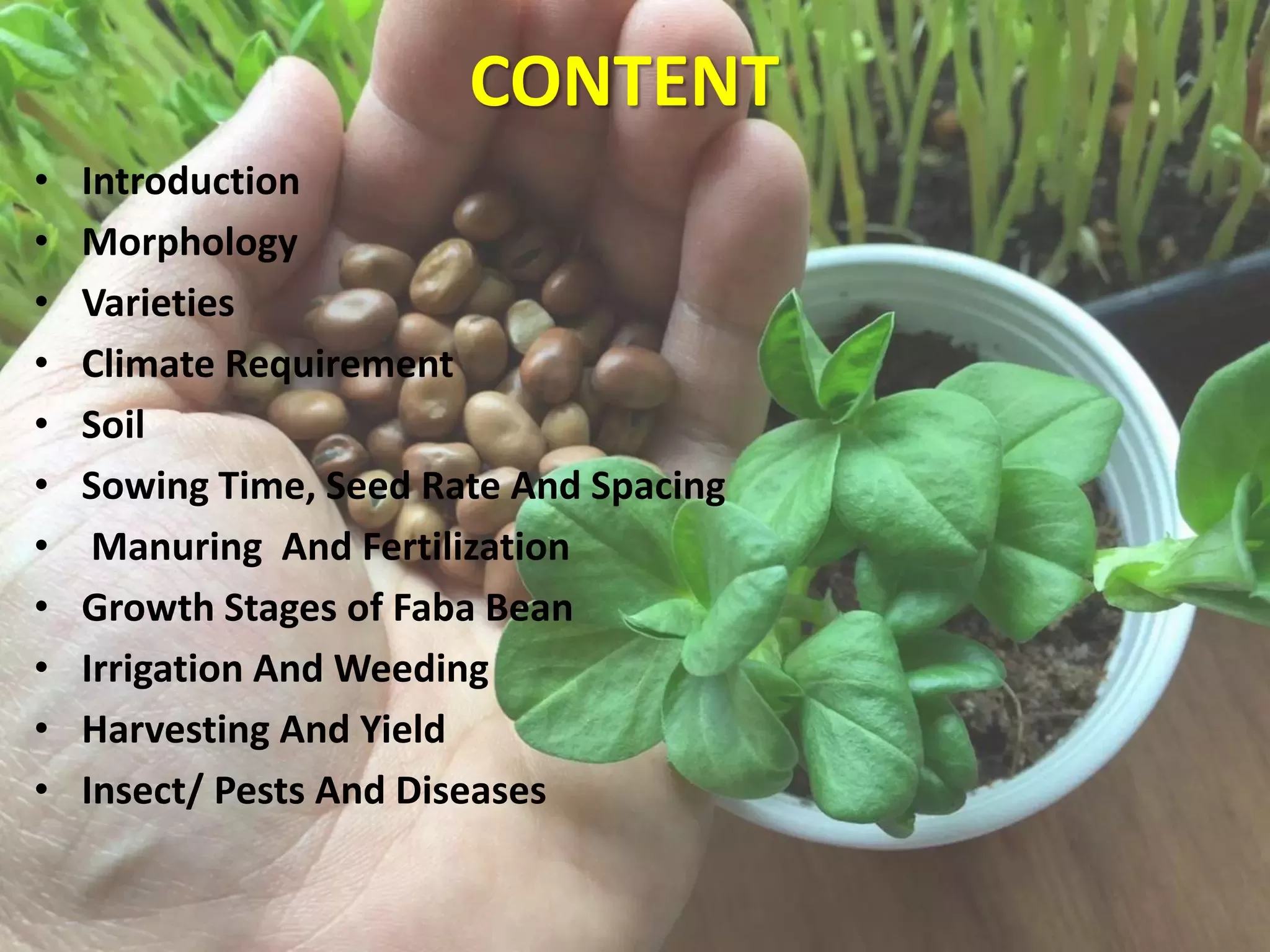
Ppt on Broad bean by harmanjeet

Description

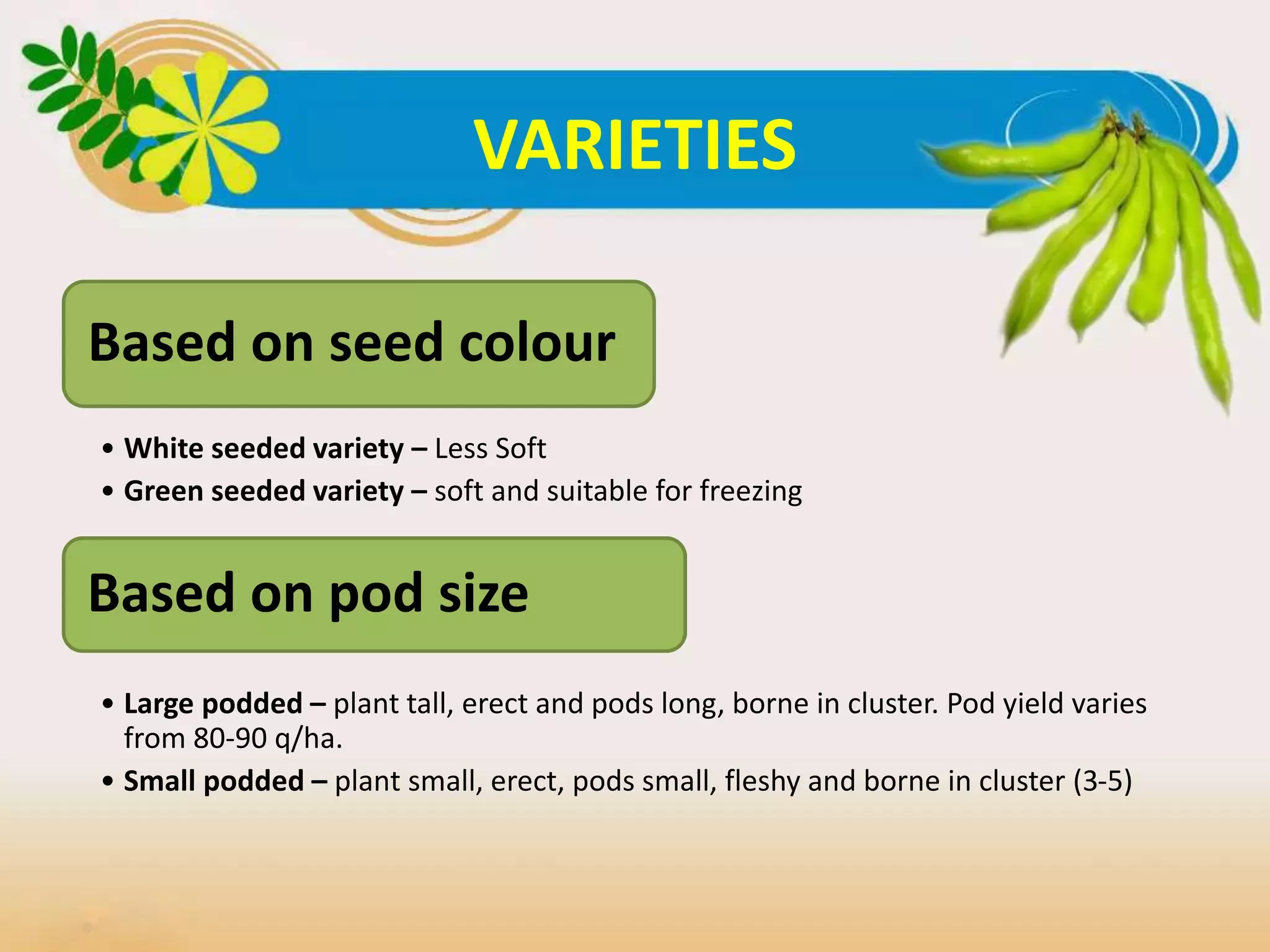
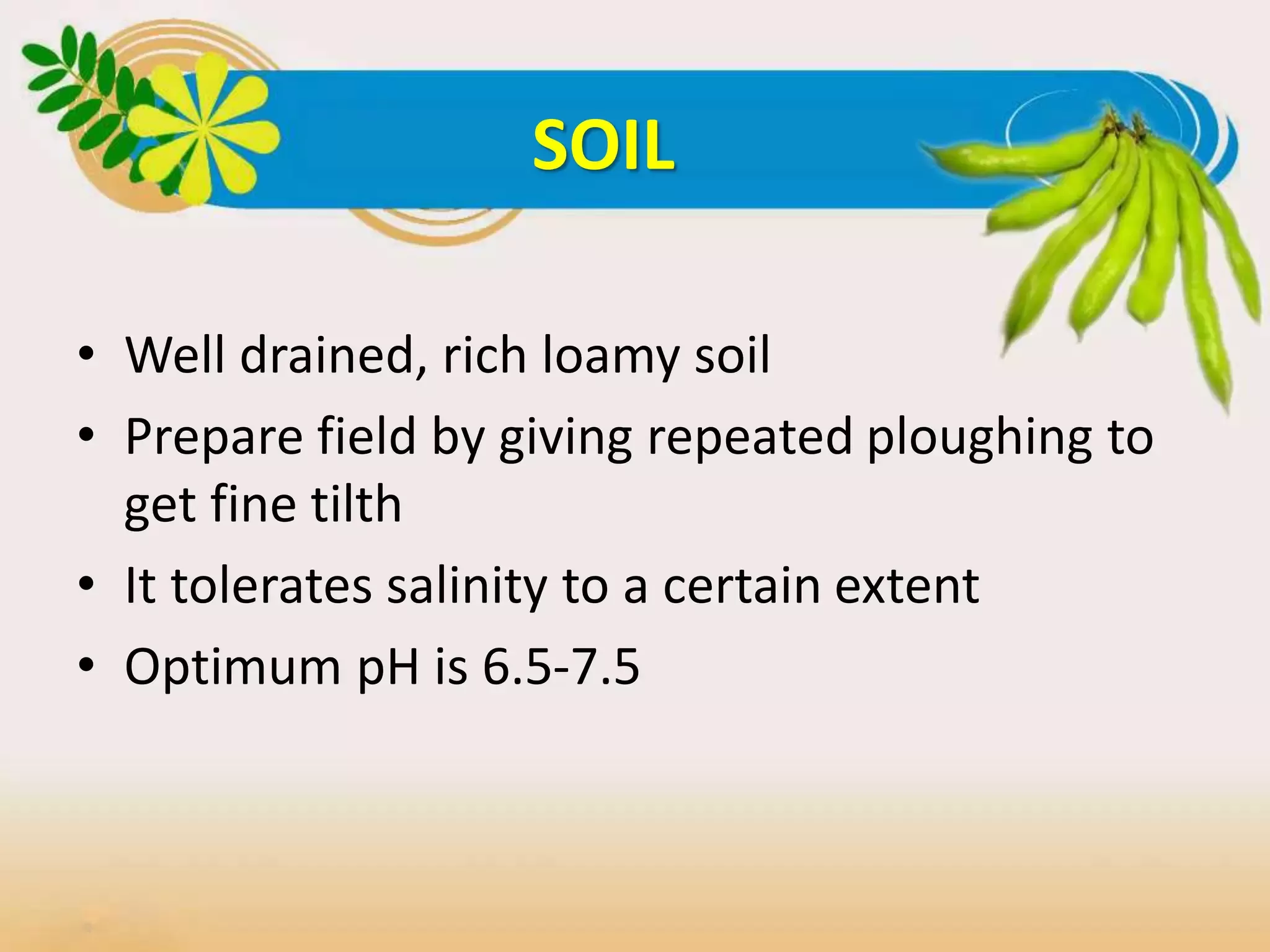
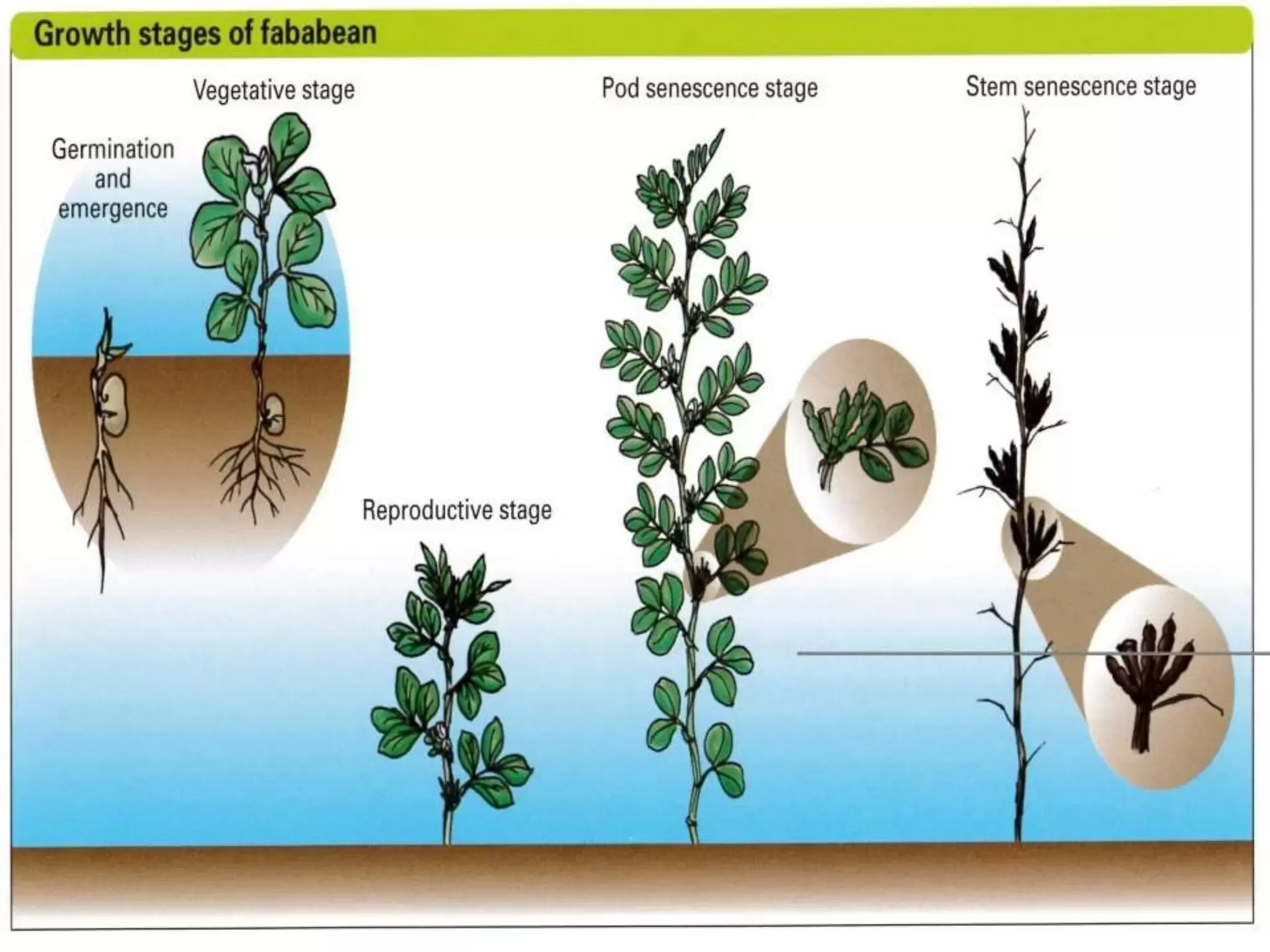
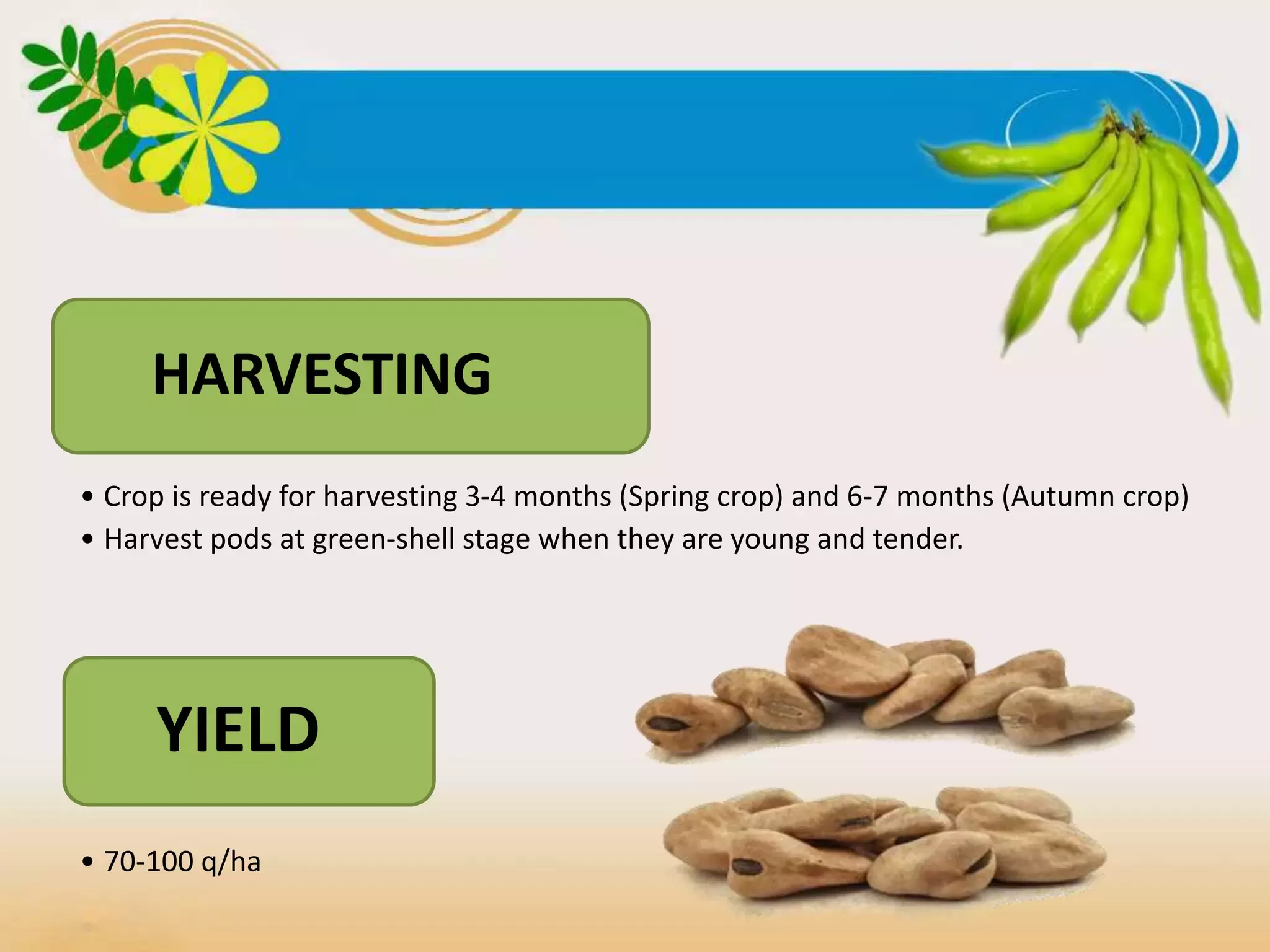
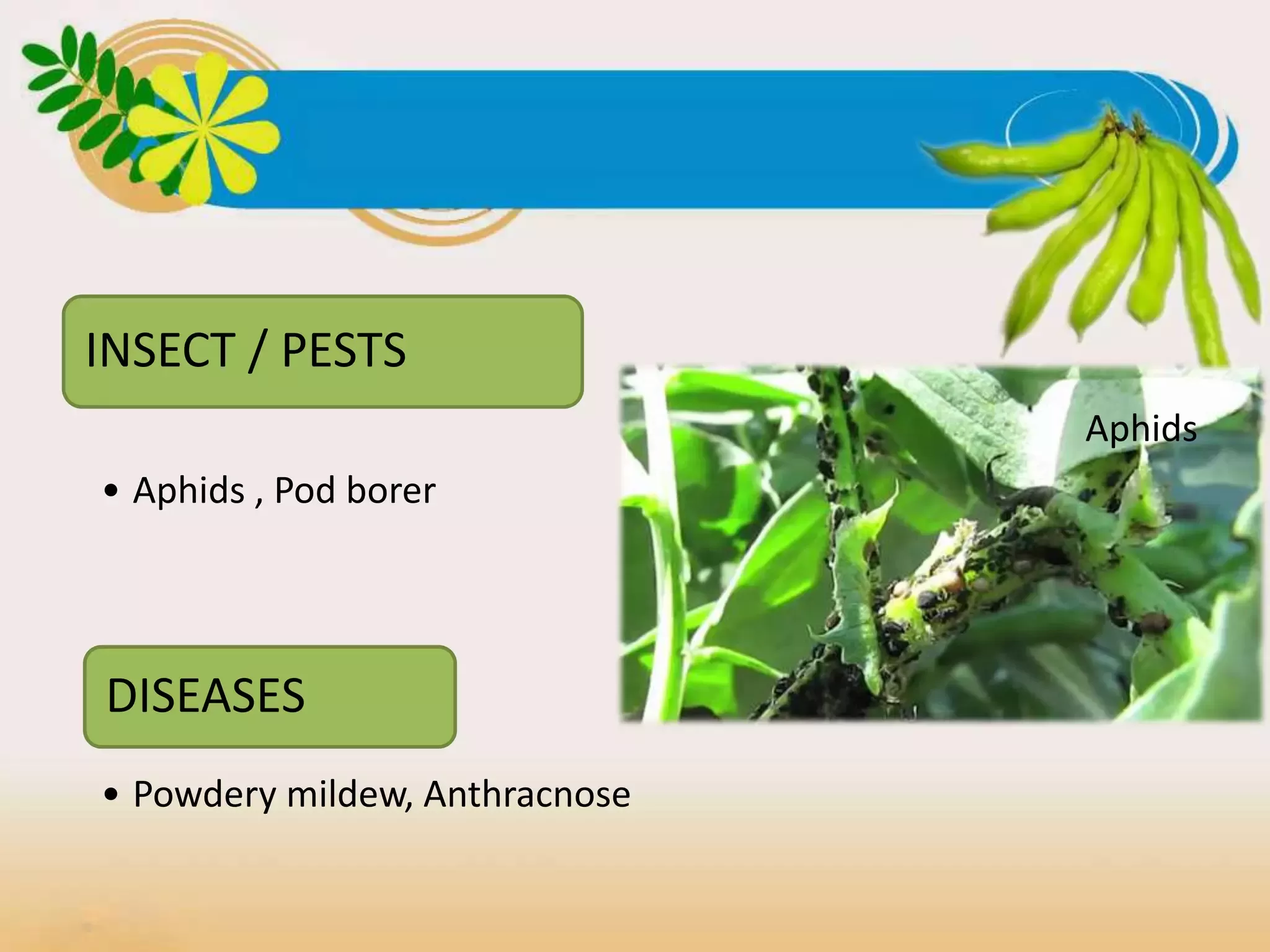
Broad bean, scientifically known as Vicia faba L., belongs to the Leguminosae/Fabaceae family and is commonly referred to by various names, such as faba bean, horse bean, and bakla bean. This versatile crop is predominantly cultivated in South America and Northern India, where it thrives in cooler temperatures. Recognized for its hardiness, the broad bean serves multiple functions beyond providing food; it is also valued as green manure and as a winter and autumn crop. The morphological structure of broad beans is distinctive, featuring square and erect stems that vary in height from 30 cm in dwarf varieties to about 100 cm in taller ones. The plants produce clusters of pods, typically containing five to seven pods, each about 15 cm long and 2 cm thick. These plants bear large and attractive flowers that are primarily pollinated by insects, contributing to their reproductive success. There are numerous varieties of broad beans, categorized based on seed color and pod size. Seed color varieties include white-seeded types that are less soft and green-seeded types that are suitable for freezing due to their softer texture. When considering pod size, large podded varieties yield higher, ranging from 80-90 q/ha, while small podded varieties display smaller, fleshy pods. Prominent improved varieties include Pusa Sumeet from the Indian Agricultural Research Institute in New Delhi, along with Masterpiece White Long Pod and Imperial Green Windsor, among others. Certain local selections, such as Jawahar Selection 73-31 from Madhya Pradesh and BR-1 and BR-2 from Bihar, demonstrate adaptability to regional growing conditions. Broad beans are particularly suited to cool climates, being the only crop that can be cultivated during winter and autumn. They can withstand low temperatures, even approaching -4°C, and are tolerant of temporary water stress due to the accumulation of proteins within the plant. Ideal soil for cultivation is well-drained, rich loamy soil with an optimal pH level between 6.5 and 7.5. Proper field preparation through repeated ploughing is essential to achieve fine tilth. Sowing of broad beans generally occurs between September to October and February to March, with a recommended seed rate of 70-100 kg per hectare. Seeds should be planted in shallow furrows spaced 75 cm apart, ensuring optimal growth conditions. Nutrient management is crucial, with a suggested application of 10 tons of farmyard manure per hectare, alongside nitrogen, phosphorus, and potassium fertilizer. Management practices also encompass irrigation and weed control, where light irrigation is carried out every 12-15 days and weeding is conducted at critical growth stages—25 and 40 days after sowing. Harvesting takes place 3-4 months after sowing for spring crops and 6-7 months for autumn crops, ideally when the pods reach the green-shell stage. The yield of broad beans typically ranges between 70-100 quintals per hectare. However, growers should remain vigilant against pests such as aphids and pod borers, as well as diseases like powdery mildew and anthracnose, which can threaten crop health. Overall, the broad bean stands out as a multi-purpose crop that contributes to food security and sustainable agricultural practices.

Slide 1

Slide 1⬇ Download

Slide 2

Slide 2⬇ Download

Slide 3

Slide 3⬇ Download

Slide 4

Slide 4⬇ Download

Slide 5

Slide 5⬇ Download

Slide 6

Slide 6⬇ Download

Slide 7

Slide 7⬇ Download

Slide 8

Slide 8⬇ Download

Slide 9

Slide 9⬇ Download

Slide 10

Slide 10⬇ Download

Slide 11

Slide 11⬇ Download

Slide 12

Slide 12⬇ Download

Slide 13

Slide 13⬇ Download

Slide 14

Slide 14⬇ Download

Slide 15

Slide 15⬇ Download
1 / 15

Ppt on Brinjal breeding

Summary:

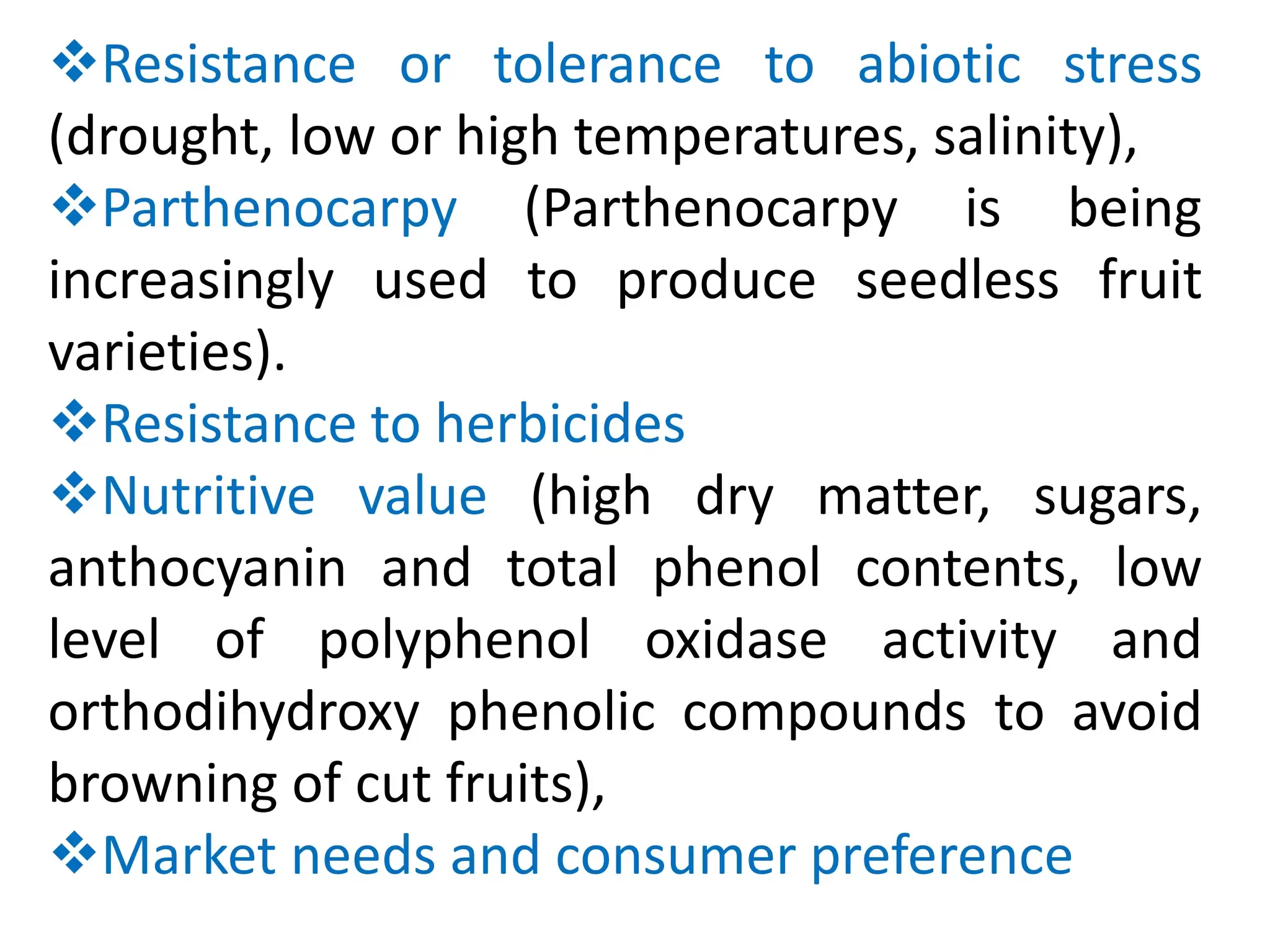
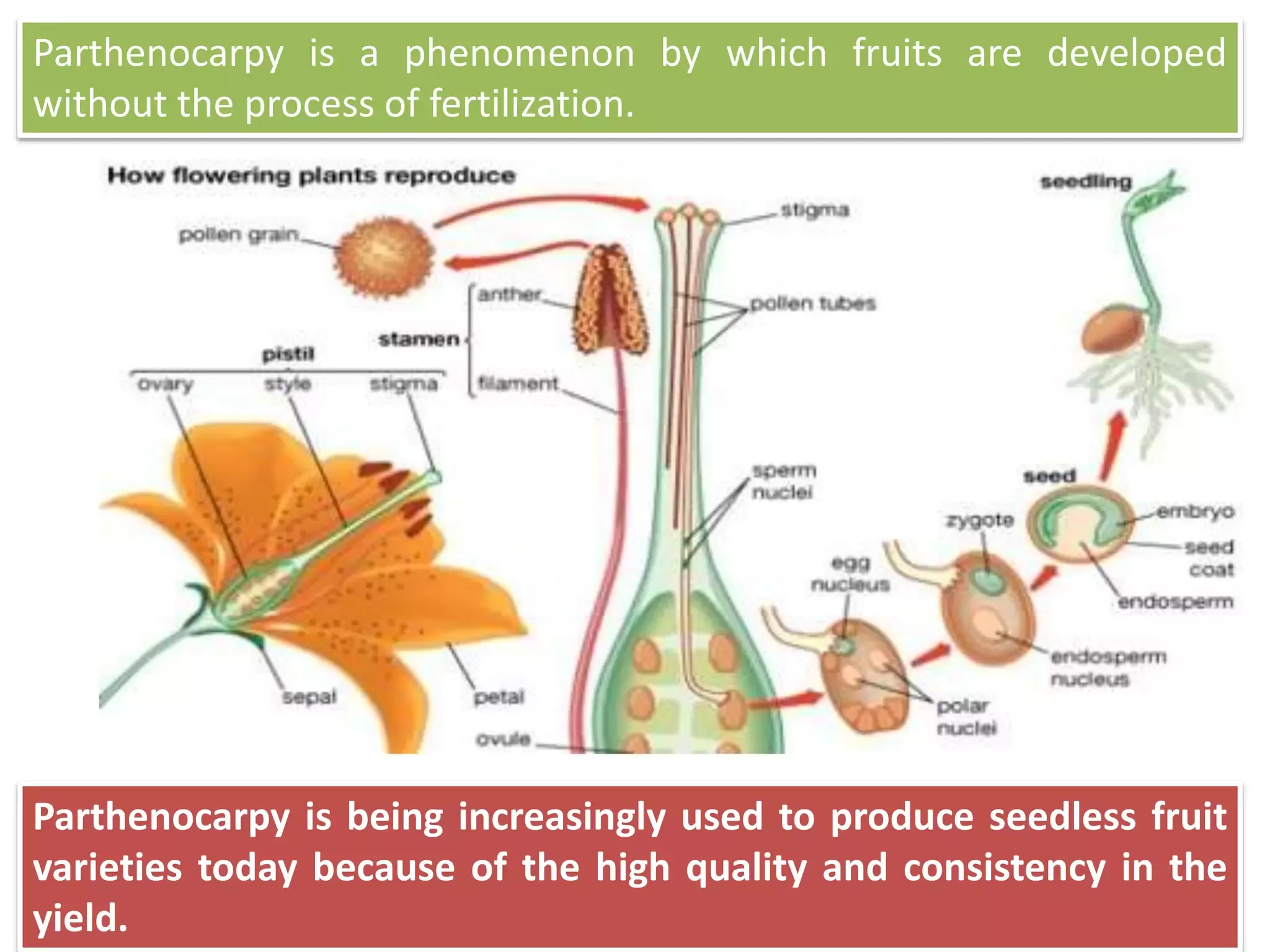
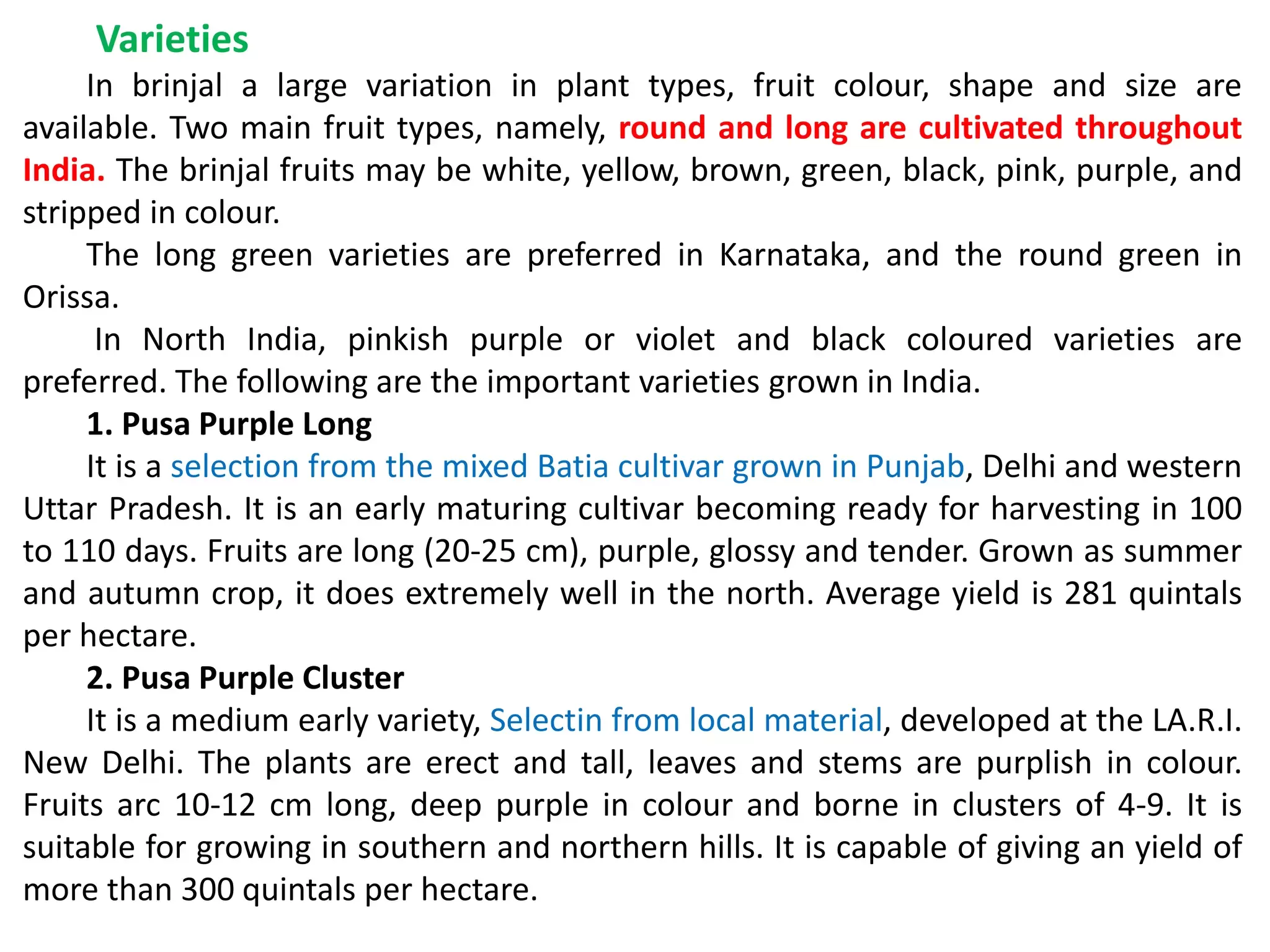
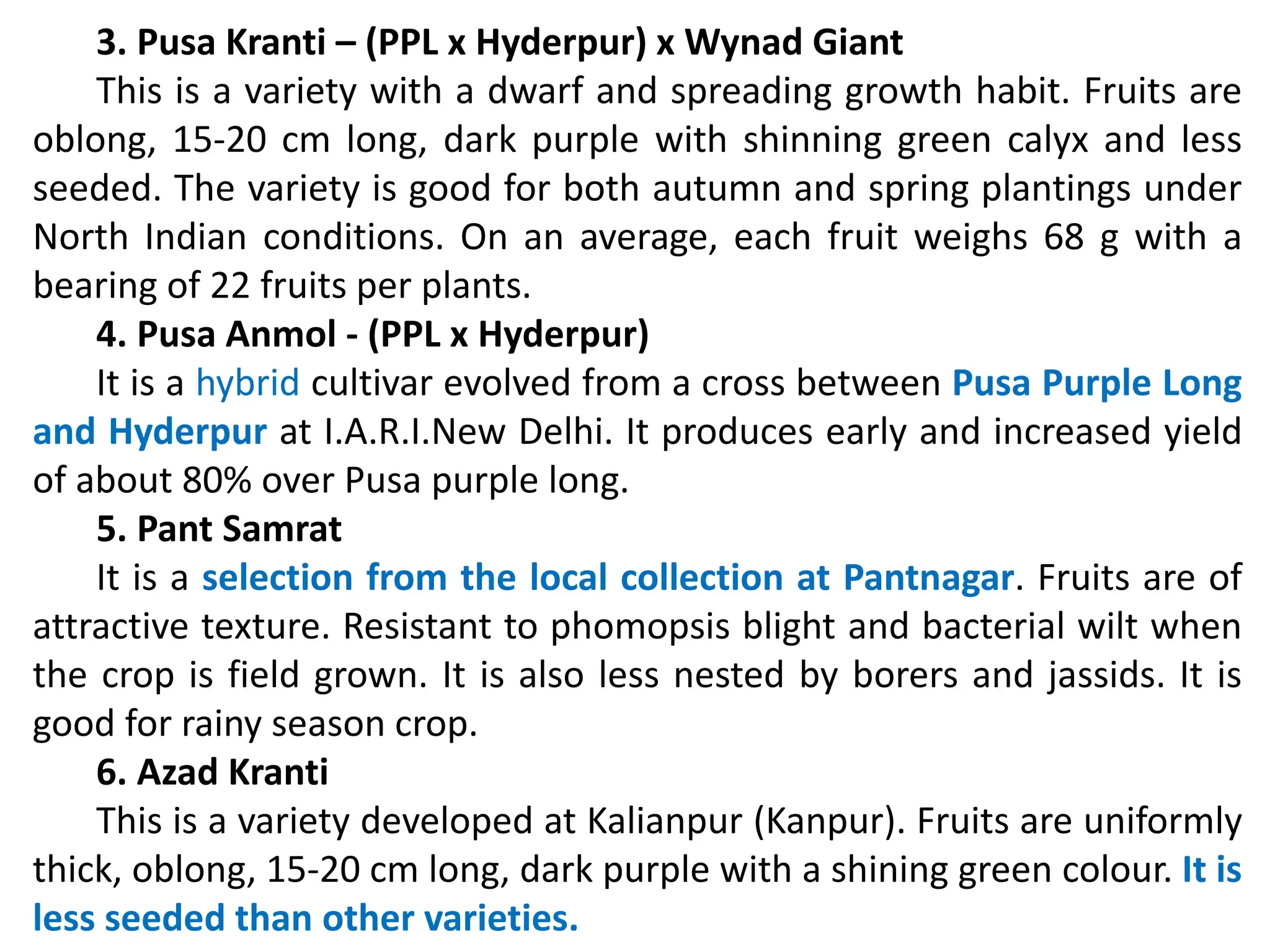
Discover the fascinating world of brinjal breeding through this informative PowerPoint presentation. Explore the history, cultivation, and breeding methods of eggplant, a significant vegetable crop in various countries. Dive into the different botanical varieties, traits, and challenges faced in breeding for high yield and quality. Whether you are a researcher, farmer, or vegetable enthusiast, this presentation offers valuable insights into enhancing brinjal production and sustainability.

Summary

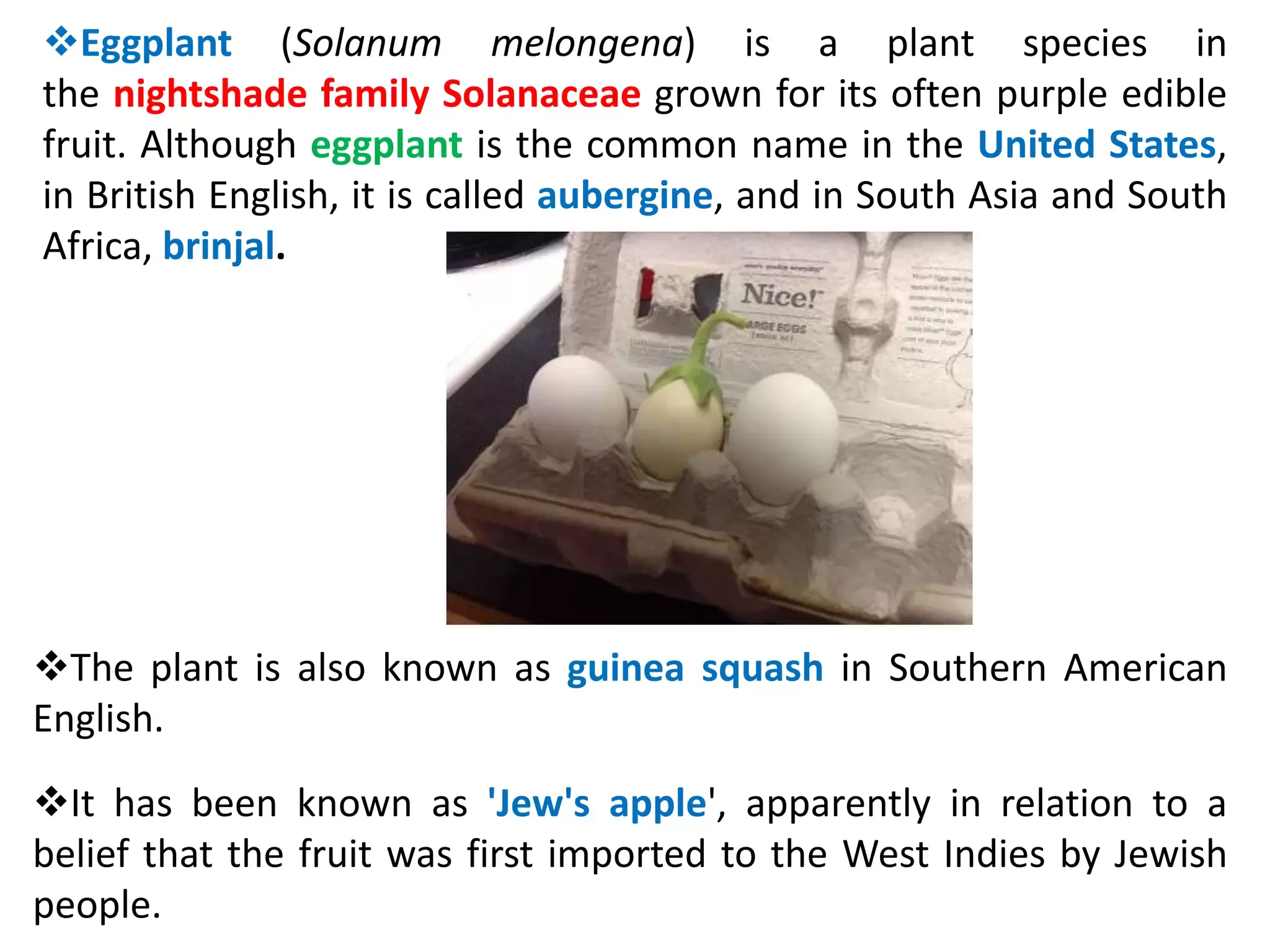
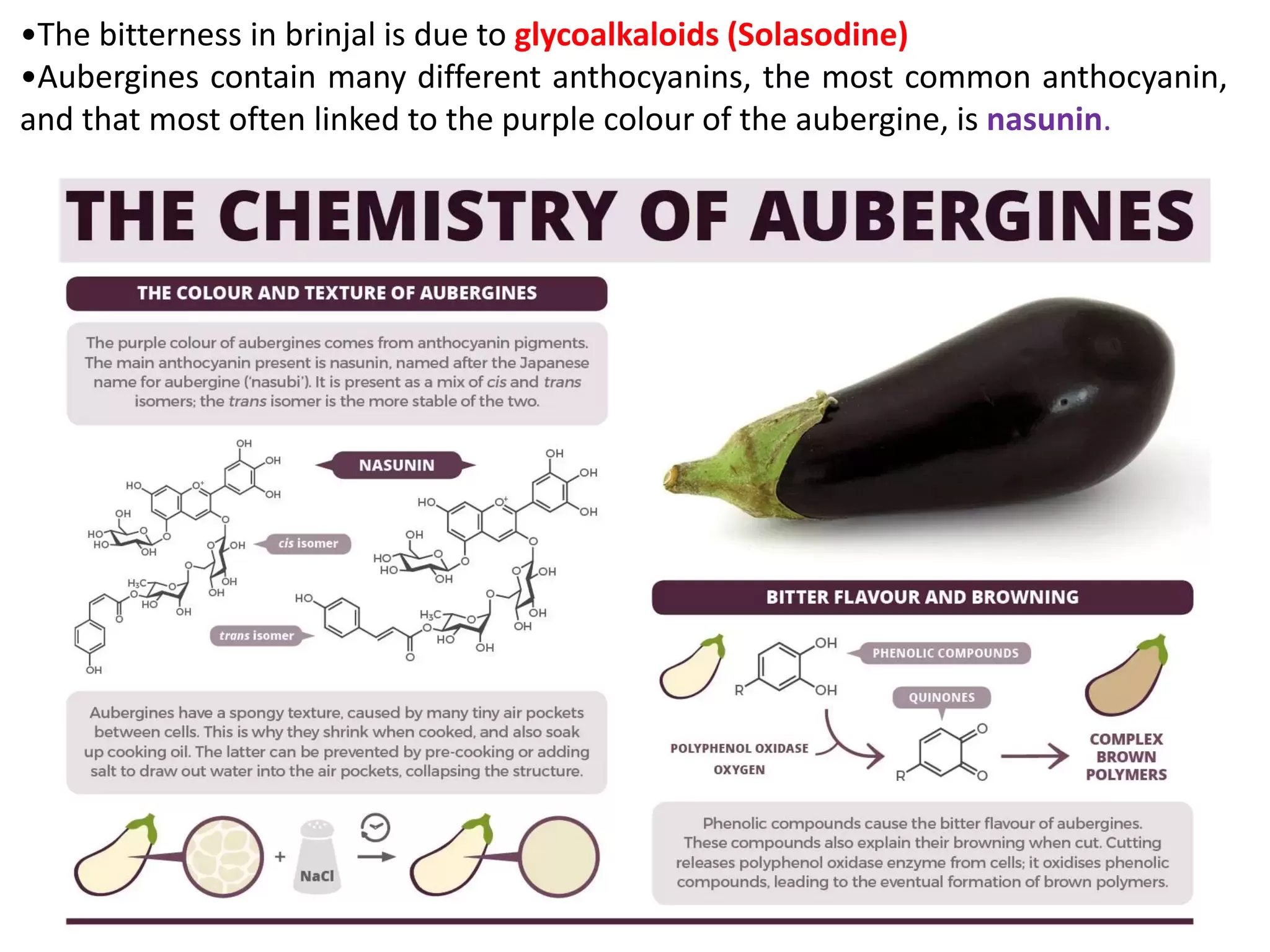
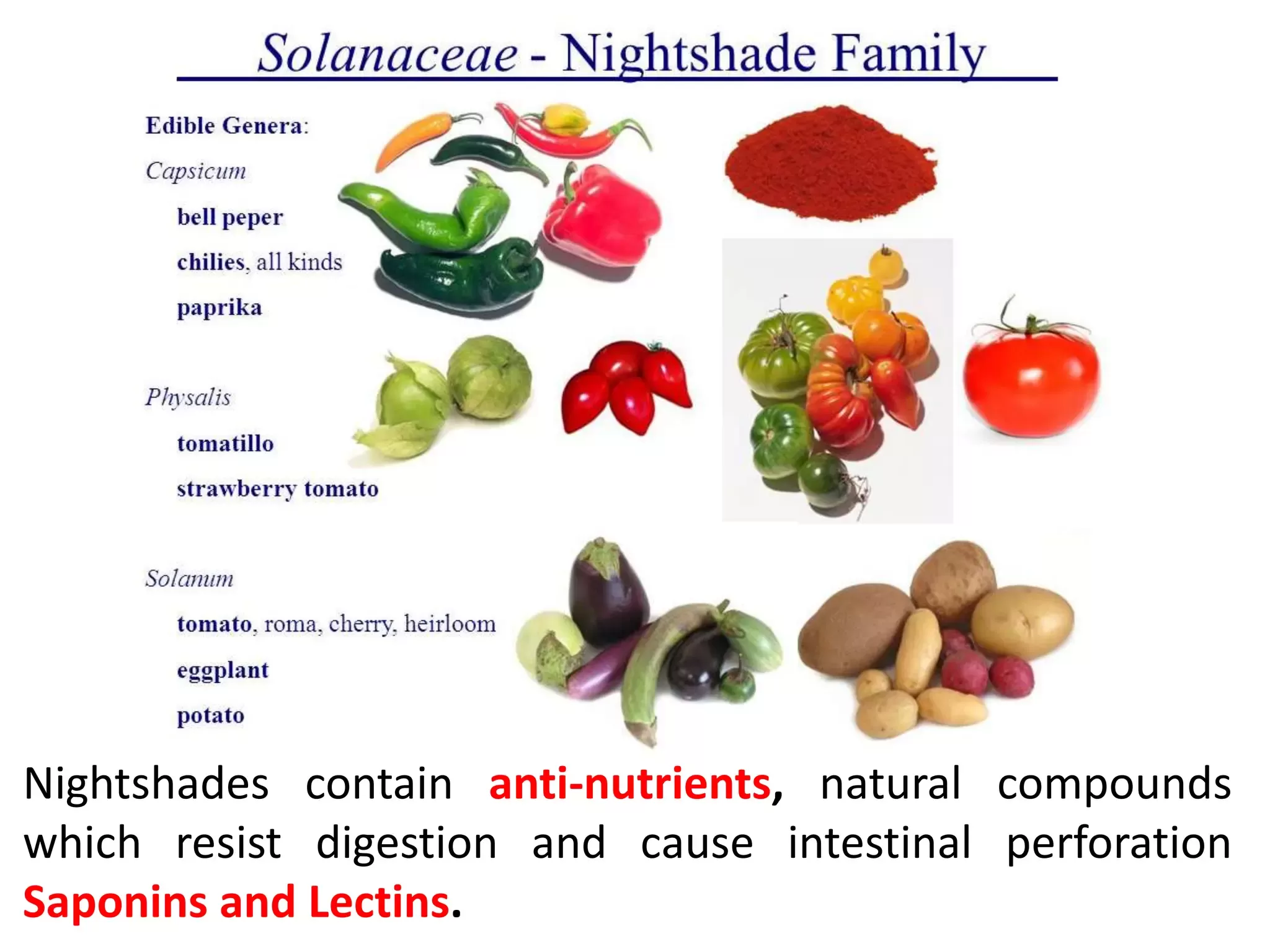
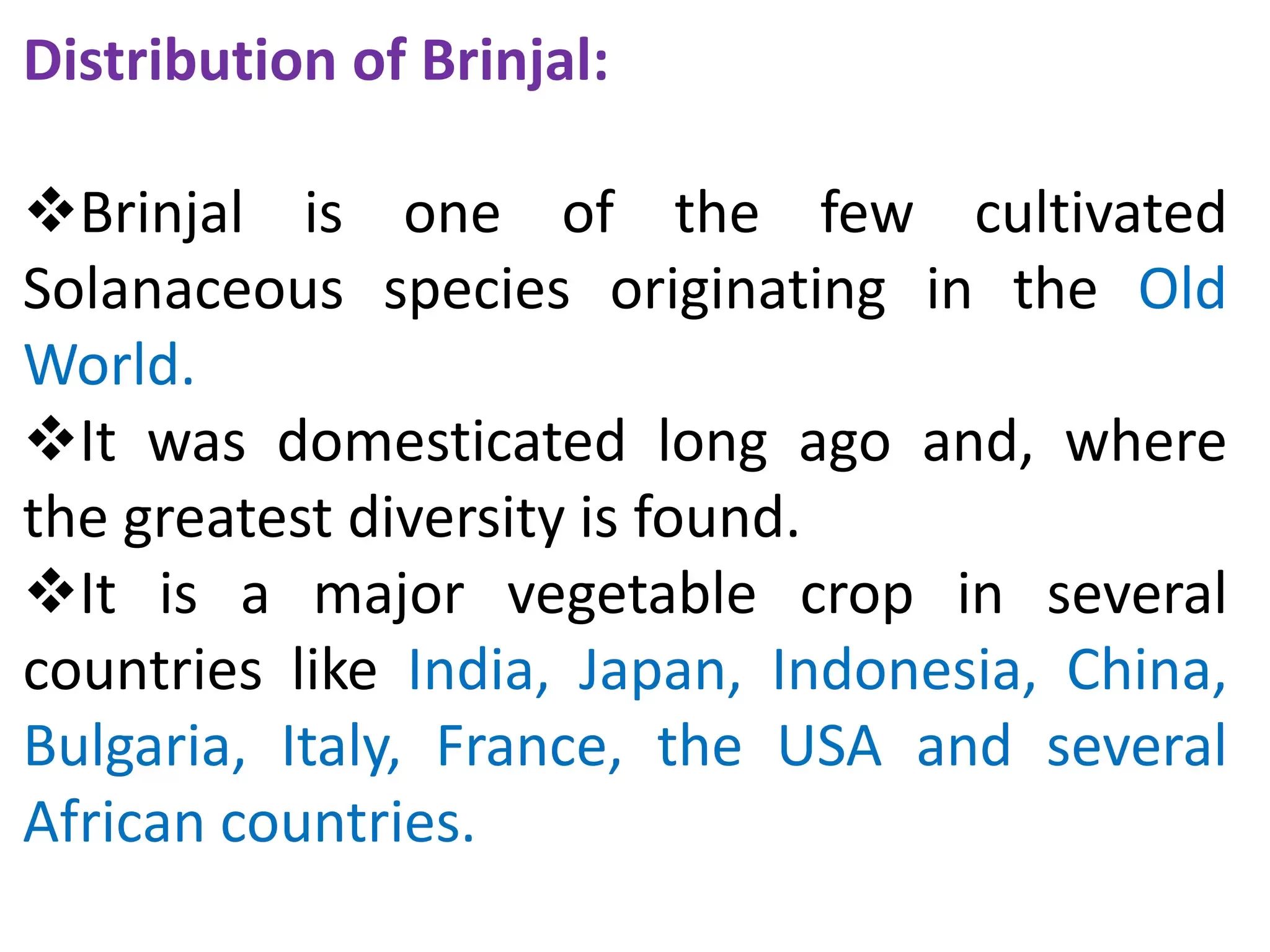
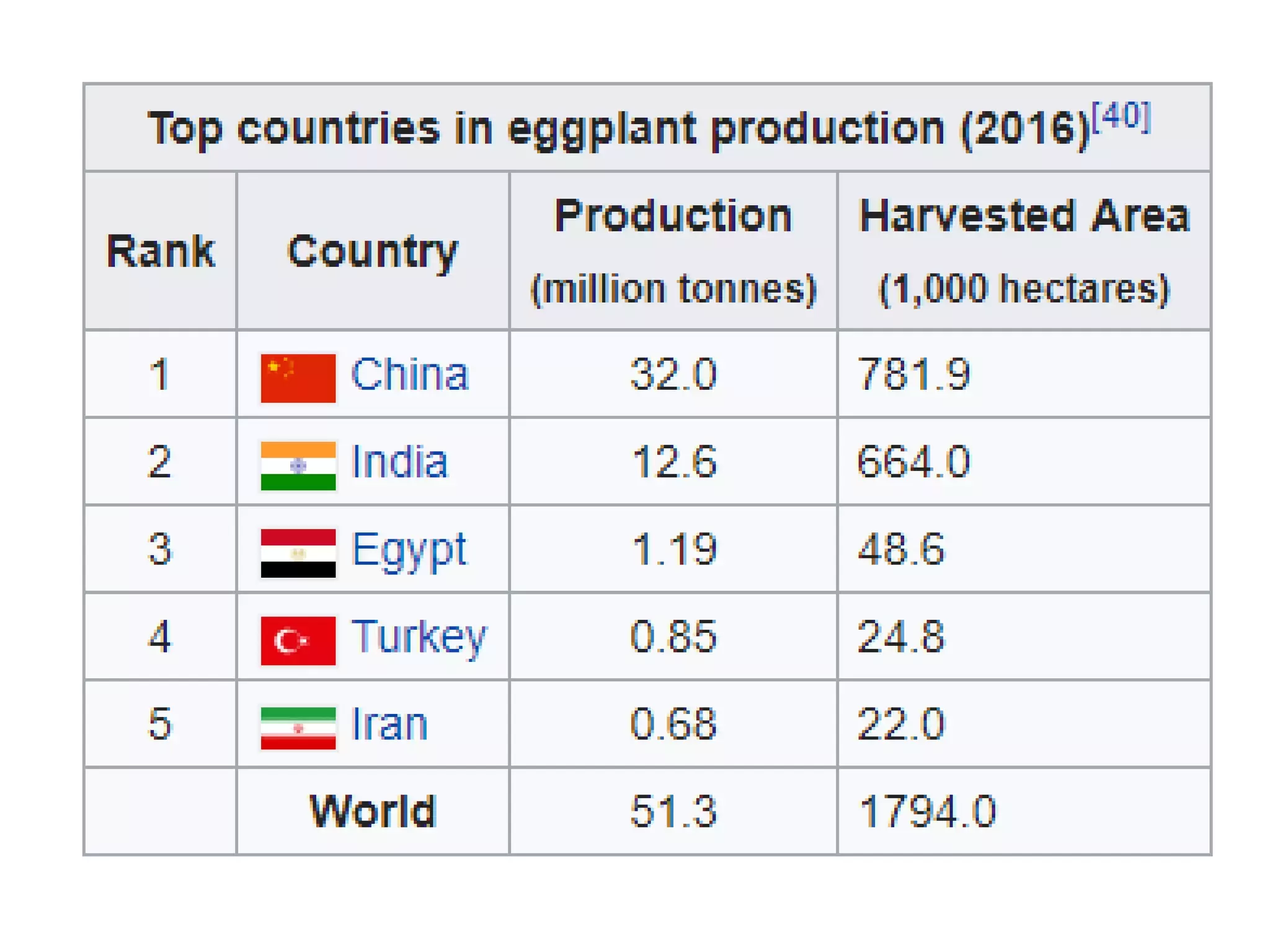
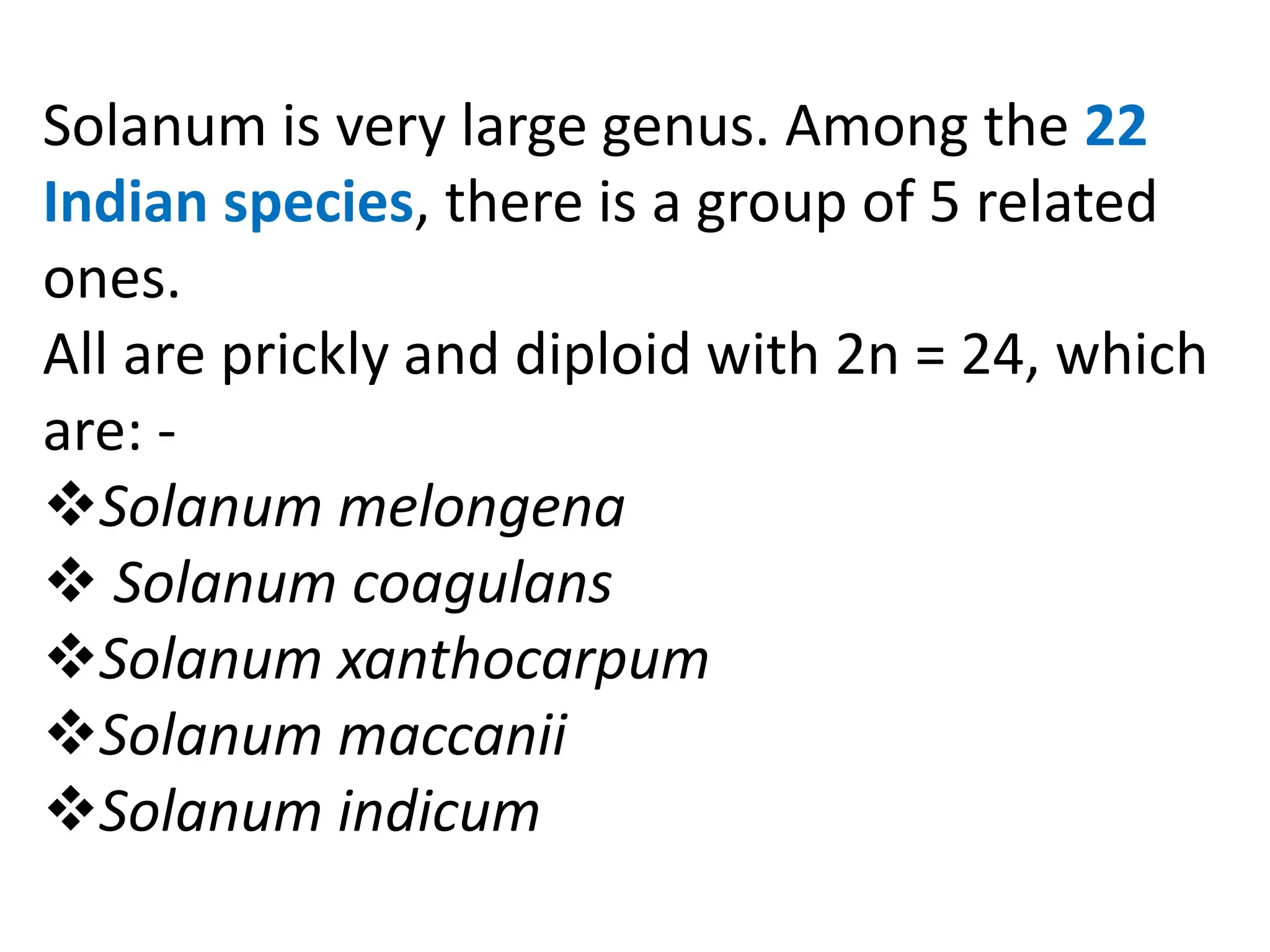
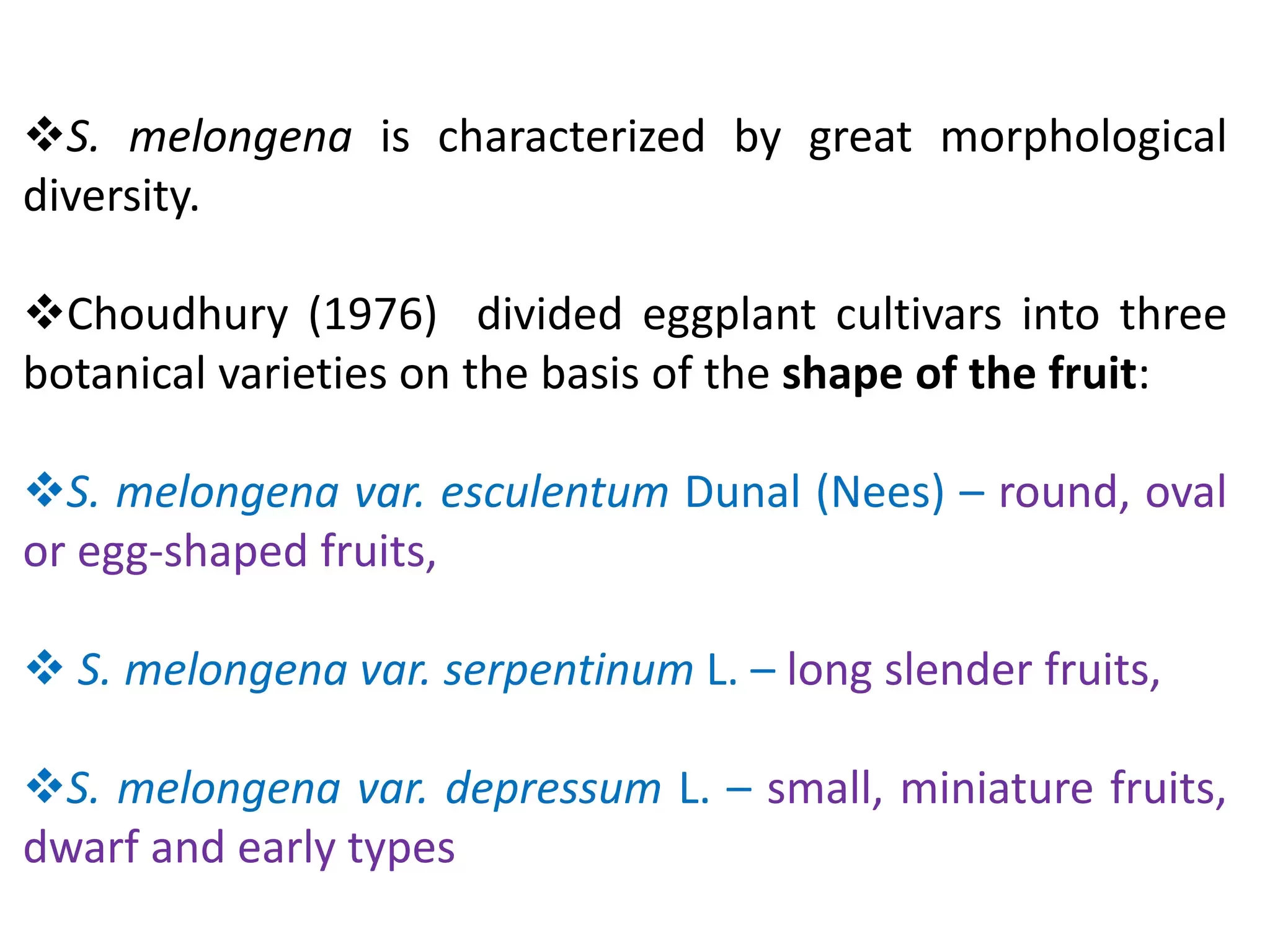
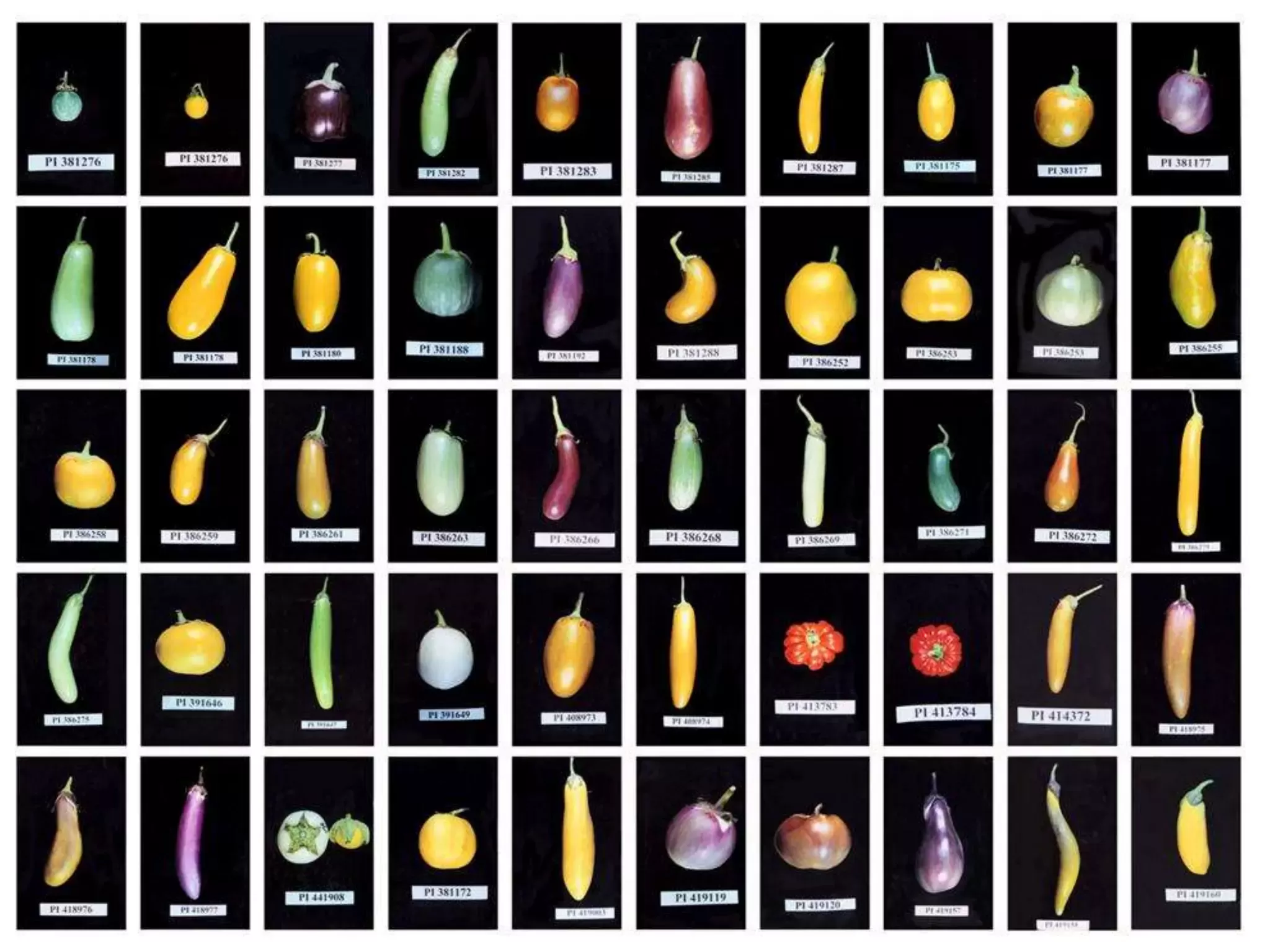
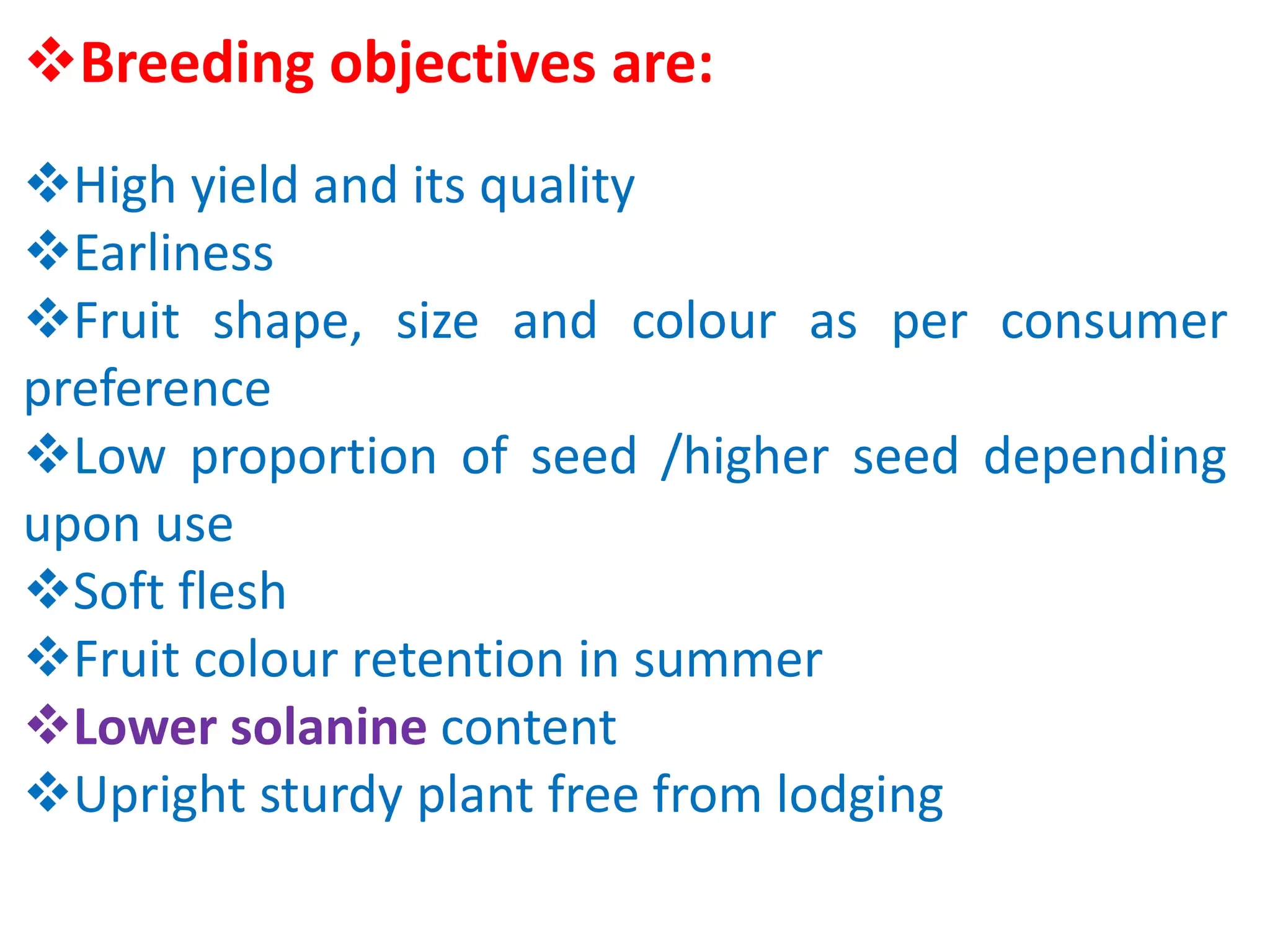
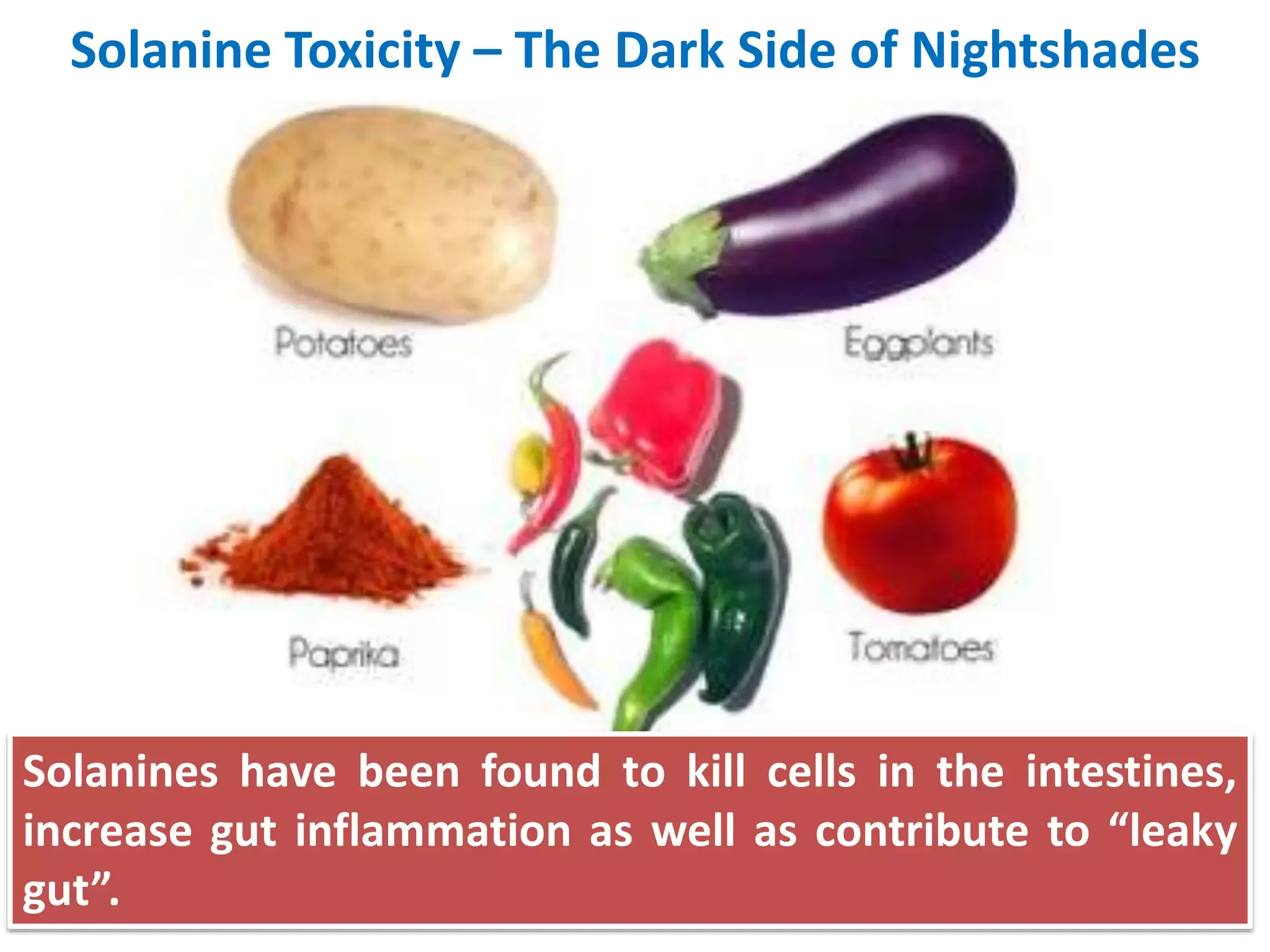
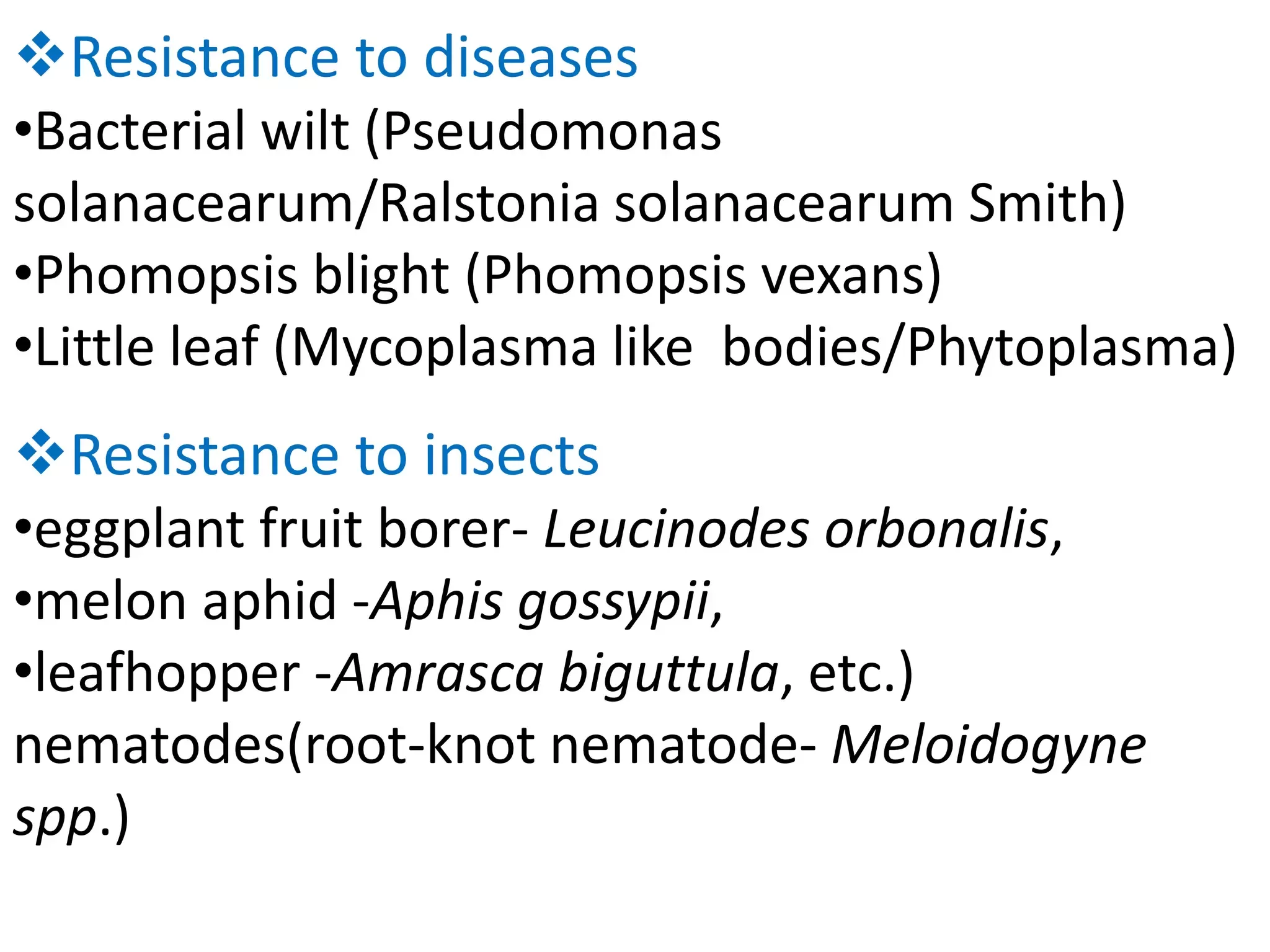
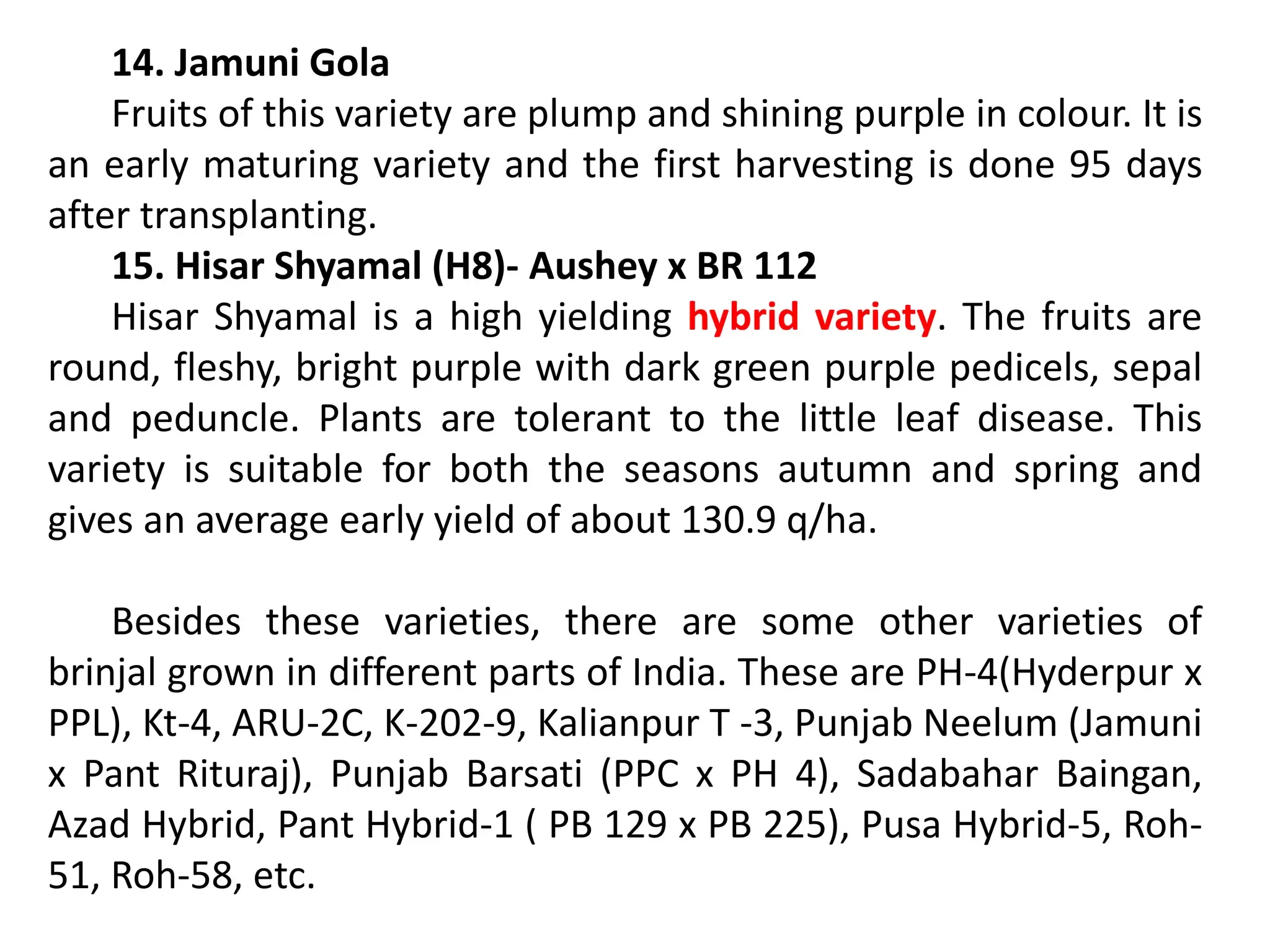
Eggplant (Solanum melongena), commonly known as aubergine in British English and brinjal in South Asia, is a member of the nightshade family Solanaceae, cultivated for its edible fruit, which is often purple. This plant species has a rich history of domestication, primarily in the Old World, and is a significant vegetable crop in countries like India, Japan, and the USA. Eggplant exhibits great morphological diversity and is categorized into three botanical varieties based on fruit shape: round, long slender, and small miniature types. Cultivation focuses on breeding for high yield, quality, disease resistance, and consumer-preferred traits, while also addressing issues like solanine toxicity and pest resistance. Notable pests include the eggplant fruit borer, and breeding methods include pureline selection and

Slide 1

Slide 1

Slide 2

Slide 2

Slide 3

Slide 3

Slide 4

Slide 4

Slide 5

Slide 5

Slide 6

Slide 6

Slide 7

Slide 7

Slide 8

Slide 8

Slide 9

Slide 9

Slide 10

Slide 10

Slide 11

Slide 11

Slide 12

Slide 12

Slide 13

Slide 13

Slide 14

Slide 14

Slide 15

Slide 15

Slide 16

Slide 16

Slide 17

Slide 17

Slide 18

Slide 18

Slide 19

Slide 19

Slide 20

Slide 20

Slide 21

Slide 21

Slide 22

Slide 22

Slide 23

Slide 23

Slide 24

Slide 24

Slide 25

Slide 25

Slide 26

Slide 26

Slide 27

Slide 27

Slide 28

Slide 28
1 / 28

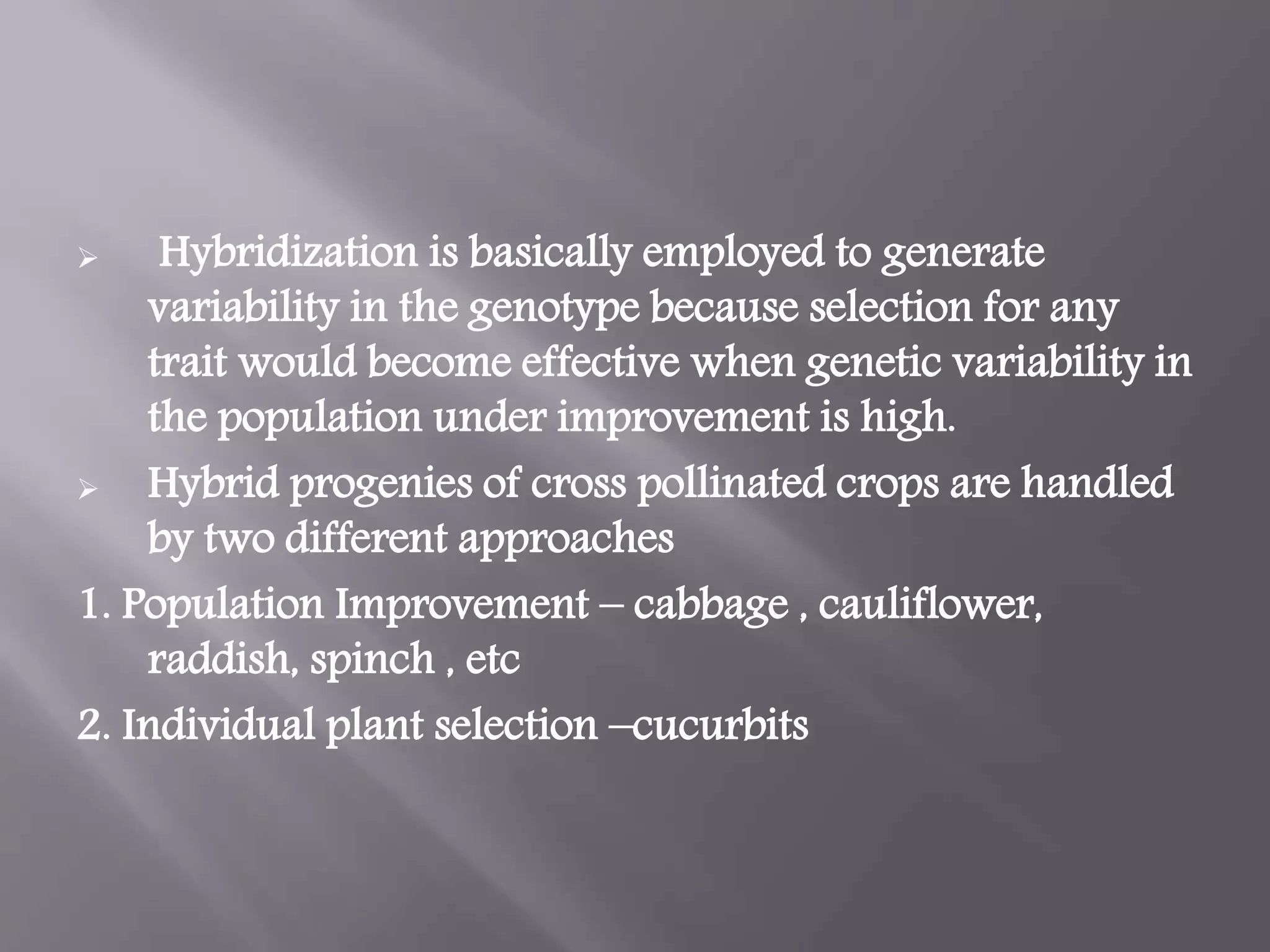
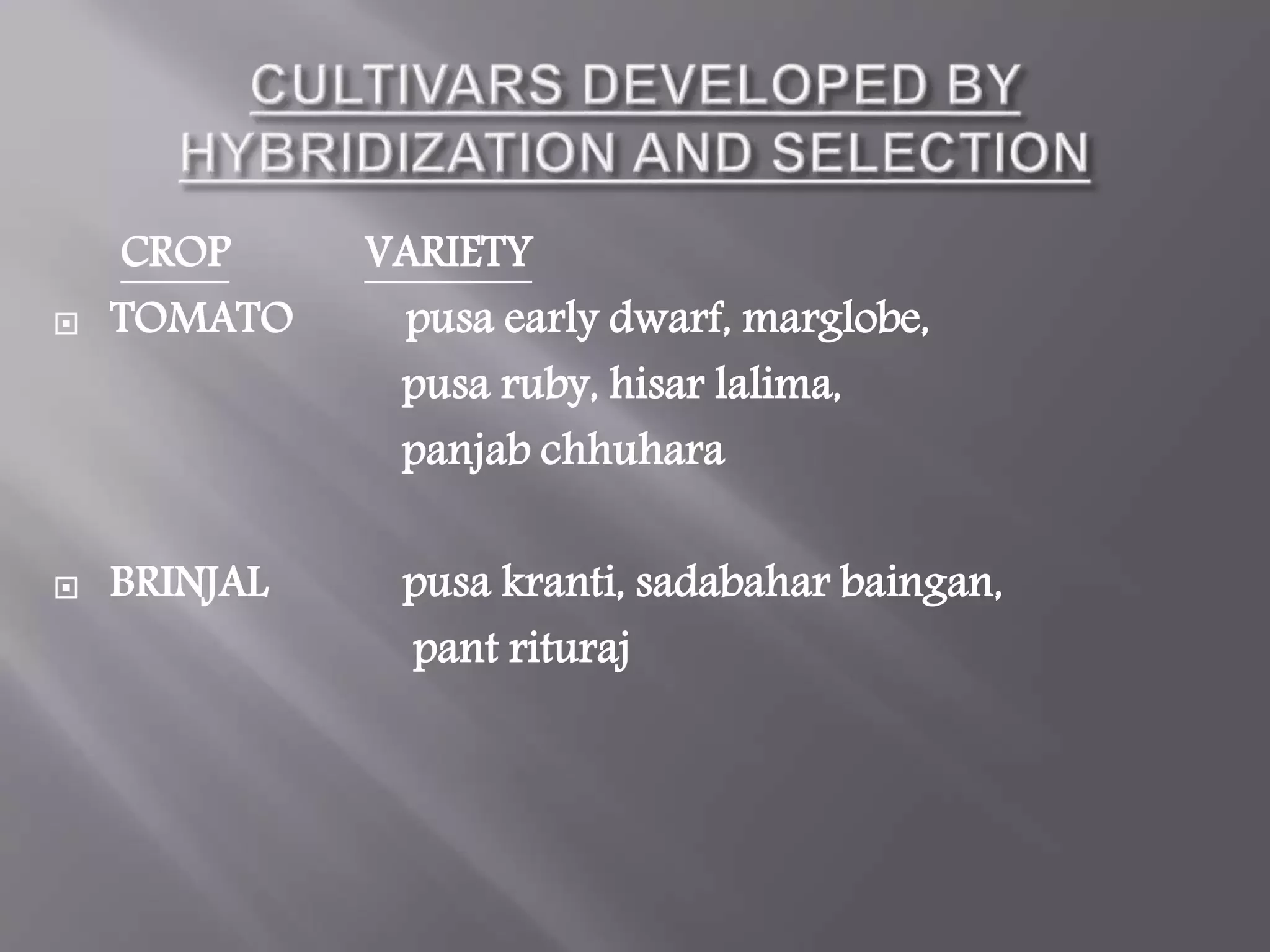
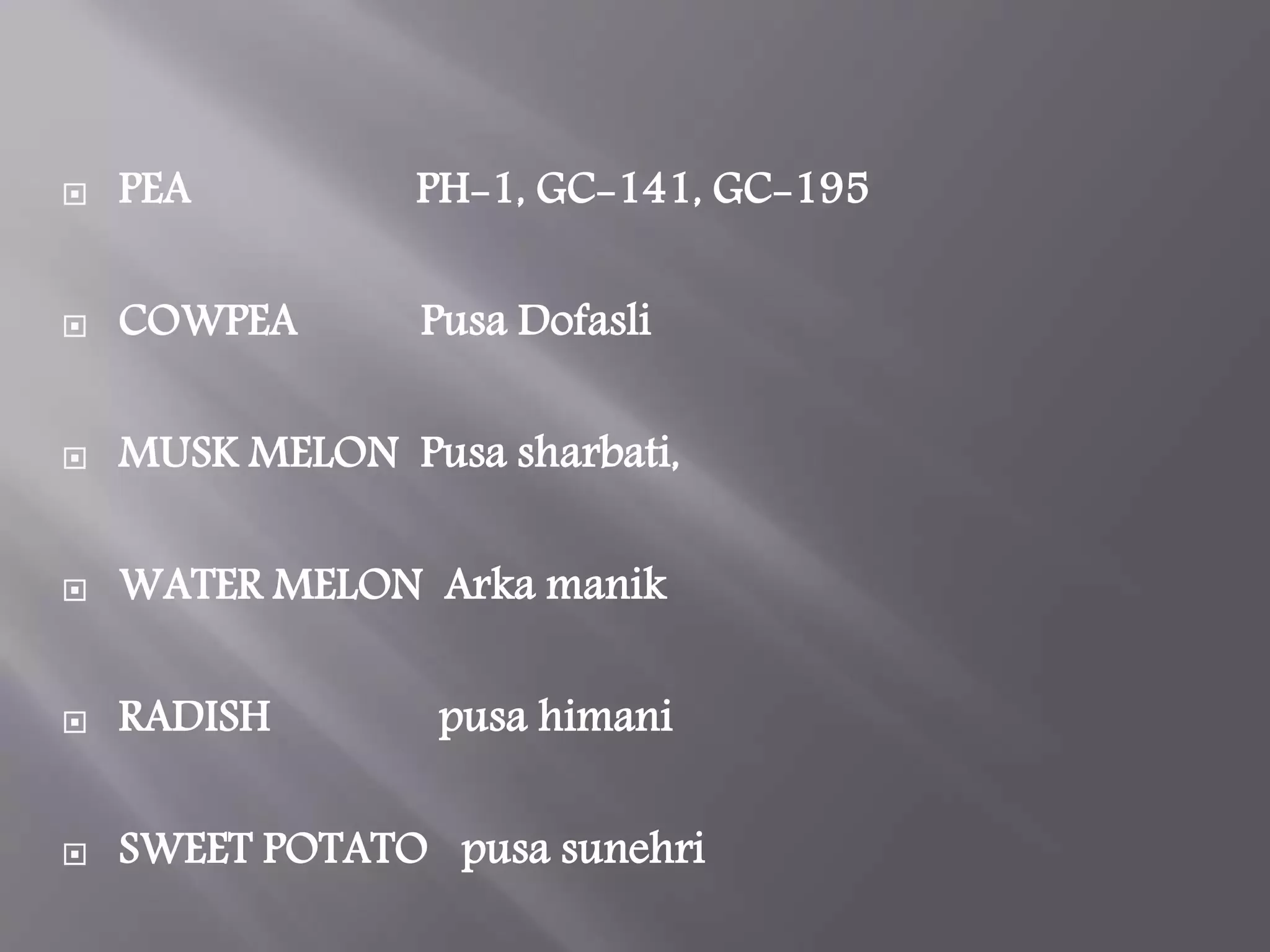
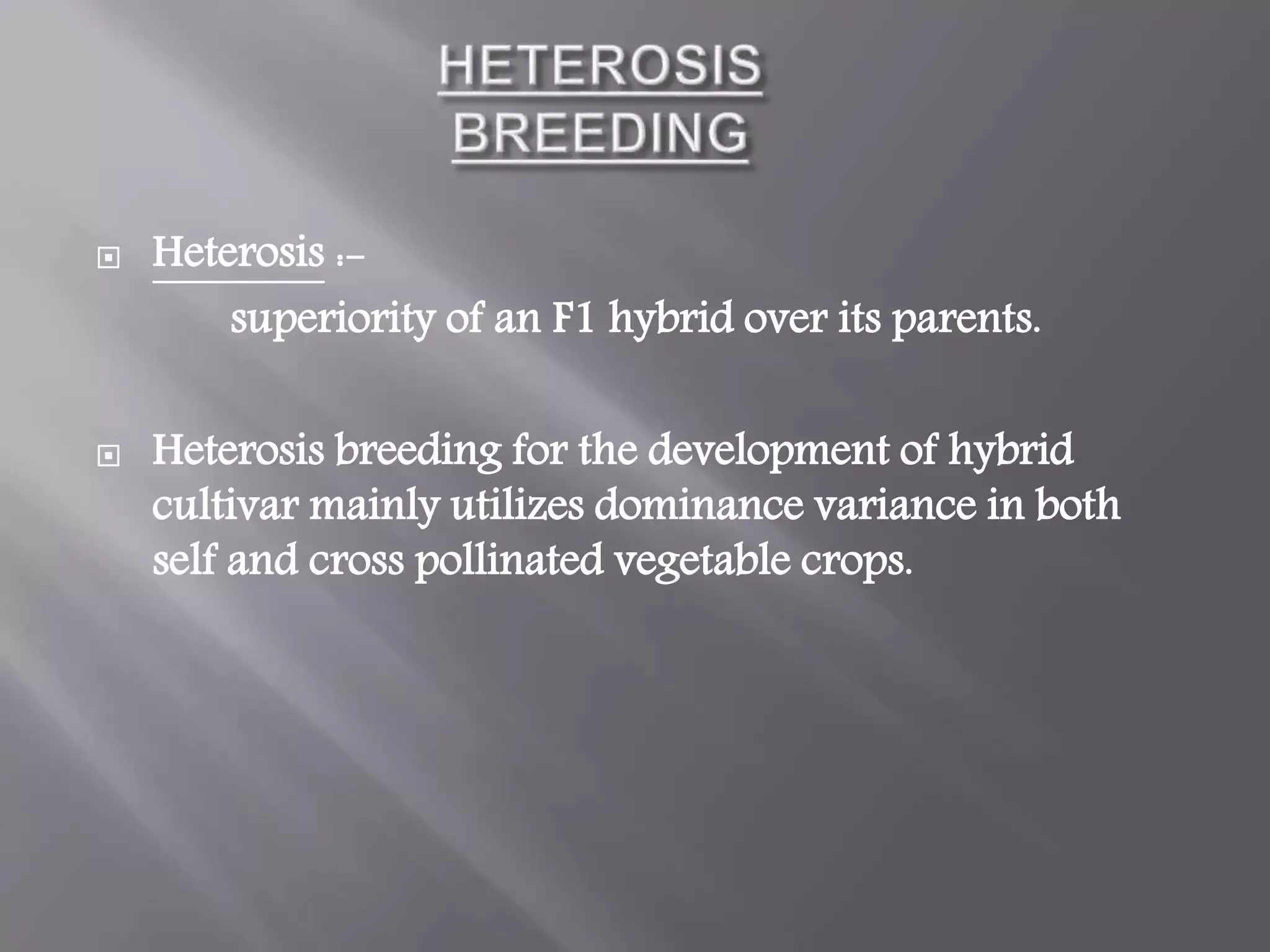
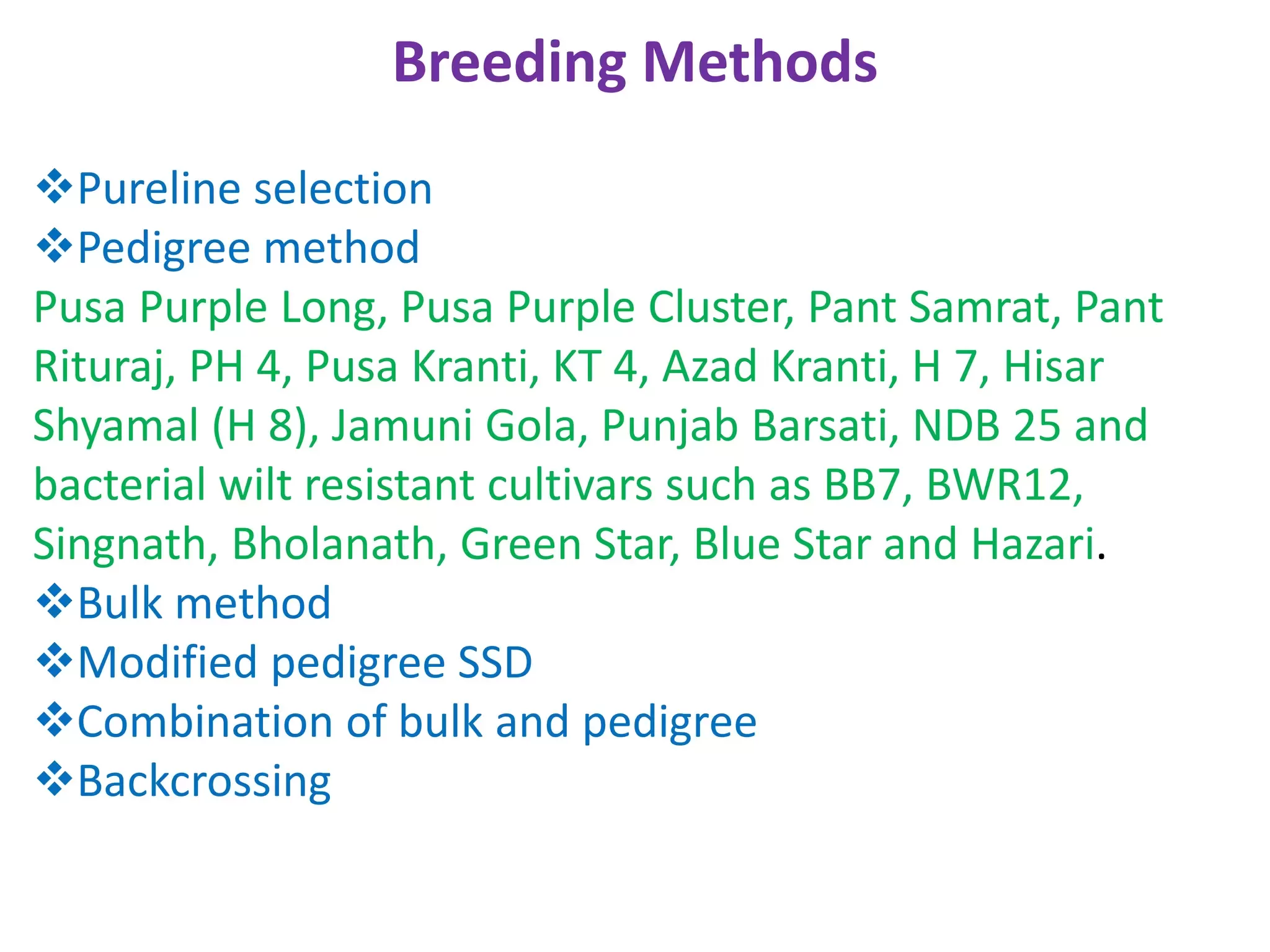
Ppt on Breeding methods for vegetables
Summary

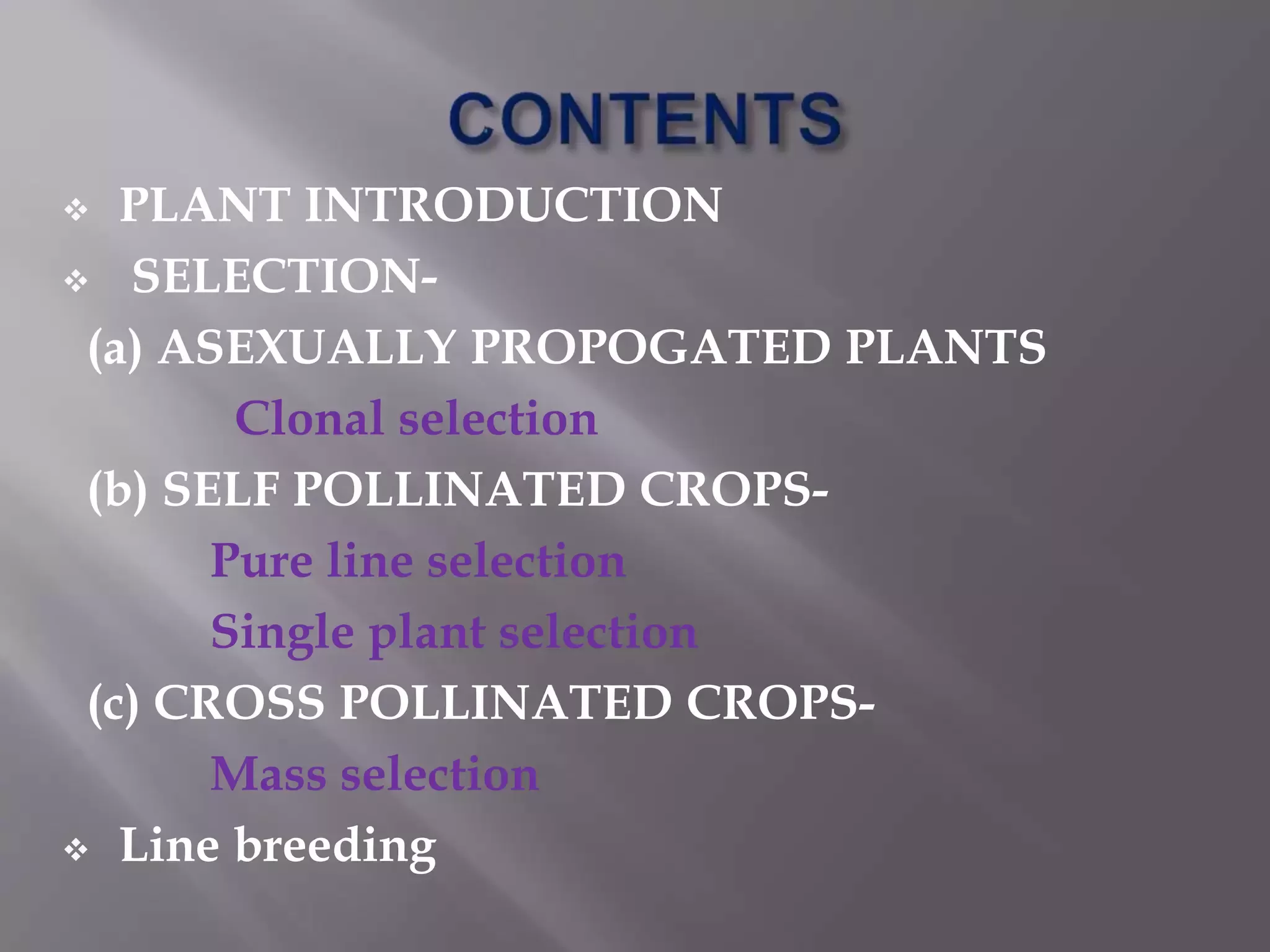
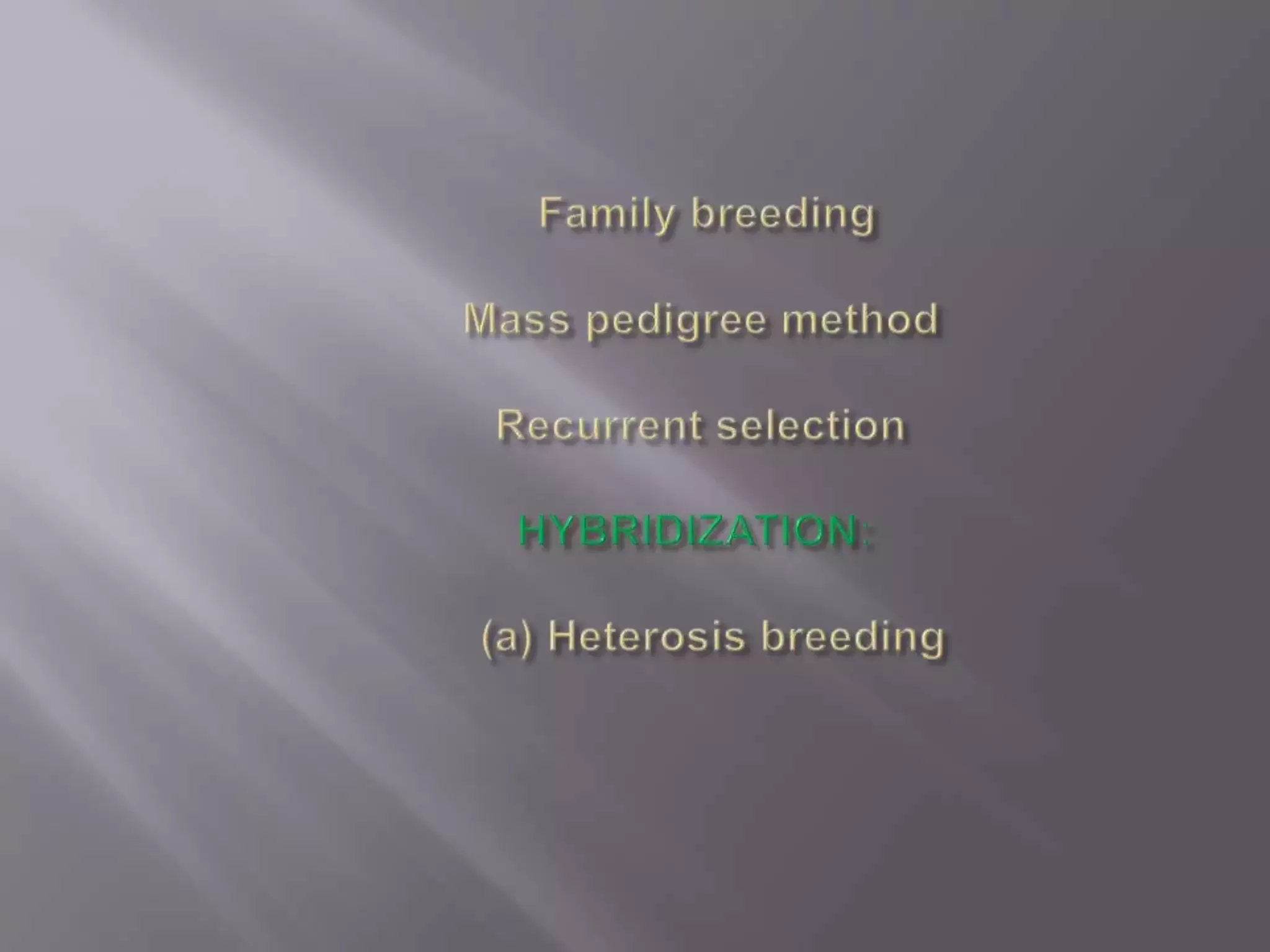
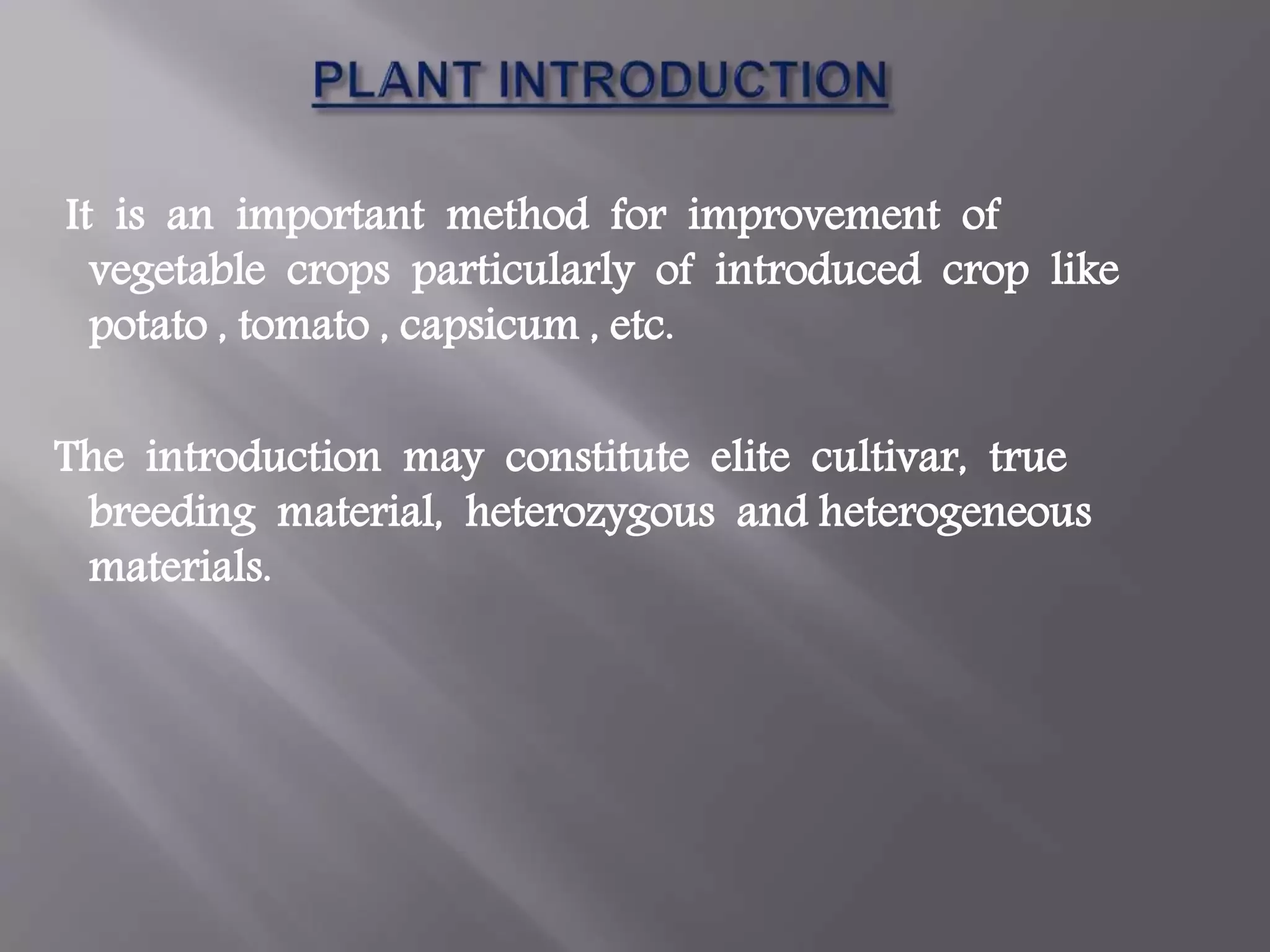
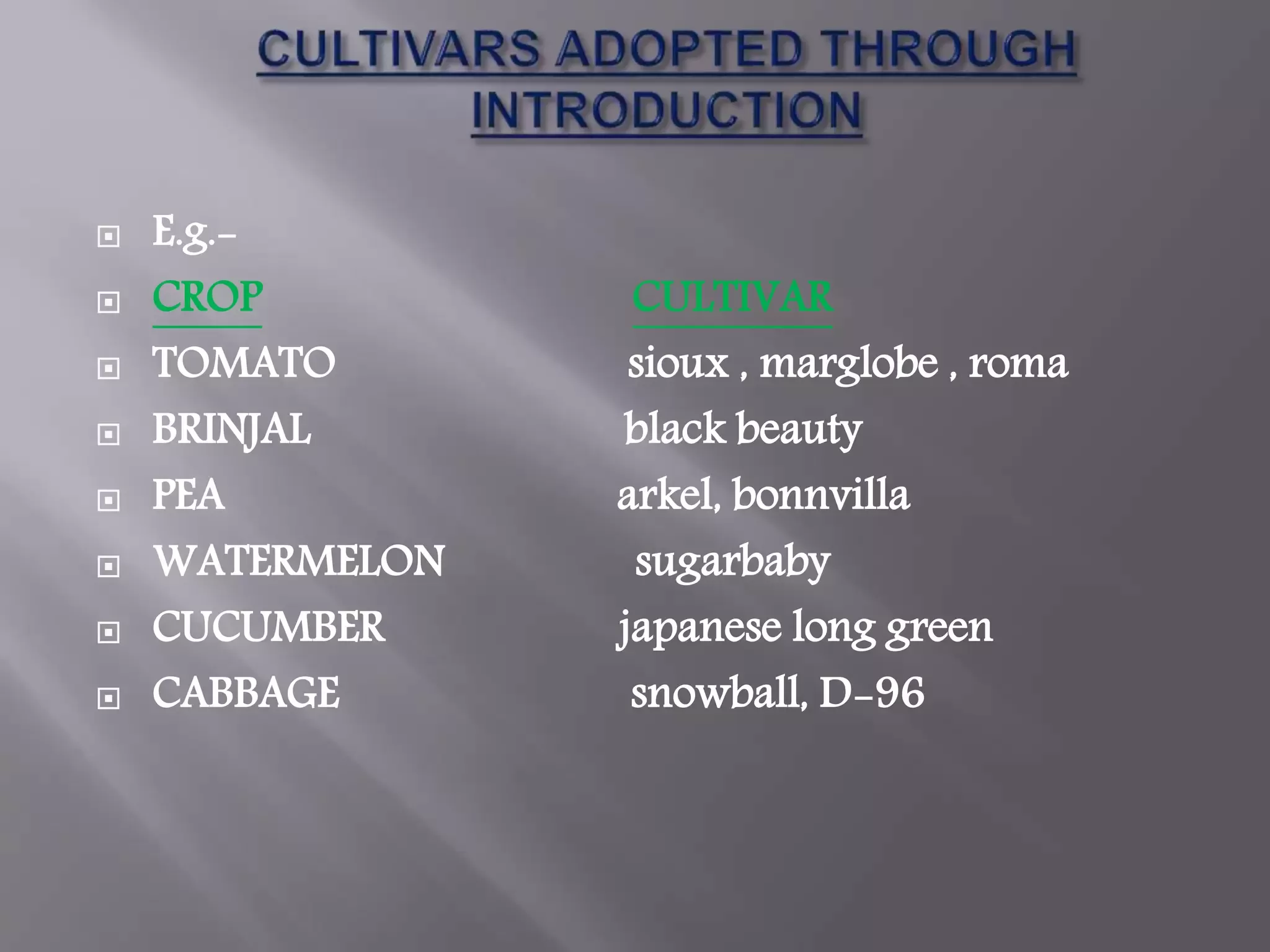
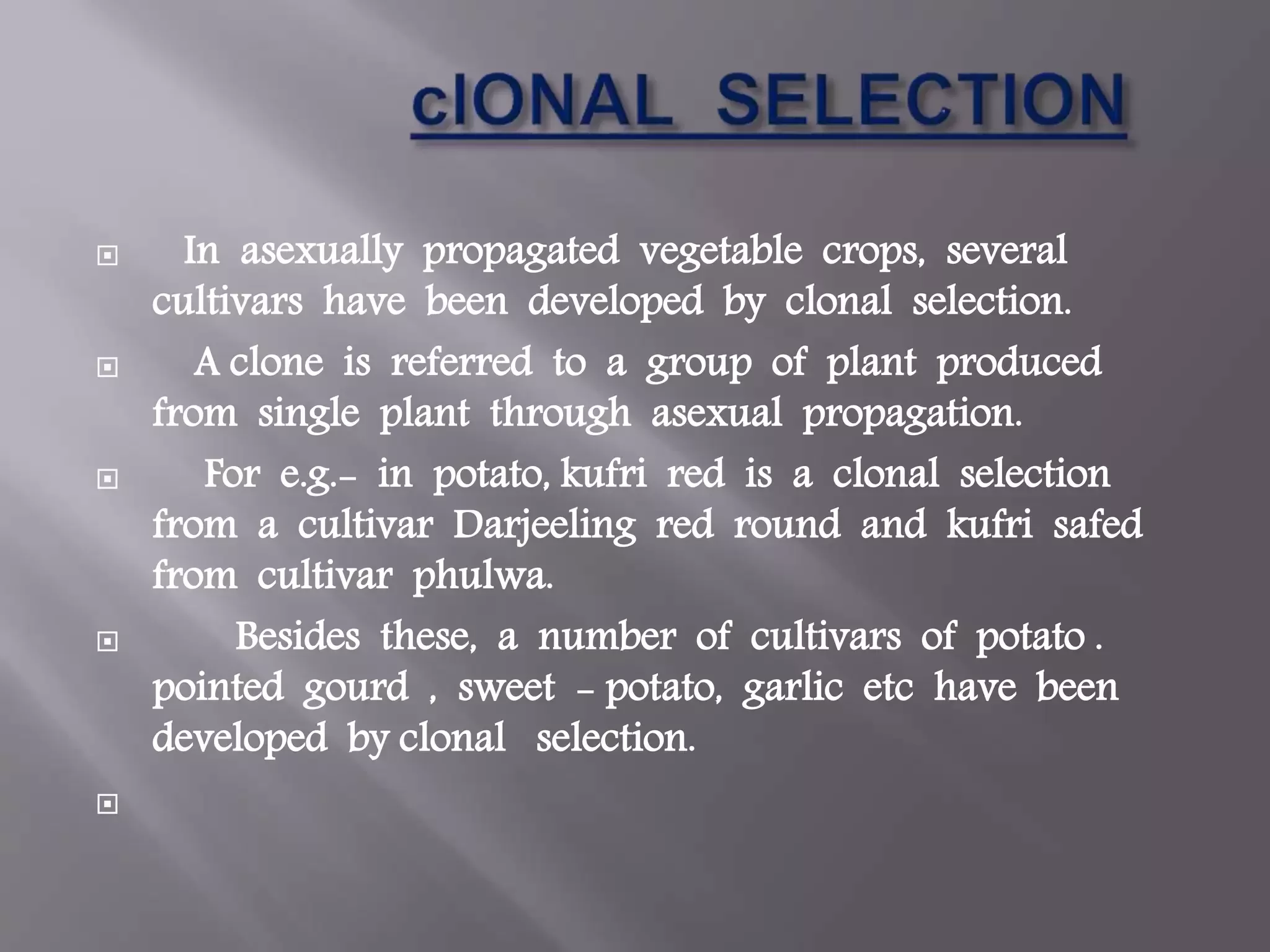
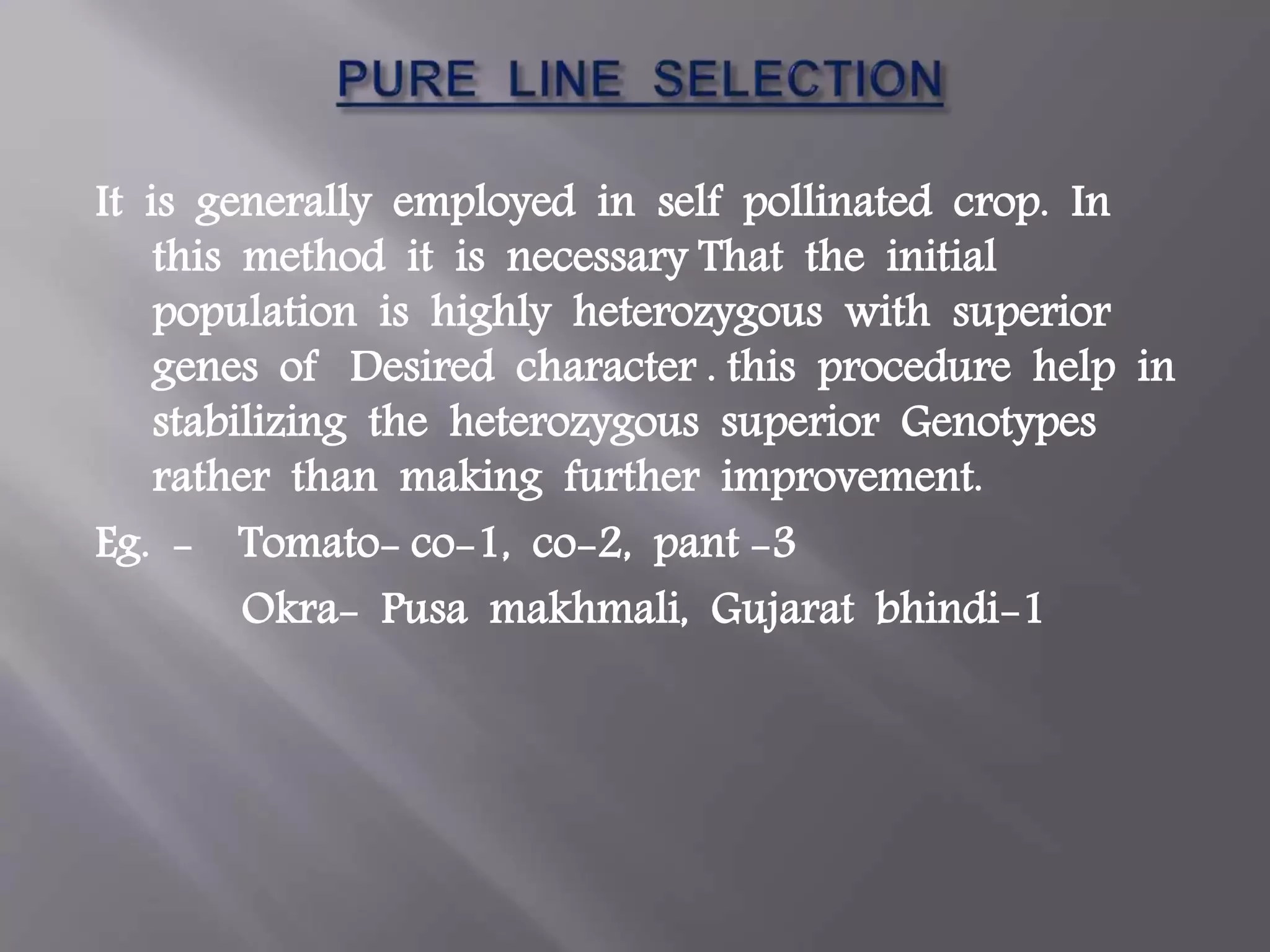
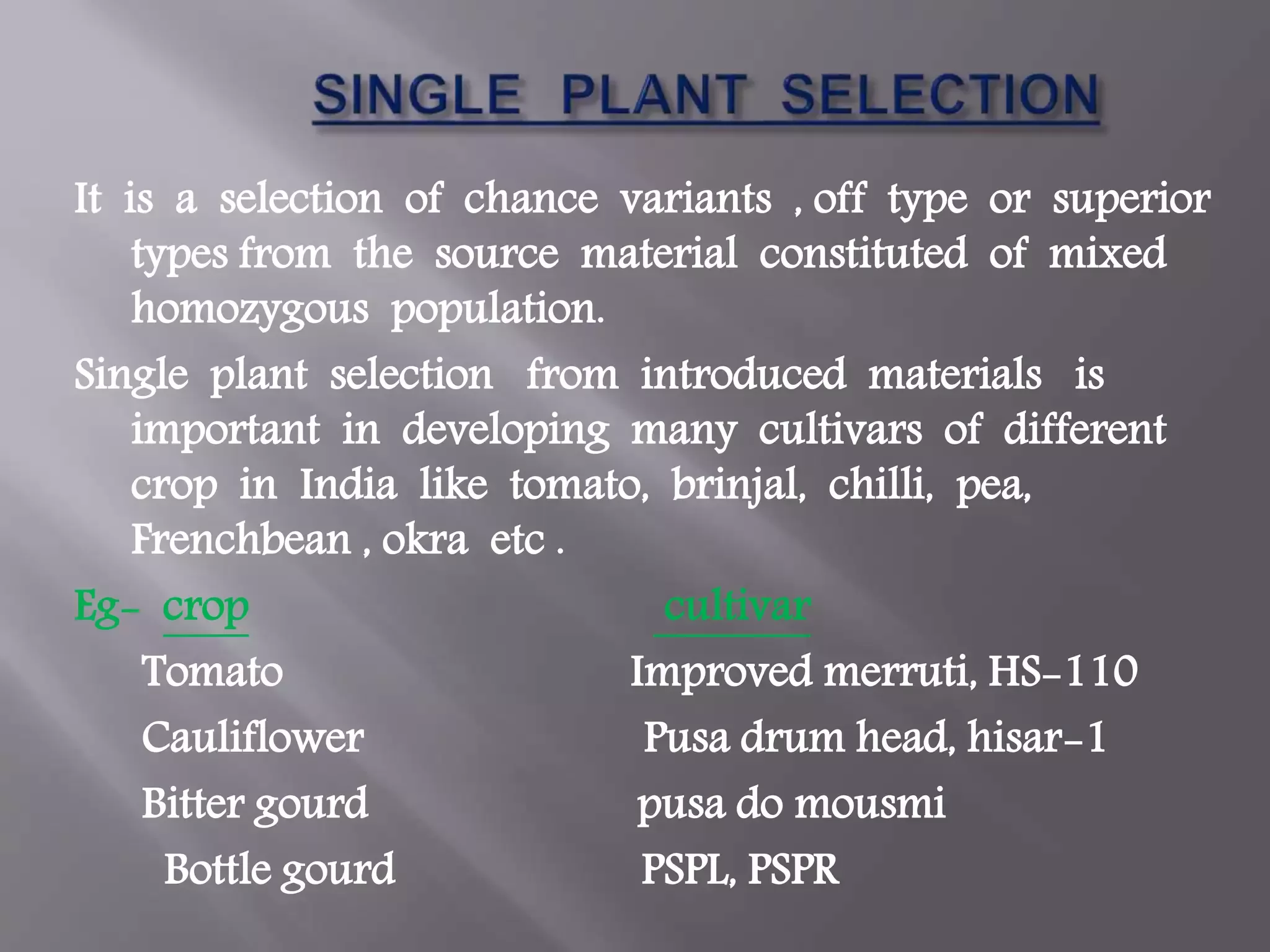
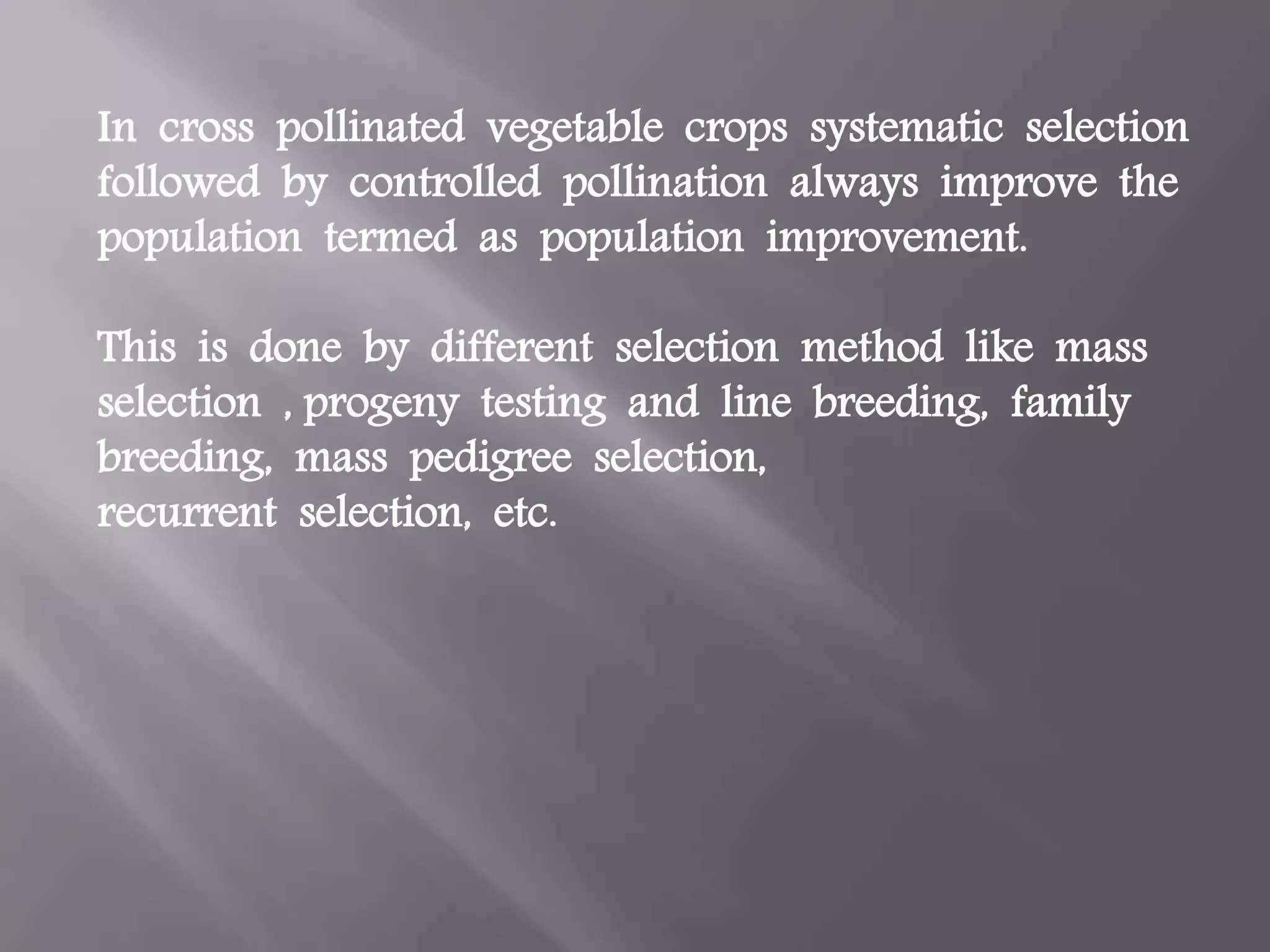
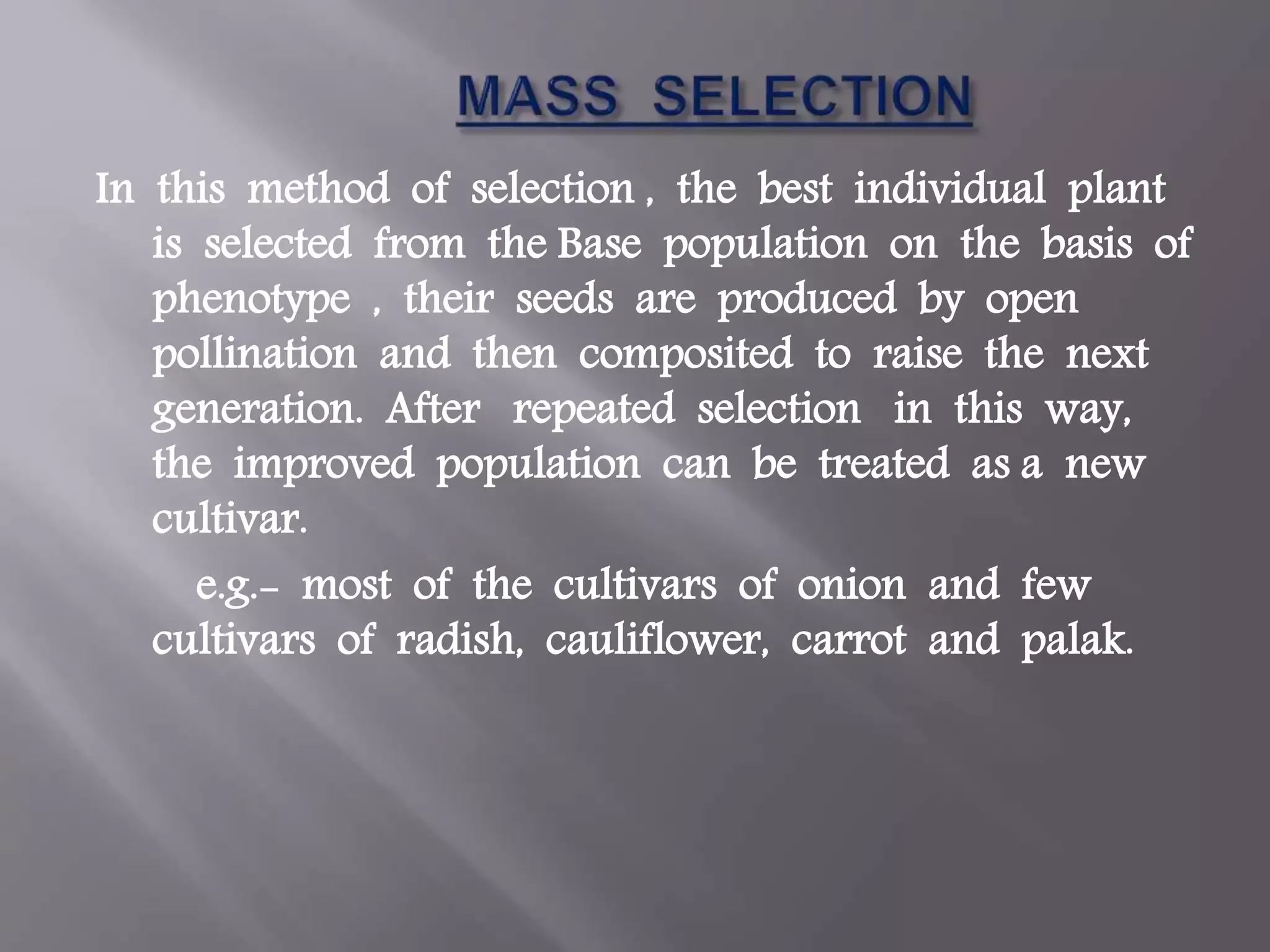
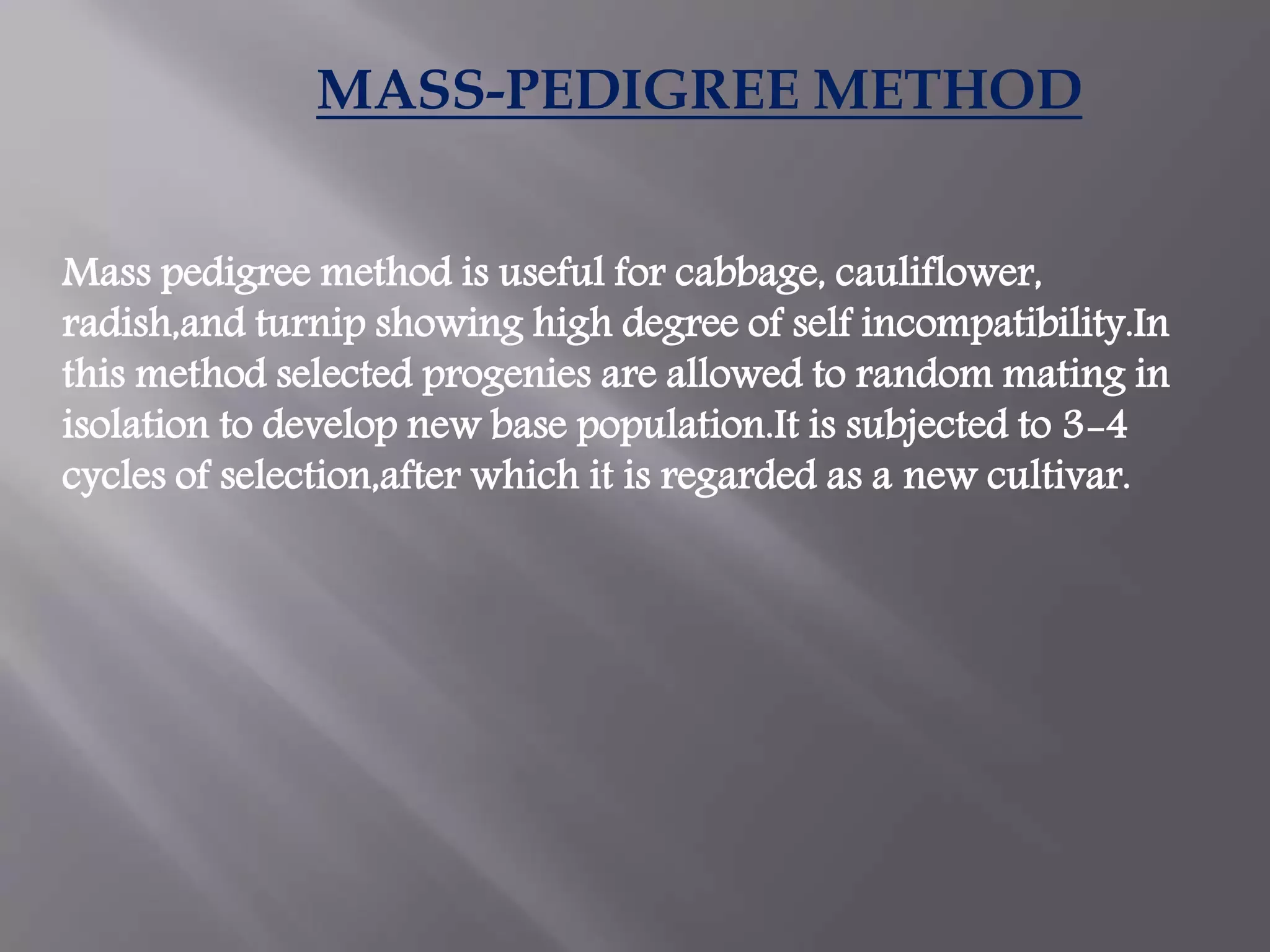
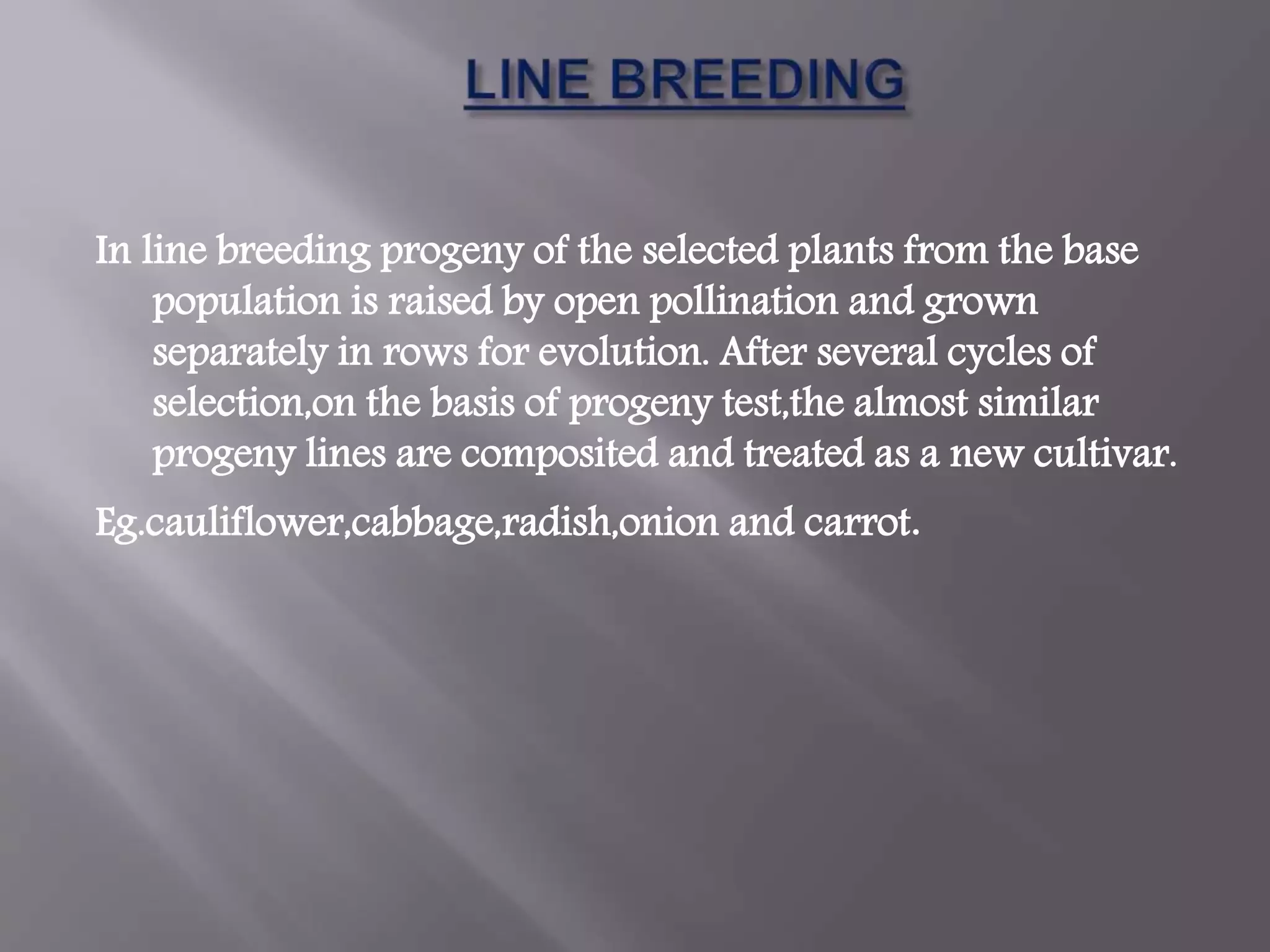
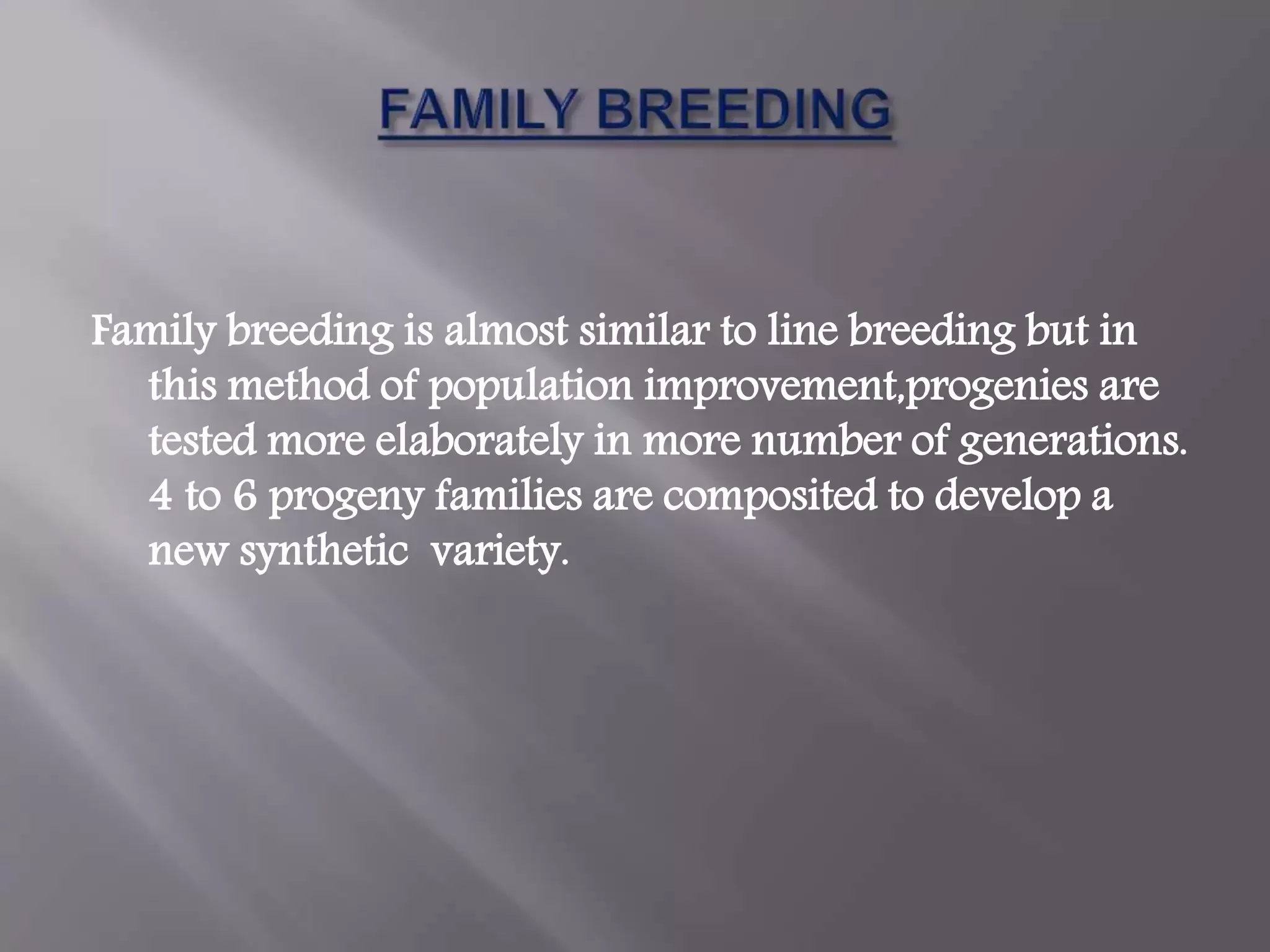
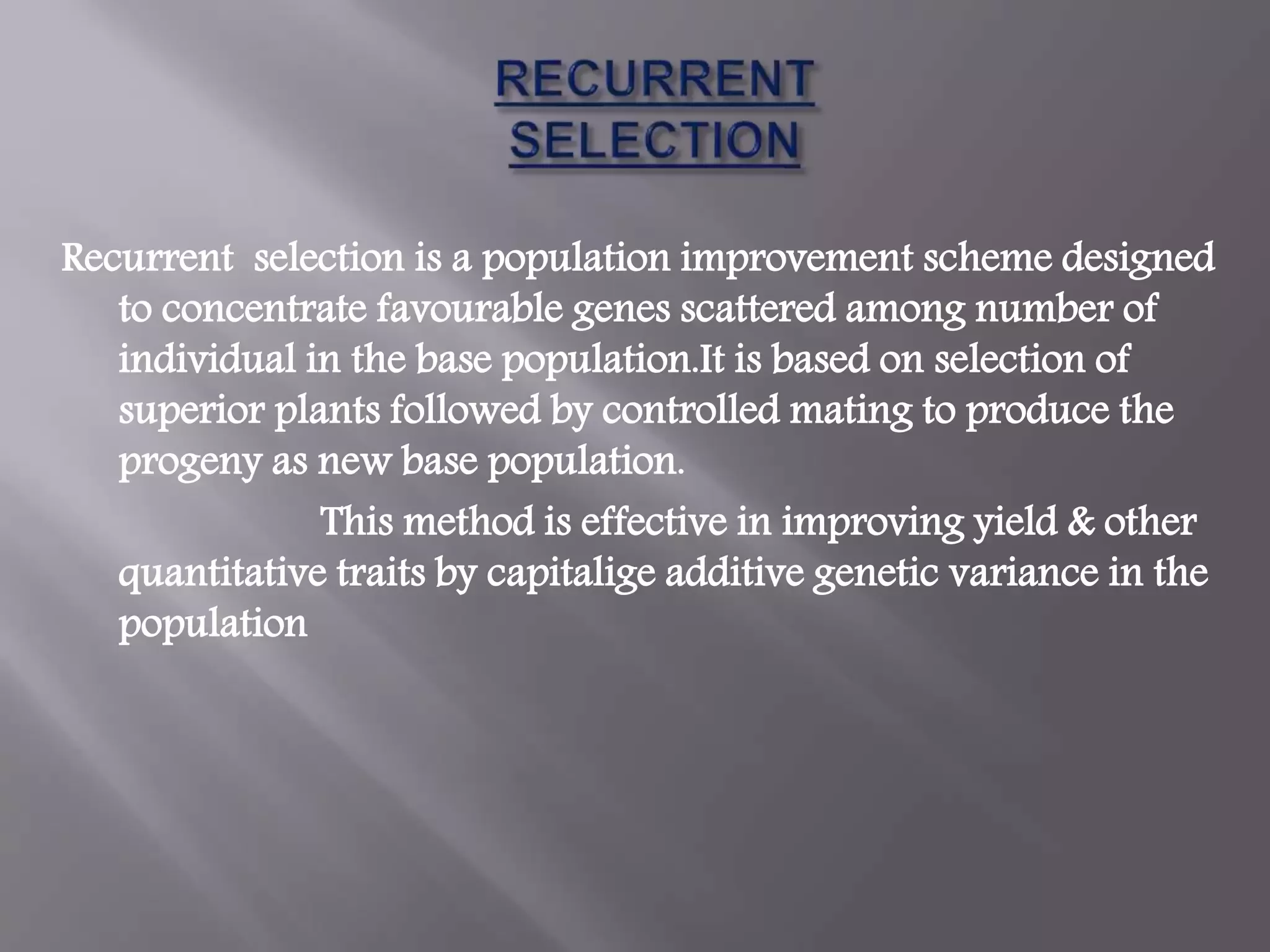
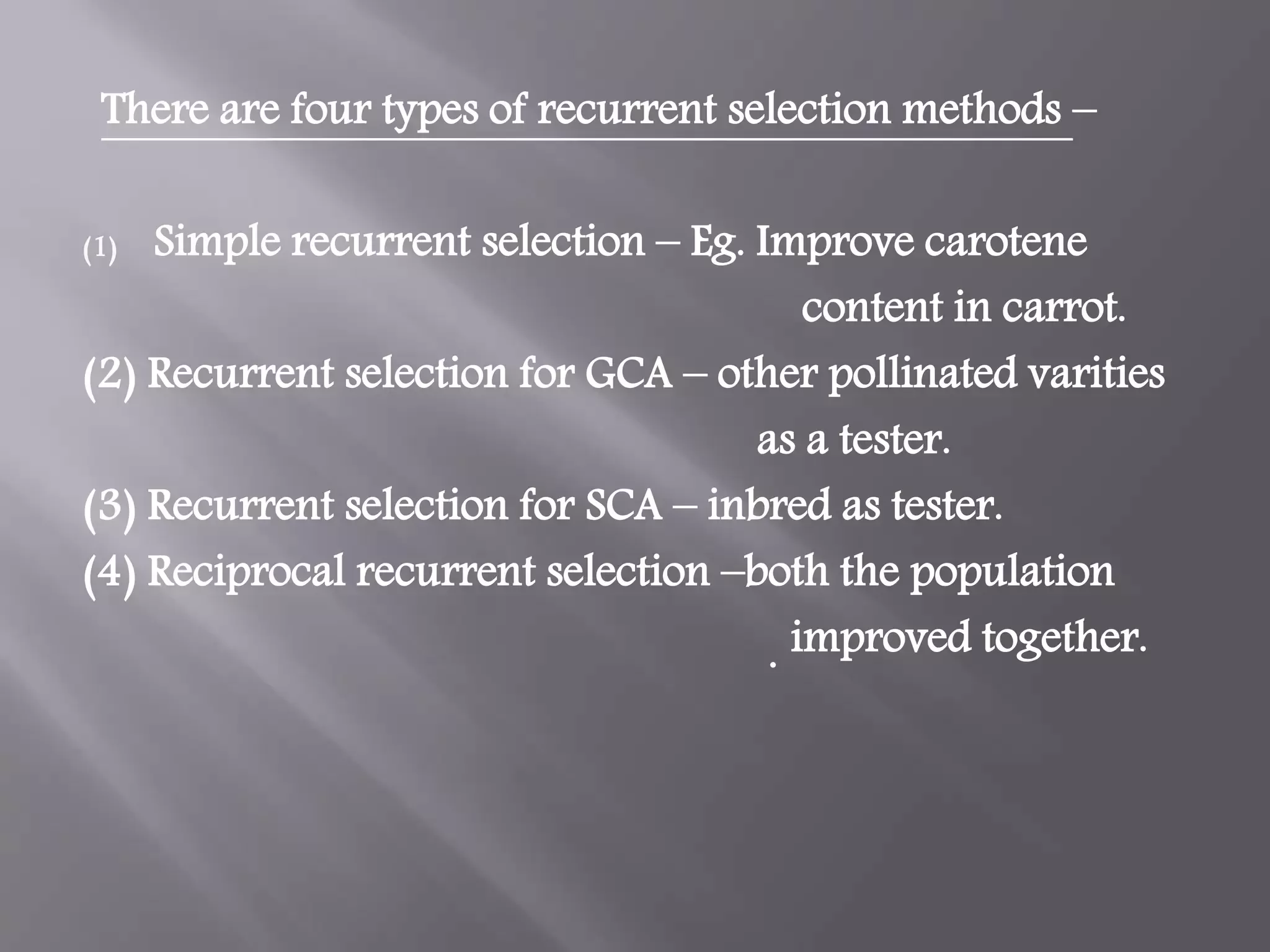
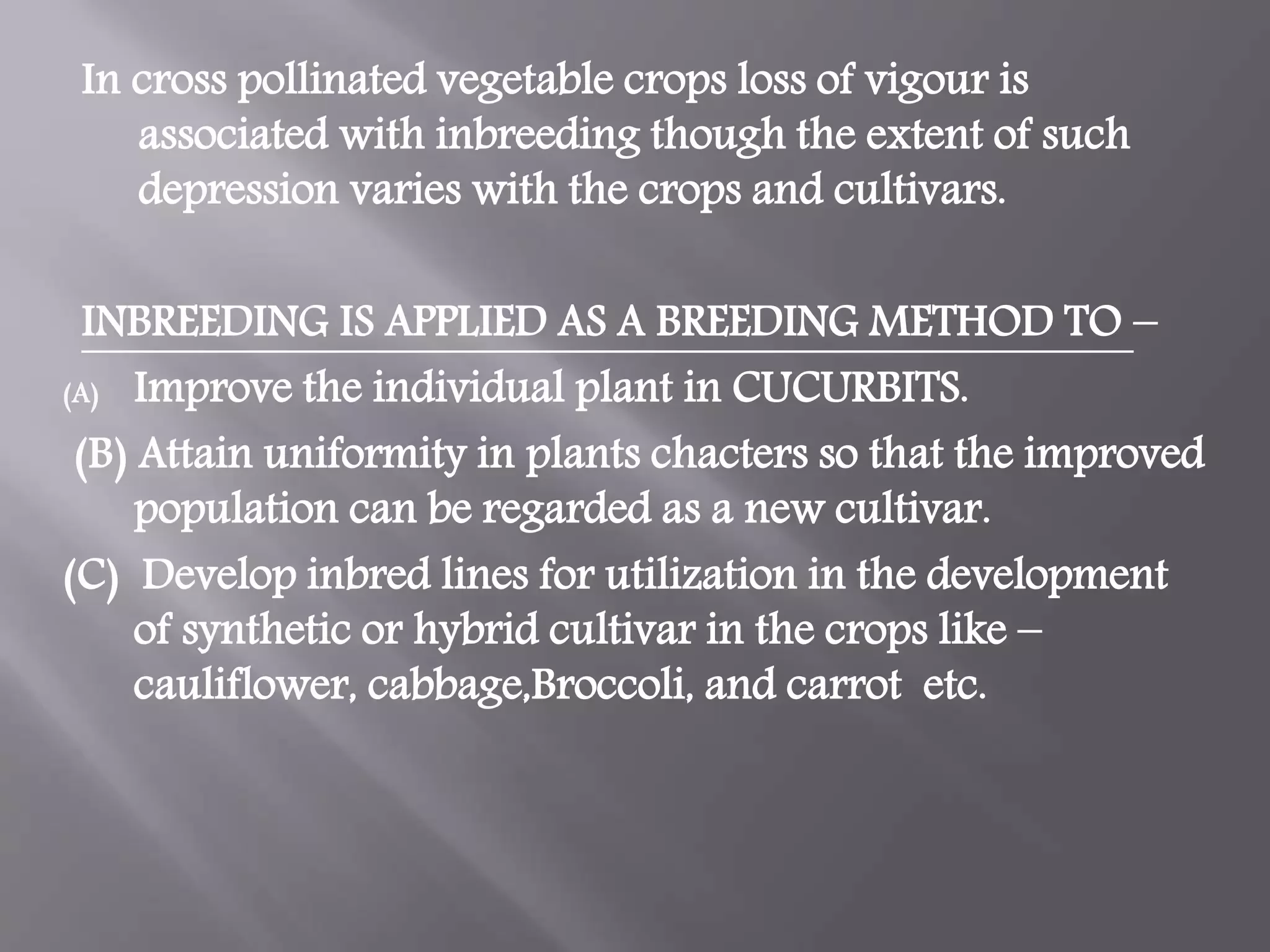
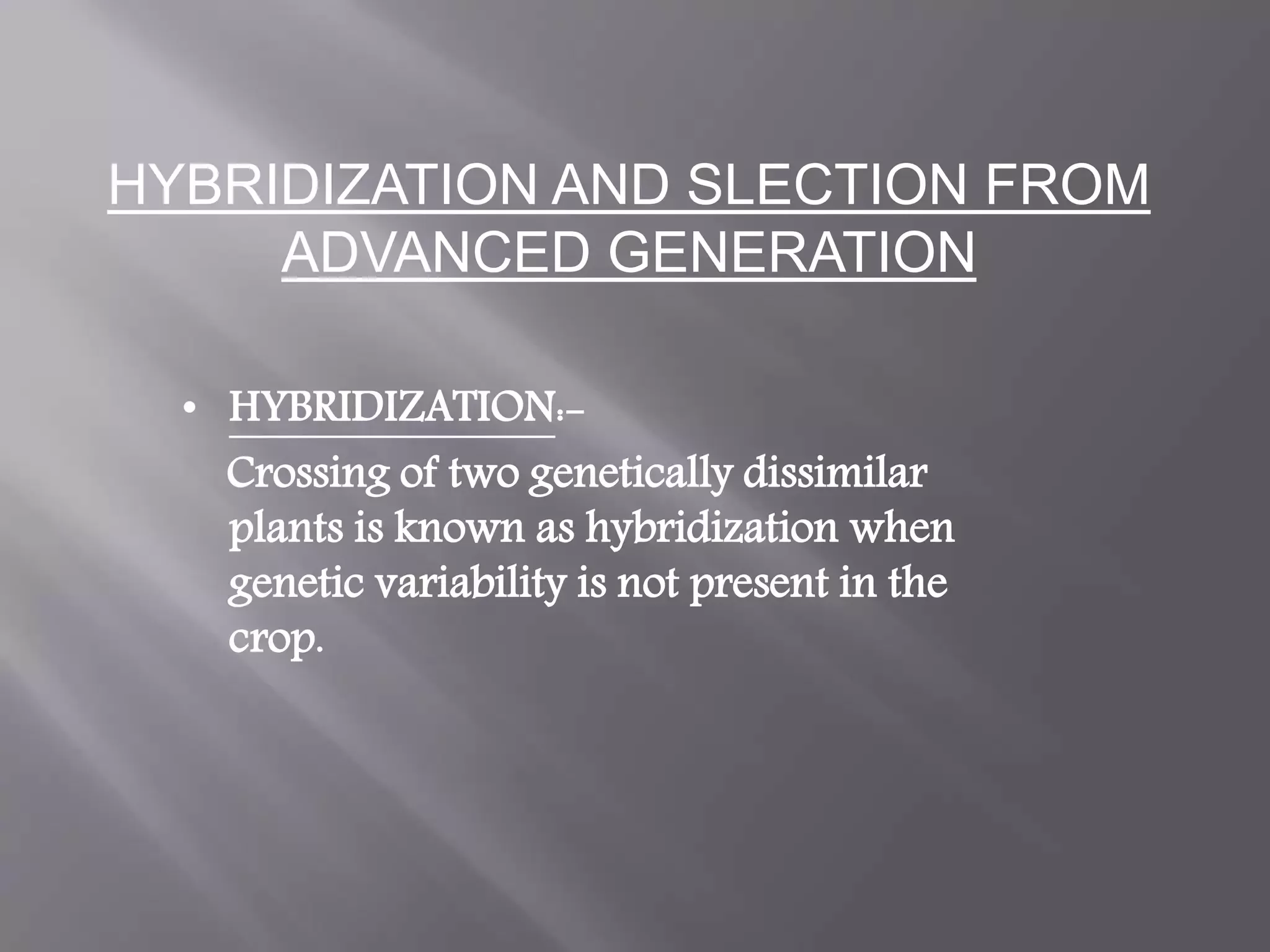
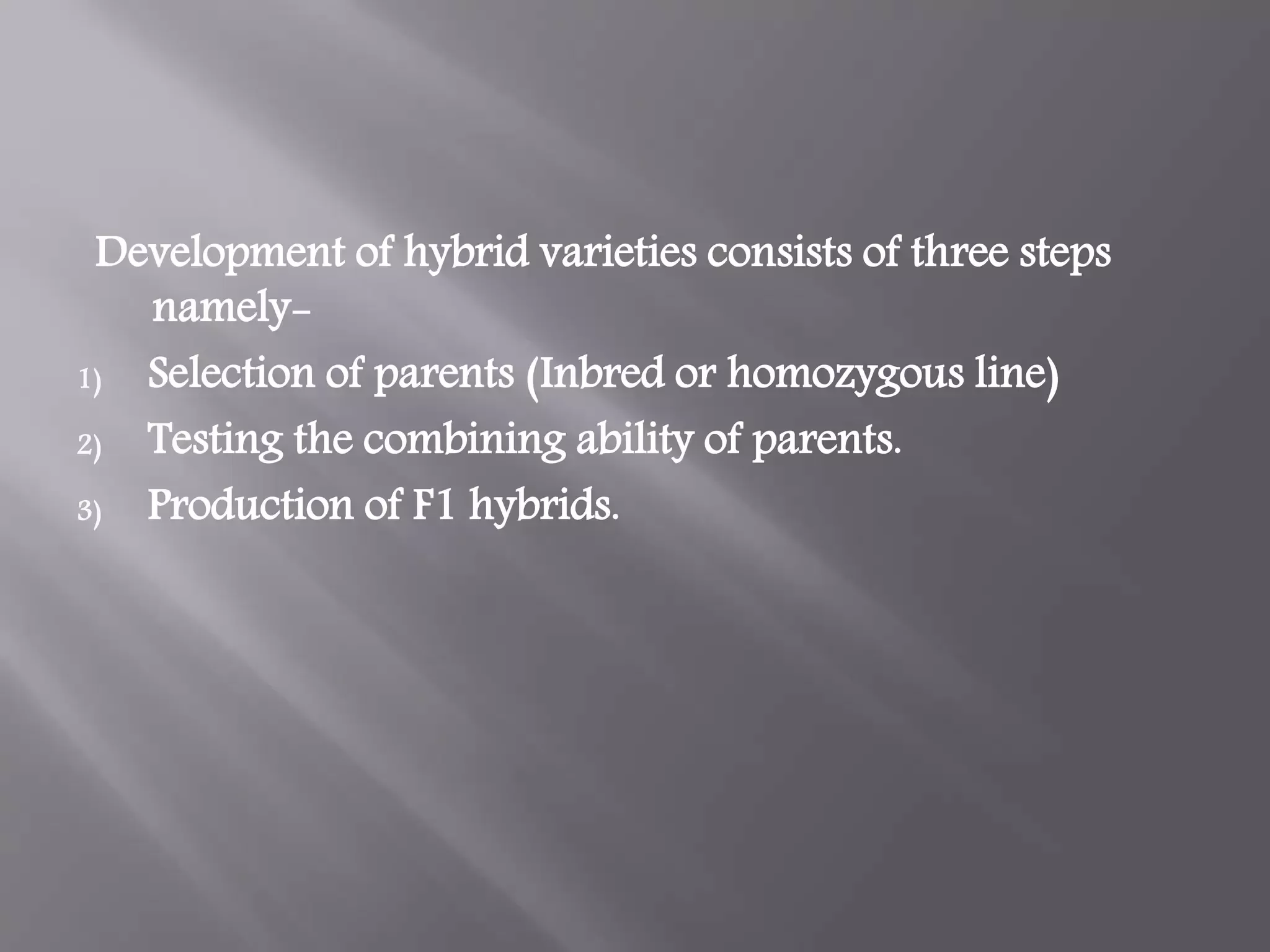
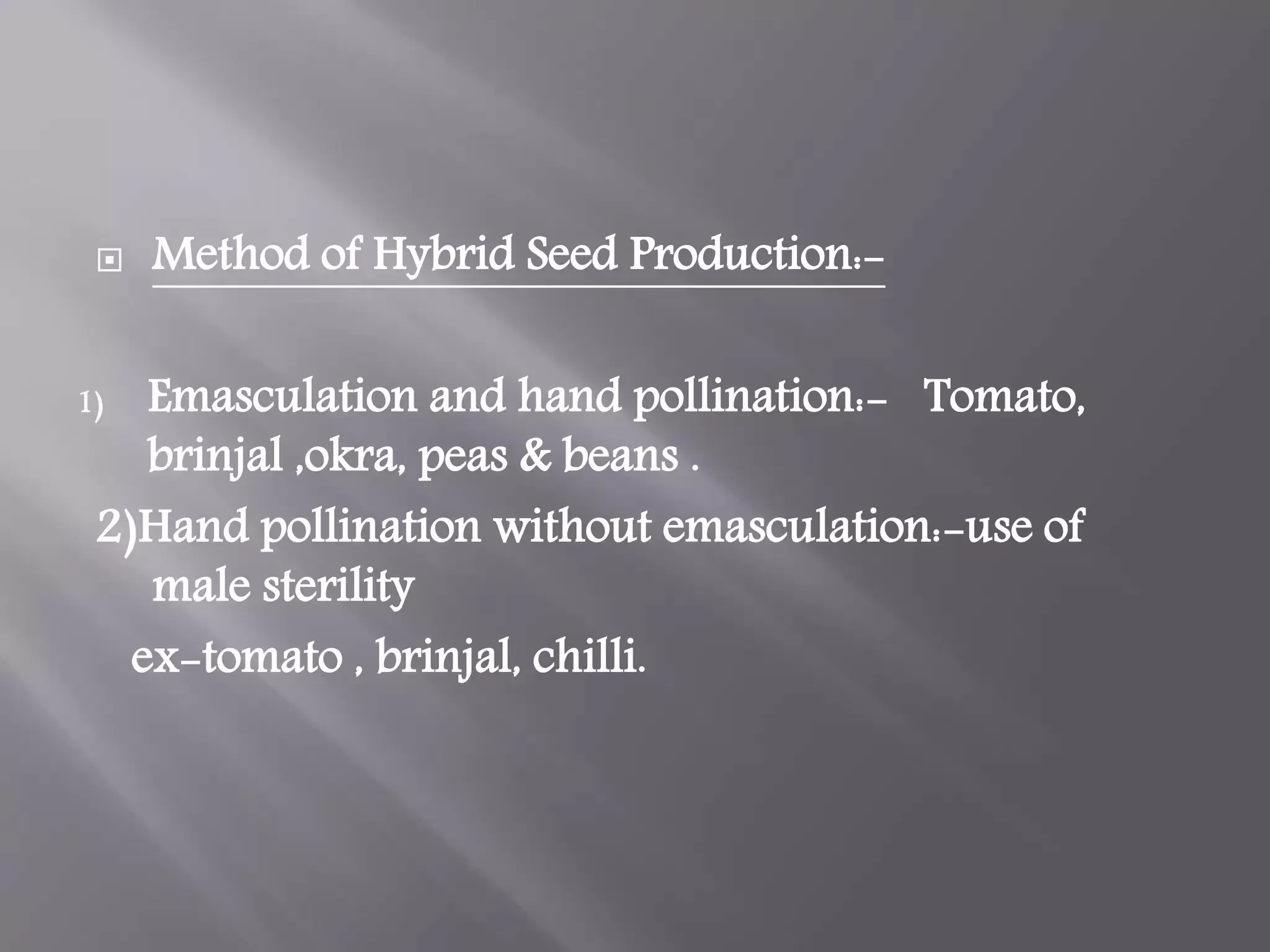
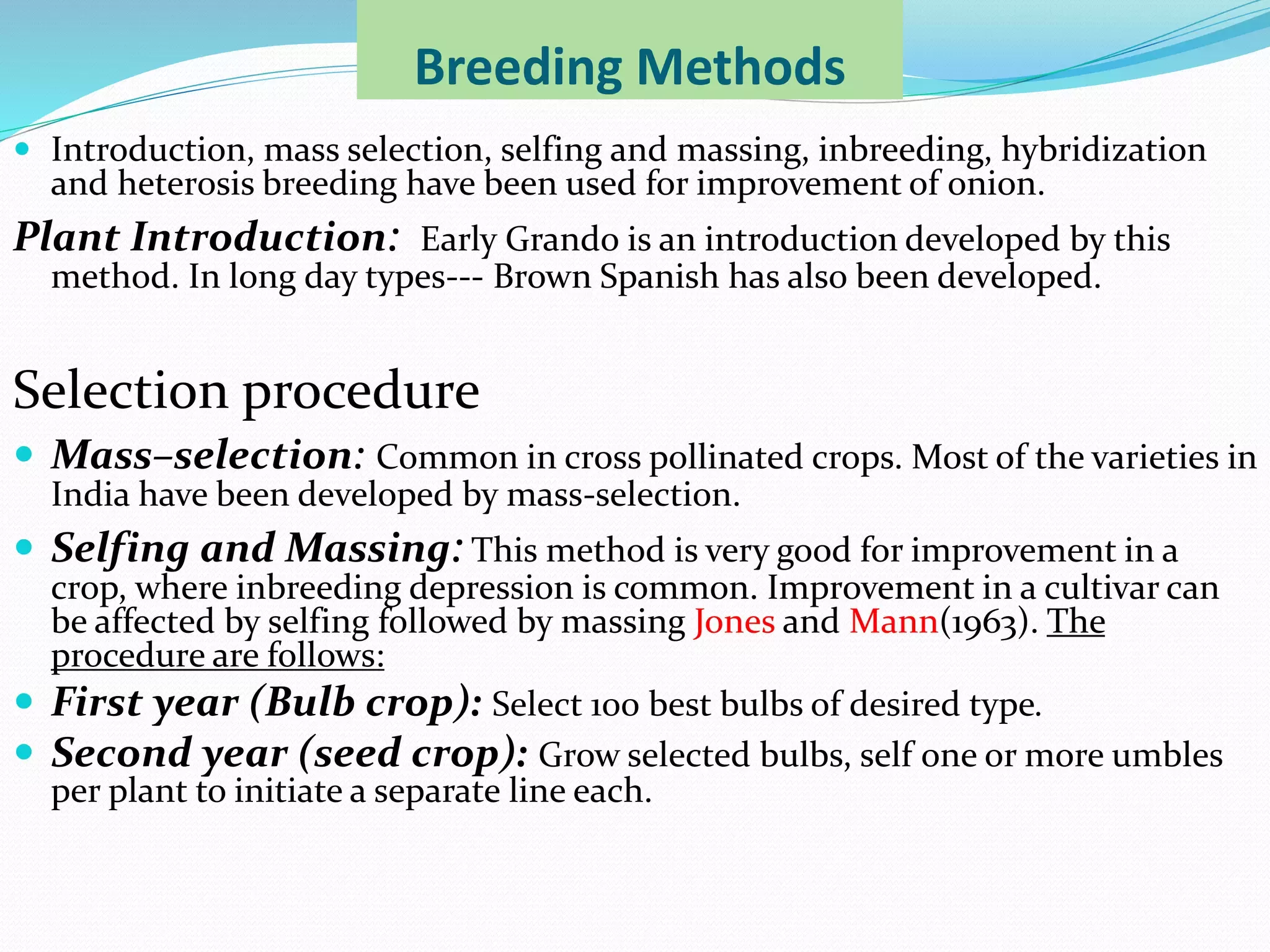
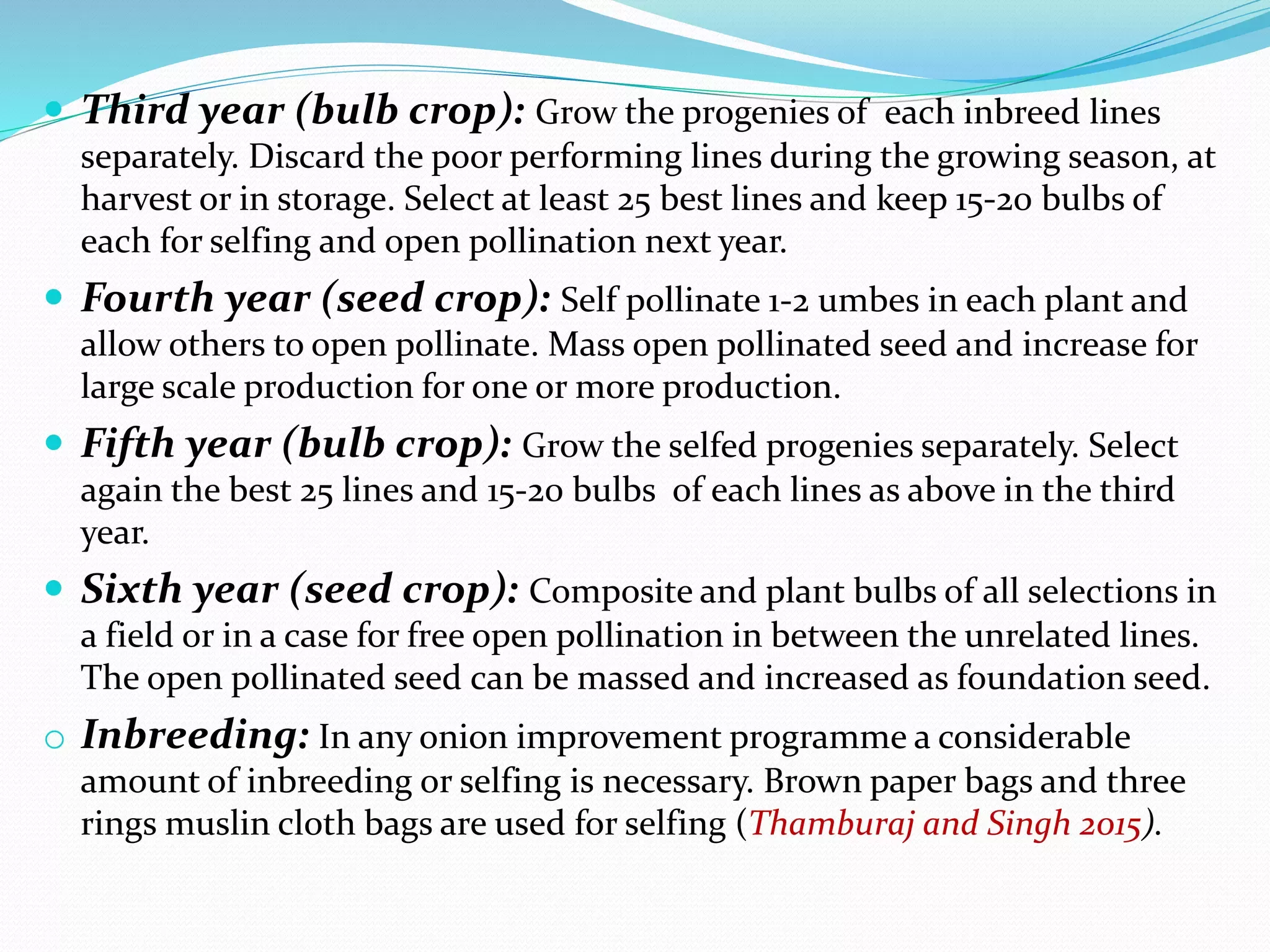
The cultivation of vegetable crops involves various selection methods to improve introduced species such as potatoes, tomatoes, and capsicum. Asexual propagation through clonal selection is common, producing cultivars like Kufri Red potato and Black Beauty brinjal. Self-pollinated crops utilize pure line and single plant selection to stabilize superior genotypes, exemplified by cultivars like CO-1 tomato and Pusa Makhmali okra. Cross-pollinated crops benefit from systematic selection methods, including mass selection and line breeding, to enhance populations, leading to new cultivars like onion and cauliflower. Recurrent selection focuses on concentrating favorable genes, while hybridization generates genetic variability for improved traits. The development of hybrid varieties involves selecting parents, testing their combining ability, and producing F1 hybrids through methods like emasculation and hand
Slide 1

Slide 1

Slide 2

Slide 2

Slide 3

Slide 3

Slide 4

Slide 4

Slide 5

Slide 5

Slide 6

Slide 6

Slide 7

Slide 7

Slide 8

Slide 8

Slide 9

Slide 9

Slide 10

Slide 10

Slide 11

Slide 11

Slide 12

Slide 12

Slide 13

Slide 13

Slide 14

Slide 14

Slide 15

Slide 15

Slide 16

Slide 16

Slide 17

Slide 17

Slide 18

Slide 18

Slide 19

Slide 19

Slide 20

Slide 20

Slide 21

Slide 21

Slide 22

Slide 22

Slide 23

Slide 23
1 / 23

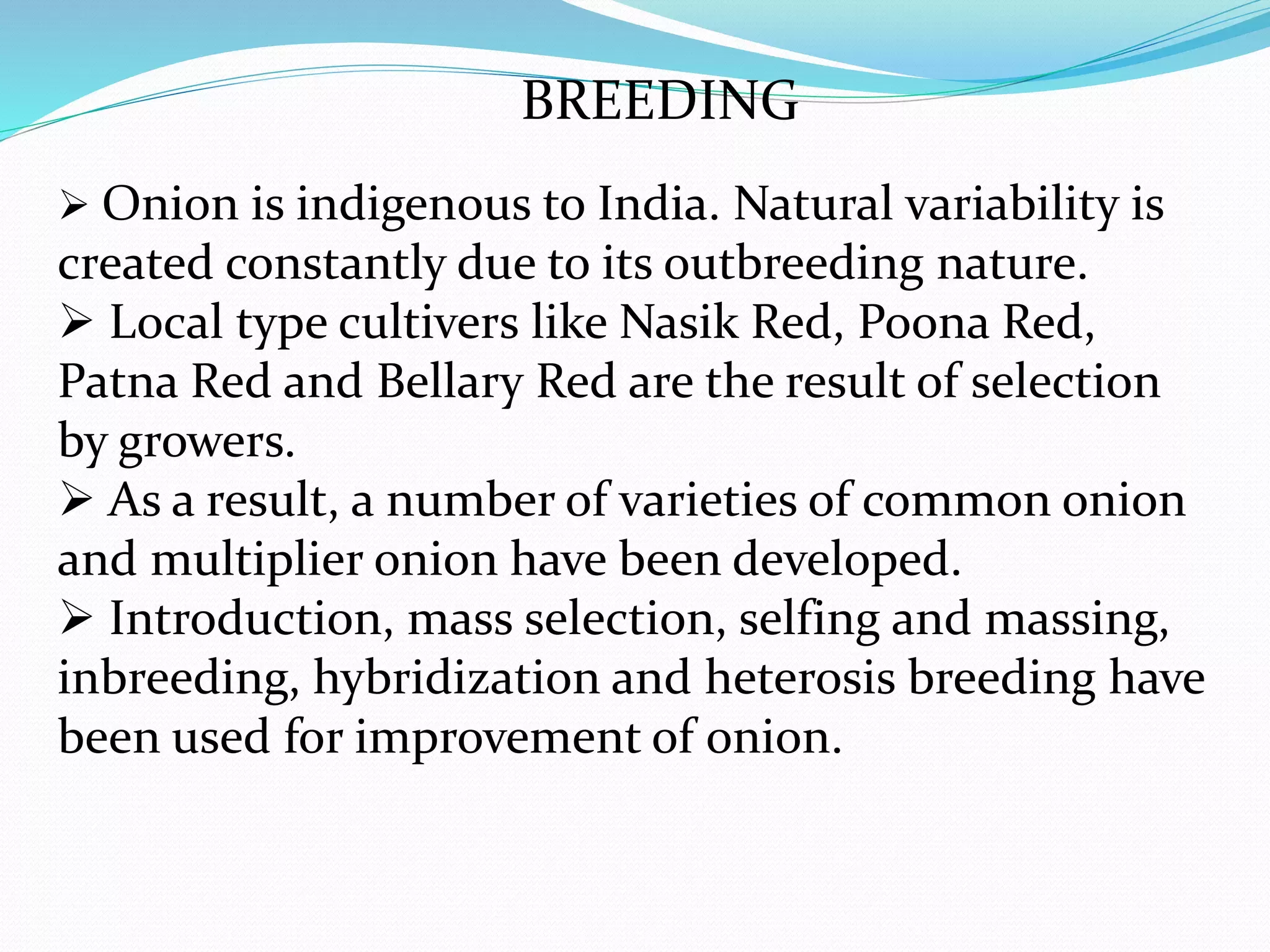
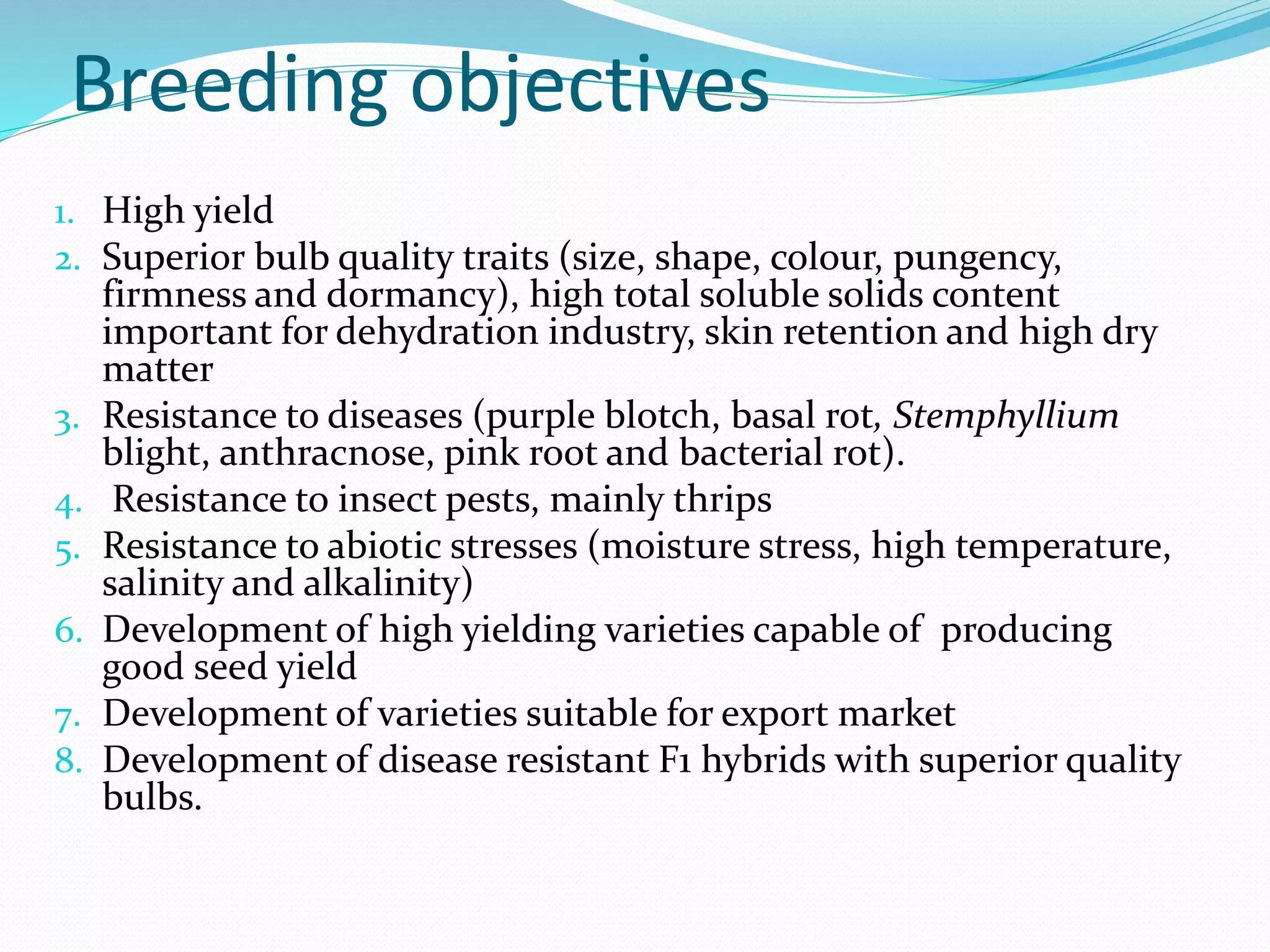
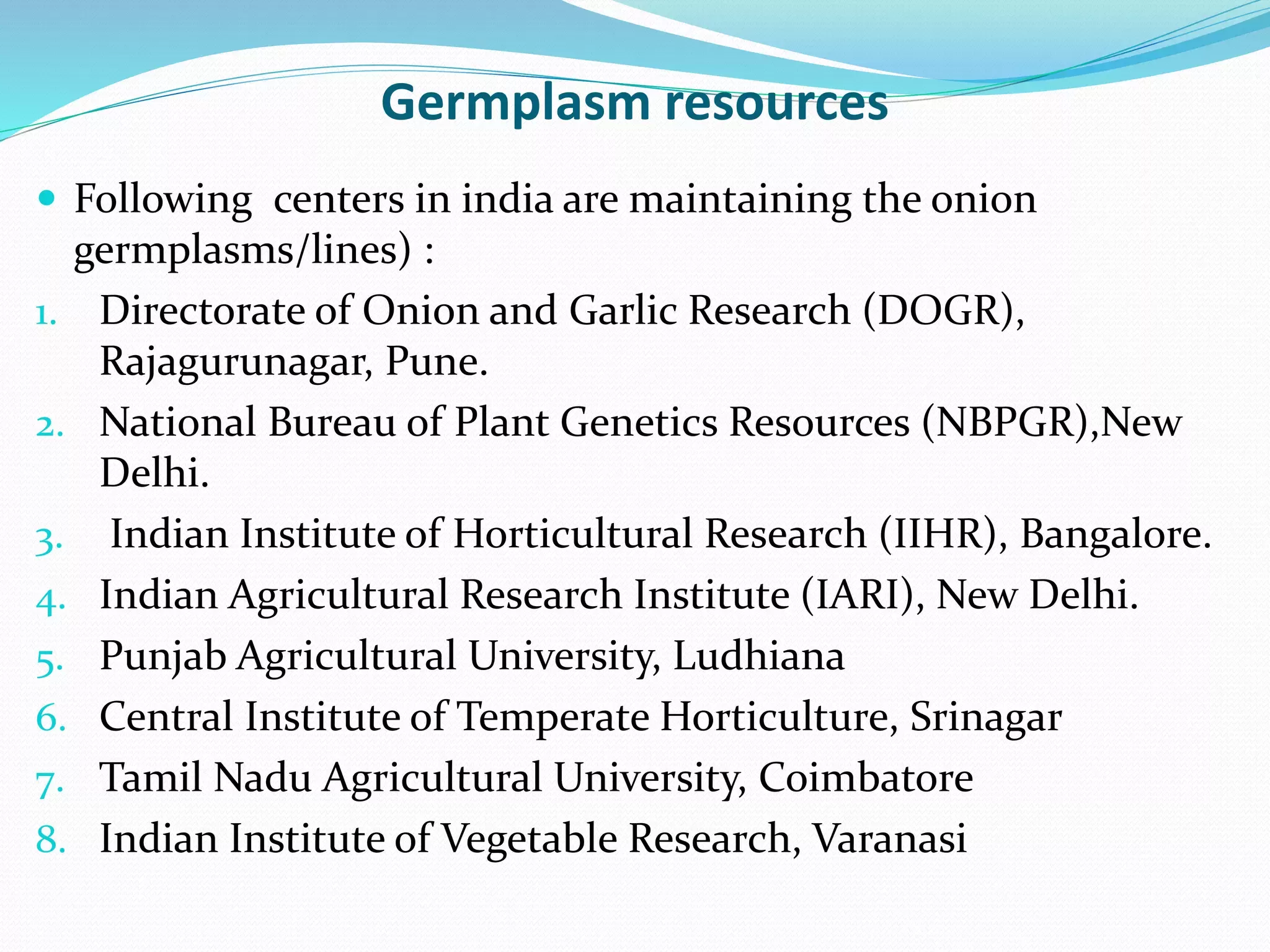
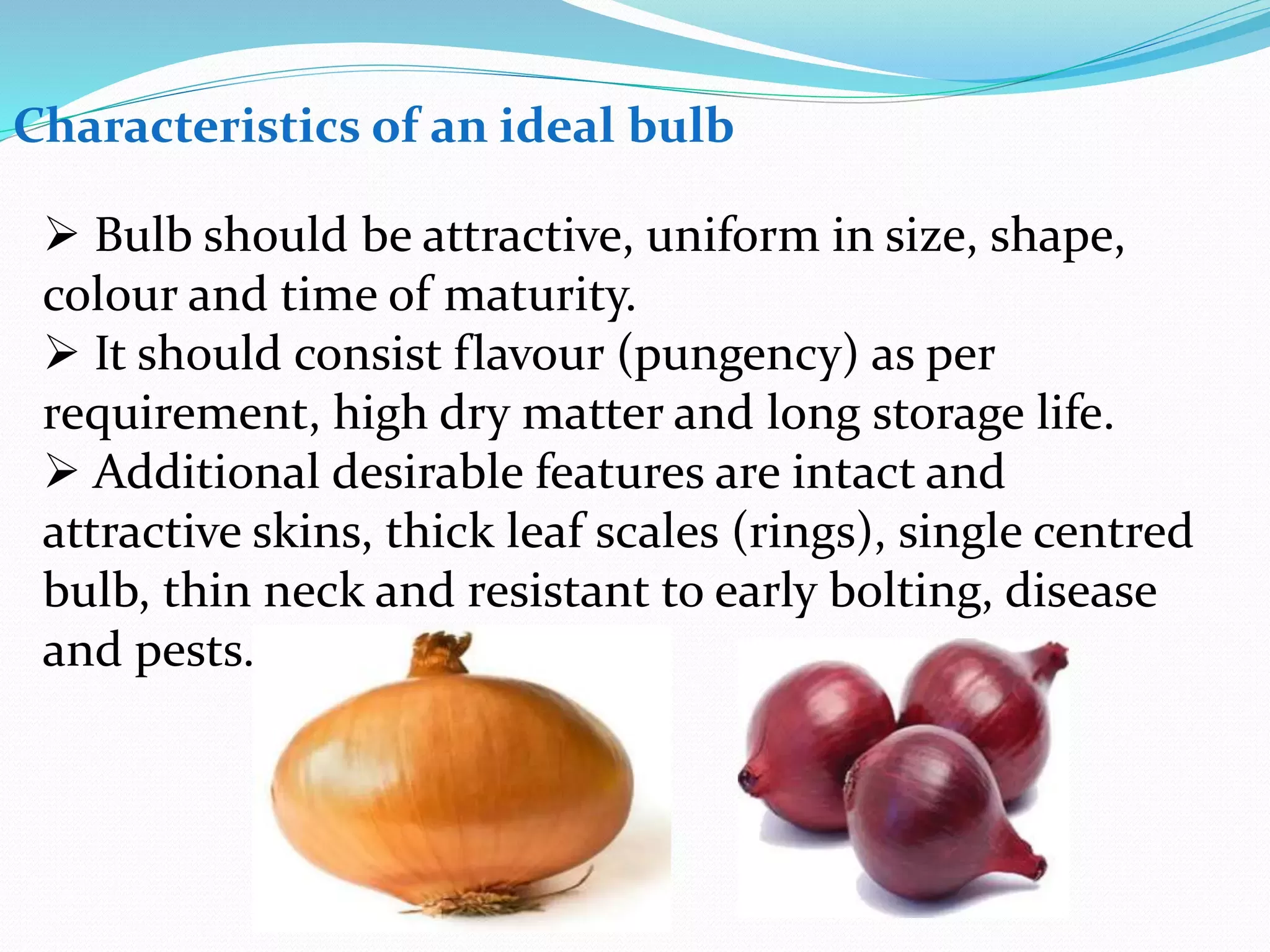
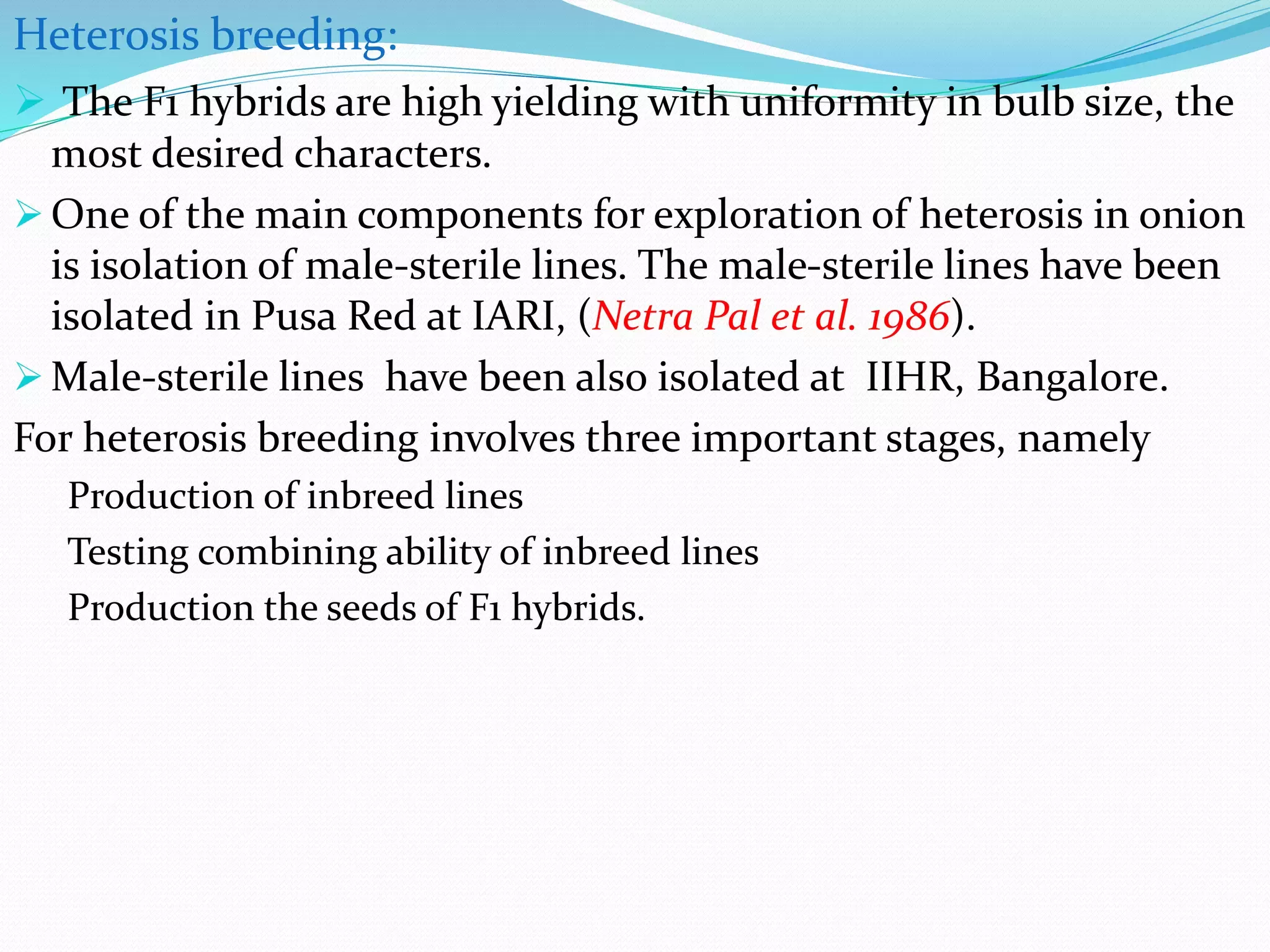
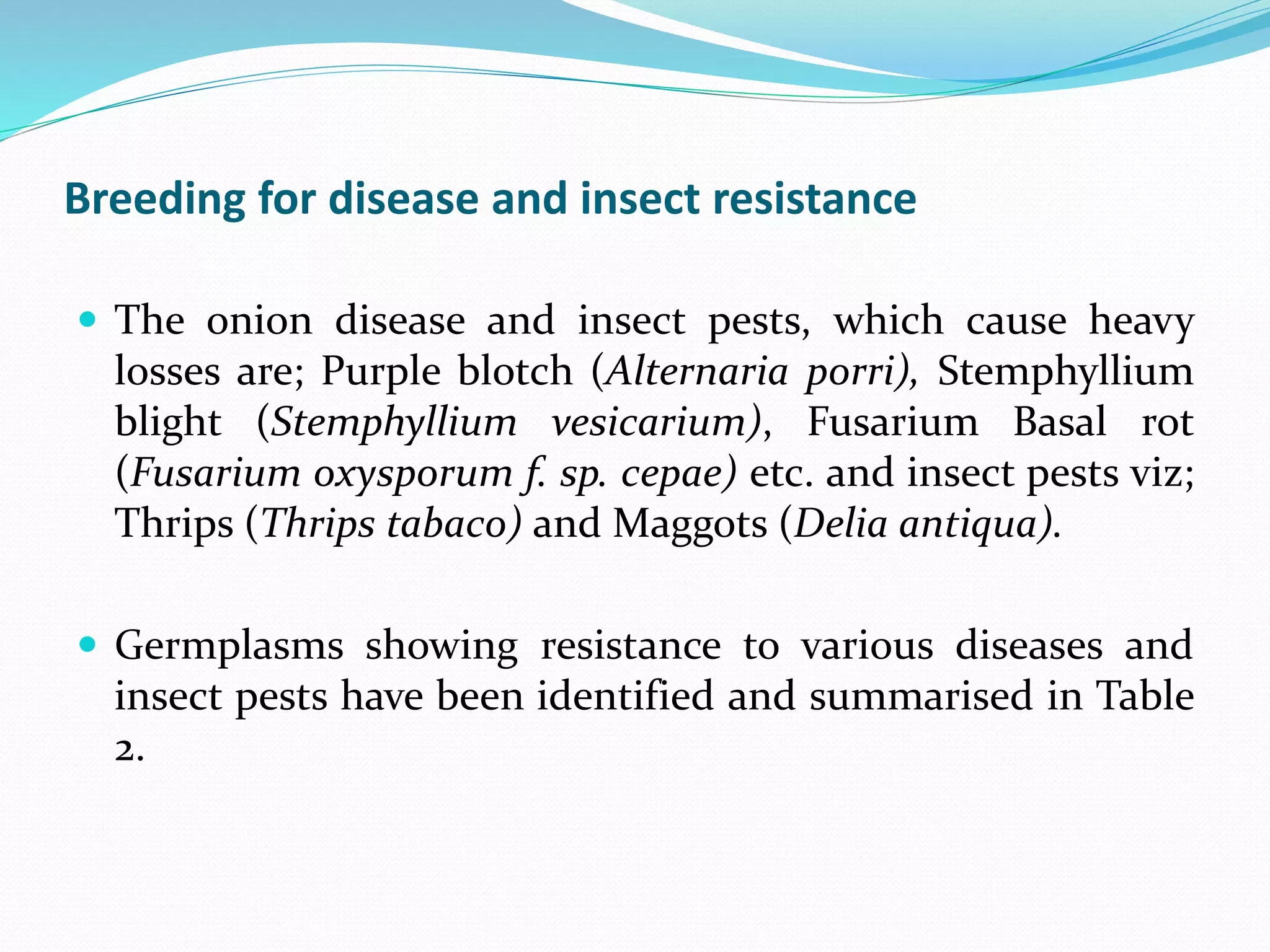
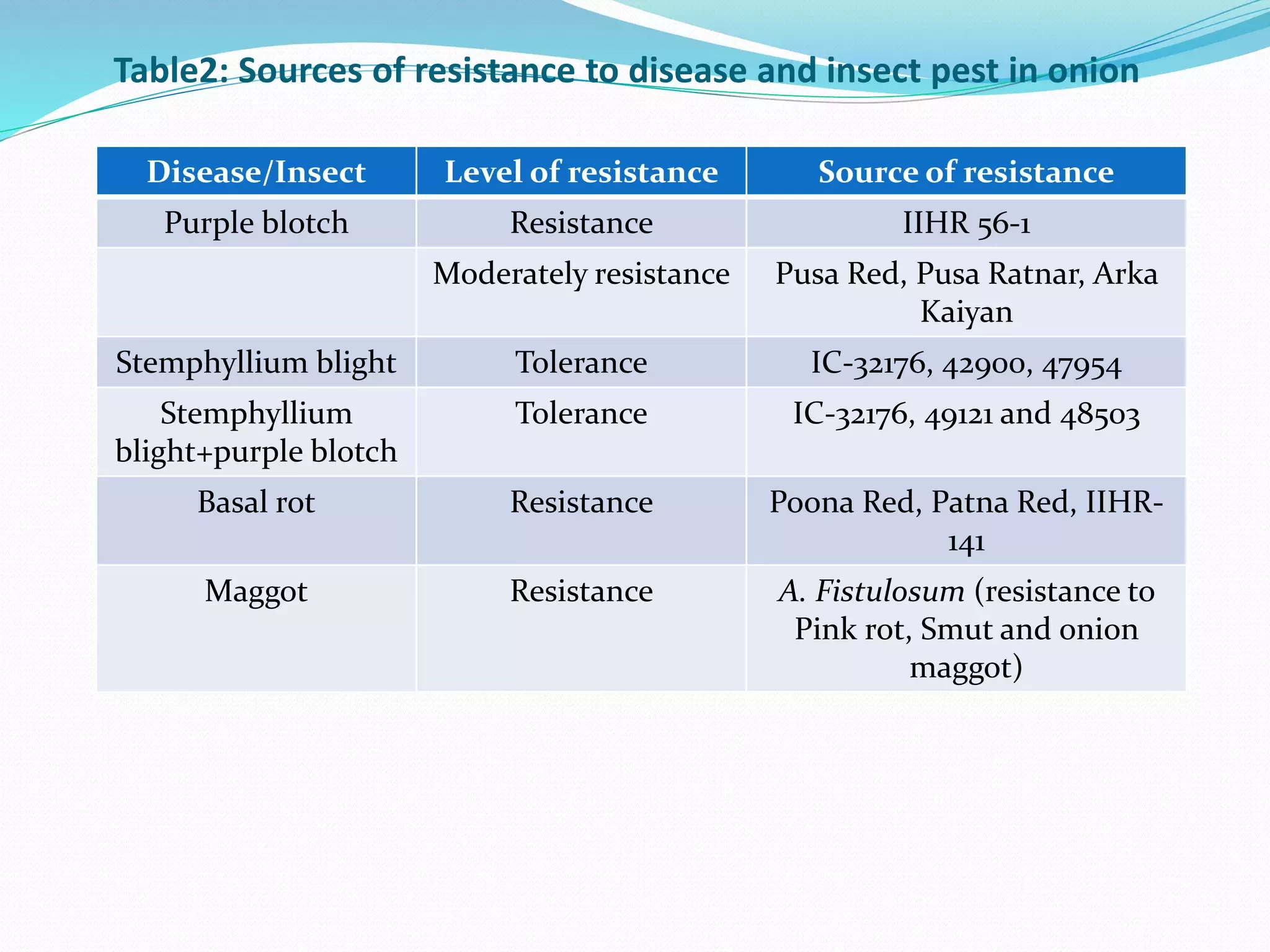
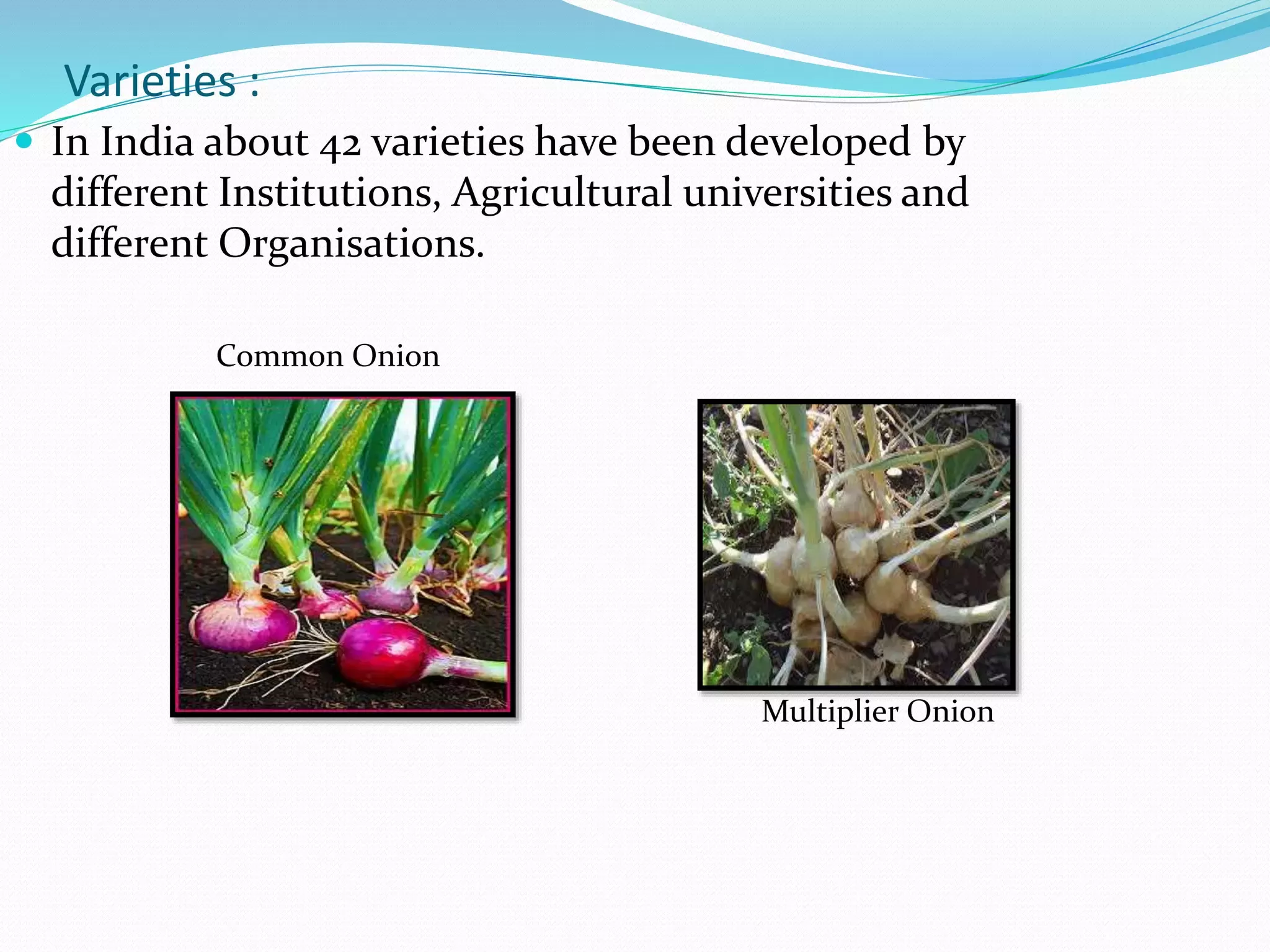
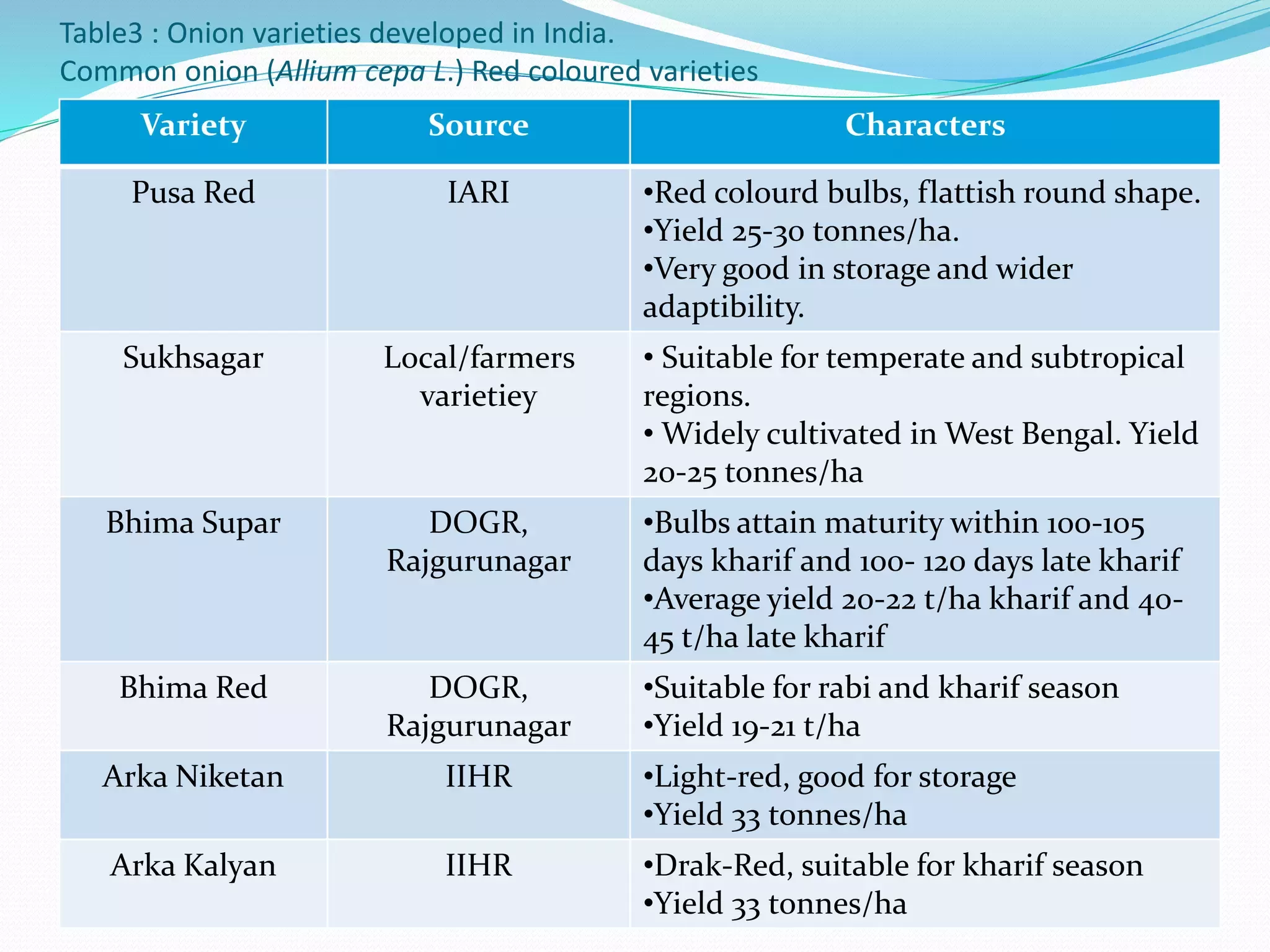
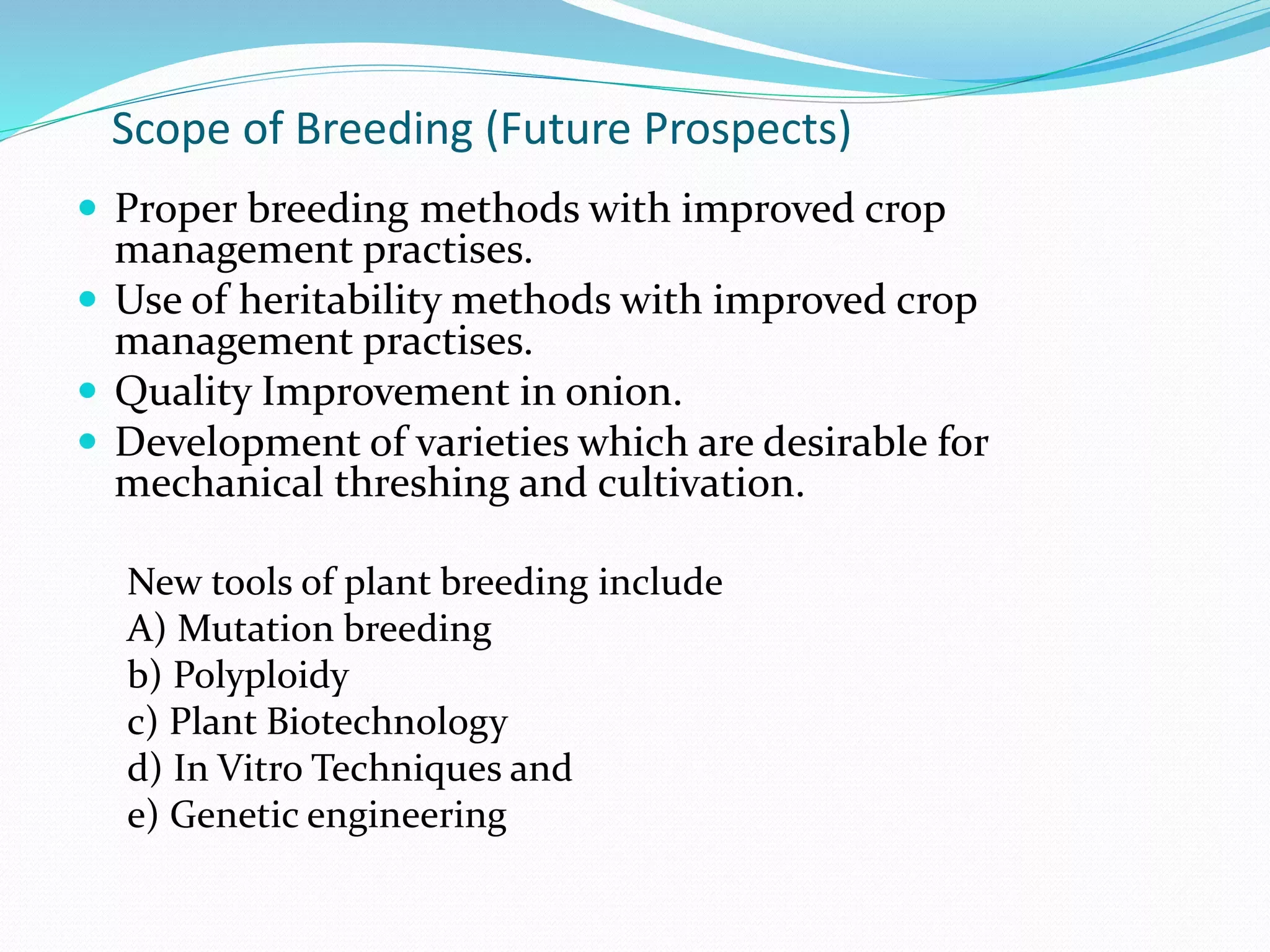
Ppt on CROP IMPROVEMENT IN ONION (Allium cepa L.)

Summary:

Discover the world of onions, their cultivation, nutritional value, and significance in agriculture with this informative PowerPoint on crop improvement in onions (Allium cepa L.). Explore the different onion types, cultivation requirements, major producing countries, and more. Perfect for anyone interested in enhancing their knowledge of onion farming and its impact on the global market.

Summary

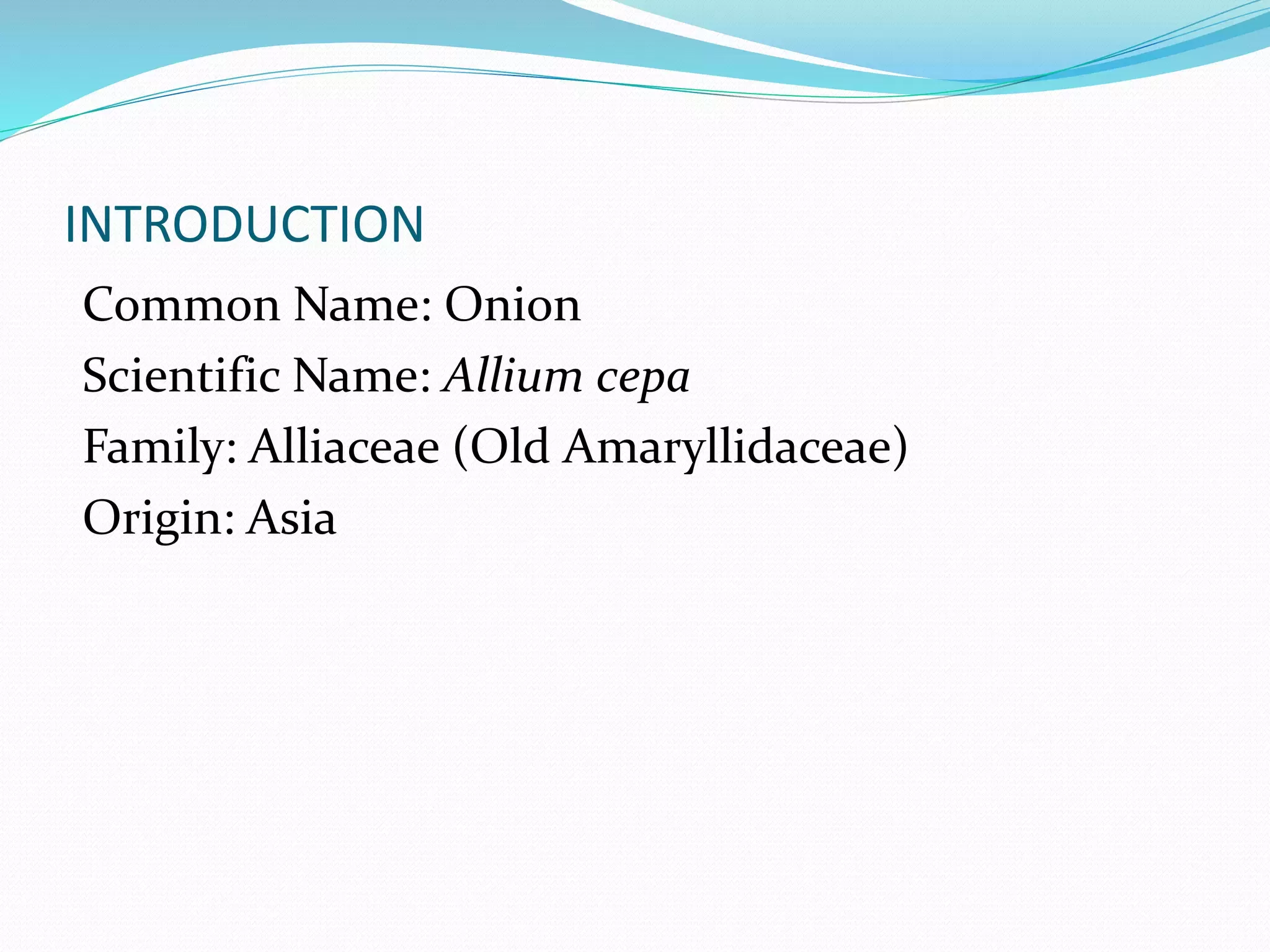
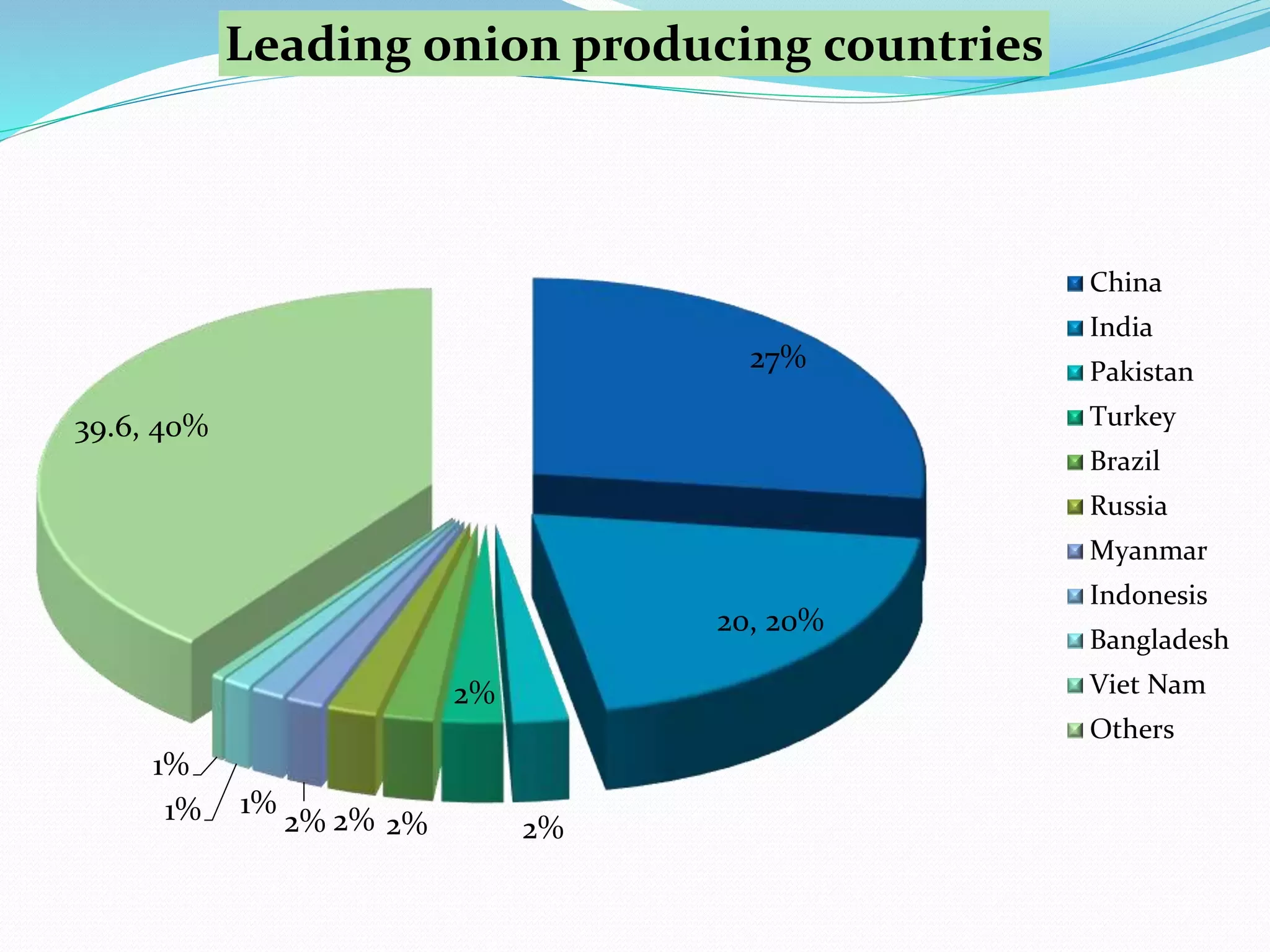
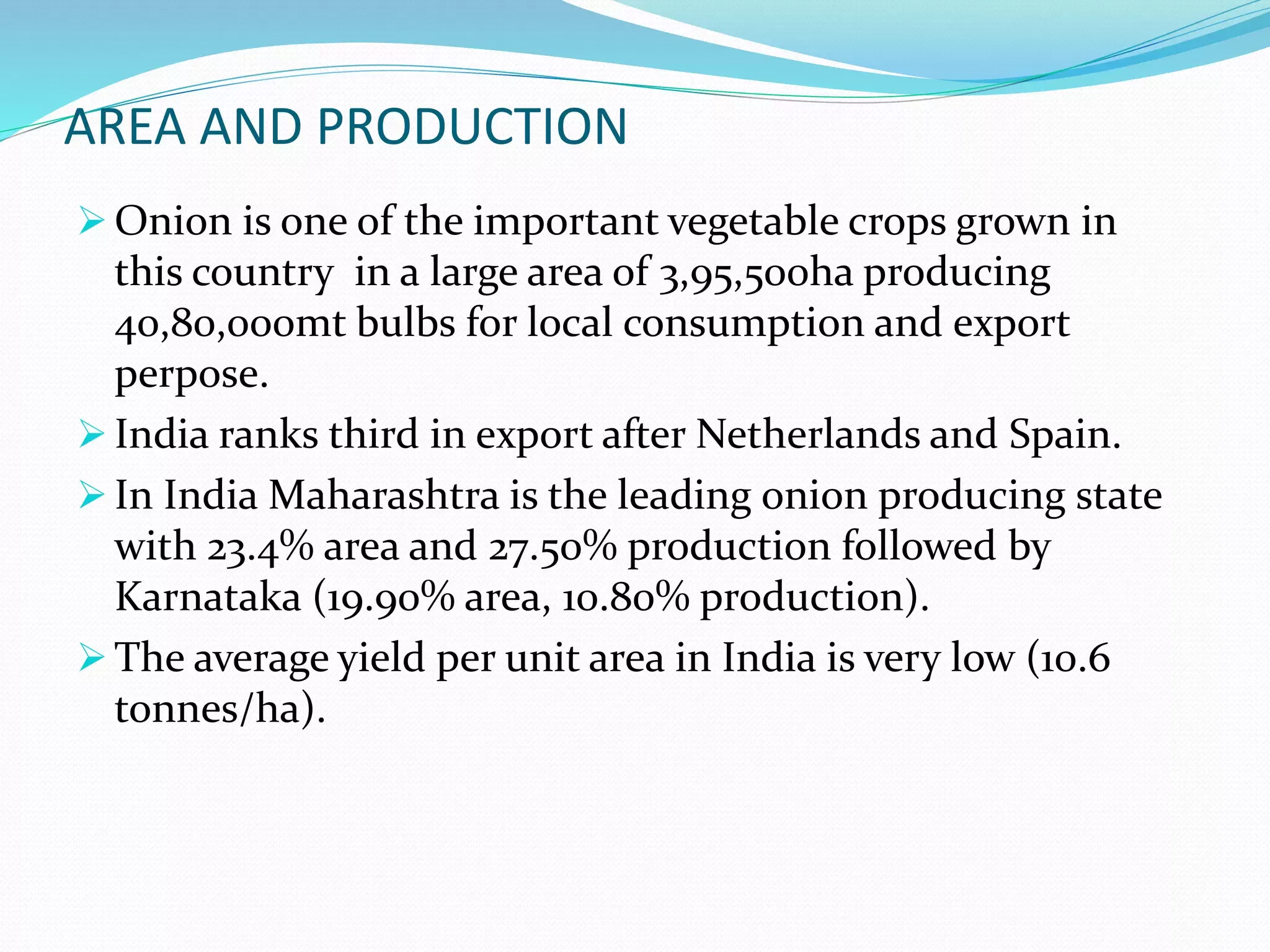
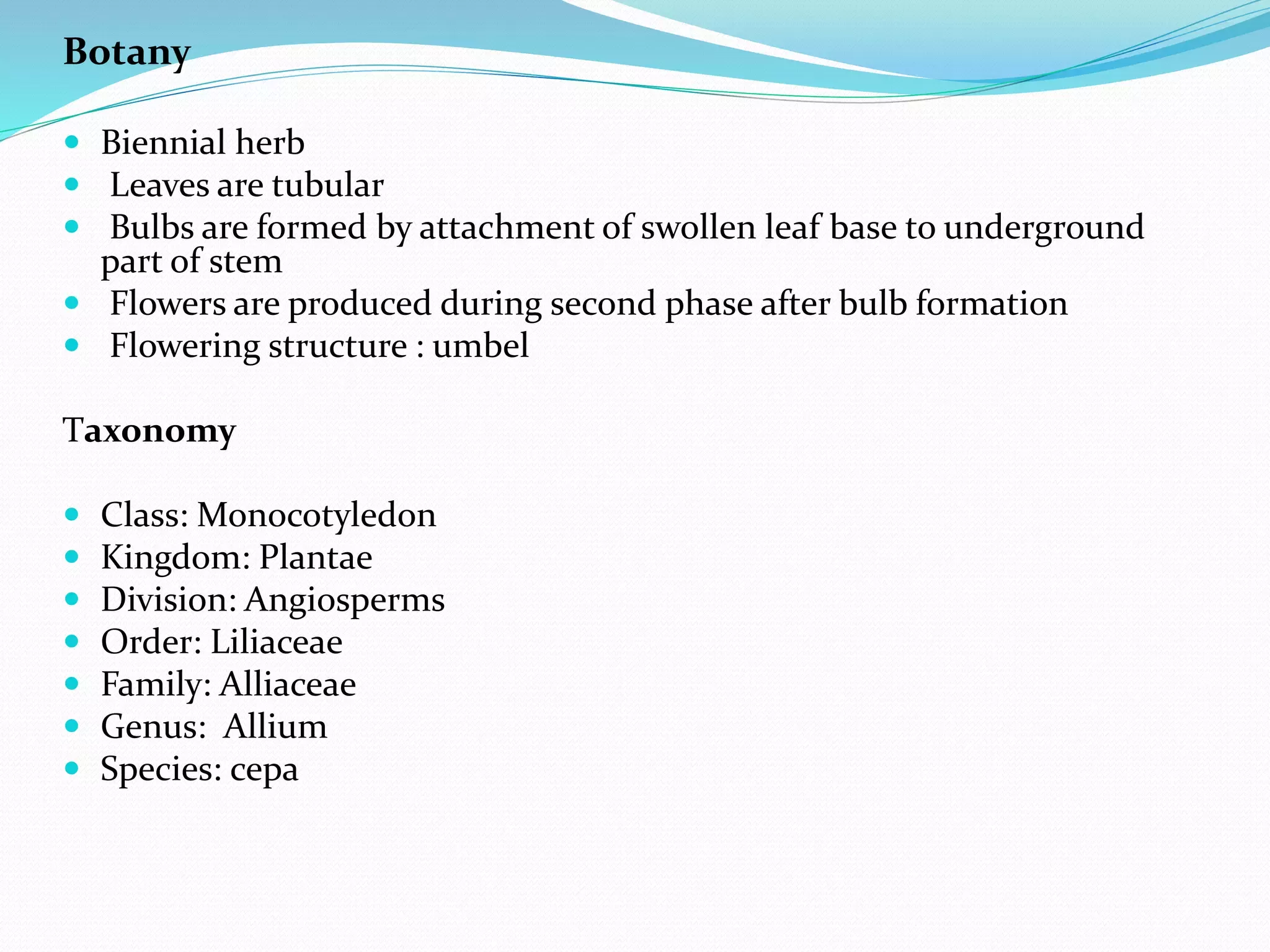
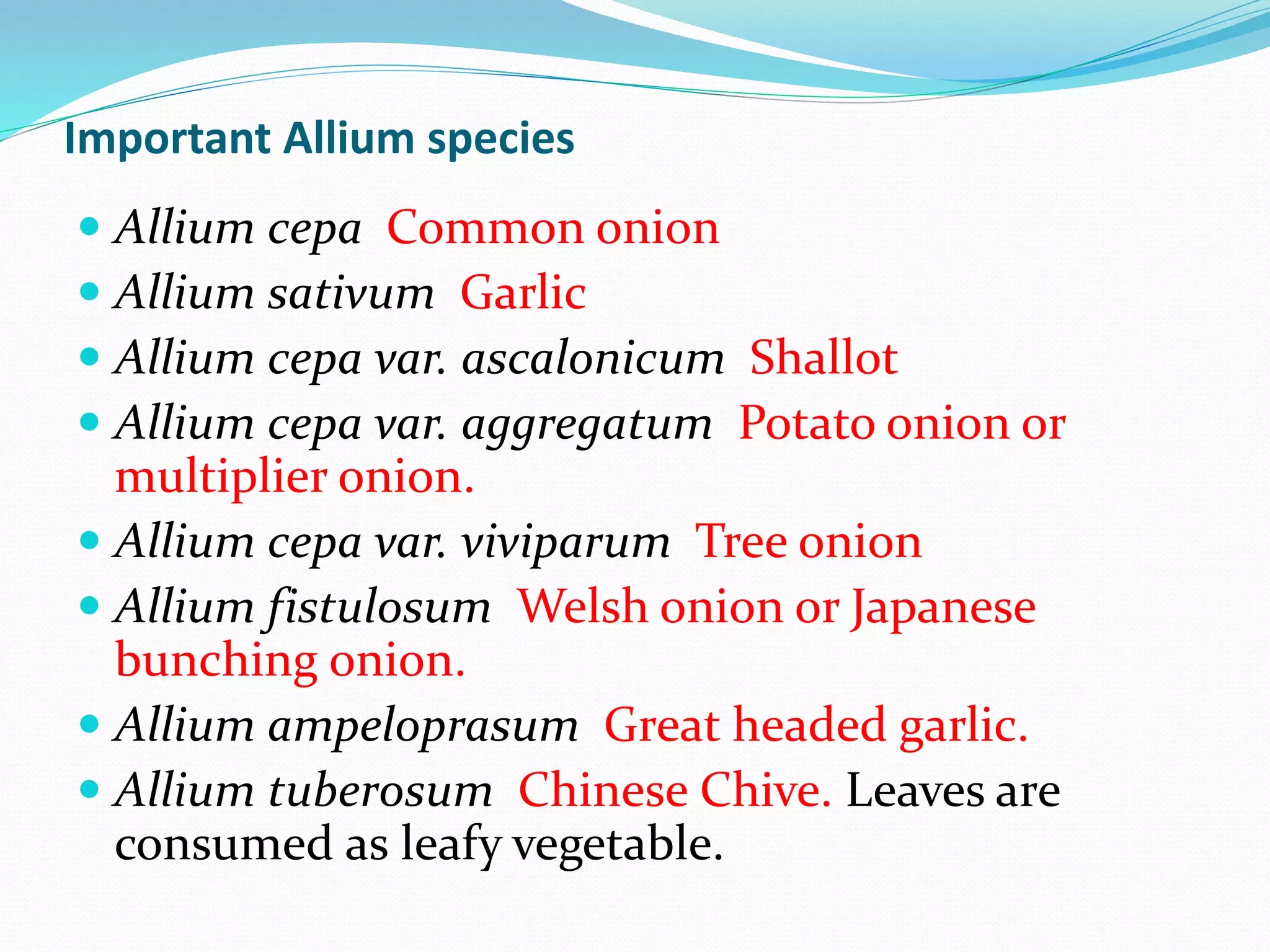
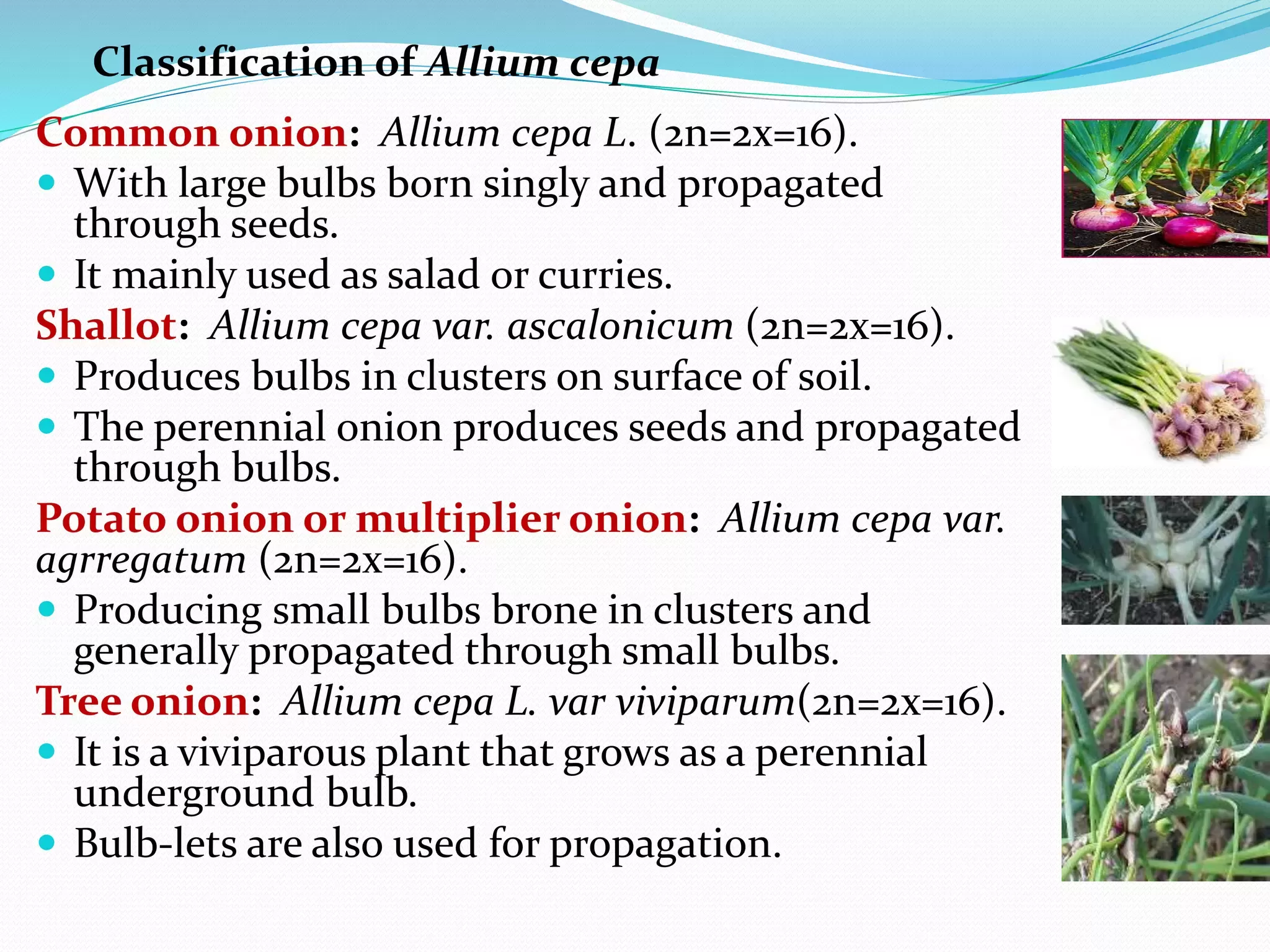
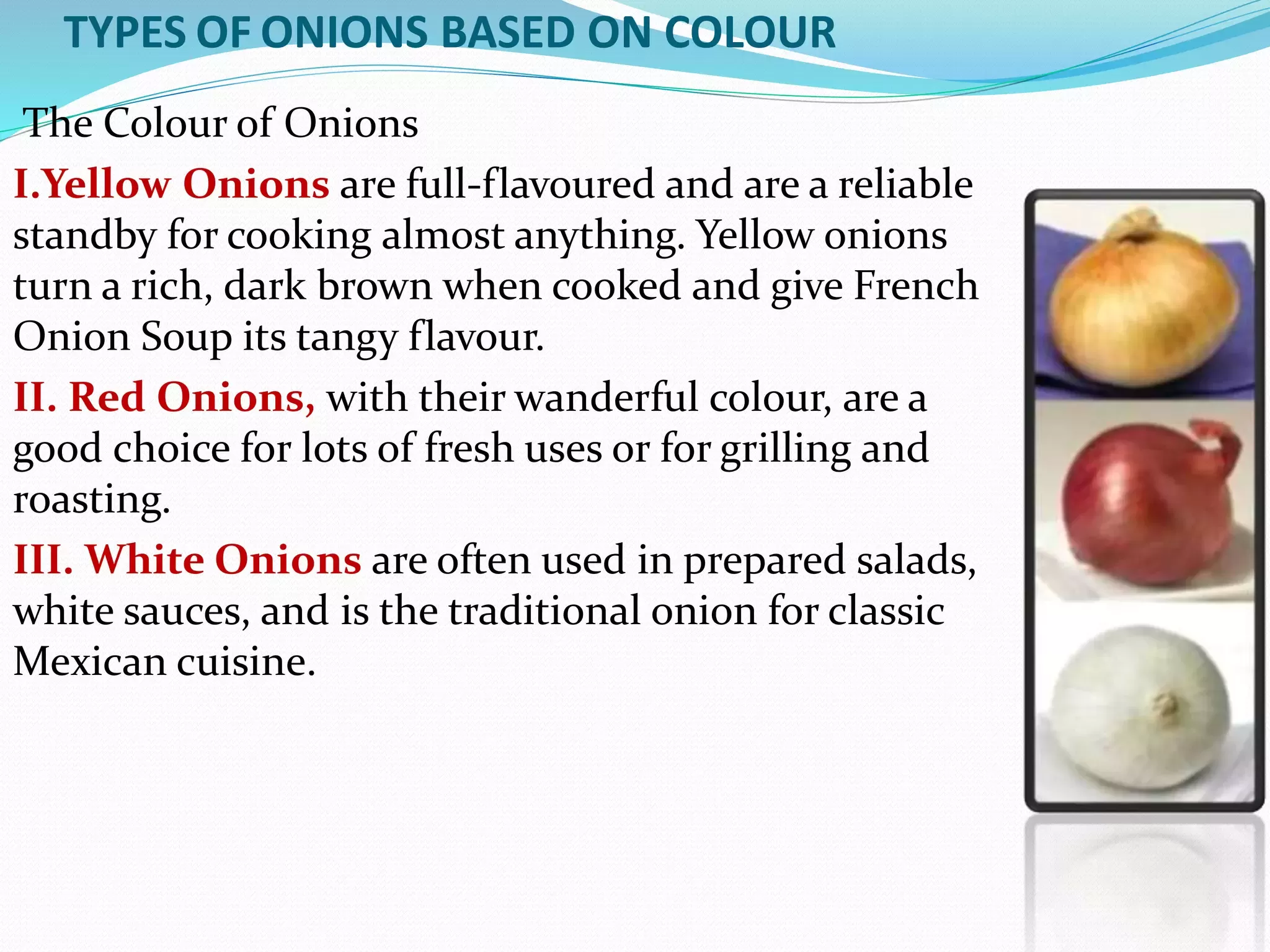
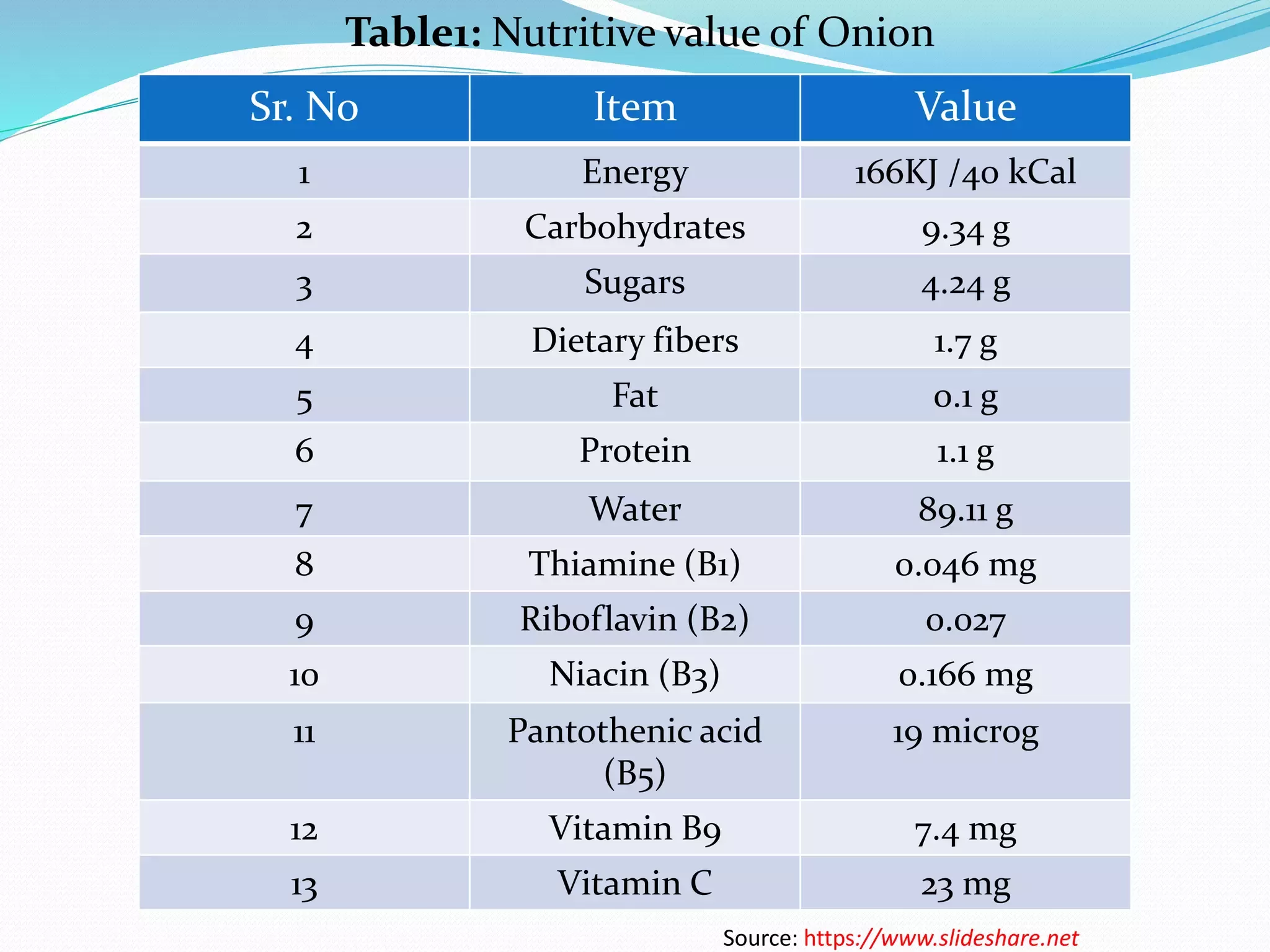
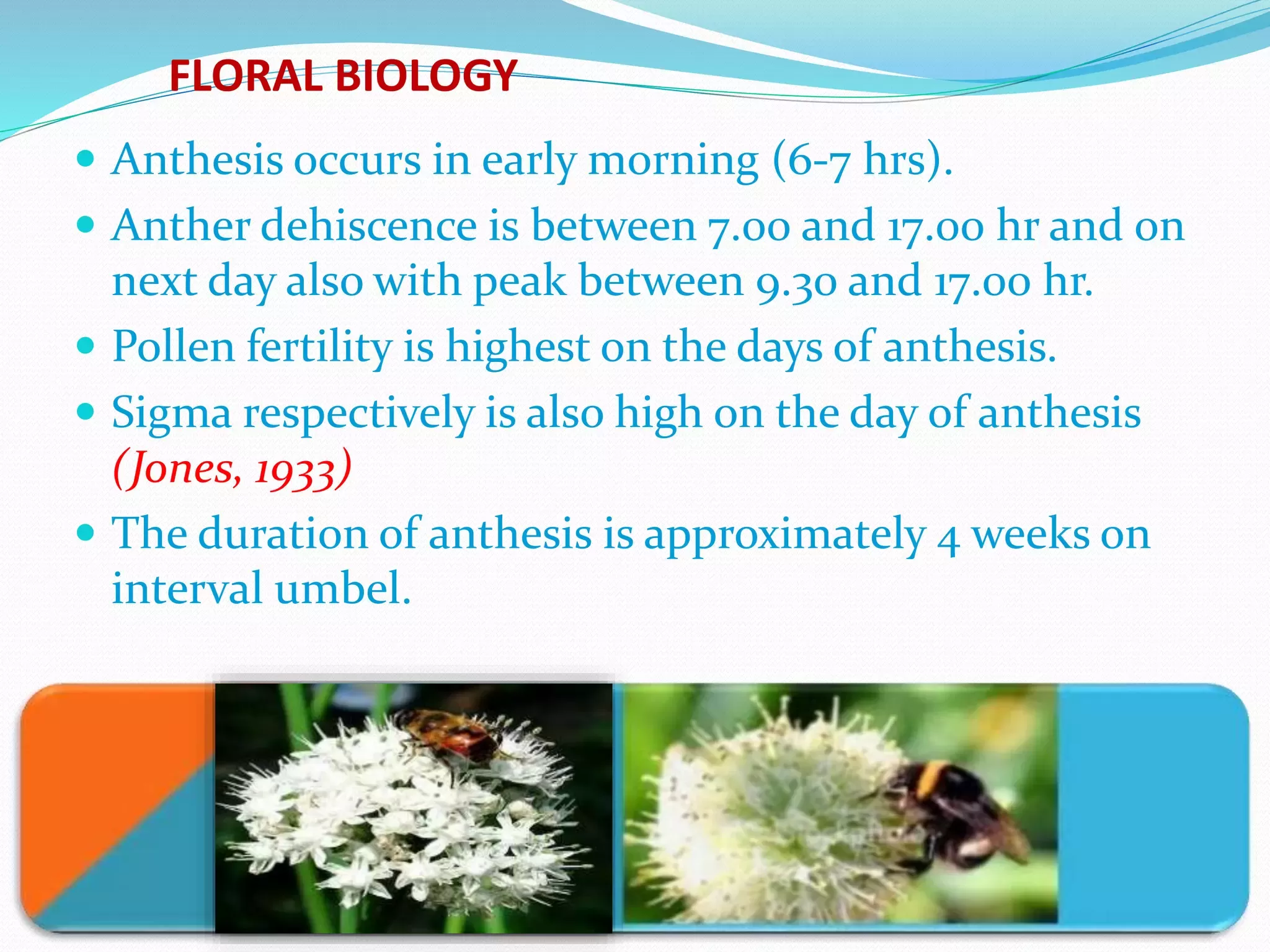
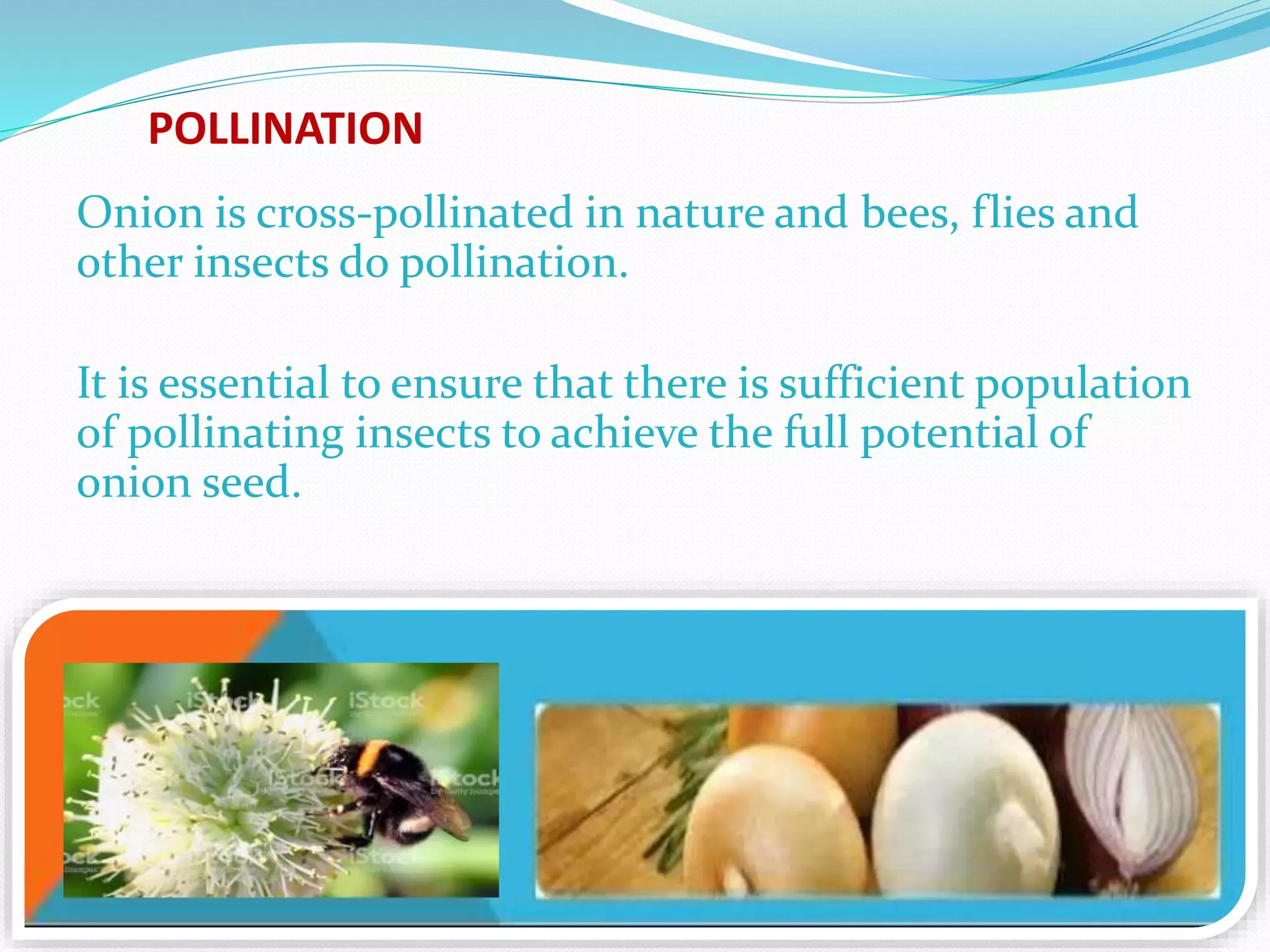
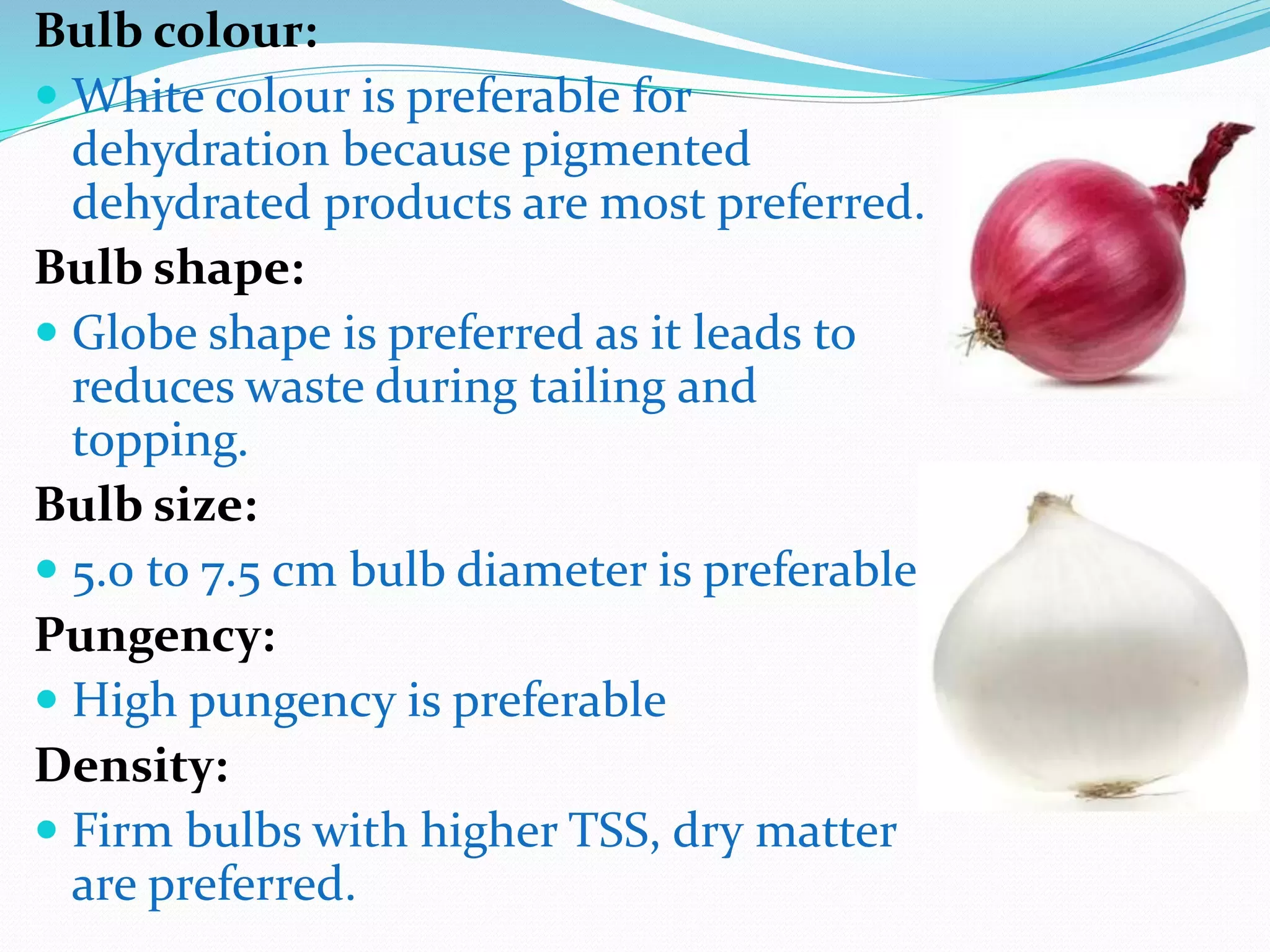
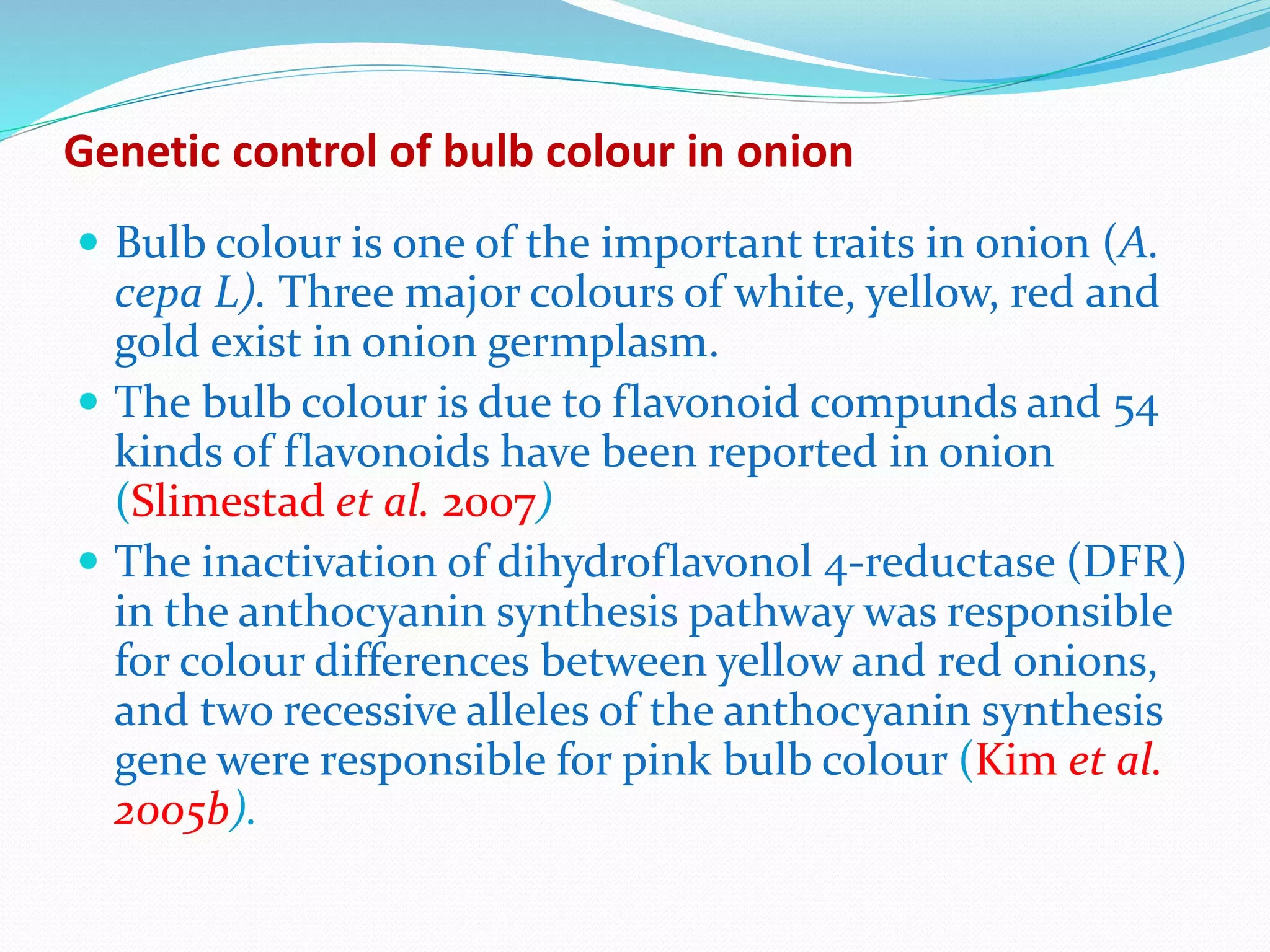
Onions, scientifically known as Allium cepa, belong to the Alliaceae family and originated in Asia. They are a biennial herb characterized by tubular leaves and bulbs formed from swollen leaf bases attached to the underground stem. Major onion-producing countries include China, India, and Pakistan, with India ranking third in exports, primarily from Maharashtra and Karnataka. Onions thrive in a variety of climates but require specific conditions for optimal growth, including well-drained soil and adequate pollination, primarily by insects. Cultivation highlights include the development of various onion types based on color, such as yellow, red, and white, each serving different culinary purposes. Onions are rich in nutrients, providing energy, carbohydrates, and vitamins. They are significant in agriculture for their high yield

Slide 1

Slide 1

Slide 2

Slide 2

Slide 3

Slide 3

Slide 4

Slide 4

Slide 5

Slide 5

Slide 6

Slide 6

Slide 7

Slide 7

Slide 8

Slide 8

Slide 9

Slide 9

Slide 10

Slide 10

Slide 11

Slide 11

Slide 12

Slide 12

Slide 13

Slide 13

Slide 14

Slide 14

Slide 15

Slide 15

Slide 16

Slide 16

Slide 17

Slide 17

Slide 18

Slide 18

Slide 19

Slide 19

Slide 20

Slide 20

Slide 21

Slide 21

Slide 22

Slide 22

Slide 23

Slide 23

Slide 24

Slide 24

Slide 25

Slide 25

Slide 26

Slide 26
1 / 26