This lecture introduces the fundamental concepts of agronomy, focusing on the definition, scope, and importance of the discipline in agriculture. It covers the objectives and branches of agronomy, highlighting its role in crop production and soil management. The content is essential for students preparing for competitive exams in agricultural sciences. Key academic terms include agronomy, crop production, soil management, farming systems, and agricultural practices.
Tag: agronomy
ICAR AIEEA JRF Agronomy 2023 Question Paper PDF
Prepare for your future in Agronomy with the ICAR AIEEA JRF 2023 Question Paper PDF. This essential resource provides insights into the exam structure and the types of questions you can expect. By reviewing the 2023 paper, you can enhance your understanding of key concepts and improve your performance. The ICAR AIEEA JRF exam is a critical step for aspiring agricultural scientists, and having access to the previous year’s questions is invaluable. Don’t miss the opportunity to excel in your studies and secure your place in this competitive field. Download the ICAR AIEEA JRF Agronomy 2023 Question Paper PDF today and take the first step towards success in your academic journey.
Download PDF: Click here to view / download
ICAR AIEEA JRF Agronomy 2024 Question Paper PDF
Prepare for your upcoming ICAR AIEEA JRF exam in Agronomy with our comprehensive 2024 question paper PDF. This resource is designed to enhance your study experience and provide you with the necessary tools to excel in your examination. The 2024 ICAR AIEEA JRF question paper covers essential topics in Agronomy, ensuring you are well-prepared for the challenges ahead. Download the PDF from our secure link and start practicing with real exam questions that reflect the latest syllabus. With focused preparation, you can boost your confidence and improve your chances of success in the ICAR AIEEA JRF exam. Don’t miss out on this opportunity to access valuable study materials tailored for aspiring agronomists.
Download PDF: Click here to view / download
ICAR AIEEA JRF Agronomy 2025 Question Paper PDF
PG Agronomy Exam Paper (2025)
Prepare for the ICAR AIEEA JRF in Agronomy with the 2025 question paper PDF. This essential resource provides you with a comprehensive overview of the exam format and the types of questions you can expect. By reviewing the 2025 question paper, you can enhance your understanding of key concepts and improve your chances of success. The ICAR AIEEA JRF exam is competitive, and having access to previous papers is crucial for effective preparation. Download the Agronomy question paper PDF now and take the first step towards achieving your academic goals. Don’t miss out on this opportunity to excel in your studies and secure a bright future in the field of agriculture.
Download PDF: Click here to view / download
ICAR AIEEA JRF Agronomy 2021 Question Paper PDF
Prepare for your future with the ICAR AIEEA JRF Agronomy 2021 Question Paper PDF. This essential resource provides a comprehensive overview of the exam format and the types of questions you can expect. By reviewing the Agronomy questions from 2021, you can enhance your understanding and boost your confidence for the upcoming assessments. The ICAR AIEEA JRF exam is crucial for aspiring agricultural scientists, and having access to past papers is a strategic advantage. Download the 2021 question paper now from our source URL and start your preparation today. Don’t miss this opportunity to excel in your Agronomy studies and secure your future in the agricultural field.
Download PDF: Click here to view / download
ICAR AIEEA JRF Agronomy 2020 Question Paper PDF
Unlock your potential in Agronomy with the ICAR AIEEA JRF 2020 Question Paper PDF. This essential resource provides a comprehensive look at the exam format and types of questions you can expect. By reviewing the ICAR AIEEA JRF 2020 materials, you can enhance your understanding of key concepts and improve your exam performance. The 2020 question paper is designed to challenge your knowledge and skills in Agronomy, making it a vital tool for aspiring candidates. Don’t miss the opportunity to access the ICAR AIEEA JRF 2020 Question Paper PDF and prepare effectively for your future. Download it now from the source URL and take the first step towards success in your Agronomy career.
Download PDF: Click here to view / download
Ppt on Production technology of geranium
Summary:Discover the cultivation techniques, environmental requirements, propagation methods, pest control, and harvesting practices for Geranium plants. Explore how this aromatic plant is a key ingredient in perfumes and cosmetics, making it economically significant in the beauty industry.
Description
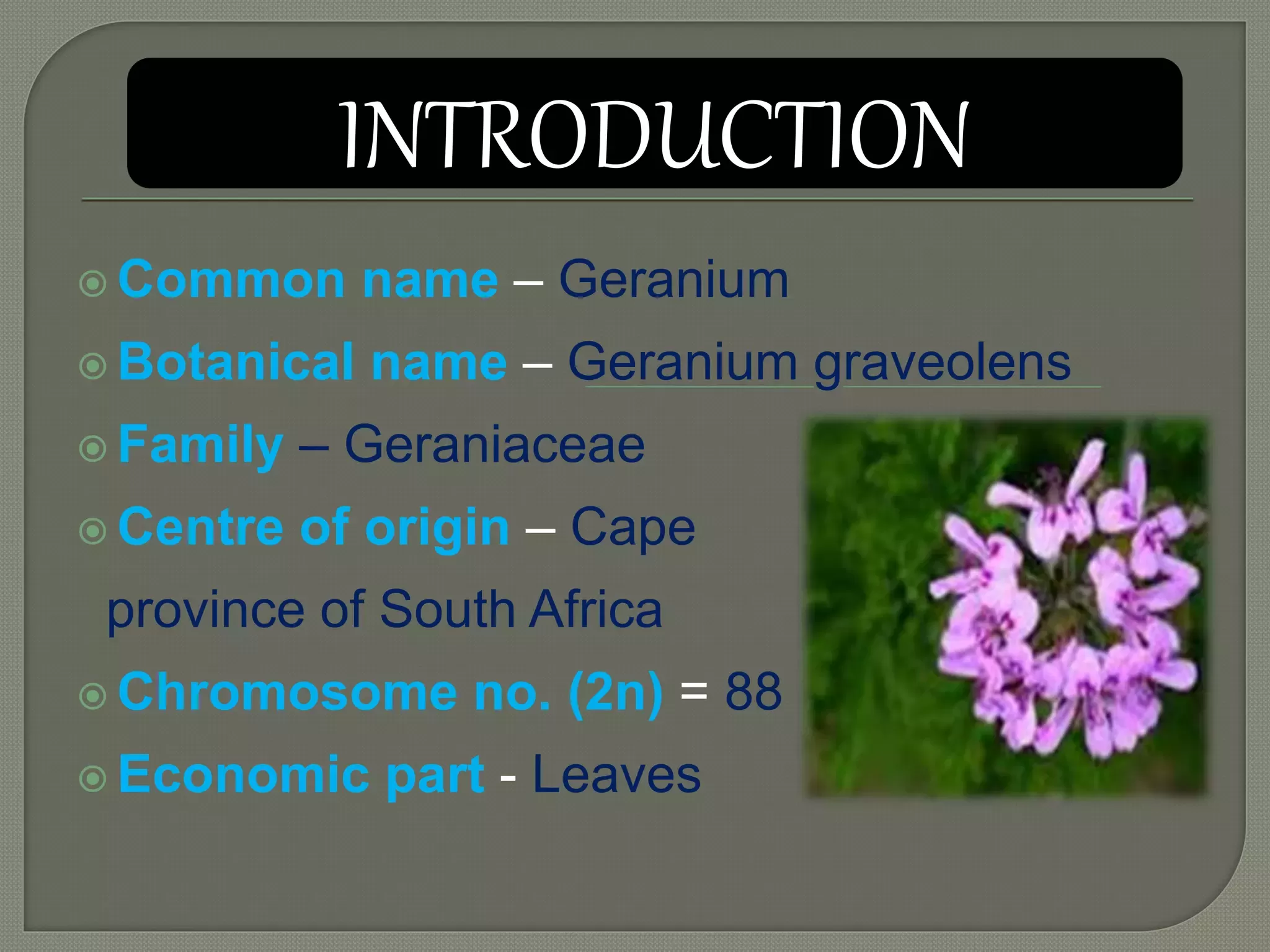
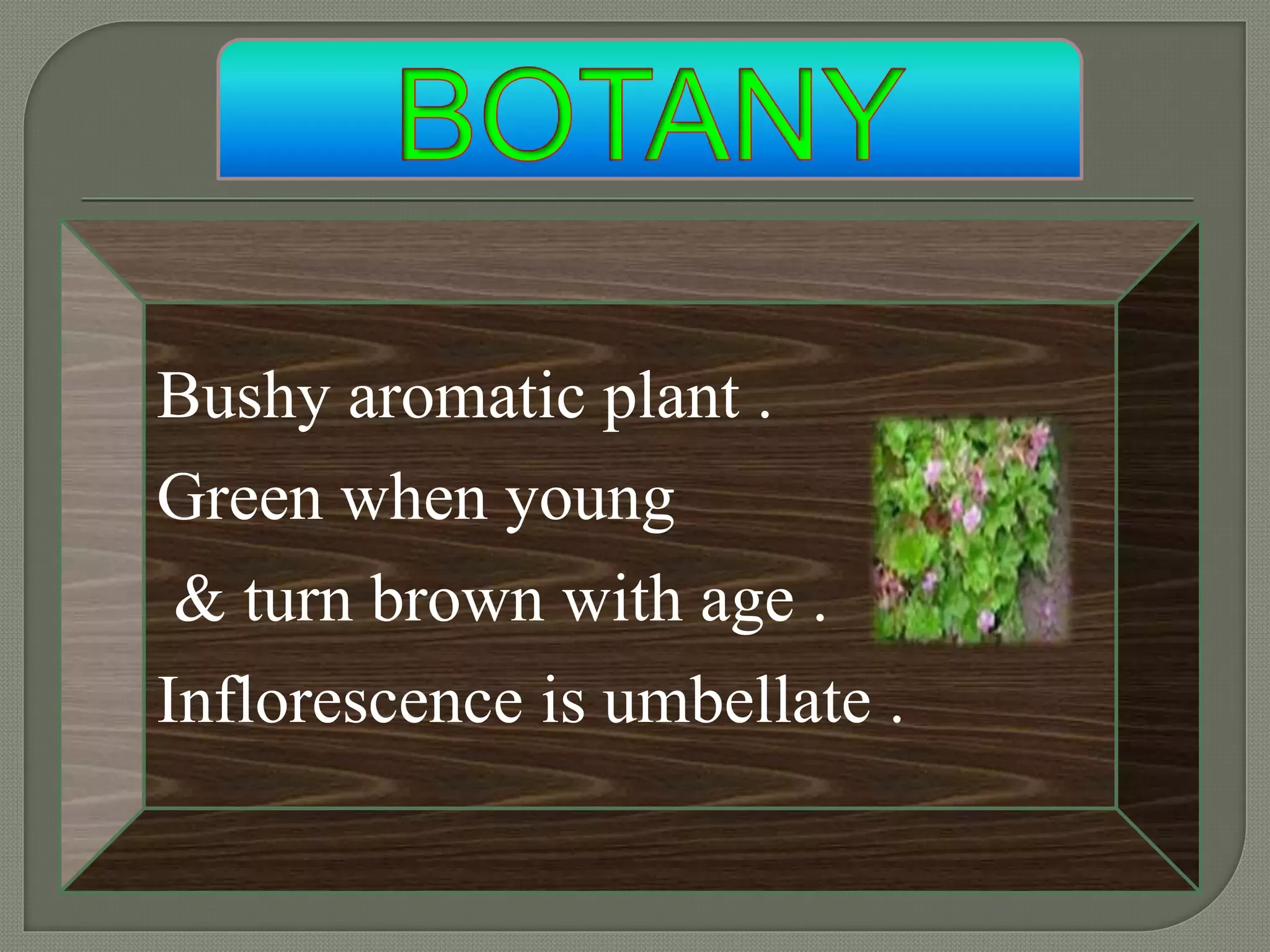
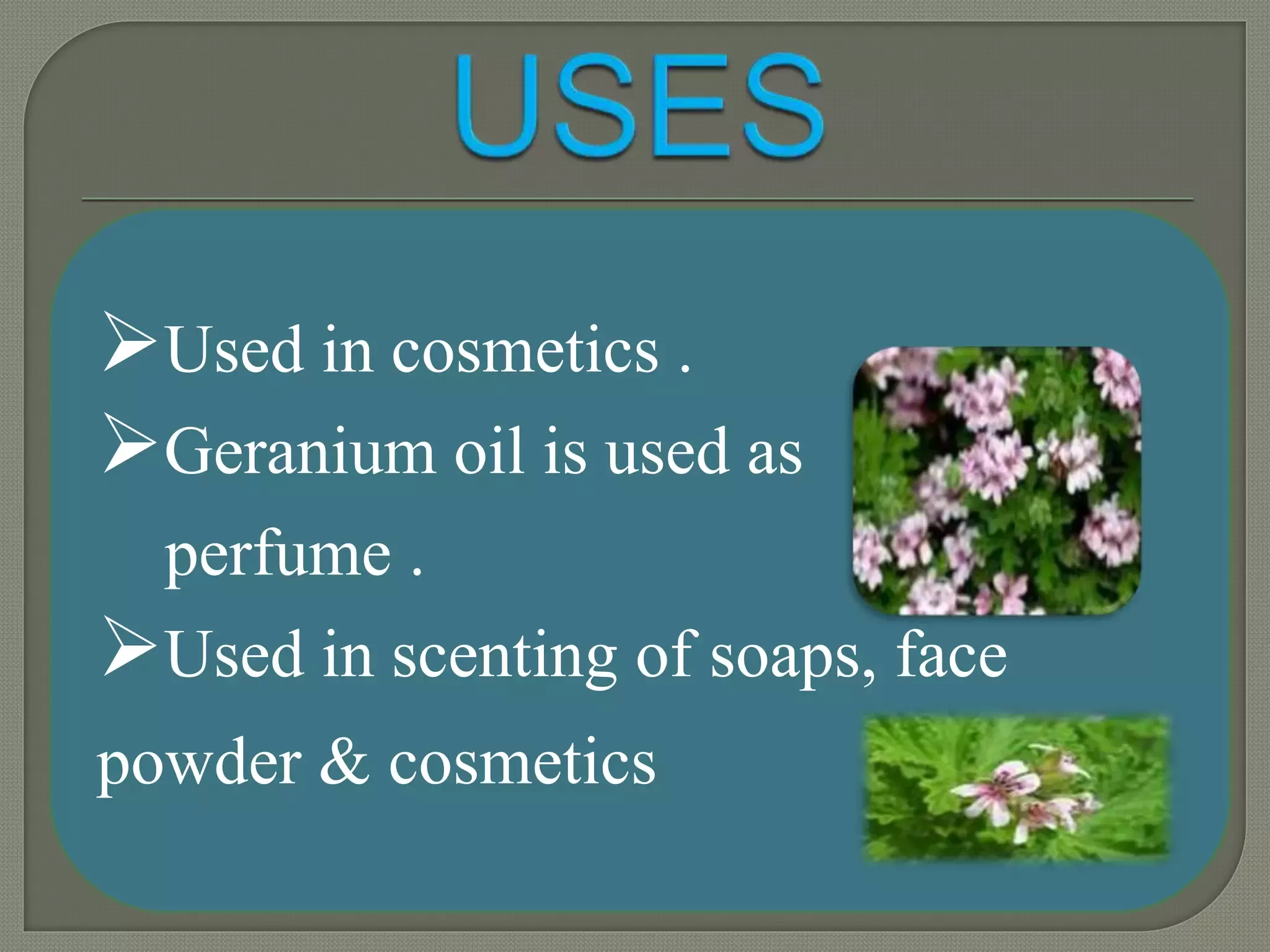
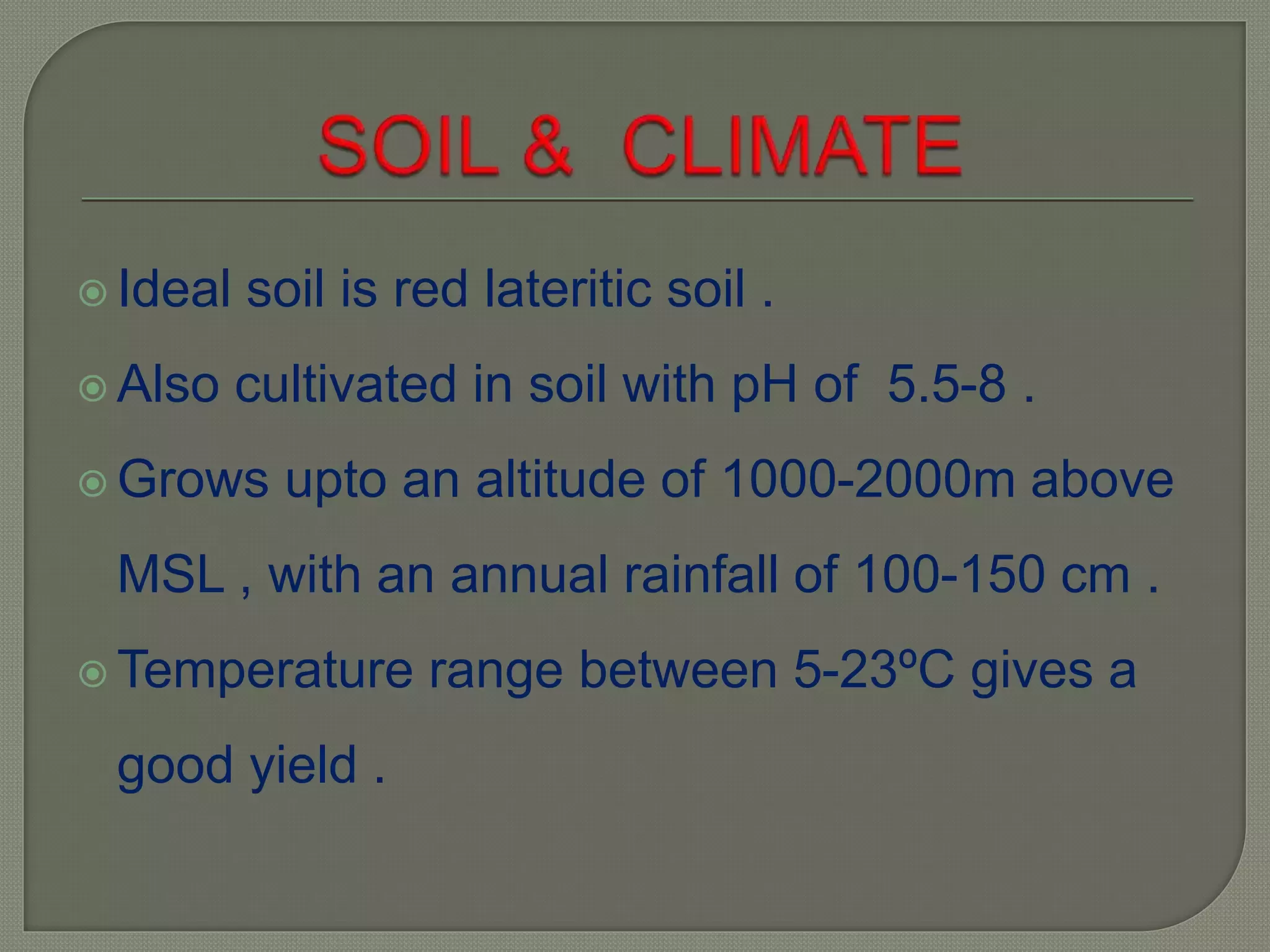
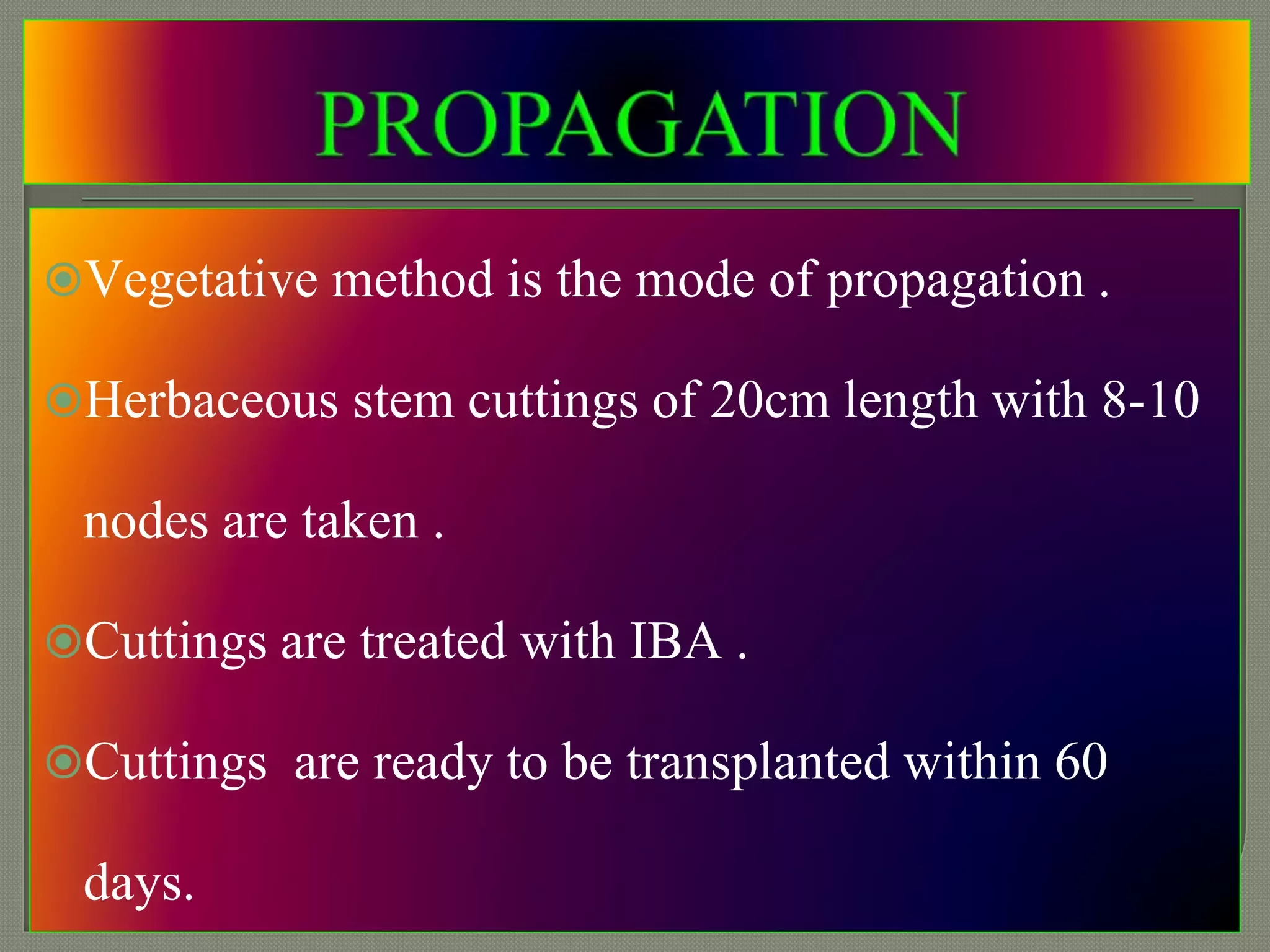
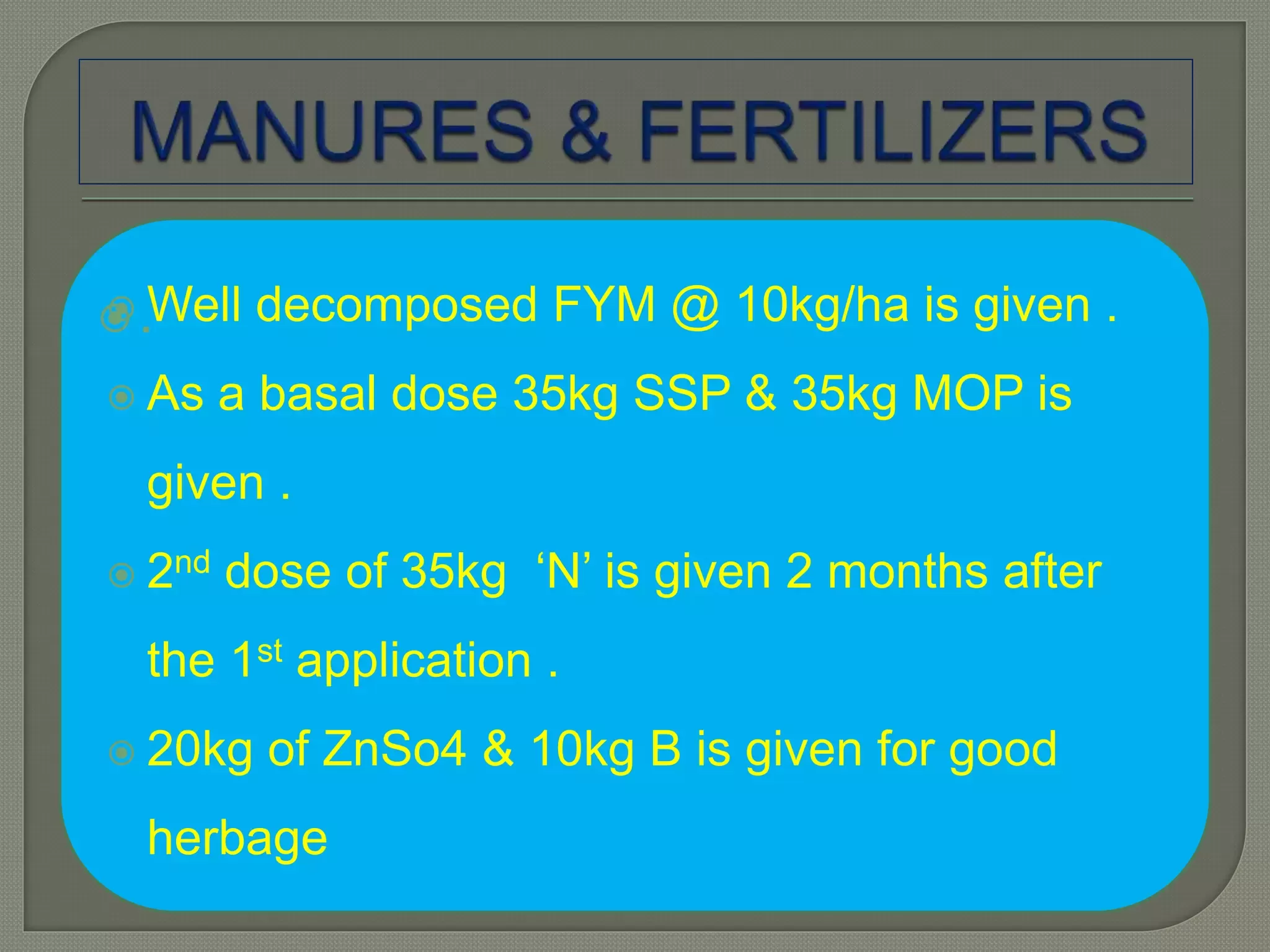
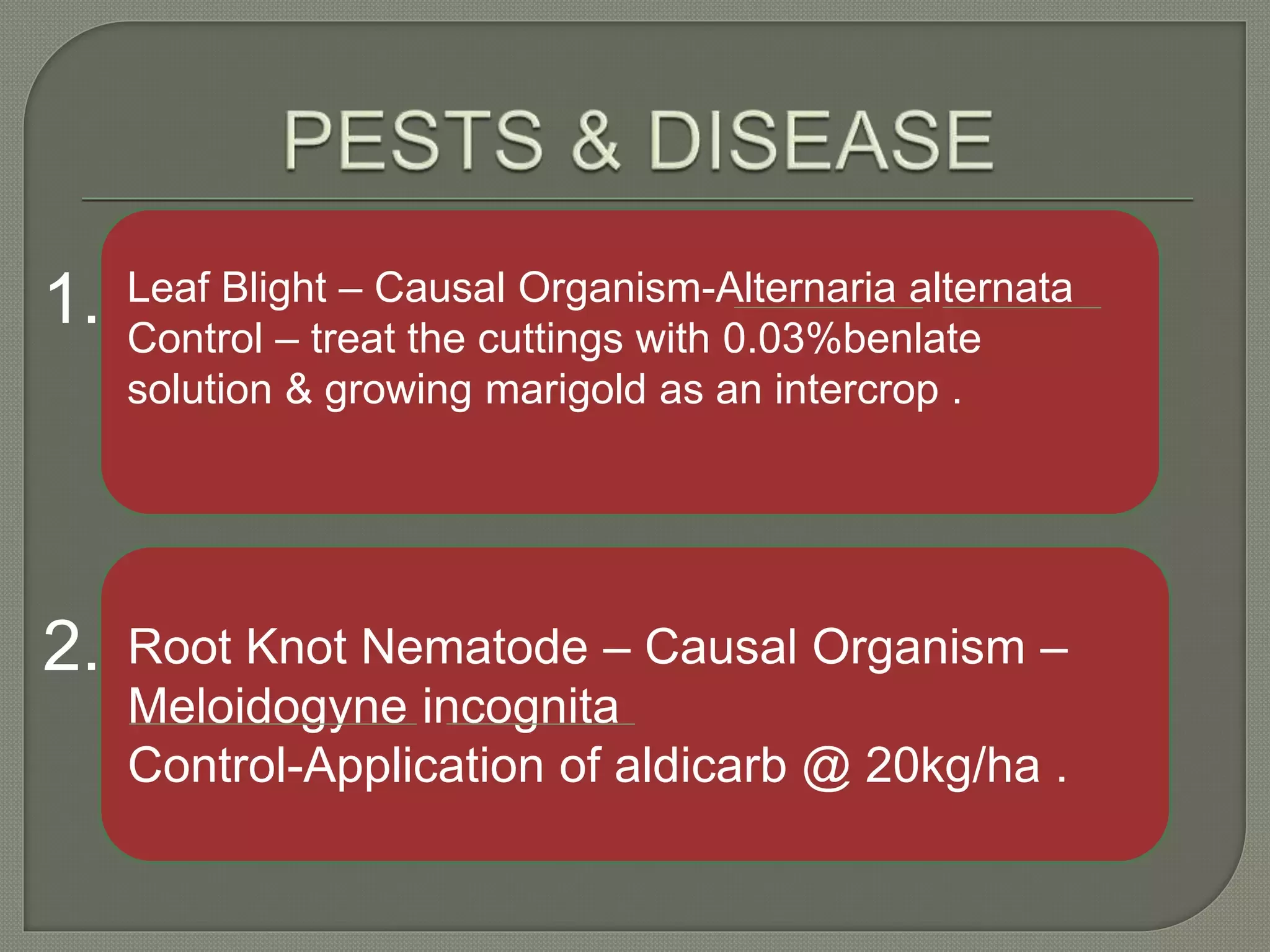
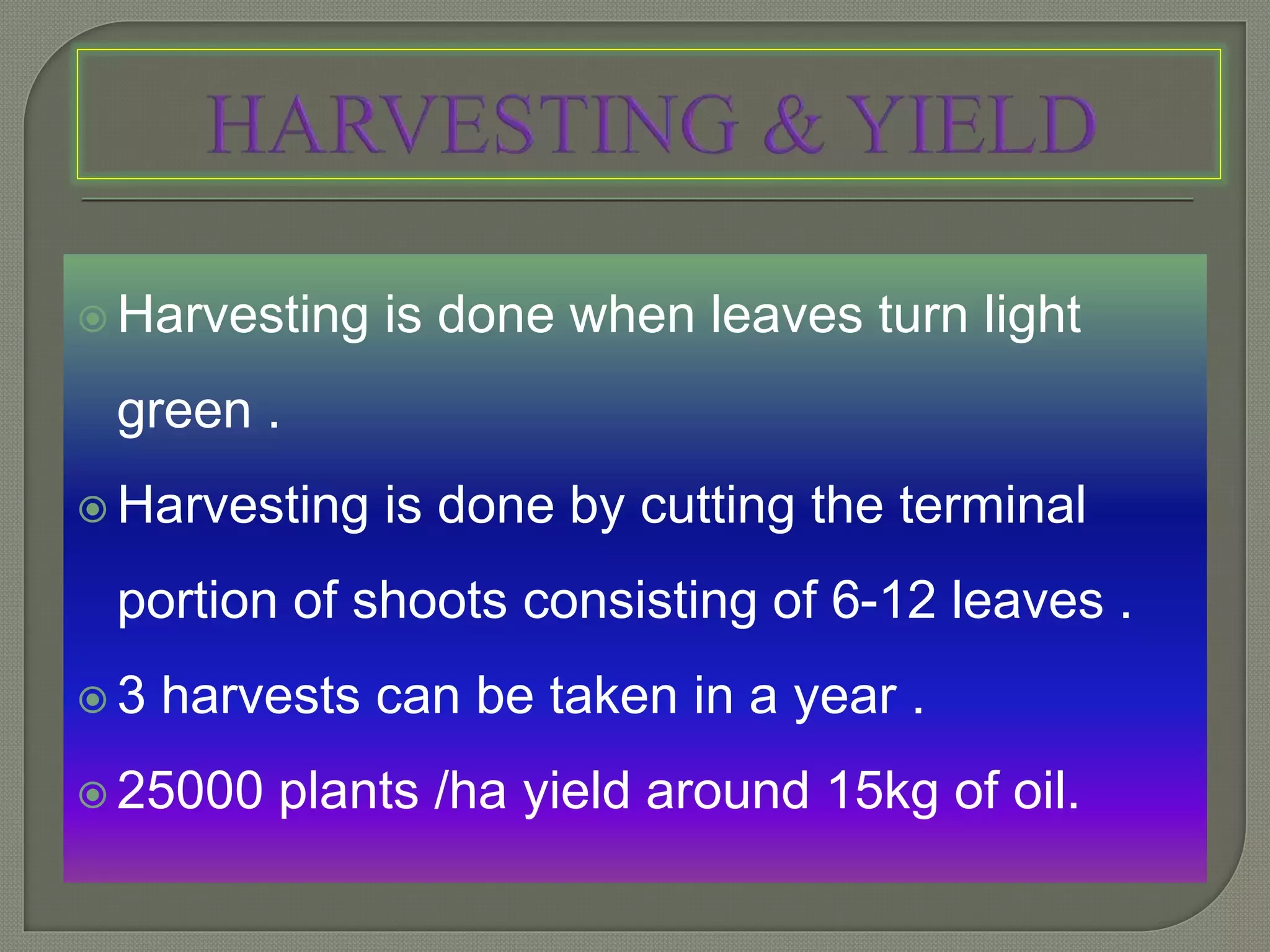
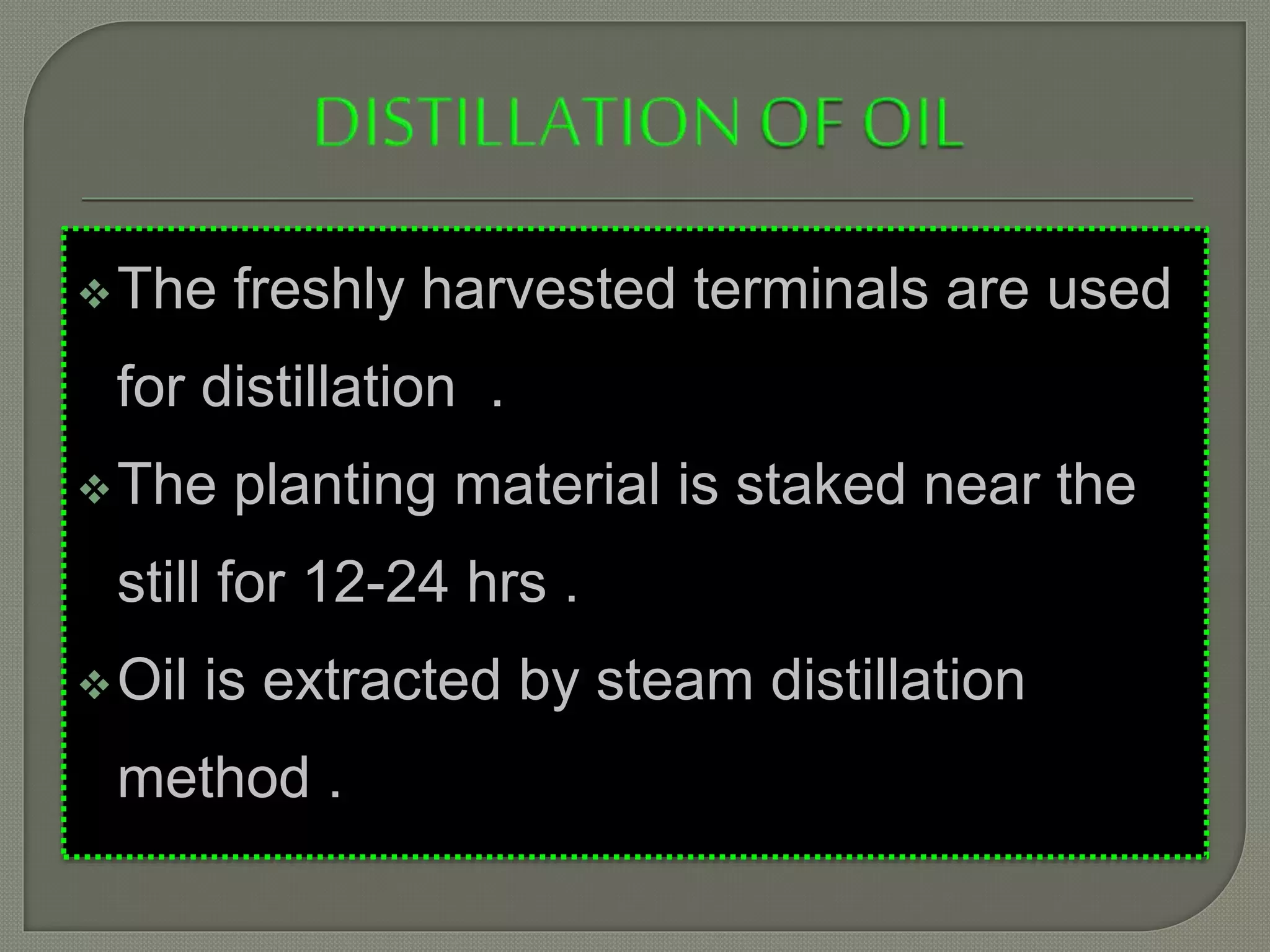
Geranium, scientifically known as *Geranium graveolens*, is a bushy aromatic plant belonging to the Geraniaceae family. Native to the Cape province of South Africa, this versatile plant is known for both its ornamental beauty and its economic value, particularly in the cosmetic industry. The leaves, which are the primary economic part of the plant, change colors from vibrant green when young to a rich brown as they mature. The plant showcases an umbellate inflorescence that adds to its aesthetic appeal. One of the key uses of geranium is its essential oil, which is a highly sought-after ingredient in perfumes and cosmetics. The fragrant oil is also utilized in scenting soaps and face powders, making geranium a valuable crop for those involved in the beauty and personal care sectors. Its aromatic properties and versatility have led to its popularity across various applications. To thrive, geraniums prefer specific soil conditions, particularly red lateritic soil. However, they can also grow in soils with a pH range of 5.5 to 8. Successfully cultivating geranium requires specific climatic conditions; the plants flourish at altitudes between 1000 to 2000 meters above mean sea level (MSL), with an annual rainfall of 100-150 centimeters. A temperature range of 5-23ºC is optimal for achieving high yields, making it essential for cultivators to consider these environmental factors. Propagating geraniums typically involves a vegetative method, with herbaceous stem cuttings being the preferred technique. Cuttings around 20 centimeters long, each containing 8-10 nodes, are taken and treated with indolebutyric acid (IBA) to encourage root development. After approximately 60 days, the cuttings are ready for transplanting, providing a relatively efficient means of propagation. For successful growth, geranium plants benefit from well-decomposed farmyard manure (FYM), with a recommended application of 10 kg per hectare as a nutrient source. Additionally, a basal application of 35 kg each of single super phosphate (SSP) and muriate of potash (MOP) is suggested, followed by a subsequent nitrogen dose two months later. To enhance herbage quality, supplementary applications of zinc sulfate and boron are also recommended. Despite its resilience, geraniums can be affected by certain pests and diseases. Leaf blight caused by *Alternaria alternata* is notable, and treatment can include using a 0.03% benlate solution. Additionally, intercropping with marigold plants has been identified as a beneficial practice to mitigate this issue. Root knot nematodes, mainly *Meloidogyne incognita*, can pose another threat; control measures include applying aldicarb at a dosage of 20 kg per hectare. Harvesting geranium is a meticulous process, taking place when the leaves display a light green coloration. The optimal technique involves cutting the terminal ends of shoots that comprise 6-12 leaves. With the capacity for up to three harvests per year, a well-maintained plantation of approximately 25,000 plants per hectare can yield around 15 kg of essential oil. The freshly harvested terminal shoots are placed near a still for 12-24 hours before the oil extraction process, which employs steam distillation. This careful handling ensures optimal quality of the oil produced, reinforcing the geranium’s esteemed status in the world of fragrances. Through these practices, geranium continues to be a beloved and economically significant plant in the realm of aromatherapy and cosmetic applications.
Slide 1
Slide 2
Slide 3
Slide 4
Slide 5
Slide 6
Slide 7
Slide 8
Slide 9
1 / 9