Home Quiz Old Paper PPT

Ppt on Major Insect Pests Of Tomato: Identification And Management Strategies

This post contains imported slide content. Please review for academic accuracy.
Slide
  • Insect Pest of Tomato
Slide
  • Group Members Muhammad Zubair Reg#2017-uam-223 Contact 03000127002
Slide
  • 1. Tomato fruit Borer. 2. Whitefly. 3. Serpentine leafminer. 4. Tomato leafminer. 5. Aphids.
Slide
  • Tomato fruit Borer • Scientific Name: Helicoverpa armigera. • Order: Lepidoptera. Status Fruit borer is a serious pest of tomato as it reduces yield by up to 40%. Distribution Widely distributed in tropics, subtropics and warmer temperate regions of the world.
Slide
  • • Description stages Four life stages: Egg, larva and pupa and adult. Eggs are initially white, later darkening before they hatch. Larvae are small when they emerge but can grow to about 2cm. Mature larvae are white to pinkish with a brown head
Slide
  • Description stages
Slide
  • Mode of damage Larval damage, especially the holes larvae make when they emerge from the fruit, can provide a pathway for disease-causing micro- organisms to enter the plant
Slide
  • Non chemical Control Spray 5% Neem seed kernel extract to kill early stages larvae. Placement of 15-20 bird perches per ha helps in inviting insectivorous birds for management of the fruit borer. Use of NPV @ 250-300 LE/ha along with juggary @ 20 g/l when sprayed at 10 days interval also given protection against fruit borer. Deep ploughing after harvesting the crop to expose the pupae for natural killing affords good protection. Chemical control • Use the insecticides chlorantraniliprole, flubendiamide, cypermethrin or alpha- and zeta-cypermethrin to reduce populations. The first spray should be at the flowering stage and followed by sprays at either 10 or 15 days interval.
Slide
  • Whitefly Order: Homoptera Family: Aleyrodidae Scientific Name: Bemisia tabaci Status Whiteflies are small, soft-bodied sucking insects that look like tiny white triangles, less than one-tenth of an inch long, that often rest on the undersides of plants. Several species of whiteflies may infest tomato.
Slide
  • Distribution • It is distributed in tropical and sub-tropical climate including Pakistan Description stages Four description stages 1. Egg 2. Nymph 3. Pupa 4. Adult Duration stages Adult:2-5 days in summer and 24 days in november. Eggs: eggs are laid on lower and middle leavesfemale female can lay upto110 eggs. Hatch in 3-5 days in april-sep,5-17 days in oct-nov and33 days in december
Slide
  • Nymph :9-14 das during april to september and 17-81 days in oct- to march pupa: 2-8 days Mode of damage 1. Sucking cell Sap 2. Injection of toxic saliva 3. Sooty mould
Slide
  • non chemical control avoid cultivation of alternative host avoid use of nitrogenous fertilizers Avoid over irrigation Green lace is a effective predator Chemical control Imidacloprid Diafenthiuron Acetamiprid
Slide
  • Serpentine leafminor • Order: • Diptera • Section: • Schizophora • Family: • Agromyzidae • Genus: • Liriomyza • Species: • L. brassicae
Slide
  • • Food plants • wide host range, including bean, cantaloupe, celery, cucumber, eggplant, onion, pepper, potato, squash, tomato, watermelon. Ame • Description Eggs tend to be deposited in the middle of the plant; the adult seems to avoid immature leaves. Larva: The larva is legless. Adult: Adults are small, measuring less than 2 mm in length, with a wing length of 1.25 to 1.9 mm.
Slide
  • • Duration stages • The average period is 21 days, can be short as 15 days.it can varies with host and temperature. Eggs are laid singly in punctures in the leaf epidermis. The eggs are small, 1/100 inch in length, and hatch 2- 4 days. • Life history • The larva crawls into the ground to pupate. A small percentage of the larvae remain hanging on the leaf and pupate there.
Slide
  • • Mode of damage • Punctures caused by females during the feeding and oviposition processes can result in a stippled appearance on foliage, especially at the leaf tip and along the leaf margins. However, the major form of damage is the mining of leaves by larvae, which results in destruction of leaf mesophyll.
Slide
  • Non chemical control • While not usually threatening to plants, leafminer control is often necessary to manage the highly visible tunnels in leaves that can reduce crop value. … Host plants include beans, blackberries, cabbage, lettuce, peppers, and a variety of ornamental flowers, citrus trees and shrubs … Chemical control • The use of pesticides (organophosphates, carbamates and pyrethroids) for the control of leafminer pests that attack vegetables will kill their natural enemies, as well as selecting resistant leafminer strains.
Slide
  • Aphids • Order: • Hemiptera • Suborder: • Sternorrhyncha • Infraorder: • Aphidomorpha • Superfamily: • Aphidoidea Geoffroy, 1762
Slide
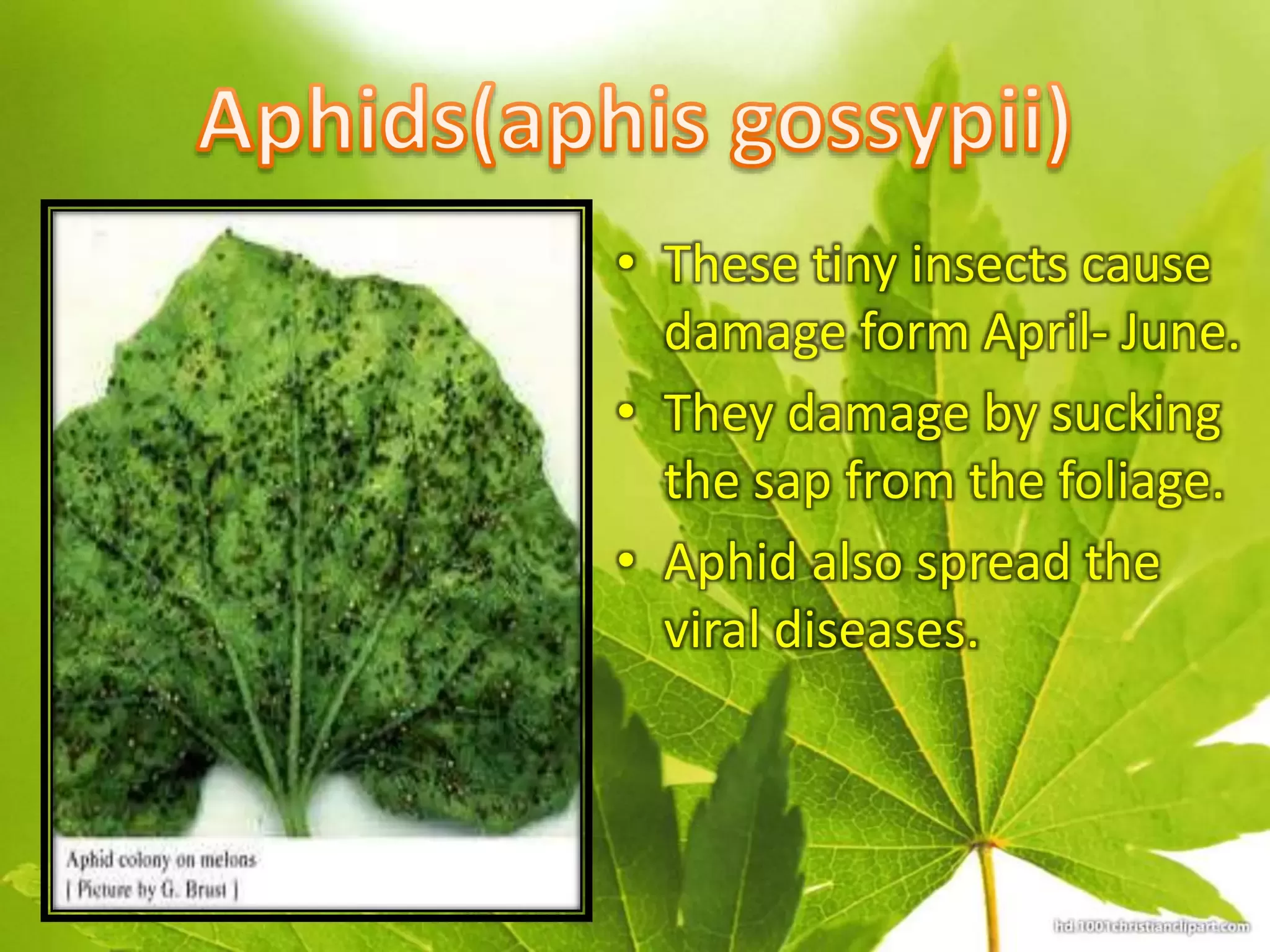
  • • Food plants of a major agricultural pest • Description stagese smaller yellow form occurs during warmer summer conditions. The green form is larger and occurs during cooler spring and autumn temperatures, and uncrowded conditions. A. gossypii can range in colour from yellow to very dark (almost black) green. The smaller yellow form occurs during warmer summer conditions. • Duration stages • – The average reproductive period was 7.8-5.4 days on cotton plants while average reproductive period was 11.2-8.6 days on egg plants. The average nymphal duration on cotton plant was 4.8 to 5.8 days and in eggplant it was between 8.6 to 11.2 days.
Slide
  • • Life span • .. The life span of a parthenogenic female is about twenty days in which time it can produce up to 85 nymphs. These mature in about twenty days at .. • Mode of damage • Aphid damage is usually most noticeable on shade trees and ornamental plantings. Leaves, twigs, stems, or roots may be attacked by aphids, whose mouthparts are designed for piercing the plant and sucking the sap. … Some aphid species form galls or cause distorted, curled, or deformed leaves.
Slide
  • • Non chemical control • Aphis gossypii is found worldwide, wherever its host plants are grown. It prefers warm … Useful non-chemical contribution to Integrated Weed Management • Chemical control Imidacloprid Diafenthiuron Acetamiprid
Slide
  • Tomato leafminor • Scientific name: Tuta absoluta • Phylum: Arthropoda • Higher classification: Tuta • Order: Lepidoptera • Rank: Species • Family: Gelechiidae • Class: Insecta
Slide
  • • Description stages The life cycle of a leaf miner has the following stages: egg, three larval instars, a pupal instar and the adult fly. Adult leaf miners are small yellow and black coloured flies, at most only several millimetres long. Duration stages • he life cycle of a leaf miner has the following stages: egg, three larval instars, a pupal instar and the adult fly. Adult leaf miners are small yellow and black coloured flies, at most only several millimetres long.
Slide
  • • Life Cycle • The Tomato leaf miner has approximately 11 generations per year, because they reproduce very rapidly. Its life span are is very short and it lives for about 30-35 days per generation. The adult females usually lay up to 260 eggs on a plant before its life cycle is over with • Mode of damage • Leaf miners cause damage to plants both directly and indirectly. The most direct damage is caused by the larvae mining the leaf tissue, leading to desiccation, premature leaf-fall and cosmetic damage. In (sub-)tropical areas this can lead to burning in fruit such as tomato and melon. Loss of leaves also reduces yield.
Slide
  • • Non chemical control Tomato leaf miner larvae feed on leaves and fruits, from seedlings to mature tomato plants. Infestation is often followed by infections by secondary pathogens rendering infested crops unmarketable. An additional host plant of Tuta absoluta is the potato plant but not the tuber! Chemical control Tomato leaf miner is currently controlled by spraying specific synthetic insecticides.
Slide
  • Pests of Tomato
Slide
  • Pest of cucurbitaceous vegetables.
Slide
  • Pests of tomato, Brinjal By MD. RAMAJN
Slide
  • Major Insect-pests of solanaceous crop (tomato & potato) and their management
Slide
  • Sorghum shoot fly
Slide
  • Management of major insect pests of organically grown egglant
Slide
  • Tuta absoluta
Slide
  • Organic Vegetable Pest Management Updates 2013
Slide
  • Pest of cruciferous vegetables
Slide
  • Pests of Brinjal.
Slide
  • Insect pests of citrus and their control
Slide
  • Insect pests of guava and control
Slide
  • Pest of potato.
Slide
  • Pest of okra.
Slide
  • Insect pests of banana
Slide
  • Pest of chilli.
Slide
  • Insect pests of Cococnut
Slide
  • Pest of sweet potato.
Slide
  • Pests of Mango
Slide
  • pests of Cashew nut .
Slide
  • Major pests of Black Pepper,cinnamon and clove
Slide
  • Chilli thrips(RAKESH)
Slide
  • DISEASES OF BETELVINE
Slide
  • Emasculation and pollination techniques in pearl millet.pdf
Slide
  • Shoot and fruit borer of brinjal
Slide
  • training and pruning methods of cucurbits
Slide
  • PHYSIOLOGICAL DISORDERS OF VEGETABLES
Slide
  • Protected Cultivation and Secondary Agriculture (Introduction)
Slide
  • Lec. 9 rkp pcgm_brinjal, tomato, chilli
Slide
  • Turmeric ajith
Slide
  • Lec. 5 rkp pcgm_cotton
Slide
  • Pest of oilseeds
Slide
  • Leaf miner and its control mechanism
Slide
  • Integrated Pest Management on Okra (Abelmoschus esculentus L. Moench)
Slide
  • Fruit-worm
Slide
  • Insect pests of pulses (edited 23.8.08)
Slide
  • Pests of tomato1
Slide
  • Leaf miner
Slide
  • IPM- Leaf-Miner
Slide
  • Insect Pests of Vegetable, Ornamental and Spice Crops
Slide
  • Lec. 10 rkp pcgm_okra
Slide
  • Sign and symptoms in crops
Slide
  • Pests of vegetables
Slide
  • null.pptx
Slide
  • SUNFLOWER INTEGRATEST PEST MANAGEMENT BY MANISH JINDAL
Slide
  • Pests of Tomatopests and theirmanagement.pptx
Slide
  • major pest of vegetables crops and their mgt.pptx
Slide
  • Fruitworms of vegetable
Slide
  • major drivers of biodiversity change.pptx
Slide
  • BP303T PHARMACEUTICALMICROBIOLOGY UNIT 3
Slide
  • Determining the Sample Population updated version.pdf
Slide
  • BP605 T PHARMACEUTICAL BIOTECHNOLOGY UNIT 3 PART 1
Slide
  • Pharmaceutical Engineering (sem-3) unit 3-2
Slide
  • 2025 Caribbean Examinations Council CSEC Merit List
Slide
  • Historical Background of Pharmacy .pptx
Slide
  • Masking and Lithography Techniques in Microelectronics
Slide
  • 10CLA Term 4 Week 6 Exam preparation reminders.pptx
Slide
  • NMR Spectroscopy M.Pharm 1st Semester, Pharmacy
Slide
  • Unit 7- Organ Function Test(Biochemical parameters.
Slide
  • How to Get Ahead in Marketing: Insights for University Students
Slide
  • Keratometer /ppt/pdf/notespdf/kerato.pdf
Slide
  • What is Lost Opportunities In Odoo 18 CRM
Slide
  • Principle, Construction, and Types of Varactor Diode – A Comprehensive Lectur…
Slide
  • Merge similar leads and opportunities in Odoo 18 CRM
Slide
  • Guidelines for Management of Libraries: KVS Library Policy-2025
Slide
  • Unit 6- Heme Catabolism.pptx…………
Slide
  • ENVIRONMENTAL SERVICES PROVIDERS ASSOCIATION.pdf
Slide
  • An alumnus of the Swiss Management Center (SMC) University, Kwame Simpe Ofori…

Objective Questions

Q1. Which insect pest of tomato is scientifically known as Helicoverpa armigera?
A. Tomato fruit Borer
B. Whitefly
C. Serpentine leafminer
D. Aphids
Answer: A

Q2. Which order does the whitefly, Bemisia tabaci, belong to?
A. Lepidoptera
B. Homoptera
C. Diptera
D. Hemiptera
Answer: B

Q3. What is the main mode of damage caused by the larvae of tomato fruit borer?
A. Sucking cell sap
B. Mining leaf mesophyll
C. Creating holes in fruit
D. Injecting toxic saliva
Answer: C

Q4. Which of the following is NOT a recommended chemical control for whitefly on tomato?
A. Imidacloprid
B. Diafenthiuron
C. Acetamiprid
D. Flubendiamide
Answer: D

Q5. The serpentine leafminer belongs to which family?
A. Gelechiidae
B. Aleyrodidae
C. Agromyzidae
D. Aphidoidea
Answer: C

Q6. Which pest is controlled by the use of Neem seed kernel extract at 5% concentration?
A. Aphids
B. Tomato fruit Borer
C. Whitefly
D. Tomato leafminer
Answer: B

Q7. What is the approximate number of generations per year for Tuta absoluta (tomato leafminer)?
A. 2
B. 5
C. 11
D. 20
Answer: C

Q8. Which of the following is a non-chemical control method for tomato fruit borer?
A. Use of imidacloprid
B. Placement of bird perches
C. Application of acetamiprid
D. Spraying diafenthiuron
Answer: B

Q9. Which pest causes a stippled appearance on foliage due to feeding and oviposition punctures?
A. Tomato fruit Borer
B. Whitefly
C. Serpentine leafminer
D. Aphids
Answer: C

Q10. The smaller yellow form of Aphis gossypii is most commonly found during which conditions?
A. Cooler spring
B. Warmer summer
C. Autumn
D. Crowded conditions
Answer: B
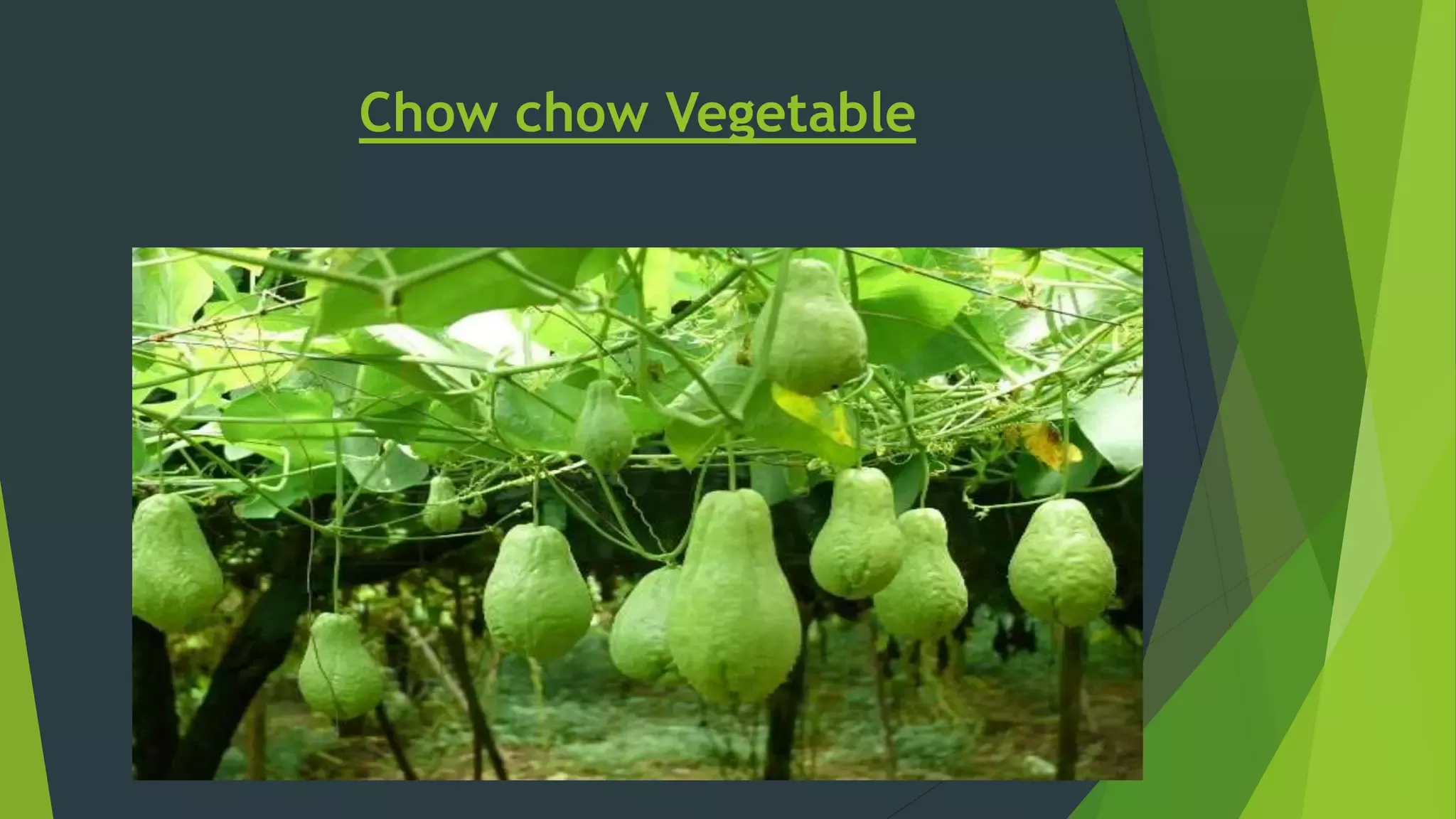
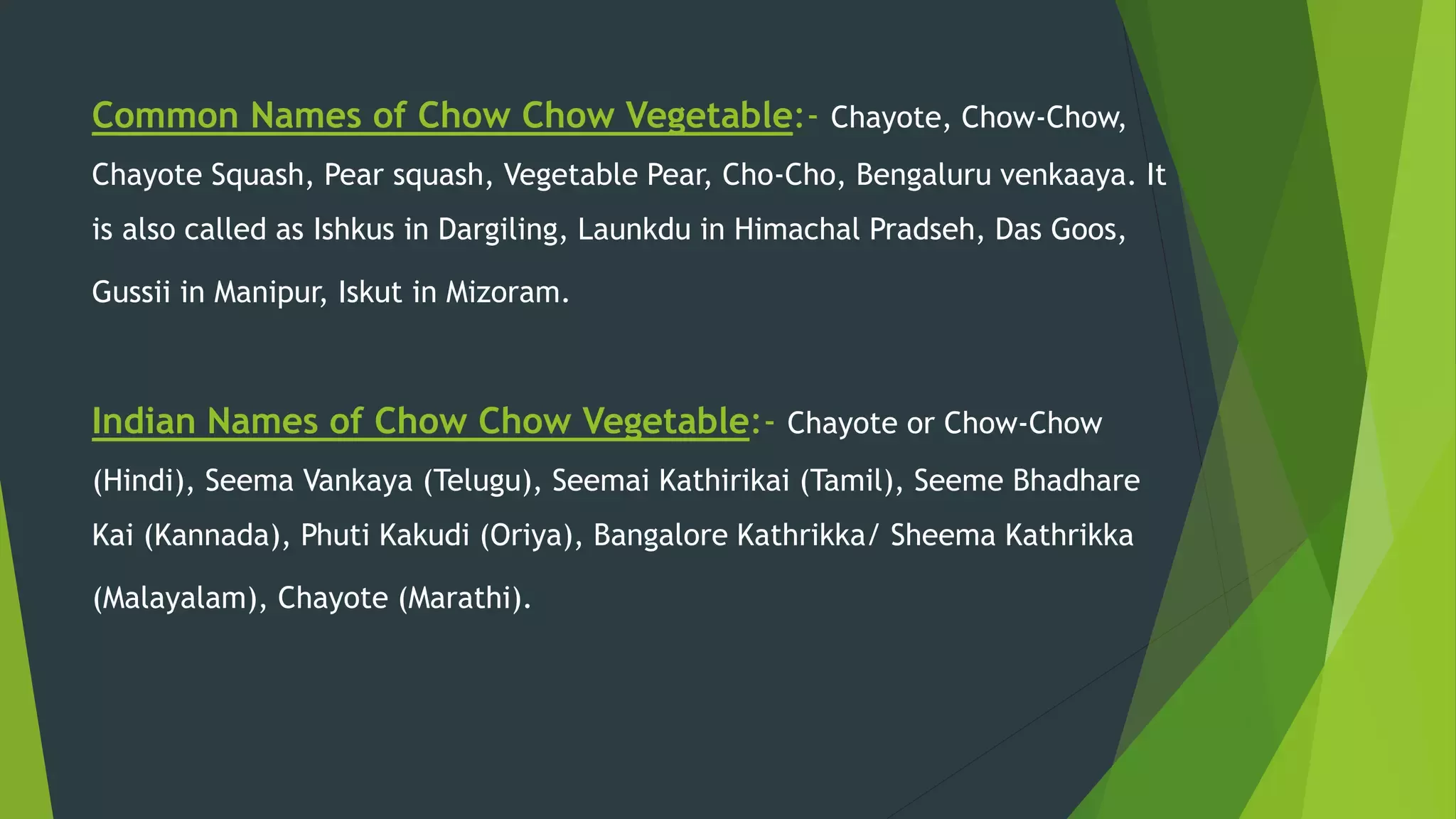
Ppt on Chow chow vegetable cultivation

Description

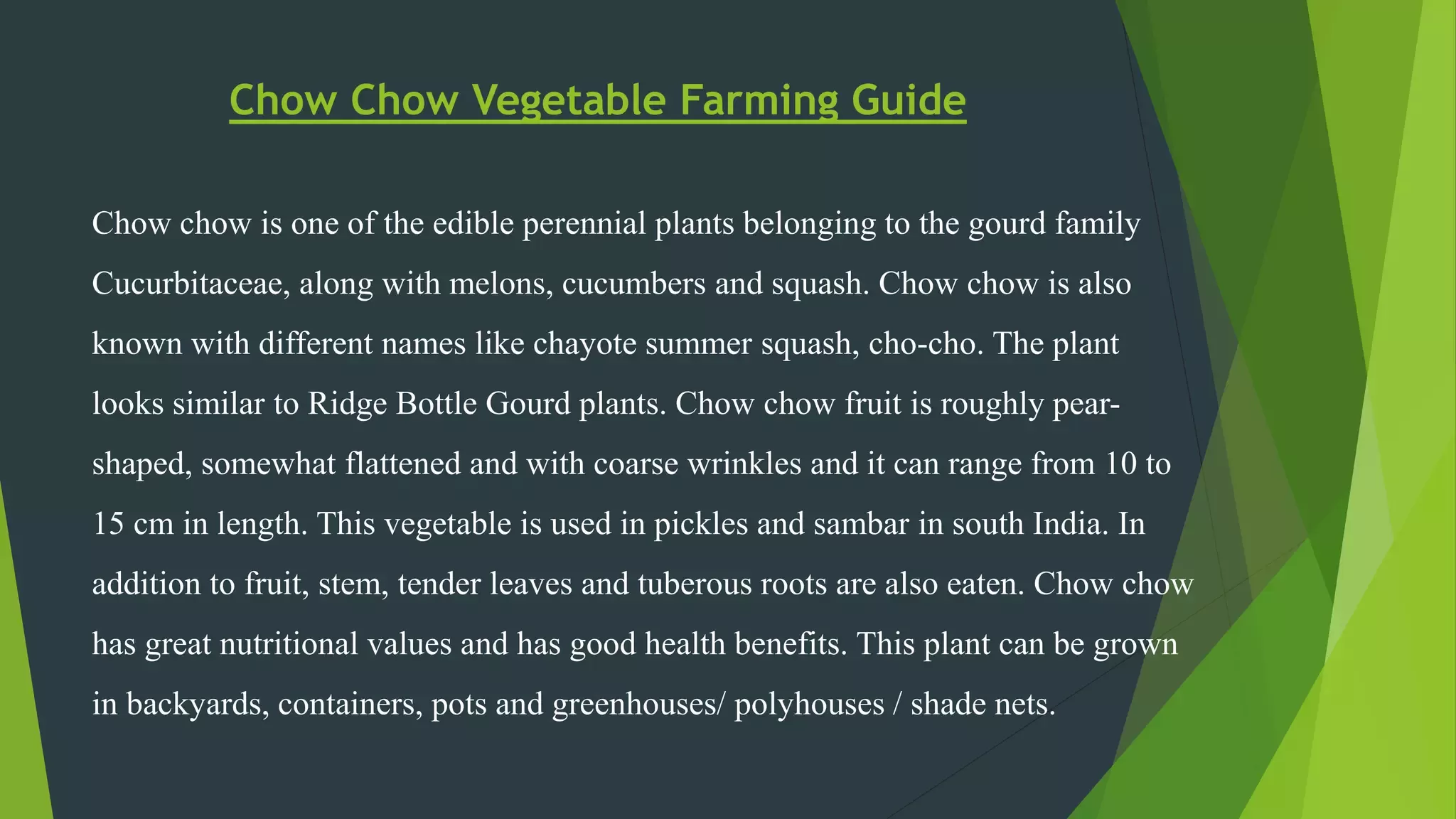
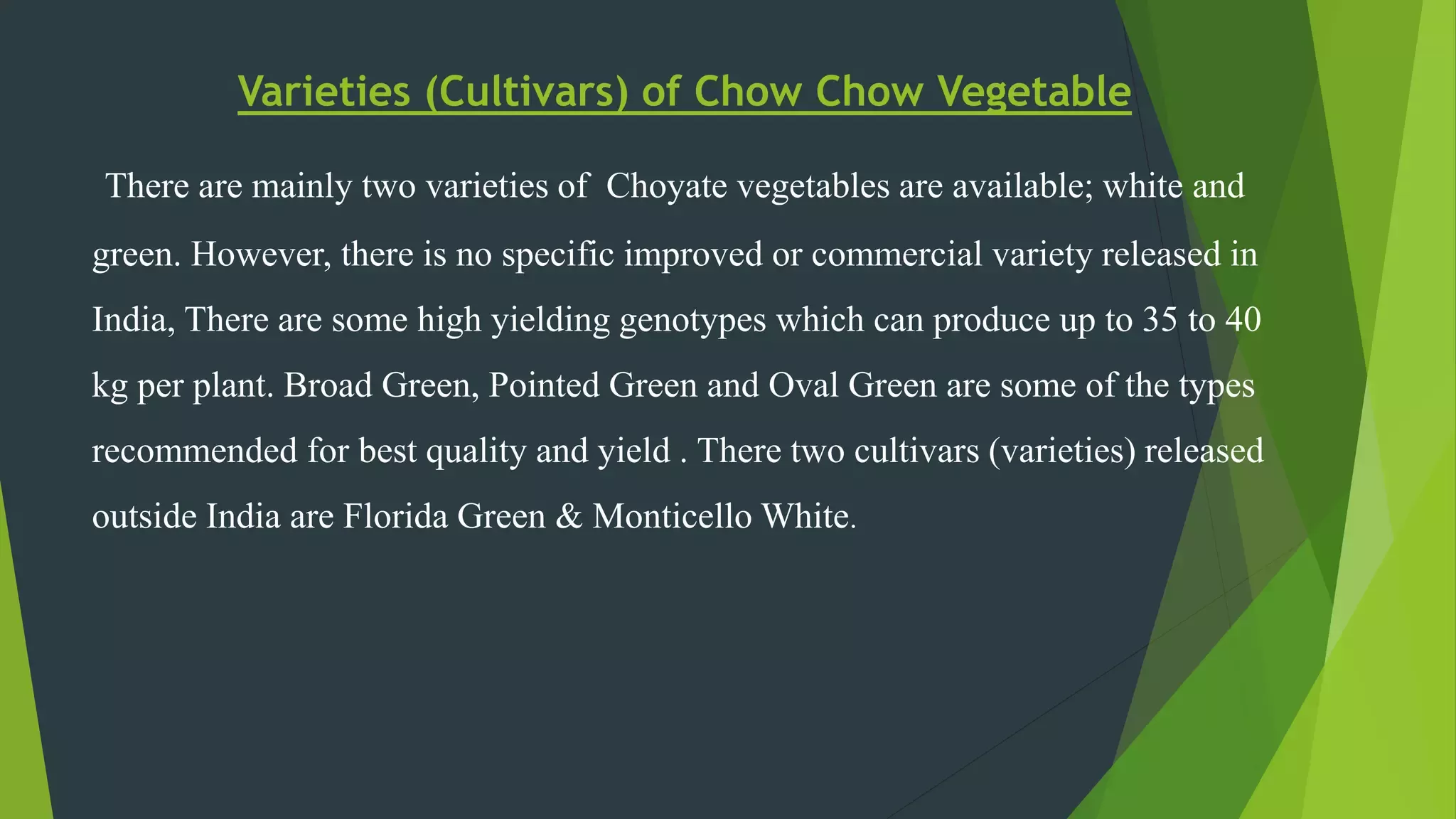
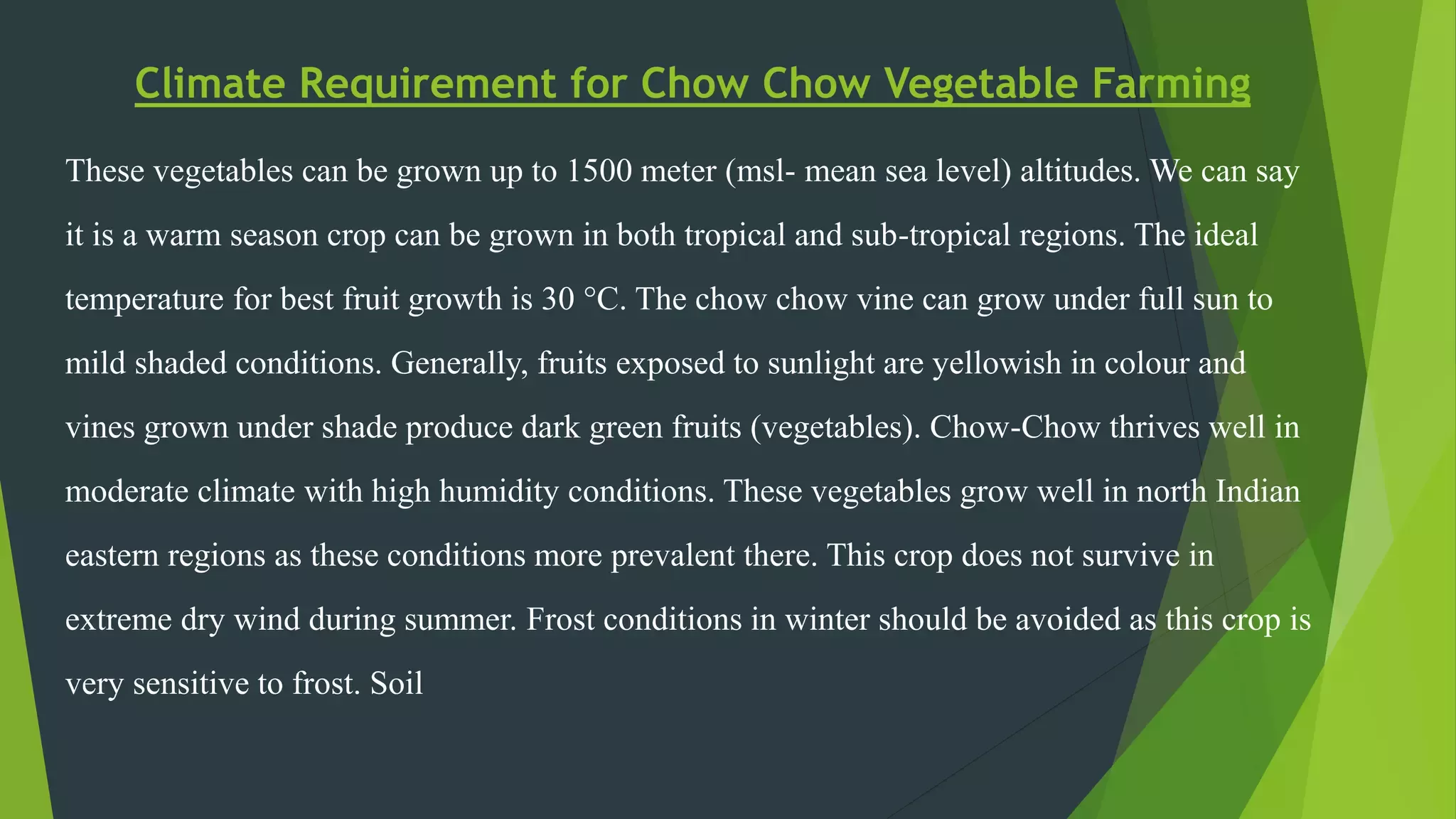
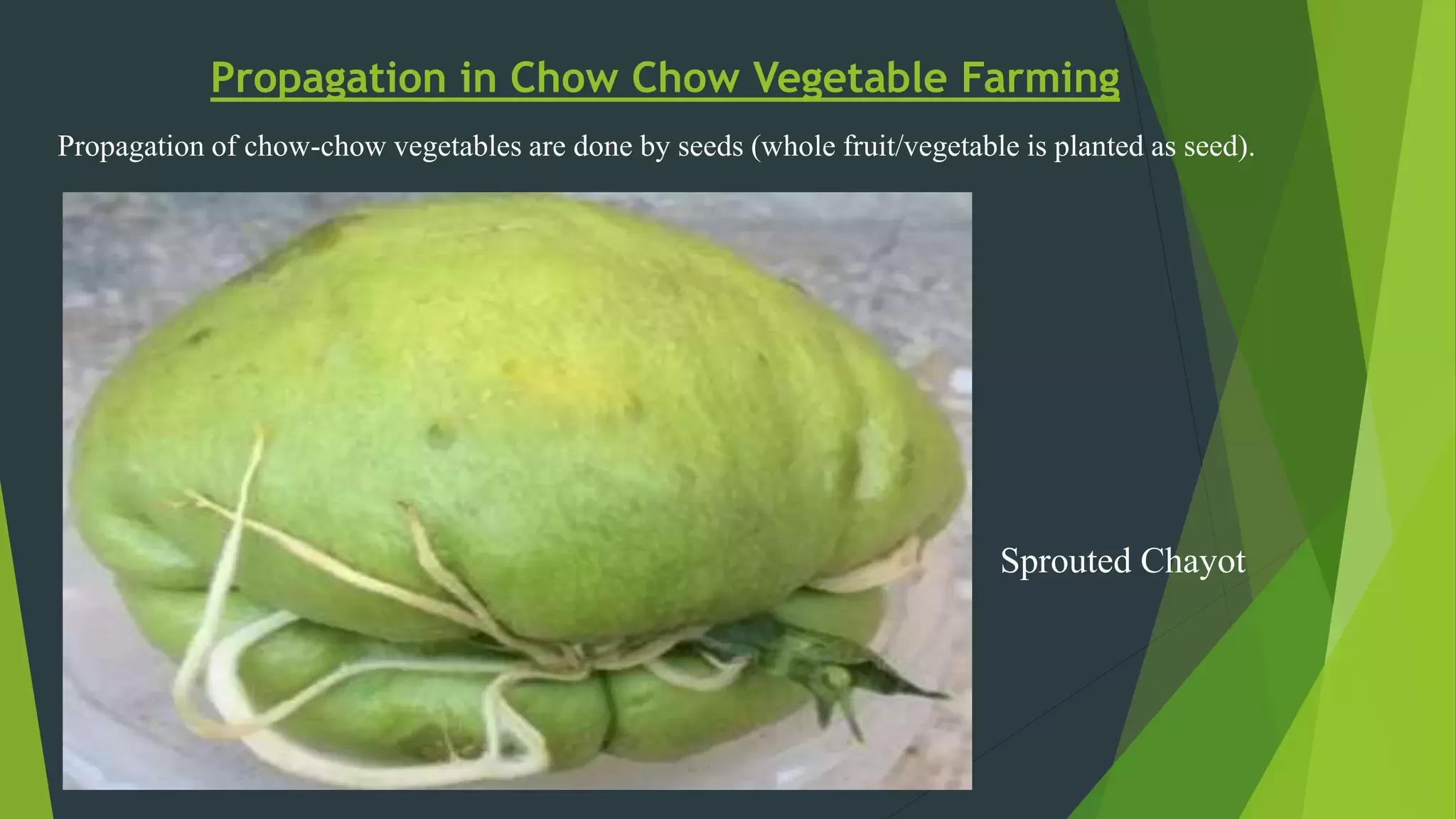
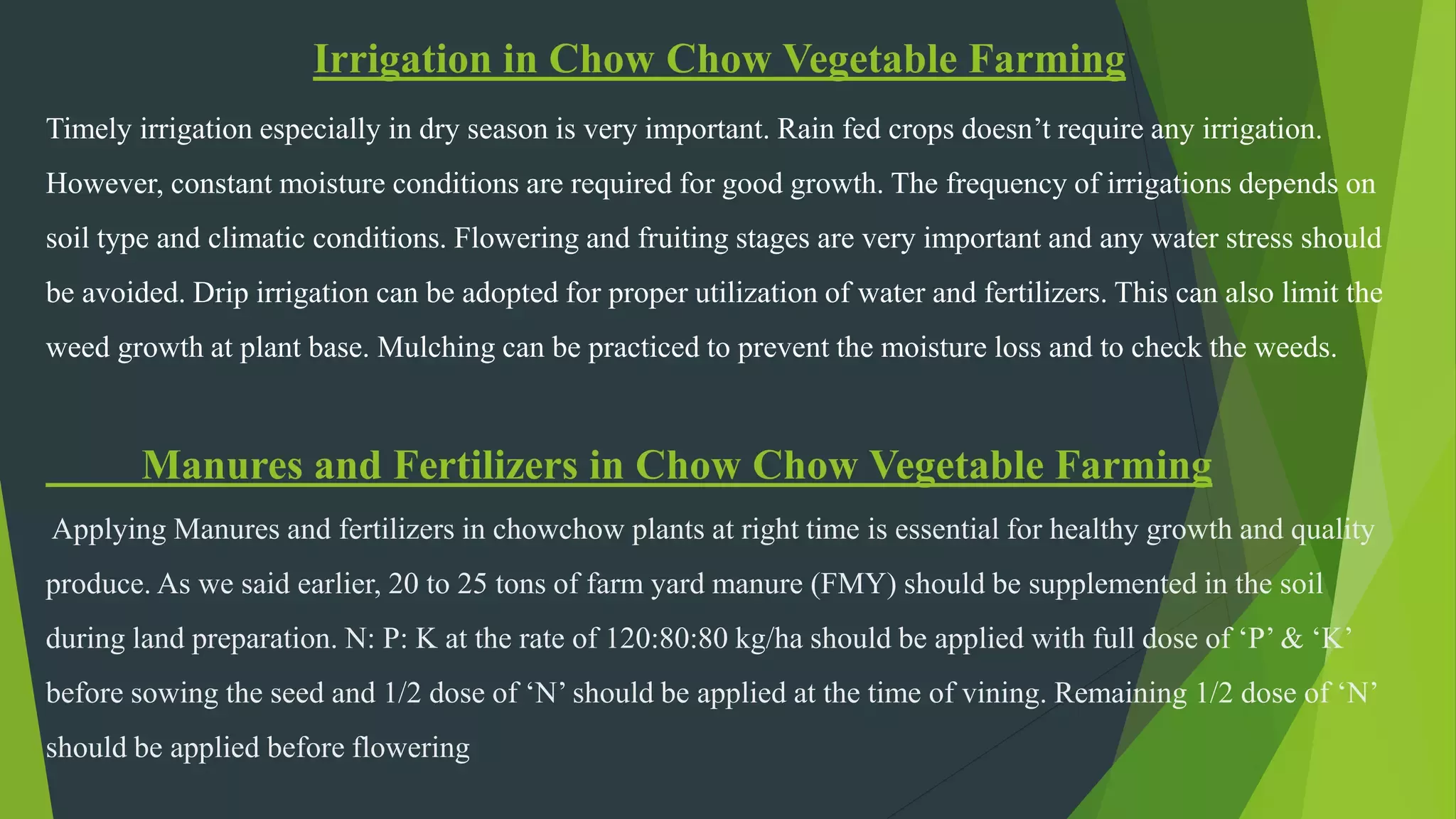
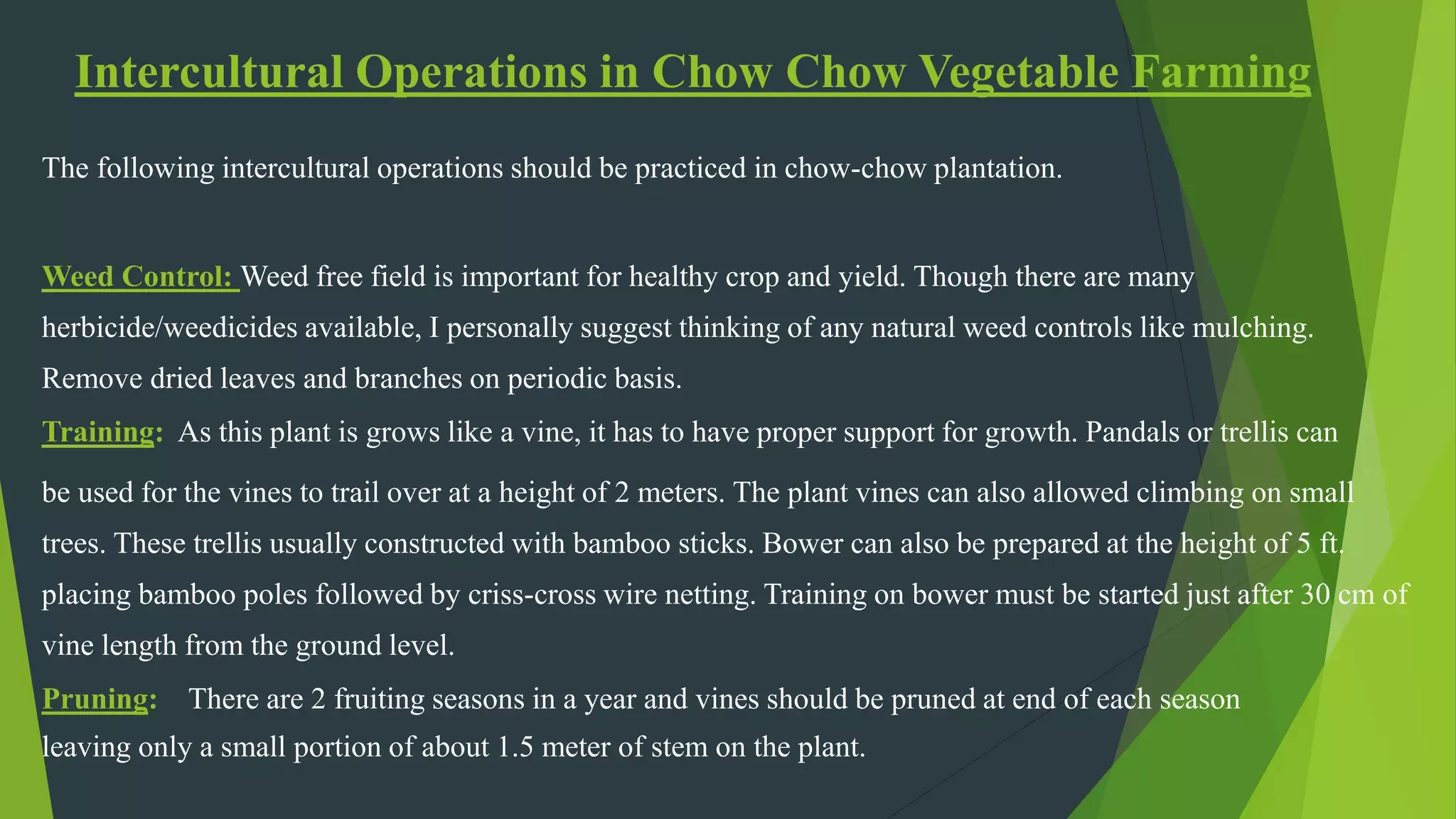
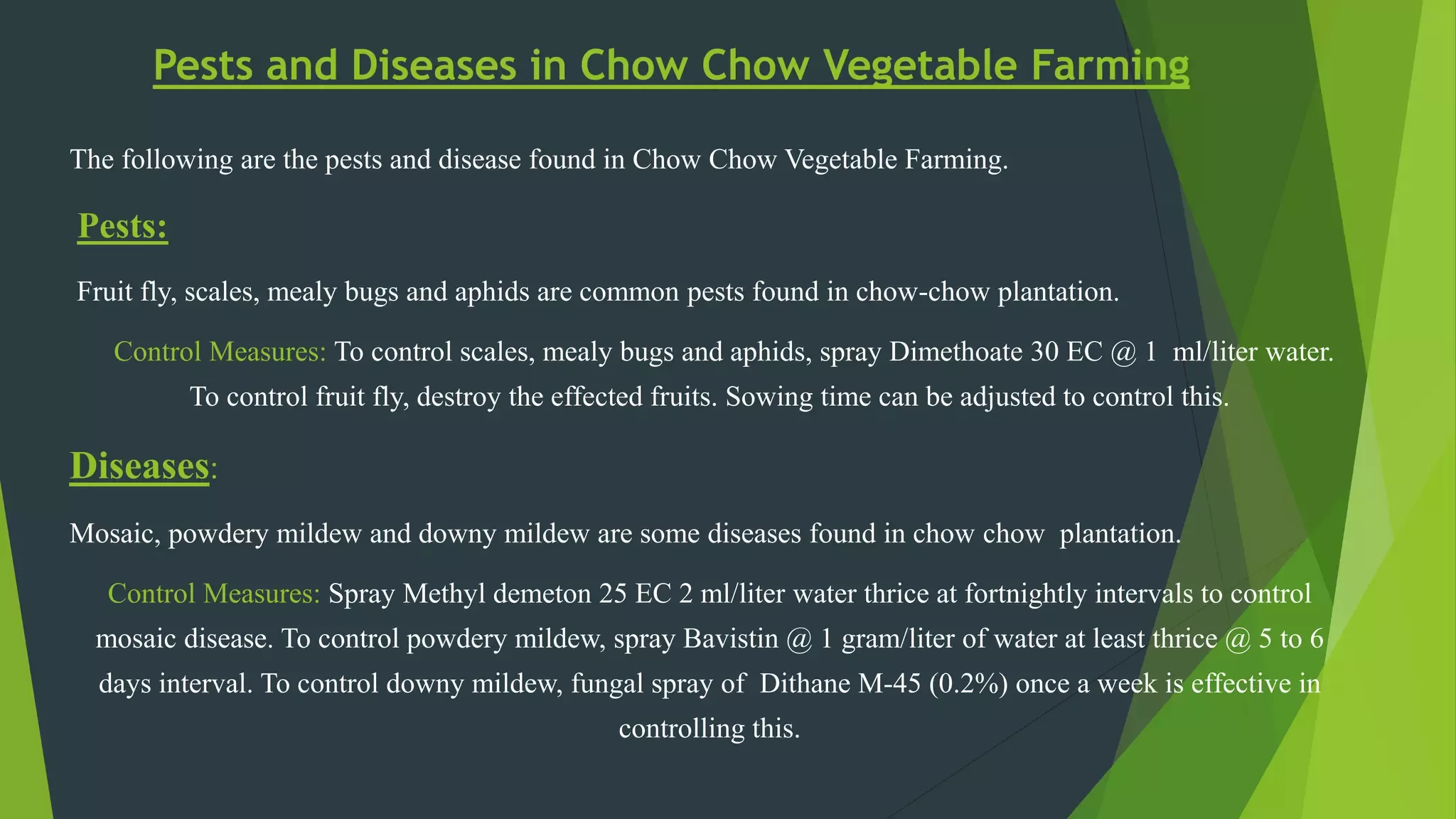
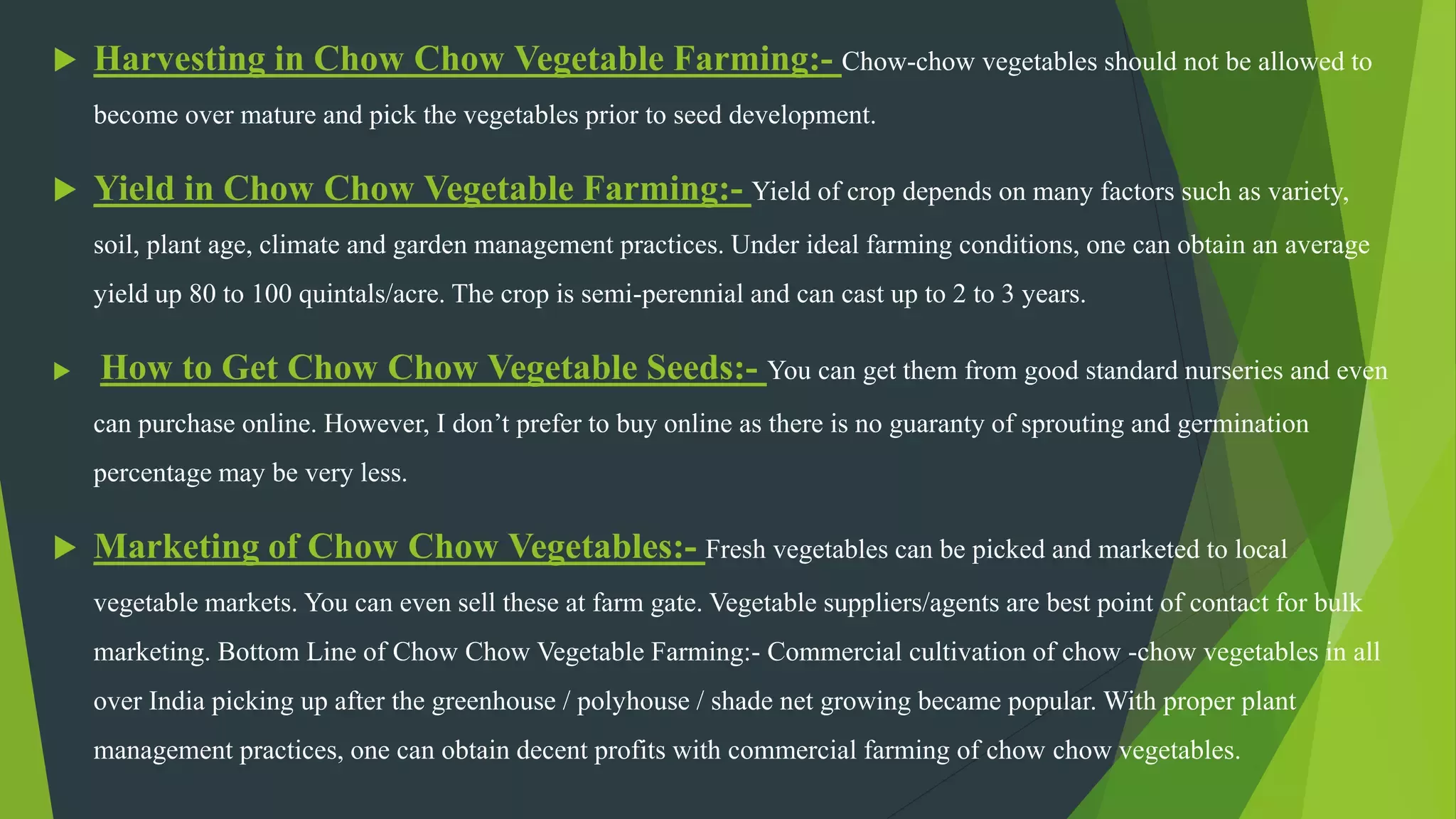
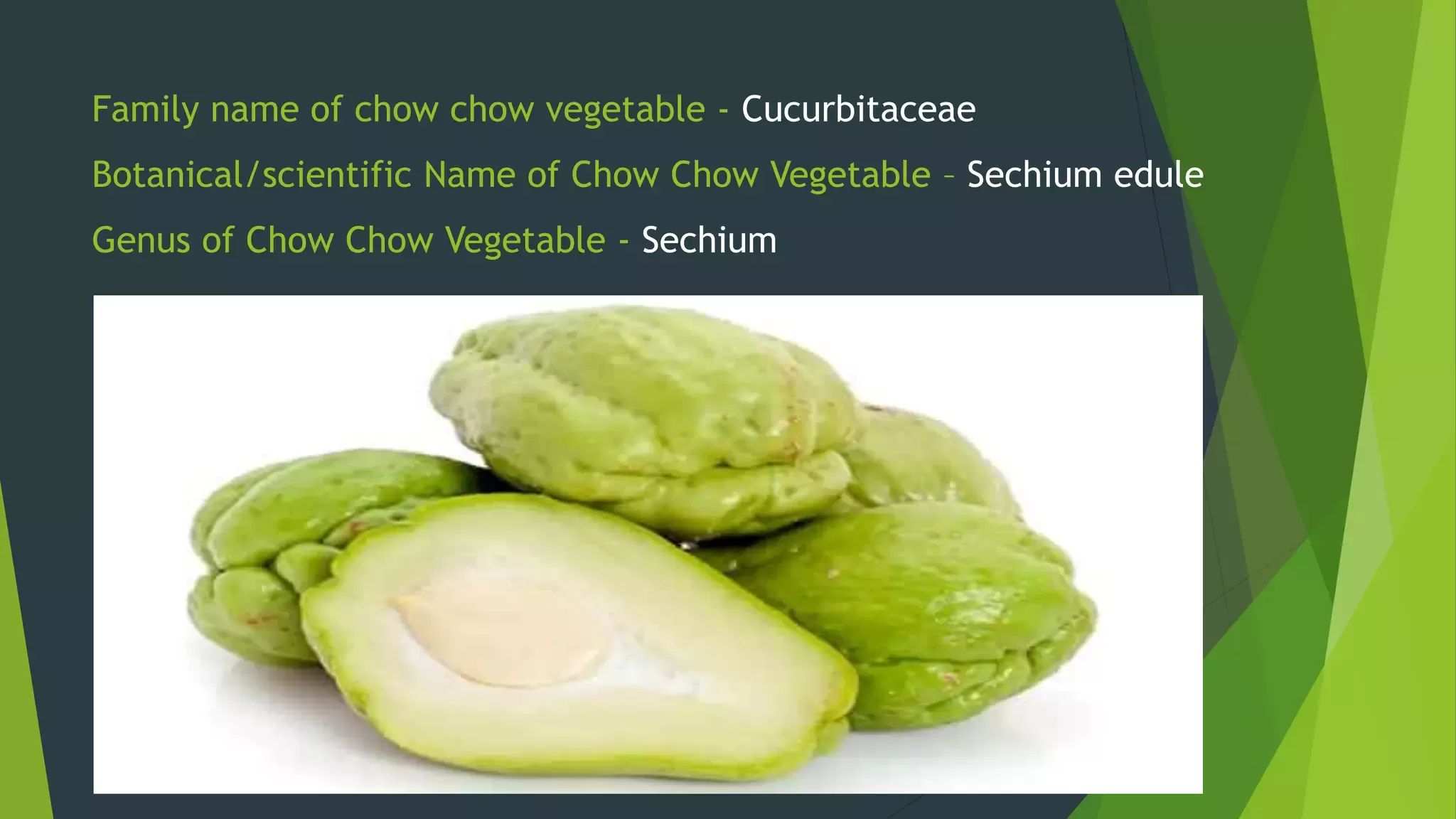
Chow Chow Vegetable: An Overview of its Attributes, Farming Practices, and Health Benefits Chow Chow, also recognized as Chayote or pear squash, is a unique edible perennial plant that belongs to the Cucurbitaceae family, which encompasses various types of gourds, melons, cucumbers, and squashes. Scientifically classified as Sechium edule, this versatile vegetable has acquired numerous names across regions and cultures, including Bengaluru venkaaya in India and Ishkus in Dargiling. The fruit of the Chow Chow plant is distinctively pear-shaped, typically measuring between 10 to 15 cm in length, with a surface that exhibits coarse wrinkles. In South India, the vegetable is commonly incorporated into local dishes such as pickles and sambar, while other parts of the plant, including the leaves and tuberous roots, are also edible, showcasing its overall utility in culinary practices. Chow Chow cultivation is gaining traction, particularly in India, where two primary varieties are recognized: white and green. While these varieties lack specific commercial designations, certain high-yielding genotypes can produce an impressive 35 to 40 kg per plant. Favorable growing conditions include warm climates characterized by high humidity, making these vegetables best suited for tropical and subtropical regions. The ideal temperature for optimal fruit growth is around 30 °C, with the plant thriving in both full sunlight and shaded areas. Soil quality is a crucial factor in Chow Chow farming, as it requires well-drained, fertile soil rich in organic matter. Although slightly tolerant to acidic soils, the pH level ideally should fall between 5.5 and 6.5. Successful cultivation also necessitates appropriate land preparation, which includes deep plowing and the addition of decomposed farmyard manure. The propagation of Chow Chow typically involves planting sprouted fruits directly into the soil, making for relatively straightforward cultivation practices. In terms of maintenance, effective irrigation is key throughout the growing season, especially during dry spells. Utilizing methods such as drip irrigation can conserve water while ensuring consistently moist soil conditions. Moreover, regular intercultural practices like weed control and proper vine training on trellises or supports are essential for promoting healthy growth and maximizing yield. Harvesting Chow Chow requires vigilance, as the vegetables must be picked before they mature fully to avoid detrimental seed development. With optimal management practices, the yield can reach remarkable levels, averaging between 80 and 100 quintals per acre. Beyond its agricultural benefits, Chow Chow is also celebrated for its remarkable health benefits. Rich in Vitamin C, fiber, and essential trace minerals, this vegetable plays a role in cancer prevention, supports digestive health, and contributes to thyroid function. Furthermore, it is known to be beneficial for heart health, aids in weight loss, and possesses anti-inflammatory properties. The increasing popularity of Chow Chow within the agricultural community and its health-promoting attributes make it a valuable addition to diets and farming practices alike. As it transitions into commercial cultivation, especially through greenhouse and polyhouse methods, Chow Chow holds promise for both farmers and consumers seeking healthy lifestyle choices. With its myriad benefits, fostering its growth can lead to rewarding outcomes in terms of both health and profitability in the agricultural sector.

Slide 1

Slide 1⬇ Slide

Slide 2

Slide 2⬇ Slide

Slide 3

Slide 3⬇ Slide

Slide 4

Slide 4⬇ Slide

Slide 5

Slide 5⬇ Slide

Slide 6

Slide 6⬇ Slide

Slide 7

Slide 7⬇ Slide

Slide 8

Slide 8⬇ Slide

Slide 9

Slide 9⬇ Slide

Slide 10

Slide 10⬇ Slide

Slide 11

Slide 11⬇ Slide

Slide 12

Slide 12⬇ Slide

Slide 13

Slide 13⬇ Slide

Slide 14

Slide 14⬇ Slide

Slide 15

Slide 15⬇ Slide

Slide 16

Slide 16⬇ Slide
1 / 16

Ppt on Radish

Summary:

Discover the versatile and nutritious radish cultivation in Sri Lanka, from suitable climates to pest control strategies, offering economic advantages for local farmers.

Description

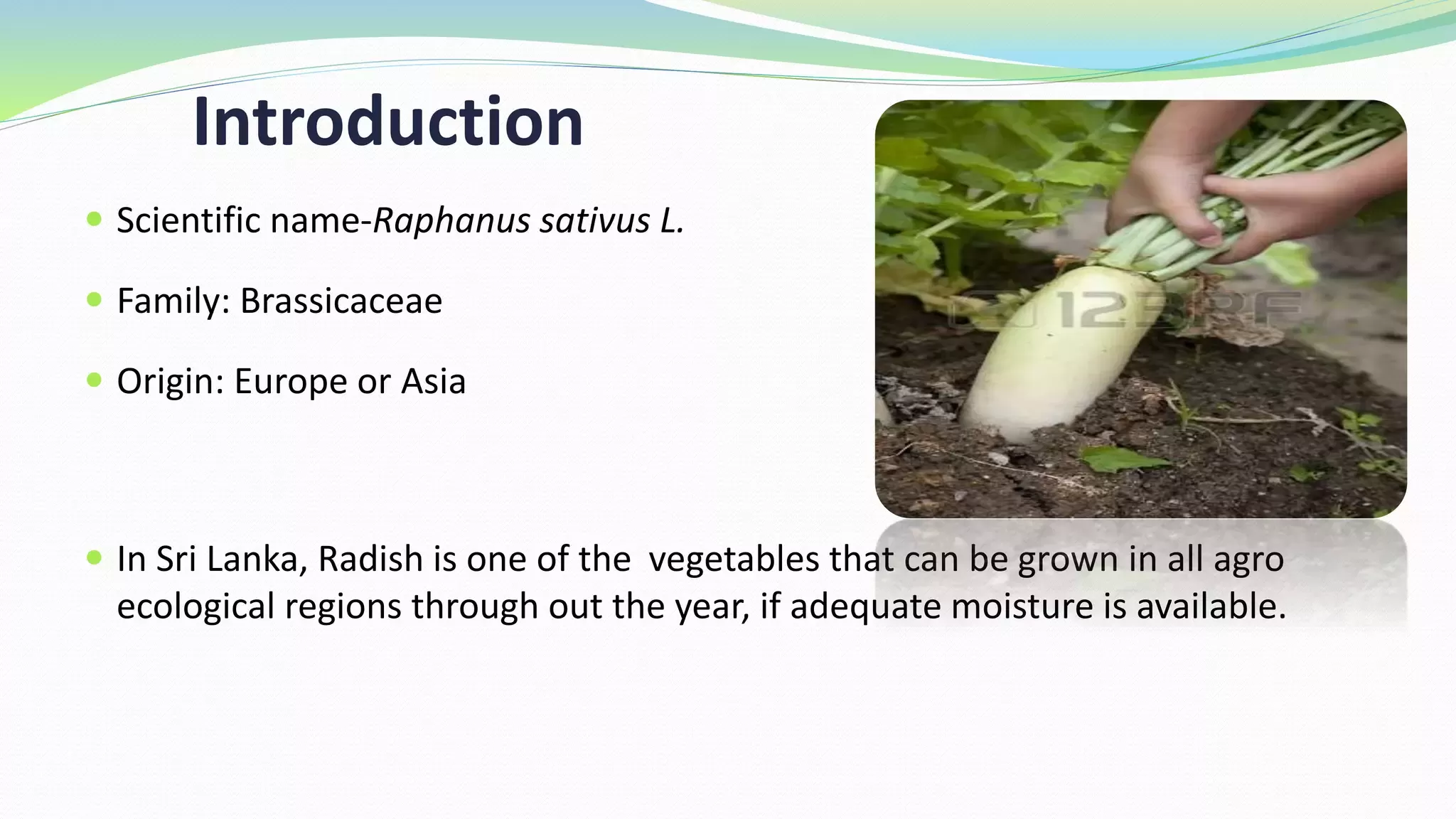
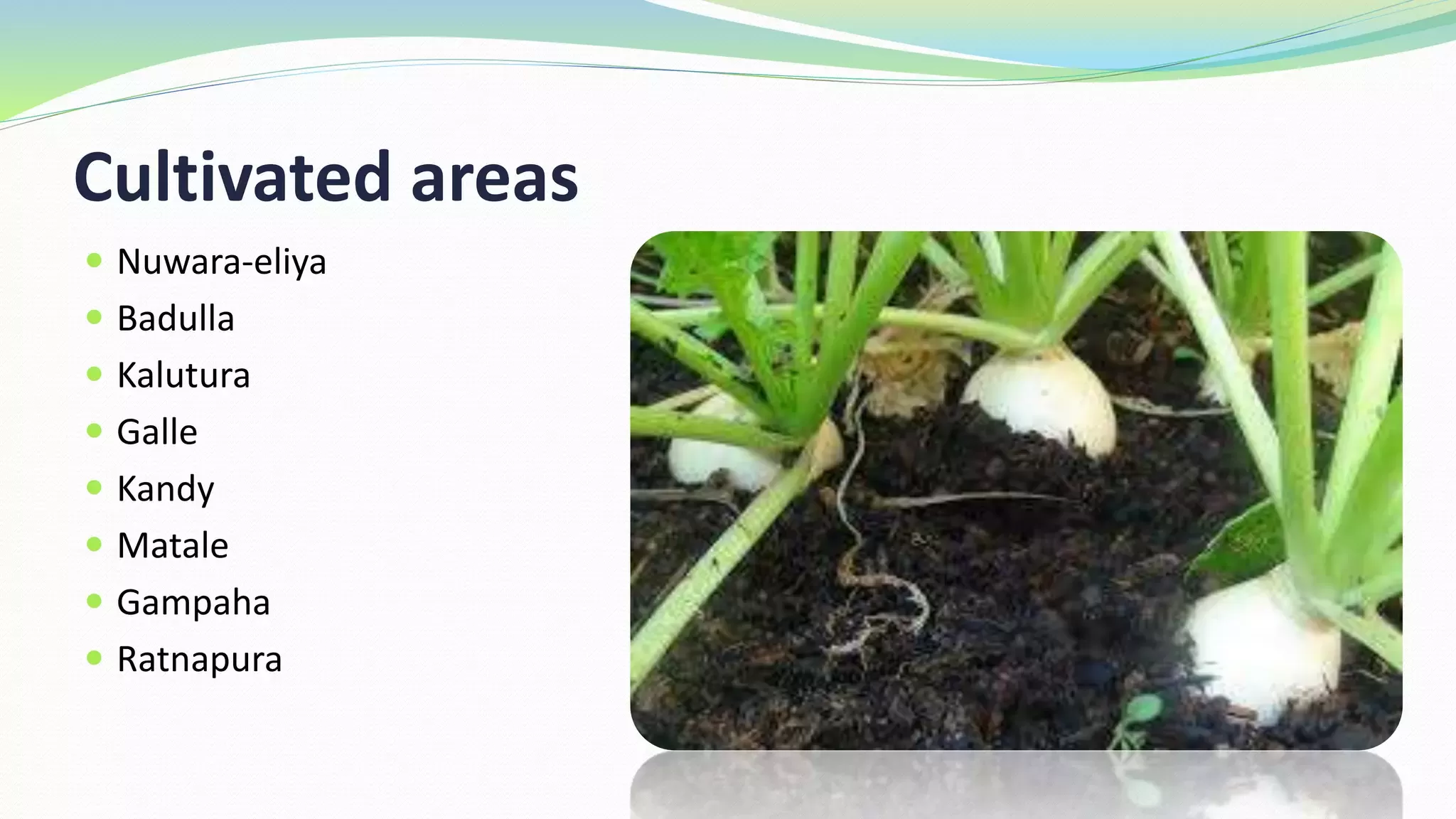
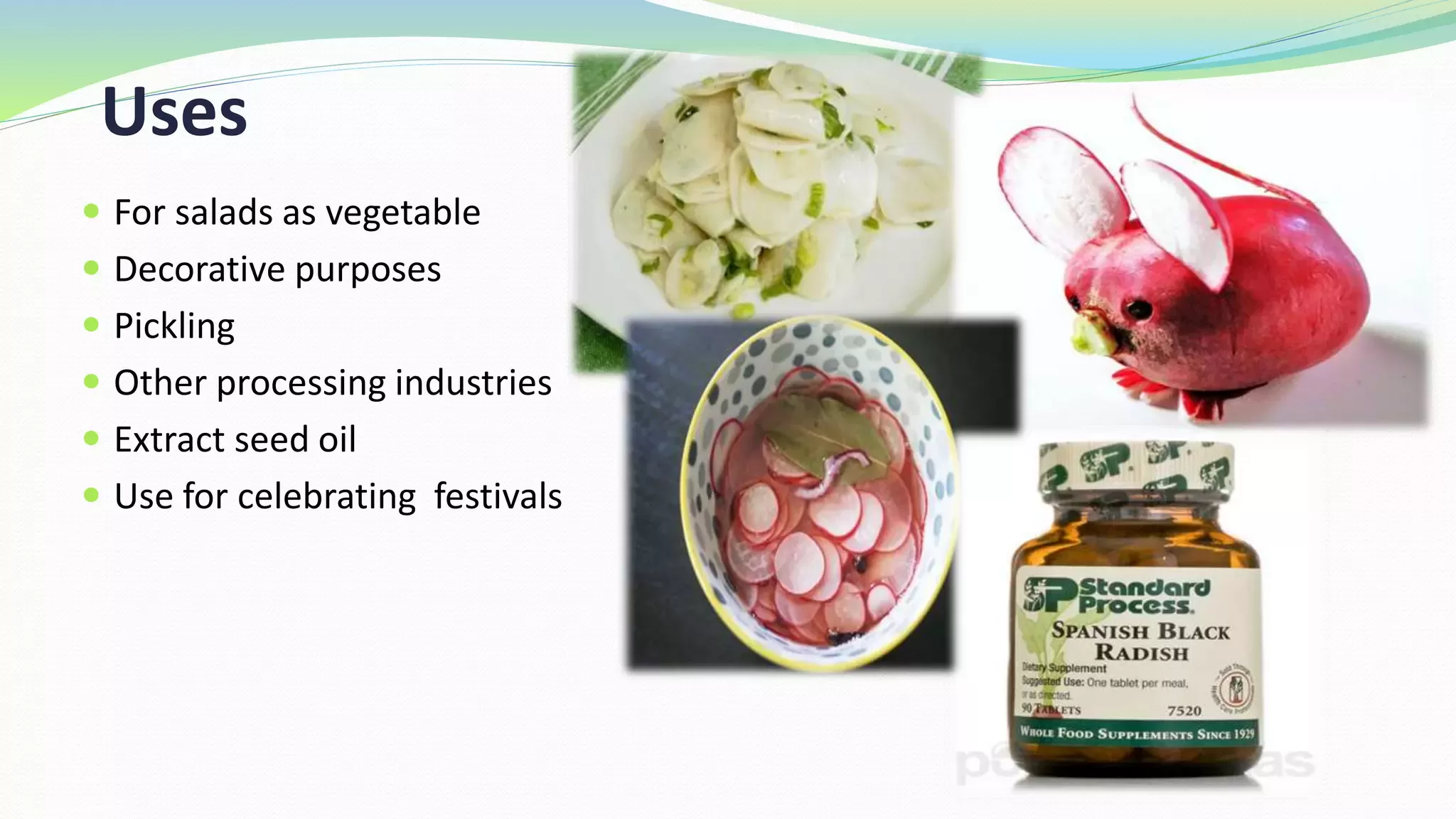
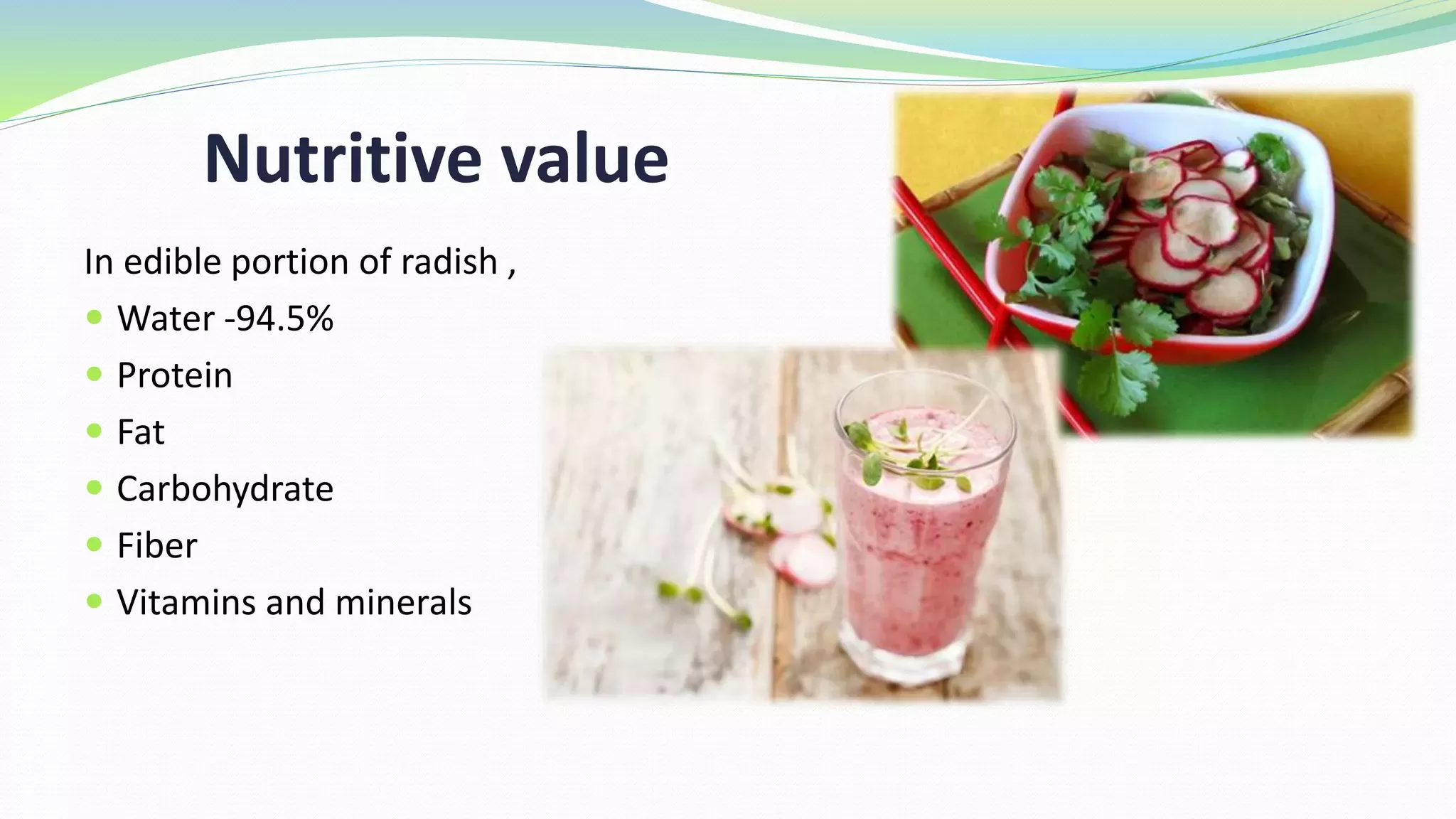
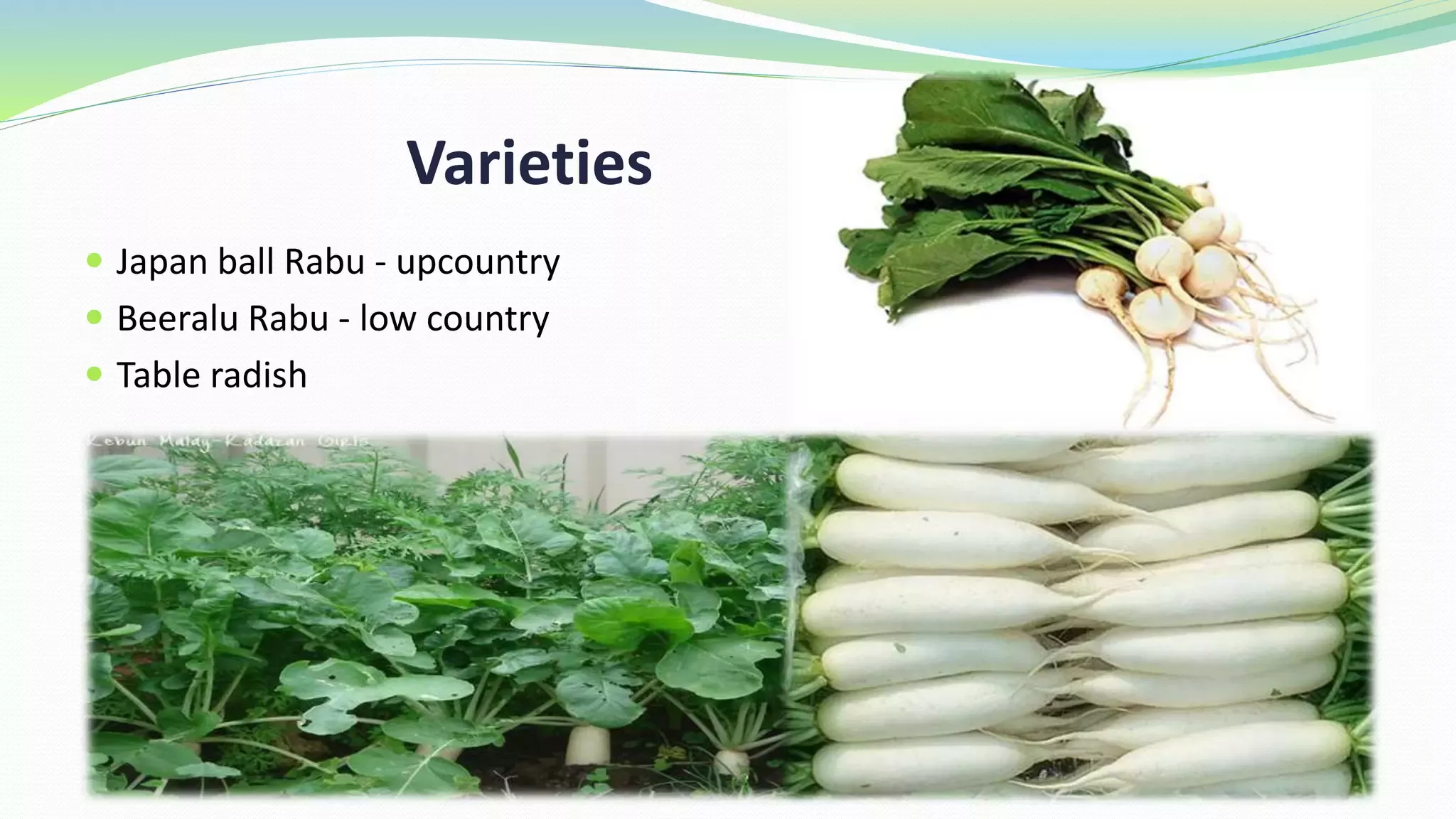
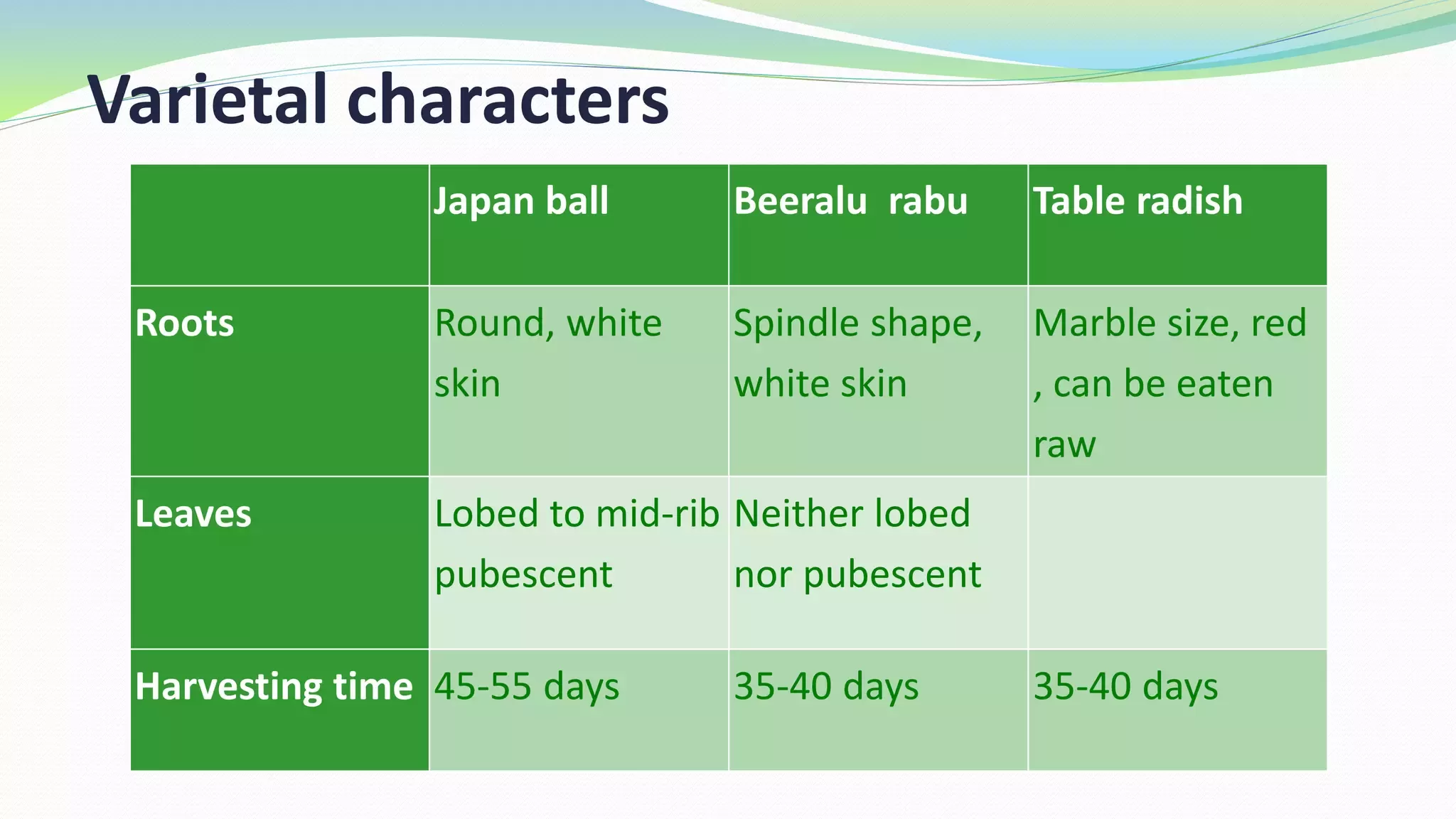
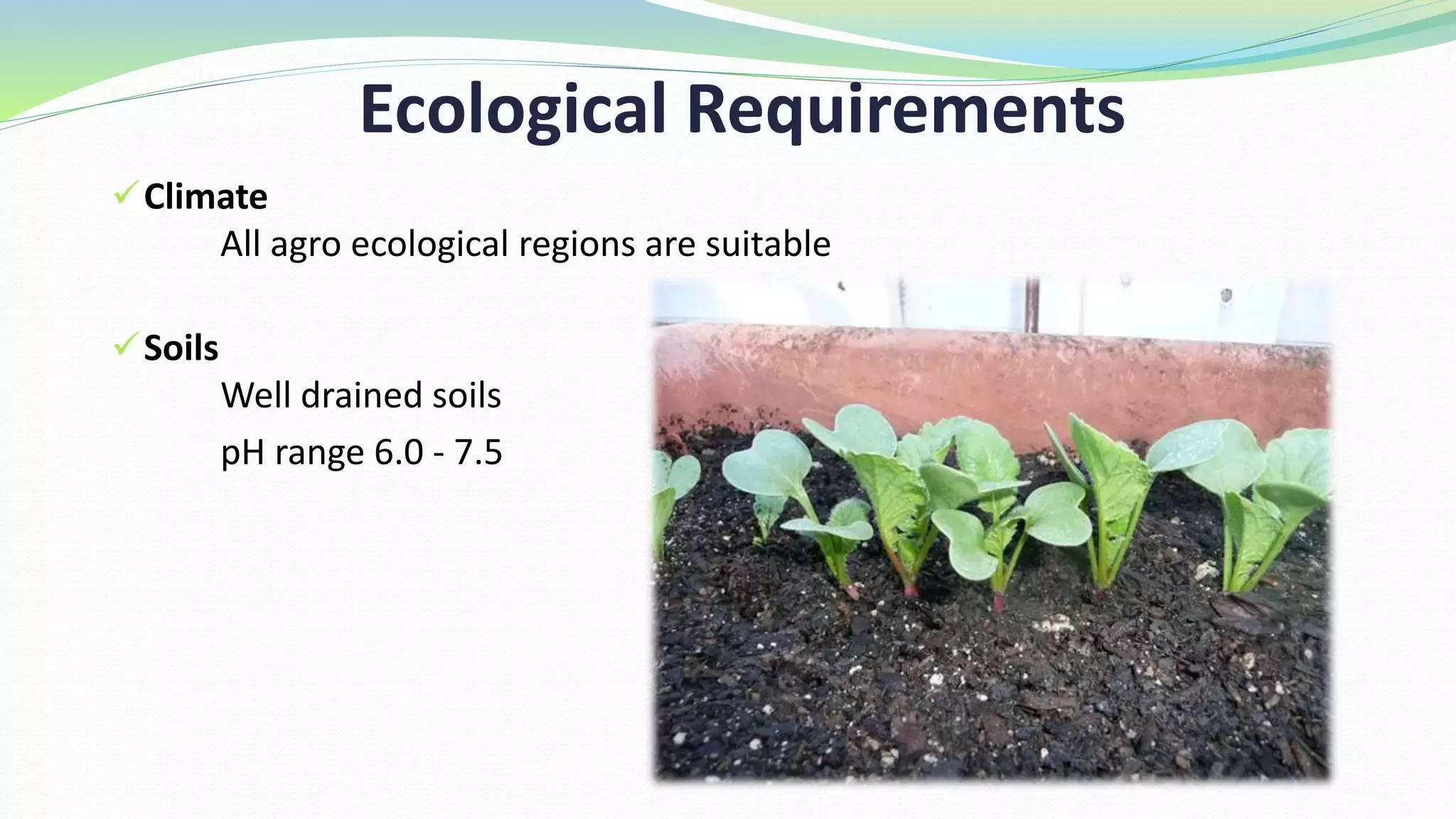
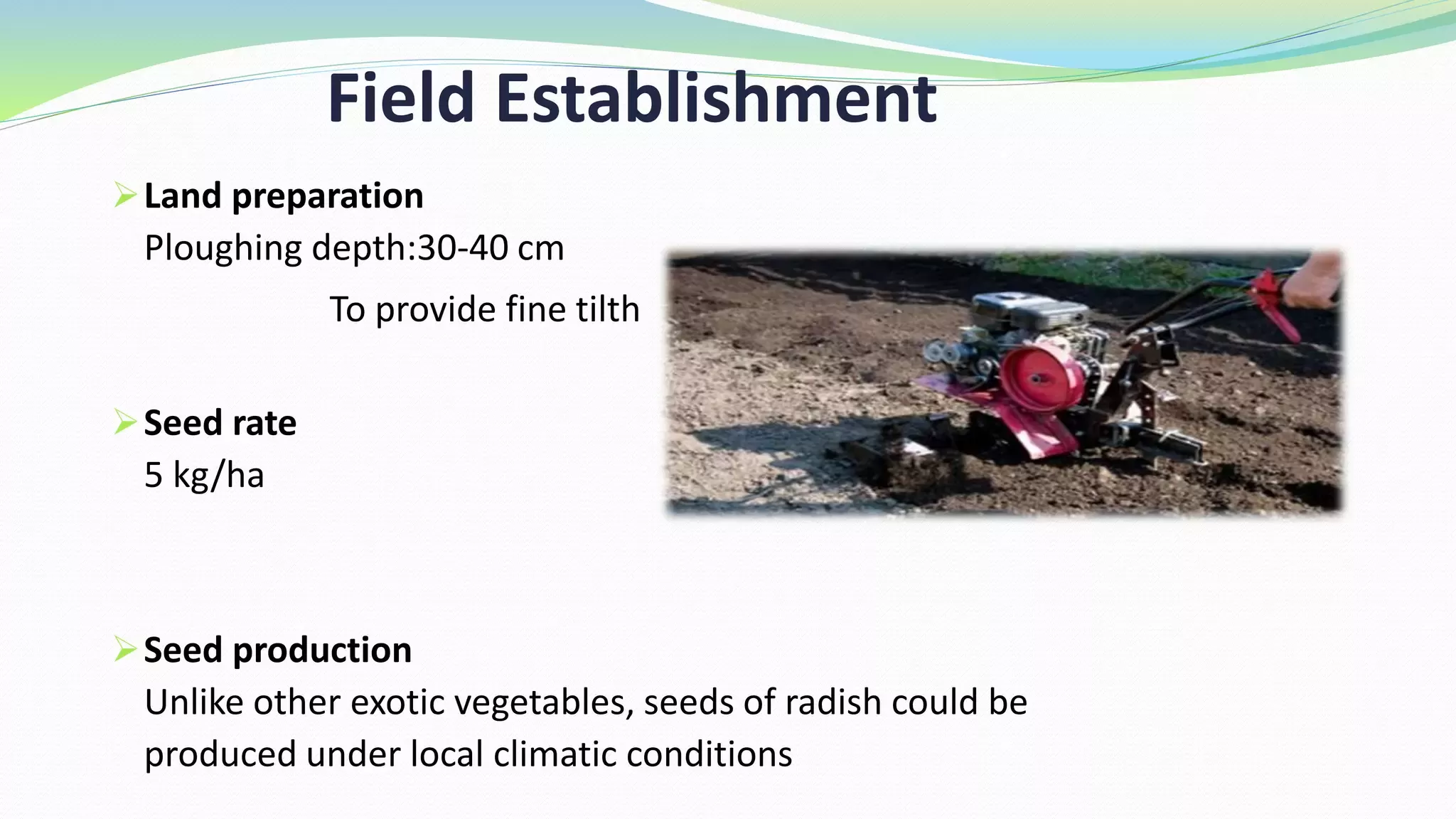
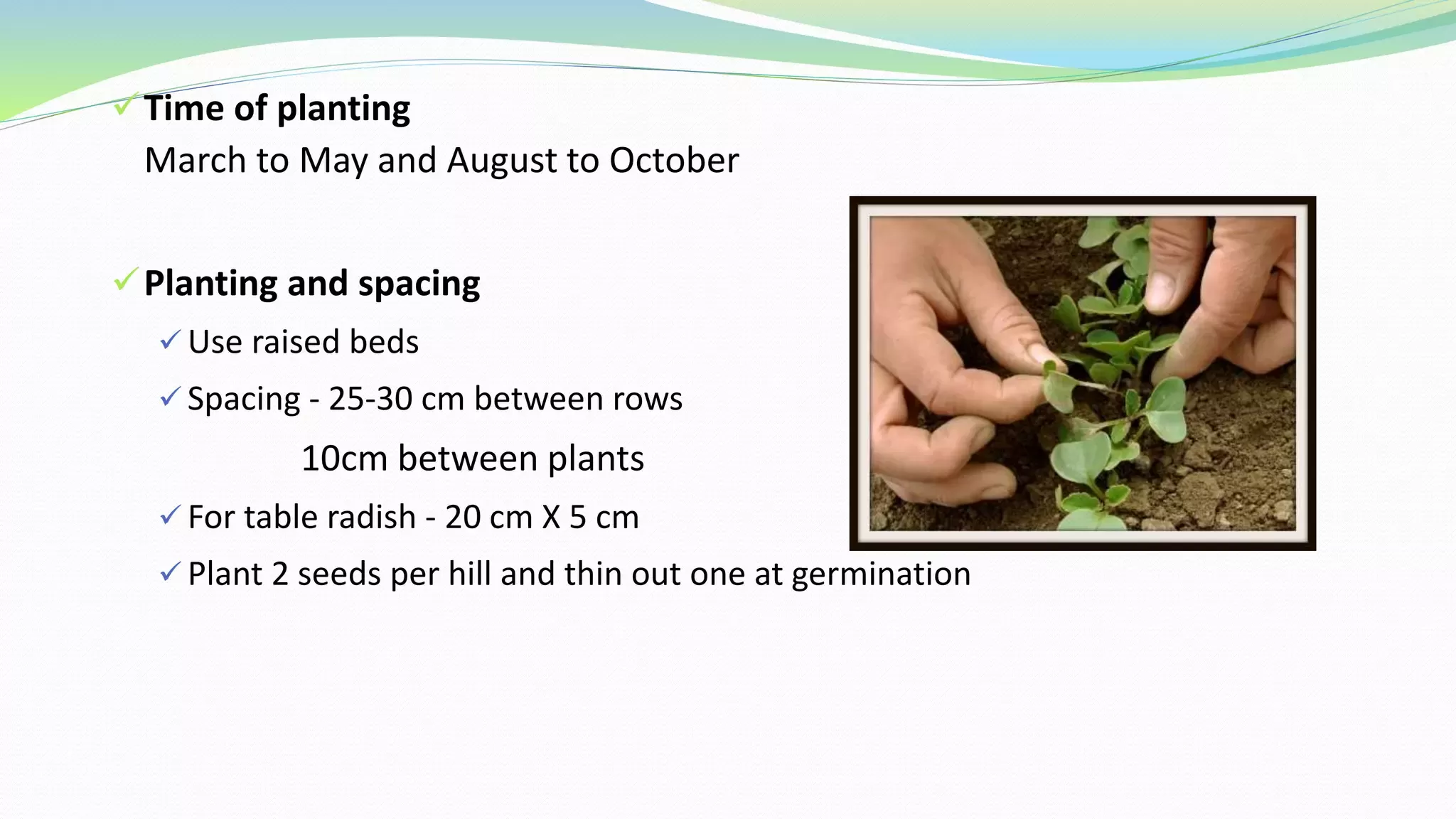
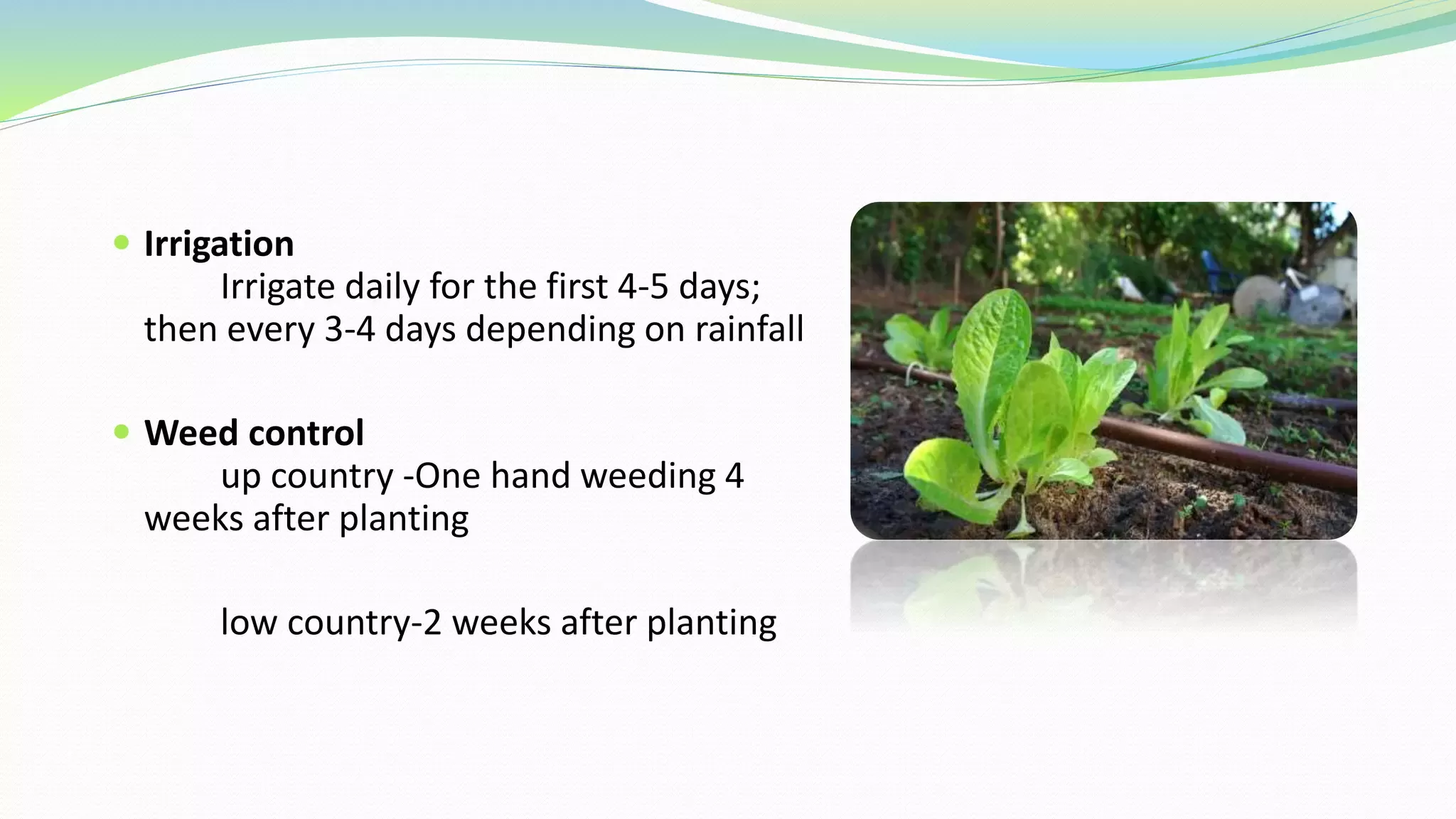
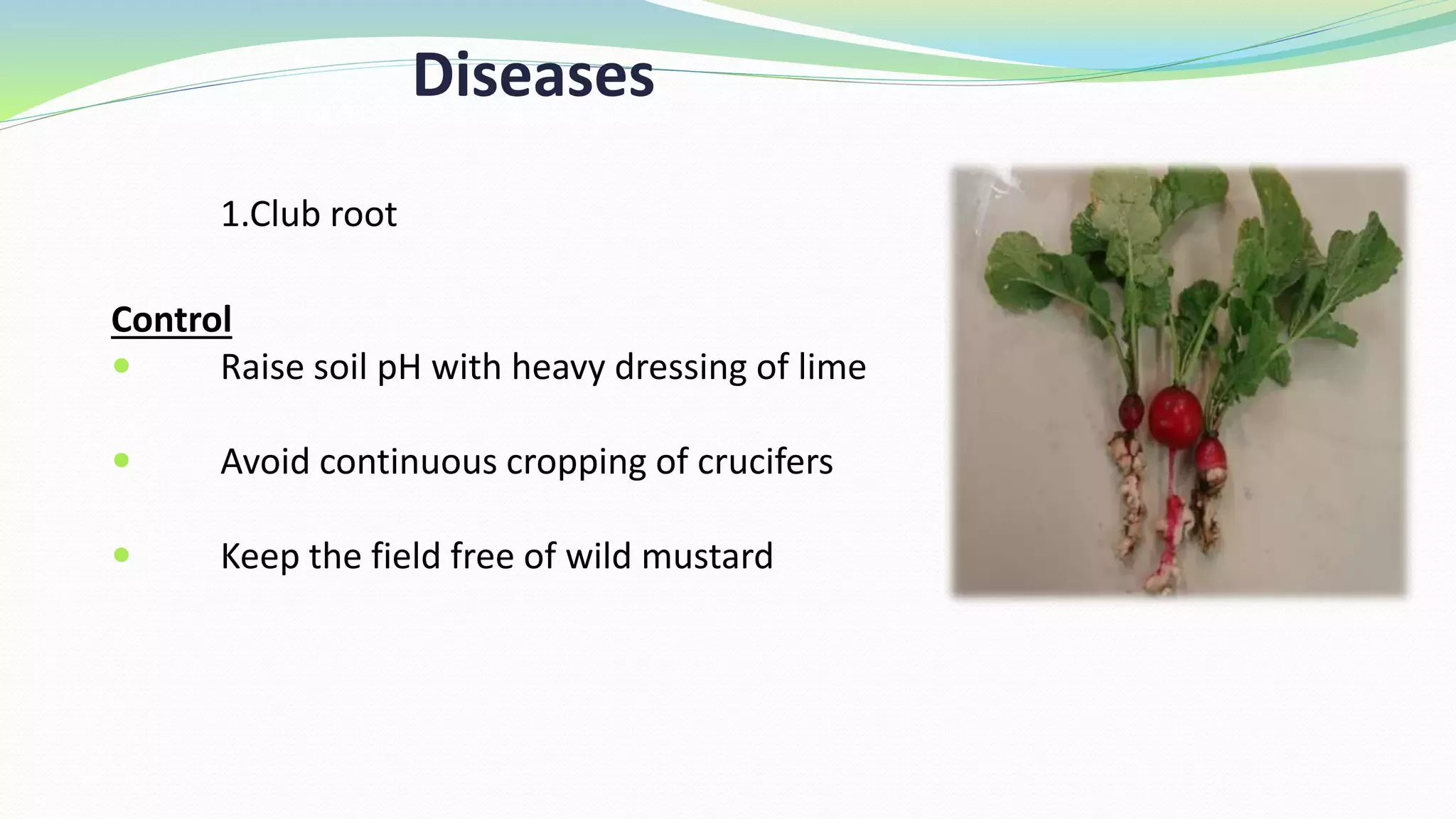
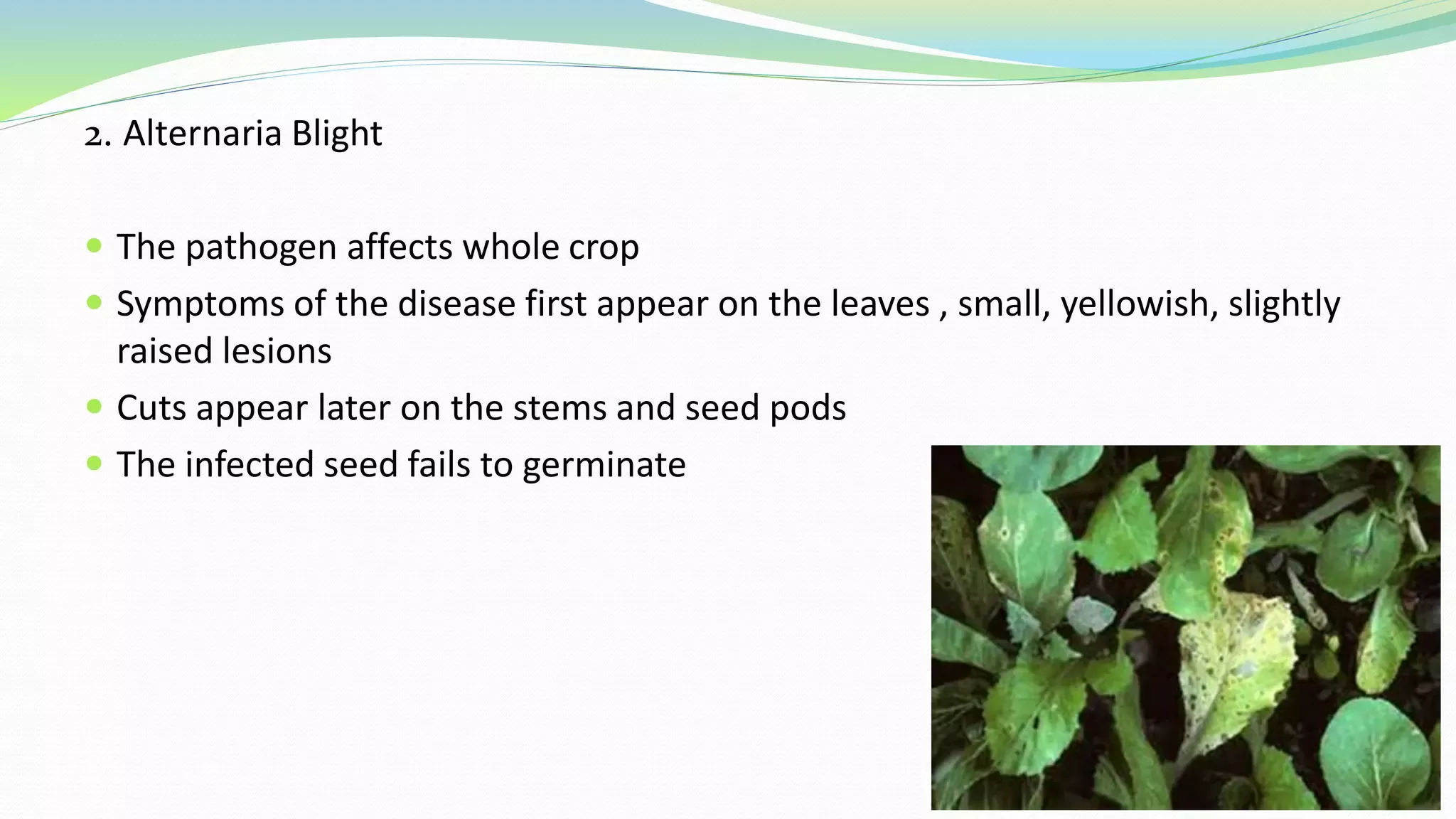
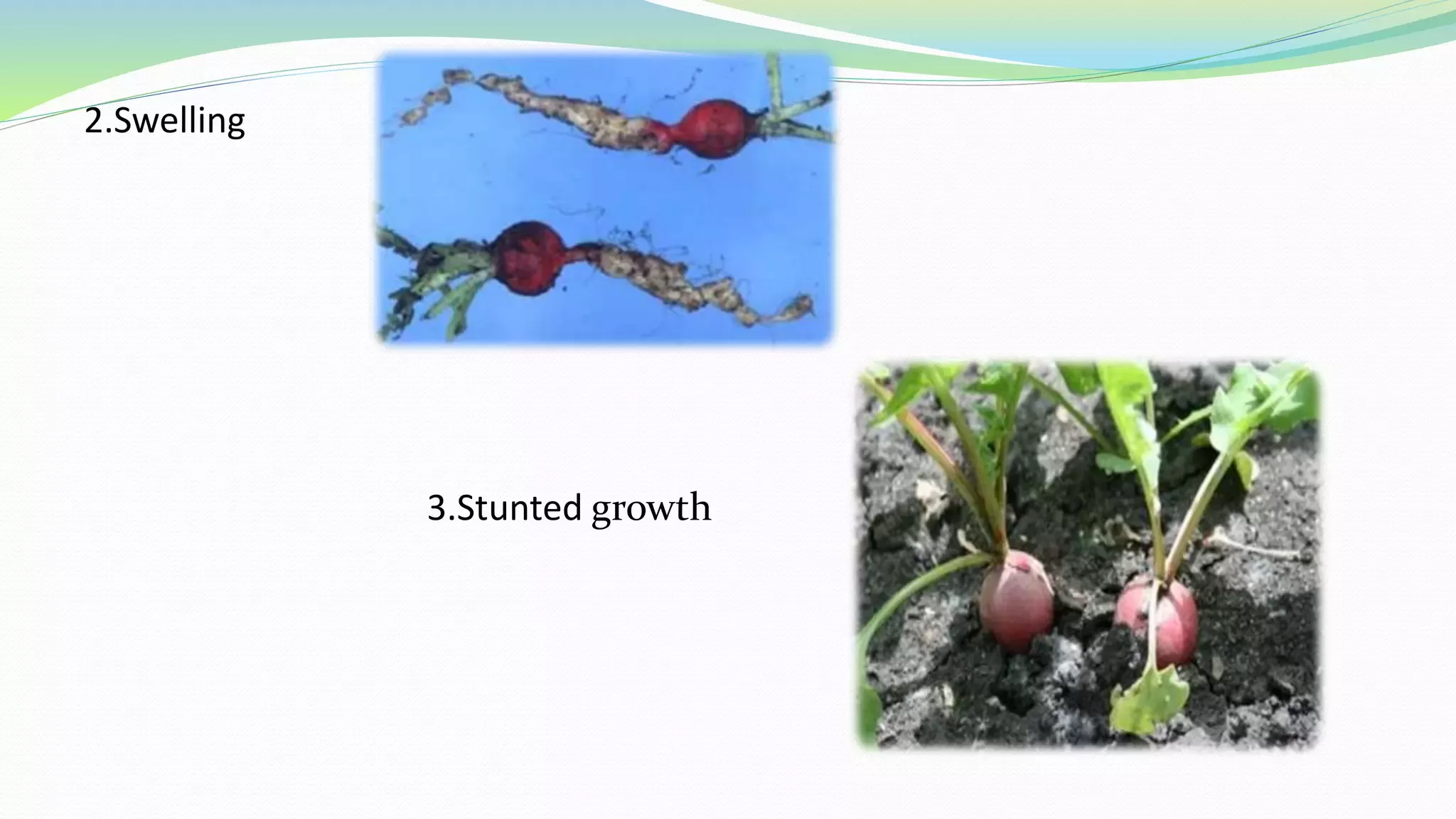
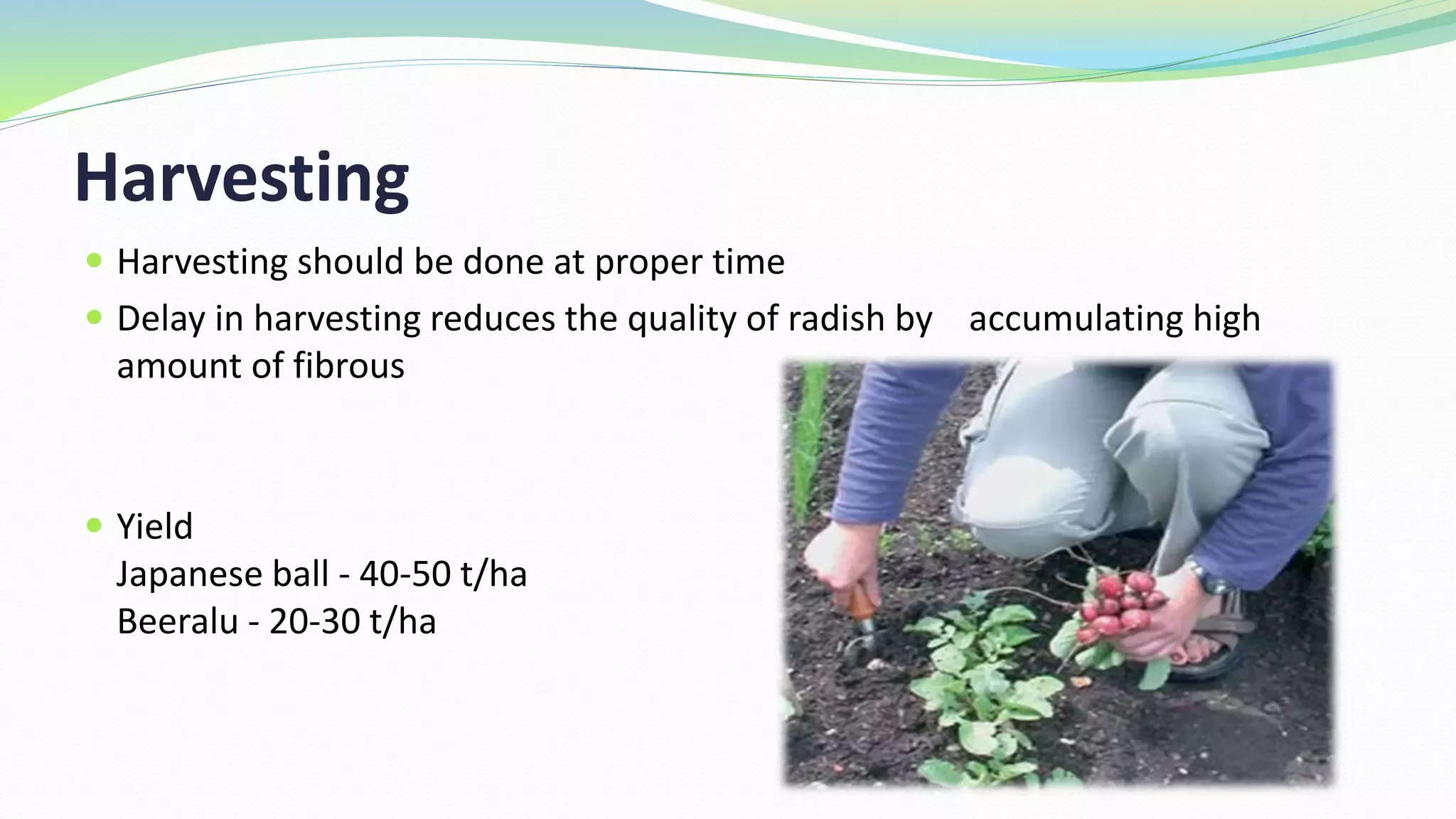
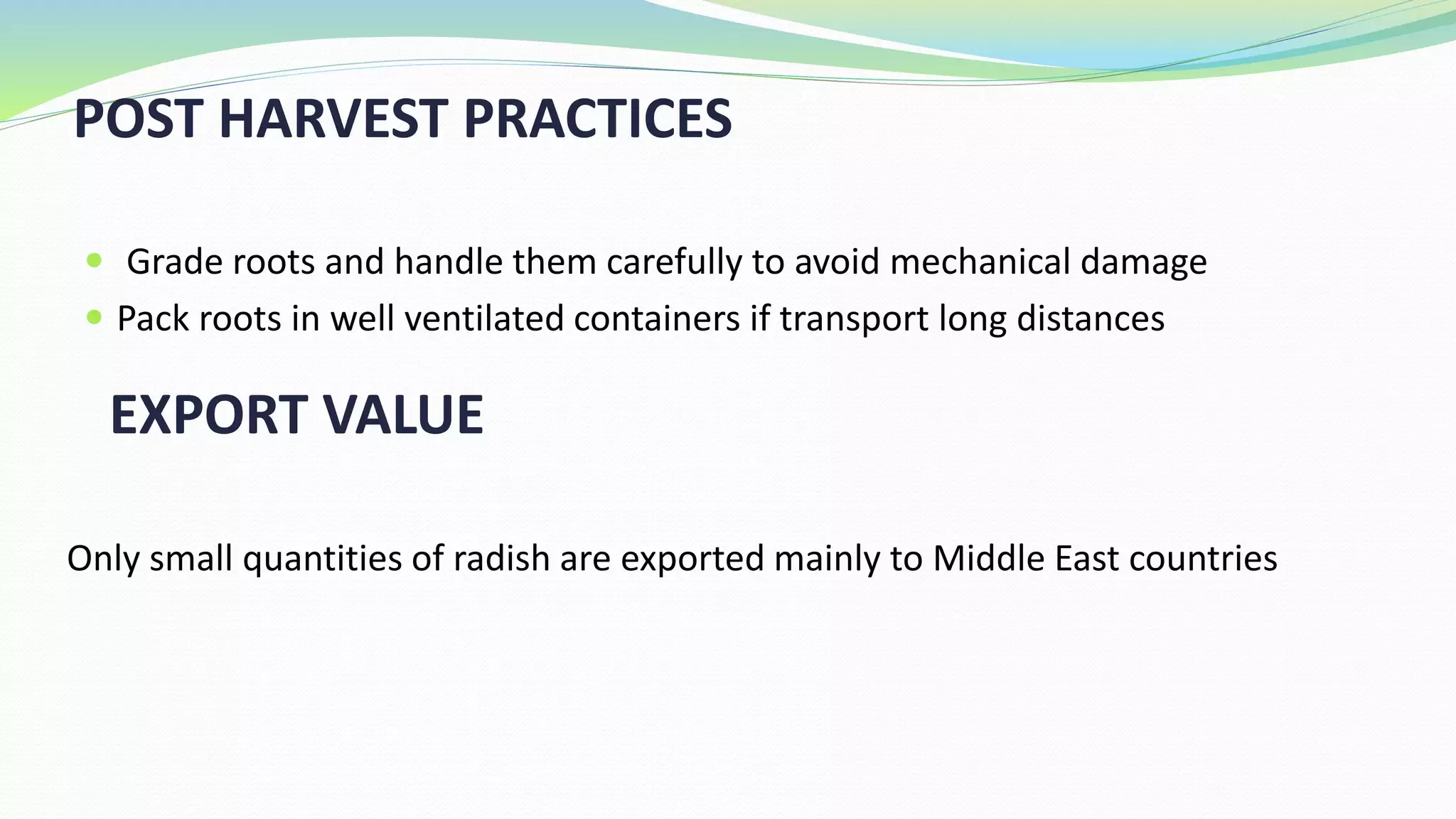
Radishes, scientifically known as Raphanus sativus L., belong to the Brassicaceae family and are believed to have originated in Europe or Asia. In Sri Lanka, radishes are a versatile and resilient vegetable, capable of thriving in various agro-ecological regions year-round, provided there is sufficient moisture. This adaptability has made them a popular choice among farmers across the island. The cultivation of radishes is particularly prevalent in regions such as Nuwara-Eliya, Badulla, Kalutara, Galle, Kandy, Matale, Gampaha, and Ratnapura. These areas benefit from suitable climates and soil conditions that support radish growth throughout the year. Radishes are not only consumed as a raw vegetable in salads but also serve decorative purposes, are pickled, processed in various industries, and even used in festive celebrations. Nutritionally, radishes are composed predominantly of water (94.5%), with additional contributions of protein, fat, carbohydrates, fiber, vitamins, and minerals, making them a healthy option for a balanced diet. Various radish varieties, including Japan Ball Rabu, Beeralu Rabu, and table radishes, exhibit distinct characters. For instance, Japan Ball Rabu features round, white-skinned roots and lobed leaves, while Beeralu Rabu sports spindle-shaped roots, and table radishes, characterized by their marble-sized red roots, can be consumed raw. When it comes to ecological requirements, radishes thrive in all agro-ecological regions and prefer well-drained soils with a pH range of 6.0 to 7.5. Field preparation is critical for successful radish cultivation. It involves ploughing to a depth of 30-40 cm to achieve fine tilth. The recommended seed rate is 5 kg per hectare, with ideal planting times split between March to May and August to October. Raised beds are suggested for planting, with specific spacing guidelines to ensure optimal growth. Effective crop management strategies include appropriate fertilizer application. A basal dressing of urea, triple super phosphate, and muriate of potash is advised at the time of planting, followed by top dressing with urea and muriate of potash roughly three weeks later. Regular irrigation is crucial during the early days of growth, with adjustments based on rainfall, and timely weed management helps maintain crop health. Pest and disease control is essential for maintaining healthy radish crops. Common pests like leaf-eating caterpillars and vegetable leaf miners can significantly impact yield. Integrated pest management techniques, including the use of neem extracts and biological control agents, are encouraged to mitigate these threats. Additionally, diseases such as club root and Alternaria Blight must be monitored closely, with proactive measures like soil pH adjustment and the application of fungicides recommended for effective control. Harvesting must be timed appropriately to ensure the quality of the radish. Delaying harvest can lead to undesirable fibrous textures and diminished overall quality, with expected yields ranging from 40-50 tons per hectare for Japanese Ball radishes to 20-30 tons for Beeralu Rabu. Proper post-harvest handling, including grading and careful packaging, is crucial for maintaining quality, especially when transporting radishes over long distances. In summary, radishes are a staple vegetable with wide-ranging applications and significant nutritional value. Their cultivation offers economic advantages while also being relatively straightforward, making them an excellent choice for local farmers in Sri Lanka.

Slide 1

Slide 1

Slide 2

Slide 2

Slide 3

Slide 3

Slide 4

Slide 4

Slide 5

Slide 5

Slide 6

Slide 6

Slide 7

Slide 7

Slide 8

Slide 8

Slide 9

Slide 9

Slide 10

Slide 10

Slide 11

Slide 11

Slide 12

Slide 12

Slide 13

Slide 13

Slide 14

Slide 14

Slide 15

Slide 15

Slide 16

Slide 16

Slide 17

Slide 17

Slide 18

Slide 18

Slide 19

Slide 19

Slide 20

Slide 20

Slide 21

Slide 21

Slide 22

Slide 22

Slide 23

Slide 23
1 / 23

Ppt on Strawberry production technology

Summary:

Uncover the secrets of cultivating the ‘queen of fruit’ with a comprehensive PowerPoint presentation on strawberry production technology. Learn about optimal growing conditions, management practices, and pest control measures for a fruitful harvest.

Summary

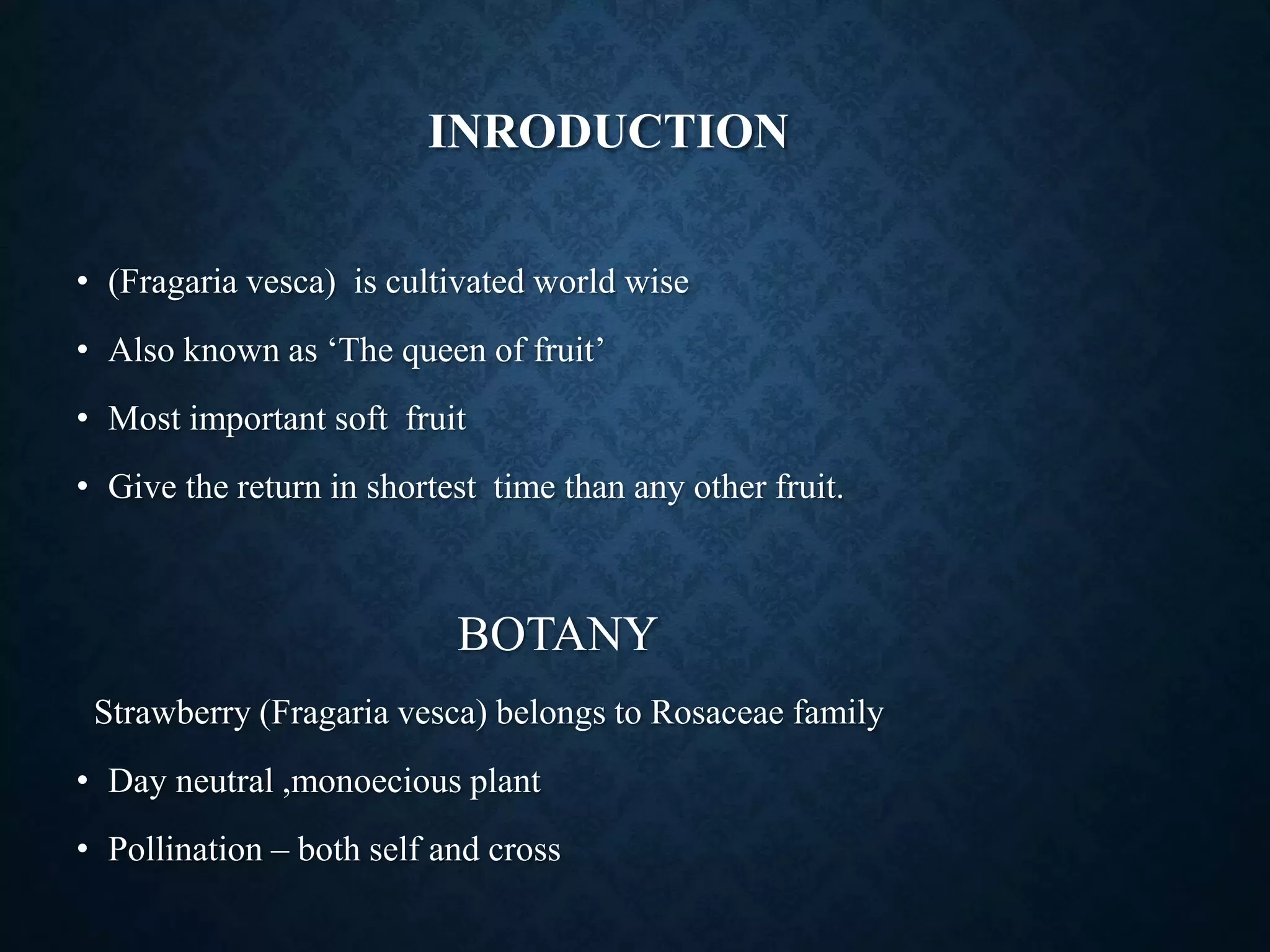
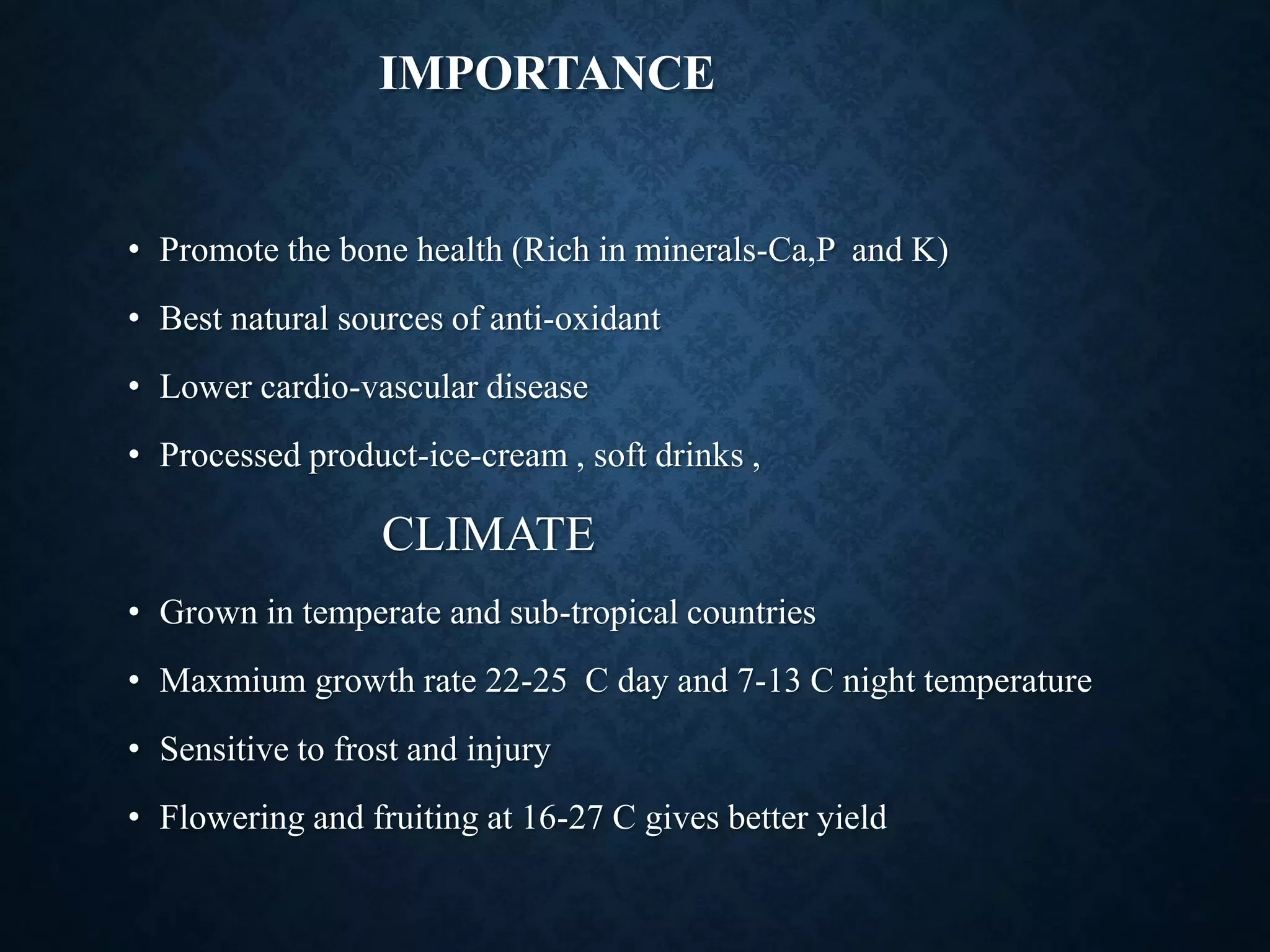
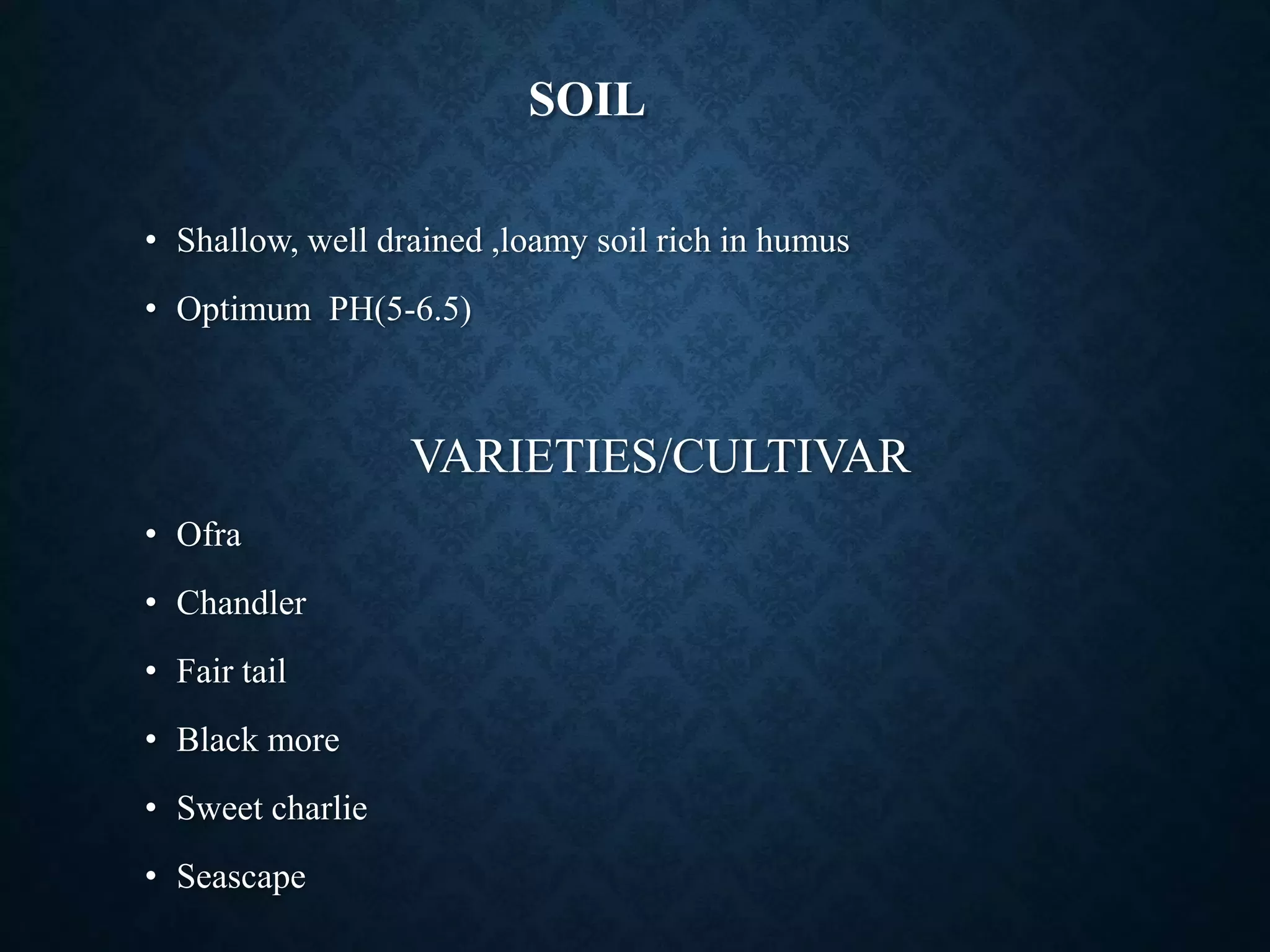
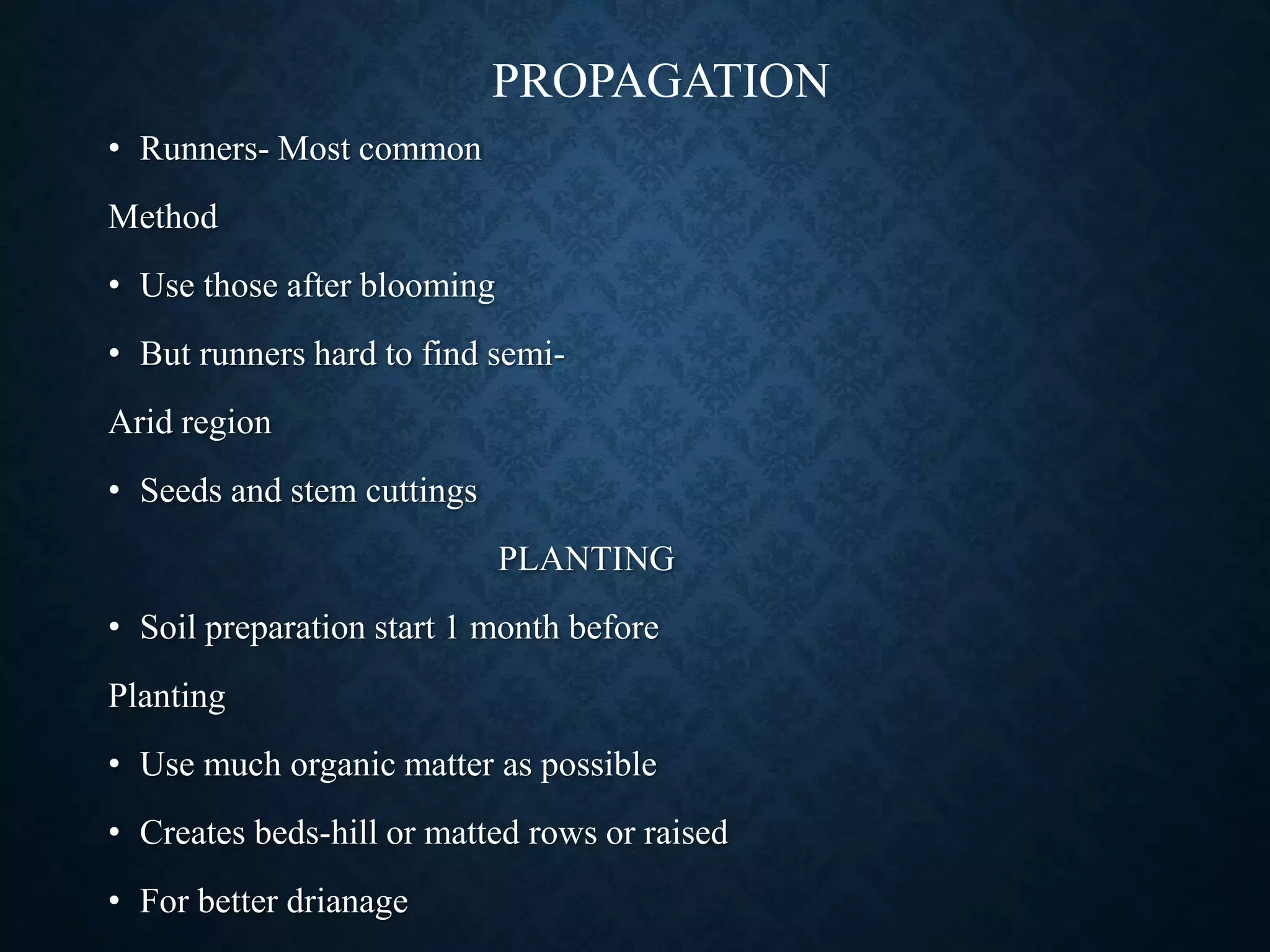
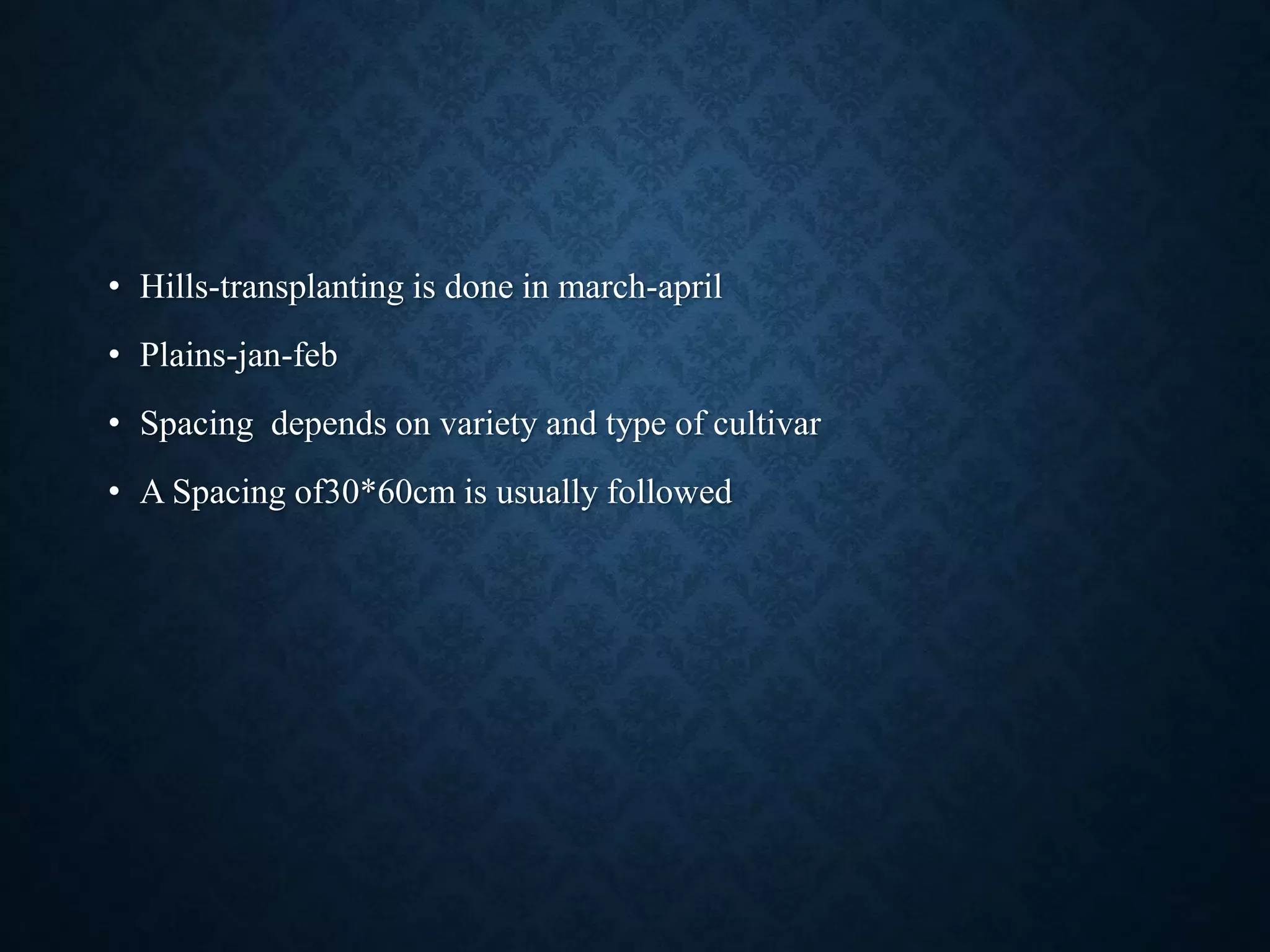
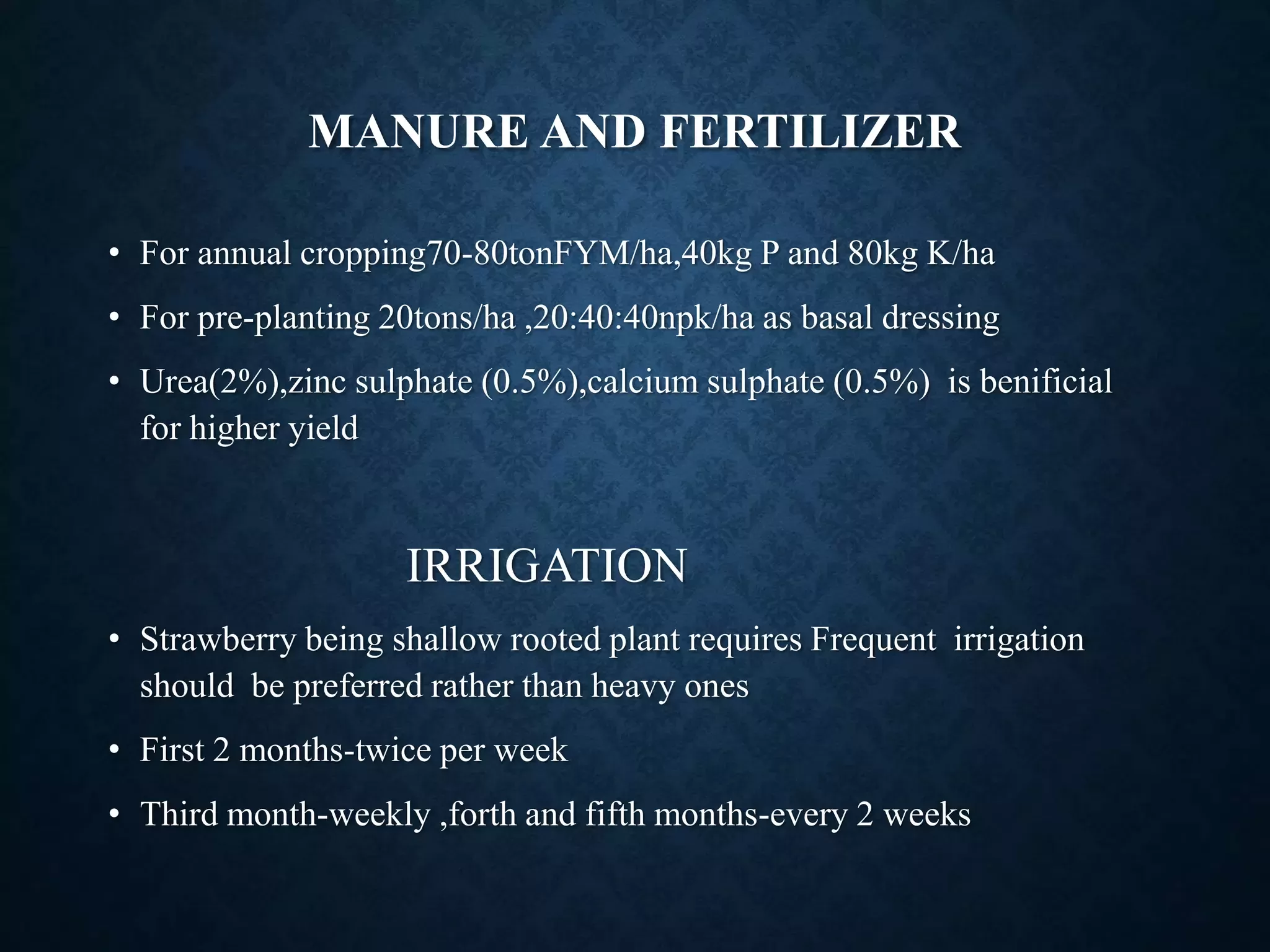
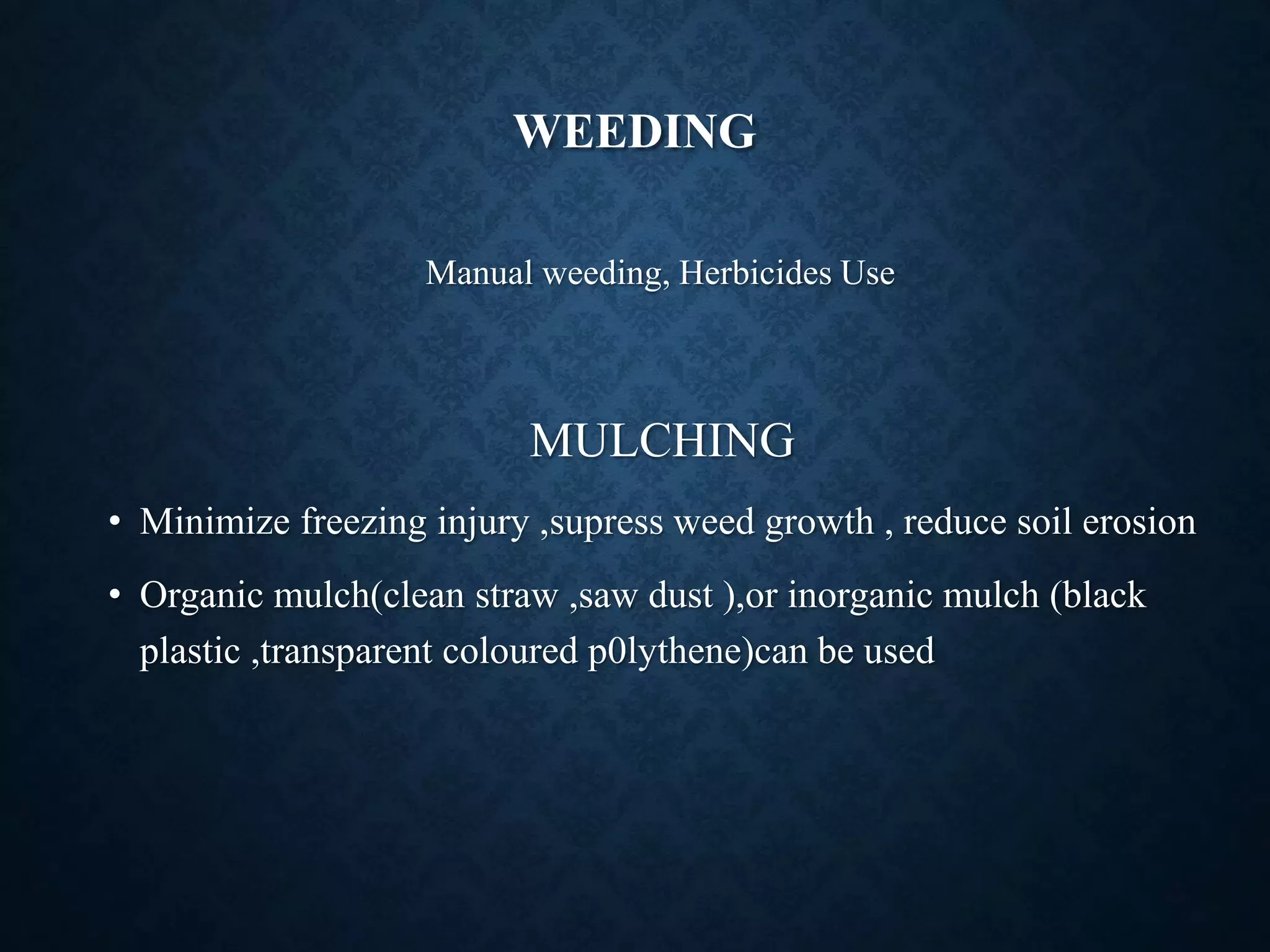
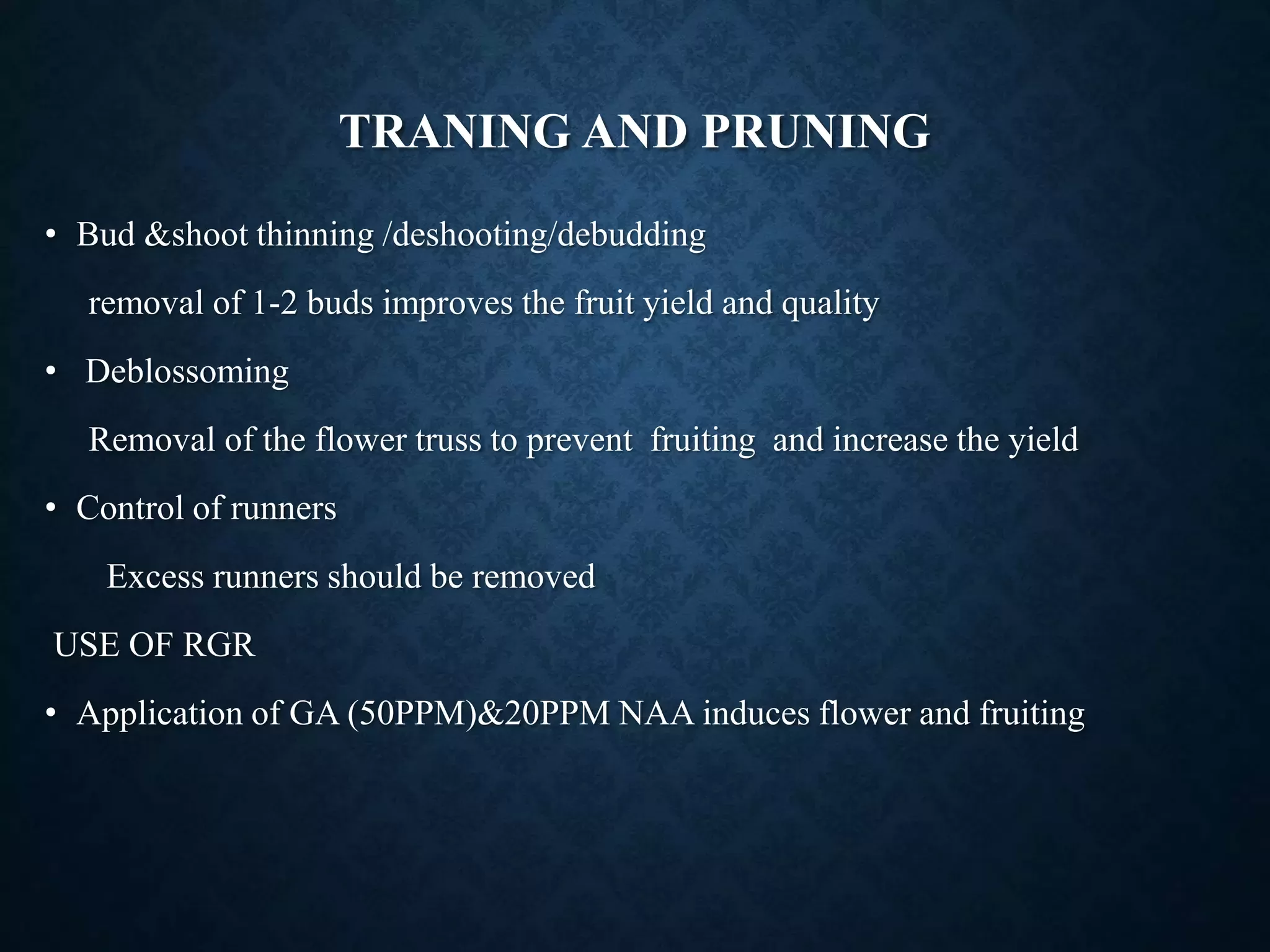
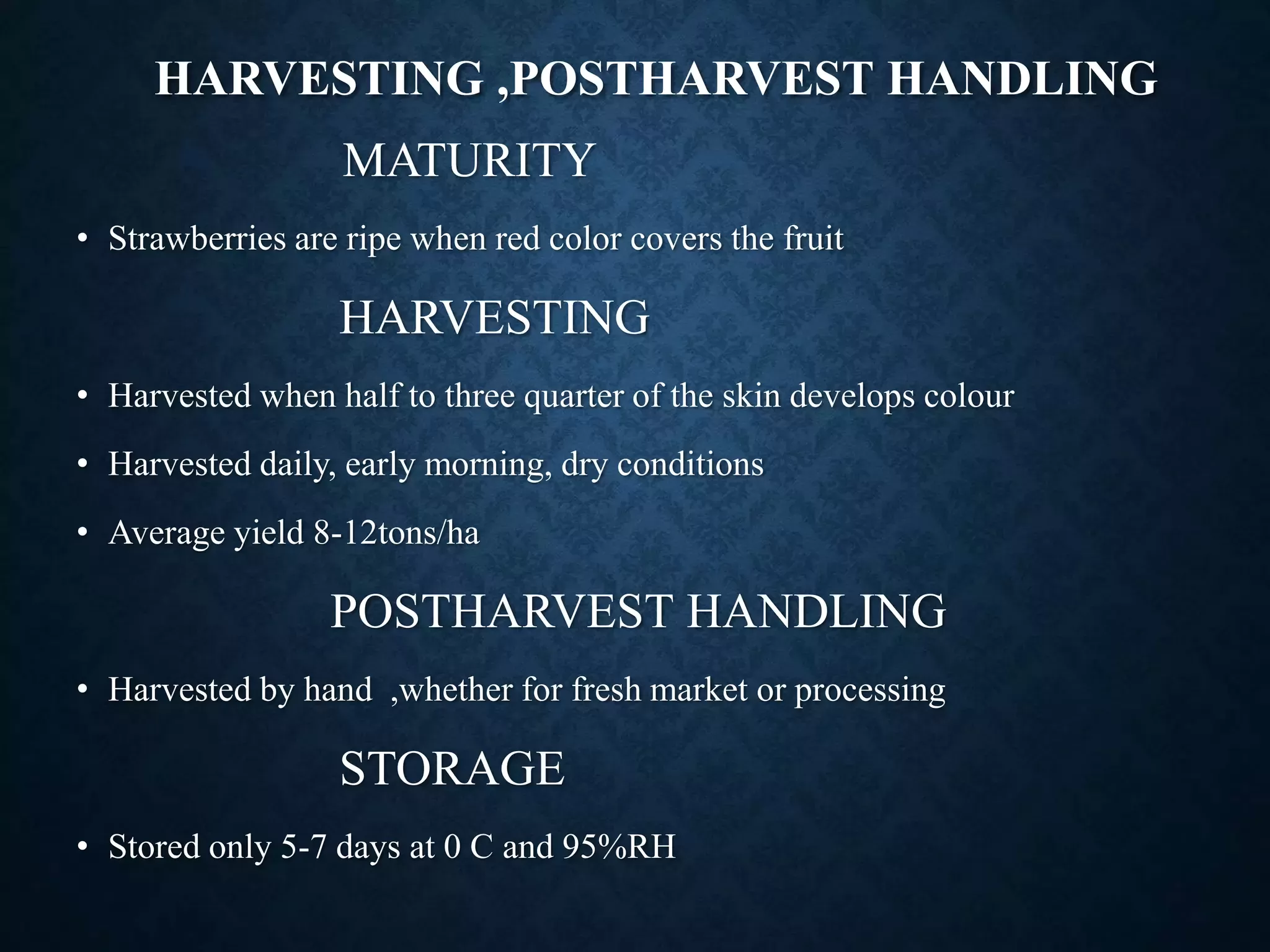
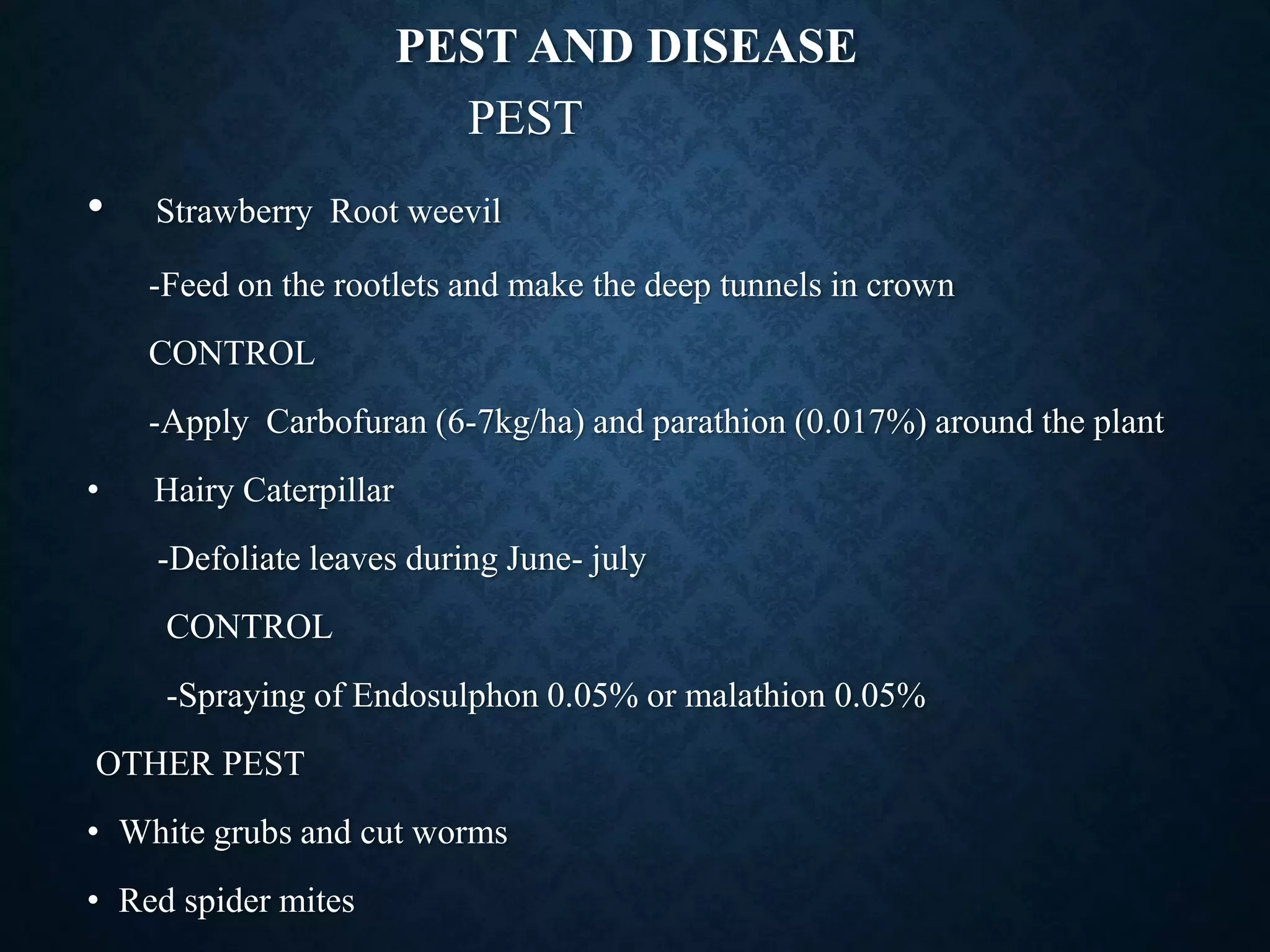
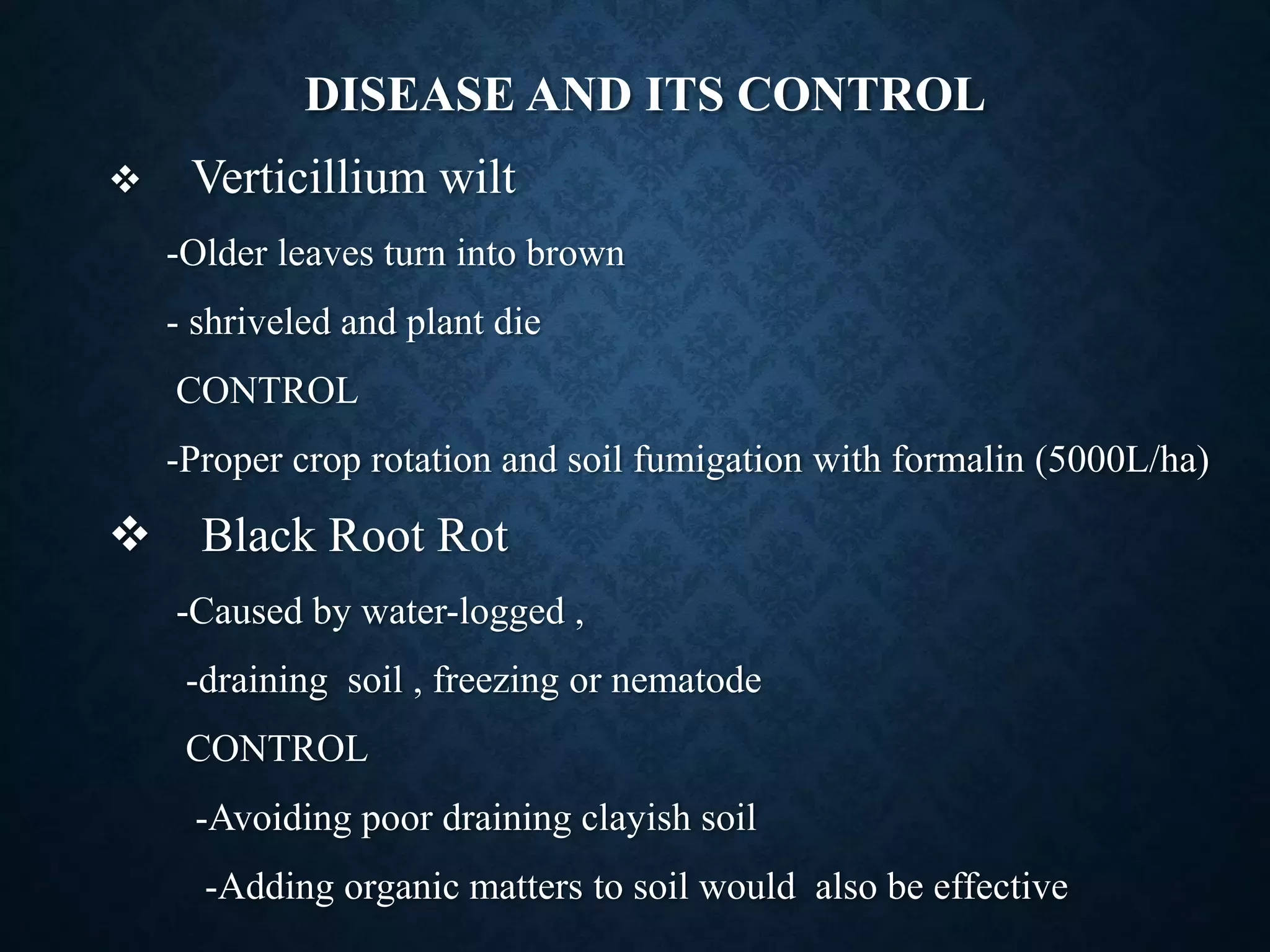
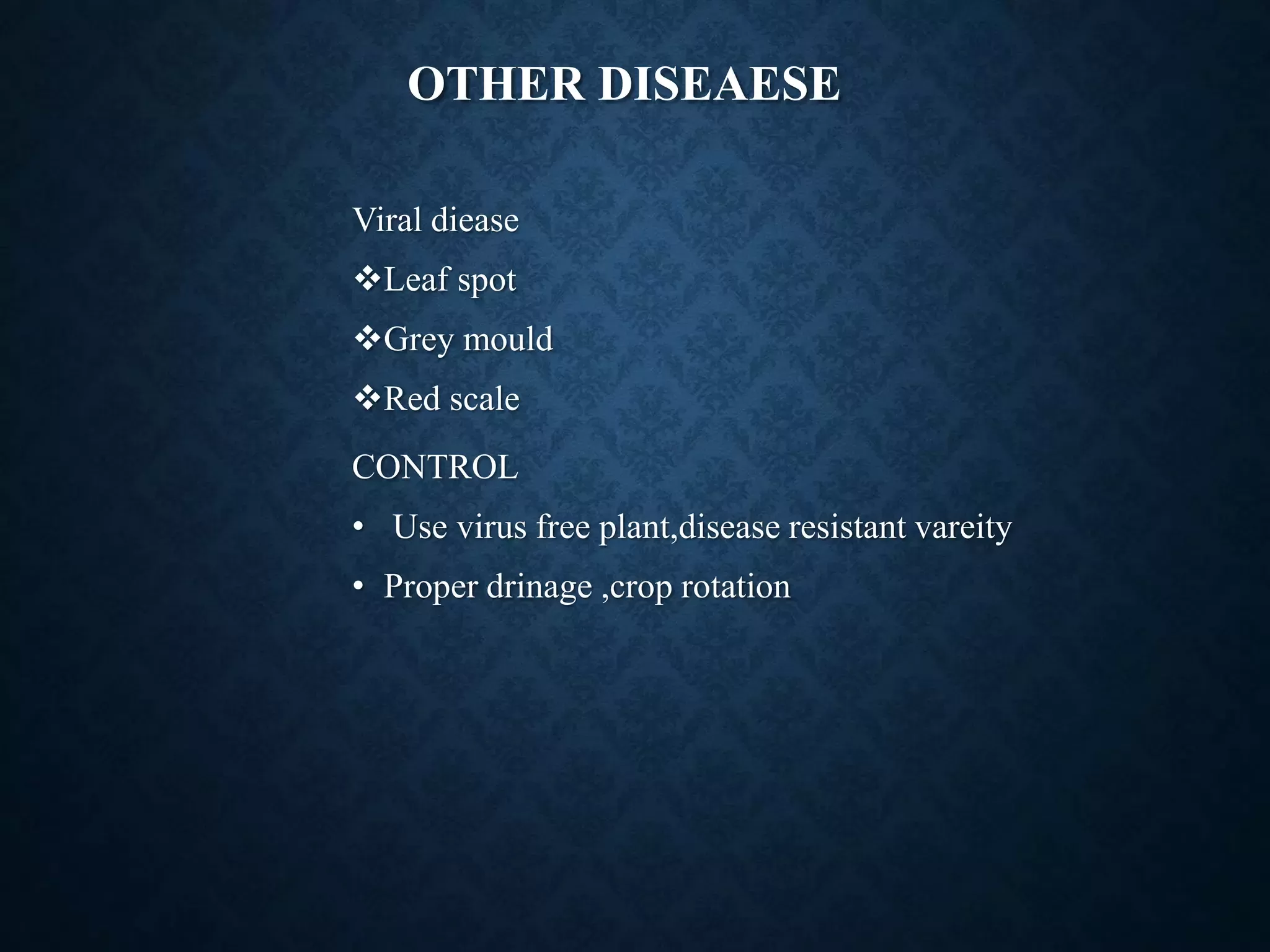
Strawberries, scientifically known as Fragaria vesca, are heralded as the “queen of fruit” and are among the most significant soft fruits cultivated globally. These delightful berries stand out for their quick return on investment, making them a preferred choice for both growers and consumers. As a member of the Rosaceae family, strawberries are unique in their botany, being monoecious and capable of both self and cross-pollination. The nutritional and health benefits of strawberries are noteworthy. They are rich in essential minerals such as calcium, phosphorus, and potassium, contributing significantly to bone health. Additionally, strawberries are esteemed for their high antioxidant content, which plays a role in reducing the risk of cardiovascular diseases. Beyond fresh consumption, strawberries are versatile, finding their way into various processed products like ice creams and soft drinks. In terms of climate, strawberries thrive in temperate and subtropical regions, flourishing optimally at daytime temperatures between 22°C and 25°C and nighttime temperatures of 7°C to 13°C. The plants are sensitive to frost, with ideal flowering and fruiting temperatures ranging from 16°C to 27°C to ensure better yields. Strawberry cultivation demands specific soil conditions. A shallow, well-drained, loamy soil rich in organic matter and with a pH level of 5 to 6.5 is most conducive to their growth. Various popular cultivars include Ofra, Chandler, Fairtail, Blackmore, Sweet Charlie, and Seascape. The propagation of strawberries can be accomplished through runners, seeds, or stem cuttings, with careful soil preparation required a month prior to planting. Once planted, strawberries require regular maintenance, including proper irrigation. As shallow-rooted plants, they should be irrigated frequently, with specific watering schedules noted for different growth phases. Weed management strategies include manual weeding and herbicide application, while mulching serves multiple purposes, such as preventing frost damage and reducing soil erosion. Training and pruning are critical aspects of strawberry care, as practices like bud and shoot thinning can enhance fruit quality and yield. The application of growth regulators may also be beneficial in encouraging flowering and fruiting. Harvesting strawberries requires keen timing; they are ripe when fully colored, typically signaling that they should be picked when half to three-quarters of the skin has developed color. Harvesting is ideally done daily, and under dry conditions, with average yields ranging from 8 to 12 tons per hectare. Postharvest, strawberries need to be handled carefully, as they can only be stored for about 5 to 7 days at temperatures around 0°C with high humidity. Finally, managing pests and diseases is crucial in strawberry production. Common pests include the strawberry root weevil and hairy caterpillars, which can be controlled with various chemical applications. Diseases such as Verticillium wilt and black root rot require strategic crop rotations and soil management to mitigate their impact. In summary, successful strawberry farming involves understanding the plant’s botanical characteristics, optimal growing conditions, rigorous management practices, and effective pest and disease control measures. With proper care, strawberry cultivation can lead to fruitful harvests and significant economic benefits.

Slide 1

Slide 1

Slide 2

Slide 2

Slide 3

Slide 3

Slide 4

Slide 4

Slide 5

Slide 5

Slide 6

Slide 6

Slide 7

Slide 7

Slide 8

Slide 8

Slide 9

Slide 9

Slide 10

Slide 10

Slide 11

Slide 11

Slide 12

Slide 12

Slide 13

Slide 13
1 / 13

Ppt on Scientific cultivation of muskmelon

Summary

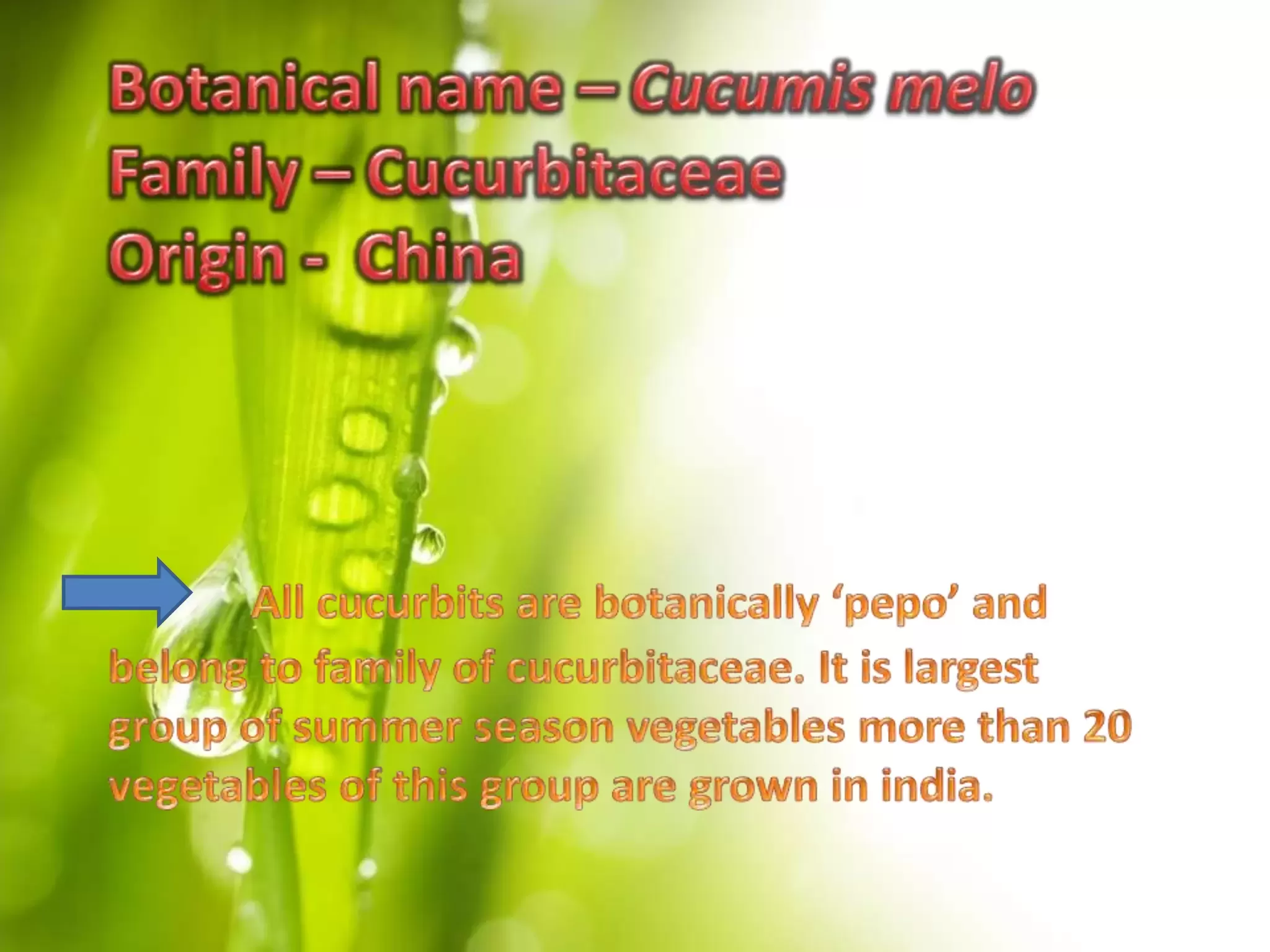
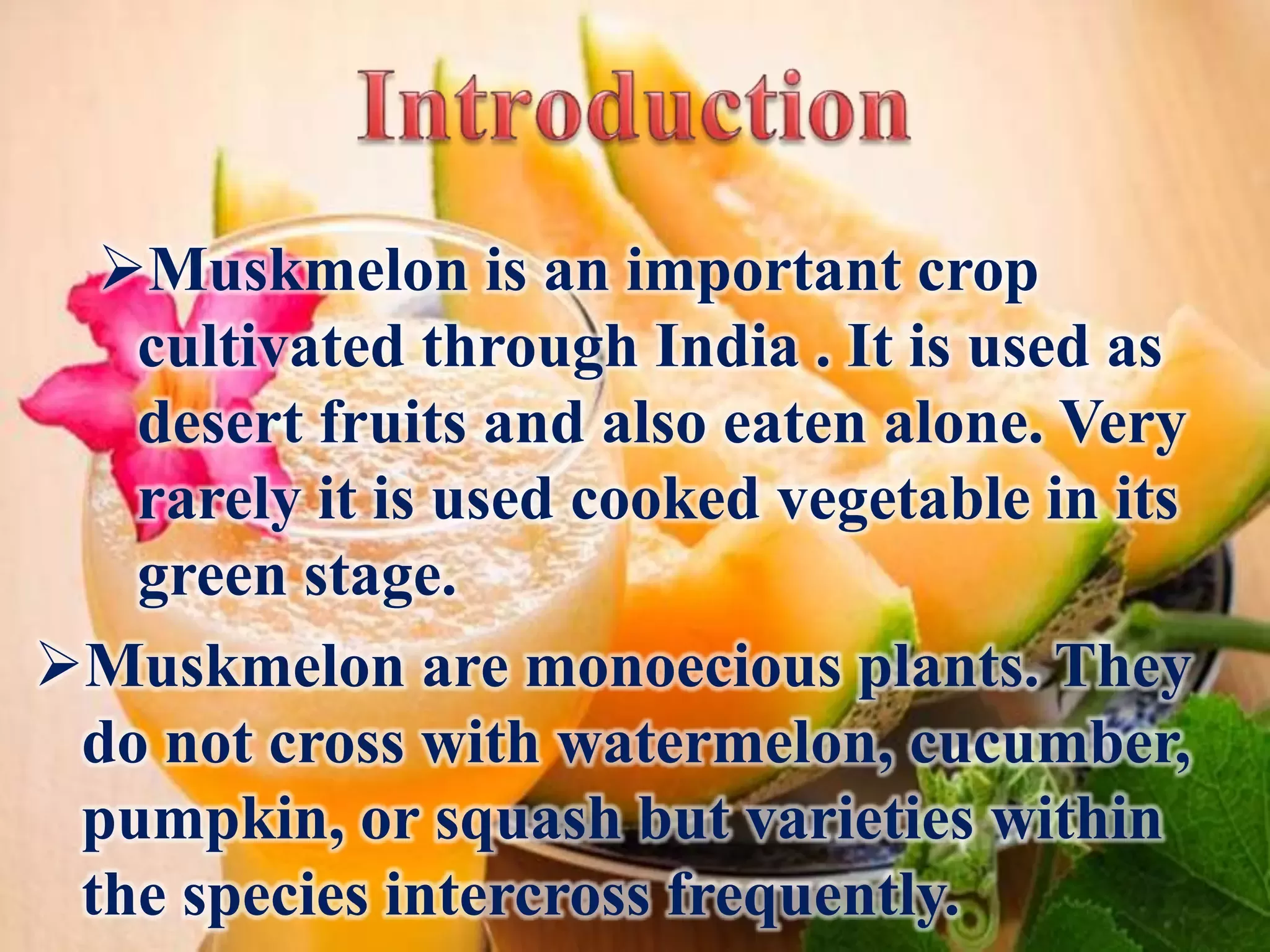
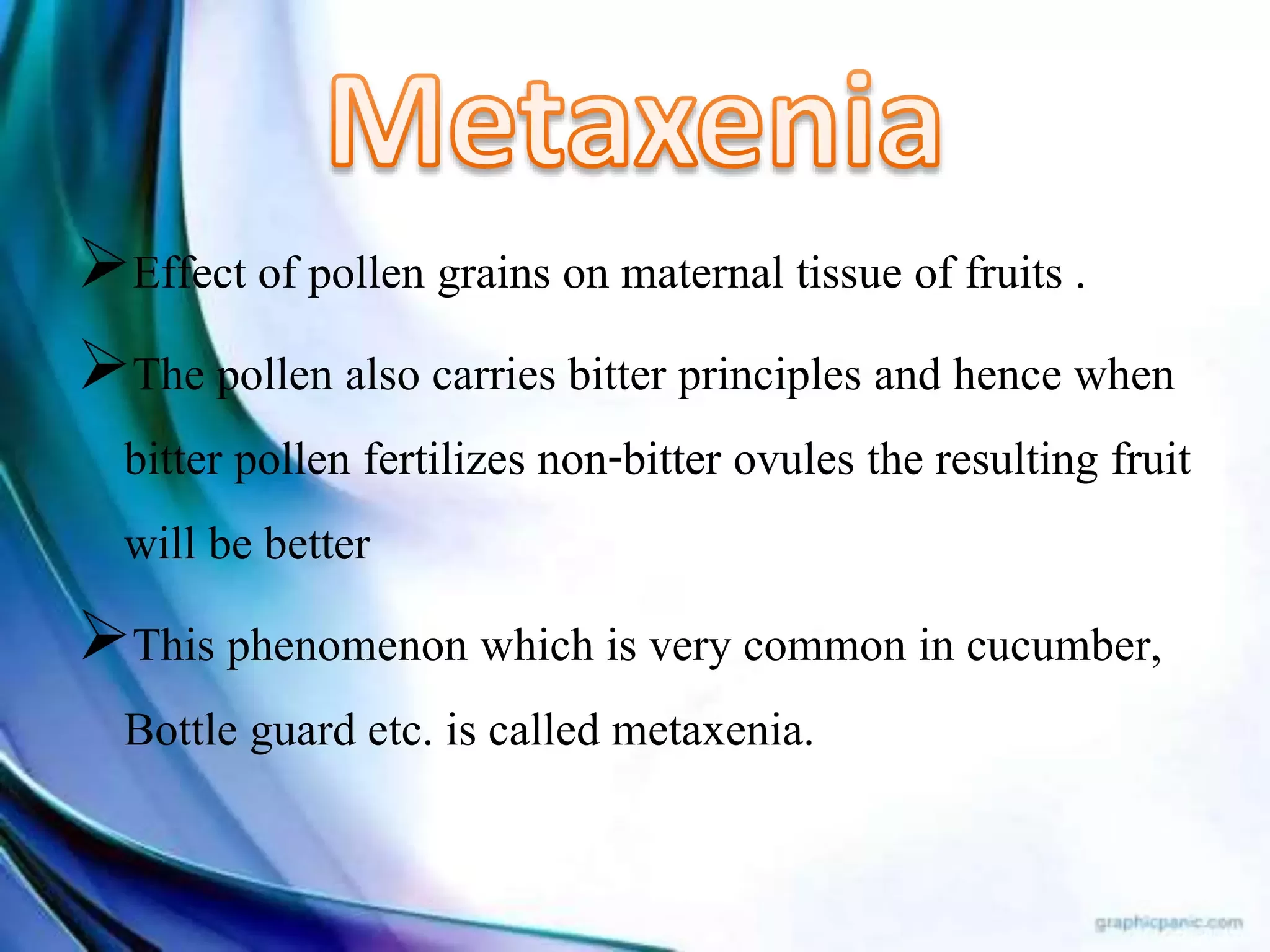
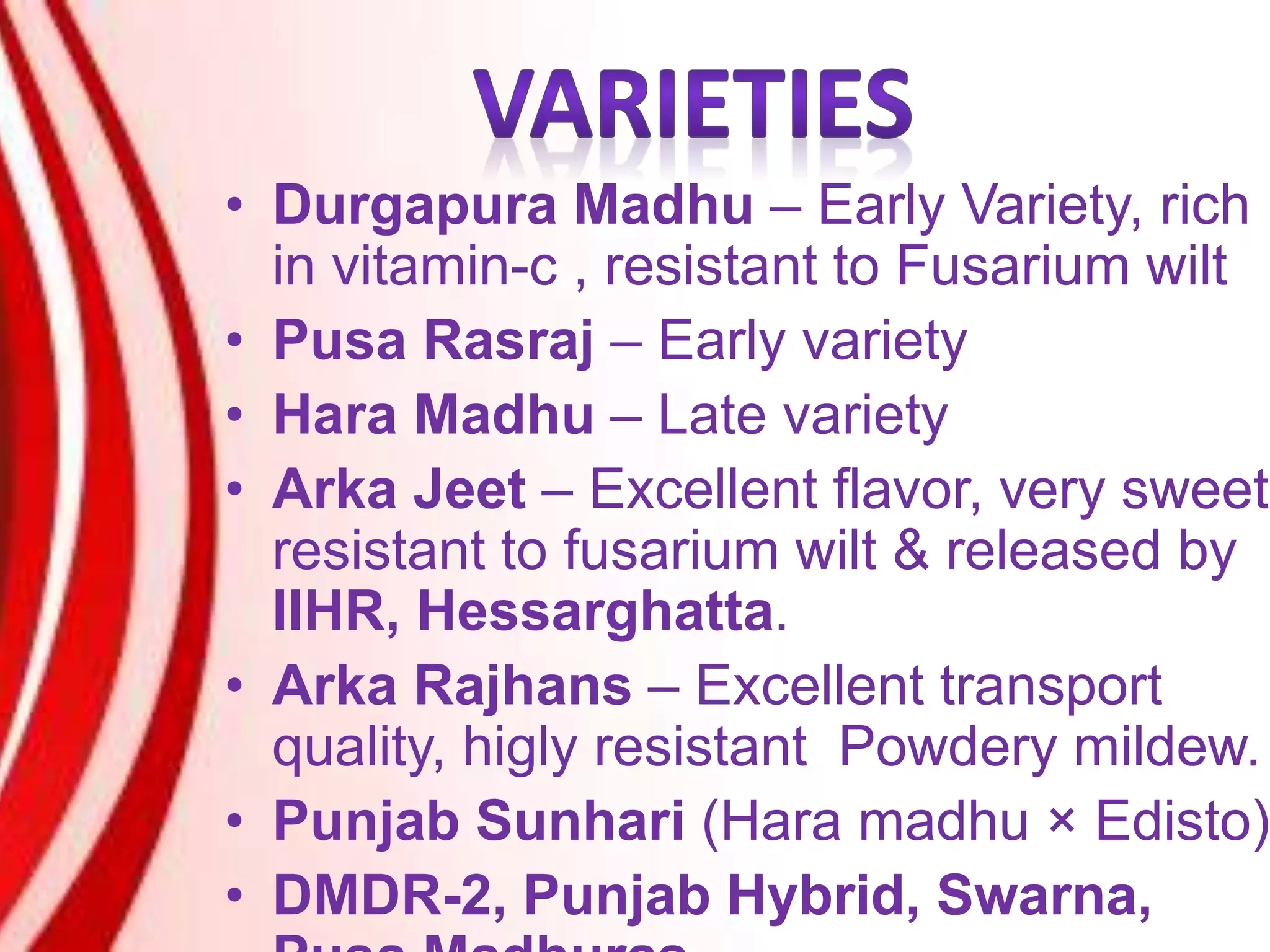
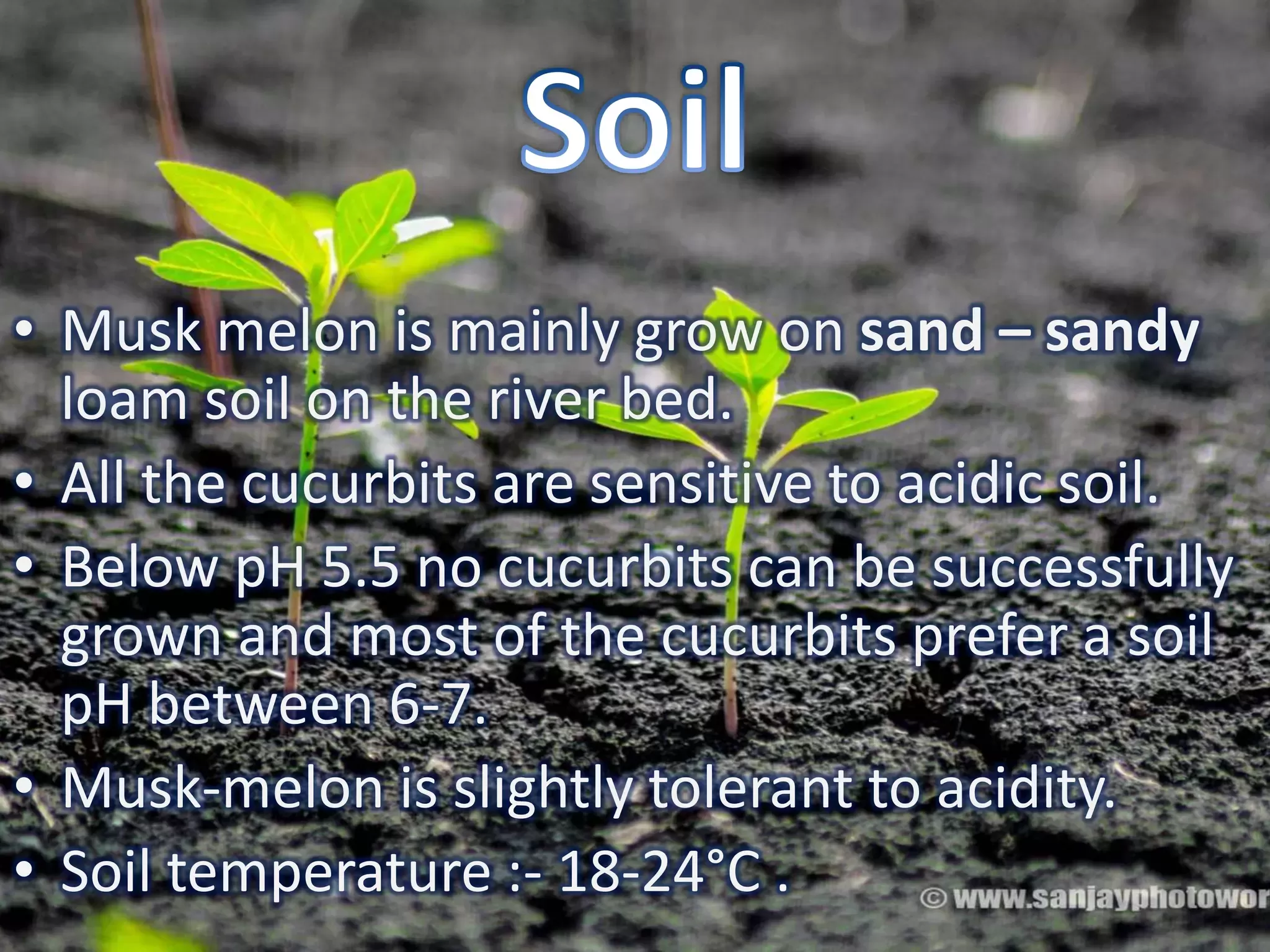
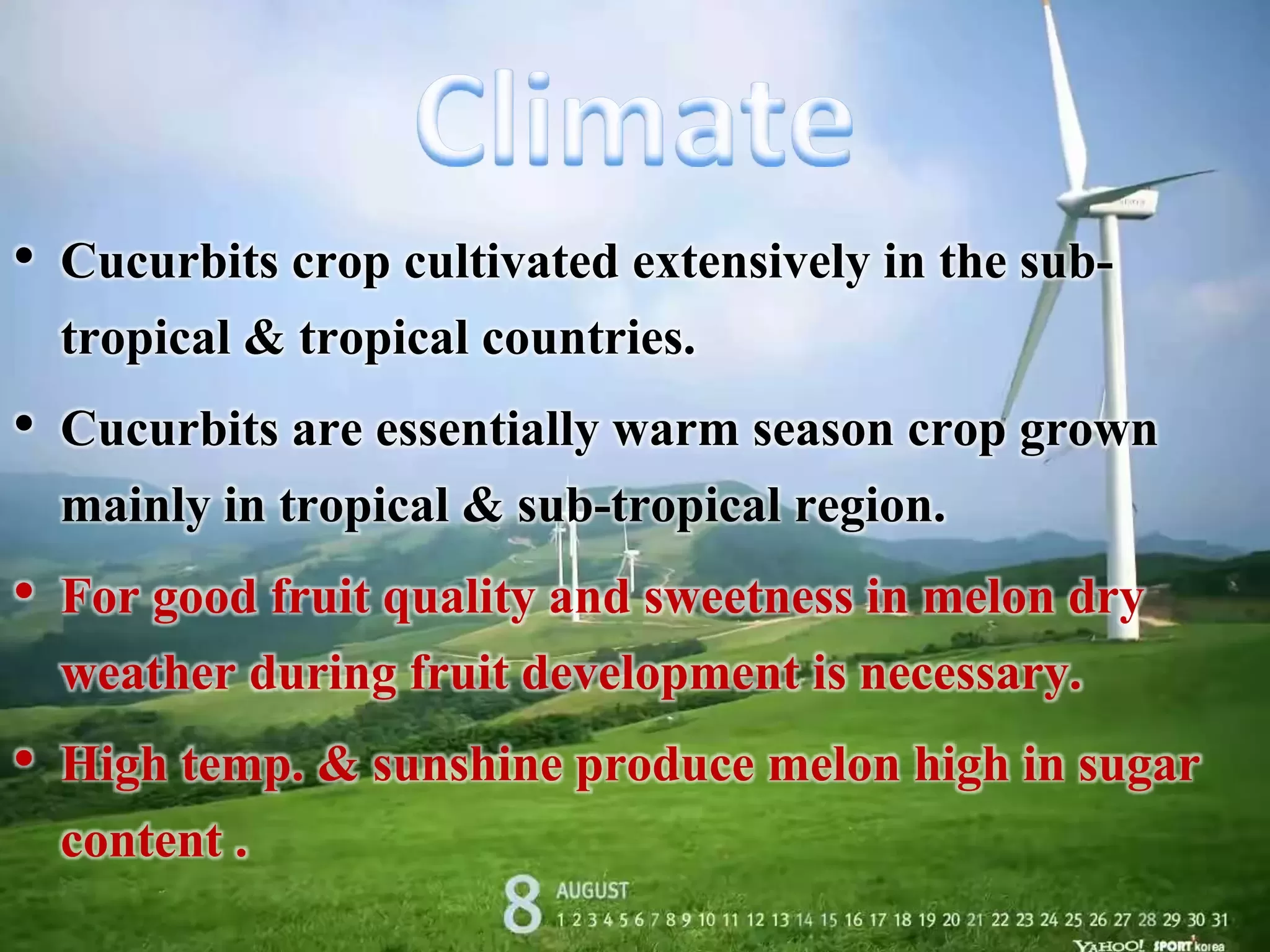
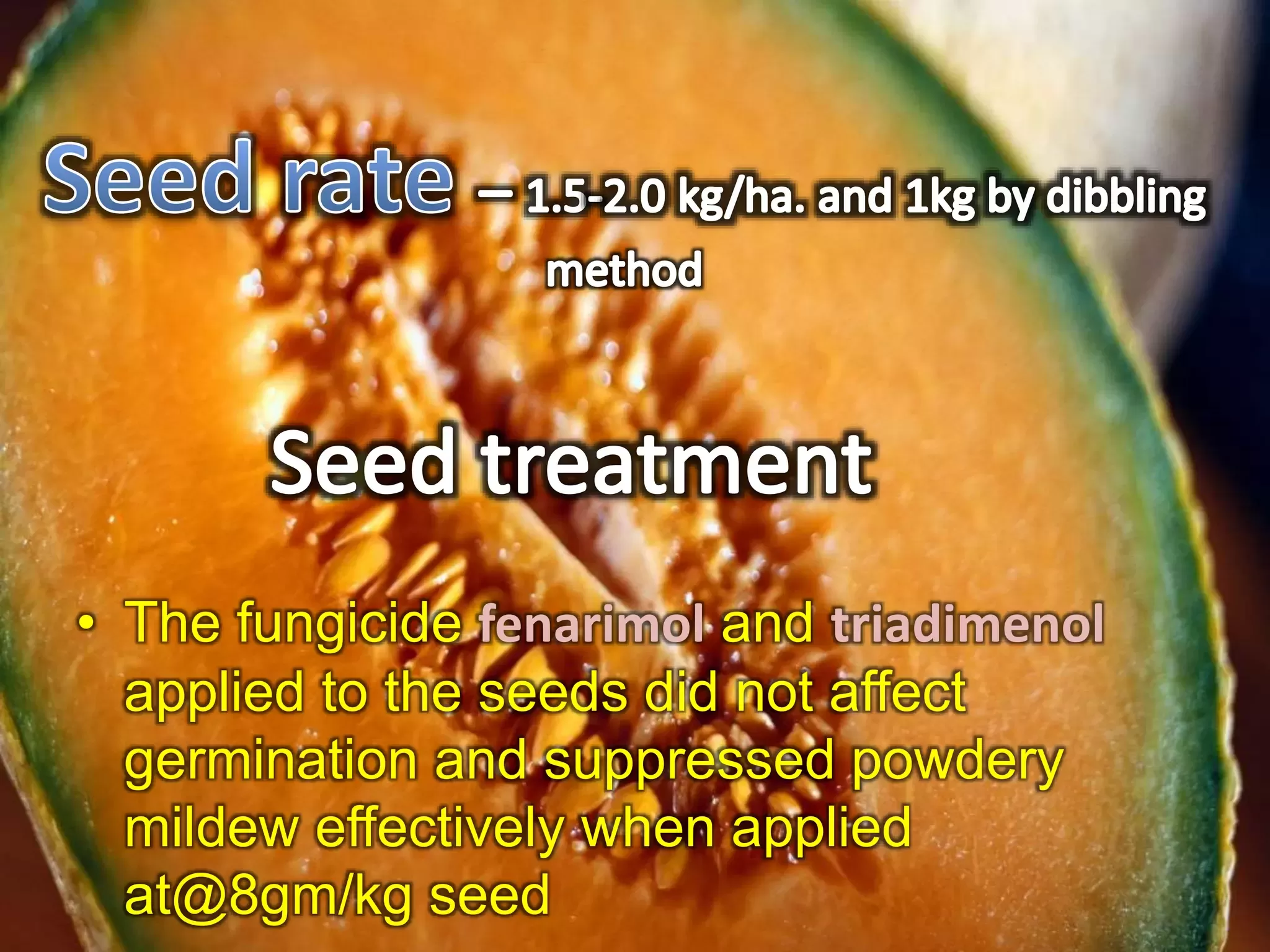
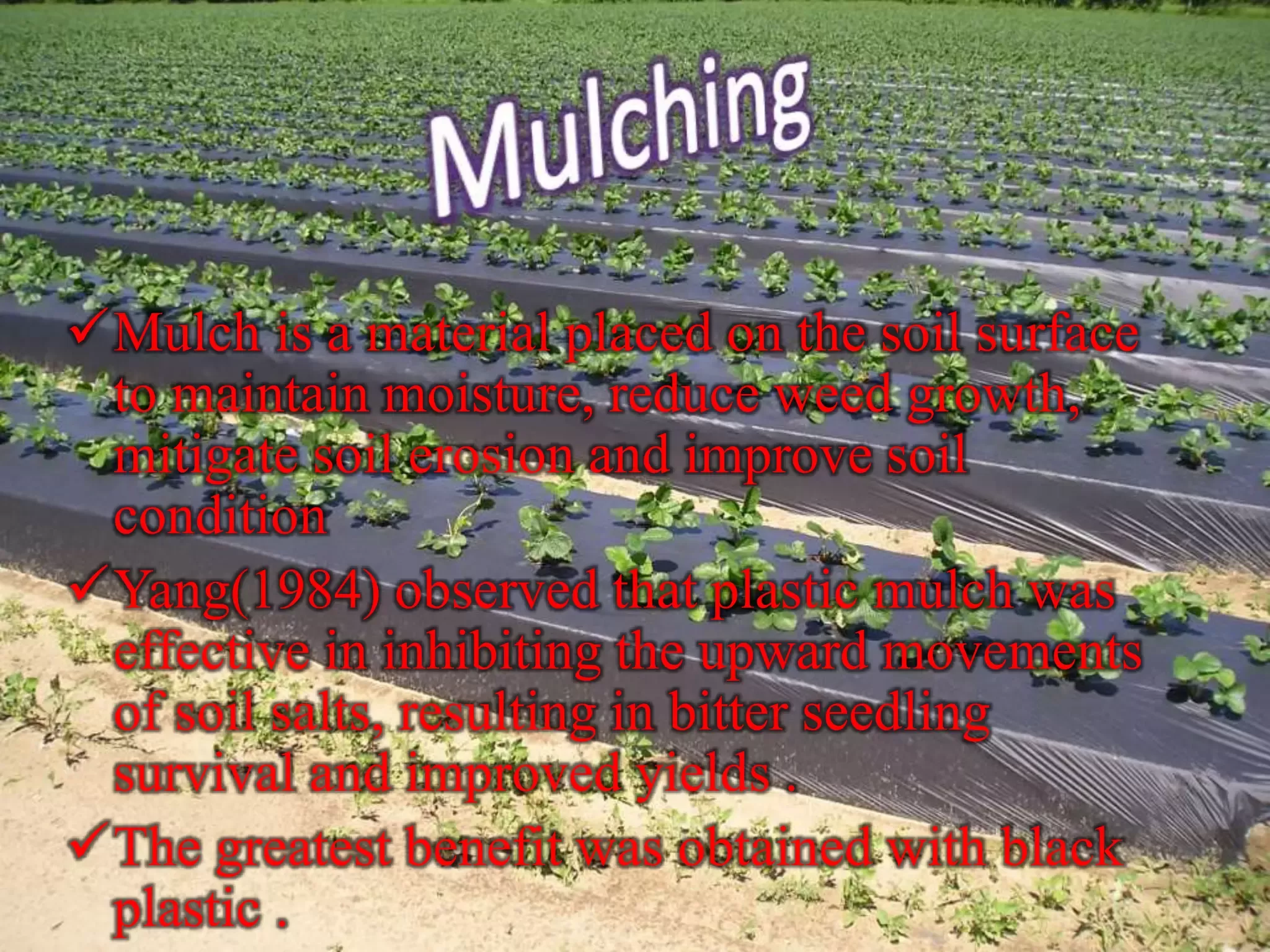
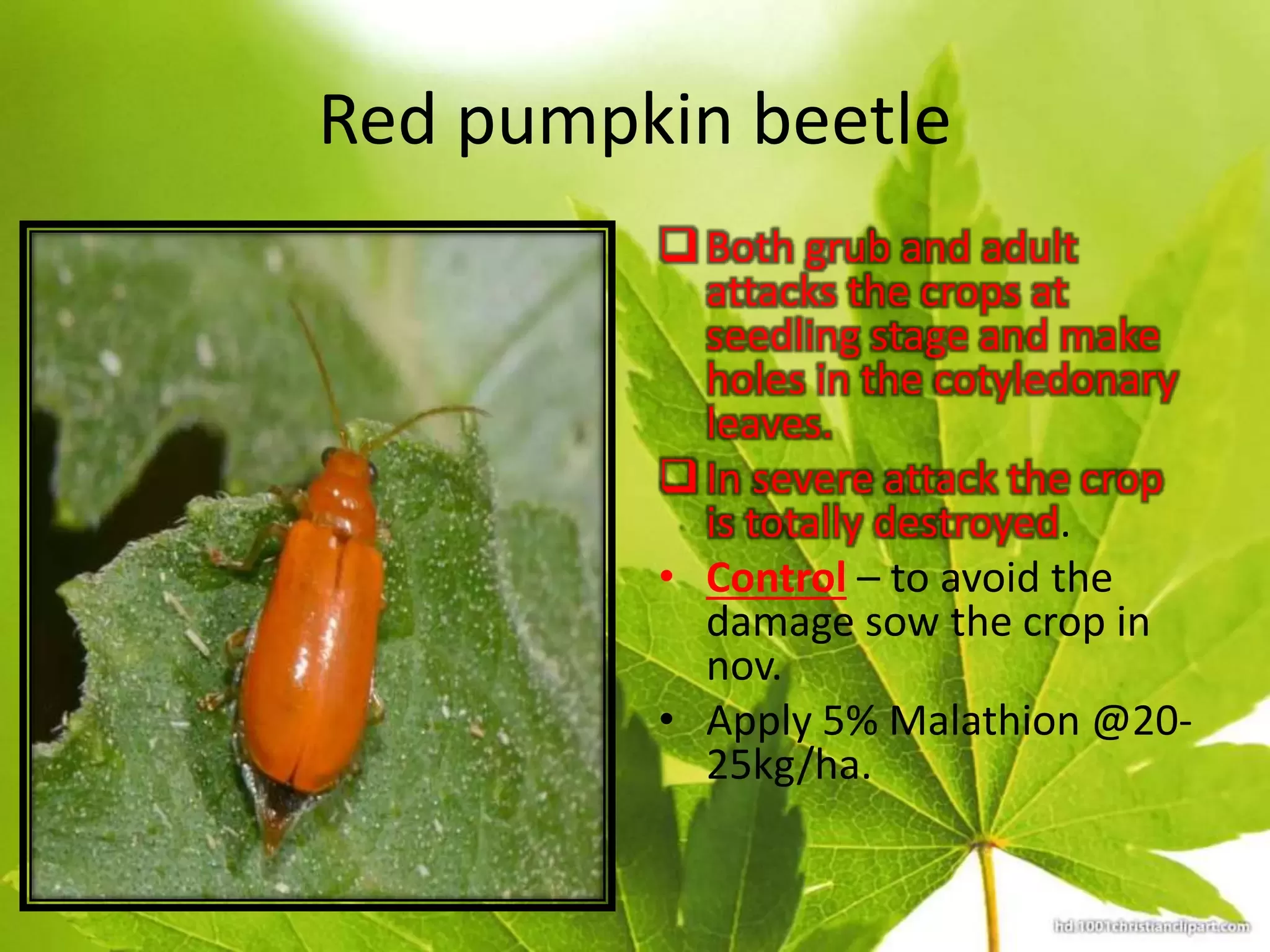
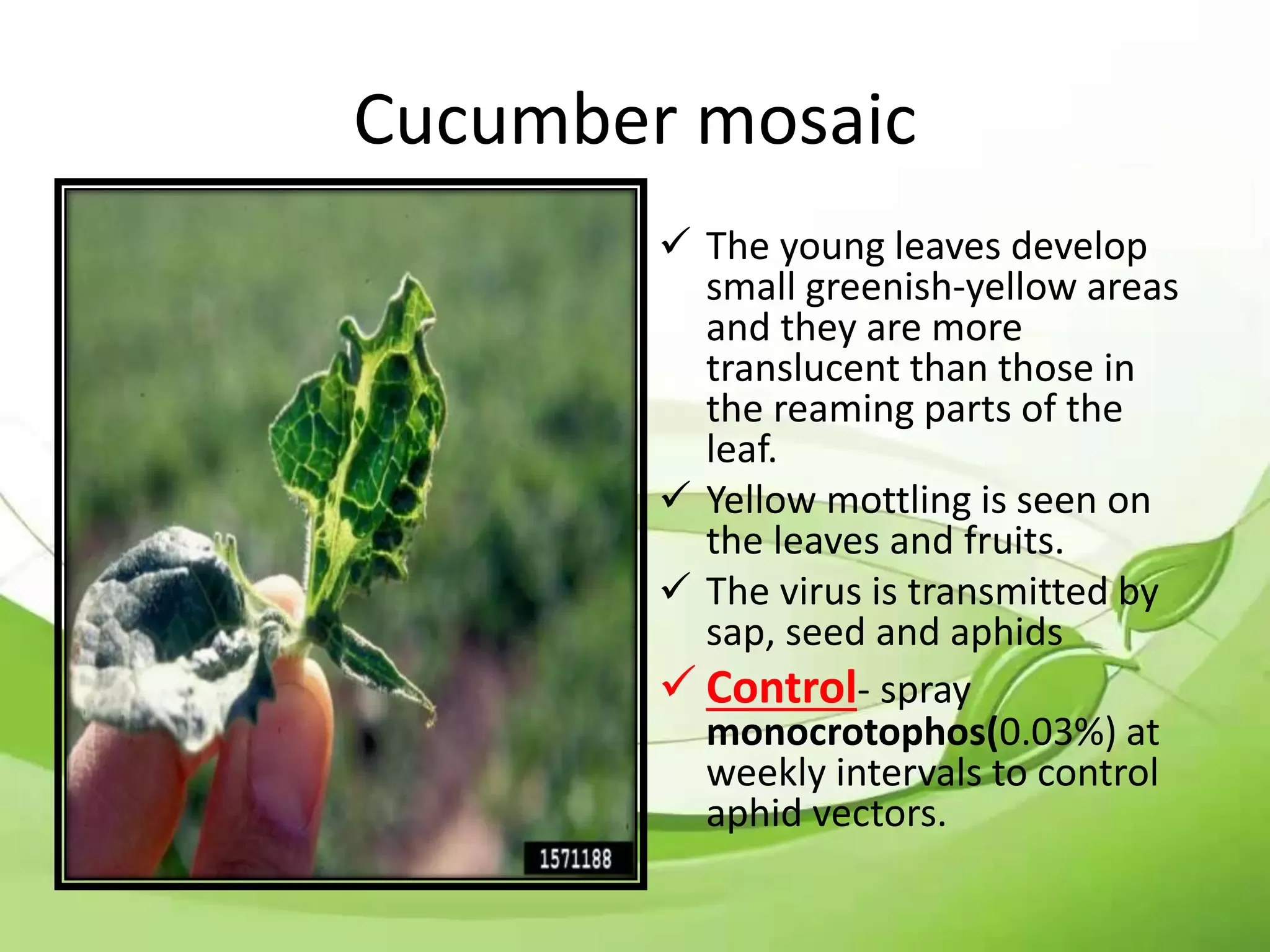
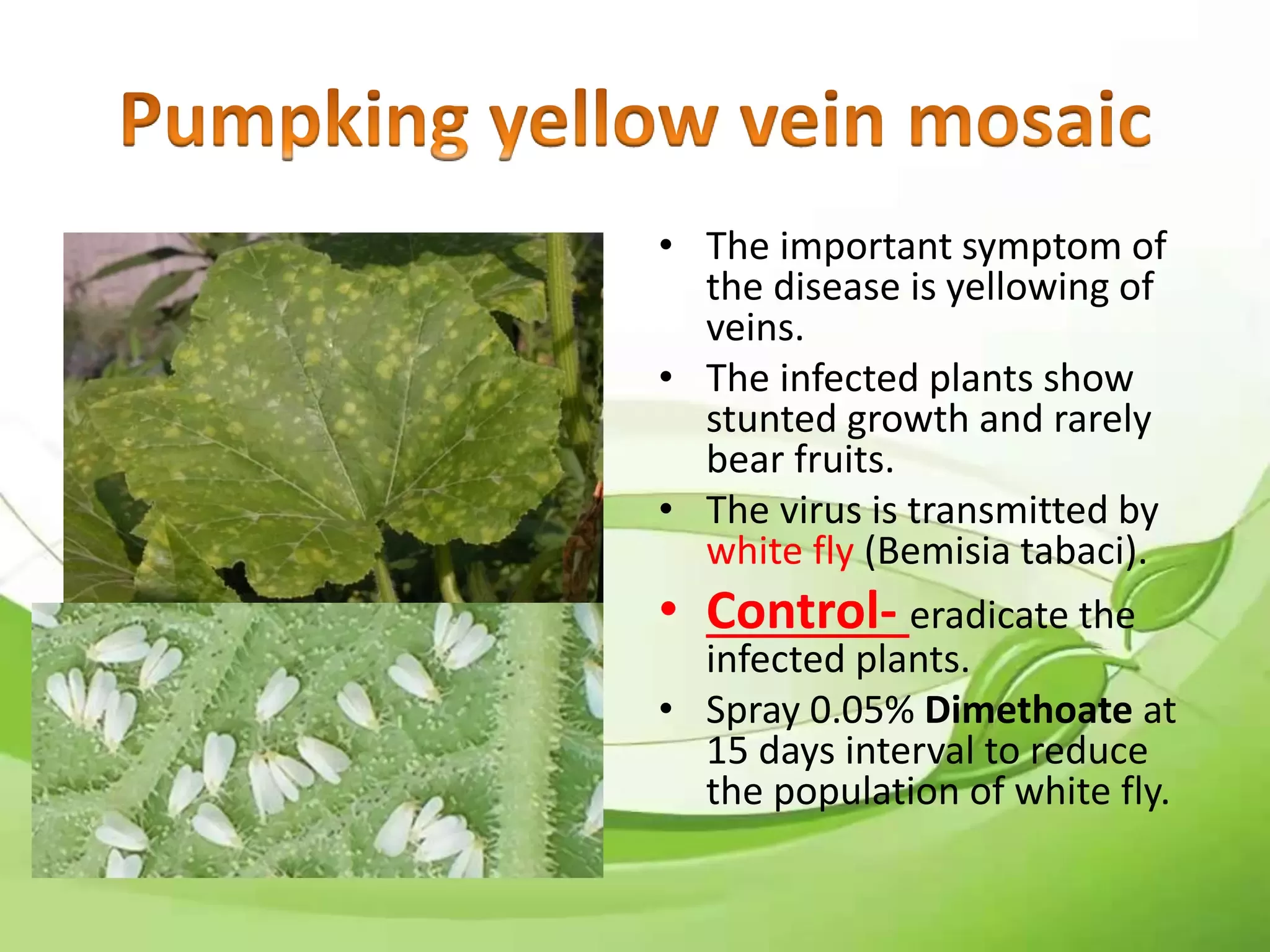
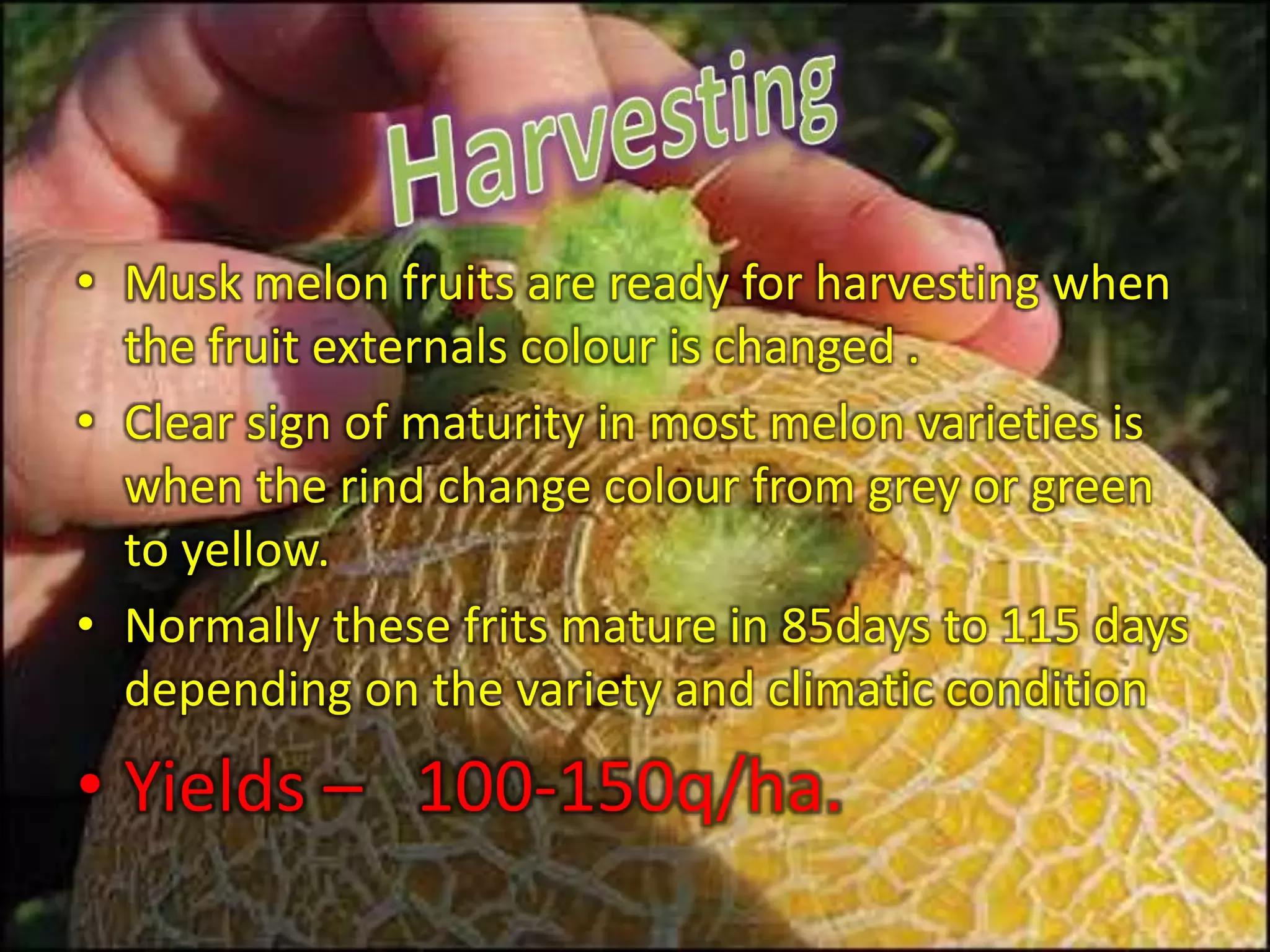
Muskmelon, also known as cantaloupe, is a significant agricultural crop widely cultivated across India, primarily cherished as a dessert fruit. While it is occasionally consumed in its raw state, its use as a cooked vegetable is rare. Muskmelon plants are monoecious, meaning they possess both male and female flowers on the same plant, which aids in their pollination. Notably, these plants do not hybridize with other cucurbits like watermelon and pumpkin but allow for intercrossing among different muskmelon varieties. This genetic diversity often leads to improved fruit characteristics, particularly through a process known as metaxenia, where pollen grains from one variety can affect the taste and quality of the resulting fruit. Among the various cultivars, early varieties like Durgapura Madhu are noted for their vitamin C content and their resistance to Fusarium wilt, while Arka Jeet is recognized for its exceptional sweetness and flavor. Other notable cultivars include Pusa Rasraj, Hara Madhu, Arka Rajhans, and various hybrids like Punjab Sunhari and DMDR-2. This diversity allows for cultivation adaptability across different climatic conditions and market demands. Muskmelon thrives best in well-drained sandy and sandy-loam soils typically found in river valleys. The optimal soil pH for cucurbits ranges between 6 and 7, with muskmelons showing slight tolerance to acidity. Soil temperature plays a crucial role, with an ideal range of 18-24°C for growth. Conditions of warm weather are imperative for achieving high sweetness levels in the fruit, and drought during fruit development can contribute positively to fruit quality. Pest and disease management is essential in muskmelon cultivation. Fungal diseases like powdery mildew can significantly affect yield and quality, but effective management can be achieved through the use of seed treatment fungicides such as fenarimol and triadimenol. Additionally, proper agronomic practices such as mulching can help conserve moisture and suppress weed growth. Researchers have found that black plastic mulch can enhance yield by preventing soil salinity from affecting seedling growth. However, muskmelon crops face threats from various pests, including the red pumpkin beetle and aphids that can damage seedlings and transmit viral diseases. Strategies such as crop rotation, proper timing for sowing, and specific insecticides like Malathion can mitigate these risks. Viruses such as cucumber mosaic and the yellowing disease, caused by whiteflies, may necessitate routine pesticide applications to control vector populations effectively. The harvest timing for muskmelon usually ranges from 85 to 115 days post-planting, with the best indicator of ripeness being a change in the external color of the fruit from green to yellow. Optimal yields of muskmelon can reach between 100-150 quintals per hectare, depending on variety and environmental conditions. In summary, successful muskmelon cultivation requires an understanding of its unique floral characteristics, regional soil and climatic conditions, diligent pest management, and proper harvesting techniques to maximize yield and fruit quality.

Slide 1

Slide 1

Slide 2

Slide 2

Slide 3

Slide 3

Slide 4

Slide 4

Slide 5

Slide 5

Slide 6

Slide 6

Slide 7

Slide 7

Slide 8

Slide 8

Slide 9

Slide 9

Slide 10

Slide 10

Slide 11

Slide 11

Slide 12

Slide 12

Slide 13

Slide 13

Slide 14

Slide 14

Slide 15

Slide 15

Slide 16

Slide 16

Slide 17

Slide 17

Slide 18

Slide 18

Slide 19

Slide 19

Slide 20

Slide 20

Slide 21

Slide 21

Slide 22

Slide 22

Slide 23

Slide 23

Slide 24

Slide 24

Slide 25

Slide 25

Slide 26

Slide 26

Slide 27

Slide 27

Slide 28

Slide 28

Slide 29

Slide 29

Slide 30

Slide 30

Slide 31

Slide 31

Slide 32

Slide 32

Slide 33

Slide 33
1 / 33

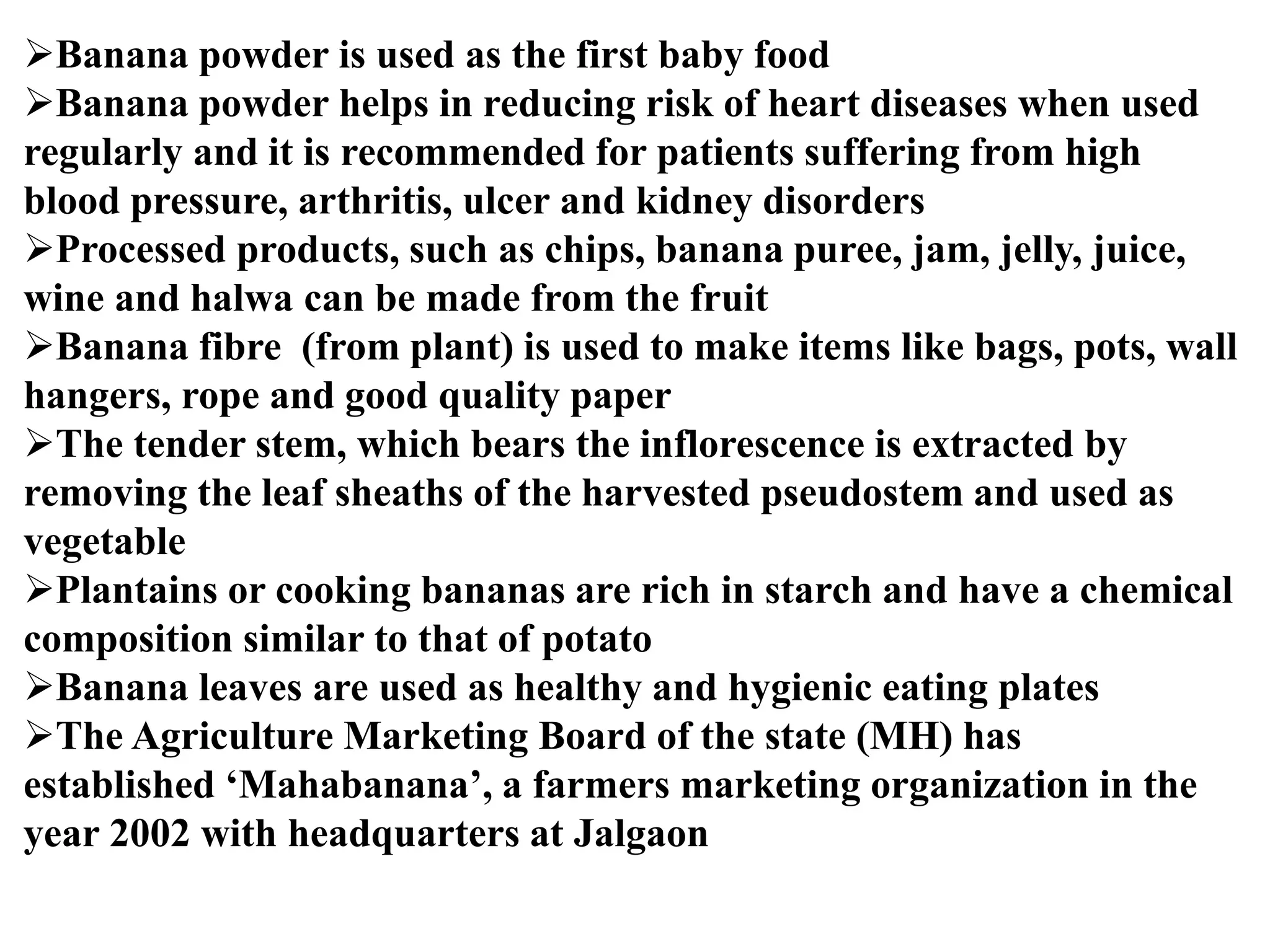
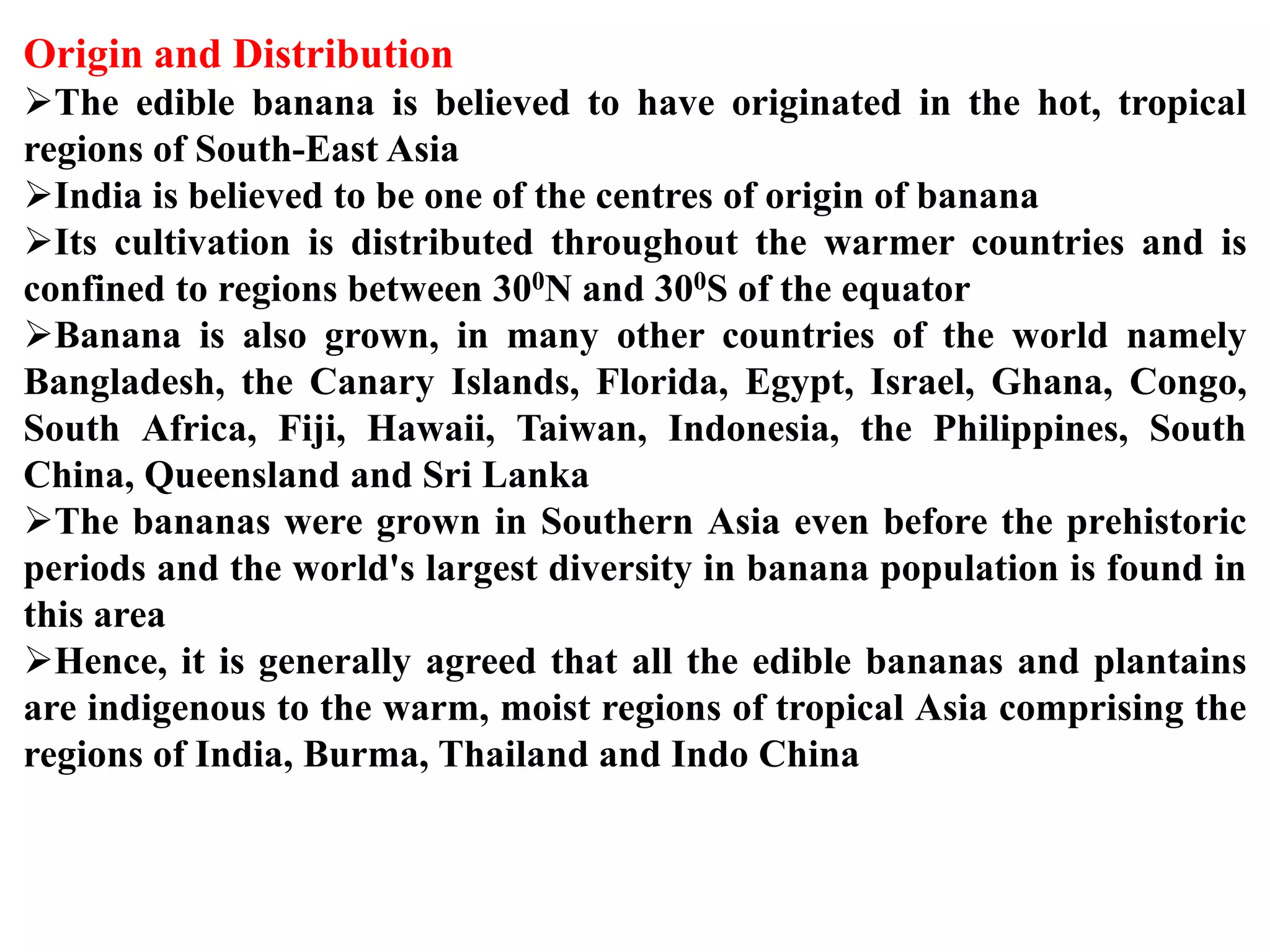
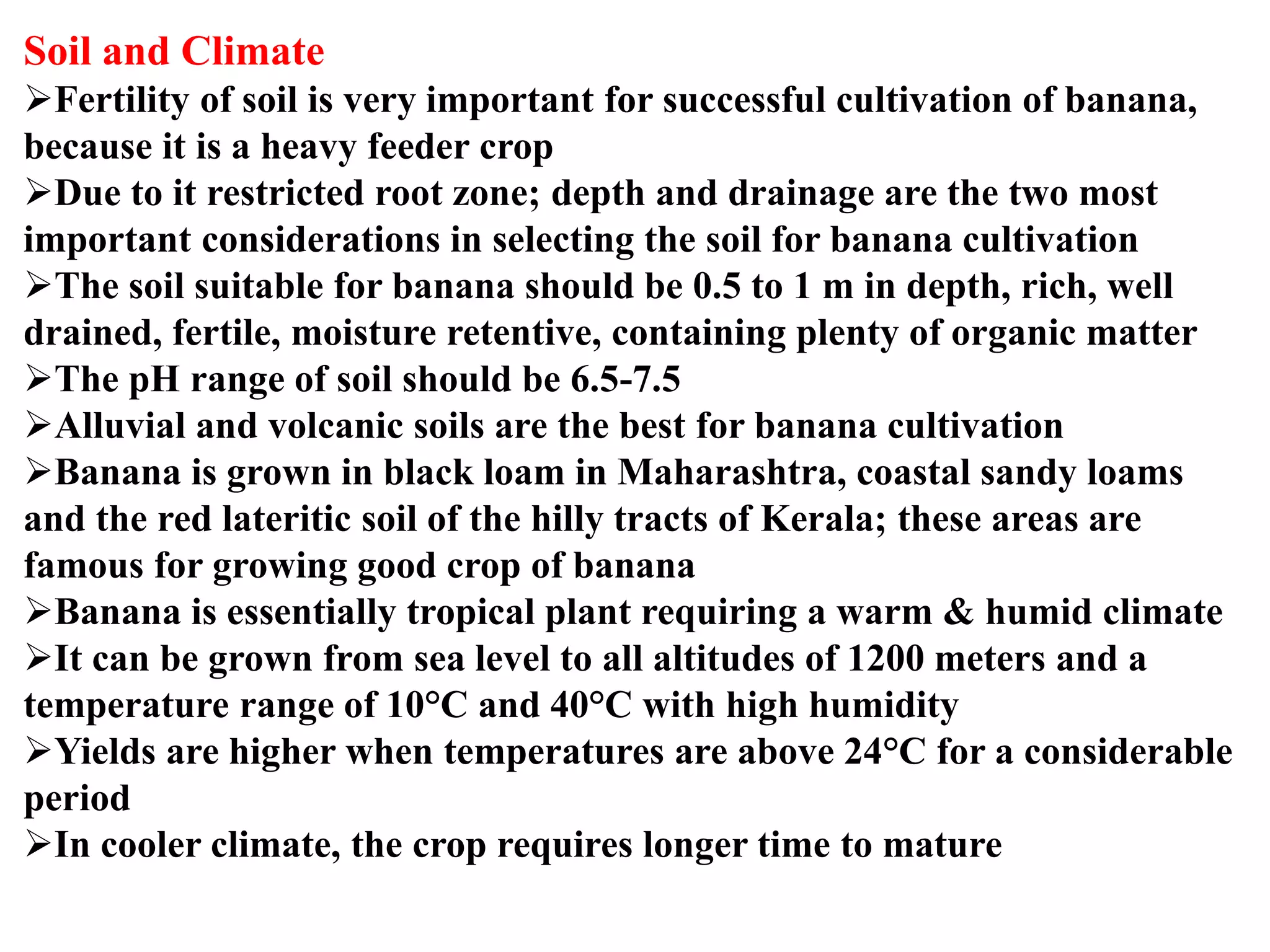
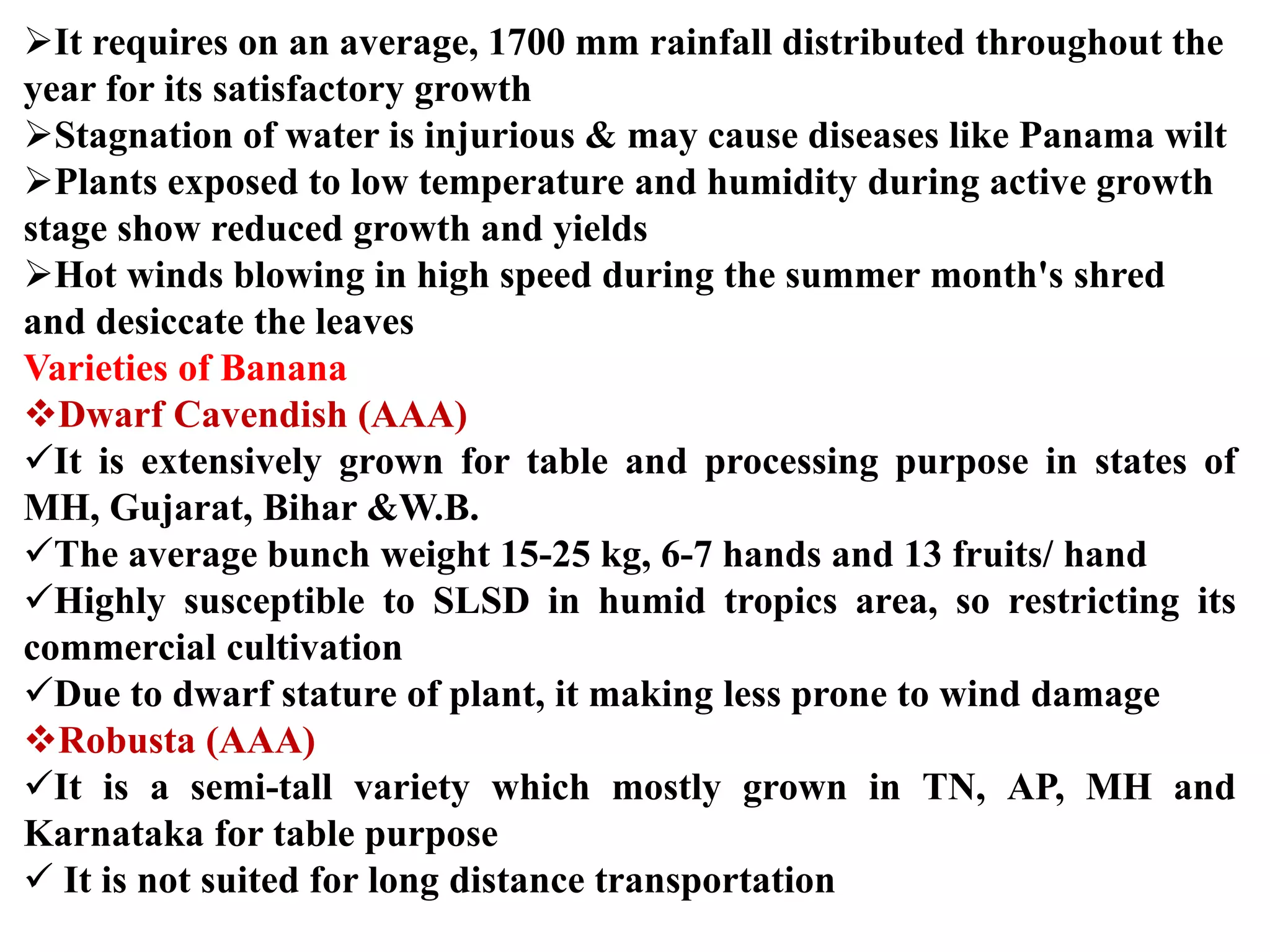
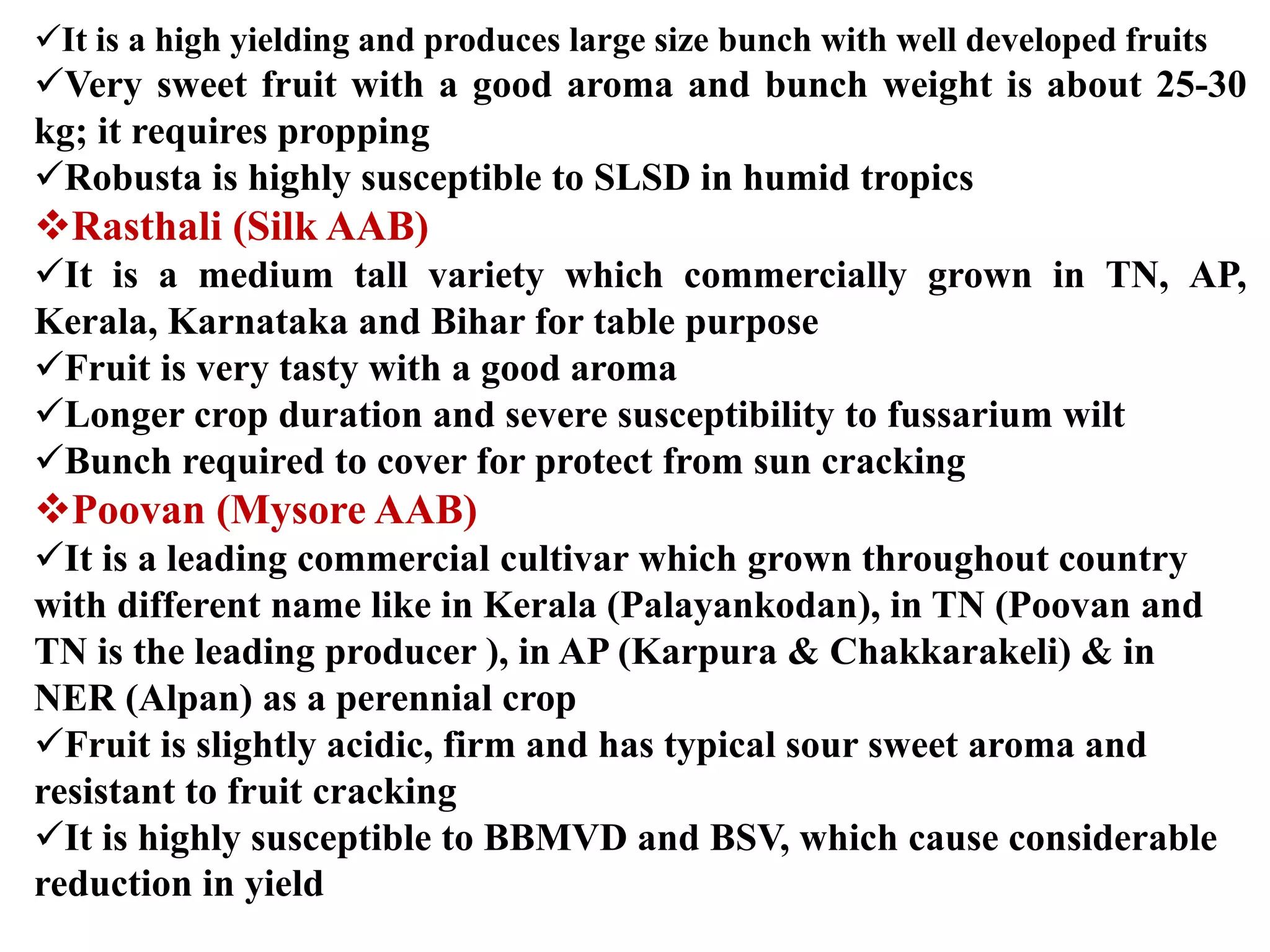
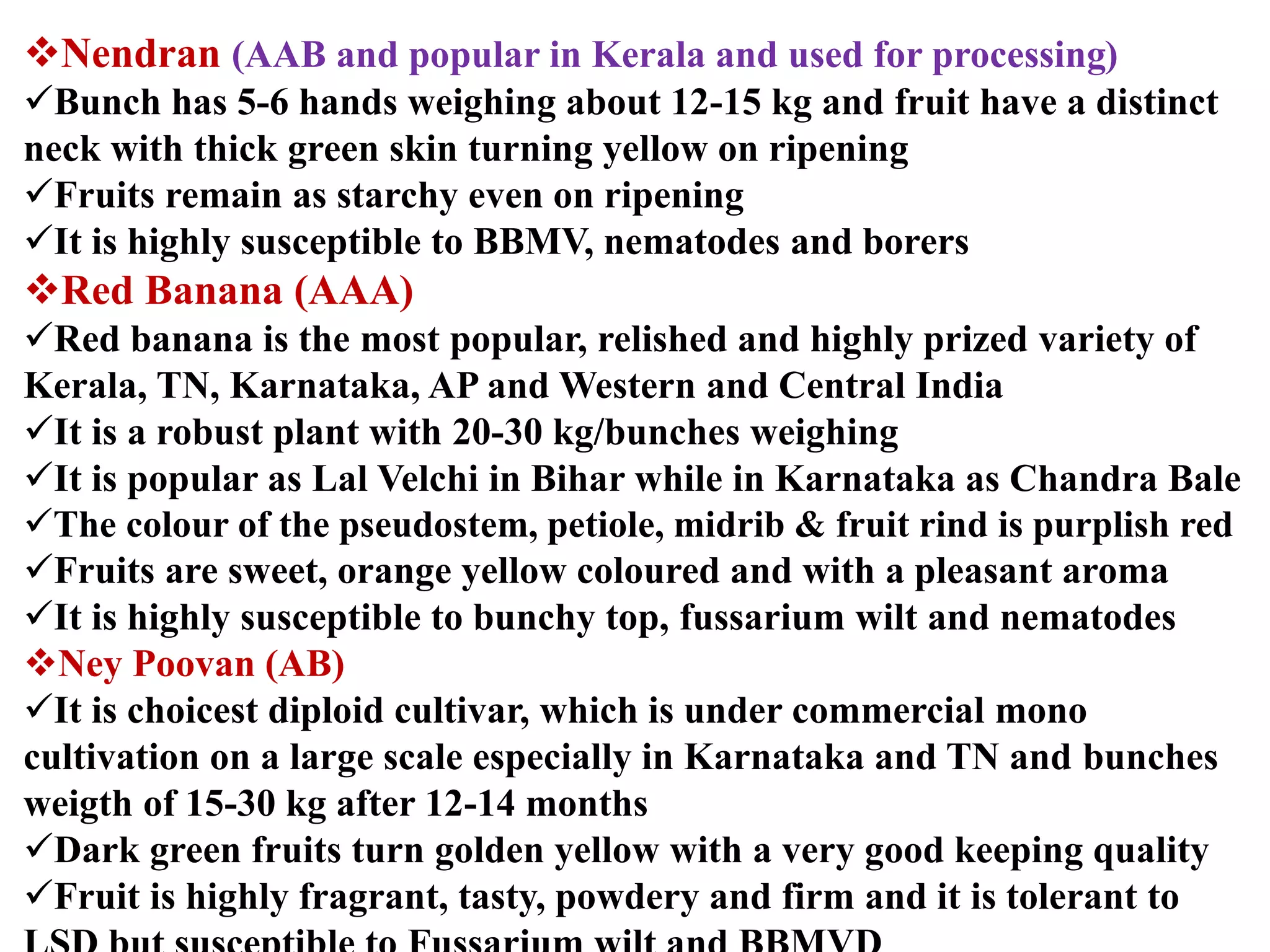
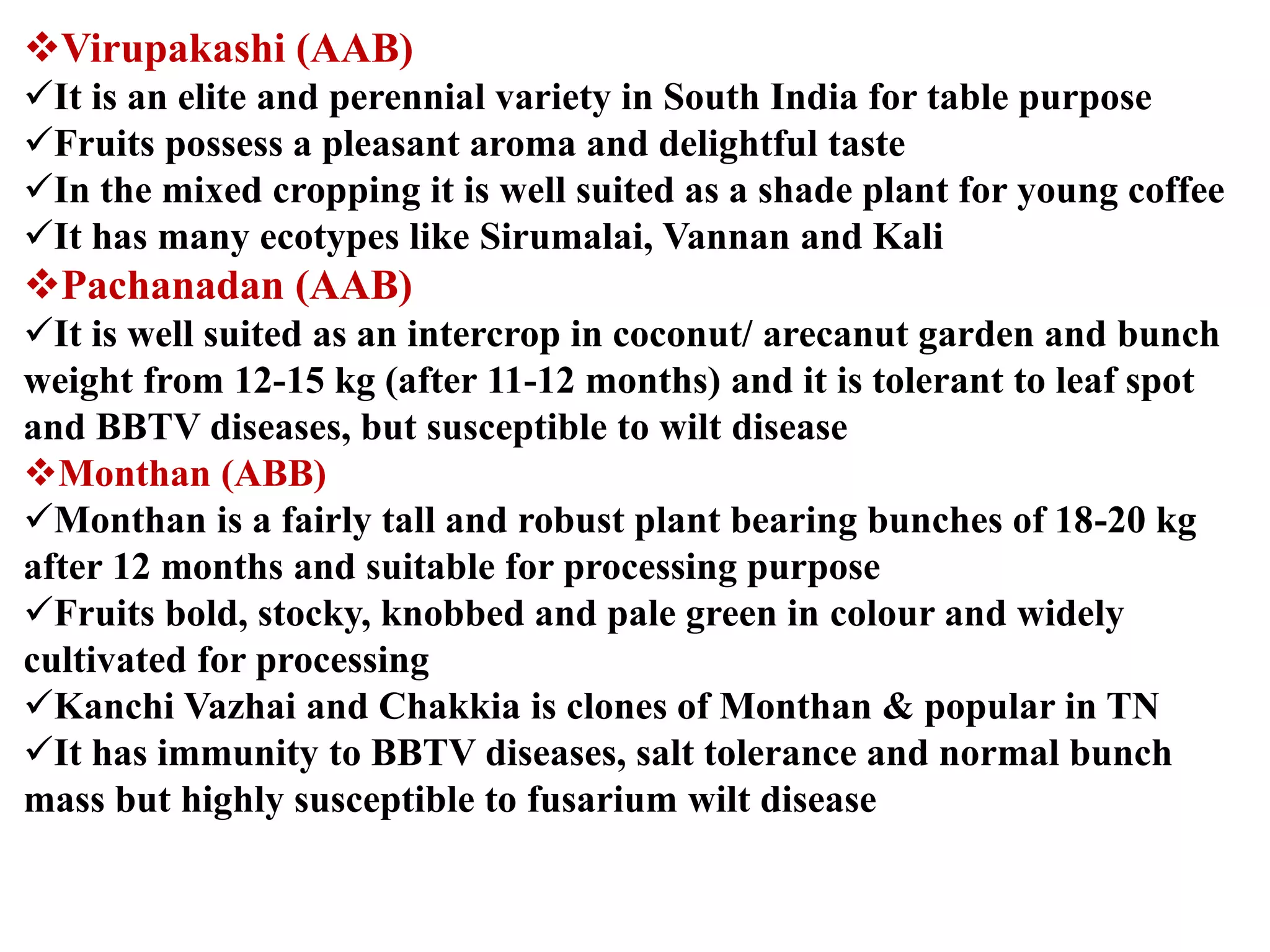
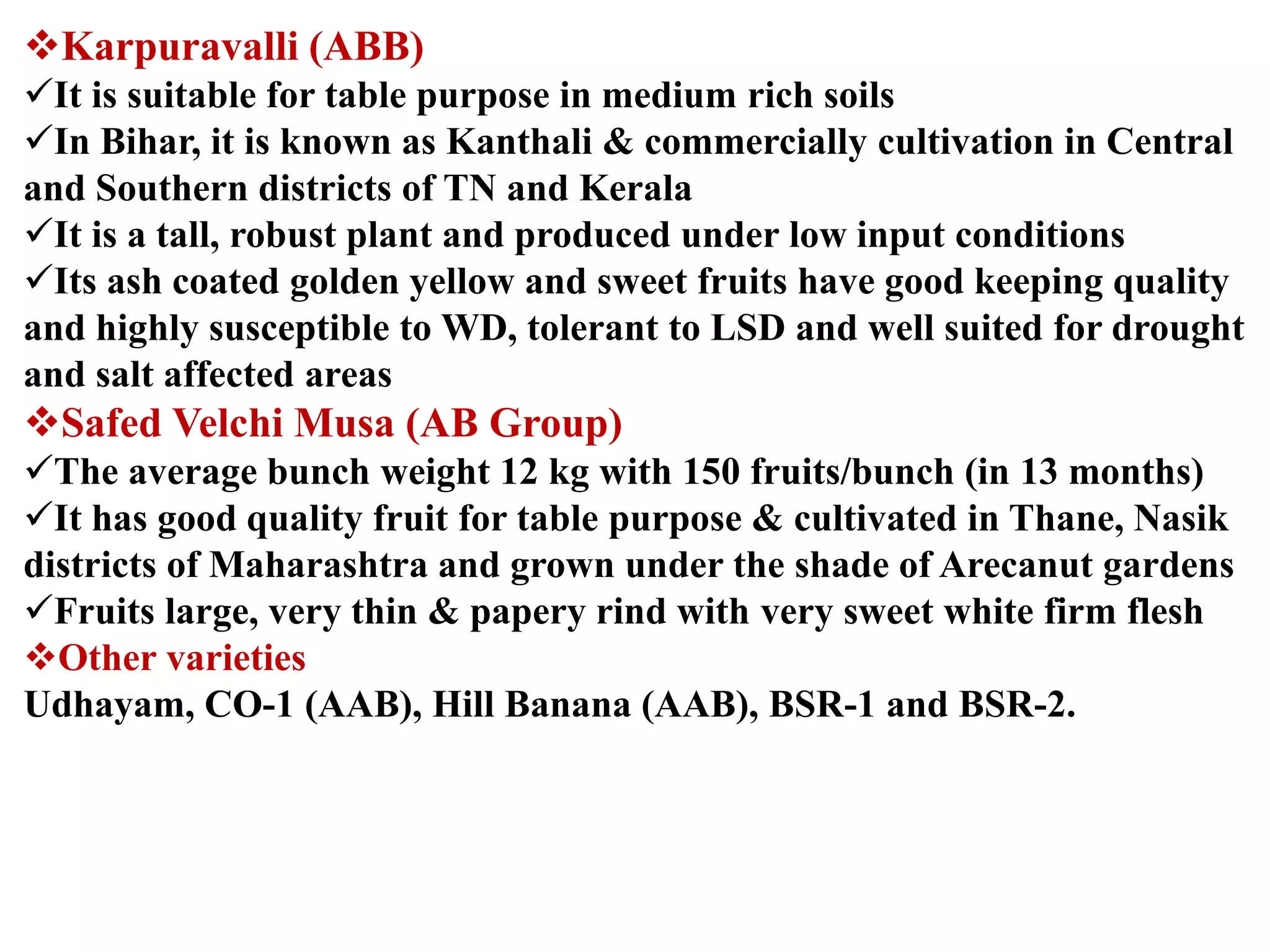
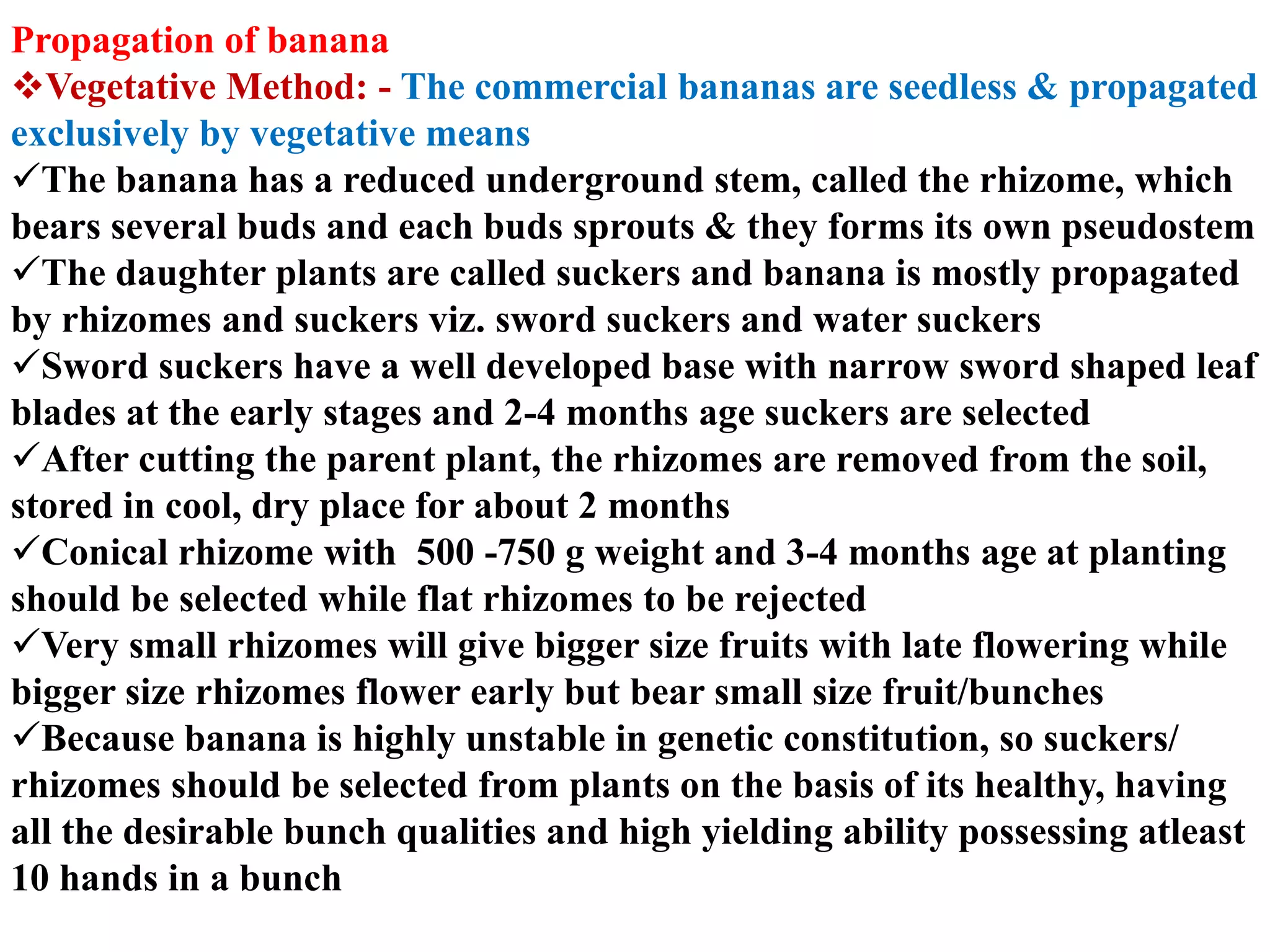
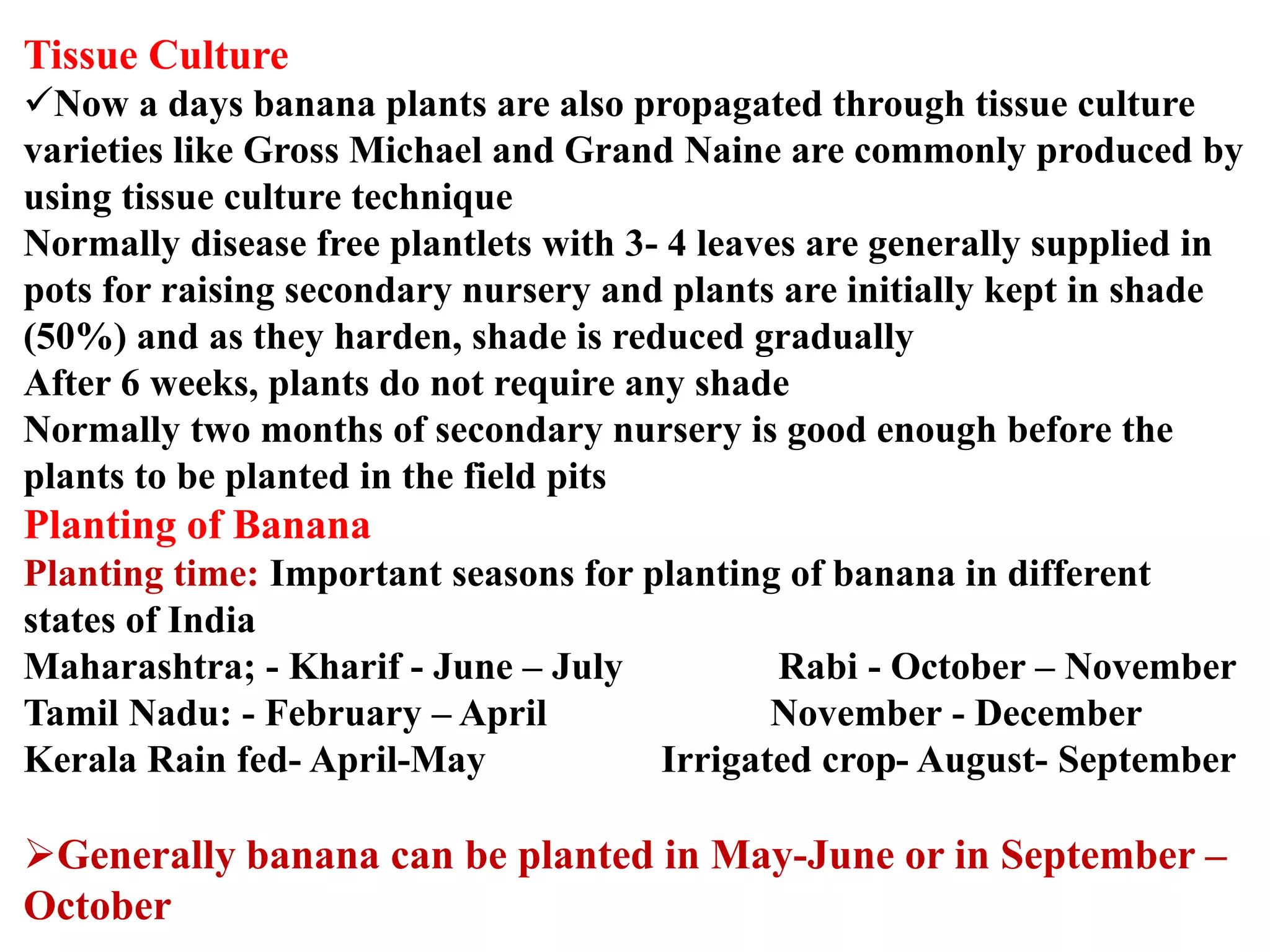
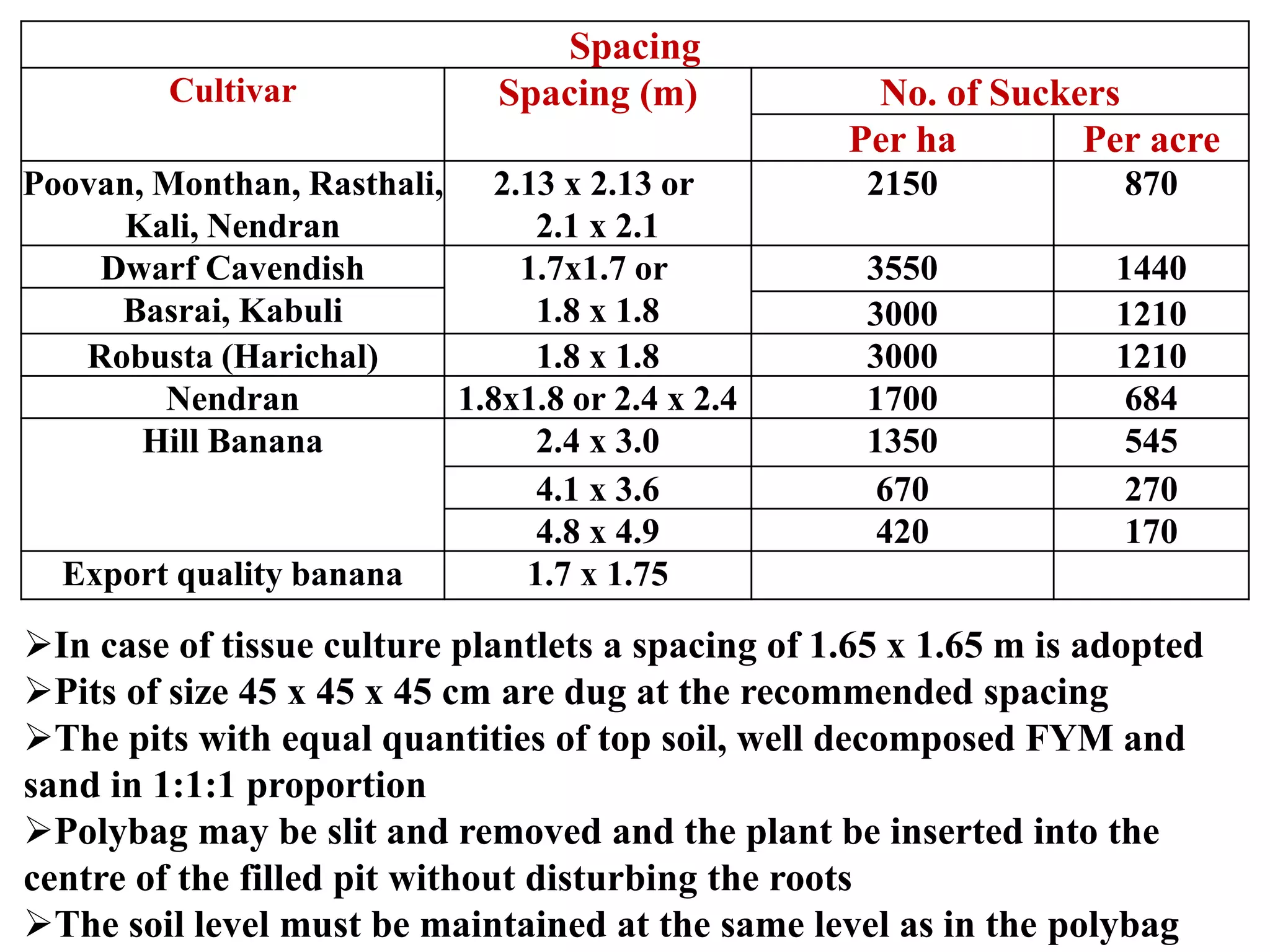
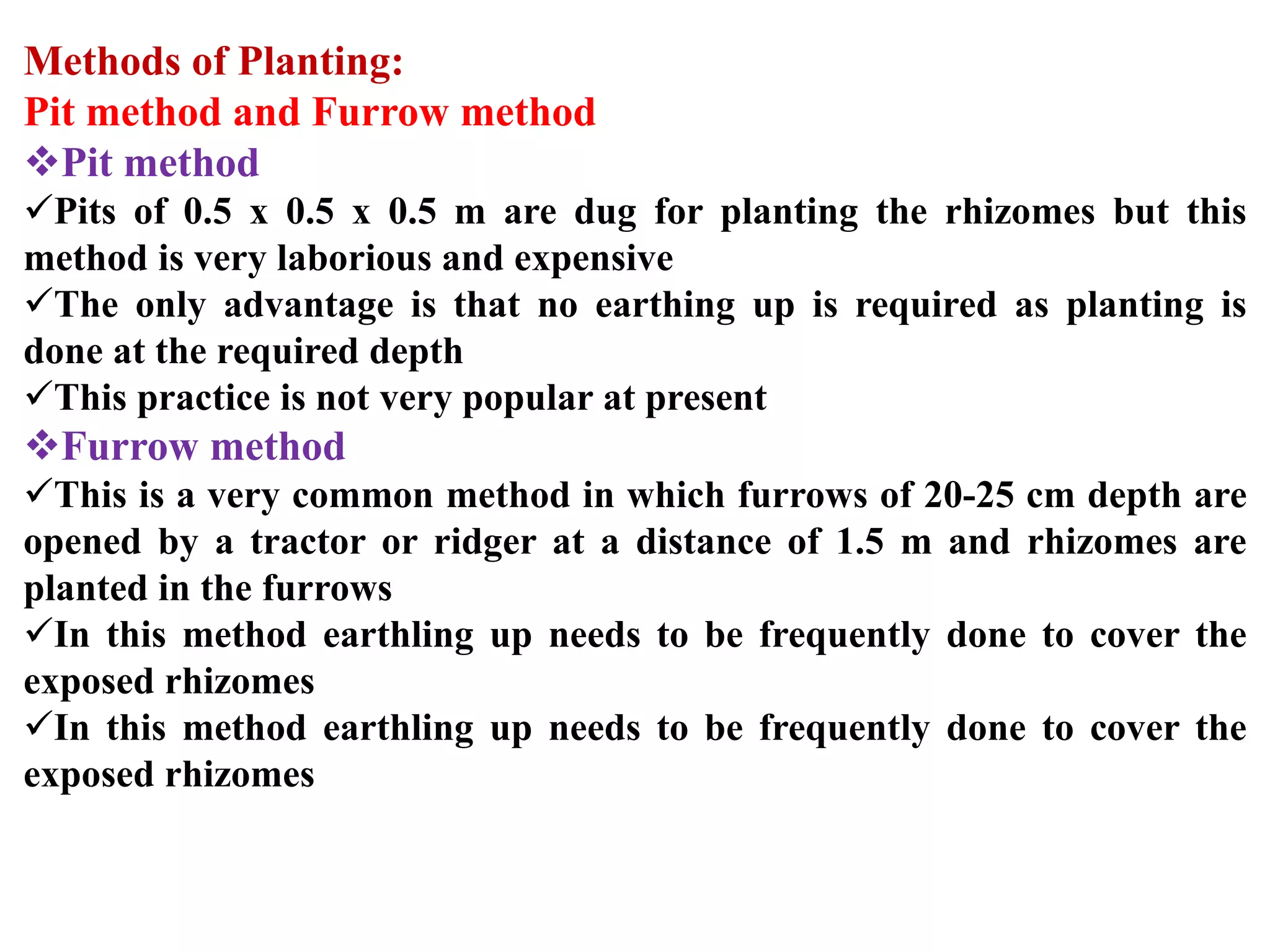
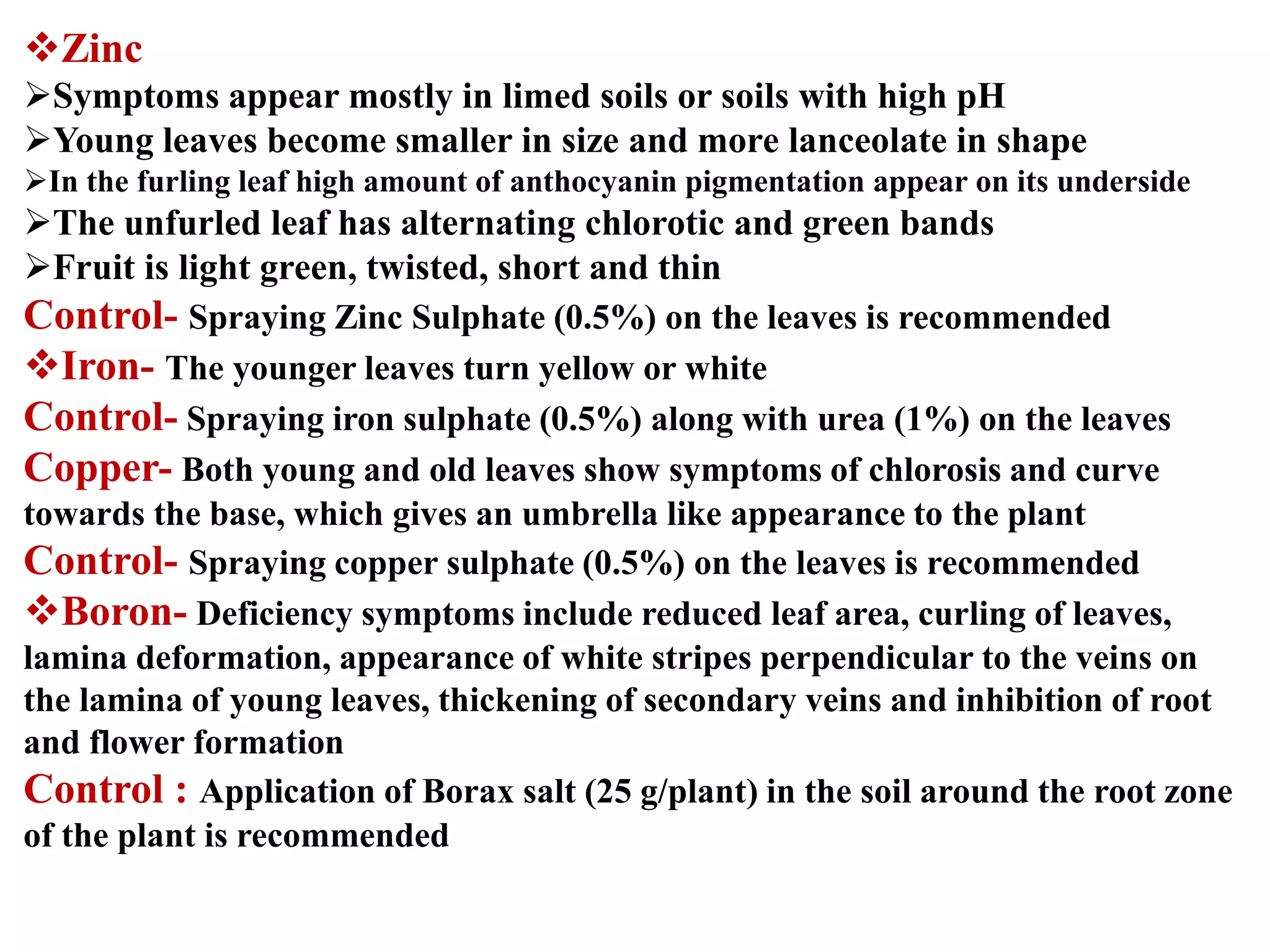
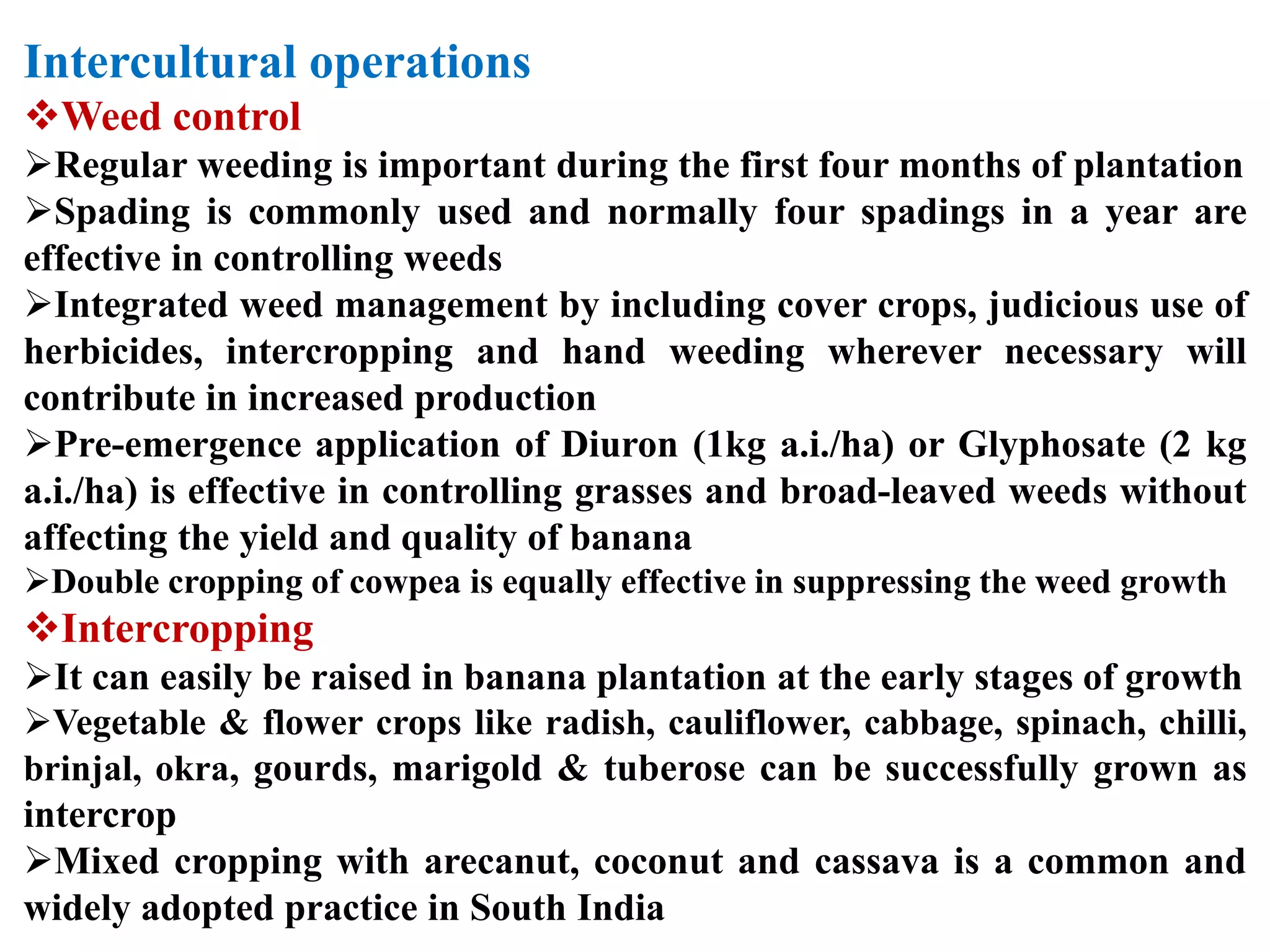
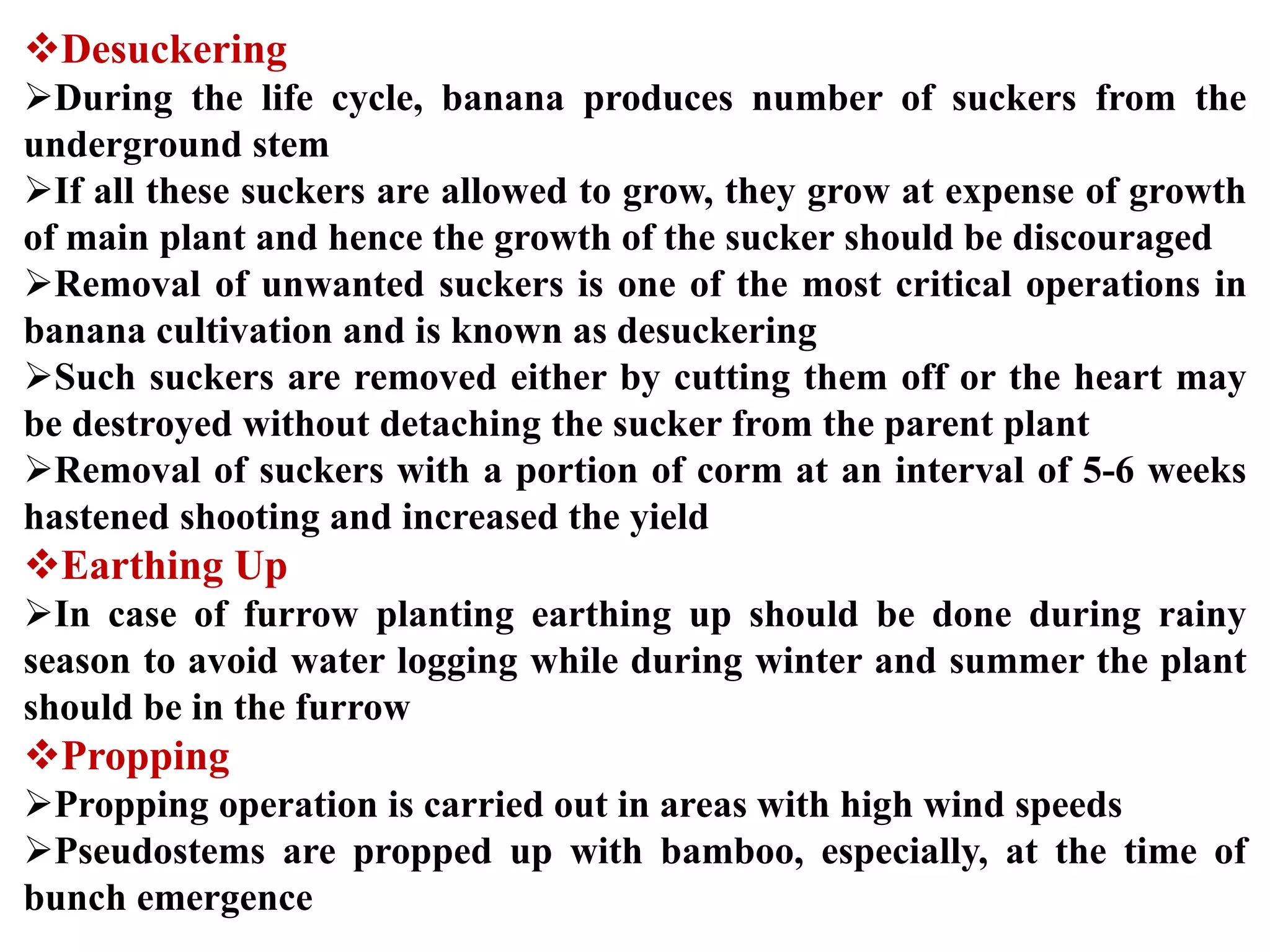
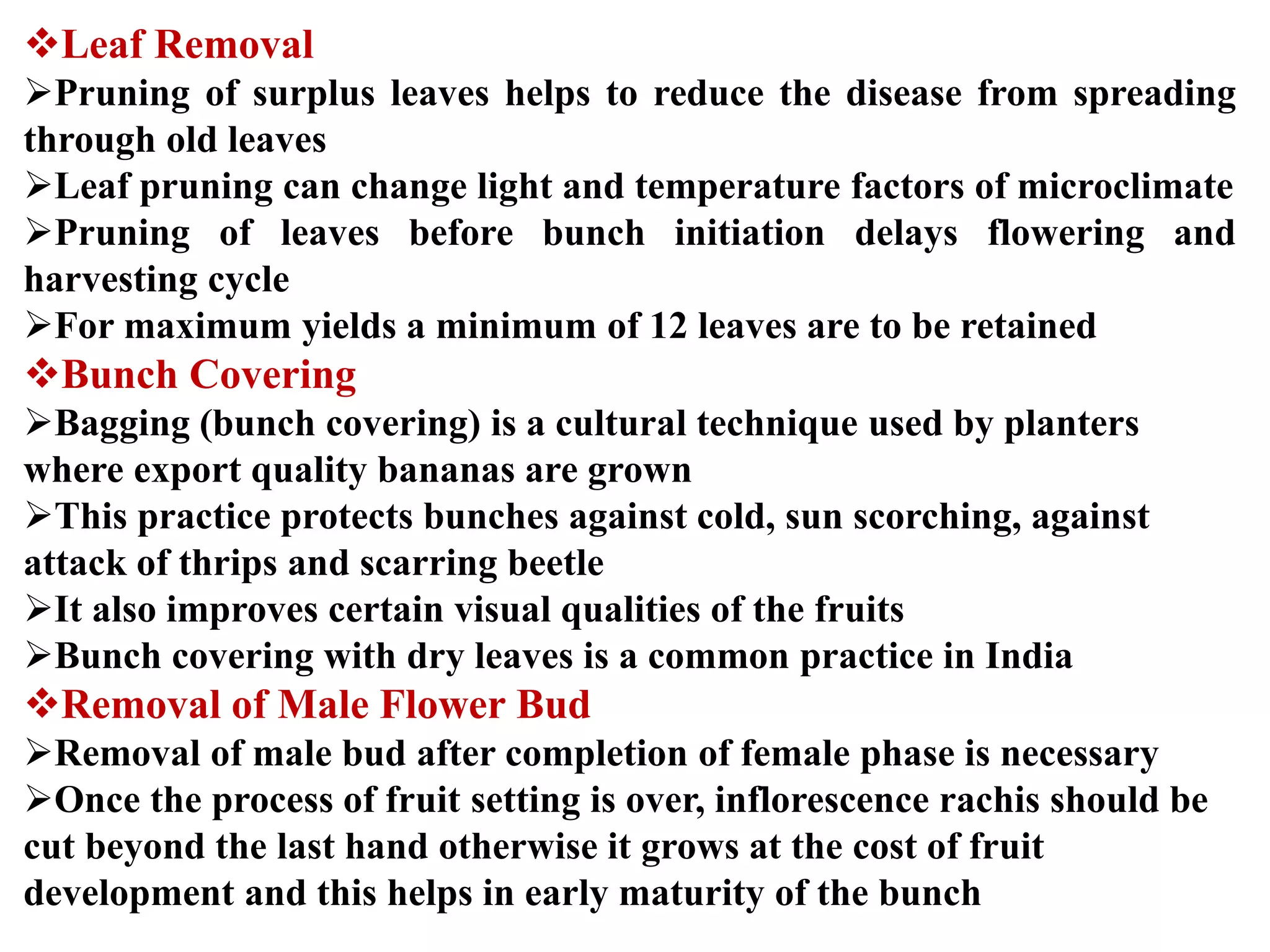
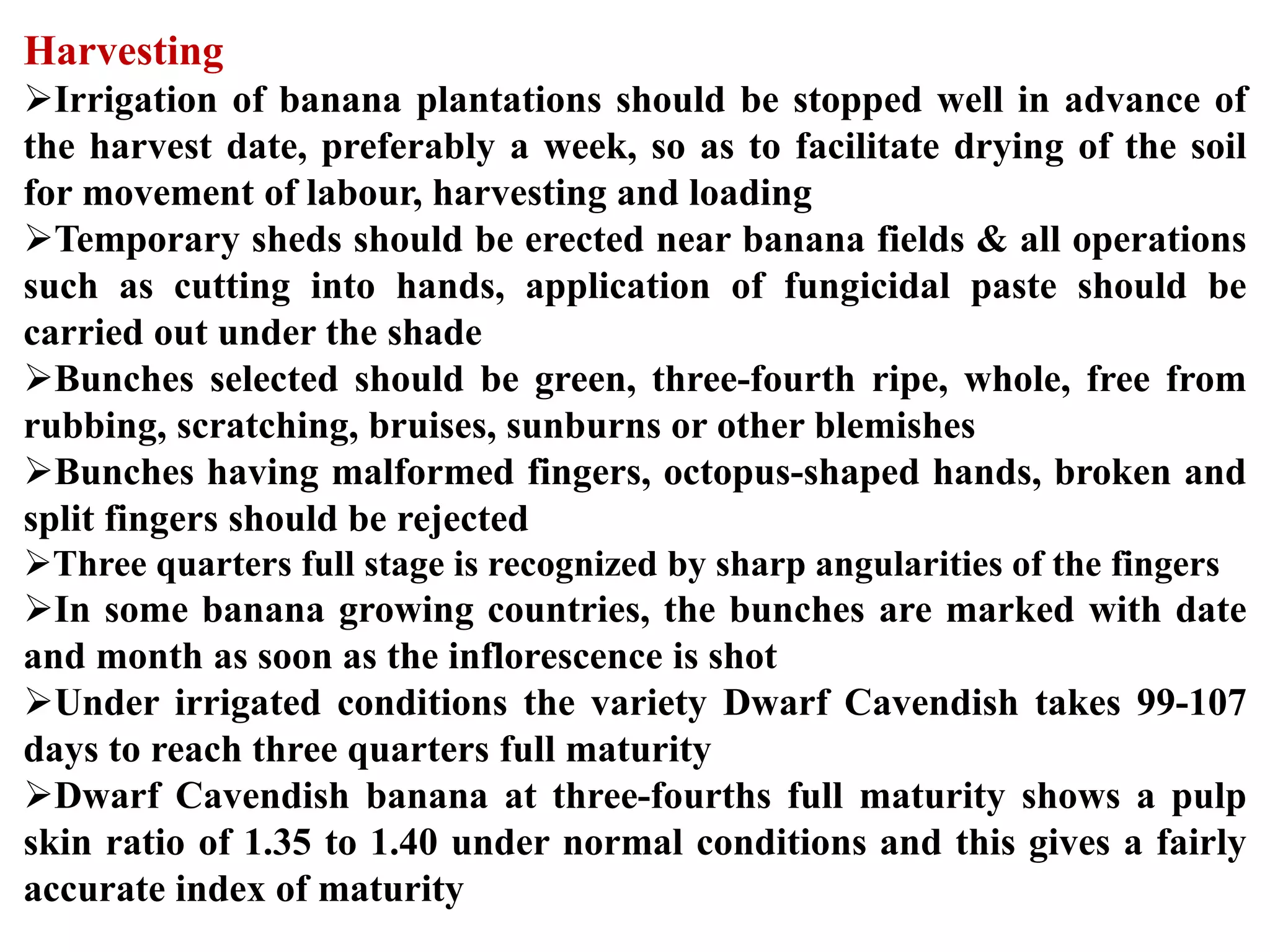
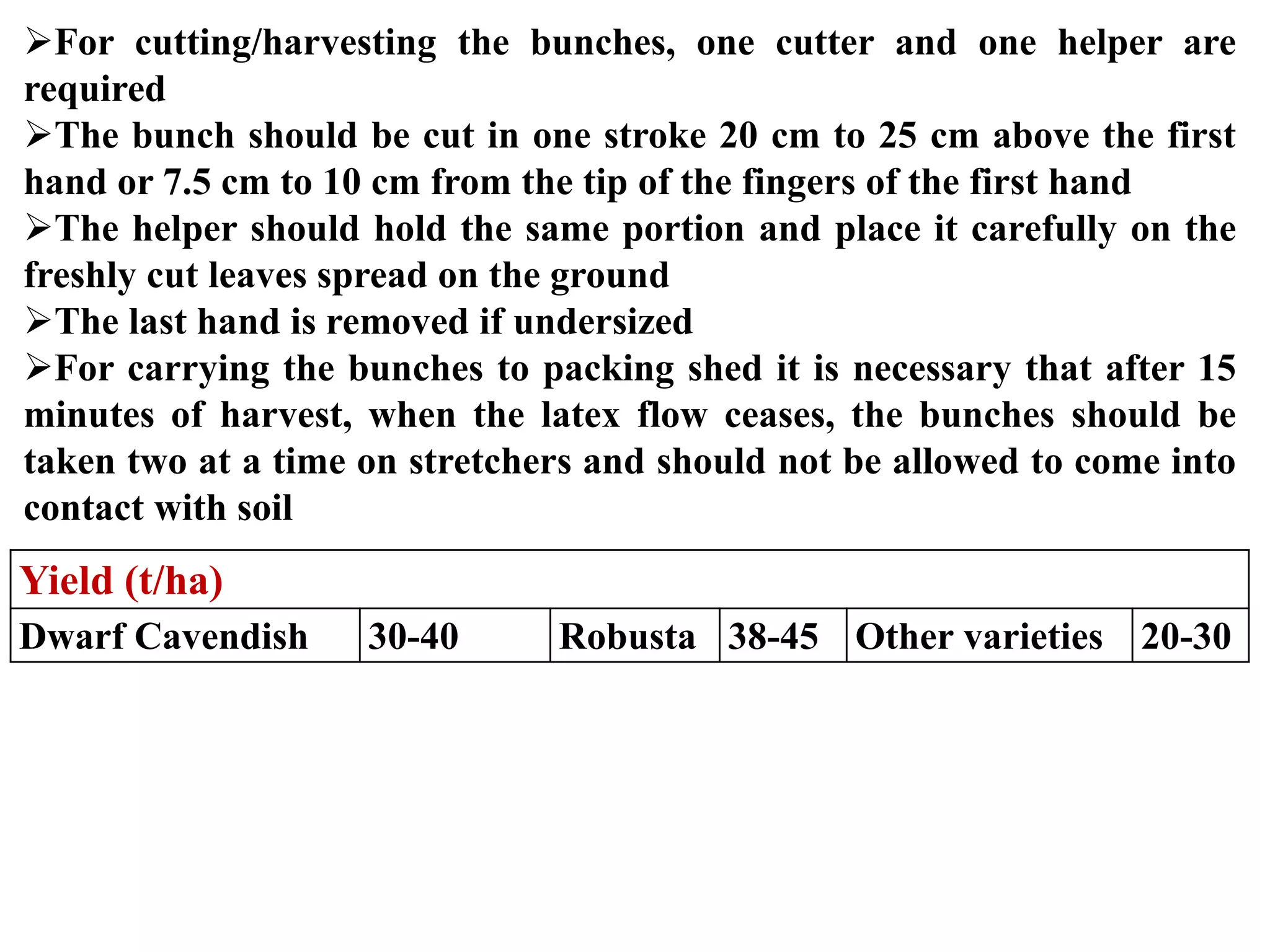
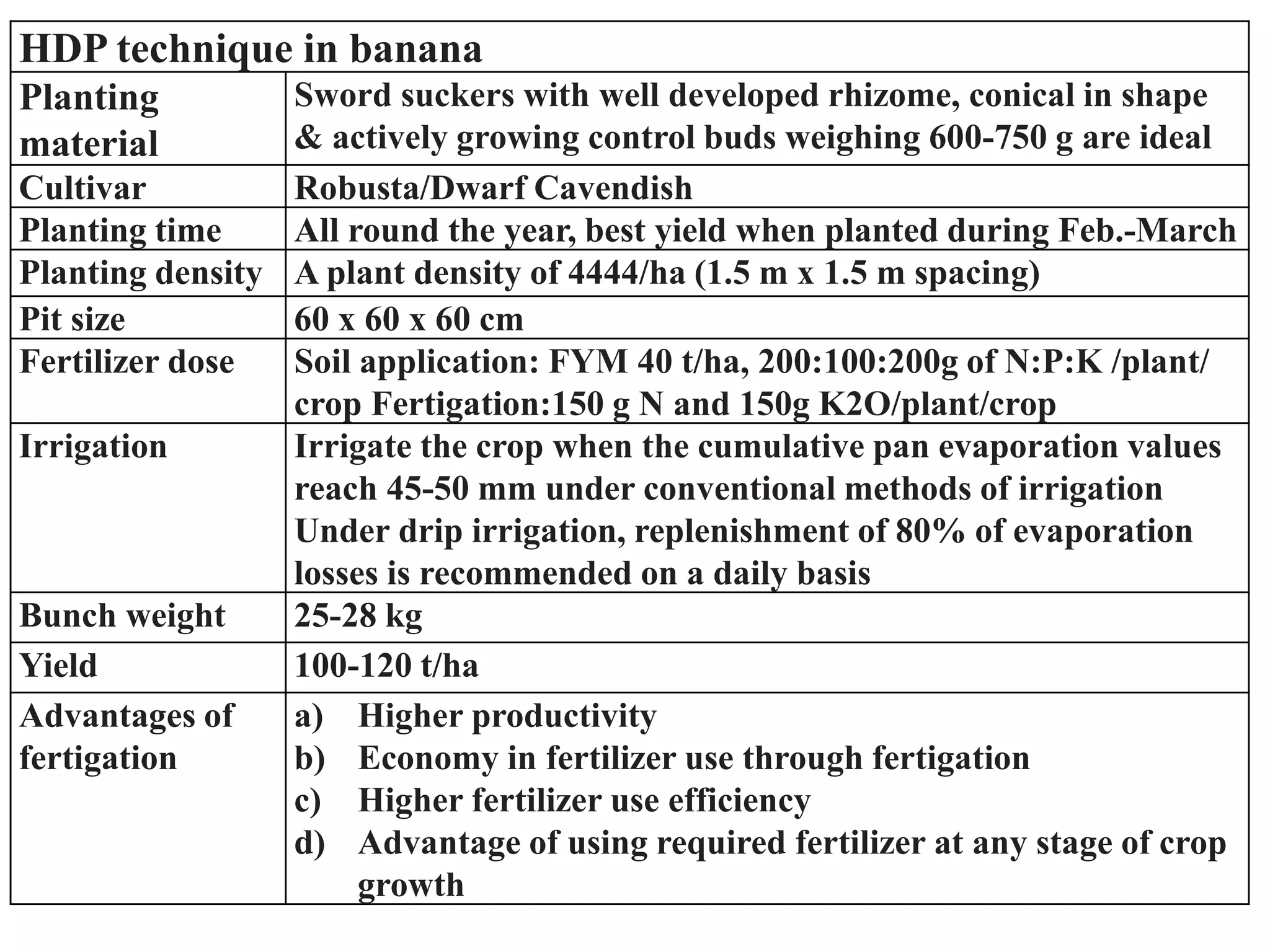
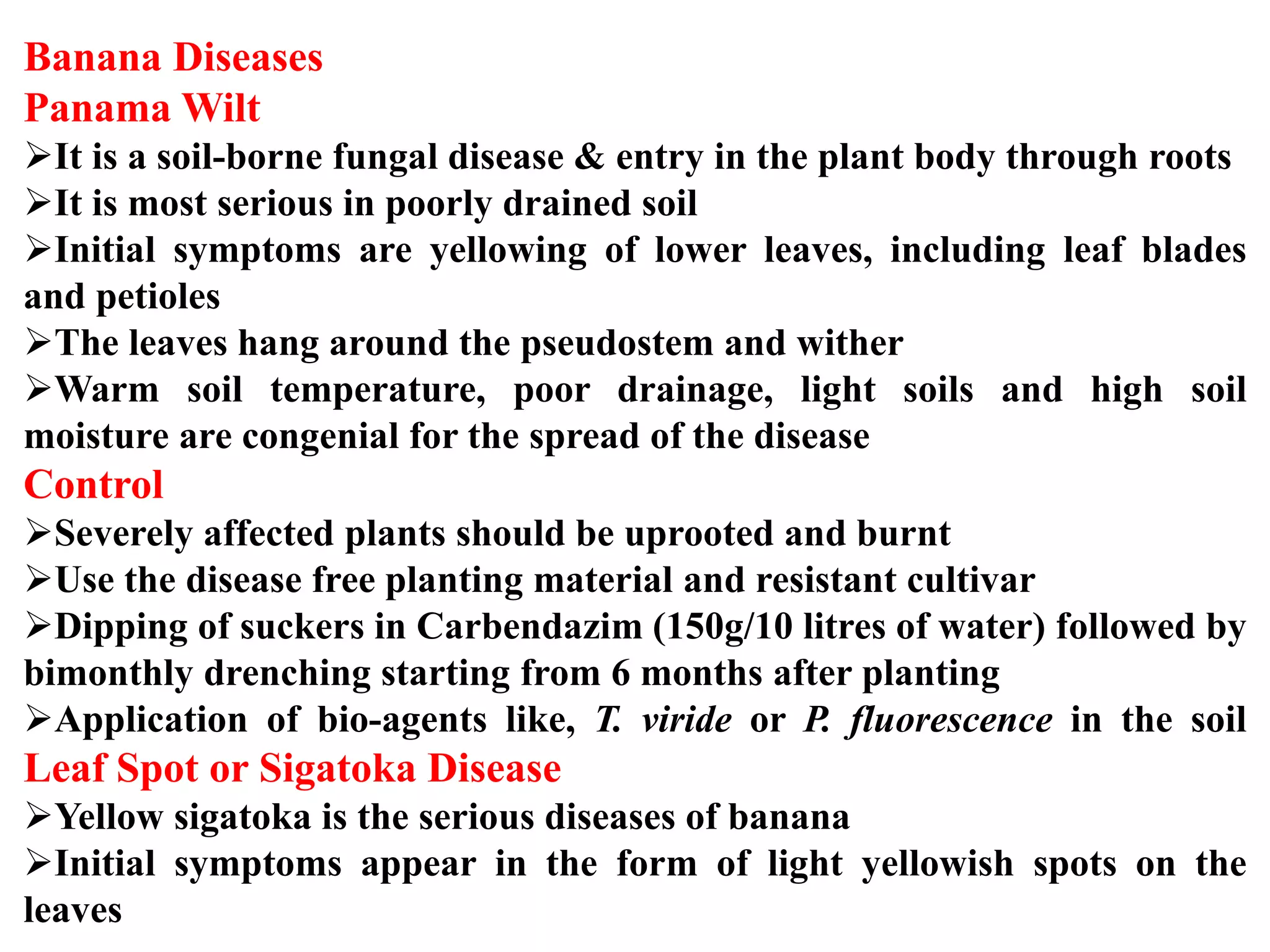
Ppt on Production technology of Banana

Summary:

Explore 29 slides packed with valuable information on the production technology of bananas. Learn about cultivation, harvesting, and more!

Slide 1

Slide 1

Slide 2

Slide 2

Slide 3

Slide 3

Slide 4

Slide 4

Slide 5

Slide 5

Slide 6

Slide 6

Slide 7

Slide 7

Slide 8

Slide 8

Slide 9

Slide 9

Slide 10

Slide 10

Slide 11

Slide 11

Slide 12

Slide 12

Slide 13

Slide 13

Slide 14

Slide 14

Slide 15

Slide 15

Slide 16

Slide 16

Slide 17

Slide 17

Slide 18

Slide 18

Slide 19

Slide 19

Slide 20

Slide 20

Slide 21

Slide 21

Slide 22

Slide 22

Slide 23

Slide 23

Slide 24

Slide 24

Slide 25

Slide 25

Slide 26

Slide 26

Slide 27

Slide 27

Slide 28

Slide 28

Slide 29

Slide 29
1 / 29