This topic covers the major factors affecting crop production, including climatic, edaphic, biotic, physiographic, and socio-economic influences. Understanding these factors is essential for optimizing agricultural productivity and sustainability. Key concepts include the roles of climate, soil, biotic factors, topography, and socio-economic conditions in crop growth and yield.
Introduction to Factors Affecting Crop Production
Crop production is influenced by multiple environmental and human factors.
Major categories: climatic, edaphic, biotic, physiographic, and socio-economic.
Understanding these factors helps improve yield and sustainability.
Climatic Factors
Include temperature, rainfall, humidity, light, and wind.
Temperature affects germination, growth, and maturity of crops.
Rainfall determines water availability for crops.
Light intensity and duration influence photosynthesis.
Extreme weather events can damage crops.
Edaphic (Soil) Factors
Soil properties: texture, structure, pH, fertility, and moisture.
Soil fertility provides essential nutrients for plant growth.
Soil pH affects nutrient availability and microbial activity.
Drainage and aeration influence root development.
Biotic Factors
Include living organisms: plants, animals, microorganisms.
Weeds compete with crops for resources.
Pests and diseases reduce crop yield and quality.
Beneficial organisms (e.g., pollinators, nitrogen-fixing bacteria) support crop growth.
Physiographic (Topographic) Factors
Refer to landscape features: altitude, slope, aspect, and landform.
Altitude affects temperature and crop suitability.
Slope influences soil erosion and water retention.
Aspect determines sunlight exposure.
Socio-Economic Factors
Include human-related aspects: labor, technology, capital, and market access.
Farmer education and skill level impact crop management.
Availability of credit and inputs affects productivity.
Government policies and infrastructure play key roles.
Summary: Integrated Impact on Crop Production
All factors interact to determine crop yield and quality.
Effective management requires holistic understanding of these influences.
Adaptation strategies can mitigate negative impacts.
This lecture introduces the fundamental concepts of agronomy, focusing on the definition, scope, and importance of the discipline in agriculture. It covers the objectives and branches of agronomy, highlighting its role in crop production and soil management. The content is essential for students preparing for competitive exams in agricultural sciences. Key academic terms include agronomy, crop production, soil management, farming systems, and agricultural practices.
Introduction to Agronomy
Agronomy is the science and technology of producing and using plants for food, fuel, fiber, and land reclamation.
It integrates principles from biology, chemistry, ecology, earth science, and genetics.
Agronomy focuses on improving crop yield and sustainable land use.
Scope and Importance of Agronomy
Encompasses crop production, soil management, and environmental conservation.
Essential for food security and sustainable agriculture.
Addresses challenges like soil fertility, water management, and pest control.
Objectives of Agronomy
Increase crop productivity and quality.
Optimize use of natural resources (soil, water, nutrients).
Develop sustainable and profitable farming systems.
Minimize environmental impact of agricultural practices.
Branches of Agronomy
Crop Science: Study of crop growth, development, and management.
Soil Science: Focus on soil properties, fertility, and conservation.
Weed Science: Management of unwanted plants in crop fields.
Agro-meteorology: Study of weather and climate impacts on crops.
Agronomic Practices
Soil preparation: Ploughing, harrowing, and leveling.
This presentation covers integrated pest management (IPM) strategies for tomatoes, focusing on diseases, symptoms, and effective control measures. Understanding these elements is crucial for successful crop production.
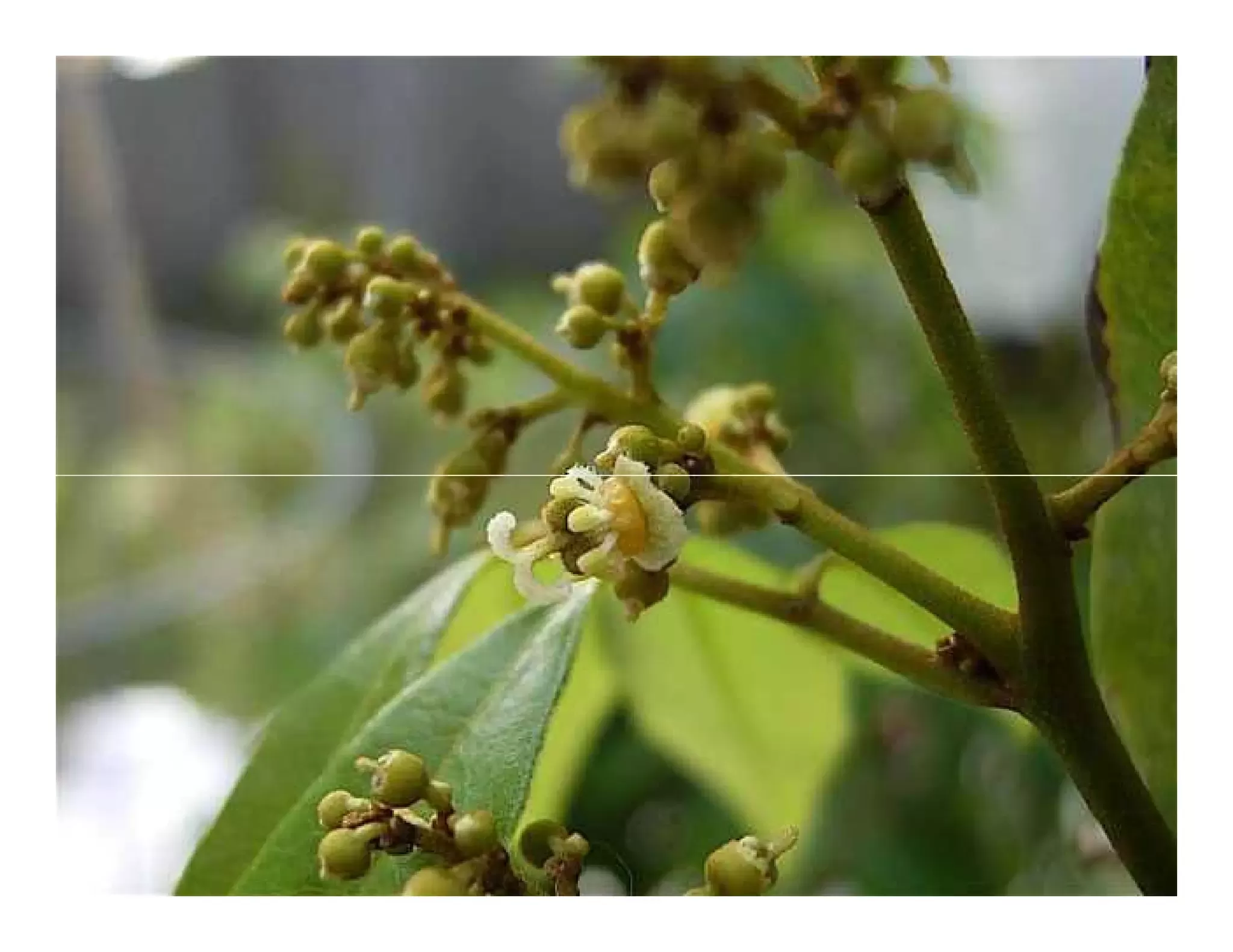
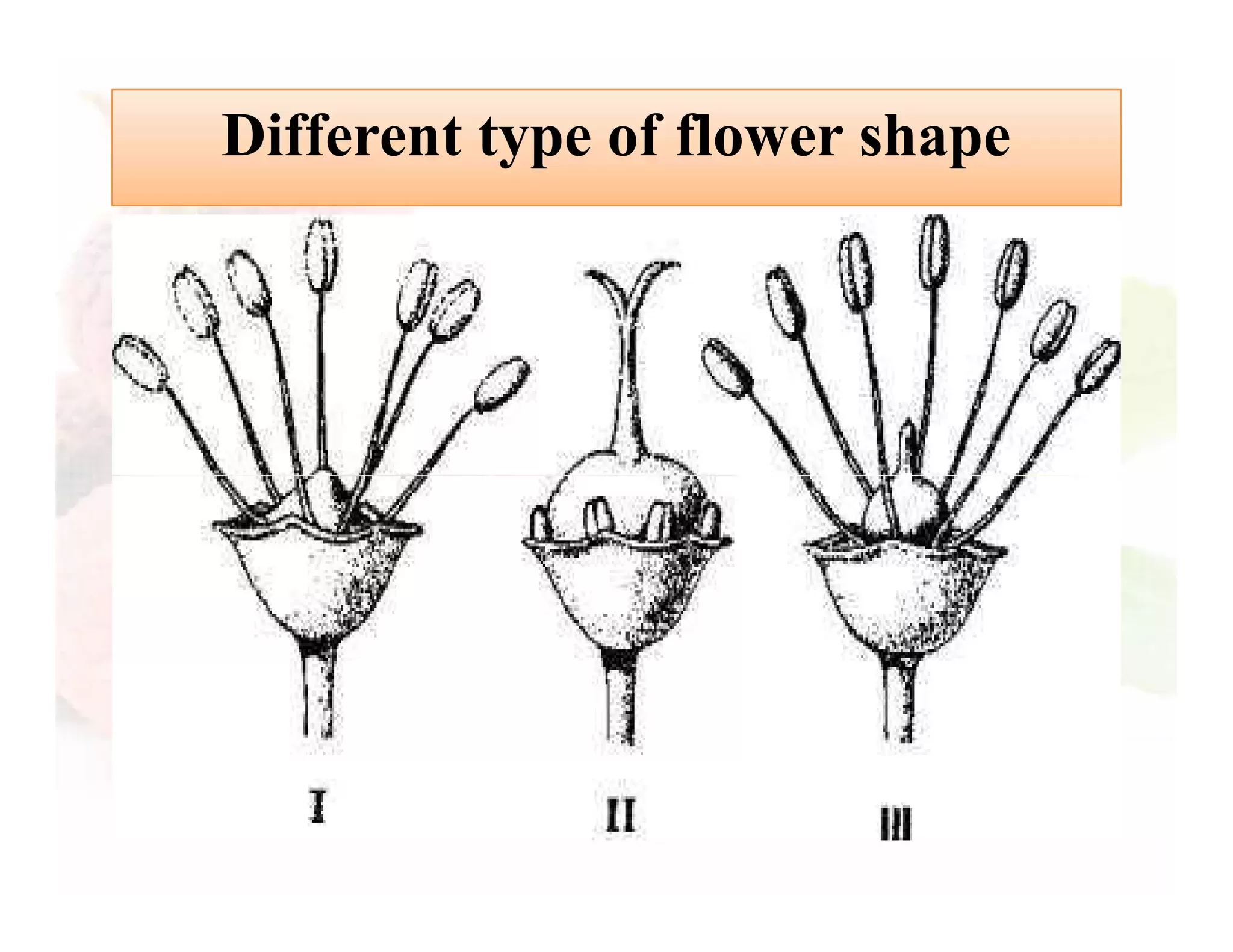
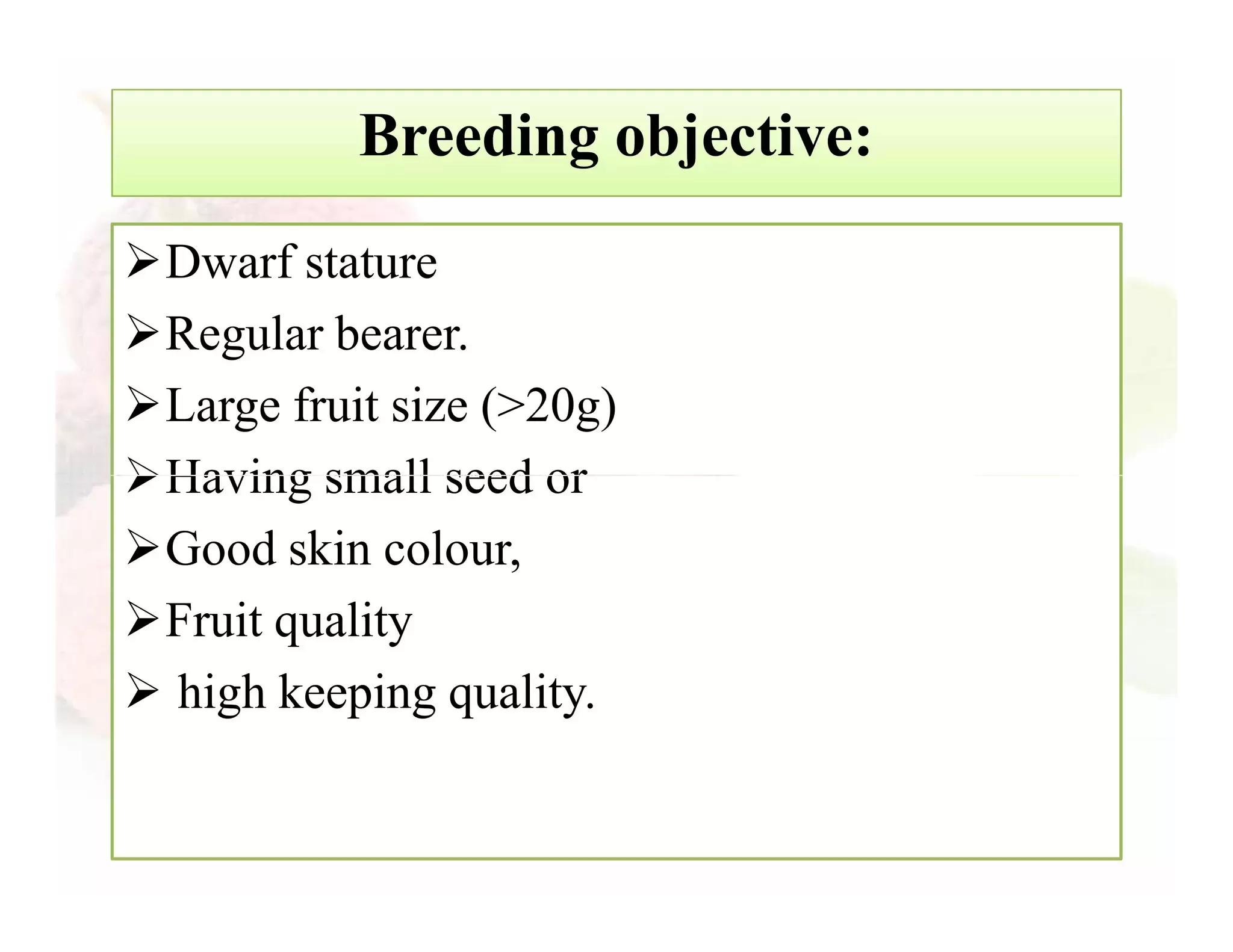
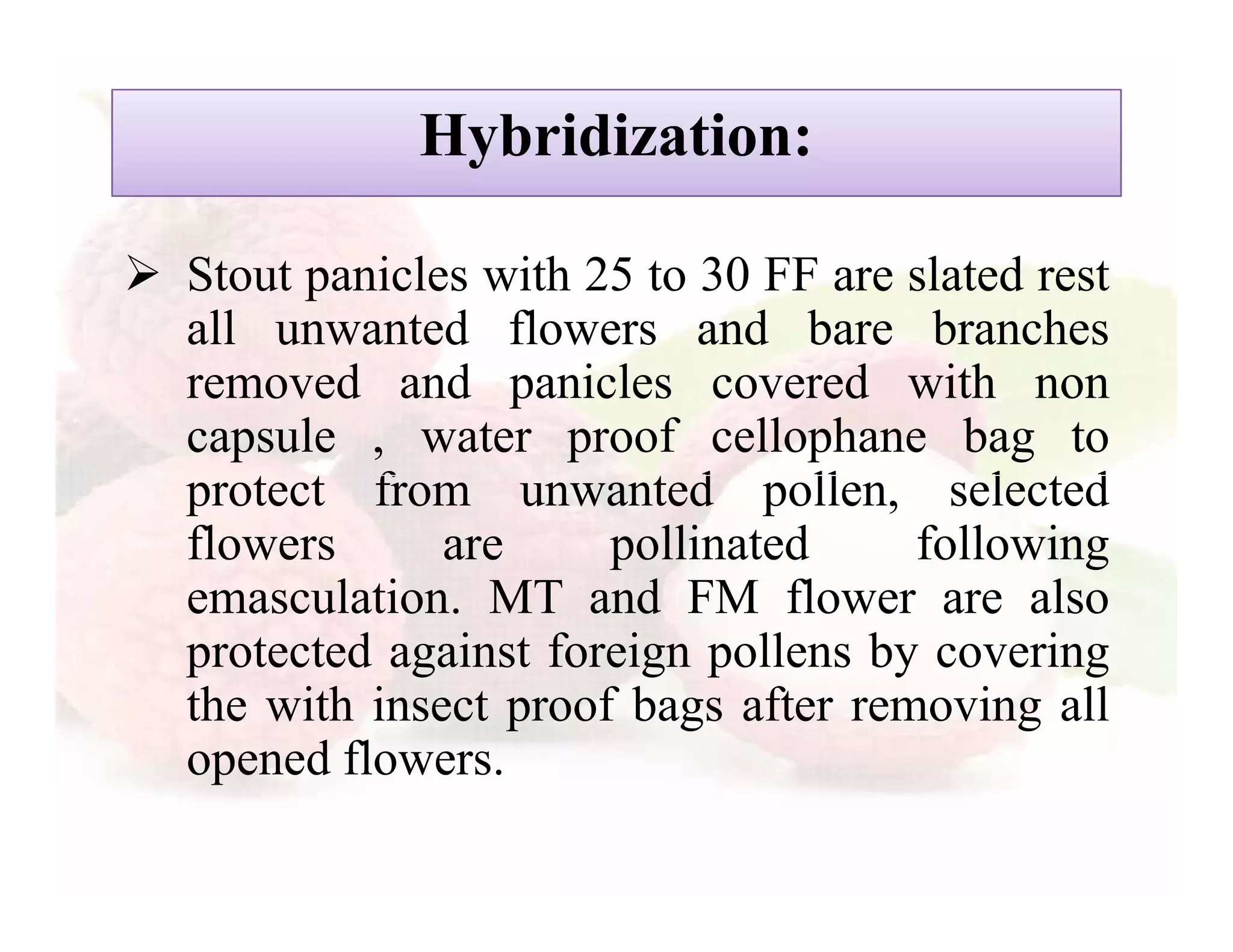
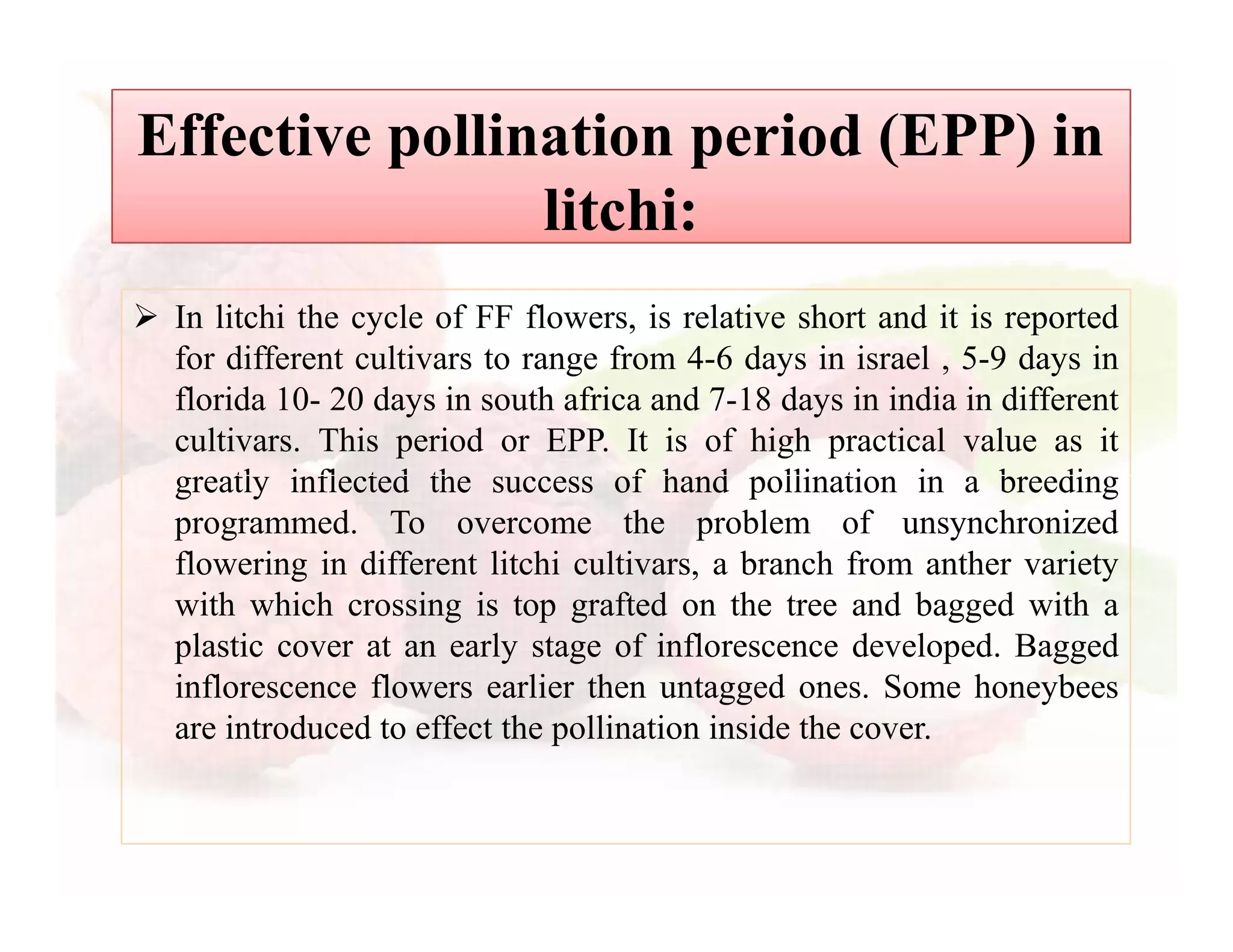
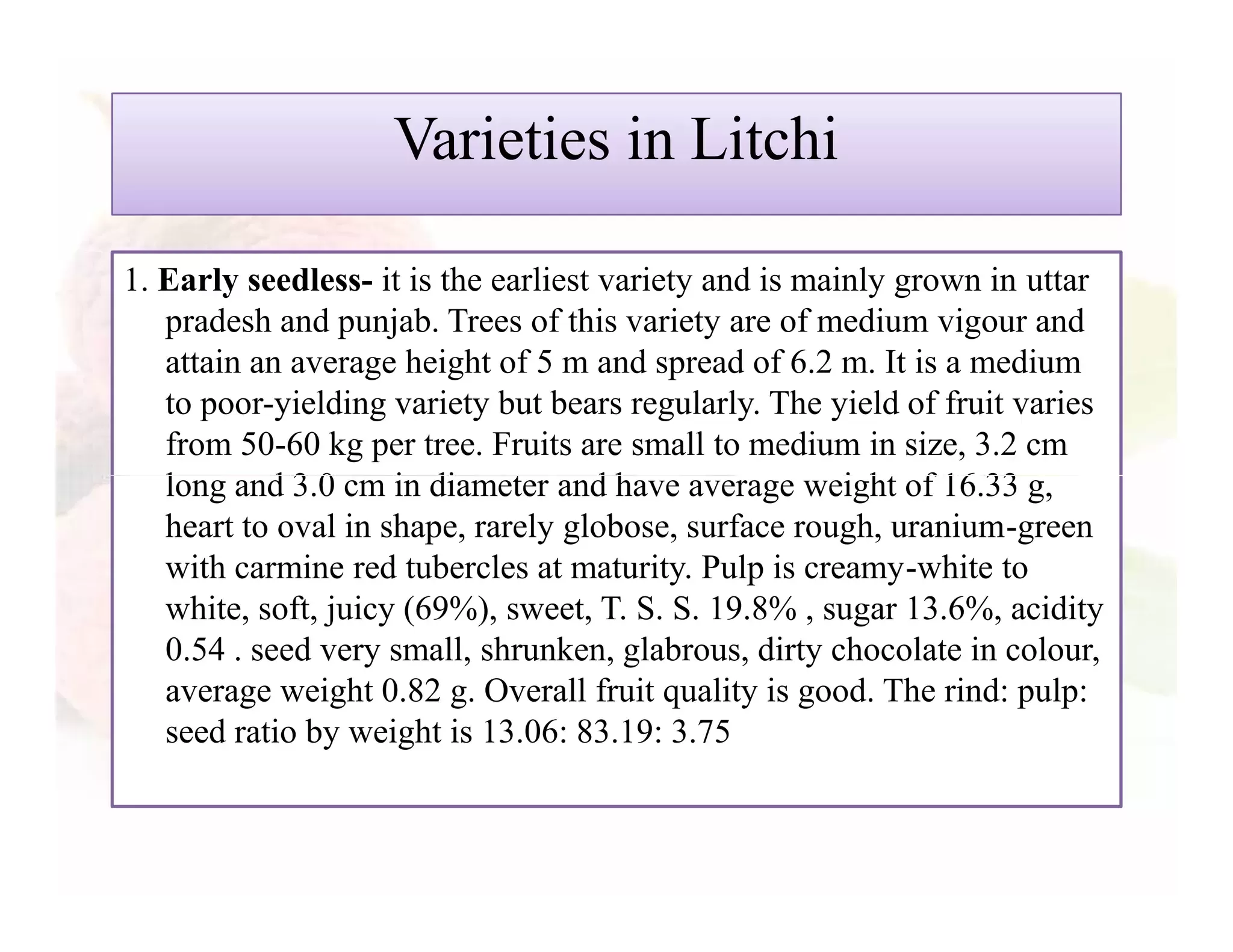
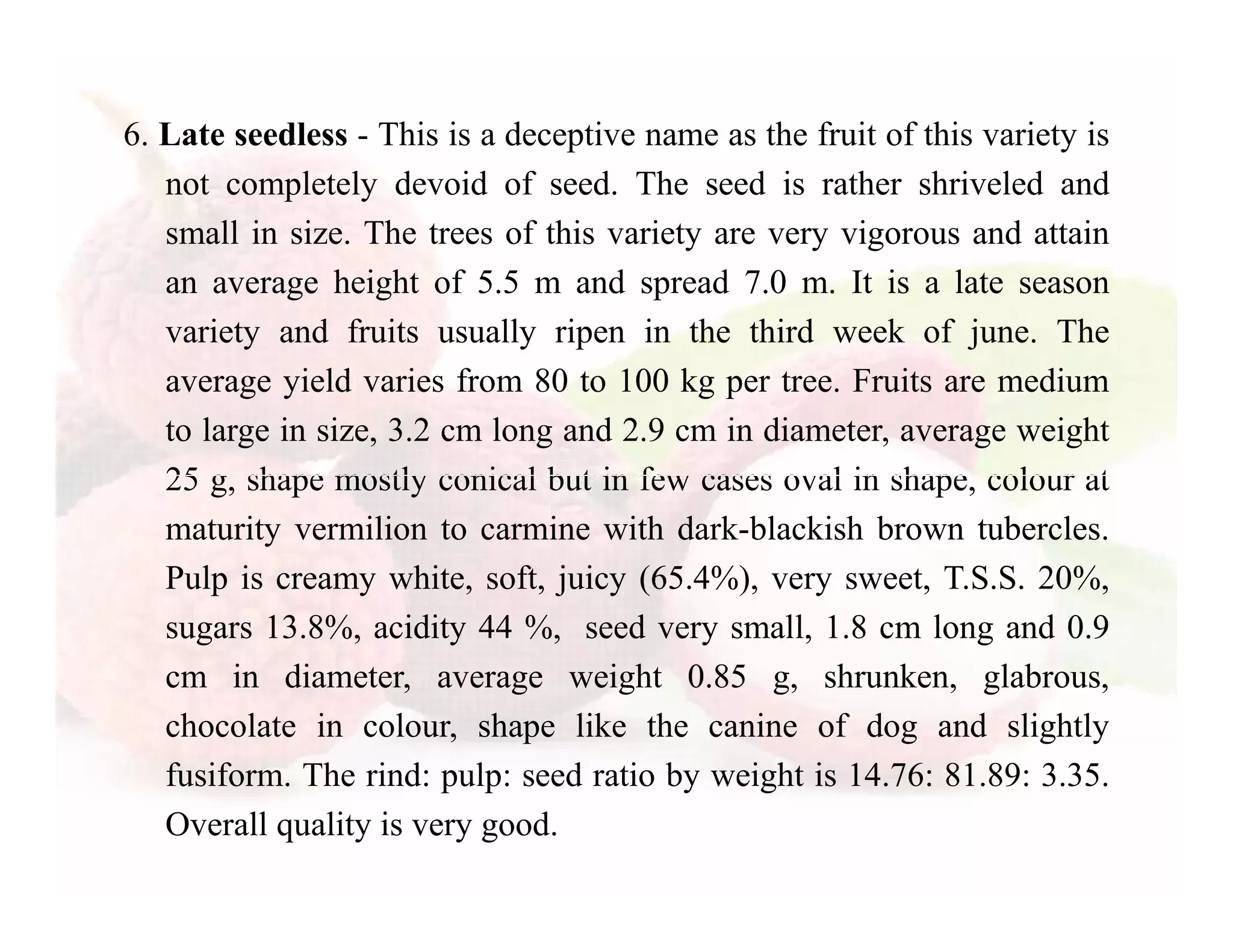
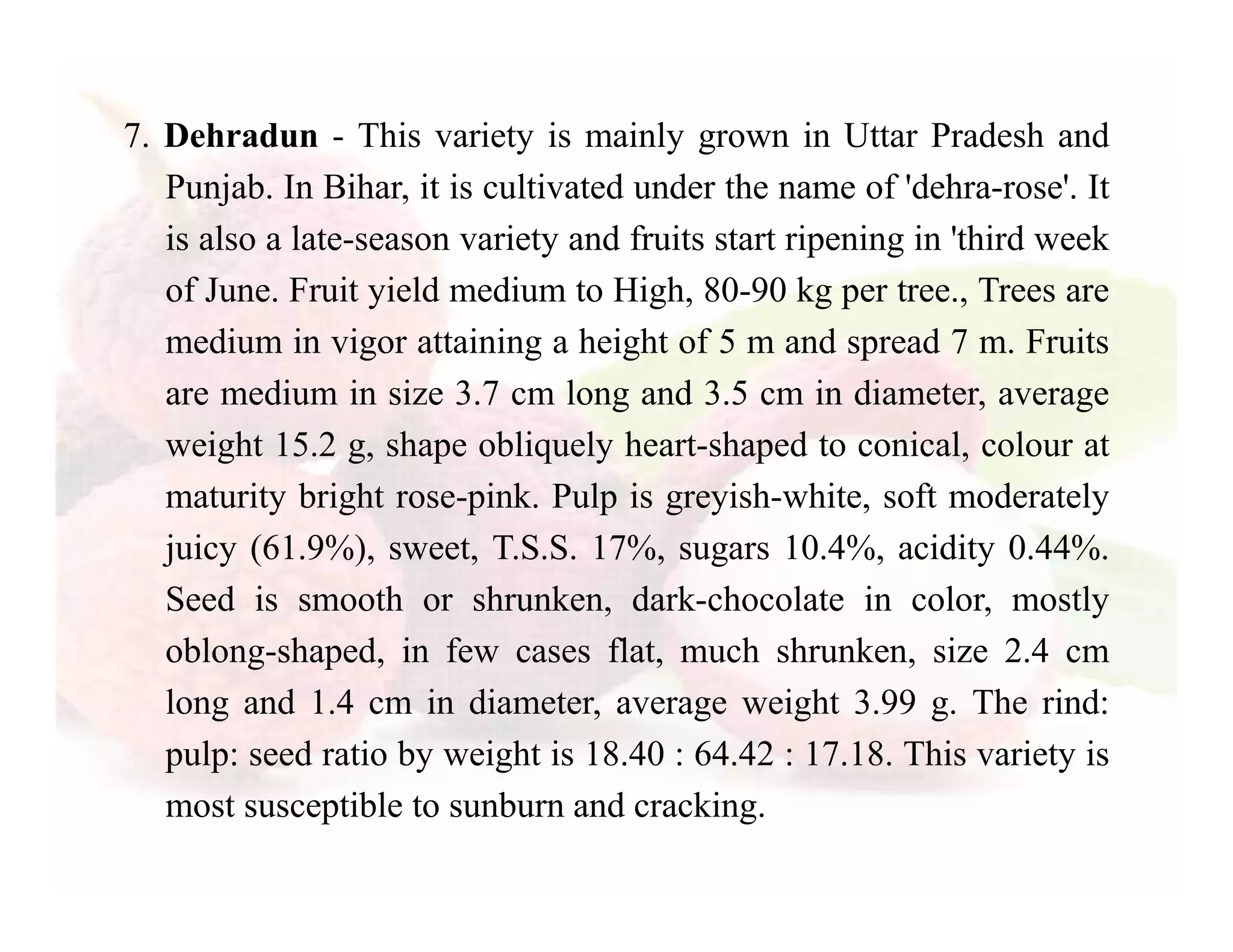
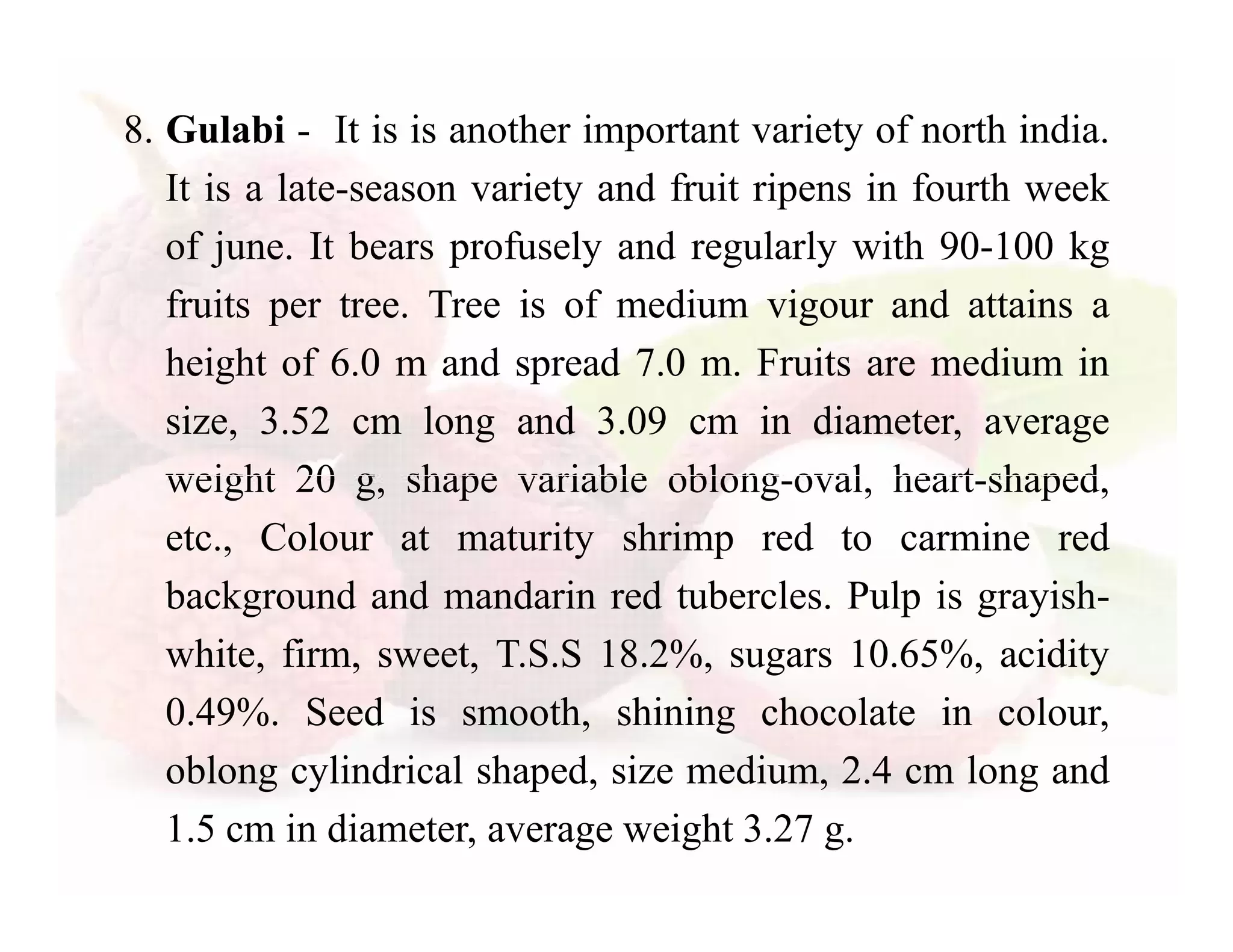
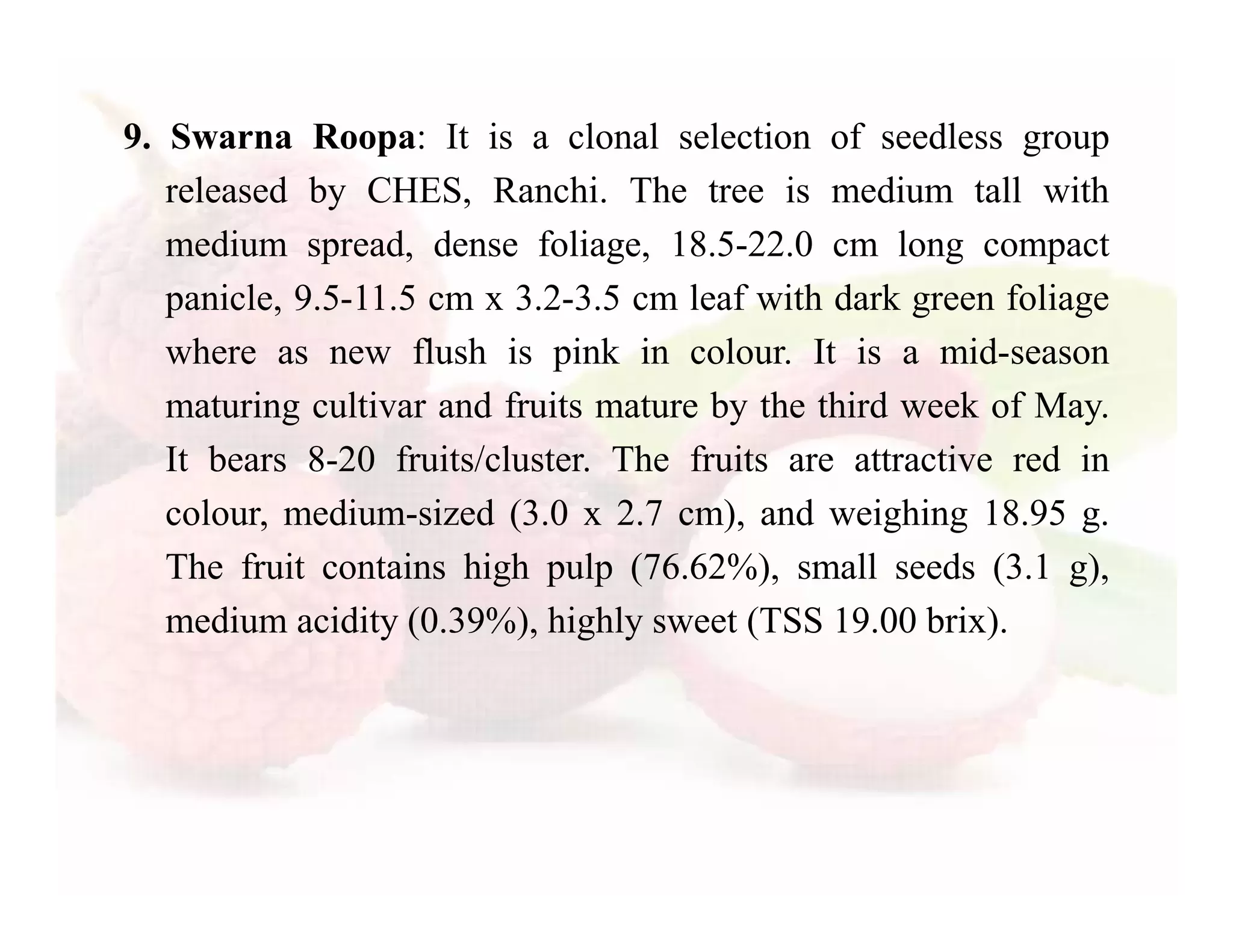
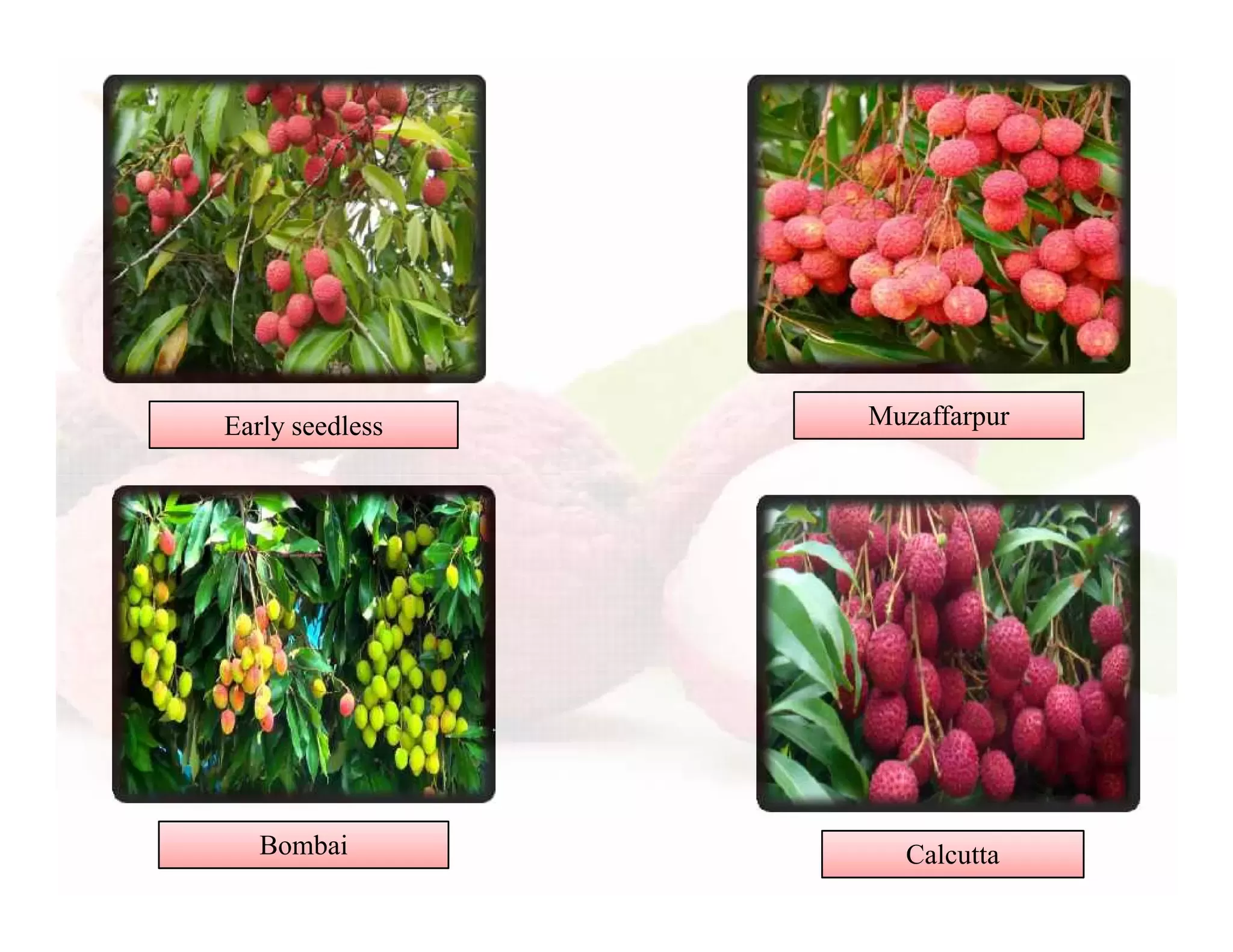
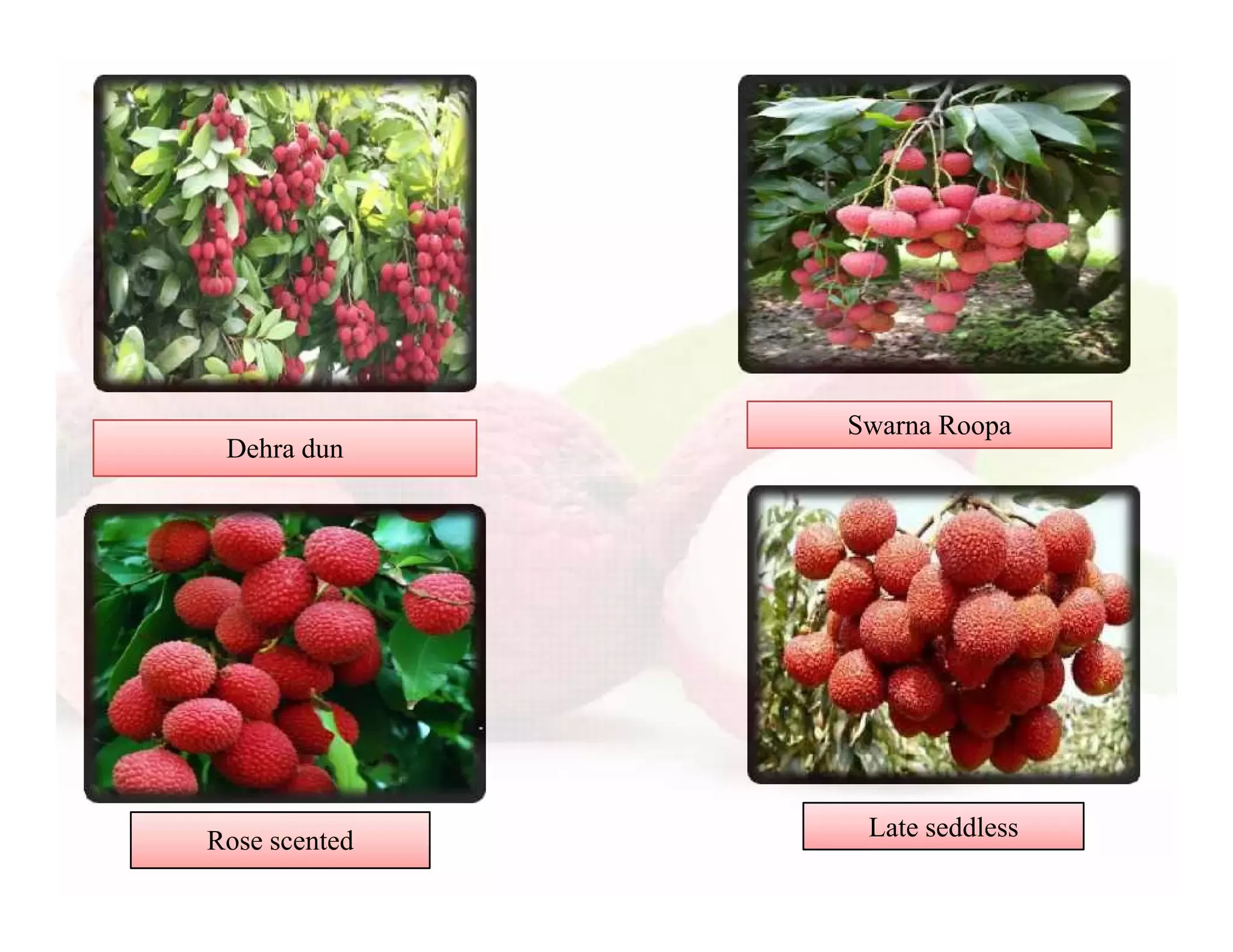
Litchi, originating from China where it has been cultivated for over 2200 years, has a narrow genetic base in India with only 7-8 commercially popular cultivars out of nearly 40 reported. The climatic variations can significantly affect yield, making the selection of the right variety crucial for specific regions. The litchi inflorescence consists of branched panicles with varying flower types, and the flowering period is influenced by environmental conditions. Desirable cultivar characteristics include large fruit size, good post-harvest quality, uniform ripening, and resistance to pests and diseases. Major litchi varieties include Early Seedless, Muzaffarpur, Rose Scented, Bombai, Calcutta, Late Seedless, Dehradun, Gulabi, and Swarna Roopa, each with unique traits and yield potentials. Breeding efforts focus on improving fruit quality, disease