Home Quiz Old Paper PPT

Ppt on Chow chow vegetable cultivation

Description

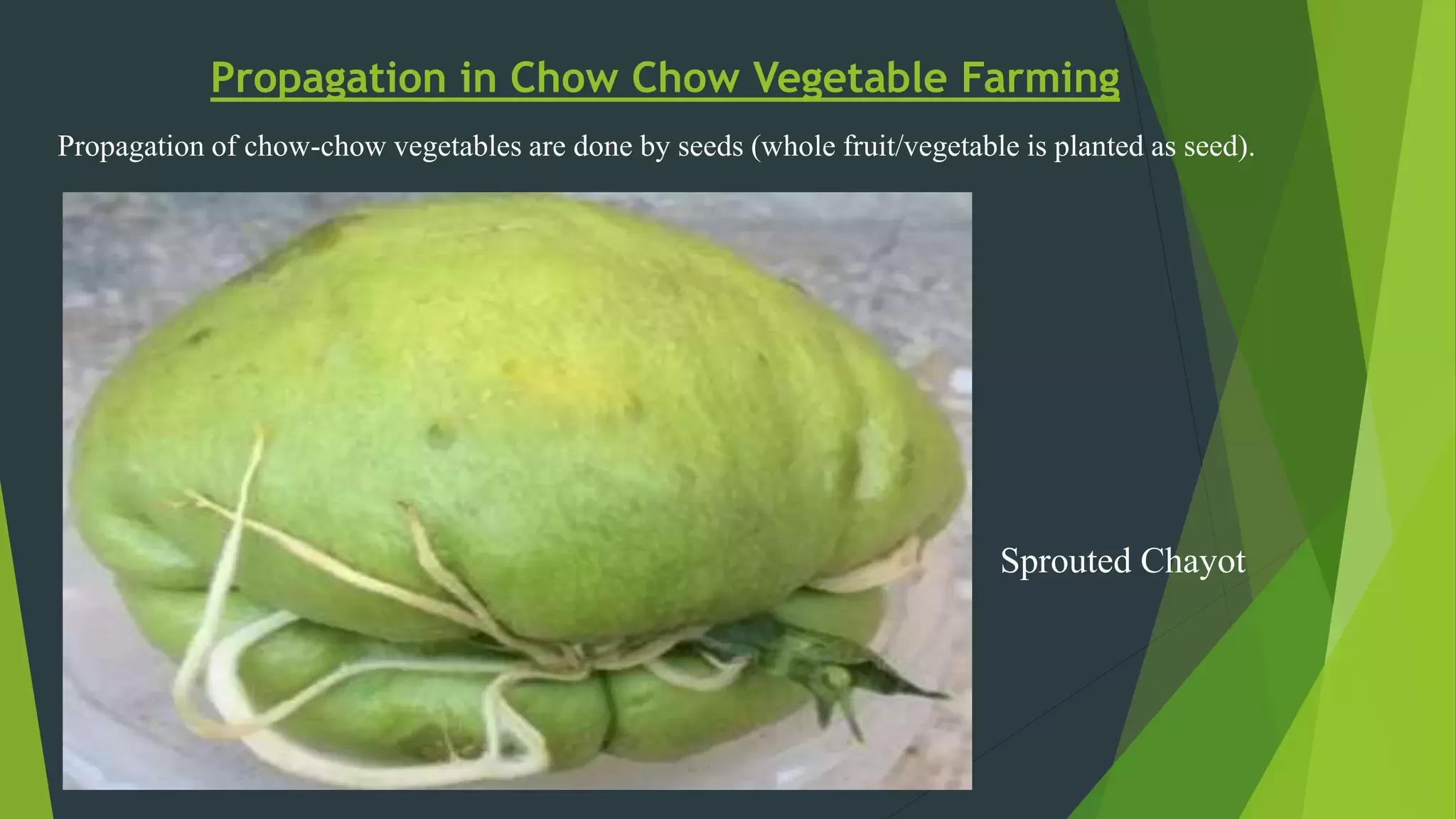
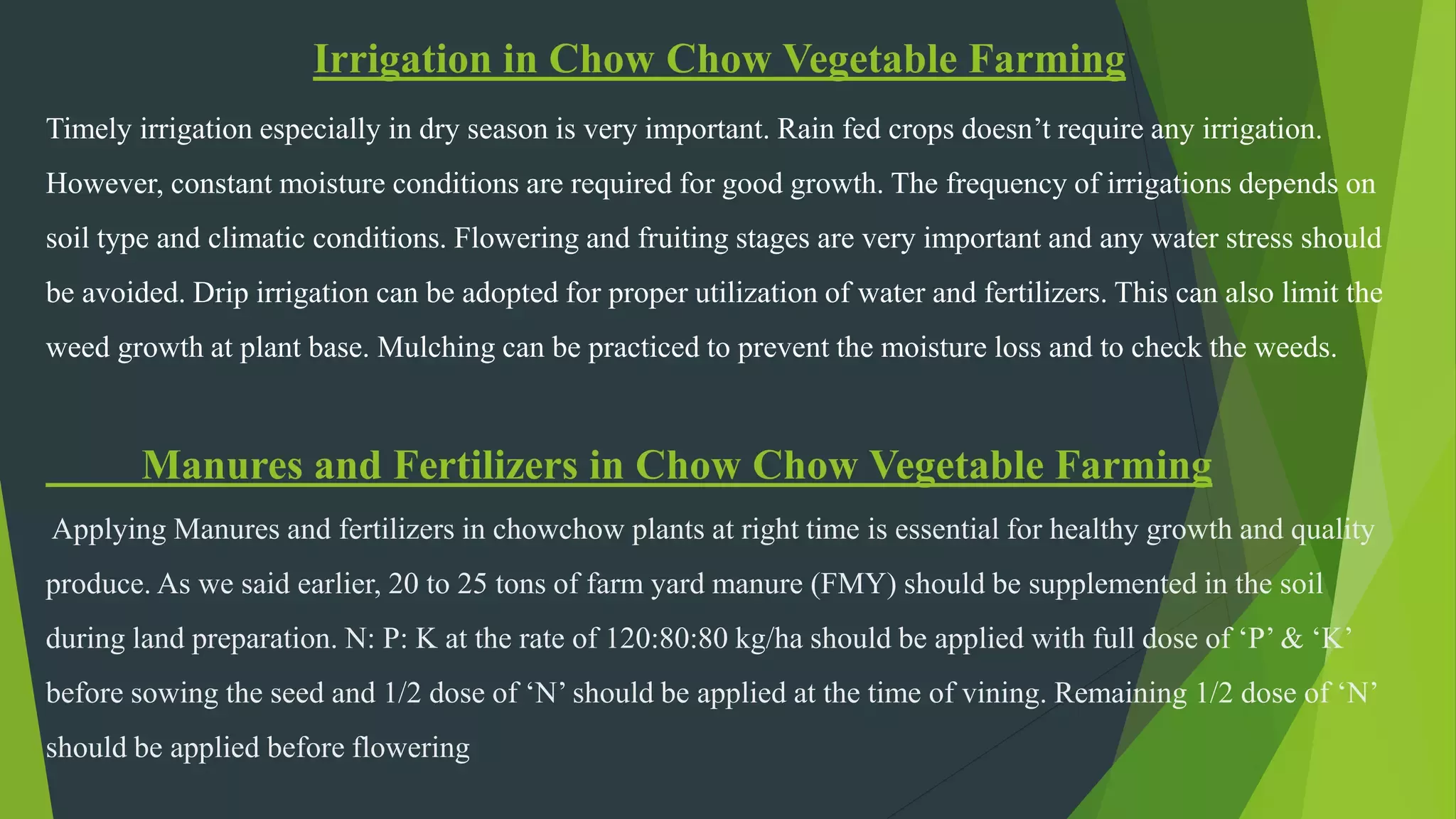
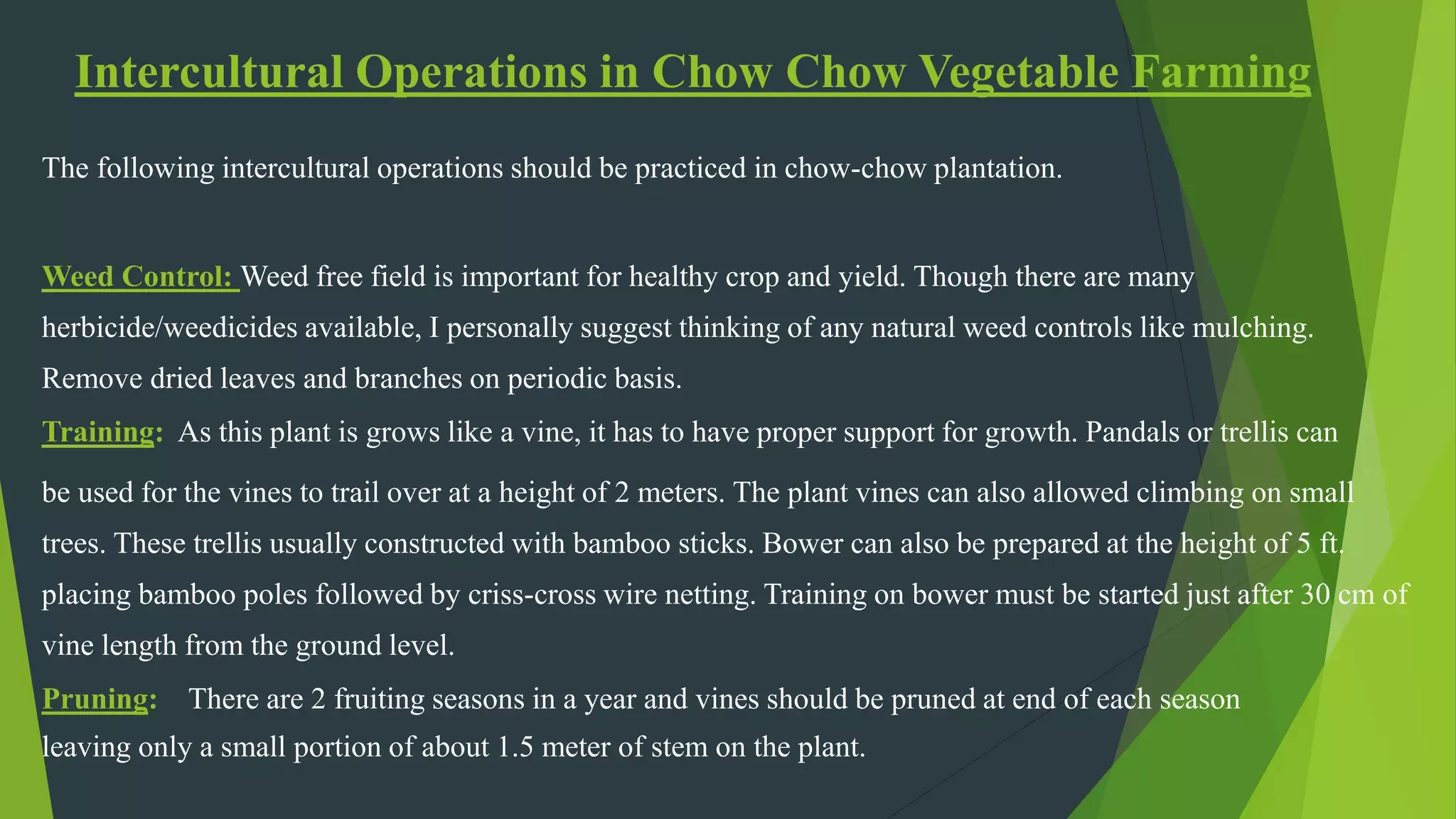
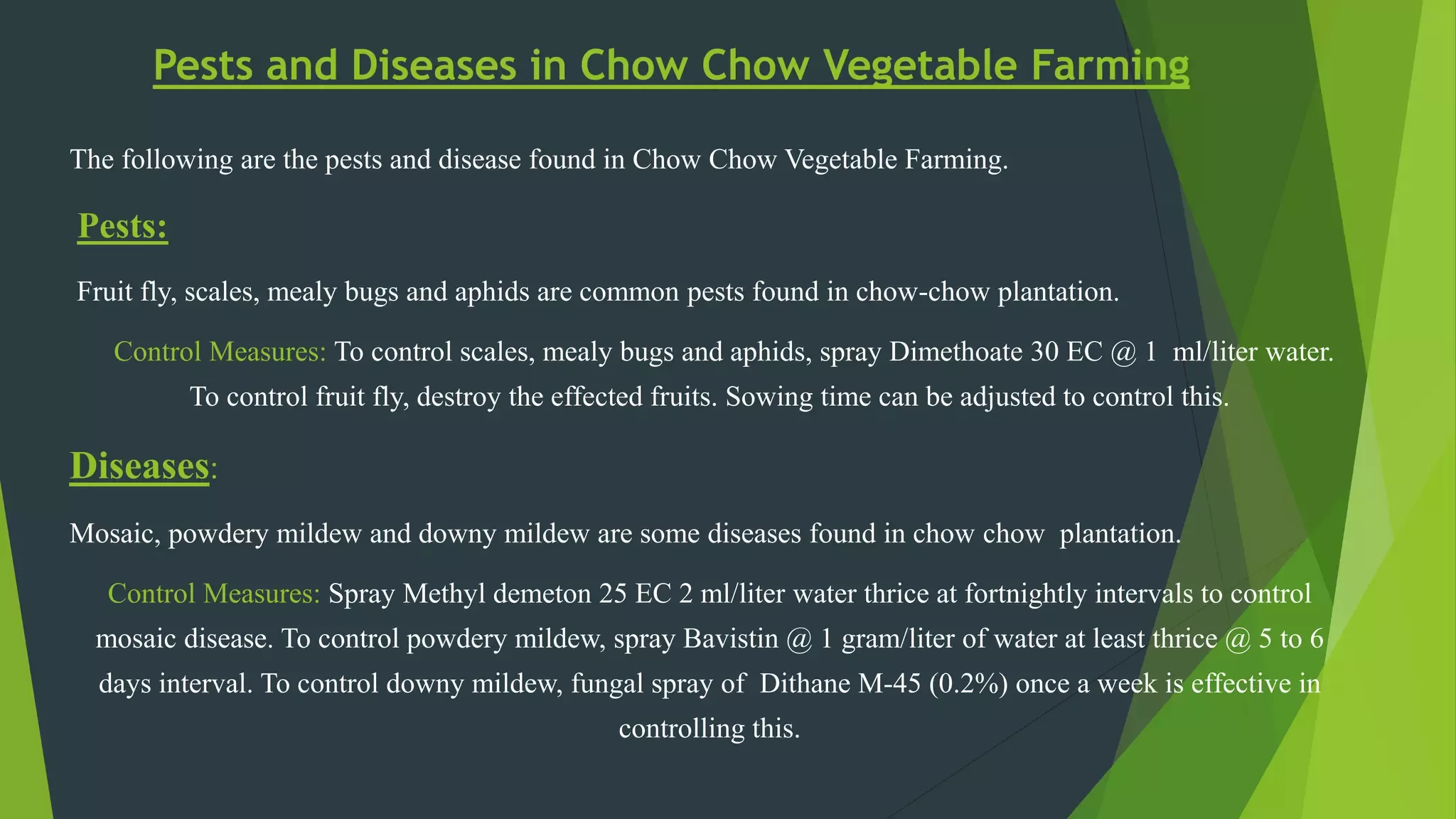
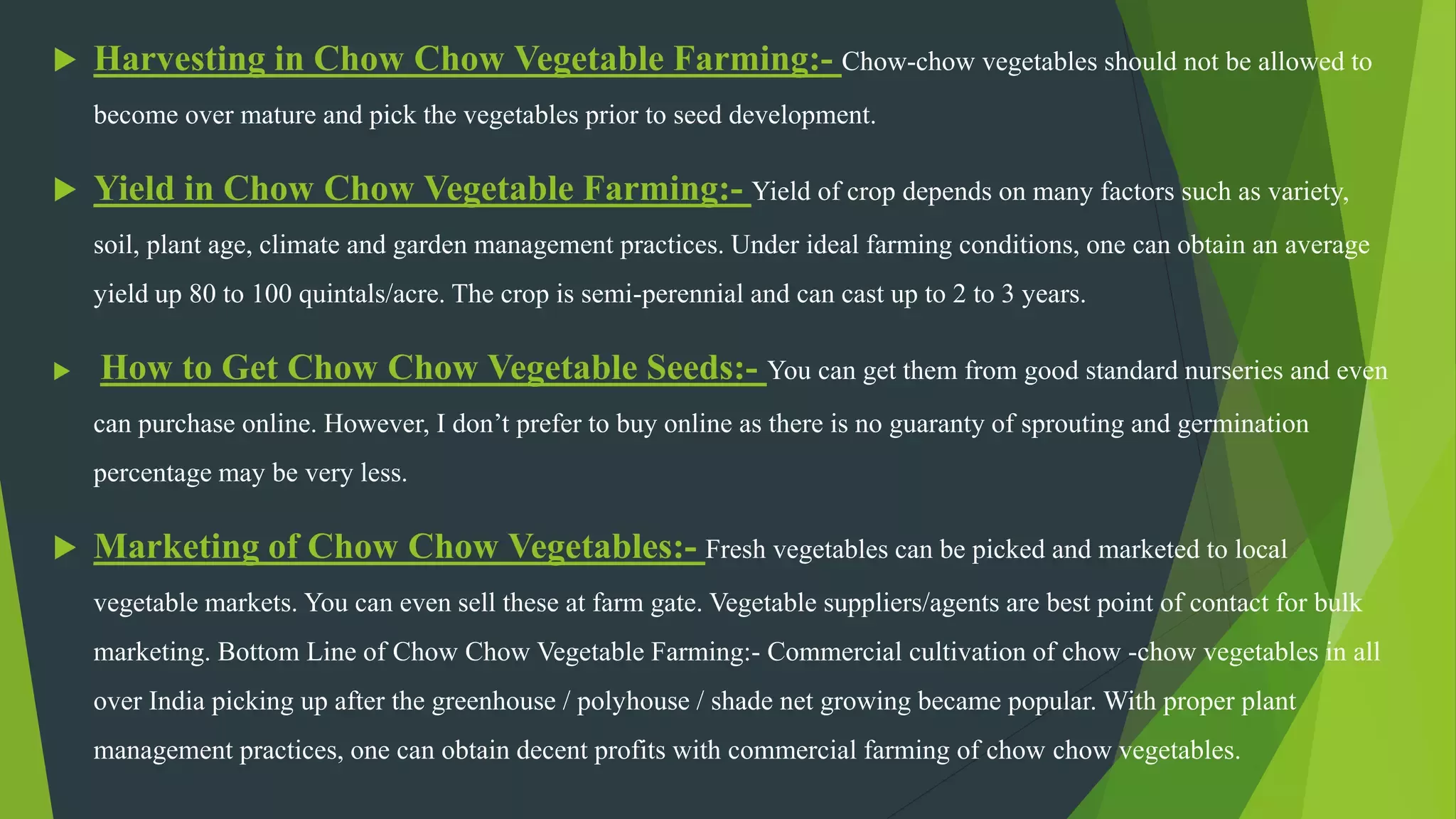
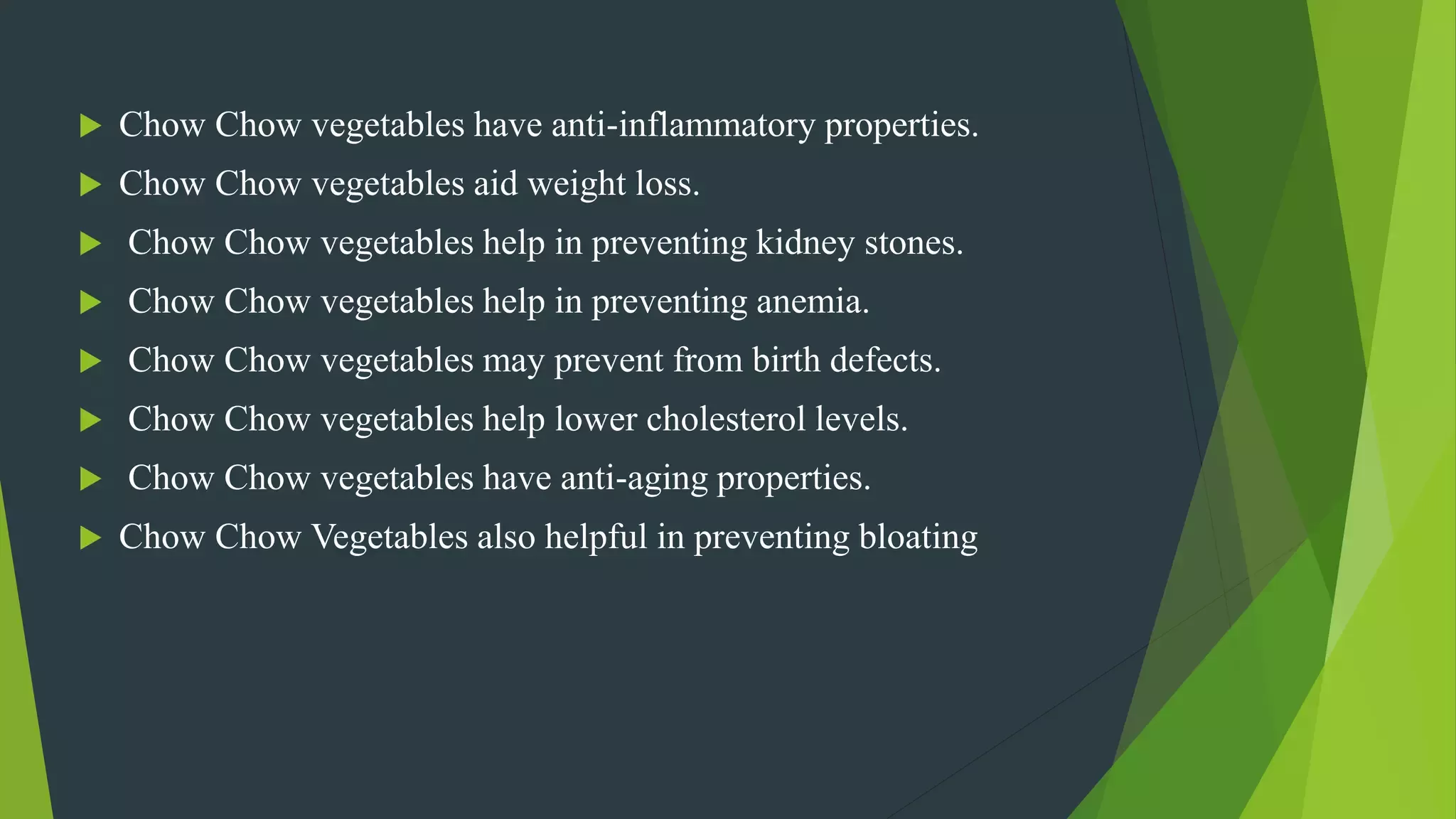
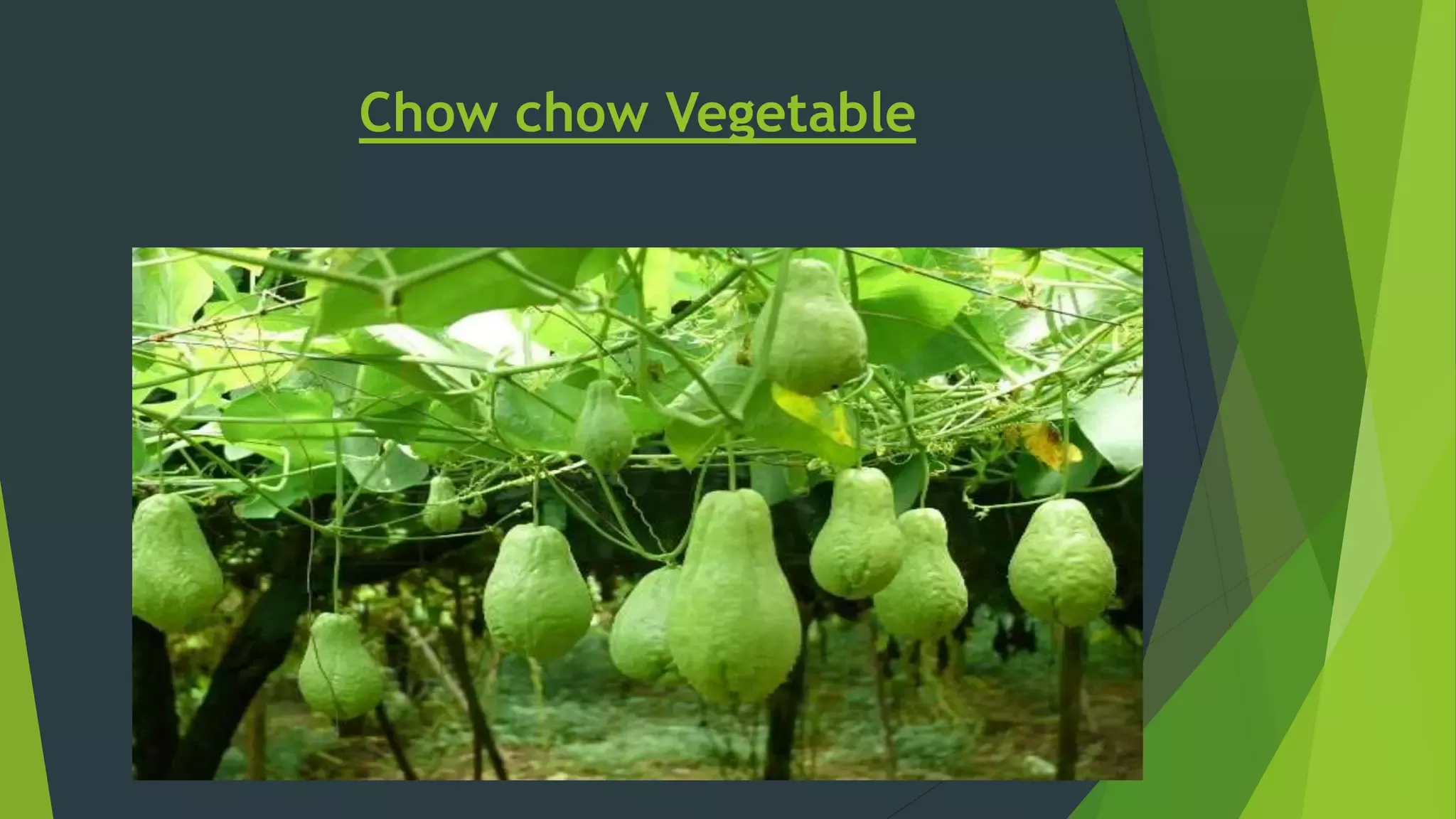
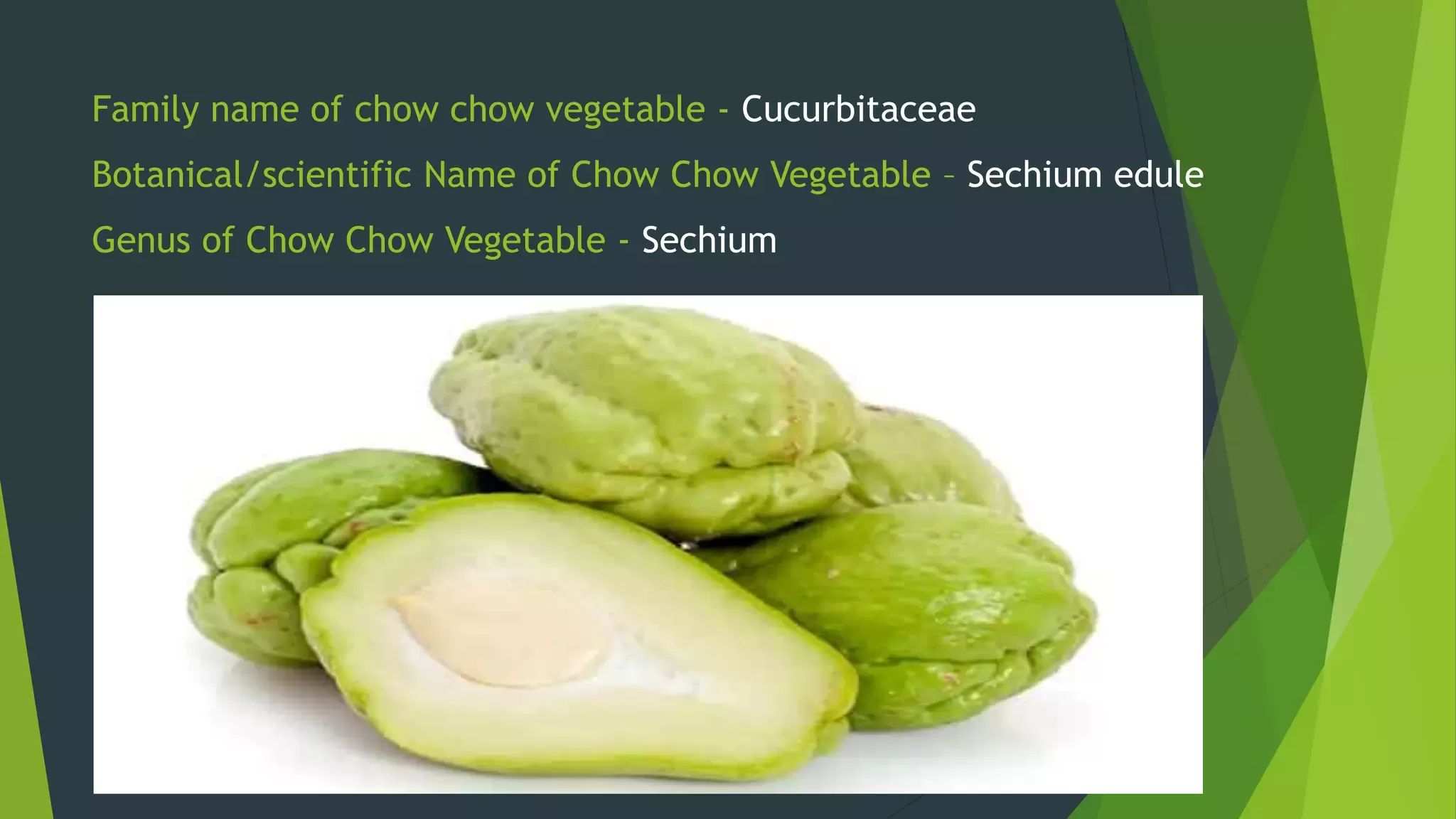
Chow Chow Vegetable: An Overview of its Attributes, Farming Practices, and Health Benefits Chow Chow, also recognized as Chayote or pear squash, is a unique edible perennial plant that belongs to the Cucurbitaceae family, which encompasses various types of gourds, melons, cucumbers, and squashes. Scientifically classified as Sechium edule, this versatile vegetable has acquired numerous names across regions and cultures, including Bengaluru venkaaya in India and Ishkus in Dargiling. The fruit of the Chow Chow plant is distinctively pear-shaped, typically measuring between 10 to 15 cm in length, with a surface that exhibits coarse wrinkles. In South India, the vegetable is commonly incorporated into local dishes such as pickles and sambar, while other parts of the plant, including the leaves and tuberous roots, are also edible, showcasing its overall utility in culinary practices. Chow Chow cultivation is gaining traction, particularly in India, where two primary varieties are recognized: white and green. While these varieties lack specific commercial designations, certain high-yielding genotypes can produce an impressive 35 to 40 kg per plant. Favorable growing conditions include warm climates characterized by high humidity, making these vegetables best suited for tropical and subtropical regions. The ideal temperature for optimal fruit growth is around 30 °C, with the plant thriving in both full sunlight and shaded areas. Soil quality is a crucial factor in Chow Chow farming, as it requires well-drained, fertile soil rich in organic matter. Although slightly tolerant to acidic soils, the pH level ideally should fall between 5.5 and 6.5. Successful cultivation also necessitates appropriate land preparation, which includes deep plowing and the addition of decomposed farmyard manure. The propagation of Chow Chow typically involves planting sprouted fruits directly into the soil, making for relatively straightforward cultivation practices. In terms of maintenance, effective irrigation is key throughout the growing season, especially during dry spells. Utilizing methods such as drip irrigation can conserve water while ensuring consistently moist soil conditions. Moreover, regular intercultural practices like weed control and proper vine training on trellises or supports are essential for promoting healthy growth and maximizing yield. Harvesting Chow Chow requires vigilance, as the vegetables must be picked before they mature fully to avoid detrimental seed development. With optimal management practices, the yield can reach remarkable levels, averaging between 80 and 100 quintals per acre. Beyond its agricultural benefits, Chow Chow is also celebrated for its remarkable health benefits. Rich in Vitamin C, fiber, and essential trace minerals, this vegetable plays a role in cancer prevention, supports digestive health, and contributes to thyroid function. Furthermore, it is known to be beneficial for heart health, aids in weight loss, and possesses anti-inflammatory properties. The increasing popularity of Chow Chow within the agricultural community and its health-promoting attributes make it a valuable addition to diets and farming practices alike. As it transitions into commercial cultivation, especially through greenhouse and polyhouse methods, Chow Chow holds promise for both farmers and consumers seeking healthy lifestyle choices. With its myriad benefits, fostering its growth can lead to rewarding outcomes in terms of both health and profitability in the agricultural sector.
Slide 1

Slide 1⬇ Slide

Slide 2

Slide 2⬇ Slide

Slide 3

Slide 3⬇ Slide

Slide 4

Slide 4⬇ Slide

Slide 5

Slide 5⬇ Slide

Slide 6

Slide 6⬇ Slide

Slide 7

Slide 7⬇ Slide

Slide 8

Slide 8⬇ Slide

Slide 9

Slide 9⬇ Slide

Slide 10

Slide 10⬇ Slide

Slide 11

Slide 11⬇ Slide

Slide 12

Slide 12⬇ Slide

Slide 13

Slide 13⬇ Slide

Slide 14

Slide 14⬇ Slide

Slide 15

Slide 15⬇ Slide

Slide 16

Slide 16⬇ Slide
1 / 16

Ppt on Sex expression in cucurbits

Description

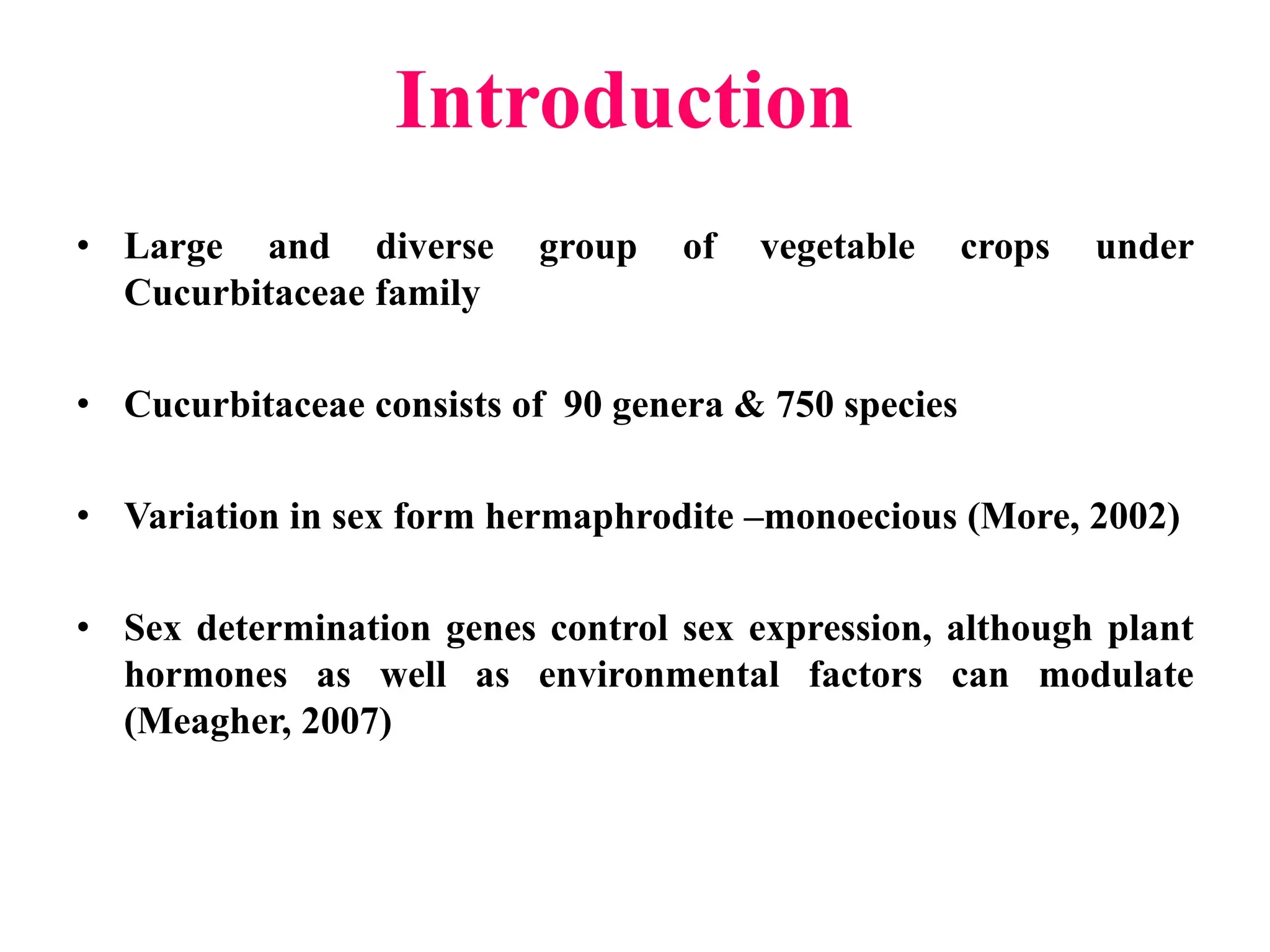
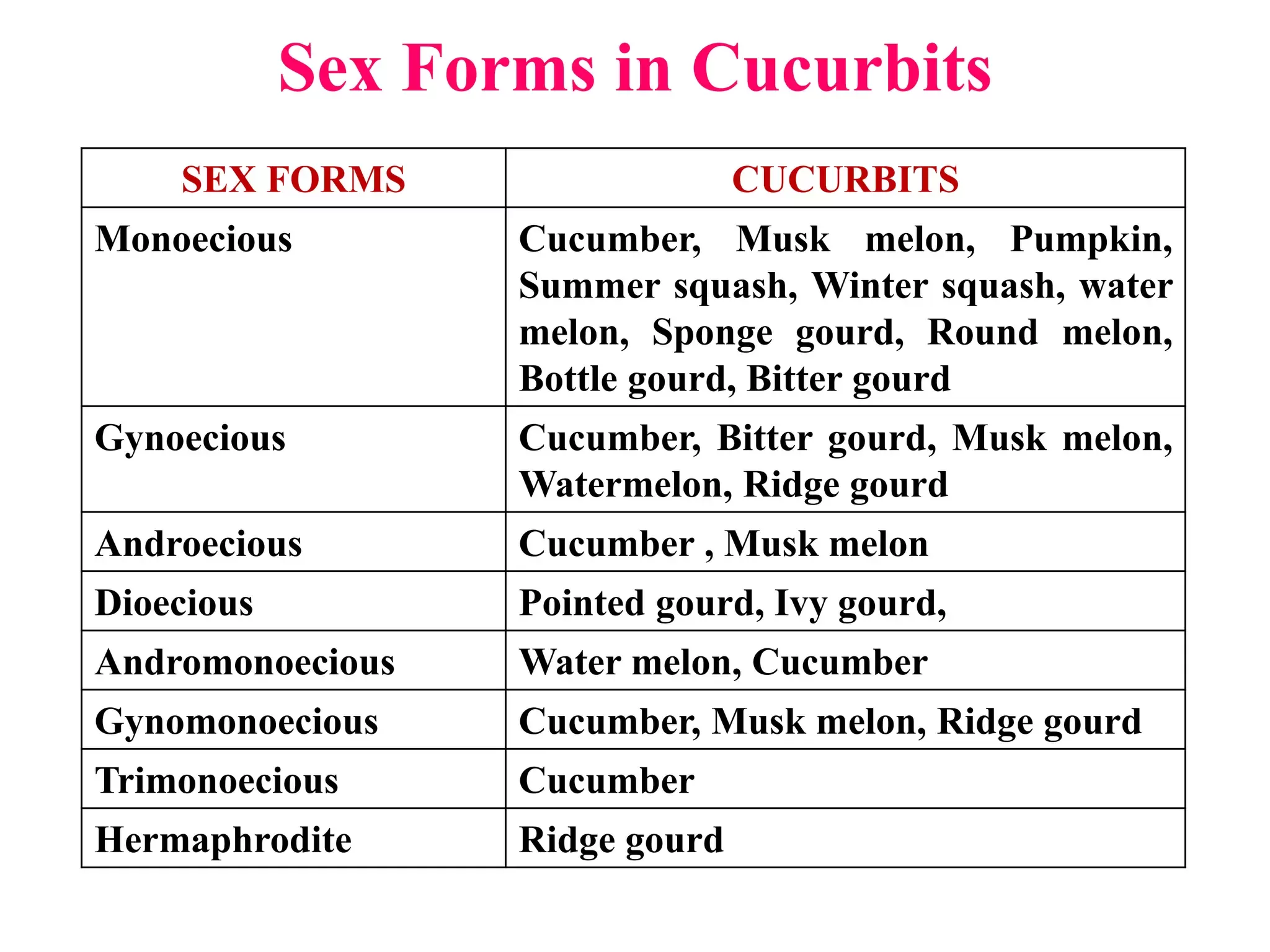
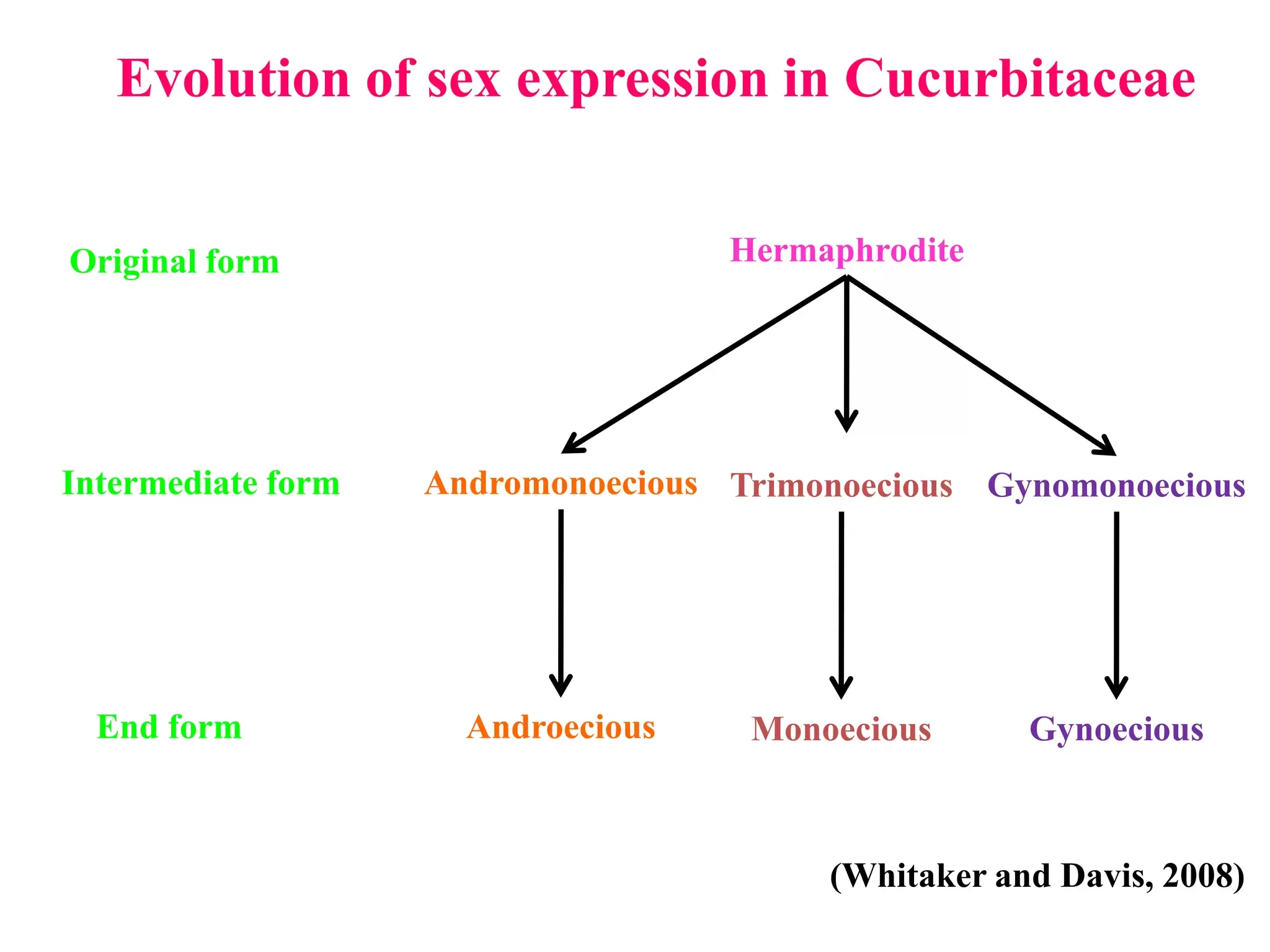
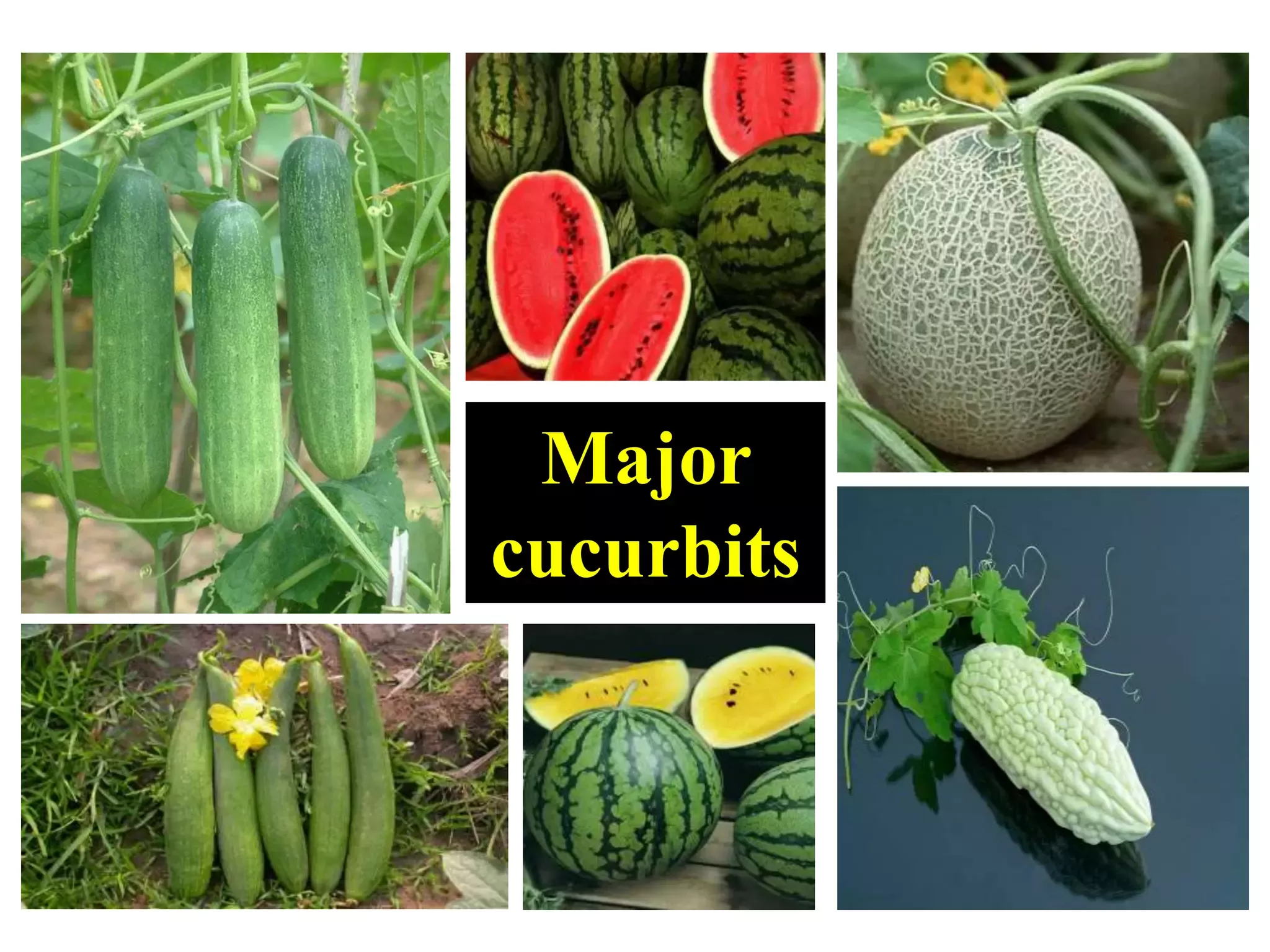
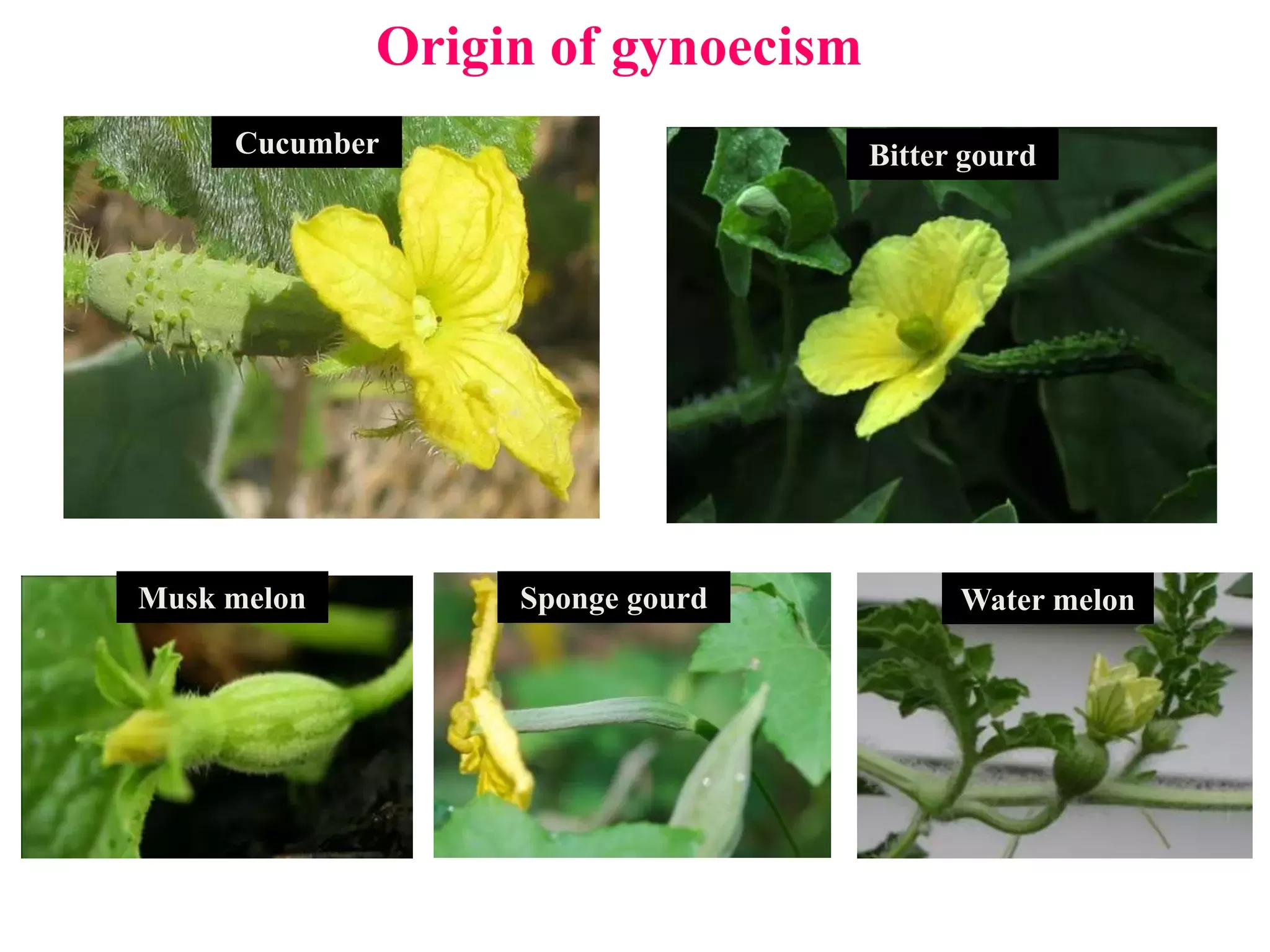
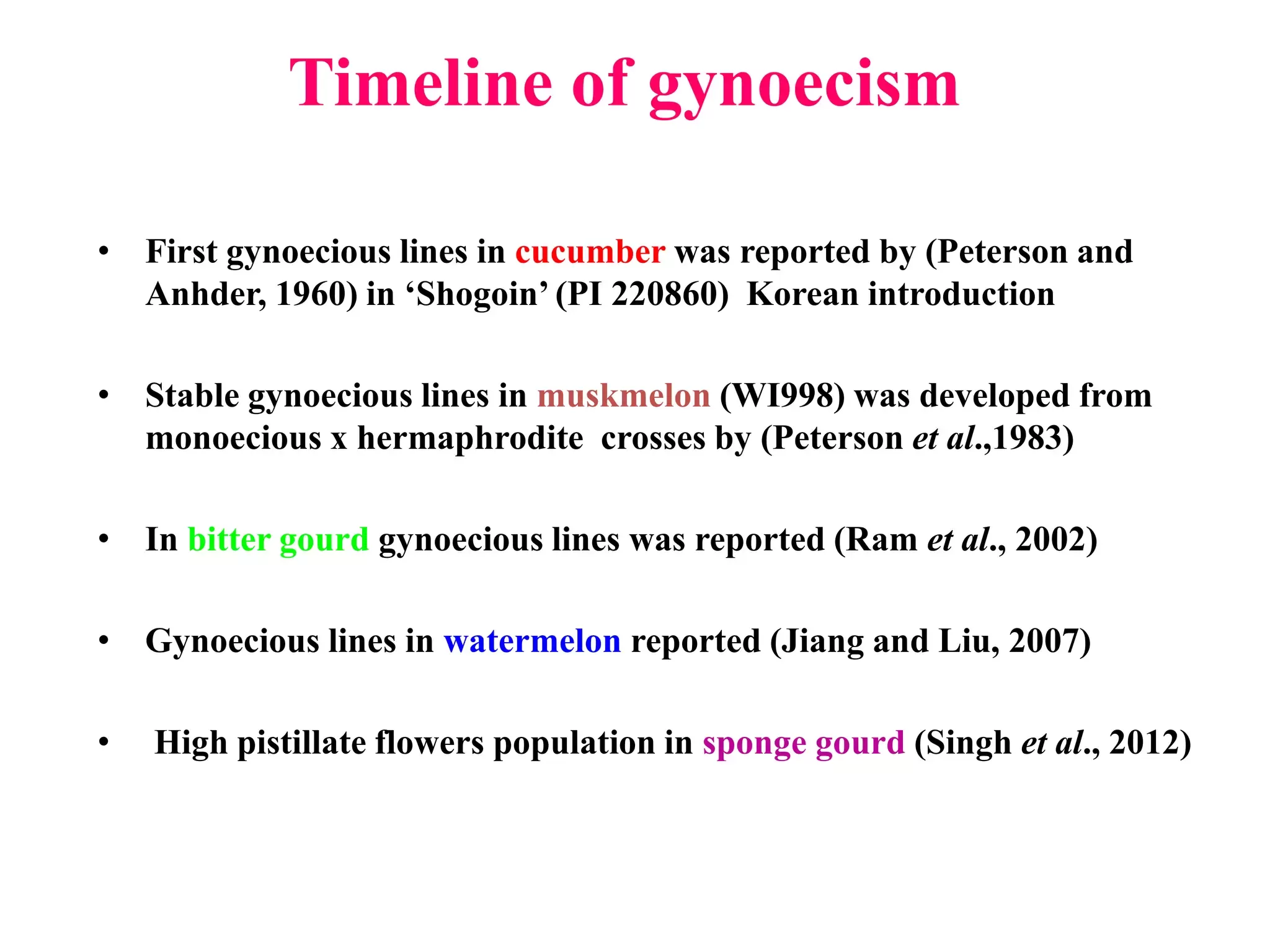
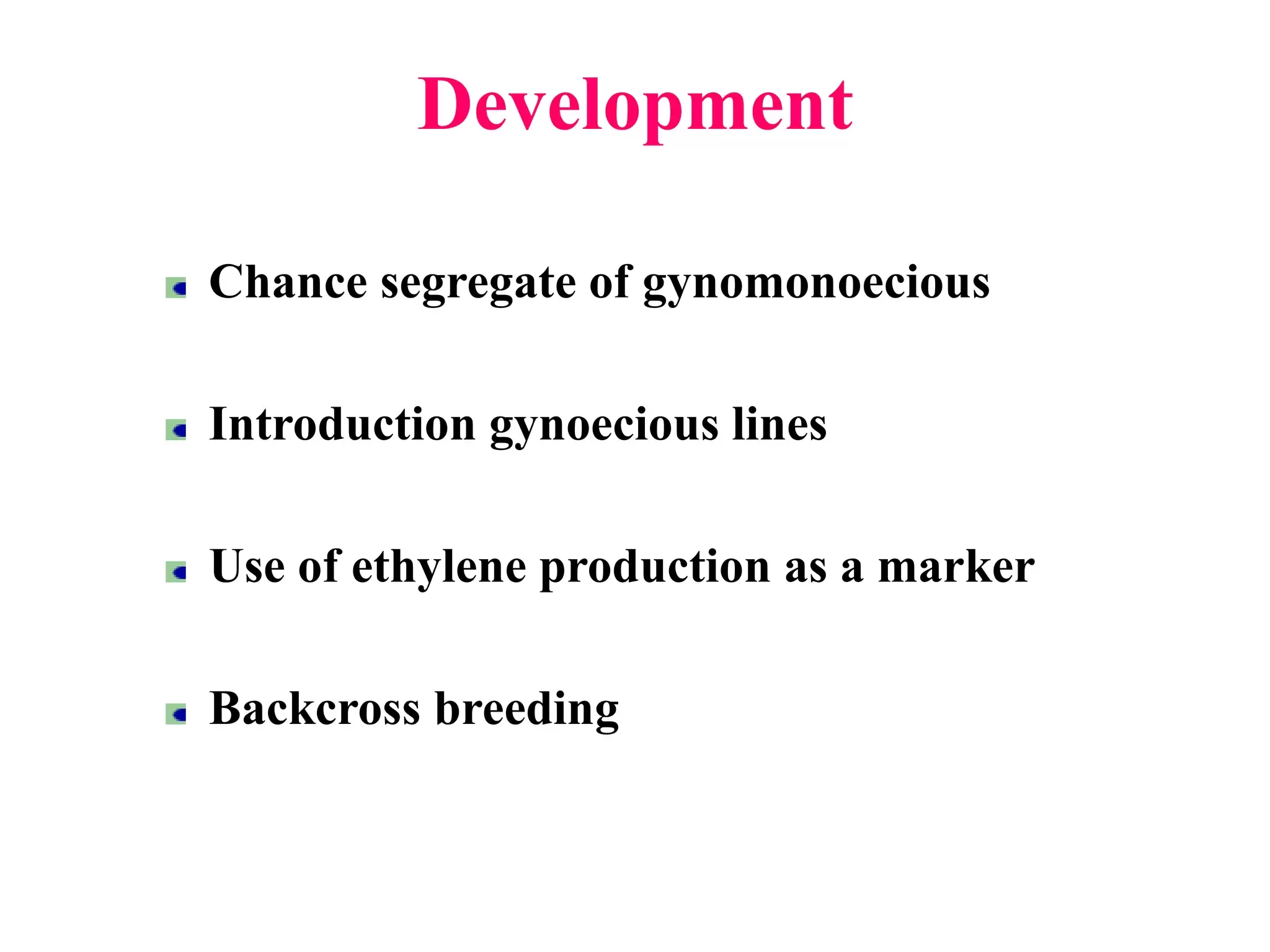
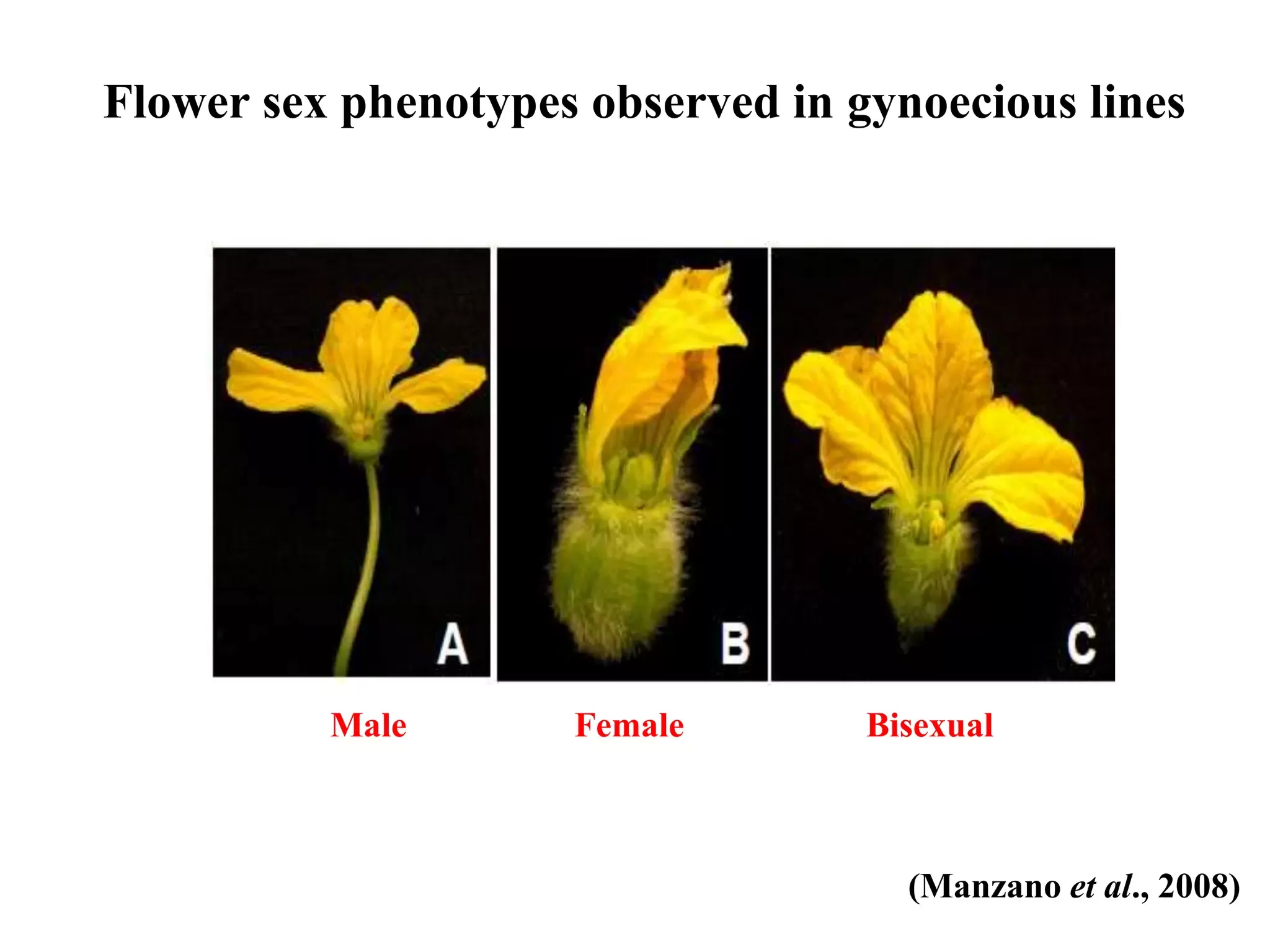
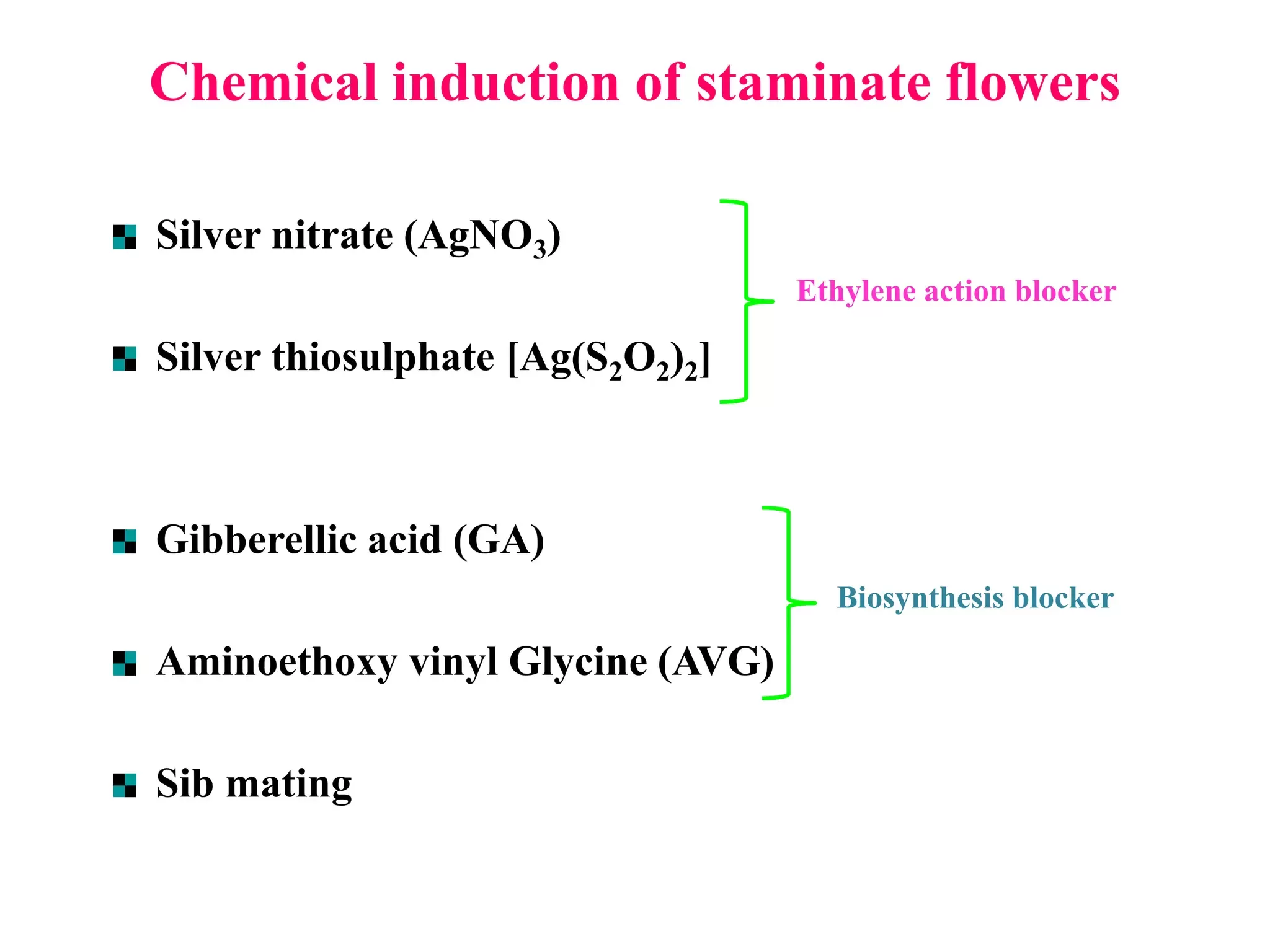
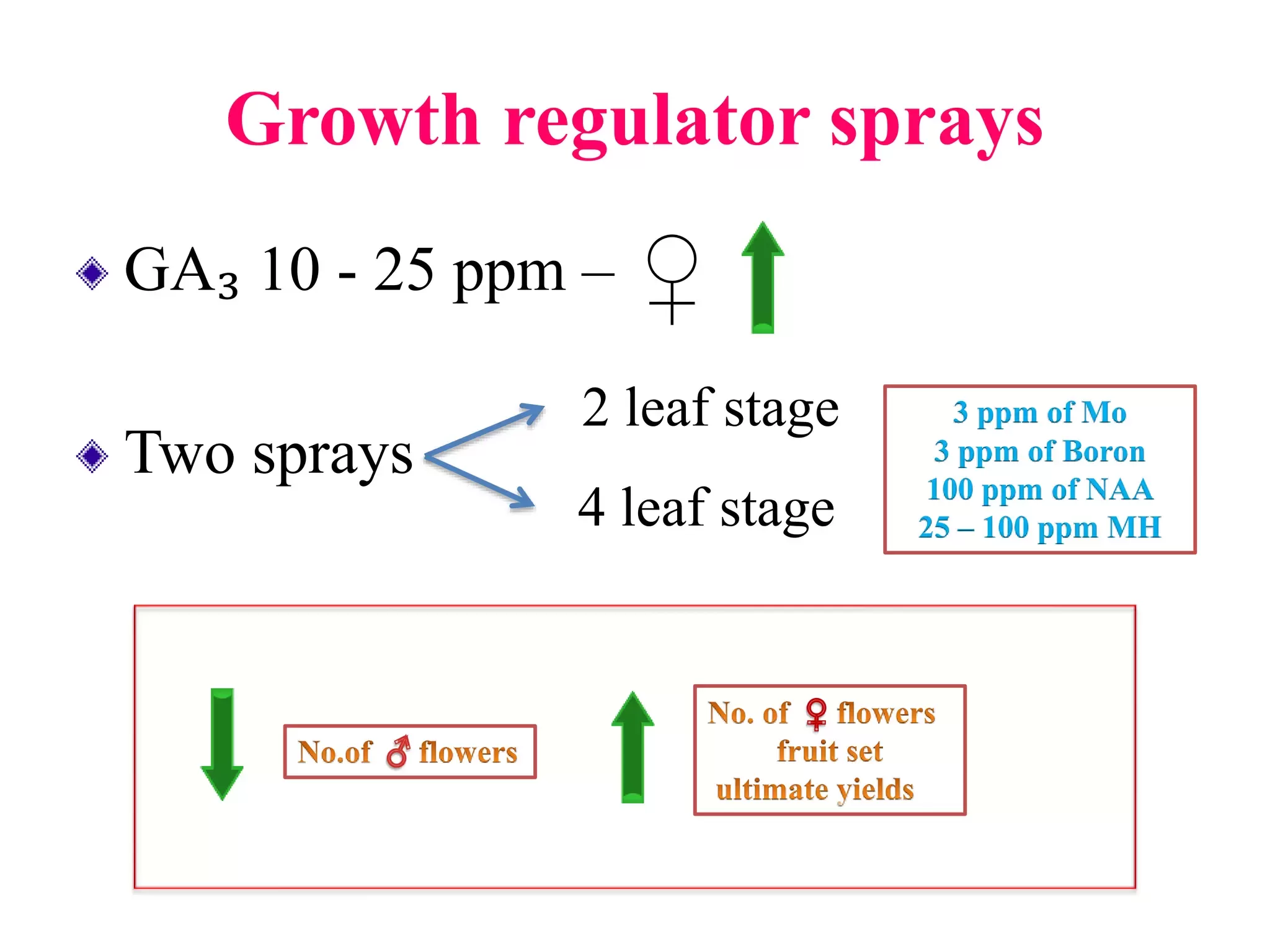
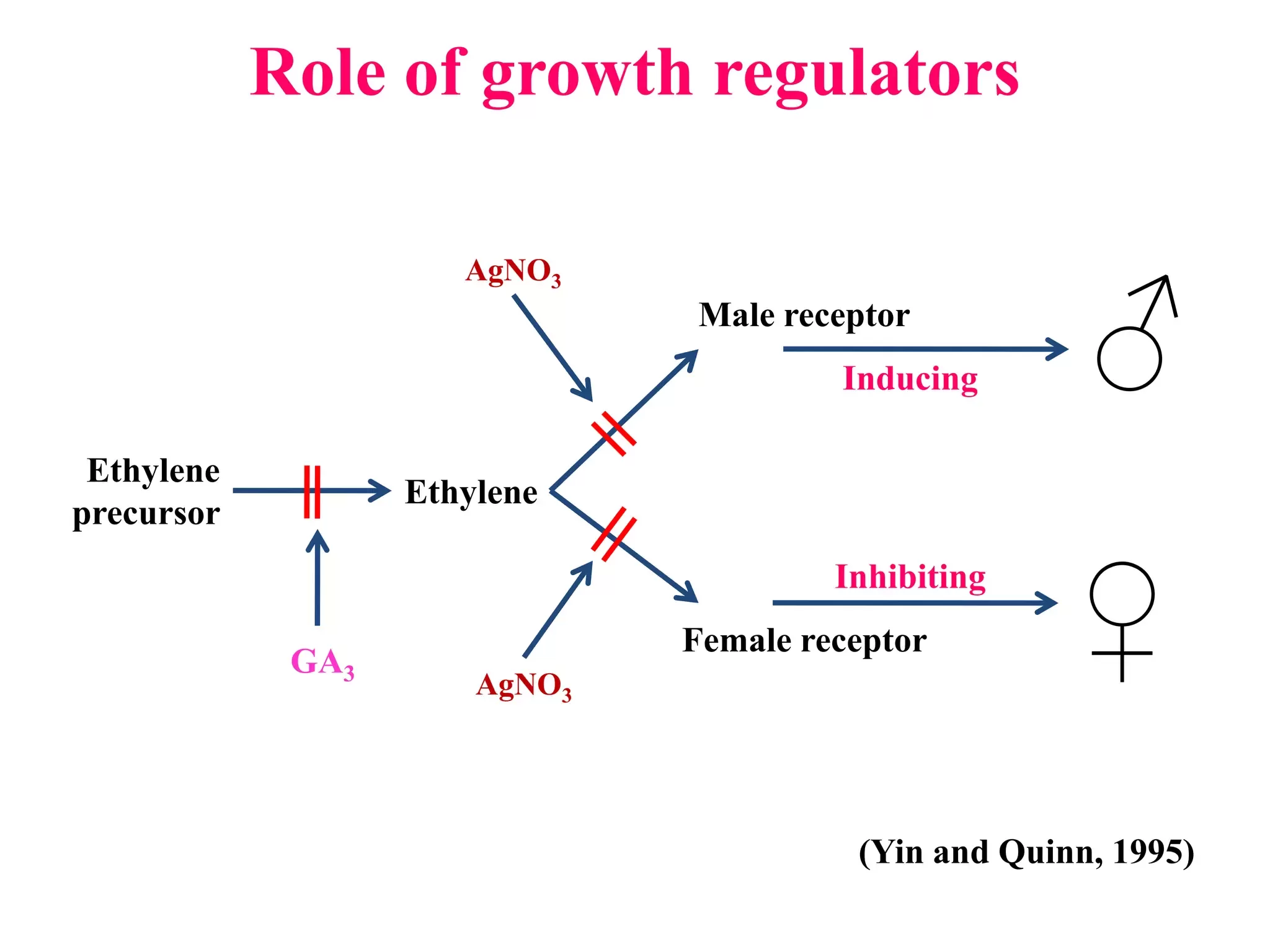
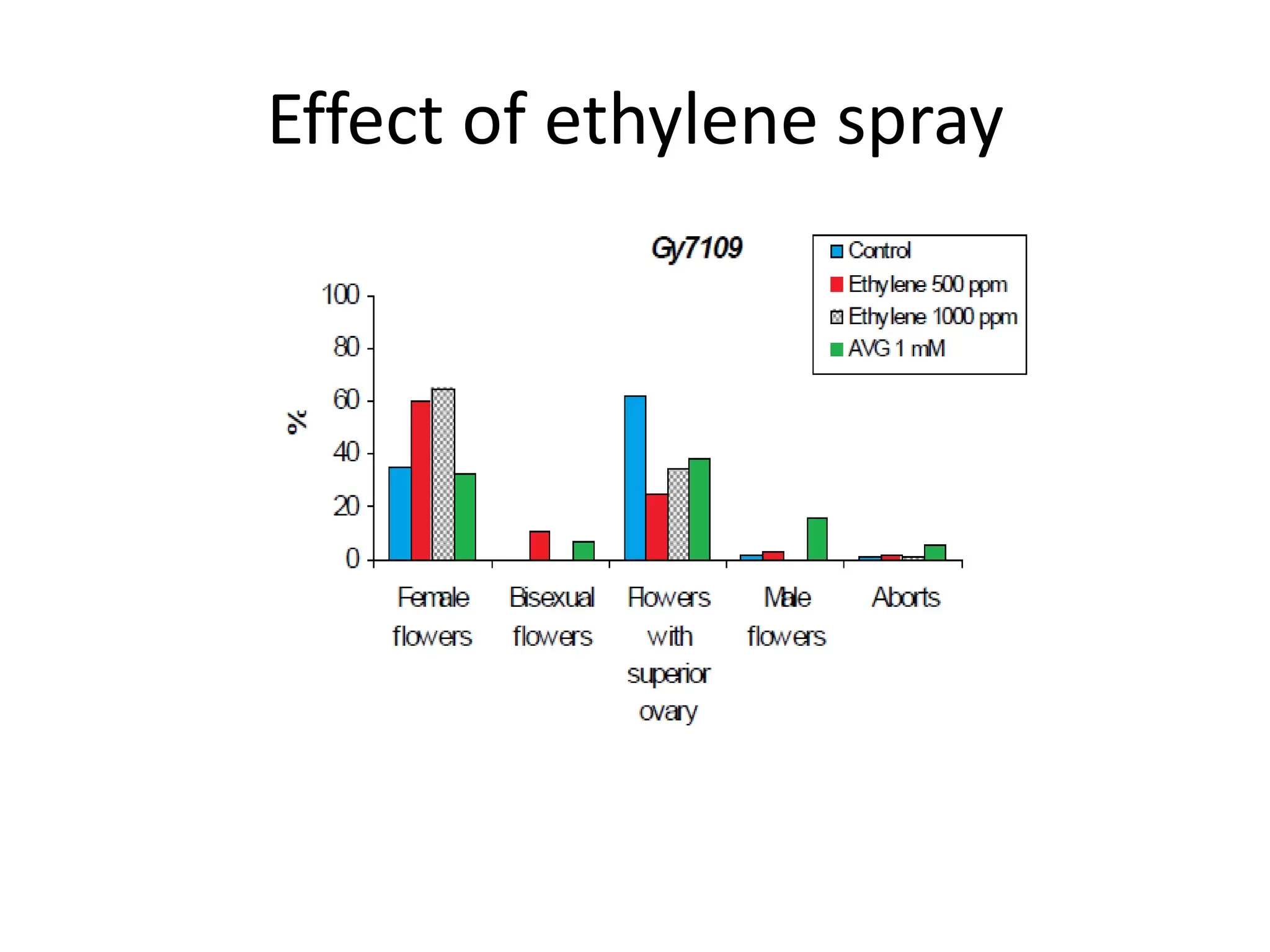
The Cucurbitaceae family is a vast and intriguing category within the plant kingdom, encompassing an expansive array of vegetable crops that are celebrated worldwide. This family consists of around 90 genera and approximately 750 species, showcasing a rich diversity that offers unique opportunities and challenges for cultivation and breeding. The sex forms exhibited by these plants are notably varied and include hermaphroditic and monoecious traits, revealing complex mechanisms behind their sexual development. The determination of these sex forms is primarily governed by sex determination genes; however, it is essential to recognize the influence of plant hormones and environmental factors, such as temperature and photoperiod, which can significantly modulate sex expression. In cucurbits, different sex forms manifest in various species, which can be categorized primarily into monoecious, gynoecious, androecious, dioecious, and hermaphrodite forms. Notable examples of monoecious plants include cucumber, musk melon, and several types of squash. Gynoecious forms, which predominantly produce female flowers, are found in crops like cucumber and watermelon, while androecious varieties exhibit exclusively male flowers. Interestingly, some plants display multiple sex forms, such as andromonoecious and gynomonoecious varieties, which present a blend of male and female flowers. The evolution of these sex expressions within Cucurbitaceae is a subject of much study and fascination. Historically, significant advancements in breeding gynoecious lines have been documented, starting with the first gynoecious lines reported in the cucumber ‘Shogoin’ during the 1960s. This foundational work laid the groundwork for later developments in muskmelon and bitter gourd, and ongoing research continues to enhance our understanding of these unique traits. The stability of sex expression in cucurbits is influenced by both temperature and photoperiod, with findings suggesting that high temperatures (over 30°C) can alter flower phenotype stability. The interplay of these environmental factors creates a complex landscape where the same genetic makeup can express varied sexual forms based on the surrounding conditions. Further exploring the mechanisms of flower development, chemical and growth regulator interventions play a crucial role in stimulating specific flower sex phenotypes. Substances such as silver nitrate and gibberellic acid have been noted for their ability to induce or inhibit the development of male flowers. Additionally, employing growth regulators at specific plant growth stages has proven effective in managing flower sex ratios, supporting crop optimization. In conclusion, the Cucurbitaceae family is a critical focus in agricultural practices due to its extensive variety and adaptability. Understanding the dynamics of sex forms and their influences is essential for maximizing yield and improving crop quality. As the saying goes, cucurbits are “everyone’s crop,” resonating with farmers and consumers alike who appreciate their nutritional value and versatility in culinary applications. Continued research in this area promises to enhance our knowledge and capability in cultivating these remarkable plants.

Slide 1

Slide 1⬇ Slide

Slide 2

Slide 2⬇ Slide

Slide 3

Slide 3⬇ Slide

Slide 4

Slide 4⬇ Slide

Slide 5

Slide 5⬇ Slide

Slide 6

Slide 6⬇ Slide

Slide 7

Slide 7⬇ Slide

Slide 8

Slide 8⬇ Slide

Slide 9

Slide 9⬇ Slide

Slide 10

Slide 10⬇ Slide

Slide 11

Slide 11⬇ Slide

Slide 12

Slide 12⬇ Slide

Slide 13

Slide 13⬇ Slide

Slide 14

Slide 14⬇ Slide

Slide 15

Slide 15⬇ Slide
1 / 15