Home Quiz Old Paper PPT

Ppt on Celery Cultivation Guide And Benefits

This presentation covers the cultivation of celery, a hardy biennial plant known for its fleshy leafstalks and essential oils. It thrives in specific climatic conditions, primarily in Punjab, India.
Introduction to Celery Cultivation
  • Presented by Annamalai University.
  • Focus on cultivation techniques and practices.
  • Importance of celery in agriculture.
Botanical Overview of Celery
  • Botanical Name: Apium graveolens.
  • Family: Umbelliferae/Apiaceae.
  • Widely cultivated for its leafstalks and seeds.
Plant Characteristics
  • Biennial in colder climates; annual in plains.
  • Contains 2-3% essential oil and 17-18% fatty oil.
  • Essential oil contributes to flavor.
Nutritional Value of Celery
Nutrient Value per 100g
Energy 16 kcal
Carbohydrates 3 g
Protein 0.7 g
Water 95 g
Medicinal Uses
  • Seeds act as a stimulant and carminative.
  • Used for rheumatism treatment.
  • Seed oil utilized in food and perfumery.
Geographical Distribution
  • Mainly cultivated in Punjab, Haryana, and UP.
  • 90% of production from Punjab.
  • Popular varieties: Giant Pascal, Golden Self blanching.
Cultivation Conditions
  • Requires warm days, cool nights, and low humidity.
  • Ideal soil: silt loam to loamy with moderate organic matter.
  • Sowing period: July to September.
Transplanting and Fertilization
  • Seedlings transplanted after 2 months.
  • Fertilization: 20-30 t/ha of FYM and 100-150 kg of N/ha.
  • Irrigation at fortnightly intervals.
Blanching Techniques
  • Blanching reduces chlorophyll in stalks.
  • Methods: wrapping or earthing up soil.
  • Discouraged due to reduced nutritive value.
Harvesting and Yield
  • Harvest occurs 4-5 months after sowing.
  • Average yield: 25,000 kg/ha.
  • Plants cut just below the surface for market preparation.

Ppt on Tomato Overview And Nutritional Benefits

This presentation covers the history, botanical classification, nutritional benefits, and cultivation practices of tomatoes, scientifically known as Solanum lycopersicum. It highlights their significance in agriculture and cuisine worldwide.
Introduction to Tomato
  • Submitted to: Dr. Ijaz Rassol Noorka
  • Submitted by: Sobia Kanwal
  • Course: BAGF12MO10
Botanical Classification
  • Scientific Name: Solanum lycopersicum L.
  • Order: Solanales
  • Family: Solanaceae
History and Origin
  • Originated in the South American Andes.
  • Introduced to Europe in the 16th century.
  • Spread to Asia, Africa, and the Middle East.
Common Names
  • Tomate (Spain, France)
  • Tomat (Indonesia)
  • Faan ke’e (China)
  • Jitomate (Mexico)
  • Pomodoro (Italy)
Nutritional Value
  • Rich in vitamins and minerals.
  • Contains essential amino acids and dietary fibers.
  • High in vitamin B, C, iron, and phosphorus.
Botanical Structure
  • Roots: Tap root system, depth of 50cm or more.
  • Stem: Erect to prostate, 2-4 m tall.
  • Leaves: Spirally arranged, 15-50 cm long.
Fruit and Seed Characteristics
  • Fruits: Fleshy berry, 2-15 cm in diameter.
  • Seeds: Numerous, kidney-shaped, 3-5mm long.
  • Ripe fruits range from yellow to red.
Cultivation Conditions
  • Optimal temperature: 21C-23C.
  • Grows well in various soil types.
  • pH level: 7-8 for best results.
Cultivation Practices
  • Seed rate: 300-400 g/ha for nursery.
  • Transplanting in July, October-November, and February.
  • Watering: Twice daily for germination.
Pest Management
  • Common pests: Tomato fruit worm, white fly, aphid.
  • Control methods include spraying Bacillus and Rogor.
  • Regular monitoring is essential.
Disease Management
  • Common diseases: Damping off, leaf curl, early blight.
  • Management strategies include proper sanitation.
  • Regular crop rotation helps reduce disease incidence.
Breeding Behavior
  • Tomato is self-fertile but requires cross-pollination.
  • Pollinators include bees and manual methods.
  • Emasculation and tagging are common practices.
Breeding Objectives
  • Develop early and high-yielding varieties.
  • Focus on disease-resistant and storage-friendly varieties.
  • Enhance processing suitability.
Global Production Statistics
Country Production (Million Tons)
China 48.6
India 16.8
USA 12.6
Registered Varieties in Pakistan
  • Ajax
  • Cardinal
  • Desiree
  • Faisalabad red
  • Laale Faisal
Culinary Uses of Tomato
  • Used in various dishes globally.
  • Popular in pizzas, sandwiches, and cocktails.
  • Offers numerous nutritional benefits.
Health Benefits of Tomatoes
  • Rich in vitamins and minerals.
  • Supports heart health and vision.
  • Contains anti-cancer properties.

Ppt on Cultivating Dendrobium Orchids Guide

This presentation covers the protected cultivation of orchids, specifically the Dendrobium species. Key aspects include propagation, growing conditions, and post-harvest handling techniques.
Introduction to Dendrobium Orchids
  • Dendrobiums are native to Southeast Asia.
  • They thrive in tropical climates with high humidity.
  • Suitable for coastal areas like Chennai.
Varieties of Dendrobium Orchids
  • Sonia-17: Purple and white flowers.
  • Sonia-28: Popular for its vibrant blooms.
  • Emma White: Known for its elegance.
  • Sakura Pink: Aesthetic pink variety.
Growing Environment
  • Requires 75% shade netting.
  • Ideal humidity: 70-80%.
  • Day temperature: 21-29°C; Night: 18-21°C.
  • Rainshelter needed in high rainfall zones.
Propagation Methods
  • Division of clumps and keikis.
  • Utilization of back bulbs.
  • Tissue culture for mass propagation.
Irrigation and Nutrients
  • Mist or overhead sprinklers for humidity.
  • Foliar NPK application: 20:10:10 @ 0.2% weekly.
Growth Regulators and Repotting
  • GA3 foliar application at 50 ppm bi-monthly.
  • Repot every 2-3 years or when necessary.
  • Best time to repot: when new roots emerge.
Harvesting Techniques
  • Harvest when 75% of flowers are open.
  • Cut lower 0.75cm of the peduncle post-harvest.
  • Yield: 8-10 spikes per plant annually.
Post-Harvest Handling
  • Pulsing: 8-HQC 500 ppm + Sucrose 5% for 12 hrs.
  • Holding solution: AgNO3 25 ppm + 8-HQC 400 ppm.
  • Wrap with 50 gauge polythene.
Pests and Diseases
  • Handpick snails and slugs.
  • Bacterial diseases treated with Streptomycin.
  • Fungal issues managed with Metalaxyl.
Conclusion
  • Effective management ensures healthy orchid growth.
  • Regular monitoring for pests and diseases is crucial.
  • Thank you for your attention!

Ppt on Alstroemeria Production Technology Guide

This presentation covers the production technology of Alstroemeria, commonly known as the Peruvian lily. It highlights its species, cultivation practices, and management techniques for optimal growth.
Scientific Classification
  • Scientific name: Alstroemeria aurantiaca
  • Common names: Peruvian lily, Inca lily
  • Family: Alstroemeriaceae
  • Native to: South America
  • Chromosome number: 2n = 16
Importance and Uses
  • Hardy perennial, easy to grow in various settings
  • Used as cut flowers, lasting 2-3 weeks in water
  • Symbolizes friendship, popular in arrangements
Species Overview
  • Alstroemeria aurantiaca: 60-100 cm flowering stalk
  • Bright yellow flowers with spotted segments
  • A. pelegrina: 30 cm flowering stem, lilac color
  • A. hookeri: 45-60 cm, orange color
Varieties
  • Red: Red Sunset, Valiant
  • Pink: Fiona, Olympic
  • Orange: Harlequin, Sunrise
  • White: Amanda, Monalisa
Climate and Soil Requirements
  • Cool sub-tropical climate, partial shade preferred
  • Optimum temperature: 10-20°C, RH 85-95%
  • Well-drained soil, pH 6.0-6.5
  • Soil should be rich in organic matter
Site Selection and Land Preparation
  • High, open land with ample sunlight
  • Thoroughly ploughed, left under sun for 15 days
  • Depth of ploughing: 15-20 cm
  • Plants grown in raised beds
Propagation Methods
  • Seeds and division of clumps (10-15 rhizomes)
  • Micropropagation techniques
Planting and Nutrition
  • Spacing: 60×45 cm, depth: 7-8 cm
  • Fertilizer: 600 ppm of 20-20-20 weekly
  • Calcium nitrate and potassium nitrate for nutrition
Intercultural Operations
  • Regular weeding and shoot thinning
  • Staking for straight flowering stems
Irrigation and Mulching
  • Frequent, heavy irrigation for optimal growth
  • Black polythene mulch enhances growth
Harvesting and Storage
  • Harvest when flowers are fully colored but not opened
  • Yield: 80-100 blooms/m²
  • Store rhizomes in cool places
Diseases and Pests
  • Pythium and Rhizoctonia wilt management
  • Botrytis affects flowers, humidity control needed
  • Major pests: Aphids, Thrips, Whiteflies
References
  • Talukdar, M.C. ‘Alstroemeria’
  • Bose, T.K. et al. ‘Commercial Flowers’
  • Wikipedia.org/wiki/File:alstroemeria

Ppt on Tuberose Cultivation Guide For Beginners

This presentation outlines the cultivation practices of tuberose, a significant ornamental plant known for its fragrance and economic value in the cut flower and essential oil industries. It covers the propagation methods, environmental requirements, and post-harvest management techniques essential for successful cultivation. The information provided is crucial for enhancing yield and ensuring high-quality flower production.
Introduction to Tuberose

Tuberose (Polianthes tuberosa L.) belongs to the Amaryllidaceae family and is recognized for its fragrant spikes, which can reach lengths of 30 to 45 cm. The single-flowered varieties are more aromatic than the double types, containing 0.08 to 0.14 percent concrete used in high-grade perfumes. The flowers are versatile, used for essential oil extraction, garlands, and as cut flowers for decoration.

Economic Importance

Tuberose holds a special position among ornamental bulbous plants due to its beauty, elegance, and sweet fragrance. It has significant economic potential in the cut flower trade and essential oil industry, leading to its widespread cultivation in tropical and subtropical regions worldwide.

Origin and Distribution

Natively from Mexico, tuberose spread globally in the 16th century. The Aztecs cultivated it over 600 years ago, and it was introduced to Europe by Spanish explorers. It became popular in Victorian gardens, known for their fragrant white flowers that bloom at night.

Types and Cultivars of Tuberose

There are three main types of tuberose: single (one row of corolla segments), semi-double (2-3 rows), and double (more than three rows). Notable cultivars include:

Cultivar Characteristics
Rajat Rekha Single flowered with silvery white streaks.
Shringar Single flowered, pinkish tinge, ideal for garlands, yielding about 15,000 kg/ha/yr.
Cultivation Techniques
  1. Select a sunny location for planting.
  2. Prepare the soil to a depth of 5 cm.
  3. Water generously after planting, then moderately during the growing season.
  4. Apply a balanced fertilizer and prune to encourage growth.
  5. Harvest bulbs in spring and store them properly.
Required Environment

Climate: Tuberose prefers a mild climate with temperatures ranging from 20°C to 35°C. Extreme temperatures can affect flower quality.

Soil: It thrives in well-drained loam or sandy loam soils with a pH of 6.5 to 7.5, rich in organic matter.

Propagation Methods

Propagation is primarily through bulbs. Dormancy can be broken using a 4% Thiourea solution. Suitable bulbs are spindle-shaped, disease-free, and 1.5 to 3.0 cm in diameter.

General Cultivation Process
  1. Choose a sunny site for optimal growth.
  2. Prepare the soil thoroughly to avoid clods.
  3. Select bulbs with a diameter of 2.0-3.0 cm for planting.
  4. Implement effective weed control measures.
  5. Apply fertilizers based on soil type and climatic conditions.
Nutrient Management

Essential nutrients include nitrogen, phosphorus, and potassium. Deficiencies can lead to reduced flowering and plant vigor. Common diseases include stem rot and leaf spot, while pests like grasshoppers and thrips can damage crops.

Harvesting Techniques

Harvest tuberose by cutting spikes at the base during cool hours. For vases, cut when the first flowers open. Proper timing is crucial to minimize weight loss during transport.

Post-Harvest Management

To prolong vase life, immerse cut spikes in water immediately after harvest. Use a holding solution of 2% sucrose and 300 ppm Al2(SO4)3. Proper grading and packaging are essential for maintaining quality during transport.

Yield and Economic Benefits

Flower yields range from 14-15 t/ha, with concrete yields of 8-10 kg/ha. Tuberose cultivation can enhance biodiversity and provide economic benefits through flower sales.

Ppt on Jasmine Flower Cultivation And Uses

This presentation provides a comprehensive overview of jasmine, a genus of flowering plants known for their fragrant flowers. It covers the scientific classification, various species, and detailed cultivation practices including climate, soil, and irrigation. Additionally, it highlights the economic value and cultural significance of jasmine in different regions.
Introduction
Jasmine is a genus of shrubs and vines in the olive family (Oleaceae), containing around 200 species native to tropical and warm temperate regions of Eurasia, Australasia, and Oceania.
Scientific Classification
Kingdom Order Family Tribe Genus Type Species
Plantae Lamiales Oleaceae Jasmineae Jasminum L. Jasminum officinale L.
Species
Jasmine has more than 200 species. Some selected species include:

  • J. humile L. – Italian jasmine
  • J. adenophyllum Wall. – bluegrape jasmine
  • J. mesnyi Hance – Japanese jasmine
  • J. auriculatum Vahl – Indian jasmine
  • J. sambac (L.) Aiton – Arabian jasmine
Description
Jasmines can be either deciduous or evergreen, with leaves that can be simple, trifoliate, or pinnate. The flowers are typically around 2.5 cm in diameter, white or yellow, and very fragrant.
Distribution and Habitat
Jasmines are native to tropical and subtropical regions, with a center of diversity in South Asia and Southeast Asia. Some species have become naturalized in Mediterranean Europe.
Uses
Jasmine is widely cultivated for its flowers, used in gardens, as house plants, and for making garlands and bouquets. It is also culturally significant in many regions.
Cultivation
Jasmine can be cultivated in a wide range of soils, but thrives in well-drained rich sandy loam. Ideal conditions include warm summers with ample water supply.
Varieties
Recommended varieties include Gundumalli (Jasminum sambac), Co-1, and Co-2 (J. auriculatum).
Land Preparation and Planting
Initial ploughing is required to remove weeds, followed by digging pits of size 30 cu. m. Each pit should have 10 kg of Farm Yard Manure (FYM) before planting rooted cuttings.
Irrigation
Irrigation should be done immediately after planting and then every 7-10 days depending on weather and soil conditions.
Manuring
Each plant should receive 10 kg of FYM, 60 g of Nitrogen, and 120 g each of Phosphorus and Potassium in two split doses.
Inter-Cultural Operations
Weeding and strengthening irrigation channels are essential. The first weeding should occur 20-25 days after planting.
Pruning
Pruning is done to shape the plant and improve yield. It is advisable to prune during the last week of November.
Plant Protection
Major pests include bud worm and red spider mite. Control measures include spraying monocrotophos and sulfur. Root rot and nematode infestation are common diseases.
Season of Flowering and Harvesting
Flowering begins six months after planting, with buds picked in the early morning before sunrise.
Yield
Commercial yields can reach 3500 kg per acre after four years, with the economic life of the plant estimated at 15 years.
Conclusion
Jasmine is an attractive flower with significant socio-cultural value and economic potential, making its cultivation profitable.

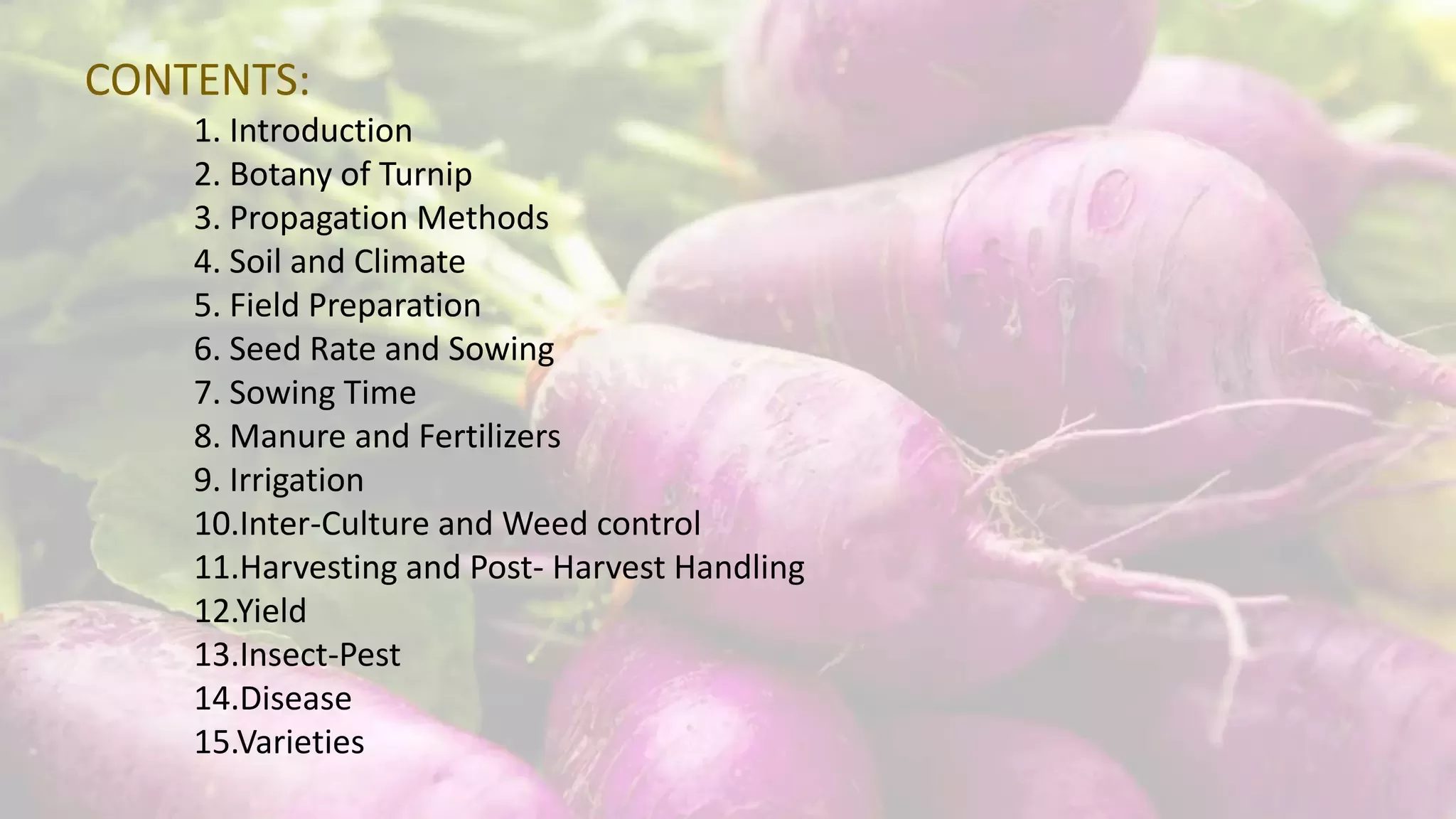
Ppt on Producion technology of turnip

Description

**Turnips: A Comprehensive Guide for Cultivation and Care**

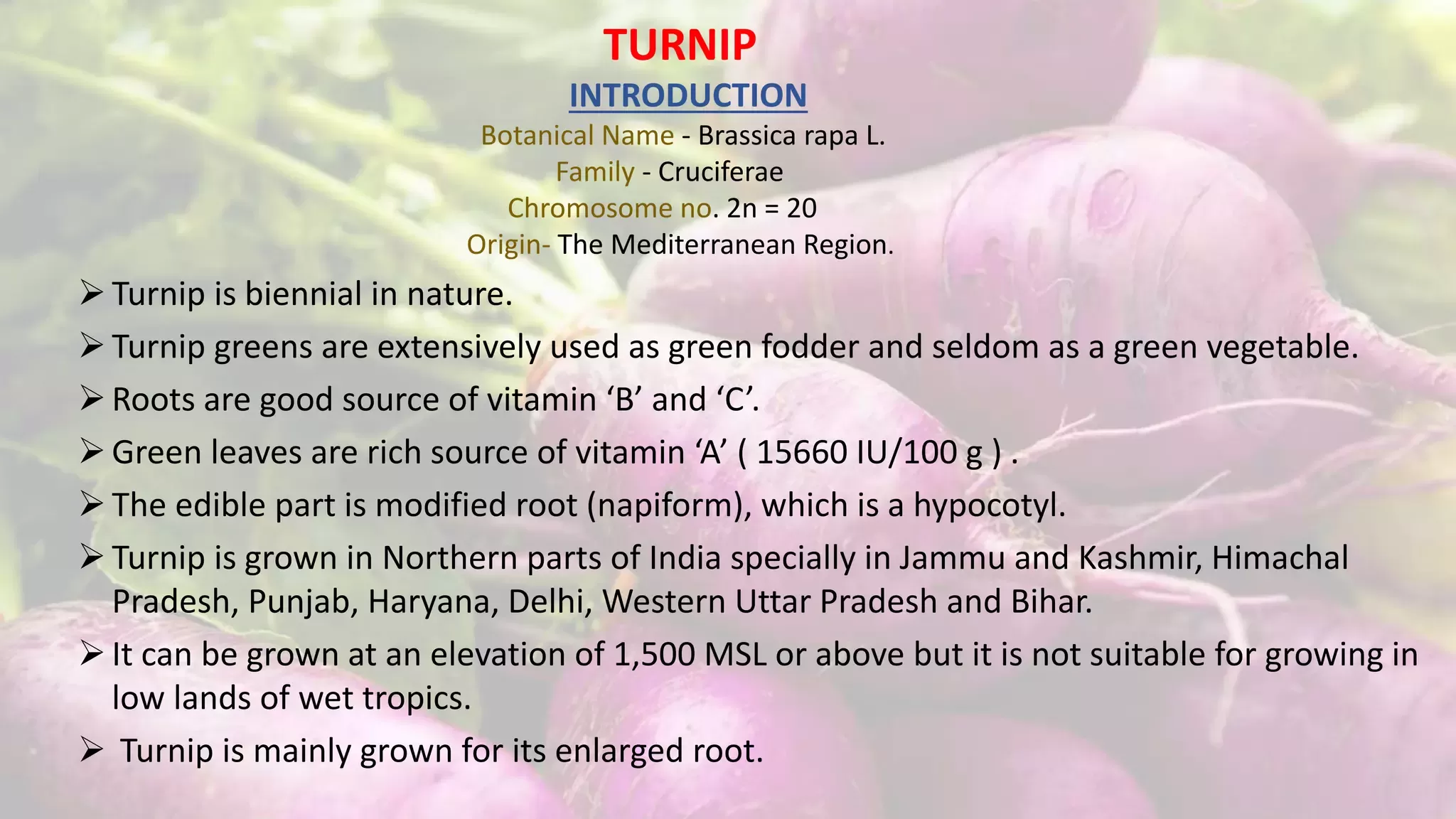
Turnips, botanically known as *Brassica rapa L.*, belong to the Cruciferae family and are recognized for their biennial nature. Originating from the Mediterranean region, these versatile root vegetables thrive particularly well in the northern regions of India, including states like Jammu and Kashmir, Himachal Pradesh, and Punjab. The edible part of the turnip is a modified root known as the hypocotyl, which can be a significant source of vitamins B and C, while its green leaves are rich in vitamin A. This article explores the essentials of turnip cultivation, including growth conditions, soil requirements, and effective pest management strategies.

### Botany and Growth Conditions

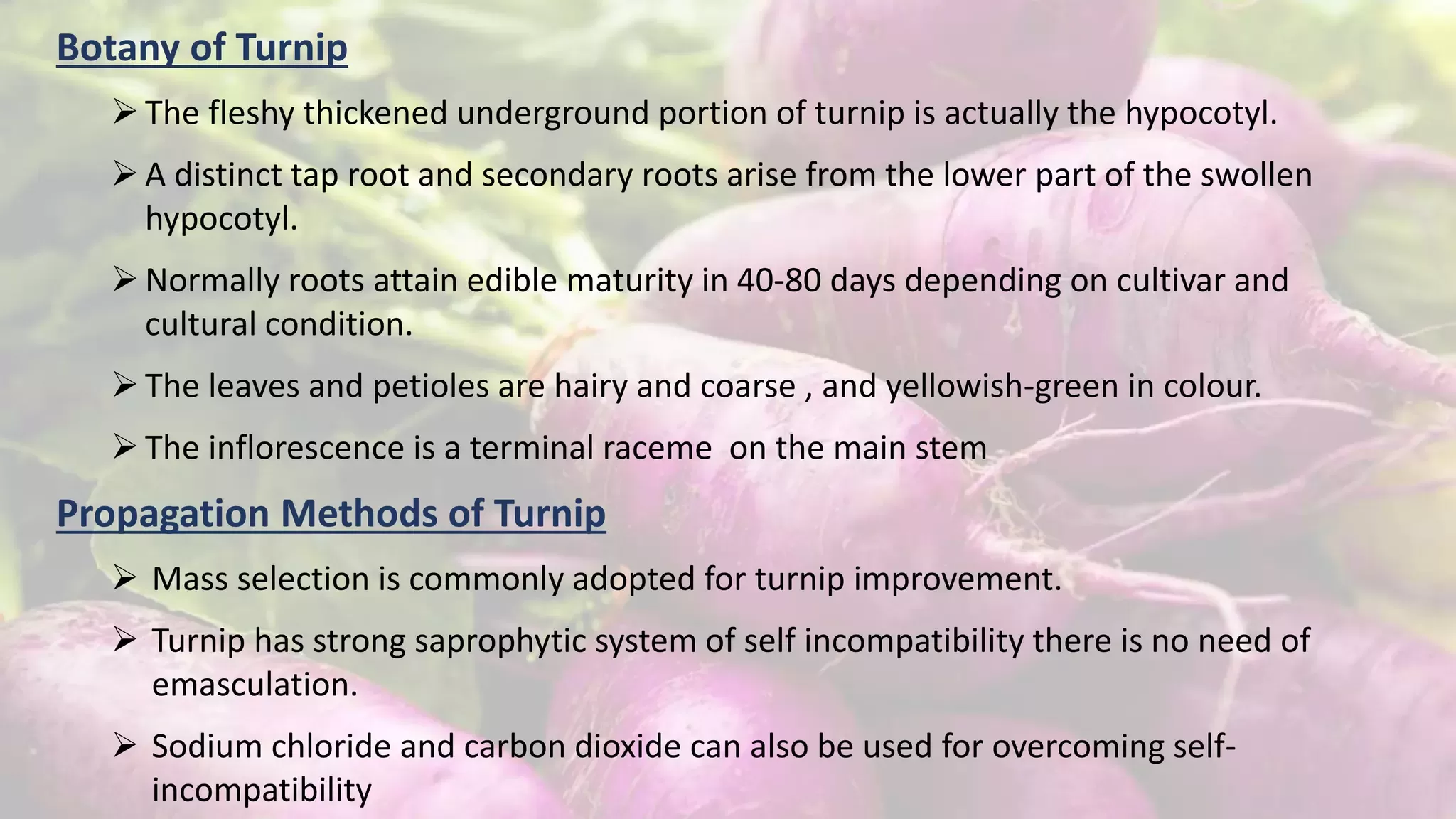
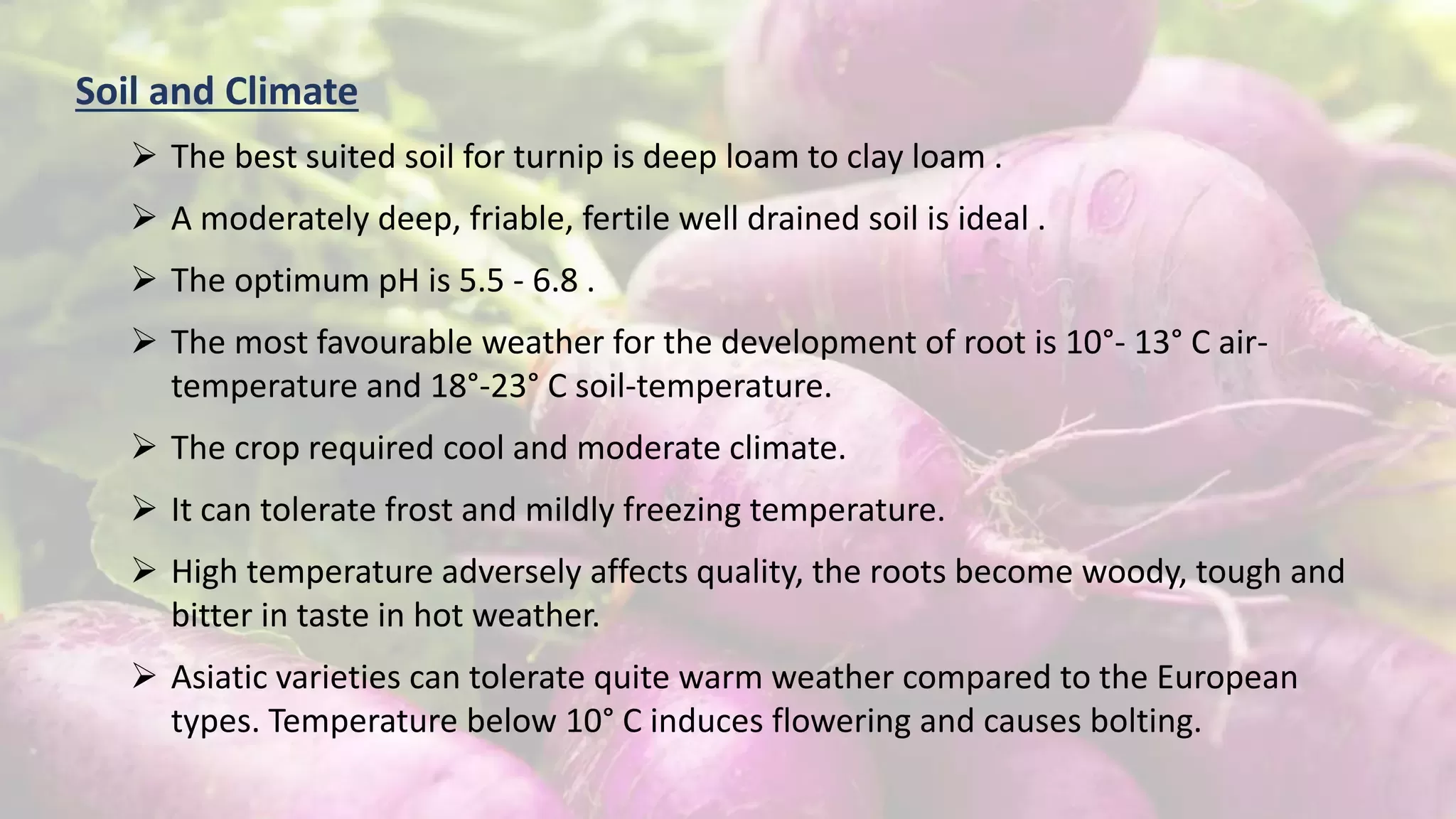
Turnips develop a thickened underground hypocotyl that acts as a storage organ. The plant generally reaches maturity within 40 to 80 days, influenced by various factors, including cultivar choices and climatic conditions. Ideal soil for turnip cultivation is deep loam to clay loam, with a pH range of 5.5 to 6.8. Cool weather between 10°C to 13°C air temperature encourages optimal root development, as high temperatures can lead to tough and bitter tasting roots.

### Preparing for Cultivation

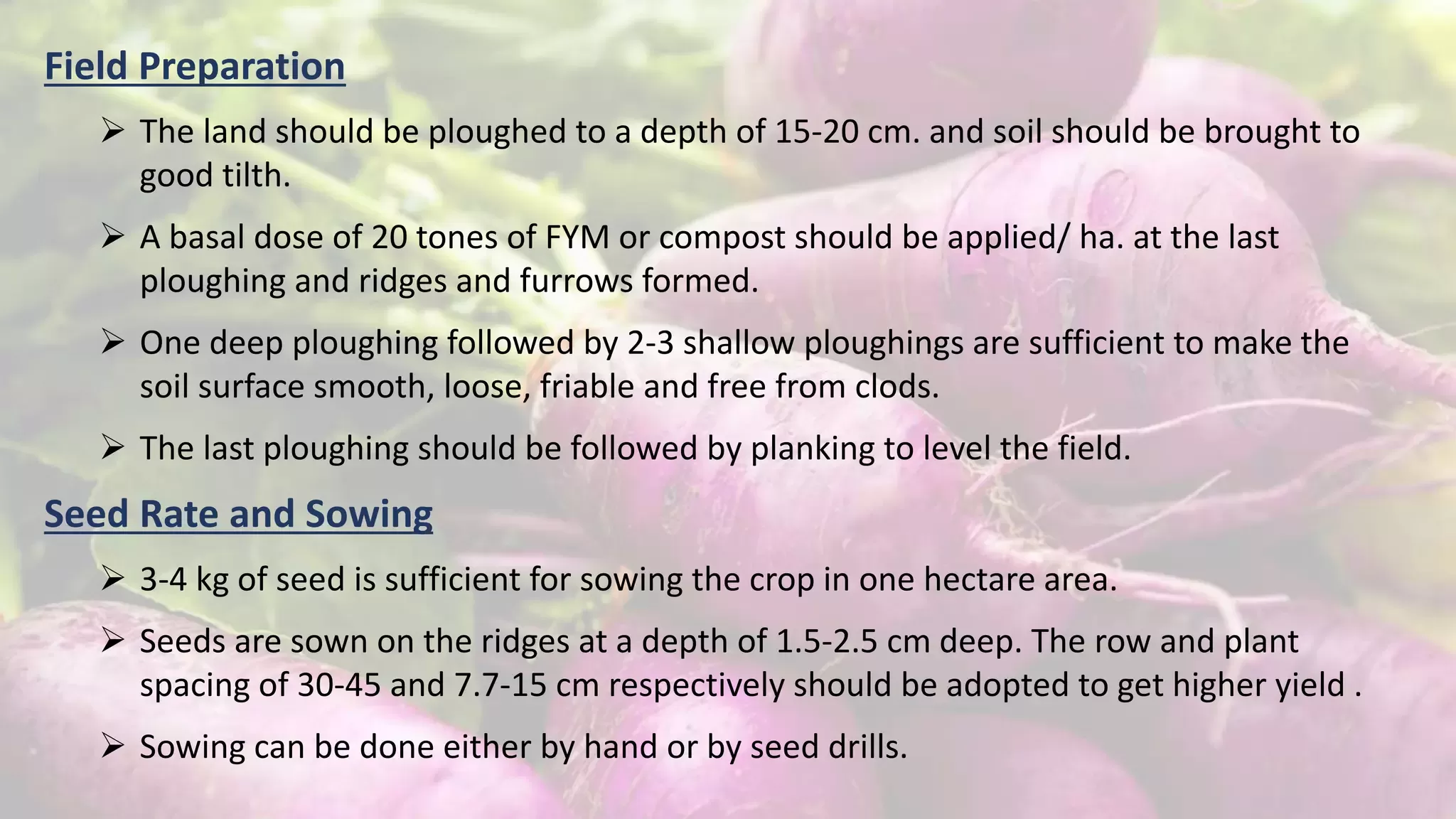
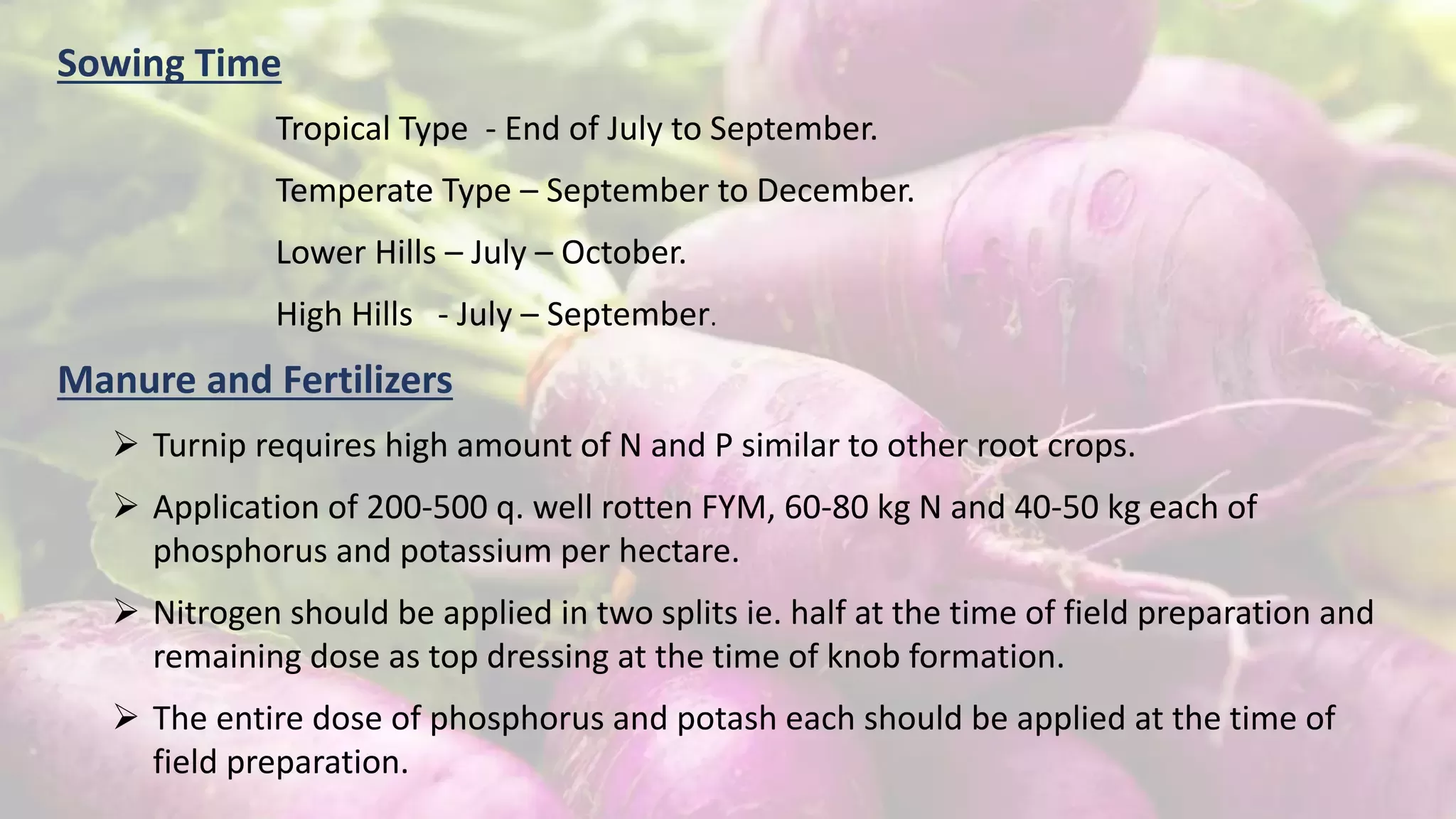
Proper field preparation is crucial for successful turnip growth. The land should be ploughed to a depth of 15-20 cm with a balanced application of organic manure to ensure soil fertility. Sowing typically occurs from late July to December, depending on the region, using 3-4 kg of seeds per hectare. The spacing between rows and plants is essential for maximizing yields.

### Nutrient and Water Management

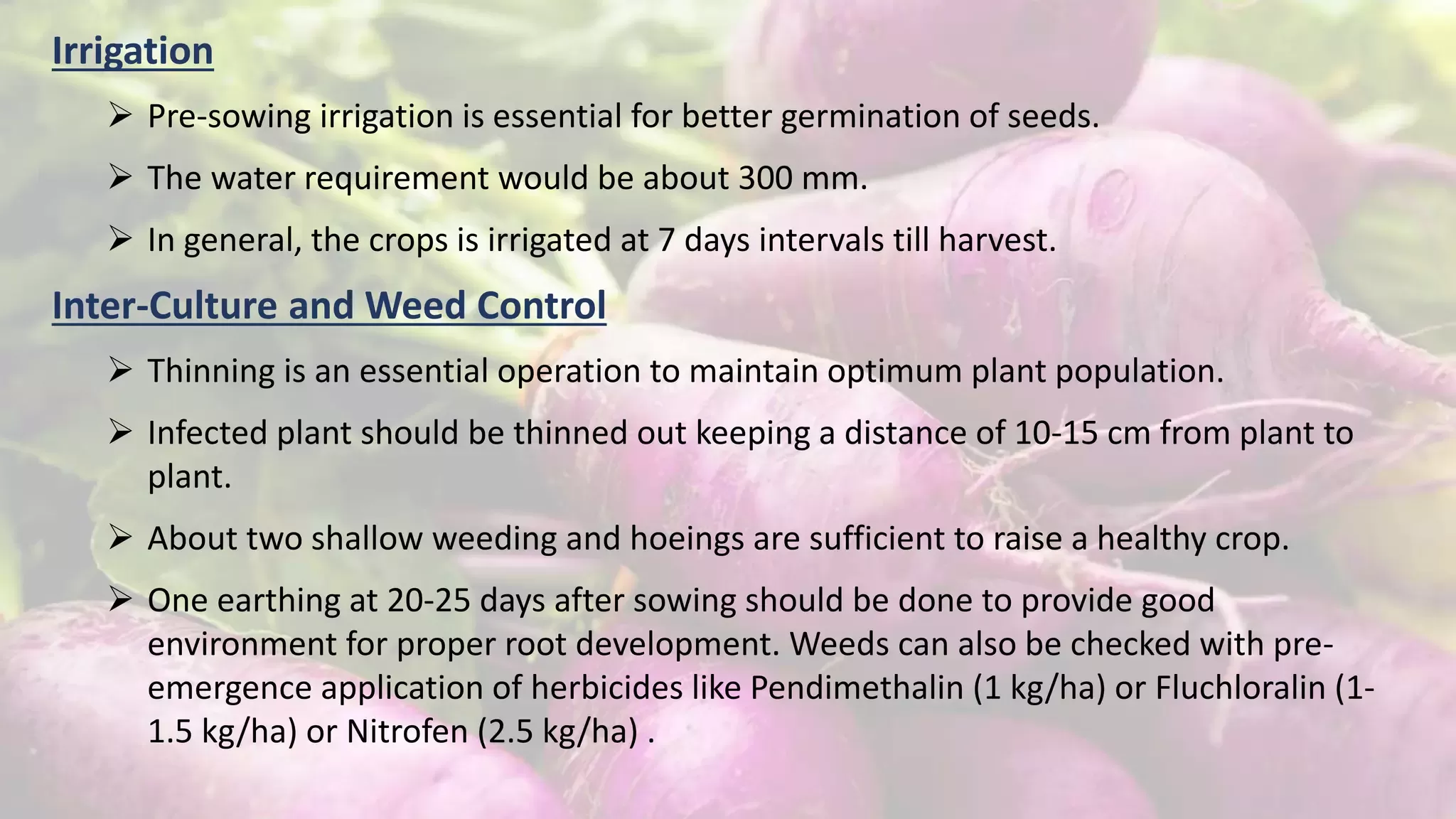
Turnips require a balanced nutrient supply, particularly nitrogen, phosphorus, and potassium, to thrive. Regular irrigation is vital, with an average requirement of about 300 mm. The schedule usually includes pre-sowing irrigation followed by consistent watering to maintain soil moisture levels.

### Inter-Cultural Practices

Maintaining plant health through inter-culture practices is important. Thinning is necessary to avoid overcrowding, and weeding should be conducted every few weeks to minimize competition for resources. Herbicides can also play a role in controlling weed growth effectively.

### Harvesting and Handling

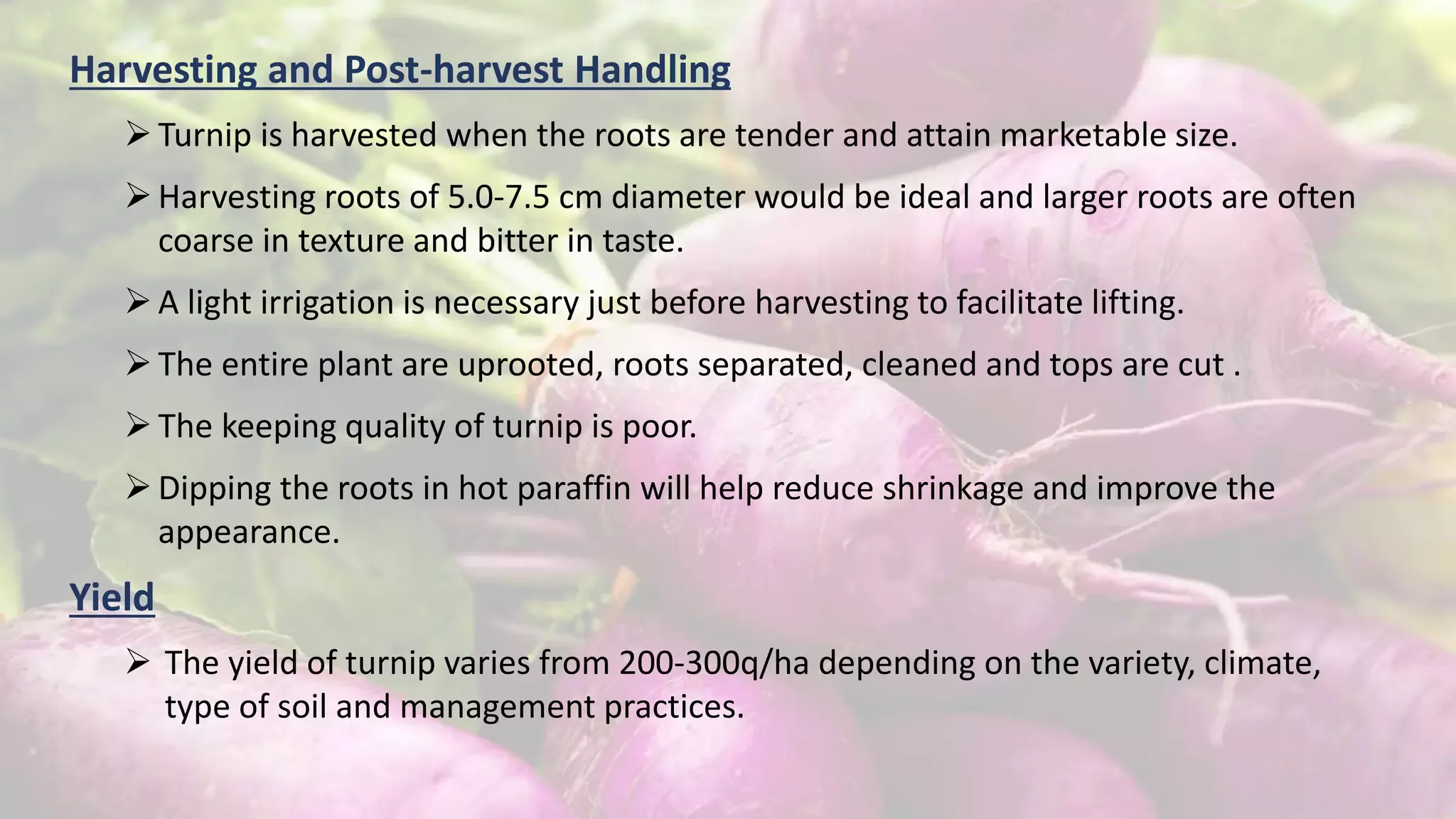
Understanding the right time to harvest is critical to ensuring the quality of turnips. Roots should be collected when they reach a diameter of 5-7.5 cm. Post-harvest handling, including irrigation just before harvesting, helps in the easy lifting of plants, thereby maintaining their quality.

### Pest and Disease Management

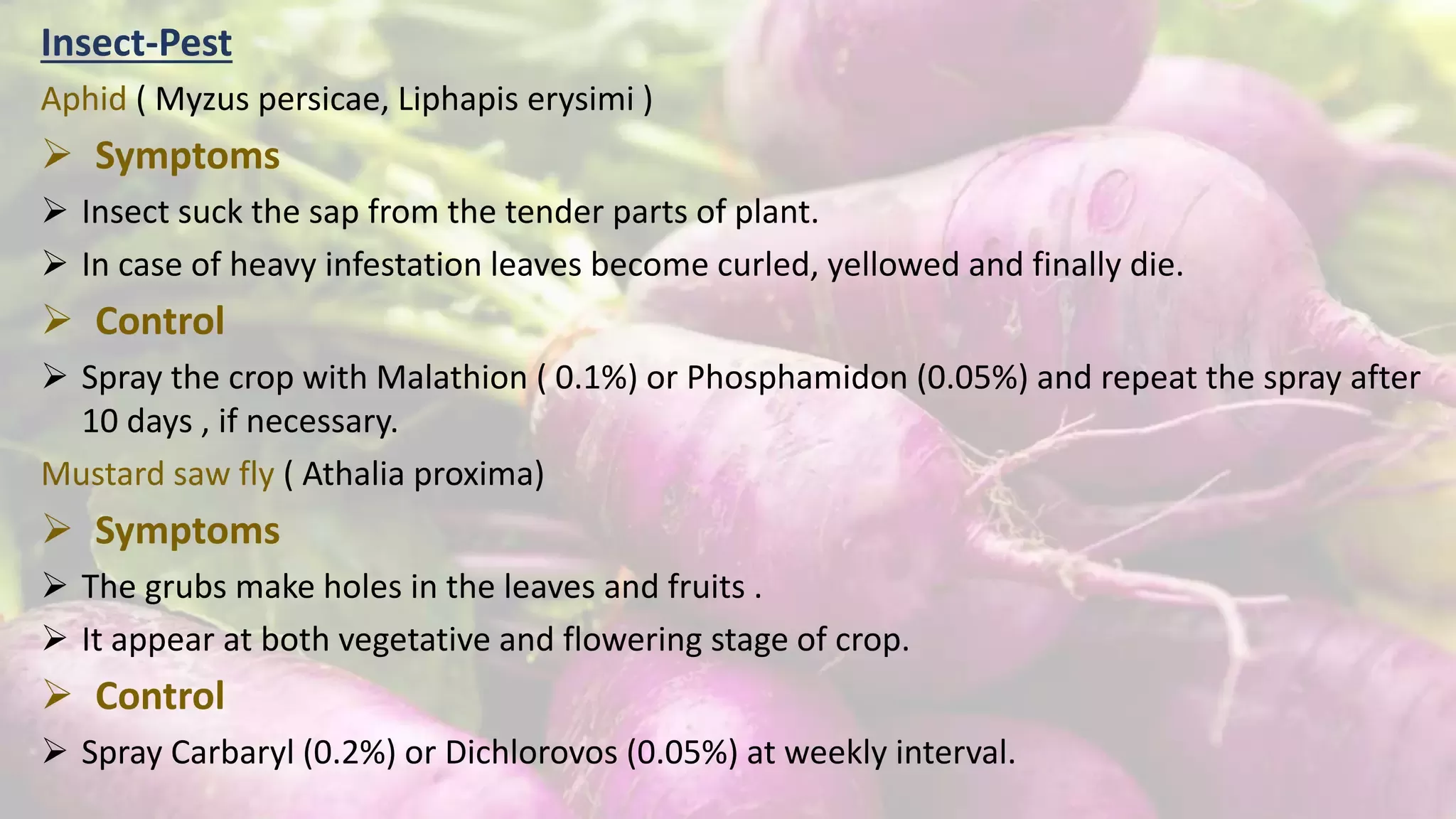
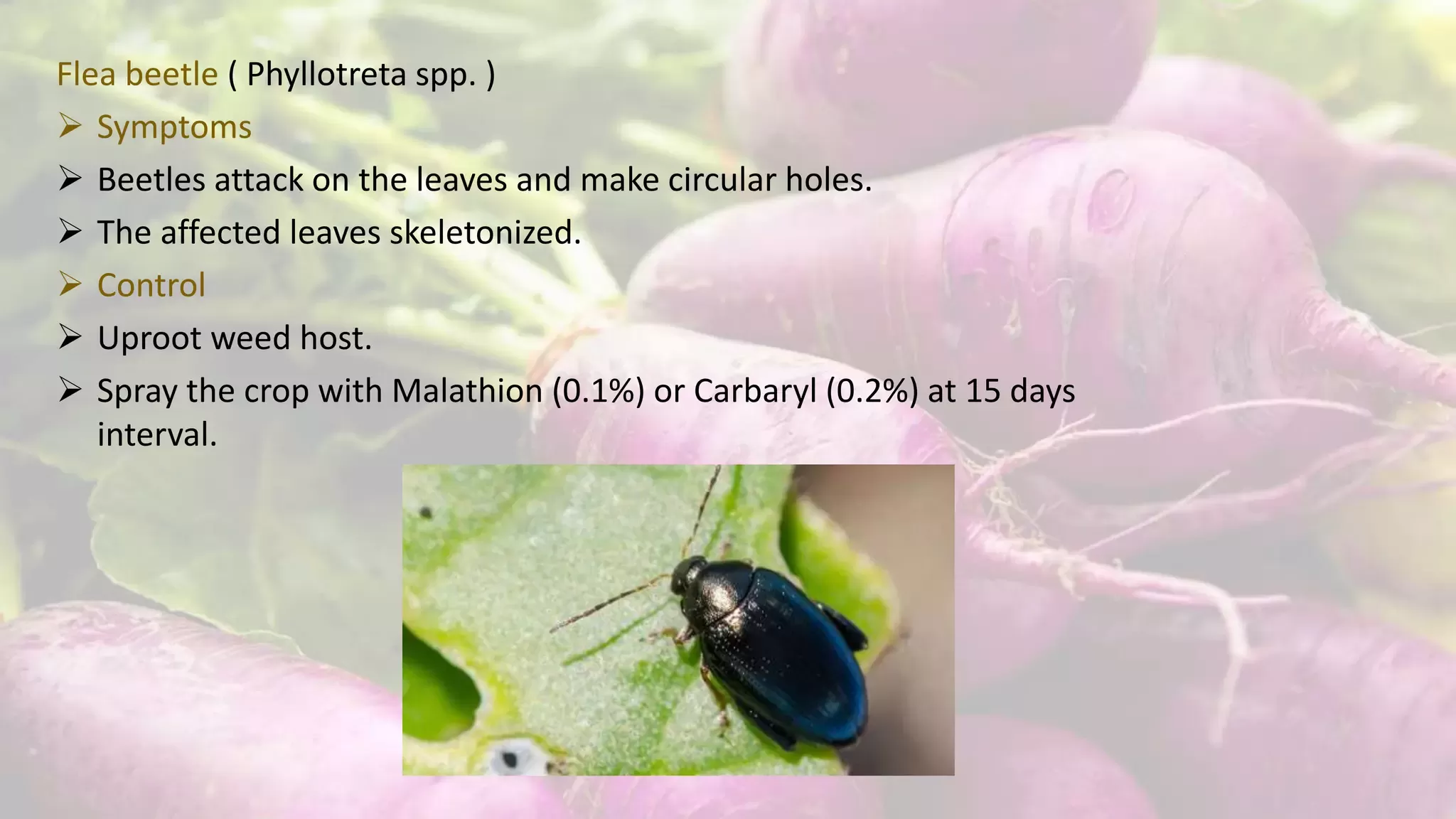
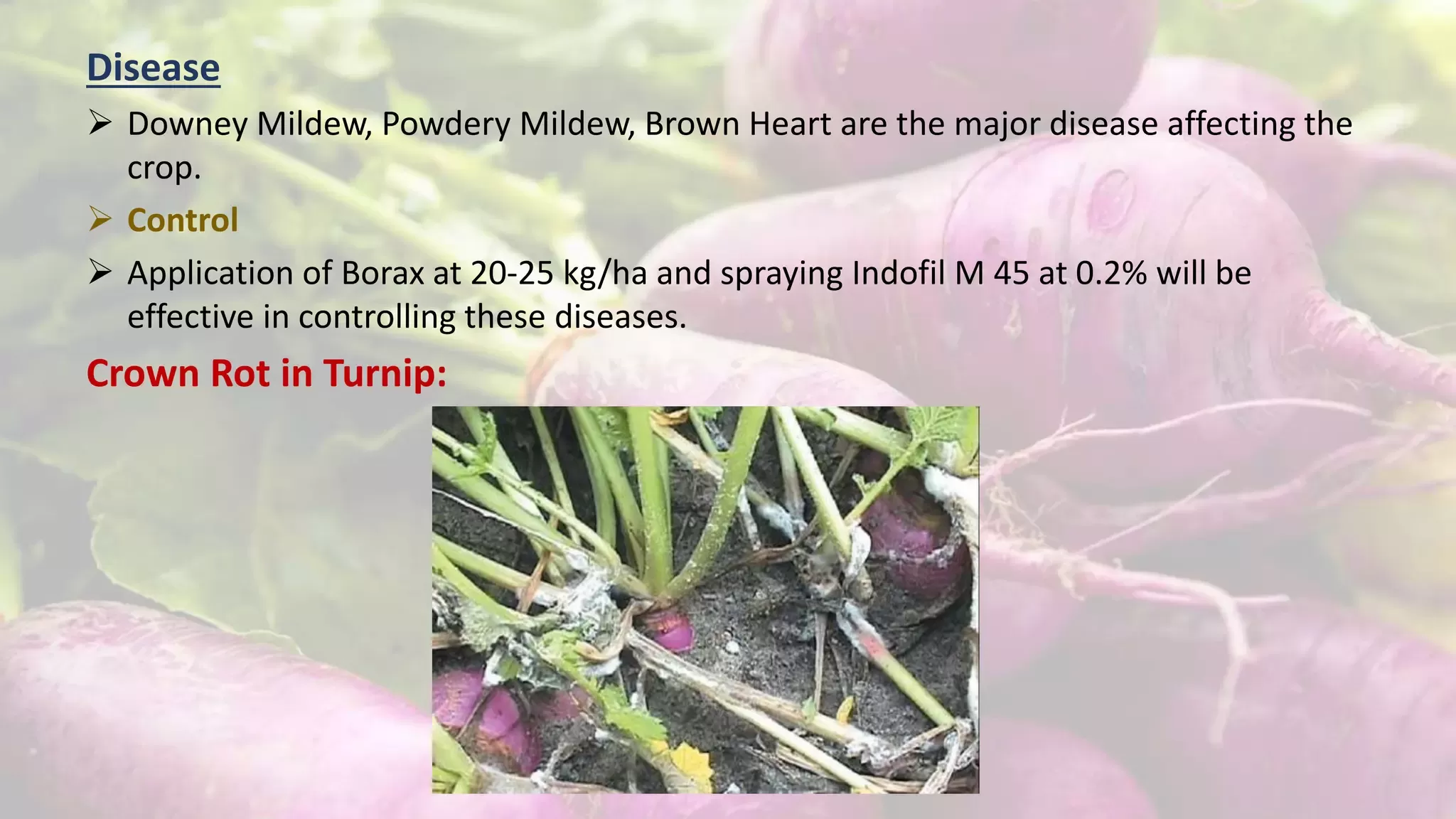
Turnips can be susceptible to various pests, including aphids and flea beetles, which can cause significant damage if not managed promptly. Regular monitoring and timely pesticide application can help control infestations effectively. Additionally, diseases like downy and powdery mildew require specific management practices, including the use of borax and fungicides.

### Varieties of Turnips

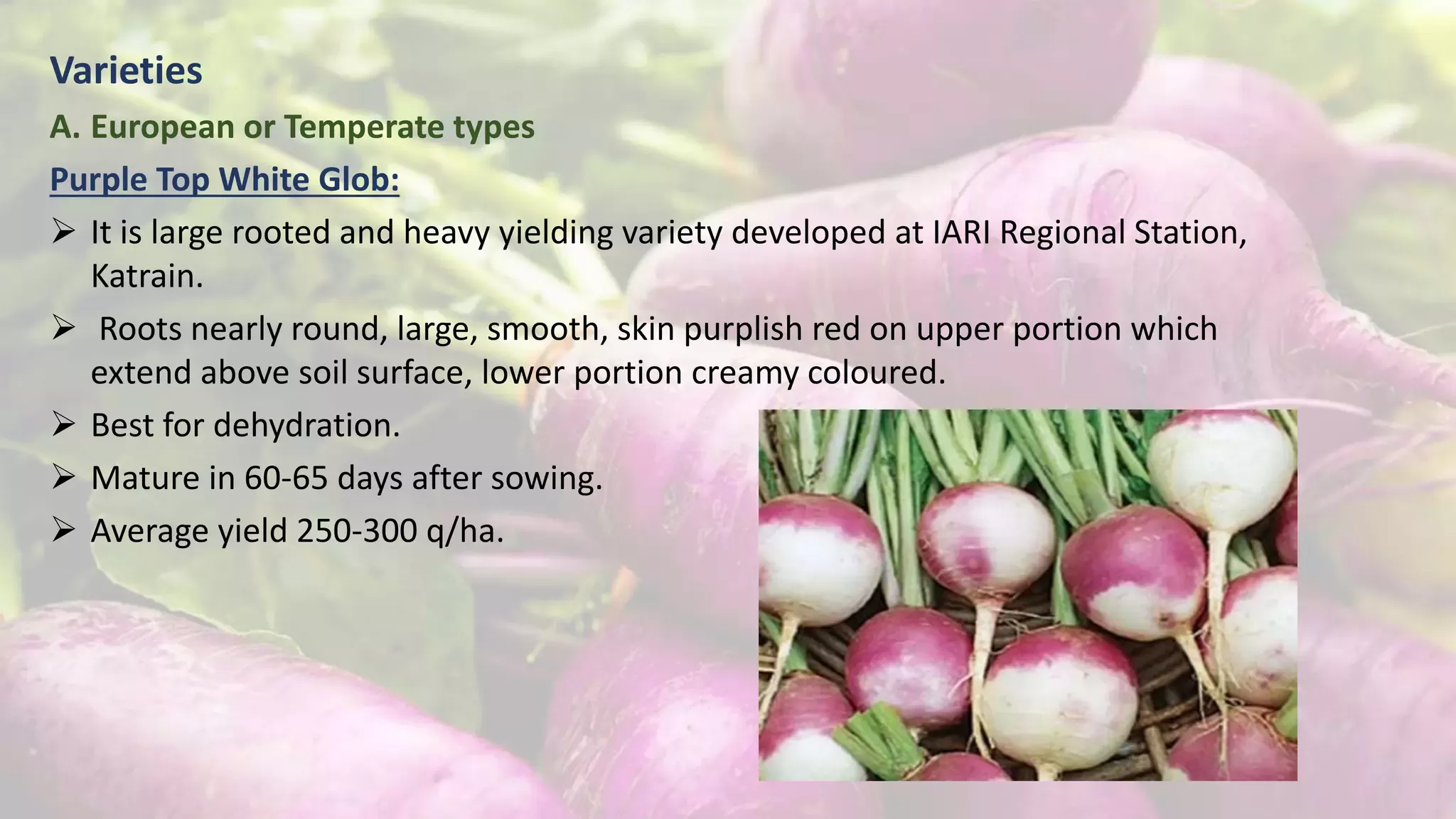
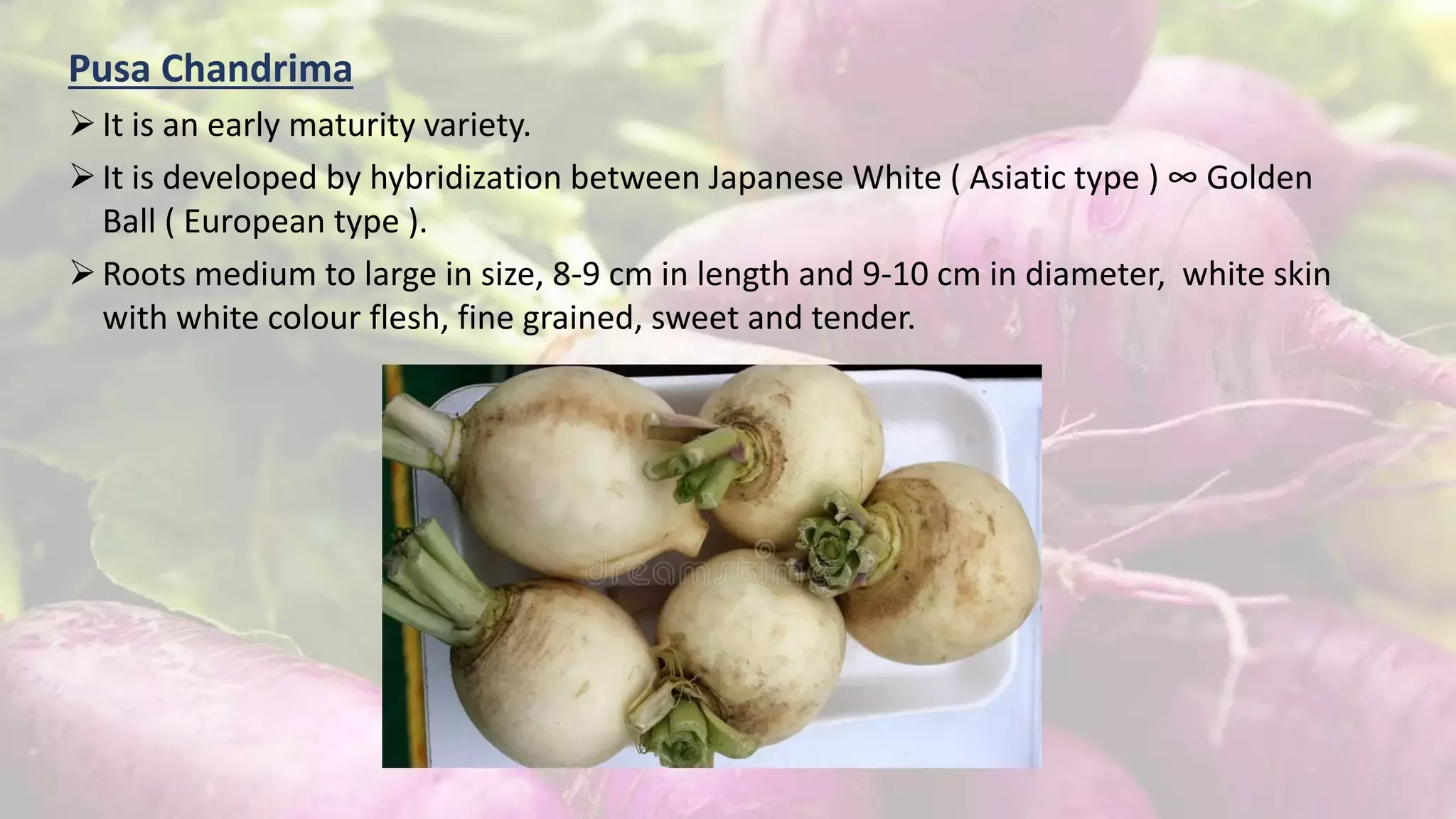
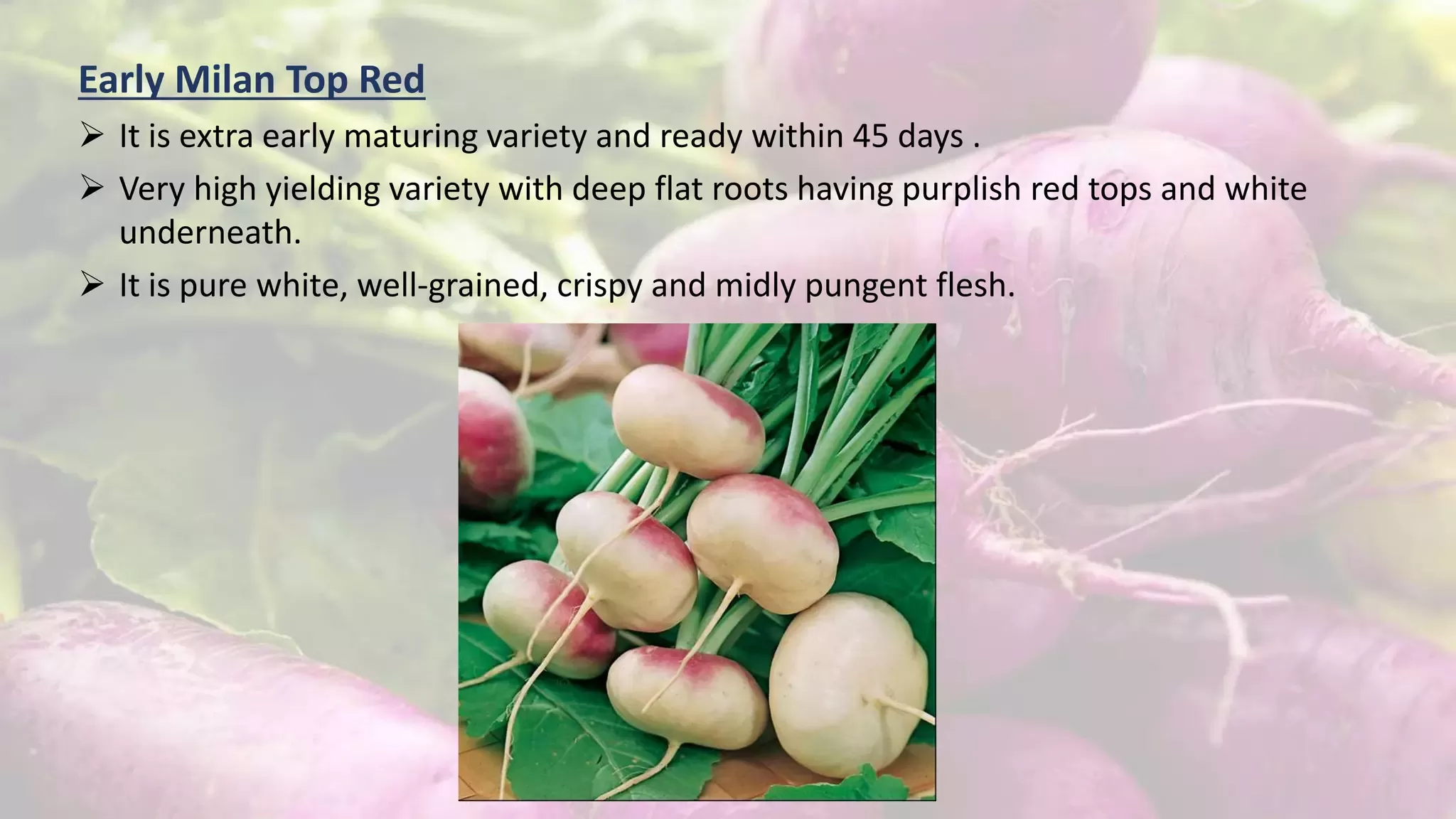
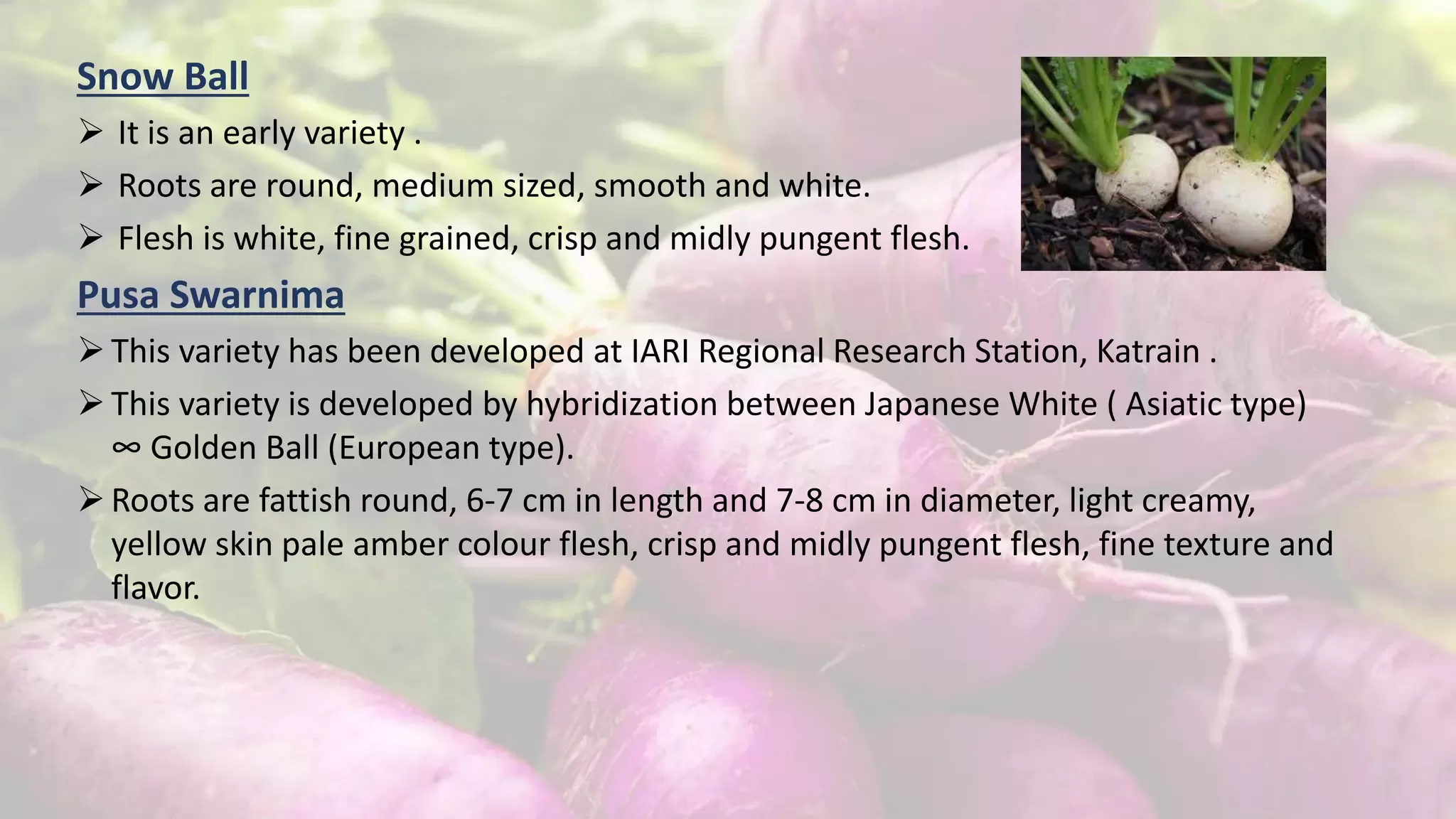
Several cultivars exist, each with unique characteristics. European types, such as Purple Top White Globe and Golden Ball, vary in size, flavor, and cultivation requirements. Asiatic varieties like Pusa Kanchan and Pusa Sweti are adapted to tropical climates, focusing on early maturity and flavor enhancement.

In summary, growing turnips can be a rewarding agricultural endeavor, provided one follows the right practices concerning soil preparation, irrigation, pest management, and harvesting. By understanding these critical factors, farmers can ensure a bountiful turnip yield that caters to both culinary and nutritional needs.

**Keywords**: Turnip cultivation, Botany, Soil management, Pest control, Varieties.
Slide 1

Slide 1⬇ Slide

Slide 2

Slide 2⬇ Slide

Slide 3

Slide 3⬇ Slide

Slide 4

Slide 4⬇ Slide

Slide 5

Slide 5⬇ Slide

Slide 6

Slide 6⬇ Slide

Slide 7

Slide 7⬇ Slide

Slide 8

Slide 8⬇ Slide

Slide 9

Slide 9⬇ Slide

Slide 10

Slide 10⬇ Slide

Slide 11

Slide 11⬇ Slide

Slide 12

Slide 12⬇ Slide

Slide 13

Slide 13⬇ Slide

Slide 14

Slide 14⬇ Slide

Slide 15

Slide 15⬇ Slide

Slide 16

Slide 16⬇ Slide

Slide 17

Slide 17⬇ Slide

Slide 18

Slide 18⬇ Slide
1 / 18

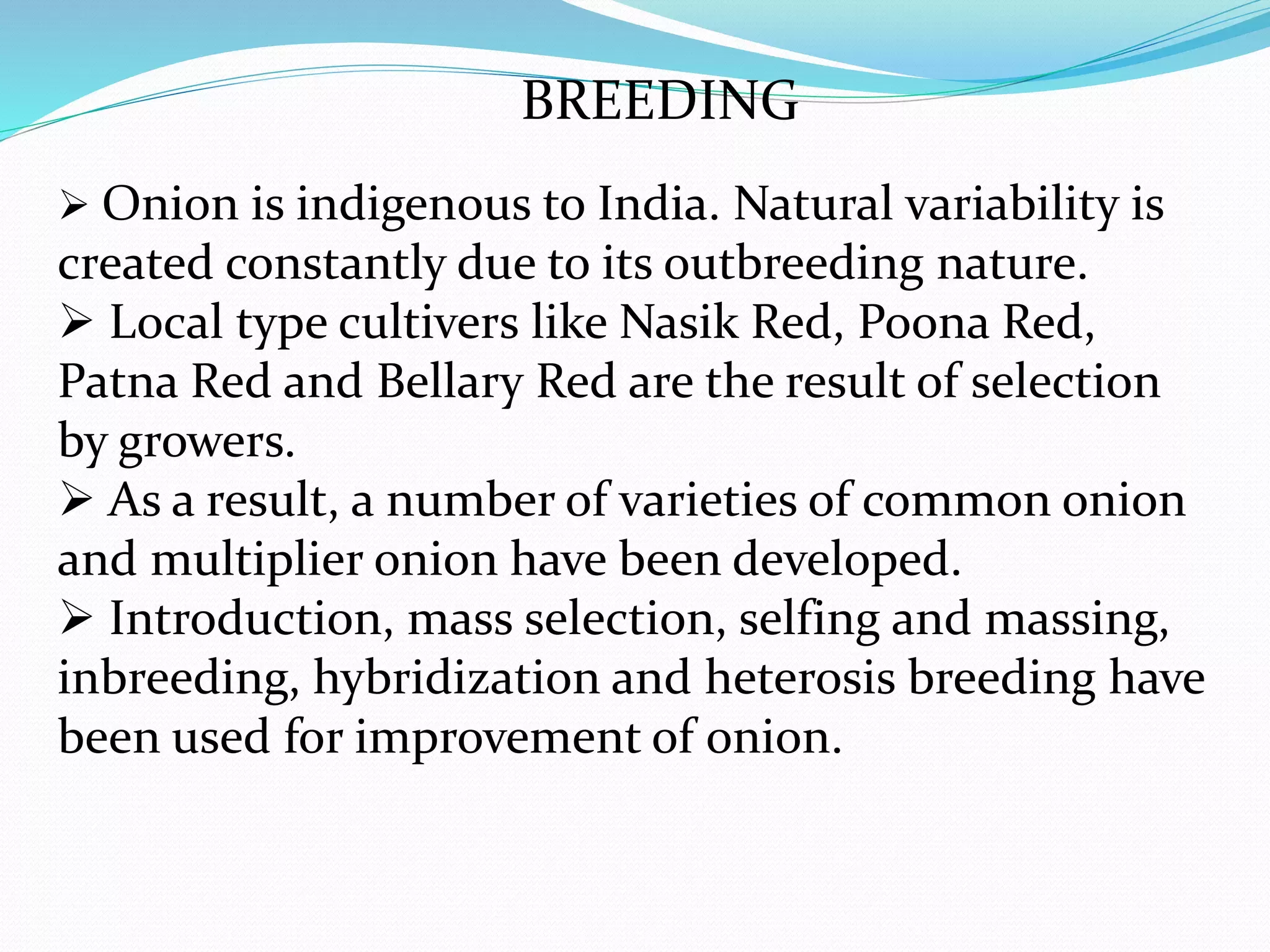
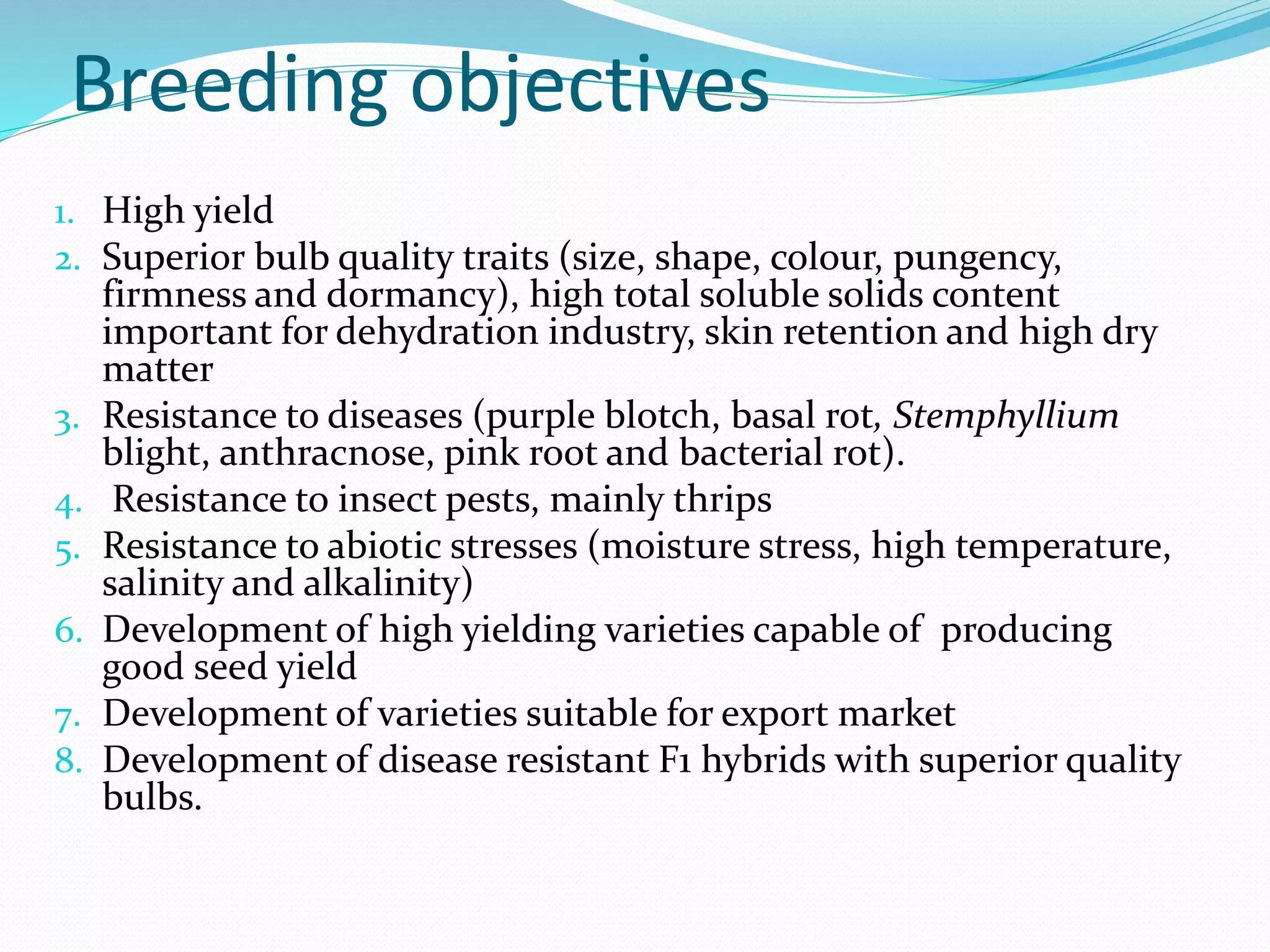
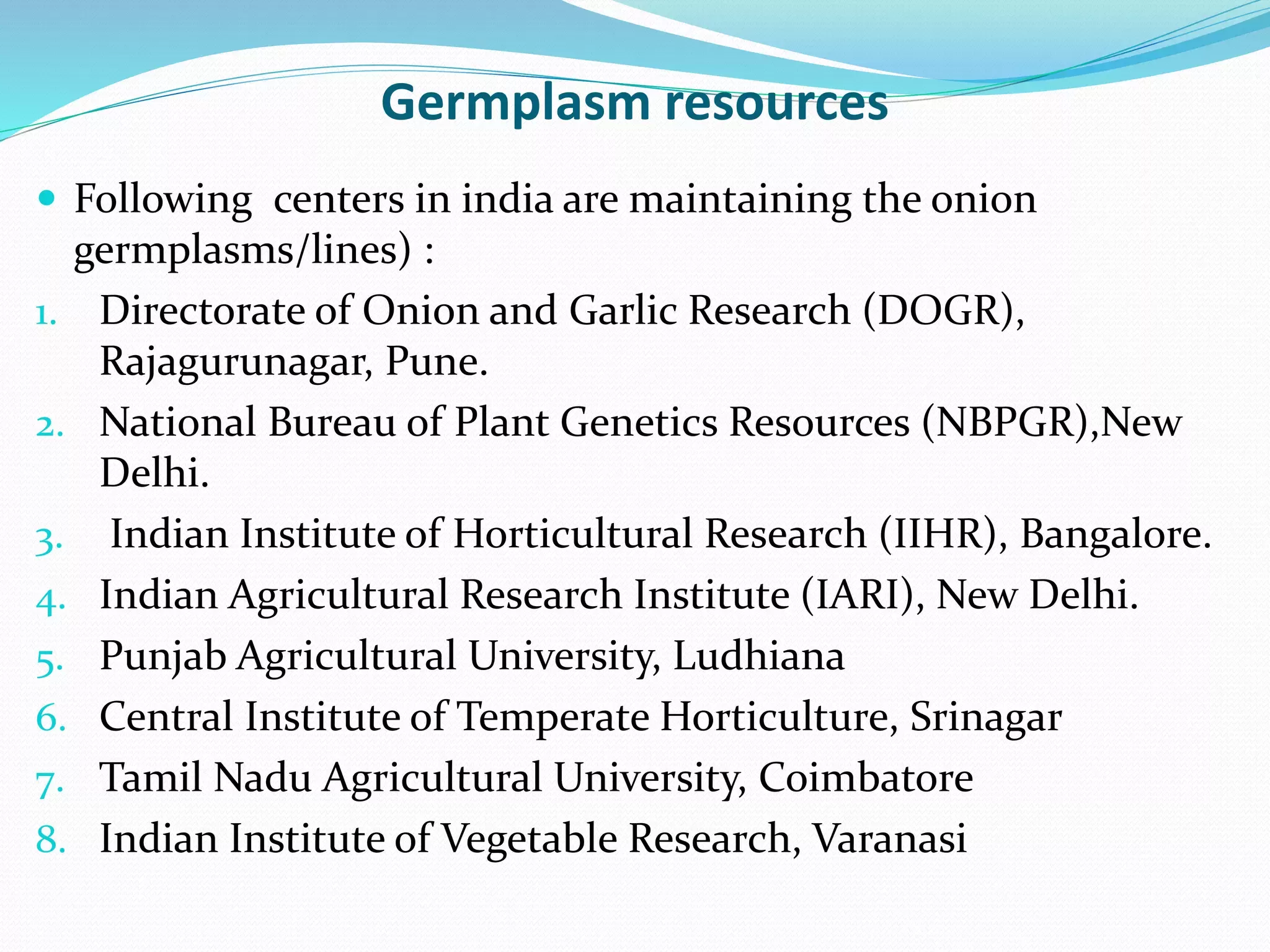
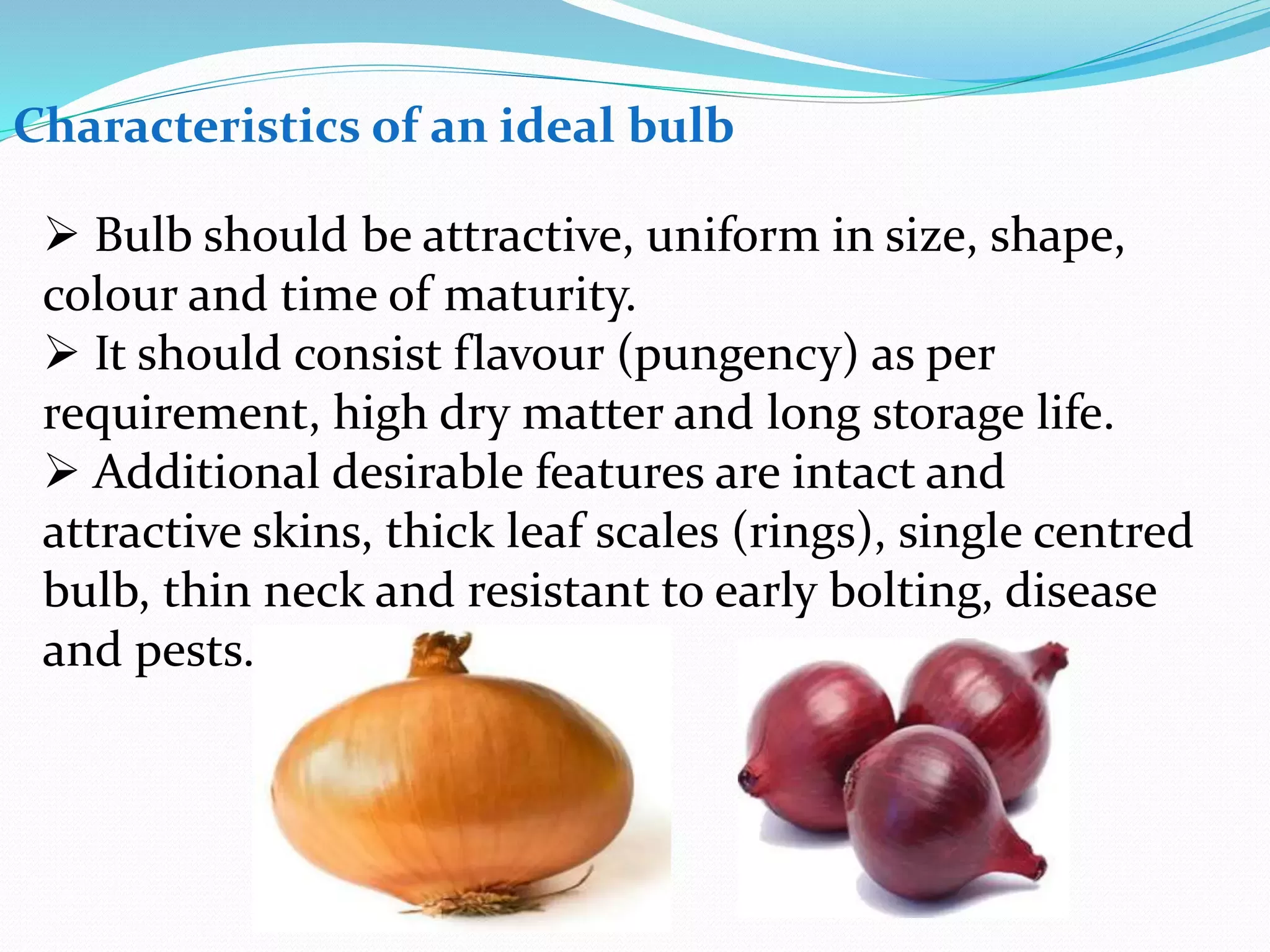
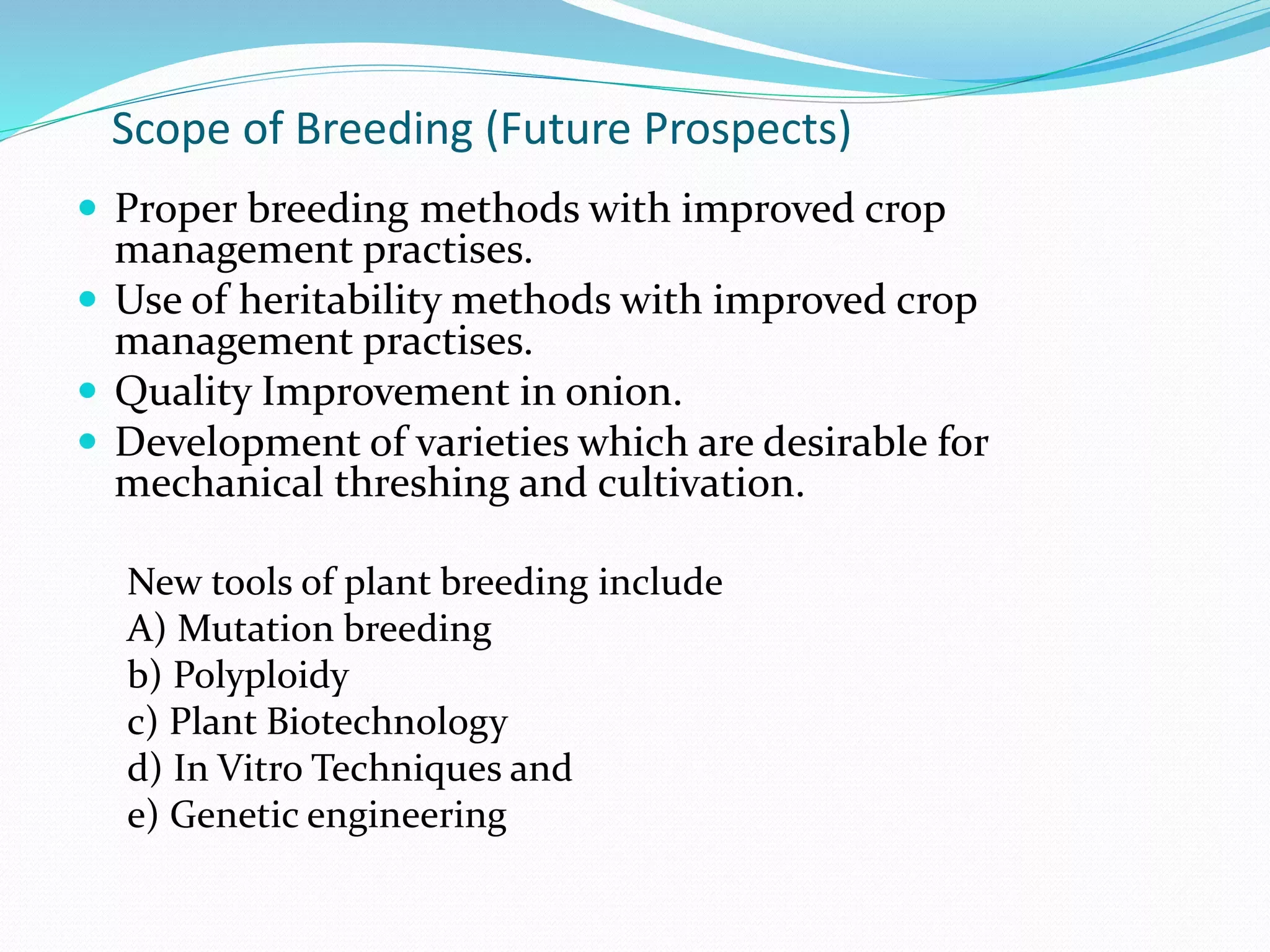
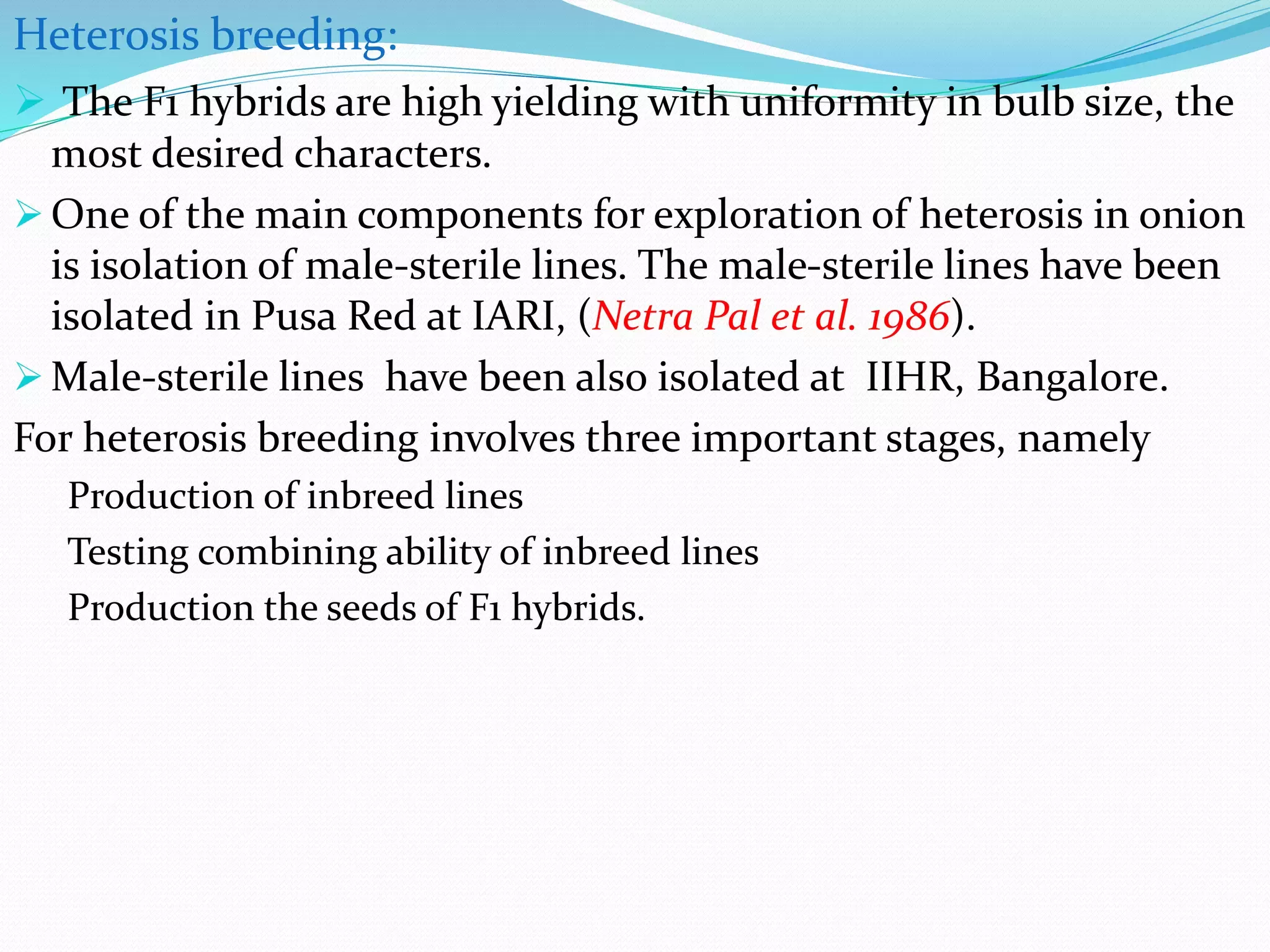
Ppt on CROP IMPROVEMENT IN ONION (Allium cepa L.)

Summary:

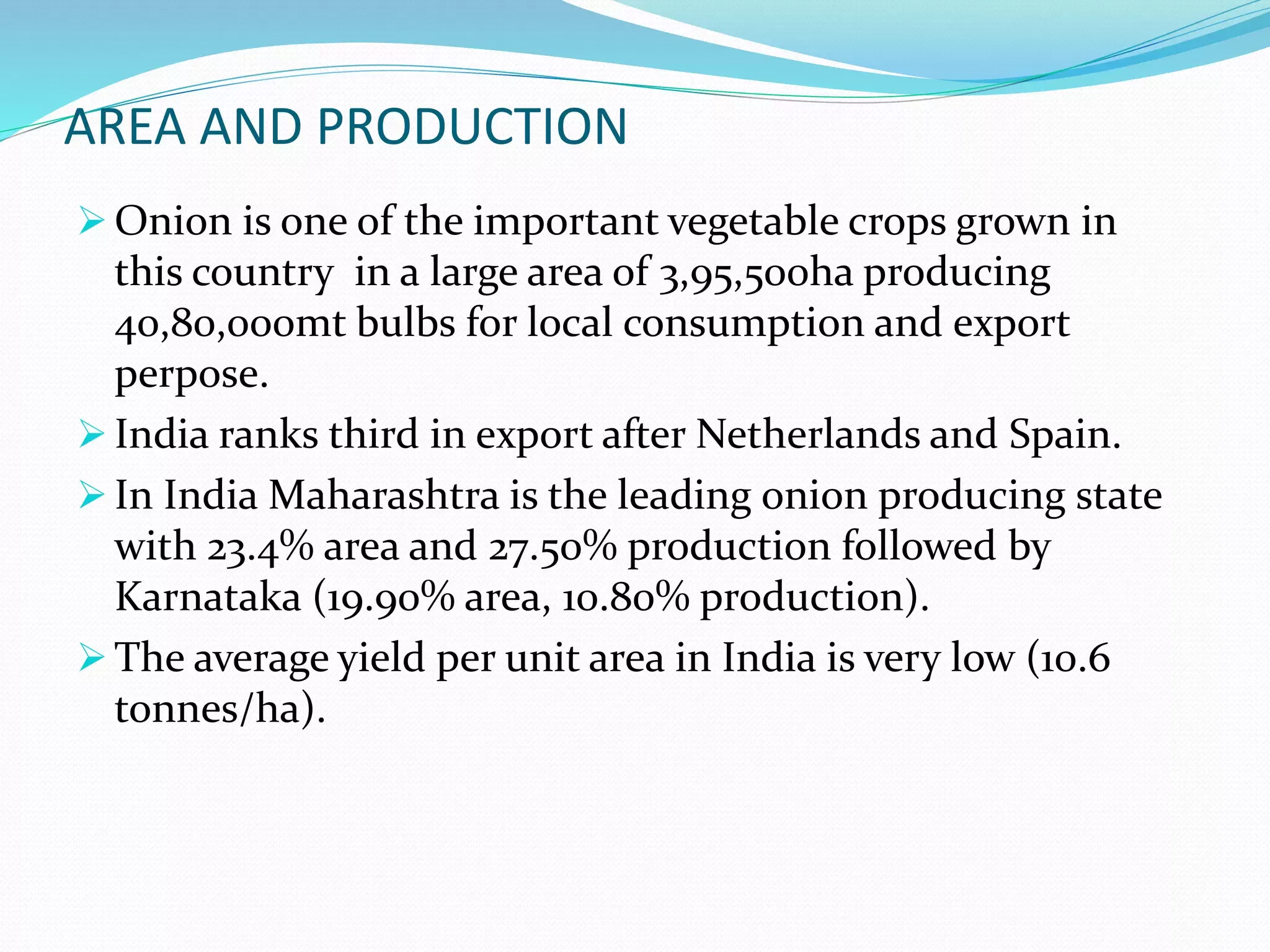
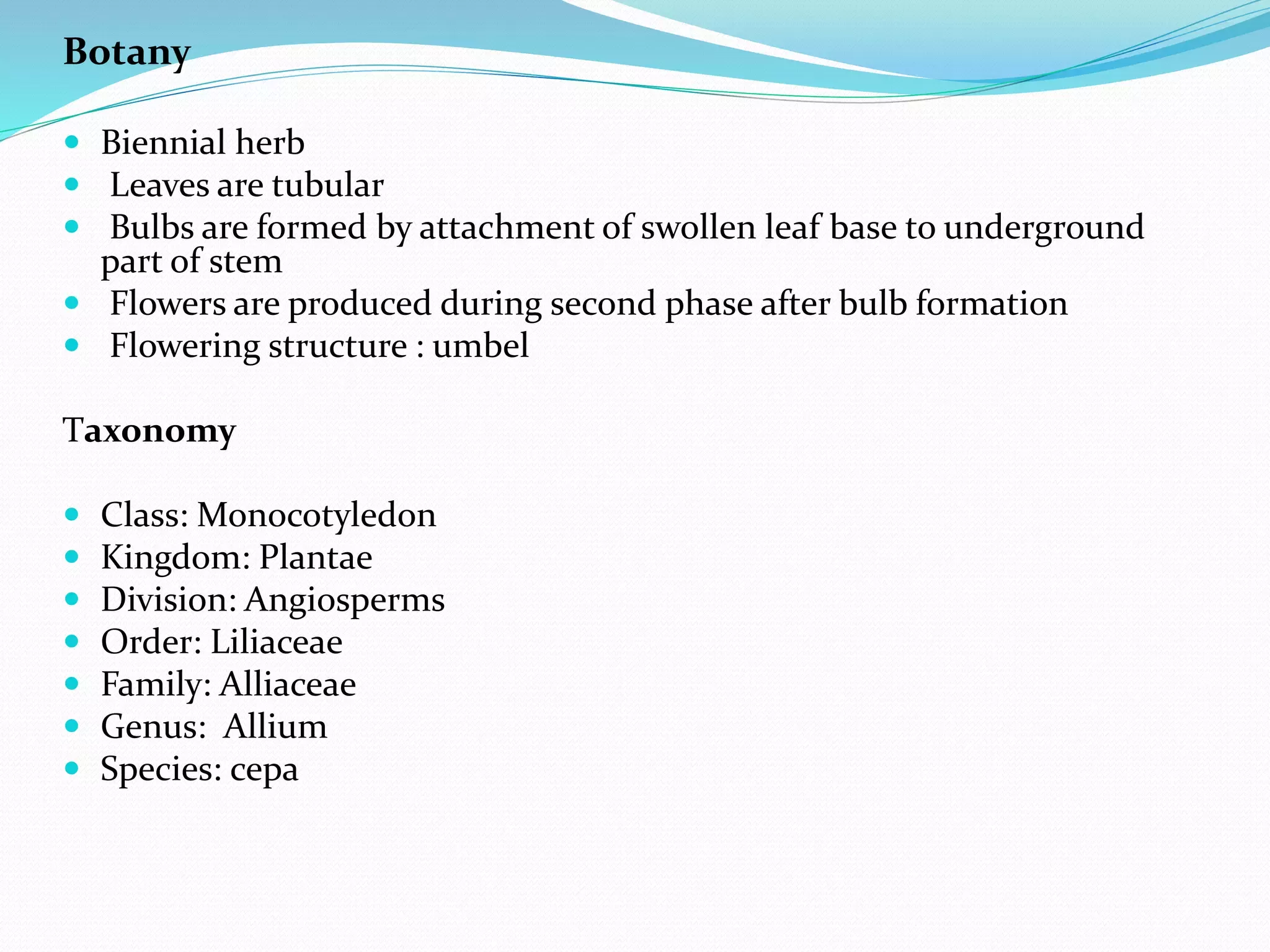
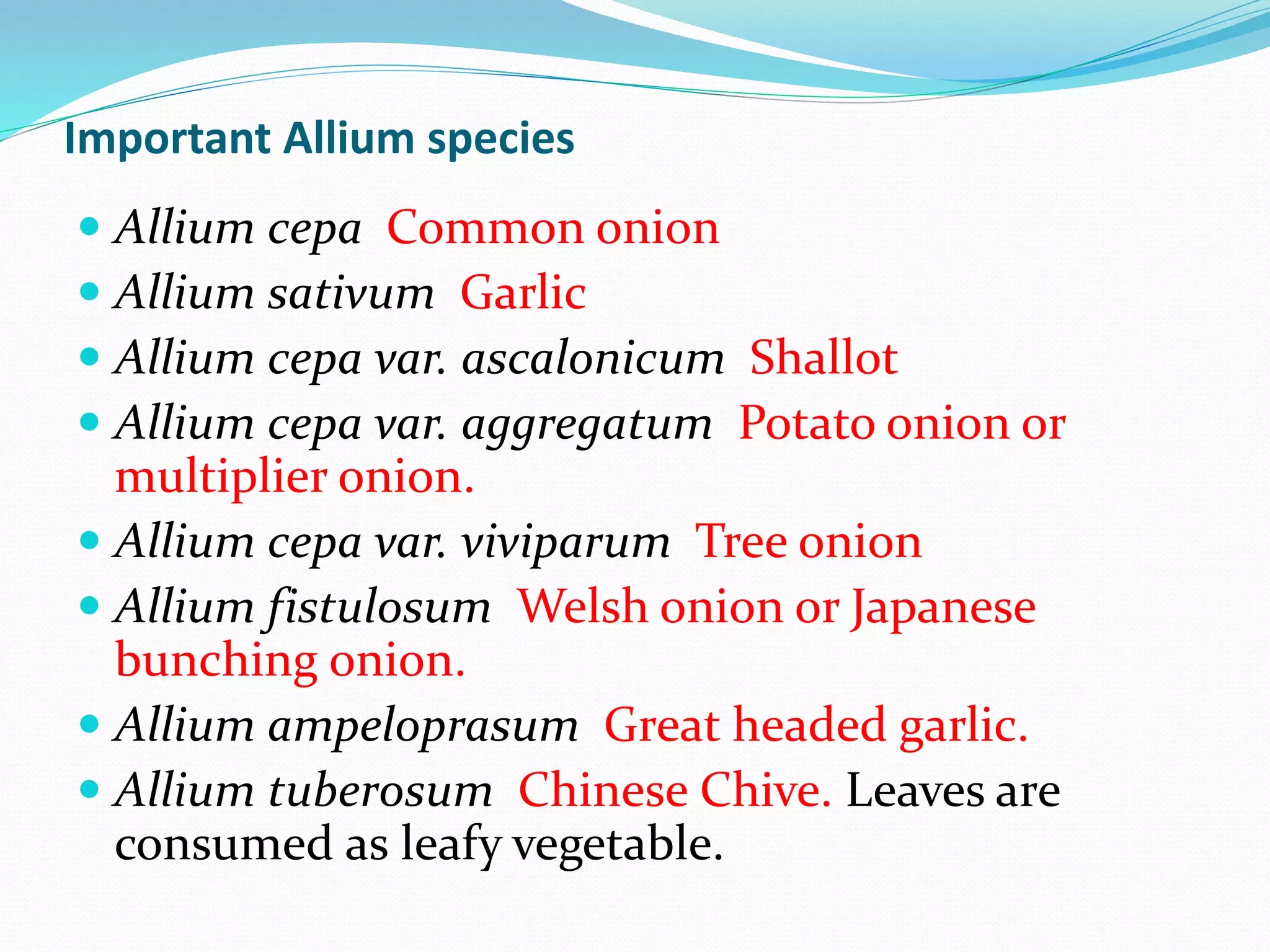
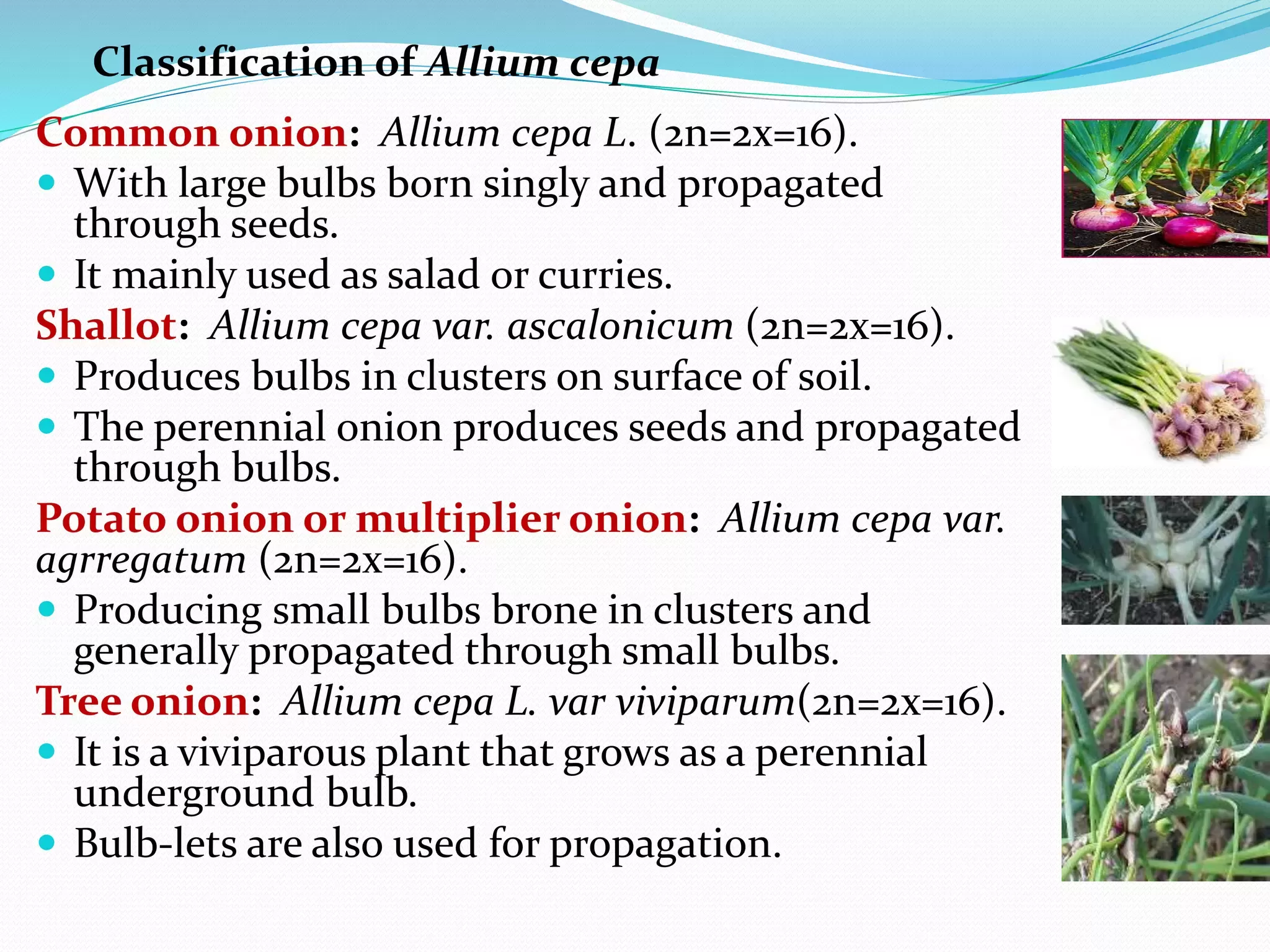
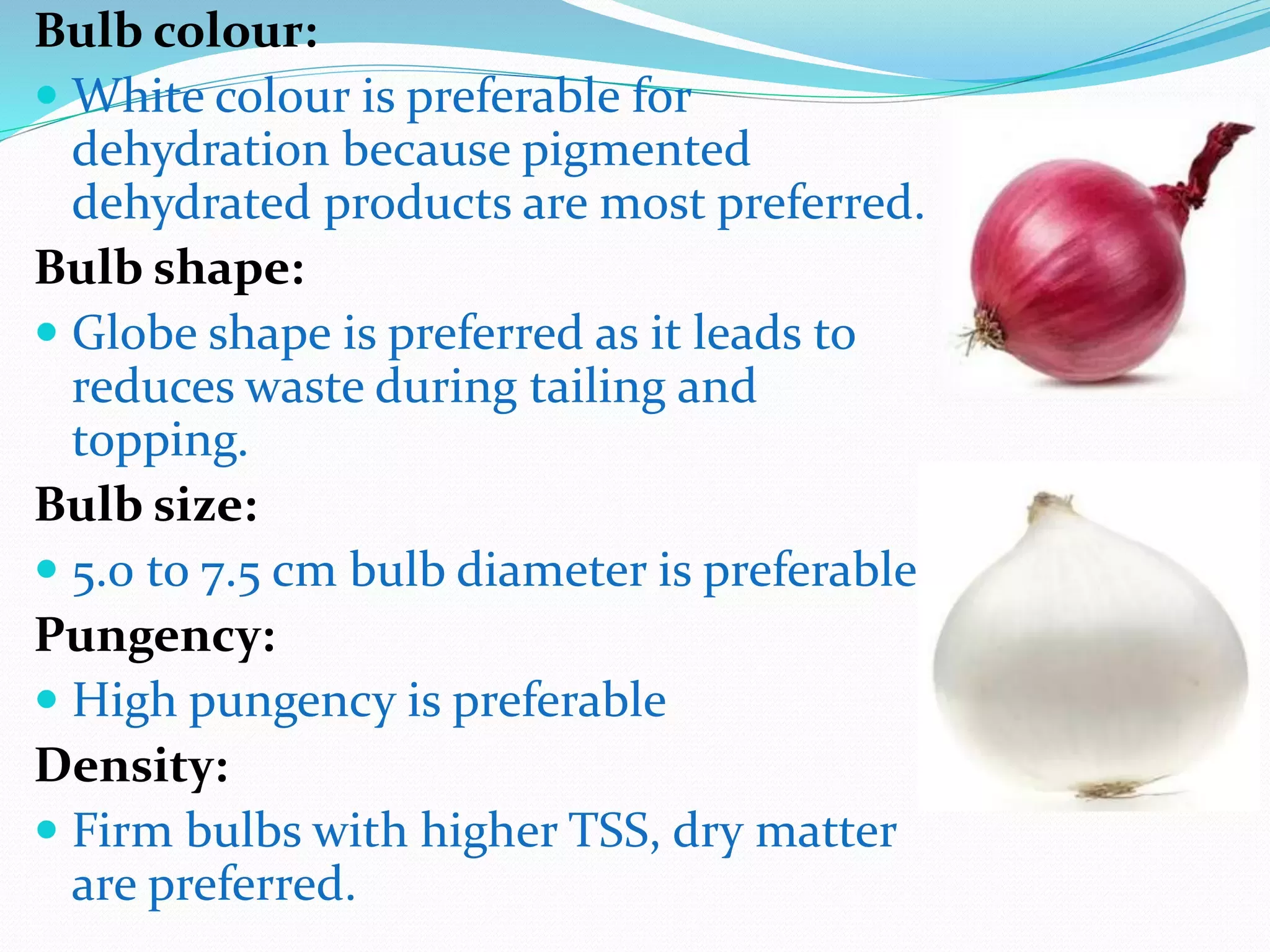
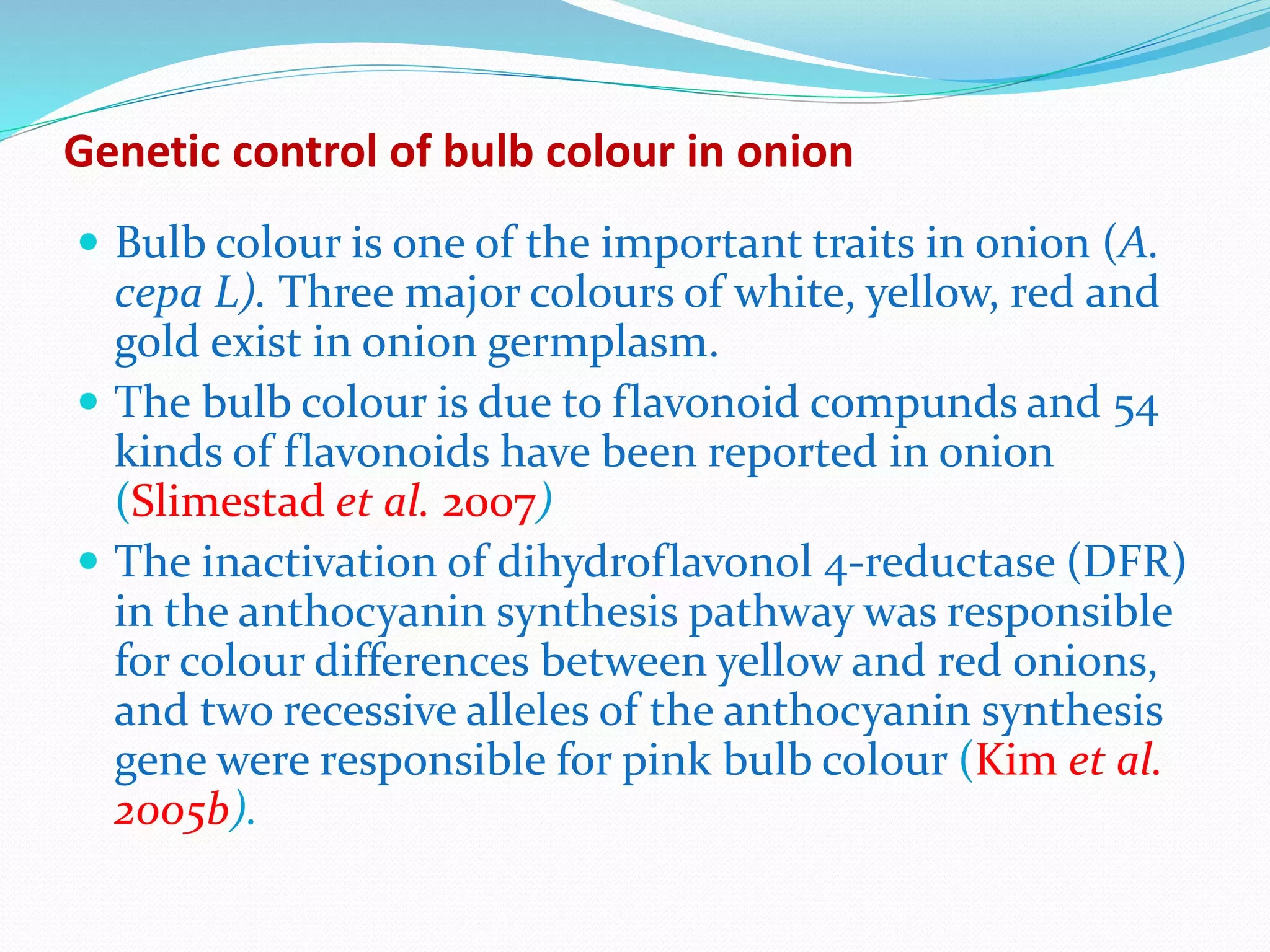
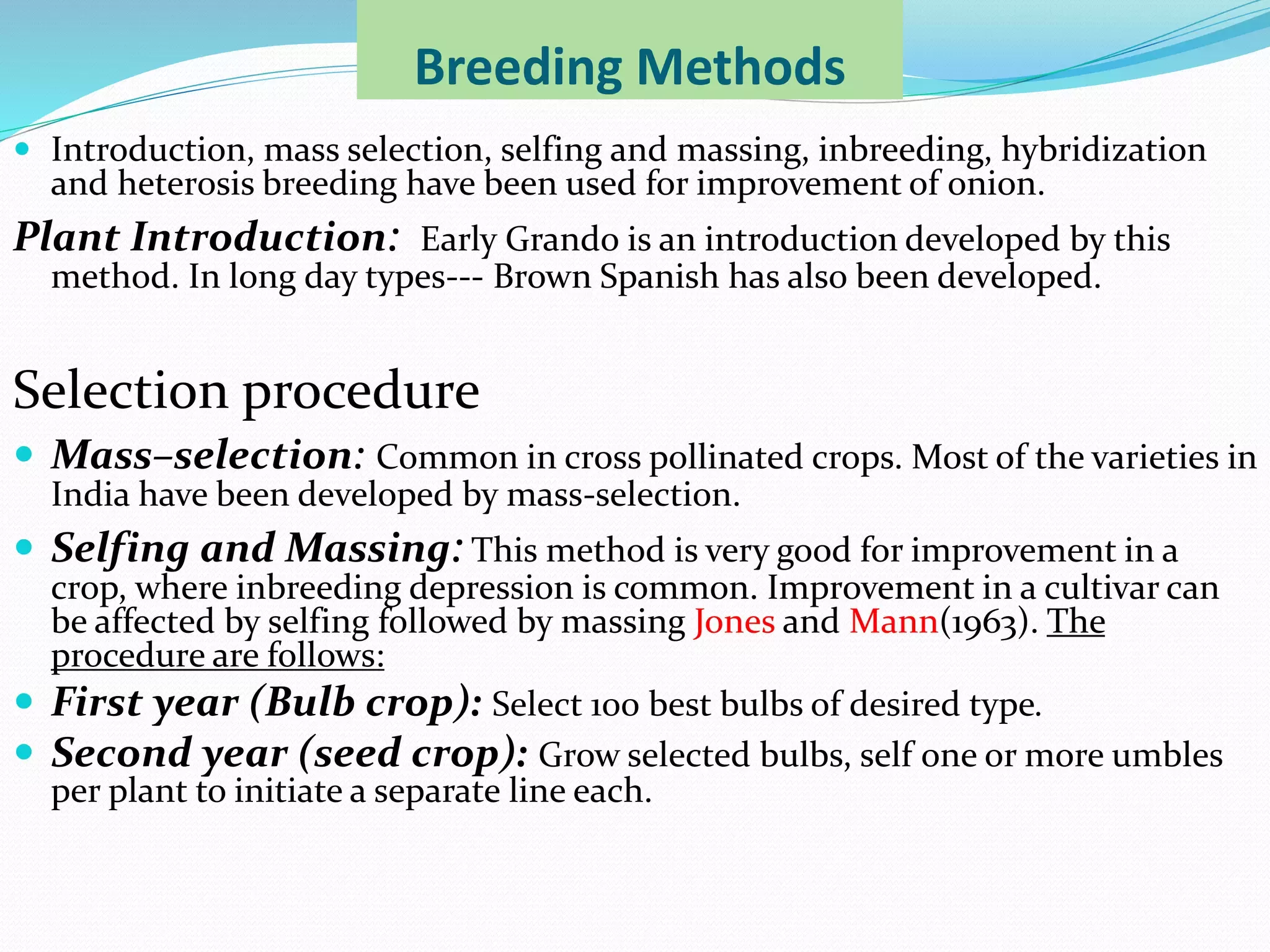
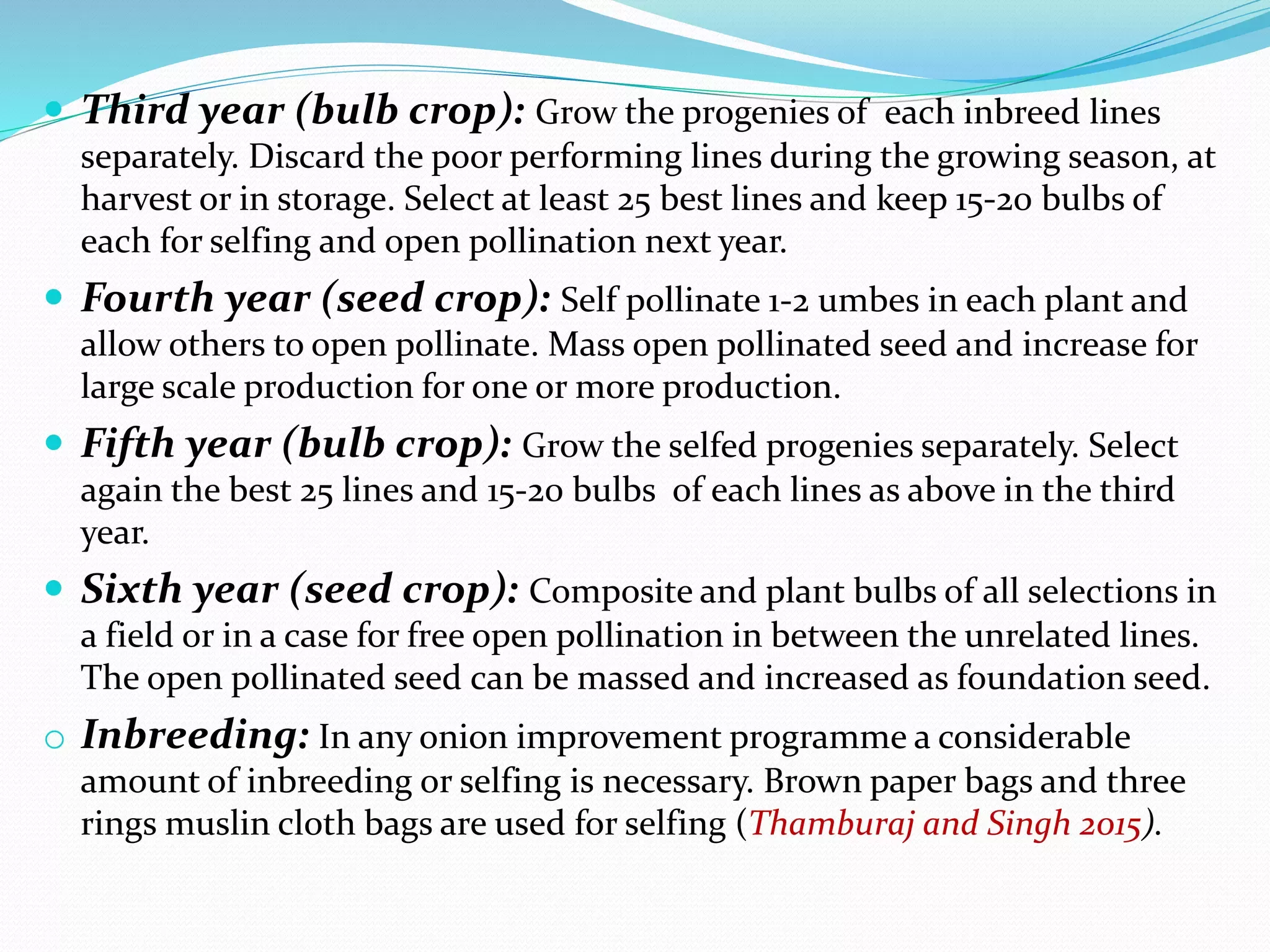
Discover the world of onions, their cultivation, nutritional value, and significance in agriculture with this informative PowerPoint on crop improvement in onions (Allium cepa L.). Explore the different onion types, cultivation requirements, major producing countries, and more. Perfect for anyone interested in enhancing their knowledge of onion farming and its impact on the global market.

Summary

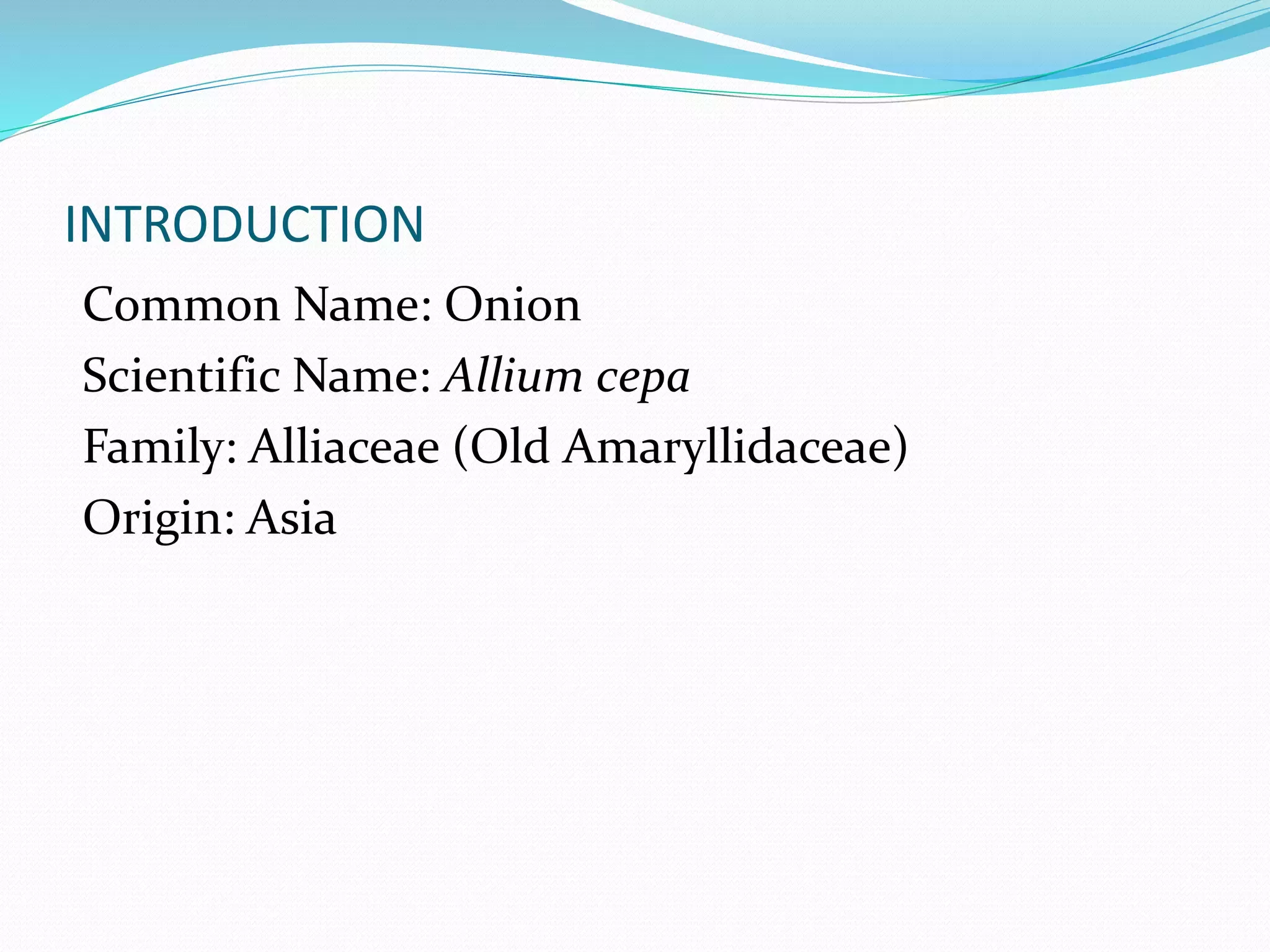
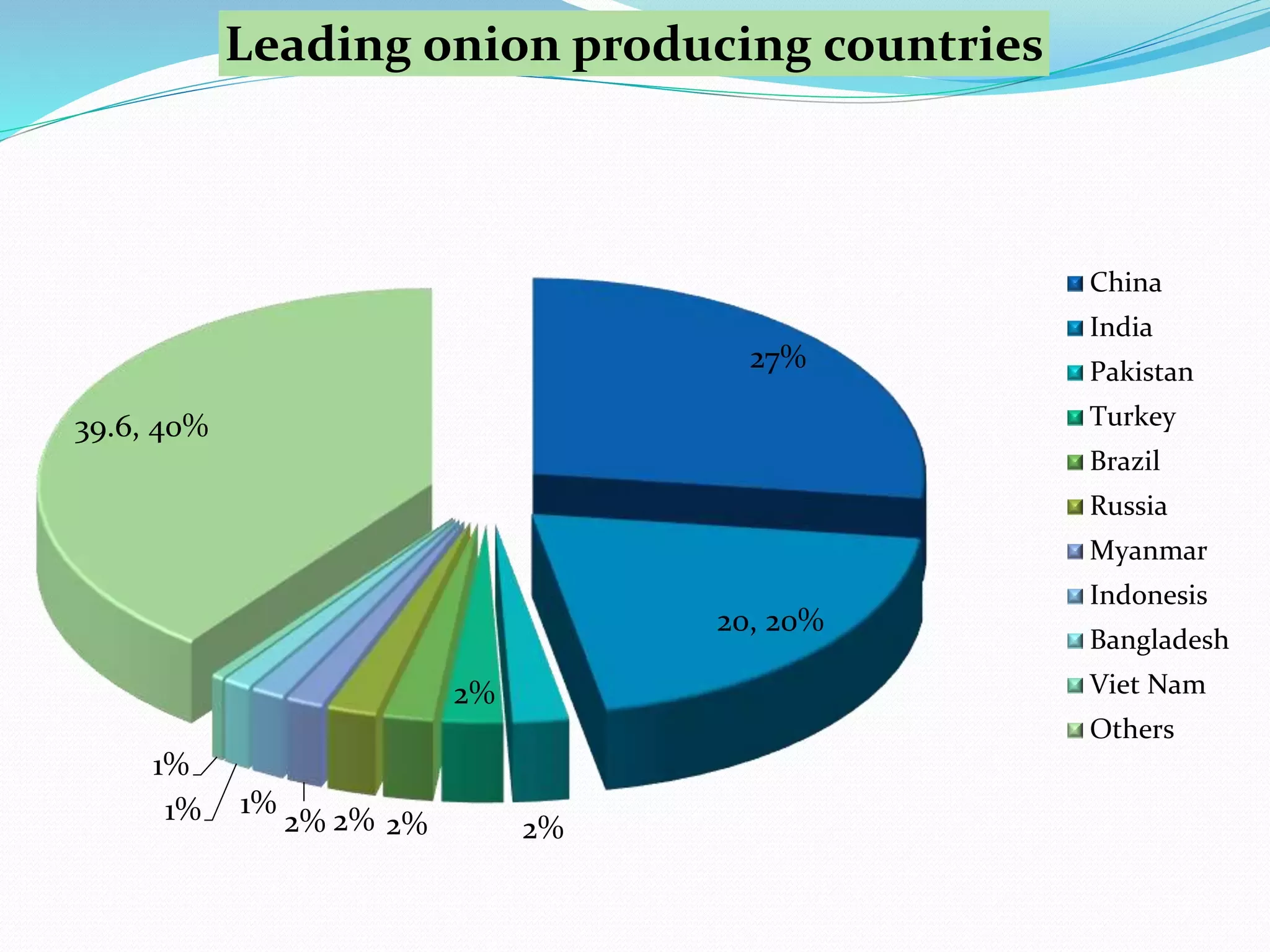
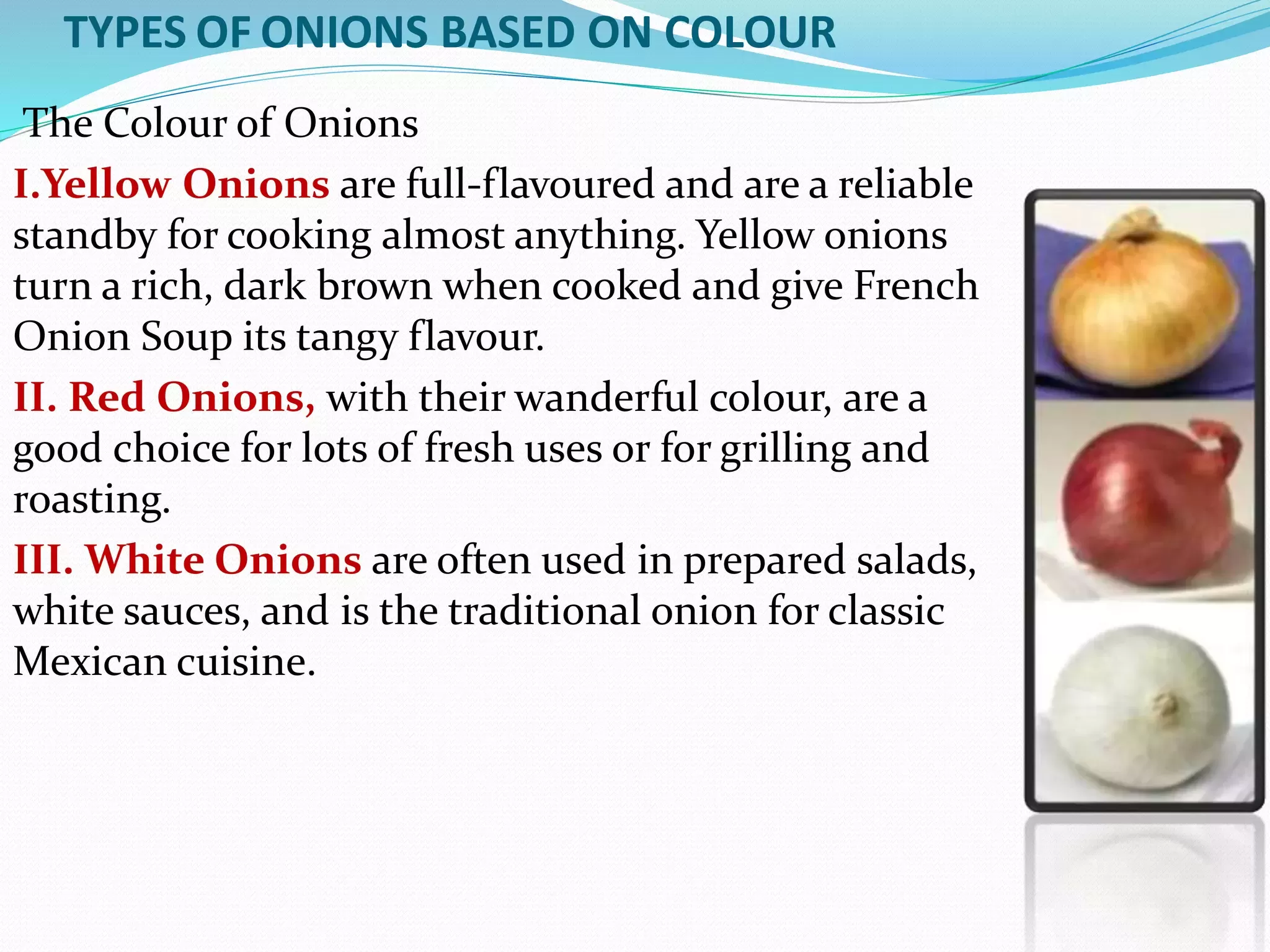
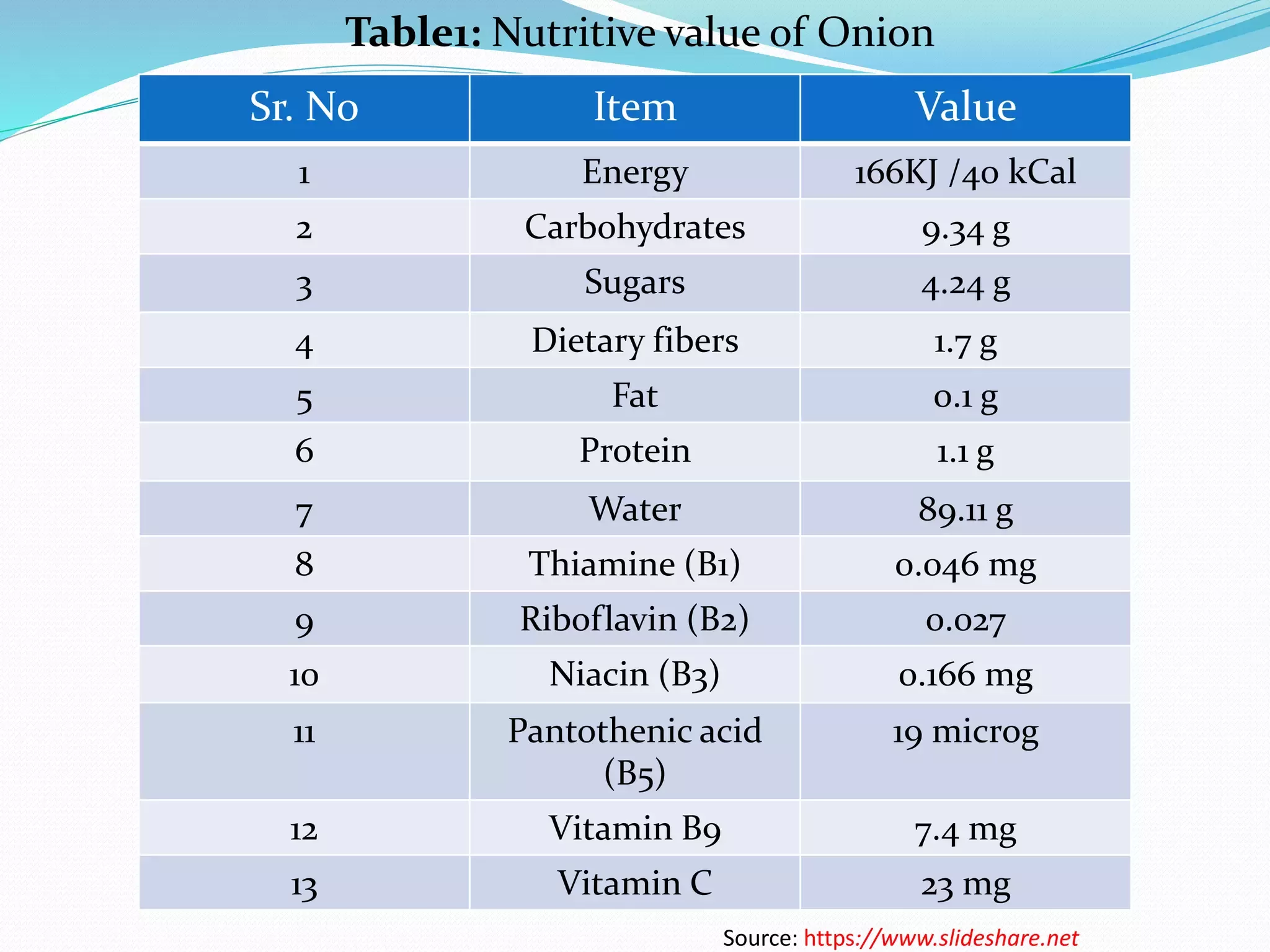
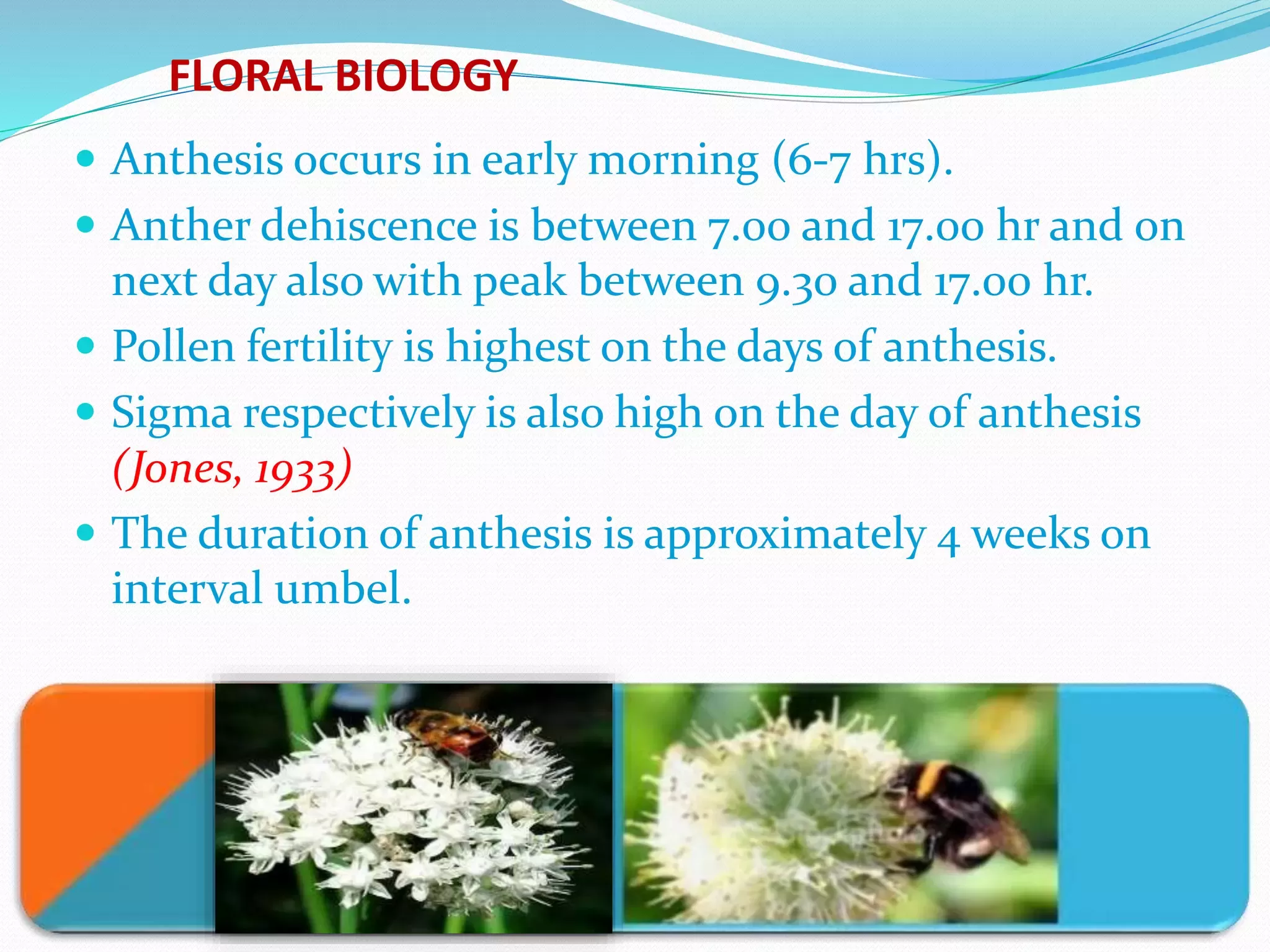
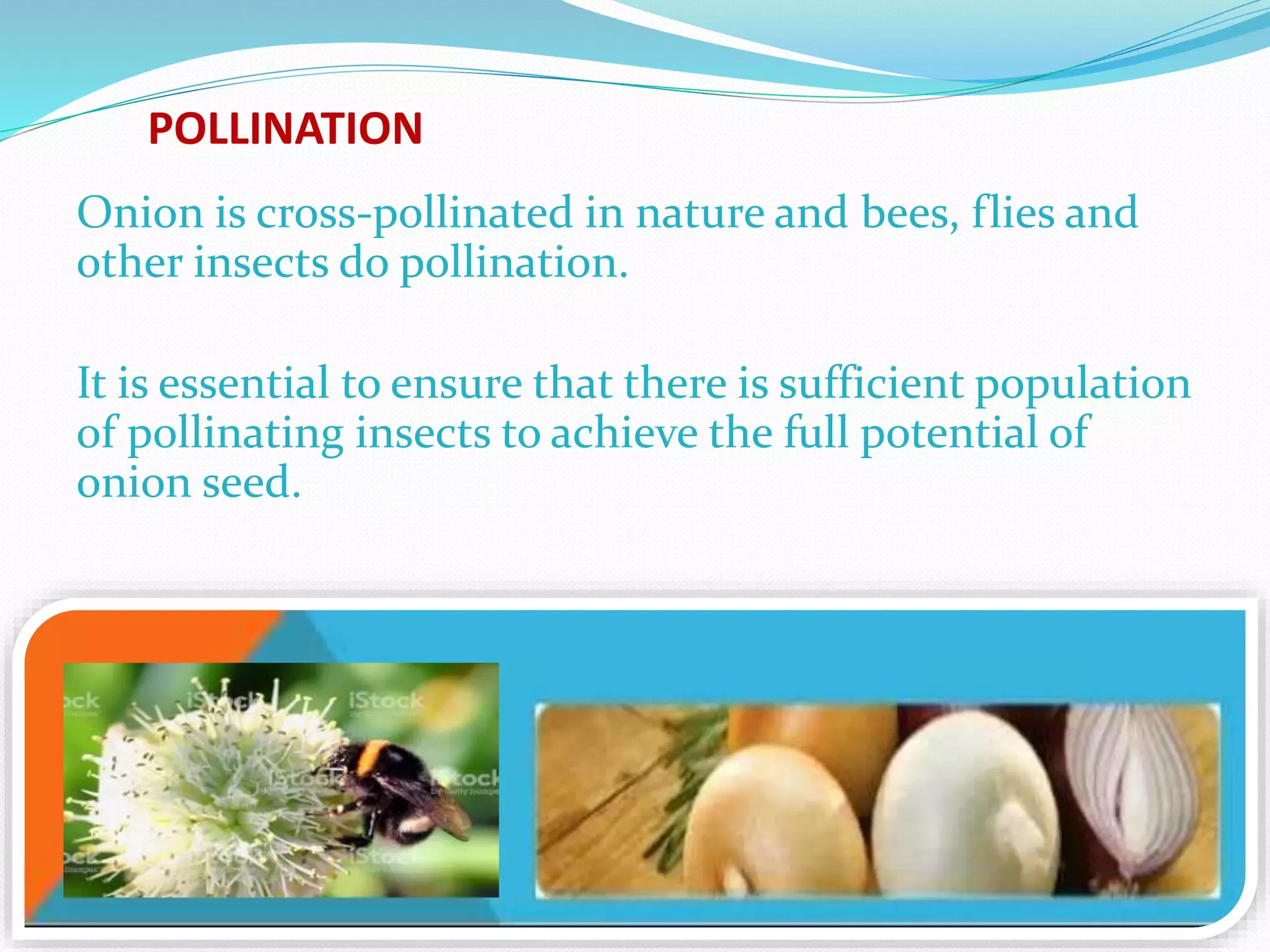
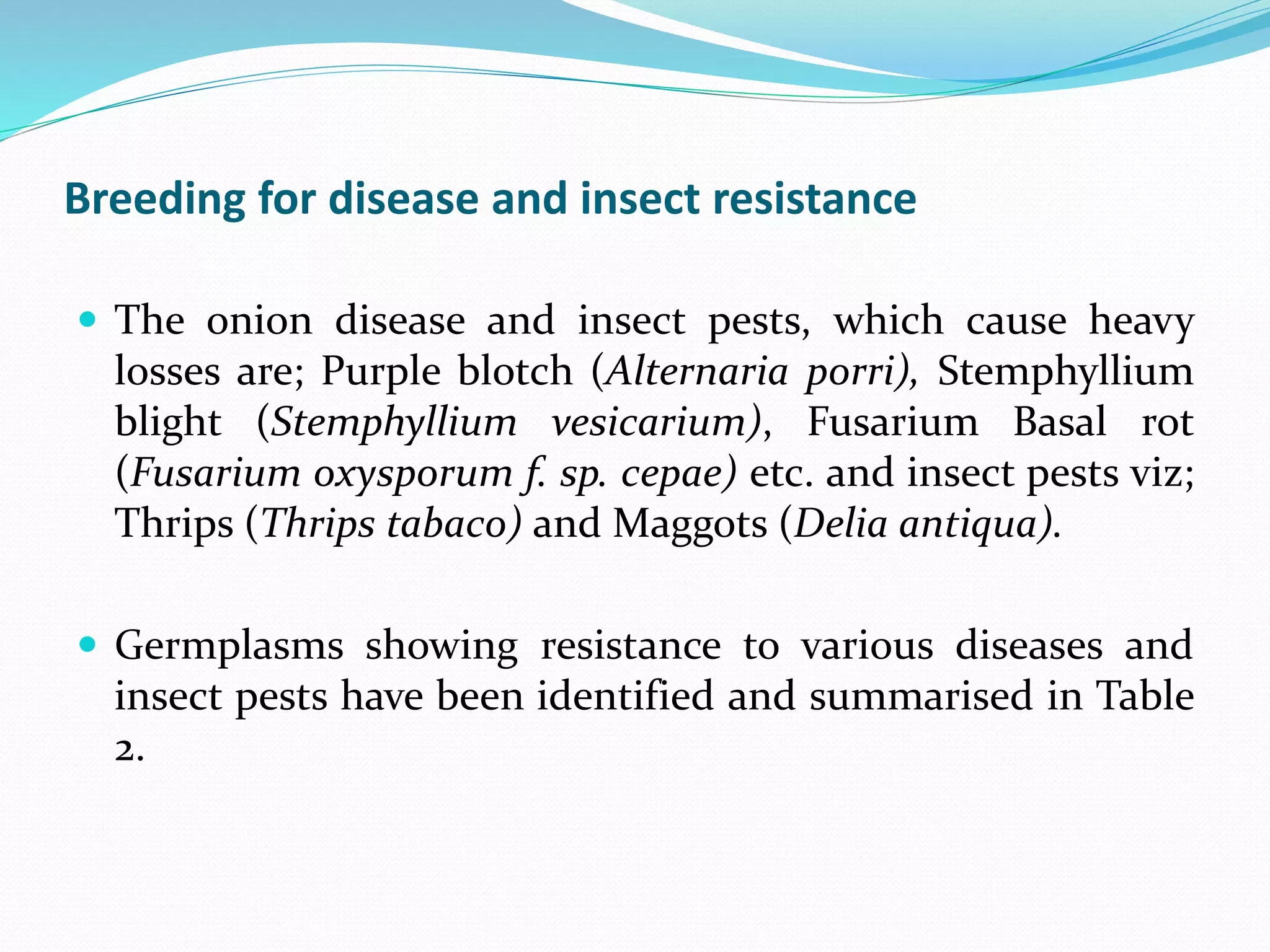
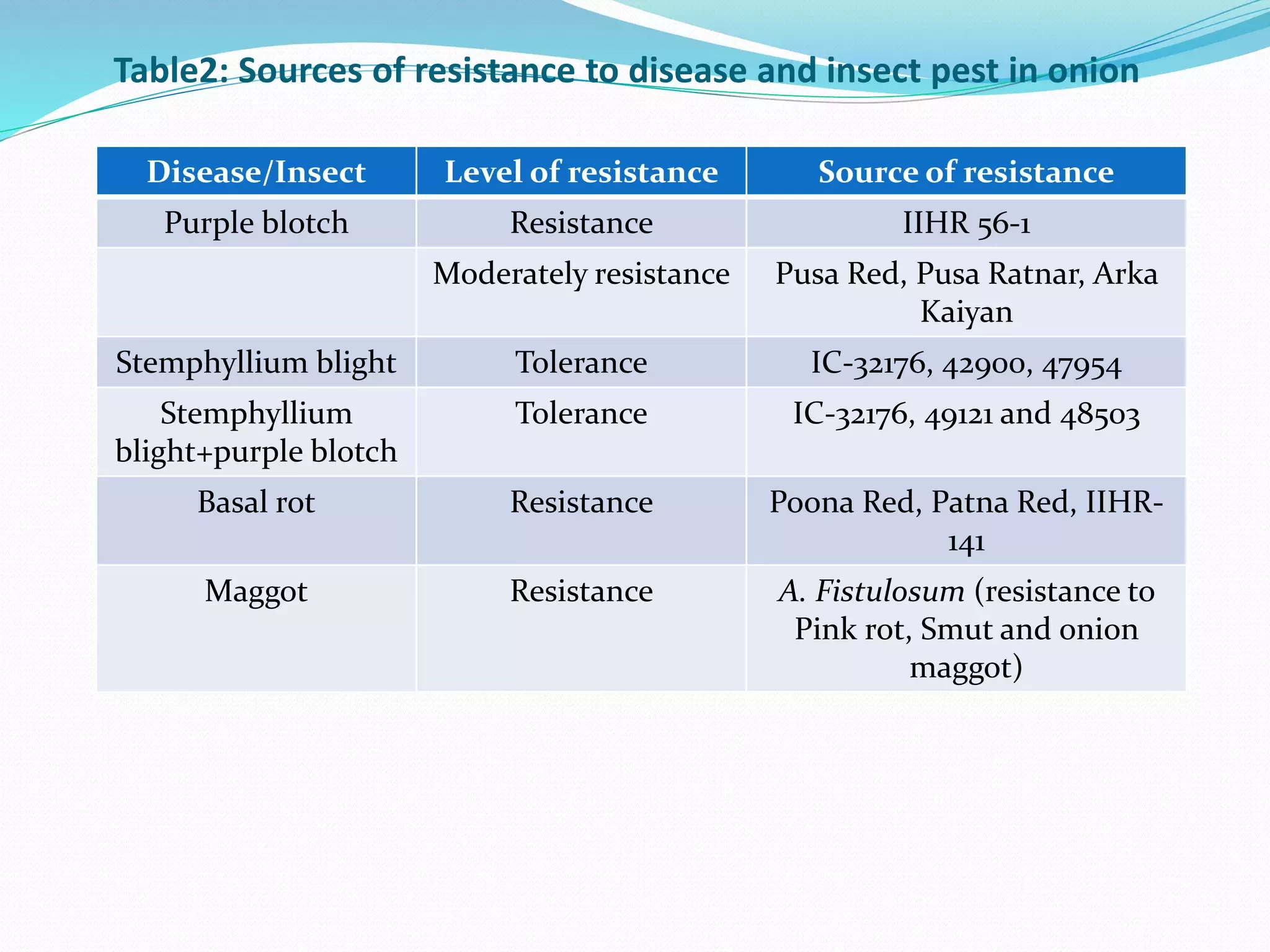
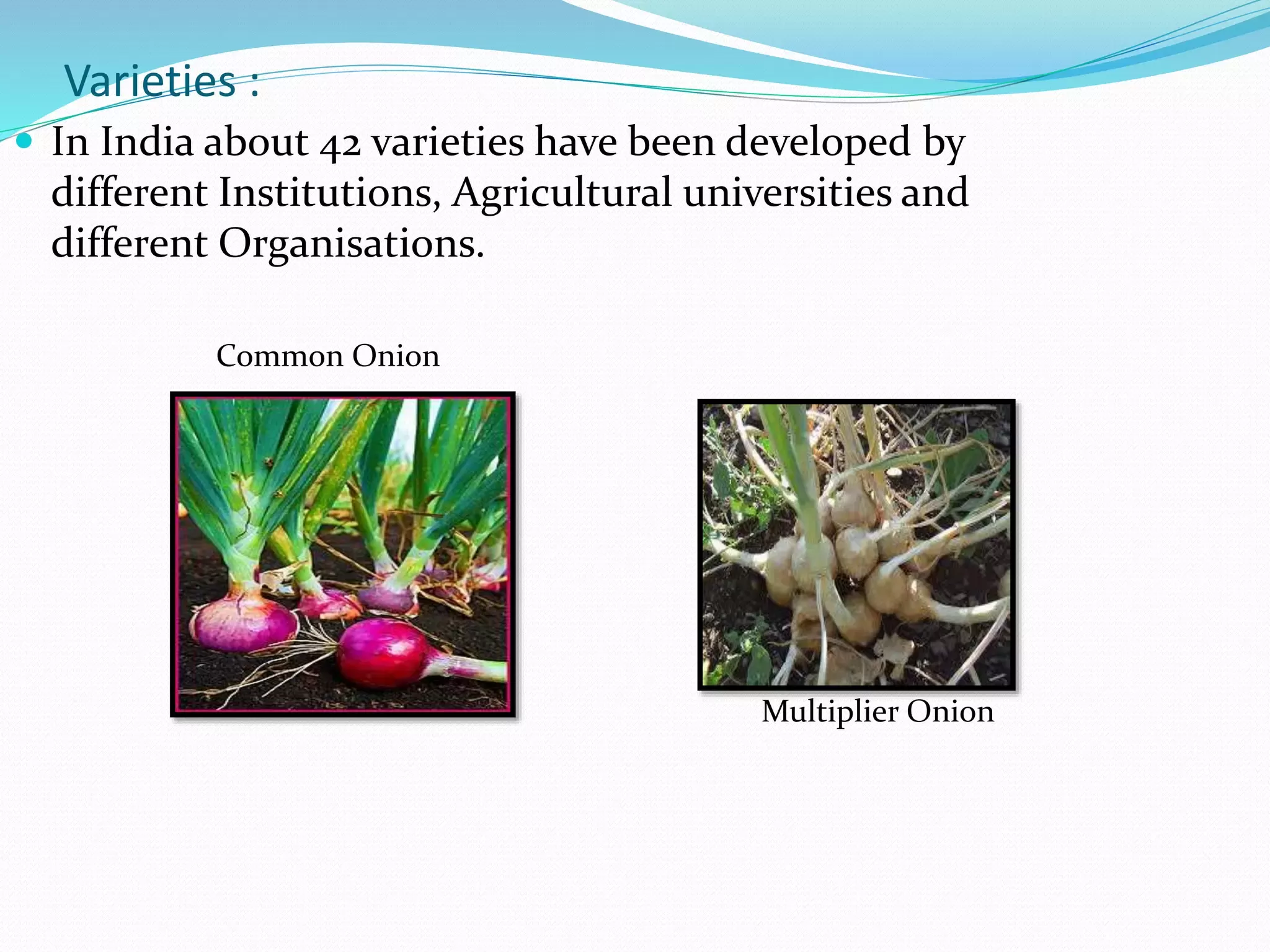
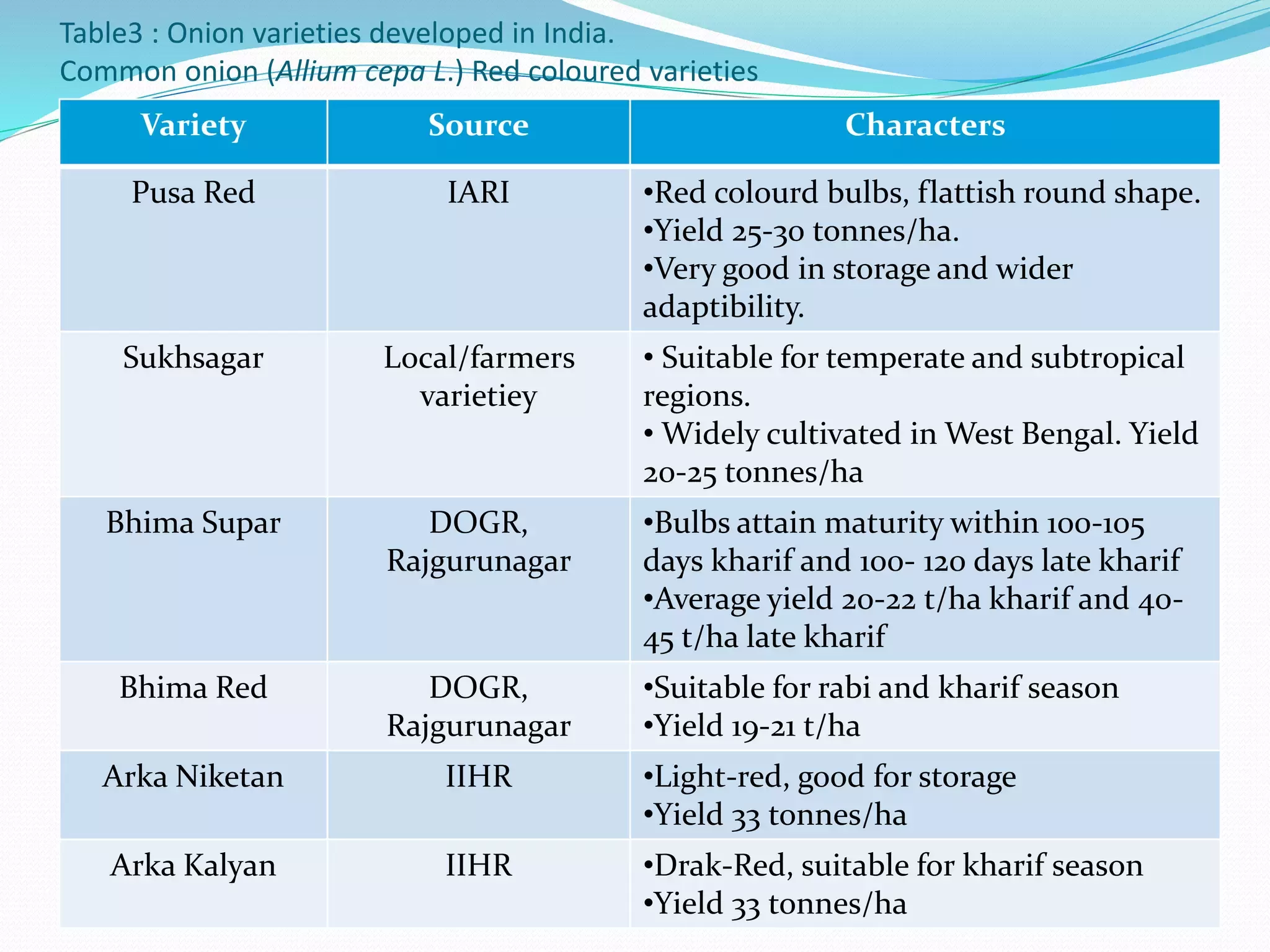
Onions, scientifically known as Allium cepa, belong to the Alliaceae family and originated in Asia. They are a biennial herb characterized by tubular leaves and bulbs formed from swollen leaf bases attached to the underground stem. Major onion-producing countries include China, India, and Pakistan, with India ranking third in exports, primarily from Maharashtra and Karnataka. Onions thrive in a variety of climates but require specific conditions for optimal growth, including well-drained soil and adequate pollination, primarily by insects. Cultivation highlights include the development of various onion types based on color, such as yellow, red, and white, each serving different culinary purposes. Onions are rich in nutrients, providing energy, carbohydrates, and vitamins. They are significant in agriculture for their high yield

Slide 1

Slide 1

Slide 2

Slide 2

Slide 3

Slide 3

Slide 4

Slide 4

Slide 5

Slide 5

Slide 6

Slide 6

Slide 7

Slide 7

Slide 8

Slide 8

Slide 9

Slide 9

Slide 10

Slide 10

Slide 11

Slide 11

Slide 12

Slide 12

Slide 13

Slide 13

Slide 14

Slide 14

Slide 15

Slide 15

Slide 16

Slide 16

Slide 17

Slide 17

Slide 18

Slide 18

Slide 19

Slide 19

Slide 20

Slide 20

Slide 21

Slide 21

Slide 22

Slide 22

Slide 23

Slide 23

Slide 24

Slide 24

Slide 25

Slide 25

Slide 26

Slide 26
1 / 26