This presentation covers the comprehensive production technology of brinjal (Solanum melongena), including its botany, varieties, agronomic practices, physiological disorders, and pest and disease management. Emphasis is placed on improved cultivation methods, varietal selection, and integrated crop management for optimal yield and quality. Key aspects such as grafting, ratooning, and biotechnological advances are also discussed. Important academic keywords: Solanaceae, varieties, grafting, Bt brinjal, integrated management.
Introduction to Brinjal (Solanum melongena)
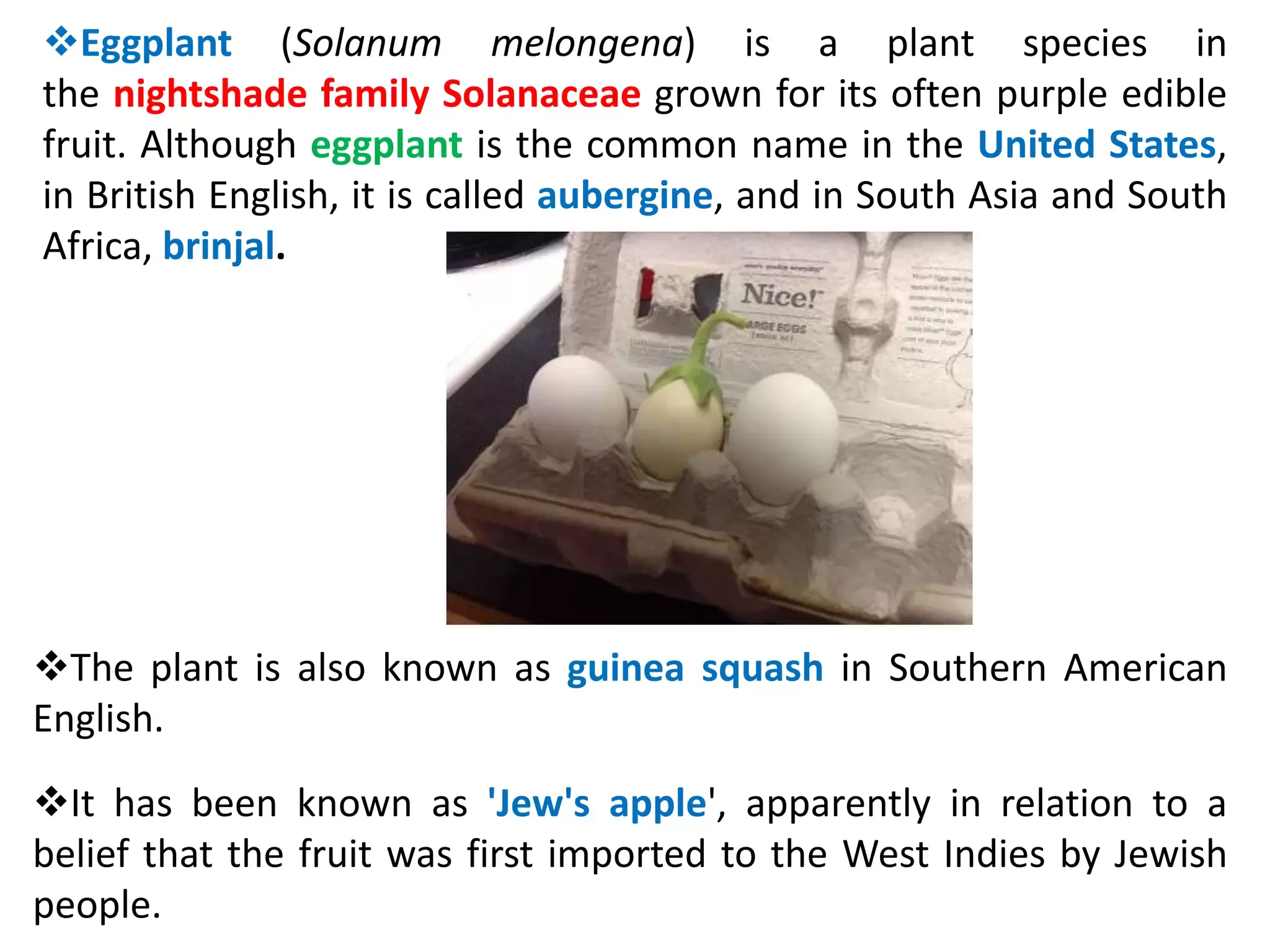
- Common names: Brinjal, Eggplant, Aubergine
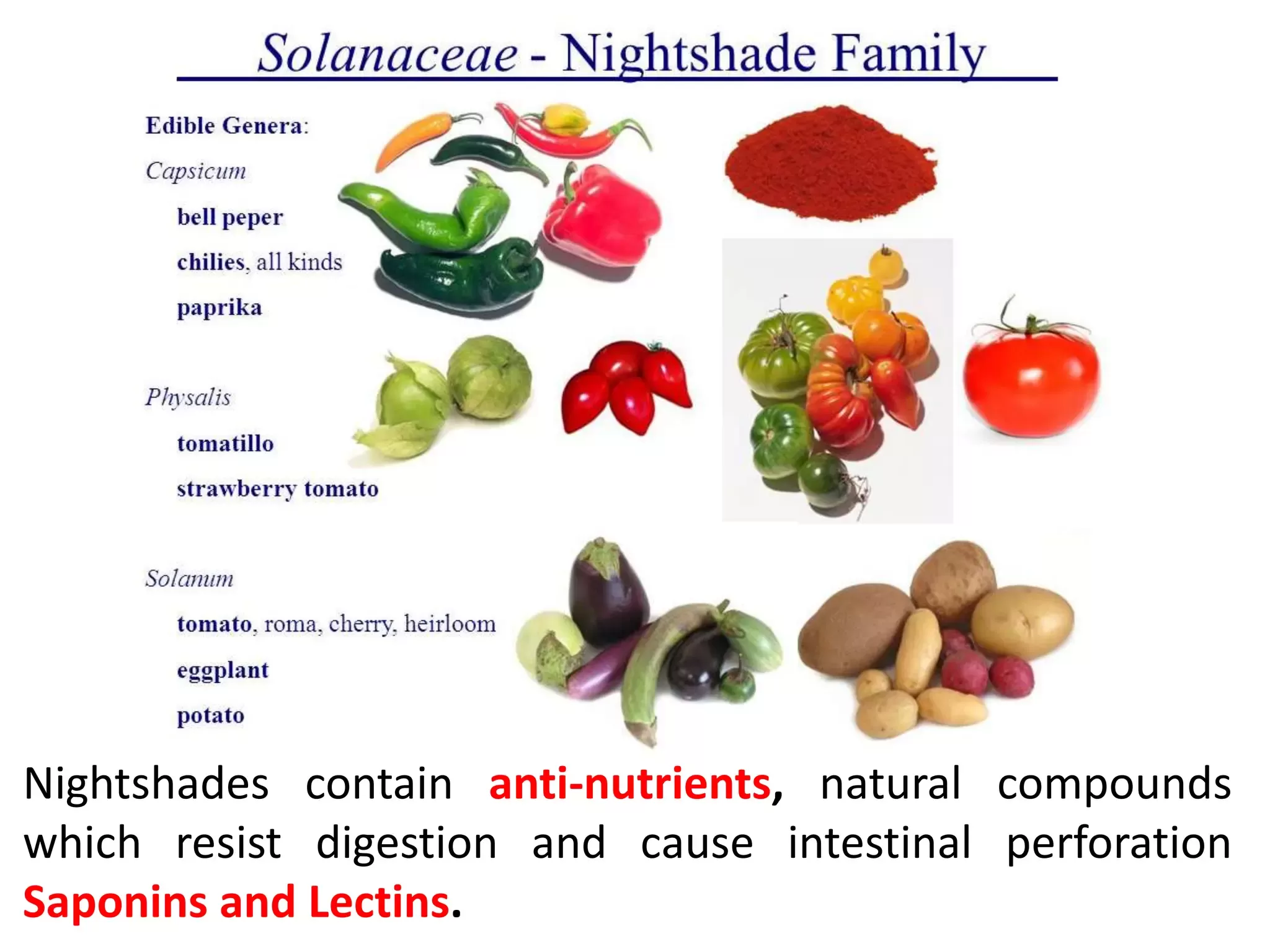
- Family: Solanaceae; Chromosome number: 2n=24
- Origin: Indo-Burma region; major cultivation in Asia
- Day-neutral, annual herbaceous plant
- Rich in vitamins, minerals, and phytonutrients
Botanical Features
- Plant: Erect, well-branched, large lobed leaves
- Inflorescence: Solitary or clusters (cymose)
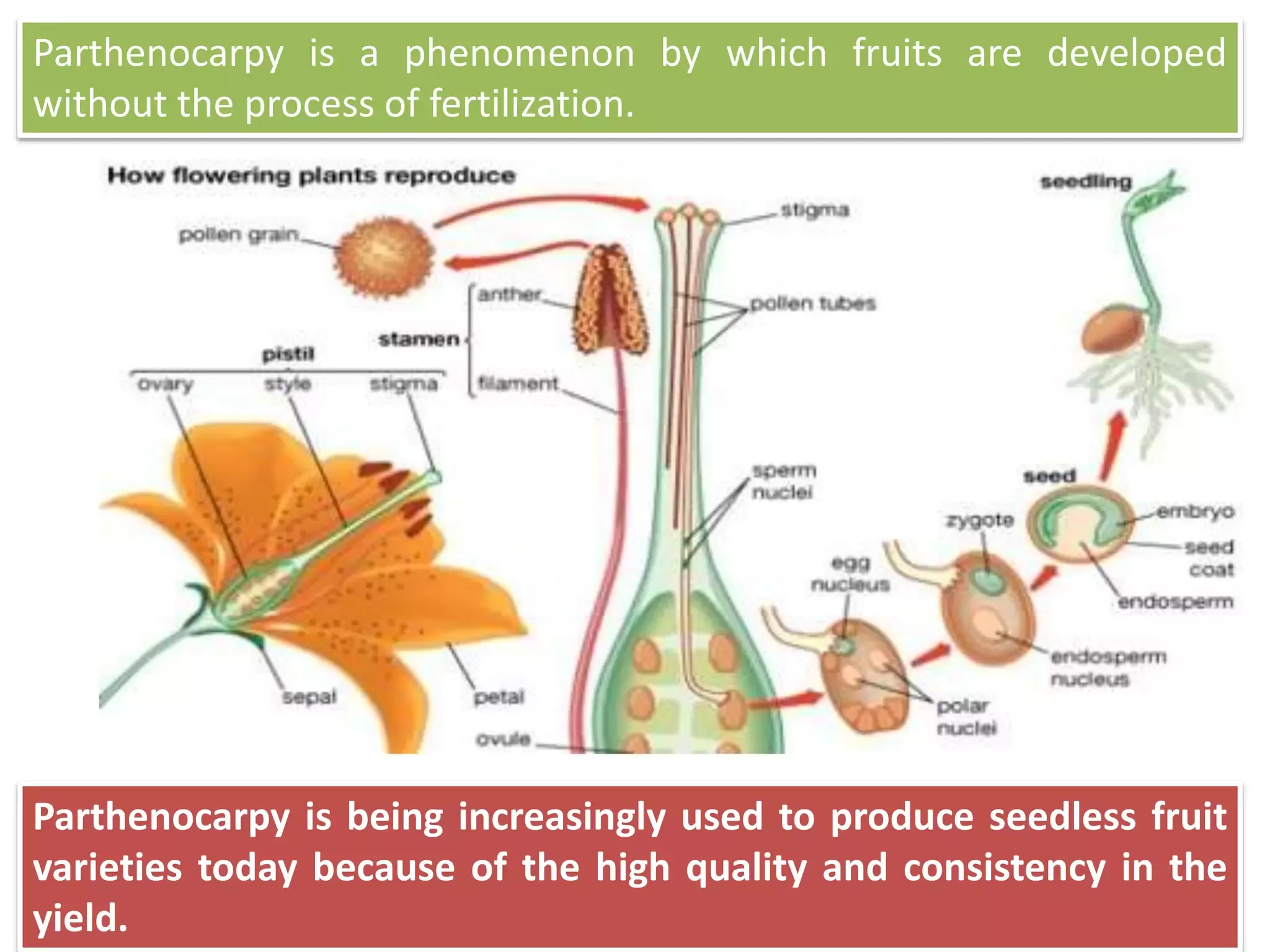
- Flowers: Actinomorphic, hermaphrodite, hypogynous
- Fruit: Berry; variable shape, size, and color
- Heterostyly: Four flower types based on style length
Taxonomy and Species Diversity
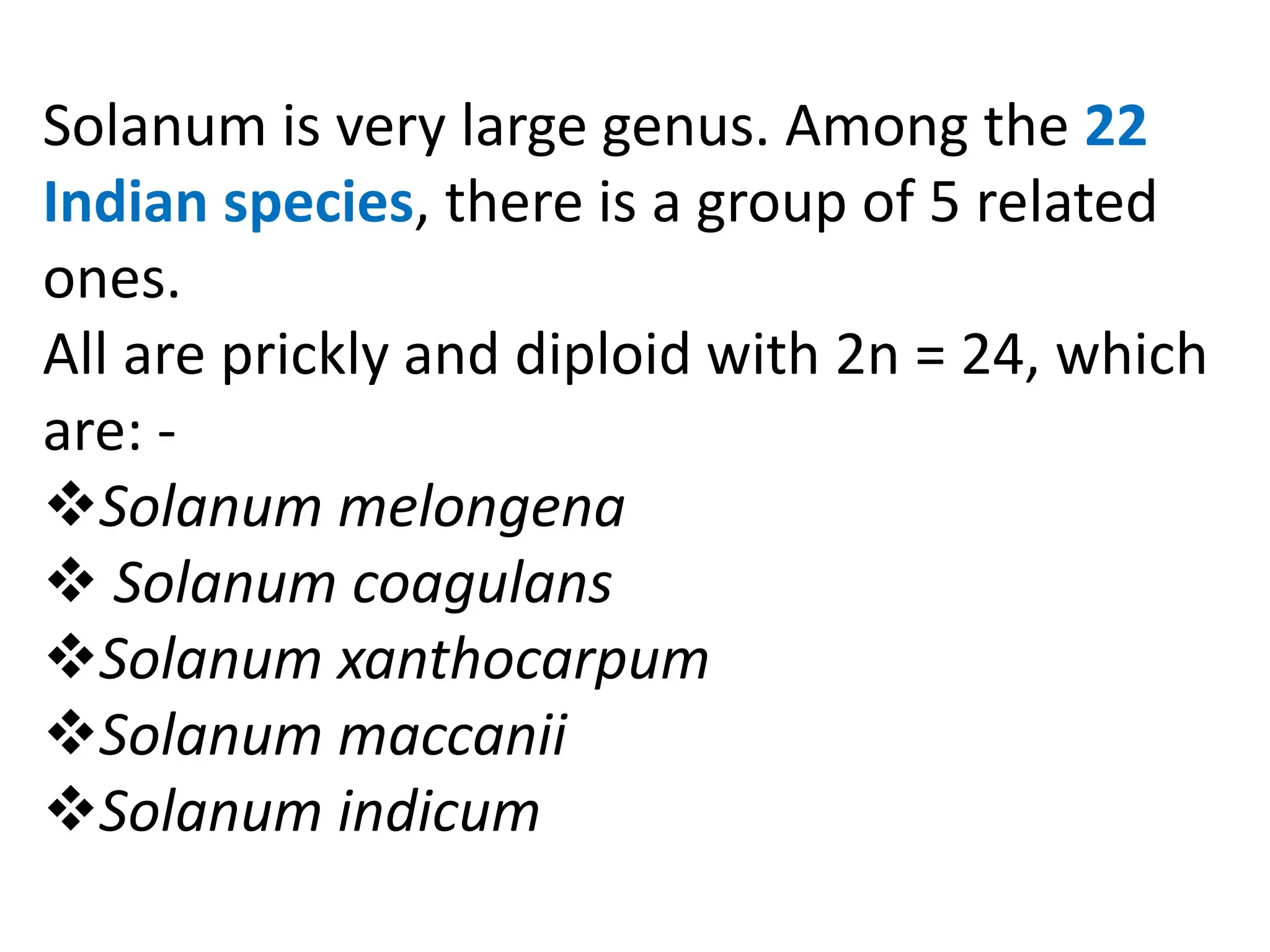
- Main species: Solanum melongena
- Related species: S. incanum, S. integrifolium, S. nigrum, S. torvum, S. xanthocarpum
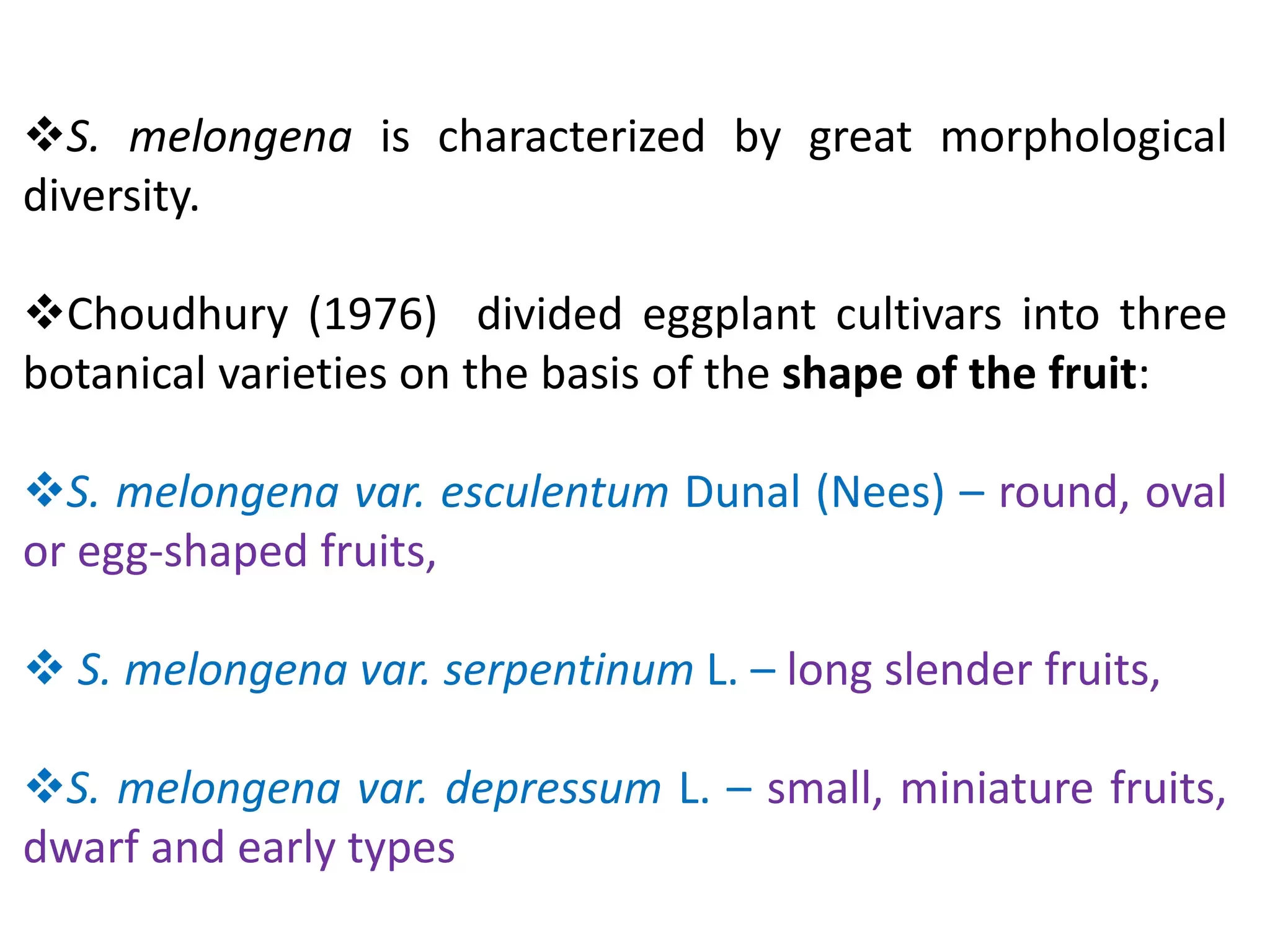
- Botanical varieties: esculentum (round), serpentinum (long), depressum (dwarf)
- Wild relatives offer resistance to diseases and pests
Origin, Distribution, and Production
- Origin: Bengal plains (India), Indo-Burma region
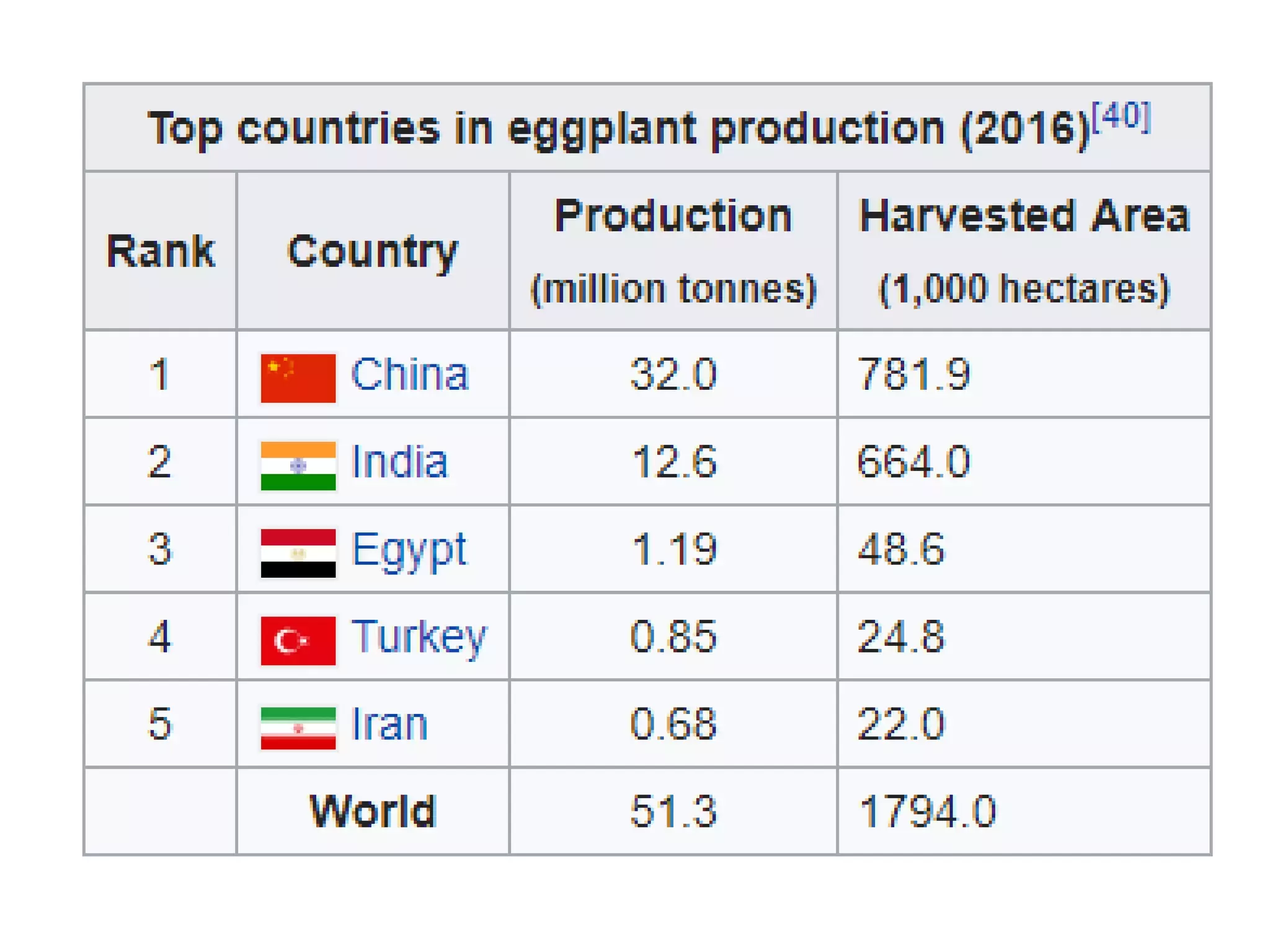
- Major producers: China (1st), India (2nd)
- Leading Indian states: West Bengal, Odisha, Gujarat, Bihar, Madhya Pradesh
- Area (India, 2018-19): 0.72 million ha; Production: 12.68 million tonnes
Nutritional and Medicinal Value
- Rich in Vitamin B, C, iodine, copper, iron, fiber
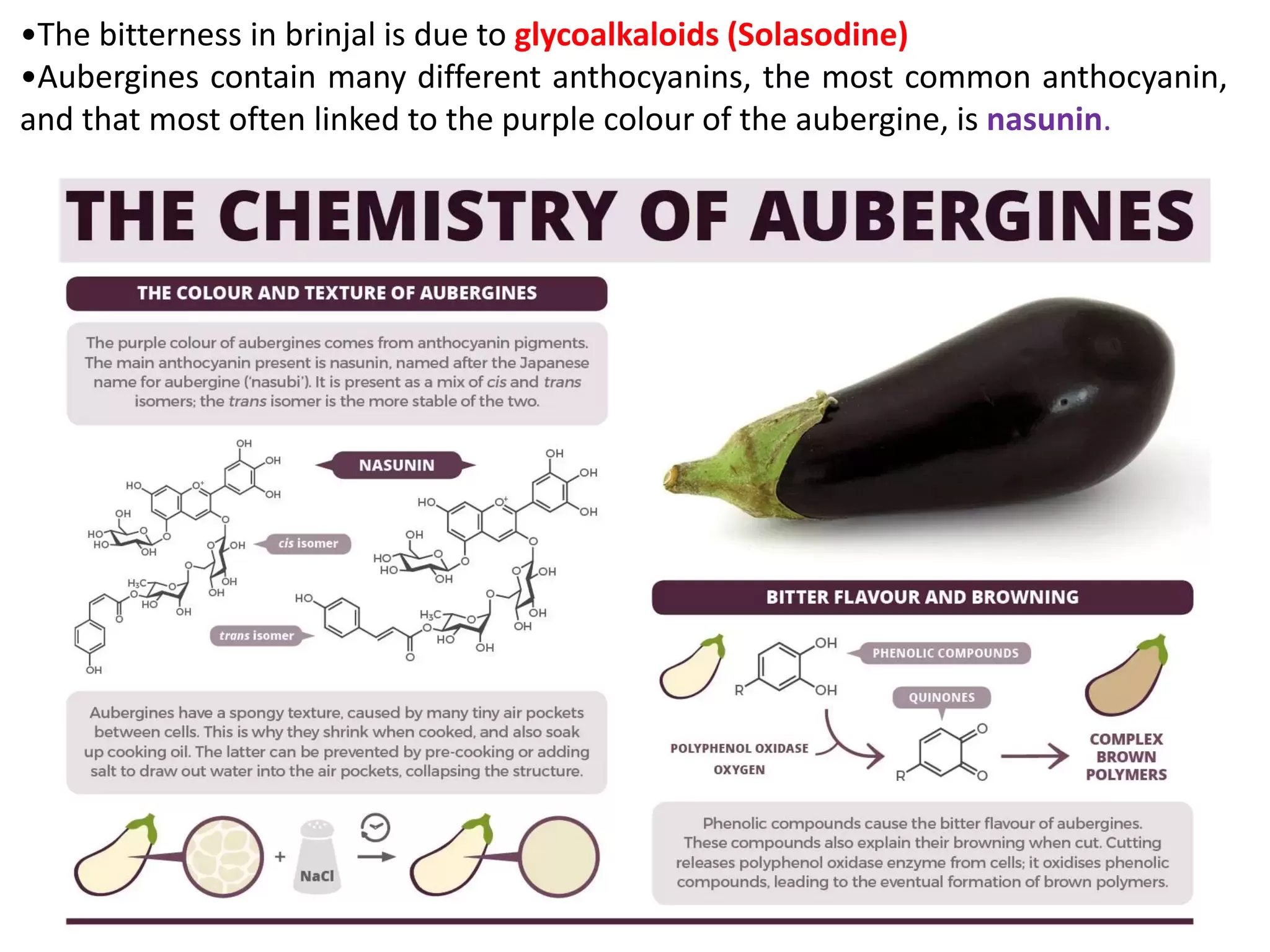
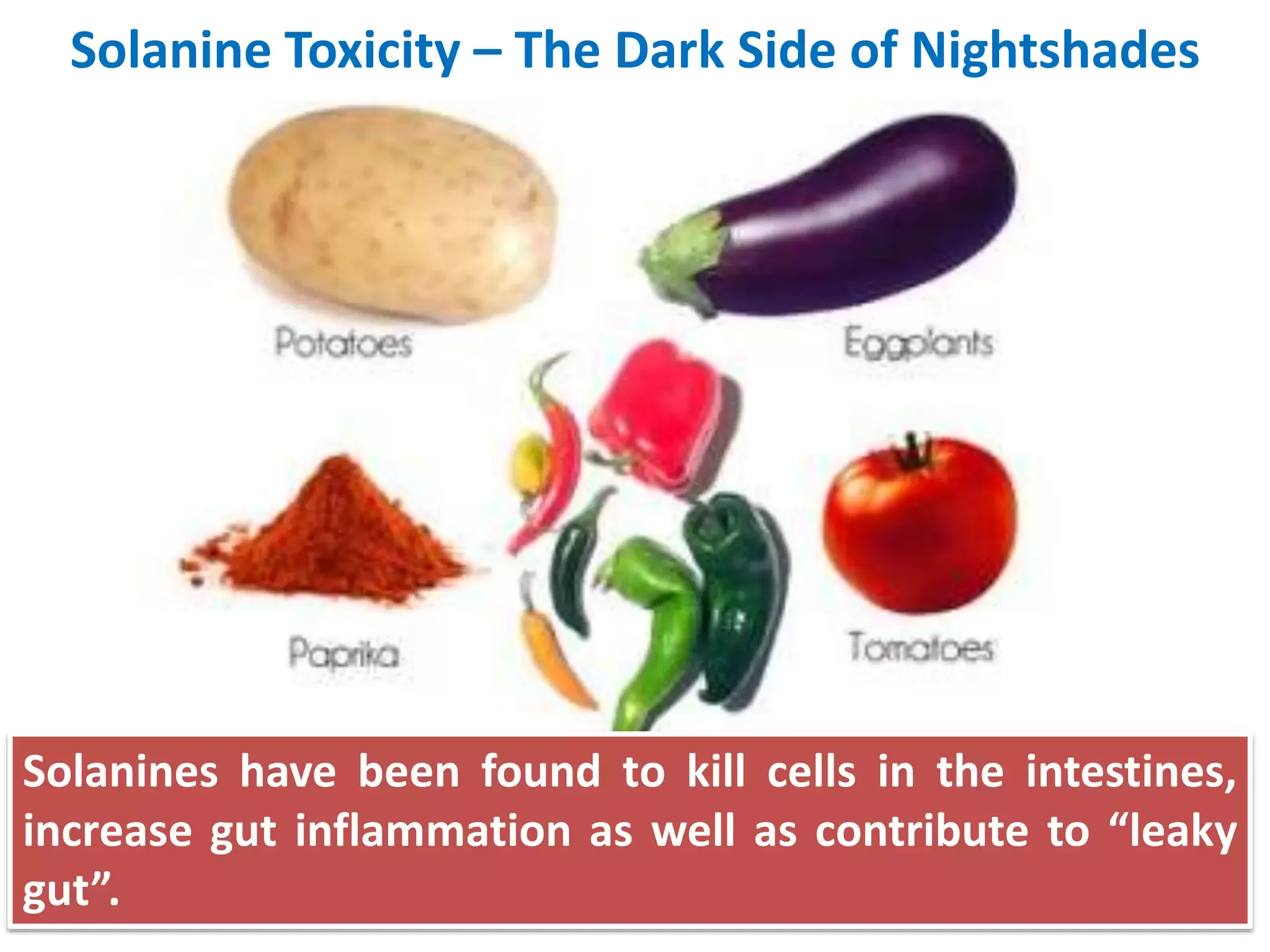
- Contains solasodine (glycoalkaloid) responsible for bitterness
- PUFA (linoleic, linolenic acids) aid cholesterol reduction
- Varietal differences in nutrient content (e.g., purple: copper, green: iron)
Soil and Climate Requirements
- Soil: Well-drained, fertile sandy-loam preferred; pH 5.5–6.6
- Grows on light sand to heavy clay soils
- Climate: Warm, frost-sensitive; optimal temperature 21–27°C
- Poor growth and fruiting at low temperatures
Varieties and Hybrids
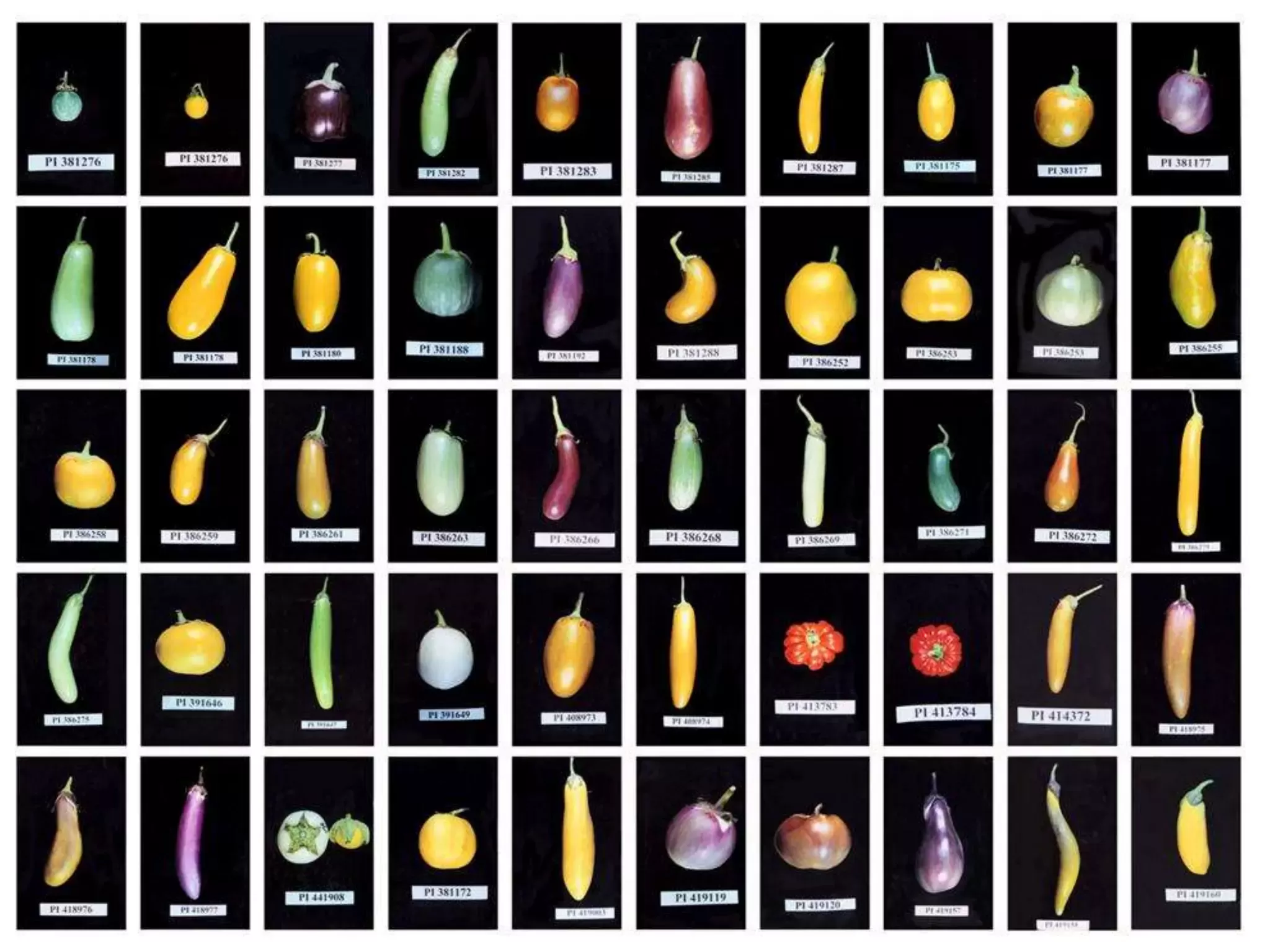
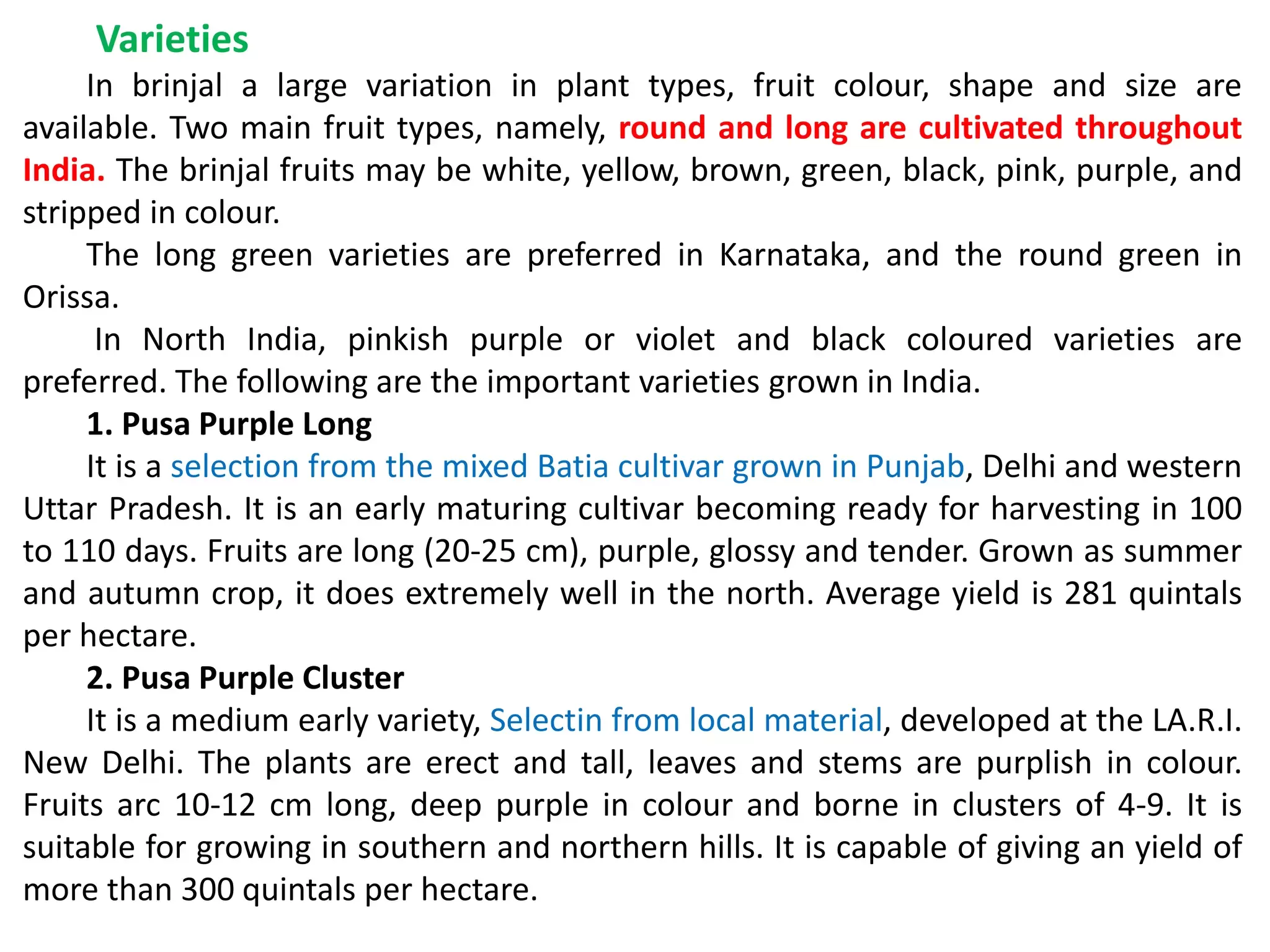
- Wide variation in fruit shape, color, and size
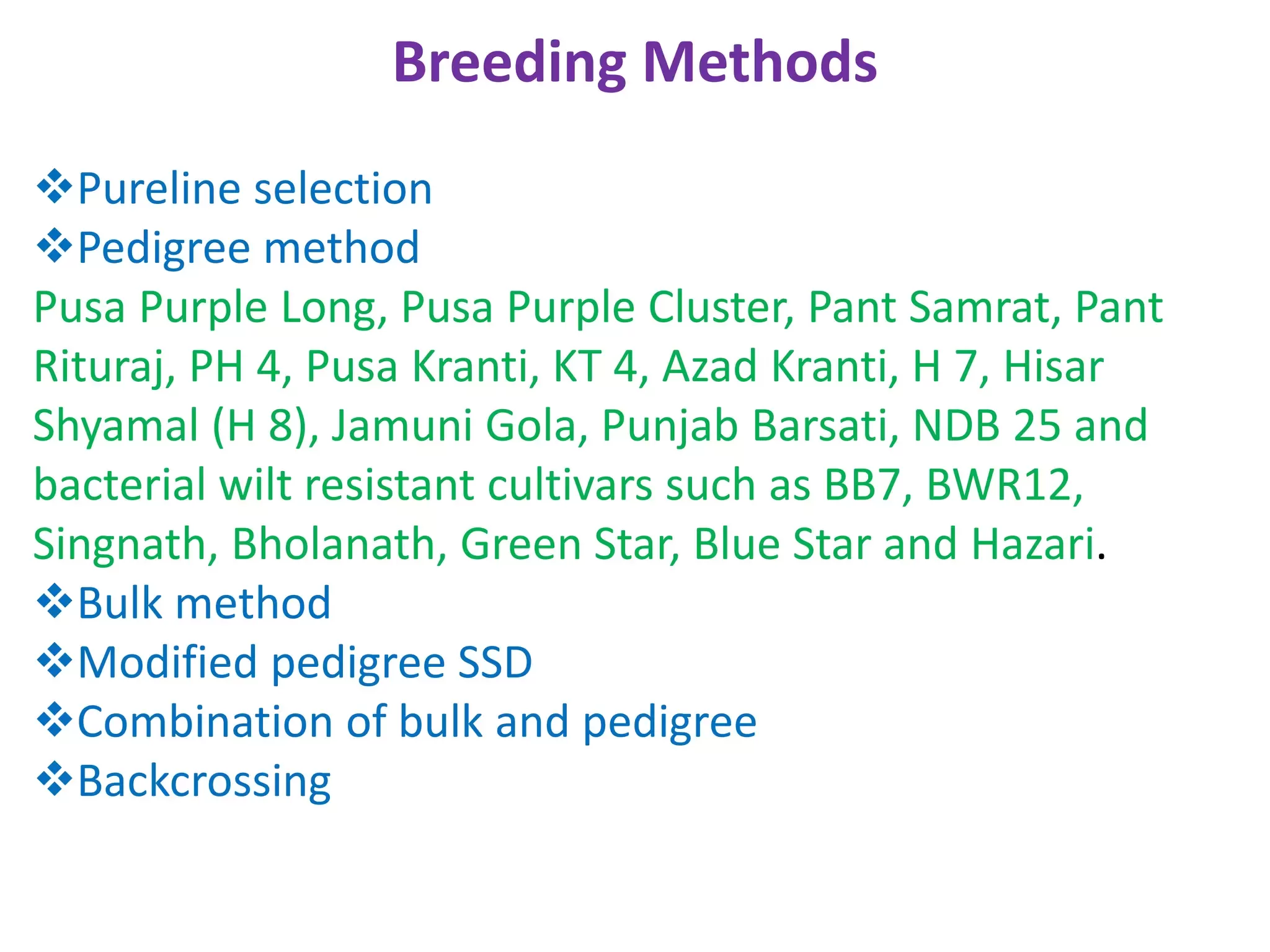
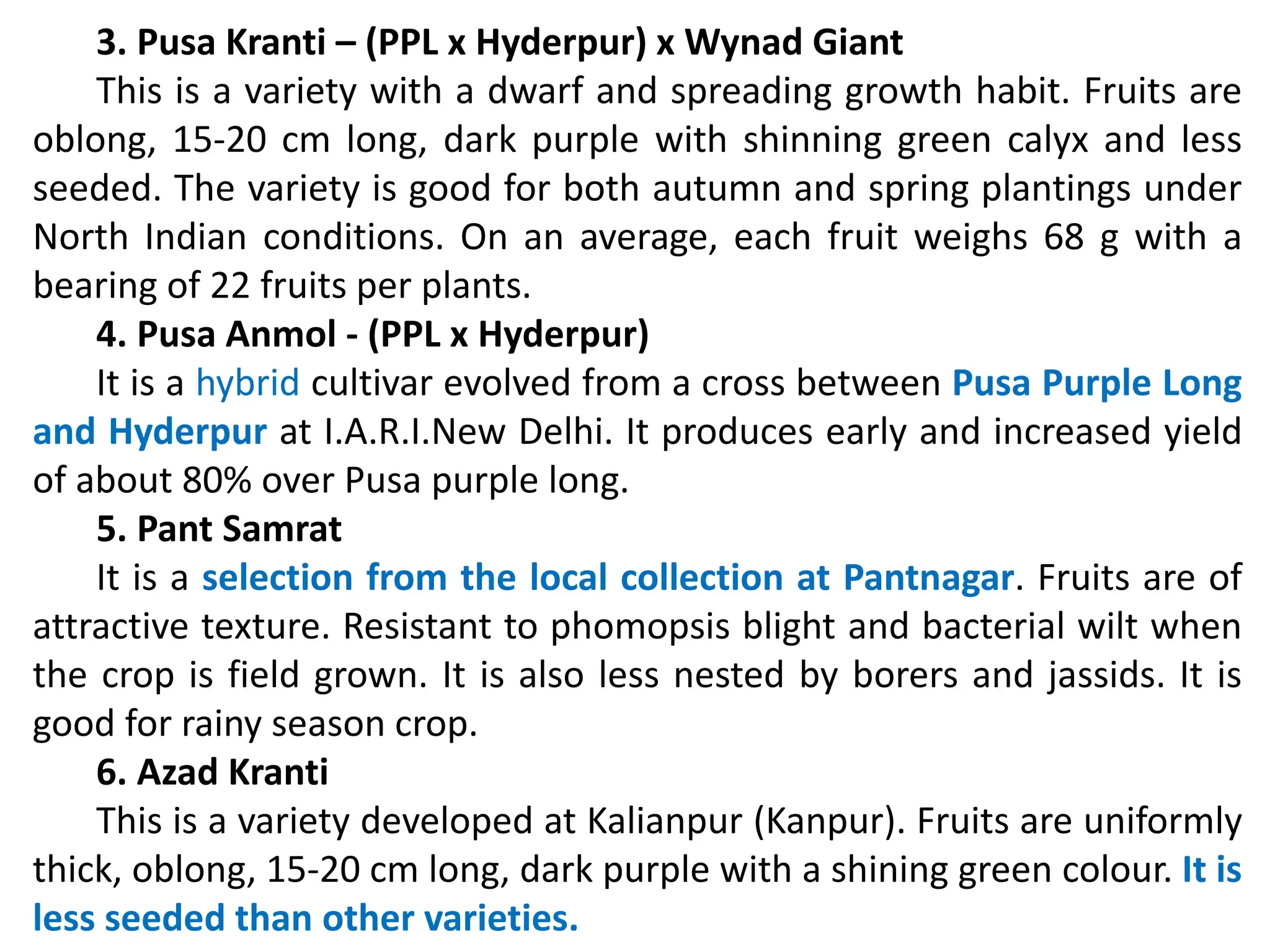
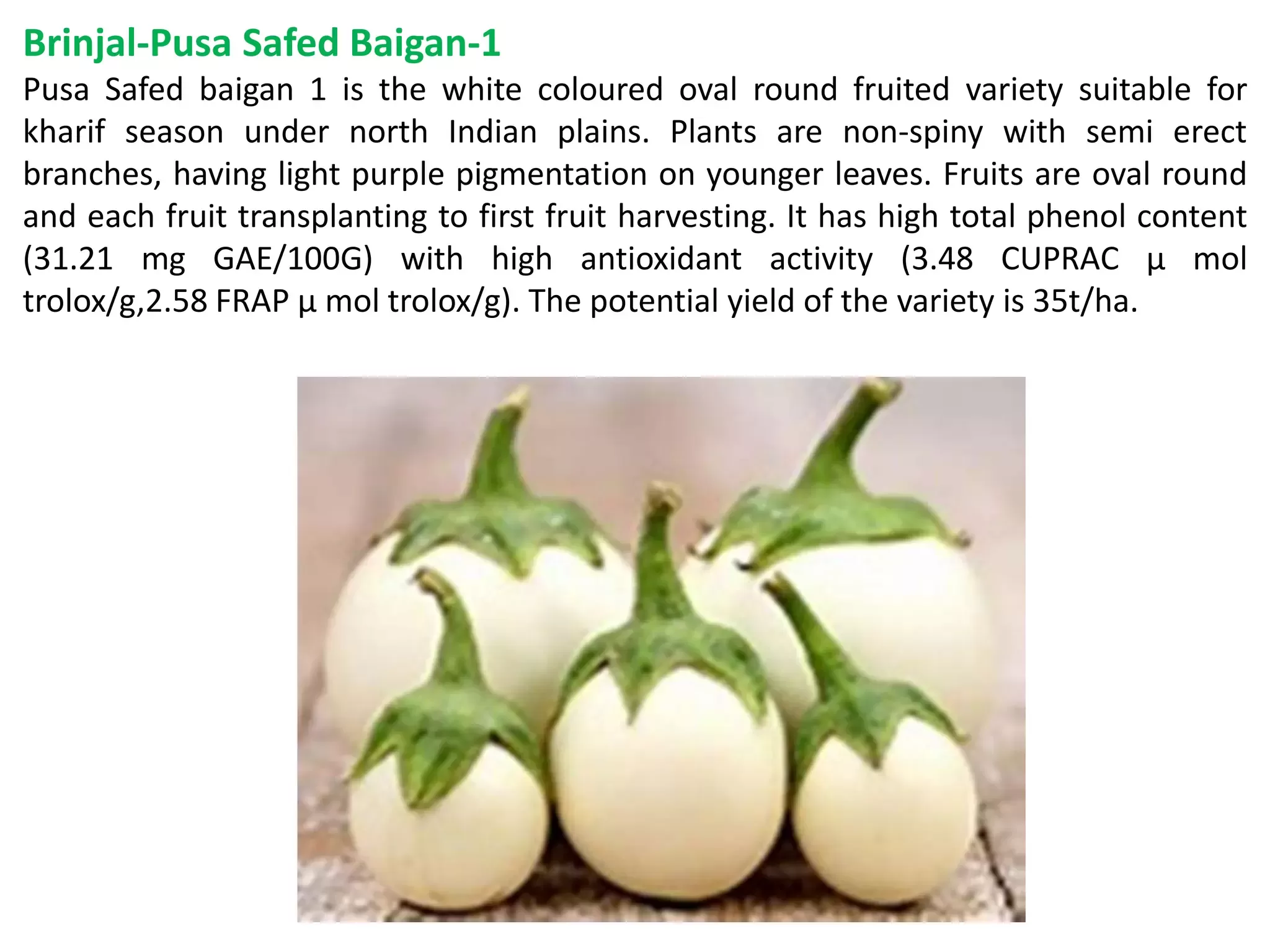
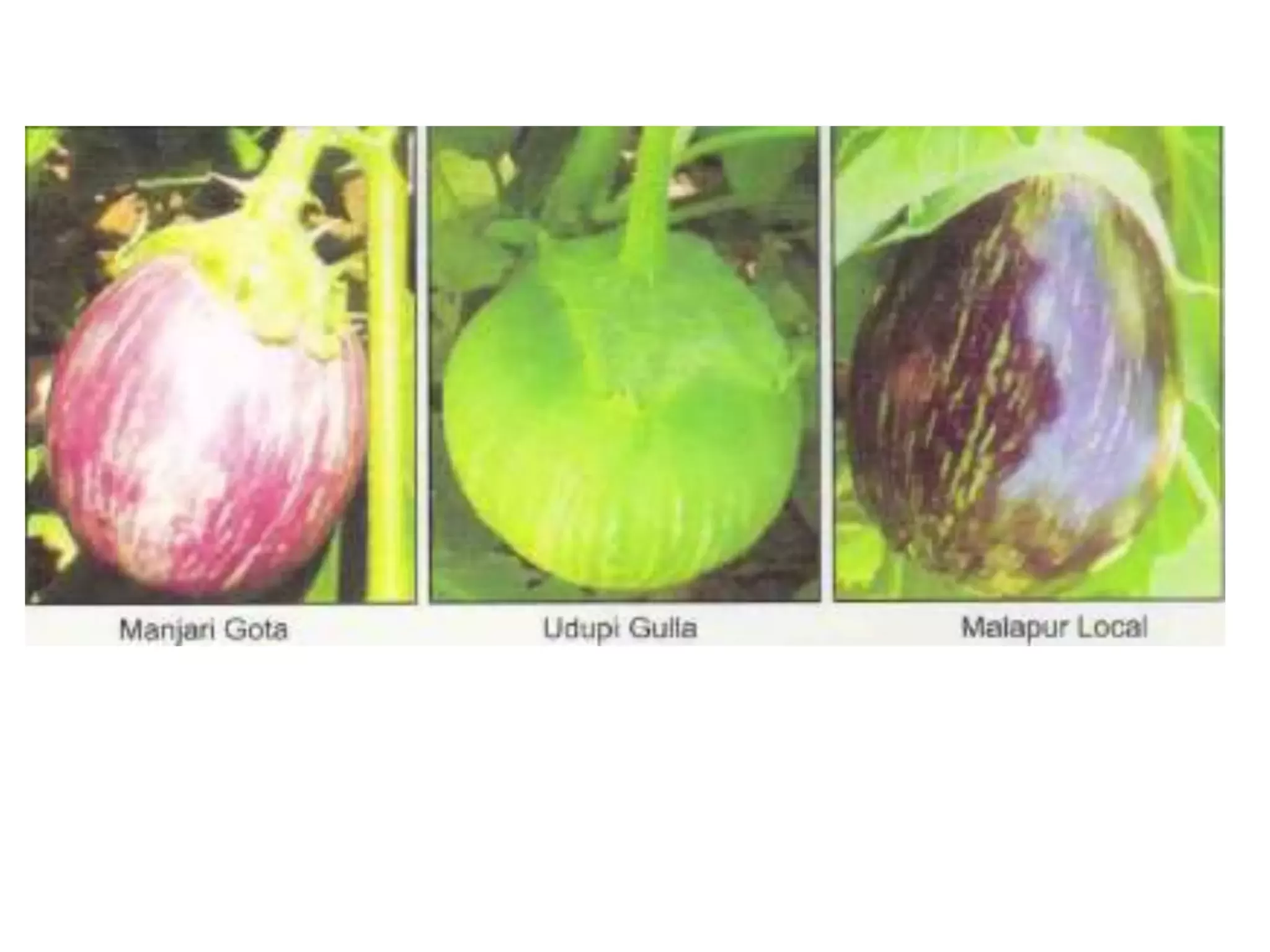
- Popular varieties: Pusa Purple Long, Pusa Purple Round, Arka Sheel, Manjari Gota, MDU 1, CO 2
- Hybrids: Arka Navneet, Pant Brinjal Hybrid 1, Co BH 1
- Resistant/tolerant types: Bacterial wilt, shoot and fruit borer, little leaf
Seed Sowing and Nursery Management
- Sowing time varies by region; main seasons: June–July, November
- Seed rate: Varieties 400 g/ha; Hybrids 150–200 g/ha
- Spacing: 45×45 cm (dwarf) to 90×90 cm (vigorous types)
- Seed treatment: Trichoderma viride, Azospirillum
- Nursery: Raised beds, shade net, cocopeat, neem cake, biofertilizers
Grafting in Brinjal
- Rootstock: Solanum torvum commonly used
- Advantages: Nematode and root rot resistance, higher yield, extended cropping
- Ratooning possible after pruning
Cropping Systems and Intercropping
- Brinjal fits well in crop rotations and intercropping
- Leafy vegetables (spinach, amaranth) and root crops (carrot, radish) can be grown with brinjal
Nutrient Management
- Basal dose (varieties): FYM 25 t/ha, NPK 50:50:30 kg/ha
- Basal dose (hybrids): FYM 25 t/ha, NPK 100:150:100 kg/ha
- Top dressing: 50–100 kg N/ha at 30 days after planting
- Micronutrients (Cu, Zn, Mn) enhance flowering and fruiting
Irrigation and Water Management
- Regular irrigation essential, especially during flowering and fruit set
- Weekly intervals after establishment
- Drip irrigation saves water and controls weeds
- Keep soil moist during frost risk
Interculture, Weed Control, and Mulching
- 3–4 hoeings and weedings for good growth
- Earthing up essential on ridges
- Orbanche sp. (root parasite) is a major weed
- Pre-plant herbicides: Fluchloralin
- Mulching (black LDPE, Sarkanda grass) conserves moisture and suppresses weeds
Role of Plant Growth Regulators (PGRs)
- 2,4-D (2 ppm) at flowering increases fruit set and yield
- NAA, PCPA, 4-CPA promote fruit set and development
- Root-dipping in GA3 + ascorbic acid advances flowering
- Mixtalol spray enhances yield in some cultivars
Physiological Disorders
- Calyx withering: Occurs mid-February to mid-April; linked to high Ca and nitrate
- Poor fruit set: Due to prevalence of short/pseudo-short styled flowers
- Control: 2 ppm 2,4-D or 60 ppm NAA at flowering
Harvesting and Yield
- Harvest at immature, tender stage with glossy appearance
- First picking: 120–130 days after sowing
- Harvest interval: 8–10 days
- Yield: 20–40 t/ha (open-pollinated), 40–80 t/ha (hybrids)
Pest and Disease Management
- Shoot and fruit borer: Major pest; control with insecticides (Carbaryl, Monocrotophos)
- Epilachna beetle, mealy bug, leaf hopper (vector for little leaf)
- Diseases: Early blight, bacterial wilt, little leaf, mosaic virus
- Integrated management: Resistant varieties, rouging, vector control
Advanced Technologies: Bt Brinjal and Brimato
- Bt brinjal: Transgenic, contains cry1Ac gene for borer resistance
- Developed using Agrobacterium-mediated transformation
- Banned in India since 2010
- Brimato: Grafting brinjal and tomato for dual harvest (IIVR, Varanasi)
Recent Research: Spacing, Fertigation, and Ratooning
- Wider spacing (1 m x 1 m) and 100% RDF optimize yield and fruit size
- Lower fertigation (75% RDF) reduces borer incidence
- Ratooning: Cutting at 10–15 cm promotes rejuvenation and extended yield
Summary and Integrated Management
- Select suitable varieties/hybrids for local conditions
- Adopt recommended agronomic and nutrient practices
- Use grafting and resistant varieties for pest/disease management
- Implement integrated weed, water, and pest management
- Utilize advances in biotechnology and crop management for higher productivity