Home Quiz Old Paper PPT

Ppt on Tuberose Cultivation Guide For Beginners

This presentation outlines the cultivation practices of tuberose, a significant ornamental plant known for its fragrance and economic value in the cut flower and essential oil industries. It covers the propagation methods, environmental requirements, and post-harvest management techniques essential for successful cultivation. The information provided is crucial for enhancing yield and ensuring high-quality flower production.
Introduction to Tuberose

Tuberose (Polianthes tuberosa L.) belongs to the Amaryllidaceae family and is recognized for its fragrant spikes, which can reach lengths of 30 to 45 cm. The single-flowered varieties are more aromatic than the double types, containing 0.08 to 0.14 percent concrete used in high-grade perfumes. The flowers are versatile, used for essential oil extraction, garlands, and as cut flowers for decoration.

Economic Importance

Tuberose holds a special position among ornamental bulbous plants due to its beauty, elegance, and sweet fragrance. It has significant economic potential in the cut flower trade and essential oil industry, leading to its widespread cultivation in tropical and subtropical regions worldwide.

Origin and Distribution

Natively from Mexico, tuberose spread globally in the 16th century. The Aztecs cultivated it over 600 years ago, and it was introduced to Europe by Spanish explorers. It became popular in Victorian gardens, known for their fragrant white flowers that bloom at night.

Types and Cultivars of Tuberose

There are three main types of tuberose: single (one row of corolla segments), semi-double (2-3 rows), and double (more than three rows). Notable cultivars include:

Cultivar Characteristics
Rajat Rekha Single flowered with silvery white streaks.
Shringar Single flowered, pinkish tinge, ideal for garlands, yielding about 15,000 kg/ha/yr.
Cultivation Techniques
  1. Select a sunny location for planting.
  2. Prepare the soil to a depth of 5 cm.
  3. Water generously after planting, then moderately during the growing season.
  4. Apply a balanced fertilizer and prune to encourage growth.
  5. Harvest bulbs in spring and store them properly.
Required Environment

Climate: Tuberose prefers a mild climate with temperatures ranging from 20°C to 35°C. Extreme temperatures can affect flower quality.

Soil: It thrives in well-drained loam or sandy loam soils with a pH of 6.5 to 7.5, rich in organic matter.

Propagation Methods

Propagation is primarily through bulbs. Dormancy can be broken using a 4% Thiourea solution. Suitable bulbs are spindle-shaped, disease-free, and 1.5 to 3.0 cm in diameter.

General Cultivation Process
  1. Choose a sunny site for optimal growth.
  2. Prepare the soil thoroughly to avoid clods.
  3. Select bulbs with a diameter of 2.0-3.0 cm for planting.
  4. Implement effective weed control measures.
  5. Apply fertilizers based on soil type and climatic conditions.
Nutrient Management

Essential nutrients include nitrogen, phosphorus, and potassium. Deficiencies can lead to reduced flowering and plant vigor. Common diseases include stem rot and leaf spot, while pests like grasshoppers and thrips can damage crops.

Harvesting Techniques

Harvest tuberose by cutting spikes at the base during cool hours. For vases, cut when the first flowers open. Proper timing is crucial to minimize weight loss during transport.

Post-Harvest Management

To prolong vase life, immerse cut spikes in water immediately after harvest. Use a holding solution of 2% sucrose and 300 ppm Al2(SO4)3. Proper grading and packaging are essential for maintaining quality during transport.

Yield and Economic Benefits

Flower yields range from 14-15 t/ha, with concrete yields of 8-10 kg/ha. Tuberose cultivation can enhance biodiversity and provide economic benefits through flower sales.
Ppt on Production technology of geranium

Summary:Discover the cultivation techniques, environmental requirements, propagation methods, pest control, and harvesting practices for Geranium plants. Explore how this aromatic plant is a key ingredient in perfumes and cosmetics, making it economically significant in the beauty industry.

Description

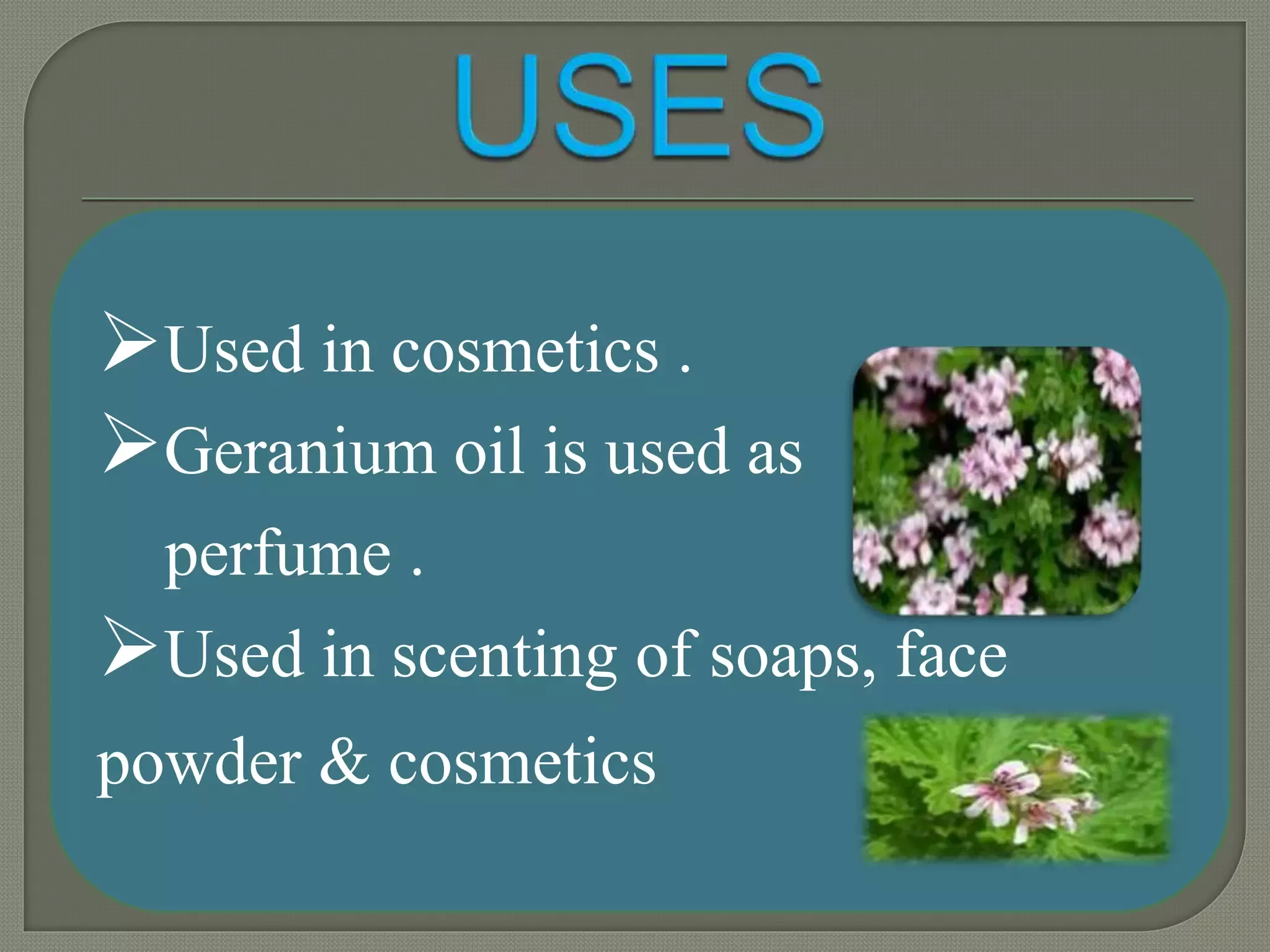
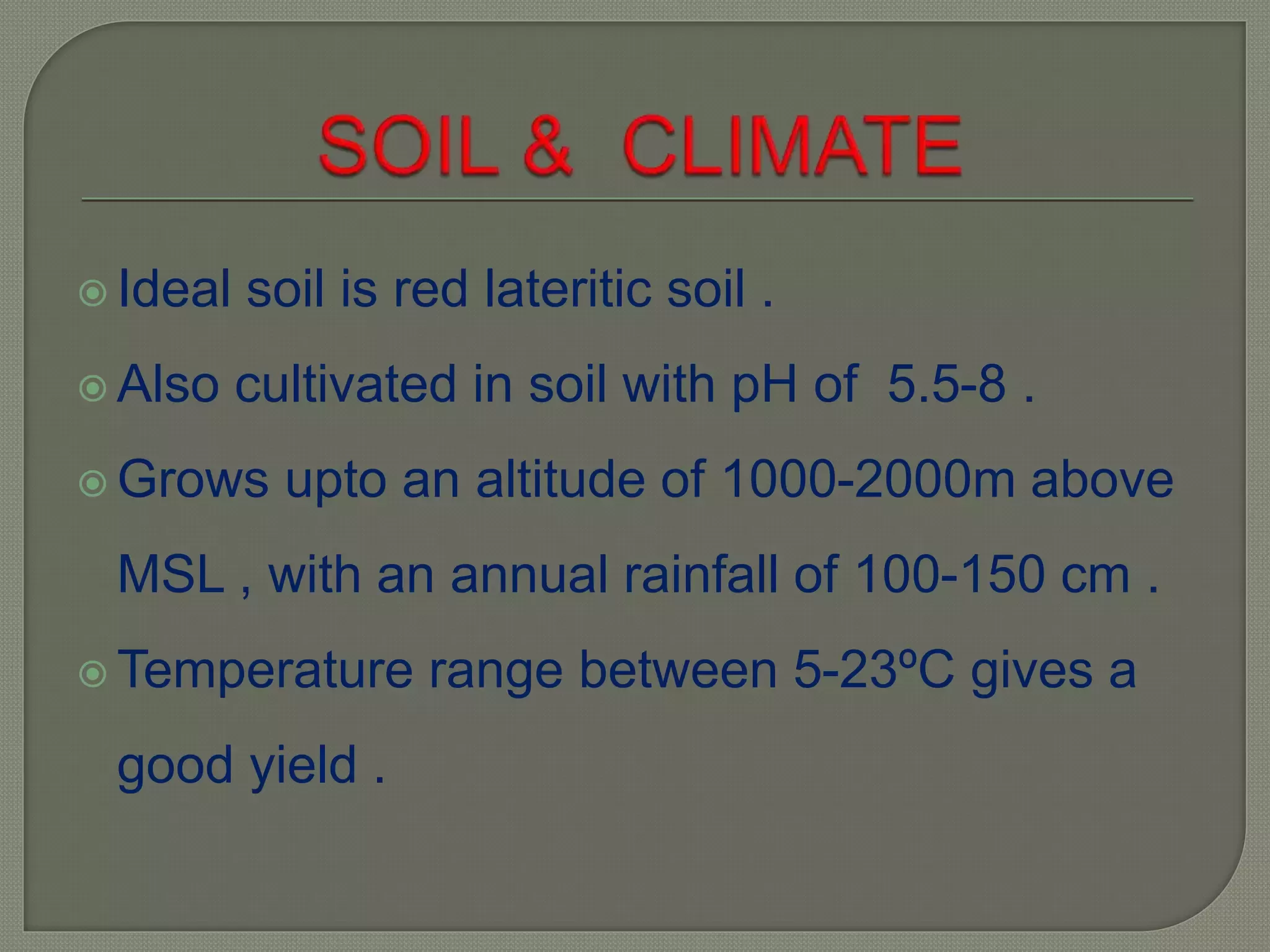
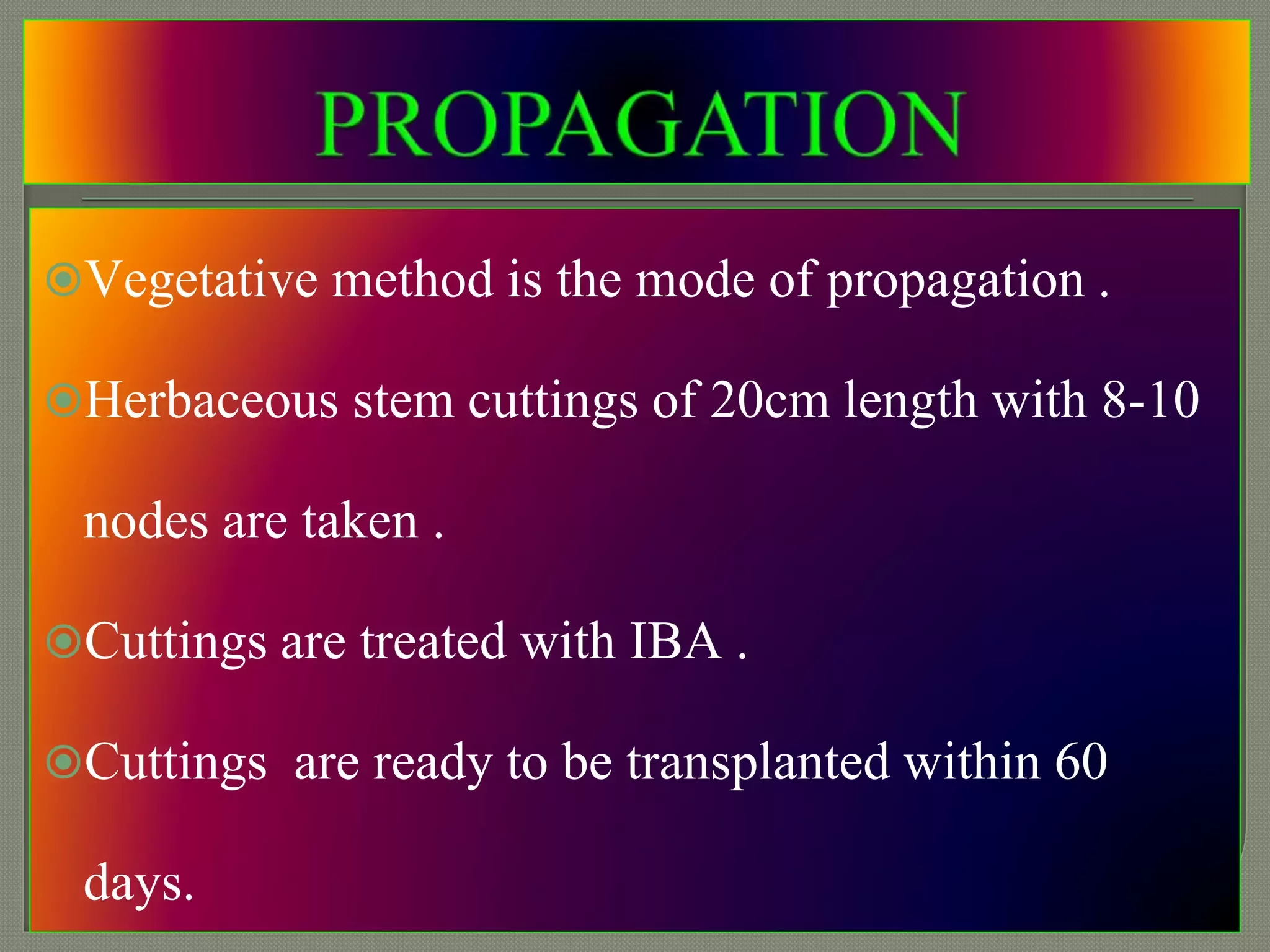
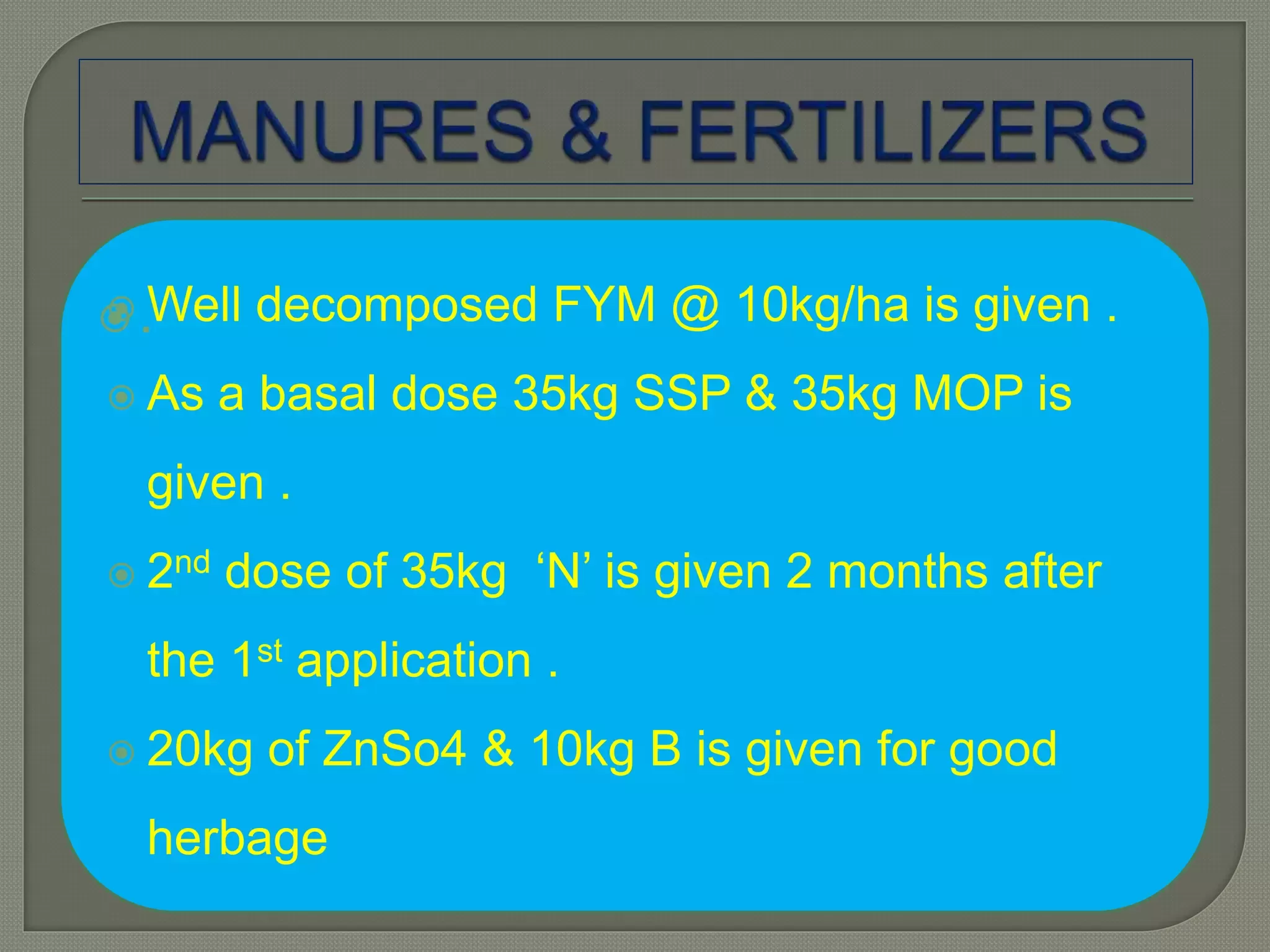
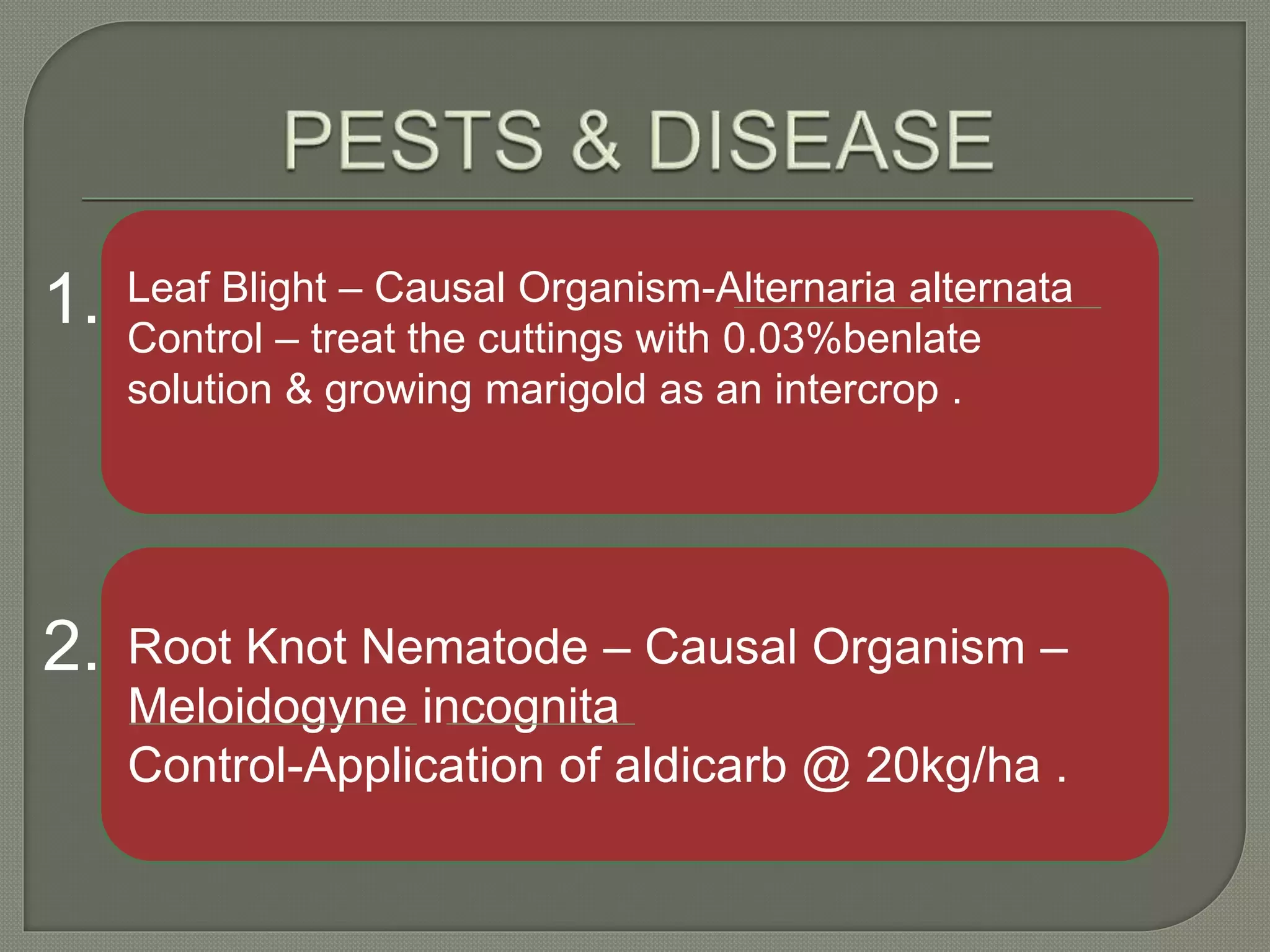
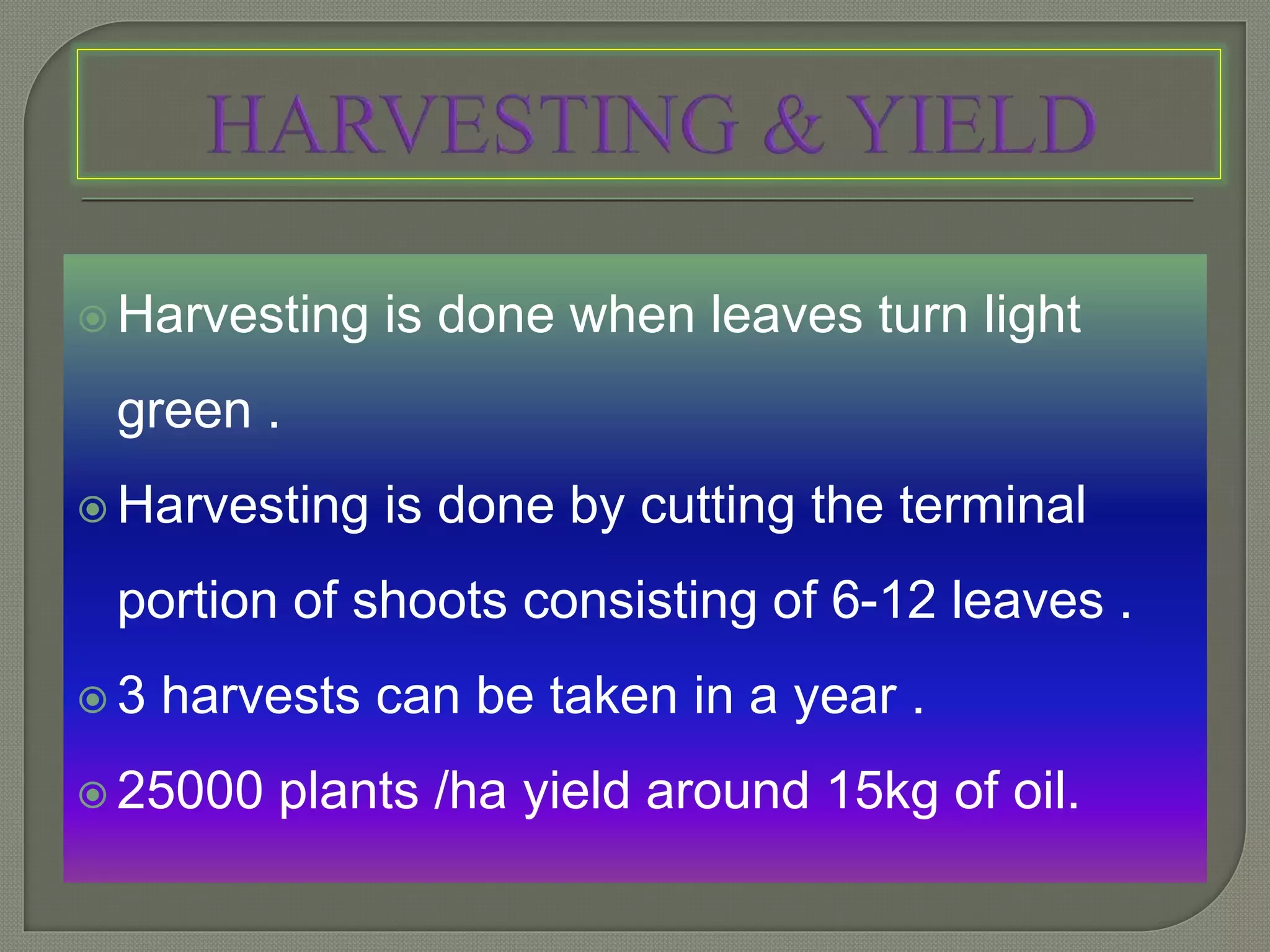
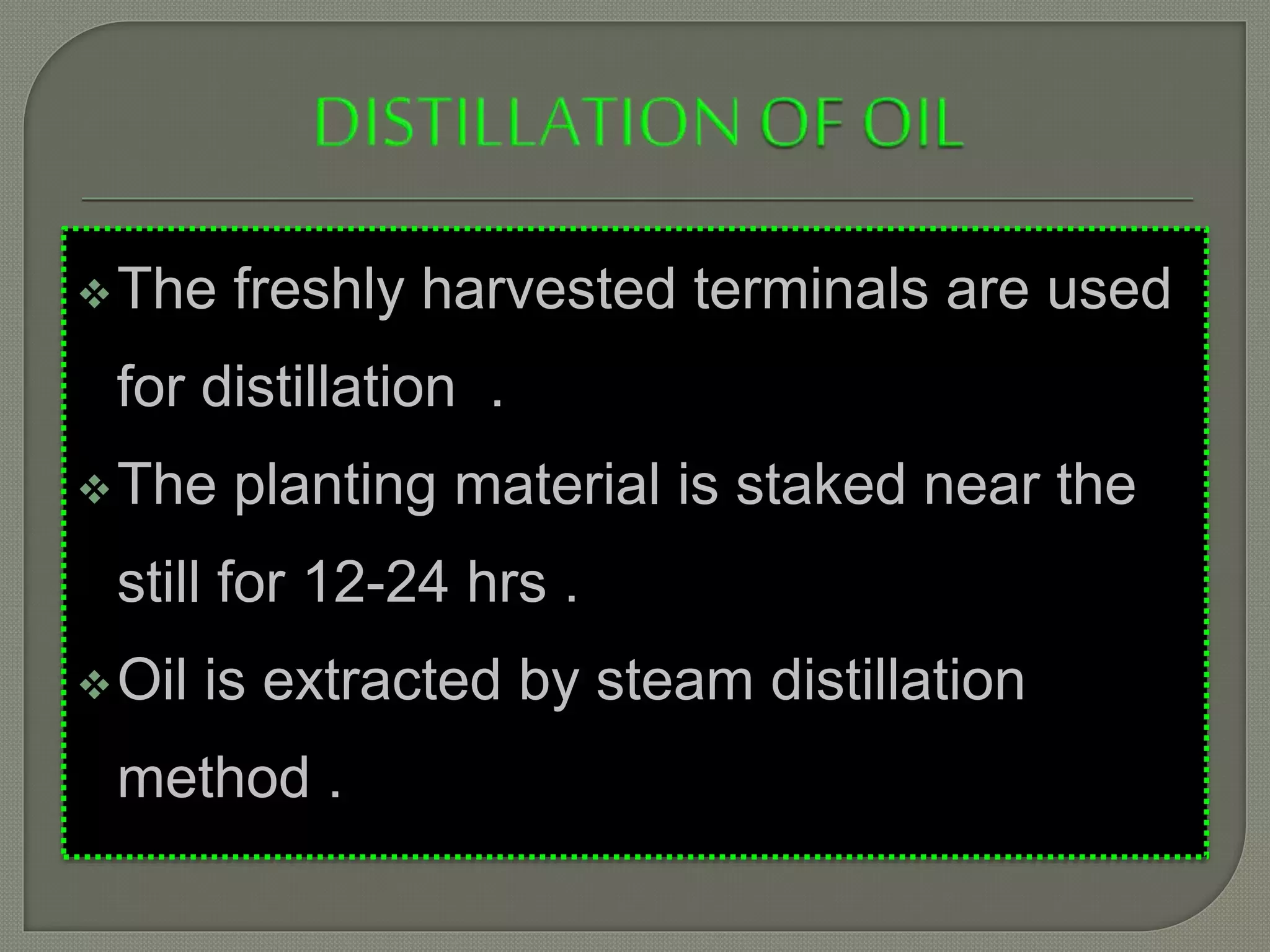
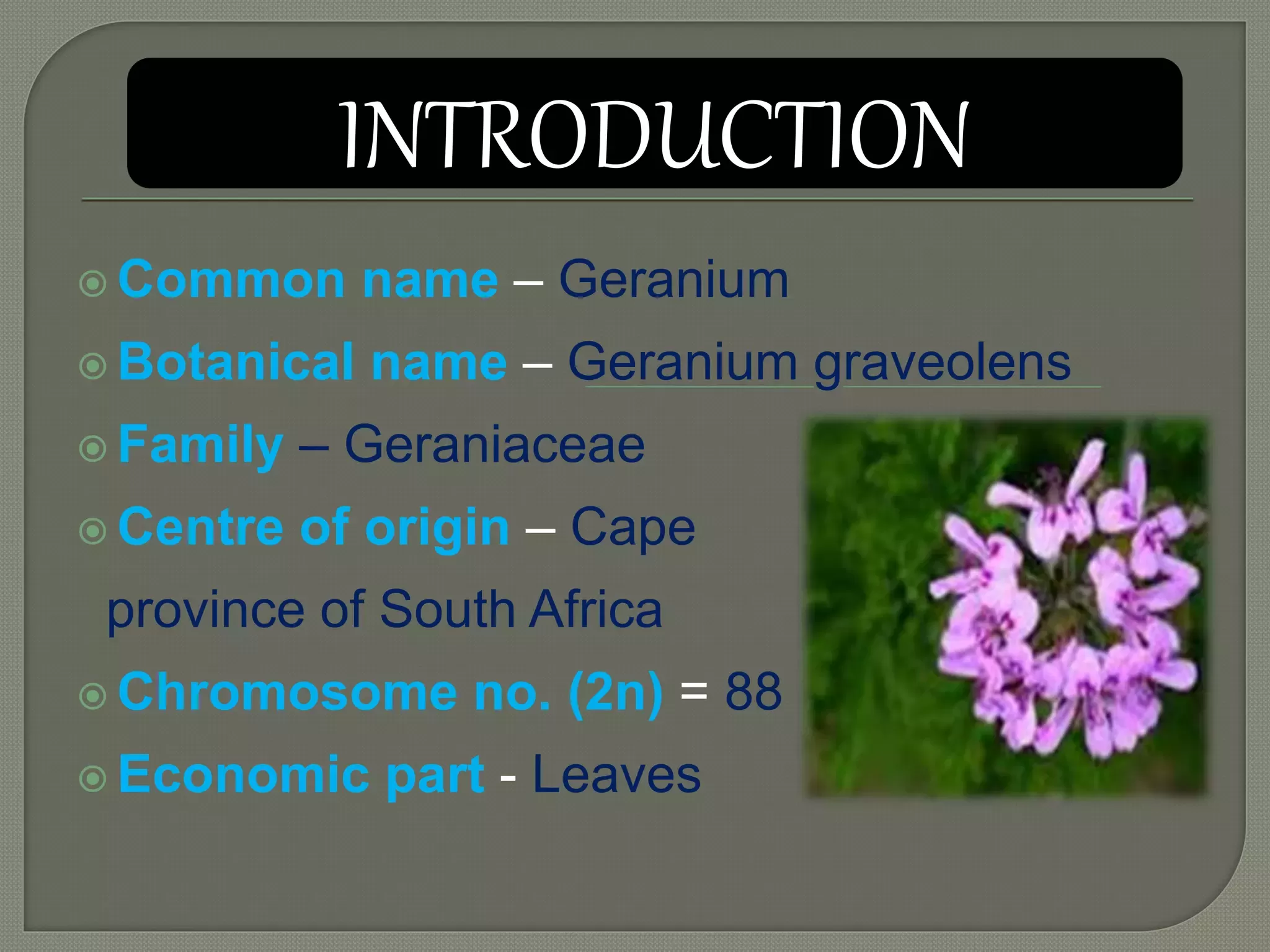
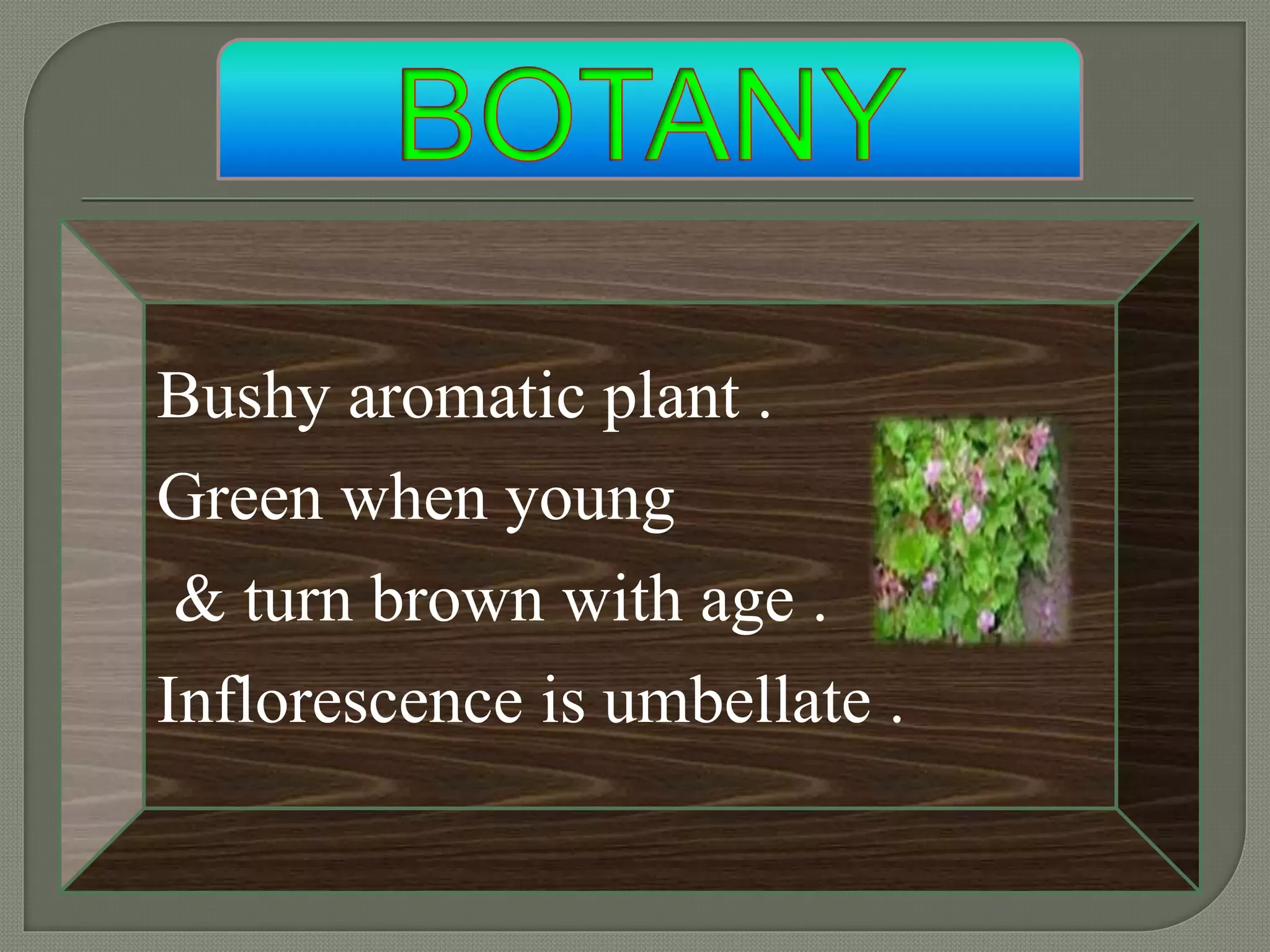
Geranium, scientifically known as *Geranium graveolens*, is a bushy aromatic plant belonging to the Geraniaceae family. Native to the Cape province of South Africa, this versatile plant is known for both its ornamental beauty and its economic value, particularly in the cosmetic industry. The leaves, which are the primary economic part of the plant, change colors from vibrant green when young to a rich brown as they mature. The plant showcases an umbellate inflorescence that adds to its aesthetic appeal. One of the key uses of geranium is its essential oil, which is a highly sought-after ingredient in perfumes and cosmetics. The fragrant oil is also utilized in scenting soaps and face powders, making geranium a valuable crop for those involved in the beauty and personal care sectors. Its aromatic properties and versatility have led to its popularity across various applications. To thrive, geraniums prefer specific soil conditions, particularly red lateritic soil. However, they can also grow in soils with a pH range of 5.5 to 8. Successfully cultivating geranium requires specific climatic conditions; the plants flourish at altitudes between 1000 to 2000 meters above mean sea level (MSL), with an annual rainfall of 100-150 centimeters. A temperature range of 5-23ºC is optimal for achieving high yields, making it essential for cultivators to consider these environmental factors. Propagating geraniums typically involves a vegetative method, with herbaceous stem cuttings being the preferred technique. Cuttings around 20 centimeters long, each containing 8-10 nodes, are taken and treated with indolebutyric acid (IBA) to encourage root development. After approximately 60 days, the cuttings are ready for transplanting, providing a relatively efficient means of propagation. For successful growth, geranium plants benefit from well-decomposed farmyard manure (FYM), with a recommended application of 10 kg per hectare as a nutrient source. Additionally, a basal application of 35 kg each of single super phosphate (SSP) and muriate of potash (MOP) is suggested, followed by a subsequent nitrogen dose two months later. To enhance herbage quality, supplementary applications of zinc sulfate and boron are also recommended. Despite its resilience, geraniums can be affected by certain pests and diseases. Leaf blight caused by *Alternaria alternata* is notable, and treatment can include using a 0.03% benlate solution. Additionally, intercropping with marigold plants has been identified as a beneficial practice to mitigate this issue. Root knot nematodes, mainly *Meloidogyne incognita*, can pose another threat; control measures include applying aldicarb at a dosage of 20 kg per hectare. Harvesting geranium is a meticulous process, taking place when the leaves display a light green coloration. The optimal technique involves cutting the terminal ends of shoots that comprise 6-12 leaves. With the capacity for up to three harvests per year, a well-maintained plantation of approximately 25,000 plants per hectare can yield around 15 kg of essential oil. The freshly harvested terminal shoots are placed near a still for 12-24 hours before the oil extraction process, which employs steam distillation. This careful handling ensures optimal quality of the oil produced, reinforcing the geranium’s esteemed status in the world of fragrances. Through these practices, geranium continues to be a beloved and economically significant plant in the realm of aromatherapy and cosmetic applications.

Slide 1

Slide 1⬇ Slide

Slide 2

Slide 2⬇ Slide

Slide 3

Slide 3⬇ Slide

Slide 4

Slide 4⬇ Slide

Slide 5

Slide 5⬇ Slide

Slide 6

Slide 6⬇ Slide

Slide 7

Slide 7⬇ Slide

Slide 8

Slide 8⬇ Slide

Slide 9

Slide 9⬇ Slide
1 / 9