Home Quiz Old Paper PPT

Ppt on Producion technology of turnip

Description

**Turnips: A Comprehensive Guide for Cultivation and Care**

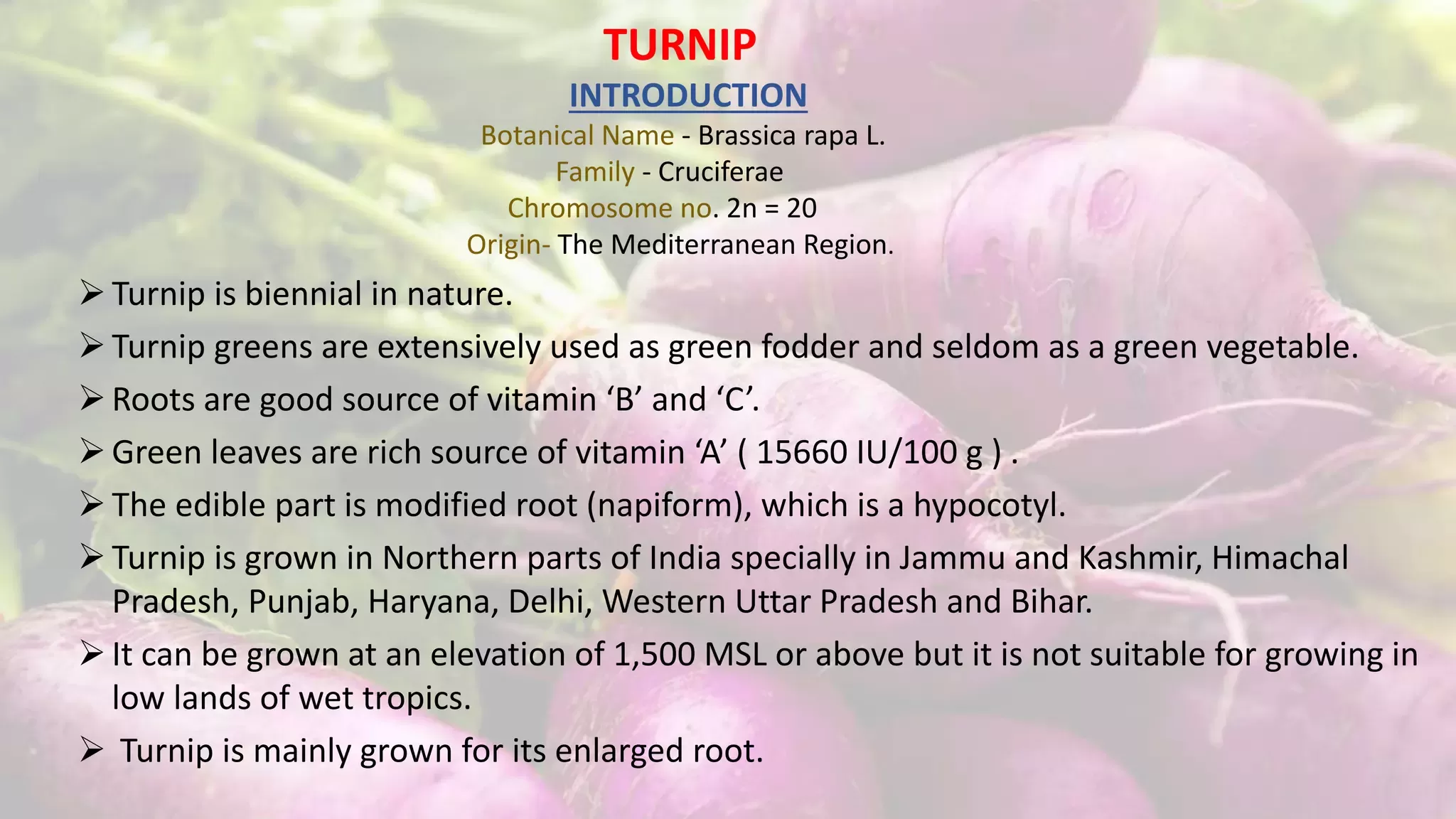
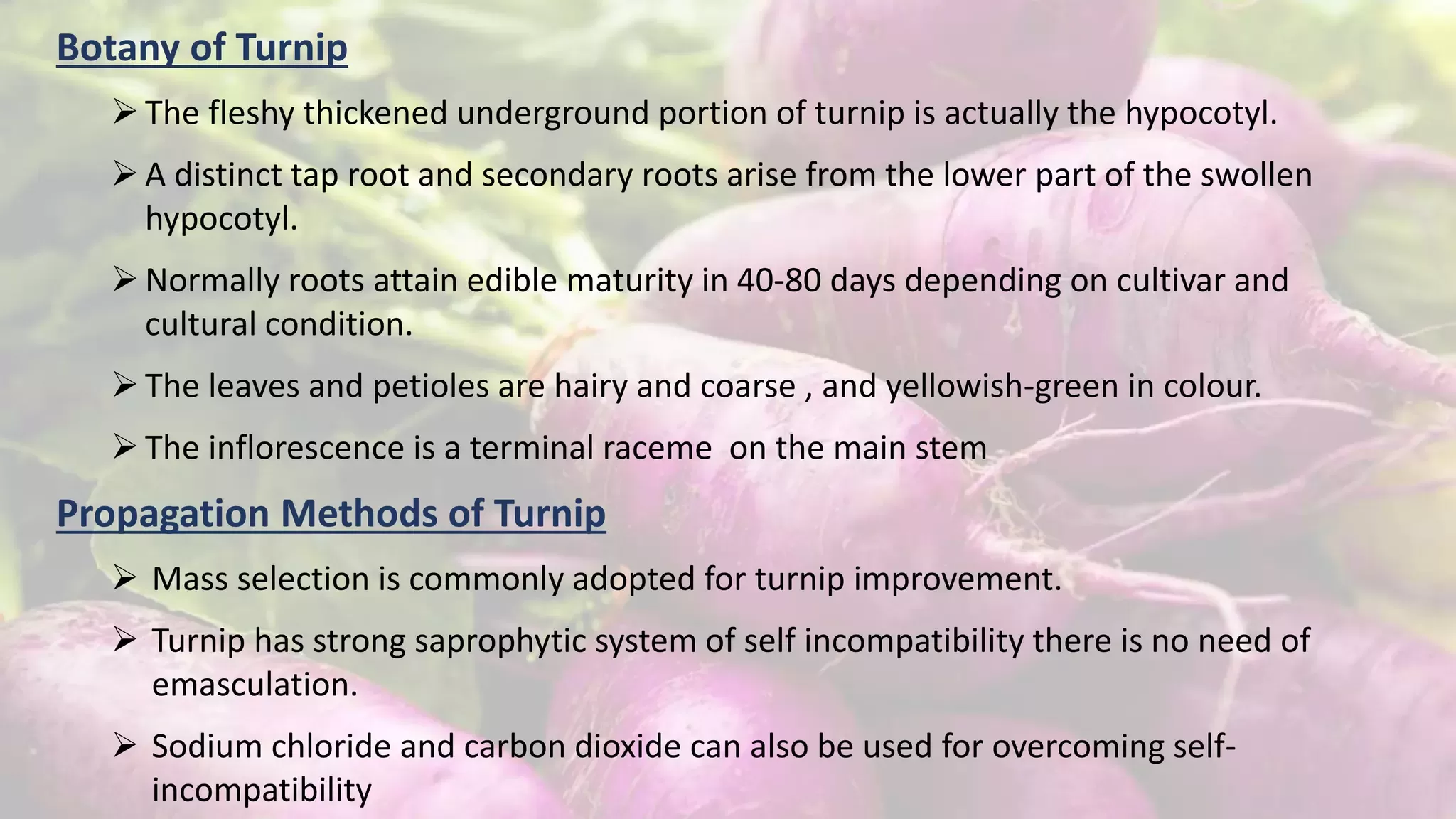
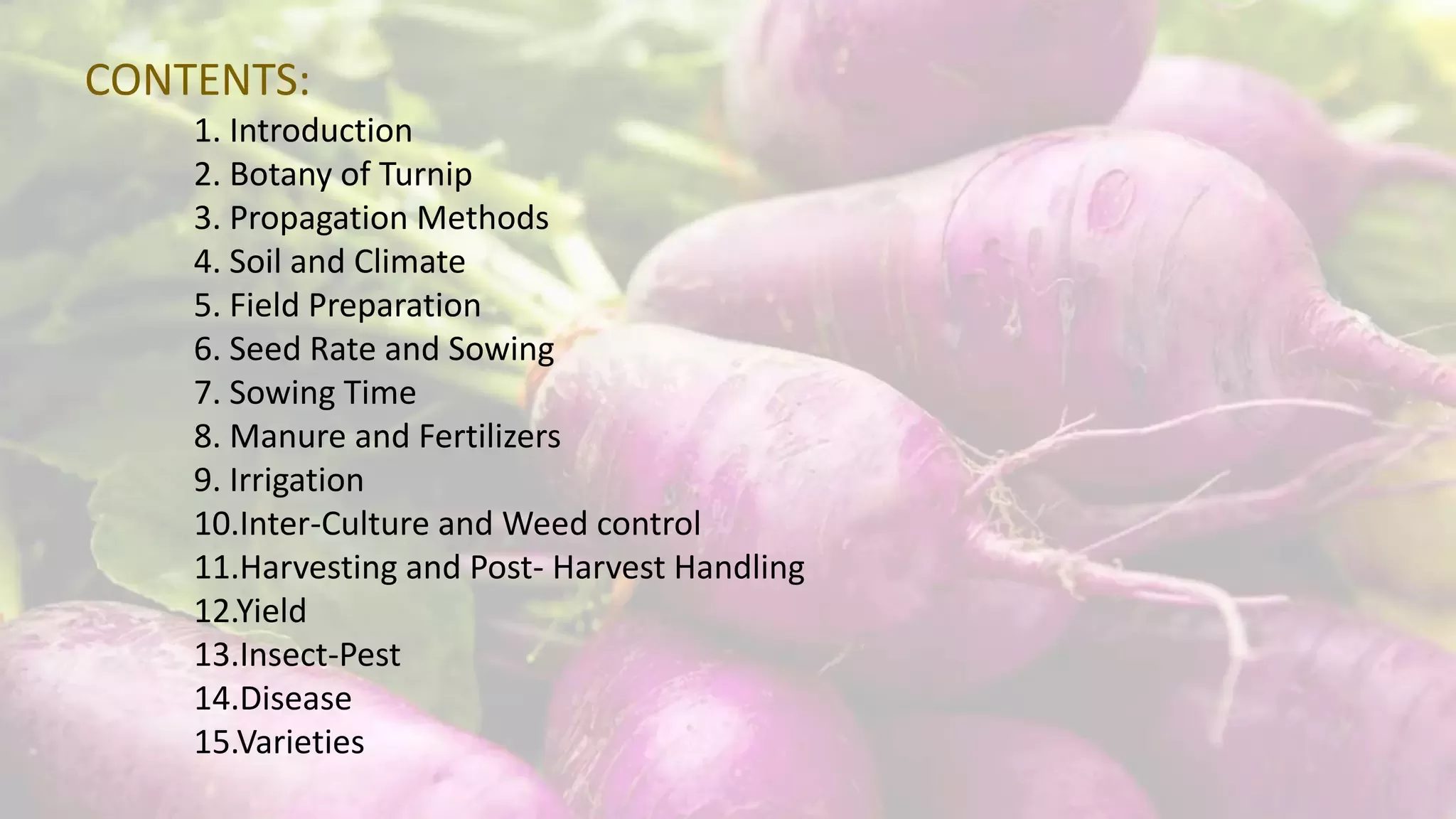
Turnips, botanically known as *Brassica rapa L.*, belong to the Cruciferae family and are recognized for their biennial nature. Originating from the Mediterranean region, these versatile root vegetables thrive particularly well in the northern regions of India, including states like Jammu and Kashmir, Himachal Pradesh, and Punjab. The edible part of the turnip is a modified root known as the hypocotyl, which can be a significant source of vitamins B and C, while its green leaves are rich in vitamin A. This article explores the essentials of turnip cultivation, including growth conditions, soil requirements, and effective pest management strategies.

### Botany and Growth Conditions

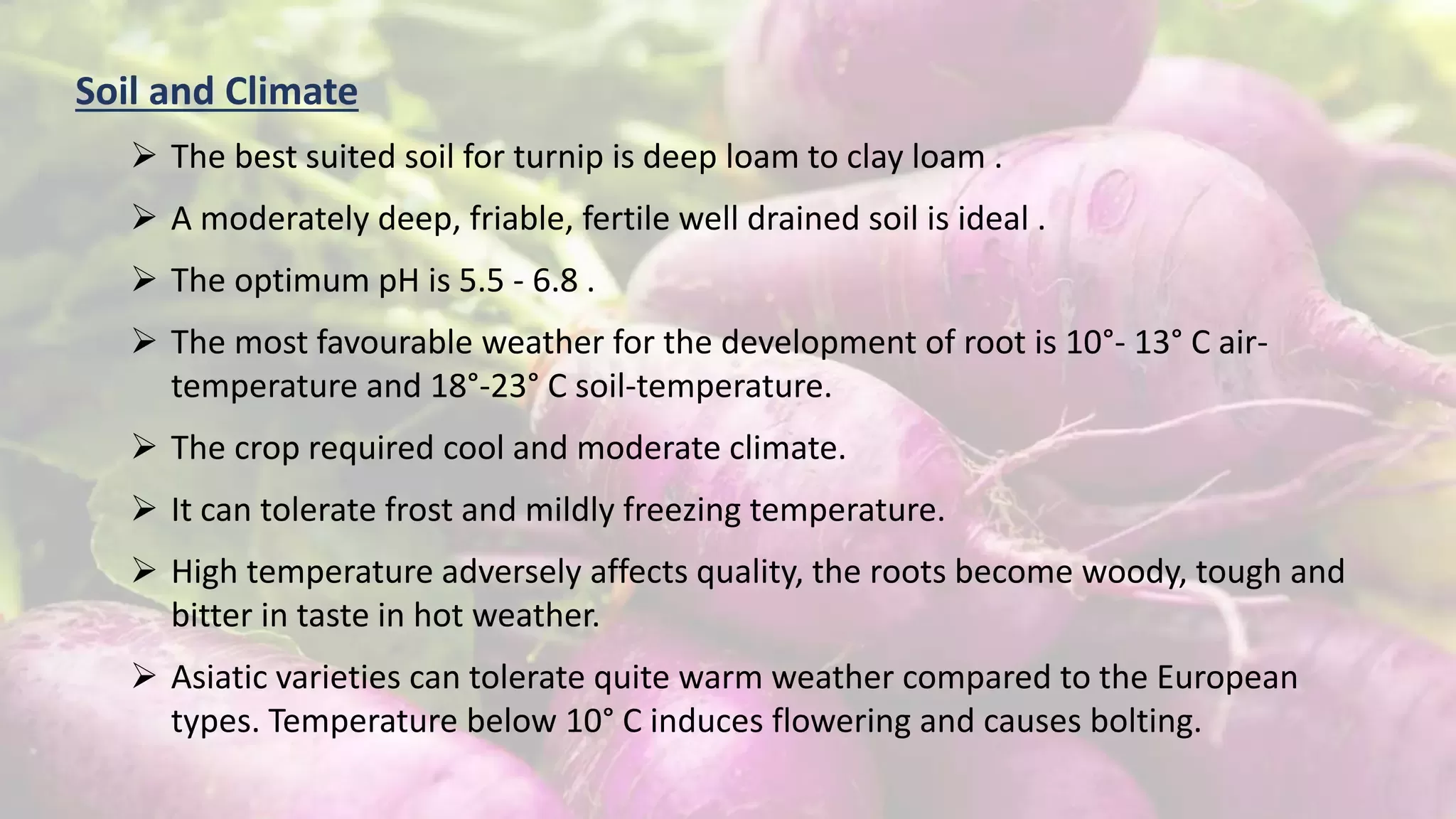
Turnips develop a thickened underground hypocotyl that acts as a storage organ. The plant generally reaches maturity within 40 to 80 days, influenced by various factors, including cultivar choices and climatic conditions. Ideal soil for turnip cultivation is deep loam to clay loam, with a pH range of 5.5 to 6.8. Cool weather between 10°C to 13°C air temperature encourages optimal root development, as high temperatures can lead to tough and bitter tasting roots.

### Preparing for Cultivation

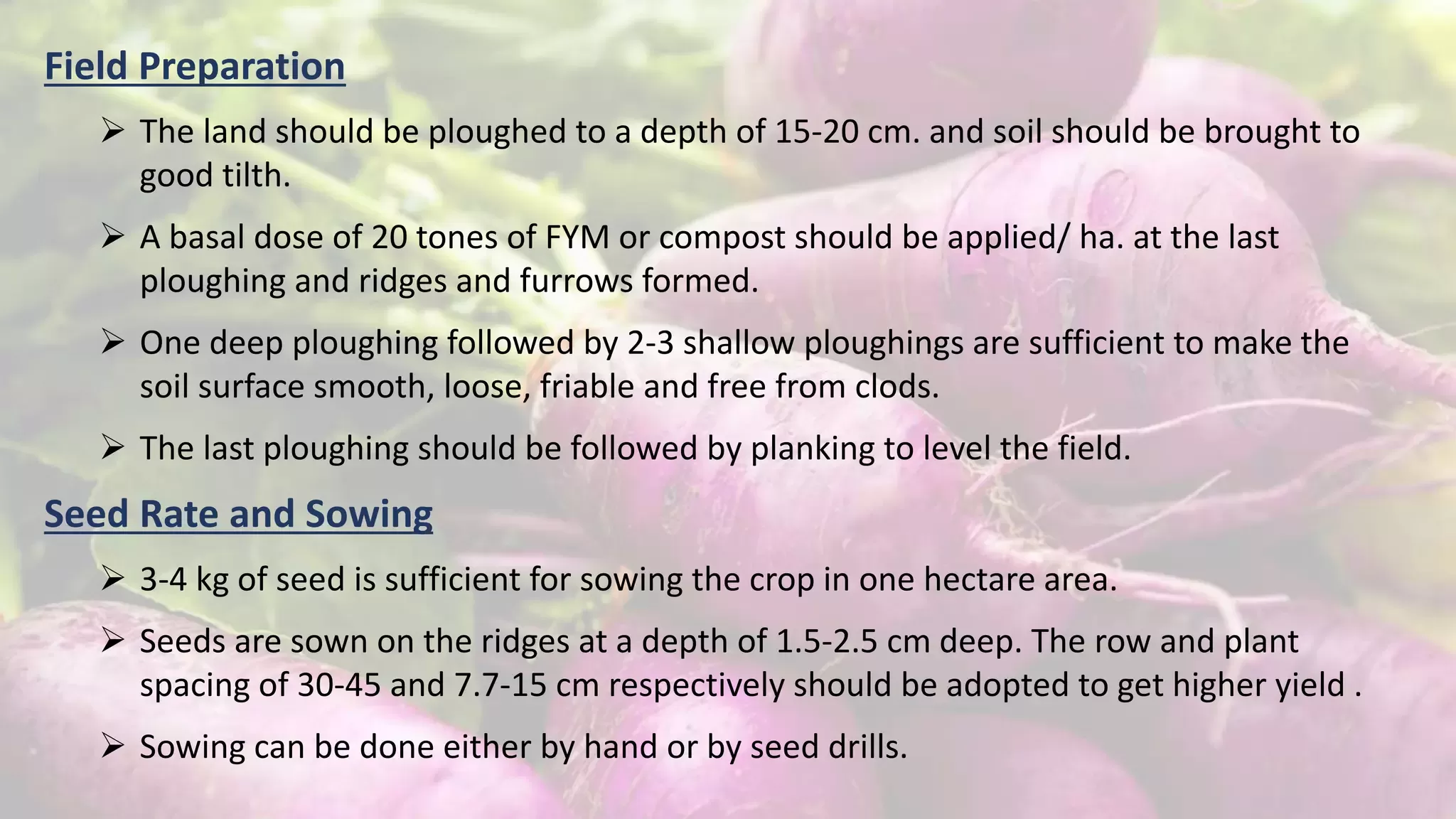
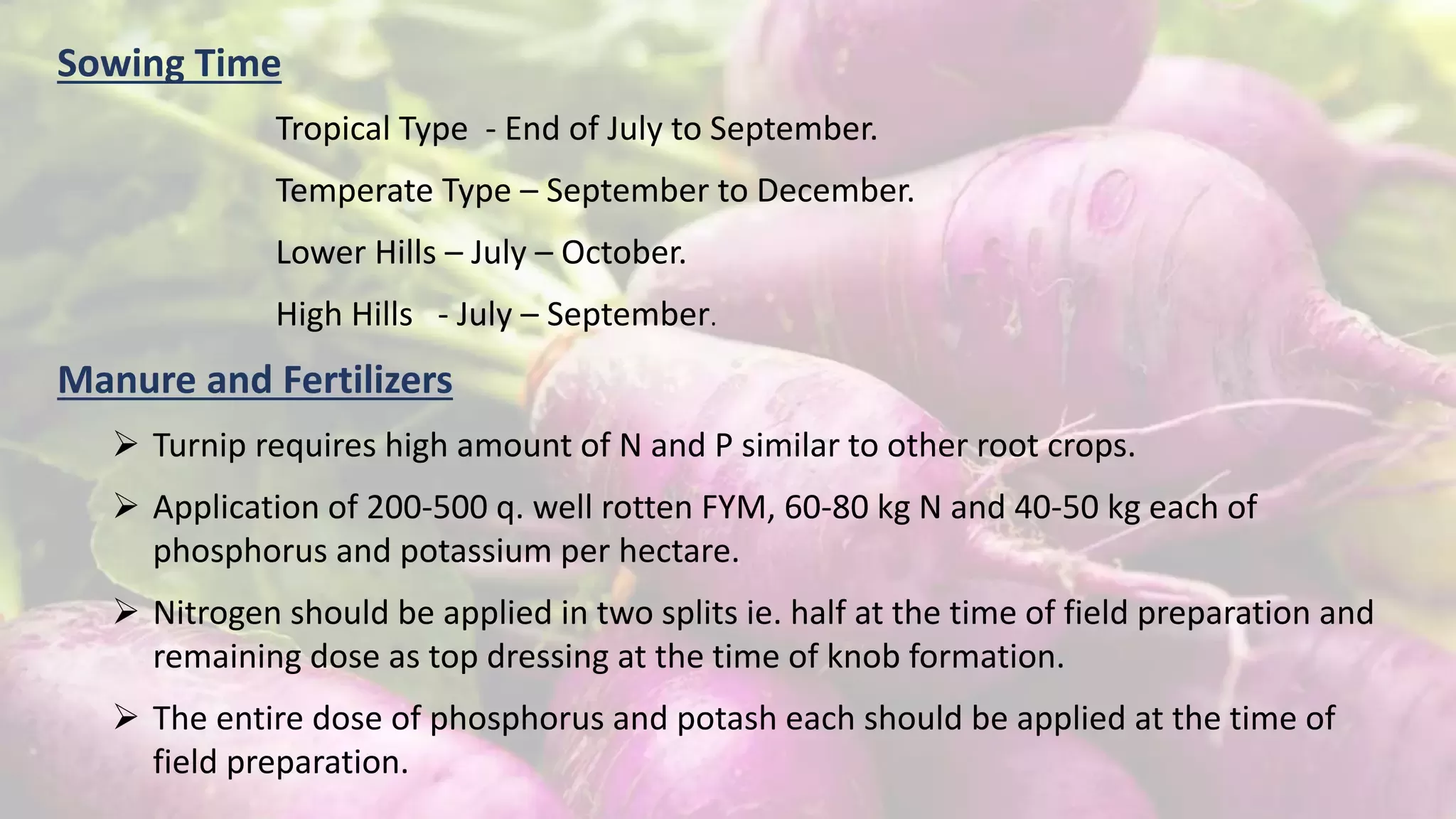
Proper field preparation is crucial for successful turnip growth. The land should be ploughed to a depth of 15-20 cm with a balanced application of organic manure to ensure soil fertility. Sowing typically occurs from late July to December, depending on the region, using 3-4 kg of seeds per hectare. The spacing between rows and plants is essential for maximizing yields.

### Nutrient and Water Management

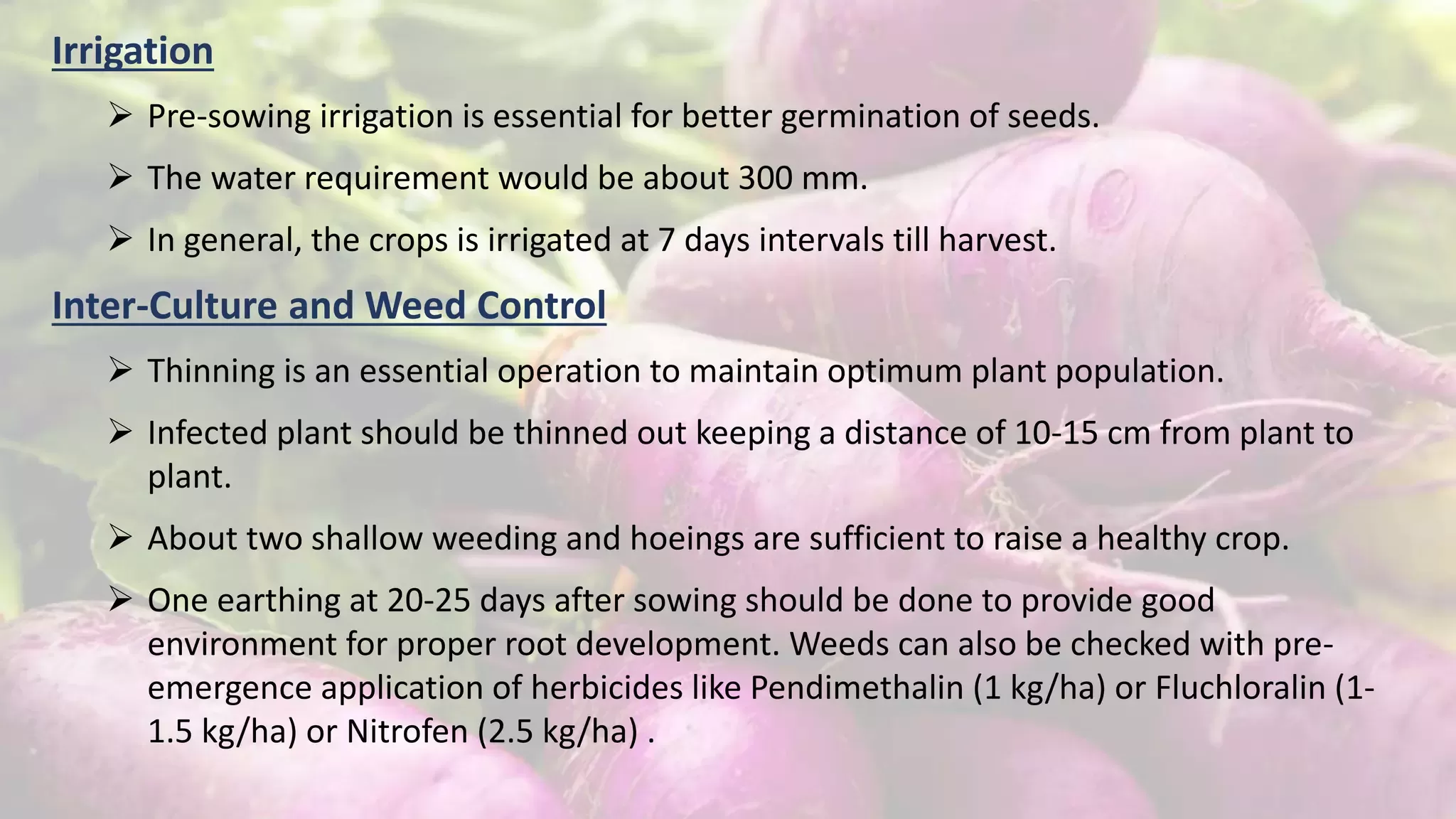
Turnips require a balanced nutrient supply, particularly nitrogen, phosphorus, and potassium, to thrive. Regular irrigation is vital, with an average requirement of about 300 mm. The schedule usually includes pre-sowing irrigation followed by consistent watering to maintain soil moisture levels.

### Inter-Cultural Practices

Maintaining plant health through inter-culture practices is important. Thinning is necessary to avoid overcrowding, and weeding should be conducted every few weeks to minimize competition for resources. Herbicides can also play a role in controlling weed growth effectively.

### Harvesting and Handling

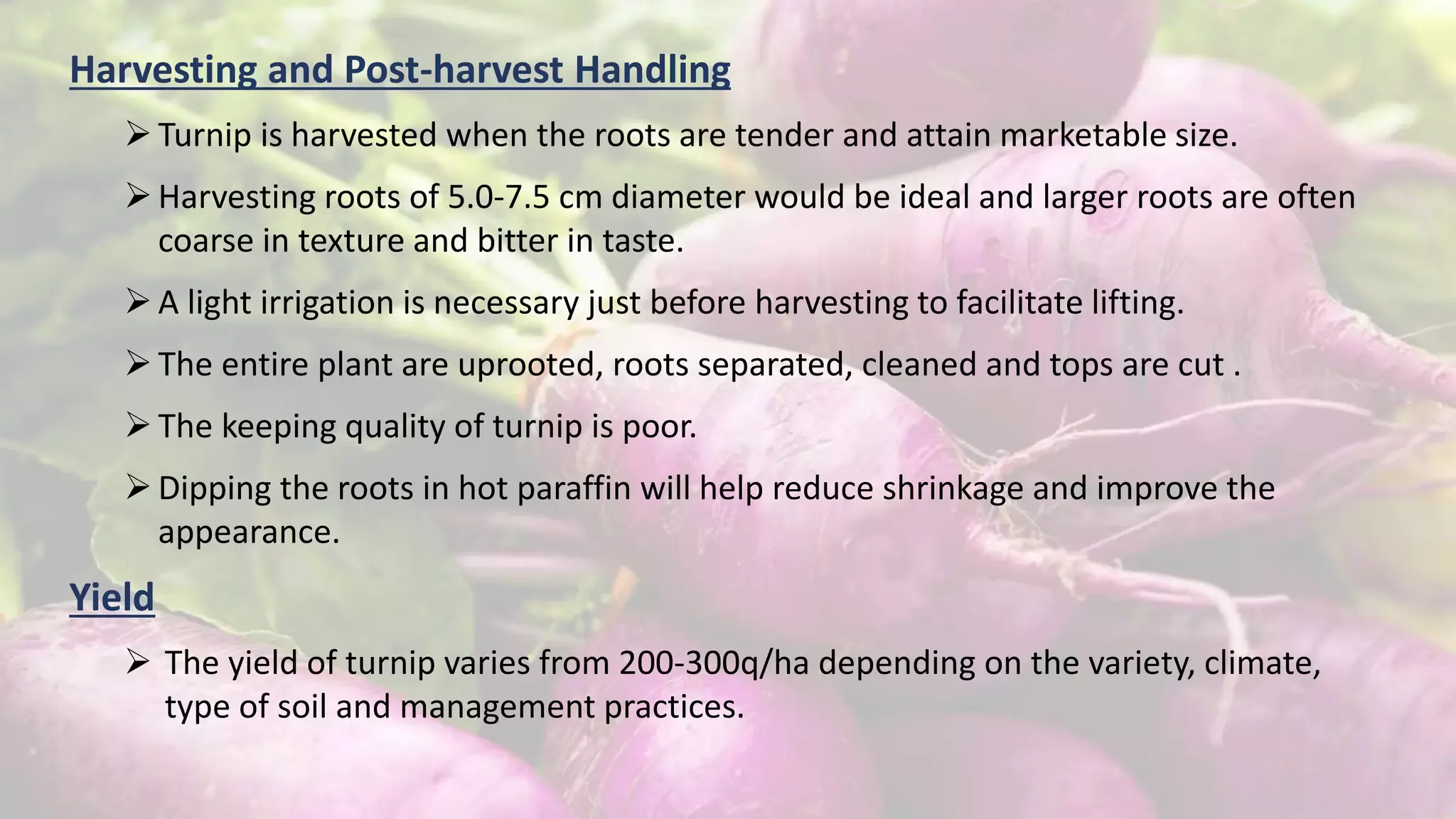
Understanding the right time to harvest is critical to ensuring the quality of turnips. Roots should be collected when they reach a diameter of 5-7.5 cm. Post-harvest handling, including irrigation just before harvesting, helps in the easy lifting of plants, thereby maintaining their quality.

### Pest and Disease Management

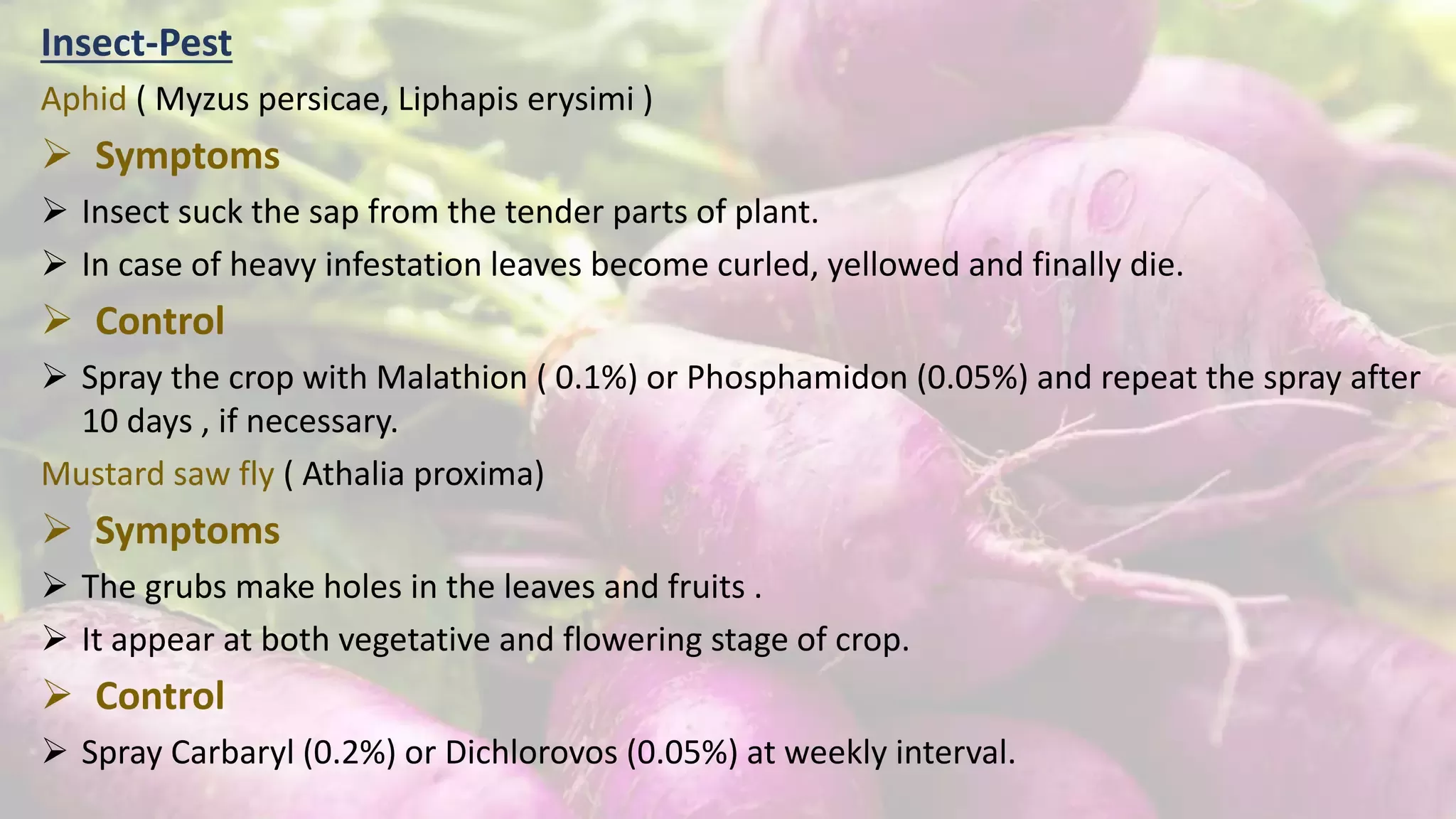
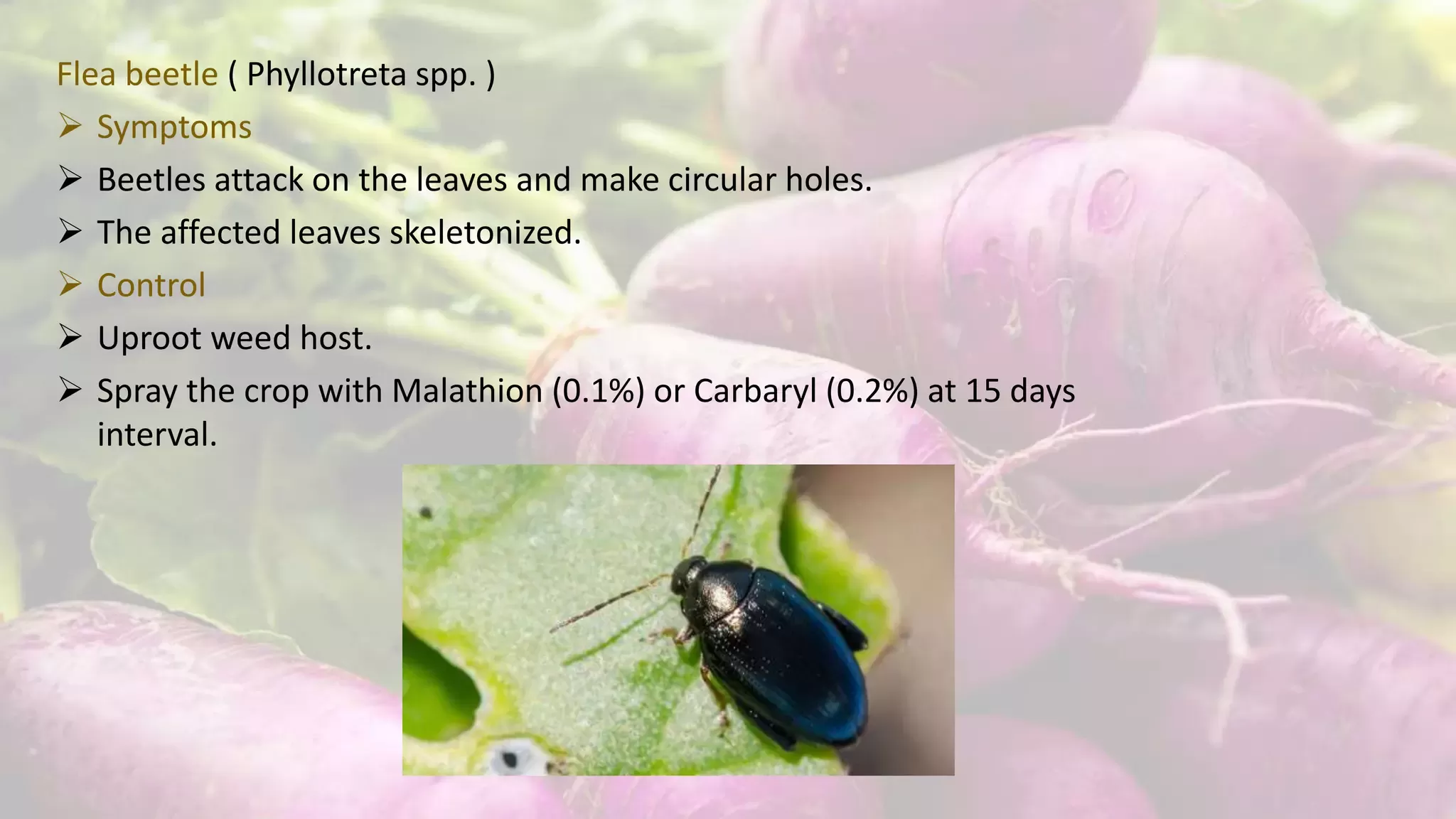
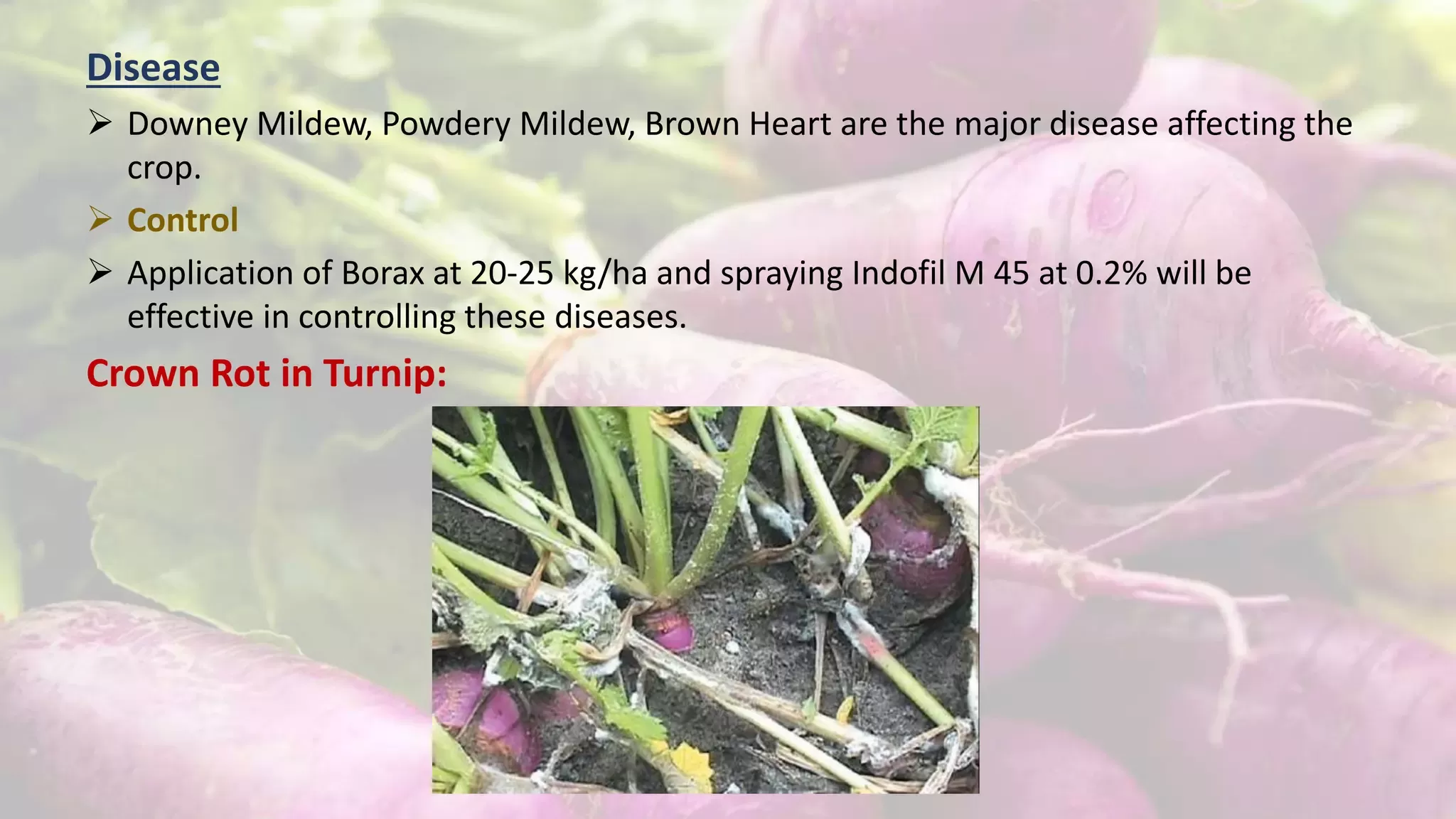
Turnips can be susceptible to various pests, including aphids and flea beetles, which can cause significant damage if not managed promptly. Regular monitoring and timely pesticide application can help control infestations effectively. Additionally, diseases like downy and powdery mildew require specific management practices, including the use of borax and fungicides.

### Varieties of Turnips

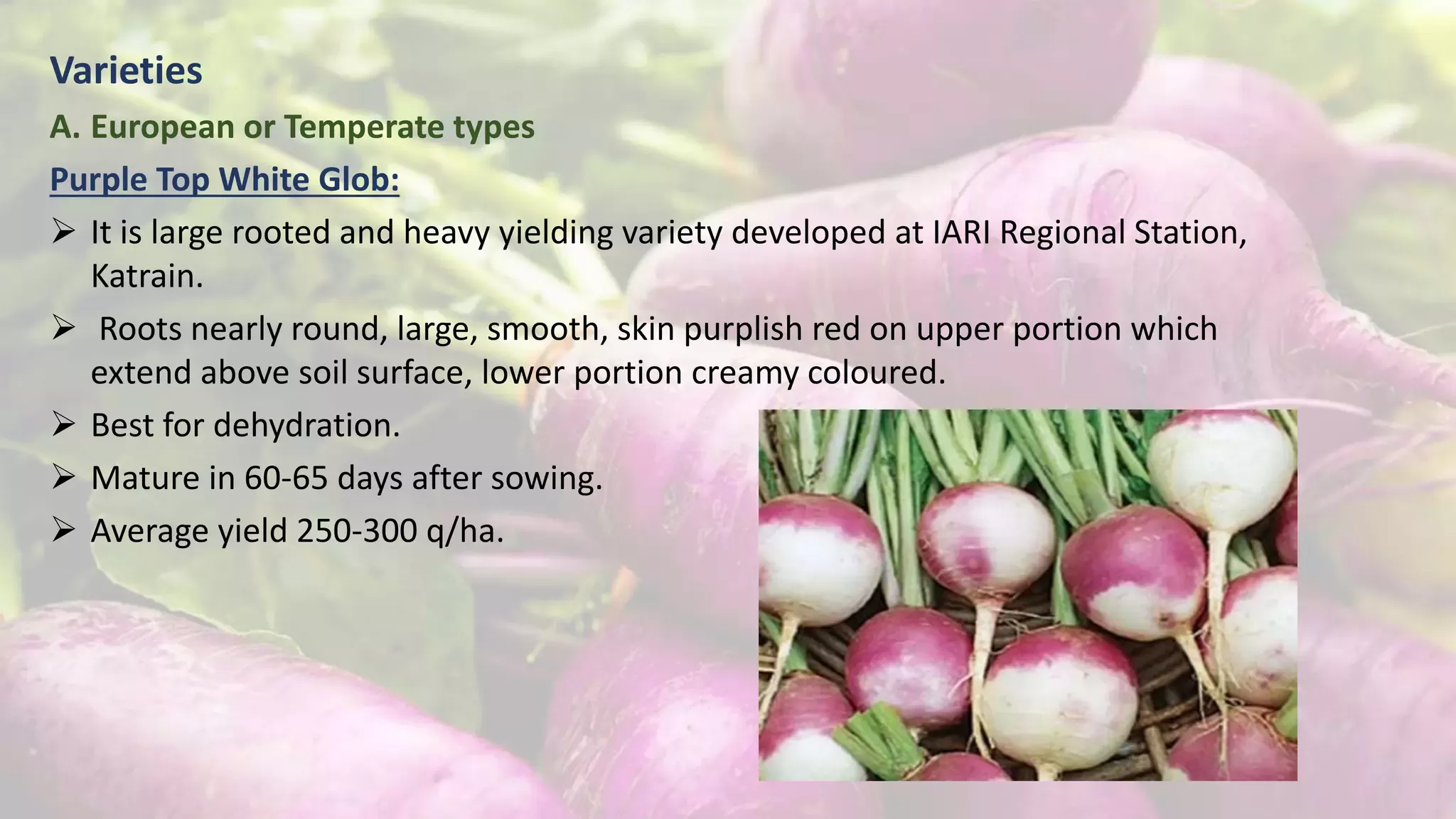
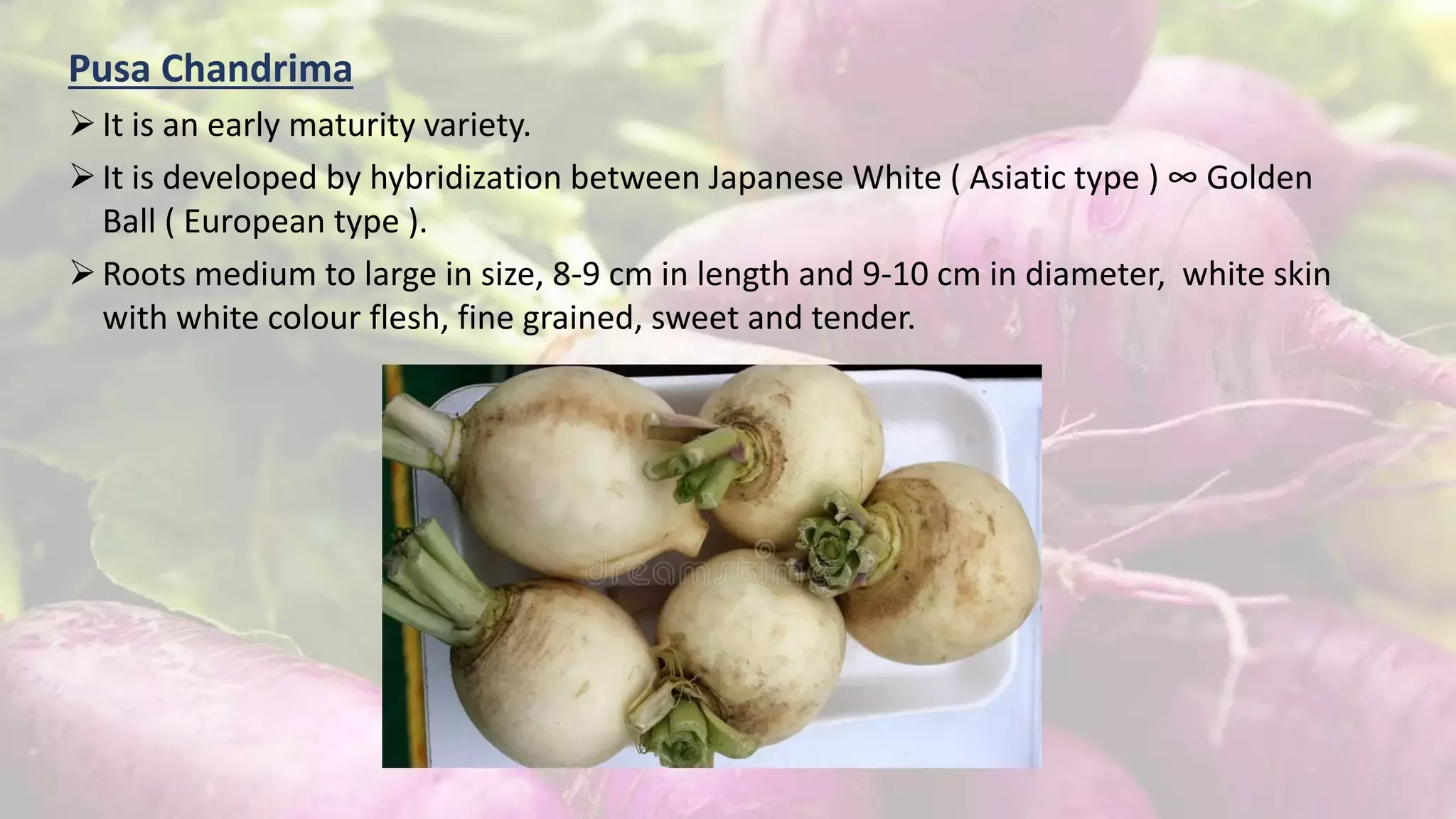
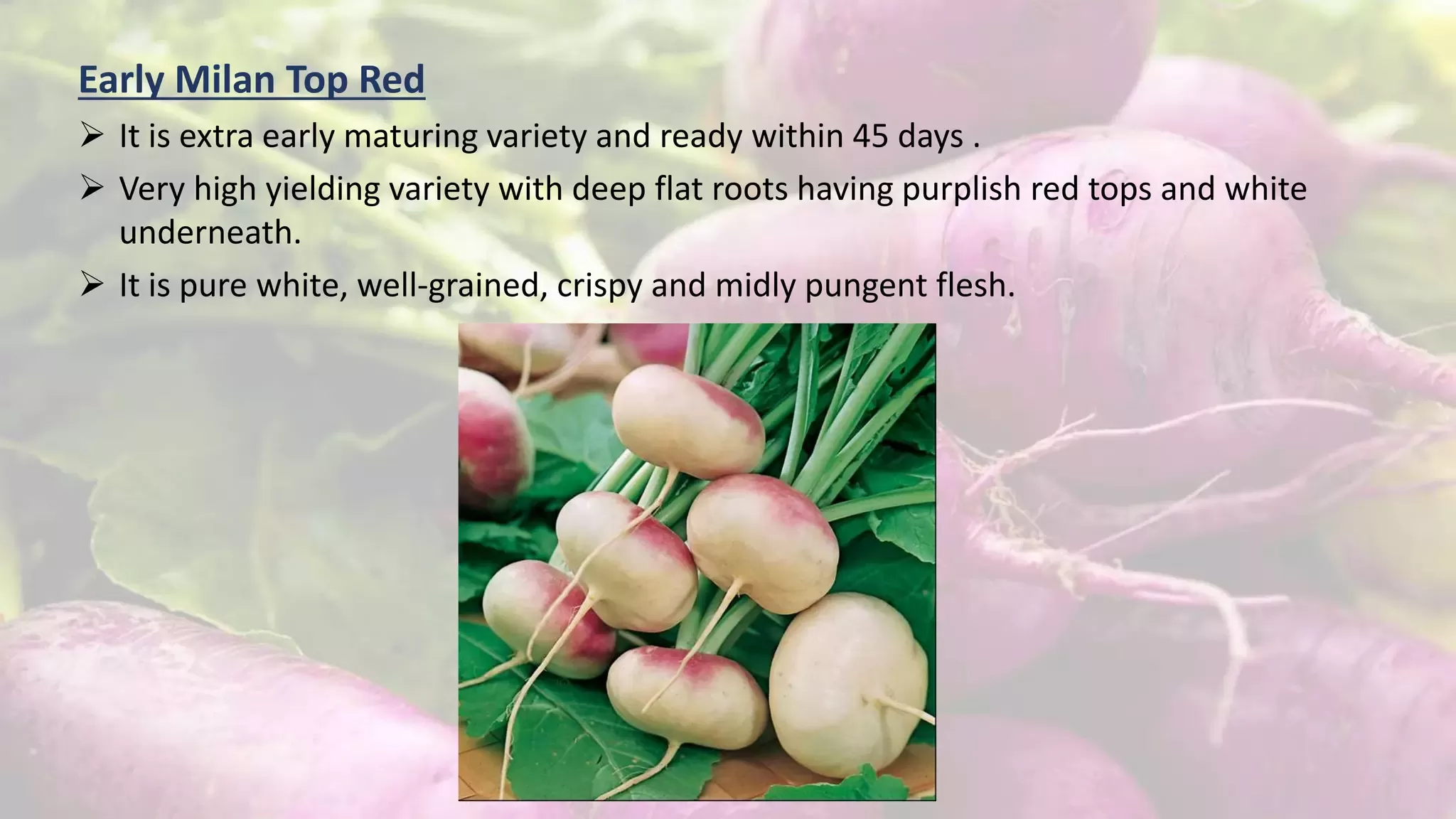
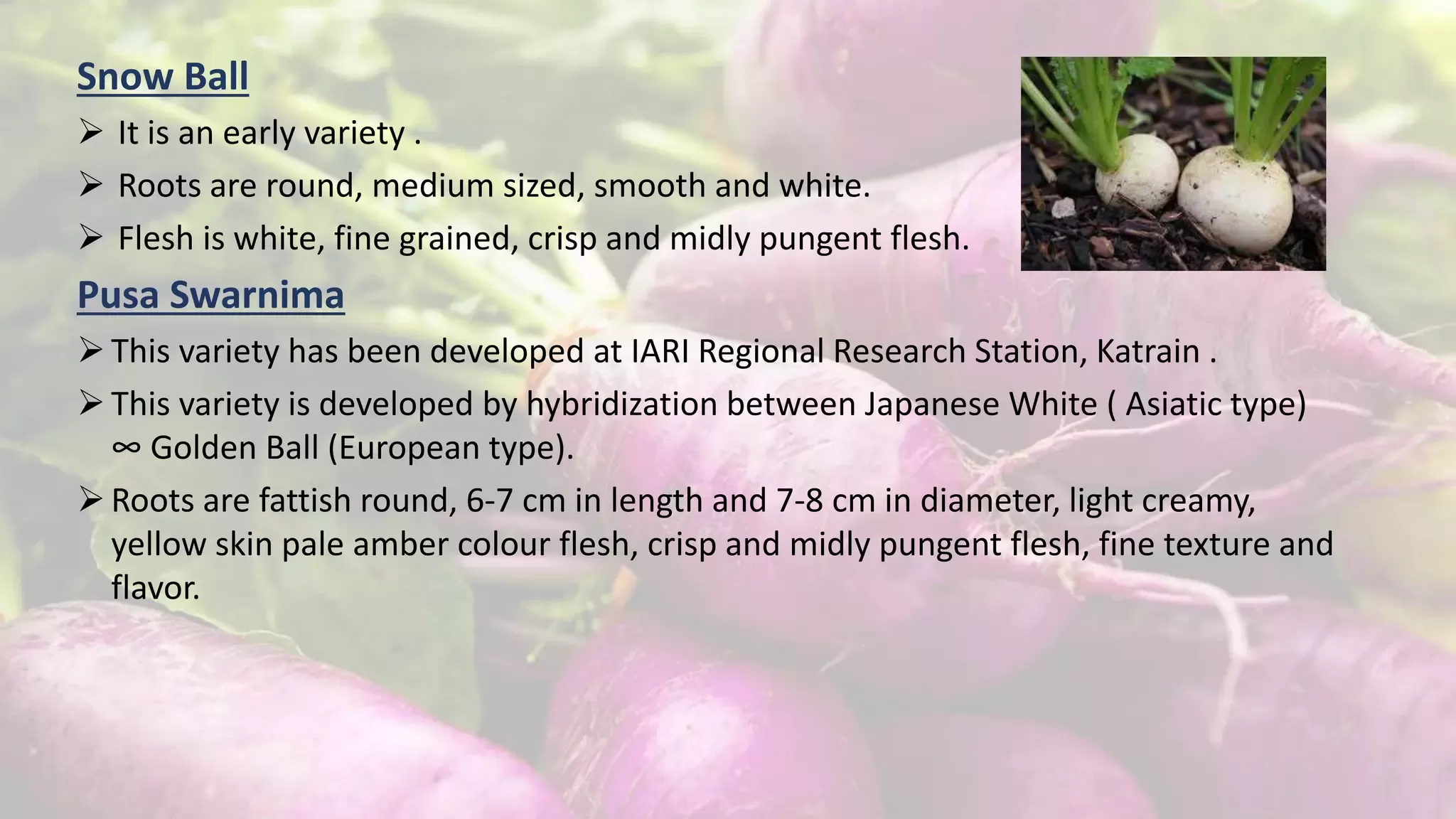
Several cultivars exist, each with unique characteristics. European types, such as Purple Top White Globe and Golden Ball, vary in size, flavor, and cultivation requirements. Asiatic varieties like Pusa Kanchan and Pusa Sweti are adapted to tropical climates, focusing on early maturity and flavor enhancement.

In summary, growing turnips can be a rewarding agricultural endeavor, provided one follows the right practices concerning soil preparation, irrigation, pest management, and harvesting. By understanding these critical factors, farmers can ensure a bountiful turnip yield that caters to both culinary and nutritional needs.

**Keywords**: Turnip cultivation, Botany, Soil management, Pest control, Varieties.
Slide 1

Slide 1⬇ Slide

Slide 2

Slide 2⬇ Slide

Slide 3

Slide 3⬇ Slide

Slide 4

Slide 4⬇ Slide

Slide 5

Slide 5⬇ Slide

Slide 6

Slide 6⬇ Slide

Slide 7

Slide 7⬇ Slide

Slide 8

Slide 8⬇ Slide

Slide 9

Slide 9⬇ Slide

Slide 10

Slide 10⬇ Slide

Slide 11

Slide 11⬇ Slide

Slide 12

Slide 12⬇ Slide

Slide 13

Slide 13⬇ Slide

Slide 14

Slide 14⬇ Slide

Slide 15

Slide 15⬇ Slide

Slide 16

Slide 16⬇ Slide

Slide 17

Slide 17⬇ Slide

Slide 18

Slide 18⬇ Slide
1 / 18

Ppt on Chow chow vegetable cultivation

Description

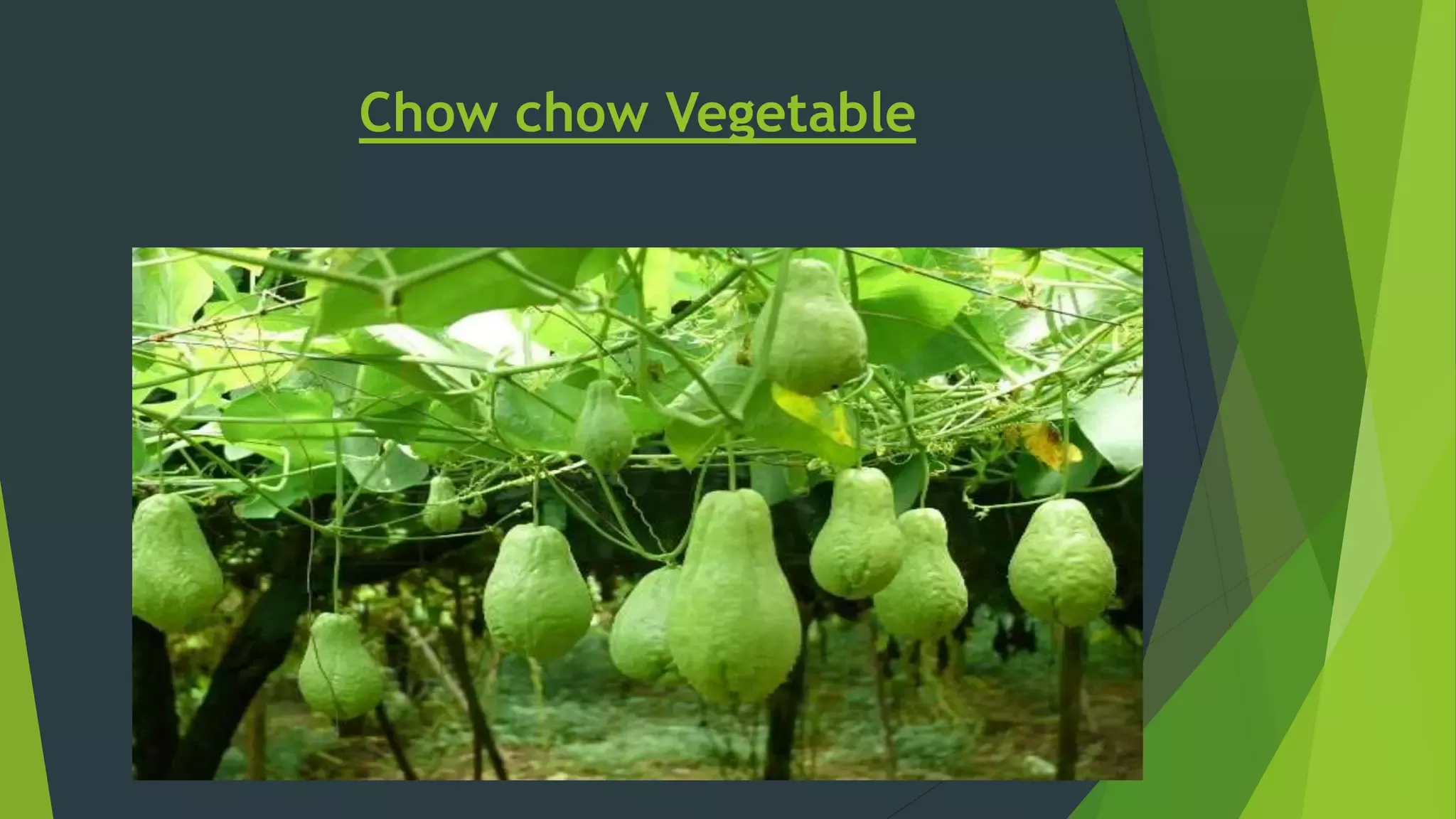
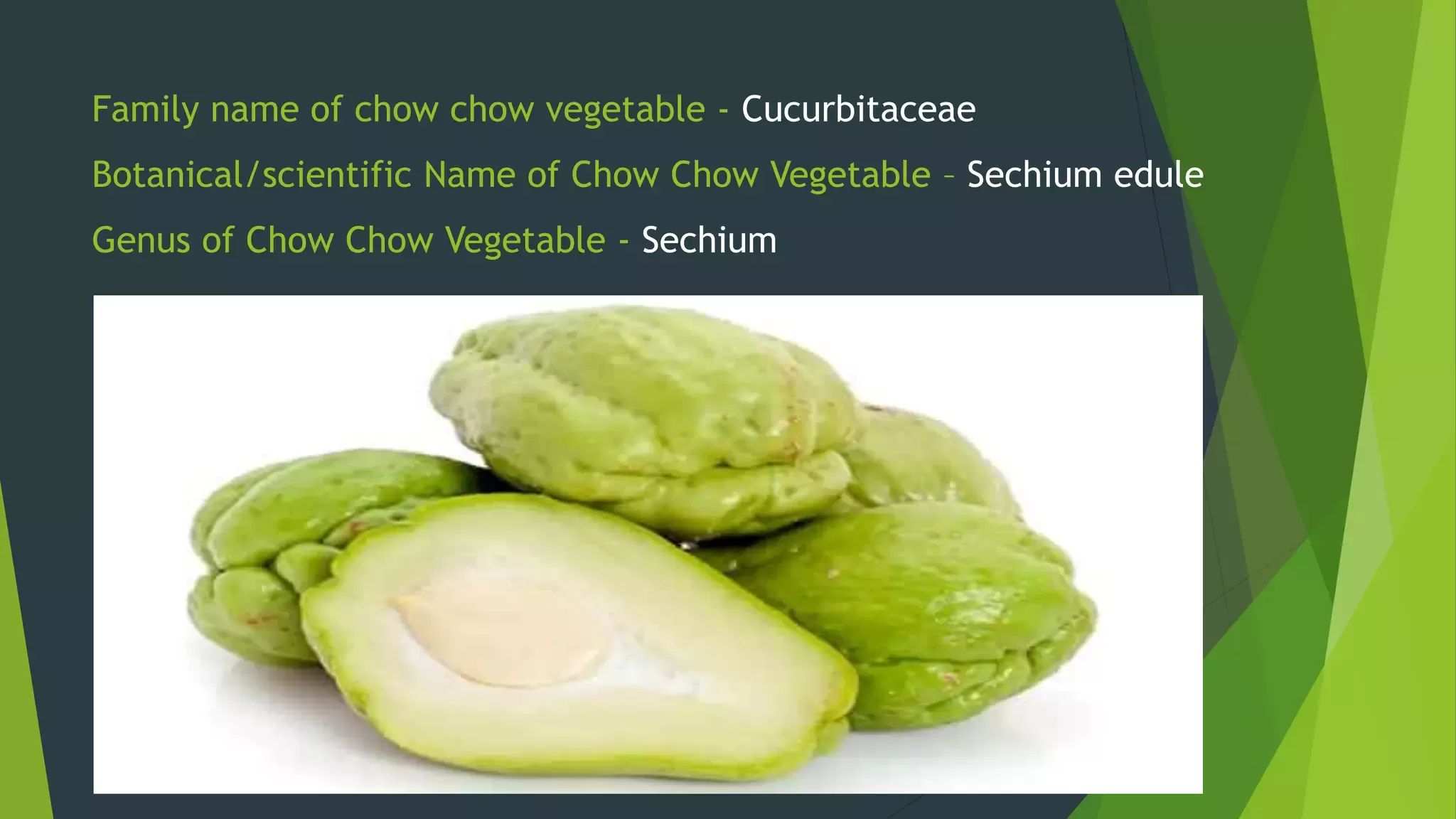
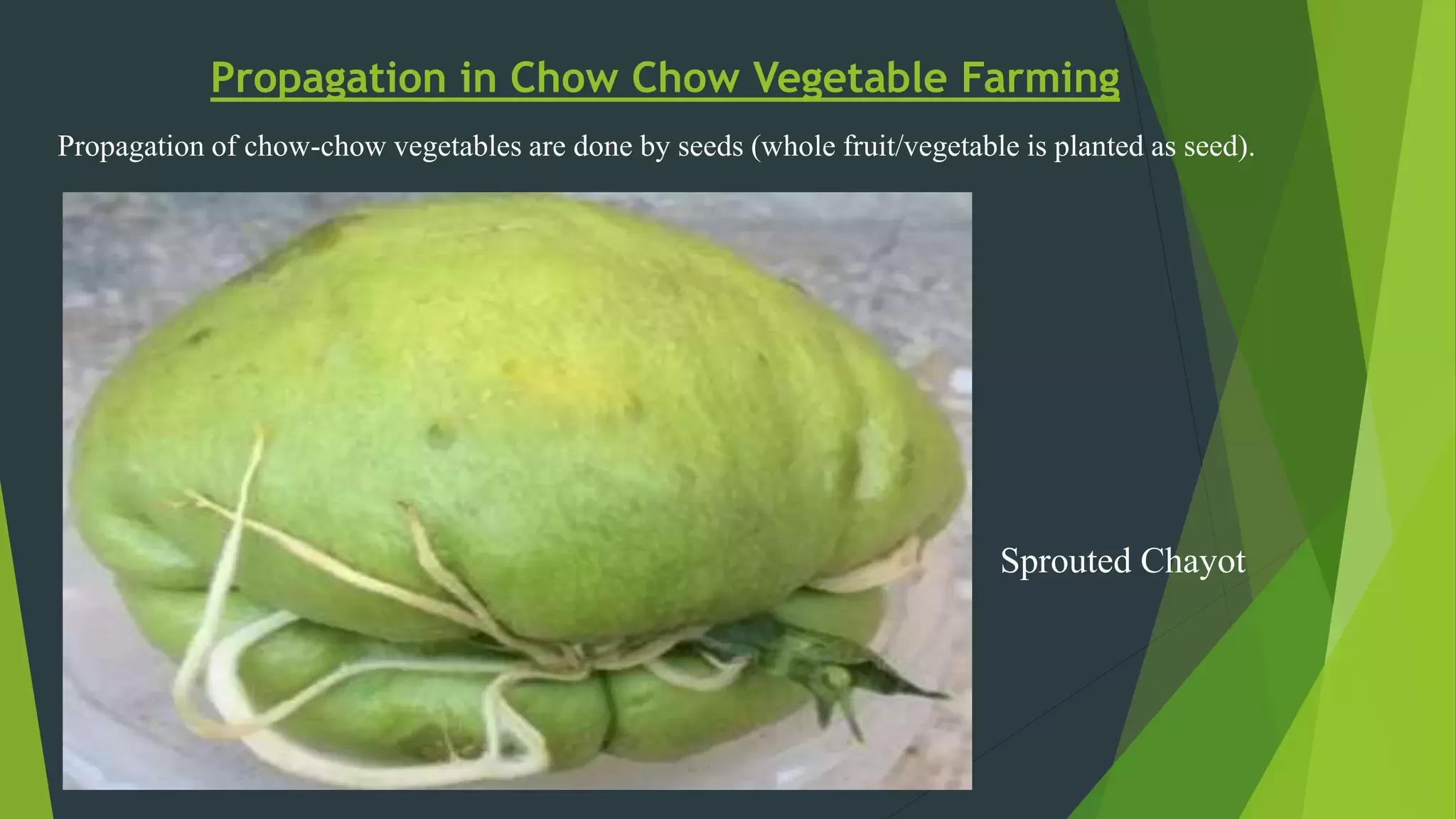
Chow Chow Vegetable: An Overview of its Attributes, Farming Practices, and Health Benefits Chow Chow, also recognized as Chayote or pear squash, is a unique edible perennial plant that belongs to the Cucurbitaceae family, which encompasses various types of gourds, melons, cucumbers, and squashes. Scientifically classified as Sechium edule, this versatile vegetable has acquired numerous names across regions and cultures, including Bengaluru venkaaya in India and Ishkus in Dargiling. The fruit of the Chow Chow plant is distinctively pear-shaped, typically measuring between 10 to 15 cm in length, with a surface that exhibits coarse wrinkles. In South India, the vegetable is commonly incorporated into local dishes such as pickles and sambar, while other parts of the plant, including the leaves and tuberous roots, are also edible, showcasing its overall utility in culinary practices. Chow Chow cultivation is gaining traction, particularly in India, where two primary varieties are recognized: white and green. While these varieties lack specific commercial designations, certain high-yielding genotypes can produce an impressive 35 to 40 kg per plant. Favorable growing conditions include warm climates characterized by high humidity, making these vegetables best suited for tropical and subtropical regions. The ideal temperature for optimal fruit growth is around 30 °C, with the plant thriving in both full sunlight and shaded areas. Soil quality is a crucial factor in Chow Chow farming, as it requires well-drained, fertile soil rich in organic matter. Although slightly tolerant to acidic soils, the pH level ideally should fall between 5.5 and 6.5. Successful cultivation also necessitates appropriate land preparation, which includes deep plowing and the addition of decomposed farmyard manure. The propagation of Chow Chow typically involves planting sprouted fruits directly into the soil, making for relatively straightforward cultivation practices. In terms of maintenance, effective irrigation is key throughout the growing season, especially during dry spells. Utilizing methods such as drip irrigation can conserve water while ensuring consistently moist soil conditions. Moreover, regular intercultural practices like weed control and proper vine training on trellises or supports are essential for promoting healthy growth and maximizing yield. Harvesting Chow Chow requires vigilance, as the vegetables must be picked before they mature fully to avoid detrimental seed development. With optimal management practices, the yield can reach remarkable levels, averaging between 80 and 100 quintals per acre. Beyond its agricultural benefits, Chow Chow is also celebrated for its remarkable health benefits. Rich in Vitamin C, fiber, and essential trace minerals, this vegetable plays a role in cancer prevention, supports digestive health, and contributes to thyroid function. Furthermore, it is known to be beneficial for heart health, aids in weight loss, and possesses anti-inflammatory properties. The increasing popularity of Chow Chow within the agricultural community and its health-promoting attributes make it a valuable addition to diets and farming practices alike. As it transitions into commercial cultivation, especially through greenhouse and polyhouse methods, Chow Chow holds promise for both farmers and consumers seeking healthy lifestyle choices. With its myriad benefits, fostering its growth can lead to rewarding outcomes in terms of both health and profitability in the agricultural sector.

Slide 1

Slide 1⬇ Slide

Slide 2

Slide 2⬇ Slide

Slide 3

Slide 3⬇ Slide

Slide 4

Slide 4⬇ Slide

Slide 5

Slide 5⬇ Slide

Slide 6

Slide 6⬇ Slide

Slide 7

Slide 7⬇ Slide

Slide 8

Slide 8⬇ Slide

Slide 9

Slide 9⬇ Slide

Slide 10

Slide 10⬇ Slide

Slide 11

Slide 11⬇ Slide

Slide 12

Slide 12⬇ Slide

Slide 13

Slide 13⬇ Slide

Slide 14

Slide 14⬇ Slide

Slide 15

Slide 15⬇ Slide

Slide 16

Slide 16⬇ Slide
1 / 16

Ppt on tomato cultivation

“`html


PPT on Tomato Cultivation


PPT on Tomato Cultivation

Introduction

Tomato cultivation is a rewarding endeavor that allows farmers and gardening enthusiasts to grow one of the most popular vegetables worldwide. From its origins in South America to its place in cuisines around the globe, the tomato has become a staple in many households. In this article, we will delve into the essential aspects of tomato cultivation, providing tips and best practices that can be documented in a PowerPoint presentation (PPT) format for educational or presentation purposes.

Understanding Tomato Varieties

There are numerous varieties of tomatoes, each suited for different climates and culinary applications. The main categories include:

1. Determinate Tomatoes

These plants grow to a particular height and produce fruit all at once. This makes them ideal for canning and storage.

2. Indeterminate Tomatoes

Indeterminate varieties continue to grow and produce fruit throughout the season. They require more support and maintenance but offer a continuous harvest.

3. Cherry Tomatoes

Known for their sweetness, cherry tomatoes are smaller in size and are often used in salads and garnishes.

Optimal Growing Conditions

To cultivate healthy tomatoes, certain environmental conditions need to be optimized:

1. Soil Requirements

Tomatoes thrive in well-draining, loamy soil rich in organic matter. A pH level of 6.0 to 6.8 is ideal for nutrient absorption.

2. Sunlight

Tomatoes require full sun exposure, ideally 6-8 hours of direct sunlight each day, to ensure healthy growth and fruit production.

3. Watering

Consistent watering is crucial, especially during the flowering and fruiting stages. It’s important to avoid overwatering to prevent root rot.

Planting and Maintenance

Understanding when and how to plant tomatoes greatly impacts the yield. Here are some tips for planting and maintenance:

1. Timing

Plant tomatoes after the last frost date in your area, ideally when soil temperatures reach at least 60°F (15°C).

2. Spacing

Maintain adequate spacing between plants to ensure proper airflow and minimize disease risk. Typically, space determinate varieties 18-24 inches apart and indeterminate varieties 24-36 inches apart.

3. Support Structures

Using stakes, cages, or trellises can provide support for tomato plants, especially indeterminate varieties, and promote healthy growth.

Pest and Disease Management

Tomatoes are susceptible to various pests and diseases. It’s crucial to implement preventive measures and treatments:

1. Common Pests

Aphids, whiteflies, and spider mites are common pests. Implementing crop rotation and utilizing insecticidal soap can help control these threats.

2. Diseases

Fungal diseases, like blight, can devastate tomato crops. Proper spacing, watering techniques, and resistant varieties can mitigate these risks.

Harvesting and Storing Tomatoes

Knowing when and how to harvest tomatoes is vital for achieving optimal flavor and quality:

1. Harvest Timing

Tomatoes are ready for harvest when they are fully colored and slightly firm to the touch. Avoid waiting until they begin to overripe on the vine.

2. Storage

For best flavor, store tomatoes at room temperature and avoid refrigeration. If you need to preserve them, canning or freezing is effective.

Conclusion

Tomato cultivation can be a fulfilling and profitable venture with the right knowledge and practices. This PPT can serve as a comprehensive guide for anyone looking to embark on the journey of growing tomatoes, ensuring that they understand each crucial step from selecting the right variety to harvesting. With dedication and care, you can enjoy a bountiful harvest of delicious, homegrown tomatoes!


“`

### Keywords:
tomato cultivation, tomato farming, growing tomatoes, tomato planting, agriculture

### Tags:
tomatoes, farming, agriculture, gardening, sustainable farming