Home Quiz Old Paper PPT

Ppt on Mango cultivation practices

Description

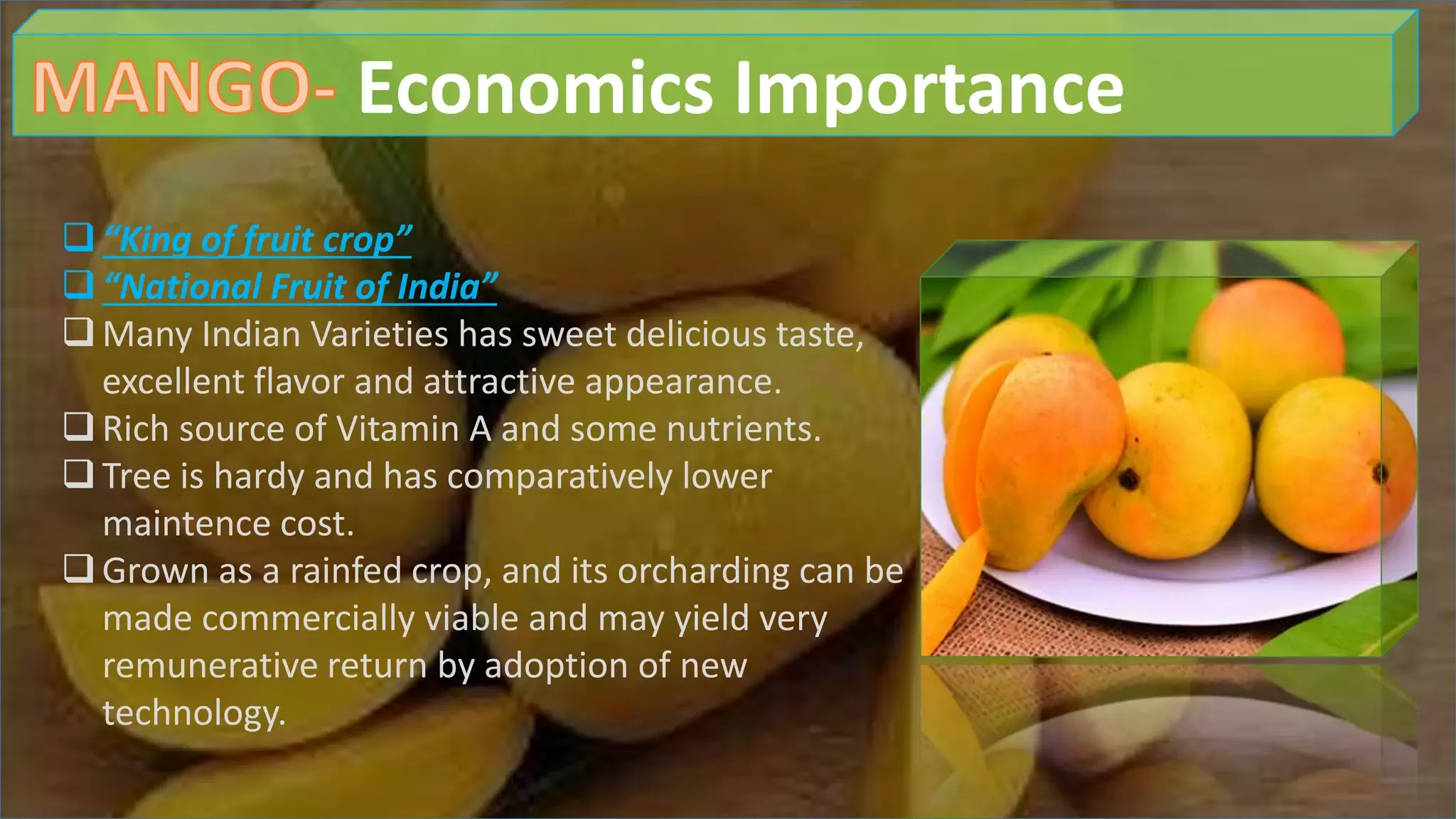
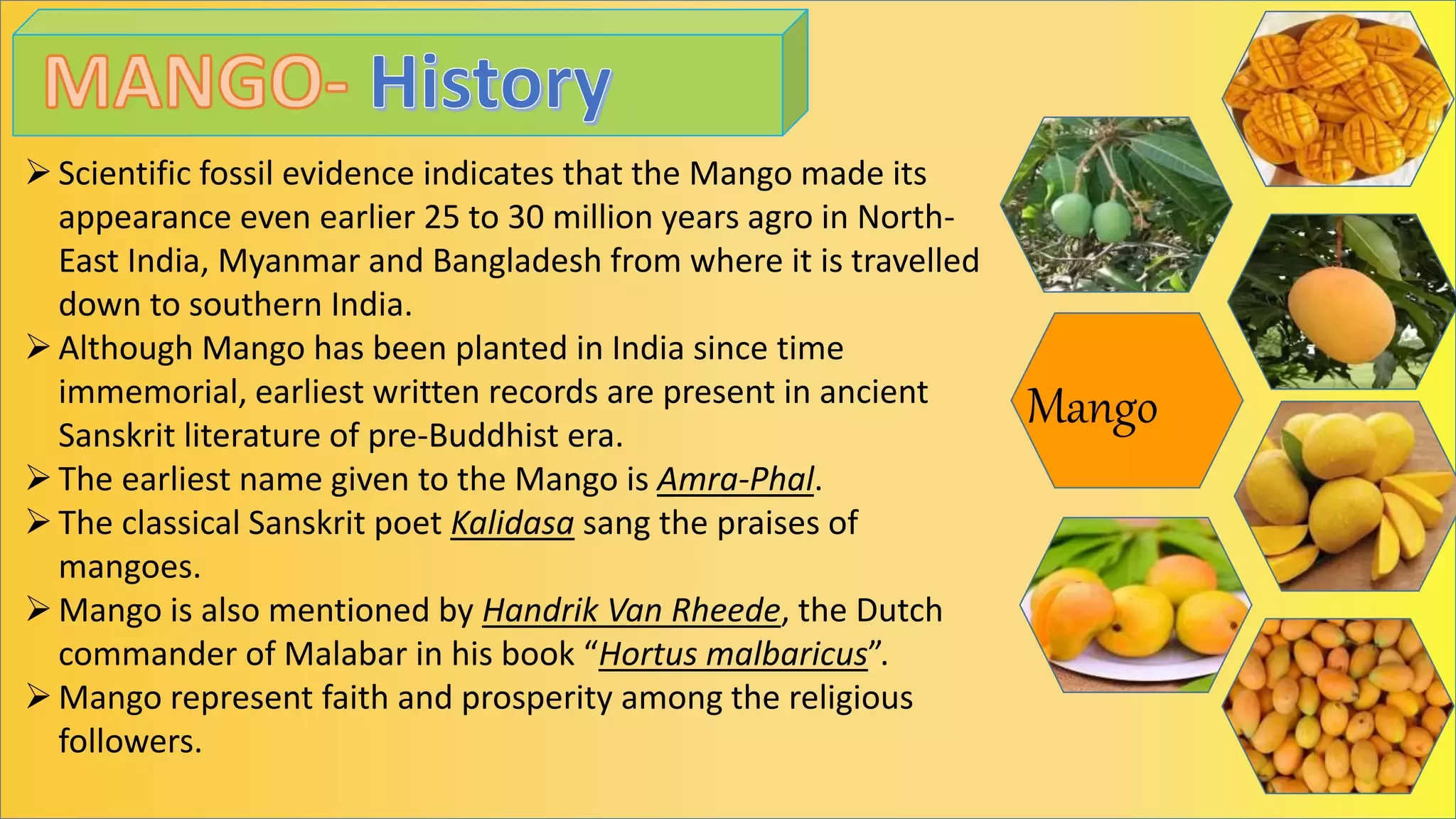
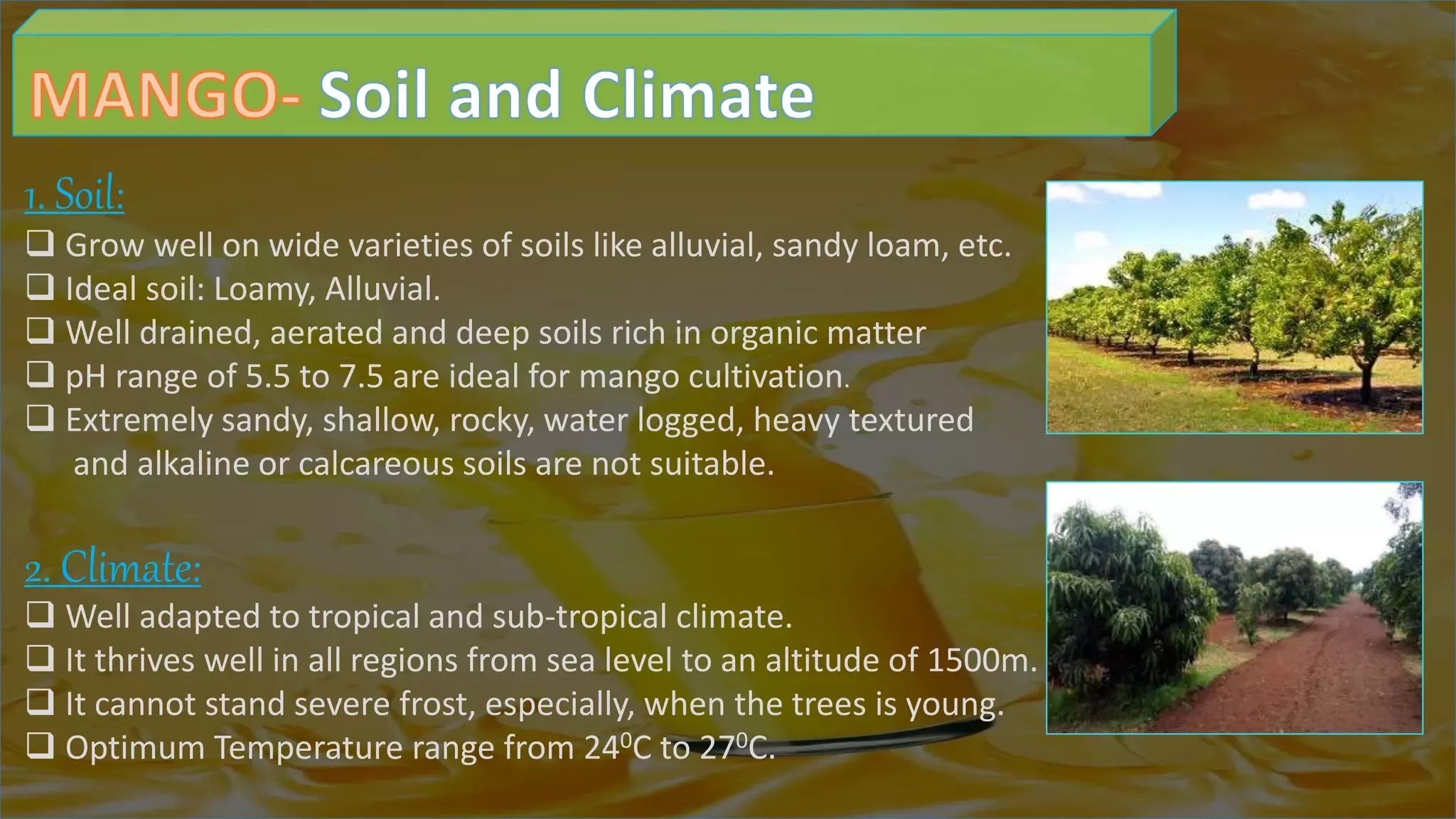
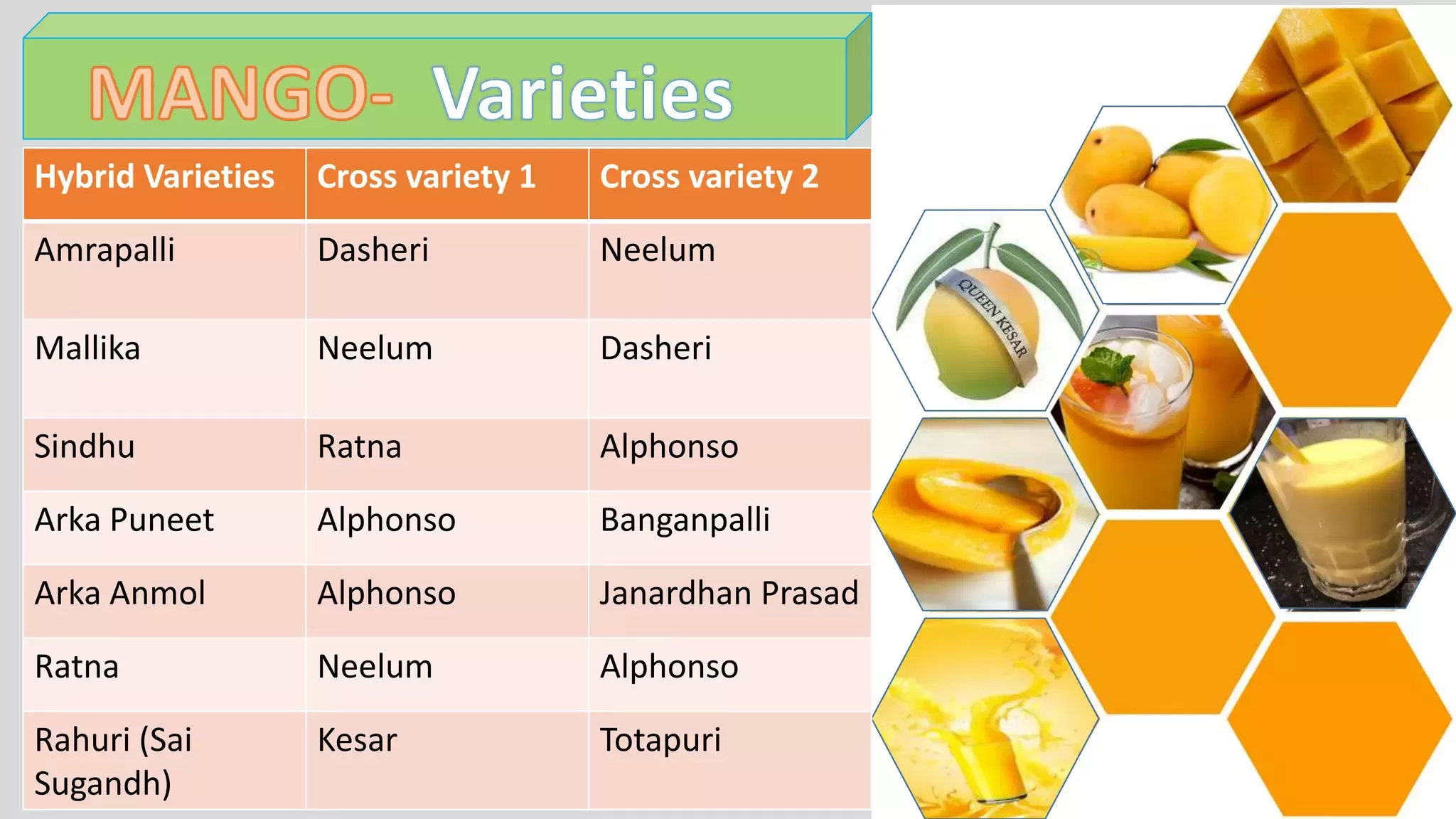
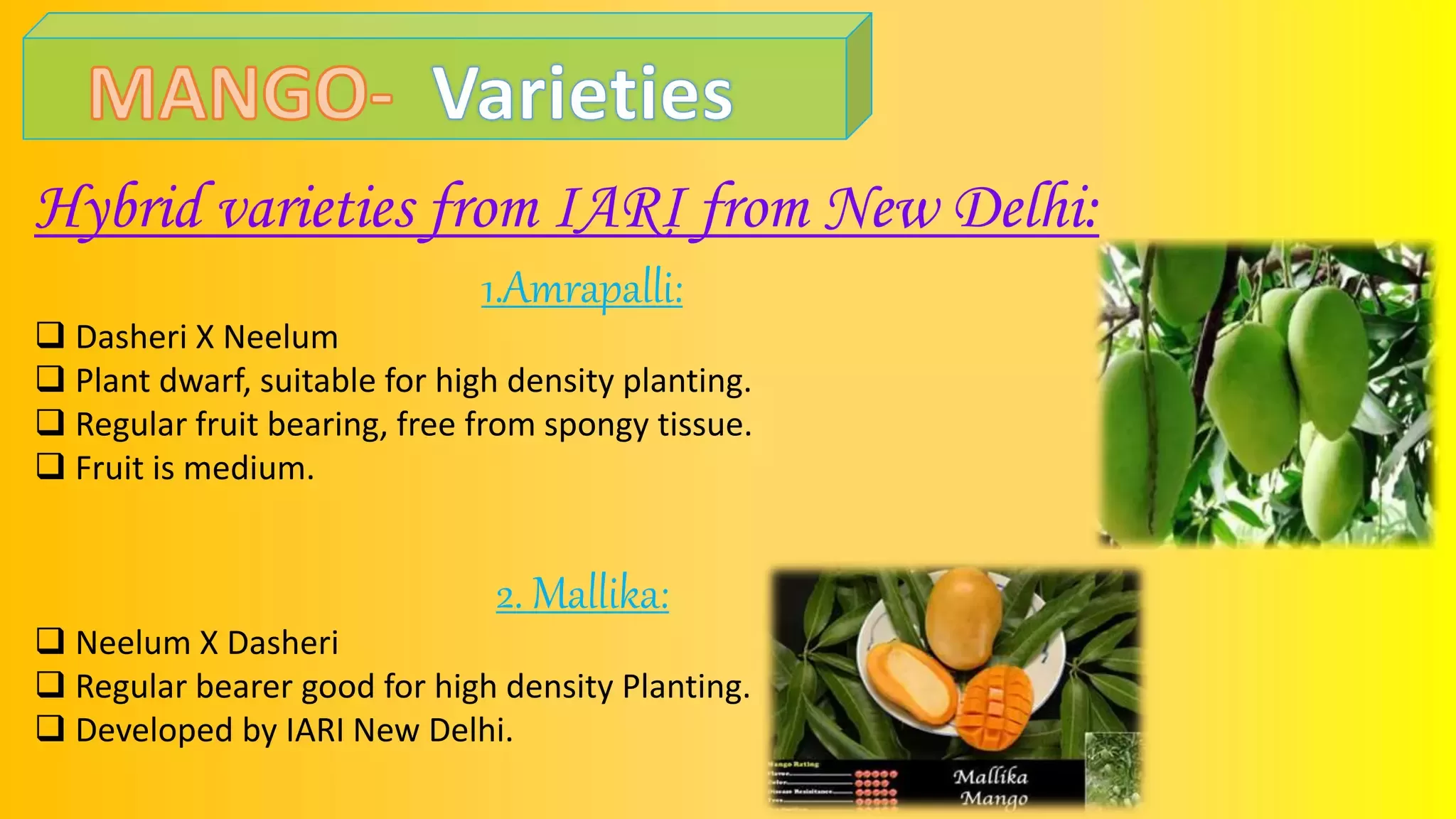
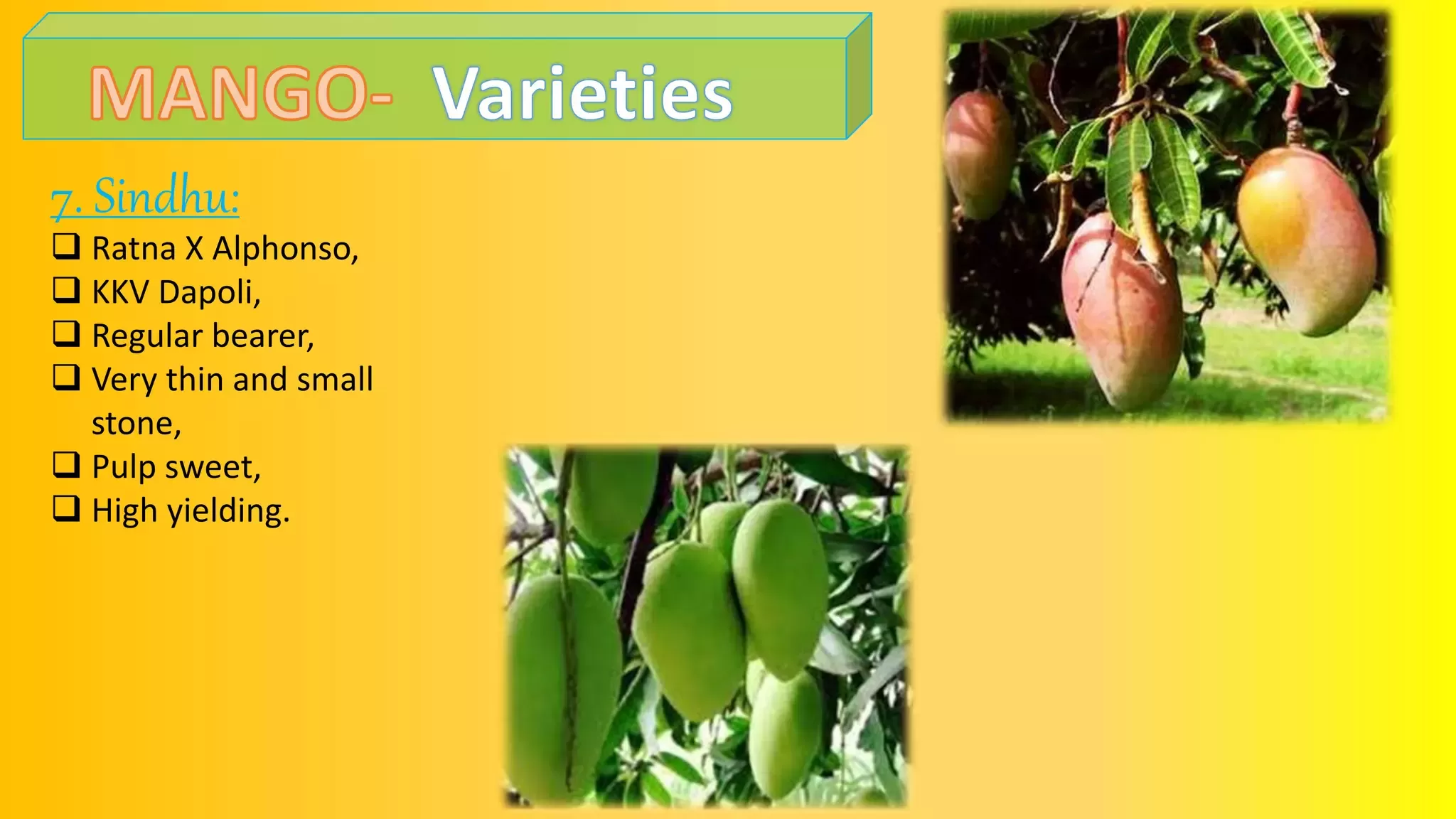
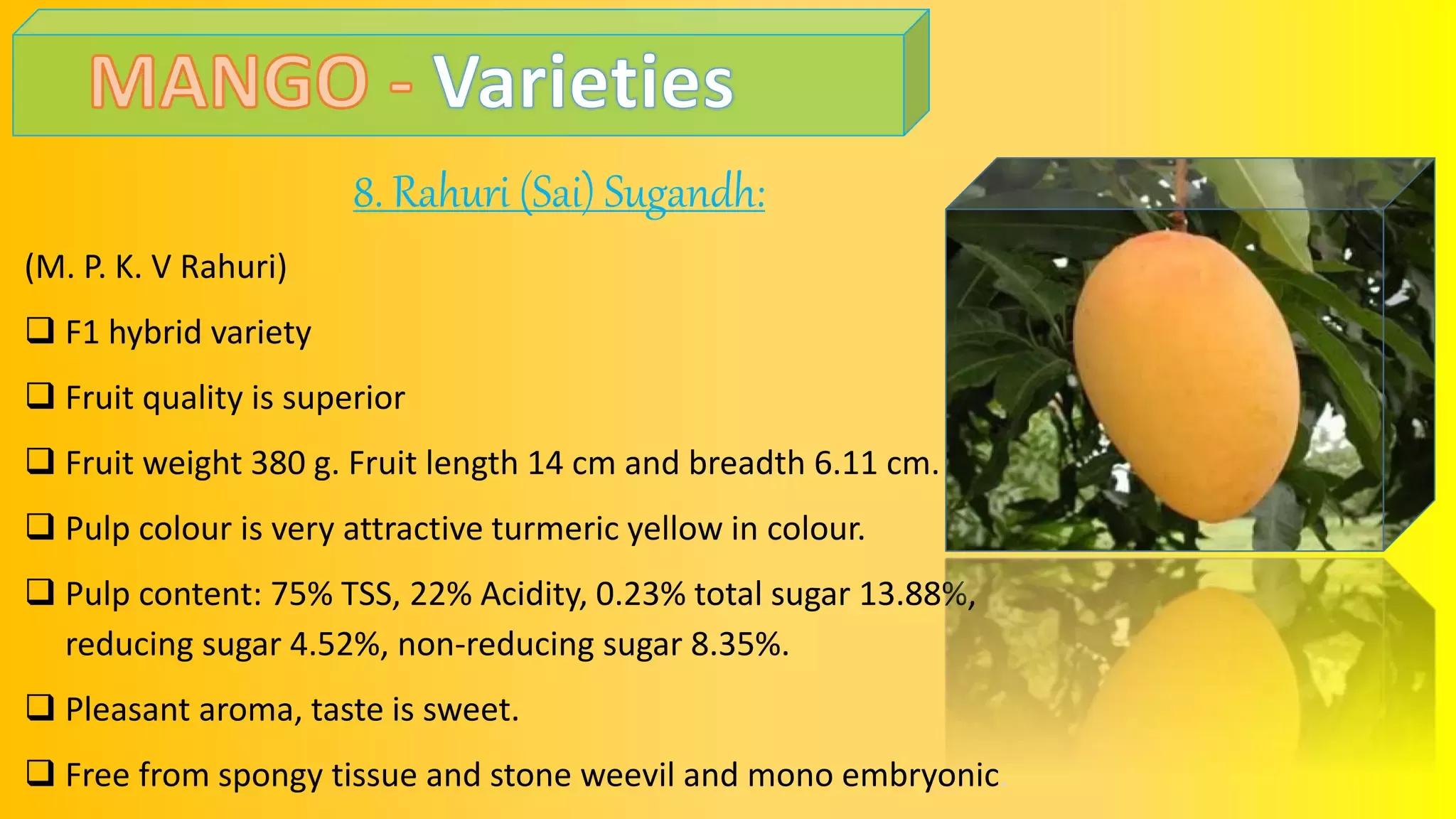
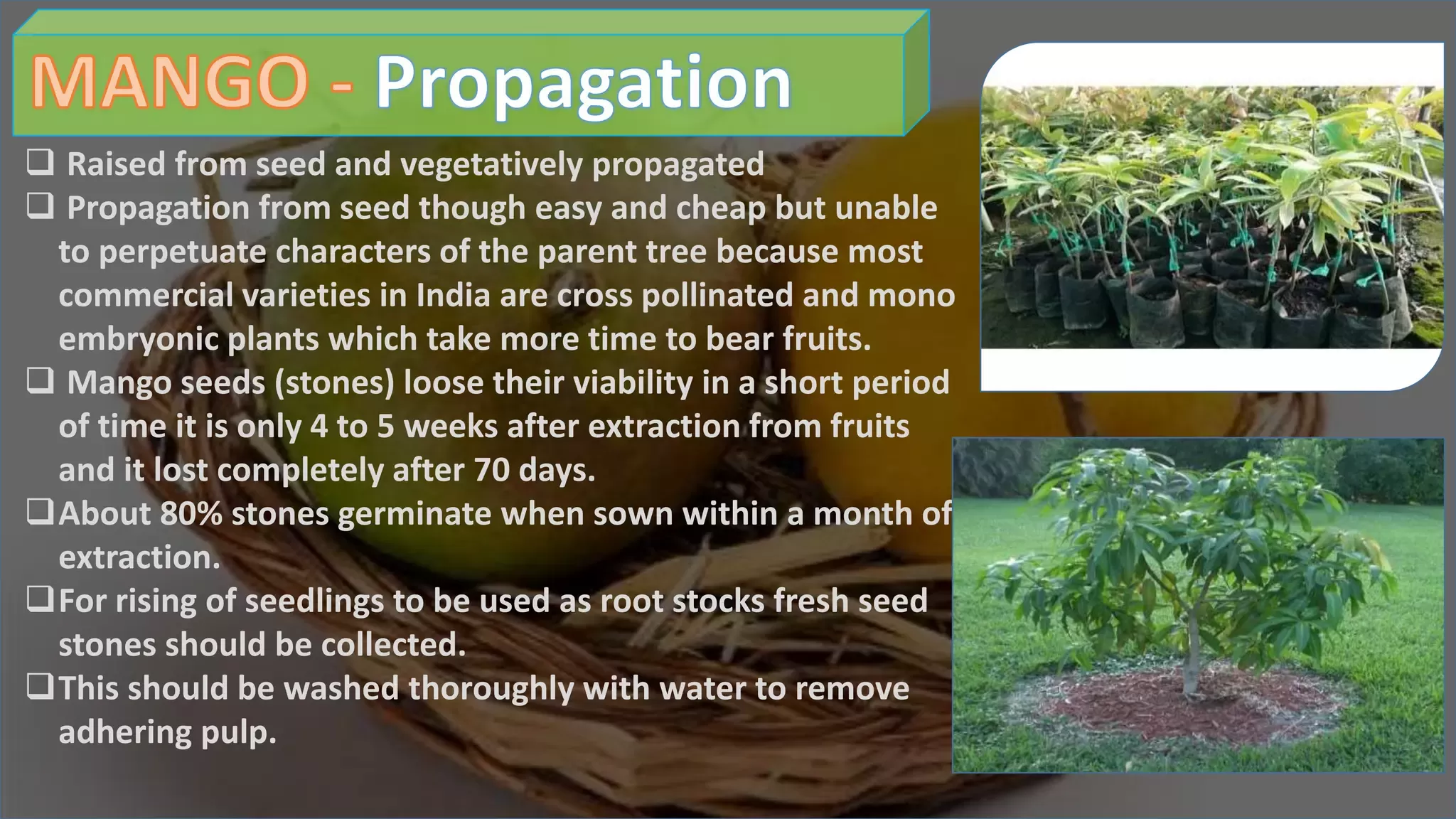
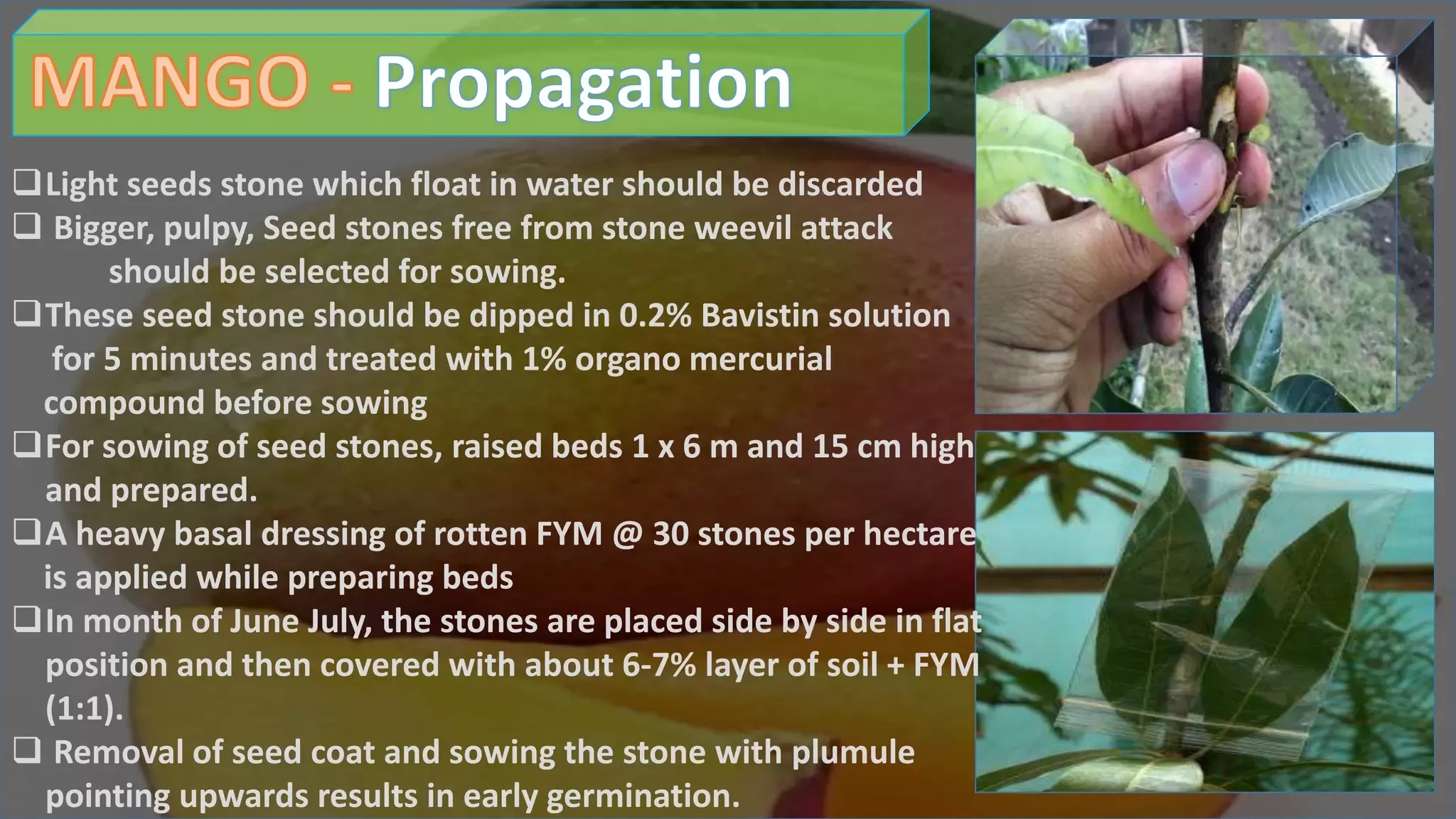
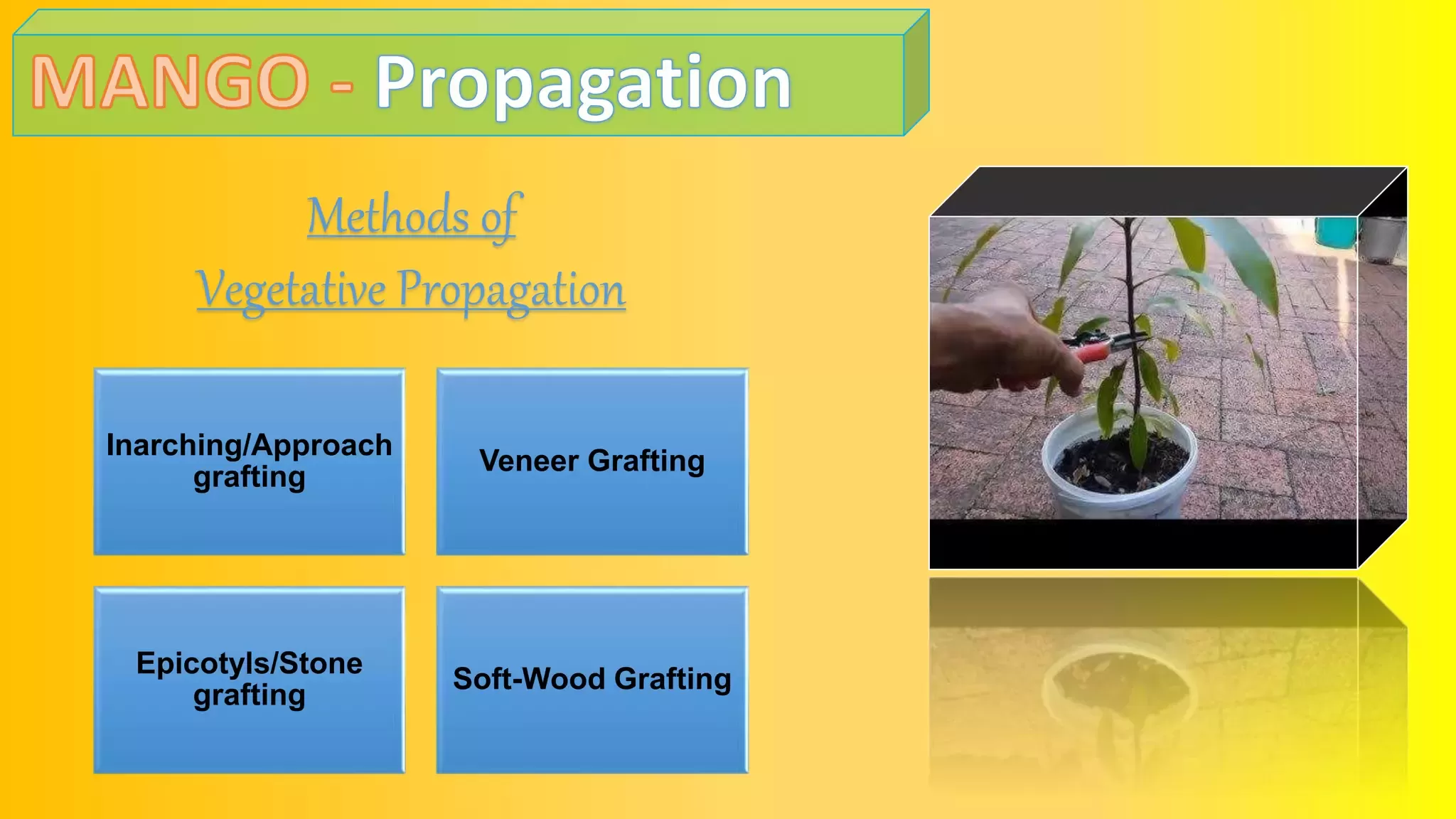
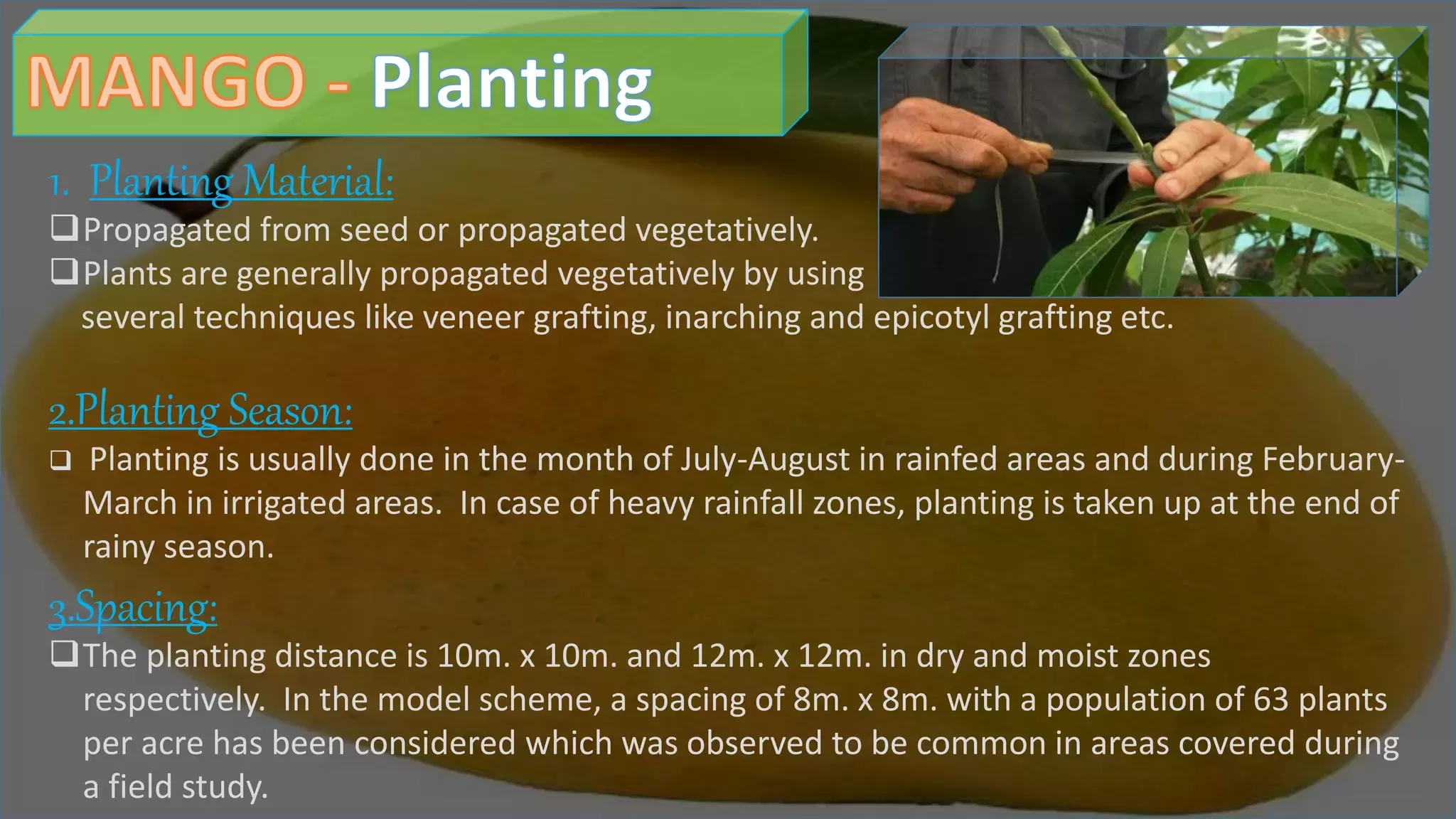
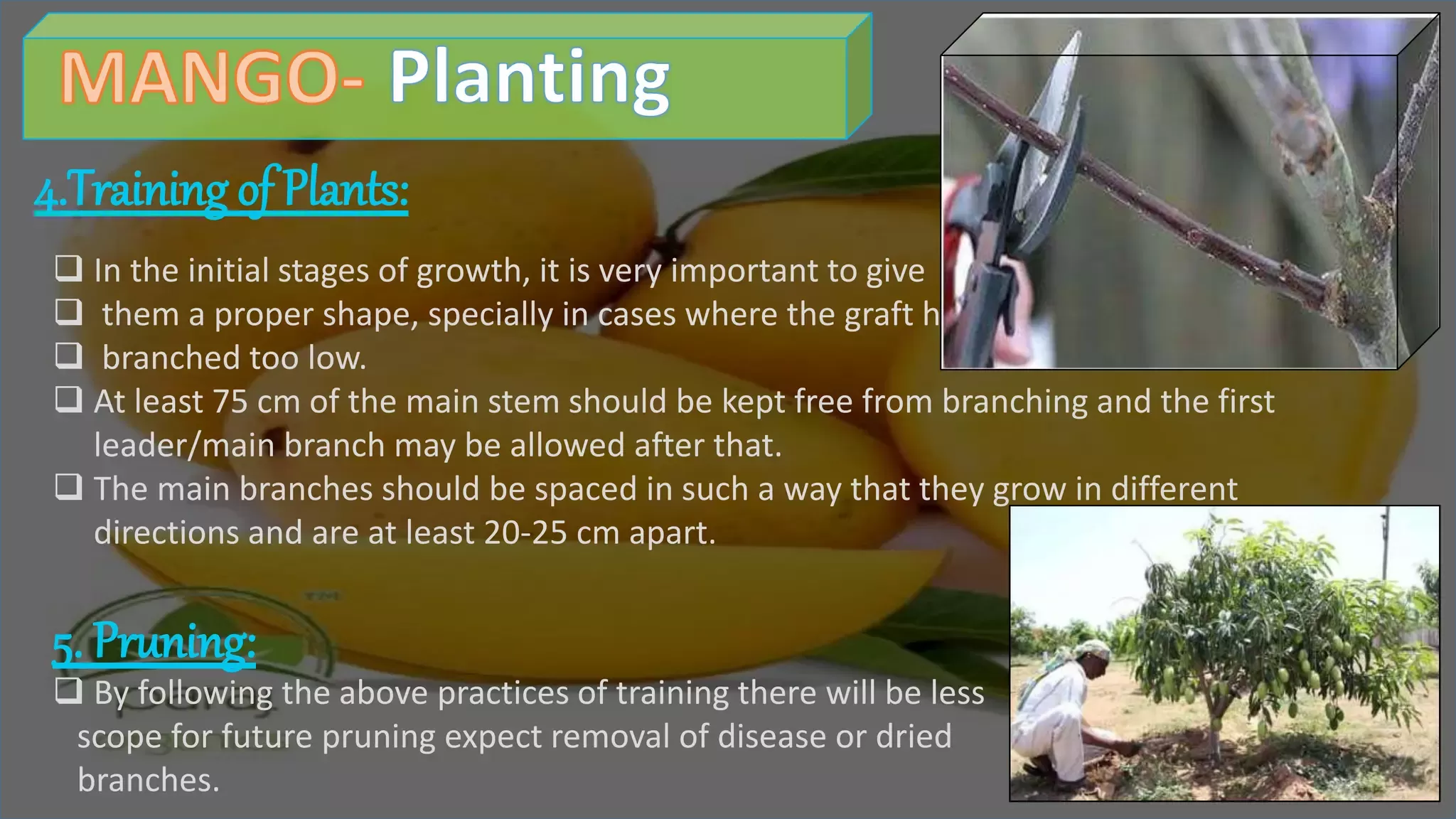
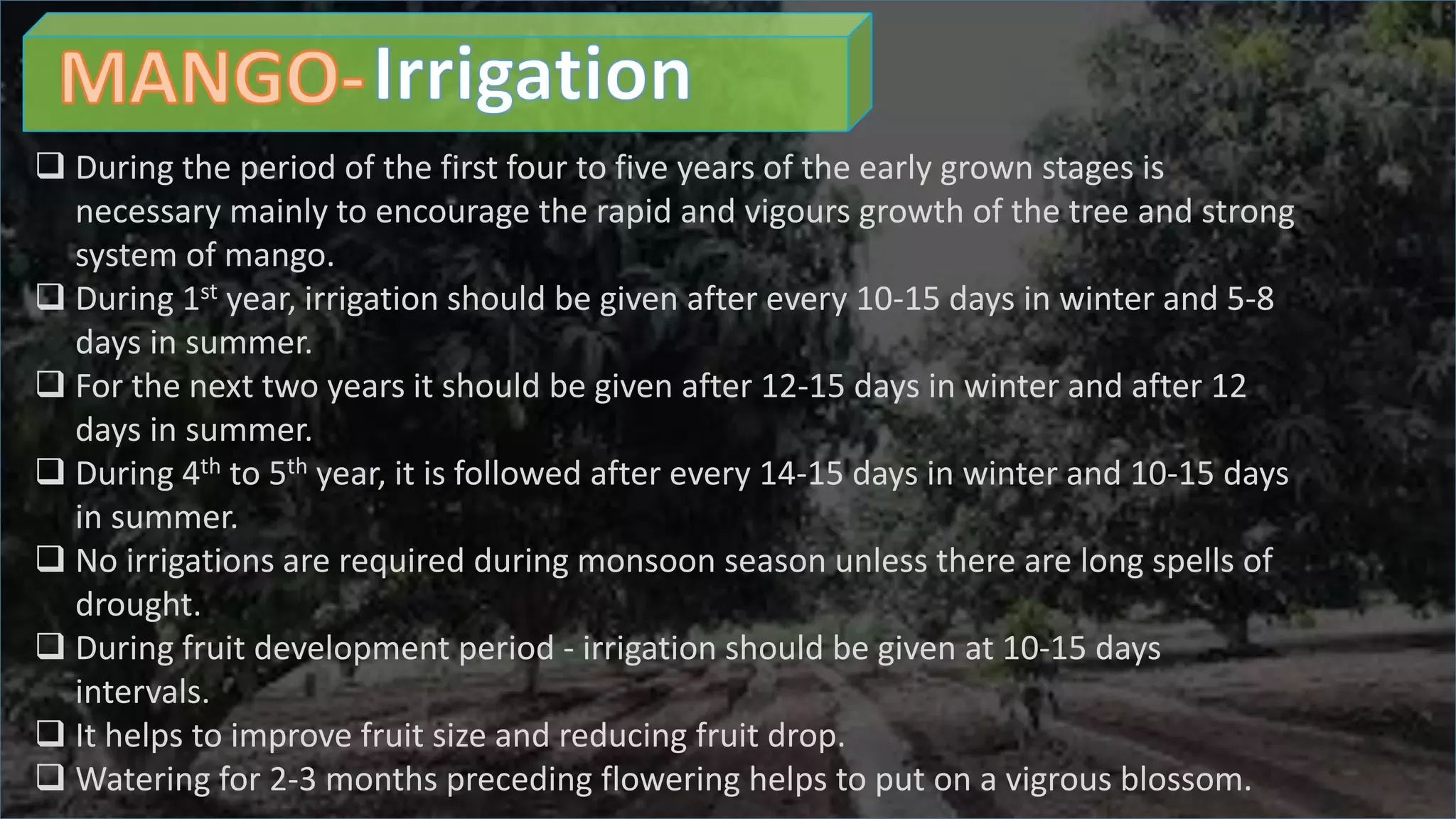
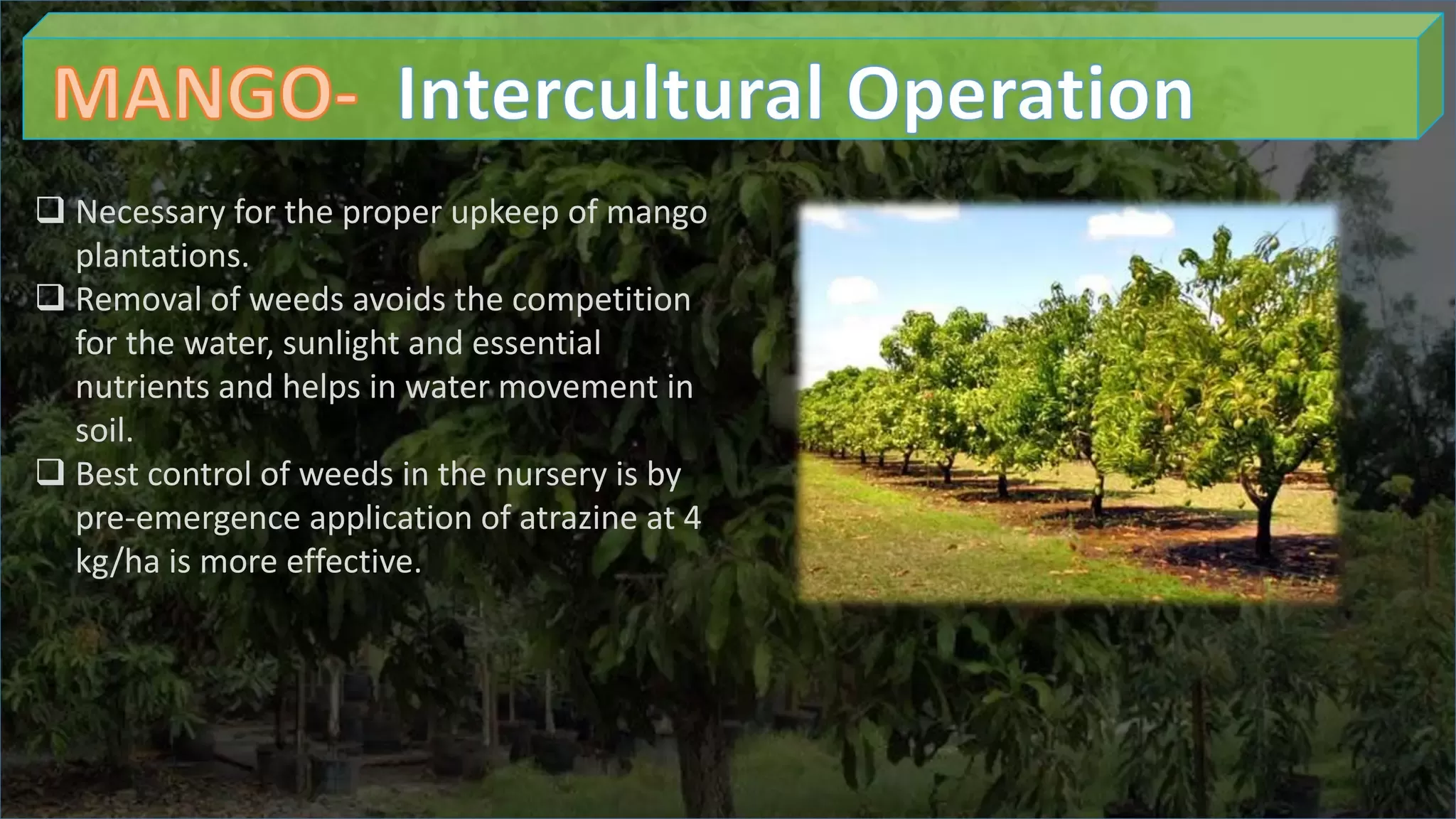
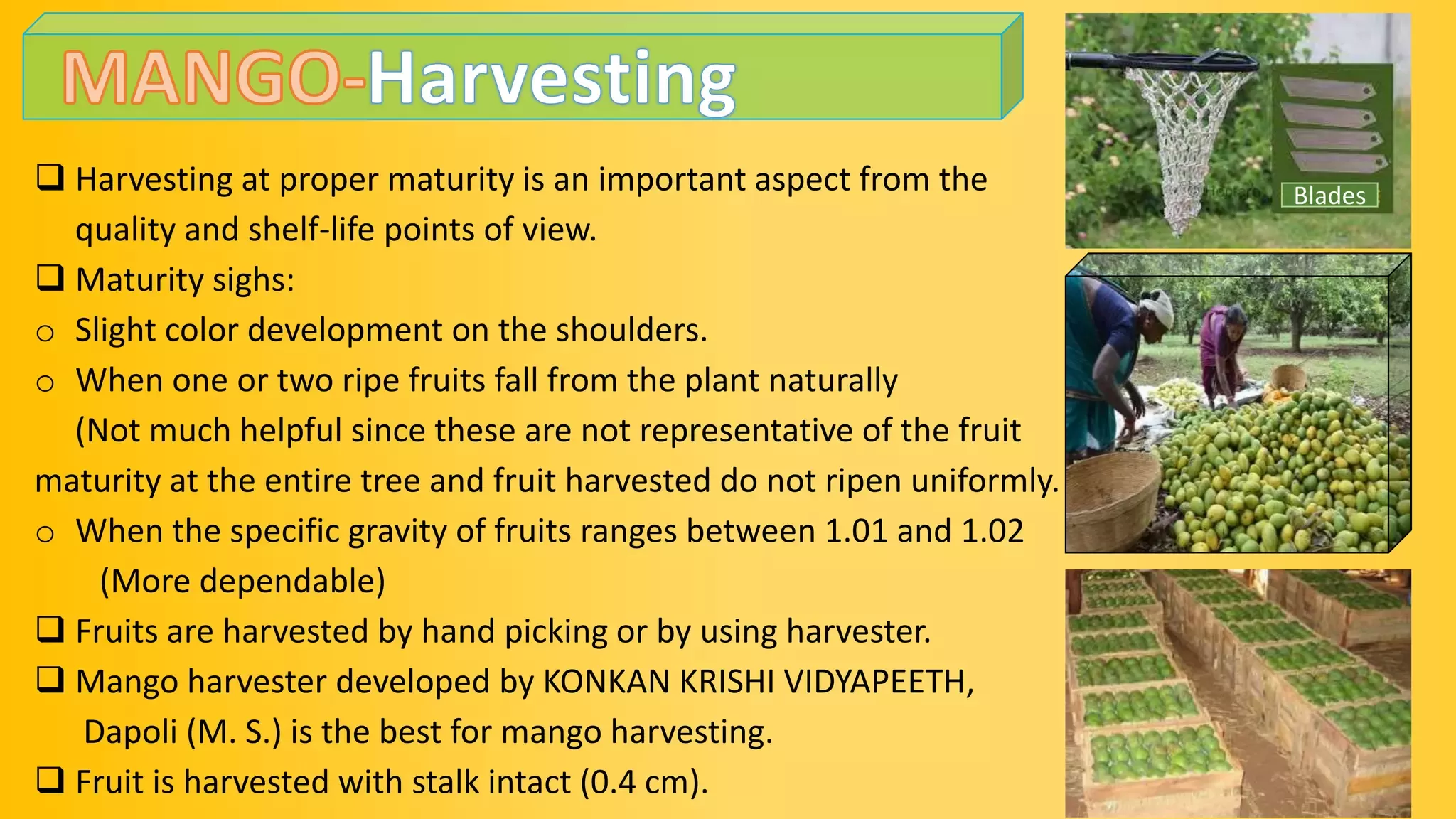
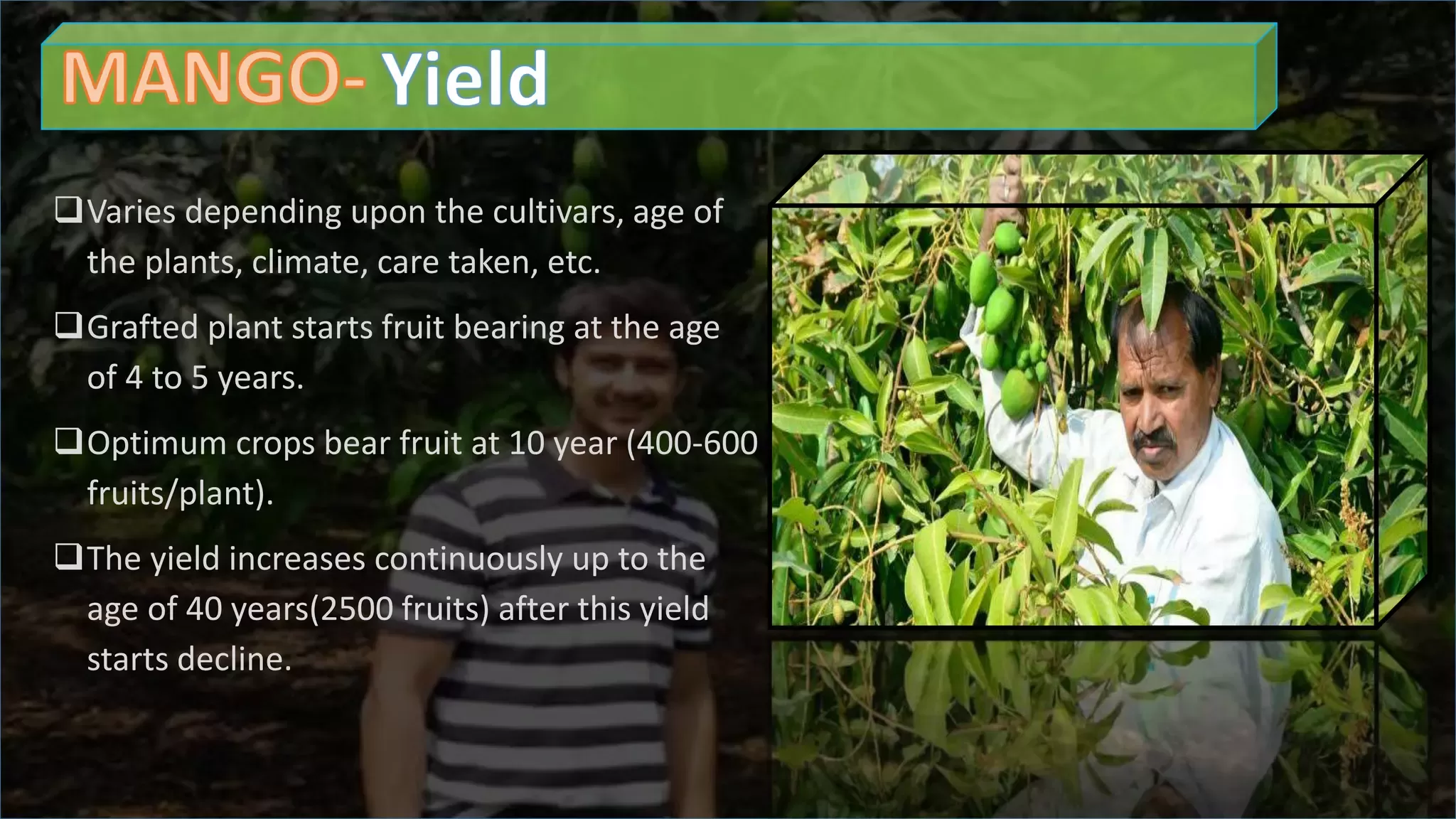
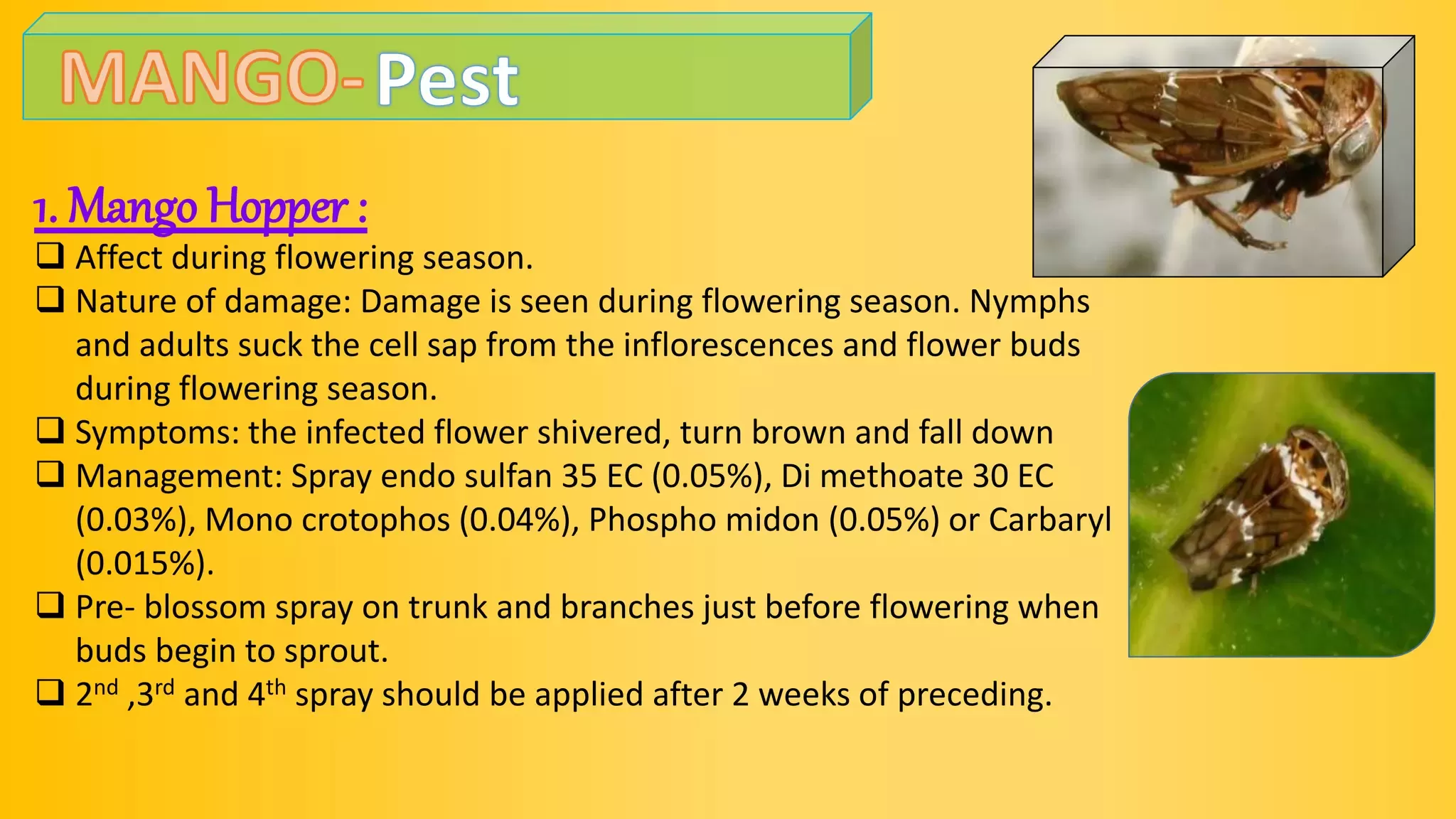
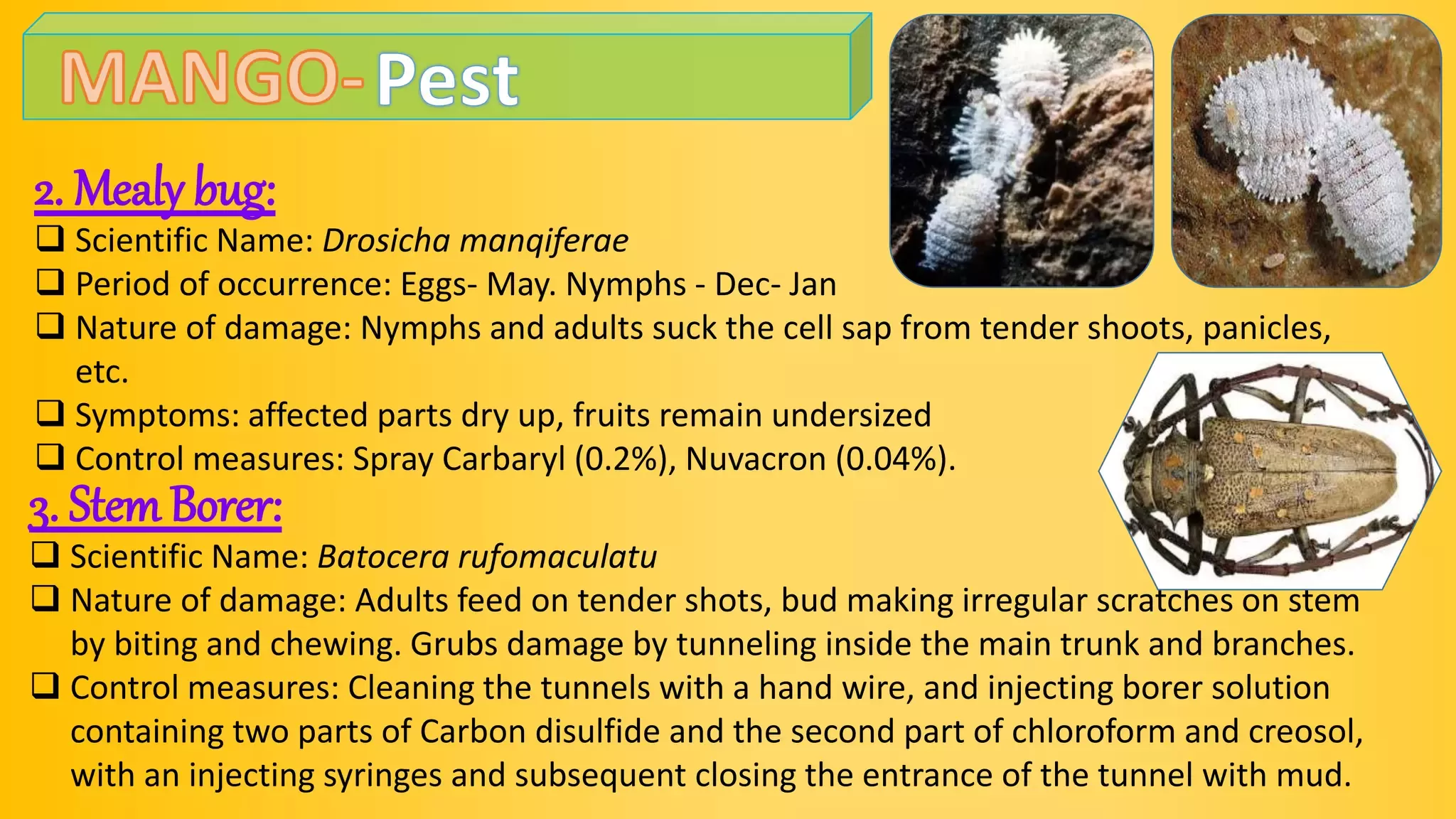
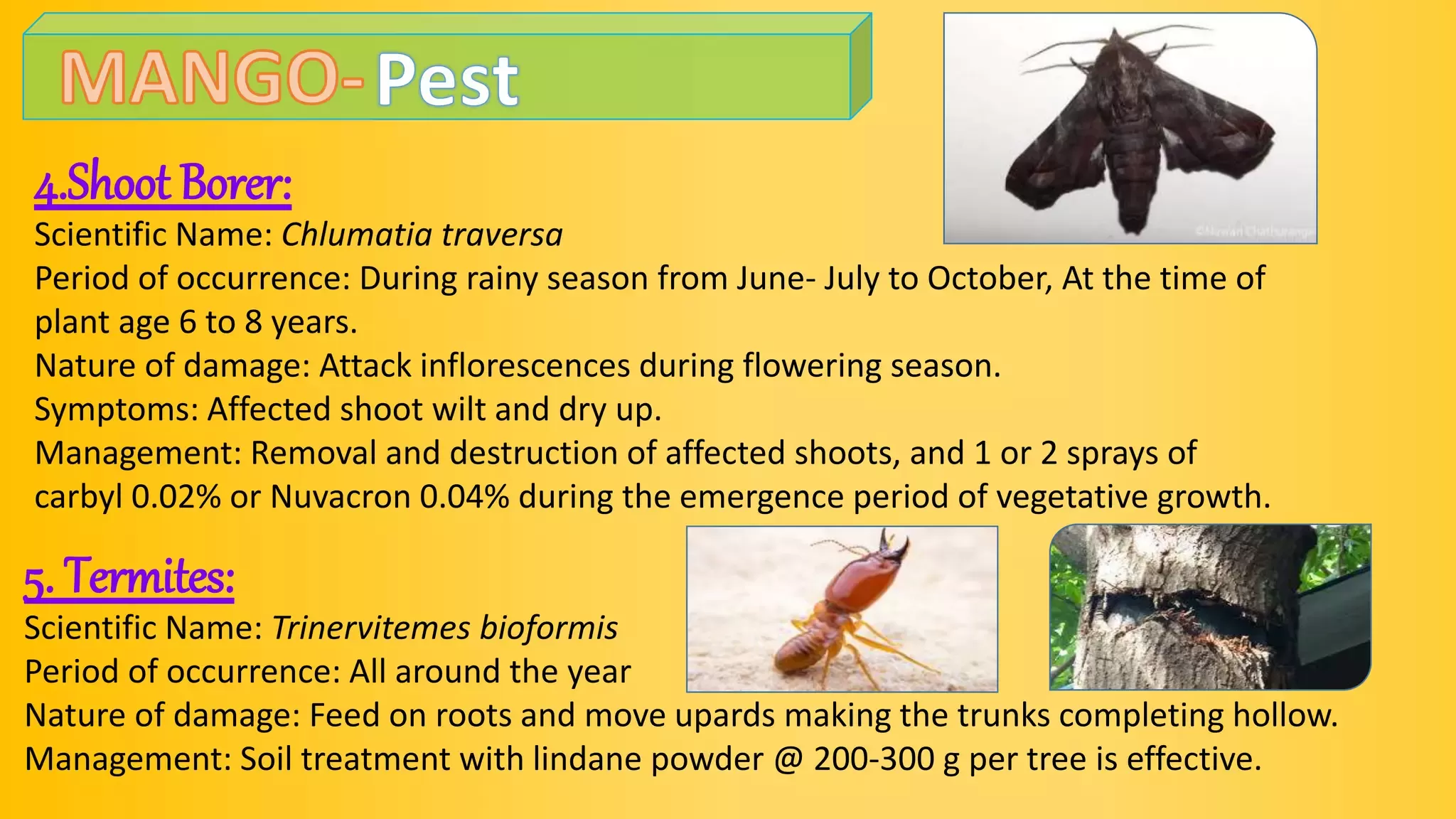
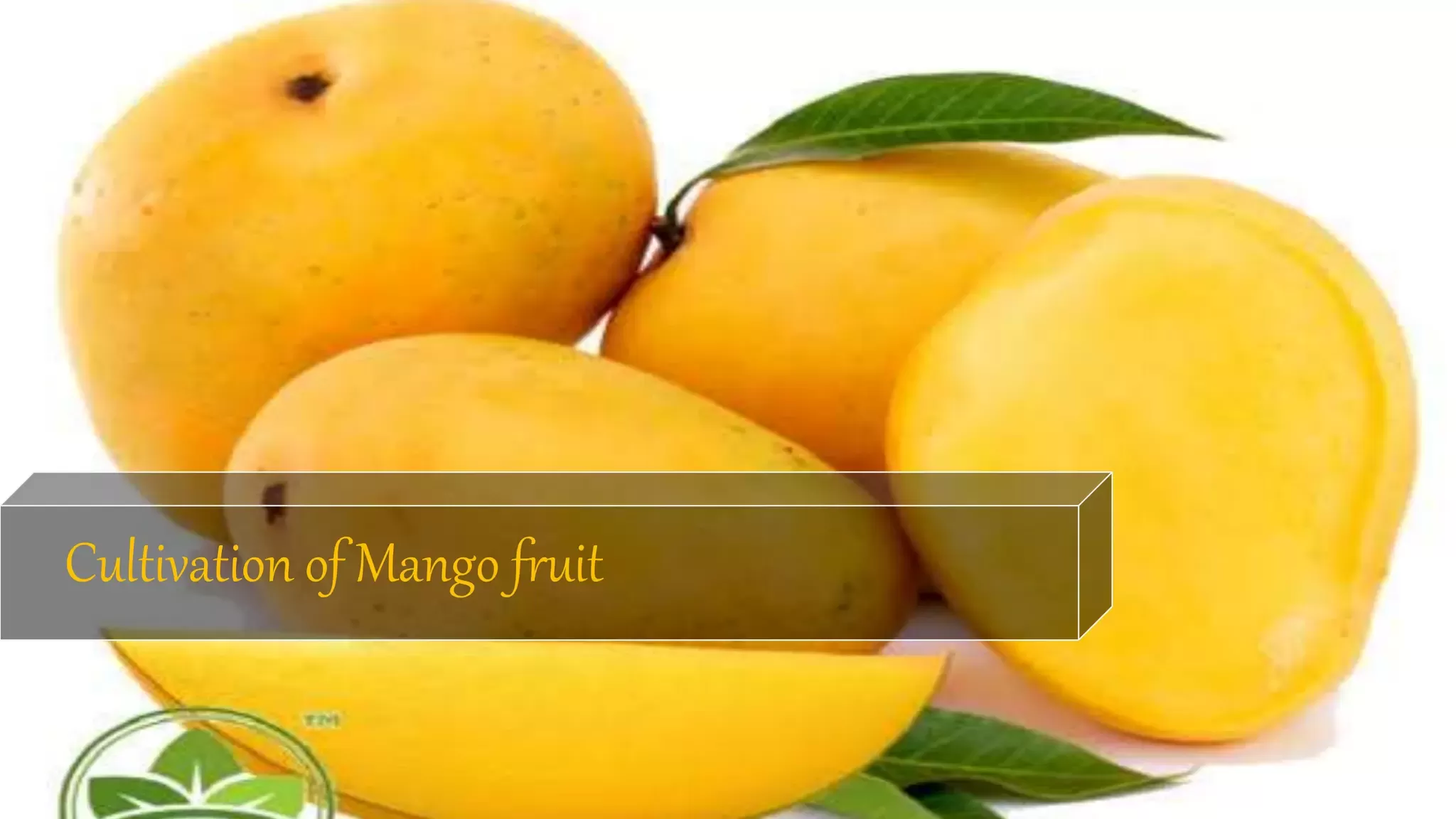
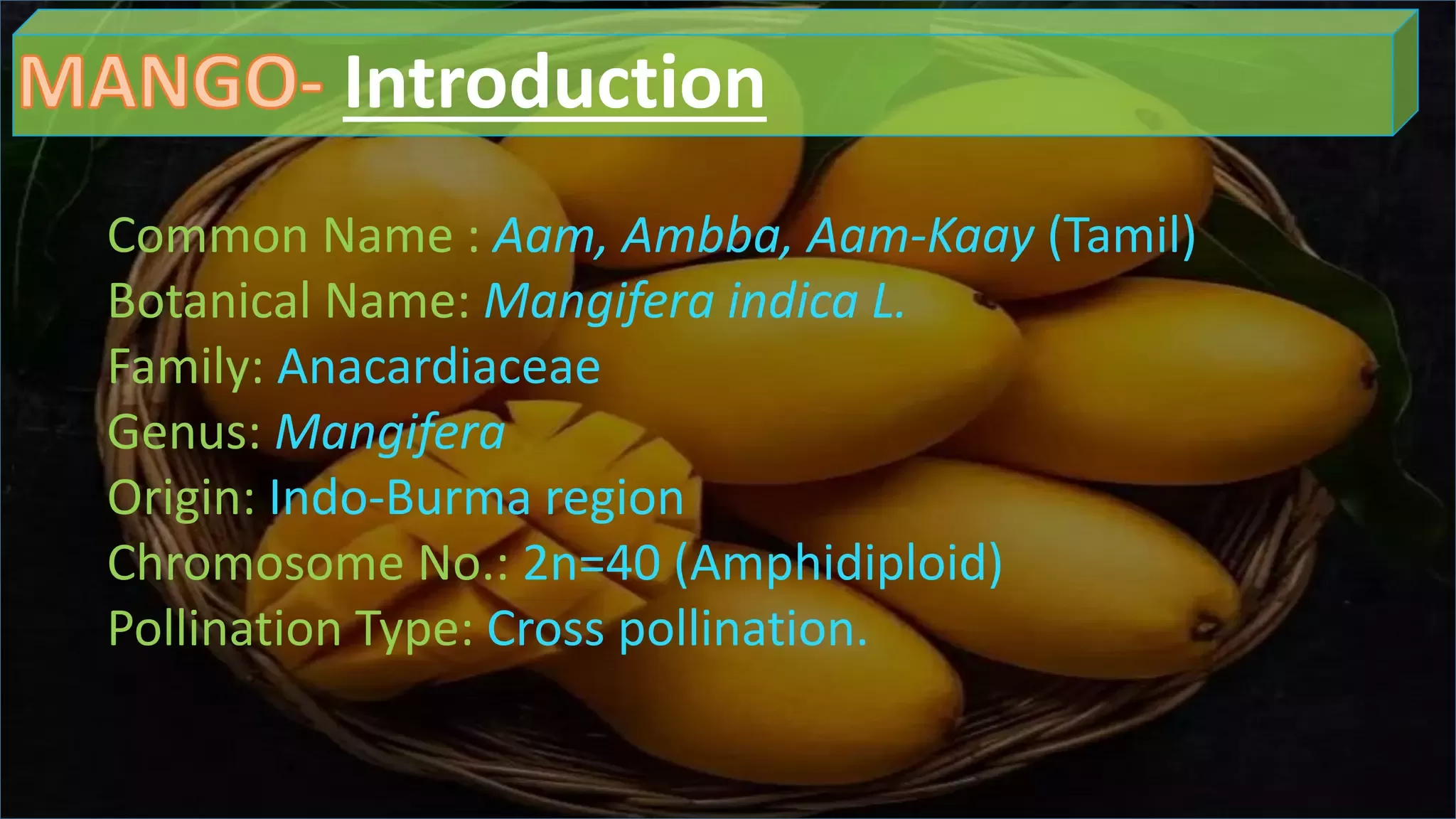
Mango cultivation, often referred to as the “King of Fruits,” is an essential agricultural practice, especially in countries like India, where the mango is revered as the national fruit. The mango tree, scientifically known as Mangifera indica L., belongs to the Anacardiaceae family and is believed to have originated in the Indo-Burma region. This tropical tree thrives in well-drained, loamy soils with a pH range of 5.5 to 7.5, making it adaptable to various soil types, from alluvial to sandy loam. However, it struggles in heavy, waterlogged, or highly alkaline soils. The economic significance of mangoes is profound. Many Indian varieties boast exceptional taste, flavor, and visual appeal, garnering a prominent place in both domestic and international markets. Mango trees are hardy, requiring relatively low maintenance, making them a commercially viable option for orcharding. Recent advancements in technology have further increased the profitability of mango cultivation. Scientific evidence suggests mangoes existed 25 to 30 million years ago, particularly in regions encompassing Northeast India, Myanmar, and Bangladesh. Historical records, dating back to the pre-Buddhist era in ancient Sanskrit literature, highlight the immense cultural significance of the fruit. The mango is not only a staple in diets but also symbolizes faith and prosperity in various religious traditions. When cultivating mangoes, attention must be given to optimal climatic conditions. These trees flourish in tropical and subtropical climates, thriving at altitudes up to 1500 meters. While young mango trees are sensitive to frost, the ideal temperature range for growth falls between 24°C and 27°C. In terms of hybrid varieties, numerous cross-breeds have been developed to enhance yield and fruit quality. Varieties like Amrapalli, Mallika, and Sindhu are particularly noted for their hardiness and productivity. Grafting techniques, such as veneer and epicotyl grafting, are commonly used for propagation, ensuring better fruit quality and consistency. Young trees can begin producing fruit within four to five years of planting, with peak yields typically seen around ten years post-plantation. Proper care and management are crucial for successful mango cultivation. Adequate irrigation, especially during fruit development and the flowering period, plays a vital role in fruit size and overall yield. Comprehensive fertilization strategies must also be implemented, starting from the planting phase, with specific nutrient requirements changing as the tree matures. Harvesting mature mangoes at optimal ripeness is essential to ensure quality and shelf life. Observing the right signs, like color change and the specific gravity of the fruit, can inform the harvest timing. Insect and disease management is equally critical, as pests like the mango hopper and mealy bug can severely damage crops. Implementing good agricultural practices, such as regular monitoring and applying appropriate protective measures, is vital to prevent loss. In conclusion, mango cultivation is a dynamic and rewarding endeavor that combines horticultural knowledge with an understanding of market demands. The rich history, cultural significance, and economic potential of this fruit make it a key player in the agricultural landscape, particularly in tropical regions. From soil preparation to post-harvest management, every step in the process contributes to the delightful experience of enjoying this beloved fruit.
Slide 1

Slide 1⬇ Slide

Slide 2

Slide 2⬇ Slide

Slide 3

Slide 3⬇ Slide

Slide 4

Slide 4⬇ Slide

Slide 5

Slide 5⬇ Slide

Slide 6

Slide 6⬇ Slide

Slide 7

Slide 7⬇ Slide

Slide 8

Slide 8⬇ Slide

Slide 9

Slide 9⬇ Slide

Slide 10

Slide 10⬇ Slide

Slide 11

Slide 11⬇ Slide

Slide 12

Slide 12⬇ Slide

Slide 13

Slide 13⬇ Slide

Slide 14

Slide 14⬇ Slide

Slide 15

Slide 15⬇ Slide

Slide 16

Slide 16⬇ Slide

Slide 17

Slide 17⬇ Slide

Slide 18

Slide 18⬇ Slide

Slide 19

Slide 19⬇ Slide

Slide 20

Slide 20⬇ Slide

Slide 21

Slide 21⬇ Slide

Slide 22

Slide 22⬇ Slide

Slide 23

Slide 23⬇ Slide

Slide 24

Slide 24⬇ Slide

Slide 25

Slide 25⬇ Slide

Slide 26

Slide 26⬇ Slide

Slide 27

Slide 27⬇ Slide

Slide 28

Slide 28⬇ Slide

Slide 29

Slide 29⬇ Slide

Slide 30

Slide 30⬇ Slide

Slide 31

Slide 31⬇ Slide
1 / 31

Ppt on RED cabbage

Description

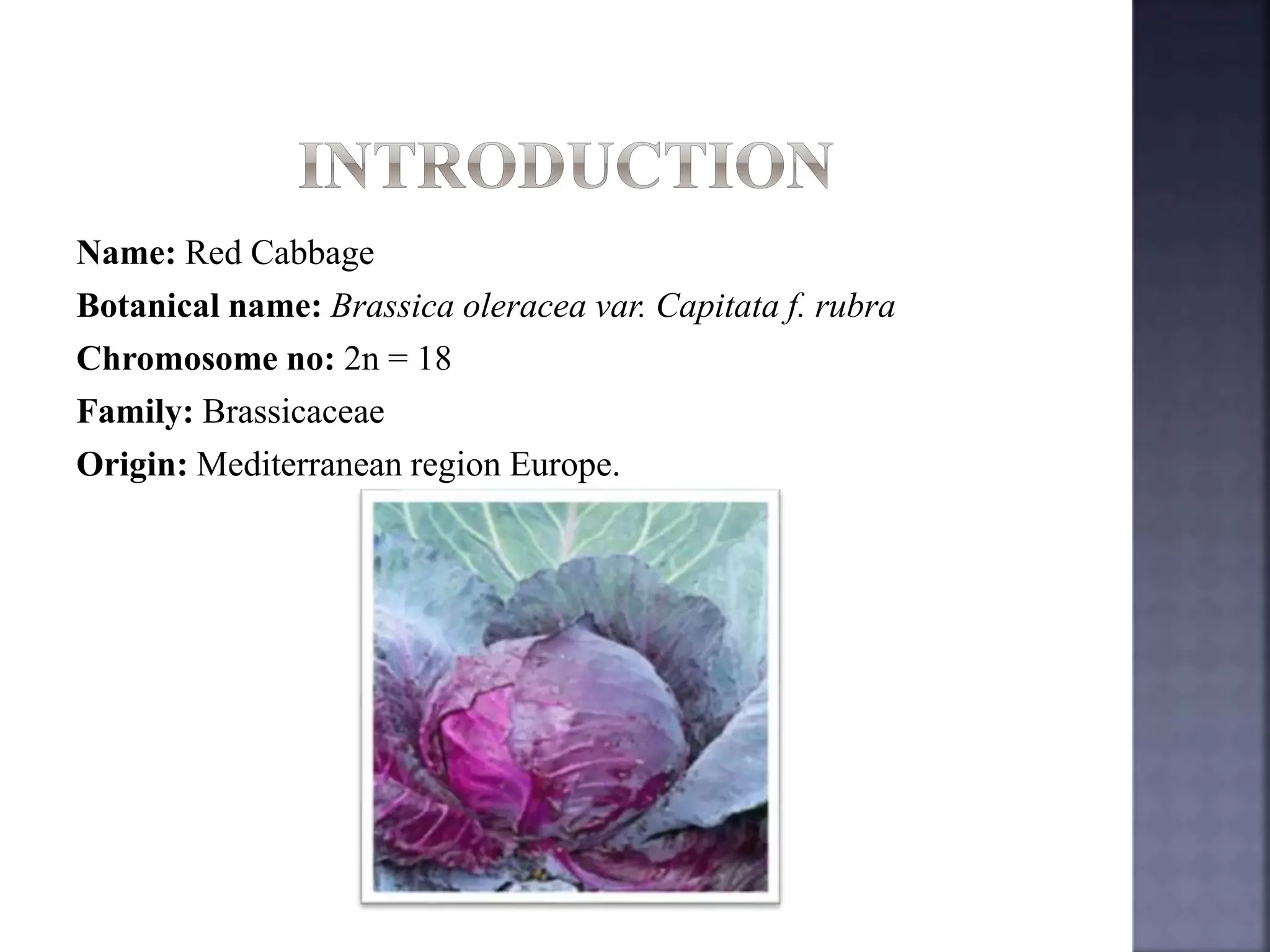
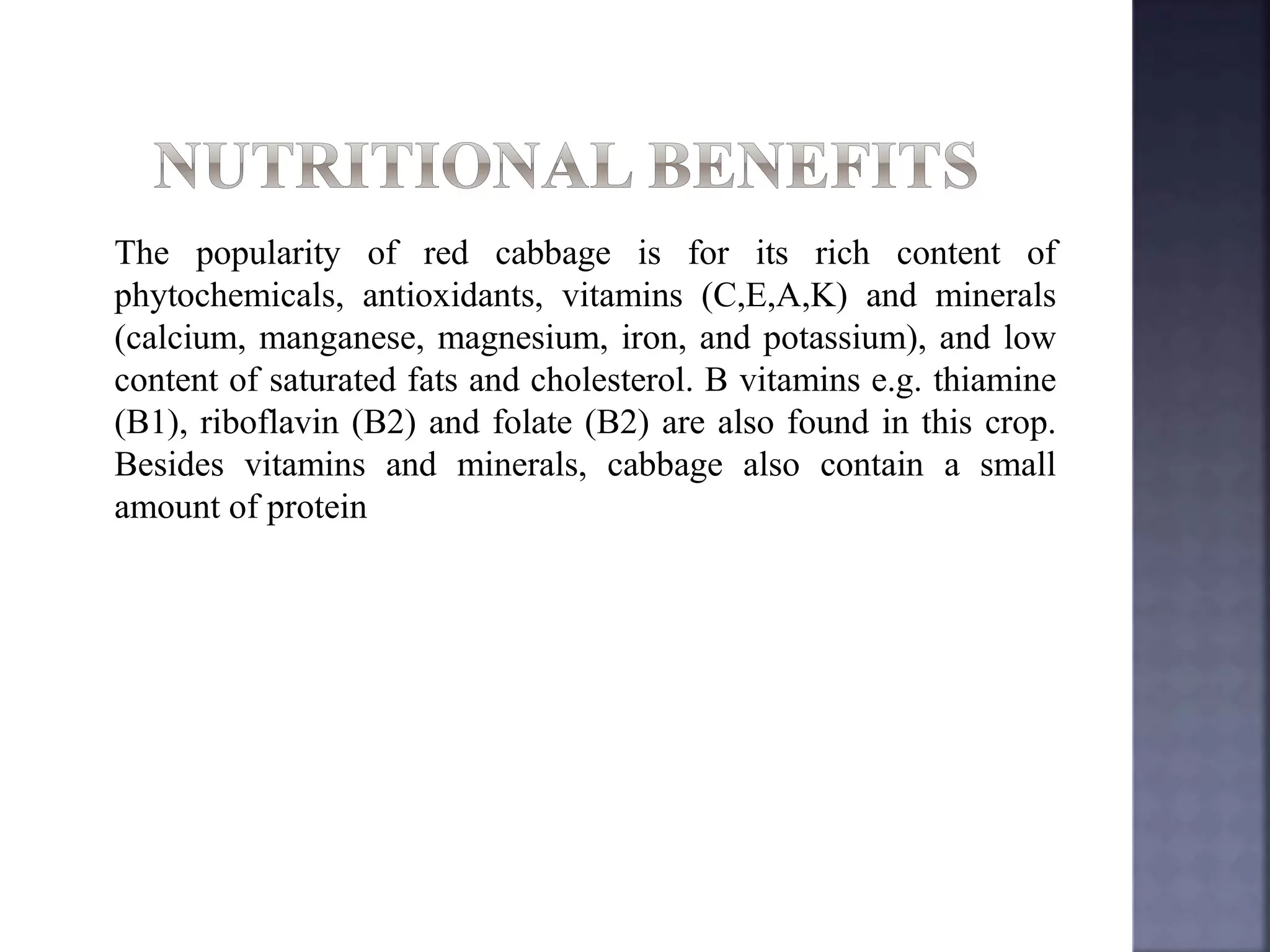
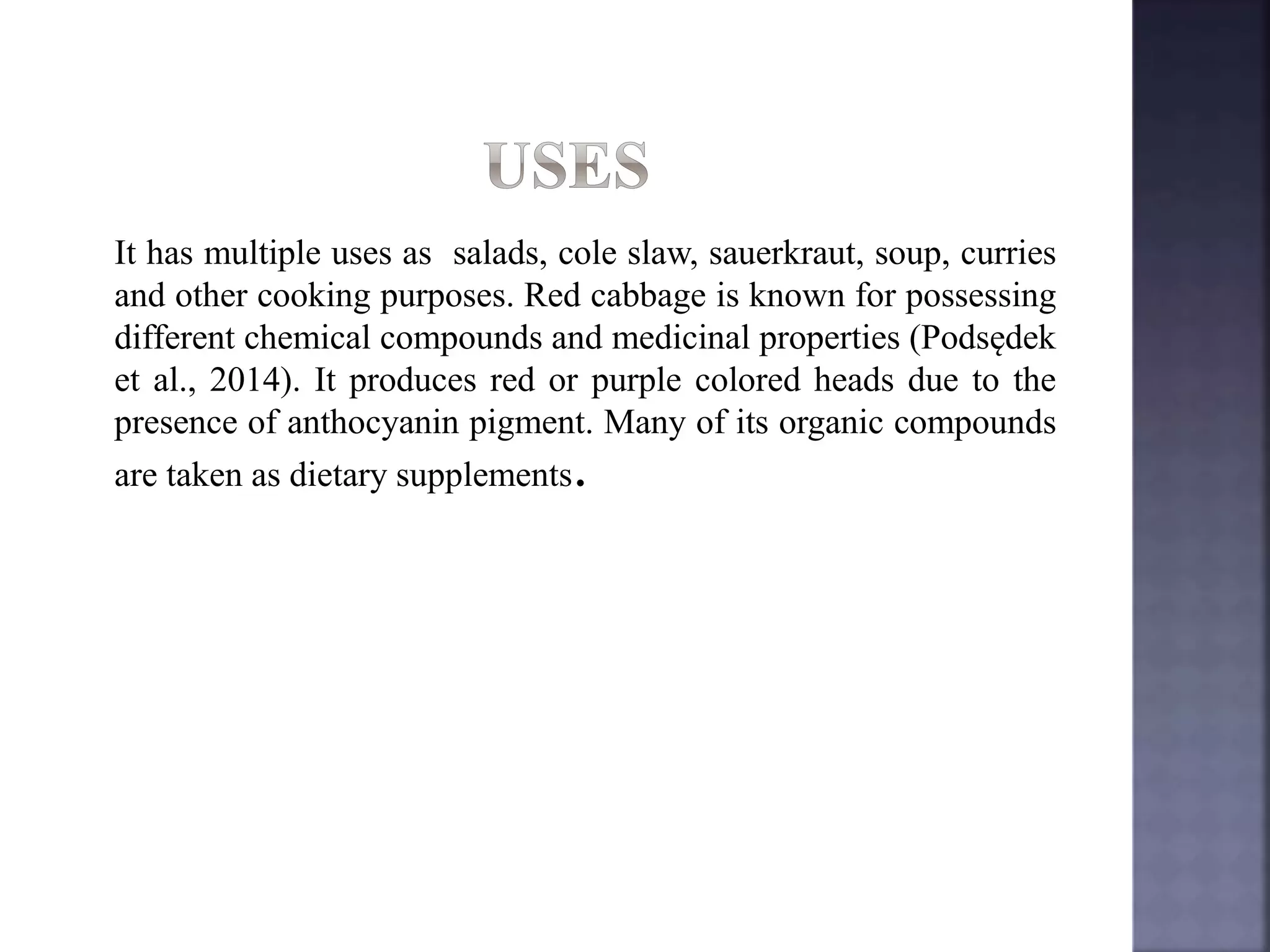
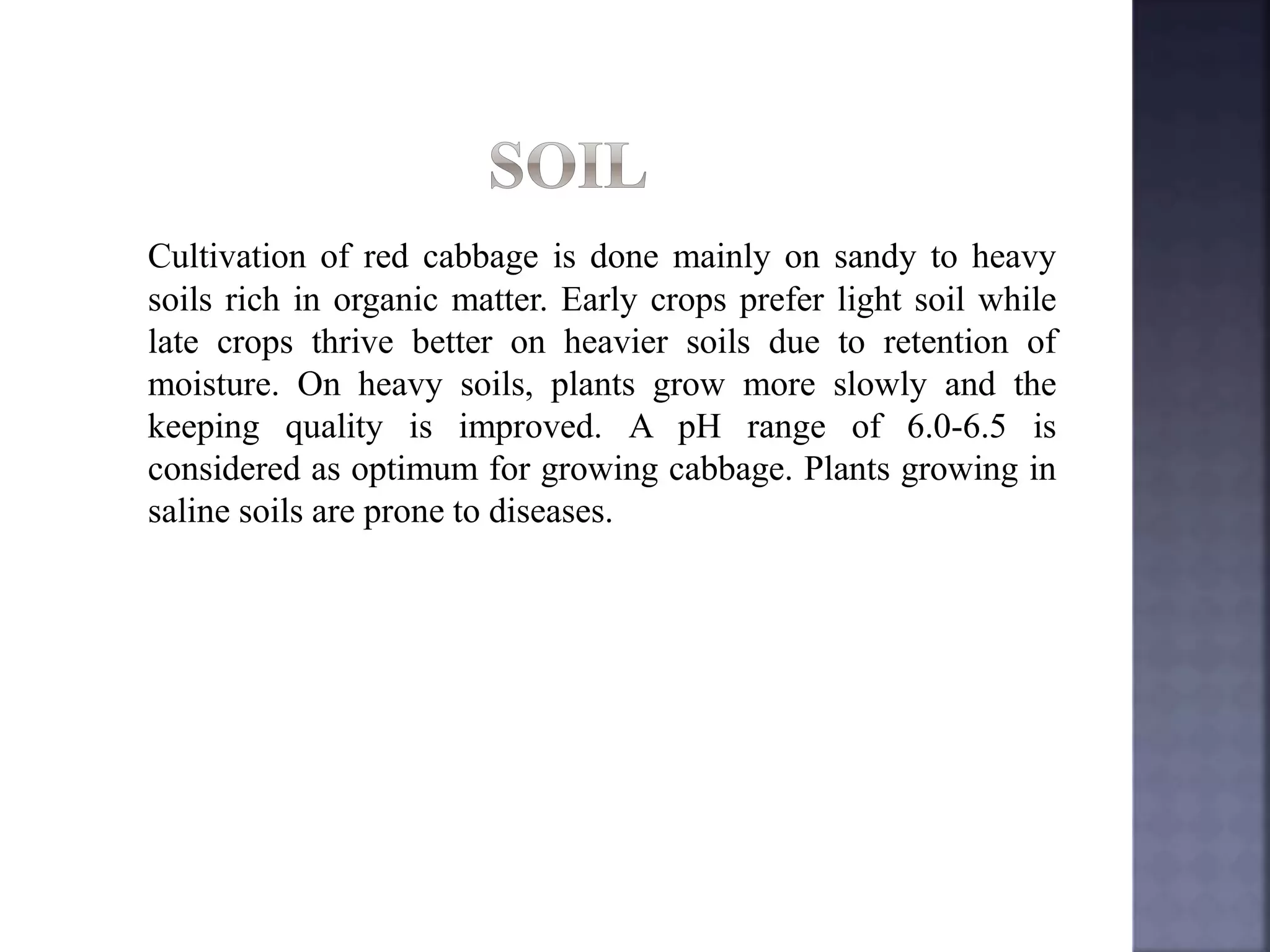
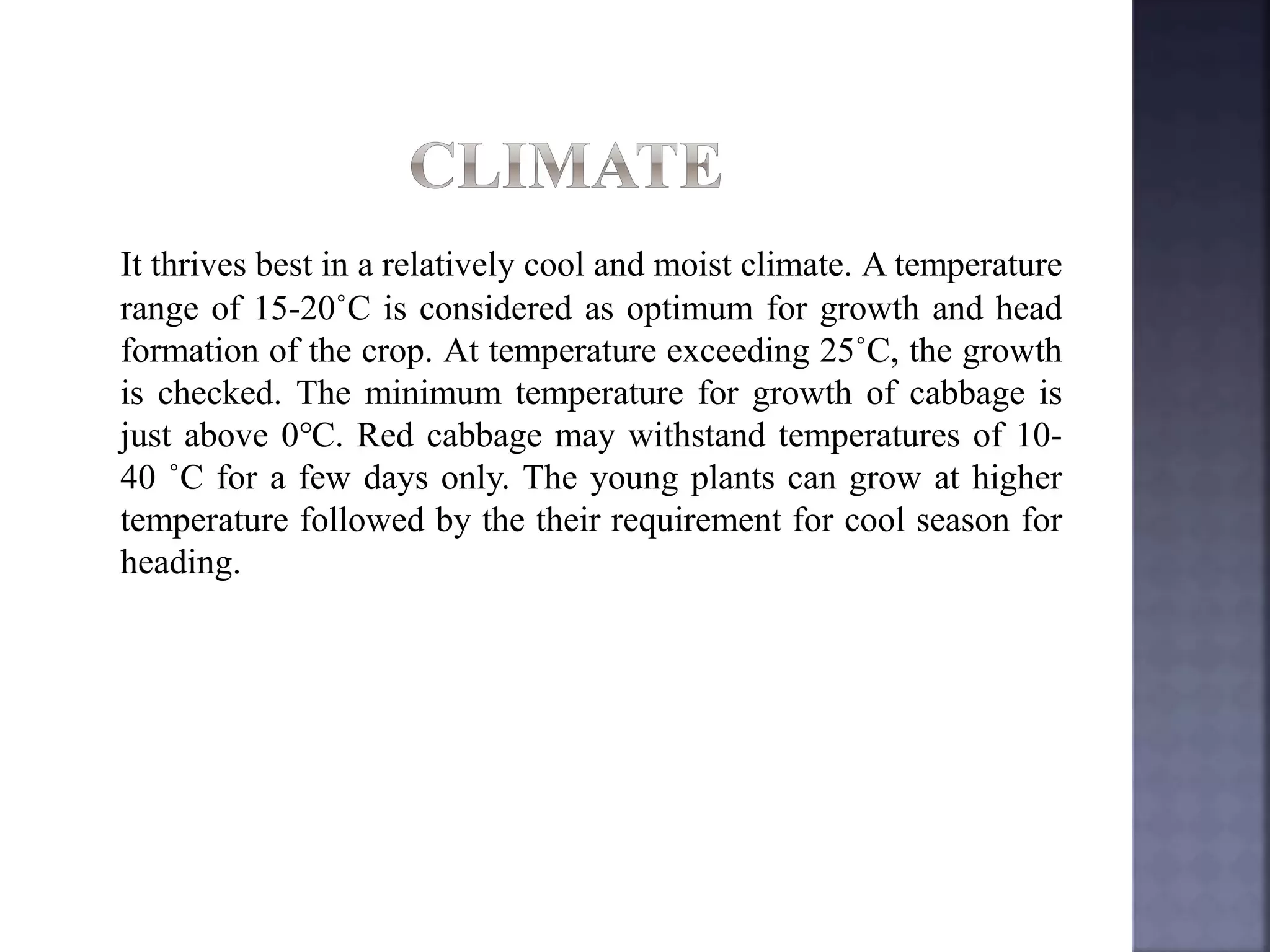
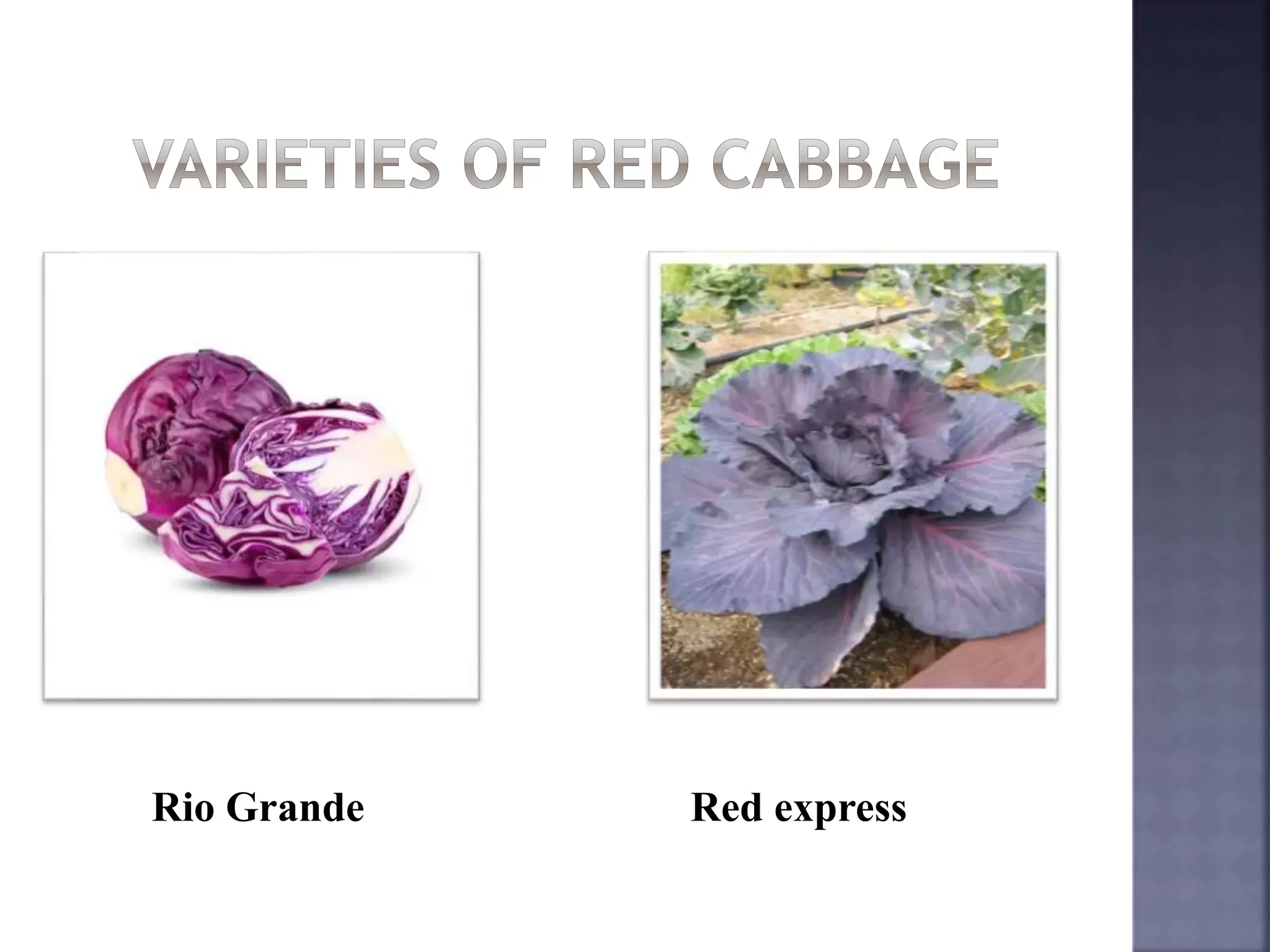
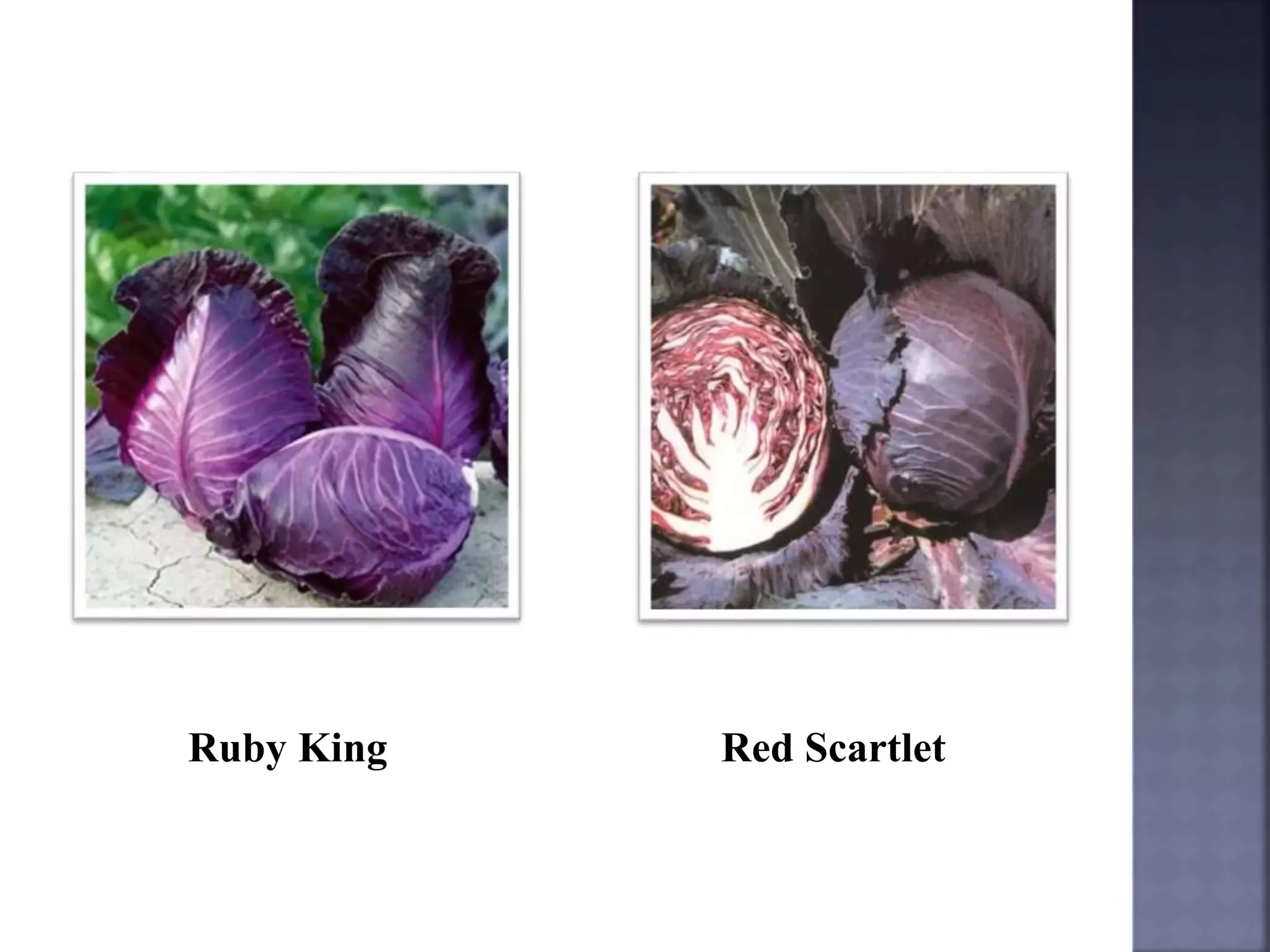
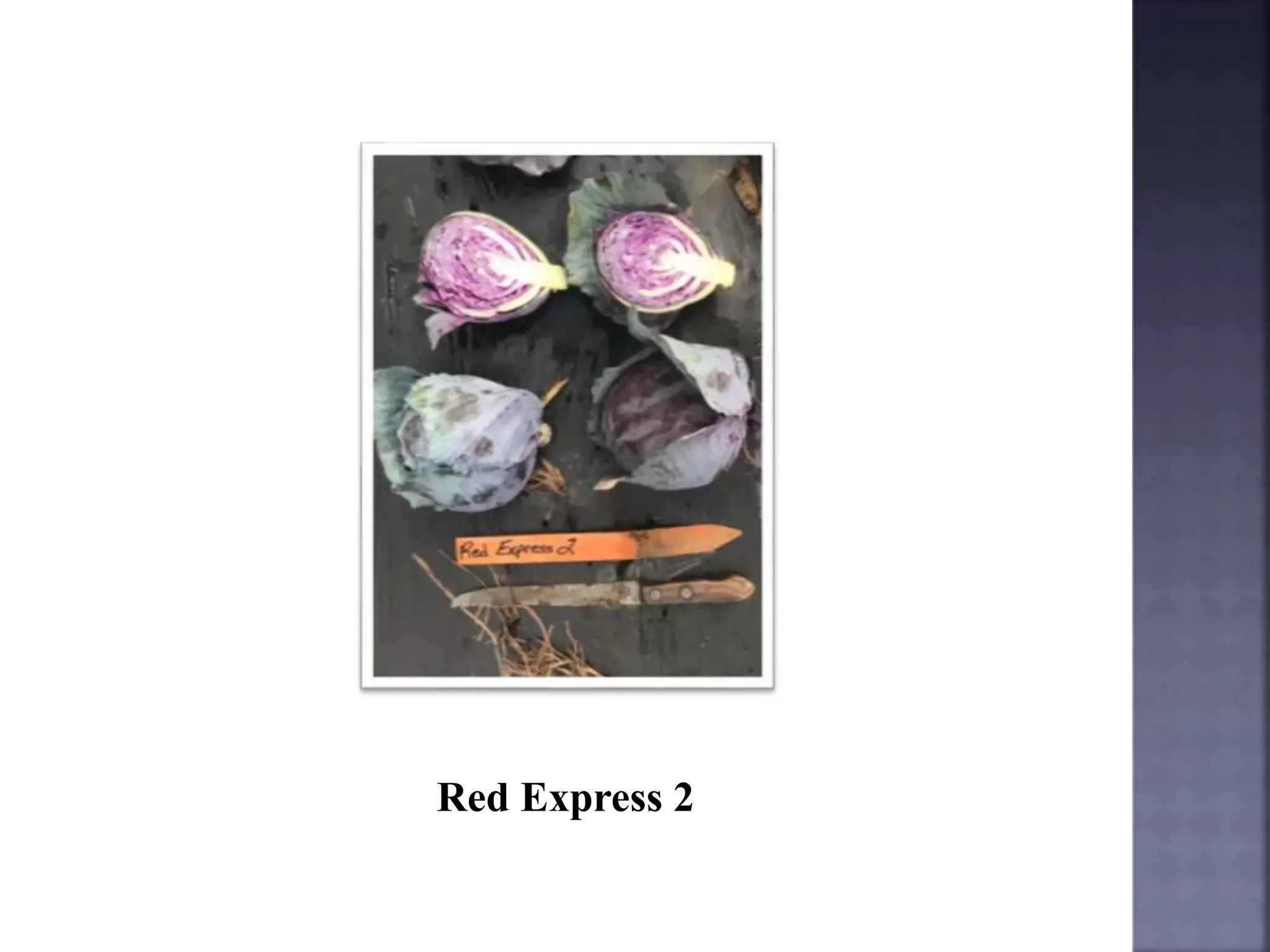
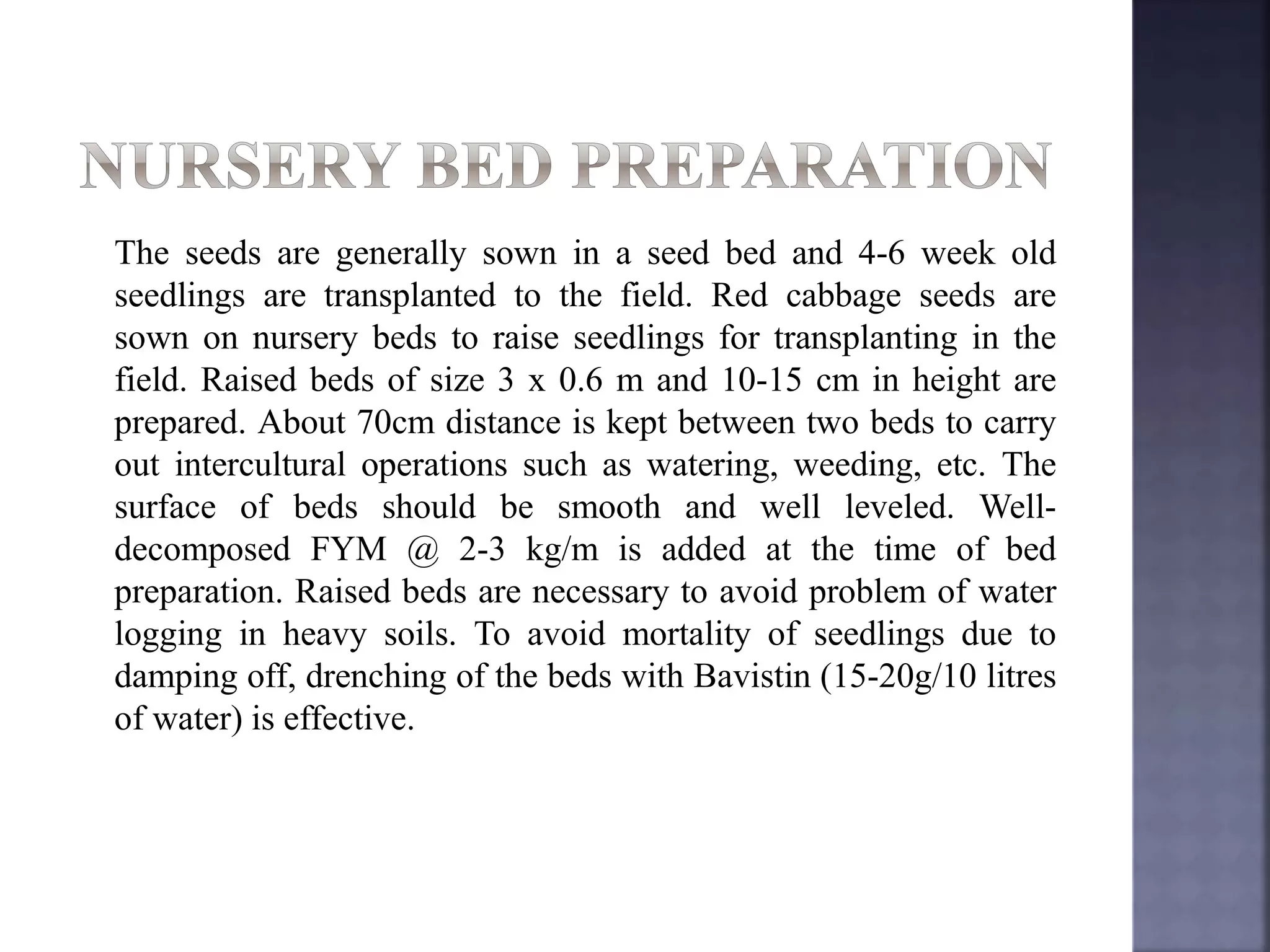
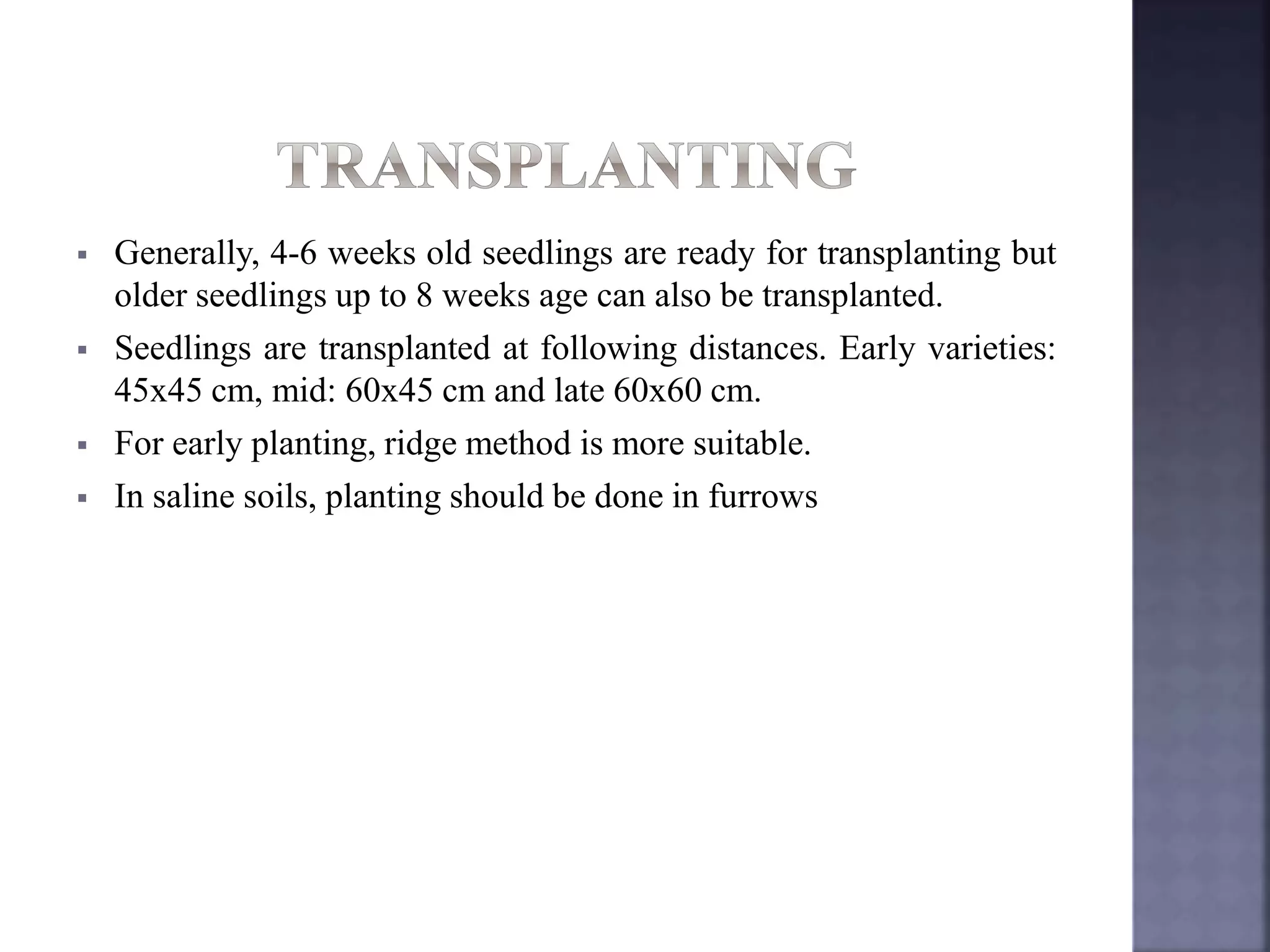
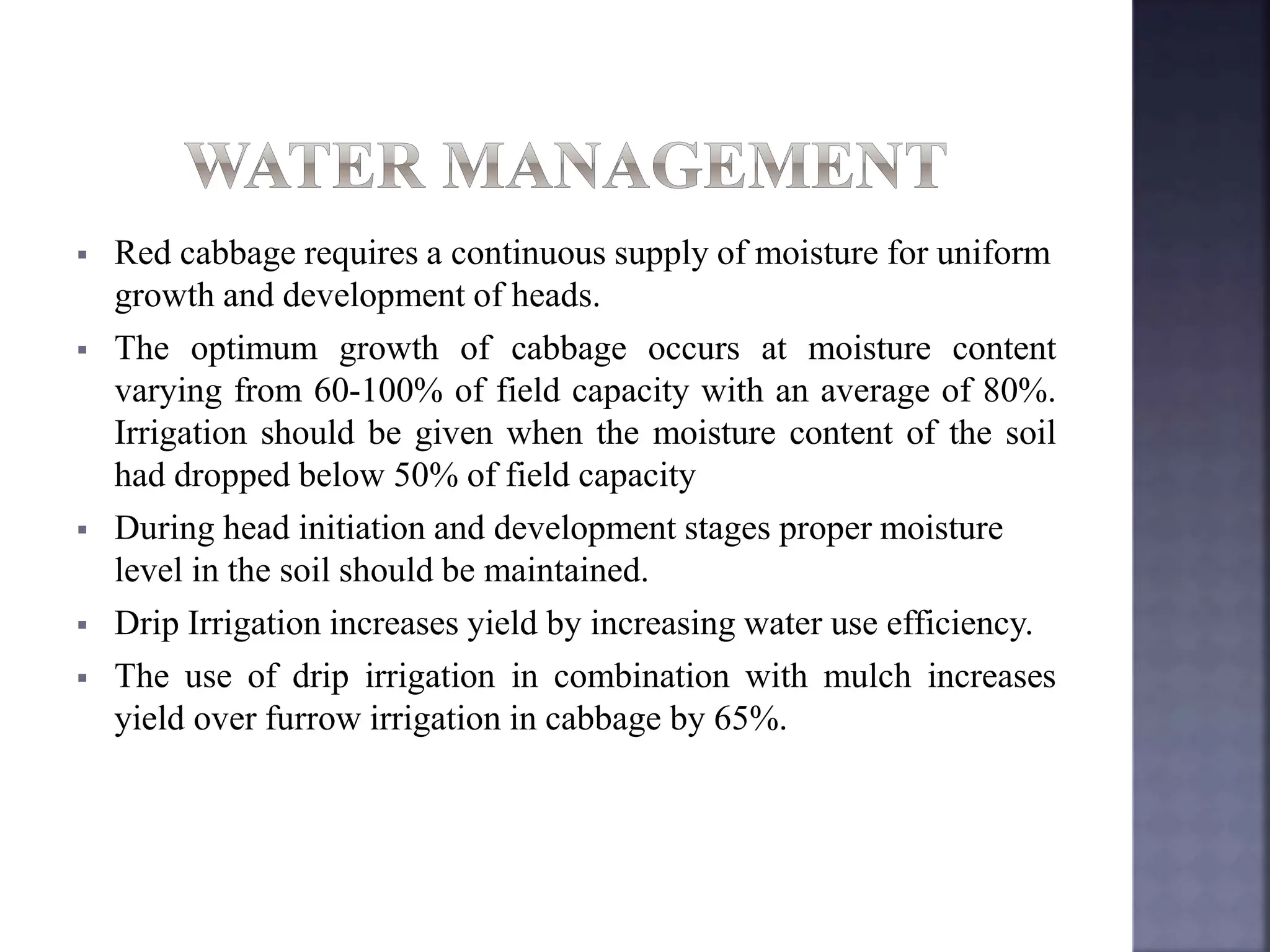
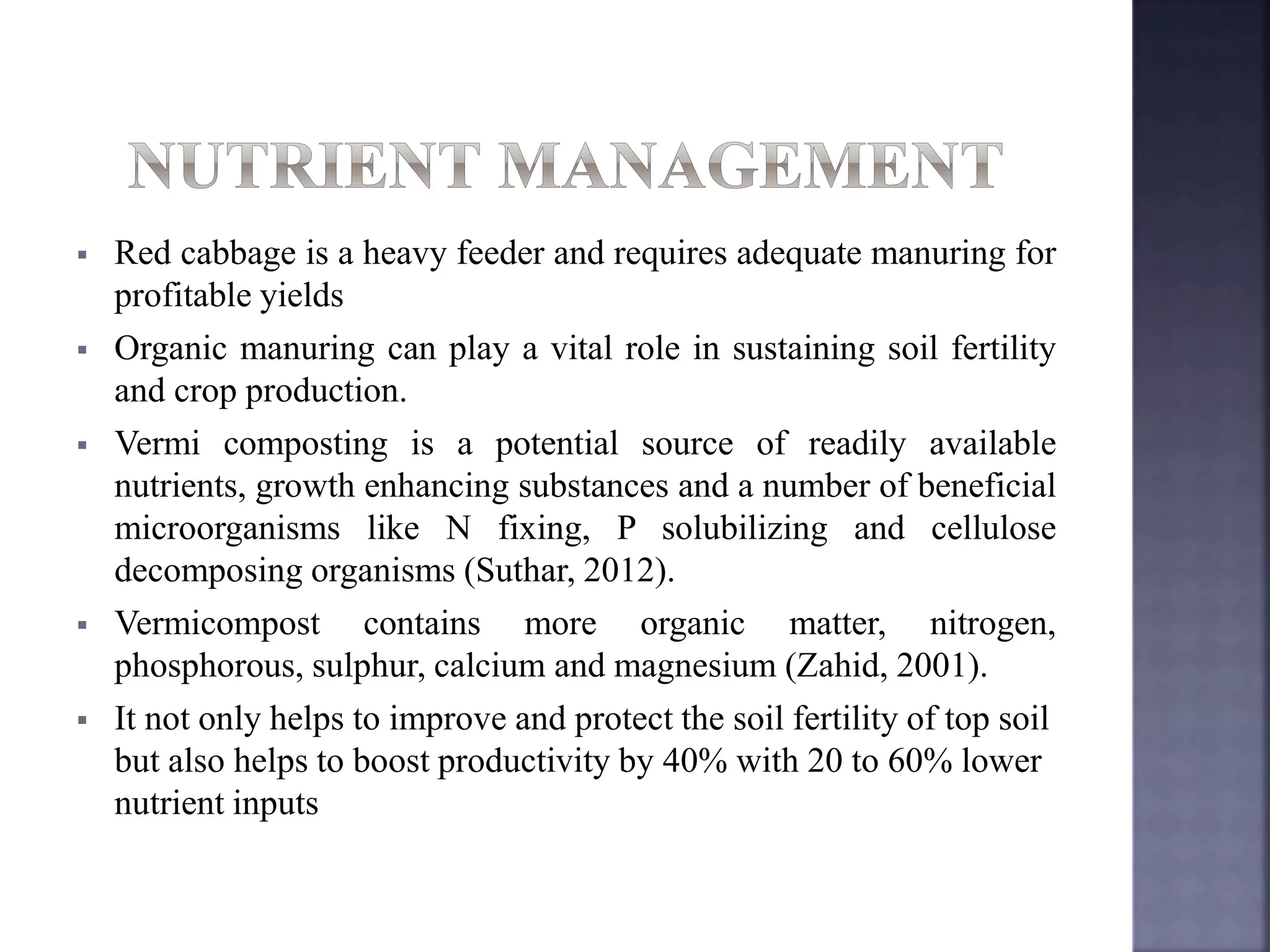
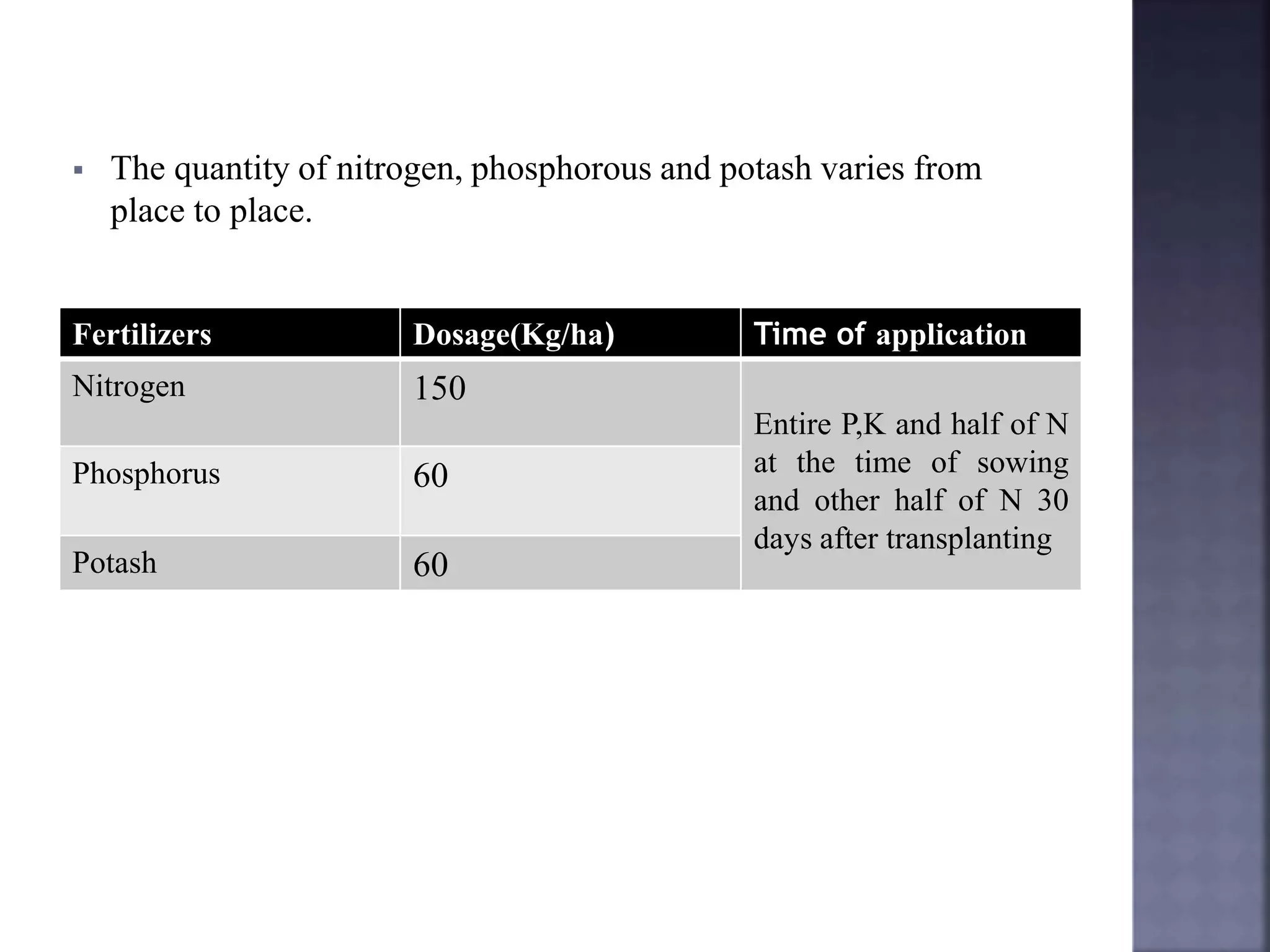
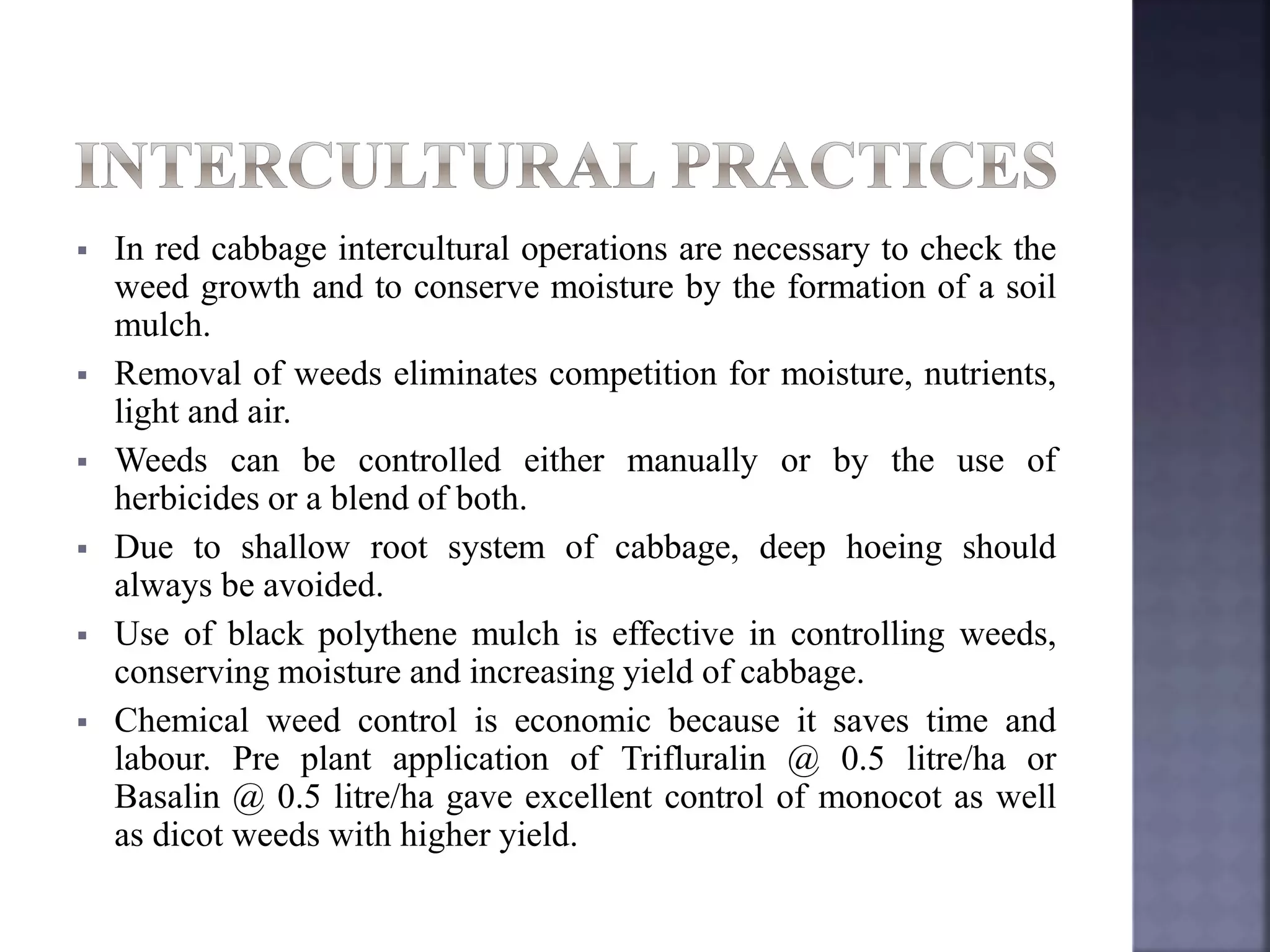
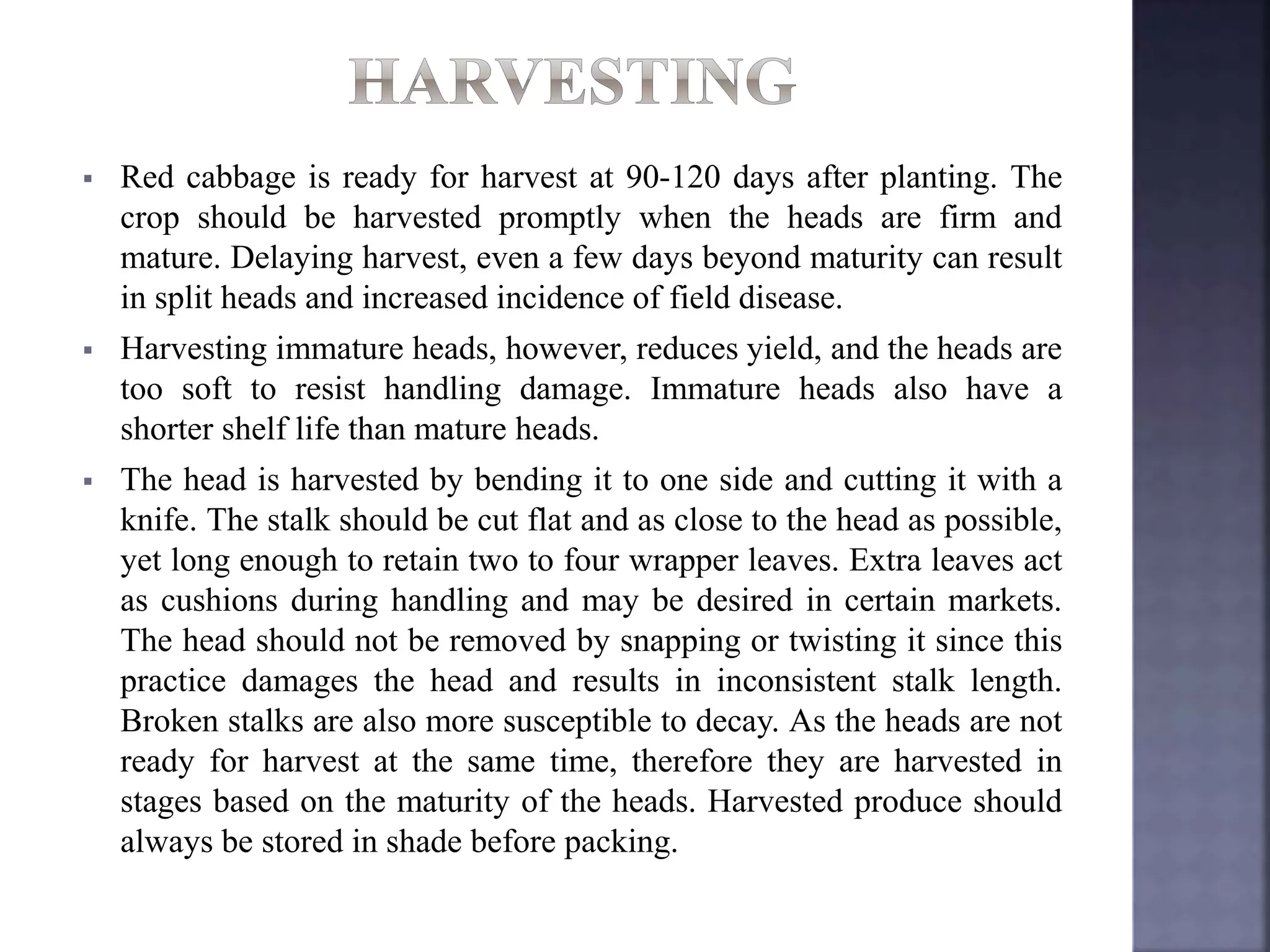
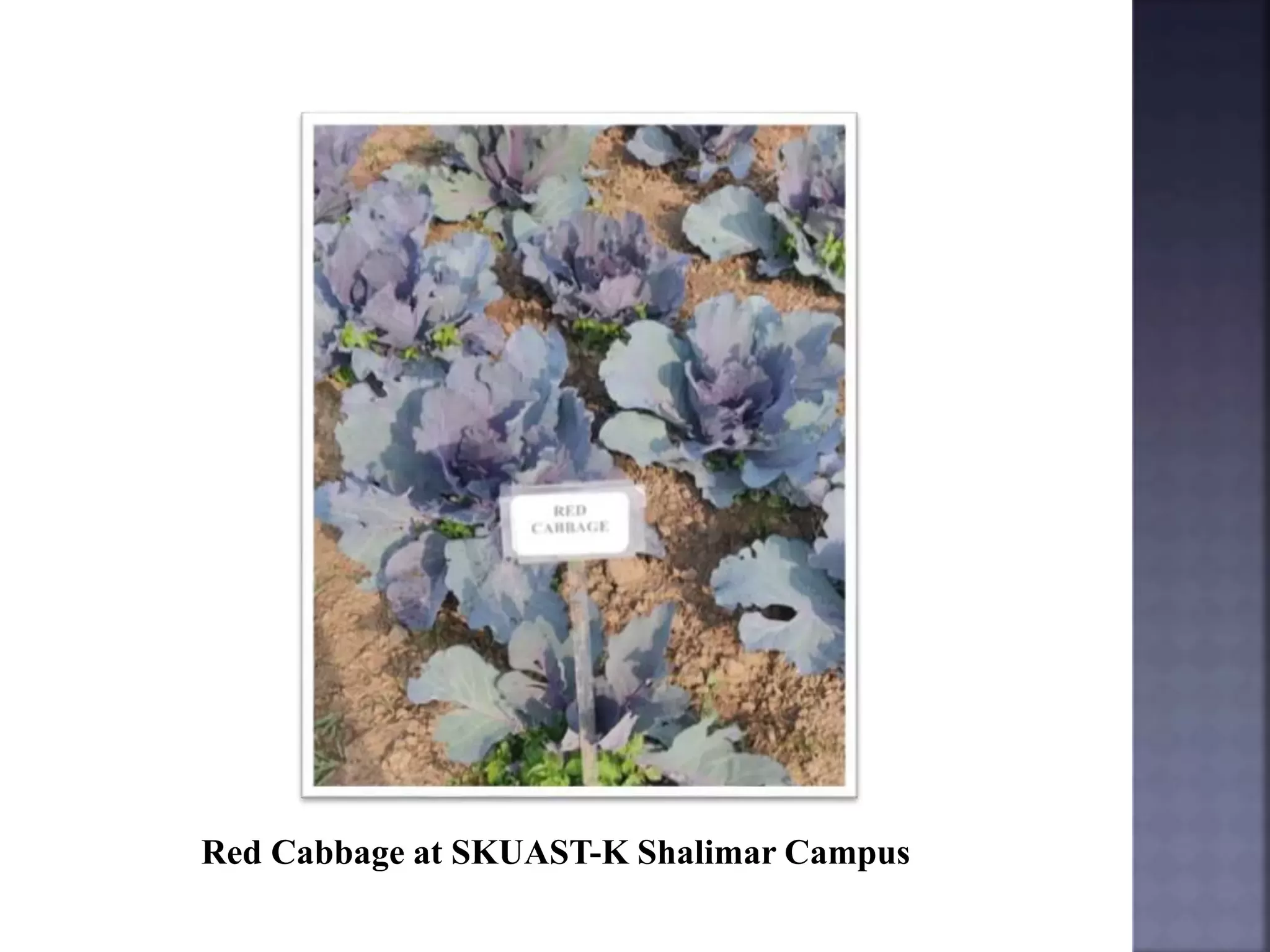
Red cabbage, scientifically known as Brassica oleracea var. Capitata f. rubra, belongs to the Brassicaceae family and has its origins in the Mediterranean region of Europe. This vibrant vegetable has garnered increasing popularity in India, particularly due to the shifting dietary preferences that have emerged in recent years. The demand for healthy, nutritious produce has risen significantly, driven in part by the health-conscious behaviors that have come to the forefront following the COVID-19 pandemic. As consumers seek out fresh fruits and vegetables, farmers have recognized a lucrative opportunity in cultivating red cabbage, which has proven more profitable compared to its green counterpart. The market for red cabbage is not only thriving domestically but also expanding internationally, prompting an influx of competition. In response to this growing demand, the agricultural sector must adapt. It is crucial to integrate biotechnological methods with traditional breeding practices to enhance crop resilience against various diseases and unfamiliar environmental stressors such as heat, drought, and salinity. Additionally, developing region-specific technologies can maximize productivity while conserving biodiversity within native ecosystems. The cultivation of red cabbage entails sophisticated management practices, particularly to address modern challenges like emerging diseases and pests. Utilizing eco-friendly methods, such as identifying effective biocontrol agents, is essential for sustainable crop management. Furthermore, there is a pressing need to innovate within production and post-harvest strategies to minimize environmental impacts while ensuring high-quality yields. The nutritional profile of red cabbage is impressive. Rich in antioxidants, vitamins such as C, E, A, and K, and essential minerals including calcium, potassium, and iron, it is a low-fat and cholesterol-free option for health enthusiasts. Notably, the vegetable contains B vitamins, contributing to its status as a chronic disease preventive food. The presence of phytochemicals, including glucosinolates, ensures that red cabbage can also support cancer prevention and improve overall health. The health benefits associated with regular consumption include enhanced immune function, improved skin and eye health, and weight management. Red cabbage is versatile in culinary uses. It can be consumed raw in salads, made into cole slaw, used to create vibrant sauerkraut, or incorporated into soups and various culinary preparations. Its distinctive purple color, attributed to anthocyanin pigments, also makes it an appealing addition to dishes. Regarding cultivation practices, red cabbage thrives in well-drained soils rich in organic matter. Ideally, it is grown within temperatures ranging from 15-20°C for optimal growth and head formation. Effective irrigation and moisture management are essential, as the plant prefers consistent soil moisture levels for its growth cycle. Thus, implementing modern irrigation techniques, such as drip irrigation combined with mulch, can enhance yield and resource use efficiency. Harvesting red cabbage is a careful process requiring attention to timing to ensure head maturity and quality. Proper harvesting techniques, including cutting the head close to the stalk while preserving wrapper leaves, are necessary to maintain produce integrity during transport. The growing interest in red cabbage, particularly at venues such as the SKUAST-K Shalimar Campus, underscores its significance not just as a dietary staple but as a profitable agricultural enterprise poised for further development in the coming years. As the awareness of its health benefits spreads, the future looks promising for this colorful and nutritious vegetable.

Slide 1

Slide 1⬇ Slide

Slide 2

Slide 2⬇ Slide

Slide 3

Slide 3⬇ Slide

Slide 4

Slide 4⬇ Slide

Slide 5

Slide 5⬇ Slide

Slide 6

Slide 6⬇ Slide

Slide 7

Slide 7⬇ Slide

Slide 8

Slide 8⬇ Slide

Slide 9

Slide 9⬇ Slide

Slide 10

Slide 10⬇ Slide

Slide 11

Slide 11⬇ Slide

Slide 12

Slide 12⬇ Slide

Slide 13

Slide 13⬇ Slide

Slide 14

Slide 14⬇ Slide

Slide 15

Slide 15⬇ Slide

Slide 16

Slide 16⬇ Slide

Slide 17

Slide 17⬇ Slide

Slide 18

Slide 18⬇ Slide

Slide 19

Slide 19⬇ Slide

Slide 20

Slide 20⬇ Slide

Slide 21

Slide 21⬇ Slide

Slide 22

Slide 22⬇ Slide

Slide 23

Slide 23⬇ Slide
1 / 23