Home Quiz Old Paper PPT

Ppt on Mango cultivation practices

Description

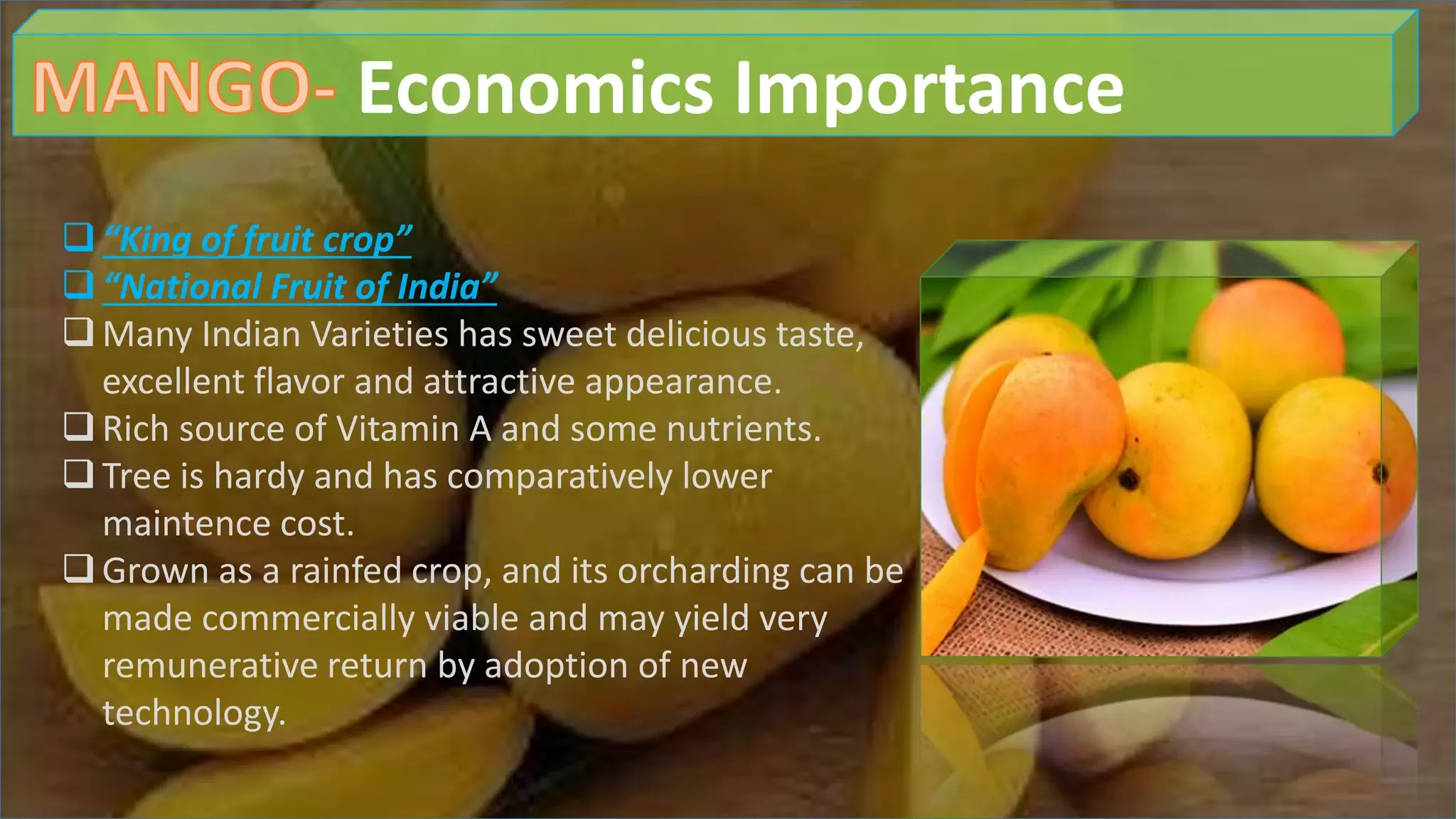
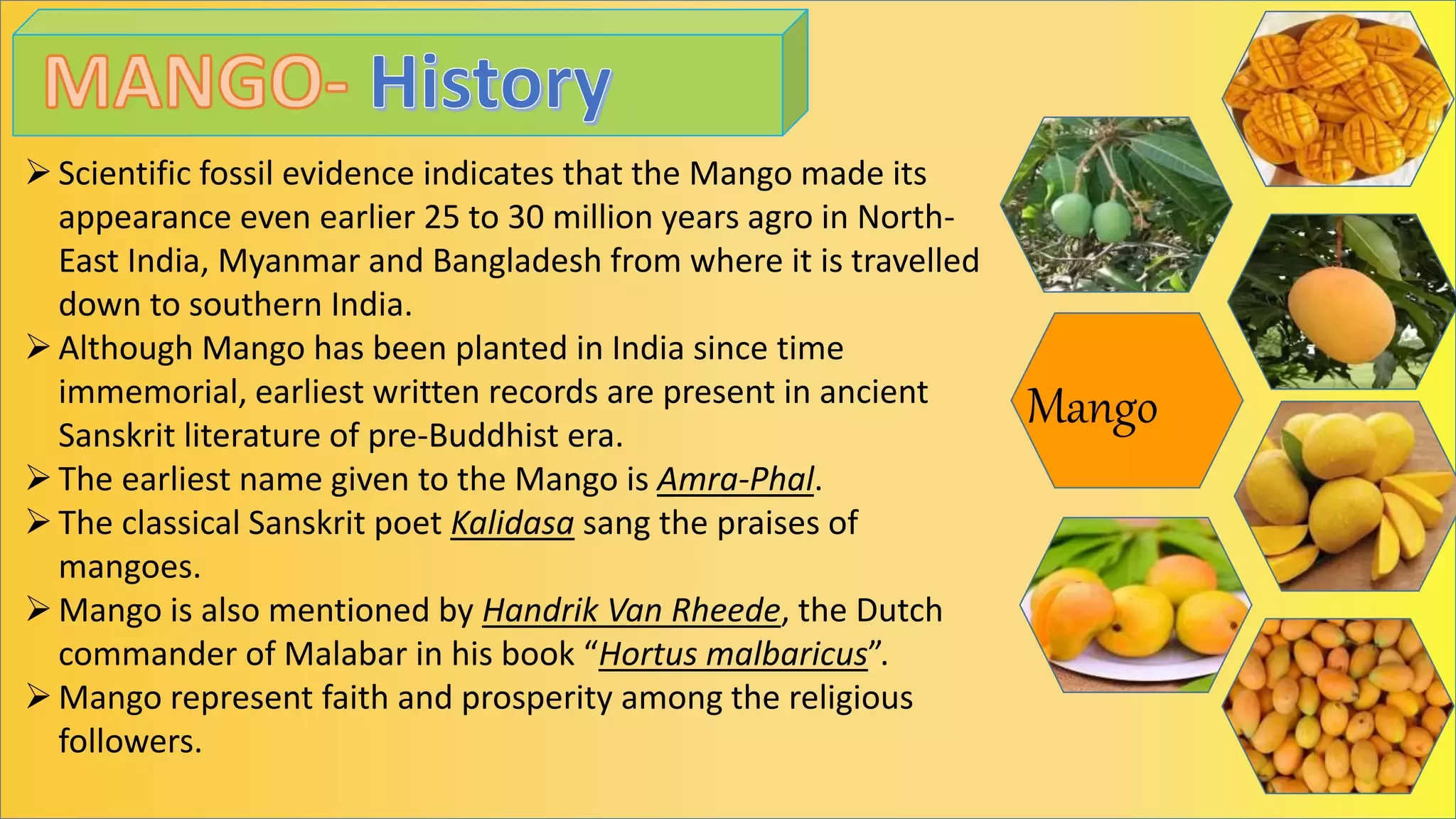
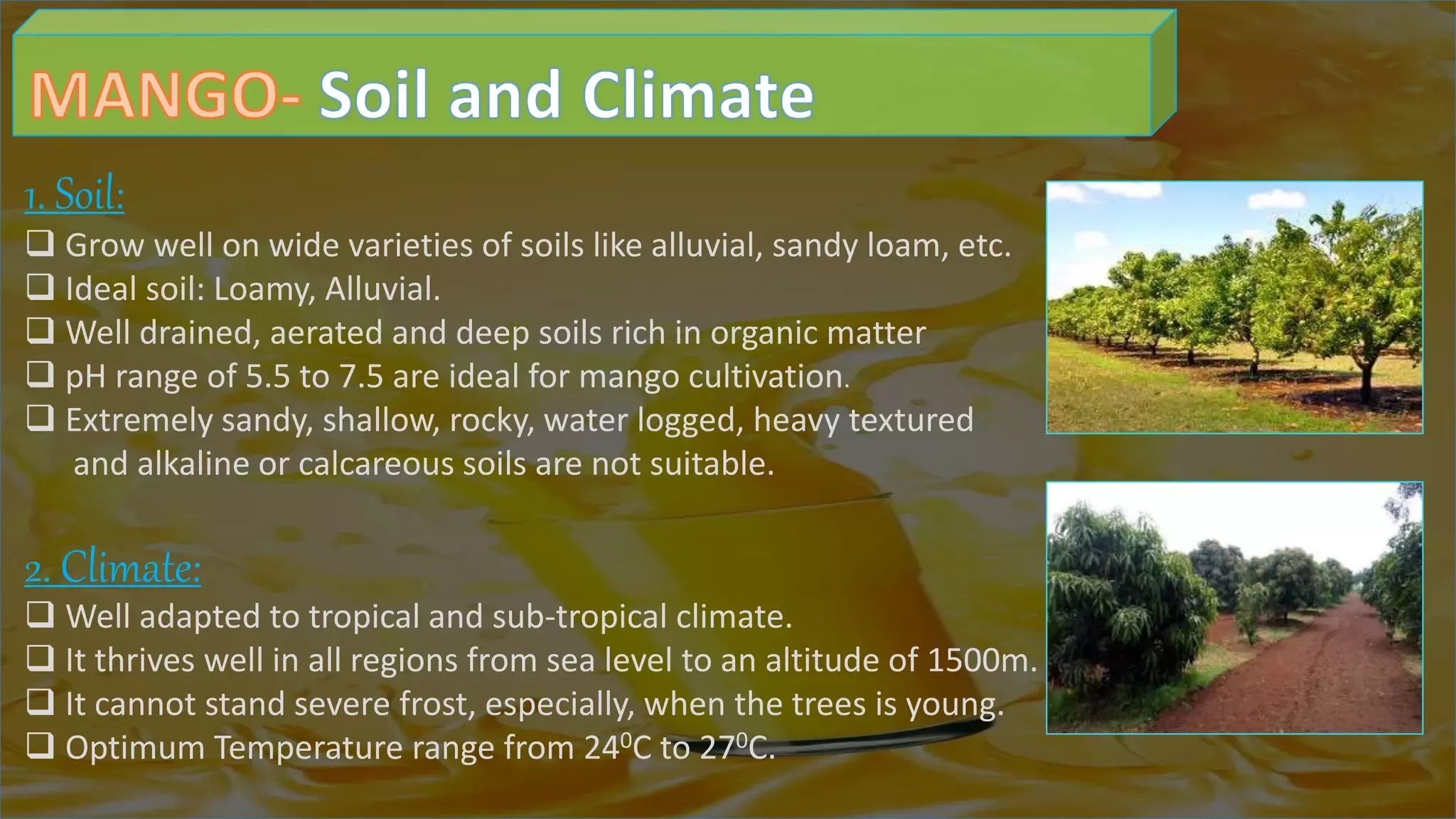
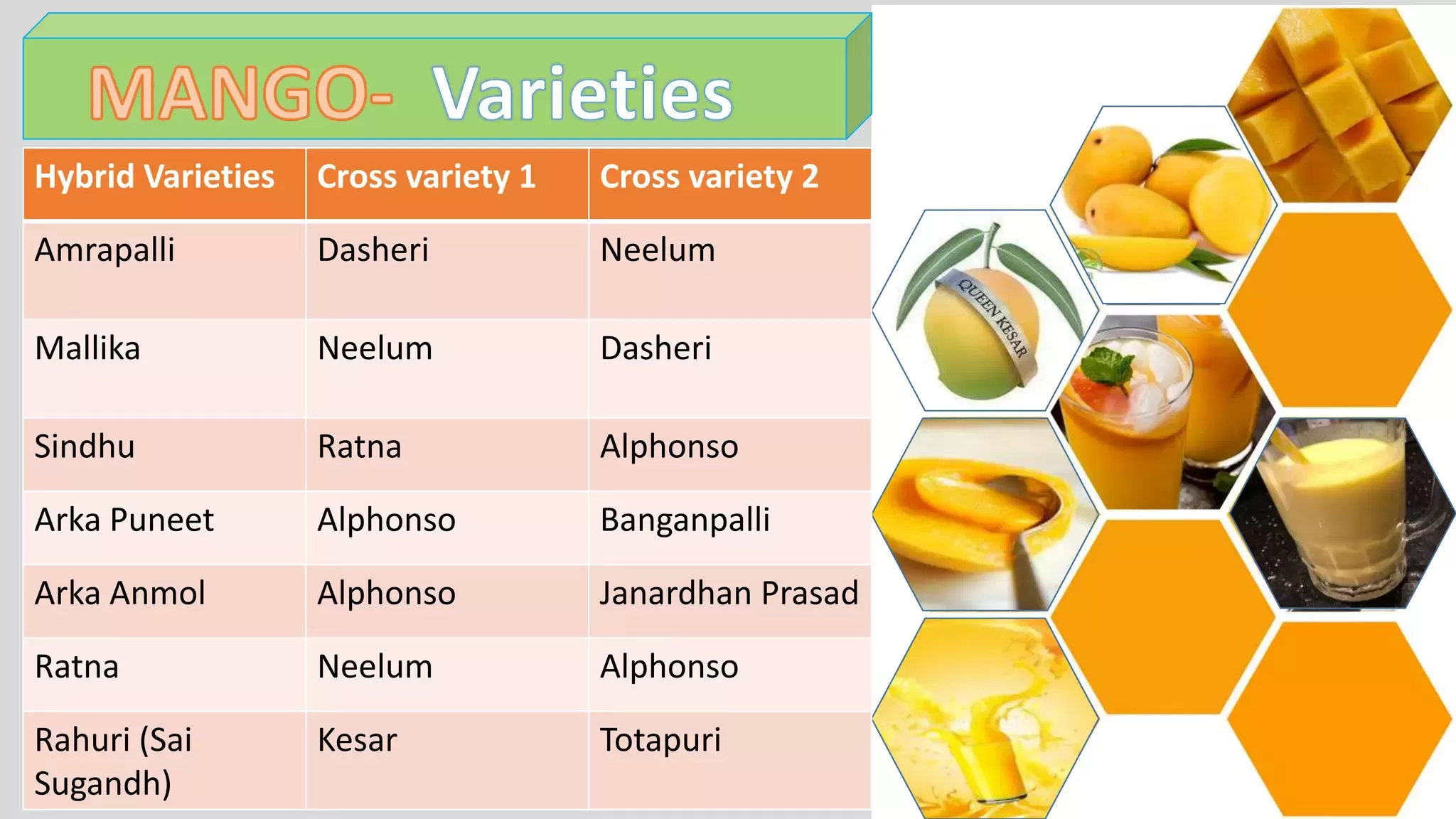
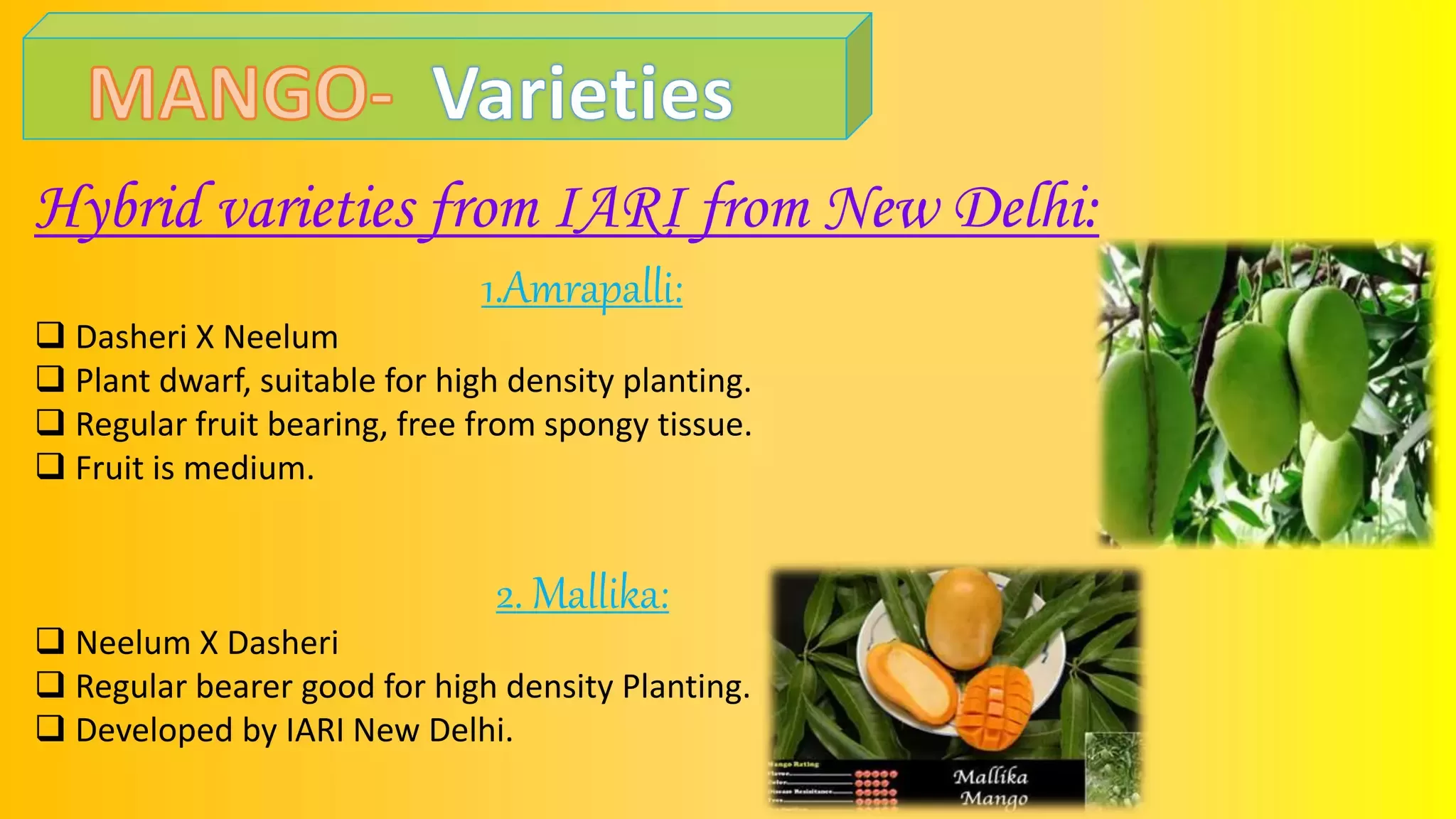
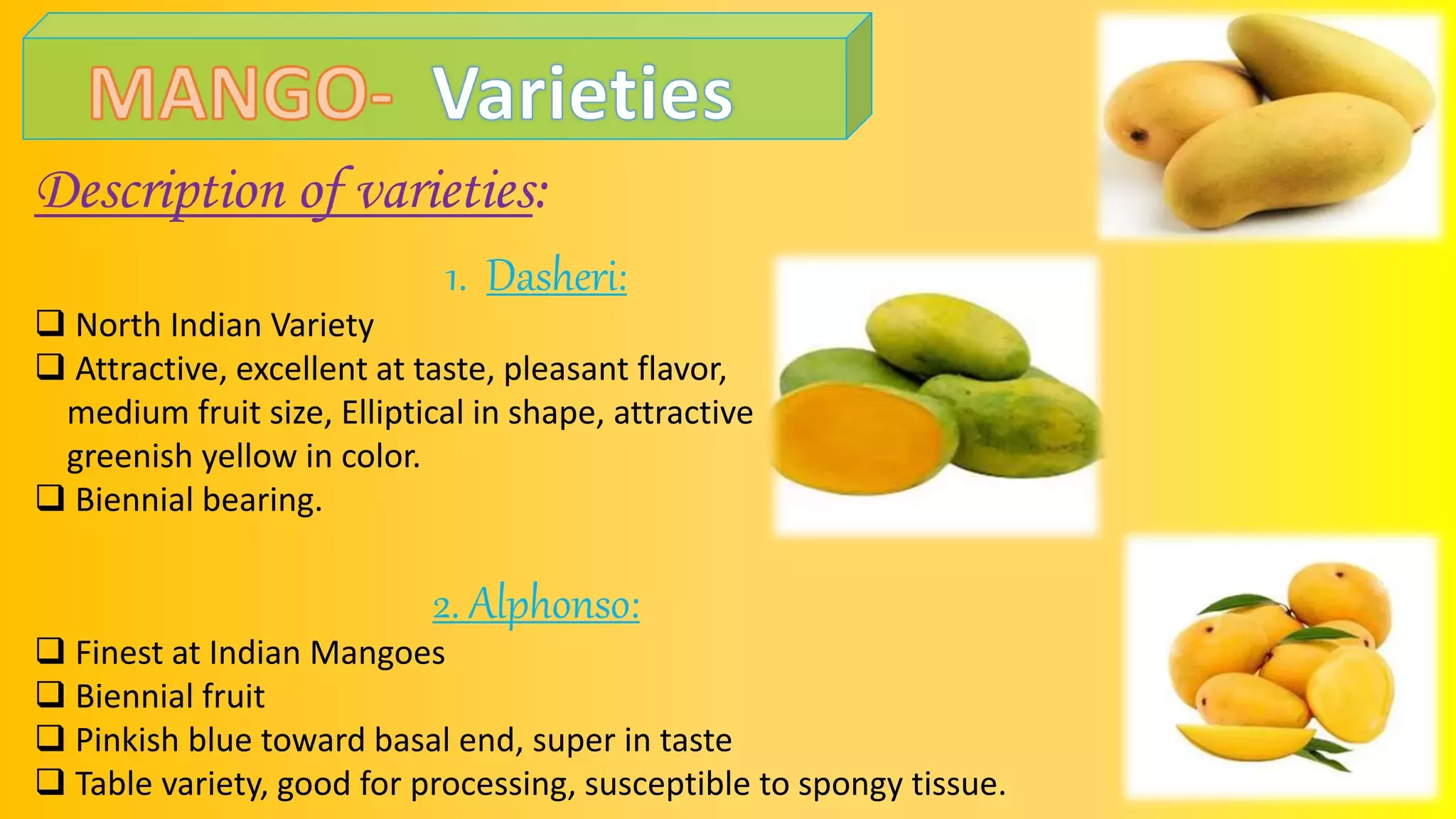
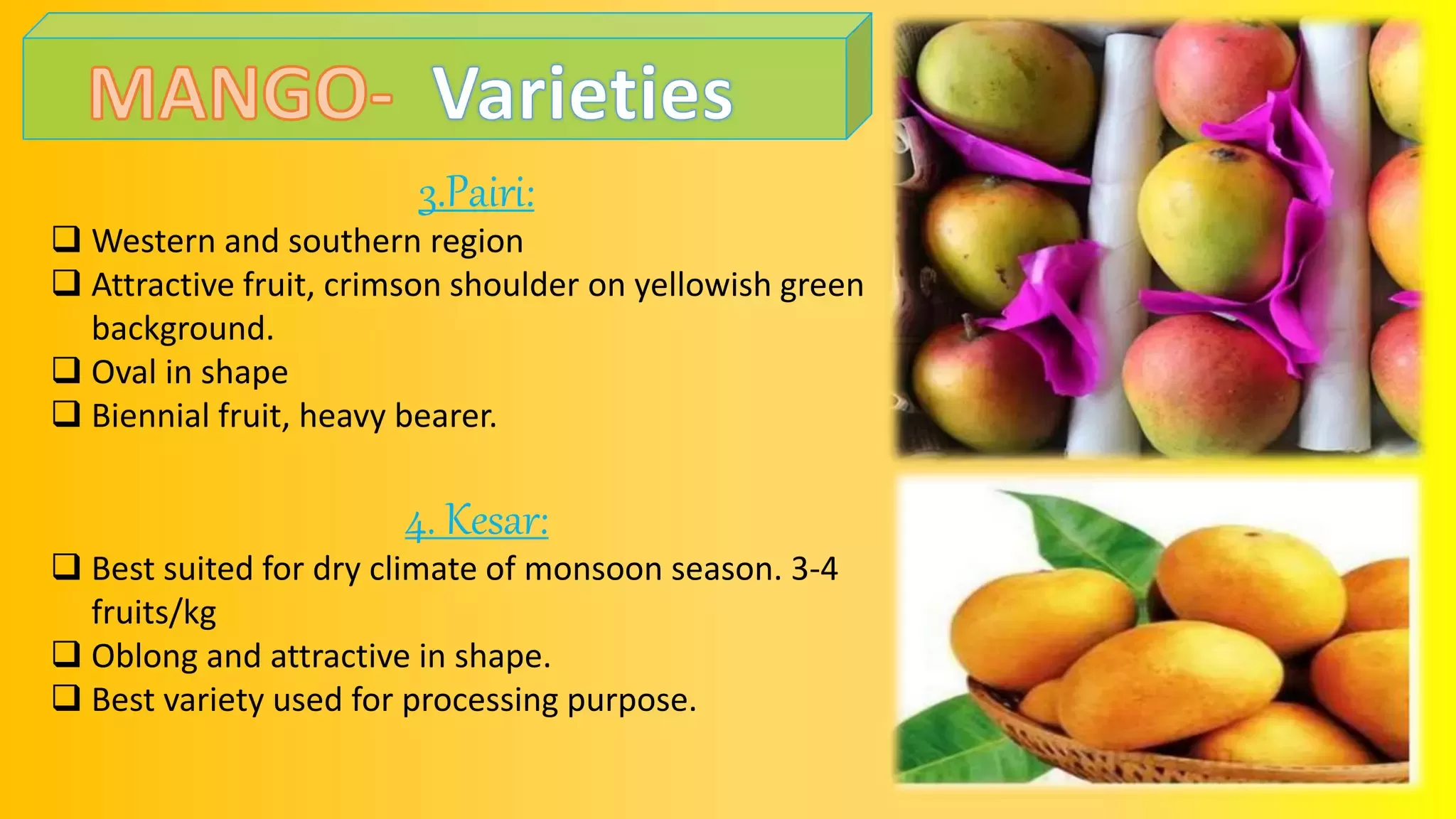
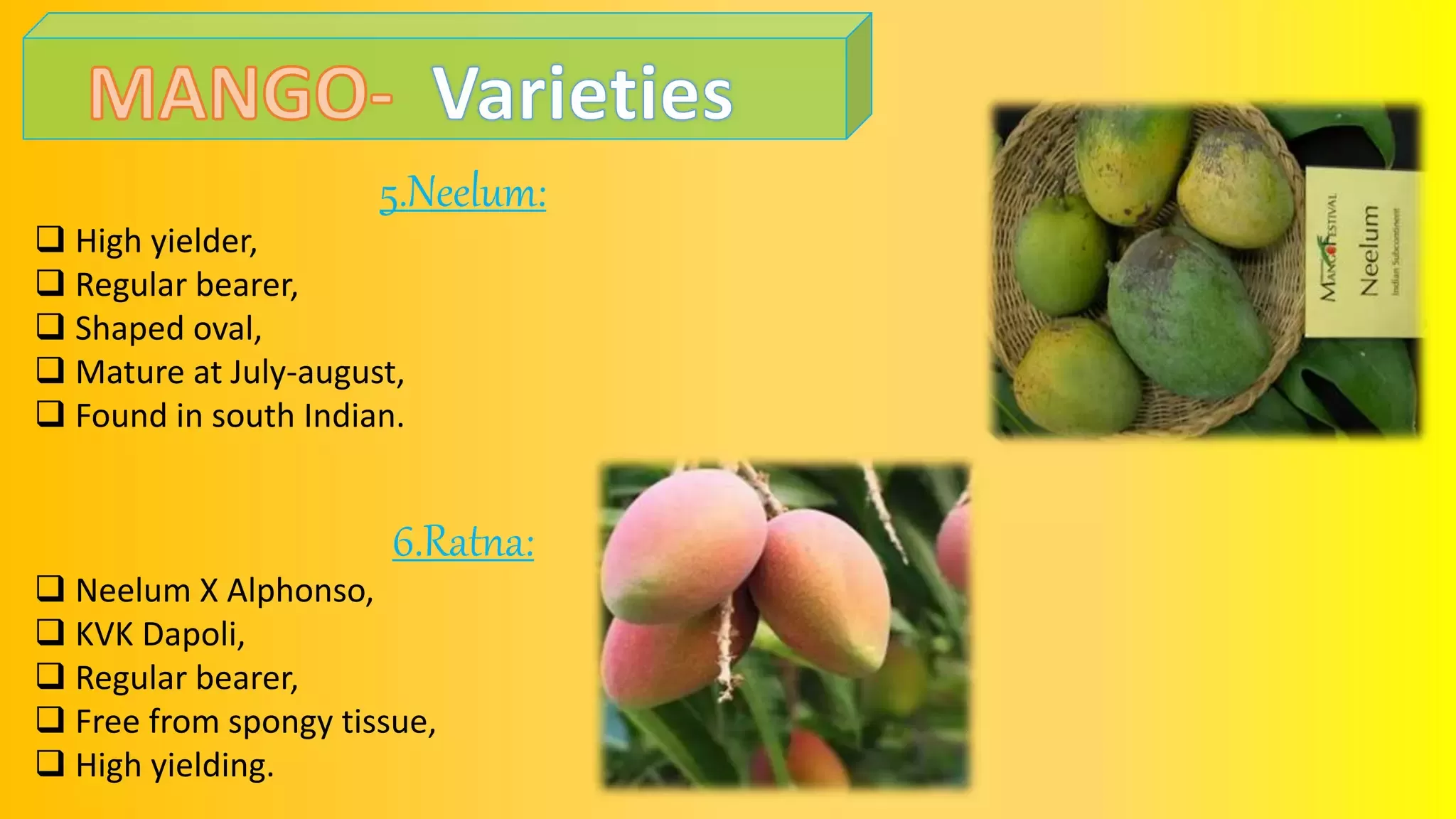
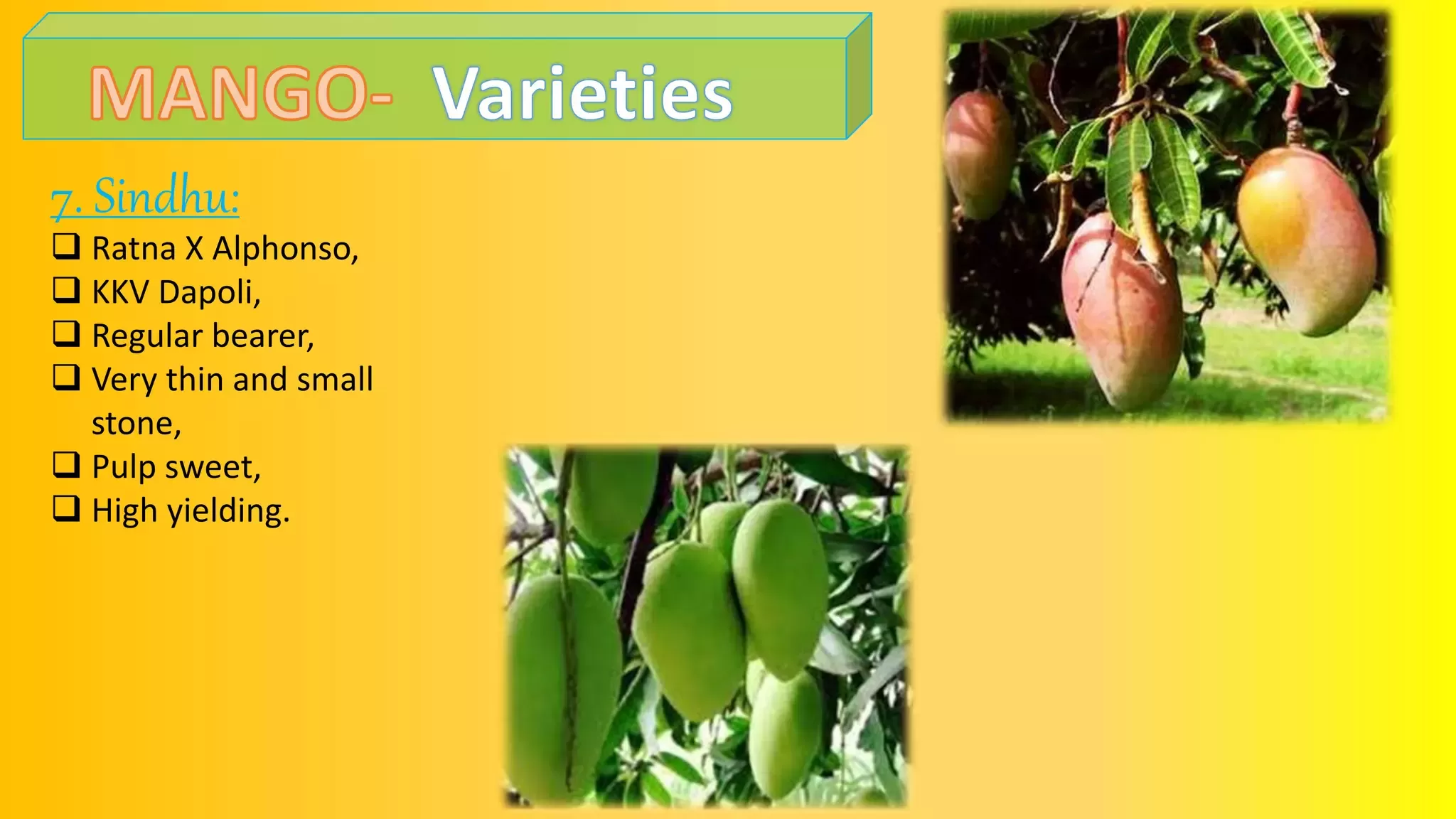
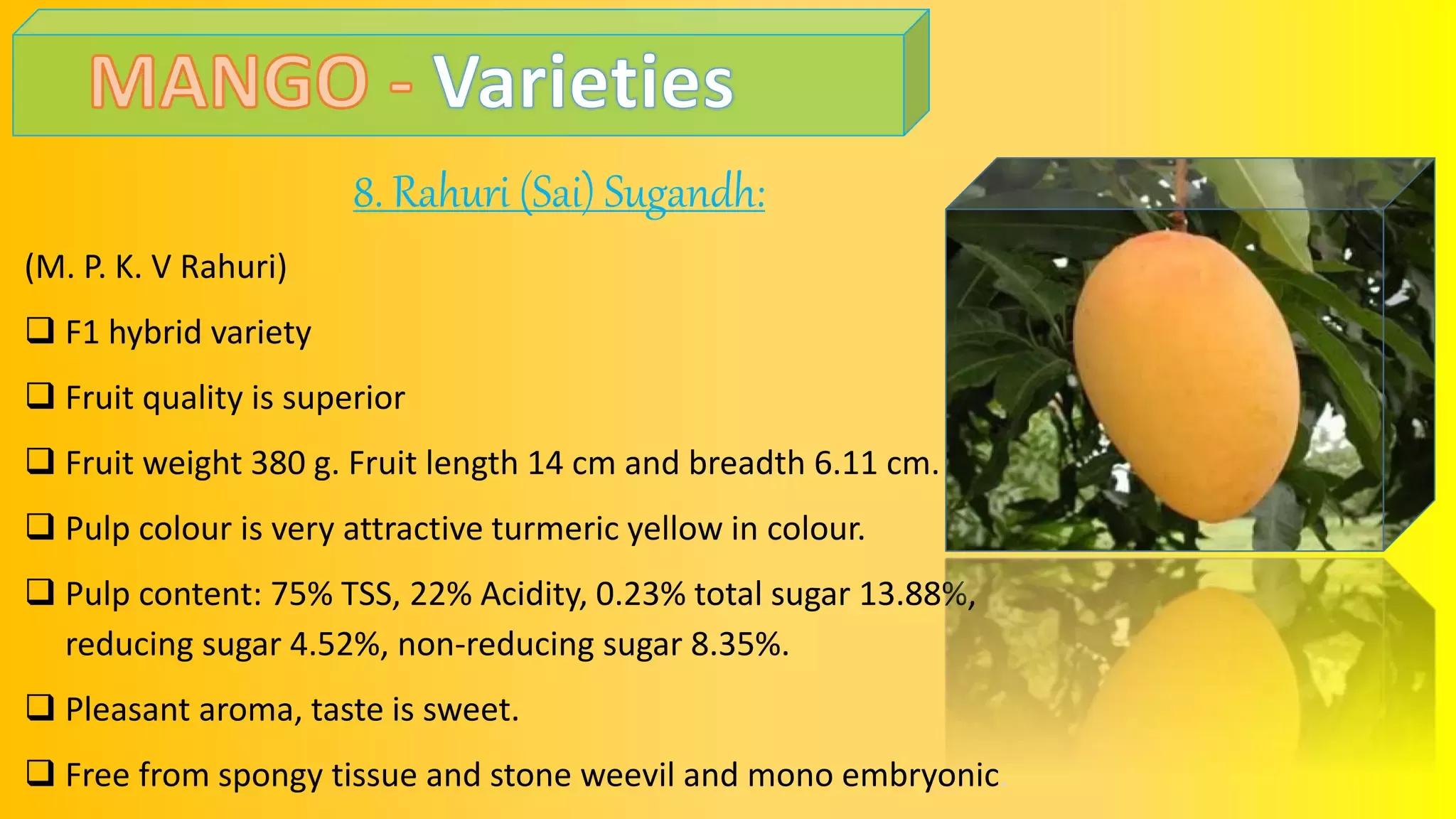
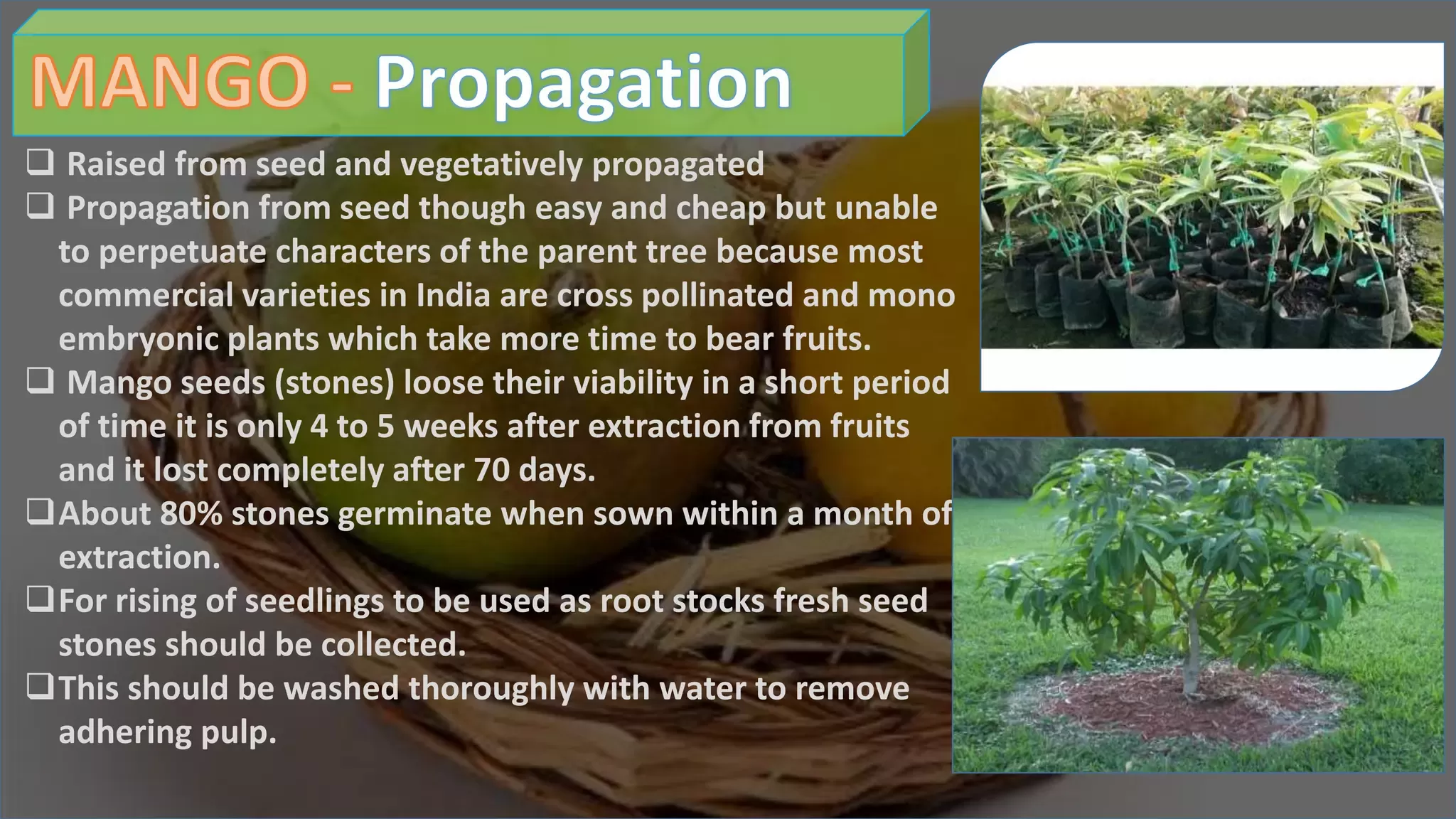
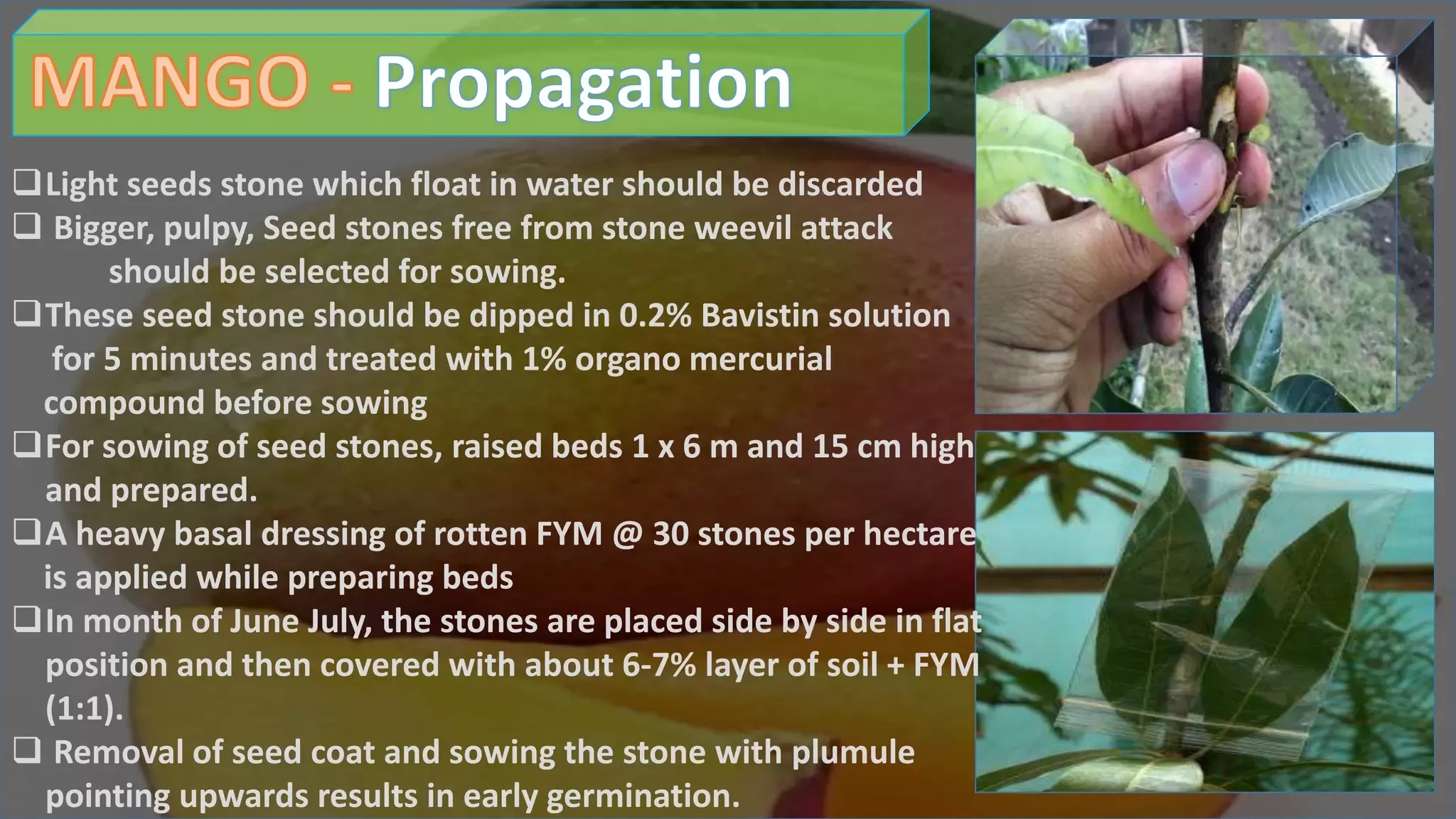
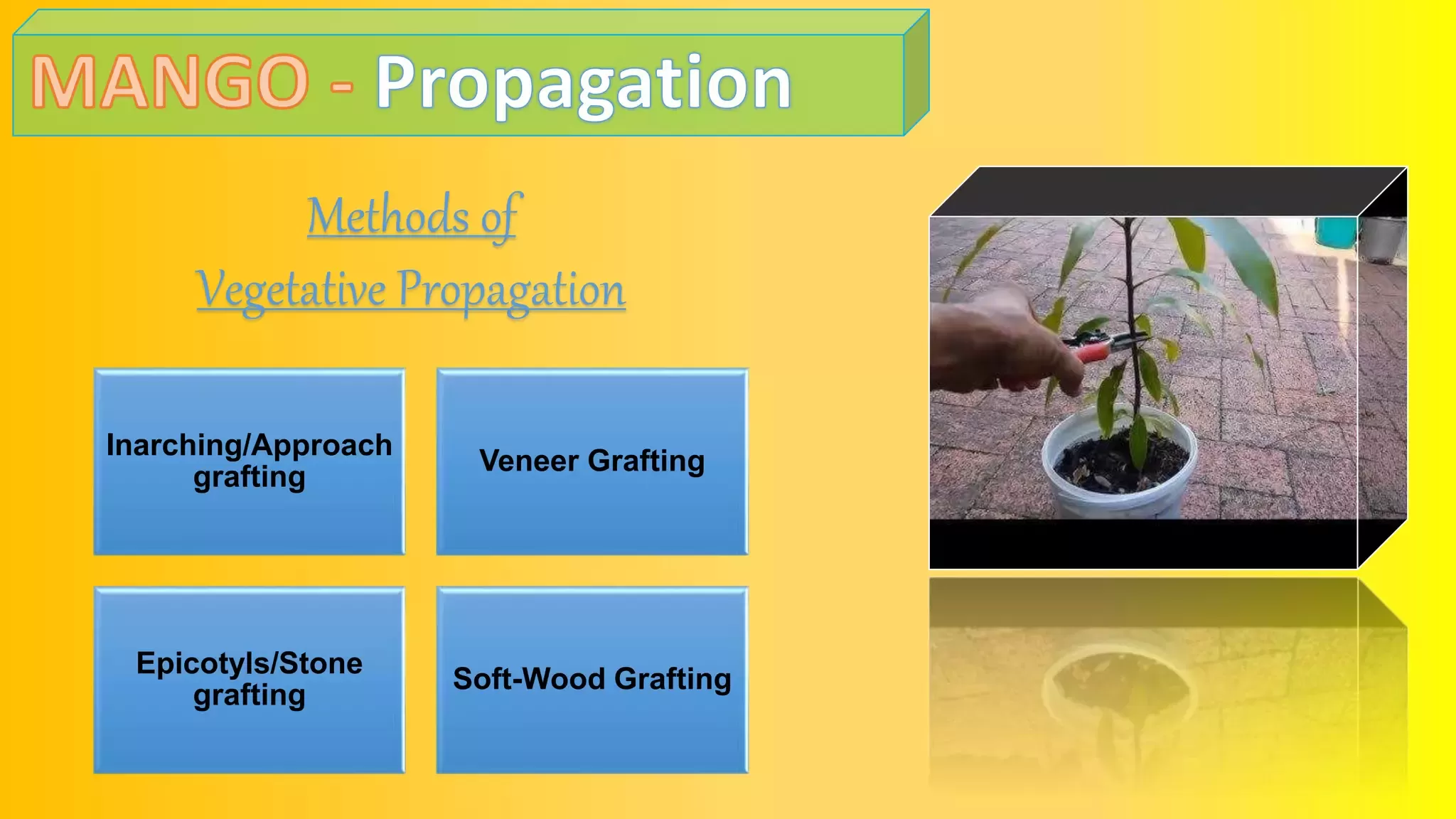
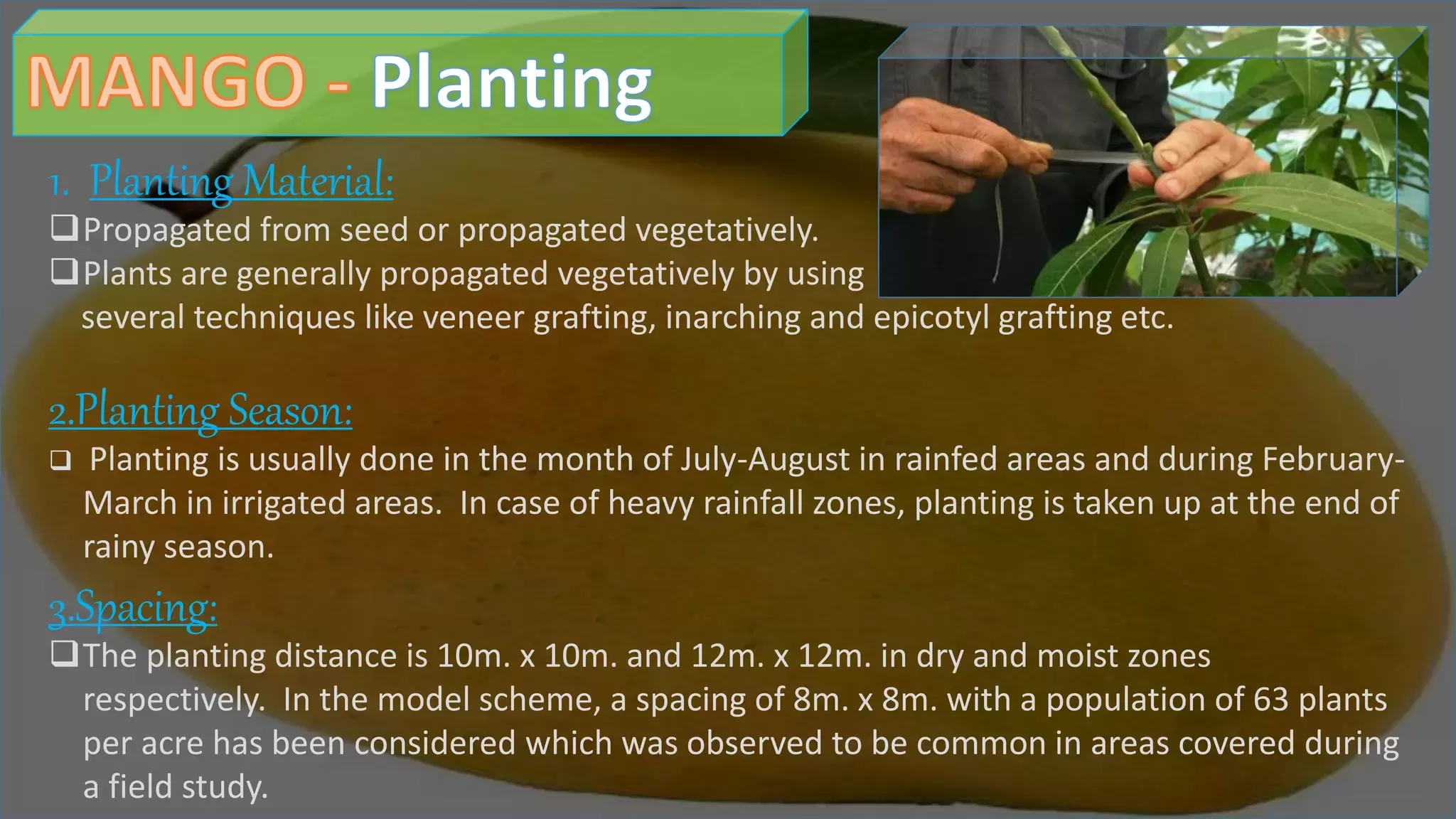
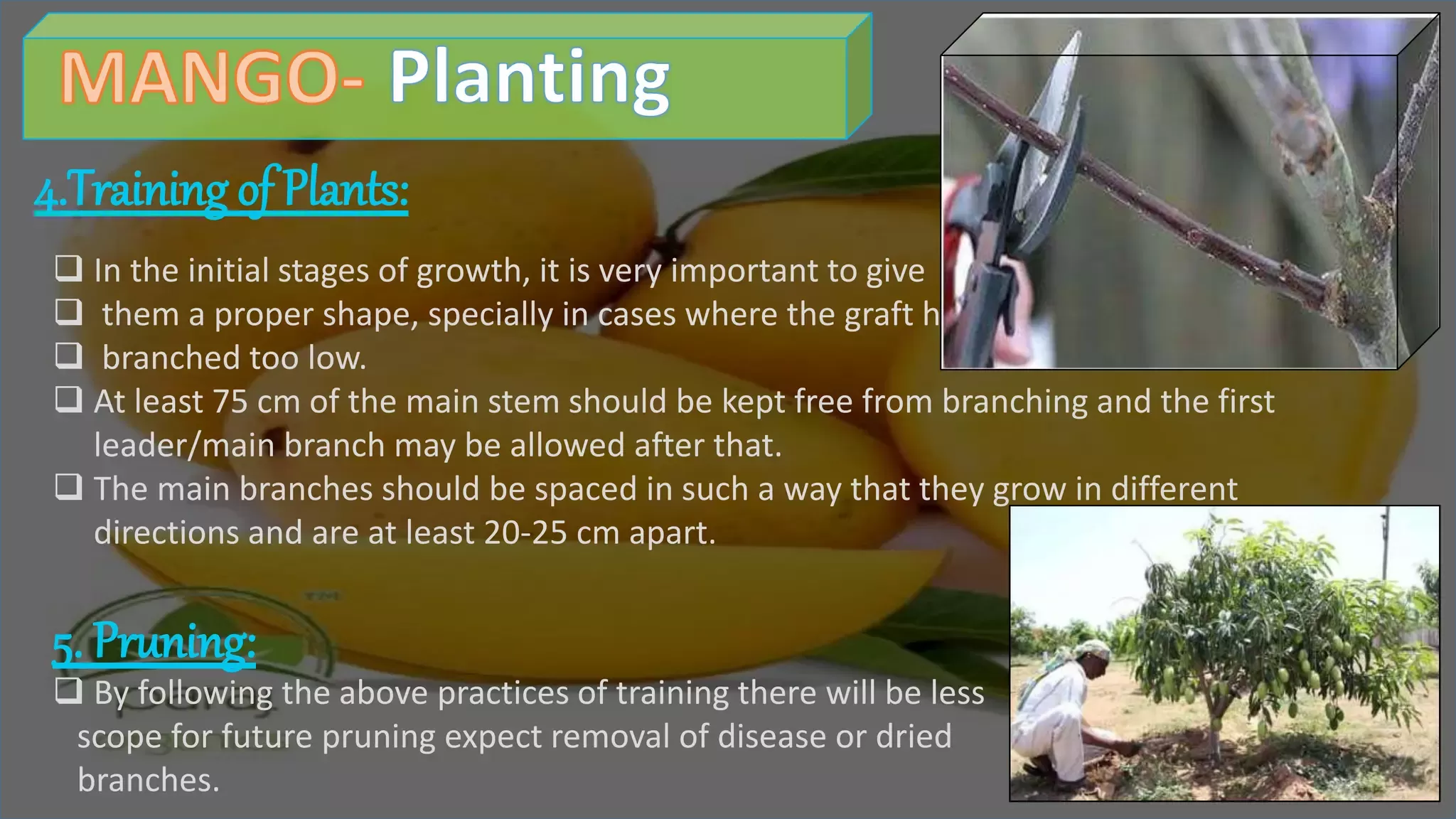
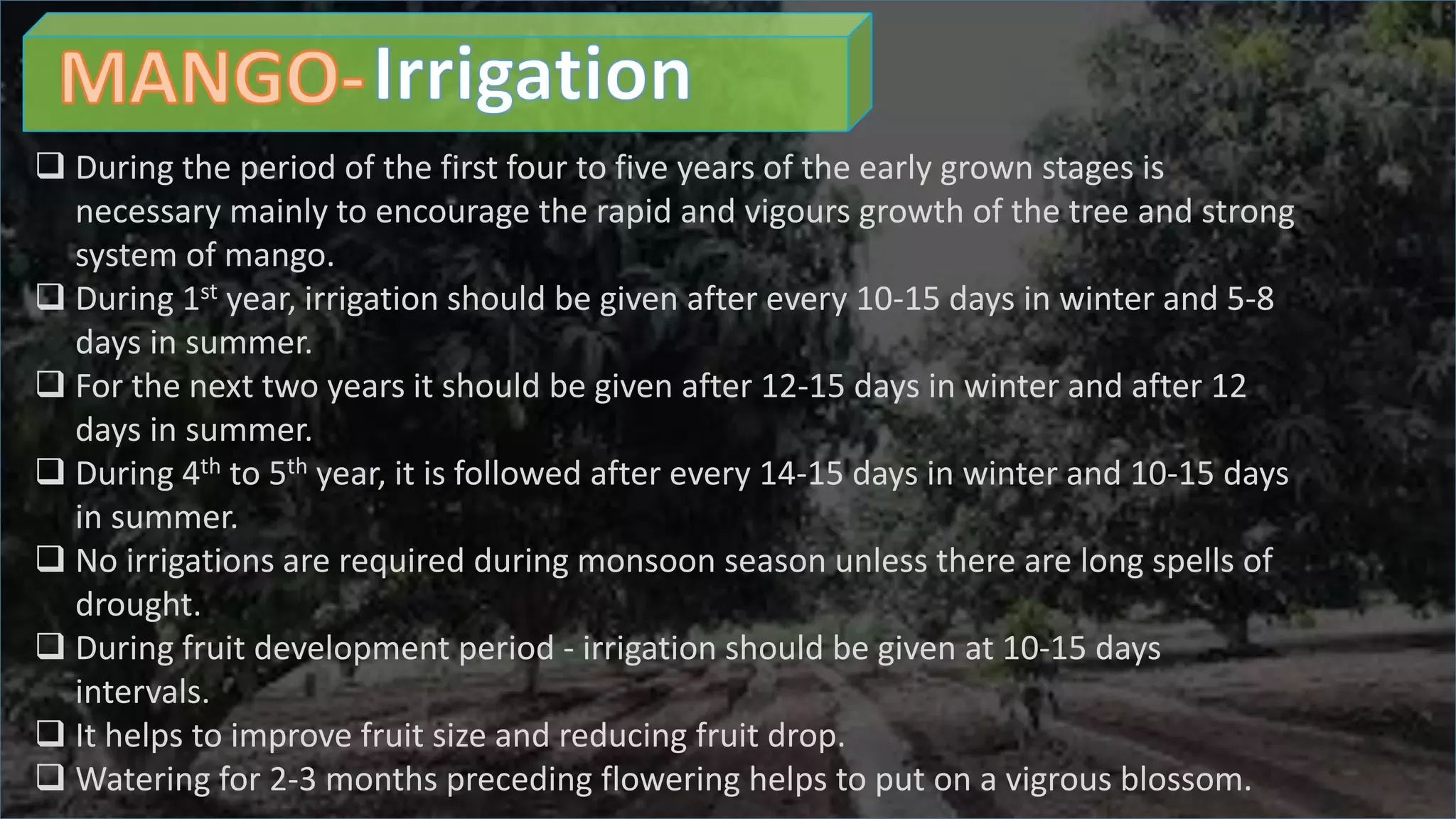
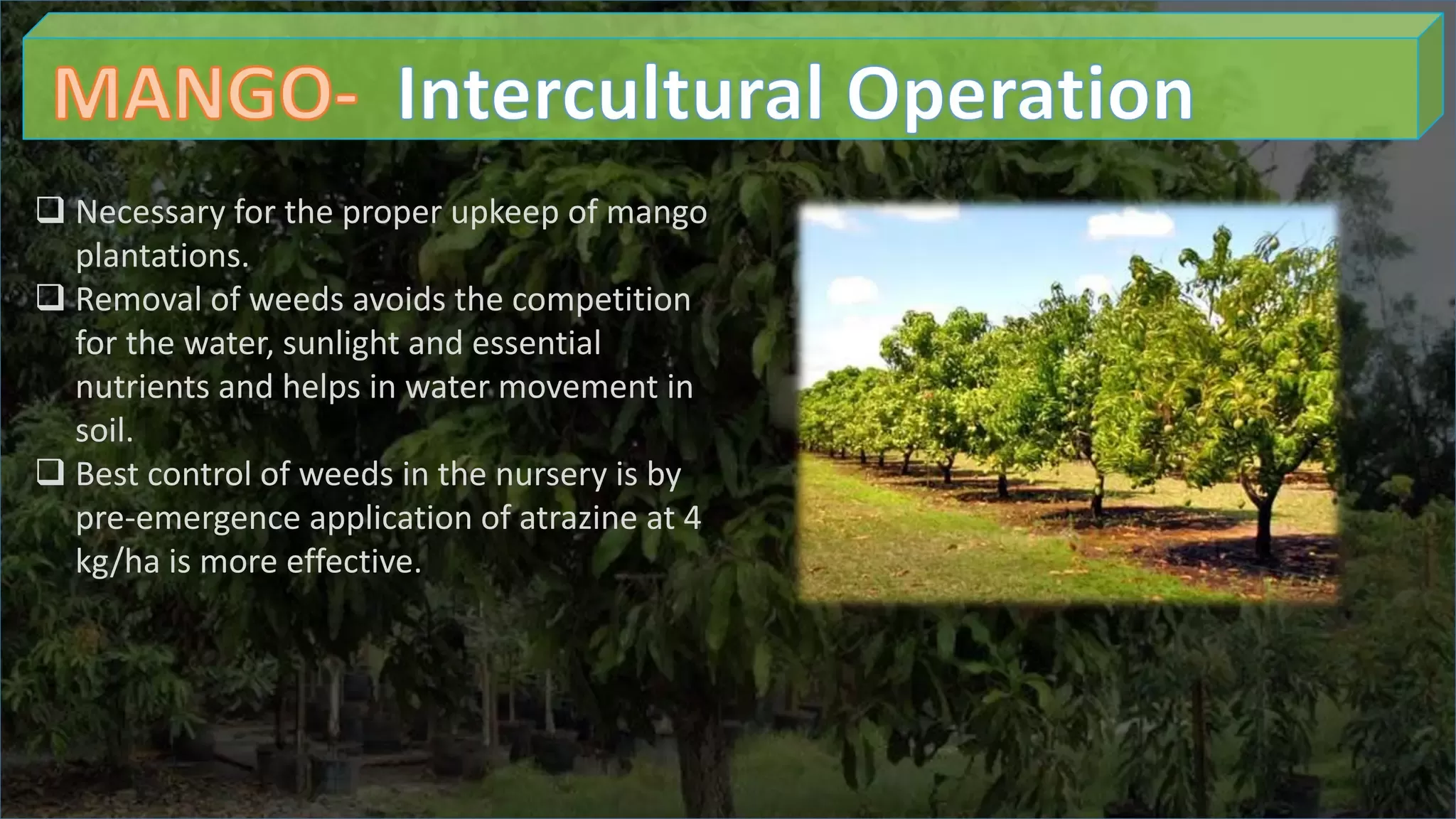
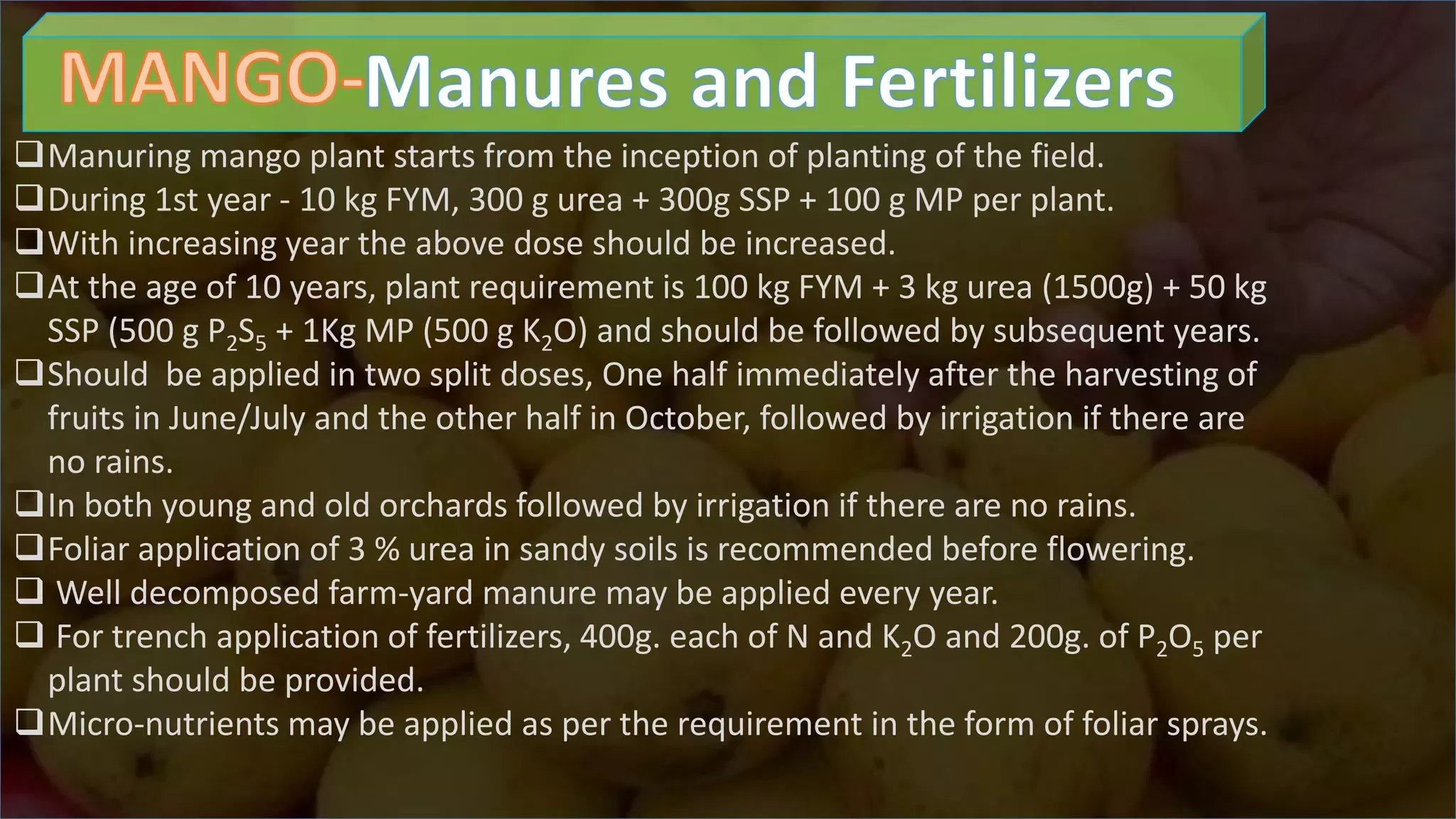
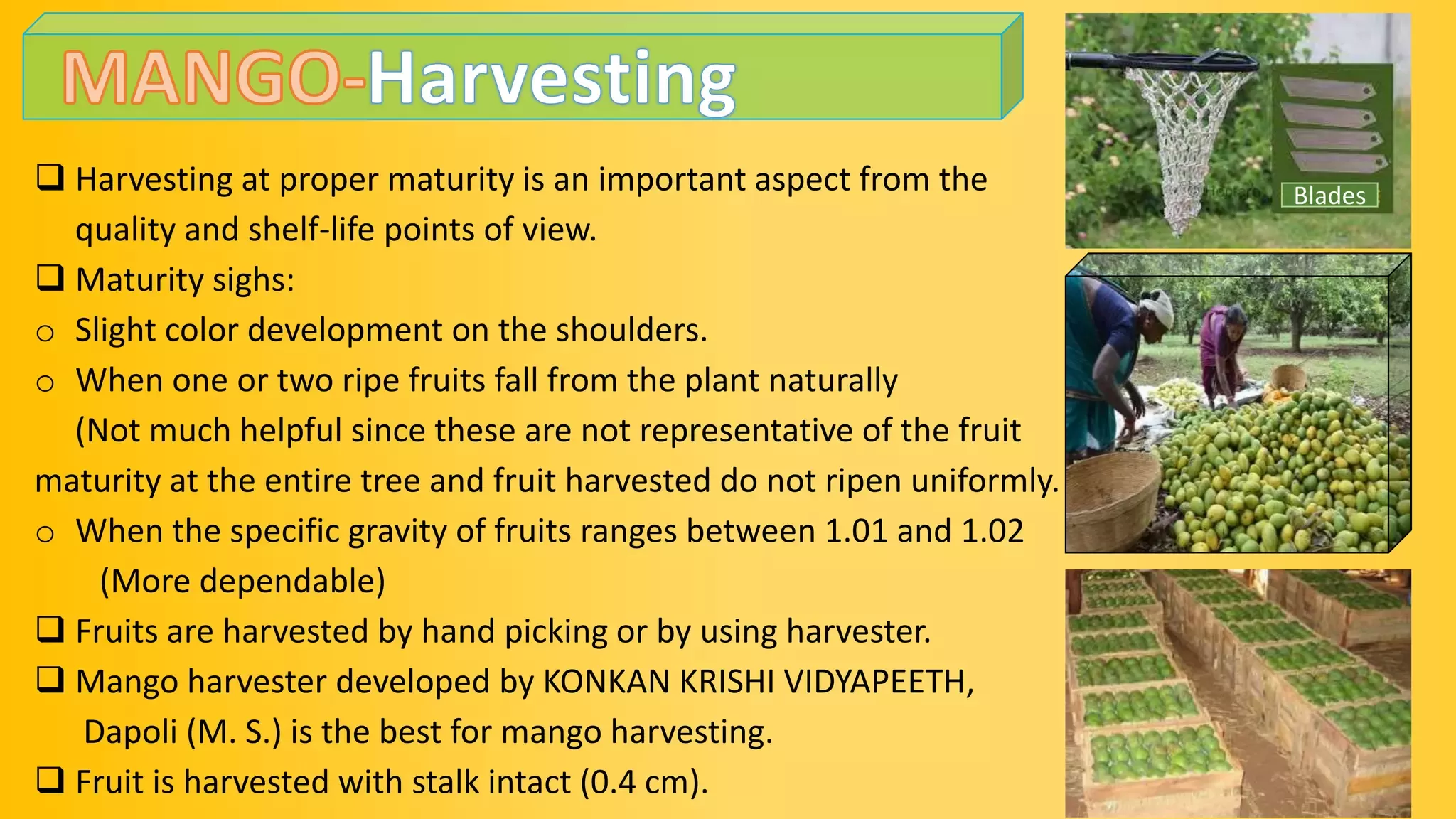
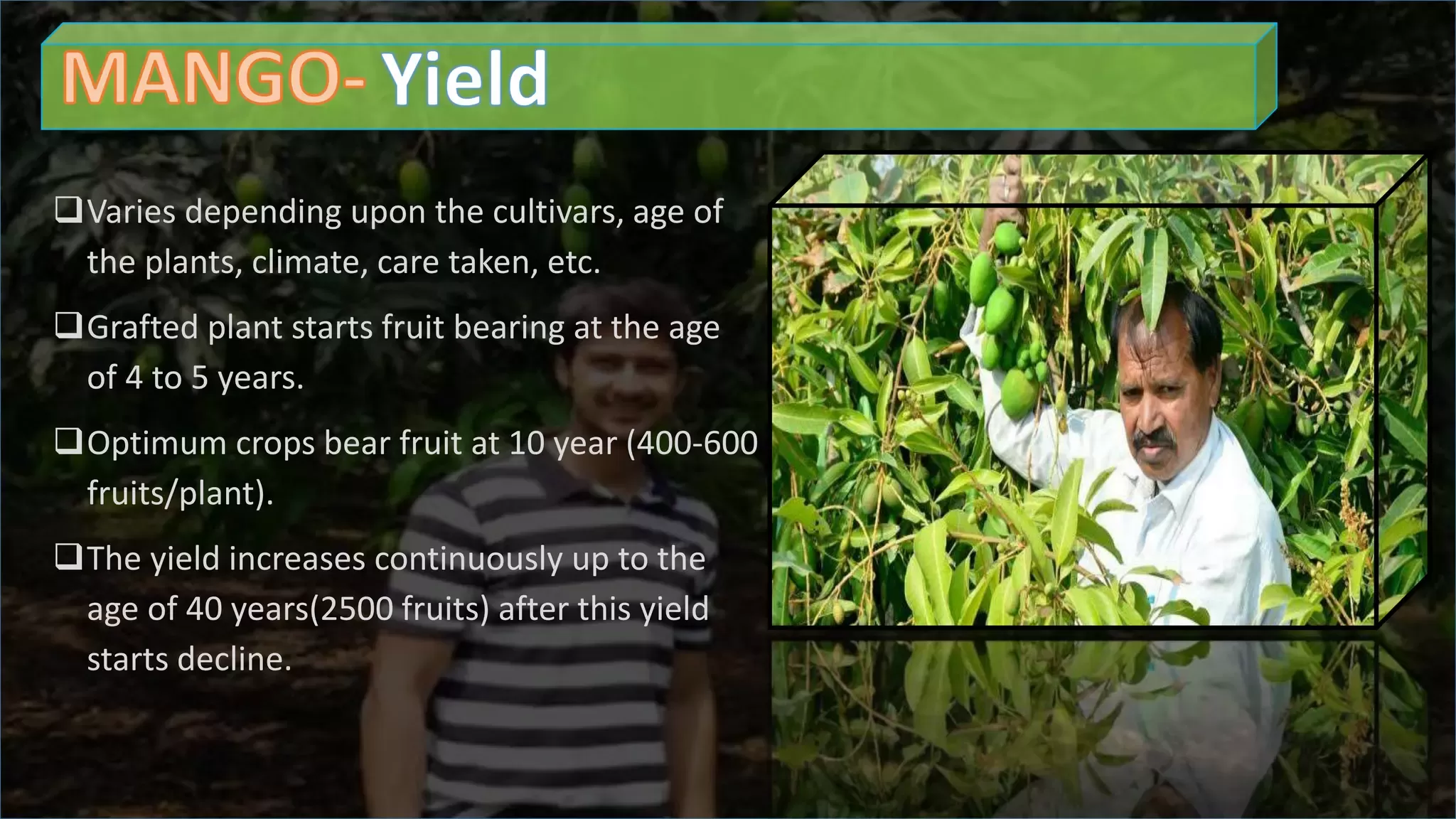
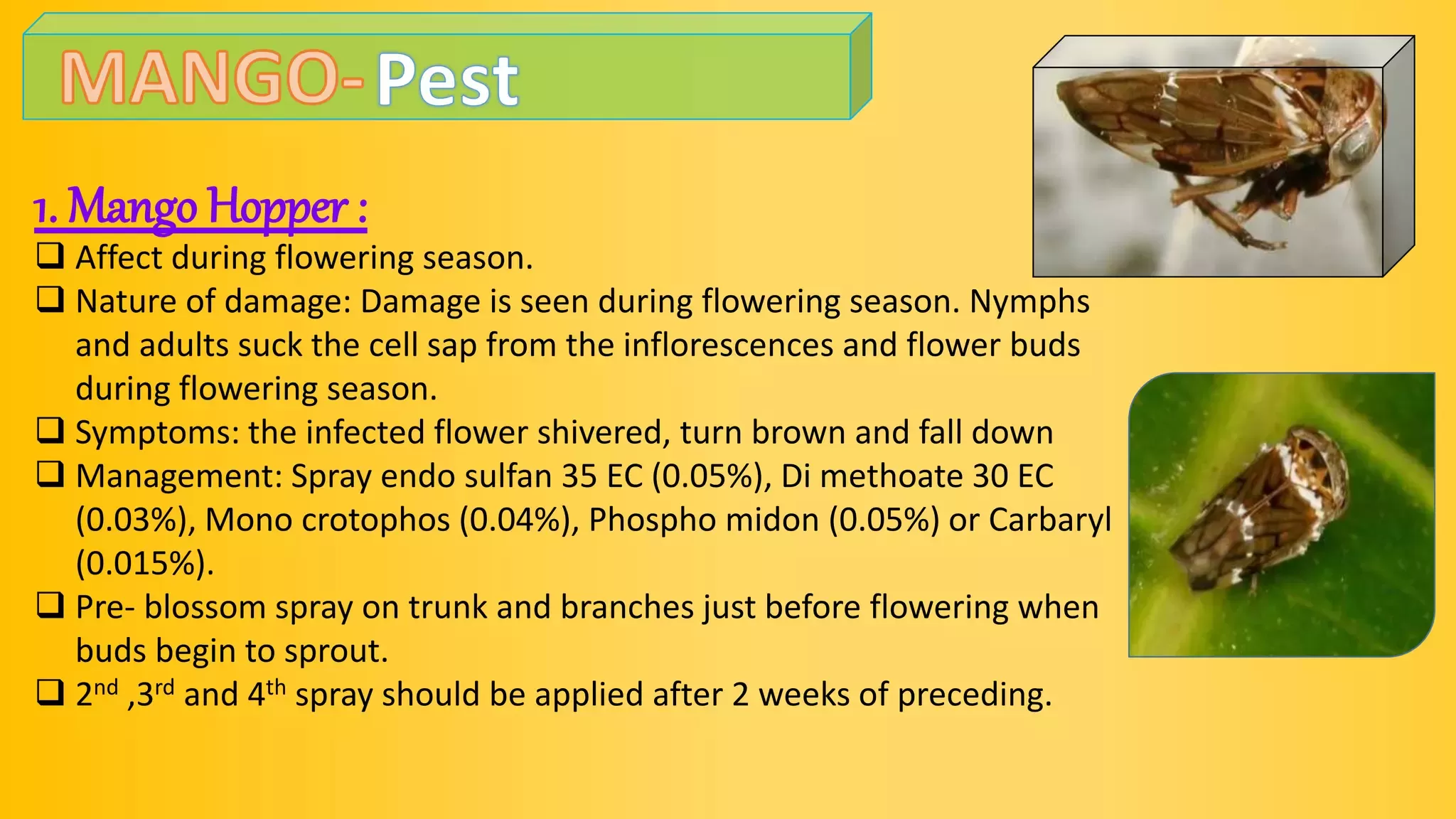
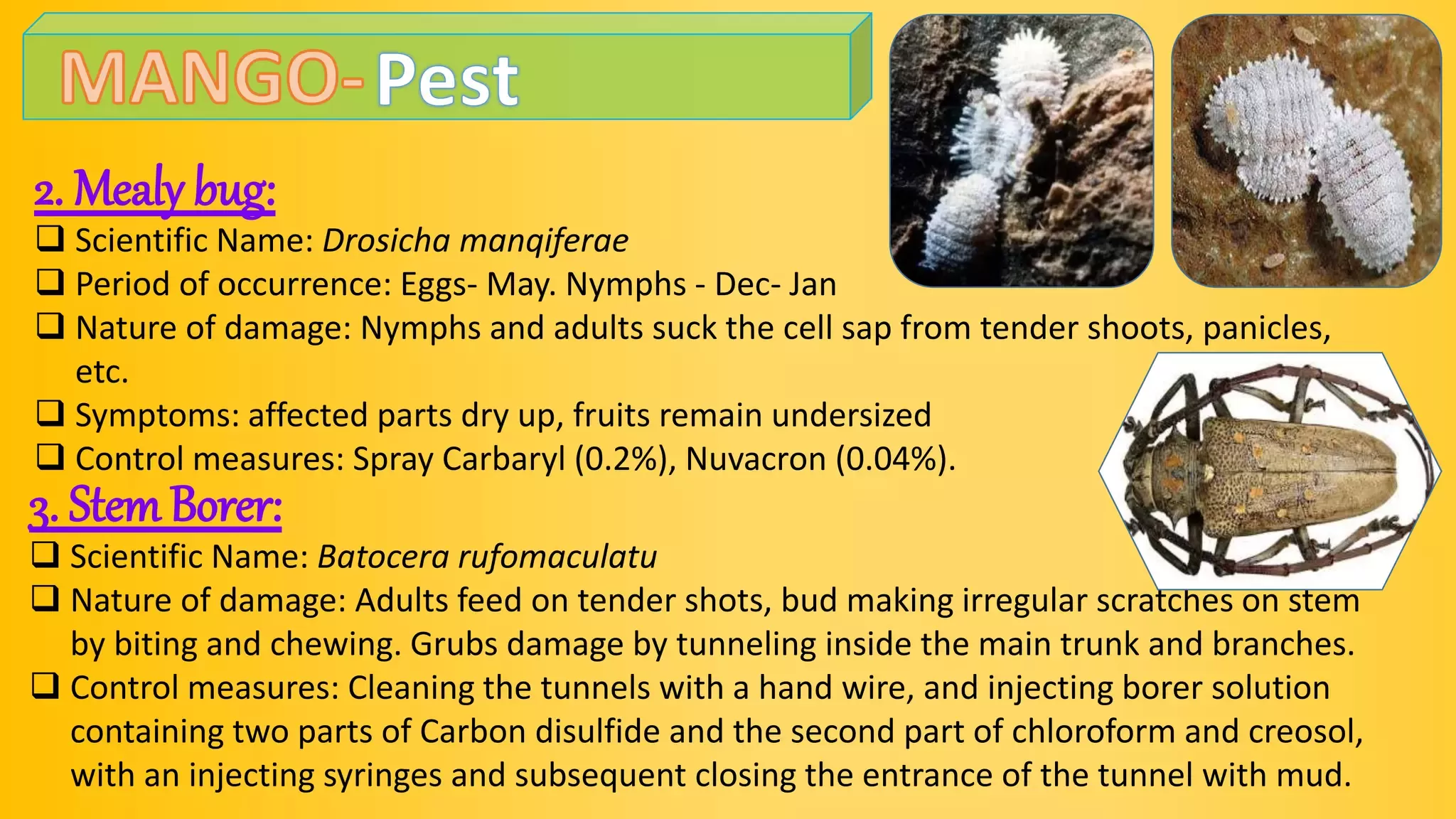
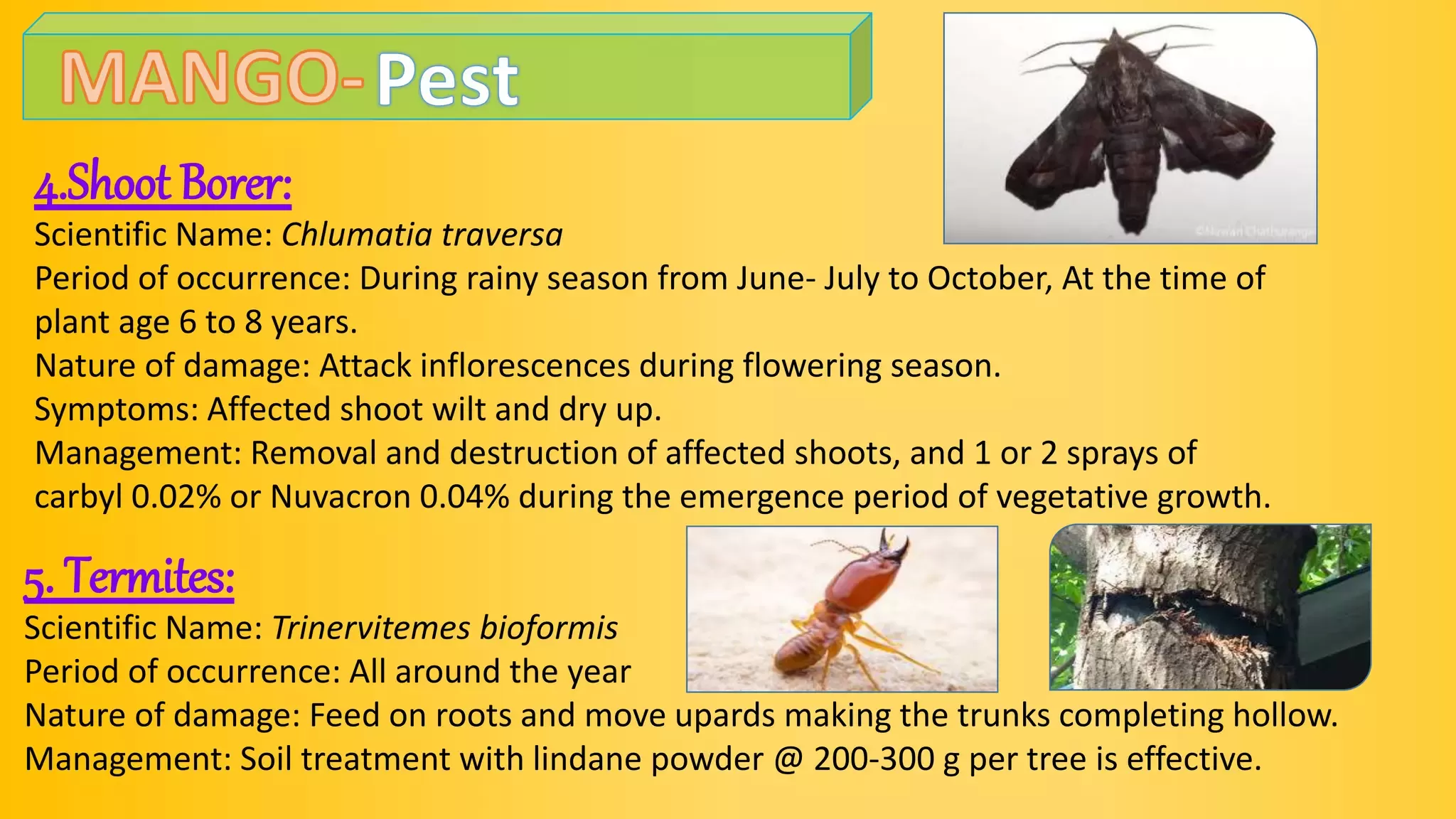
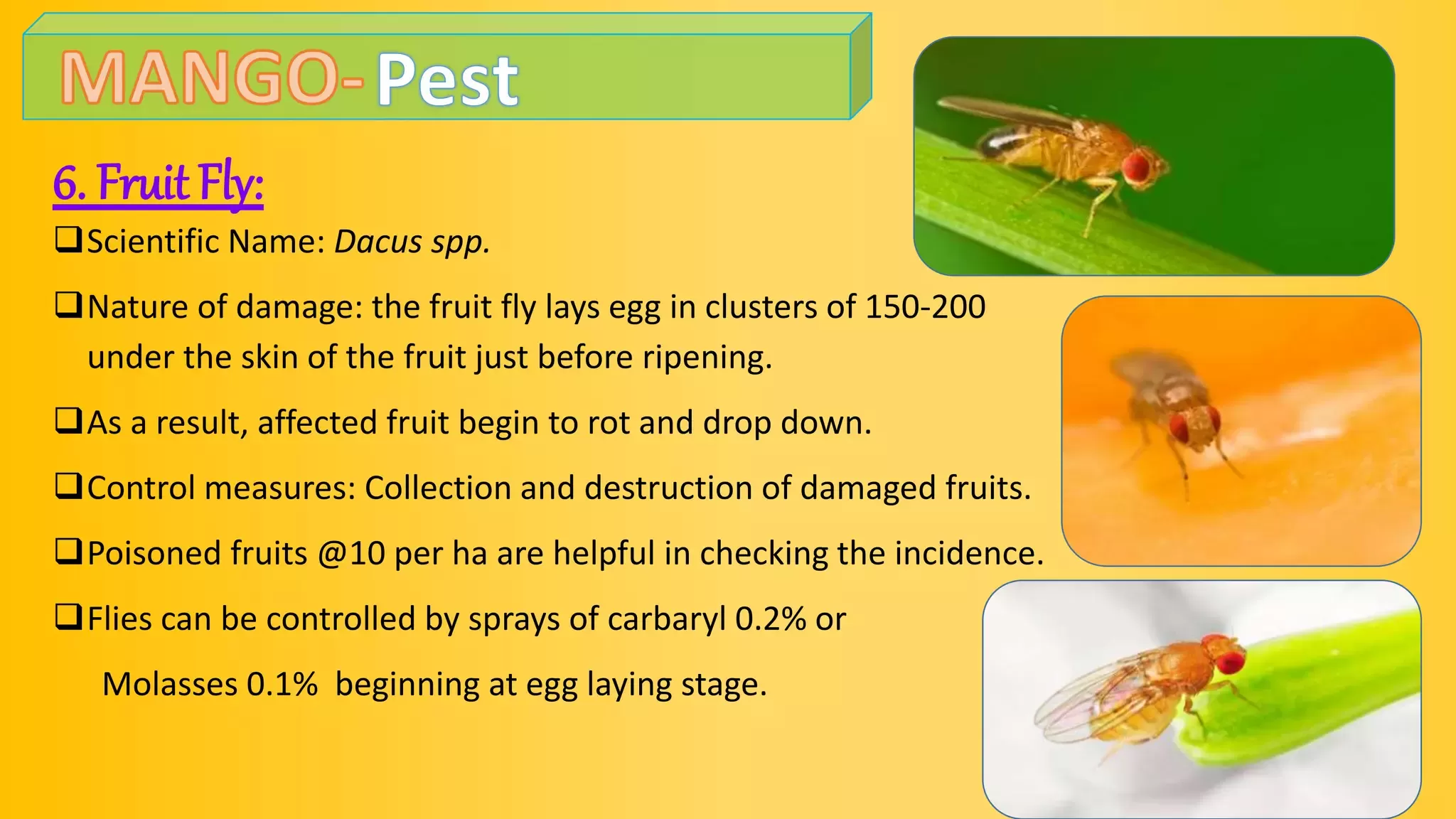
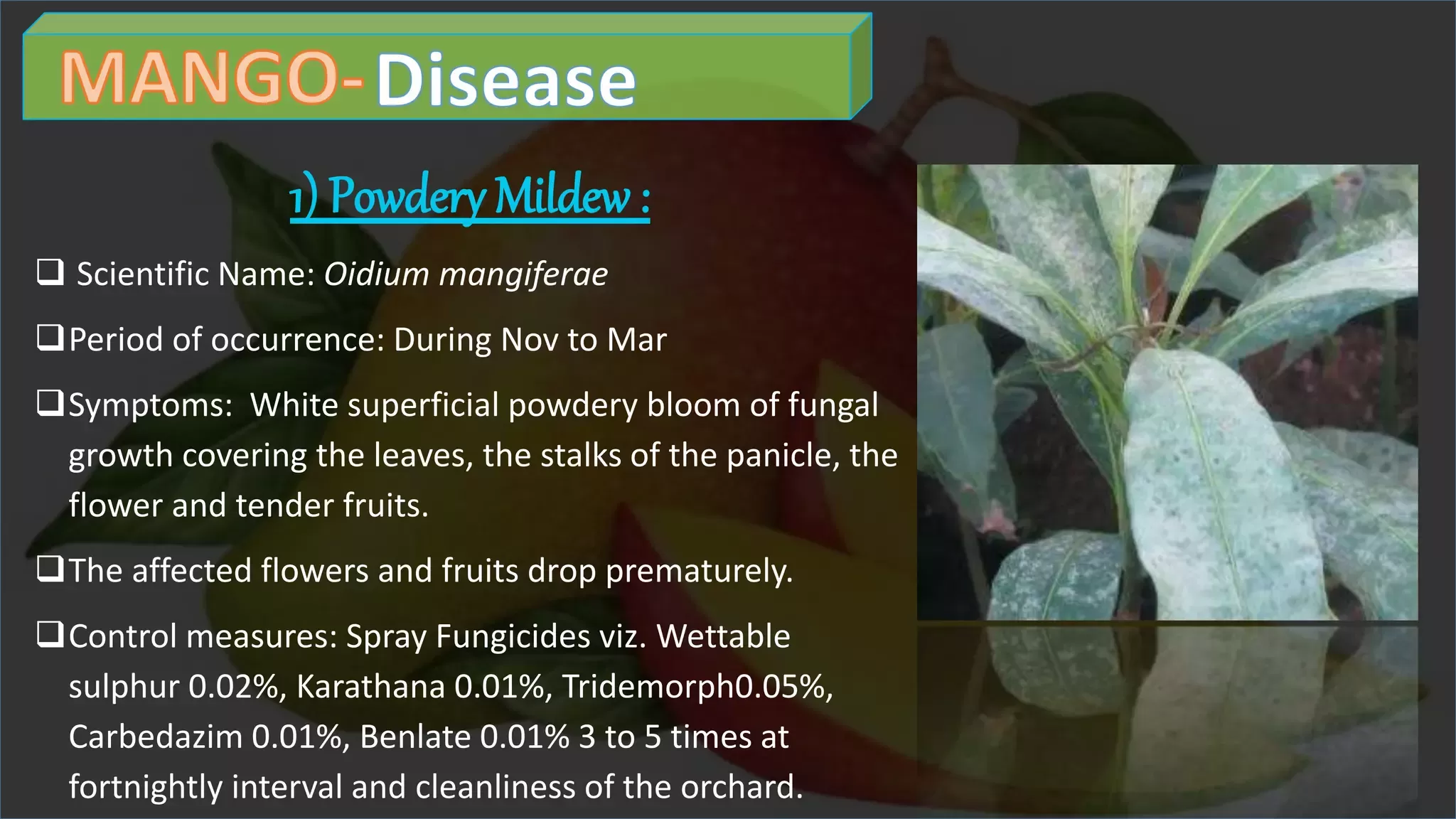
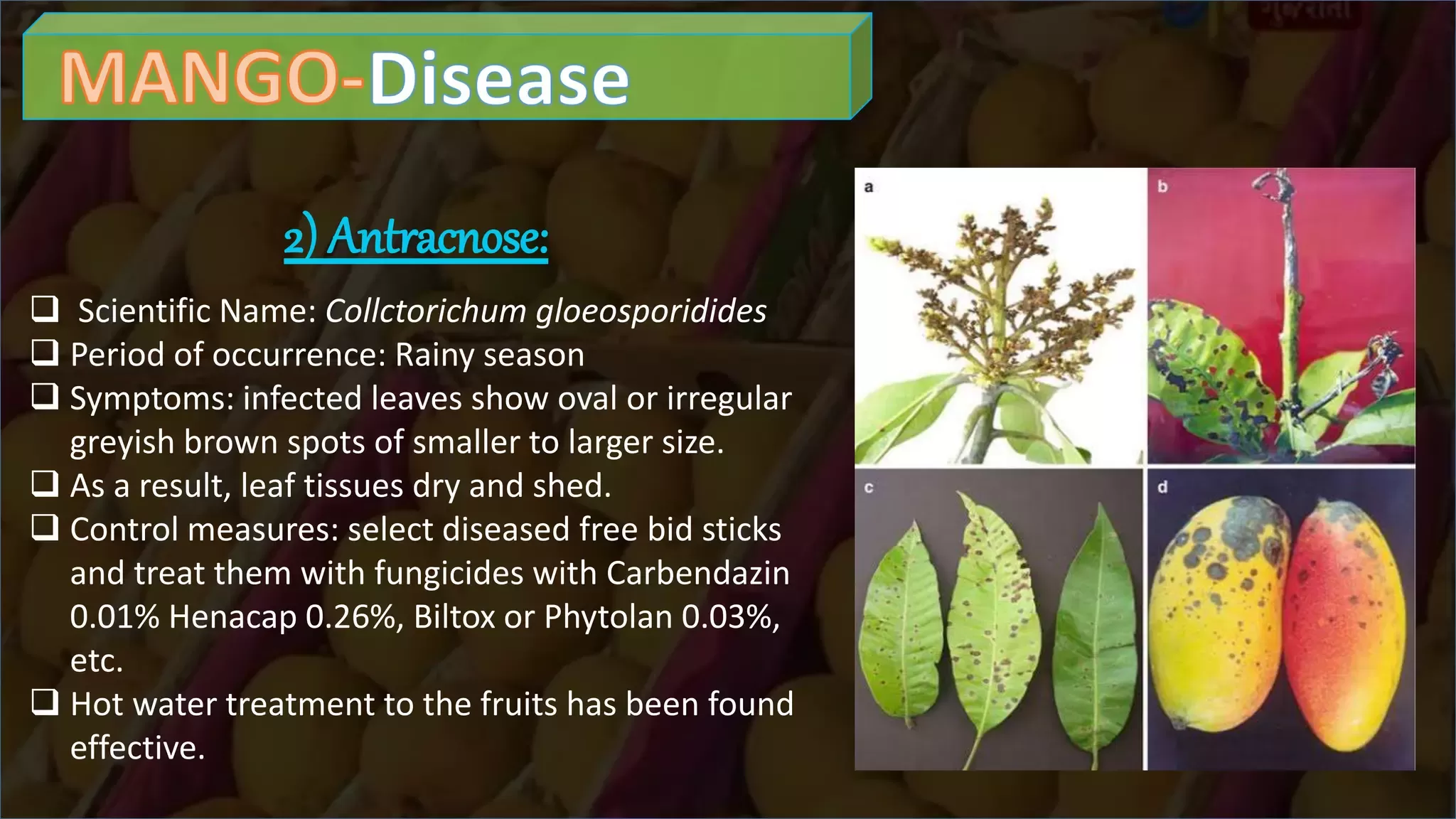
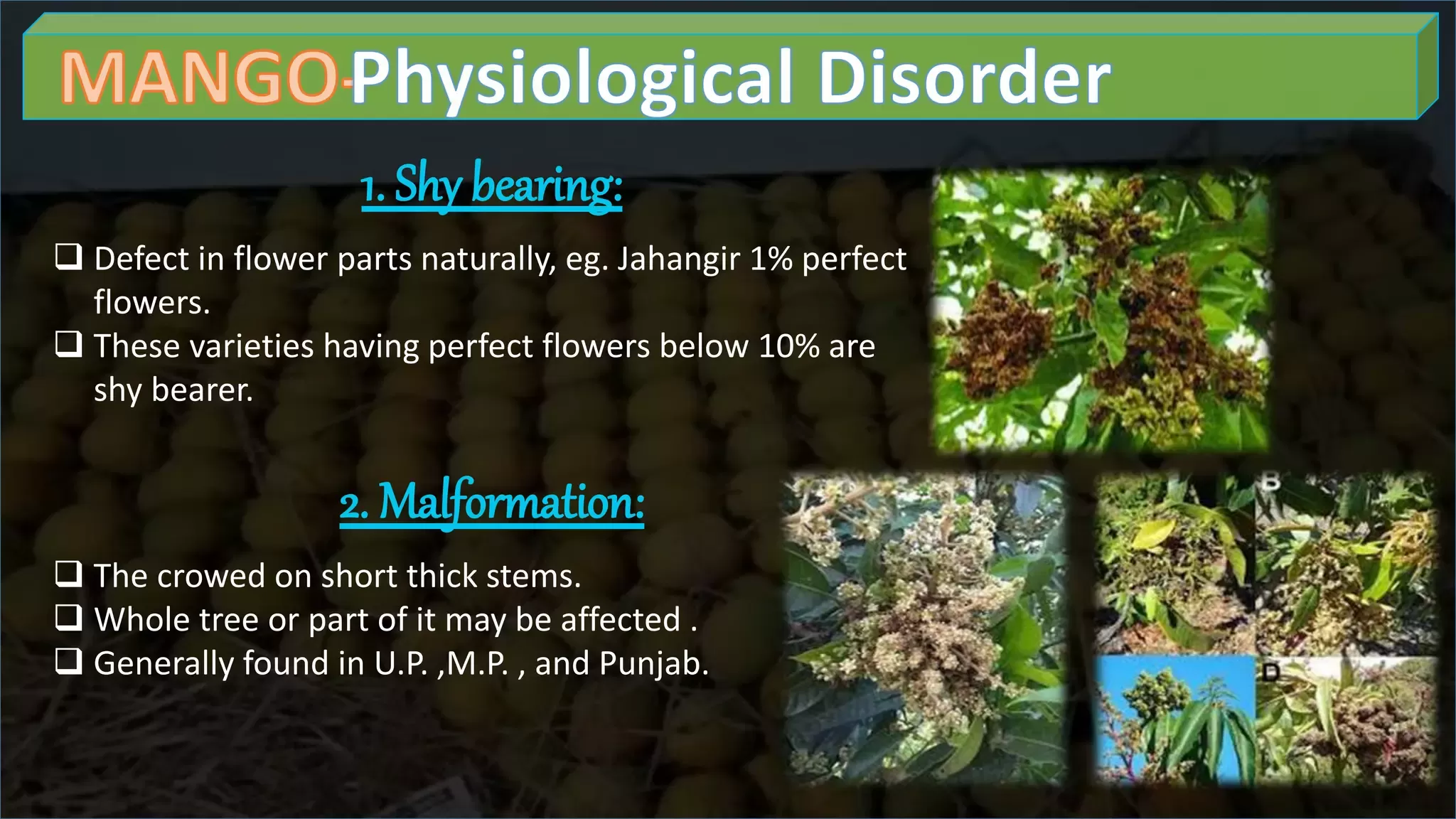
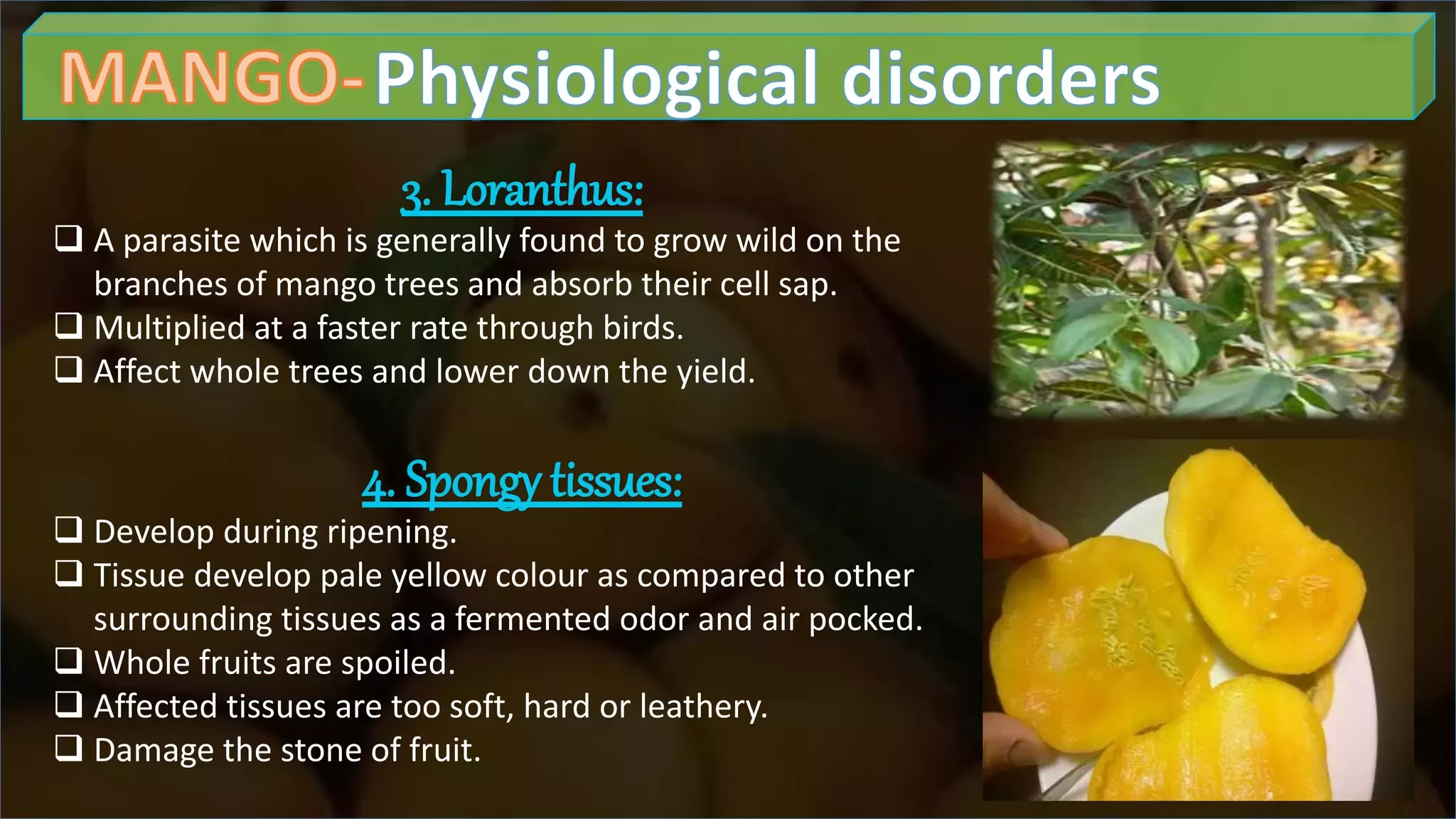
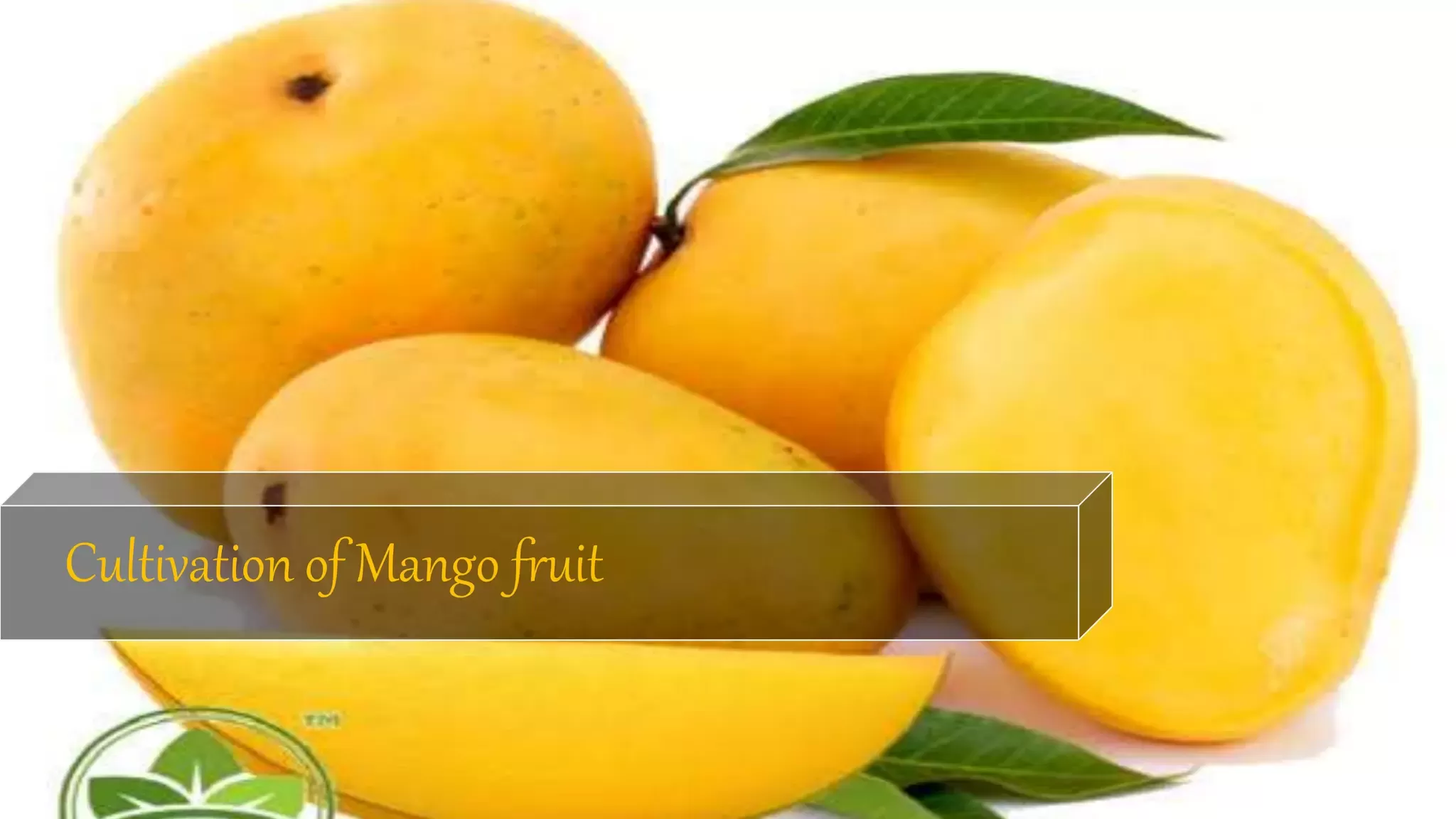
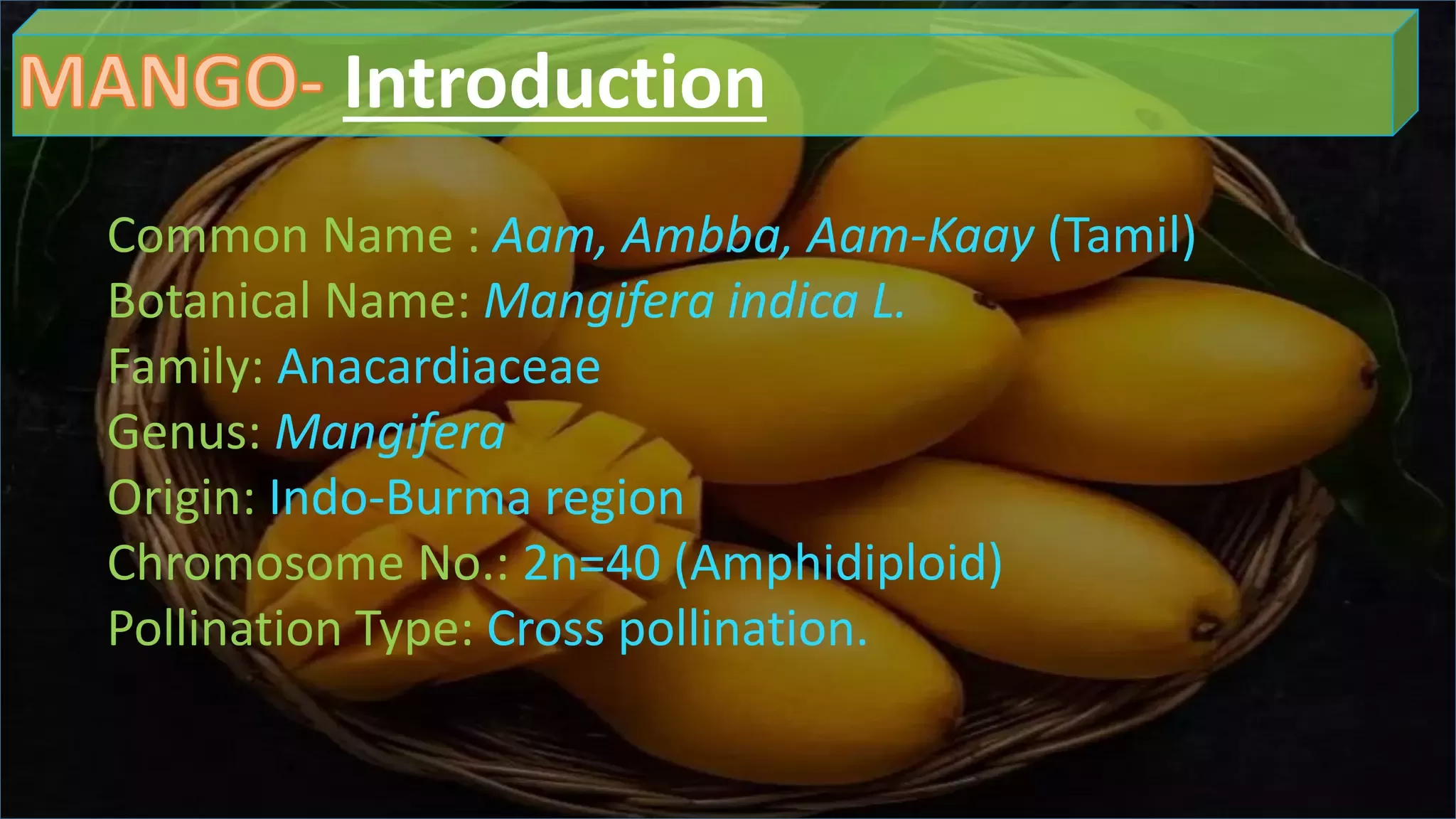
Mango cultivation, often referred to as the “King of Fruits,” is an essential agricultural practice, especially in countries like India, where the mango is revered as the national fruit. The mango tree, scientifically known as Mangifera indica L., belongs to the Anacardiaceae family and is believed to have originated in the Indo-Burma region. This tropical tree thrives in well-drained, loamy soils with a pH range of 5.5 to 7.5, making it adaptable to various soil types, from alluvial to sandy loam. However, it struggles in heavy, waterlogged, or highly alkaline soils. The economic significance of mangoes is profound. Many Indian varieties boast exceptional taste, flavor, and visual appeal, garnering a prominent place in both domestic and international markets. Mango trees are hardy, requiring relatively low maintenance, making them a commercially viable option for orcharding. Recent advancements in technology have further increased the profitability of mango cultivation. Scientific evidence suggests mangoes existed 25 to 30 million years ago, particularly in regions encompassing Northeast India, Myanmar, and Bangladesh. Historical records, dating back to the pre-Buddhist era in ancient Sanskrit literature, highlight the immense cultural significance of the fruit. The mango is not only a staple in diets but also symbolizes faith and prosperity in various religious traditions. When cultivating mangoes, attention must be given to optimal climatic conditions. These trees flourish in tropical and subtropical climates, thriving at altitudes up to 1500 meters. While young mango trees are sensitive to frost, the ideal temperature range for growth falls between 24°C and 27°C. In terms of hybrid varieties, numerous cross-breeds have been developed to enhance yield and fruit quality. Varieties like Amrapalli, Mallika, and Sindhu are particularly noted for their hardiness and productivity. Grafting techniques, such as veneer and epicotyl grafting, are commonly used for propagation, ensuring better fruit quality and consistency. Young trees can begin producing fruit within four to five years of planting, with peak yields typically seen around ten years post-plantation. Proper care and management are crucial for successful mango cultivation. Adequate irrigation, especially during fruit development and the flowering period, plays a vital role in fruit size and overall yield. Comprehensive fertilization strategies must also be implemented, starting from the planting phase, with specific nutrient requirements changing as the tree matures. Harvesting mature mangoes at optimal ripeness is essential to ensure quality and shelf life. Observing the right signs, like color change and the specific gravity of the fruit, can inform the harvest timing. Insect and disease management is equally critical, as pests like the mango hopper and mealy bug can severely damage crops. Implementing good agricultural practices, such as regular monitoring and applying appropriate protective measures, is vital to prevent loss. In conclusion, mango cultivation is a dynamic and rewarding endeavor that combines horticultural knowledge with an understanding of market demands. The rich history, cultural significance, and economic potential of this fruit make it a key player in the agricultural landscape, particularly in tropical regions. From soil preparation to post-harvest management, every step in the process contributes to the delightful experience of enjoying this beloved fruit.
Slide 1

Slide 1⬇ Slide

Slide 2

Slide 2⬇ Slide

Slide 3

Slide 3⬇ Slide

Slide 4

Slide 4⬇ Slide

Slide 5

Slide 5⬇ Slide

Slide 6

Slide 6⬇ Slide

Slide 7

Slide 7⬇ Slide

Slide 8

Slide 8⬇ Slide

Slide 9

Slide 9⬇ Slide

Slide 10

Slide 10⬇ Slide

Slide 11

Slide 11⬇ Slide

Slide 12

Slide 12⬇ Slide

Slide 13

Slide 13⬇ Slide

Slide 14

Slide 14⬇ Slide

Slide 15

Slide 15⬇ Slide

Slide 16

Slide 16⬇ Slide

Slide 17

Slide 17⬇ Slide

Slide 18

Slide 18⬇ Slide

Slide 19

Slide 19⬇ Slide

Slide 20

Slide 20⬇ Slide

Slide 21

Slide 21⬇ Slide

Slide 22

Slide 22⬇ Slide

Slide 23

Slide 23⬇ Slide

Slide 24

Slide 24⬇ Slide

Slide 25

Slide 25⬇ Slide

Slide 26

Slide 26⬇ Slide

Slide 27

Slide 27⬇ Slide

Slide 28

Slide 28⬇ Slide

Slide 29

Slide 29⬇ Slide

Slide 30

Slide 30⬇ Slide

Slide 31

Slide 31⬇ Slide
1 / 31

Ppt on Strawberry production technology

Summary:

Uncover the secrets of cultivating the ‘queen of fruit’ with a comprehensive PowerPoint presentation on strawberry production technology. Learn about optimal growing conditions, management practices, and pest control measures for a fruitful harvest.
Summary

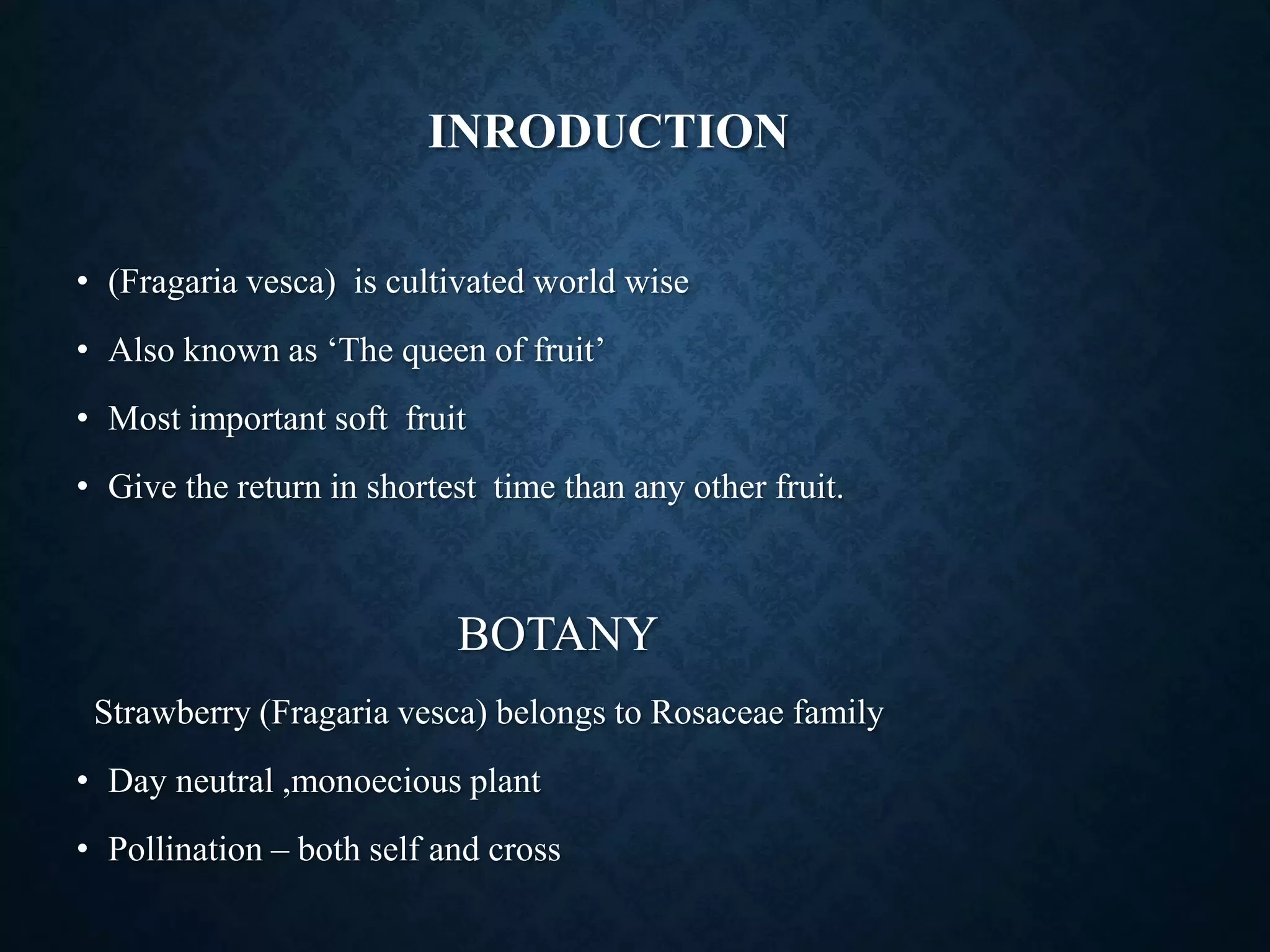
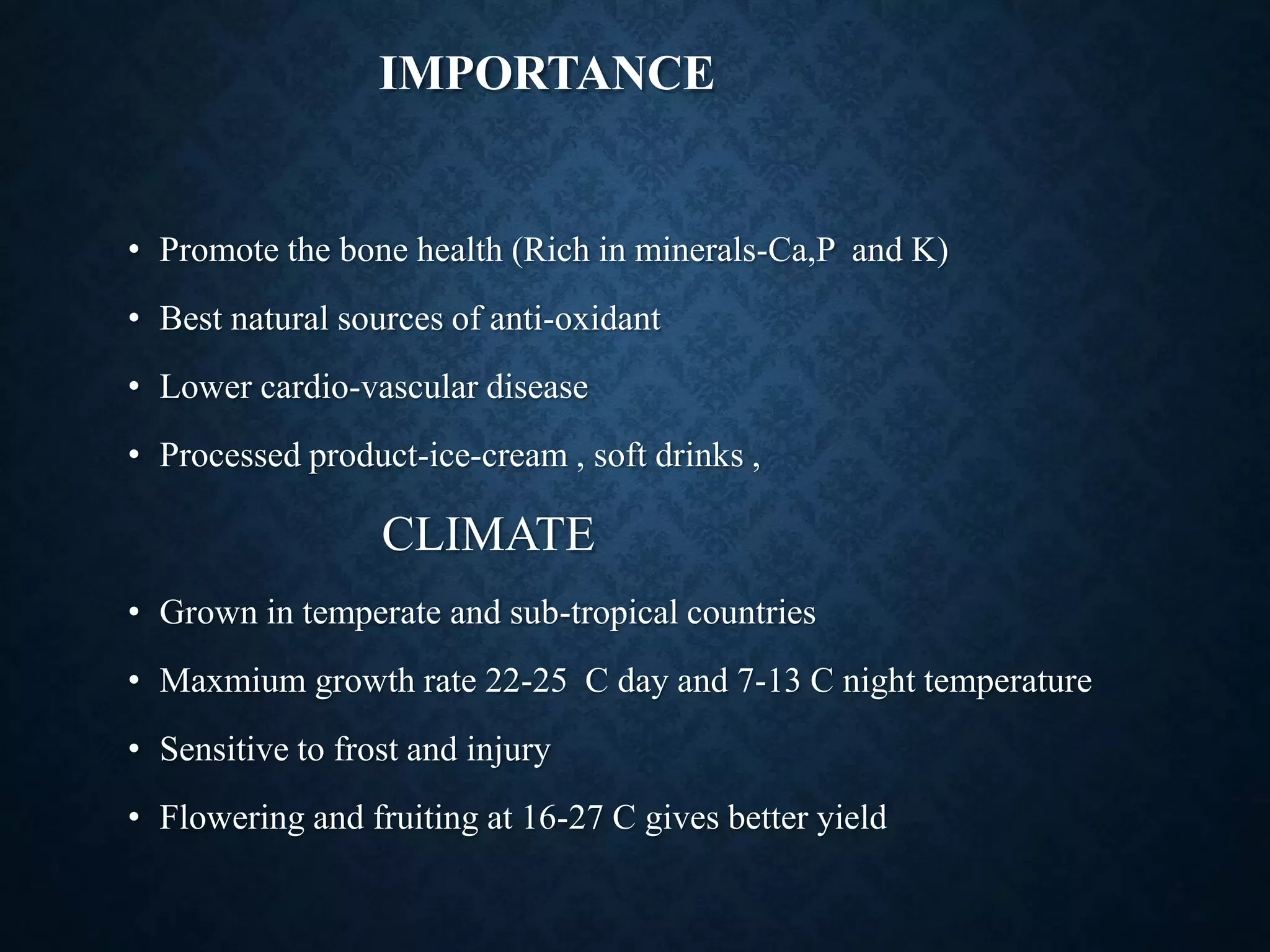
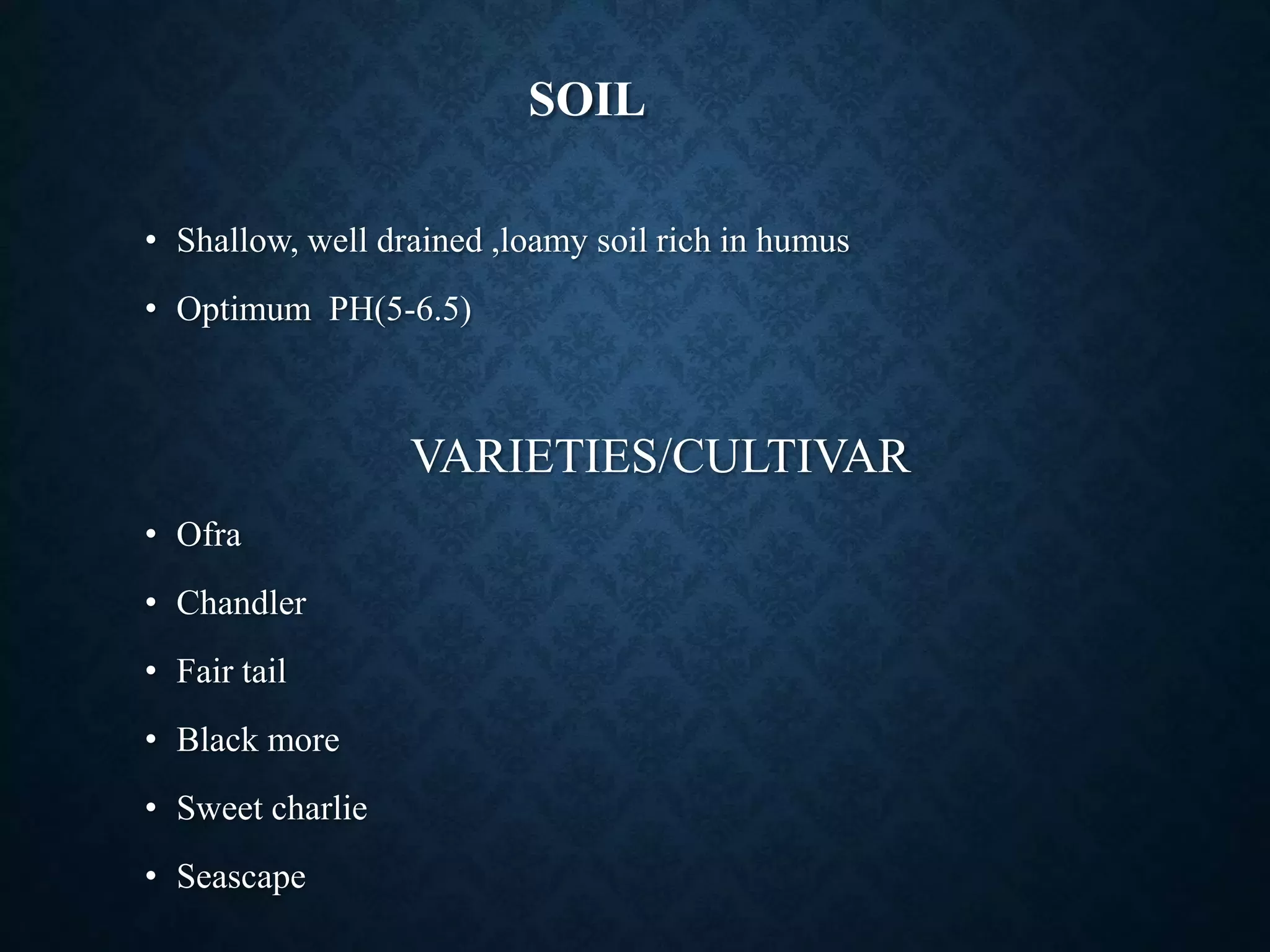
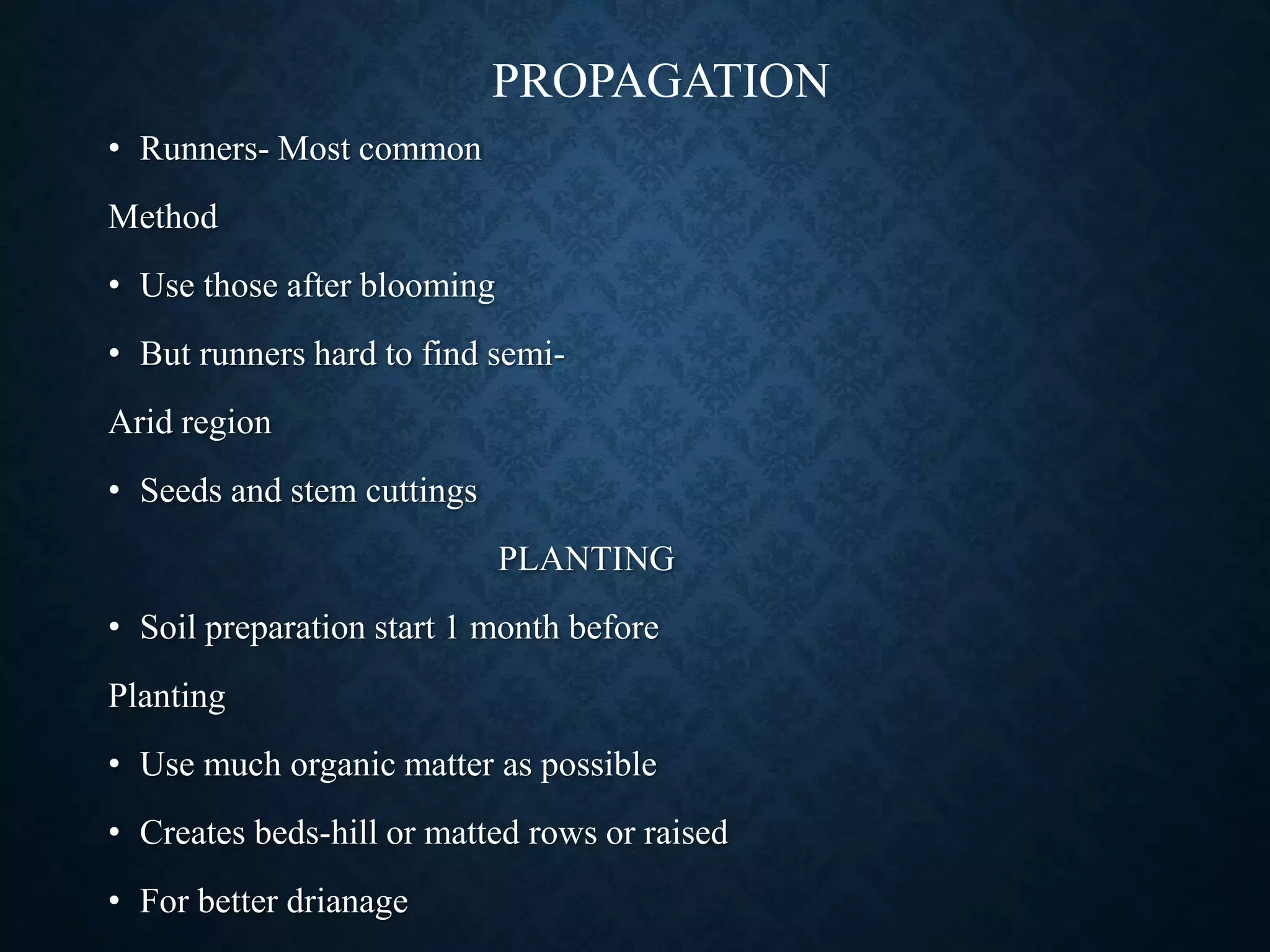
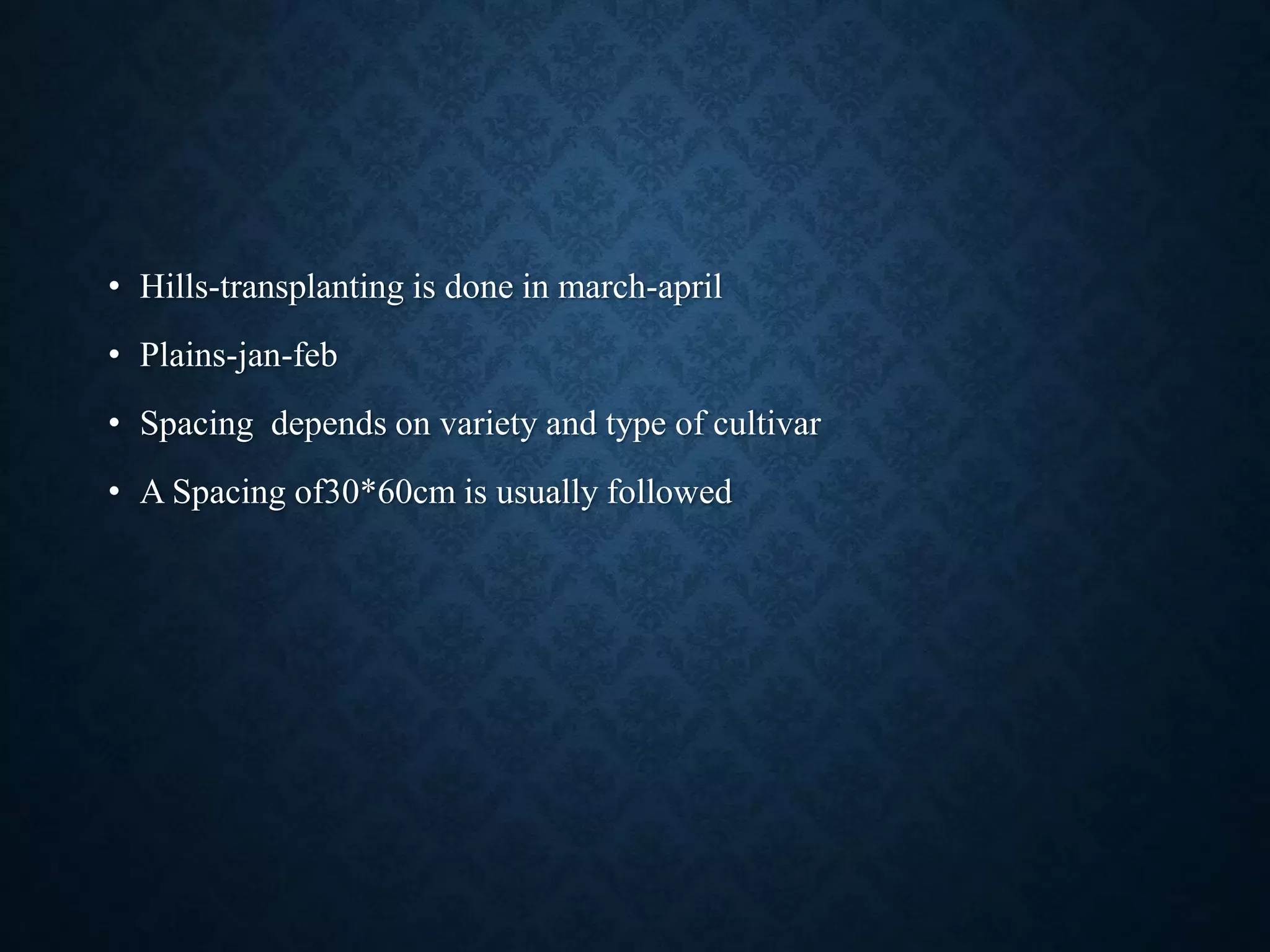
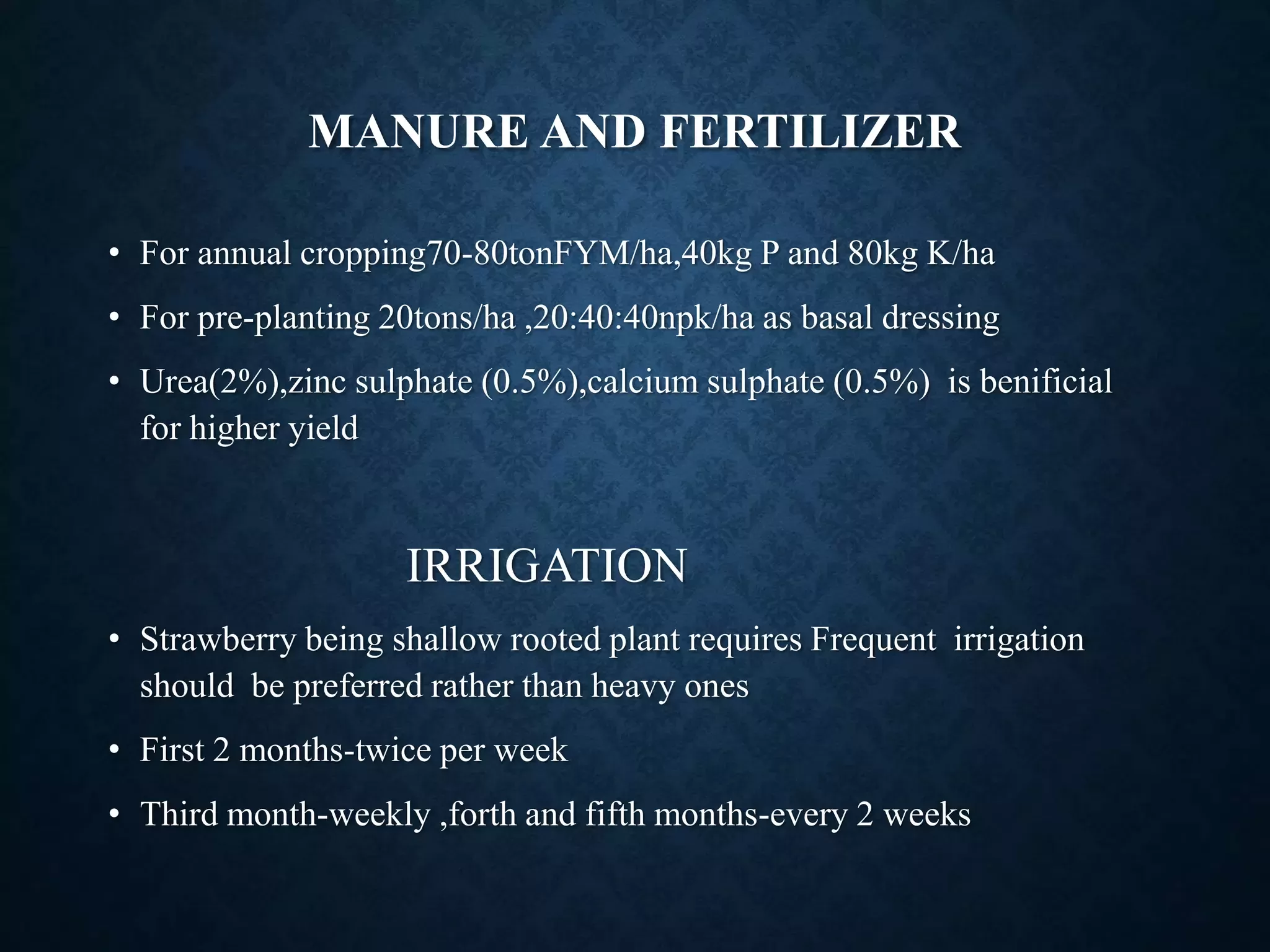
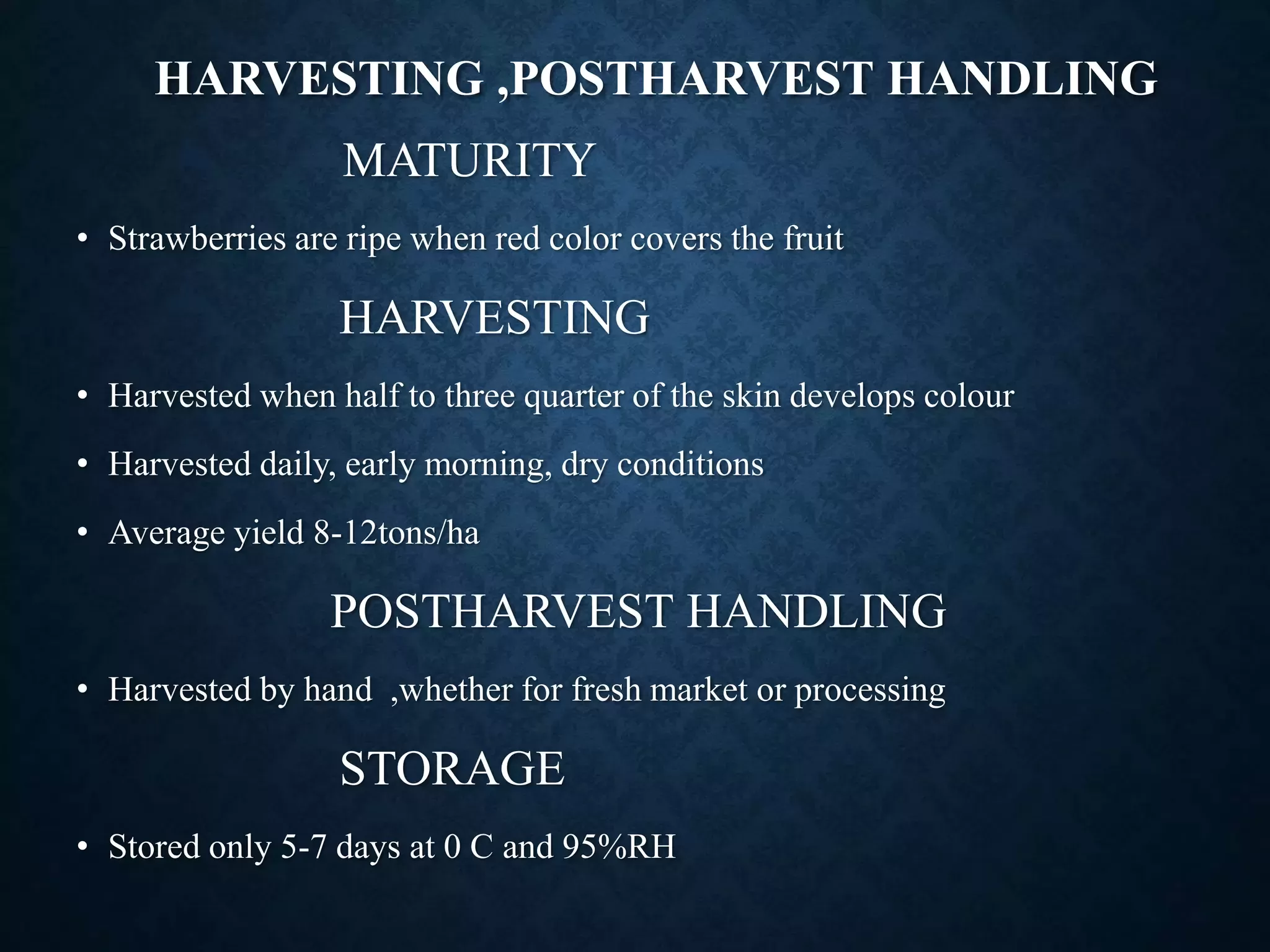
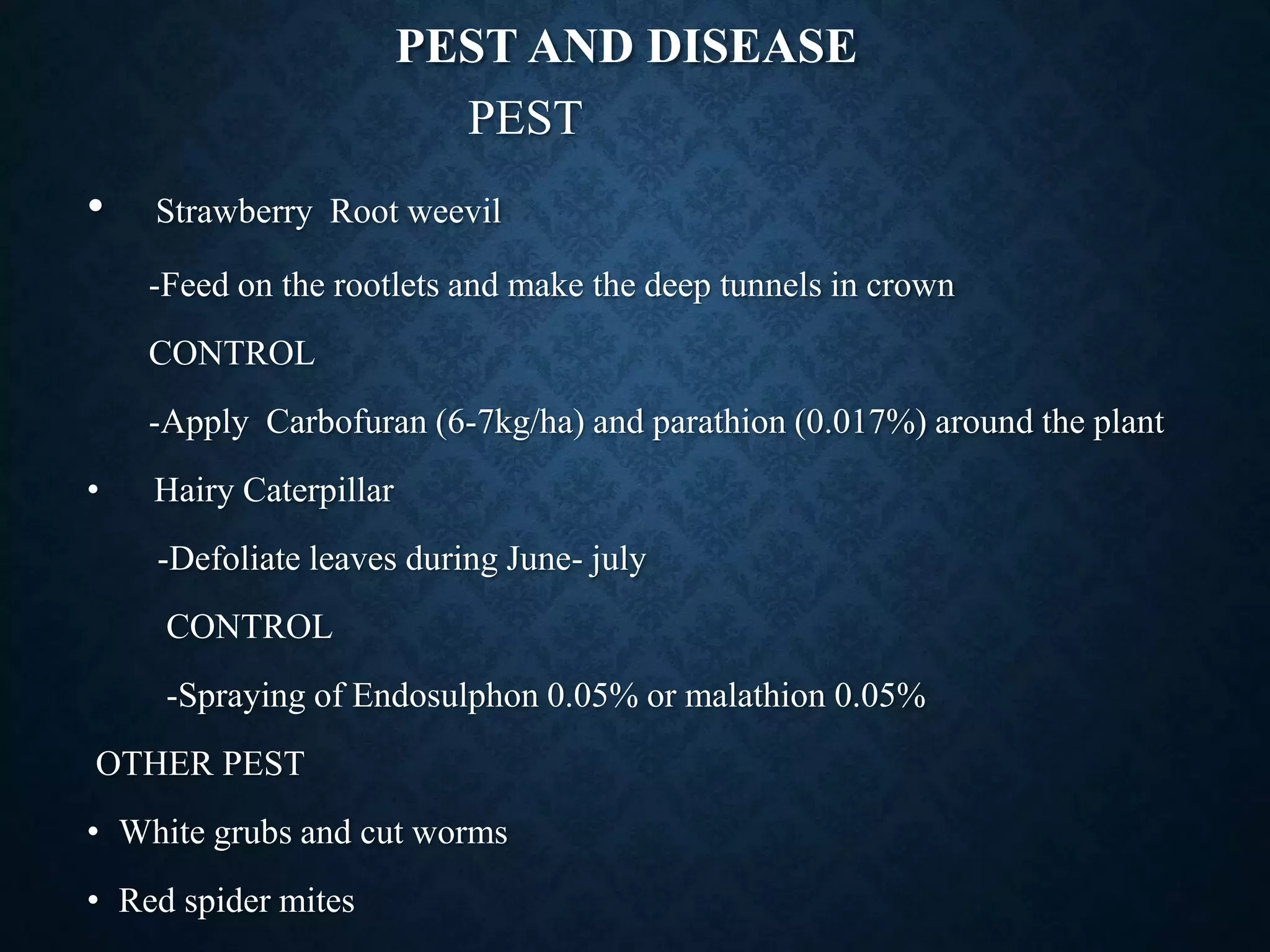
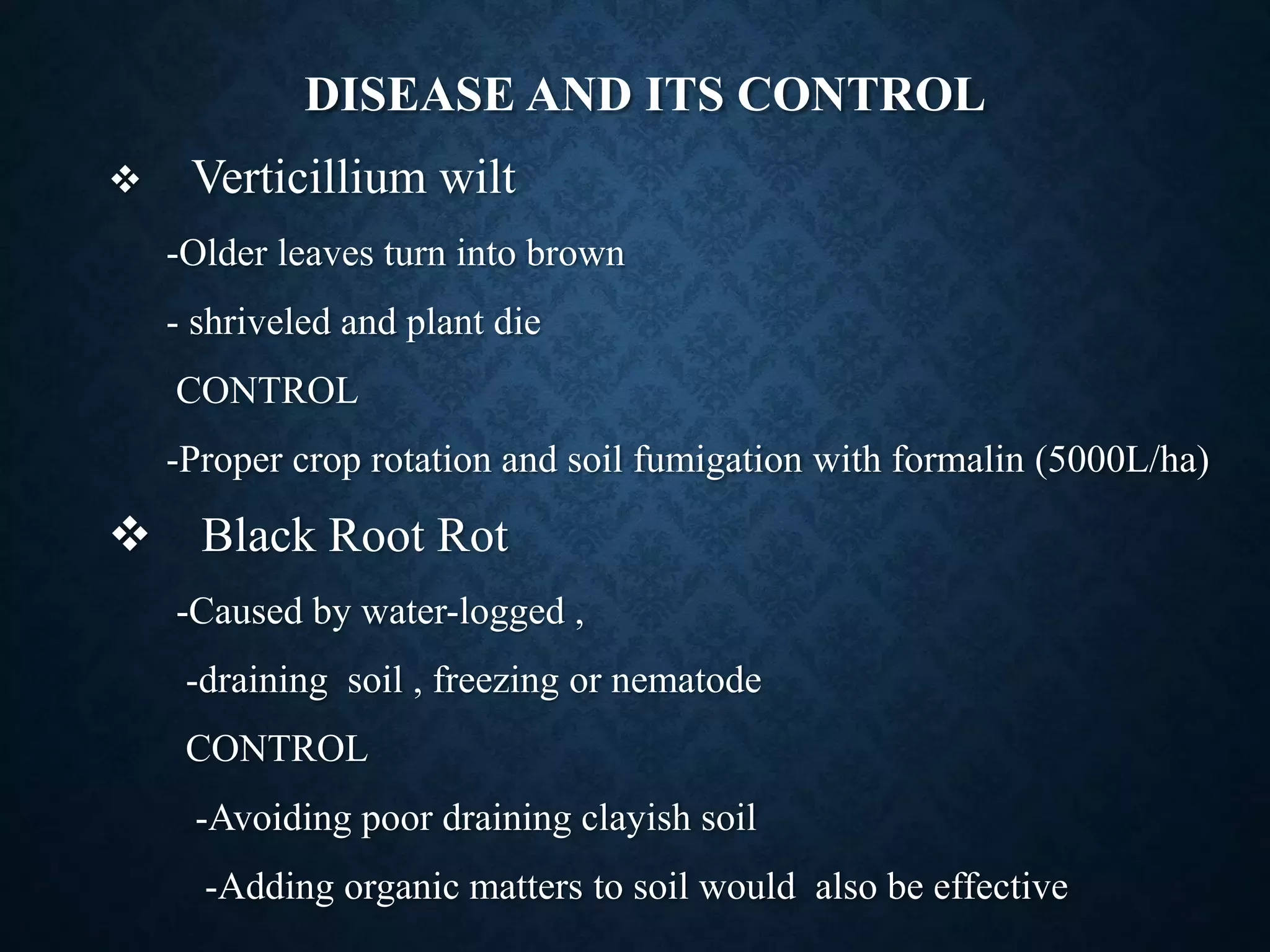
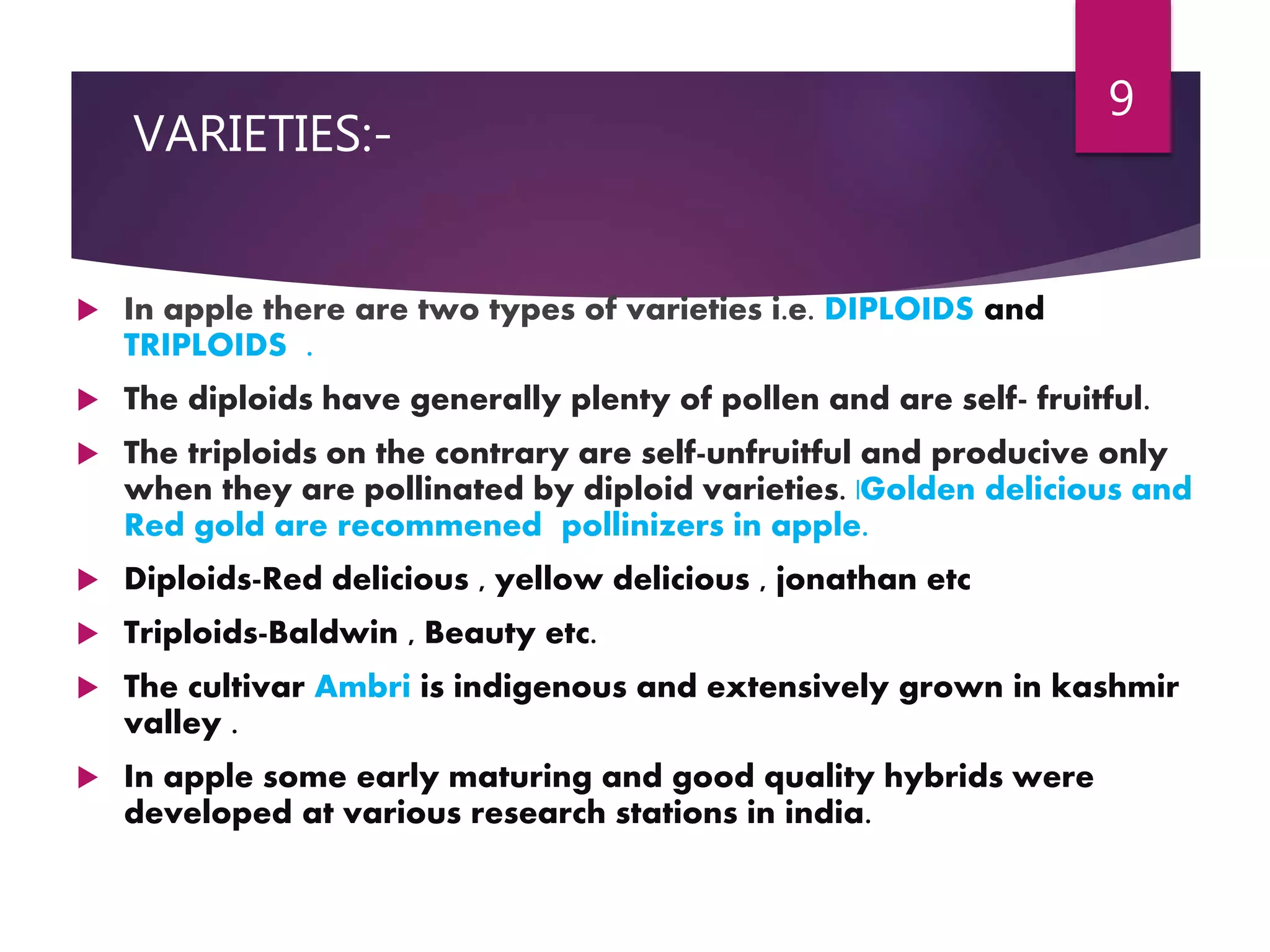
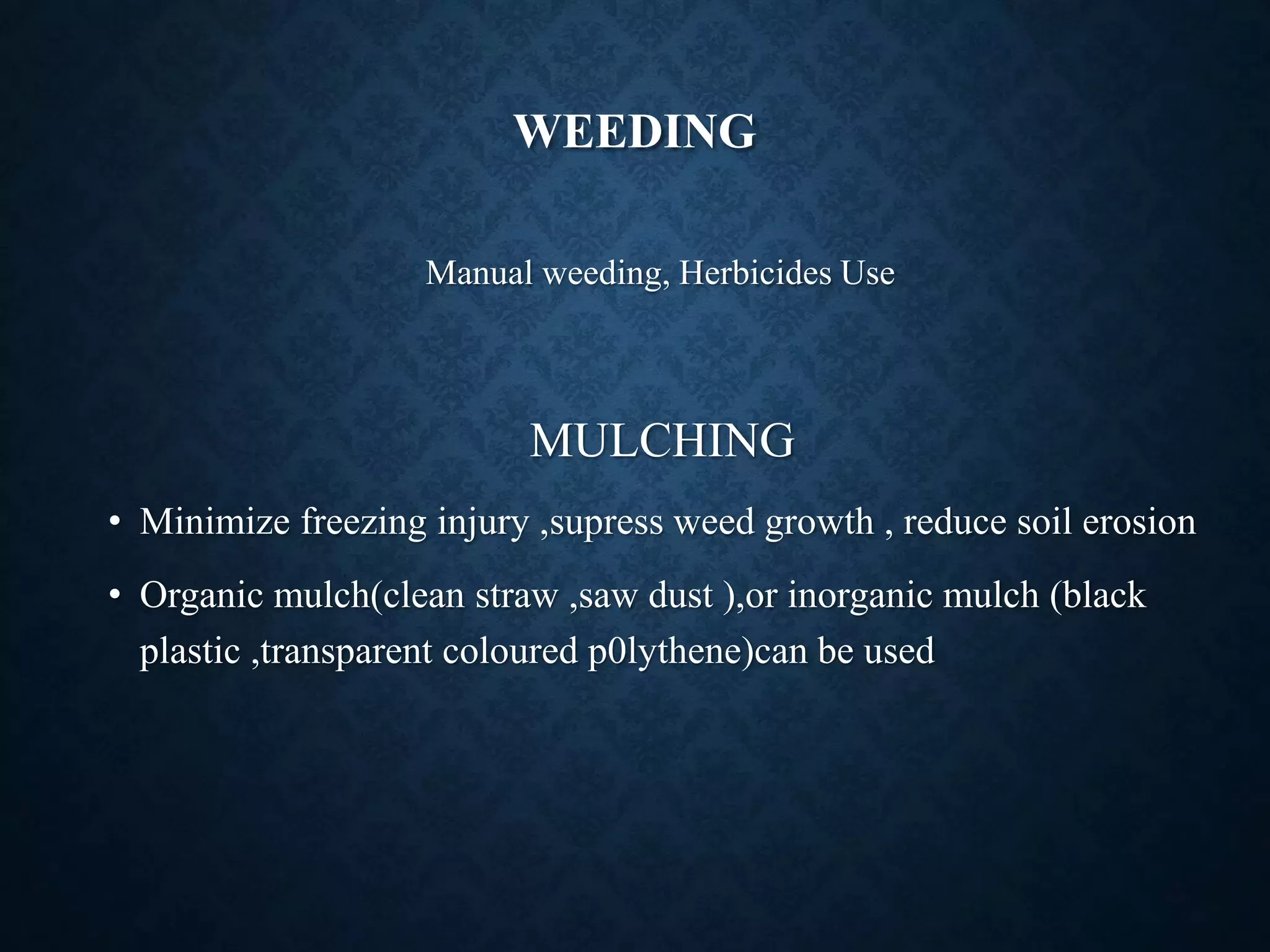
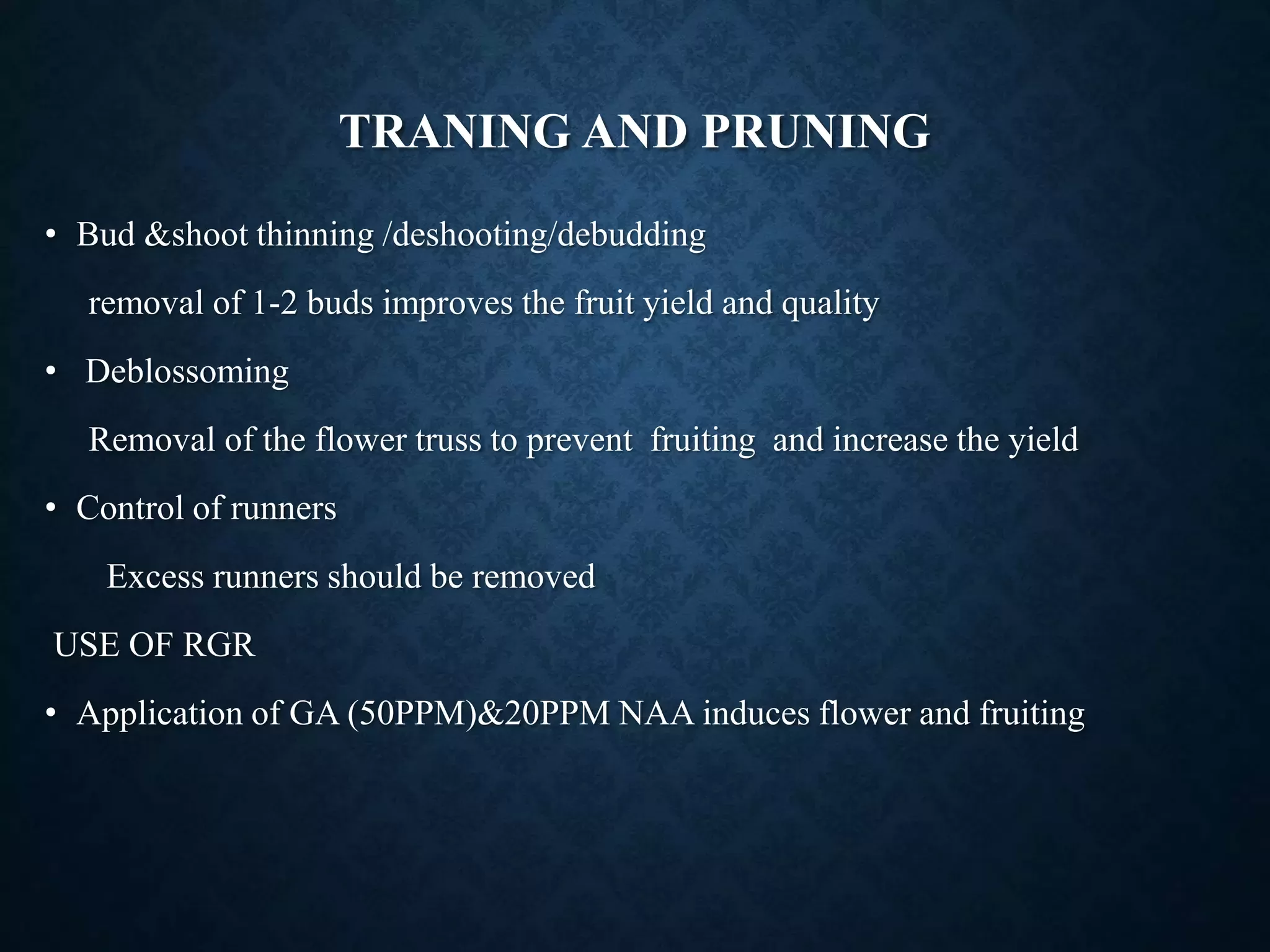
Strawberries, scientifically known as Fragaria vesca, are heralded as the “queen of fruit” and are among the most significant soft fruits cultivated globally. These delightful berries stand out for their quick return on investment, making them a preferred choice for both growers and consumers. As a member of the Rosaceae family, strawberries are unique in their botany, being monoecious and capable of both self and cross-pollination. The nutritional and health benefits of strawberries are noteworthy. They are rich in essential minerals such as calcium, phosphorus, and potassium, contributing significantly to bone health. Additionally, strawberries are esteemed for their high antioxidant content, which plays a role in reducing the risk of cardiovascular diseases. Beyond fresh consumption, strawberries are versatile, finding their way into various processed products like ice creams and soft drinks. In terms of climate, strawberries thrive in temperate and subtropical regions, flourishing optimally at daytime temperatures between 22°C and 25°C and nighttime temperatures of 7°C to 13°C. The plants are sensitive to frost, with ideal flowering and fruiting temperatures ranging from 16°C to 27°C to ensure better yields. Strawberry cultivation demands specific soil conditions. A shallow, well-drained, loamy soil rich in organic matter and with a pH level of 5 to 6.5 is most conducive to their growth. Various popular cultivars include Ofra, Chandler, Fairtail, Blackmore, Sweet Charlie, and Seascape. The propagation of strawberries can be accomplished through runners, seeds, or stem cuttings, with careful soil preparation required a month prior to planting. Once planted, strawberries require regular maintenance, including proper irrigation. As shallow-rooted plants, they should be irrigated frequently, with specific watering schedules noted for different growth phases. Weed management strategies include manual weeding and herbicide application, while mulching serves multiple purposes, such as preventing frost damage and reducing soil erosion. Training and pruning are critical aspects of strawberry care, as practices like bud and shoot thinning can enhance fruit quality and yield. The application of growth regulators may also be beneficial in encouraging flowering and fruiting. Harvesting strawberries requires keen timing; they are ripe when fully colored, typically signaling that they should be picked when half to three-quarters of the skin has developed color. Harvesting is ideally done daily, and under dry conditions, with average yields ranging from 8 to 12 tons per hectare. Postharvest, strawberries need to be handled carefully, as they can only be stored for about 5 to 7 days at temperatures around 0°C with high humidity. Finally, managing pests and diseases is crucial in strawberry production. Common pests include the strawberry root weevil and hairy caterpillars, which can be controlled with various chemical applications. Diseases such as Verticillium wilt and black root rot require strategic crop rotations and soil management to mitigate their impact. In summary, successful strawberry farming involves understanding the plant’s botanical characteristics, optimal growing conditions, rigorous management practices, and effective pest and disease control measures. With proper care, strawberry cultivation can lead to fruitful harvests and significant economic benefits.
Slide 1

Slide 1

Slide 2

Slide 2

Slide 3

Slide 3

Slide 4

Slide 4

Slide 5

Slide 5

Slide 6

Slide 6

Slide 7

Slide 7

Slide 8

Slide 8

Slide 9

Slide 9

Slide 10

Slide 10

Slide 11

Slide 11

Slide 12

Slide 12

Slide 13

Slide 13
1 / 13

Ppt on Pineapple

Summary

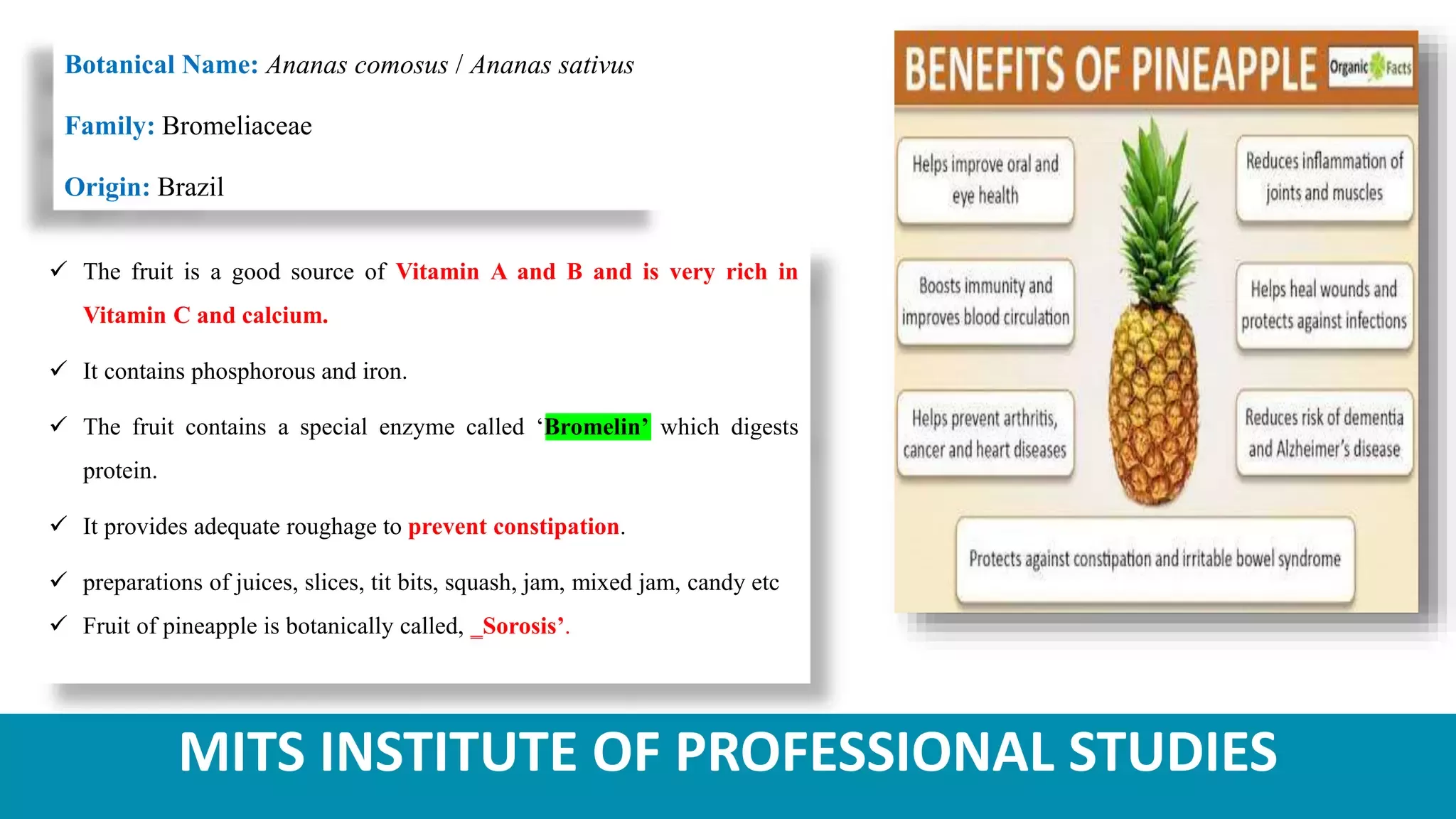
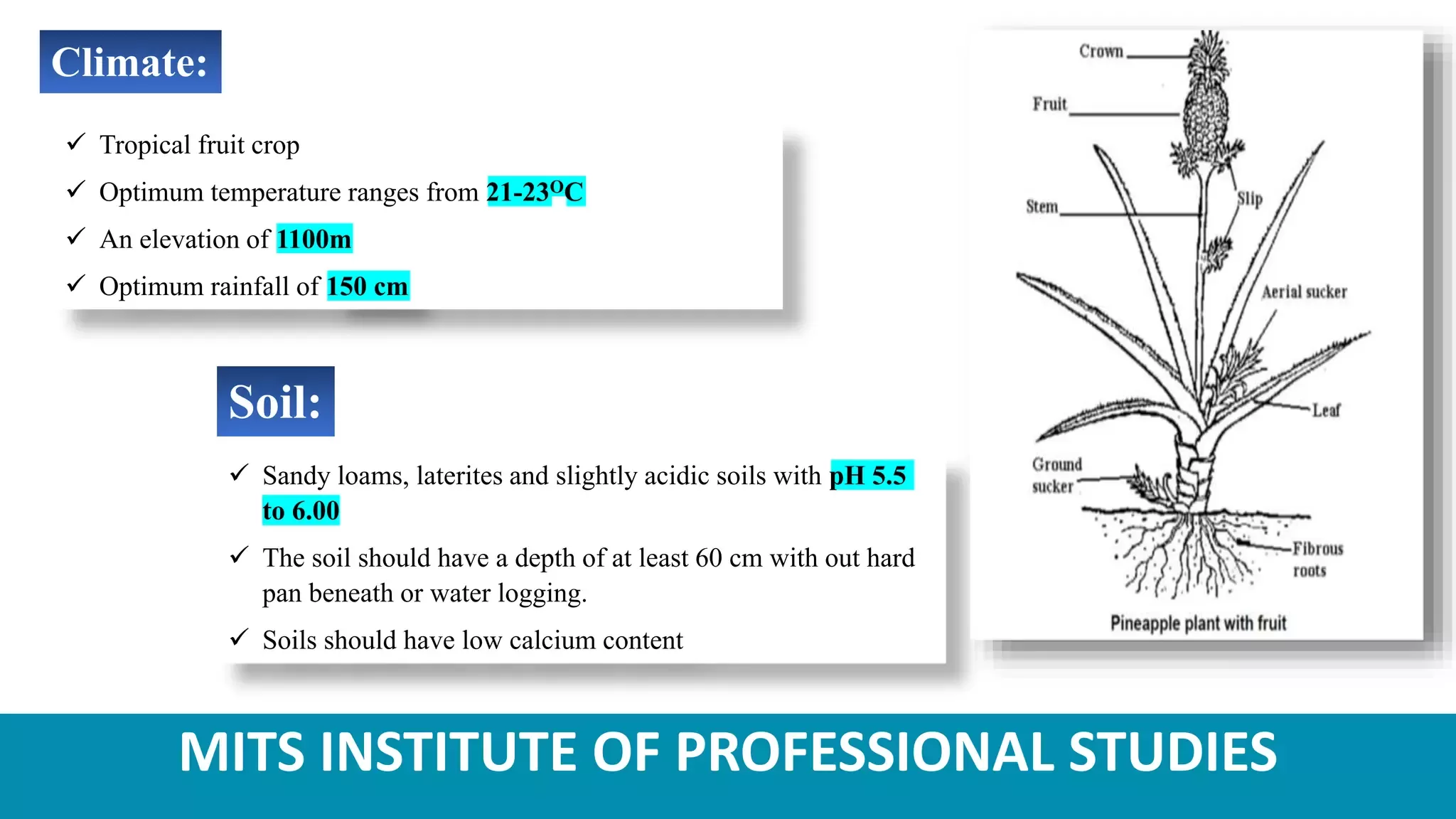
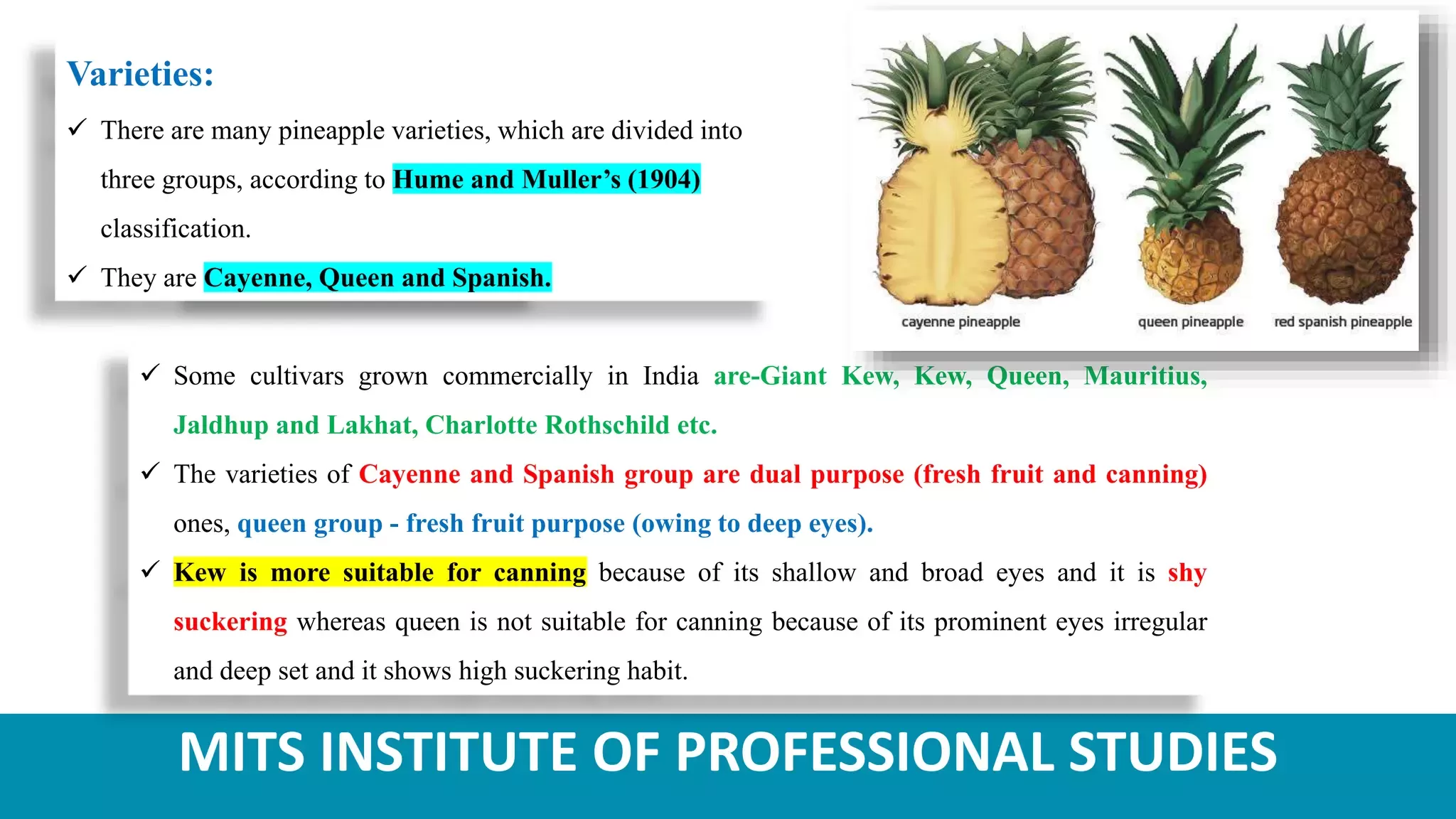
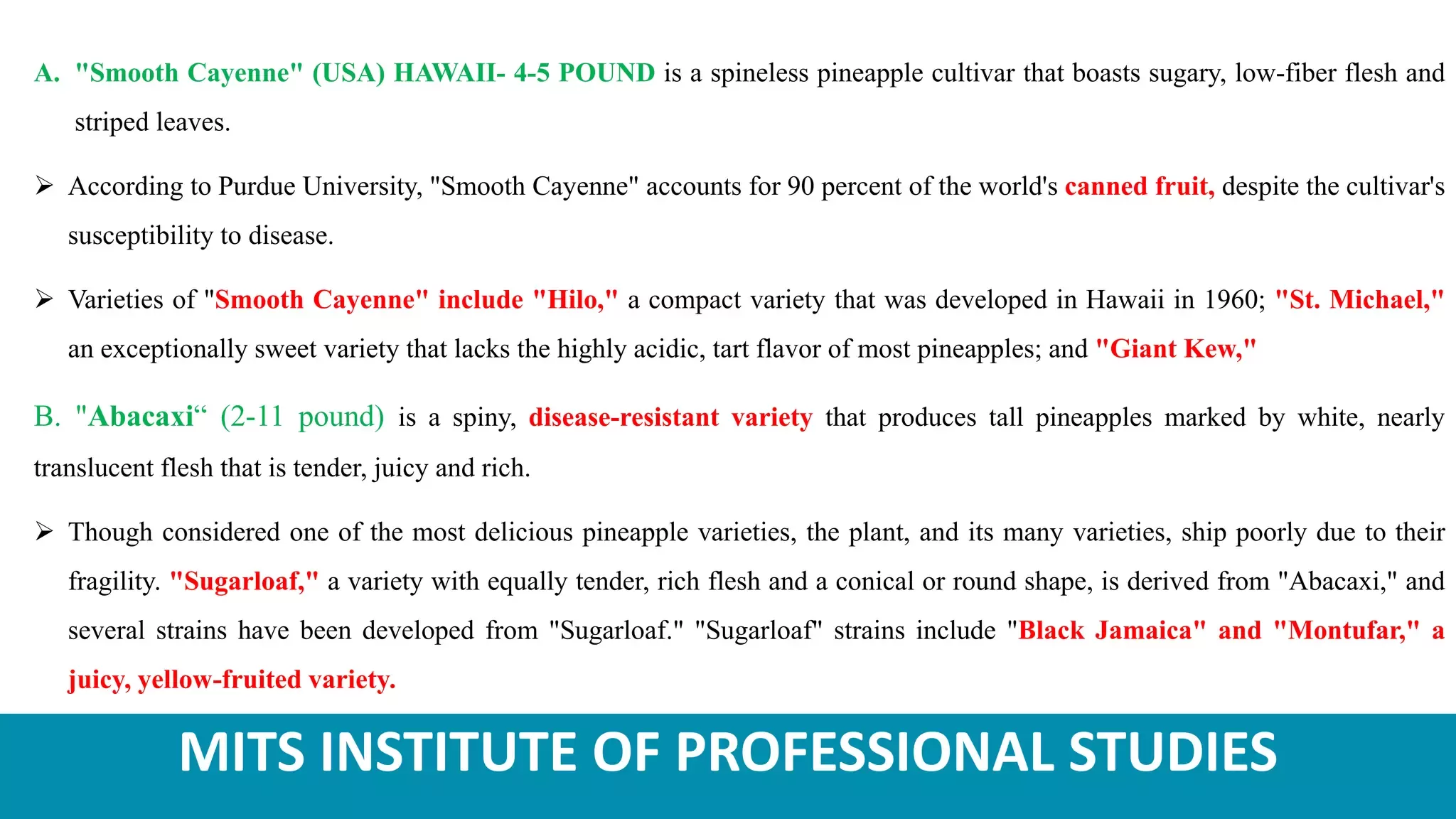
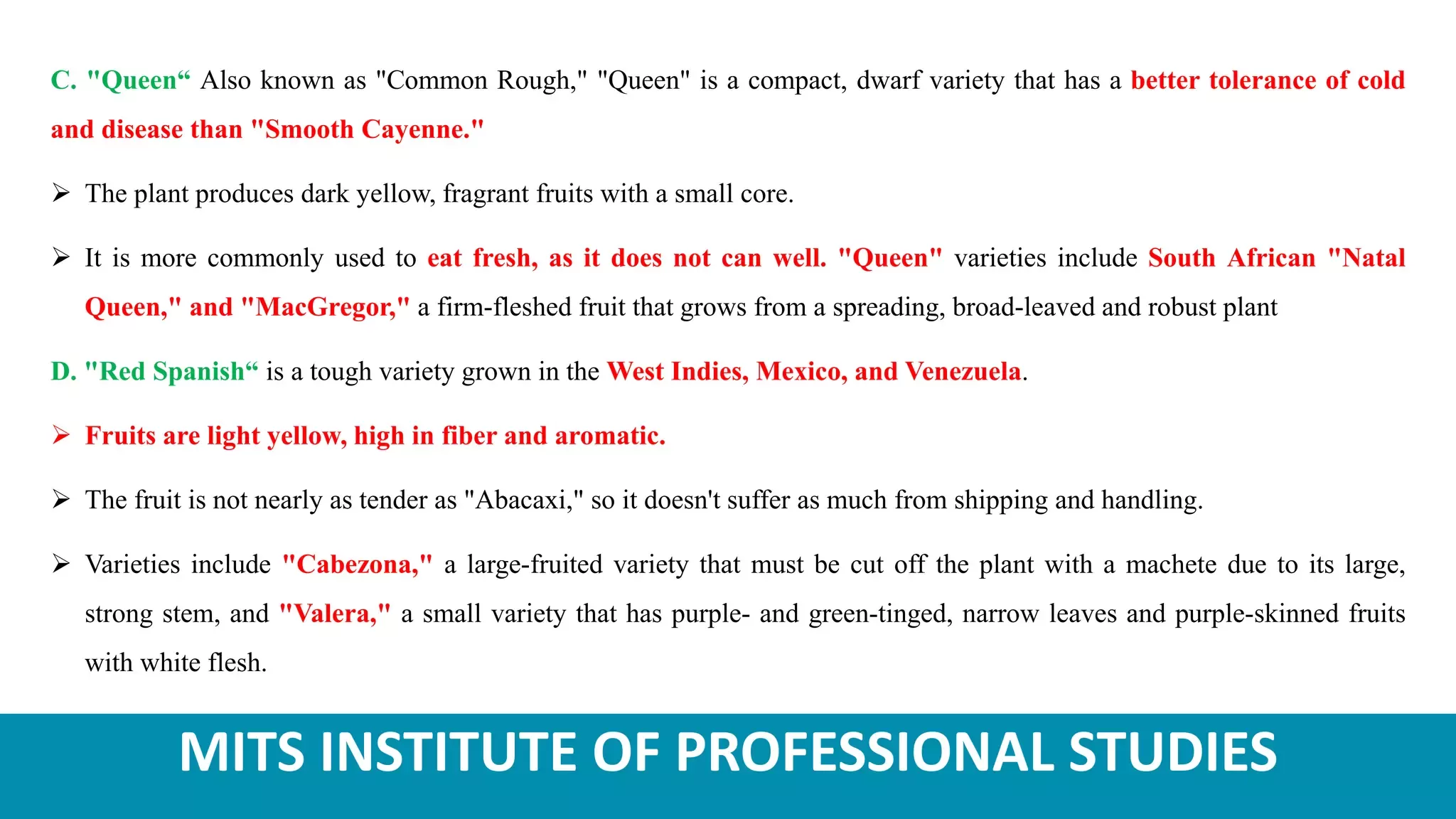
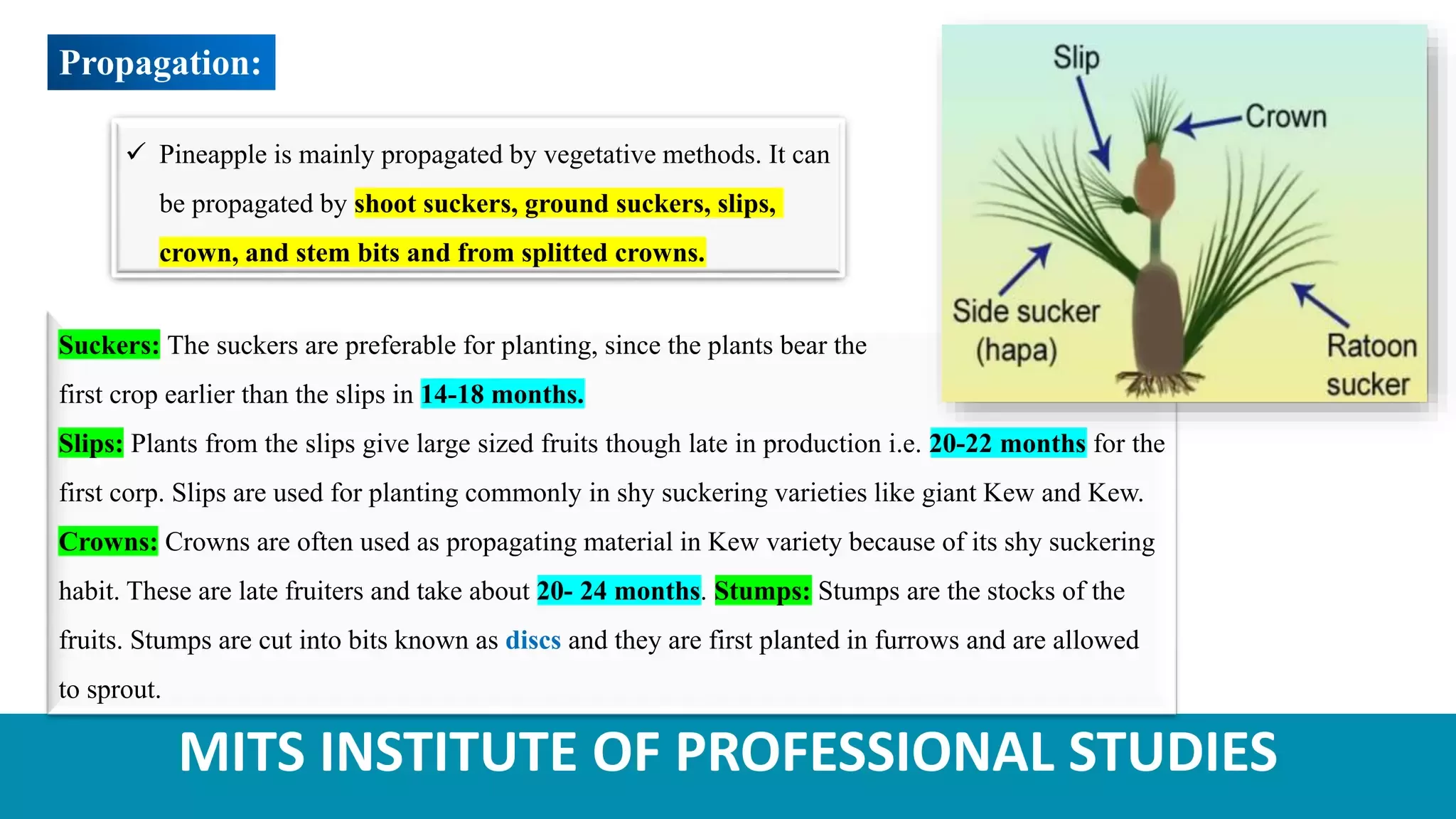
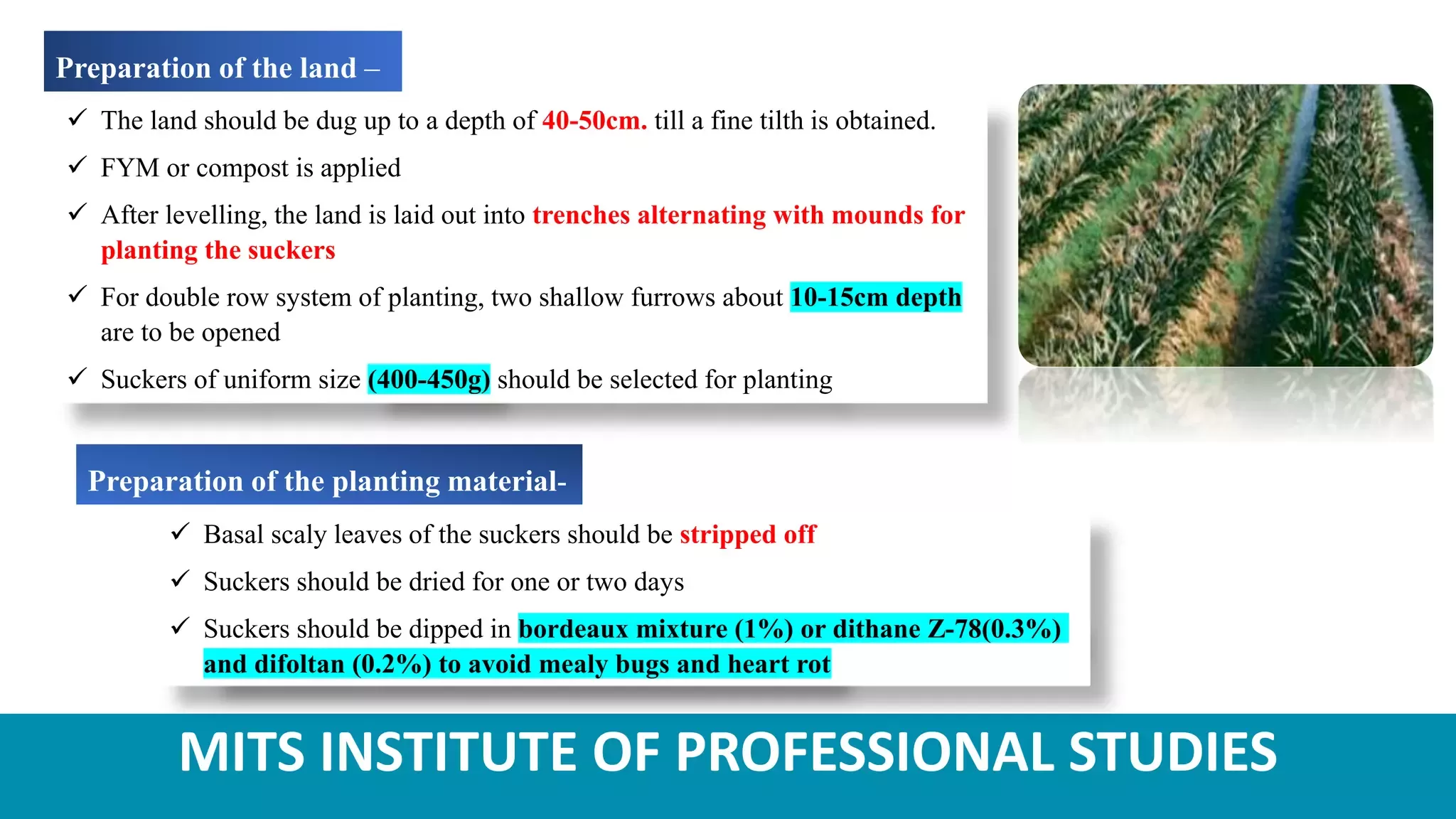
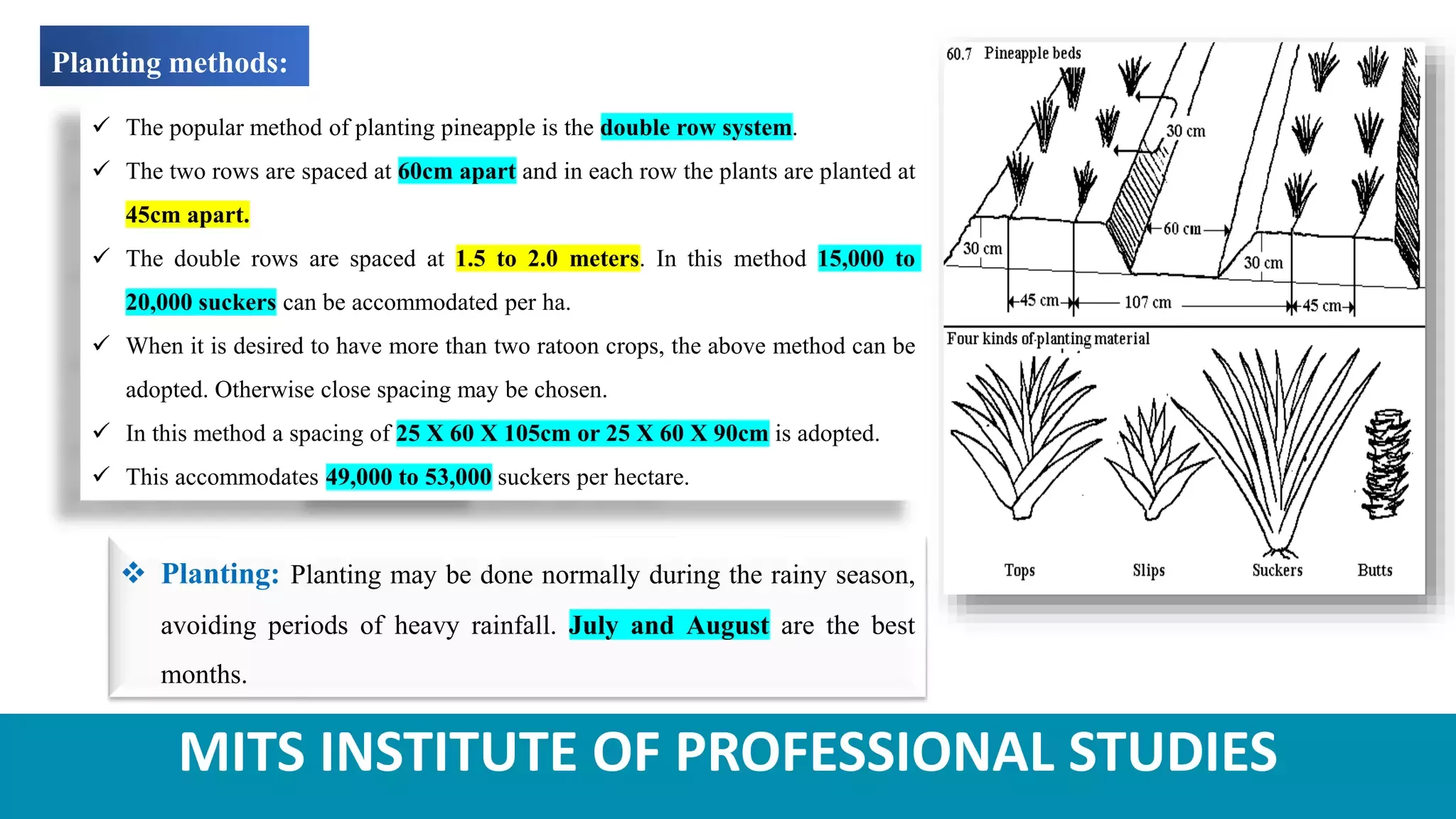
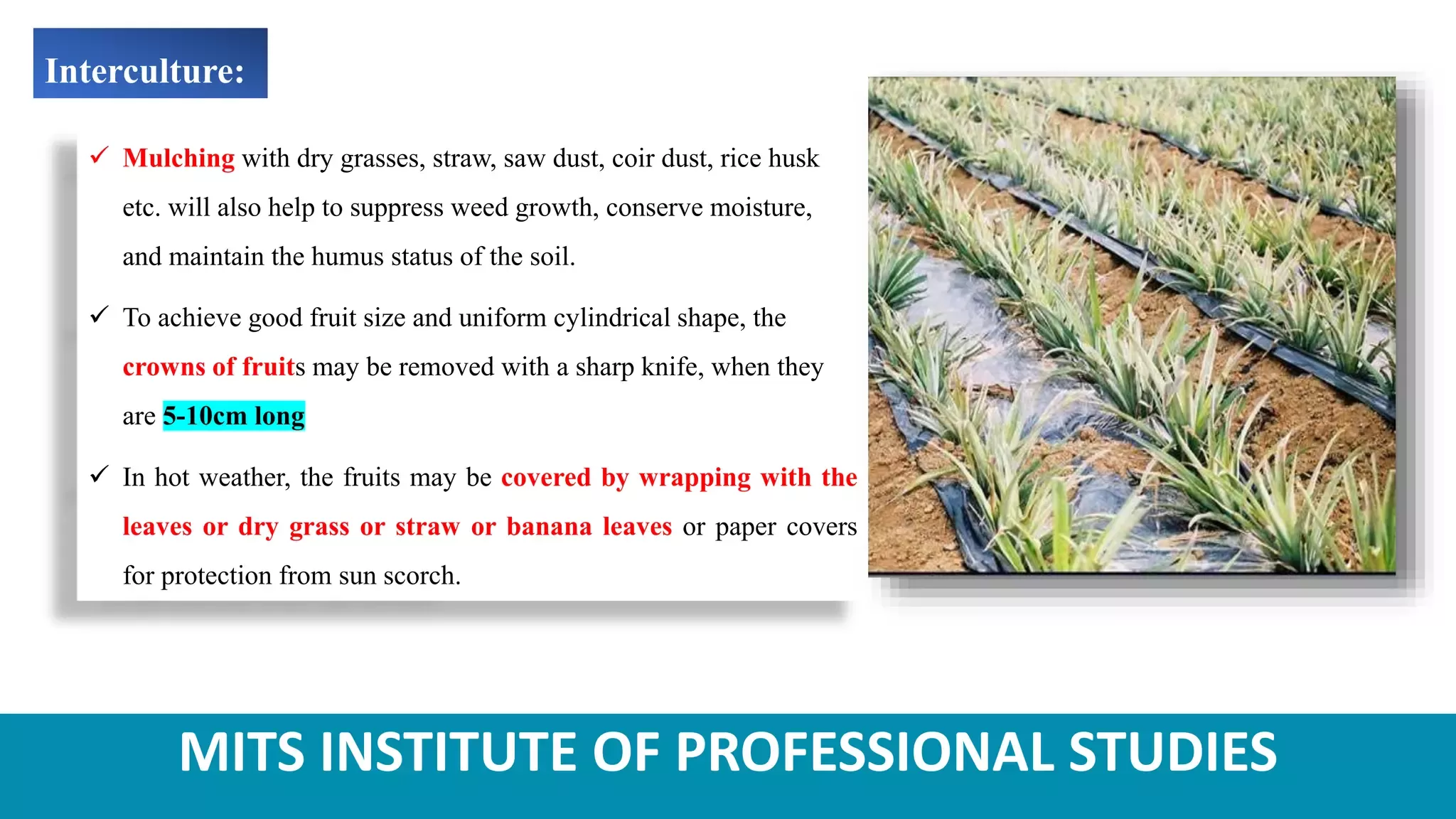
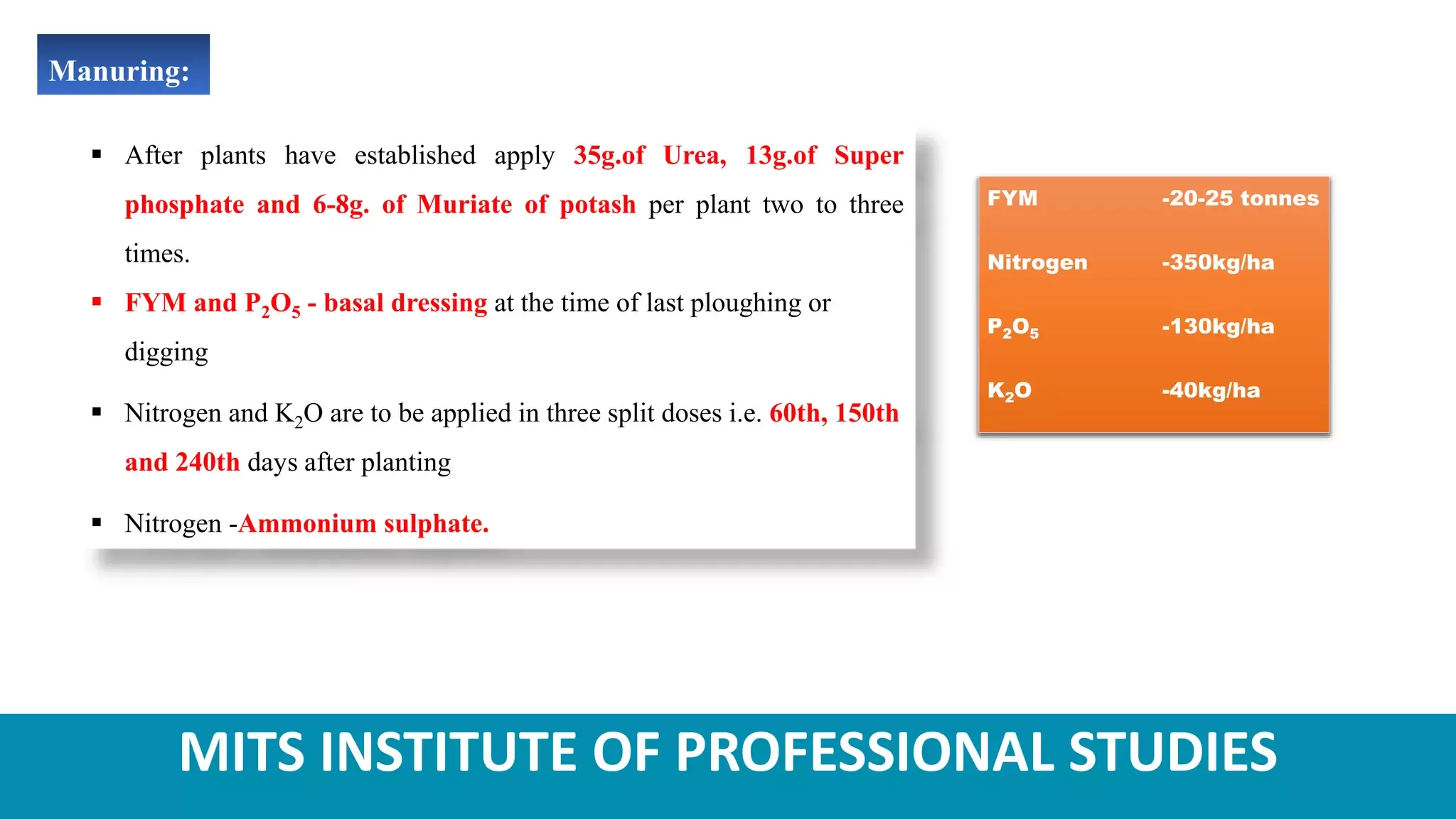
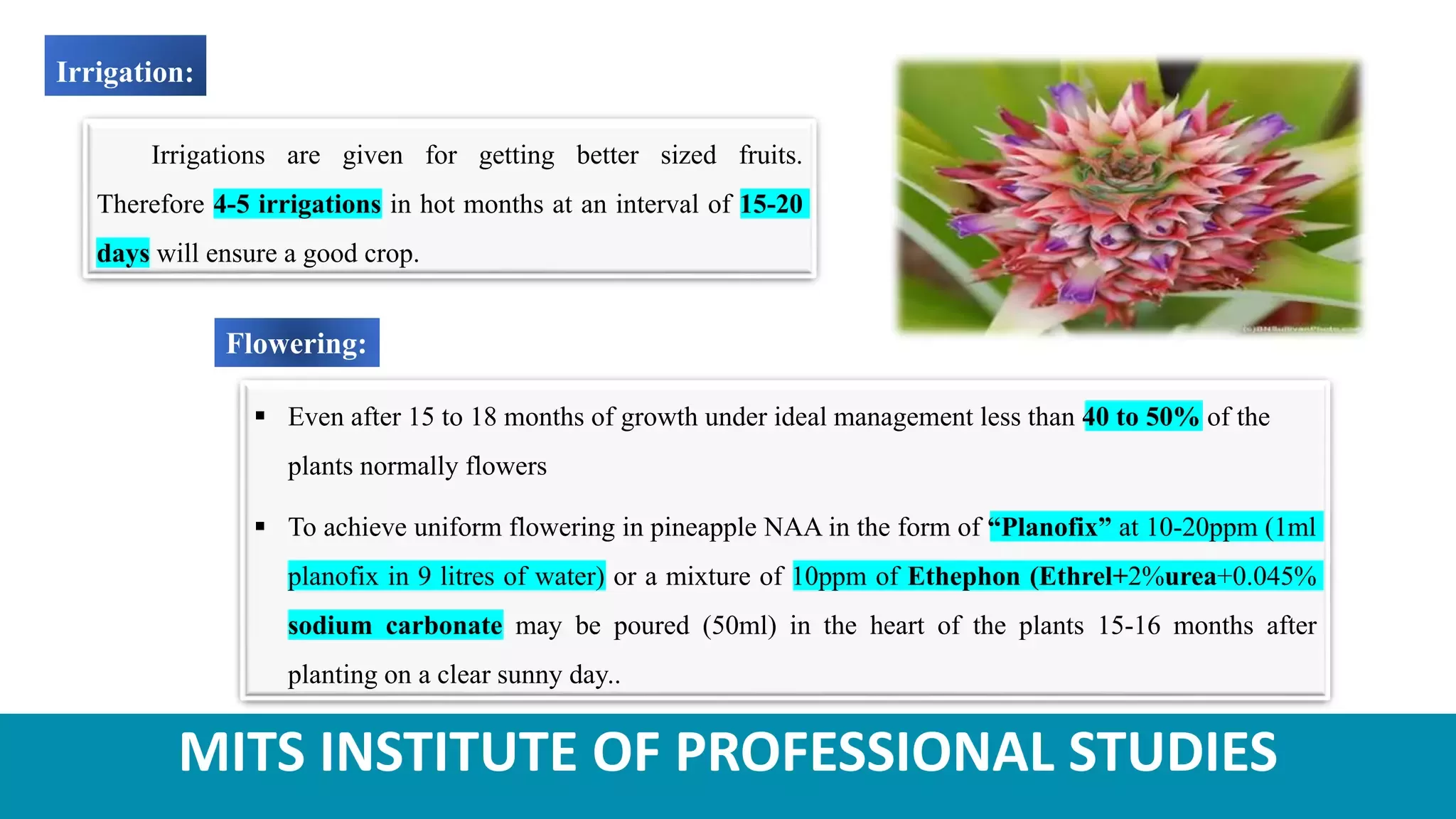
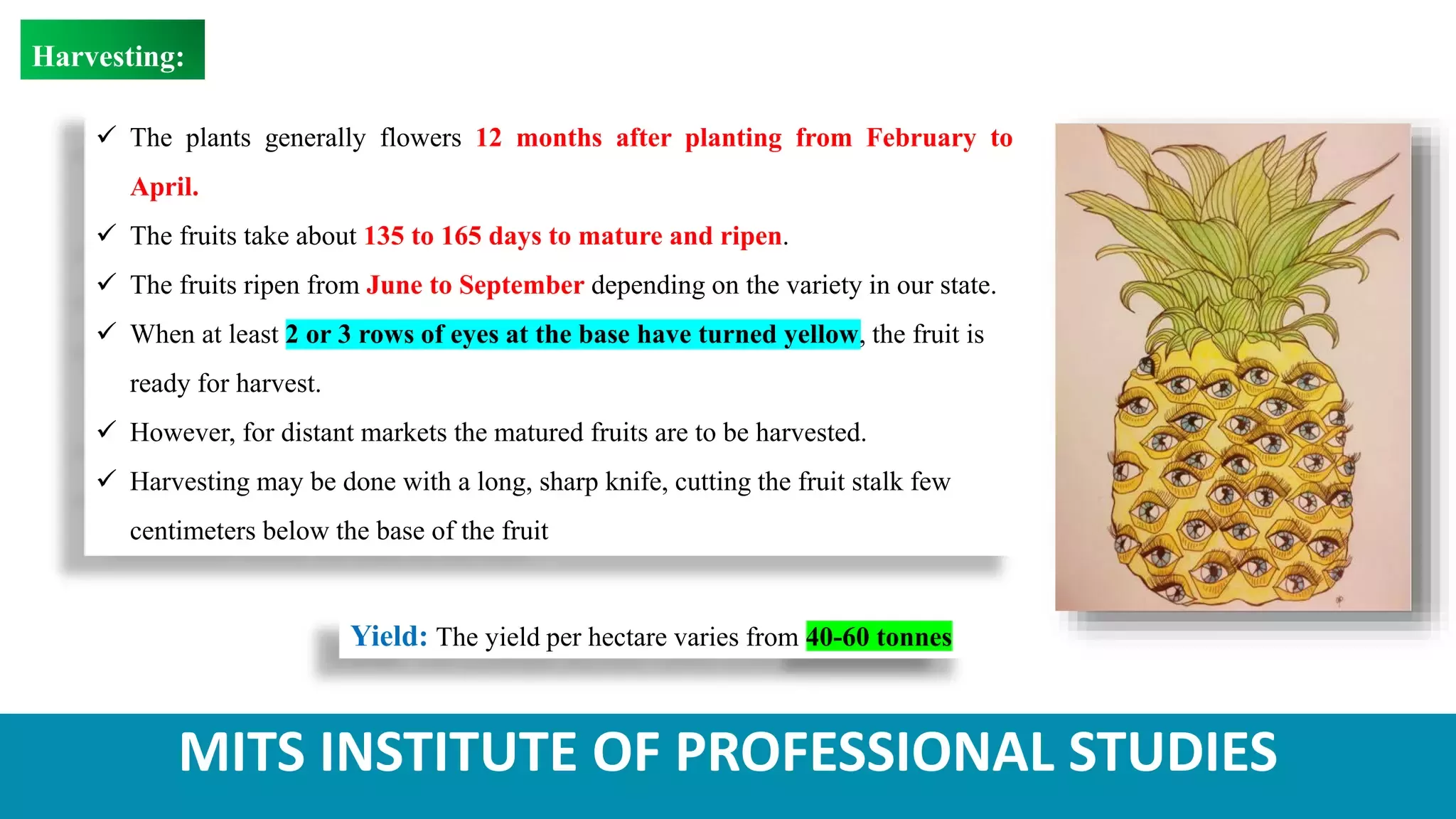
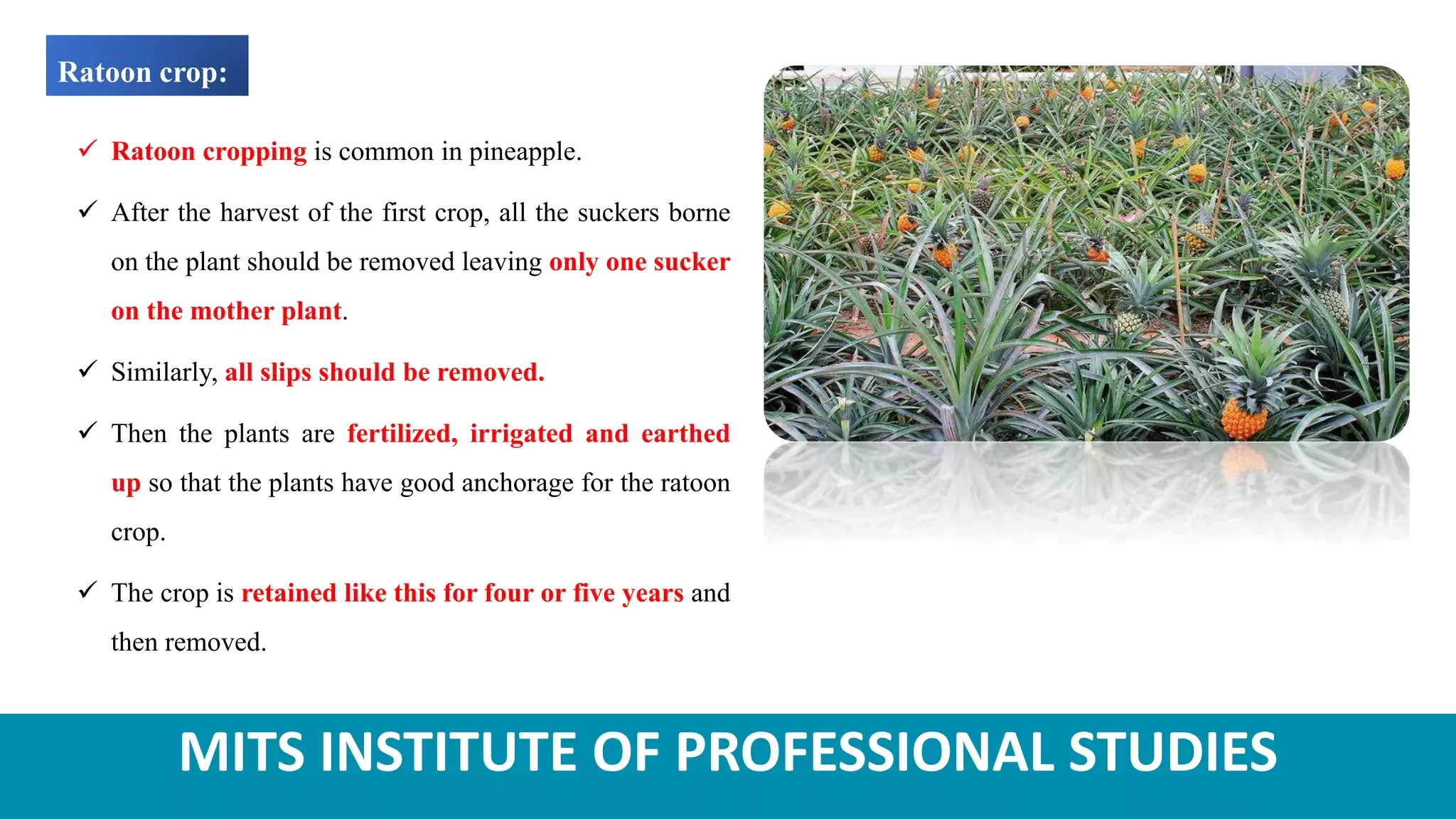
The pineapple, scientifically known as *Ananas comosus*, belongs to the Bromeliaceae family and is native to Brazil. This tropical fruit is not just a delight for the taste buds; it is also a powerhouse of nutrients. Rich in Vitamin C, it also provides significant amounts of Vitamins A, B, calcium, phosphorus, and iron. The fruit contains an enzyme called bromelain, which aids in protein digestion while offering ample dietary fiber to alleviate constipation. Pineapples can be enjoyed in various forms, including juices, slices, jams, and candies, showcasing their versatility. Pineapples thrive in a tropical climate, with ideal temperatures ranging between 21-23°C and an elevation of about 1100 meters. The plants require approximately 150 cm of rainfall annually and prefer well-draining soils, ideally sandy loams or slightly acidic soils with a pH of 5.5 to 6. The soil should be at least 60 cm deep and free of waterlogging or hardpan. There are numerous pineapple varieties categorized into three main groups: Cayenne, Queen, and Spanish, as classified by Hume and Muller in 1904. Notable commercial cultivars in India include Giant Kew, Kew, Queen, and Mauritius. Each variety has distinct characteristics suited for different purposes; for example, the Cayenne and Spanish groups are suitable for both fresh consumption and canning, while the Queen group is primarily consumed fresh. Varieties such as “Smooth Cayenne” dominate the canned pineapple market, whereas “Abacaxi” is admired for its flavor despite its challenging shipping qualities. Pineapples are primarily propagated through vegetative methods, utilizing suckers, slips, crowns, or stumps. Suckers are favored for their quicker fruiting time, while slips yield larger fruits at a later stage. Land preparation is crucial for successful cultivation, involving deep tilling, application of fertilizer, and laying out trenches for planting. The recommended planting technique involves a double-row system to maximize space and yield, allowing for high-density planting of between 15,000 to 20,000 suckers per hectare. Intercultural practices like mulching and pruning improve fruit quality and protect the crops from adverse weather conditions. Proper fertilization and irrigation schedules further enhance growth, ensuring a good yield, typically ranging from 40-60 tonnes per hectare. After about 12 months, the plants flower, typically between February and April, with ripening occurring 135 to 165 days later, usually from June to September. Harvesting involves cutting the ripe fruit at the base while leaving one sucker for ratoon cropping. This sustainable practice allows farmers to continue producing pineapples for several years, ensuring the longevity of their crops. In summary, the cultivation of pineapples is a meticulous process that requires attention to climate, soil conditions, and proper agricultural techniques. With their rich nutritional profile and economic viability, pineapples remain a significant fruit crop in many tropical regions.

Slide 1

Slide 1

Slide 2

Slide 2

Slide 3

Slide 3

Slide 4

Slide 4

Slide 5

Slide 5

Slide 6

Slide 6

Slide 7

Slide 7

Slide 8

Slide 8

Slide 9

Slide 9

Slide 10

Slide 10

Slide 11

Slide 11

Slide 12

Slide 12

Slide 13

Slide 13

Slide 14

Slide 14
1 / 14

Ppt on Bottle Gourd

Summary:

Unleash your creativity with these expert tips for making a captivating PowerPoint presentation on bottle gourd. Learn how to maximize the impact of each slide and keep your audience engaged throughout!

Slide 1

Slide 1

Slide 2

Slide 2

Slide 3

Slide 3

Slide 4

Slide 4

Slide 5

Slide 5

Slide 6

Slide 6

Slide 7

Slide 7

Slide 8

Slide 8

Slide 9

Slide 9

Slide 10

Slide 10

Slide 11

Slide 11

Slide 12

Slide 12

Slide 13

Slide 13
1 / 13

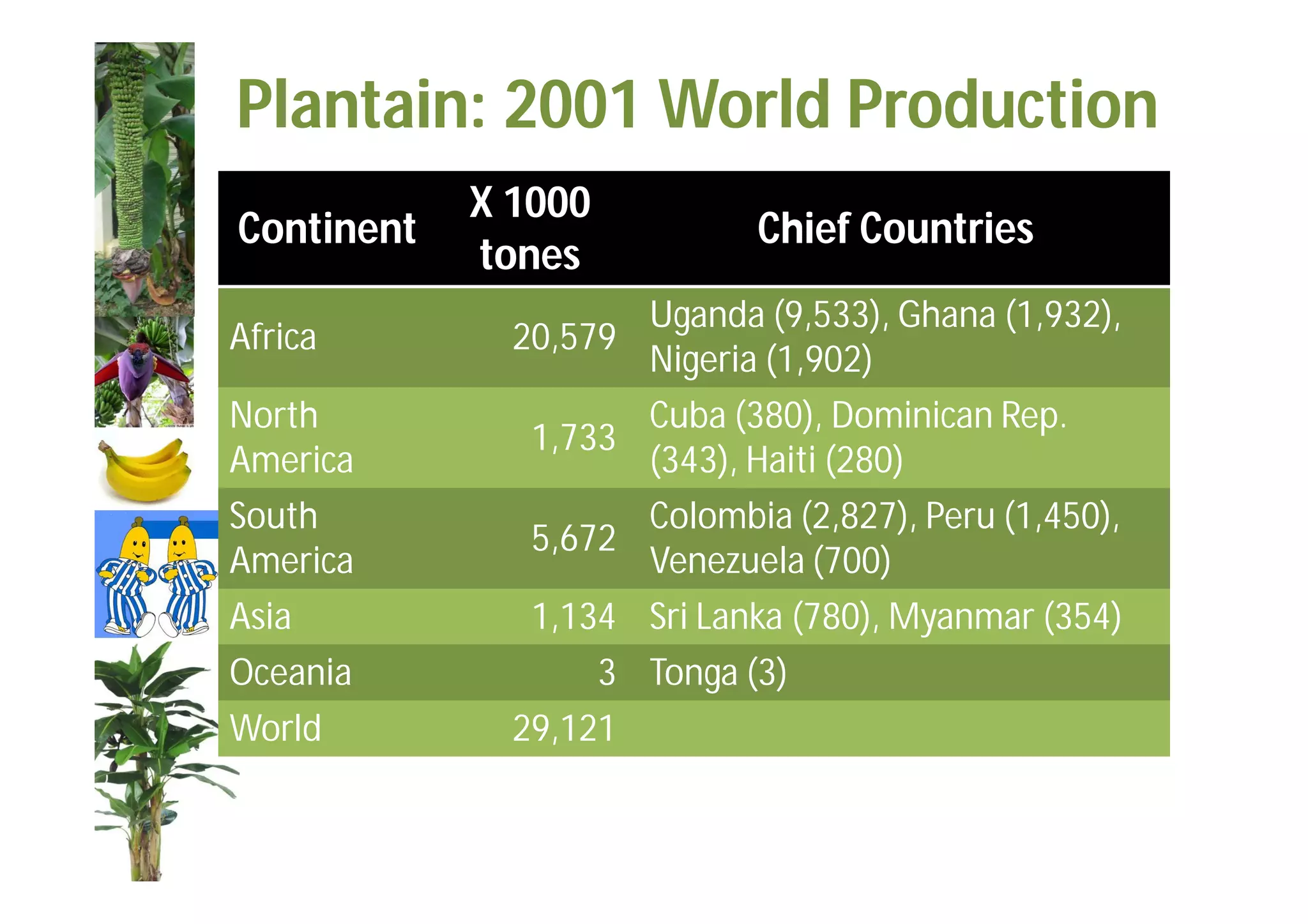
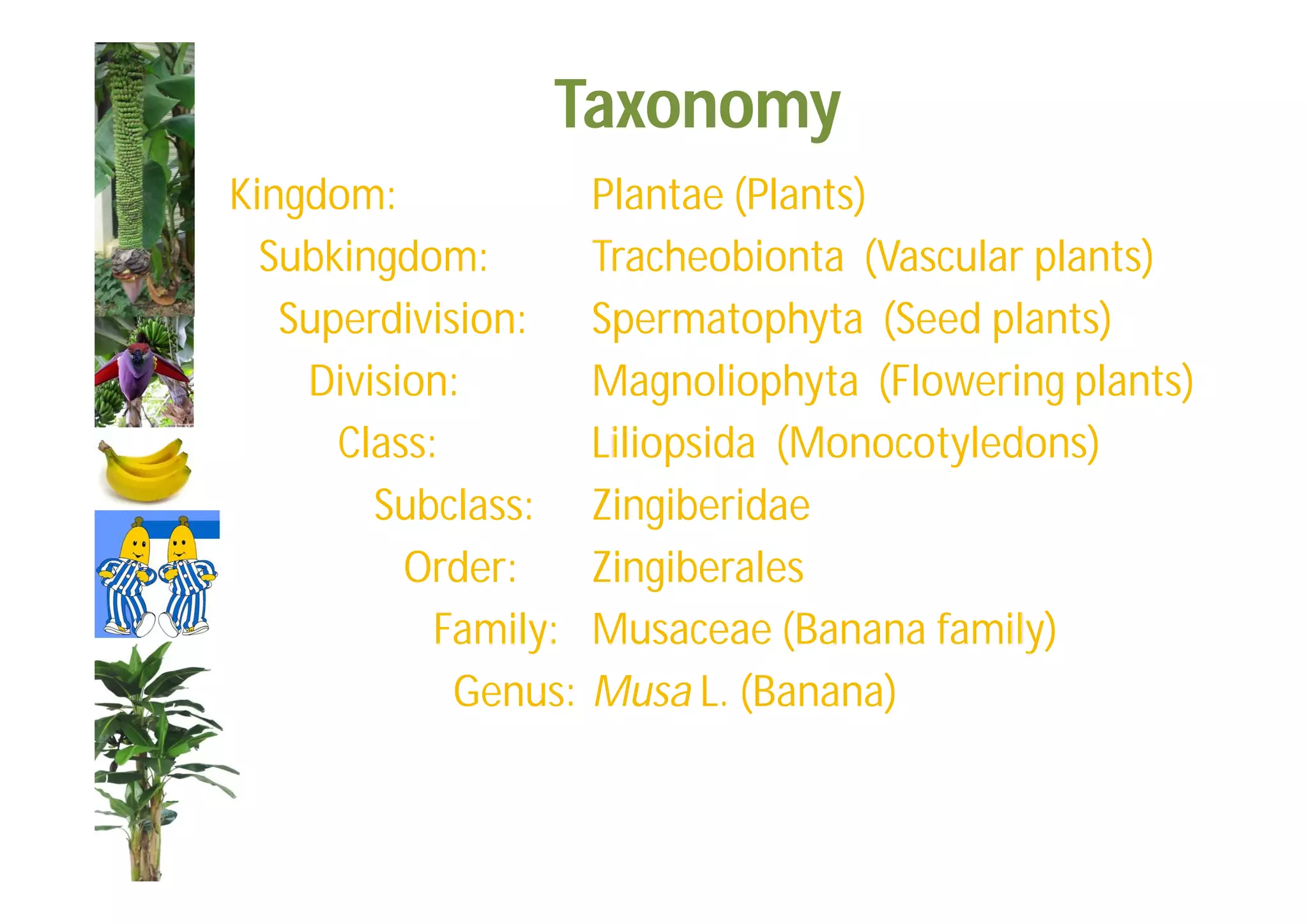
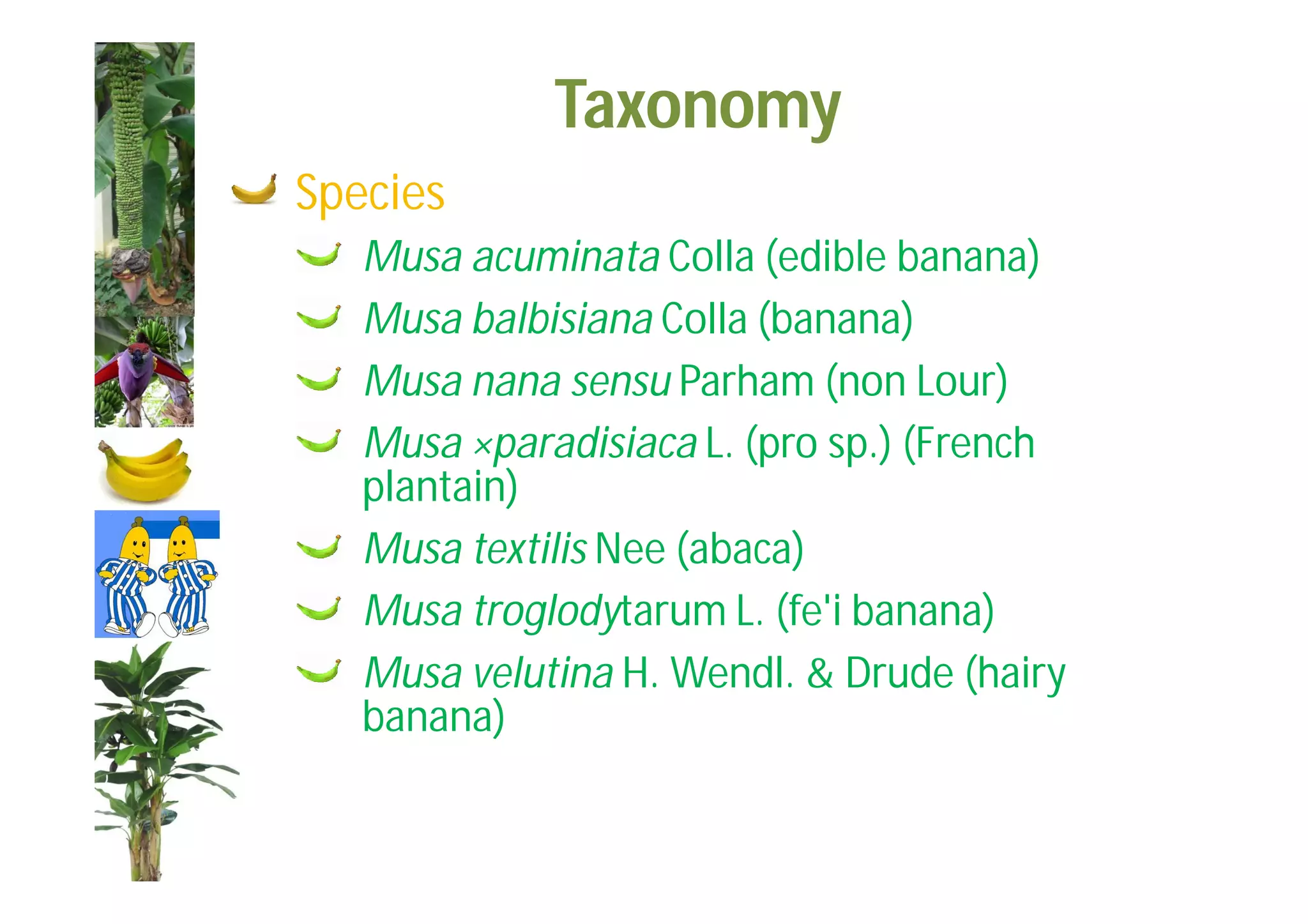
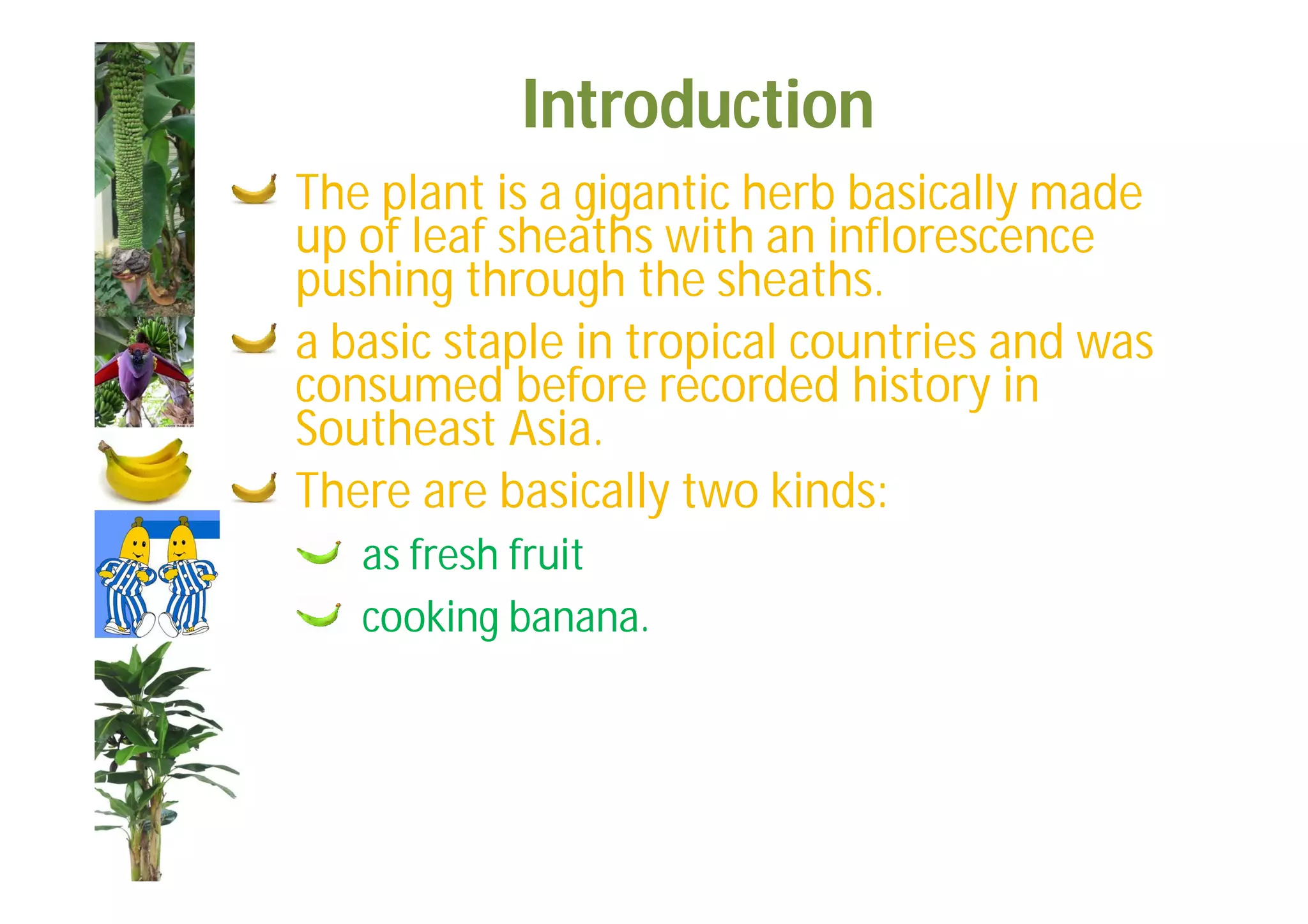
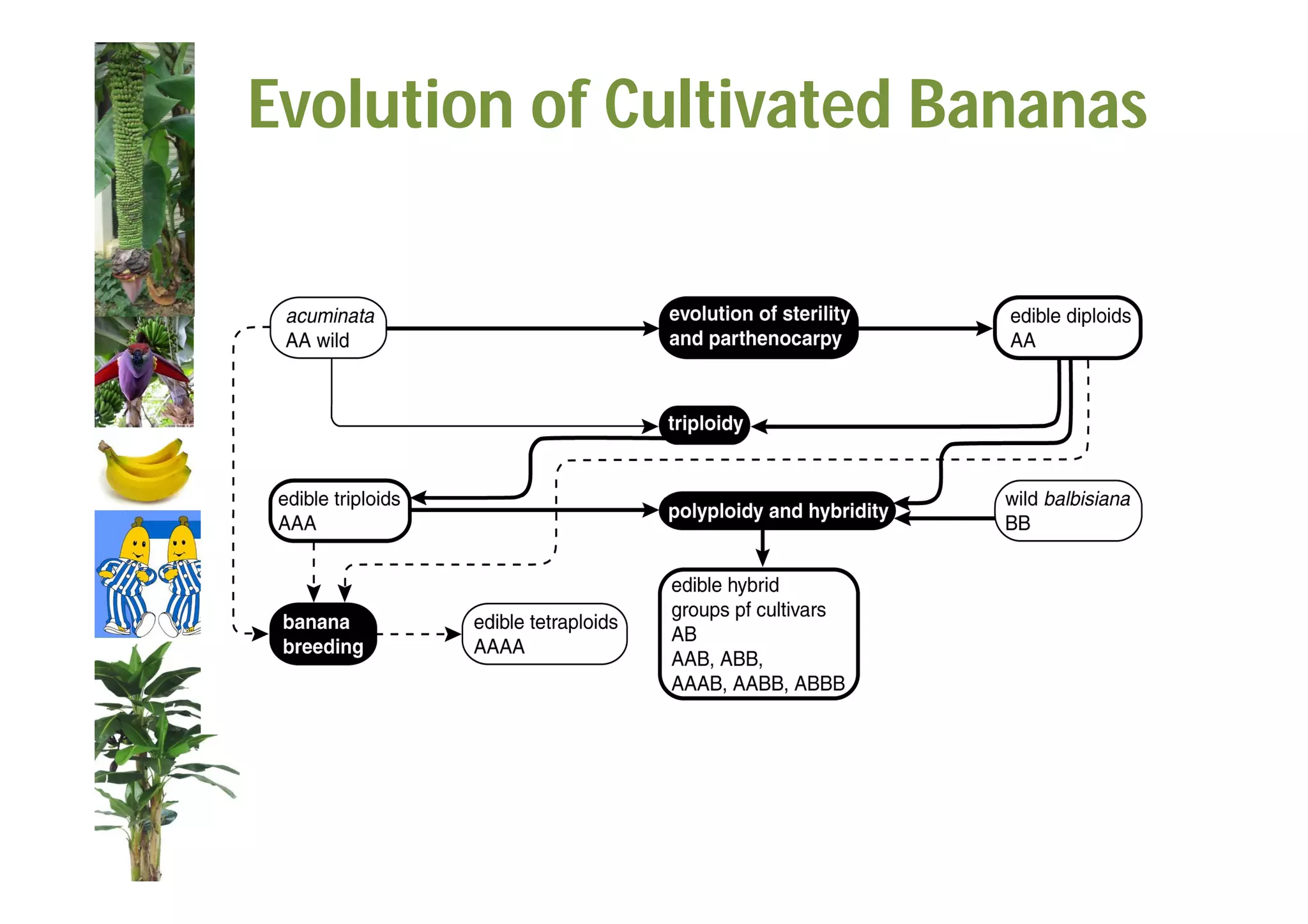
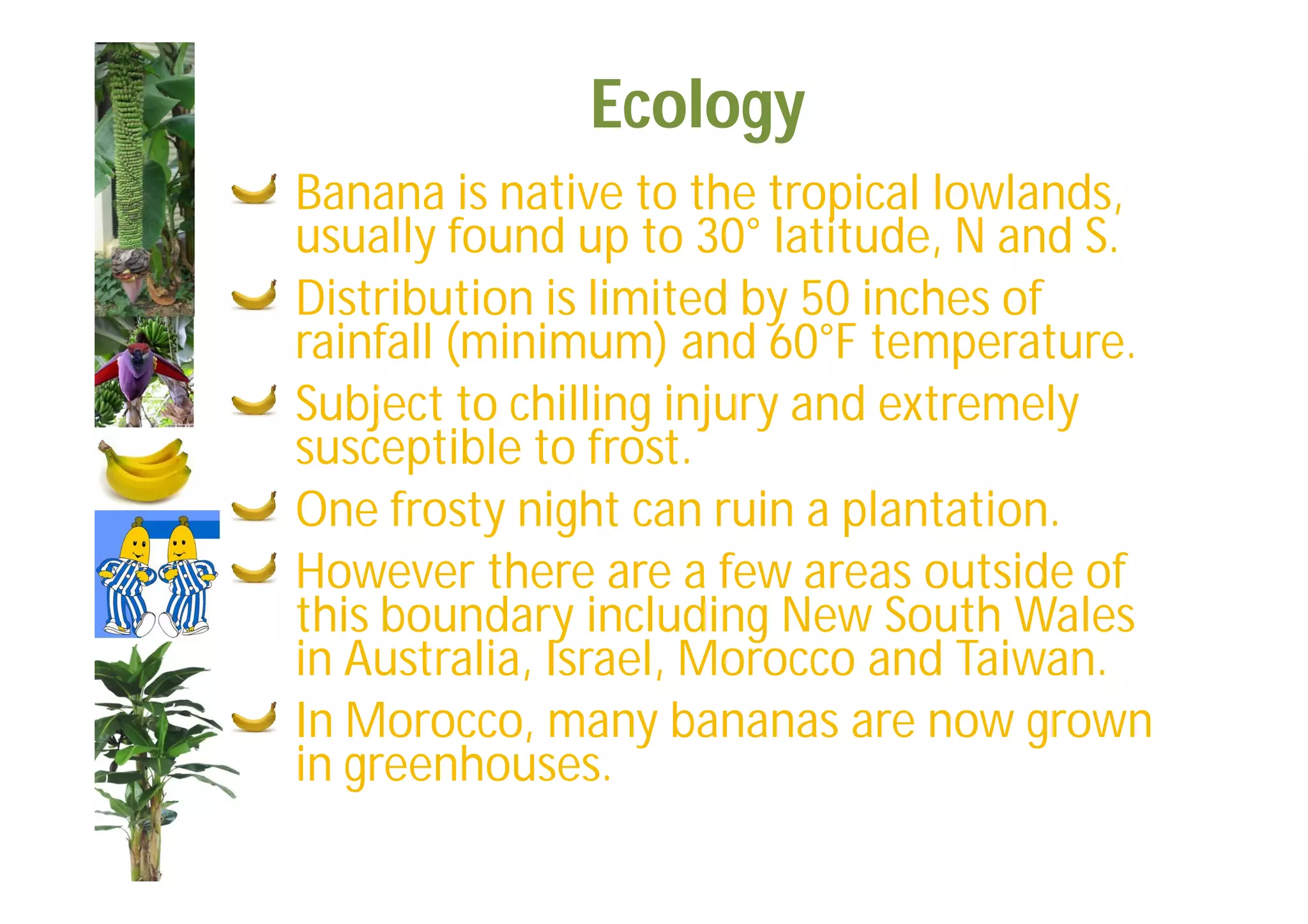
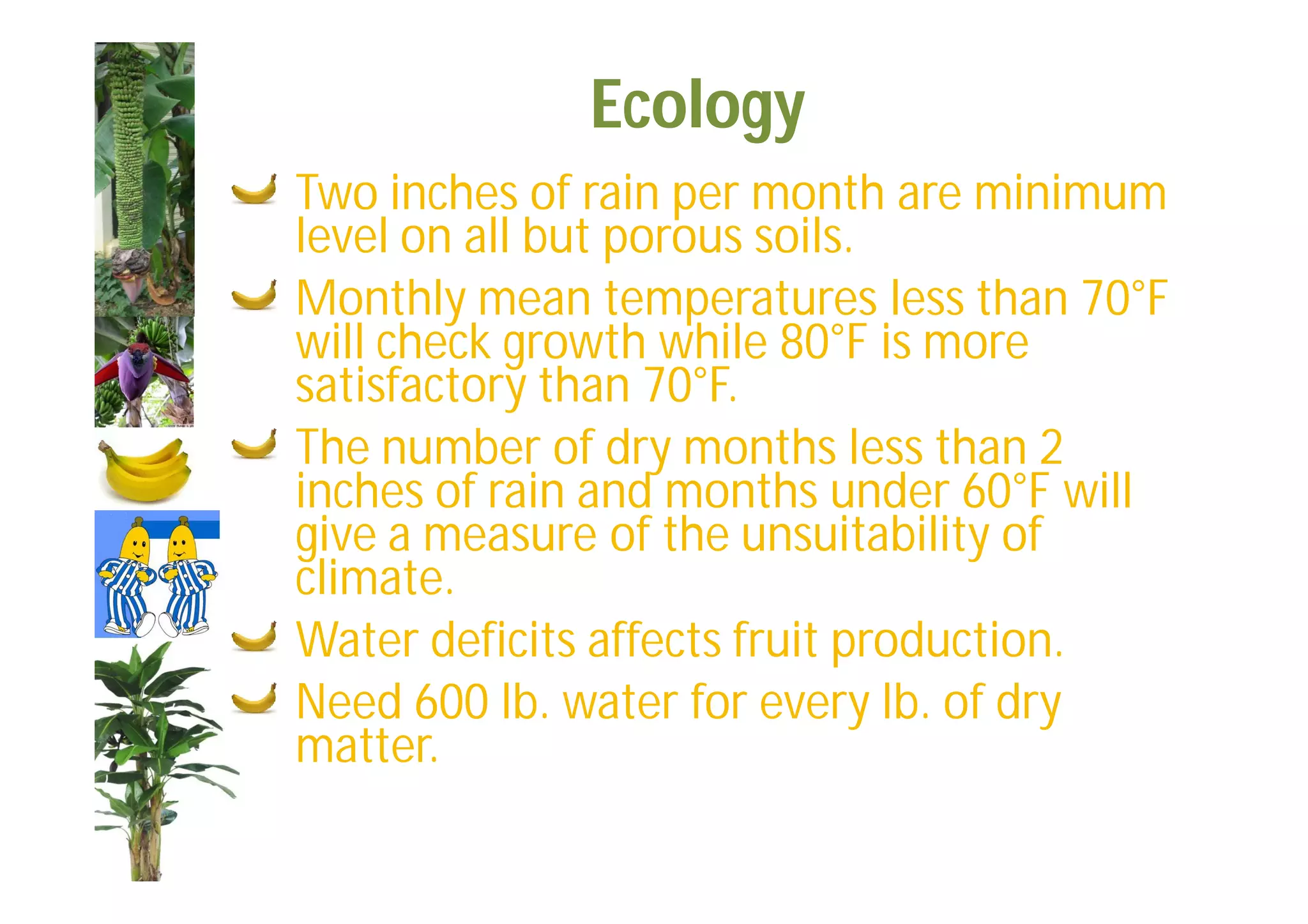
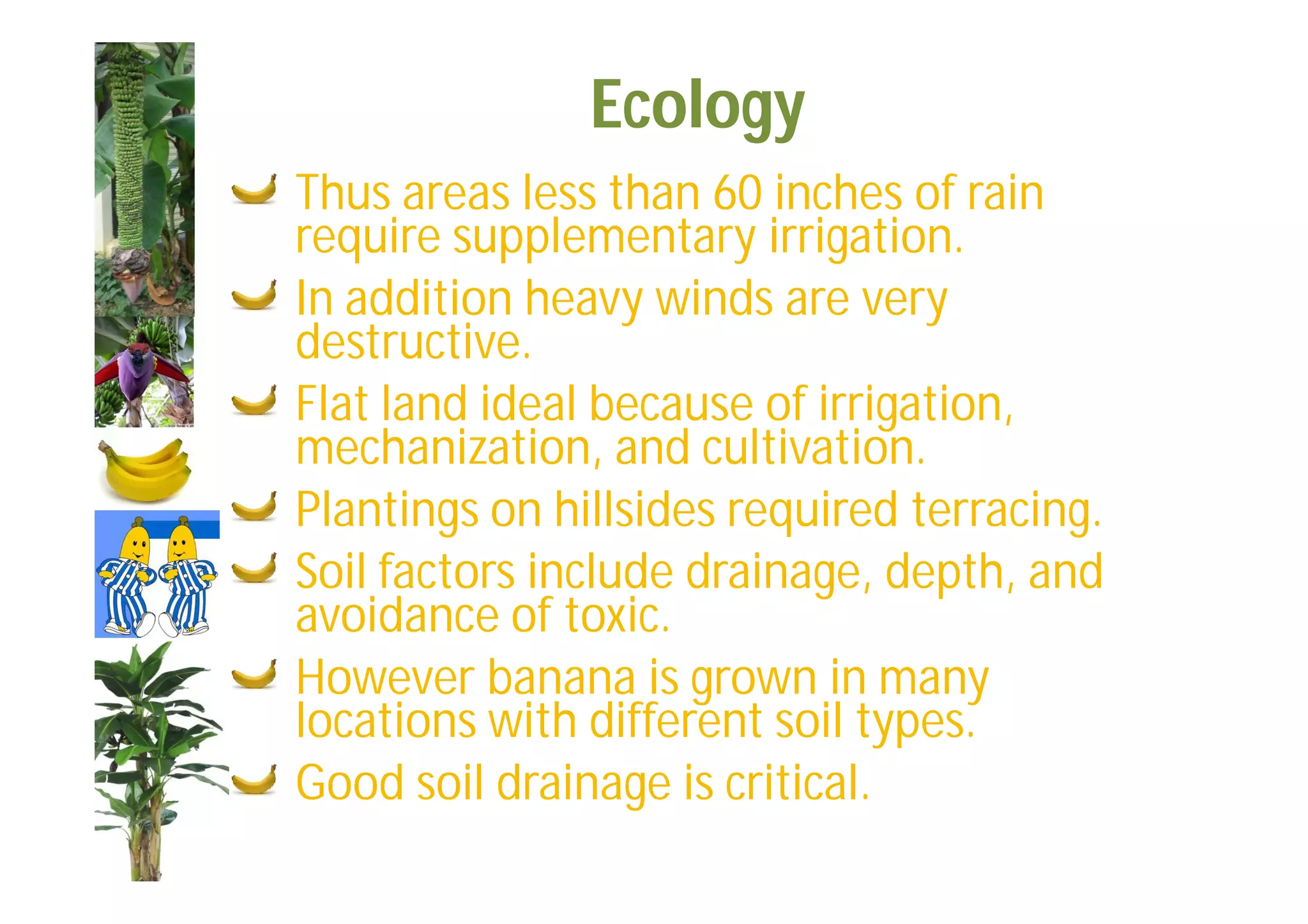
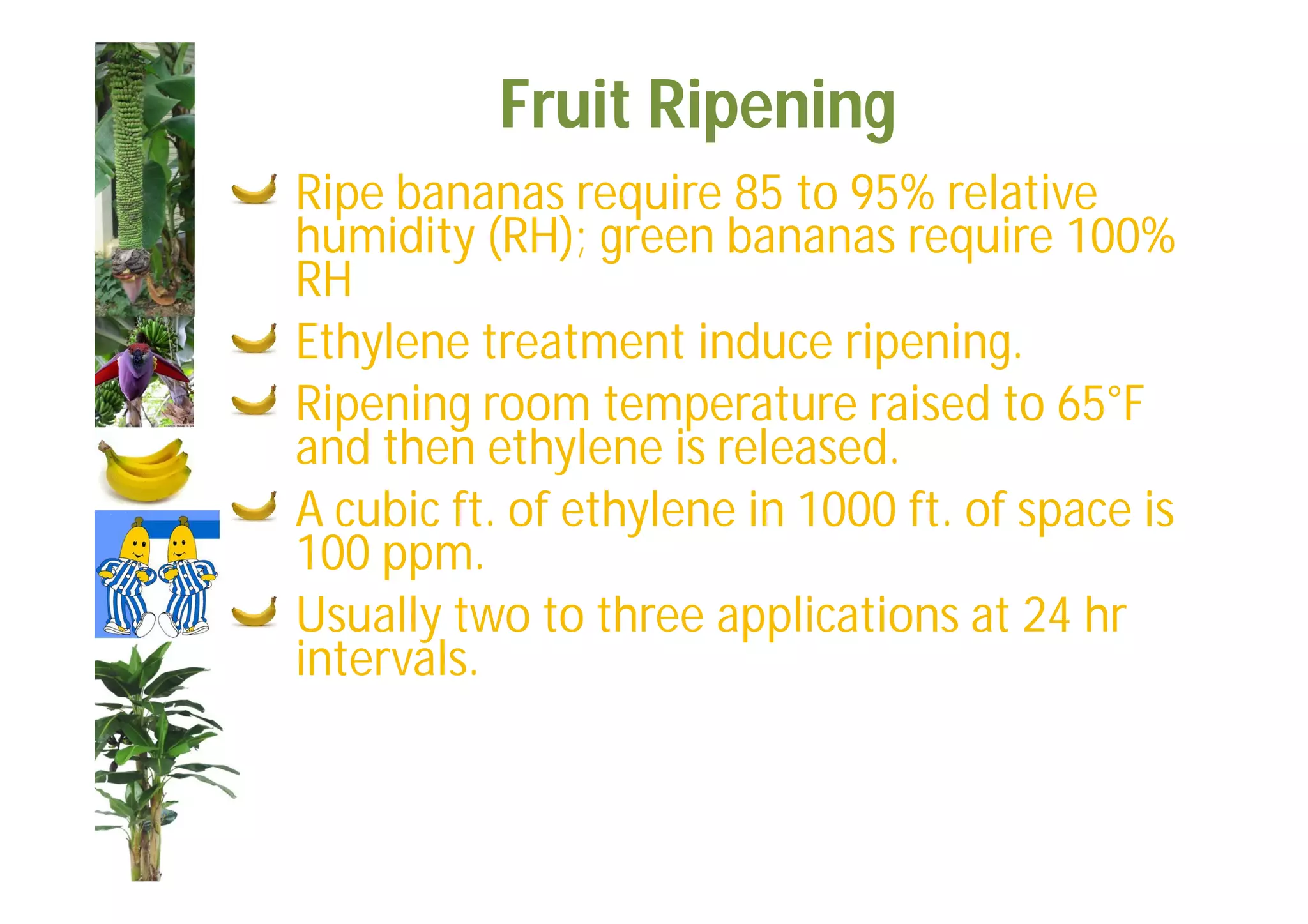
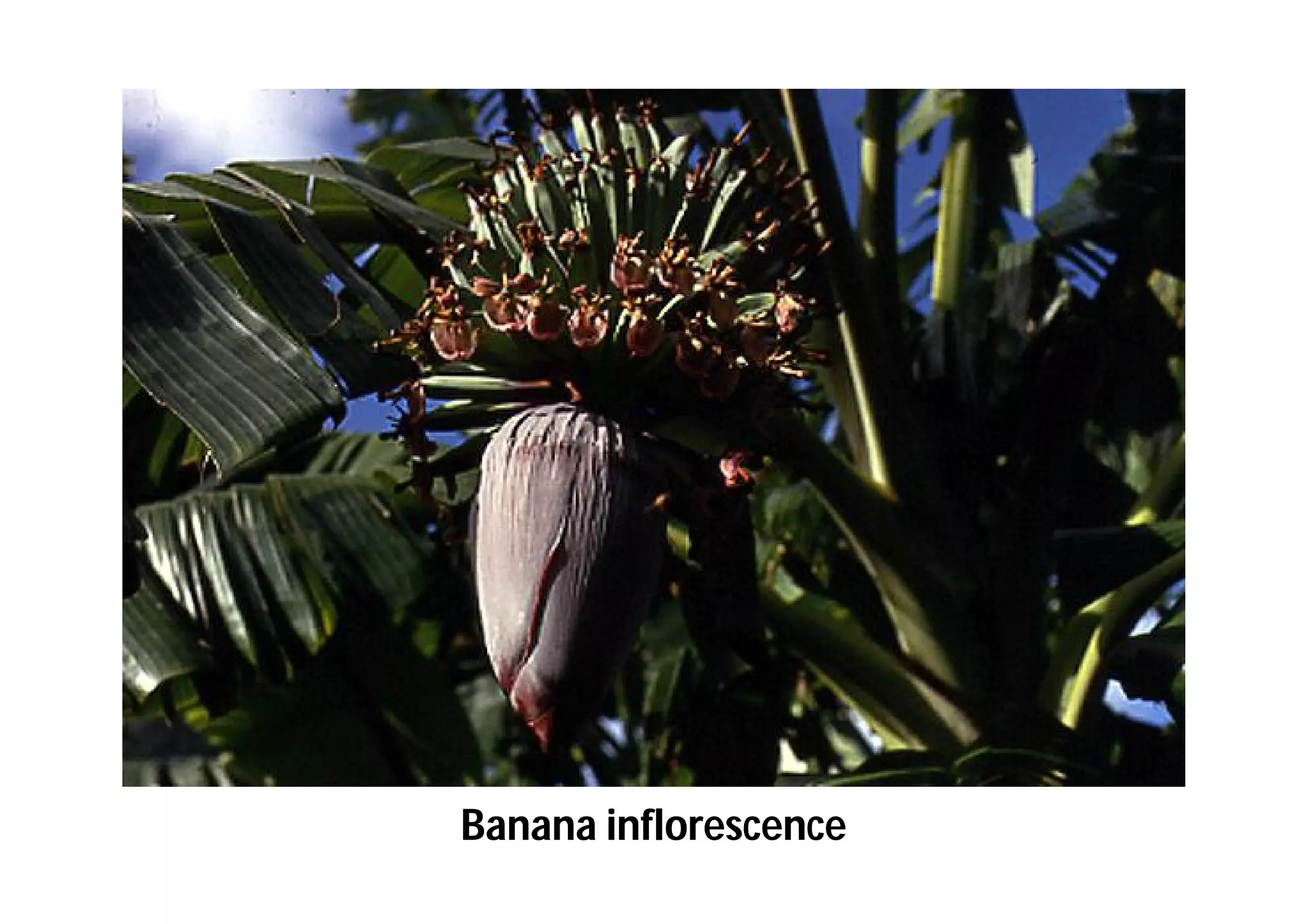
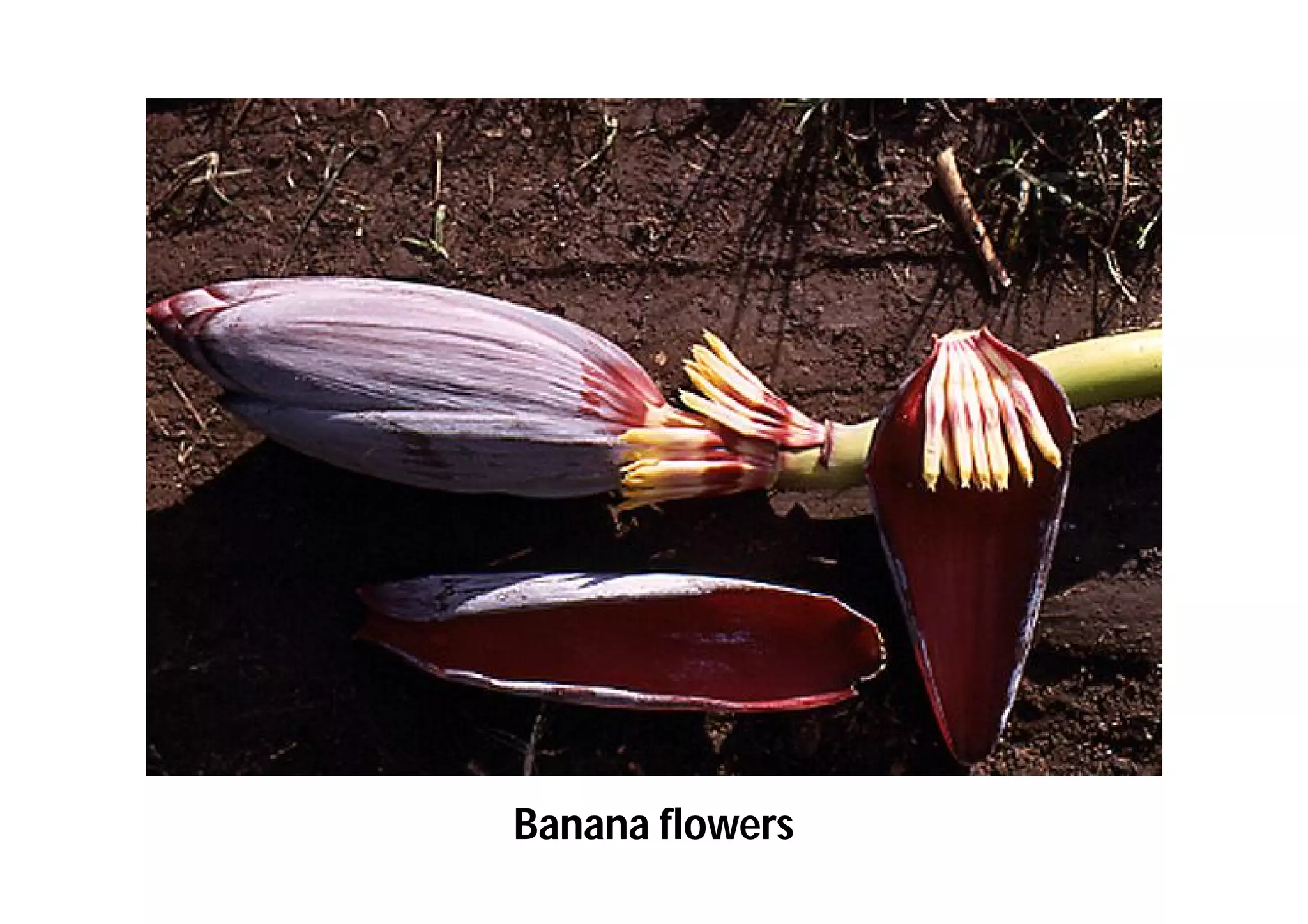
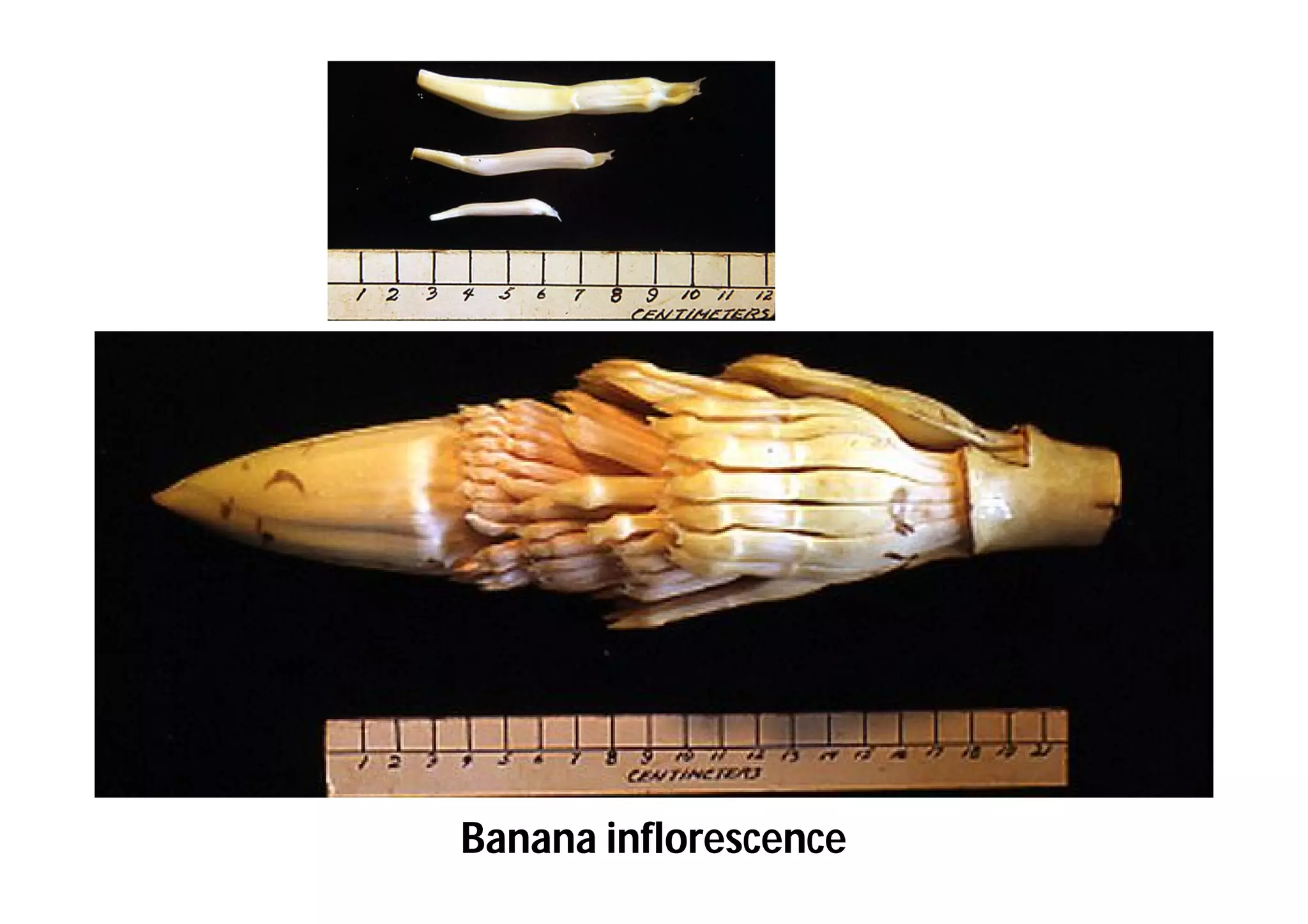
Ppt on Bananas

Summary:

Explore a comprehensive PowerPoint presentation on bananas with 70 engaging slides packed with information and visuals. A must-see for banana enthusiasts!

Slide 1

Slide 1

Slide 2

Slide 2

Slide 3

Slide 3

Slide 4

Slide 4

Slide 5

Slide 5

Slide 6

Slide 6

Slide 7

Slide 7

Slide 8

Slide 8

Slide 9

Slide 9

Slide 10

Slide 10

Slide 11

Slide 11

Slide 12

Slide 12

Slide 13

Slide 13

Slide 14

Slide 14

Slide 15

Slide 15

Slide 16

Slide 16

Slide 17

Slide 17

Slide 18

Slide 18

Slide 19

Slide 19

Slide 20

Slide 20

Slide 21

Slide 21

Slide 22

Slide 22

Slide 23

Slide 23

Slide 24

Slide 24

Slide 25

Slide 25

Slide 26

Slide 26

Slide 27

Slide 27

Slide 28

Slide 28

Slide 29

Slide 29

Slide 30

Slide 30

Slide 31

Slide 31

Slide 32

Slide 32

Slide 33

Slide 33

Slide 34

Slide 34

Slide 35

Slide 35

Slide 36

Slide 36

Slide 37

Slide 37

Slide 38

Slide 38

Slide 39

Slide 39

Slide 40

Slide 40

Slide 41

Slide 41

Slide 42

Slide 42

Slide 43

Slide 43

Slide 44

Slide 44

Slide 45

Slide 45

Slide 46

Slide 46

Slide 47

Slide 47

Slide 48

Slide 48

Slide 49

Slide 49

Slide 50

Slide 50

Slide 51

Slide 51

Slide 52

Slide 52

Slide 53

Slide 53

Slide 54

Slide 54

Slide 55

Slide 55

Slide 56

Slide 56

Slide 57

Slide 57

Slide 58

Slide 58

Slide 59

Slide 59

Slide 60

Slide 60

Slide 61

Slide 61

Slide 62

Slide 62

Slide 63

Slide 63

Slide 64

Slide 64

Slide 65

Slide 65

Slide 66

Slide 66

Slide 67

Slide 67

Slide 68

Slide 68

Slide 69

Slide 69

Slide 70

Slide 70

Slide 71

Slide 71

Slide 72

Slide 72
1 / 72

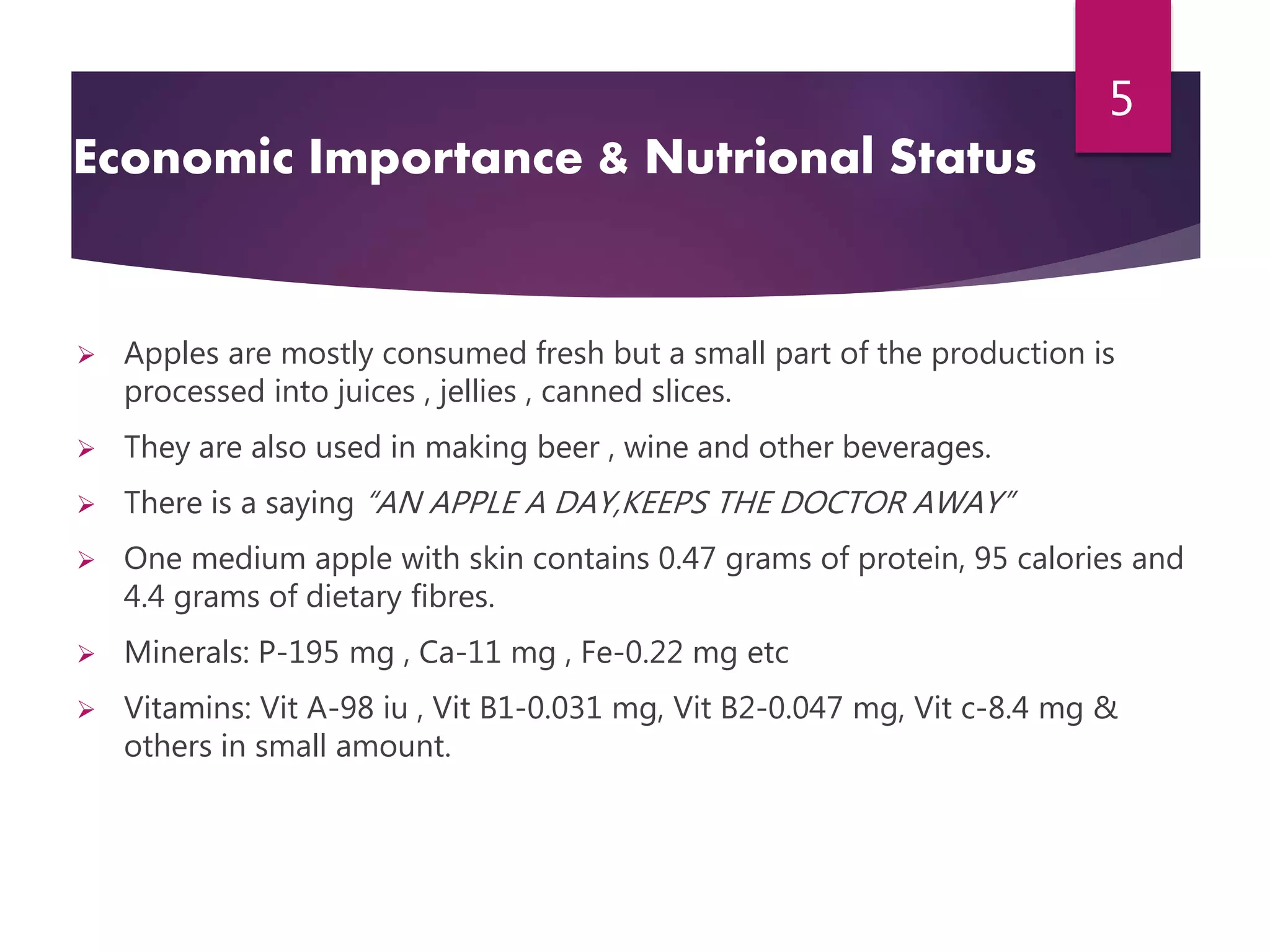
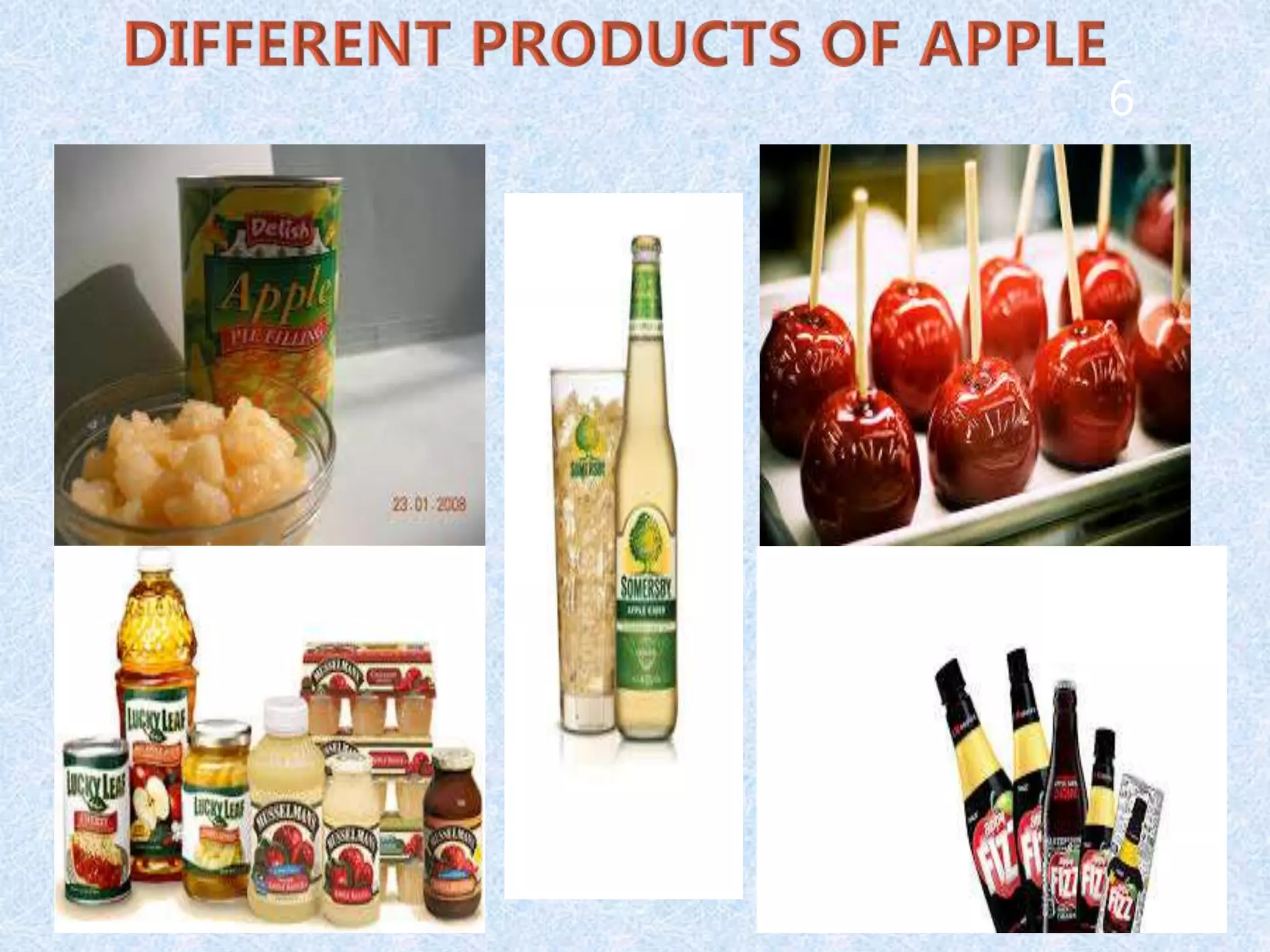
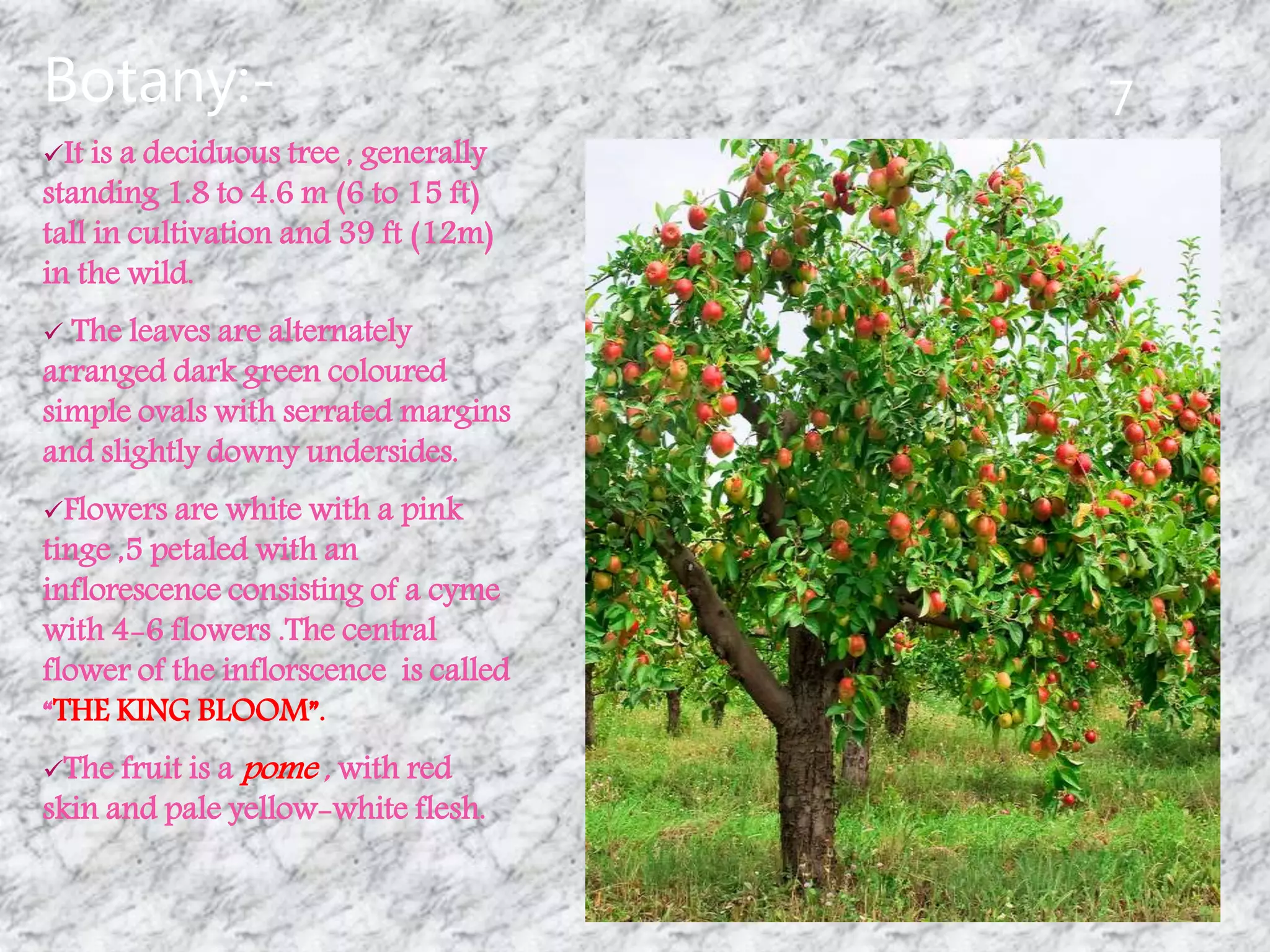
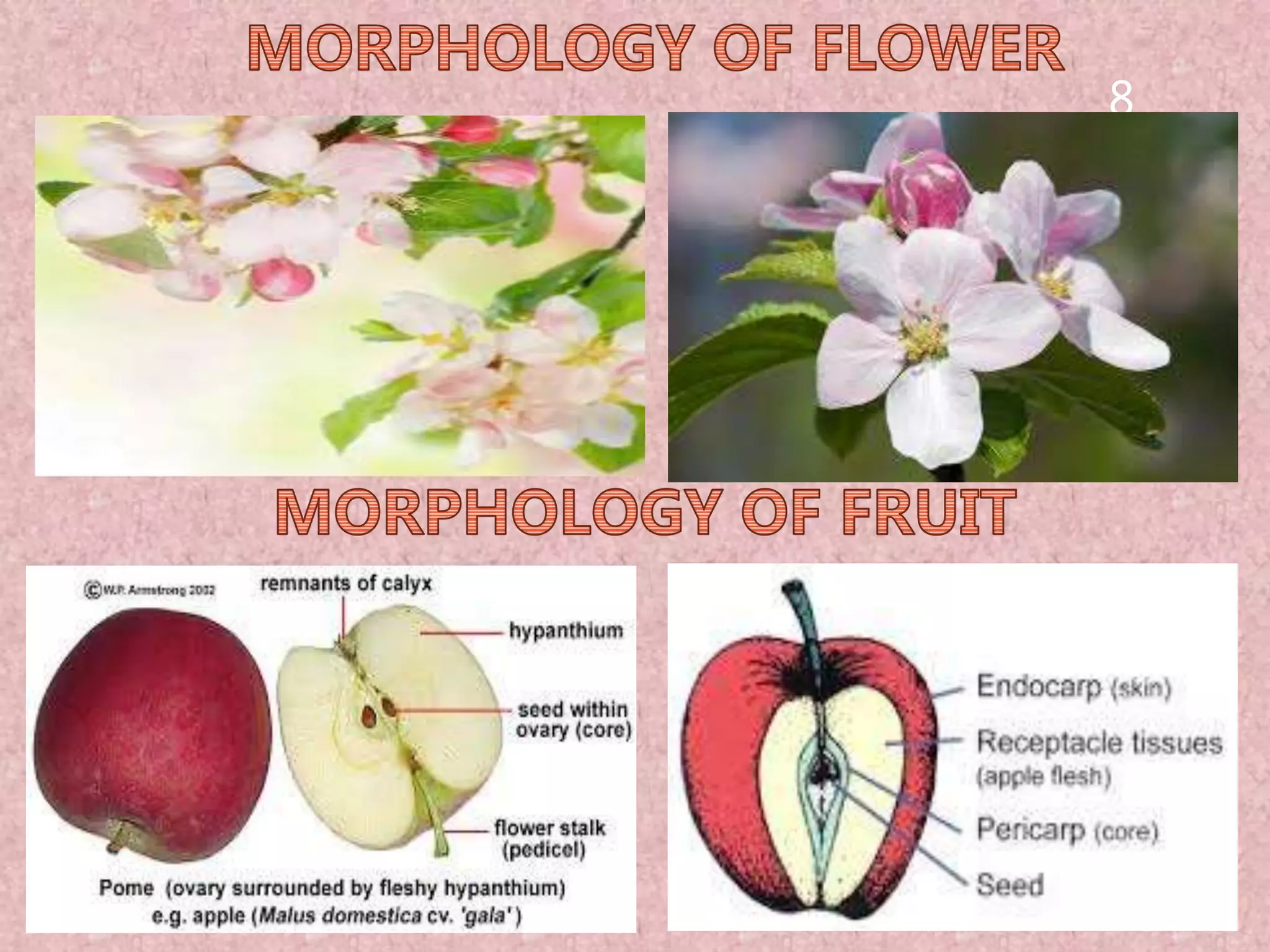
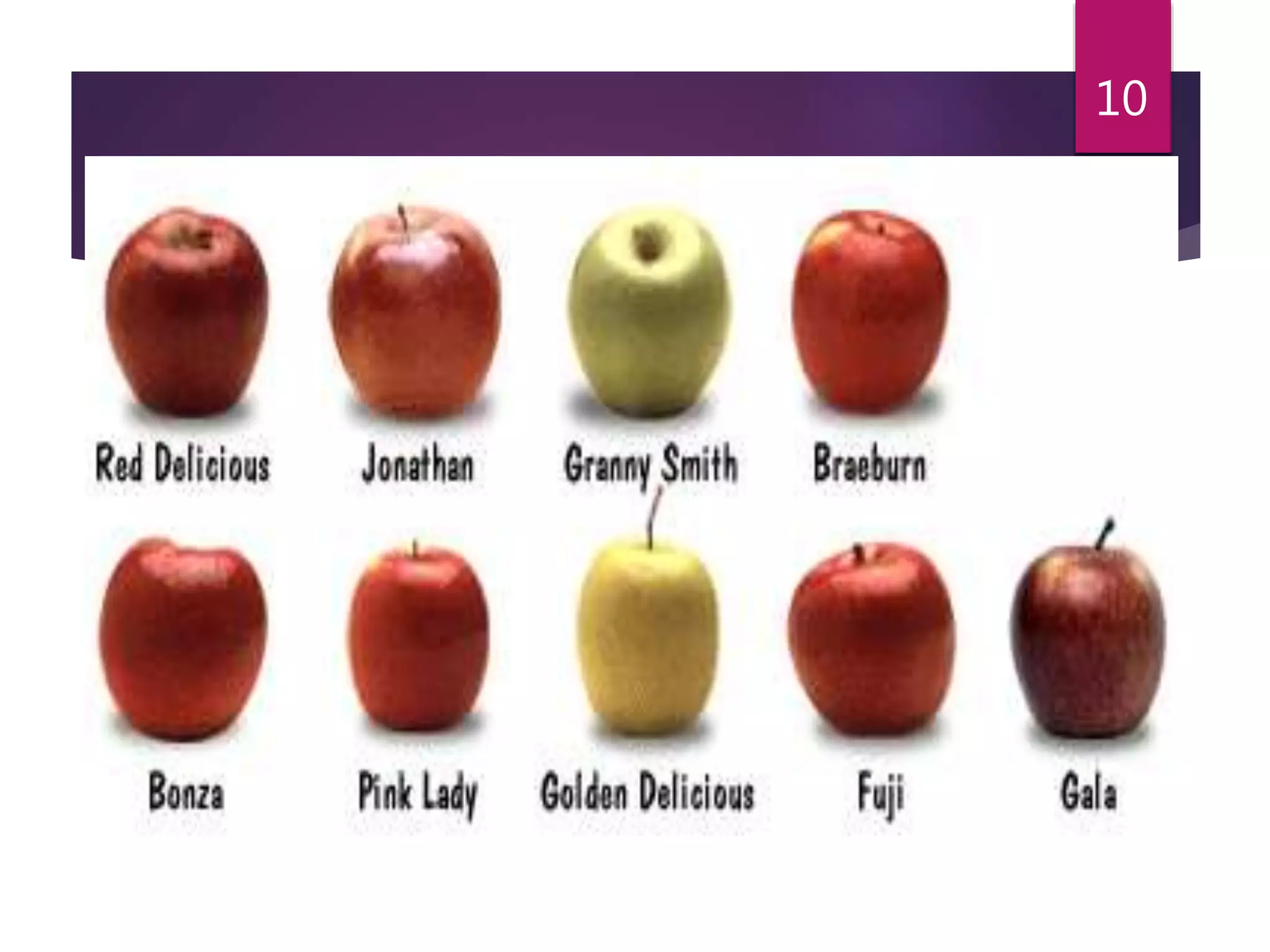
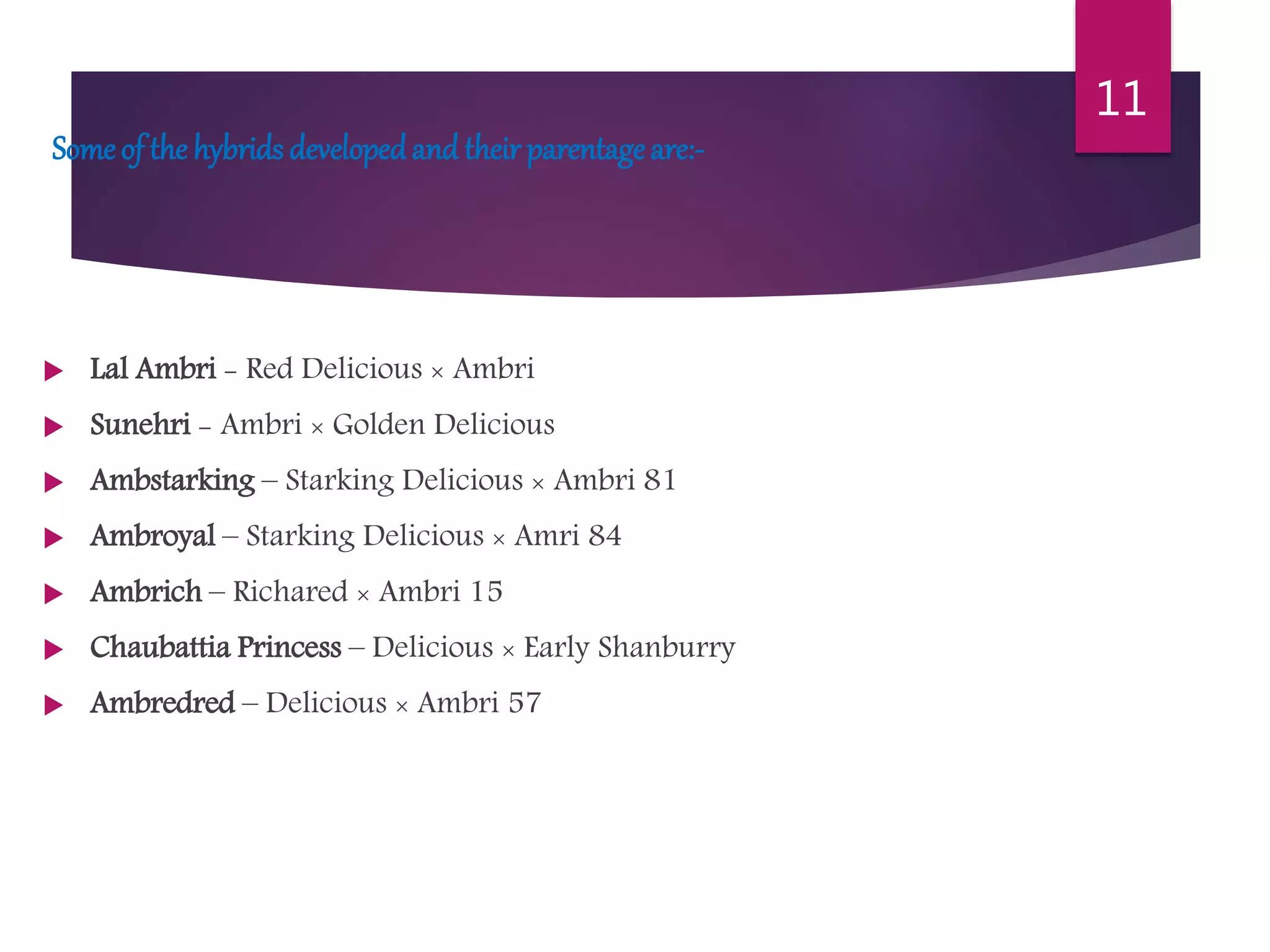
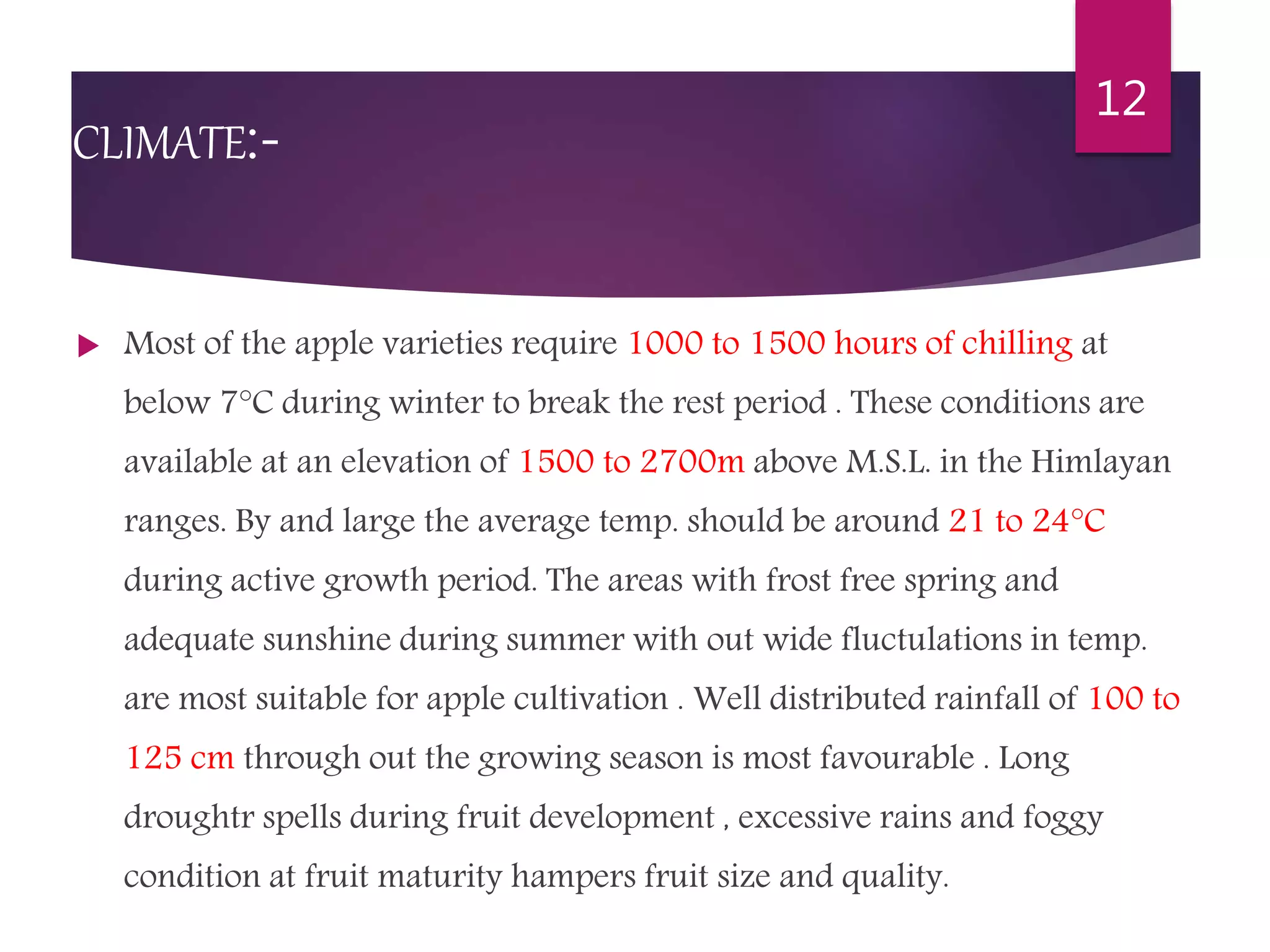
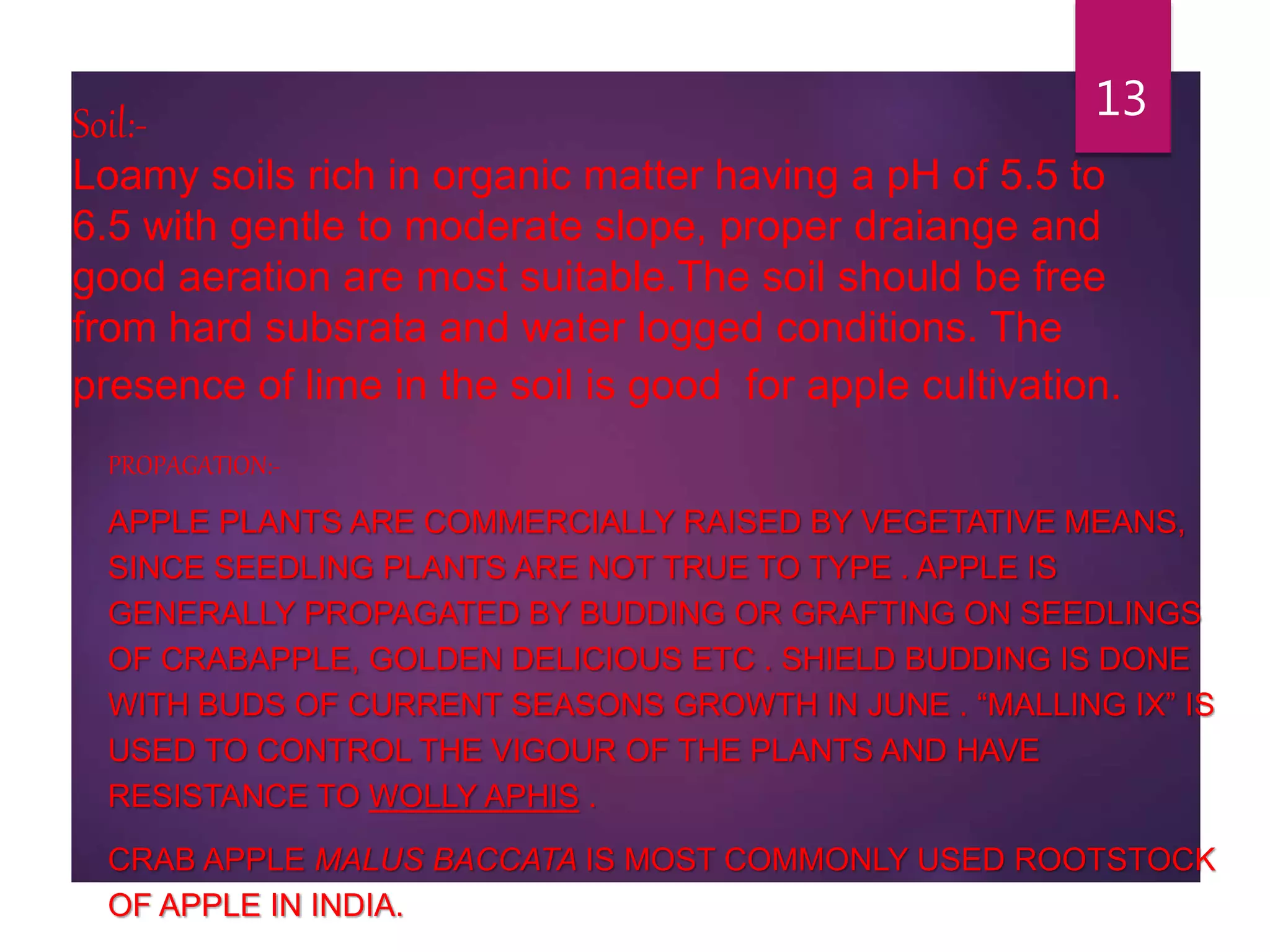
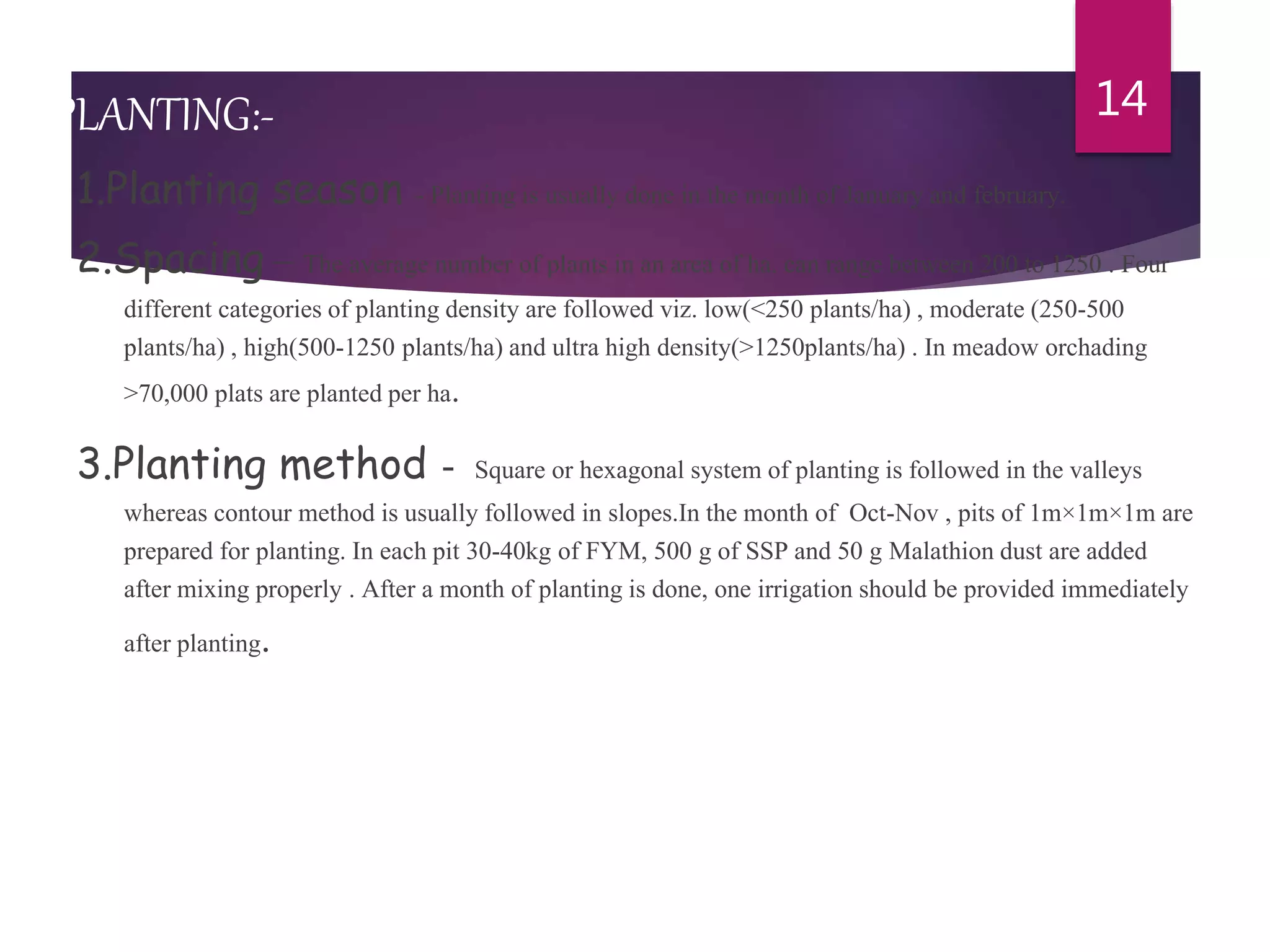
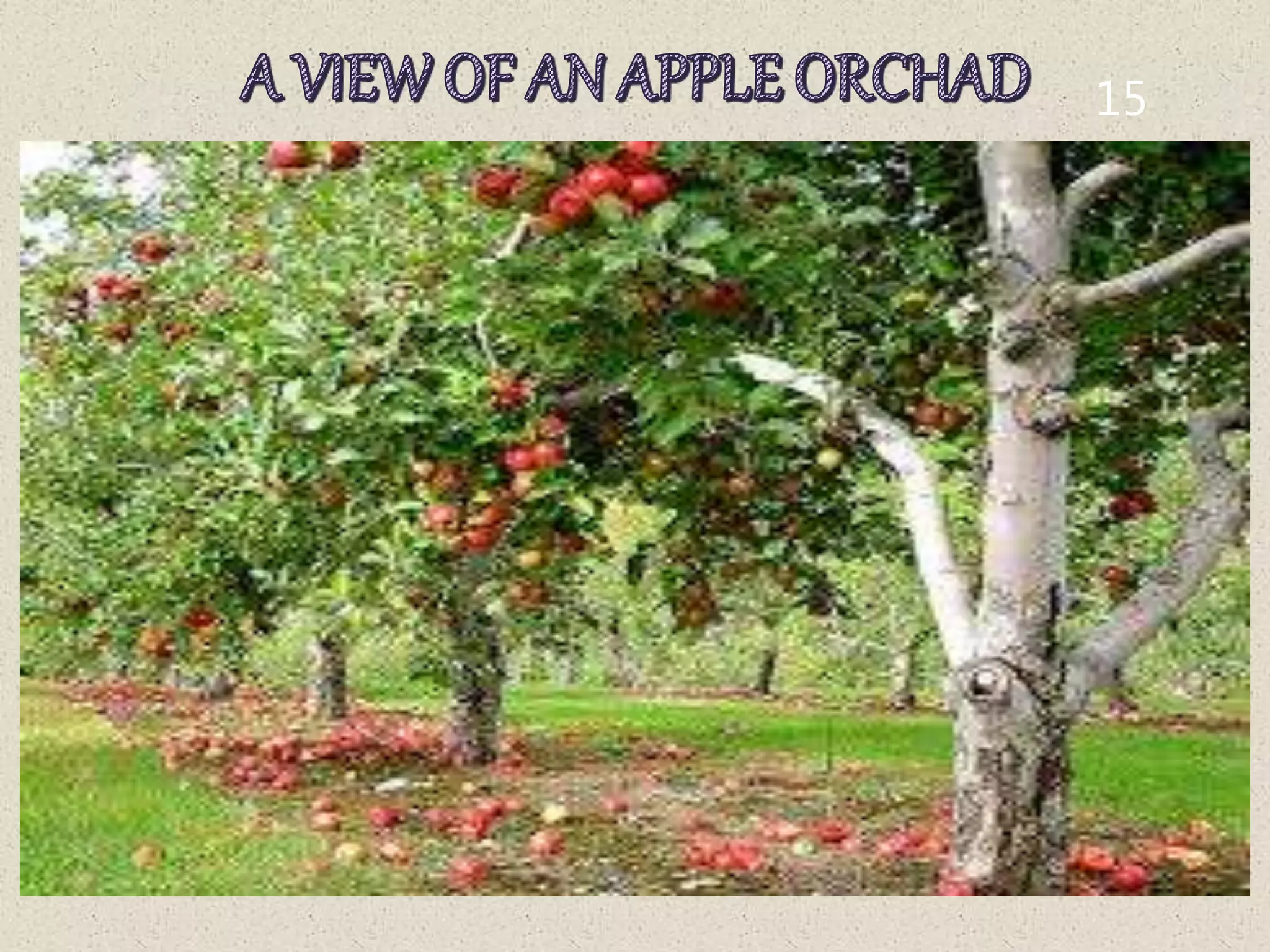
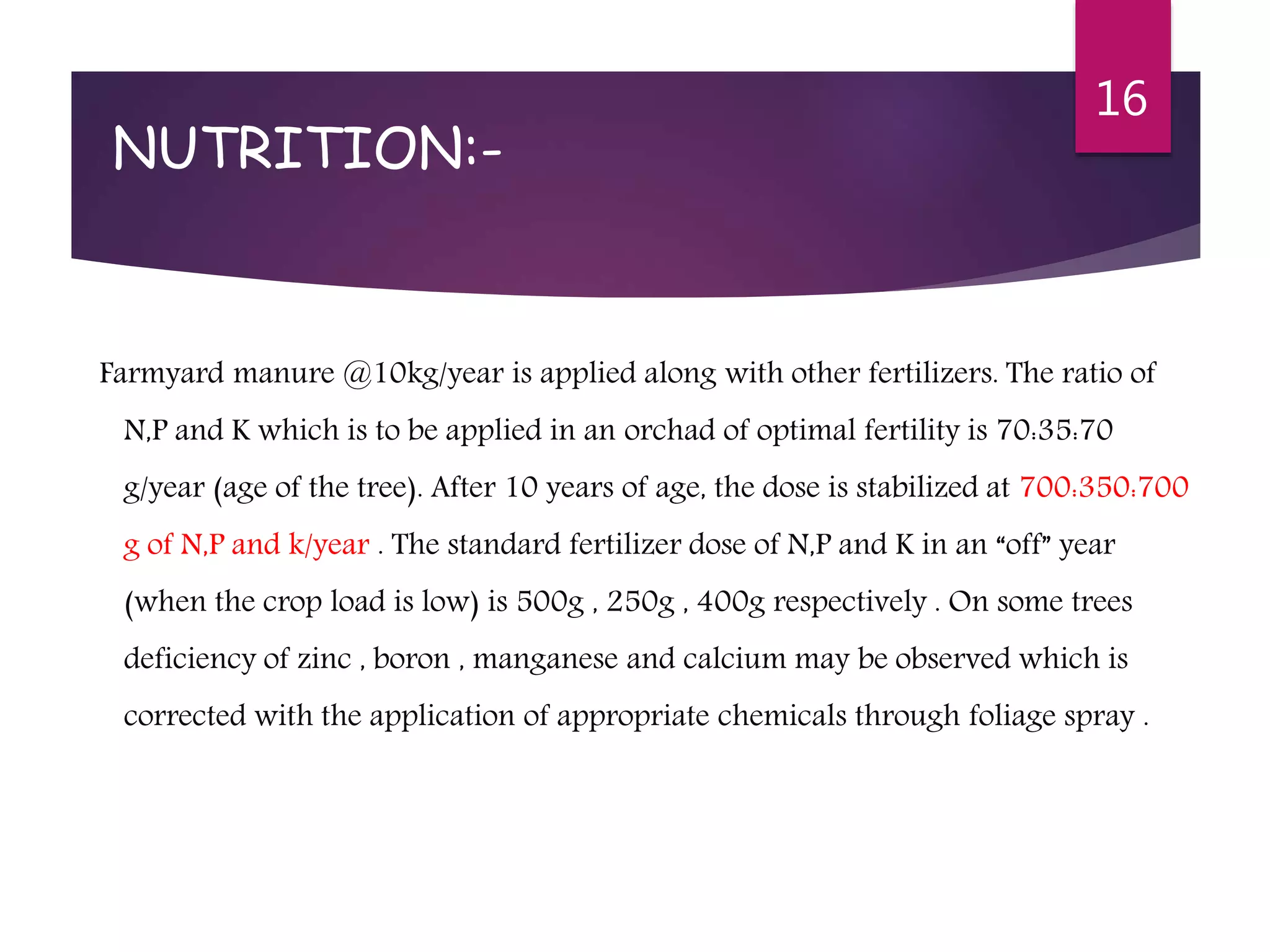
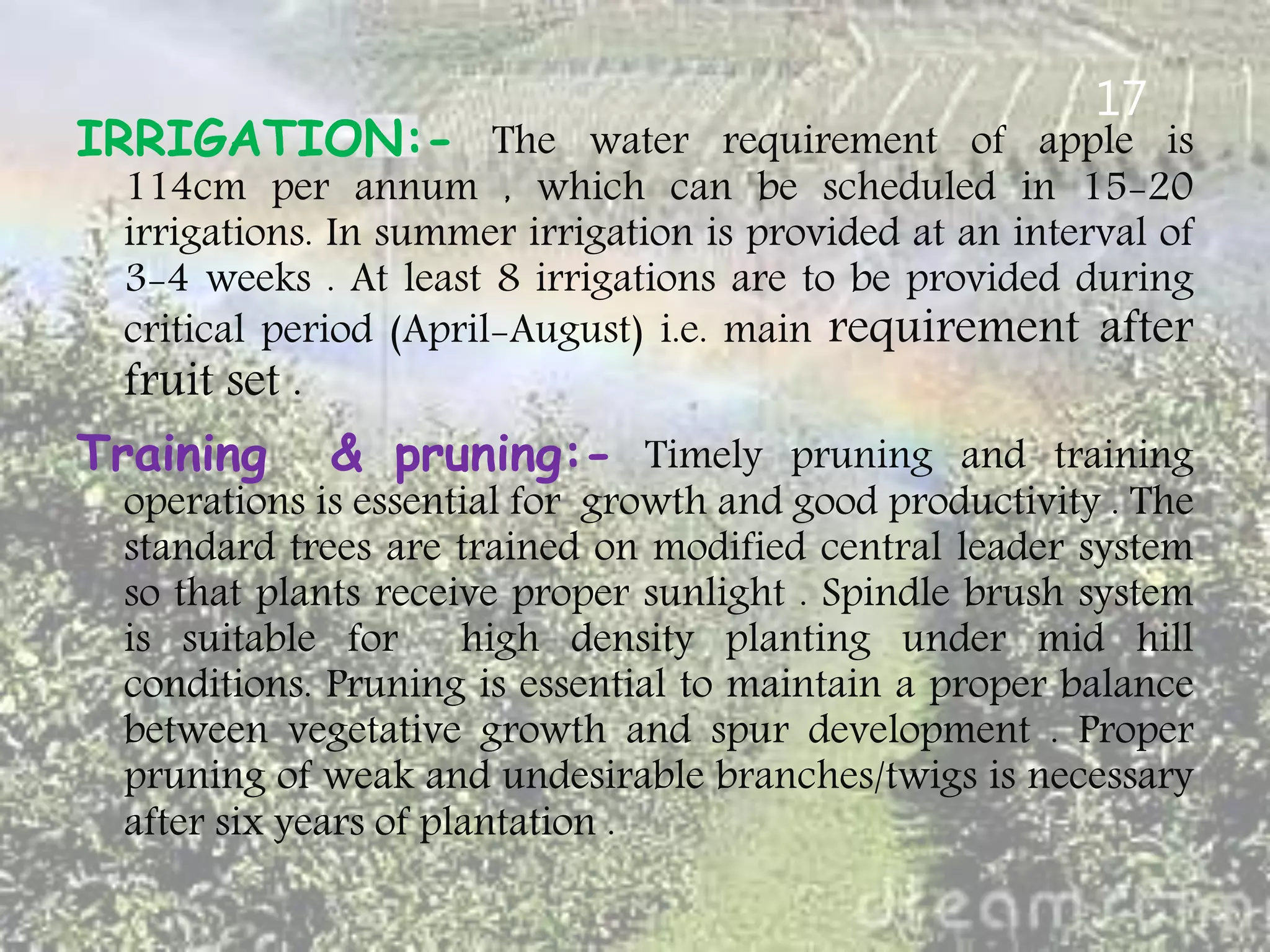
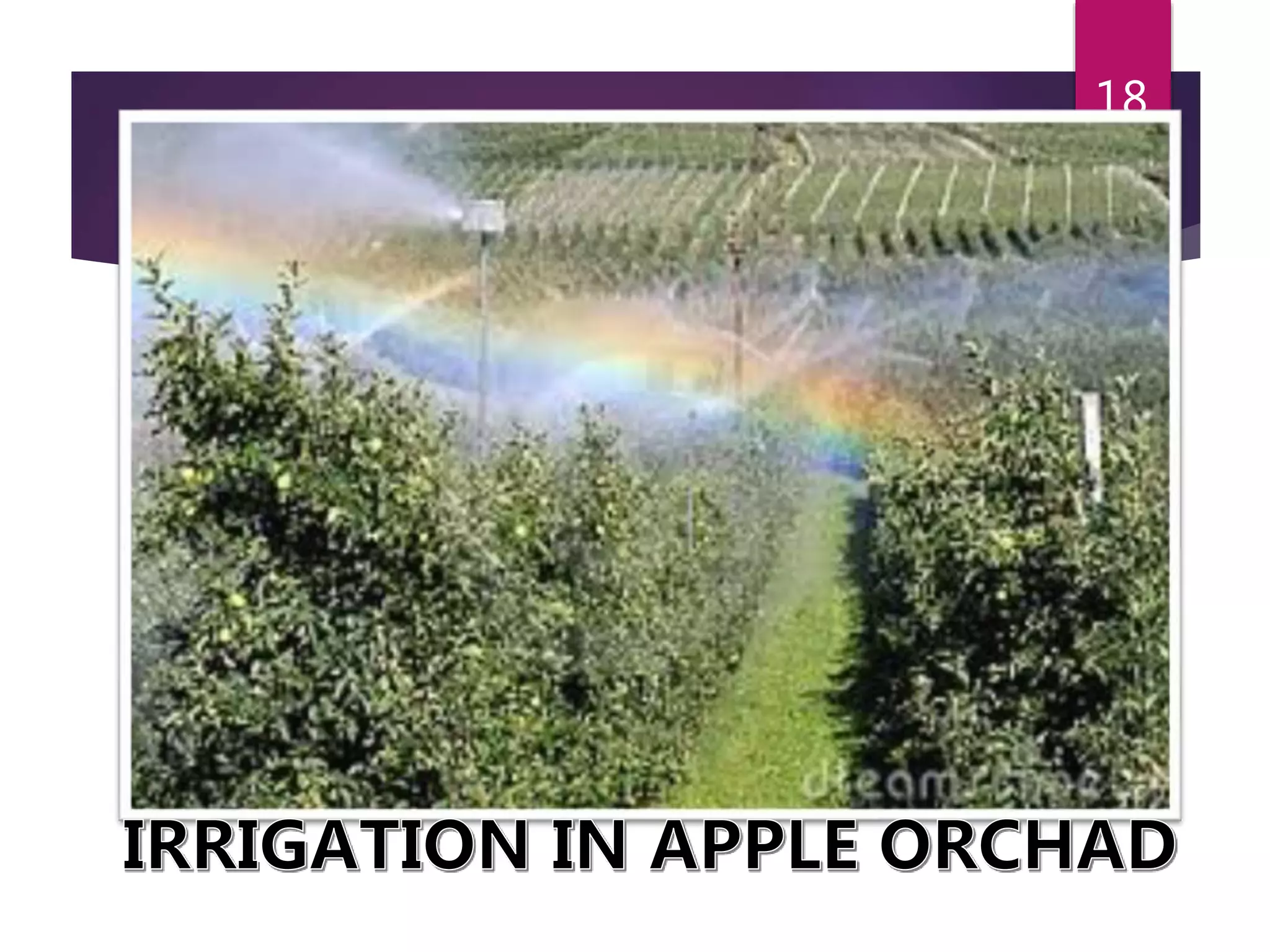
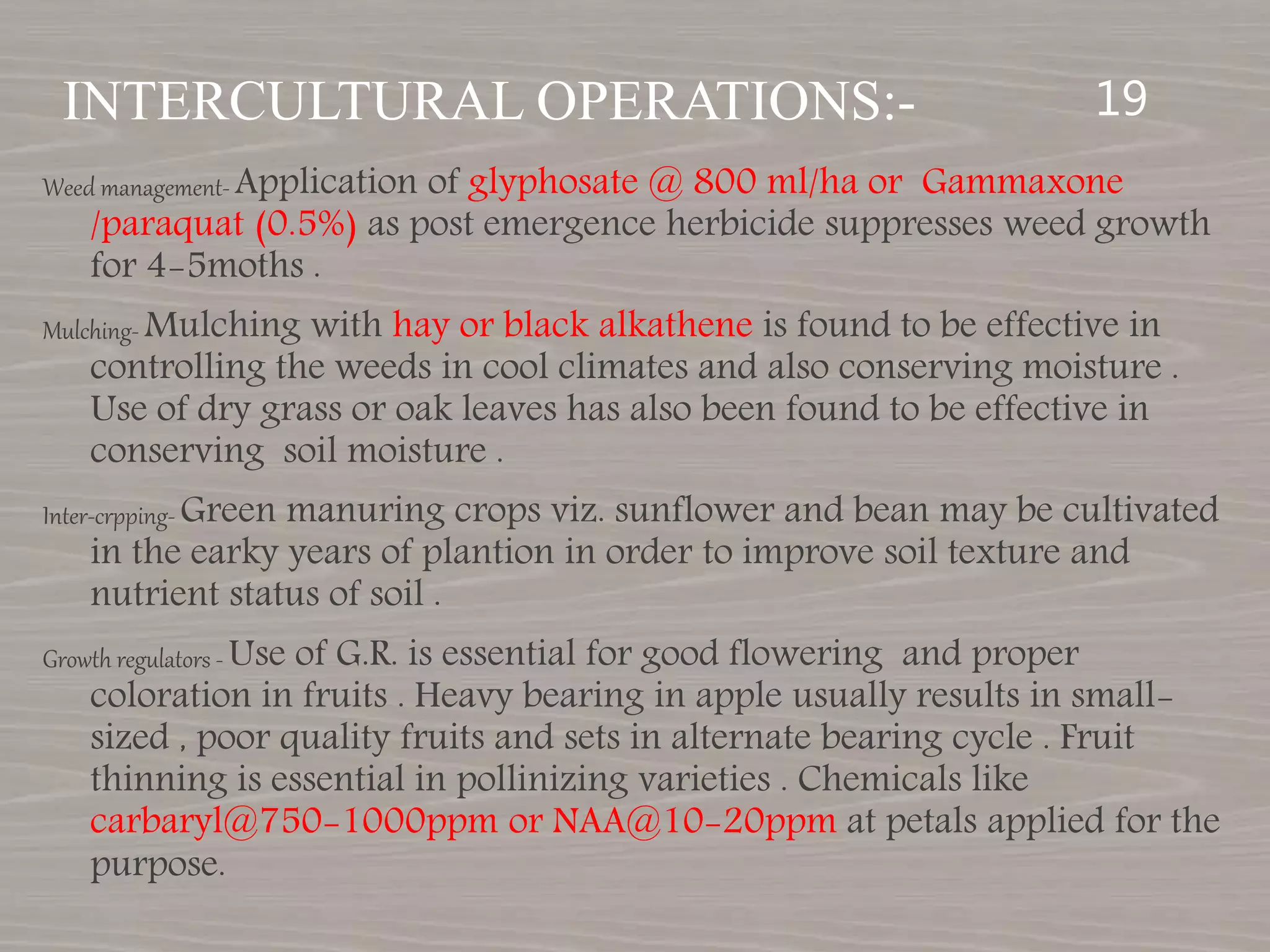
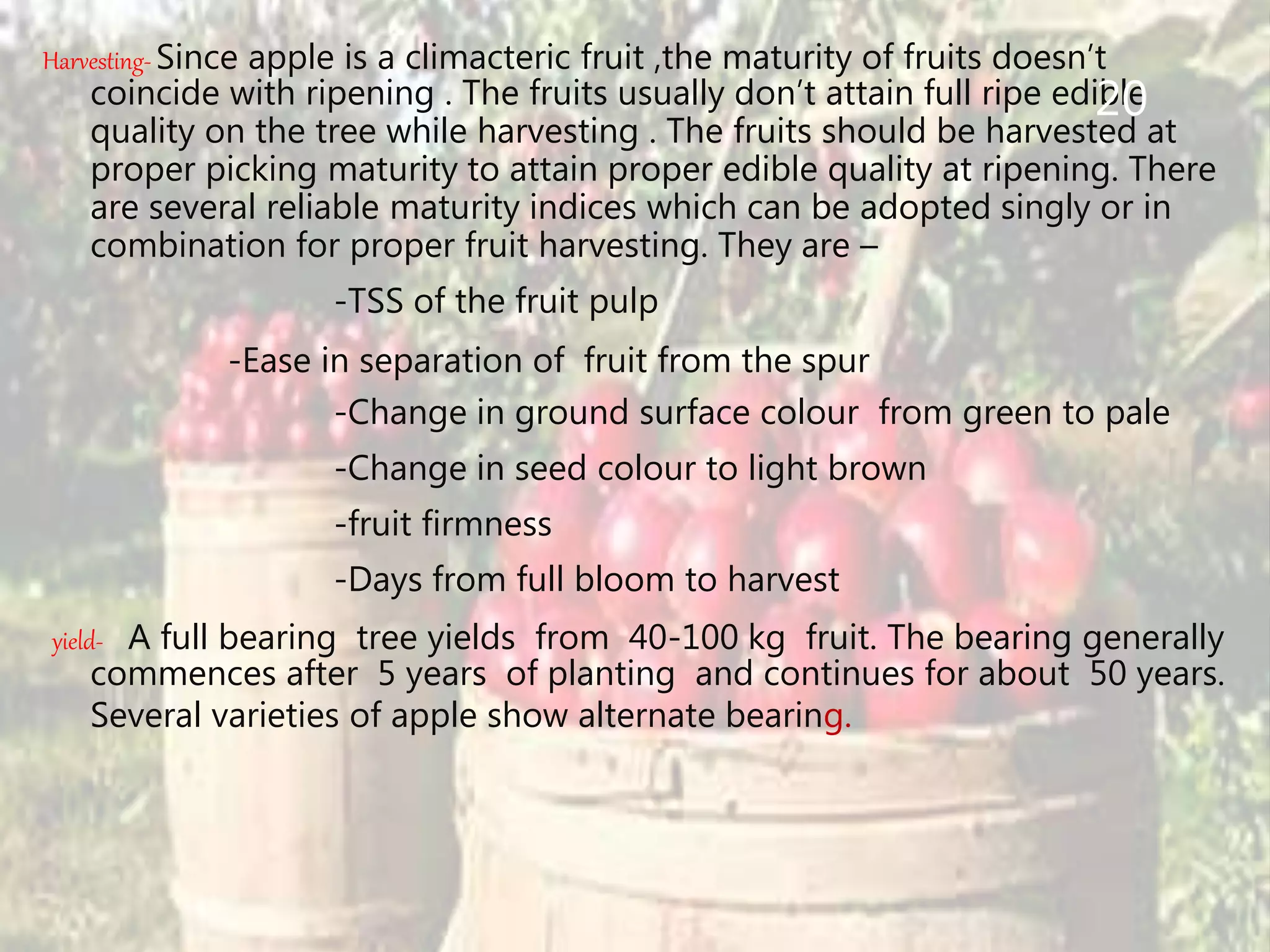
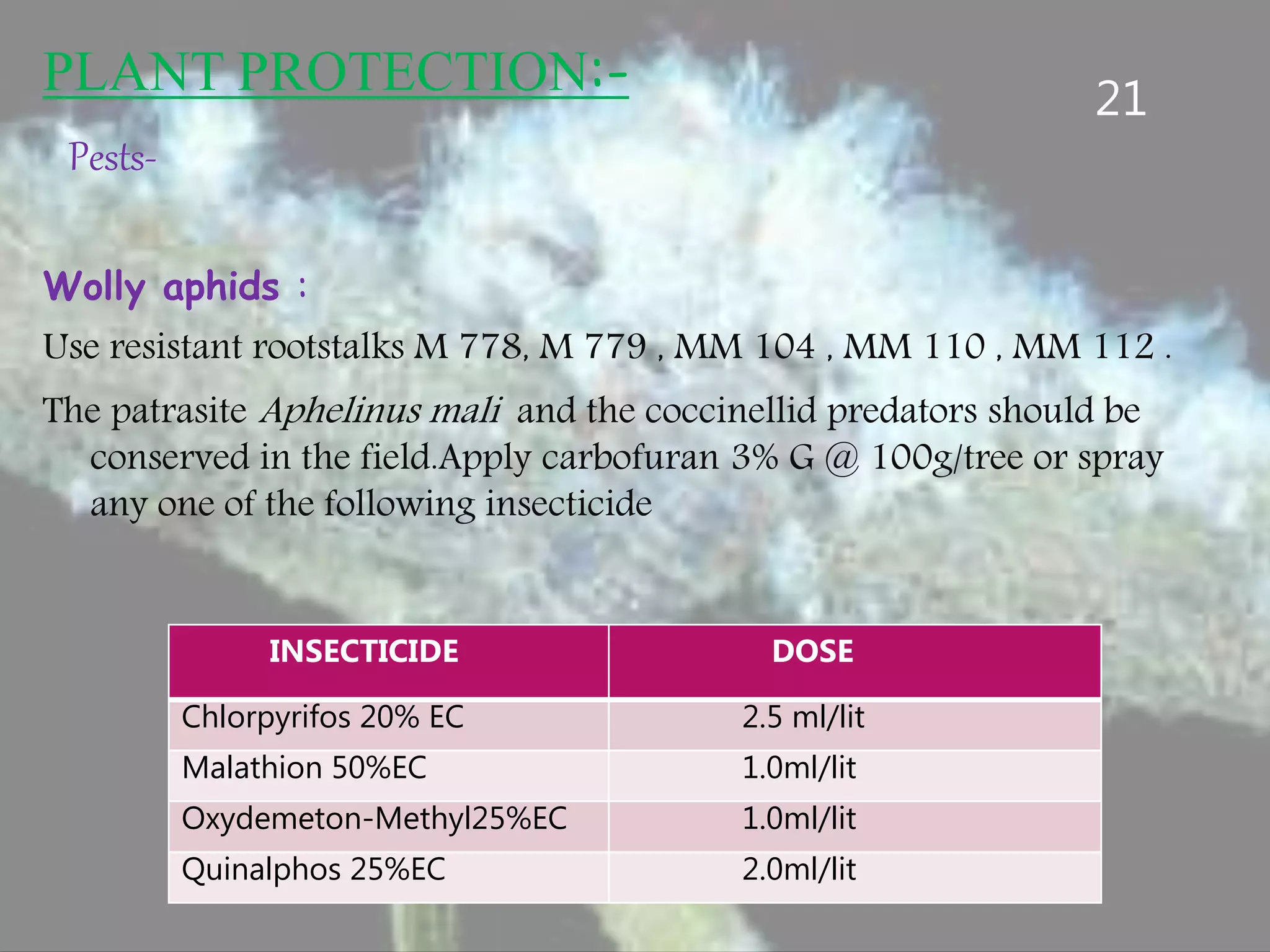
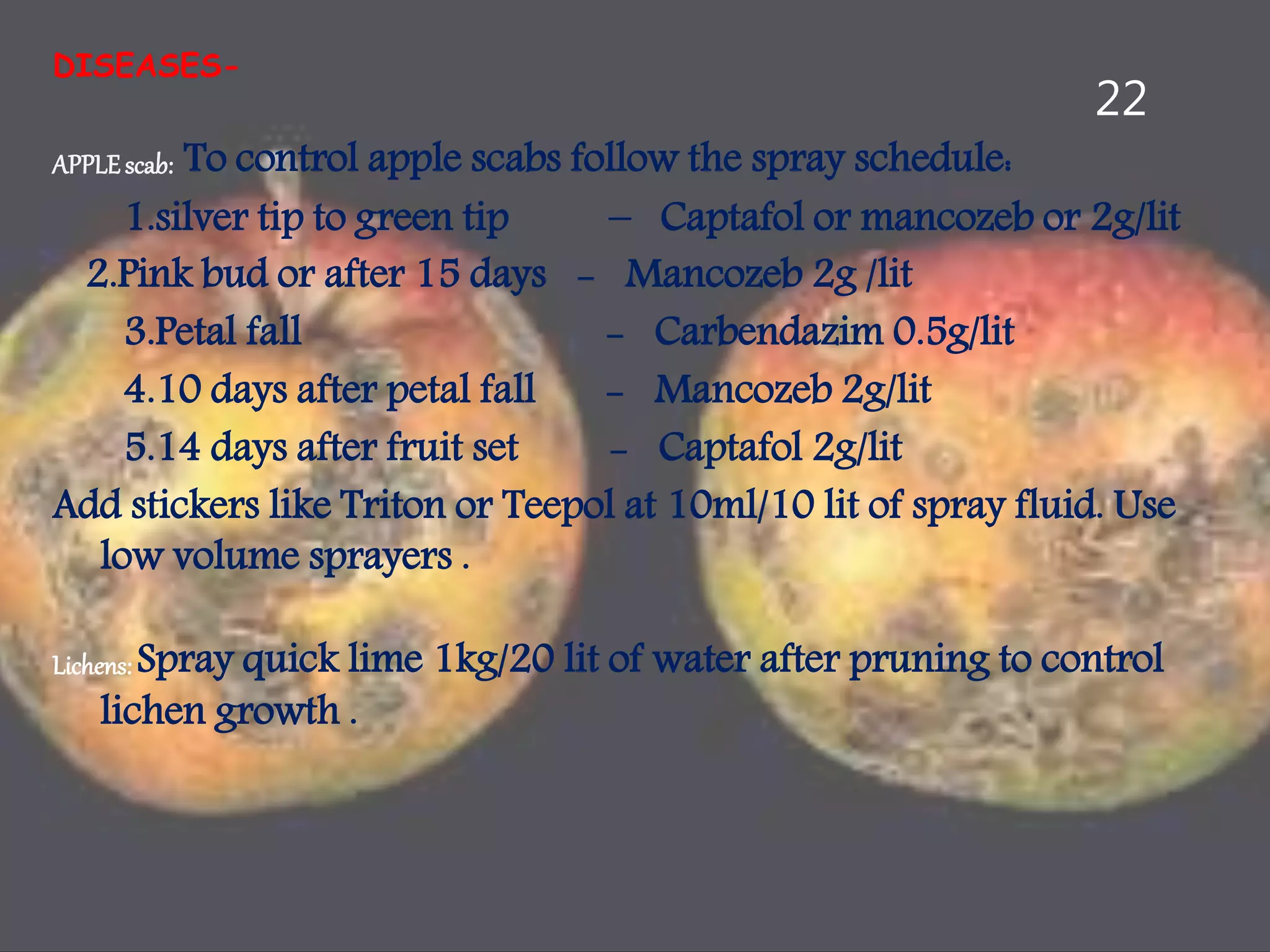
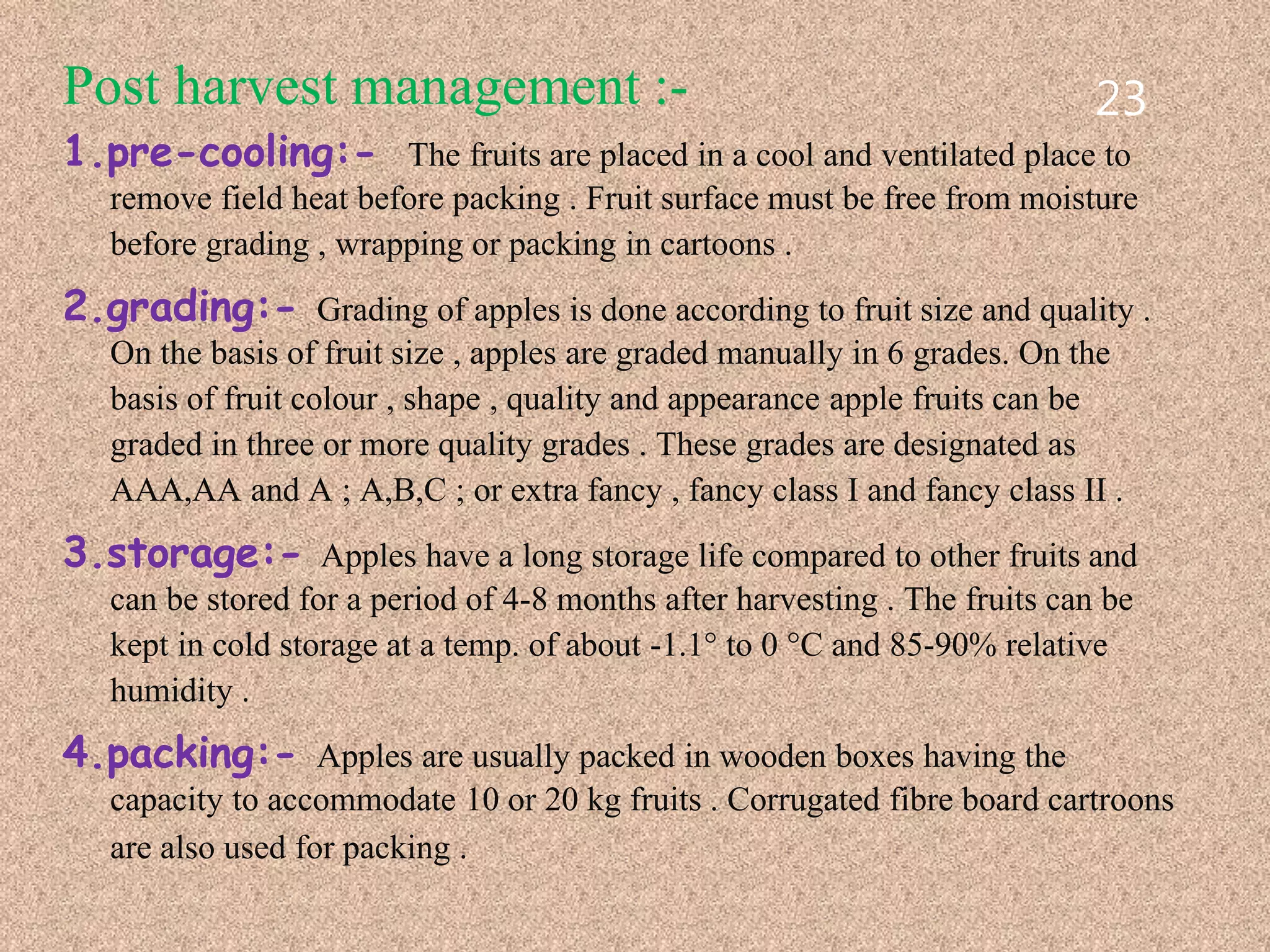
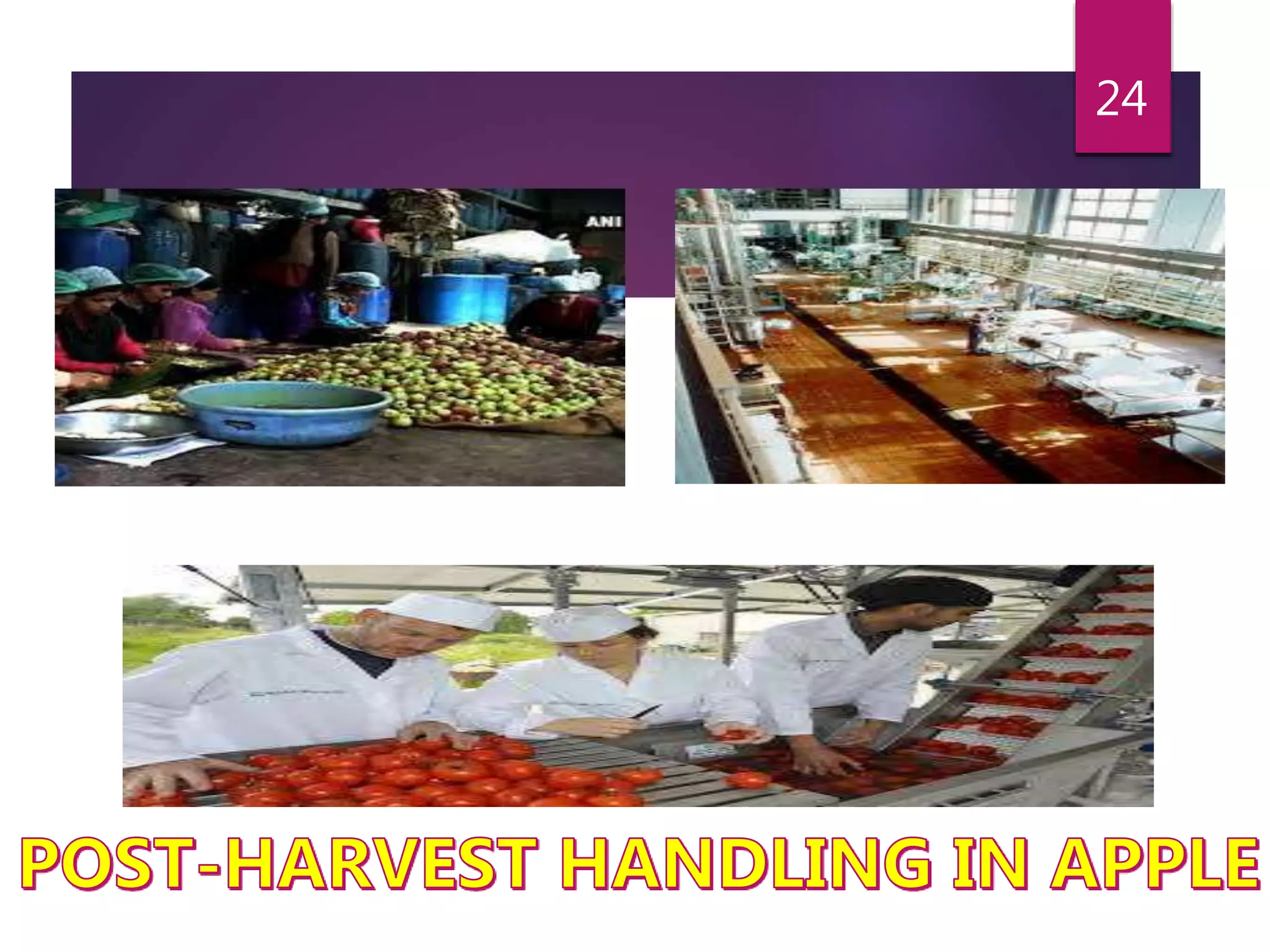
Ppt on cultivation practices of apple

Summary:Discover essential cultivation practices for apple trees in this detailed PowerPoint presentation, covering 24 informative slides. Learn how to care for your apple trees and enhance your gardening skills!

Slide 1

Slide 1

Slide 2

Slide 2

Slide 3

Slide 3

Slide 4

Slide 4

Slide 5

Slide 5

Slide 6

Slide 6

Slide 7

Slide 7

Slide 8

Slide 8

Slide 9

Slide 9

Slide 10

Slide 10

Slide 11

Slide 11

Slide 12

Slide 12

Slide 13

Slide 13

Slide 14

Slide 14

Slide 15

Slide 15

Slide 16

Slide 16

Slide 17

Slide 17

Slide 18

Slide 18

Slide 19

Slide 19

Slide 20

Slide 20

Slide 21

Slide 21

Slide 22

Slide 22

Slide 23

Slide 23

Slide 24

Slide 24
1 / 24