This lecture covers the classification, soil and climate requirements, varieties, propagation, planting, nutrient and water management, and intercultural operations of citrus crops. Citrus, a major fruit group in India, includes important species such as oranges, lemons, limes, and mandarins. The topic emphasizes key aspects of citrus taxonomy, cultivation, varietal selection, nutrient management, and irrigation for optimal productivity and quality.
Introduction to Citrus
Citrus spp. belong to the family Rutaceae.
Includes oranges, lemons, limes, pummelo, and grapefruit.
Originated in tropical and subtropical Southeast Asia.
Third most important fruit group in India after mango and banana.
Q1. Which subgenus do all edible citrus fruits belong to?
A. Eucitrus
B. Fortunella
C. Poncirus
D. Citrus
Answer: A

Q2. Which citrus group is characterized by loose skin of fruits?
A. Acid group
B. Orange group
C. Mandarin group
D. Pummelo group
Answer: C

Q3. Which rootstock is most salt tolerant for mandarins?
A. Rangpur lime
B. Cleopatra mandarin
C. Rough lemon
D. Troyer citrange
Answer: B

Q4. What is the ideal soil pH range for citrus cultivation?
A. 4.0–5.0
B. 5.5–6.5
C. 7.0–8.0
D. 6.5–7.5
Answer: B

Q5. Which micronutrient is NOT required by mandarins and is considered harmful?
A. Zinc
B. Boron
C. Sodium
D. Manganese
Answer: C

Q6. What is the recommended spacing for Nagpur mandarin budded on Rough lemon?
A. 4.5 x 4.5 m
B. 5 x 5 m
C. 6 x 6 m
D. 1.8 x 1.8 m
Answer: C

Q7. Which growth regulator is used at 20 ppm to increase fruit retention in citrus?
A. GA3
B. 2,4-D
C. Ethrel
D. IAA
Answer: B

Q8. Which weedicide is recommended for pre-emergence weed control in mandarin nurseries?
A. Atrazine
B. Diuron
C. Glyphosate
D. Simazine
Answer: B

Q9. What is the main harvesting period for mandarins in North-Eastern India?
A. Dec–Feb
B. Feb–March
C. Nov–Feb
D. July–August
Answer: C

Q10. Which mandarin cultivar is a hybrid between King and Willow Leaf mandarins?
A. Ponkan
B. Kinnow
C. Dancy
D. Clementine
Answer: B
This presentation covers major diseases of apple, focusing on their causal agents, symptoms, disease cycles, and management strategies. Emphasis is placed on accurate identification and integrated management for sustainable apple production. Key topics include apple scab, powdery mildew, fire blight, and crown gall. Important academic keywords: pathogen, symptoms, disease cycle, management, resistant varieties.
Introduction to Apple Diseases
Apple is susceptible to various fungal, bacterial, and physiological diseases.
Major diseases impact yield, fruit quality, and tree longevity.
Effective management requires understanding pathogen biology and disease cycles.
Integrated approaches combine cultural, chemical, and genetic methods.
Apple Scab – Pathogen and Distribution
Caused by Venturia inaequalis (fungus).
First reported in Sweden (1819); in India, Kashmir valley (1935).
Most economically important apple disease worldwide.
Apple Scab – Symptoms
Black, circular, velvety spots on upper leaf surface; may coalesce.
Leaves become twisted, yellow, and may drop prematurely.
Fruits develop sooty, gray-black lesions, later sunken and tan.
Infected fruits may crack and become deformed; young fruits may drop.
Apple Scab – Disease Cycle and Spread
Primary inoculum: ascospores from fallen leaves in spring.
Ascospores dispersed by wind and rain during wet periods.
Secondary spread: conidia dispersed by wind and rain.
Apple Scab – Management
Sanitation: remove and destroy fallen leaves.
Use resistant varieties: Emira, Redfree, Ambstraking, Ambroyal, Ambrich, Ambred.
Fungicide sprays: captan (0.2%), dodine (0.25%) after petal fall.
Apply difolatan (0.3%) at green bud stage, followed by captan at petal fall.
Powdery Mildew – Pathogen and Symptoms
Caused by Podosphaera leucotricha (fungus).
White or grey powdery patches on young leaves, shoots, and fruits.
Leaves become narrow, curled; twigs covered with powdery mass.
Fruits remain small, deformed, with roughened surface.
Powdery Mildew – Disease Cycle and Management
Overwinters as mycelium in buds; spreads by wind-borne conidia.
Sanitation: remove infected shoots and plant debris.
This presentation covers major diseases of apple, focusing on their causal agents, symptoms, disease cycles, and management strategies. Emphasis is placed on accurate identification and integrated management for sustainable apple production. Key topics include apple scab, powdery mildew, and fire blight. Important academic keywords: pathogen, symptoms, disease cycle, management, resistant varieties.
Introduction to Apple Diseases
Apple is affected by several fungal and bacterial diseases.
Major diseases include apple scab, powdery mildew, fire blight, and crown gall.
Effective management requires understanding pathogen biology and integrated control methods.
Major Apple Diseases and Causal Agents
Apple scab: Venturia inaequalis
Powdery mildew: Podosphaera leucotricha
Fire blight: Erwinia amylovora
Crown gall: Agrobacterium tumefaciens
Other diseases: Black rot, sooty blotch, flyspeck, Phytophthora crown rot
Apple Scab – Pathogen and Distribution
Caused by Venturia inaequalis (fungus).
First reported in Sweden (1819); in India, on Ambri variety in Kashmir (1935).
Favored by cool, moist conditions during spring.
Apple Scab – Symptoms
Black, circular, velvety spots on upper leaf surface; may coalesce.
Leaves become twisted, yellow, and may drop prematurely.
Fruits show sooty, gray-black lesions that become sunken and tan.
Severely affected fruit may crack and drop early.
Apple Scab – Disease Cycle and Spread
Primary inoculum: ascospores from fallen leaves in spring.
Secondary spread: conidia dispersed by wind and rain.
Infection favored by wet weather during bud break and early fruit development.
Apple Scab – Management
Sanitation: remove and destroy fallen leaves.
Use resistant varieties: Emira, Redfree, Ambstraking, Ambroyal, Ambrich, Ambred.
Fungicide sprays: captan (0.2%), dodine (0.25%) after petal fall.
Apply difolatan (0.3%) at green bud stage, followed by captan at petal fall.
Powdery Mildew – Pathogen and Symptoms
Caused by Podosphaera leucotricha (fungus).
White or gray powdery patches on young leaves, shoots, and fruits.
Leaves become narrow, curled, and distorted; twigs covered with powdery mass.
Affected fruits are small, deformed, and roughened.
Powdery Mildew – Disease Cycle and Management
Overwinters as mycelium in buds and fruits.
Spread by wind-borne conidia in spring and summer.
Sanitation: remove infected shoots and plant debris.
Spray lime sulphur (1:60) pre-bloom; dinocap (0.05%) or wettable sulphur.
Resistant varieties: Maharaja Chunth, Golden Chinese, Yantarka Altaskya, Dolgoe.
Fire Blight – Pathogen and Symptoms
Caused by Erwinia amylovora (bacterium).
Affects blossoms, shoots, branches, and sometimes rootstock.
Blossoms become water-soaked, then brown to black and shriveled.
Shoots wilt, forming “shepherd’s crook”; leaves blacken along veins.
Infected fruit shrivel, turn black, and may remain attached.
Fire Blight – Disease Cycle and Spread
Bacteria overwinter in cankers and healthy woody tissue.
Spread by insects (bees, flies, ants) and rain splash.
Infection occurs during warm, humid weather, especially at bloom.
Fire Blight – Management
Prune and burn infected twigs and branches 30 cm below visible symptoms.
Disinfect tools with 10% sodium hypochlorite after each cut.
Control insect vectors.
Use resistant varieties where available.
Dormant sprays: copper sulphate or Bordeaux mixture; streptomycin for blossom protection.
Other Important Apple Diseases (Brief Overview)
Cedar apple rust: Gymnosporangium juniperi-virginianae – orange leaf spots, fruit lesions.
Crown gall: Agrobacterium tumefaciens – tumor-like galls on roots and stems.
Black rot: Botryosphaeria obtusa – fruit rot, leaf spots, cankers.
Sooty blotch and flyspeck: superficial fruit blemishes, reduce market value.
Phytophthora crown, collar, and root rot: Phytophthora spp. – root decay, tree decline.
Summary: Integrated Disease Management in Apple
Combine cultural, chemical, and genetic approaches for effective control.
Regular orchard sanitation and pruning are essential.
Use disease-resistant varieties when possible.
Apply fungicides and bactericides judiciously, following recommended schedules.
Monitor orchards regularly for early detection and management.
This presentation covers the cultivation practices of apple (Malus domestica), a major temperate fruit crop. It details origin, economic importance, botany, varieties, climate and soil requirements, propagation, orchard management, plant protection, and post-harvest handling. Key concepts include varieties, propagation, orchard management, disease management, and post-harvest practices.
Introduction to Apple Cultivation
Apple (Malus domestica) belongs to family Rosaceae.
Known as the “king of temperate fruits.”
Major table fruit globally; widely consumed fresh and processed.
Originated in Central Asia; cultivated for over 4000 years.
Origin and Distribution
Origin: Central Asia (Kazakhstan region).
China is the largest producer globally.
In India, major states: Jammu & Kashmir, Himachal Pradesh, Uttarakhand, Arunachal Pradesh, Nagaland.
Apple is the main horticultural crop in Himachal Pradesh.
Area, Production, and Productivity (India, 2001-02)
State
Area (‘000 ha)
Production (‘000 MT)
Productivity (MT/ha)
Jammu & Kashmir
90.1
909.6
10.1
Himachal Pradesh
92.8
180.6
1.9
Uttarakhand
51.8
59.3
1.1
Arunachal Pradesh
6.7
8.5
1.3
Nagaland
0.1
0.3
3.3
All India
241.6
1158.3
4.8
Economic Importance and Nutritional Value
Consumed fresh; also processed into juice, jelly, cider, wine.
Rich in dietary fiber, vitamins (A, B1, B2, C), and minerals (P, Ca, Fe).
One medium apple: ~95 kcal, 0.47g protein, 4.4g fiber.
Apple (Malus domestica) is a major temperate fruit crop known for its high nutritional value and economic importance. This presentation covers the botany, climate requirements, varieties, propagation, orchard management, pest and disease control, and post-harvest practices of apple cultivation. Key academic concepts include rootstocks, chilling requirement, self-incompatibility, high-density planting, and integrated pest management.
Introduction to Apple Cultivation
Apple is called the ‘King of Temperate Fruits’ and is a symbol of health.
Deciduous fruit tree, widely grown in temperate regions worldwide.
India’s main apple-producing states: Himachal Pradesh, Jammu & Kashmir, Uttarakhand.
Apples have a long storage life and high economic value.
Nutritional Value of Apple
Rich in carbohydrates, dietary fiber, vitamins (A, C), and minerals (K, Ca).
Contains antioxidants and phytochemicals beneficial for health.
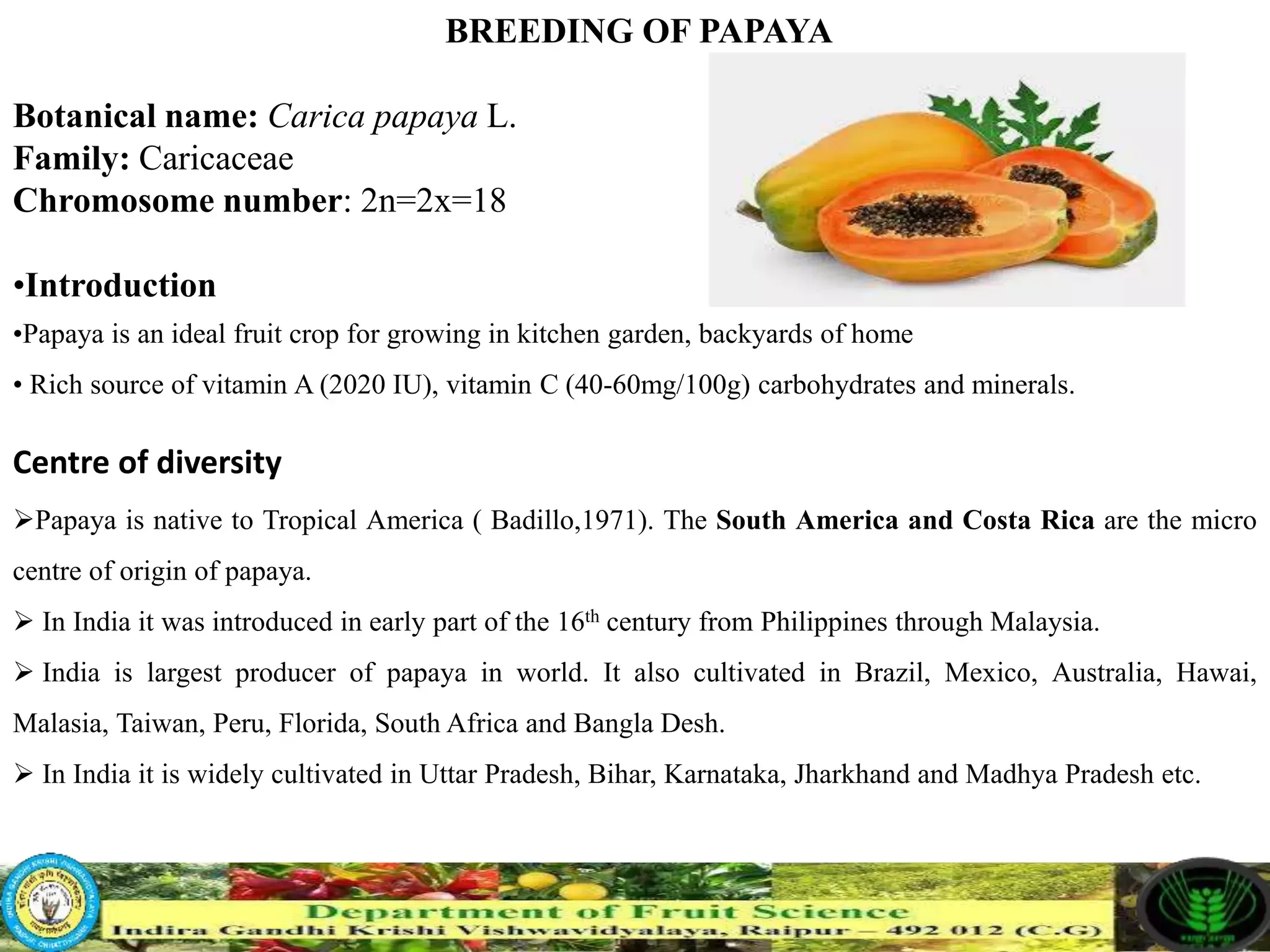
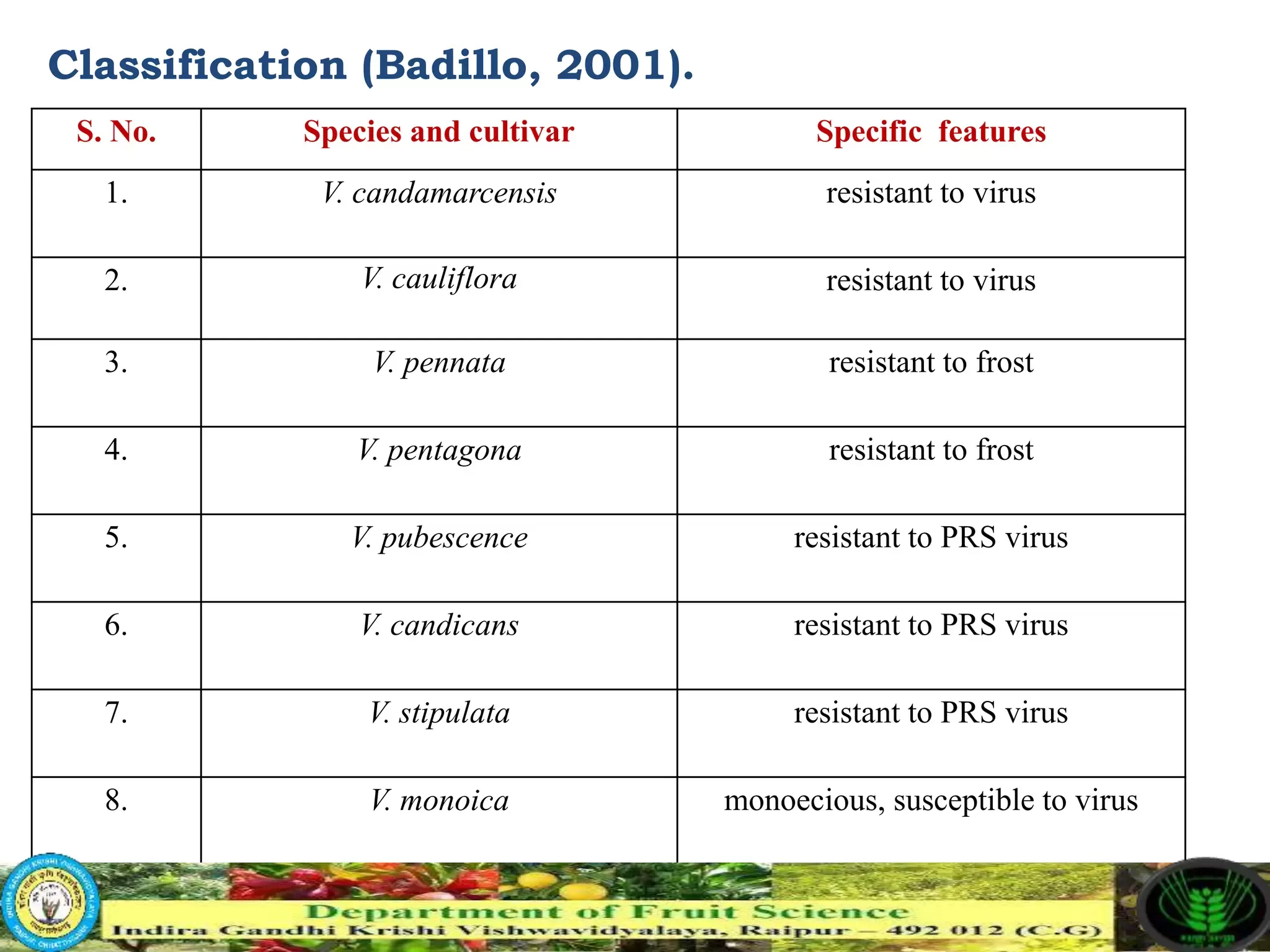
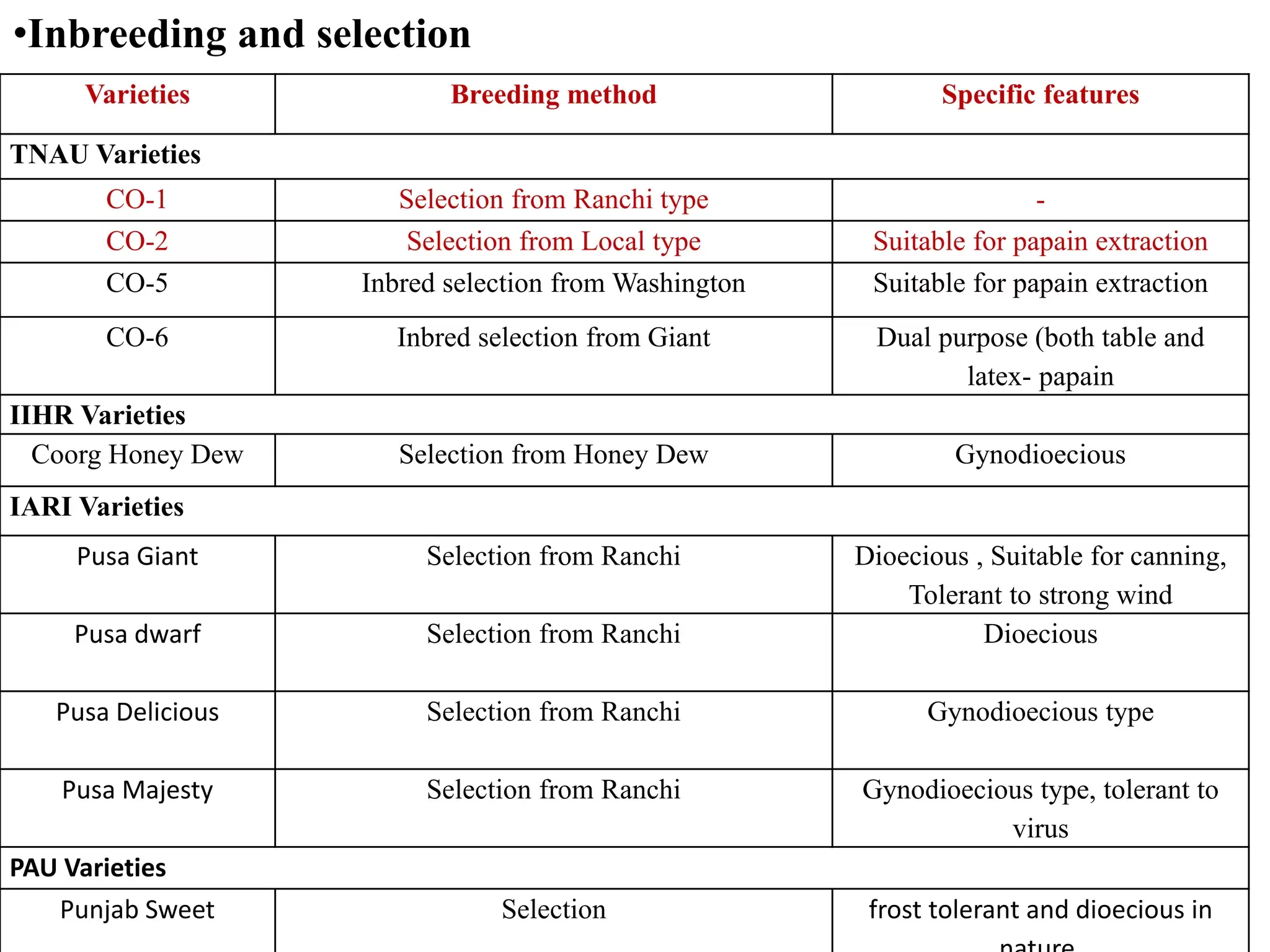
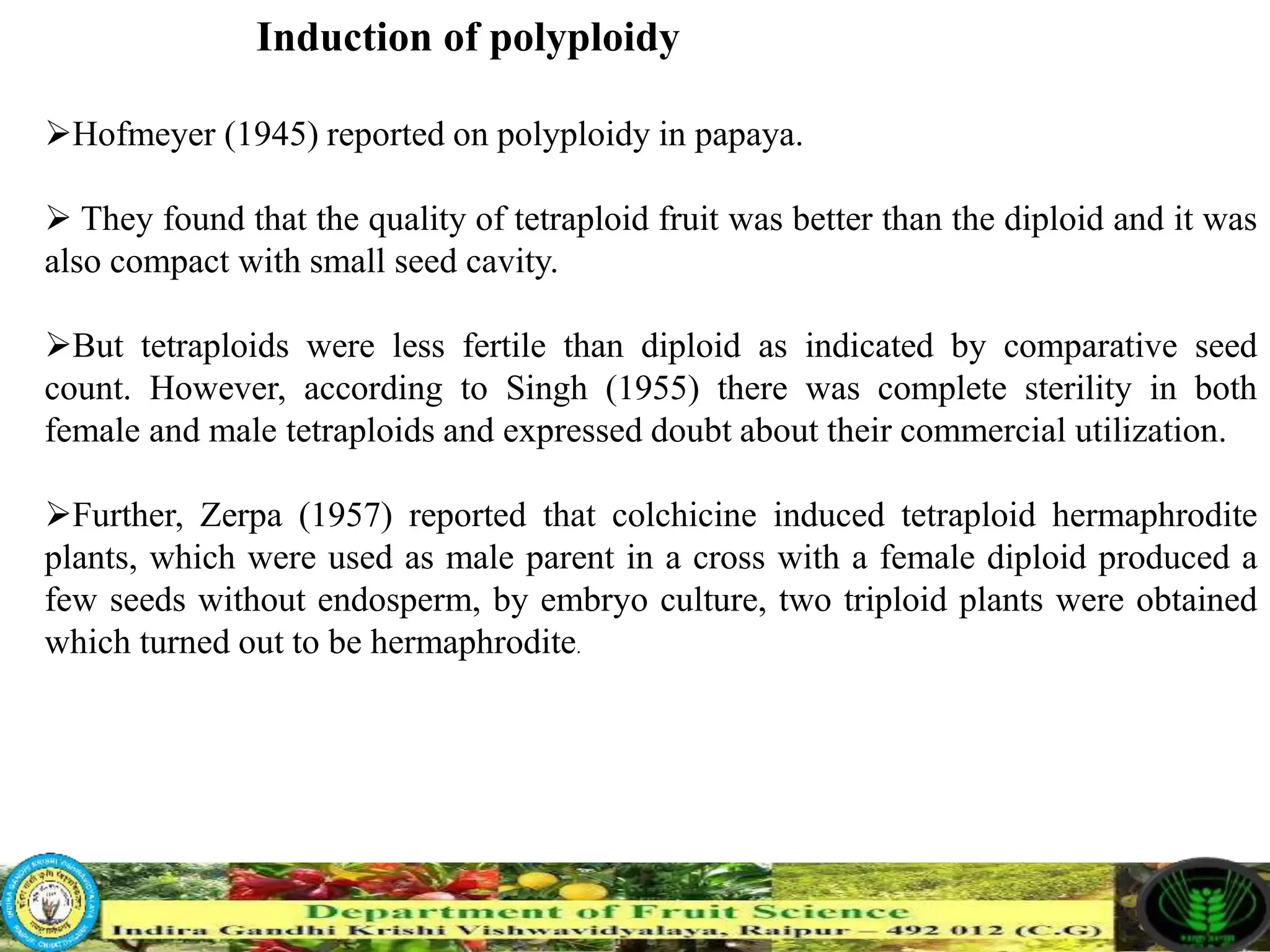
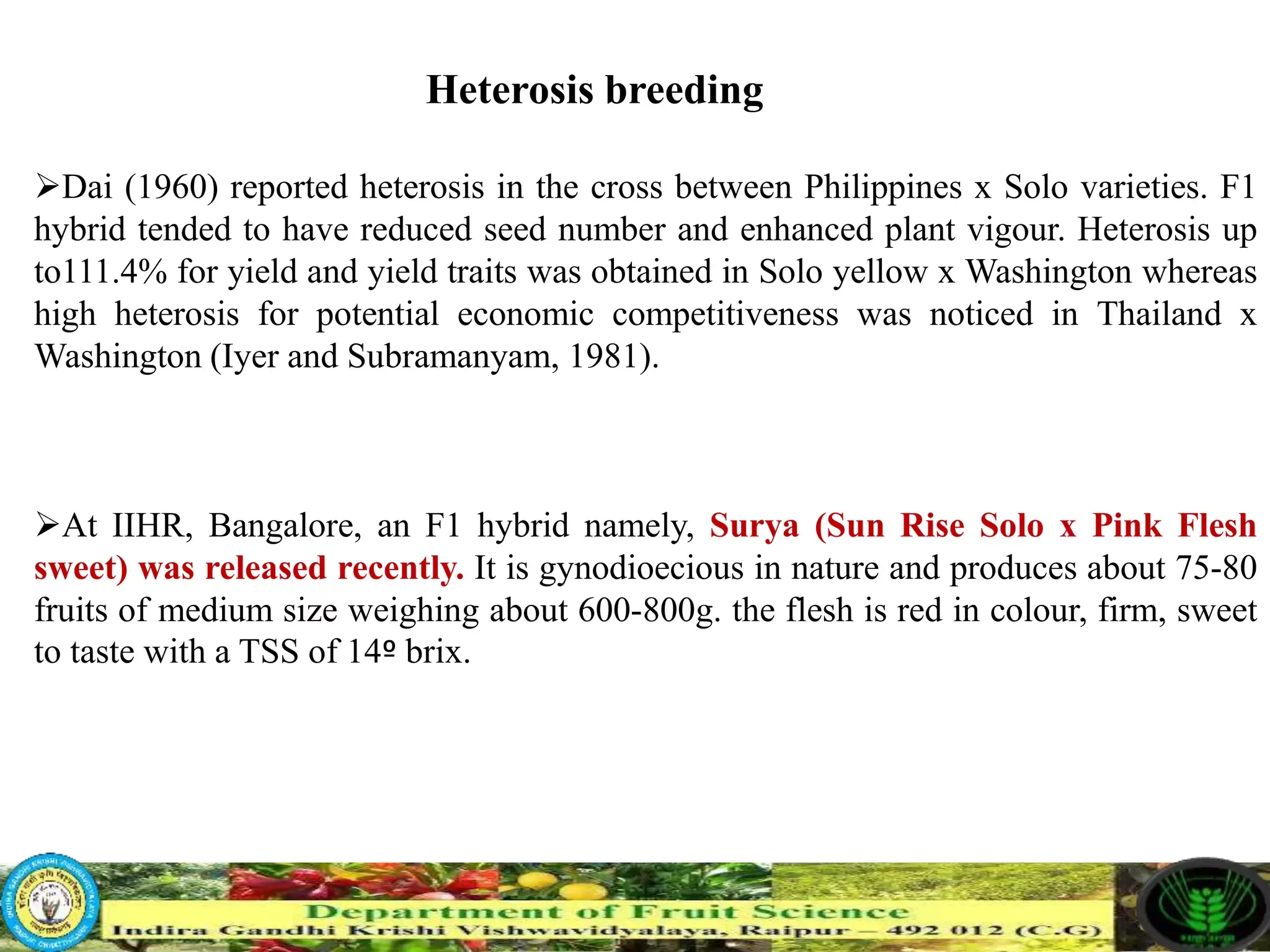
Explore the latest developments in papaya breeding focusing on high-yield and disease-resistant varieties. Discover how biotechnology is enhancing fruit quality in this nutrient-rich tropical fruit crop.
Summary
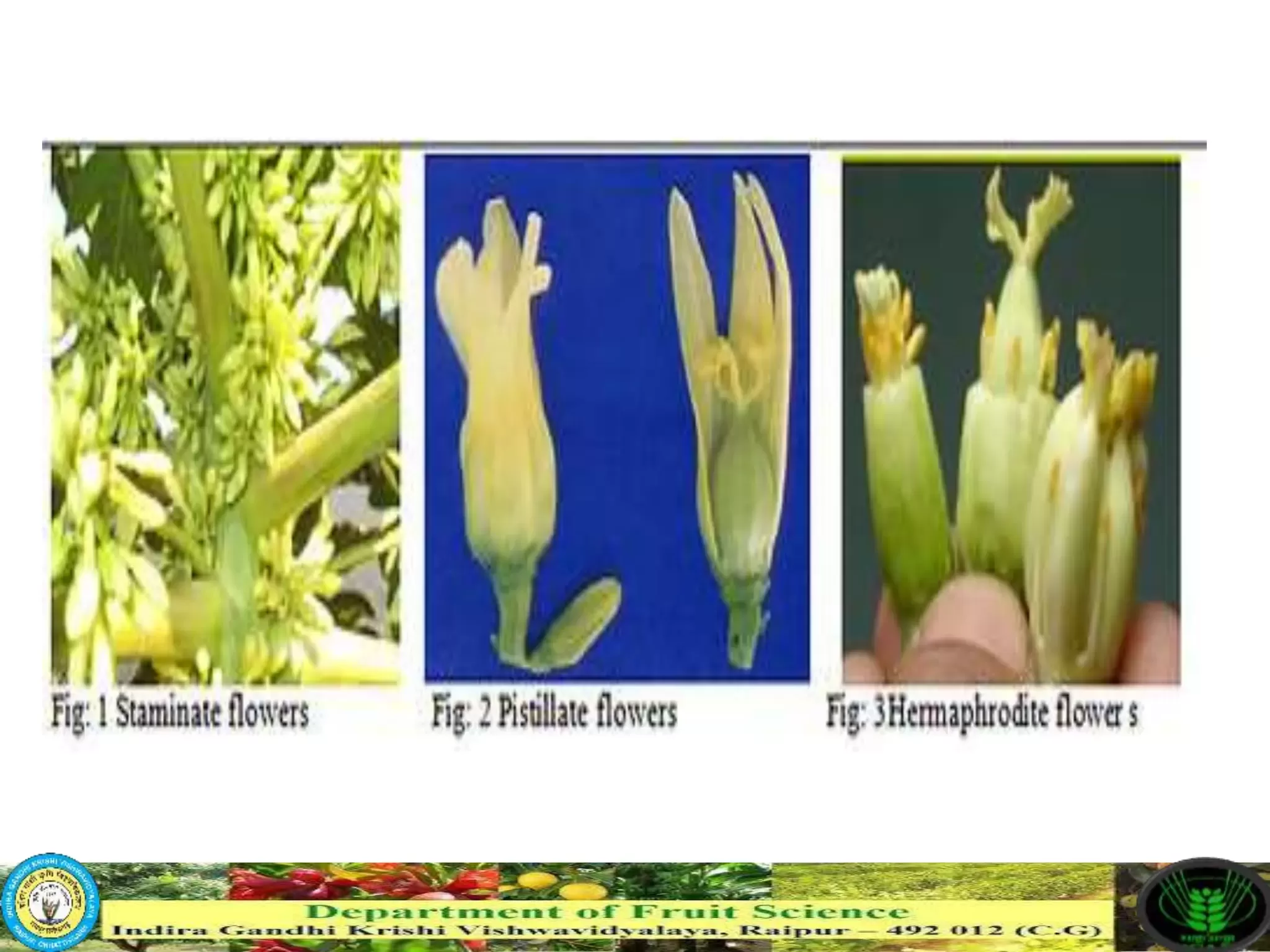
Papaya (Carica papaya L.) is a nutrient-rich fruit crop ideal for home gardens, native to Tropical America. India is the largest producer, with significant cultivation in states like Uttar Pradesh and Karnataka. The plant exhibits dioecious and gynodioecious traits, influencing its breeding and pollination. Key breeding objectives include developing high-yield, disease-resistant varieties and enhancing fruit quality. Advances in biotechnology, such
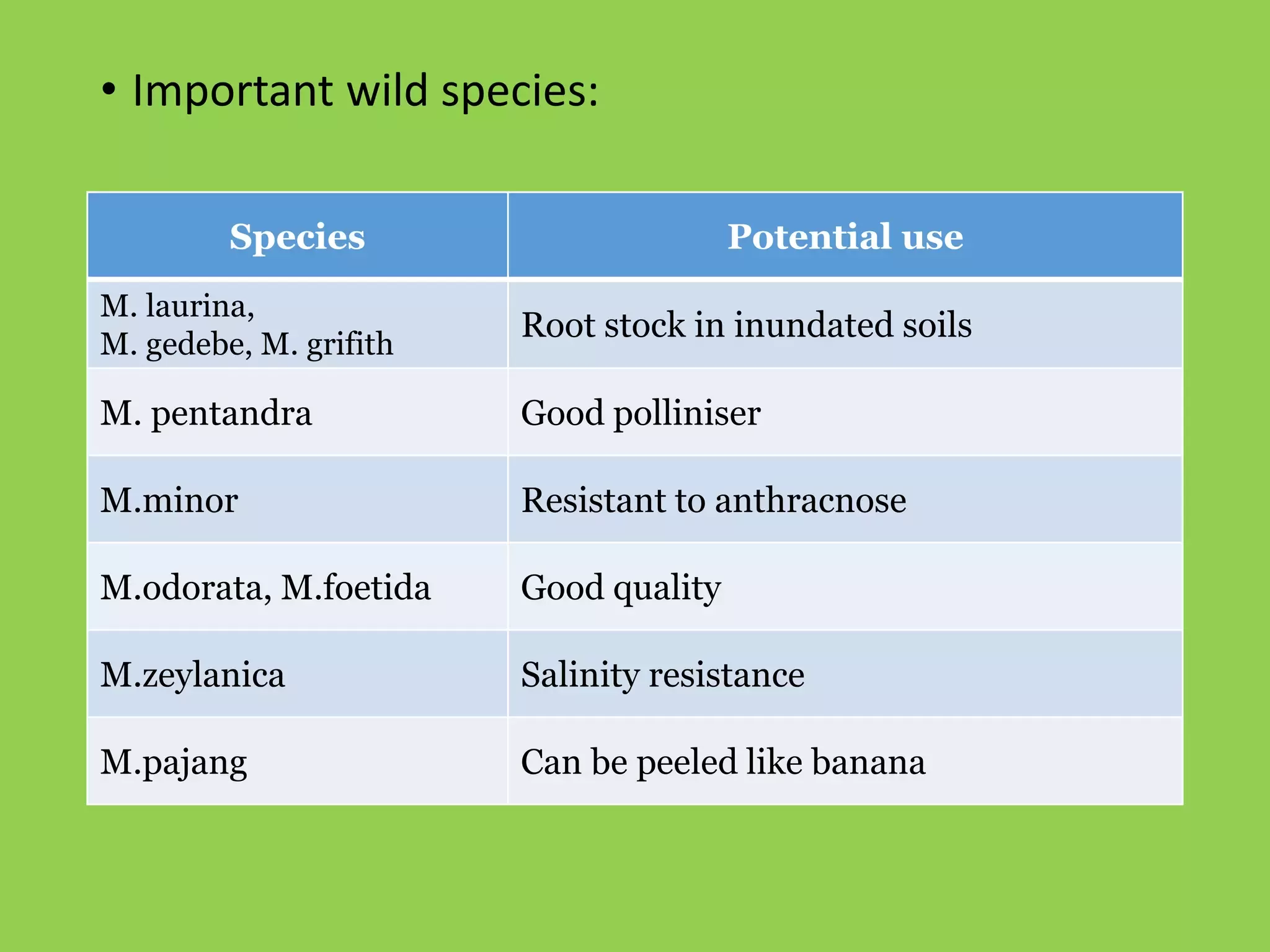
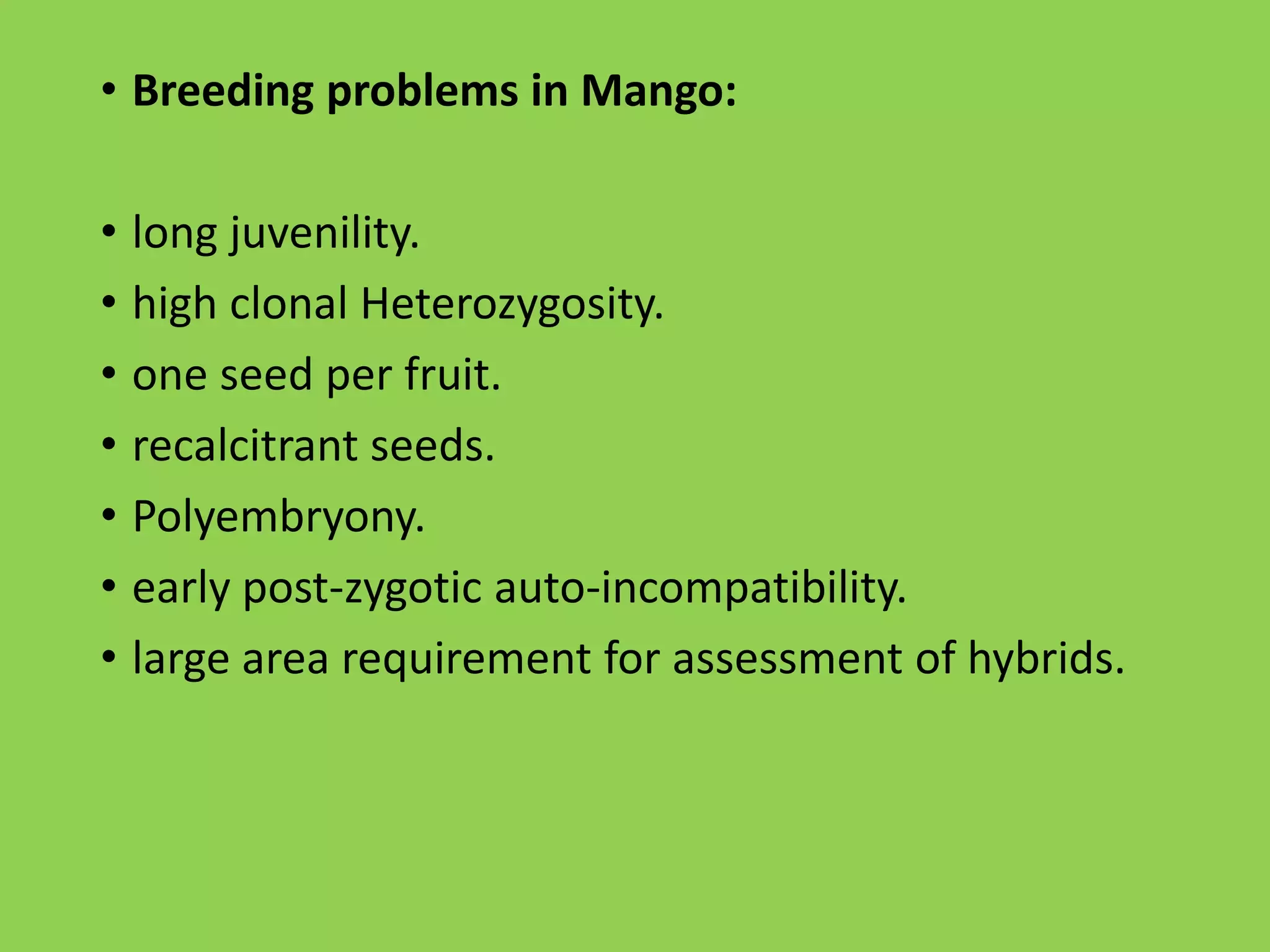
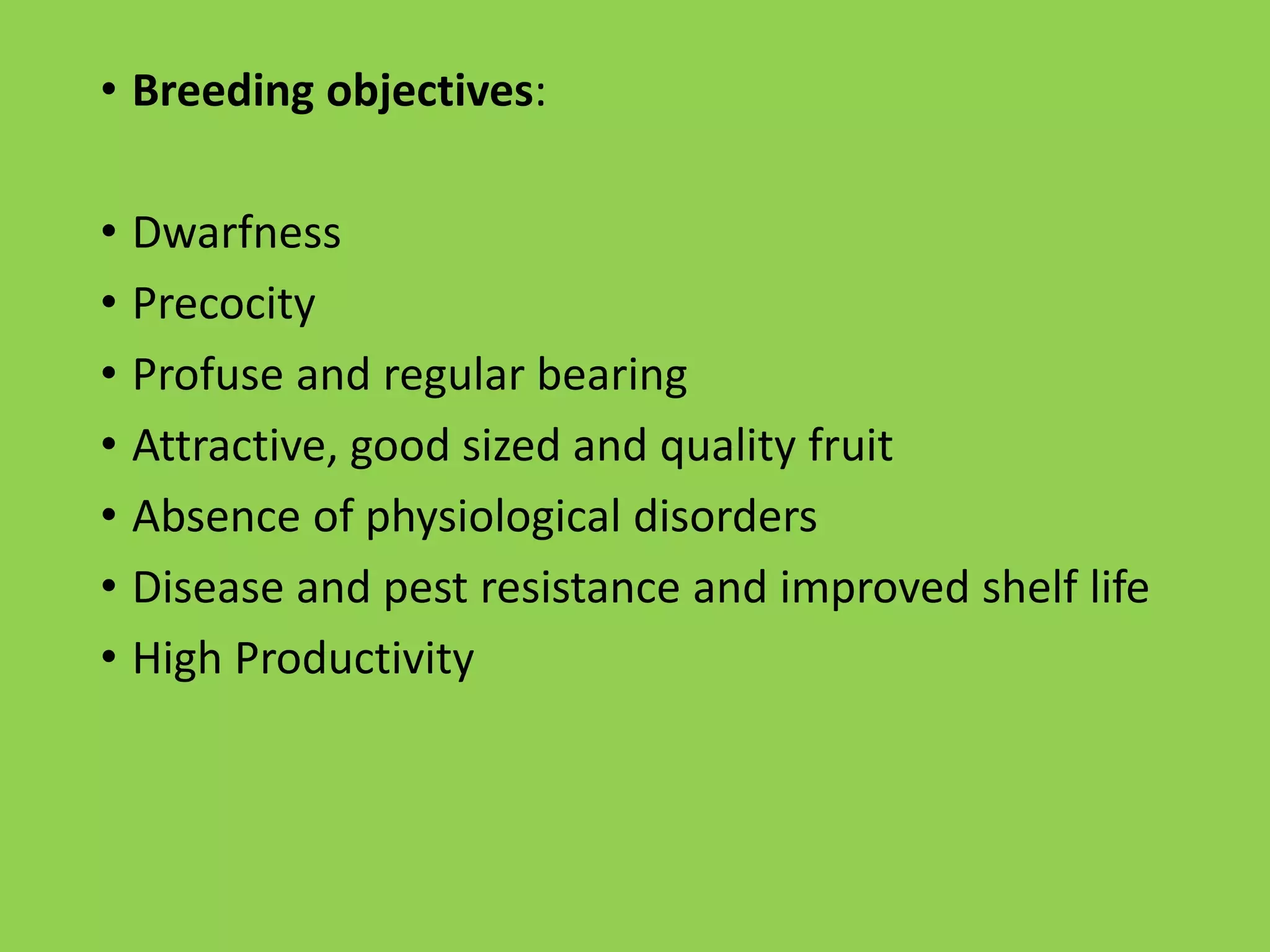
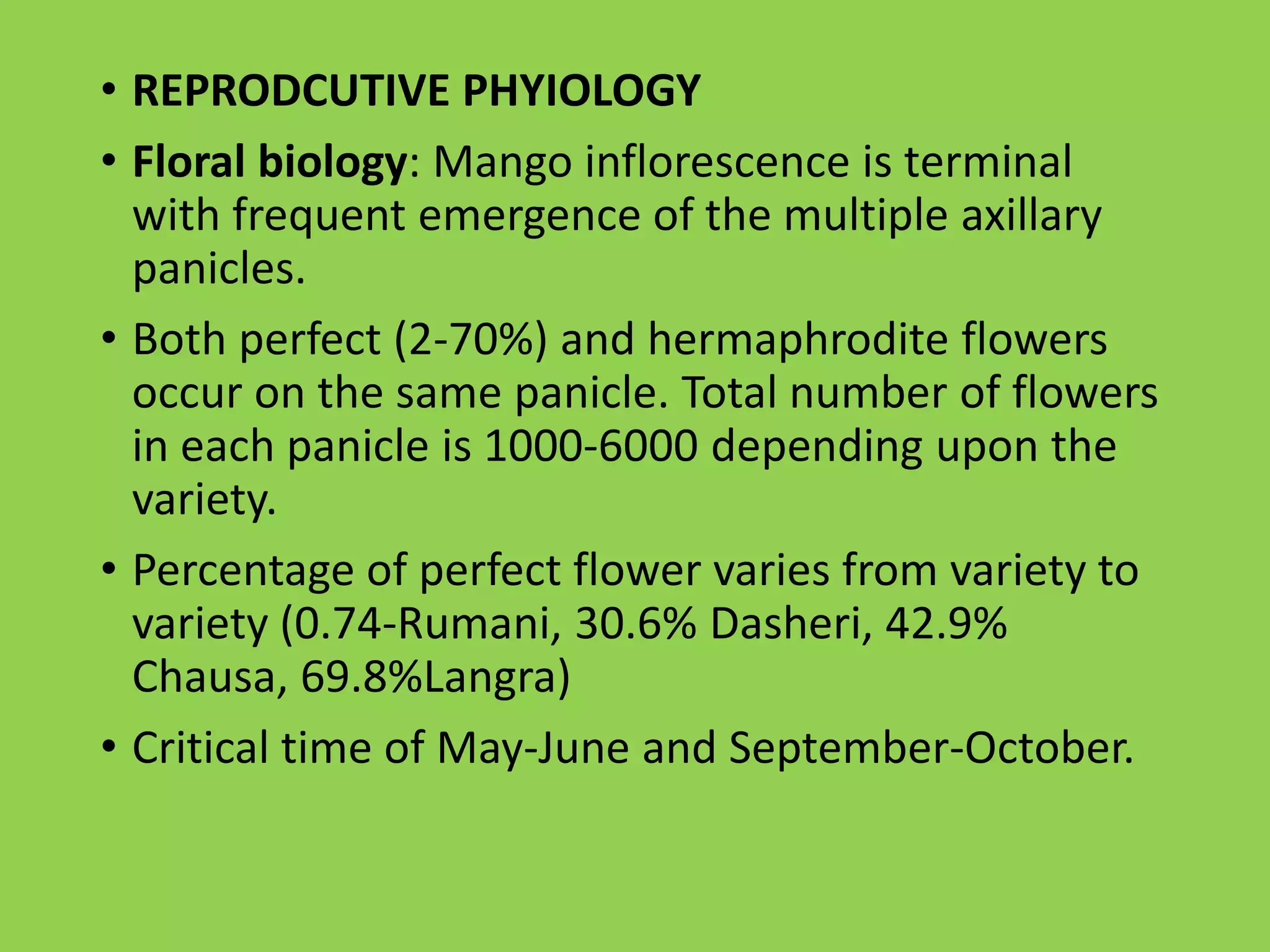
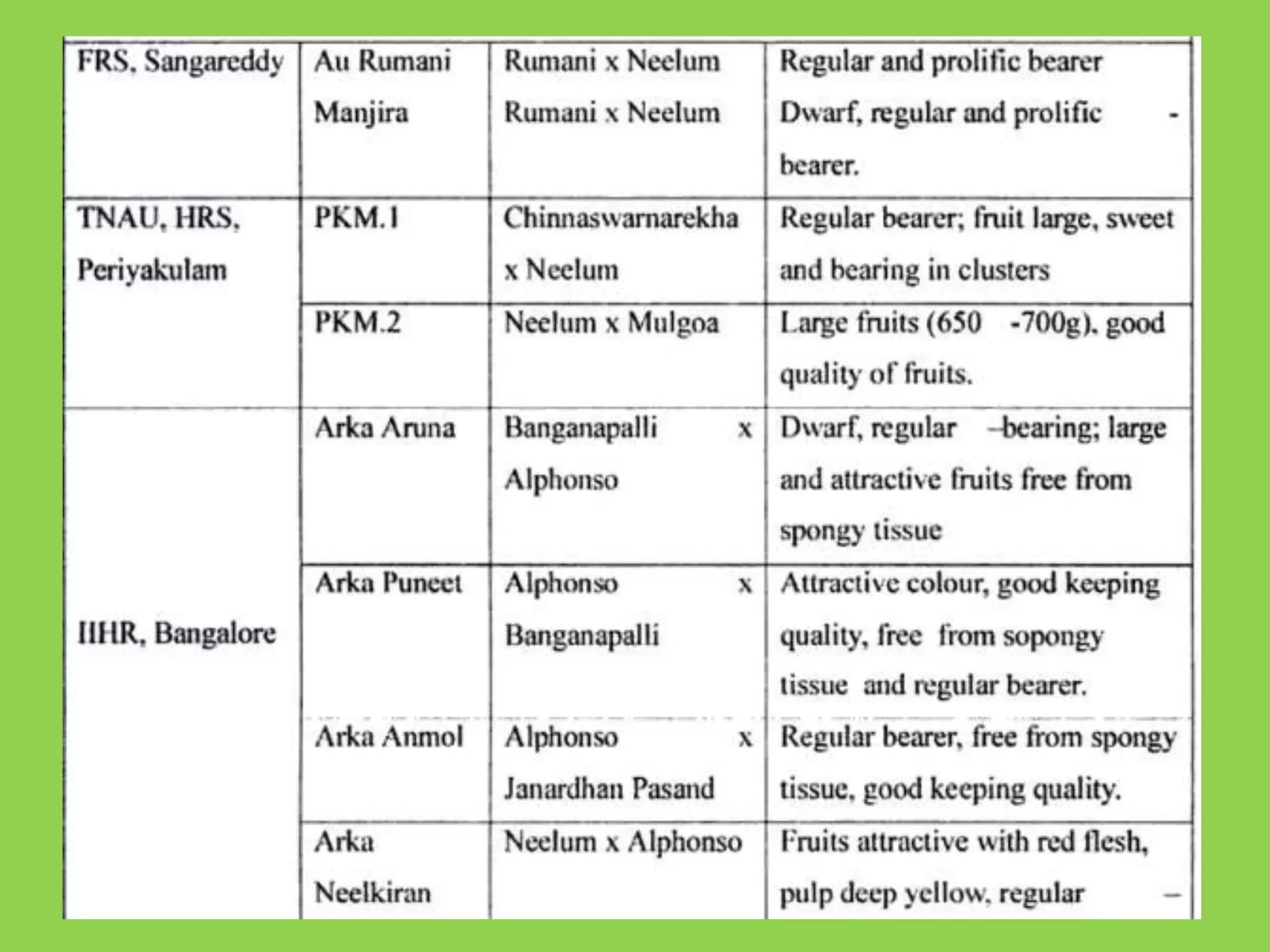
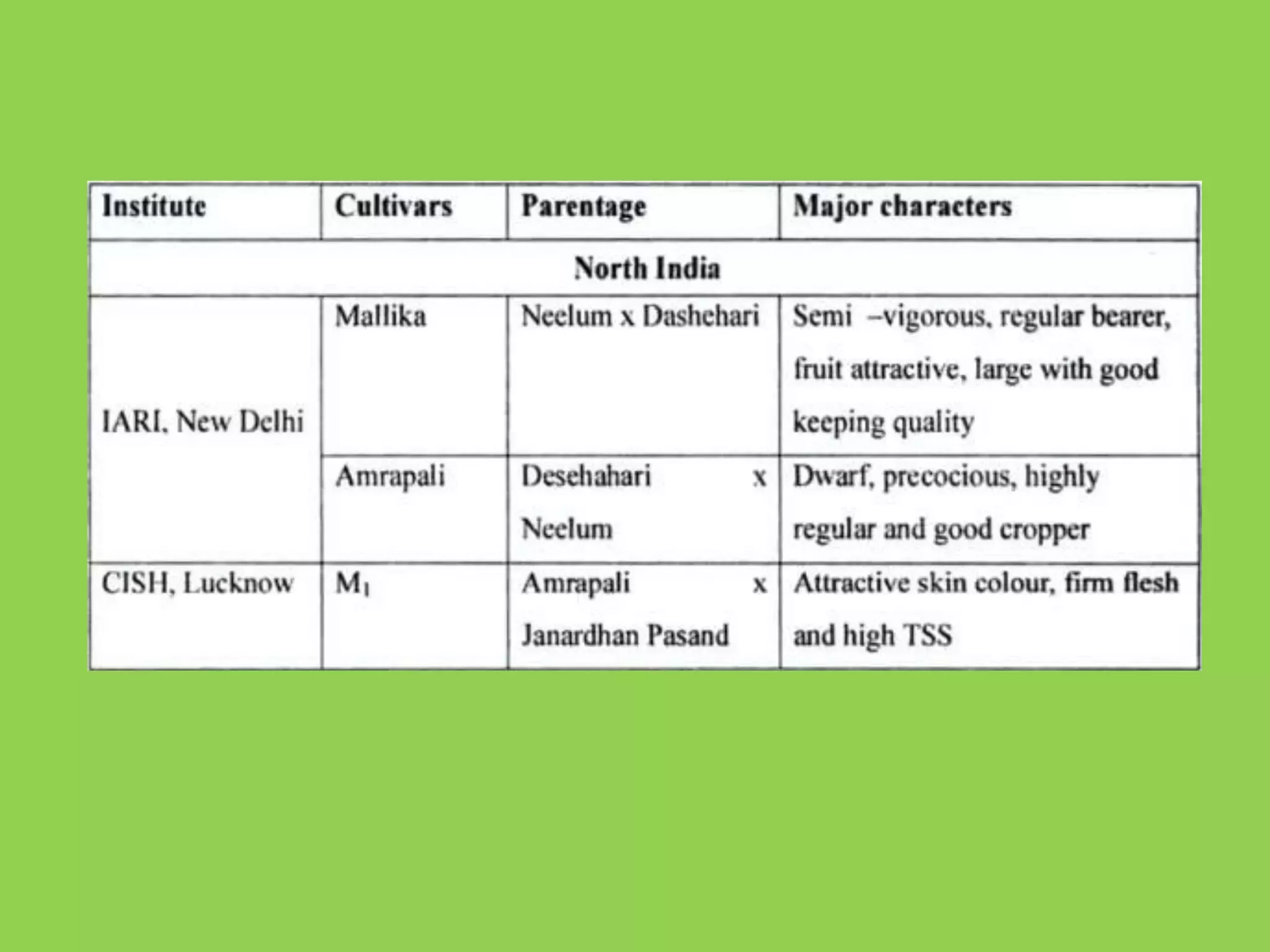
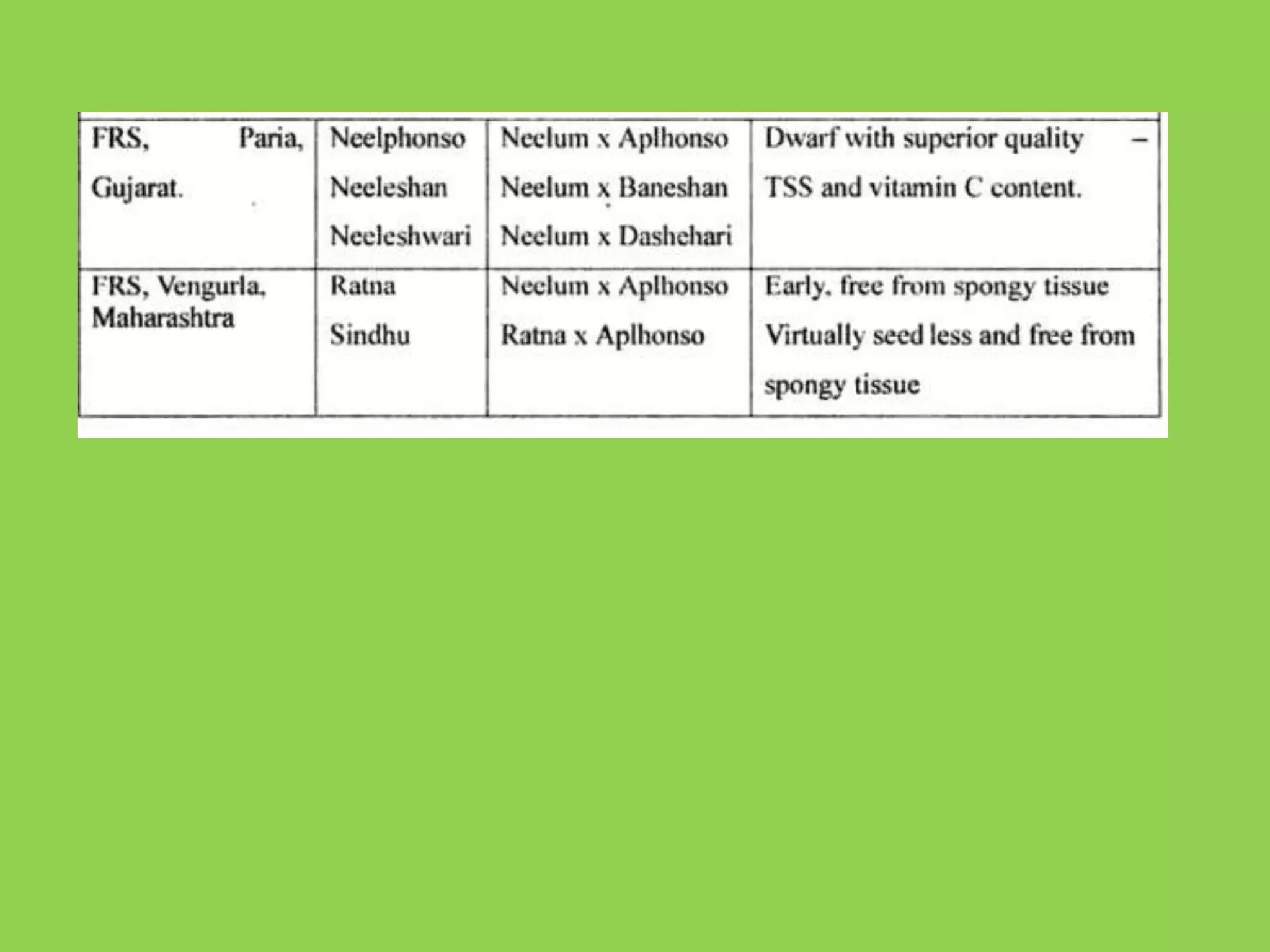
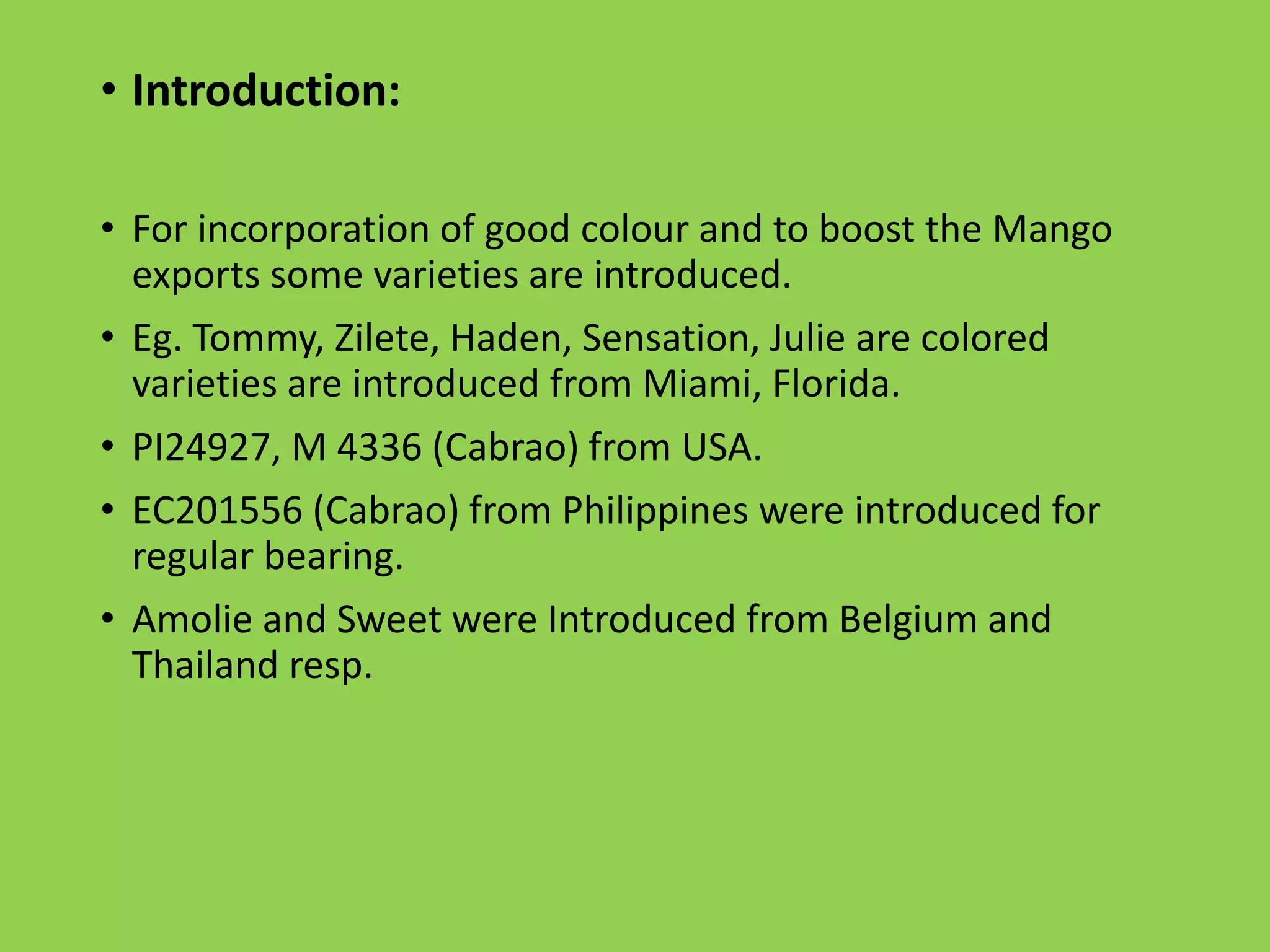
Delve into the world of mango breeding with this informative PowerPoint presentation. Discover the rich diversity of mango varieties in India and the breeding objectives aimed at enhancing disease resistance and fruit quality. Uncover the secrets behind the ‘King of Fruits’ and the efforts to overcome breeding challenges.
Summary
Mango (Mangifera indica L.), originating from the Indo-Burma region, is a vital fruit crop in India, known as the 'King of Fruits.' With over 1000 varieties, it faces breeding challenges but offers diverse germplasm resources. Key breeding objectives include disease resistance and improved fruit qua