Home Quiz Old Paper PPT

Ppt on Maturity Indices And Harvesting Criteria For Fruits And Vegetables

This presentation covers the concept of maturity and maturity indices in fruits and vegetables, essential for optimizing harvest timing and postharvest quality. It explains physiological and horticultural maturity, discusses the importance of proper harvest stage, and details various subjective and objective methods for assessing maturity. Understanding these indices ensures better storage, transport, and marketability of produce. Key academic terms include maturity, physiological maturity, maturity indices, harvest, and quality.
Introduction to Maturity and Maturity Indices
  • Maturity is the stage when fruits or vegetables are fully developed and can ripen normally after harvest.
  • Proper harvest timing is crucial for maintaining postharvest quality.
  • Maturity indices are signs or measurements indicating readiness for harvest.
  • Harvesting at correct maturity improves shelf life, flavor, and market value.
Concept of Maturity
  • Maturation is the process leading to full tissue development in fruits and vegetables.
  • Ripening occurs after maturity and involves flavor and color development.
  • After maturity, the fruit relies on its own reserves as the supply from the plant stops.
  • The stage of maturity at harvest affects storage life and quality.
Effects of Premature and Overmature Harvesting
  • Premature harvesting leads to poor quality, low sugar, high acidity, and poor flavor.
  • Immature fruits may not ripen properly and have short shelf life.
  • Overmature fruits are prone to spoilage and have reduced storage life.
  • Proper harvest stage is essential for optimal yield and marketability.
Principles of Harvest Maturity
  • Produce should reach peak acceptable quality for consumers at the time of sale.
  • Fruits and vegetables must have acceptable flavor, appearance, size, and shape.
  • Harvested produce should be safe and non-toxic.
  • Harvest maturity should ensure adequate shelf life and handling properties.
Types of Maturity
  • Physiological maturity: Stage when fruit can ripen normally after harvest; applies mainly to fruits and fruit vegetables.
  • Climacteric fruits: Harvest at mature but unripe stage for storage and transport.
  • Non-climacteric fruits: Harvest at ripe stage for best quality.
  • Horticultural (commercial) maturity: Stage when produce meets consumer and market preferences; varies by intended use and variety.
Classification of Horticultural Maturity
  • Physiologically immature: Not ready for harvest, poor quality.
  • Firm and mature: Optimal for harvest, good quality and handling.
  • Harvest ripe: Fully ripe, best for immediate consumption but limited shelf life.
Advantages of Estimating Maturity
  • Maintains product quality and freshness.
  • Improves storage life and handling.
  • Facilitates ripening and senescence management.
  • Maximizes returns and enables long-distance transport.
  • Helps manage pest and disease risks.
Maturity Indices: Definition and Importance
  • Maturity indices are signs or measurements indicating readiness for harvest.
  • Ensure sensory quality (flavor, color, aroma, texture, nutrition).
  • Enable adequate postharvest life and market scheduling.
  • Facilitate efficient harvest and packing operations.
Types of Maturity Indices
  • Subjective indices: Qualitative; based on senses (color, size, shape, firmness, sound, juice content).
  • Objective indices: Quantitative; measurable (TSS, acidity, starch, oil content, firmness, dry matter, days after bloom, heat units, respiration, ethylene).
Visual Indices/Methods
  • Size, shape, and surface character indicate maturity (e.g., banana fingers become rounded, mango shoulders fill out).
  • Surface gloss changes (melons, grapes) and drying of leaves or bracts (root crops) are indicators.
  • Skin color changes from green to yellow/red/purple as fruits mature.
  • Color charts and colorimeters provide objective color measurement.
Physical Methods
  • Firmness/solidity assessed by hand pressure (lettuce, cabbage) or penetrometer (e.g., mango: 1.75–2 kg/cm²).
  • Tenderometer measures pea maturity based on texture.
  • Finger squeeze/touch used for peas, beans, okra (experience-based).
  • Specific gravity increases with maturity; used for grading (e.g., Dasheri mango: 1.02).
  • Juice content increases as fruit matures; measured by extracting and quantifying juice volume.
  • Acoustic/sound tests (e.g., watermelon, jackfruit) detect maturity by tapping.
  • Other methods: exudation of latex (papaya), electrical properties, NMR, X-rays (lettuce).
Chemical Measurements
  • Total soluble solids (TSS) measured with a refractometer; indicates sugar content.
  • Titratable acidity (TA) determined by titration; acidity decreases with maturity.
  • Brix:acid ratio is a key indicator of flavor and maturity.
  • Oil content used for avocados; minimum 8% oil (excluding skin and seed) for harvest.
  • Starch content measured for crops like apples and bananas; decreases as fruit ripens.
Calculated Indices
  • Calendar date: Based on typical harvest periods for varieties and locations.
  • Days from full bloom (DFFB): Reliable but varies with season and location (e.g., mango: 110–125 days).
  • Growing degree days (GDD): Cumulative heat units predict maturity; base temperature varies by crop.
  • GDD formula: (Daily mean temp – Base temp) × Number of days (flowering to harvest).
Physiological Methods
  • Respiration rate: Climacteric fruits show a rise at maturity (e.g., apple, pear).
  • Internal ethylene evolution: Peaks at maturity in climacteric fruits.
  • Volatile production: Specific aroma compounds indicate maturity (e.g., apple: ethyl-2-methyl butyrate).
Summary: Integrated Use of Maturity Indices
  • Combining subjective and objective indices ensures accurate harvest timing.
  • Selection of indices depends on crop, intended use, and market requirements.
  • Proper maturity assessment maximizes quality, shelf life, and market value.

Objective Questions

Q1. What happens to the inflow of food material from the plant once a fruit reaches maturity?
A. It increases
B. It stops due to abscission layer
C. It decreases gradually
D. It becomes irregular
Answer: B

Q2. Which of the following is a consequence of premature harvesting of fruits?
A. Increased sugar content
B. Poor quality and faster deterioration
C. Enhanced flavor development
D. Longer storage life
Answer: B

Q3. For distant market and storage, when should climacteric fruits be harvested?
A. At full ripe stage
B. At immature stage
C. At maturity before ripening
D. At senescence
Answer: C

Q4. Which instrument is specifically used to test the maturity of peas by measuring tenderness?
A. Penetrometer
B. Tenderometer
C. Hydrometer
D. Colorimeter
Answer: B

Q5. Which maturity index is considered objective and quantitative?
A. Color
B. Size
C. TSS (Total Soluble Solids)
D. Aroma
Answer: C

Q6. What is the base temperature for calculating growing degree days (GDD) for spinach?
A. 10°C
B. 13°C
C. 15°C
D. 2°C
Answer: D

Q7. Which method is used to determine the maturity of lettuce in the industry?
A. Penetrometer
B. X-rays
C. Color chart
D. Tenderometer
Answer: B

Q8. Which of the following is NOT a principle of harvest maturity?
A. Produce should be toxic
B. Produce should develop acceptable flavor
C. Produce should have optimum size and shape
D. Harvested commodity should have peak quality at consumption
Answer: A

Q9. Which fruit's maturity can be assessed by the rounding of individual fingers from an angular shape?
A. Mango
B. Banana
C. Melon
D. Papaya
Answer: B

Q10. What is the minimum oil content required in avocados at the time of picking?
A. 5%
B. 6%
C. 7%
D. 8%
Answer: D

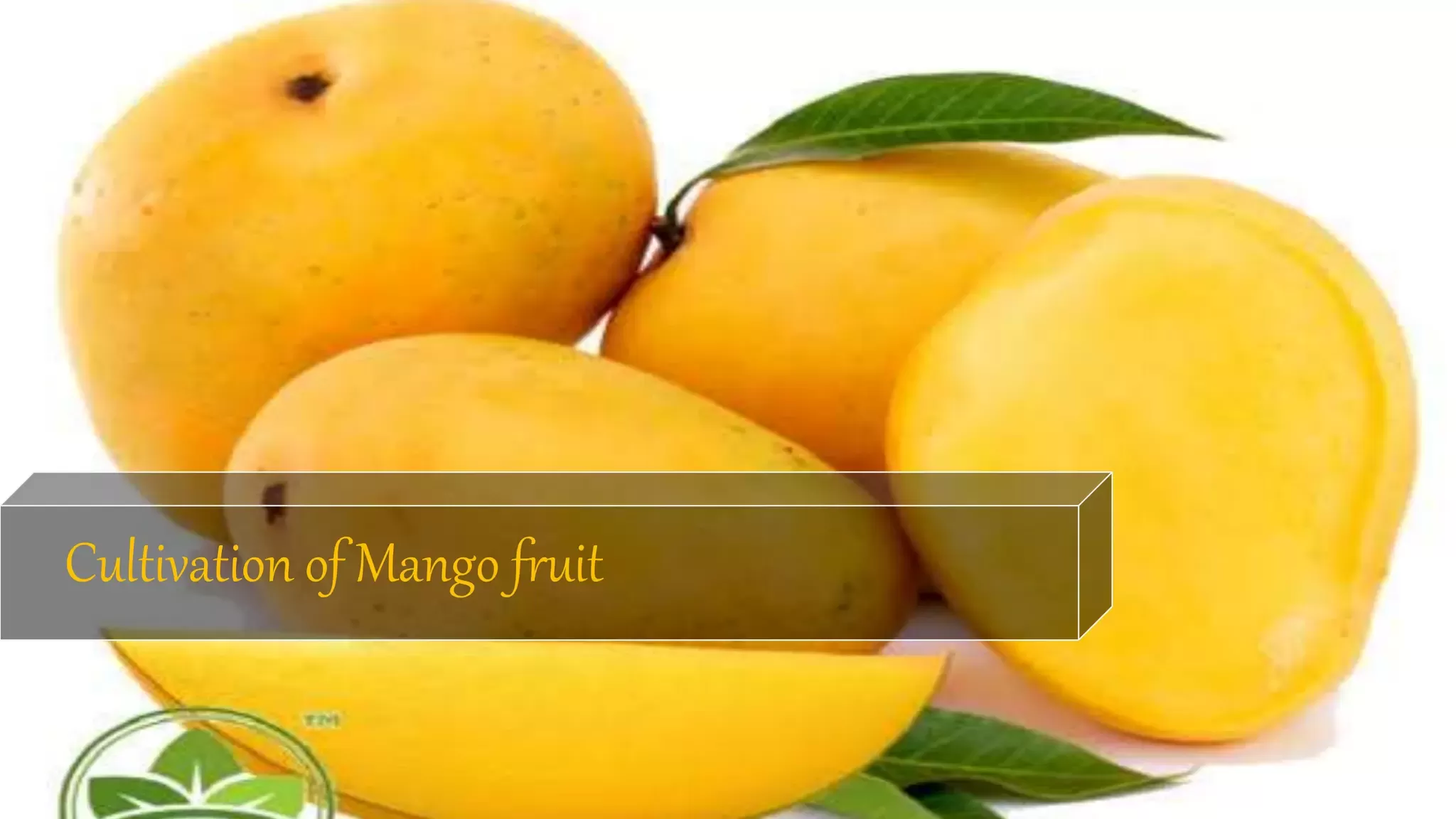
Ppt on Mango cultivation practices

Description

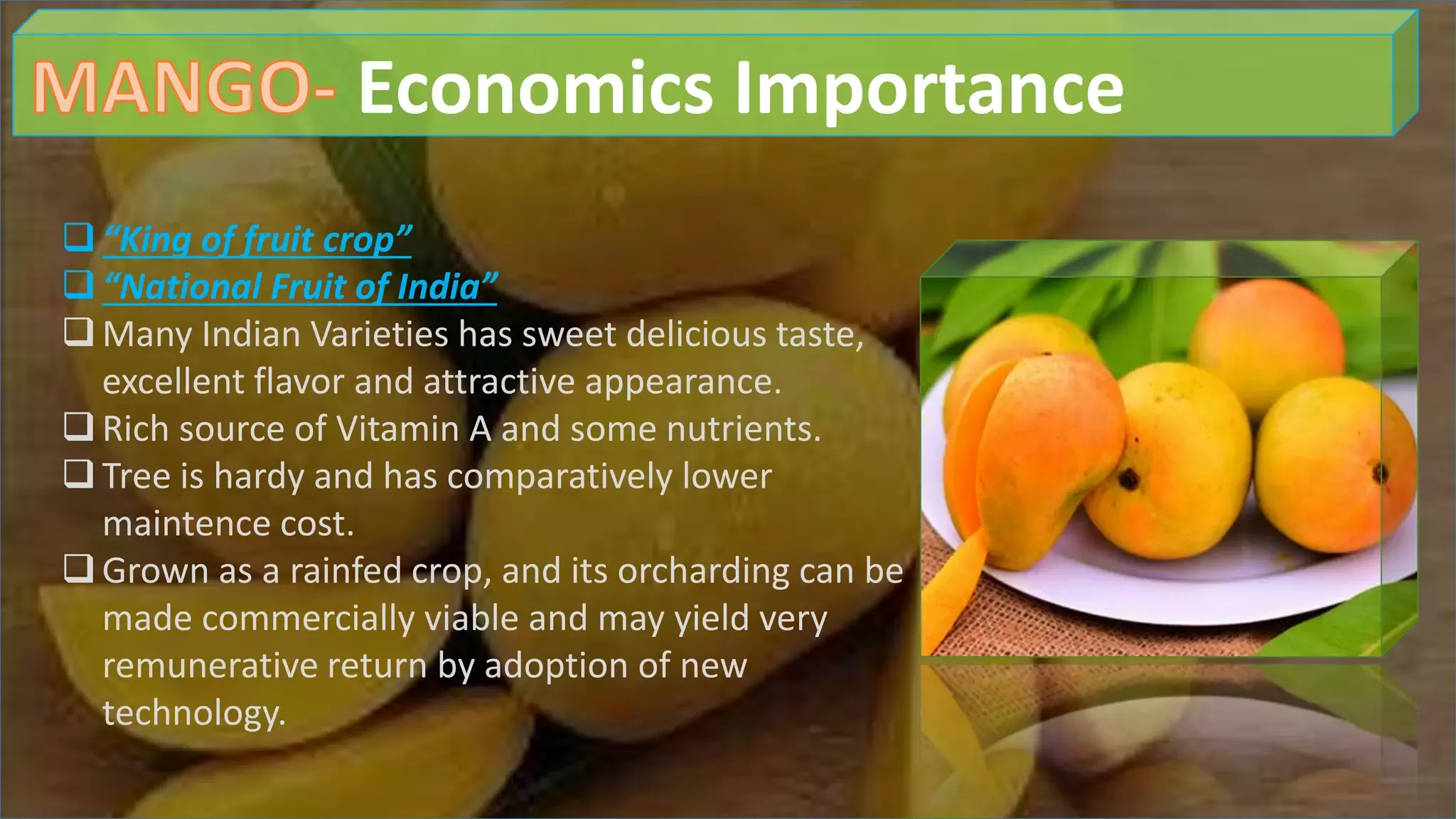
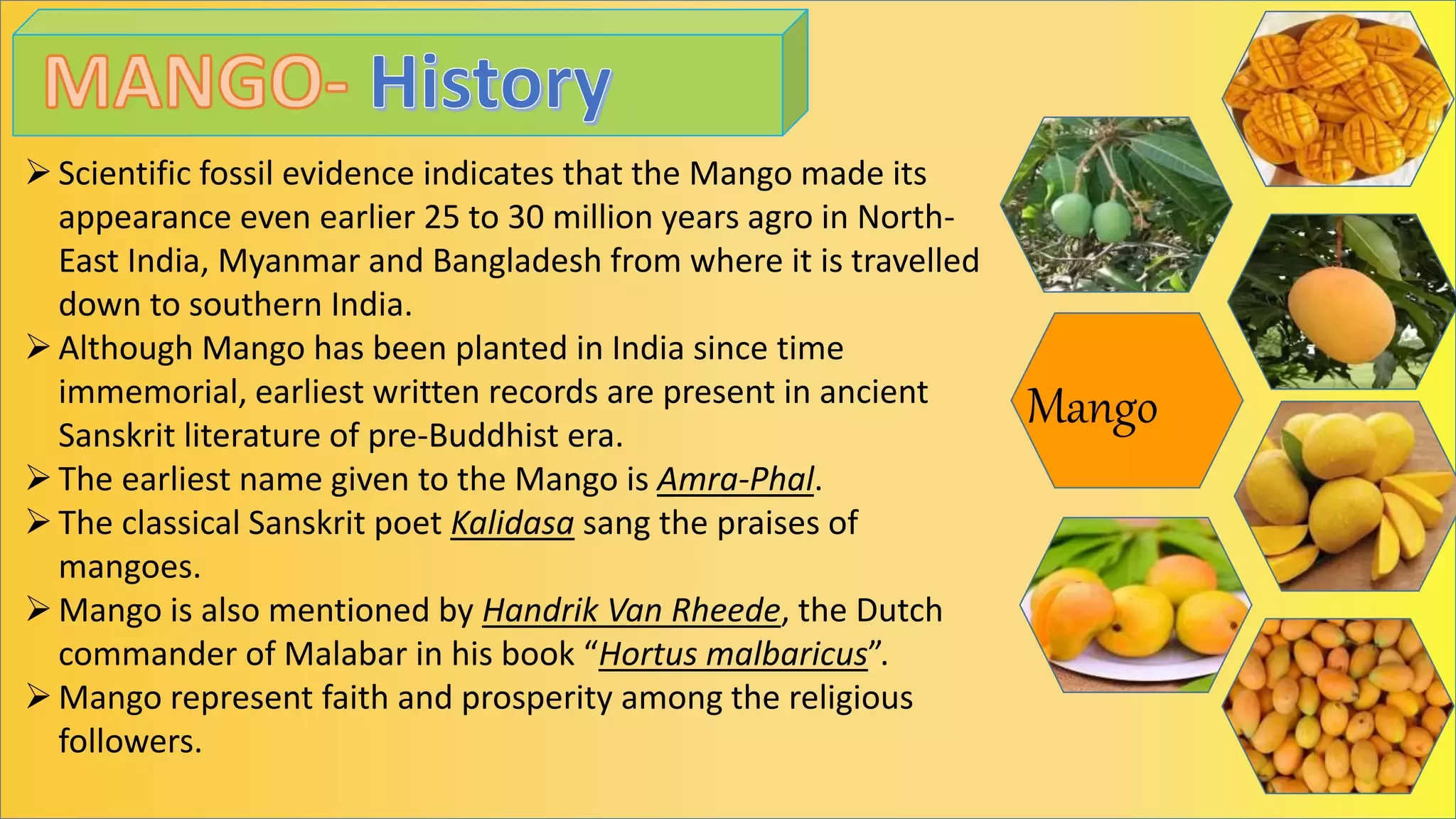
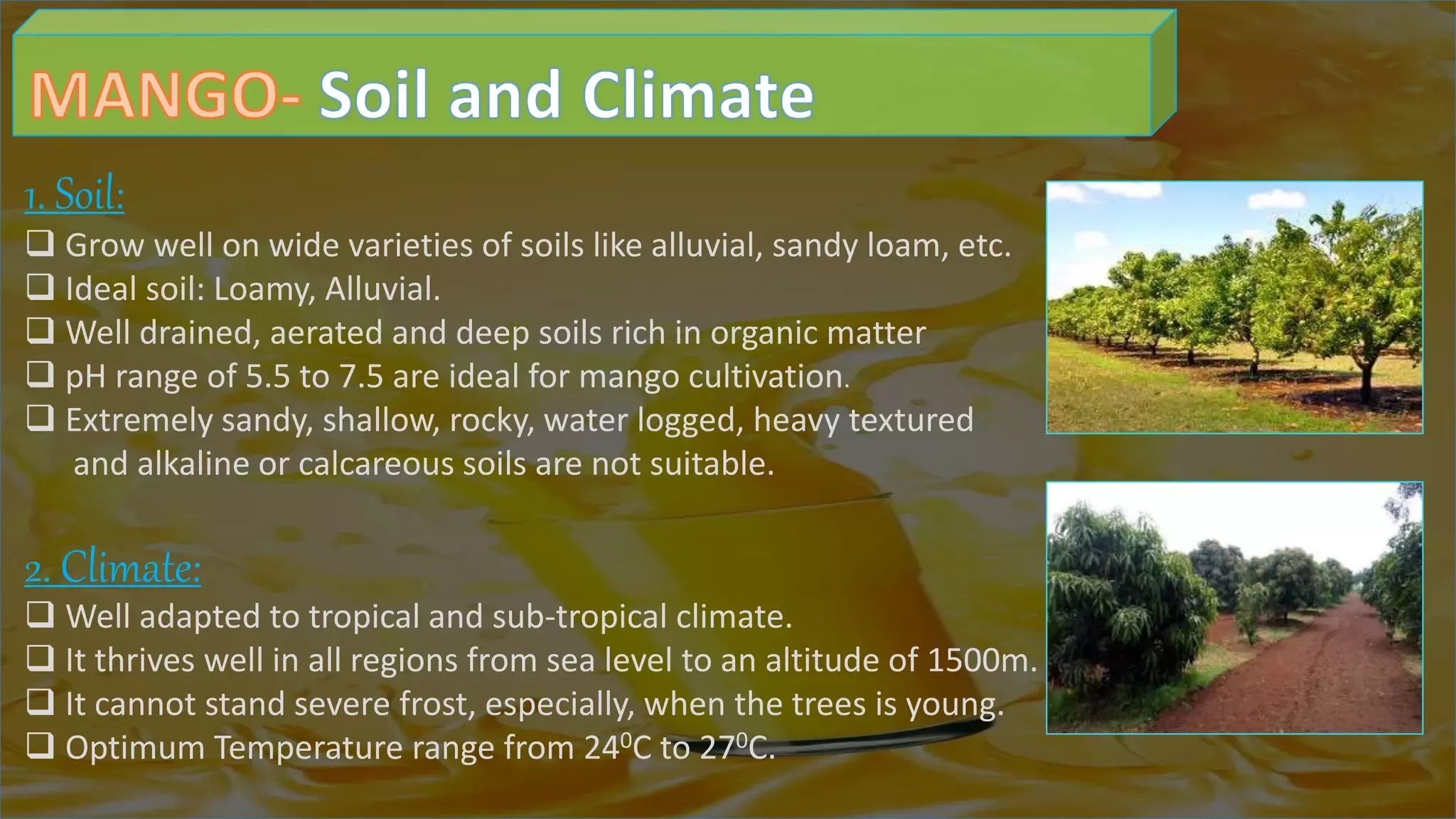
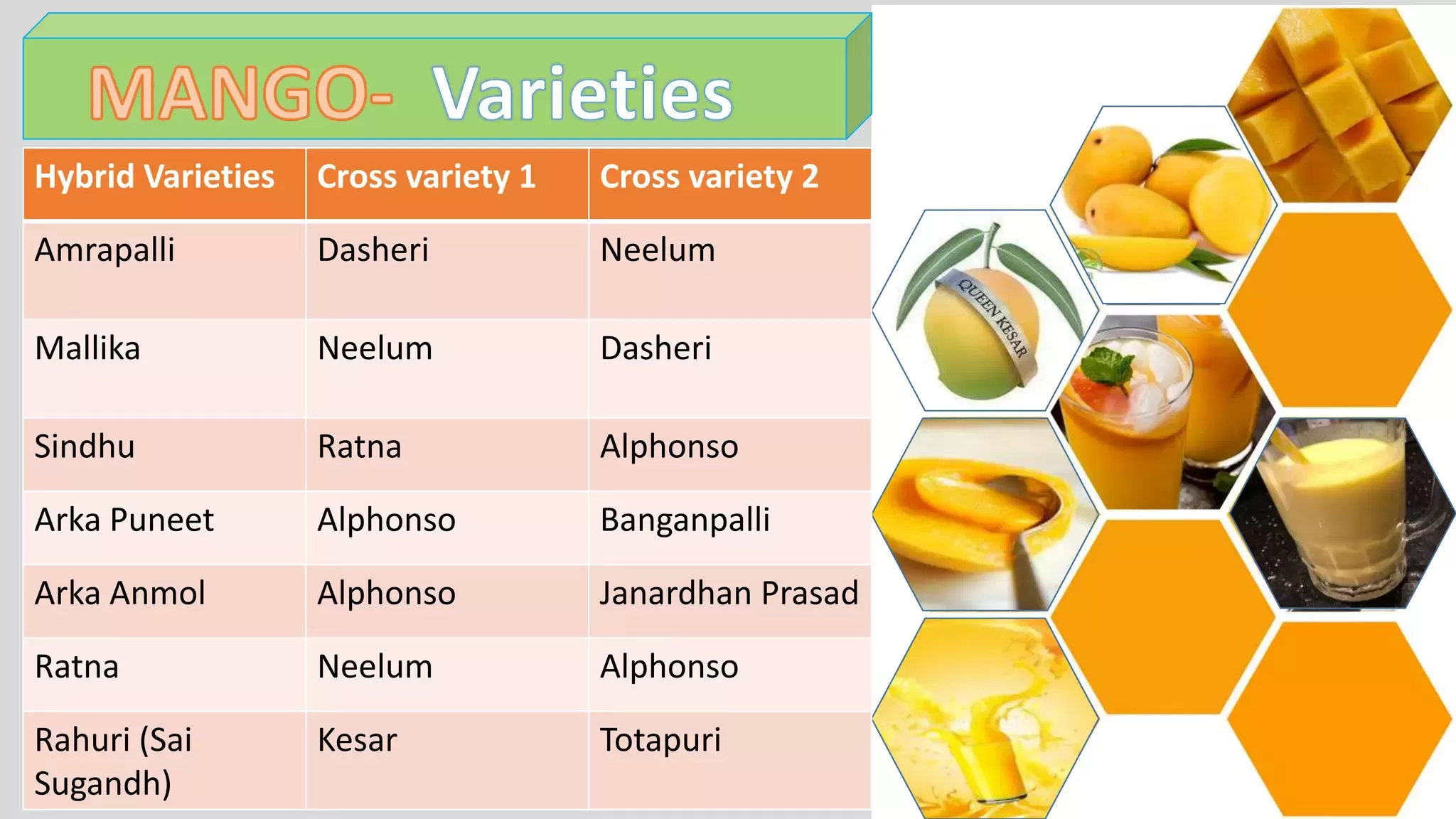
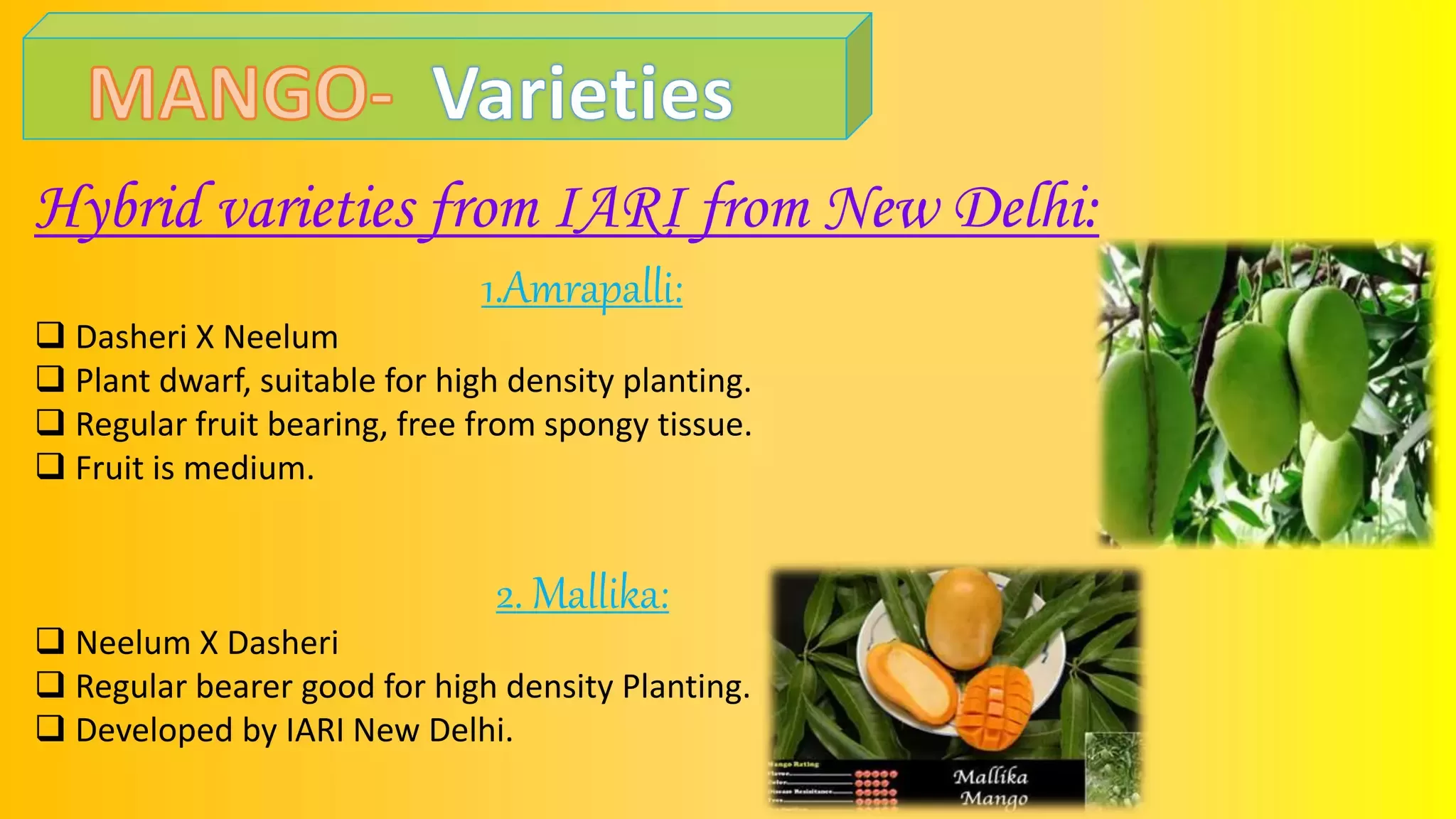
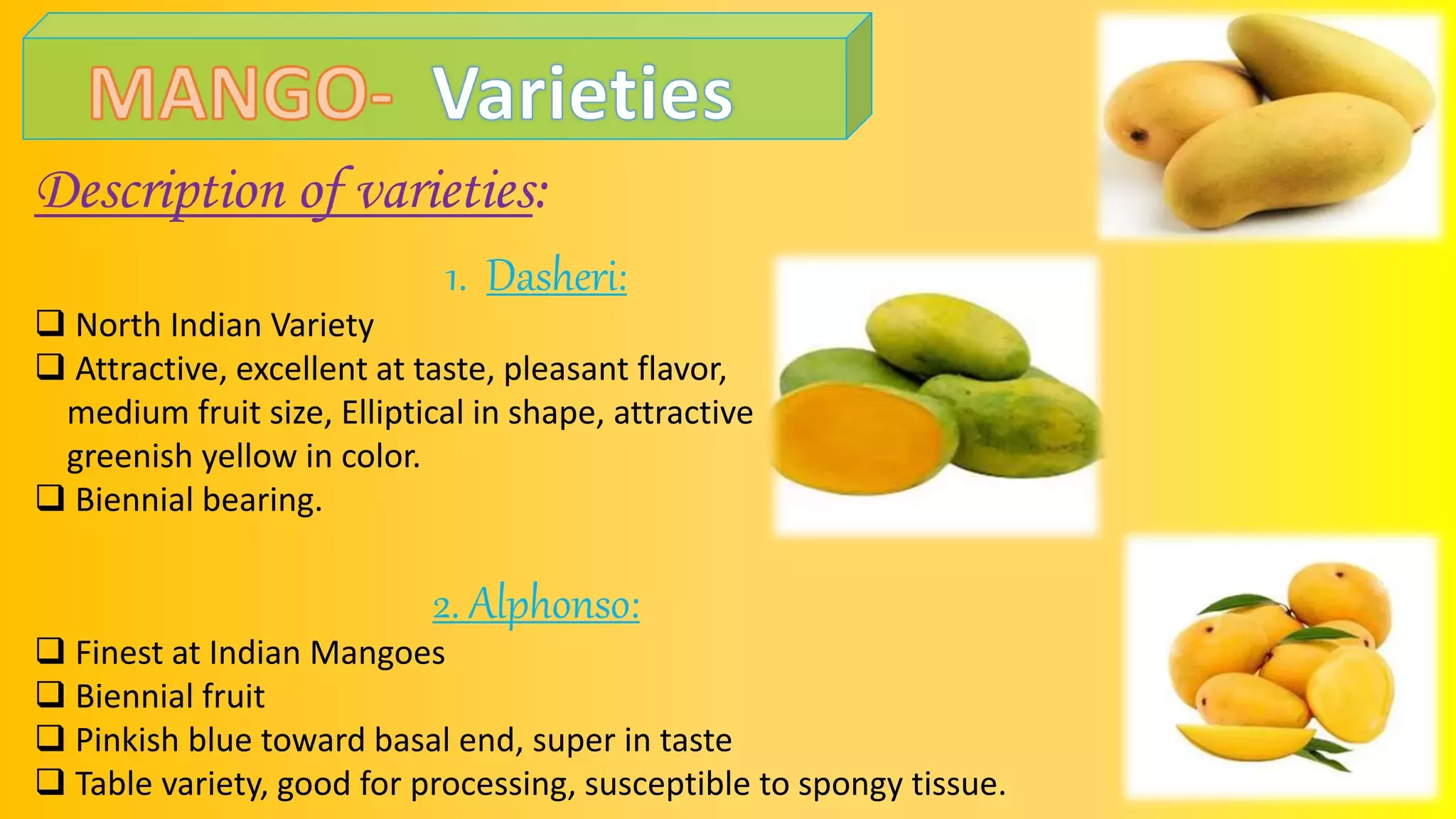
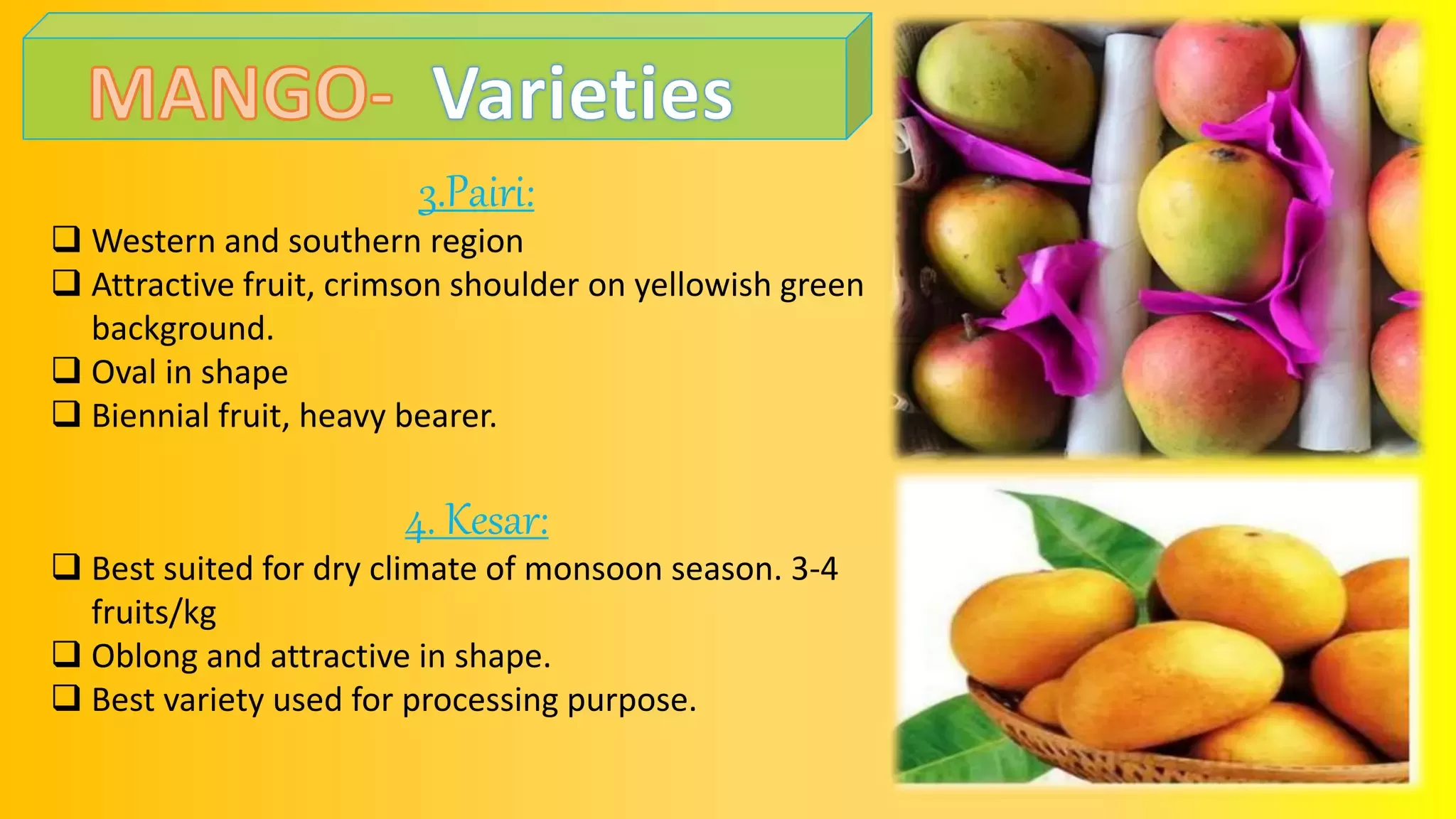
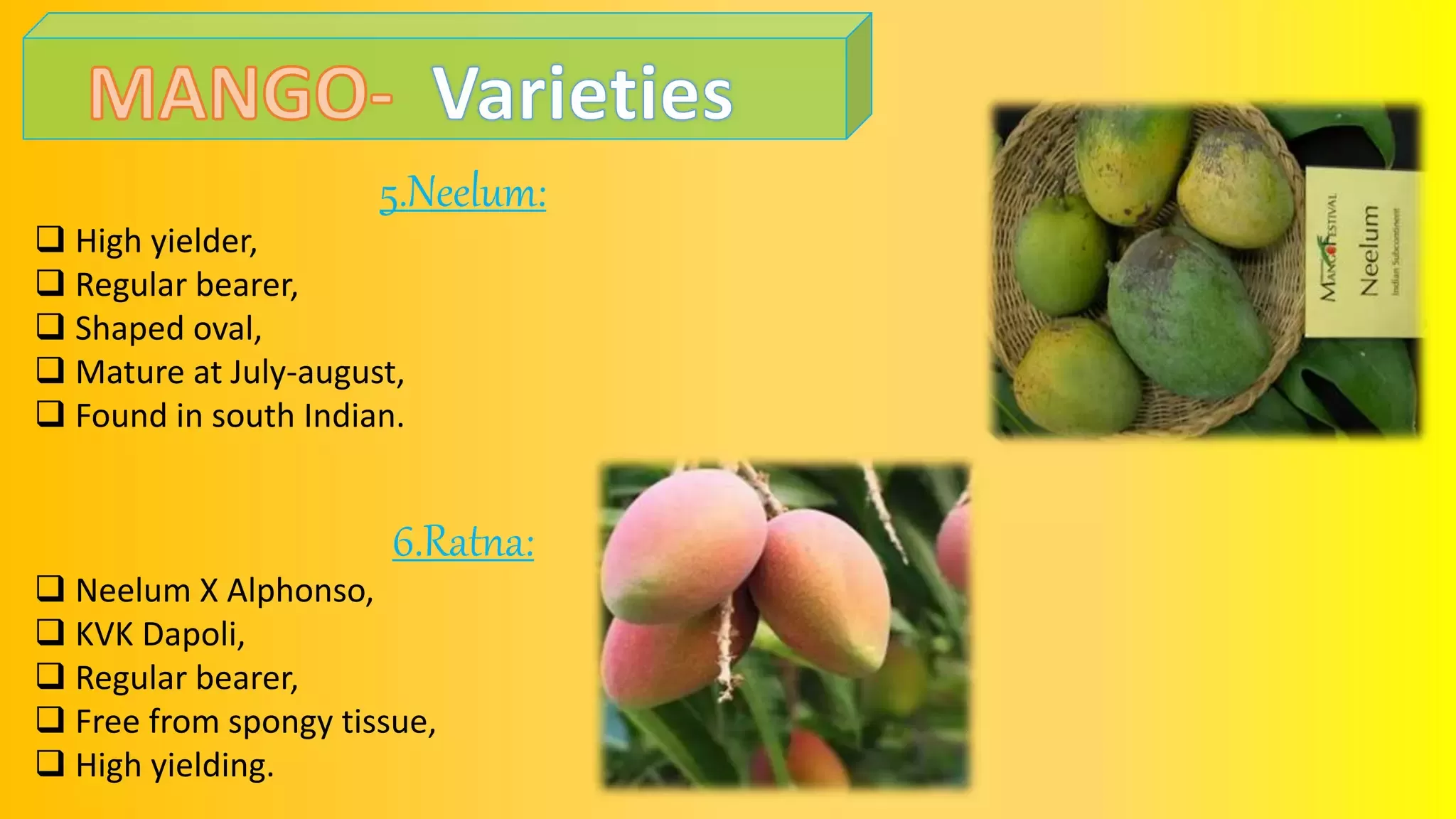
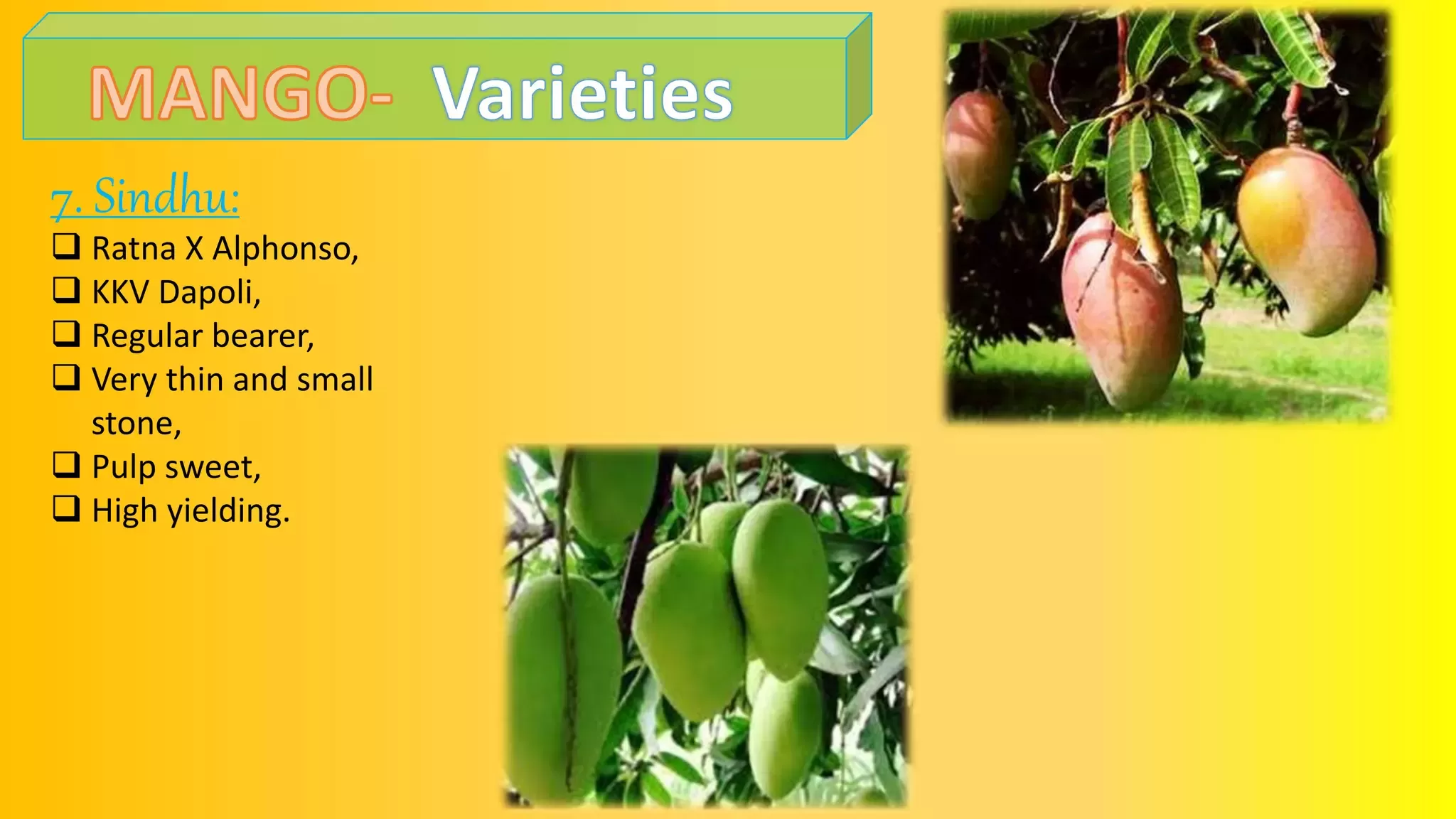
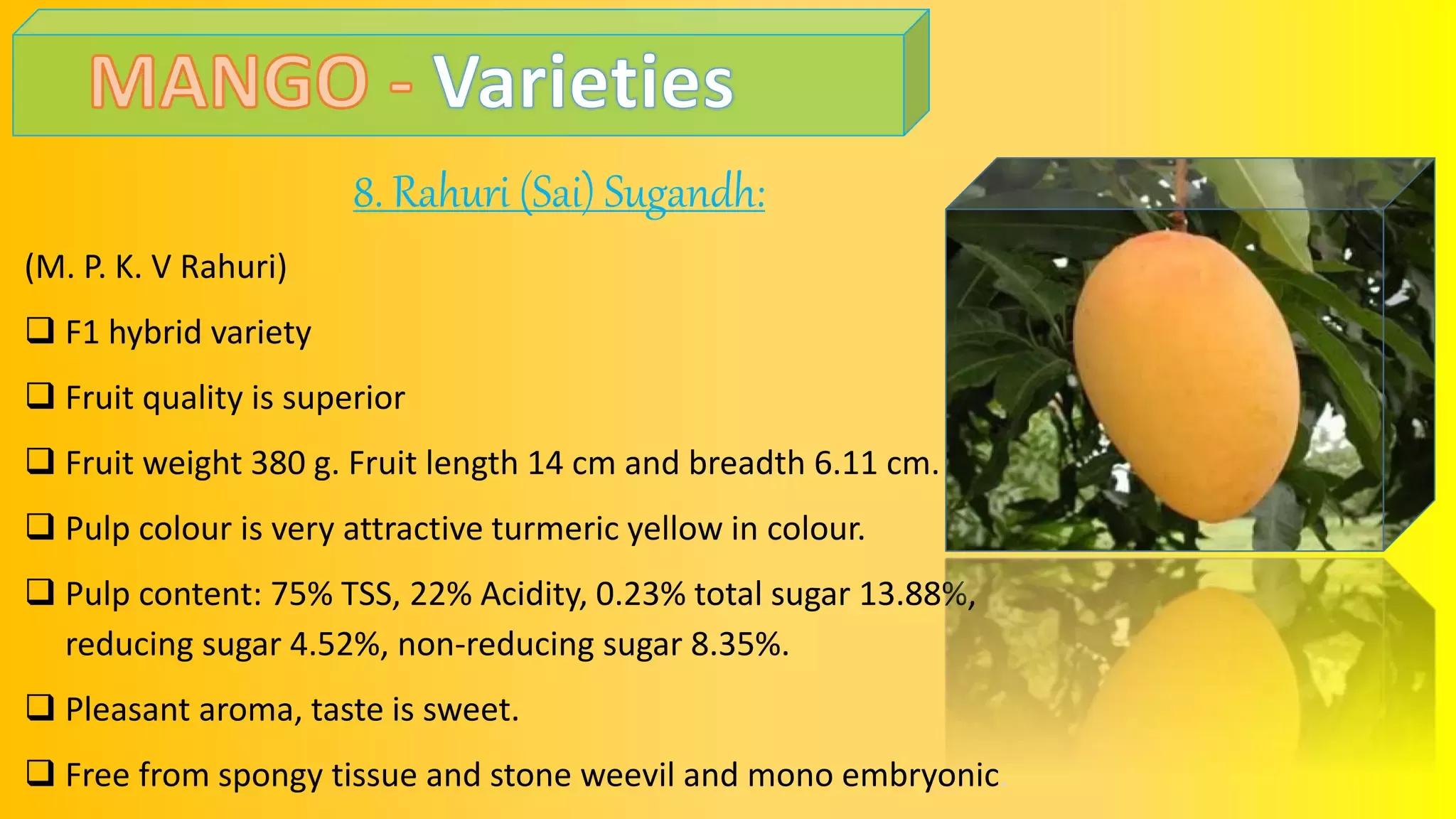
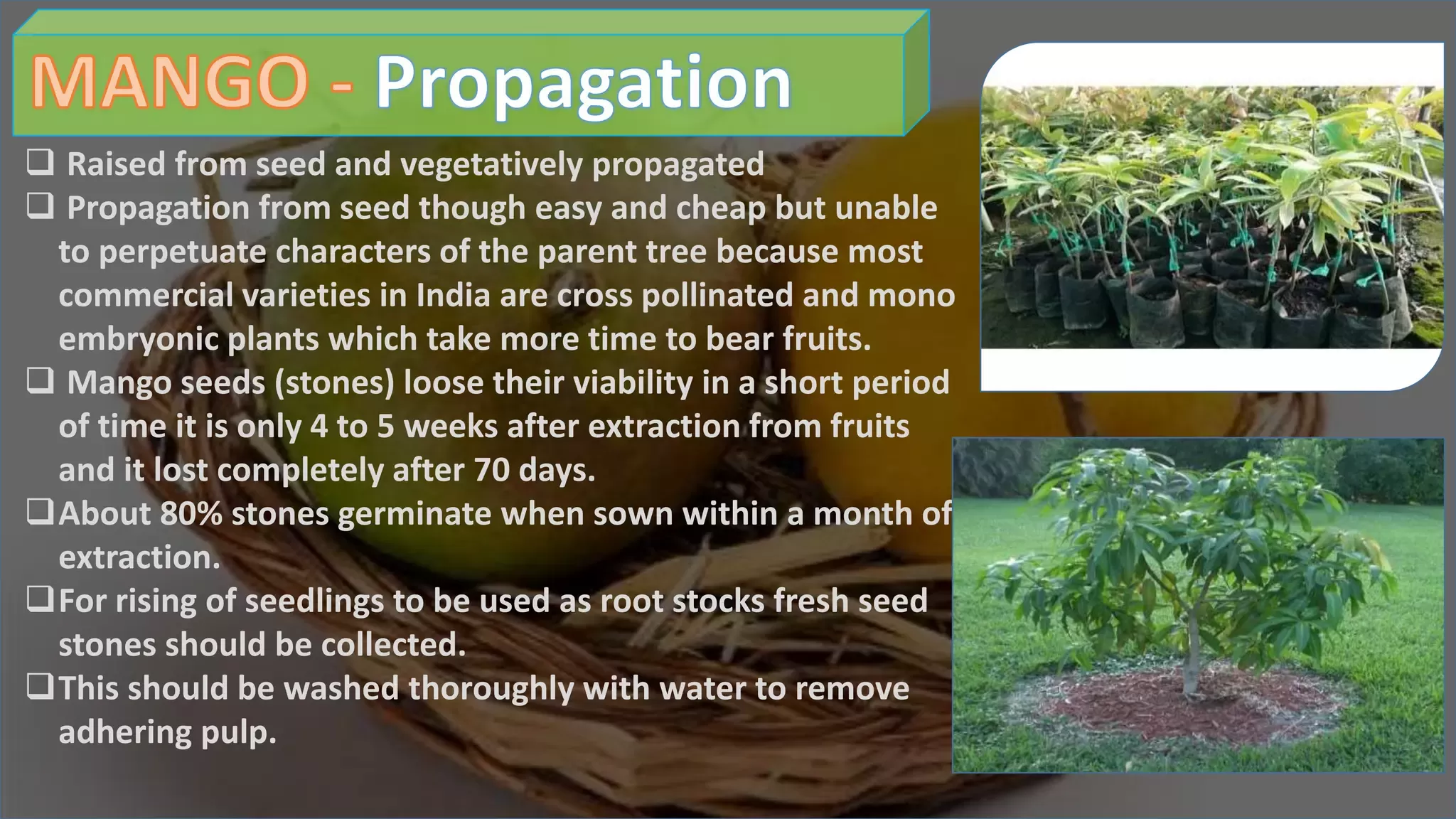
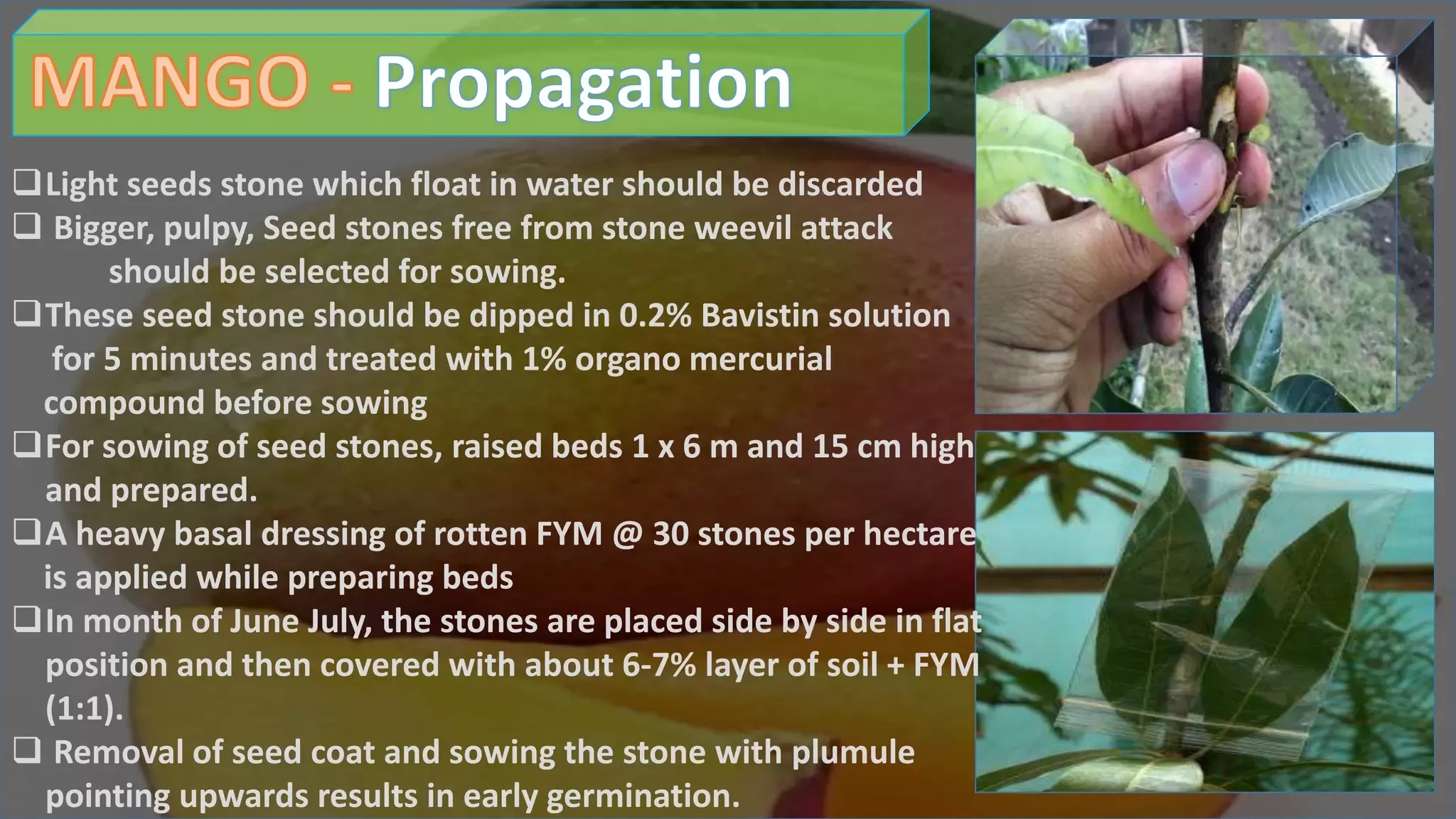
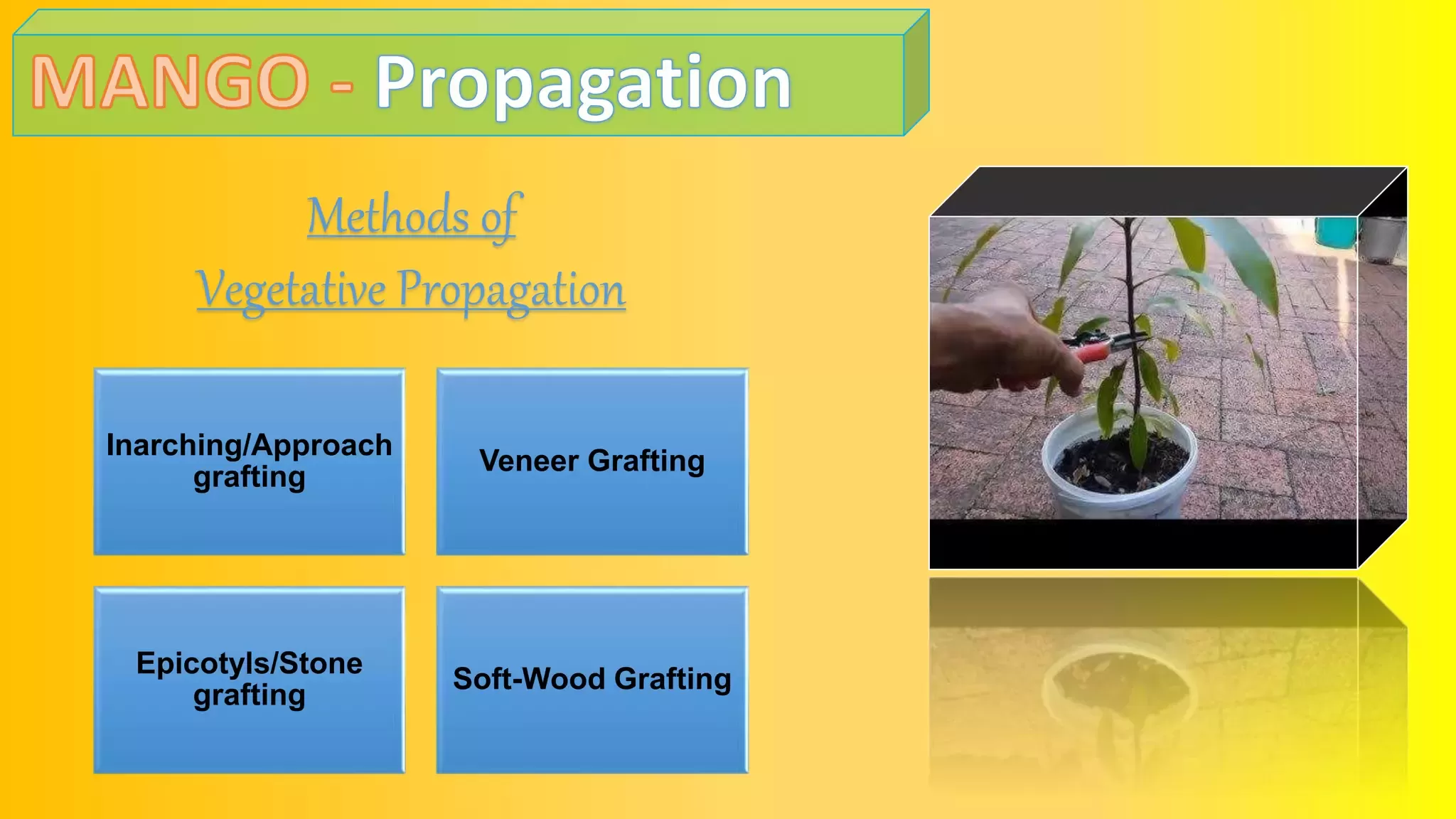
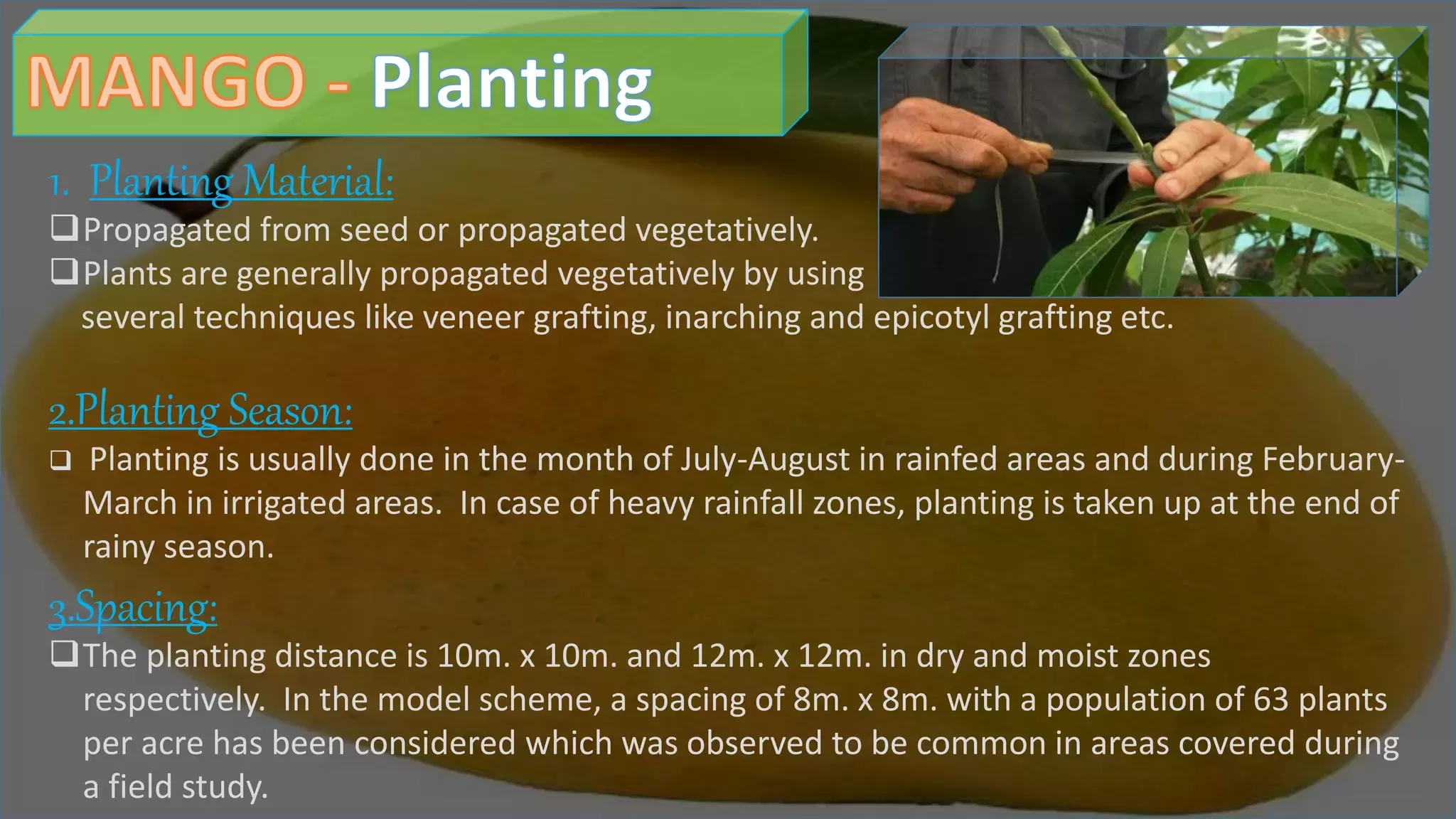
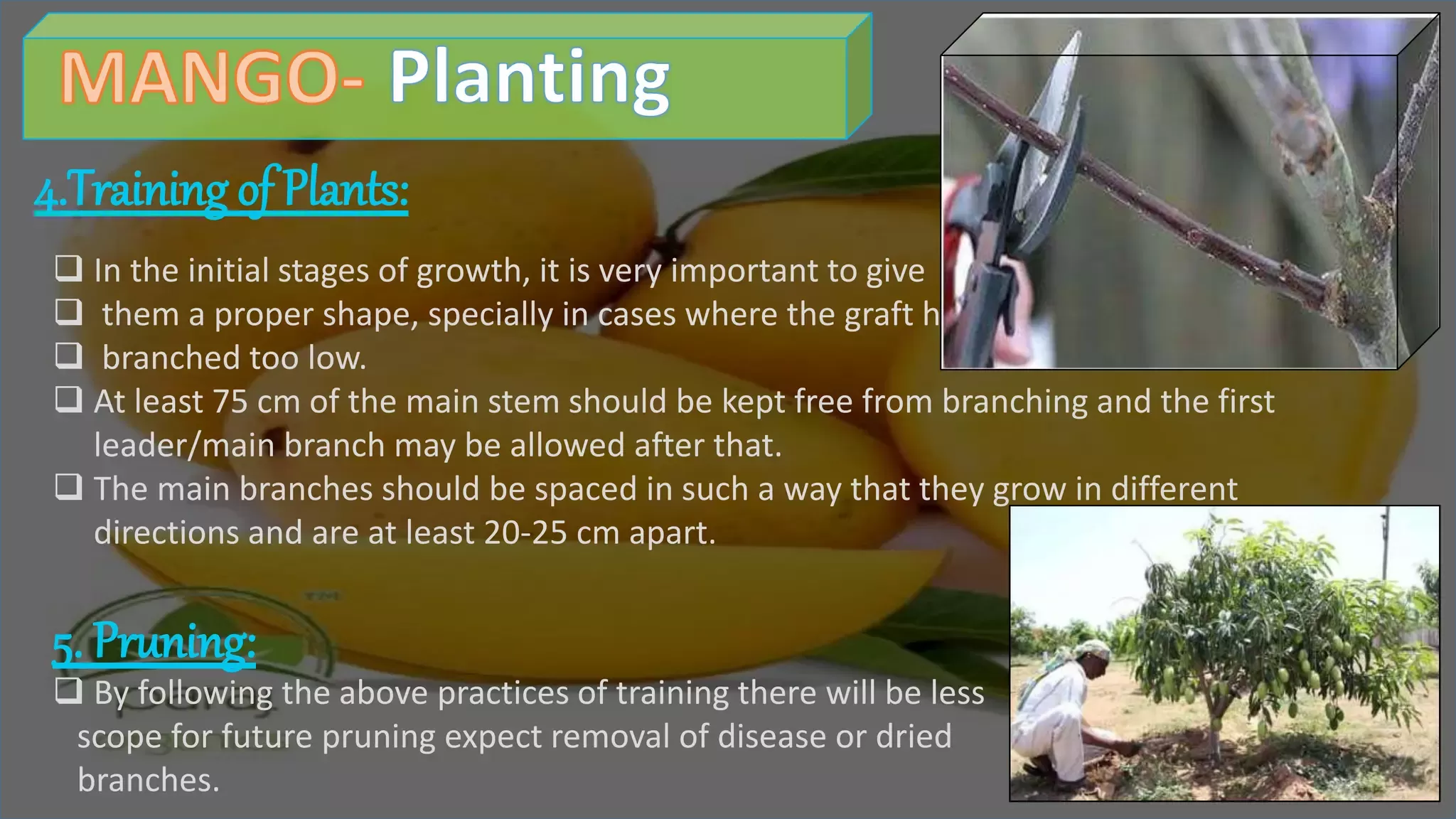
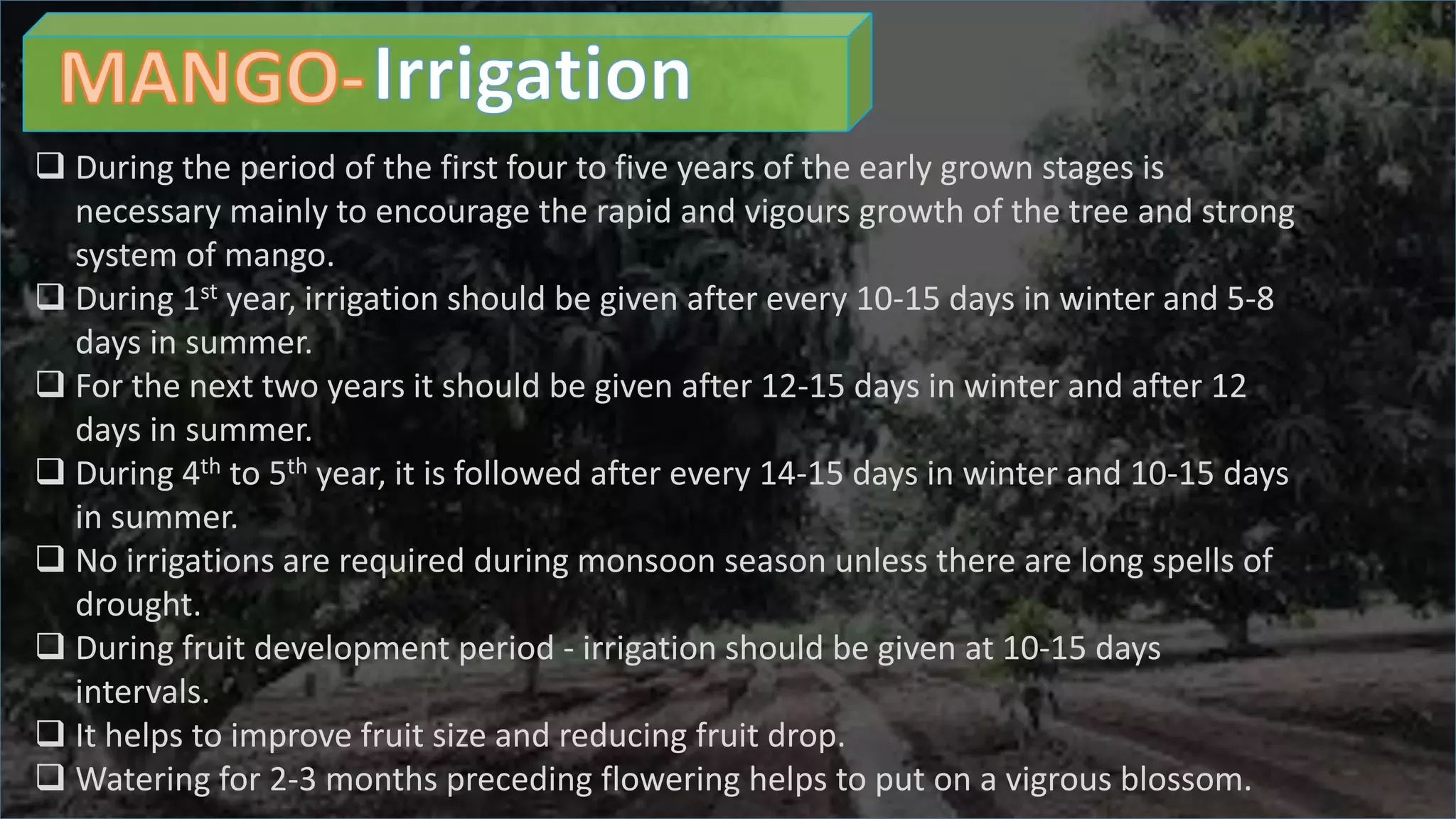
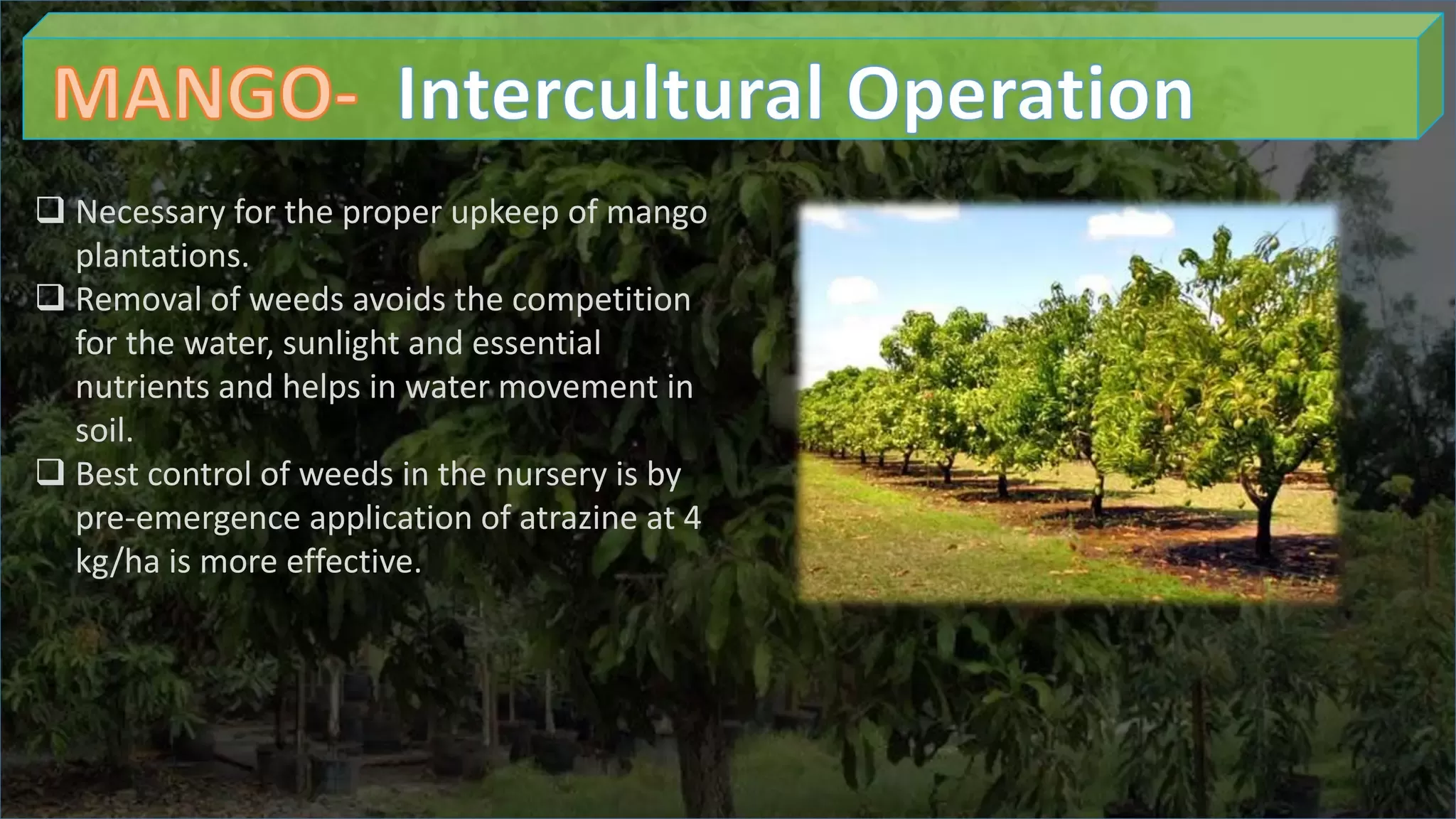
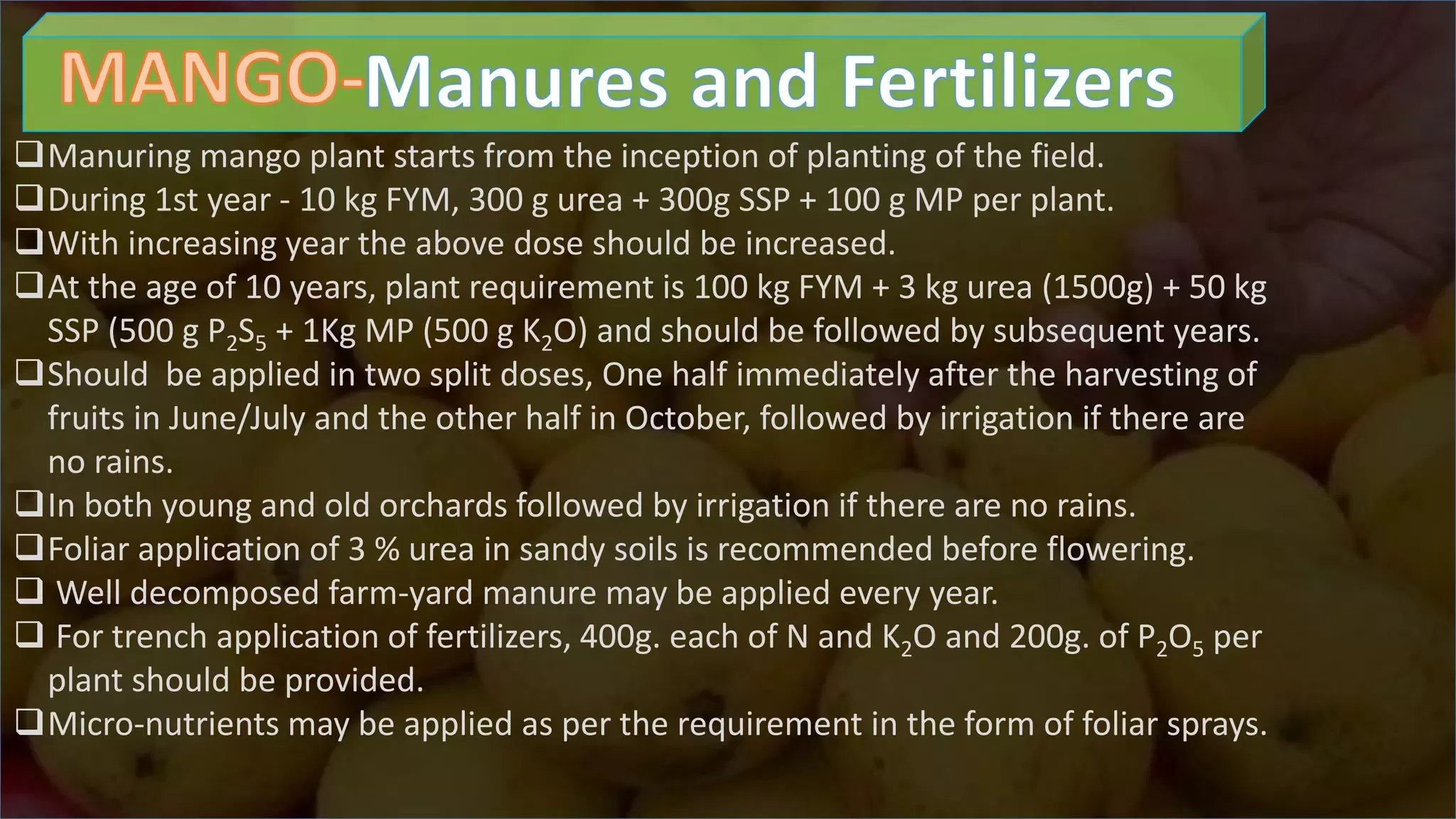
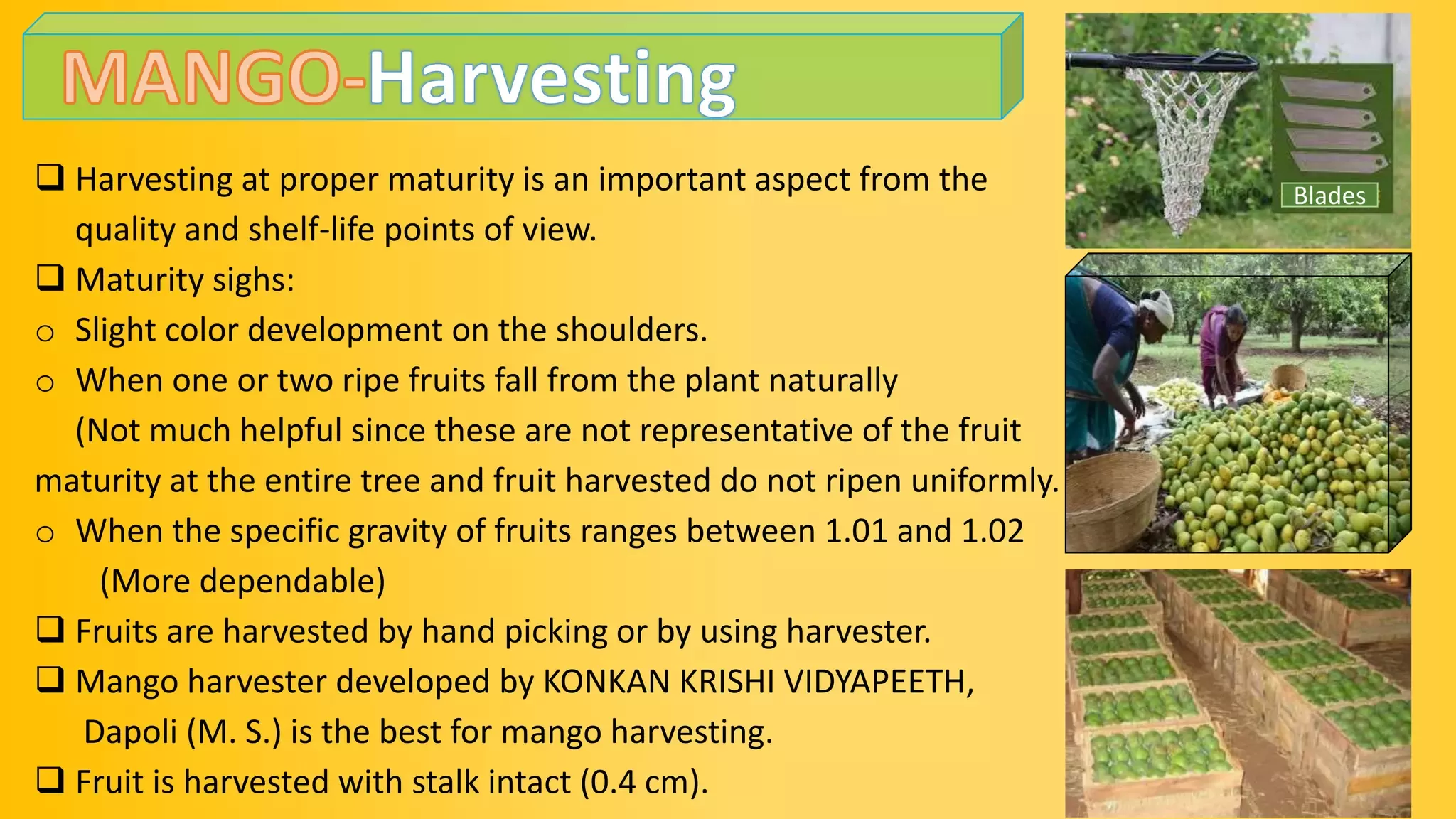
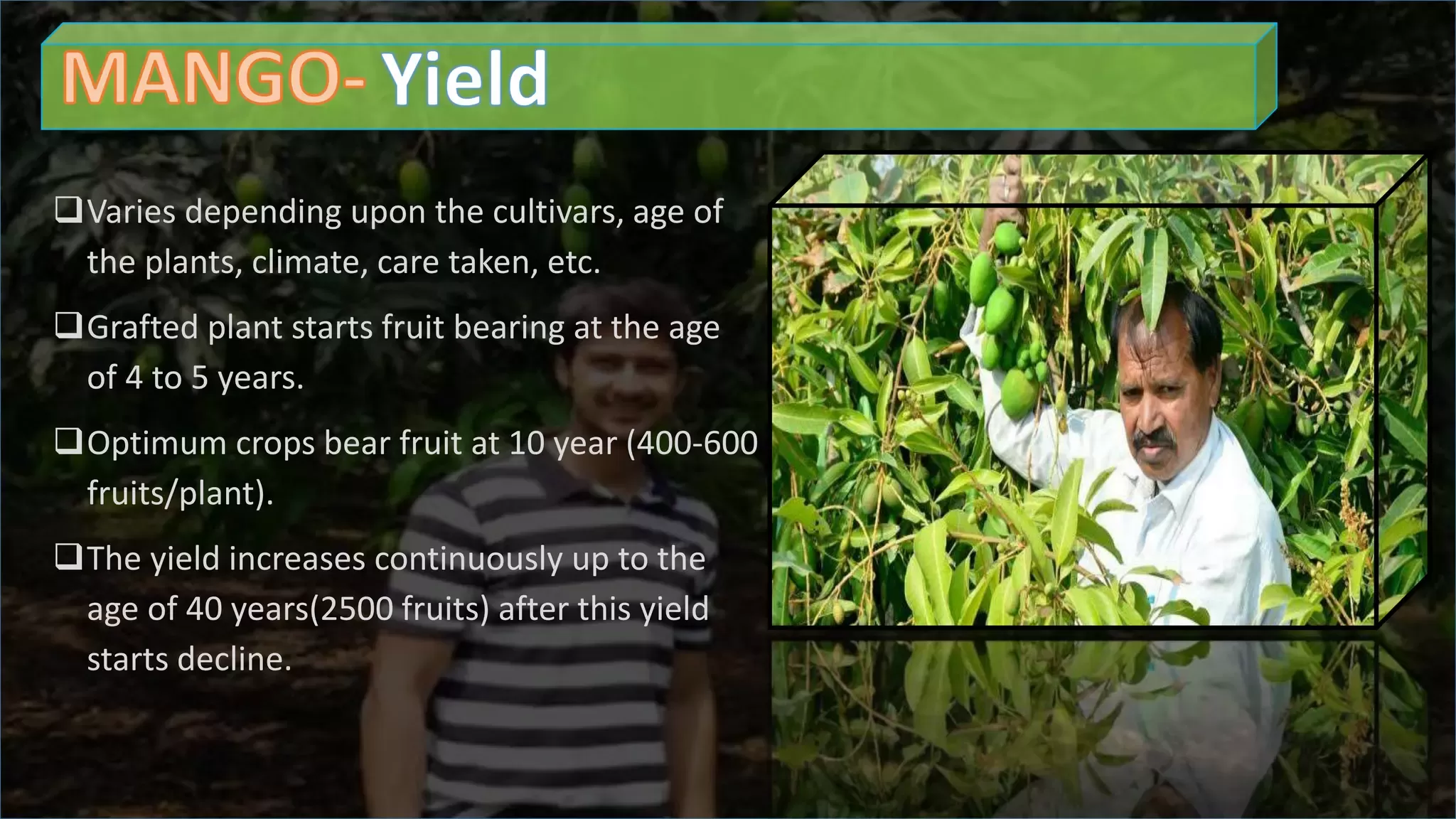
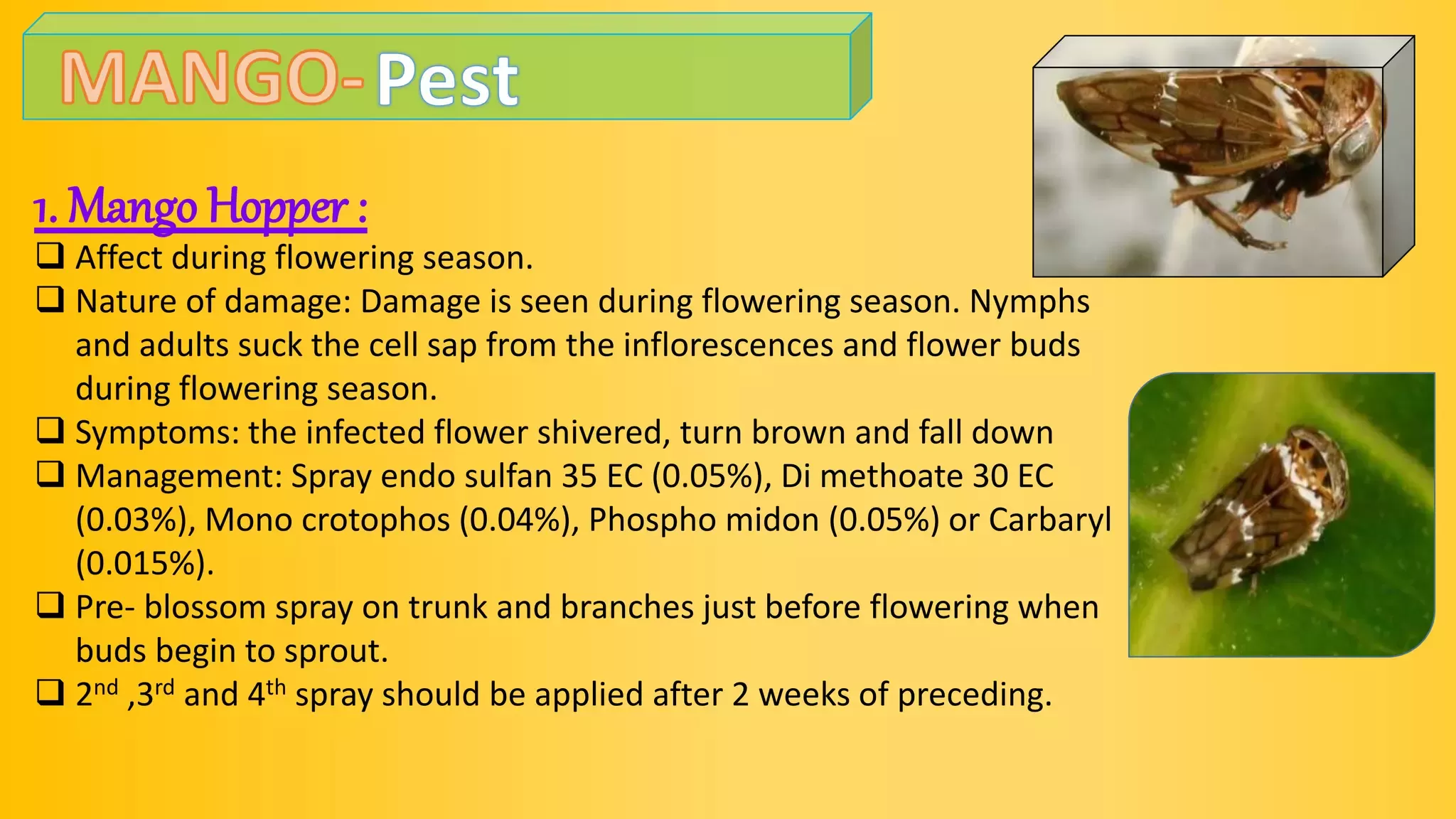
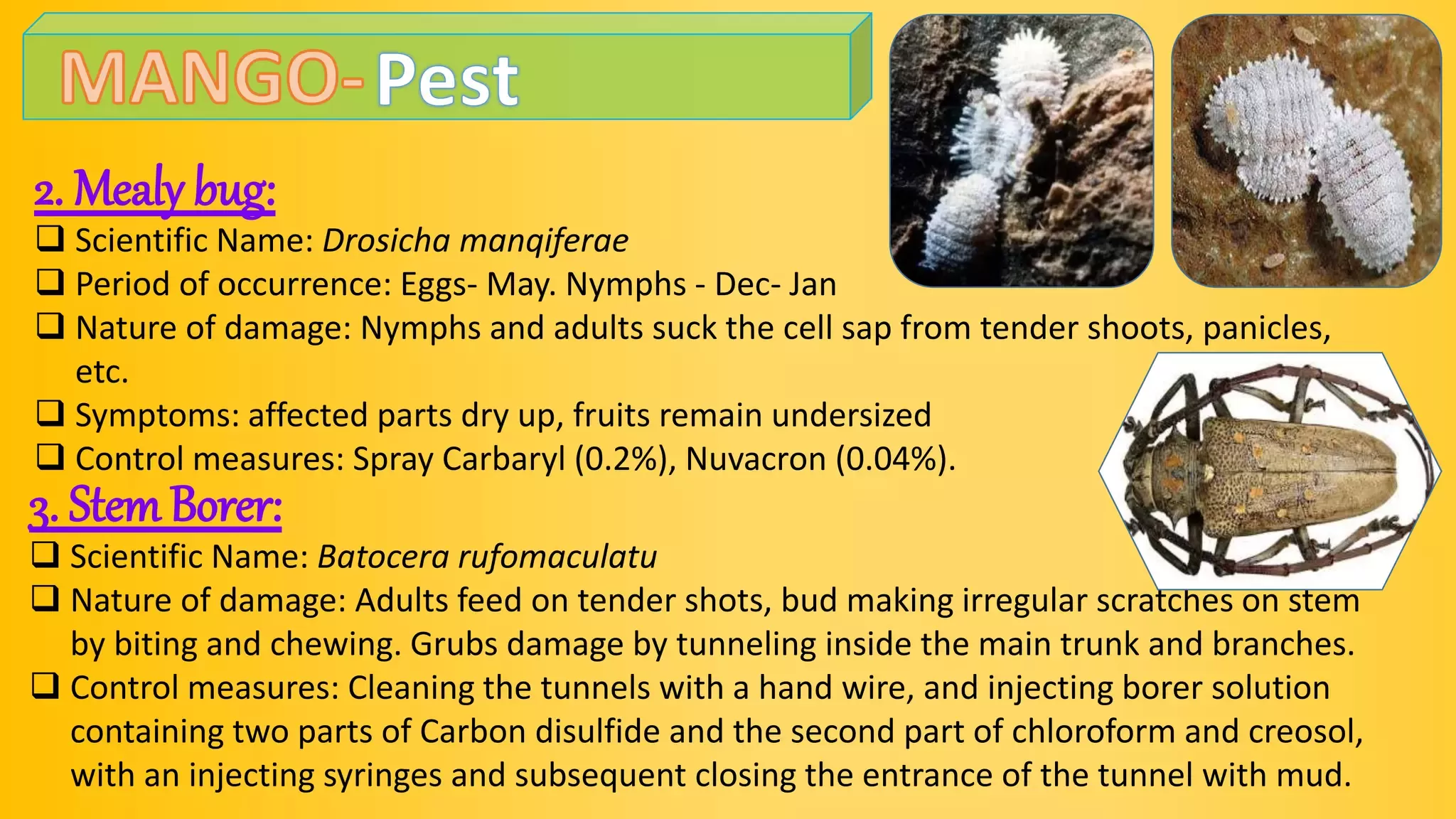
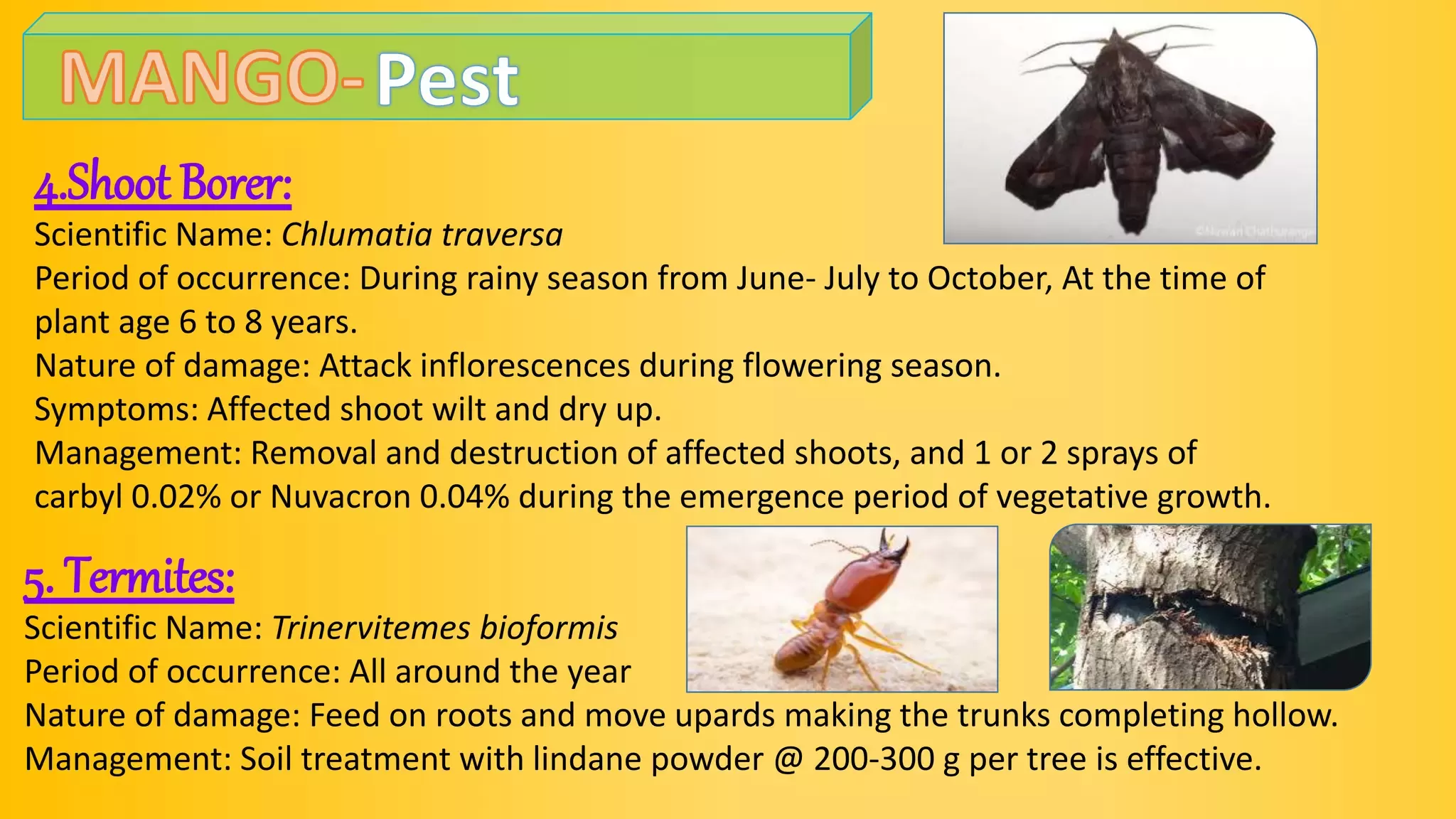
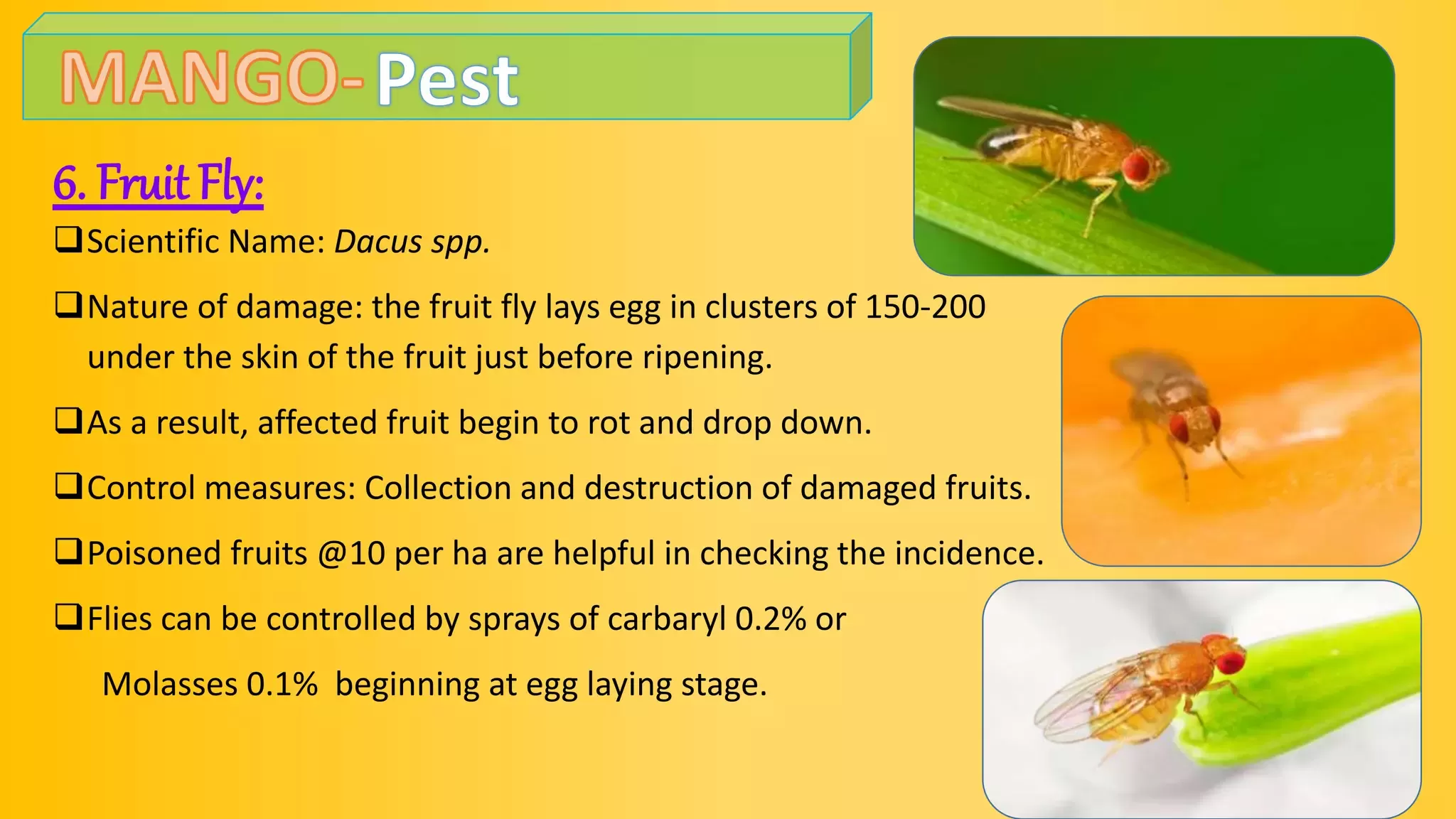
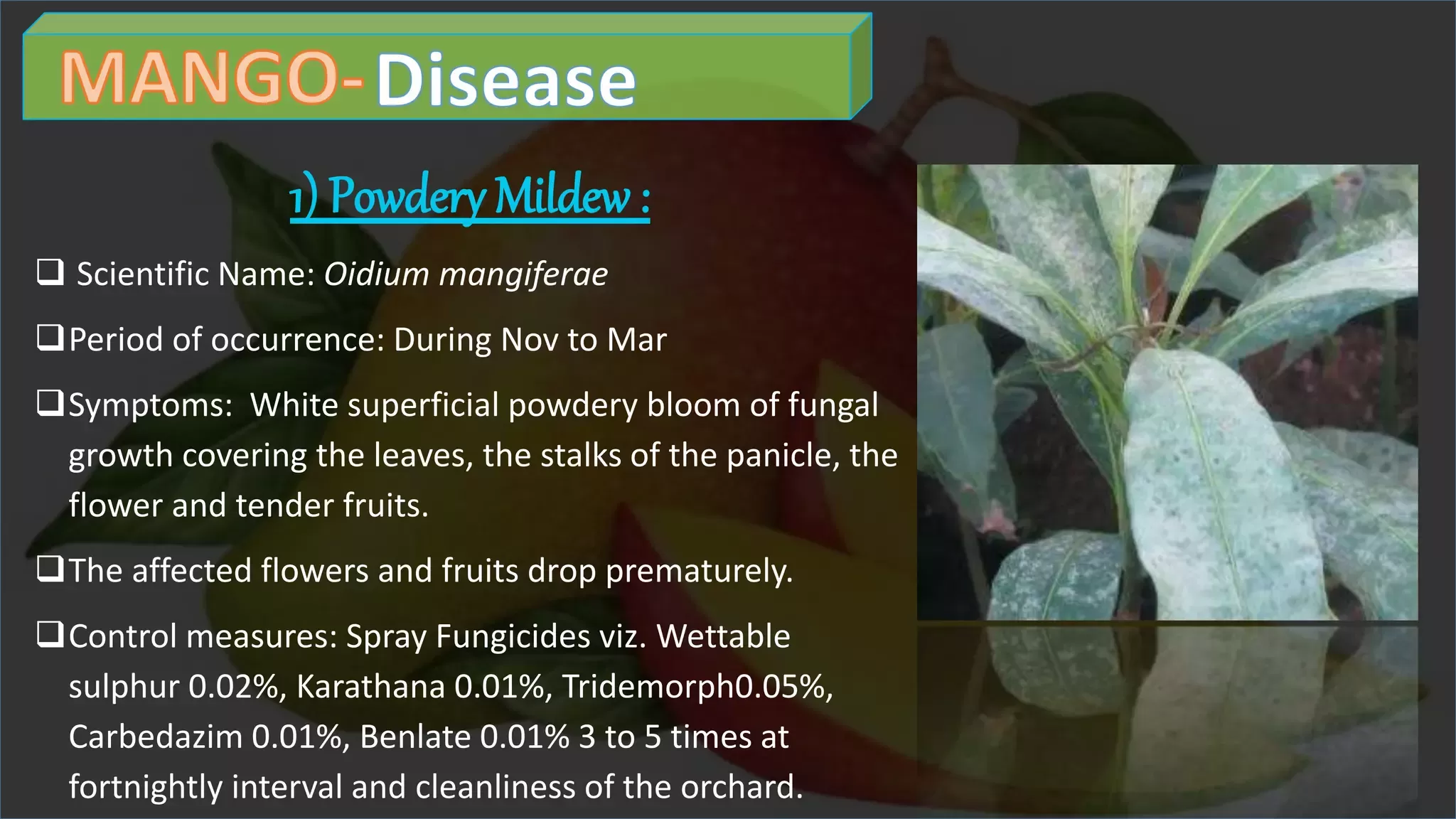
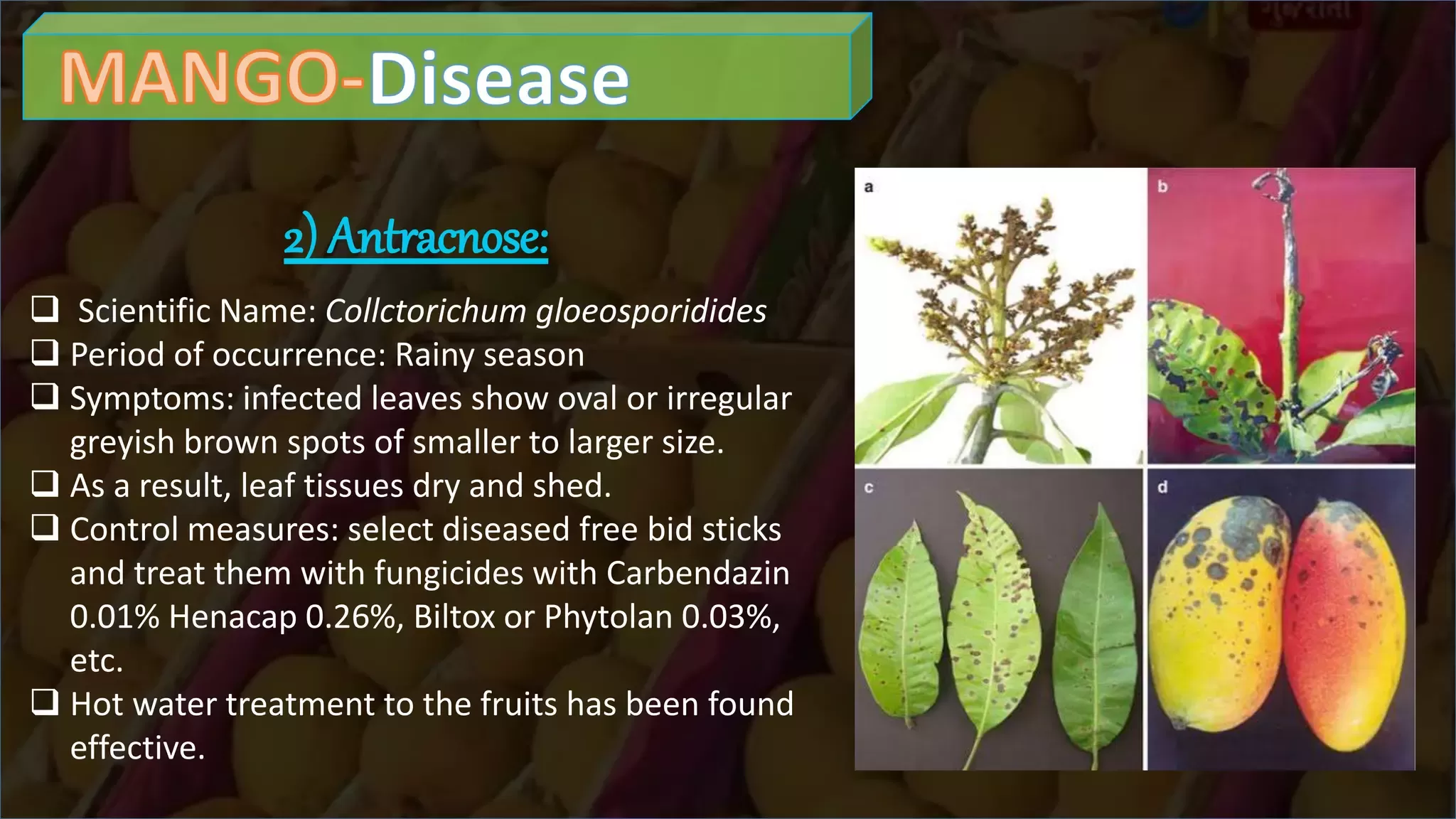
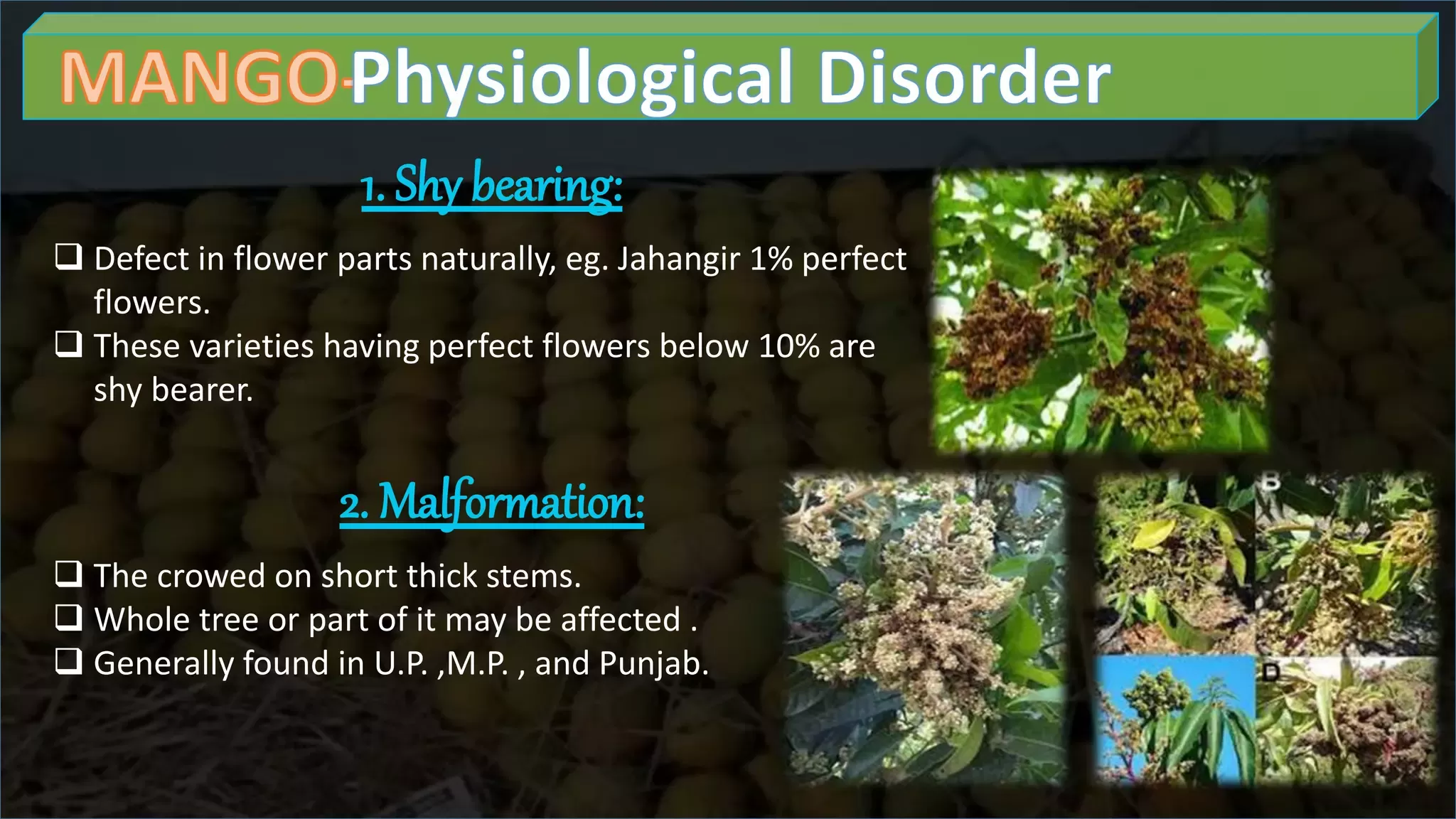
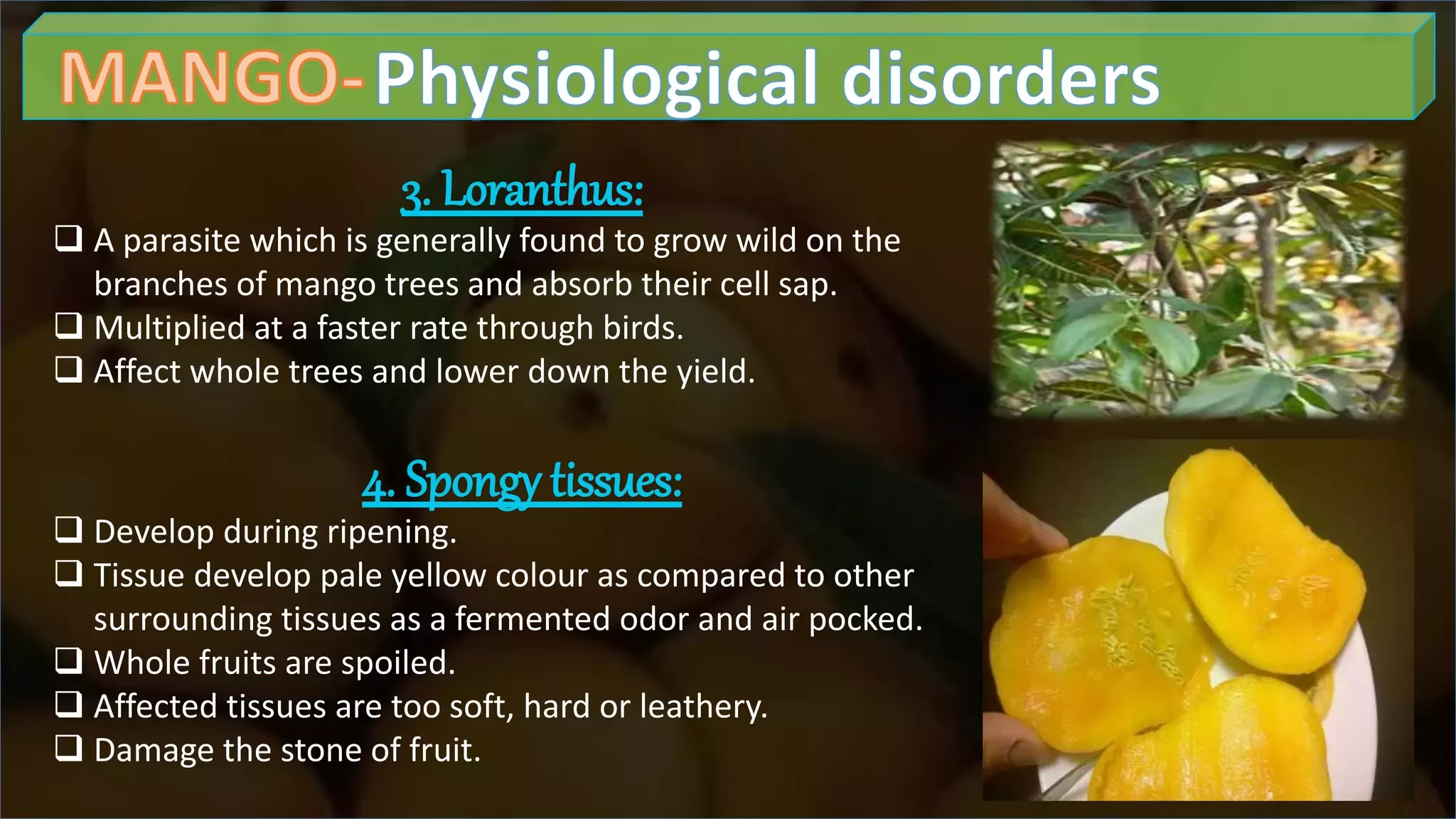
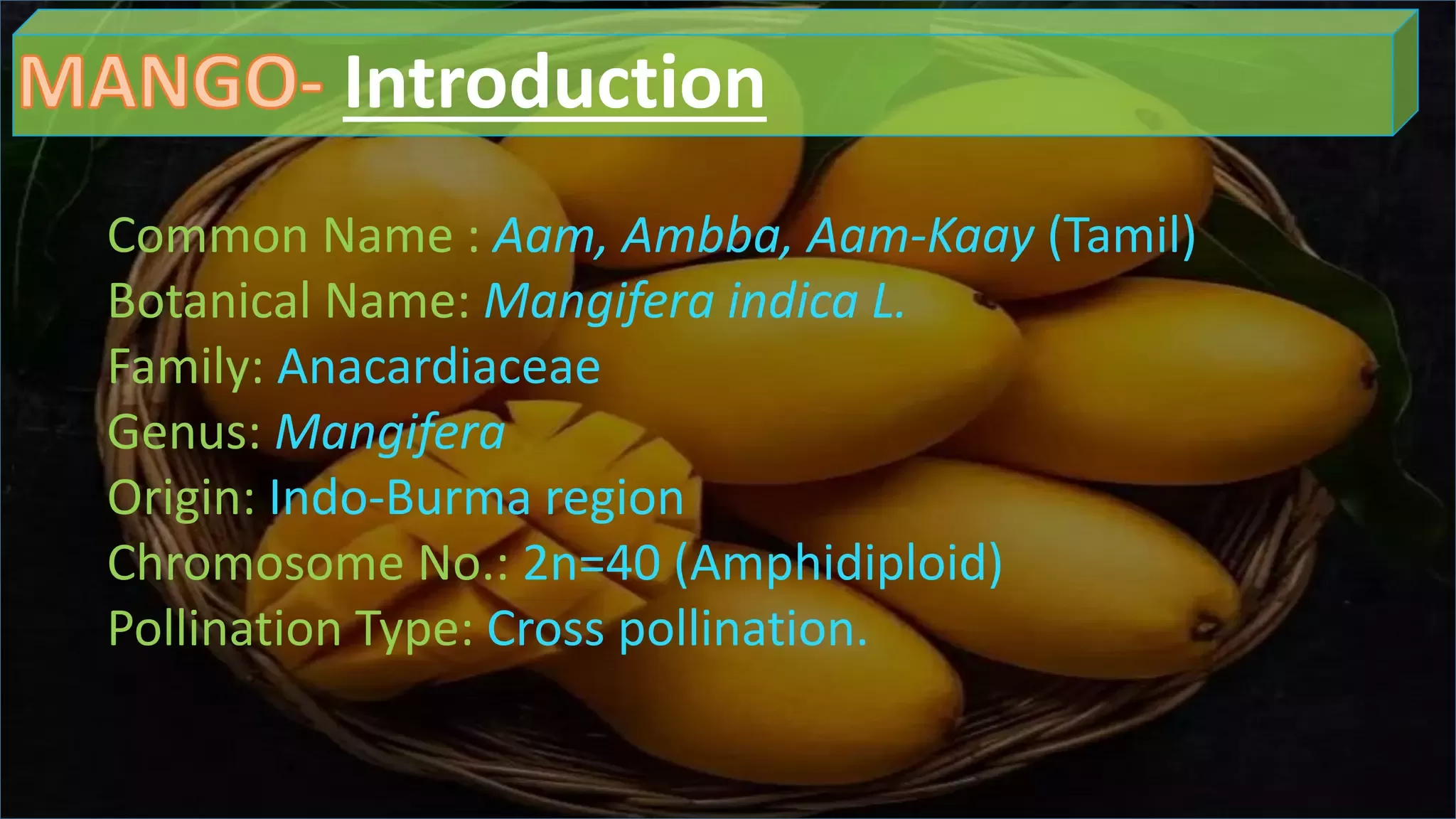
Mango cultivation, often referred to as the “King of Fruits,” is an essential agricultural practice, especially in countries like India, where the mango is revered as the national fruit. The mango tree, scientifically known as Mangifera indica L., belongs to the Anacardiaceae family and is believed to have originated in the Indo-Burma region. This tropical tree thrives in well-drained, loamy soils with a pH range of 5.5 to 7.5, making it adaptable to various soil types, from alluvial to sandy loam. However, it struggles in heavy, waterlogged, or highly alkaline soils. The economic significance of mangoes is profound. Many Indian varieties boast exceptional taste, flavor, and visual appeal, garnering a prominent place in both domestic and international markets. Mango trees are hardy, requiring relatively low maintenance, making them a commercially viable option for orcharding. Recent advancements in technology have further increased the profitability of mango cultivation. Scientific evidence suggests mangoes existed 25 to 30 million years ago, particularly in regions encompassing Northeast India, Myanmar, and Bangladesh. Historical records, dating back to the pre-Buddhist era in ancient Sanskrit literature, highlight the immense cultural significance of the fruit. The mango is not only a staple in diets but also symbolizes faith and prosperity in various religious traditions. When cultivating mangoes, attention must be given to optimal climatic conditions. These trees flourish in tropical and subtropical climates, thriving at altitudes up to 1500 meters. While young mango trees are sensitive to frost, the ideal temperature range for growth falls between 24°C and 27°C. In terms of hybrid varieties, numerous cross-breeds have been developed to enhance yield and fruit quality. Varieties like Amrapalli, Mallika, and Sindhu are particularly noted for their hardiness and productivity. Grafting techniques, such as veneer and epicotyl grafting, are commonly used for propagation, ensuring better fruit quality and consistency. Young trees can begin producing fruit within four to five years of planting, with peak yields typically seen around ten years post-plantation. Proper care and management are crucial for successful mango cultivation. Adequate irrigation, especially during fruit development and the flowering period, plays a vital role in fruit size and overall yield. Comprehensive fertilization strategies must also be implemented, starting from the planting phase, with specific nutrient requirements changing as the tree matures. Harvesting mature mangoes at optimal ripeness is essential to ensure quality and shelf life. Observing the right signs, like color change and the specific gravity of the fruit, can inform the harvest timing. Insect and disease management is equally critical, as pests like the mango hopper and mealy bug can severely damage crops. Implementing good agricultural practices, such as regular monitoring and applying appropriate protective measures, is vital to prevent loss. In conclusion, mango cultivation is a dynamic and rewarding endeavor that combines horticultural knowledge with an understanding of market demands. The rich history, cultural significance, and economic potential of this fruit make it a key player in the agricultural landscape, particularly in tropical regions. From soil preparation to post-harvest management, every step in the process contributes to the delightful experience of enjoying this beloved fruit.
Slide 1

Slide 1⬇ Slide

Slide 2

Slide 2⬇ Slide

Slide 3

Slide 3⬇ Slide

Slide 4

Slide 4⬇ Slide

Slide 5

Slide 5⬇ Slide

Slide 6

Slide 6⬇ Slide

Slide 7

Slide 7⬇ Slide

Slide 8

Slide 8⬇ Slide

Slide 9

Slide 9⬇ Slide

Slide 10

Slide 10⬇ Slide

Slide 11

Slide 11⬇ Slide

Slide 12

Slide 12⬇ Slide

Slide 13

Slide 13⬇ Slide

Slide 14

Slide 14⬇ Slide

Slide 15

Slide 15⬇ Slide

Slide 16

Slide 16⬇ Slide

Slide 17

Slide 17⬇ Slide

Slide 18

Slide 18⬇ Slide

Slide 19

Slide 19⬇ Slide

Slide 20

Slide 20⬇ Slide

Slide 21

Slide 21⬇ Slide

Slide 22

Slide 22⬇ Slide

Slide 23

Slide 23⬇ Slide

Slide 24

Slide 24⬇ Slide

Slide 25

Slide 25⬇ Slide

Slide 26

Slide 26⬇ Slide

Slide 27

Slide 27⬇ Slide

Slide 28

Slide 28⬇ Slide

Slide 29

Slide 29⬇ Slide

Slide 30

Slide 30⬇ Slide

Slide 31

Slide 31⬇ Slide
1 / 31

Ppt on Scientific cultivation of muskmelon

Summary

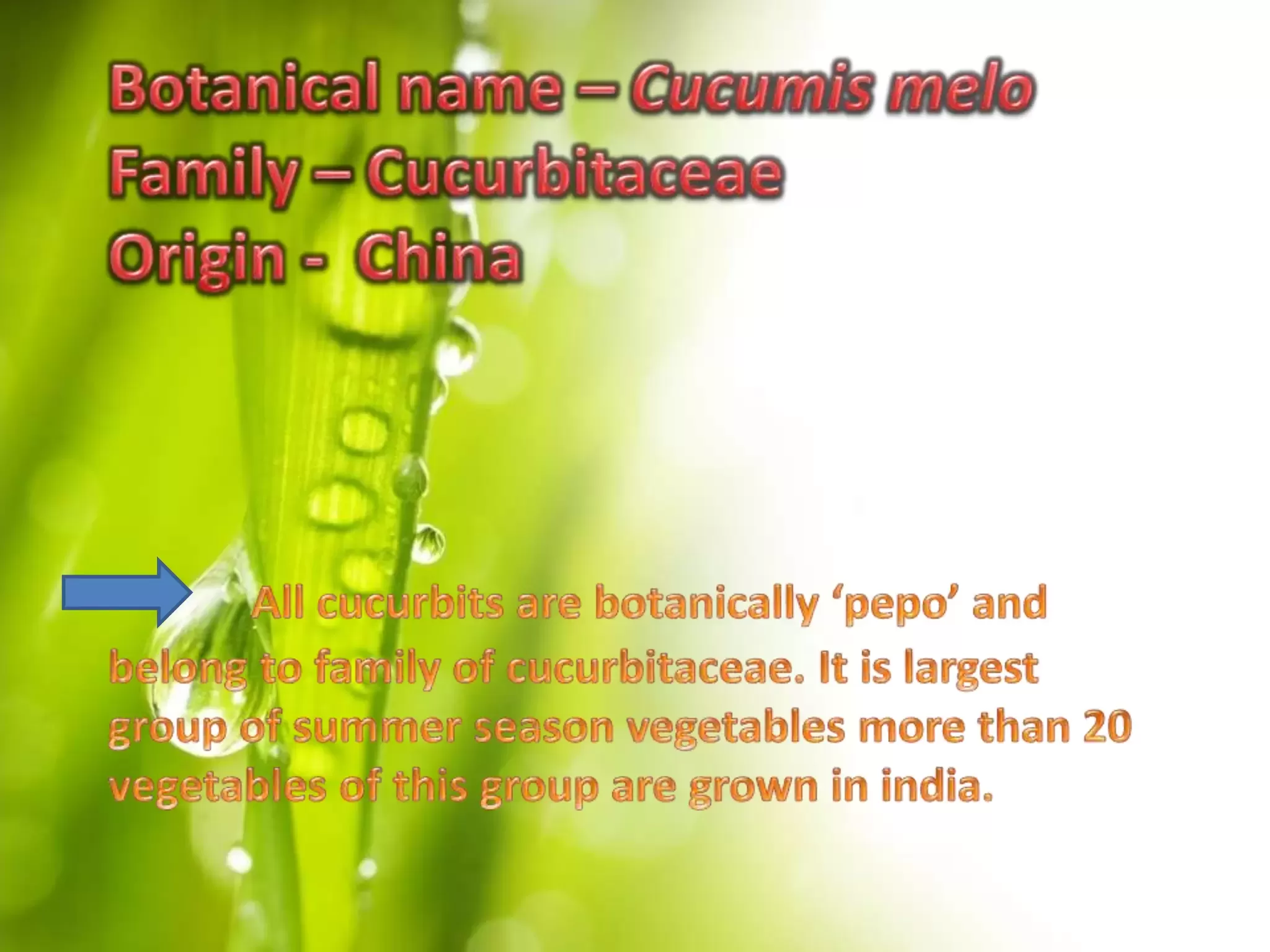
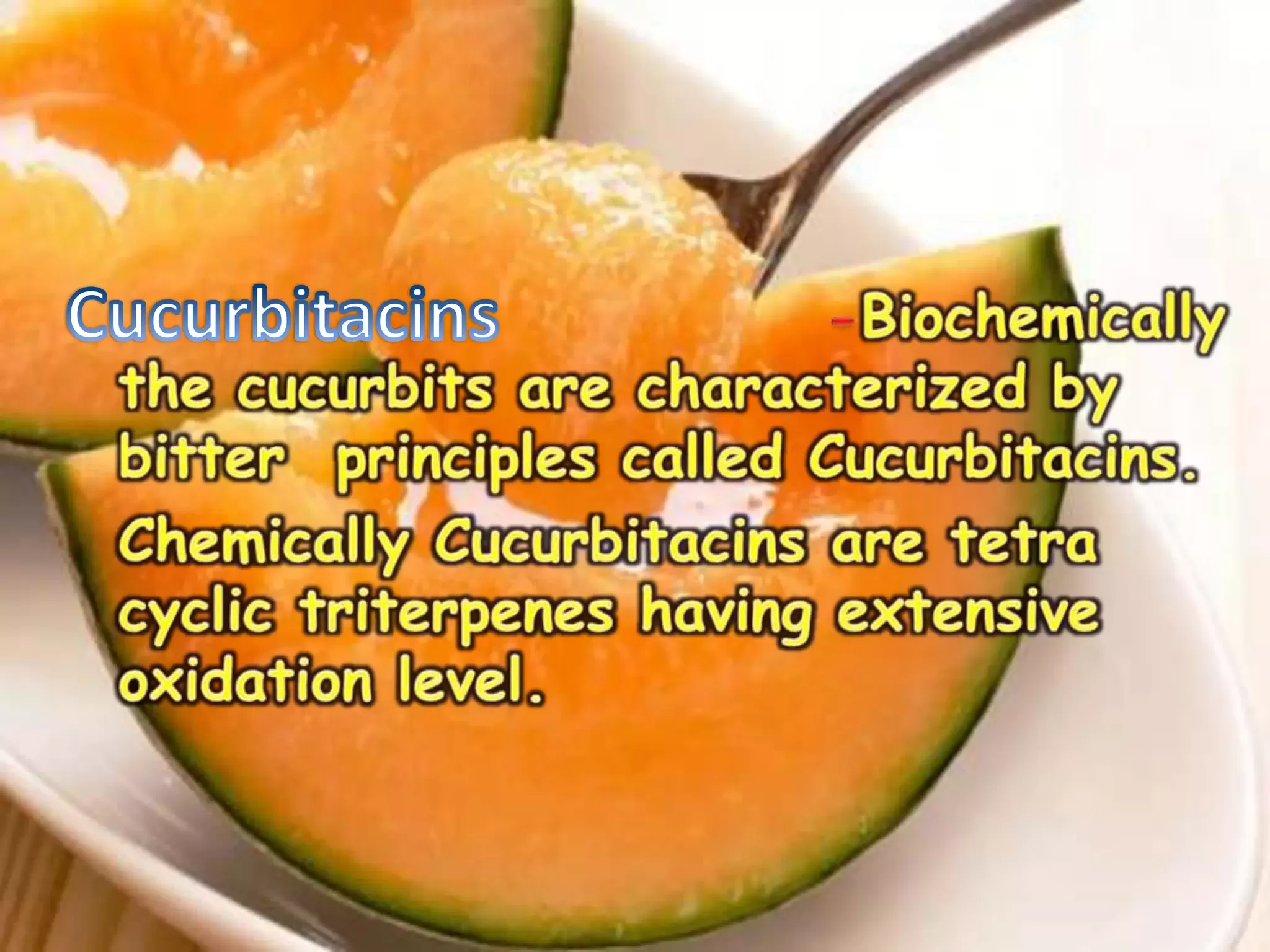
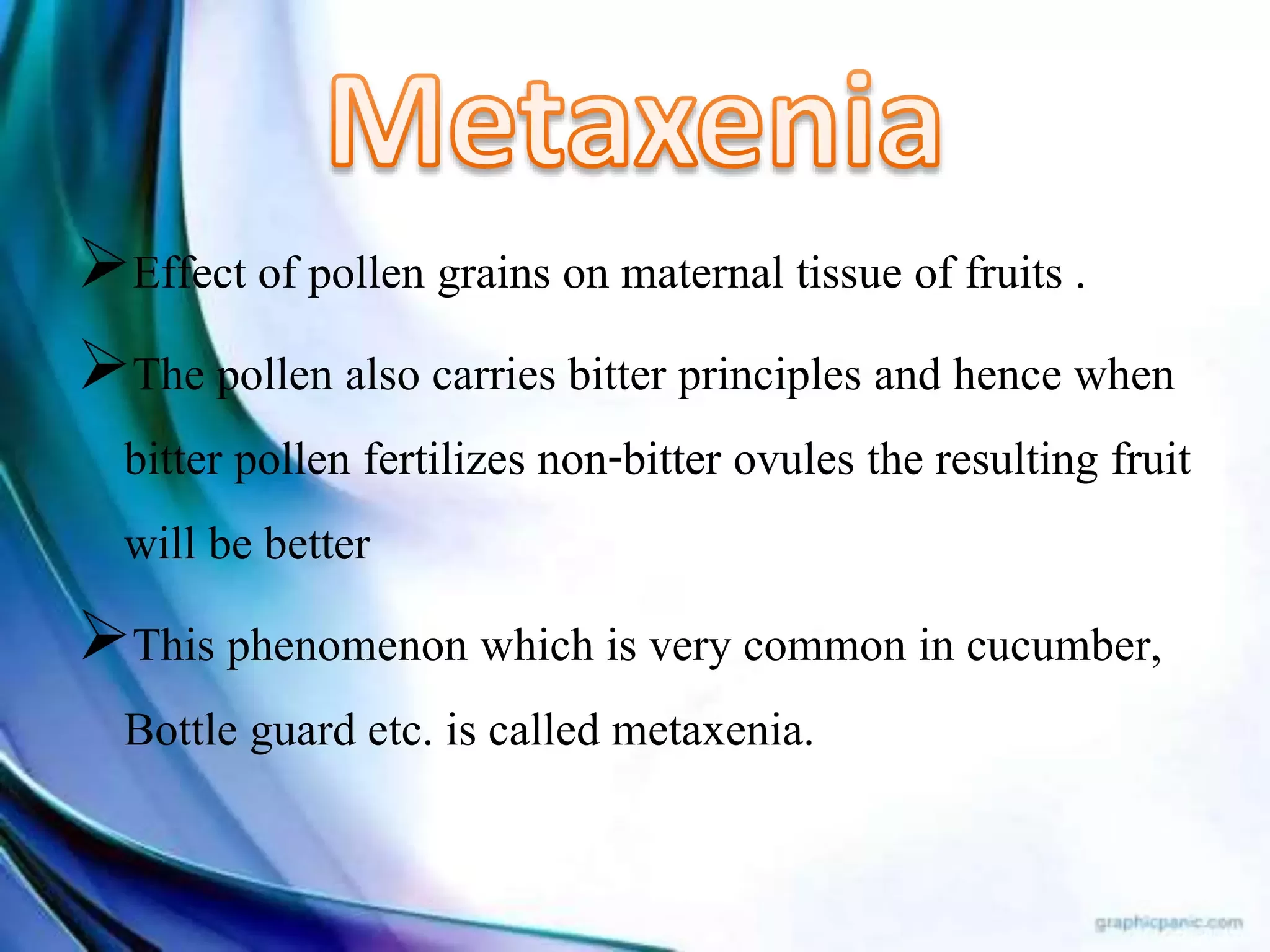
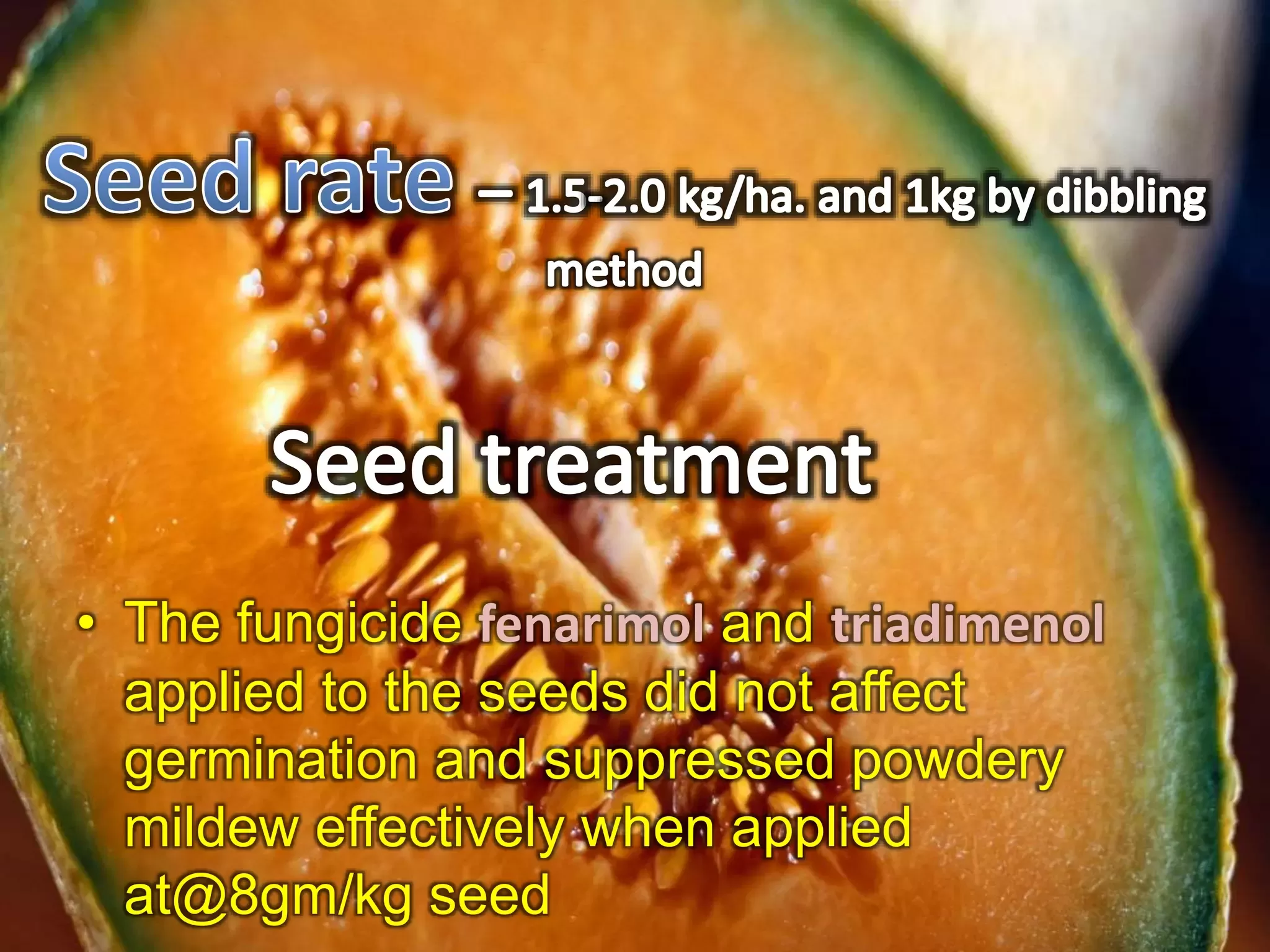
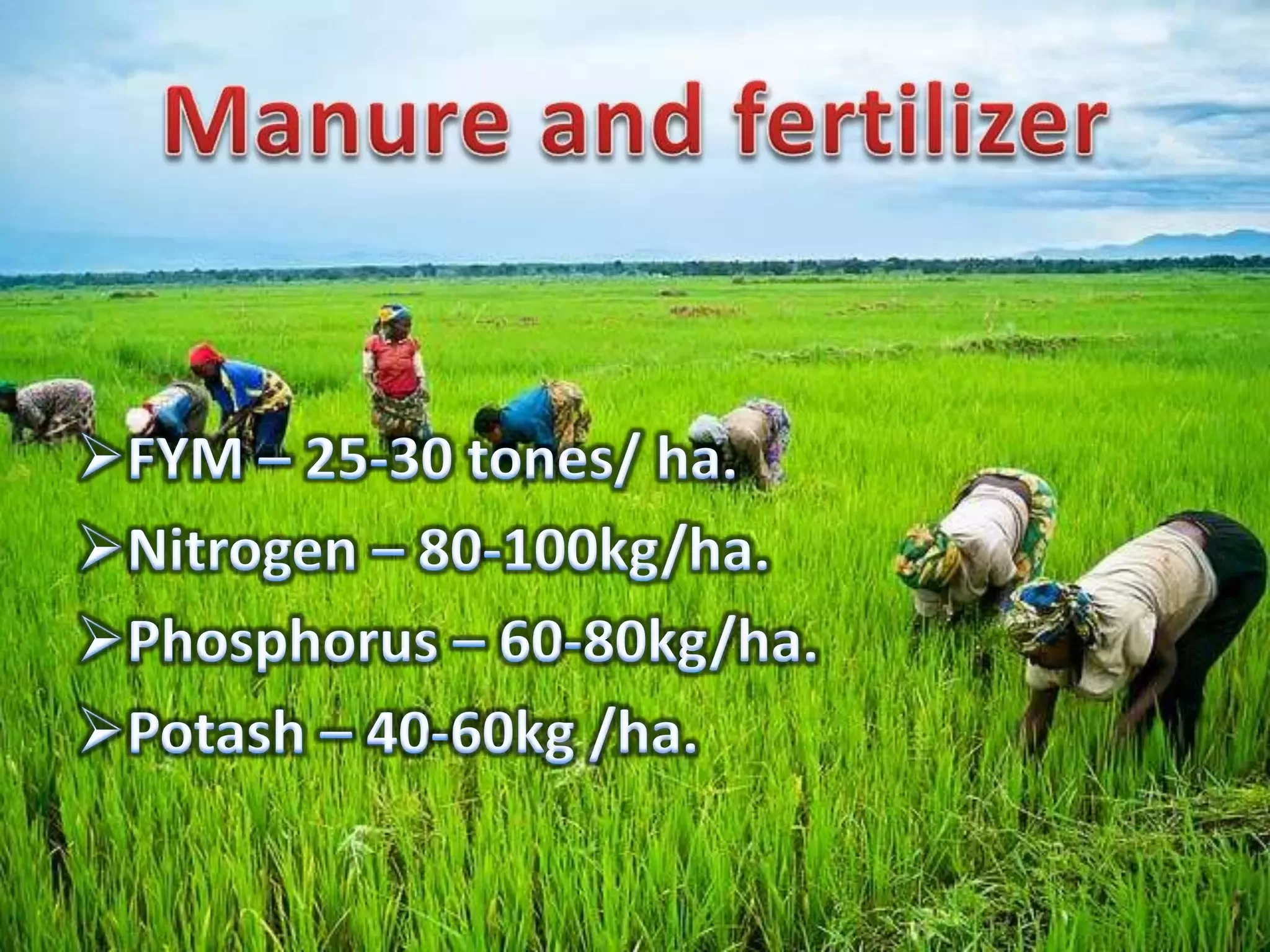
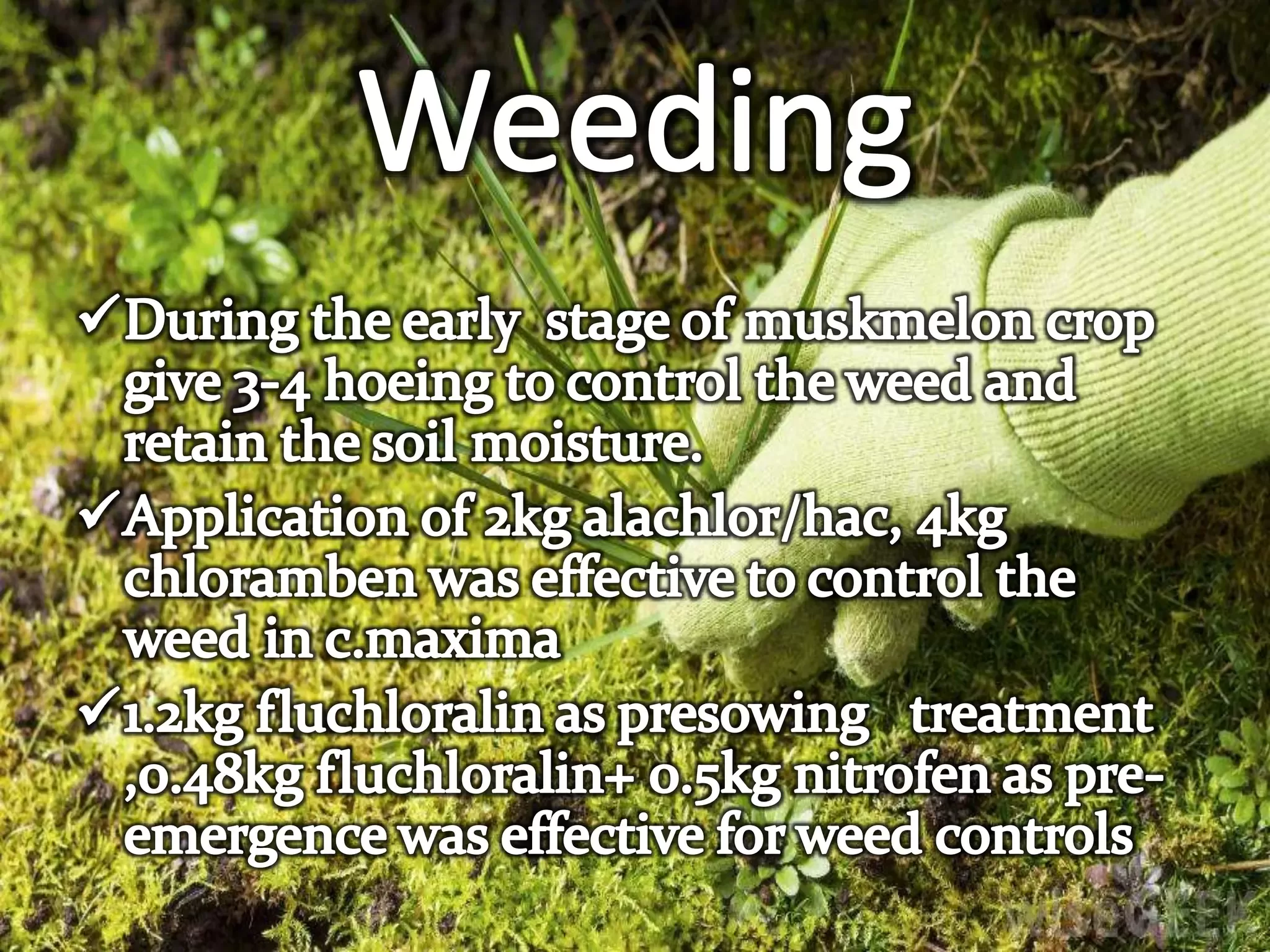
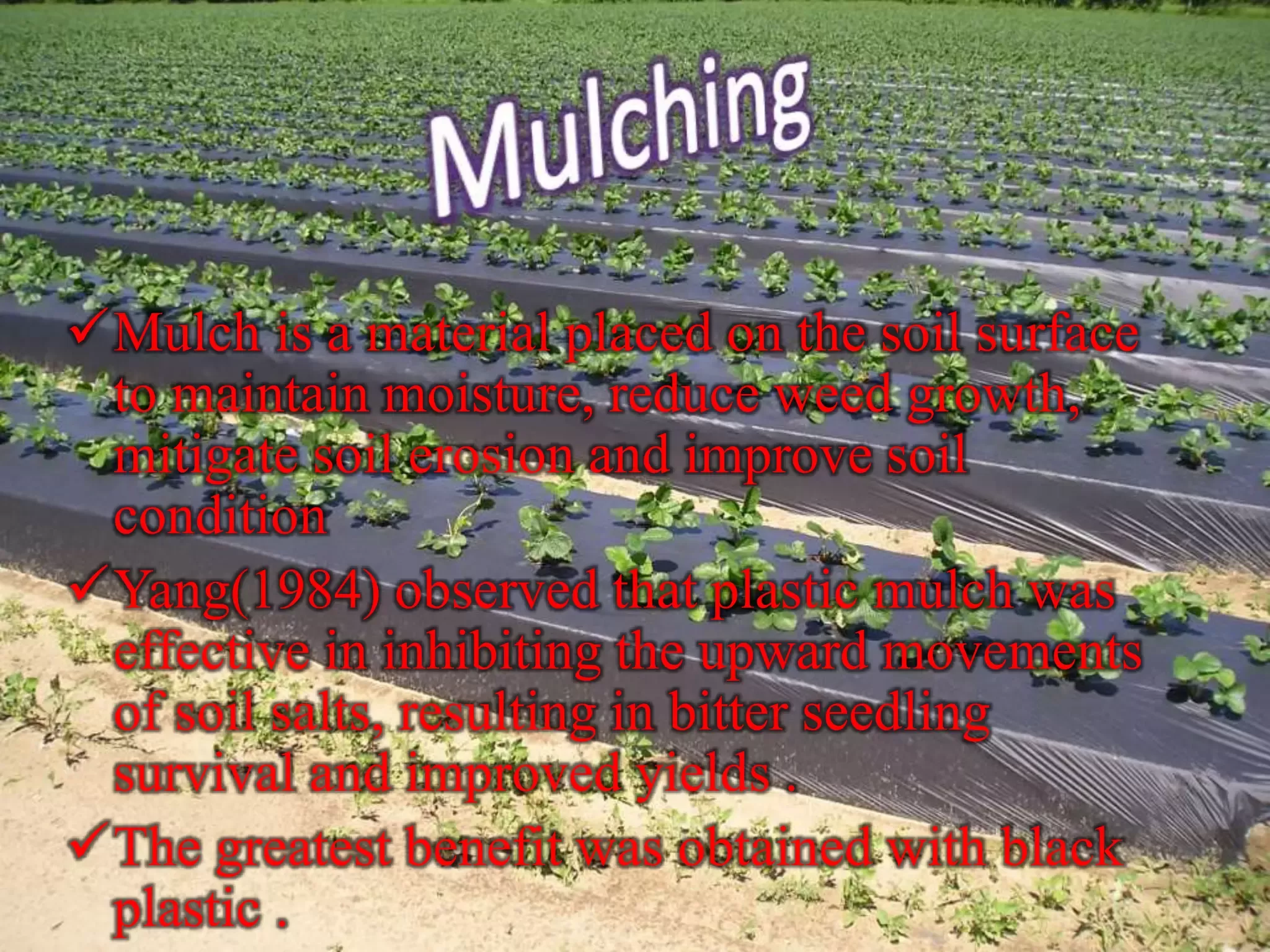
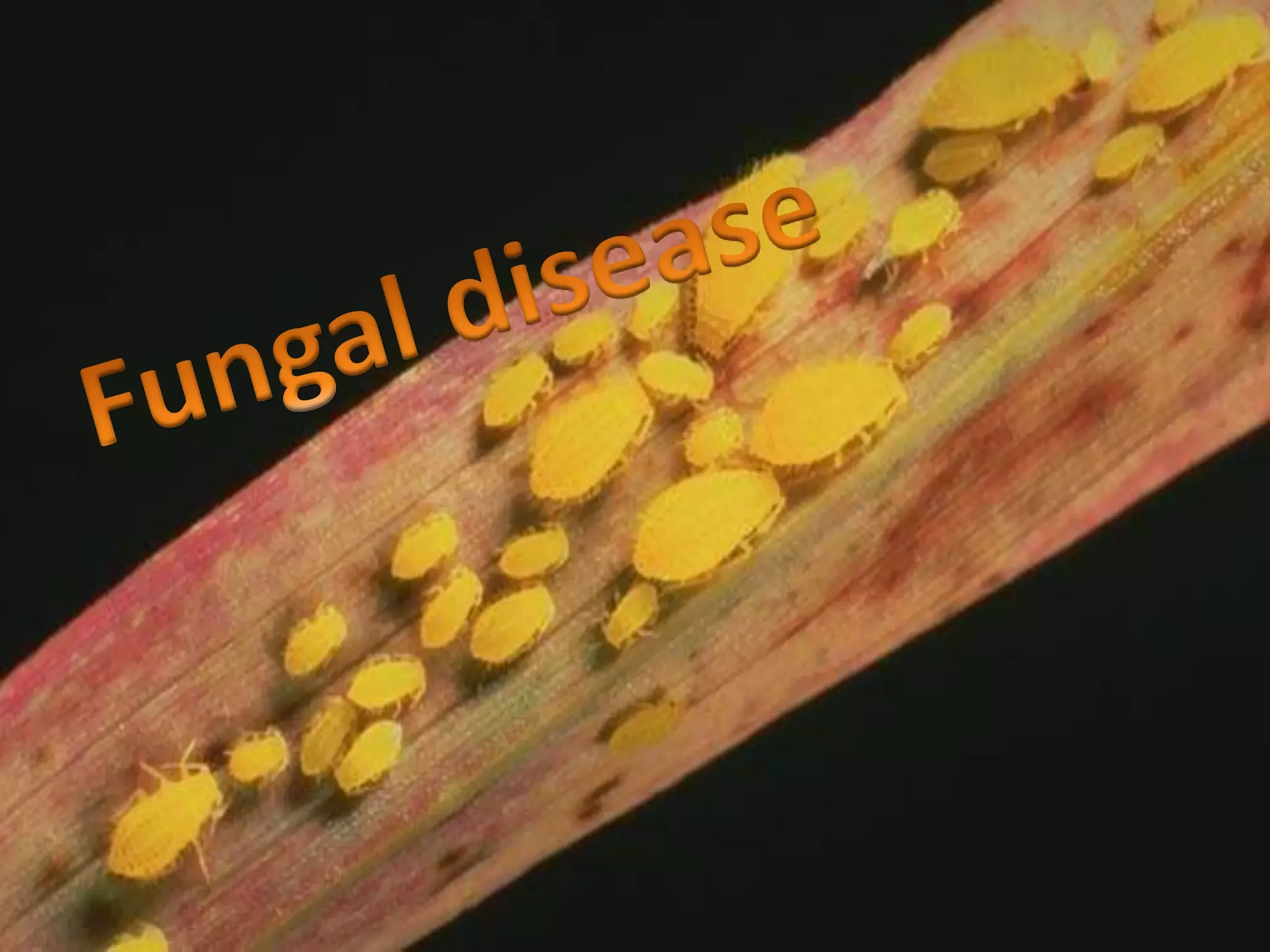
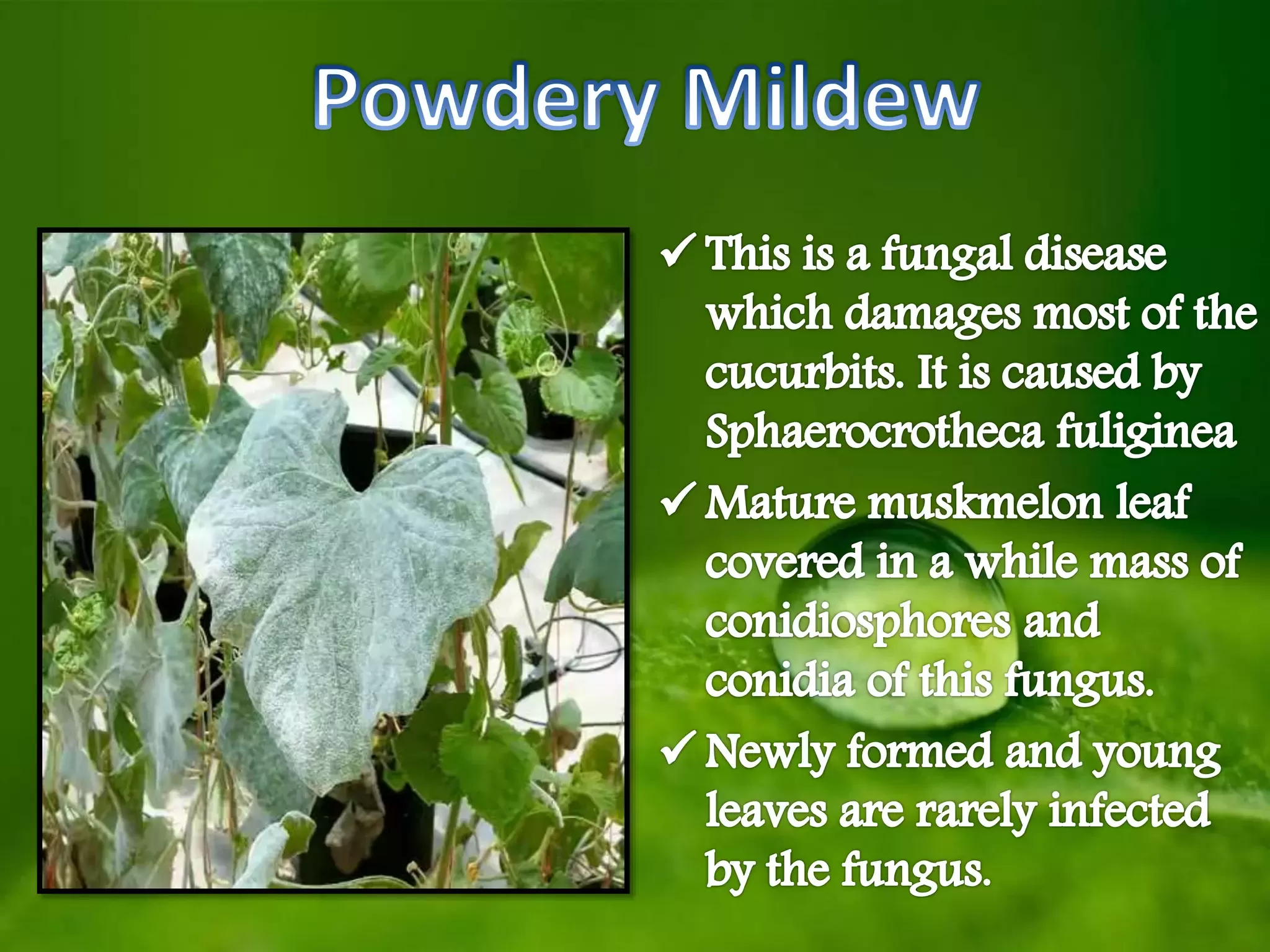
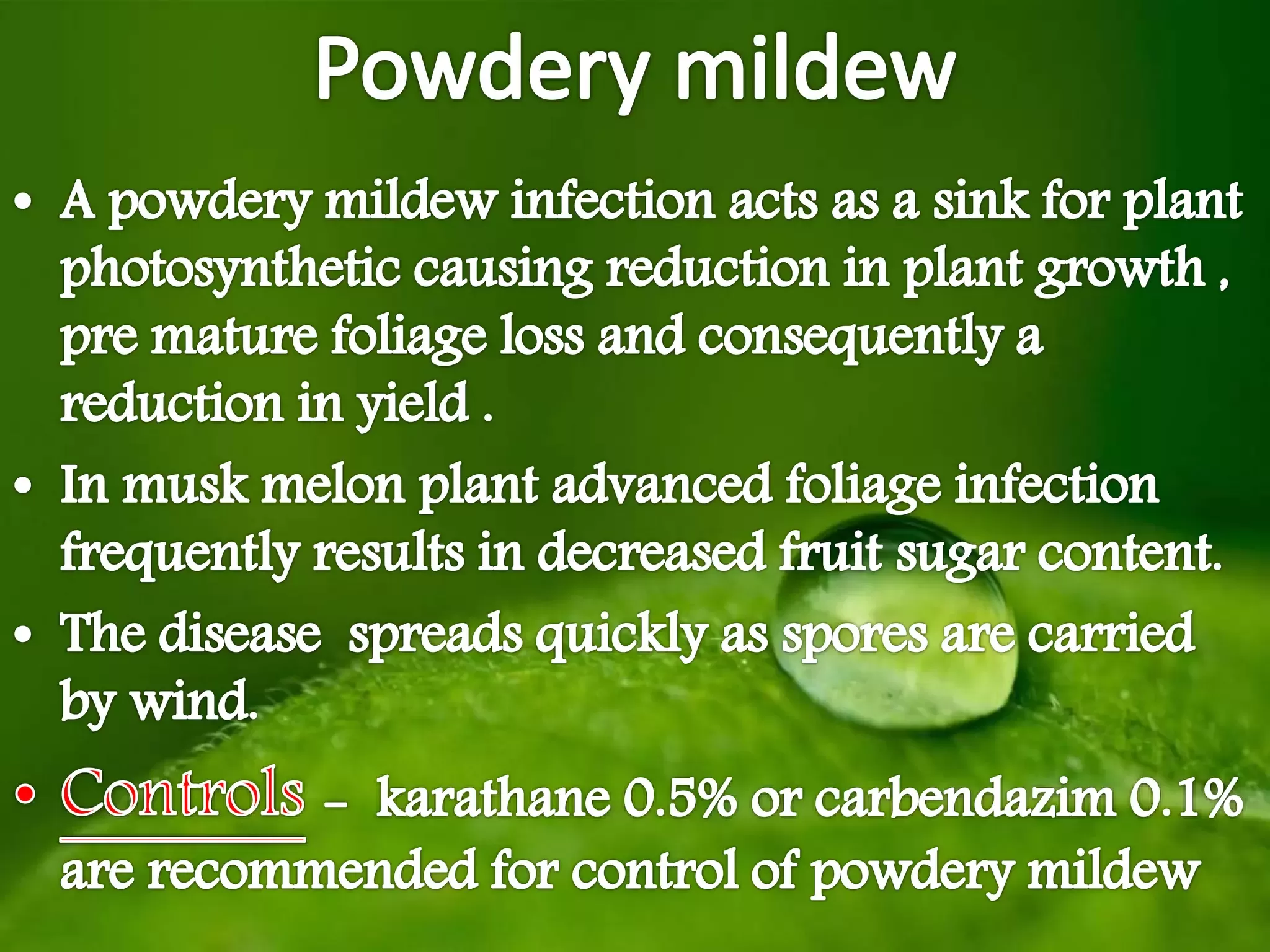
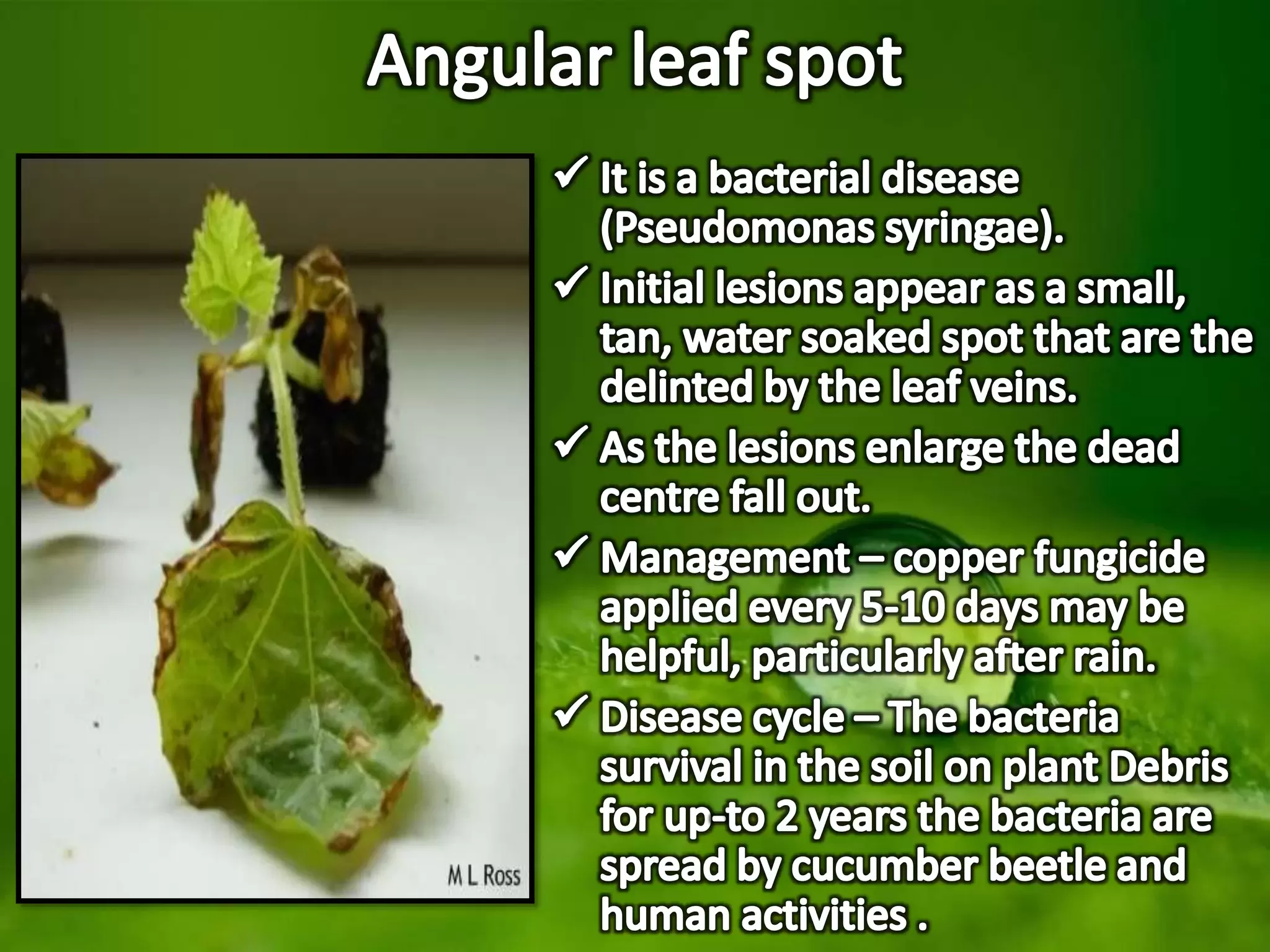
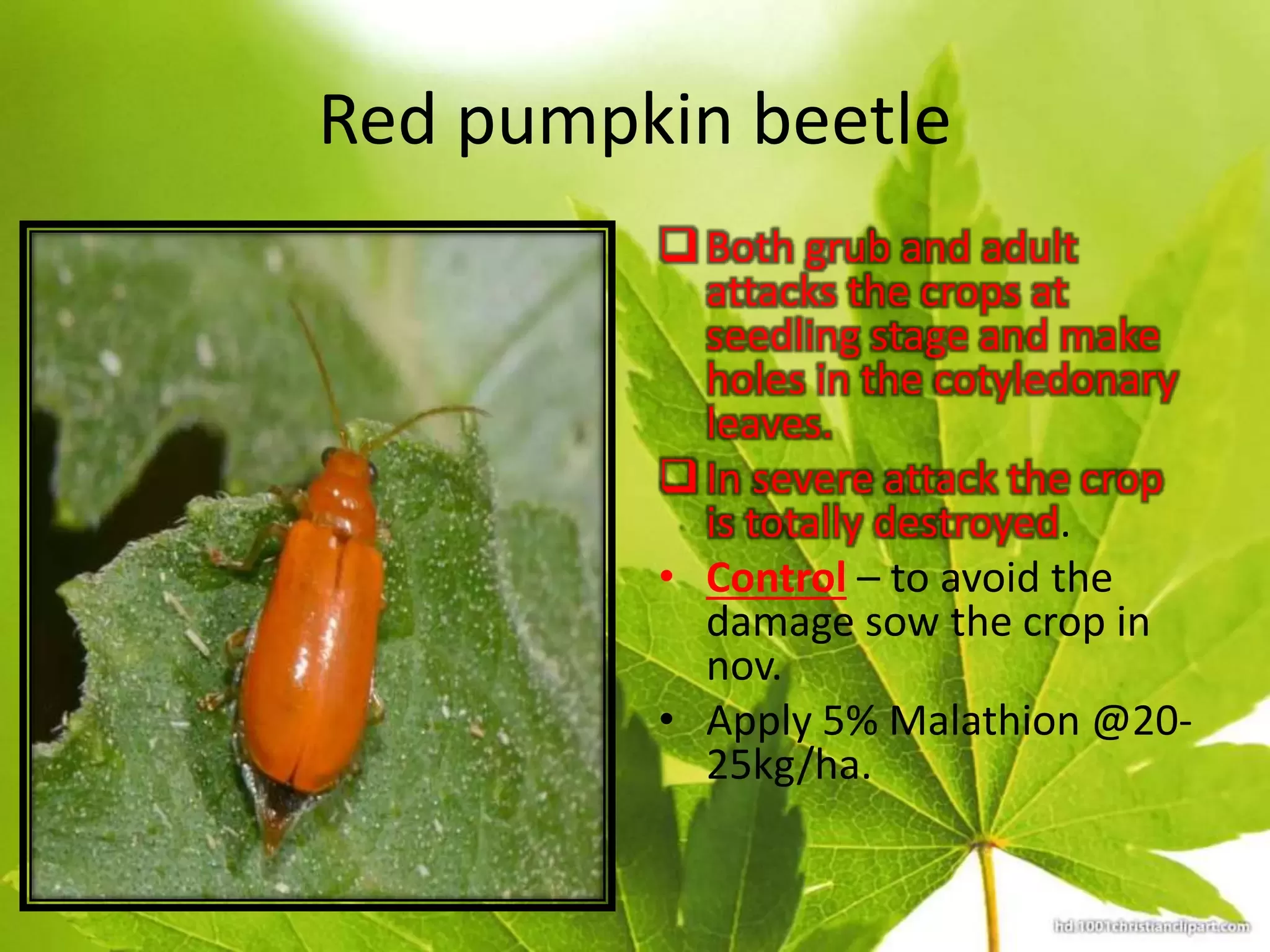
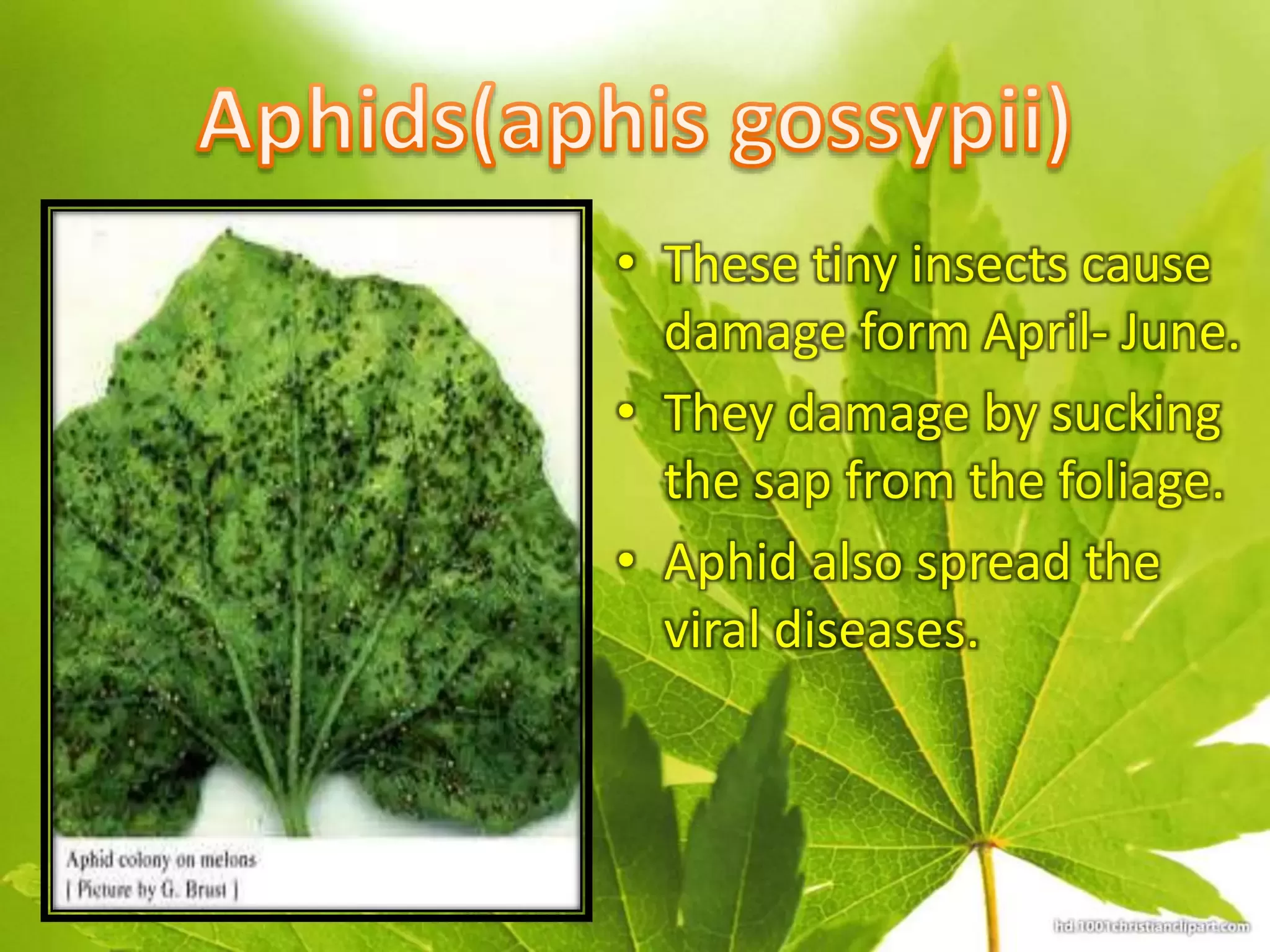
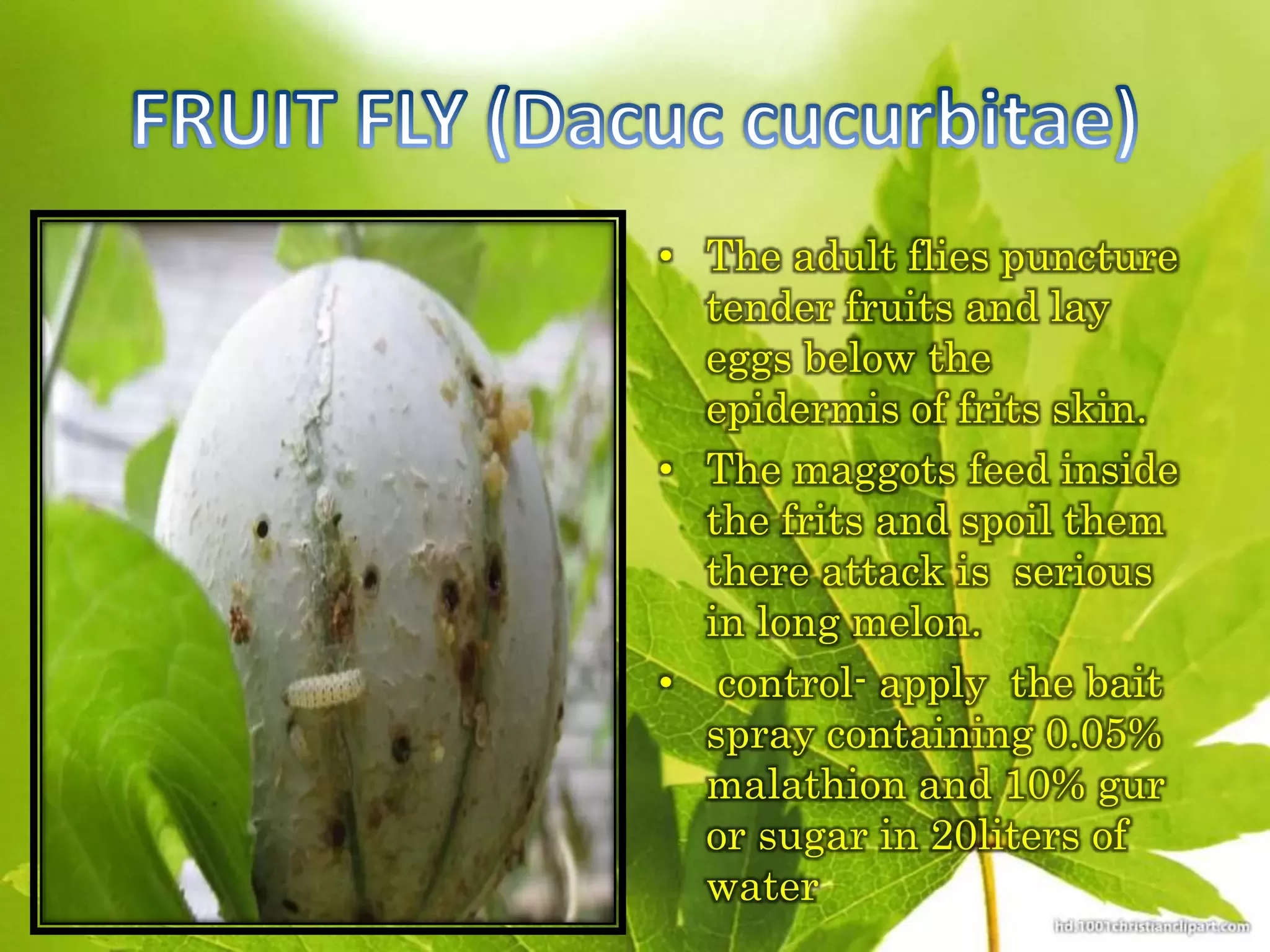
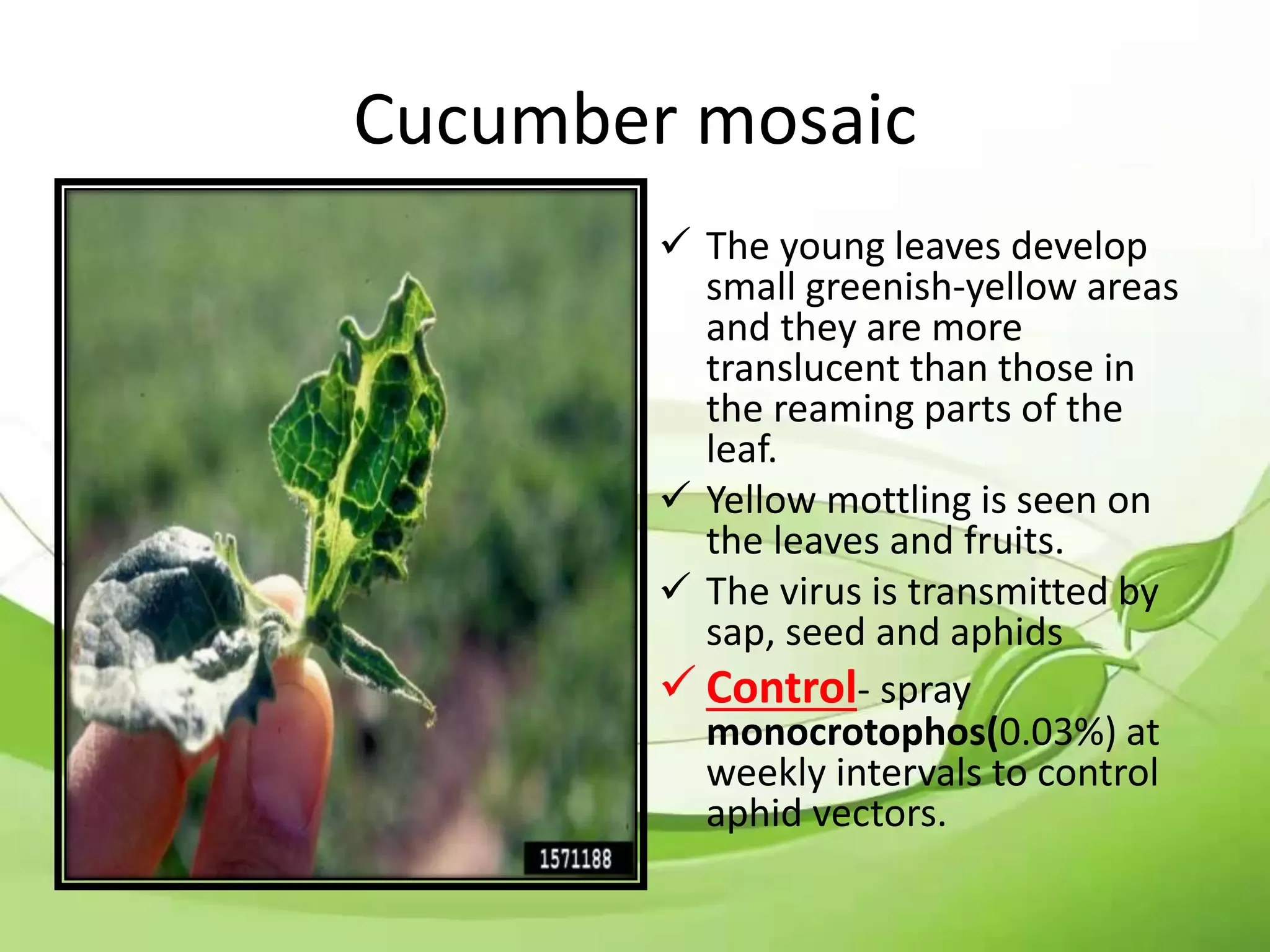
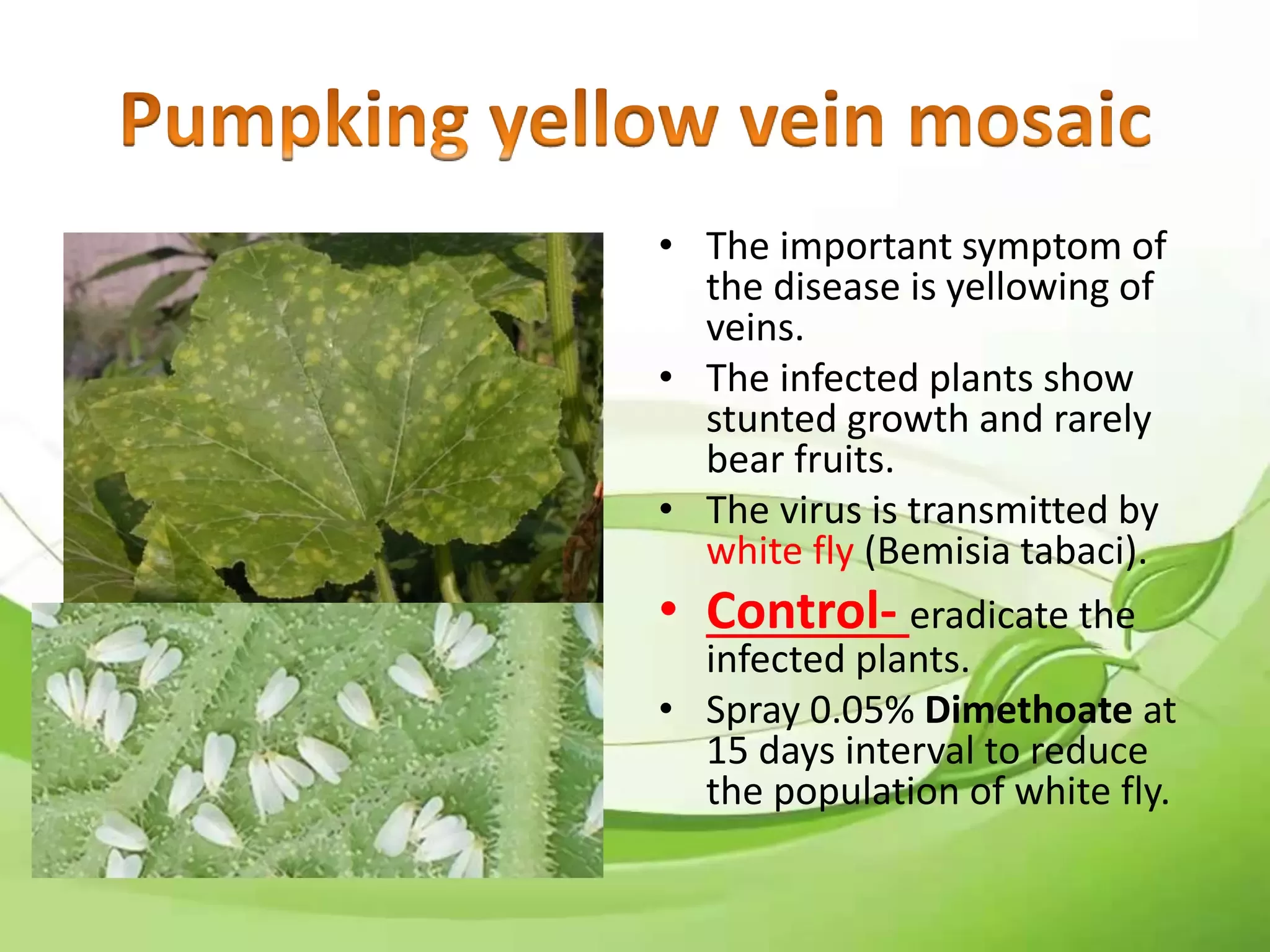
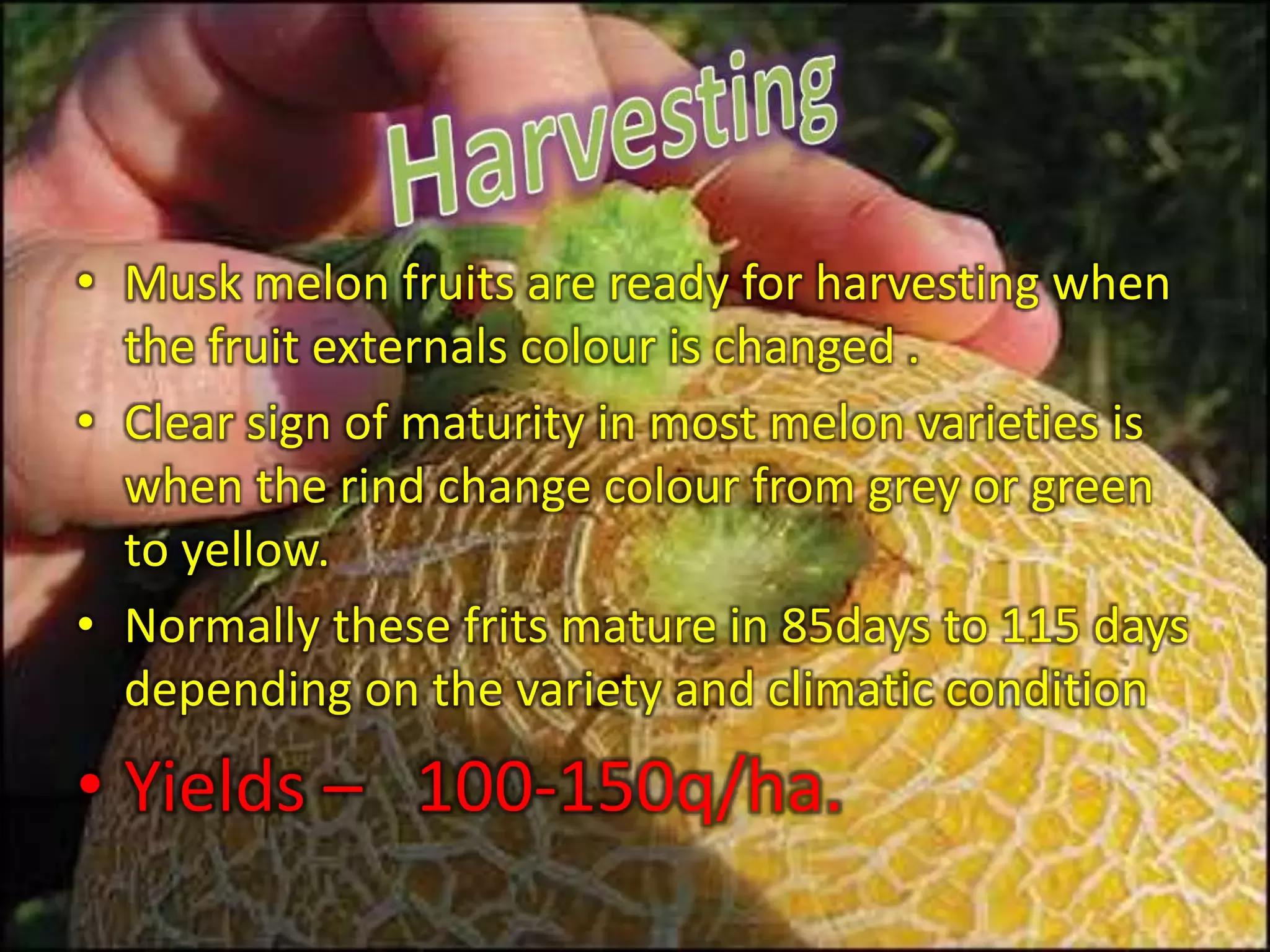
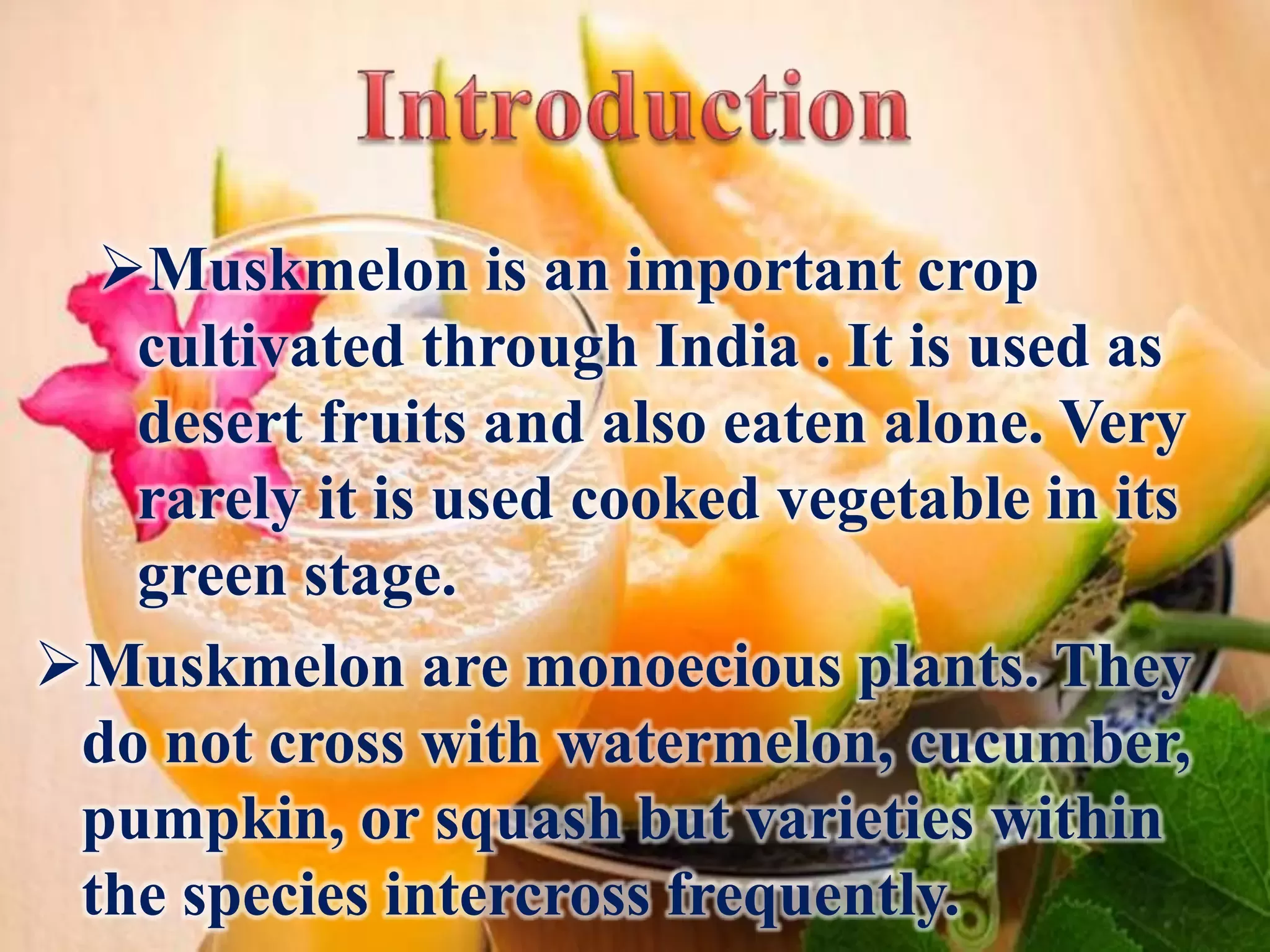
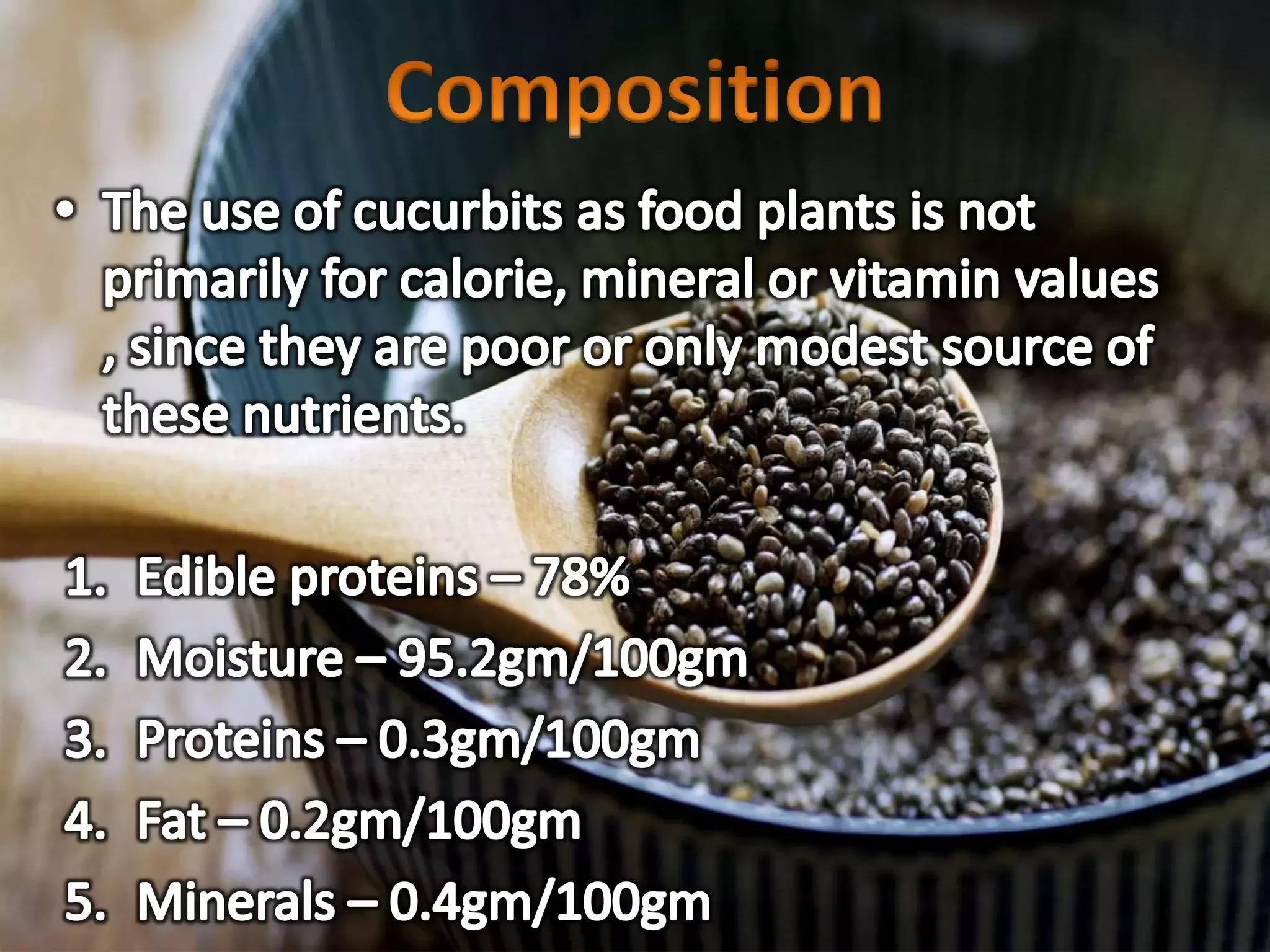
Muskmelon, also known as cantaloupe, is a significant agricultural crop widely cultivated across India, primarily cherished as a dessert fruit. While it is occasionally consumed in its raw state, its use as a cooked vegetable is rare. Muskmelon plants are monoecious, meaning they possess both male and female flowers on the same plant, which aids in their pollination. Notably, these plants do not hybridize with other cucurbits like watermelon and pumpkin but allow for intercrossing among different muskmelon varieties. This genetic diversity often leads to improved fruit characteristics, particularly through a process known as metaxenia, where pollen grains from one variety can affect the taste and quality of the resulting fruit. Among the various cultivars, early varieties like Durgapura Madhu are noted for their vitamin C content and their resistance to Fusarium wilt, while Arka Jeet is recognized for its exceptional sweetness and flavor. Other notable cultivars include Pusa Rasraj, Hara Madhu, Arka Rajhans, and various hybrids like Punjab Sunhari and DMDR-2. This diversity allows for cultivation adaptability across different climatic conditions and market demands. Muskmelon thrives best in well-drained sandy and sandy-loam soils typically found in river valleys. The optimal soil pH for cucurbits ranges between 6 and 7, with muskmelons showing slight tolerance to acidity. Soil temperature plays a crucial role, with an ideal range of 18-24°C for growth. Conditions of warm weather are imperative for achieving high sweetness levels in the fruit, and drought during fruit development can contribute positively to fruit quality. Pest and disease management is essential in muskmelon cultivation. Fungal diseases like powdery mildew can significantly affect yield and quality, but effective management can be achieved through the use of seed treatment fungicides such as fenarimol and triadimenol. Additionally, proper agronomic practices such as mulching can help conserve moisture and suppress weed growth. Researchers have found that black plastic mulch can enhance yield by preventing soil salinity from affecting seedling growth. However, muskmelon crops face threats from various pests, including the red pumpkin beetle and aphids that can damage seedlings and transmit viral diseases. Strategies such as crop rotation, proper timing for sowing, and specific insecticides like Malathion can mitigate these risks. Viruses such as cucumber mosaic and the yellowing disease, caused by whiteflies, may necessitate routine pesticide applications to control vector populations effectively. The harvest timing for muskmelon usually ranges from 85 to 115 days post-planting, with the best indicator of ripeness being a change in the external color of the fruit from green to yellow. Optimal yields of muskmelon can reach between 100-150 quintals per hectare, depending on variety and environmental conditions. In summary, successful muskmelon cultivation requires an understanding of its unique floral characteristics, regional soil and climatic conditions, diligent pest management, and proper harvesting techniques to maximize yield and fruit quality.
Slide 1

Slide 1

Slide 2

Slide 2

Slide 3

Slide 3

Slide 4

Slide 4

Slide 5

Slide 5

Slide 6

Slide 6

Slide 7

Slide 7

Slide 8

Slide 8

Slide 9

Slide 9

Slide 10

Slide 10

Slide 11

Slide 11

Slide 12

Slide 12

Slide 13

Slide 13

Slide 14

Slide 14

Slide 15

Slide 15

Slide 16

Slide 16

Slide 17

Slide 17

Slide 18

Slide 18

Slide 19

Slide 19

Slide 20

Slide 20

Slide 21

Slide 21

Slide 22

Slide 22

Slide 23

Slide 23

Slide 24

Slide 24

Slide 25

Slide 25

Slide 26

Slide 26

Slide 27

Slide 27

Slide 28

Slide 28

Slide 29

Slide 29

Slide 30

Slide 30

Slide 31

Slide 31

Slide 32

Slide 32

Slide 33

Slide 33
1 / 33

Ppt on Ivygourd

Summary:

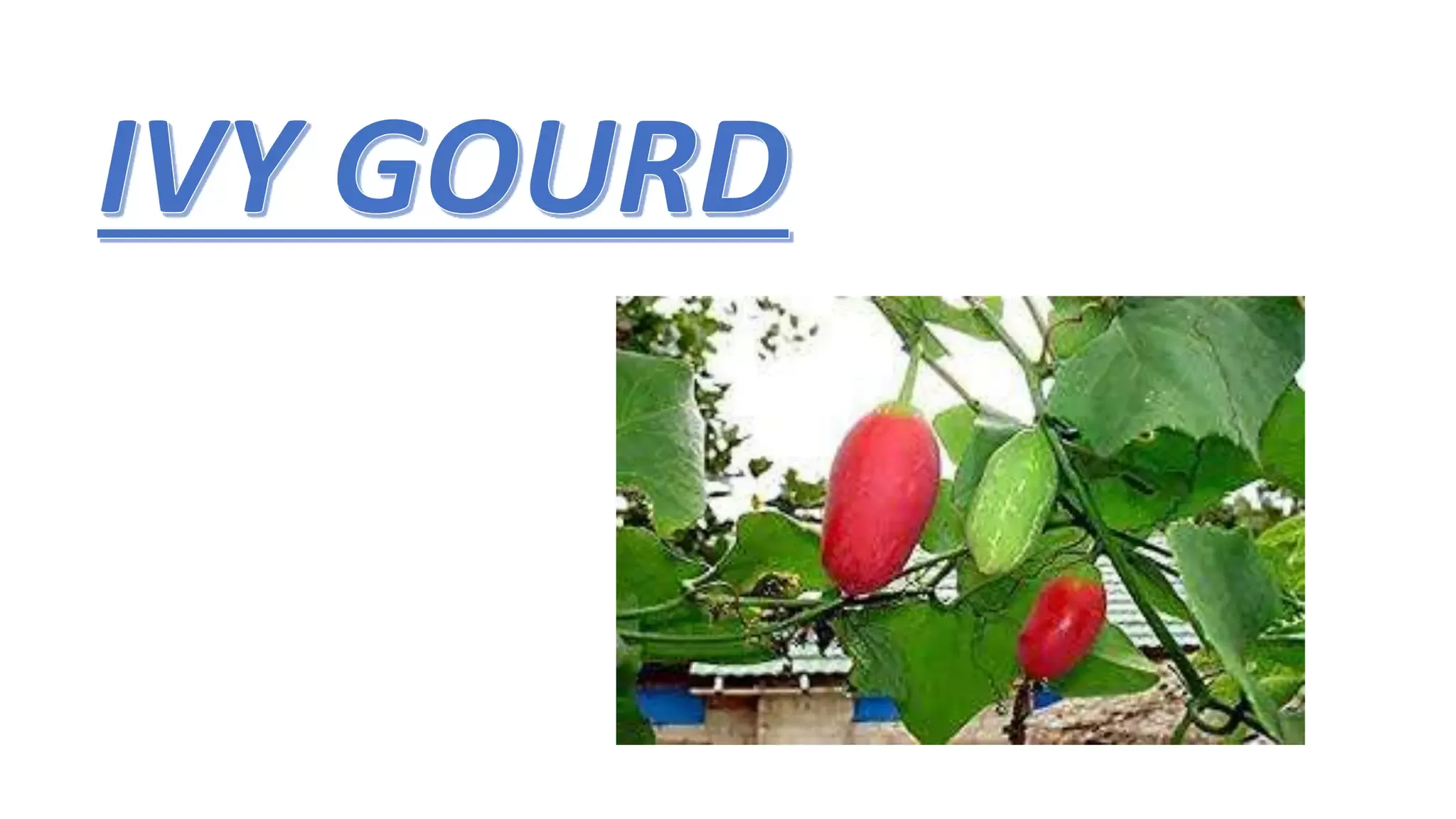
Learn all about Ivy Gourd, a tropical vegetable rich in nutrients and medicinal properties, through this detailed presentation. Explore its cultivation techniques, nutritional value, and essential management practices for a successful harvest.
Summary

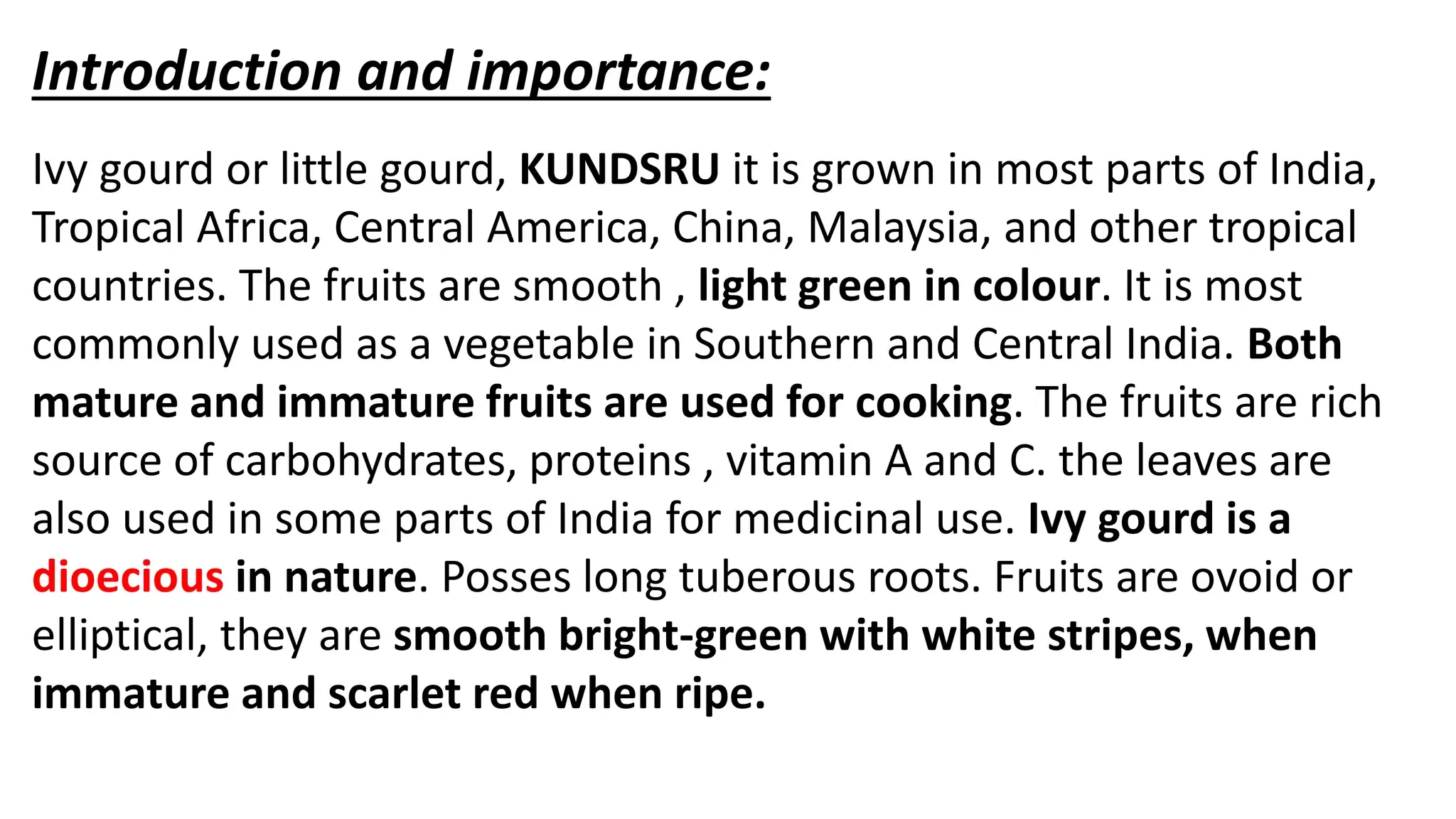
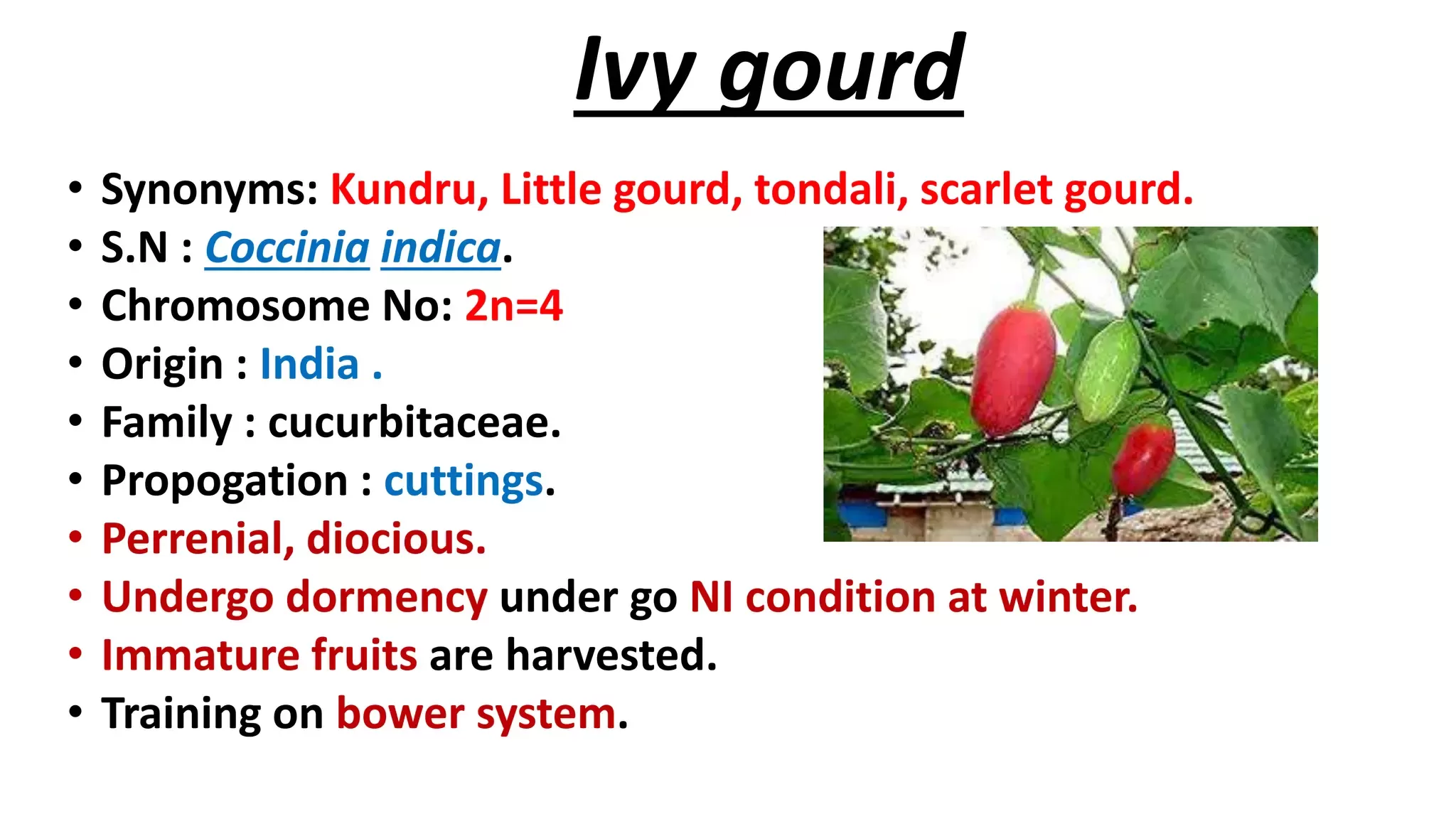
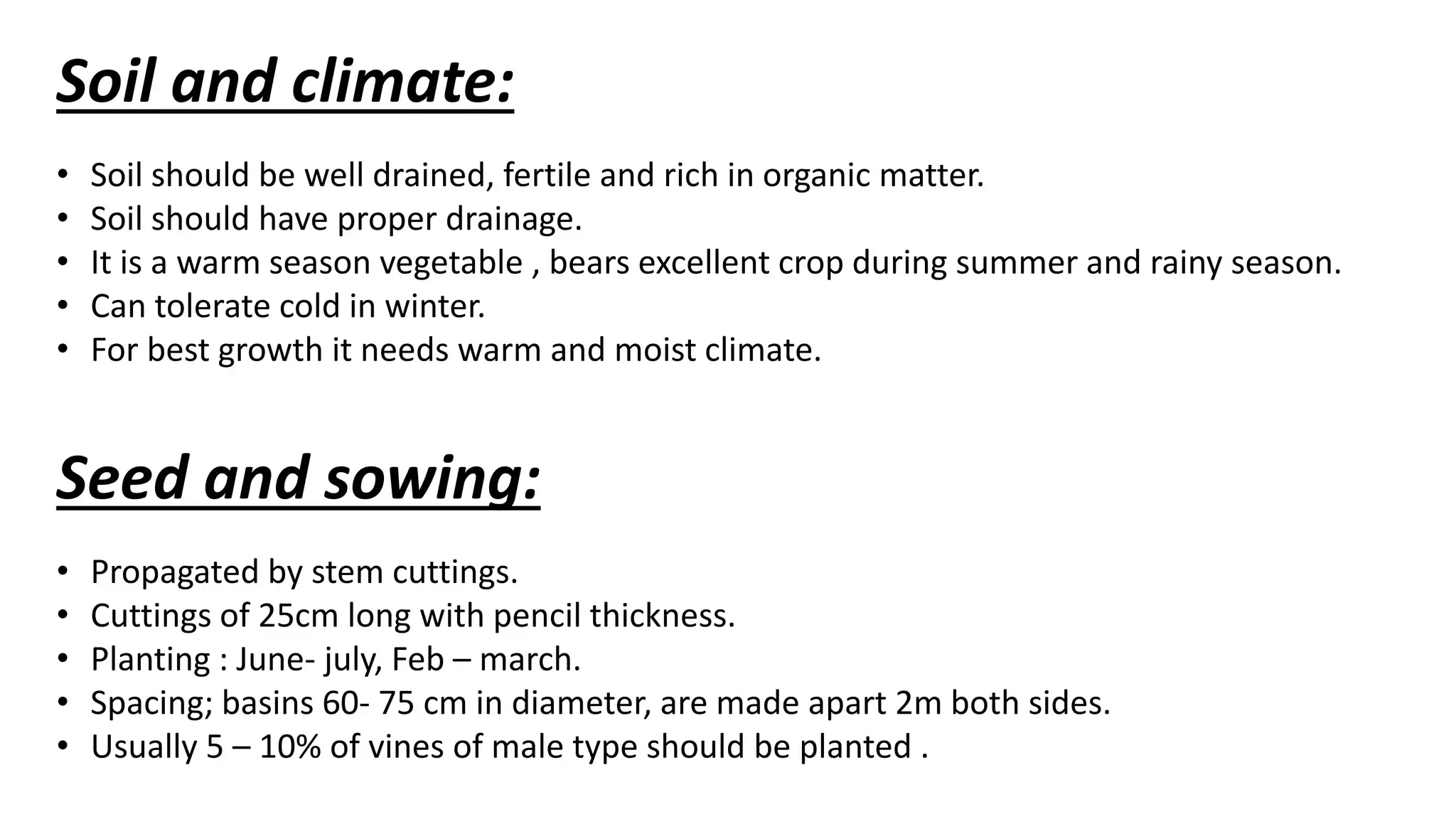
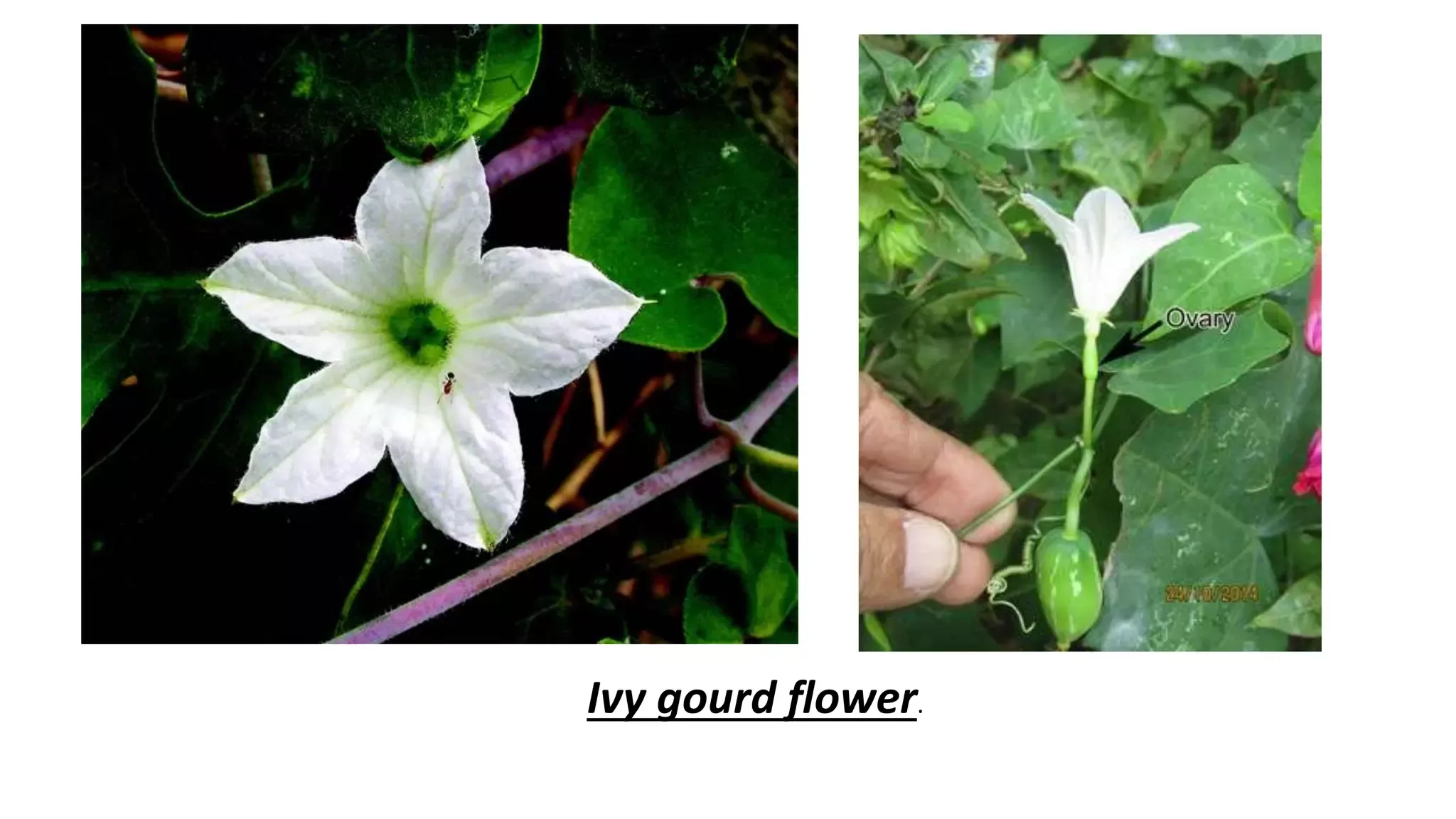
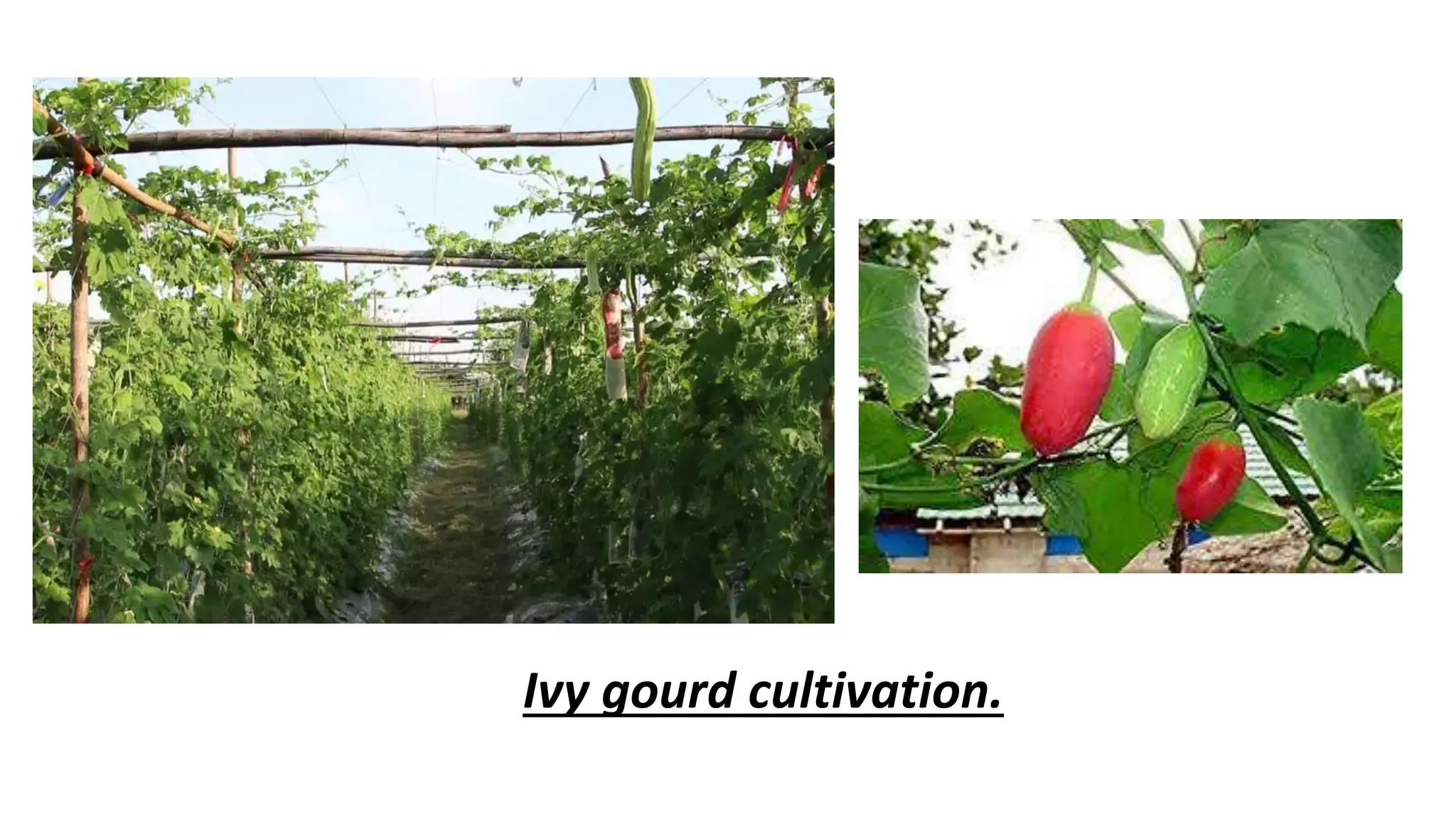
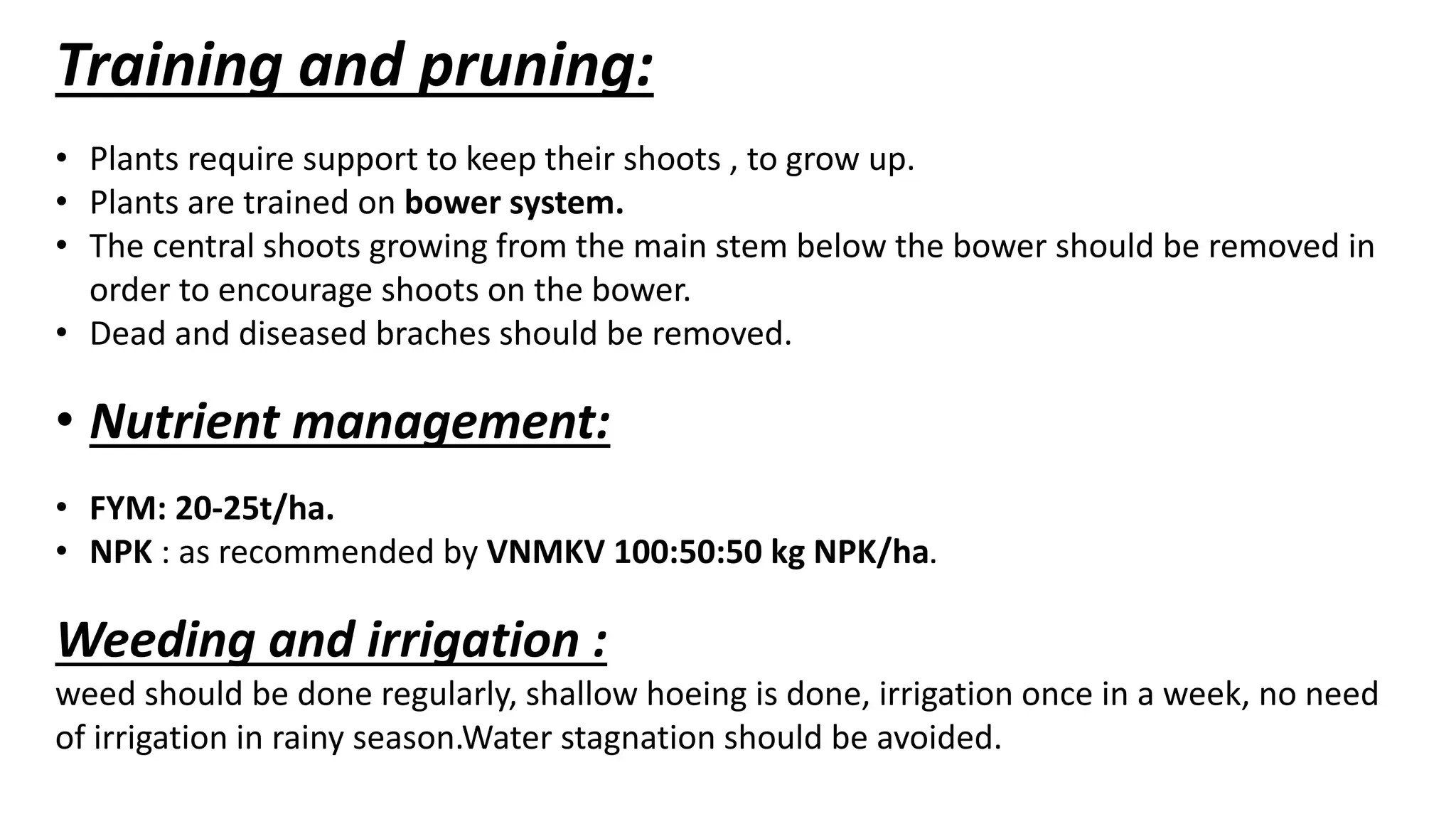
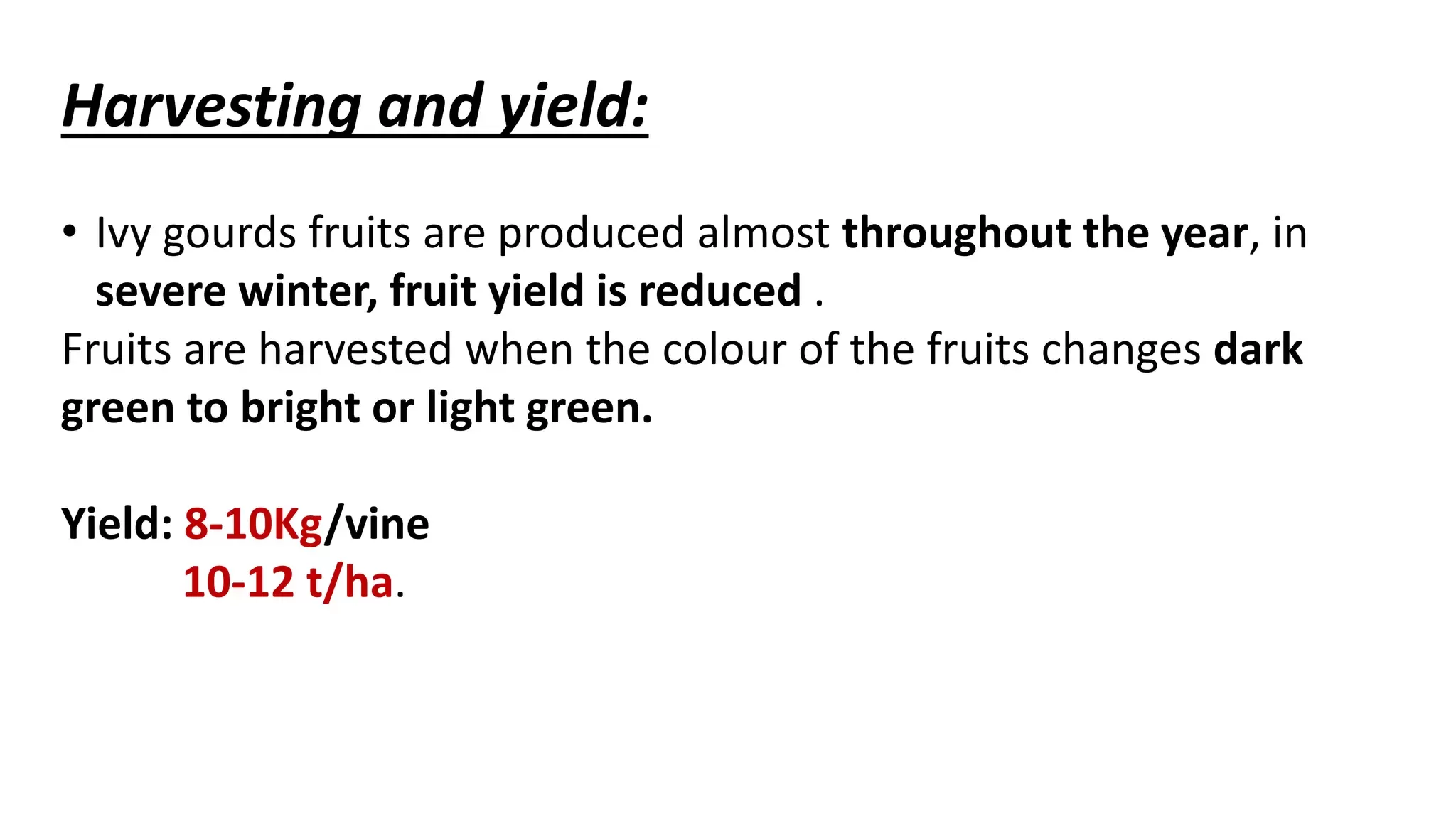
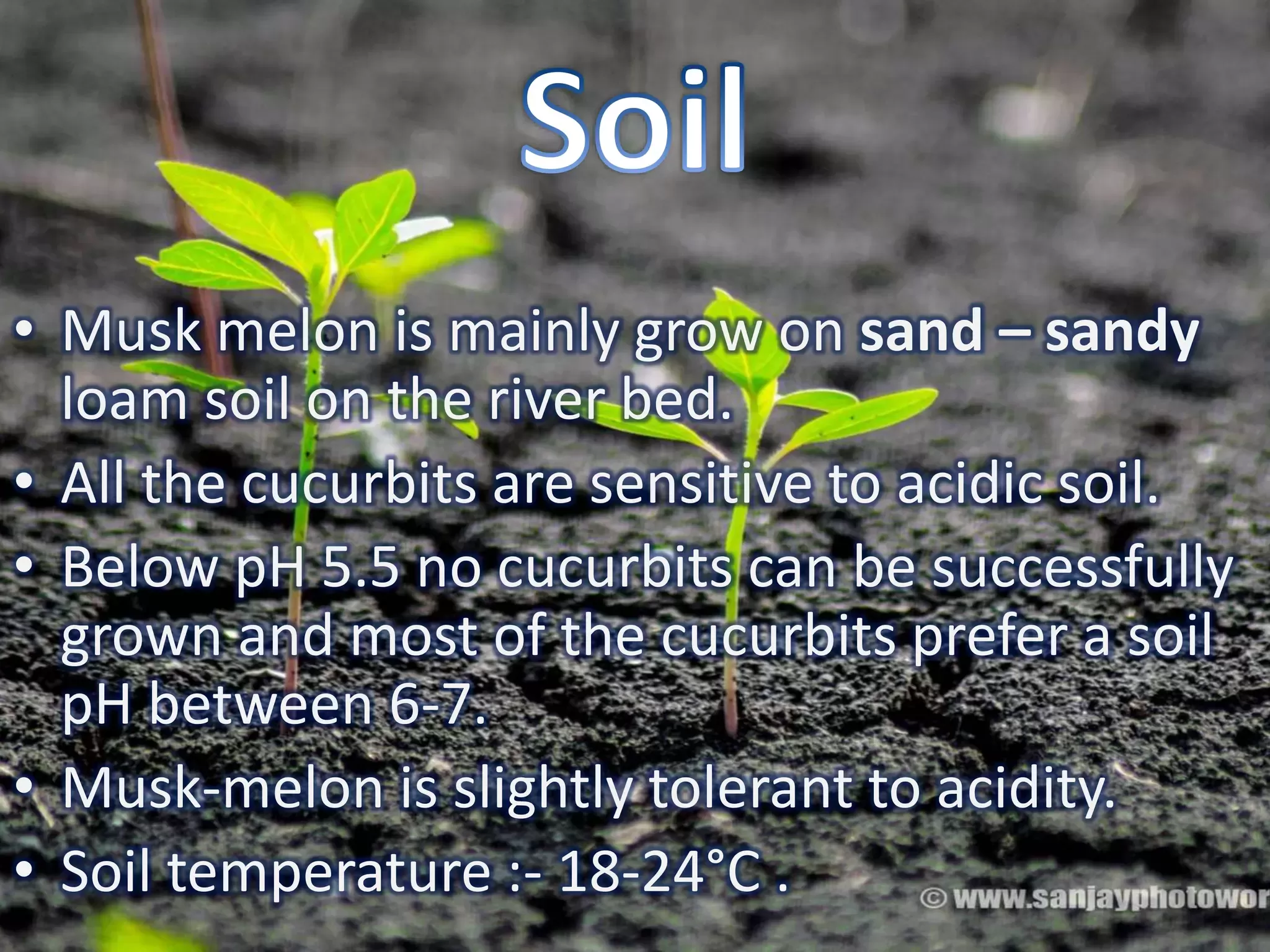
Ivy gourd, also known as Kundru or little gourd, is a tropical vegetable widely cultivated across various regions, including India, Africa, Central America, and parts of Asia. This perennial plant belongs to the Cucurbitaceae family and is scientifically classified as Coccinia indica. The gourd produces smooth, light green fruits that can vary in size and are commonly used in southern and central Indian cuisine. Both immature and mature fruits are consumed, offering a rich source of carbohydrates, protein, and essential vitamins A and C. In addition to its culinary uses, the leaves of ivy gourd are often utilized for their medicinal properties in certain Indian communities. The ivy gourd’s cultivation is characterized by its dioecious nature, meaning that it has distinct male and female plants. It features long tuberous roots and produces ovoid or elliptical fruits that transition from a bright green color with white stripes when immature to a scarlet red when fully ripe. For successful growth, the plant prefers well-drained, fertile soil enriched with organic matter and thrives in warm, moist climates, making it ideally suited for summer and rainy seasons. While the plant can withstand some cold, it exhibits dormancy during the harsh winter months. Propagation of the ivy gourd primarily occurs through stem cuttings, which should measure approximately 25 cm in length and possess a thickness similar to that of a pencil. For optimal planting, cuttings are best sown during the months of June to July or February to March, with proper spacing of about 60 to 75 cm between basins set 2 meters apart to facilitate vine growth. It’s essential to plant a small percentage (5 to 10%) of male-type vines to ensure effective pollination. Ivy gourd plants require a support structure, typically a bower system, which helps the vines grow upward. Management practices include regular pruning; the central shoots beneath the bower are trimmed to encourage better growth, while any diseased or dead branches are promptly removed. Proper nutrient management involves applying 20-25 tons per hectare of farmyard manure alongside recommended doses of NPK fertilizers. Routine weeding and careful irrigation are crucial, with weekly watering advised, although irrigation during the rainy season is unnecessary. Fruits can be harvested year-round, though production may decline during particularly severe winters. The optimal harvesting time is marked by a visible change in the fruit’s color from dark green to a bright or light green hue. In terms of yield, ivy gourd can produce between 8 to 10 kilograms of fruit per vine, translating to an impressive range of 10 to 12 tons per hectare. In summary, the ivy gourd is a versatile vegetable, esteemed for both its nutritional value and medicinal benefits, making its cultivation a worthwhile endeavor in suitable climates. With the right care and management, this plant can yield abundant fruits for extended periods, enhancing both culinary experiences and agricultural output.
Slide 1

Slide 1

Slide 2

Slide 2

Slide 3

Slide 3

Slide 4

Slide 4

Slide 5

Slide 5

Slide 6

Slide 6

Slide 7

Slide 7

Slide 8

Slide 8
1 / 8

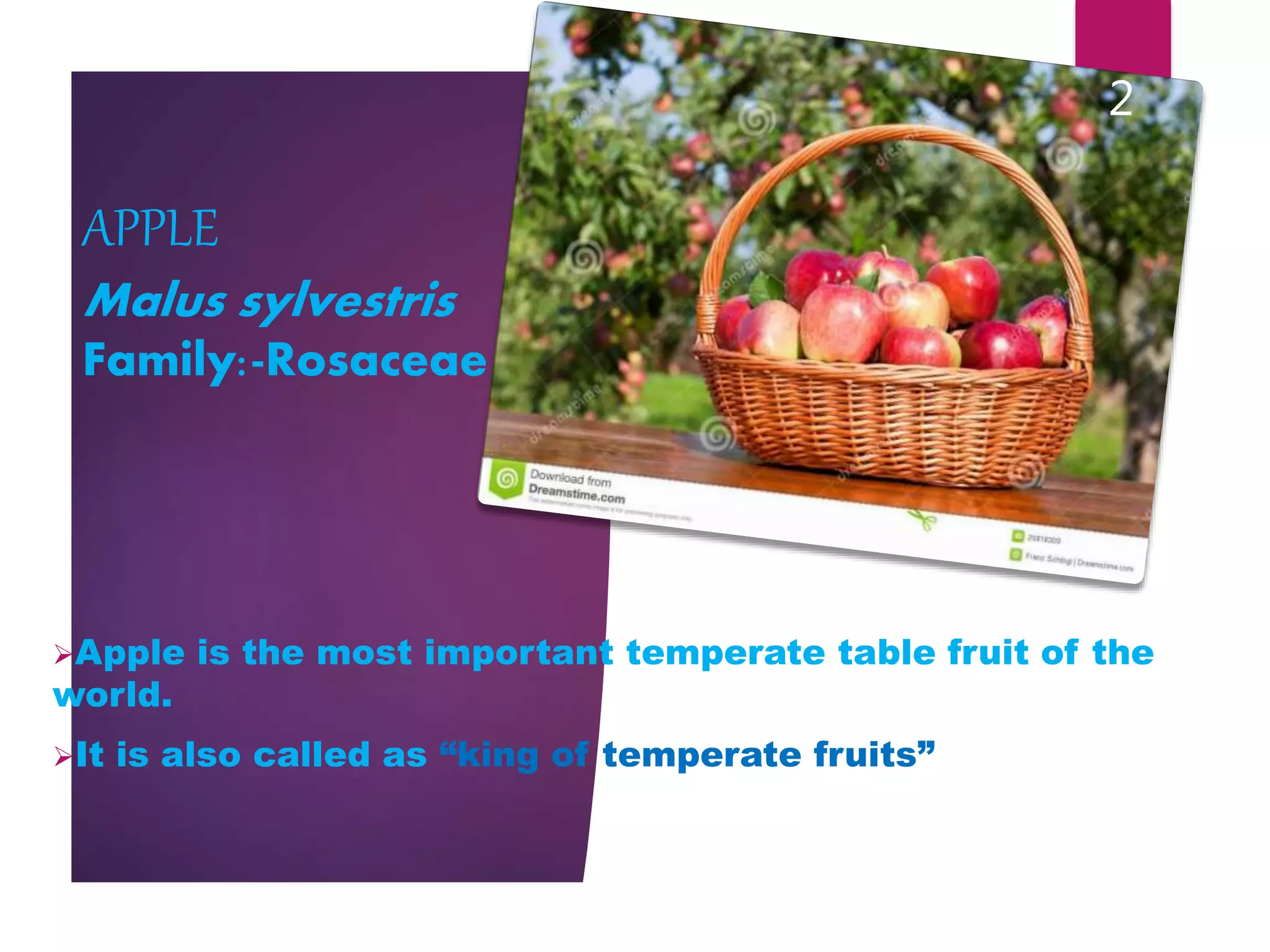
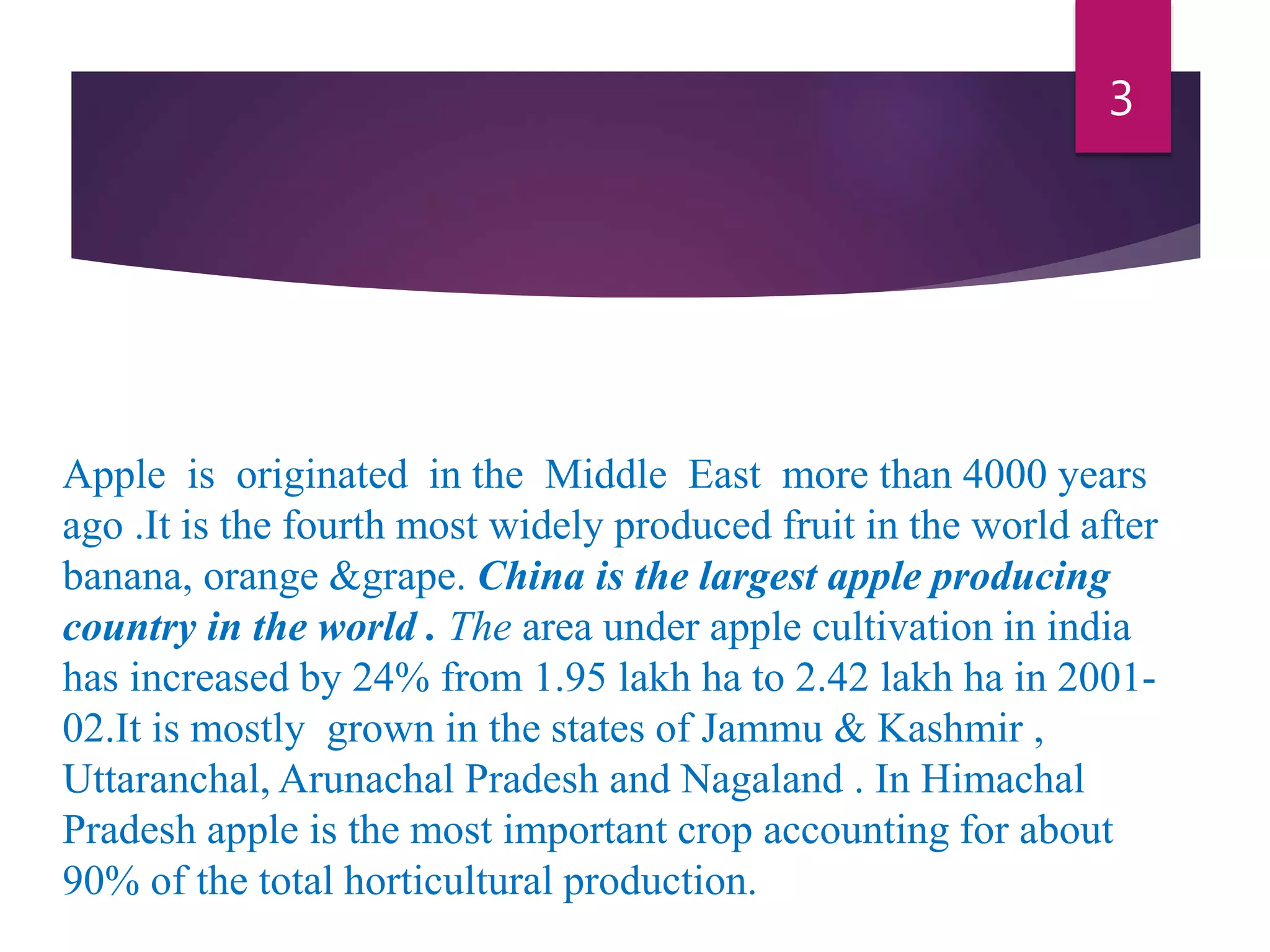
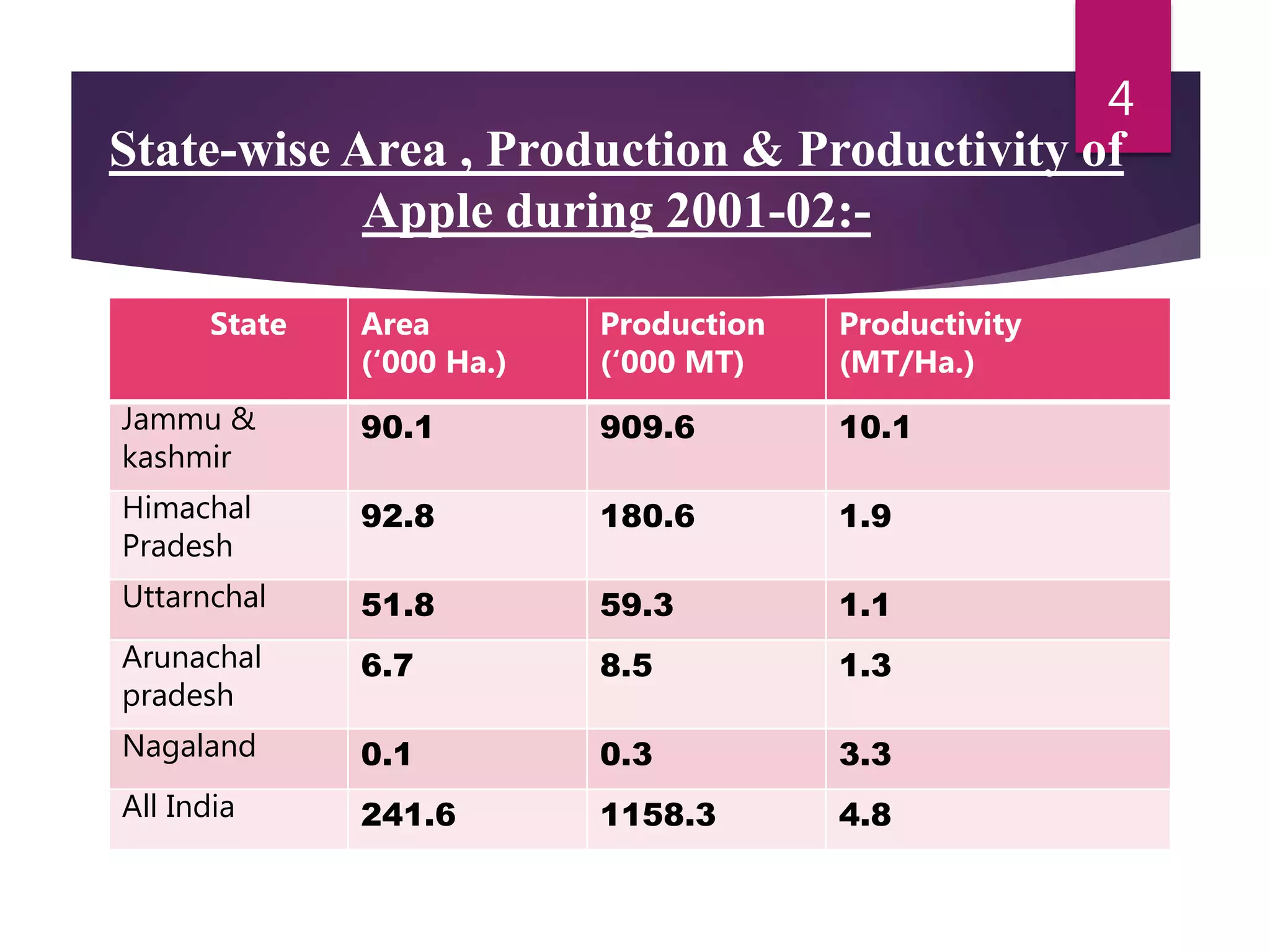
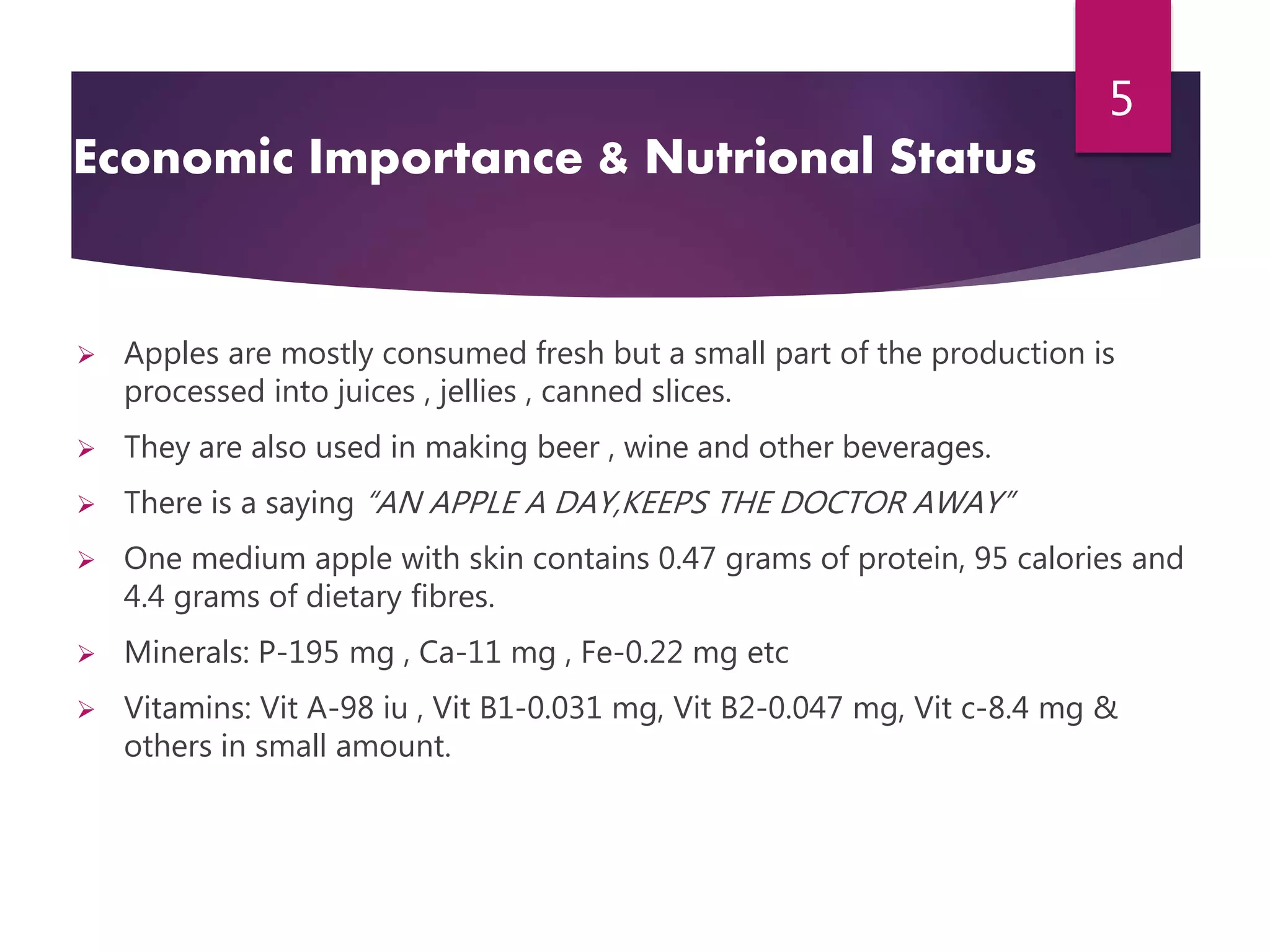
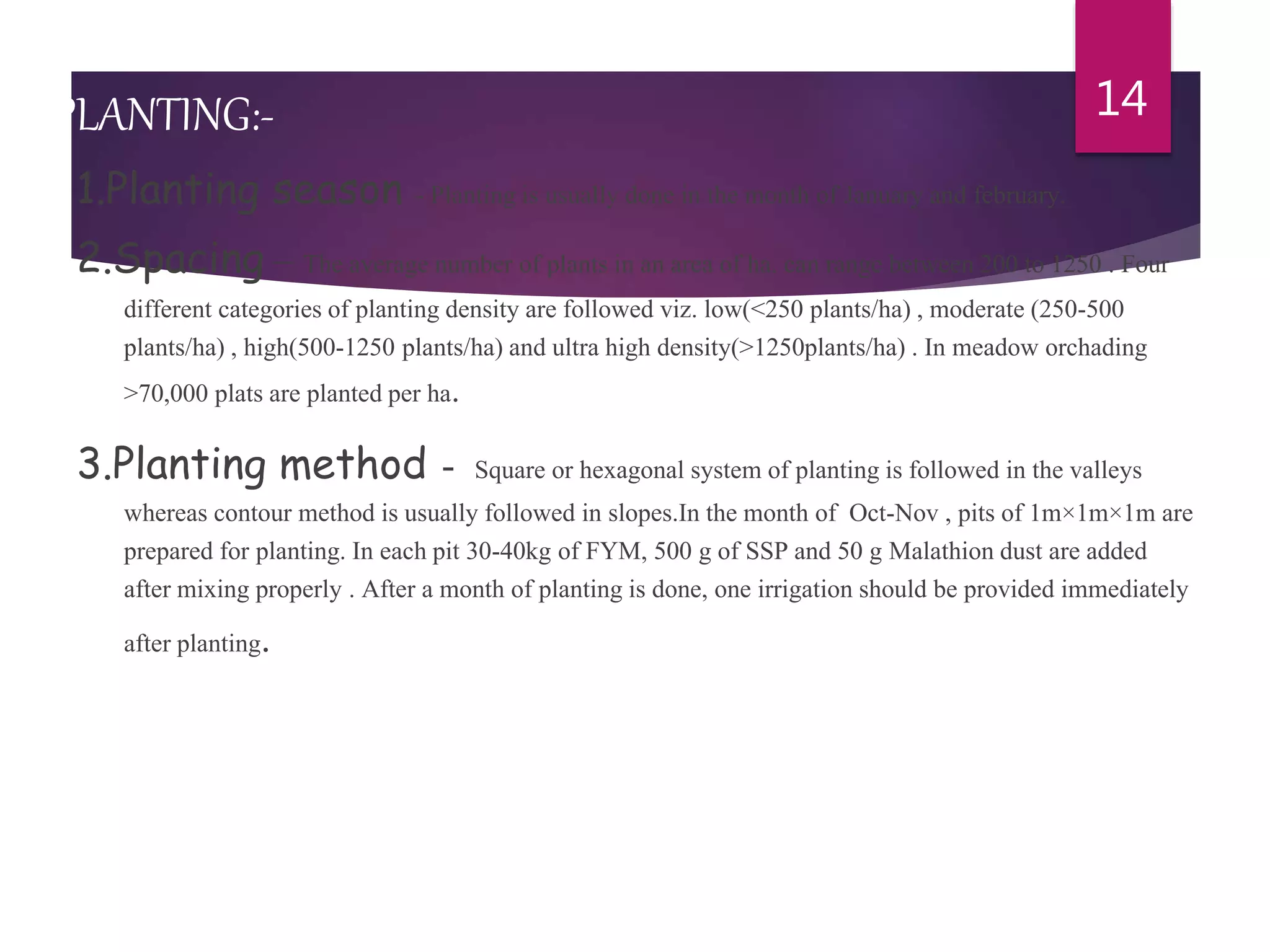
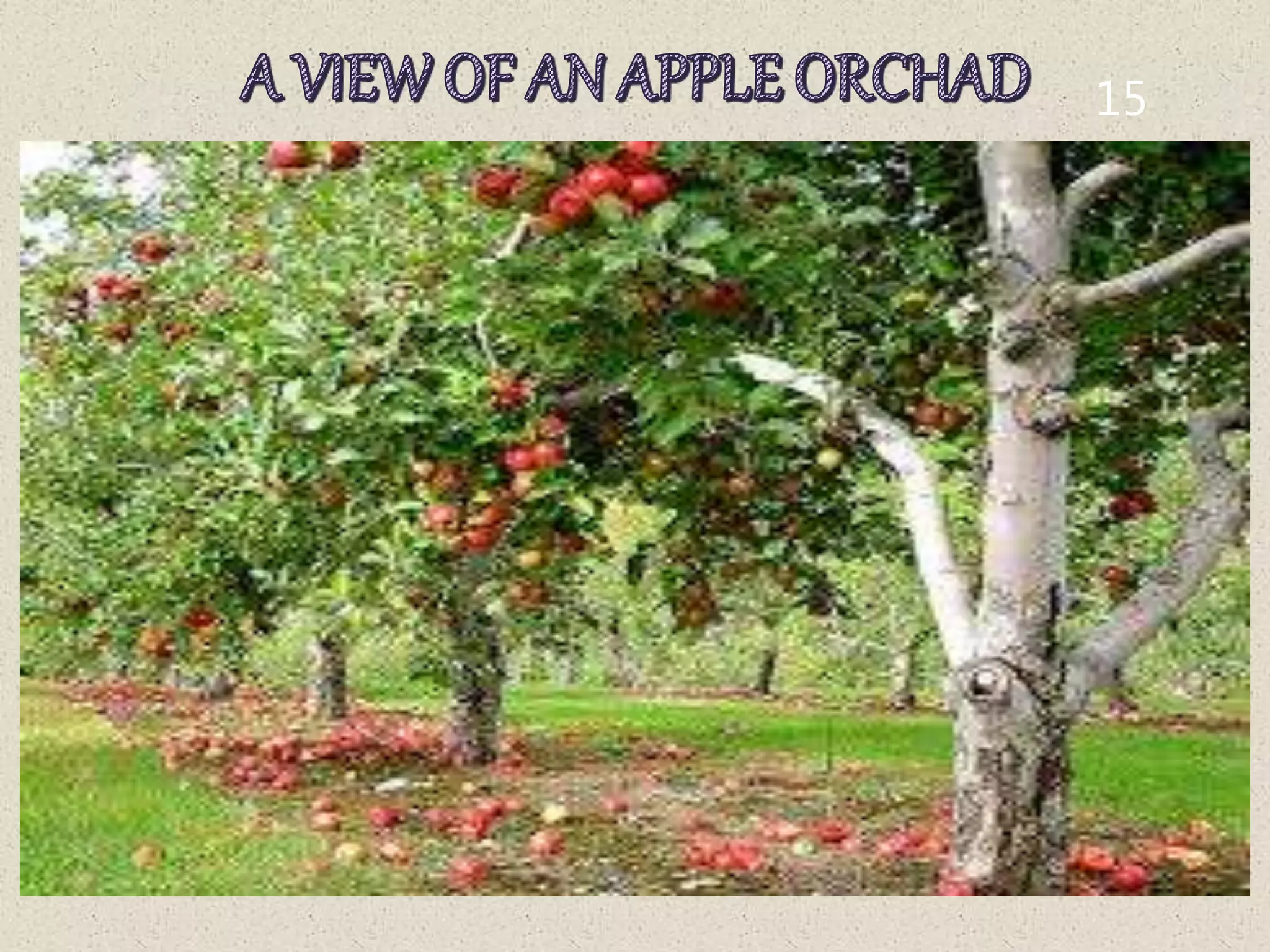
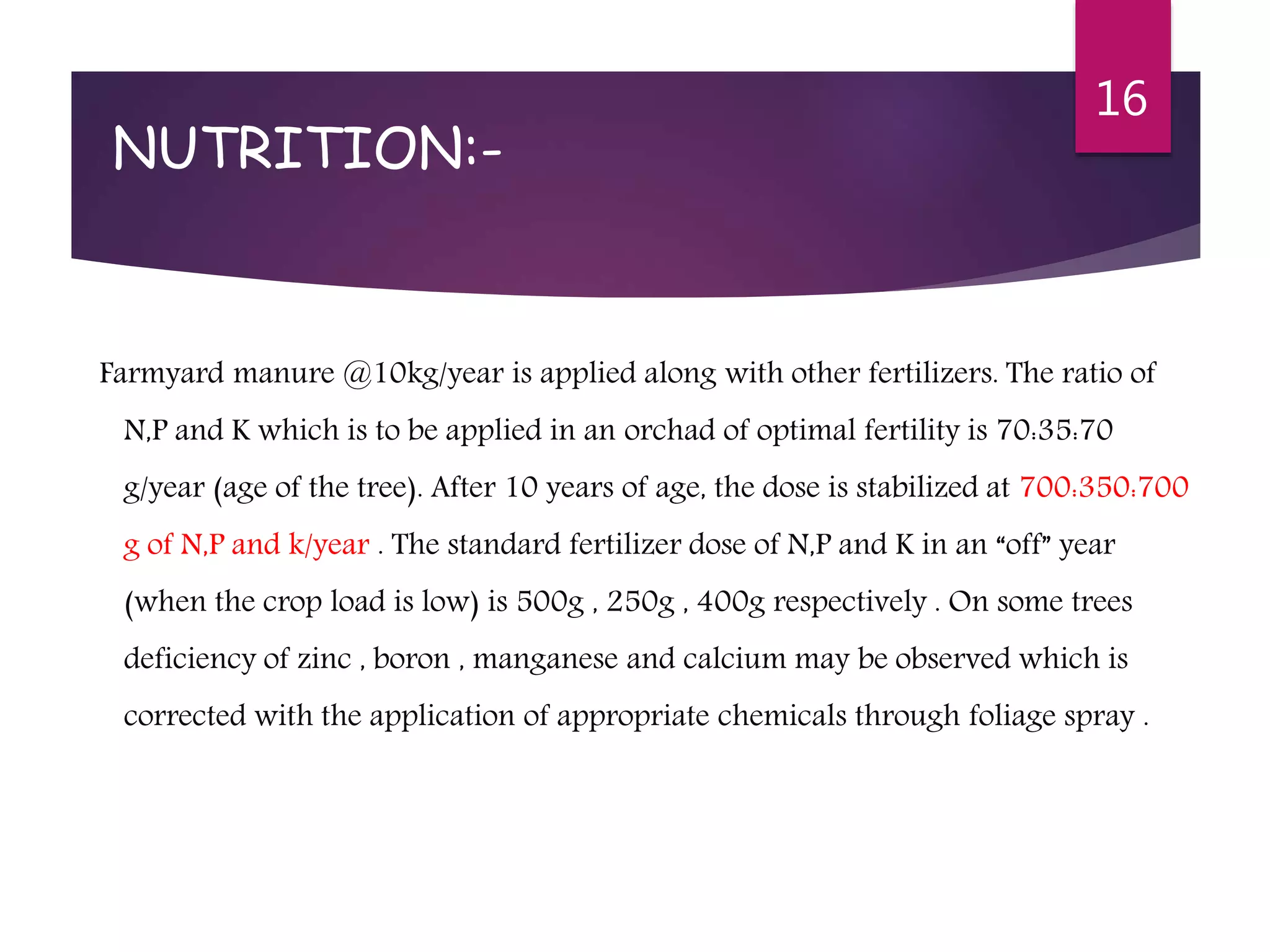
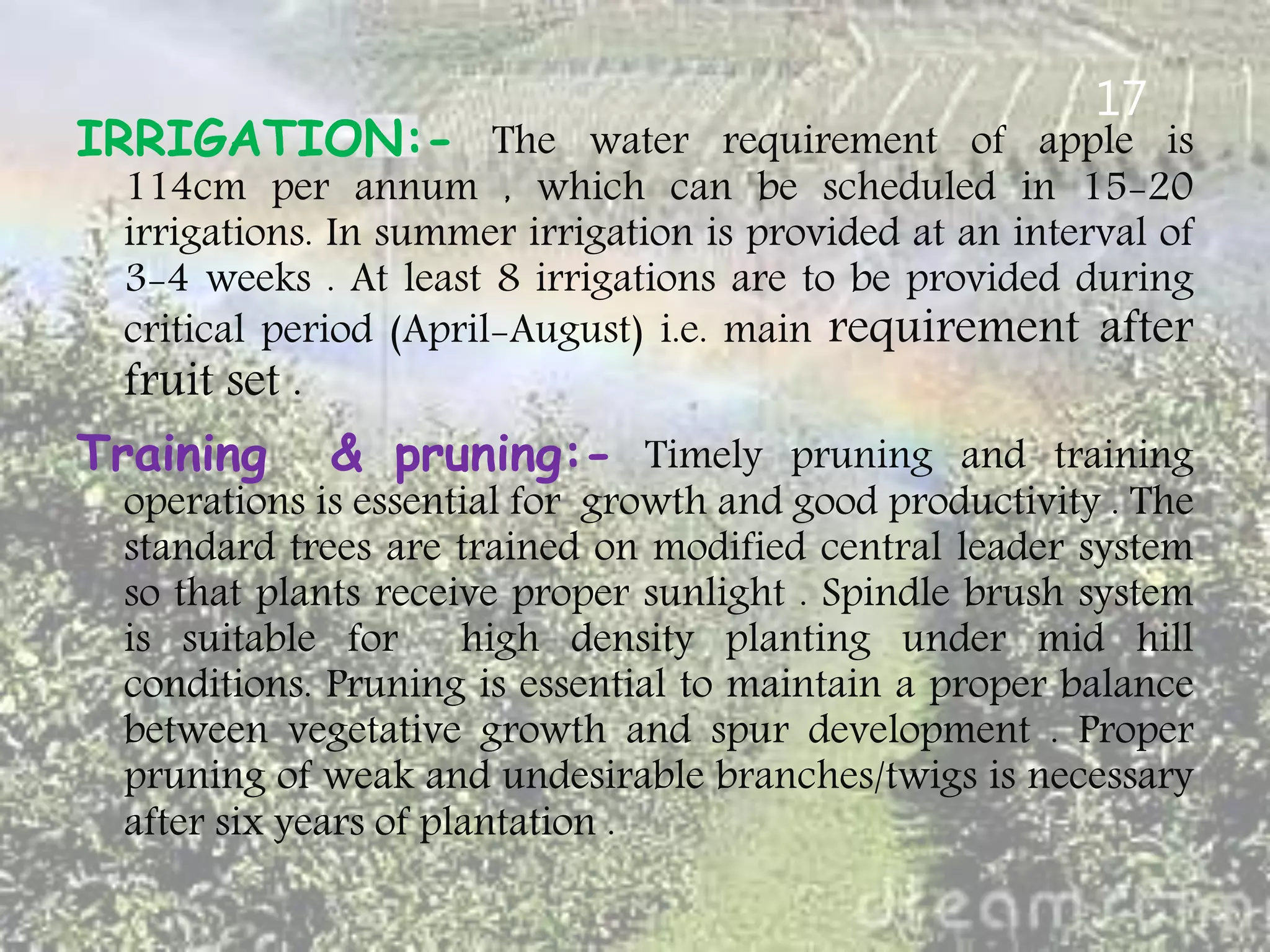
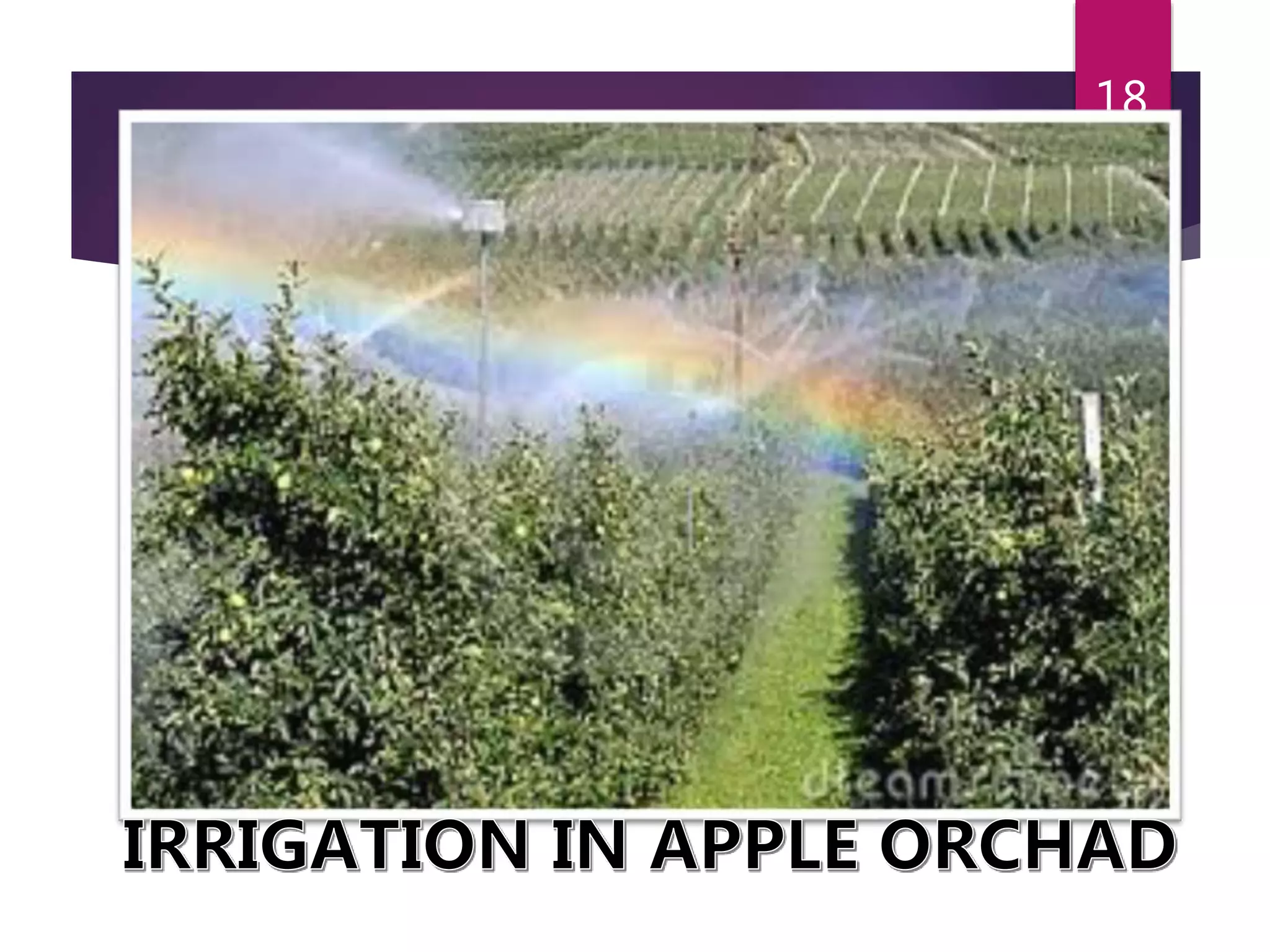
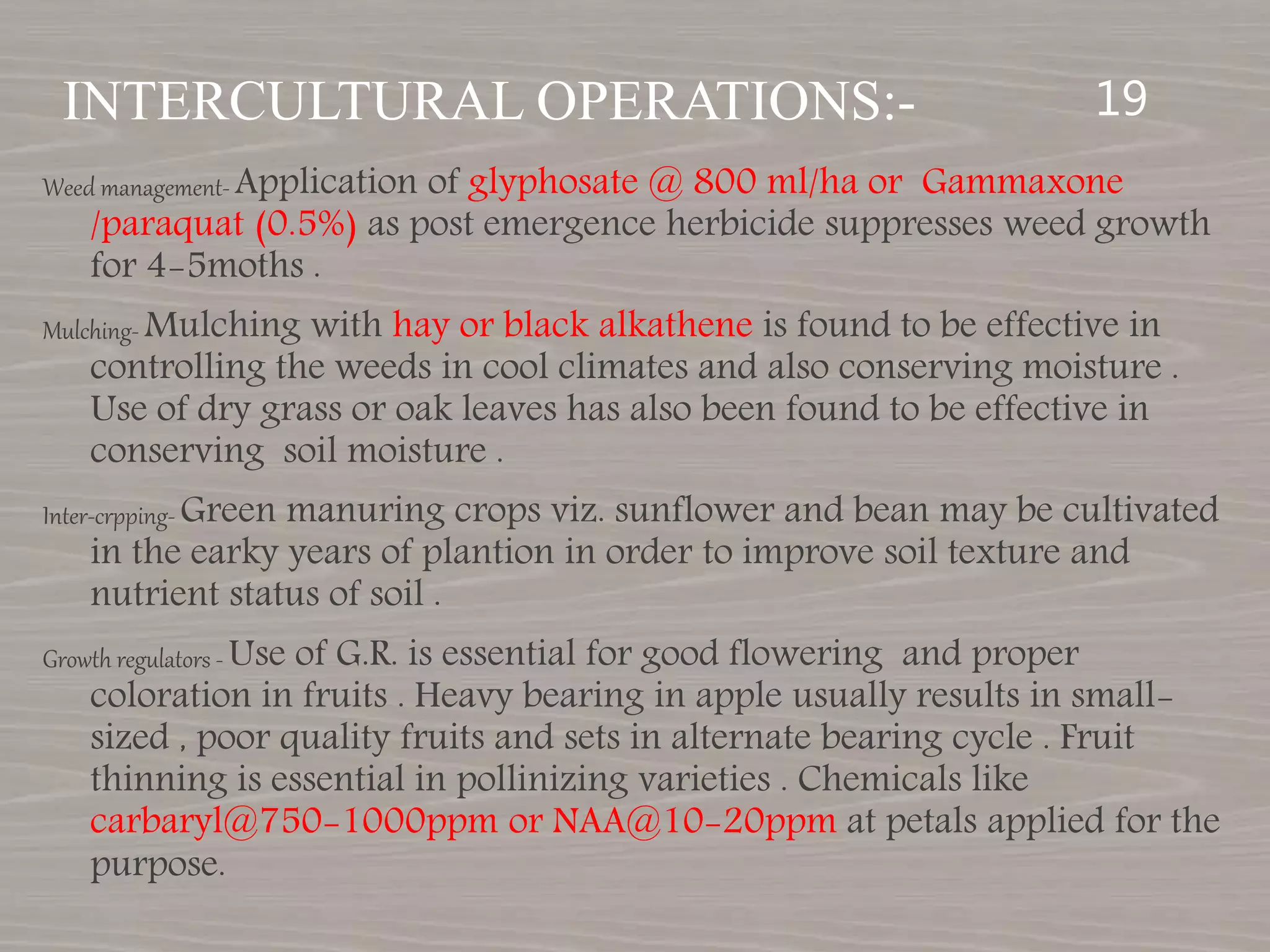
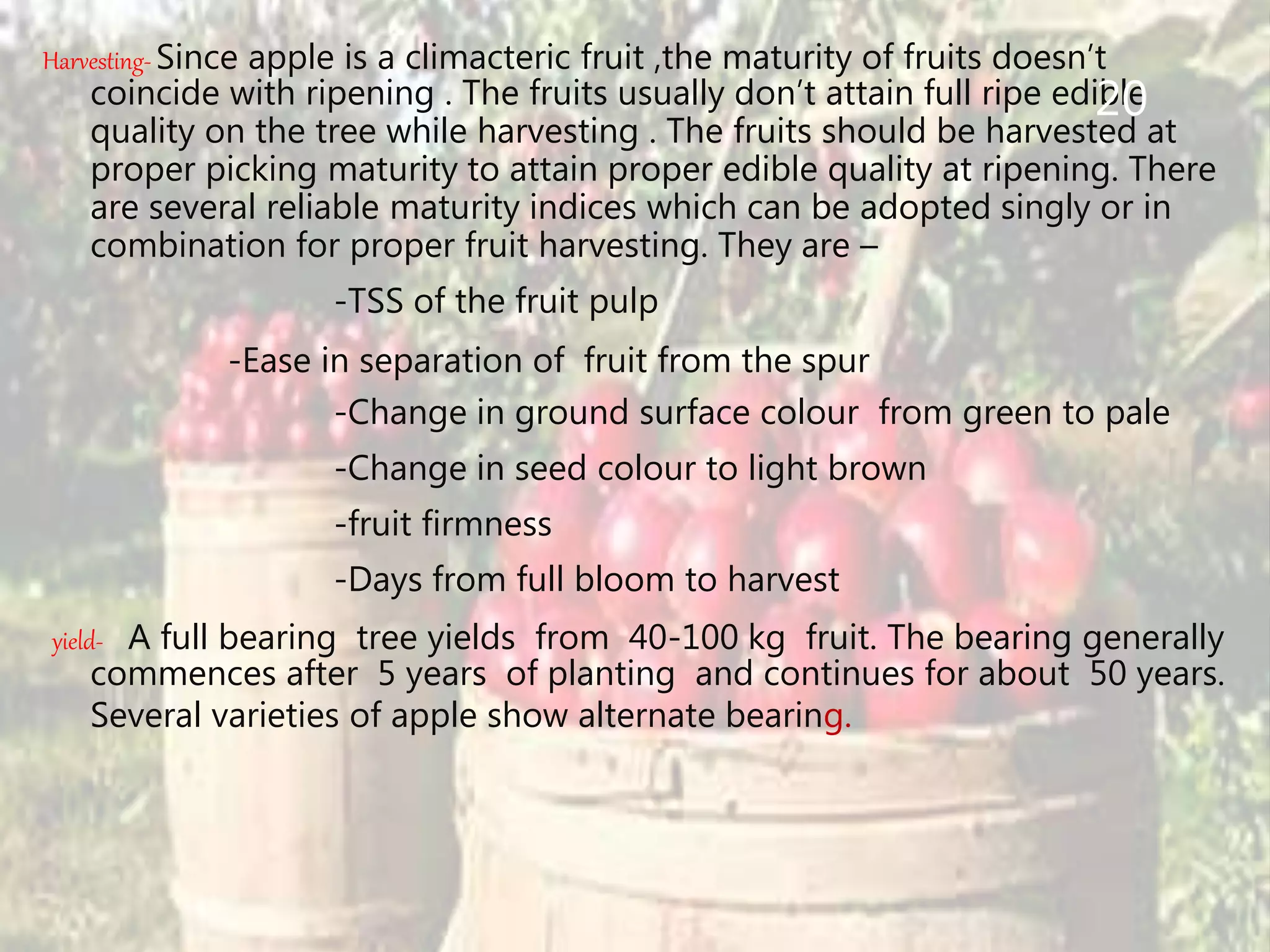
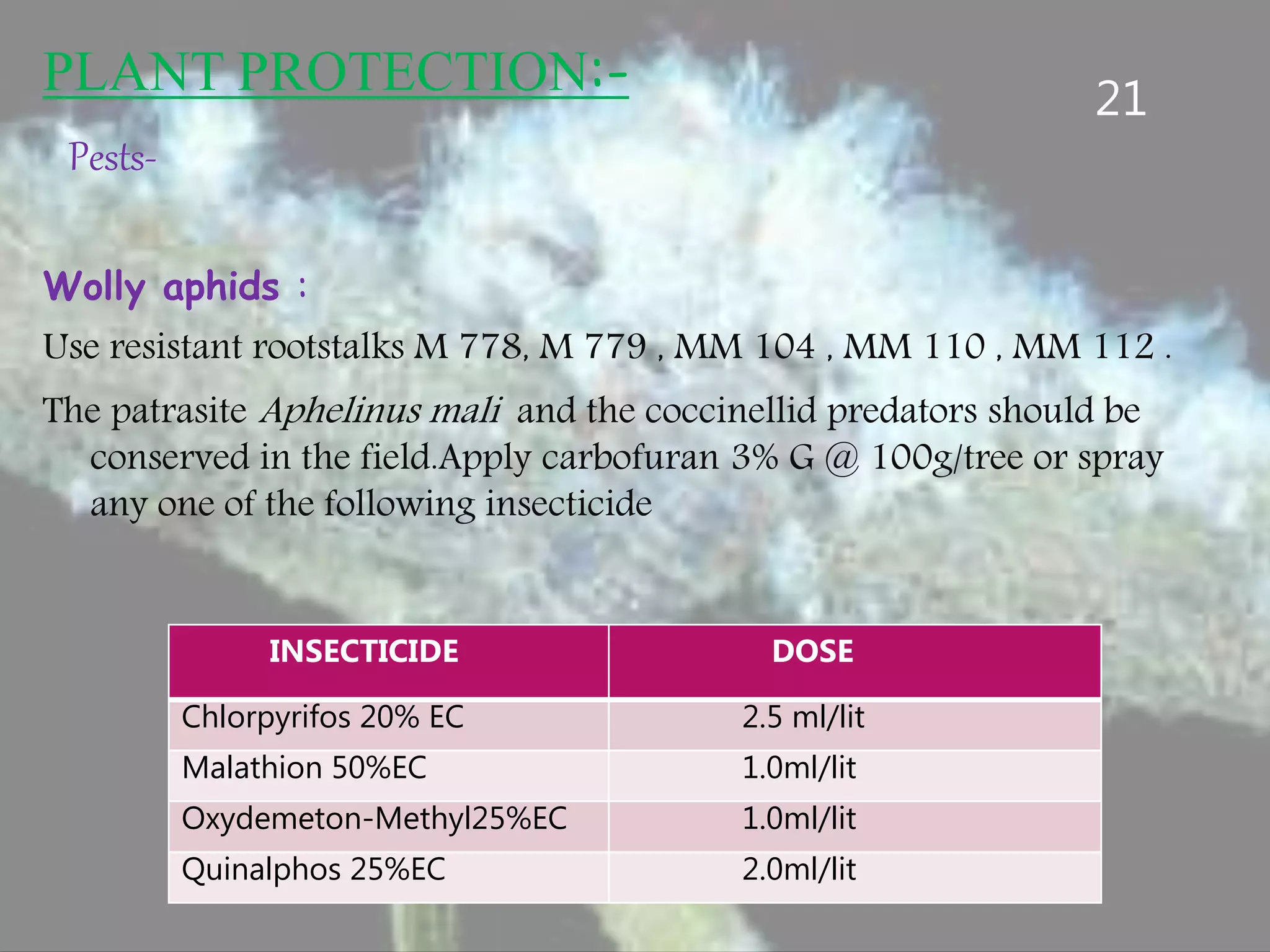
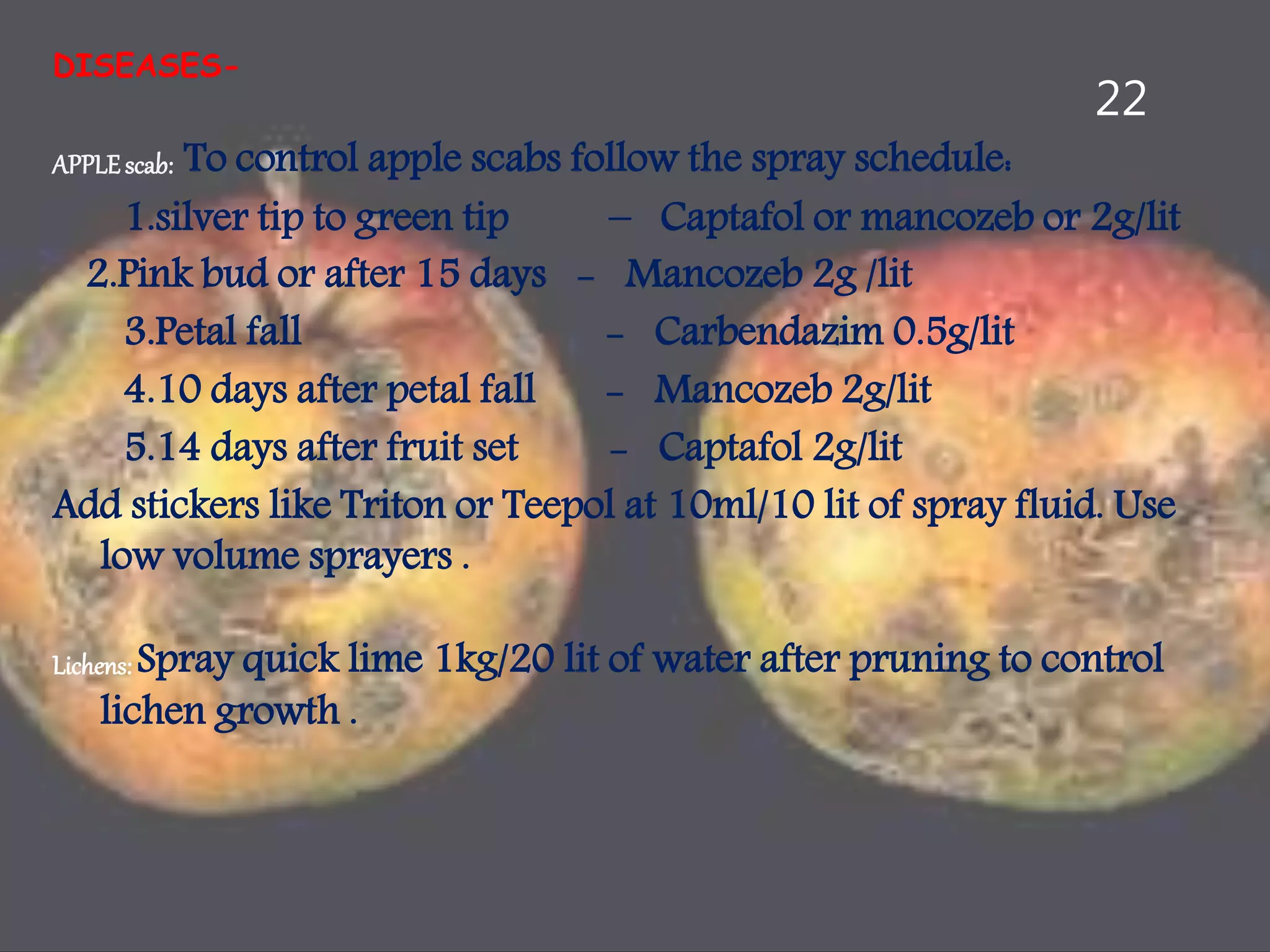
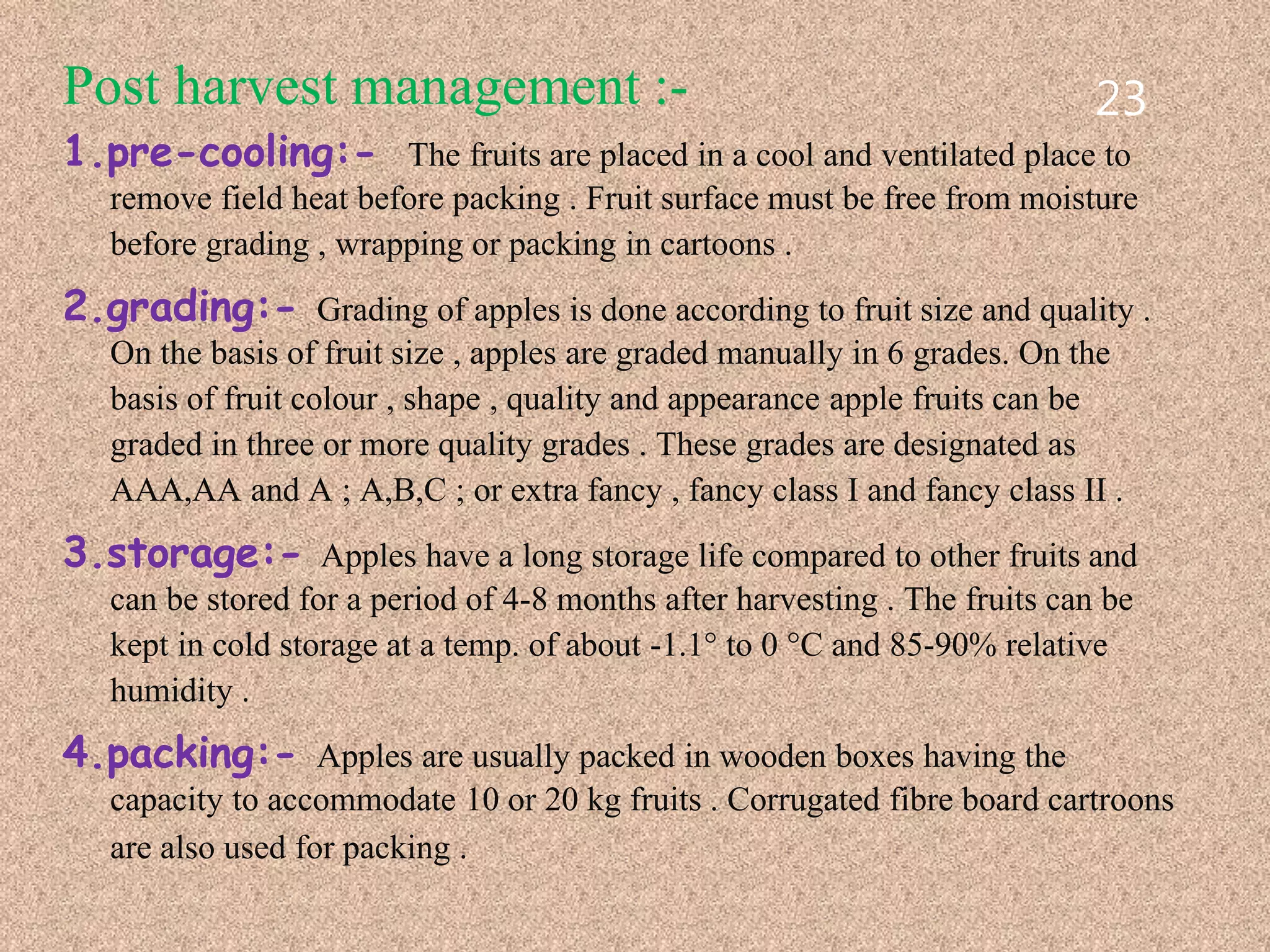
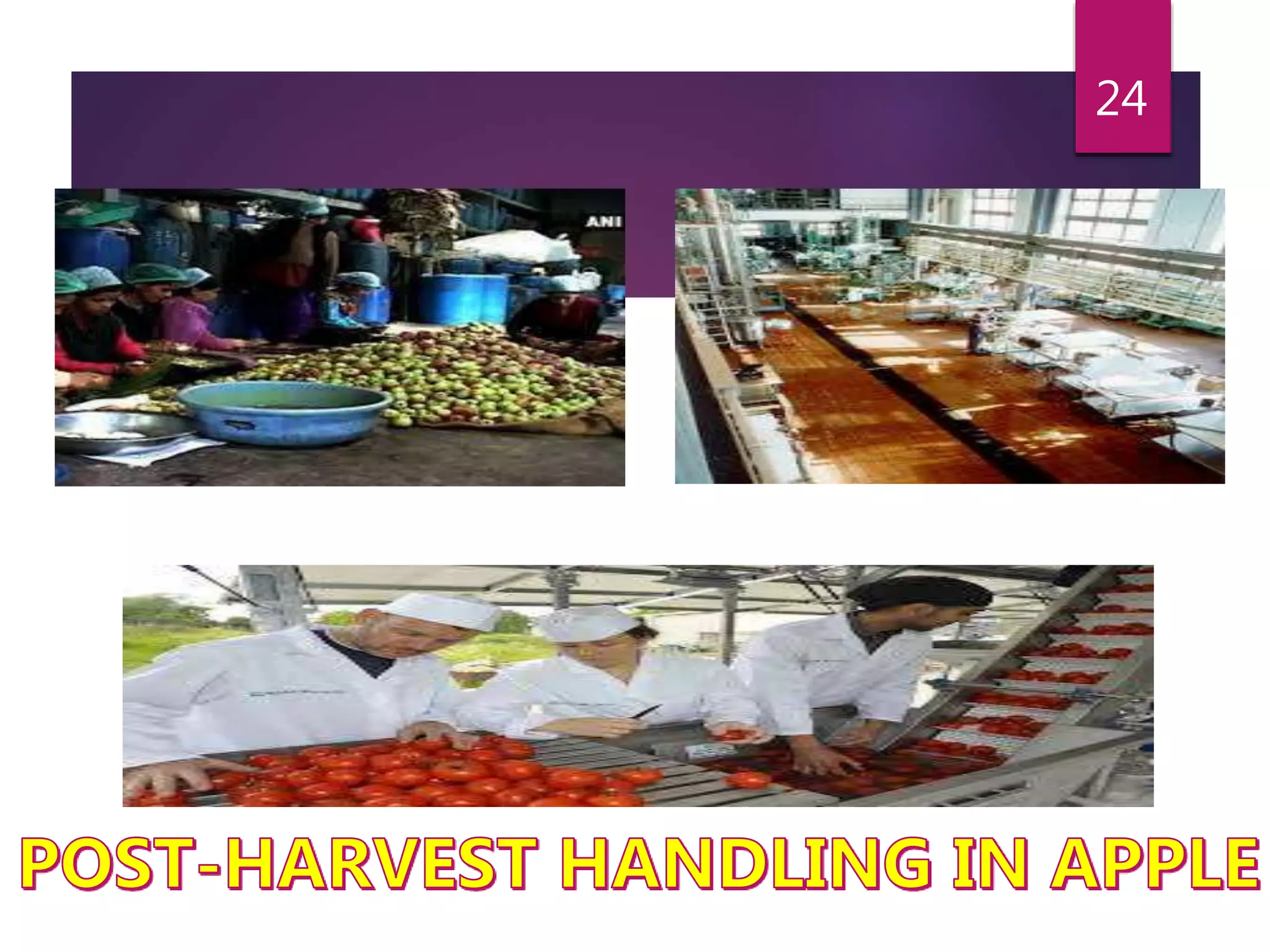
Ppt on cultivation practices of apple

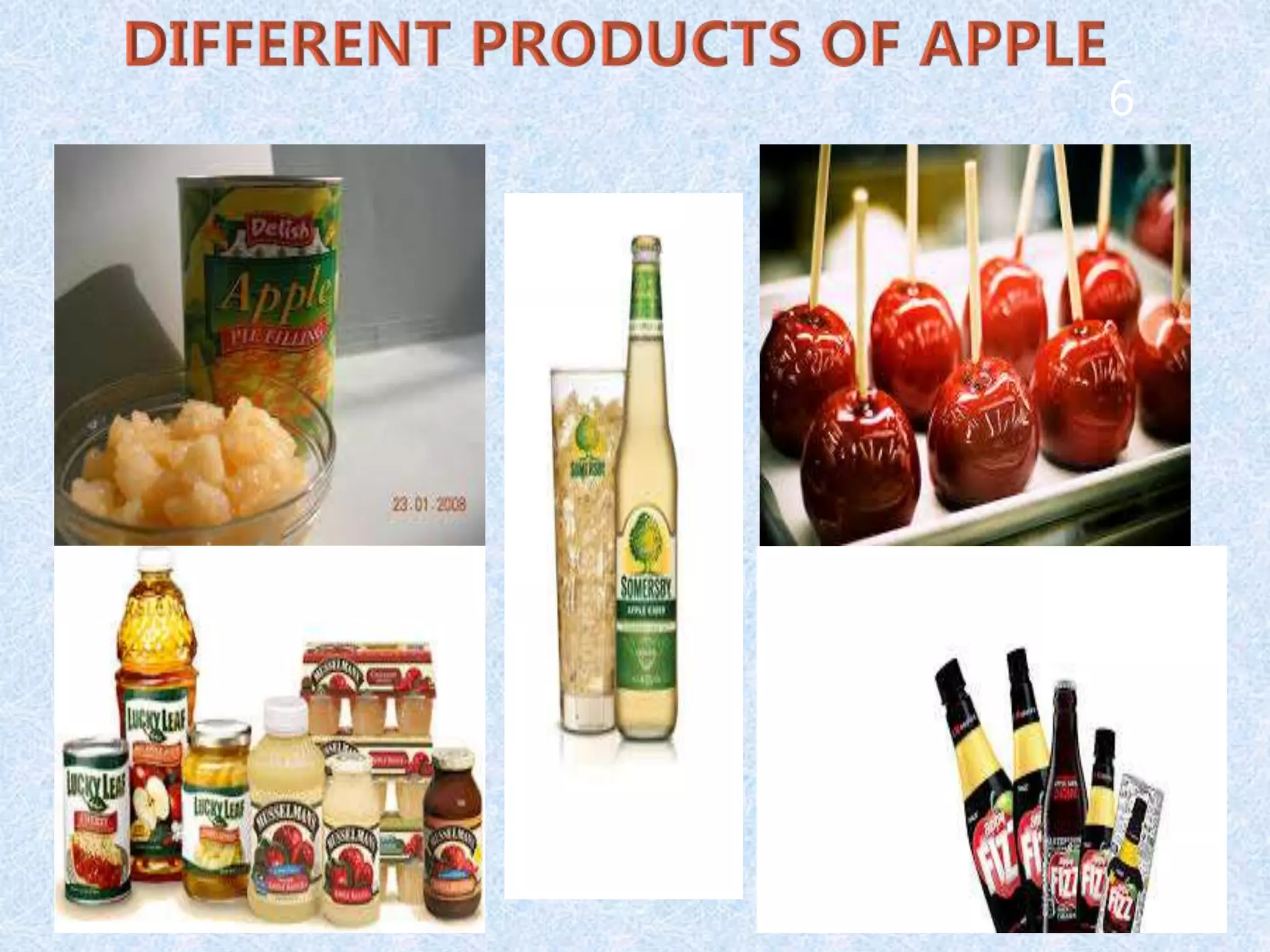
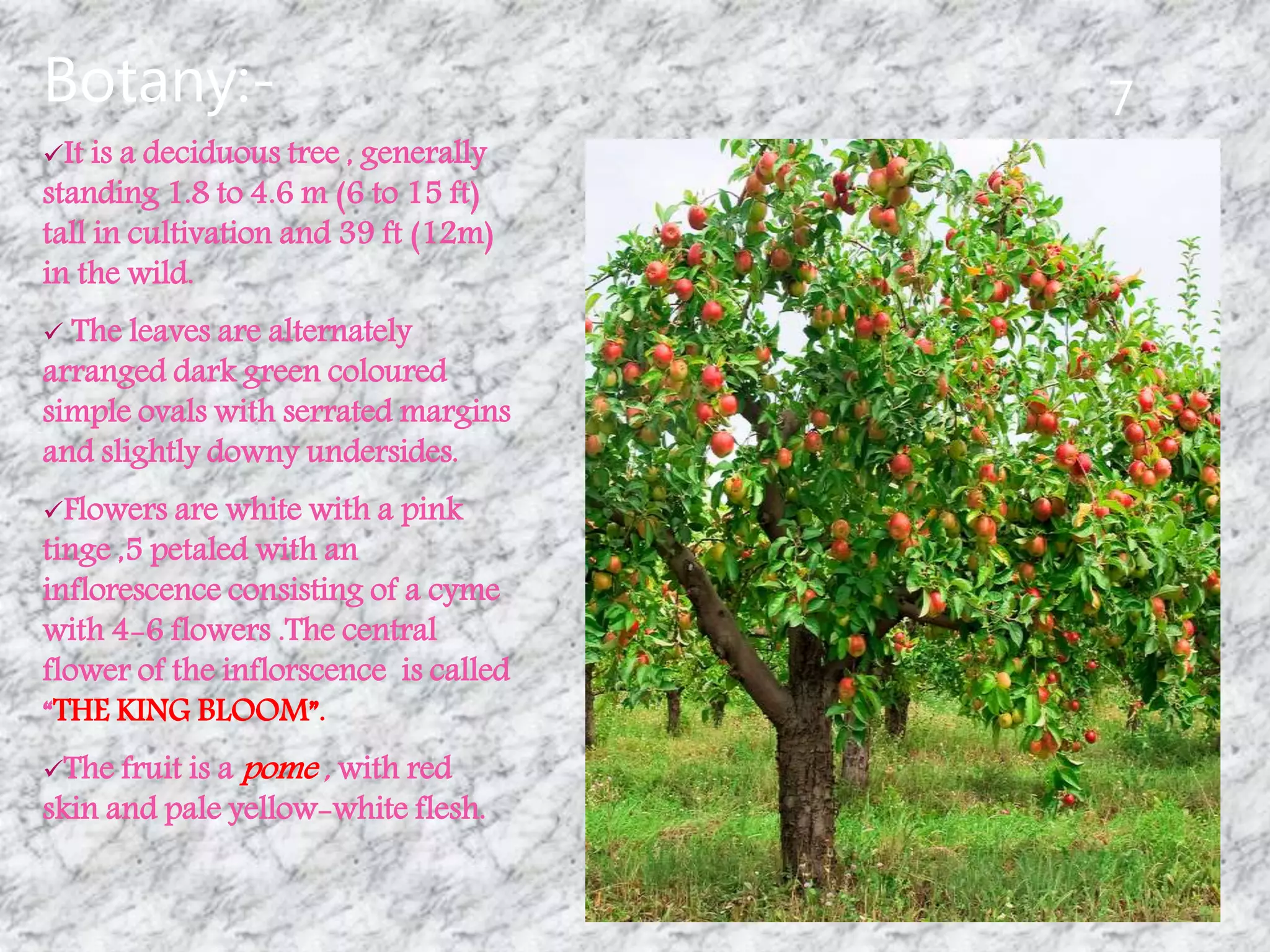
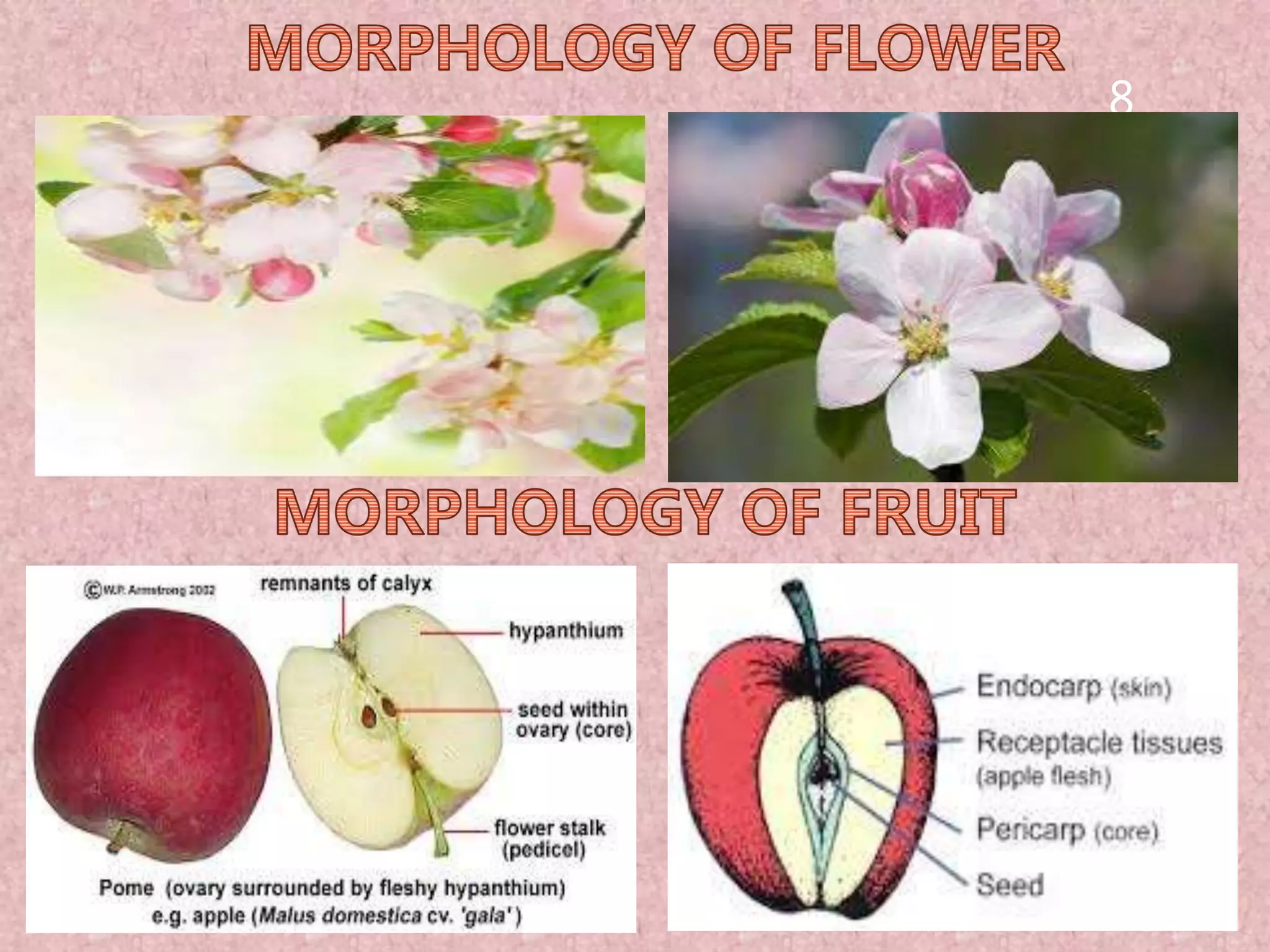
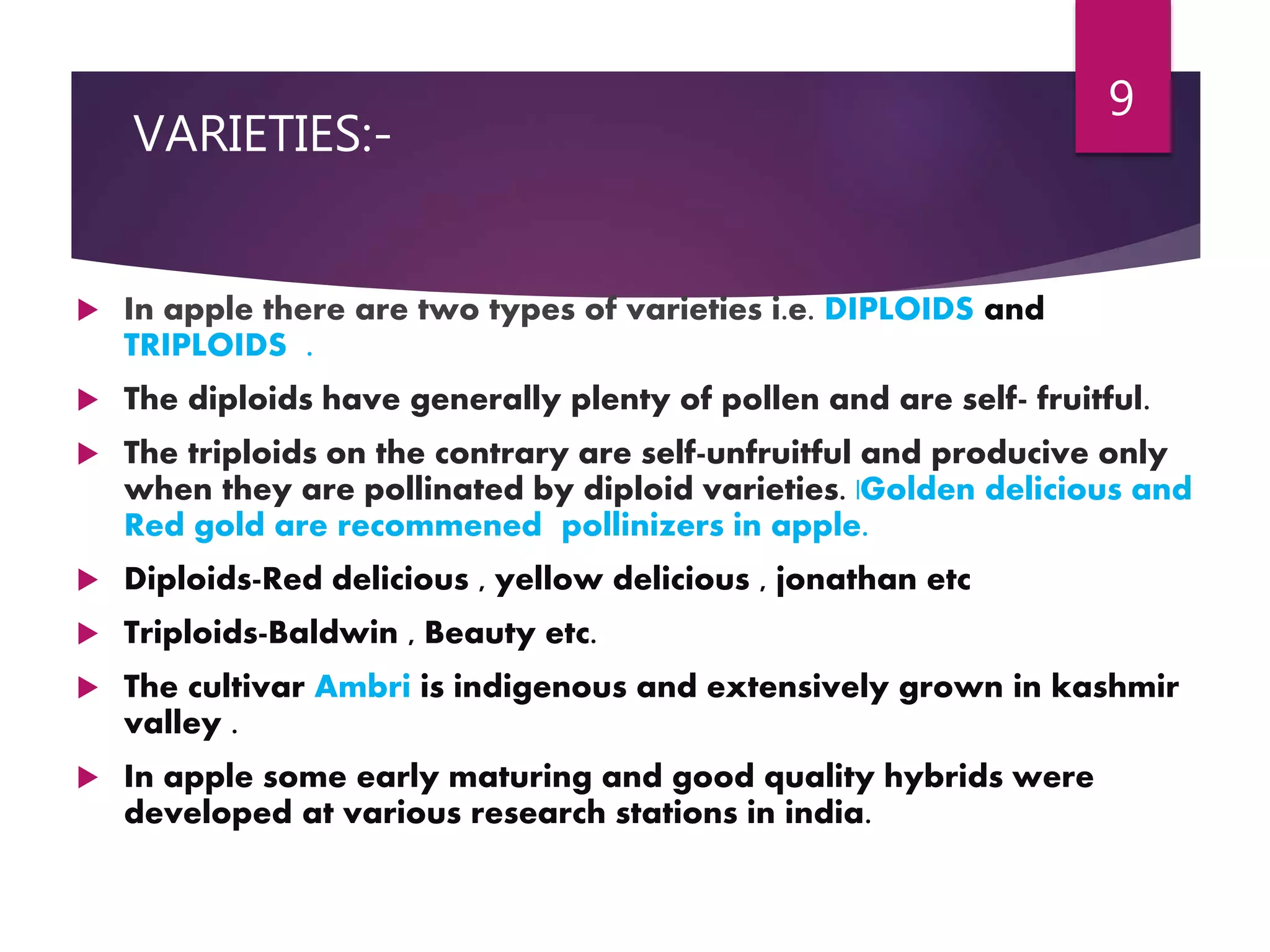
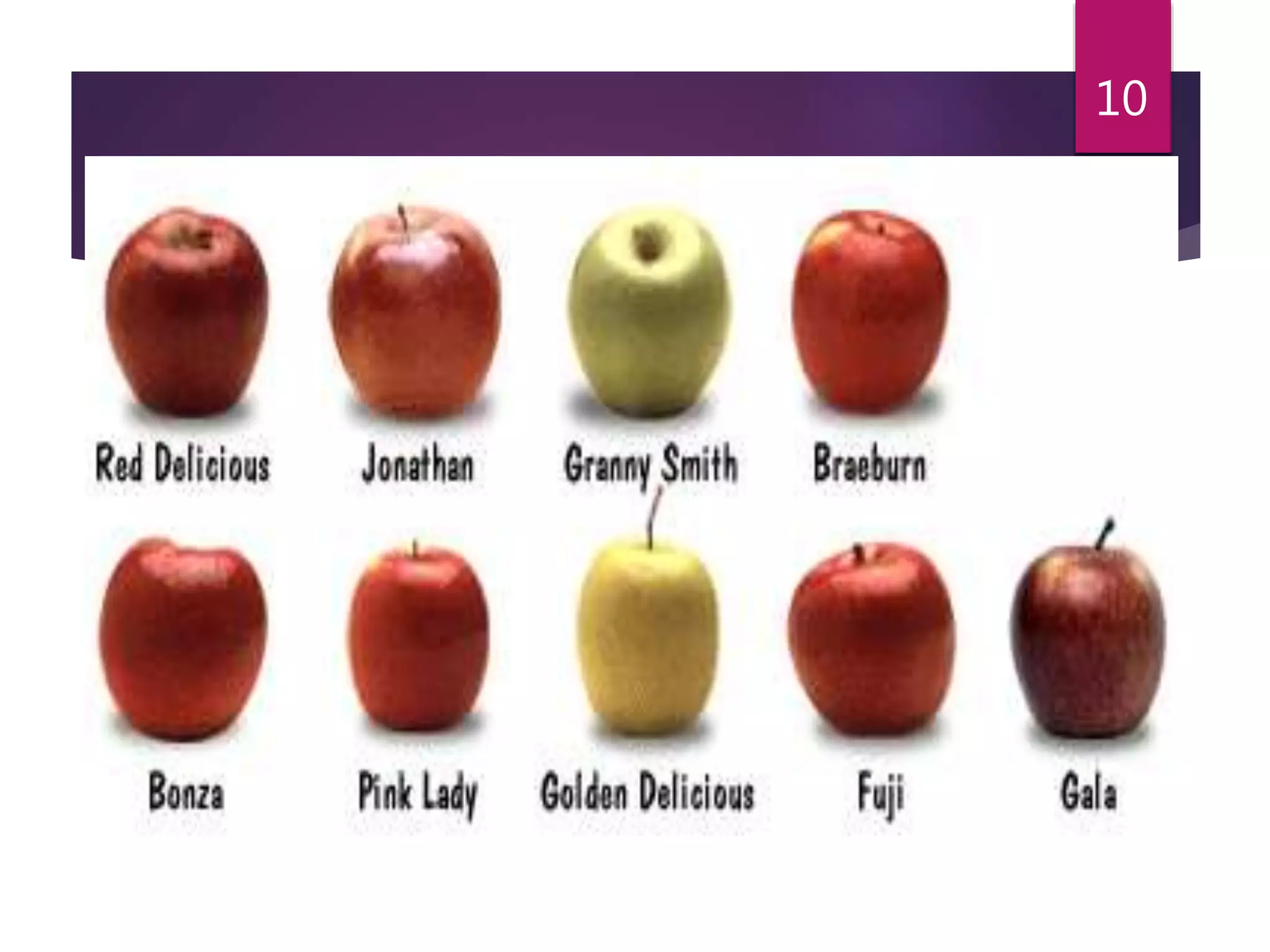
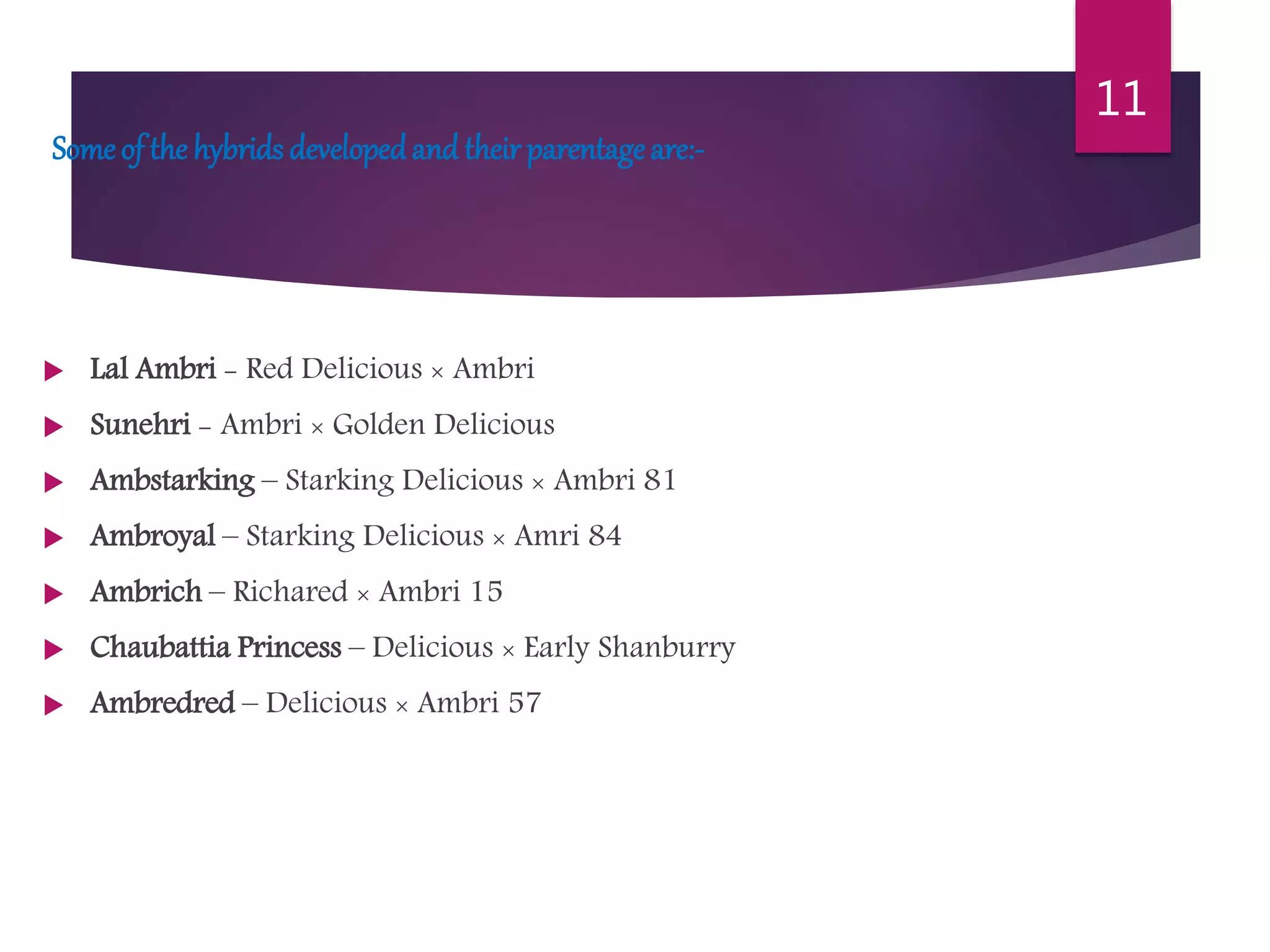
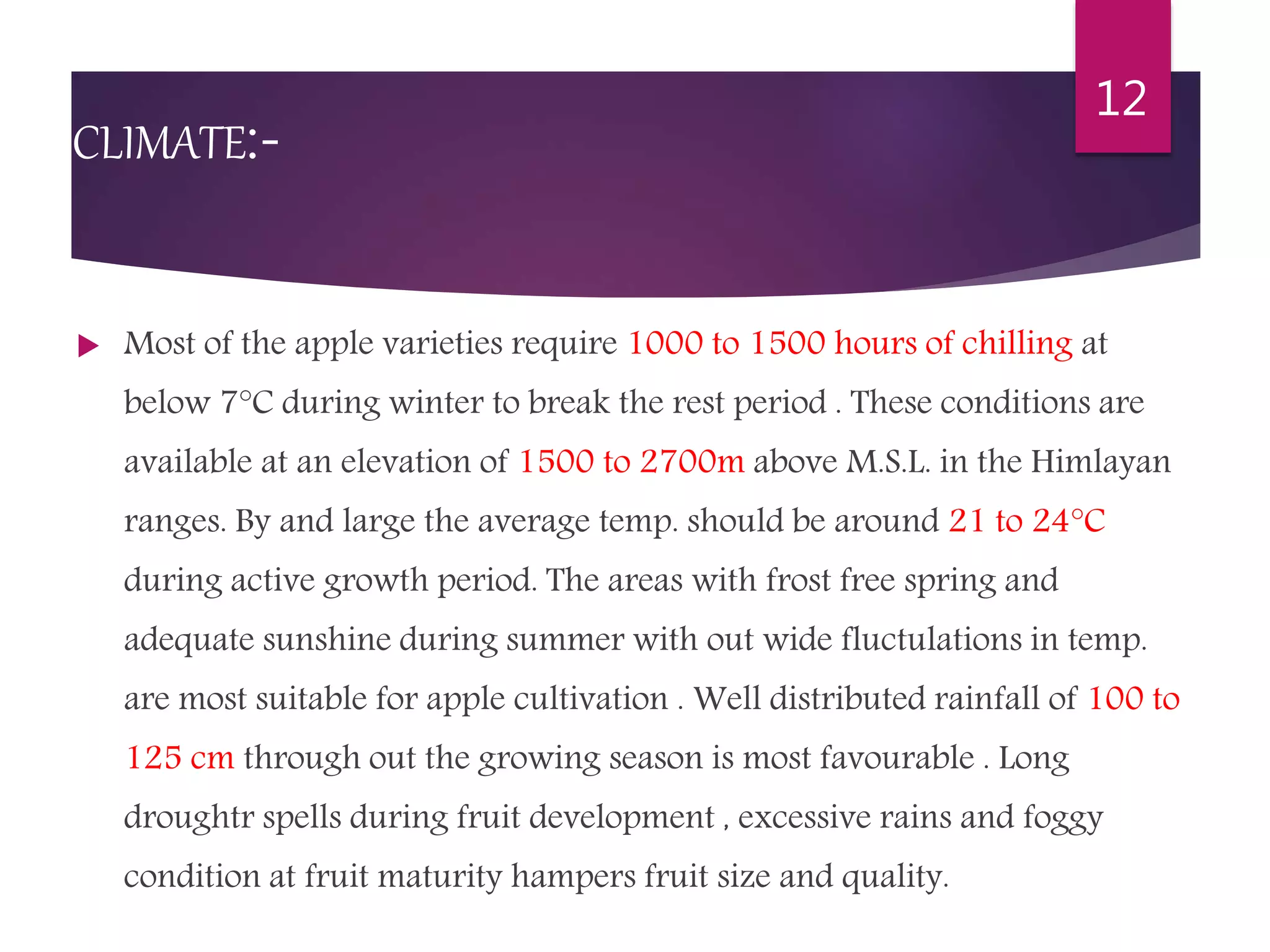
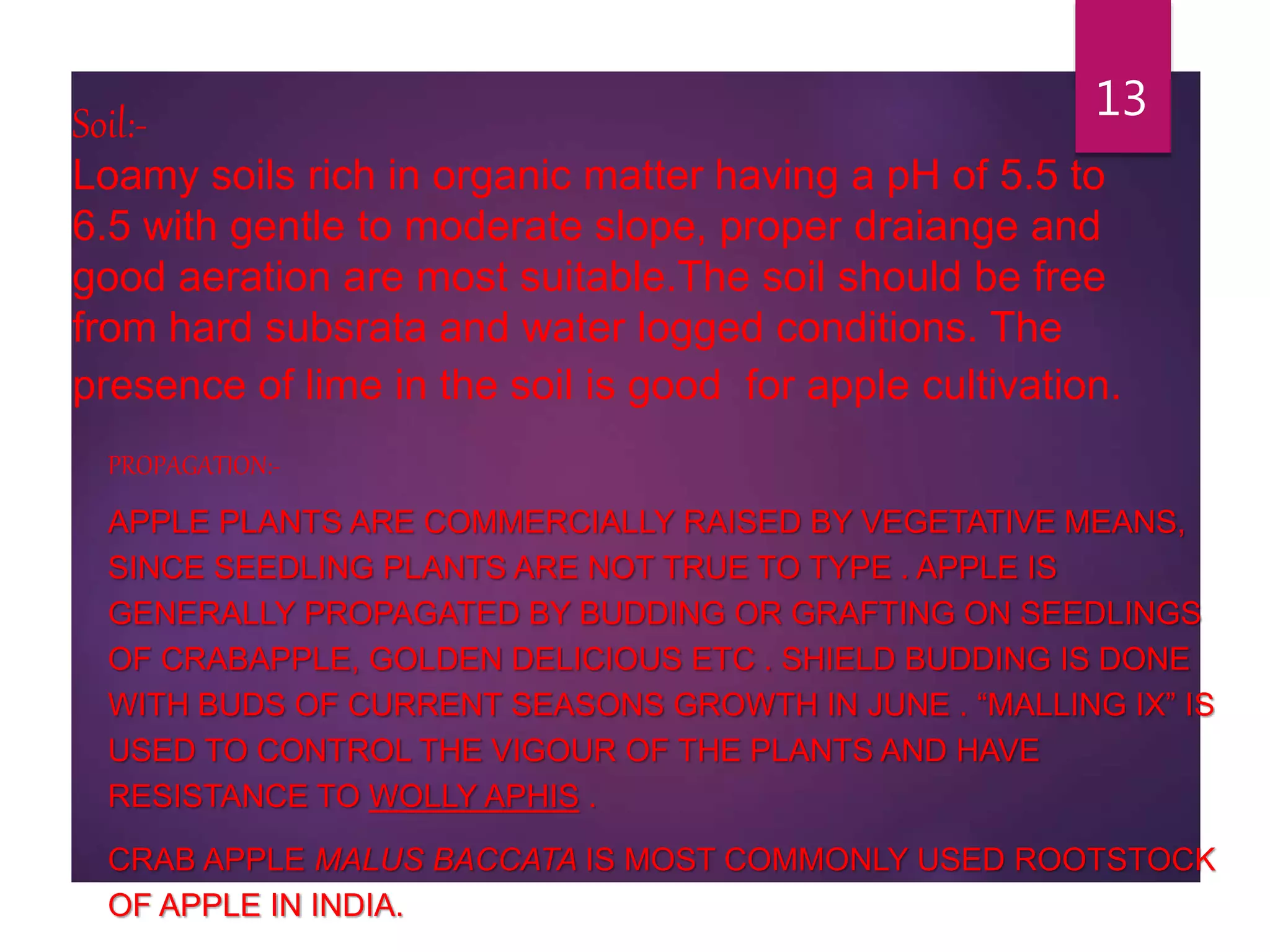
Summary:Discover essential cultivation practices for apple trees in this detailed PowerPoint presentation, covering 24 informative slides. Learn how to care for your apple trees and enhance your gardening skills!

Slide 1

Slide 1

Slide 2

Slide 2

Slide 3

Slide 3

Slide 4

Slide 4

Slide 5

Slide 5

Slide 6

Slide 6

Slide 7

Slide 7

Slide 8

Slide 8

Slide 9

Slide 9

Slide 10

Slide 10

Slide 11

Slide 11

Slide 12

Slide 12

Slide 13

Slide 13

Slide 14

Slide 14

Slide 15

Slide 15

Slide 16

Slide 16

Slide 17

Slide 17

Slide 18

Slide 18

Slide 19

Slide 19

Slide 20

Slide 20

Slide 21

Slide 21

Slide 22

Slide 22

Slide 23

Slide 23

Slide 24

Slide 24
1 / 24