Home Quiz Old Paper PPT

Ppt on Sex expression in cucurbits

Description

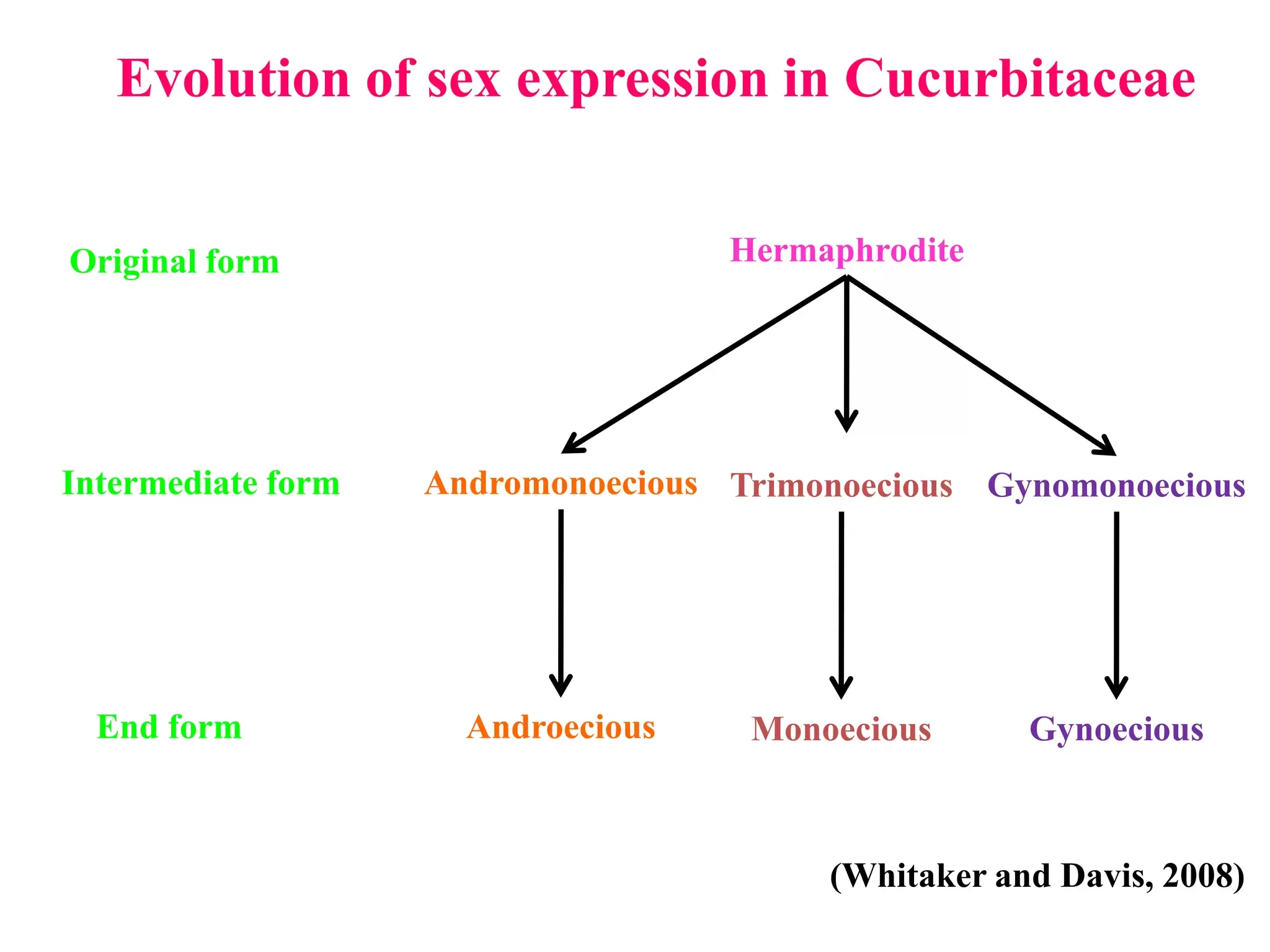
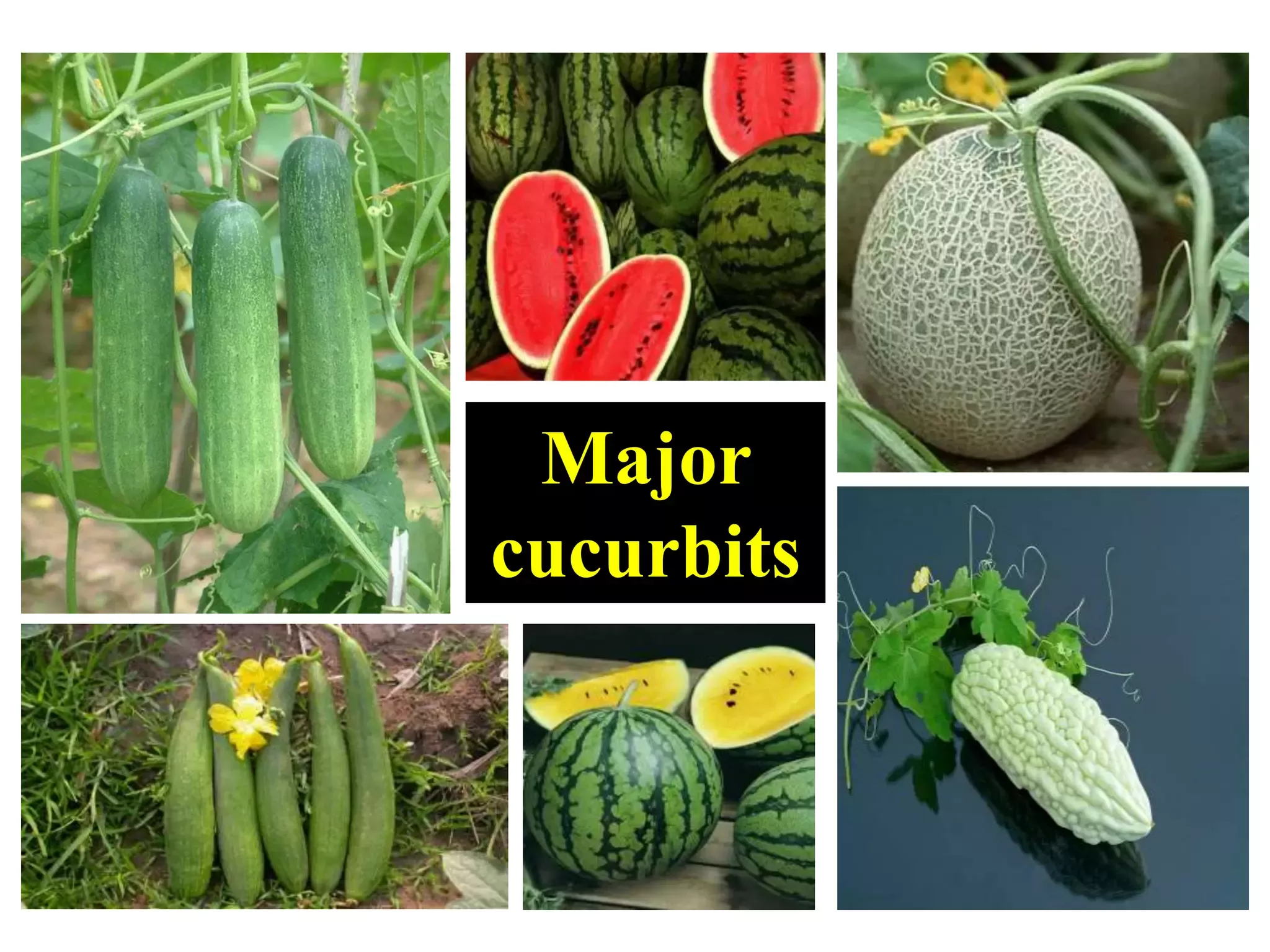
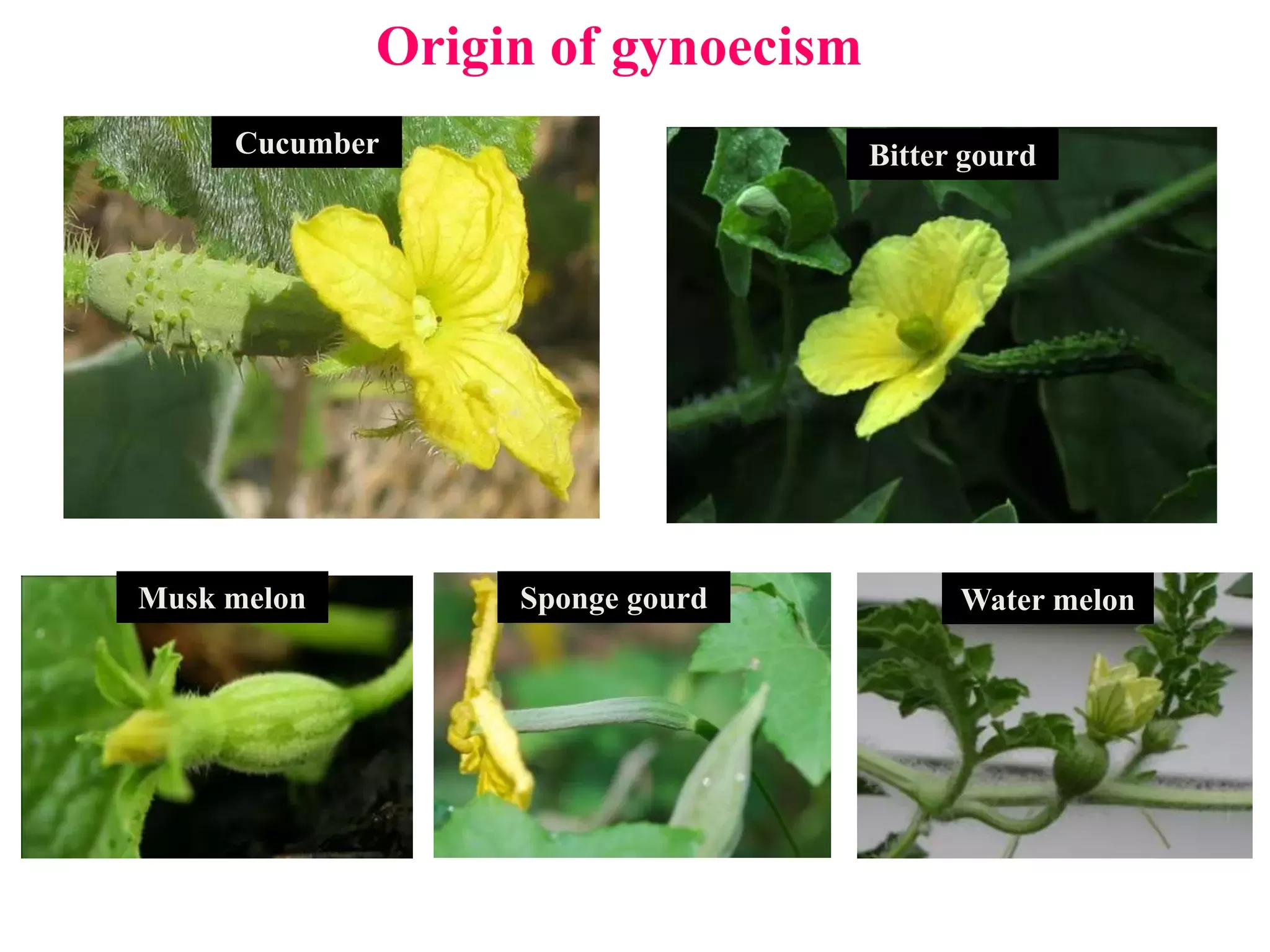
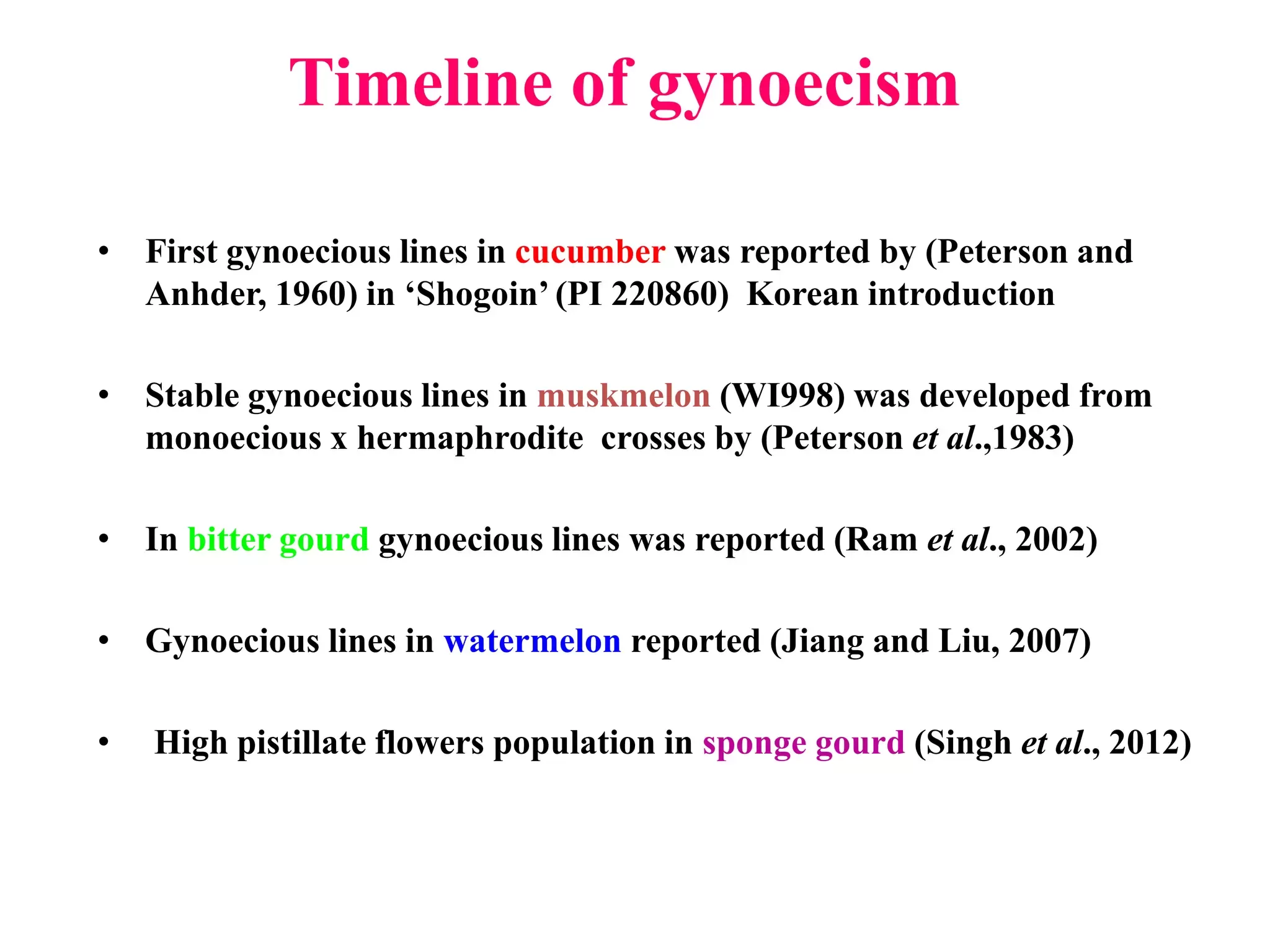
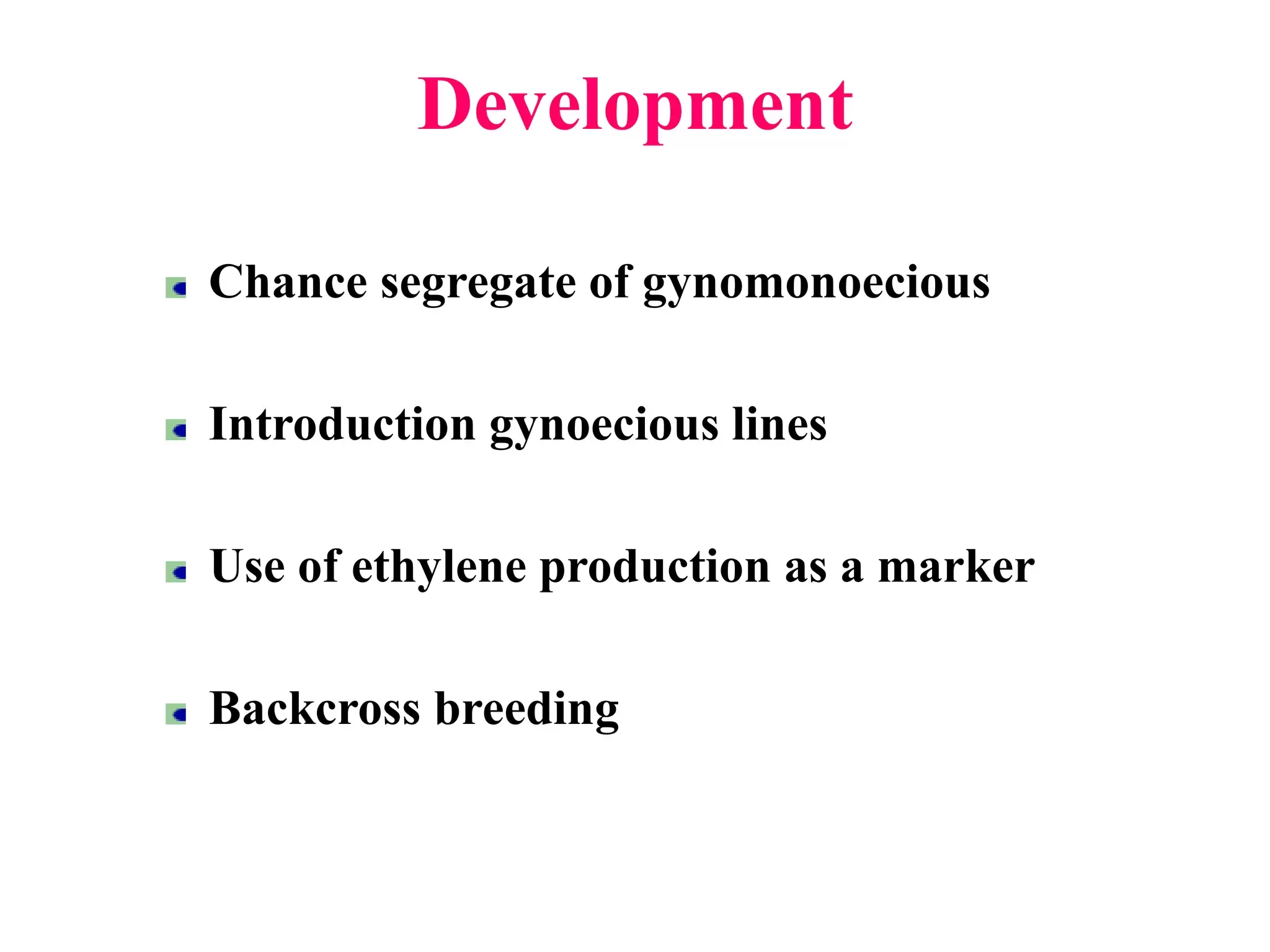
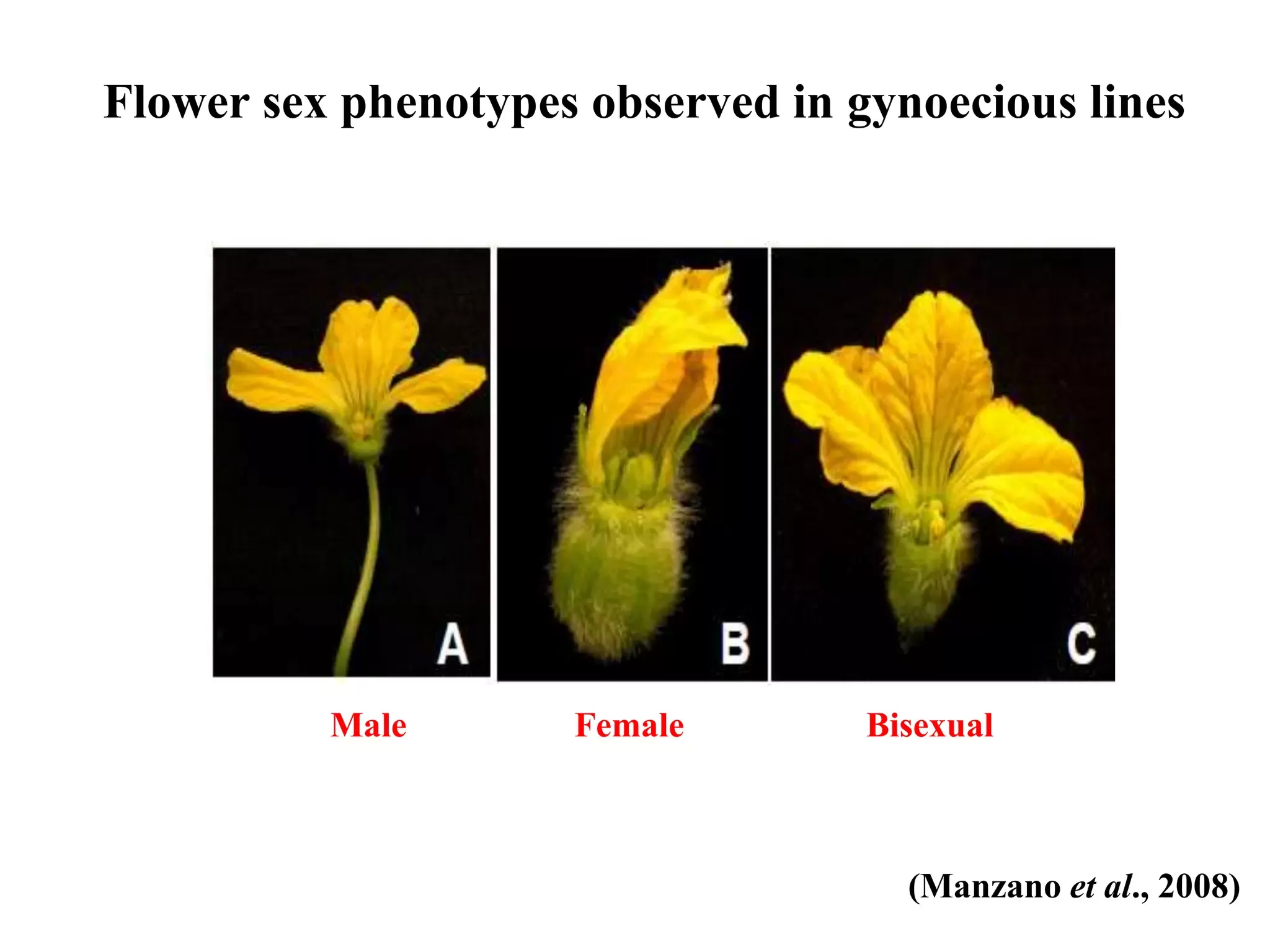
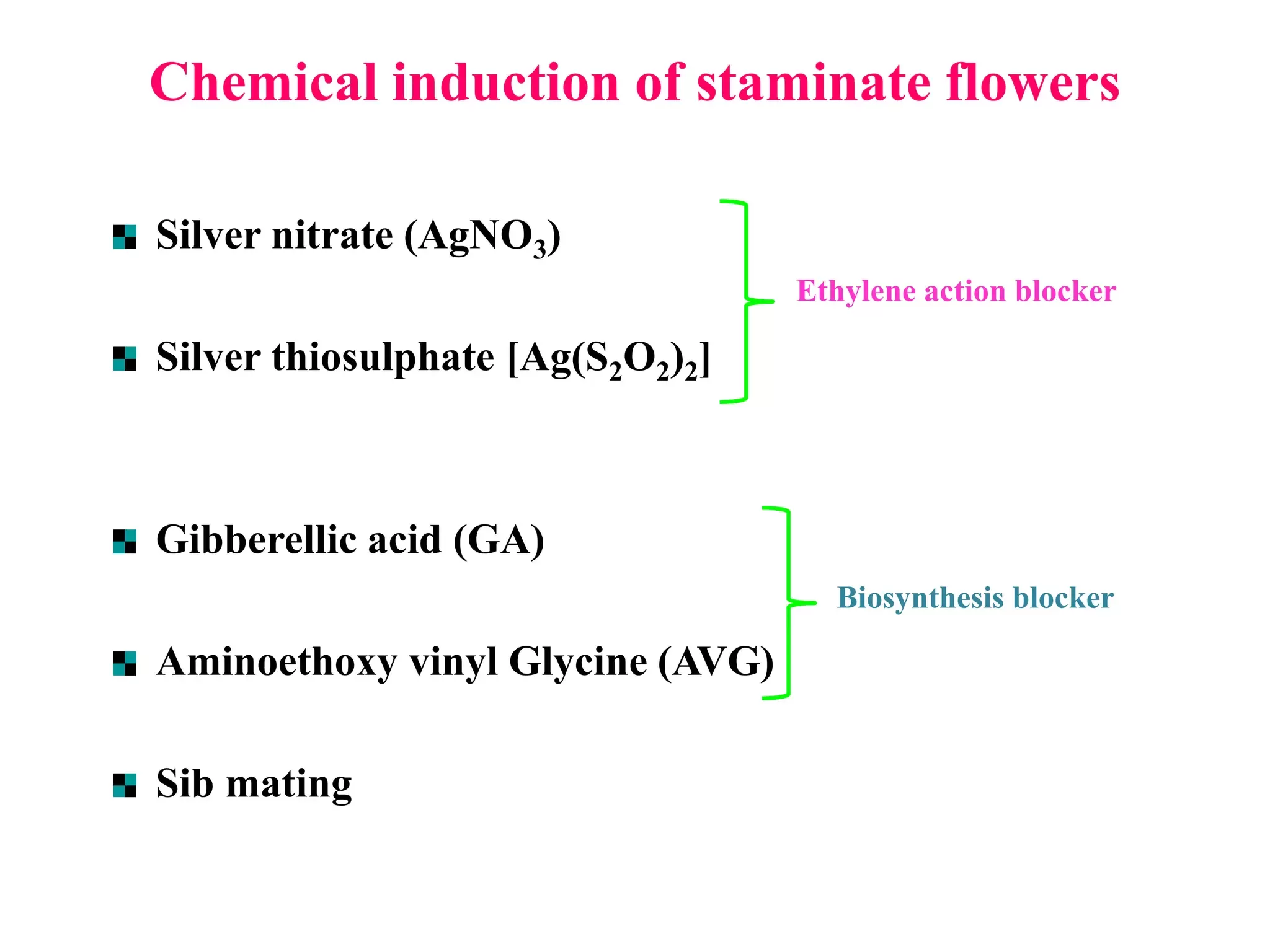
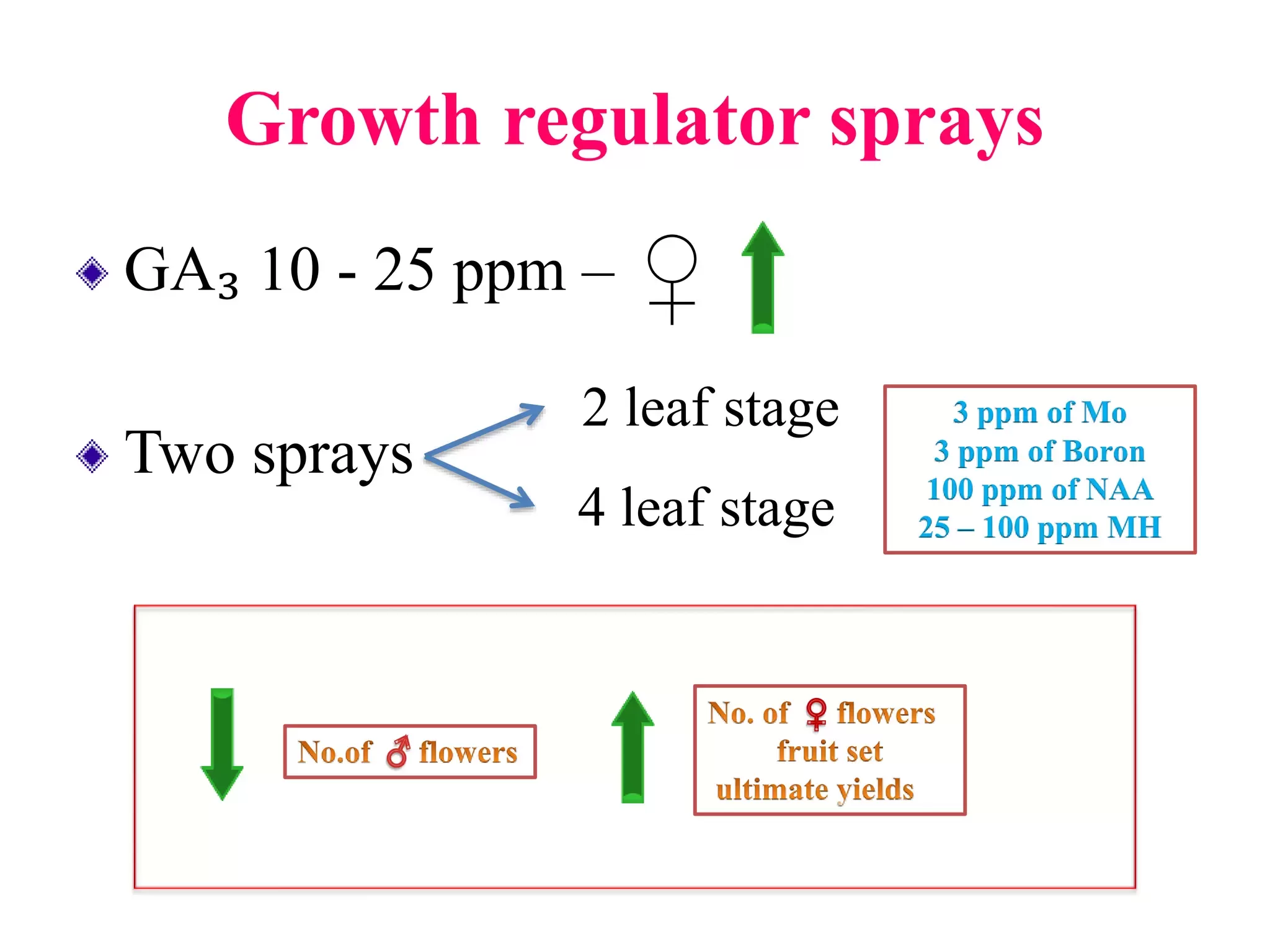
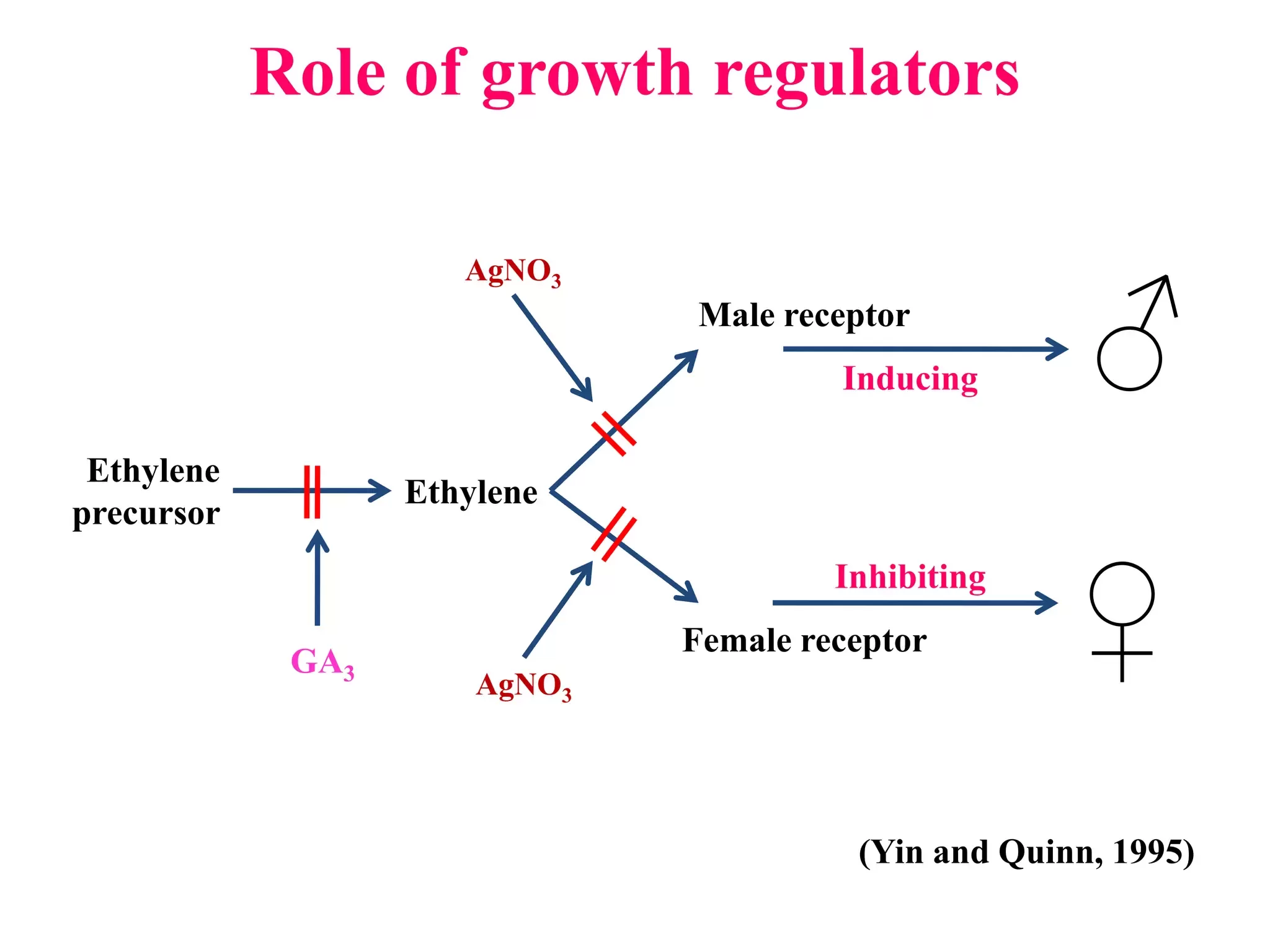
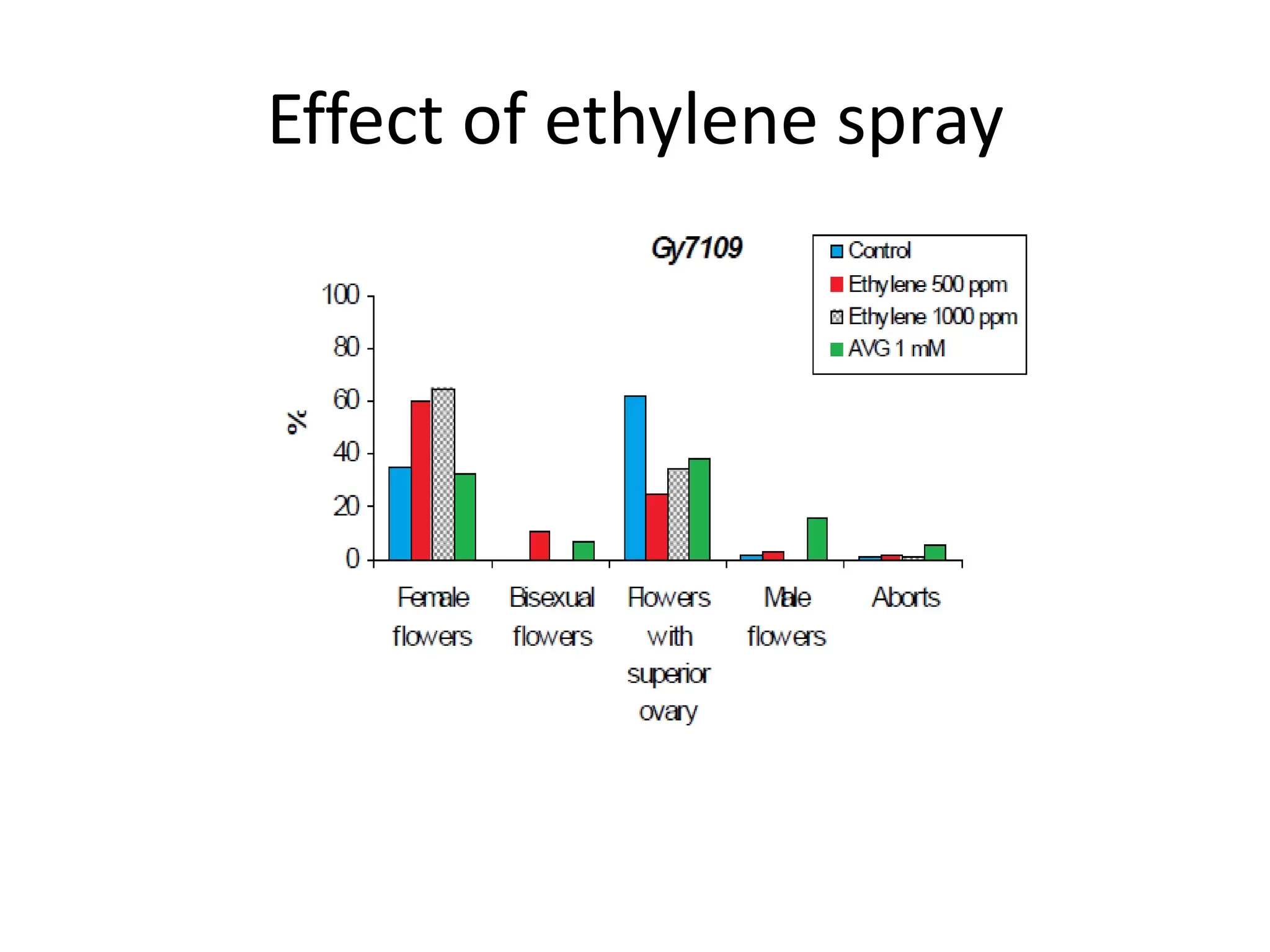
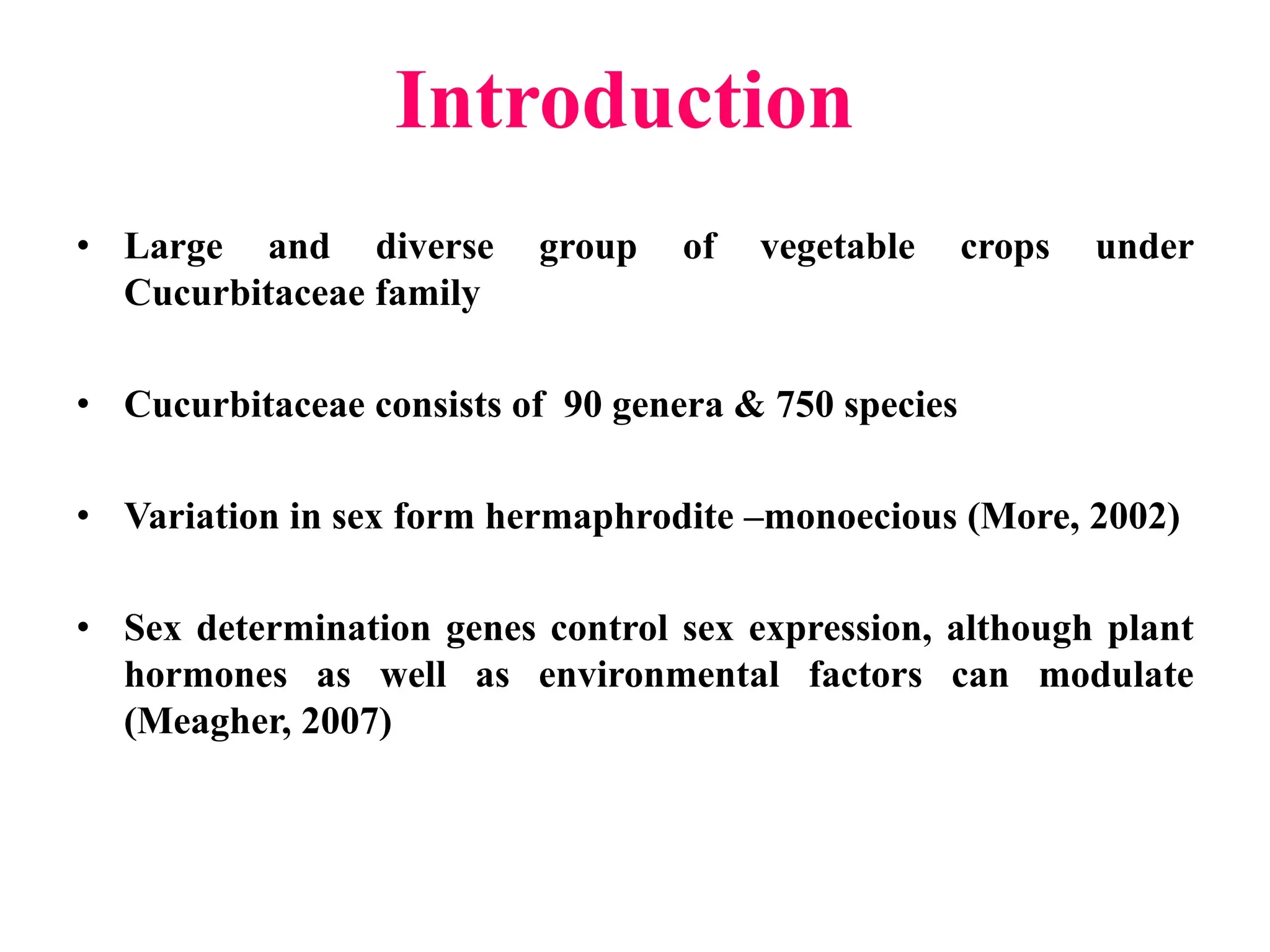
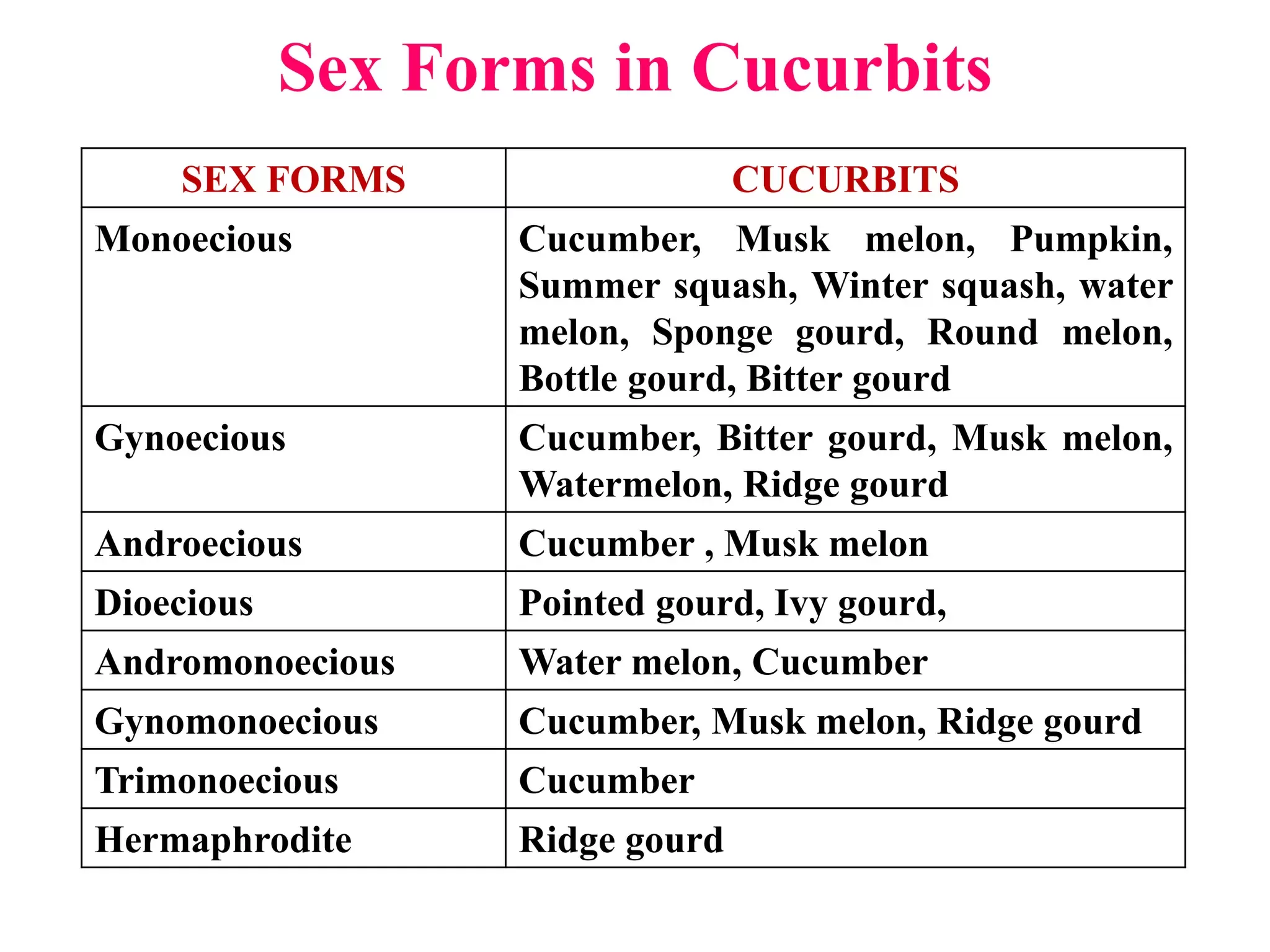
The Cucurbitaceae family is a vast and intriguing category within the plant kingdom, encompassing an expansive array of vegetable crops that are celebrated worldwide. This family consists of around 90 genera and approximately 750 species, showcasing a rich diversity that offers unique opportunities and challenges for cultivation and breeding. The sex forms exhibited by these plants are notably varied and include hermaphroditic and monoecious traits, revealing complex mechanisms behind their sexual development. The determination of these sex forms is primarily governed by sex determination genes; however, it is essential to recognize the influence of plant hormones and environmental factors, such as temperature and photoperiod, which can significantly modulate sex expression. In cucurbits, different sex forms manifest in various species, which can be categorized primarily into monoecious, gynoecious, androecious, dioecious, and hermaphrodite forms. Notable examples of monoecious plants include cucumber, musk melon, and several types of squash. Gynoecious forms, which predominantly produce female flowers, are found in crops like cucumber and watermelon, while androecious varieties exhibit exclusively male flowers. Interestingly, some plants display multiple sex forms, such as andromonoecious and gynomonoecious varieties, which present a blend of male and female flowers. The evolution of these sex expressions within Cucurbitaceae is a subject of much study and fascination. Historically, significant advancements in breeding gynoecious lines have been documented, starting with the first gynoecious lines reported in the cucumber ‘Shogoin’ during the 1960s. This foundational work laid the groundwork for later developments in muskmelon and bitter gourd, and ongoing research continues to enhance our understanding of these unique traits. The stability of sex expression in cucurbits is influenced by both temperature and photoperiod, with findings suggesting that high temperatures (over 30°C) can alter flower phenotype stability. The interplay of these environmental factors creates a complex landscape where the same genetic makeup can express varied sexual forms based on the surrounding conditions. Further exploring the mechanisms of flower development, chemical and growth regulator interventions play a crucial role in stimulating specific flower sex phenotypes. Substances such as silver nitrate and gibberellic acid have been noted for their ability to induce or inhibit the development of male flowers. Additionally, employing growth regulators at specific plant growth stages has proven effective in managing flower sex ratios, supporting crop optimization. In conclusion, the Cucurbitaceae family is a critical focus in agricultural practices due to its extensive variety and adaptability. Understanding the dynamics of sex forms and their influences is essential for maximizing yield and improving crop quality. As the saying goes, cucurbits are “everyone’s crop,” resonating with farmers and consumers alike who appreciate their nutritional value and versatility in culinary applications. Continued research in this area promises to enhance our knowledge and capability in cultivating these remarkable plants.
Slide 1

Slide 1⬇ Slide

Slide 2

Slide 2⬇ Slide

Slide 3

Slide 3⬇ Slide

Slide 4

Slide 4⬇ Slide

Slide 5

Slide 5⬇ Slide

Slide 6

Slide 6⬇ Slide

Slide 7

Slide 7⬇ Slide

Slide 8

Slide 8⬇ Slide

Slide 9

Slide 9⬇ Slide

Slide 10

Slide 10⬇ Slide

Slide 11

Slide 11⬇ Slide

Slide 12

Slide 12⬇ Slide

Slide 13

Slide 13⬇ Slide

Slide 14

Slide 14⬇ Slide

Slide 15

Slide 15⬇ Slide
1 / 15

Ppt on Ivygourd

Summary:

Learn all about Ivy Gourd, a tropical vegetable rich in nutrients and medicinal properties, through this detailed presentation. Explore its cultivation techniques, nutritional value, and essential management practices for a successful harvest.

Summary

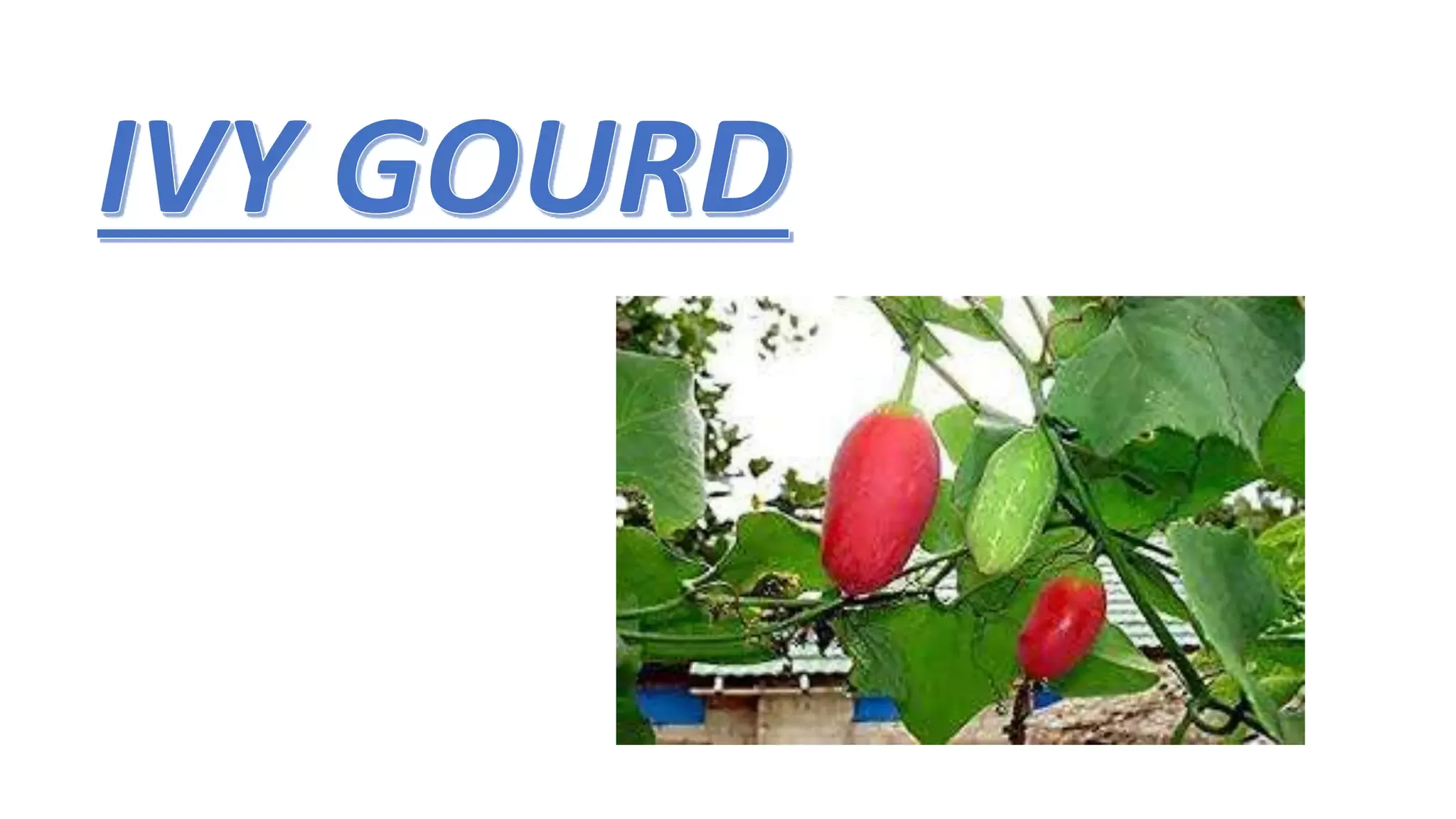
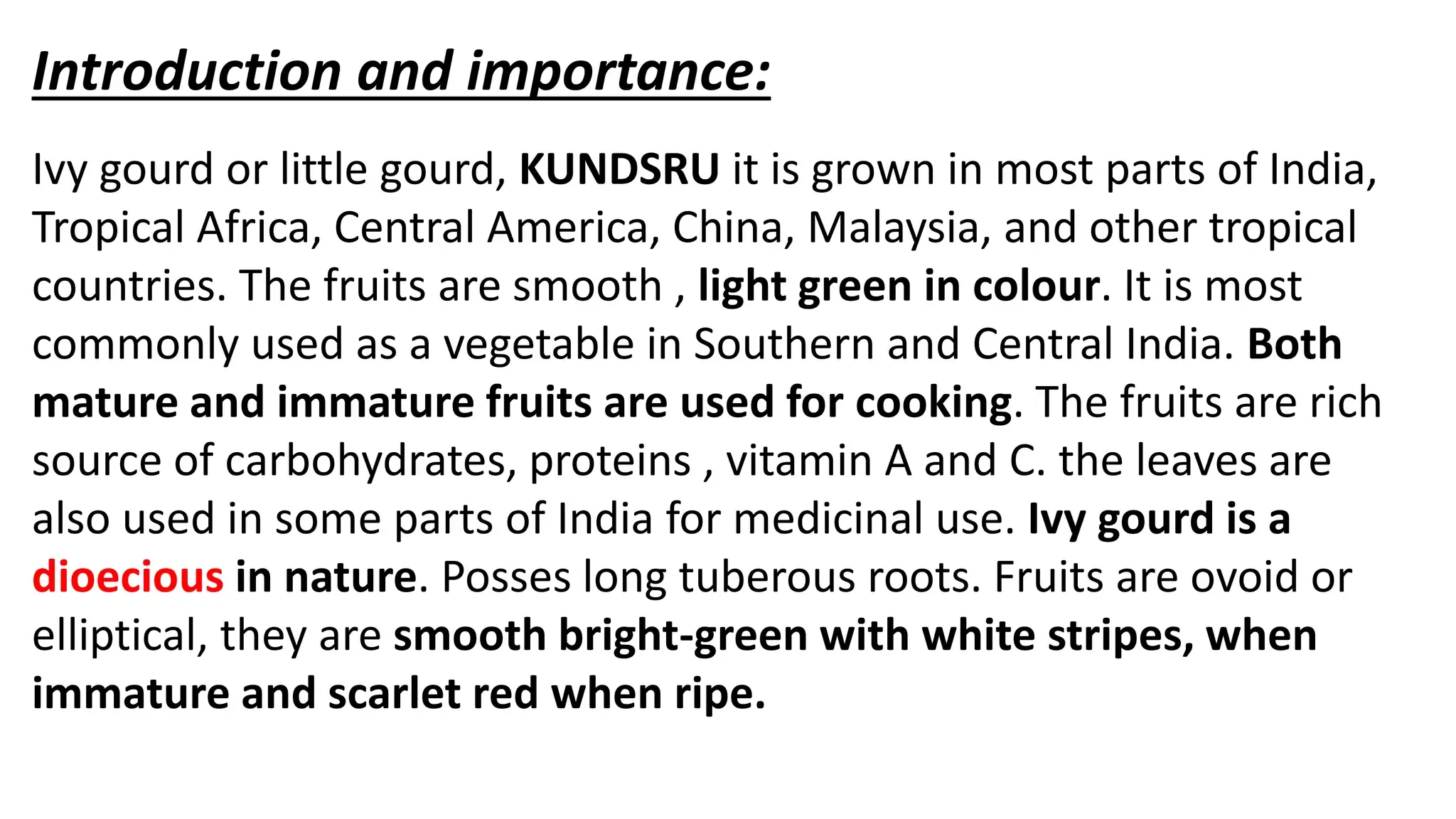
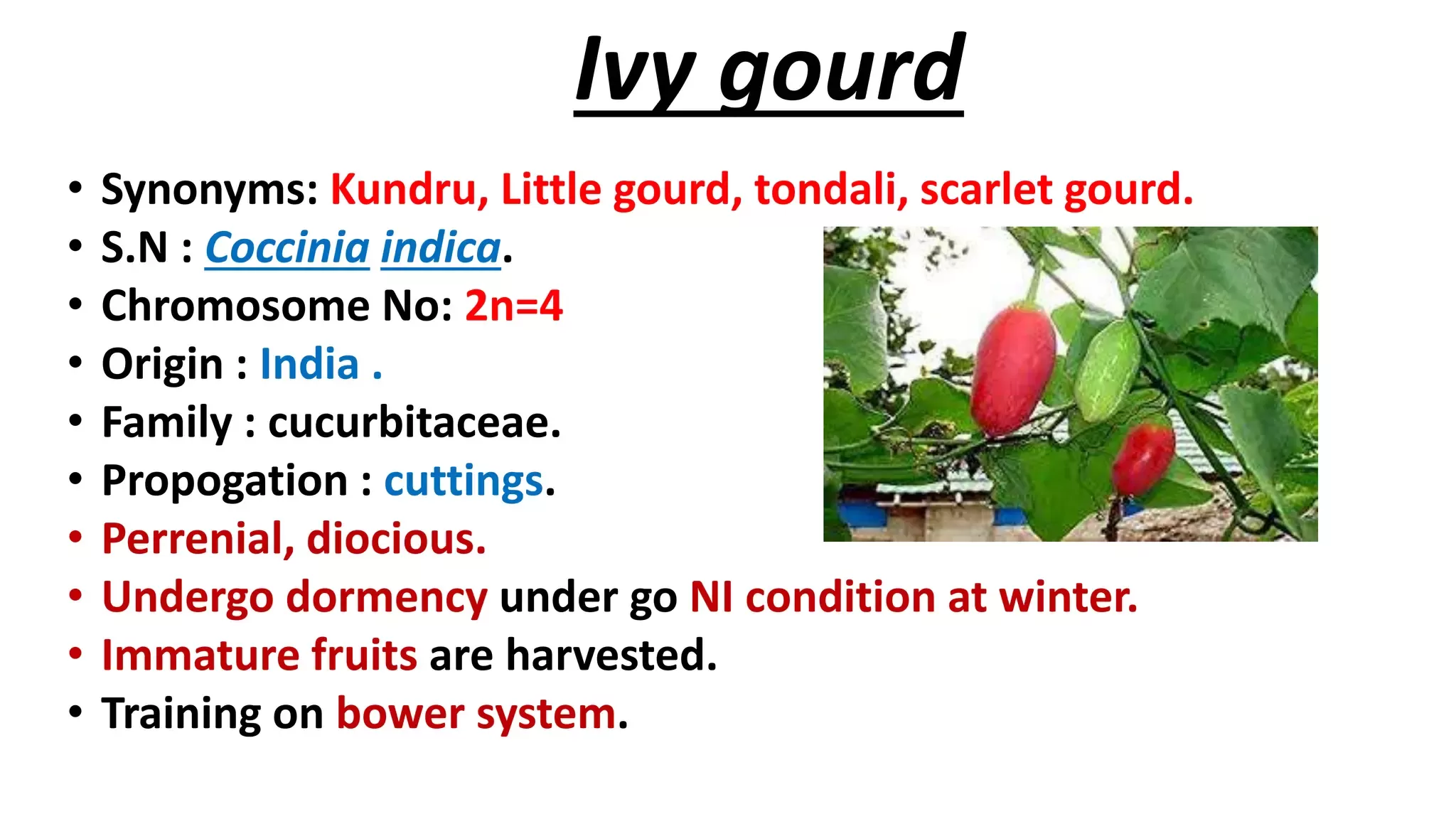
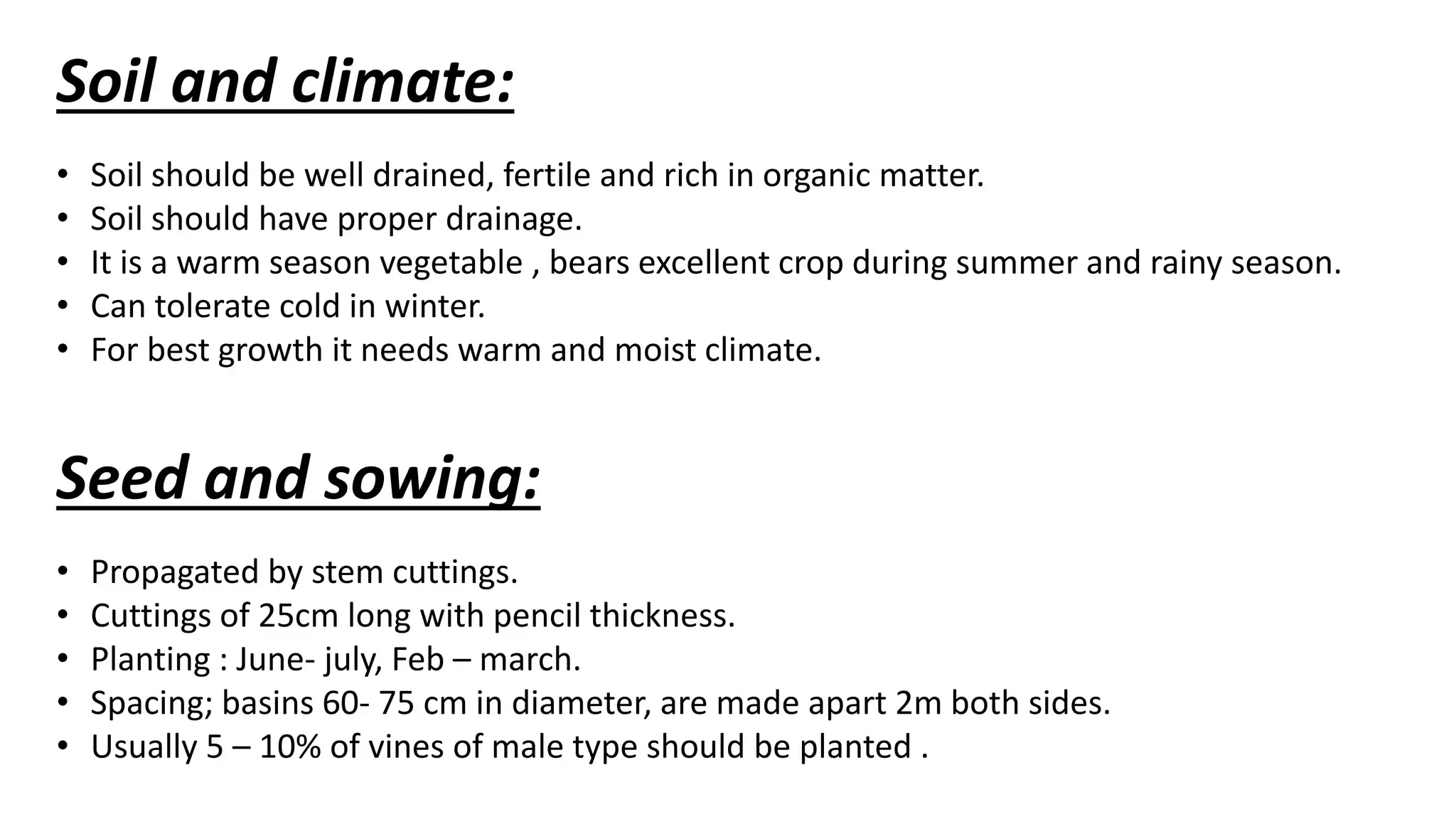
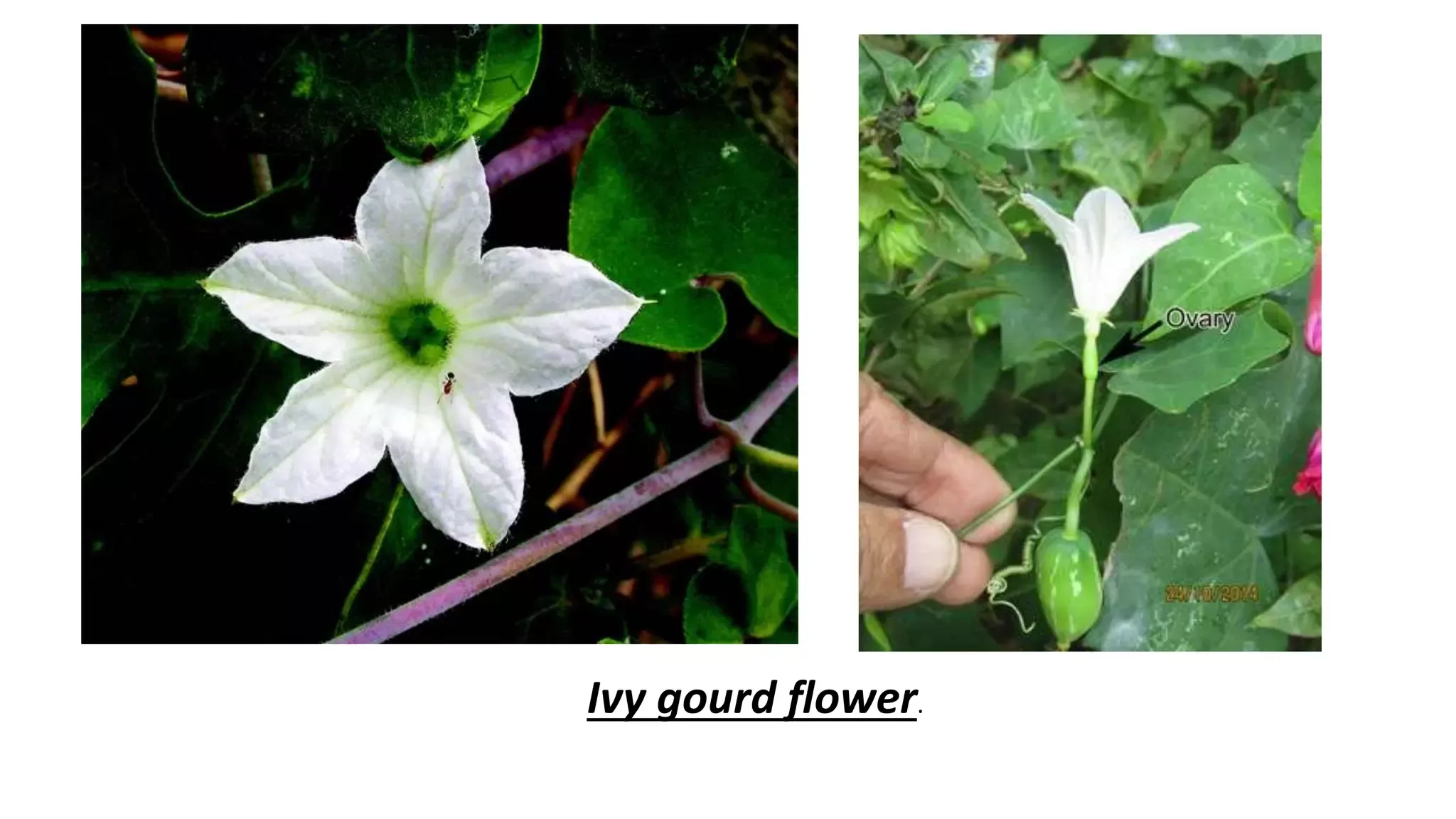
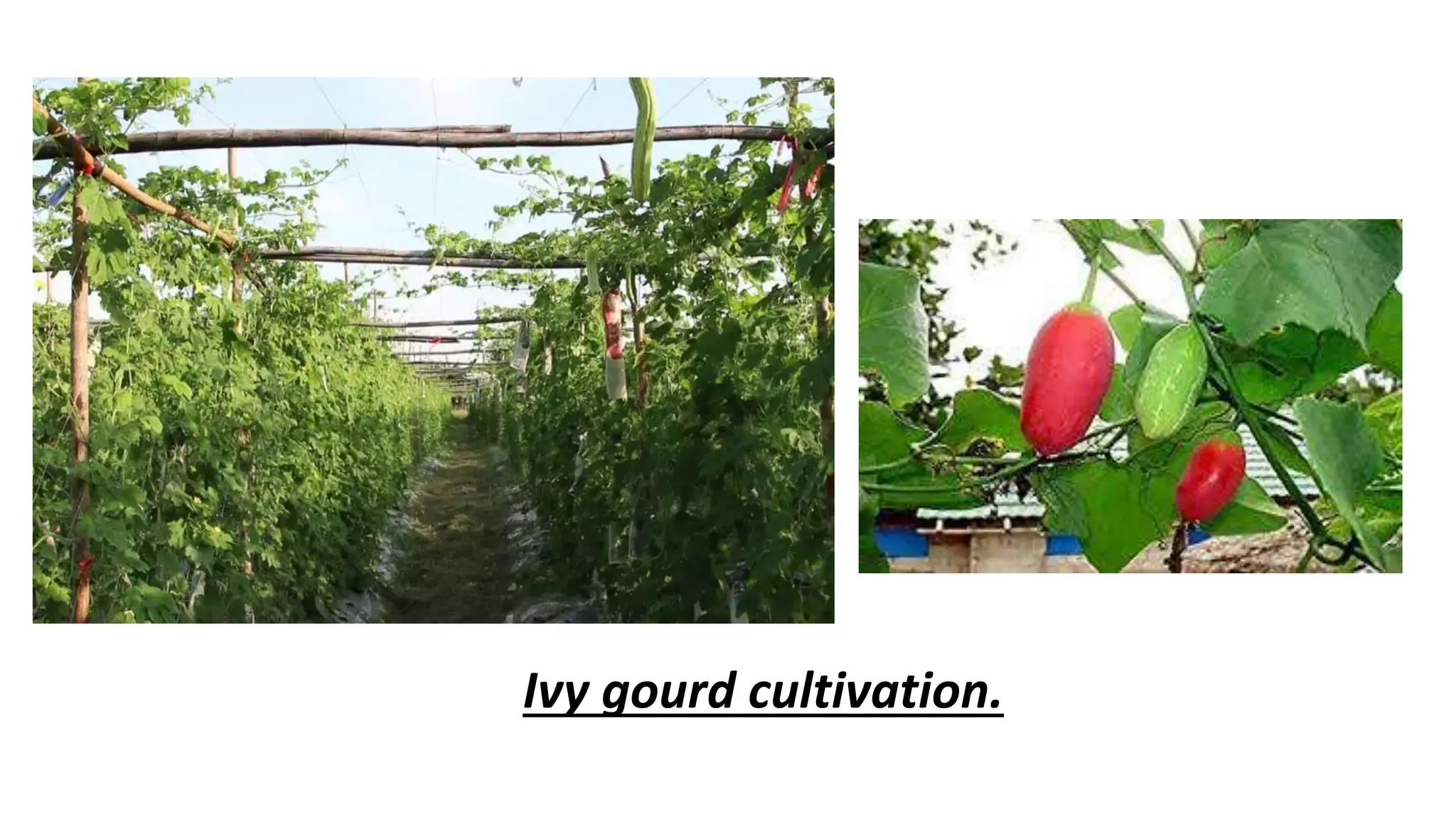
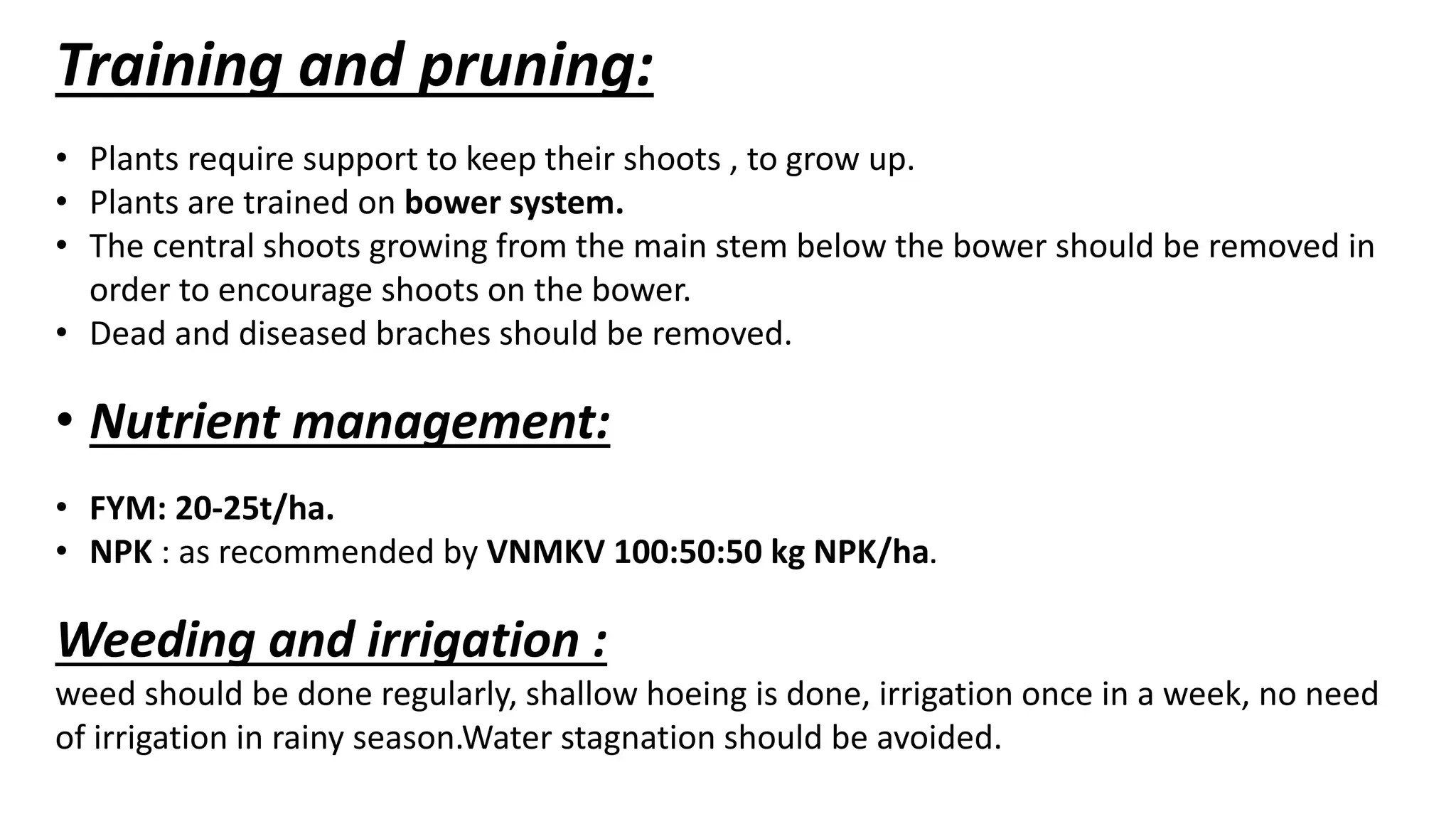
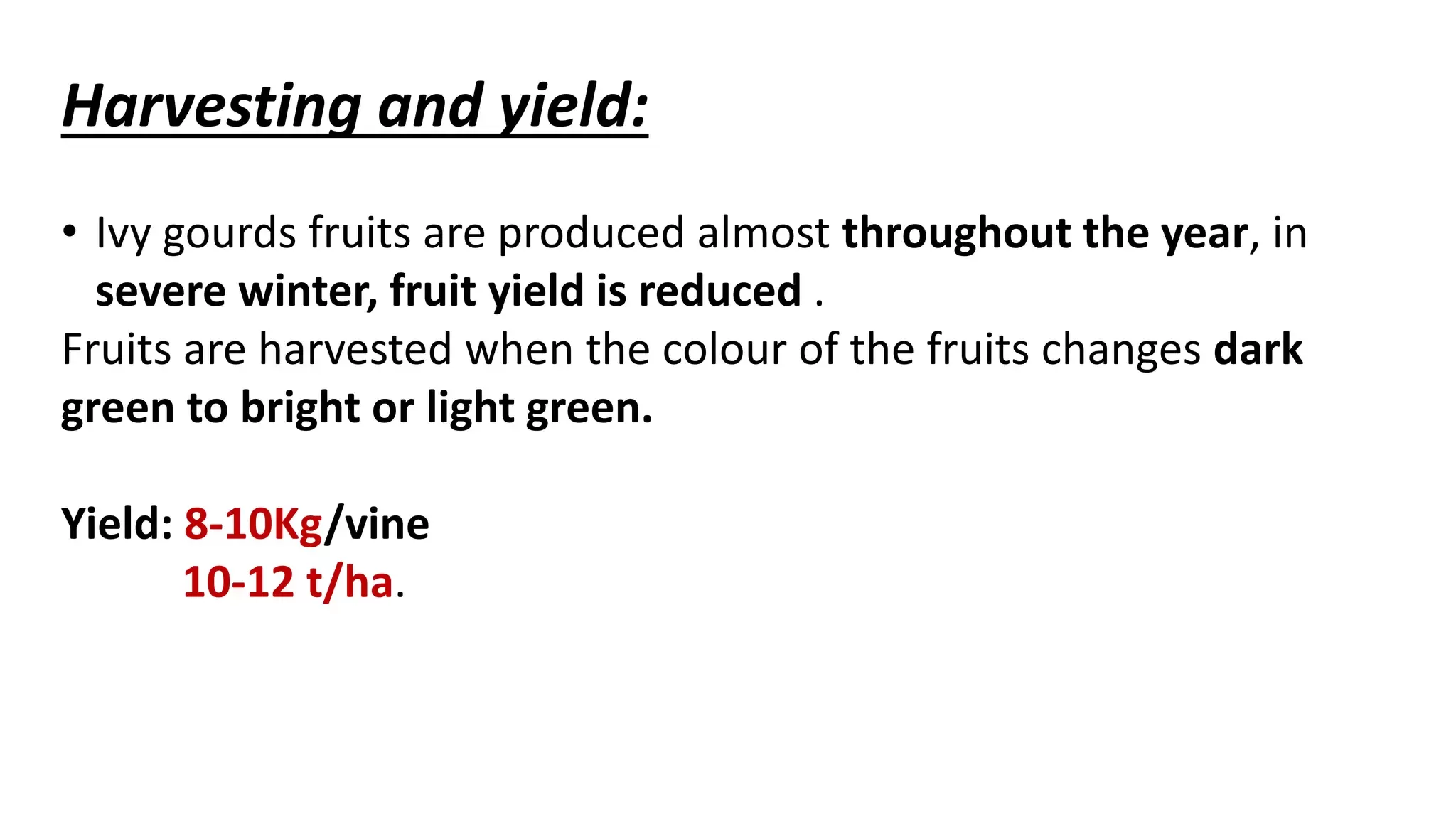
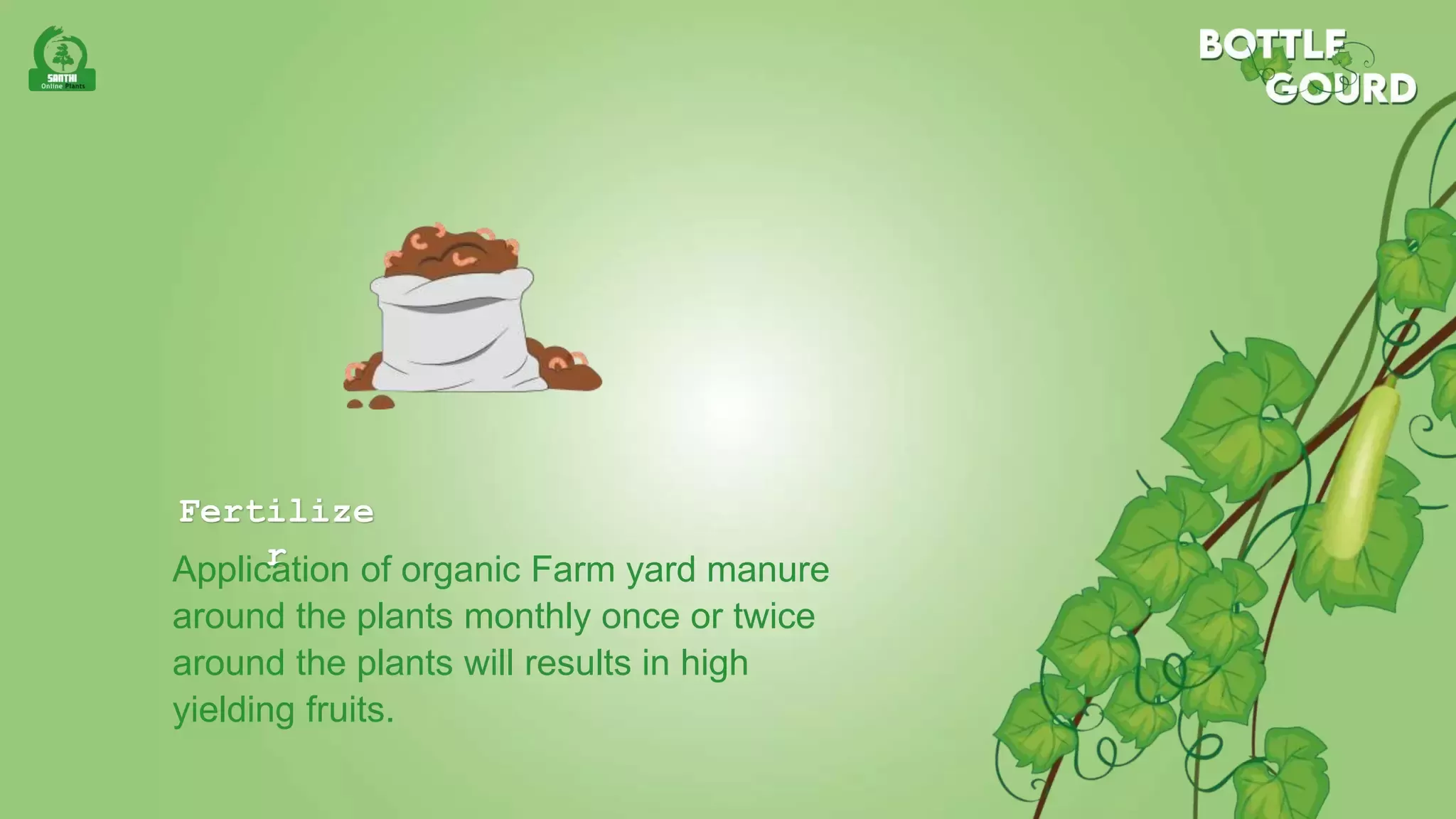
Ivy gourd, also known as Kundru or little gourd, is a tropical vegetable widely cultivated across various regions, including India, Africa, Central America, and parts of Asia. This perennial plant belongs to the Cucurbitaceae family and is scientifically classified as Coccinia indica. The gourd produces smooth, light green fruits that can vary in size and are commonly used in southern and central Indian cuisine. Both immature and mature fruits are consumed, offering a rich source of carbohydrates, protein, and essential vitamins A and C. In addition to its culinary uses, the leaves of ivy gourd are often utilized for their medicinal properties in certain Indian communities. The ivy gourd’s cultivation is characterized by its dioecious nature, meaning that it has distinct male and female plants. It features long tuberous roots and produces ovoid or elliptical fruits that transition from a bright green color with white stripes when immature to a scarlet red when fully ripe. For successful growth, the plant prefers well-drained, fertile soil enriched with organic matter and thrives in warm, moist climates, making it ideally suited for summer and rainy seasons. While the plant can withstand some cold, it exhibits dormancy during the harsh winter months. Propagation of the ivy gourd primarily occurs through stem cuttings, which should measure approximately 25 cm in length and possess a thickness similar to that of a pencil. For optimal planting, cuttings are best sown during the months of June to July or February to March, with proper spacing of about 60 to 75 cm between basins set 2 meters apart to facilitate vine growth. It’s essential to plant a small percentage (5 to 10%) of male-type vines to ensure effective pollination. Ivy gourd plants require a support structure, typically a bower system, which helps the vines grow upward. Management practices include regular pruning; the central shoots beneath the bower are trimmed to encourage better growth, while any diseased or dead branches are promptly removed. Proper nutrient management involves applying 20-25 tons per hectare of farmyard manure alongside recommended doses of NPK fertilizers. Routine weeding and careful irrigation are crucial, with weekly watering advised, although irrigation during the rainy season is unnecessary. Fruits can be harvested year-round, though production may decline during particularly severe winters. The optimal harvesting time is marked by a visible change in the fruit’s color from dark green to a bright or light green hue. In terms of yield, ivy gourd can produce between 8 to 10 kilograms of fruit per vine, translating to an impressive range of 10 to 12 tons per hectare. In summary, the ivy gourd is a versatile vegetable, esteemed for both its nutritional value and medicinal benefits, making its cultivation a worthwhile endeavor in suitable climates. With the right care and management, this plant can yield abundant fruits for extended periods, enhancing both culinary experiences and agricultural output.
Slide 1

Slide 1

Slide 2

Slide 2

Slide 3

Slide 3

Slide 4

Slide 4

Slide 5

Slide 5

Slide 6

Slide 6

Slide 7

Slide 7

Slide 8

Slide 8
1 / 8

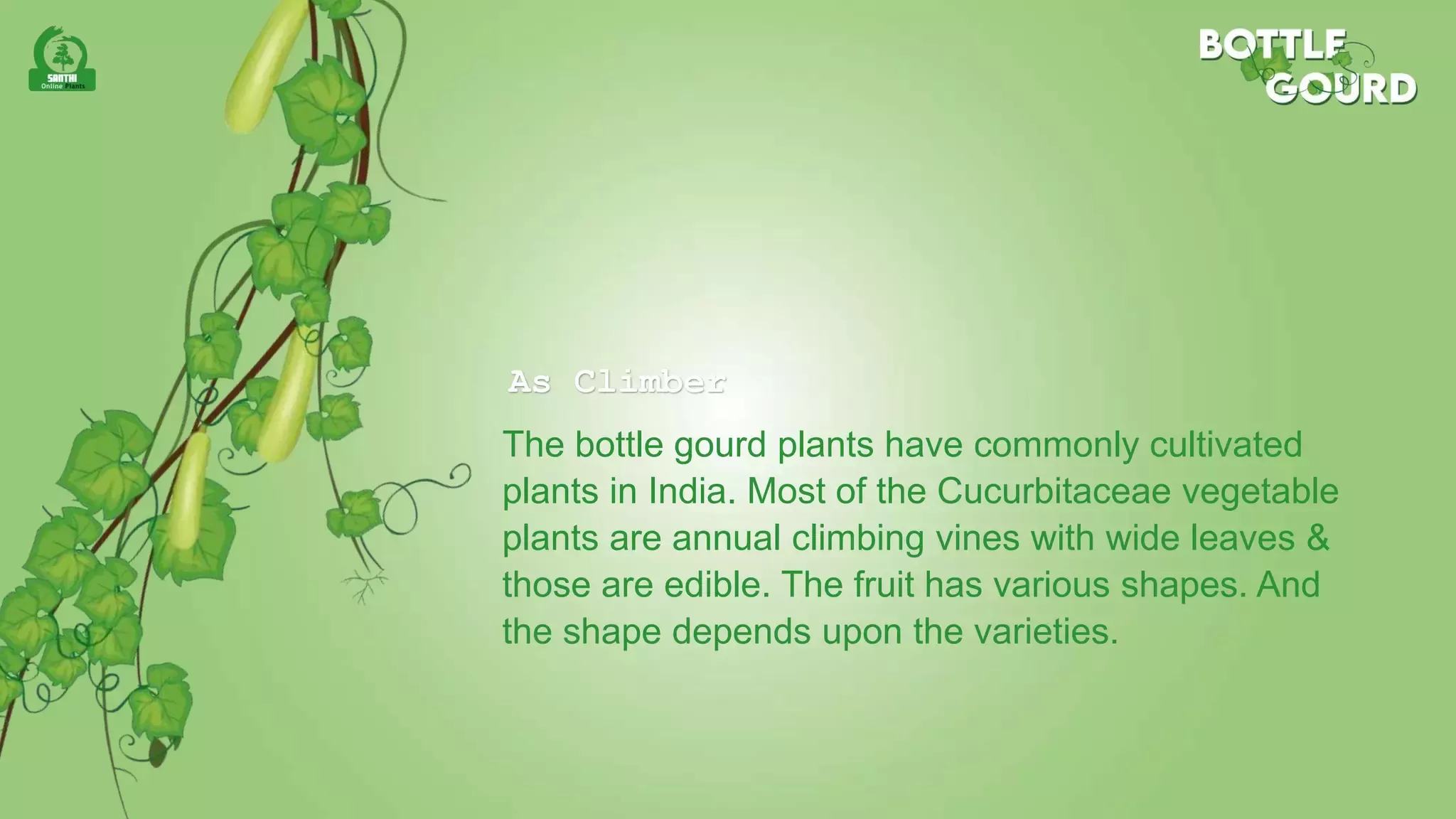
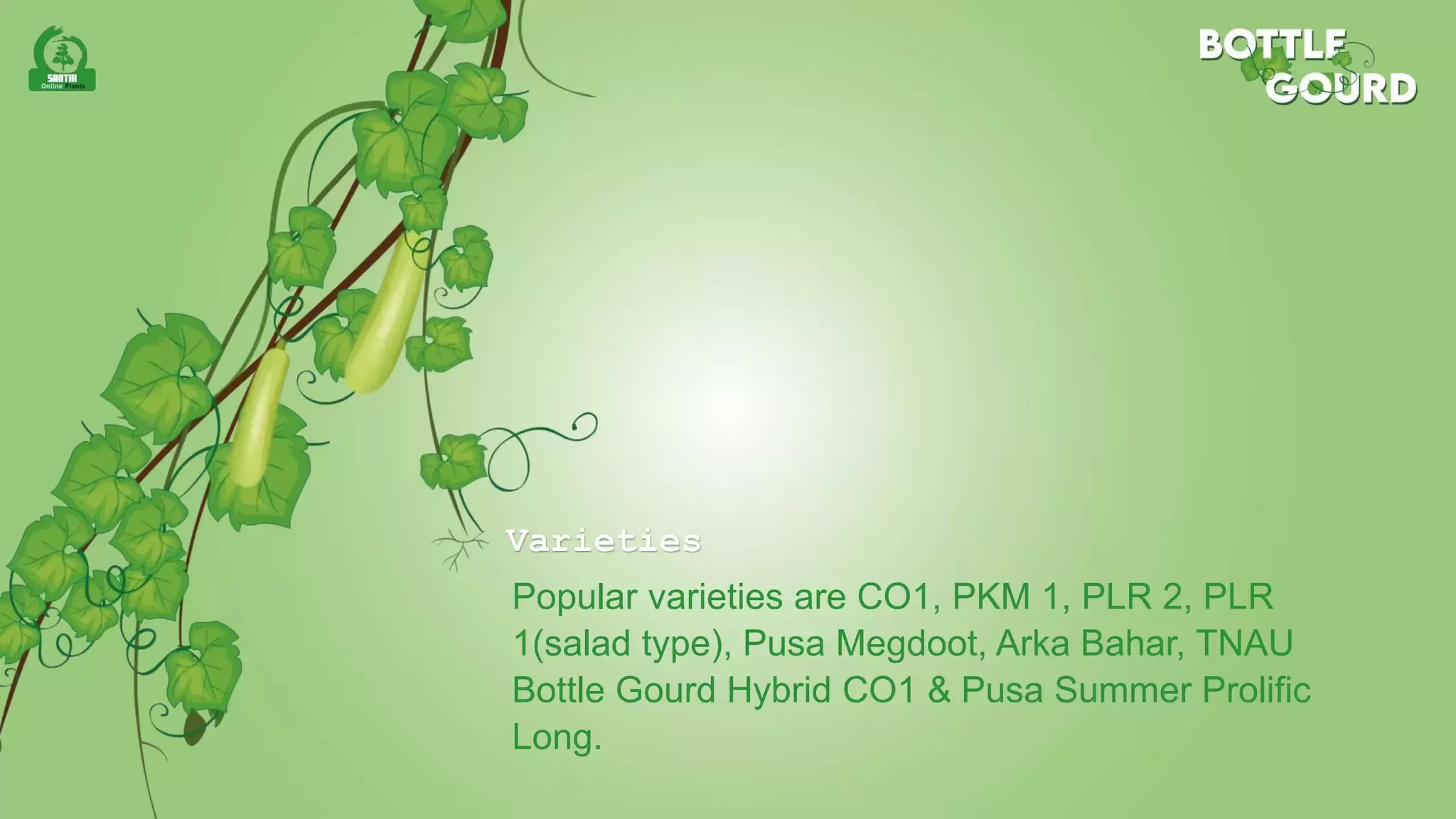
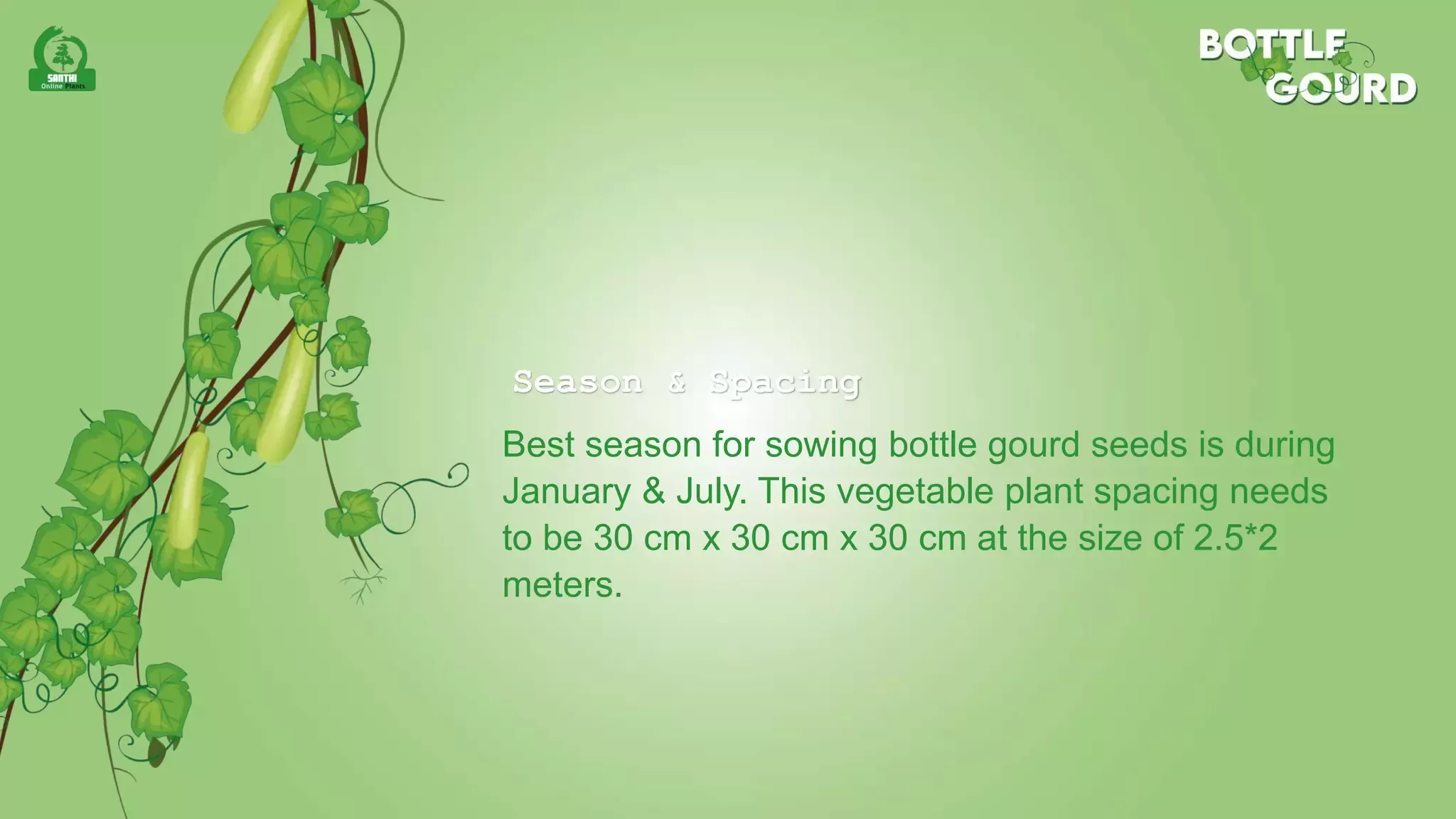
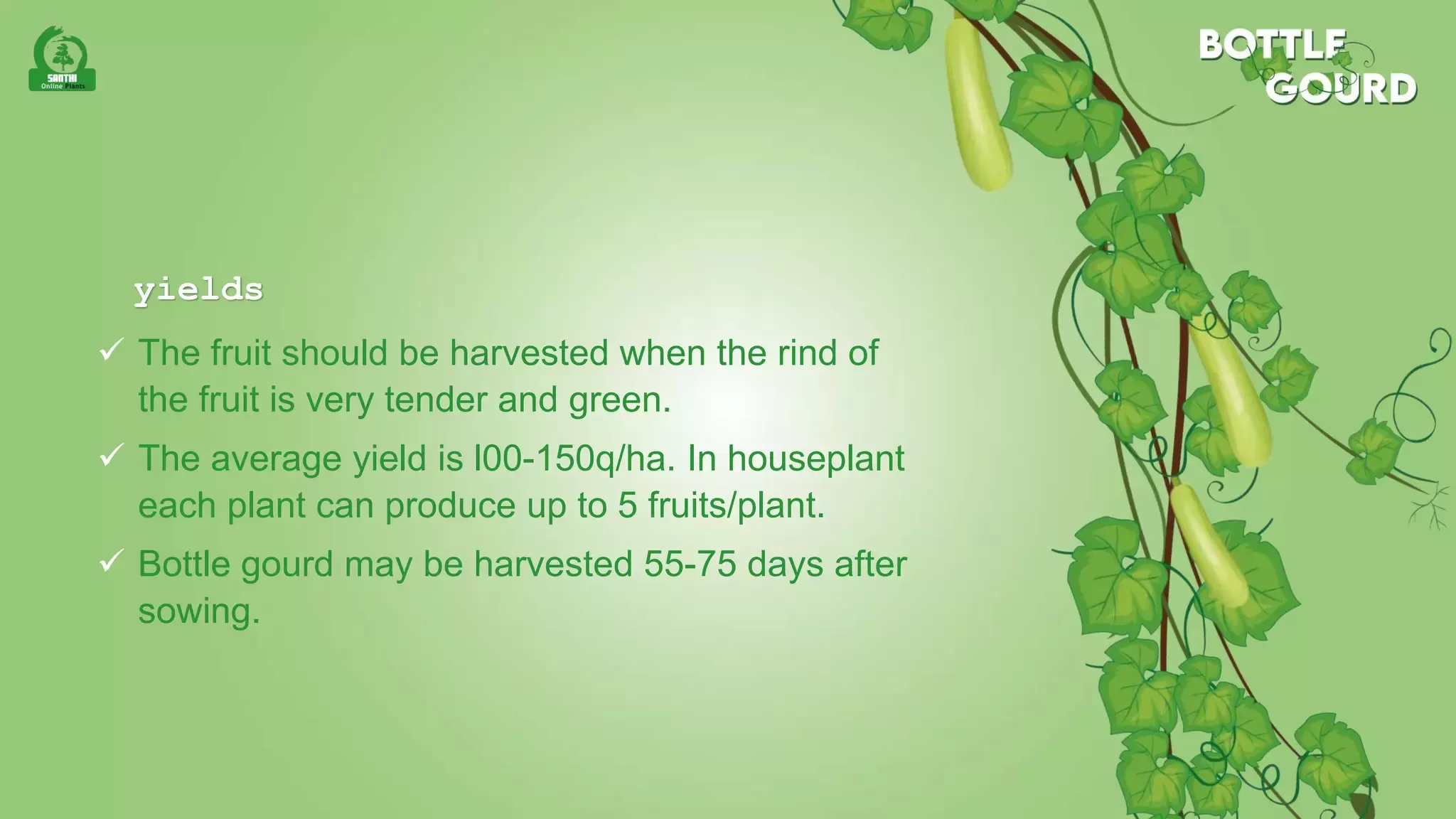
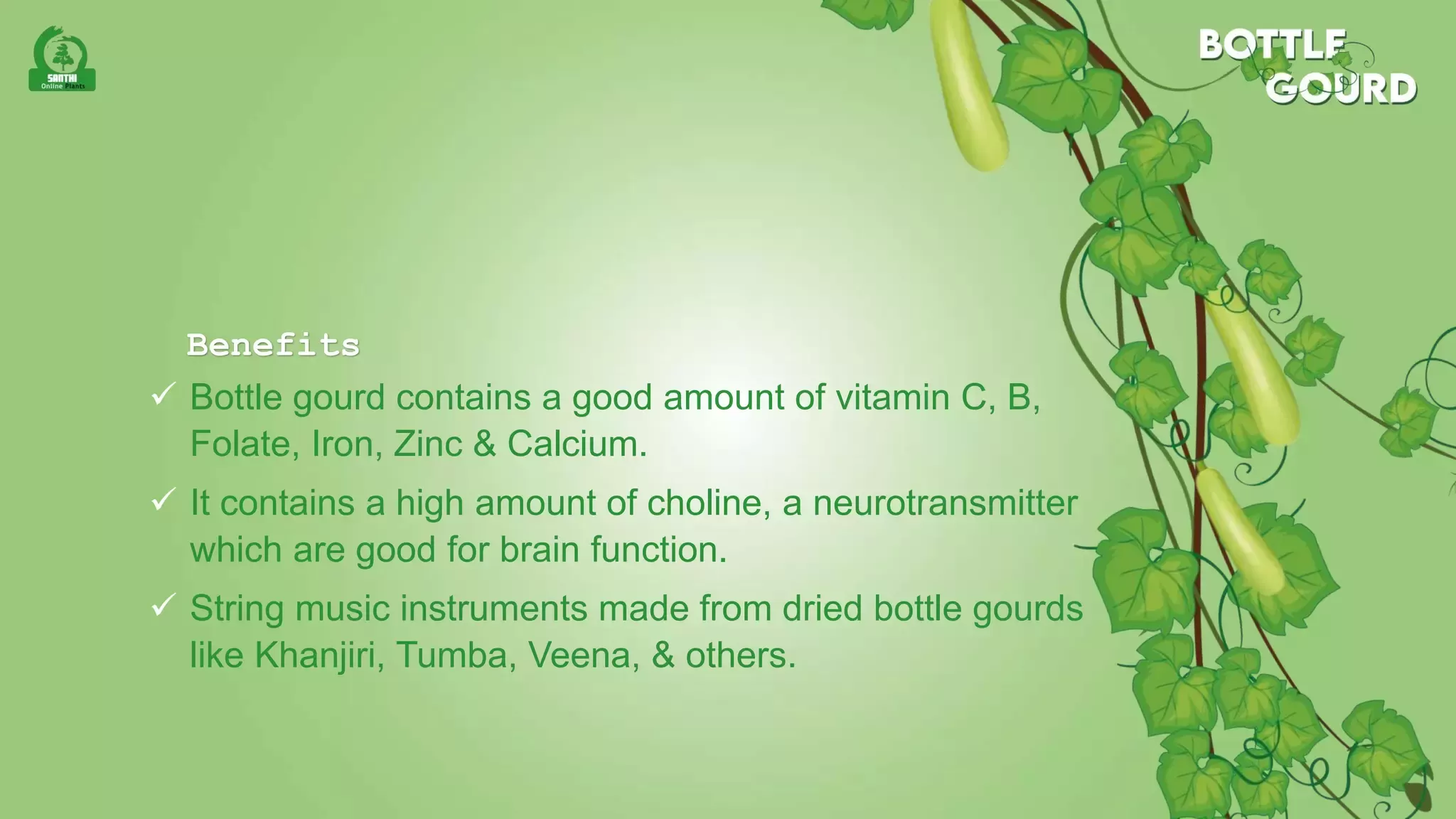
Ppt on Bottle Gourd

Summary:

Unleash your creativity with these expert tips for making a captivating PowerPoint presentation on bottle gourd. Learn how to maximize the impact of each slide and keep your audience engaged throughout!

Slide 1

Slide 1

Slide 2

Slide 2

Slide 3

Slide 3

Slide 4

Slide 4

Slide 5

Slide 5

Slide 6

Slide 6

Slide 7

Slide 7

Slide 8

Slide 8

Slide 9

Slide 9

Slide 10

Slide 10

Slide 11

Slide 11

Slide 12

Slide 12

Slide 13

Slide 13
1 / 13