Home Quiz Old Paper PPT

Ppt on Classification Of Fruits Based On Climatic And Agroecological Requirements

This lecture covers the classification of fruits based on their climatic requirements, highlighting the significance of agroclimatic and agroecological zones in India. It explains the characteristics of temperate, subtropical, and tropical zones, and details the distribution of fruit crops in these regions. The content also reviews the major agroclimatic zones recognized by ICAR and the Planning Commission, with a focus on the unique climatic zones of Tamil Nadu. Key concepts include agroclimatic zones, fruit classification, temperature requirements, rainfall patterns, and soil types.
Introduction to Fruit Classification by Climate
  • Fruits are classified based on their temperature and climatic requirements.
  • Main categories: temperate, subtropical, and tropical fruits.
  • Some fruits can adapt to more than one climatic zone (e.g., mango, grape).
  • Agroclimatic zones help determine suitable crops and cultivars for each region.
Temperate Zone Fruits
Characteristics:

  • Vegetative and flower buds enter dormancy in late summer or autumn.
  • Require substantial winter chilling for bud break and growth.
  • Frost-hardy; tolerant to snowfall and ice.
  • Soils are usually shallow, acidic, and rainfall is adequate.
  • Found at high elevations in India (e.g., Jammu & Kashmir, Himachal Pradesh).
Subtropical Zone Fruits
Characteristics:

  • Intermediate temperatures; brief chilling periods may occur.
  • Fruits have no distinct rest period; light frost possible.
  • Rainfall varies from low to high; soils are generally neutral and sandy loam/alluvial.
  • Soil fertility is often low; photoperiodic requirement is not marked.
  • Regions: Punjab, Haryana, parts of Uttar Pradesh, Bihar, Assam.
Tropical Zone Fruits
Characteristics:

  • Chilling temperatures are absent; high temperatures prevail year-round.
  • Narrow day-night temperature variation; insignificant photoperiodic requirement.
  • Rainfall and soil types vary widely (clay loam, alluvial, saline, sandy, laterite).
  • Major fruit crops: mango, banana, papaya, guava.
  • Regions: Central, Southern, and Coastal India.
Arid and Semi-Arid Zones
Characteristics:

  • Low and erratic rainfall (100–500 mm annually); high evapotranspiration.
  • High solar radiation and wind velocity; soils are sandy with low organic matter.
  • Poor water holding capacity and saline groundwater in many areas.
  • Major regions: Rajasthan, Gujarat, Andhra Pradesh, Punjab, Haryana, Karnataka, Maharashtra, Ladakh (cold arid).
Agroclimatic Zones of India (ICAR Classification)
  • ICAR recognizes eight major agroclimatic zones for land use planning.
  • Zones include: Western/Eastern Himalayas, Bengal-Assam, Sutlej-Ganga Plains, Eastern/Southern Islands, Arid Western Plains, Semi-arid Plateaus, Western Ghats.
  • Each zone is characterized by unique climate, soil, and crop suitability.
Agroclimatic Zones (Planning Commission, 1985–90)
  • Fifteen broad agroclimatic zones based on physiography and climate.
  • Examples: Western/Eastern Himalayan, Gangetic Plains, Plateau and Hills, Coastal Plains, Western Dry Region, Island Region.
  • Used for effective agricultural planning and resource allocation.
Agroecological Regions (NBSS & LUP)
  • India divided into 21 agroecological regions based on physiography, soils, bioclimate, and growing period (GP).
  • Growing period: Arid (<90 days), Semi-arid (90–150 days), Subarid (150–210 days), Humid (>210 days).
  • Supports precise crop and land use planning.
Climatic Zones of Tamil Nadu
  • Tamil Nadu has seven climatic zones based on rainfall, altitude, and irrigation sources.
  • Zones: North-eastern, North-western, Western, Cauvery Delta, Southern, High Rainfall, Hilly.
  • Each zone has distinct rainfall patterns, soil types, and major crops.
Summary Table: Major Fruit Growing Regions in India
Zone States/Regions Main Fruits
Temperate Jammu & Kashmir, Himachal Pradesh, Uttarakhand, Nilgiris Apple, Pear, Plum, Peach
Subtropical Punjab, Haryana, Uttar Pradesh, Bihar, Assam Citrus, Litchi, Guava
Tropical Maharashtra, Karnataka, Kerala, Tamil Nadu, Andhra Pradesh Mango, Banana, Papaya
Arid Rajasthan, Gujarat, Haryana, Punjab Ber, Pomegranate, Date Palm

Objective Questions

Q1. Which fruit can be grown in both tropical and subtropical climates?
A. Mango
B. Apple
C. Pear
D. Cherry
Answer: A

Q2. What is a characteristic of temperate zone fruit plants?
A. Enter dormancy in late summer or autumn
B. No distinct rest period
C. High temperature throughout the year
D. Narrow day and night temperature variation
Answer: A

Q3. Which soil type is predominant in the arid region of India?
A. Sandy
B. Clay loam
C. Laterite
D. Black cotton
Answer: A

Q4. What is the mean annual rainfall in the high rainfall zone of Tamil Nadu (Kanyakumari District)?
A. 1460 mm
B. 850 mm
C. 720 mm
D. 1100 mm
Answer: A

Q5. Which agroclimatic region includes Karnataka, Tamil Nadu, Kerala, Pandichary, and Lakshadweep Islands?
A. Humid to Semi-arid western Ghats
B. Arid western plains
C. Humid Bengal–Assam Region
D. Sub-humid Sutlez-Ganga Alluvial plains
Answer: A

Q6. What is the growing period (GP) for the arid zone according to NBSS & LUP?
A. 90 days
B. 150 days
C. 210 days
D. 270 days
Answer: A

Q7. Which Tamil Nadu zone is called the ‘rice bowl’ of the state?
A. Cauvery Delta zone
B. North-eastern zone
C. Southern zone
D. Western zone
Answer: A

Q8. Which of the following is NOT a characteristic of the tropical zone?
A. Chilling temperature is present
B. High temperature most of the year
C. Narrow day and night temperature variation
D. Insignificant photoperiodic requirement
Answer: A

Q9. Which region in India has about 70,300 sq. km area under the cold arid zone?
A. Ladakh in Jammu & Kashmir
B. Rajasthan
C. Gujarat
D. Andhra Pradesh
Answer: A

Q10. What is the main source of irrigation in the Cauvery Delta zone?
A. Cauvery river
B. Wells
C. Tanks
D. Canal from Krishna river
Answer: A
Ppt on RED cabbage

Description

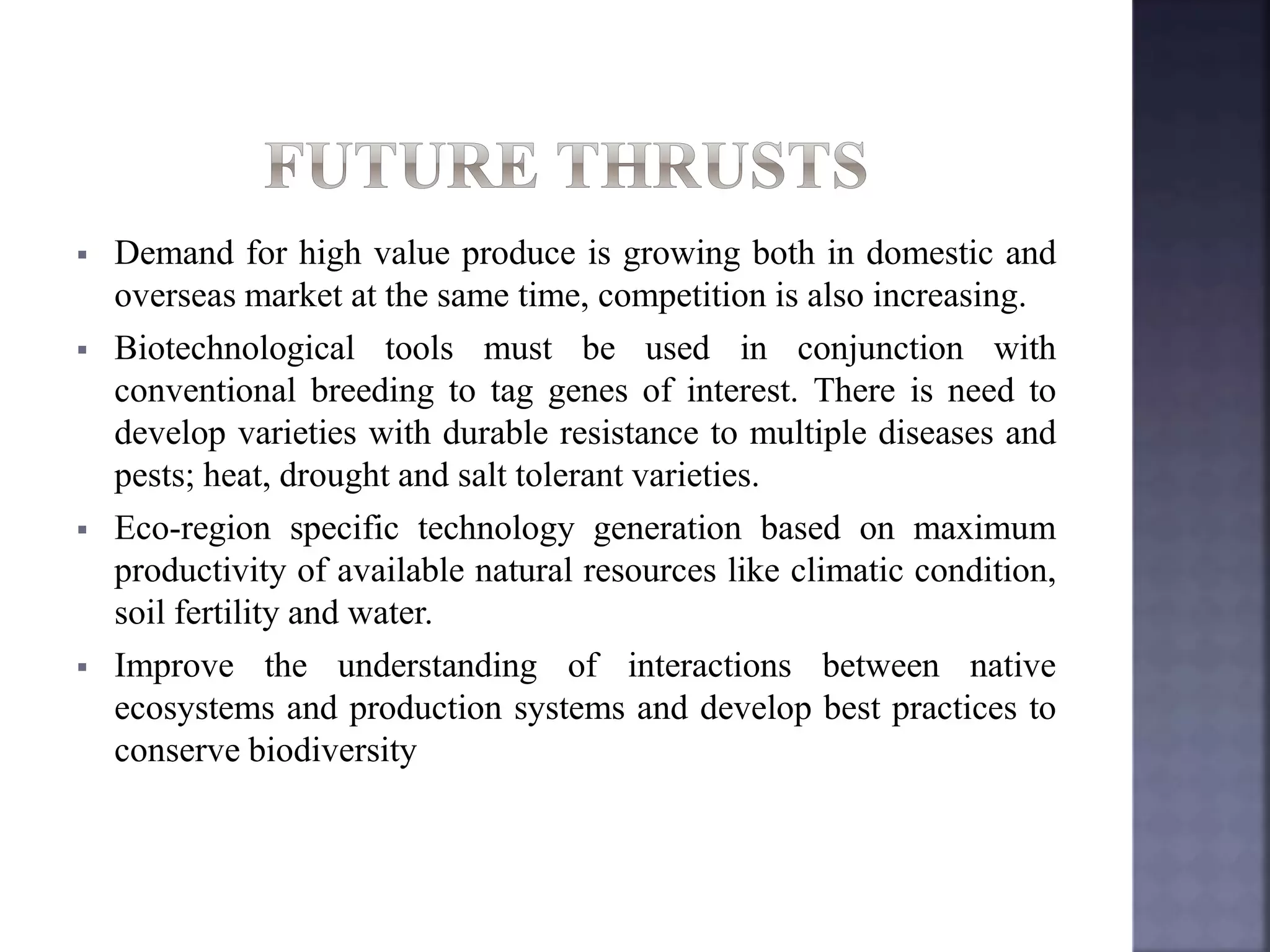
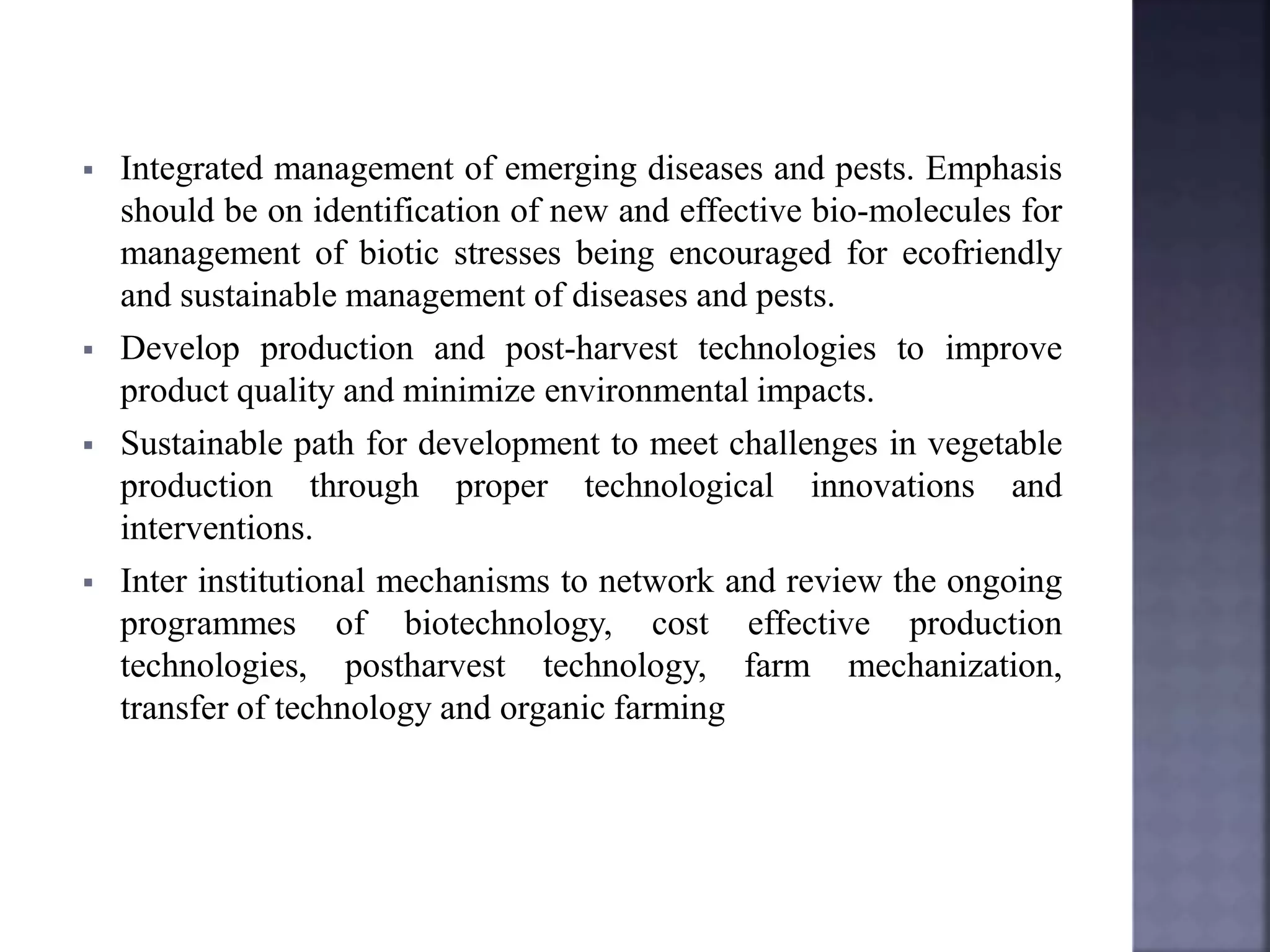
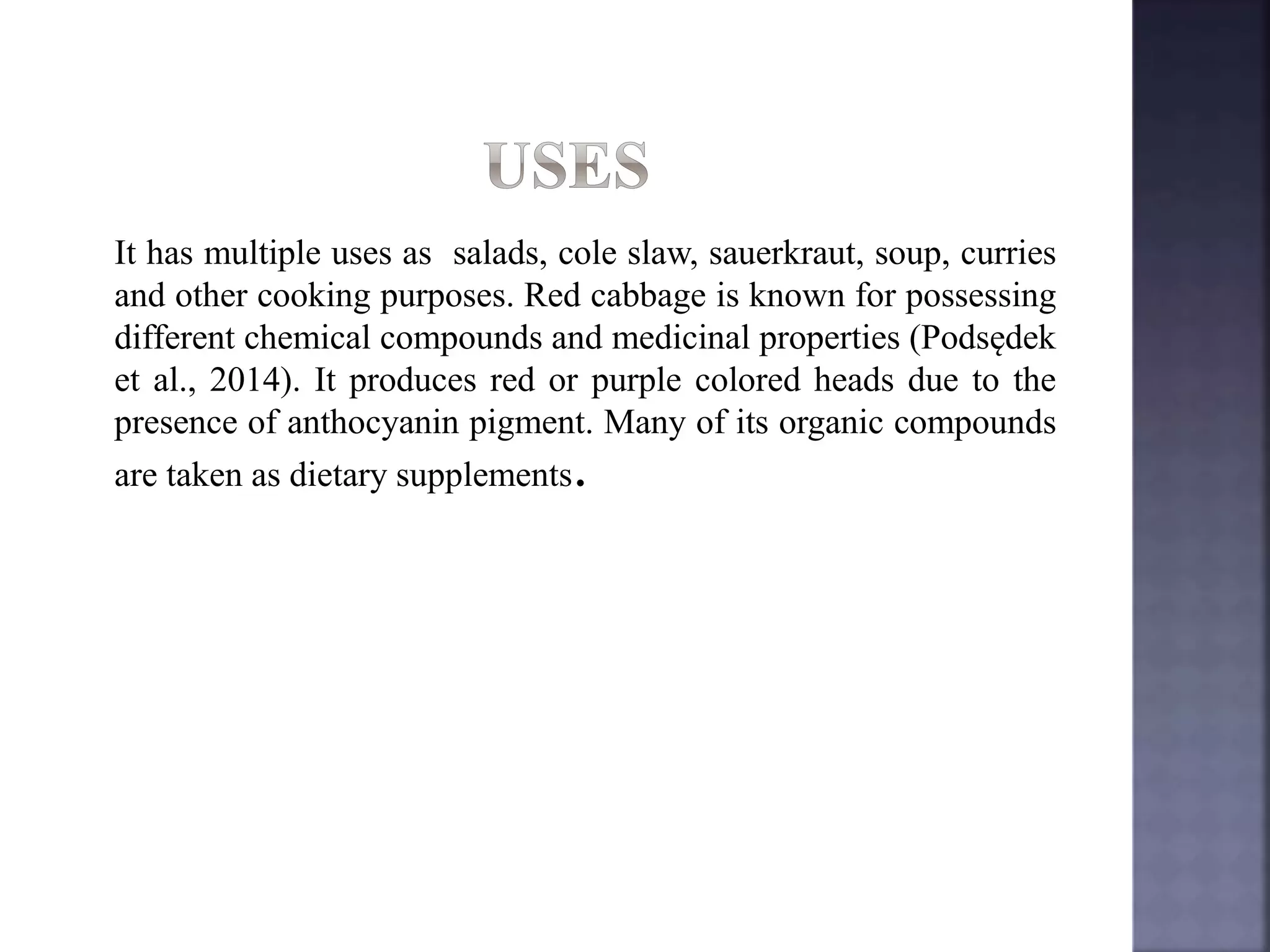
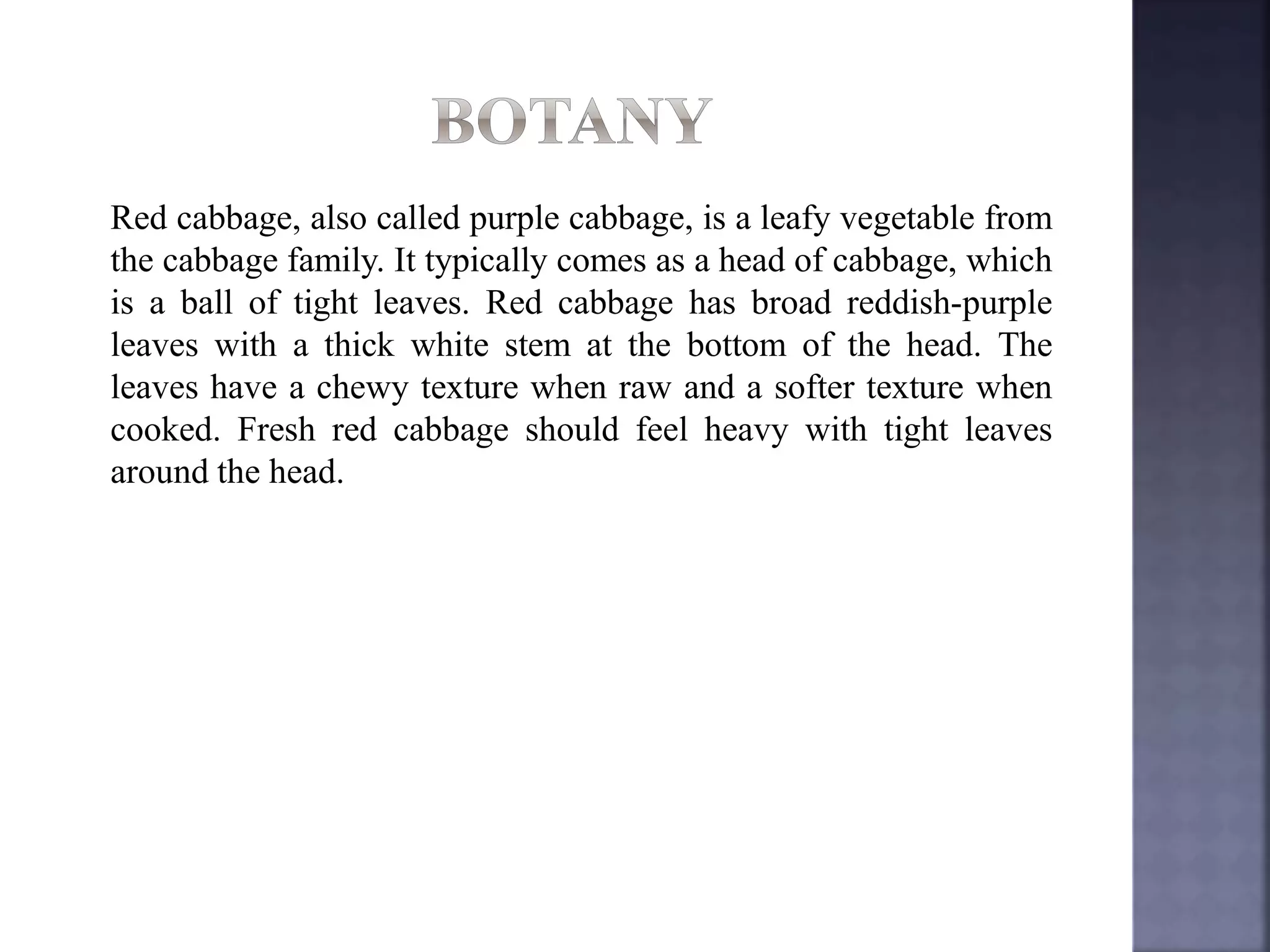
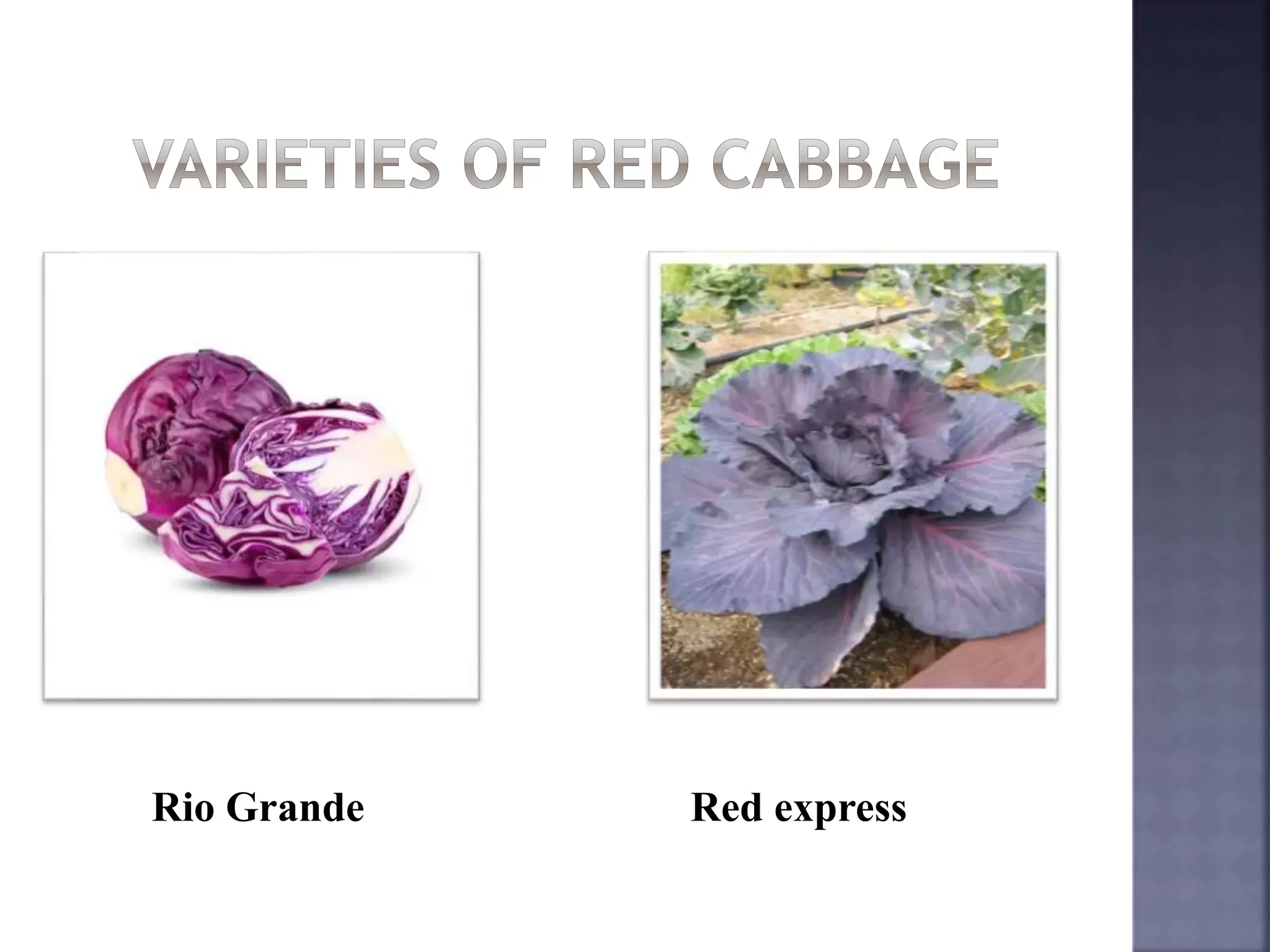
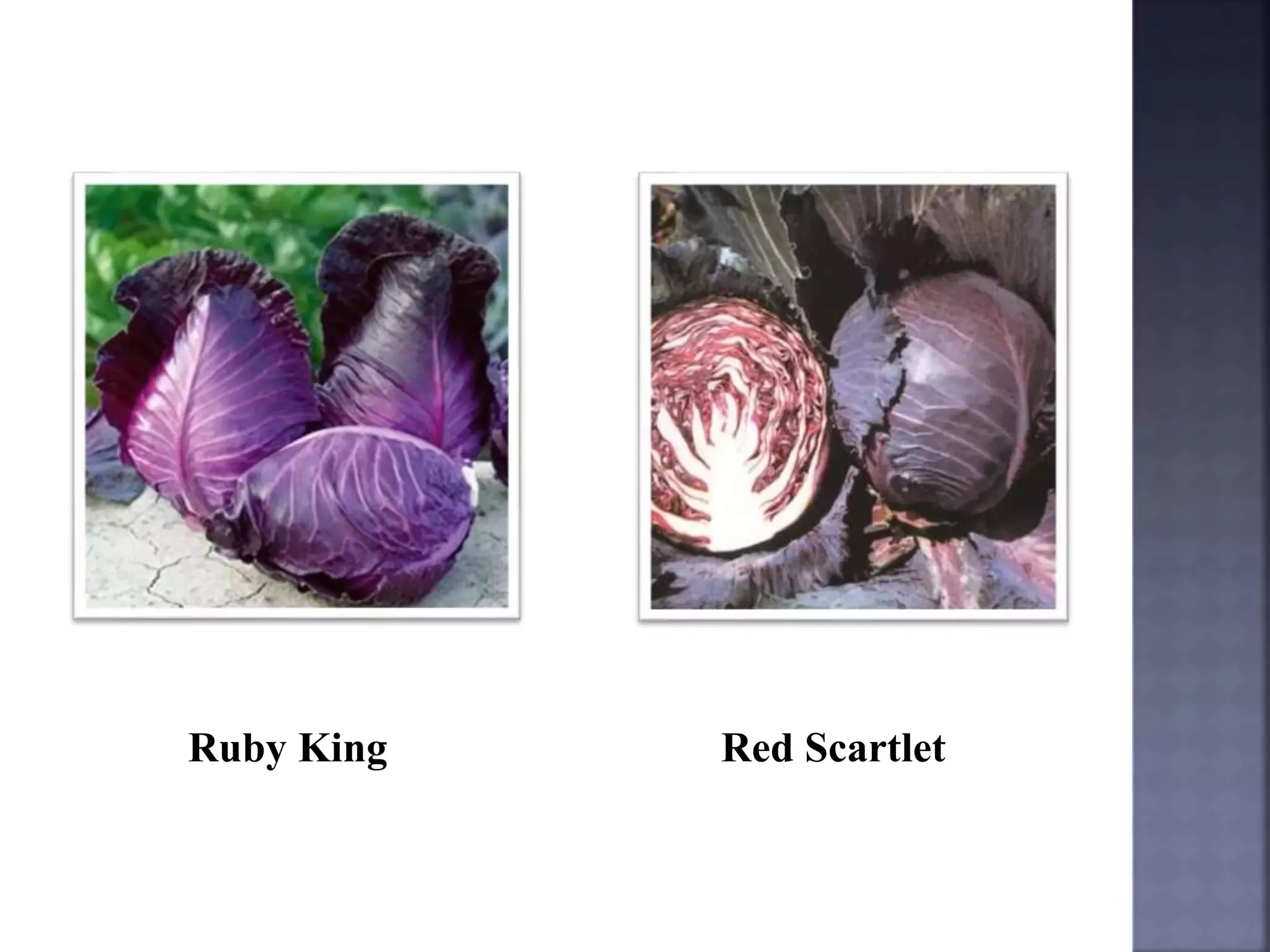
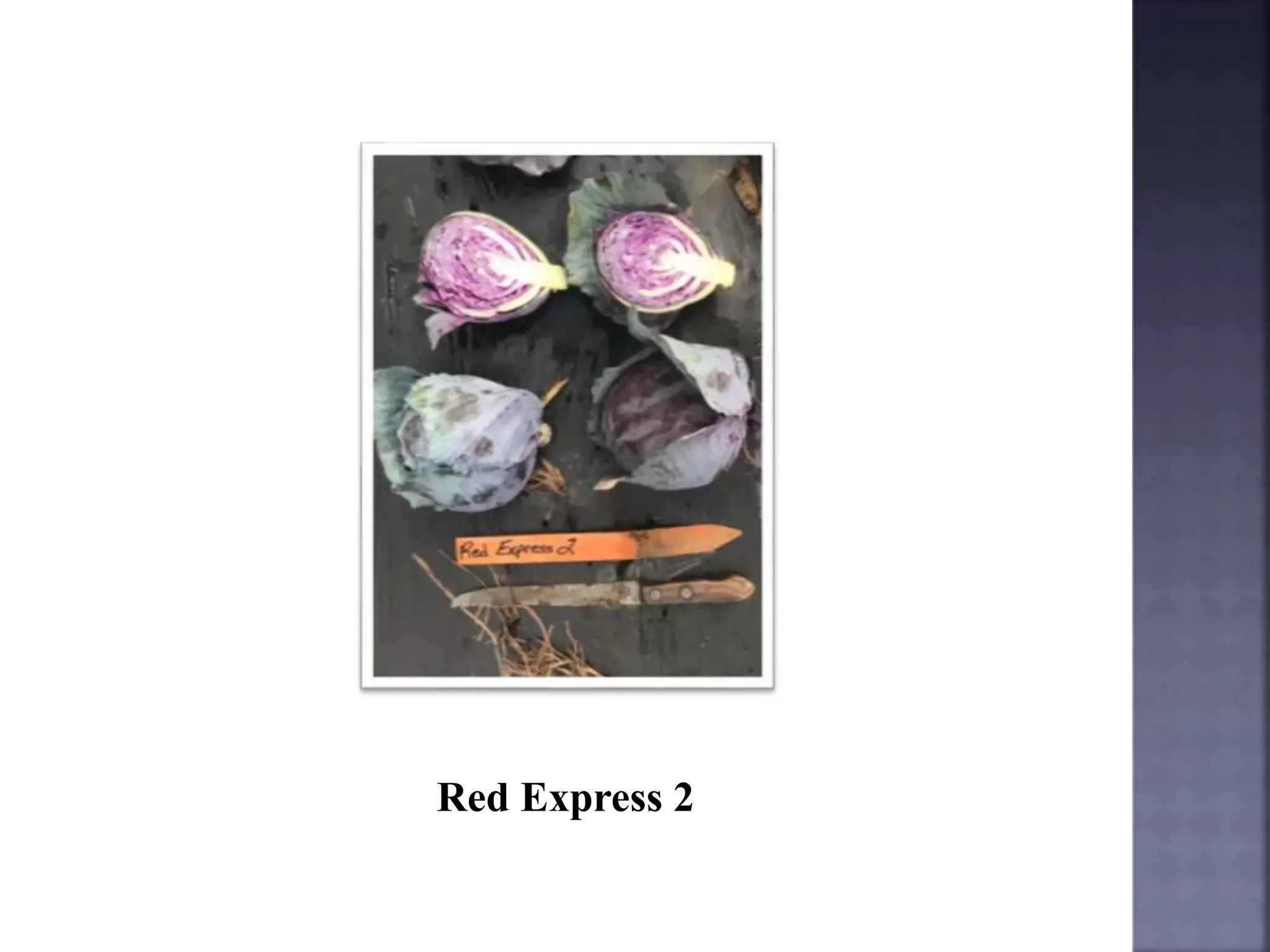
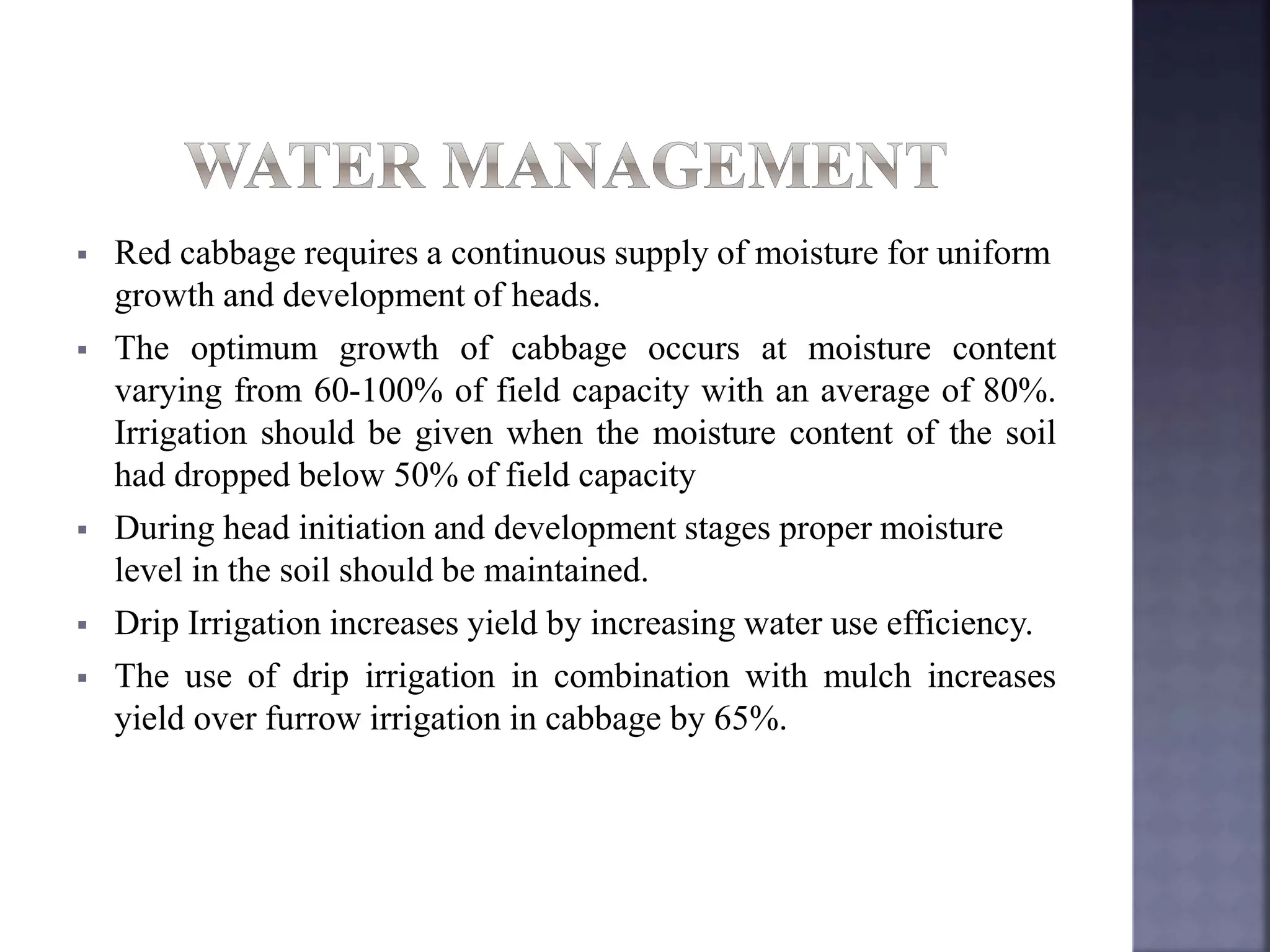
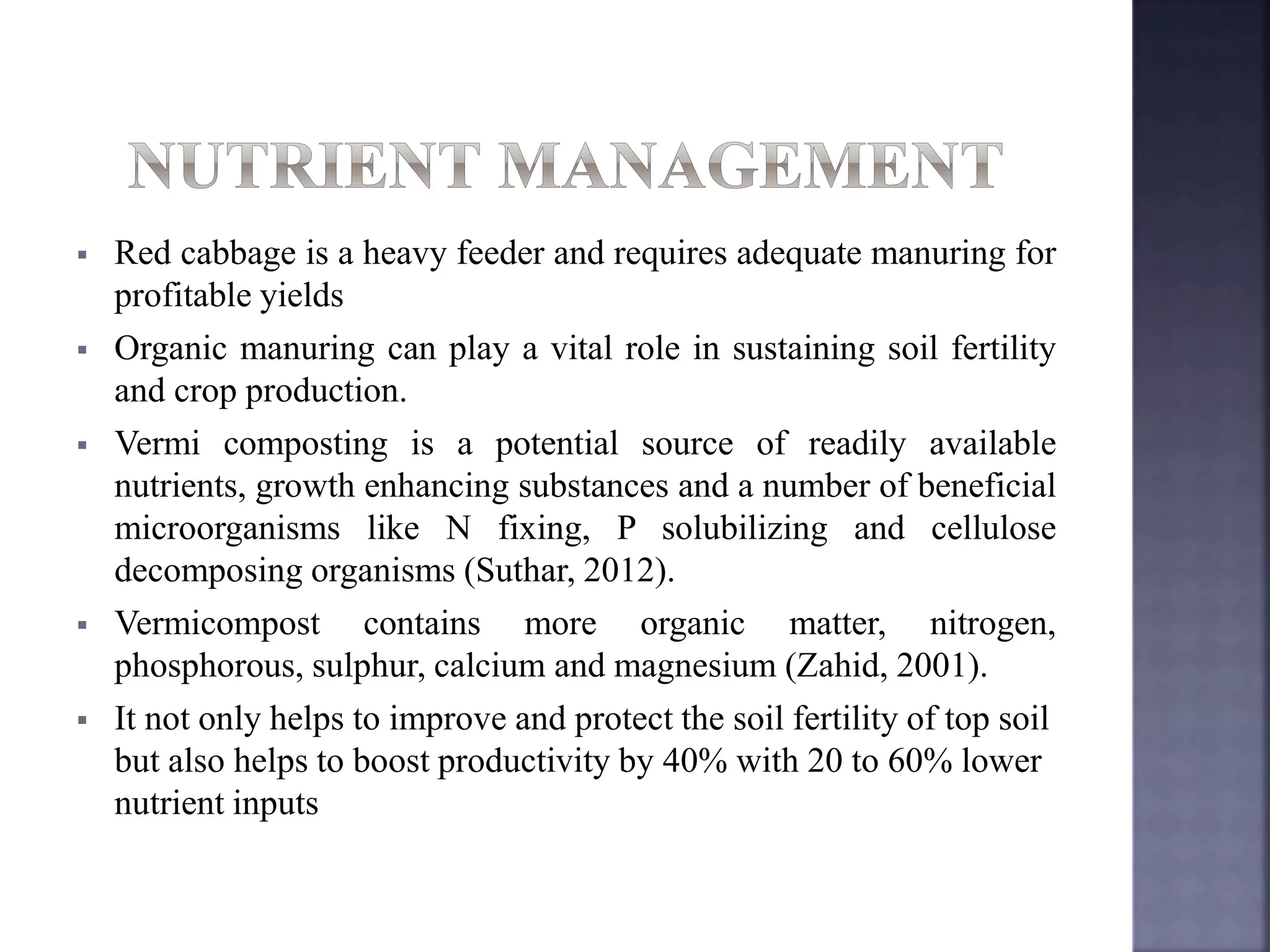
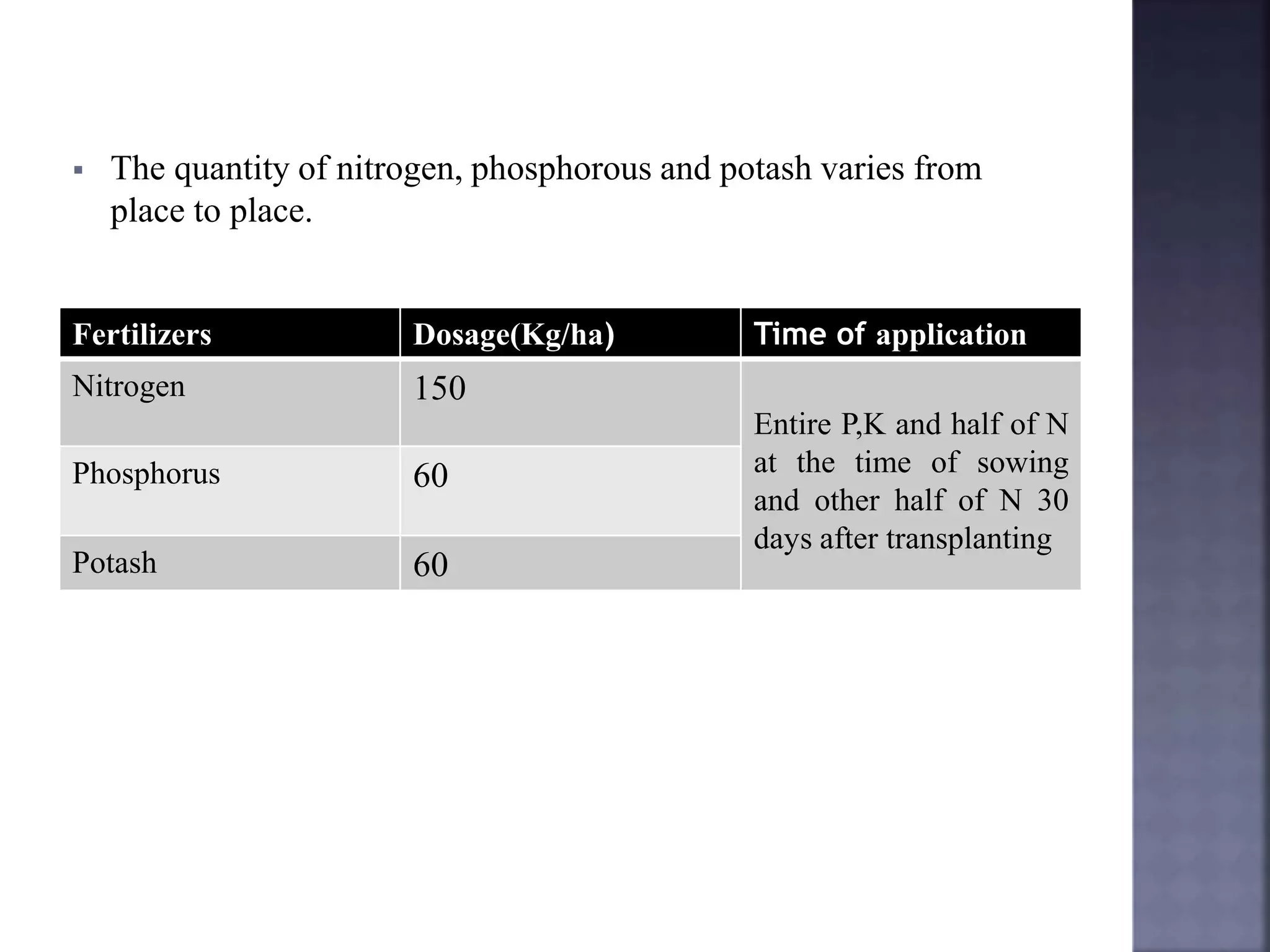
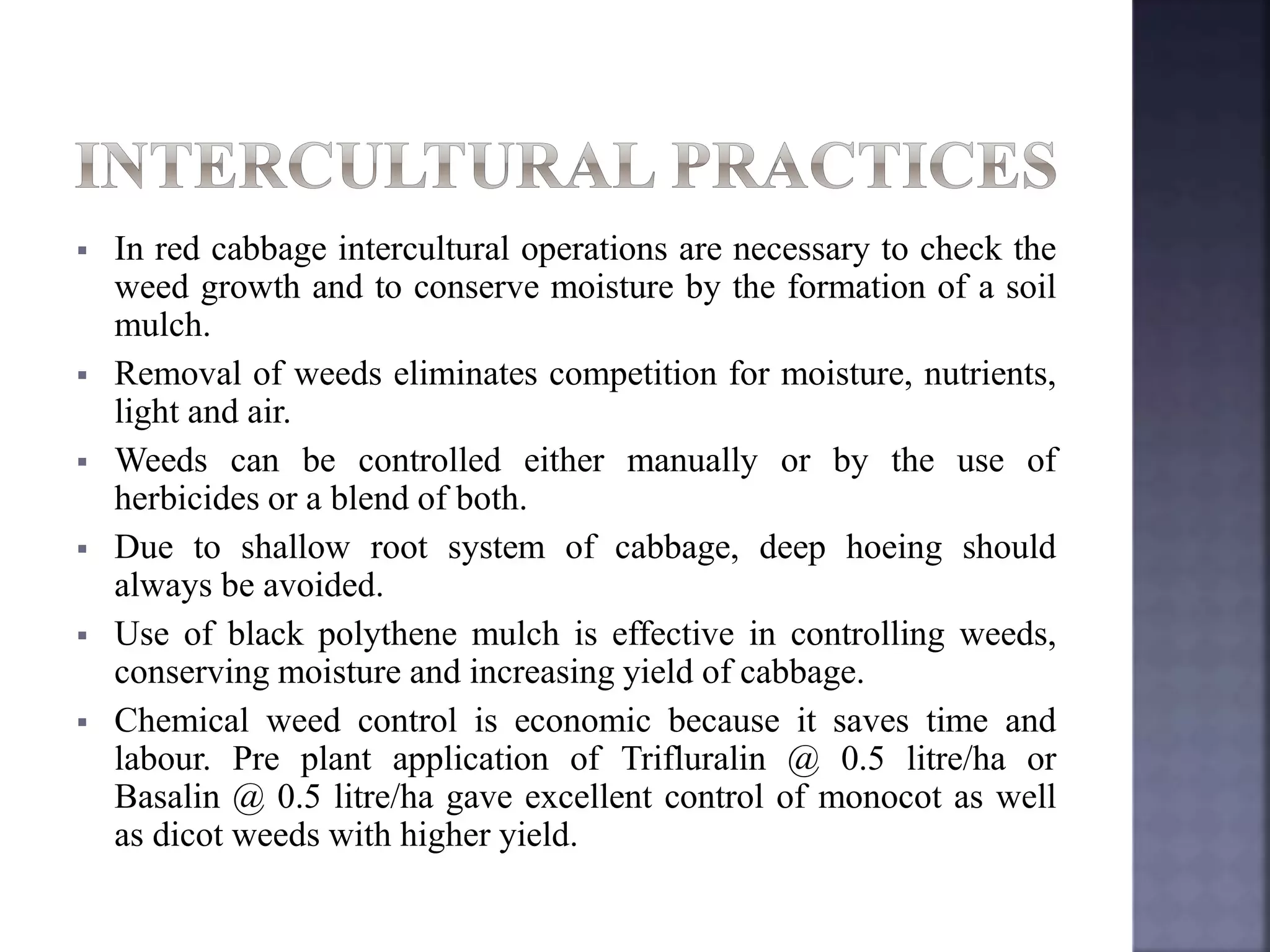
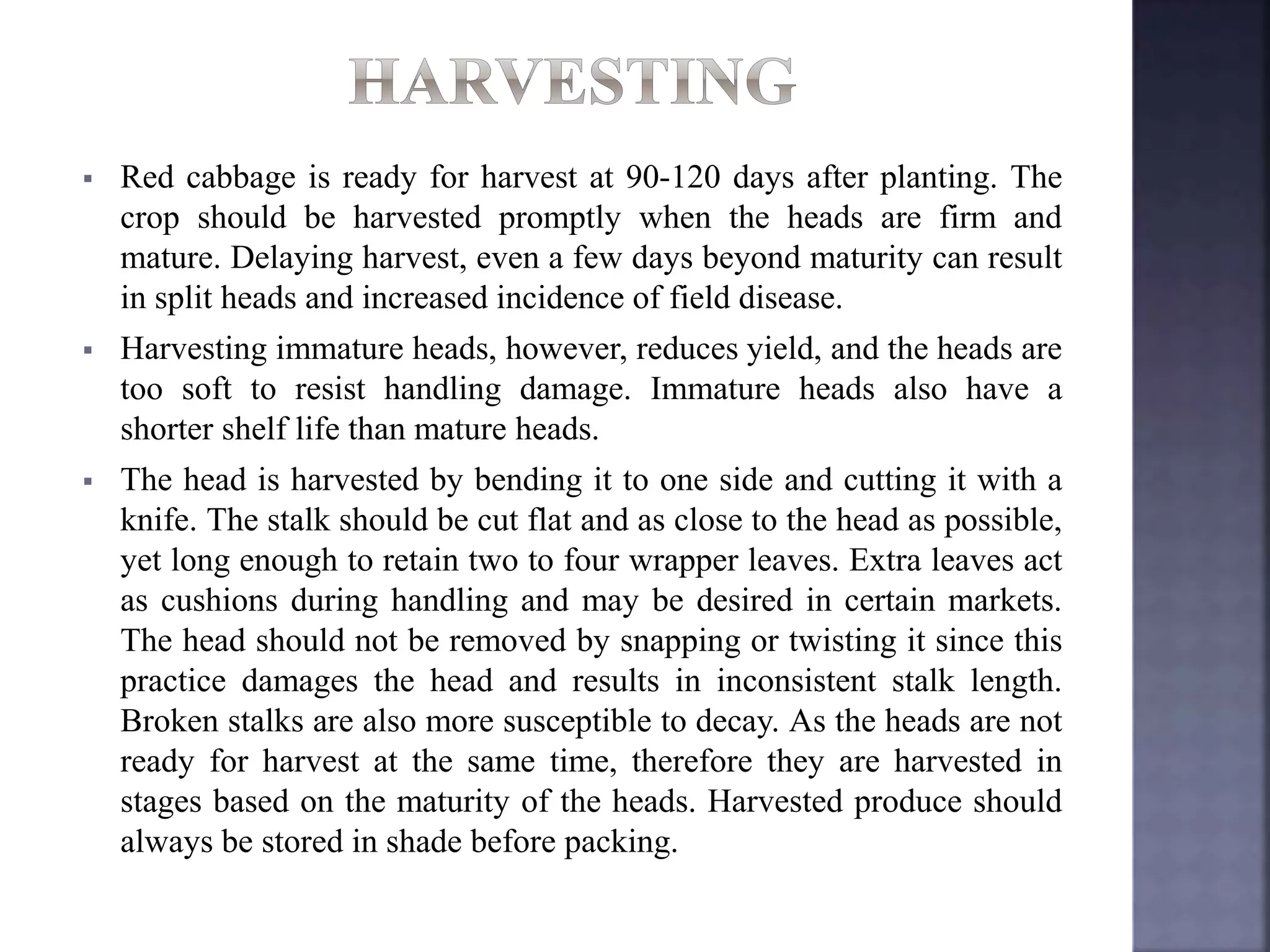
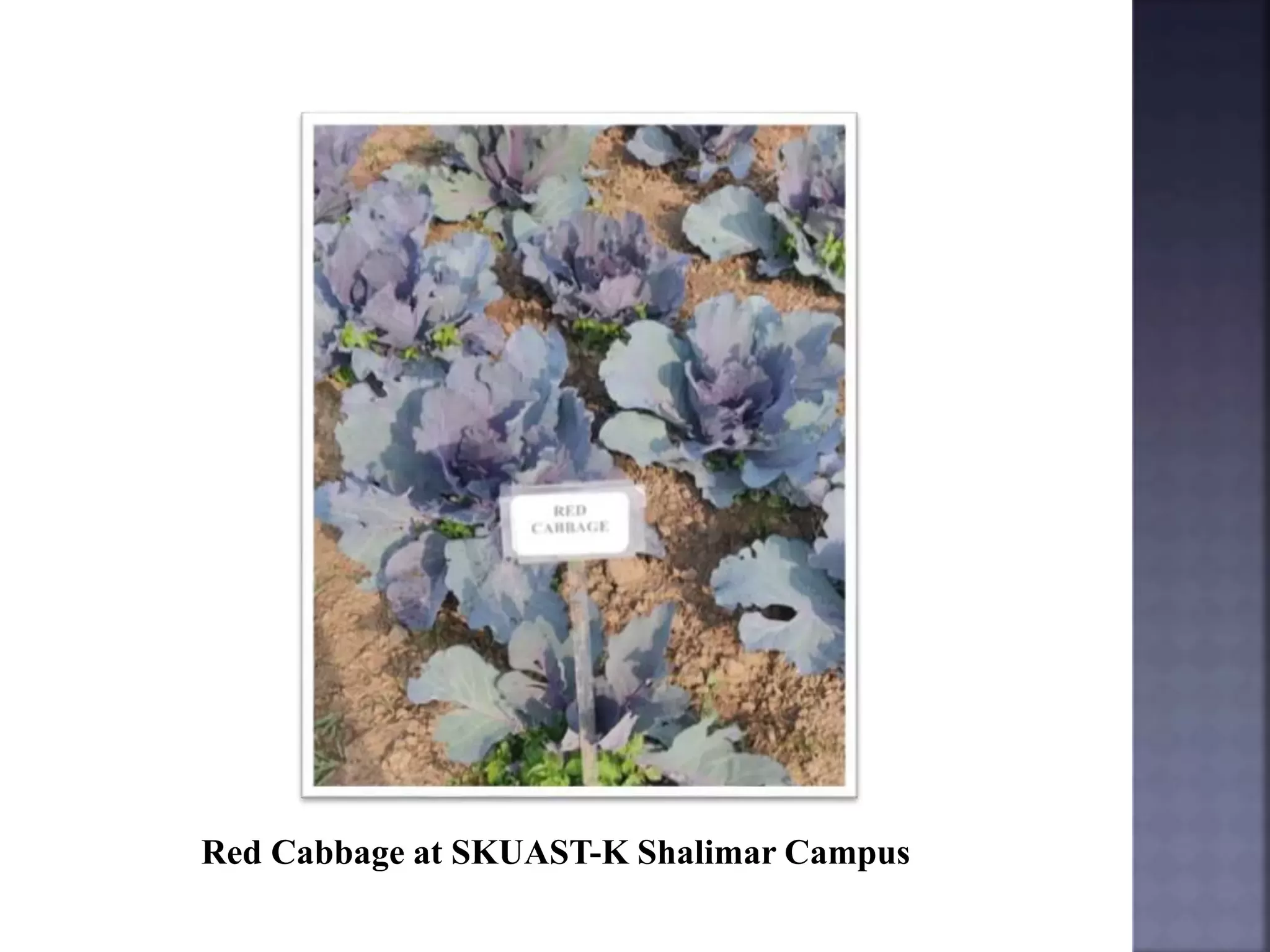
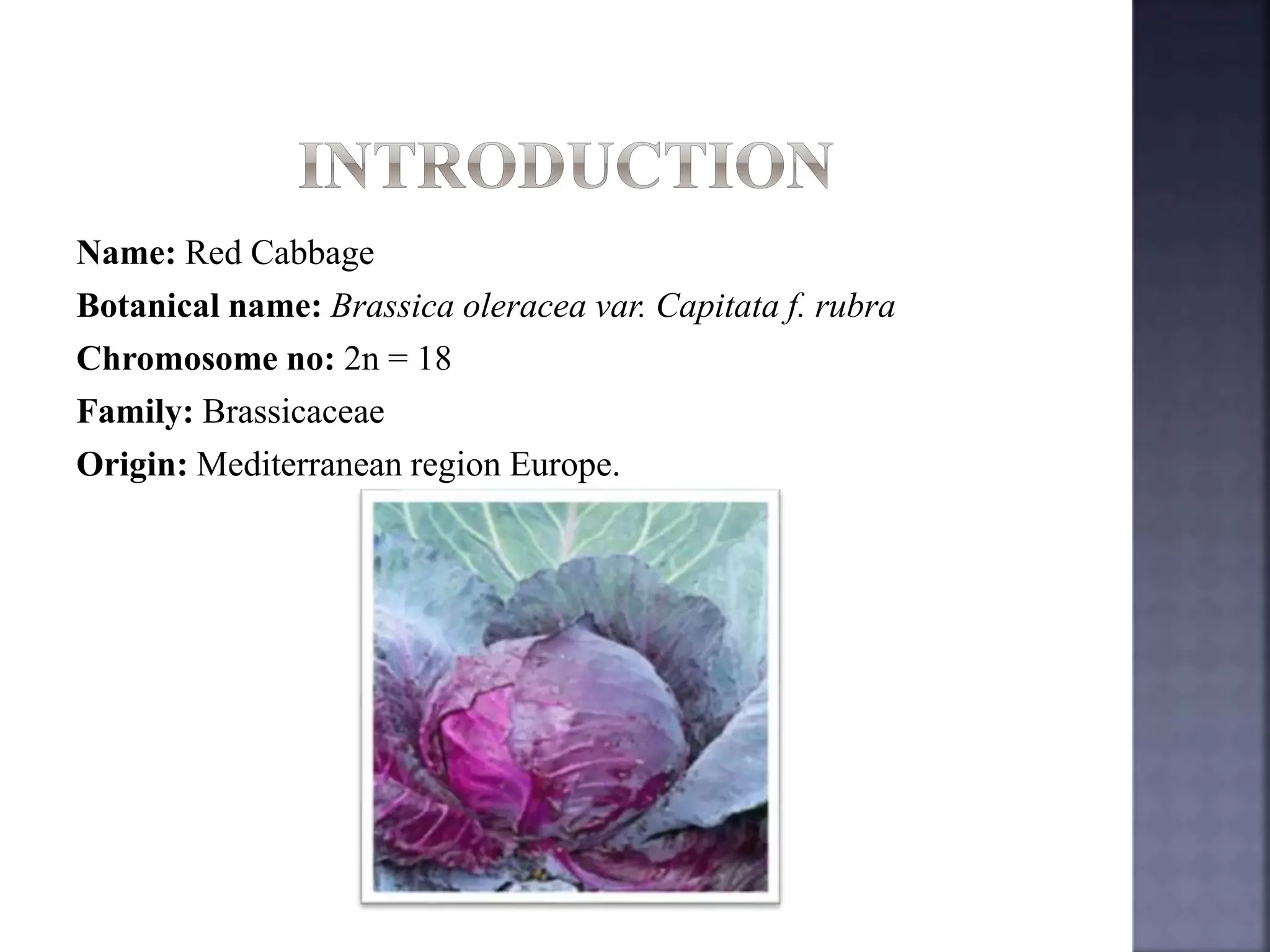
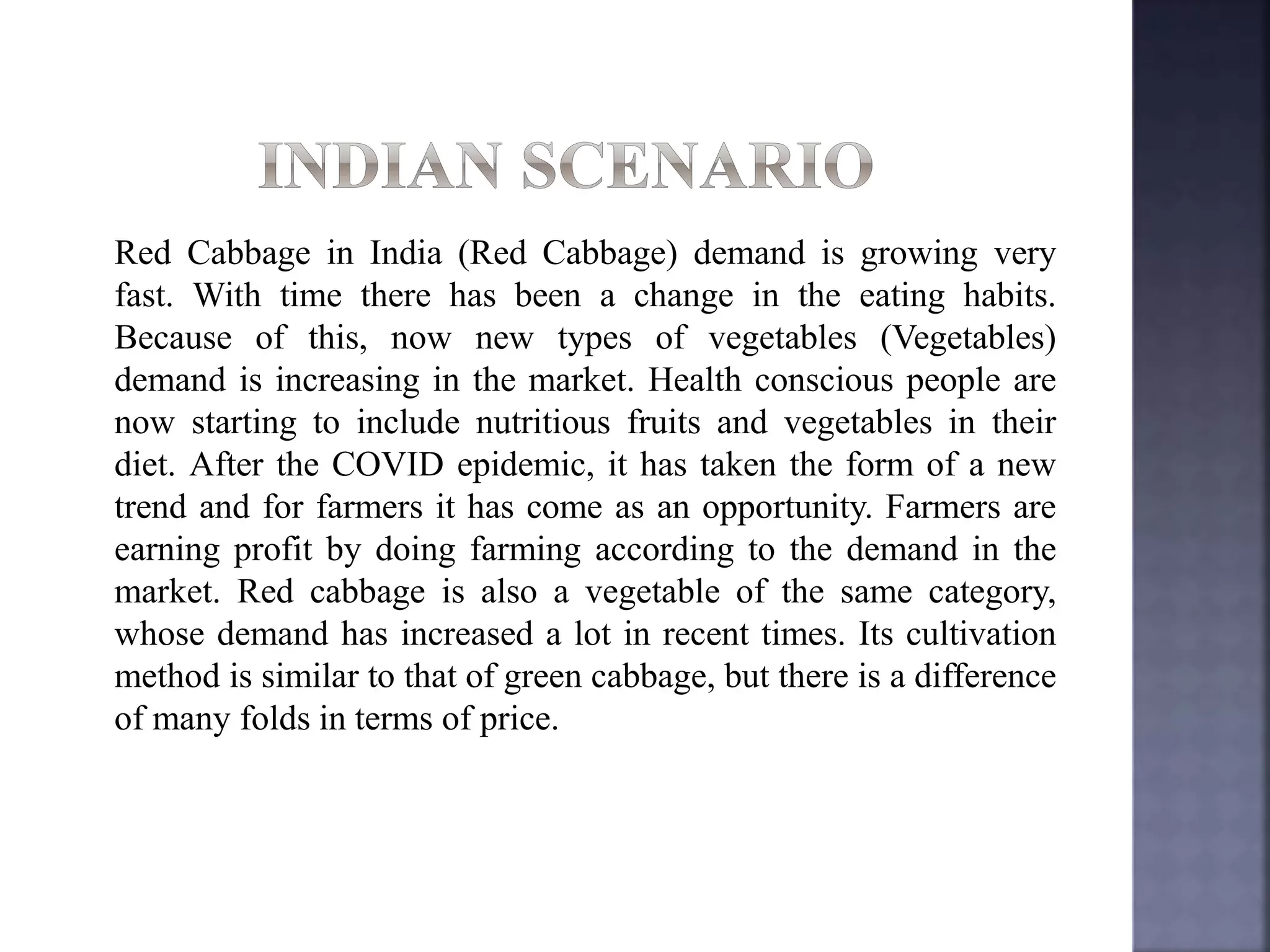
Red cabbage, scientifically known as Brassica oleracea var. Capitata f. rubra, belongs to the Brassicaceae family and has its origins in the Mediterranean region of Europe. This vibrant vegetable has garnered increasing popularity in India, particularly due to the shifting dietary preferences that have emerged in recent years. The demand for healthy, nutritious produce has risen significantly, driven in part by the health-conscious behaviors that have come to the forefront following the COVID-19 pandemic. As consumers seek out fresh fruits and vegetables, farmers have recognized a lucrative opportunity in cultivating red cabbage, which has proven more profitable compared to its green counterpart. The market for red cabbage is not only thriving domestically but also expanding internationally, prompting an influx of competition. In response to this growing demand, the agricultural sector must adapt. It is crucial to integrate biotechnological methods with traditional breeding practices to enhance crop resilience against various diseases and unfamiliar environmental stressors such as heat, drought, and salinity. Additionally, developing region-specific technologies can maximize productivity while conserving biodiversity within native ecosystems. The cultivation of red cabbage entails sophisticated management practices, particularly to address modern challenges like emerging diseases and pests. Utilizing eco-friendly methods, such as identifying effective biocontrol agents, is essential for sustainable crop management. Furthermore, there is a pressing need to innovate within production and post-harvest strategies to minimize environmental impacts while ensuring high-quality yields. The nutritional profile of red cabbage is impressive. Rich in antioxidants, vitamins such as C, E, A, and K, and essential minerals including calcium, potassium, and iron, it is a low-fat and cholesterol-free option for health enthusiasts. Notably, the vegetable contains B vitamins, contributing to its status as a chronic disease preventive food. The presence of phytochemicals, including glucosinolates, ensures that red cabbage can also support cancer prevention and improve overall health. The health benefits associated with regular consumption include enhanced immune function, improved skin and eye health, and weight management. Red cabbage is versatile in culinary uses. It can be consumed raw in salads, made into cole slaw, used to create vibrant sauerkraut, or incorporated into soups and various culinary preparations. Its distinctive purple color, attributed to anthocyanin pigments, also makes it an appealing addition to dishes. Regarding cultivation practices, red cabbage thrives in well-drained soils rich in organic matter. Ideally, it is grown within temperatures ranging from 15-20°C for optimal growth and head formation. Effective irrigation and moisture management are essential, as the plant prefers consistent soil moisture levels for its growth cycle. Thus, implementing modern irrigation techniques, such as drip irrigation combined with mulch, can enhance yield and resource use efficiency. Harvesting red cabbage is a careful process requiring attention to timing to ensure head maturity and quality. Proper harvesting techniques, including cutting the head close to the stalk while preserving wrapper leaves, are necessary to maintain produce integrity during transport. The growing interest in red cabbage, particularly at venues such as the SKUAST-K Shalimar Campus, underscores its significance not just as a dietary staple but as a profitable agricultural enterprise poised for further development in the coming years. As the awareness of its health benefits spreads, the future looks promising for this colorful and nutritious vegetable.

Slide 1

Slide 1⬇ Slide

Slide 2

Slide 2⬇ Slide

Slide 3

Slide 3⬇ Slide

Slide 4

Slide 4⬇ Slide

Slide 5

Slide 5⬇ Slide

Slide 6

Slide 6⬇ Slide

Slide 7

Slide 7⬇ Slide

Slide 8

Slide 8⬇ Slide

Slide 9

Slide 9⬇ Slide

Slide 10

Slide 10⬇ Slide

Slide 11

Slide 11⬇ Slide

Slide 12

Slide 12⬇ Slide

Slide 13

Slide 13⬇ Slide

Slide 14

Slide 14⬇ Slide

Slide 15

Slide 15⬇ Slide

Slide 16

Slide 16⬇ Slide

Slide 17

Slide 17⬇ Slide

Slide 18

Slide 18⬇ Slide

Slide 19

Slide 19⬇ Slide

Slide 20

Slide 20⬇ Slide

Slide 21

Slide 21⬇ Slide

Slide 22

Slide 22⬇ Slide

Slide 23

Slide 23⬇ Slide
1 / 23

Ppt on Ivygourd

Summary:

Learn all about Ivy Gourd, a tropical vegetable rich in nutrients and medicinal properties, through this detailed presentation. Explore its cultivation techniques, nutritional value, and essential management practices for a successful harvest.

Summary

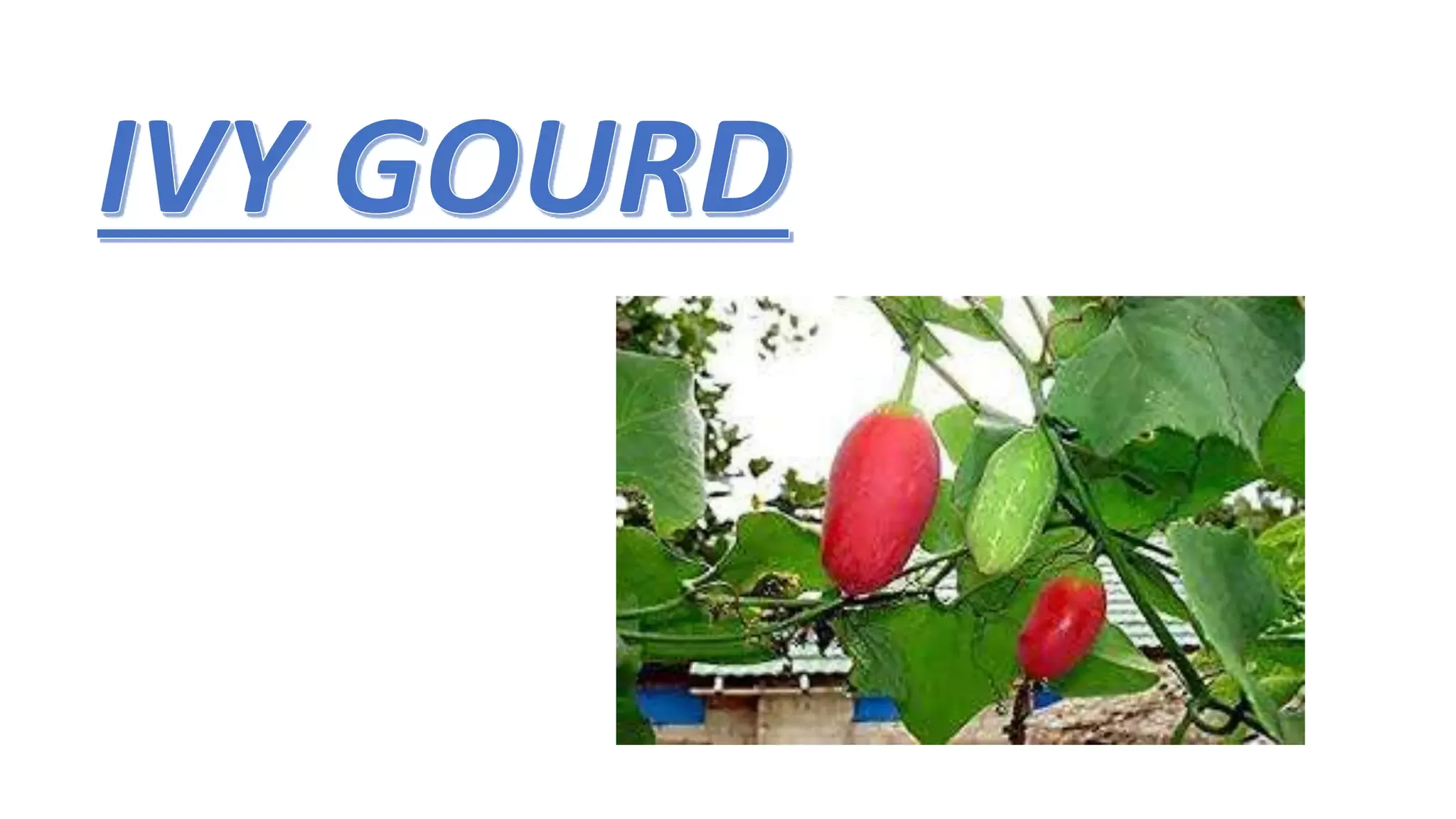
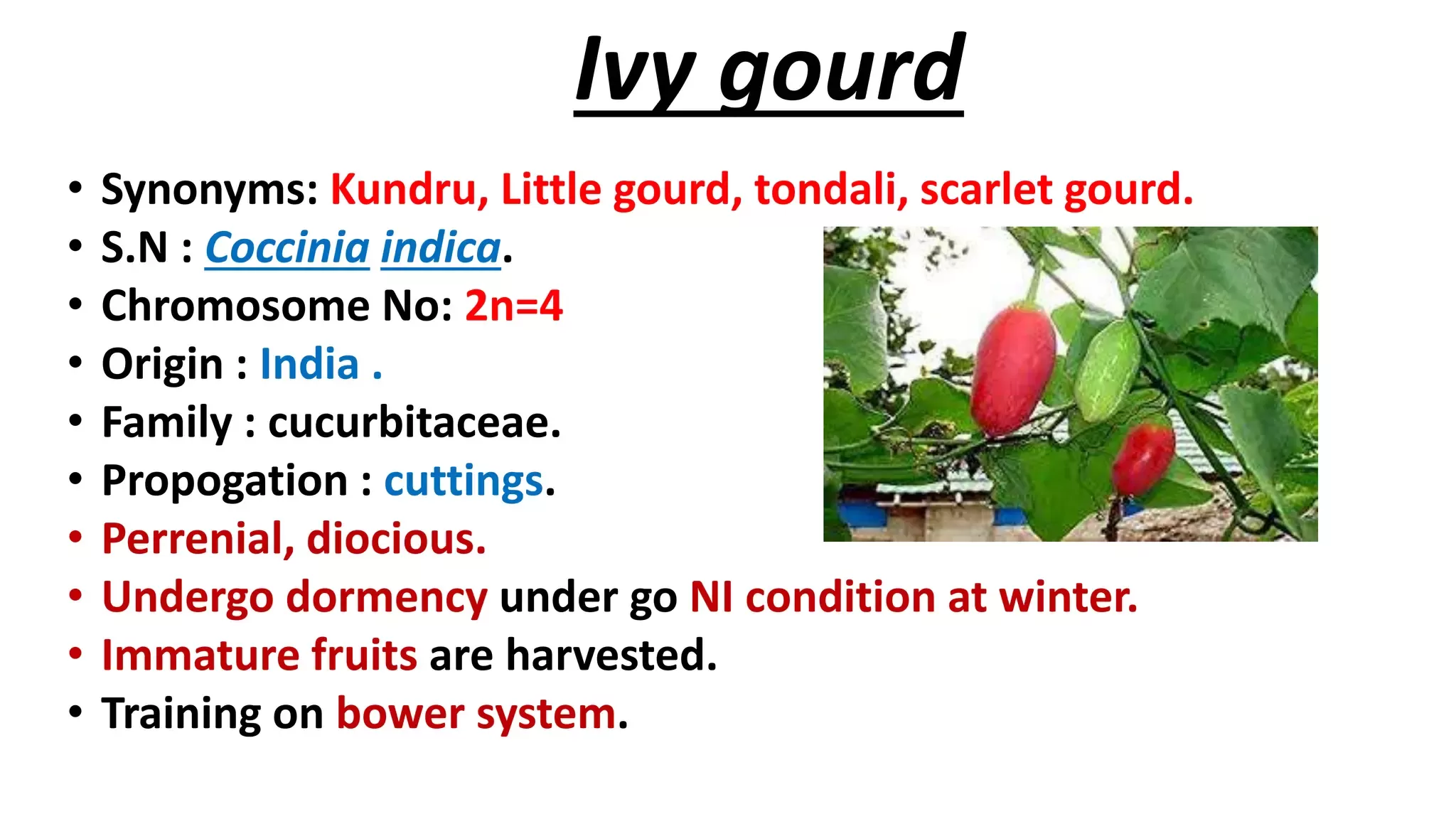
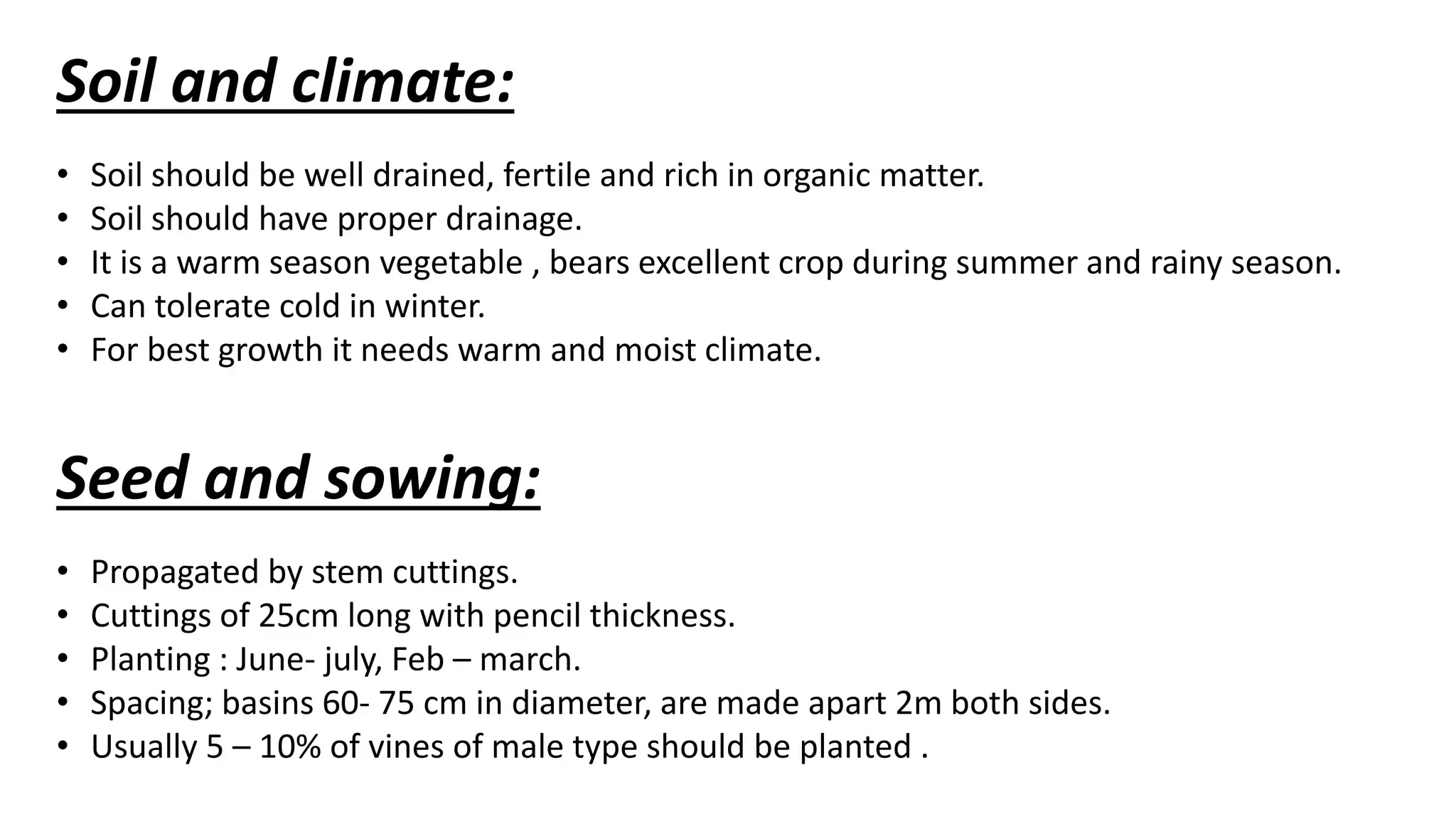
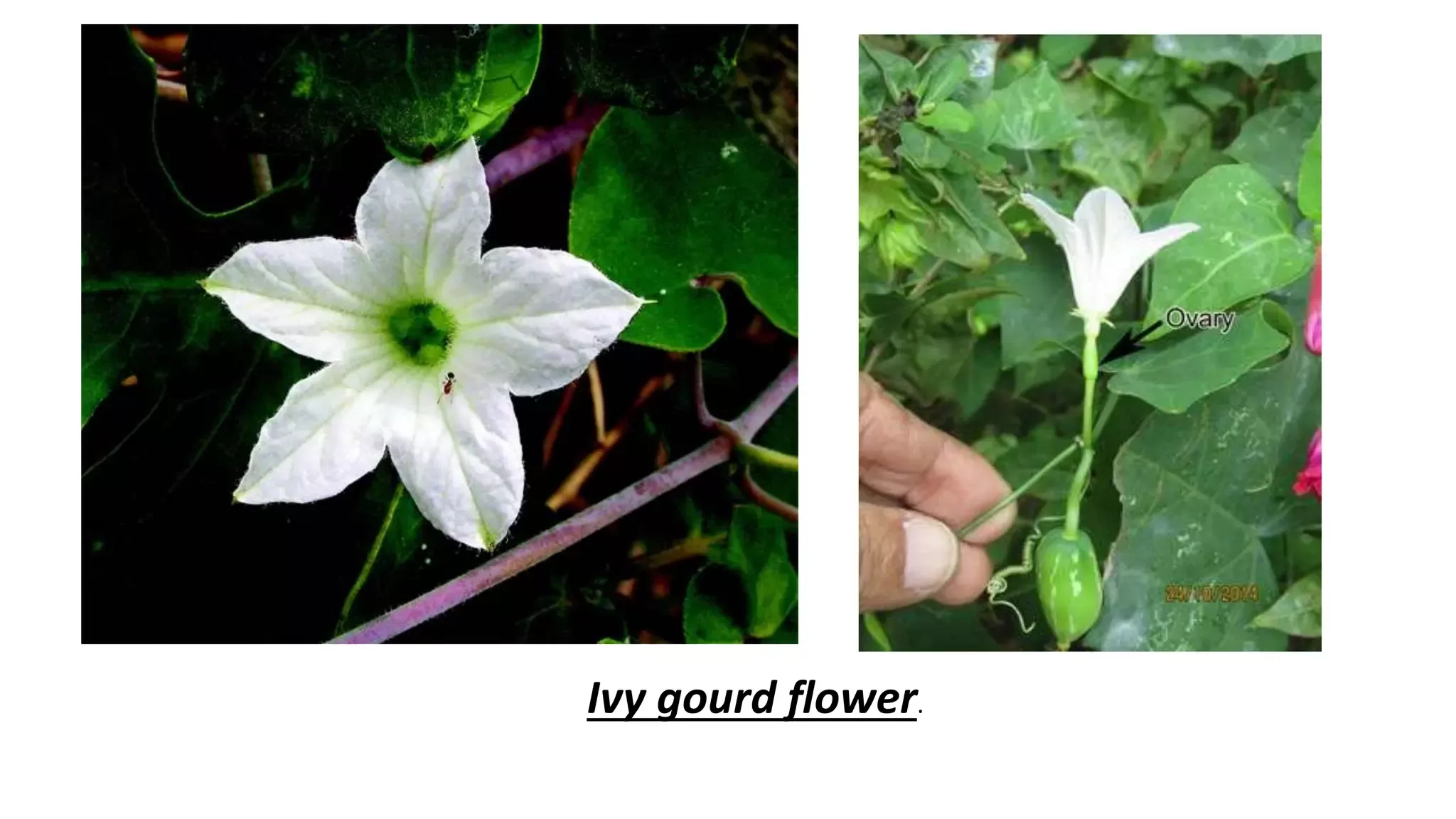
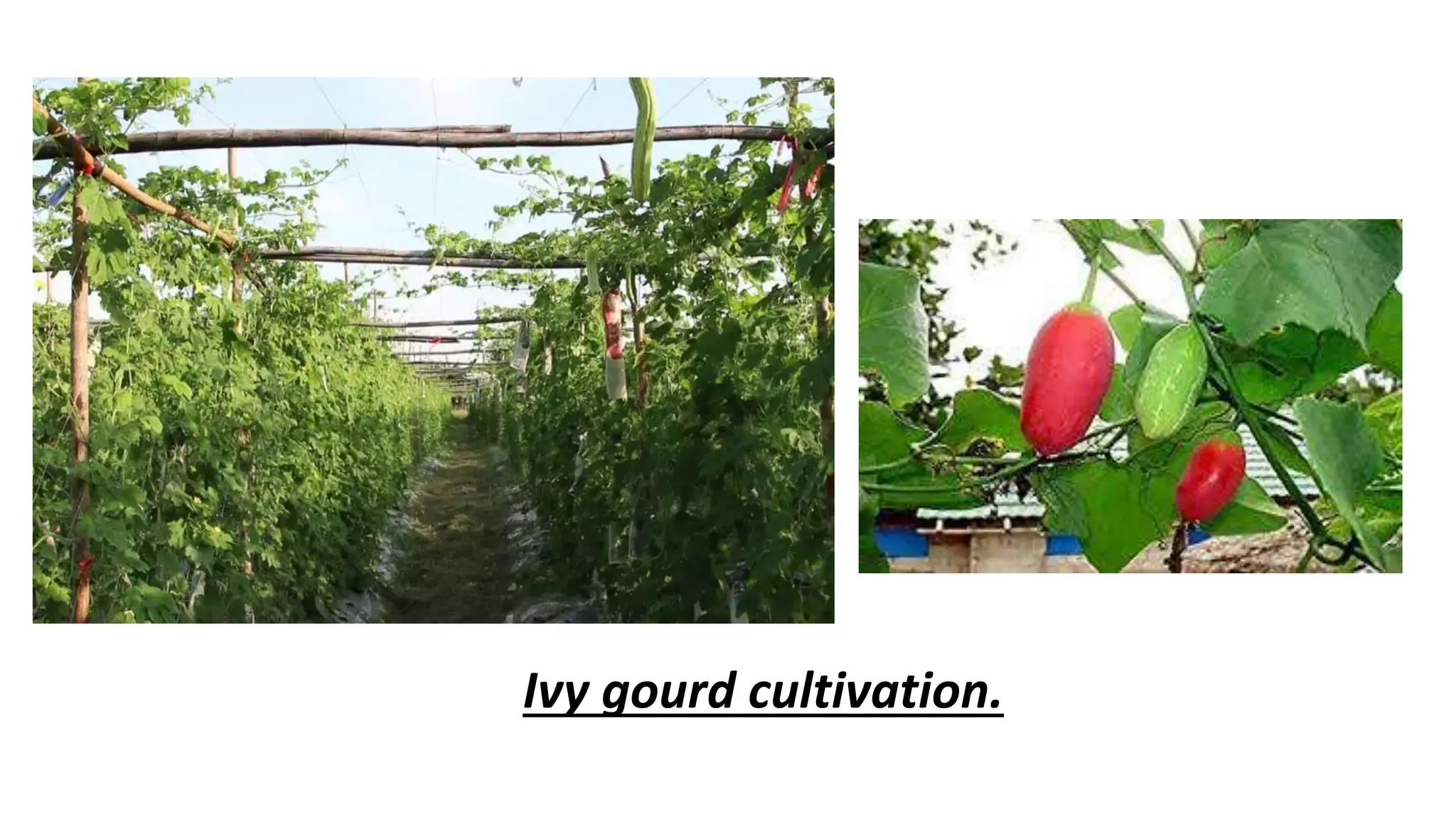
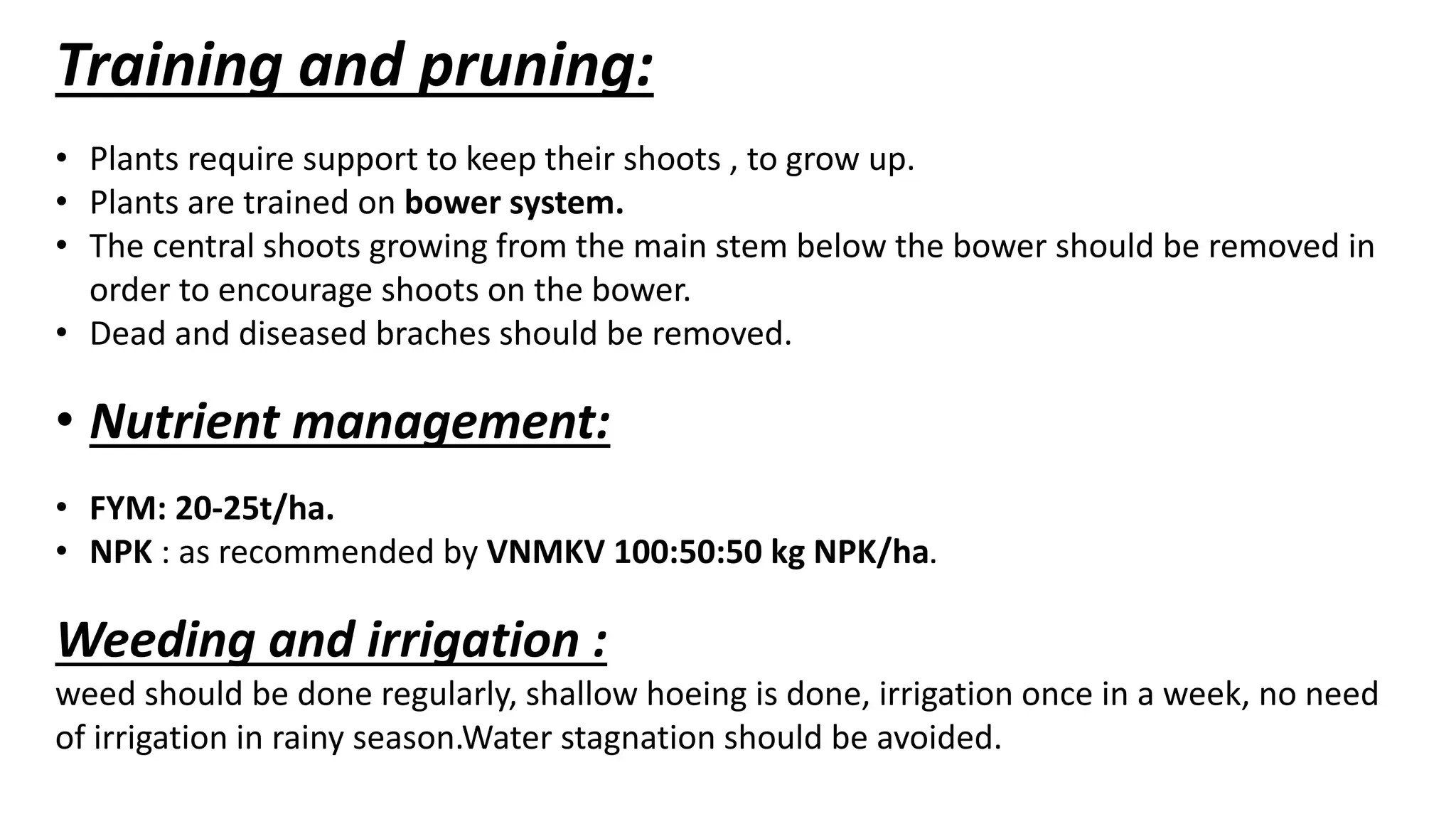
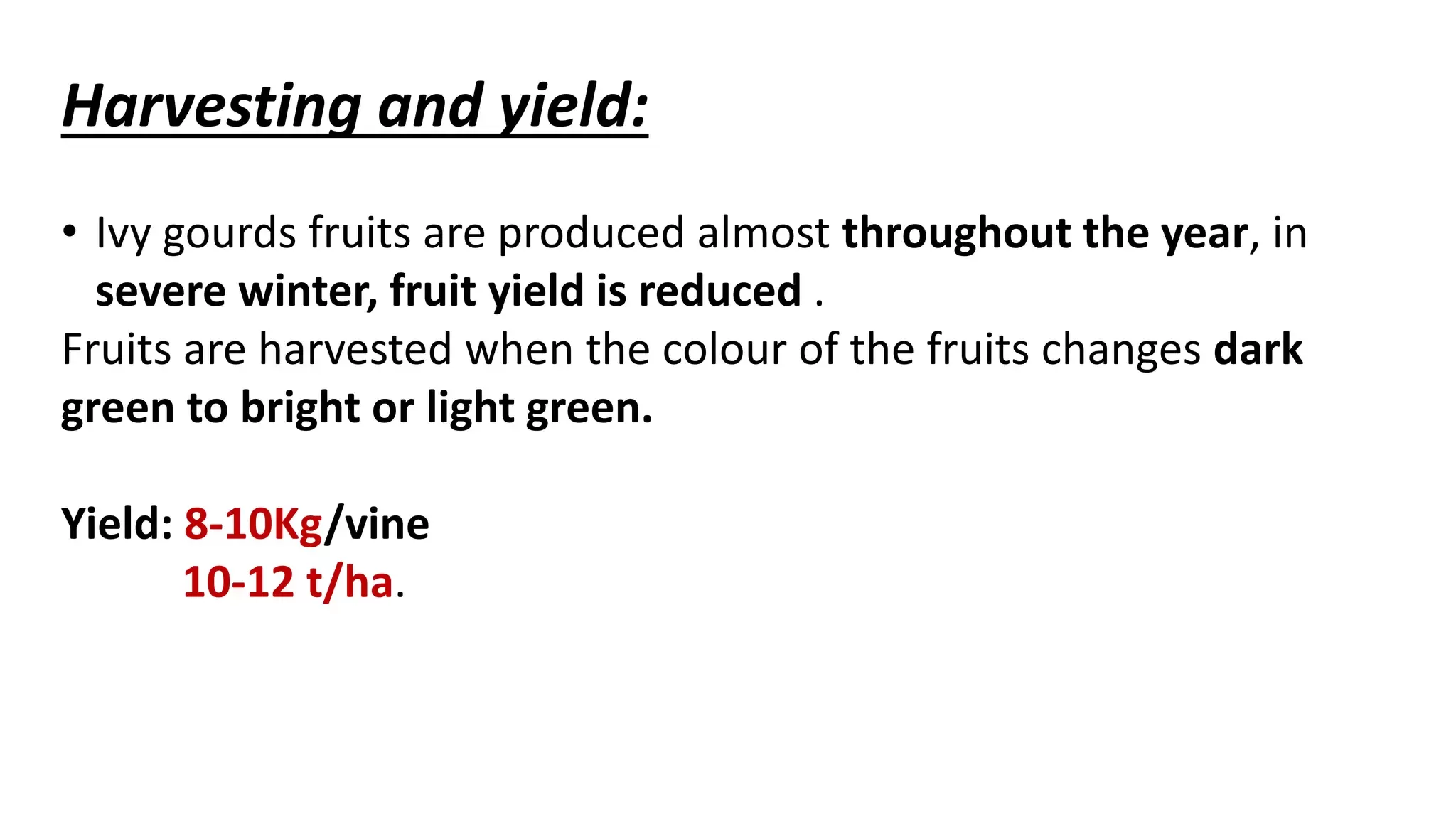
Ivy gourd, also known as Kundru or little gourd, is a tropical vegetable widely cultivated across various regions, including India, Africa, Central America, and parts of Asia. This perennial plant belongs to the Cucurbitaceae family and is scientifically classified as Coccinia indica. The gourd produces smooth, light green fruits that can vary in size and are commonly used in southern and central Indian cuisine. Both immature and mature fruits are consumed, offering a rich source of carbohydrates, protein, and essential vitamins A and C. In addition to its culinary uses, the leaves of ivy gourd are often utilized for their medicinal properties in certain Indian communities. The ivy gourd’s cultivation is characterized by its dioecious nature, meaning that it has distinct male and female plants. It features long tuberous roots and produces ovoid or elliptical fruits that transition from a bright green color with white stripes when immature to a scarlet red when fully ripe. For successful growth, the plant prefers well-drained, fertile soil enriched with organic matter and thrives in warm, moist climates, making it ideally suited for summer and rainy seasons. While the plant can withstand some cold, it exhibits dormancy during the harsh winter months. Propagation of the ivy gourd primarily occurs through stem cuttings, which should measure approximately 25 cm in length and possess a thickness similar to that of a pencil. For optimal planting, cuttings are best sown during the months of June to July or February to March, with proper spacing of about 60 to 75 cm between basins set 2 meters apart to facilitate vine growth. It’s essential to plant a small percentage (5 to 10%) of male-type vines to ensure effective pollination. Ivy gourd plants require a support structure, typically a bower system, which helps the vines grow upward. Management practices include regular pruning; the central shoots beneath the bower are trimmed to encourage better growth, while any diseased or dead branches are promptly removed. Proper nutrient management involves applying 20-25 tons per hectare of farmyard manure alongside recommended doses of NPK fertilizers. Routine weeding and careful irrigation are crucial, with weekly watering advised, although irrigation during the rainy season is unnecessary. Fruits can be harvested year-round, though production may decline during particularly severe winters. The optimal harvesting time is marked by a visible change in the fruit’s color from dark green to a bright or light green hue. In terms of yield, ivy gourd can produce between 8 to 10 kilograms of fruit per vine, translating to an impressive range of 10 to 12 tons per hectare. In summary, the ivy gourd is a versatile vegetable, esteemed for both its nutritional value and medicinal benefits, making its cultivation a worthwhile endeavor in suitable climates. With the right care and management, this plant can yield abundant fruits for extended periods, enhancing both culinary experiences and agricultural output.

Slide 1

Slide 1

Slide 2

Slide 2

Slide 3

Slide 3

Slide 4

Slide 4

Slide 5

Slide 5

Slide 6

Slide 6

Slide 7

Slide 7

Slide 8

Slide 8
1 / 8