Uncover the significance of the coconut palm, its cultivation, applications, and economic impact in tropical regions. From coconut water to copra, learn about the various resources and challenges associated with this wish-fulfilling tree.
Summary
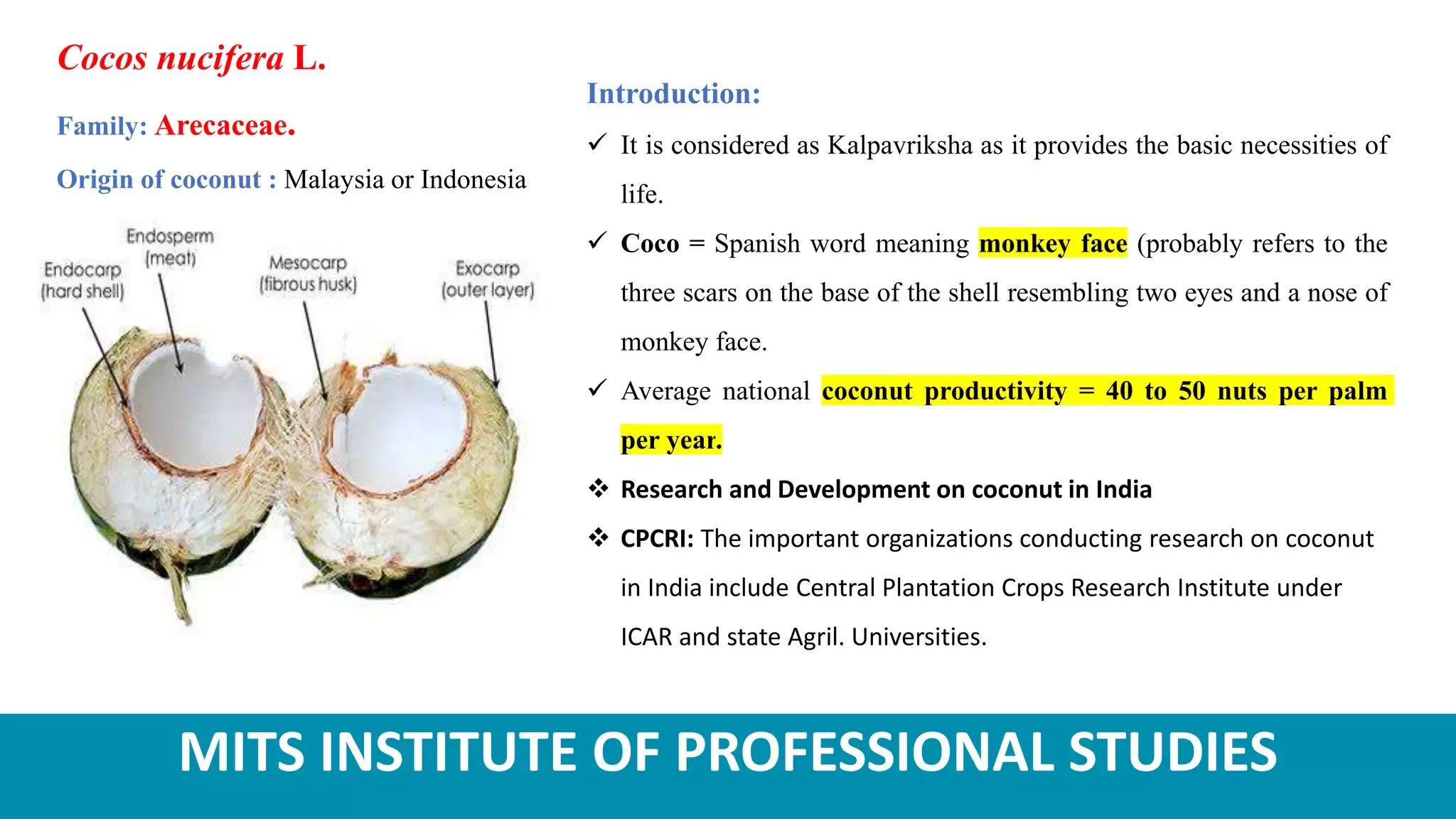
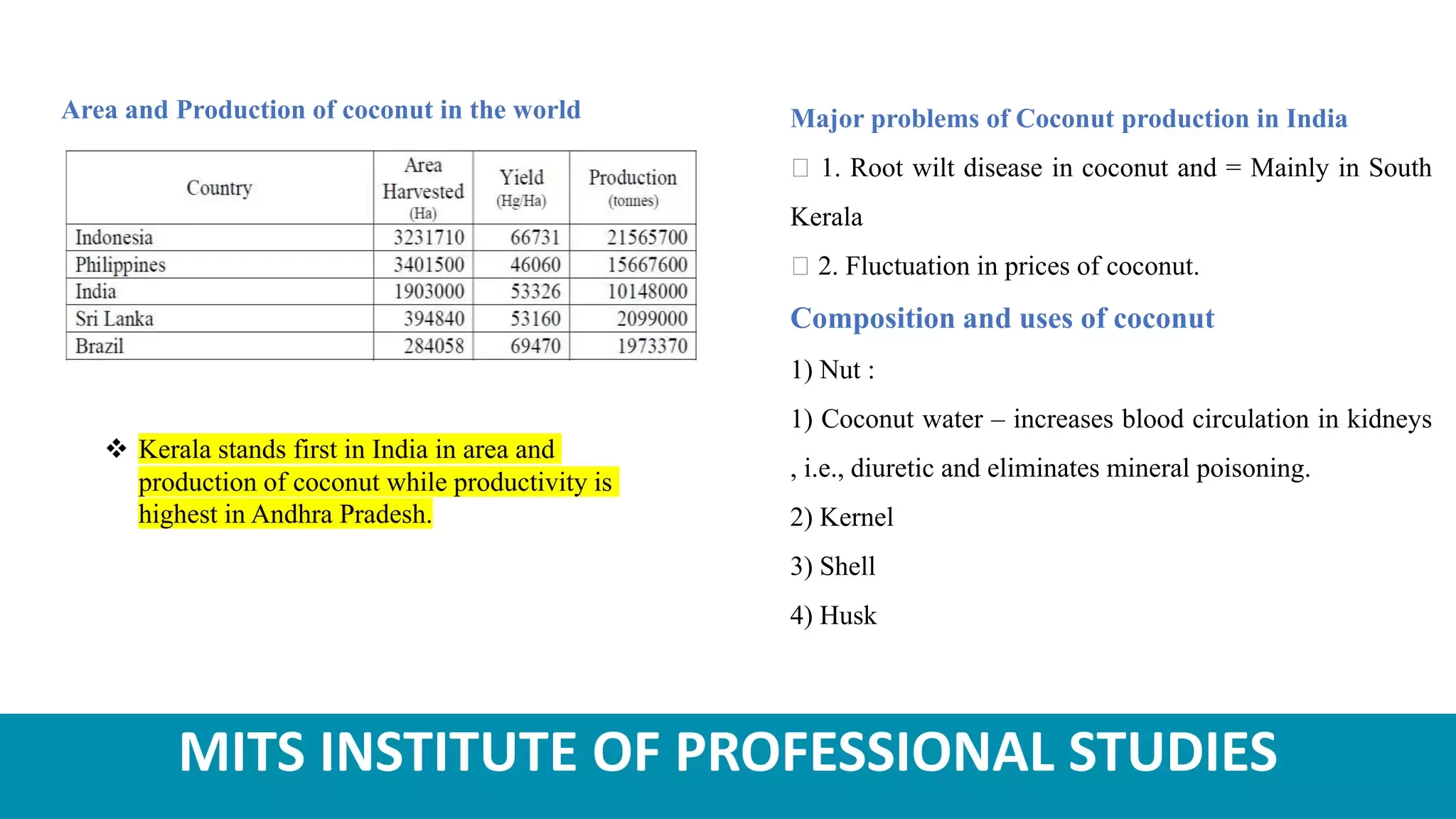
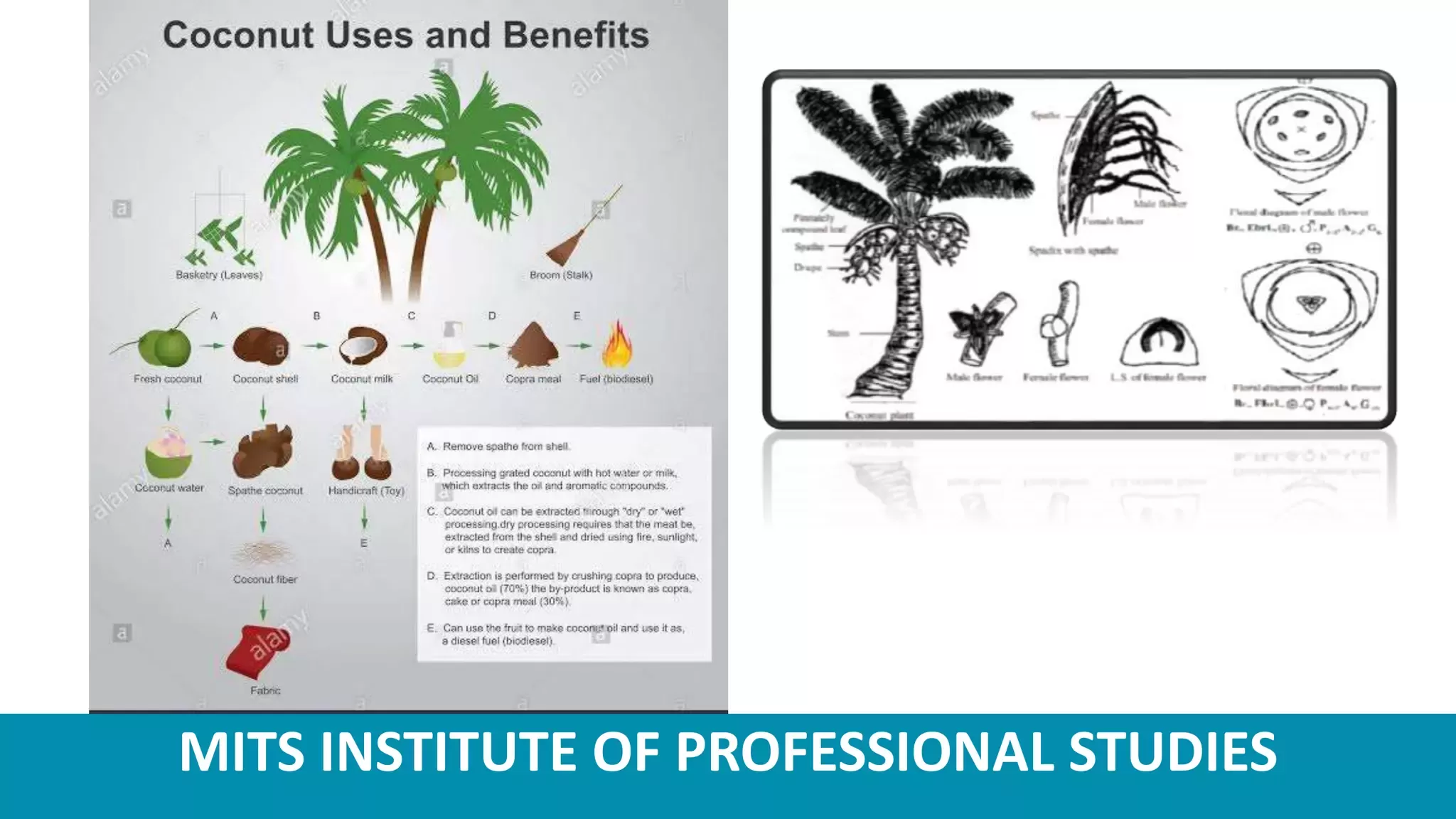
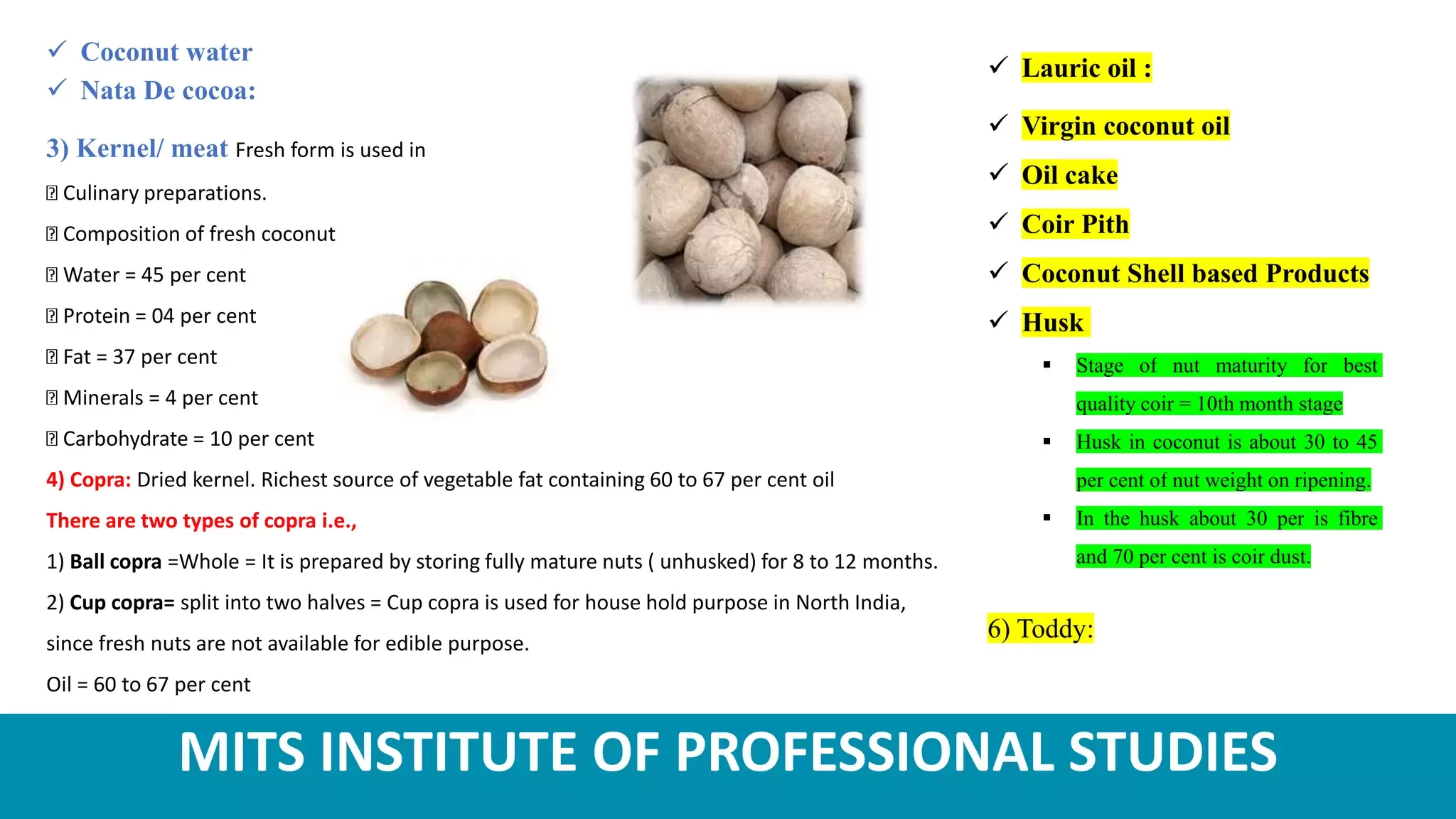
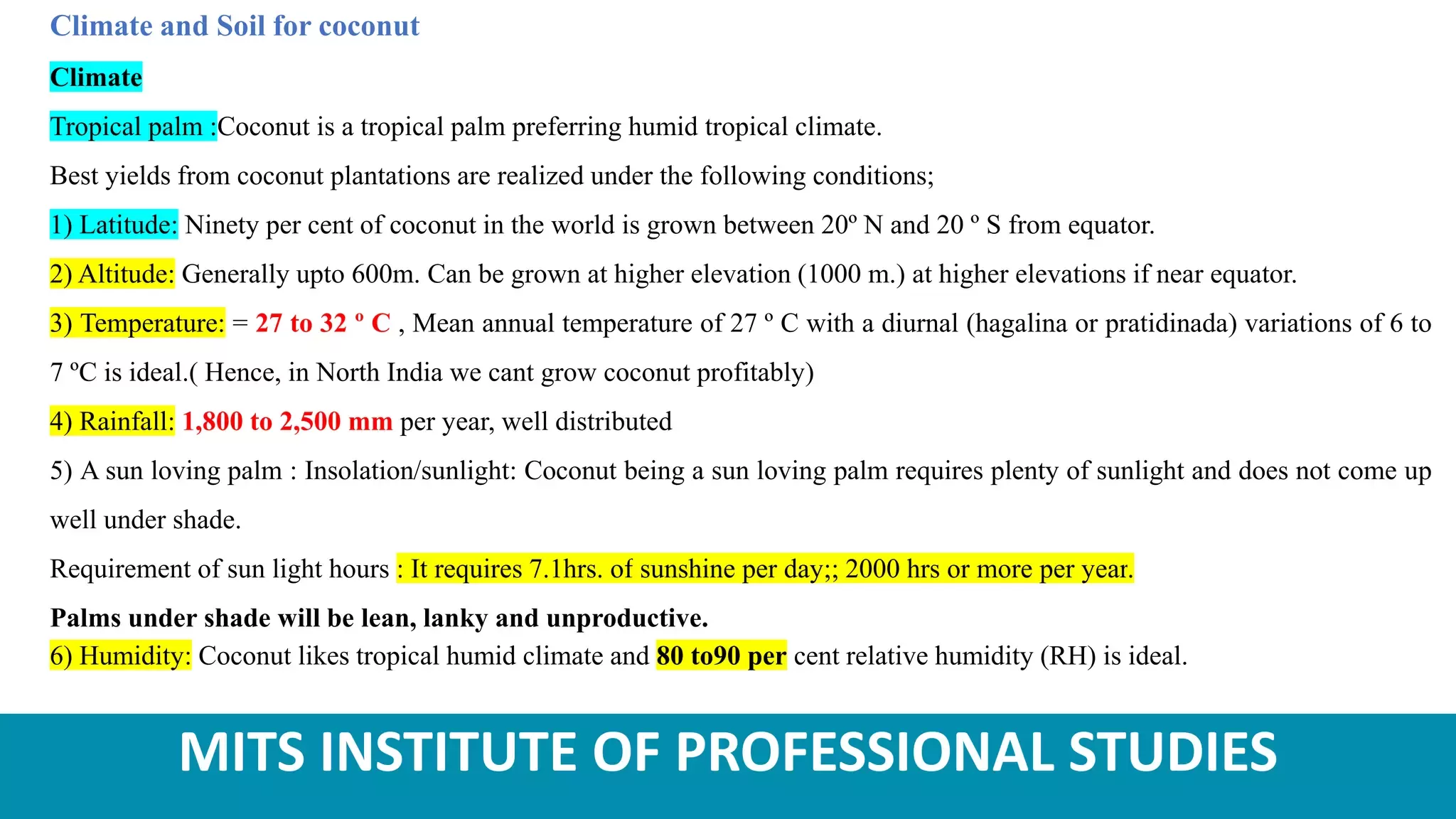
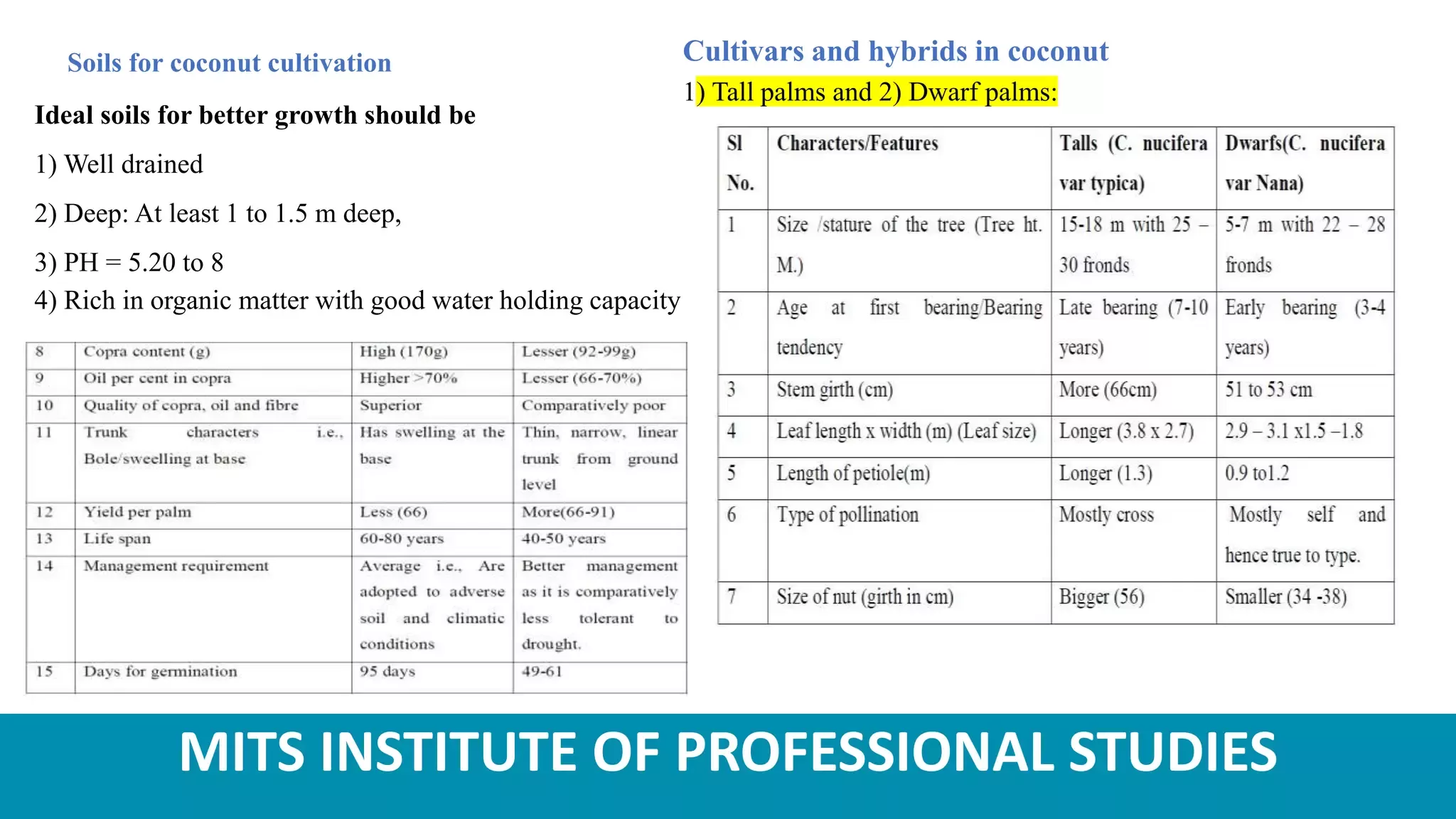
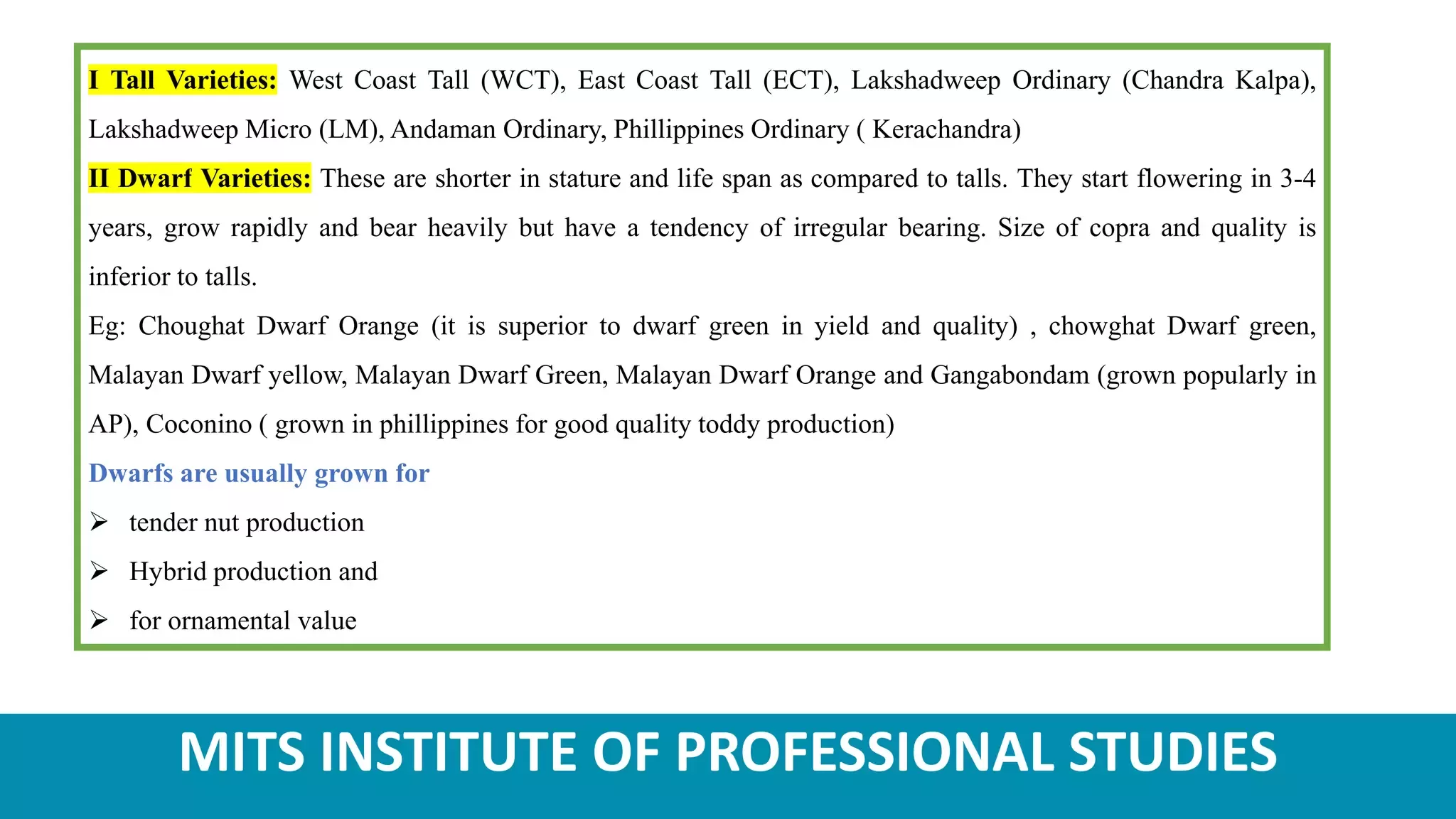
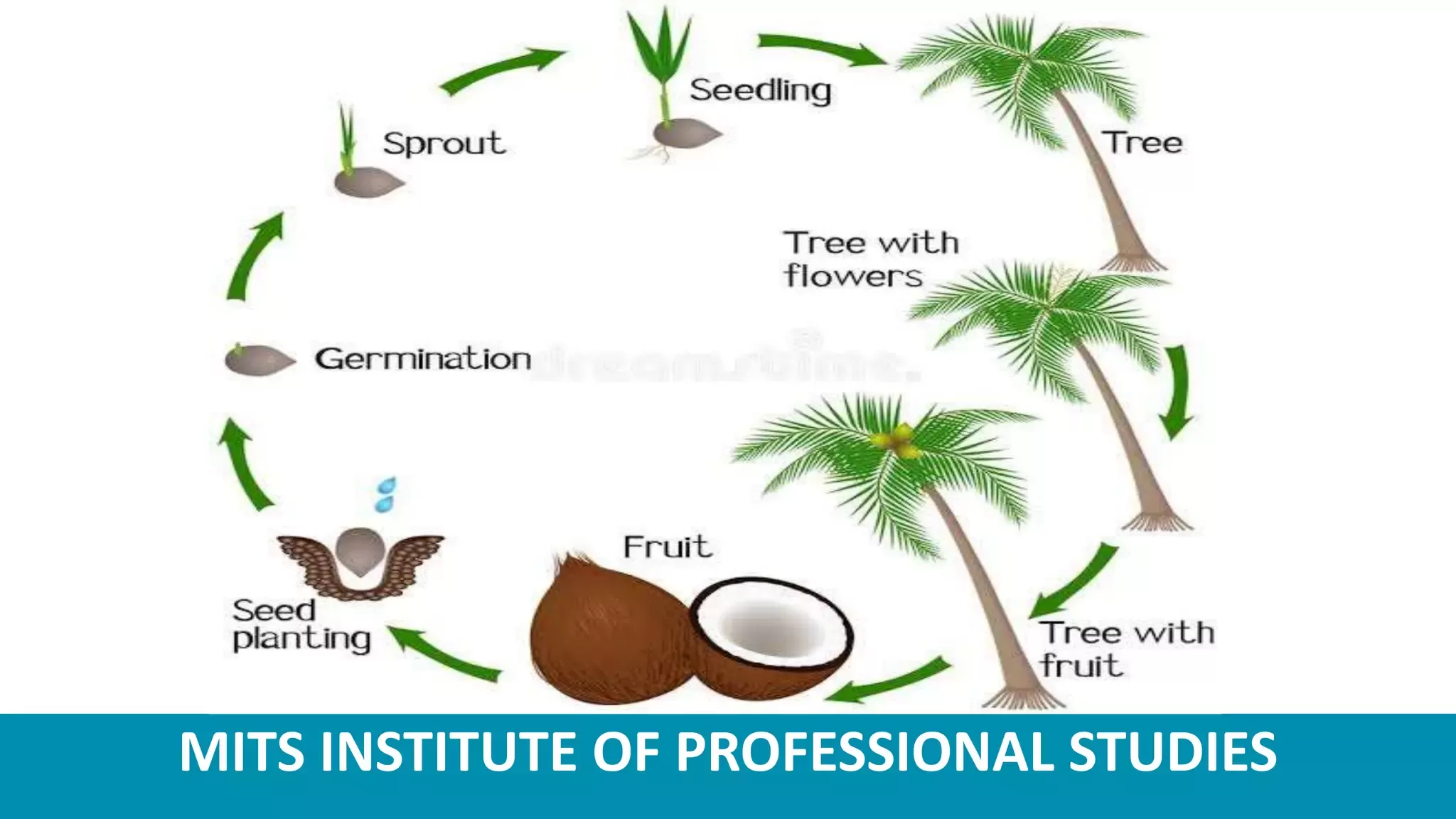
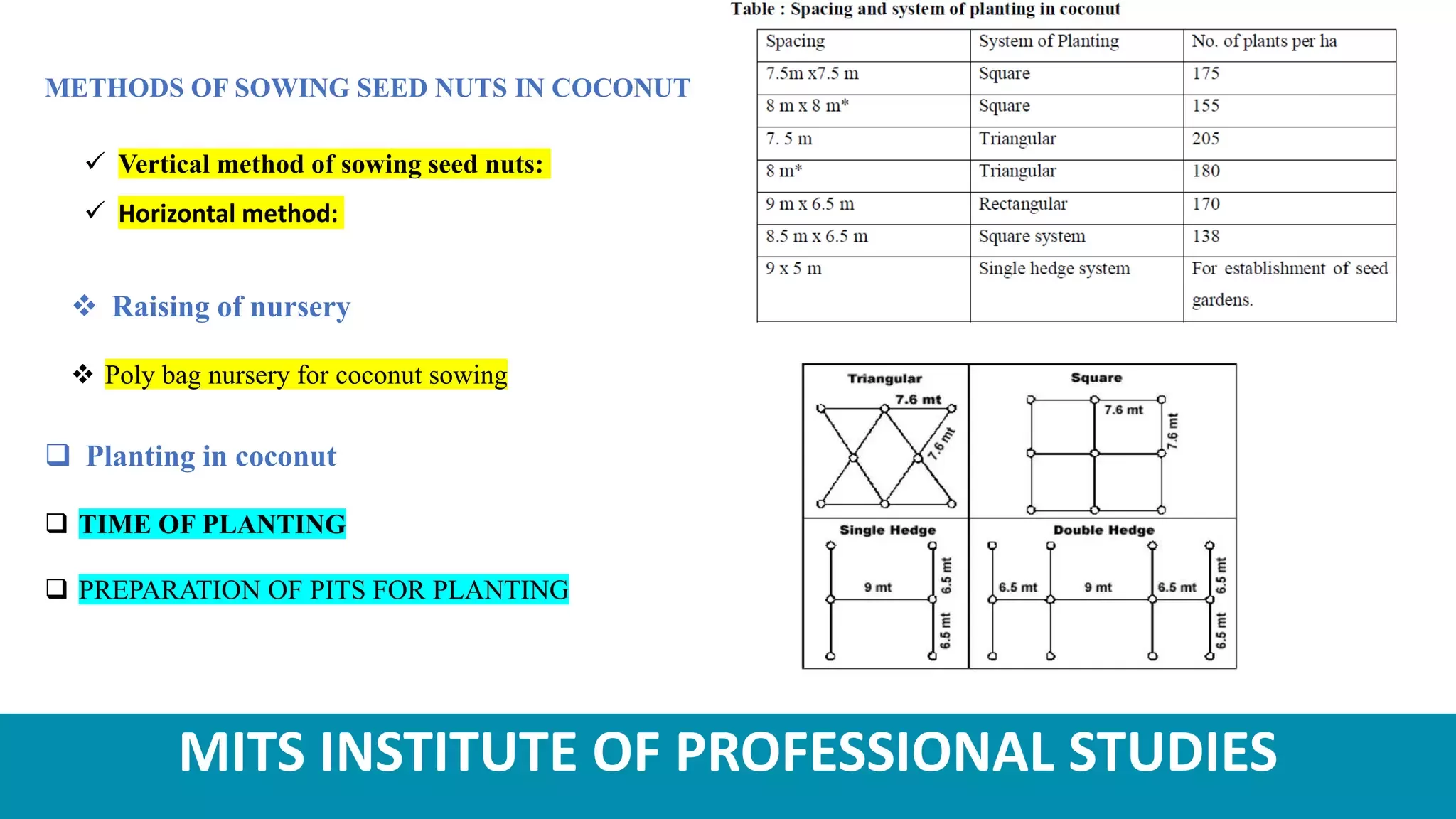
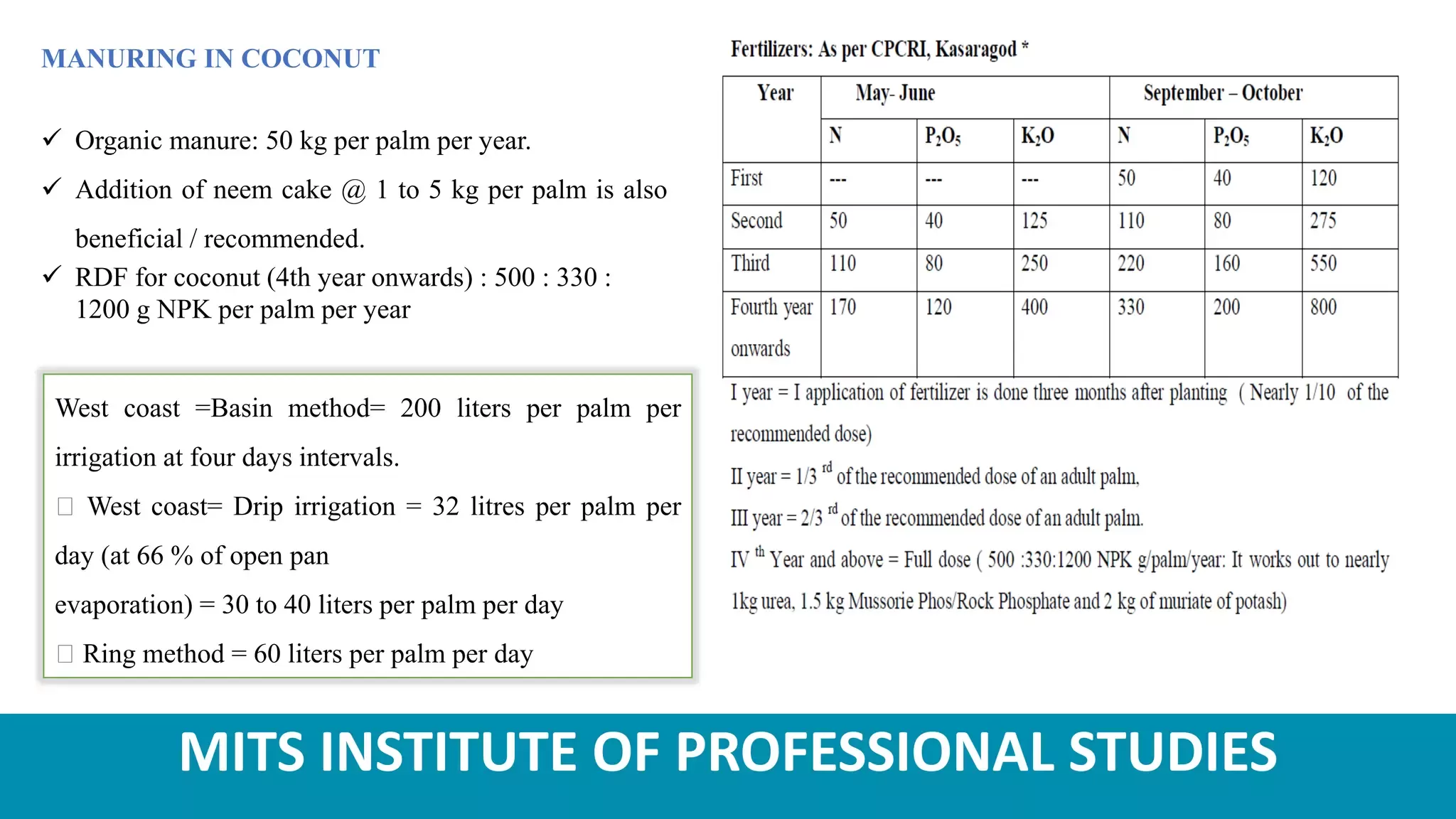
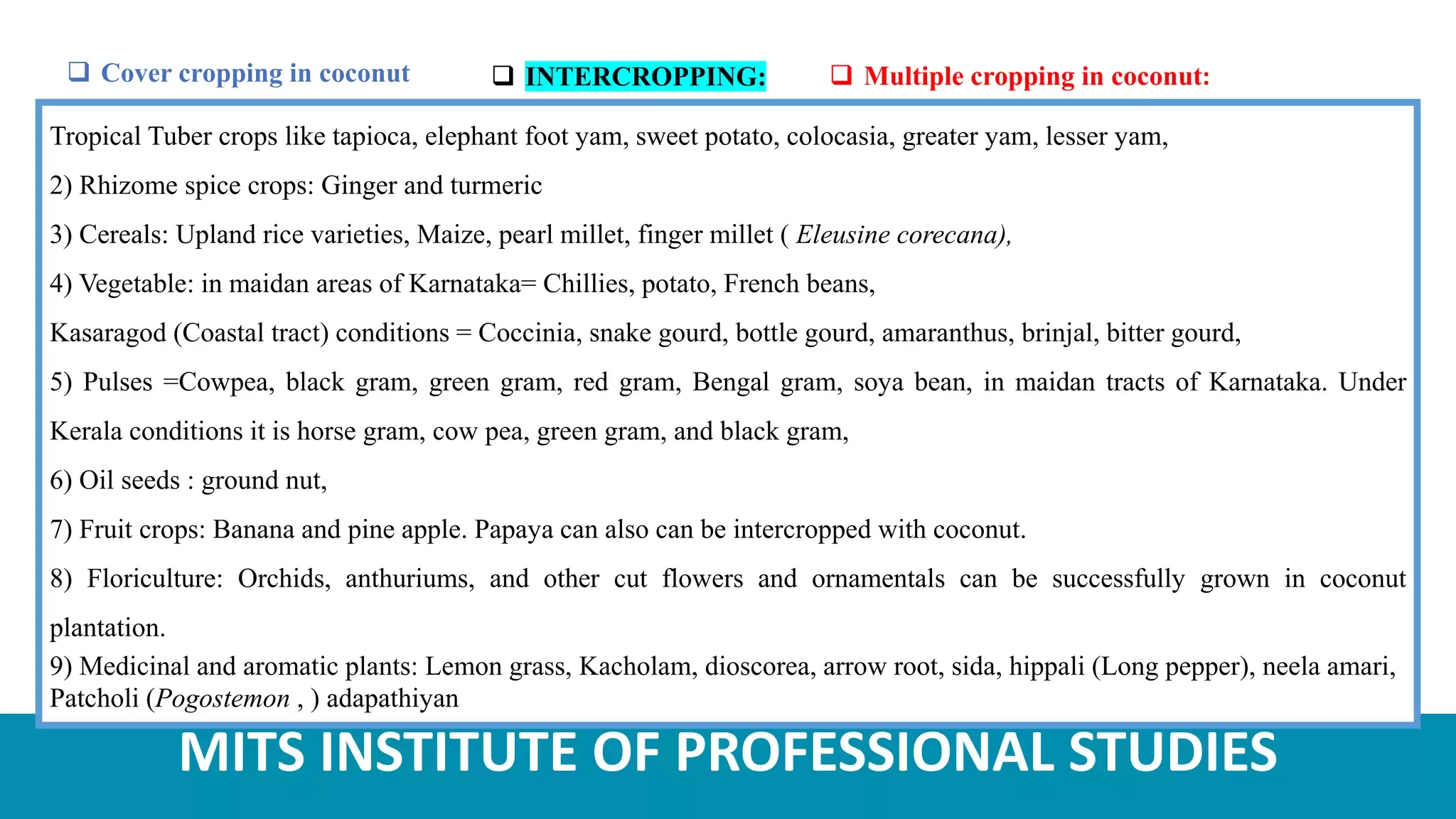
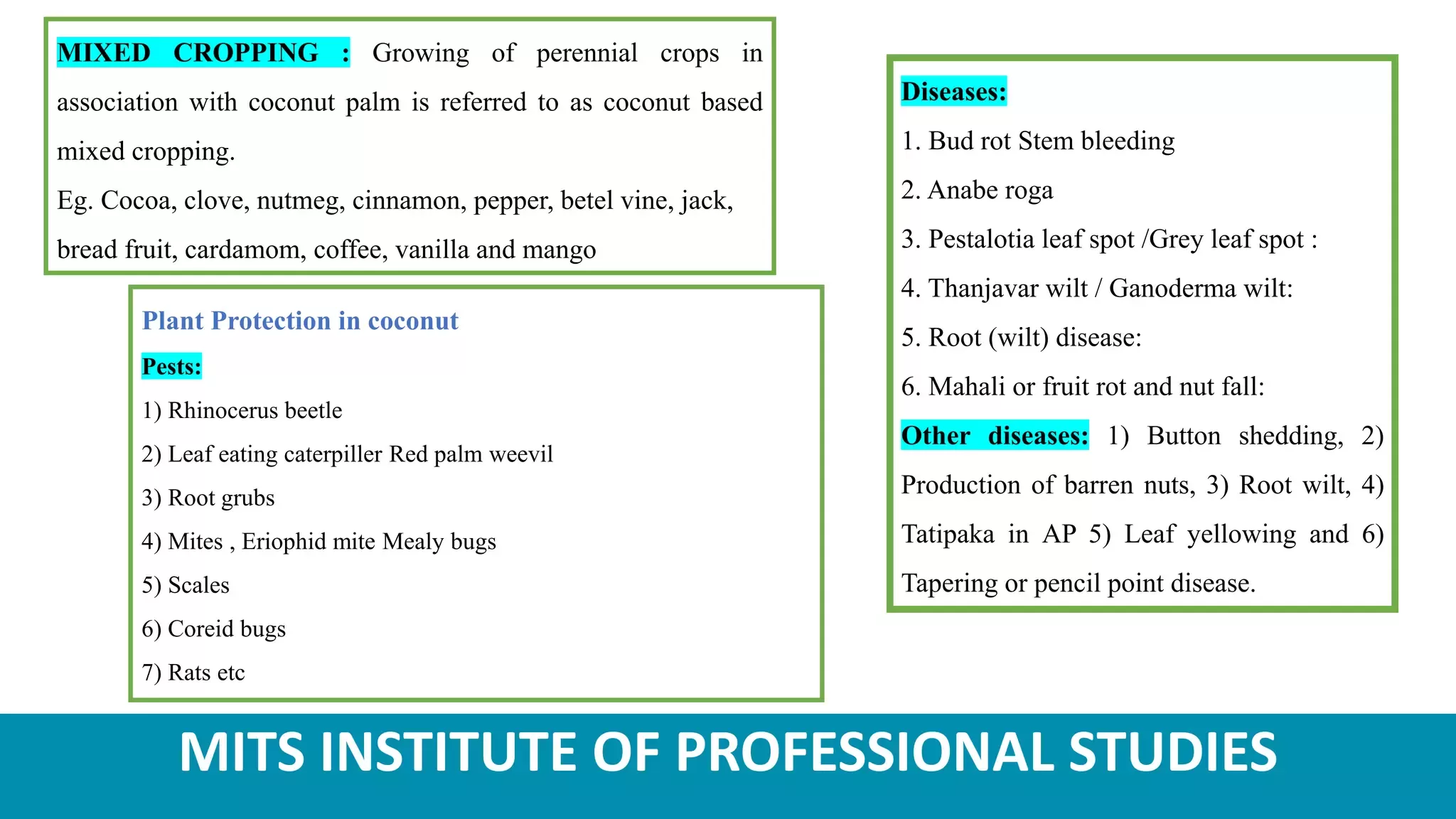
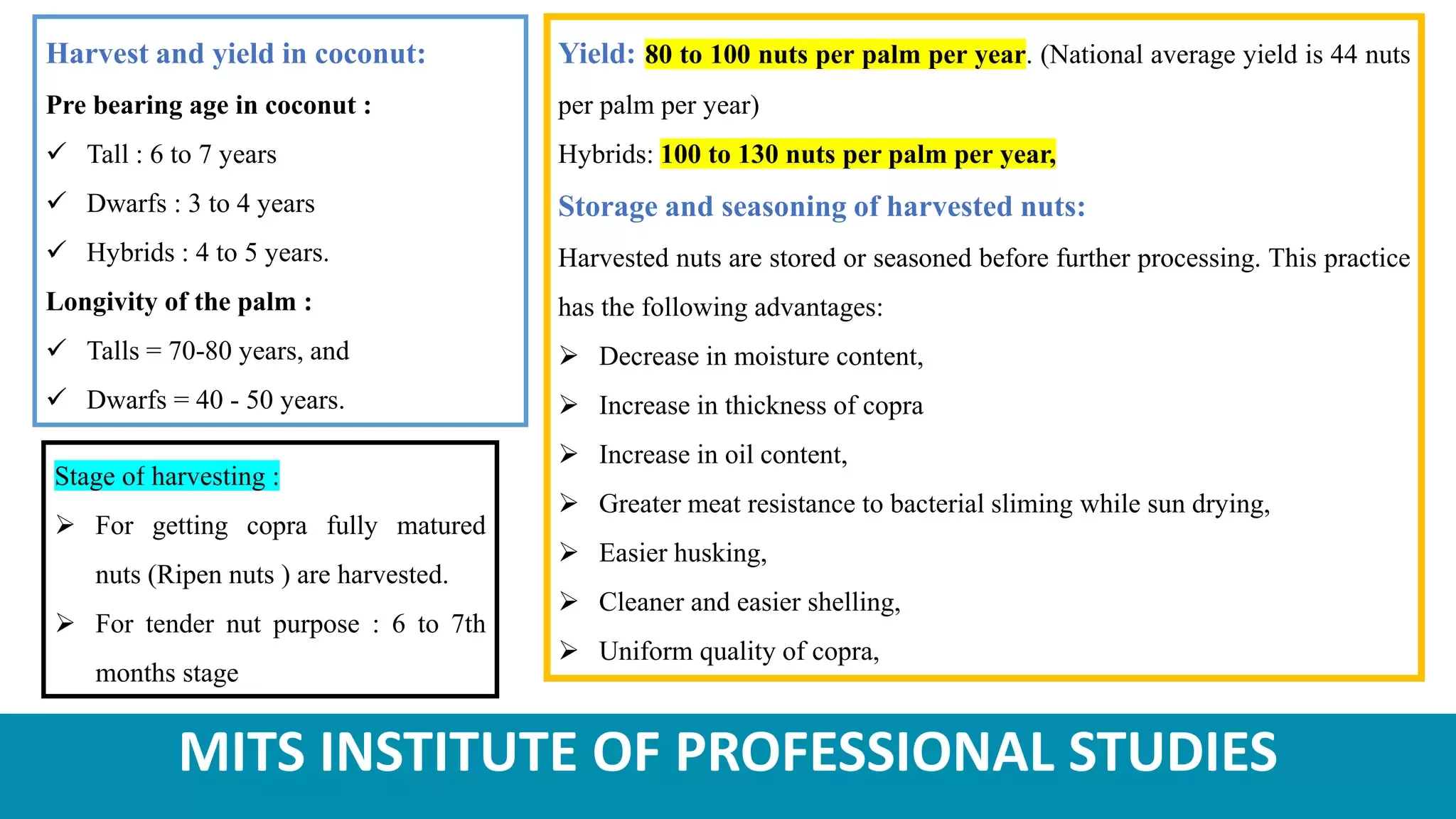
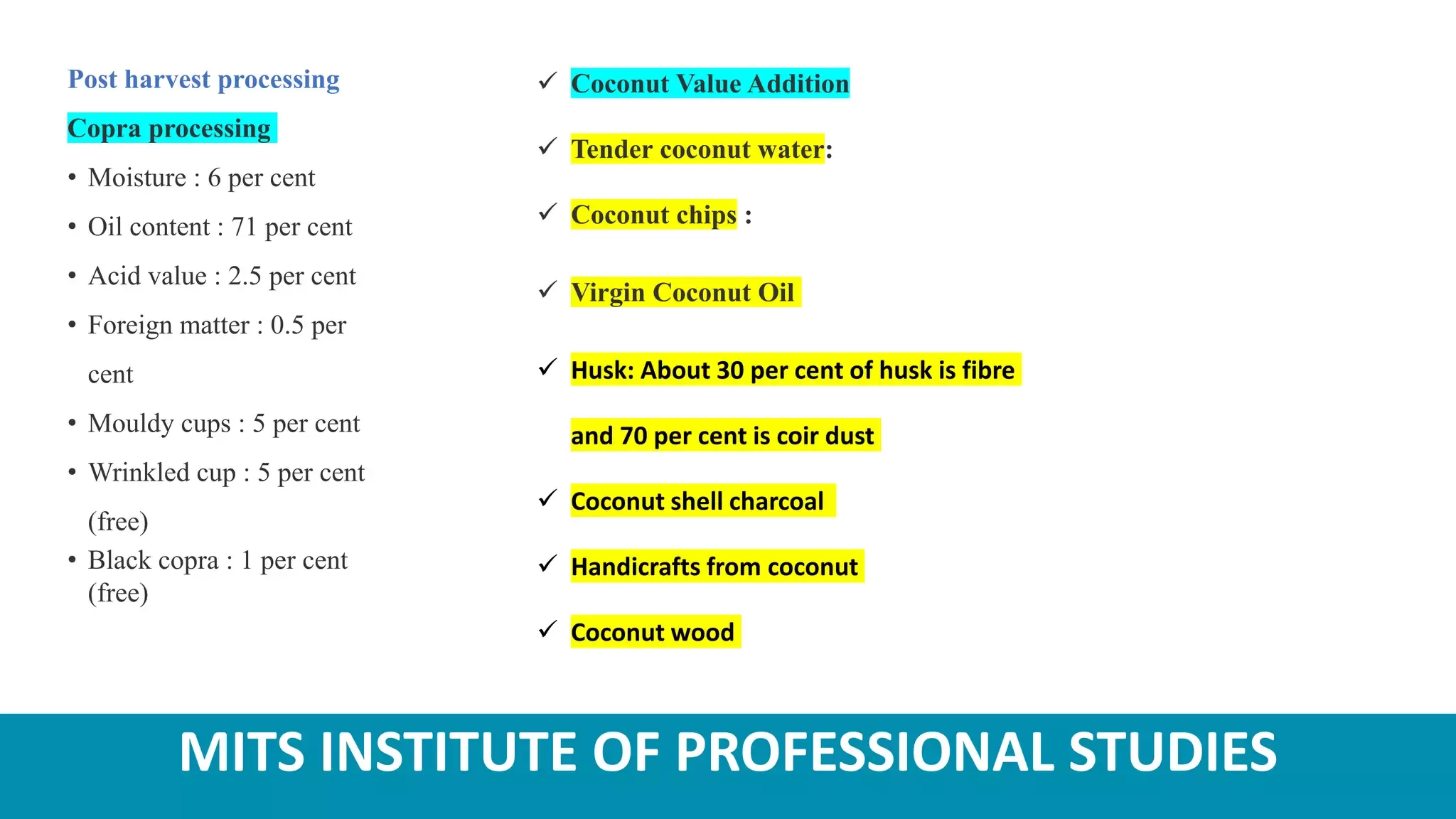
The coconut palm (Cocos nucifera L.), a member of the Arecaceae family, is a versatile plant native to Malaysia or Indonesia. Known affectionately as “kalpavriksha,” which translates to “wish-fulfilling tree,” the coconut palm offers numerous vital resources for human survival. The name “coco” is derived from Spanish, alluding to the monkey-like appearance of the coconut shell’s three scars. On average, a coconut palm yields 40 to 50 nuts annually, with Kerala leading in both area and production within India, while Andhra Pradesh boasts the highest productivity rates. Research into coconut cultivation in India is primarily conducted by organizations like the Central Plantation Crops Research Institute (CPCRI) under the Indian Council of Agricultural Research (ICAR) and several state agricultural universities. However, the industry faces significant challenges, including diseases such as root wilt, particularly prevalent in South Kerala, and the volatility of coconut prices. The coconut offers a wealth of components, all of which have various applications. The nut encompasses coconut water, known for its health benefits as a natural diuretic, along with the kernel, shell, and husk. Fresh coconut contains 45% water, 4% protein, 37% fat, 10% carbohydrates, and various minerals. Additionally, copra—dried coconut meat—is a dominant source of vegetable oil, containing 60-67% oil content. Two types of copra are produced: ball copra, which is left whole for extended periods, and cup copra, primarily used in Northern India. Coconut cultivation thrives in tropical climates, favoring well-drained soils and thriving between latitudes of 20º N and 20º S. Ideal growing conditions include mean annual temperatures of 27ºC, with rainfall between 1,800 to 2,500 mm annually and 7.1 hours of daily sunlight. The palm can grow in soils with a pH of 5.2 to 8, rich in organic matter. Cultivars of coconut are categorized as tall and dwarf varieties. Tall varieties, such as the West Coast Tall and East Coast Tall, are known for their longevity and regular yields, while dwarf varieties mature faster and are often utilized for tender nut production and intercropping. Establishing a coconut plantation requires careful site selection to avoid water-logged areas, shallow soils, and shaded conditions. It also necessitates the choice of high-yielding mother palms and superior seed nuts. Proper management techniques in coconut farming include organic manure application, irrigation methods, and cover cropping. Various intercrops like tubers, pulses, and vegetables can optimize land use efficiently. The protection of the coconut palm from pests, such as the rhinoceros beetle and various diseases, is vital for maintaining its health and productivity. Harvesting begins after the coconut palms reach pre-bearing age—typically 6 to 7 years for tall varieties and 3 to 4 years for dwarfs. The average yield per palm ranges from 80 to 100 nuts, with hybrid palms yielding more. Post-harvest, nuts are stored, improving copra quality through moisture reduction and increased oil content. Coconut post-harvest processing includes the creation of various products such as tender coconut water, coconut chips, and value-added items like handicrafts and wood products. The diverse applications and contributions of the coconut palm make it an essential component of many agricultural ecosystems and economies, particularly in tropical regions.
Slide 1
Slide 2
Slide 3
Slide 4
Slide 5
Slide 6
Slide 7
Slide 8
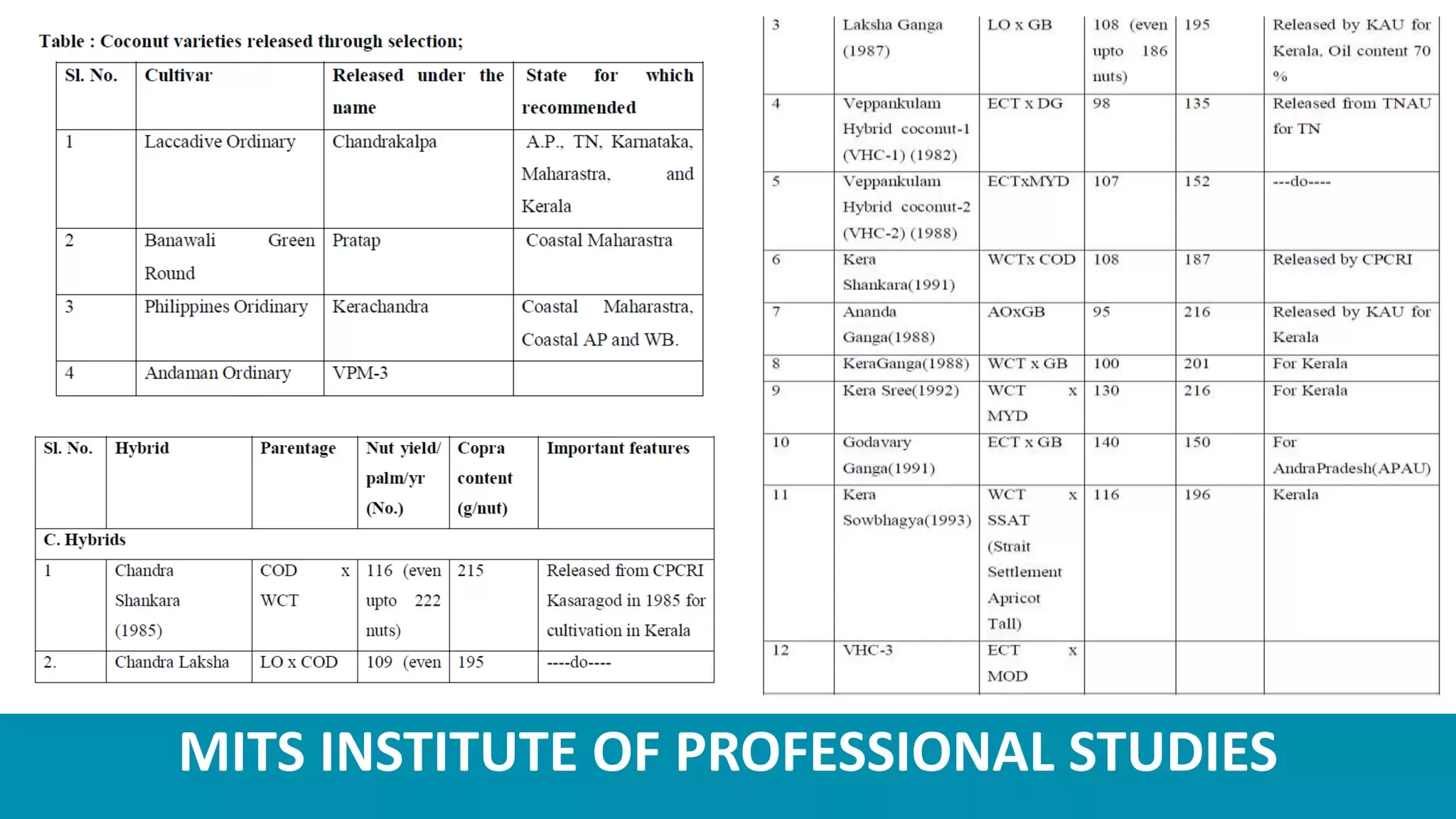
Slide 9
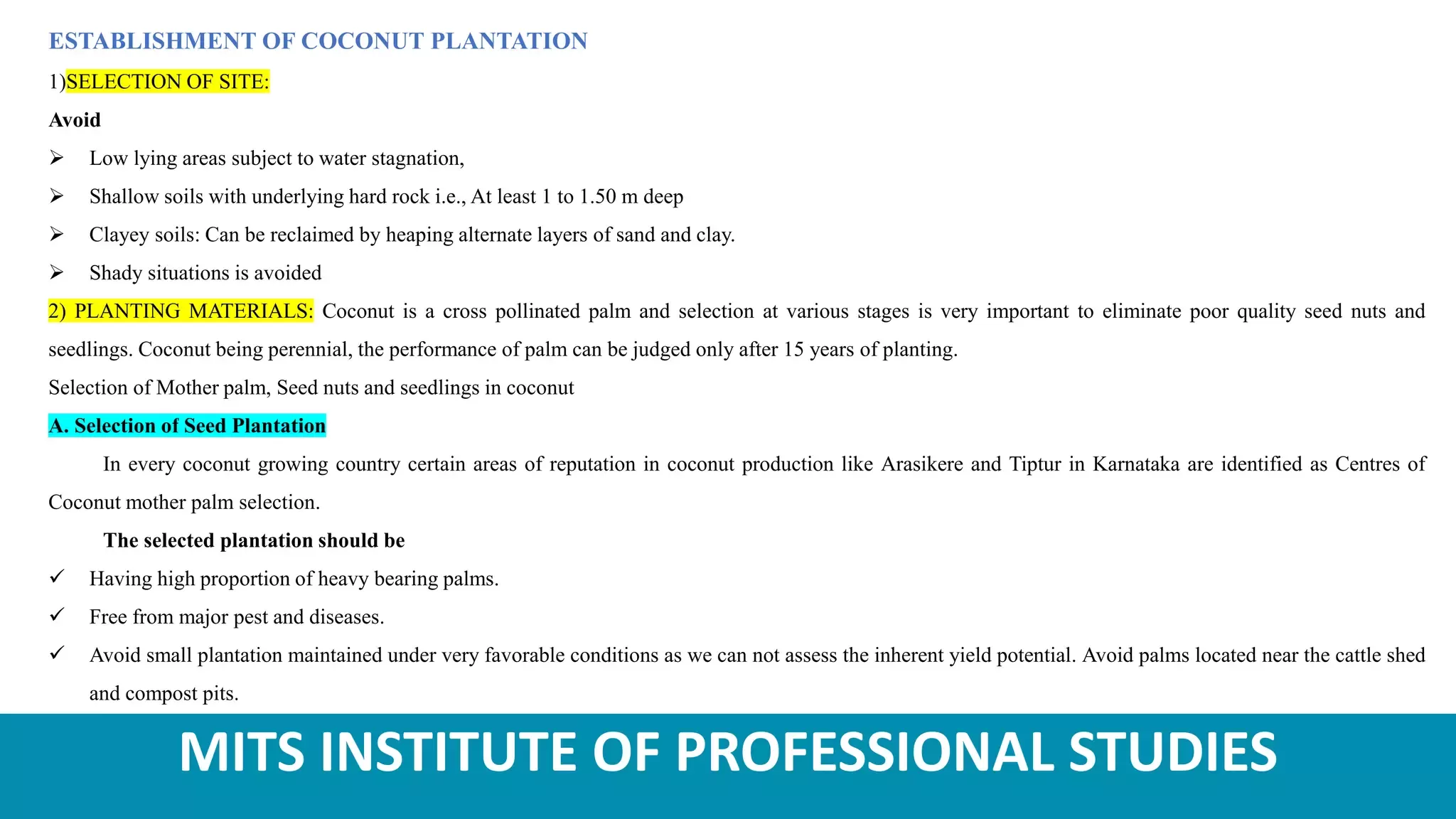
Slide 10
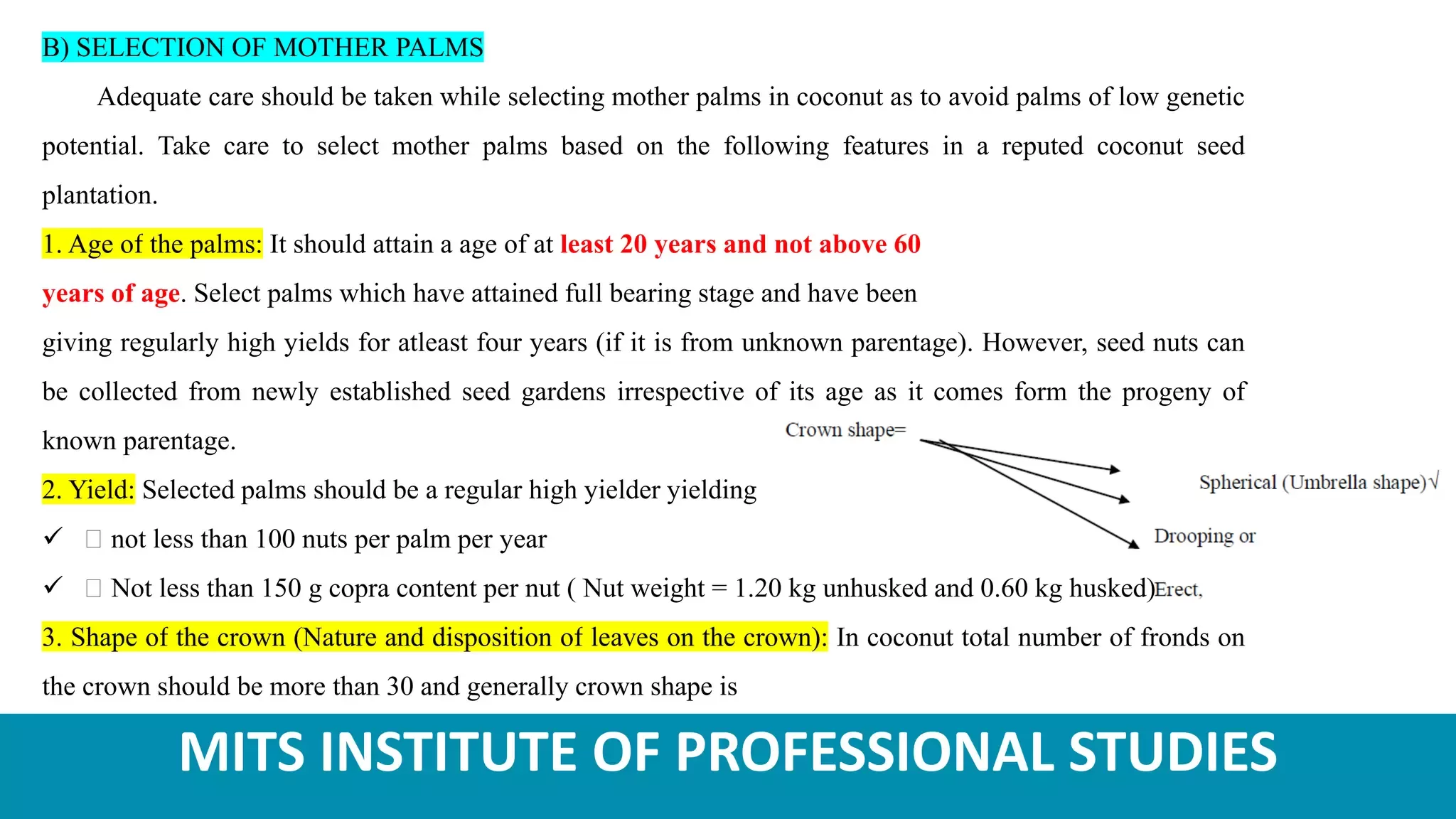
Slide 11
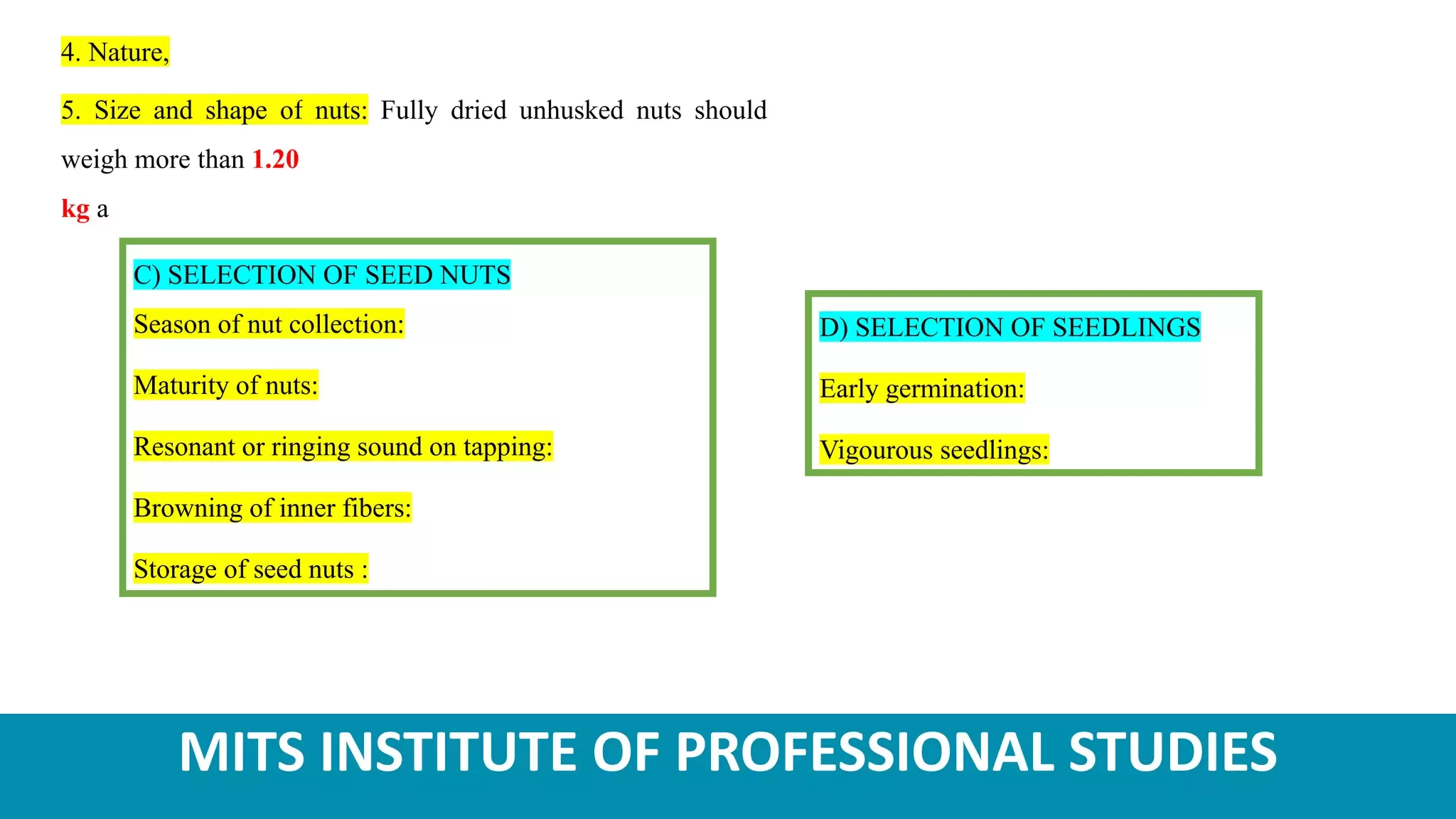
Slide 12
Slide 13
Slide 14
Slide 15
Slide 16
Slide 17
Slide 18
Slide 19