Home Quiz Old Paper PPT

Ppt on Production technology of geranium

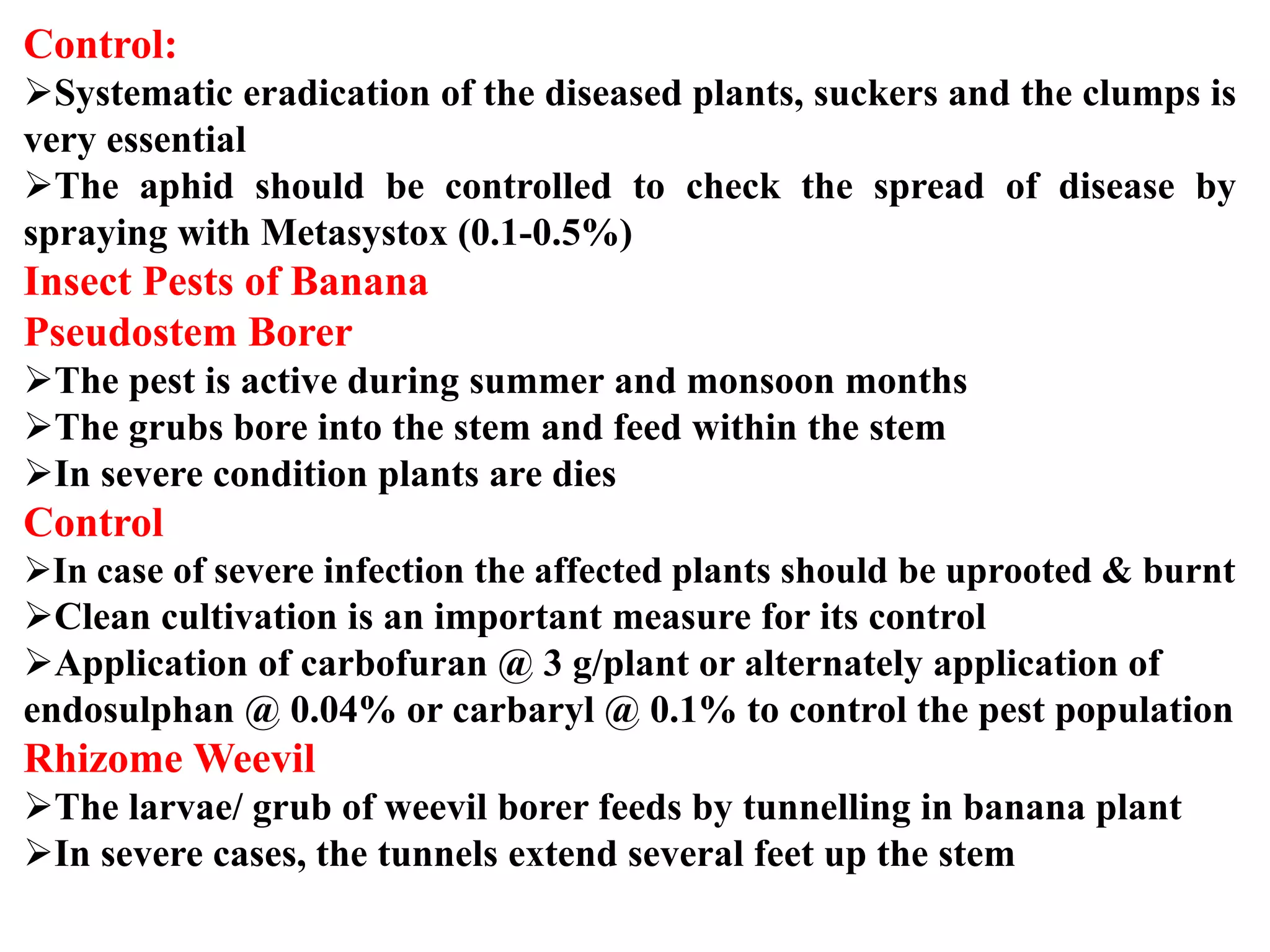
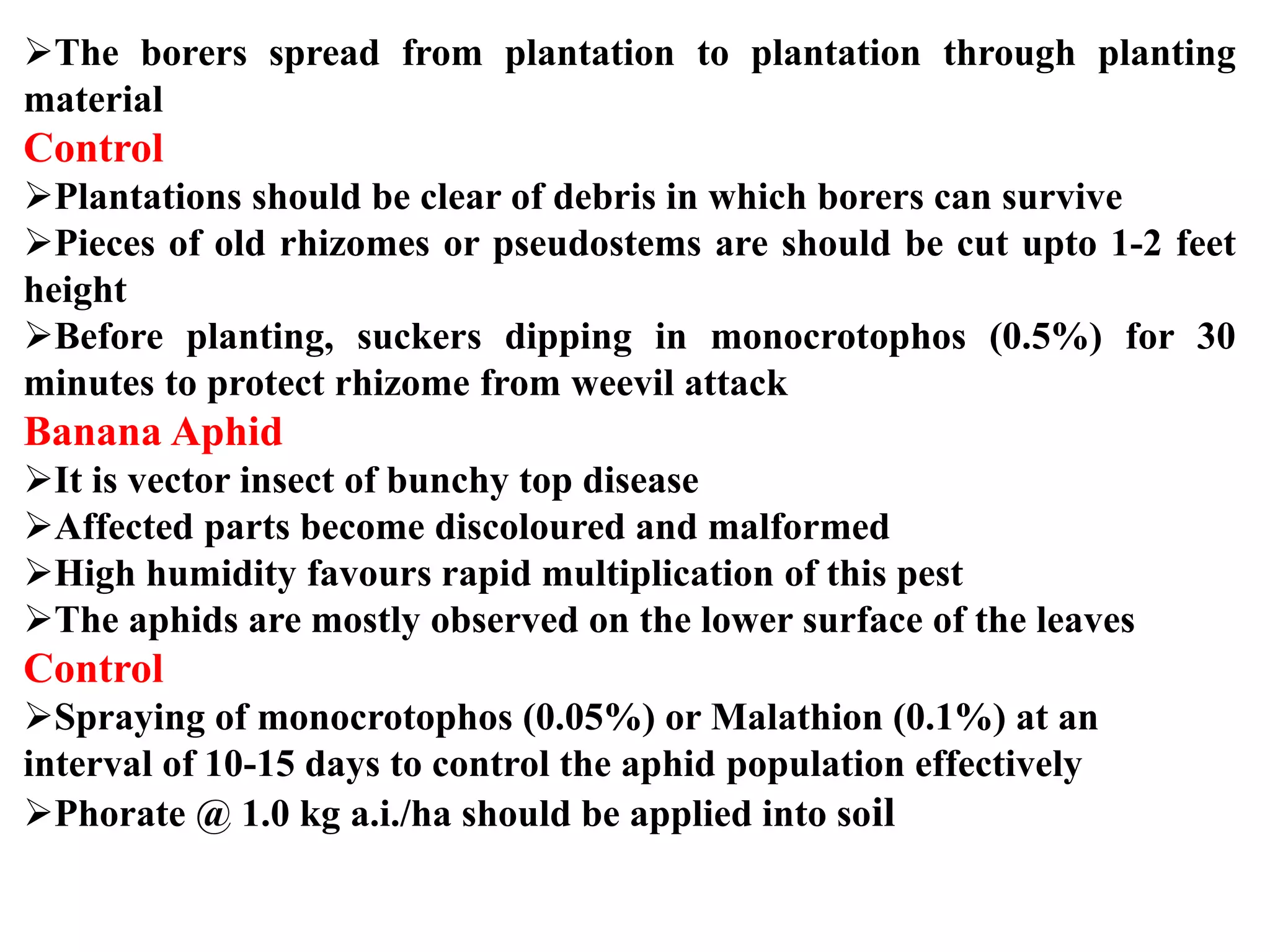
Summary:Discover the cultivation techniques, environmental requirements, propagation methods, pest control, and harvesting practices for Geranium plants. Explore how this aromatic plant is a key ingredient in perfumes and cosmetics, making it economically significant in the beauty industry.

Description

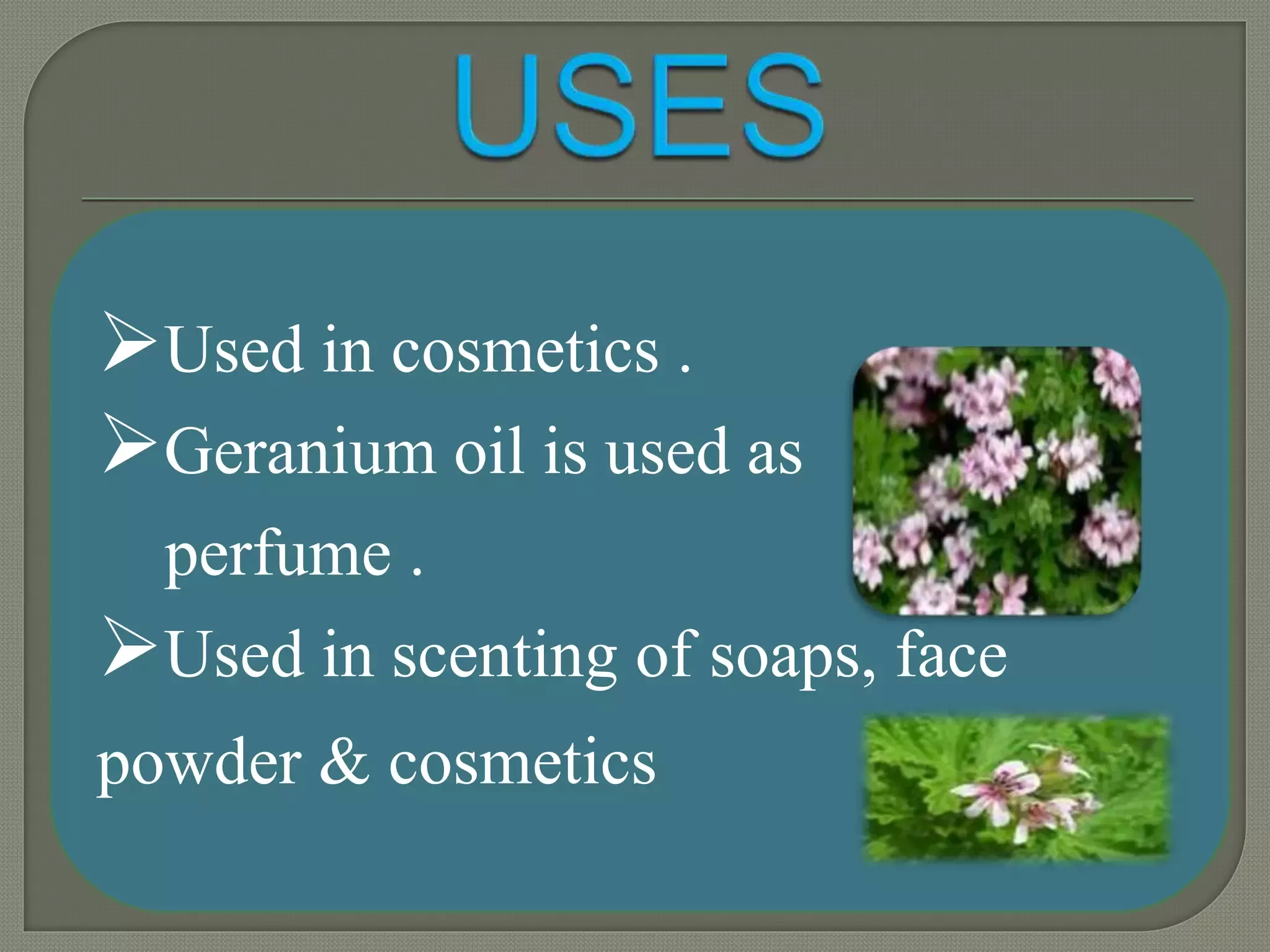
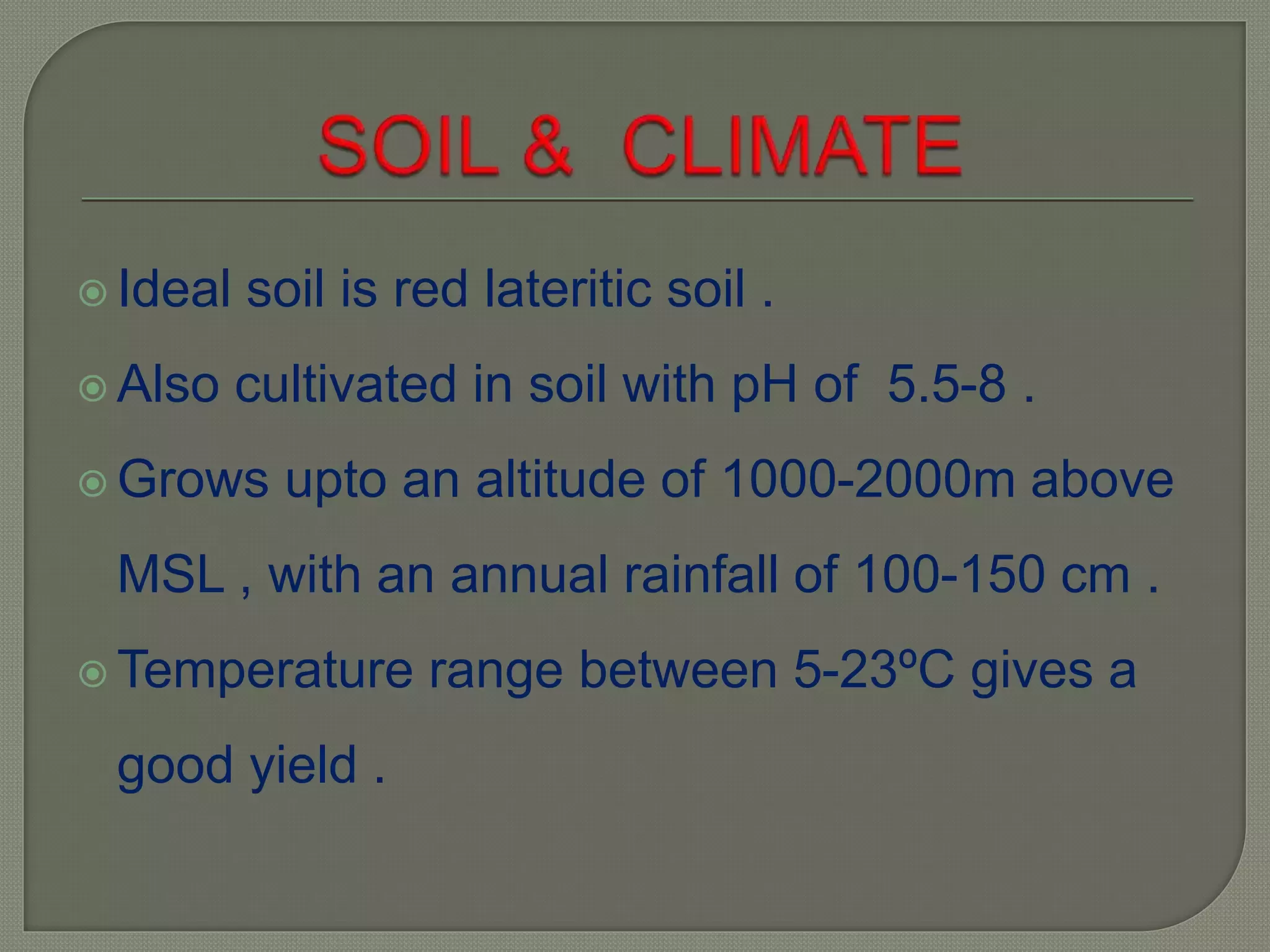
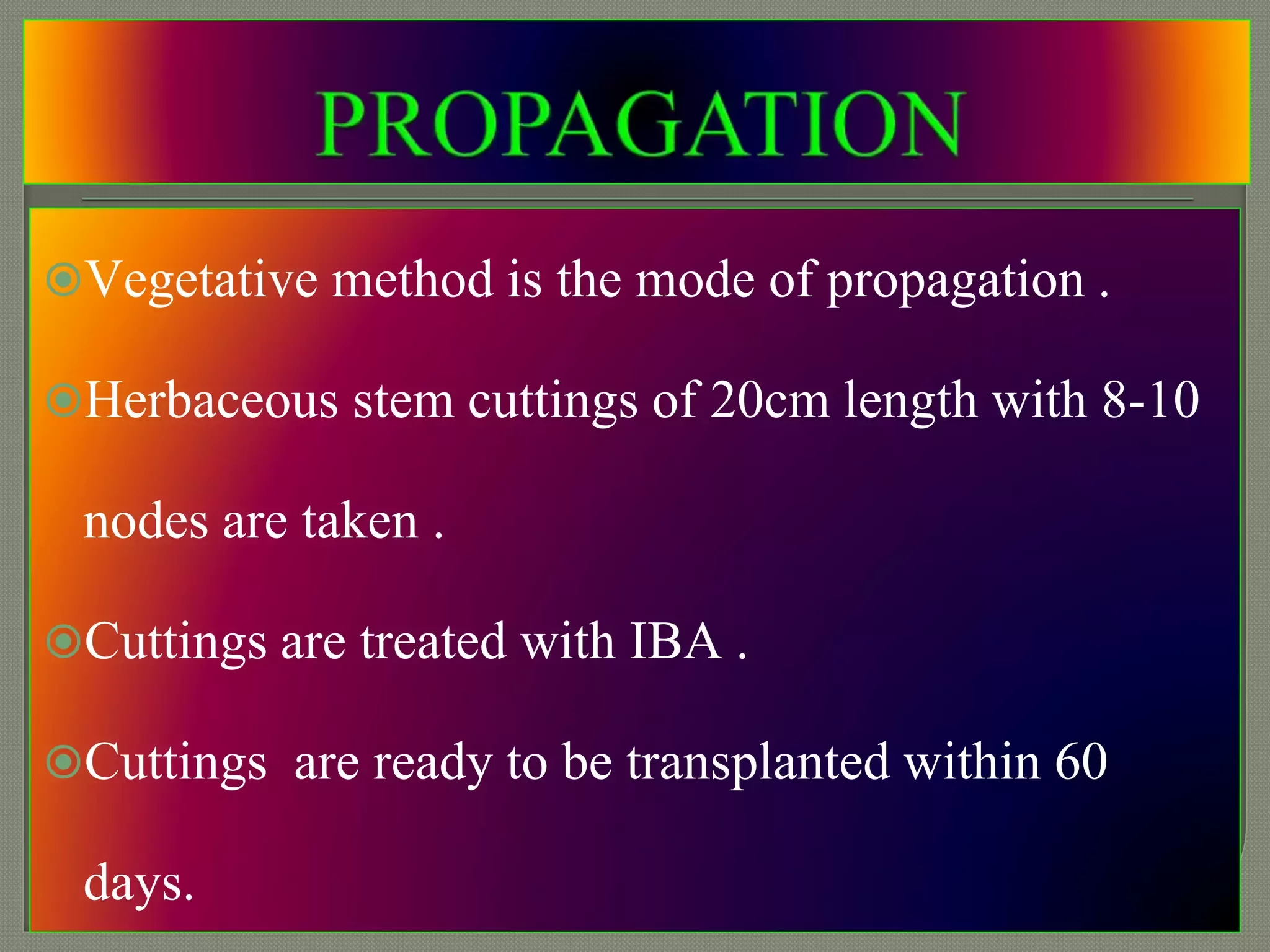
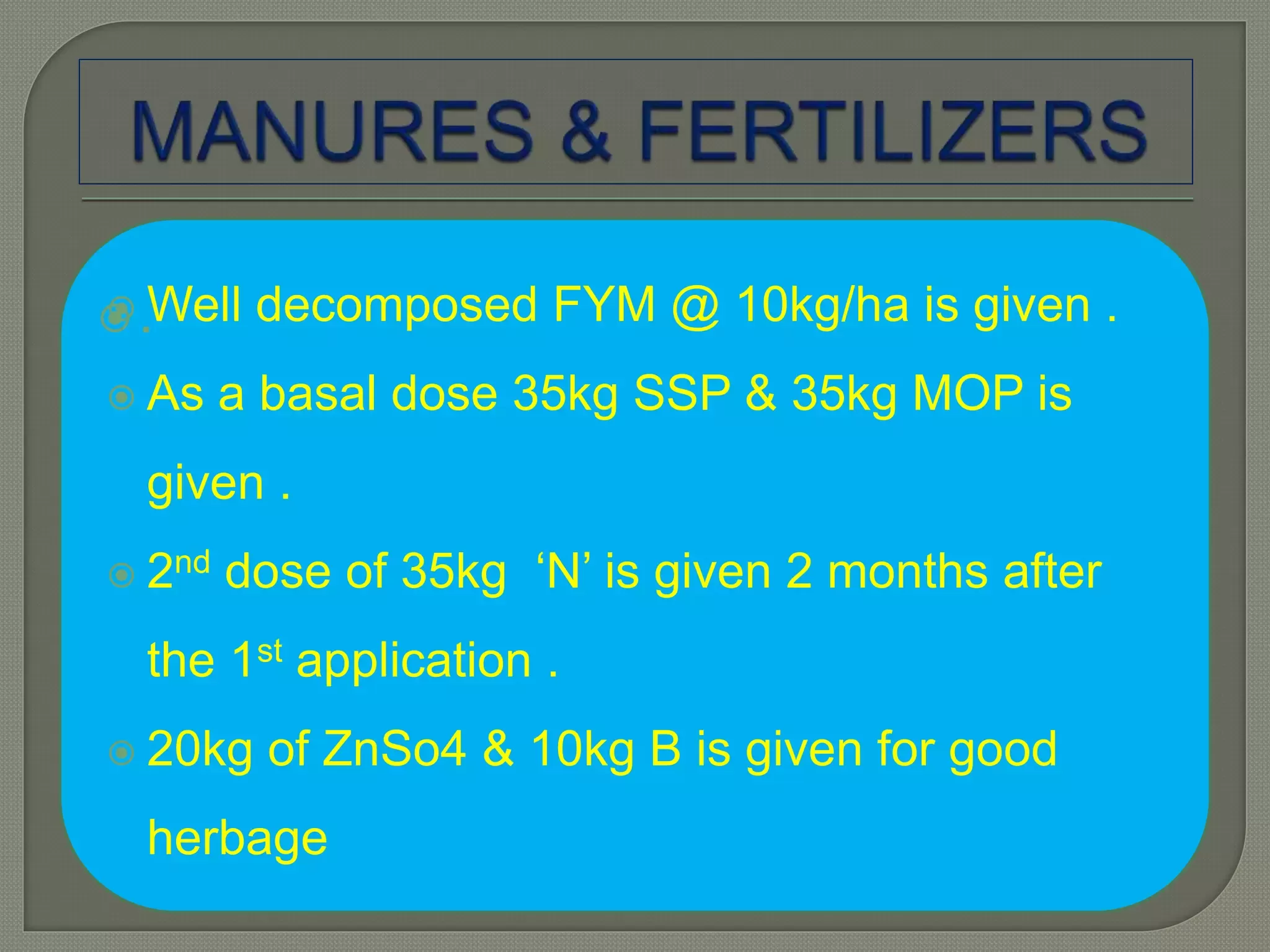
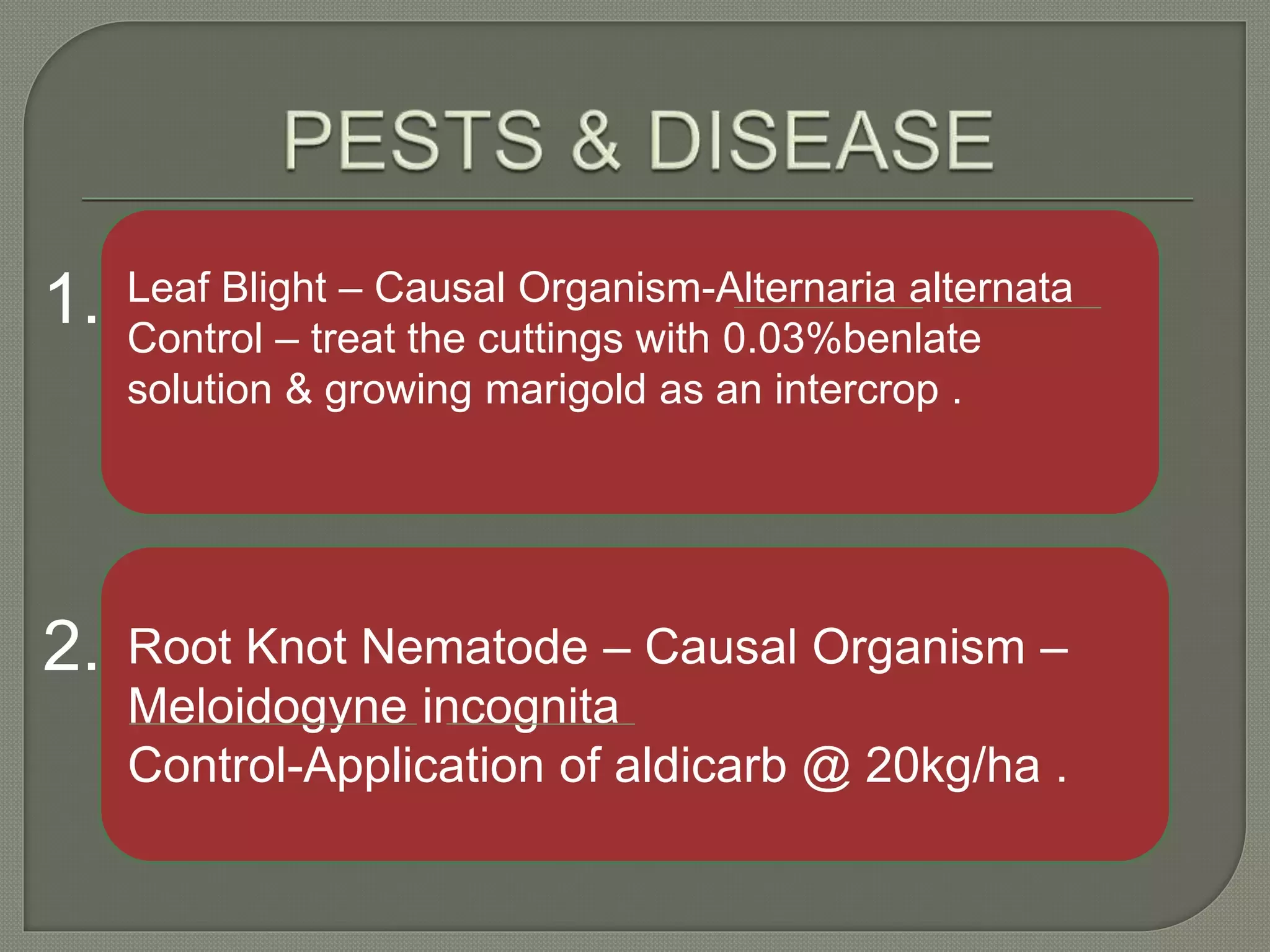
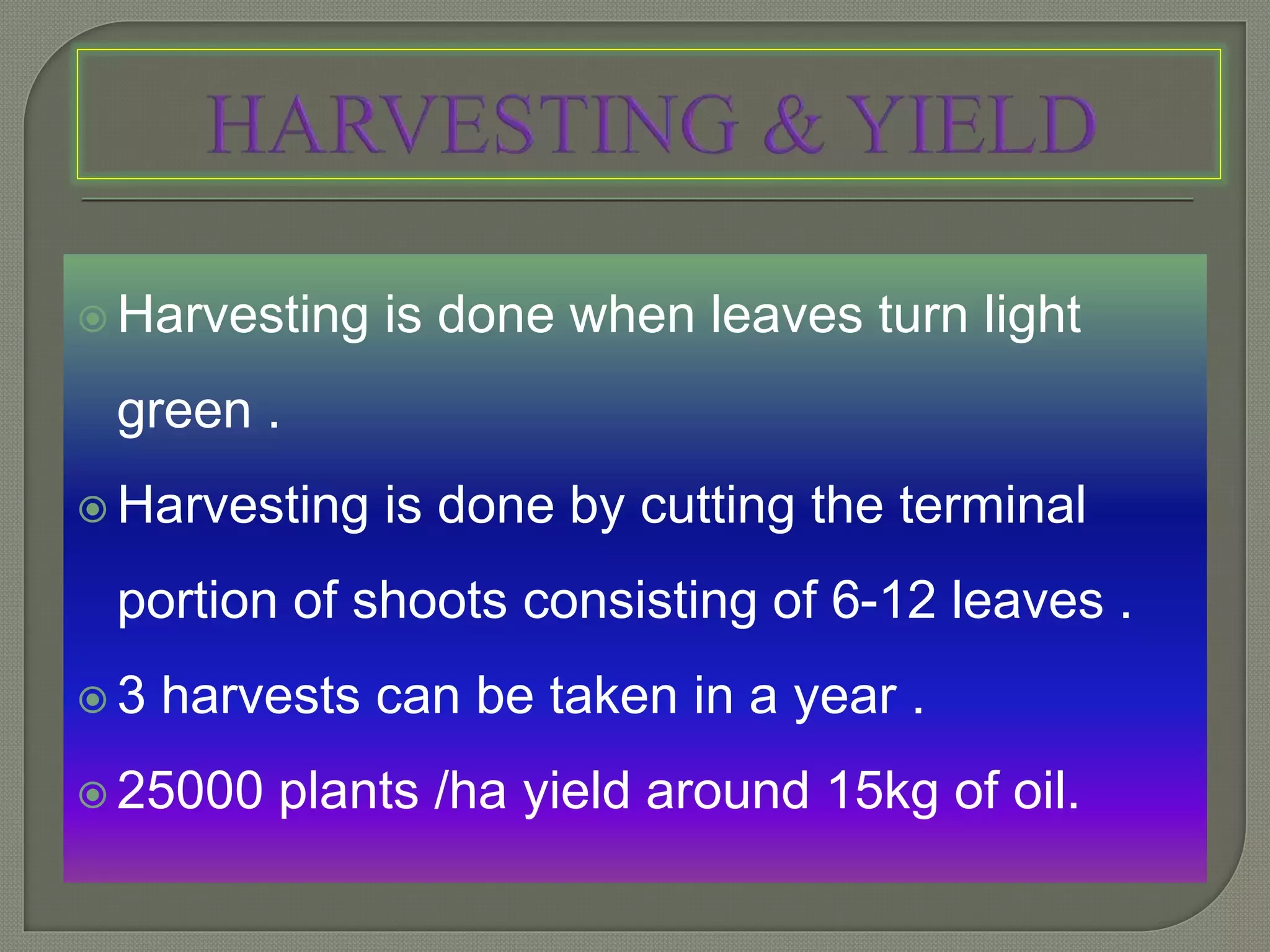
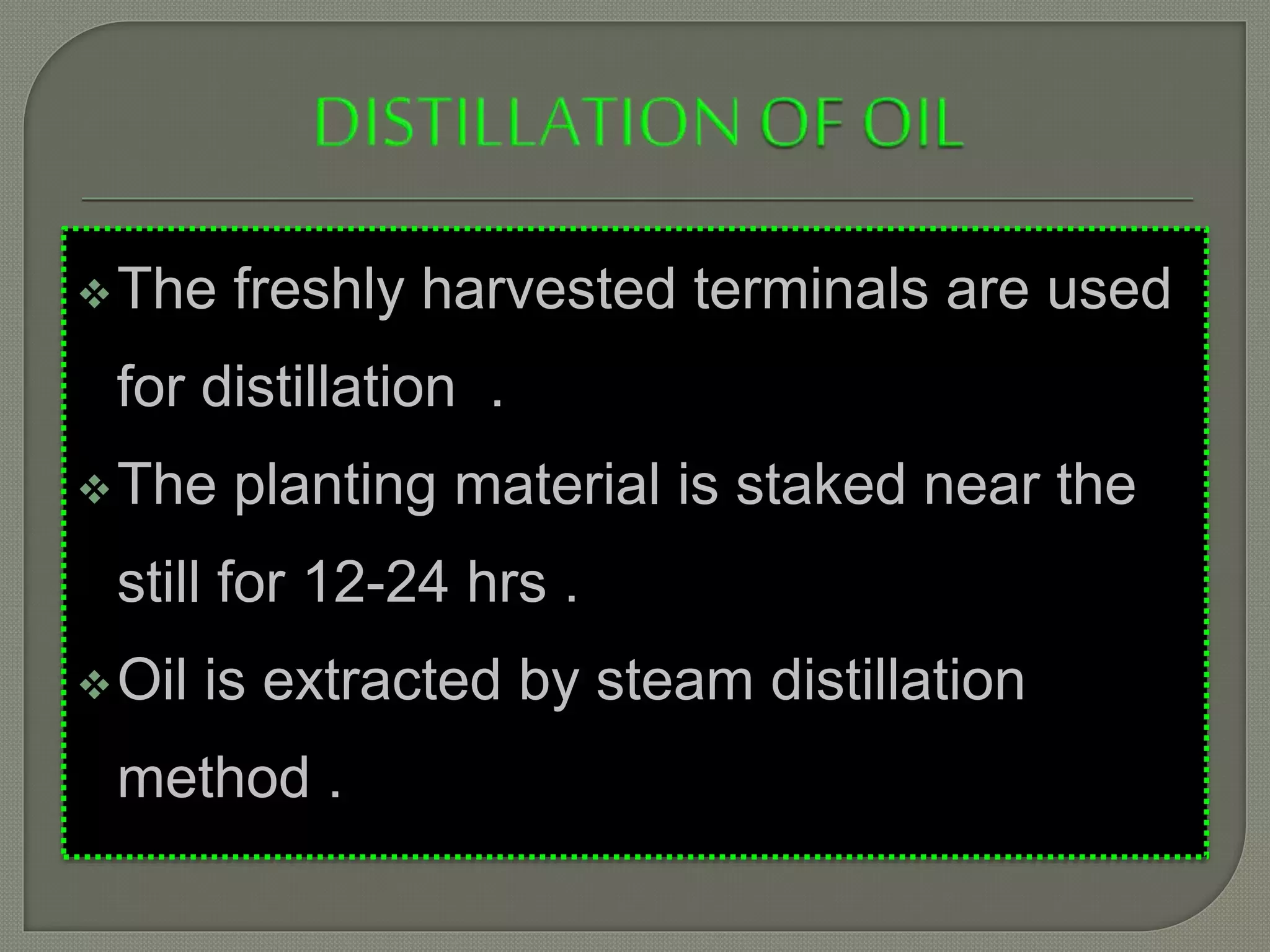
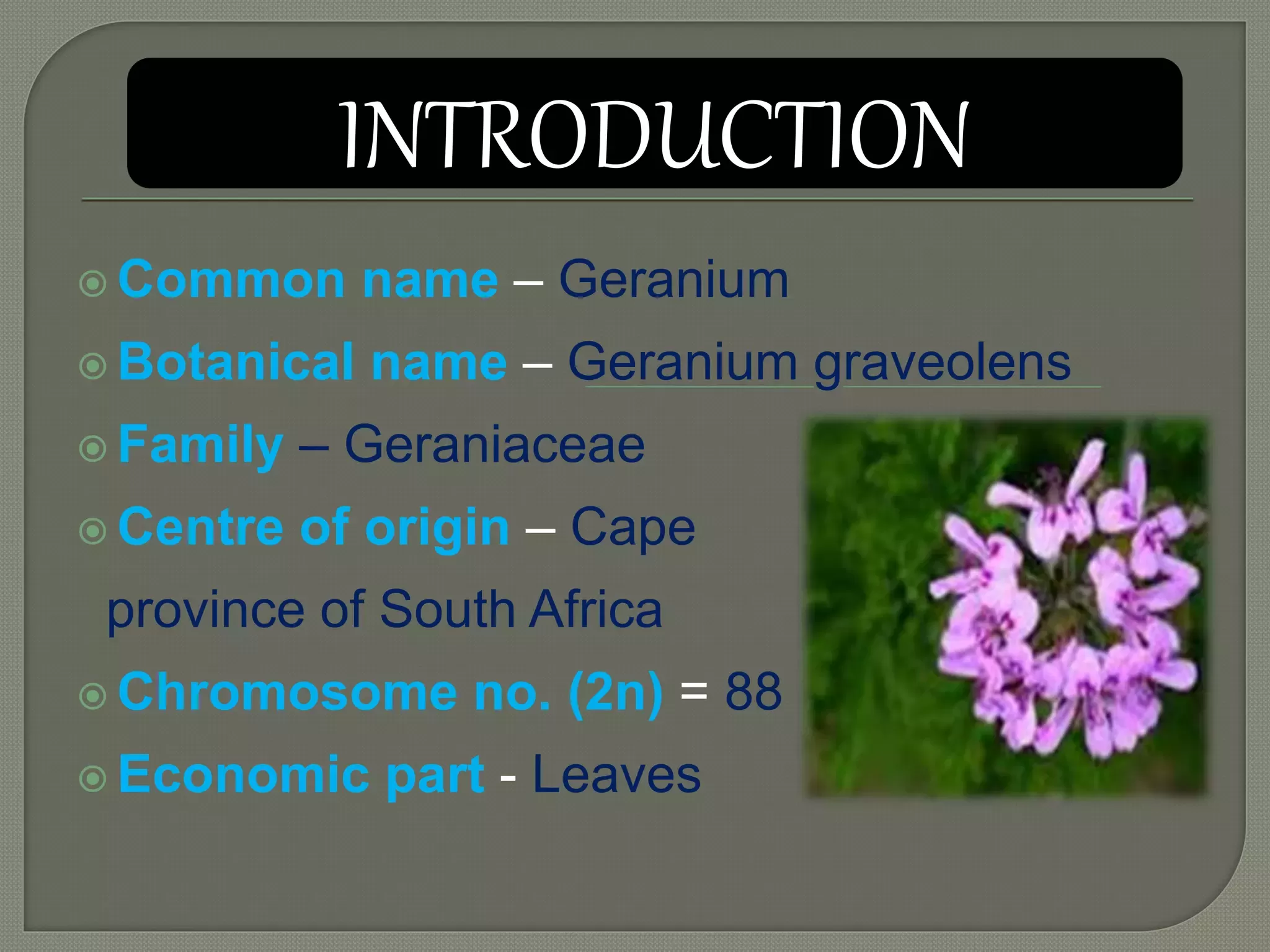
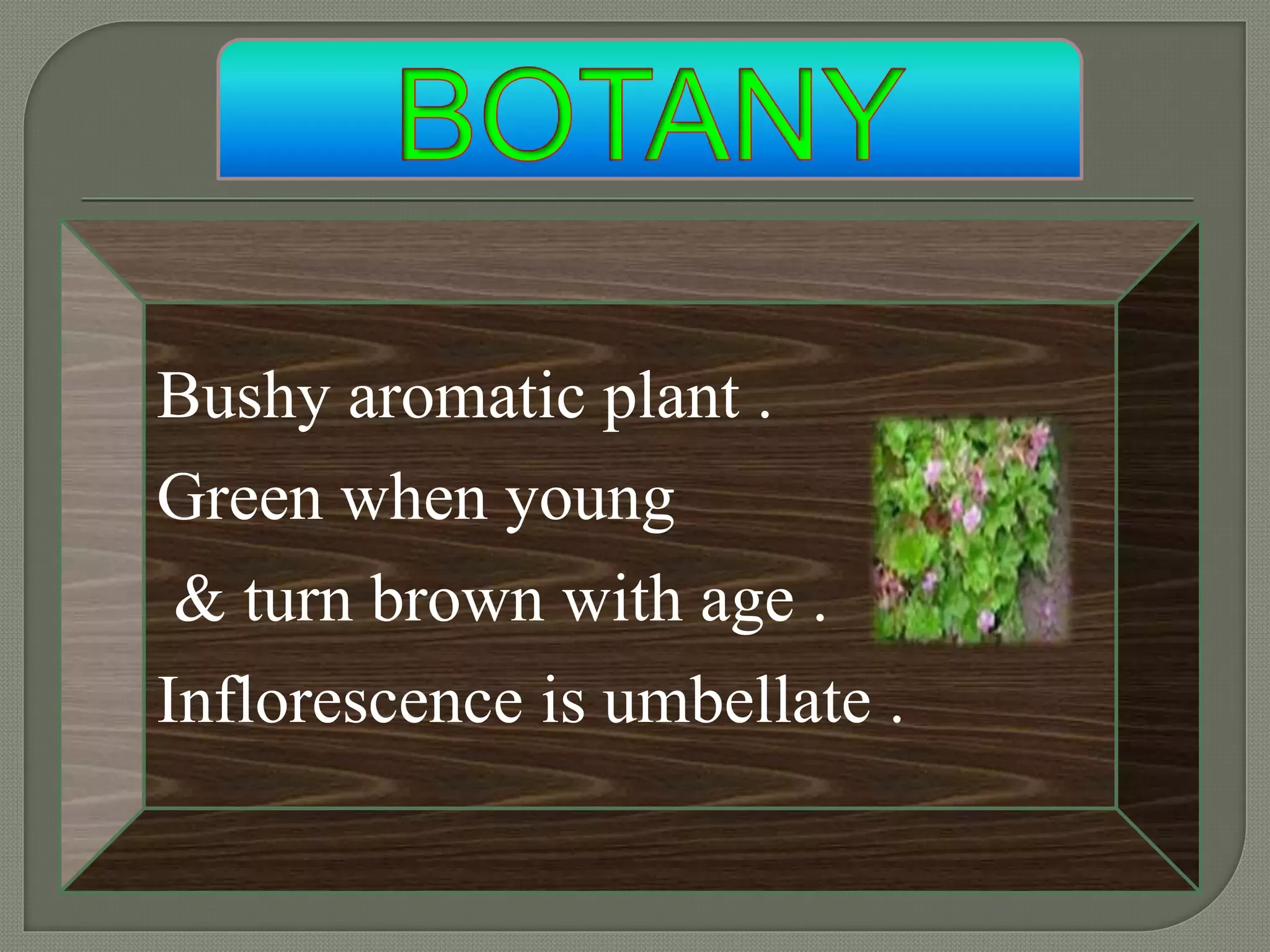
Geranium, scientifically known as *Geranium graveolens*, is a bushy aromatic plant belonging to the Geraniaceae family. Native to the Cape province of South Africa, this versatile plant is known for both its ornamental beauty and its economic value, particularly in the cosmetic industry. The leaves, which are the primary economic part of the plant, change colors from vibrant green when young to a rich brown as they mature. The plant showcases an umbellate inflorescence that adds to its aesthetic appeal. One of the key uses of geranium is its essential oil, which is a highly sought-after ingredient in perfumes and cosmetics. The fragrant oil is also utilized in scenting soaps and face powders, making geranium a valuable crop for those involved in the beauty and personal care sectors. Its aromatic properties and versatility have led to its popularity across various applications. To thrive, geraniums prefer specific soil conditions, particularly red lateritic soil. However, they can also grow in soils with a pH range of 5.5 to 8. Successfully cultivating geranium requires specific climatic conditions; the plants flourish at altitudes between 1000 to 2000 meters above mean sea level (MSL), with an annual rainfall of 100-150 centimeters. A temperature range of 5-23ºC is optimal for achieving high yields, making it essential for cultivators to consider these environmental factors. Propagating geraniums typically involves a vegetative method, with herbaceous stem cuttings being the preferred technique. Cuttings around 20 centimeters long, each containing 8-10 nodes, are taken and treated with indolebutyric acid (IBA) to encourage root development. After approximately 60 days, the cuttings are ready for transplanting, providing a relatively efficient means of propagation. For successful growth, geranium plants benefit from well-decomposed farmyard manure (FYM), with a recommended application of 10 kg per hectare as a nutrient source. Additionally, a basal application of 35 kg each of single super phosphate (SSP) and muriate of potash (MOP) is suggested, followed by a subsequent nitrogen dose two months later. To enhance herbage quality, supplementary applications of zinc sulfate and boron are also recommended. Despite its resilience, geraniums can be affected by certain pests and diseases. Leaf blight caused by *Alternaria alternata* is notable, and treatment can include using a 0.03% benlate solution. Additionally, intercropping with marigold plants has been identified as a beneficial practice to mitigate this issue. Root knot nematodes, mainly *Meloidogyne incognita*, can pose another threat; control measures include applying aldicarb at a dosage of 20 kg per hectare. Harvesting geranium is a meticulous process, taking place when the leaves display a light green coloration. The optimal technique involves cutting the terminal ends of shoots that comprise 6-12 leaves. With the capacity for up to three harvests per year, a well-maintained plantation of approximately 25,000 plants per hectare can yield around 15 kg of essential oil. The freshly harvested terminal shoots are placed near a still for 12-24 hours before the oil extraction process, which employs steam distillation. This careful handling ensures optimal quality of the oil produced, reinforcing the geranium’s esteemed status in the world of fragrances. Through these practices, geranium continues to be a beloved and economically significant plant in the realm of aromatherapy and cosmetic applications.
Slide 1

Slide 1⬇ Slide

Slide 2

Slide 2⬇ Slide

Slide 3

Slide 3⬇ Slide

Slide 4

Slide 4⬇ Slide

Slide 5

Slide 5⬇ Slide

Slide 6

Slide 6⬇ Slide

Slide 7

Slide 7⬇ Slide

Slide 8

Slide 8⬇ Slide

Slide 9

Slide 9⬇ Slide
1 / 9

Ppt on Production technology of broccoli

Description

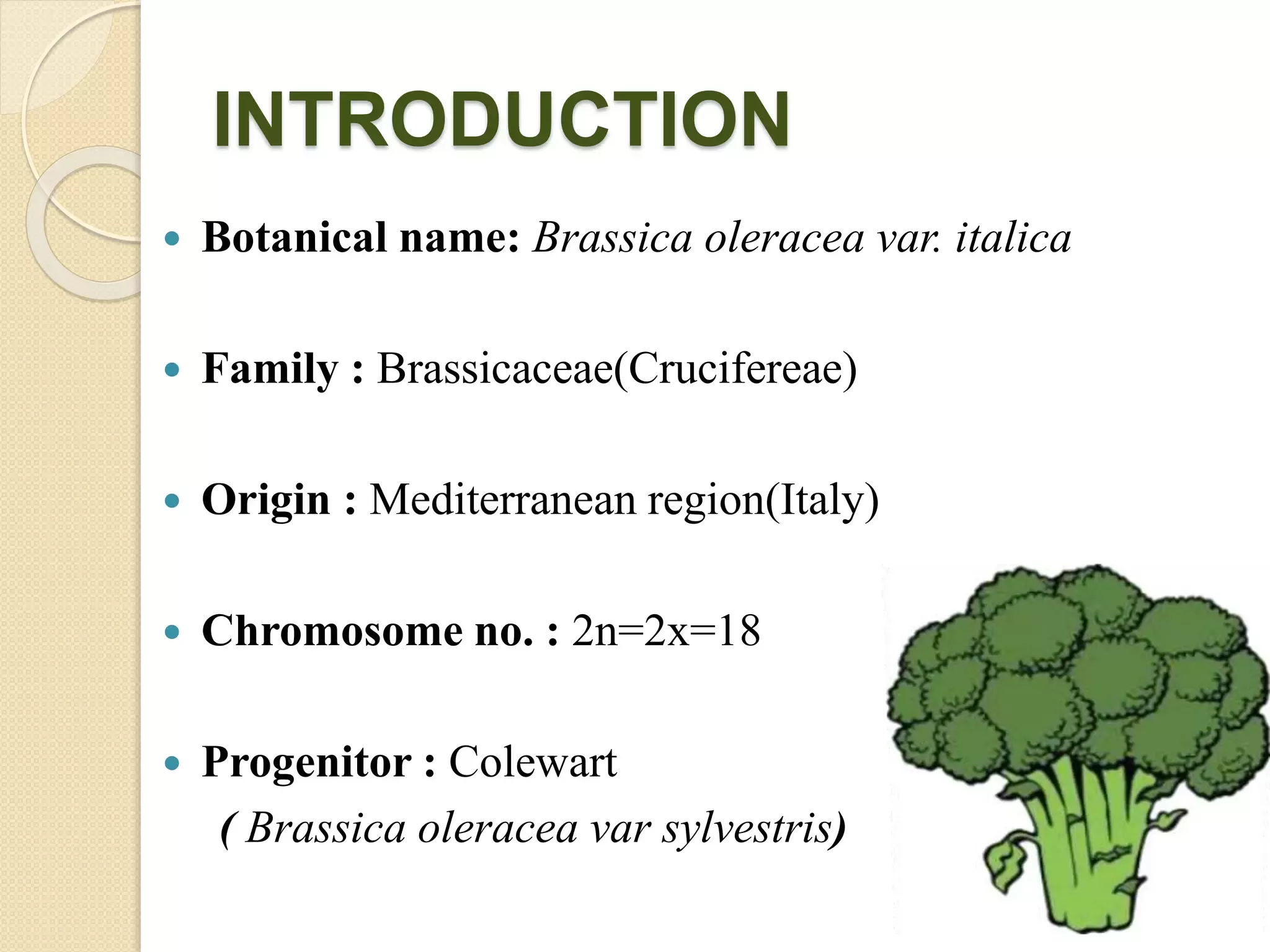
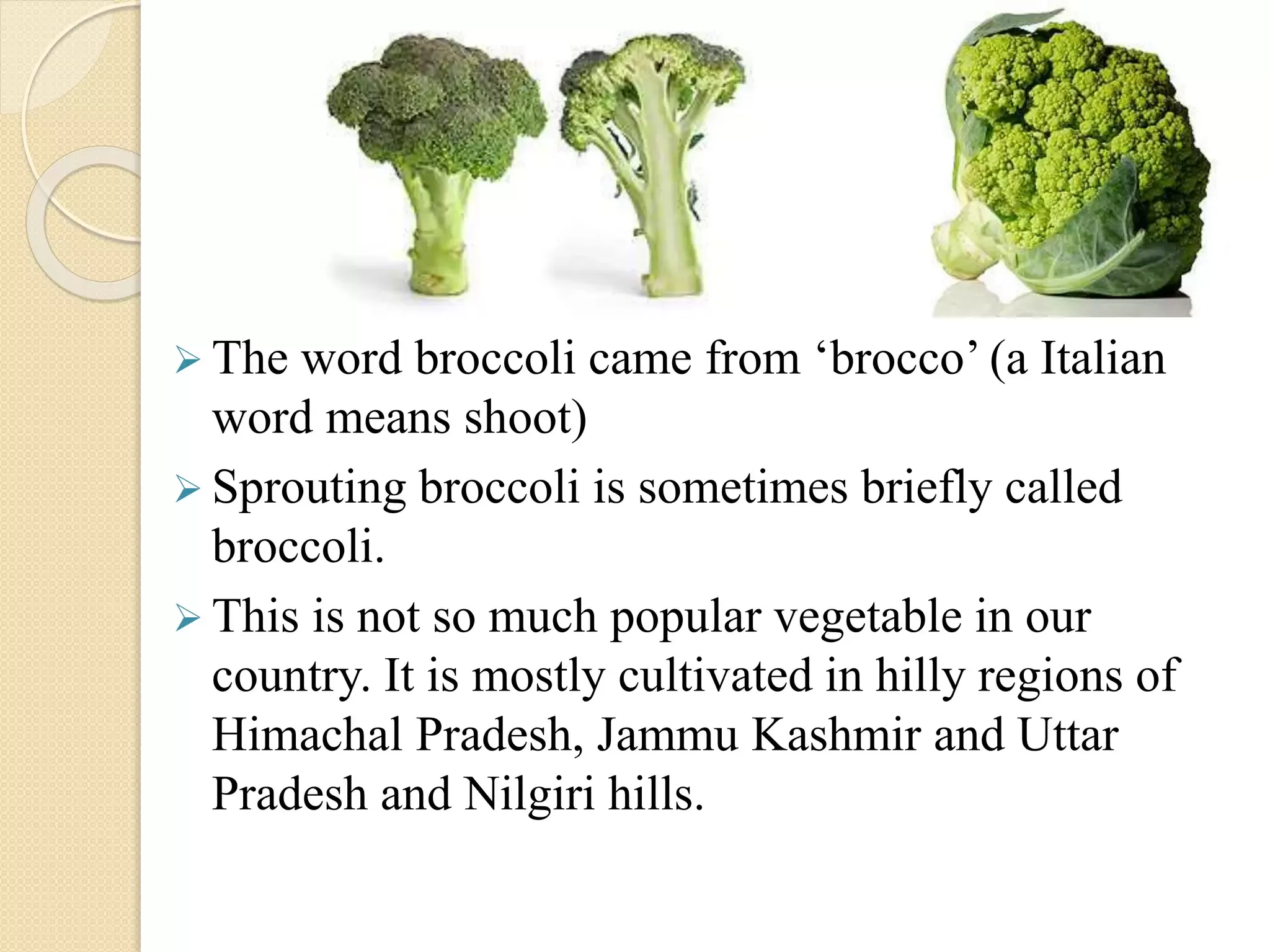
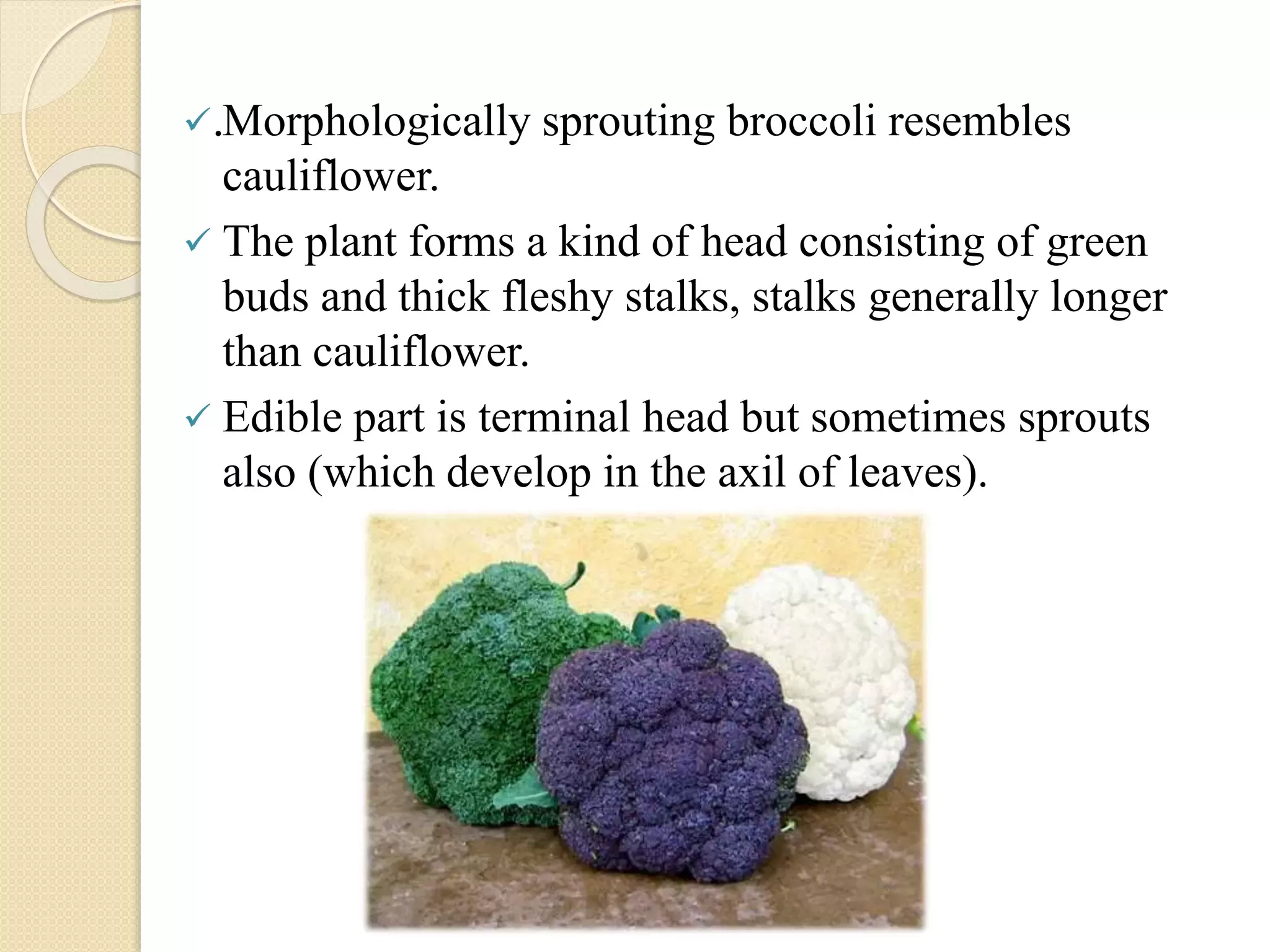
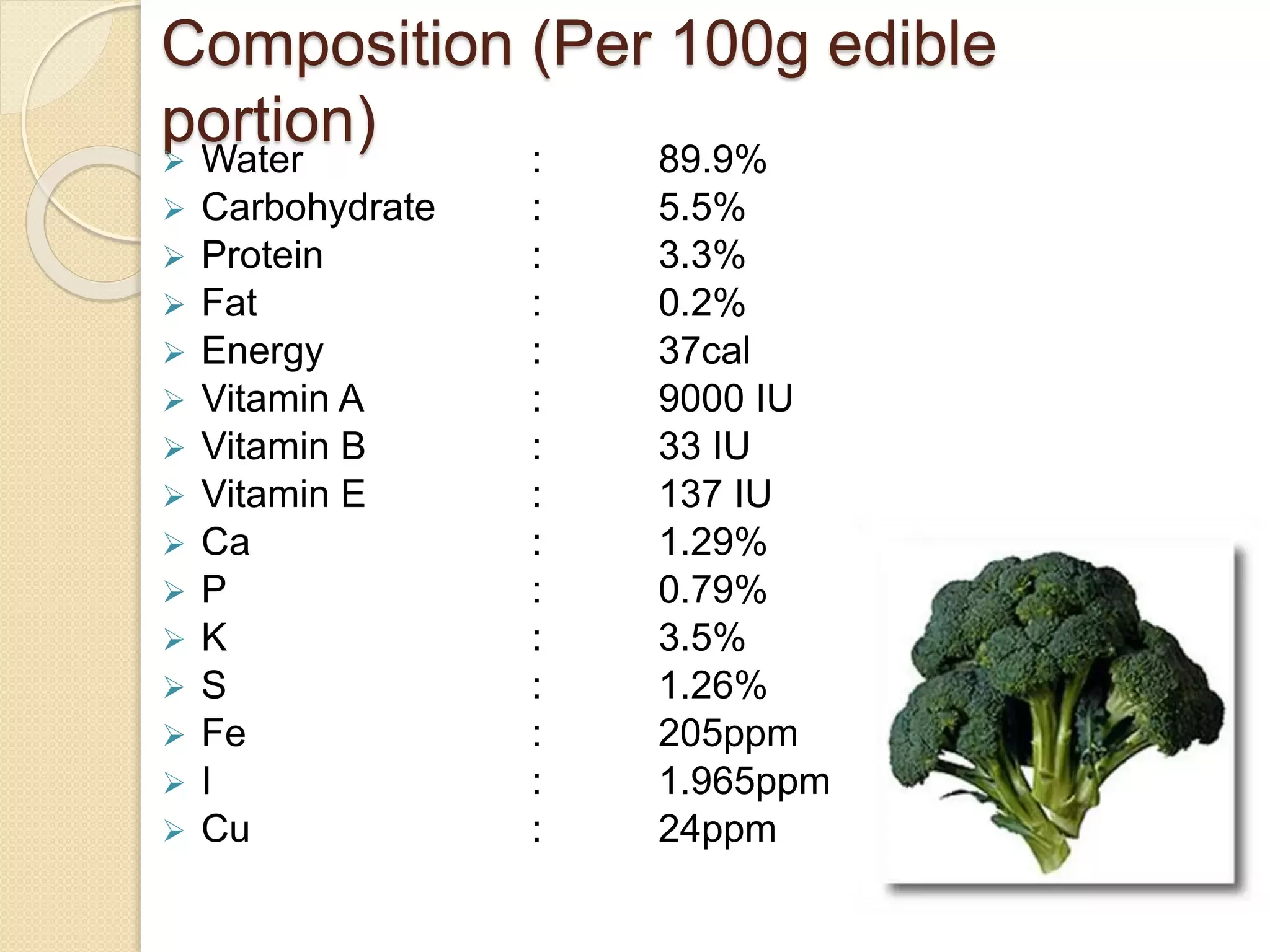
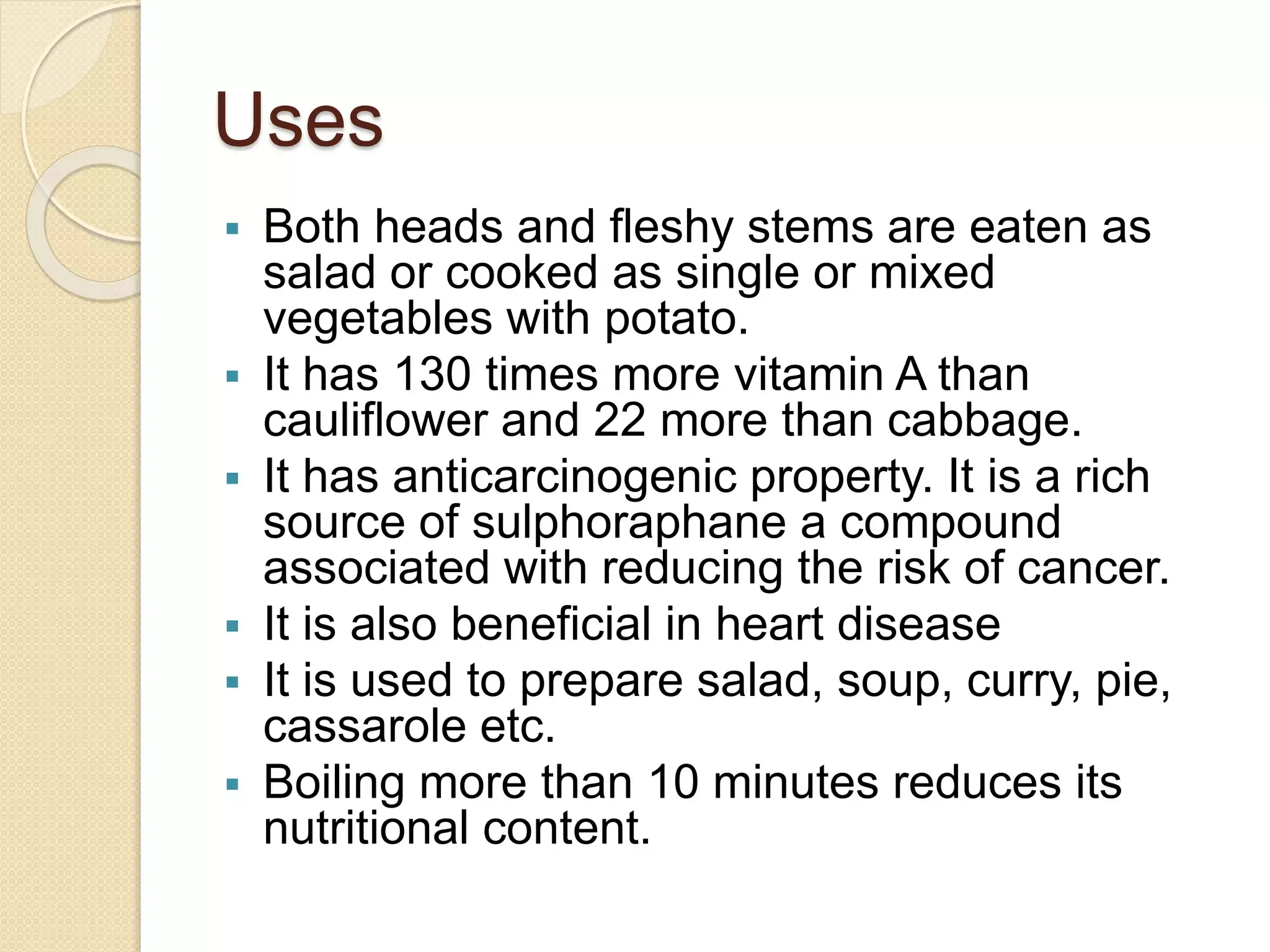
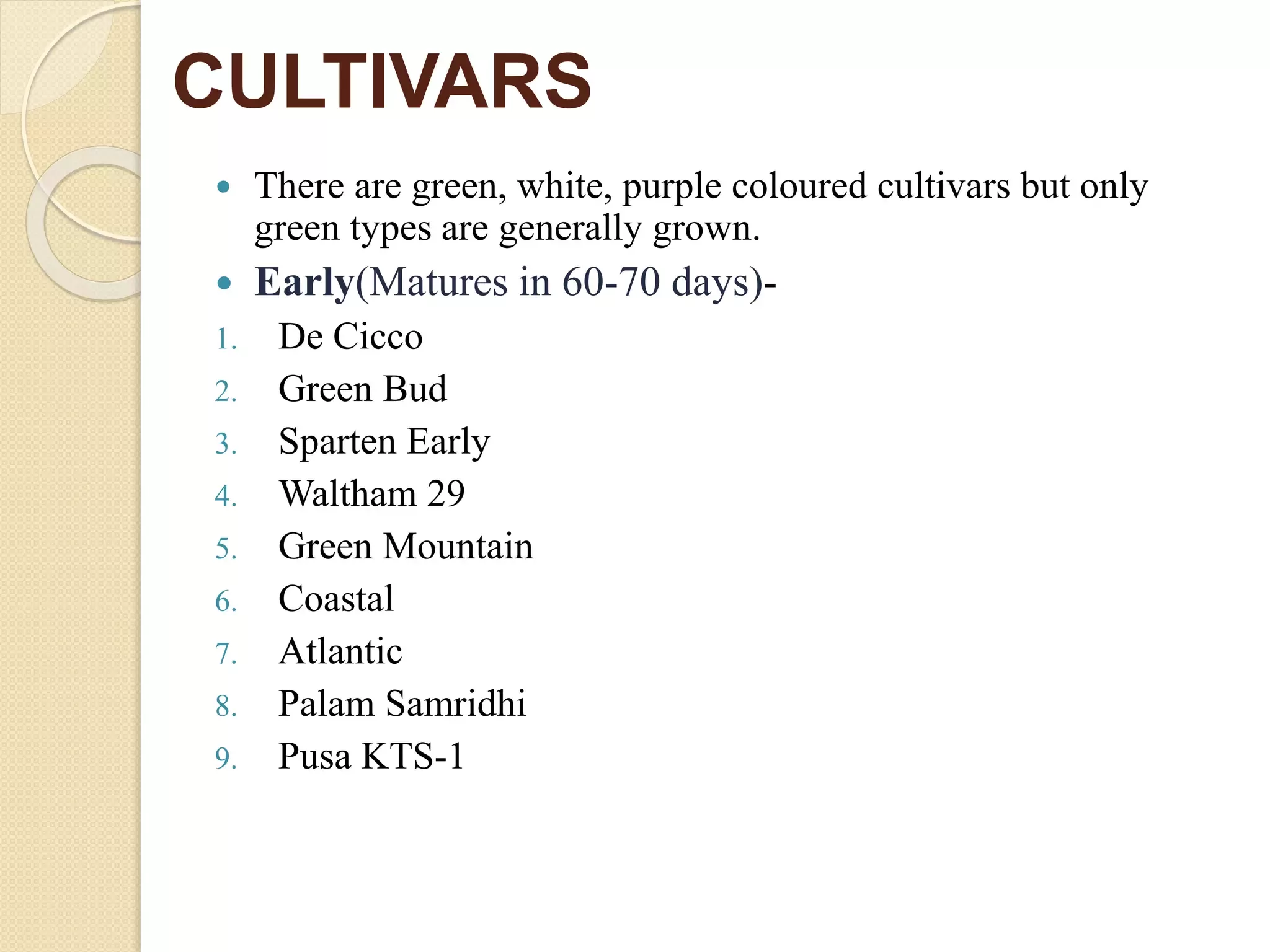
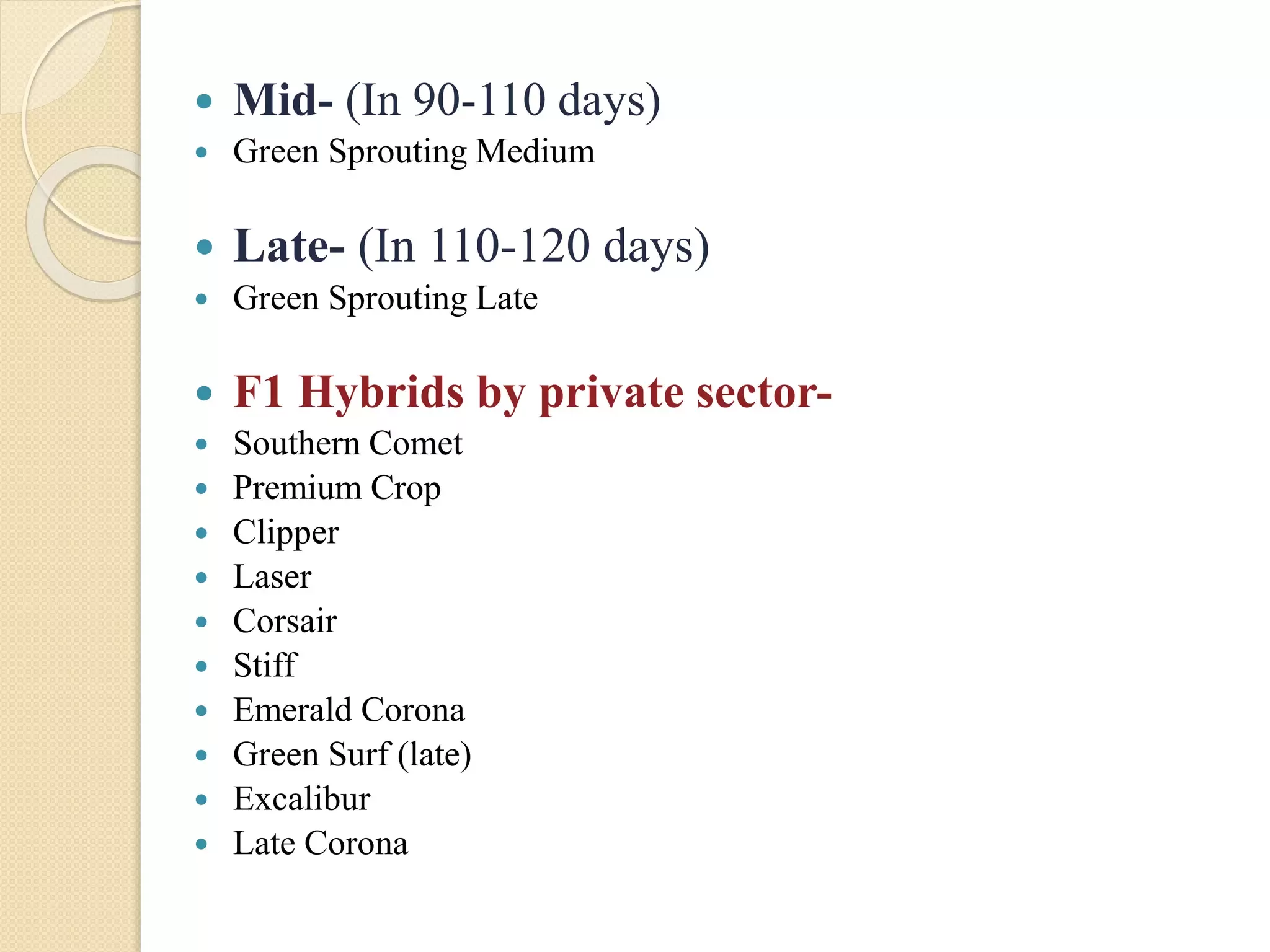
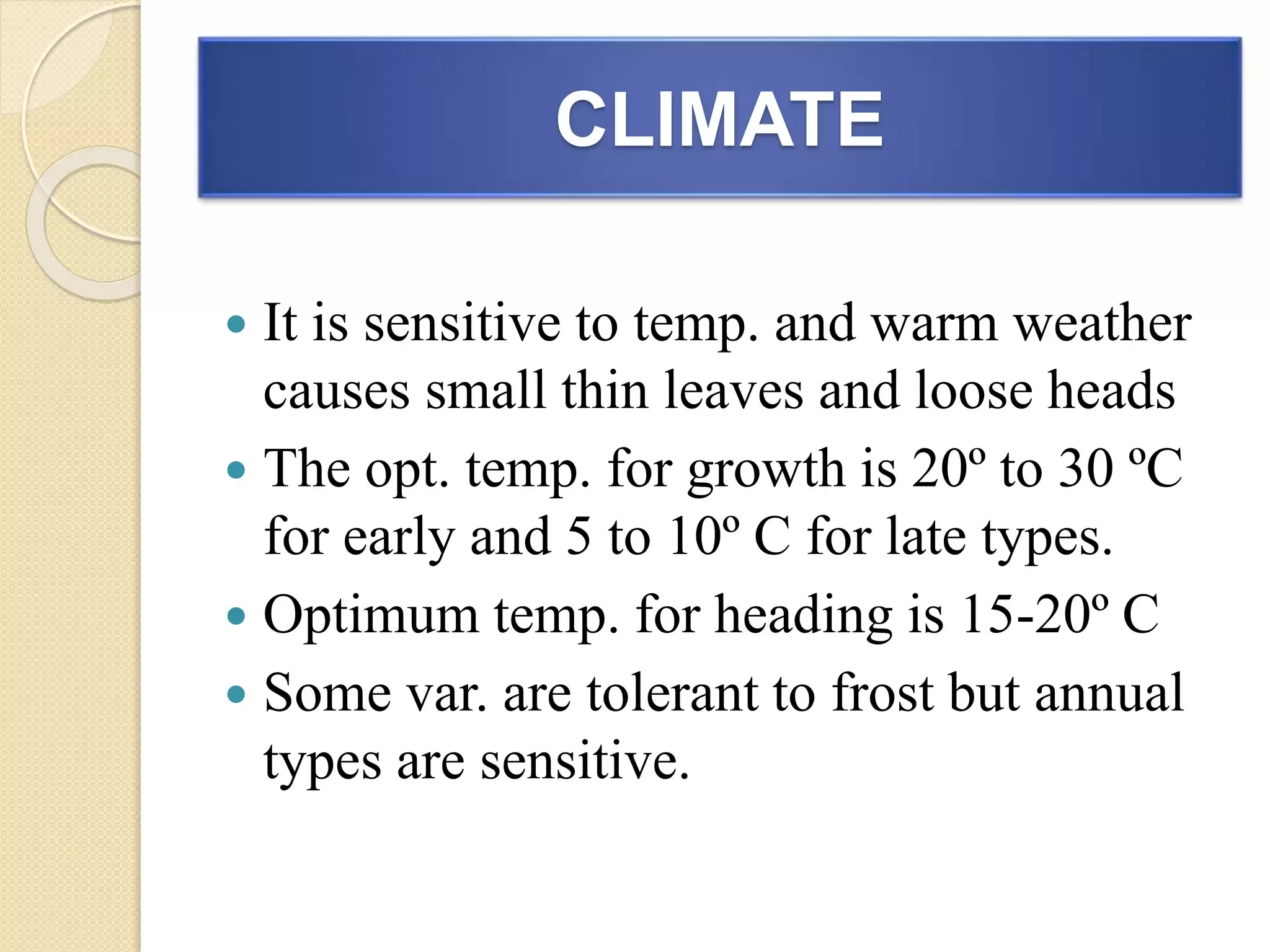
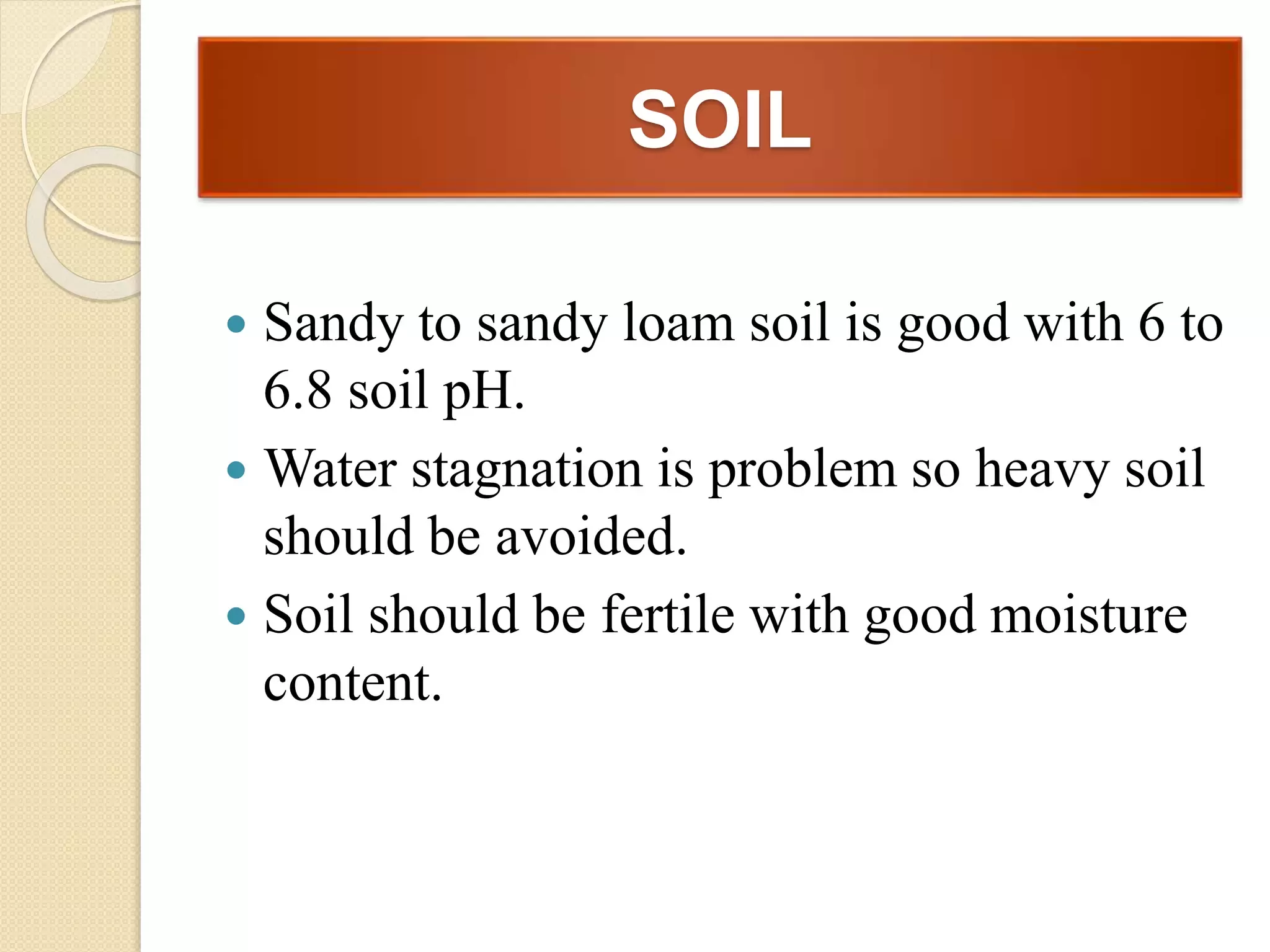
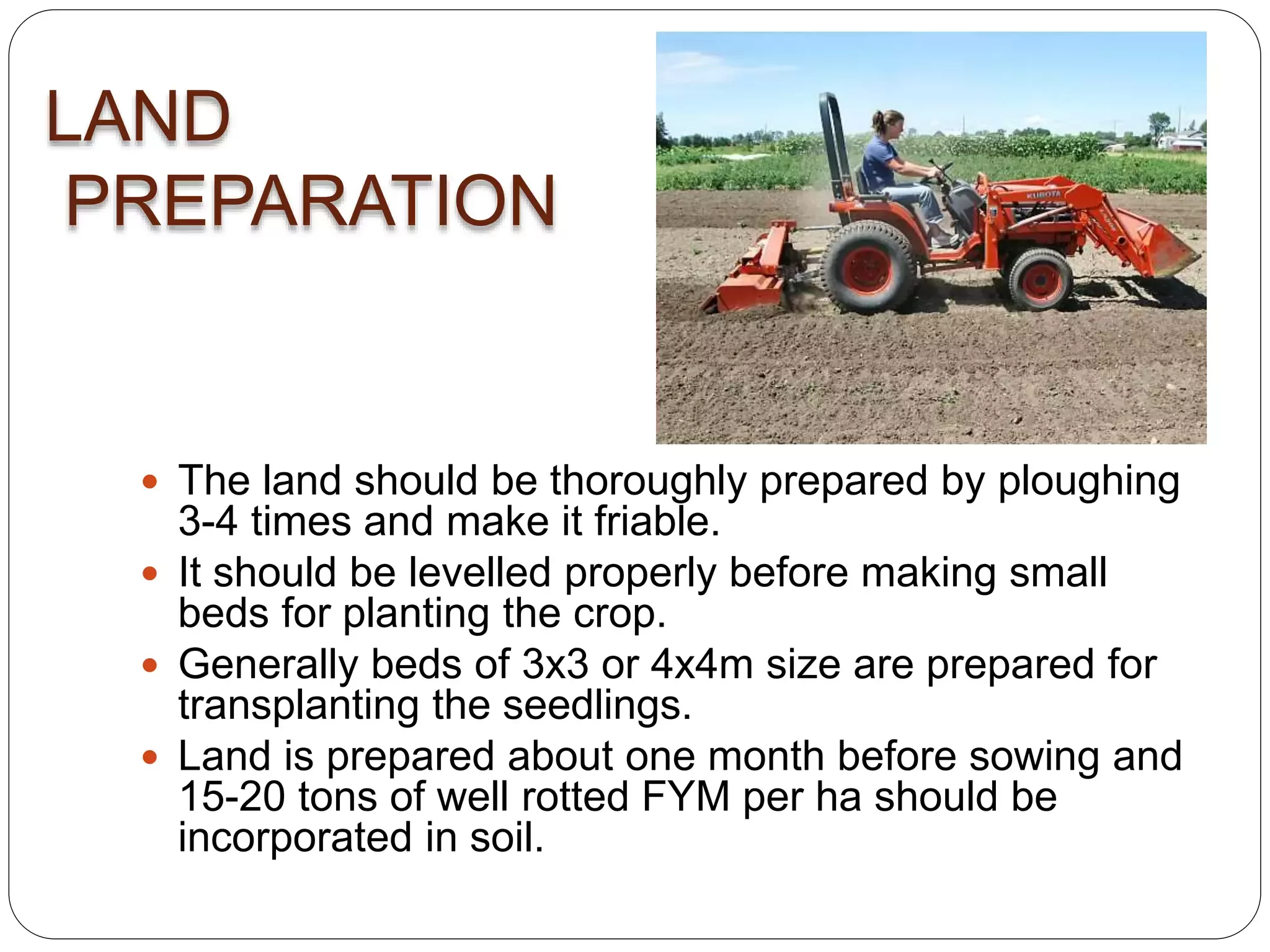
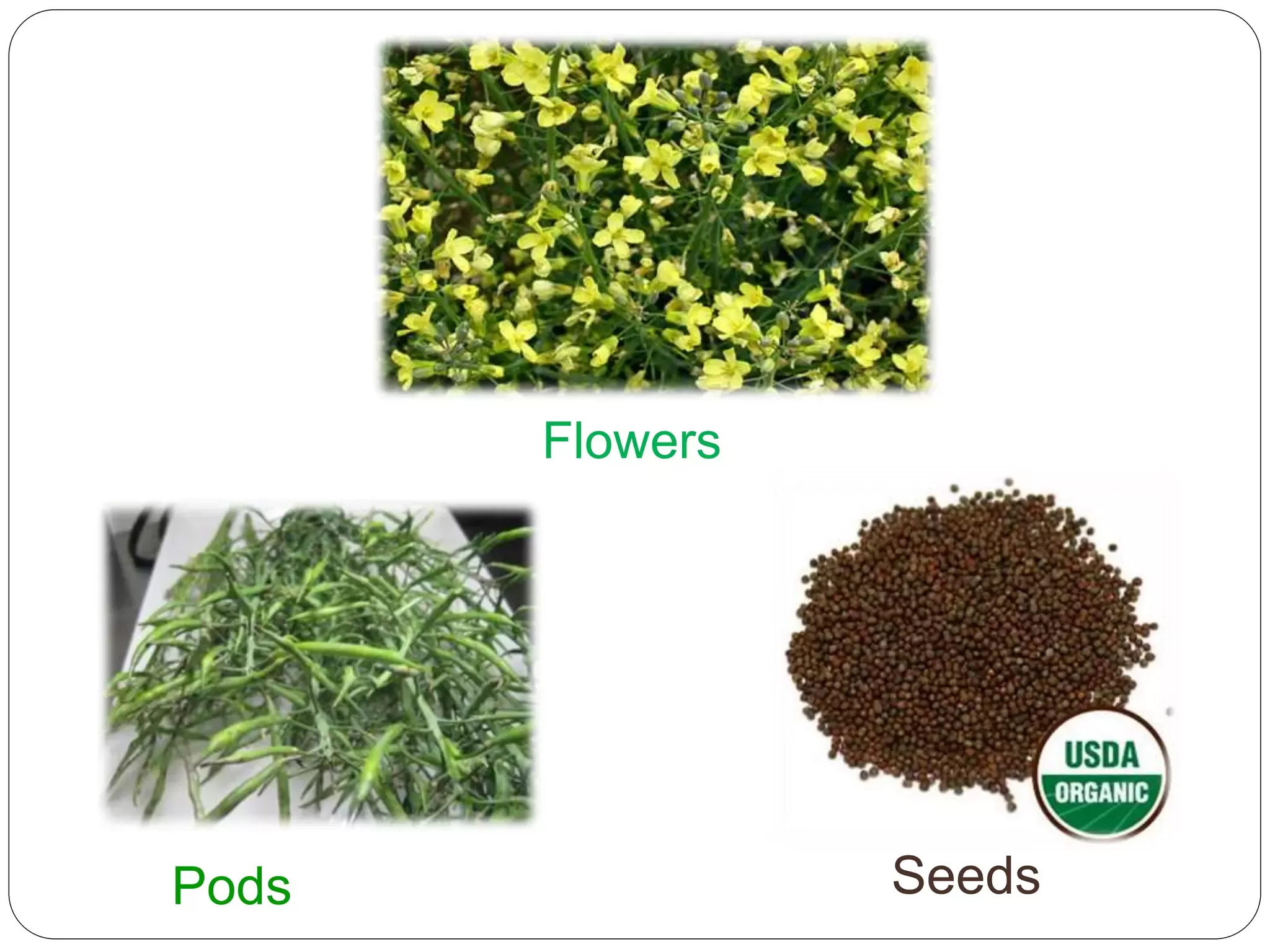
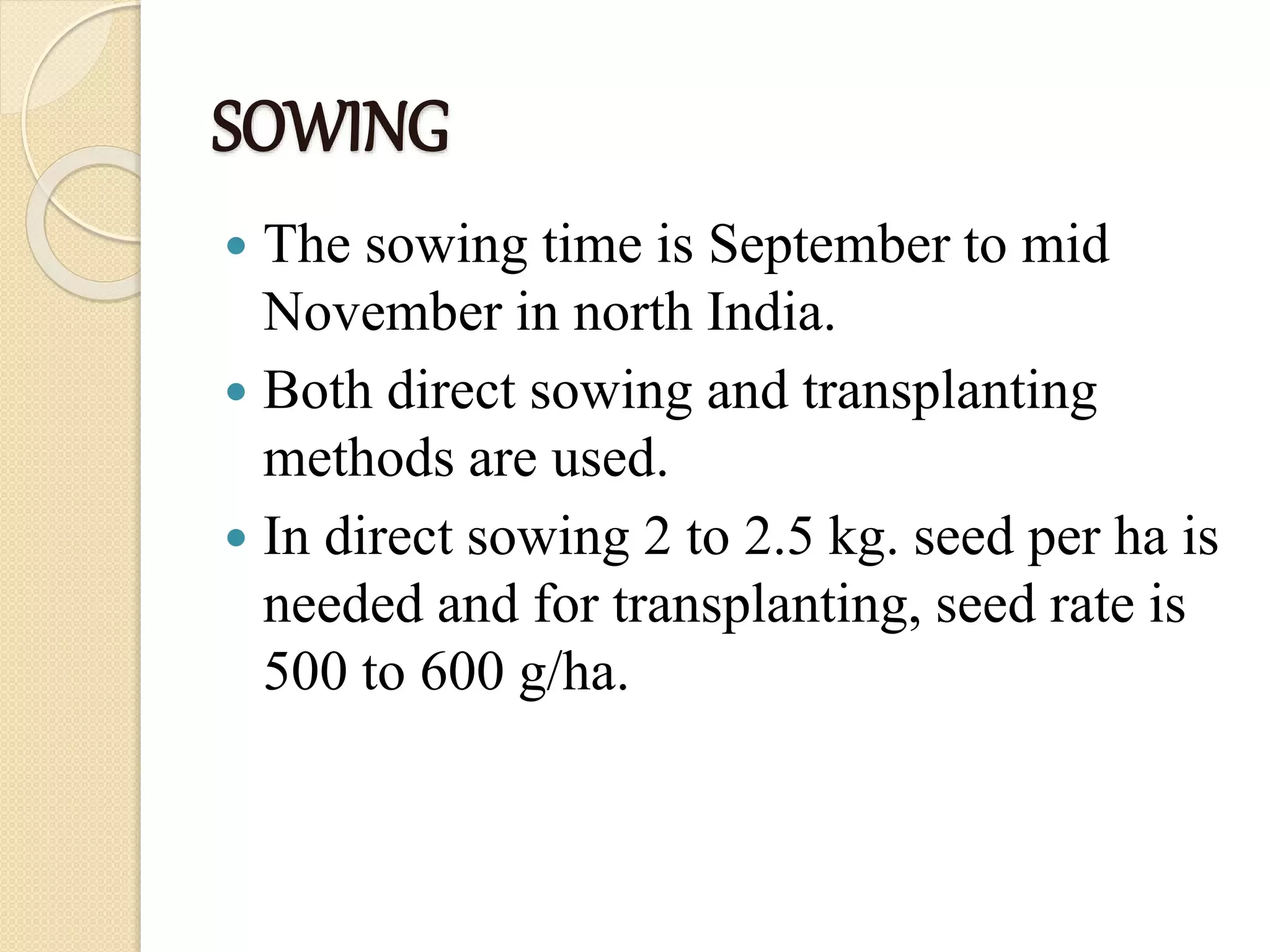
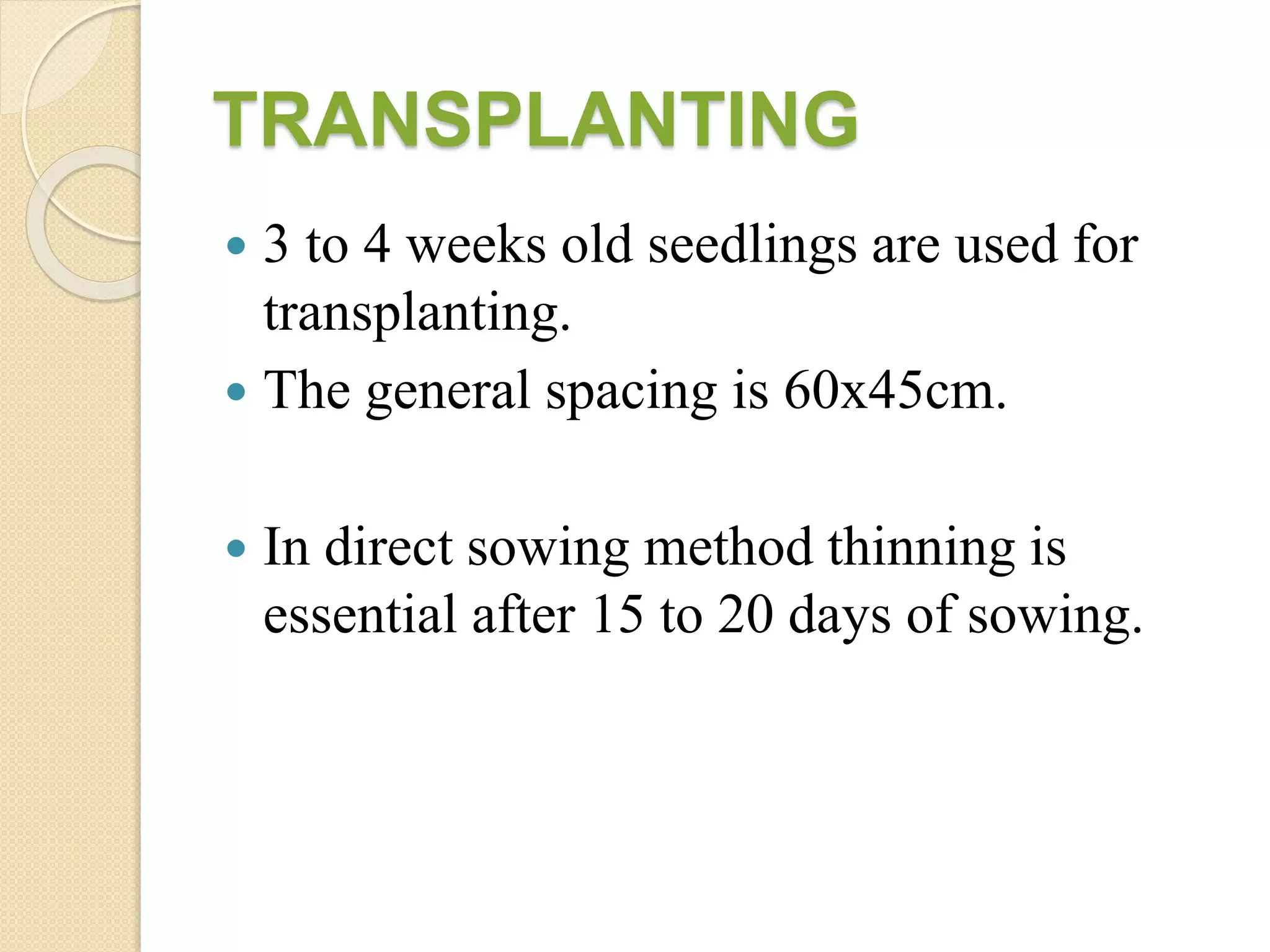
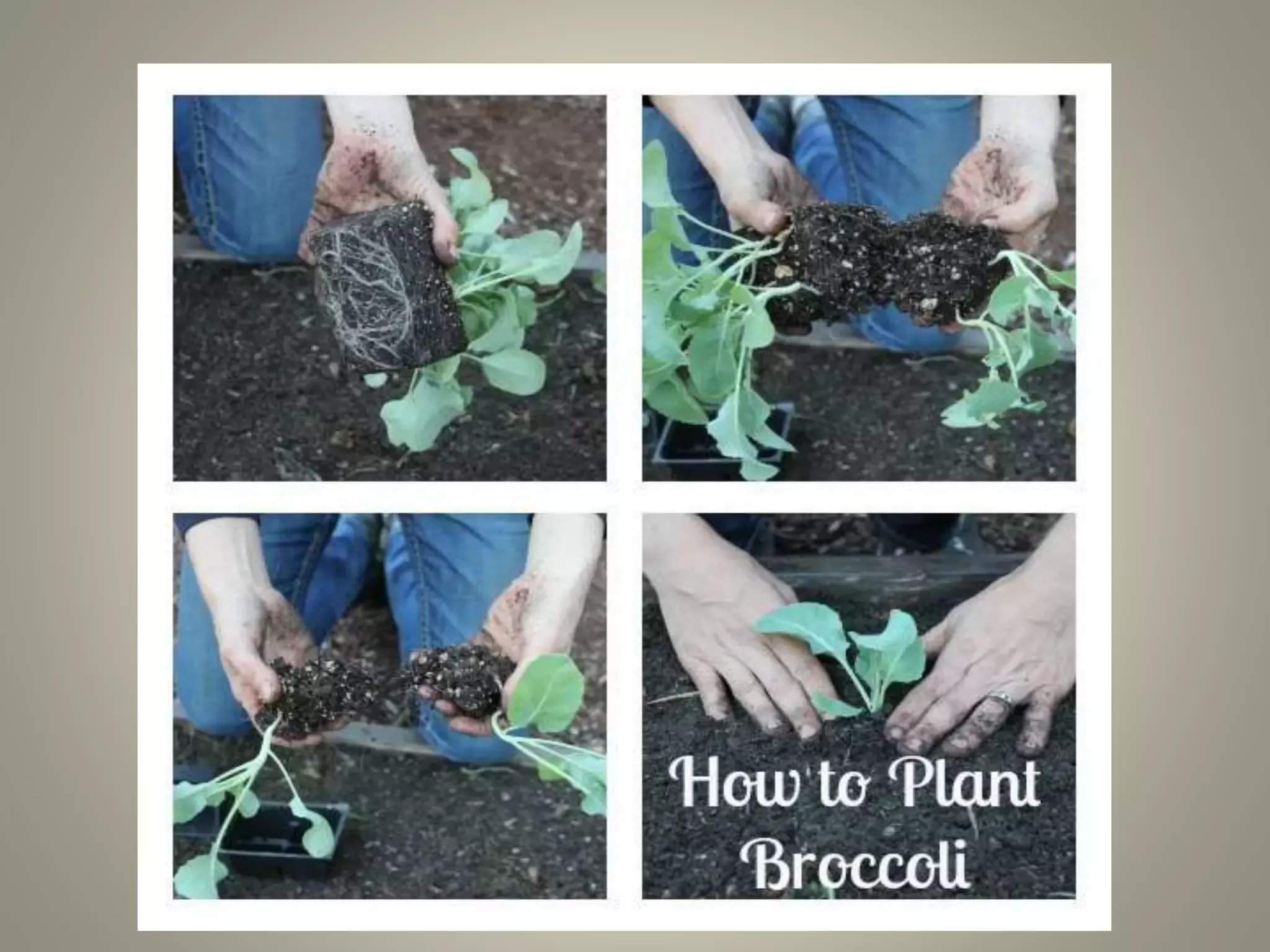
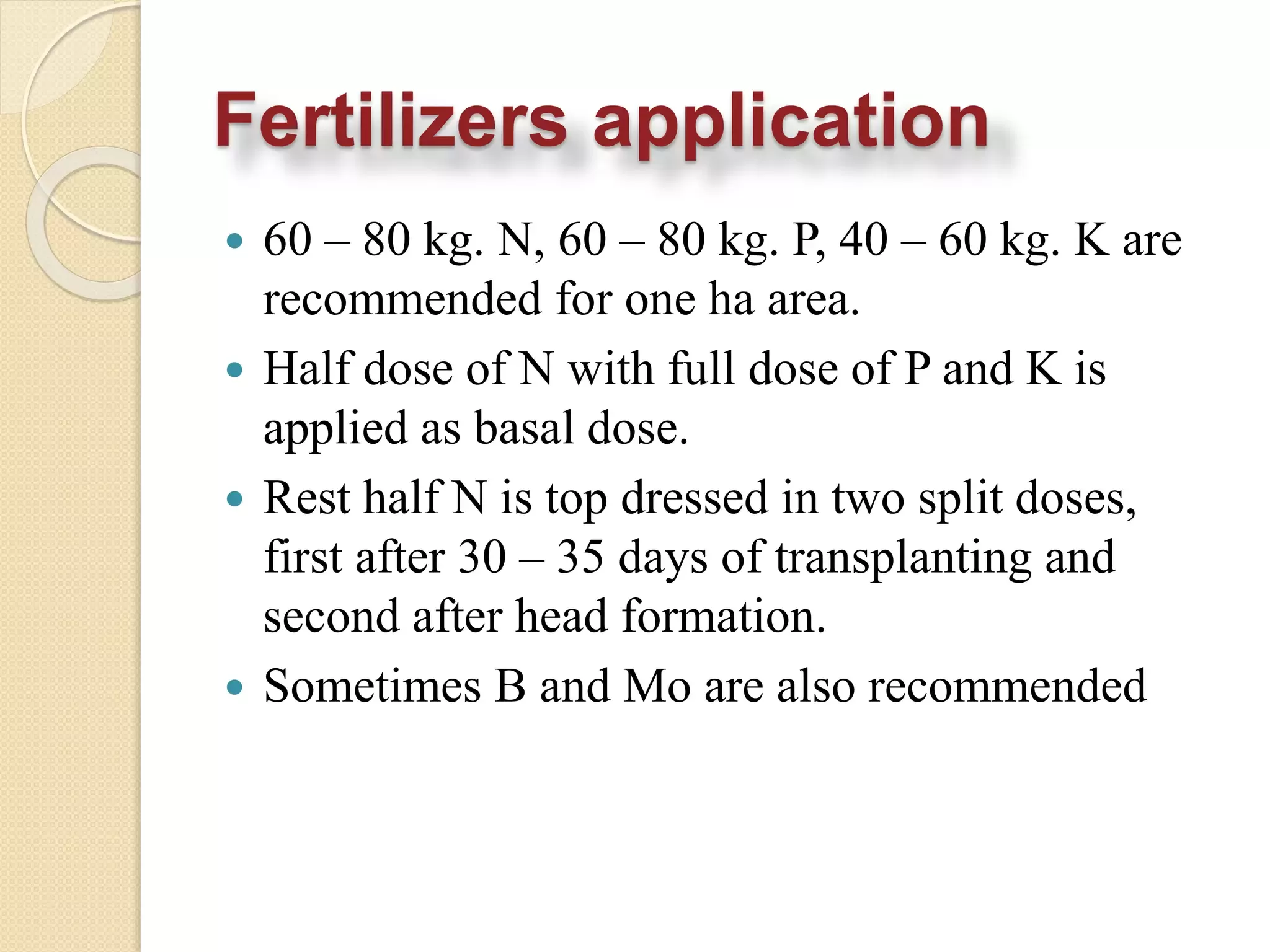
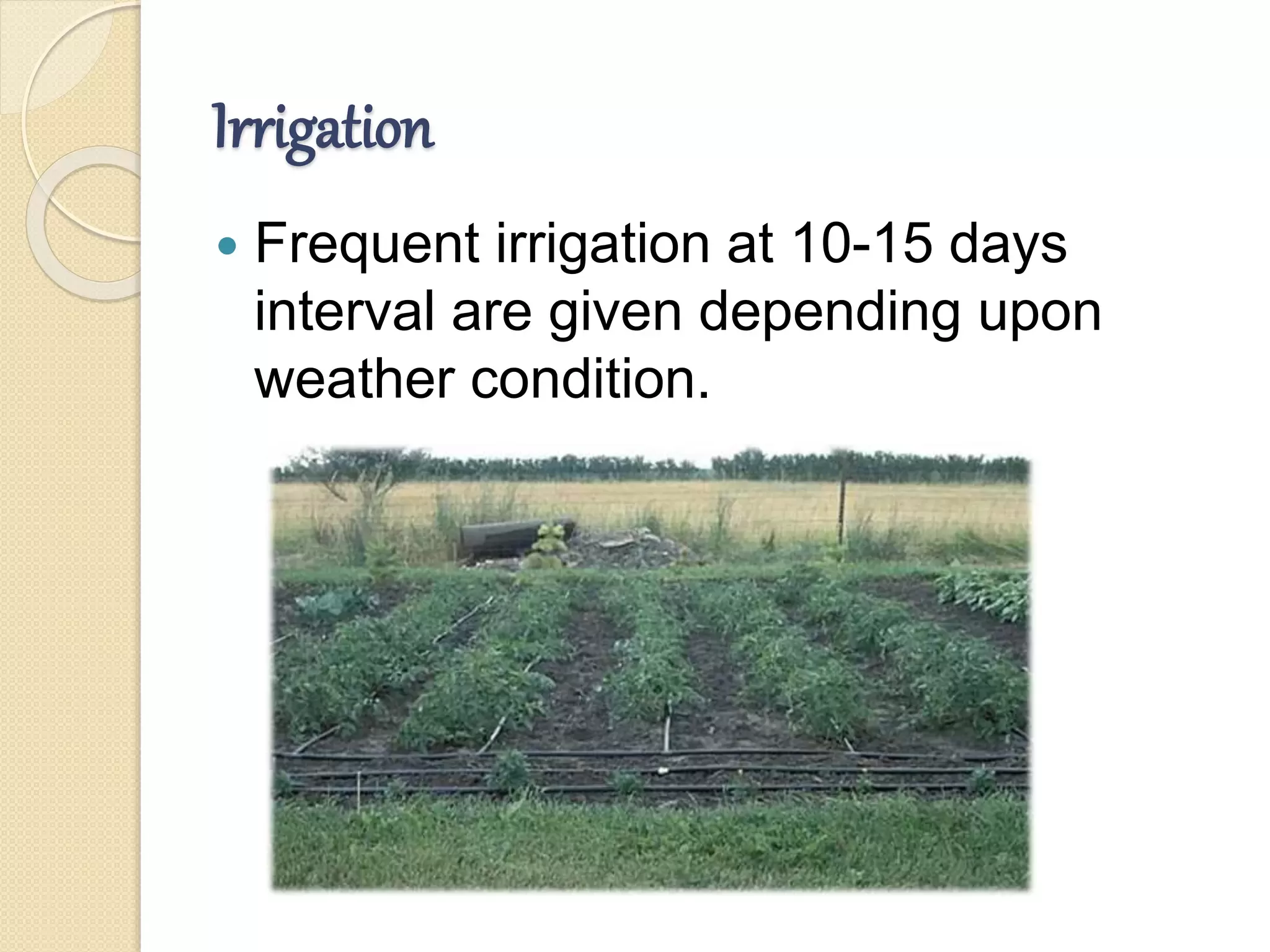
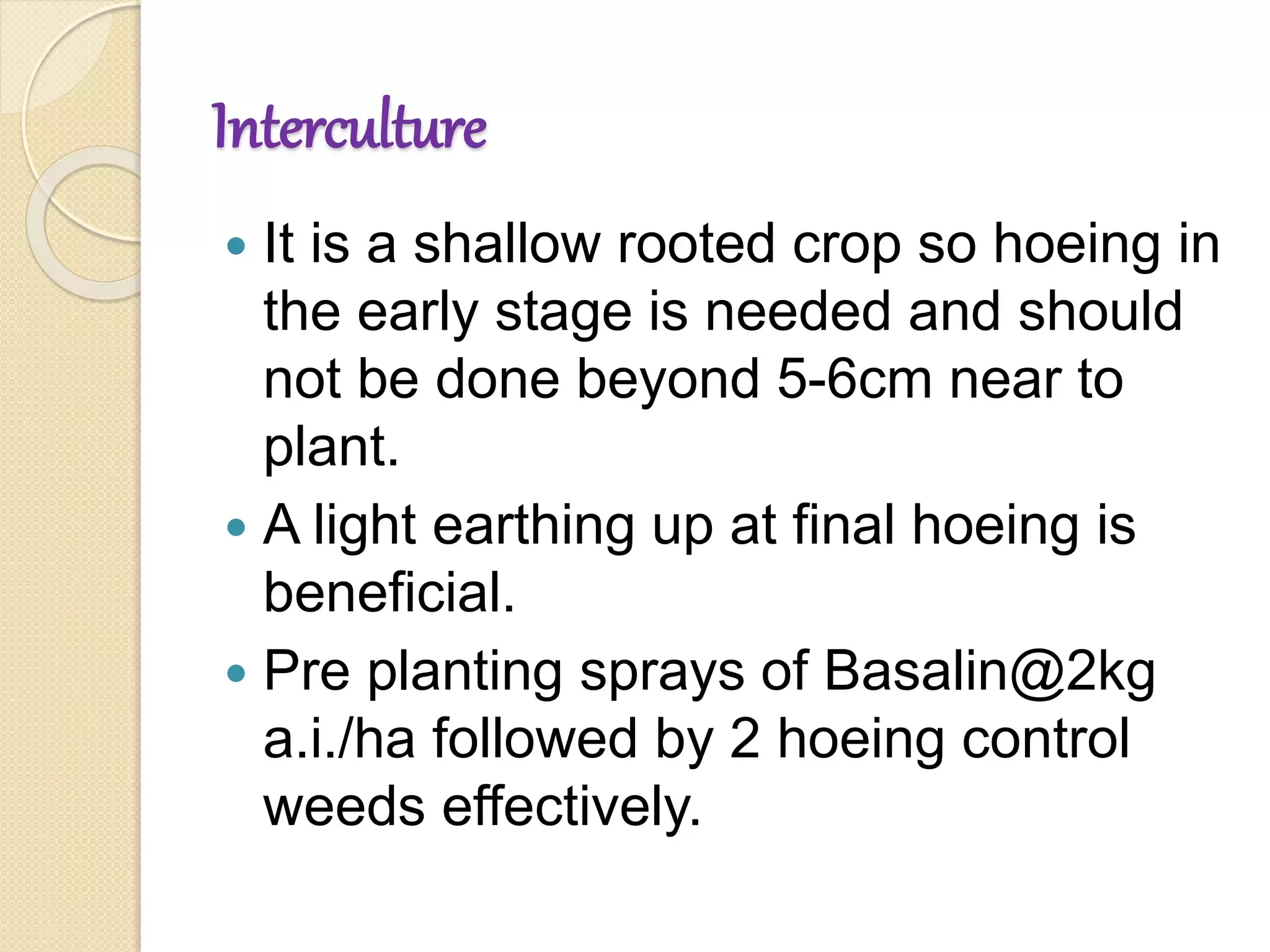
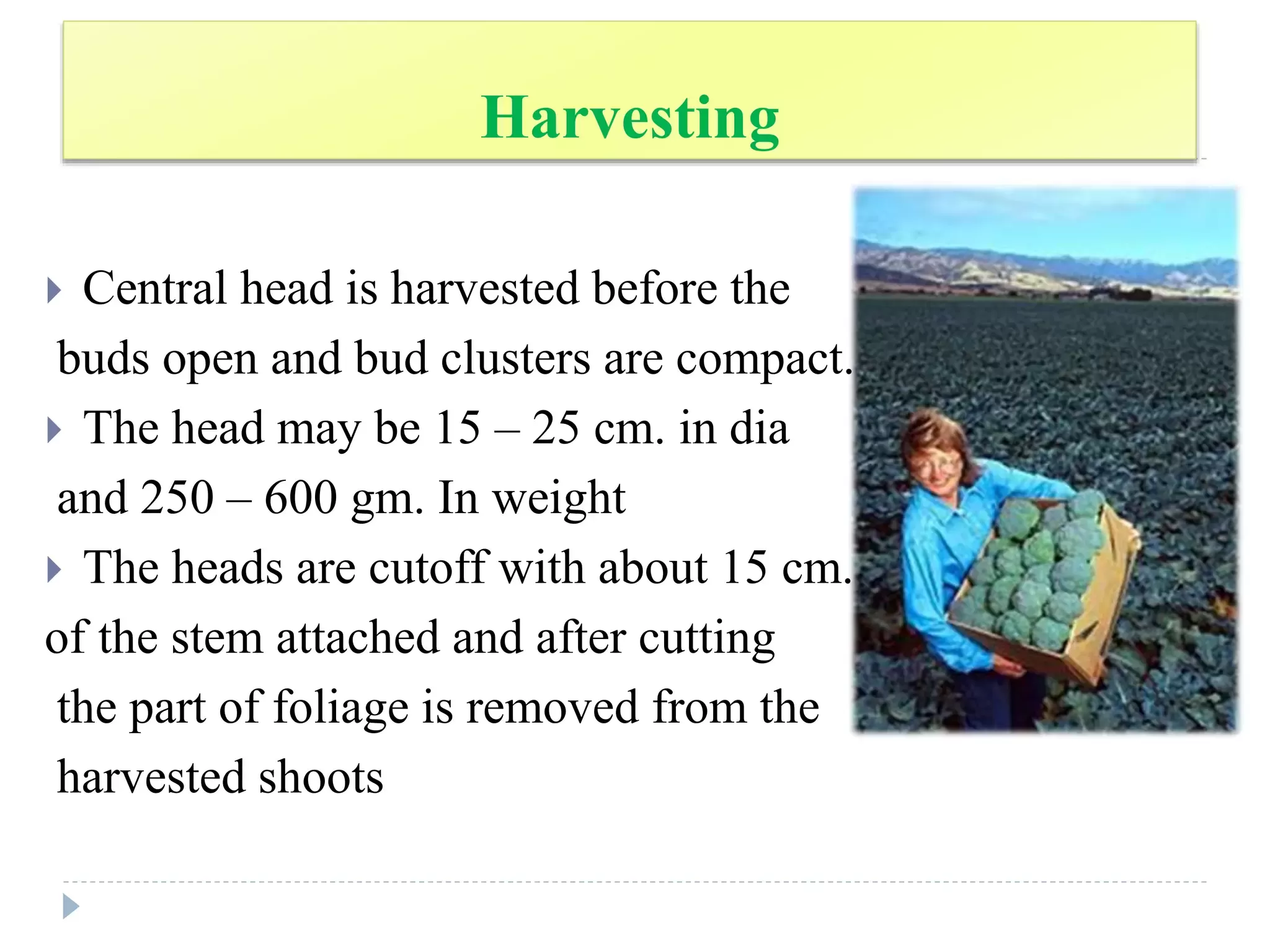
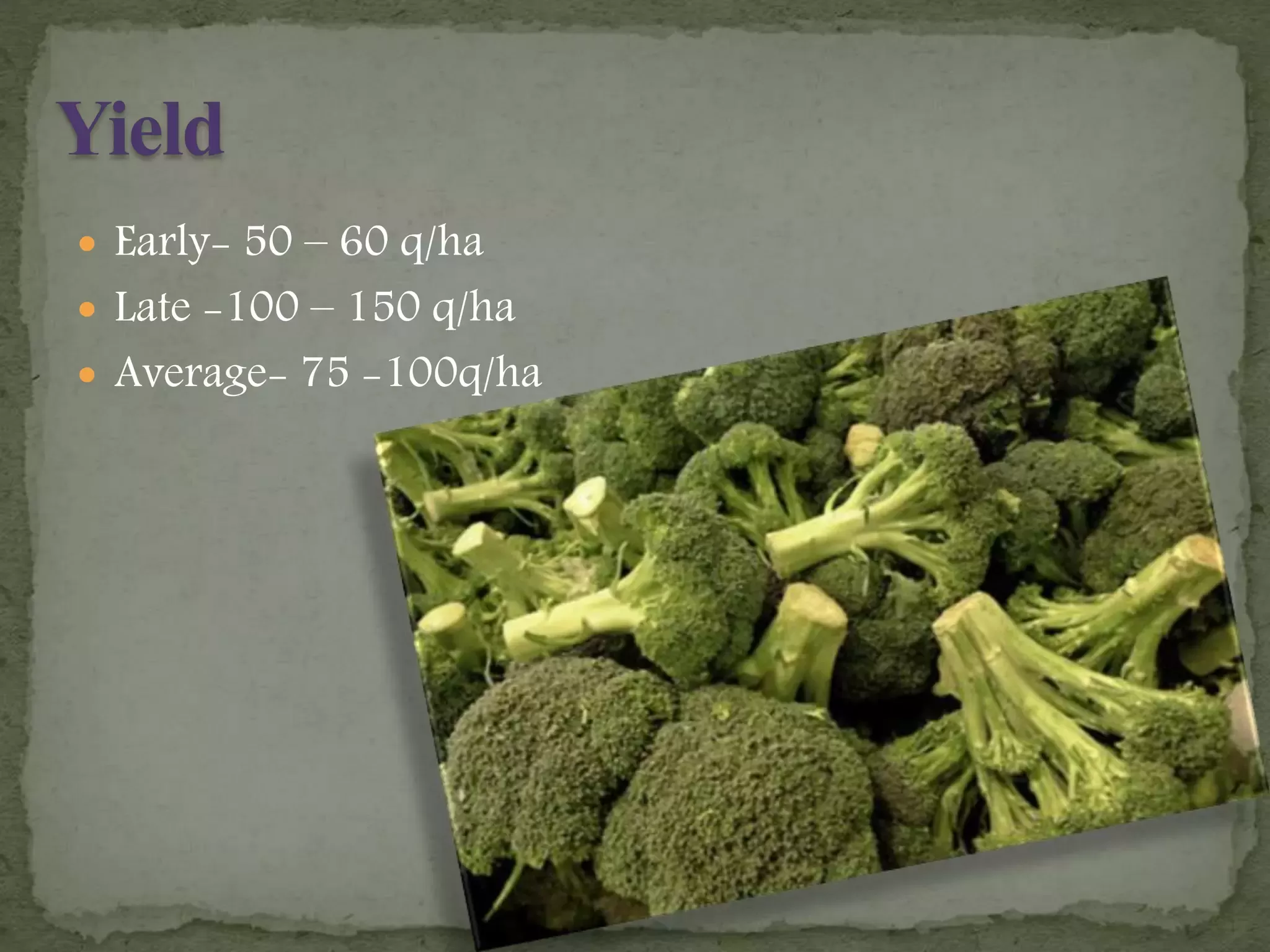
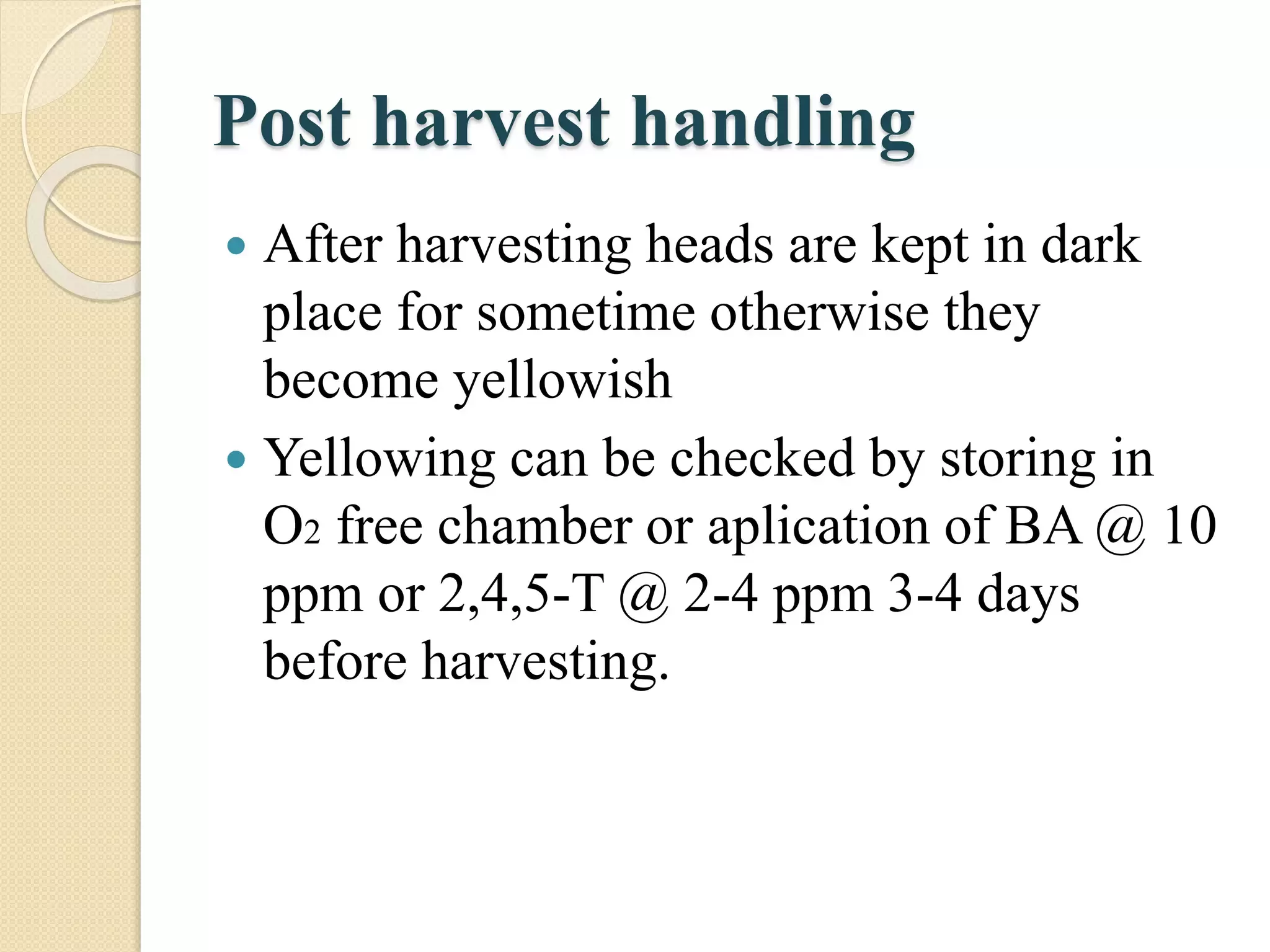
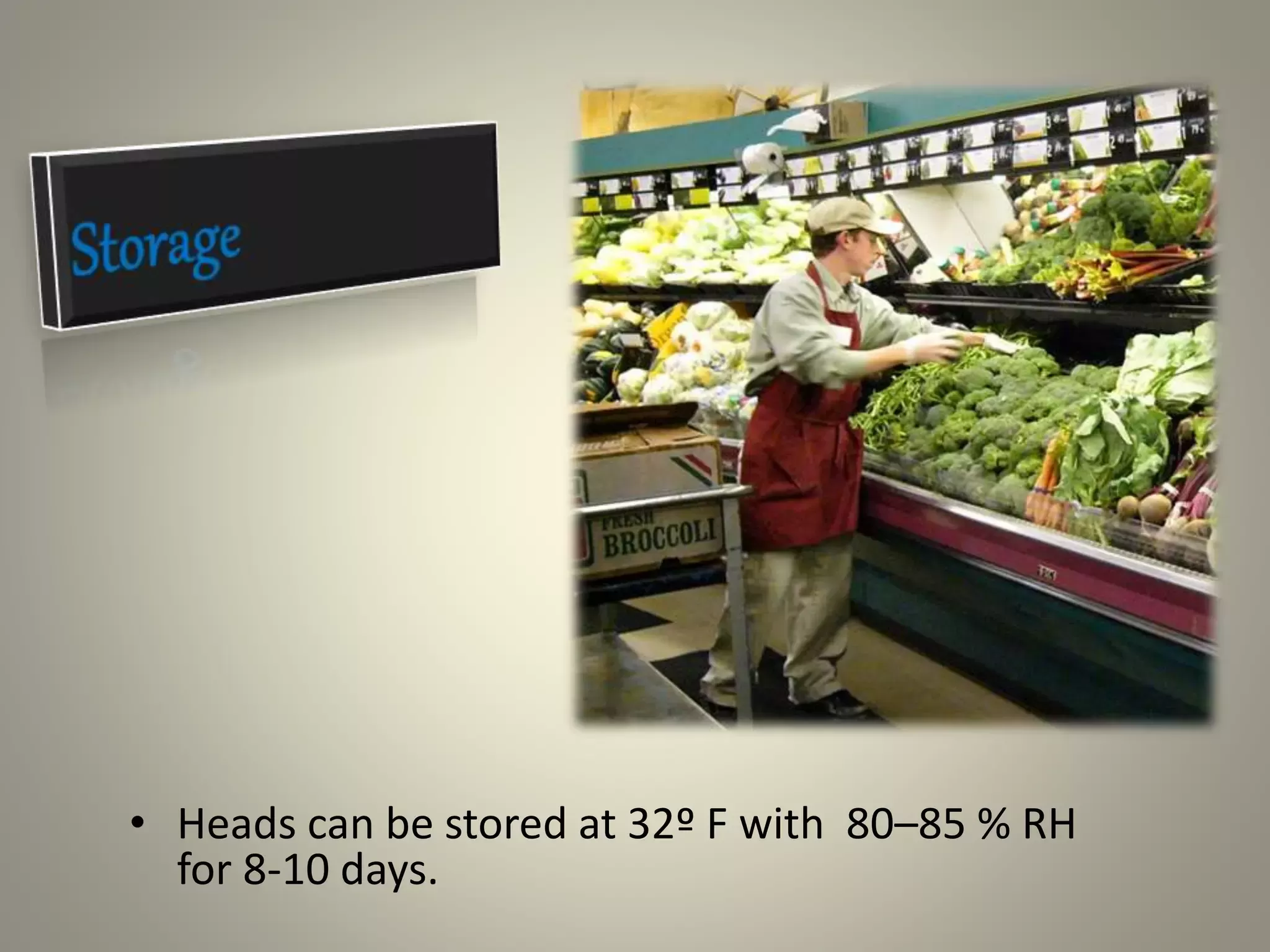
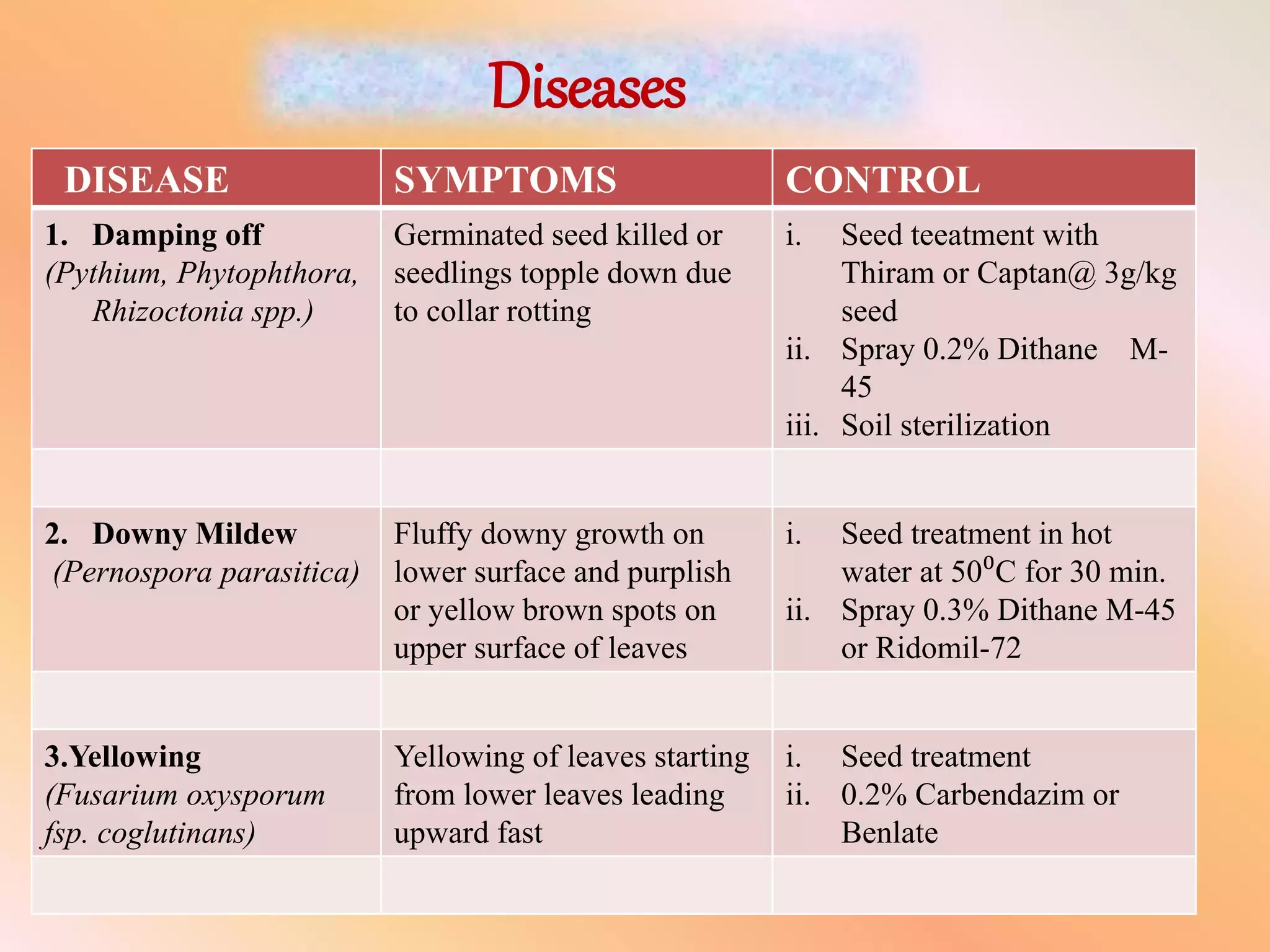
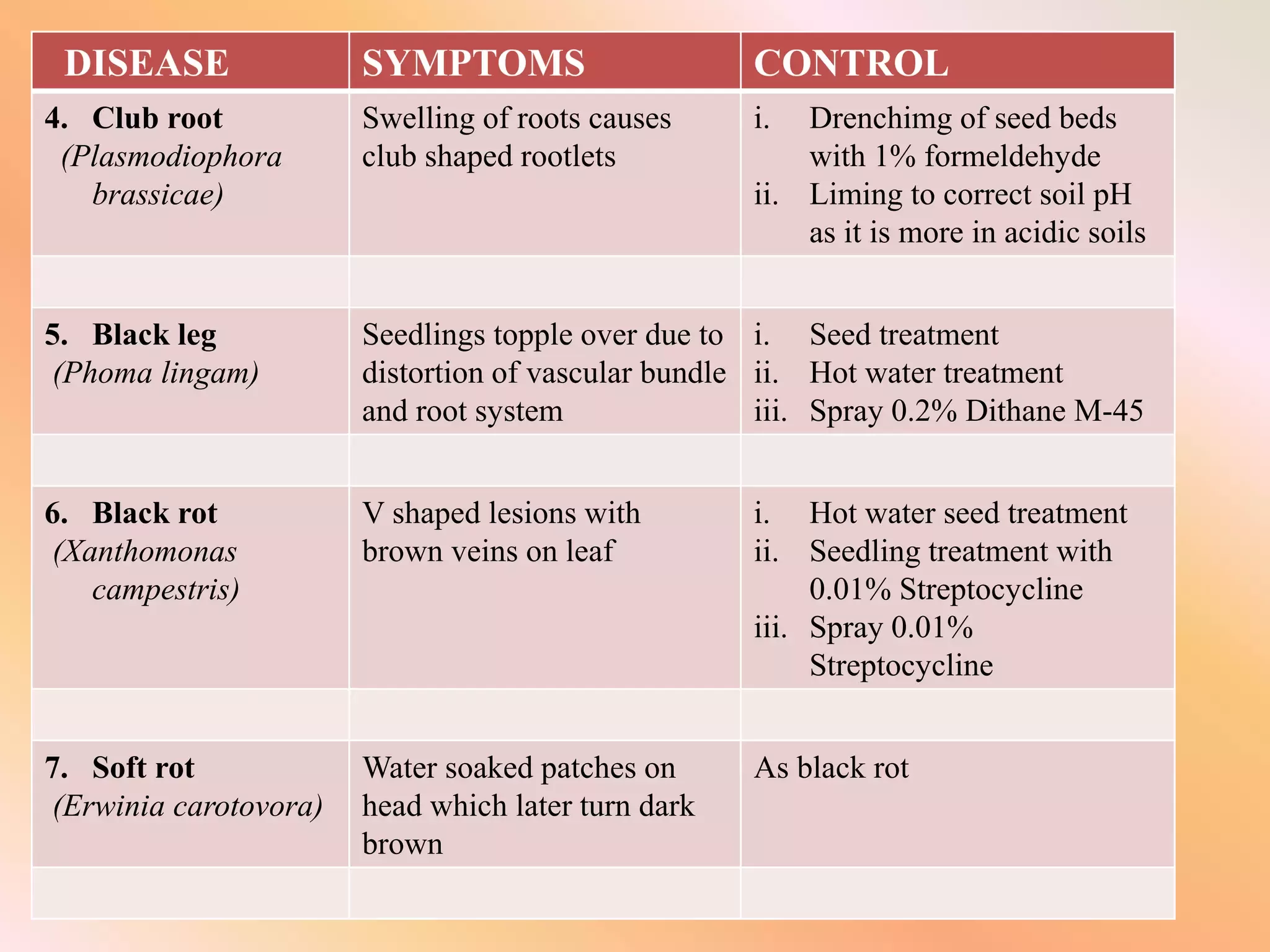
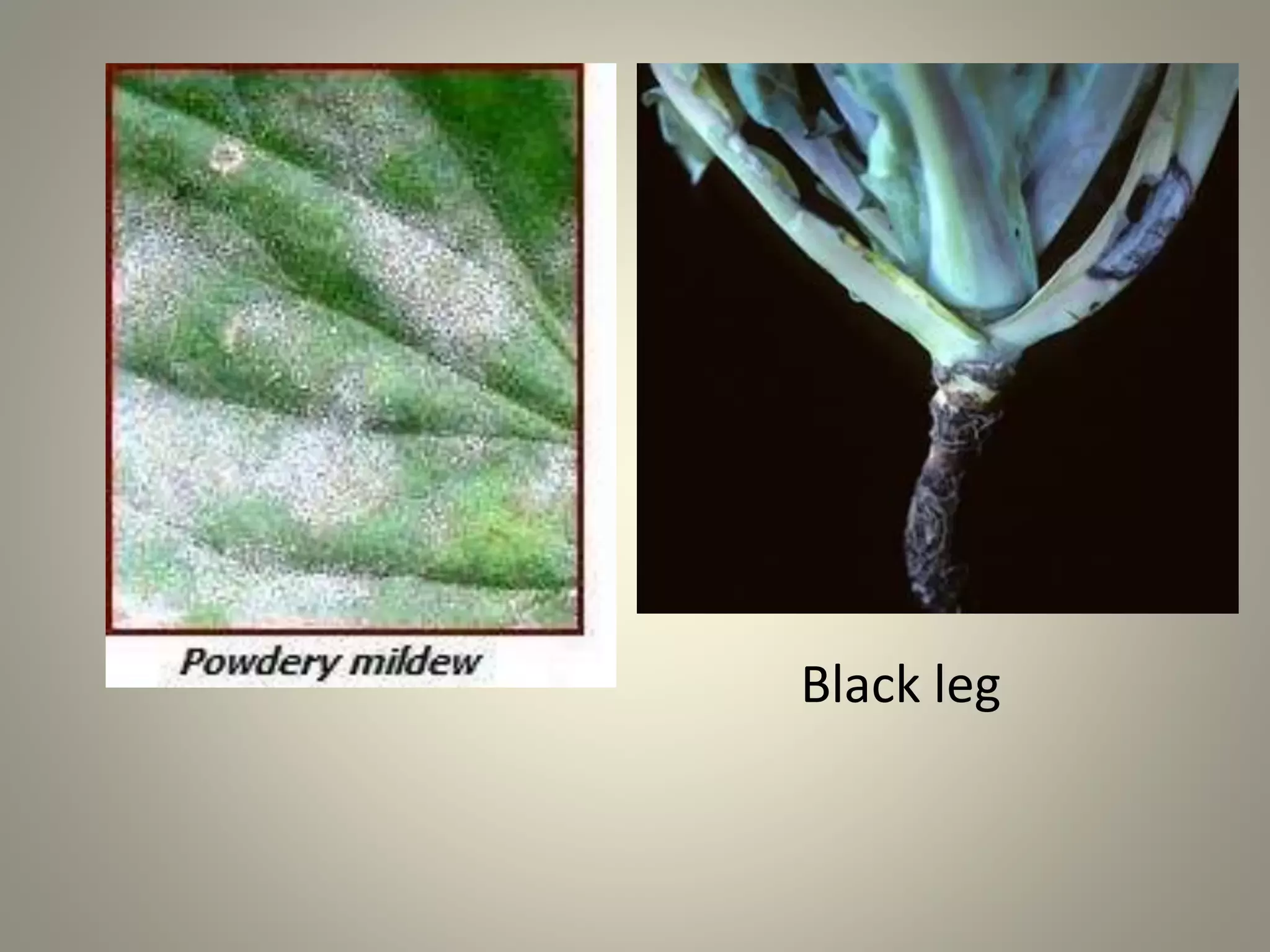
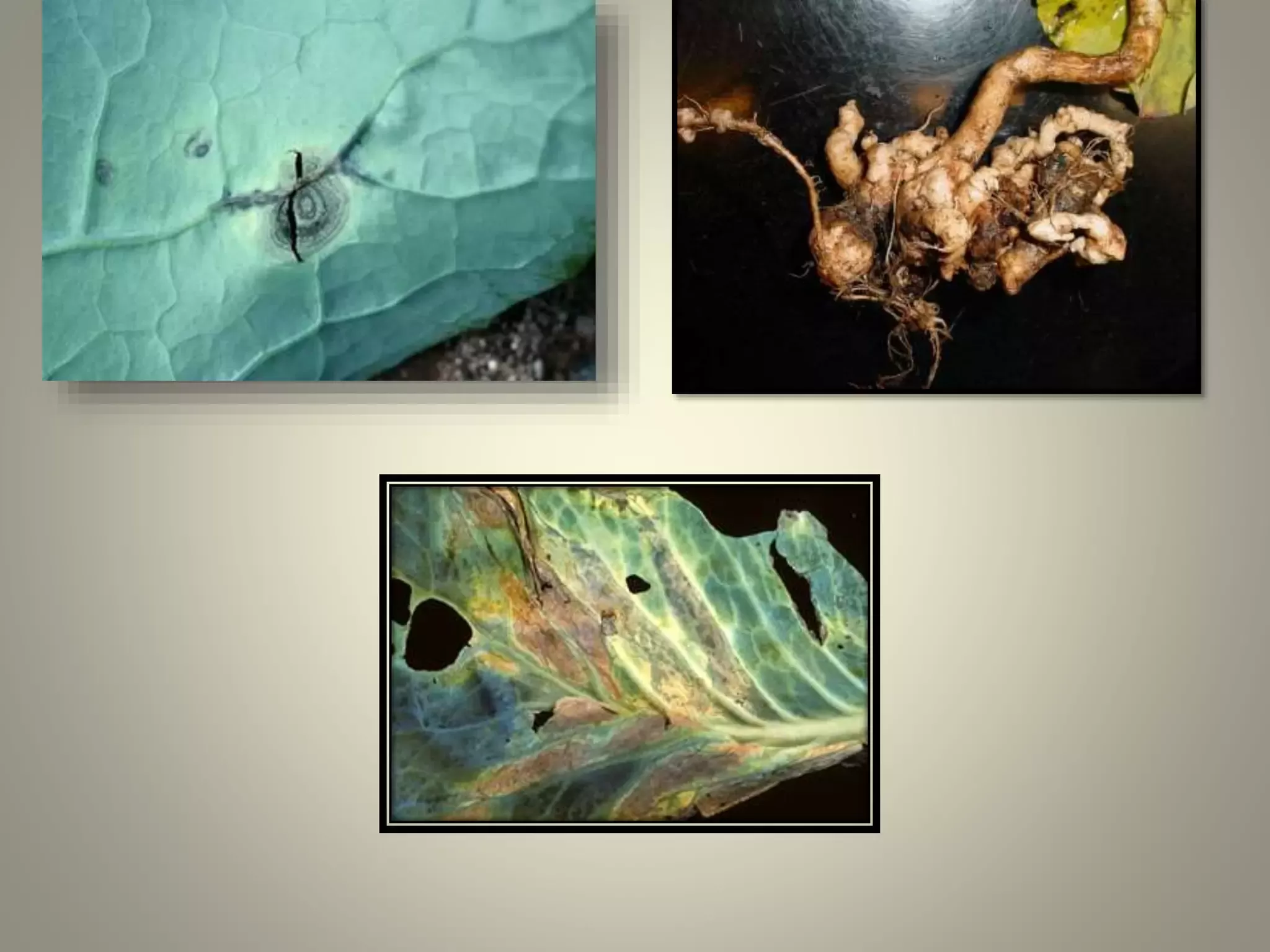
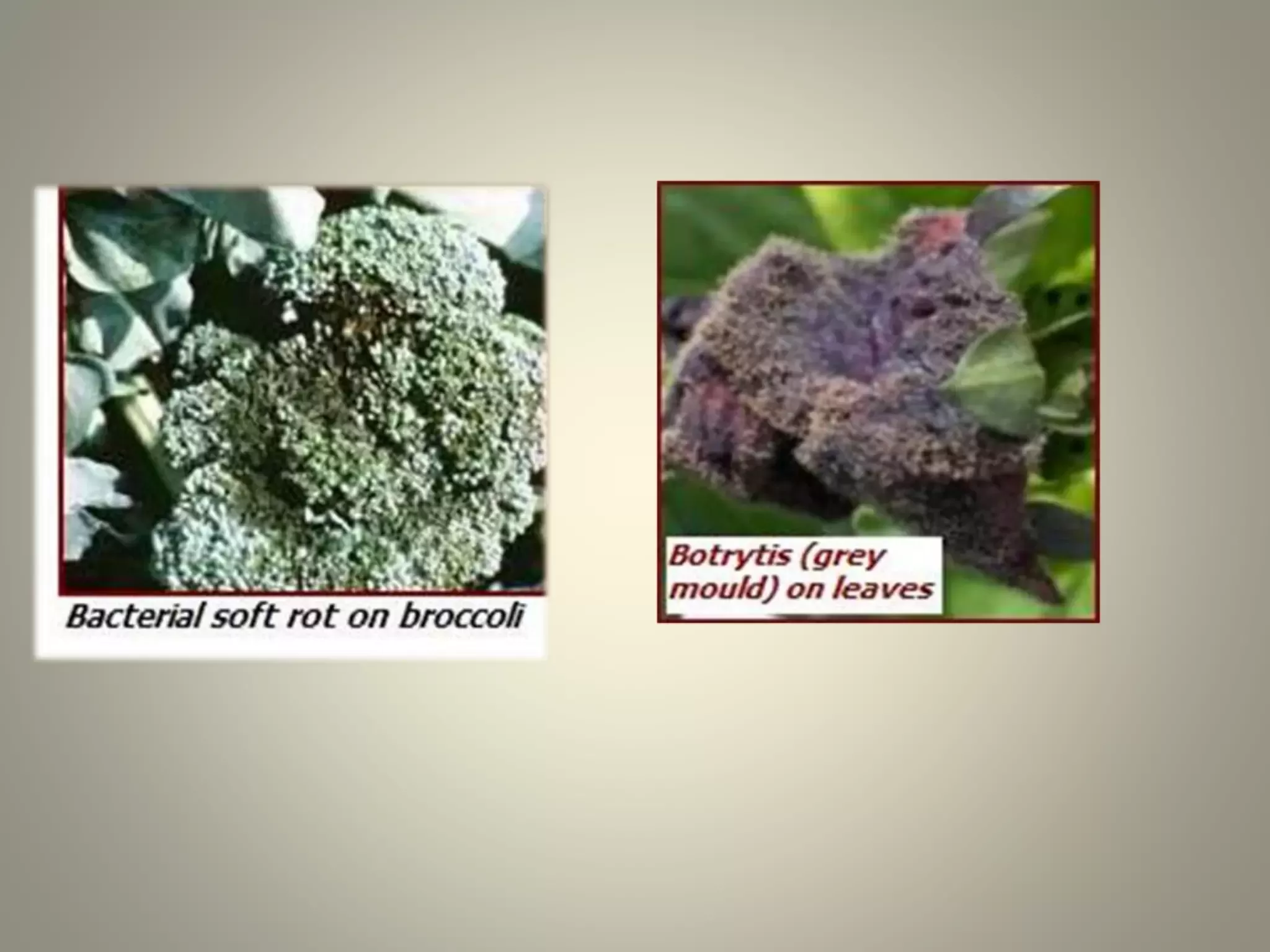
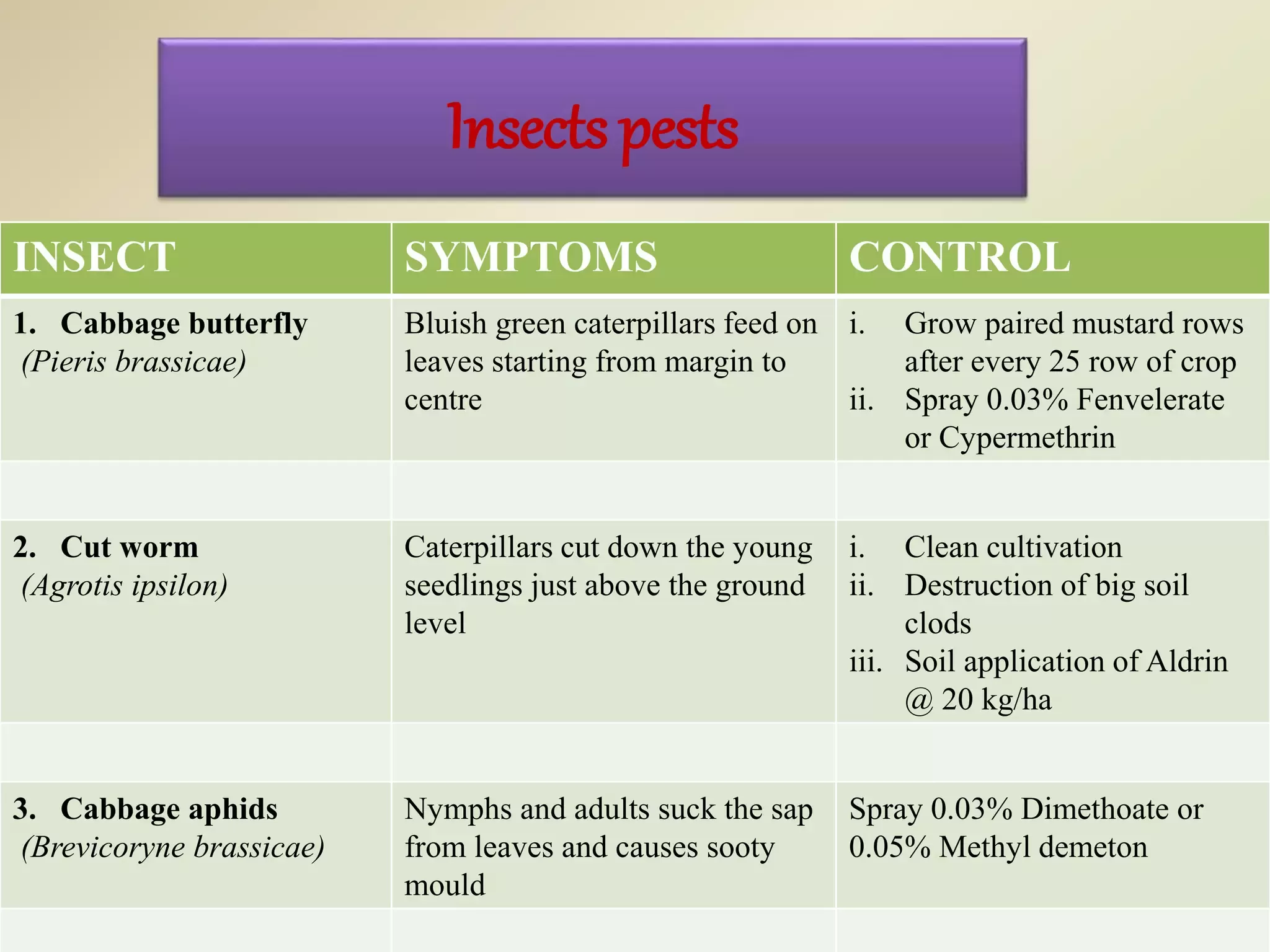
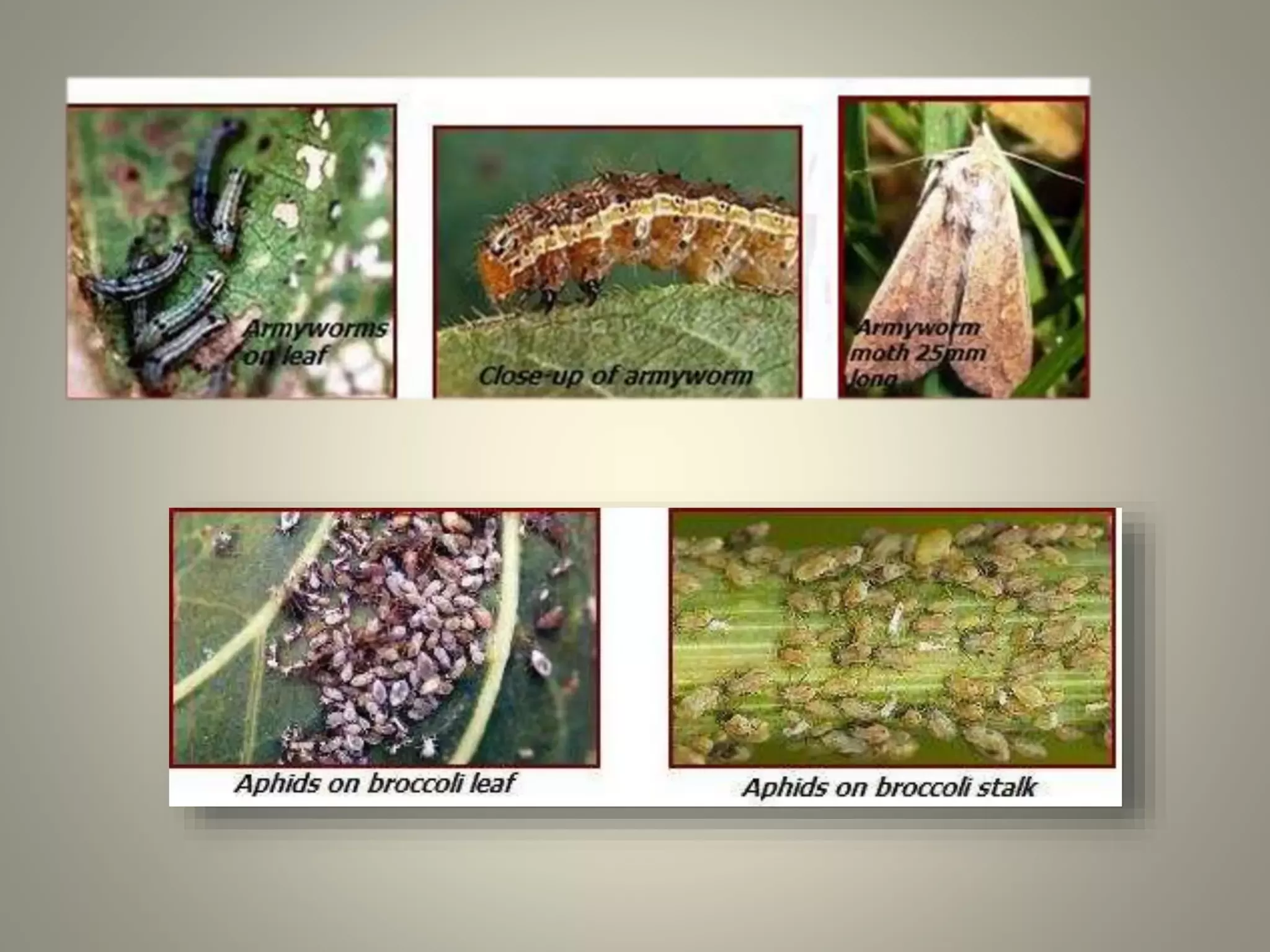
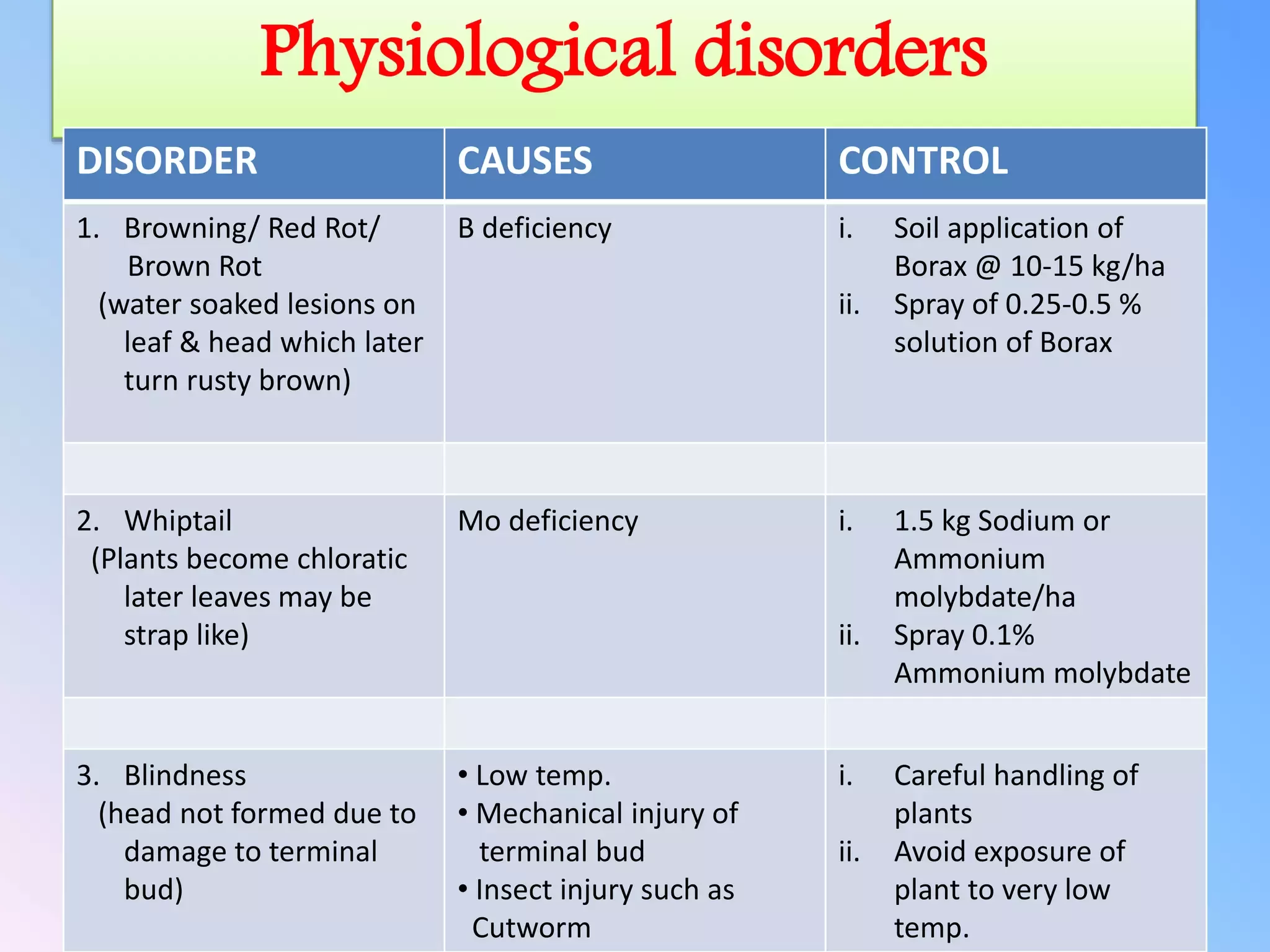
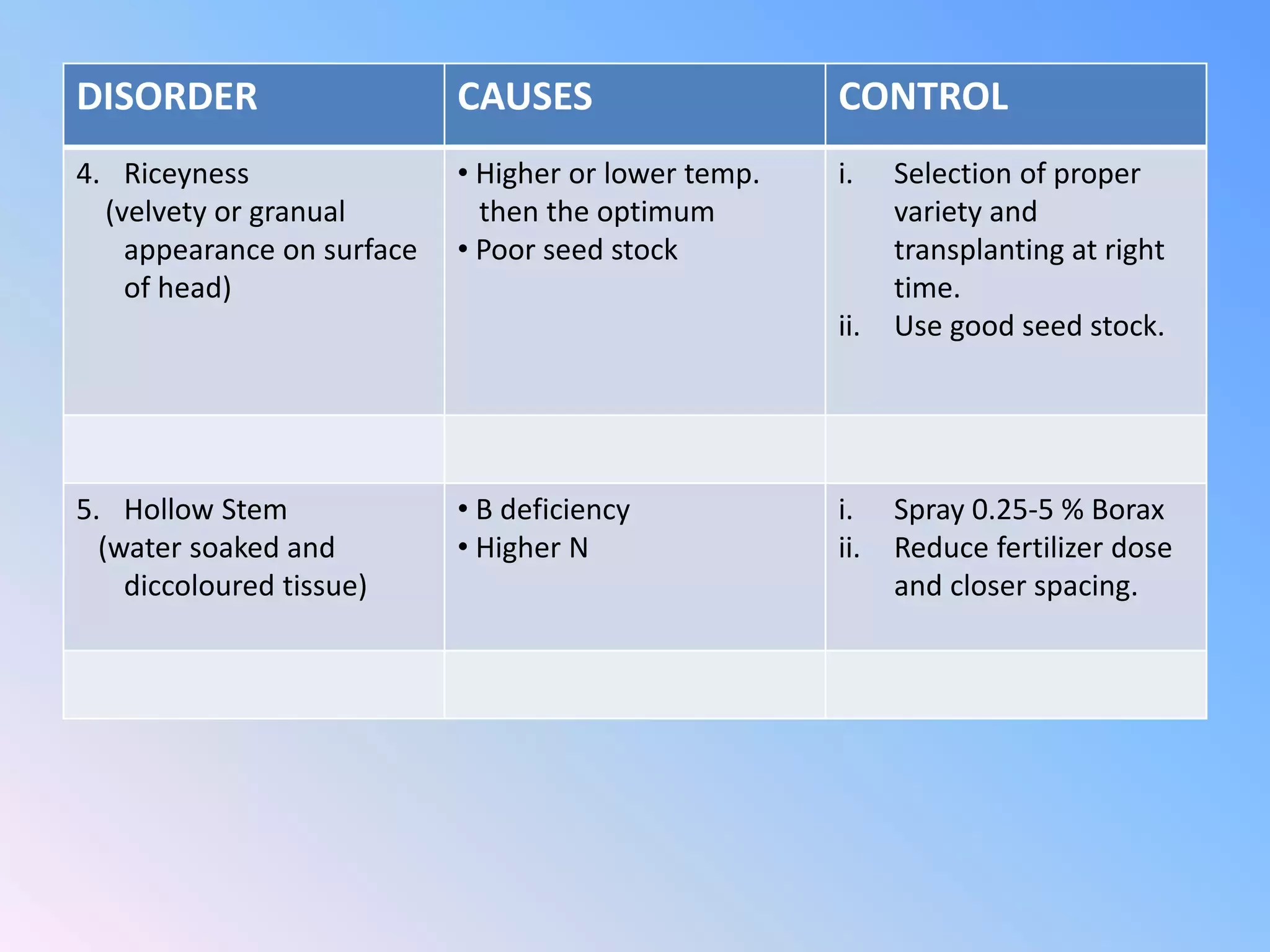
Broccoli, scientifically known as Brassica oleracea var. italica, is a member of the Brassicaceae family, a group commonly referred to as cruciferous vegetables. Originating from the Mediterranean region, particularly Italy, broccoli exhibits a unique genetic composition with a chromosome number of 2n=2x=18. The term “broccoli” is derived from the Italian word ‘brocco’, which translates to “shoot.” While not widespread in certain countries, it is primarily cultivated in hilly regions such as Himachal Pradesh, Jammu & Kashmir, Uttar Pradesh, and the Nilgiri Hills, where the climate and soil conditions are conducive to its growth. Morphologically, sprouting broccoli bears a resemblance to cauliflower, characterized by a compact head composed of green buds atop long, sturdy stalks. These stalks tend to be thicker than those of cauliflower, contributing to broccoli’s distinctive texture. The edible portion of the plant consists mainly of the terminal head, although the buds that develop in the leaf axils can also be consumed. In terms of nutritional composition, broccoli is predominantly water, making up about 89.9% of its content. It also boasts significant levels of carbohydrates, protein, vitamins, and essential minerals. Remarkably, broccoli contains 130 times more vitamin A than cauliflower and exhibits impressive anticarcinogenic properties due to its high sulphoraphane content, which is linked to cancer risk reduction. Nutritionists often recommend it for heart health, and it can be enjoyed in various culinary forms, including salads, soups, curries, and casseroles. However, it is crucial to note that boiling broccoli for more than ten minutes can diminish its nutritional value. Broccoli cultivars are diverse, encompassing green, white, and purple varieties, with the green types being the most commonly cultivated. They can be classified based on maturation time into early (60-70 days), mid (90-110 days), and late (110-120 days) varieties. Each cultivar offers unique growth characteristics that may suit different agricultural practices. With regards to climate preferences, broccoli is sensitive to temperature fluctuations. It thrives in optimal conditions ranging from 20º to 30º C for early types and 5º to 10º C for late cultivars. Soil-wise, broccoli favors sandy to sandy loam types with a pH between 6 and 6.8. Proper land preparation, including thorough ploughing and incorporation of well-rotted farmyard manure (FYM), is essential before planting. Recommended sowing times in northern India range from September to mid-November, employing direct sowing or transplanting techniques. Irrigation practices, fertilization strategies, and intercultural operations like hoeing and light earthing are integral to ensuring robust growth. Harvesting is typically done when the central head is still compact and before buds open, with careful handling to prevent damage. Post-harvest, broccoli heads require specific storage conditions to maintain freshness and prevent yellowing. However, broccoli is susceptible to various pests and diseases, including damping-off, downy mildew, and club root, each necessitating specific control measures. Addressing physiological disorders, such as browning or whiptail, is also important for growers aiming to optimize the quality of their produce. In conclusion, the production of broccoli involves intricate practices that encompass its growth requirements, harvesting techniques, and post-harvest management while being mindful of pest and disease management. Its rich nutritional profile and versatility in the kitchen make broccoli a valuable vegetable, both for health enthusiasts and the agricultural community.
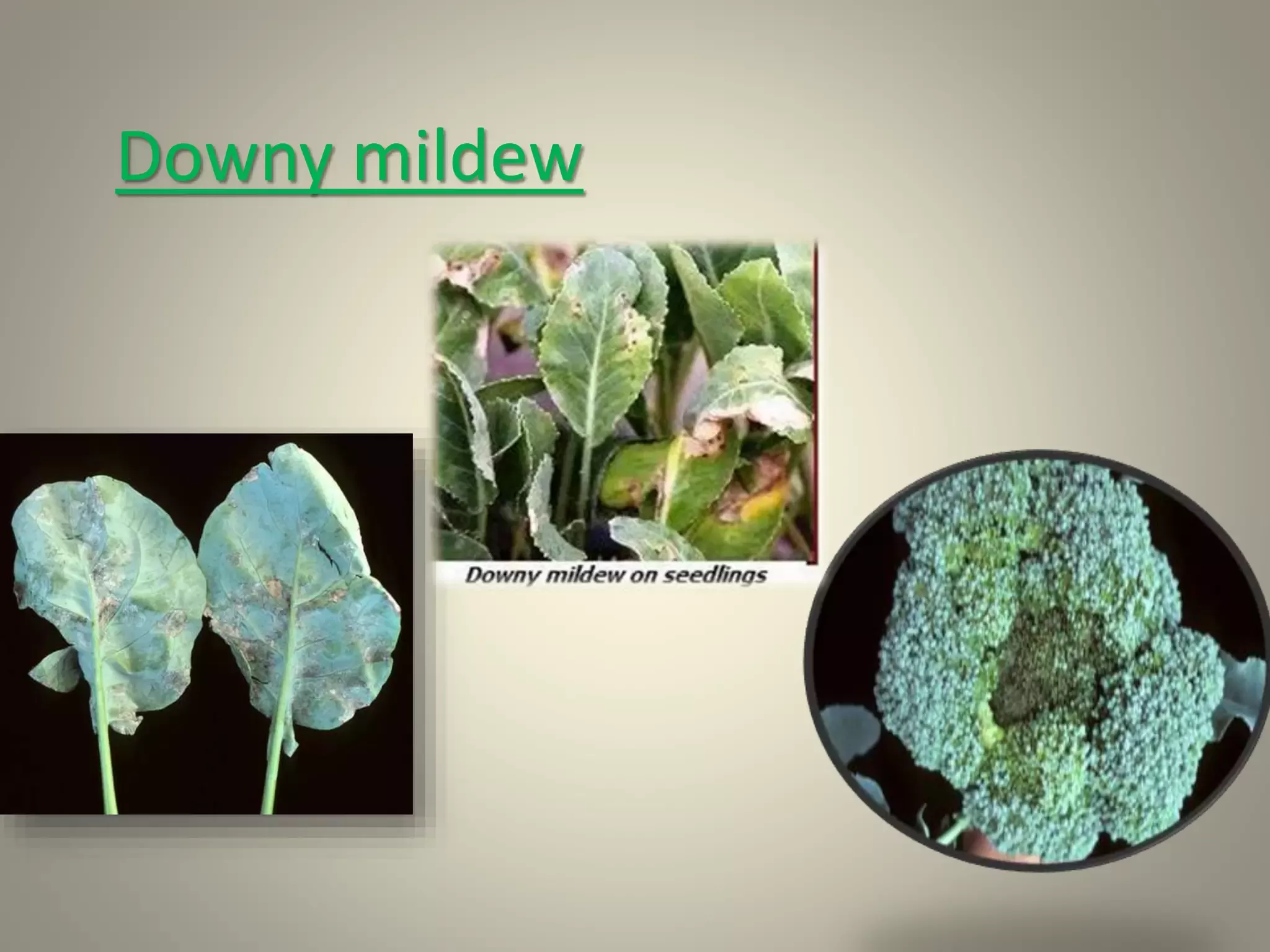
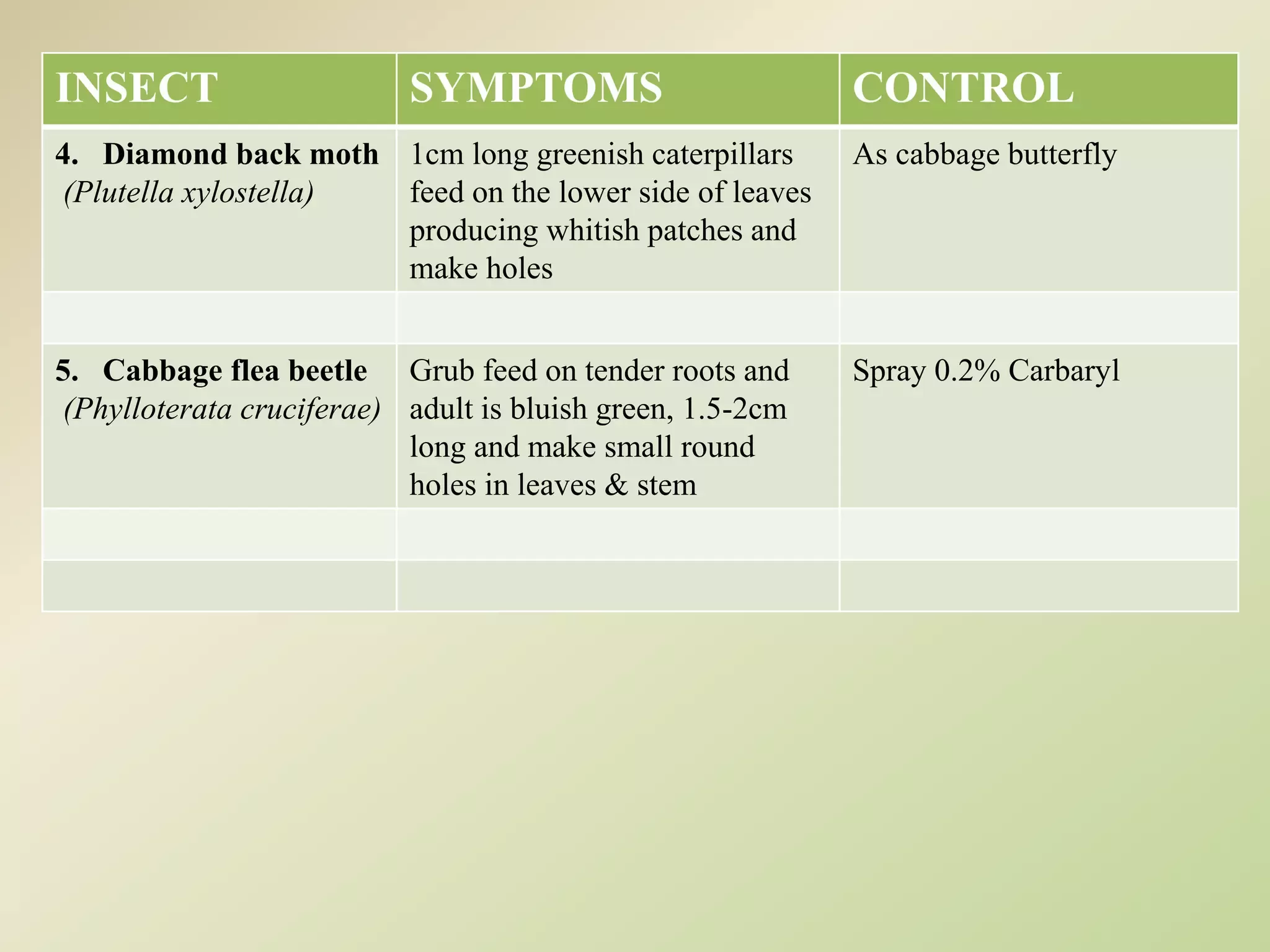
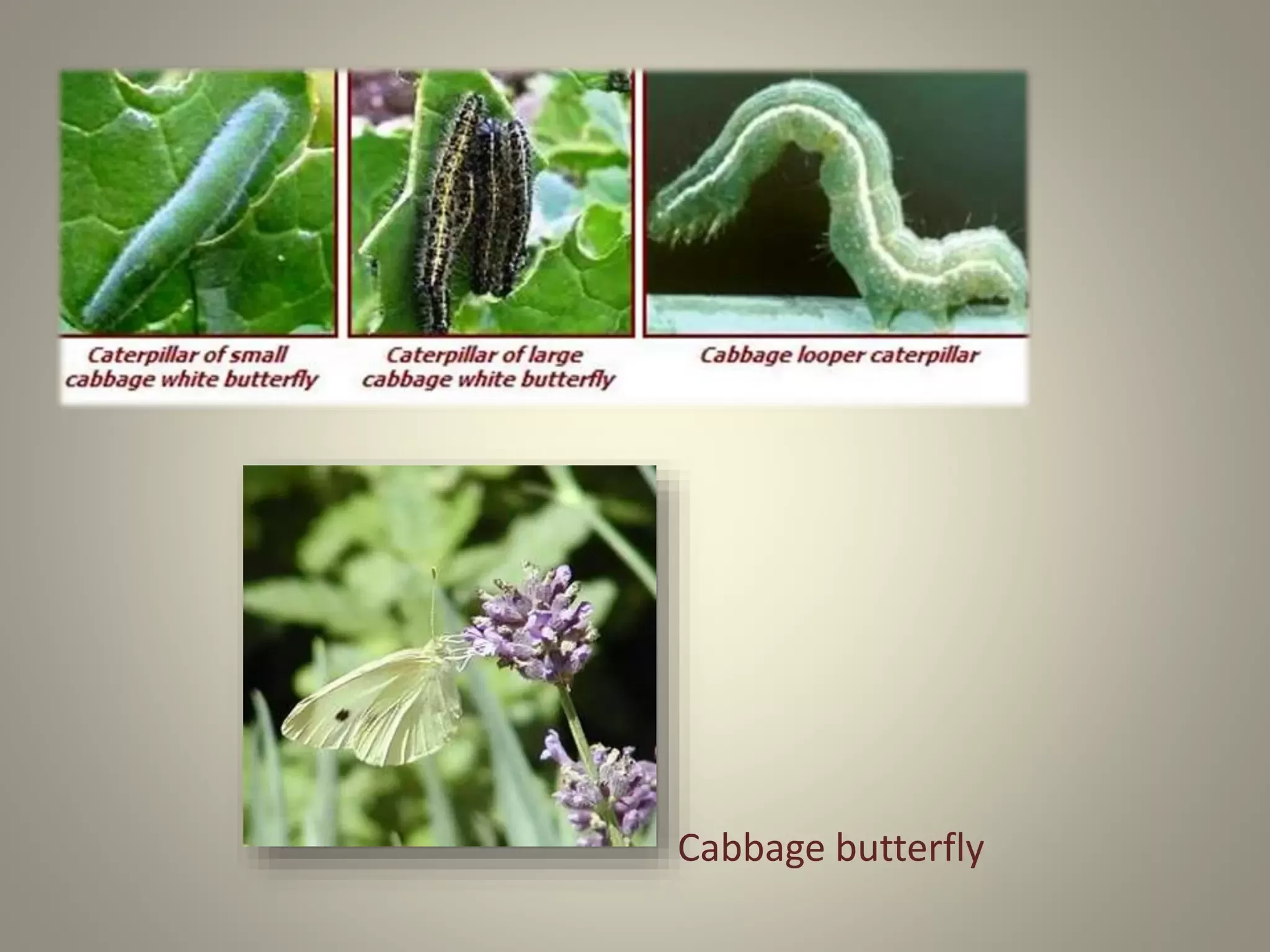
Slide 1

Slide 1

Slide 2

Slide 2

Slide 3

Slide 3

Slide 4

Slide 4

Slide 5

Slide 5

Slide 6

Slide 6

Slide 7

Slide 7

Slide 8

Slide 8

Slide 9

Slide 9

Slide 10

Slide 10

Slide 11

Slide 11

Slide 12

Slide 12

Slide 13

Slide 13

Slide 14

Slide 14

Slide 15

Slide 15

Slide 16

Slide 16

Slide 17

Slide 17

Slide 18

Slide 18

Slide 19

Slide 19

Slide 20

Slide 20

Slide 21

Slide 21

Slide 22

Slide 22

Slide 23

Slide 23

Slide 24

Slide 24

Slide 25

Slide 25

Slide 26

Slide 26

Slide 27

Slide 27

Slide 28

Slide 28

Slide 29

Slide 29

Slide 30

Slide 30

Slide 31

Slide 31

Slide 32

Slide 32

Slide 33

Slide 33

Slide 34

Slide 34
1 / 34

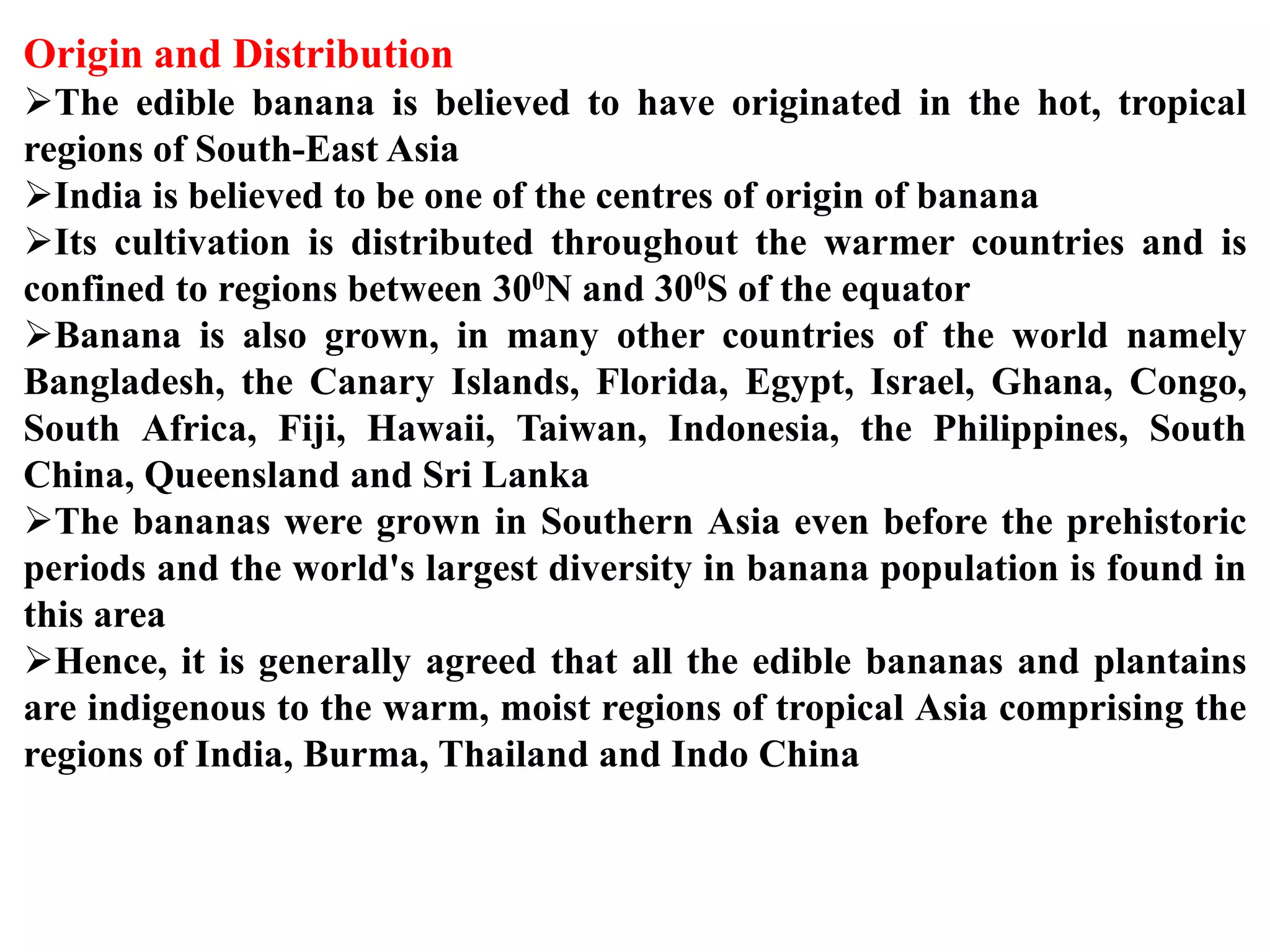
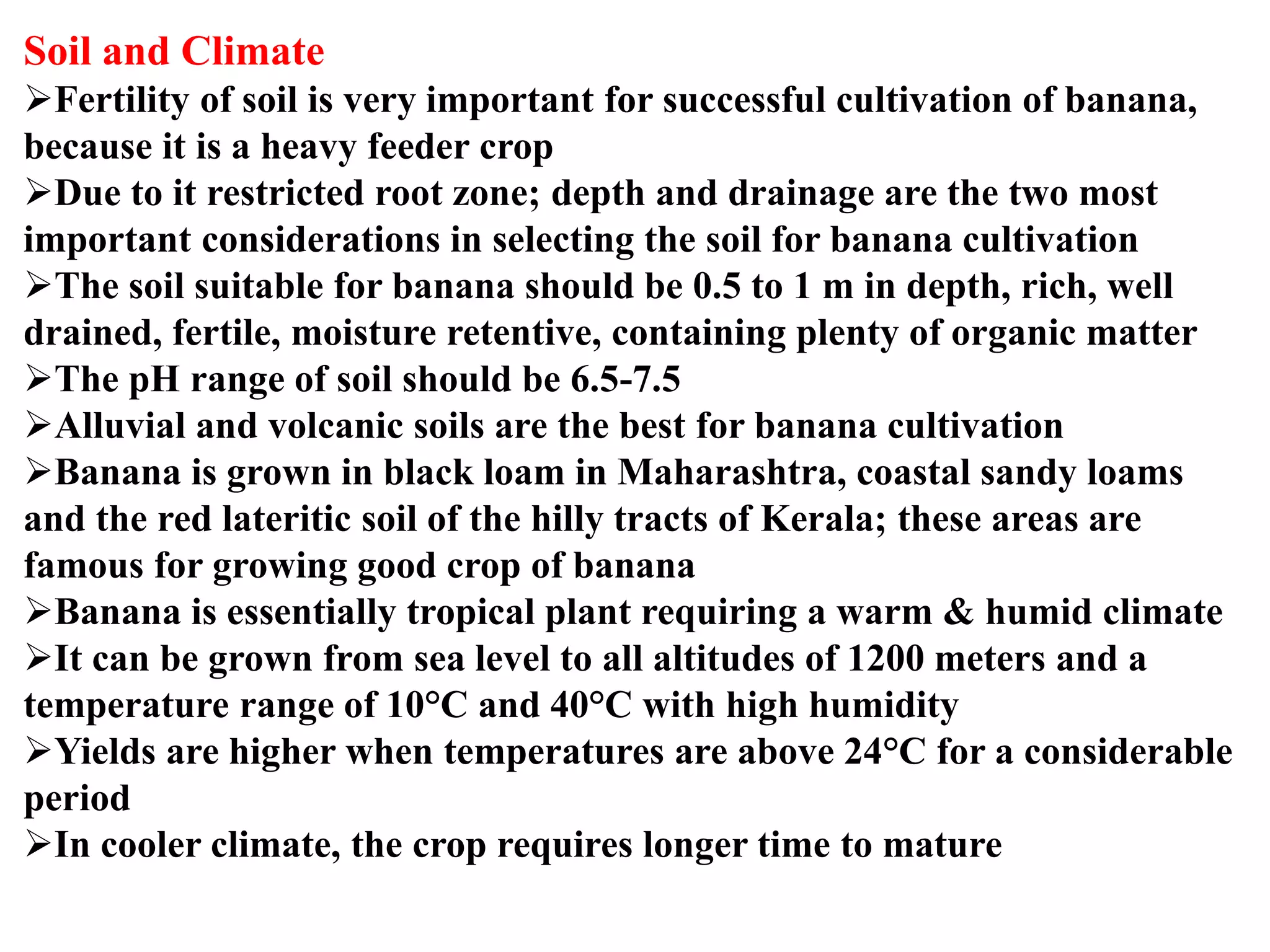
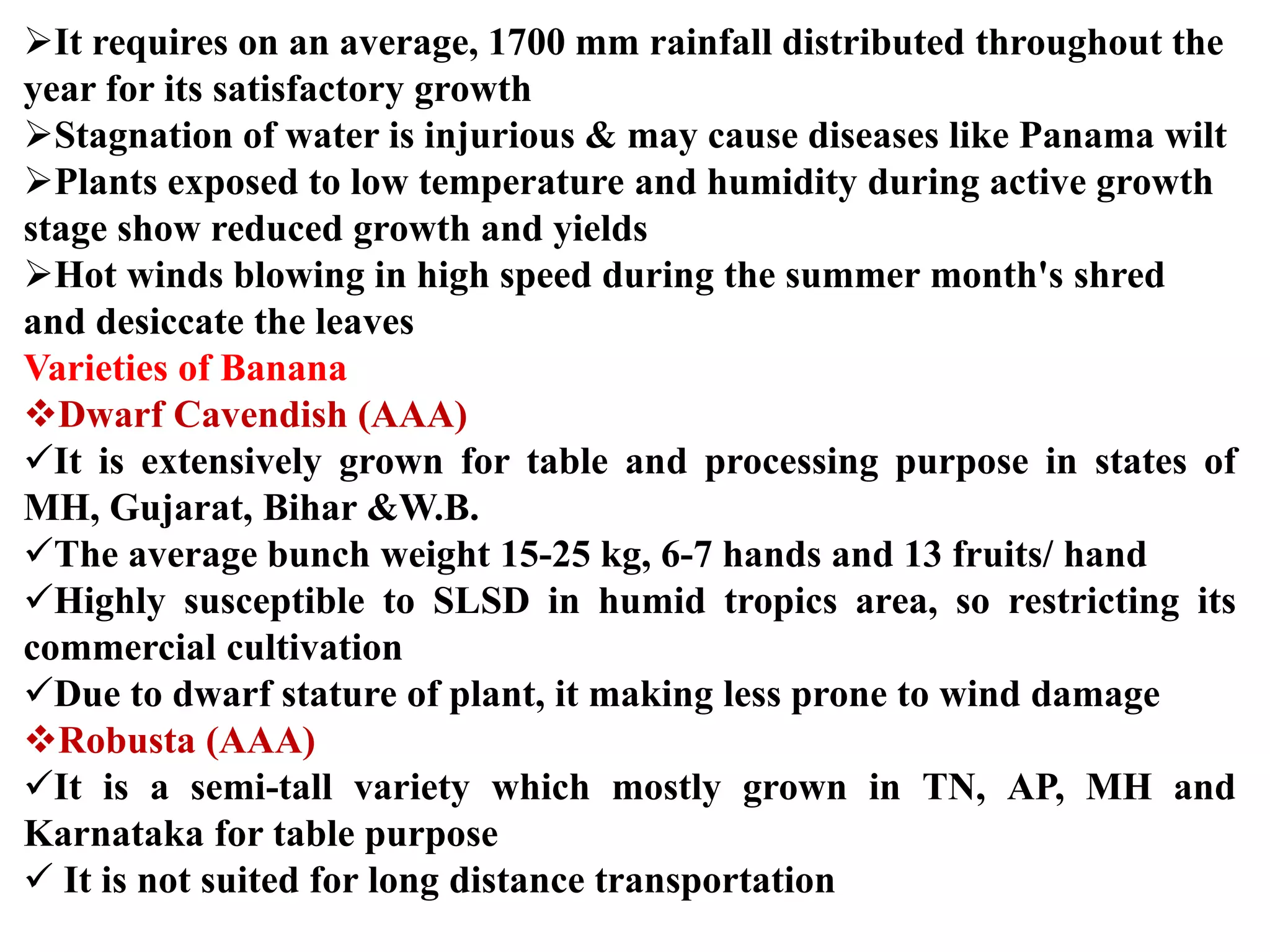
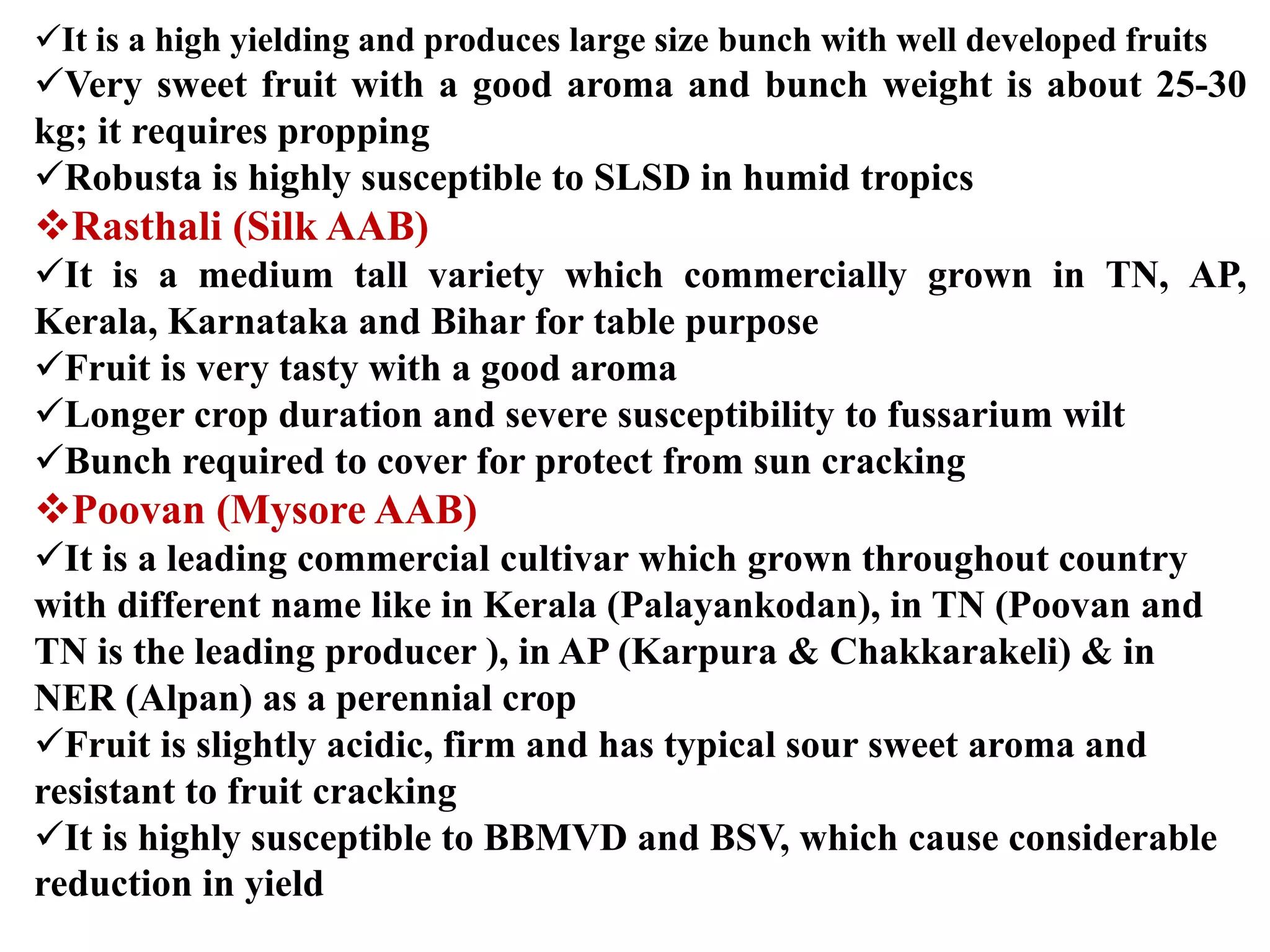
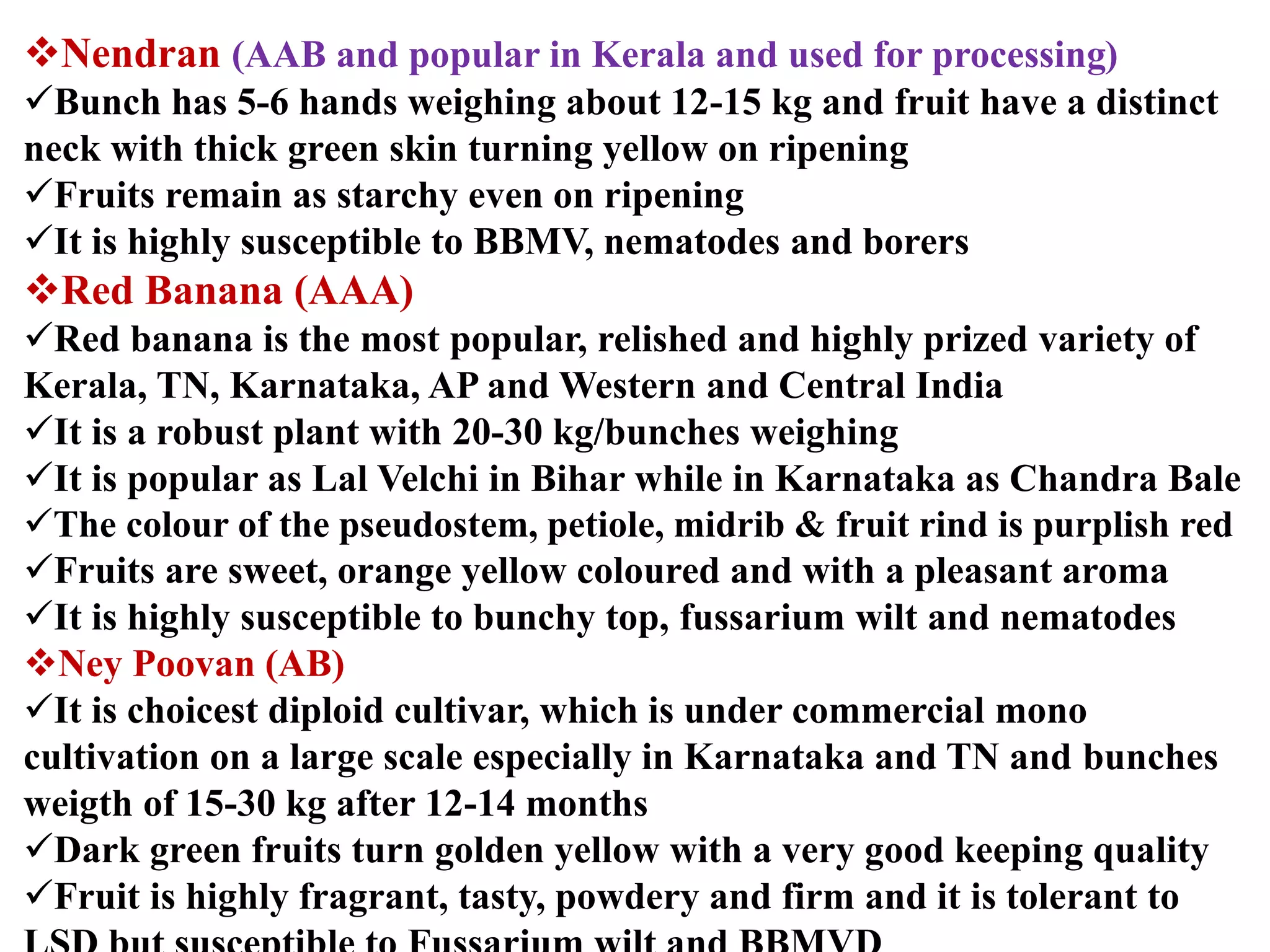
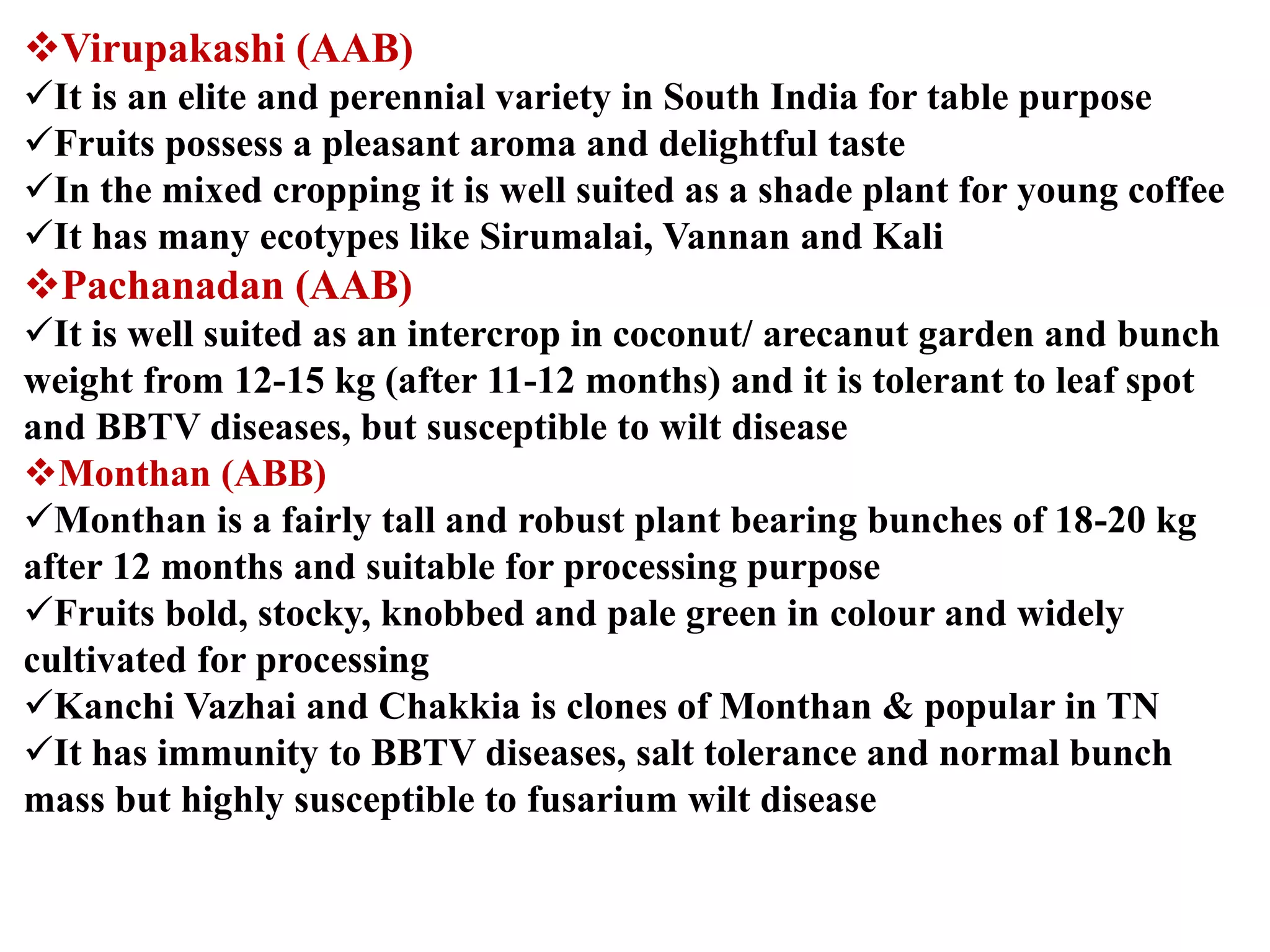
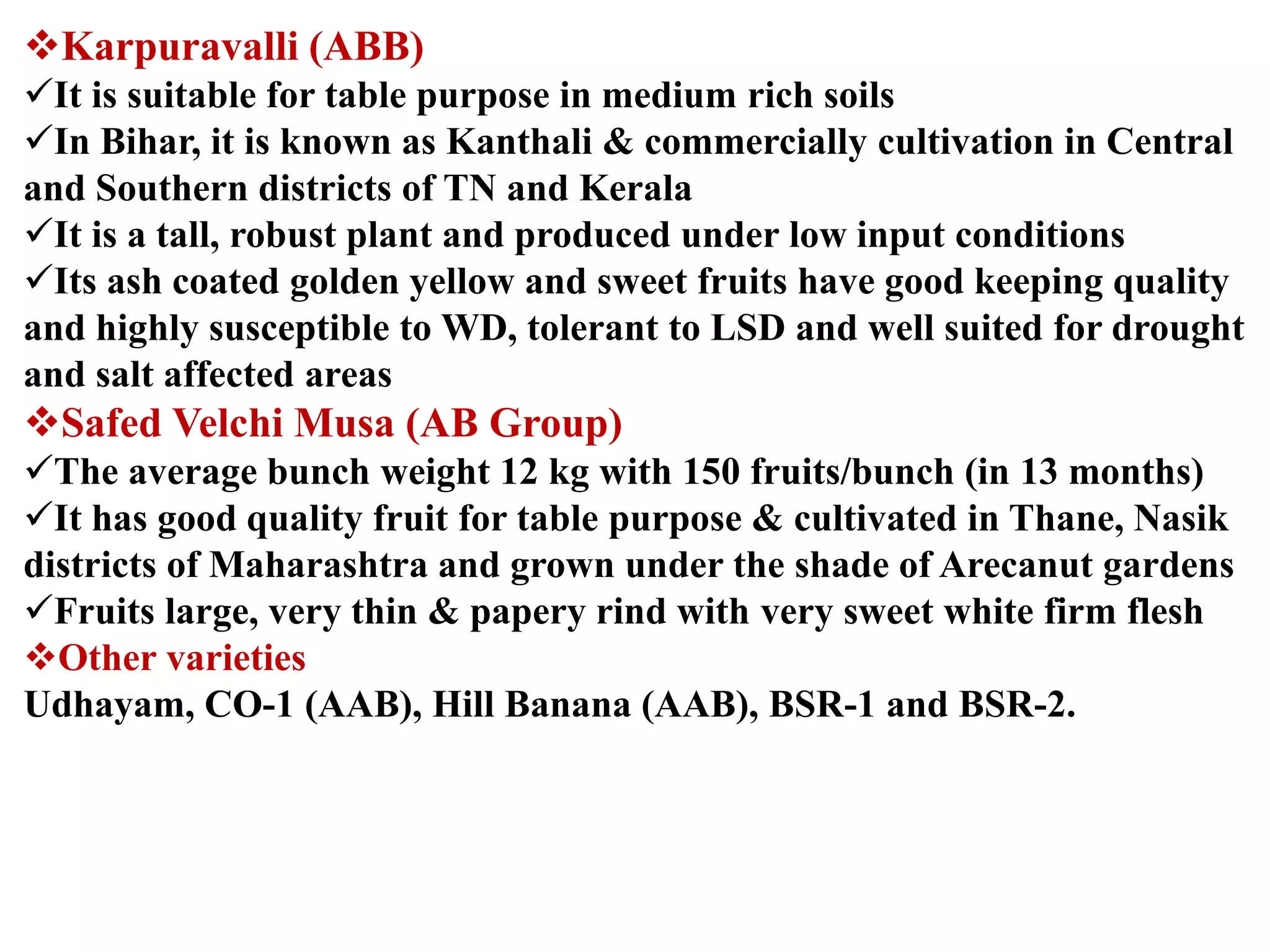
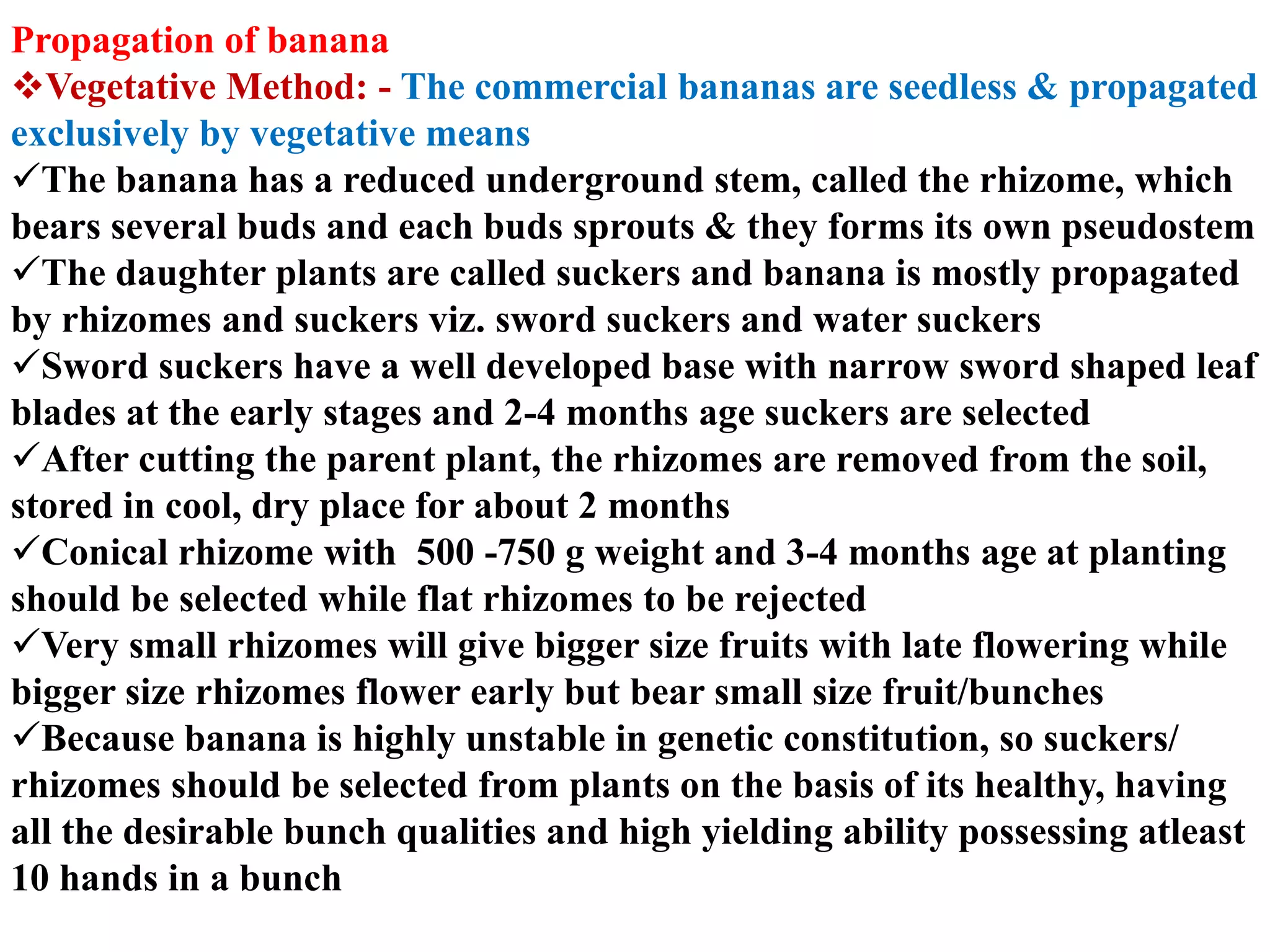
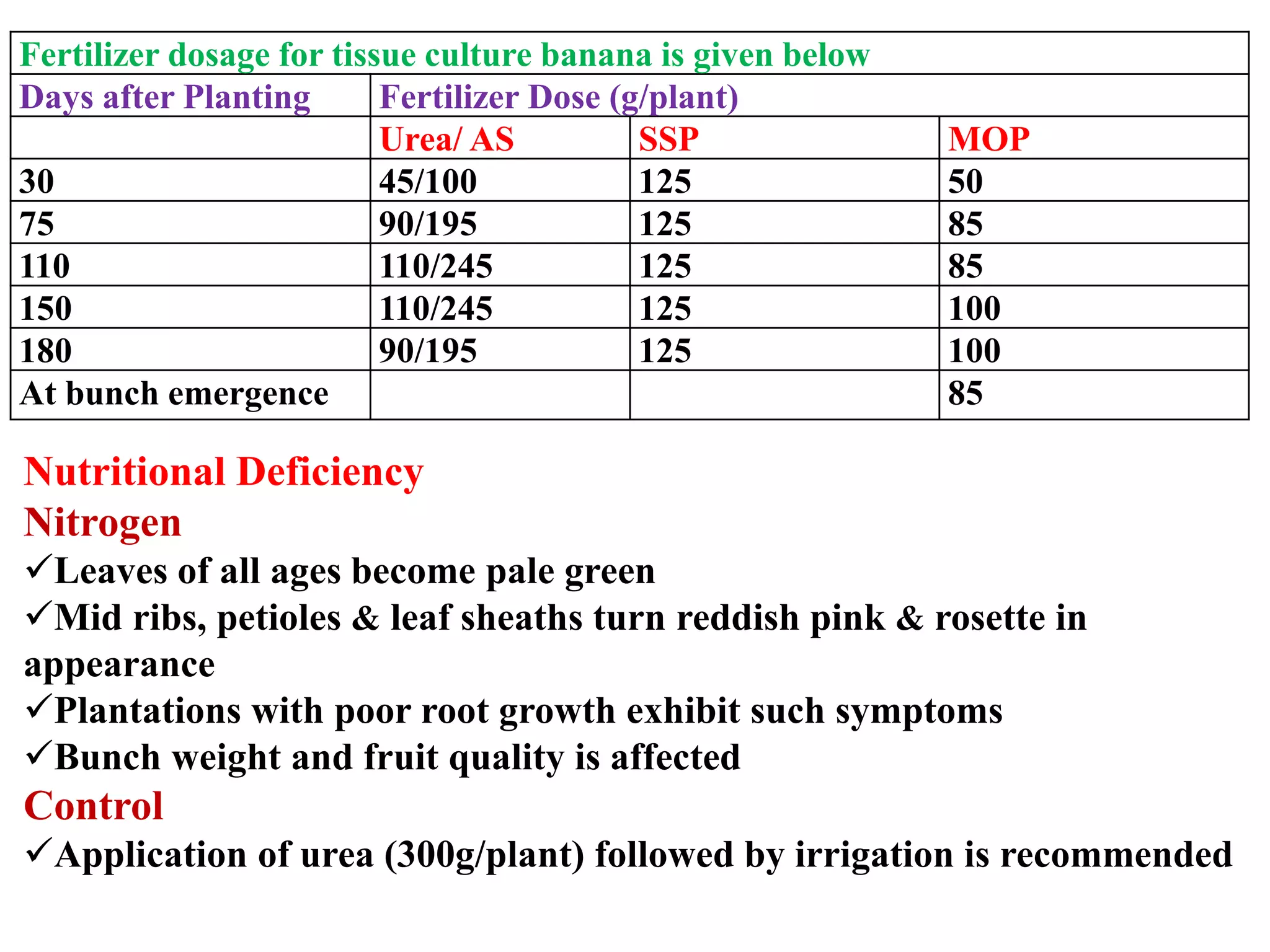
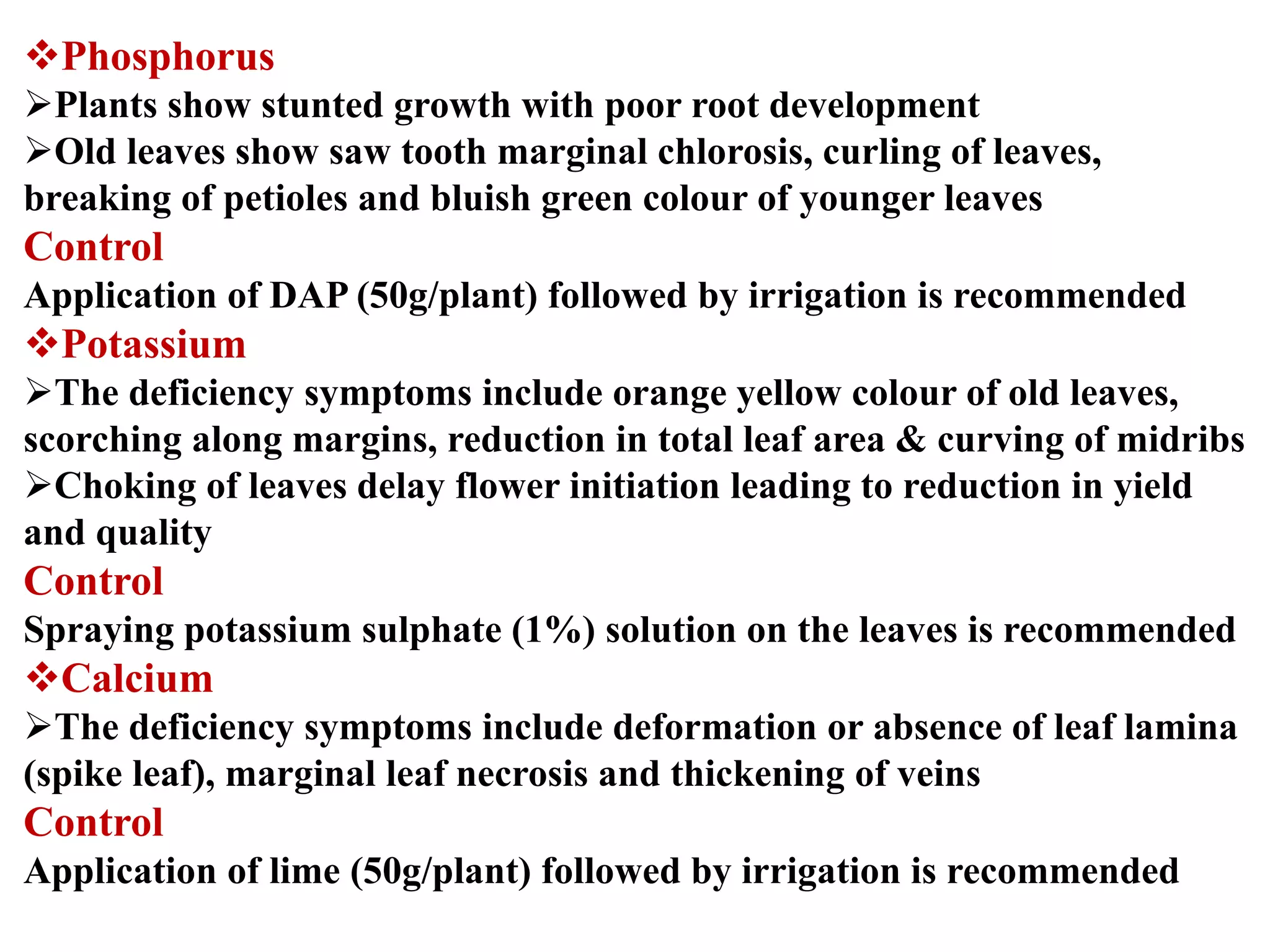
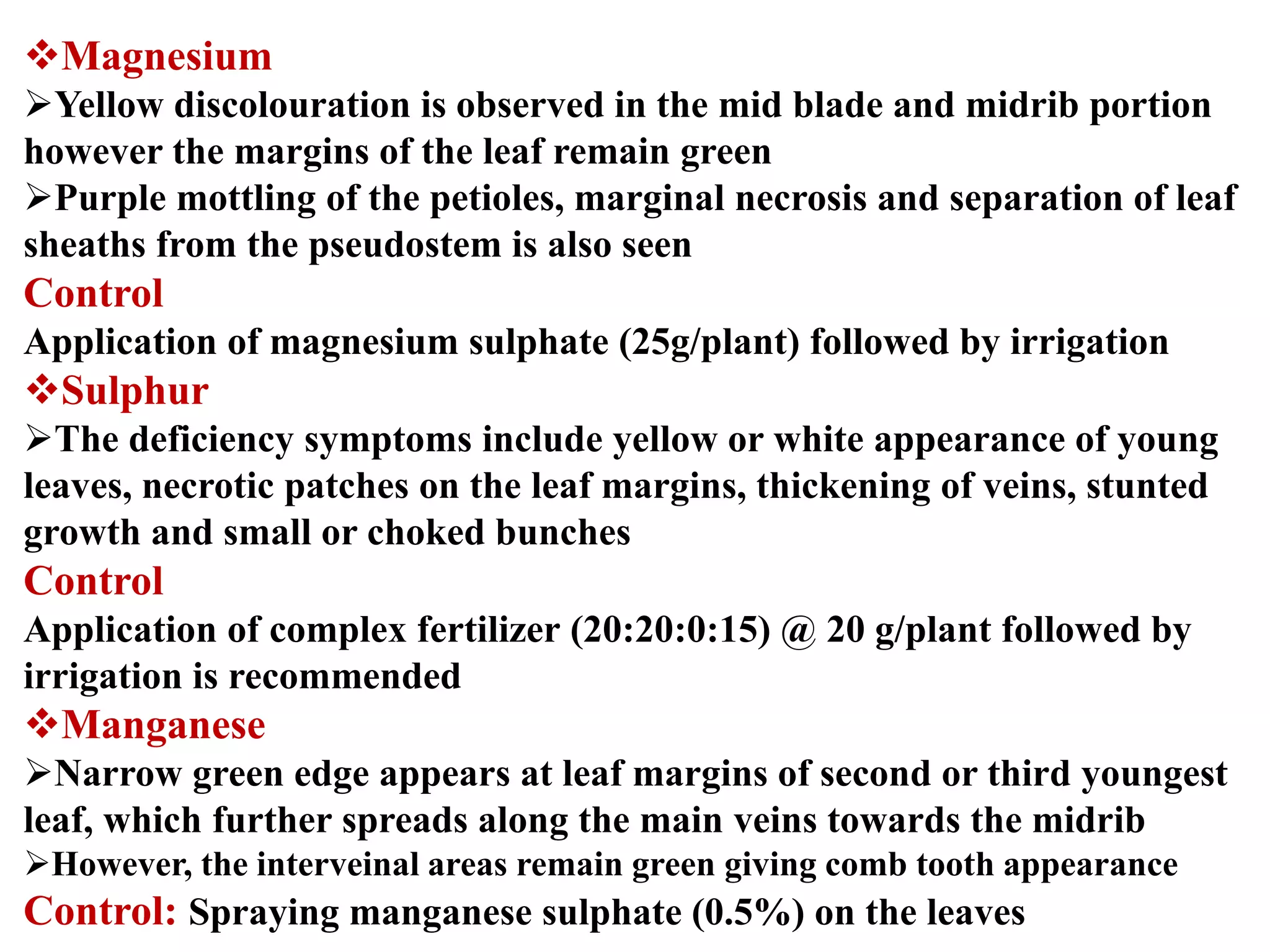
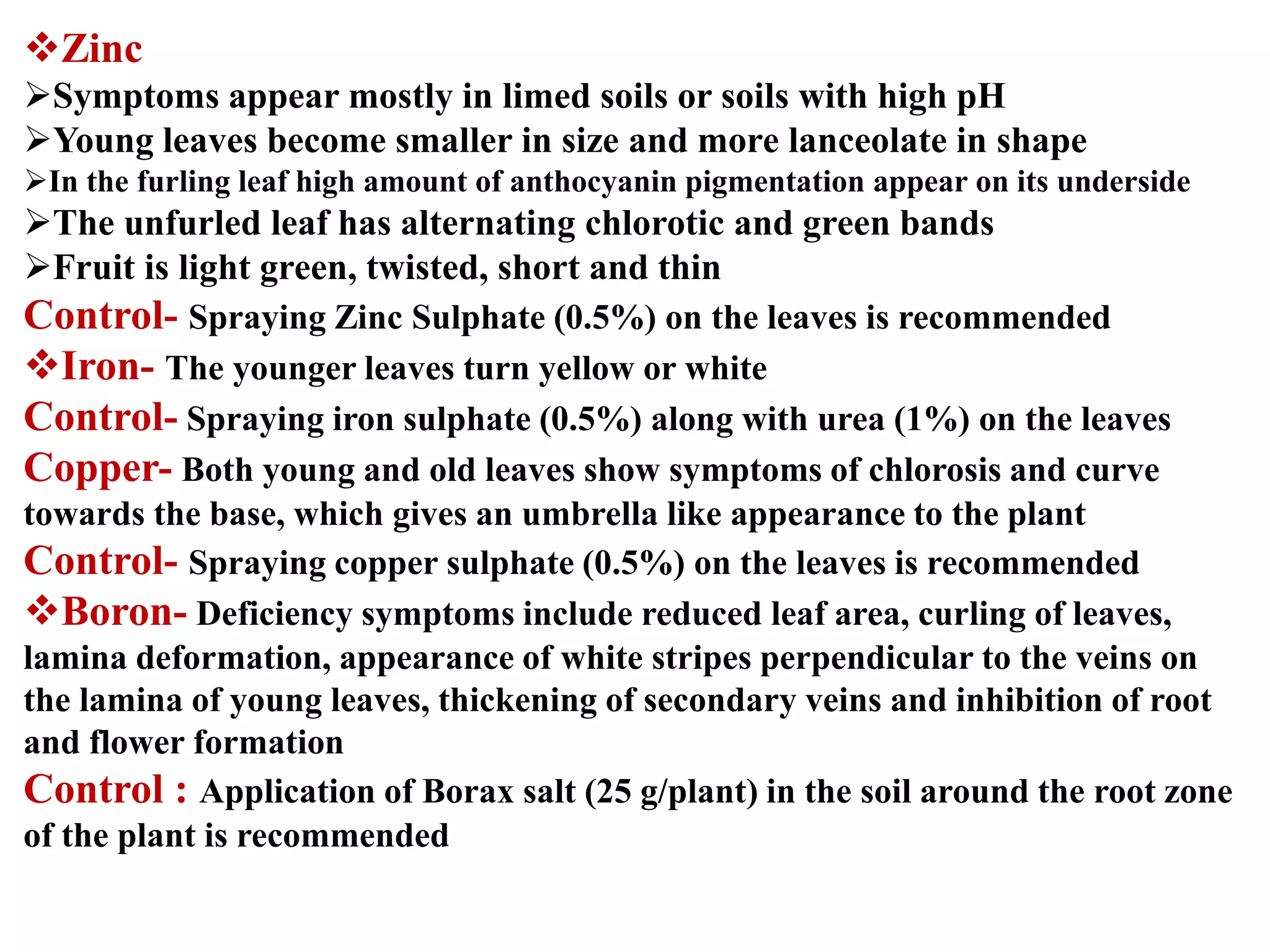
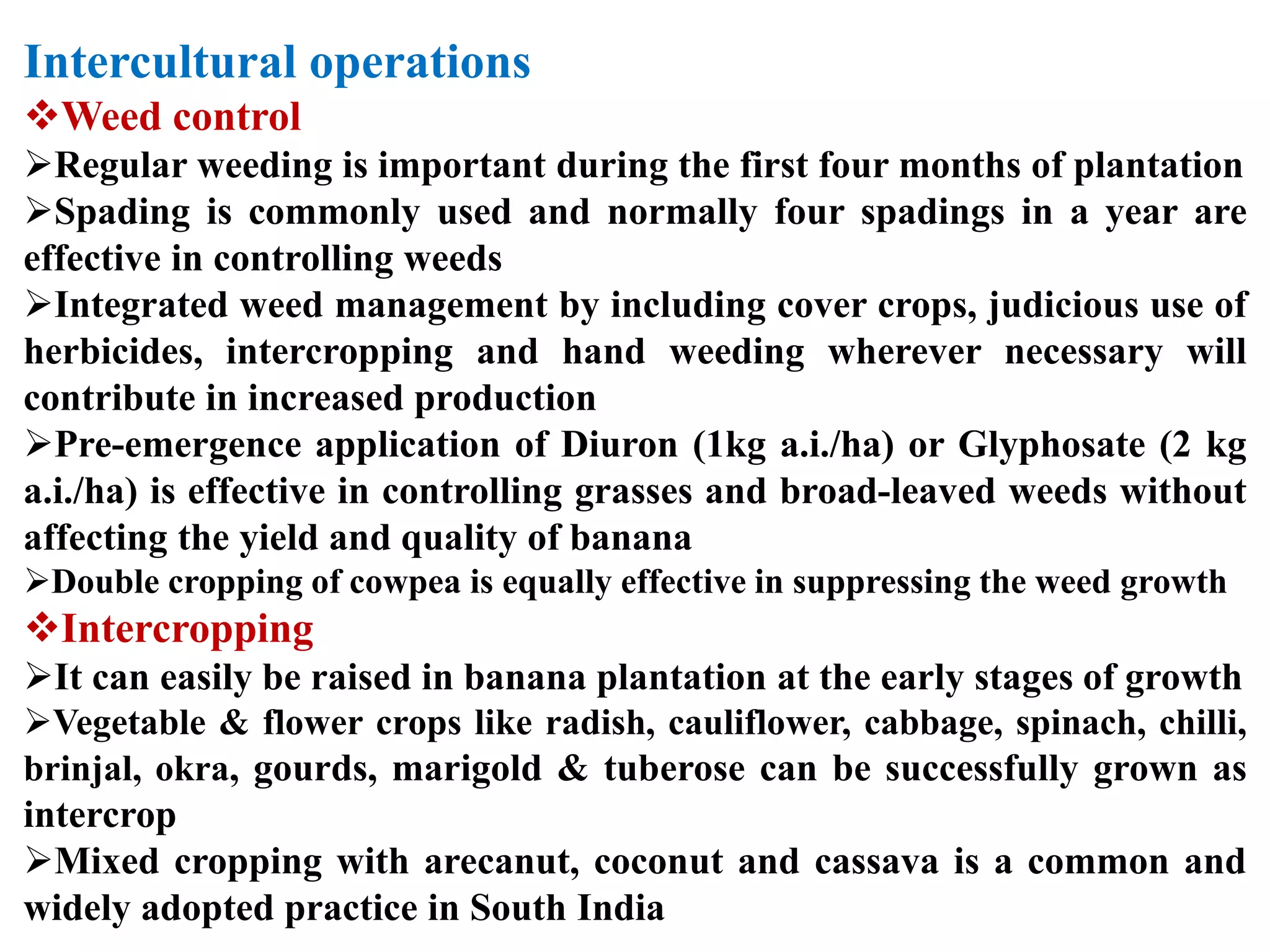
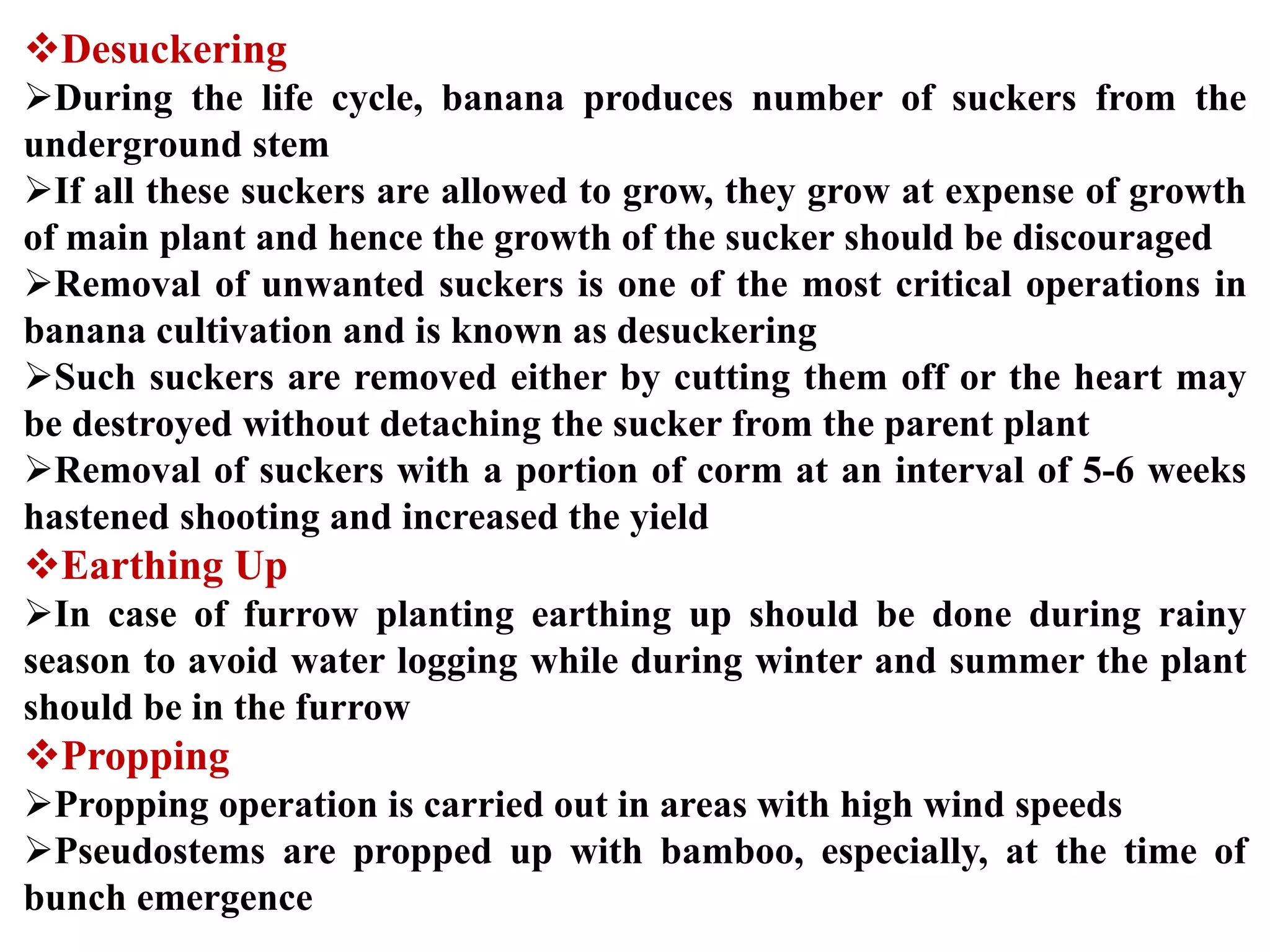
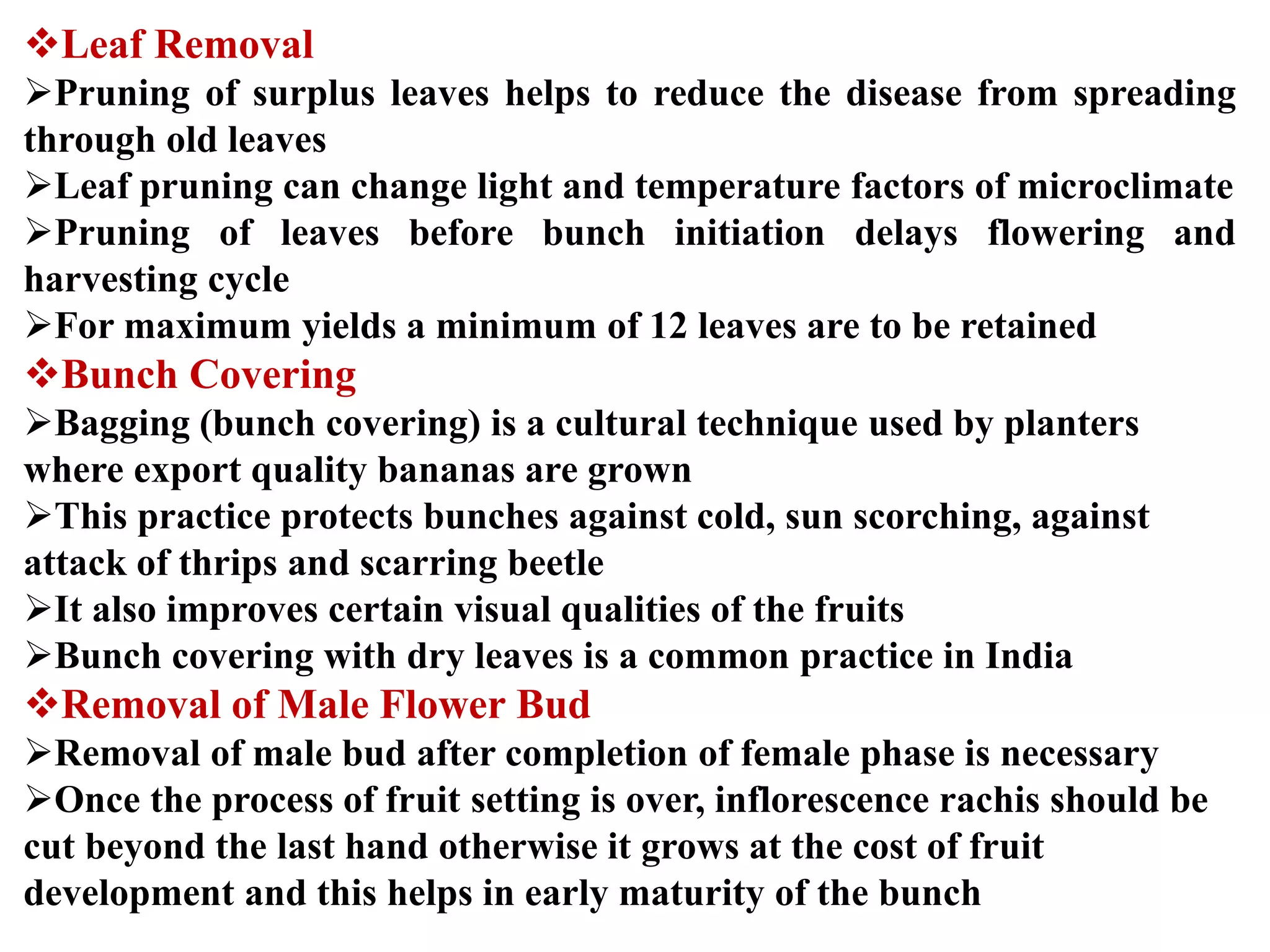
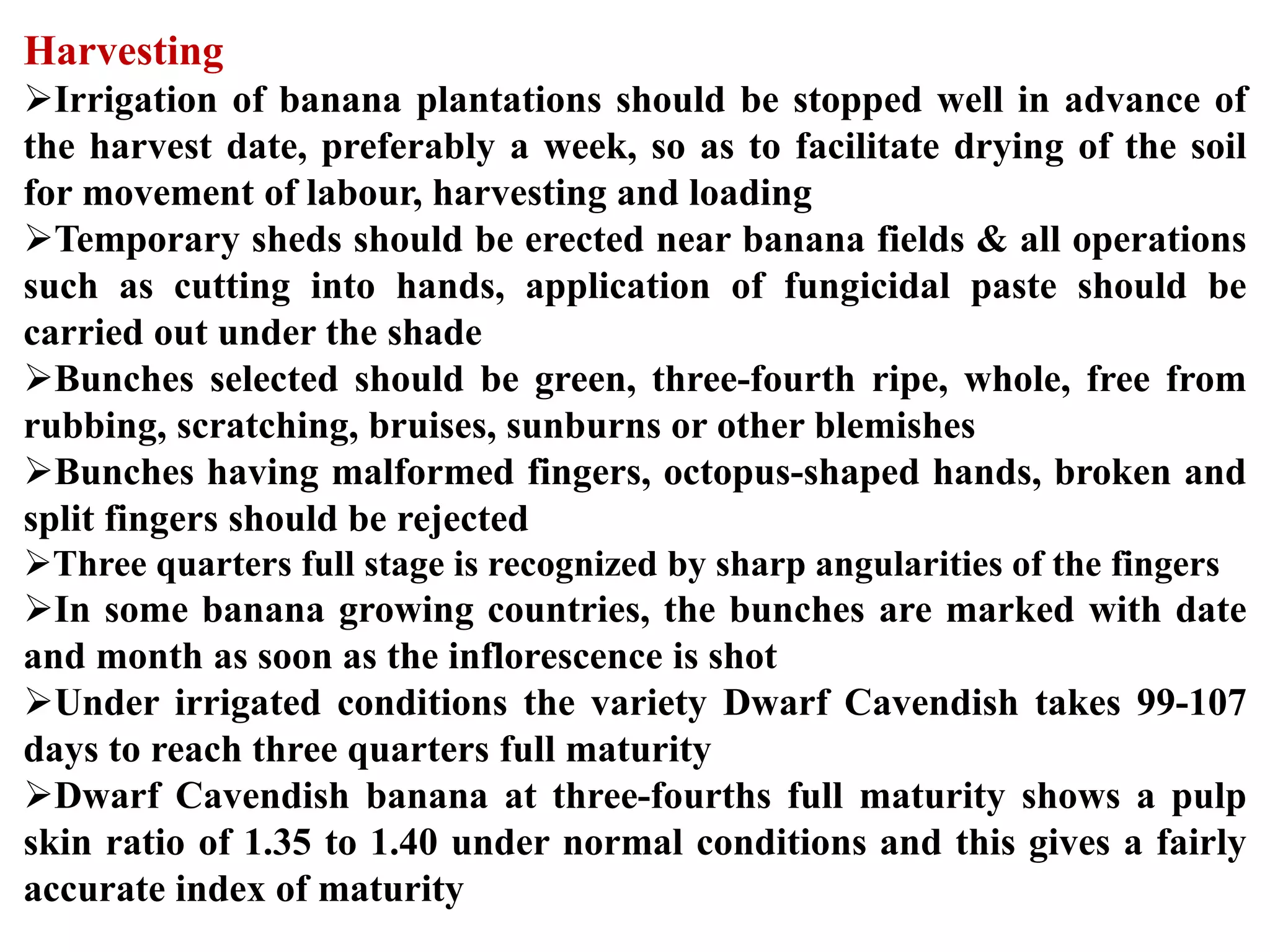
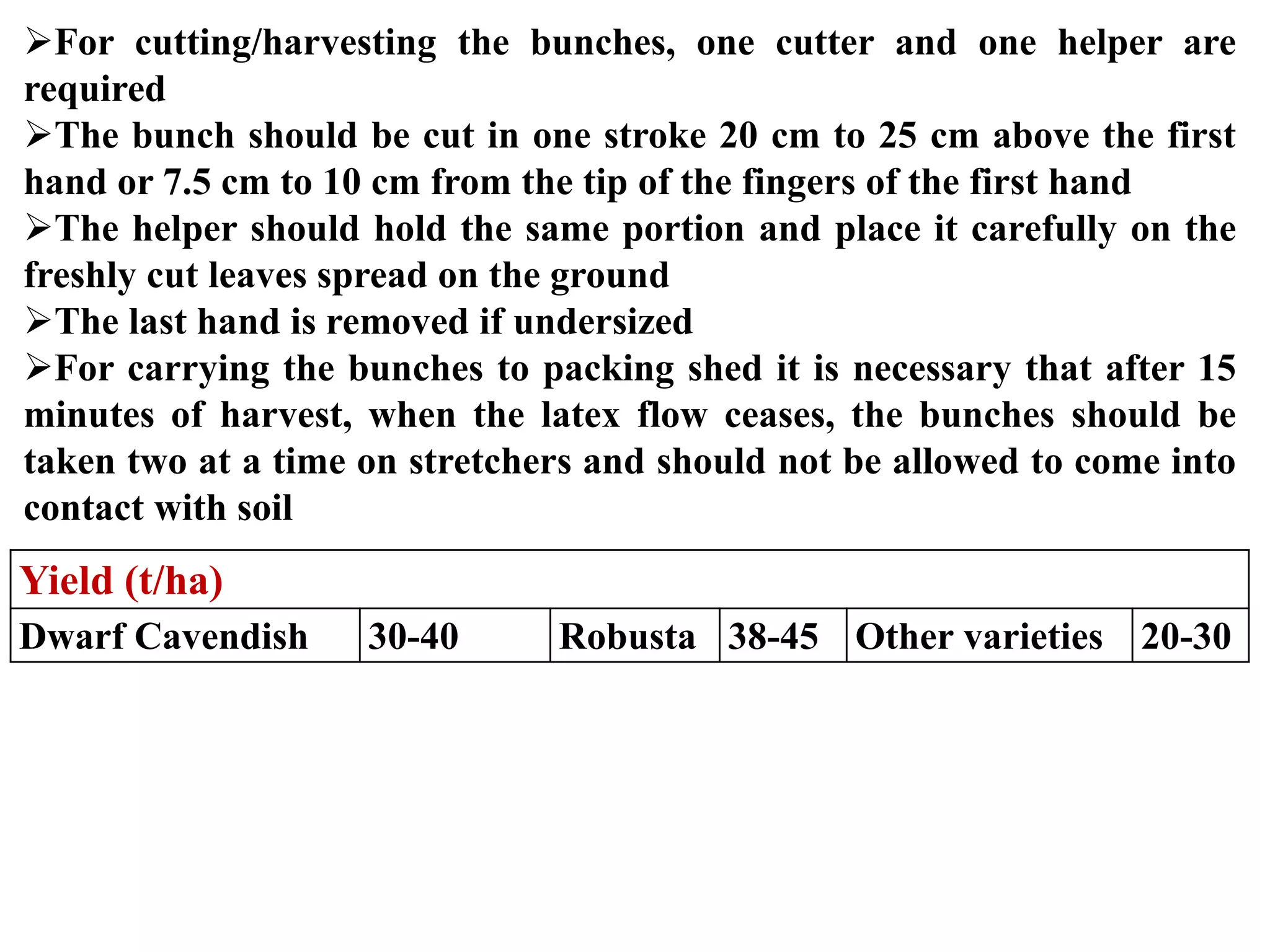
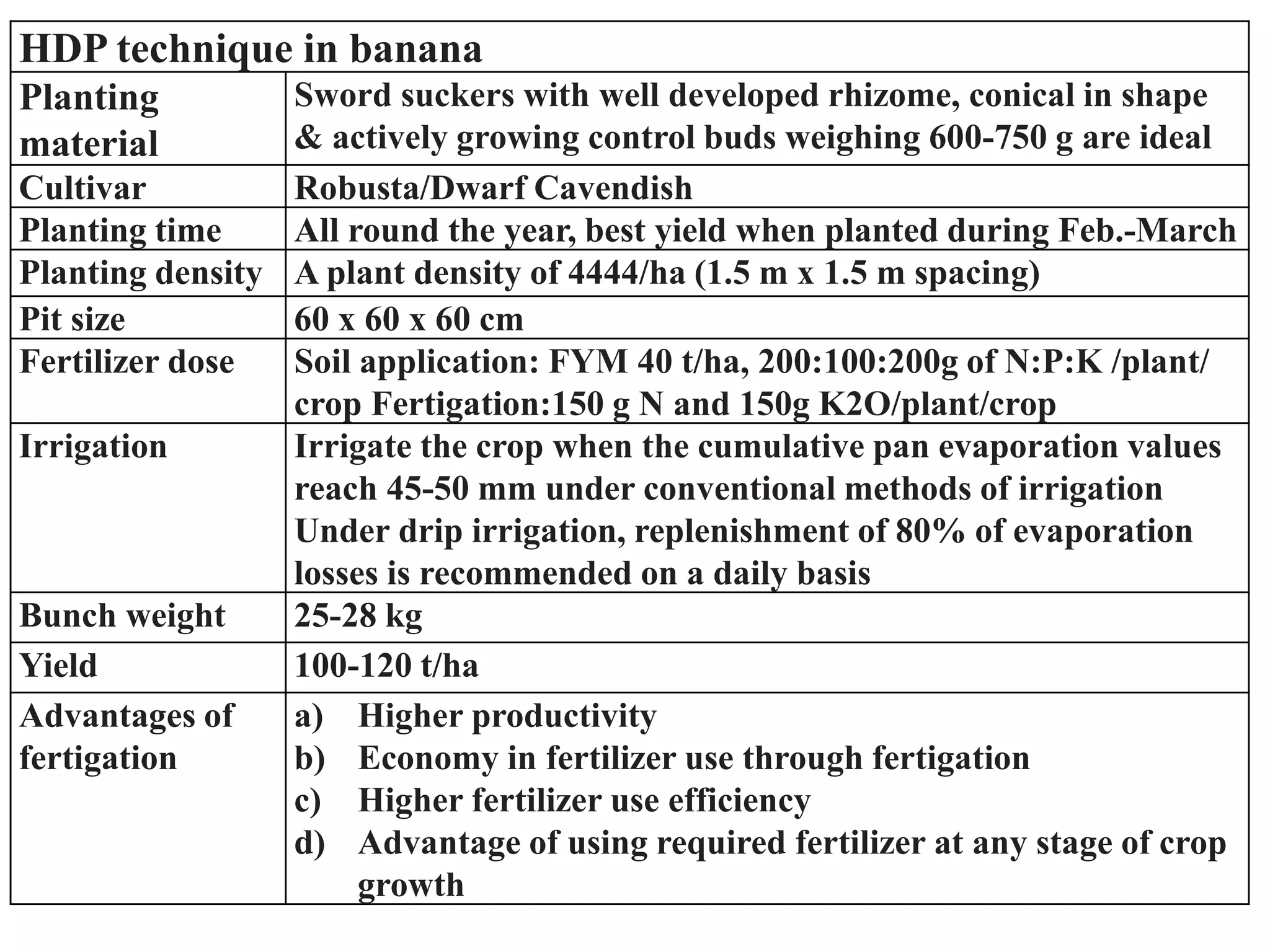
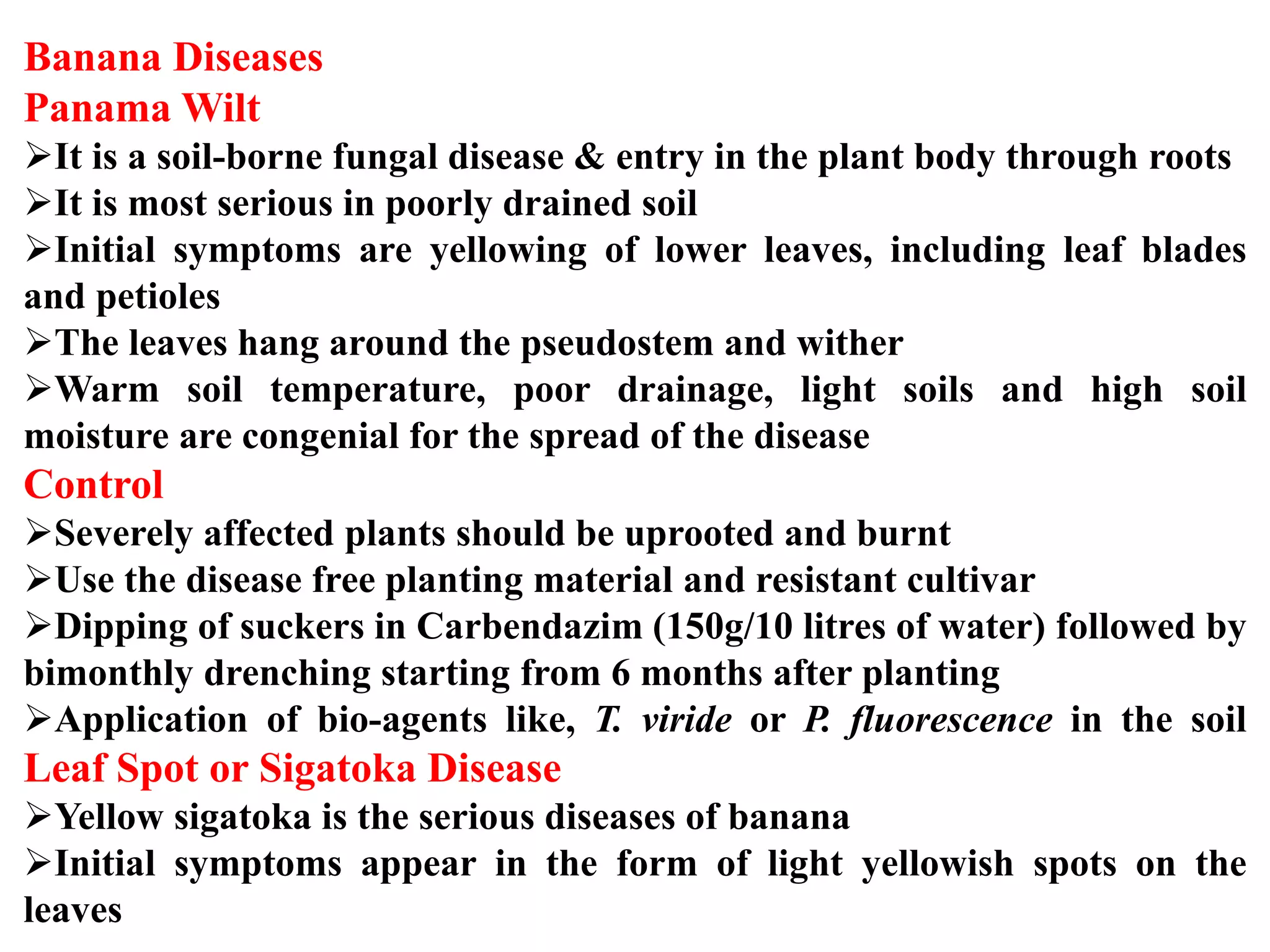
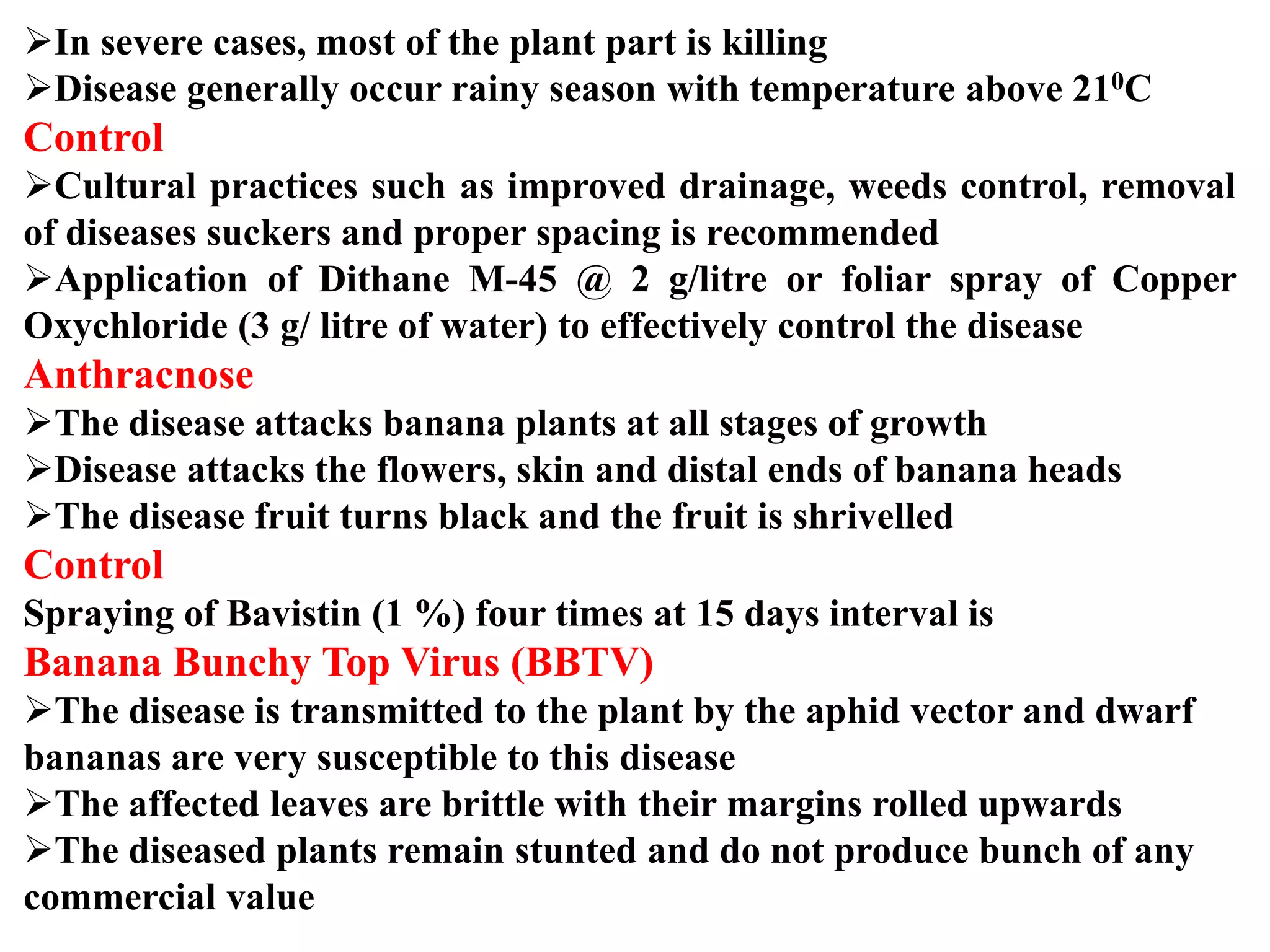
Ppt on Production technology of Banana

Summary:

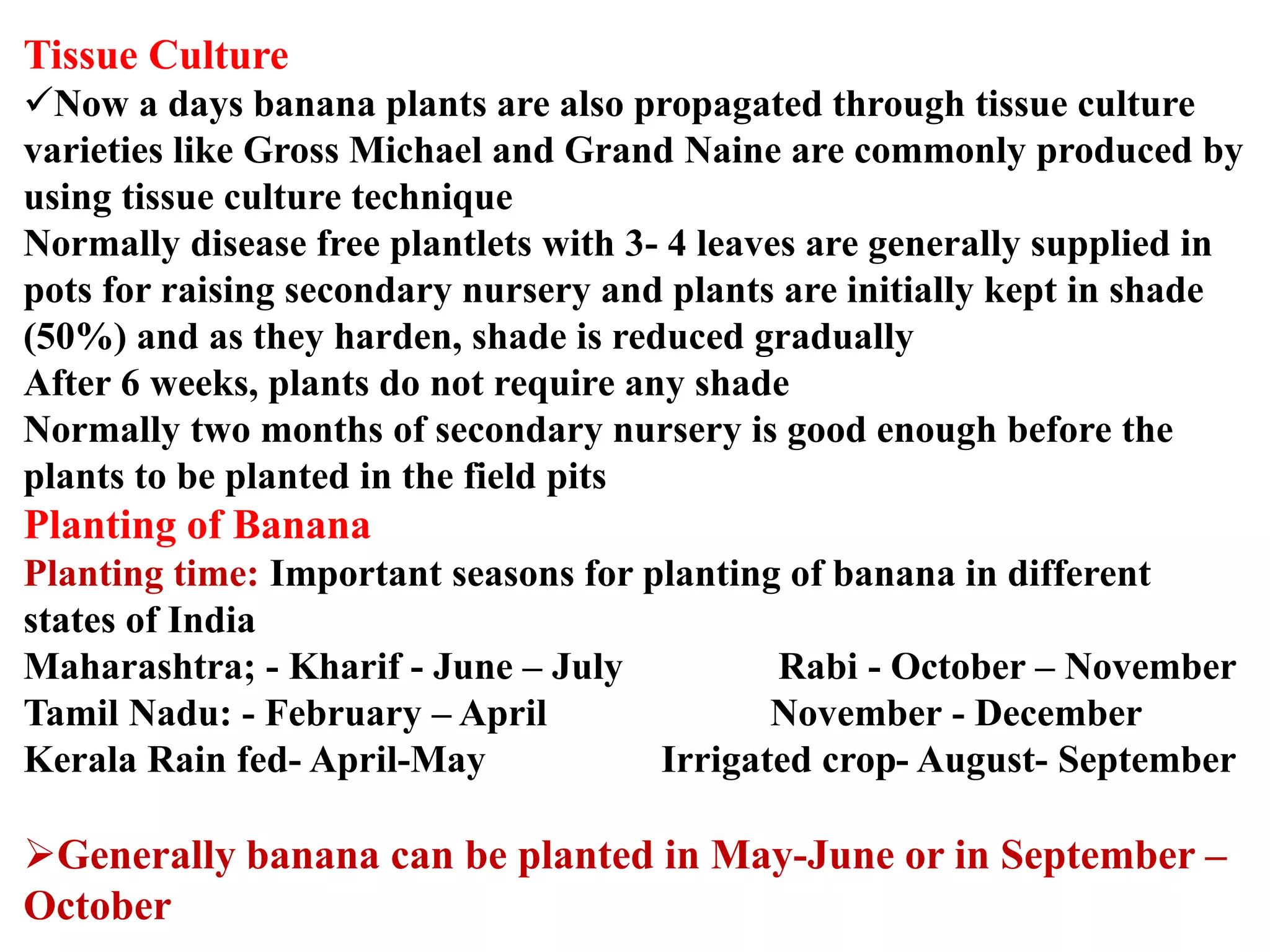
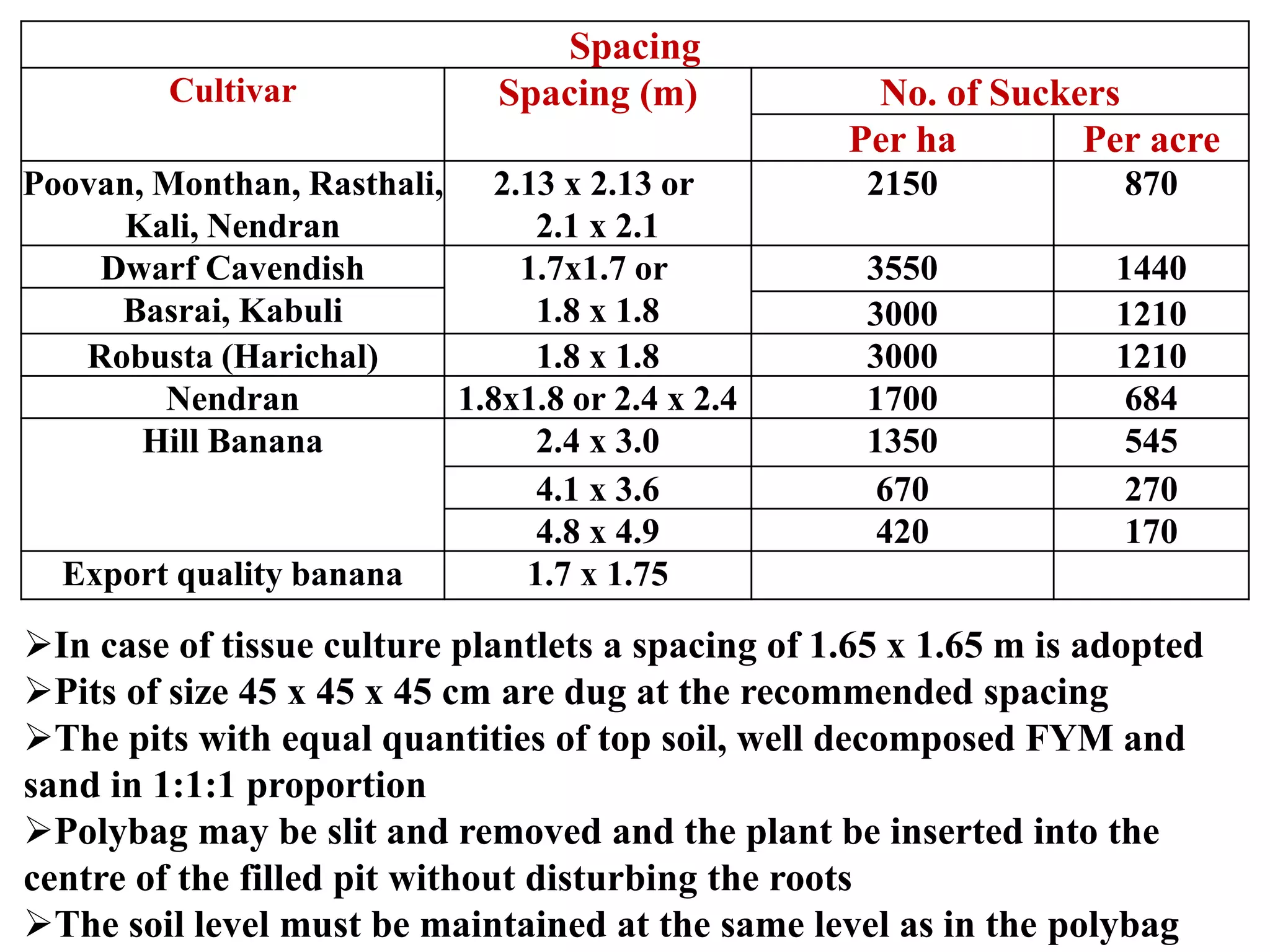
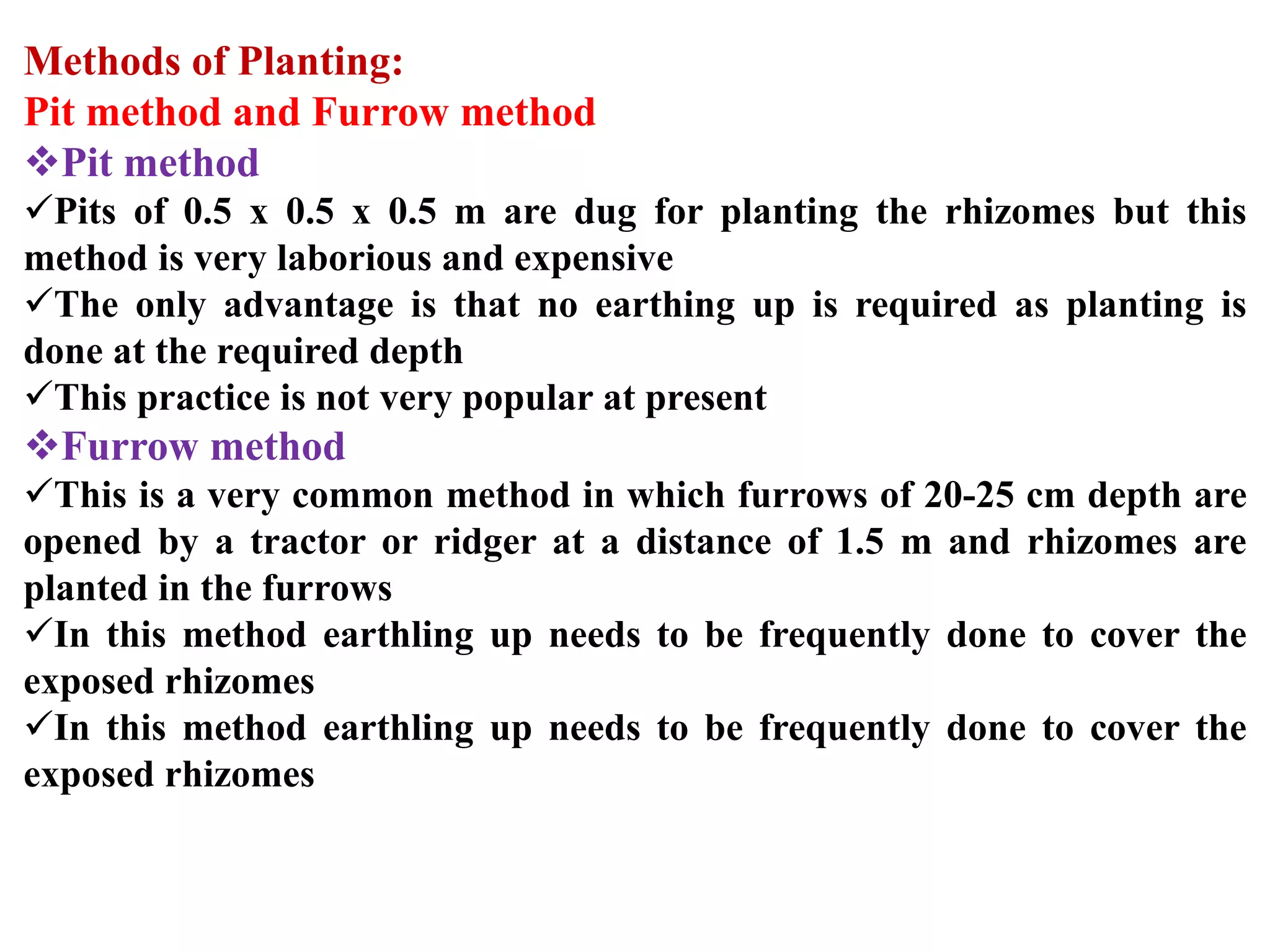
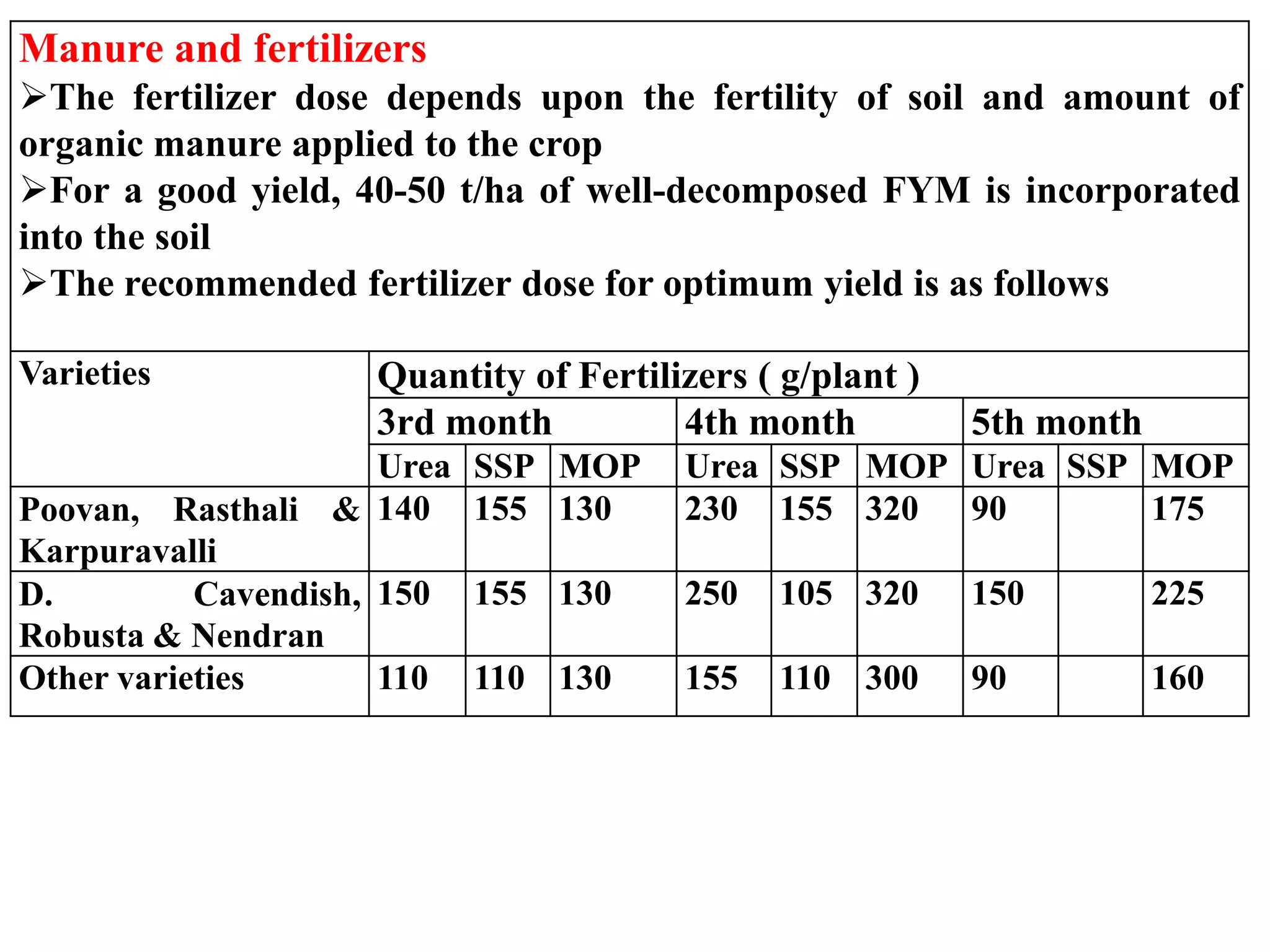
Explore 29 slides packed with valuable information on the production technology of bananas. Learn about cultivation, harvesting, and more!

Slide 1

Slide 1

Slide 2

Slide 2

Slide 3

Slide 3

Slide 4

Slide 4

Slide 5

Slide 5

Slide 6

Slide 6

Slide 7

Slide 7

Slide 8

Slide 8

Slide 9

Slide 9

Slide 10

Slide 10

Slide 11

Slide 11

Slide 12

Slide 12

Slide 13

Slide 13

Slide 14

Slide 14

Slide 15

Slide 15

Slide 16

Slide 16

Slide 17

Slide 17

Slide 18

Slide 18

Slide 19

Slide 19

Slide 20

Slide 20

Slide 21

Slide 21

Slide 22

Slide 22

Slide 23

Slide 23

Slide 24

Slide 24

Slide 25

Slide 25

Slide 26

Slide 26

Slide 27

Slide 27

Slide 28

Slide 28

Slide 29

Slide 29
1 / 29