Home Quiz Old Paper PPT

Ppt on Sex expression in cucurbits

Description

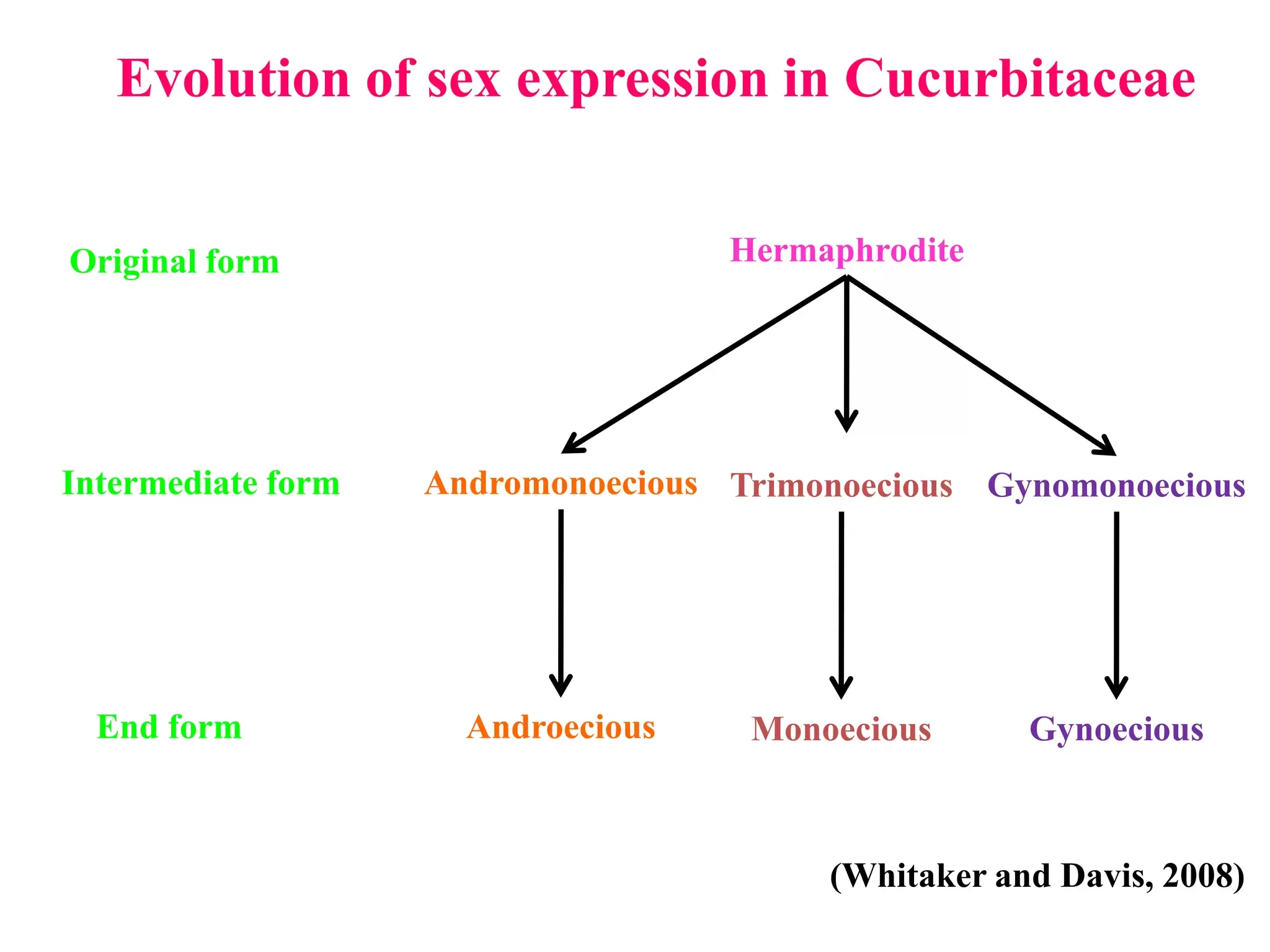
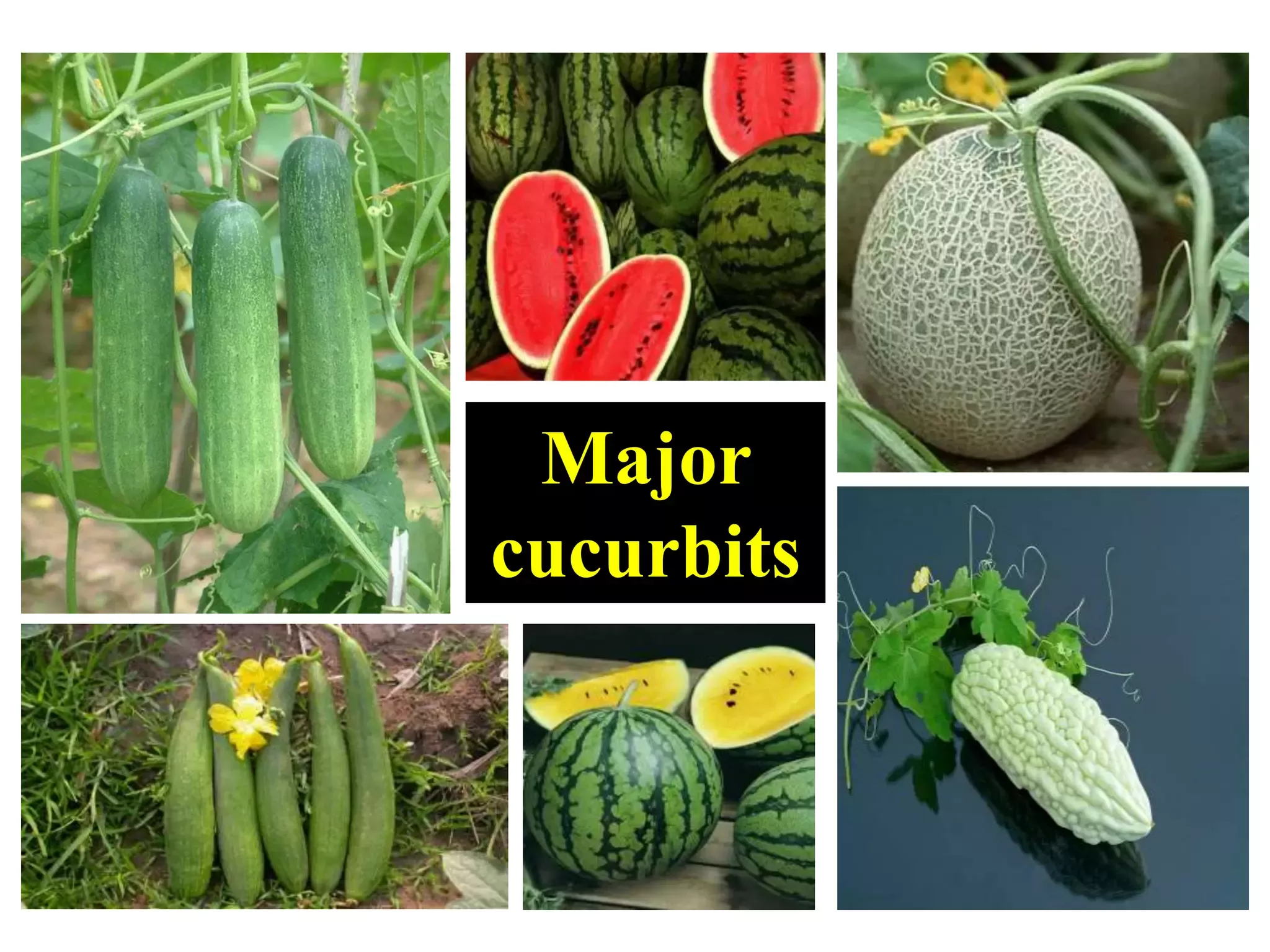
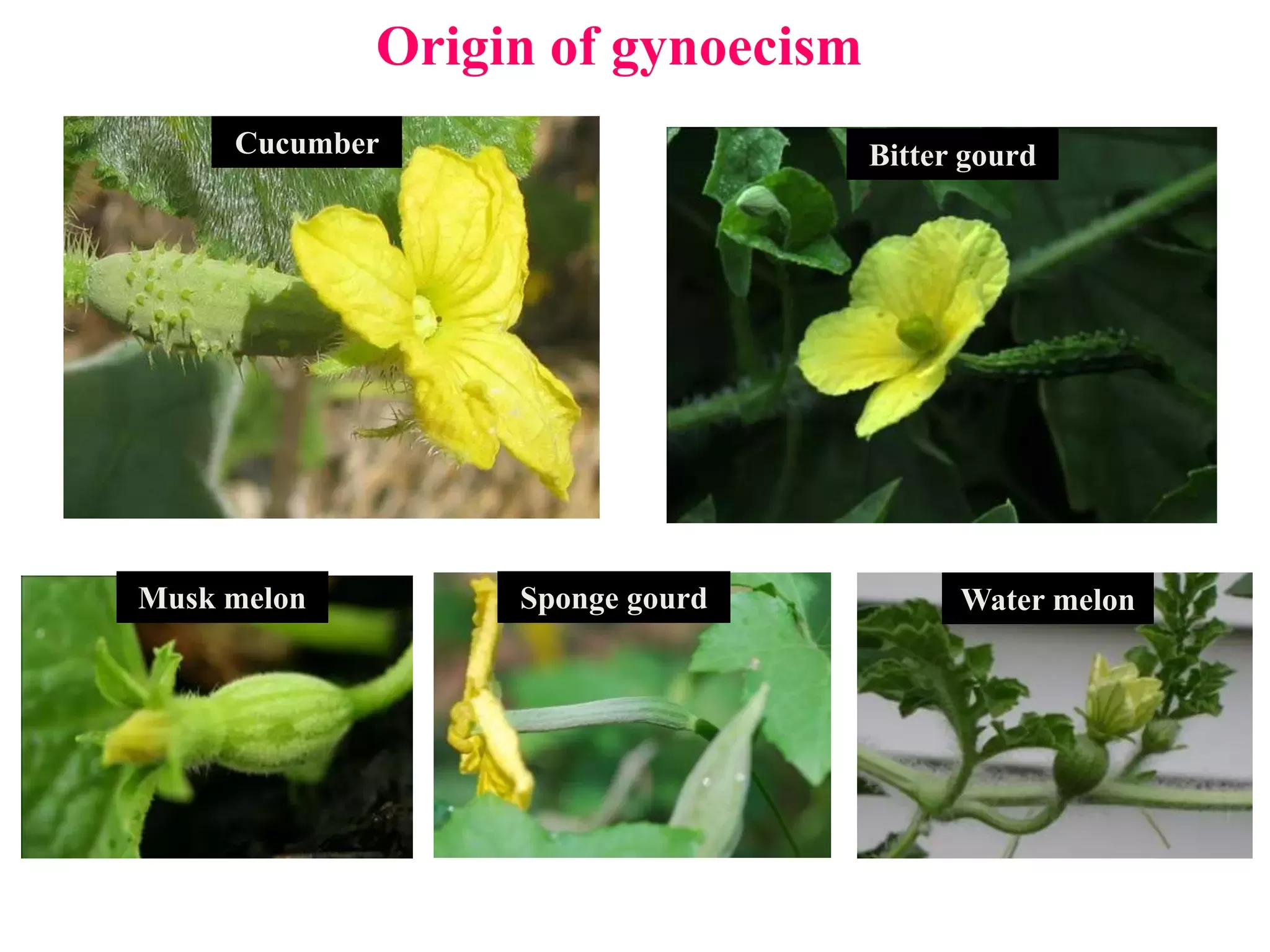
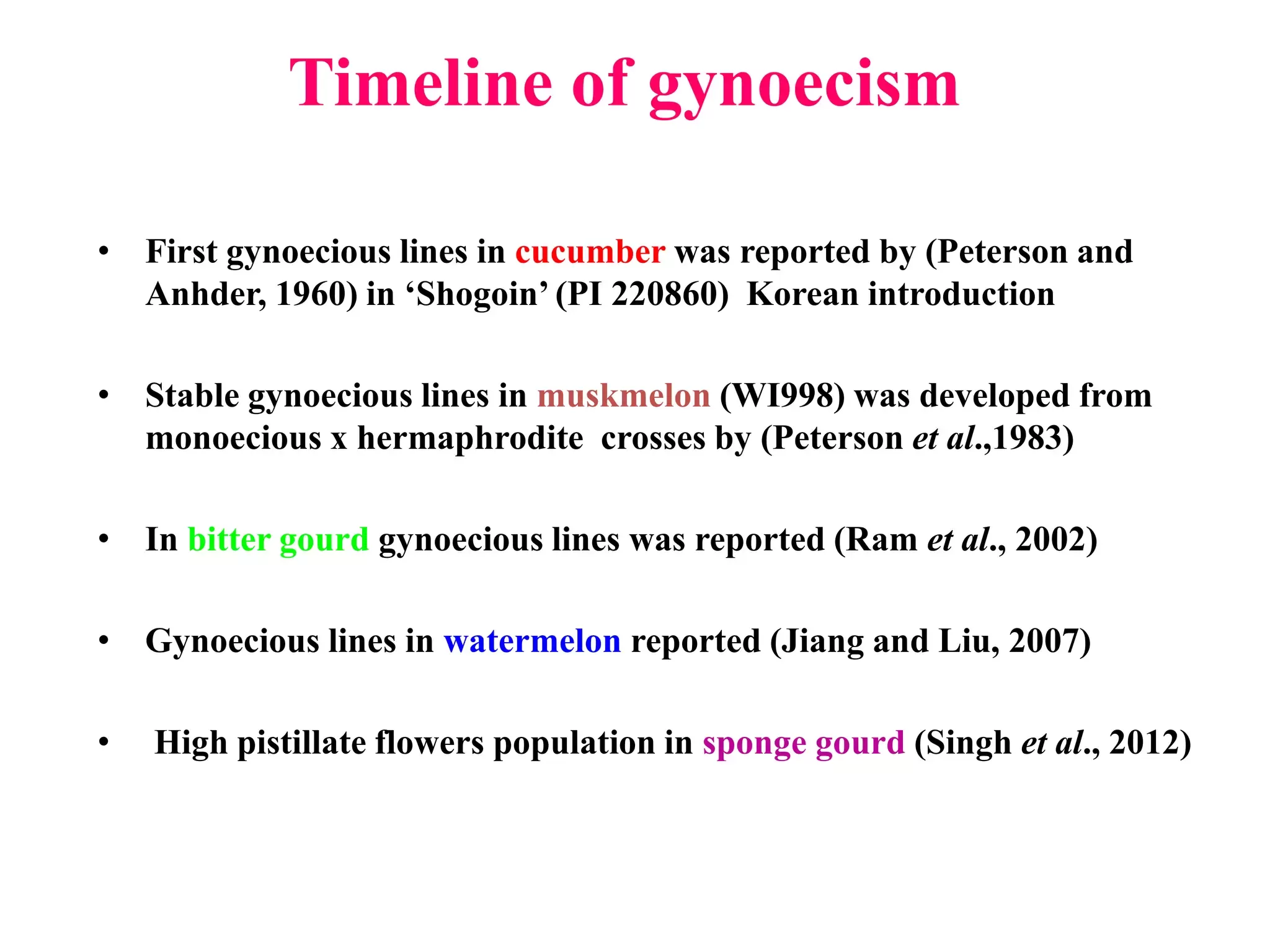
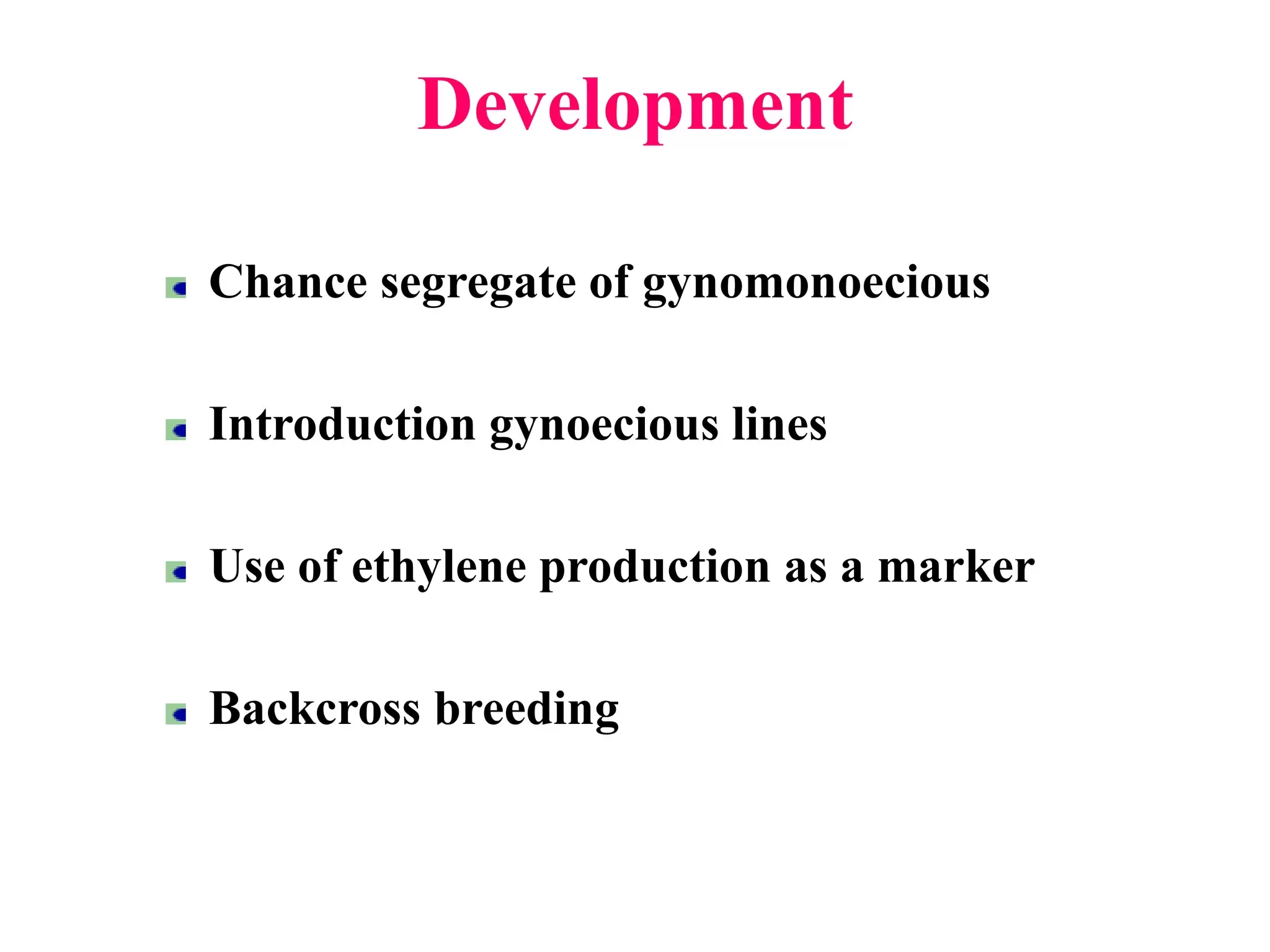
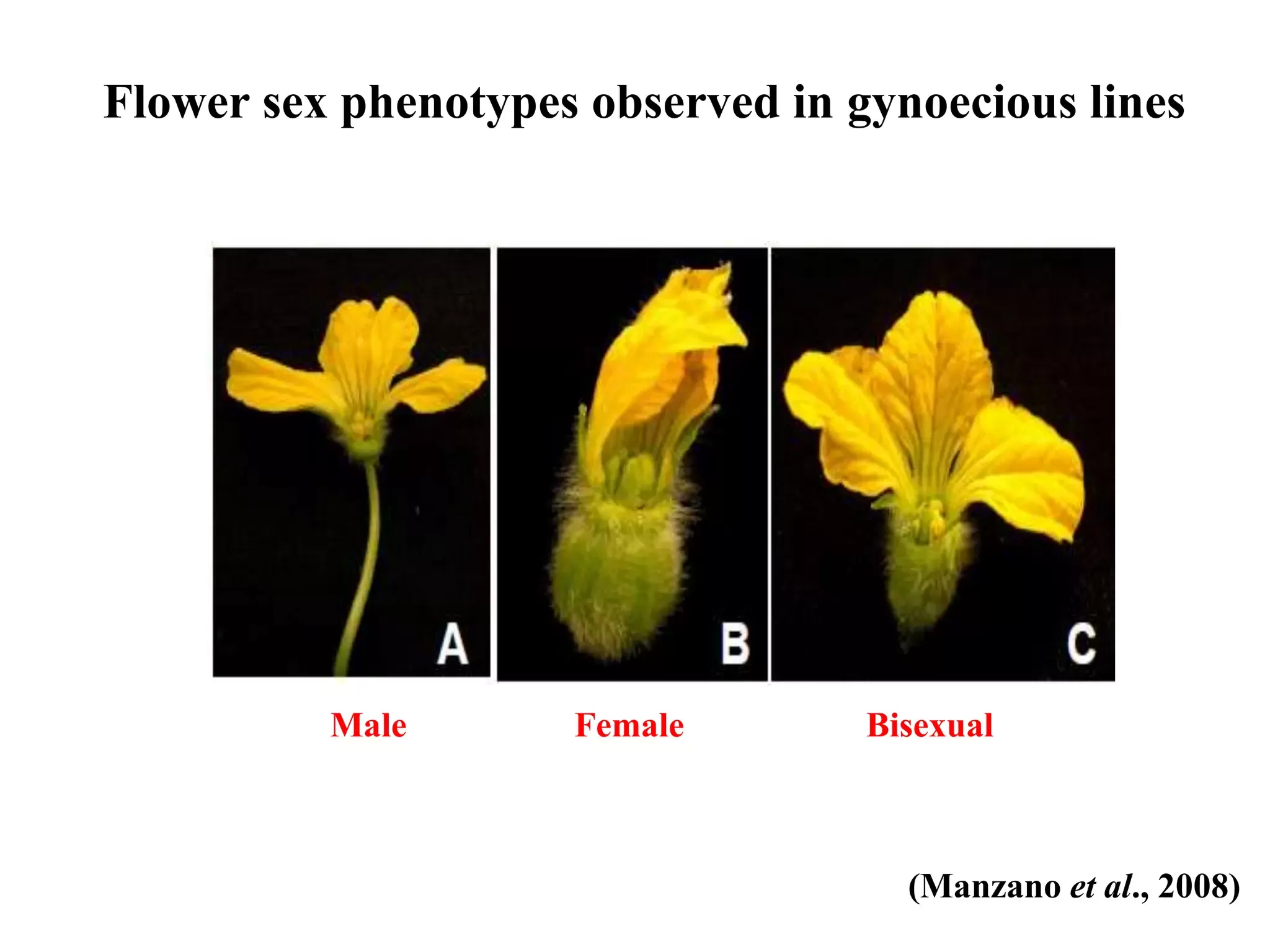
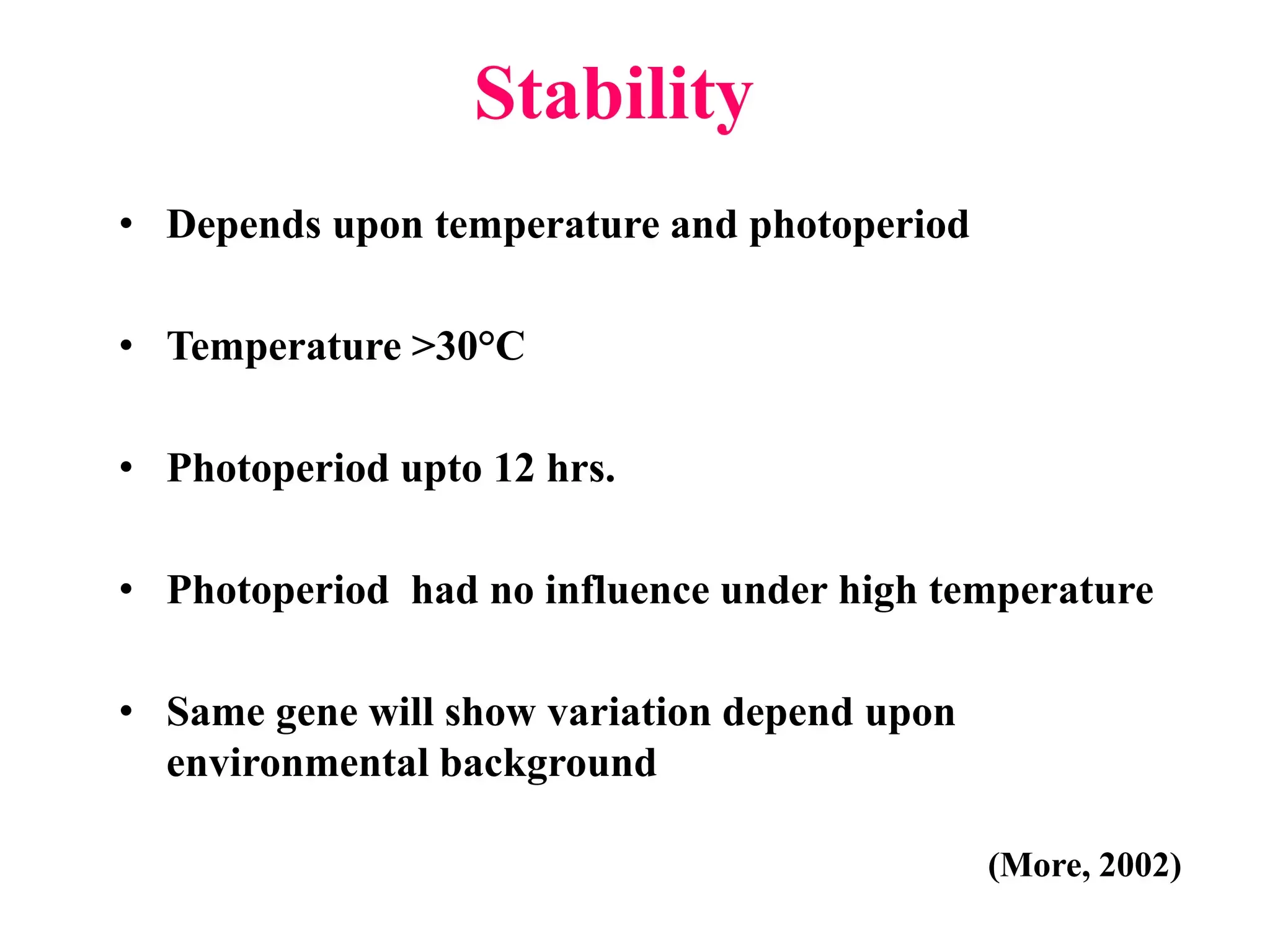
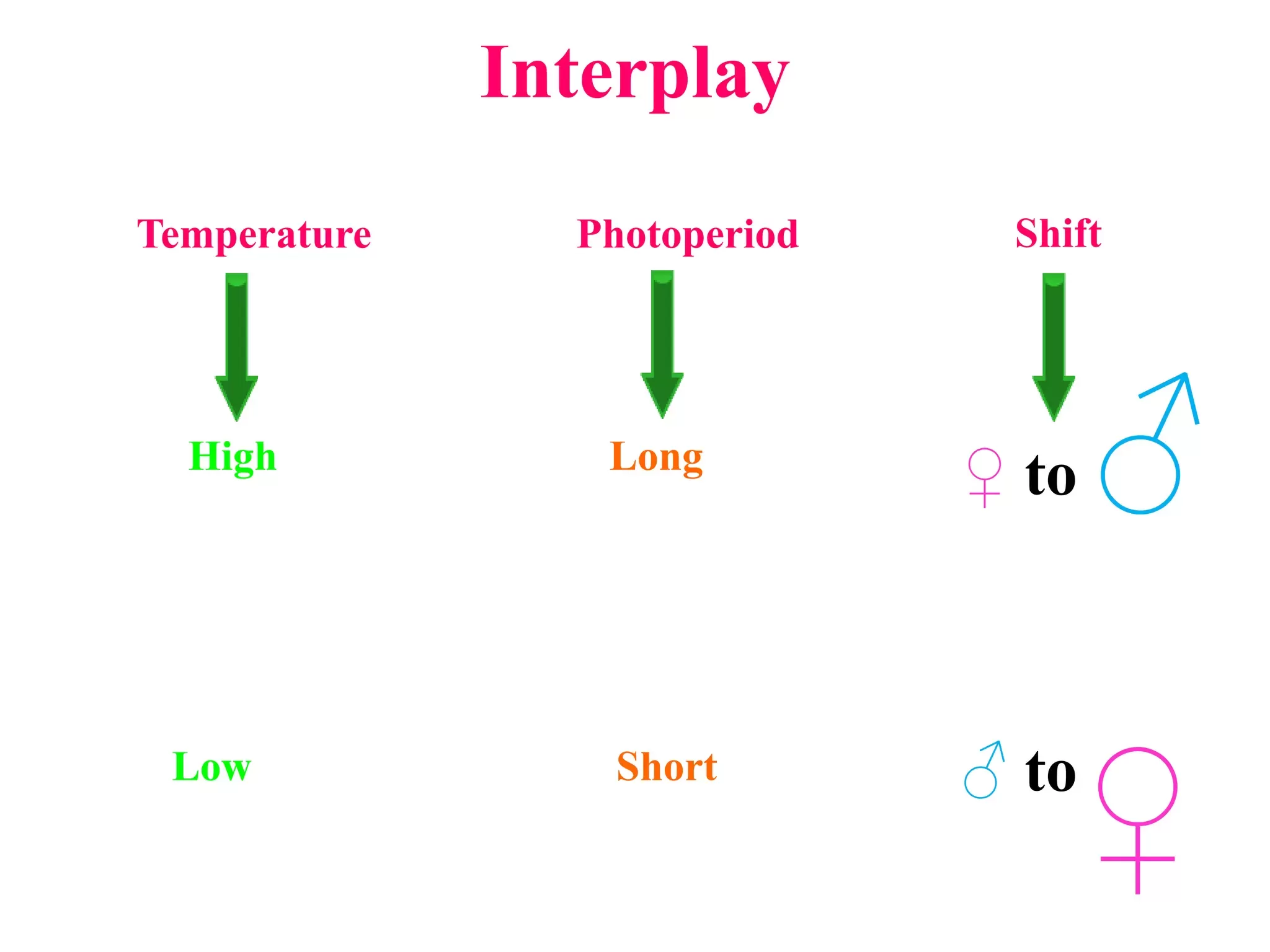
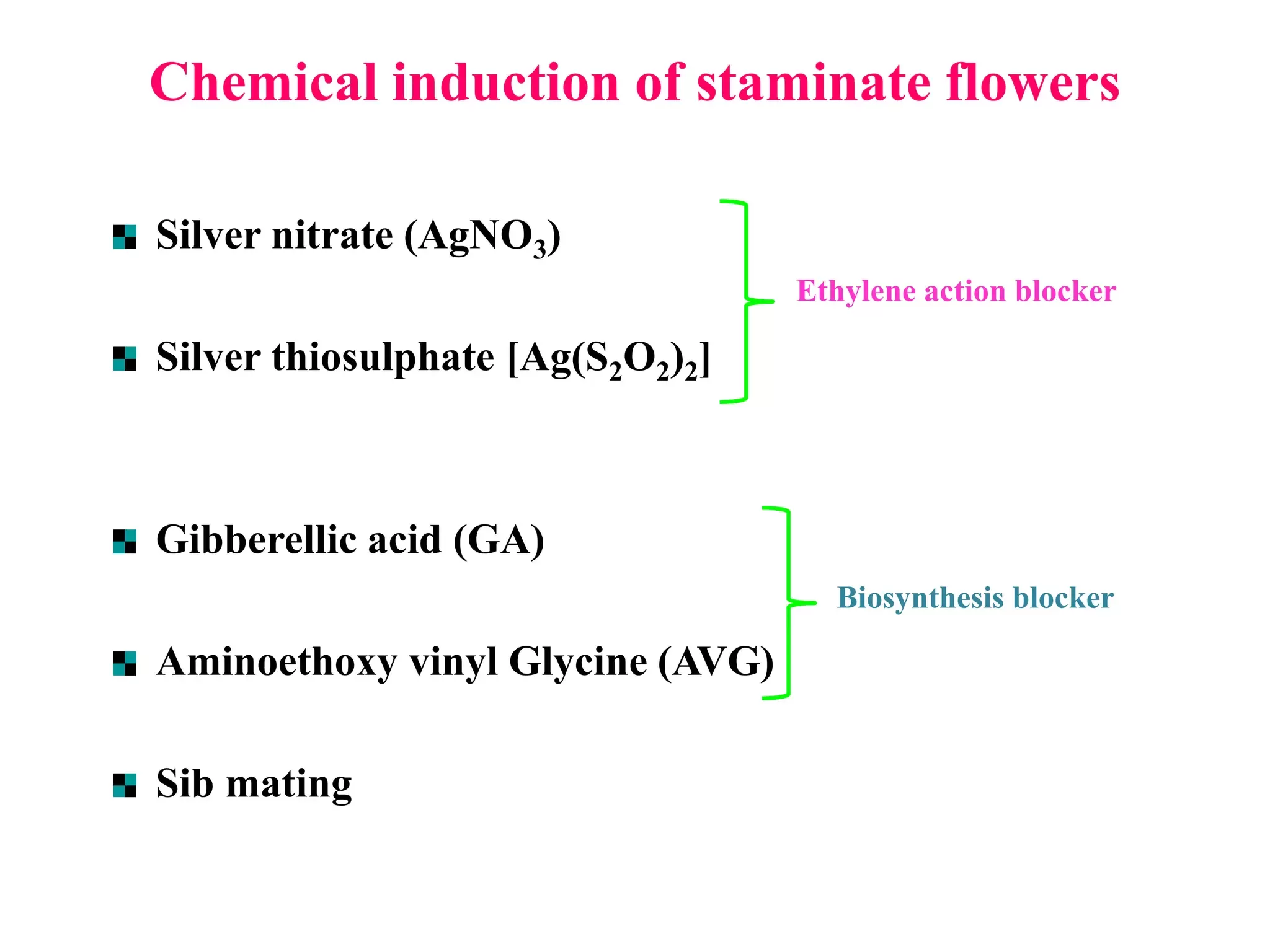
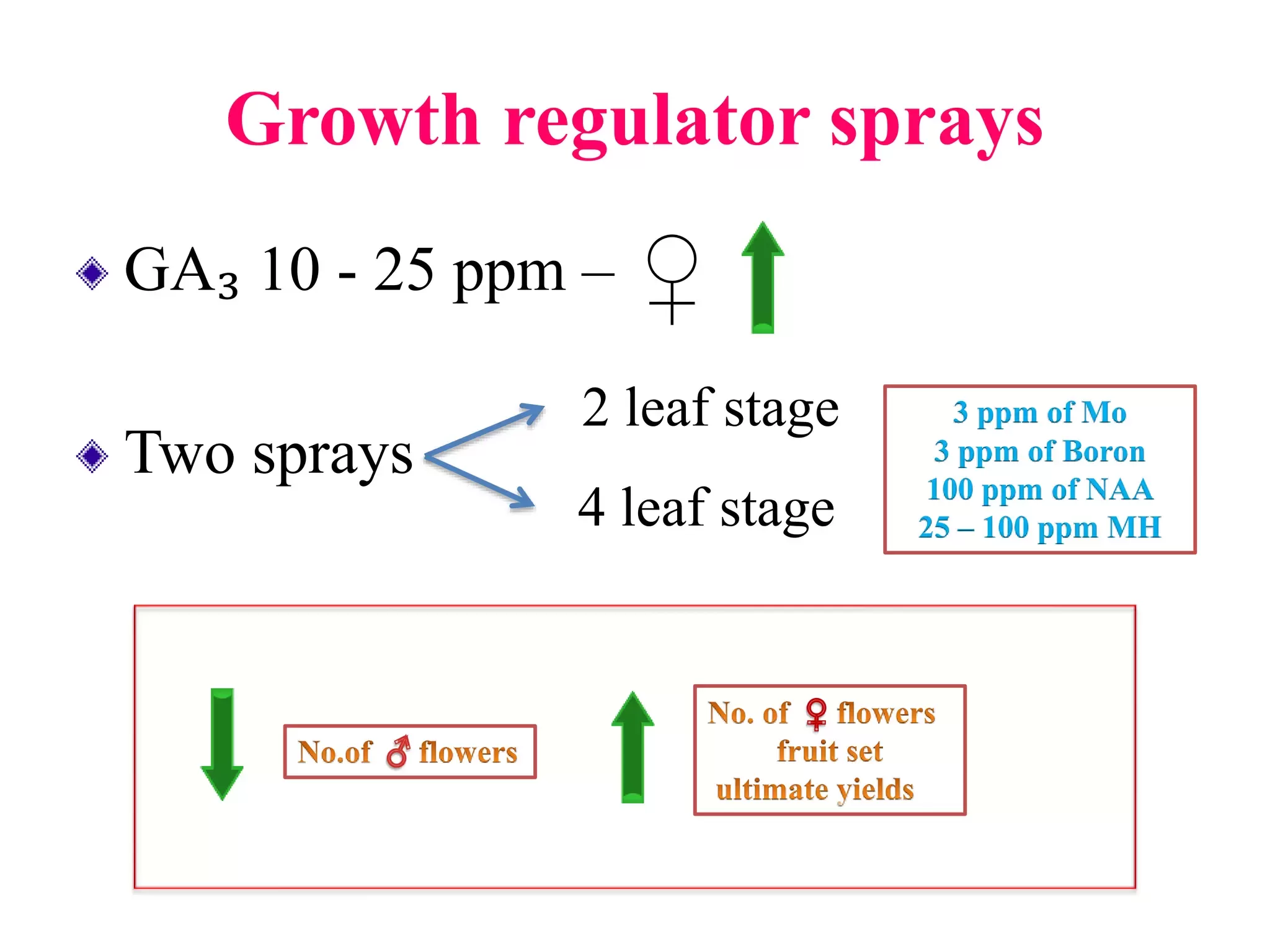
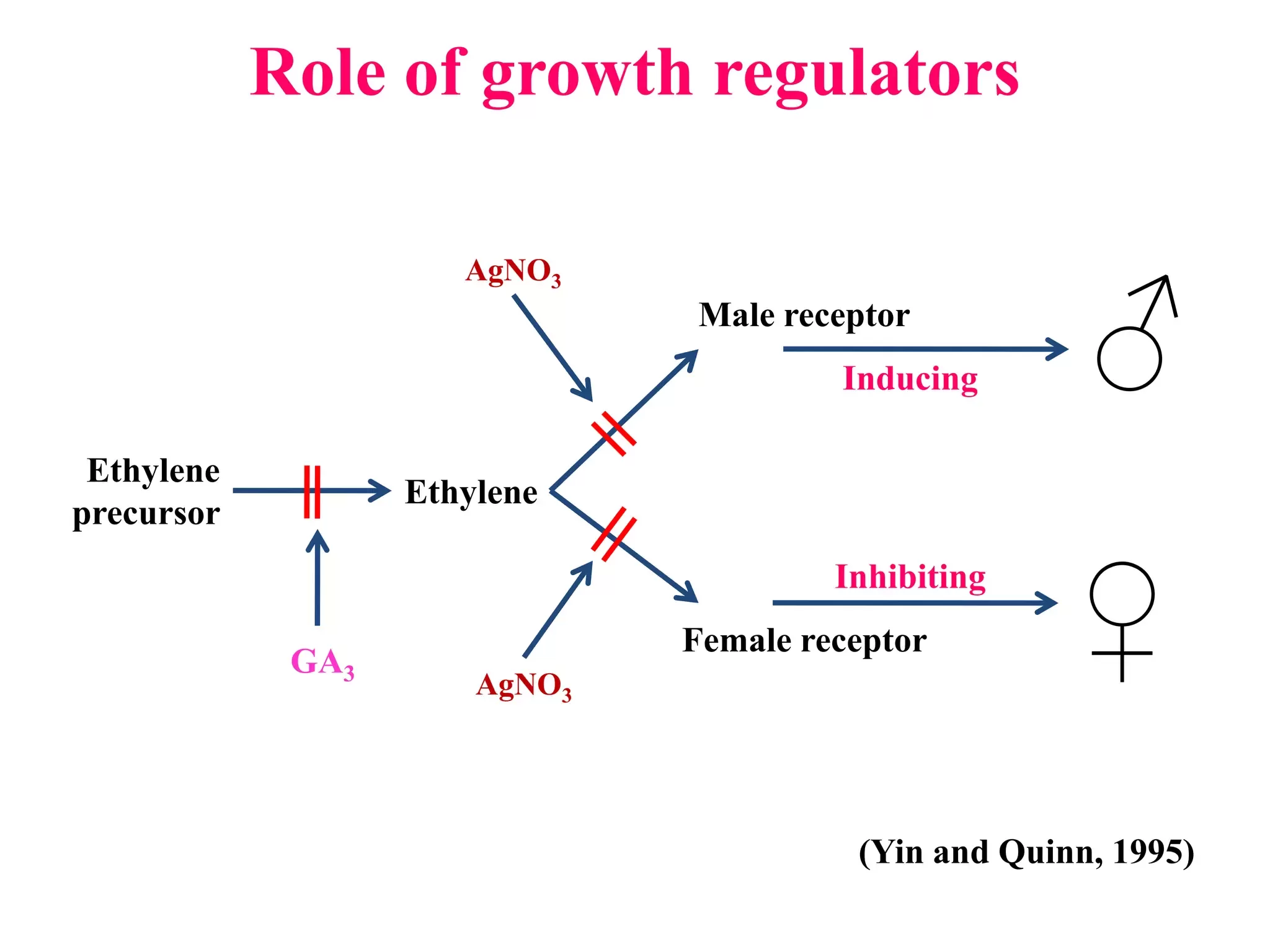
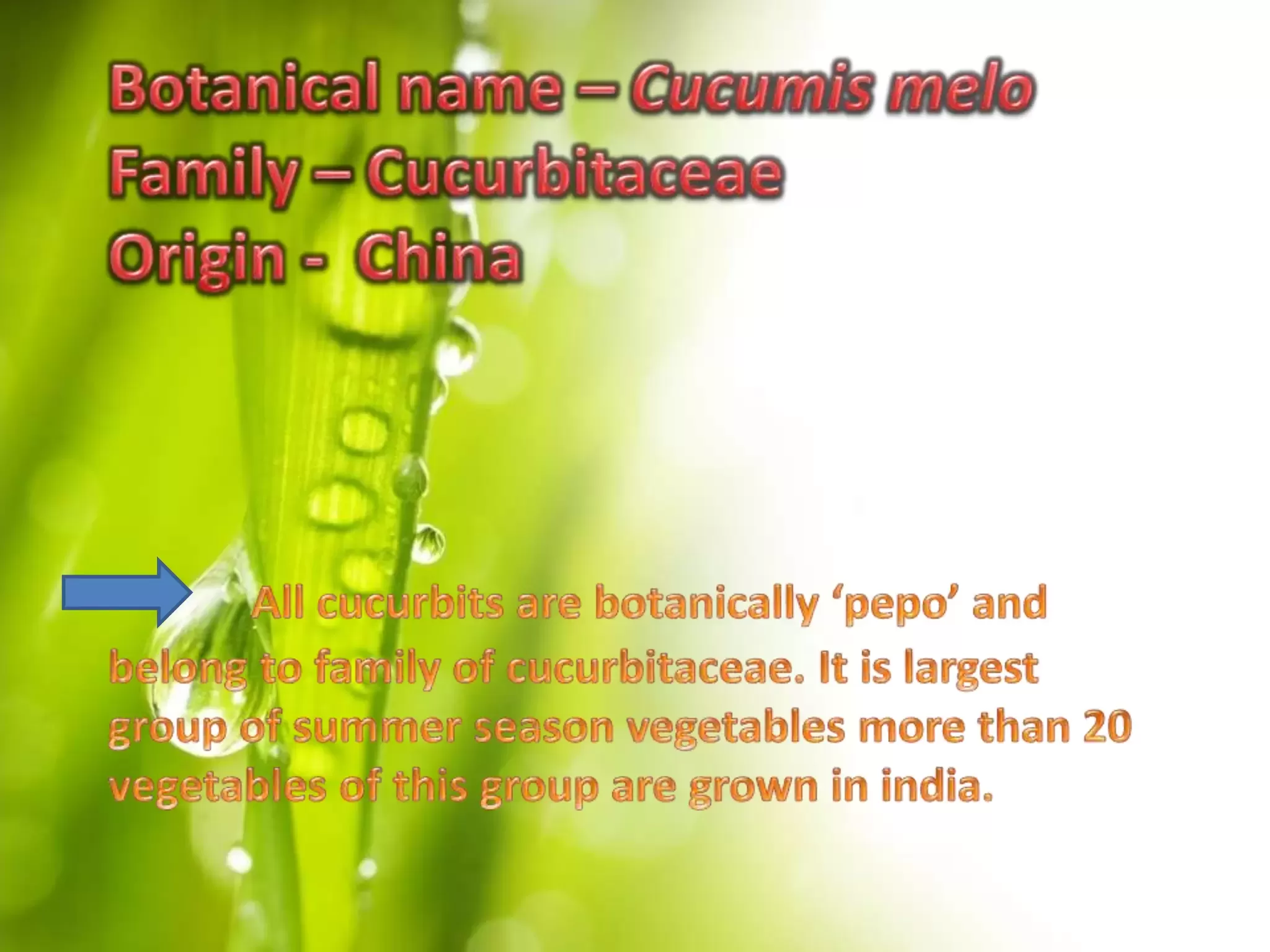
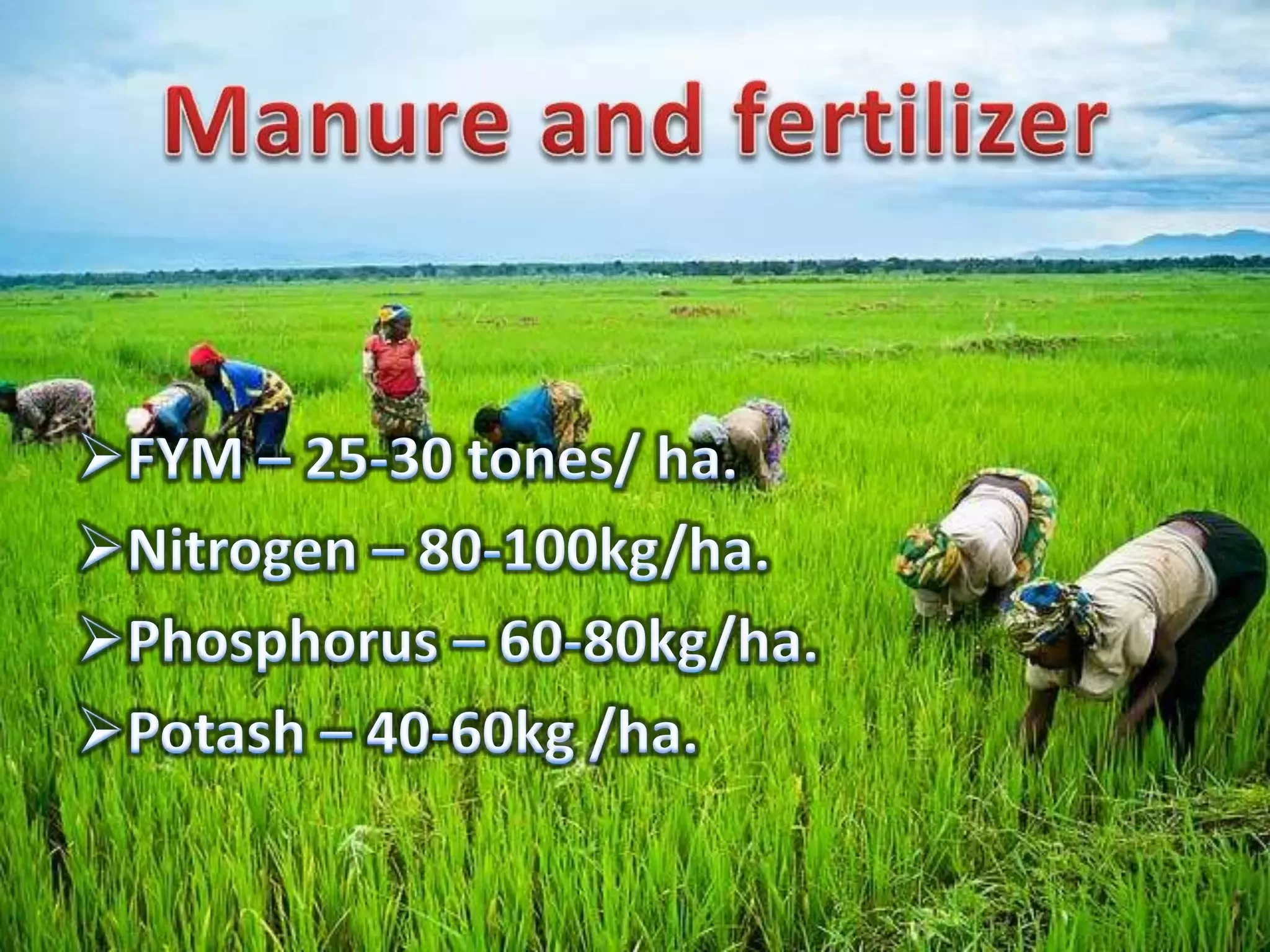
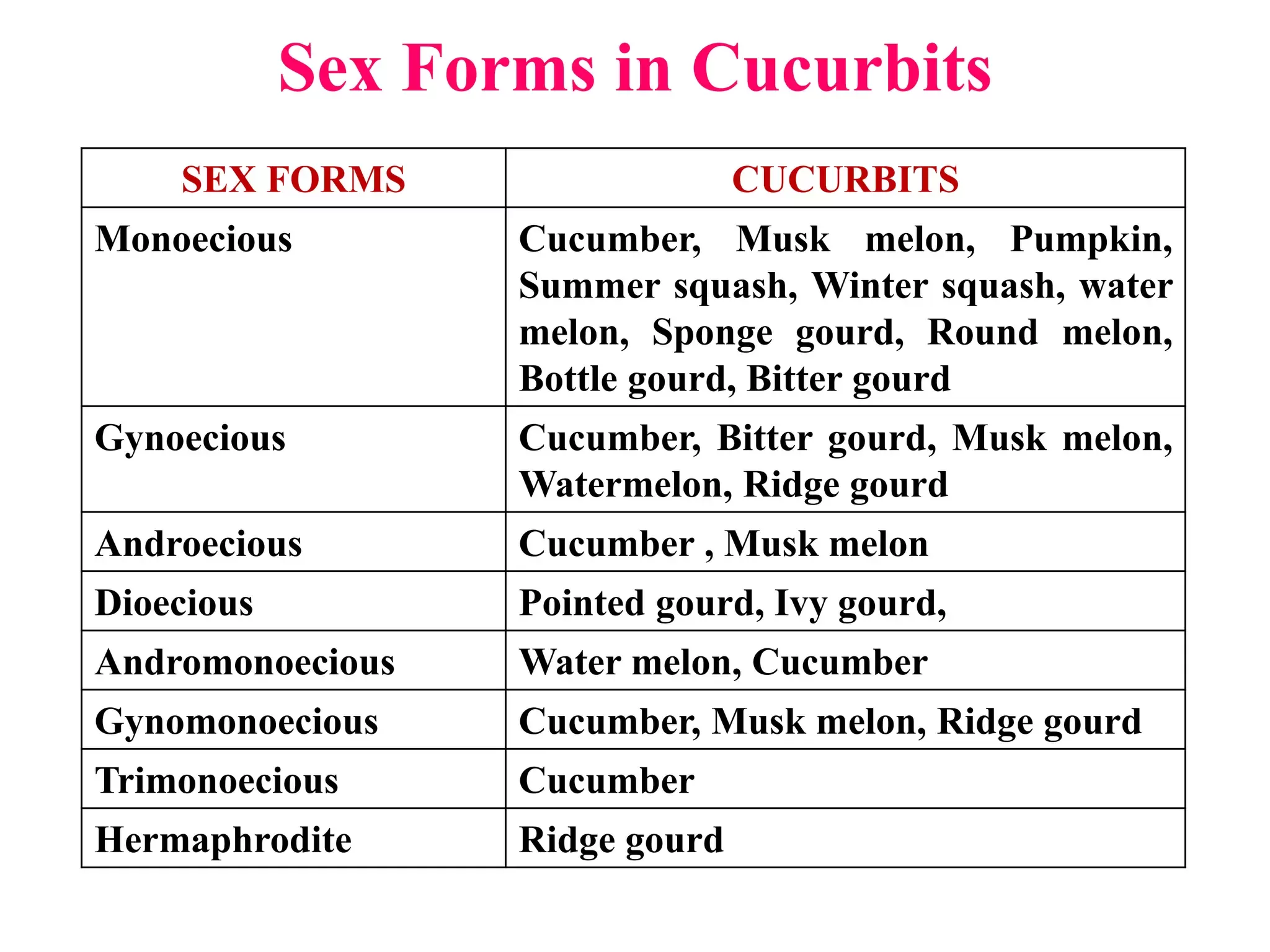
The Cucurbitaceae family is a vast and intriguing category within the plant kingdom, encompassing an expansive array of vegetable crops that are celebrated worldwide. This family consists of around 90 genera and approximately 750 species, showcasing a rich diversity that offers unique opportunities and challenges for cultivation and breeding. The sex forms exhibited by these plants are notably varied and include hermaphroditic and monoecious traits, revealing complex mechanisms behind their sexual development. The determination of these sex forms is primarily governed by sex determination genes; however, it is essential to recognize the influence of plant hormones and environmental factors, such as temperature and photoperiod, which can significantly modulate sex expression. In cucurbits, different sex forms manifest in various species, which can be categorized primarily into monoecious, gynoecious, androecious, dioecious, and hermaphrodite forms. Notable examples of monoecious plants include cucumber, musk melon, and several types of squash. Gynoecious forms, which predominantly produce female flowers, are found in crops like cucumber and watermelon, while androecious varieties exhibit exclusively male flowers. Interestingly, some plants display multiple sex forms, such as andromonoecious and gynomonoecious varieties, which present a blend of male and female flowers. The evolution of these sex expressions within Cucurbitaceae is a subject of much study and fascination. Historically, significant advancements in breeding gynoecious lines have been documented, starting with the first gynoecious lines reported in the cucumber ‘Shogoin’ during the 1960s. This foundational work laid the groundwork for later developments in muskmelon and bitter gourd, and ongoing research continues to enhance our understanding of these unique traits. The stability of sex expression in cucurbits is influenced by both temperature and photoperiod, with findings suggesting that high temperatures (over 30°C) can alter flower phenotype stability. The interplay of these environmental factors creates a complex landscape where the same genetic makeup can express varied sexual forms based on the surrounding conditions. Further exploring the mechanisms of flower development, chemical and growth regulator interventions play a crucial role in stimulating specific flower sex phenotypes. Substances such as silver nitrate and gibberellic acid have been noted for their ability to induce or inhibit the development of male flowers. Additionally, employing growth regulators at specific plant growth stages has proven effective in managing flower sex ratios, supporting crop optimization. In conclusion, the Cucurbitaceae family is a critical focus in agricultural practices due to its extensive variety and adaptability. Understanding the dynamics of sex forms and their influences is essential for maximizing yield and improving crop quality. As the saying goes, cucurbits are “everyone’s crop,” resonating with farmers and consumers alike who appreciate their nutritional value and versatility in culinary applications. Continued research in this area promises to enhance our knowledge and capability in cultivating these remarkable plants.
Slide 1

Slide 1⬇ Slide

Slide 2

Slide 2⬇ Slide

Slide 3

Slide 3⬇ Slide

Slide 4

Slide 4⬇ Slide

Slide 5

Slide 5⬇ Slide

Slide 6

Slide 6⬇ Slide

Slide 7

Slide 7⬇ Slide

Slide 8

Slide 8⬇ Slide

Slide 9

Slide 9⬇ Slide

Slide 10

Slide 10⬇ Slide

Slide 11

Slide 11⬇ Slide

Slide 12

Slide 12⬇ Slide

Slide 13

Slide 13⬇ Slide

Slide 14

Slide 14⬇ Slide

Slide 15

Slide 15⬇ Slide
1 / 15

Ppt on Scientific cultivation of muskmelon

Summary

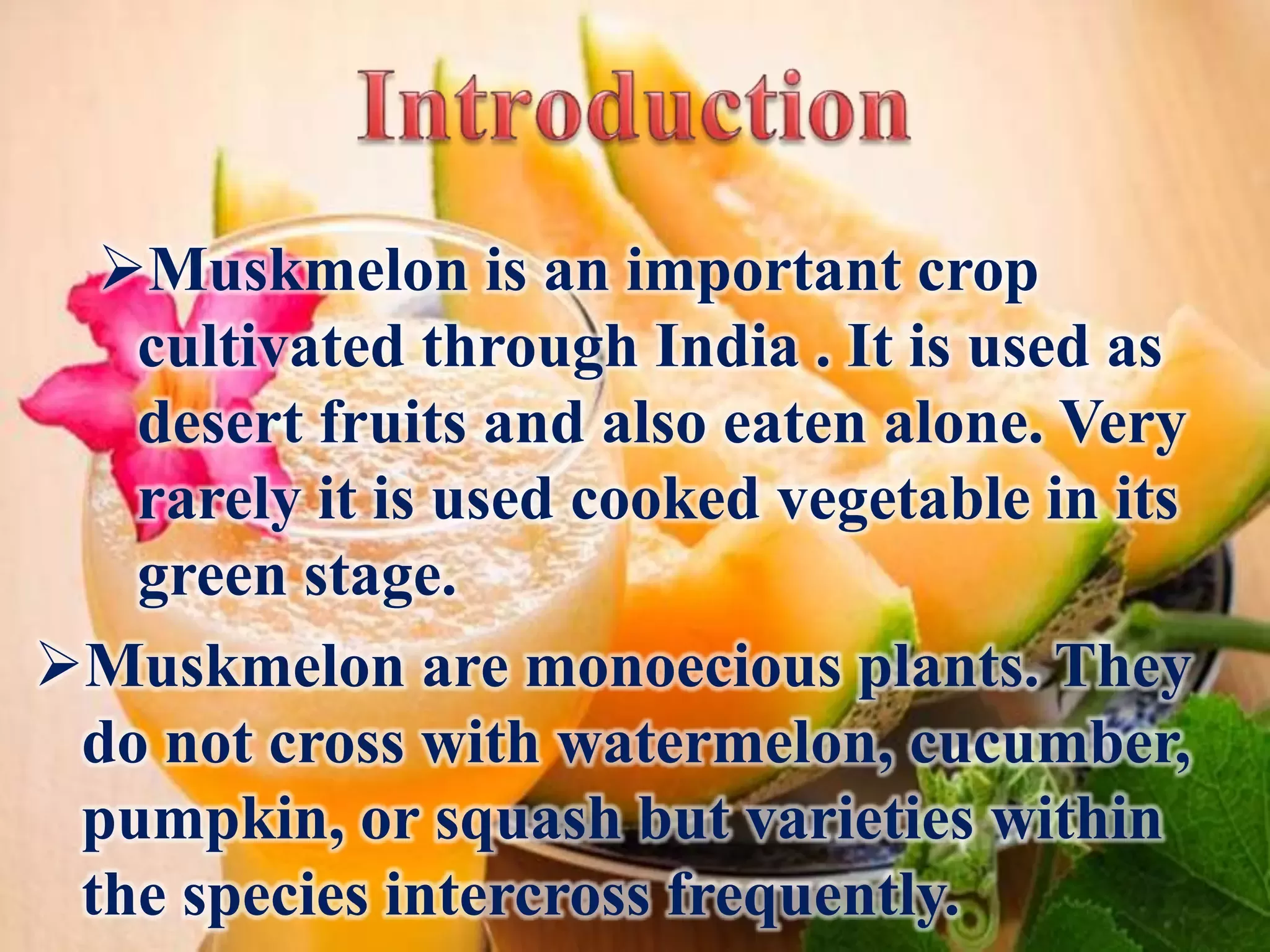
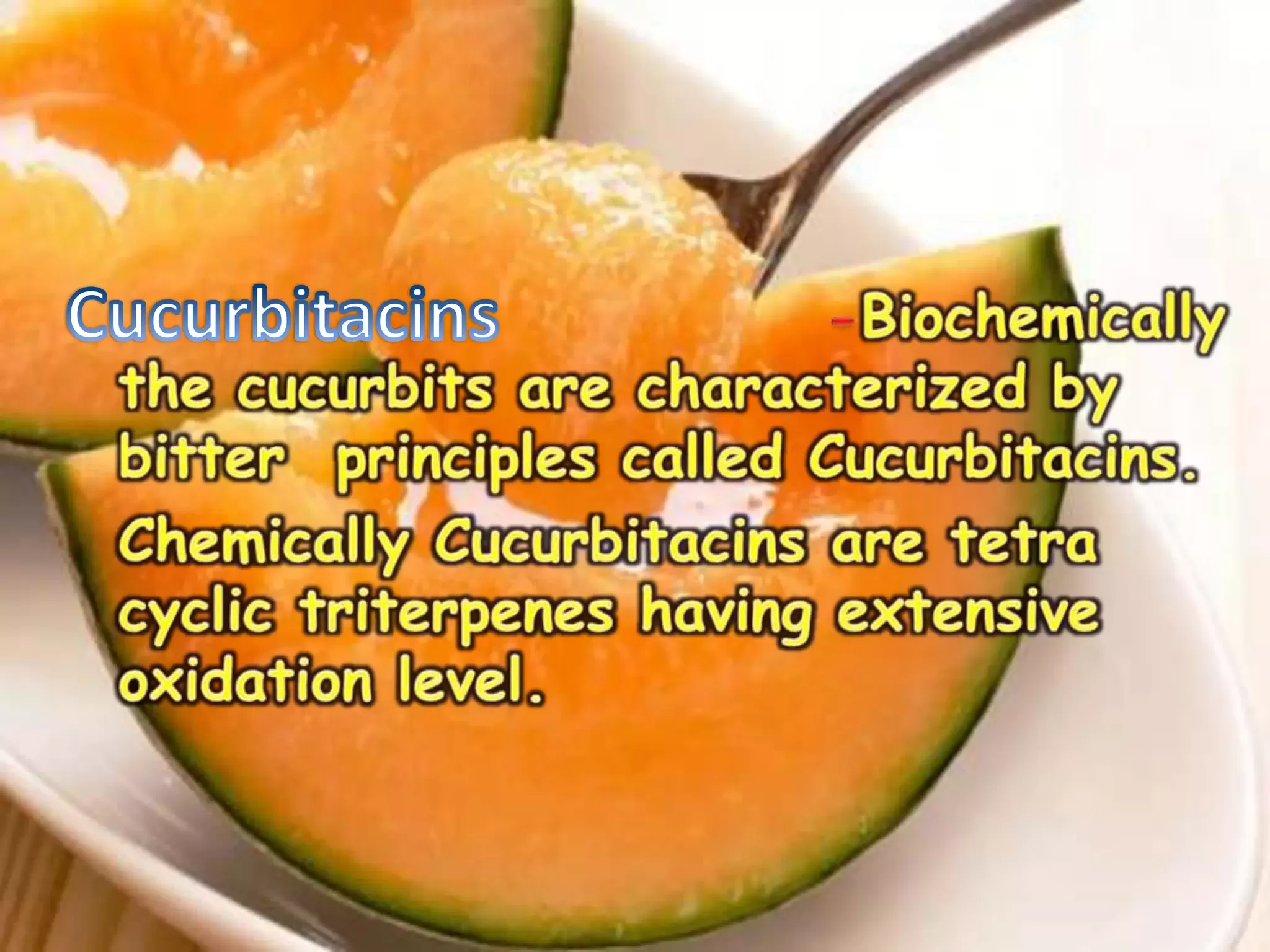
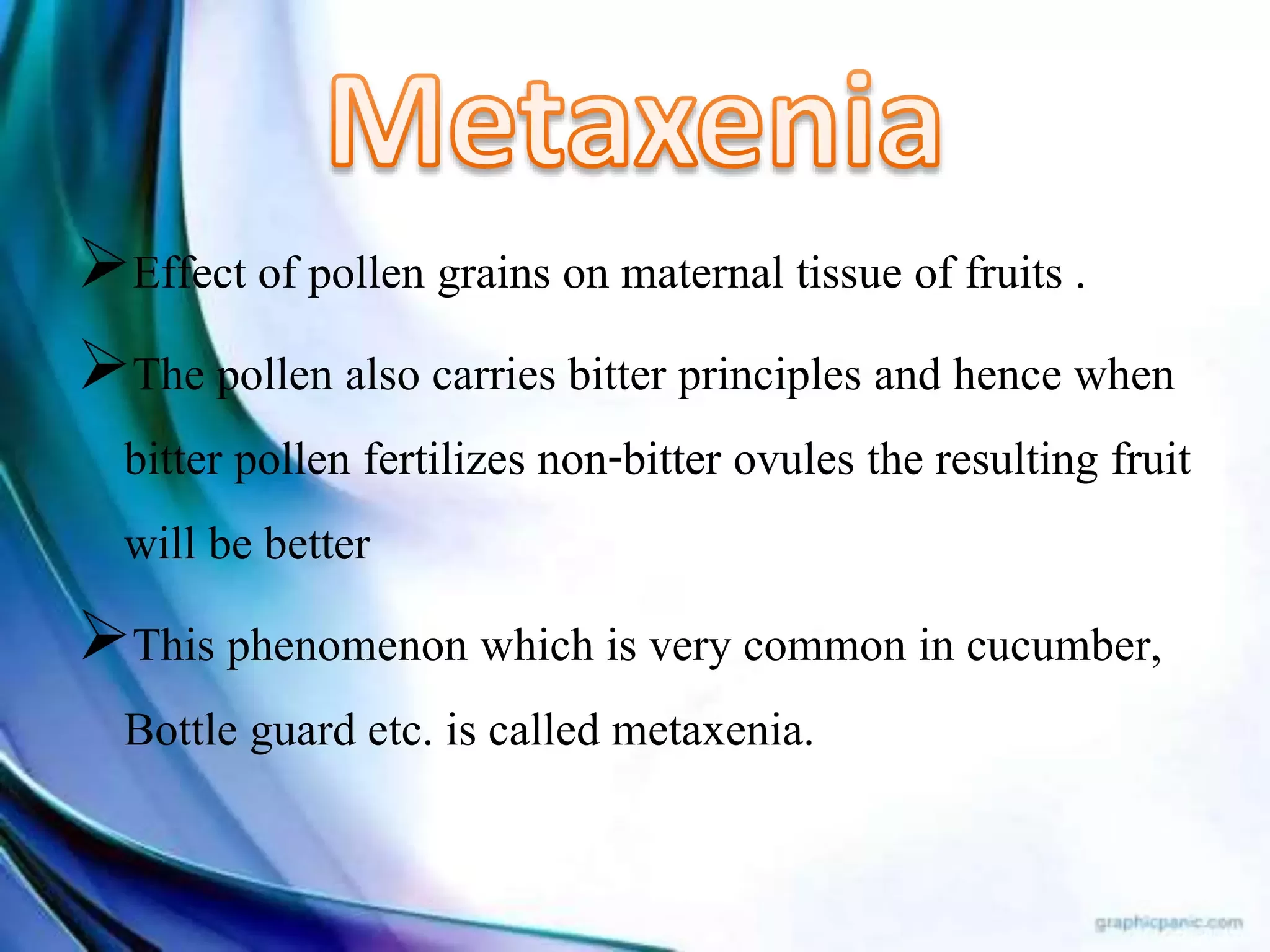
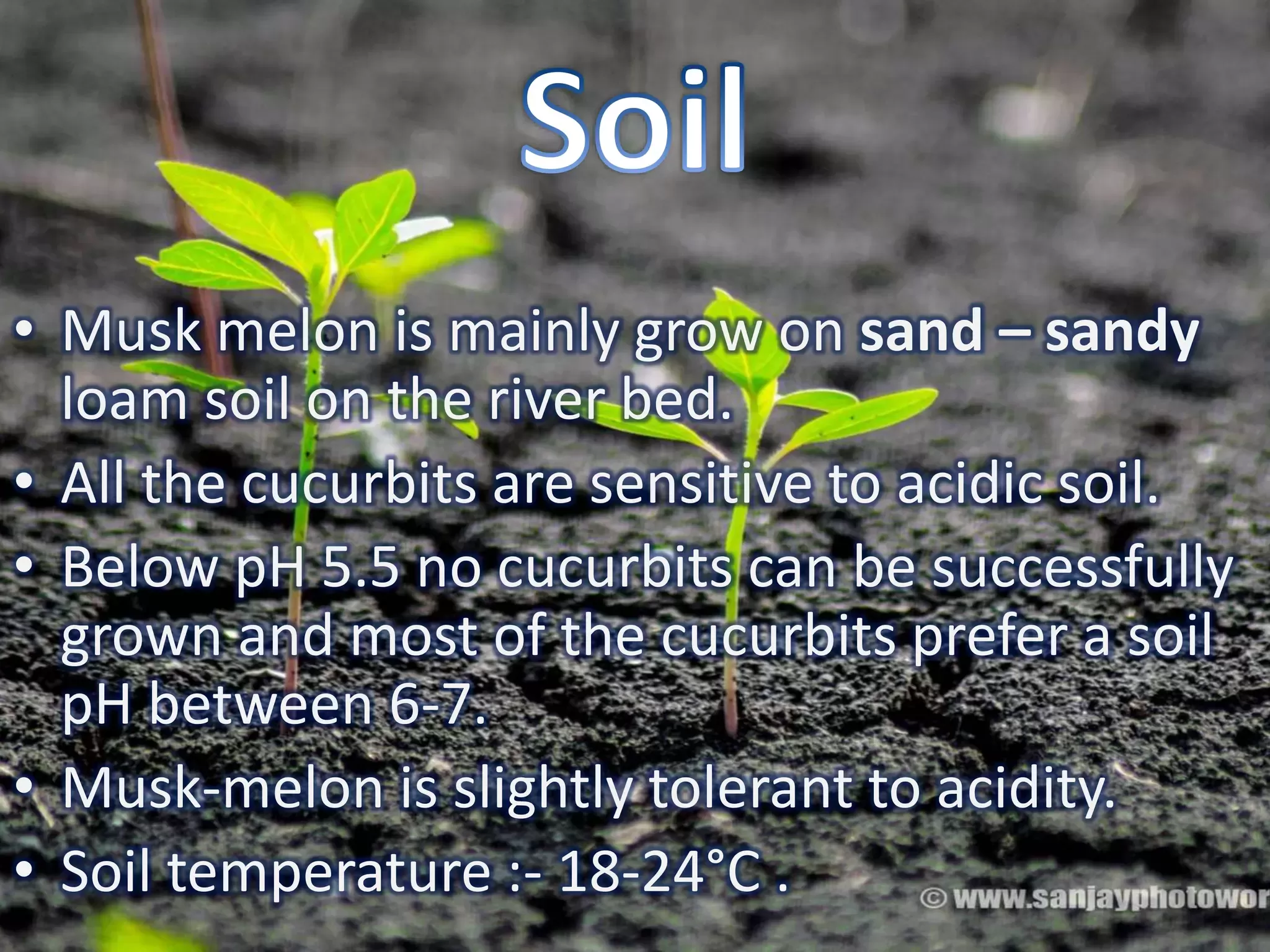
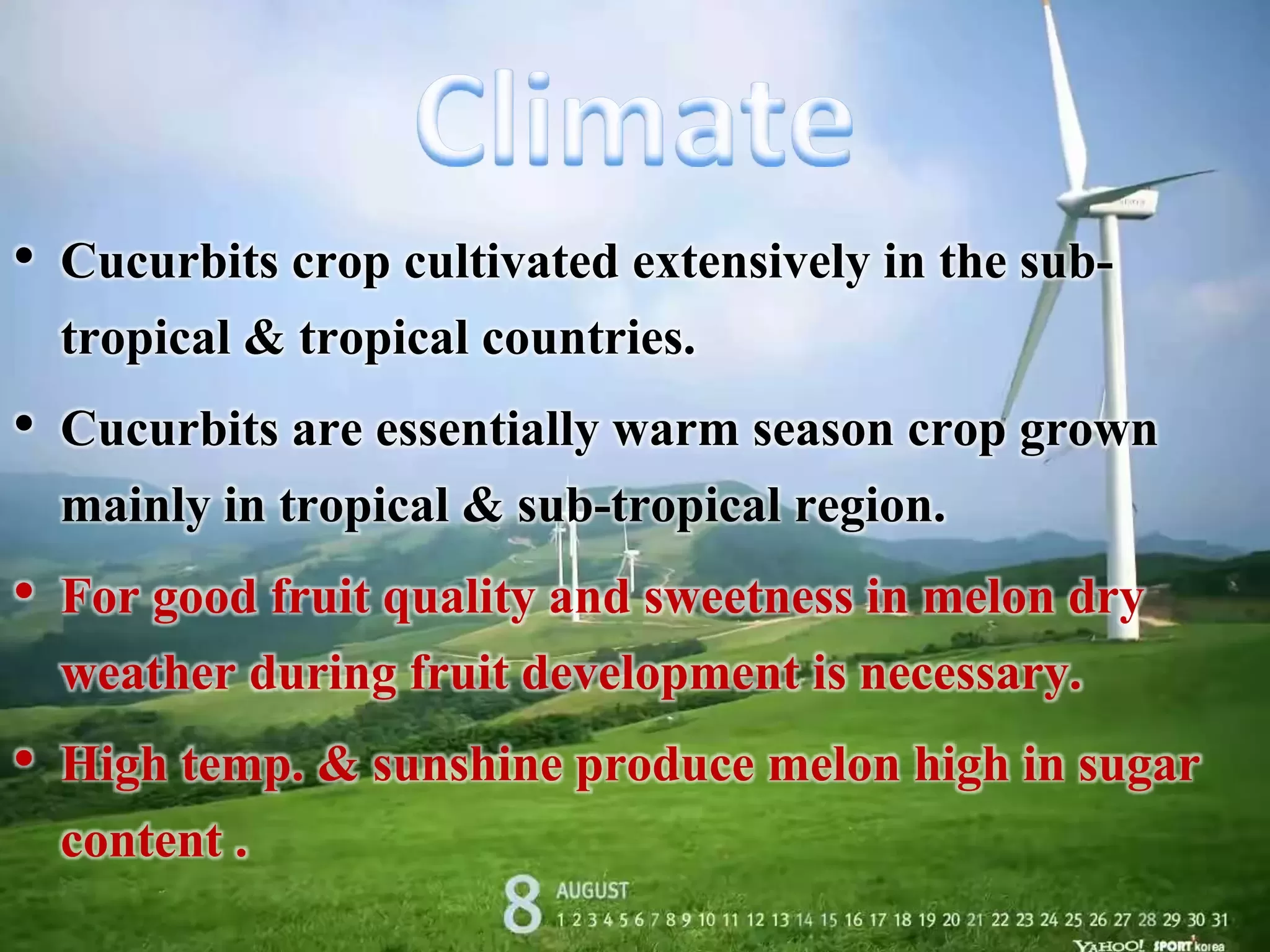
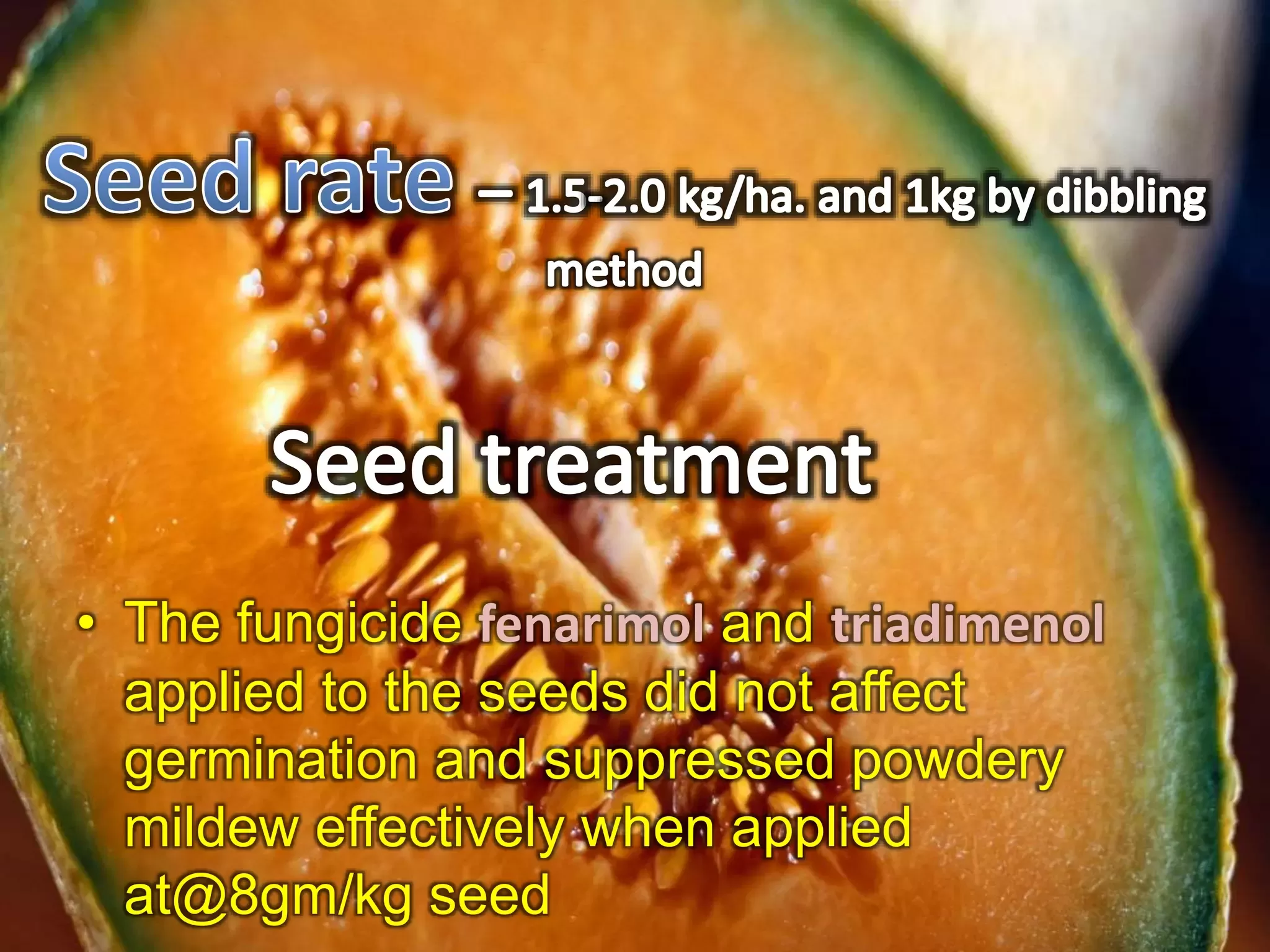
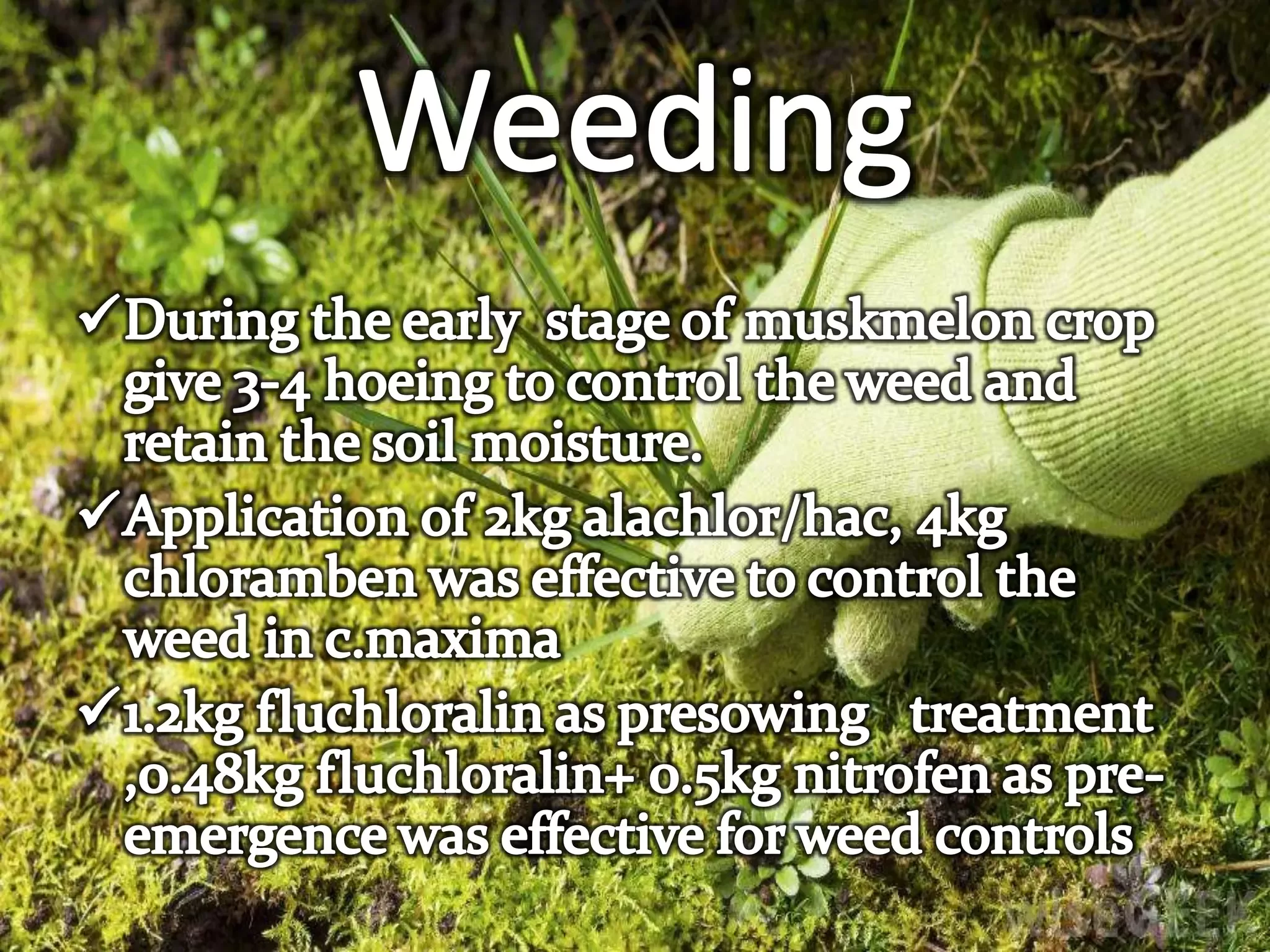
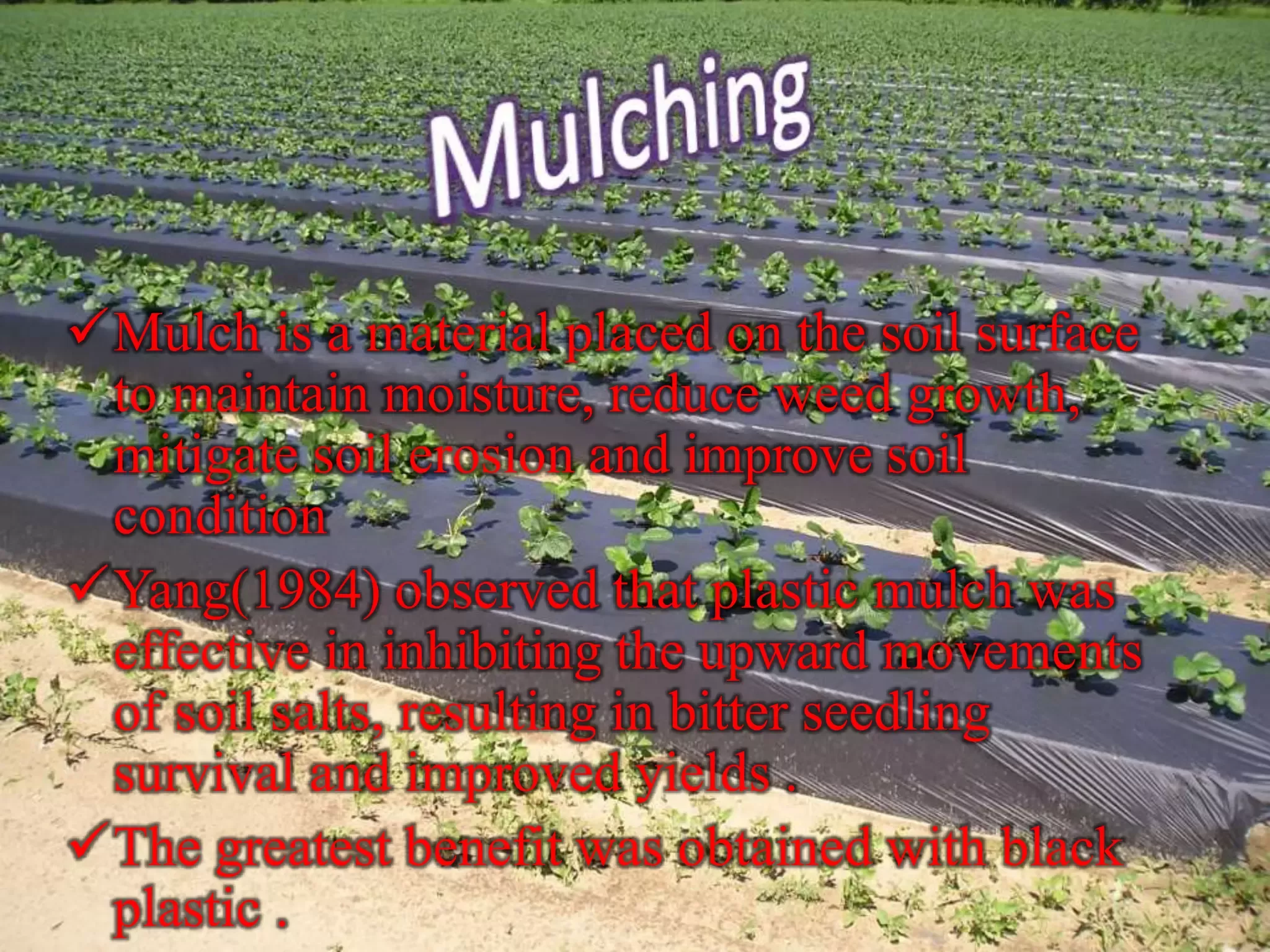
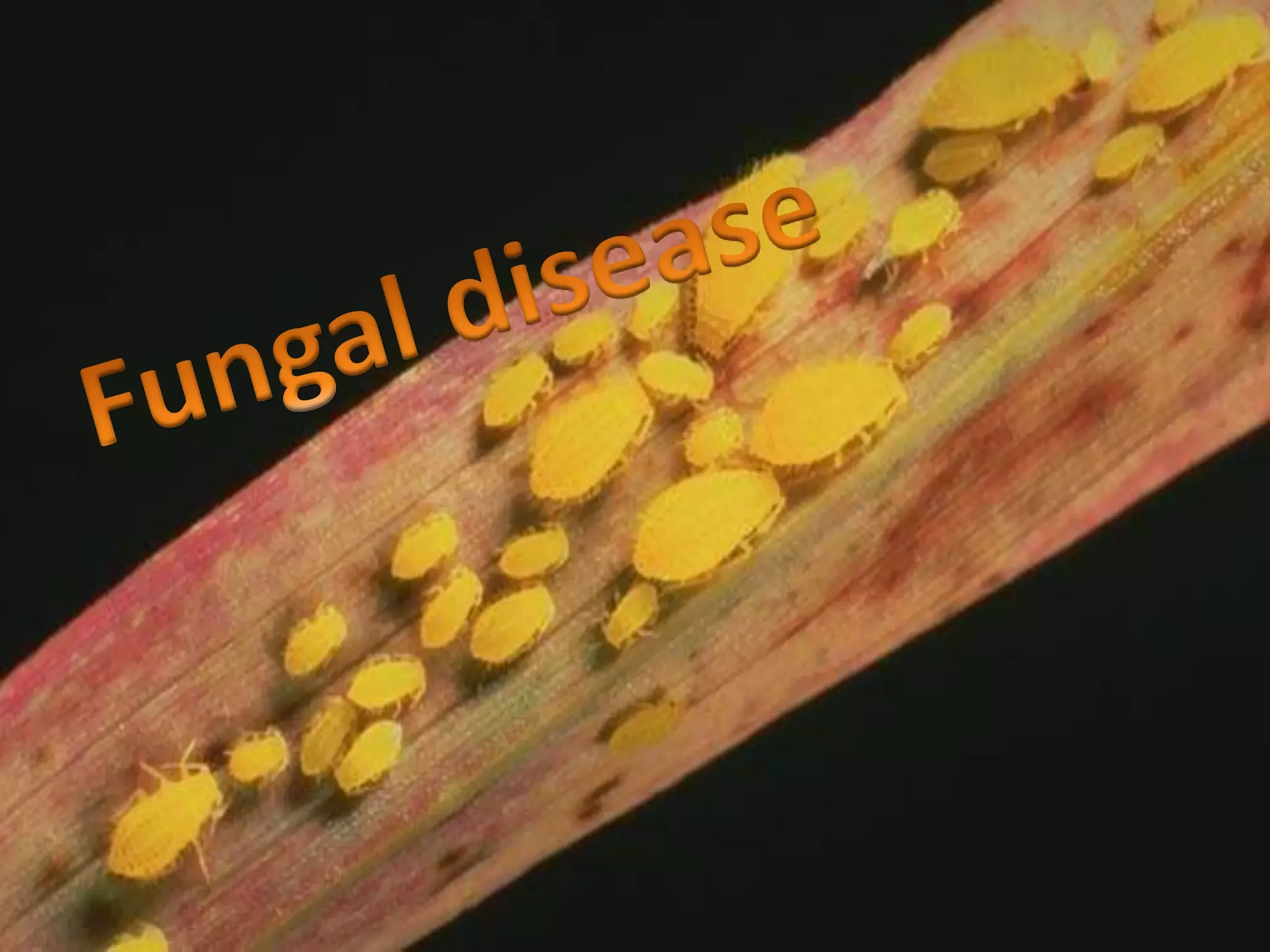
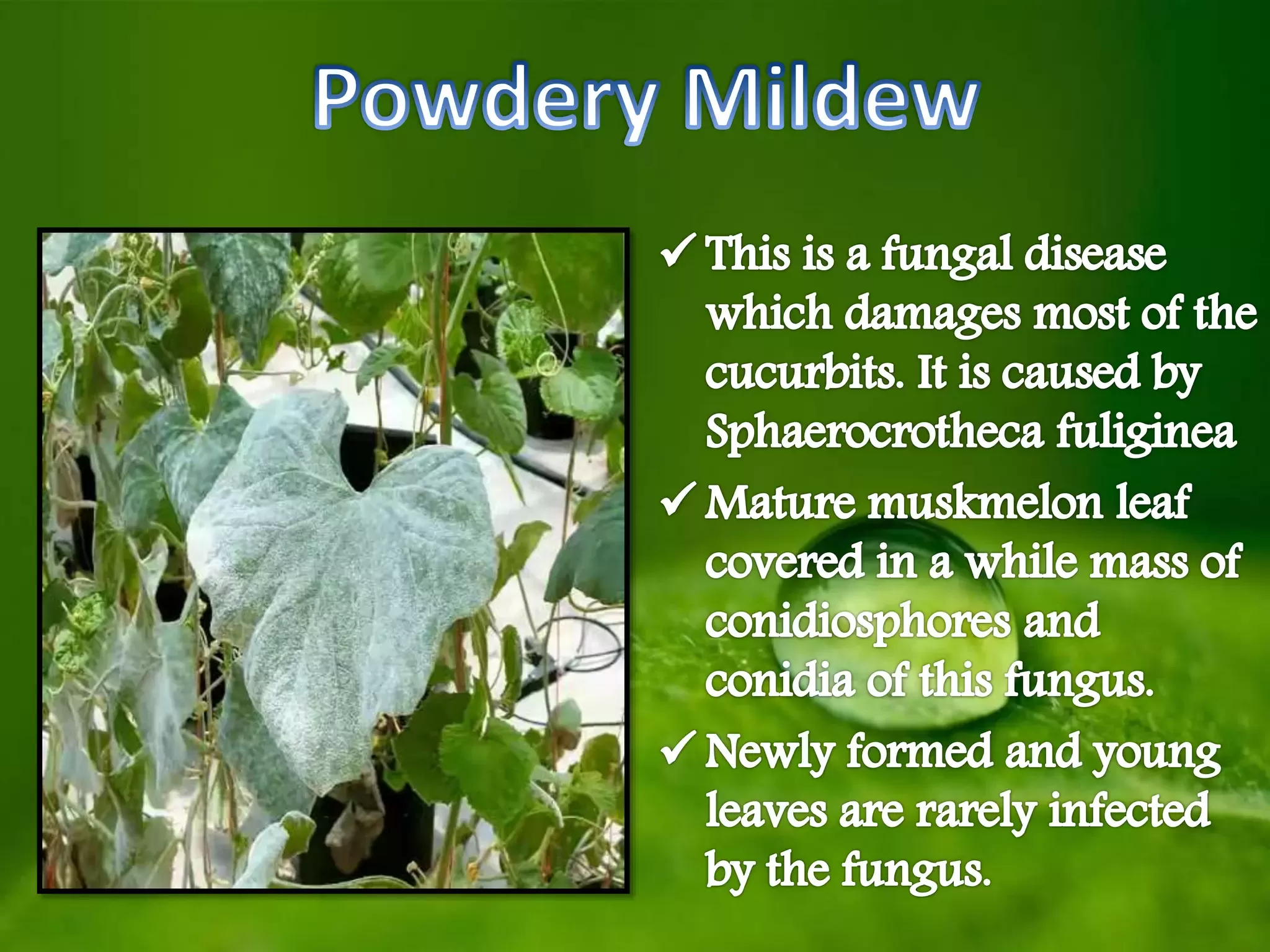
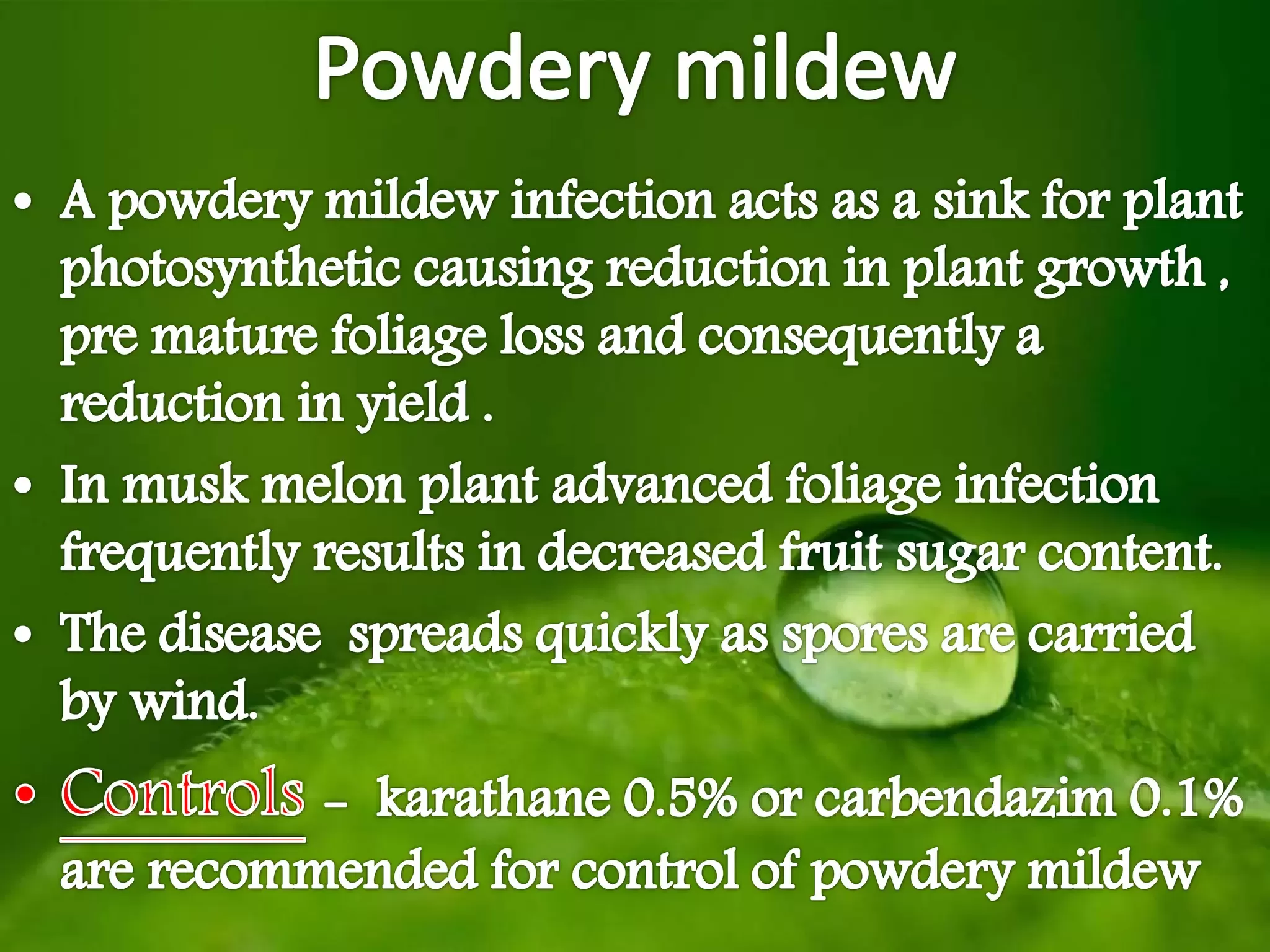
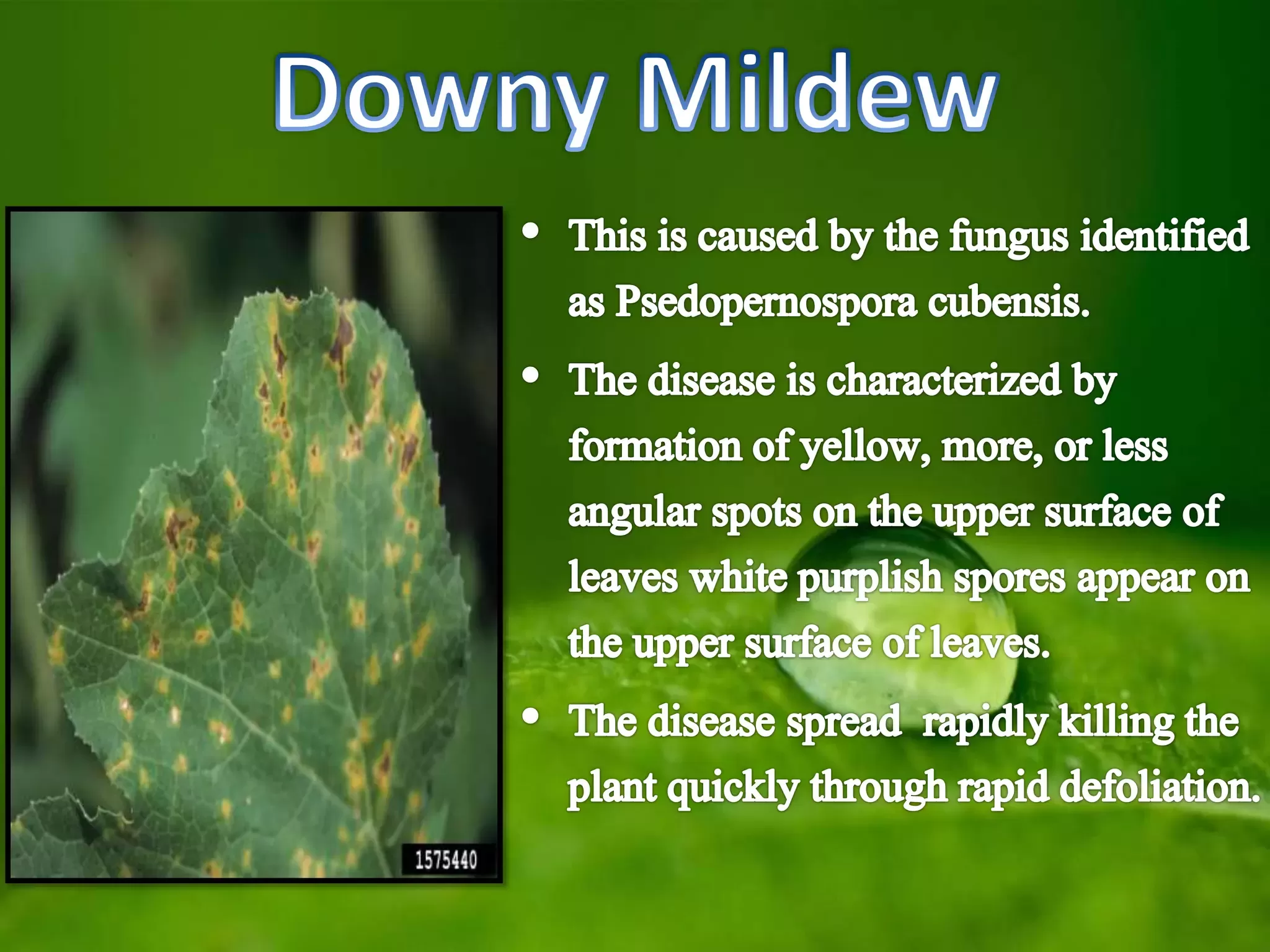
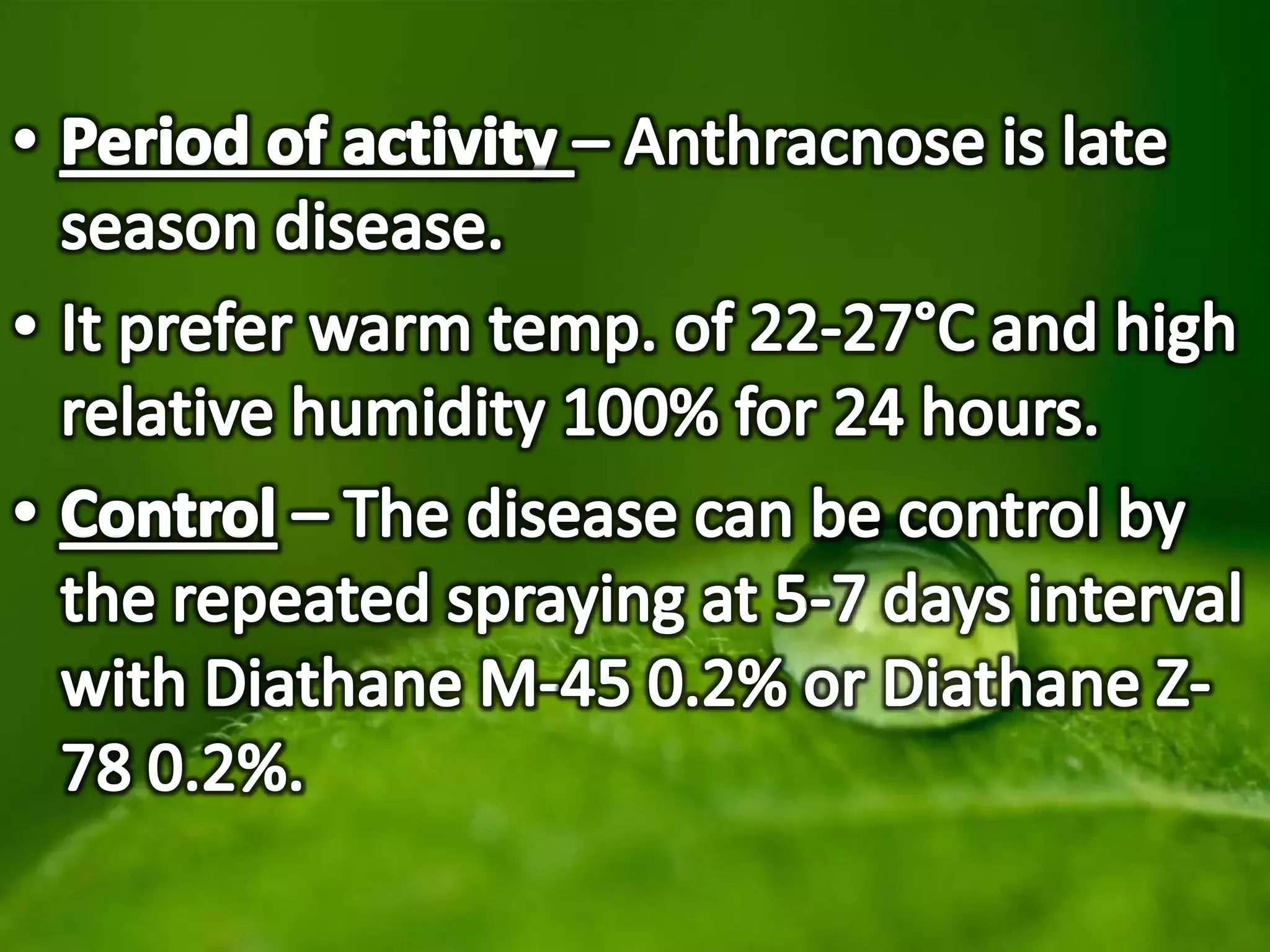
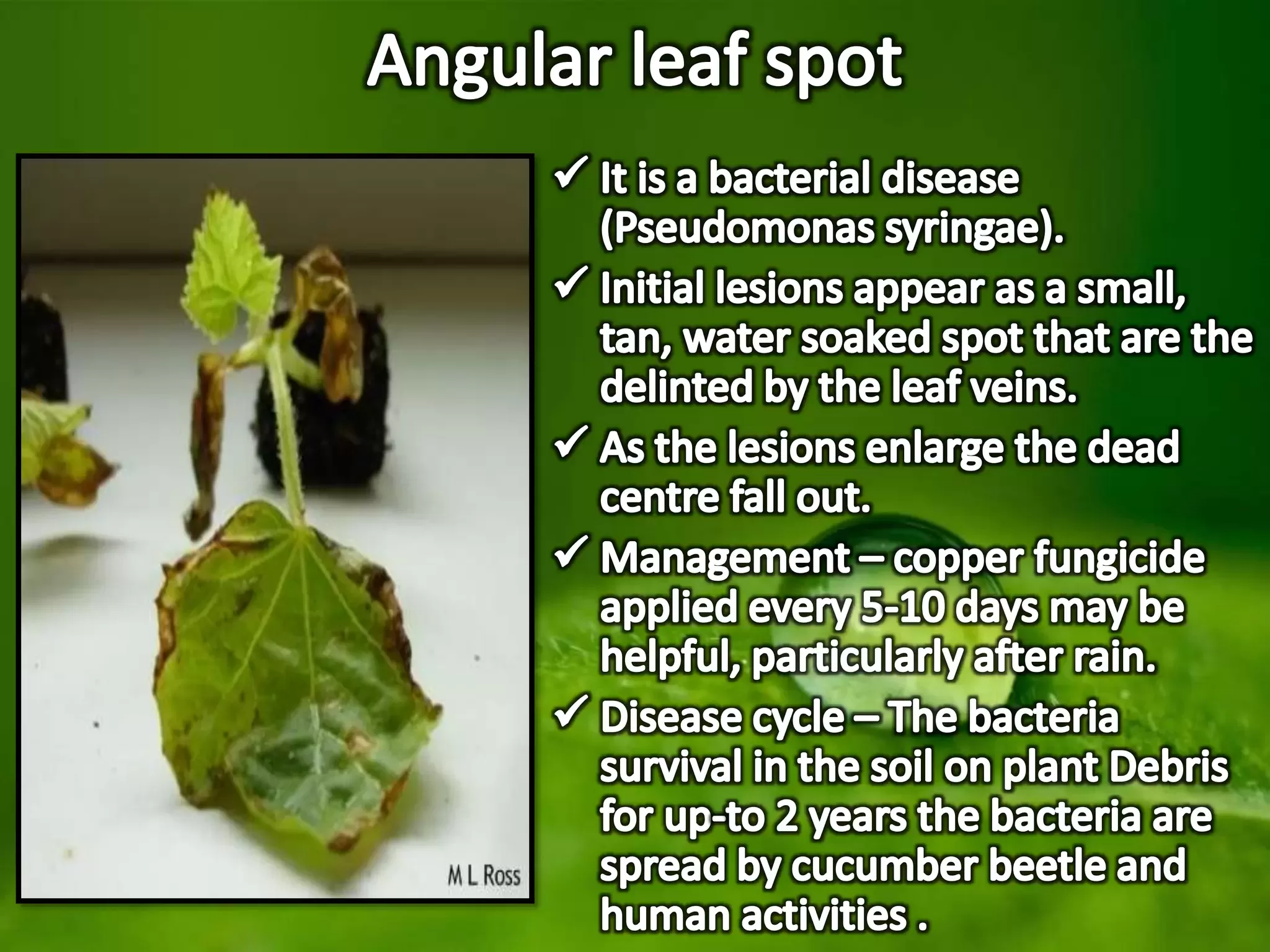
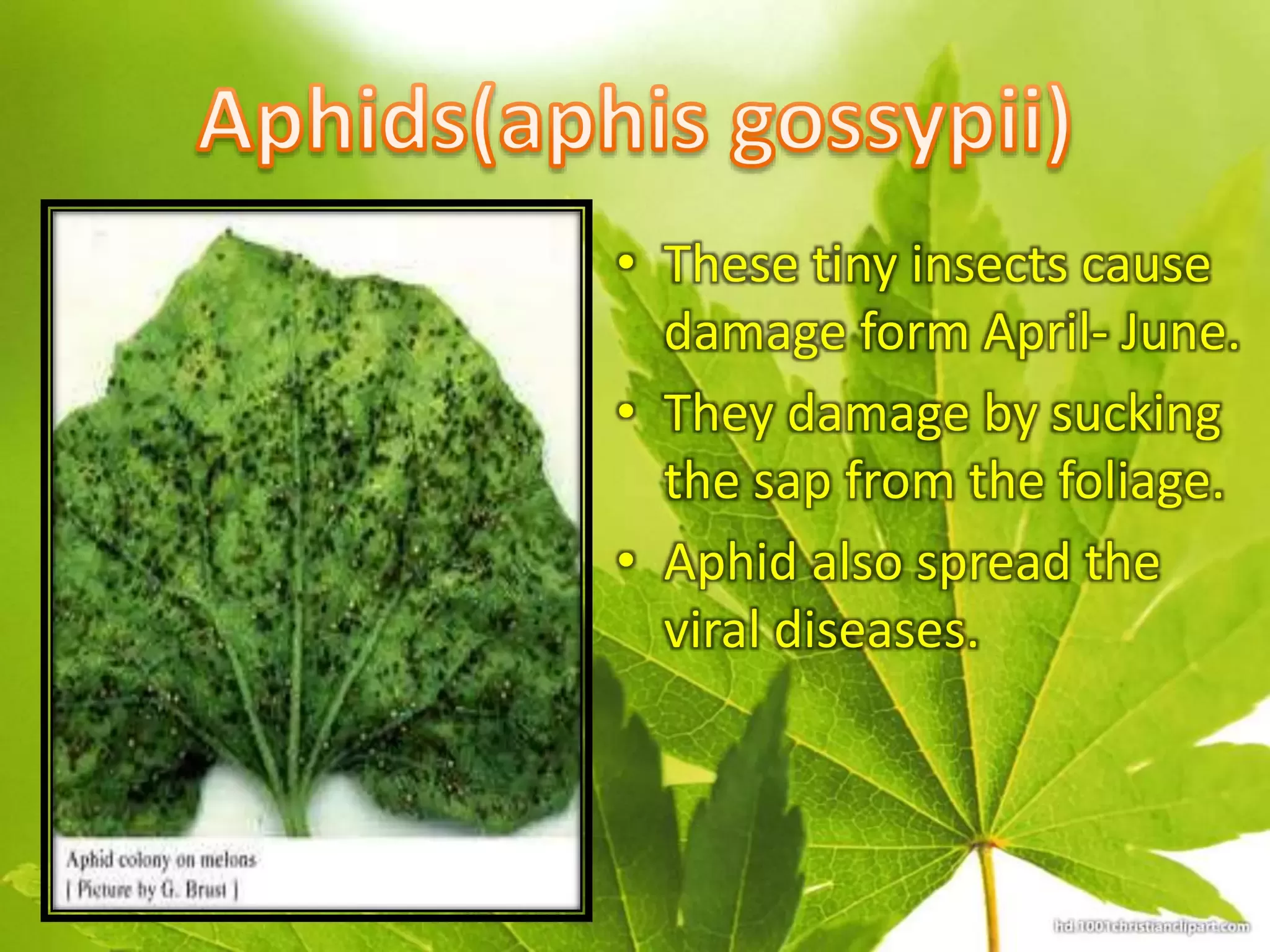
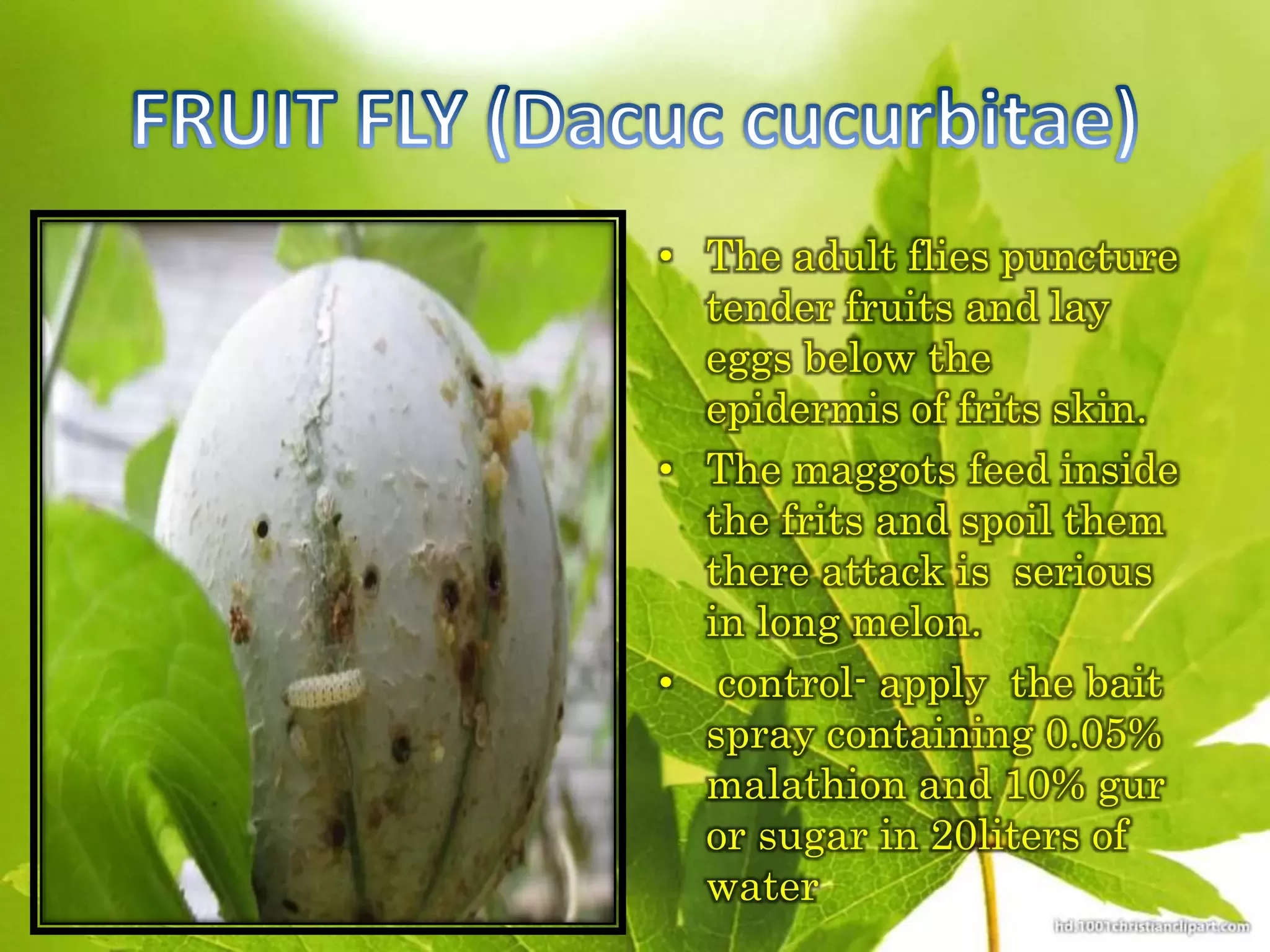
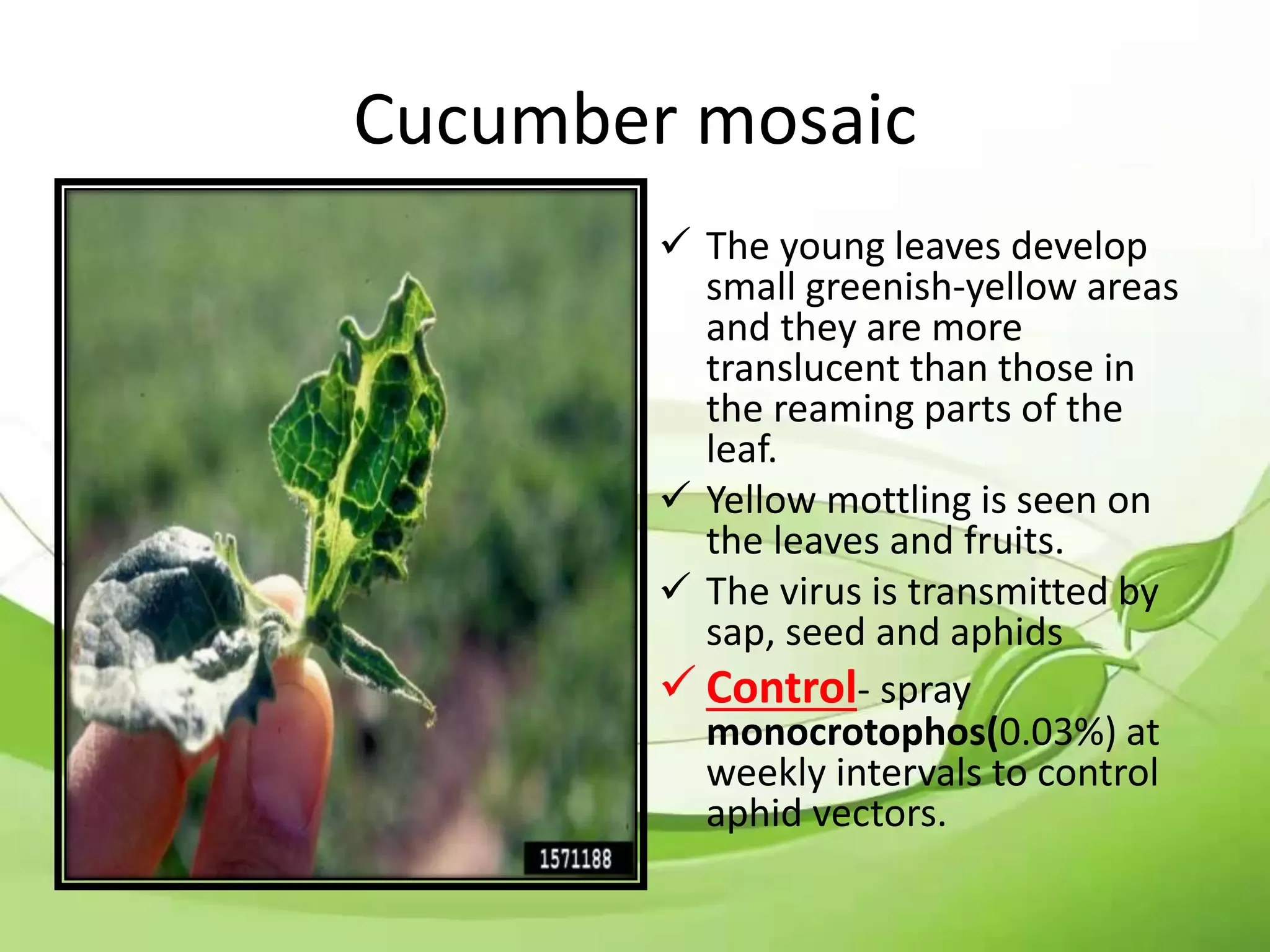
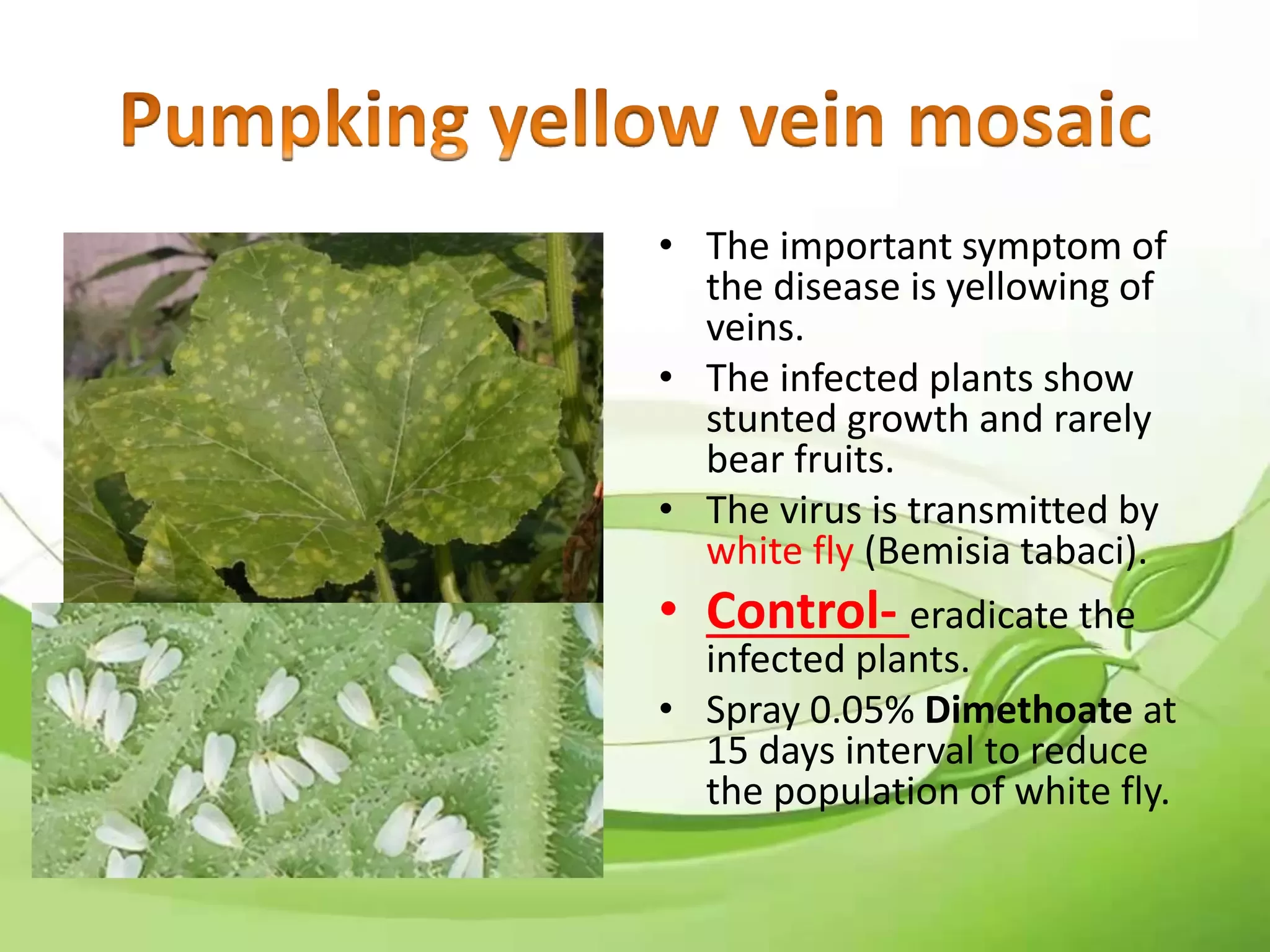
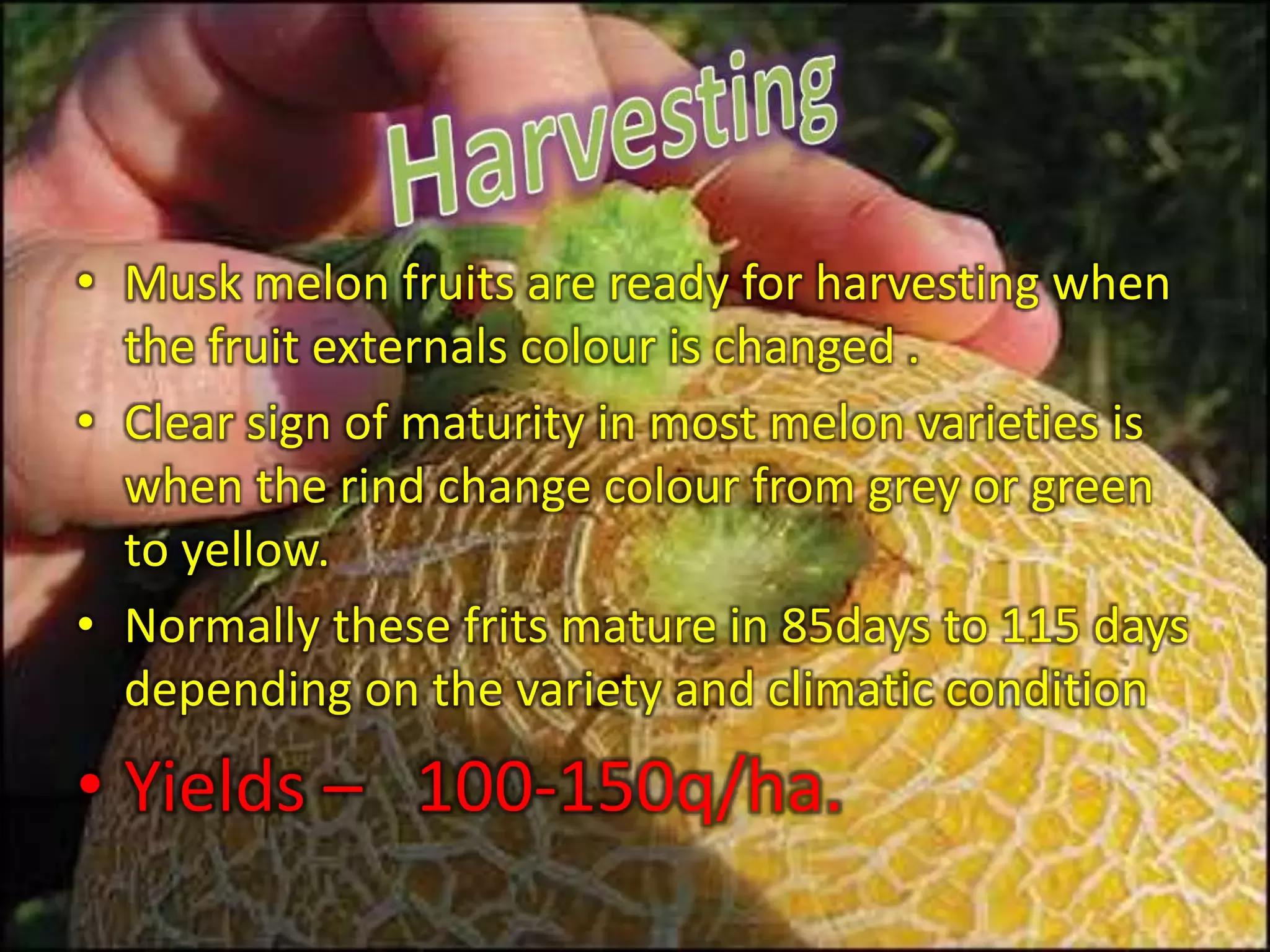
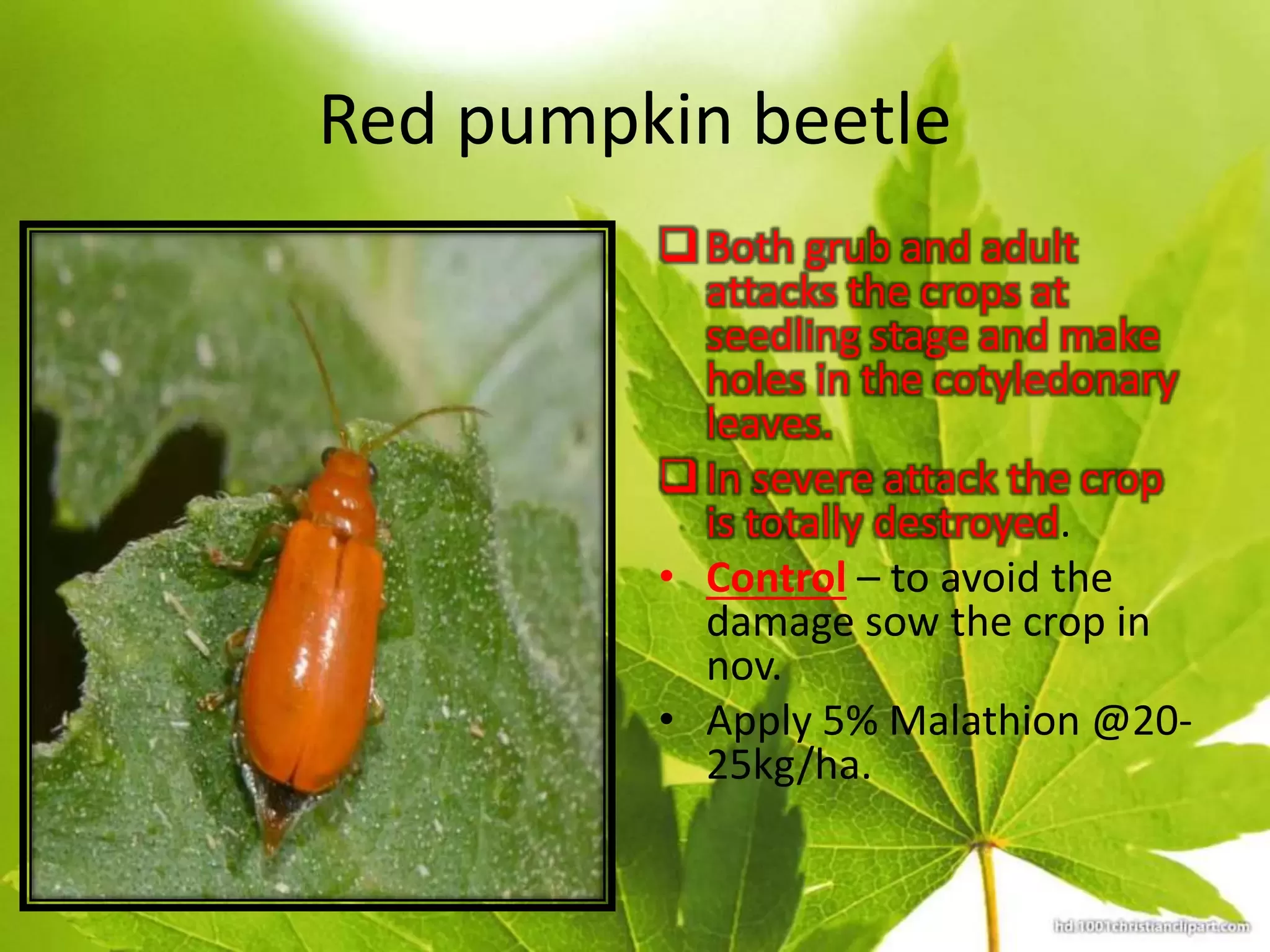
Muskmelon, also known as cantaloupe, is a significant agricultural crop widely cultivated across India, primarily cherished as a dessert fruit. While it is occasionally consumed in its raw state, its use as a cooked vegetable is rare. Muskmelon plants are monoecious, meaning they possess both male and female flowers on the same plant, which aids in their pollination. Notably, these plants do not hybridize with other cucurbits like watermelon and pumpkin but allow for intercrossing among different muskmelon varieties. This genetic diversity often leads to improved fruit characteristics, particularly through a process known as metaxenia, where pollen grains from one variety can affect the taste and quality of the resulting fruit. Among the various cultivars, early varieties like Durgapura Madhu are noted for their vitamin C content and their resistance to Fusarium wilt, while Arka Jeet is recognized for its exceptional sweetness and flavor. Other notable cultivars include Pusa Rasraj, Hara Madhu, Arka Rajhans, and various hybrids like Punjab Sunhari and DMDR-2. This diversity allows for cultivation adaptability across different climatic conditions and market demands. Muskmelon thrives best in well-drained sandy and sandy-loam soils typically found in river valleys. The optimal soil pH for cucurbits ranges between 6 and 7, with muskmelons showing slight tolerance to acidity. Soil temperature plays a crucial role, with an ideal range of 18-24°C for growth. Conditions of warm weather are imperative for achieving high sweetness levels in the fruit, and drought during fruit development can contribute positively to fruit quality. Pest and disease management is essential in muskmelon cultivation. Fungal diseases like powdery mildew can significantly affect yield and quality, but effective management can be achieved through the use of seed treatment fungicides such as fenarimol and triadimenol. Additionally, proper agronomic practices such as mulching can help conserve moisture and suppress weed growth. Researchers have found that black plastic mulch can enhance yield by preventing soil salinity from affecting seedling growth. However, muskmelon crops face threats from various pests, including the red pumpkin beetle and aphids that can damage seedlings and transmit viral diseases. Strategies such as crop rotation, proper timing for sowing, and specific insecticides like Malathion can mitigate these risks. Viruses such as cucumber mosaic and the yellowing disease, caused by whiteflies, may necessitate routine pesticide applications to control vector populations effectively. The harvest timing for muskmelon usually ranges from 85 to 115 days post-planting, with the best indicator of ripeness being a change in the external color of the fruit from green to yellow. Optimal yields of muskmelon can reach between 100-150 quintals per hectare, depending on variety and environmental conditions. In summary, successful muskmelon cultivation requires an understanding of its unique floral characteristics, regional soil and climatic conditions, diligent pest management, and proper harvesting techniques to maximize yield and fruit quality.
Slide 1

Slide 1

Slide 2

Slide 2

Slide 3

Slide 3

Slide 4

Slide 4

Slide 5

Slide 5

Slide 6

Slide 6

Slide 7

Slide 7

Slide 8

Slide 8

Slide 9

Slide 9

Slide 10

Slide 10

Slide 11

Slide 11

Slide 12

Slide 12

Slide 13

Slide 13

Slide 14

Slide 14

Slide 15

Slide 15

Slide 16

Slide 16

Slide 17

Slide 17

Slide 18

Slide 18

Slide 19

Slide 19

Slide 20

Slide 20

Slide 21

Slide 21

Slide 22

Slide 22

Slide 23

Slide 23

Slide 24

Slide 24

Slide 25

Slide 25

Slide 26

Slide 26

Slide 27

Slide 27

Slide 28

Slide 28

Slide 29

Slide 29

Slide 30

Slide 30

Slide 31

Slide 31

Slide 32

Slide 32

Slide 33

Slide 33
1 / 33