This presentation covers the cultivation of celery, a hardy biennial plant known for its fleshy leafstalks and essential oils. It thrives in specific climatic conditions, primarily in Punjab, India.
Introduction to Celery Cultivation
Presented by Annamalai University.
Focus on cultivation techniques and practices.
Importance of celery in agriculture.
Botanical Overview of Celery
Botanical Name: Apium graveolens.
Family: Umbelliferae/Apiaceae.
Widely cultivated for its leafstalks and seeds.
Plant Characteristics
Biennial in colder climates; annual in plains.
Contains 2-3% essential oil and 17-18% fatty oil.
Essential oil contributes to flavor.
Nutritional Value of Celery
Nutrient
Value per 100g
Energy
16 kcal
Carbohydrates
3 g
Protein
0.7 g
Water
95 g
Medicinal Uses
Seeds act as a stimulant and carminative.
Used for rheumatism treatment.
Seed oil utilized in food and perfumery.
Geographical Distribution
Mainly cultivated in Punjab, Haryana, and UP.
90% of production from Punjab.
Popular varieties: Giant Pascal, Golden Self blanching.
Cultivation Conditions
Requires warm days, cool nights, and low humidity.
Ideal soil: silt loam to loamy with moderate organic matter.
Sowing period: July to September.
Transplanting and Fertilization
Seedlings transplanted after 2 months.
Fertilization: 20-30 t/ha of FYM and 100-150 kg of N/ha.
Irrigation at fortnightly intervals.
Blanching Techniques
Blanching reduces chlorophyll in stalks.
Methods: wrapping or earthing up soil.
Discouraged due to reduced nutritive value.
Harvesting and Yield
Harvest occurs 4-5 months after sowing.
Average yield: 25,000 kg/ha.
Plants cut just below the surface for market preparation.
This presentation covers various processed products derived from tomatoes, highlighting their nutritional benefits, preparation methods, and key ingredients. Understanding these products can help reduce waste and enhance value in tomato production.
Introduction to Tomato Processing
Tomatoes are abundant in summer and winter; winter tomatoes are superior.
Fresh tomatoes spoil quickly, leading to significant waste.
Processing can convert tomatoes into products like juice, paste, and sauce.
Tomato Juice Preparation
Select fully ripe, blemish-free tomatoes for juice.
Good quality juice is deep red with characteristic flavor.
Hot pulping yields better juice than cold pulping.
Standard composition includes 0.4% acid, 0.5% salt, and 1% sugar.
Tomato Puree and Paste
Medium tomato puree contains at least 9% tomato solids.
Heavy tomato puree has a minimum of 12% solids.
Tomato paste contains at least 25% tomato solids.
Tomato Sauce and Ketchup
Made from strained tomato pulp, spices, and vinegar.
Contains at least 12% tomato solids and 25% total solids.
Recipe includes various spices and a specific ratio of ingredients.
Tomato Chutney
Chutney combines fruits, vegetables, spices, and vinegar.
Must have a minimum of 50% total soluble solids (TSS).
Typical ingredients include tomatoes, sugar, and various spices.
Tomato Soup Preparation
Tomato soup is popular and easy to prepare.
Recipe includes tomato pulp, sugar, salt, and spices.
Stored soup is warmed before serving.
Tomato Chilli Sauce
Highly spiced sauce made from crushed tomatoes and spices.
Preparation is similar to tomato sauce but uses unstrained pulp.
Processed at high temperatures for preservation.
Challenges in Tomato Processing
Black neck formation is a common issue in bottled products.
Caused by iron contamination during processing.
Preventive measures include proper filling temperatures and ingredient adjustments.
This presentation covers the history, botanical classification, nutritional benefits, and cultivation practices of tomatoes, scientifically known as Solanum lycopersicum. It highlights their significance in agriculture and cuisine worldwide.
Introduction to Tomato
Submitted to: Dr. Ijaz Rassol Noorka
Submitted by: Sobia Kanwal
Course: BAGF12MO10
Botanical Classification
Scientific Name: Solanum lycopersicum L.
Order: Solanales
Family: Solanaceae
History and Origin
Originated in the South American Andes.
Introduced to Europe in the 16th century.
Spread to Asia, Africa, and the Middle East.
Common Names
Tomate (Spain, France)
Tomat (Indonesia)
Faan ke’e (China)
Jitomate (Mexico)
Pomodoro (Italy)
Nutritional Value
Rich in vitamins and minerals.
Contains essential amino acids and dietary fibers.
High in vitamin B, C, iron, and phosphorus.
Botanical Structure
Roots: Tap root system, depth of 50cm or more.
Stem: Erect to prostate, 2-4 m tall.
Leaves: Spirally arranged, 15-50 cm long.
Fruit and Seed Characteristics
Fruits: Fleshy berry, 2-15 cm in diameter.
Seeds: Numerous, kidney-shaped, 3-5mm long.
Ripe fruits range from yellow to red.
Cultivation Conditions
Optimal temperature: 21C-23C.
Grows well in various soil types.
pH level: 7-8 for best results.
Cultivation Practices
Seed rate: 300-400 g/ha for nursery.
Transplanting in July, October-November, and February.
Watering: Twice daily for germination.
Pest Management
Common pests: Tomato fruit worm, white fly, aphid.
Control methods include spraying Bacillus and Rogor.
Regular monitoring is essential.
Disease Management
Common diseases: Damping off, leaf curl, early blight.
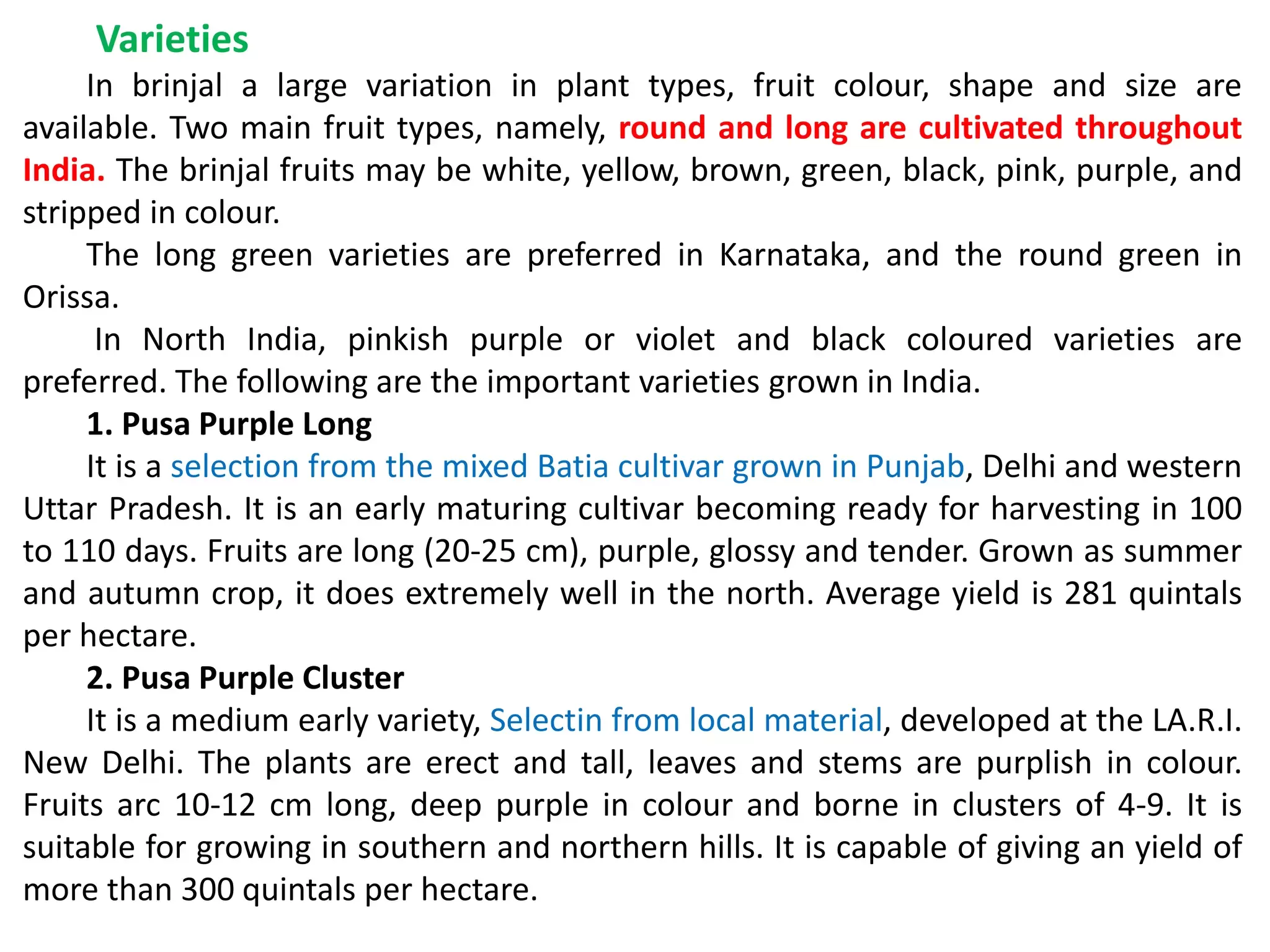
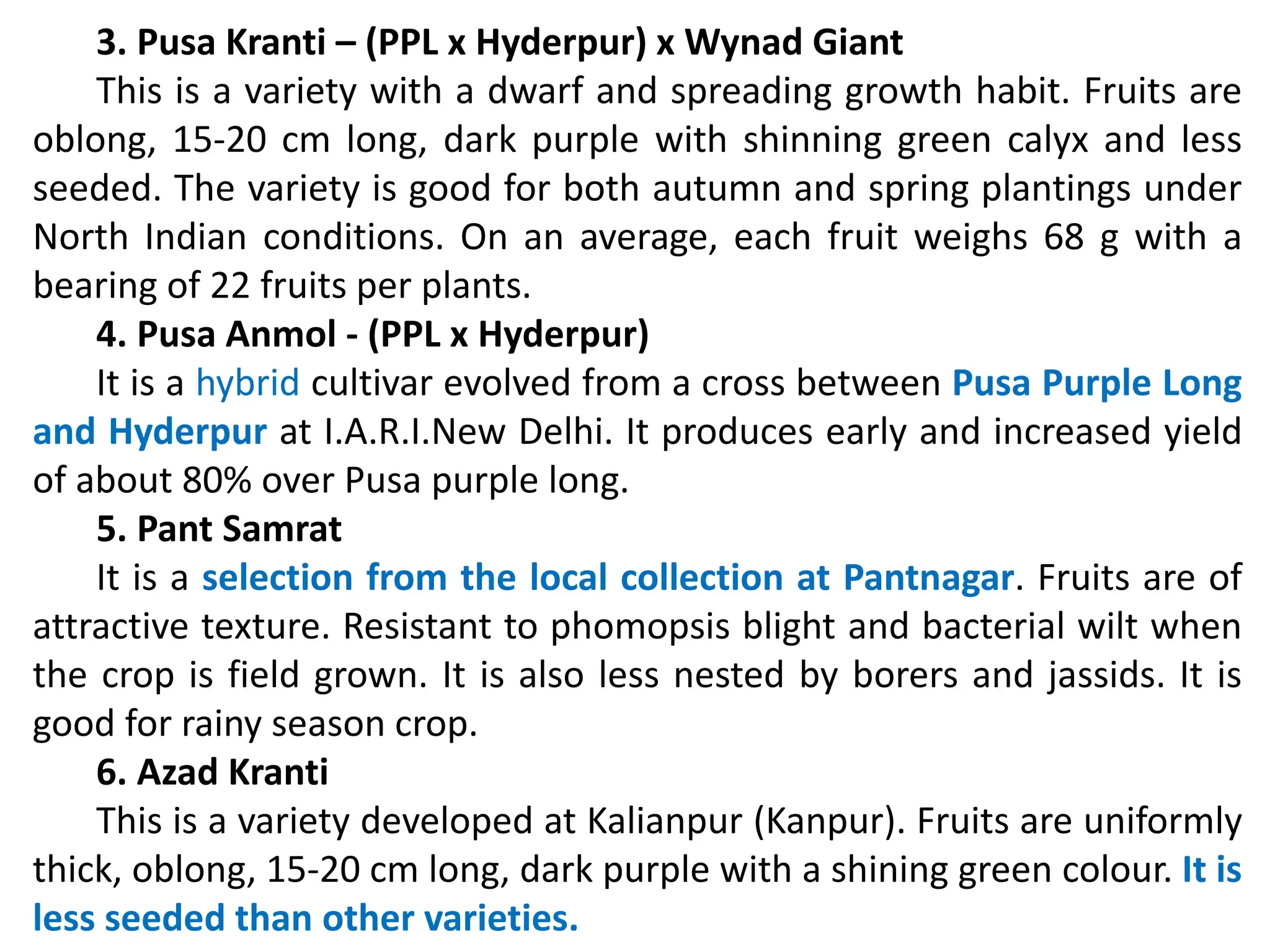
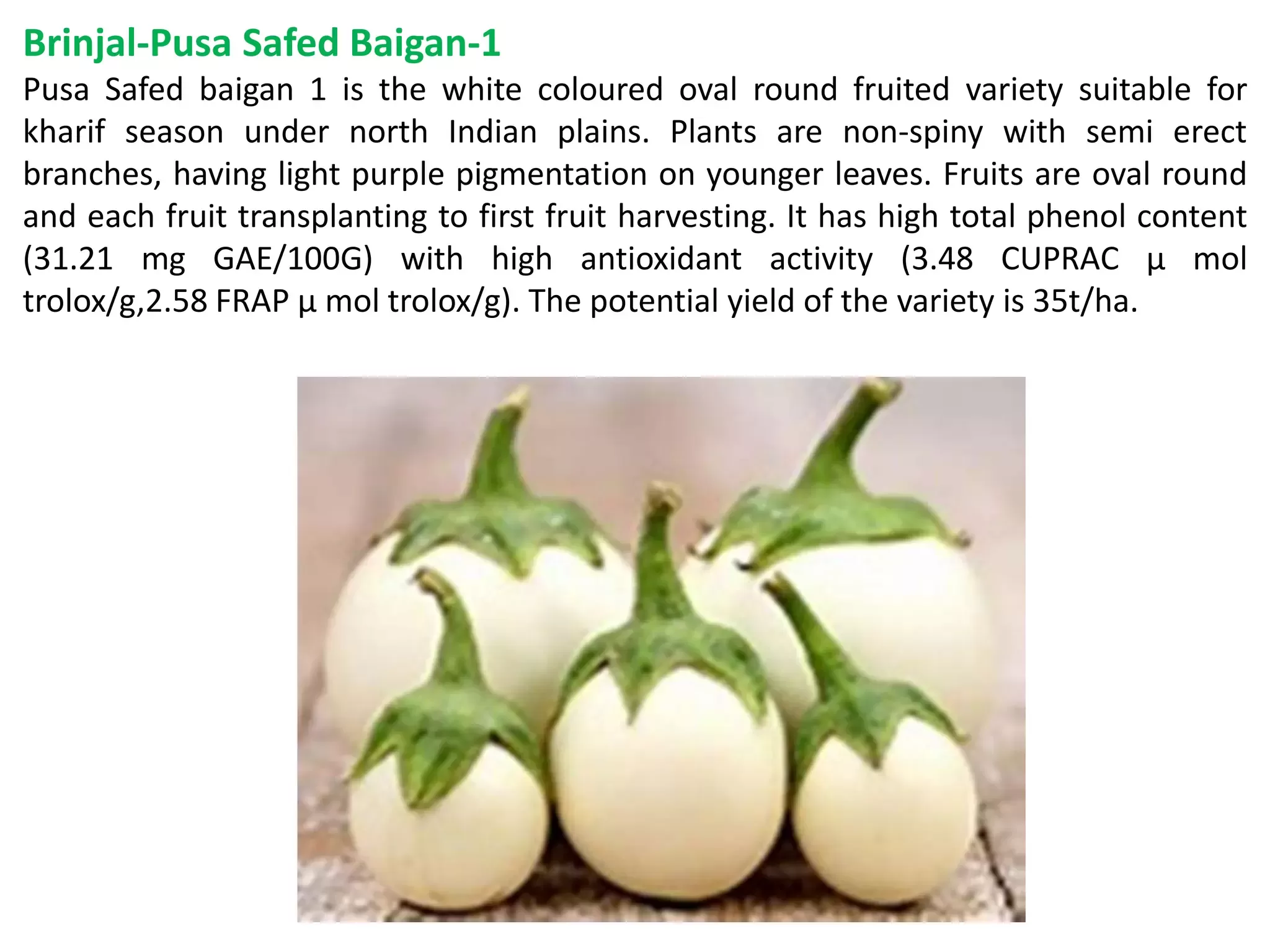
Discover the fascinating world of brinjal breeding through this informative PowerPoint presentation. Explore the history, cultivation, and breeding methods of eggplant, a significant vegetable crop in various countries. Dive into the different botanical varieties, traits, and challenges faced in breeding for high yield and quality. Whether you are a researcher, farmer, or vegetable enthusiast, this presentation offers valuable insights into enhancing brinjal production and sustainability.
Summary
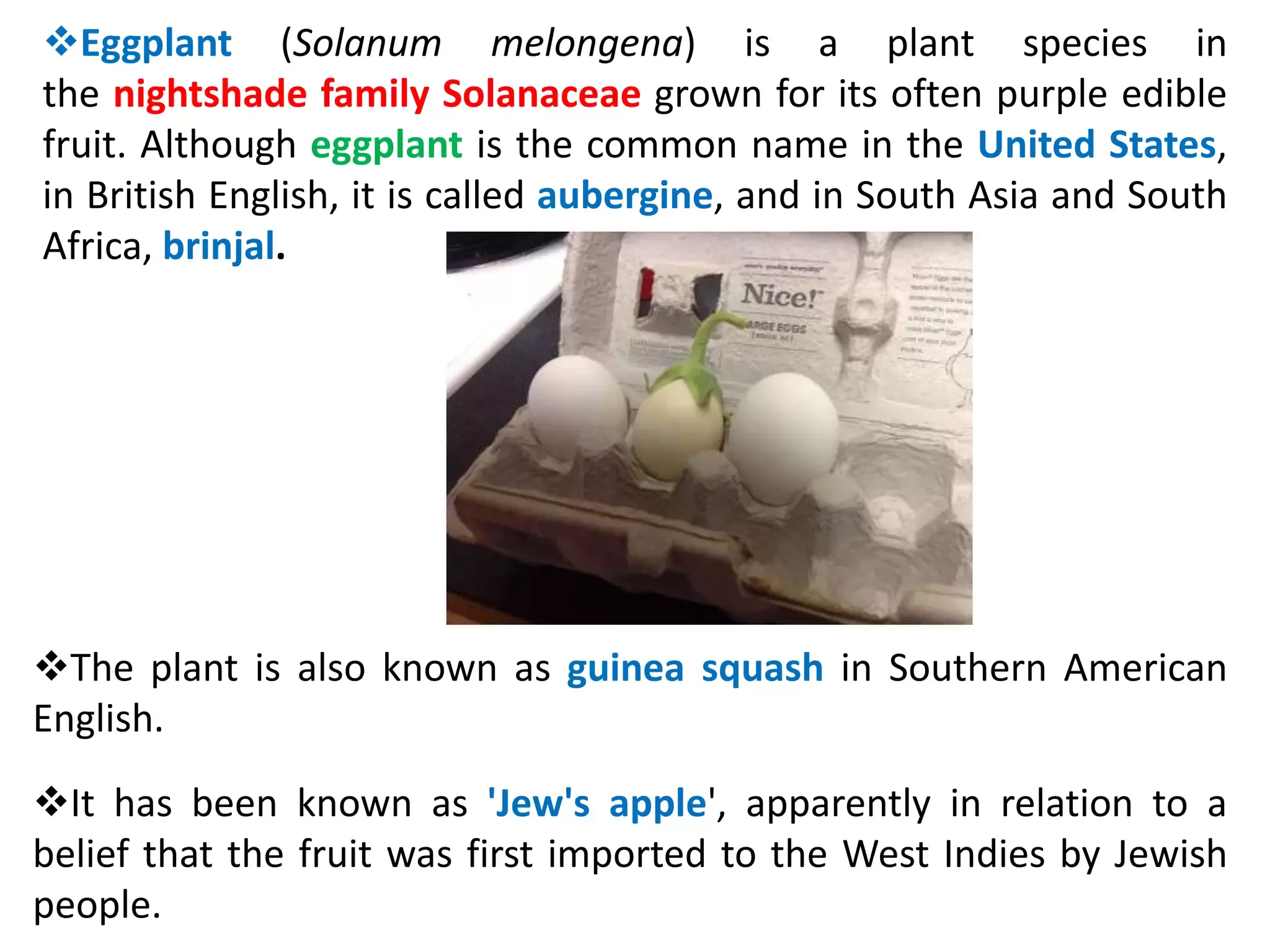
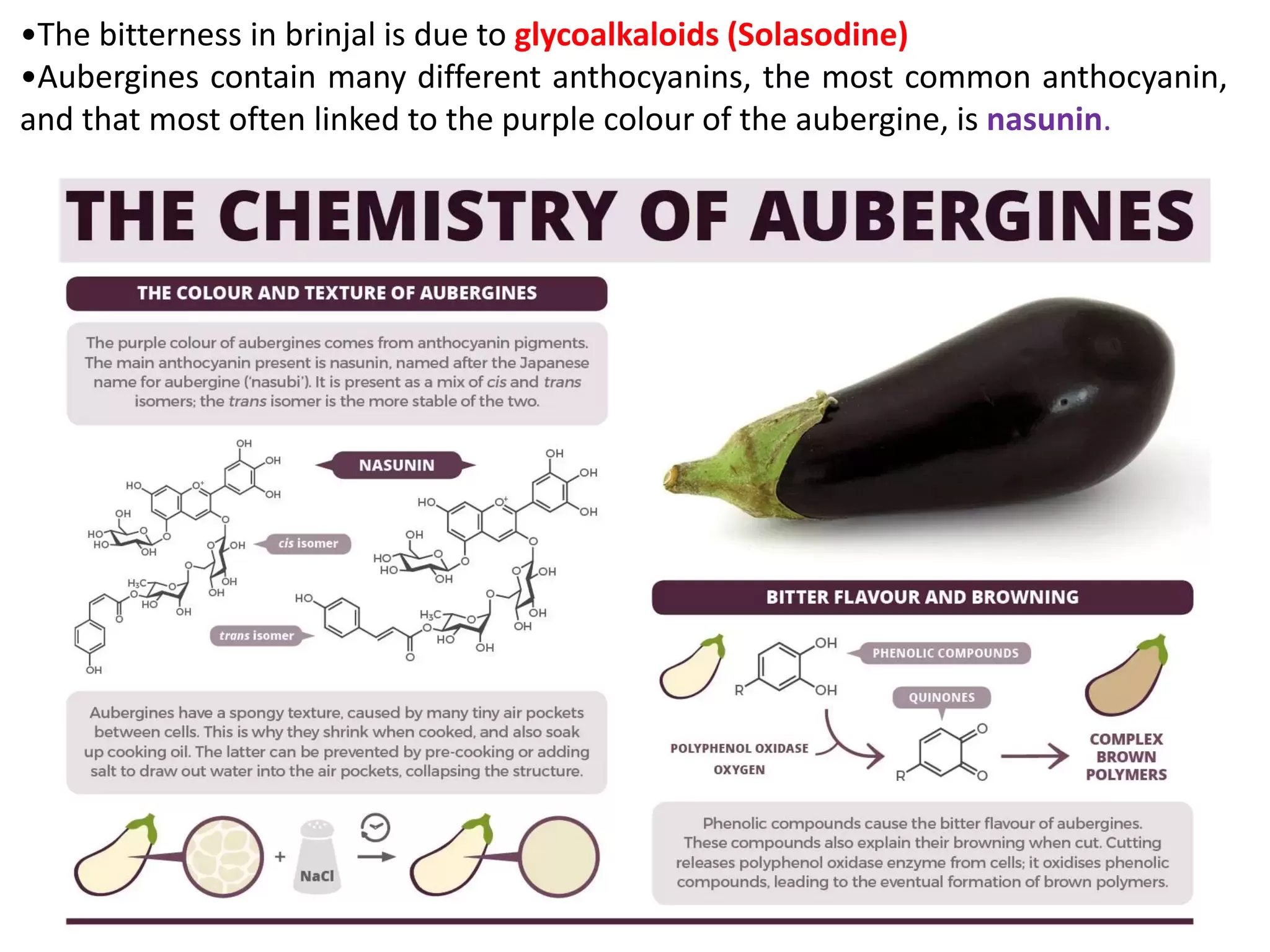
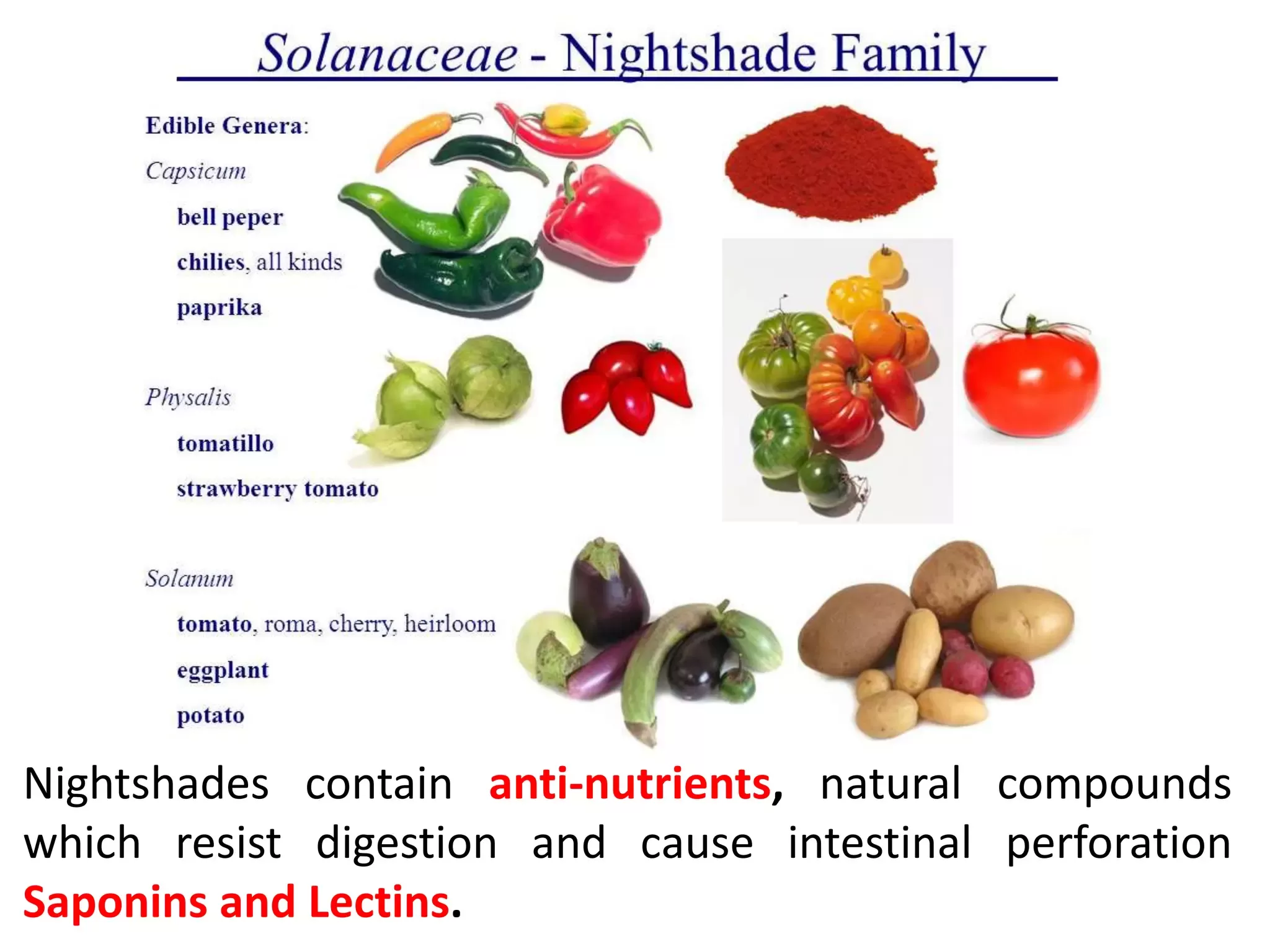
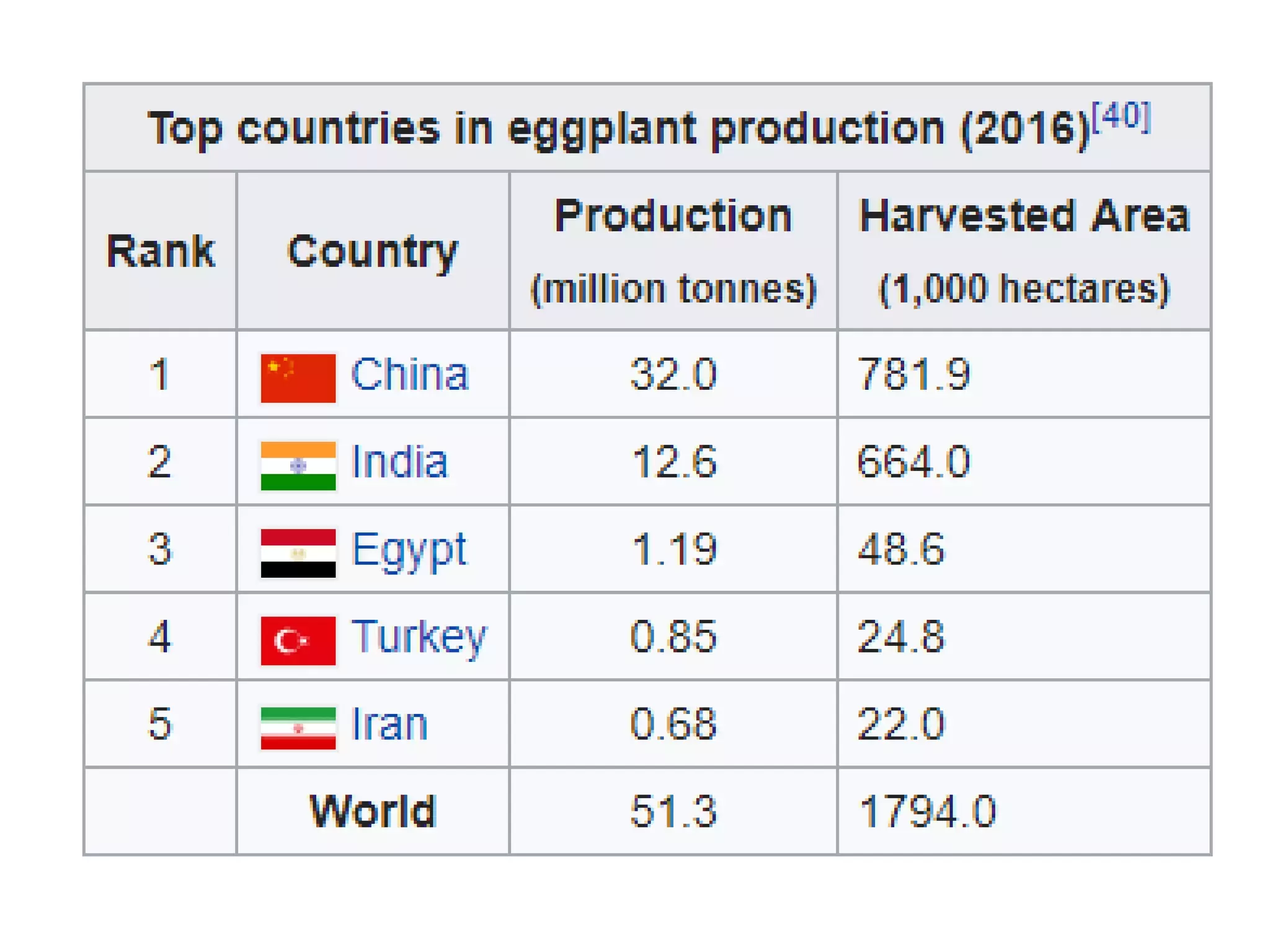
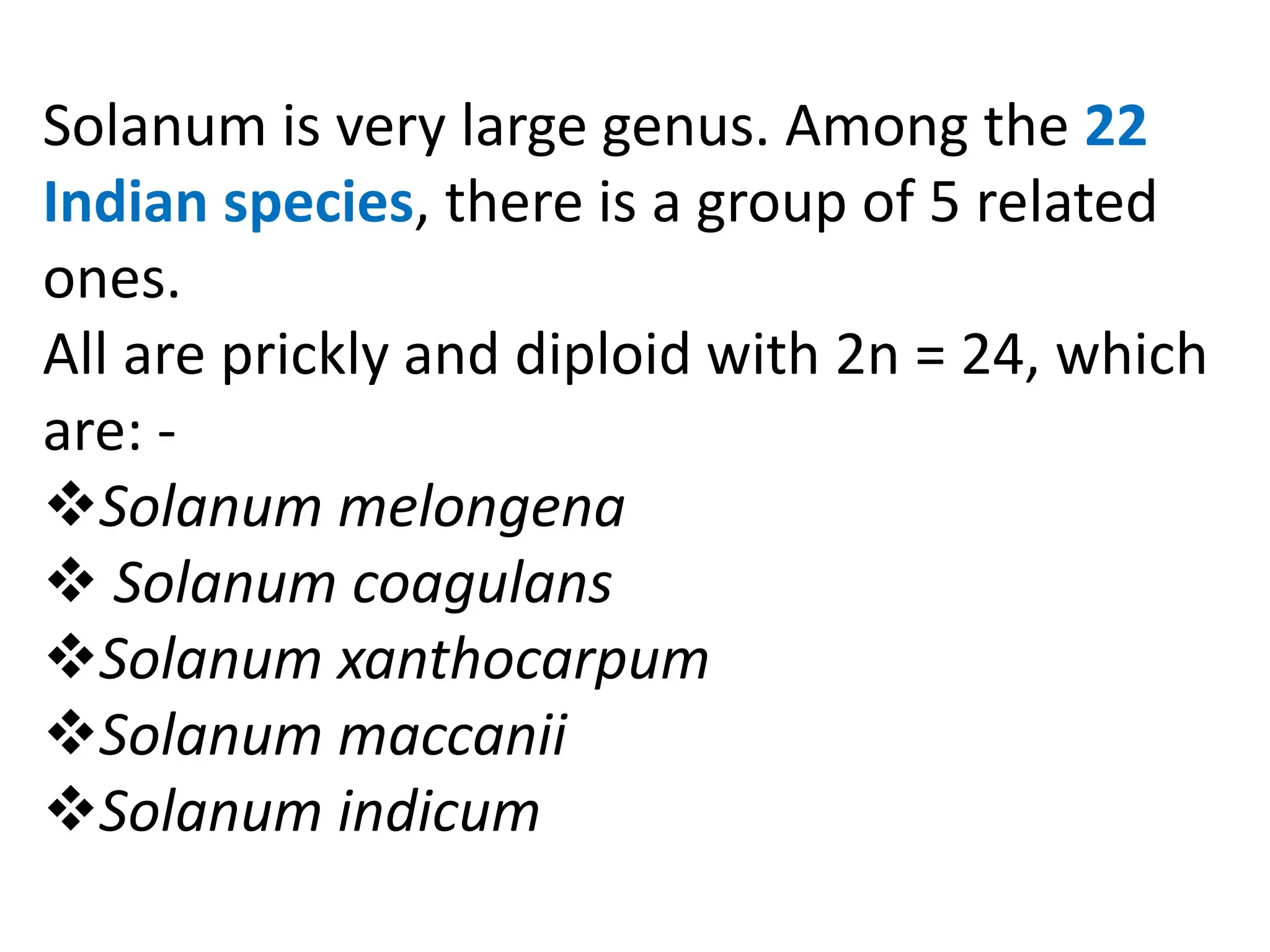
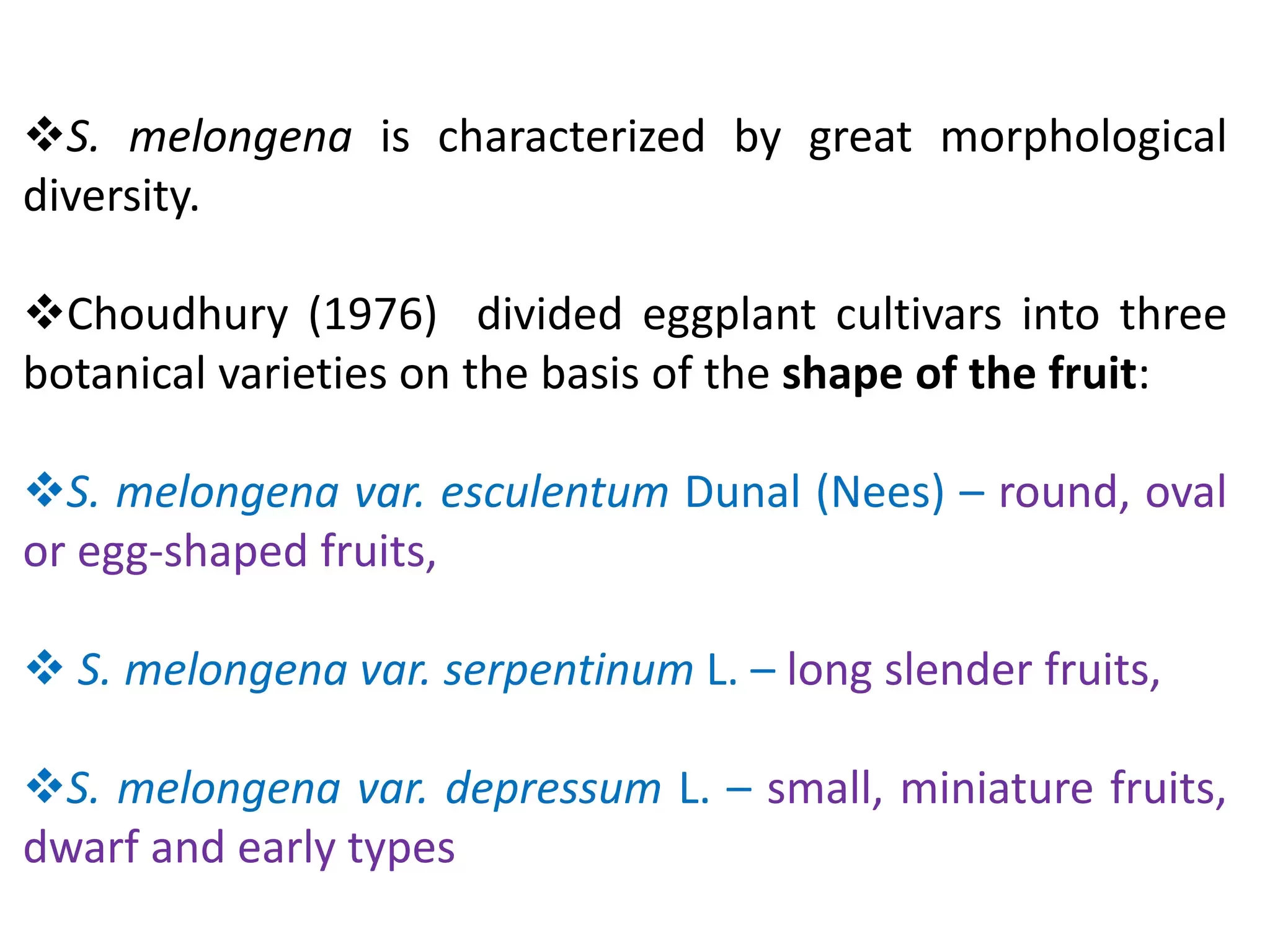
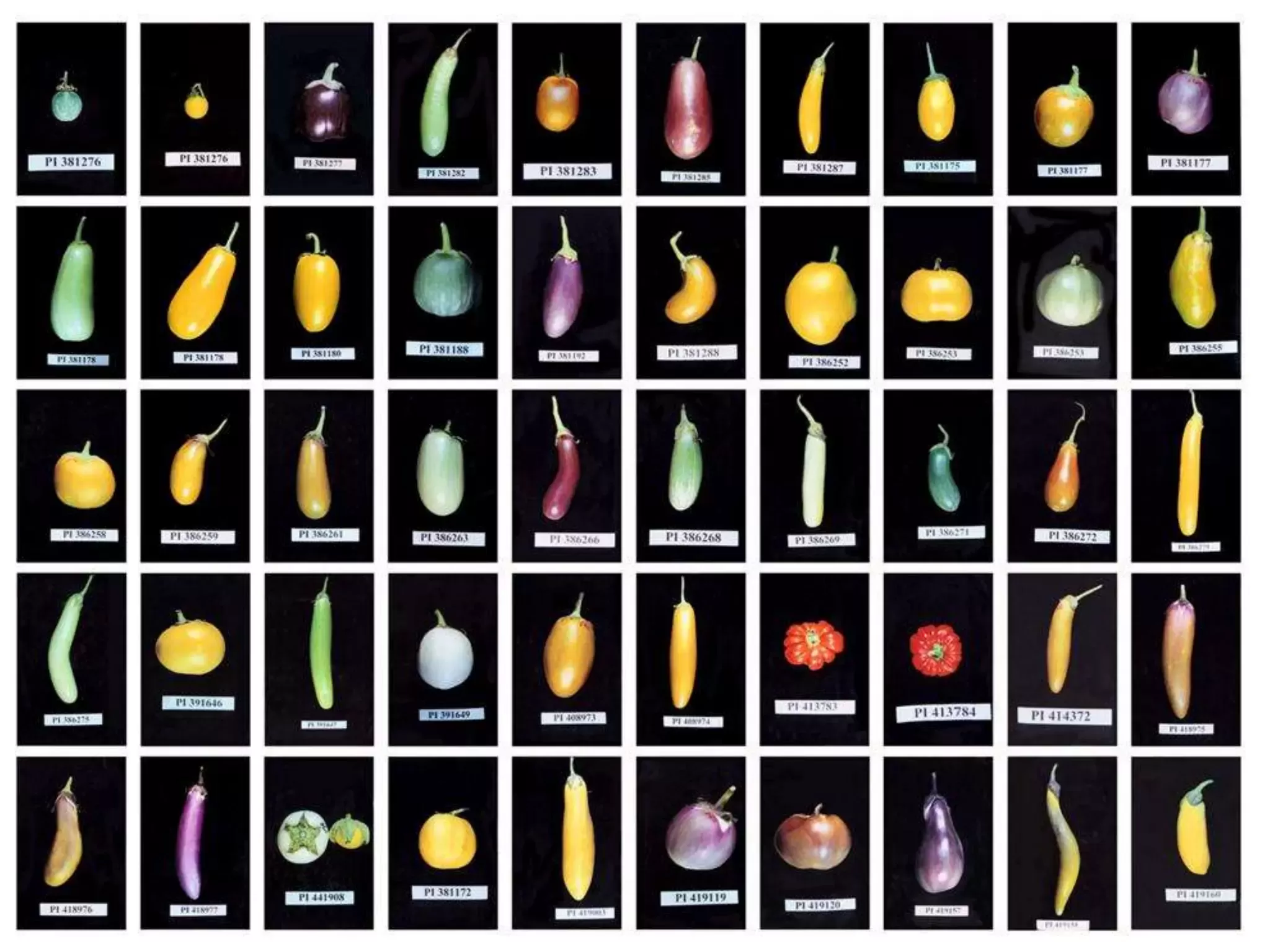
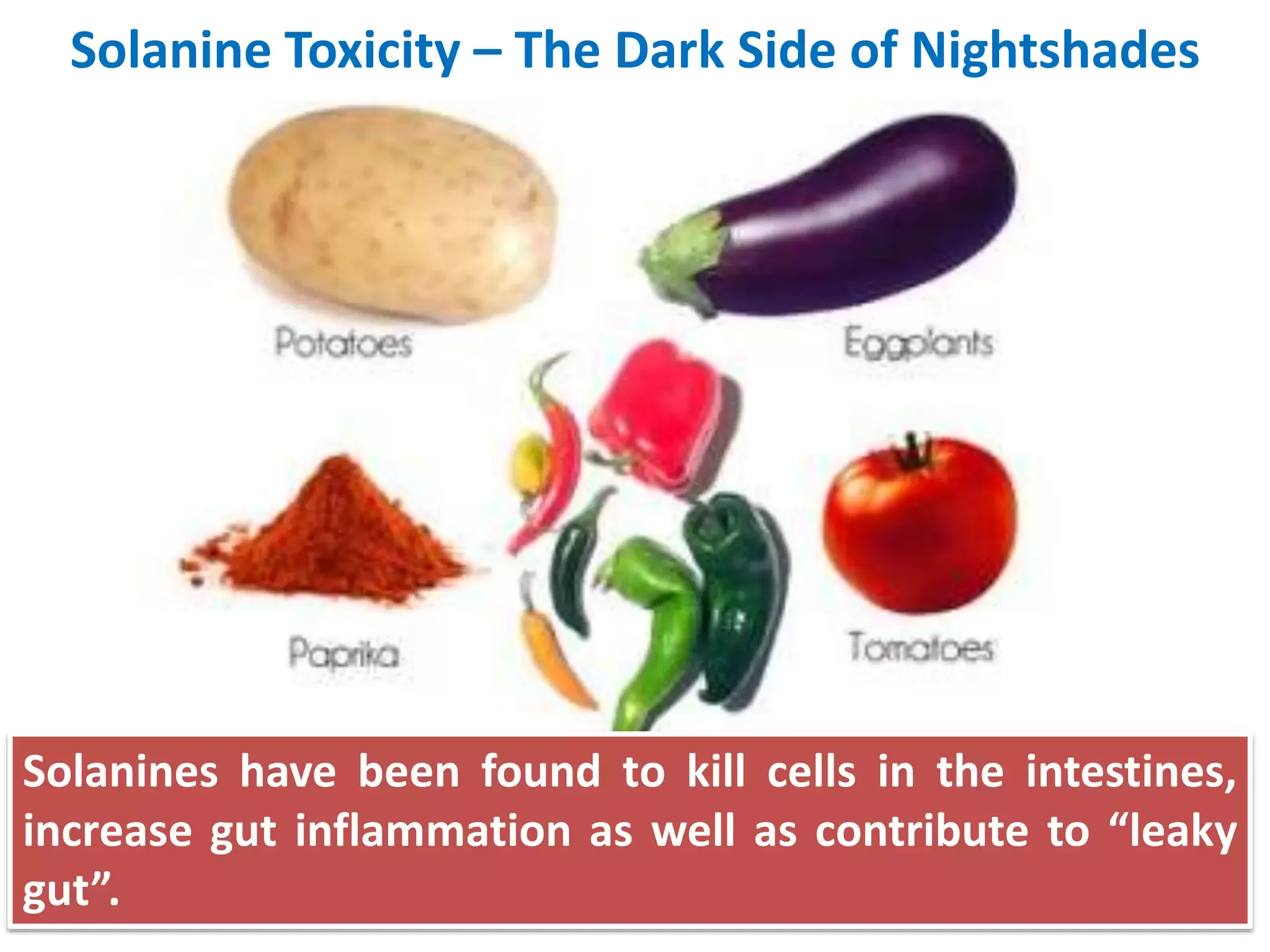
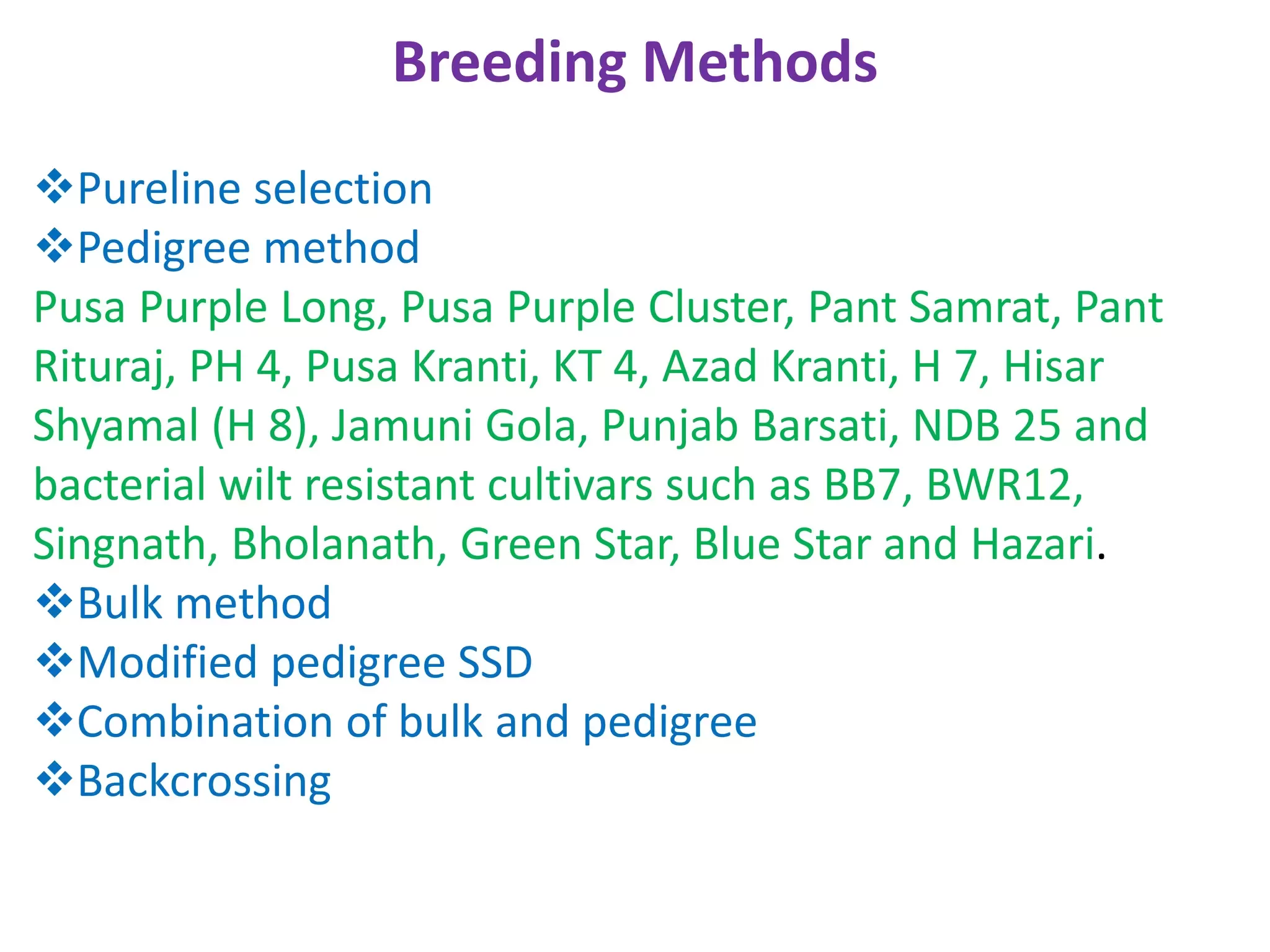
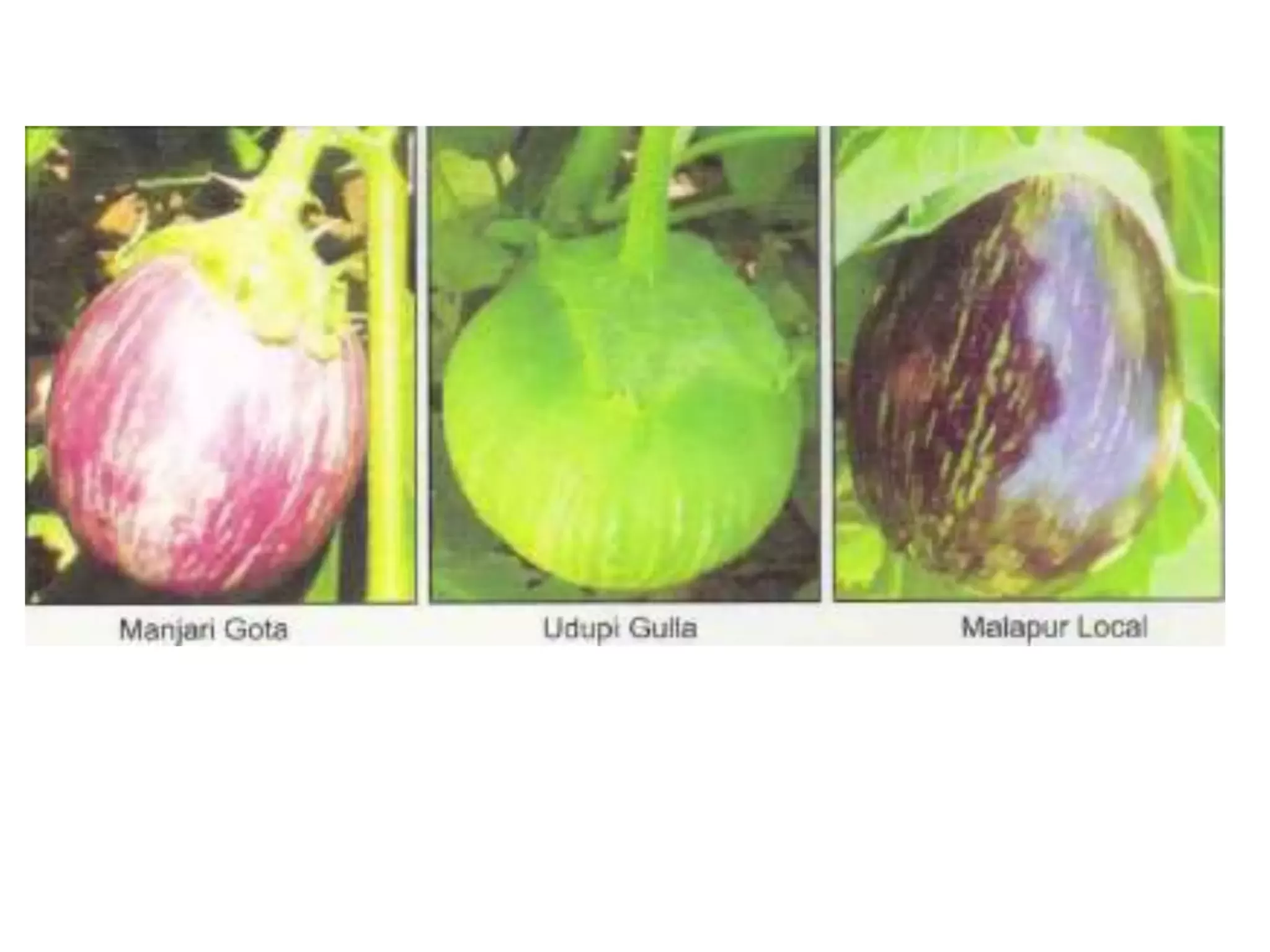
Eggplant (Solanum melongena), commonly known as aubergine in British English and brinjal in South Asia, is a member of the nightshade family Solanaceae, cultivated for its edible fruit, which is often purple. This plant species has a rich history of domestication, primarily in the Old World, and is a significant vegetable crop in countries like India, Japan, and the USA. Eggplant exhibits great morphological diversity and is categorized into three botanical varieties based on fruit shape: round, long slender, and small miniature types. Cultivation focuses on breeding for high yield, quality, disease resistance, and consumer-preferred traits, while also addressing issues like solanine toxicity and pest resistance. Notable pests include the eggplant fruit borer, and breeding methods include pureline selection and