Home Quiz Old Paper PPT

Ppt on Broad bean by harmanjeet

Description

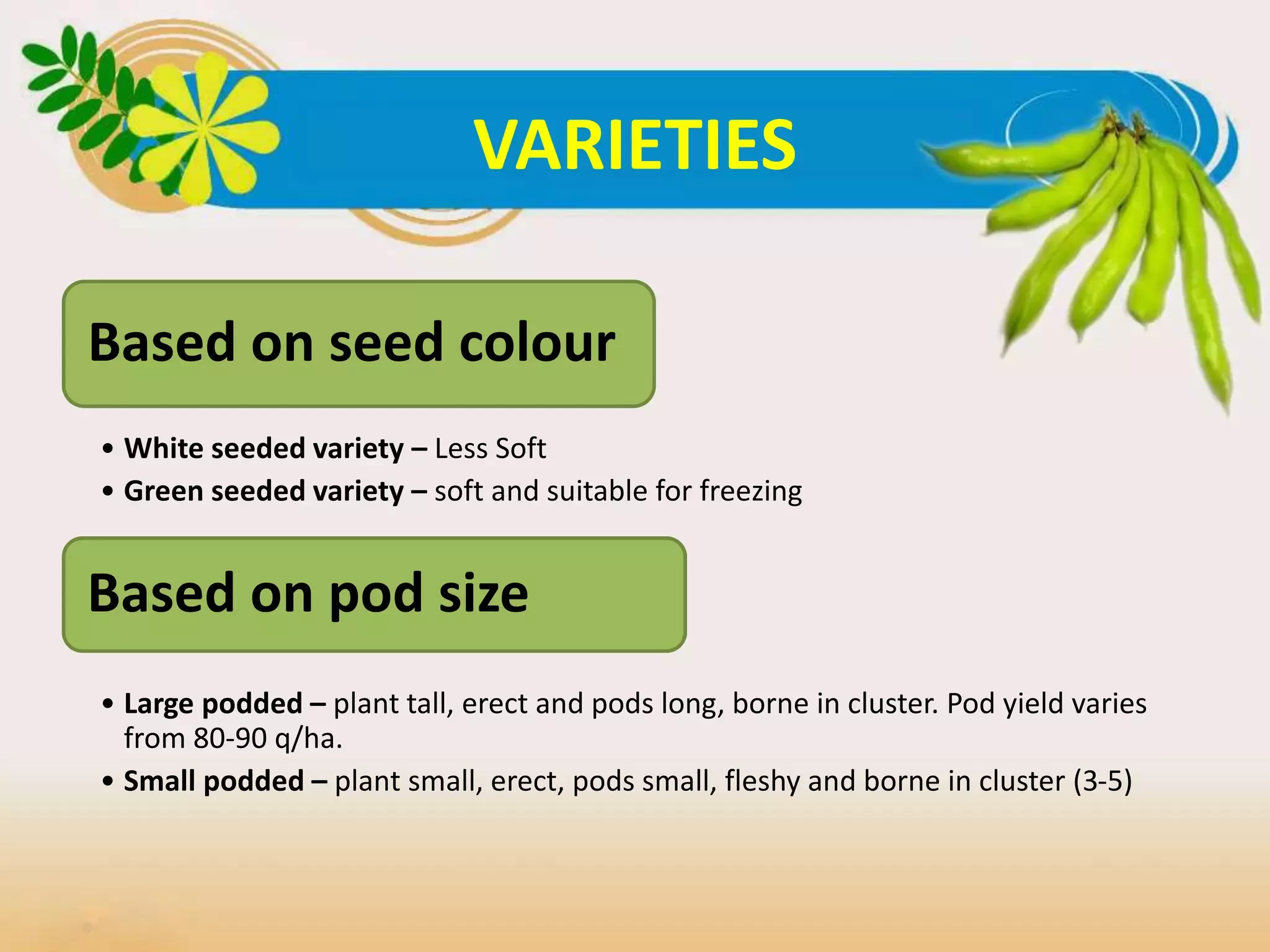
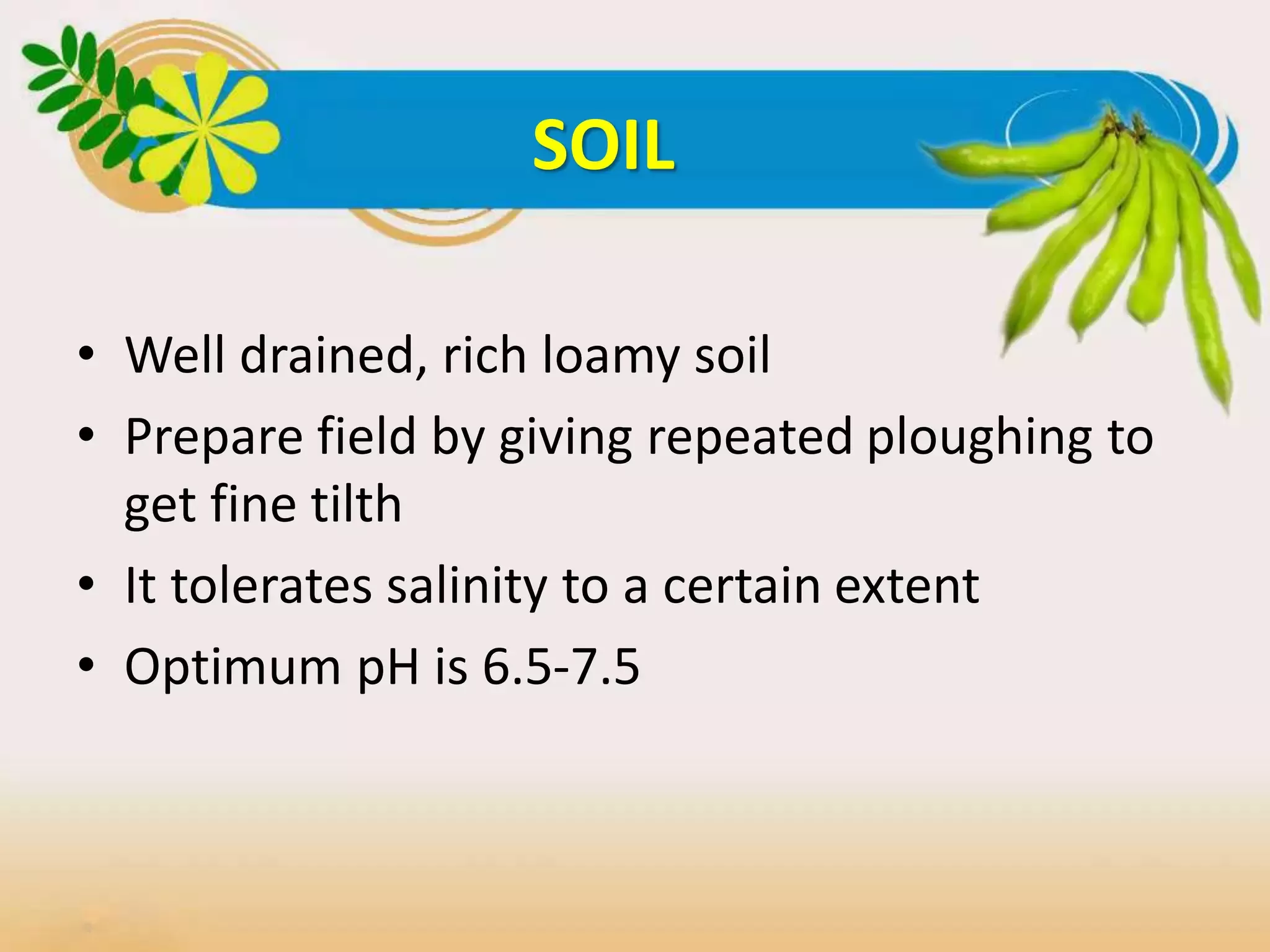
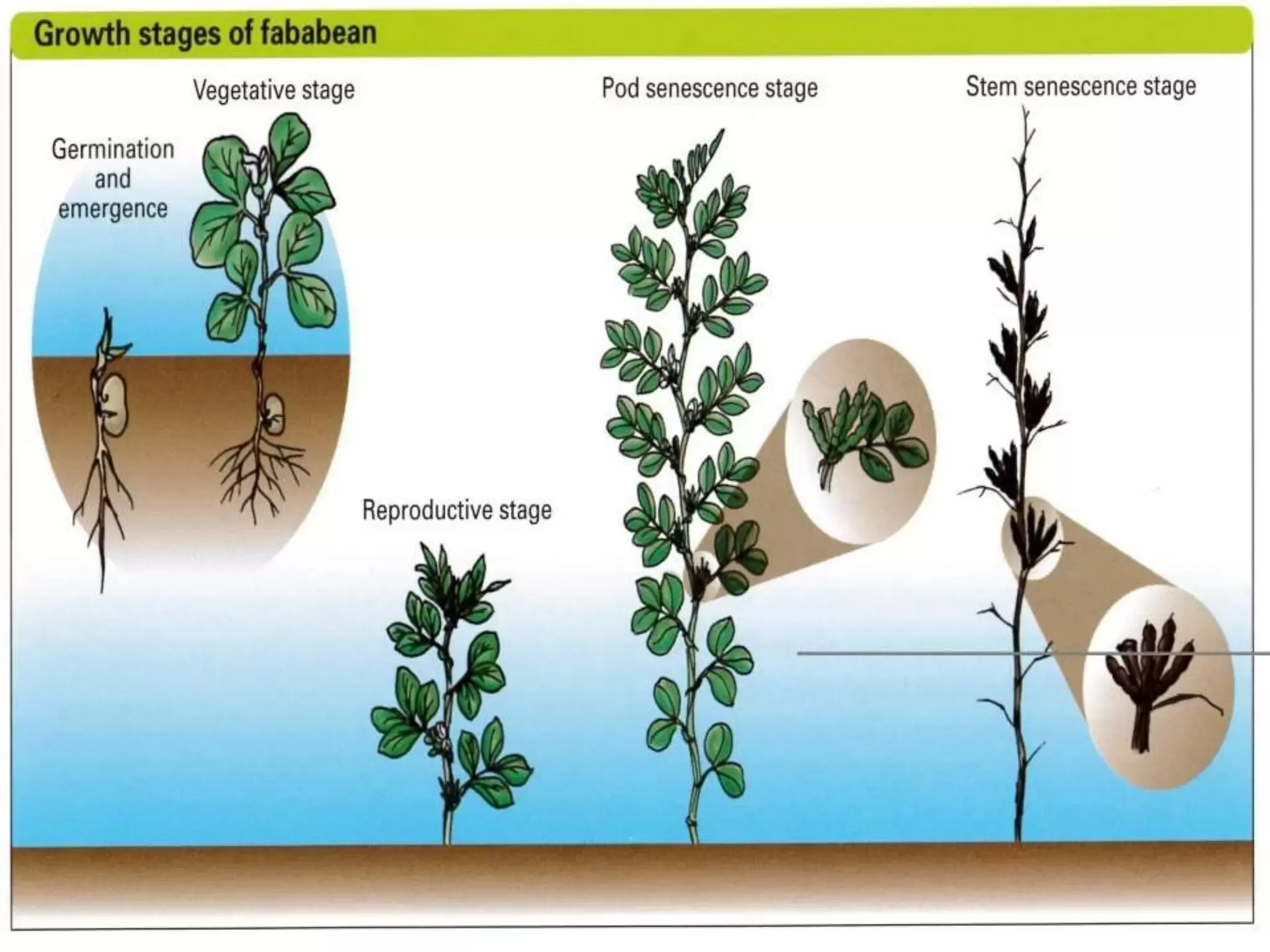
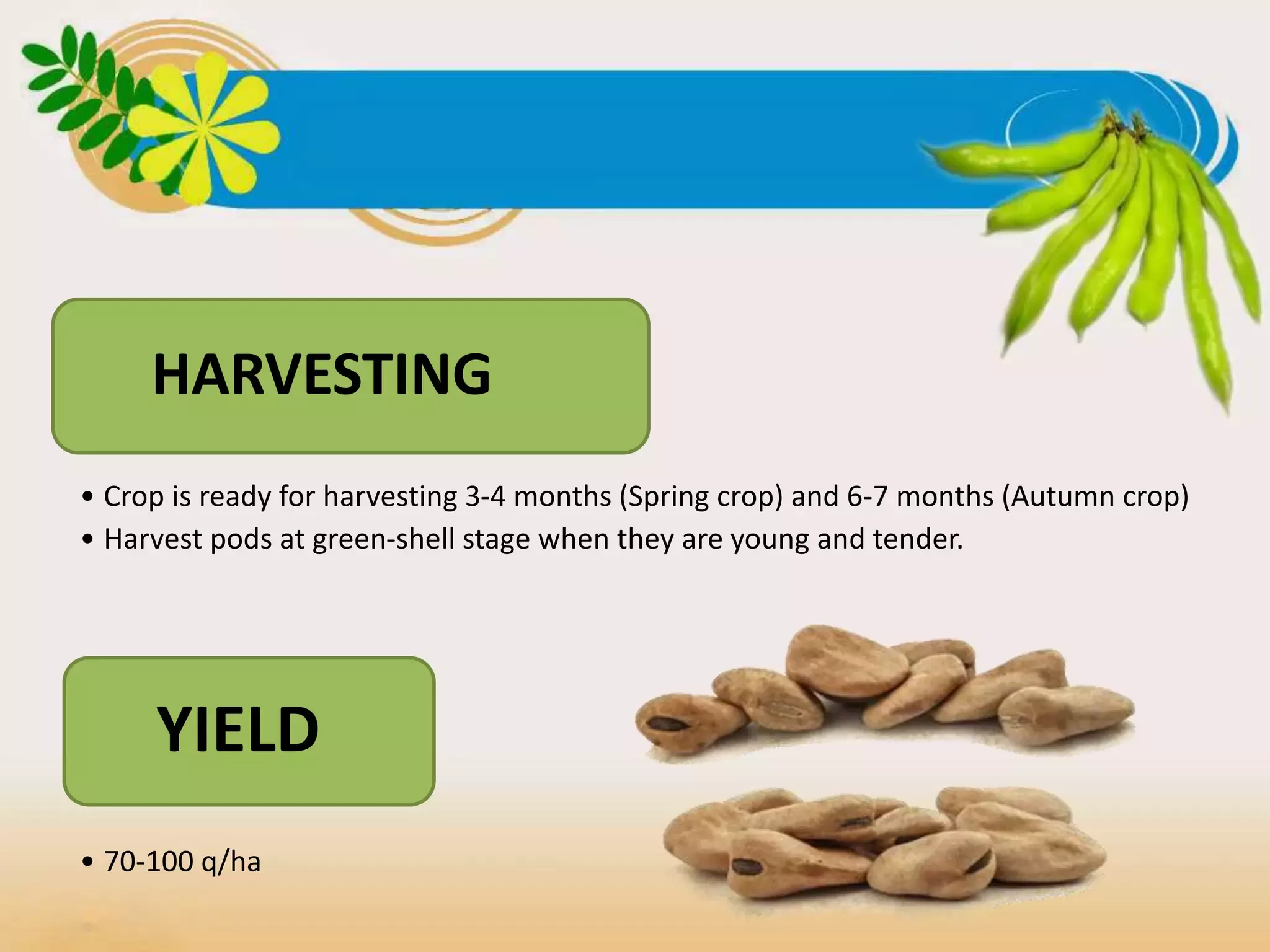
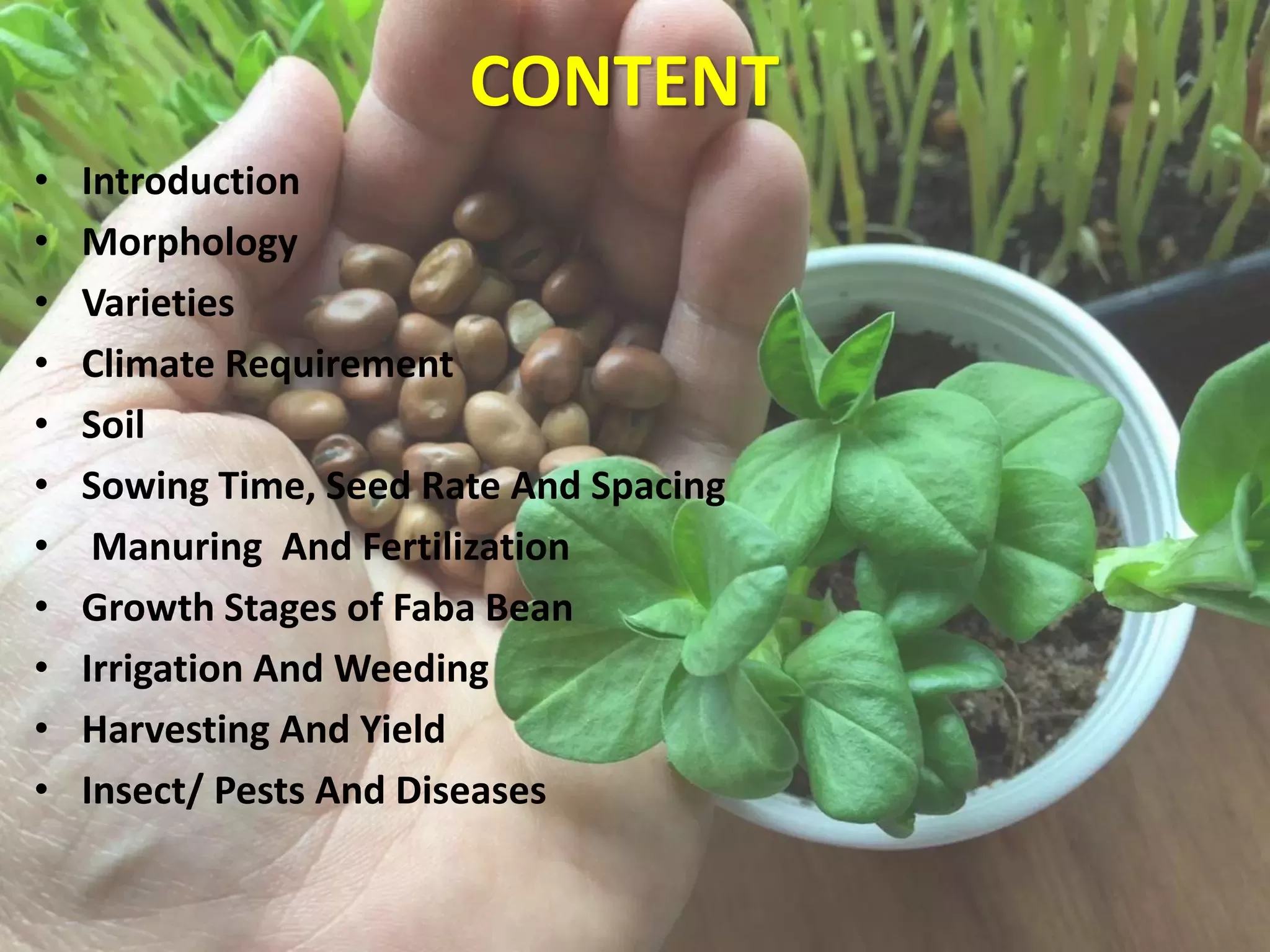
Broad bean, scientifically known as Vicia faba L., belongs to the Leguminosae/Fabaceae family and is commonly referred to by various names, such as faba bean, horse bean, and bakla bean. This versatile crop is predominantly cultivated in South America and Northern India, where it thrives in cooler temperatures. Recognized for its hardiness, the broad bean serves multiple functions beyond providing food; it is also valued as green manure and as a winter and autumn crop. The morphological structure of broad beans is distinctive, featuring square and erect stems that vary in height from 30 cm in dwarf varieties to about 100 cm in taller ones. The plants produce clusters of pods, typically containing five to seven pods, each about 15 cm long and 2 cm thick. These plants bear large and attractive flowers that are primarily pollinated by insects, contributing to their reproductive success. There are numerous varieties of broad beans, categorized based on seed color and pod size. Seed color varieties include white-seeded types that are less soft and green-seeded types that are suitable for freezing due to their softer texture. When considering pod size, large podded varieties yield higher, ranging from 80-90 q/ha, while small podded varieties display smaller, fleshy pods. Prominent improved varieties include Pusa Sumeet from the Indian Agricultural Research Institute in New Delhi, along with Masterpiece White Long Pod and Imperial Green Windsor, among others. Certain local selections, such as Jawahar Selection 73-31 from Madhya Pradesh and BR-1 and BR-2 from Bihar, demonstrate adaptability to regional growing conditions. Broad beans are particularly suited to cool climates, being the only crop that can be cultivated during winter and autumn. They can withstand low temperatures, even approaching -4°C, and are tolerant of temporary water stress due to the accumulation of proteins within the plant. Ideal soil for cultivation is well-drained, rich loamy soil with an optimal pH level between 6.5 and 7.5. Proper field preparation through repeated ploughing is essential to achieve fine tilth. Sowing of broad beans generally occurs between September to October and February to March, with a recommended seed rate of 70-100 kg per hectare. Seeds should be planted in shallow furrows spaced 75 cm apart, ensuring optimal growth conditions. Nutrient management is crucial, with a suggested application of 10 tons of farmyard manure per hectare, alongside nitrogen, phosphorus, and potassium fertilizer. Management practices also encompass irrigation and weed control, where light irrigation is carried out every 12-15 days and weeding is conducted at critical growth stages—25 and 40 days after sowing. Harvesting takes place 3-4 months after sowing for spring crops and 6-7 months for autumn crops, ideally when the pods reach the green-shell stage. The yield of broad beans typically ranges between 70-100 quintals per hectare. However, growers should remain vigilant against pests such as aphids and pod borers, as well as diseases like powdery mildew and anthracnose, which can threaten crop health. Overall, the broad bean stands out as a multi-purpose crop that contributes to food security and sustainable agricultural practices.
Slide 1

Slide 1⬇ Download

Slide 2

Slide 2⬇ Download

Slide 3

Slide 3⬇ Download

Slide 4

Slide 4⬇ Download

Slide 5

Slide 5⬇ Download

Slide 6

Slide 6⬇ Download

Slide 7

Slide 7⬇ Download

Slide 8

Slide 8⬇ Download

Slide 9

Slide 9⬇ Download

Slide 10

Slide 10⬇ Download

Slide 11

Slide 11⬇ Download

Slide 12

Slide 12⬇ Download

Slide 13

Slide 13⬇ Download

Slide 14

Slide 14⬇ Download

Slide 15

Slide 15⬇ Download
1 / 15

Ppt on Dolichos seed production

Summary:

Explore the world of Dolichos bean cultivation for high-yield seed production with valuable tips on varieties, cultivation practices, and plant protection measures. Discover the nutritional richness and culinary significance of Dolichos beans in Indian agriculture.

Summary

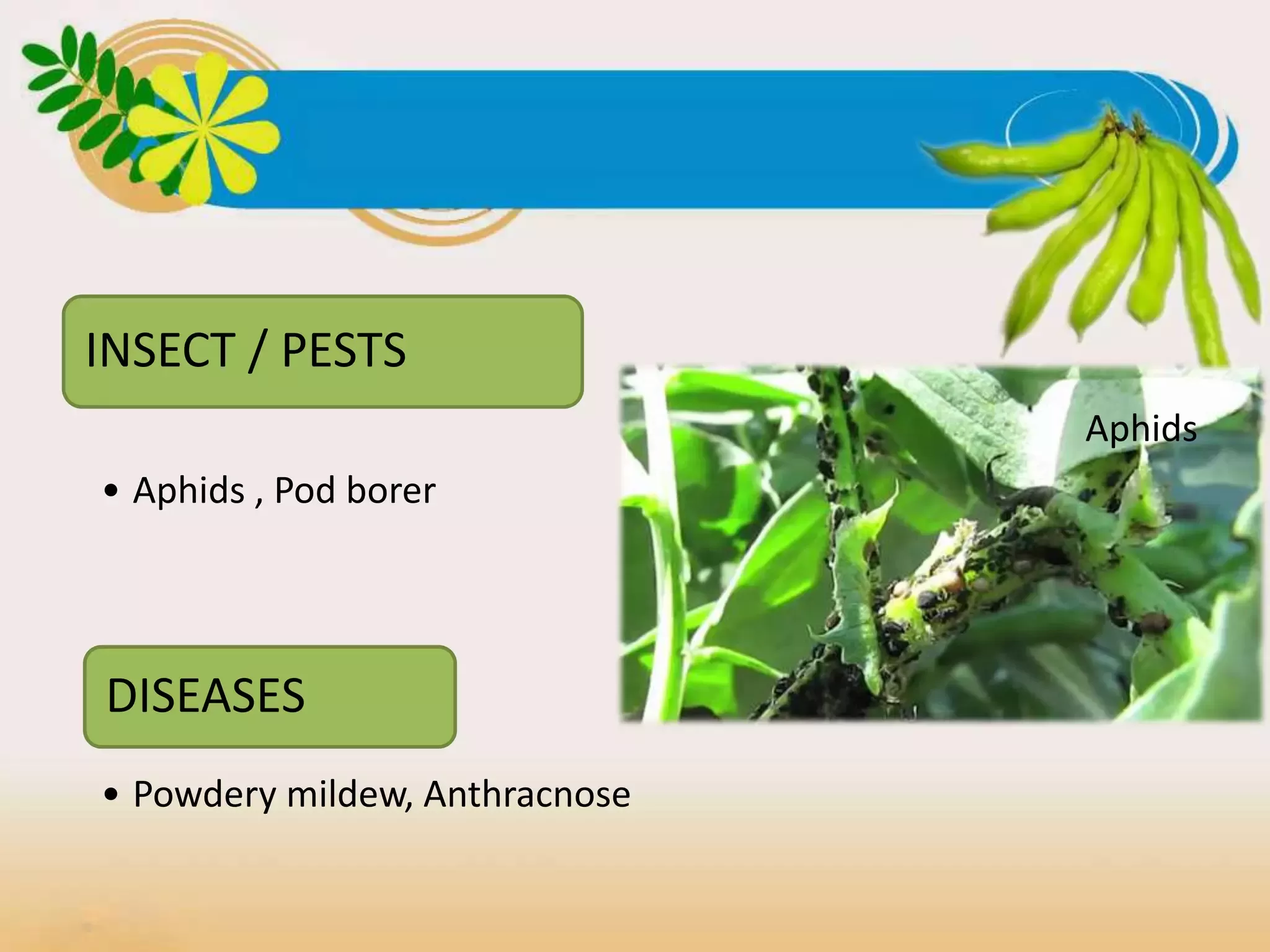
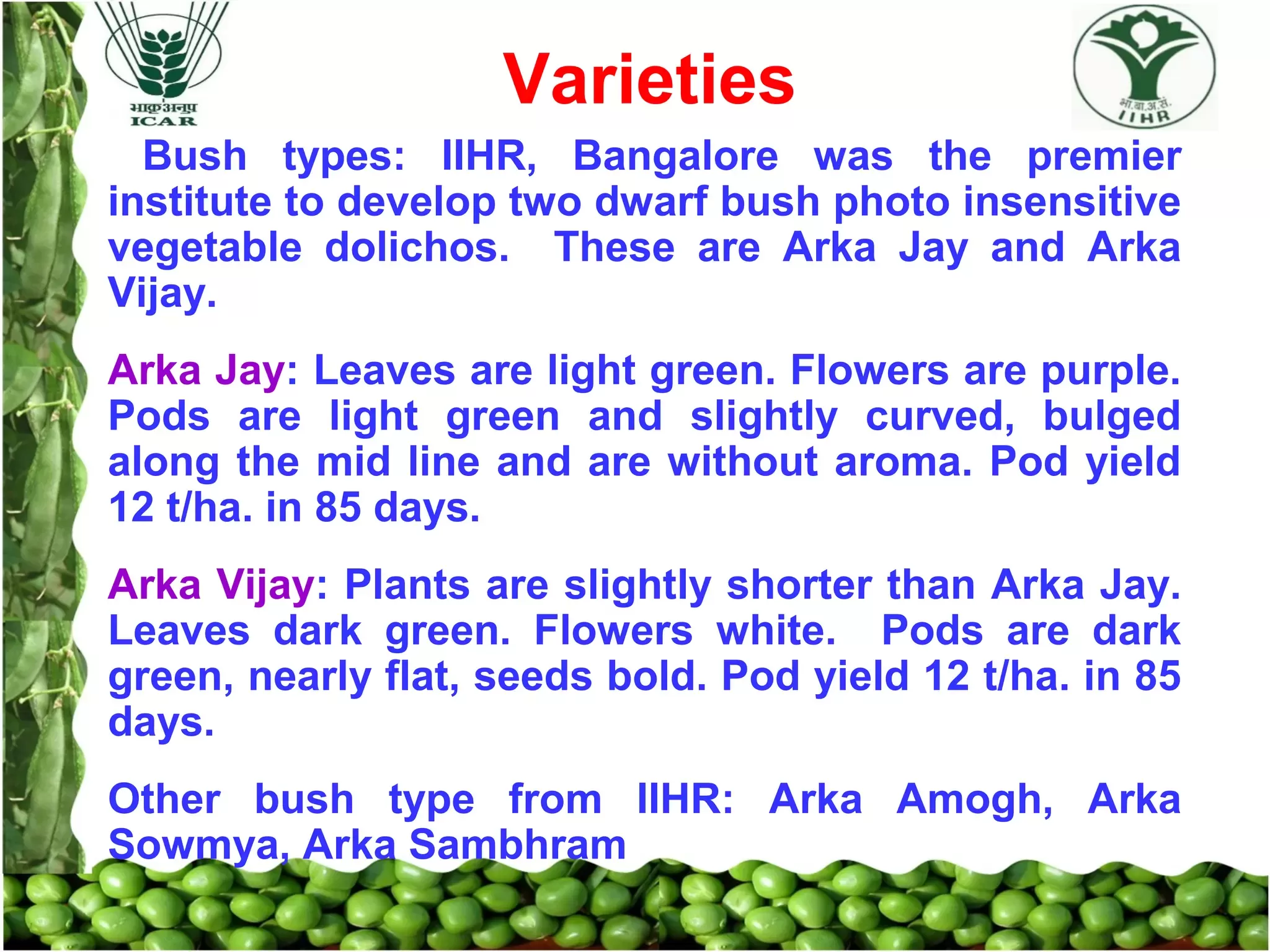
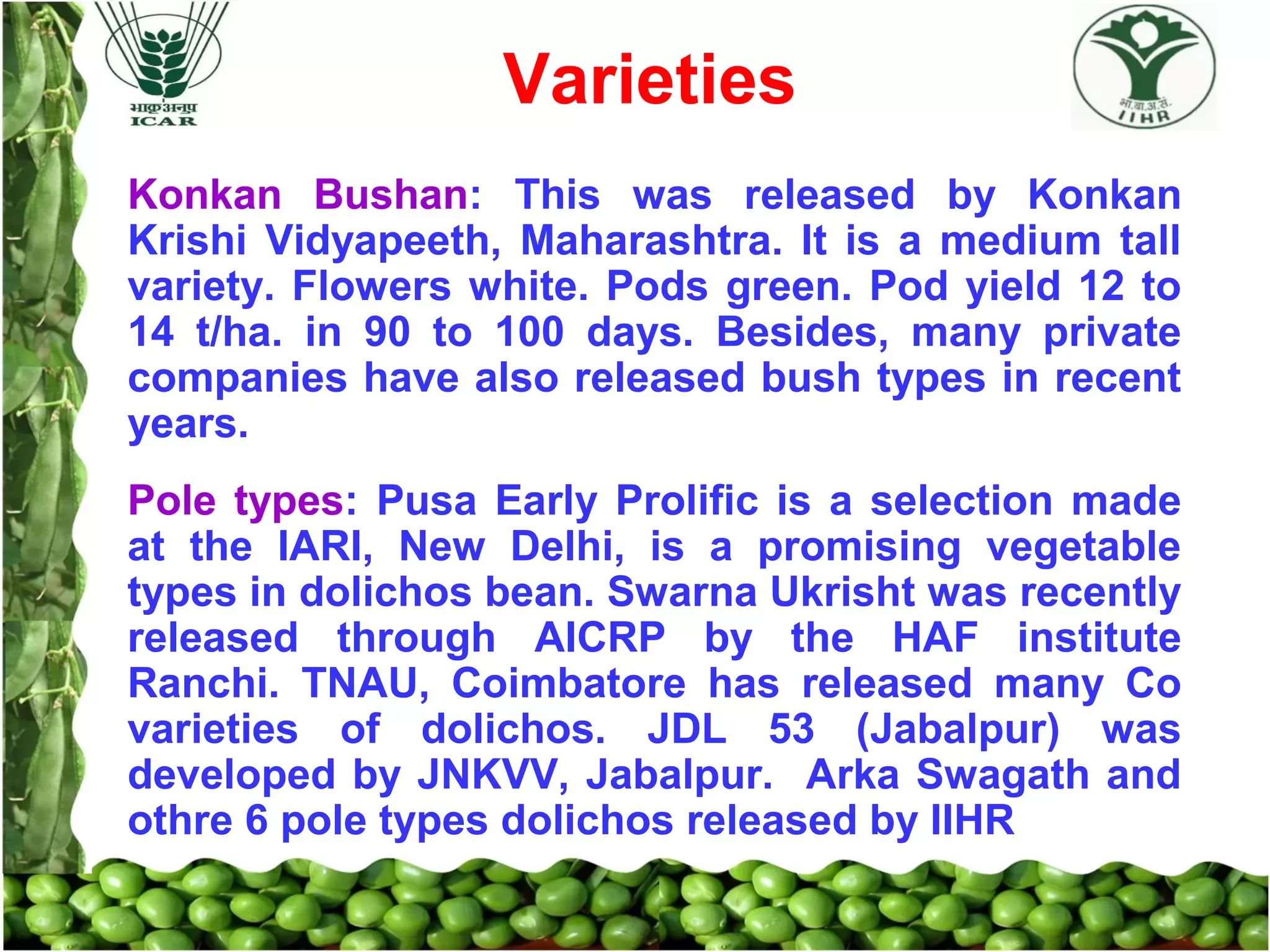
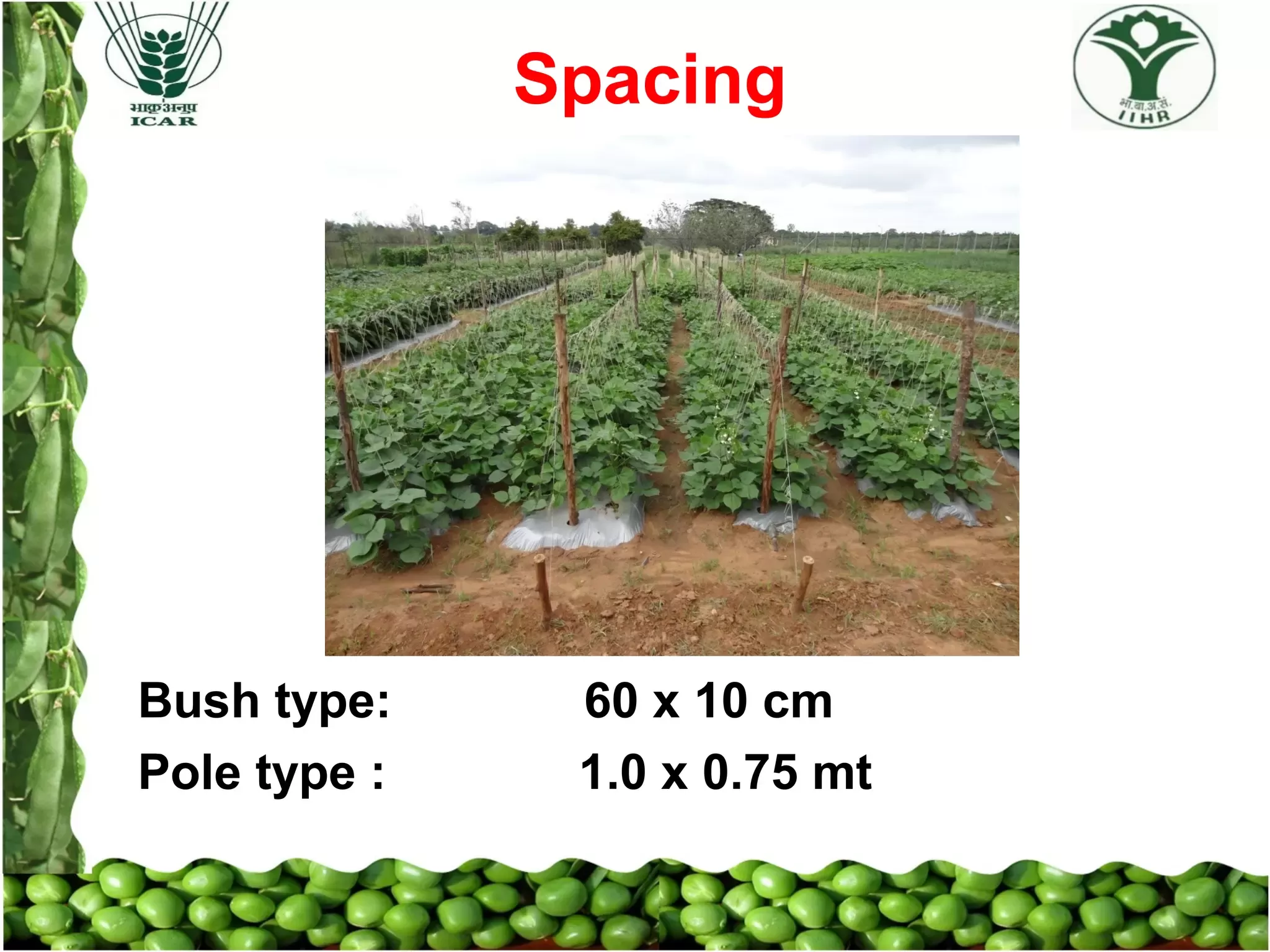
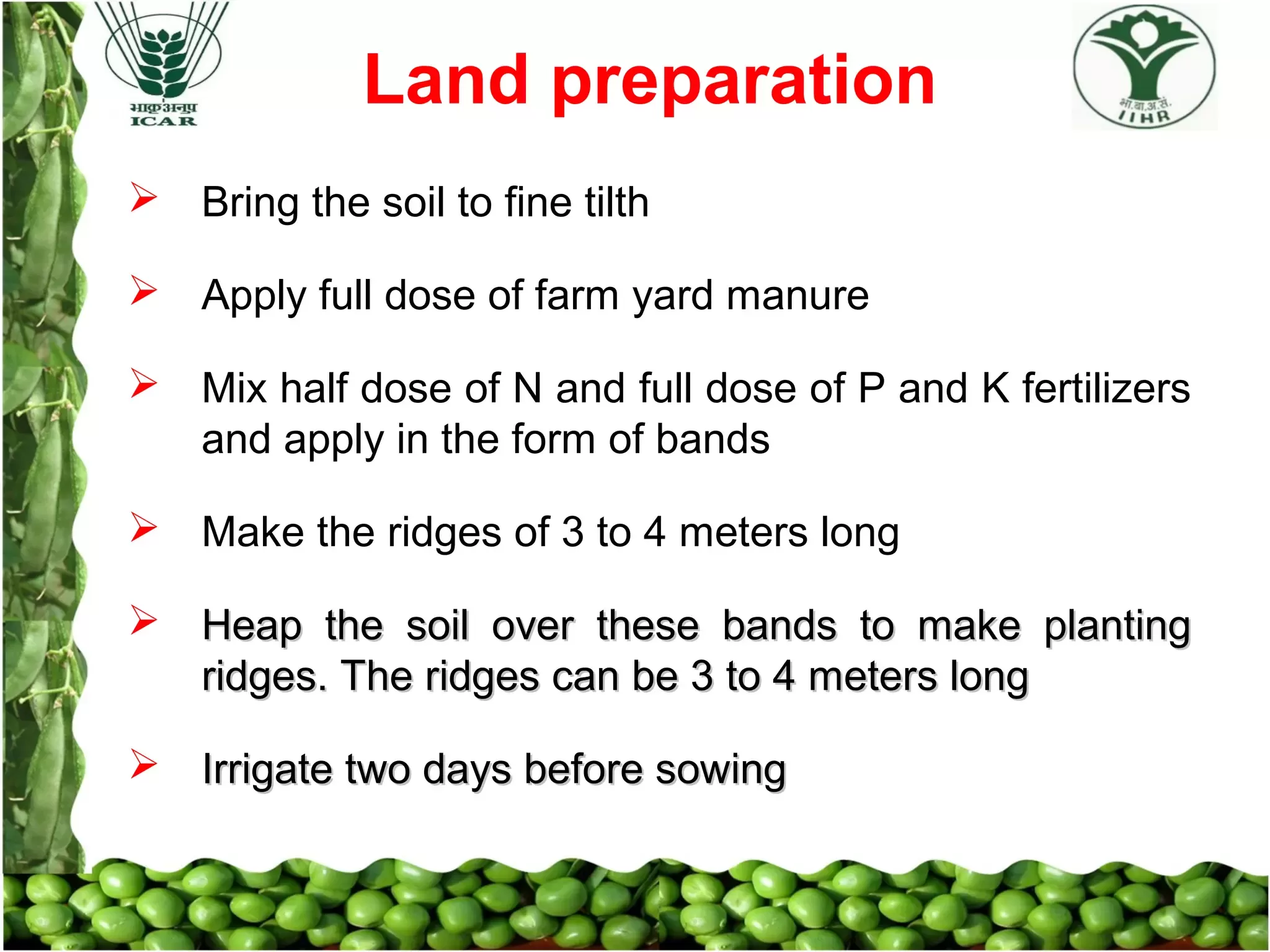
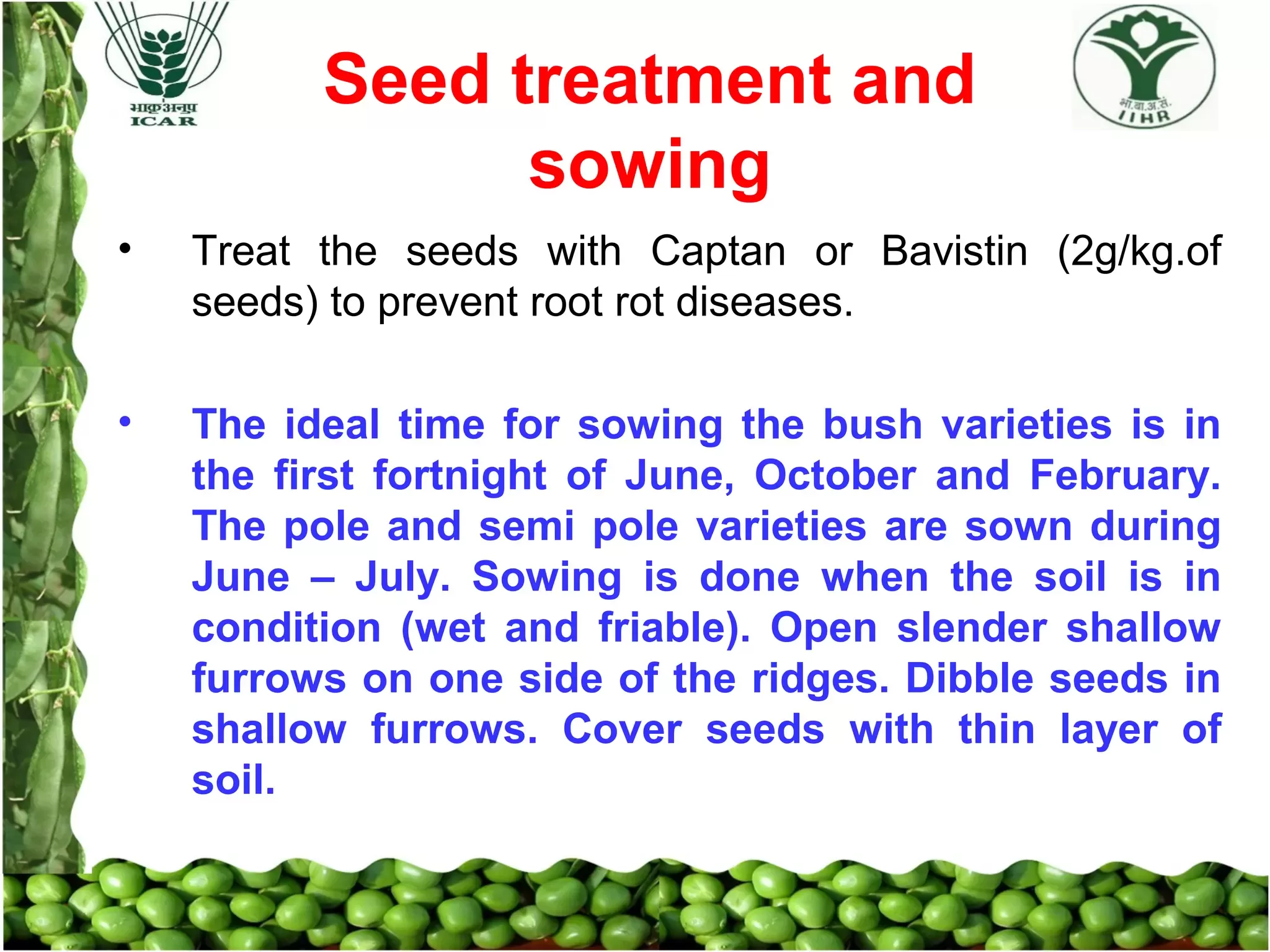
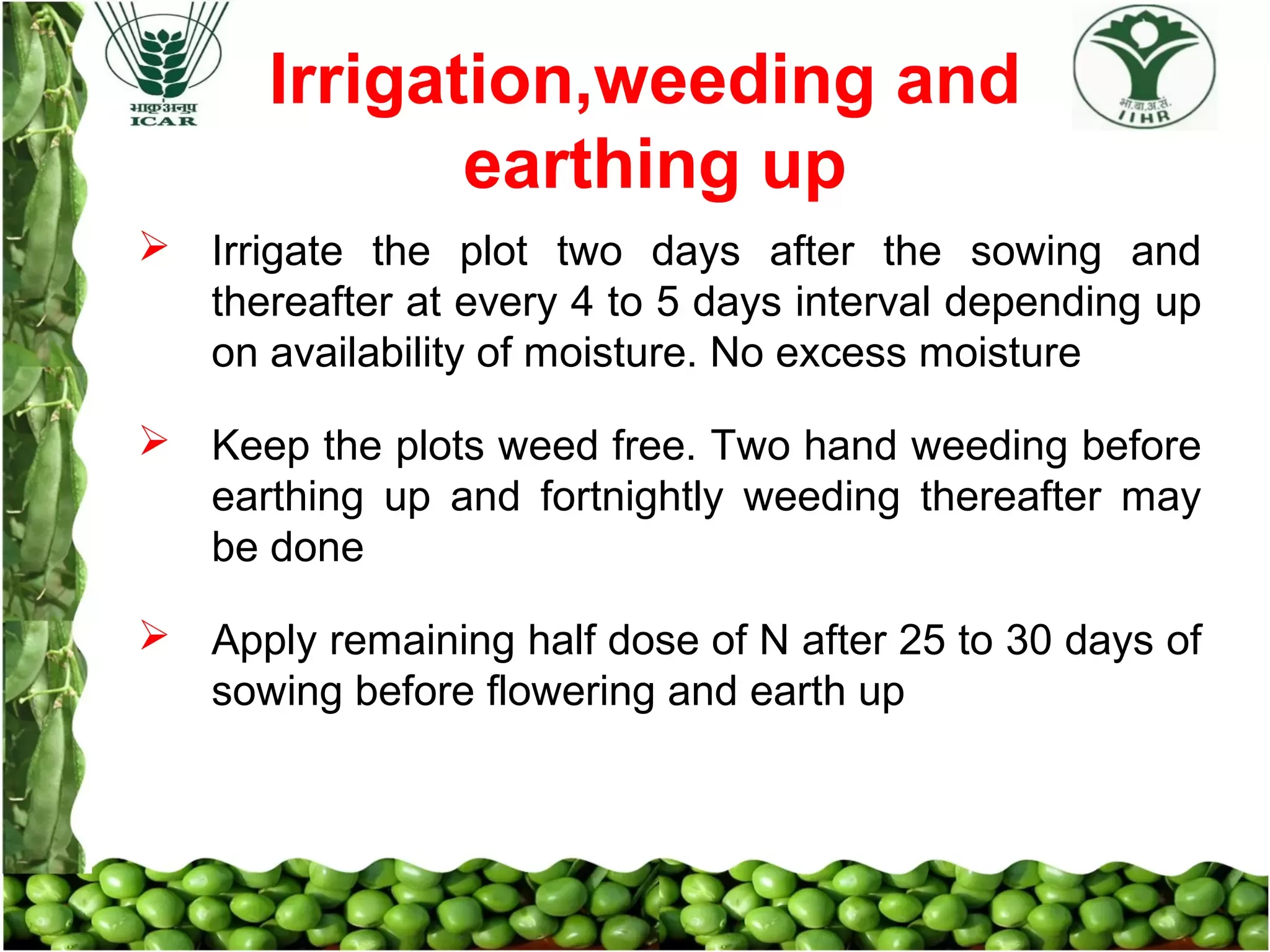
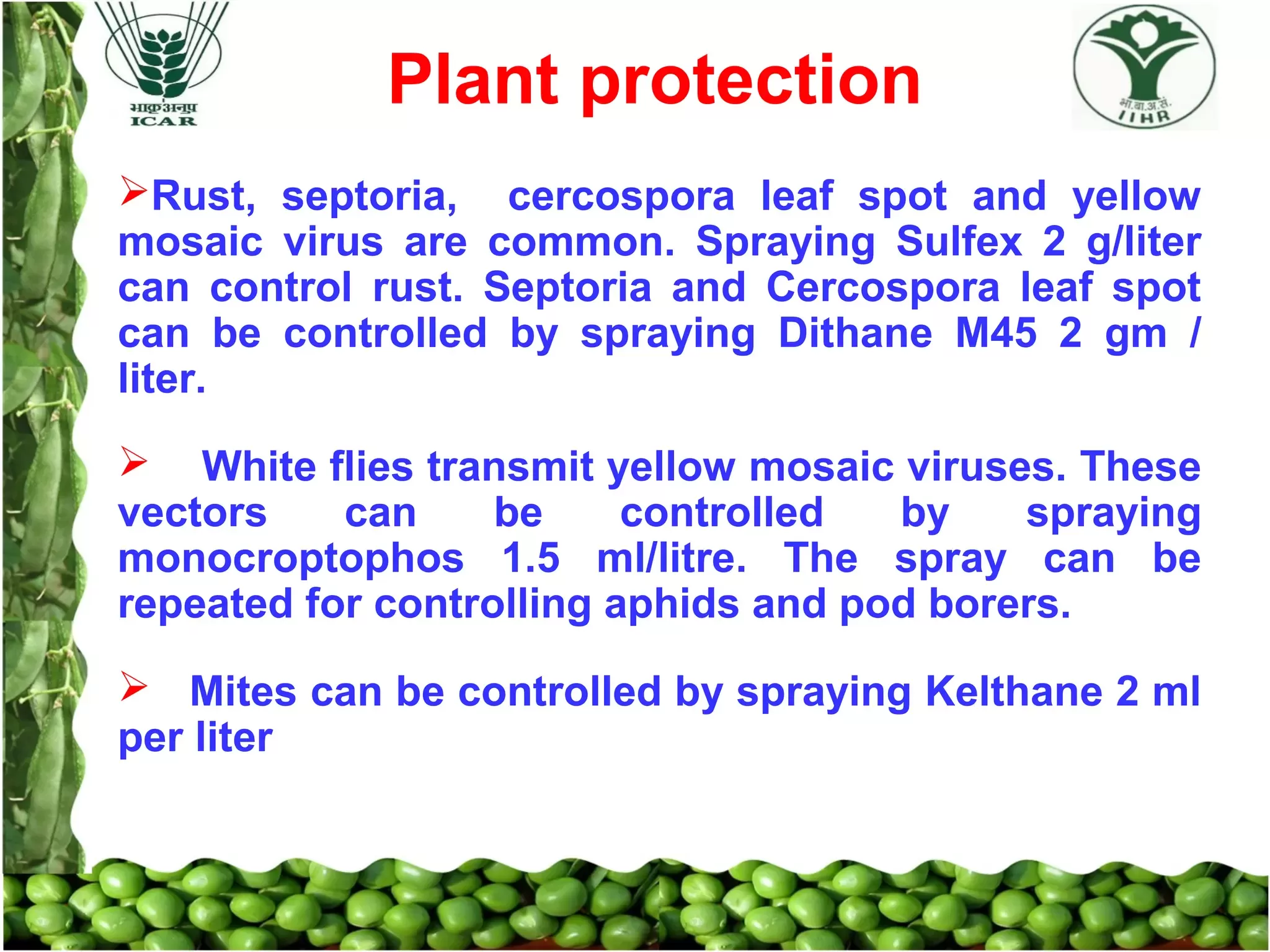
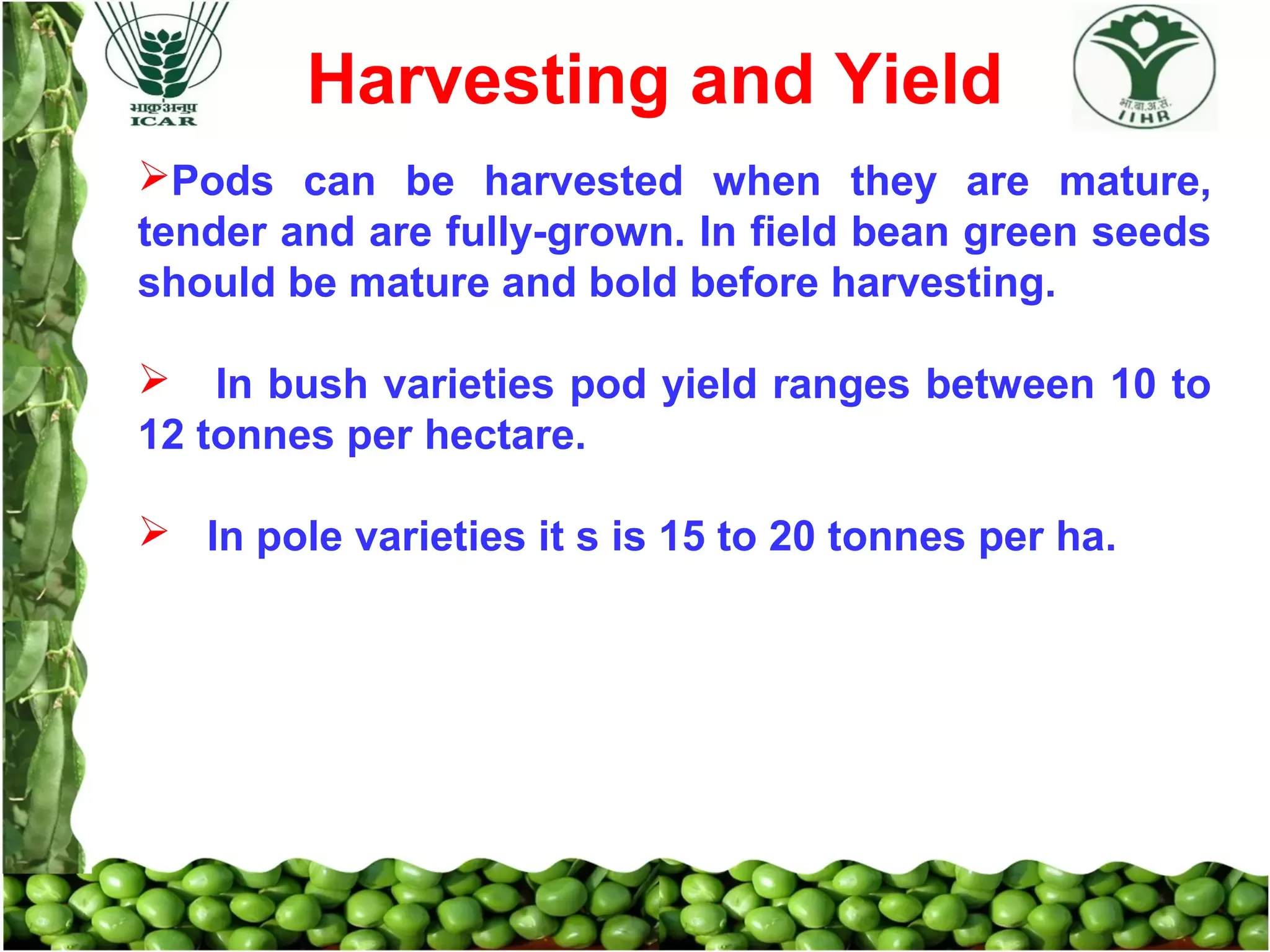
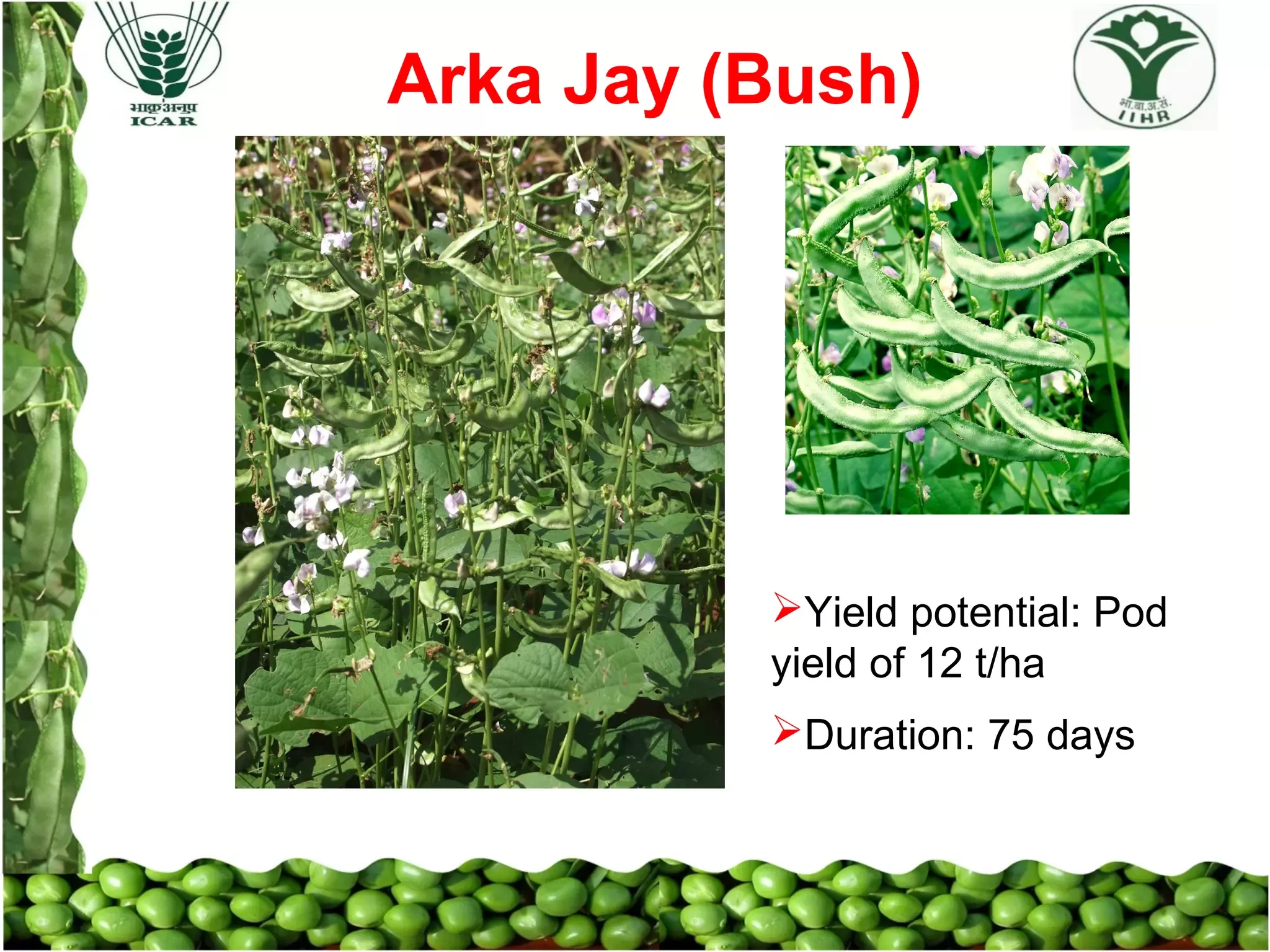
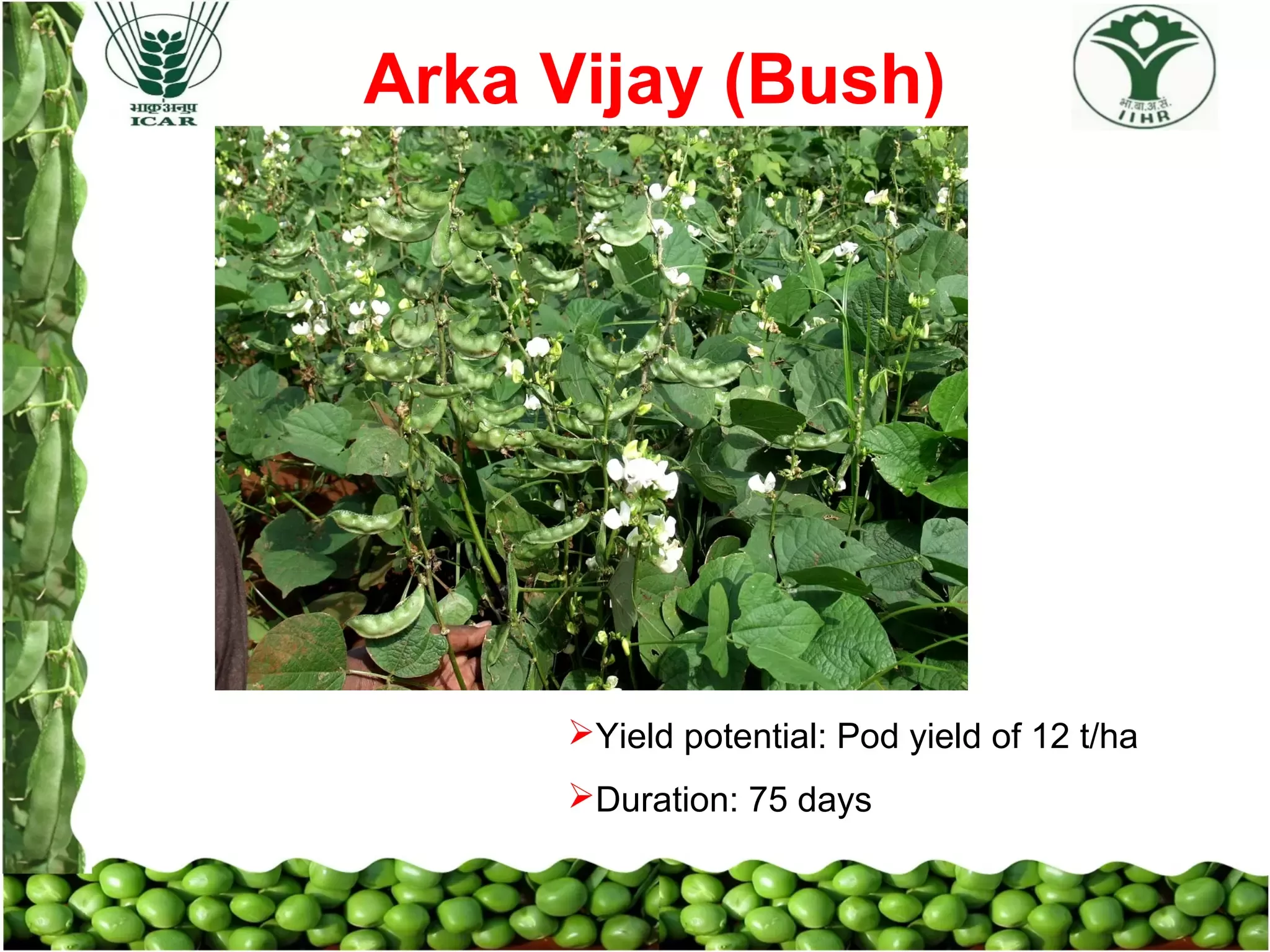
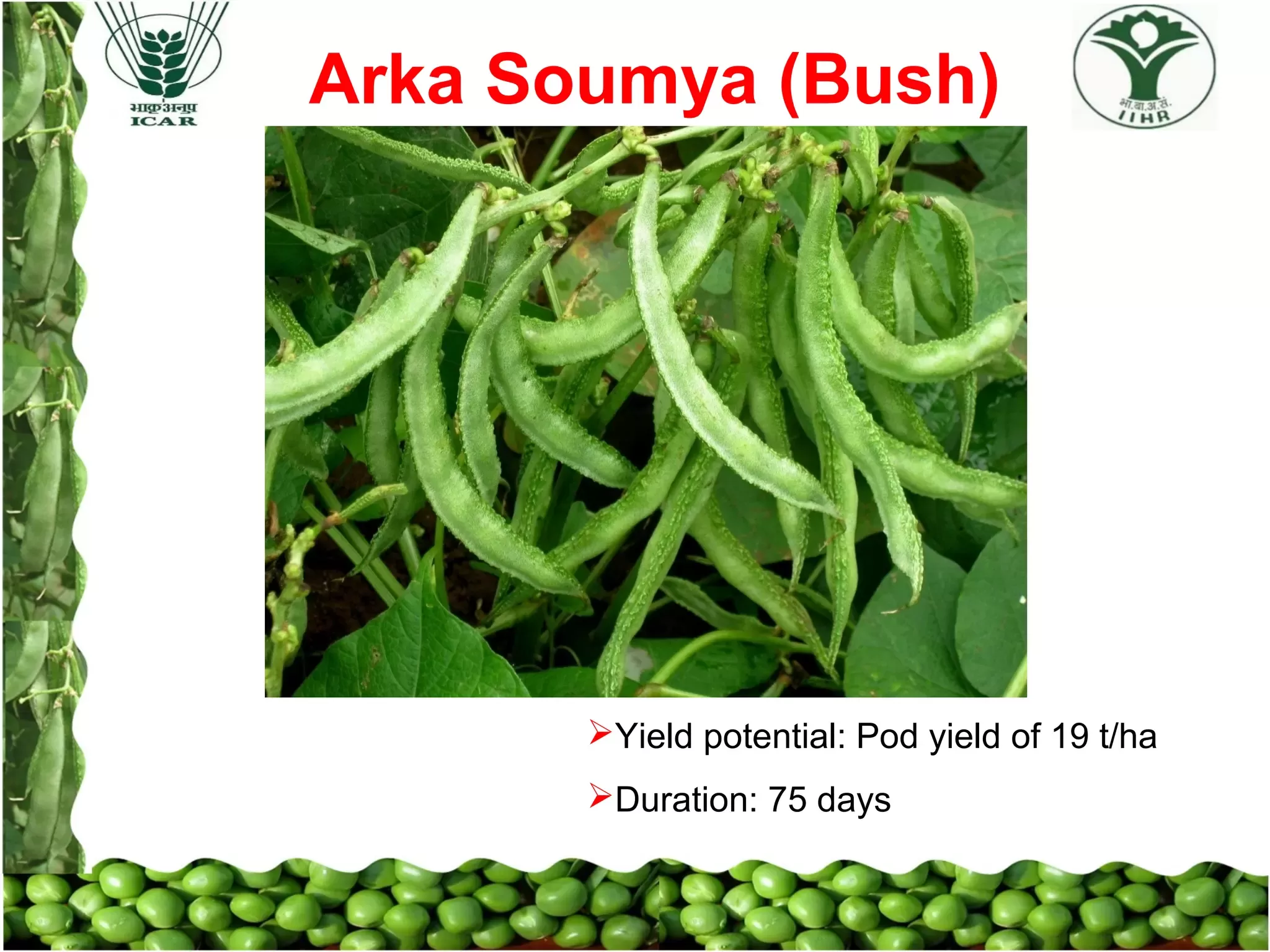
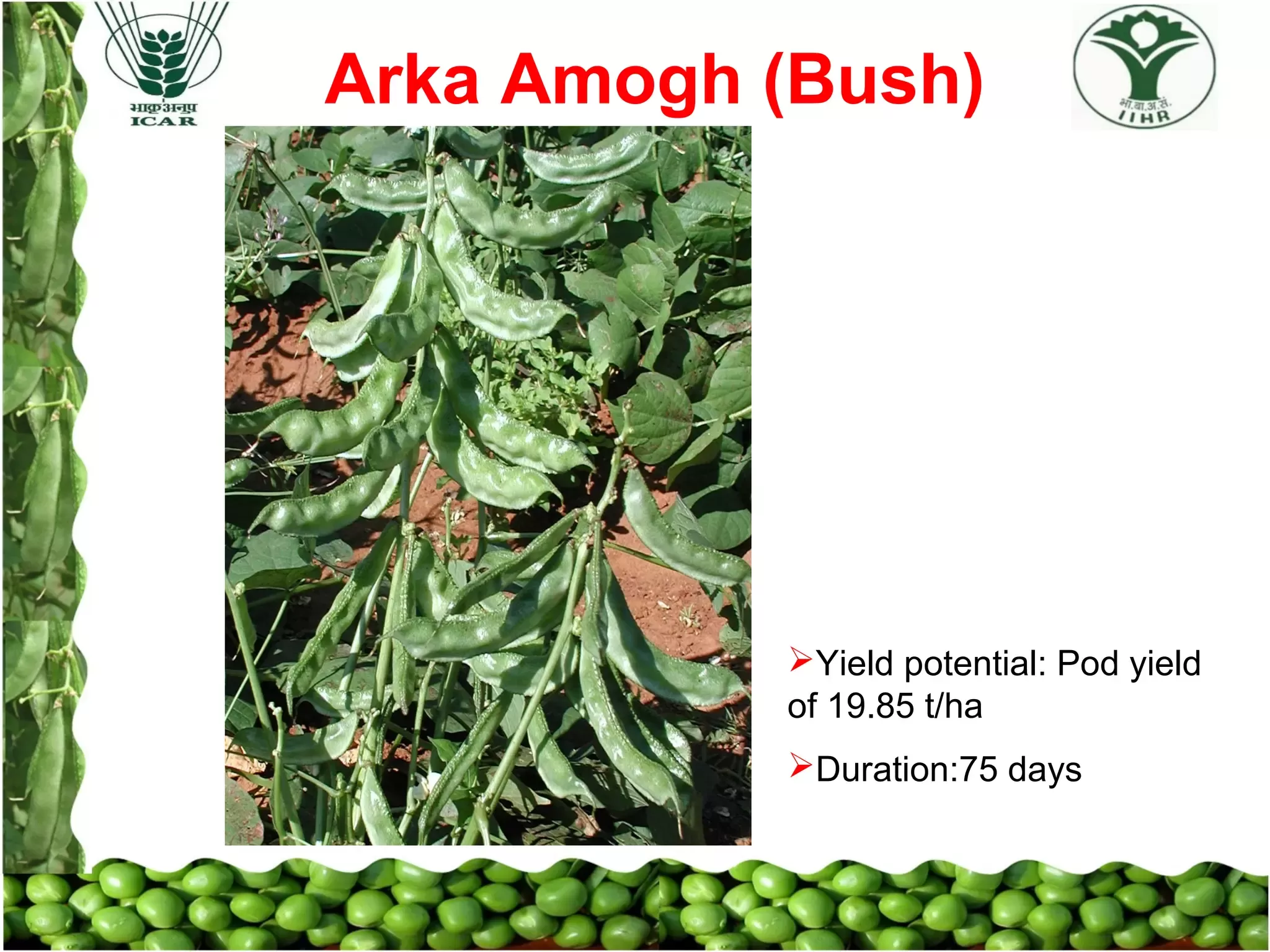
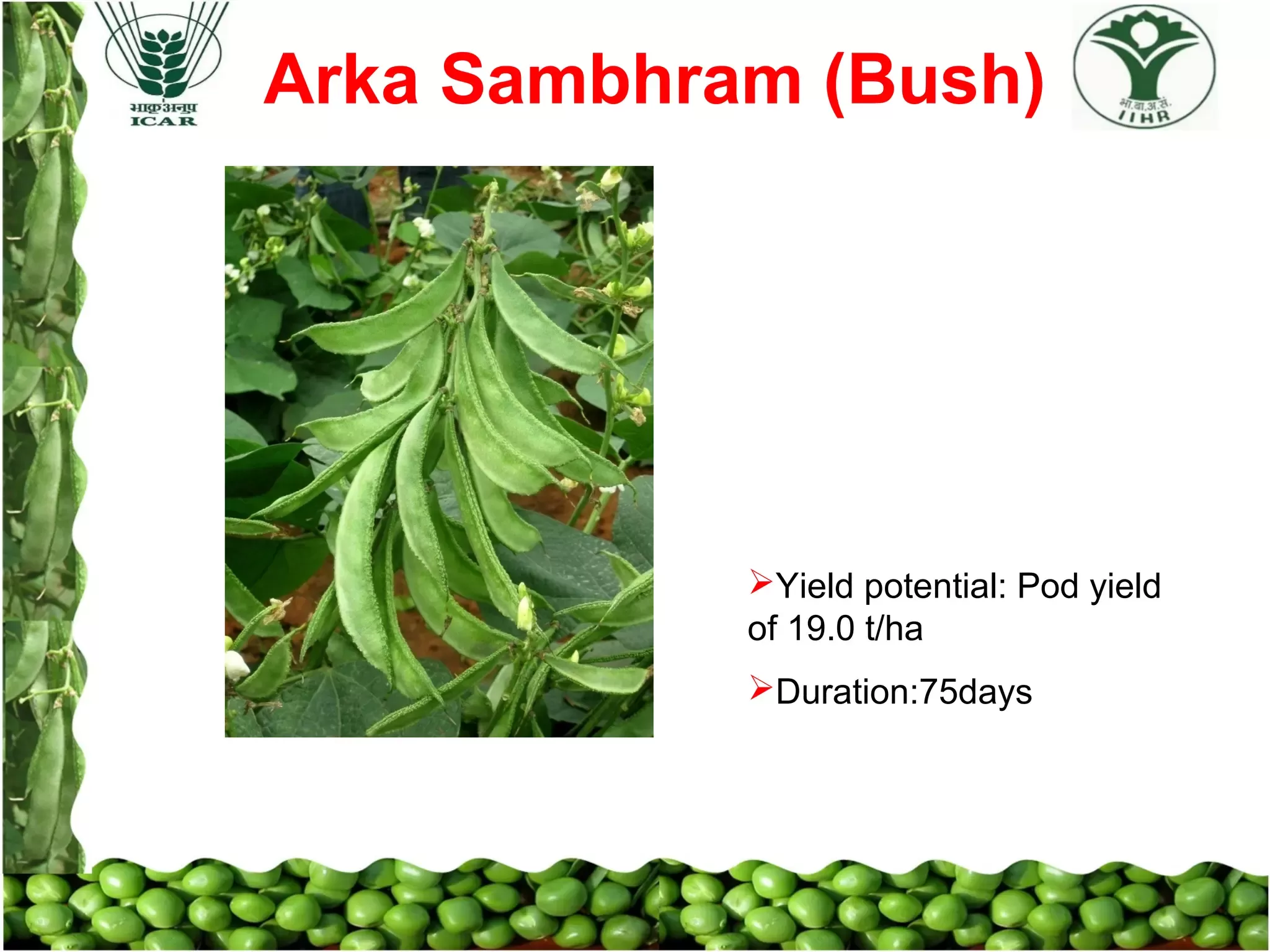
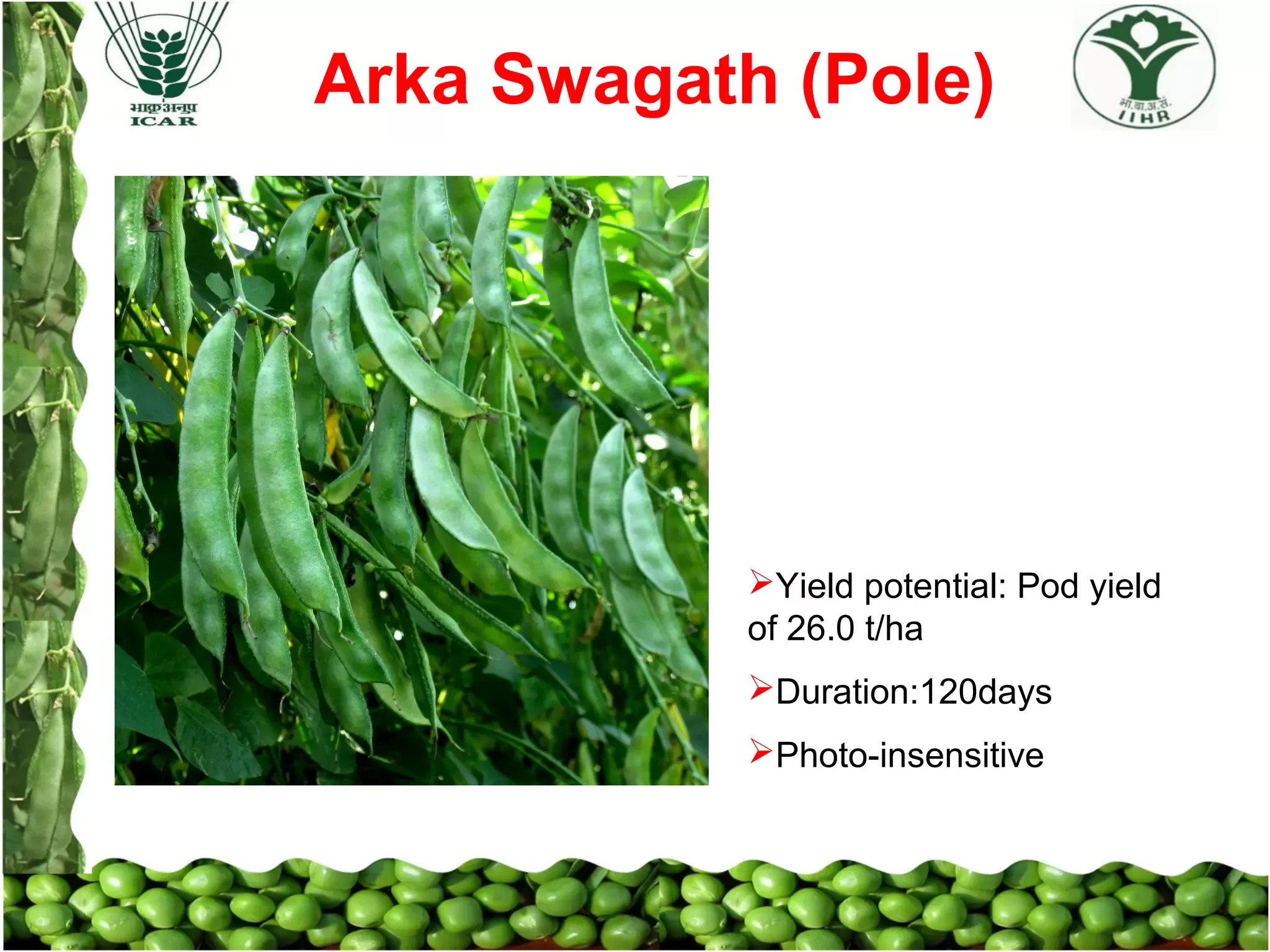
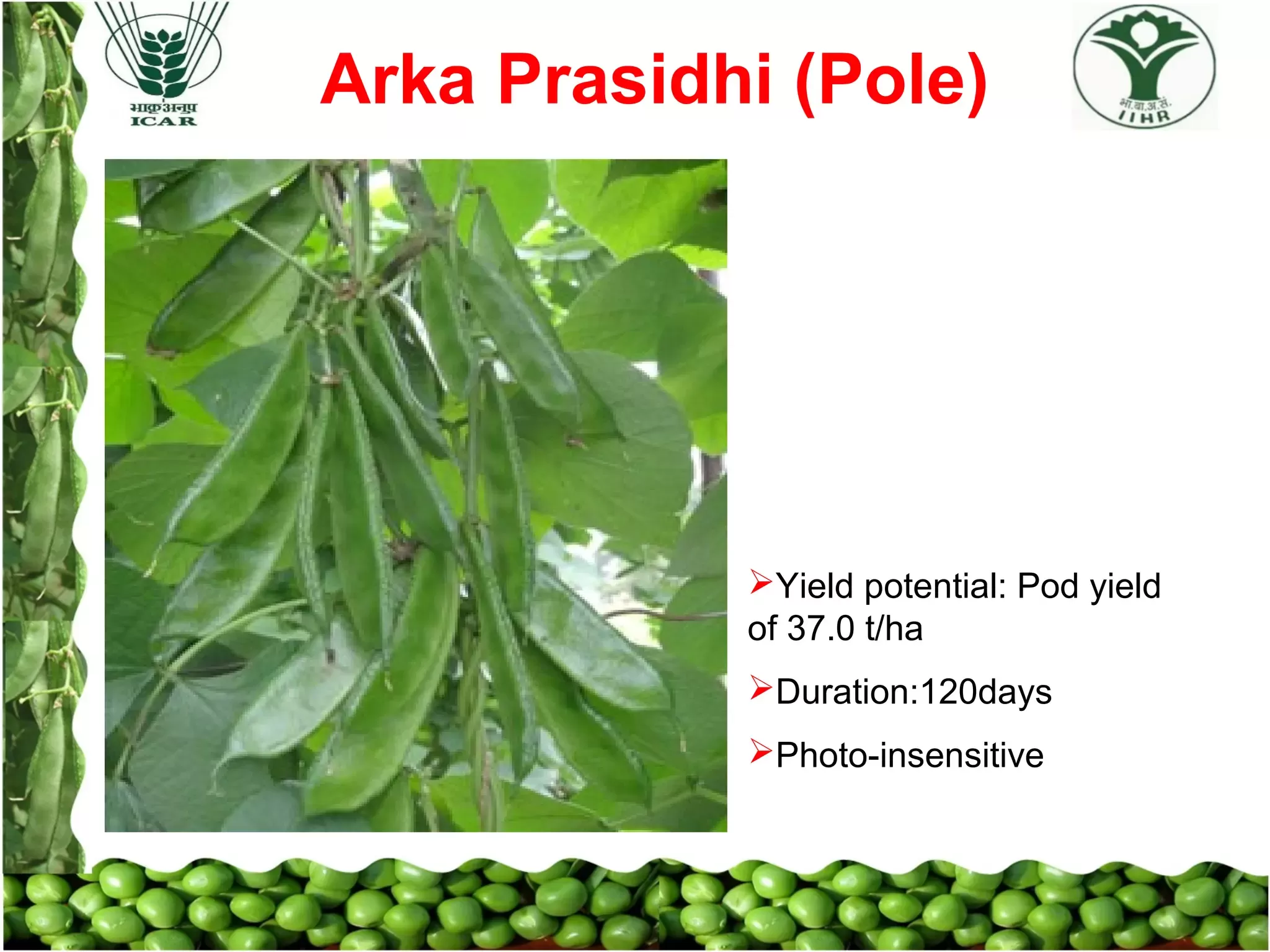
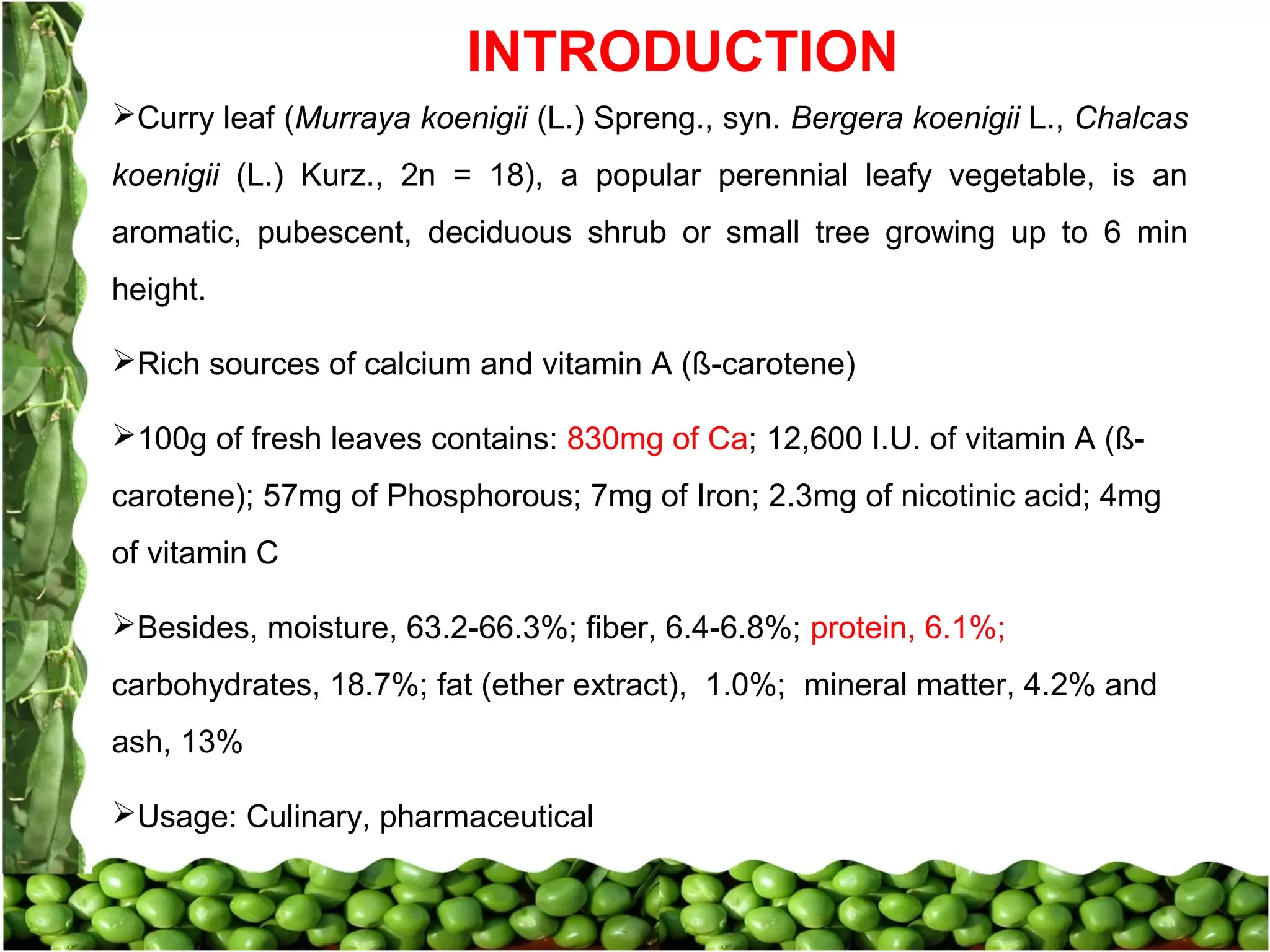
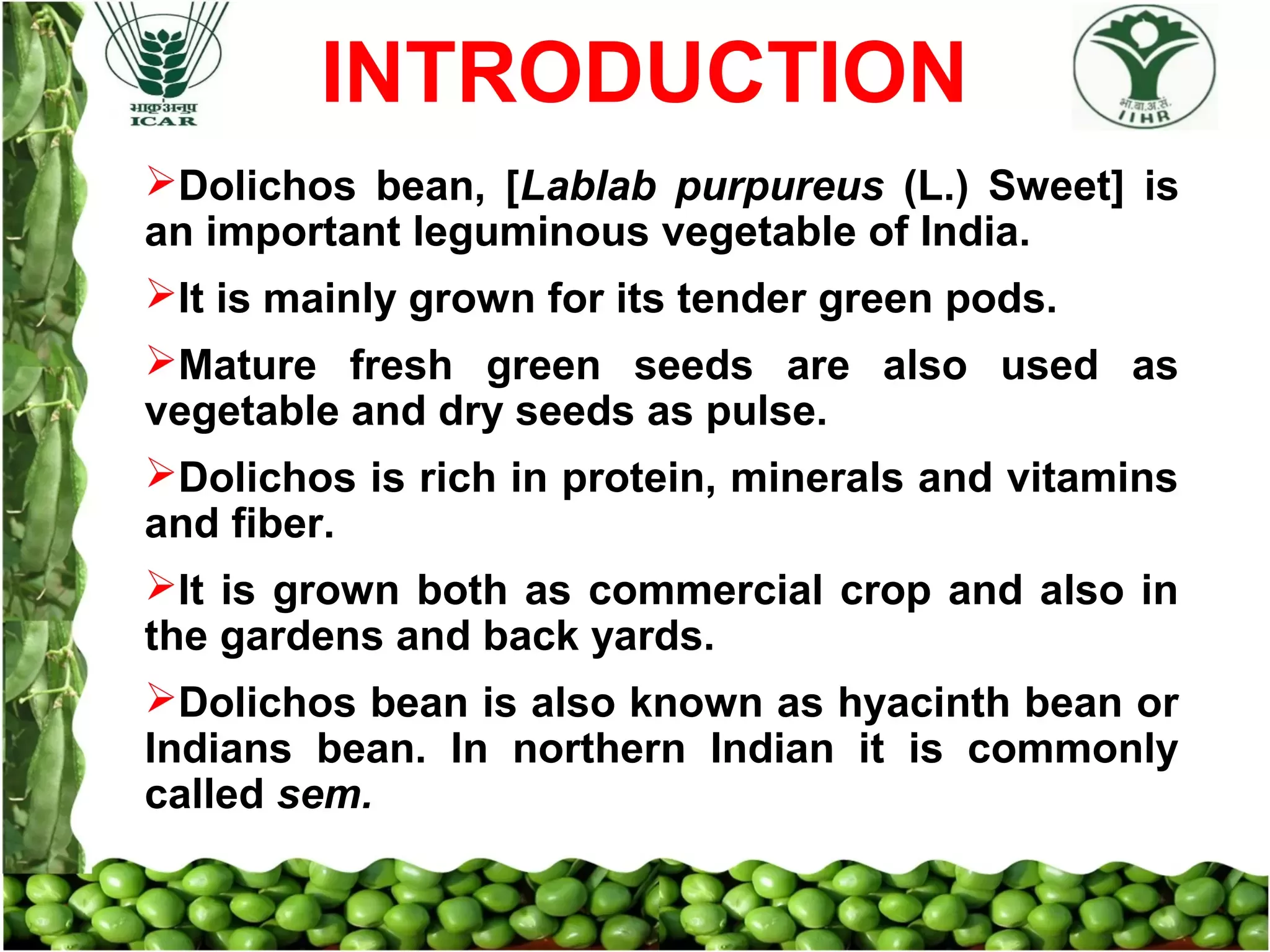
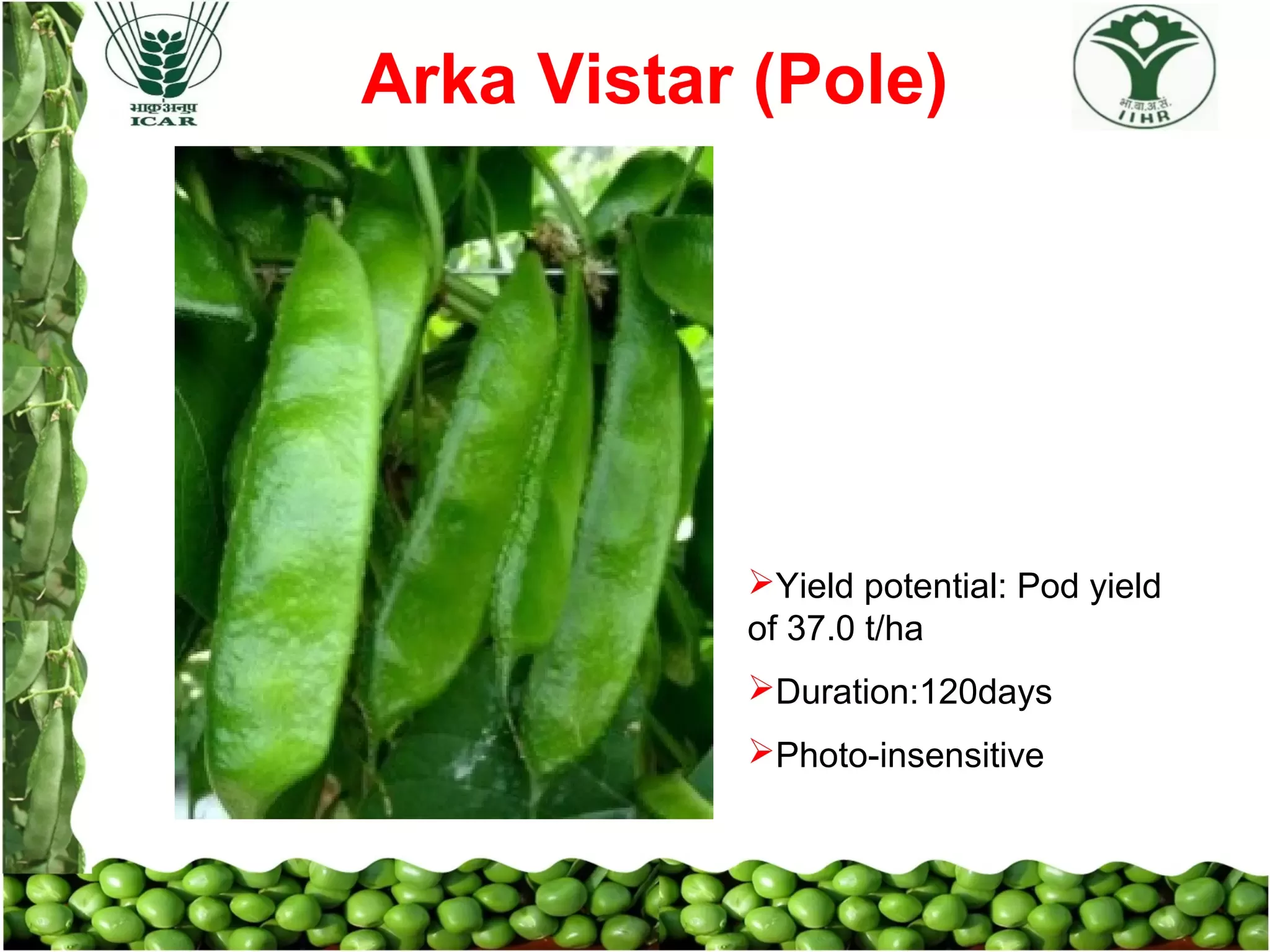
Dolichos bean, scientifically known as Lablab purpureus, is a versatile and nutritious leguminous vegetable widely cultivated in India. Renowned for its tender green pods, the Dolichos bean can also be consumed in its mature seed form and is valued for its rich content of protein, vitamins, minerals, and dietary fiber. This plant thrives in various cultivation settings ranging from commercial farms to home gardens and is referred to by several names, including hyacinth bean and sem in Northern India. The cultivation of Dolichos bean extends across several Indian states, particularly in Maharashtra, Tamil Nadu, Andhra Pradesh, Uttar Pradesh, and regions in Northeast India. Its popularity is not limited to India; it is also grown in various South Asian countries and parts of Africa. There are two primary varieties of Dolichos bean: the pole type (Lablab purpureus var. typicus), which has consumable pod walls, and the bush type (Lablab purpureus var. lignosus), known as field bean, where only the mature seeds are edible. Dolichos bean is predominantly a cool-season crop. The bush varieties, which are not sensitive to day length, can grow in all three seasons, while pole types are typically sown during June and July, with a fruiting period extending from November to February. The plant prefers well-drained, humus-rich sandy loam soil but can adapt to various soil types provided they have appropriate drainage. The scientific community has developed multiple high-yielding varieties for optimal cultivation. Notable examples of bush types include Arka Jay and Arka Vijay, both developed by the Indian Institute of Horticultural Research (IIHR). These varieties exhibit traits such as distinct leaf colors, flowering patterns, and pod yields ranging from 12 to 19 tons per hectare within a growing period of about 75 days. On the other hand, various pole types, including Arka Swagath and Arka Prasidhi, promise even higher yields, achieving up to 37 tons per hectare over approximately 120 days. Successful Dolichos bean cultivation requires careful land preparation, which includes amending the soil with organic and inorganic fertilizers and ensuring the right seed treatments to prevent diseases. The ideal conditions for sowing involve a warm, moist soil environment. Regular irrigation is necessary, particularly after sowing, to maintain sufficient moisture levels, alongside effective weeding practices. Plant protection is crucial due to common threats from diseases like rust, septoria, and infections transmitted by pests such as whiteflies. Appropriate fungicides and insecticides are recommended to mitigate these risks, ensuring a healthy yield of Dolichos beans. The harvesting phase occurs when pods are mature, and yields can vary significantly, with bush varieties averaging around 10-12 tons per hectare and pole varieties reaching up to 20 tons per hectare. The nutritional profile of Dolichos bean reinforces its culinary value, making it a highly sought-after crop in both domestic and commercial agricultural practices. In addition to Dolichos beans, curry leaves from the Murraya koenigii plant offer another avenue of agricultural interest, praised for their significant health benefits including high calcium and vitamin A content. The combination of these two crops illustrates the diversity and richness of leguminous vegetables in Indian agriculture, contributing to both nutritional needs and economic resilience in farming communities.
Slide 1

Slide 1

Slide 2

Slide 2

Slide 3

Slide 3

Slide 4

Slide 4

Slide 5

Slide 5

Slide 6

Slide 6

Slide 7

Slide 7

Slide 8

Slide 8

Slide 9

Slide 9

Slide 10

Slide 10

Slide 11

Slide 11

Slide 12

Slide 12

Slide 13

Slide 13

Slide 14

Slide 14

Slide 15

Slide 15

Slide 16

Slide 16

Slide 17

Slide 17

Slide 18

Slide 18

Slide 19

Slide 19

Slide 20

Slide 20

Slide 21

Slide 21

Slide 22

Slide 22

Slide 23

Slide 23

Slide 24

Slide 24

Slide 25

Slide 25

Slide 26

Slide 26
1 / 26