Home Quiz Old Paper PPT

Ppt on principles of seed production

Description

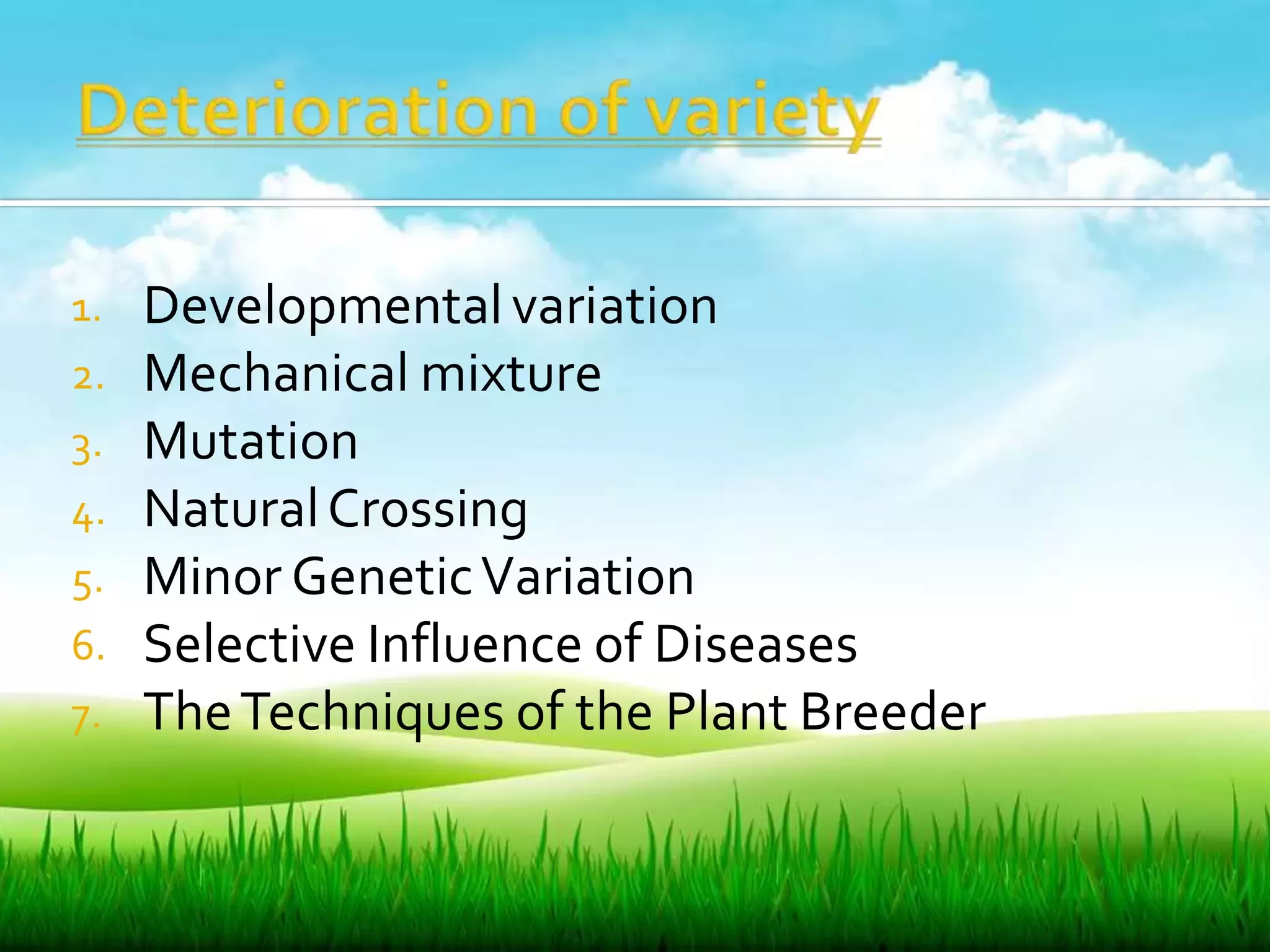
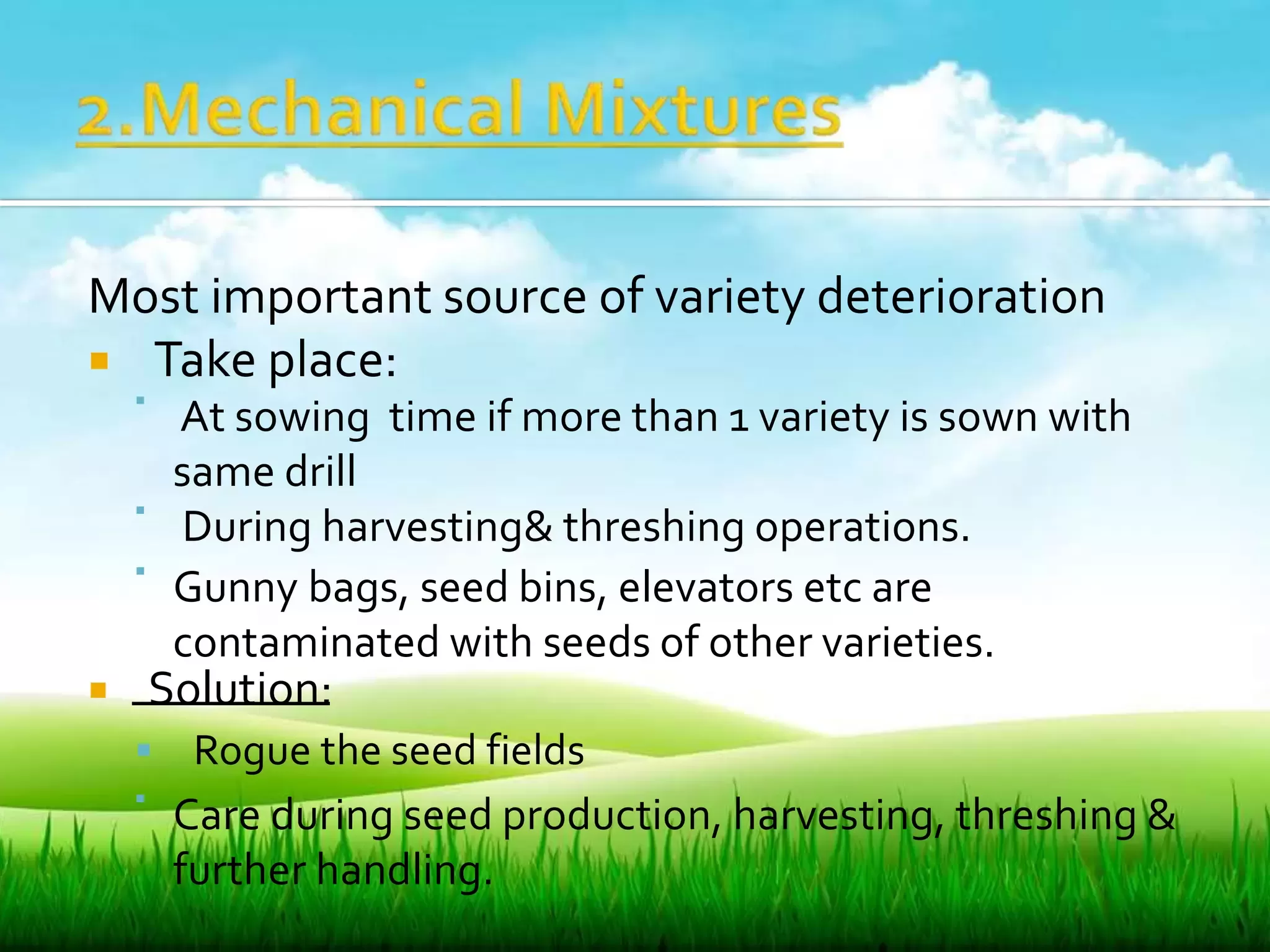
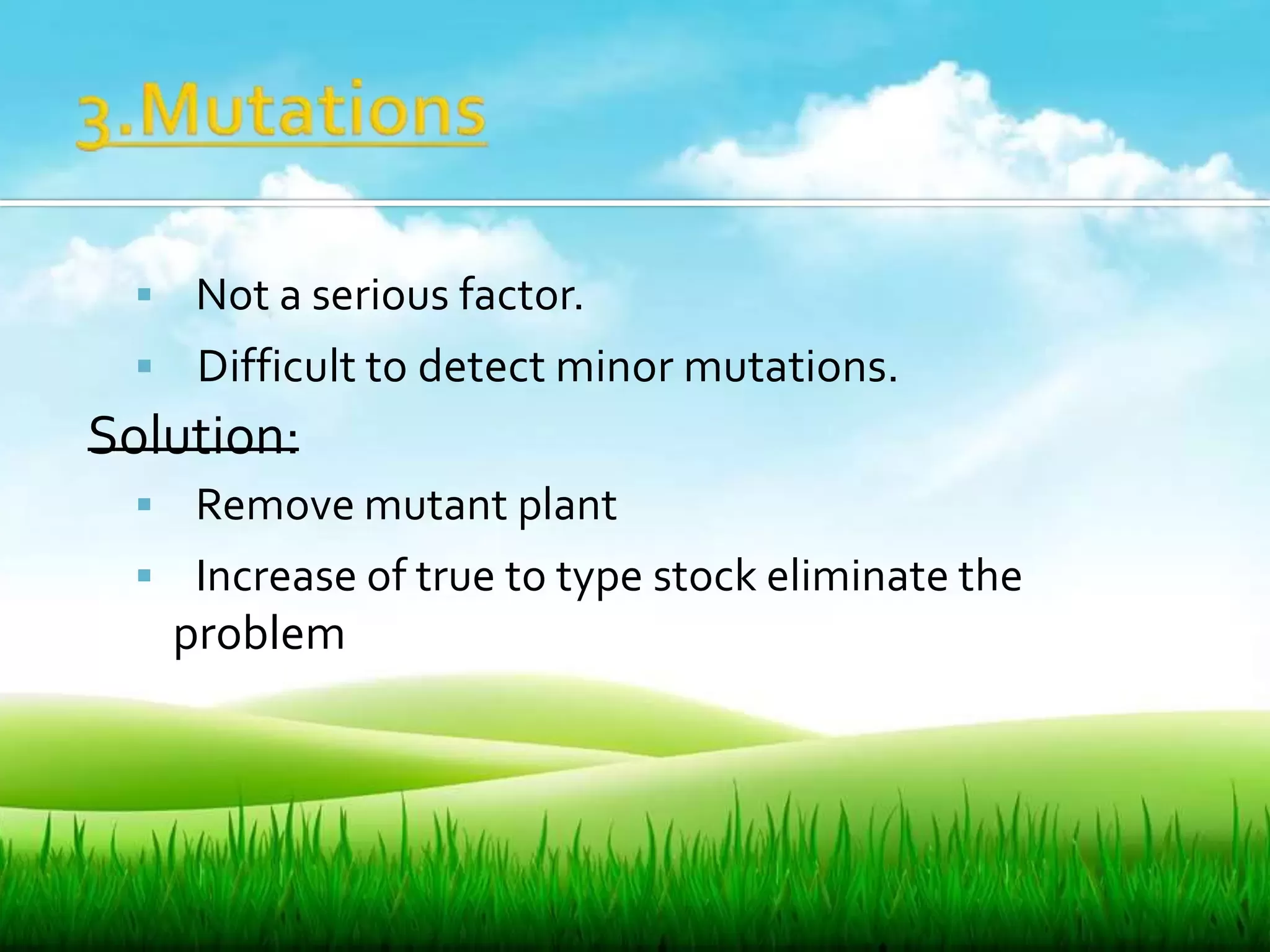
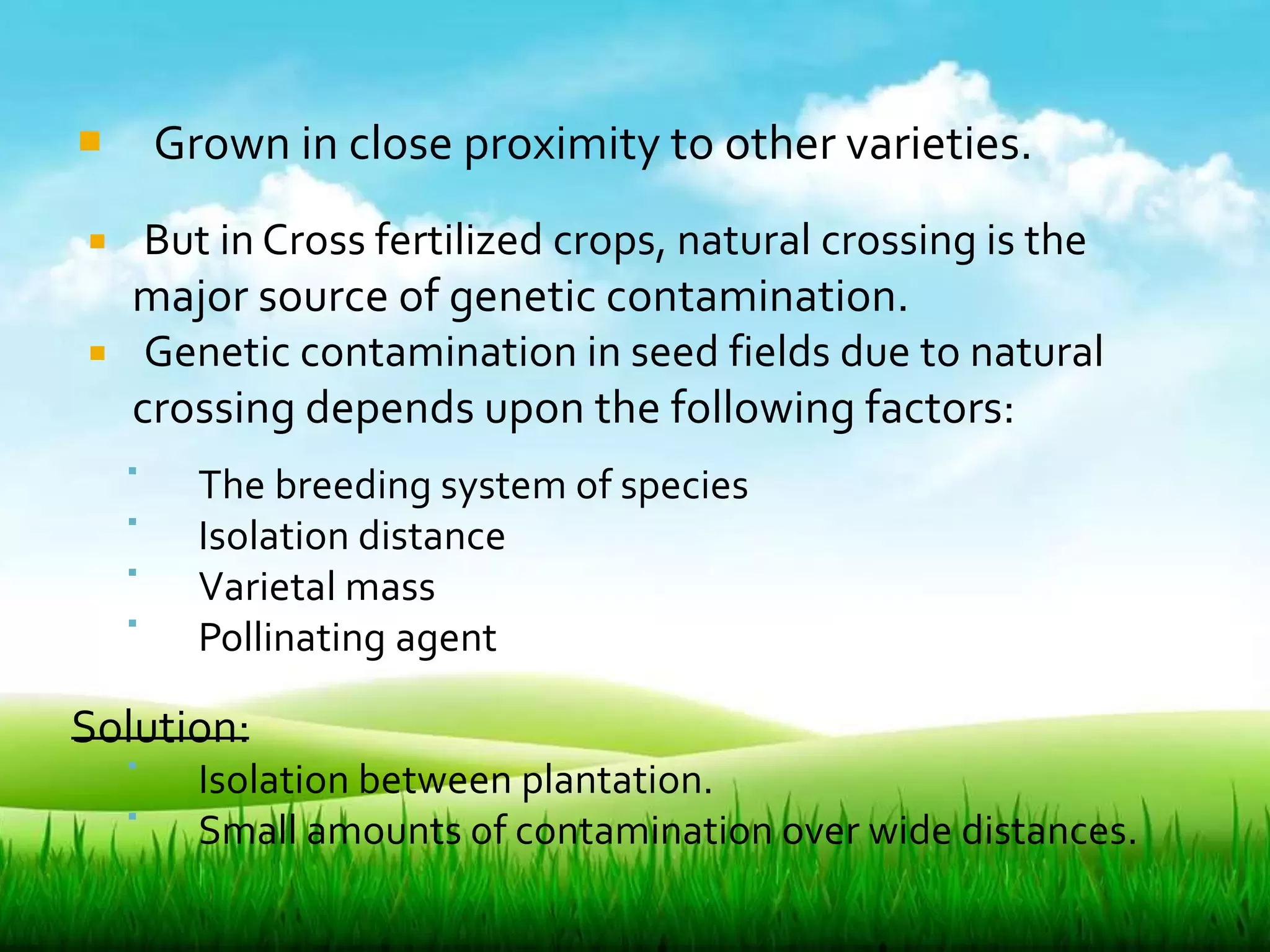
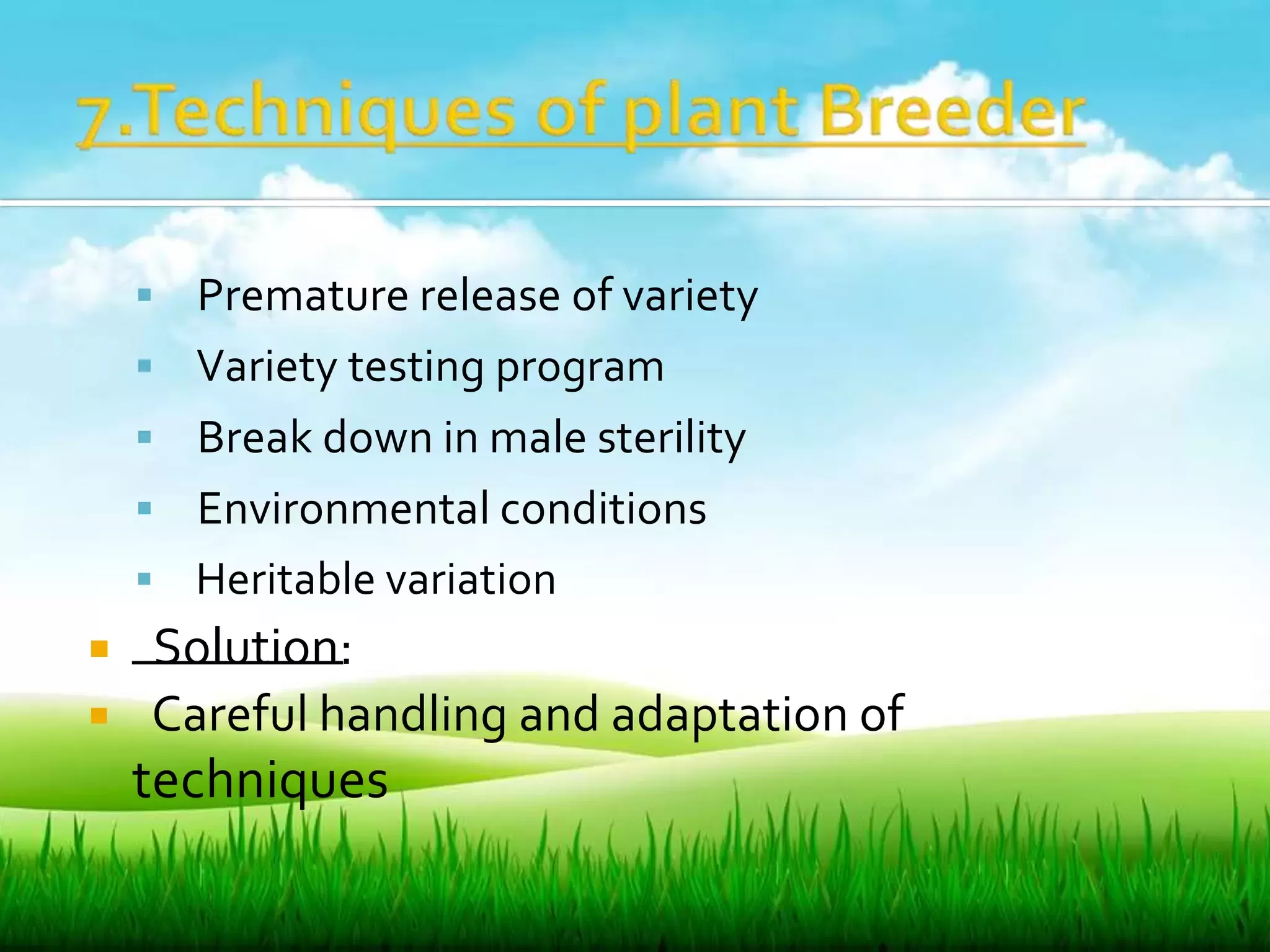
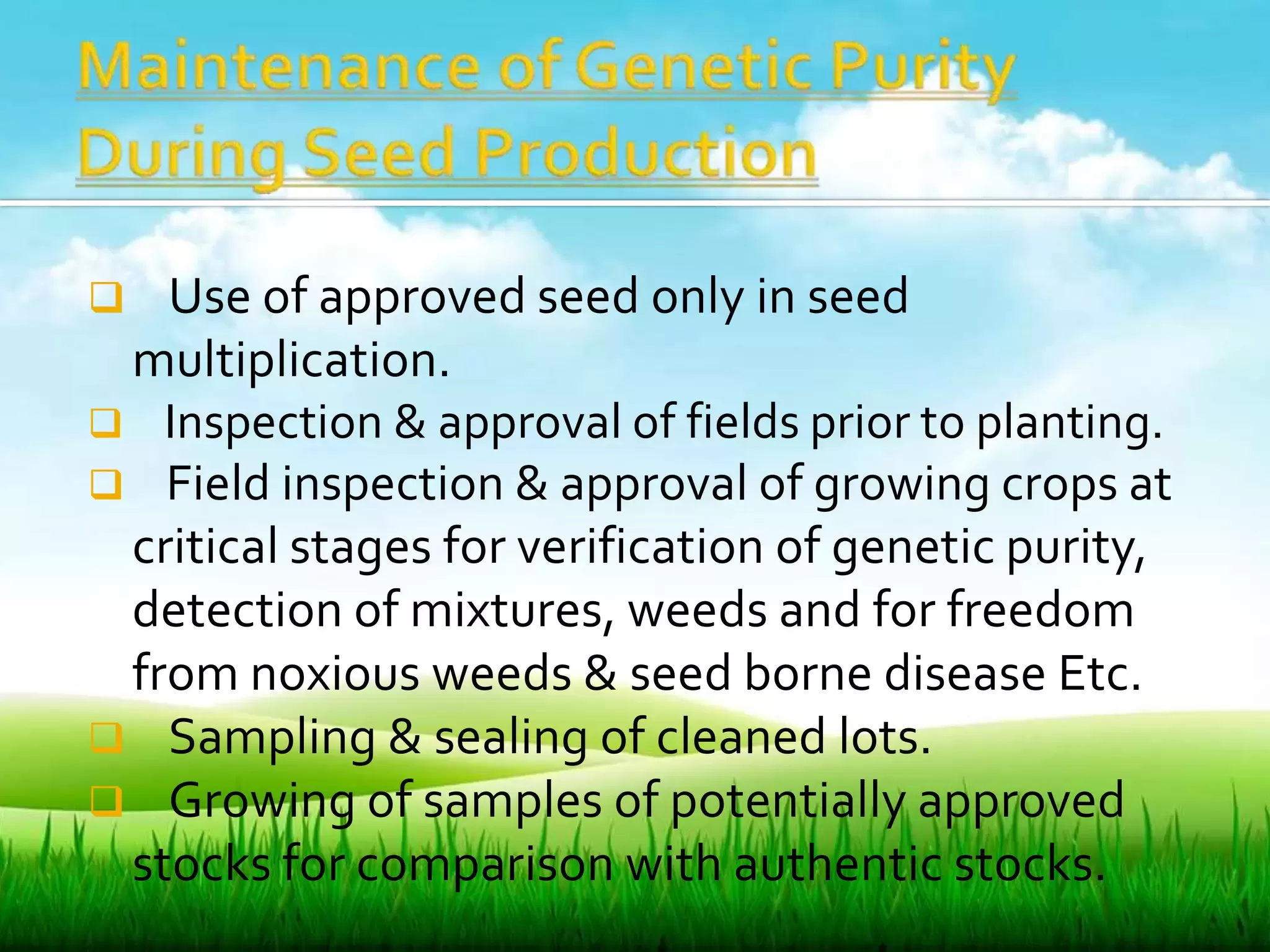
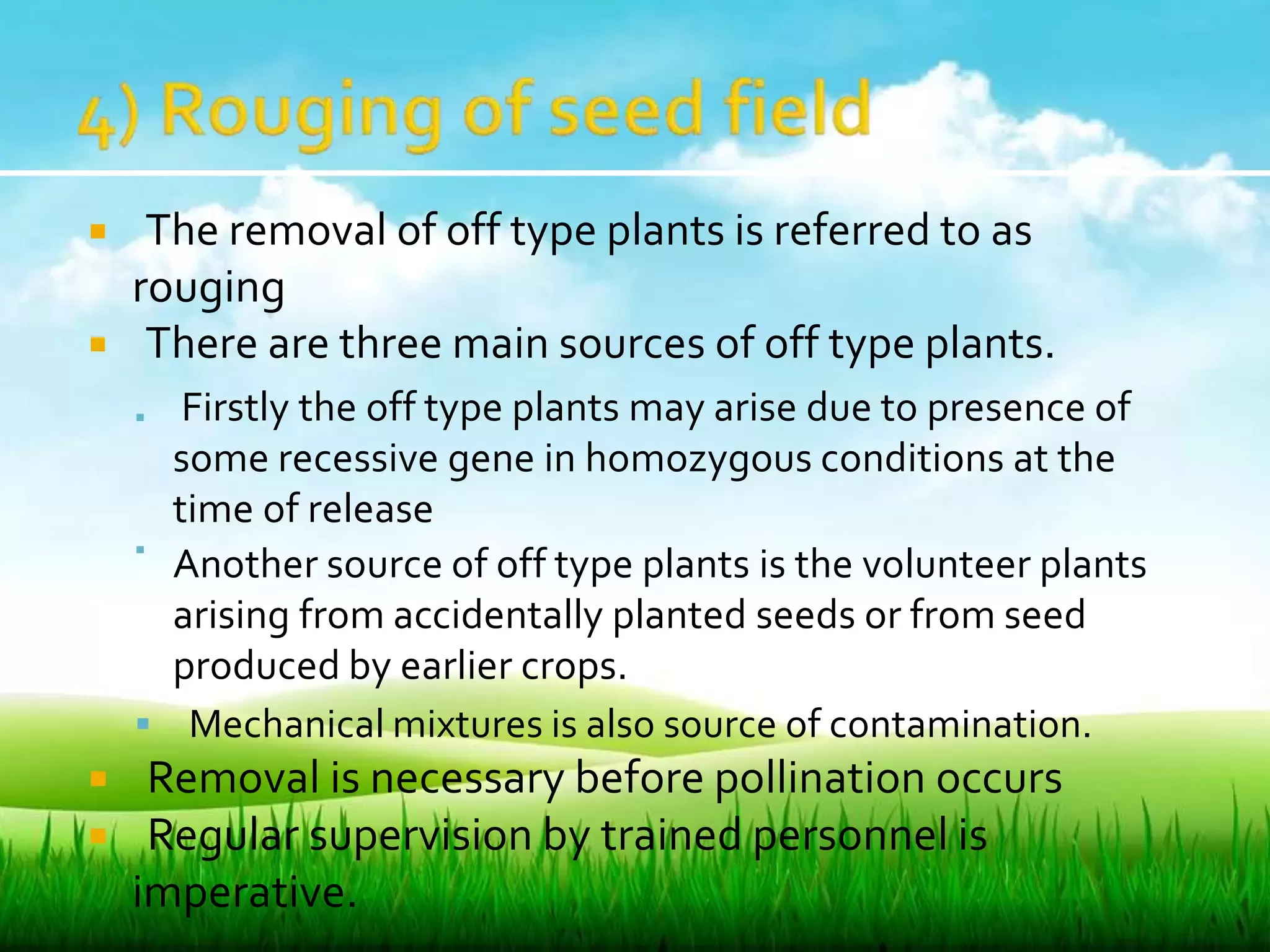
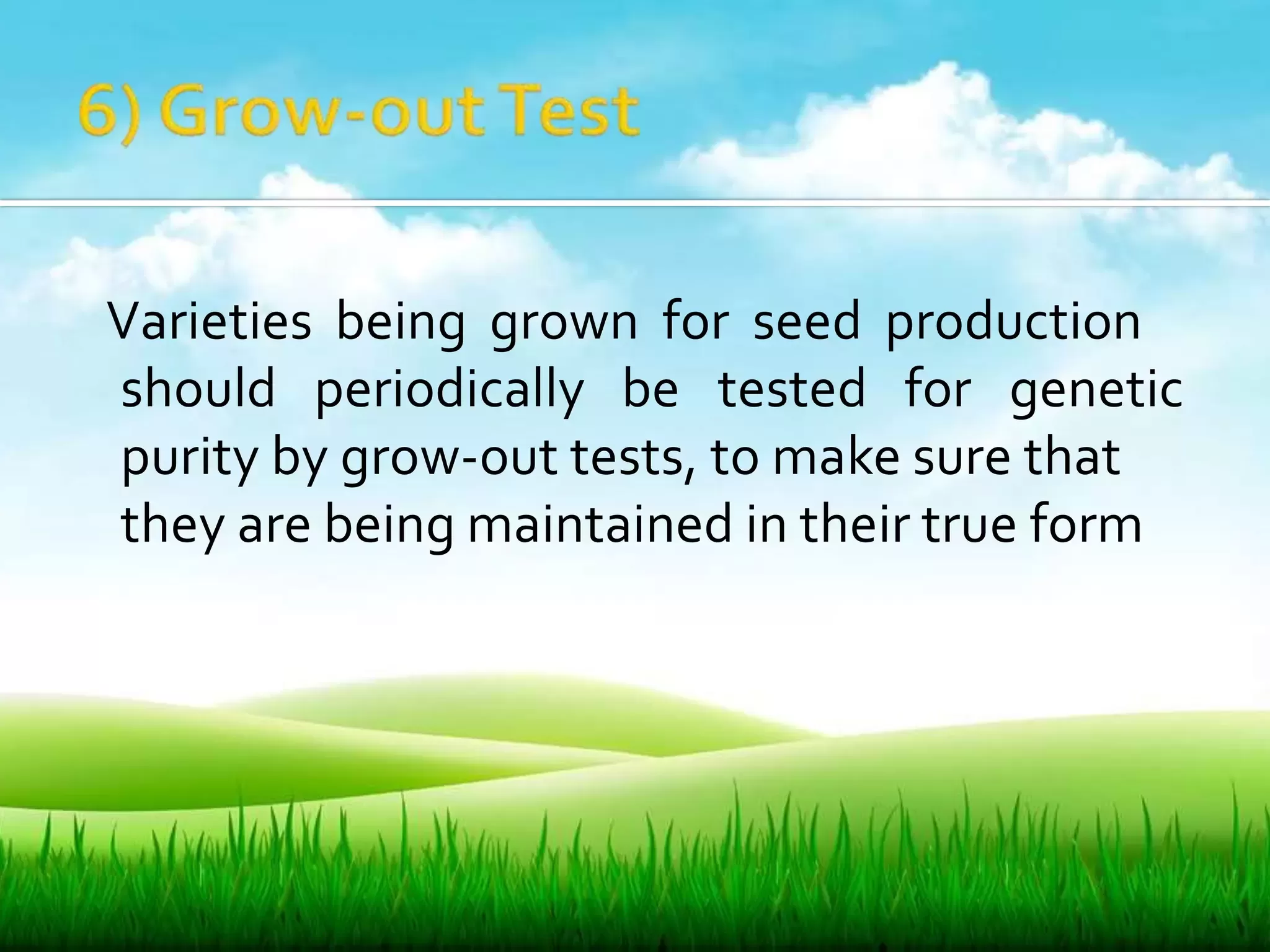
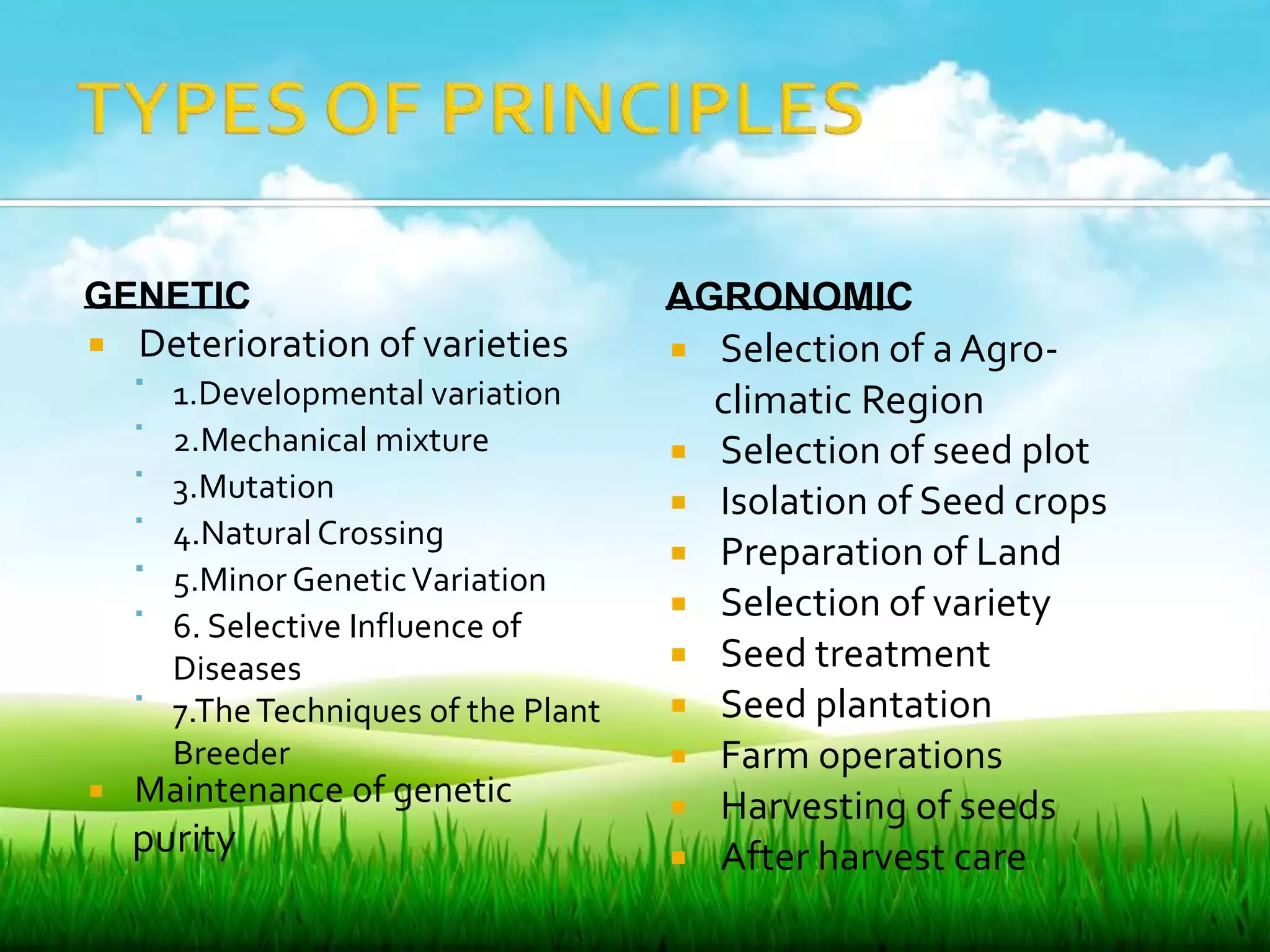
The preservation of genetic purity and the careful management of seed varieties are essential aspects of agricultural production. Genetic deterioration can occur through various mechanisms, impacting the quality and characteristics of crops over time. This deterioration can be attributed to factors such as developmental variation, mechanical mixing during harvesting, mutations, natural crossing, minor genetic variations, the effects of diseases, and the practices employed by plant breeders. Maintaining the integrity of seed varieties is crucial, particularly in environments where multiple factors may affect plant development. One of the primary challenges in preserving seed genetics is the mechanical mixing of varieties, which can occur during planting and harvesting. The inadvertent blending of different varieties leads to contamination, which can severely compromise genetic purity. Even subtle mutations can introduce unexpected variations that may be detrimental to a crop’s qualities. Therefore, diligent practices such as rogueing—removing undesirable plants—are essential in seed production to mitigate these risks. Natural crossing is another significant risk factor, especially in cross-pollinated crops. Hybridization with off-type or diseased plants can lead to the unintended introduction of less desirable traits. While this is less of a concern in self-fertilizing crops, the implications can still be considerable. Strategies to prevent contamination include ensuring sufficient physical separation between different crops, thus minimizing the potential for cross-breeding. In an effort to address the deterioration of varieties stemming from environmental factors, crops should be cultivated in areas best suited to their adaptive traits and optimal growing conditions. Adaptation to specific climatic zones, soil types, and agricultural practices plays a critical role in maintaining genetic integrity. Intensive cultivation and the introduction of new crop varieties can also make them vulnerable to emerging diseases—thus, it’s vital that seed production adheres to rigorous disease management practices. Agronomic practices further complement the genetic maintenance strategies. Selecting appropriate agro-climatic regions and well-prepared seed plots can significantly impact the overall seed production process. Key steps such as seed treatment, planting, and the subsequent operational stages on the farm are vital for producing high-quality seeds. The timely and careful harvesting of seeds, as well as post-harvest care, also play pivotal roles in ensuring the seeds are safeguarded against contamination and degradation. Seed certification acts as a safeguard for maintaining genetic purity, involving a systematic approach to ensure that seeds possess the desired traits. Seed classes such as Breeder’s, Foundation, Registered, and Certified Seed each serve specific roles in the seed production continuum, ensuring genetic identity and purity are upheld throughout the generations of seed. Regular testing and inspection by qualified personnel help monitor these standards and ensure compliance with agricultural norms. Ultimately, maintaining genetic purity in seed production is not just a matter of productivity; it is fundamental to sustaining food security and agricultural biodiversity. With careful planning and execution of genetic management and agronomic practices, farmers can uphold the quality and reliability of their crop varieties for generations to come.
Slide 1

Slide 1⬇ Slide

Slide 2

Slide 2⬇ Slide

Slide 3

Slide 3⬇ Slide

Slide 4

Slide 4⬇ Slide

Slide 5

Slide 5⬇ Slide

Slide 6

Slide 6⬇ Slide

Slide 7

Slide 7⬇ Slide

Slide 8

Slide 8⬇ Slide

Slide 9

Slide 9⬇ Slide

Slide 10

Slide 10⬇ Slide

Slide 11

Slide 11⬇ Slide

Slide 12

Slide 12⬇ Slide

Slide 13

Slide 13⬇ Slide

Slide 14

Slide 14⬇ Slide

Slide 15

Slide 15⬇ Slide

Slide 16

Slide 16⬇ Slide

Slide 17

Slide 17⬇ Slide

Slide 18

Slide 18⬇ Slide

Slide 19

Slide 19⬇ Slide

Slide 20

Slide 20⬇ Slide

Slide 21

Slide 21⬇ Slide

Slide 22

Slide 22⬇ Slide

Slide 23

Slide 23⬇ Slide

Slide 24

Slide 24⬇ Slide
1 / 24

Ppt on Radish

Summary:

Discover the versatile and nutritious radish cultivation in Sri Lanka, from suitable climates to pest control strategies, offering economic advantages for local farmers.

Description

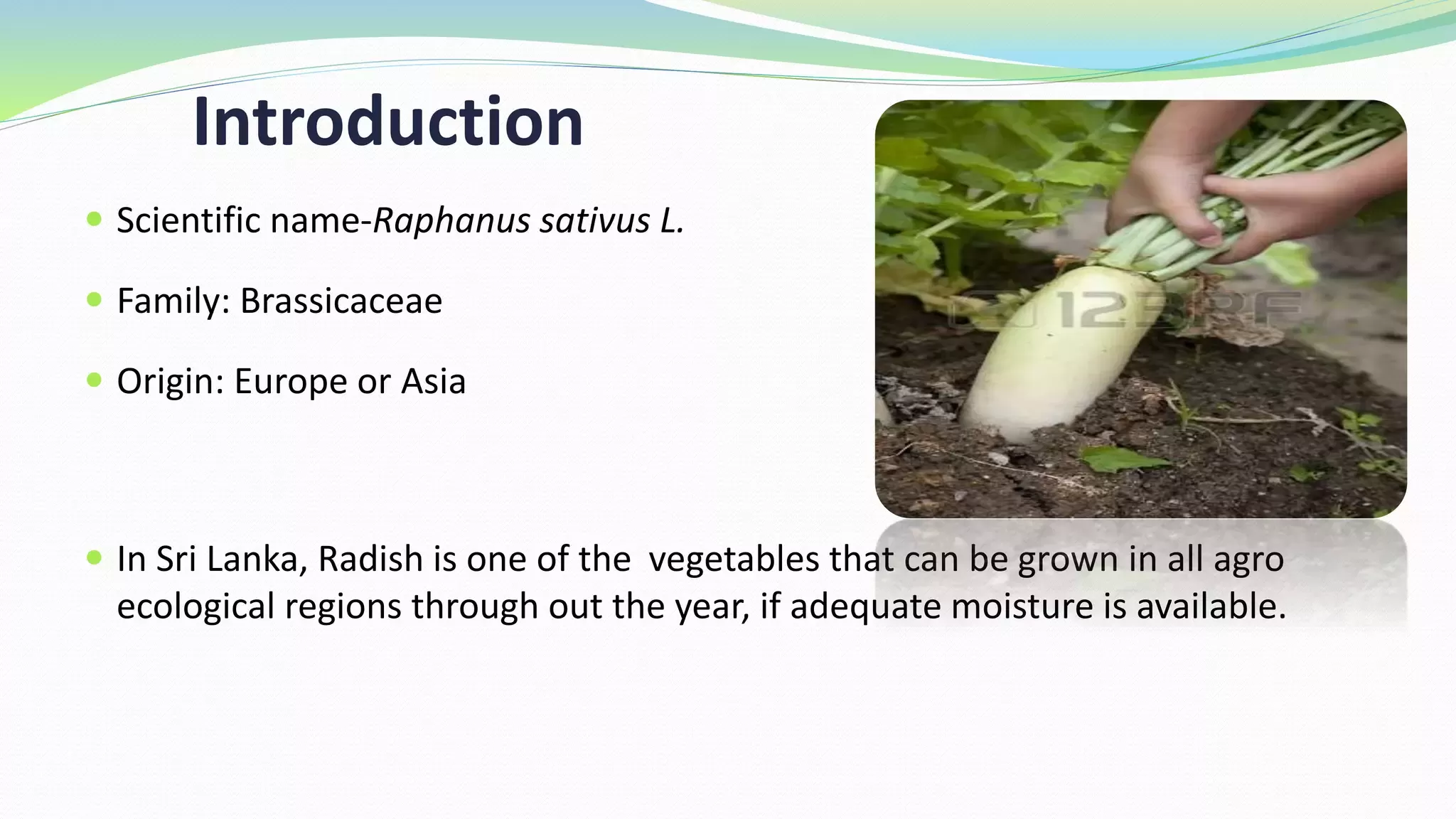
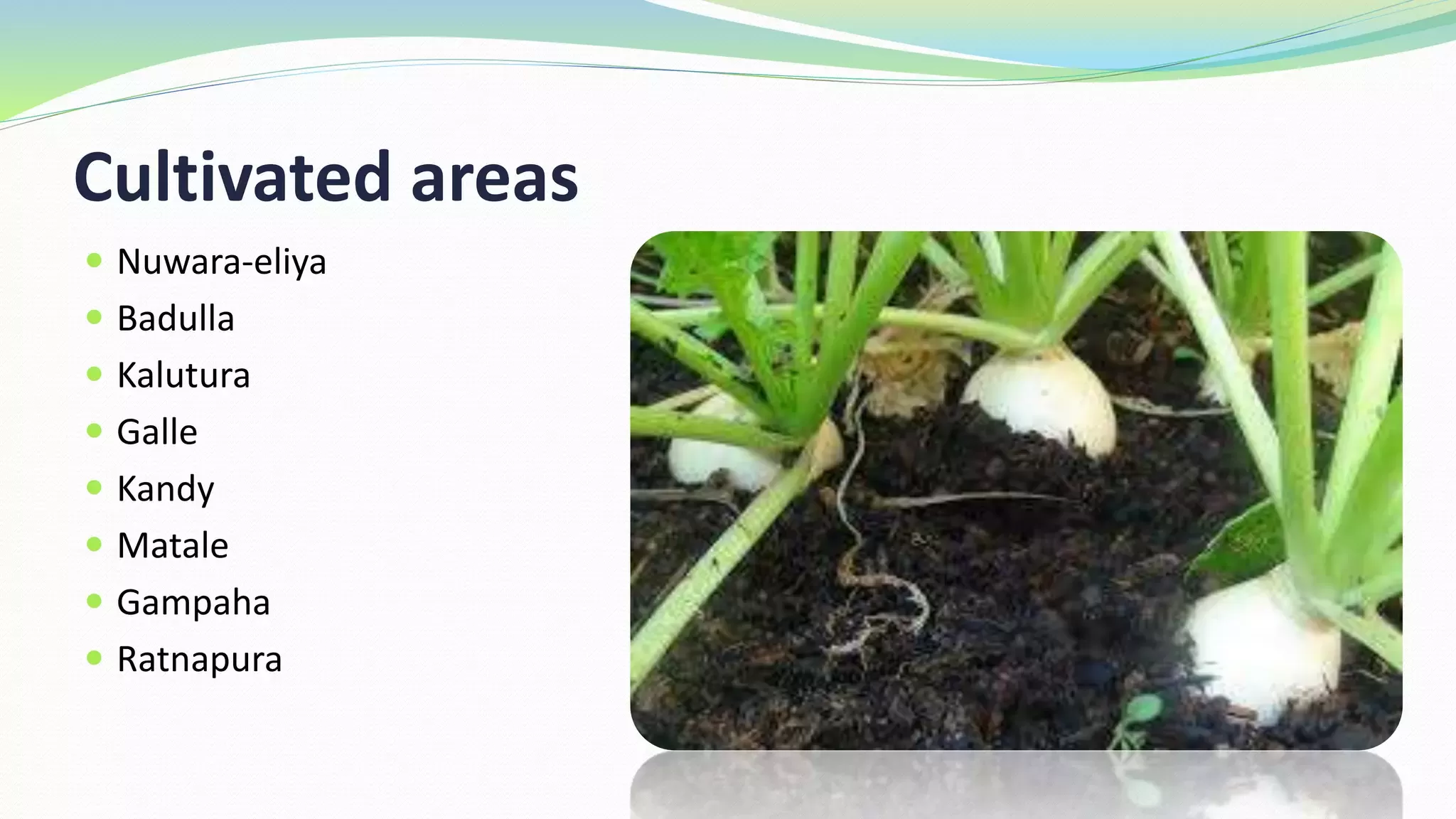
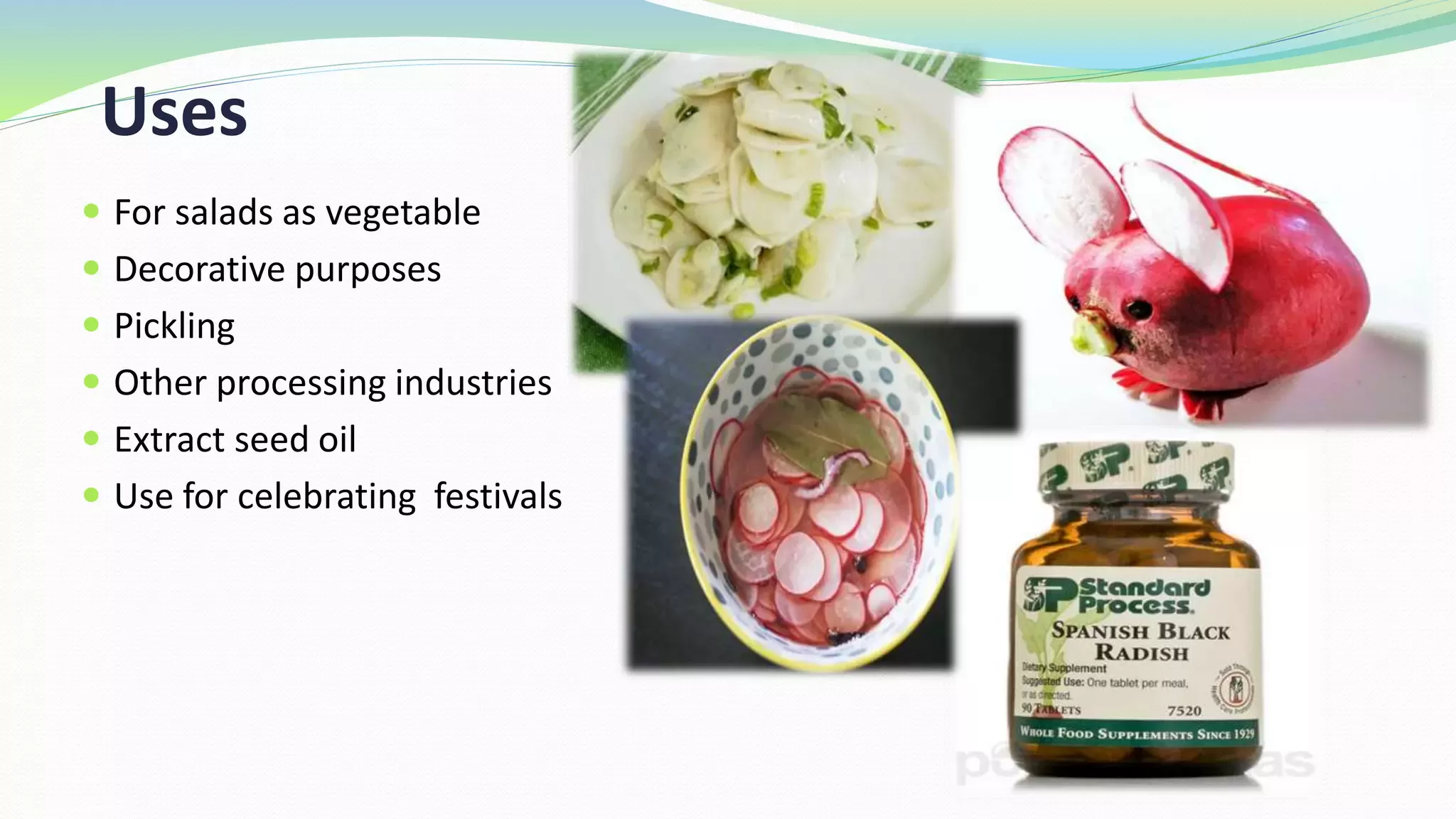
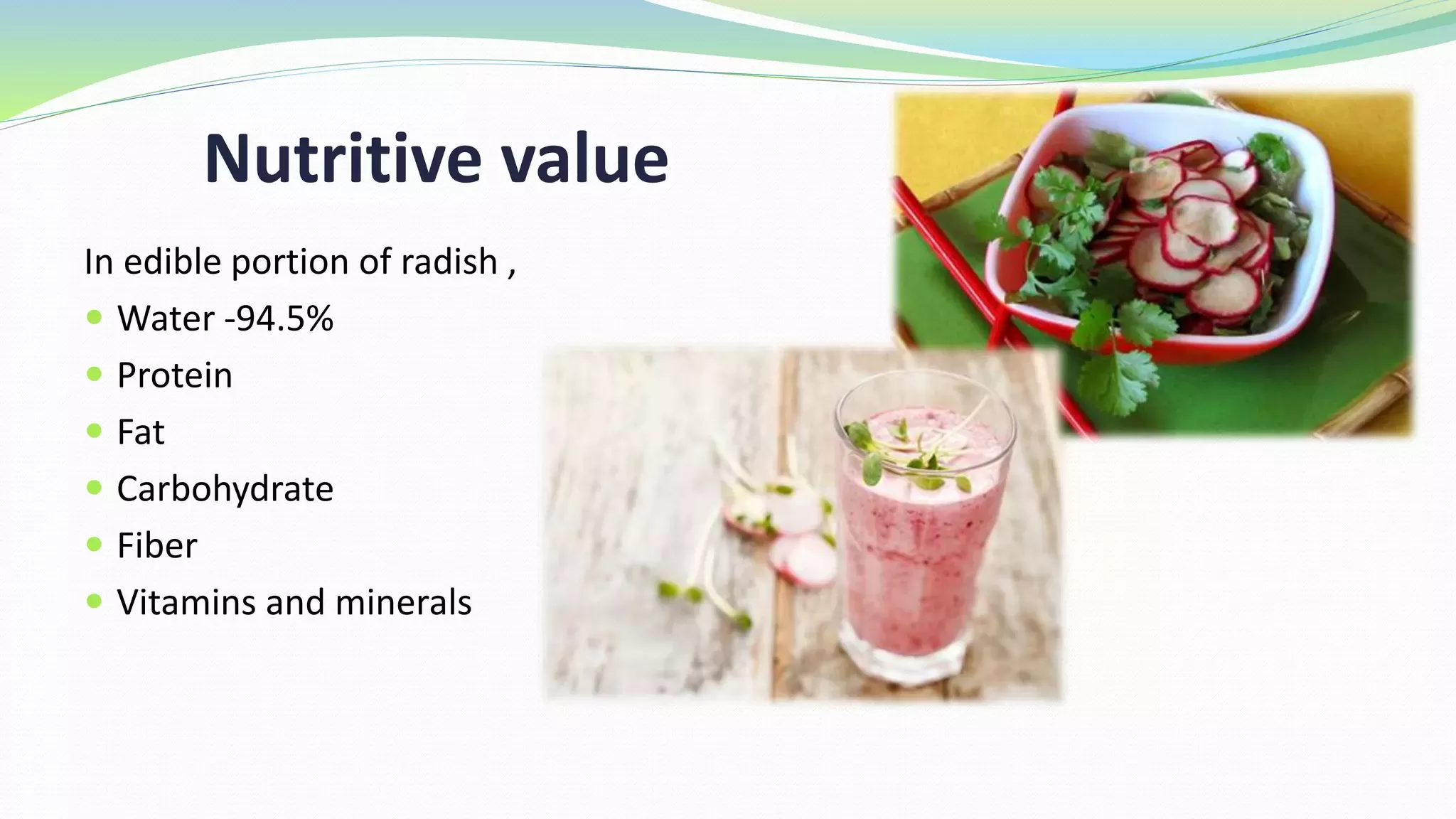
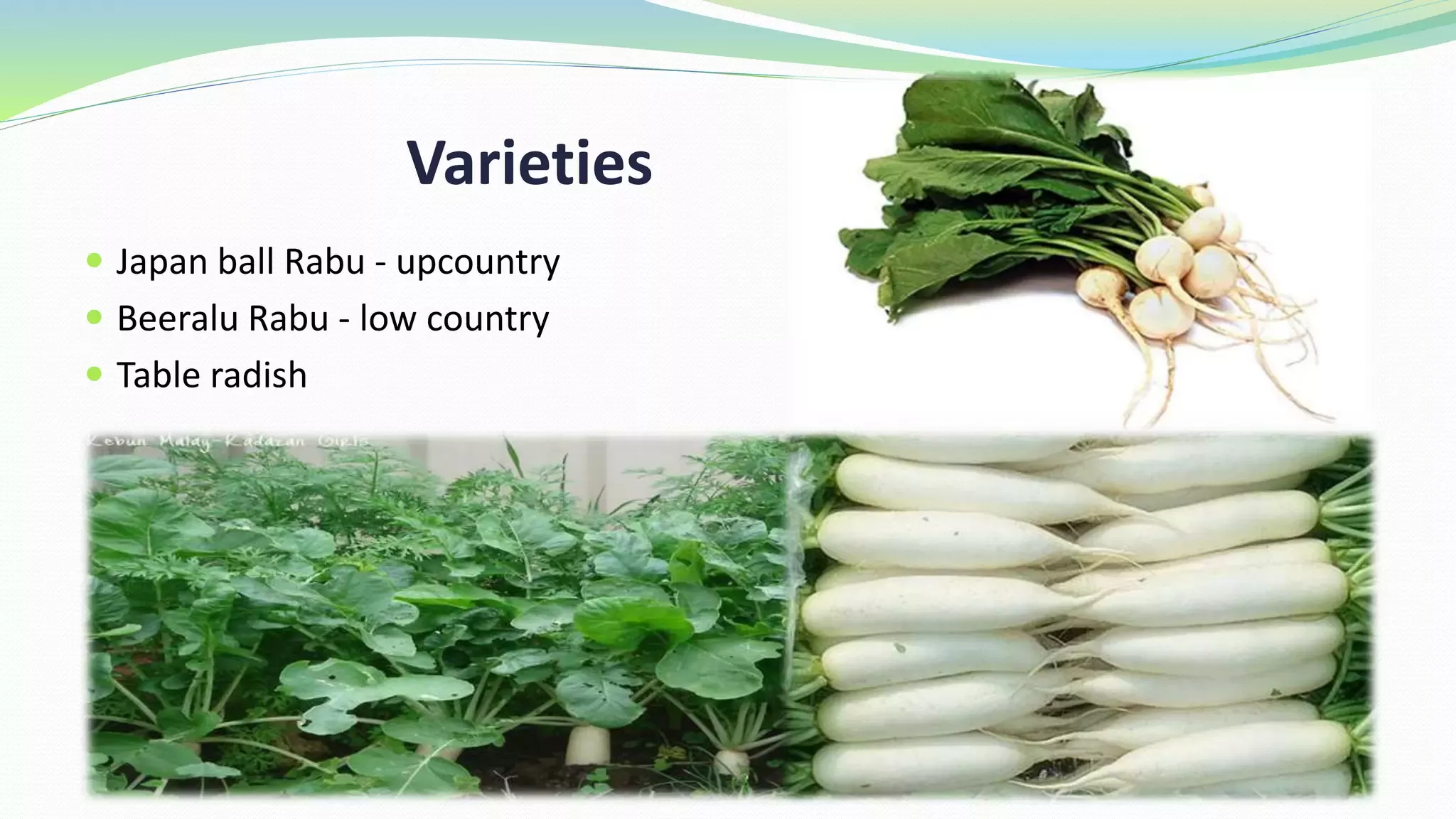
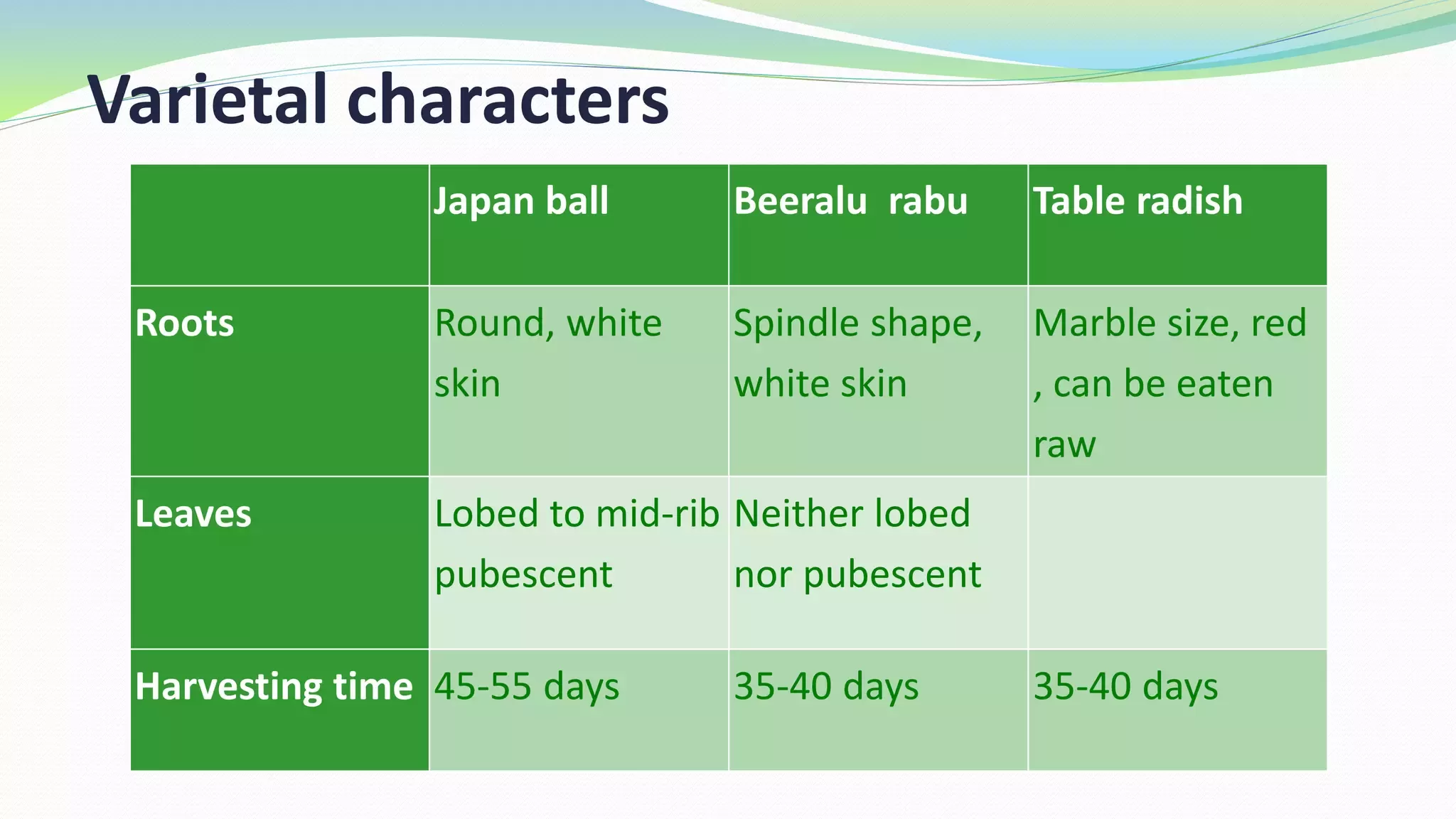
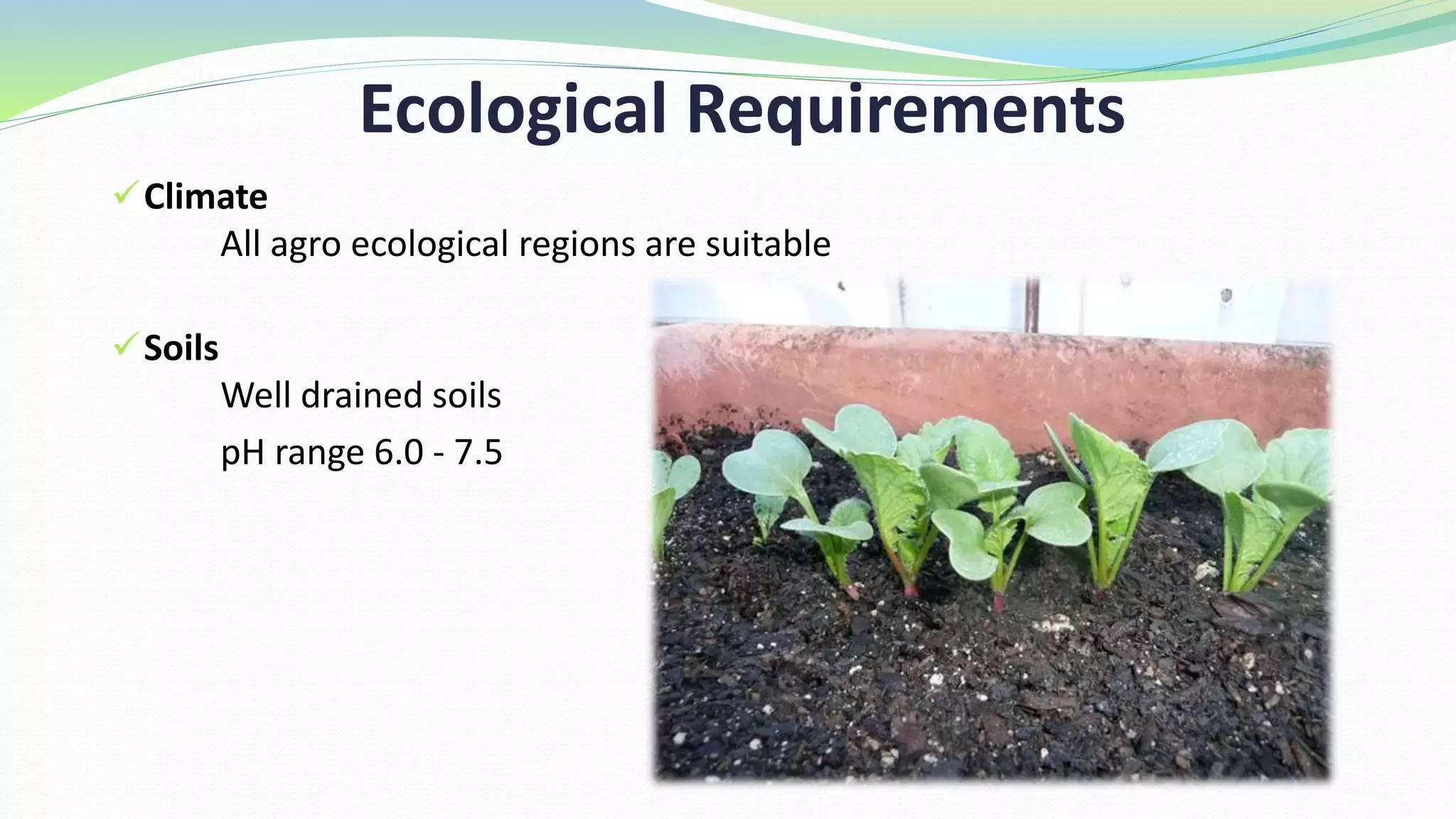
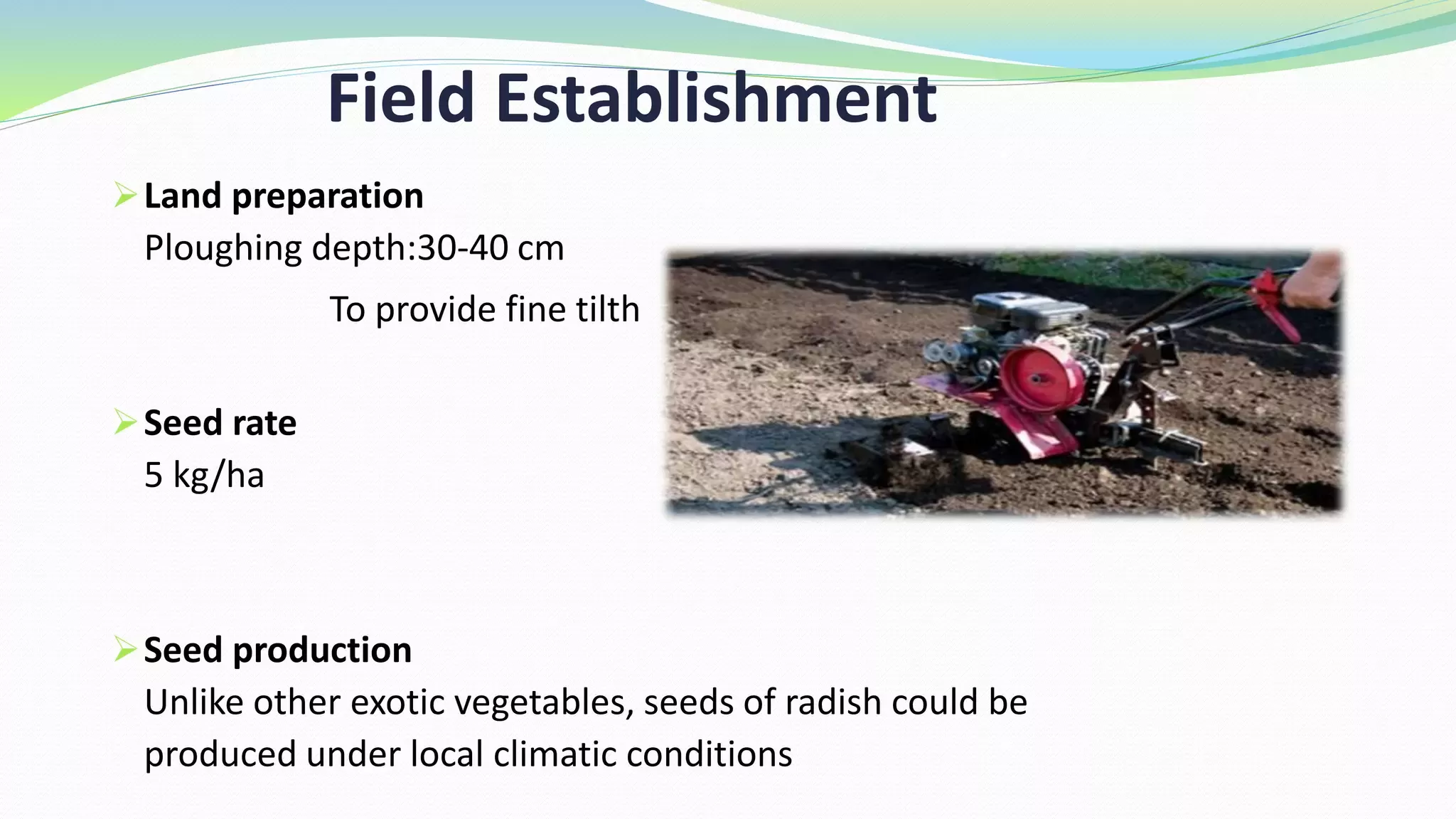
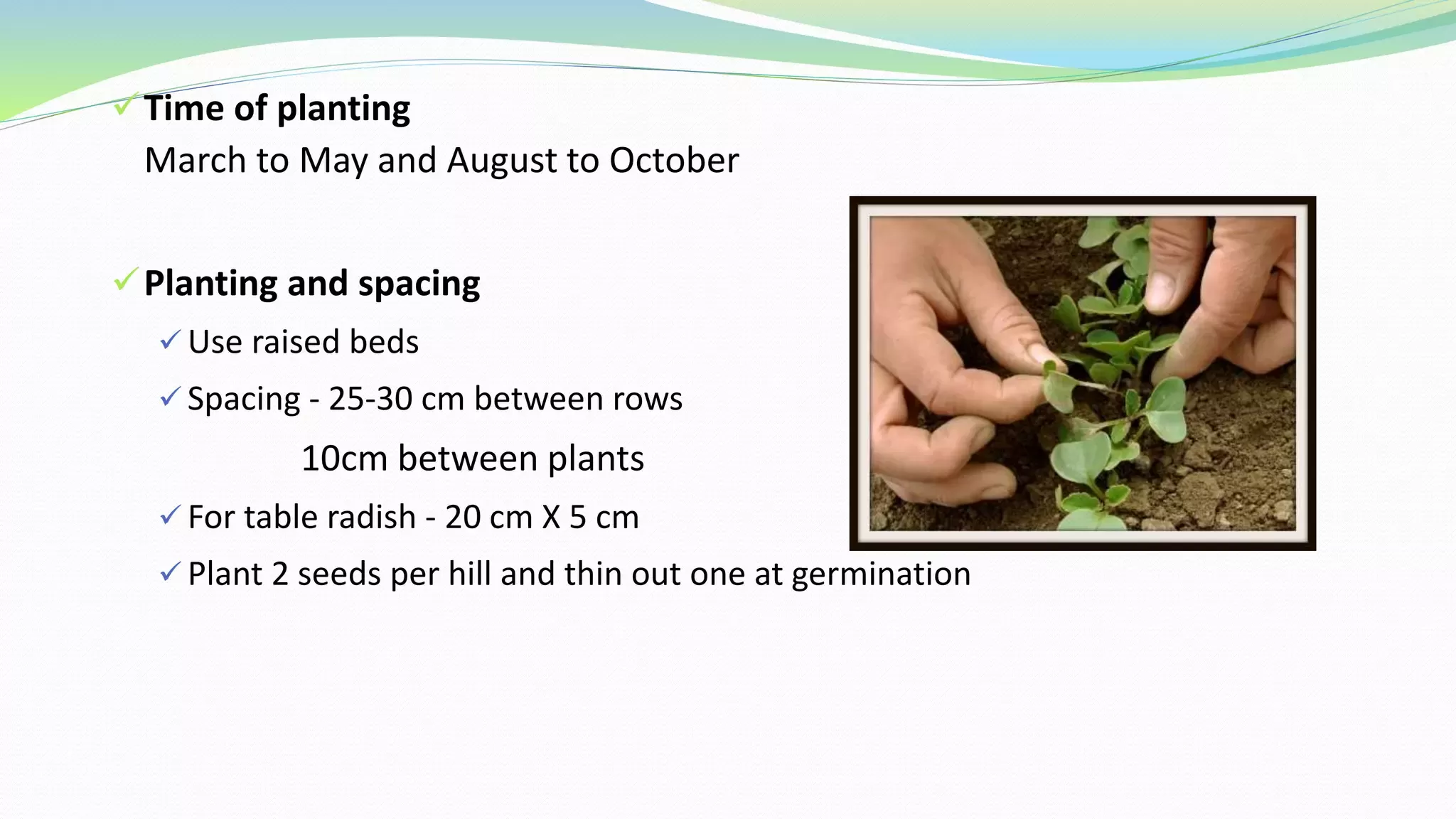
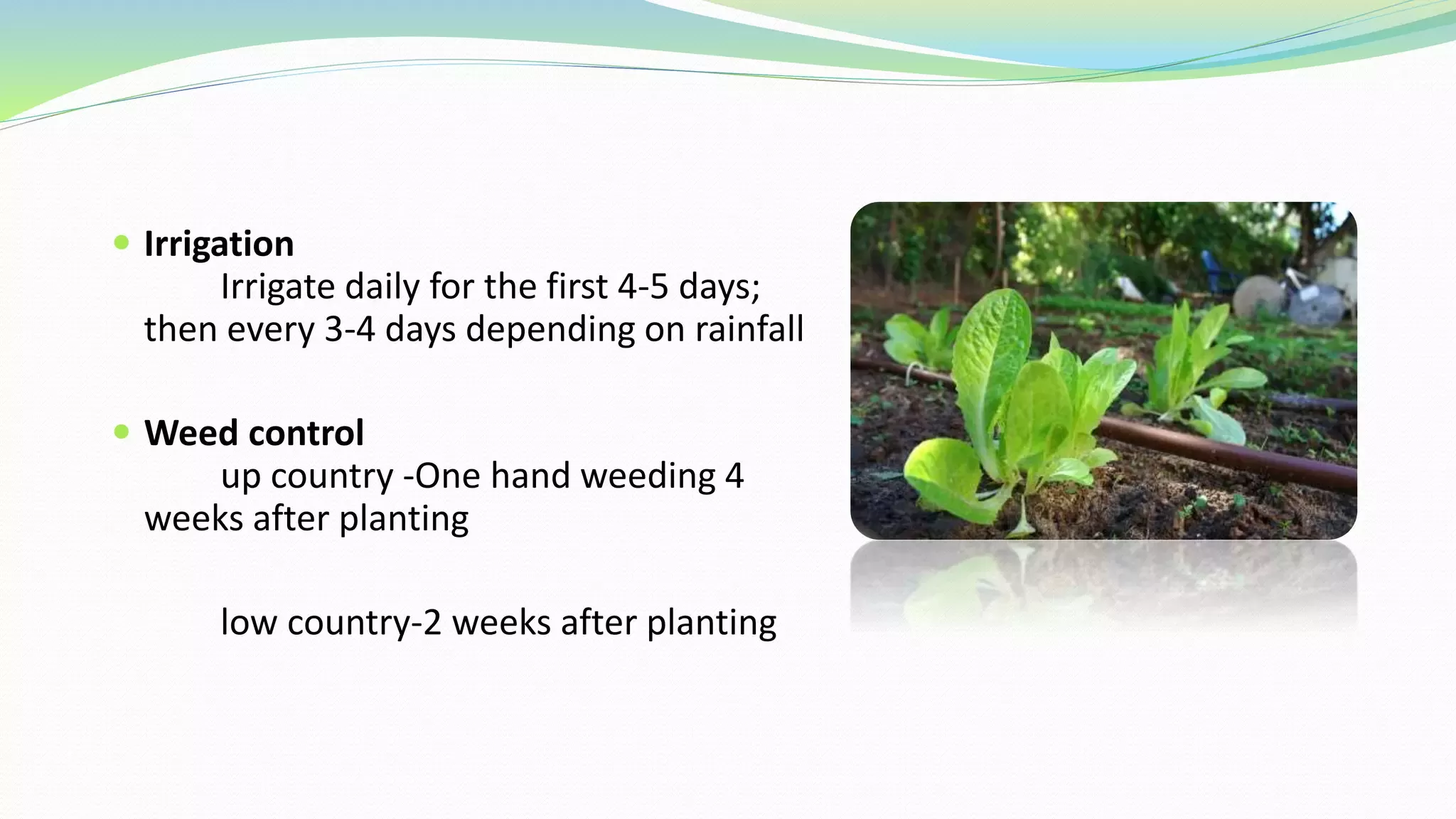
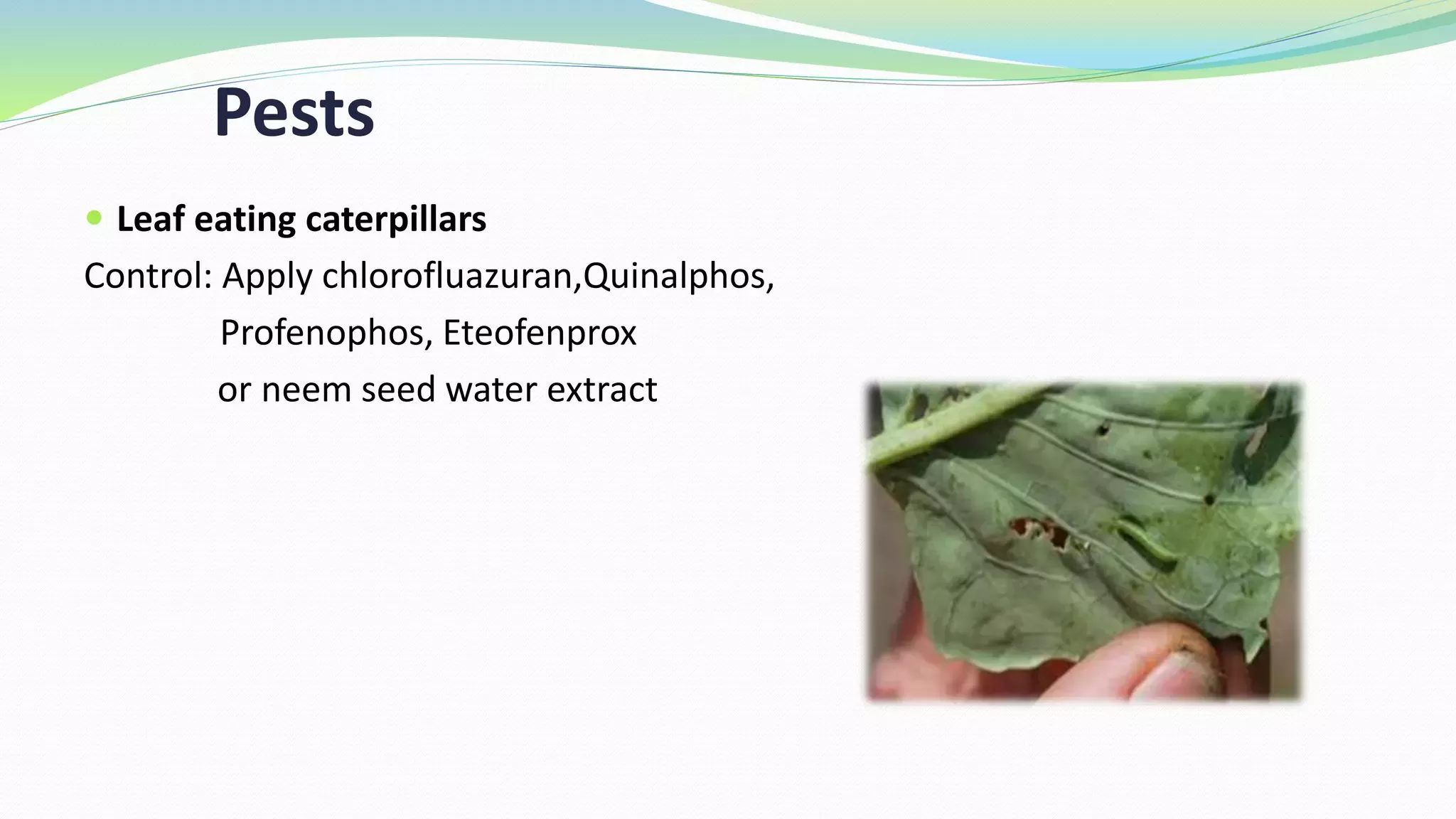
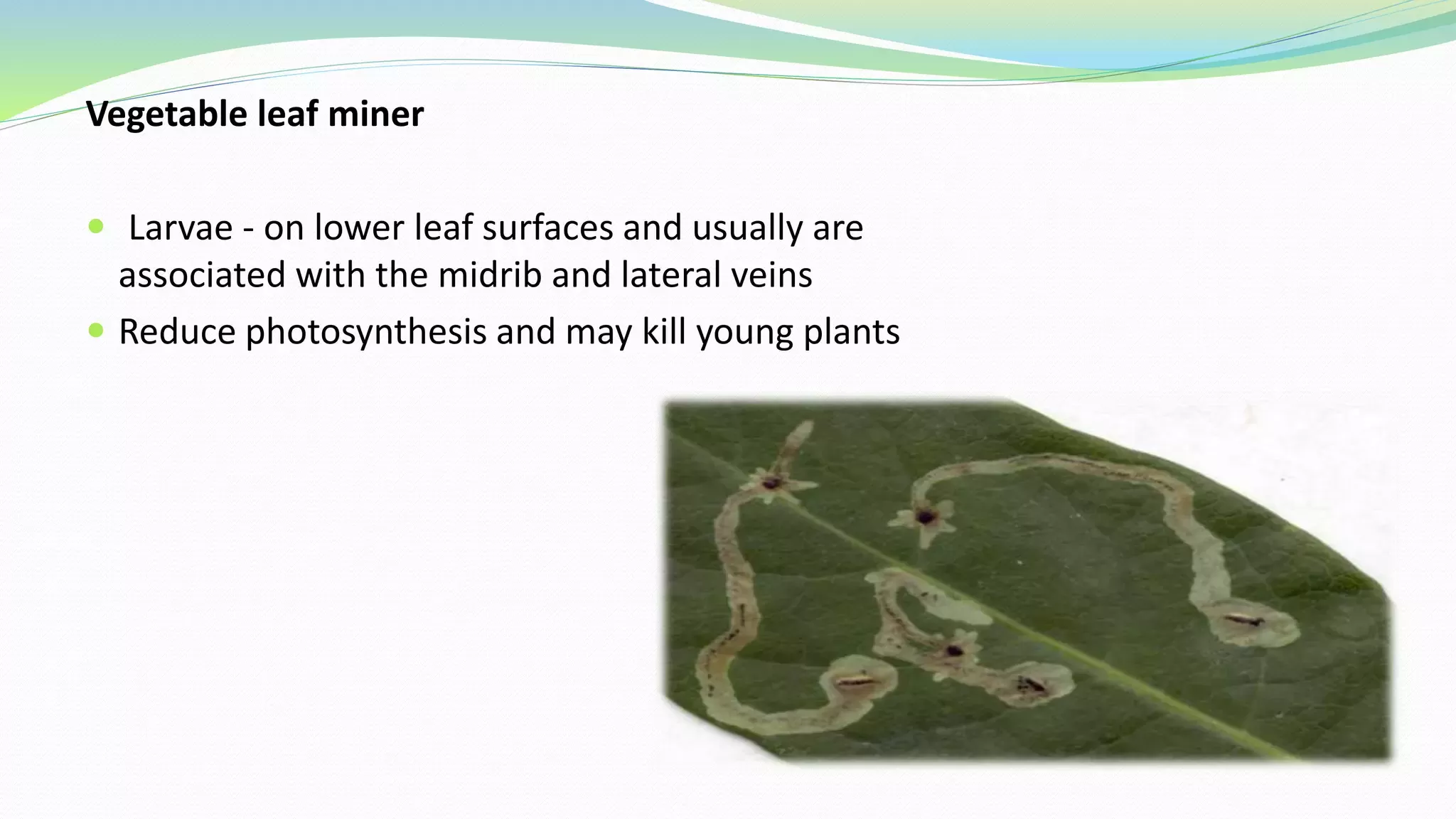
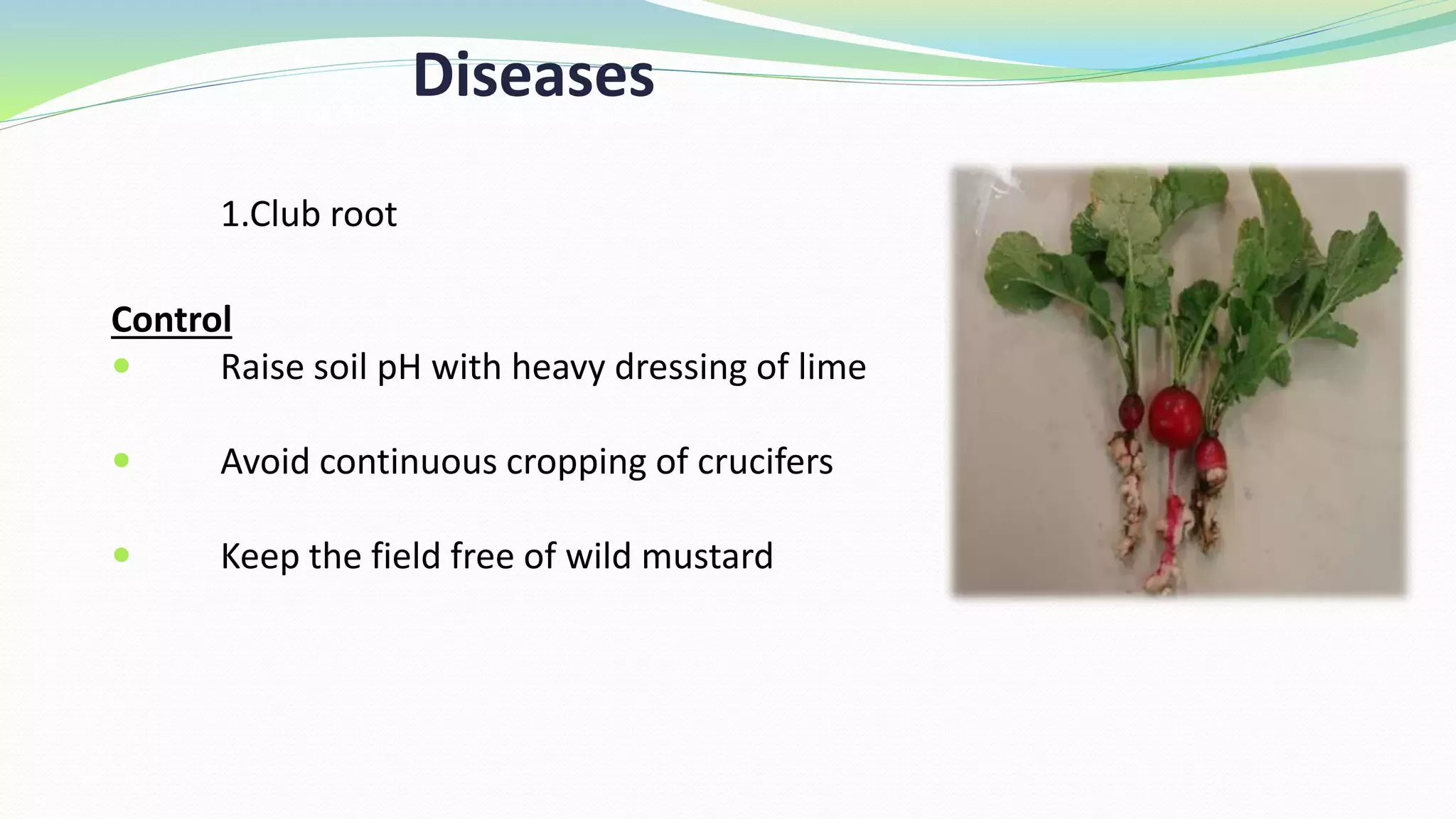
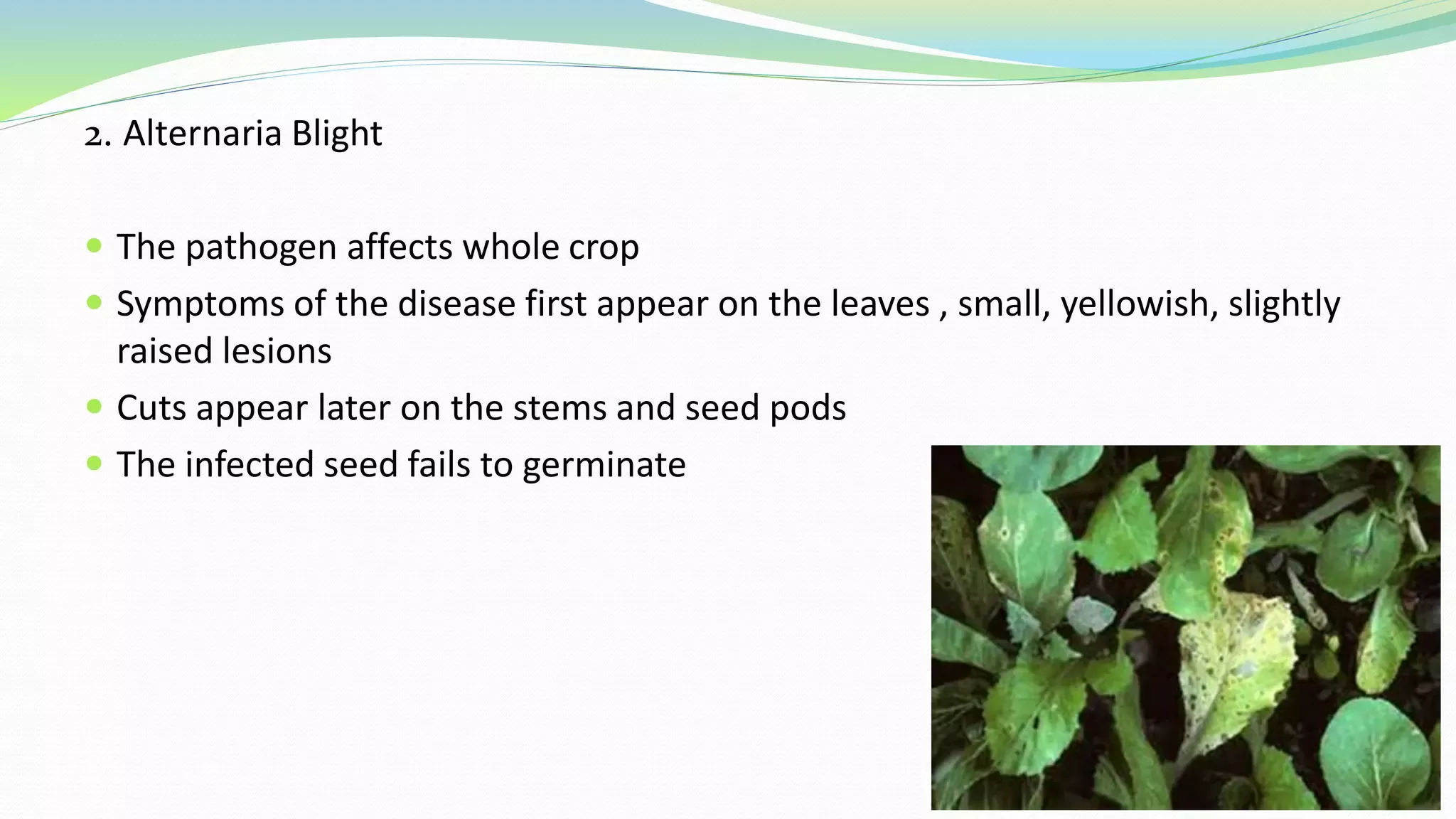
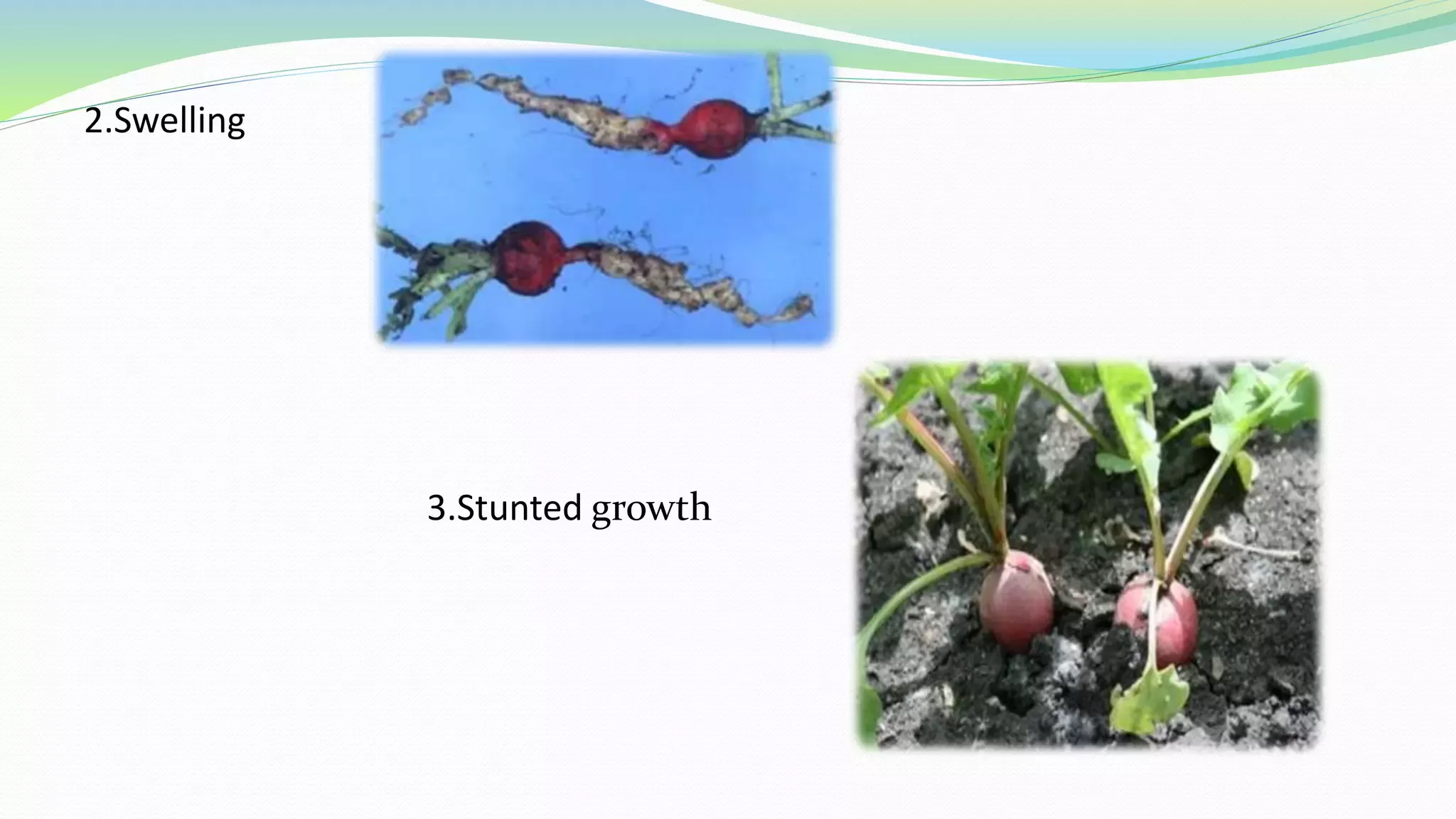
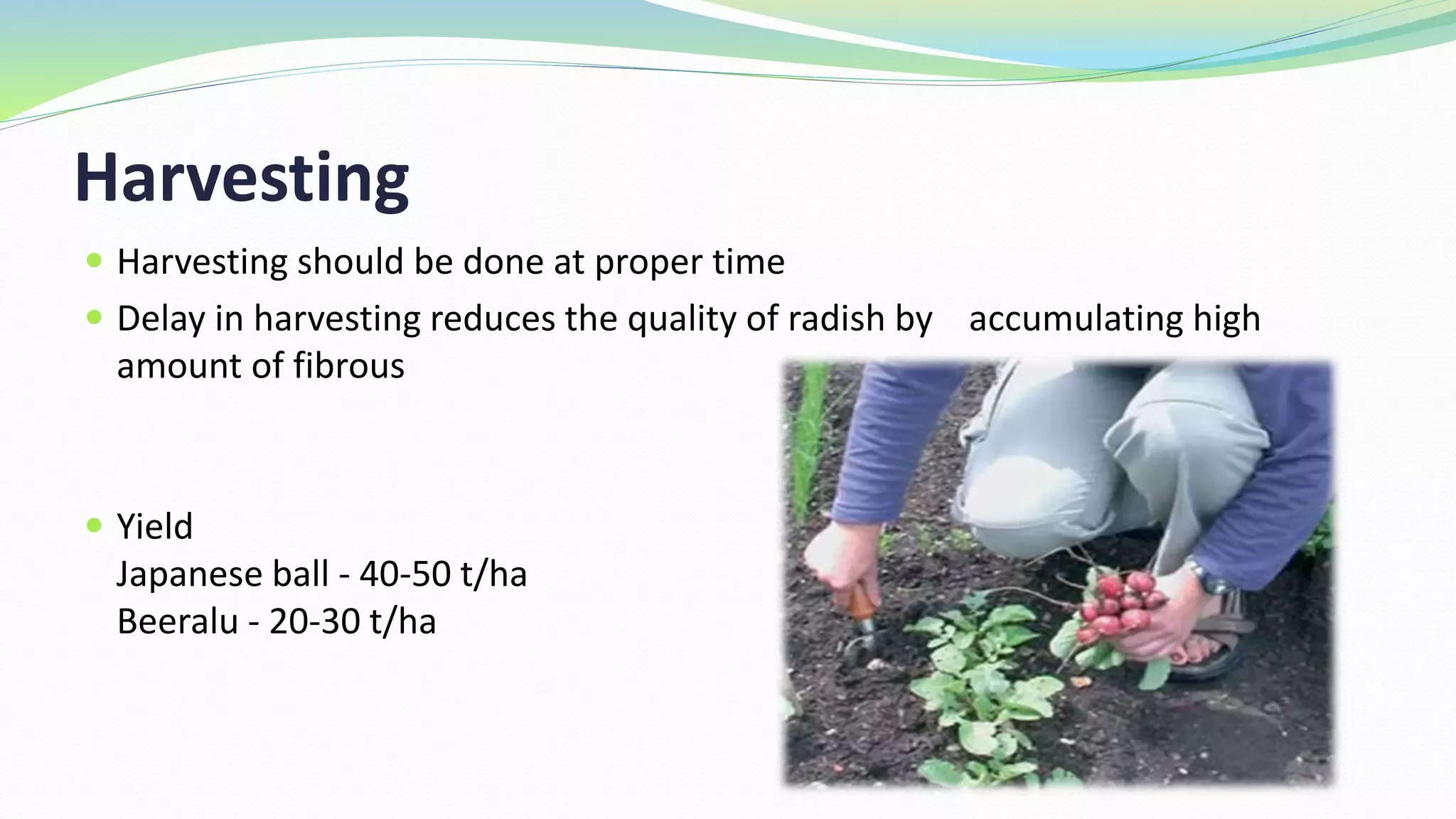
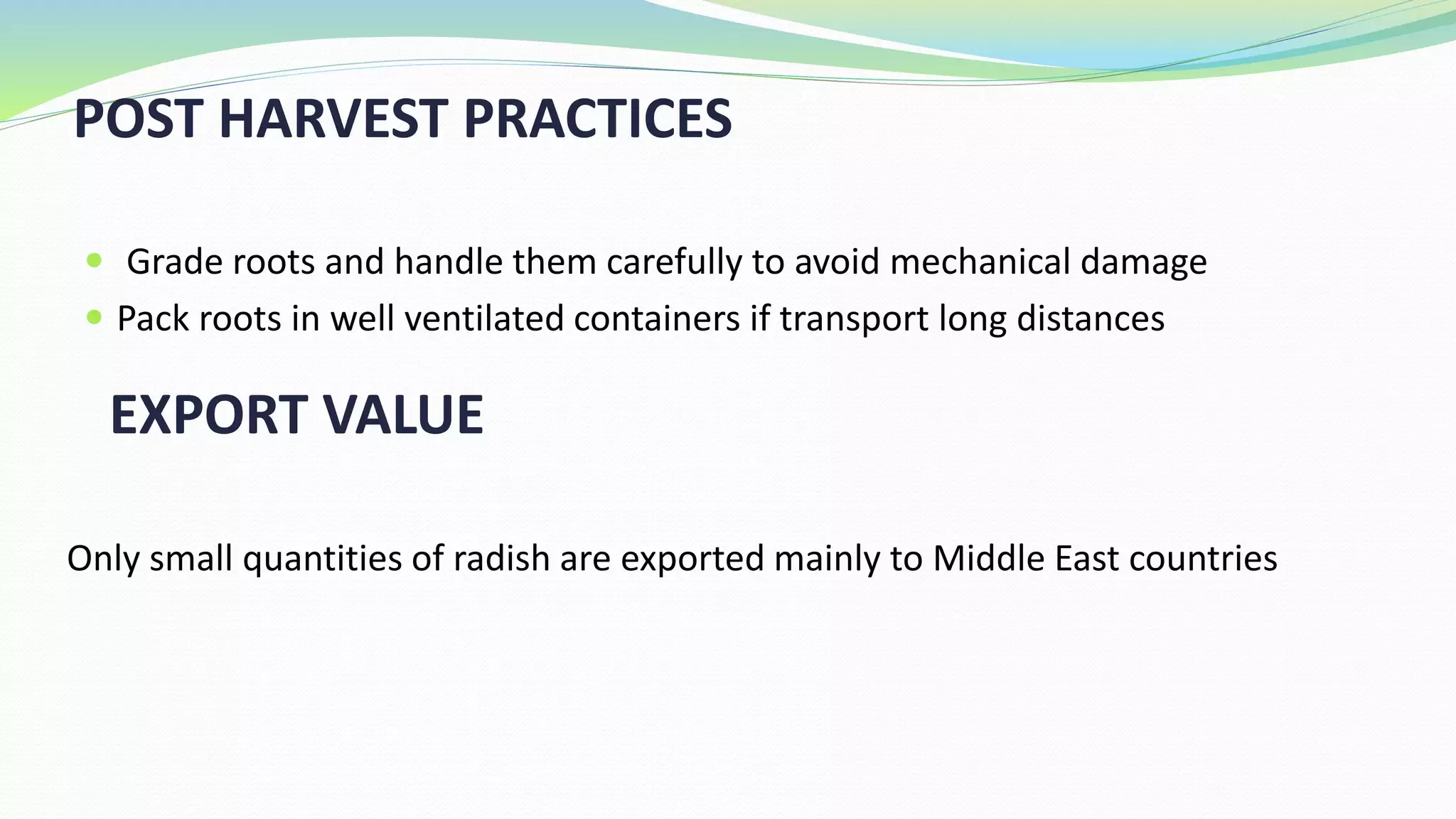
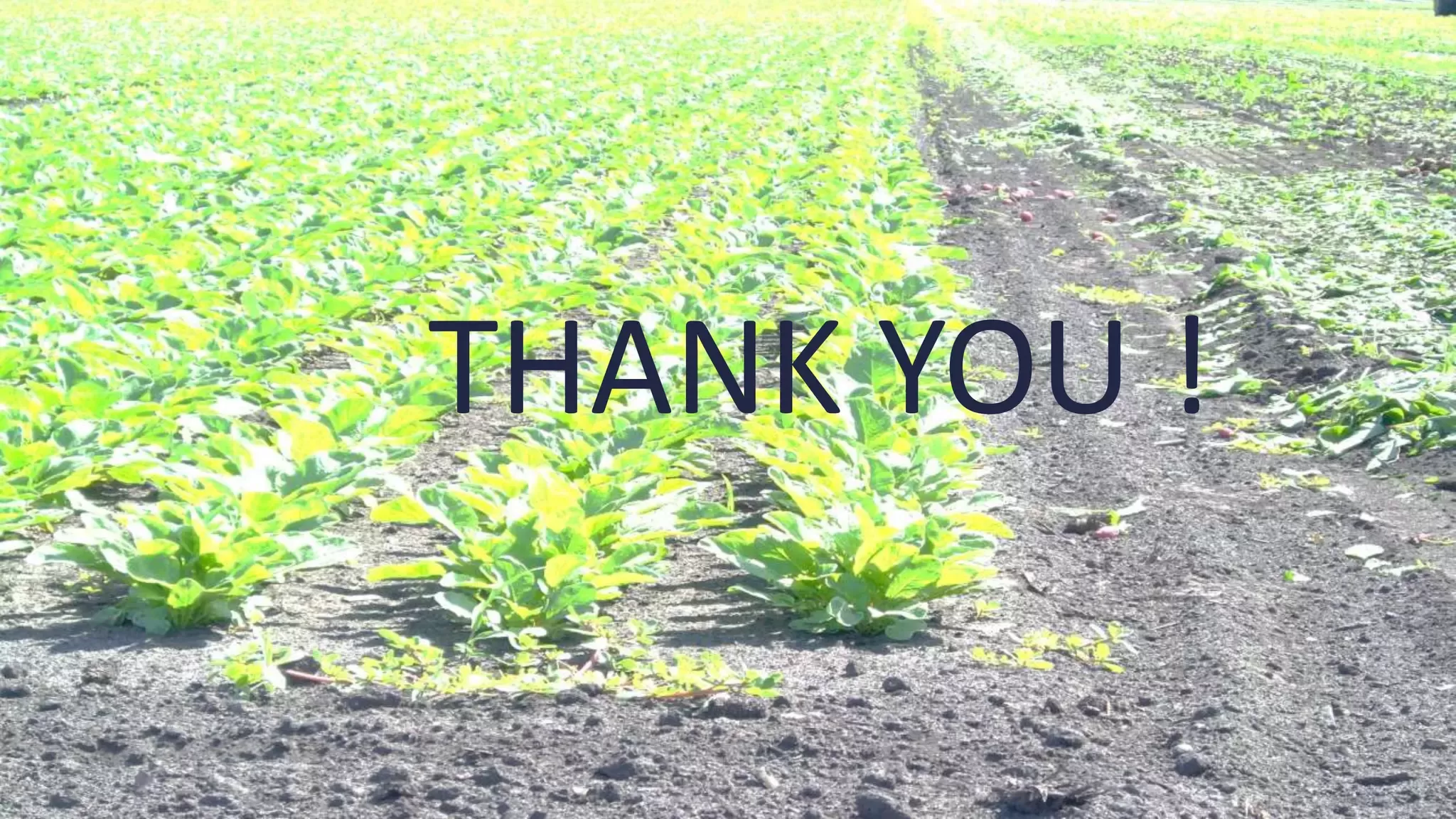
Radishes, scientifically known as Raphanus sativus L., belong to the Brassicaceae family and are believed to have originated in Europe or Asia. In Sri Lanka, radishes are a versatile and resilient vegetable, capable of thriving in various agro-ecological regions year-round, provided there is sufficient moisture. This adaptability has made them a popular choice among farmers across the island. The cultivation of radishes is particularly prevalent in regions such as Nuwara-Eliya, Badulla, Kalutara, Galle, Kandy, Matale, Gampaha, and Ratnapura. These areas benefit from suitable climates and soil conditions that support radish growth throughout the year. Radishes are not only consumed as a raw vegetable in salads but also serve decorative purposes, are pickled, processed in various industries, and even used in festive celebrations. Nutritionally, radishes are composed predominantly of water (94.5%), with additional contributions of protein, fat, carbohydrates, fiber, vitamins, and minerals, making them a healthy option for a balanced diet. Various radish varieties, including Japan Ball Rabu, Beeralu Rabu, and table radishes, exhibit distinct characters. For instance, Japan Ball Rabu features round, white-skinned roots and lobed leaves, while Beeralu Rabu sports spindle-shaped roots, and table radishes, characterized by their marble-sized red roots, can be consumed raw. When it comes to ecological requirements, radishes thrive in all agro-ecological regions and prefer well-drained soils with a pH range of 6.0 to 7.5. Field preparation is critical for successful radish cultivation. It involves ploughing to a depth of 30-40 cm to achieve fine tilth. The recommended seed rate is 5 kg per hectare, with ideal planting times split between March to May and August to October. Raised beds are suggested for planting, with specific spacing guidelines to ensure optimal growth. Effective crop management strategies include appropriate fertilizer application. A basal dressing of urea, triple super phosphate, and muriate of potash is advised at the time of planting, followed by top dressing with urea and muriate of potash roughly three weeks later. Regular irrigation is crucial during the early days of growth, with adjustments based on rainfall, and timely weed management helps maintain crop health. Pest and disease control is essential for maintaining healthy radish crops. Common pests like leaf-eating caterpillars and vegetable leaf miners can significantly impact yield. Integrated pest management techniques, including the use of neem extracts and biological control agents, are encouraged to mitigate these threats. Additionally, diseases such as club root and Alternaria Blight must be monitored closely, with proactive measures like soil pH adjustment and the application of fungicides recommended for effective control. Harvesting must be timed appropriately to ensure the quality of the radish. Delaying harvest can lead to undesirable fibrous textures and diminished overall quality, with expected yields ranging from 40-50 tons per hectare for Japanese Ball radishes to 20-30 tons for Beeralu Rabu. Proper post-harvest handling, including grading and careful packaging, is crucial for maintaining quality, especially when transporting radishes over long distances. In summary, radishes are a staple vegetable with wide-ranging applications and significant nutritional value. Their cultivation offers economic advantages while also being relatively straightforward, making them an excellent choice for local farmers in Sri Lanka.

Slide 1

Slide 1

Slide 2

Slide 2

Slide 3

Slide 3

Slide 4

Slide 4

Slide 5

Slide 5

Slide 6

Slide 6

Slide 7

Slide 7

Slide 8

Slide 8

Slide 9

Slide 9

Slide 10

Slide 10

Slide 11

Slide 11

Slide 12

Slide 12

Slide 13

Slide 13

Slide 14

Slide 14

Slide 15

Slide 15

Slide 16

Slide 16

Slide 17

Slide 17

Slide 18

Slide 18

Slide 19

Slide 19

Slide 20

Slide 20

Slide 21

Slide 21

Slide 22

Slide 22

Slide 23

Slide 23
1 / 23

Ppt on Production technology of broccoli

Description

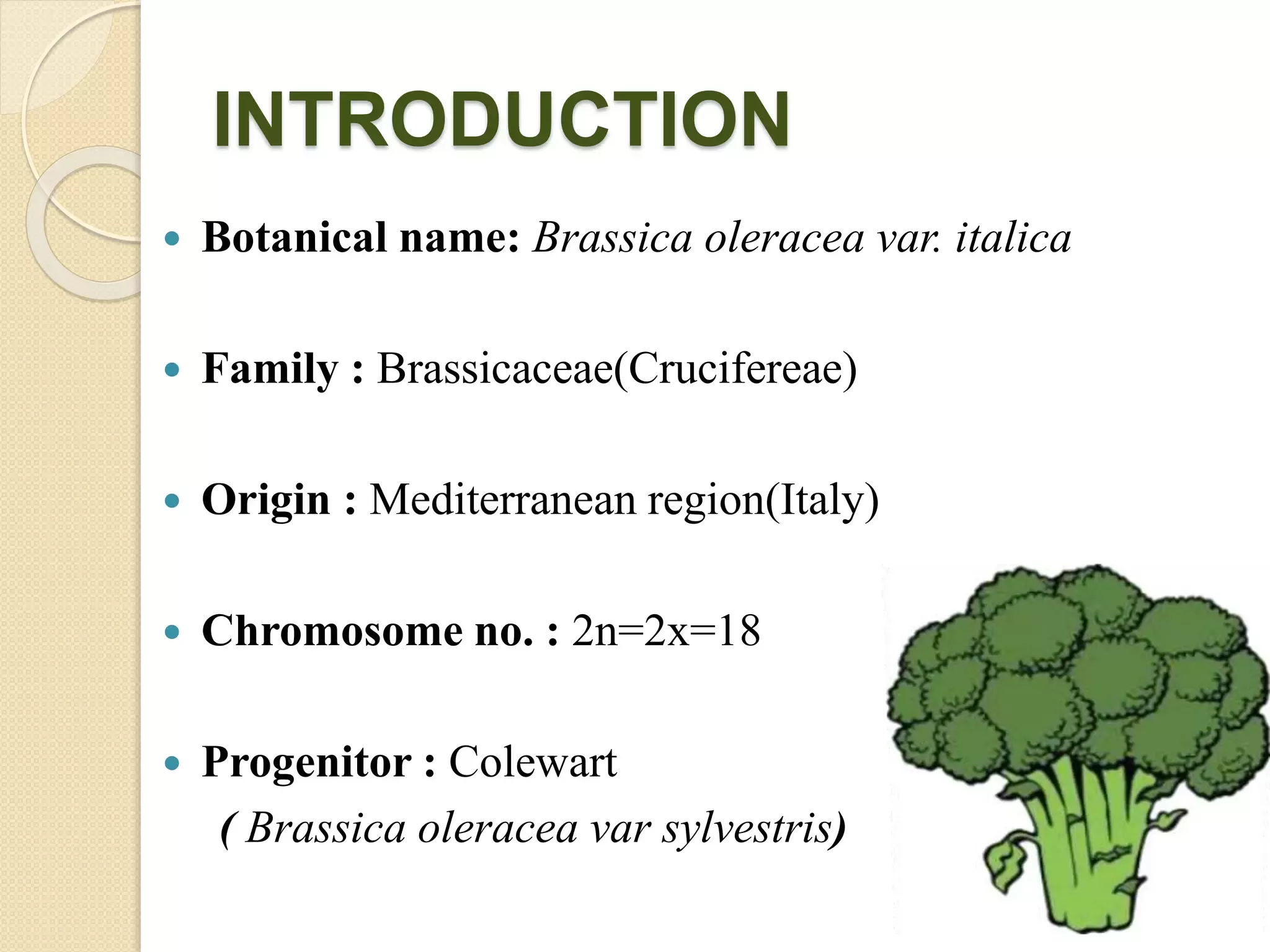
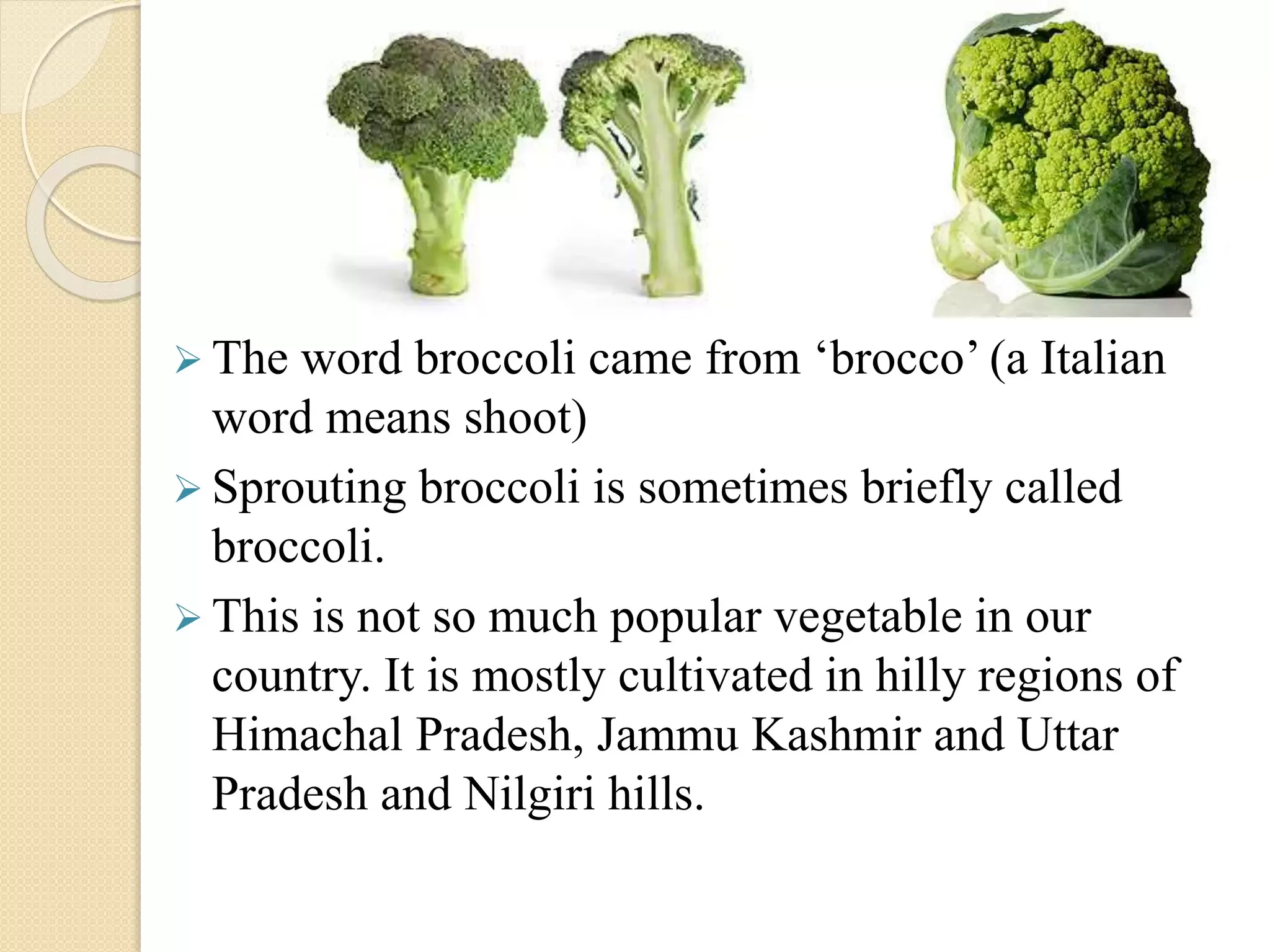
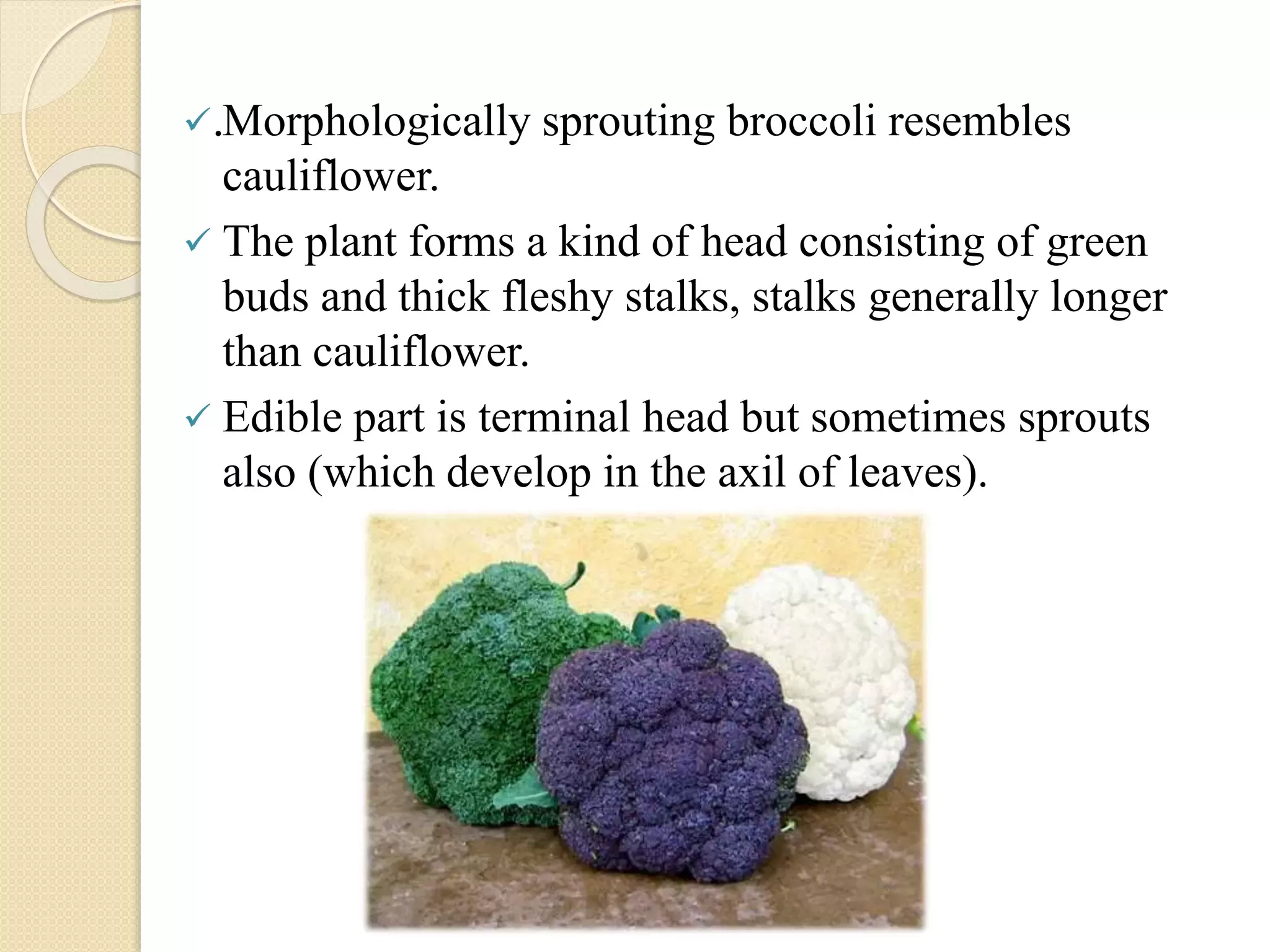
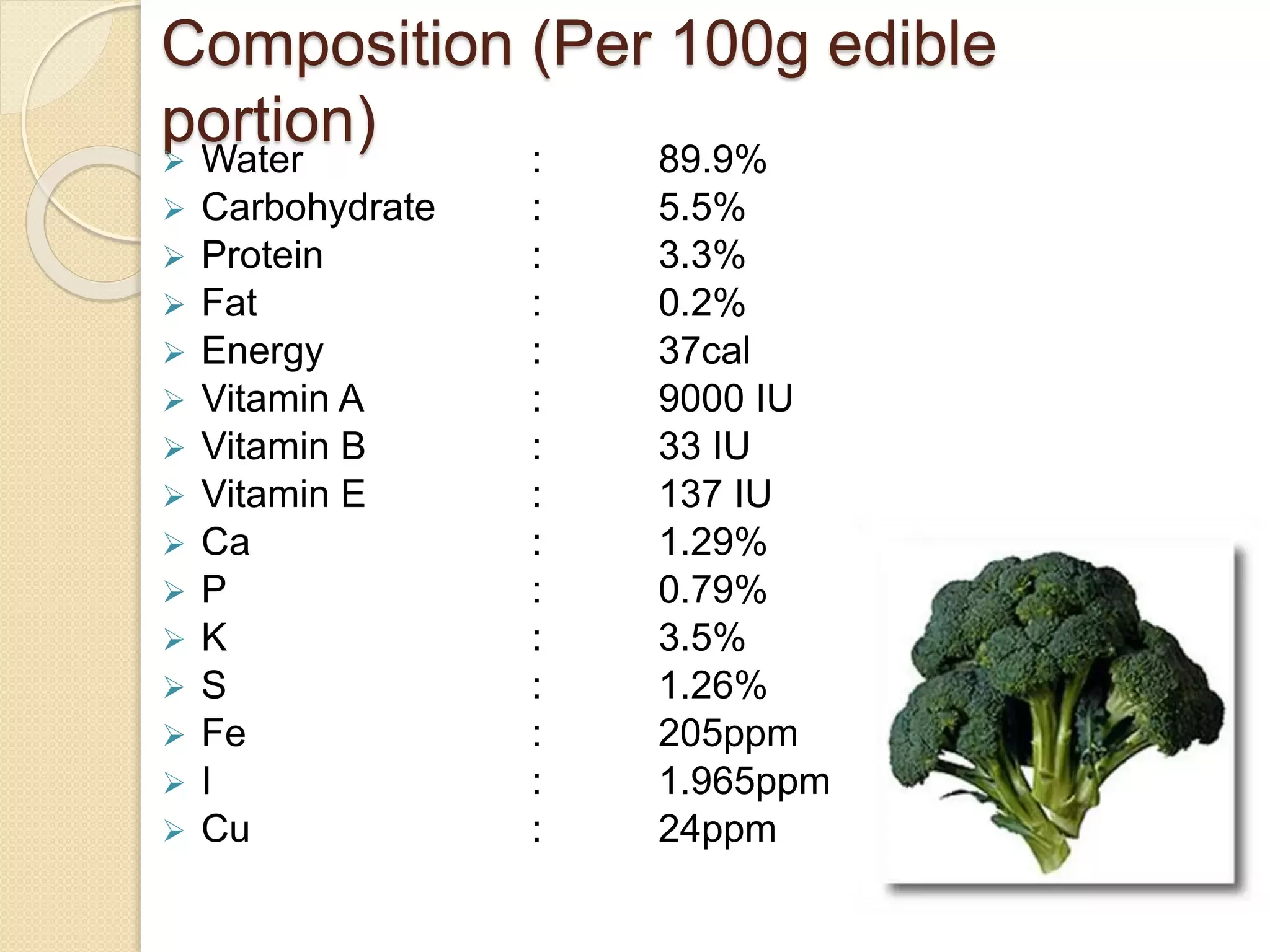
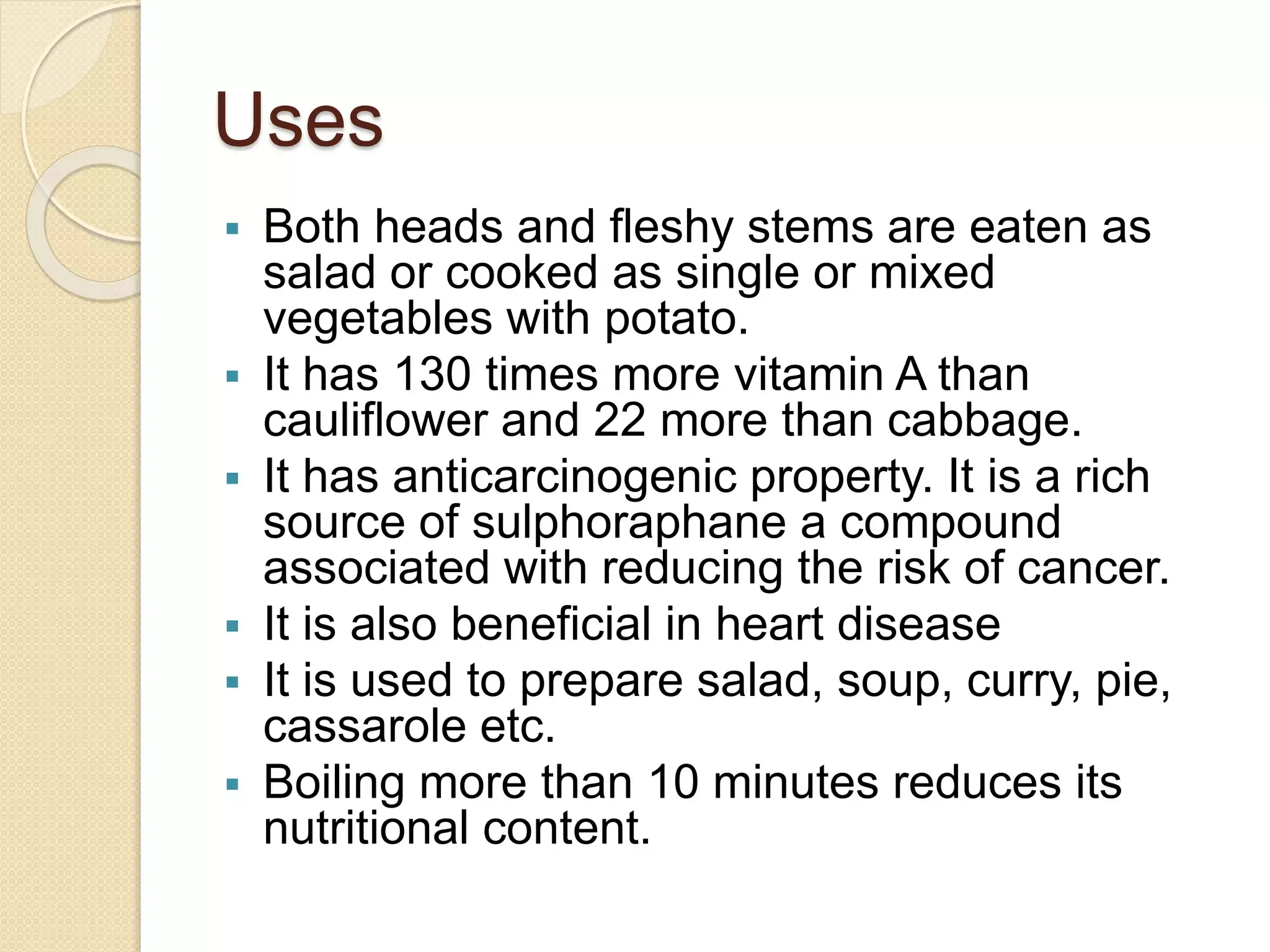
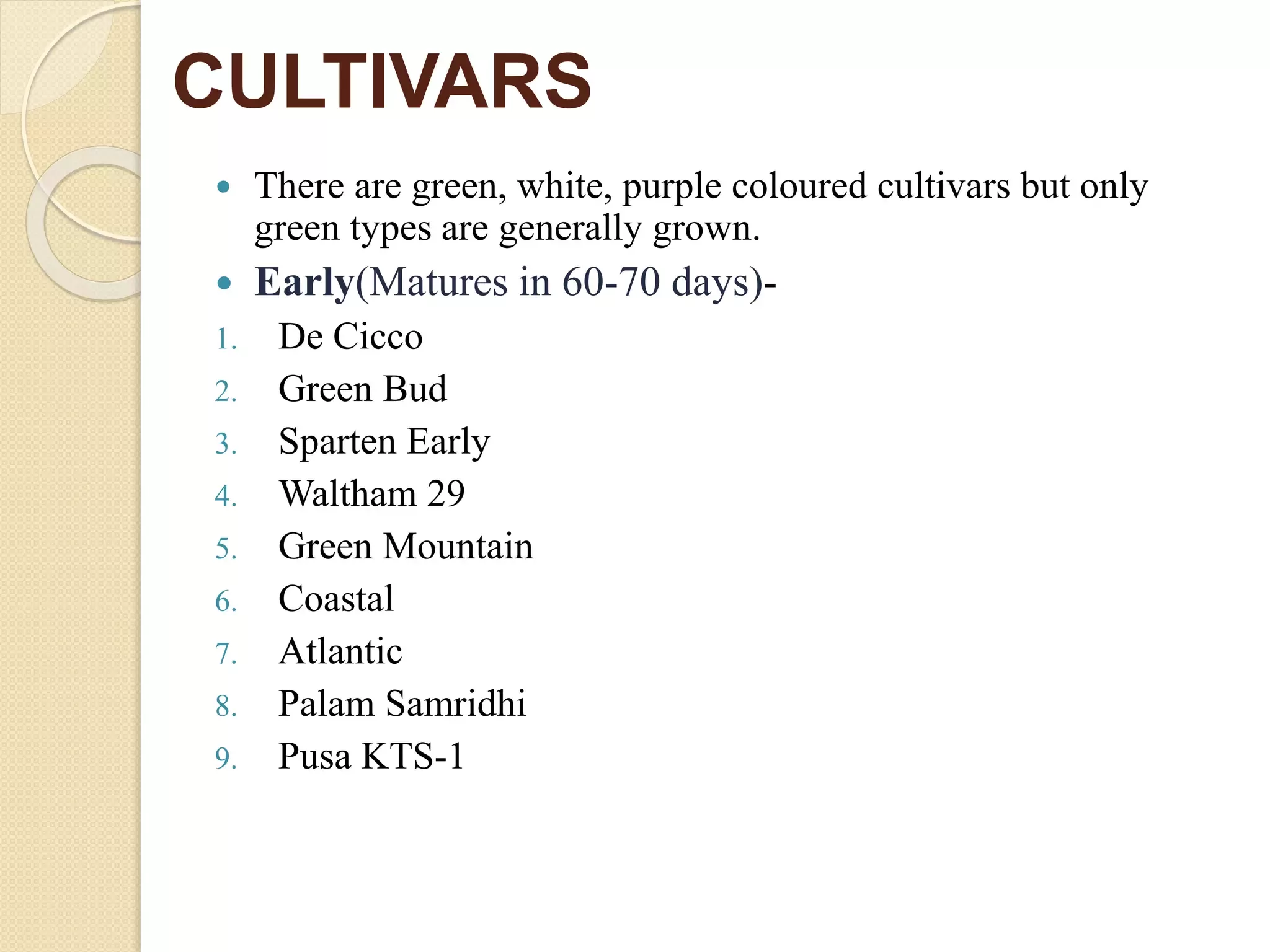
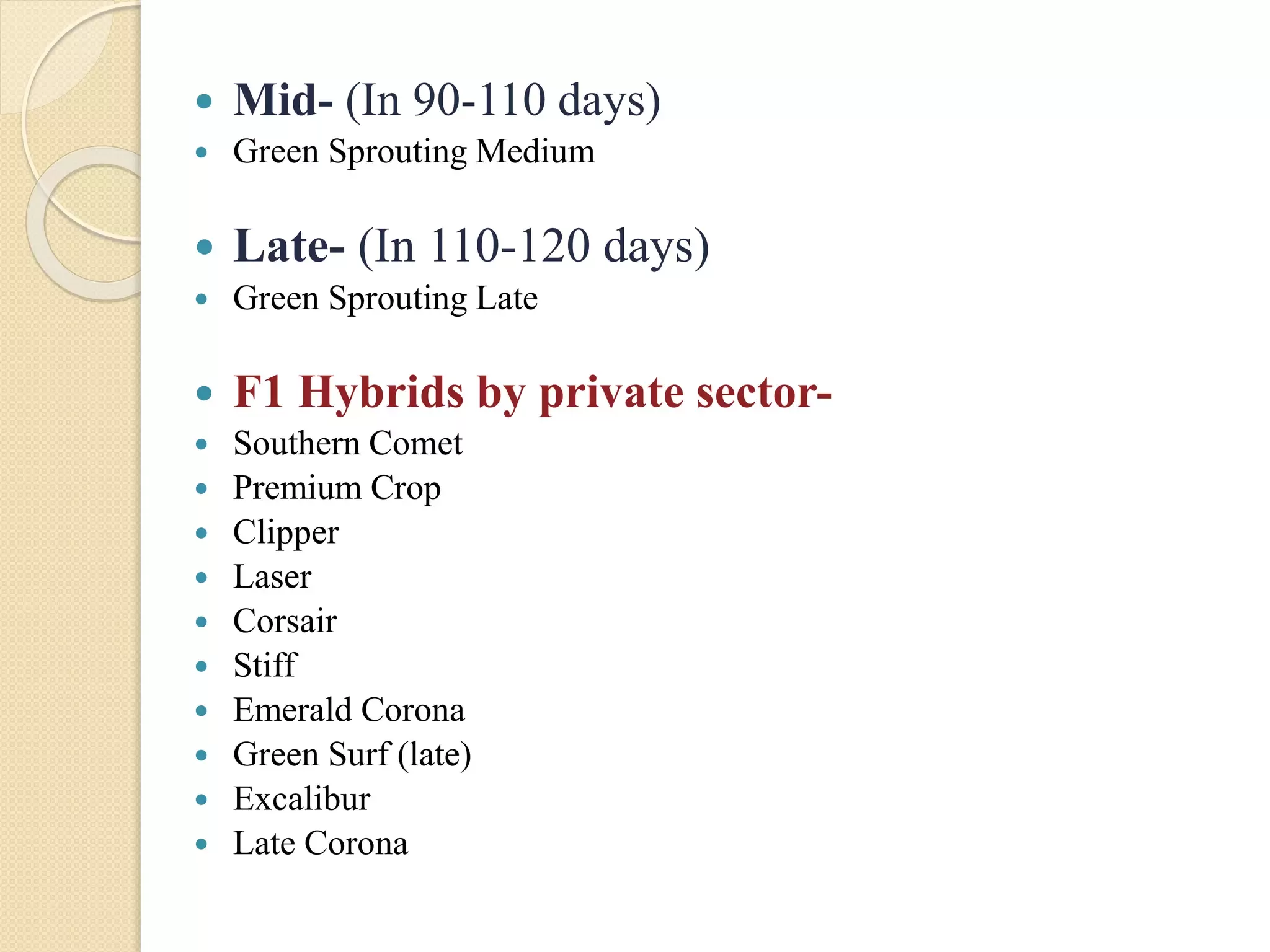
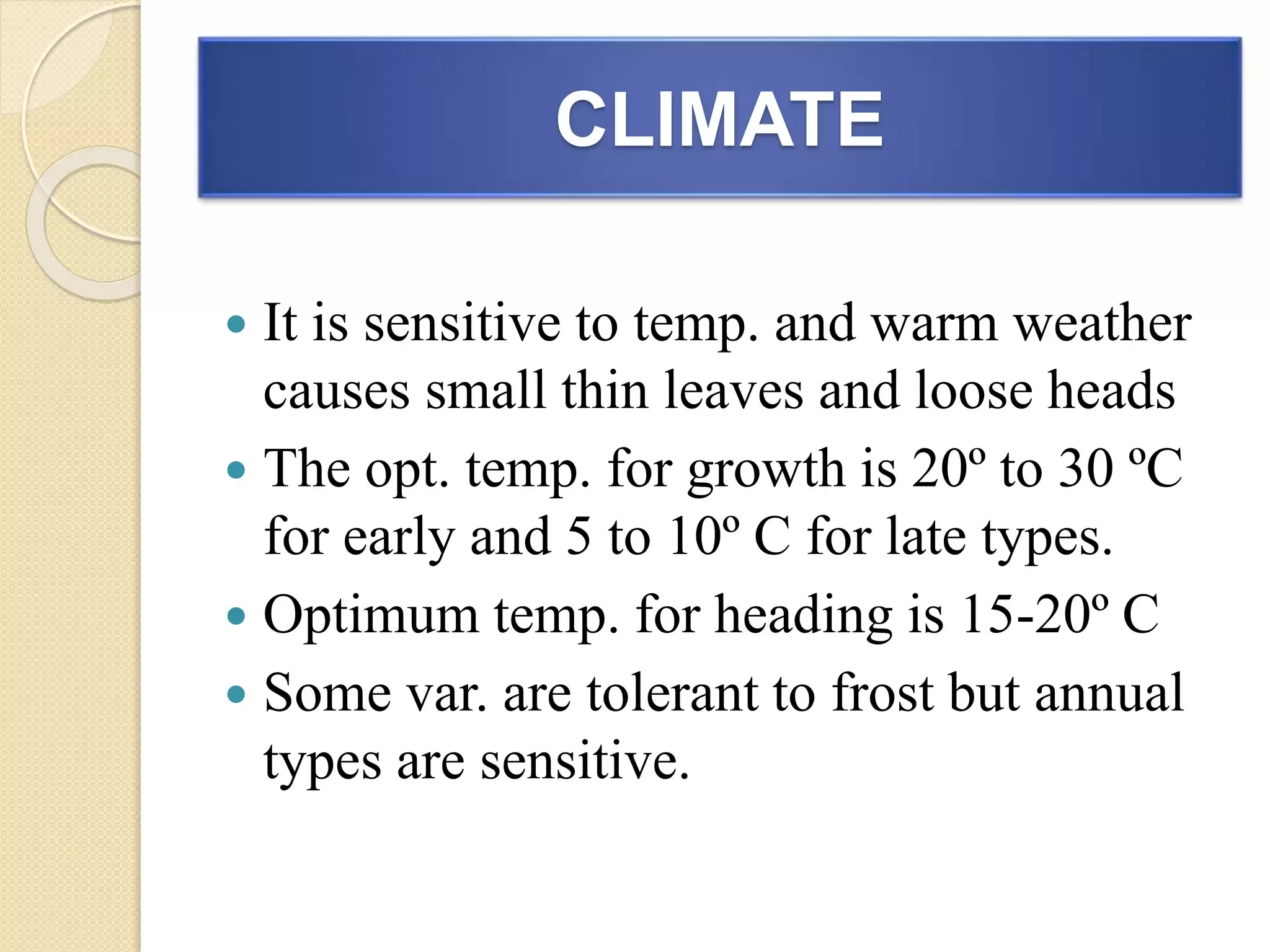
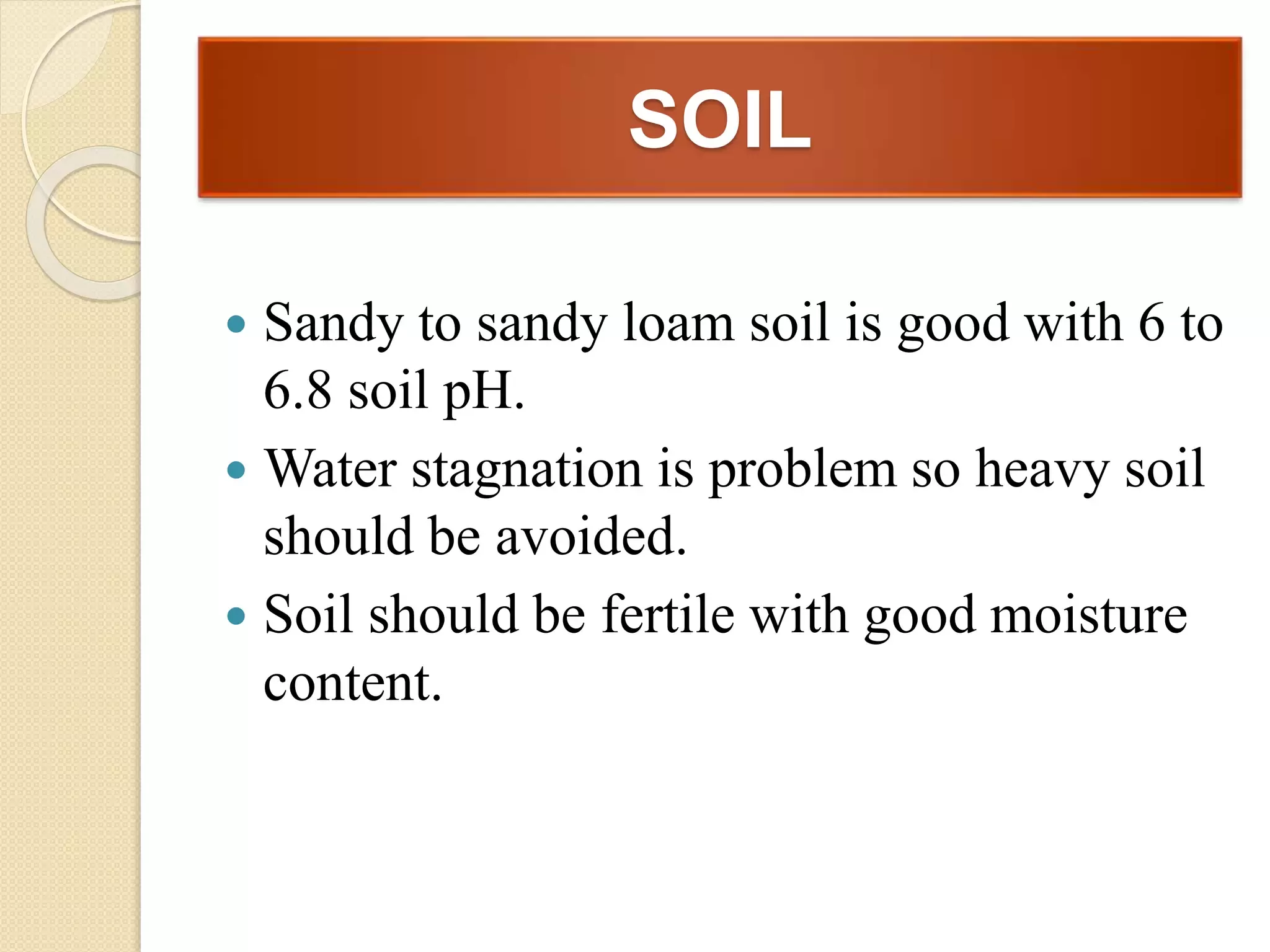
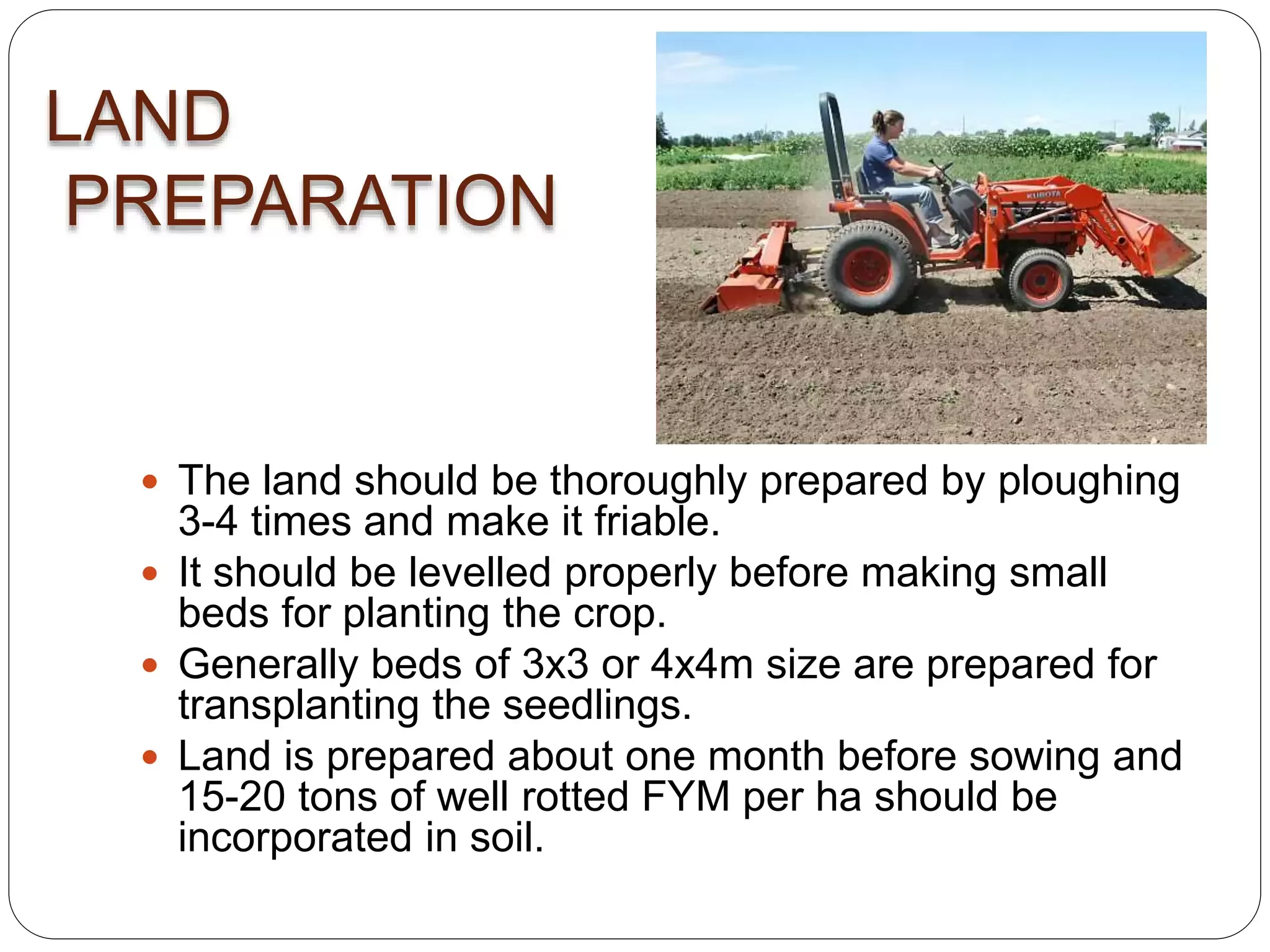
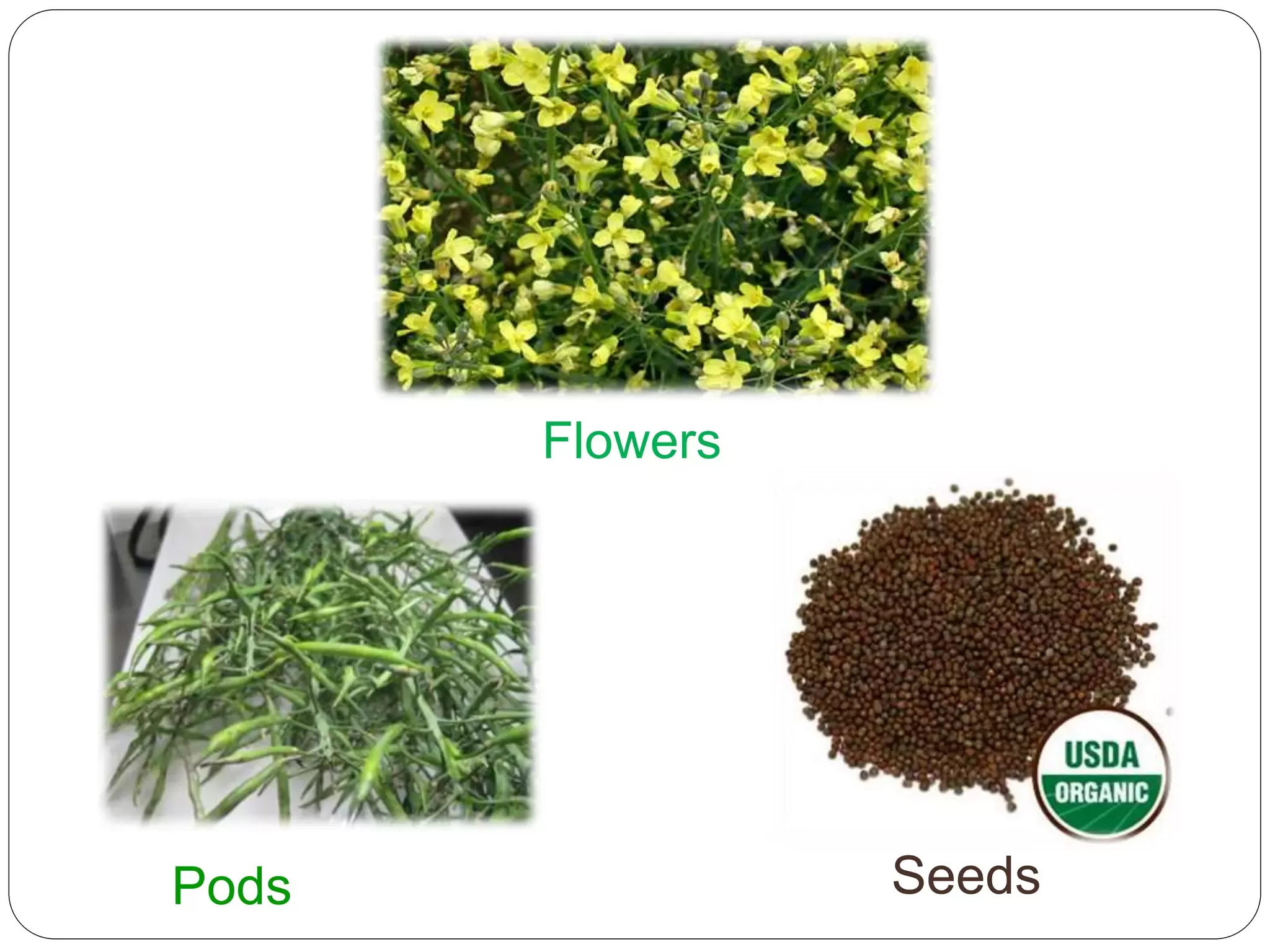
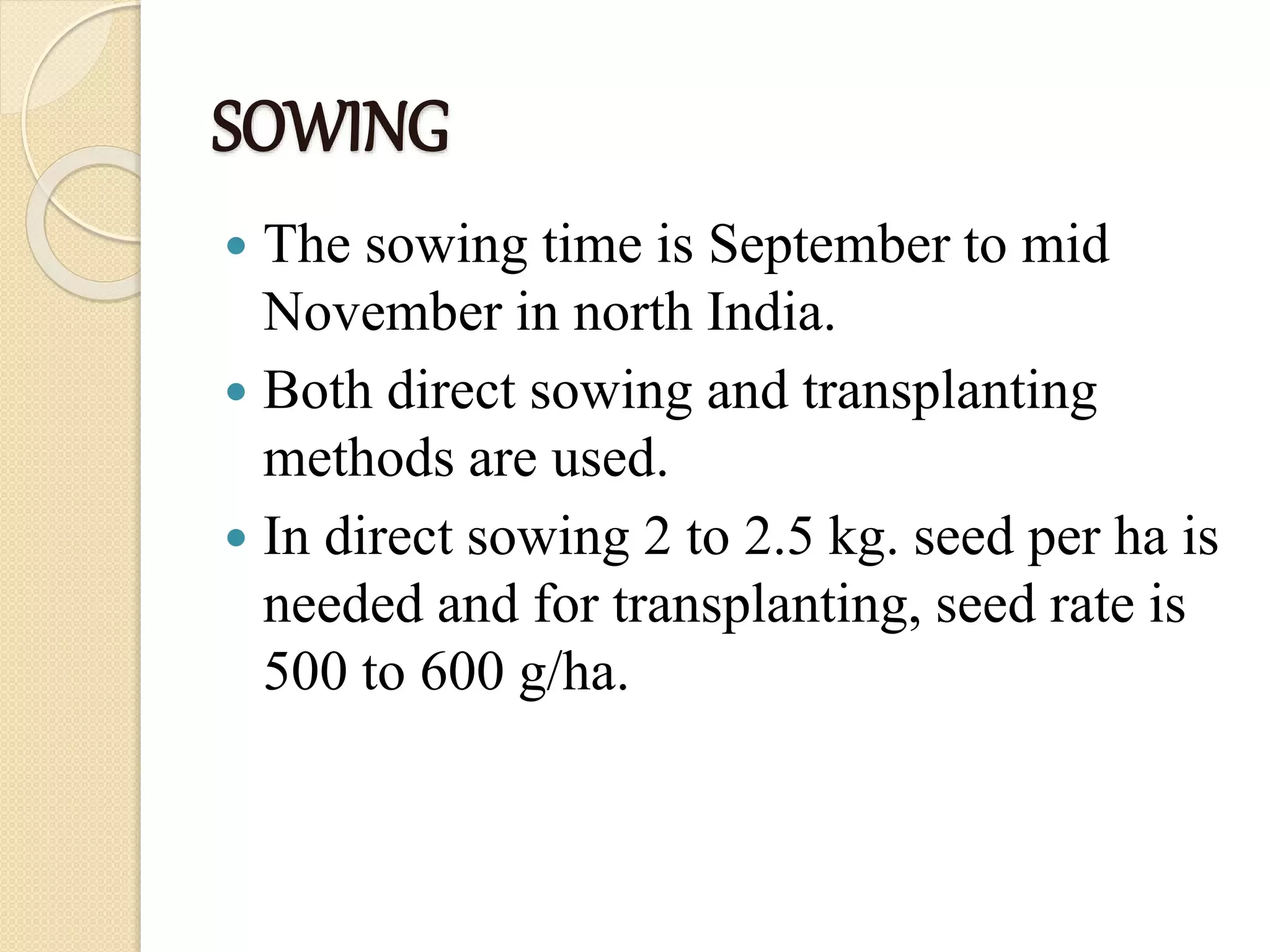
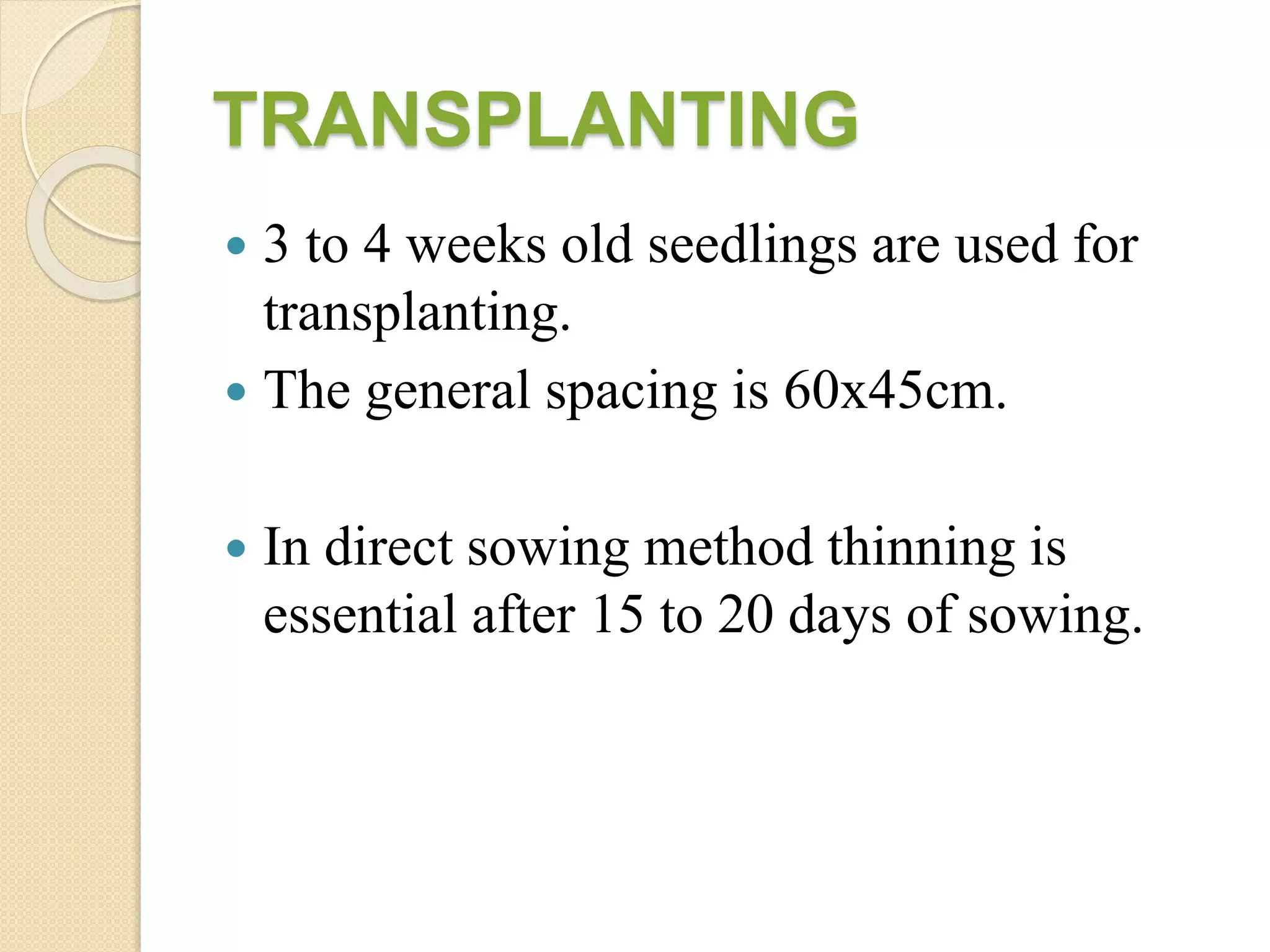
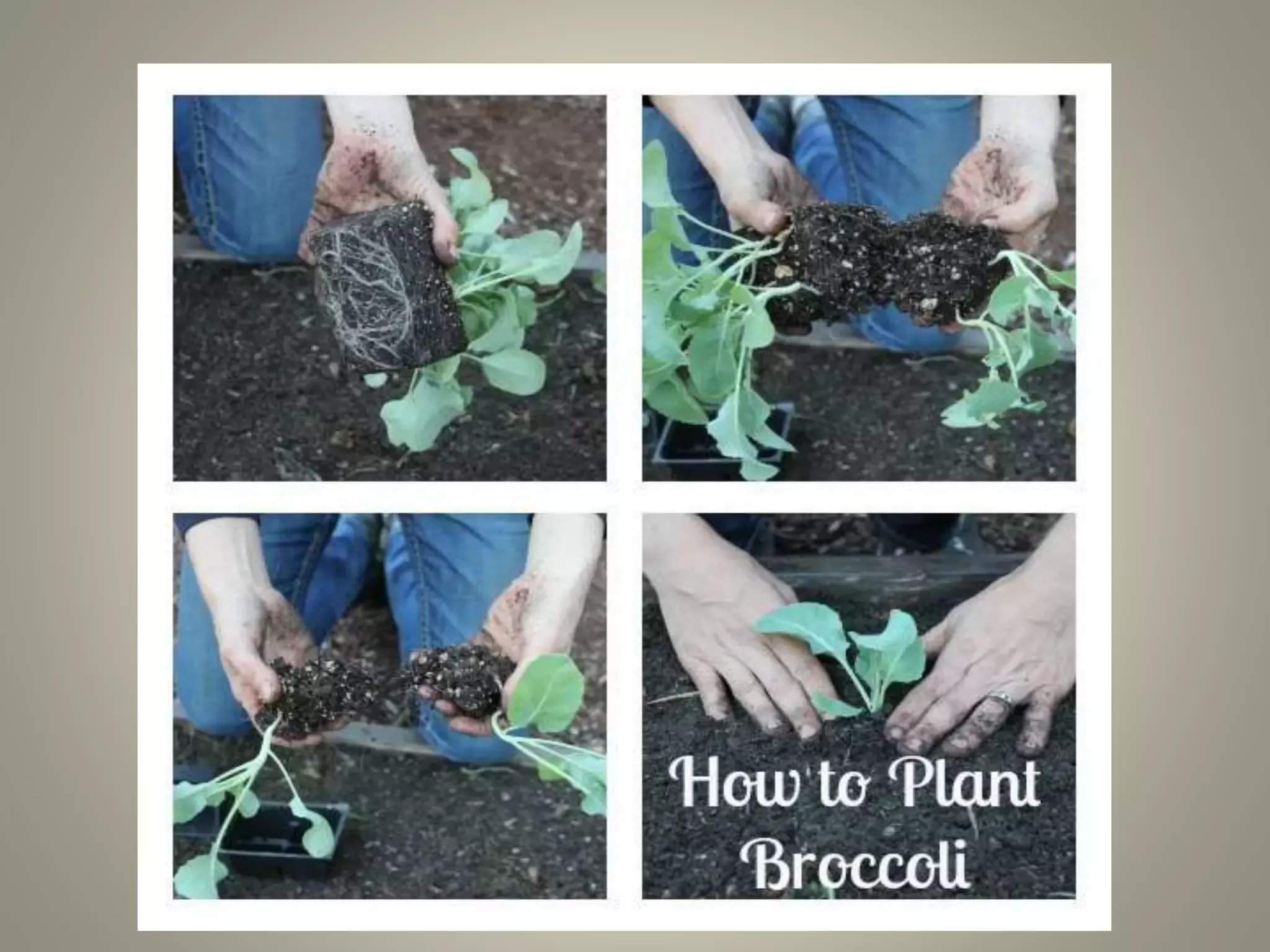
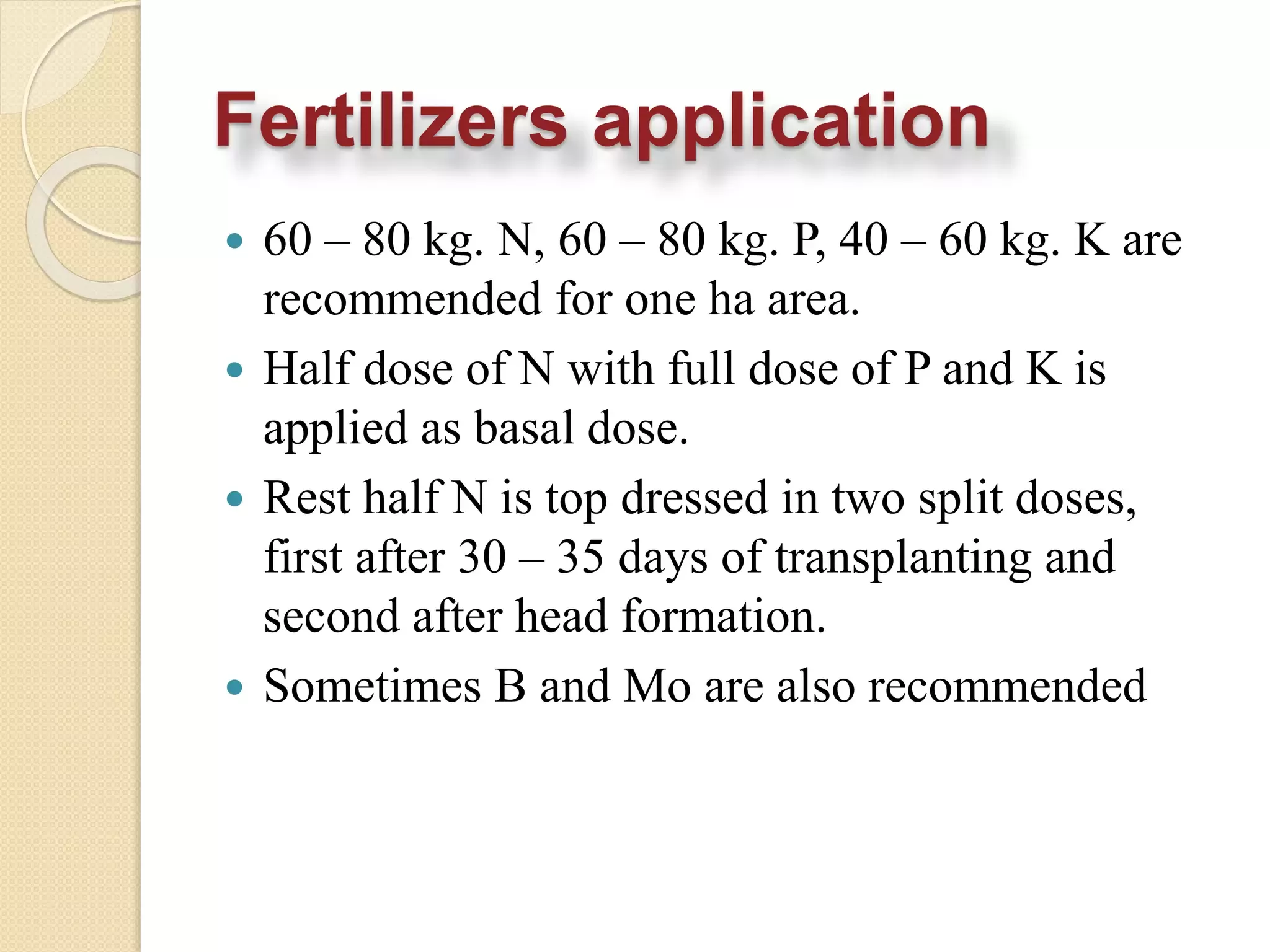
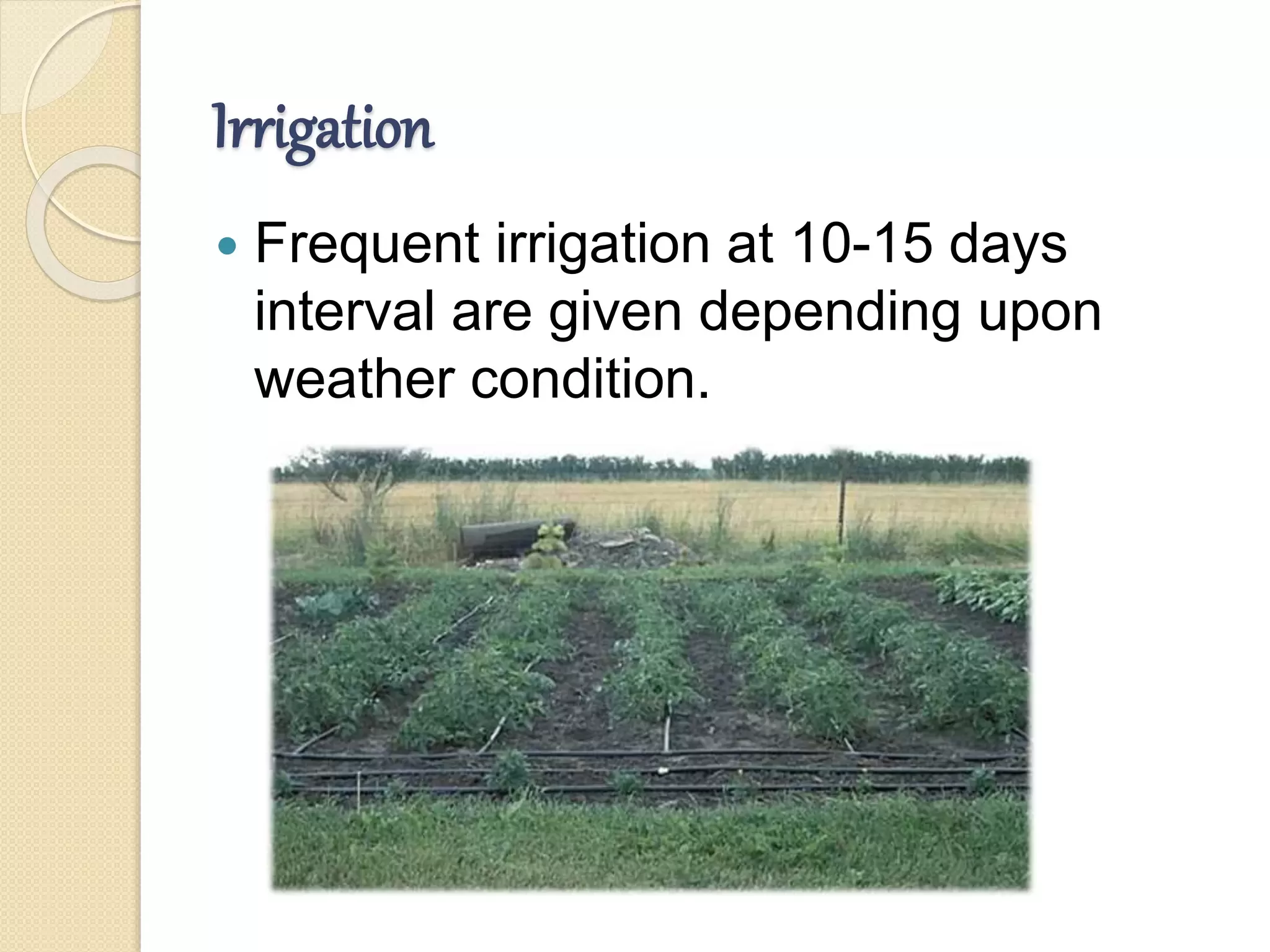
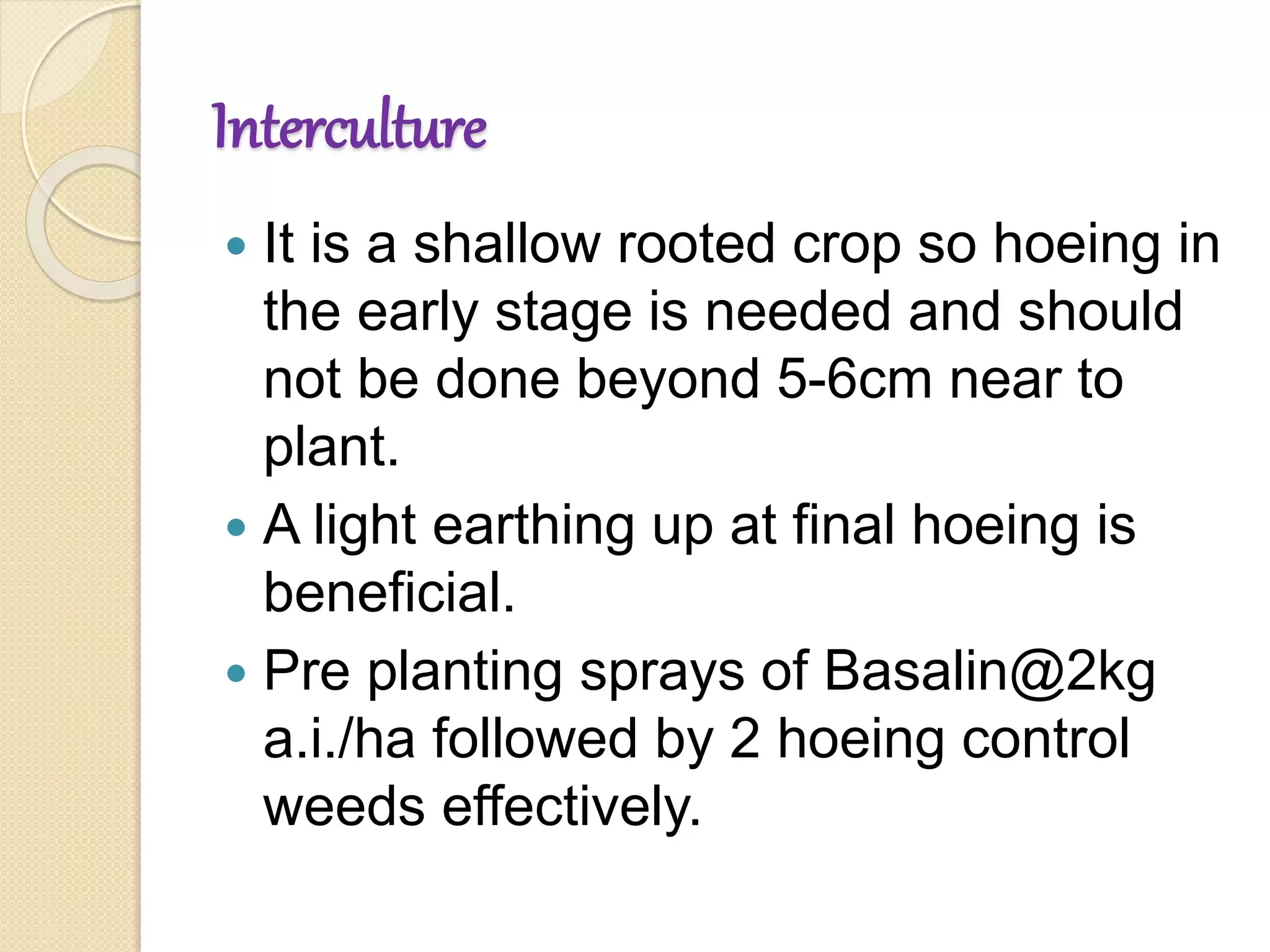
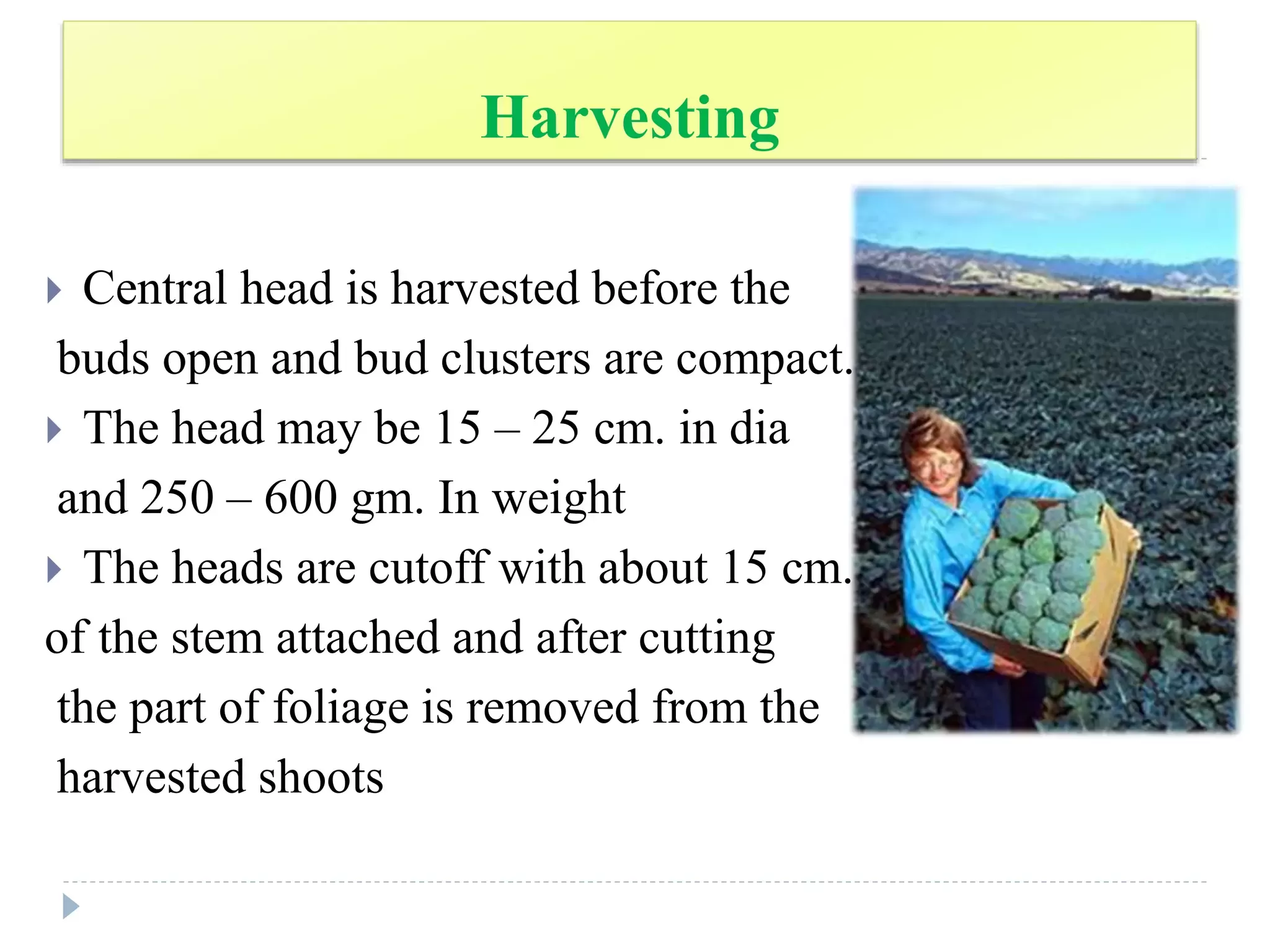
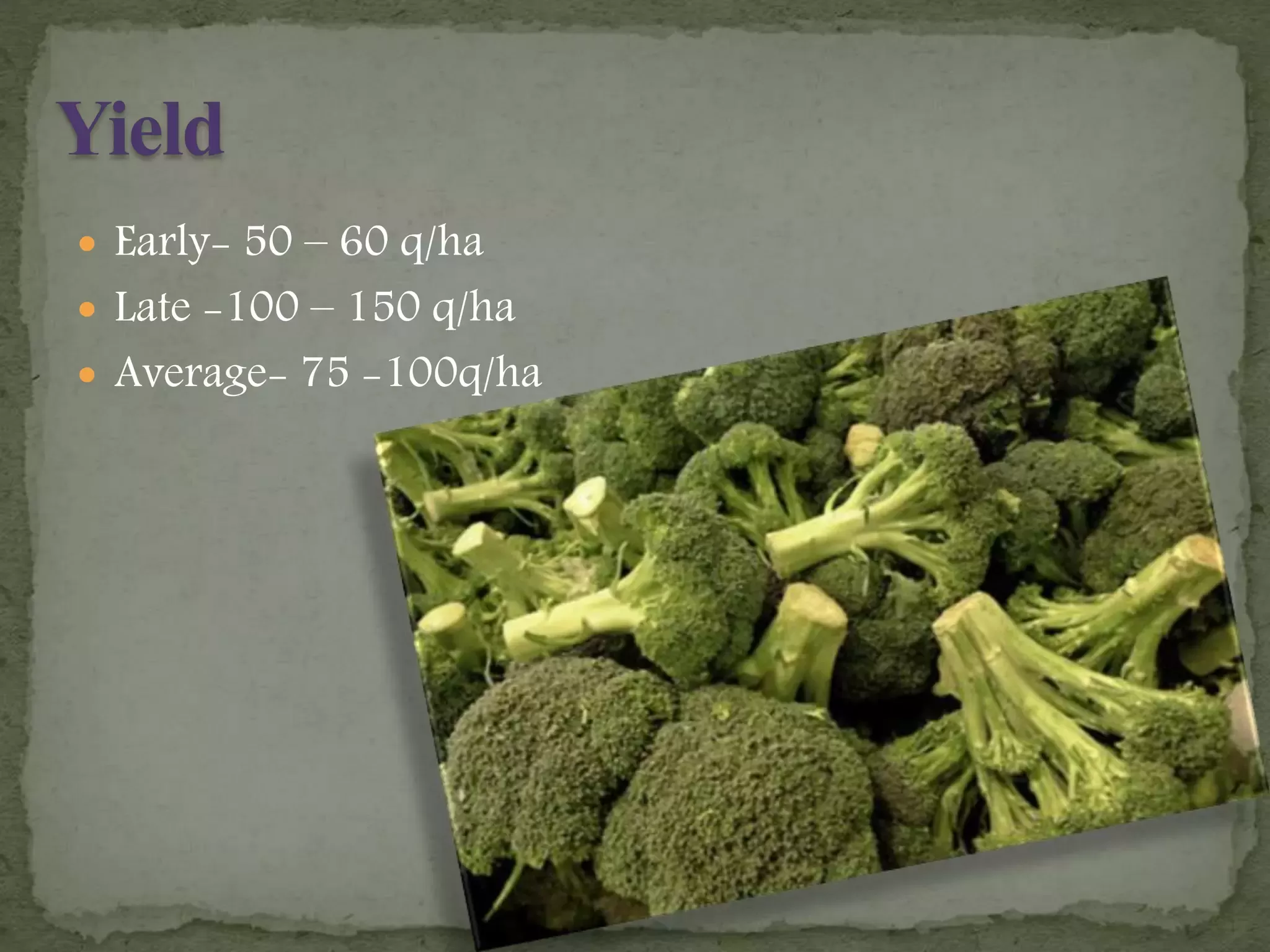
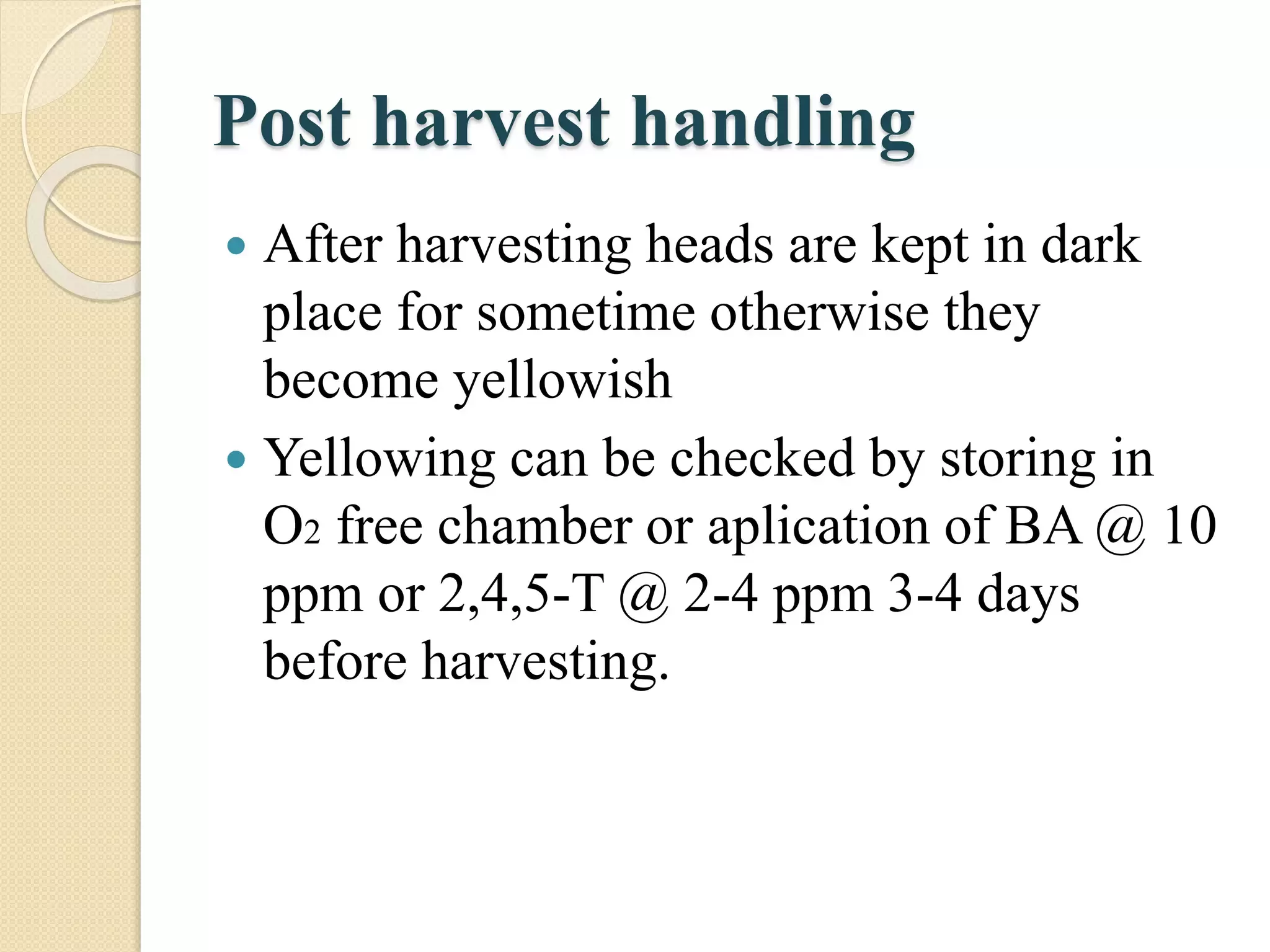
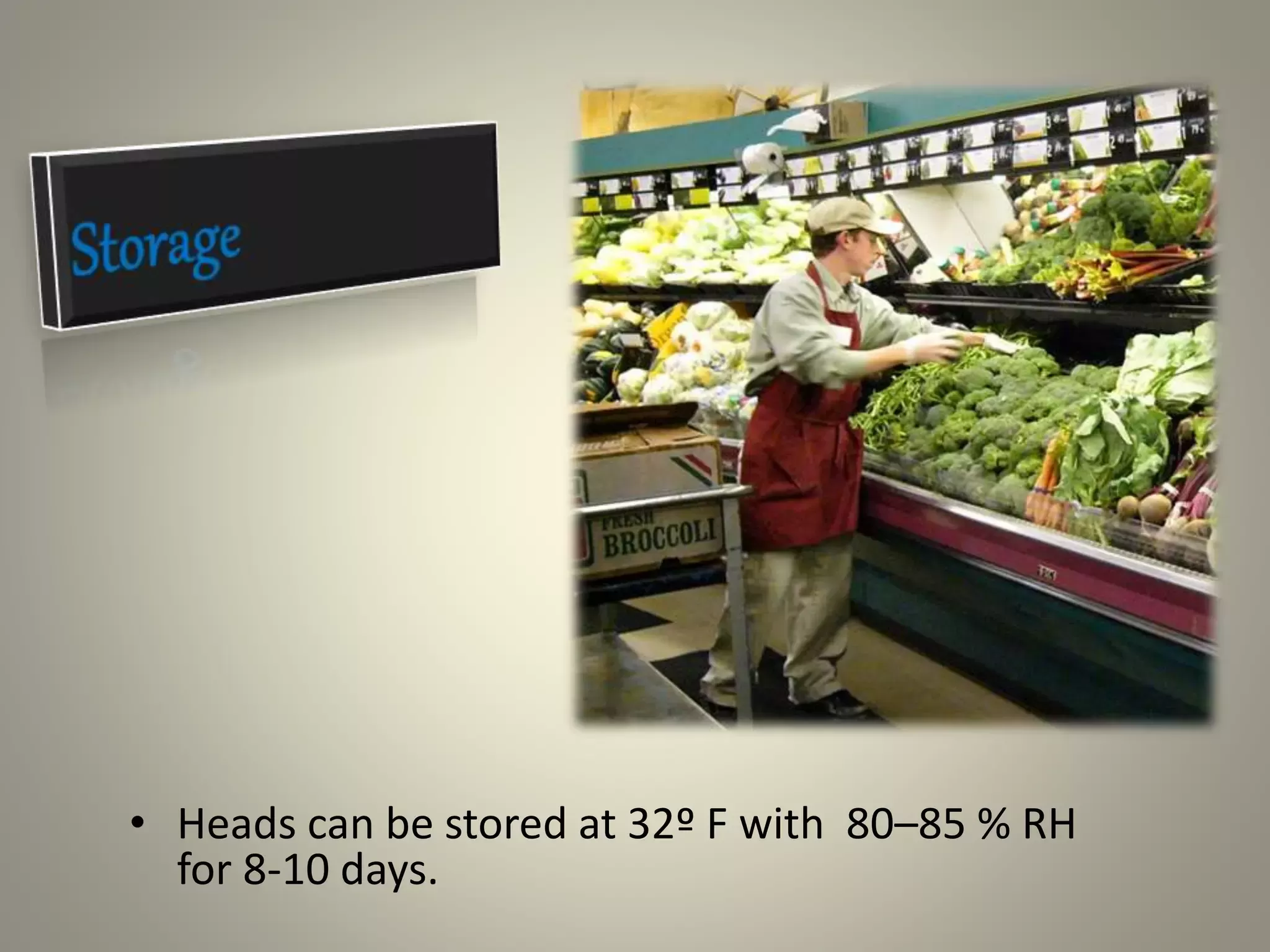
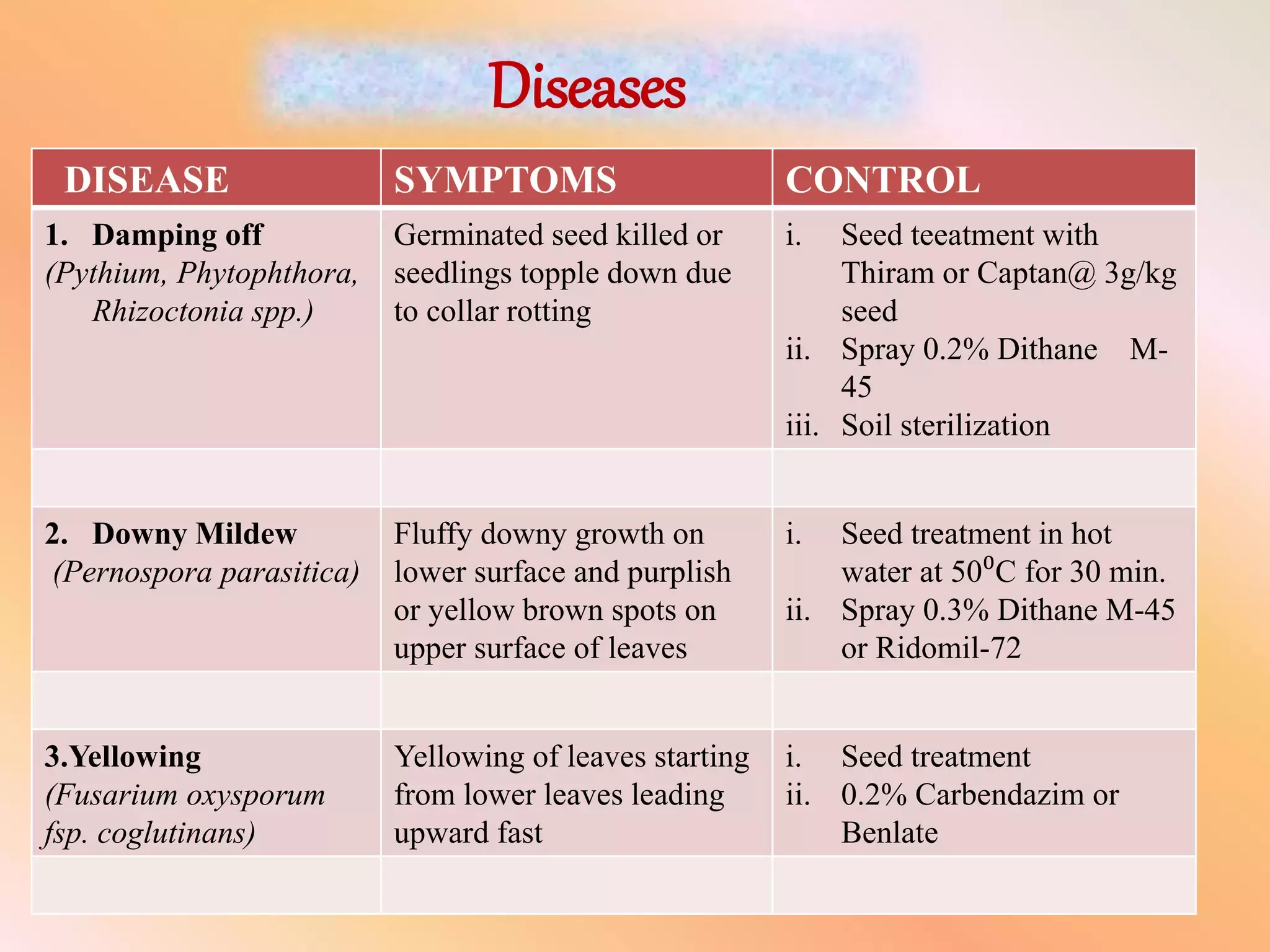
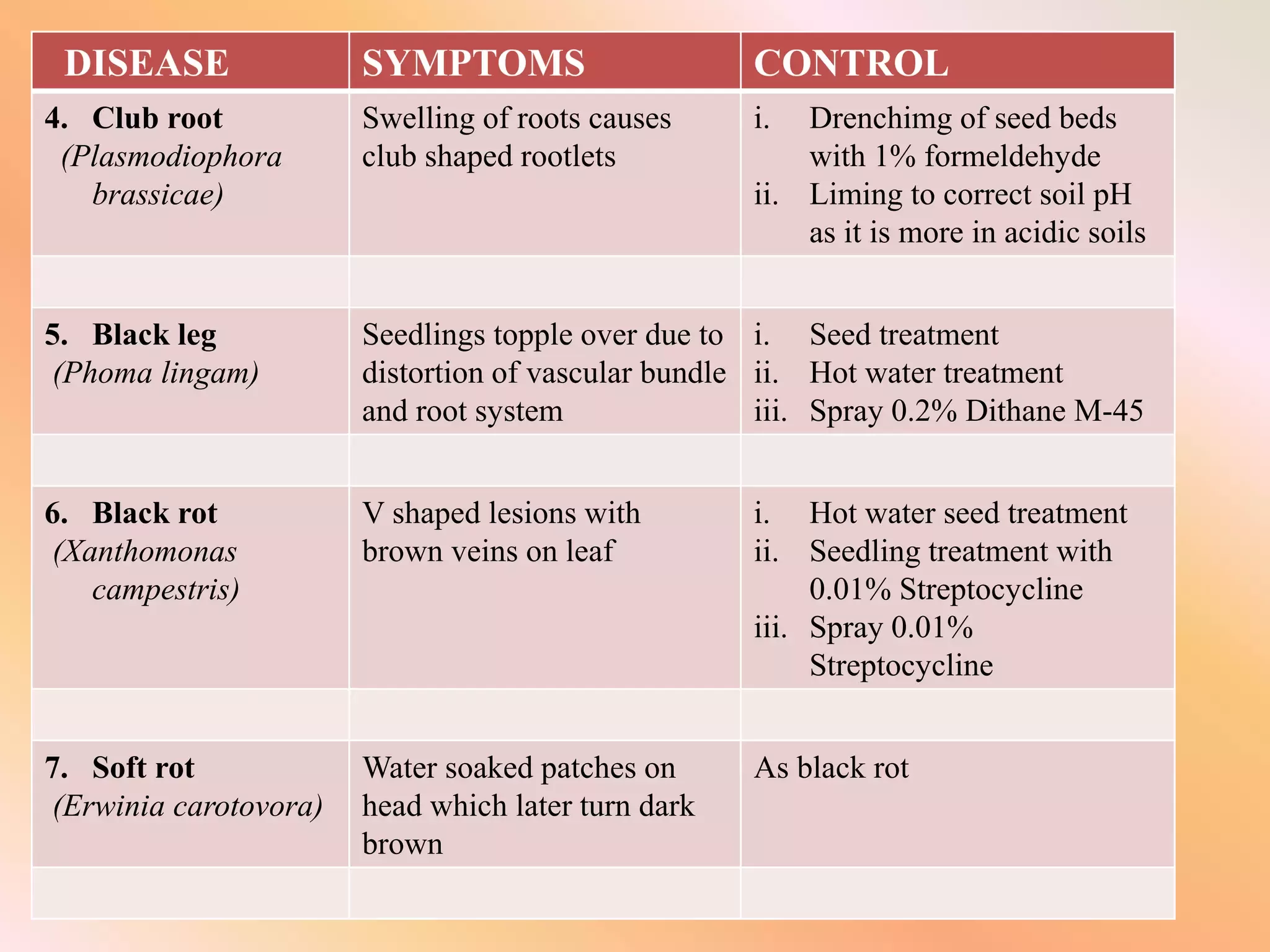
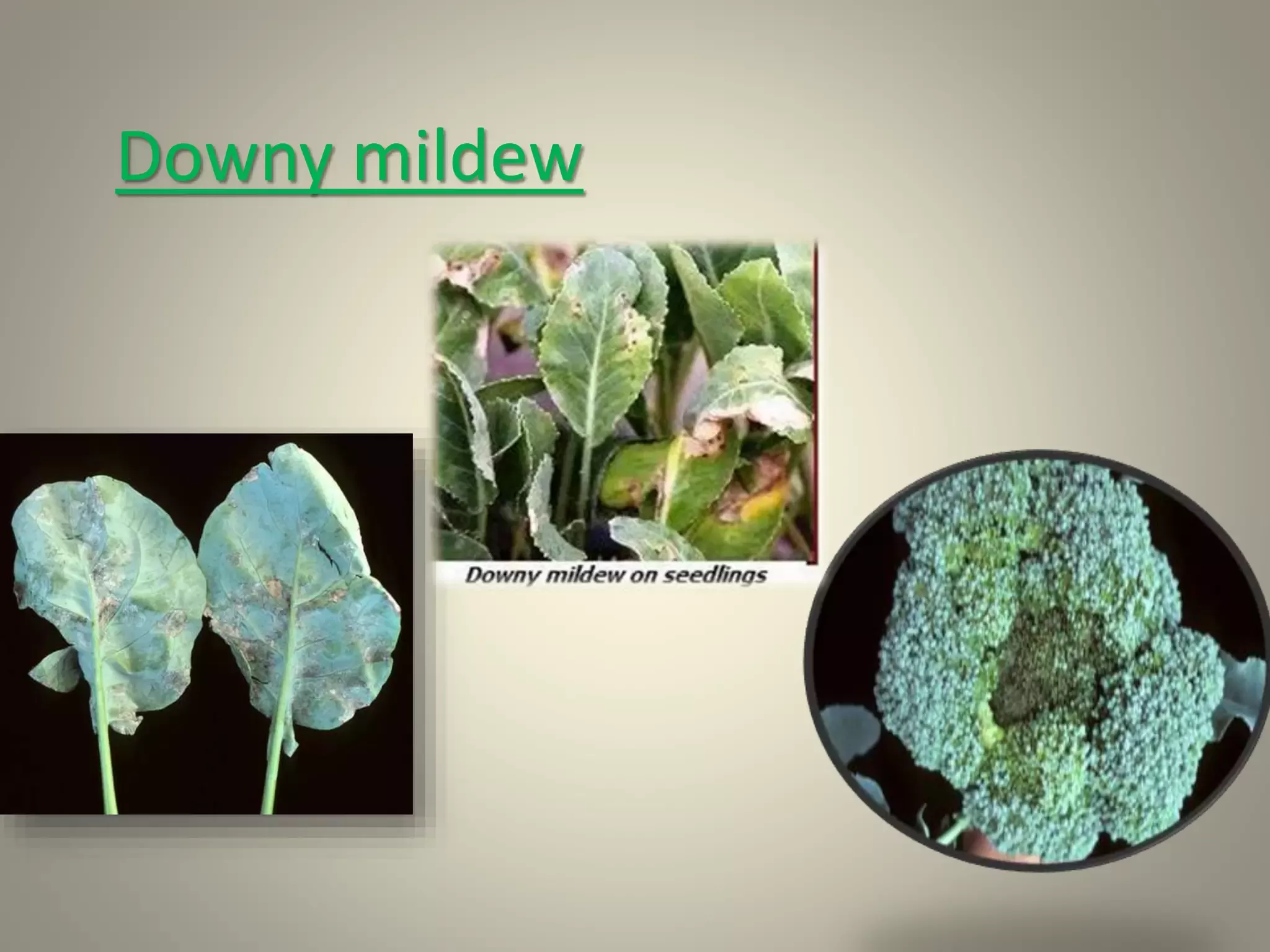
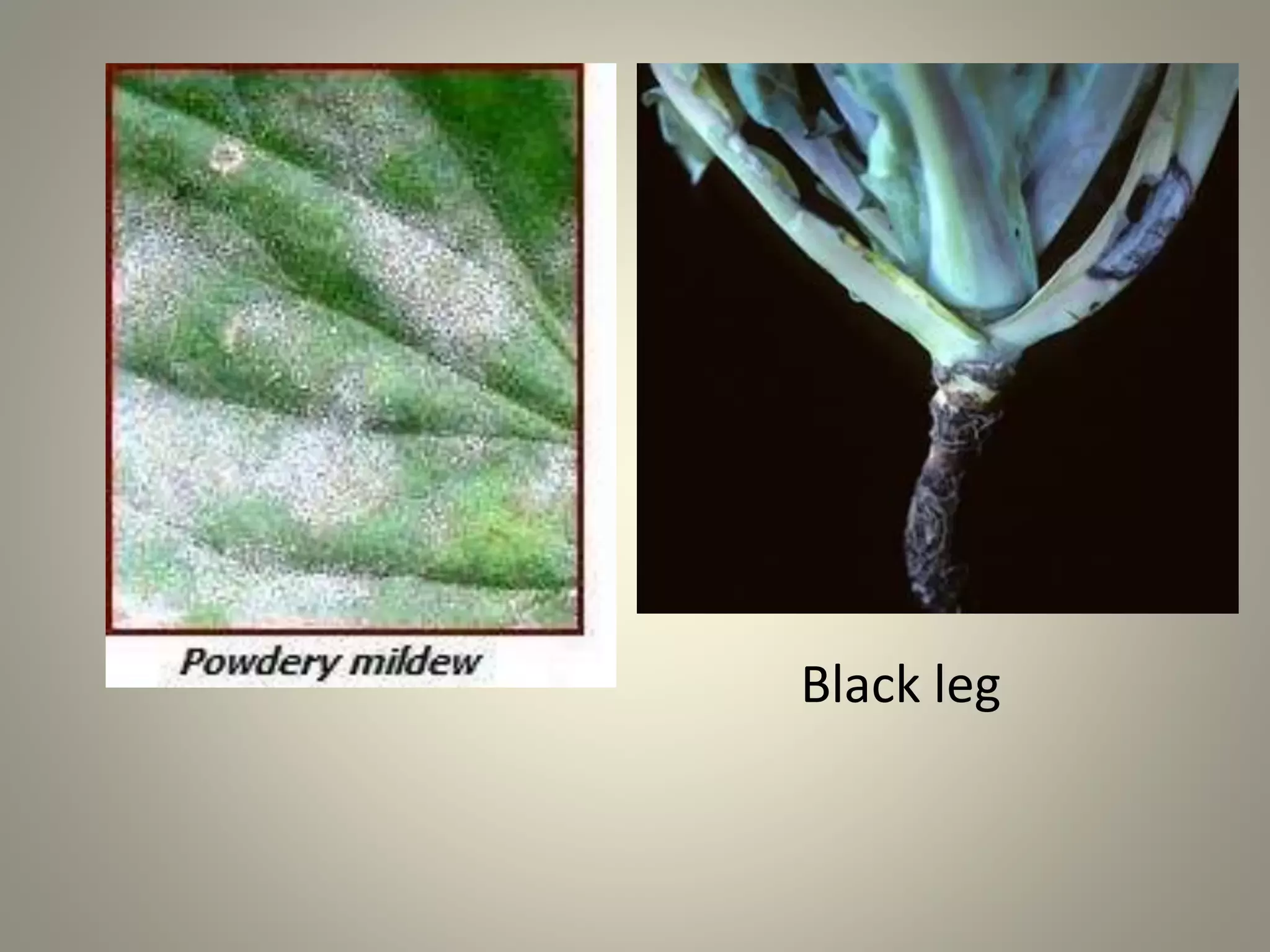
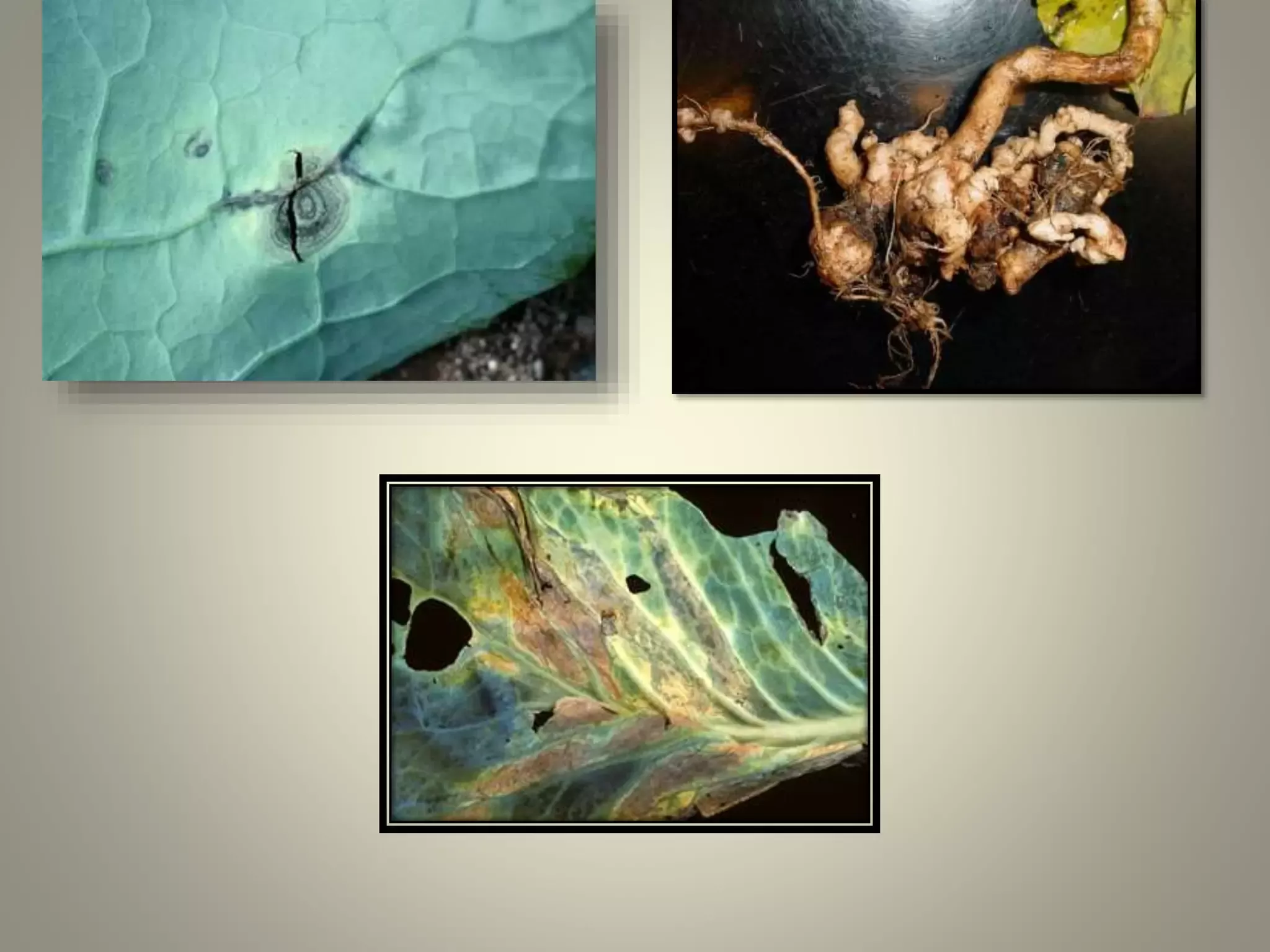
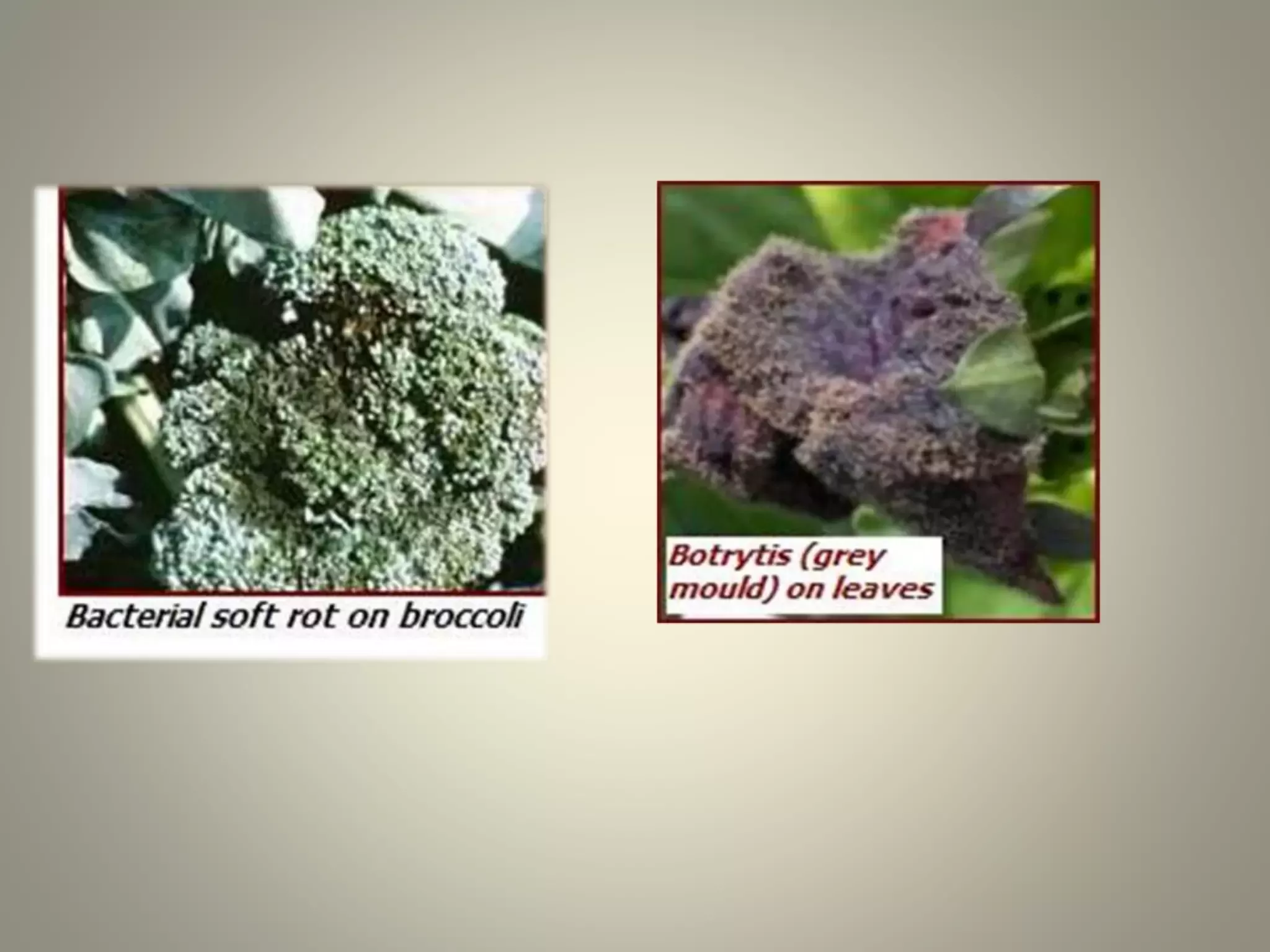
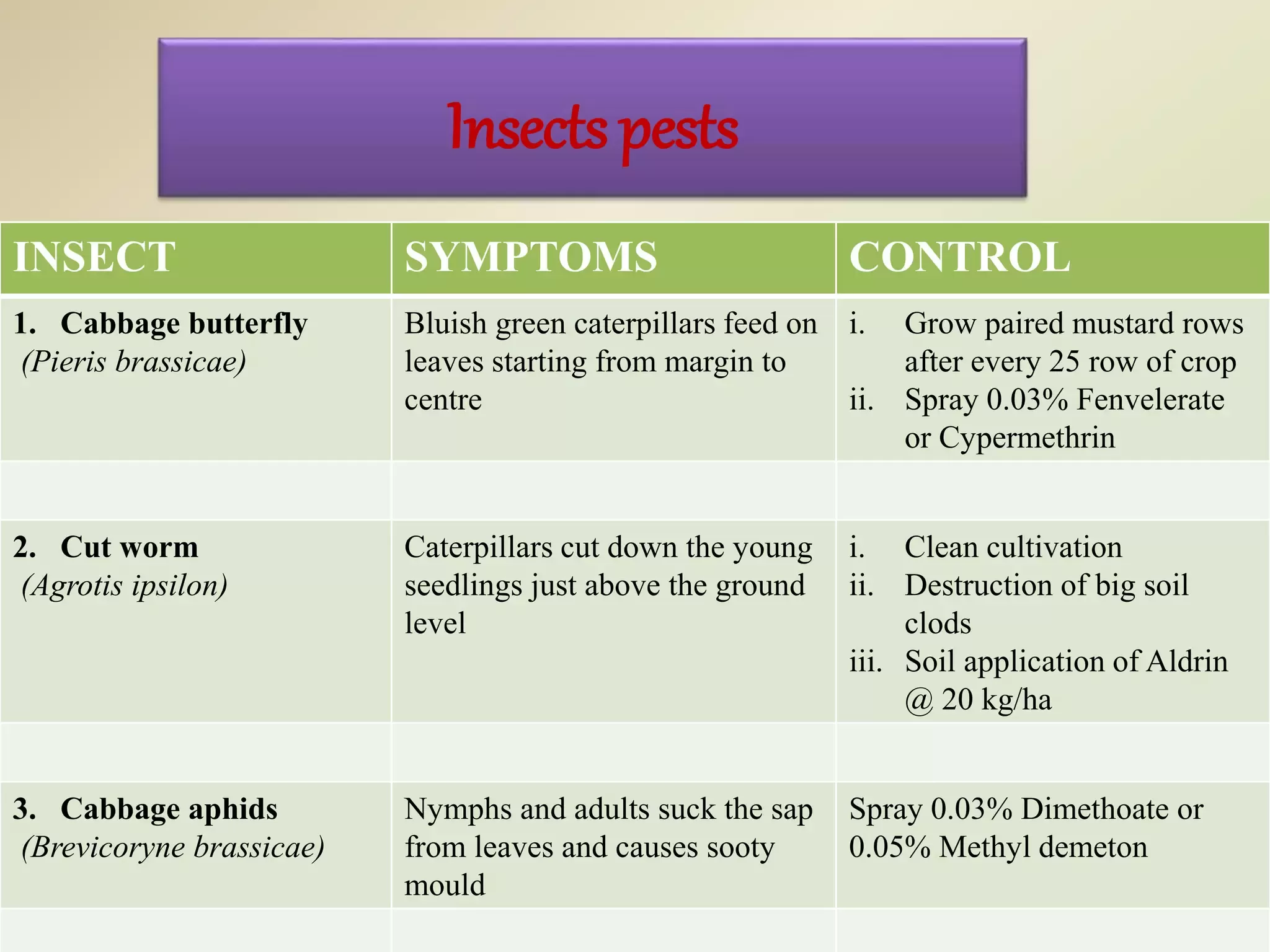
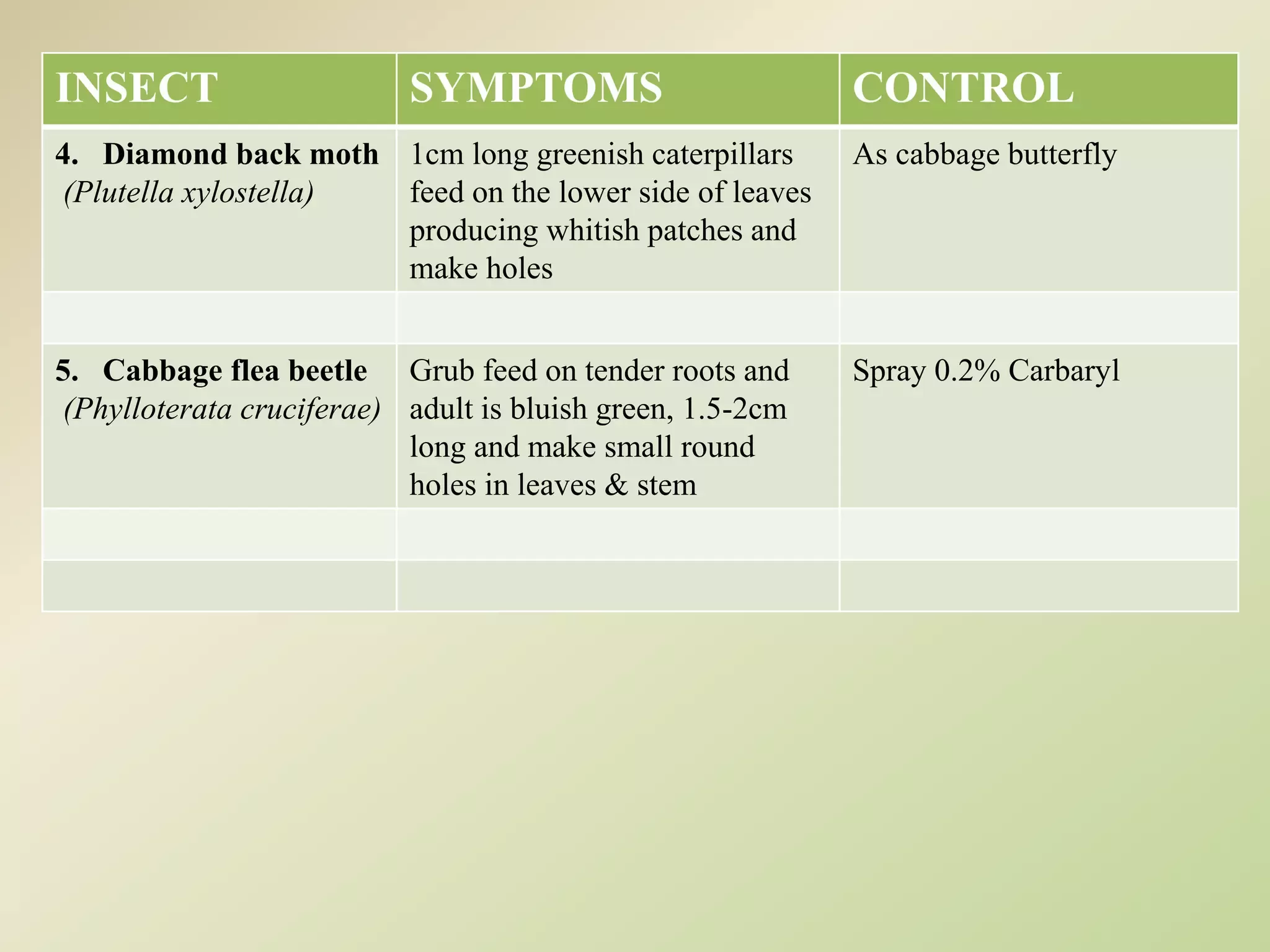
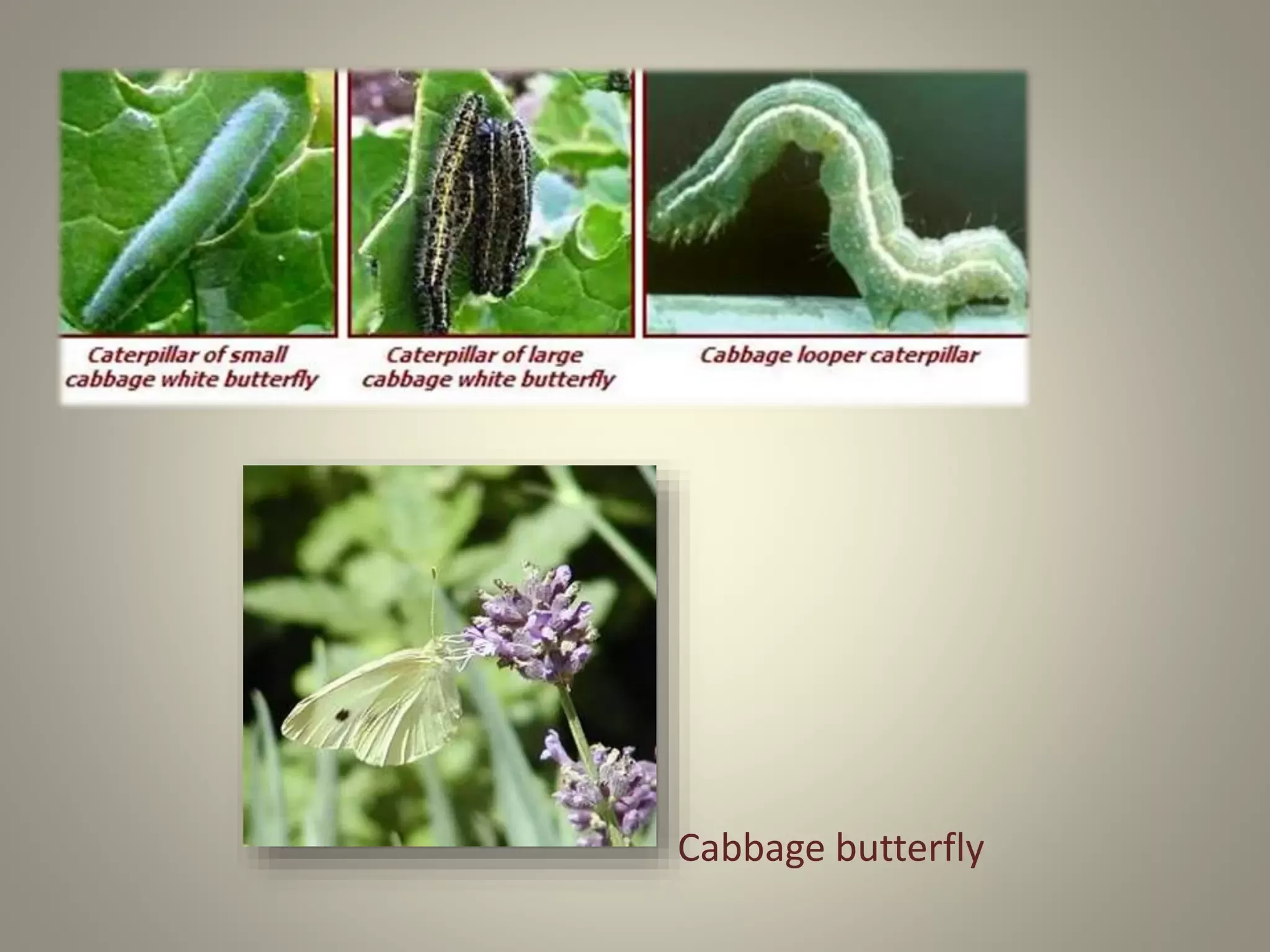
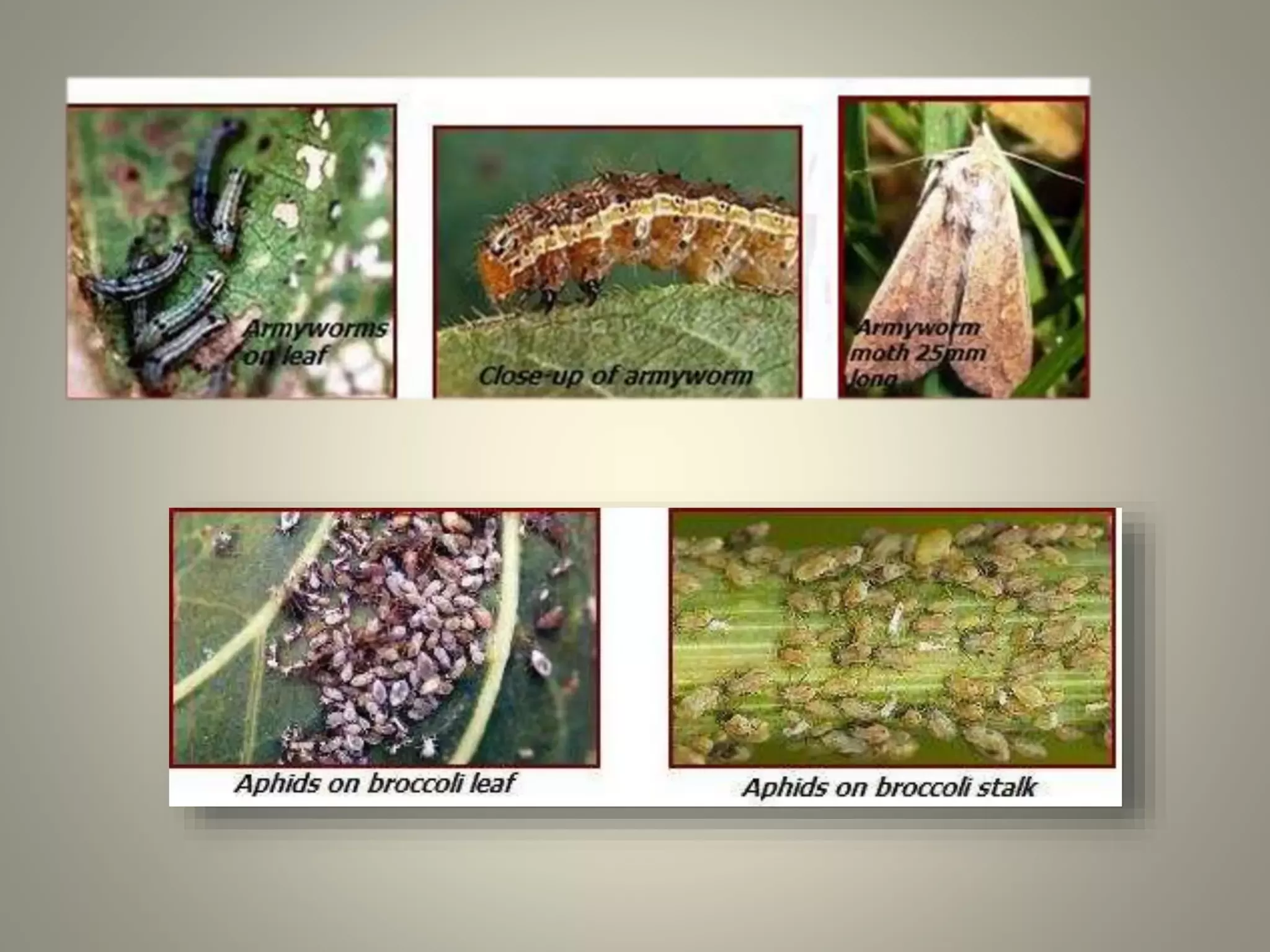
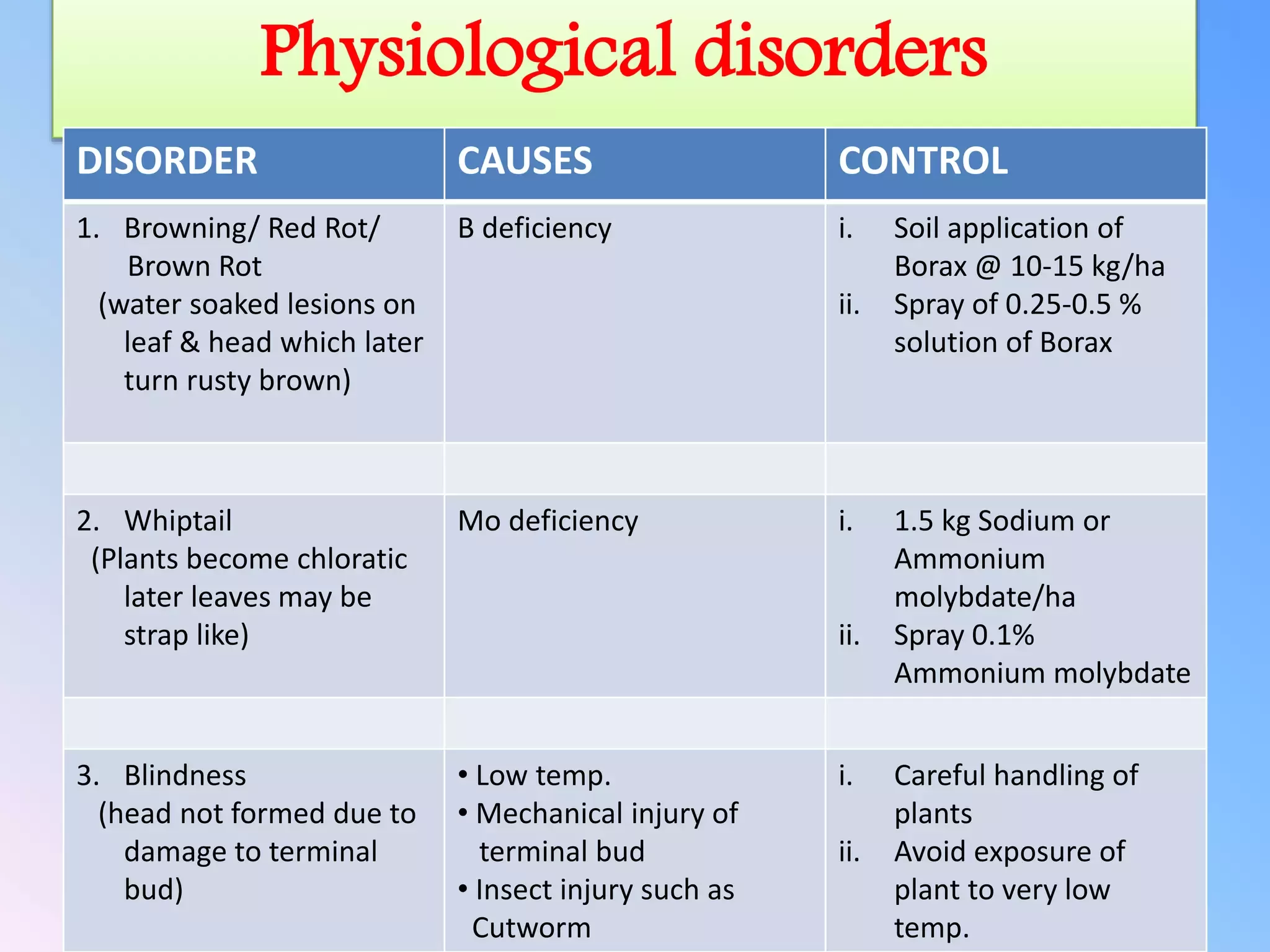
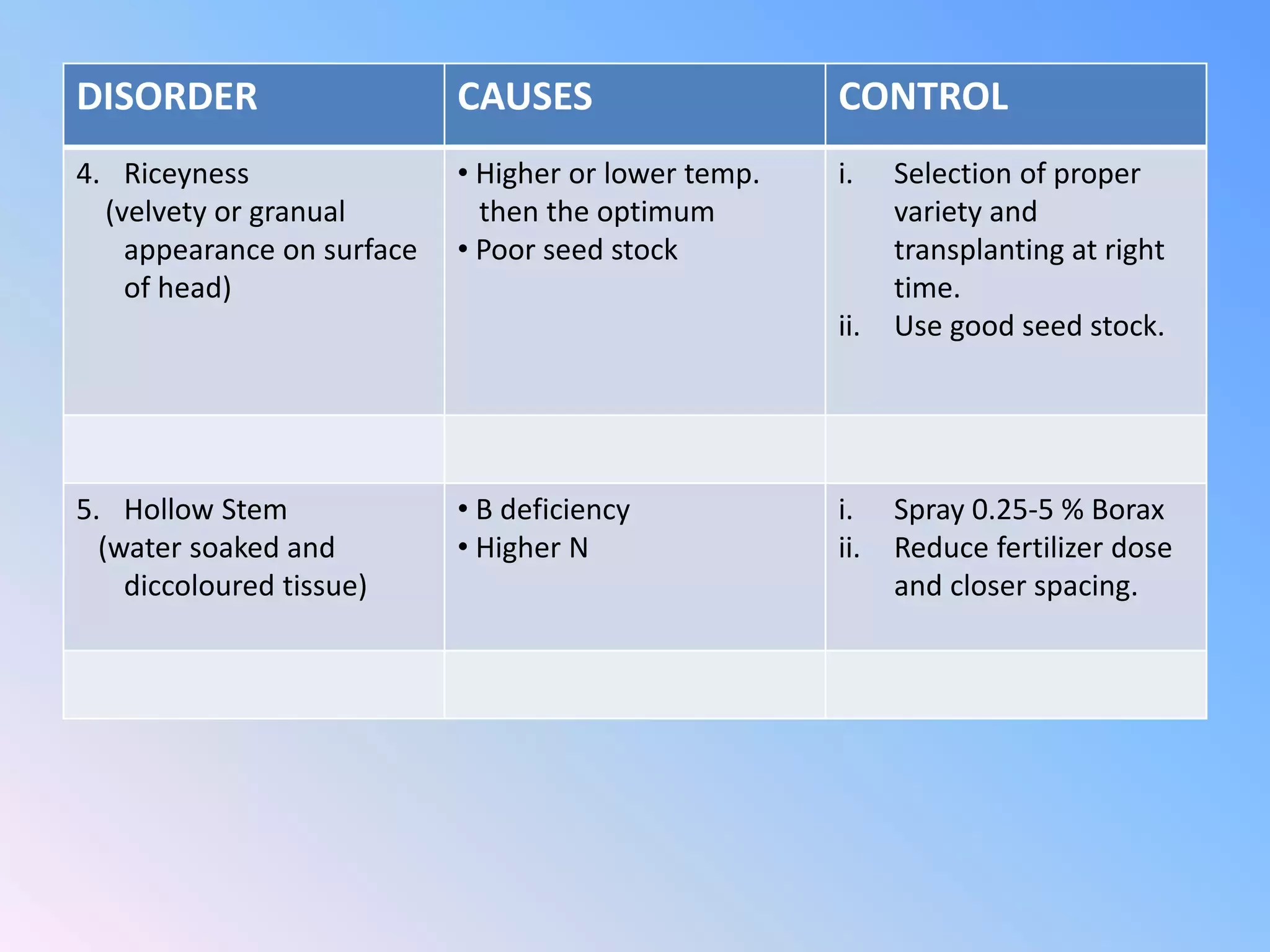
Broccoli, scientifically known as Brassica oleracea var. italica, is a member of the Brassicaceae family, a group commonly referred to as cruciferous vegetables. Originating from the Mediterranean region, particularly Italy, broccoli exhibits a unique genetic composition with a chromosome number of 2n=2x=18. The term “broccoli” is derived from the Italian word ‘brocco’, which translates to “shoot.” While not widespread in certain countries, it is primarily cultivated in hilly regions such as Himachal Pradesh, Jammu & Kashmir, Uttar Pradesh, and the Nilgiri Hills, where the climate and soil conditions are conducive to its growth. Morphologically, sprouting broccoli bears a resemblance to cauliflower, characterized by a compact head composed of green buds atop long, sturdy stalks. These stalks tend to be thicker than those of cauliflower, contributing to broccoli’s distinctive texture. The edible portion of the plant consists mainly of the terminal head, although the buds that develop in the leaf axils can also be consumed. In terms of nutritional composition, broccoli is predominantly water, making up about 89.9% of its content. It also boasts significant levels of carbohydrates, protein, vitamins, and essential minerals. Remarkably, broccoli contains 130 times more vitamin A than cauliflower and exhibits impressive anticarcinogenic properties due to its high sulphoraphane content, which is linked to cancer risk reduction. Nutritionists often recommend it for heart health, and it can be enjoyed in various culinary forms, including salads, soups, curries, and casseroles. However, it is crucial to note that boiling broccoli for more than ten minutes can diminish its nutritional value. Broccoli cultivars are diverse, encompassing green, white, and purple varieties, with the green types being the most commonly cultivated. They can be classified based on maturation time into early (60-70 days), mid (90-110 days), and late (110-120 days) varieties. Each cultivar offers unique growth characteristics that may suit different agricultural practices. With regards to climate preferences, broccoli is sensitive to temperature fluctuations. It thrives in optimal conditions ranging from 20º to 30º C for early types and 5º to 10º C for late cultivars. Soil-wise, broccoli favors sandy to sandy loam types with a pH between 6 and 6.8. Proper land preparation, including thorough ploughing and incorporation of well-rotted farmyard manure (FYM), is essential before planting. Recommended sowing times in northern India range from September to mid-November, employing direct sowing or transplanting techniques. Irrigation practices, fertilization strategies, and intercultural operations like hoeing and light earthing are integral to ensuring robust growth. Harvesting is typically done when the central head is still compact and before buds open, with careful handling to prevent damage. Post-harvest, broccoli heads require specific storage conditions to maintain freshness and prevent yellowing. However, broccoli is susceptible to various pests and diseases, including damping-off, downy mildew, and club root, each necessitating specific control measures. Addressing physiological disorders, such as browning or whiptail, is also important for growers aiming to optimize the quality of their produce. In conclusion, the production of broccoli involves intricate practices that encompass its growth requirements, harvesting techniques, and post-harvest management while being mindful of pest and disease management. Its rich nutritional profile and versatility in the kitchen make broccoli a valuable vegetable, both for health enthusiasts and the agricultural community.

Slide 1

Slide 1

Slide 2

Slide 2

Slide 3

Slide 3

Slide 4

Slide 4

Slide 5

Slide 5

Slide 6

Slide 6

Slide 7

Slide 7

Slide 8

Slide 8

Slide 9

Slide 9

Slide 10

Slide 10

Slide 11

Slide 11

Slide 12

Slide 12

Slide 13

Slide 13

Slide 14

Slide 14

Slide 15

Slide 15

Slide 16

Slide 16

Slide 17

Slide 17

Slide 18

Slide 18

Slide 19

Slide 19

Slide 20

Slide 20

Slide 21

Slide 21

Slide 22

Slide 22

Slide 23

Slide 23

Slide 24

Slide 24

Slide 25

Slide 25

Slide 26

Slide 26

Slide 27

Slide 27

Slide 28

Slide 28

Slide 29

Slide 29

Slide 30

Slide 30

Slide 31

Slide 31

Slide 32

Slide 32

Slide 33

Slide 33

Slide 34

Slide 34
1 / 34