Home Quiz Old Paper PPT

Ppt on Chow chow vegetable cultivation

Description

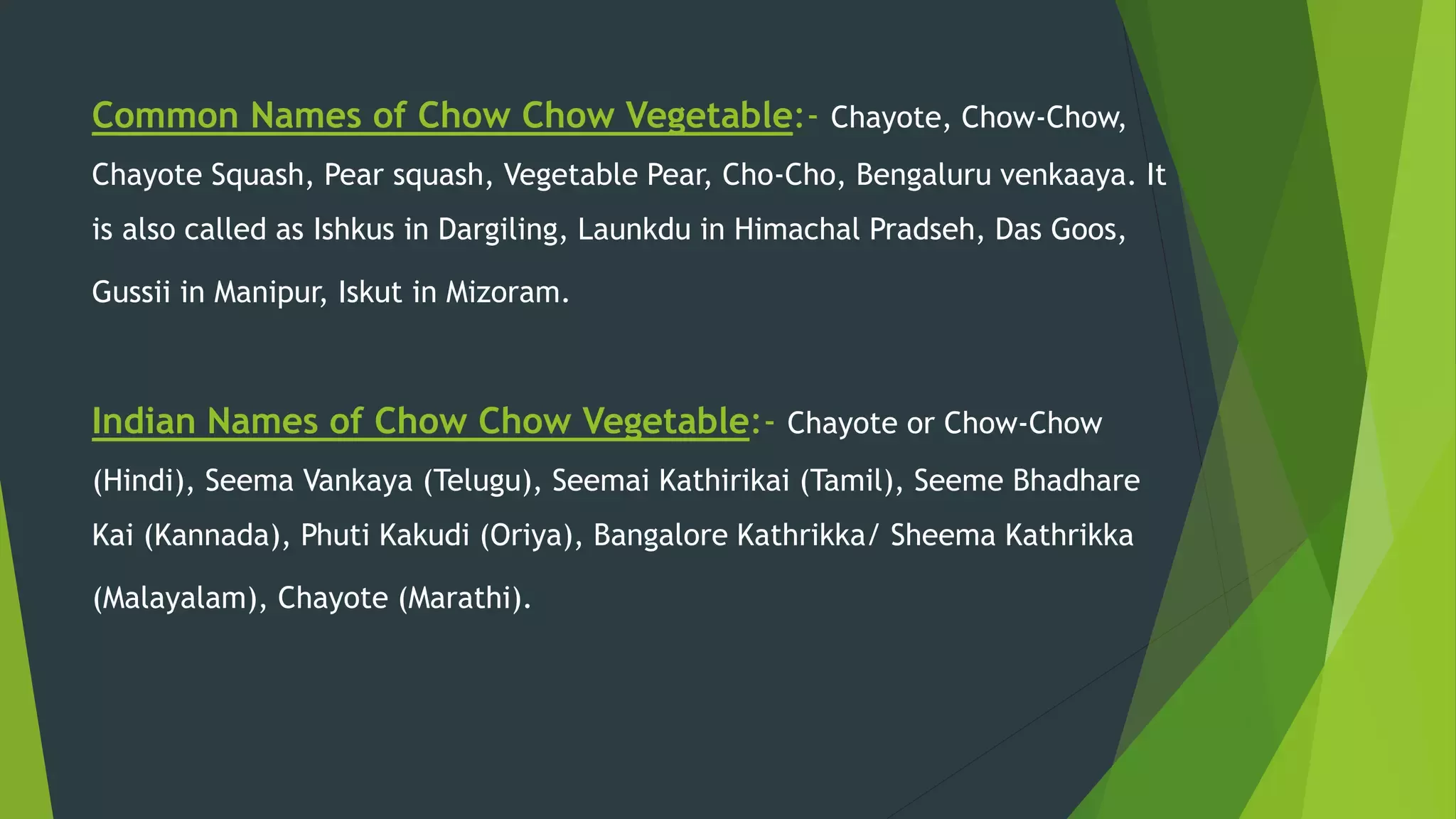
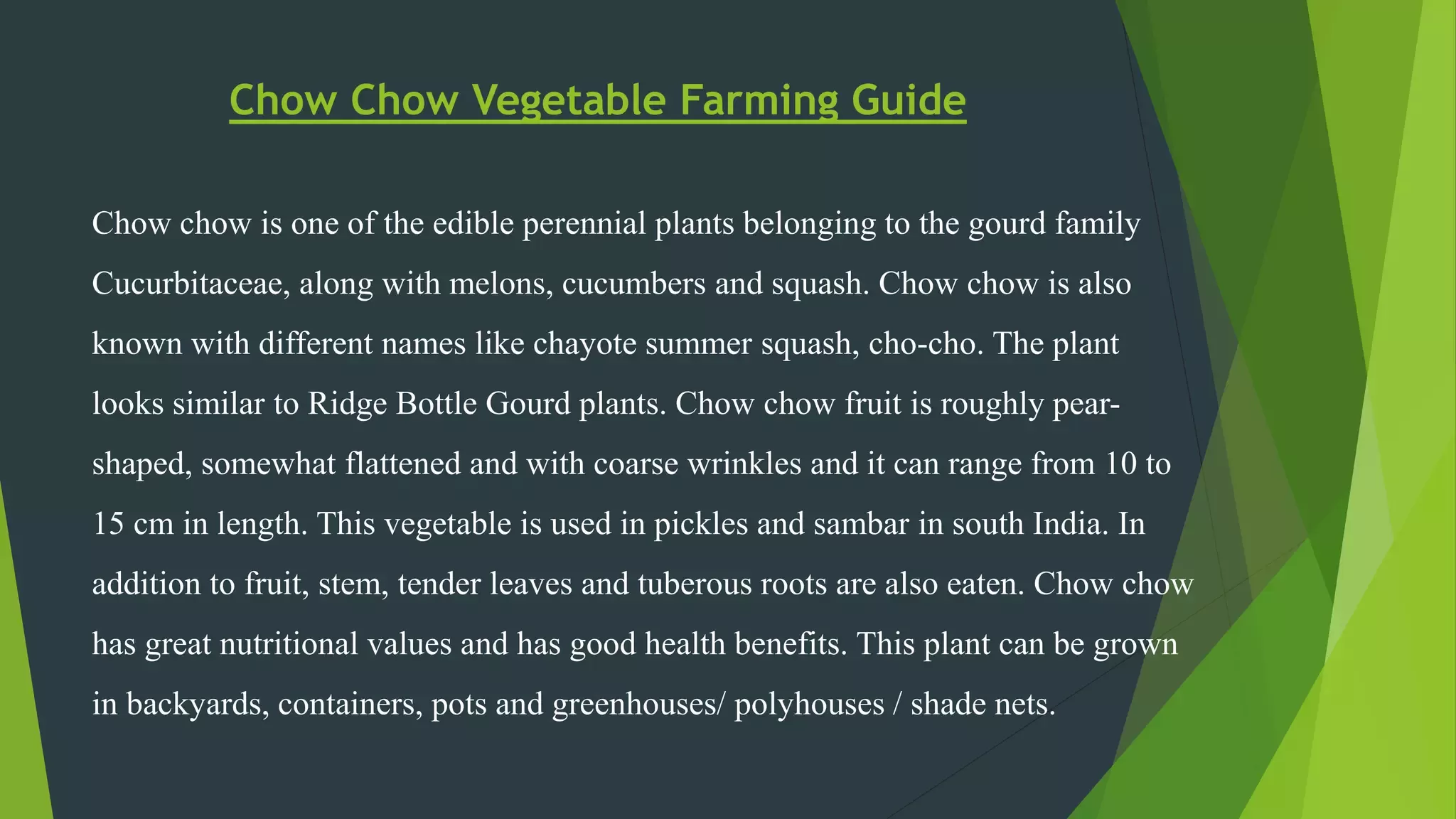
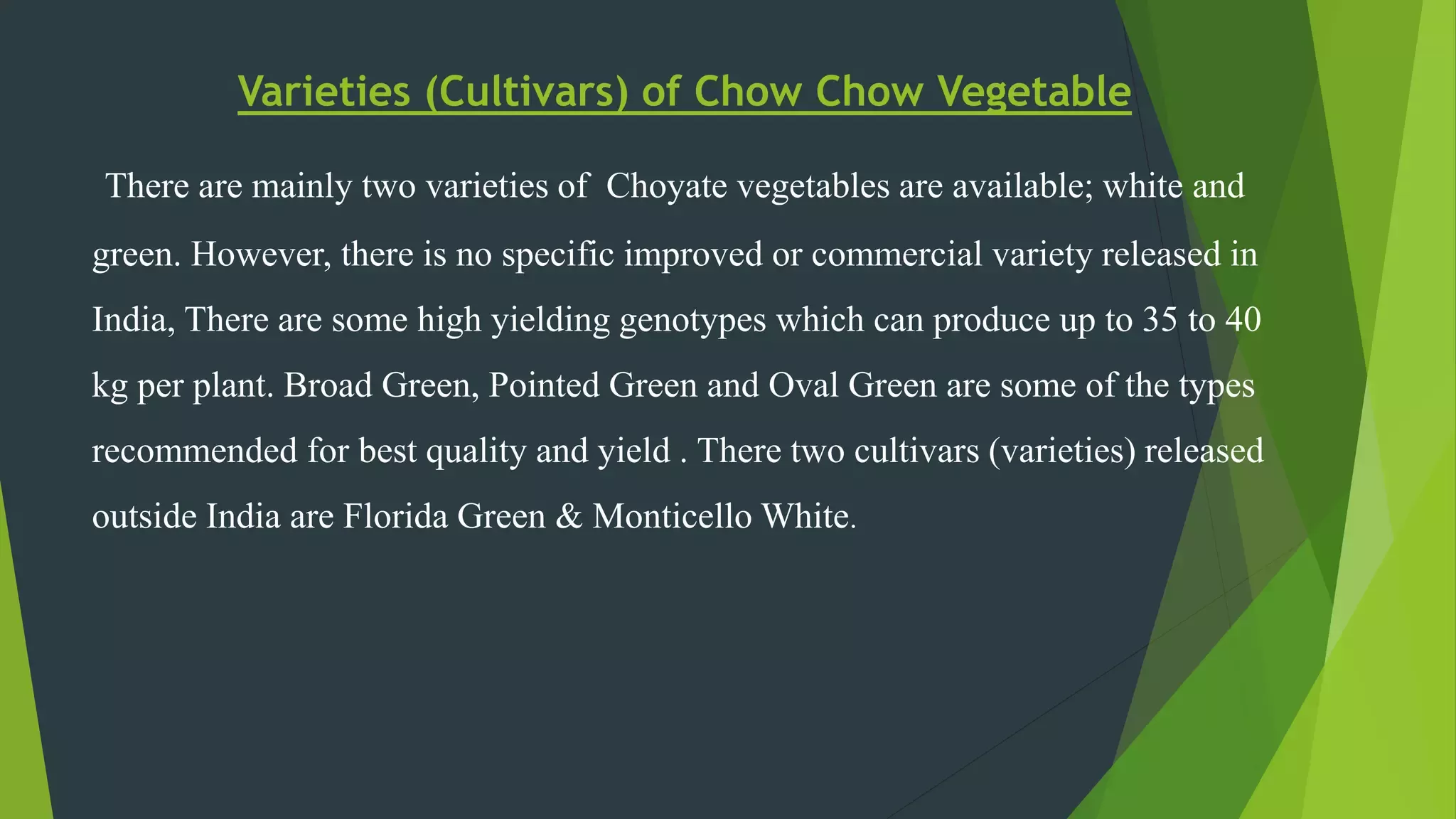
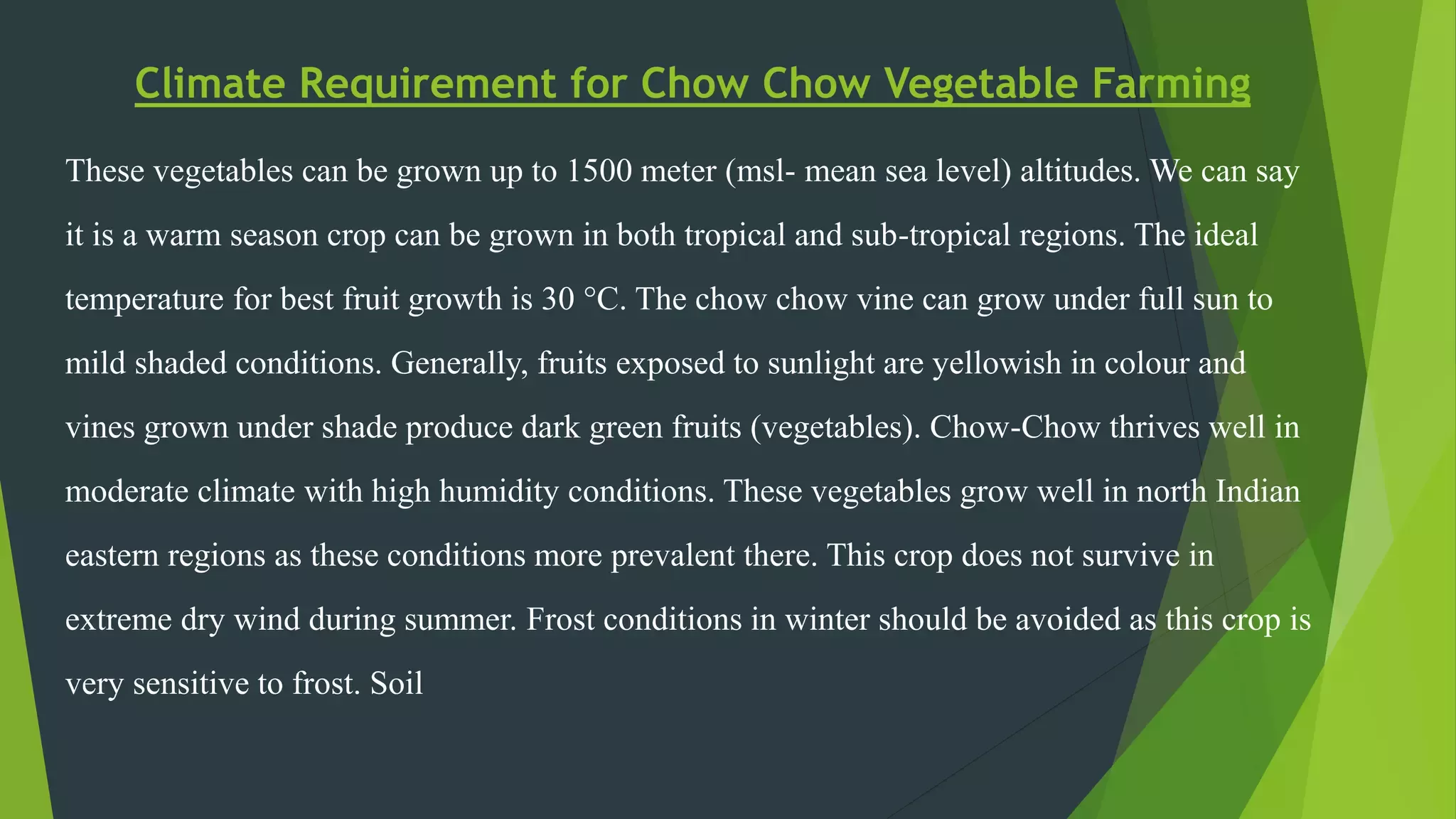
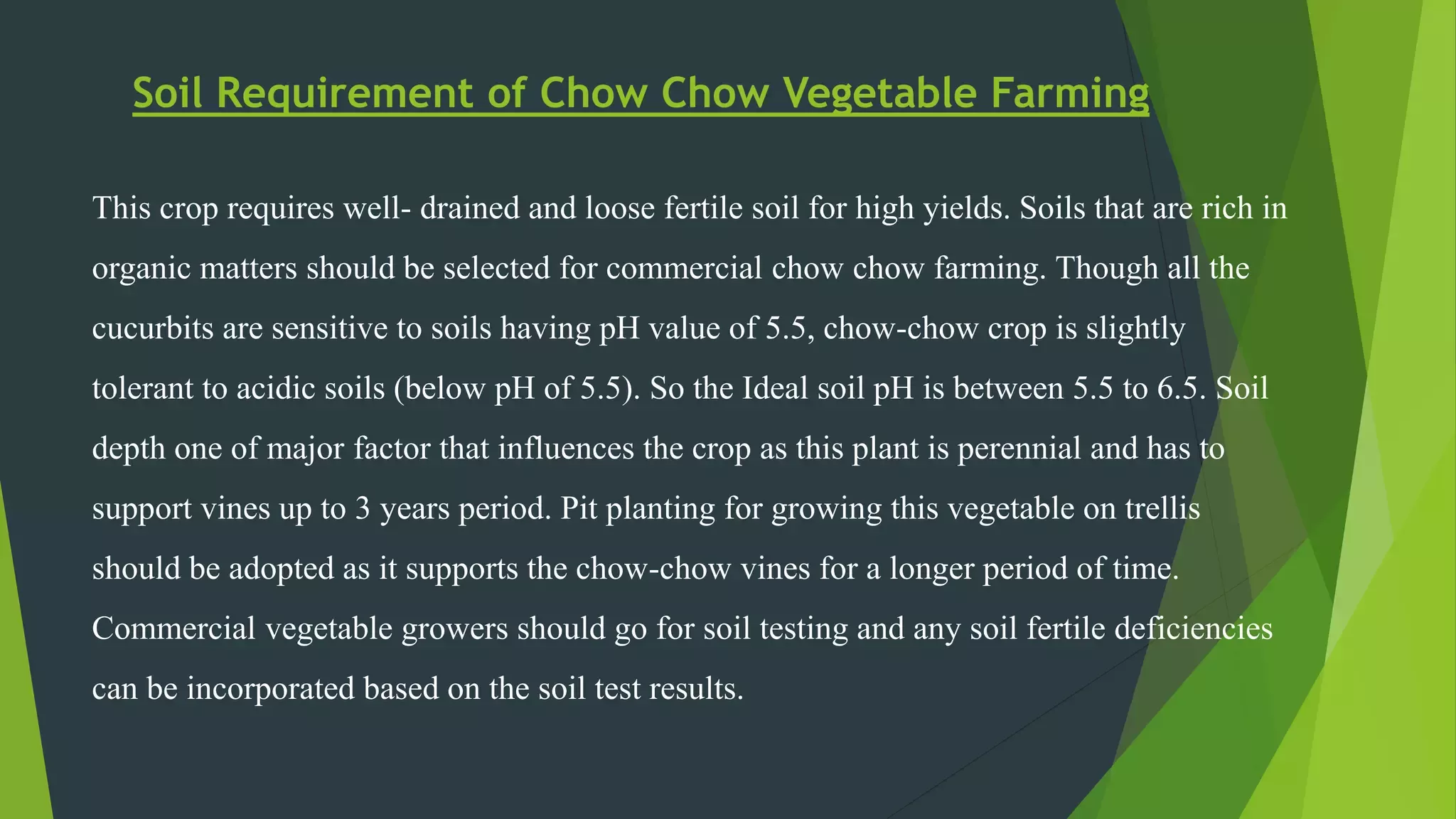
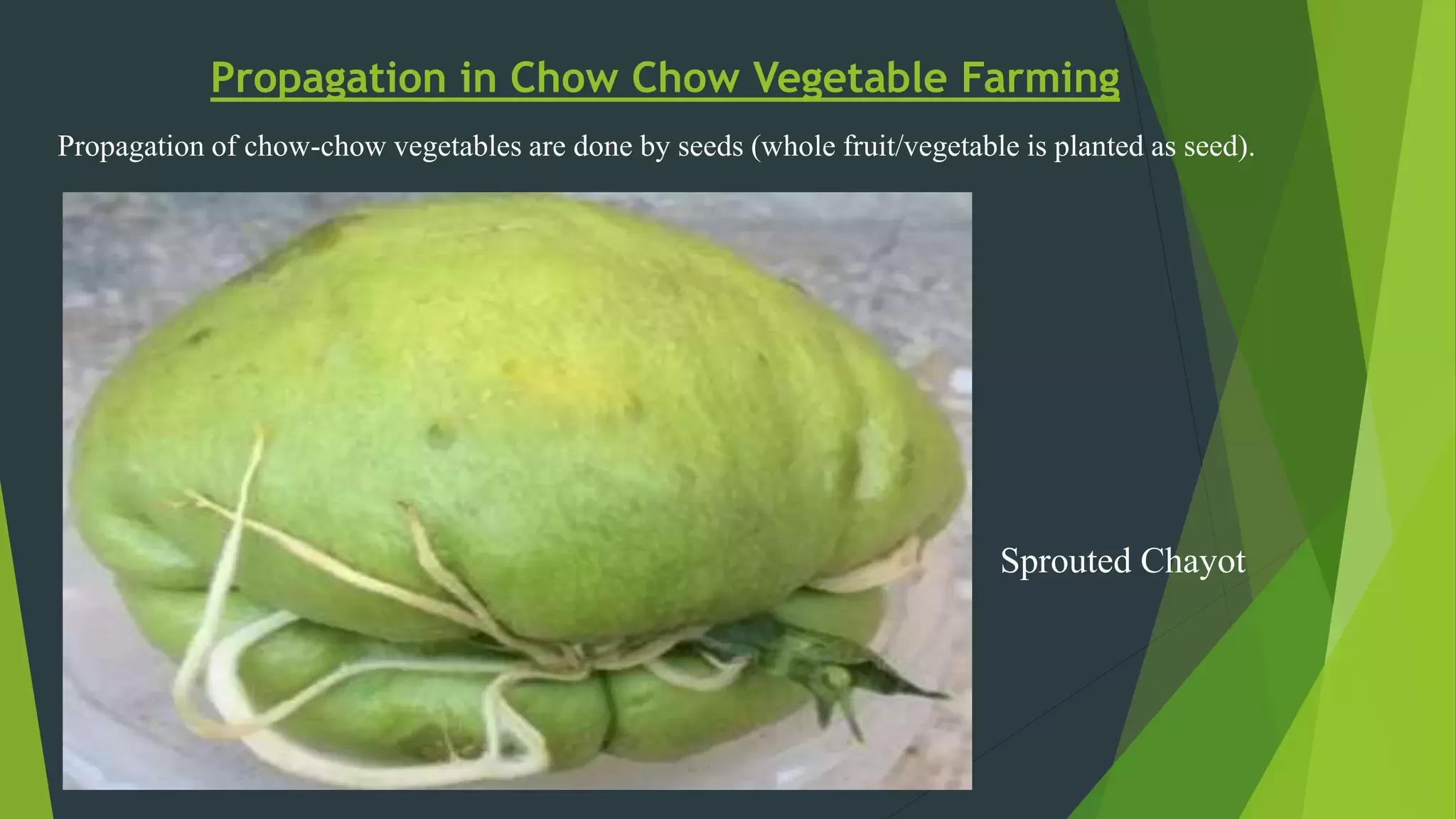
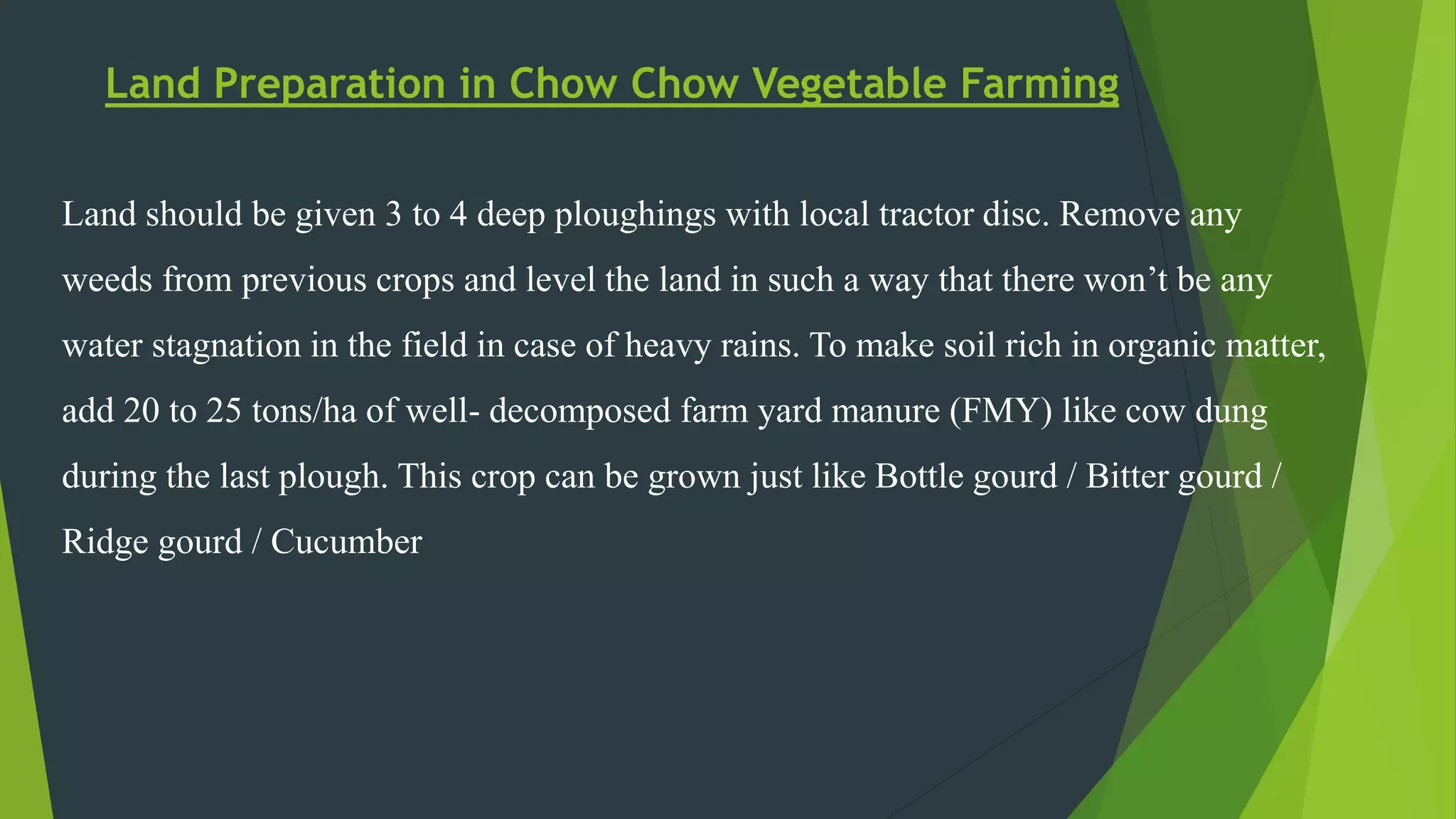
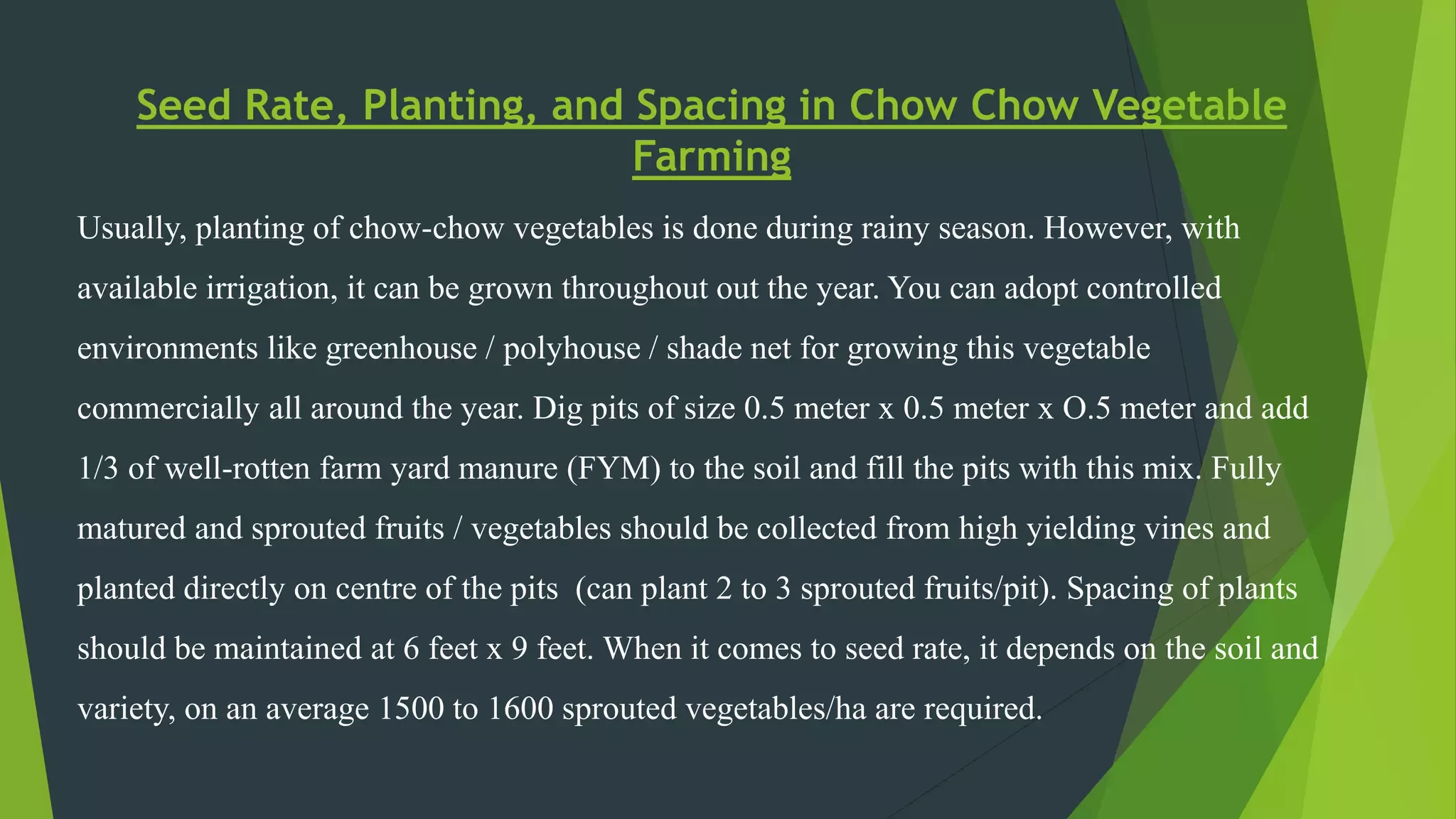
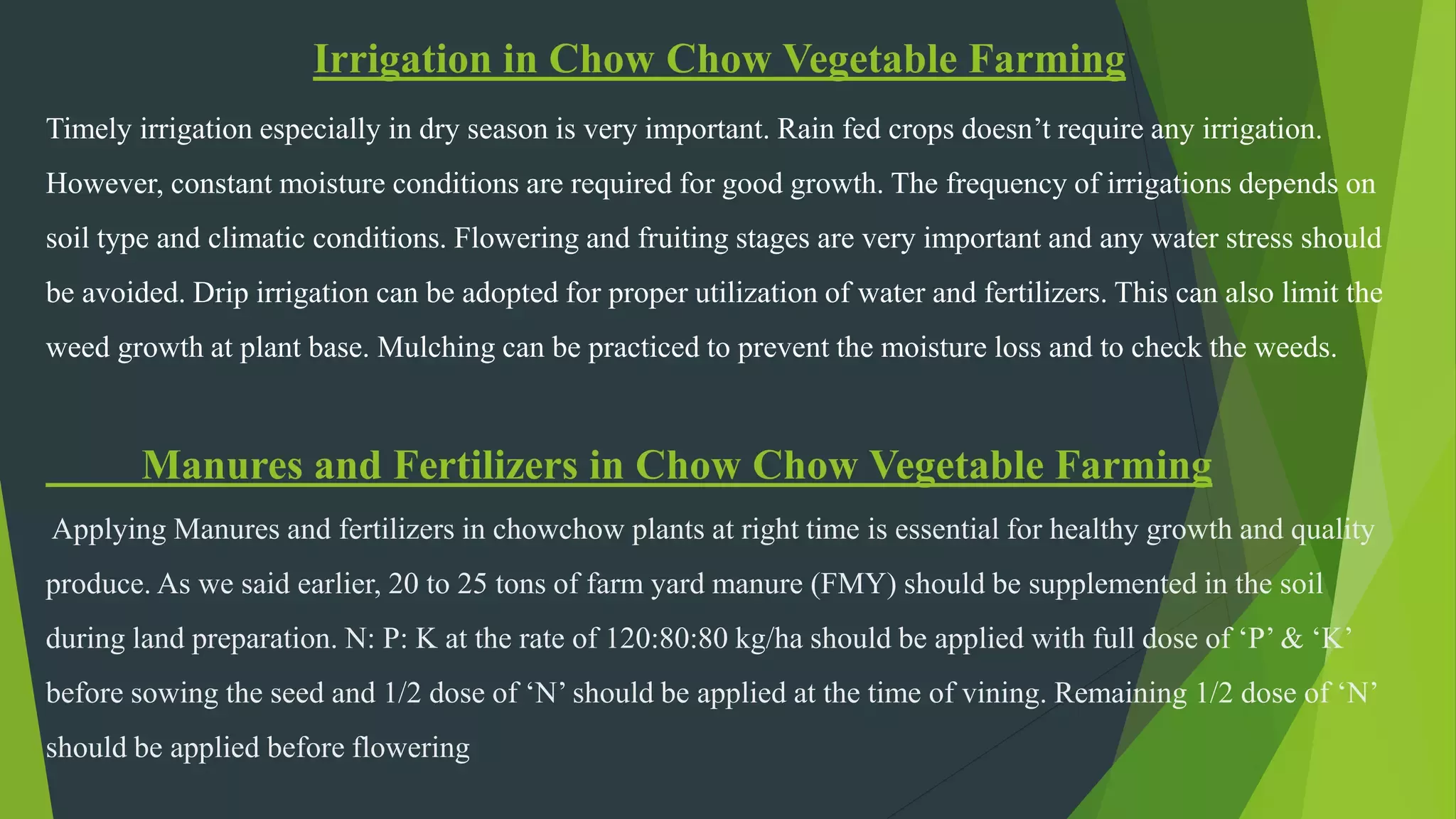
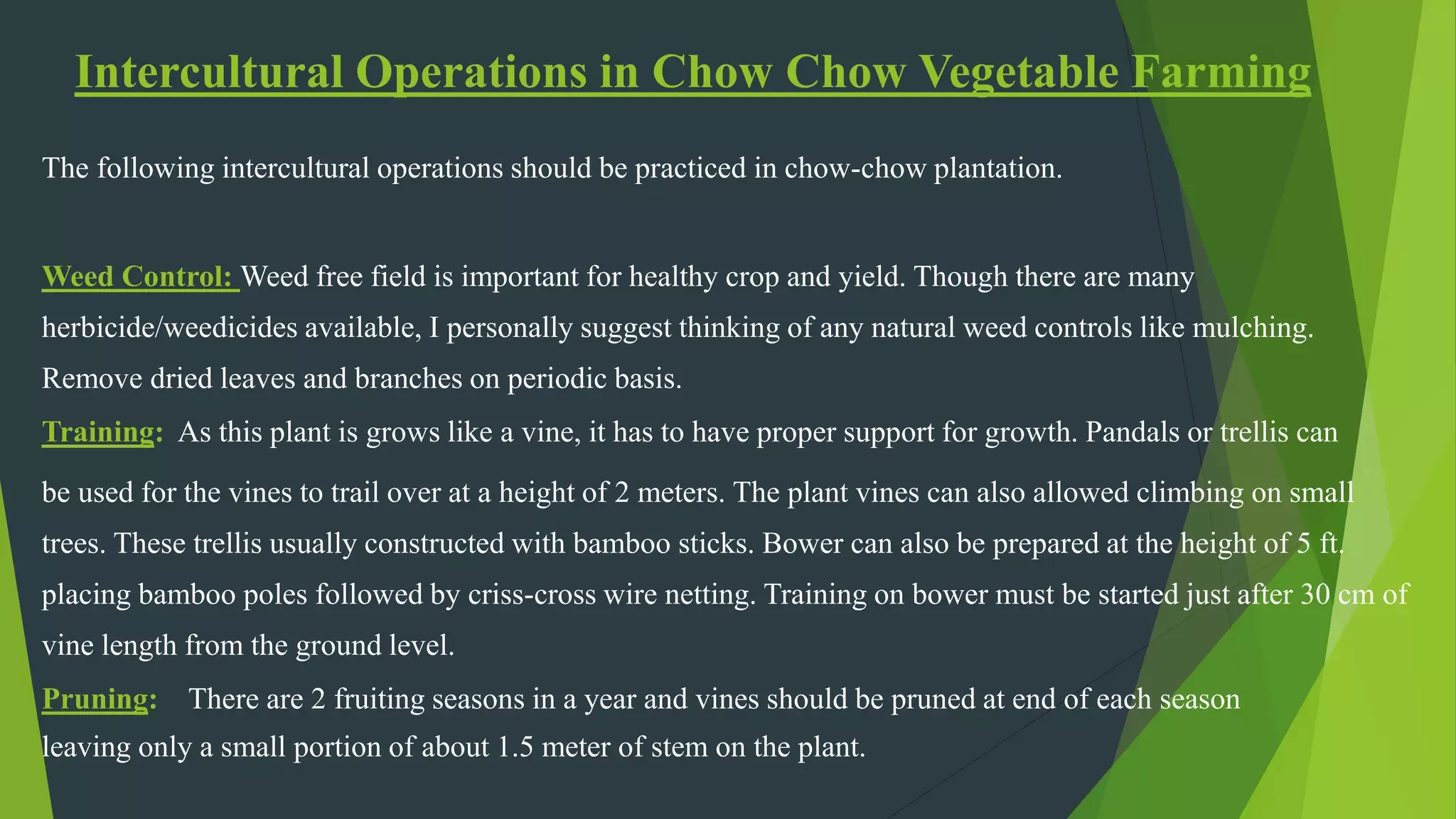
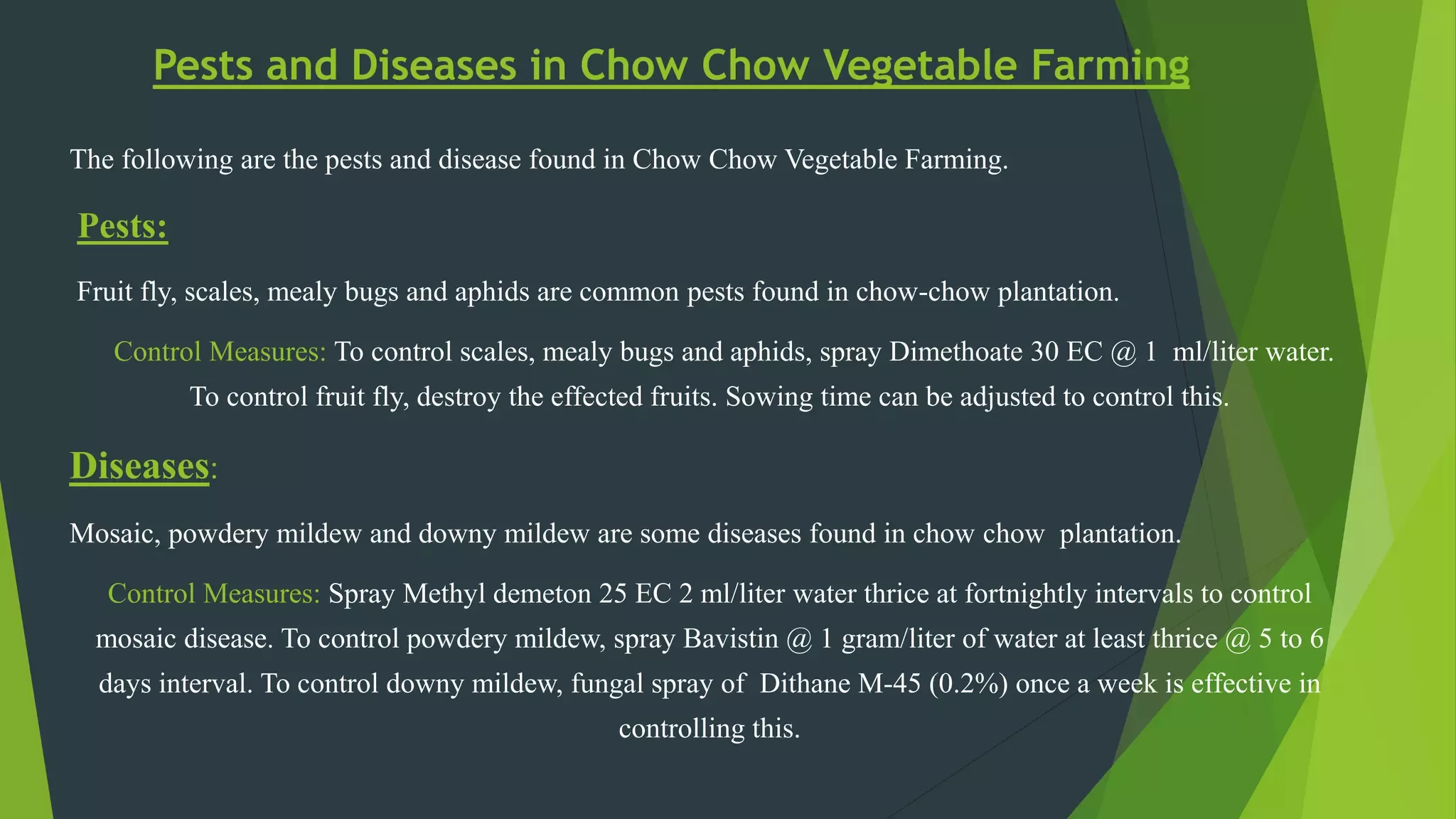
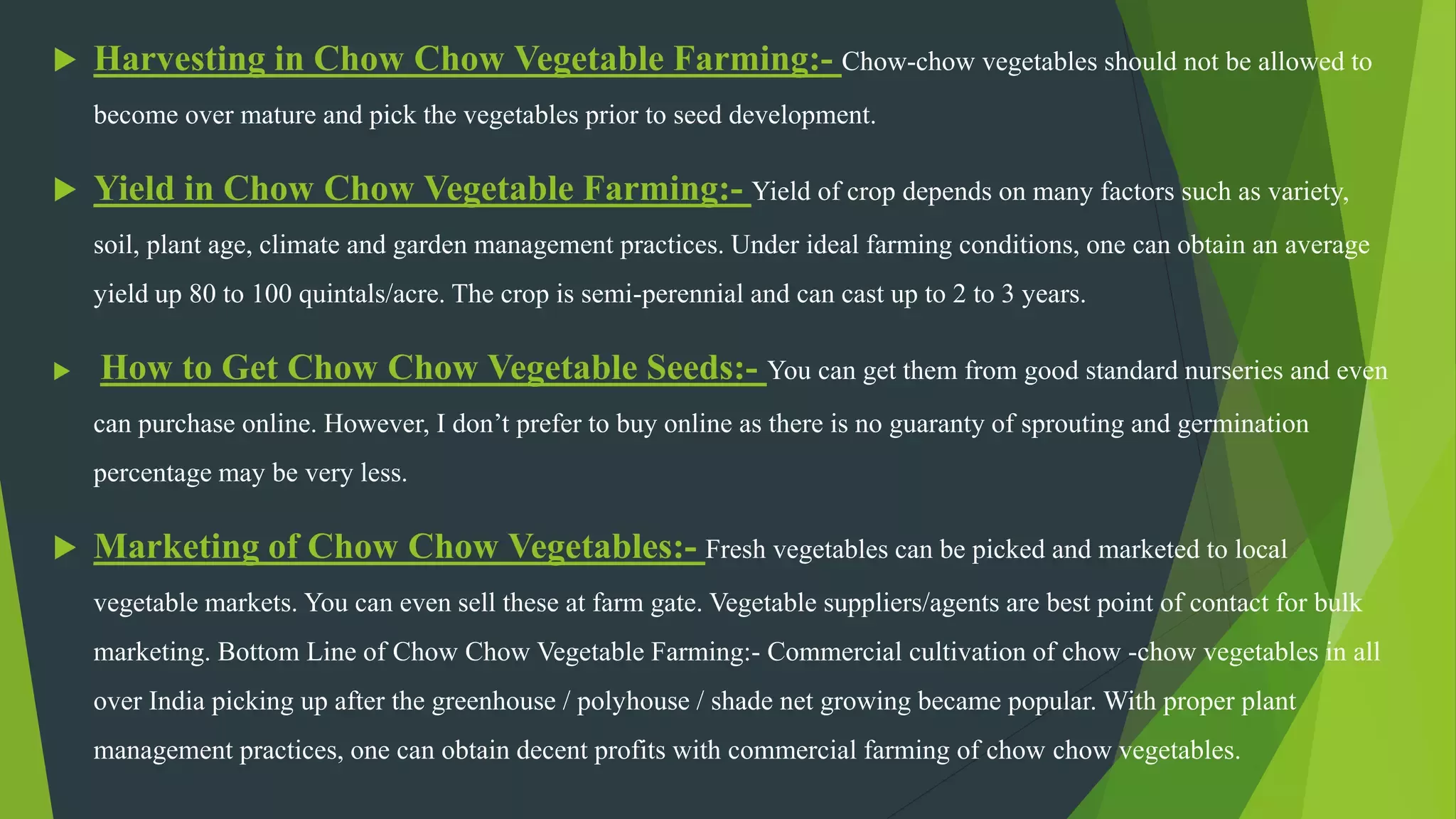
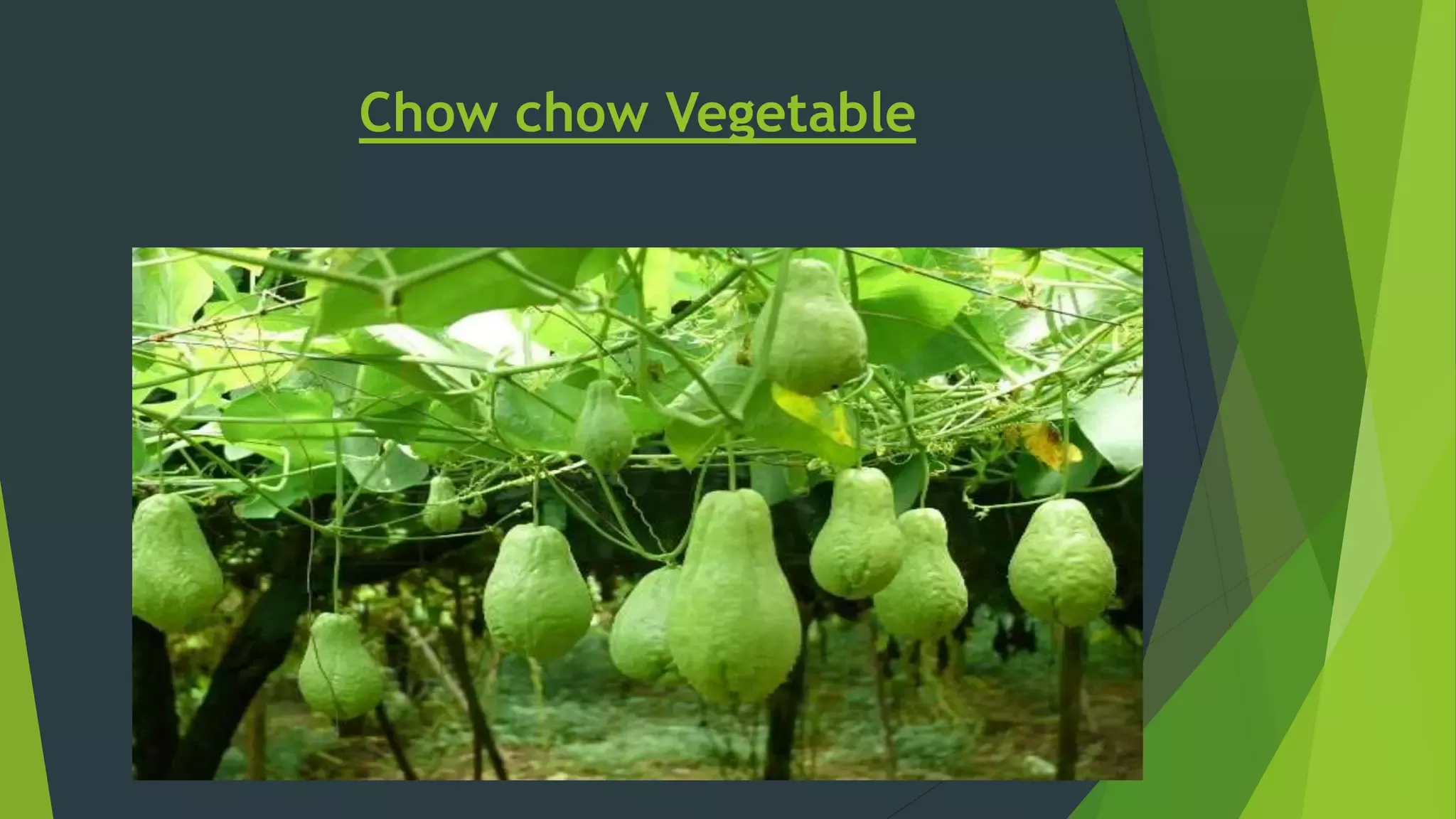
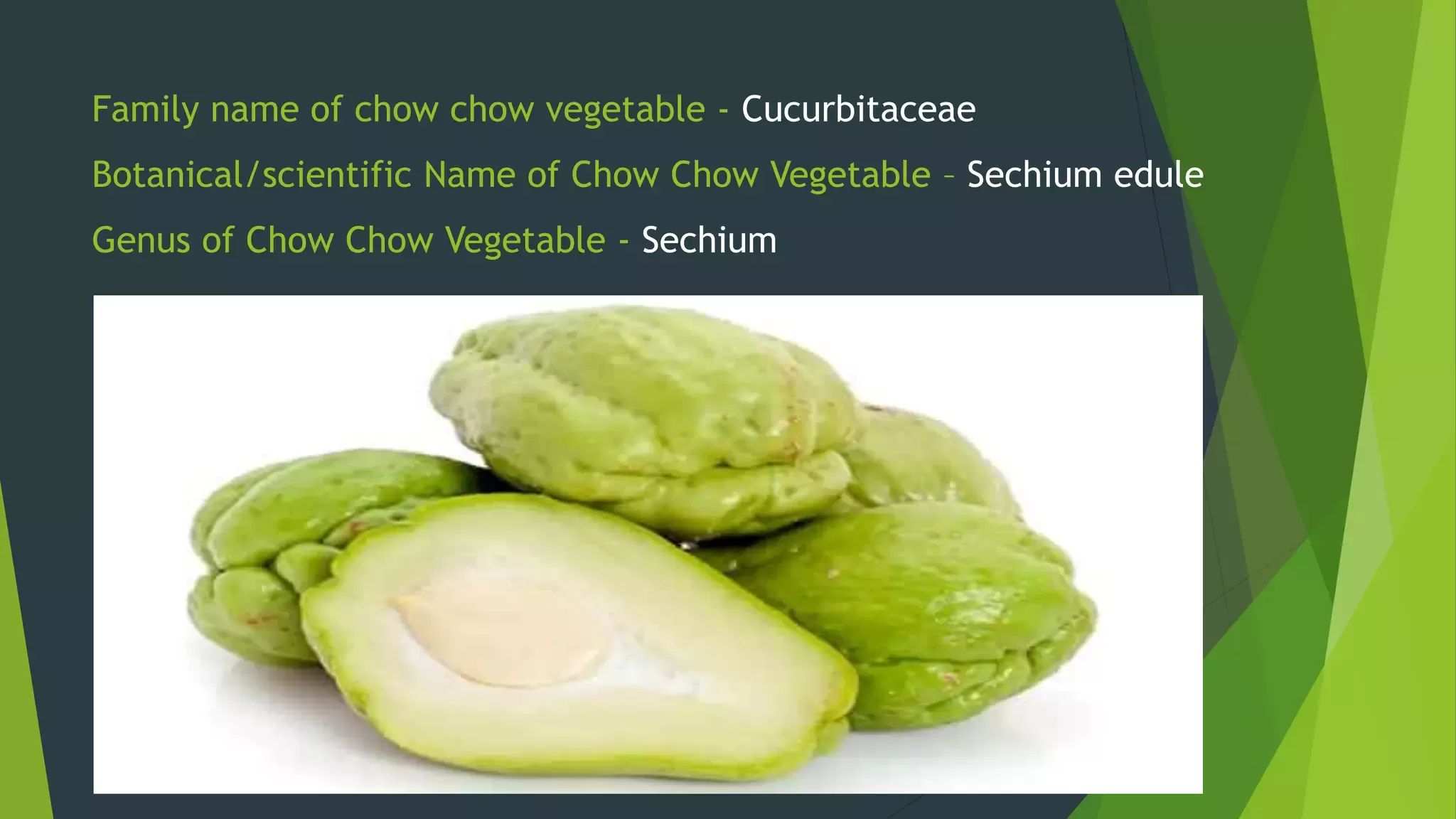
Chow Chow Vegetable: An Overview of its Attributes, Farming Practices, and Health Benefits Chow Chow, also recognized as Chayote or pear squash, is a unique edible perennial plant that belongs to the Cucurbitaceae family, which encompasses various types of gourds, melons, cucumbers, and squashes. Scientifically classified as Sechium edule, this versatile vegetable has acquired numerous names across regions and cultures, including Bengaluru venkaaya in India and Ishkus in Dargiling. The fruit of the Chow Chow plant is distinctively pear-shaped, typically measuring between 10 to 15 cm in length, with a surface that exhibits coarse wrinkles. In South India, the vegetable is commonly incorporated into local dishes such as pickles and sambar, while other parts of the plant, including the leaves and tuberous roots, are also edible, showcasing its overall utility in culinary practices. Chow Chow cultivation is gaining traction, particularly in India, where two primary varieties are recognized: white and green. While these varieties lack specific commercial designations, certain high-yielding genotypes can produce an impressive 35 to 40 kg per plant. Favorable growing conditions include warm climates characterized by high humidity, making these vegetables best suited for tropical and subtropical regions. The ideal temperature for optimal fruit growth is around 30 °C, with the plant thriving in both full sunlight and shaded areas. Soil quality is a crucial factor in Chow Chow farming, as it requires well-drained, fertile soil rich in organic matter. Although slightly tolerant to acidic soils, the pH level ideally should fall between 5.5 and 6.5. Successful cultivation also necessitates appropriate land preparation, which includes deep plowing and the addition of decomposed farmyard manure. The propagation of Chow Chow typically involves planting sprouted fruits directly into the soil, making for relatively straightforward cultivation practices. In terms of maintenance, effective irrigation is key throughout the growing season, especially during dry spells. Utilizing methods such as drip irrigation can conserve water while ensuring consistently moist soil conditions. Moreover, regular intercultural practices like weed control and proper vine training on trellises or supports are essential for promoting healthy growth and maximizing yield. Harvesting Chow Chow requires vigilance, as the vegetables must be picked before they mature fully to avoid detrimental seed development. With optimal management practices, the yield can reach remarkable levels, averaging between 80 and 100 quintals per acre. Beyond its agricultural benefits, Chow Chow is also celebrated for its remarkable health benefits. Rich in Vitamin C, fiber, and essential trace minerals, this vegetable plays a role in cancer prevention, supports digestive health, and contributes to thyroid function. Furthermore, it is known to be beneficial for heart health, aids in weight loss, and possesses anti-inflammatory properties. The increasing popularity of Chow Chow within the agricultural community and its health-promoting attributes make it a valuable addition to diets and farming practices alike. As it transitions into commercial cultivation, especially through greenhouse and polyhouse methods, Chow Chow holds promise for both farmers and consumers seeking healthy lifestyle choices. With its myriad benefits, fostering its growth can lead to rewarding outcomes in terms of both health and profitability in the agricultural sector.
Slide 1

Slide 1⬇ Slide

Slide 2

Slide 2⬇ Slide

Slide 3

Slide 3⬇ Slide

Slide 4

Slide 4⬇ Slide

Slide 5

Slide 5⬇ Slide

Slide 6

Slide 6⬇ Slide

Slide 7

Slide 7⬇ Slide

Slide 8

Slide 8⬇ Slide

Slide 9

Slide 9⬇ Slide

Slide 10

Slide 10⬇ Slide

Slide 11

Slide 11⬇ Slide

Slide 12

Slide 12⬇ Slide

Slide 13

Slide 13⬇ Slide

Slide 14

Slide 14⬇ Slide

Slide 15

Slide 15⬇ Slide

Slide 16

Slide 16⬇ Slide
1 / 16

Ppt on Production technology of geranium

Summary:Discover the cultivation techniques, environmental requirements, propagation methods, pest control, and harvesting practices for Geranium plants. Explore how this aromatic plant is a key ingredient in perfumes and cosmetics, making it economically significant in the beauty industry.

Description

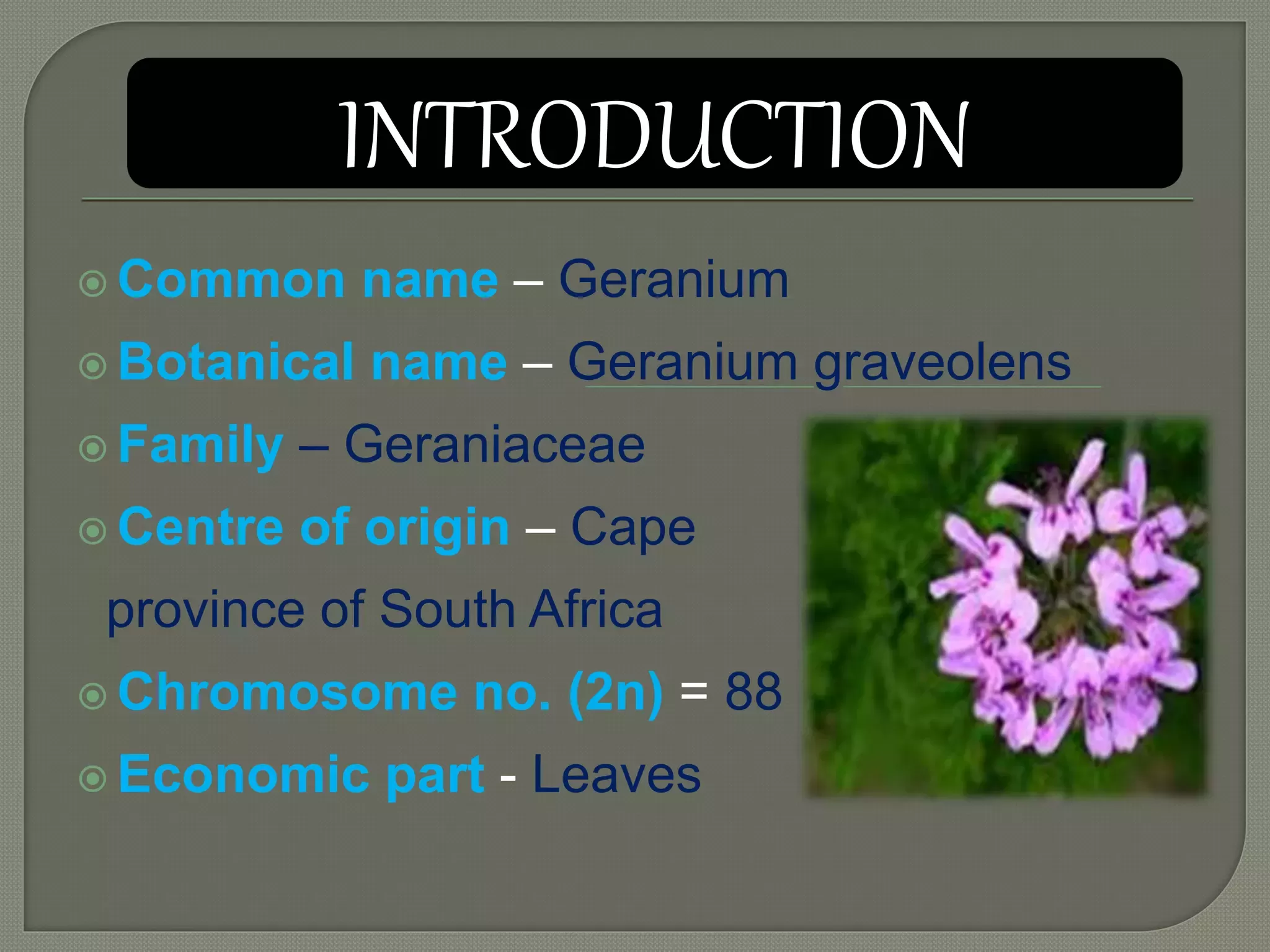
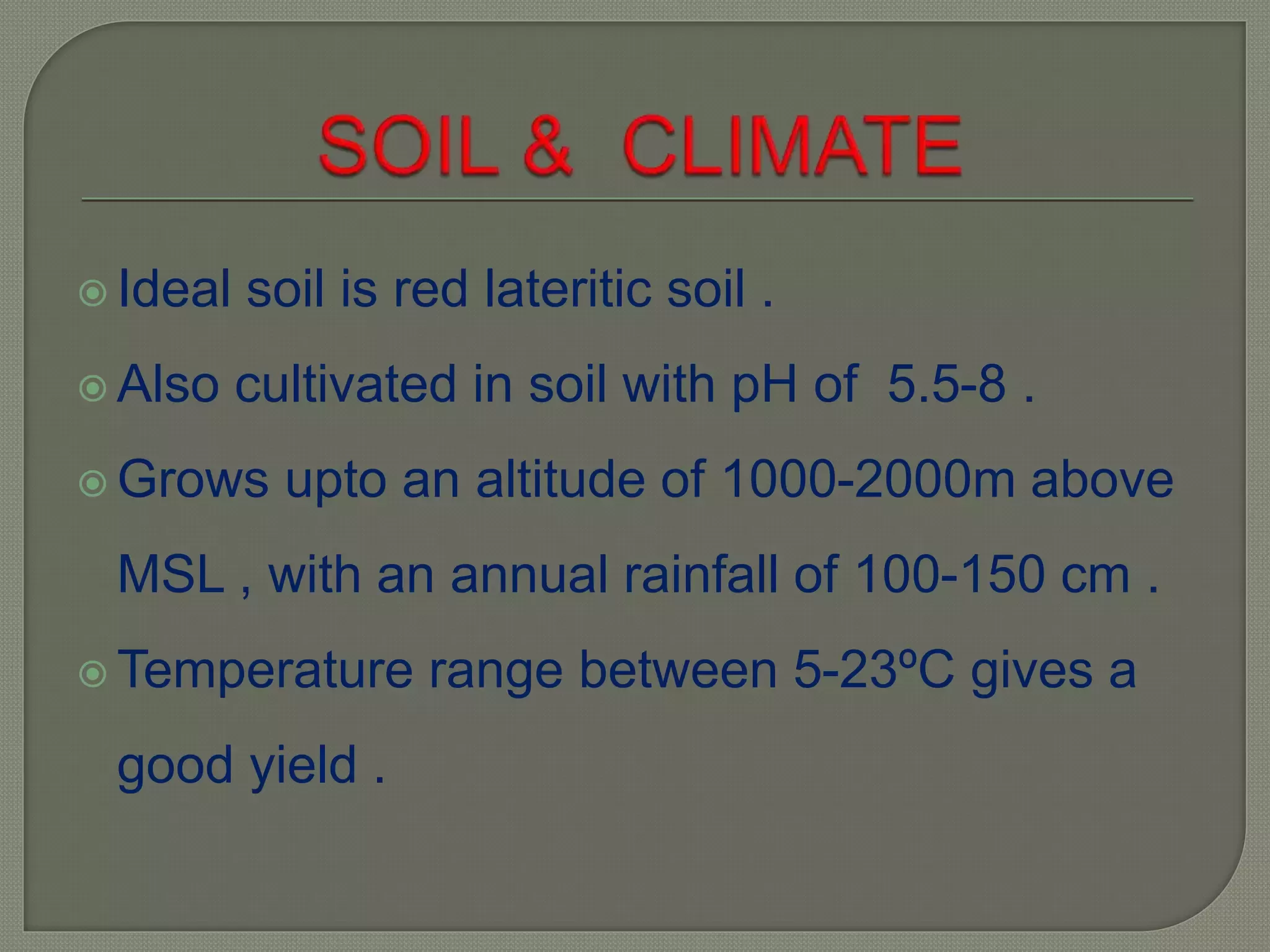
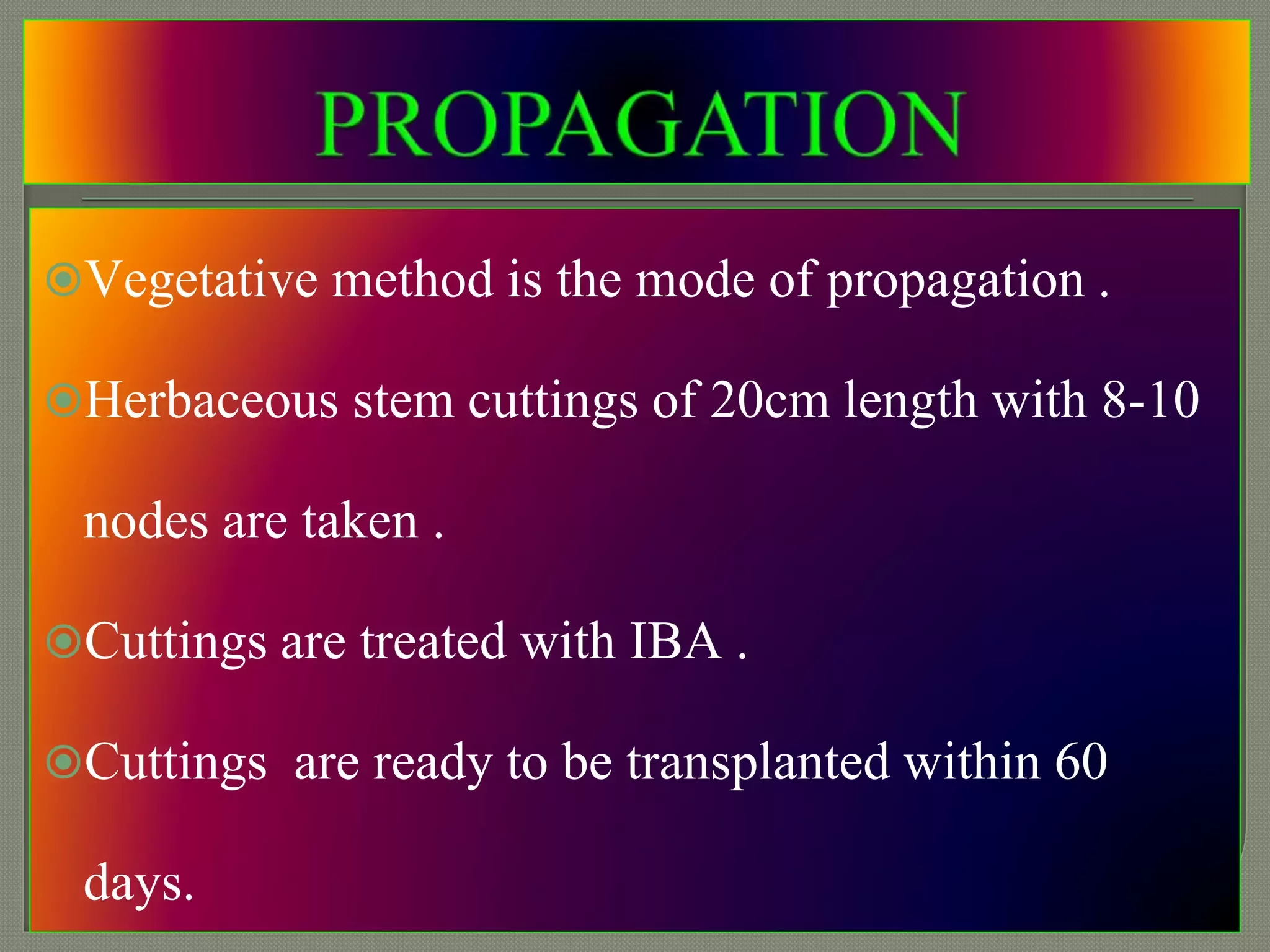
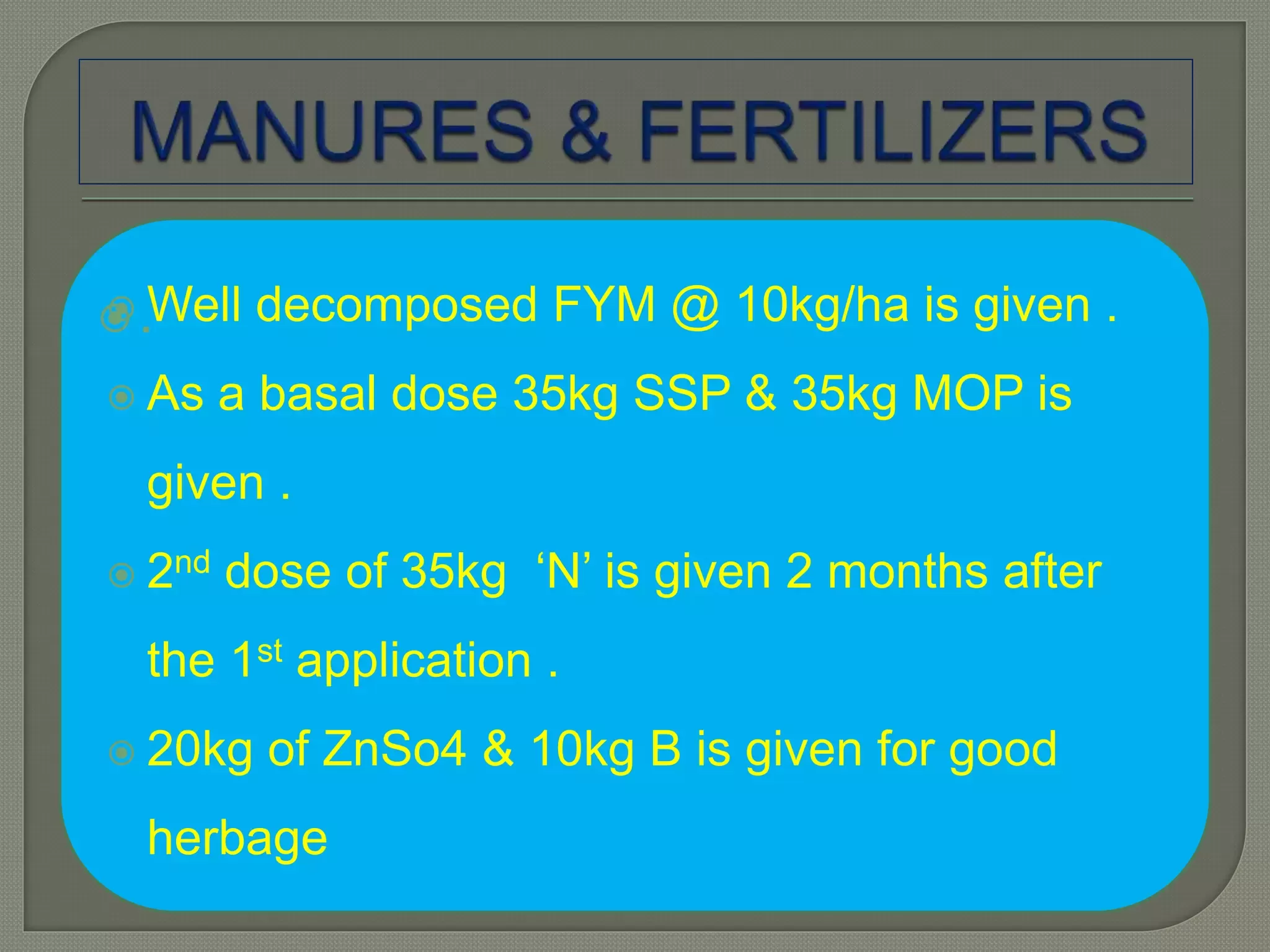
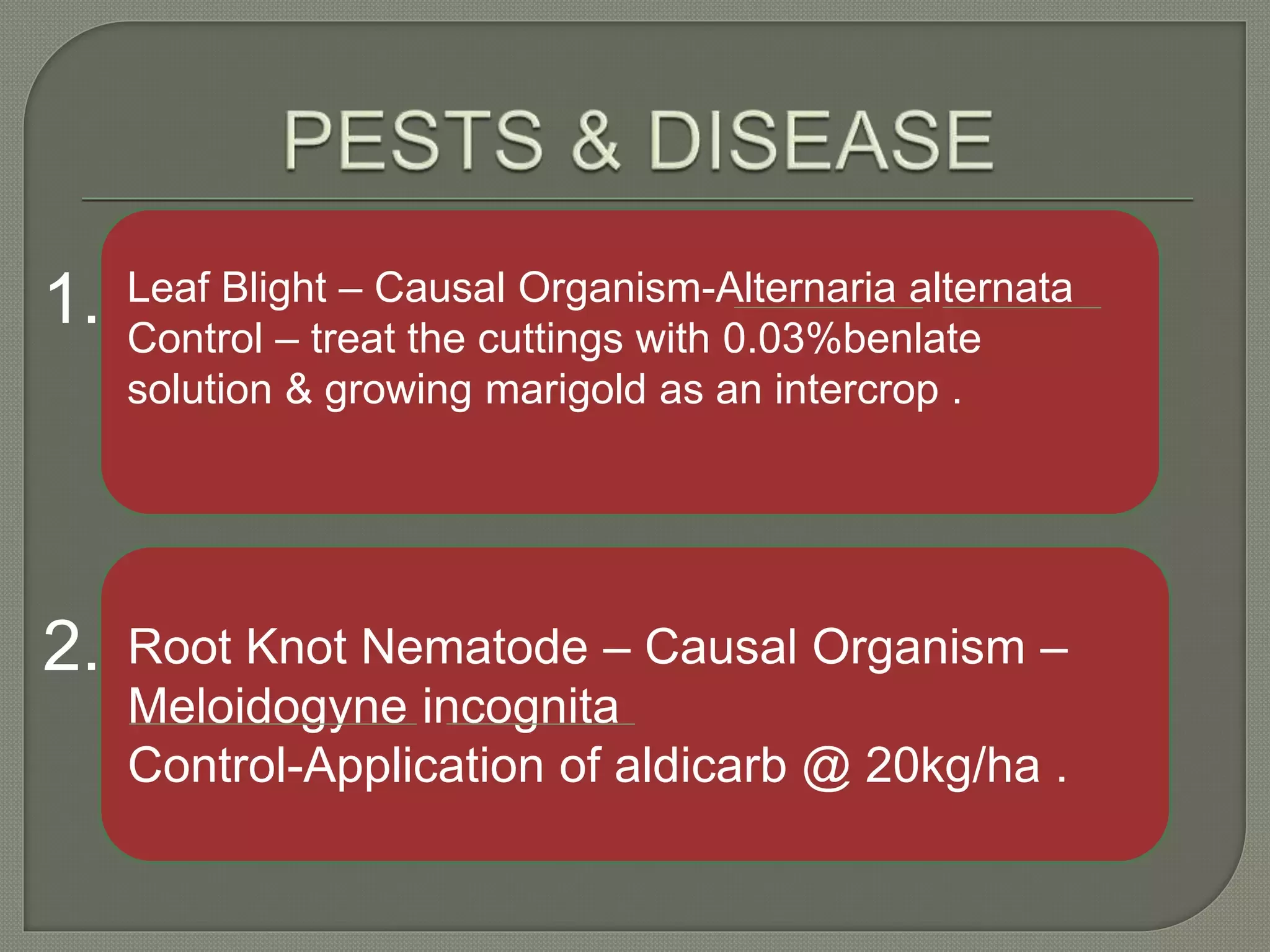
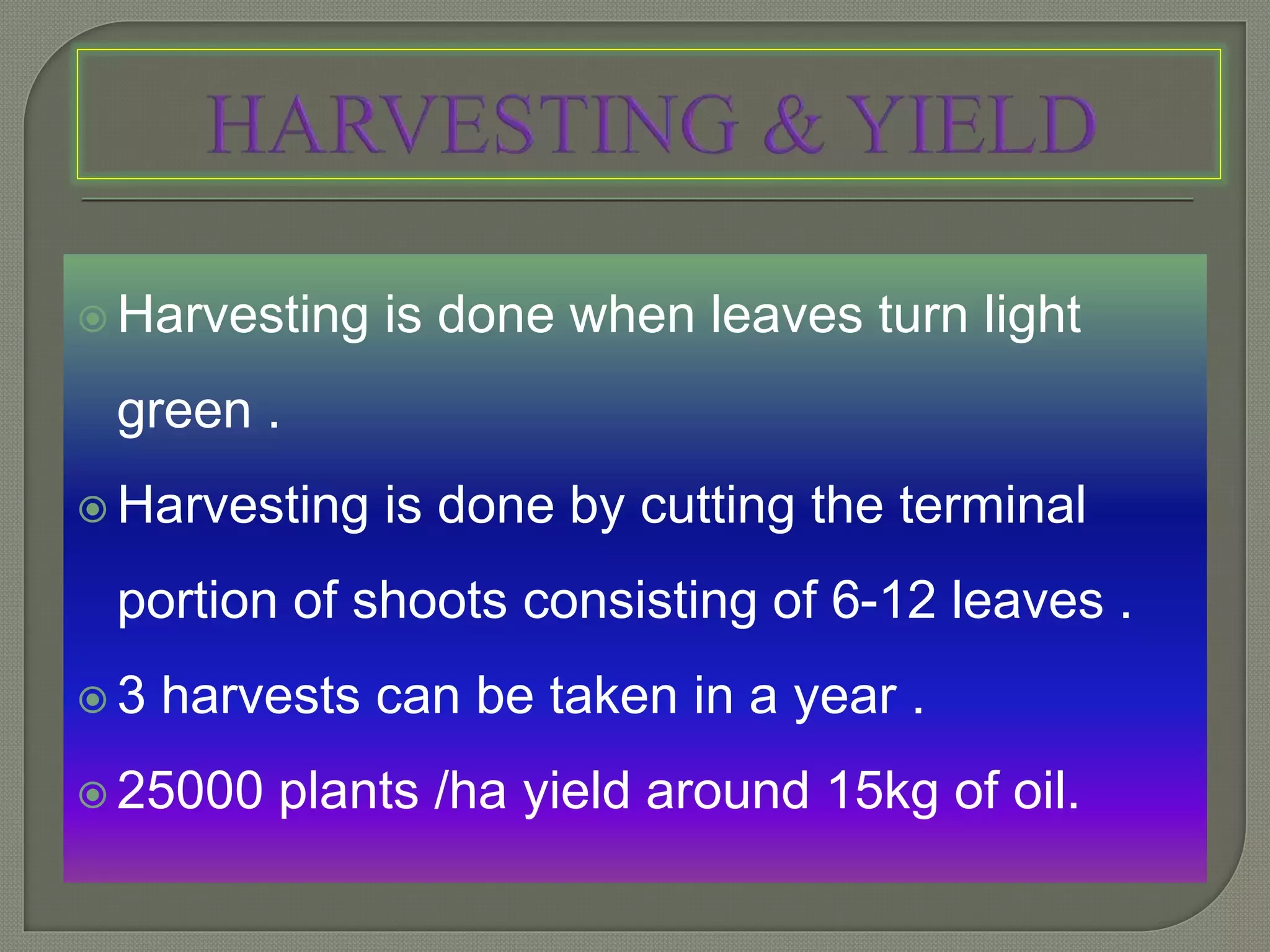
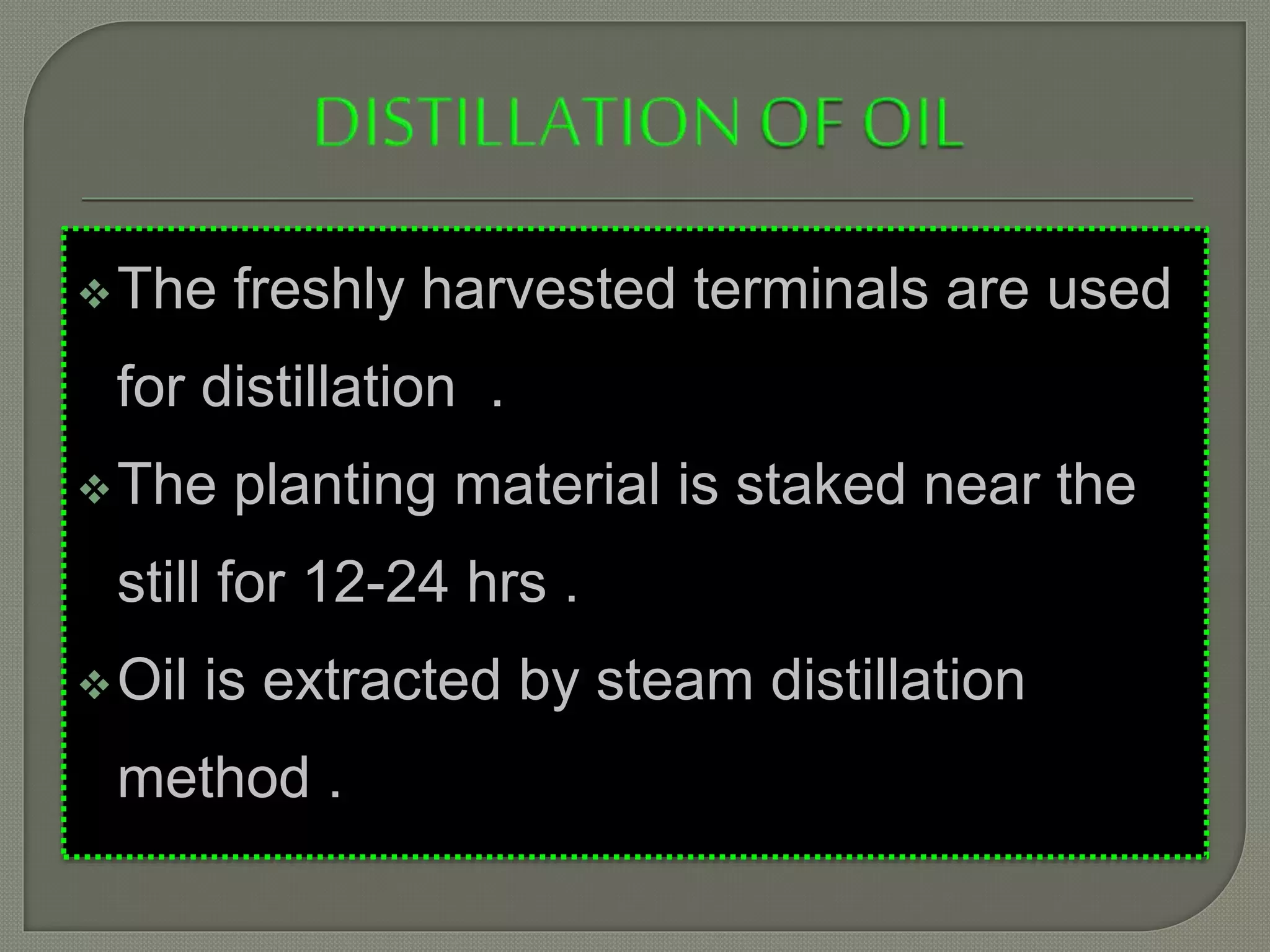
Geranium, scientifically known as *Geranium graveolens*, is a bushy aromatic plant belonging to the Geraniaceae family. Native to the Cape province of South Africa, this versatile plant is known for both its ornamental beauty and its economic value, particularly in the cosmetic industry. The leaves, which are the primary economic part of the plant, change colors from vibrant green when young to a rich brown as they mature. The plant showcases an umbellate inflorescence that adds to its aesthetic appeal. One of the key uses of geranium is its essential oil, which is a highly sought-after ingredient in perfumes and cosmetics. The fragrant oil is also utilized in scenting soaps and face powders, making geranium a valuable crop for those involved in the beauty and personal care sectors. Its aromatic properties and versatility have led to its popularity across various applications. To thrive, geraniums prefer specific soil conditions, particularly red lateritic soil. However, they can also grow in soils with a pH range of 5.5 to 8. Successfully cultivating geranium requires specific climatic conditions; the plants flourish at altitudes between 1000 to 2000 meters above mean sea level (MSL), with an annual rainfall of 100-150 centimeters. A temperature range of 5-23ºC is optimal for achieving high yields, making it essential for cultivators to consider these environmental factors. Propagating geraniums typically involves a vegetative method, with herbaceous stem cuttings being the preferred technique. Cuttings around 20 centimeters long, each containing 8-10 nodes, are taken and treated with indolebutyric acid (IBA) to encourage root development. After approximately 60 days, the cuttings are ready for transplanting, providing a relatively efficient means of propagation. For successful growth, geranium plants benefit from well-decomposed farmyard manure (FYM), with a recommended application of 10 kg per hectare as a nutrient source. Additionally, a basal application of 35 kg each of single super phosphate (SSP) and muriate of potash (MOP) is suggested, followed by a subsequent nitrogen dose two months later. To enhance herbage quality, supplementary applications of zinc sulfate and boron are also recommended. Despite its resilience, geraniums can be affected by certain pests and diseases. Leaf blight caused by *Alternaria alternata* is notable, and treatment can include using a 0.03% benlate solution. Additionally, intercropping with marigold plants has been identified as a beneficial practice to mitigate this issue. Root knot nematodes, mainly *Meloidogyne incognita*, can pose another threat; control measures include applying aldicarb at a dosage of 20 kg per hectare. Harvesting geranium is a meticulous process, taking place when the leaves display a light green coloration. The optimal technique involves cutting the terminal ends of shoots that comprise 6-12 leaves. With the capacity for up to three harvests per year, a well-maintained plantation of approximately 25,000 plants per hectare can yield around 15 kg of essential oil. The freshly harvested terminal shoots are placed near a still for 12-24 hours before the oil extraction process, which employs steam distillation. This careful handling ensures optimal quality of the oil produced, reinforcing the geranium’s esteemed status in the world of fragrances. Through these practices, geranium continues to be a beloved and economically significant plant in the realm of aromatherapy and cosmetic applications.

Slide 1

Slide 1⬇ Slide

Slide 2

Slide 2⬇ Slide

Slide 3

Slide 3⬇ Slide

Slide 4

Slide 4⬇ Slide

Slide 5

Slide 5⬇ Slide

Slide 6

Slide 6⬇ Slide

Slide 7

Slide 7⬇ Slide

Slide 8

Slide 8⬇ Slide

Slide 9

Slide 9⬇ Slide
1 / 9

Ppt on RED cabbage

Description

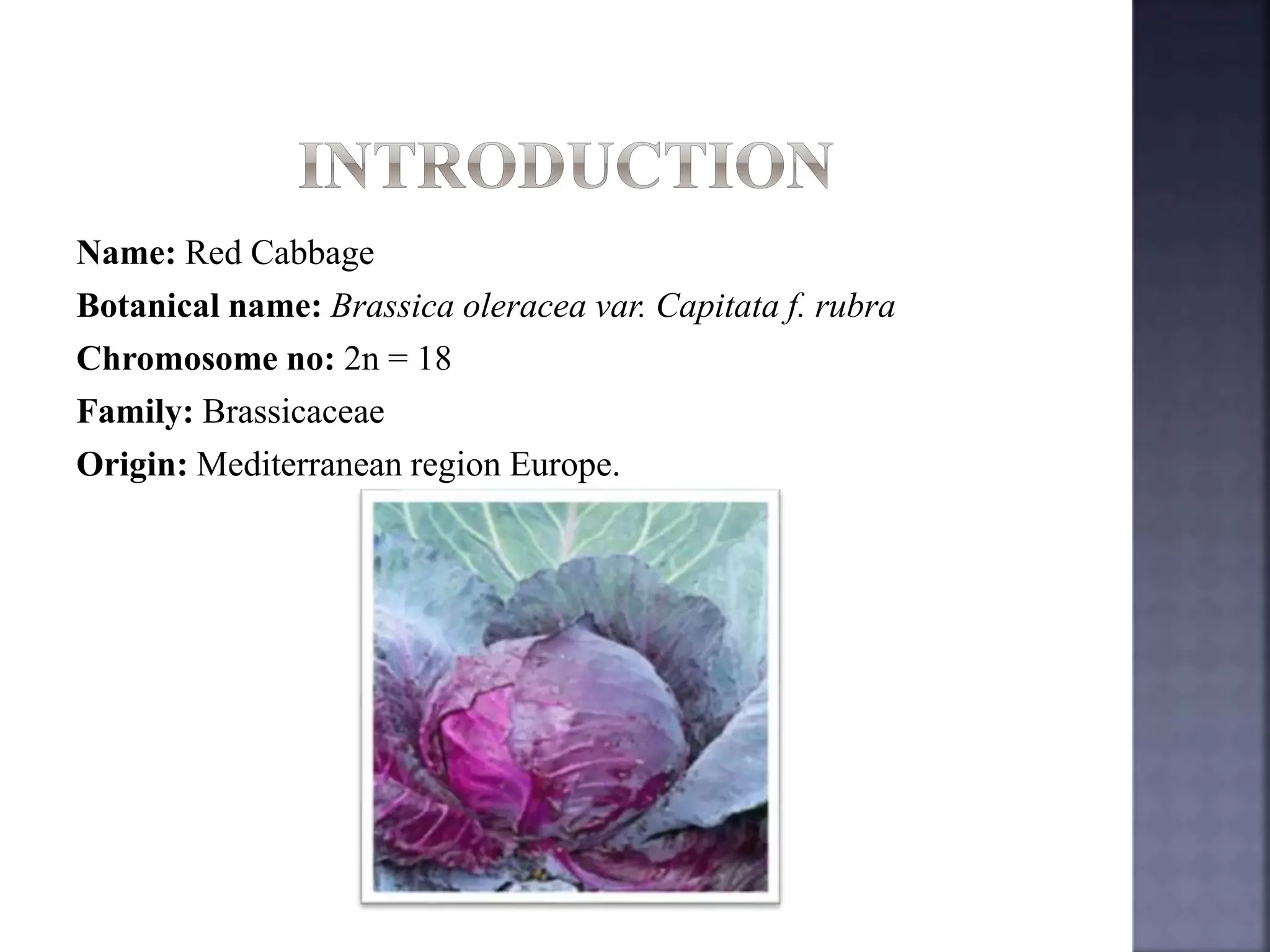
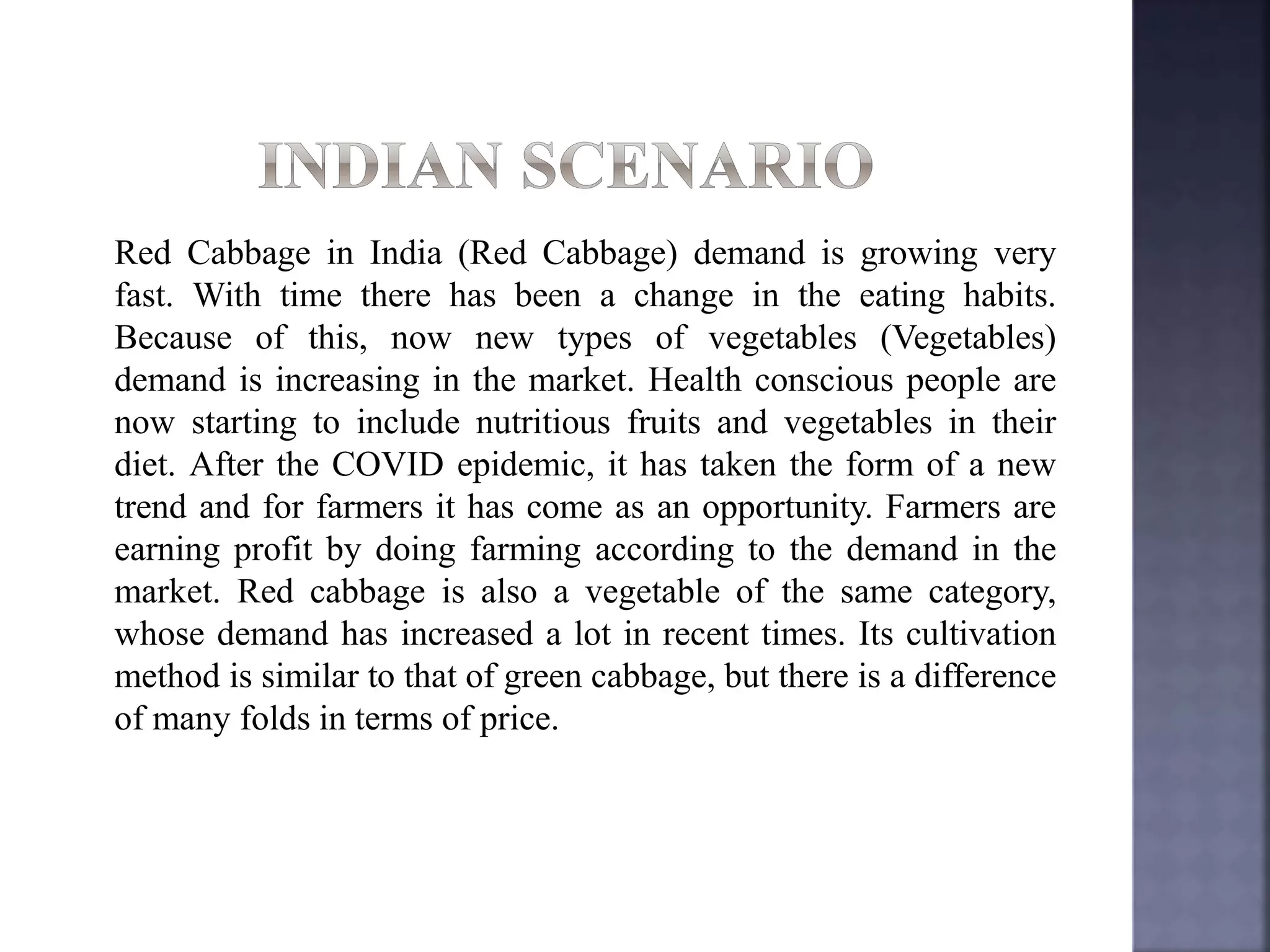
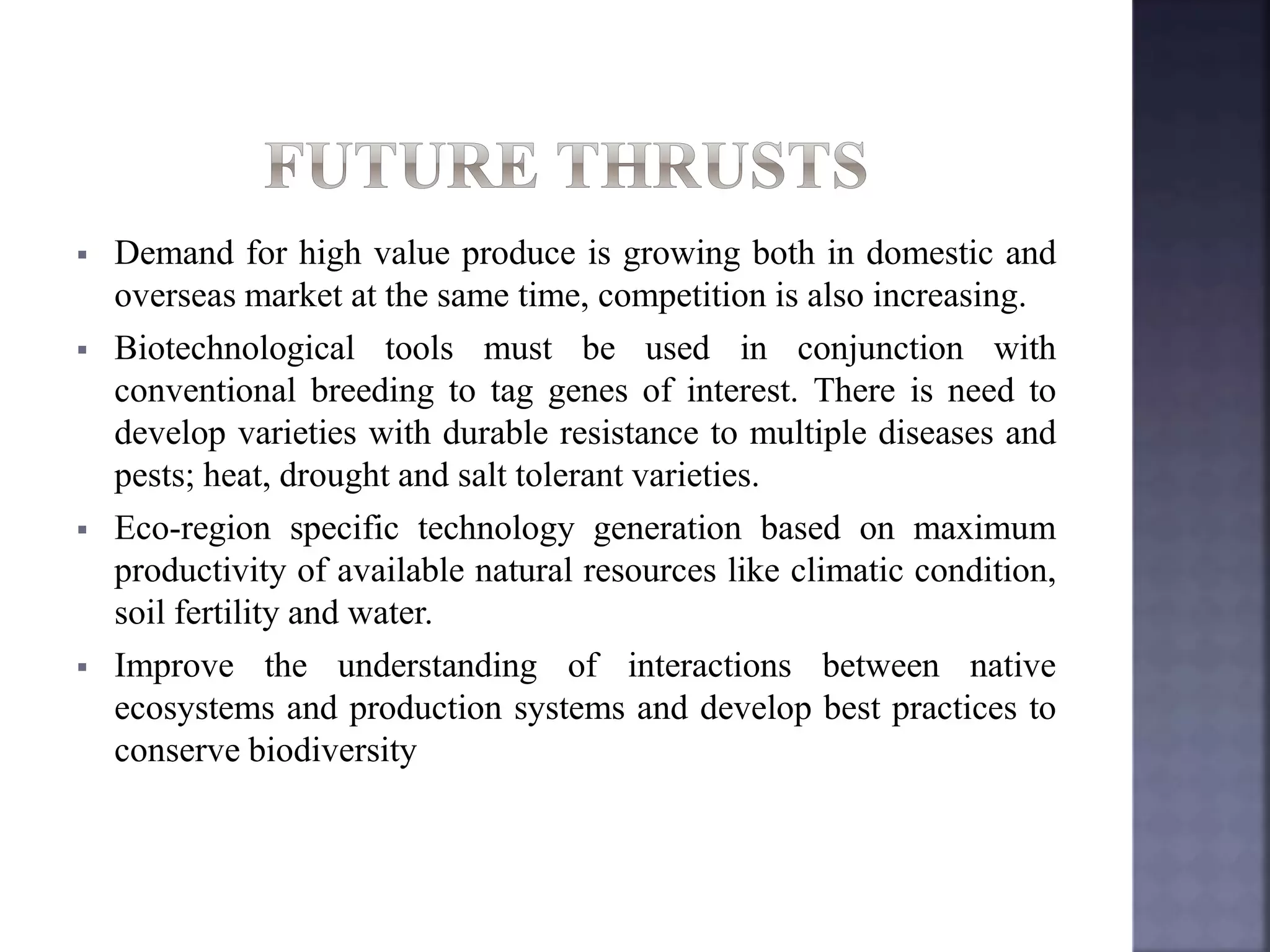
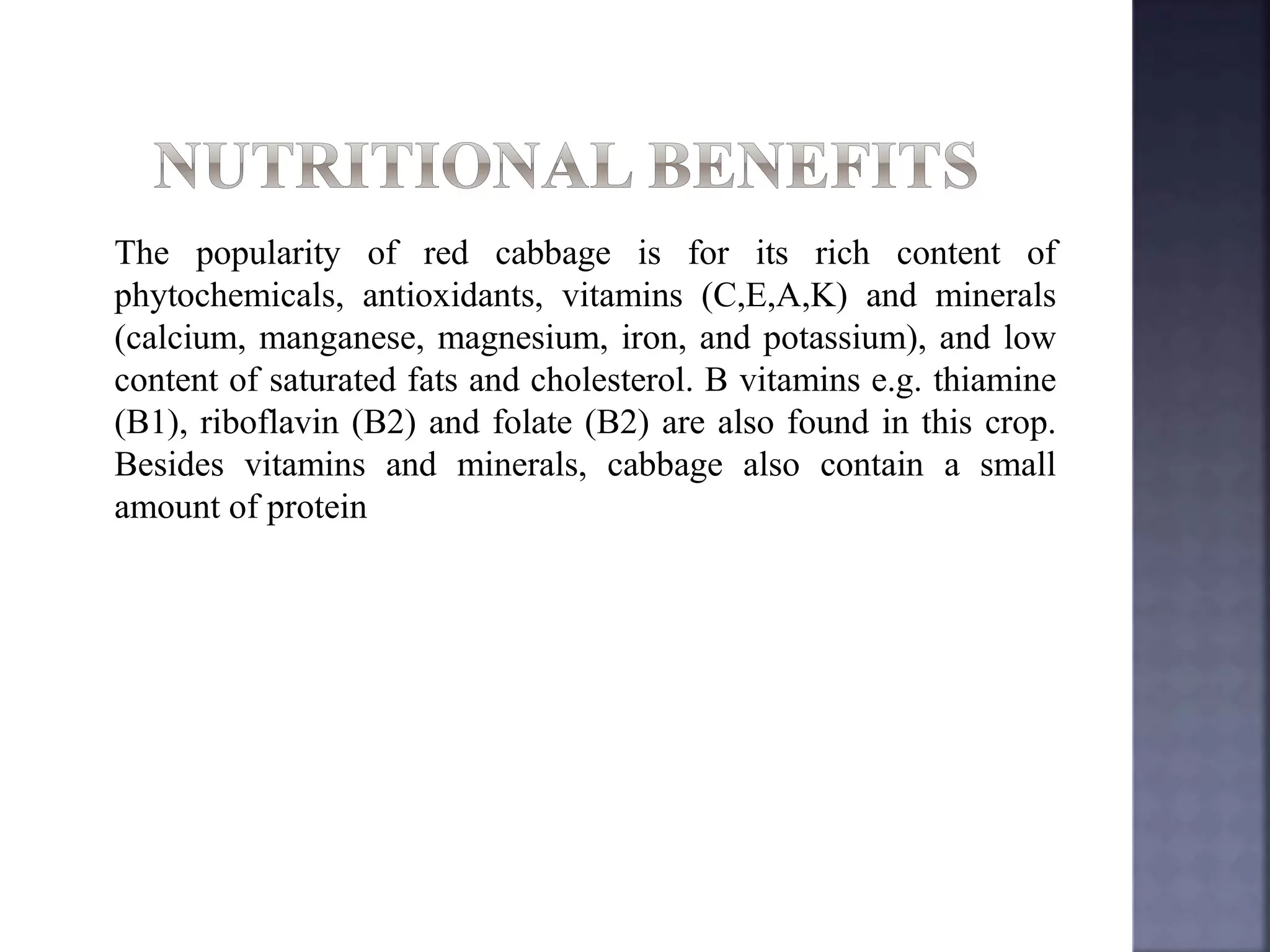
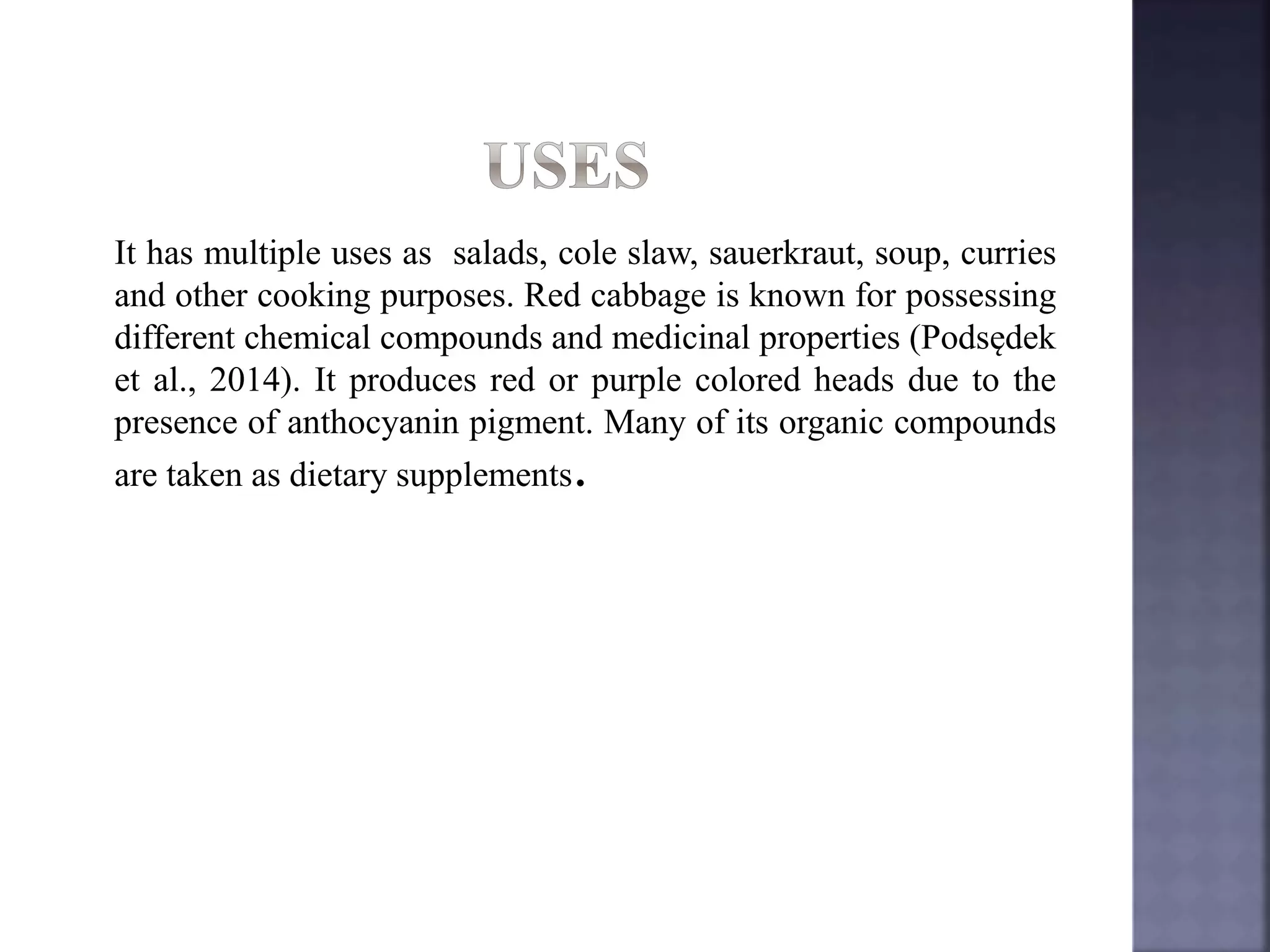
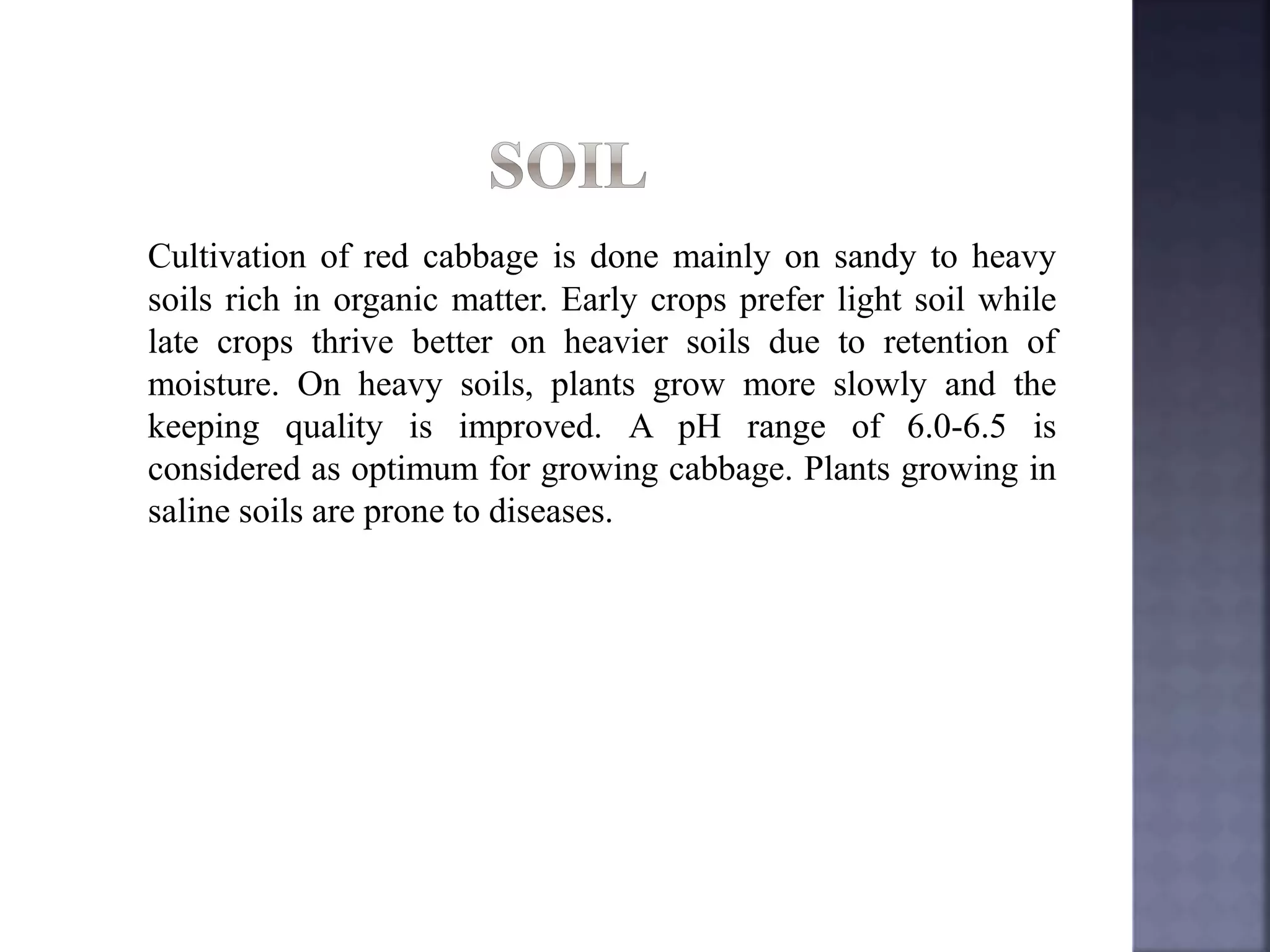
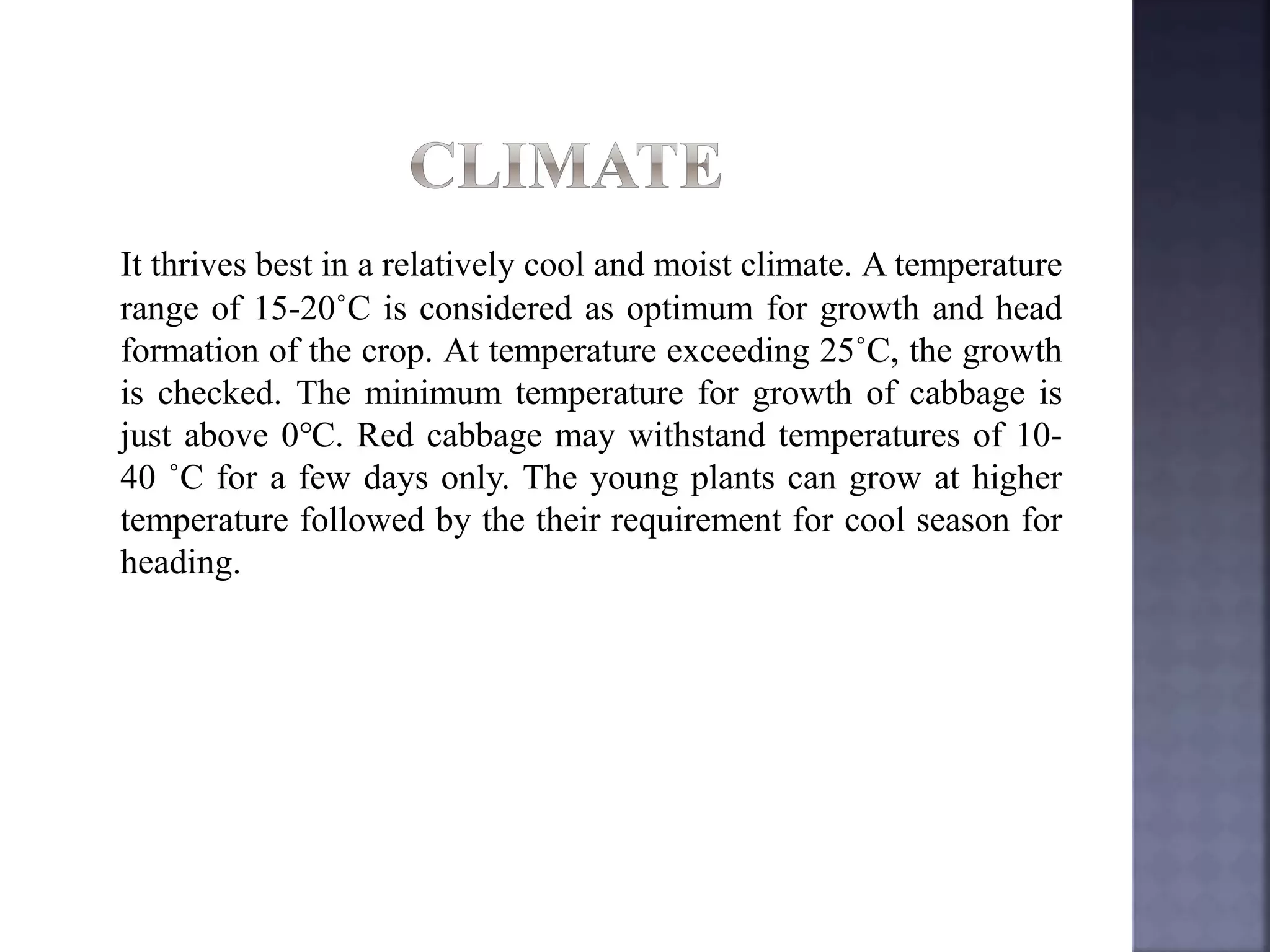
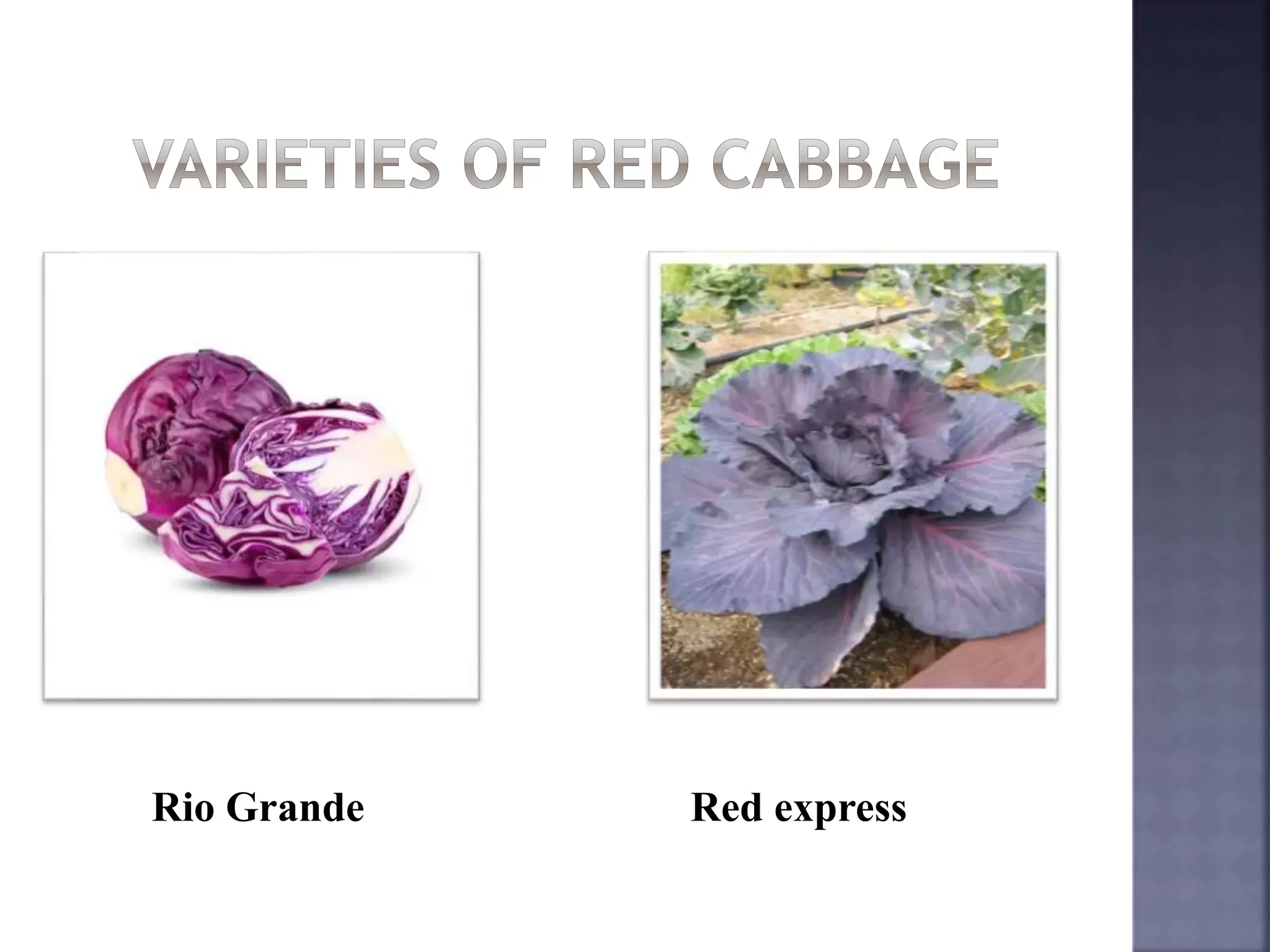
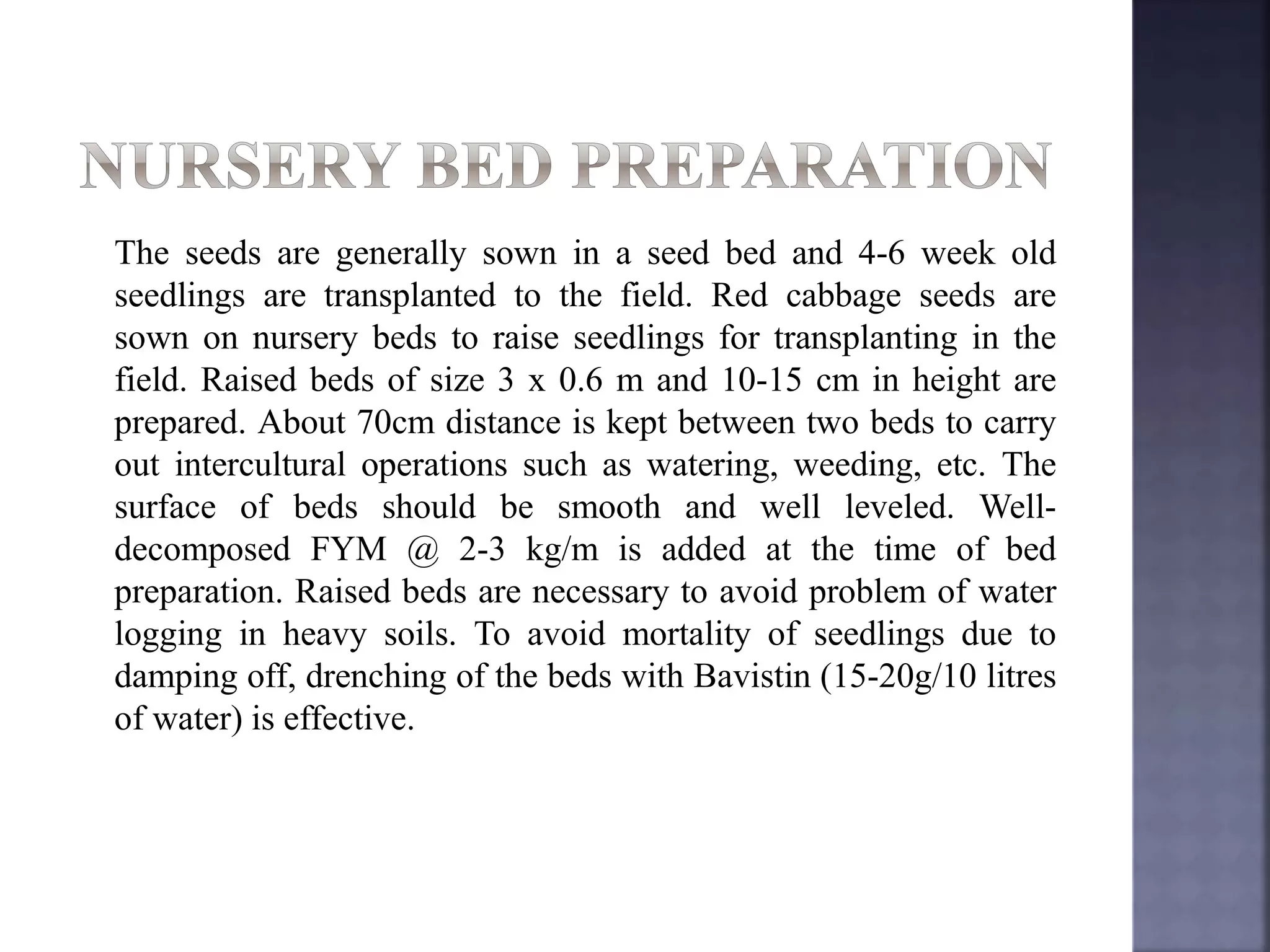
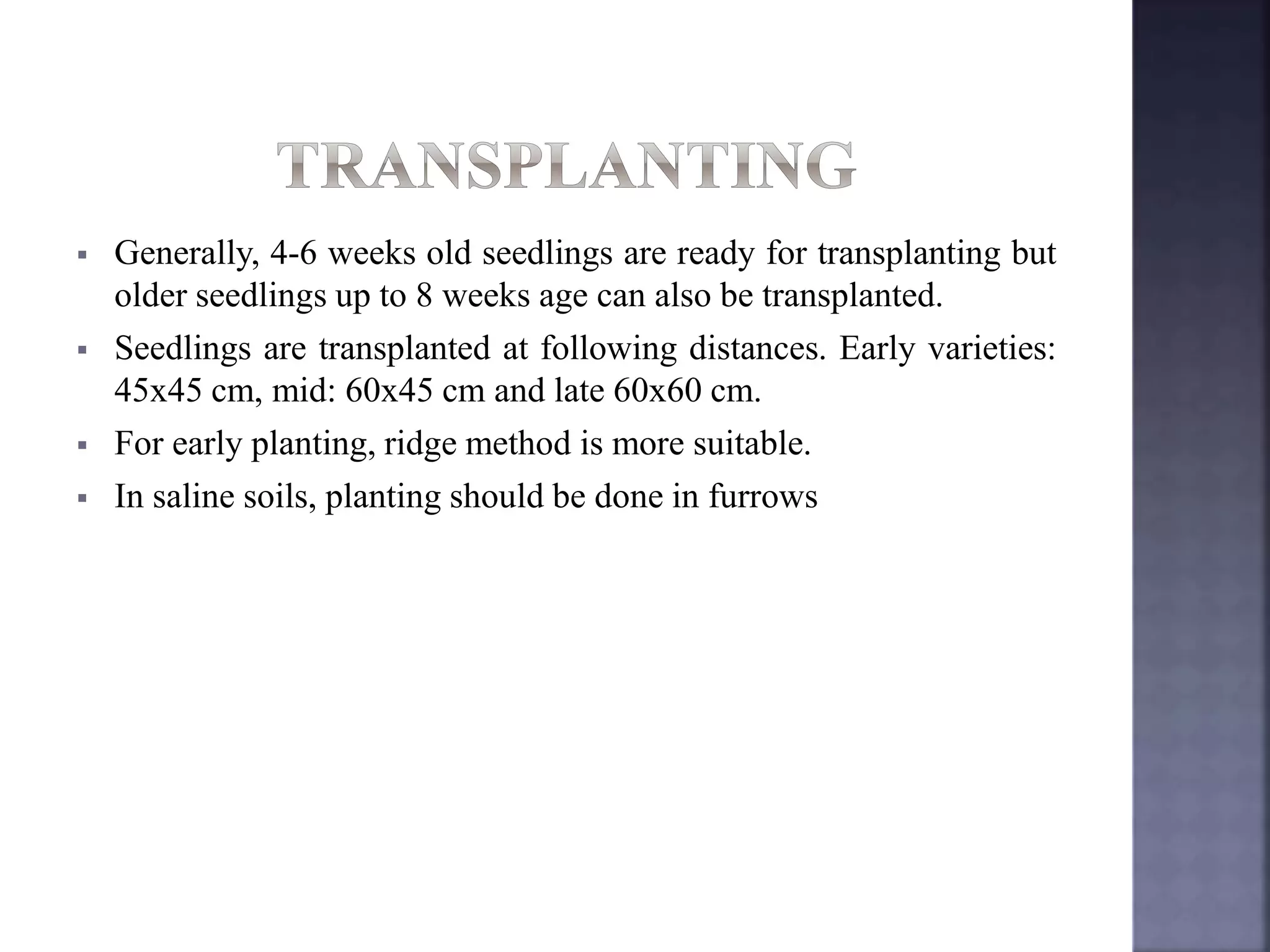
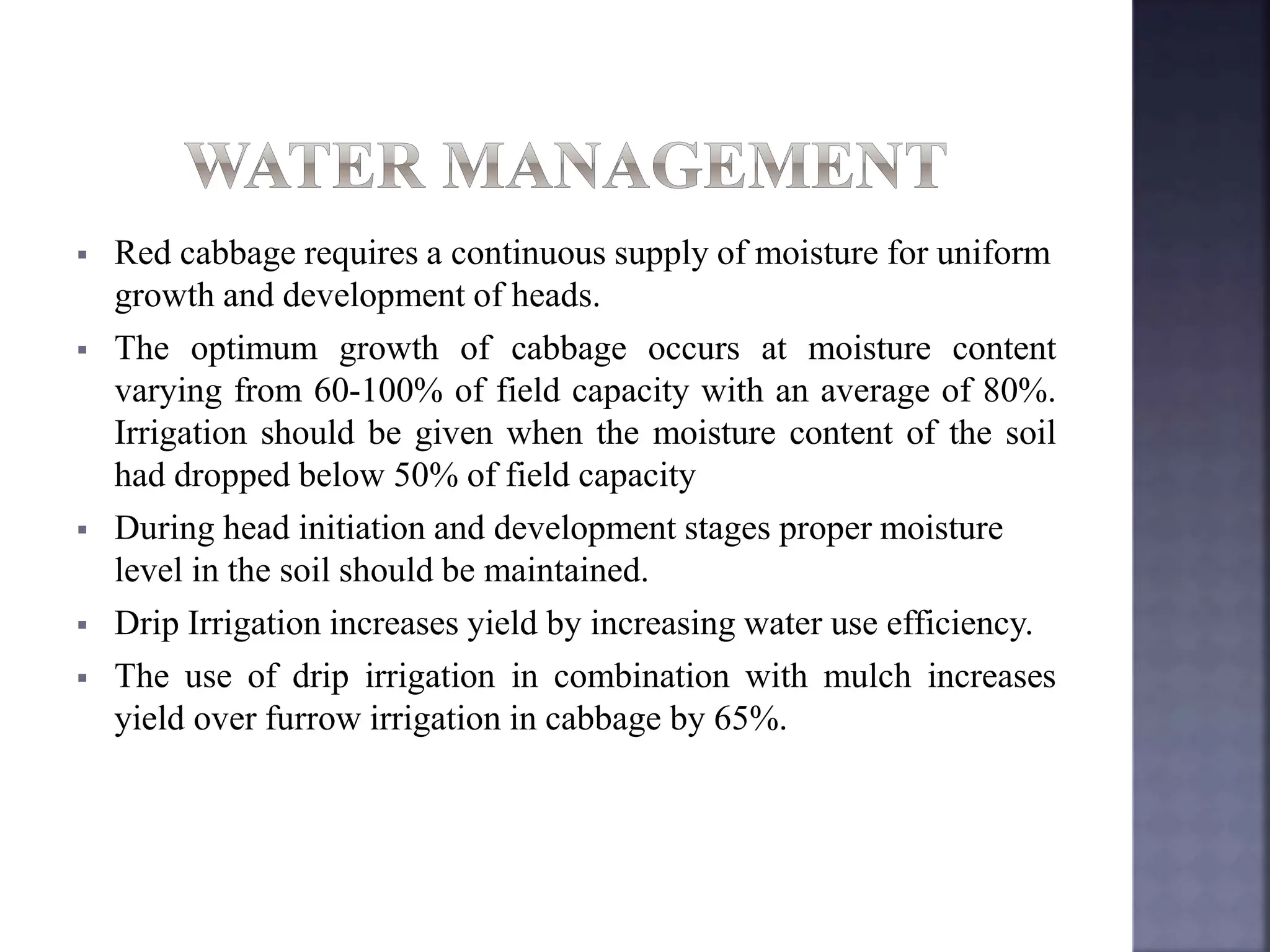
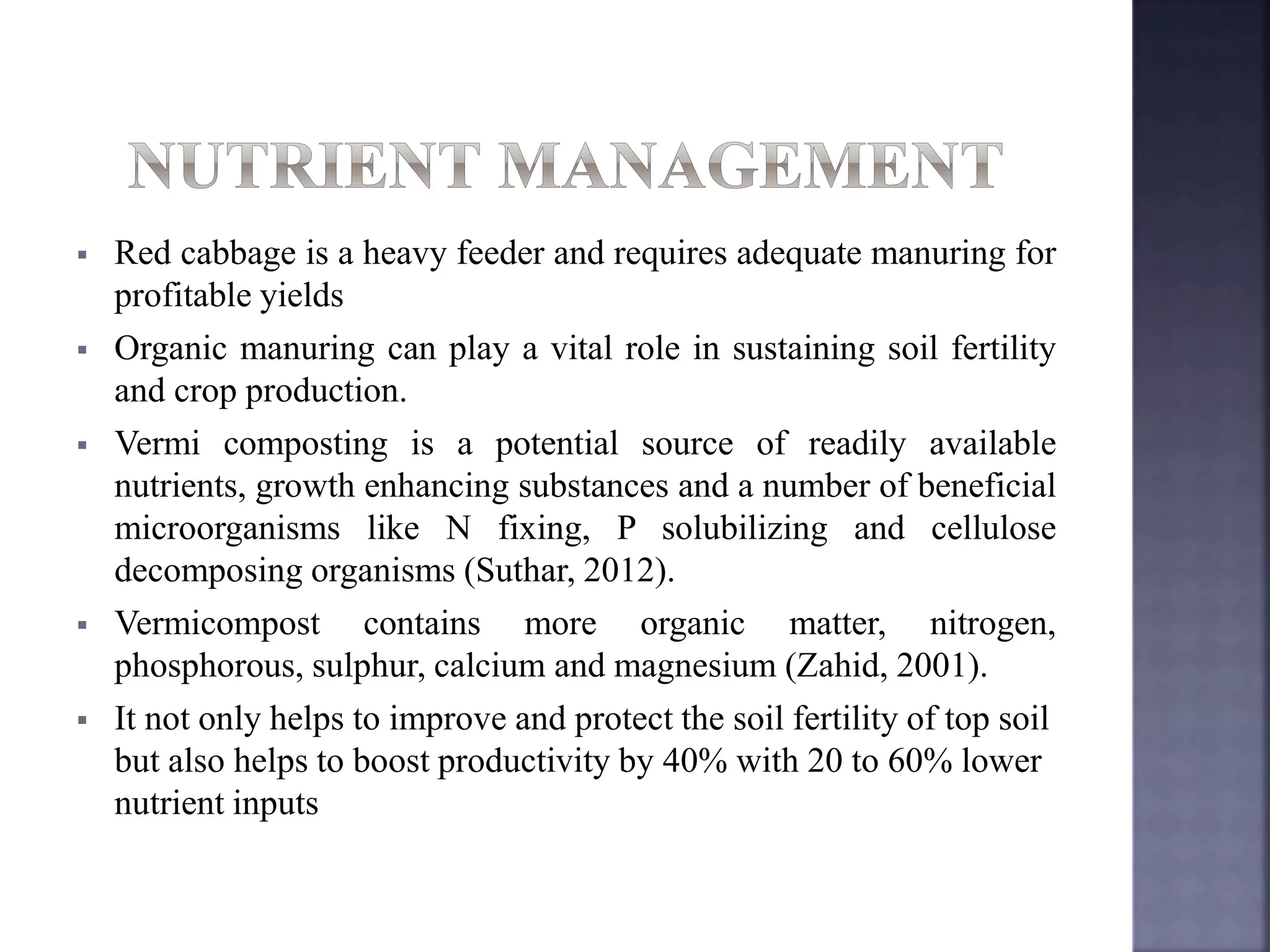
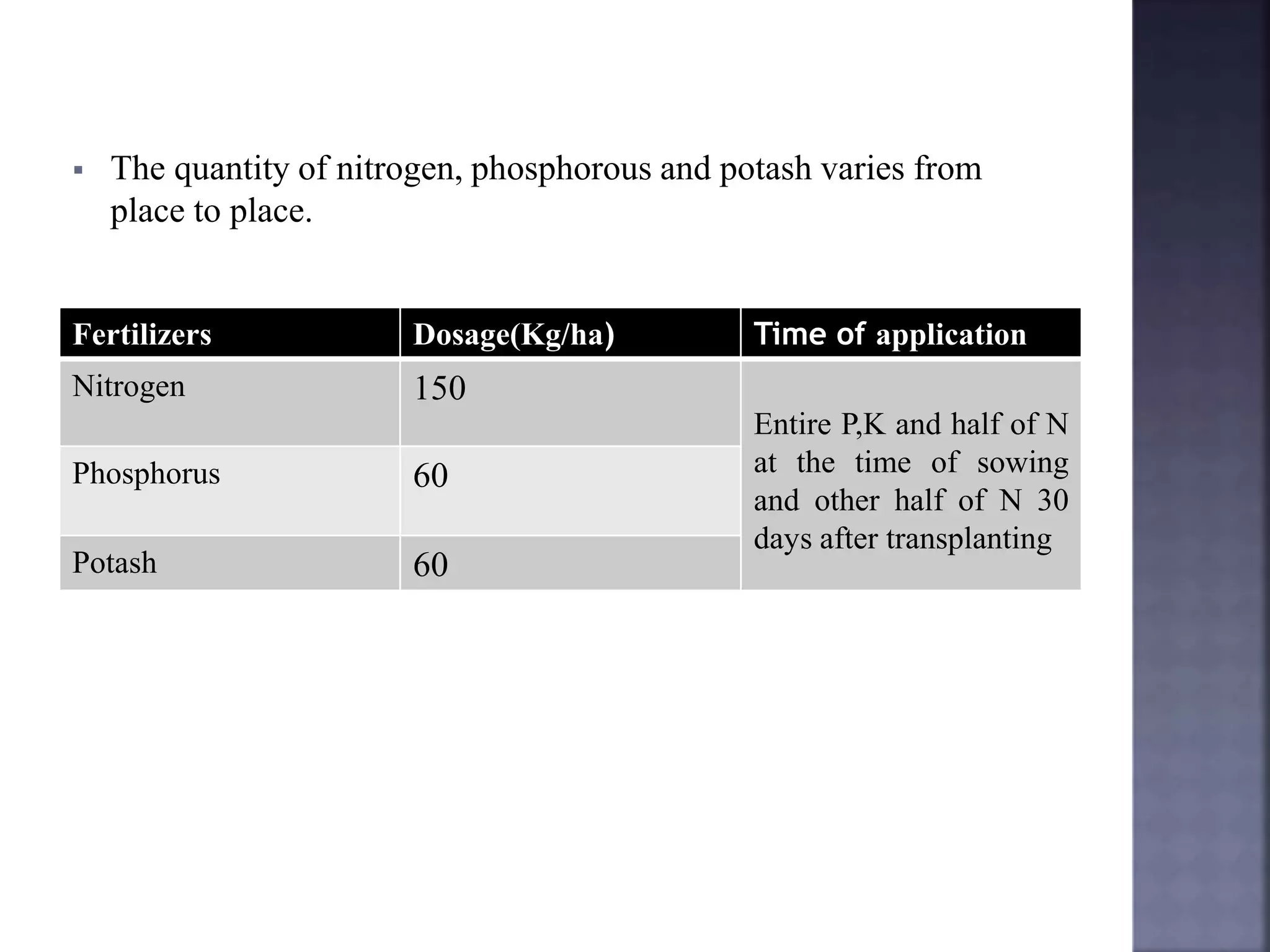
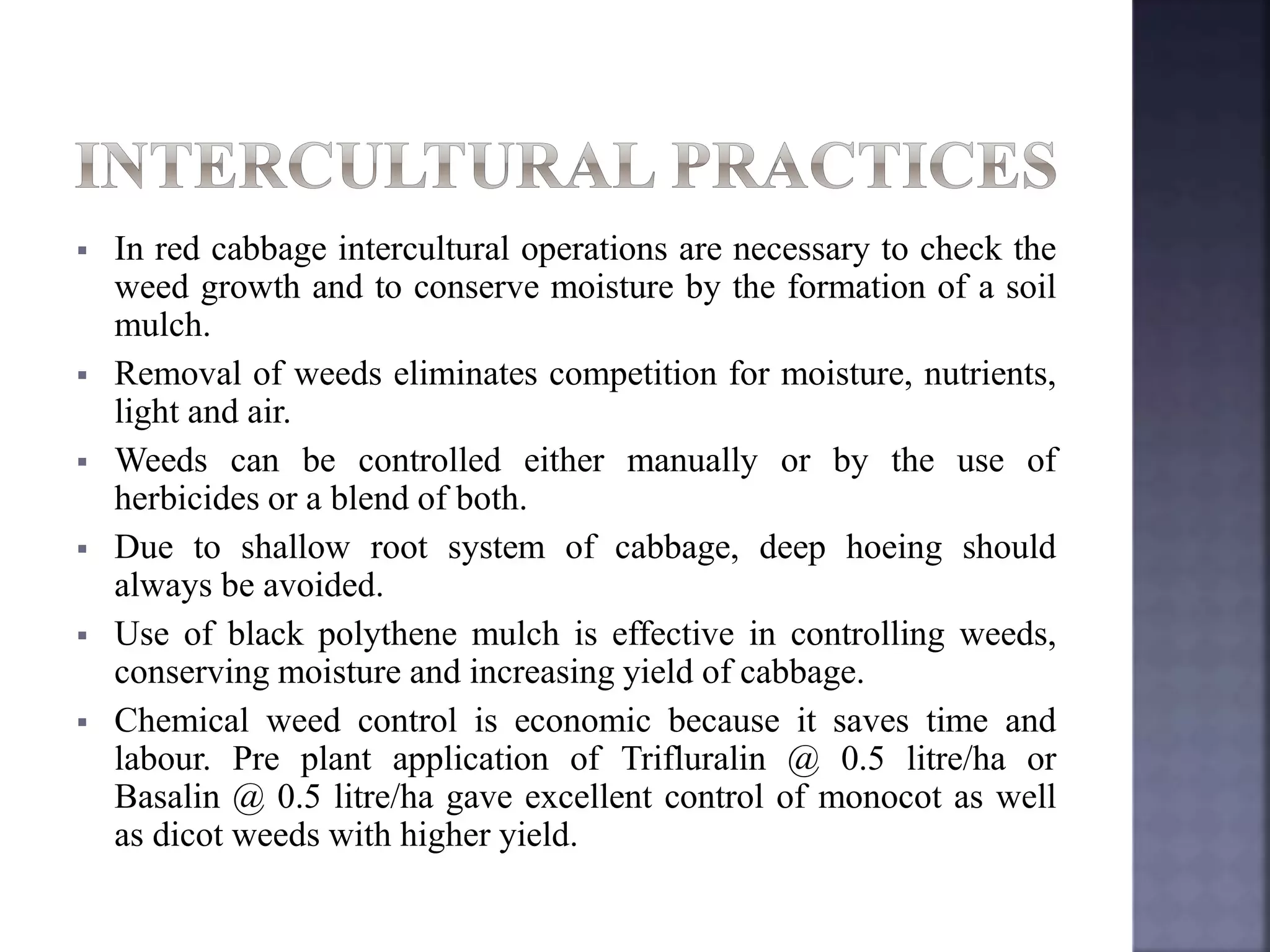
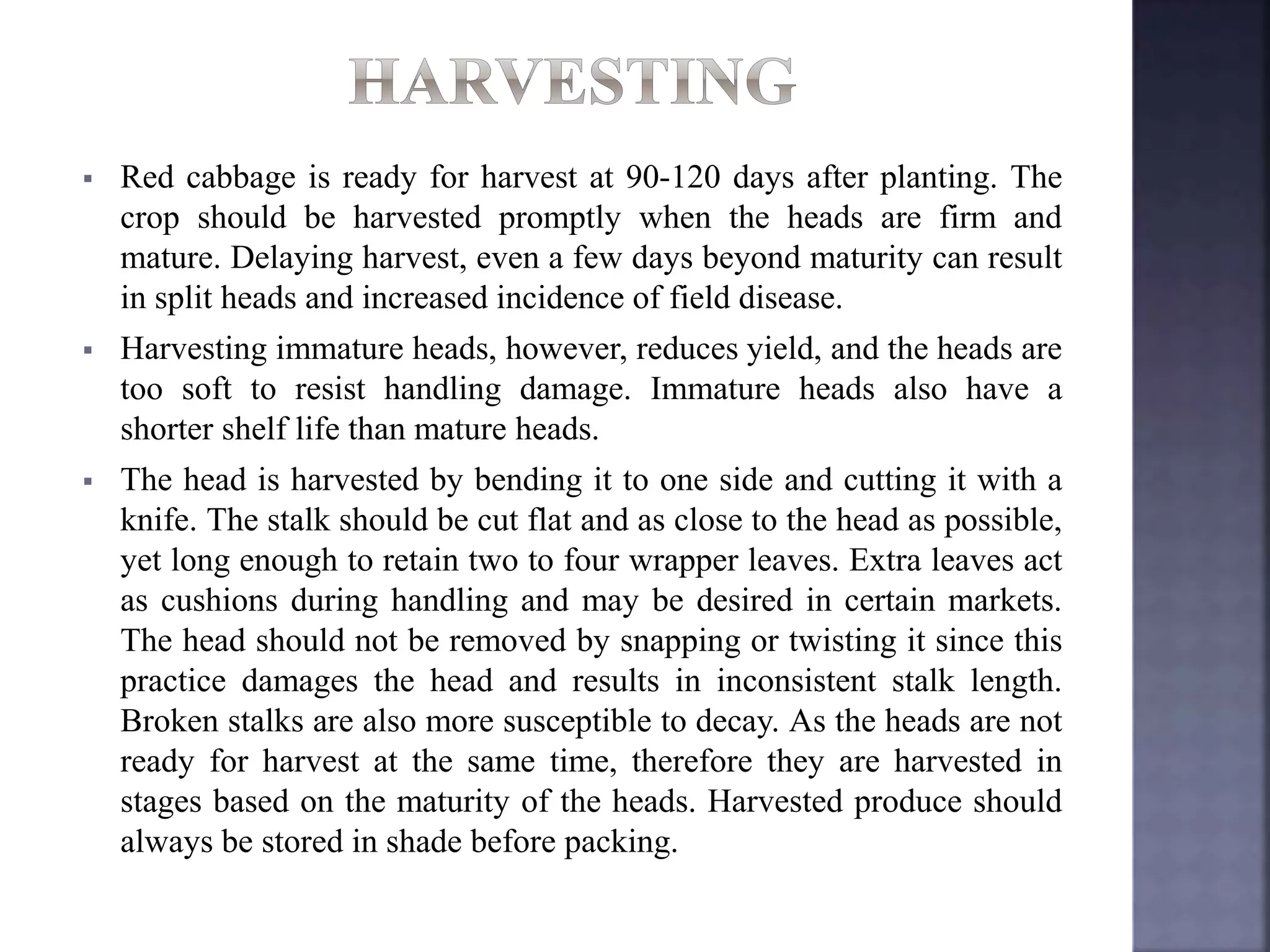
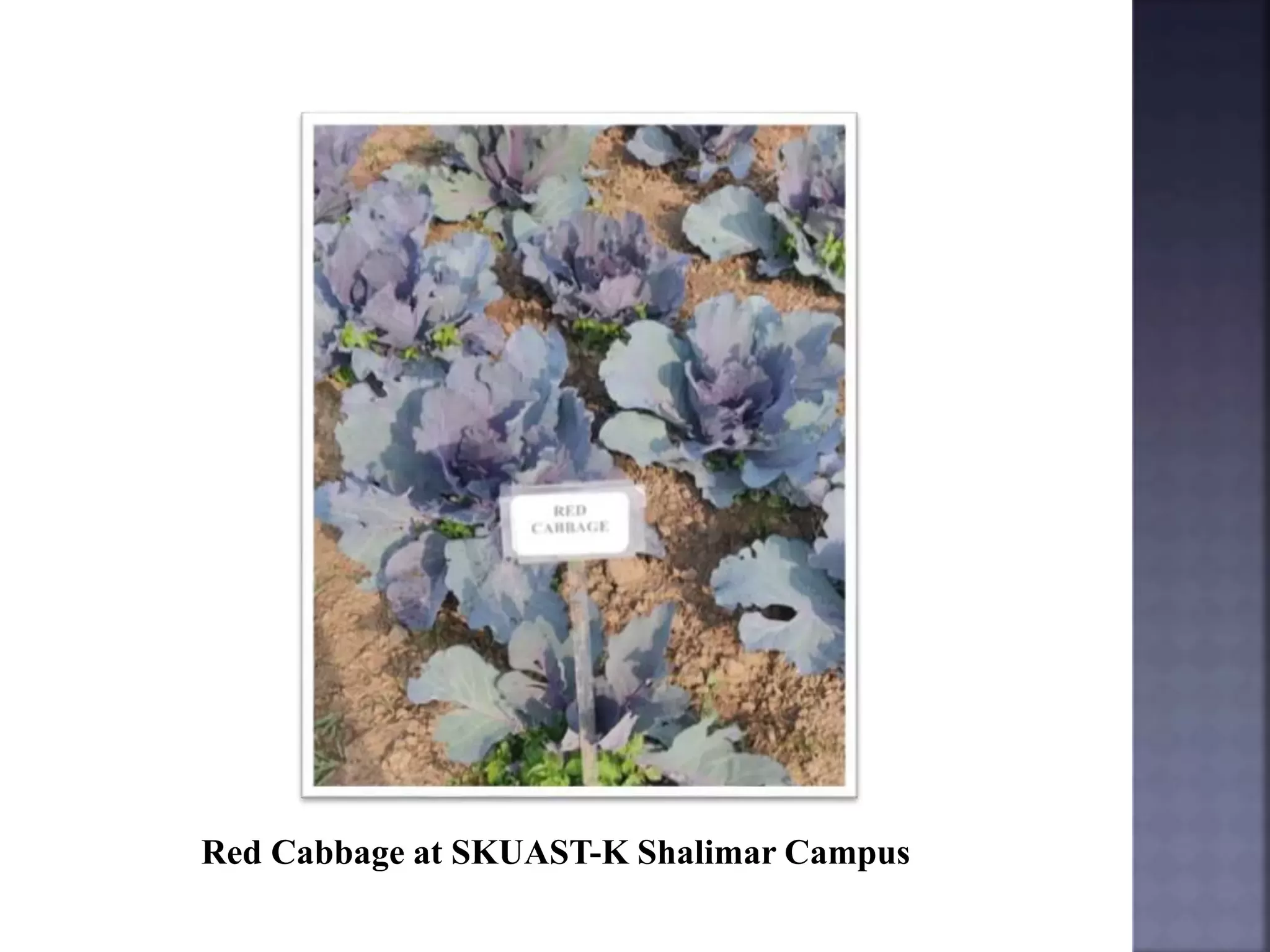
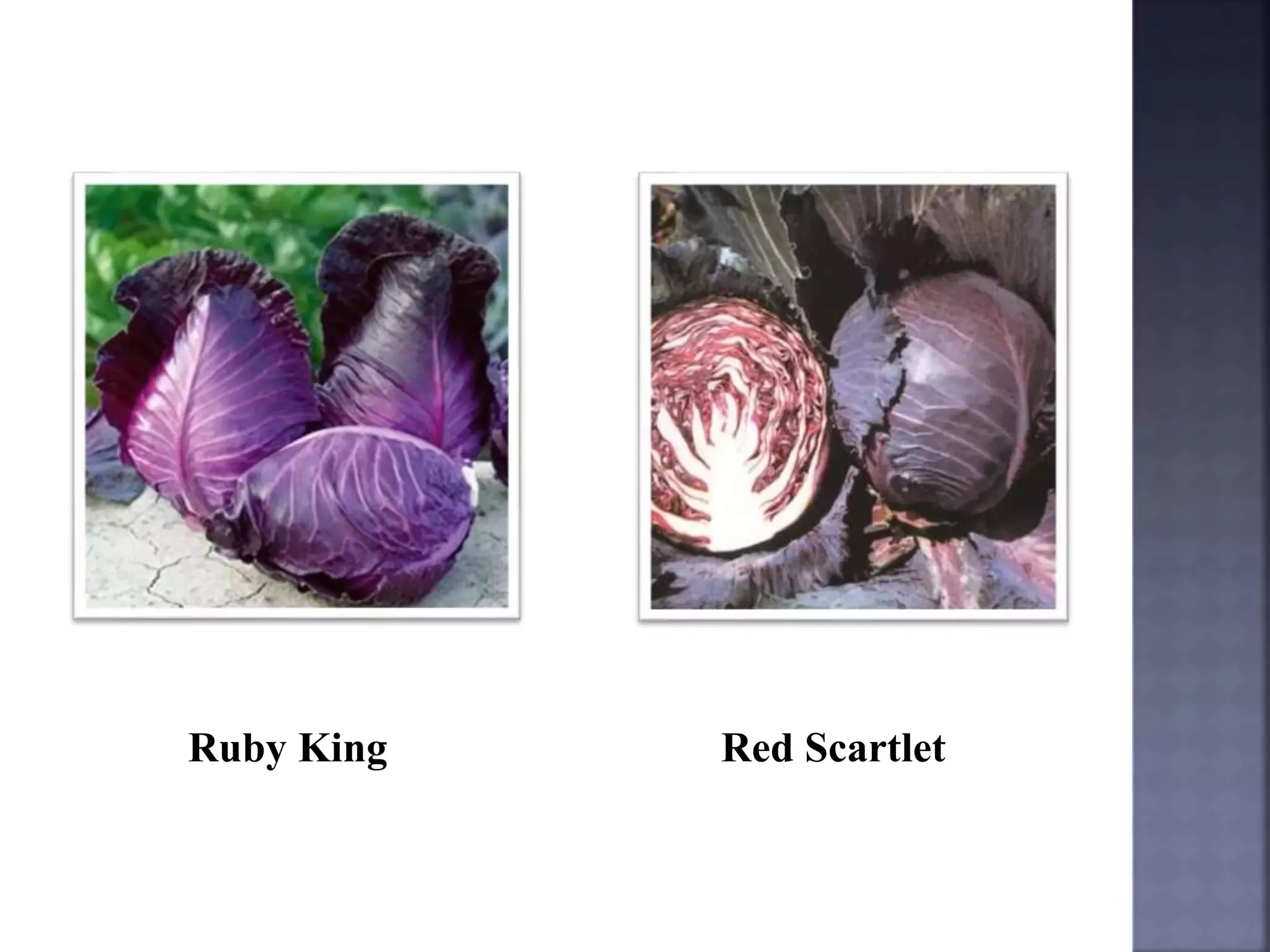
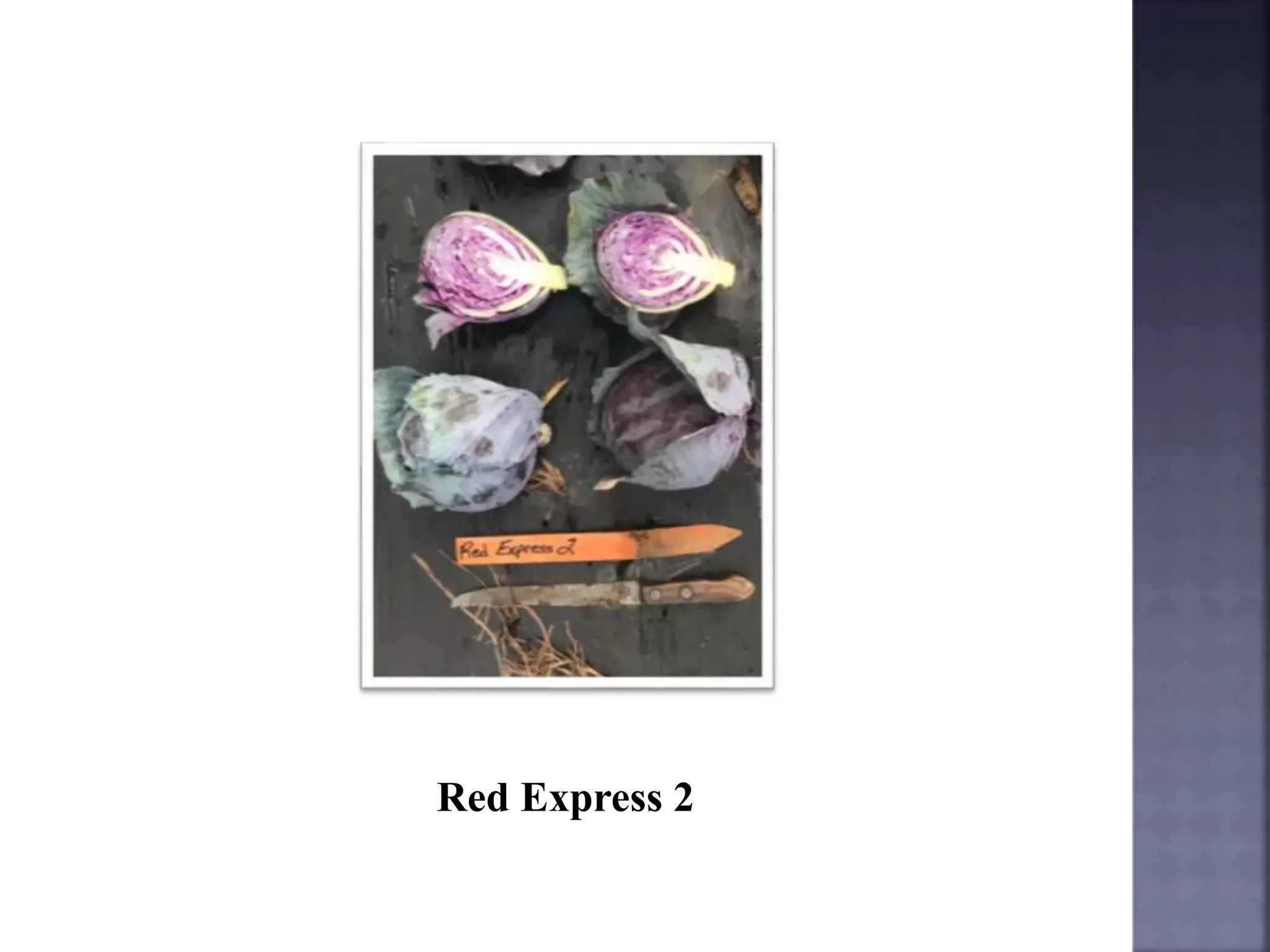
Red cabbage, scientifically known as Brassica oleracea var. Capitata f. rubra, belongs to the Brassicaceae family and has its origins in the Mediterranean region of Europe. This vibrant vegetable has garnered increasing popularity in India, particularly due to the shifting dietary preferences that have emerged in recent years. The demand for healthy, nutritious produce has risen significantly, driven in part by the health-conscious behaviors that have come to the forefront following the COVID-19 pandemic. As consumers seek out fresh fruits and vegetables, farmers have recognized a lucrative opportunity in cultivating red cabbage, which has proven more profitable compared to its green counterpart. The market for red cabbage is not only thriving domestically but also expanding internationally, prompting an influx of competition. In response to this growing demand, the agricultural sector must adapt. It is crucial to integrate biotechnological methods with traditional breeding practices to enhance crop resilience against various diseases and unfamiliar environmental stressors such as heat, drought, and salinity. Additionally, developing region-specific technologies can maximize productivity while conserving biodiversity within native ecosystems. The cultivation of red cabbage entails sophisticated management practices, particularly to address modern challenges like emerging diseases and pests. Utilizing eco-friendly methods, such as identifying effective biocontrol agents, is essential for sustainable crop management. Furthermore, there is a pressing need to innovate within production and post-harvest strategies to minimize environmental impacts while ensuring high-quality yields. The nutritional profile of red cabbage is impressive. Rich in antioxidants, vitamins such as C, E, A, and K, and essential minerals including calcium, potassium, and iron, it is a low-fat and cholesterol-free option for health enthusiasts. Notably, the vegetable contains B vitamins, contributing to its status as a chronic disease preventive food. The presence of phytochemicals, including glucosinolates, ensures that red cabbage can also support cancer prevention and improve overall health. The health benefits associated with regular consumption include enhanced immune function, improved skin and eye health, and weight management. Red cabbage is versatile in culinary uses. It can be consumed raw in salads, made into cole slaw, used to create vibrant sauerkraut, or incorporated into soups and various culinary preparations. Its distinctive purple color, attributed to anthocyanin pigments, also makes it an appealing addition to dishes. Regarding cultivation practices, red cabbage thrives in well-drained soils rich in organic matter. Ideally, it is grown within temperatures ranging from 15-20°C for optimal growth and head formation. Effective irrigation and moisture management are essential, as the plant prefers consistent soil moisture levels for its growth cycle. Thus, implementing modern irrigation techniques, such as drip irrigation combined with mulch, can enhance yield and resource use efficiency. Harvesting red cabbage is a careful process requiring attention to timing to ensure head maturity and quality. Proper harvesting techniques, including cutting the head close to the stalk while preserving wrapper leaves, are necessary to maintain produce integrity during transport. The growing interest in red cabbage, particularly at venues such as the SKUAST-K Shalimar Campus, underscores its significance not just as a dietary staple but as a profitable agricultural enterprise poised for further development in the coming years. As the awareness of its health benefits spreads, the future looks promising for this colorful and nutritious vegetable.

Slide 1

Slide 1⬇ Slide

Slide 2

Slide 2⬇ Slide

Slide 3

Slide 3⬇ Slide

Slide 4

Slide 4⬇ Slide

Slide 5

Slide 5⬇ Slide

Slide 6

Slide 6⬇ Slide

Slide 7

Slide 7⬇ Slide

Slide 8

Slide 8⬇ Slide

Slide 9

Slide 9⬇ Slide

Slide 10

Slide 10⬇ Slide

Slide 11

Slide 11⬇ Slide

Slide 12

Slide 12⬇ Slide

Slide 13

Slide 13⬇ Slide

Slide 14

Slide 14⬇ Slide

Slide 15

Slide 15⬇ Slide

Slide 16

Slide 16⬇ Slide

Slide 17

Slide 17⬇ Slide

Slide 18

Slide 18⬇ Slide

Slide 19

Slide 19⬇ Slide

Slide 20

Slide 20⬇ Slide

Slide 21

Slide 21⬇ Slide

Slide 22

Slide 22⬇ Slide

Slide 23

Slide 23⬇ Slide
1 / 23

Ppt on Production technology of broccoli

Description

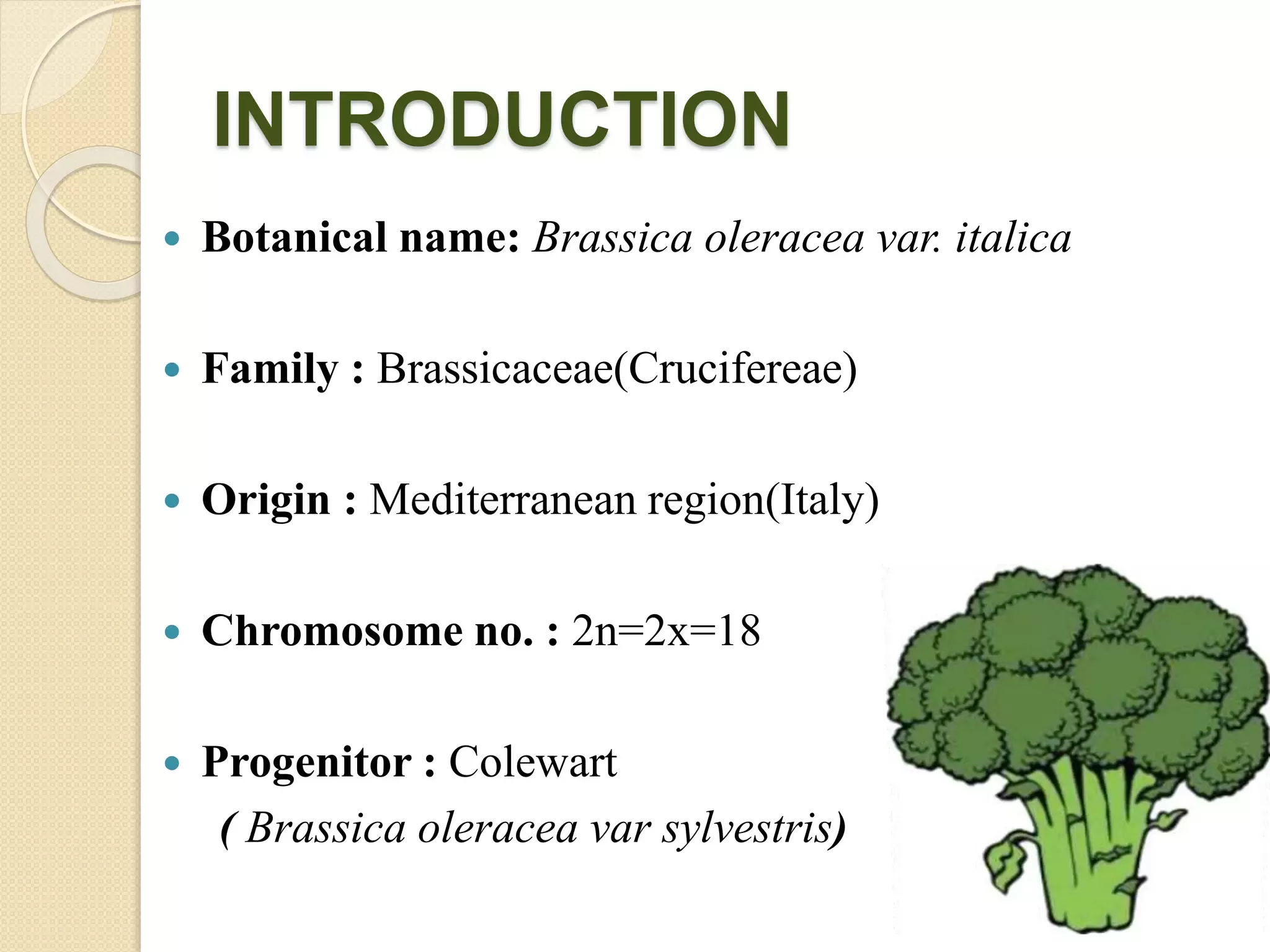
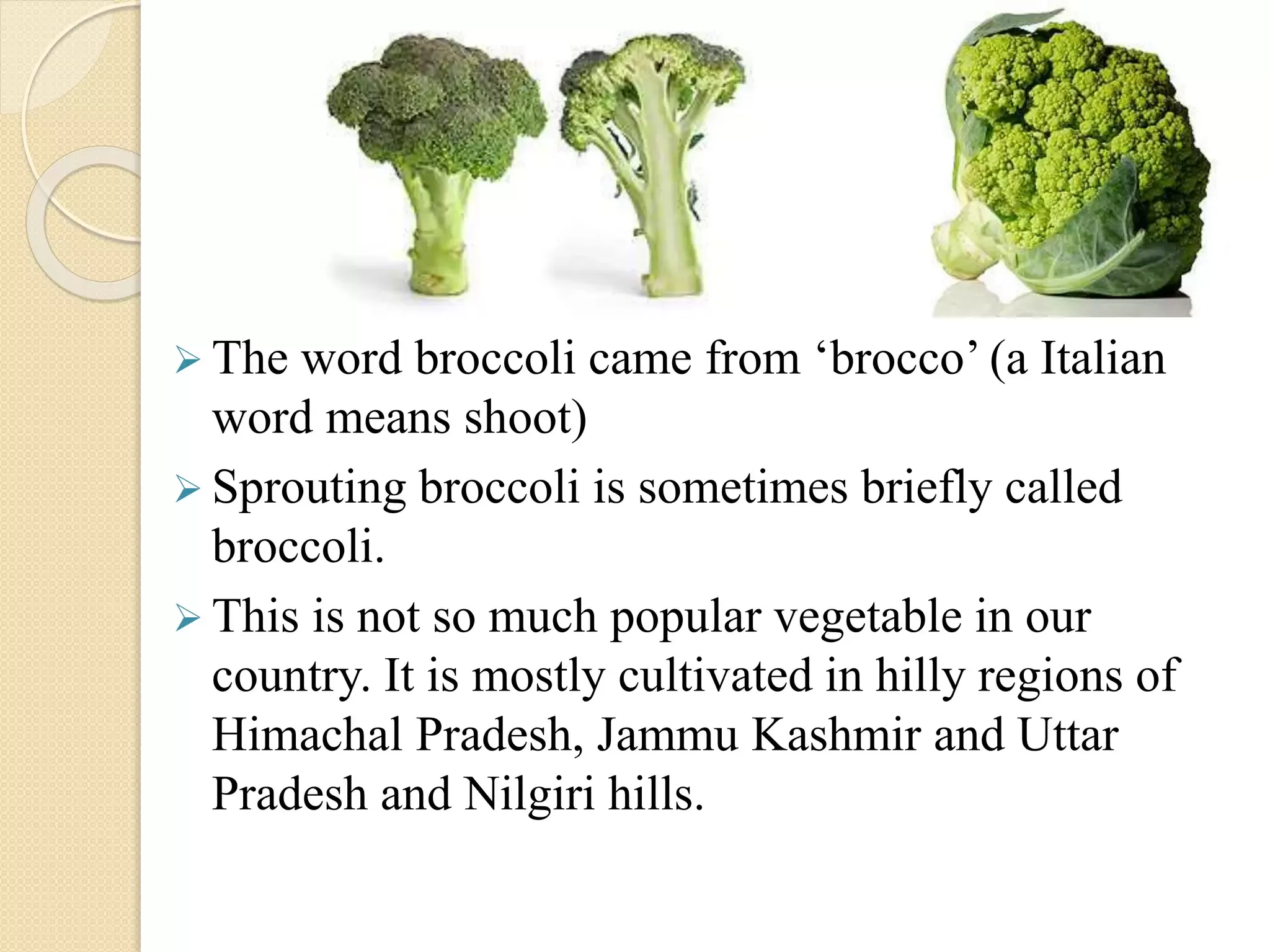
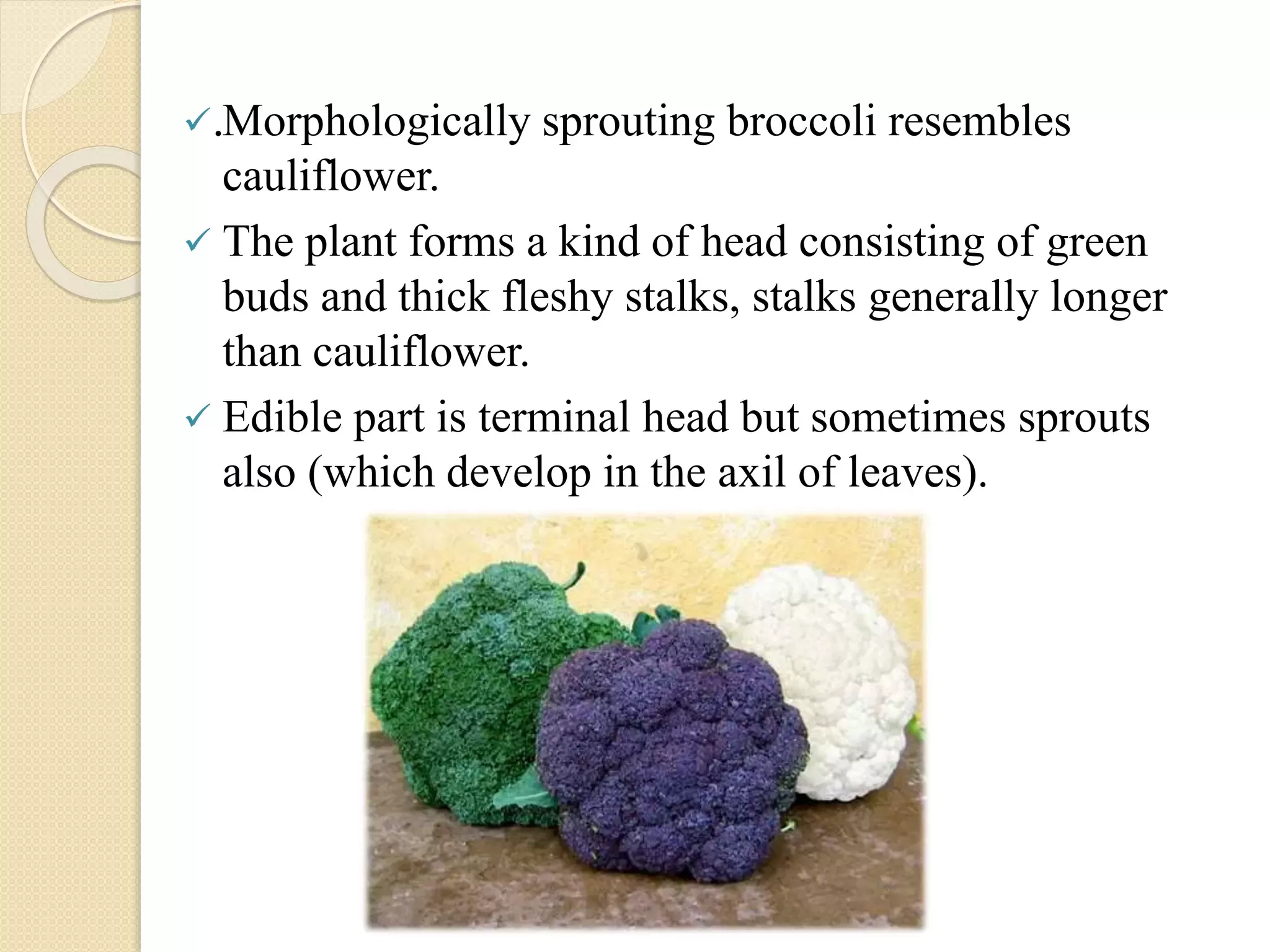
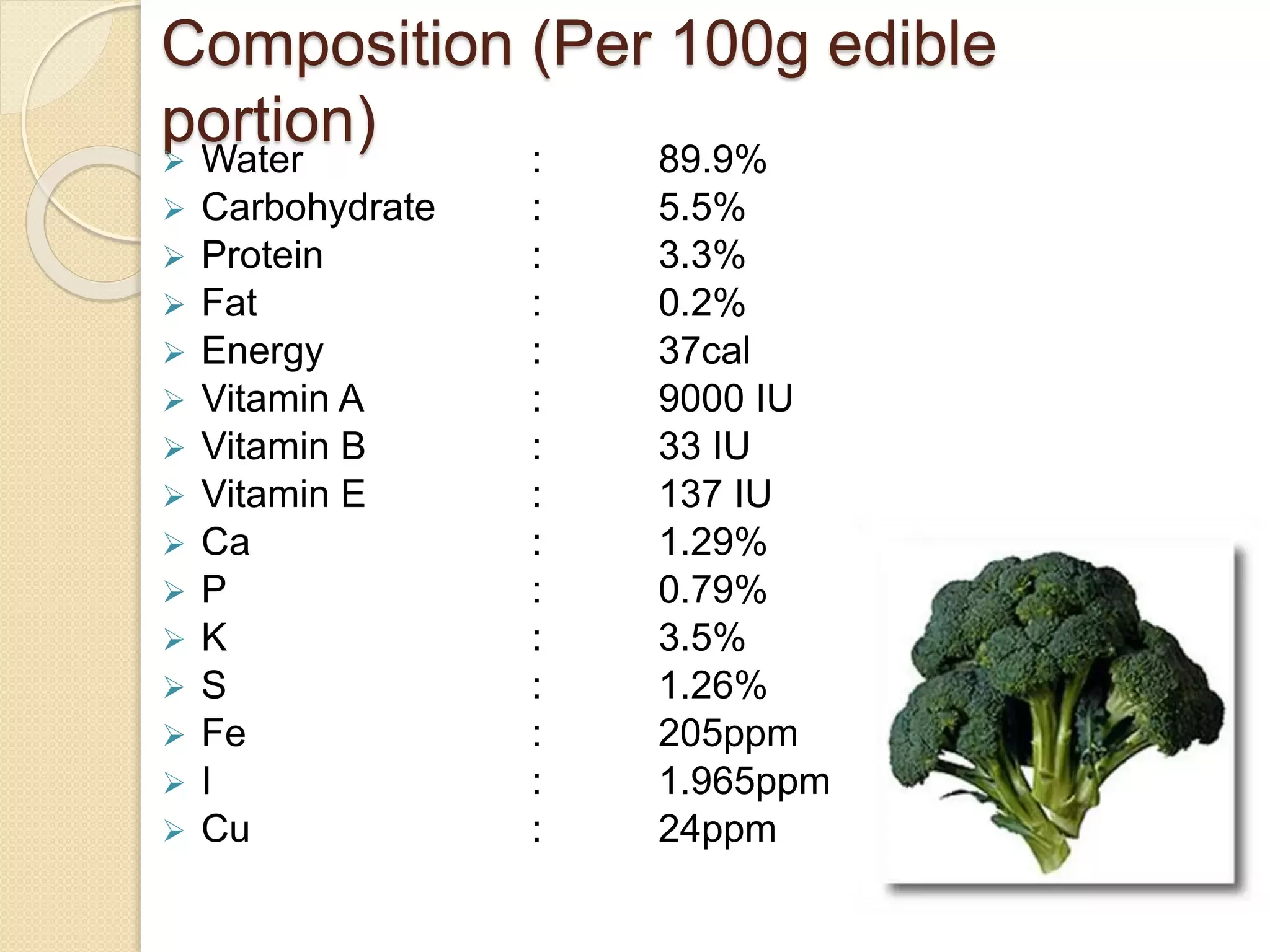
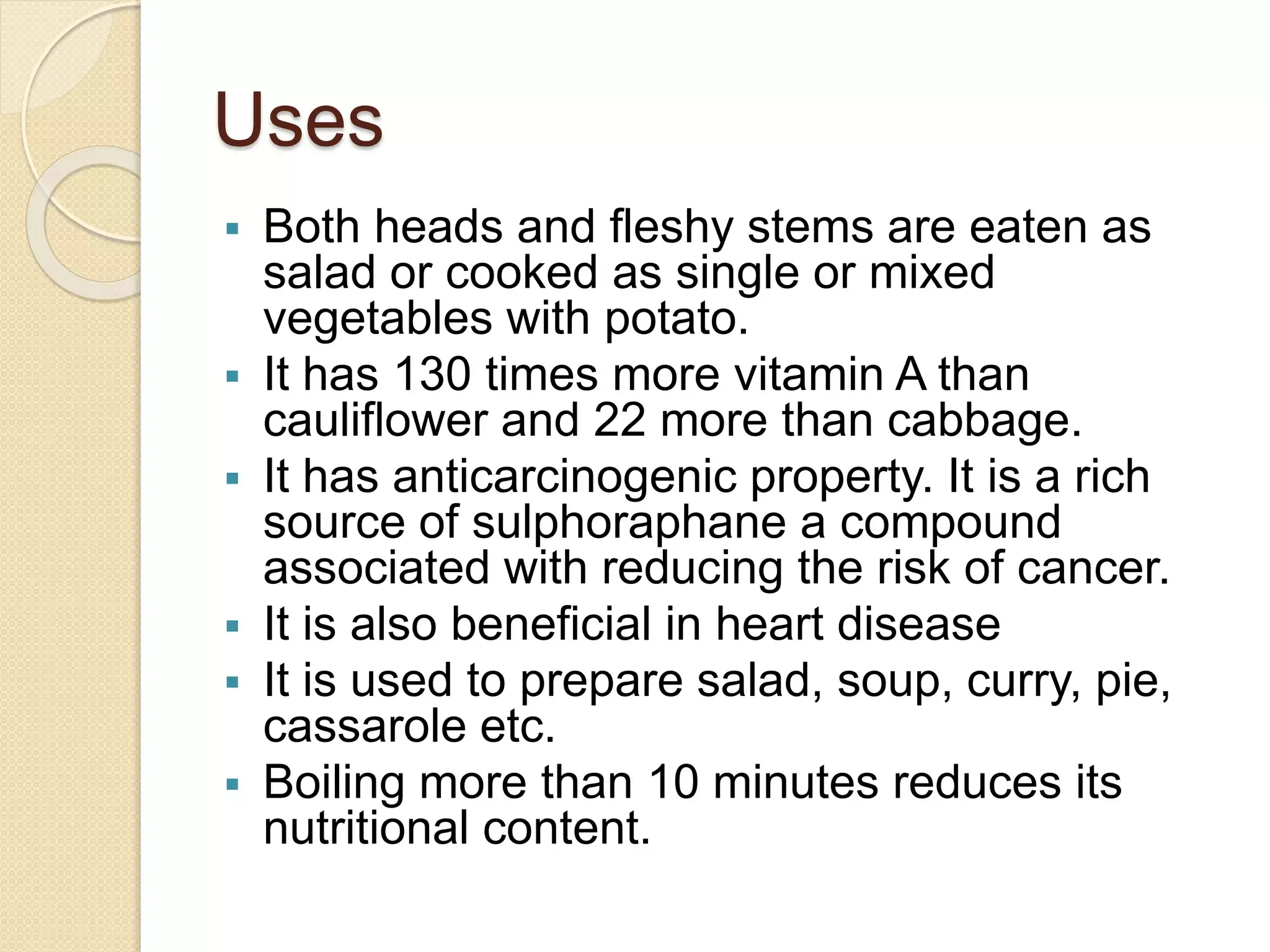
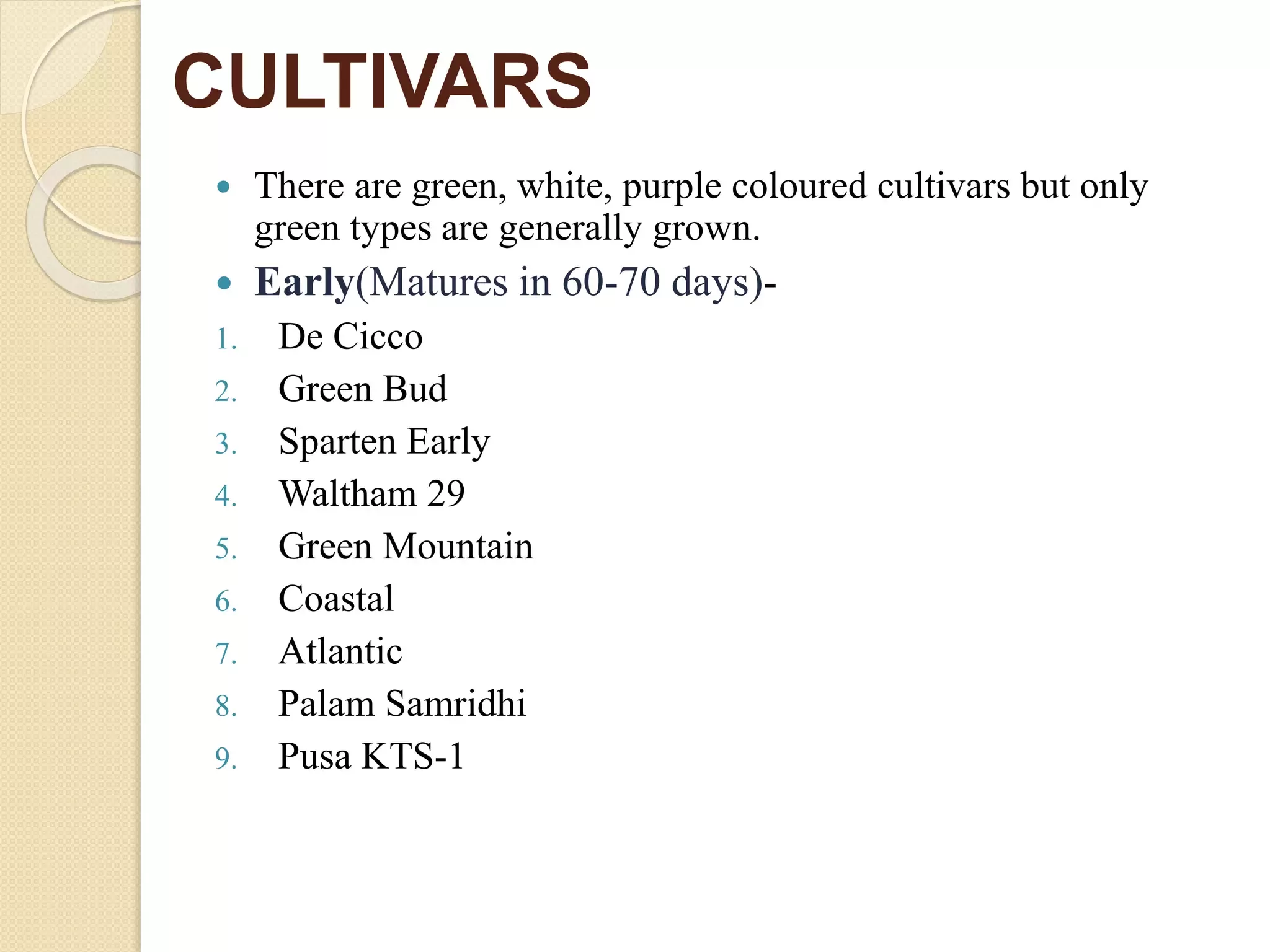
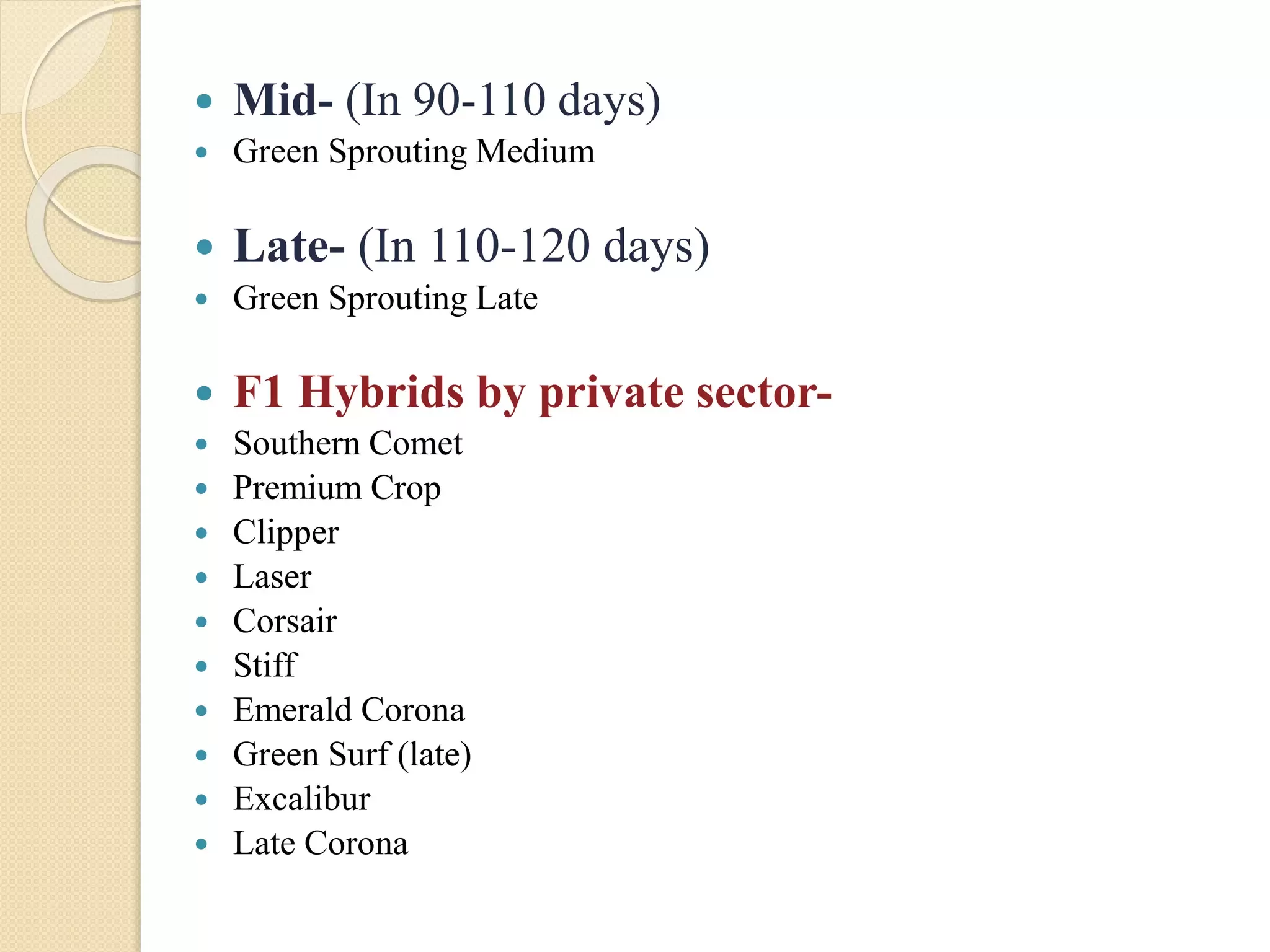
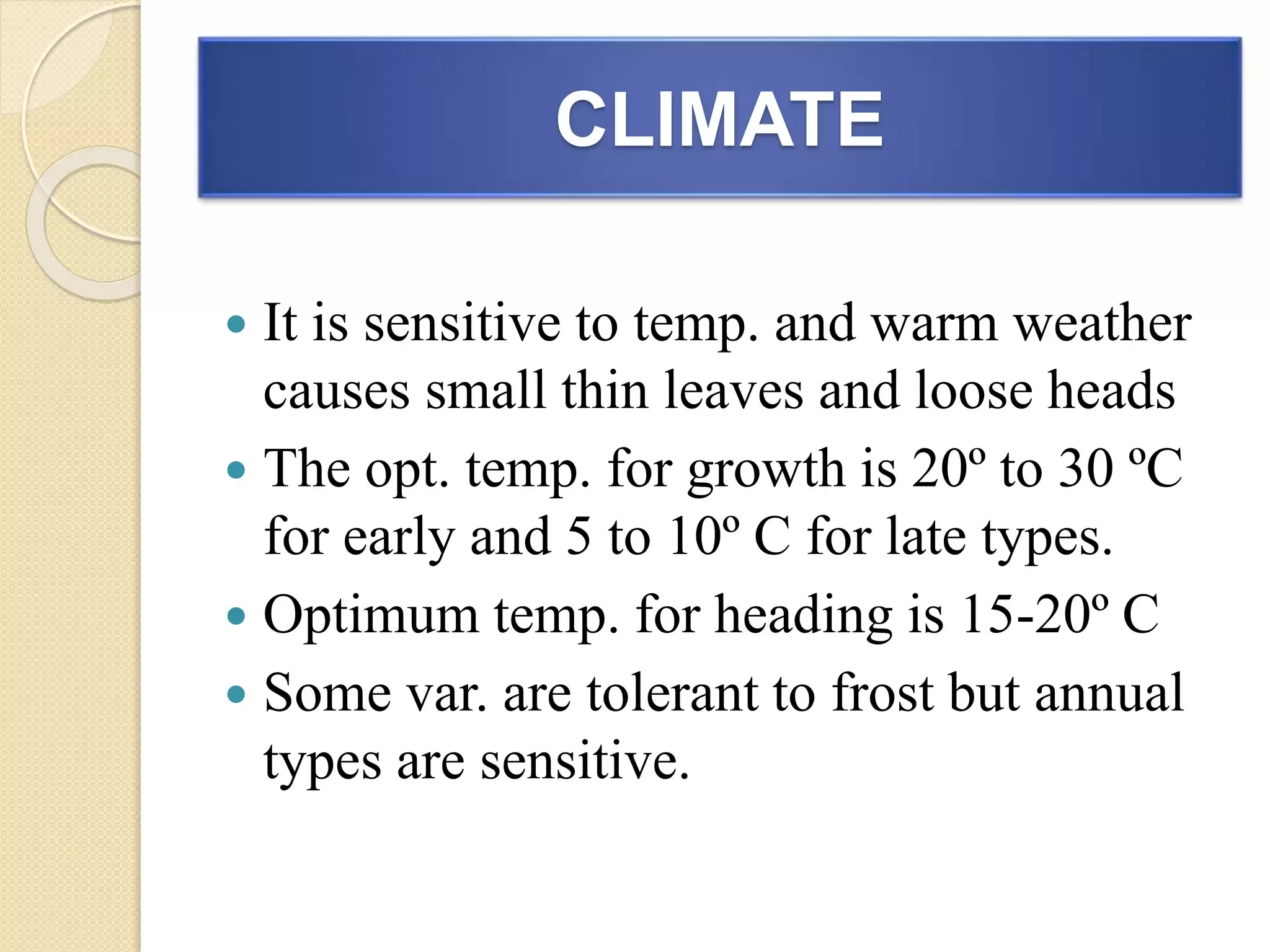
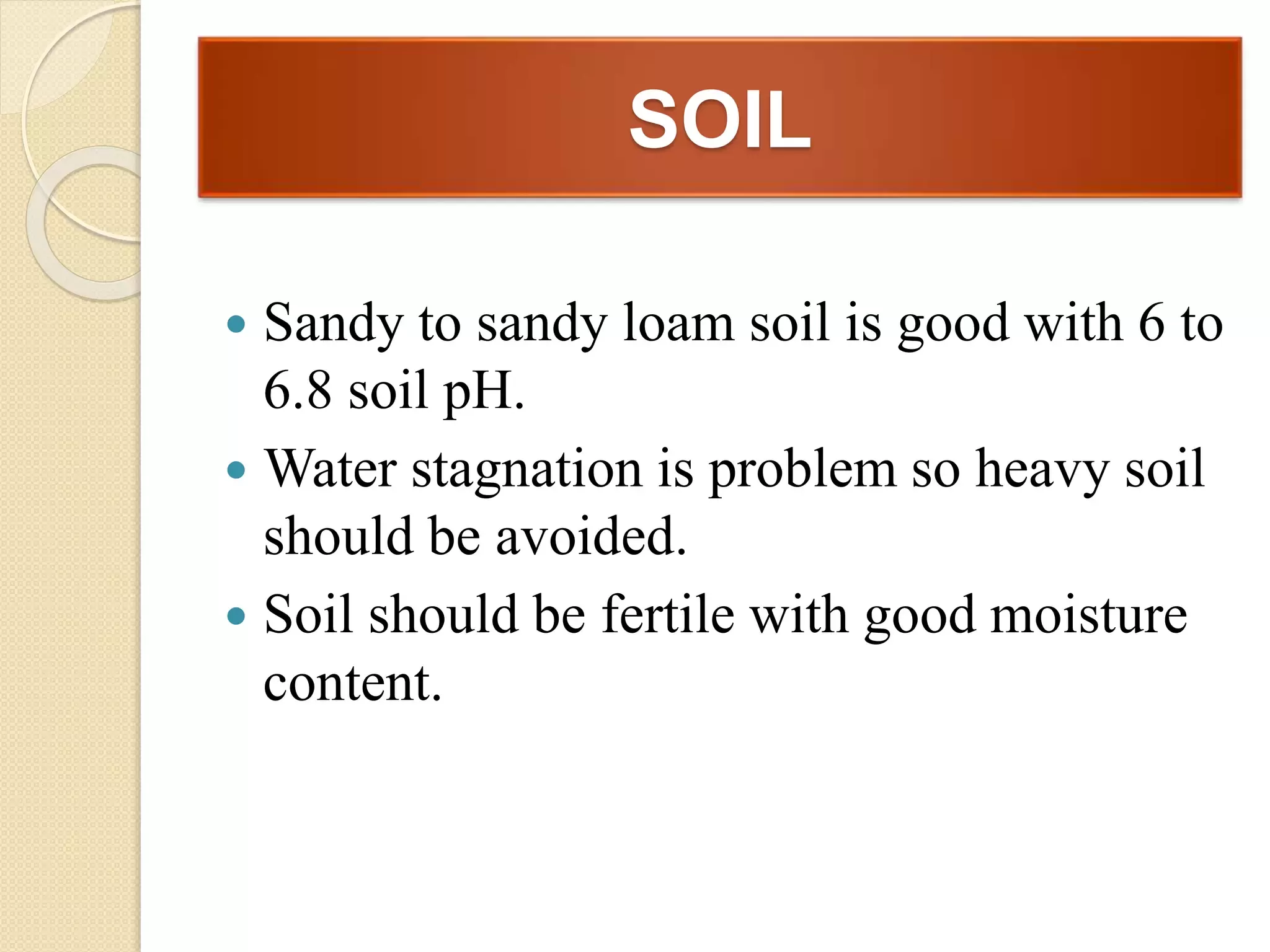
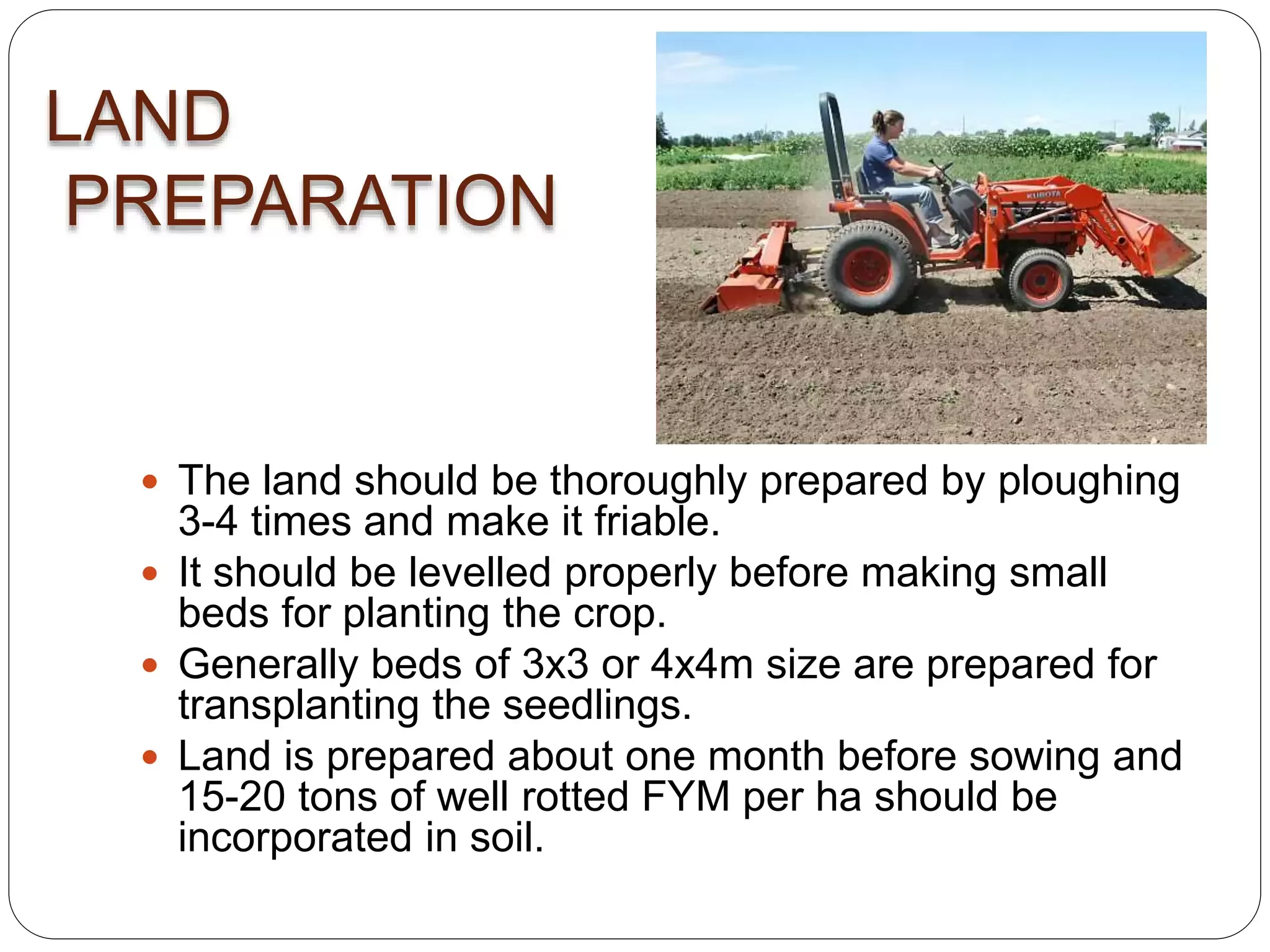
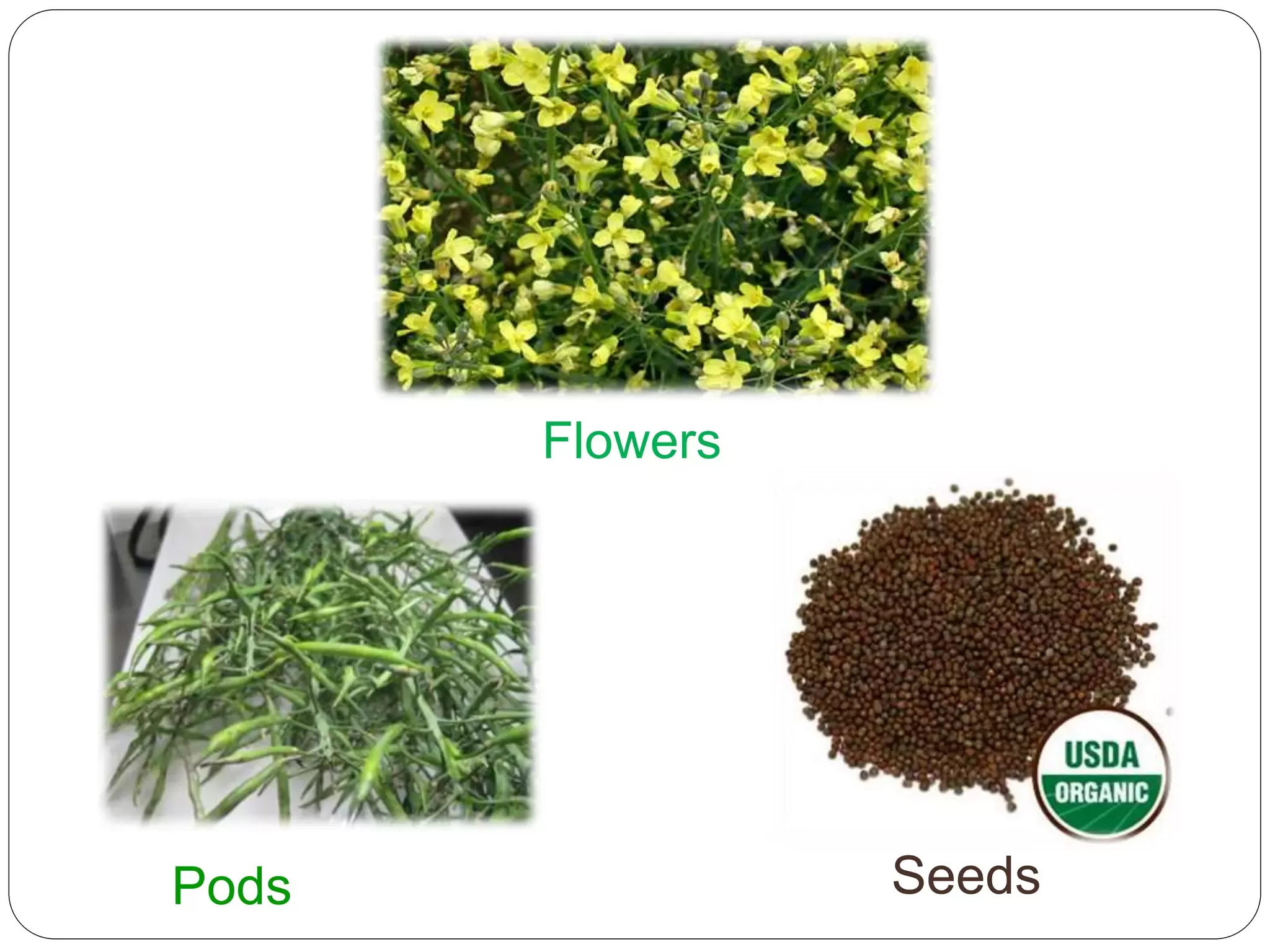
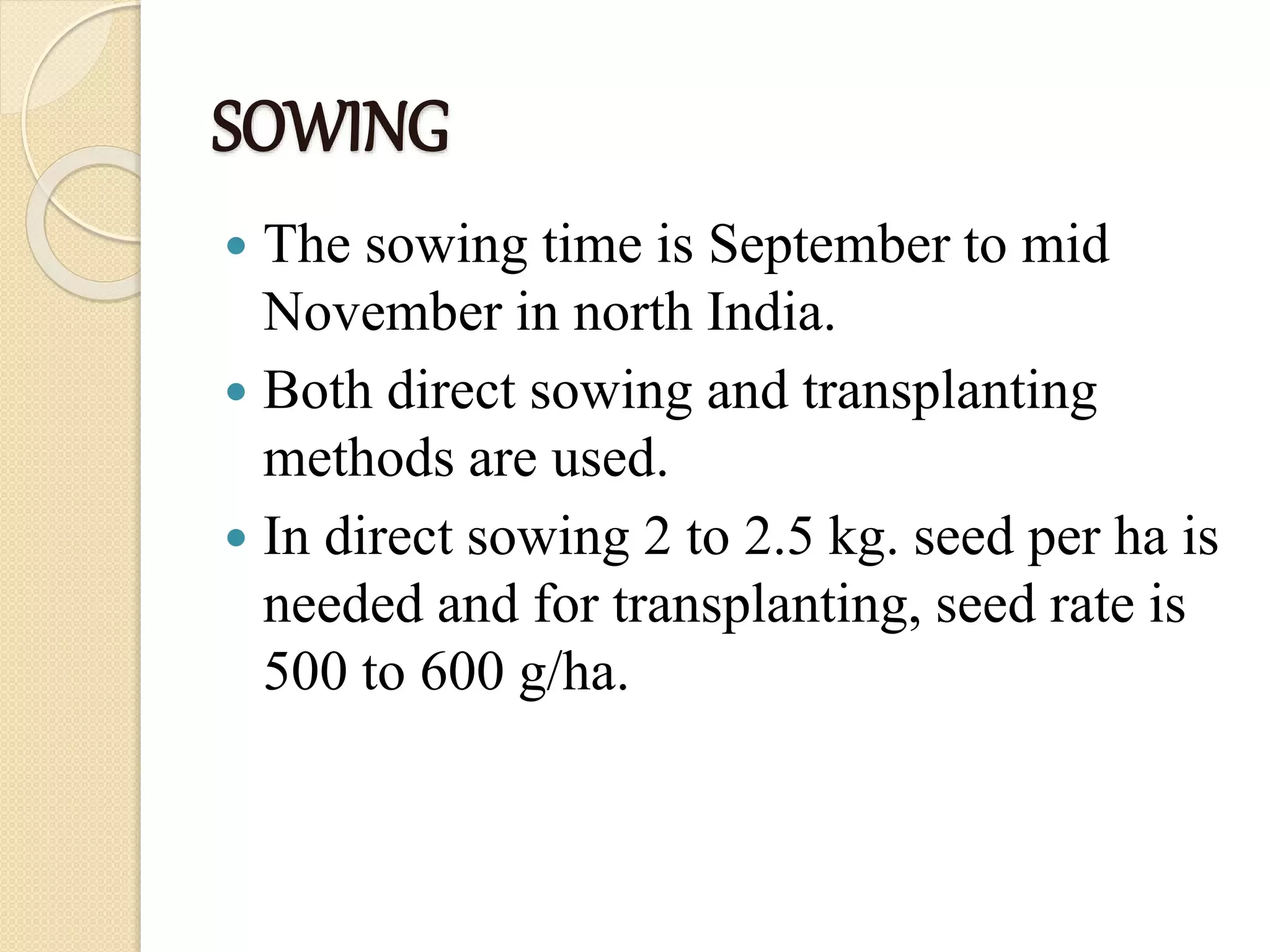
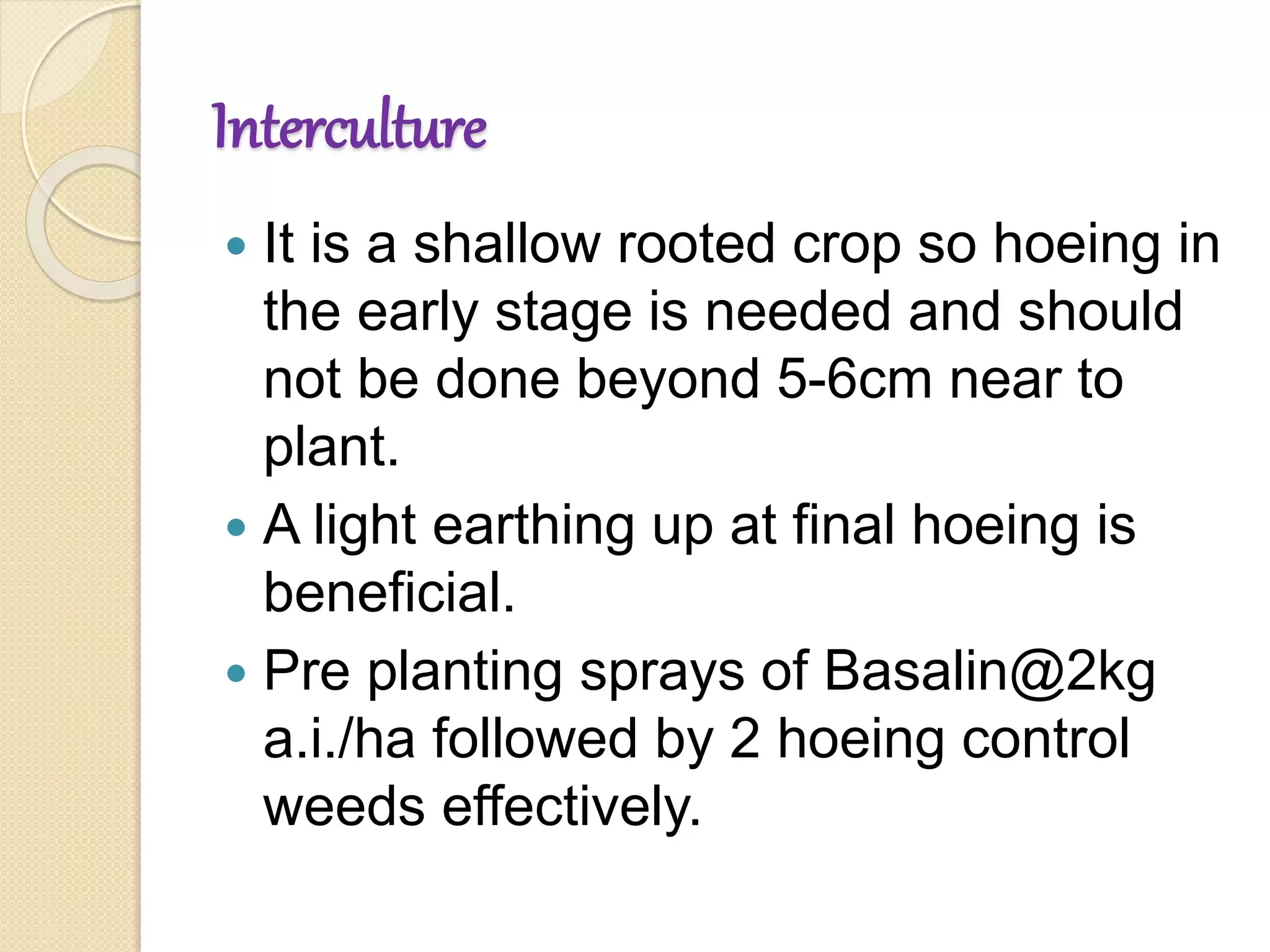
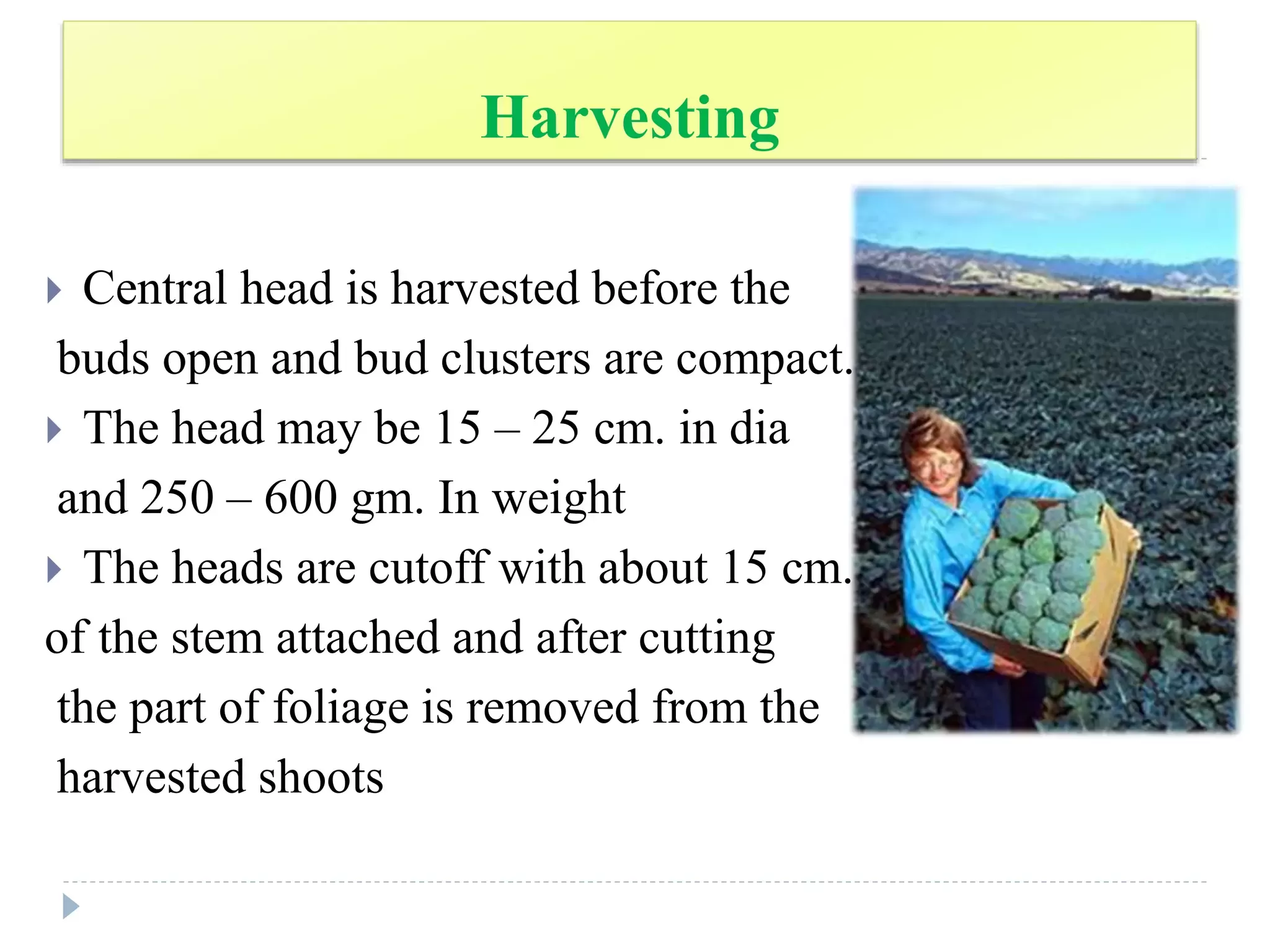
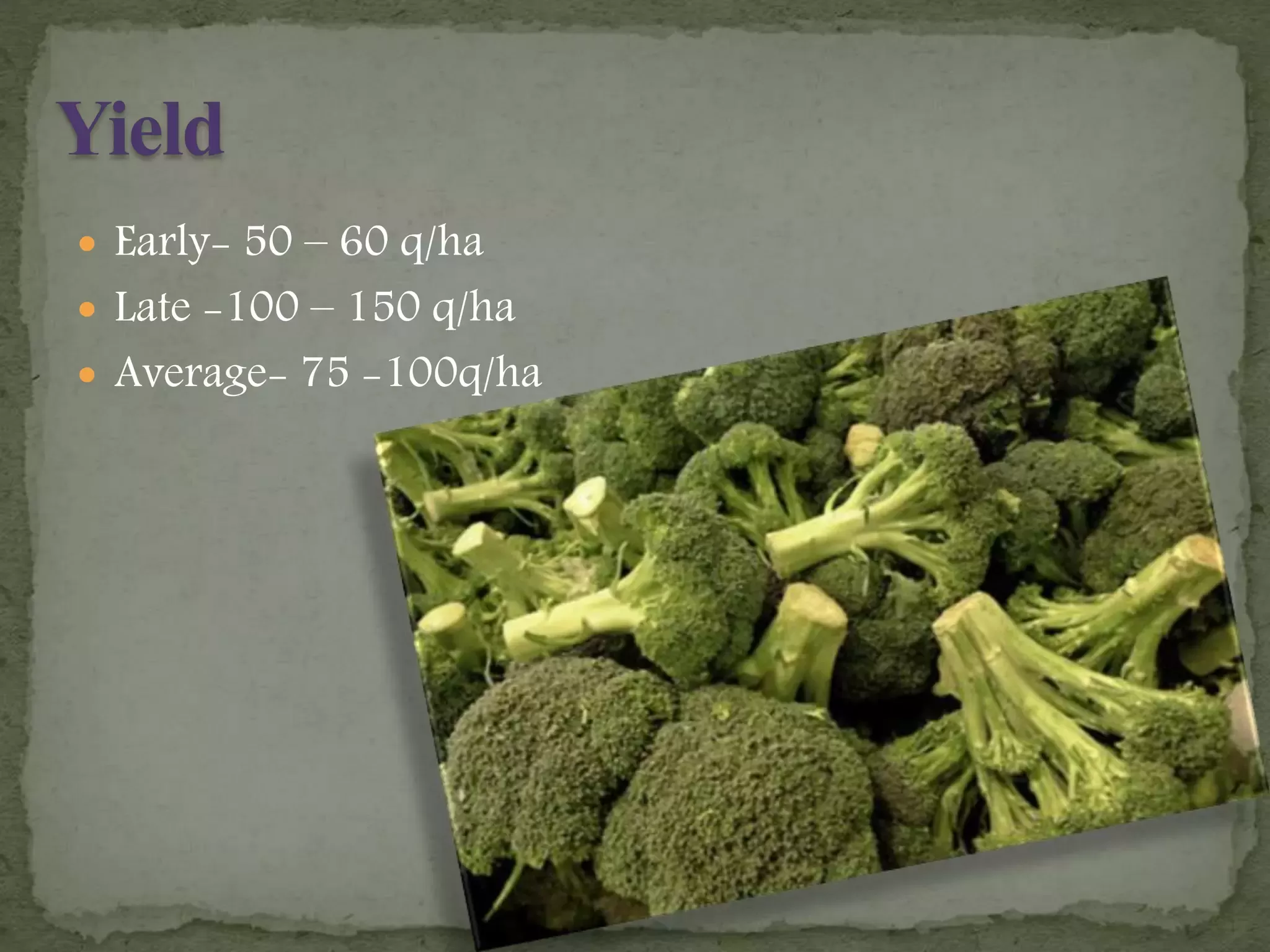
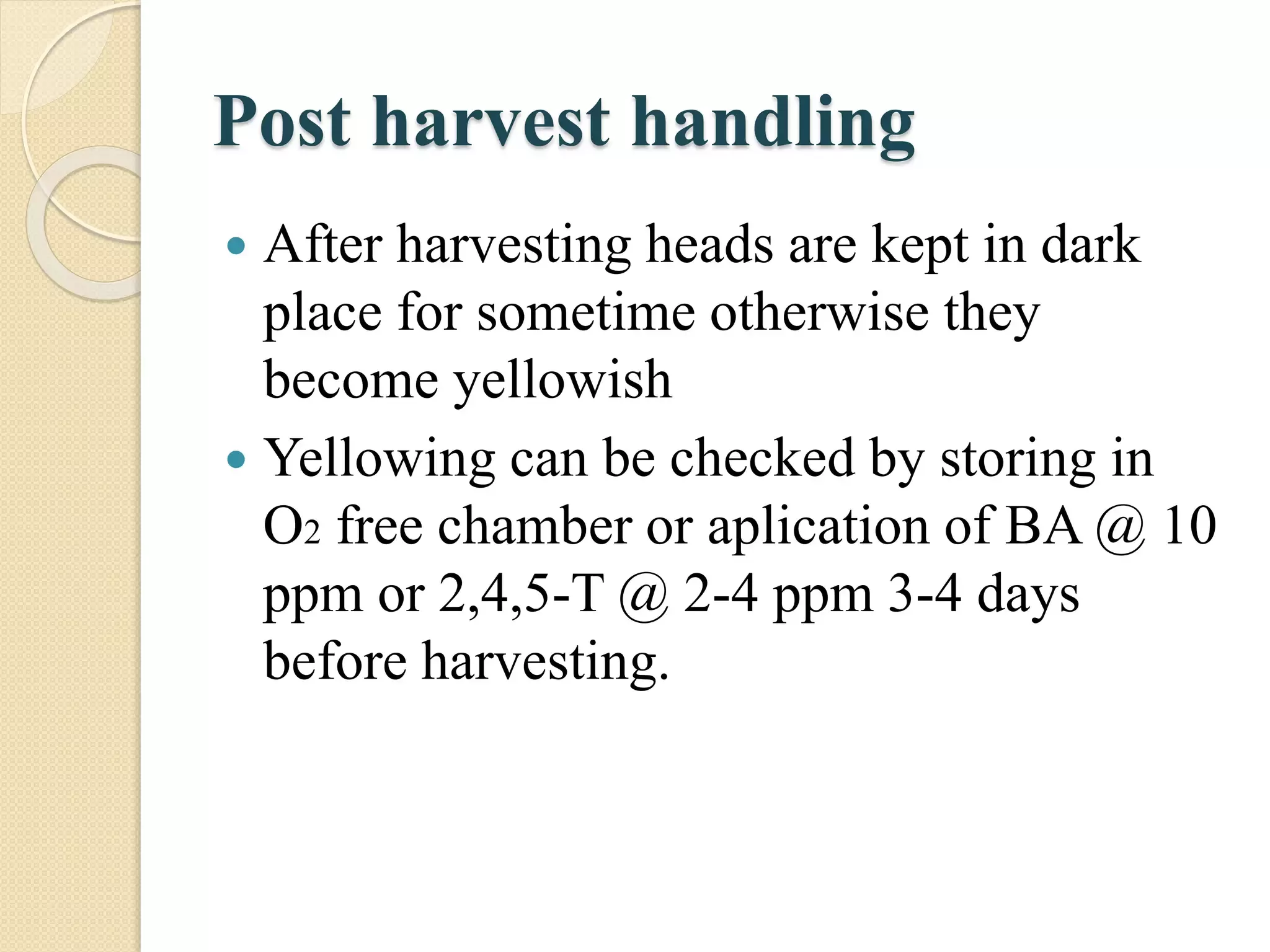
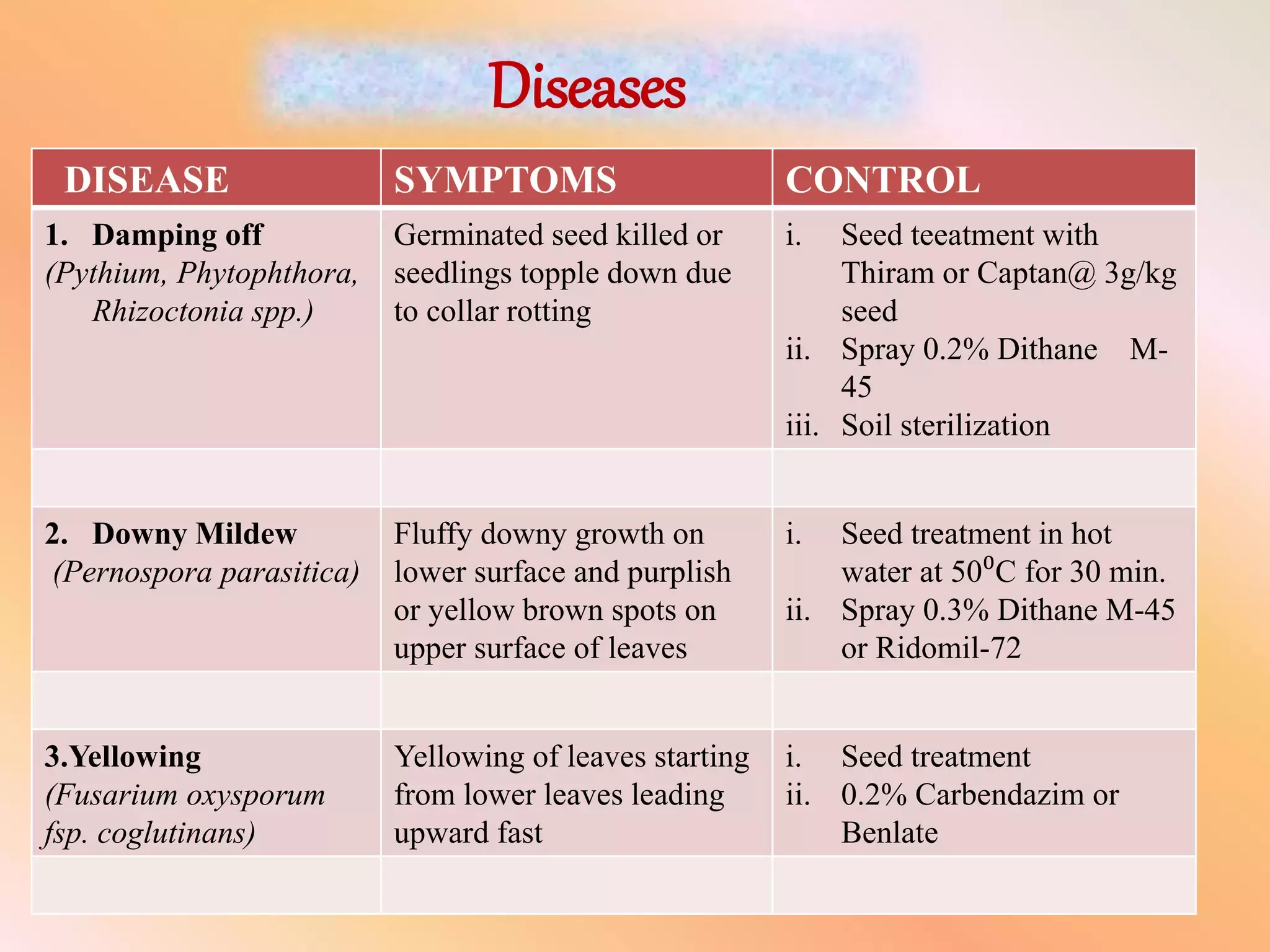
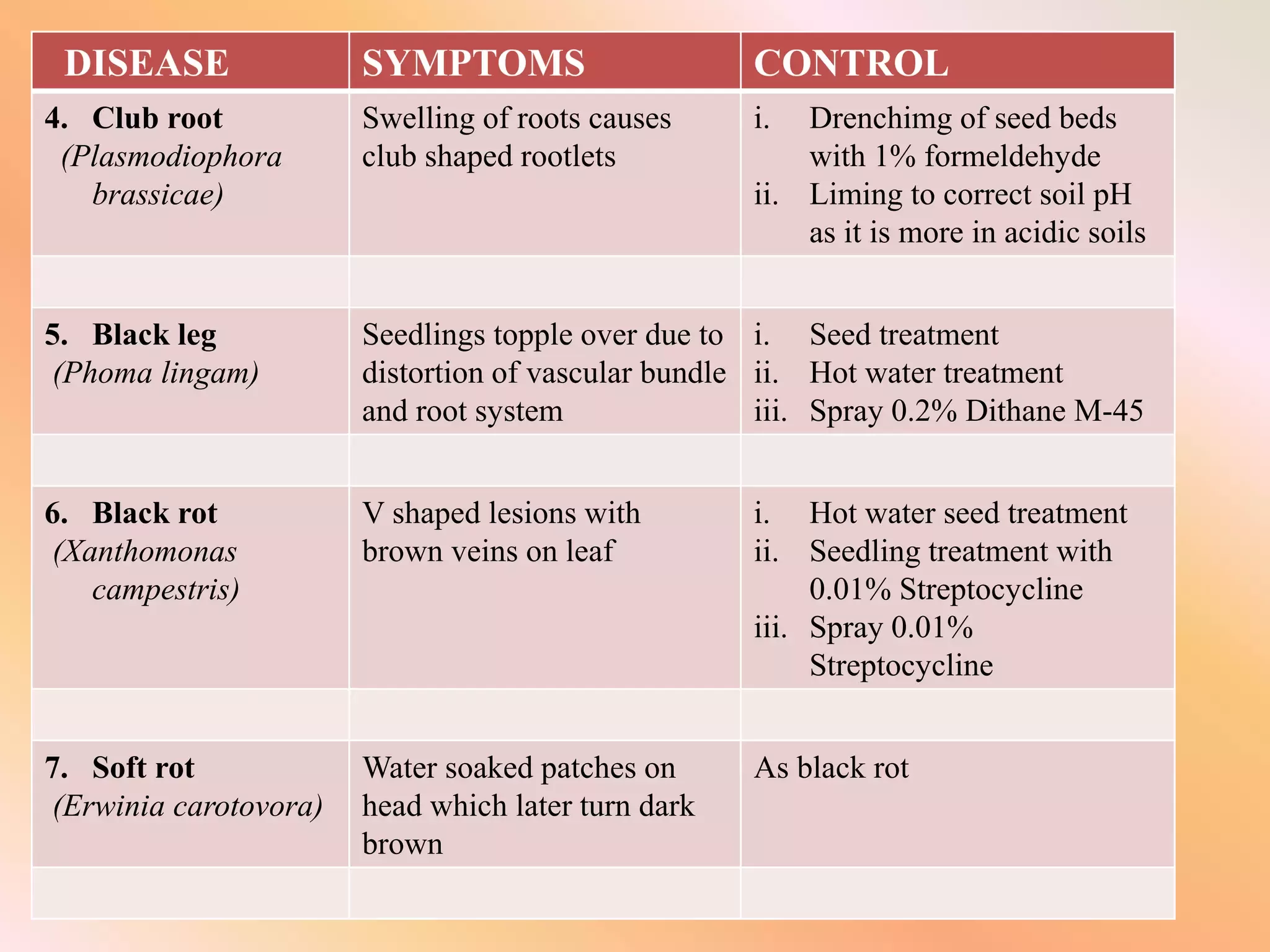
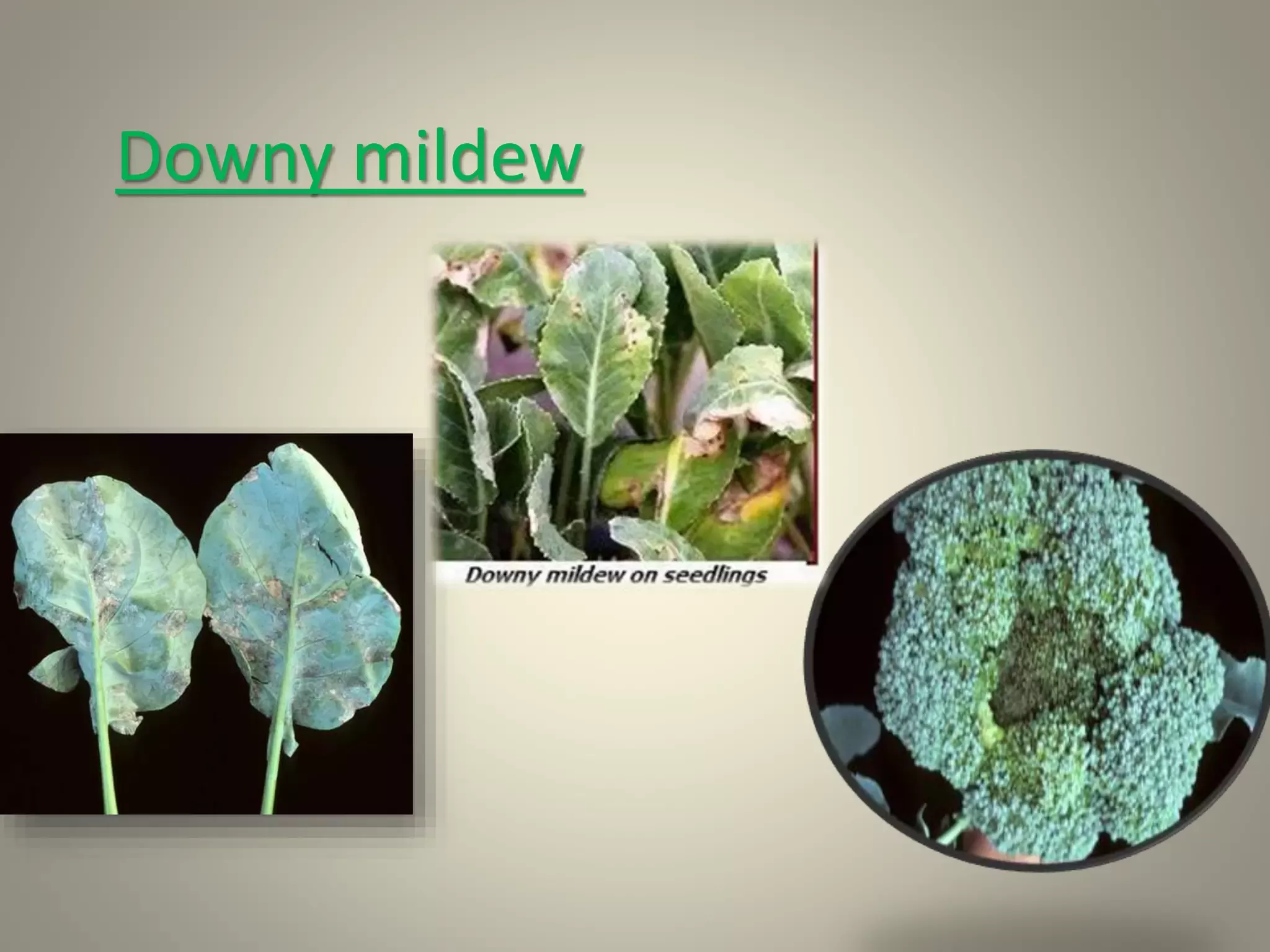
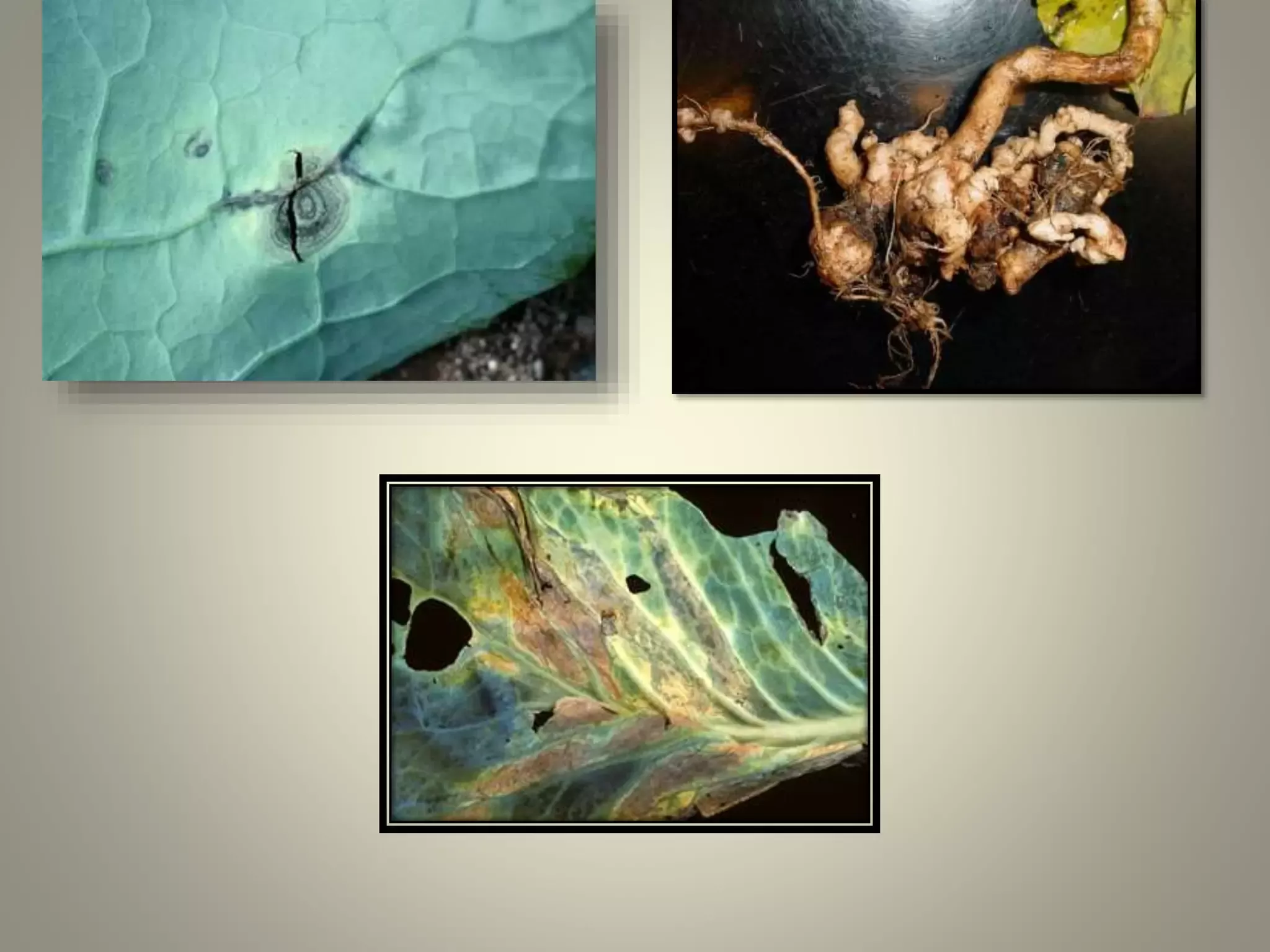
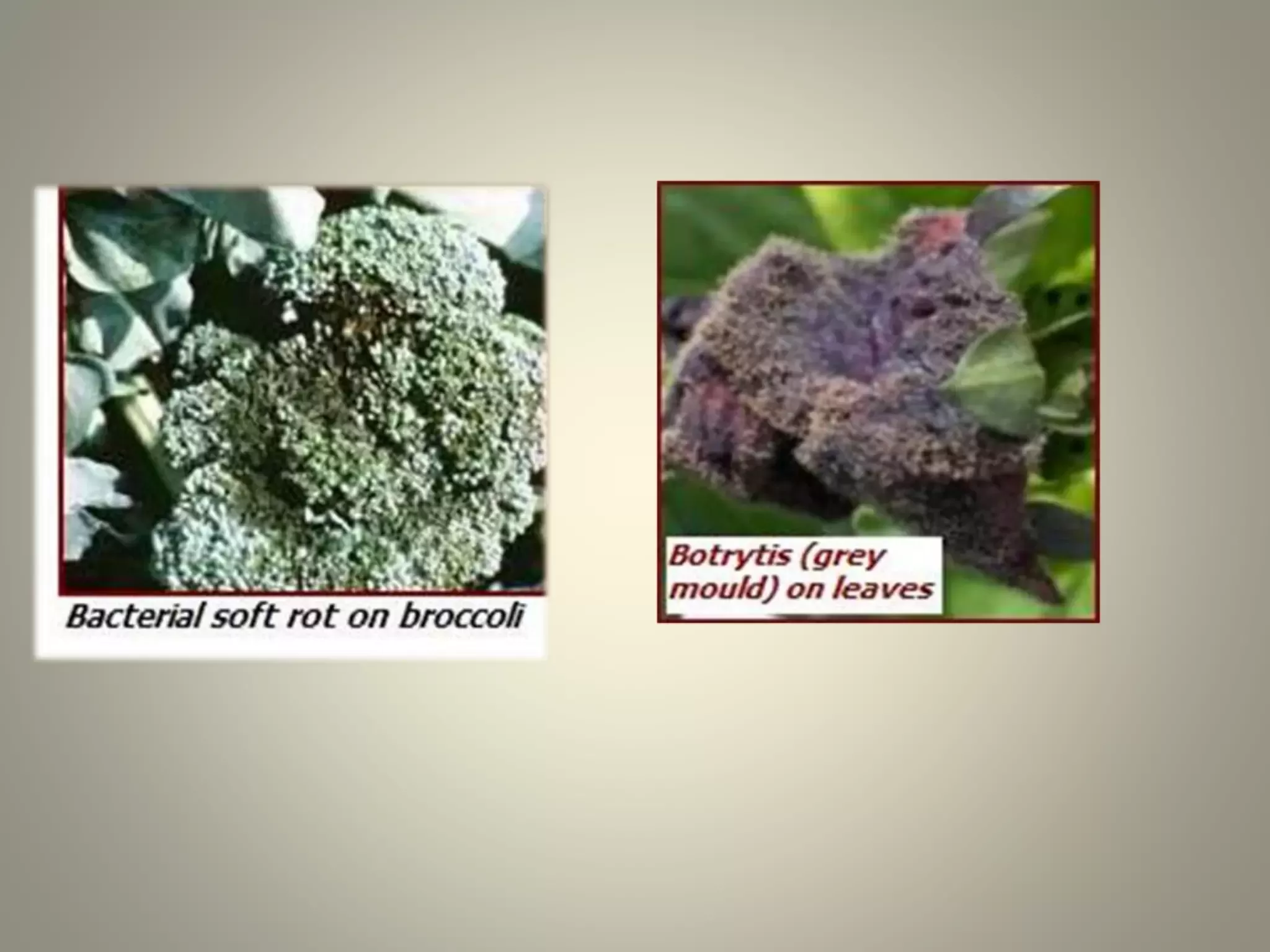
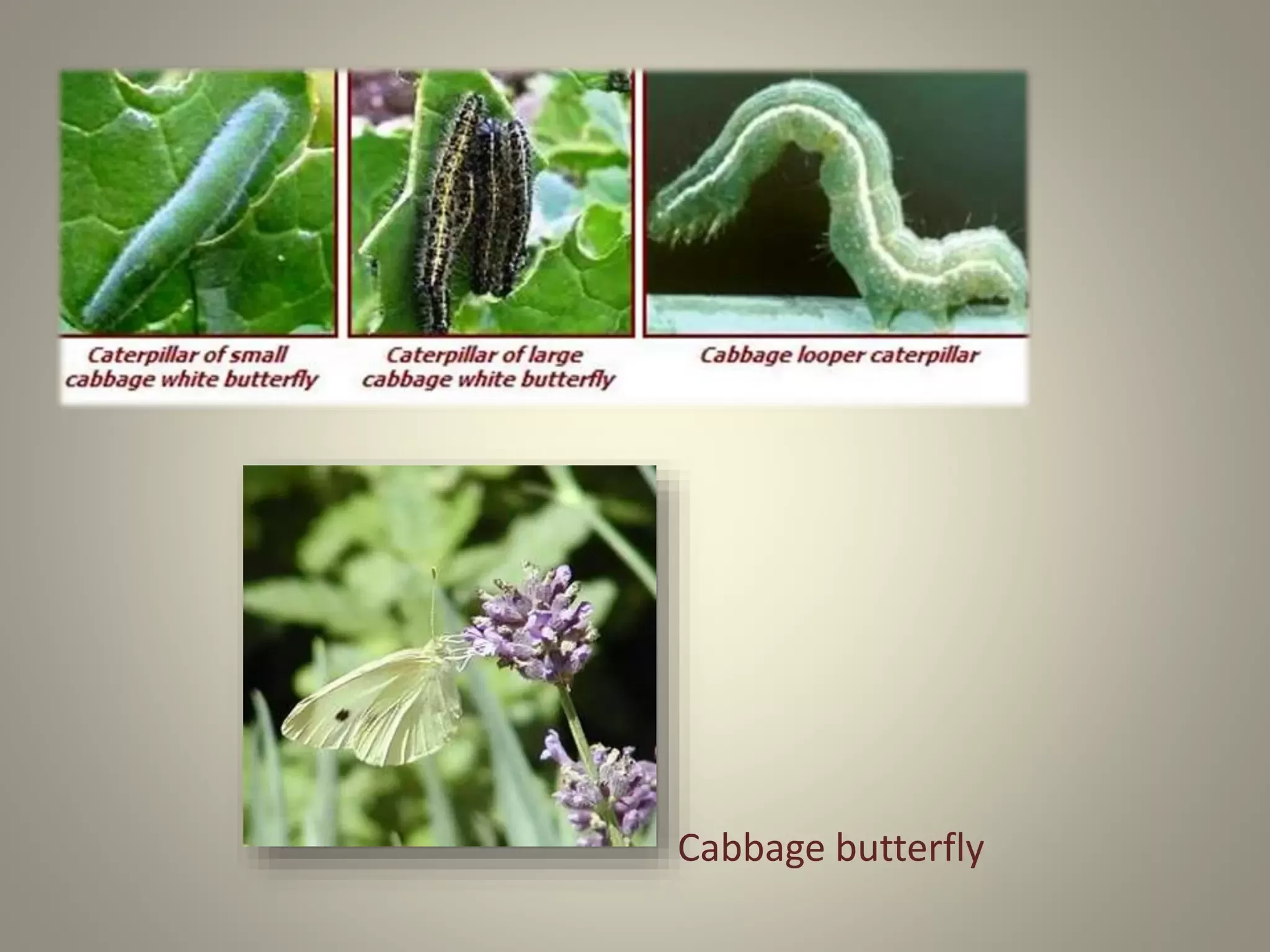
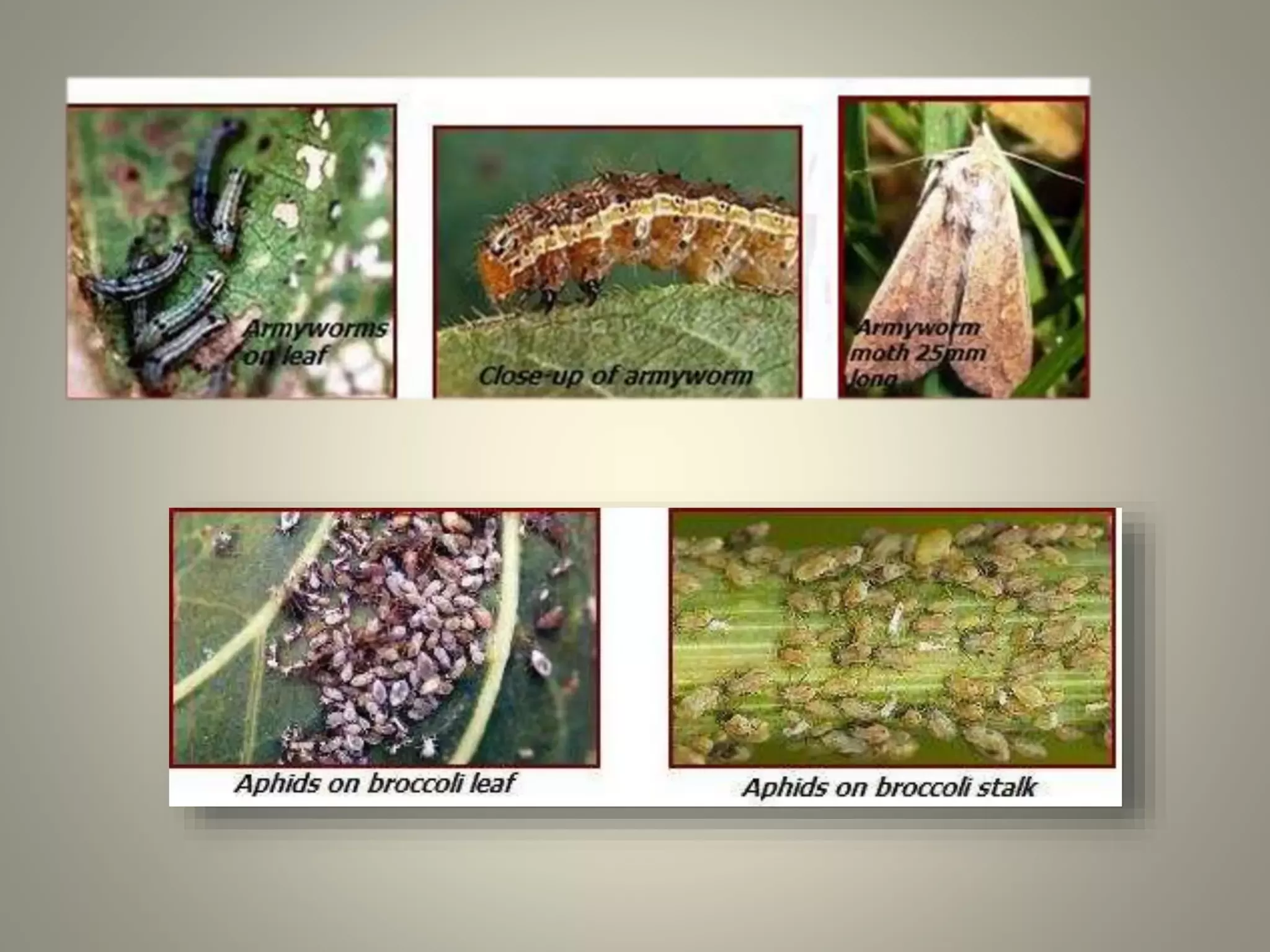
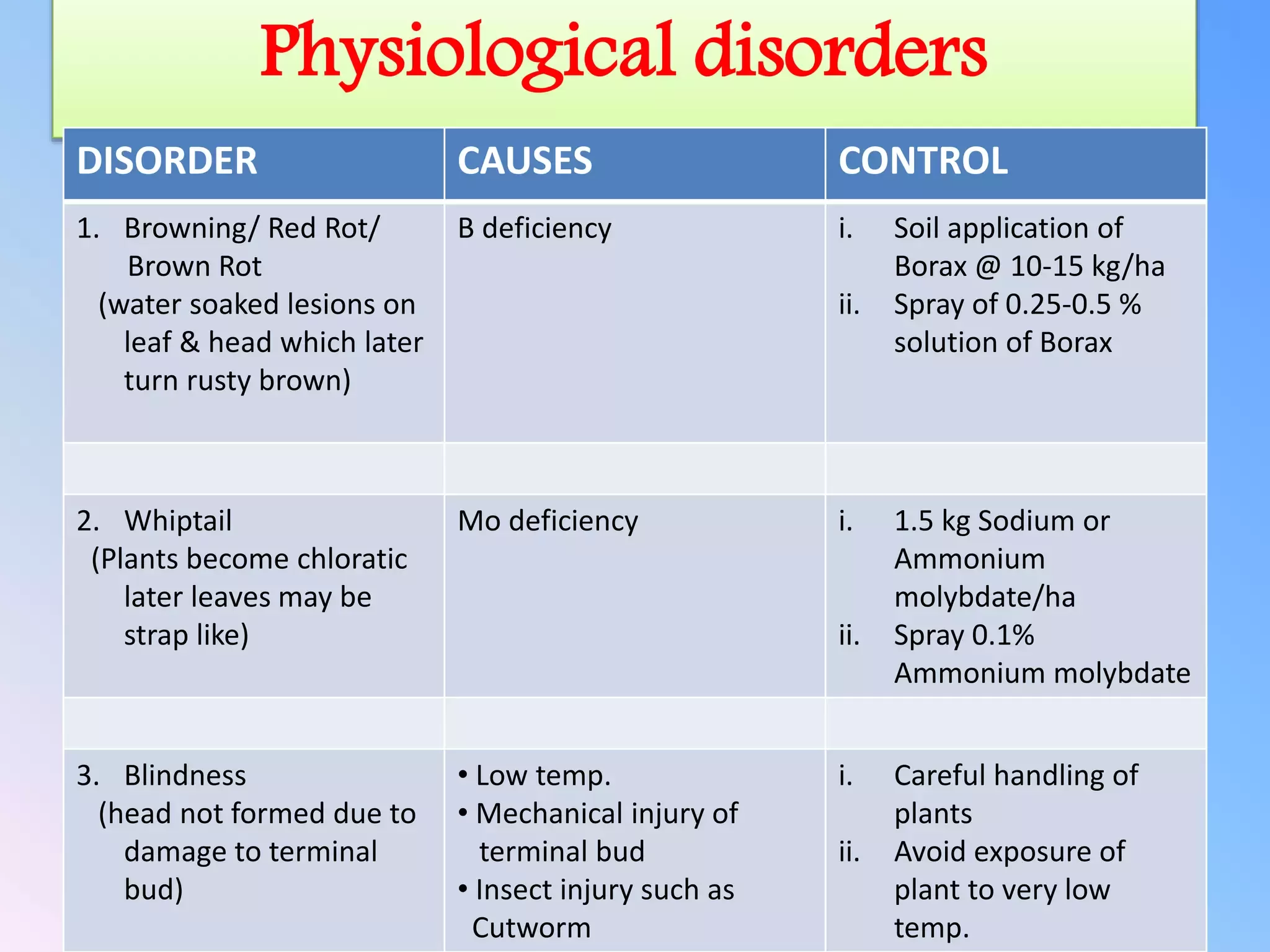
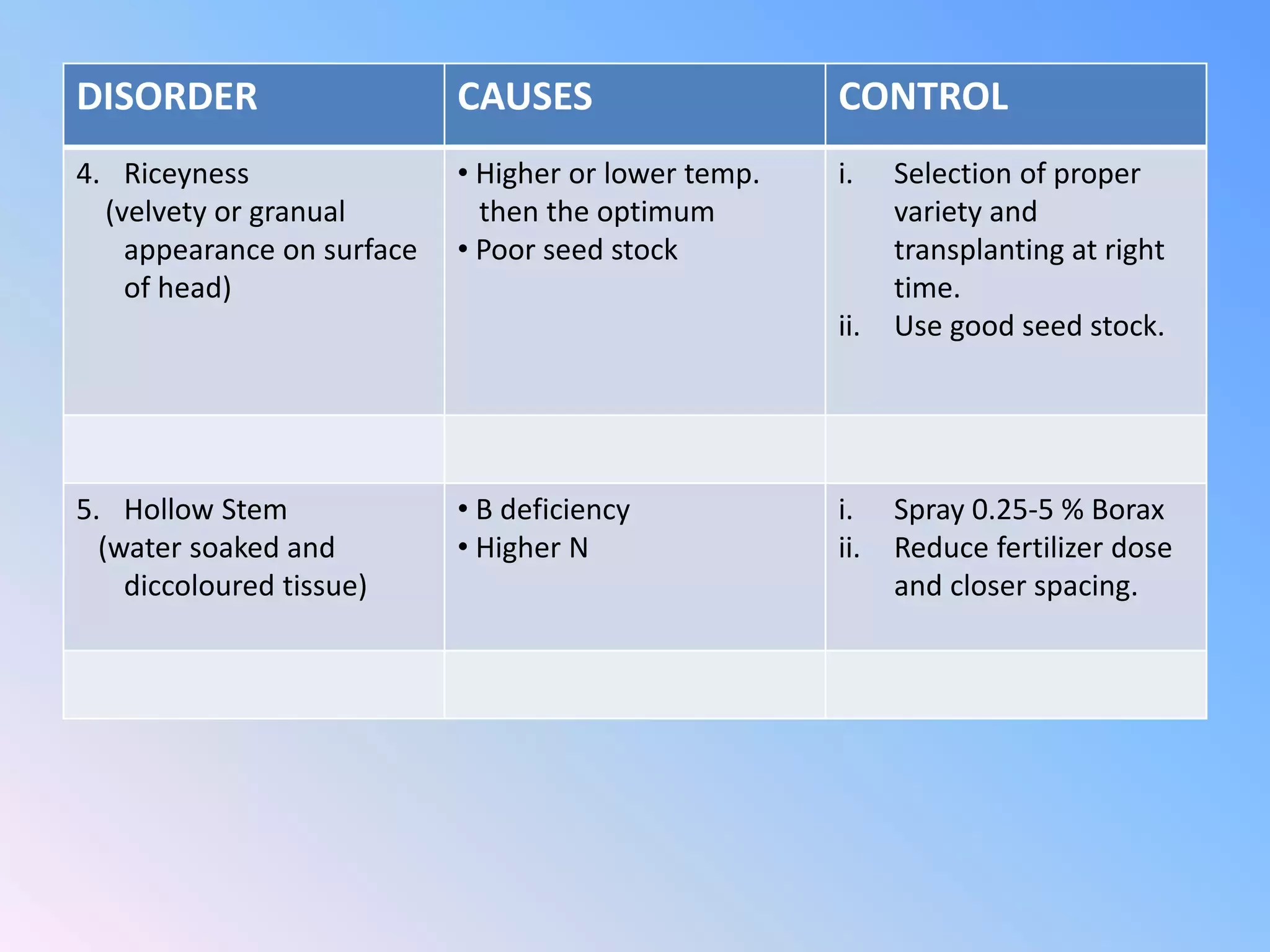
Broccoli, scientifically known as Brassica oleracea var. italica, is a member of the Brassicaceae family, a group commonly referred to as cruciferous vegetables. Originating from the Mediterranean region, particularly Italy, broccoli exhibits a unique genetic composition with a chromosome number of 2n=2x=18. The term “broccoli” is derived from the Italian word ‘brocco’, which translates to “shoot.” While not widespread in certain countries, it is primarily cultivated in hilly regions such as Himachal Pradesh, Jammu & Kashmir, Uttar Pradesh, and the Nilgiri Hills, where the climate and soil conditions are conducive to its growth. Morphologically, sprouting broccoli bears a resemblance to cauliflower, characterized by a compact head composed of green buds atop long, sturdy stalks. These stalks tend to be thicker than those of cauliflower, contributing to broccoli’s distinctive texture. The edible portion of the plant consists mainly of the terminal head, although the buds that develop in the leaf axils can also be consumed. In terms of nutritional composition, broccoli is predominantly water, making up about 89.9% of its content. It also boasts significant levels of carbohydrates, protein, vitamins, and essential minerals. Remarkably, broccoli contains 130 times more vitamin A than cauliflower and exhibits impressive anticarcinogenic properties due to its high sulphoraphane content, which is linked to cancer risk reduction. Nutritionists often recommend it for heart health, and it can be enjoyed in various culinary forms, including salads, soups, curries, and casseroles. However, it is crucial to note that boiling broccoli for more than ten minutes can diminish its nutritional value. Broccoli cultivars are diverse, encompassing green, white, and purple varieties, with the green types being the most commonly cultivated. They can be classified based on maturation time into early (60-70 days), mid (90-110 days), and late (110-120 days) varieties. Each cultivar offers unique growth characteristics that may suit different agricultural practices. With regards to climate preferences, broccoli is sensitive to temperature fluctuations. It thrives in optimal conditions ranging from 20º to 30º C for early types and 5º to 10º C for late cultivars. Soil-wise, broccoli favors sandy to sandy loam types with a pH between 6 and 6.8. Proper land preparation, including thorough ploughing and incorporation of well-rotted farmyard manure (FYM), is essential before planting. Recommended sowing times in northern India range from September to mid-November, employing direct sowing or transplanting techniques. Irrigation practices, fertilization strategies, and intercultural operations like hoeing and light earthing are integral to ensuring robust growth. Harvesting is typically done when the central head is still compact and before buds open, with careful handling to prevent damage. Post-harvest, broccoli heads require specific storage conditions to maintain freshness and prevent yellowing. However, broccoli is susceptible to various pests and diseases, including damping-off, downy mildew, and club root, each necessitating specific control measures. Addressing physiological disorders, such as browning or whiptail, is also important for growers aiming to optimize the quality of their produce. In conclusion, the production of broccoli involves intricate practices that encompass its growth requirements, harvesting techniques, and post-harvest management while being mindful of pest and disease management. Its rich nutritional profile and versatility in the kitchen make broccoli a valuable vegetable, both for health enthusiasts and the agricultural community.

Slide 1

Slide 1

Slide 2

Slide 2

Slide 3

Slide 3

Slide 4

Slide 4

Slide 5

Slide 5

Slide 6

Slide 6

Slide 7

Slide 7

Slide 8

Slide 8

Slide 9

Slide 9

Slide 10

Slide 10

Slide 11

Slide 11

Slide 12

Slide 12

Slide 13

Slide 13

Slide 14

Slide 14

Slide 15

Slide 15

Slide 16

Slide 16

Slide 17

Slide 17

Slide 18

Slide 18

Slide 19

Slide 19

Slide 20

Slide 20

Slide 21

Slide 21

Slide 22

Slide 22

Slide 23

Slide 23

Slide 24

Slide 24

Slide 25

Slide 25

Slide 26

Slide 26

Slide 27

Slide 27

Slide 28

Slide 28

Slide 29

Slide 29

Slide 30

Slide 30

Slide 31

Slide 31

Slide 32

Slide 32

Slide 33

Slide 33

Slide 34

Slide 34
1 / 34

Ppt on Strawberry production technology

Summary:

Uncover the secrets of cultivating the ‘queen of fruit’ with a comprehensive PowerPoint presentation on strawberry production technology. Learn about optimal growing conditions, management practices, and pest control measures for a fruitful harvest.

Summary

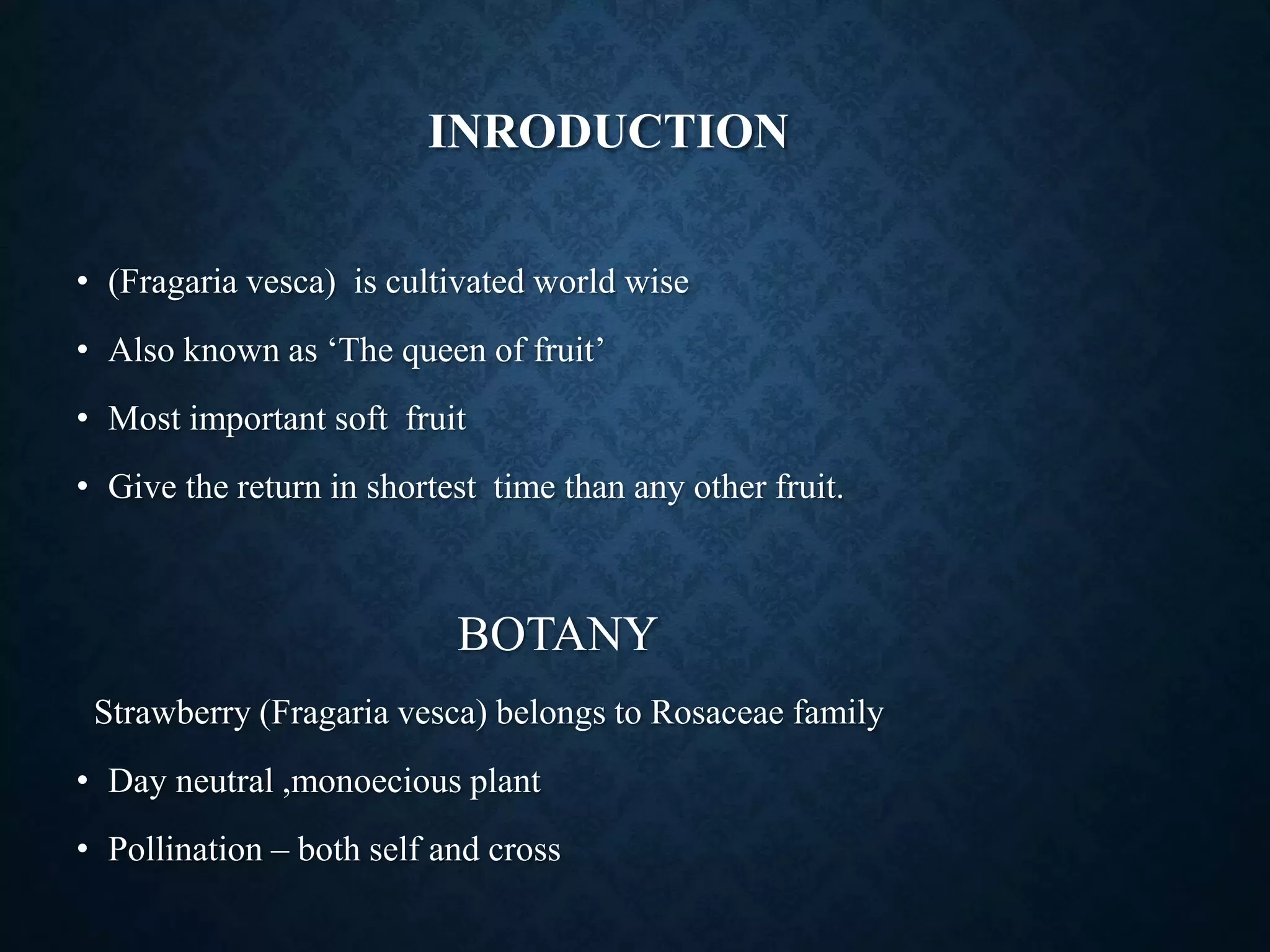
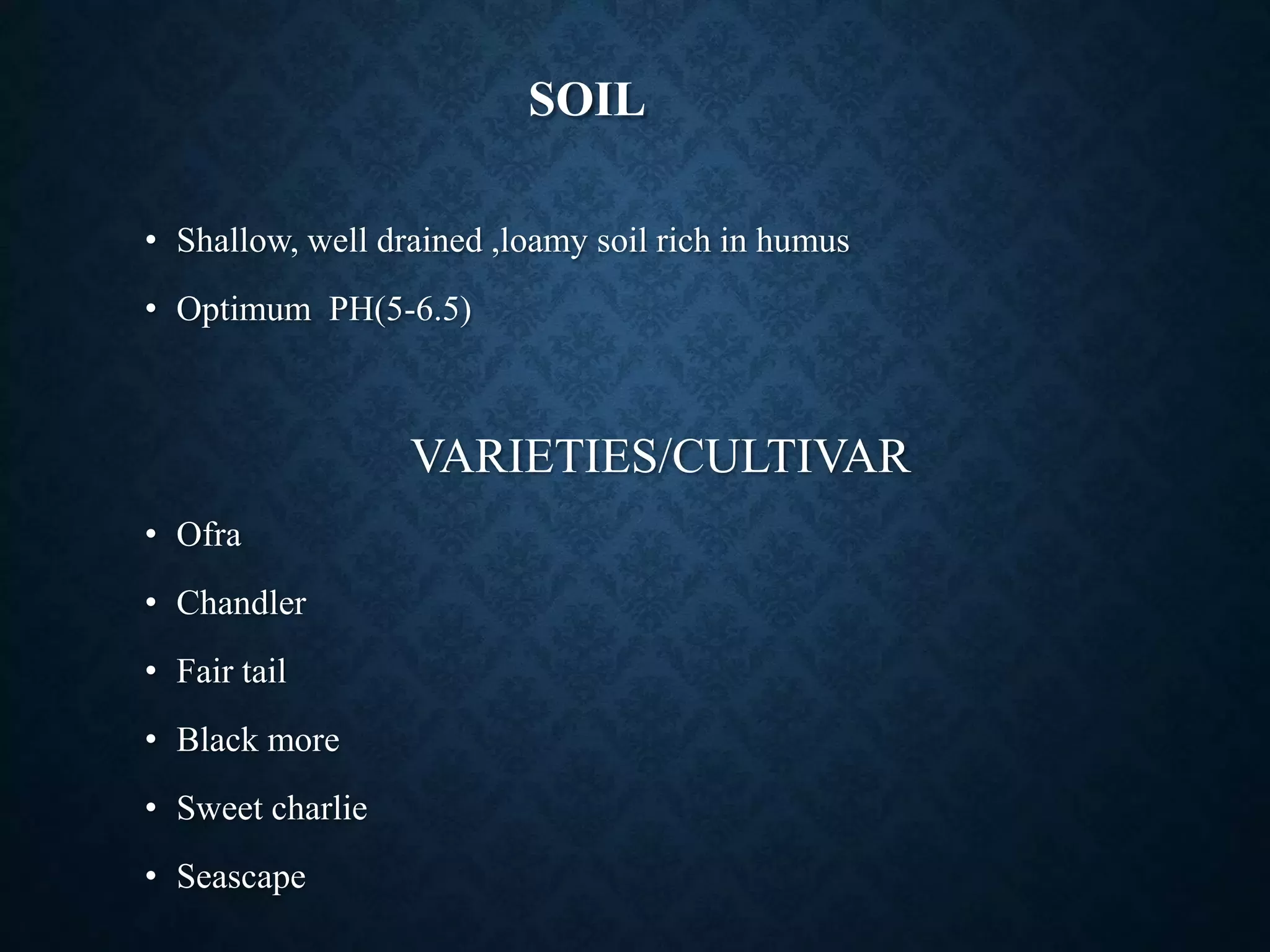
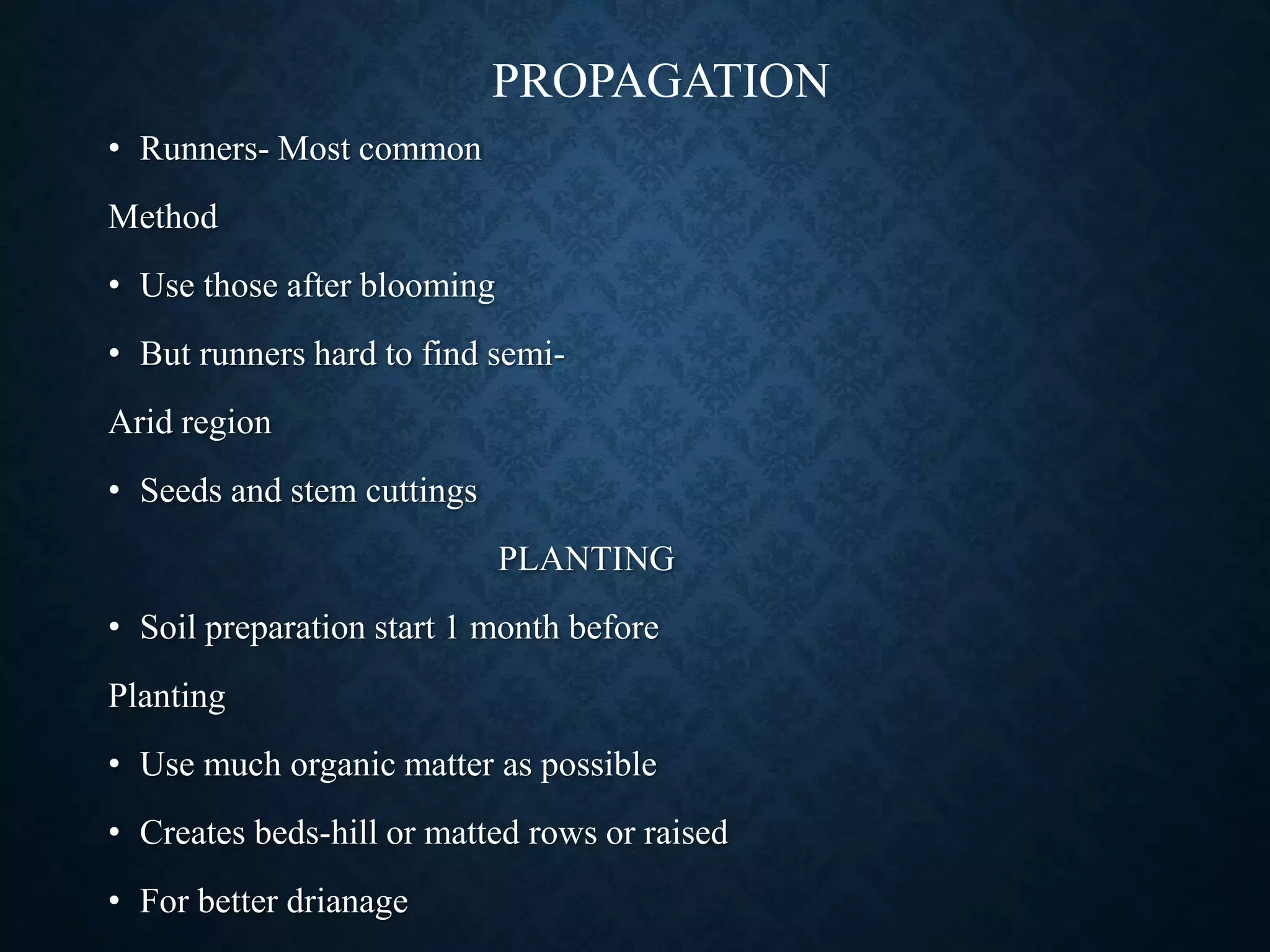
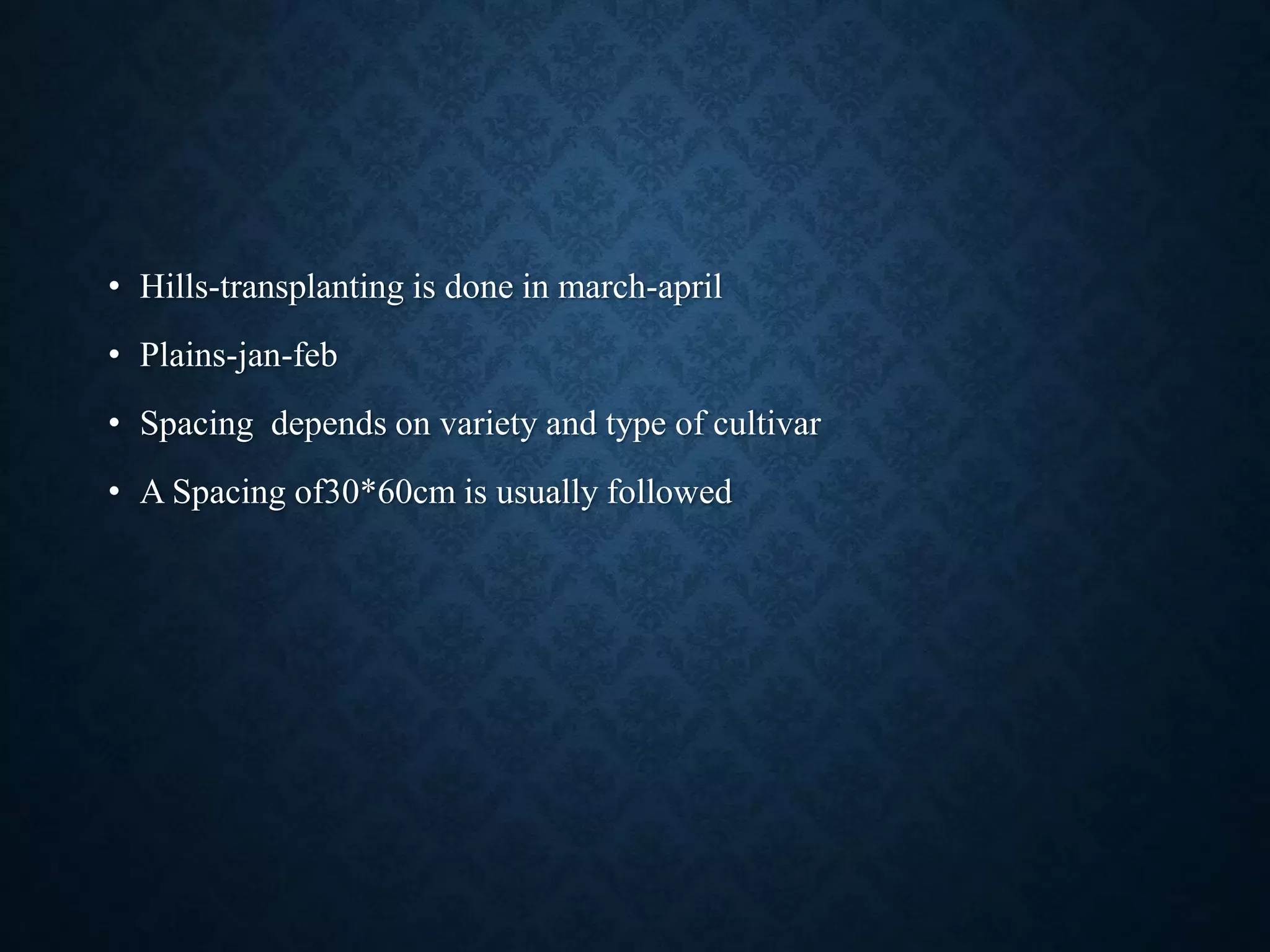
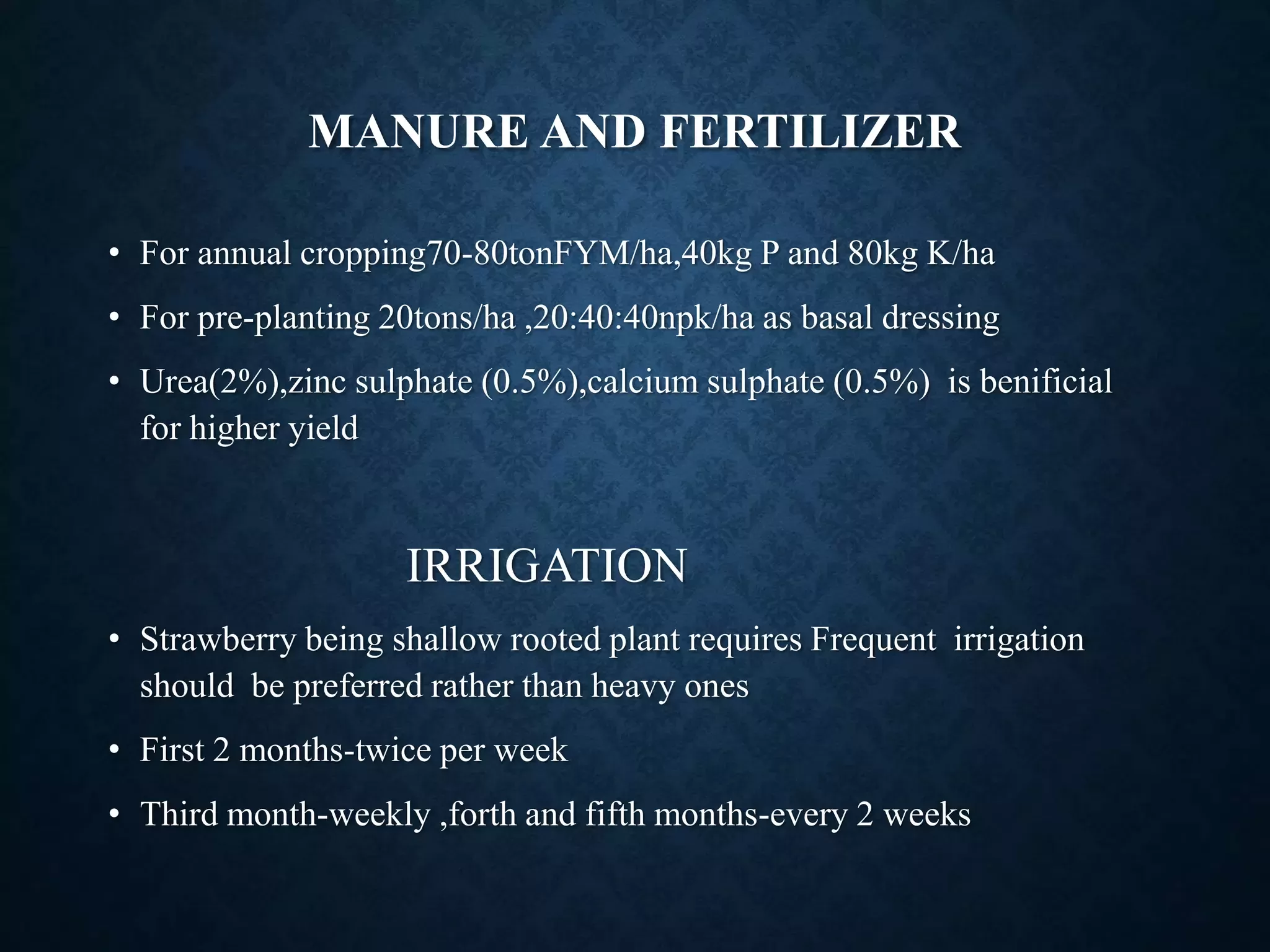
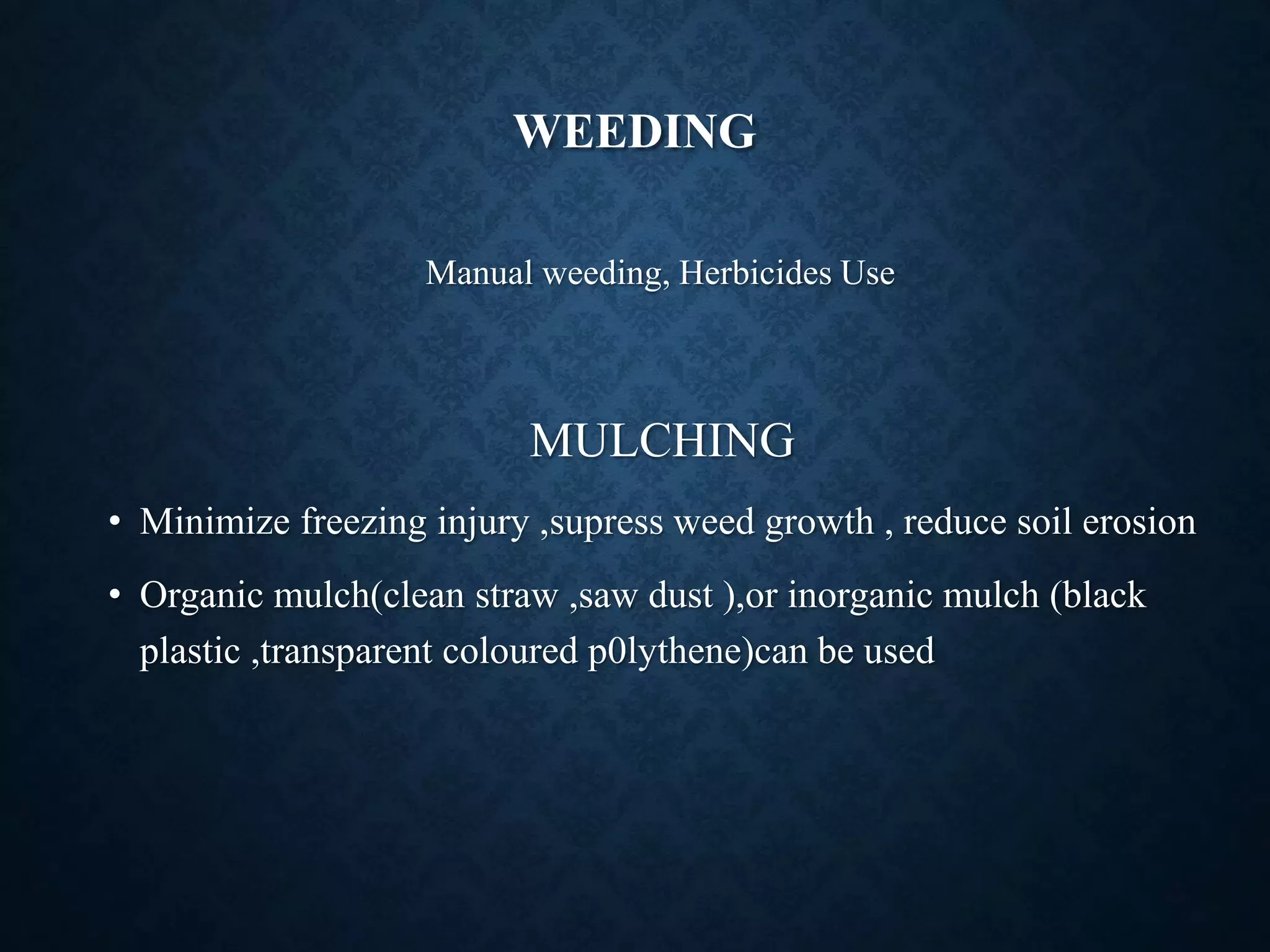
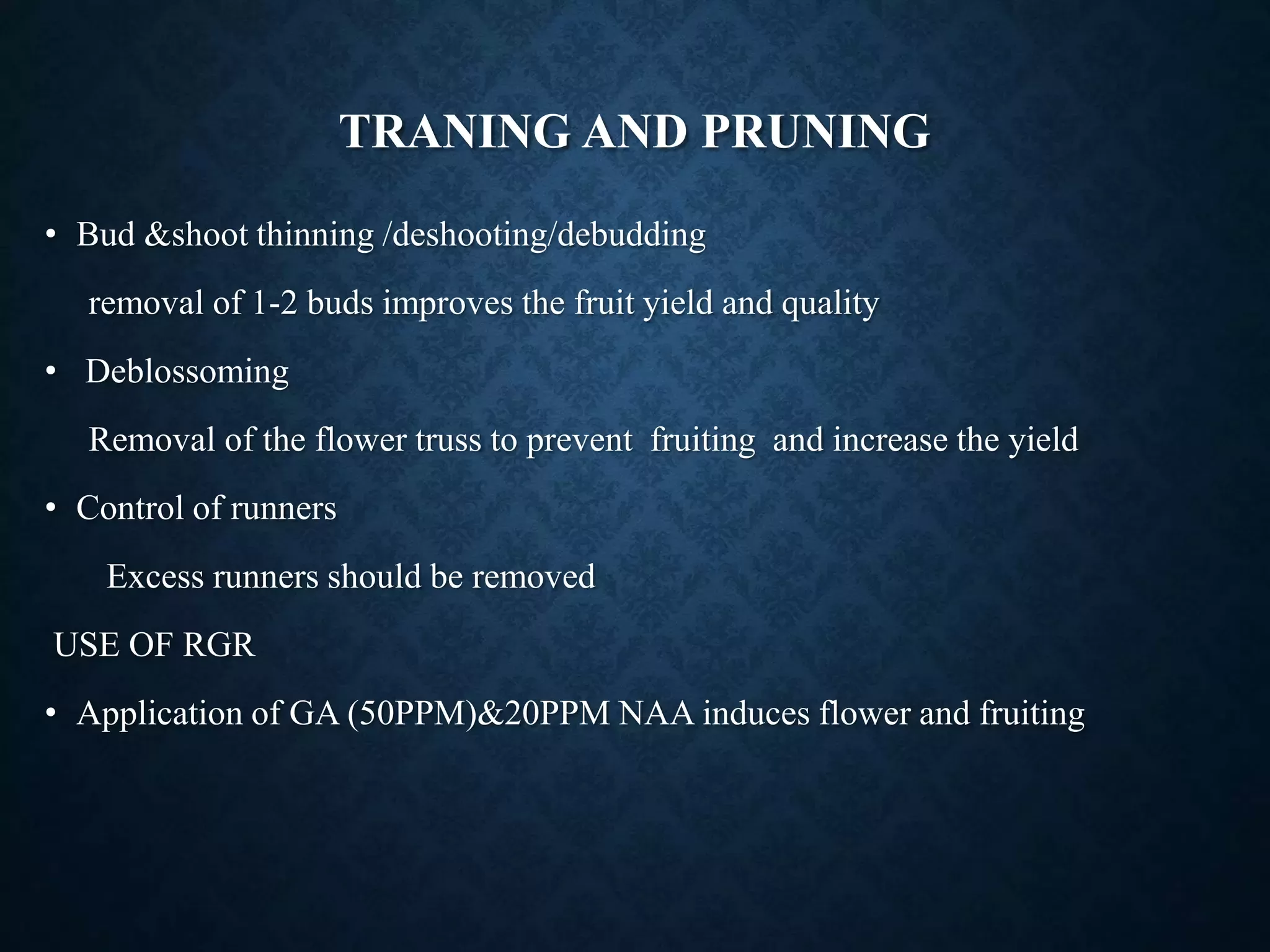
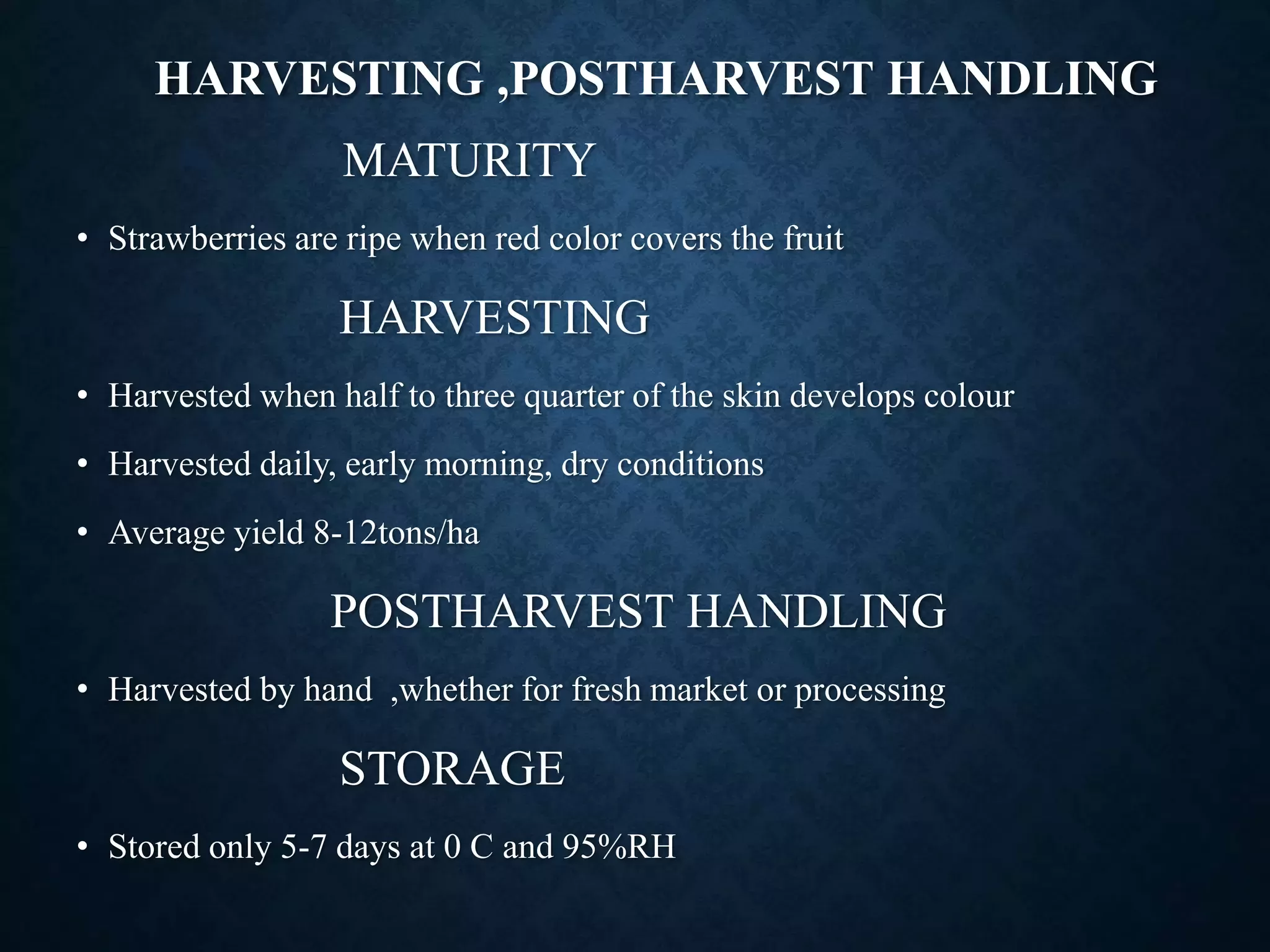
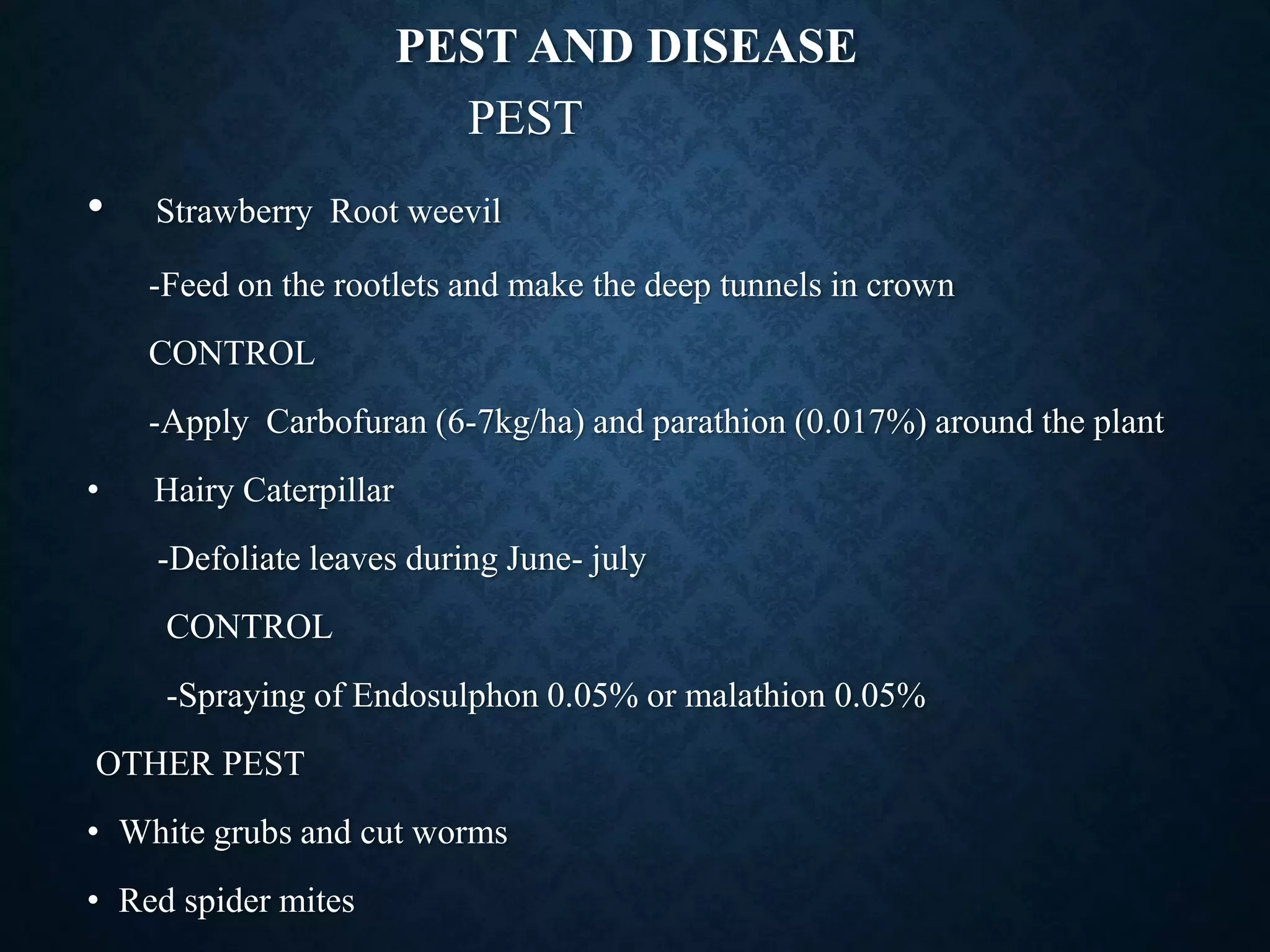
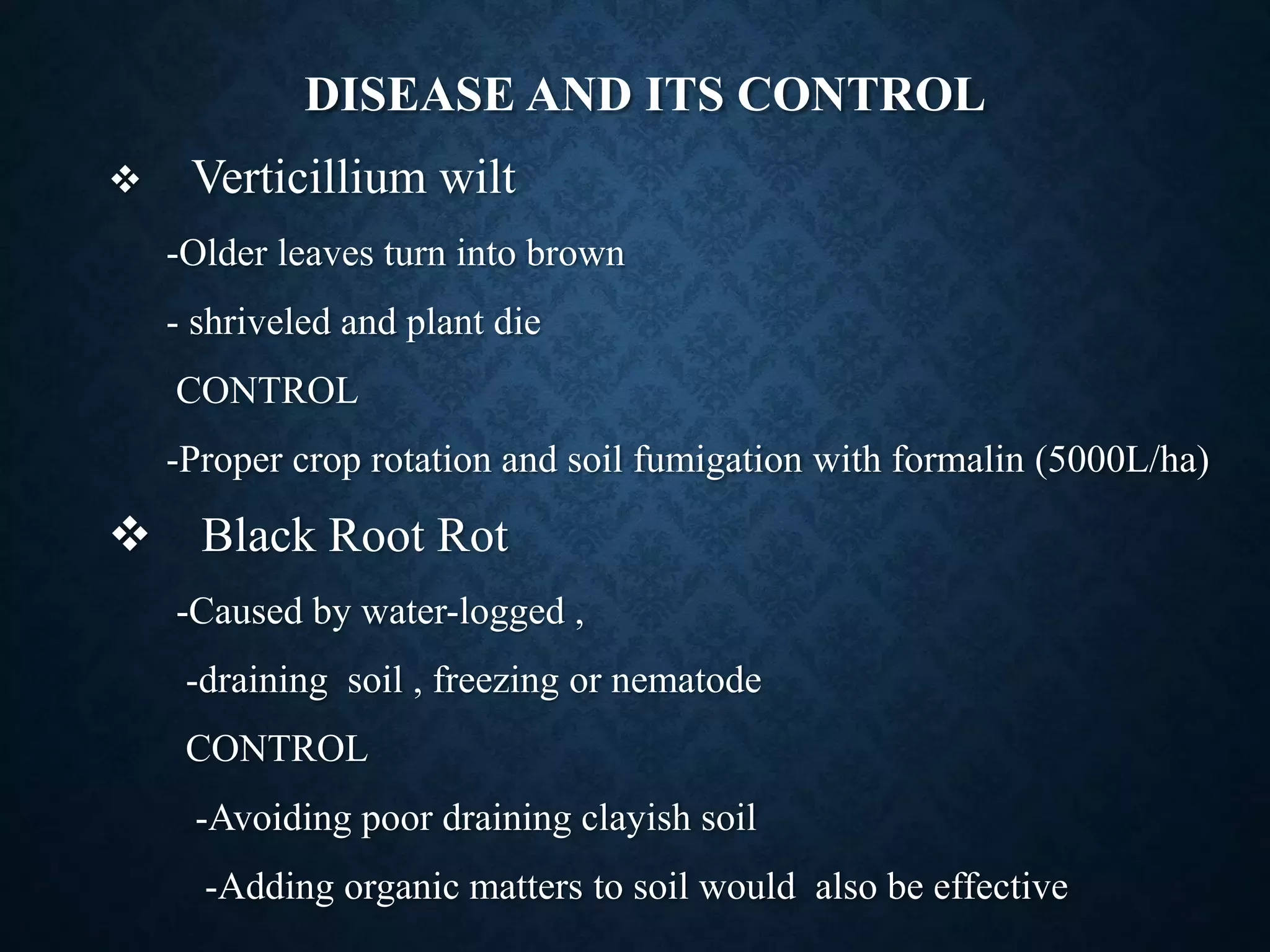
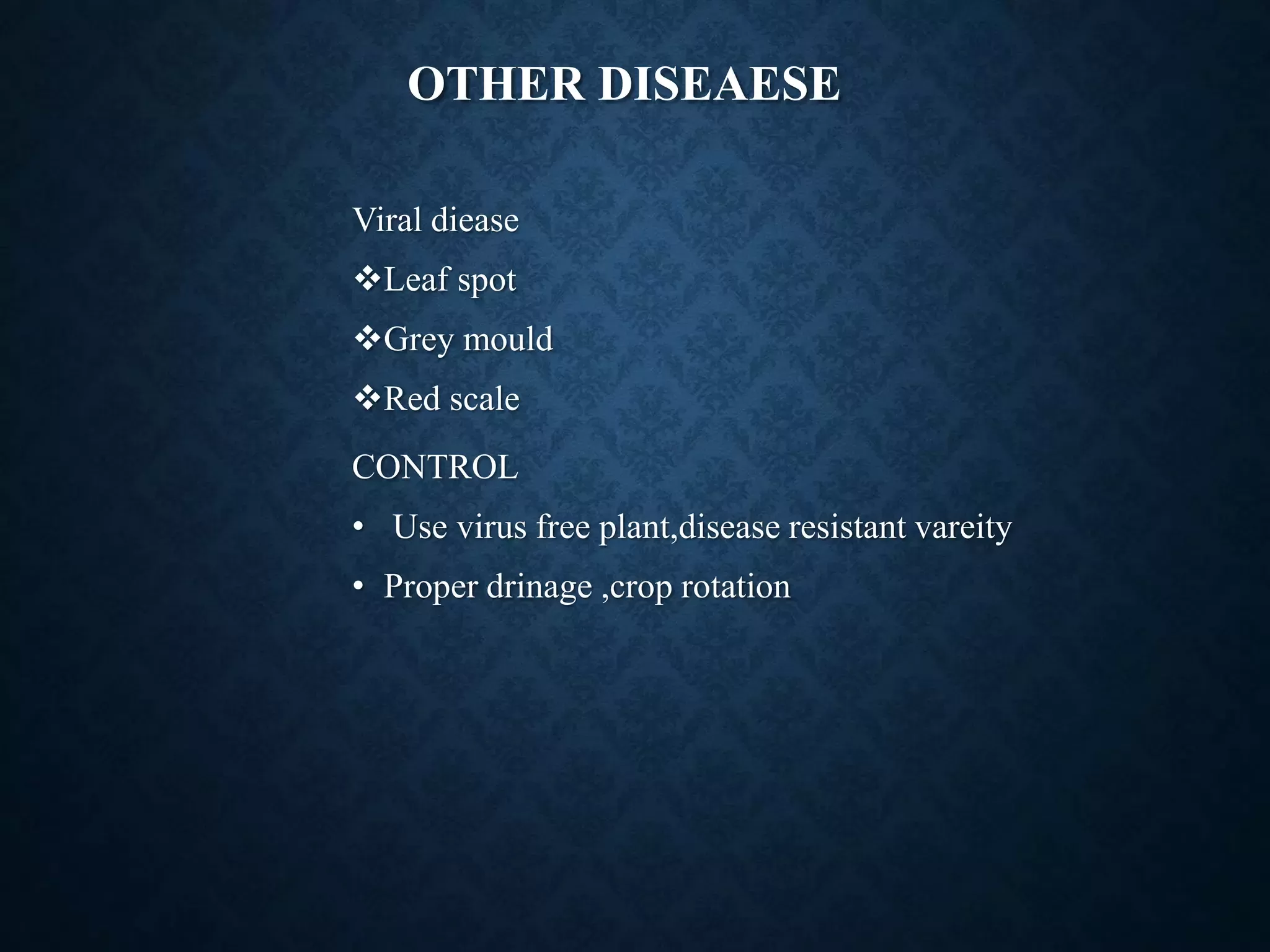
Strawberries, scientifically known as Fragaria vesca, are heralded as the “queen of fruit” and are among the most significant soft fruits cultivated globally. These delightful berries stand out for their quick return on investment, making them a preferred choice for both growers and consumers. As a member of the Rosaceae family, strawberries are unique in their botany, being monoecious and capable of both self and cross-pollination. The nutritional and health benefits of strawberries are noteworthy. They are rich in essential minerals such as calcium, phosphorus, and potassium, contributing significantly to bone health. Additionally, strawberries are esteemed for their high antioxidant content, which plays a role in reducing the risk of cardiovascular diseases. Beyond fresh consumption, strawberries are versatile, finding their way into various processed products like ice creams and soft drinks. In terms of climate, strawberries thrive in temperate and subtropical regions, flourishing optimally at daytime temperatures between 22°C and 25°C and nighttime temperatures of 7°C to 13°C. The plants are sensitive to frost, with ideal flowering and fruiting temperatures ranging from 16°C to 27°C to ensure better yields. Strawberry cultivation demands specific soil conditions. A shallow, well-drained, loamy soil rich in organic matter and with a pH level of 5 to 6.5 is most conducive to their growth. Various popular cultivars include Ofra, Chandler, Fairtail, Blackmore, Sweet Charlie, and Seascape. The propagation of strawberries can be accomplished through runners, seeds, or stem cuttings, with careful soil preparation required a month prior to planting. Once planted, strawberries require regular maintenance, including proper irrigation. As shallow-rooted plants, they should be irrigated frequently, with specific watering schedules noted for different growth phases. Weed management strategies include manual weeding and herbicide application, while mulching serves multiple purposes, such as preventing frost damage and reducing soil erosion. Training and pruning are critical aspects of strawberry care, as practices like bud and shoot thinning can enhance fruit quality and yield. The application of growth regulators may also be beneficial in encouraging flowering and fruiting. Harvesting strawberries requires keen timing; they are ripe when fully colored, typically signaling that they should be picked when half to three-quarters of the skin has developed color. Harvesting is ideally done daily, and under dry conditions, with average yields ranging from 8 to 12 tons per hectare. Postharvest, strawberries need to be handled carefully, as they can only be stored for about 5 to 7 days at temperatures around 0°C with high humidity. Finally, managing pests and diseases is crucial in strawberry production. Common pests include the strawberry root weevil and hairy caterpillars, which can be controlled with various chemical applications. Diseases such as Verticillium wilt and black root rot require strategic crop rotations and soil management to mitigate their impact. In summary, successful strawberry farming involves understanding the plant’s botanical characteristics, optimal growing conditions, rigorous management practices, and effective pest and disease control measures. With proper care, strawberry cultivation can lead to fruitful harvests and significant economic benefits.
Slide 1

Slide 1

Slide 2

Slide 2

Slide 3

Slide 3

Slide 4

Slide 4

Slide 5

Slide 5

Slide 6

Slide 6

Slide 7

Slide 7

Slide 8

Slide 8

Slide 9

Slide 9

Slide 10

Slide 10

Slide 11

Slide 11

Slide 12

Slide 12

Slide 13

Slide 13
1 / 13

Ppt on Scientific cultivation of muskmelon

Summary

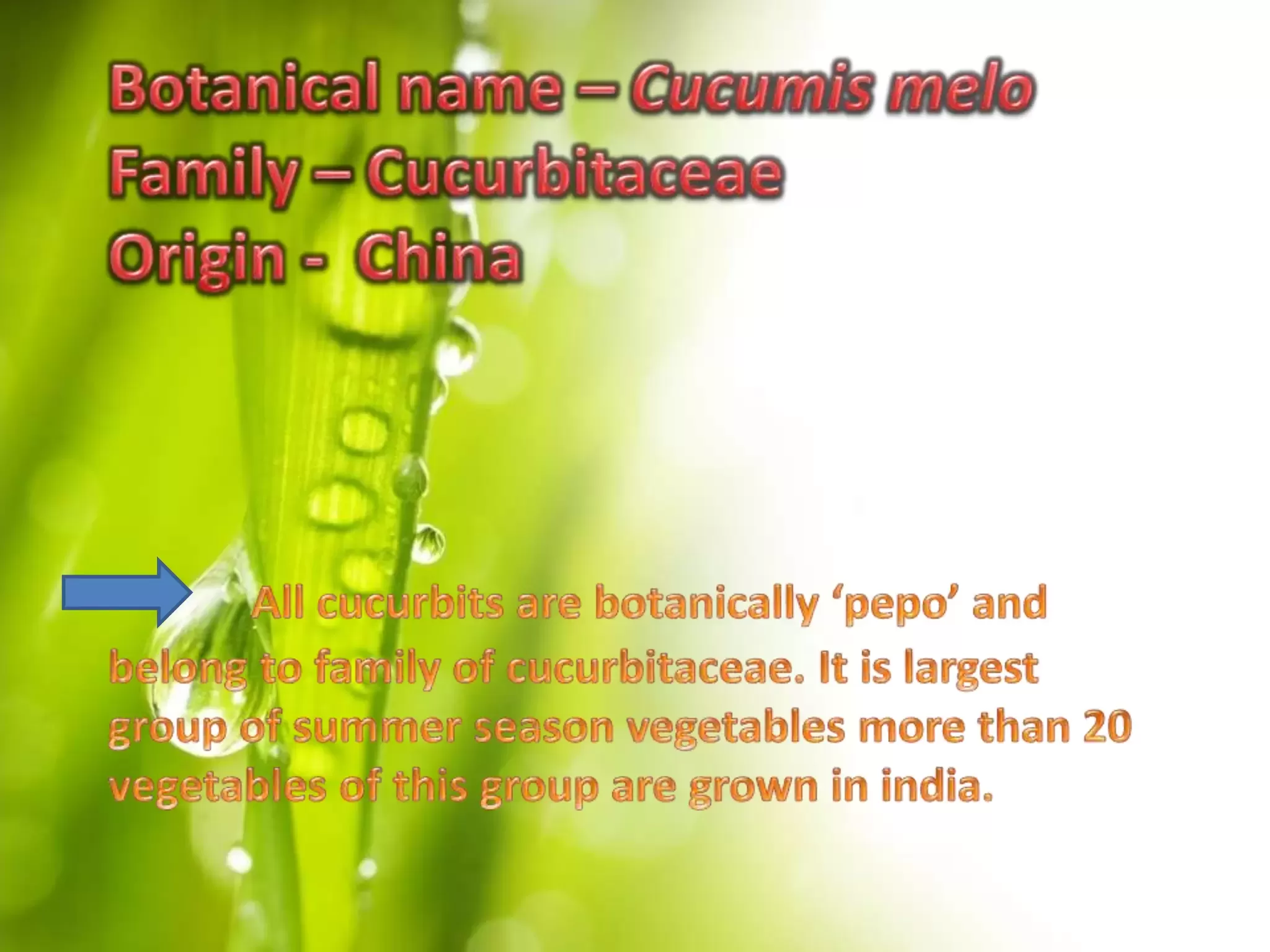
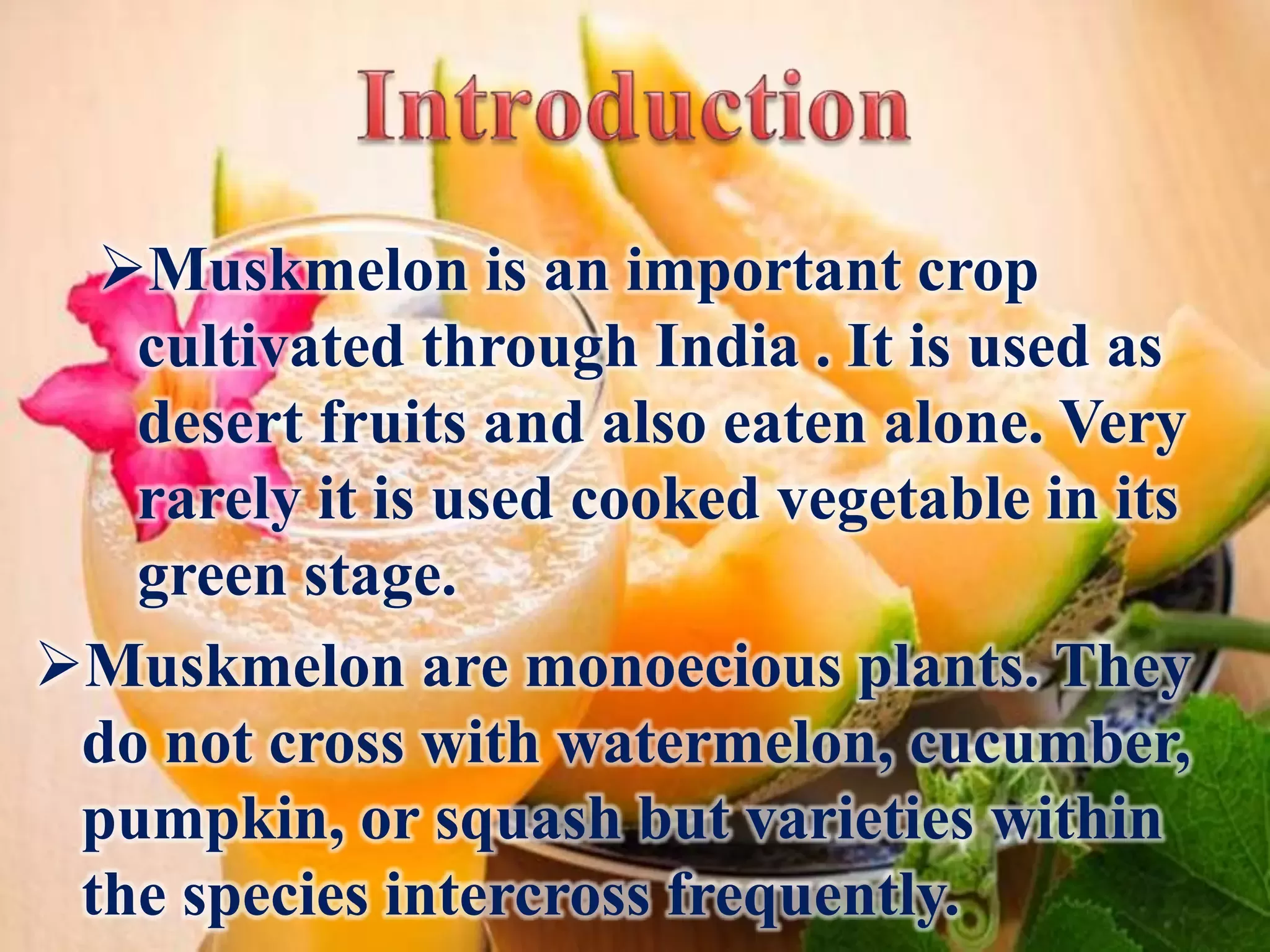
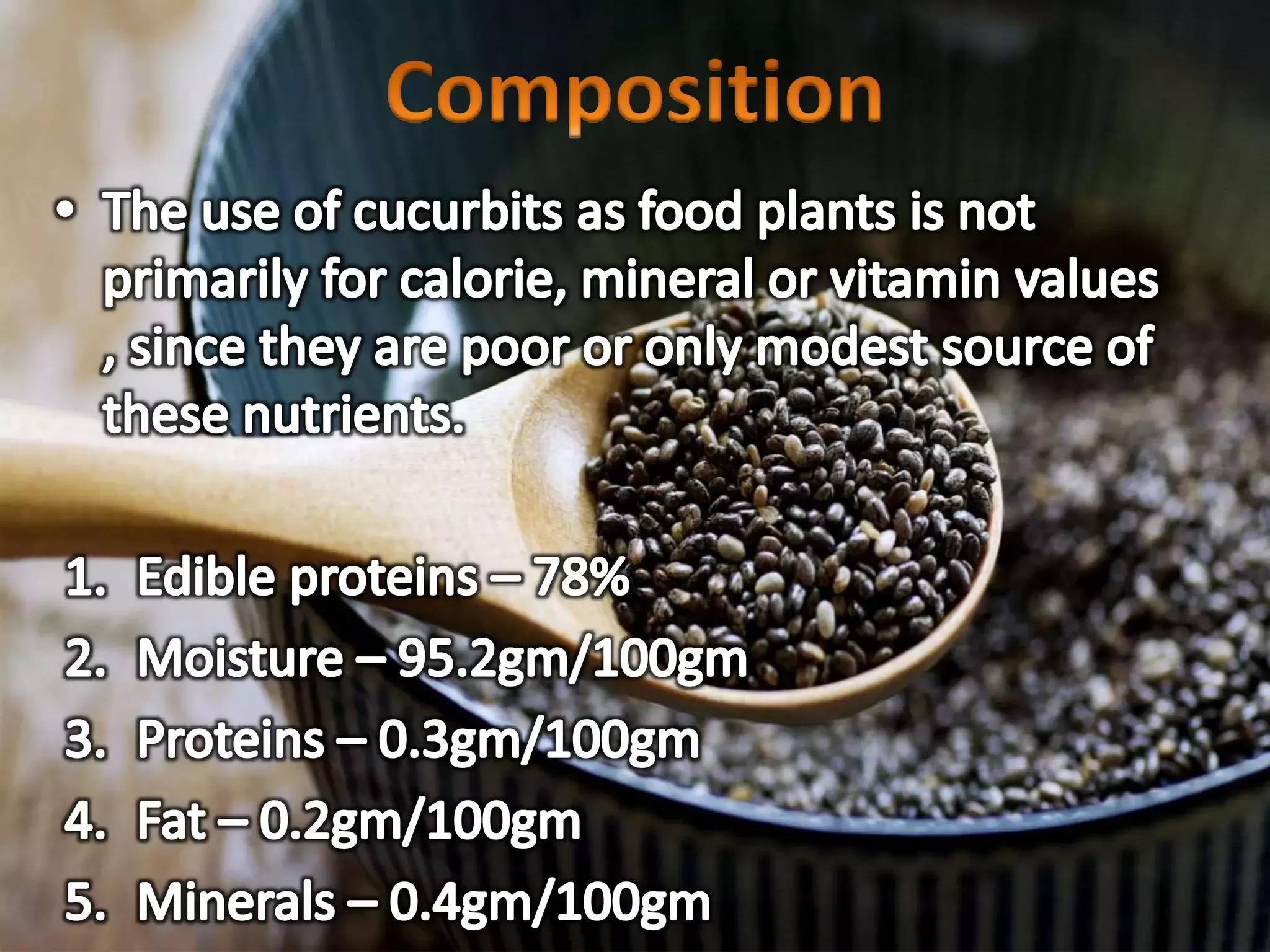
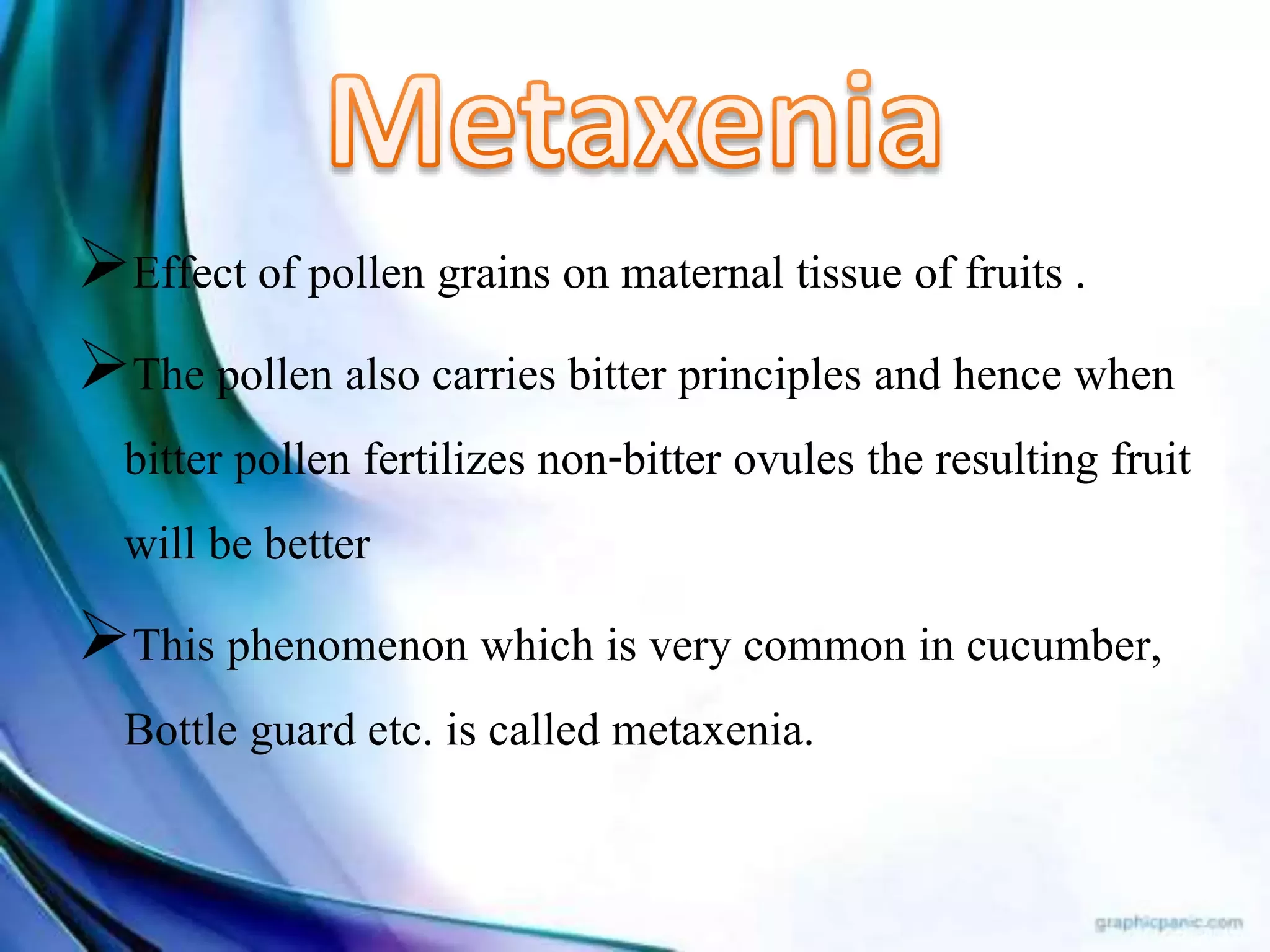
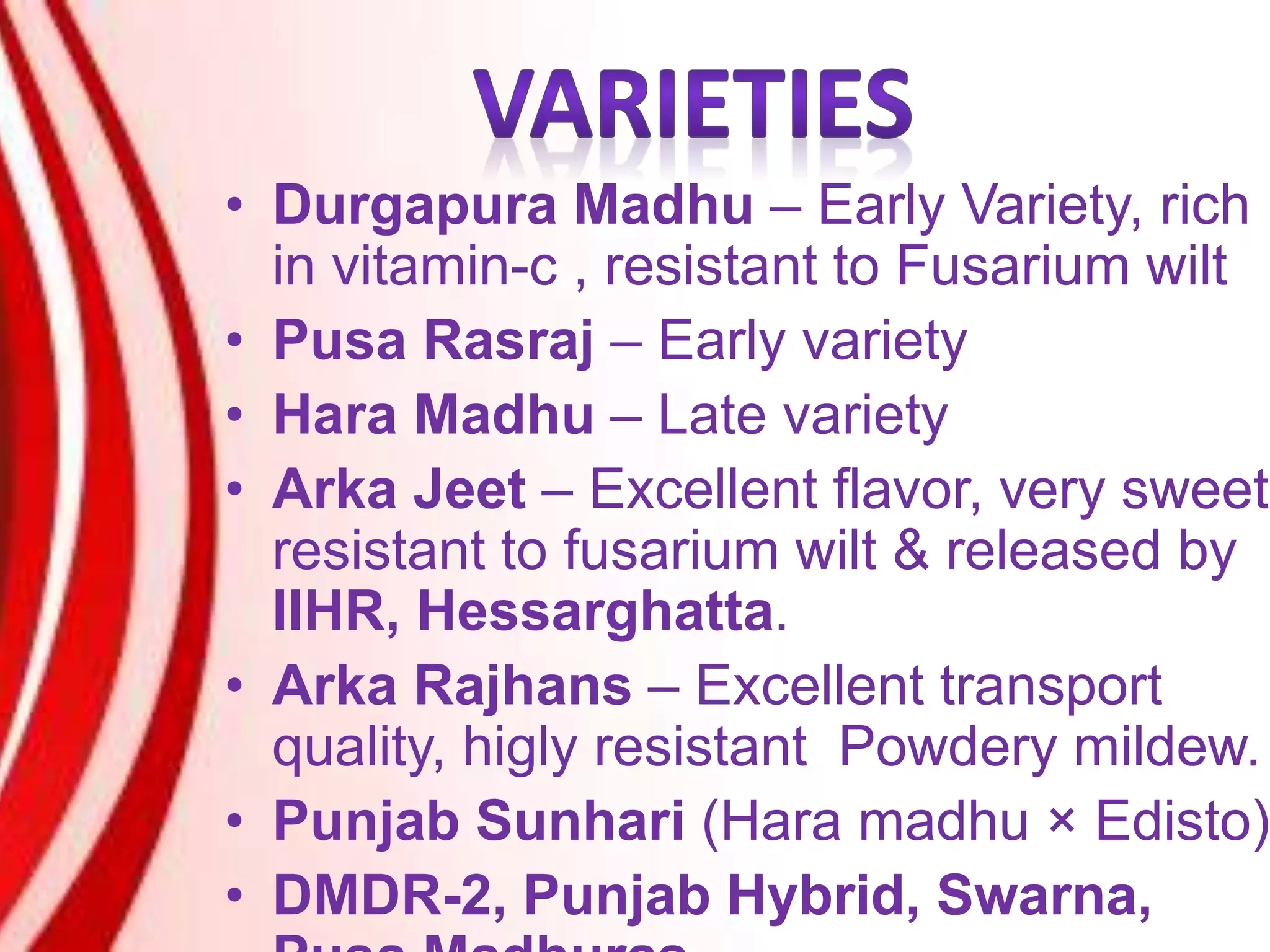
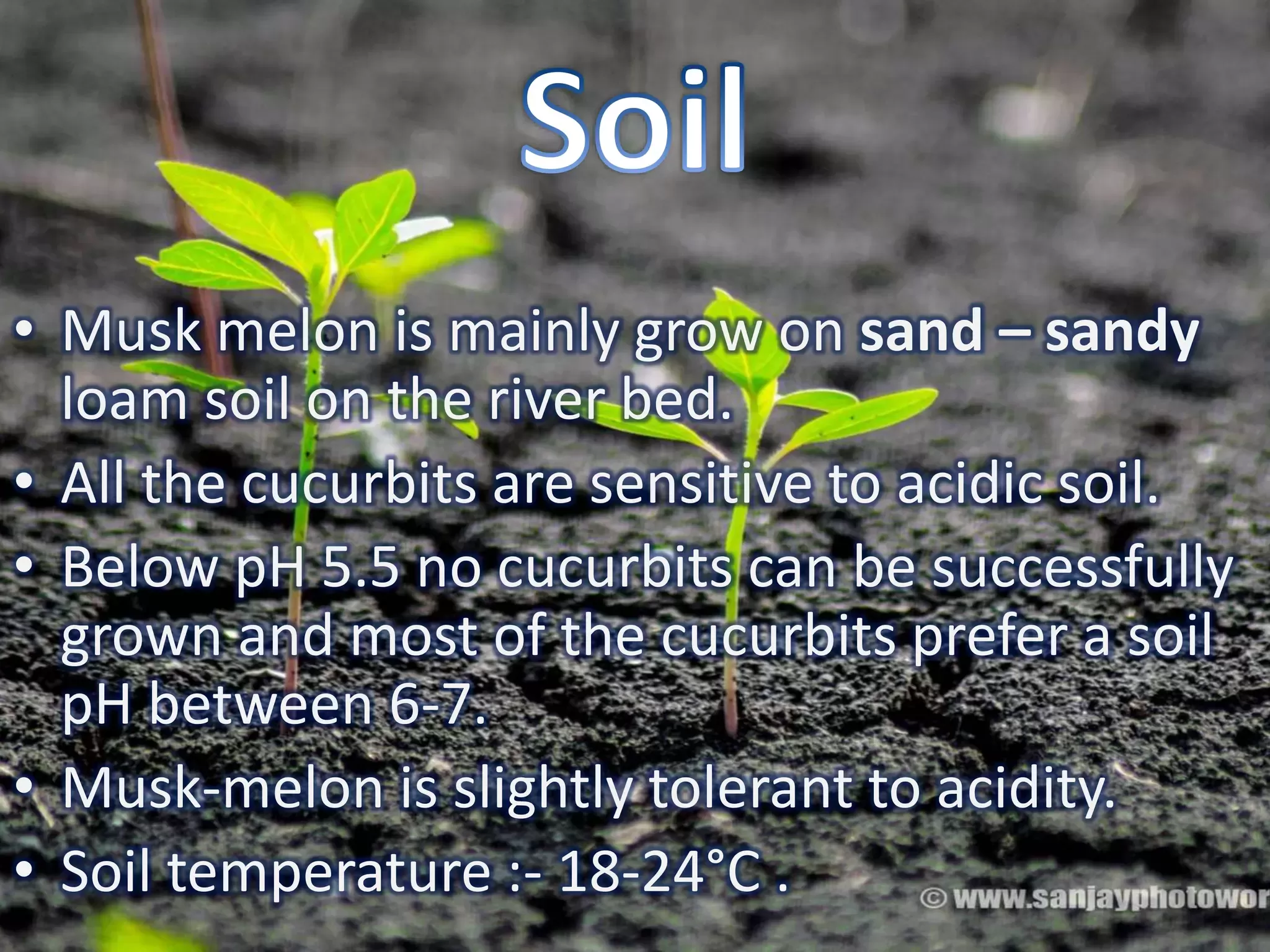
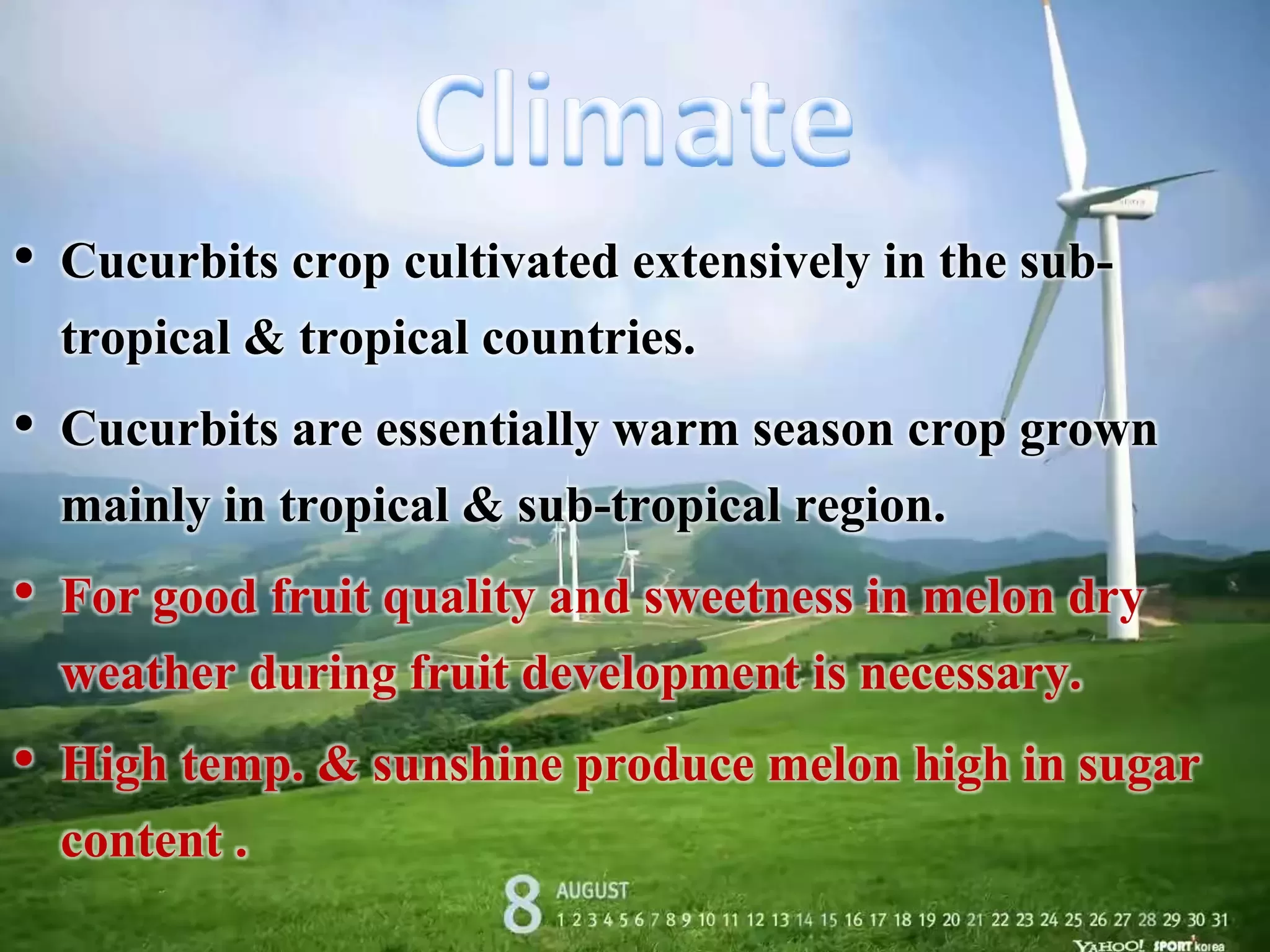
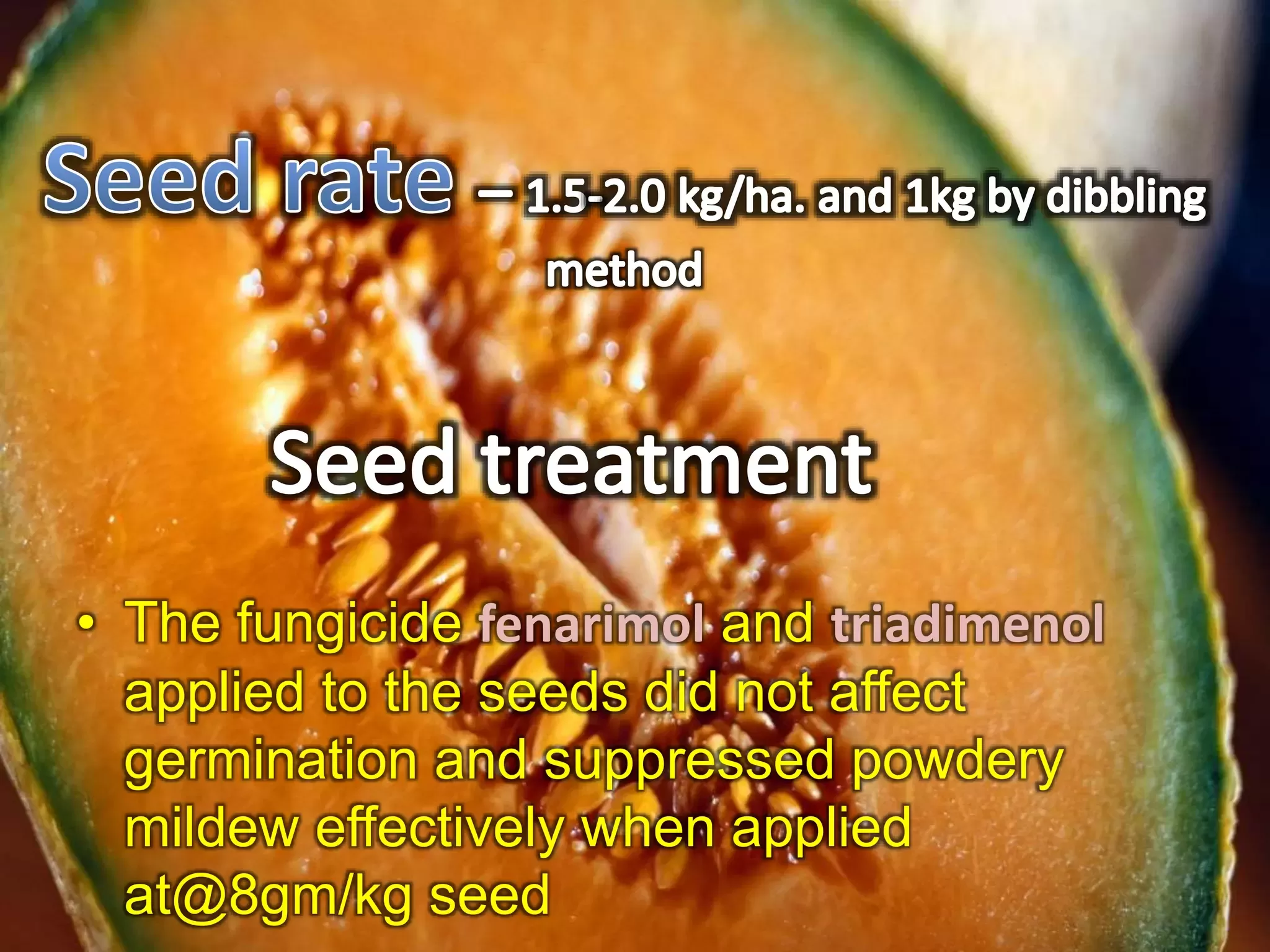
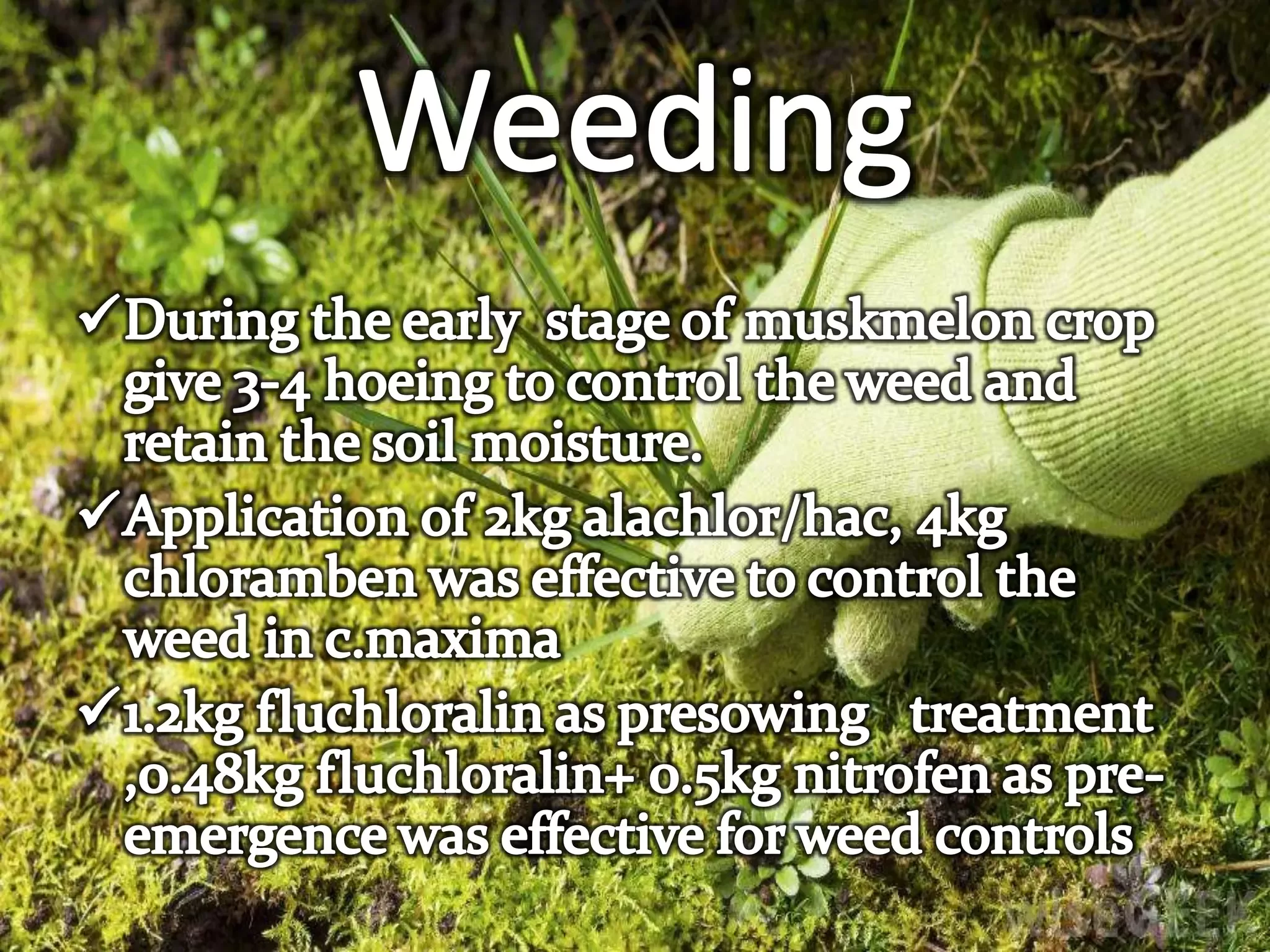
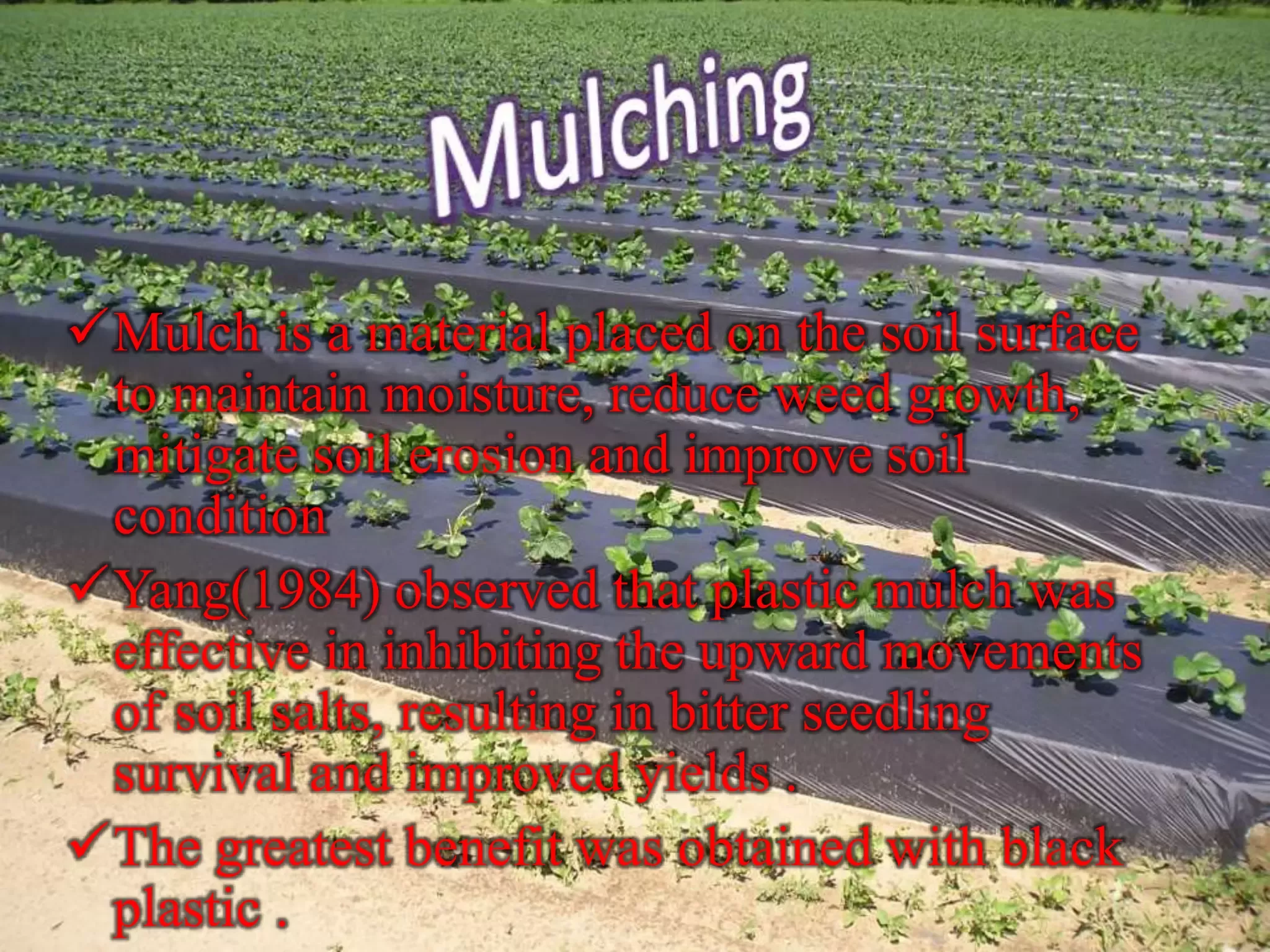
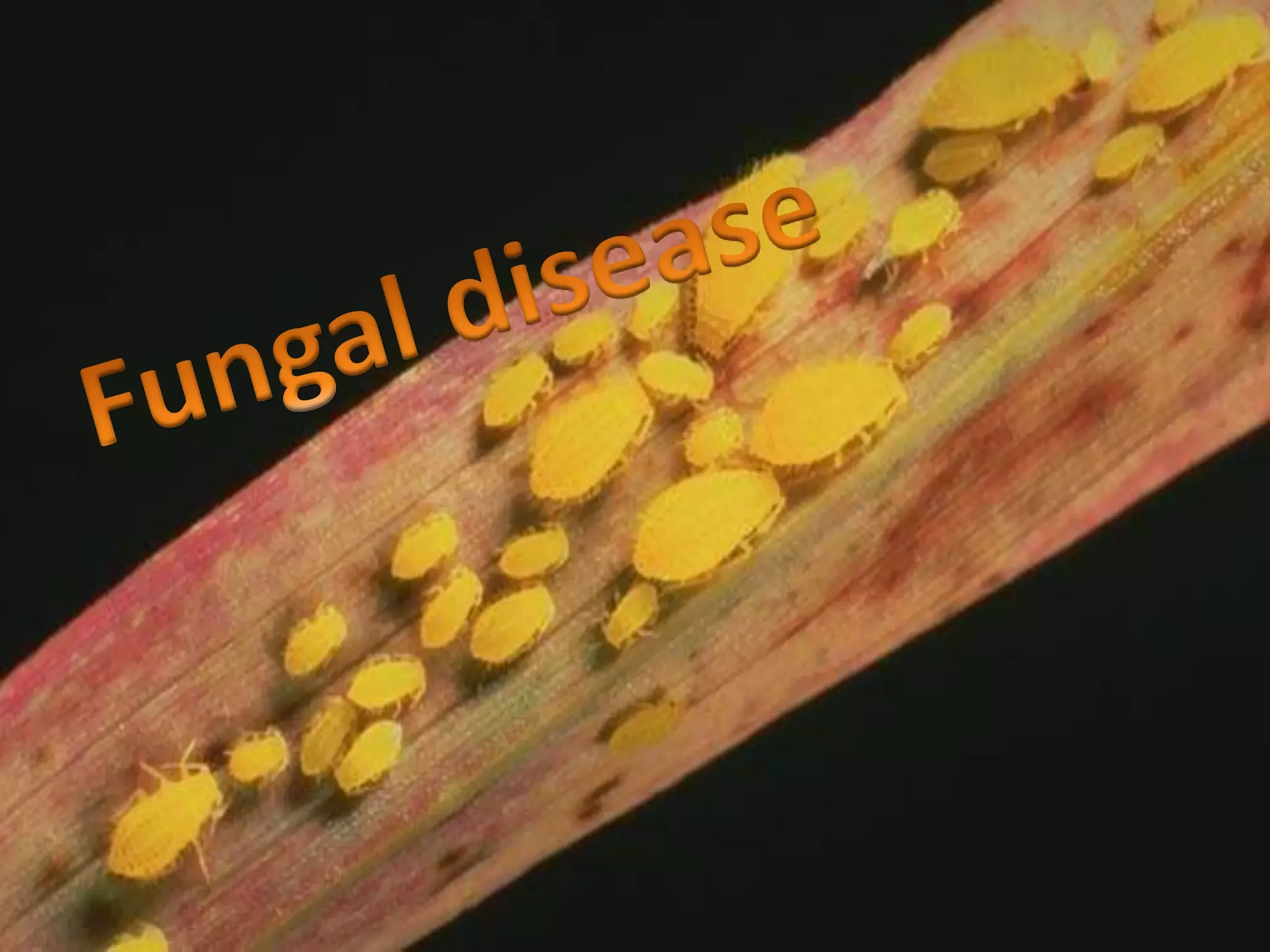
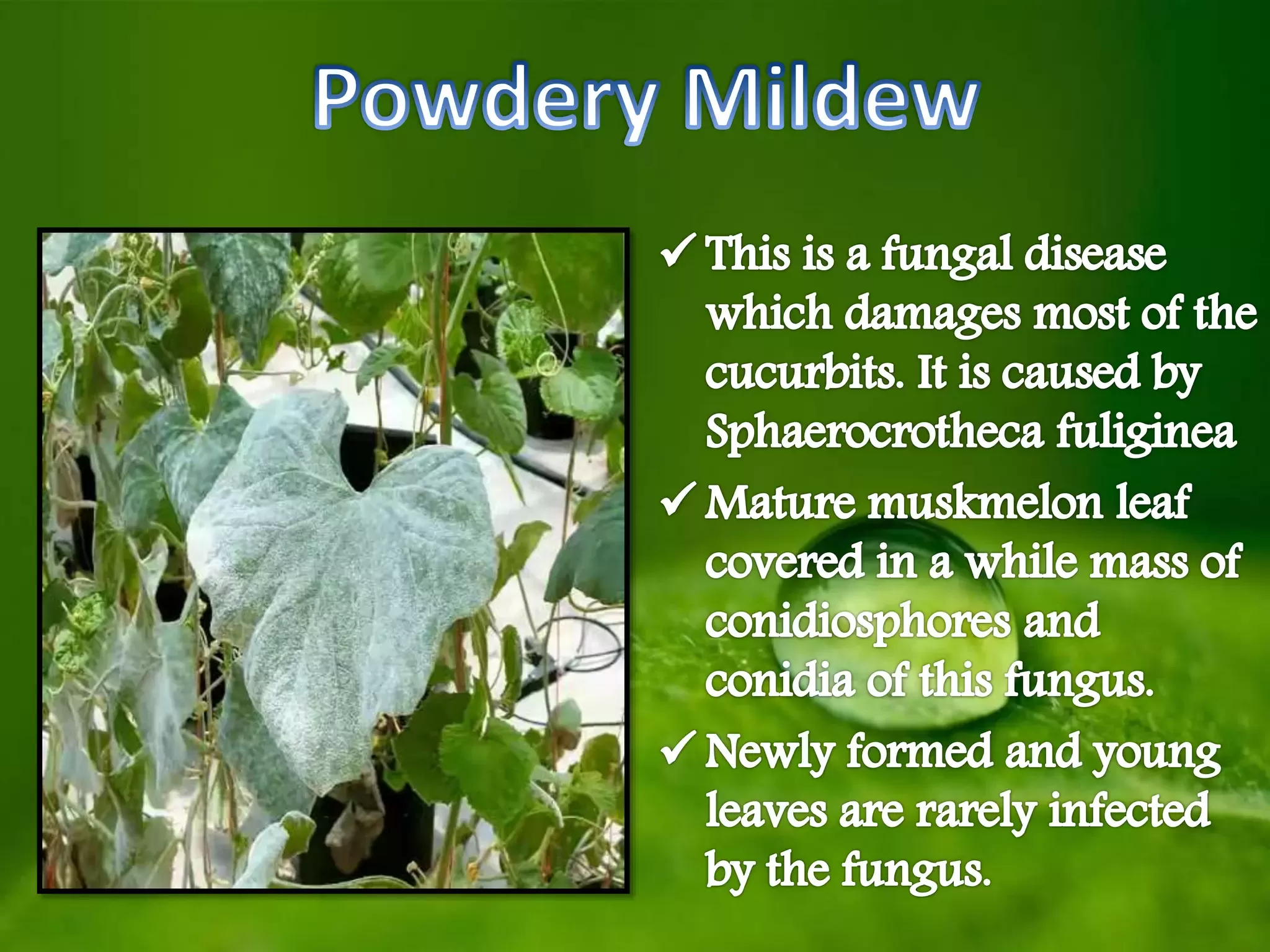
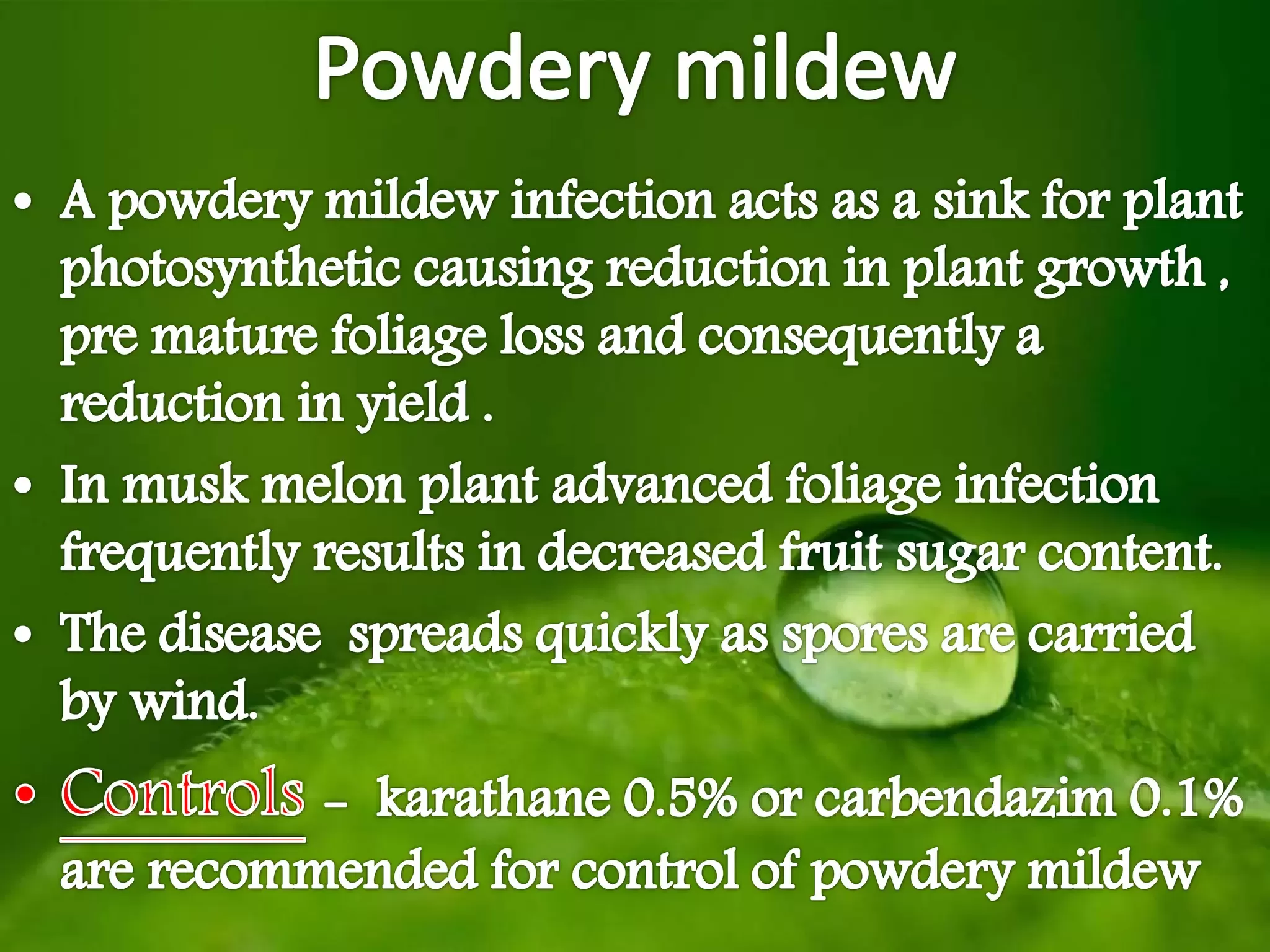
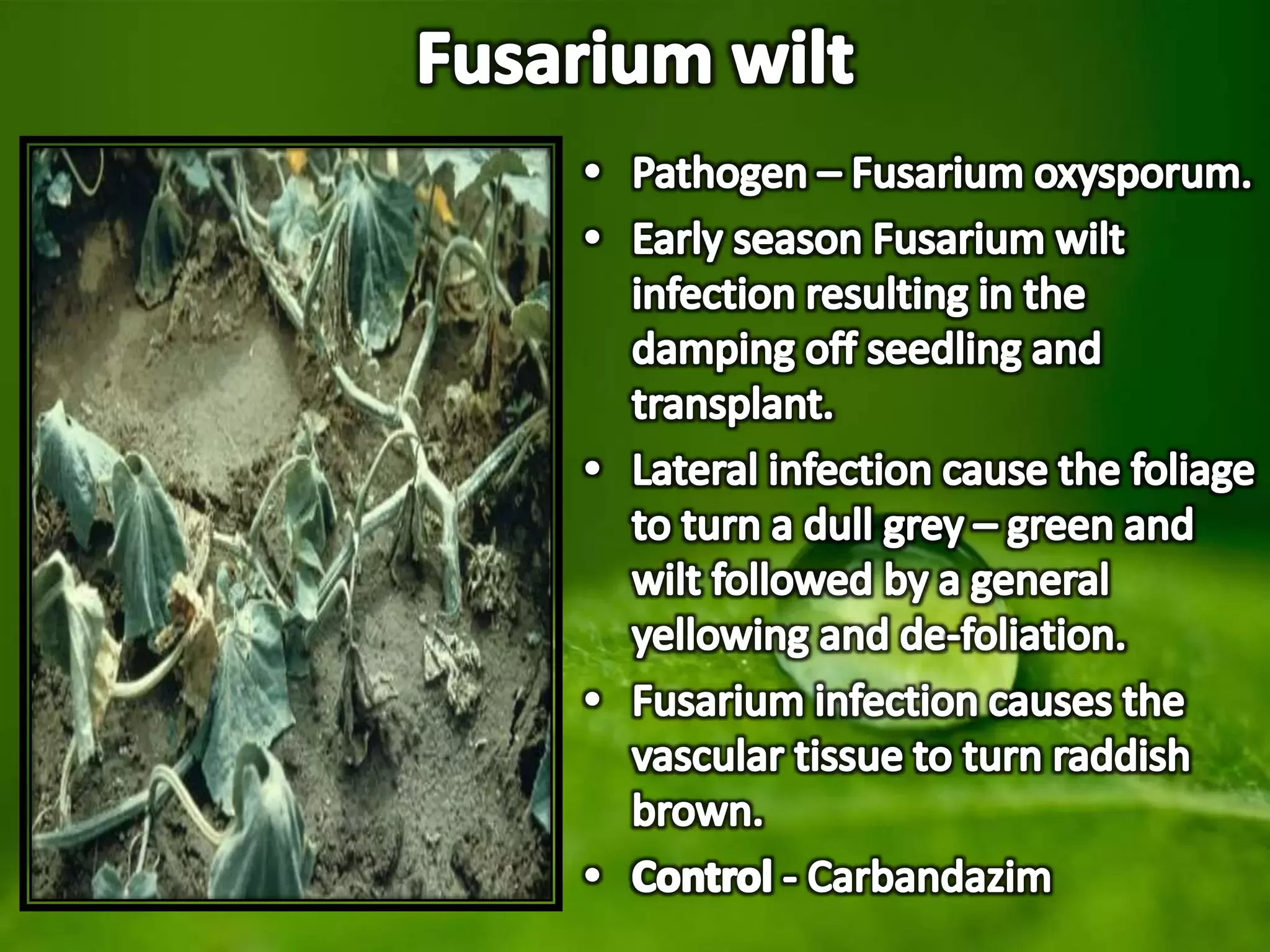
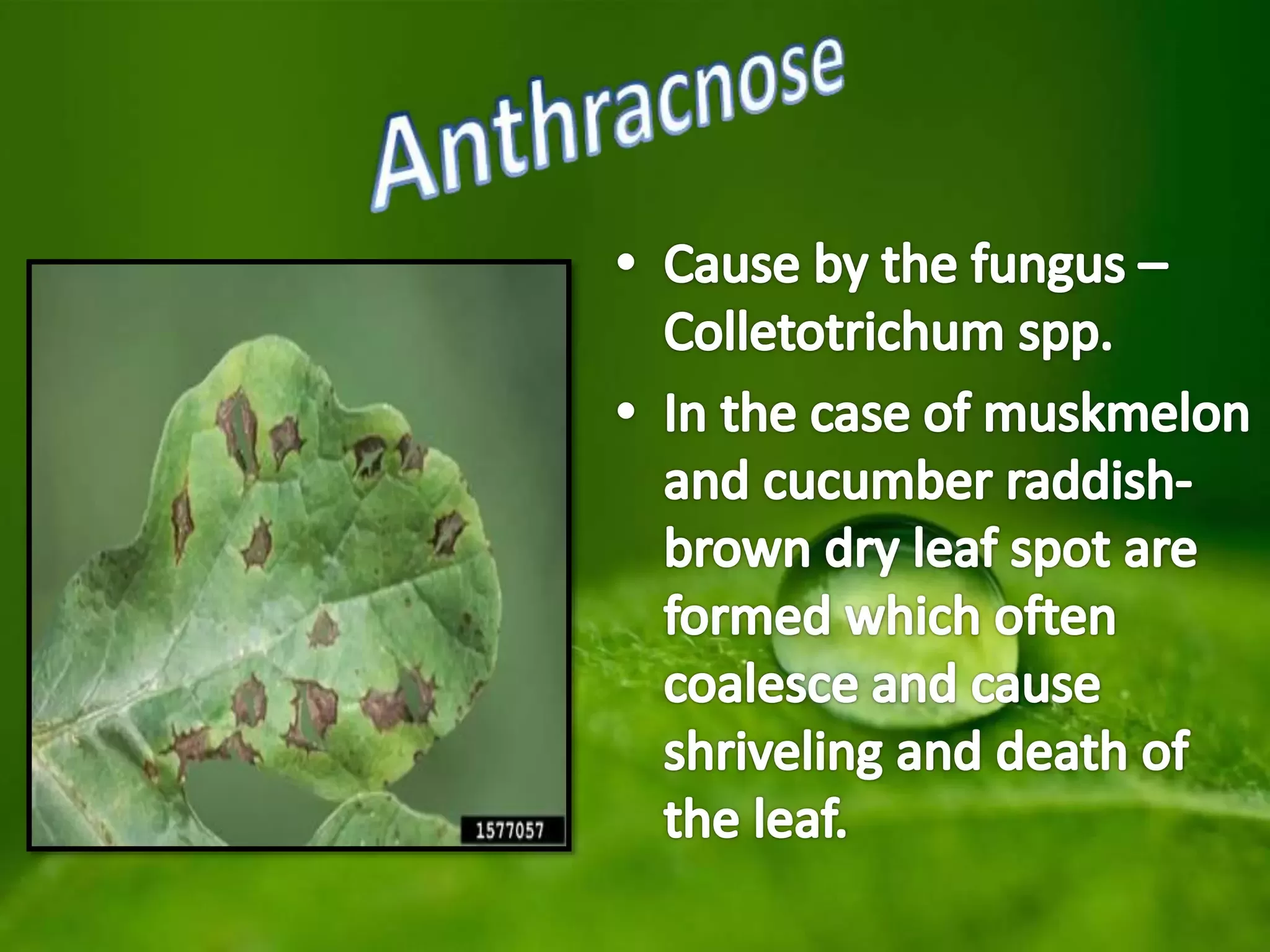
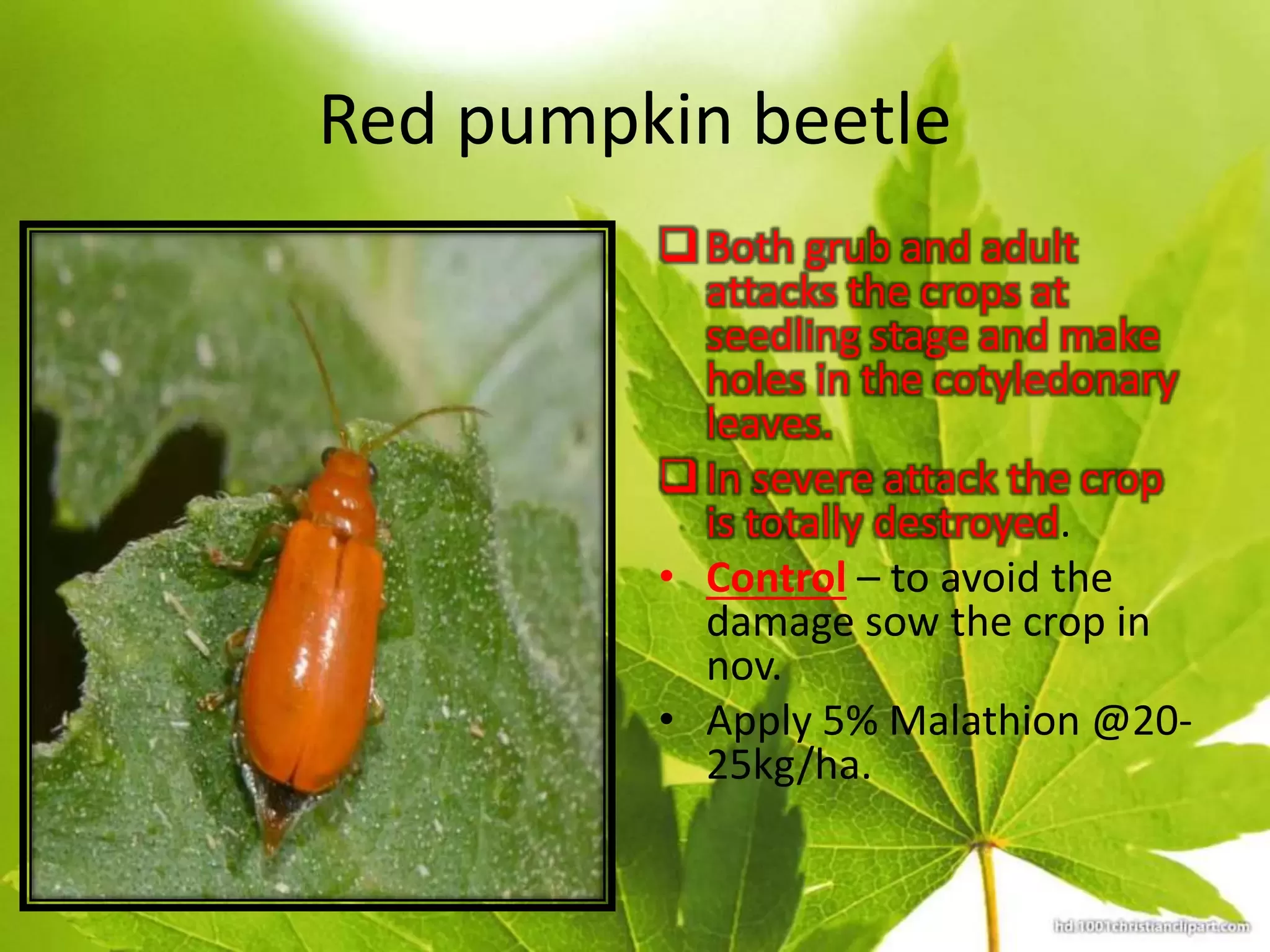
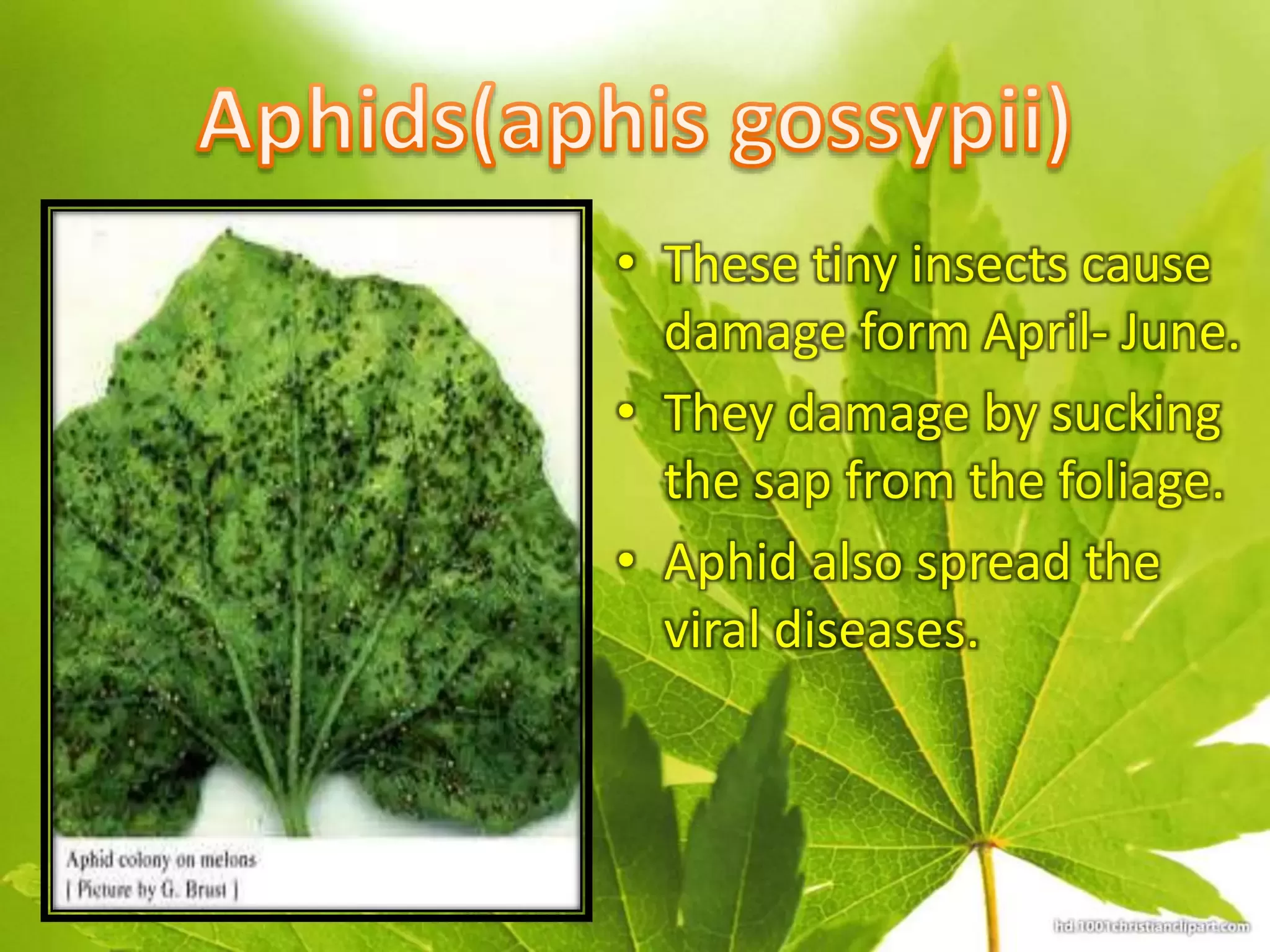
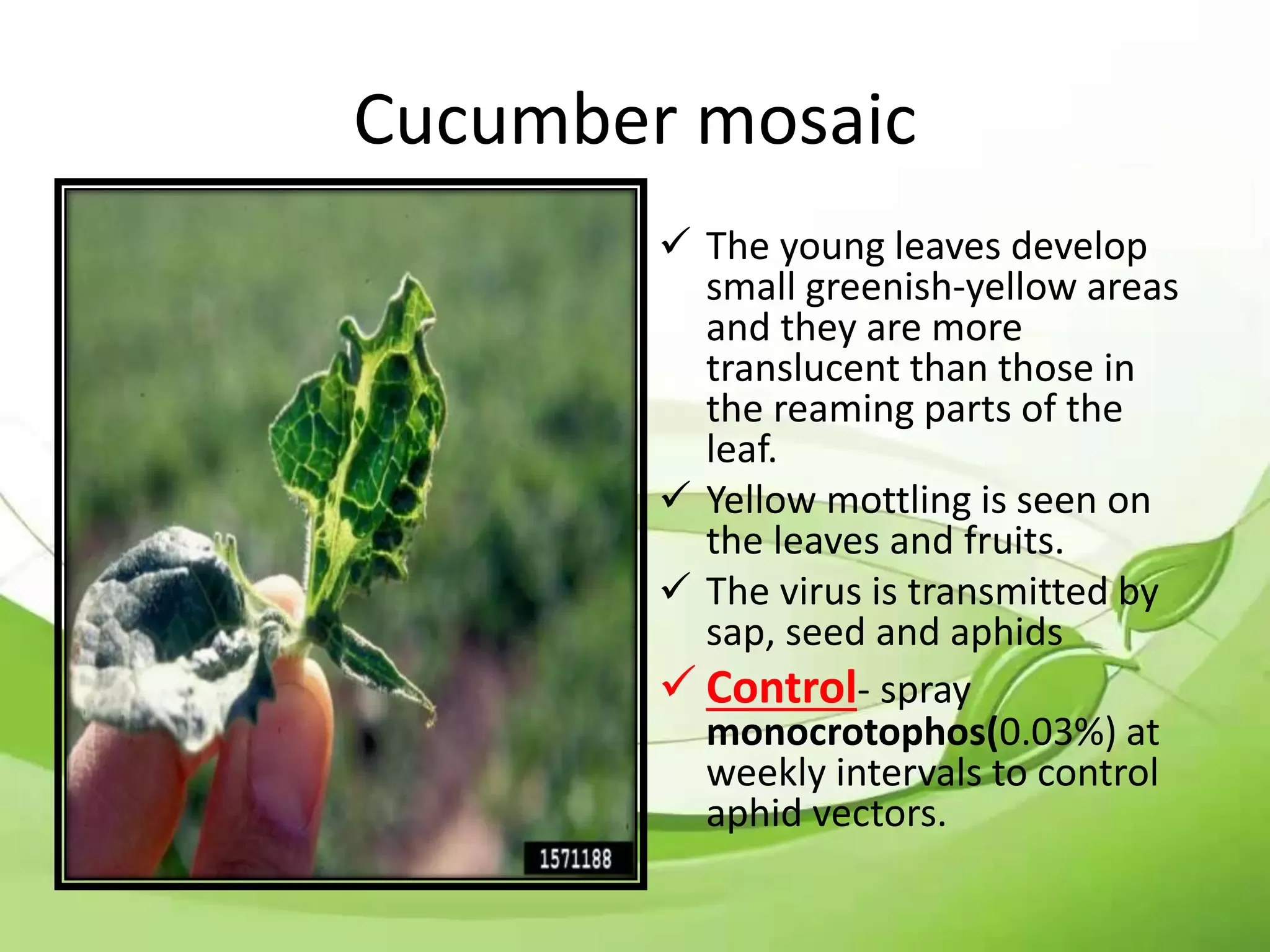
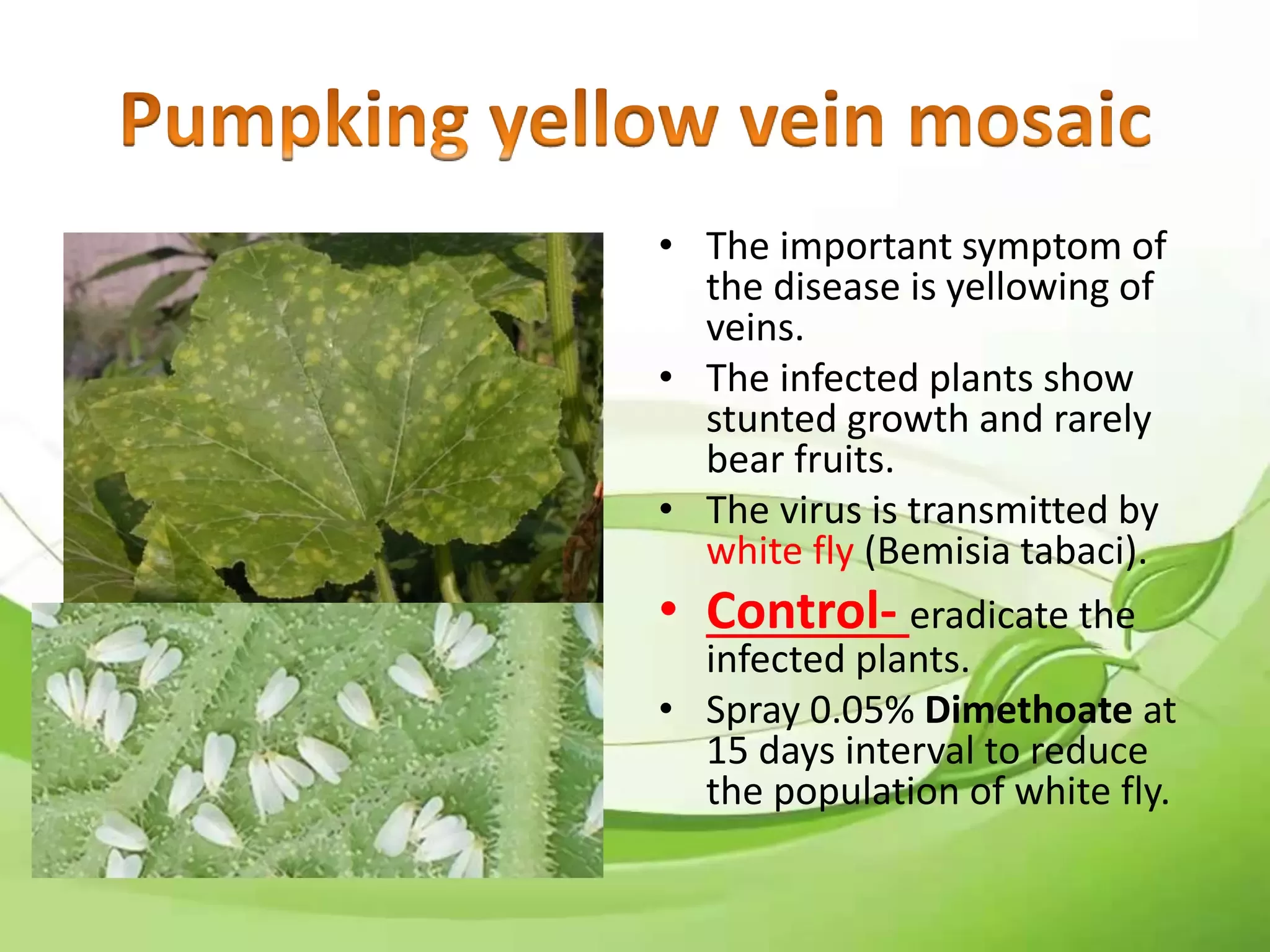
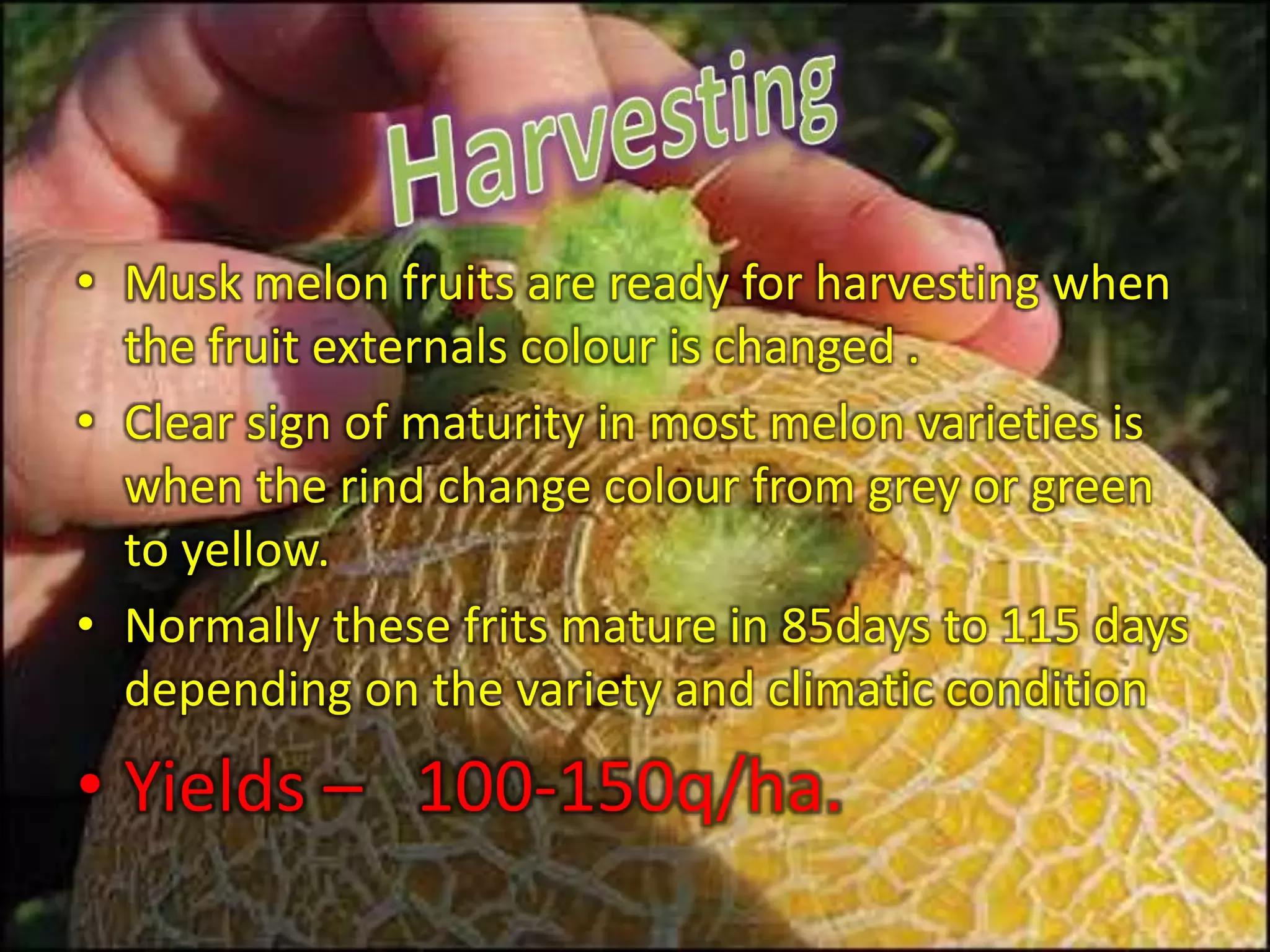
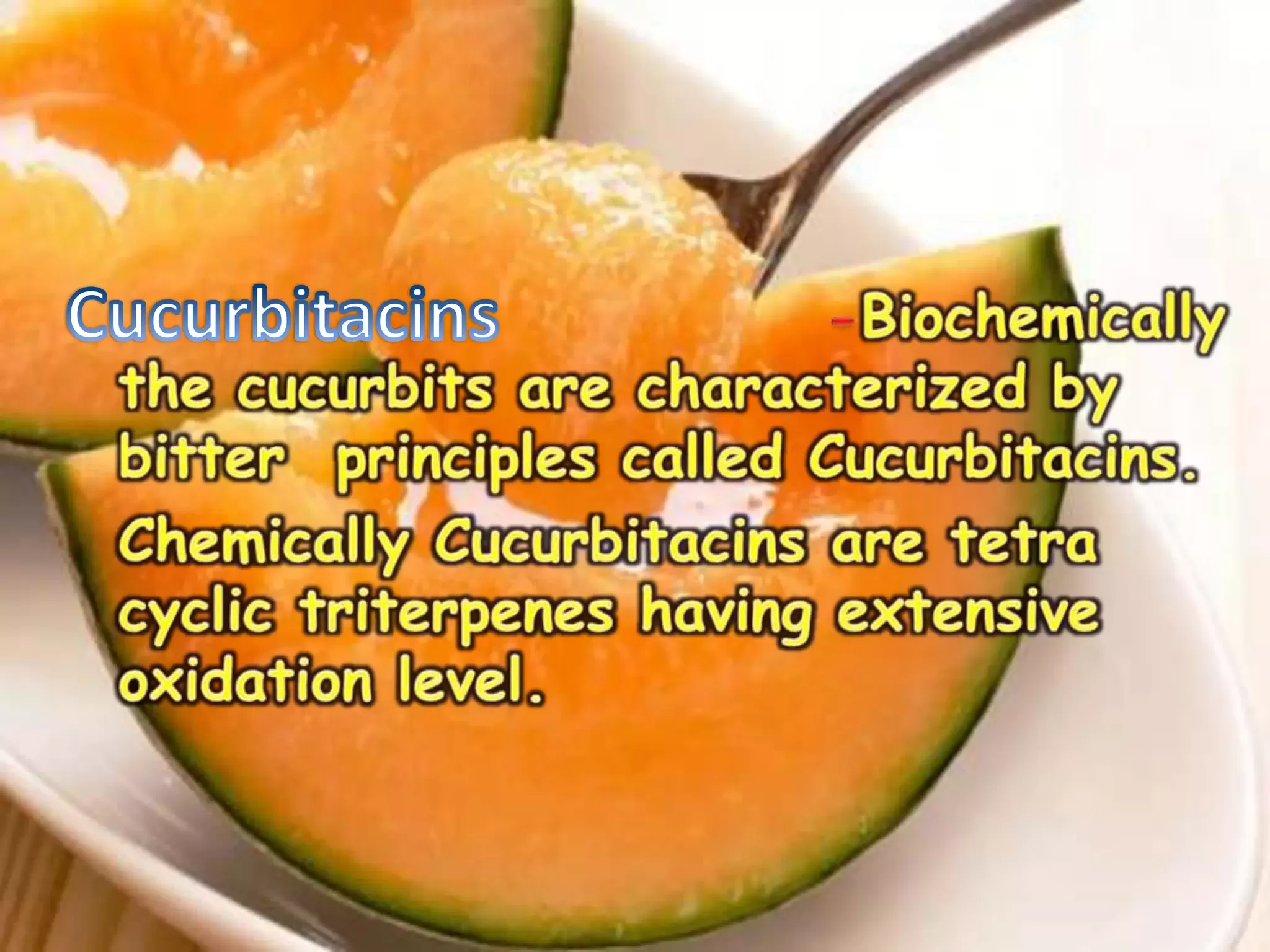
Muskmelon, also known as cantaloupe, is a significant agricultural crop widely cultivated across India, primarily cherished as a dessert fruit. While it is occasionally consumed in its raw state, its use as a cooked vegetable is rare. Muskmelon plants are monoecious, meaning they possess both male and female flowers on the same plant, which aids in their pollination. Notably, these plants do not hybridize with other cucurbits like watermelon and pumpkin but allow for intercrossing among different muskmelon varieties. This genetic diversity often leads to improved fruit characteristics, particularly through a process known as metaxenia, where pollen grains from one variety can affect the taste and quality of the resulting fruit. Among the various cultivars, early varieties like Durgapura Madhu are noted for their vitamin C content and their resistance to Fusarium wilt, while Arka Jeet is recognized for its exceptional sweetness and flavor. Other notable cultivars include Pusa Rasraj, Hara Madhu, Arka Rajhans, and various hybrids like Punjab Sunhari and DMDR-2. This diversity allows for cultivation adaptability across different climatic conditions and market demands. Muskmelon thrives best in well-drained sandy and sandy-loam soils typically found in river valleys. The optimal soil pH for cucurbits ranges between 6 and 7, with muskmelons showing slight tolerance to acidity. Soil temperature plays a crucial role, with an ideal range of 18-24°C for growth. Conditions of warm weather are imperative for achieving high sweetness levels in the fruit, and drought during fruit development can contribute positively to fruit quality. Pest and disease management is essential in muskmelon cultivation. Fungal diseases like powdery mildew can significantly affect yield and quality, but effective management can be achieved through the use of seed treatment fungicides such as fenarimol and triadimenol. Additionally, proper agronomic practices such as mulching can help conserve moisture and suppress weed growth. Researchers have found that black plastic mulch can enhance yield by preventing soil salinity from affecting seedling growth. However, muskmelon crops face threats from various pests, including the red pumpkin beetle and aphids that can damage seedlings and transmit viral diseases. Strategies such as crop rotation, proper timing for sowing, and specific insecticides like Malathion can mitigate these risks. Viruses such as cucumber mosaic and the yellowing disease, caused by whiteflies, may necessitate routine pesticide applications to control vector populations effectively. The harvest timing for muskmelon usually ranges from 85 to 115 days post-planting, with the best indicator of ripeness being a change in the external color of the fruit from green to yellow. Optimal yields of muskmelon can reach between 100-150 quintals per hectare, depending on variety and environmental conditions. In summary, successful muskmelon cultivation requires an understanding of its unique floral characteristics, regional soil and climatic conditions, diligent pest management, and proper harvesting techniques to maximize yield and fruit quality.
Slide 1

Slide 1

Slide 2

Slide 2

Slide 3

Slide 3

Slide 4

Slide 4

Slide 5

Slide 5

Slide 6

Slide 6

Slide 7

Slide 7

Slide 8

Slide 8

Slide 9

Slide 9

Slide 10

Slide 10

Slide 11

Slide 11

Slide 12

Slide 12

Slide 13

Slide 13

Slide 14

Slide 14

Slide 15

Slide 15

Slide 16

Slide 16

Slide 17

Slide 17

Slide 18

Slide 18

Slide 19

Slide 19

Slide 20

Slide 20

Slide 21

Slide 21

Slide 22

Slide 22

Slide 23

Slide 23

Slide 24

Slide 24

Slide 25

Slide 25

Slide 26

Slide 26

Slide 27

Slide 27

Slide 28

Slide 28

Slide 29

Slide 29

Slide 30

Slide 30

Slide 31

Slide 31

Slide 32

Slide 32

Slide 33

Slide 33
1 / 33